
-OpEd-
HAMBURG — Quite nice, these signs on the side of the highway with the big smiley faces. Just 10 kilometers of construction left! And since we’re already crawling along: It’s strange how many gasoline-powered cars are still on the road.
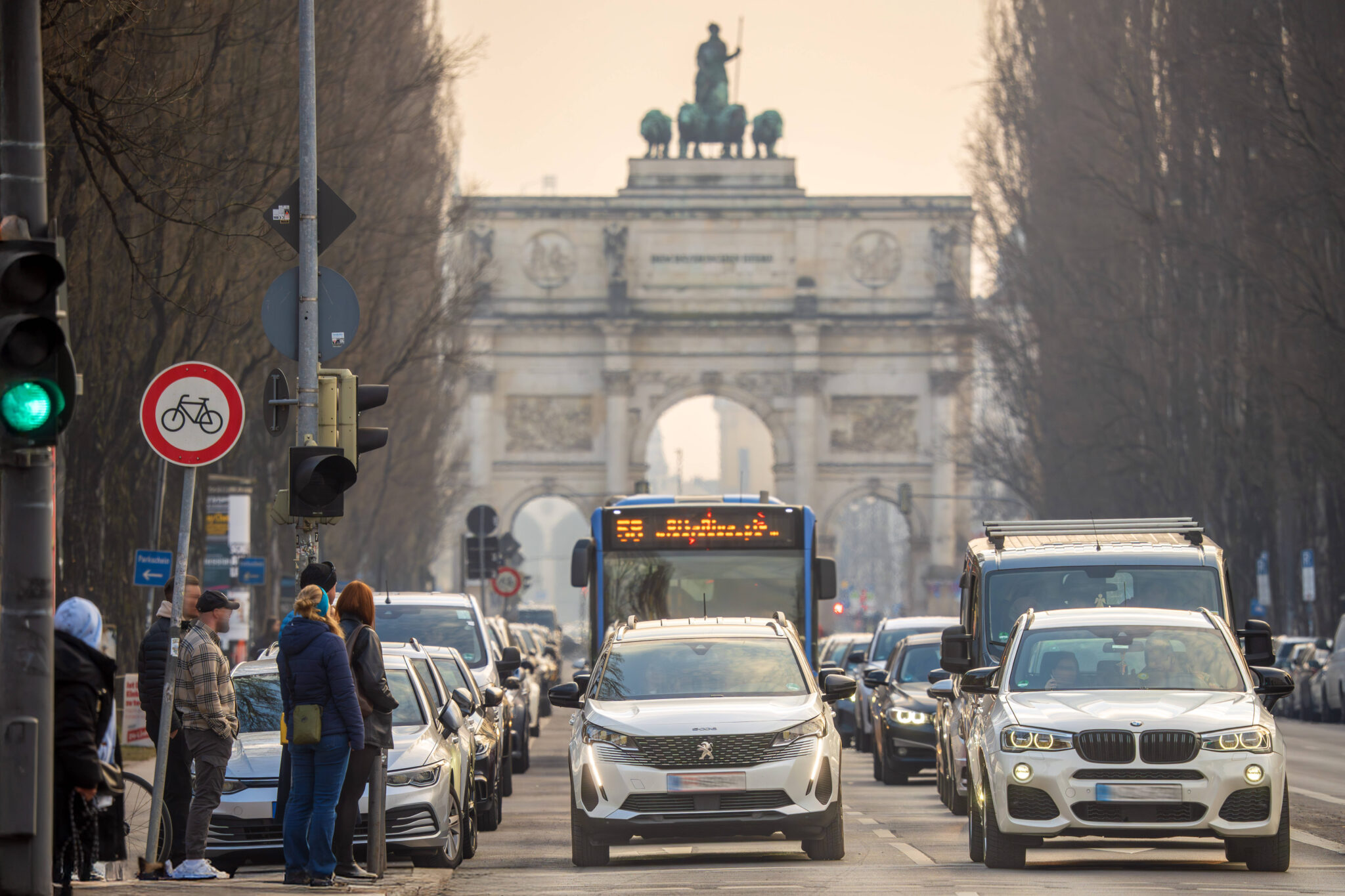
Anyone in Germany setting off on summer vacation by car, whether to the Baltic Sea or Lake Garda, will likely have plenty of time to reflect, thanks to the endless construction traffic. And it’s not going to get any better. Of course, that’s due to people like us who cause traffic. But it’s also because the German government seems to follow a strikingly simple motto: When it comes to cars, the car industry and traffic, everything should stay the way it always has been — only more of everything. Germany, the classic car country. A country that is dangerous stalled.
Previous governments also failed to lay out a better mobility future. But at least politicians across the board used to call for what car executives once promised: cleaner vehicles and a better mix of modes of transportation, keeping cars out of city centers — “The Transport Revolution.” Not long ago, car bosses wouldn’t have opposed a speed limit of 130 km/h speed limit (major German highways notoriously have no speed limit).
Now, the topic isn’t even on the table anymore. On the contrary, everything that used to sound forward-thinking is now seen as outdated.
Old myths
German Chancellor Friedrich Merz wants to cling to the old myth that helped build the country post-war: the car industry and its iconic product, yesterday’s motor vehicle. Billions from a special fund are now being poured into expanding the infrastructure, especially the world-famous German Autobahn. Just 13,000 kilometers of it? Surely that can be improved. The commuter tax allowance, already so high that it makes car alternatives unappealing, is being raised. And of course, company cars will continue to receive tax breaks.
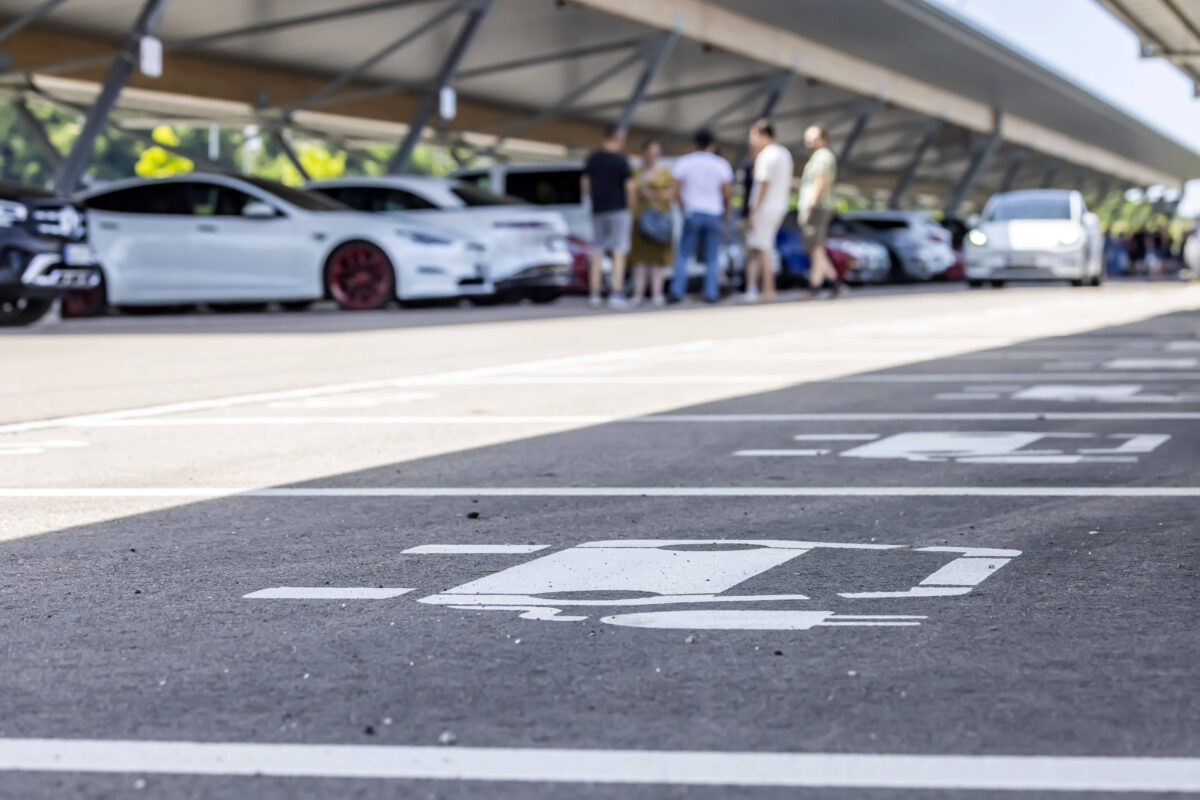
The electric car is still treated as a second-class car. The government rejects quotas for electric vehicles, preferring to let companies decide everything on their own terms. In the ongoing trade dispute, Merz even allowed German carmakers to try cutting their own deal with the U.S. — at the expense of the European Union, whose strength lies in unity.
This government’s nostalgic attachment to combustion engines won’t protect prosperity either.
Merz and his deputy, Lars Klingbeil, hope to restore calm by halting the shift underway. But their industrial and transport policies won’t fix the mess on the roads. What they will do is undermine climate goals. This government’s nostalgic attachment to combustion engines won’t protect prosperity either. Other countries now build excellent cars, often more cheaply, especially China. And by the way, they’ve mastered combustion engines, too.
Naturally, Germany shouldn’t carelessly abandon what it does best. But anyone who wants to keep the myth alive needs to actively support change.
The future is electric
The future will be electric, simply because it will be more affordable. Instead of dodging this reality and working around European quota rules, the government should finally ensure there’s enough green electricity.
Incidentally, that’s exactly what will be needed in large quantities if Merz’s center-right CDU/CSU alliance and some car executives get their wish: combustion engines running on synthetic fuels. It sounds great. Except the energy efficiency is poor. With the same amount of energy, electric vehicles can travel 500 kilometers or more, compared to just 100 kilometers on synthetic fuels. Pushing this fuel as a serious alternative only confuses and unsettles customers — not to mention employees and voters.
Germany will never again dominate the world through industrial know-how or bending metal alone.
And anyone hoping to keep the myth alive must also face the facts: Germany will never again dominate the world through industrial know-how or bending metal alone. The future lies in digital innovation, in cars and in society. In tomorrow’s car, the software will be more complex than the engine.