
-Analysis-
PARIS — There is widespread dismay. All signs from Algiers seemed positive just hours before Christophe Gleizes’ appeal trial, the French journalist detained in Algeria. And yet the verdict came down Wednesday night, merciless: seven years in prison, confirming the same sentence as in the first hearing.
After the release last month of Algerian-French writer Boualem Sansal, Paris and Algiers seemed to be on the path to détente after a long period of icy relations. Gleizes’ release seemed likely to follow Sansal’s; the two state hostages were to be freed in order to restart high-level political contacts between French Interior Minister Laurent Nunez and the two presidents, Emmanuel Macron and Abdelmajid Tebboune.
Hopes were all the higher because the trial was conducted according to the rules, with the journalist’s two lawyers, one Algerian and one French, each given an hour to plead their case. Emmanuel Daoud, who had come from Paris, was even allowed to plead in French rather than Arabic, as is normally required. They were able to amply demonstrate that the case was hollow, with the journalist admitting to only one offense: entering the country on a tourist visa, which is hardly grounds for labeling him a terrorist.
Double-dealing or power struggle?
So what happened to make the verdict so harsh, leaving Gleizes, his family, his friends, and even the French authorities in shock? Was it double-dealing or a power struggle within the Algerian government? The lack of transparency in the Algerian system means we can only speculate.
This slap in the face puts the French government in an awkward position. After Sansal’s release, several ministers praised the diplomatic route to achieving results, rather than the more “muscular” approach advocated by Bruno Retailleau when he was France’s interior minister. Diplomacy has hit a new wall.
It is up to the state services to understand what happened before deciding on the future of relations with Algiers. There are still too many unknown factors, such as what France might expect in return from Algeria.
Ultimately, Gleizes’ future is in the hands of Tebboune and Macron.
In any case, it is difficult to pretend that nothing has happened: this new obstacle standing in the way of normalization will undoubtedly have to be addressed at the highest level on both sides of the Mediterranean in order to be overcome.
Sporting chance
And what happens now? Within the next eight days, Gleizes and his lawyers will have to decide whether to appeal to the Court of Cassation or to seek a presidential pardon, as in Sansal’s case. Until now, they had followed the formal Algerian legal process, hoping that the appeal would put an end to the ordeal. How much confidence can they have in the outcome of a totally politicized legal process?
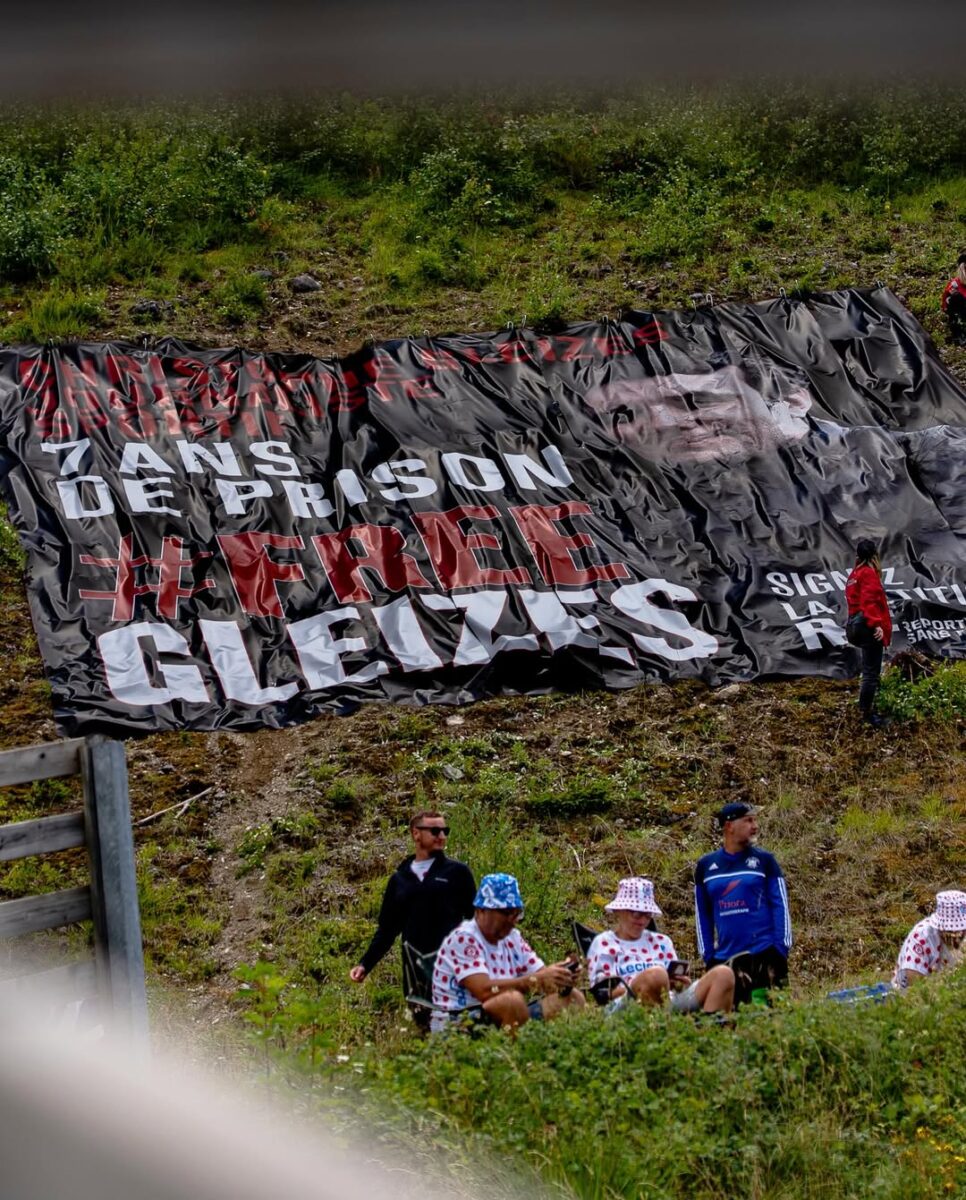
What will also happen is that a campaign of solidarity with the sports journalist, who is passionate about soccer and knowledgeable about Algerian soccer, will gain momentum in France. Several personalities from the world of sports and soccer clubs have already expressed their support for Gleizes and are expected to mobilize in the coming days.
But ultimately, Gleizes’ future is in the hands of two presidents, Tebboune and Macron. It is up to them to put an end, as quickly as possible, to the persecution of a journalist who has no place in any Algerian prison.