… and it runs much deeper than Benjamin Netanyahu’s new government.
 Worldcrunch
… and it runs much deeper than Benjamin Netanyahu’s new government.
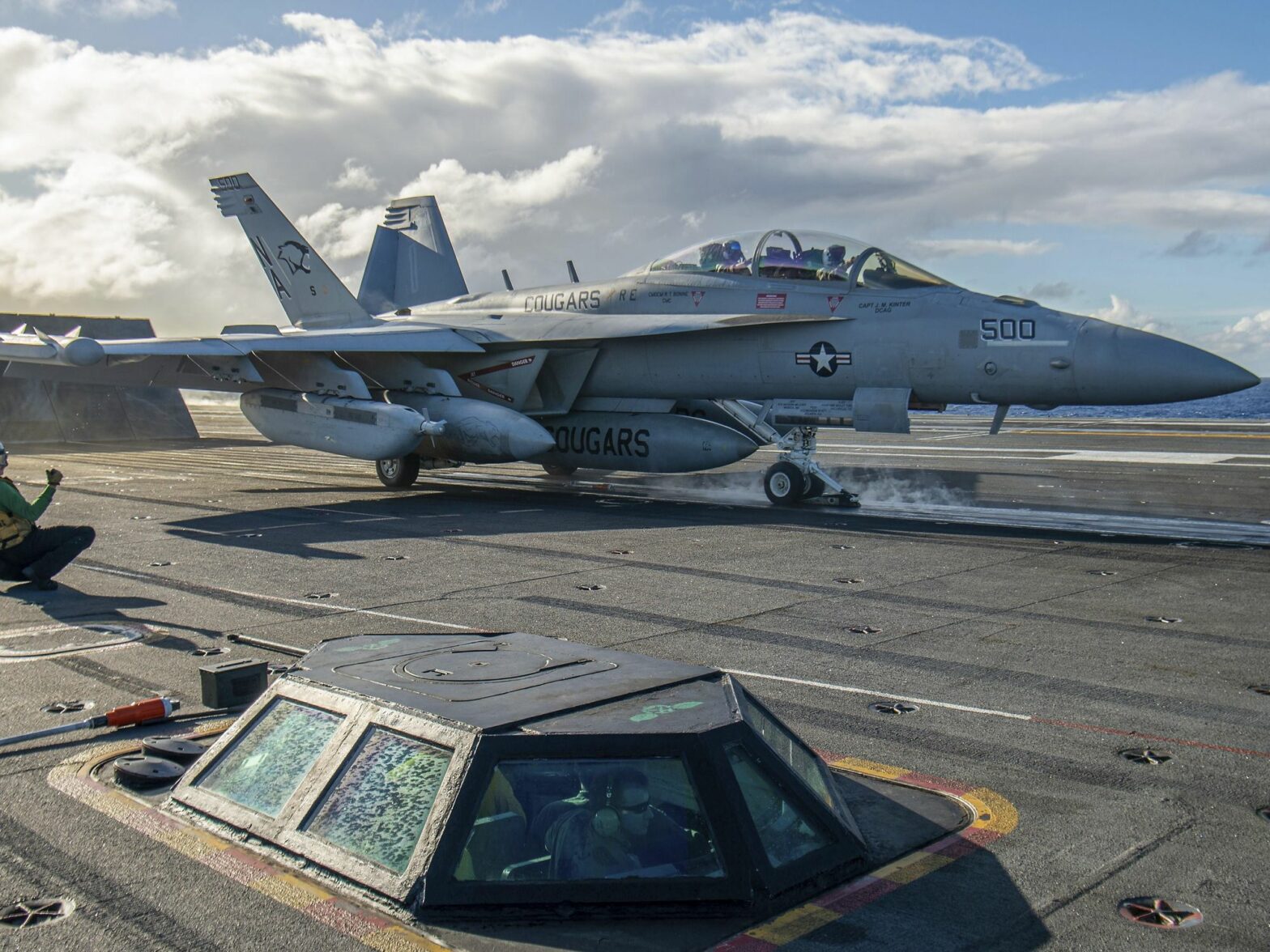
After Germany and the U.S. finally approved sending heavy combat tanks, Kyiv now eyes fighter jets. Who could ask them to do otherwise? And does the West really have a choice but ensure Russian defeat?
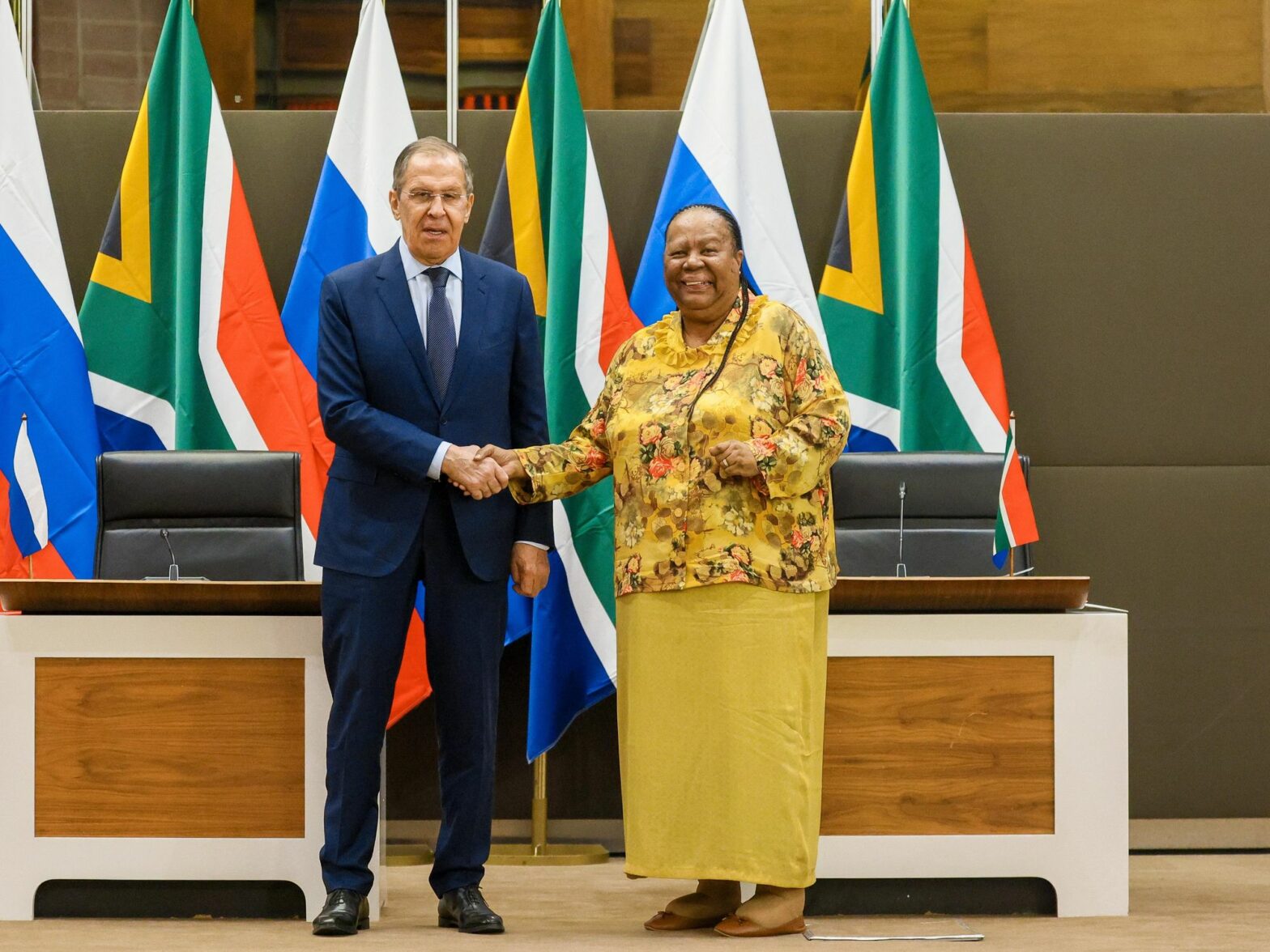
Russia’s Foreign Minister is in South Africa for the second time in a year. In spite of the West’s best efforts, Vladimir Putin’s delegation is still welcomed in large parts of Africa, which still harbors colonial resentment toward Europe.
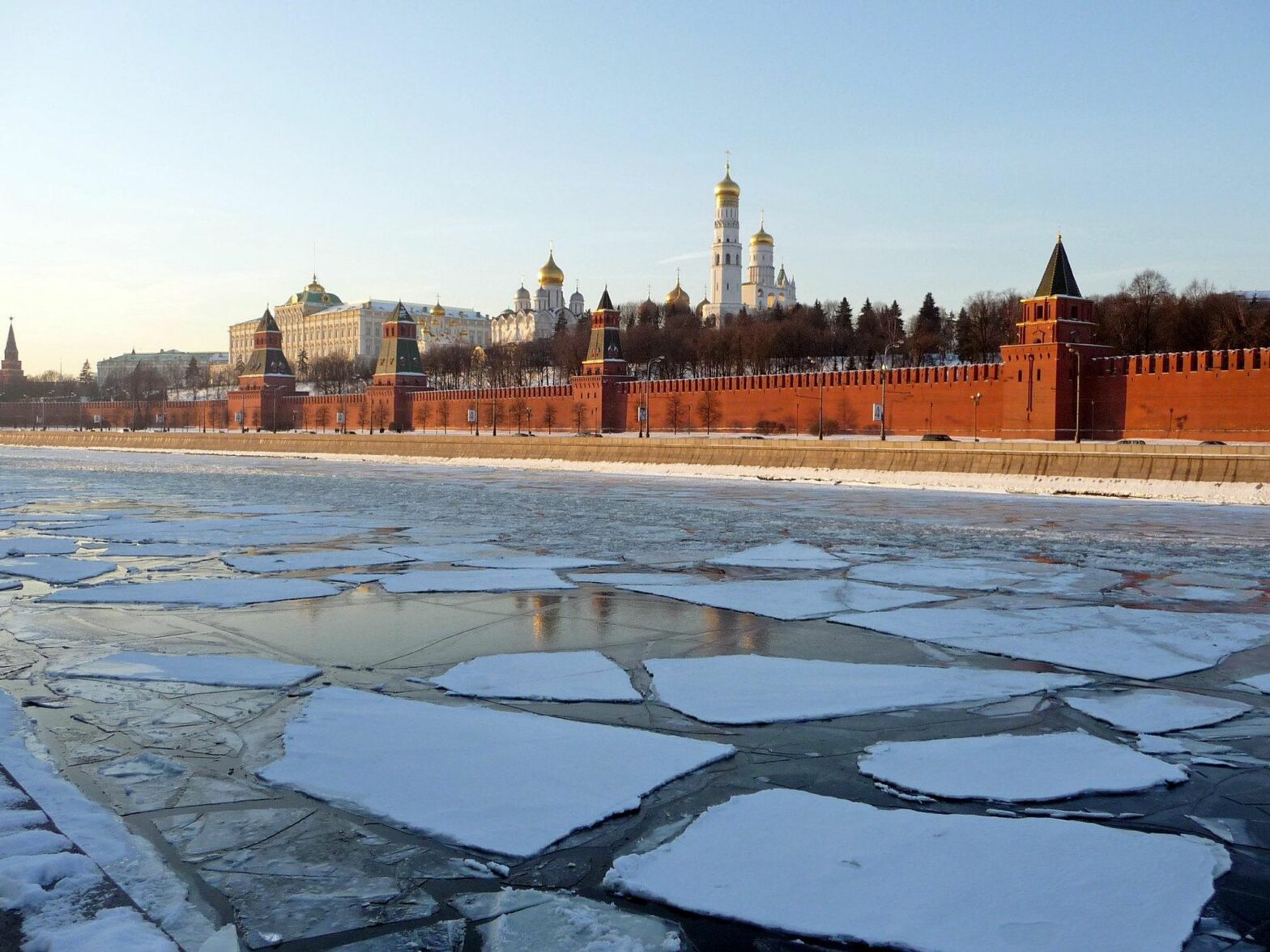
Russia is increasingly concerned about security from the sky: air defense systems have been installed on rooftops in Moscow’s government quarter. Systems have also appeared in several other places in Russia, including near Vladimir Putin’s lakeside home in Valdai. What is the Kremlin really worried about?
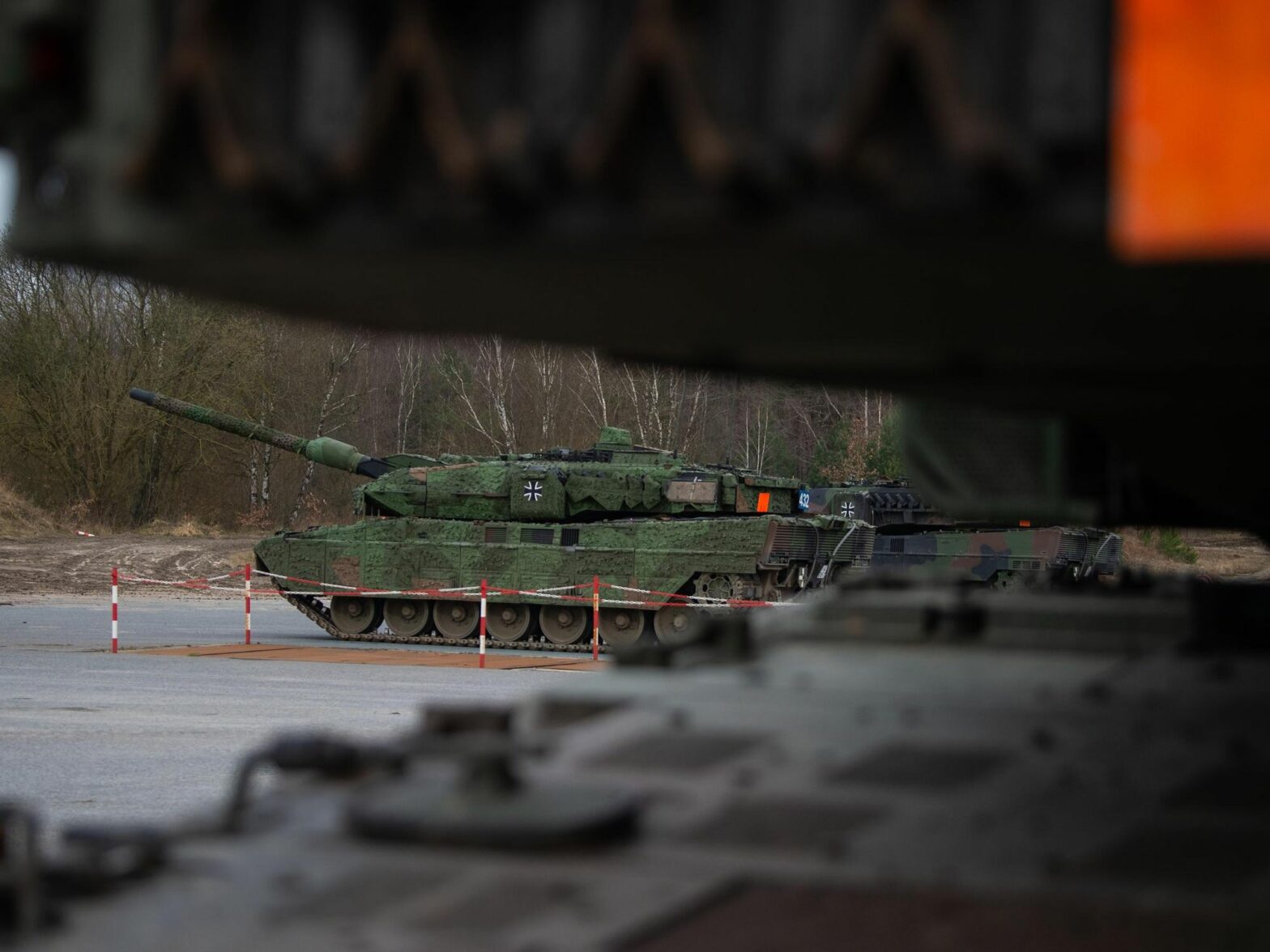
A retired German general spells out in clear language what the choice is for Chancellor Olaf Scholz, and what the long-term consequences of half-hearted support for Kyiv as it battles for survival against the Russian invasion.
Crises worldwide mean we need less nationalism and more cooperation, but the U.S., a weakened superpower, won’t accept its diminished status.
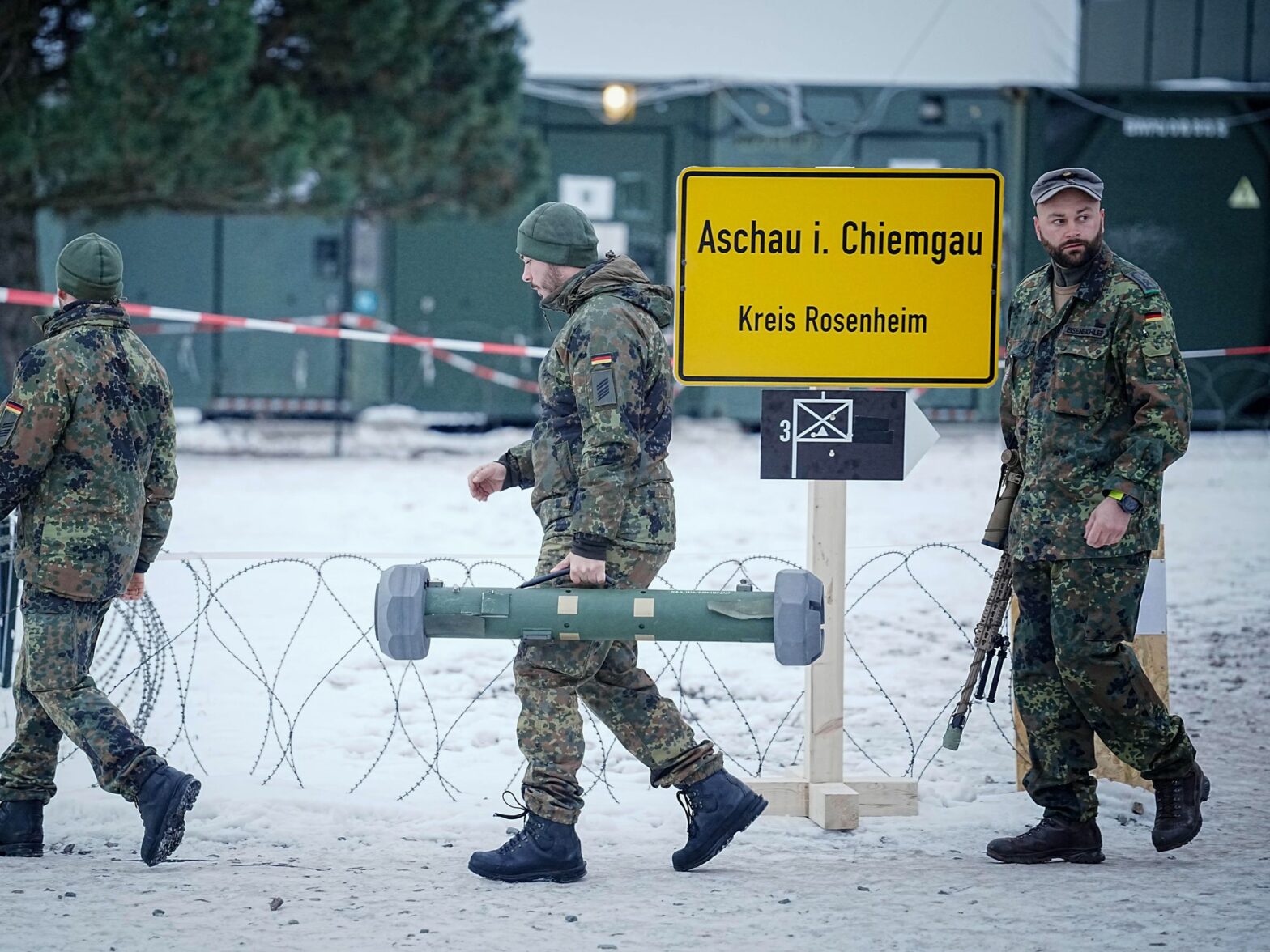
A new future is unfolding in real time, one that leaders in France, Germany and beyond could not have envisioned even a year ago.

It remains unclear whether Belarus’ strongman Alexander Lukashenko will join Russia’s invasion of Ukraine. Yet as popular support for the war remains low, many in the country are actively fighting back by sabotaging the rail network.
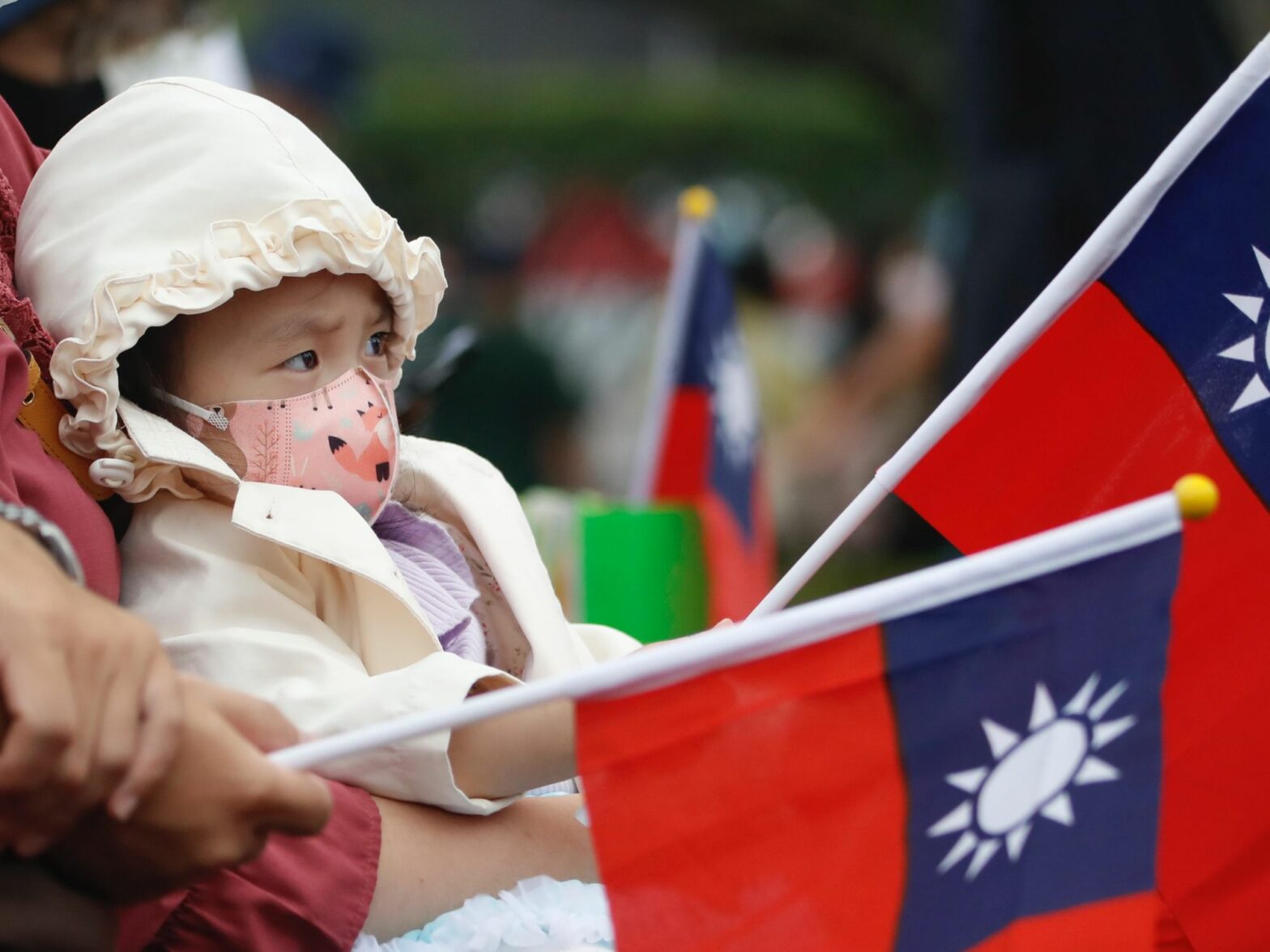
The past year has added new elements into the showdown across the Taiwan Strait, from Nancy Pelosi’s visit to the war in Ukraine to Xi jinping’s power grab. Now we may be reaching a tipping point that could lead to a military showdown, even if the question of when is still wide open.
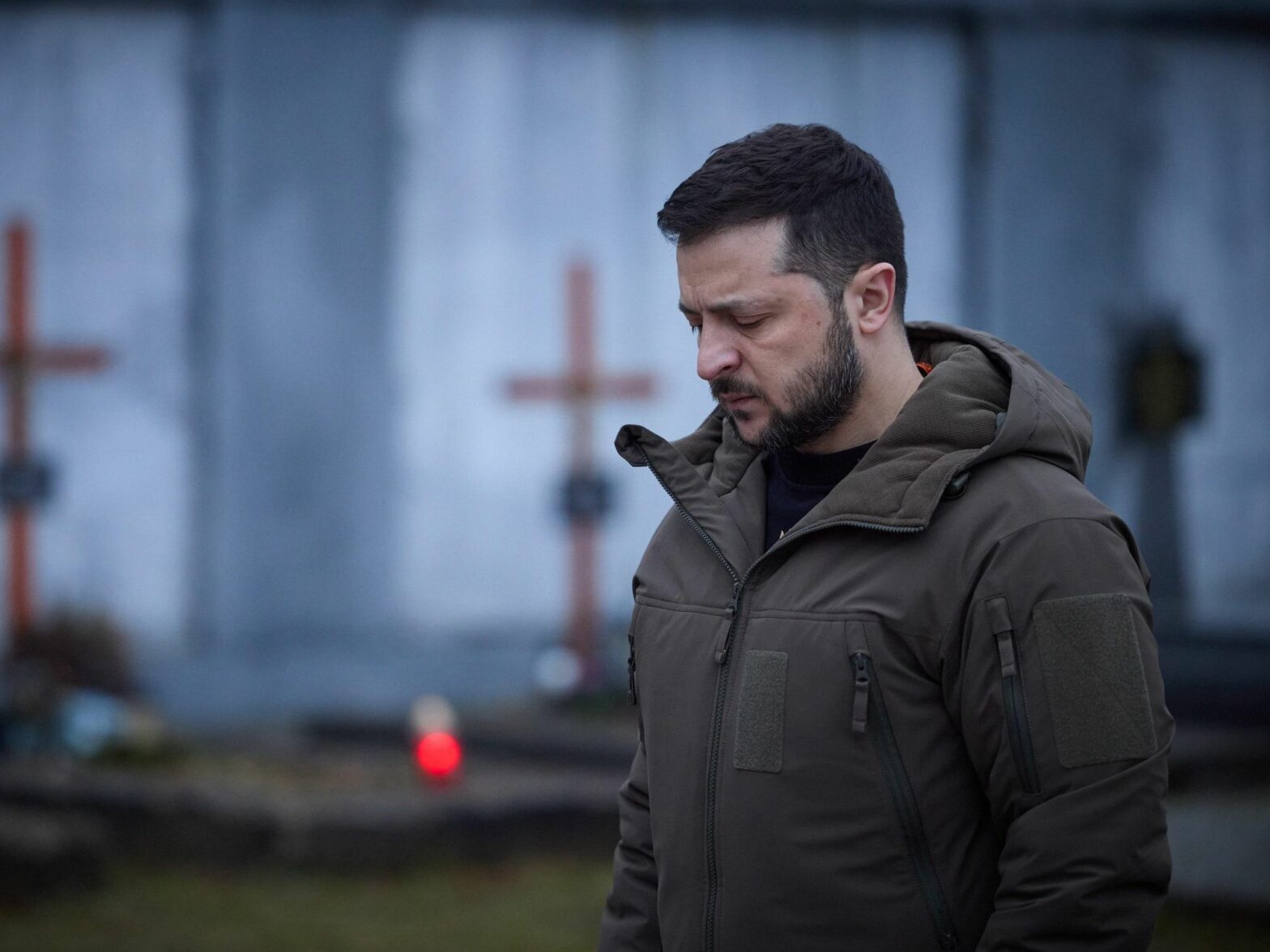
Ukraine’s Minister of Internal Affairs Denys Monastyrsky was killed Wednesday in a helicopter crash. The cause is still unknown, but the high-profile victim could just have well been President Zelensky instead. It raises the question of whether there are indispensable figures on either side in a war of this nature?
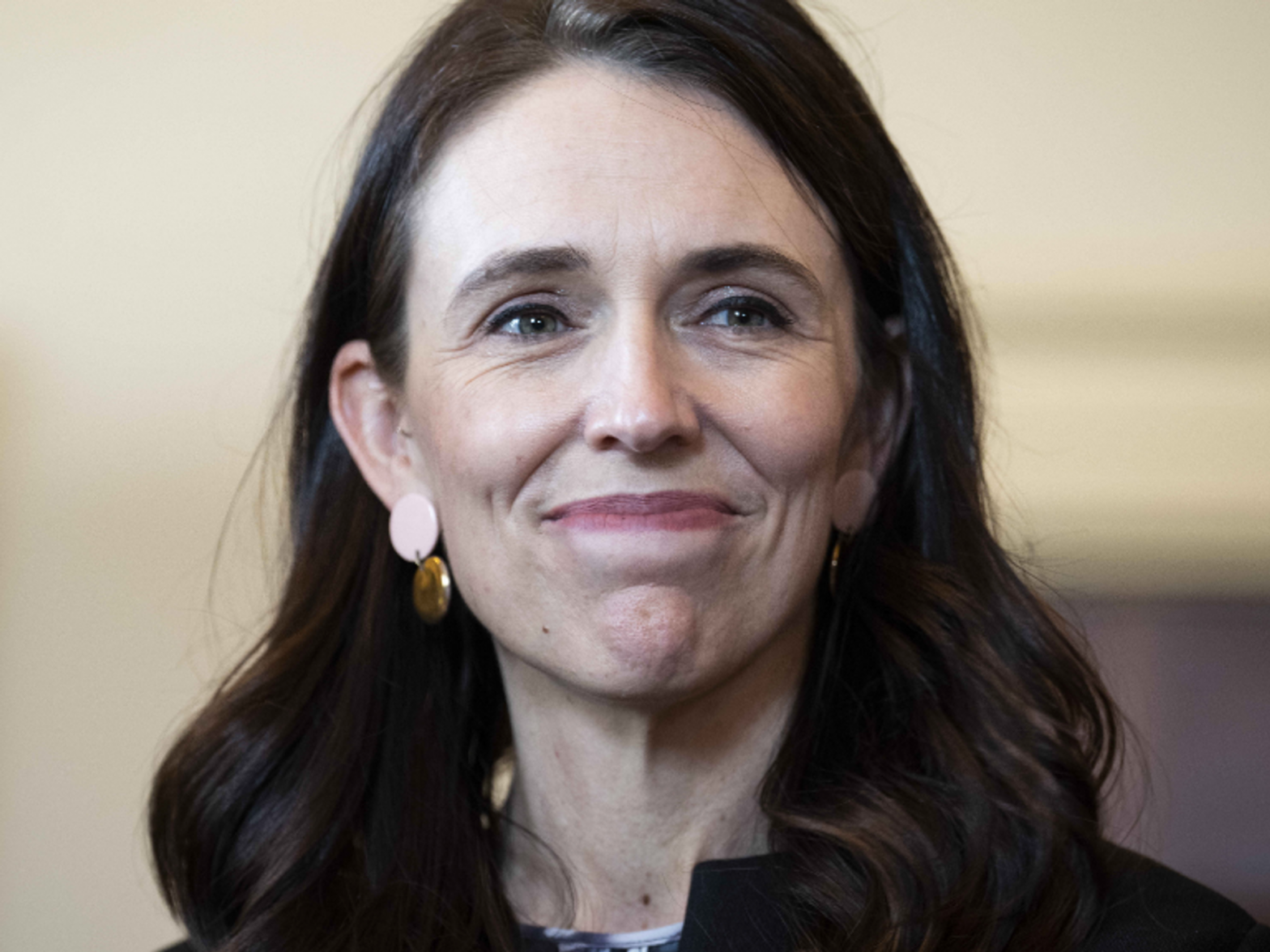
It’s rare that the Prime Minister of New Zealand becomes a globally recognized leader. But Ardern, who was the youngest female elected head of government in history, deserved all the positive attention.
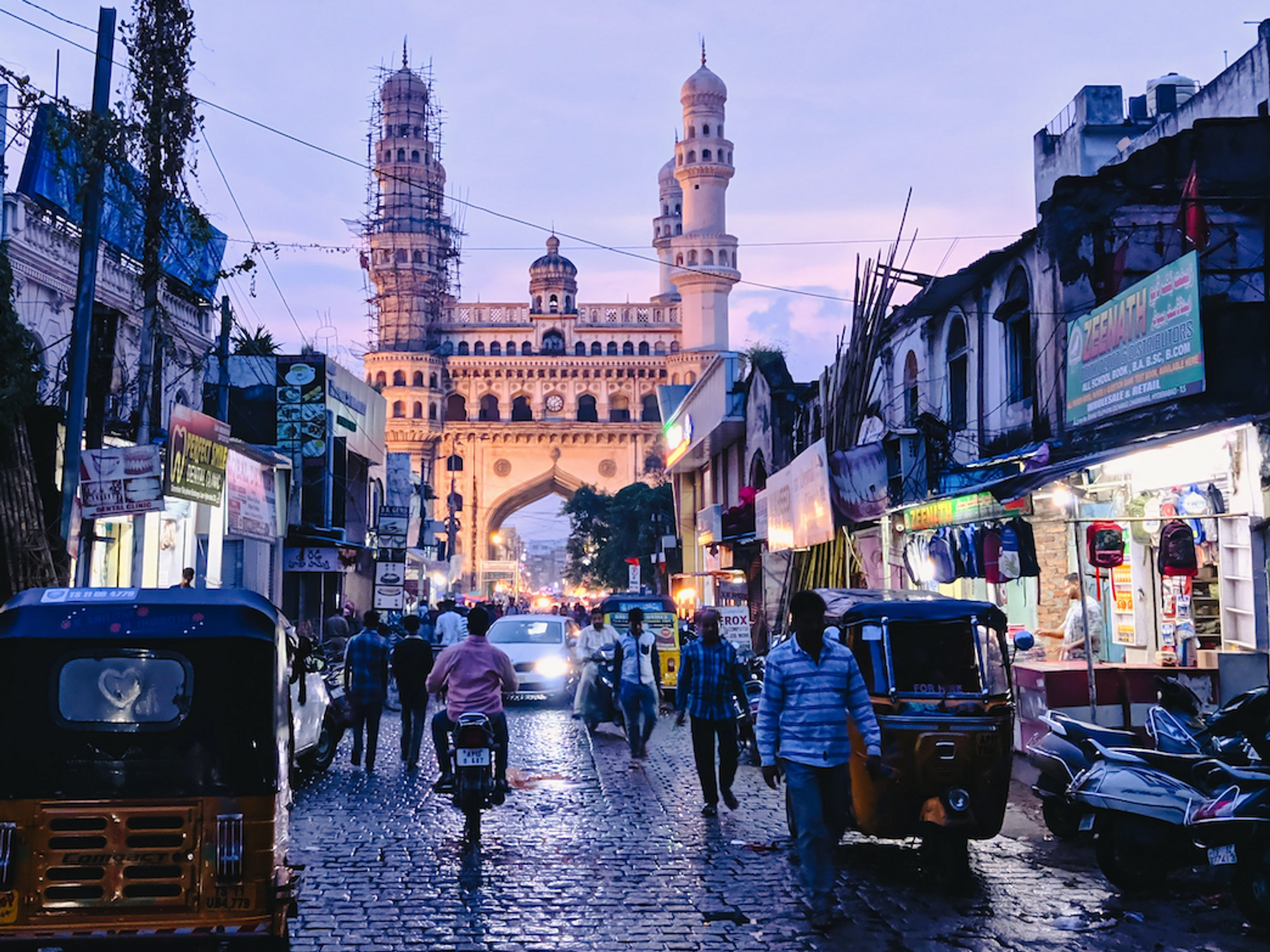
The news that China’s population has shrunk for the first time in 60 years, comes as India appears to be outperforming its giant neighbor on a number of fronts. But this reversal of fortune still has too many variables to predict the demise of one or the rise of the other.
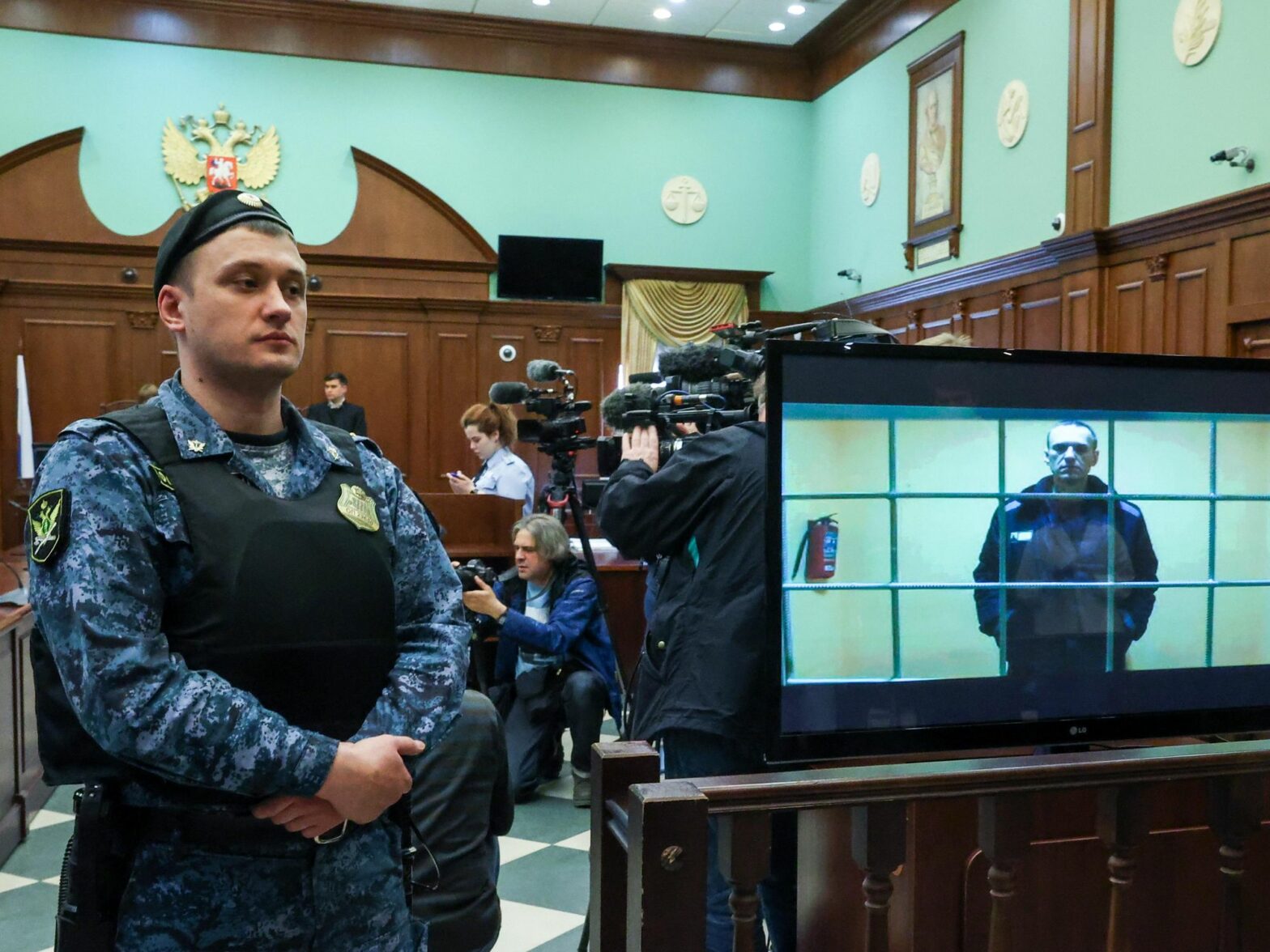
Two years ago, Vladimir Putin’s most prominent critic Alexei Navalny was jailed. Much has and hasn’t changed since then, but Putin’s invasion of Ukraine means that Russia has put itself on a course of no return.
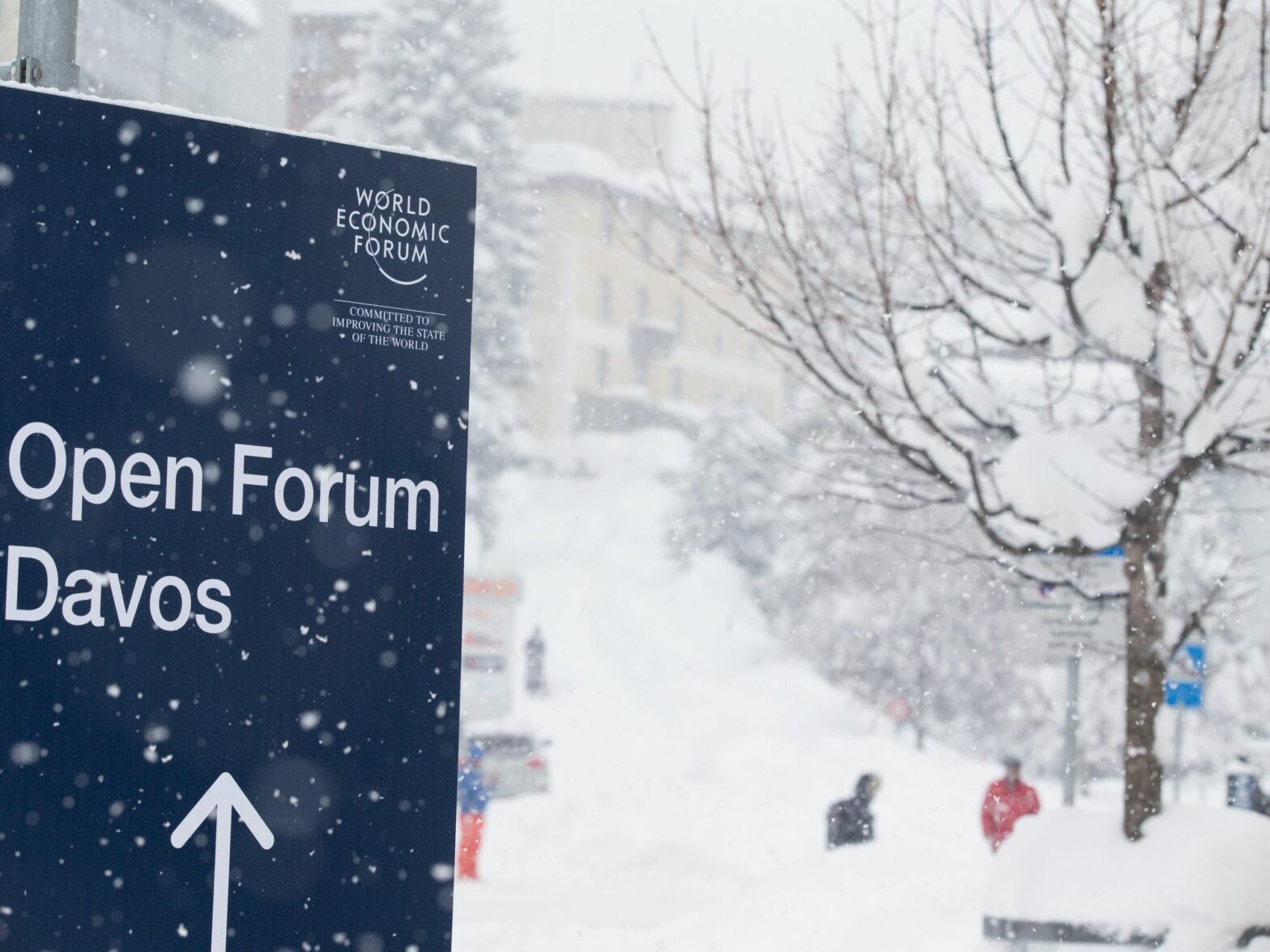
The Davos Forum was once a true shaper of our collective future in a globalized world. Today it is beyond its expiry date, even if global solutions to global problems are needed more than ever.
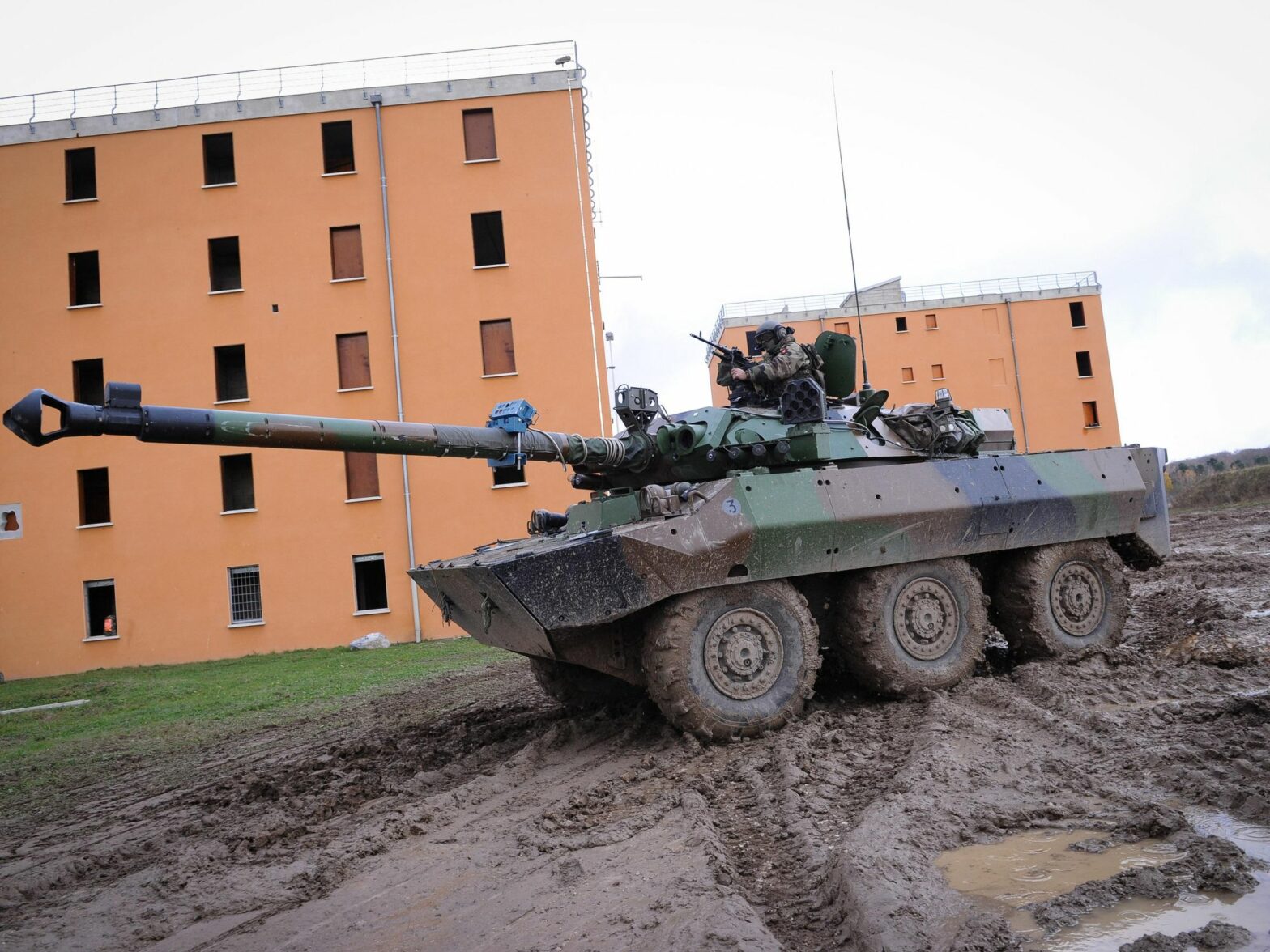
After Dnipro was left devastated by one of Russia’s deadliest attacks on Ukrainian civilians to date, the problem of arms delivery in a war that keeps escalating has never been more urgent.
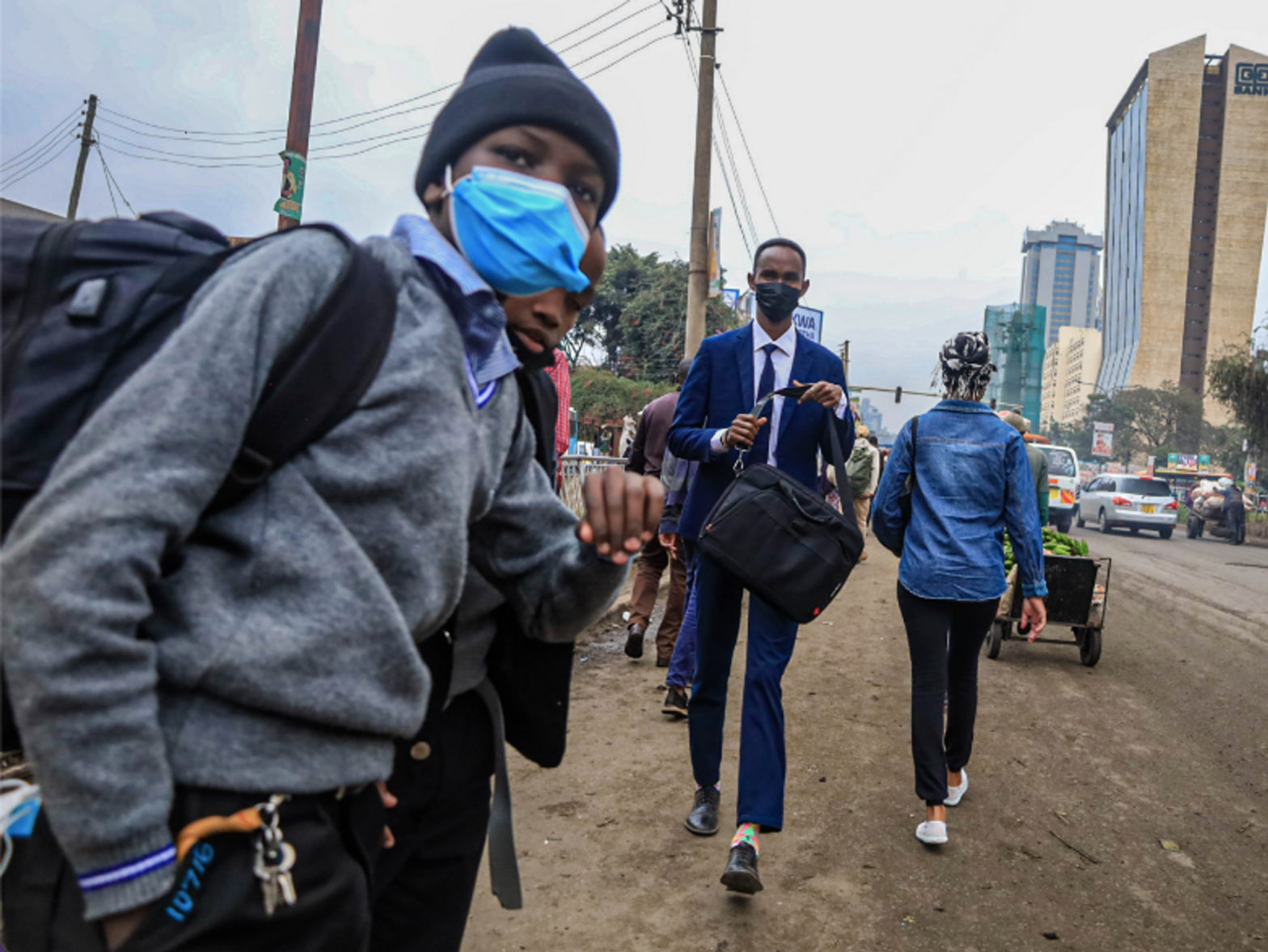
African countries have shown through the Ukrainian war that their support should not be taken for granted. Chinese, Americans, Europeans and others are competing for influence on a continent that has become a global prize.

“Two Presidents, Two Polemics..” Newspapers from Germany to Italy to Mexico and Lebanon and beyond are trying to gauge the ramifications for the ongoing Biden v. Trump showdown.
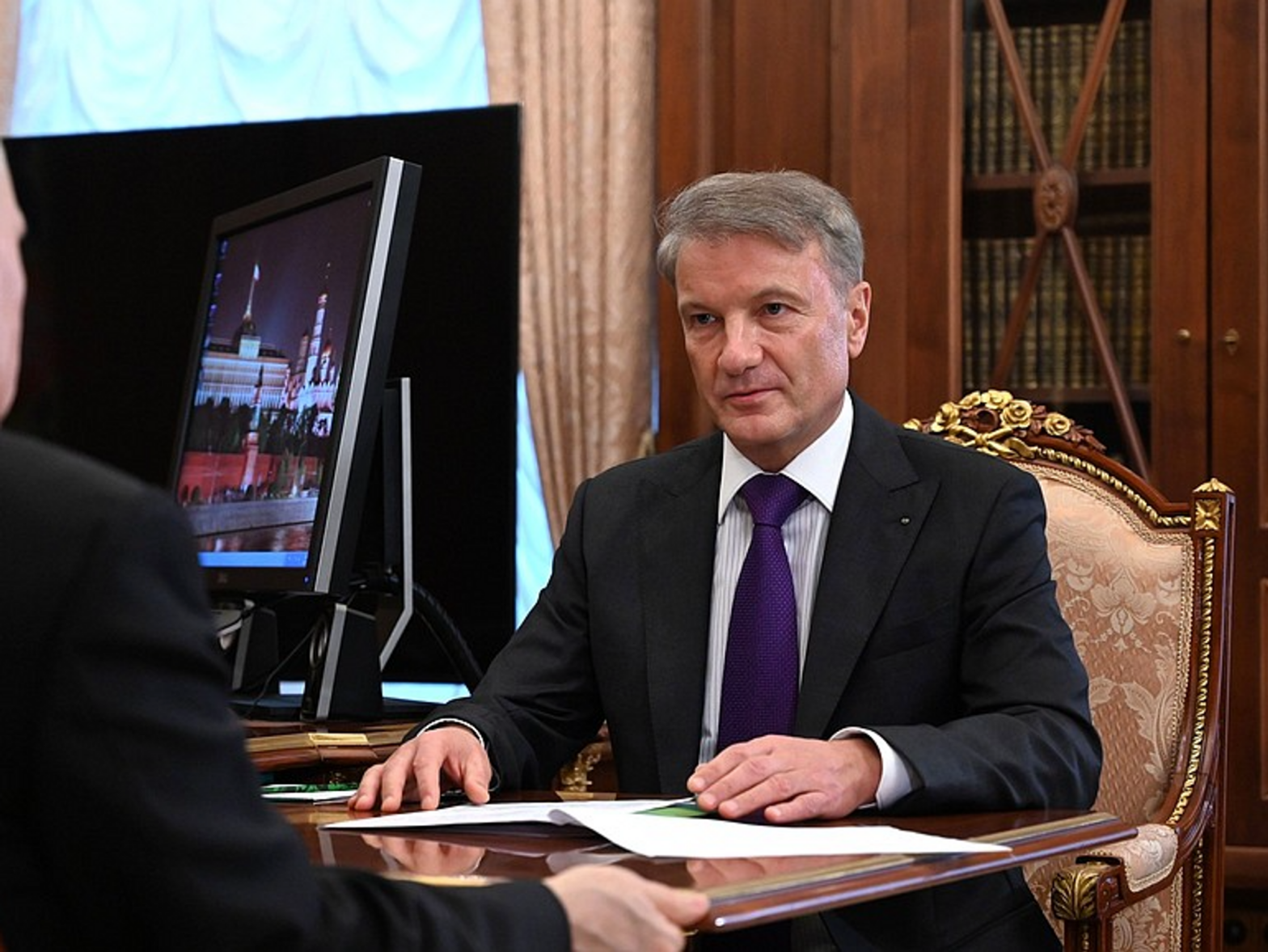
Back in the 1990s, the Russian elite were busy maneuvering behind the scenes. But today, Moscow’s liberals know better than to contradict the strongman in the Kremlin.
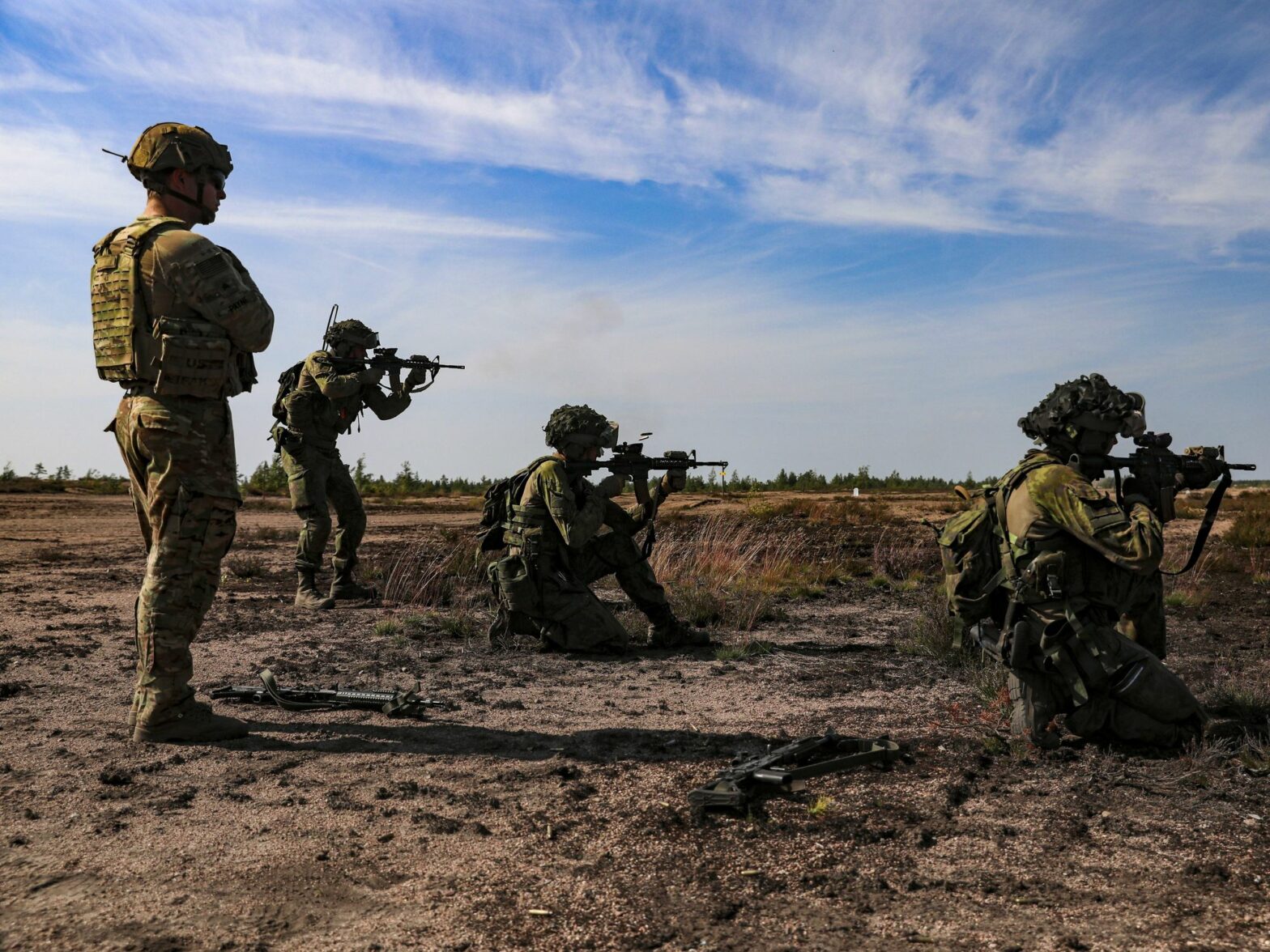
The EU and NATO have vowed to expand cooperation, which may mean a major long-term shift in European defense strategy. Still, the French know that the reality on the ground means that European defense effectively still means NATO.
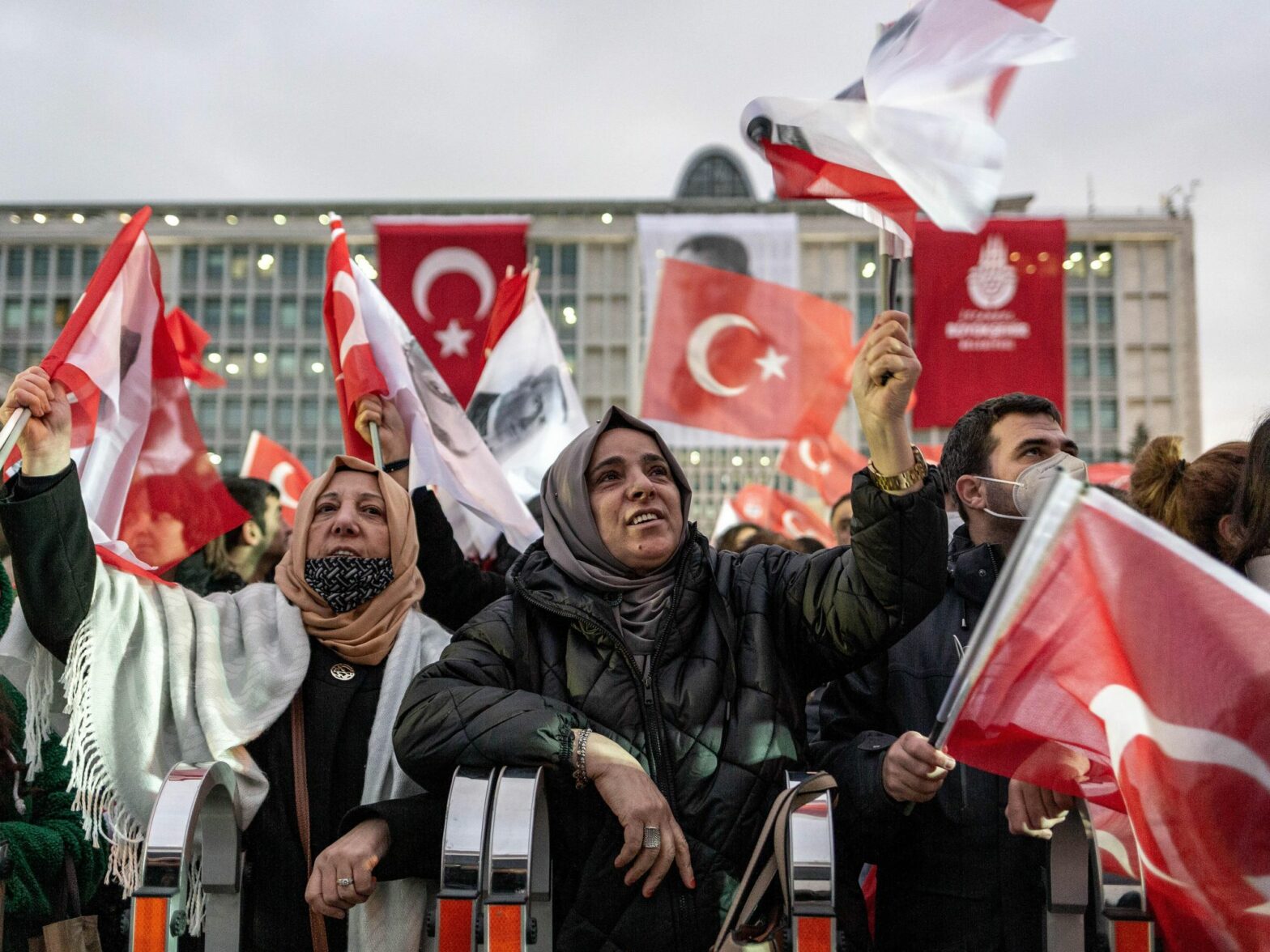
Turkey heads to the polls in June in elections that decide the country’s future direction. It is a referendum on President Erdoğan, but also a challenge for the divided opposition. Much is at stake in a country roiled by multiple crises and declining trust in its leaders.
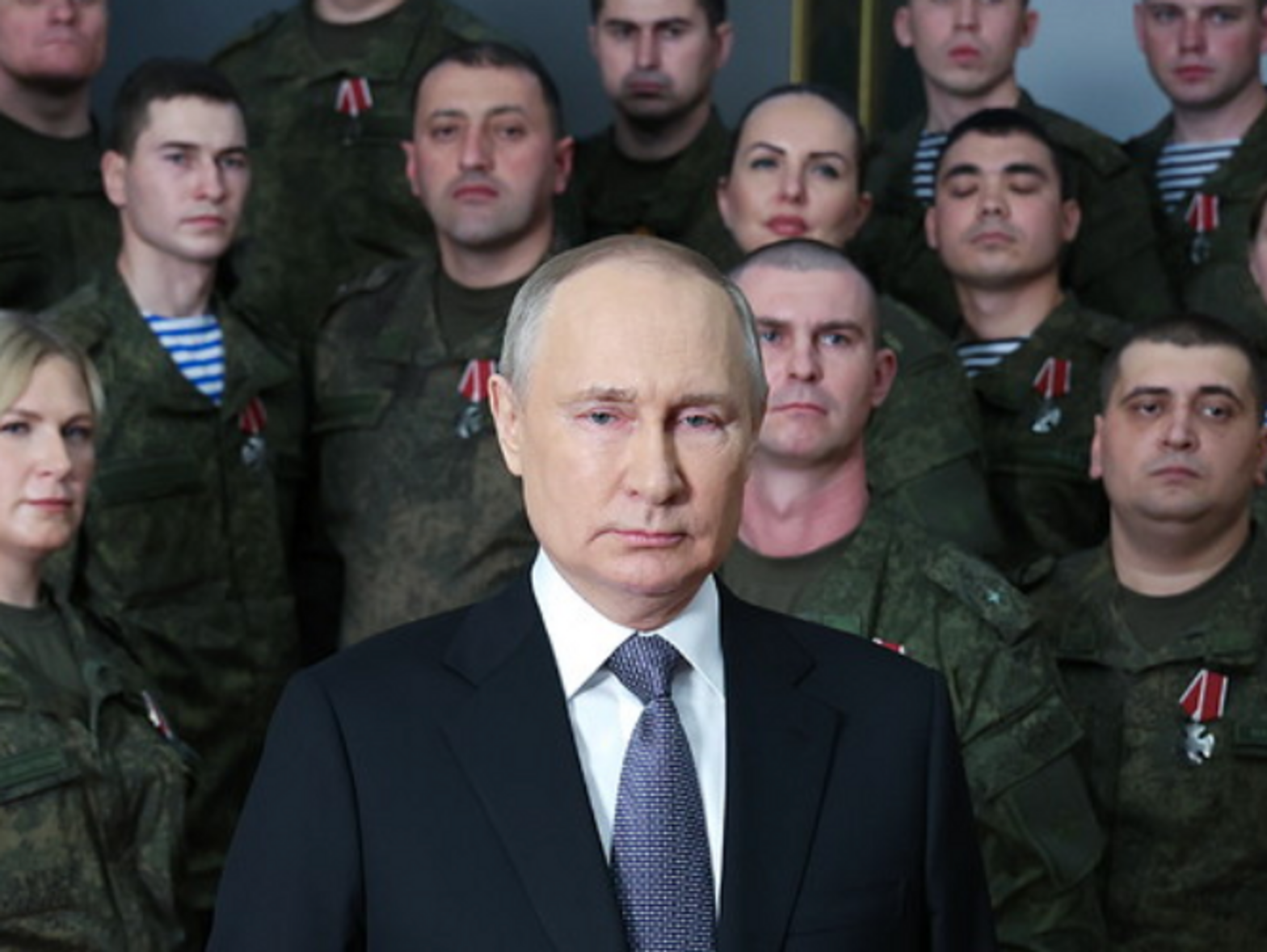
Victory is not on the list….

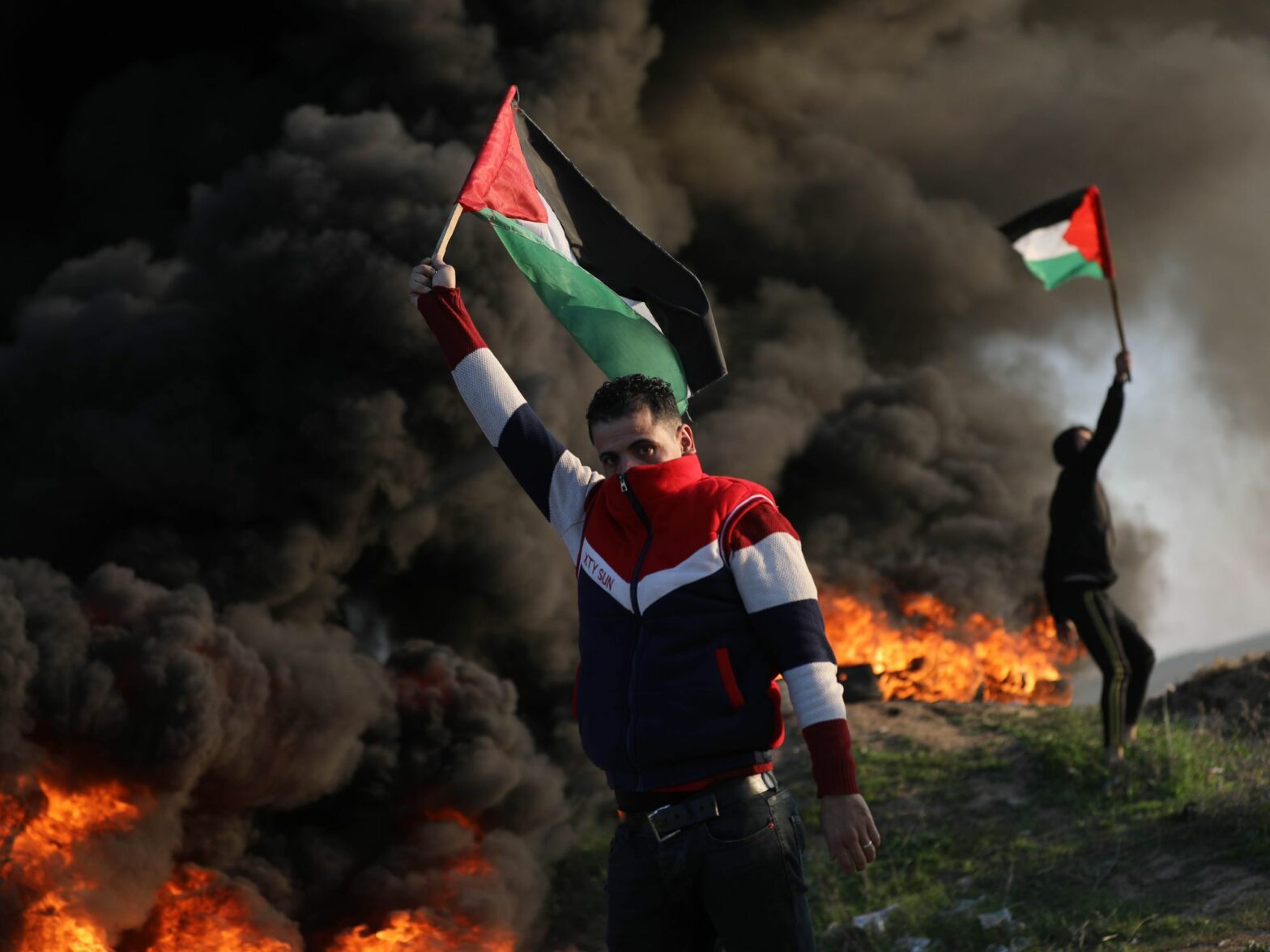
Less than a week after being sworn in for the sixth time as Prime Minister, Benjamin Netanyahu was defied by a highly charged visit his far-right coalition ally, Itamar Ben-Gvir, made to the al-Aqsa Mosque compound, that has enflamed the entire Muslim world. Netanyahu has a choice to make.
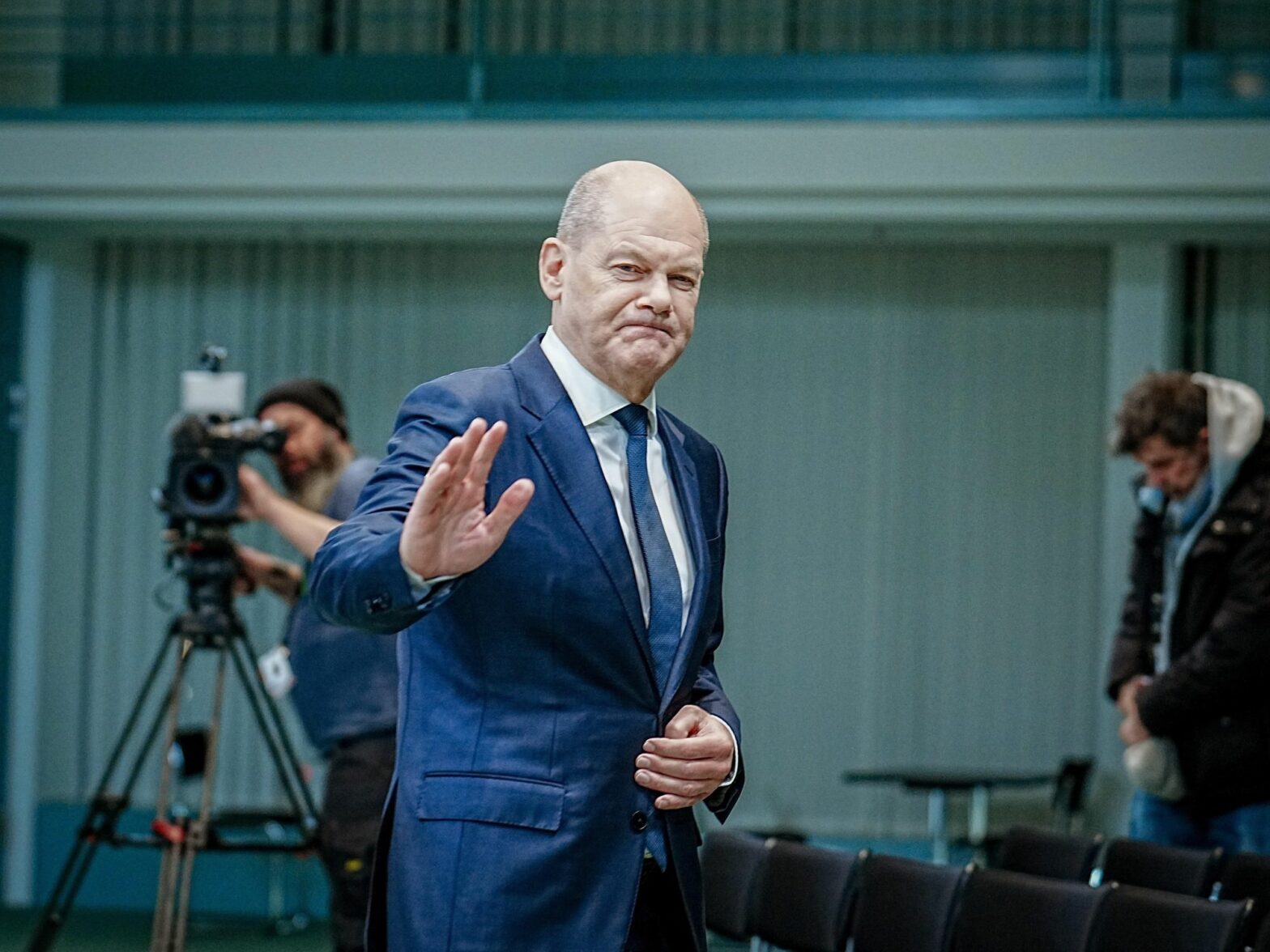
Praising the courage of the Ukrainian people, German Chancellor Olaf Scholz assured Kyiv of Germany’s support for “as long as it is needed.” Not nearly enough, according to the country’s opposition.
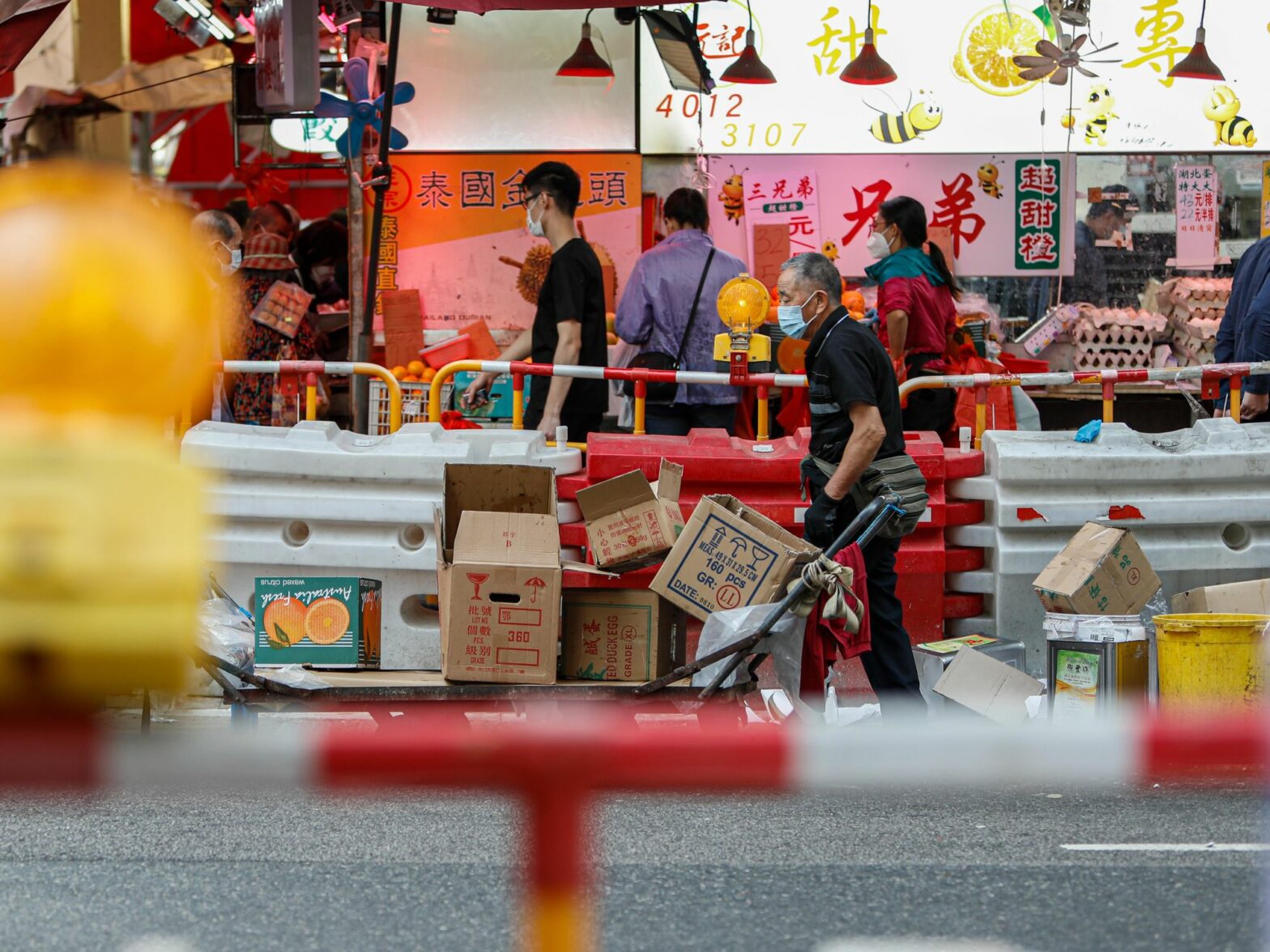
Protests that engulfed China quickly faded as the government made a U-turn on its strict Zero-COVID policies, even as police sweeps of demonstrators have left families where their vanished loved ones are. Still, the “Blank Paper Revolution”‘s cry for democracy may have quietly left its mark.
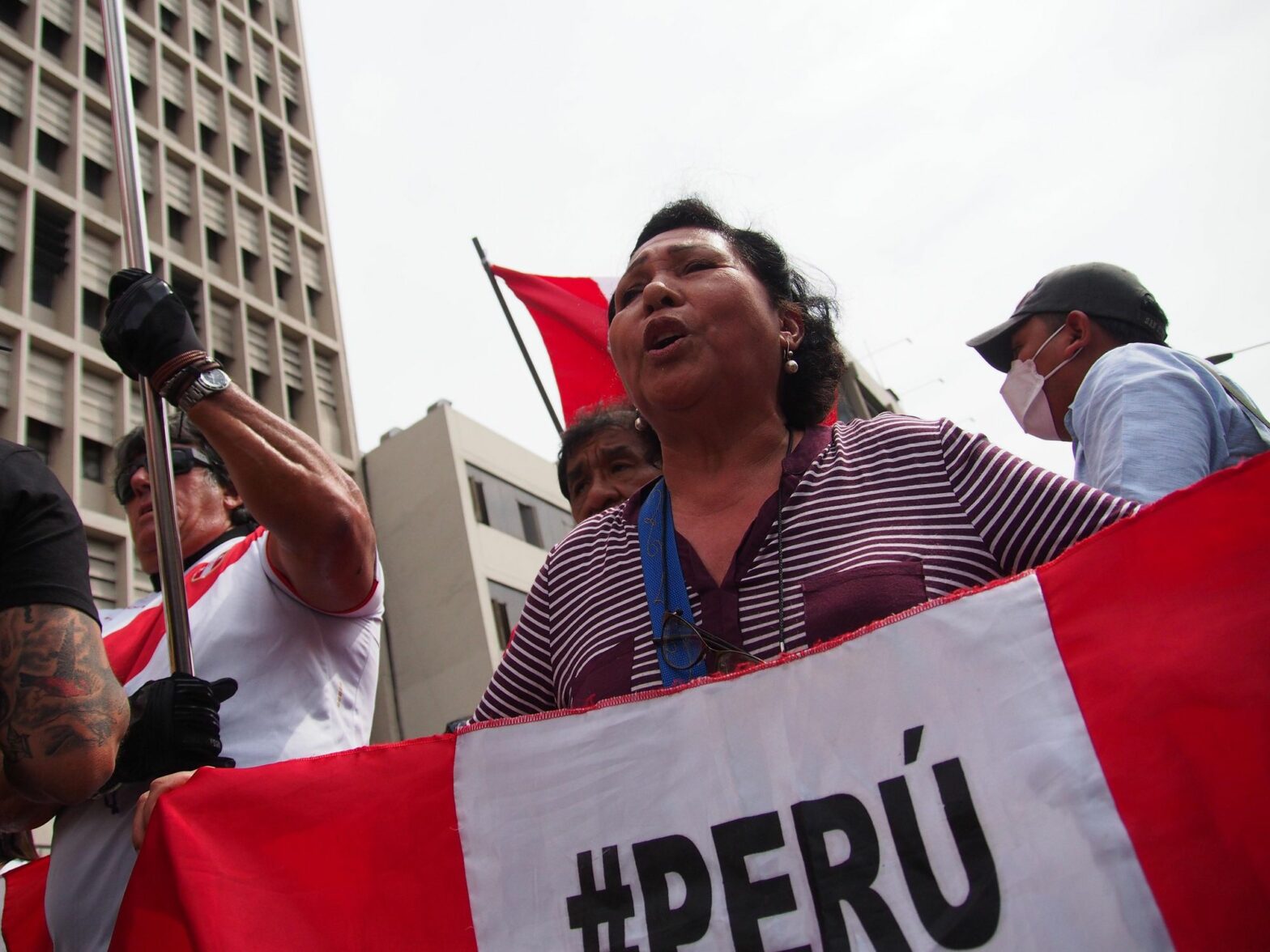
The impeachment and arrest of Peru’s Leftist president can be taken as perhaps a conclusive signal to the region that populism — from the Left and Right — may have run out of gas.
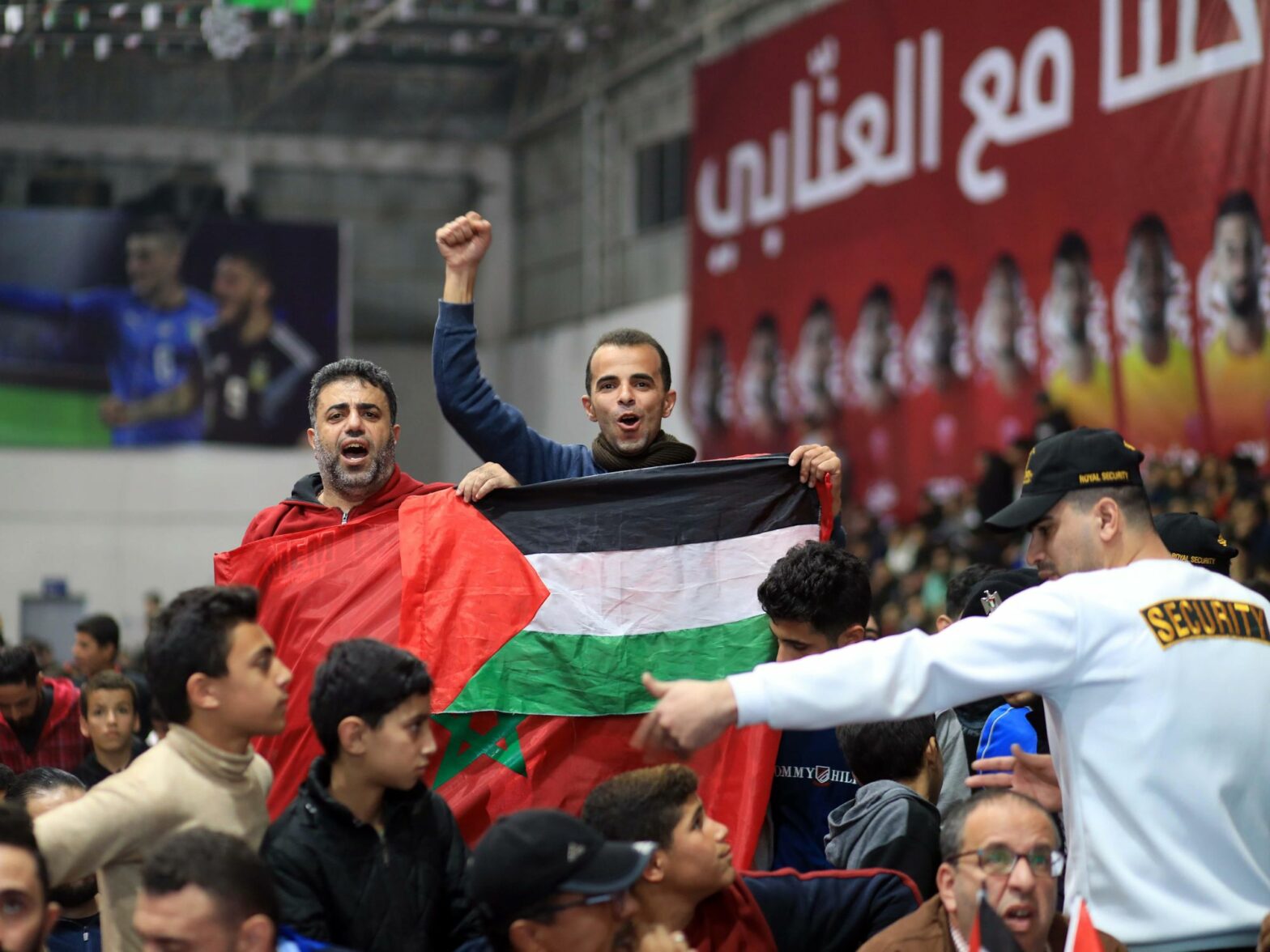
The World Cup in Qatar has been political on many fronts. Right now, with the event in an Arab country for the first time and Morocco as the first Arab team to make the quarterfinals, the Palestinian question is now very much on the agenda.
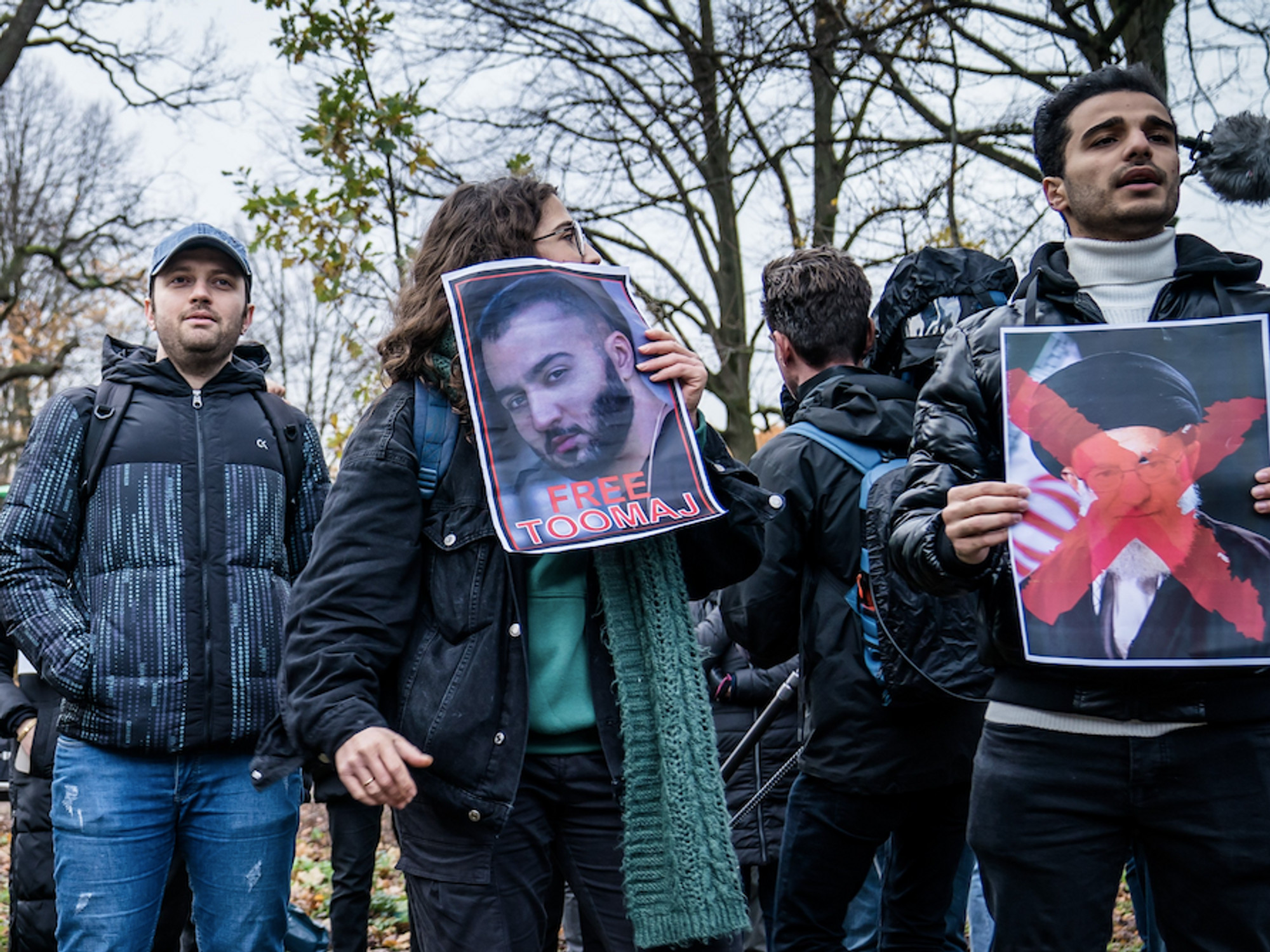
By executing a protester after a rapid trial, Iran’s clerical regime has taken its clampdown on the once-in-a-generation uprising to a new level. Observers fear there are more to come soon.
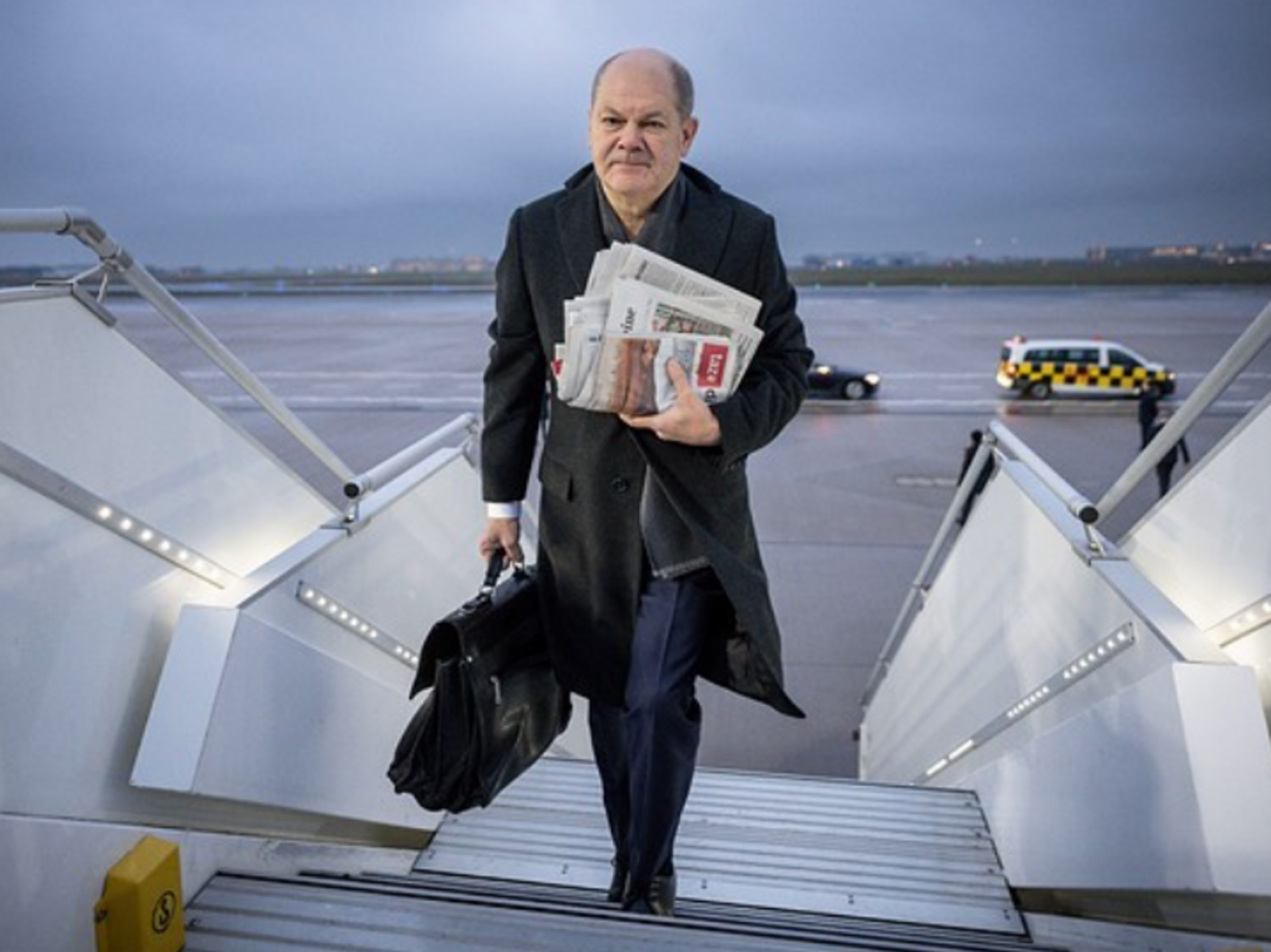
Olaf Scholz took over for Angela Merkel a year ago, but for many he remains a mysterious figure through a series of tumultuous events, including his wavering on the war in Ukraine.
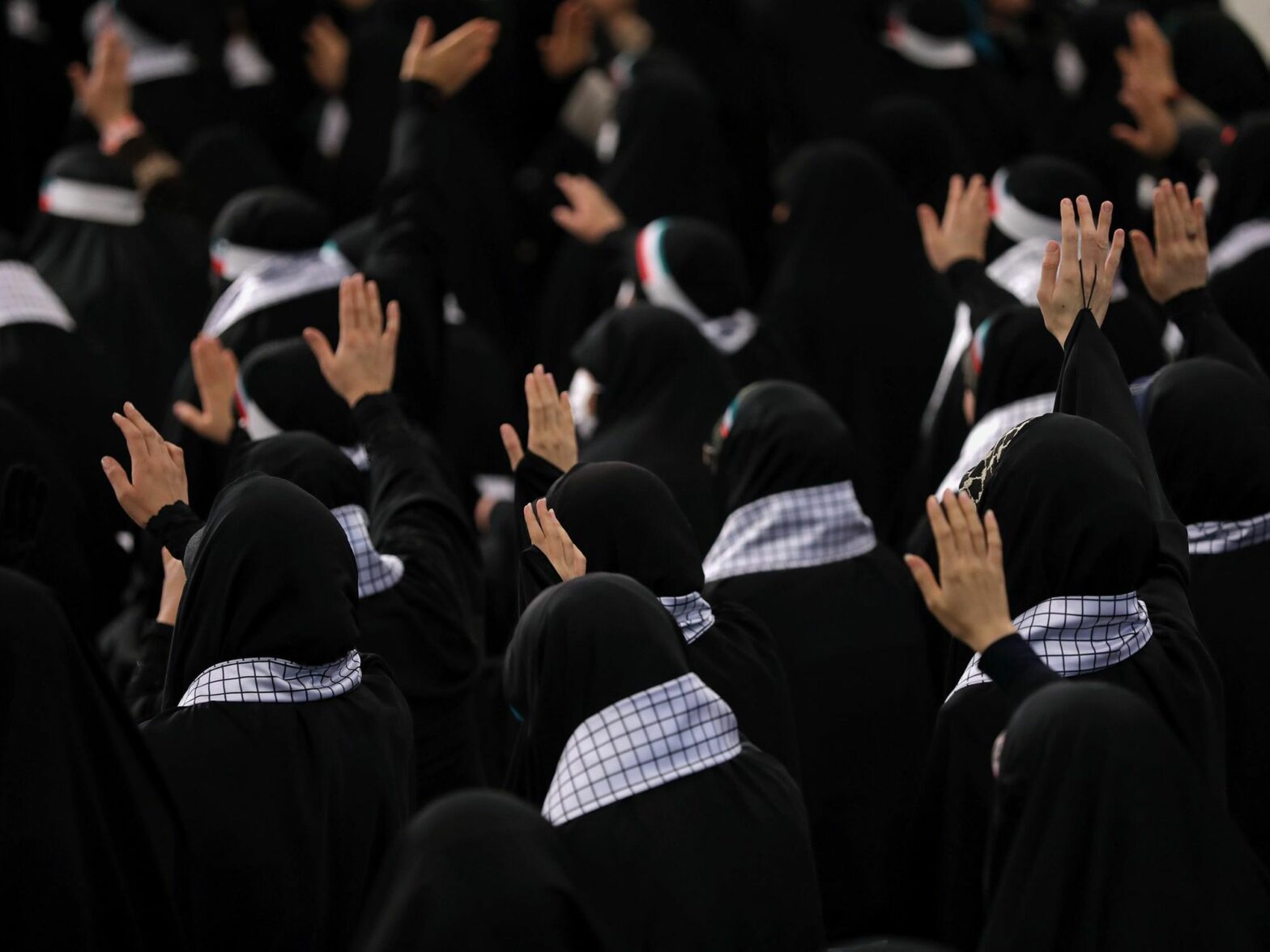
Reported declarations by some Iranian officials on revising the notorious morality police patrols and obligatory dress codes for women are suspect both in their authenticity, and ultimately not even close to addressing the demands of Iranian protesters.
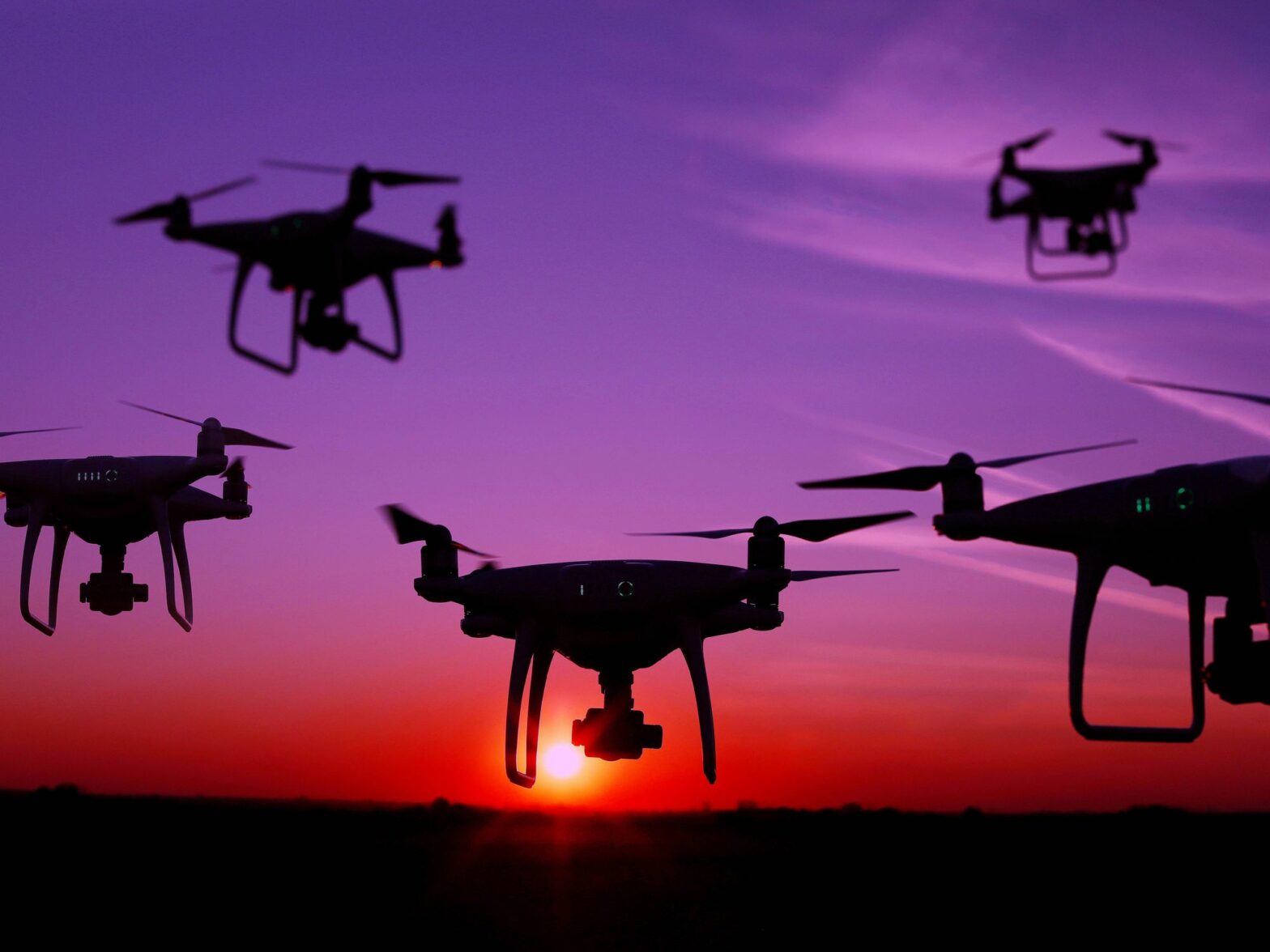
The war in Ukraine has shown how civilian drones can be effectively used as weapons. Meanwhile in Paris, with preparations on to host the Olympics in 2024, the city is testing some unlikely solutions to make sure the devices can’t be employed by terrorists.
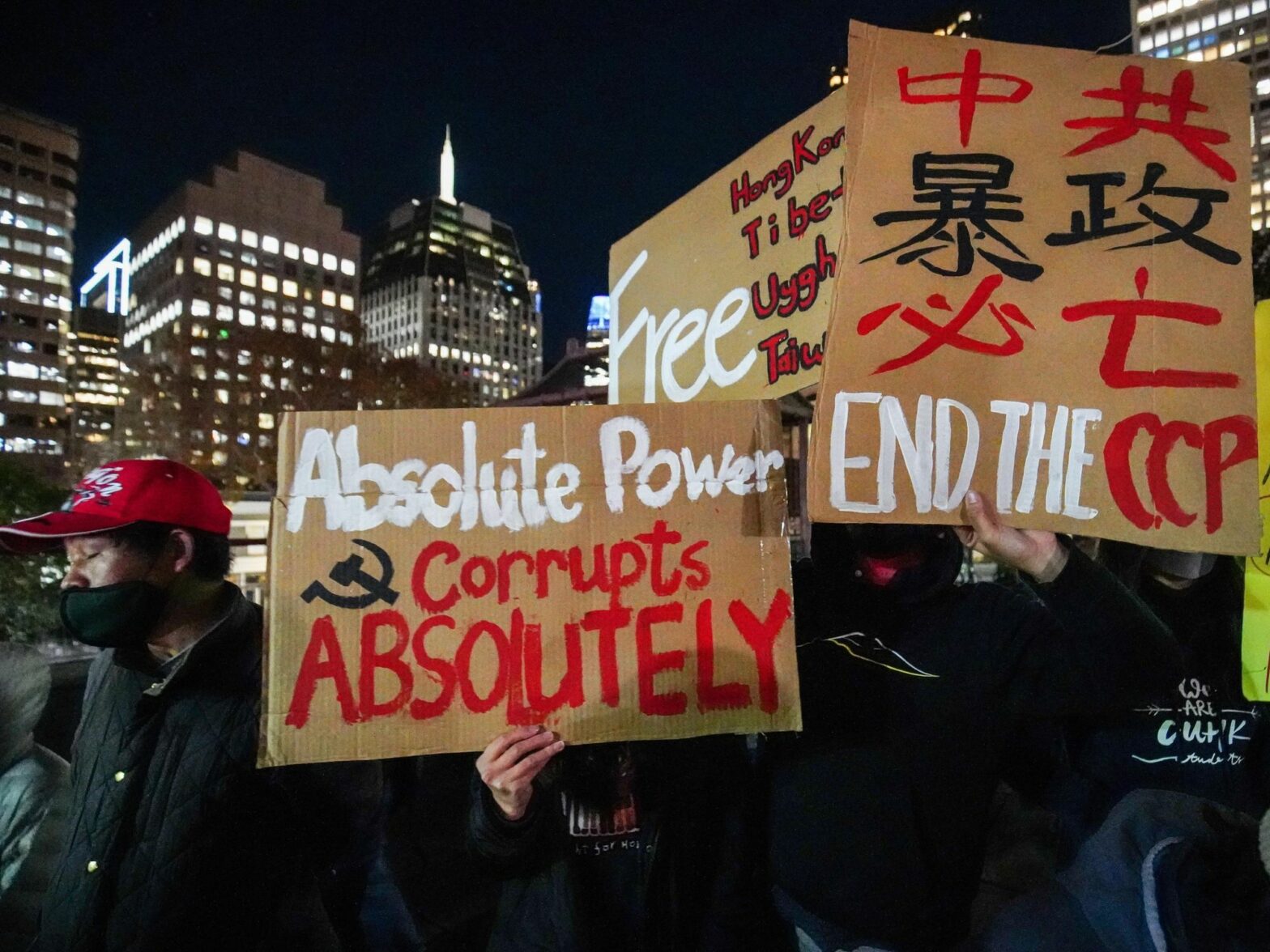
While many Chinese citizens are indeed fed up with the government’s Zero-COVID policy, predicting that a mass revolt is ready to overturn Communist rule is the latest sign of our deep misunderstanding of the Asian superpower. A view from Bogotá of a former Beijing correspondent.
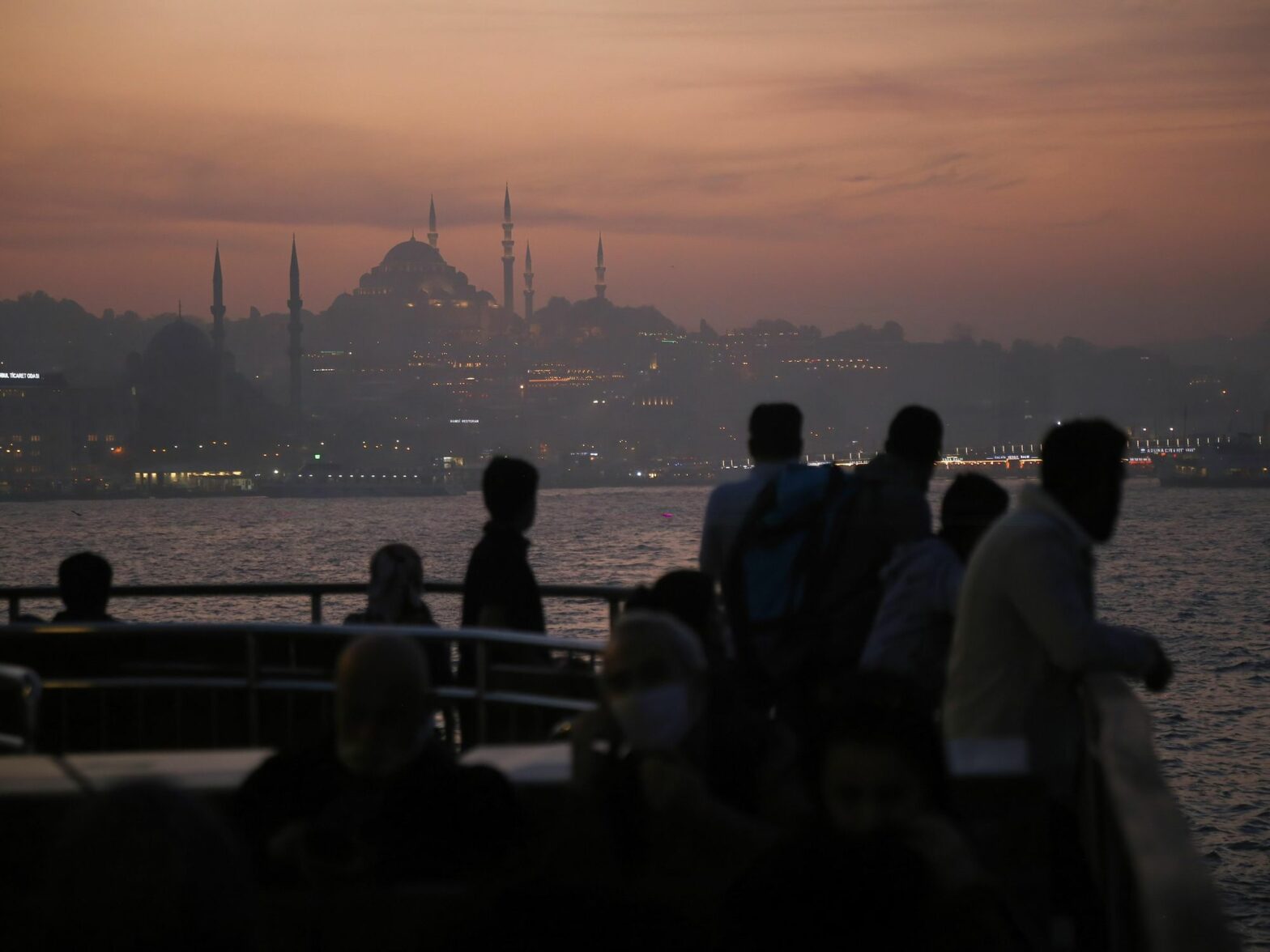
Turkey heads to the polls next year as it faces its worst economic crisis in decades. Disillusioned by corruption, many young people have already left. However, Turkey’s disaffected young expats are still very attached to their country, and could offer the best hope for a new future for the country.
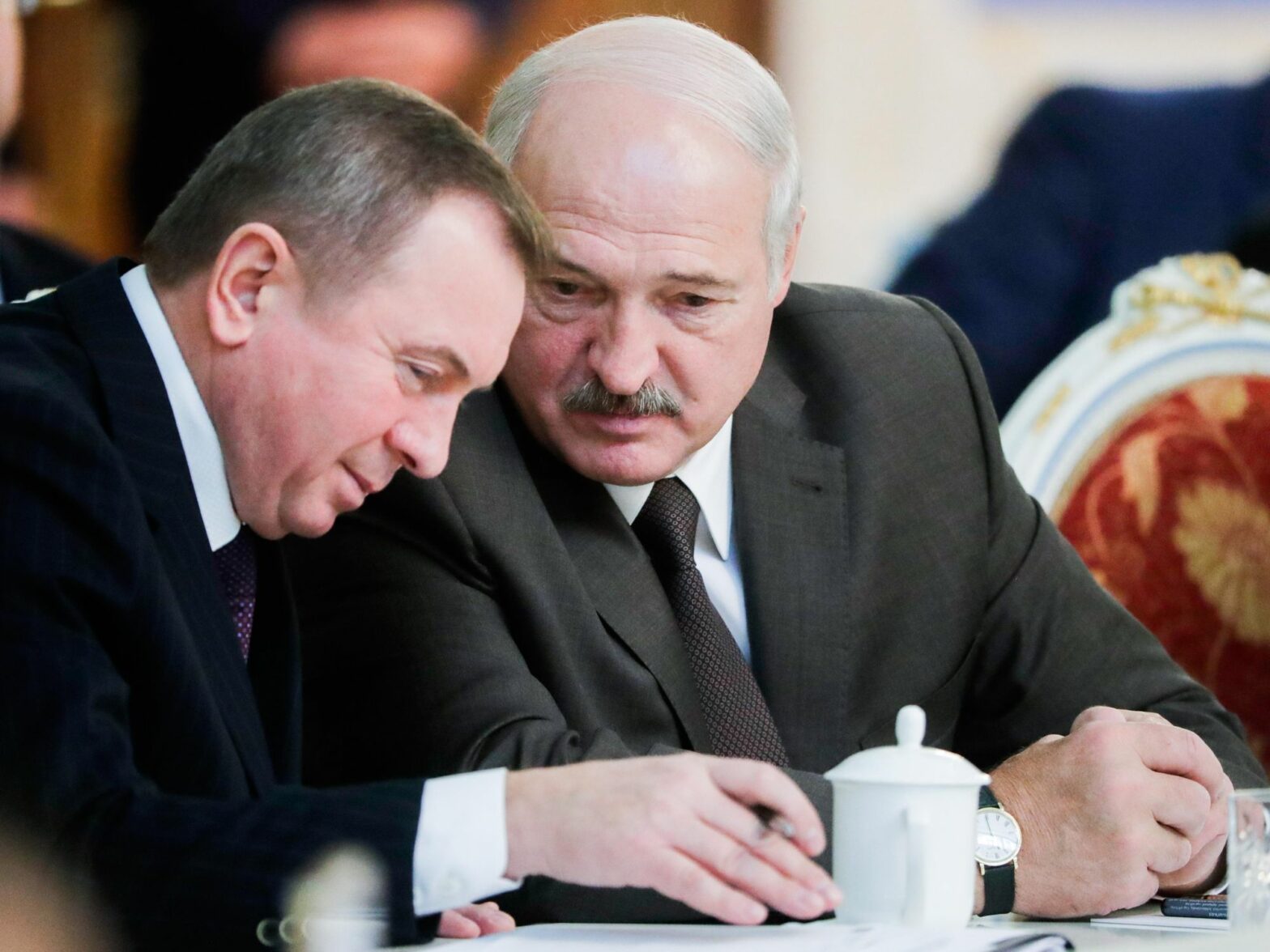
Whether or not the 64-year-old died of natural causes, the Kremlin is reinforced now in Minsk — leaving even less wiggle room for Belarus strongman Alexander Lukashenko.

American and Southwest Airlines have been refusing to allow Cubans on board flights if they’ve been blacklisted by the government in Havana.

The Left is constantly being hailed as the resurgent power in Latin America. But there is no unified Left in the region. The “movement” is diverse — and its divisions are growing.
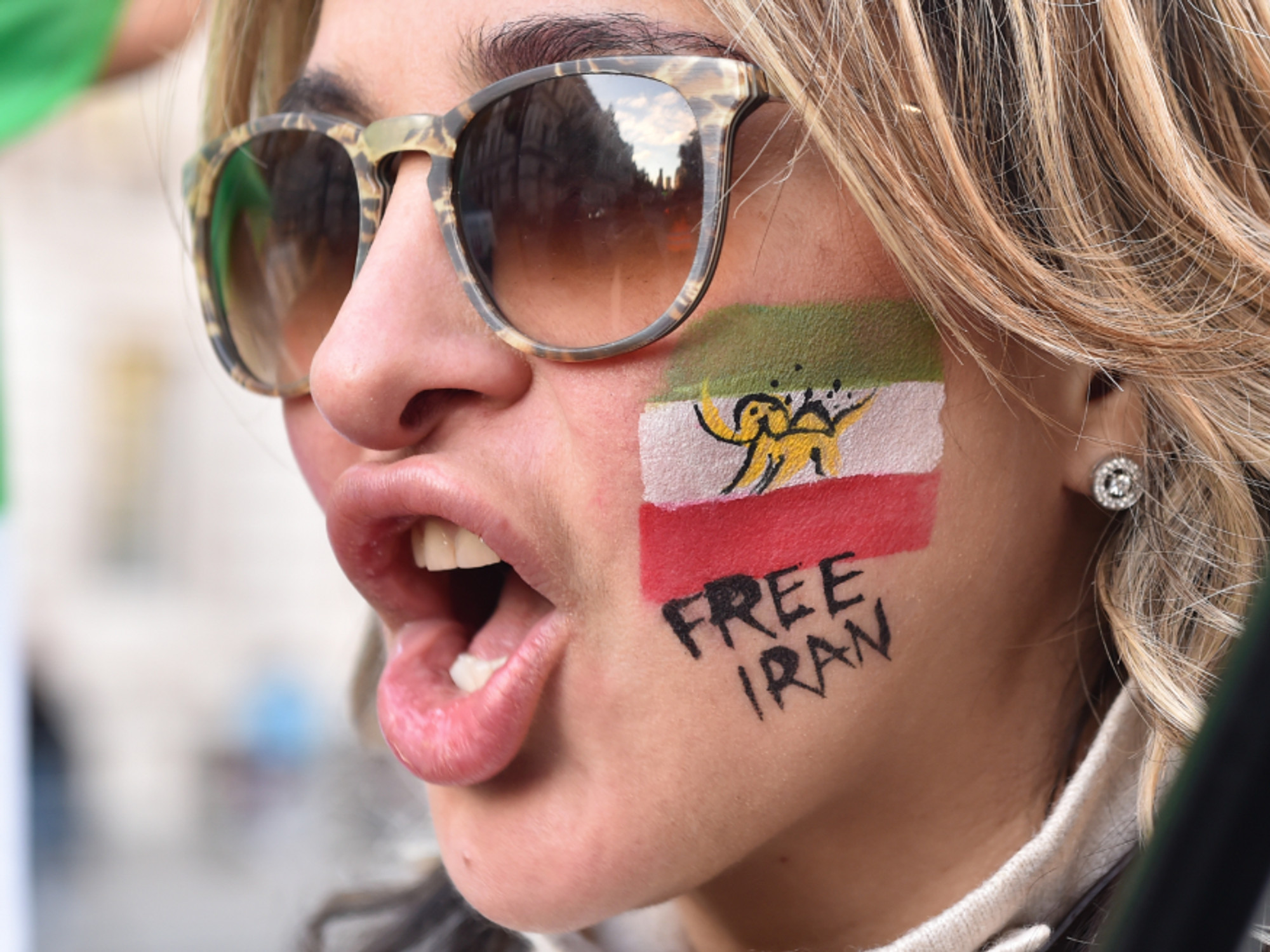
Iran’s clerical regime has worked hard over 40 years to set Iranians against each other on multiple bases, and must now watch a nation united in opposition to itself and breaking its red lines, notably those set around gender, faith and even ethnicity.
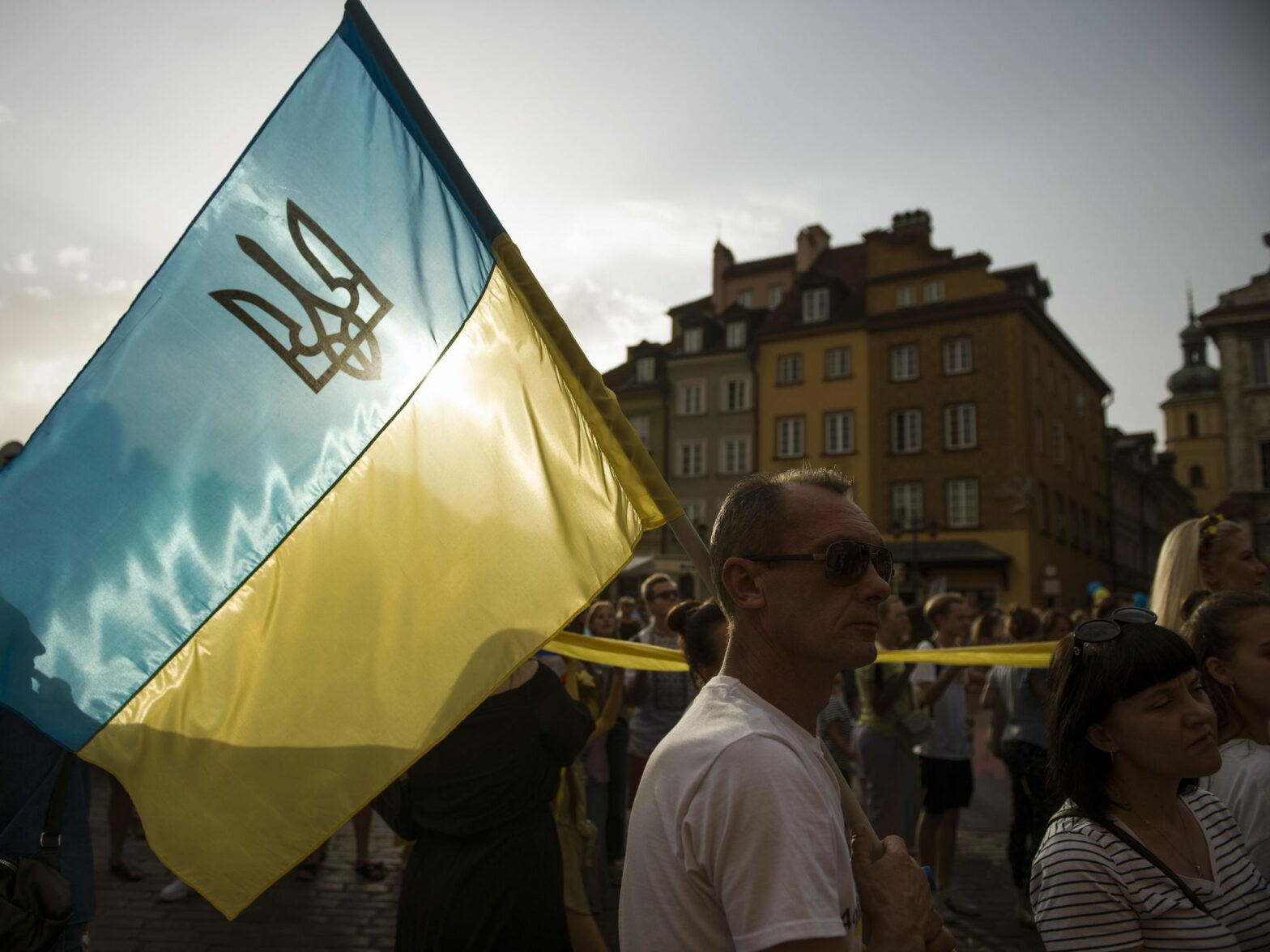
David Stulik, senior research analyst at the Prague-based European Values Research Center, explains the risks of continuing to calculate all our choices according to hypothetical fears of and future compromises with Russia.
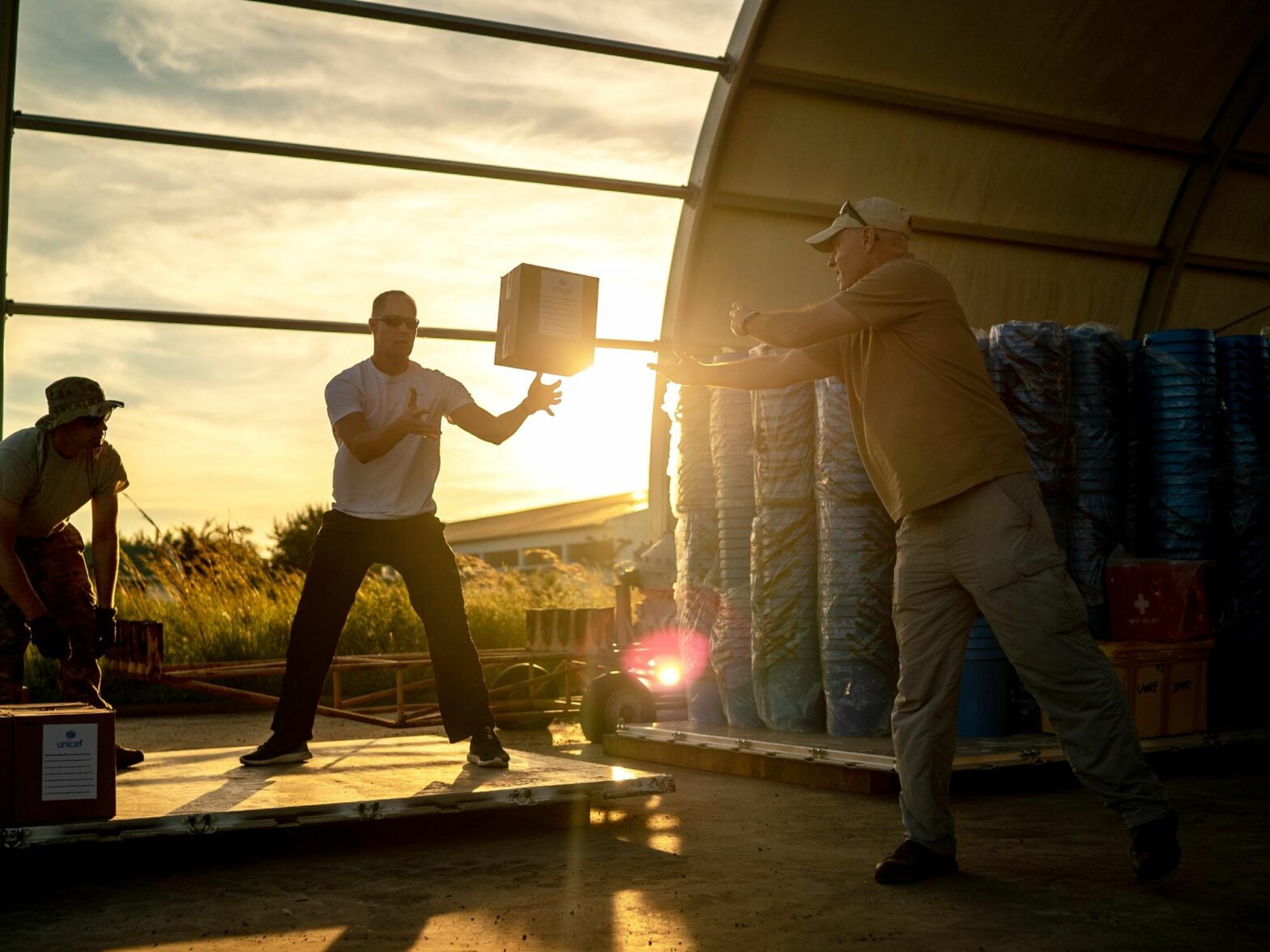
Aid in its current form is expensive and inefficient. And it isn’t needed — Africa is now a dynamic and confident continent. Europe needs a change of perspective to understand that it needs Africa as much as Africa needs Europe.
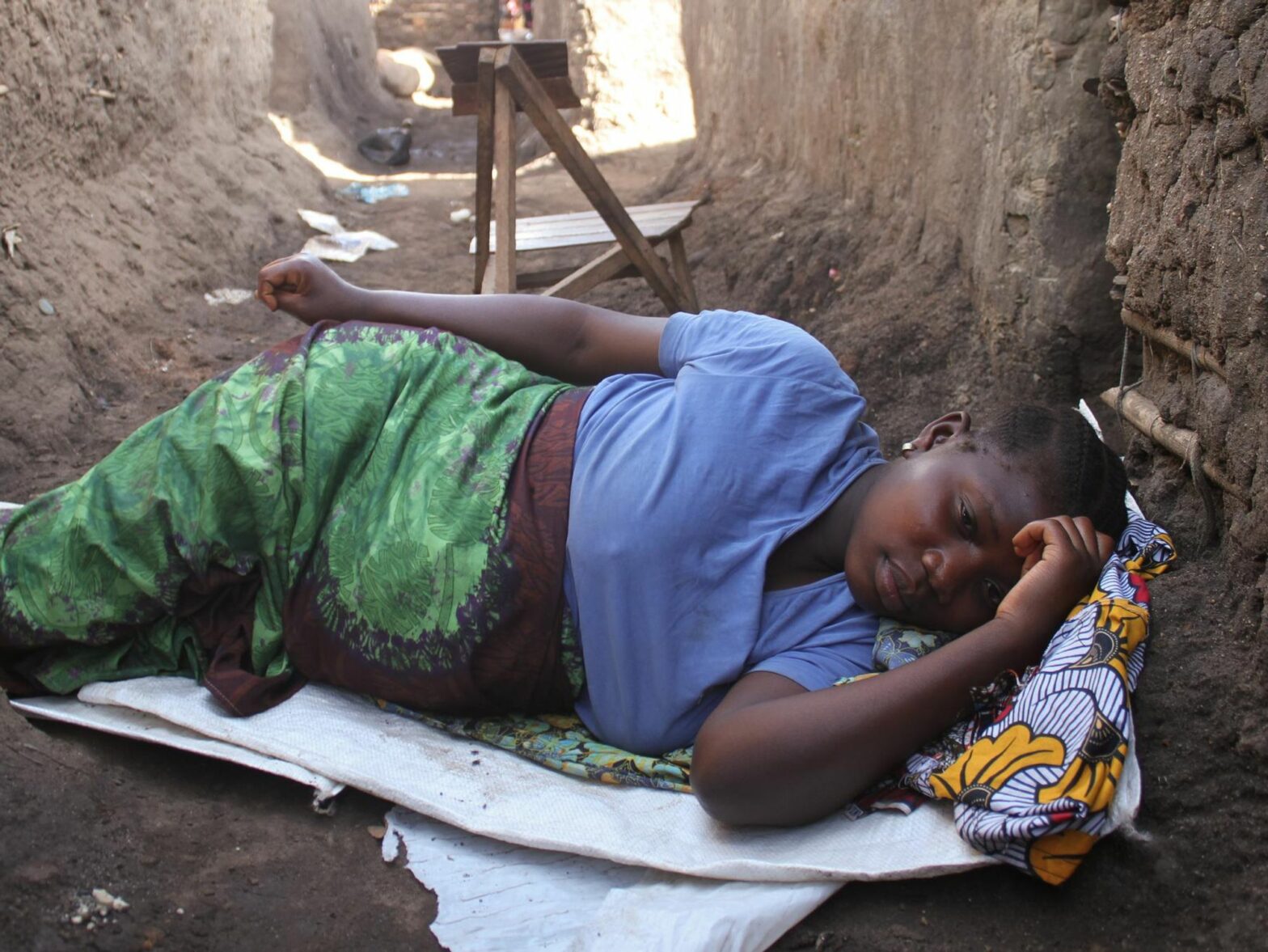
In just three months, armed groups in the northeast of the Democratic Republic of Congo killed nearly 500 civilians. The statistics fail to capture the full scale of the suffering, as limited health care access also claims the lives of pregnant women and infants.
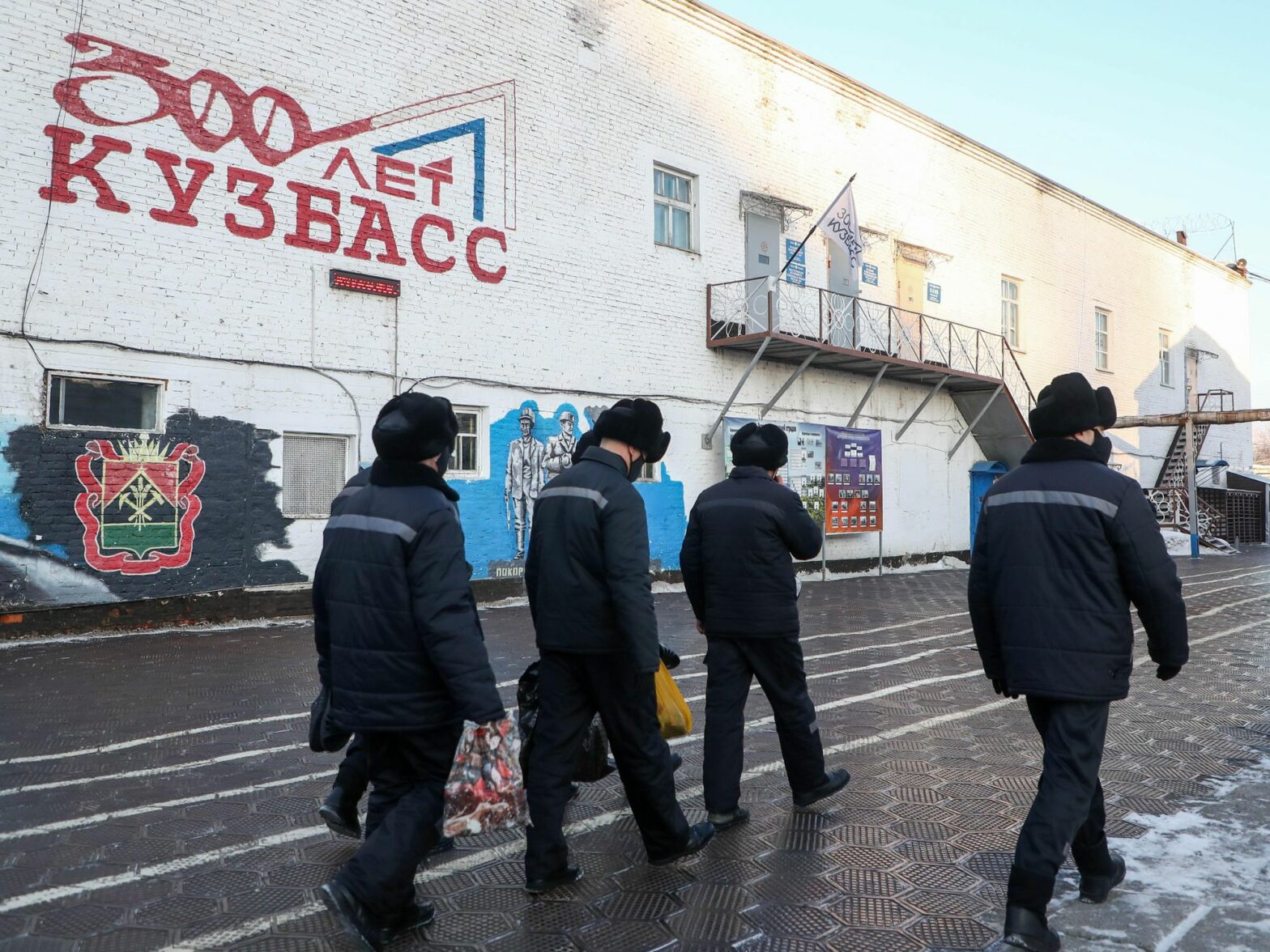
An inmate of the penal colony in the town of Kopeysk reveals the different ways convicts are recruited in the Russian mercenary Wagner Group, whose founder and Putin confidante Yevgeny Prigozhin personally sought the most violent criminals with vows to pay big sums and expunge their sentences.