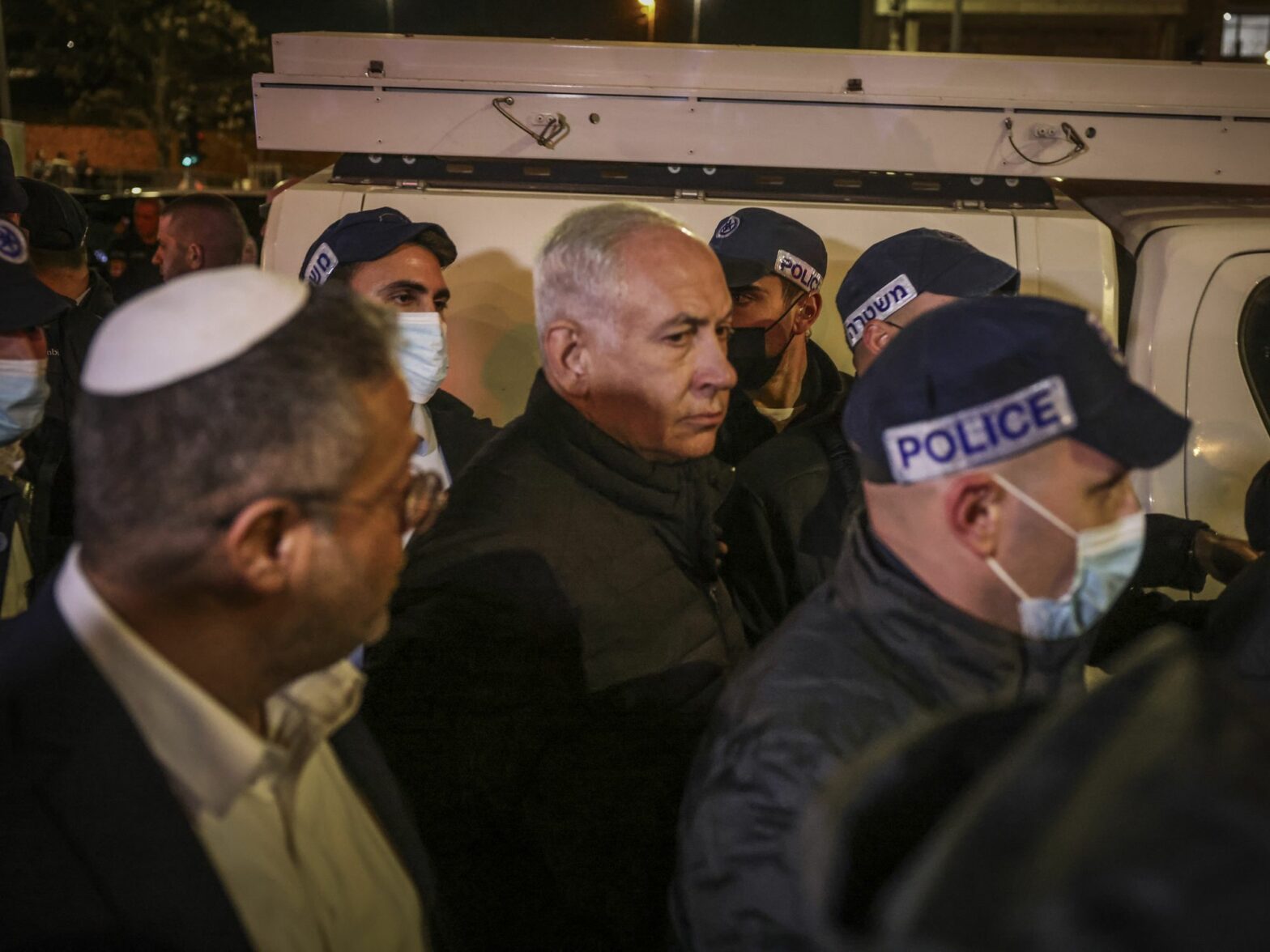
By challenging Israel’s constitutional system and launching a crackdown on the Occupied Territories, Benjamin Netanyahu is playing a high-stakes game opposed by half his country and the country’s allies. It can’t last much longer.
 Worldcrunch
By challenging Israel’s constitutional system and launching a crackdown on the Occupied Territories, Benjamin Netanyahu is playing a high-stakes game opposed by half his country and the country’s allies. It can’t last much longer.
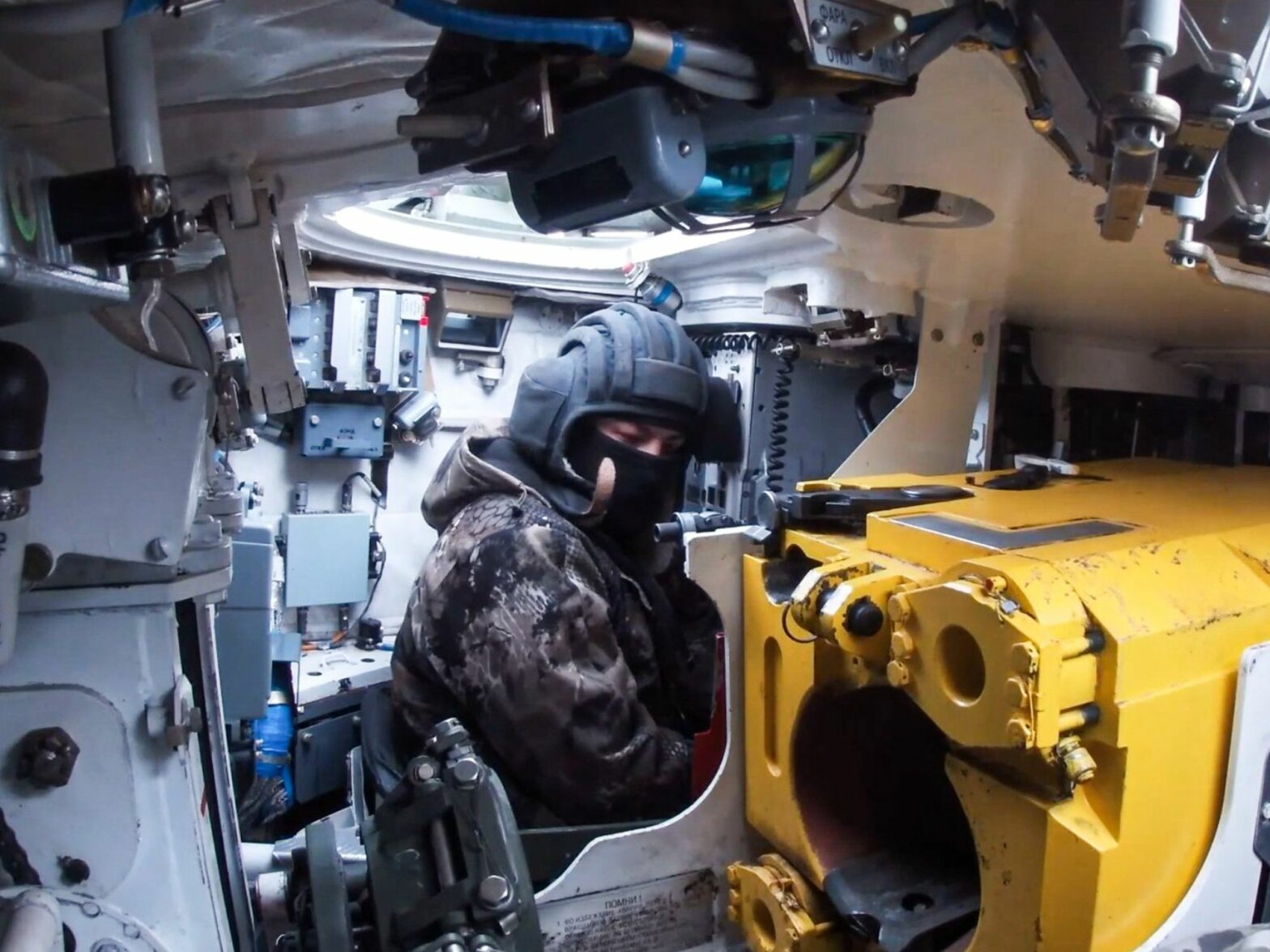
Russia is losing in Ukraine not just because of Putin’s madness and the heroism of Ukrainians, but also because Russia’s army is built for rapid invasion and occupation, not for the type of grinding war it is now fighting in Ukraine.
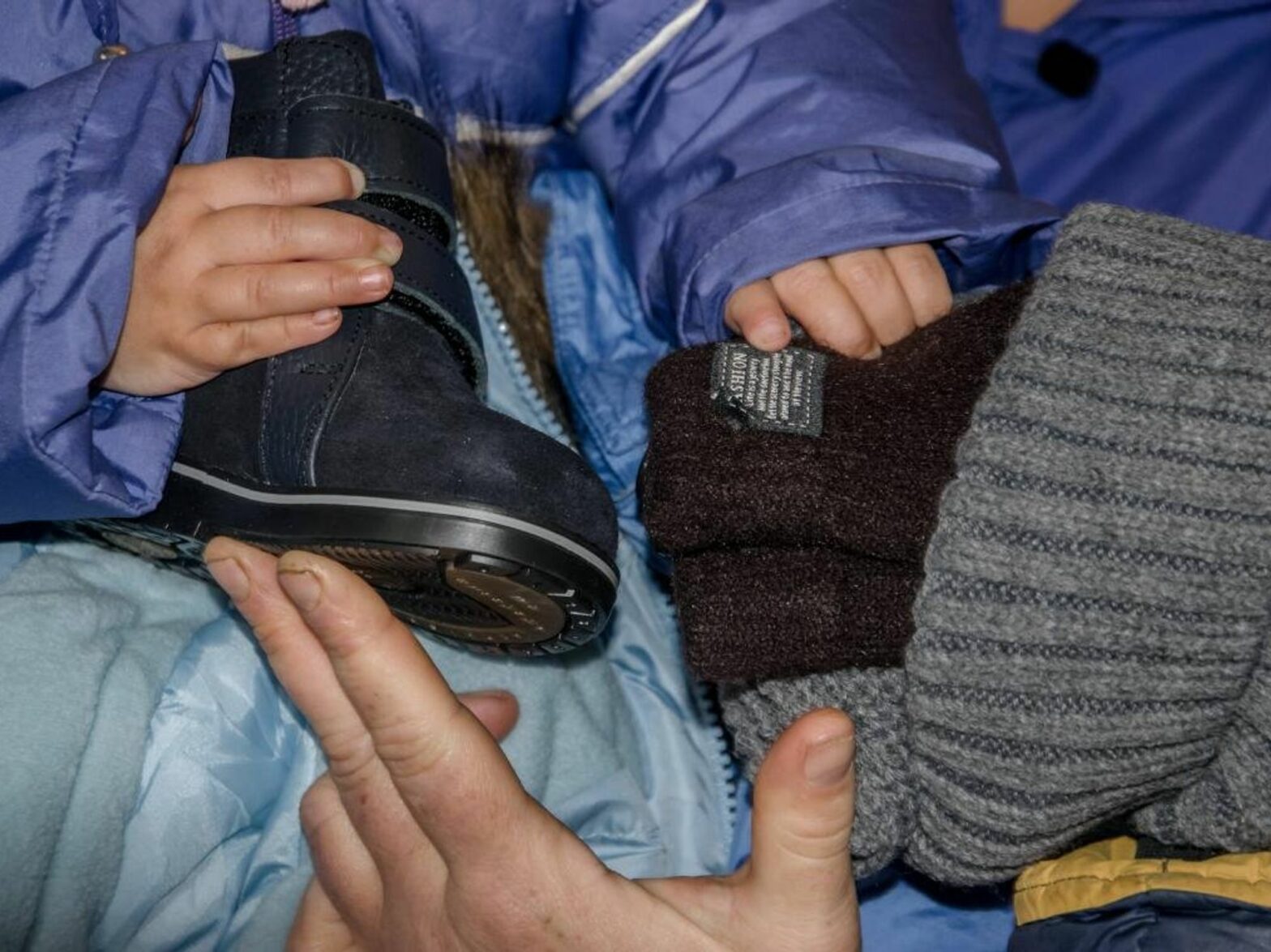
Russians have been practicing the illegal transfer and deportation of Ukrainian children since 2014. Experts consider it one of the five main signs of genocide, and Ukraine’s Office of the Prosecutor General has been working to prove this component of the “crime of crimes.”
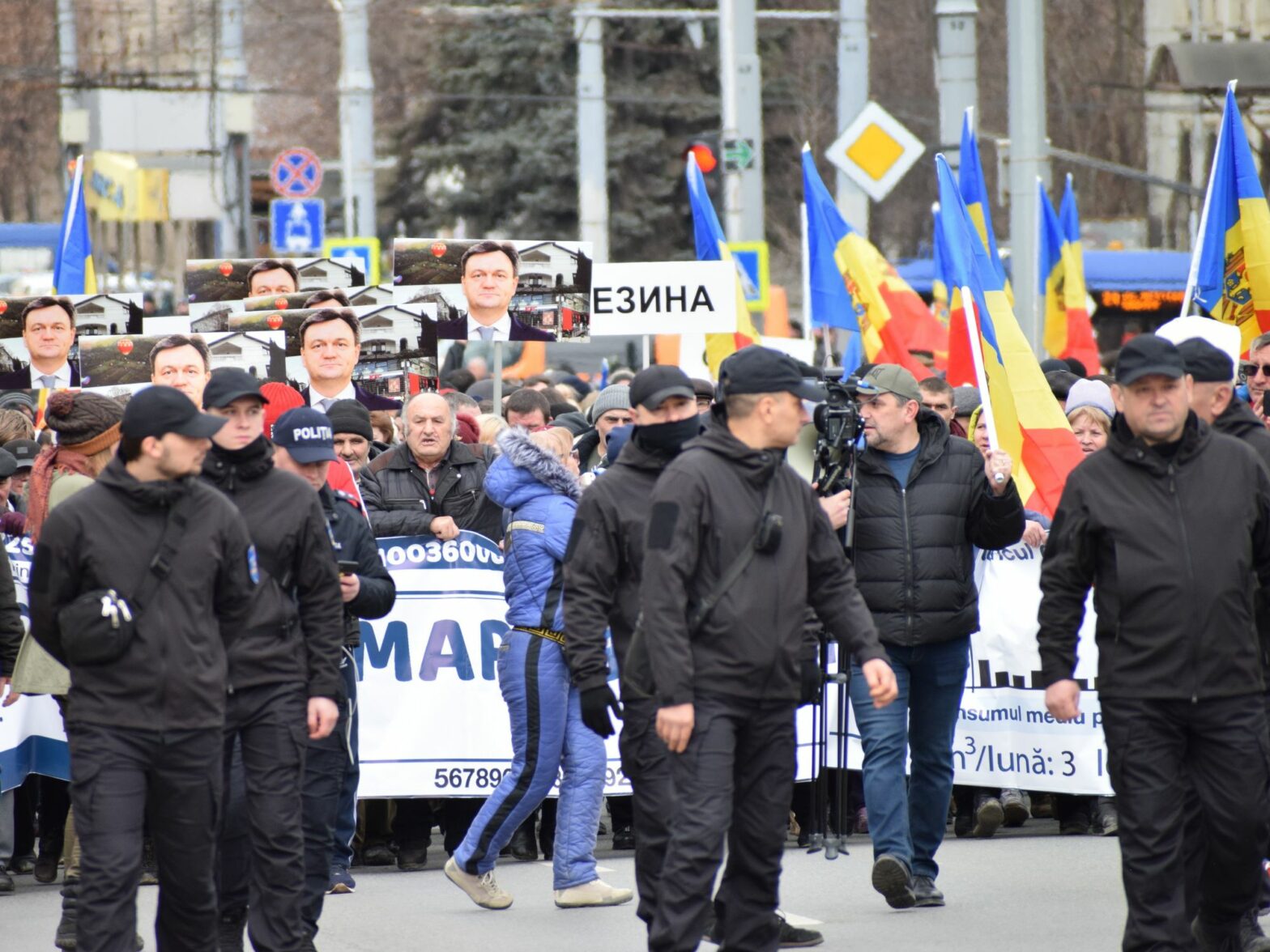
Recent protests in Moldova confirm that the ex-Soviet country is in the Kremlin’s sights. If Putin manages to politically destabilize the ex-Soviet country, he could win an important ally in the war against Ukraine. The tactics are strikingly familiar to what the Kremlin pulled off in Donbas nine years ago.
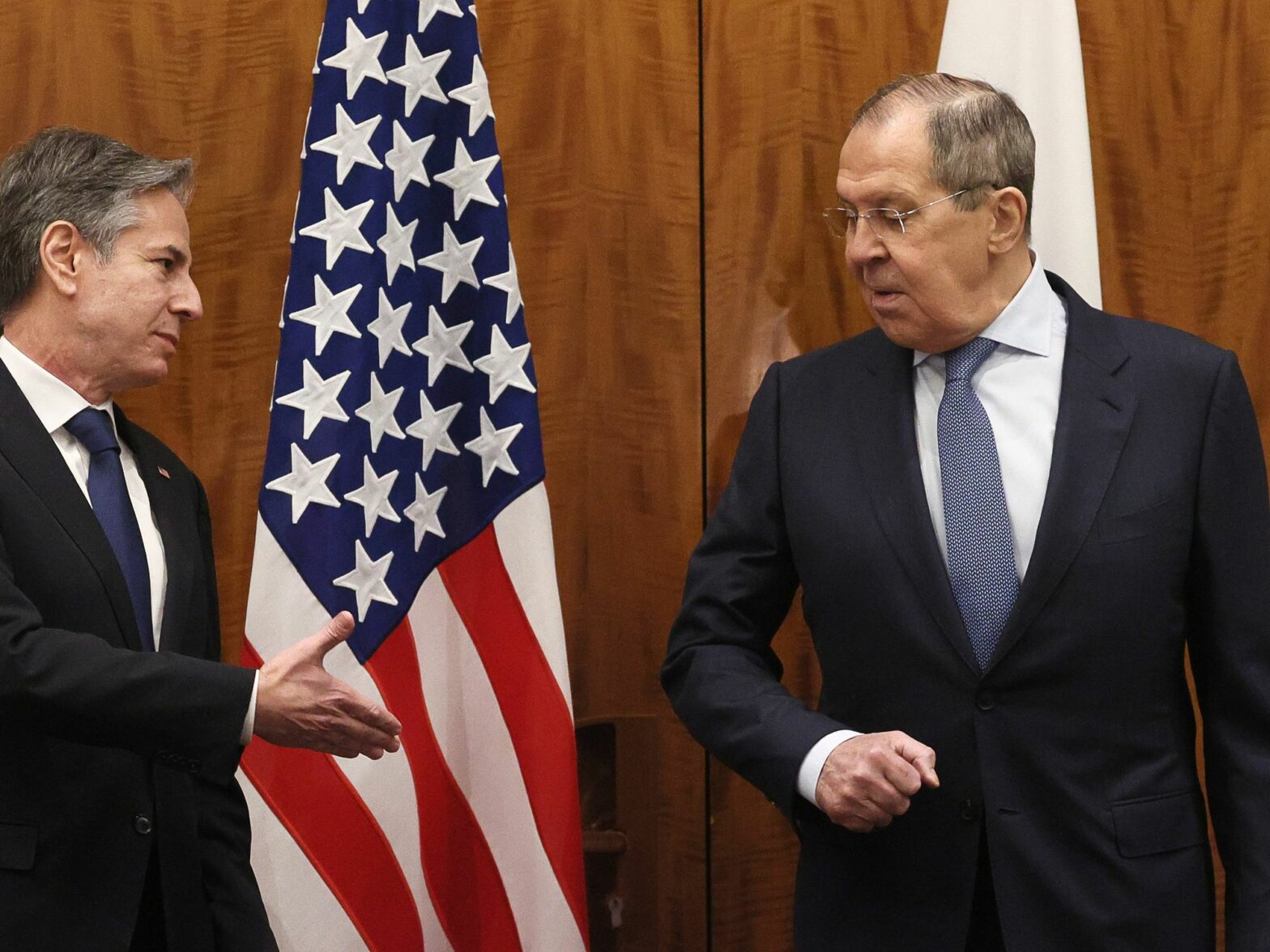
It’s not just about the current diplomatic impasse between Russia and the West, it’s about the future — and that means China.
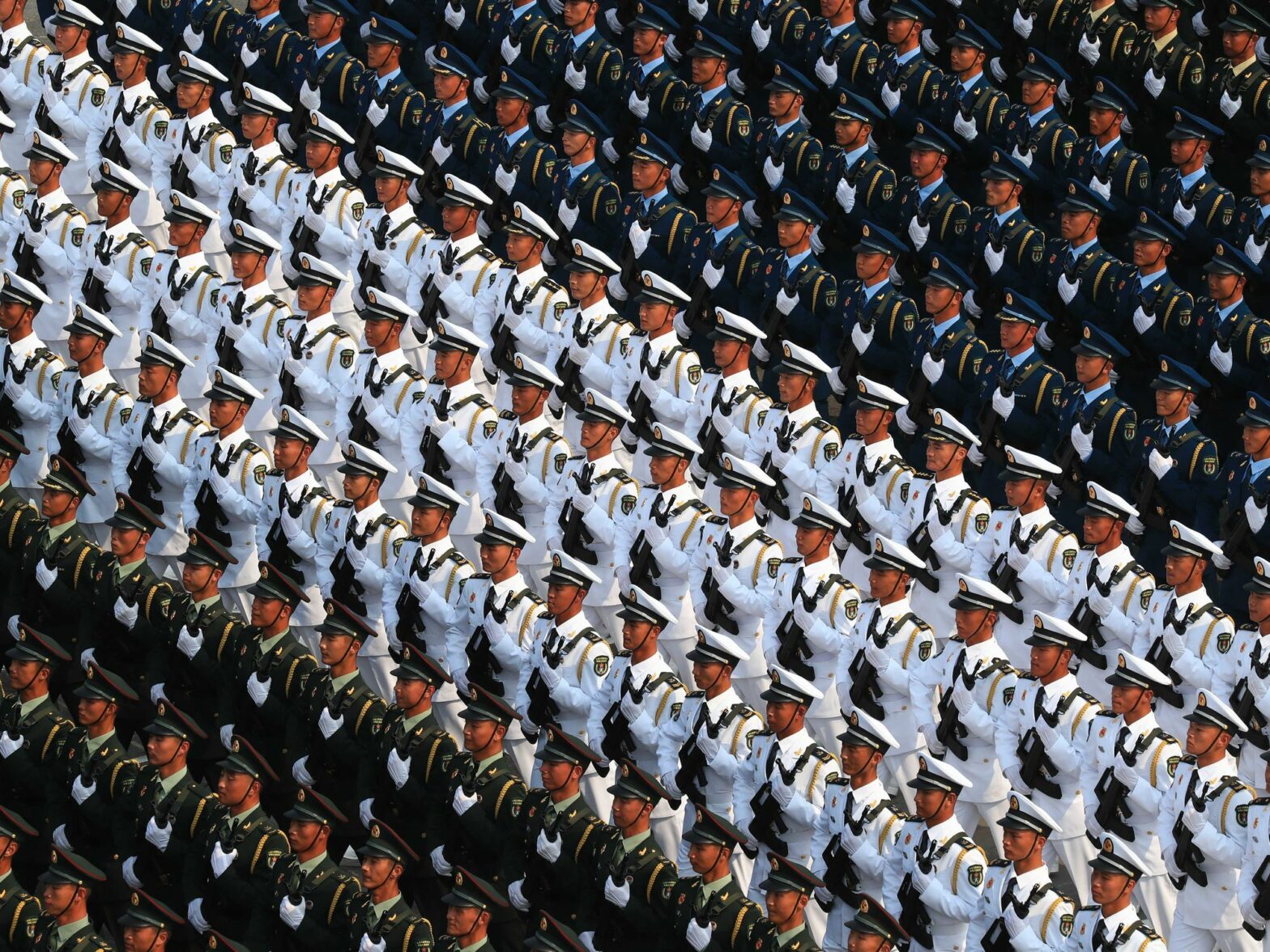
South Korean President, Yoon Suk-yeol, made a gesture of reconciliation towards Japan, the country’s former colonizer. It gives Washington hope that its two key Asian allies can overcome differences as they face an emboldened China and North Korea.
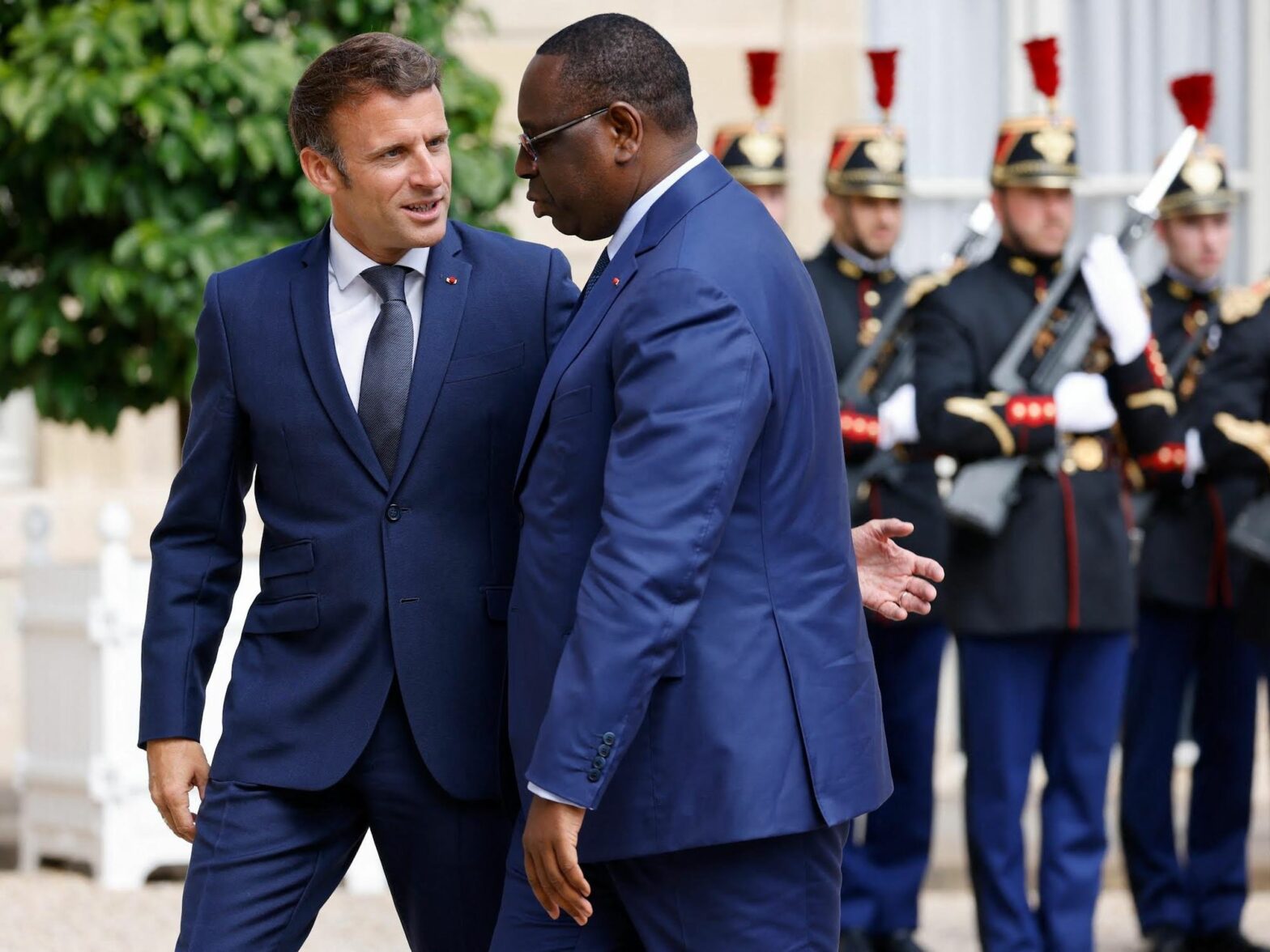
French President Emmanuel Macron has outlined a new policy for France’s relationship with Africa, recognizing the need for a departure from post-colonial mindsets. But he faces challenges at home and abroad.
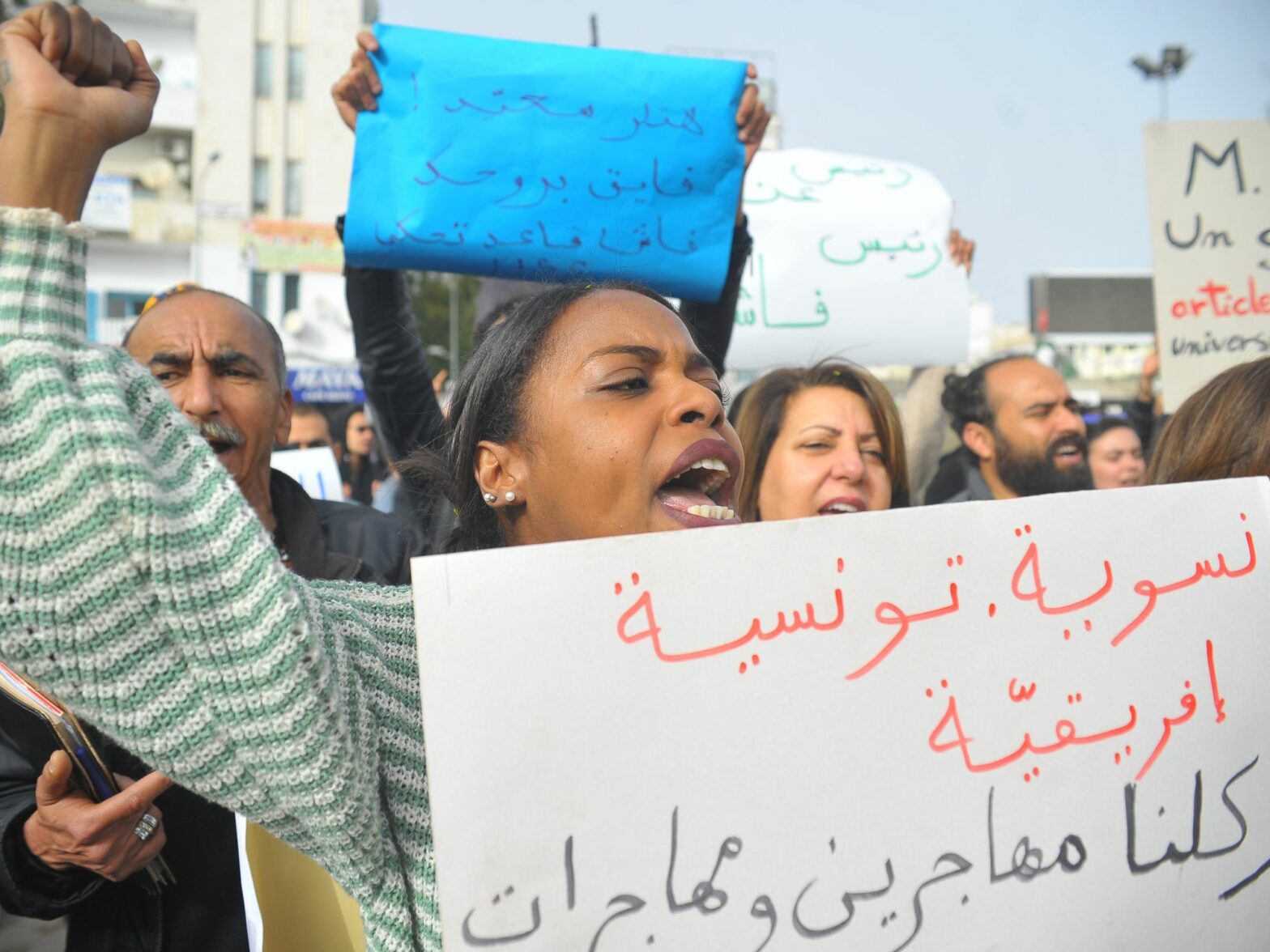
Tunisian President Kaïs Saïed’s xenophobic claims that a conspiracy aims to replace Tunisians with sub-Saharan migrants has unleashed racist violence in the country. It’s a sign of the growing authoritarianism of the popular but powerless president.
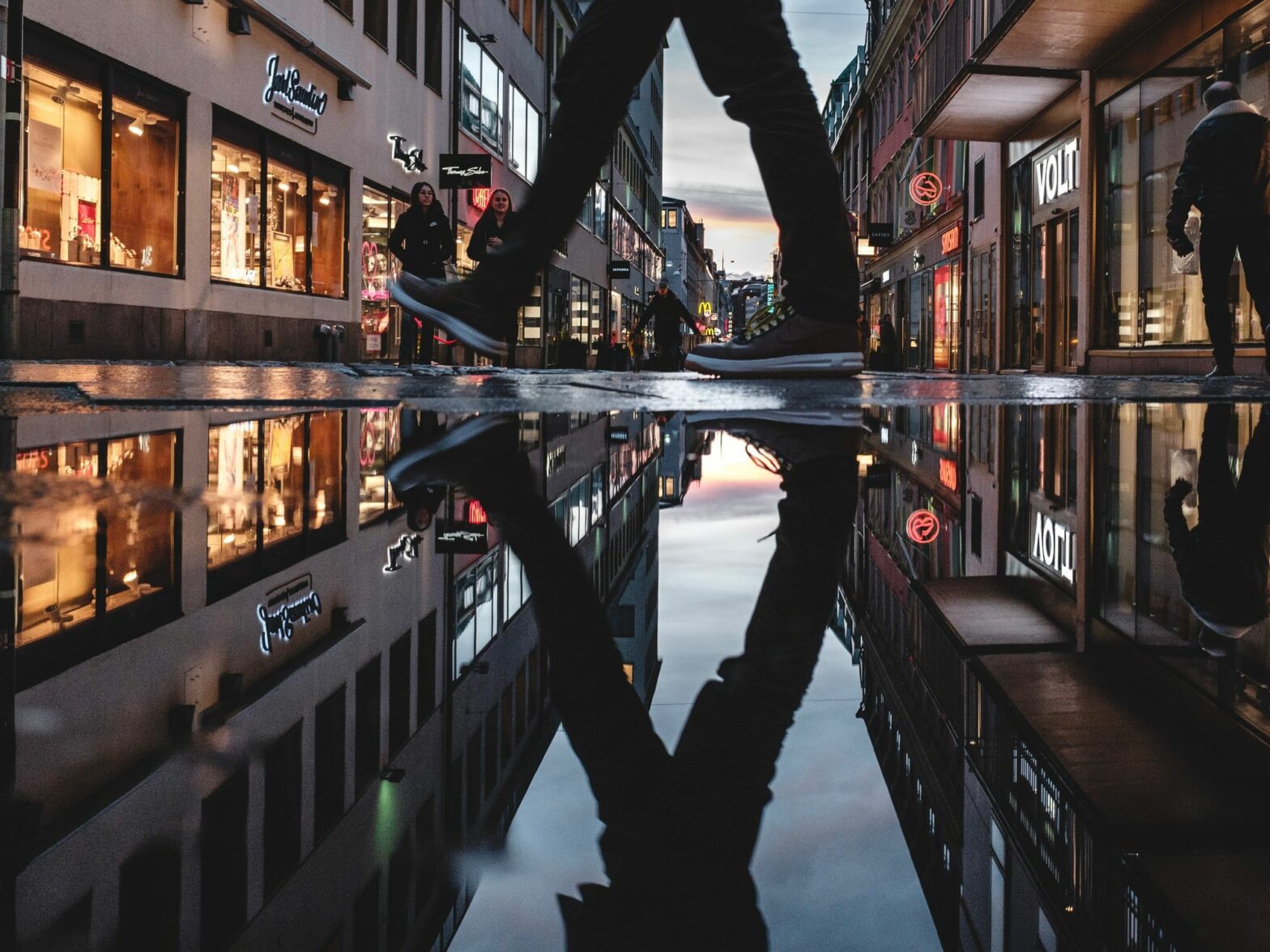
Reverberations of the war in Ukraine is just one factor forcing Sweden to reinvent its identity as a nation in a destabilized world order which puts into question the values the country had long stood for, including non-alignment, free trade and market liberalism.
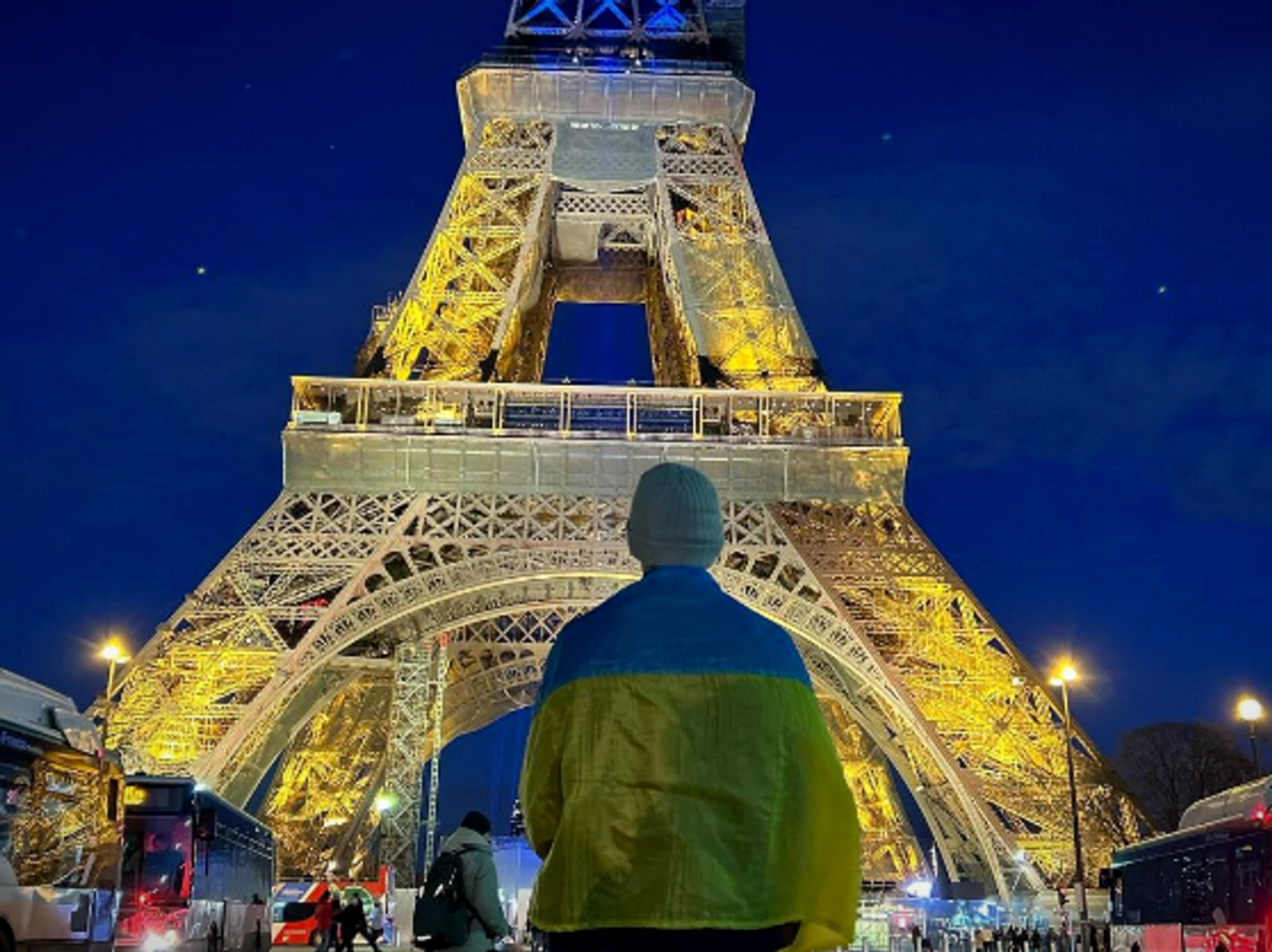
Vladimir Putin thought the West would wind up divided over the backing of Ukraine. Yet a year later with new survey numbers out, and more aid flowing to Kyiv, this appears to be one of the most crucial errors in launching his invasion.
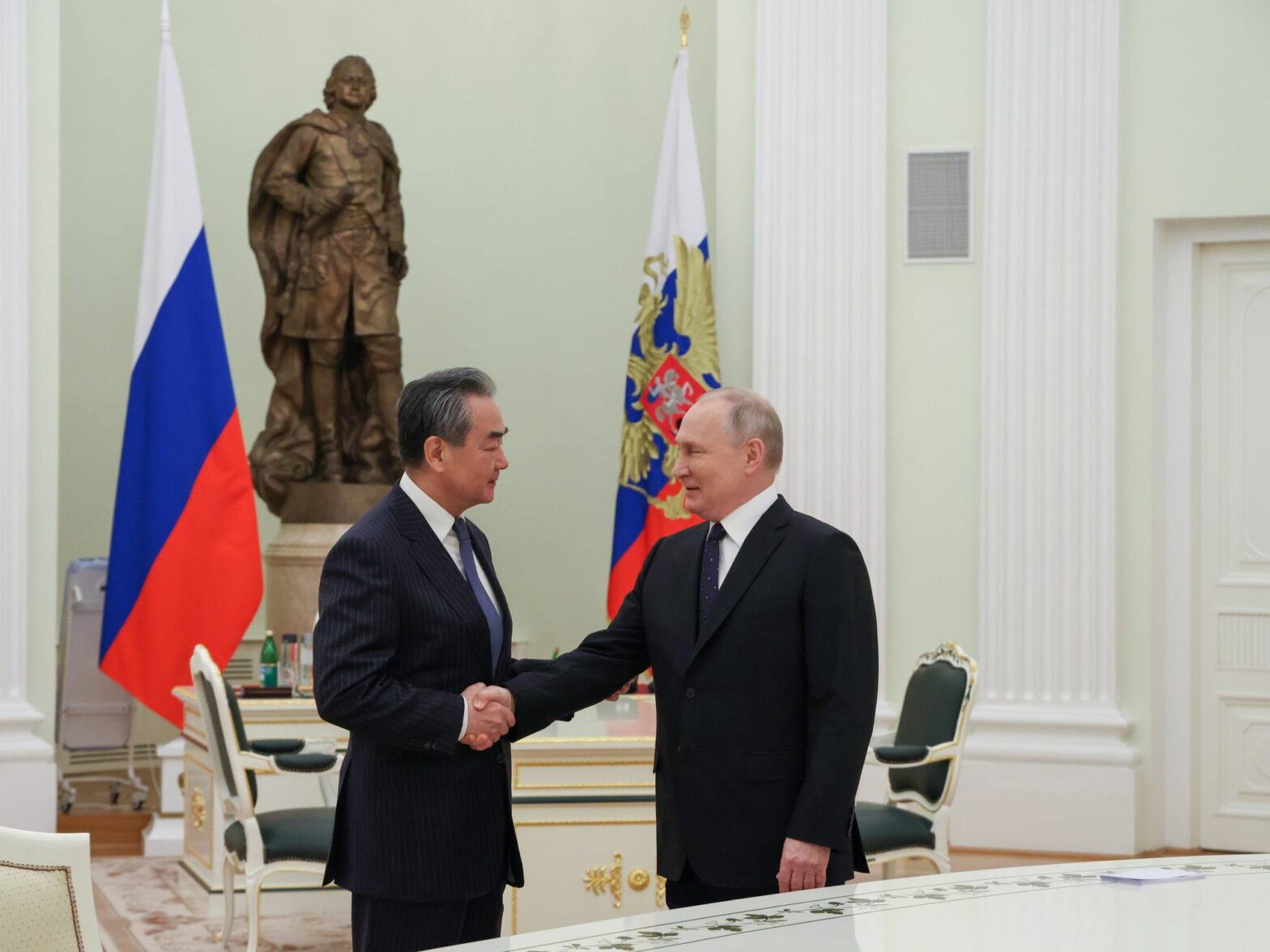
One year since Russia’s invasion, the global stakes of the war in Ukraine have come more fully into focus. It’s a battle over fundamental questions of sovereignty and democracy, but also the very meaning of power.
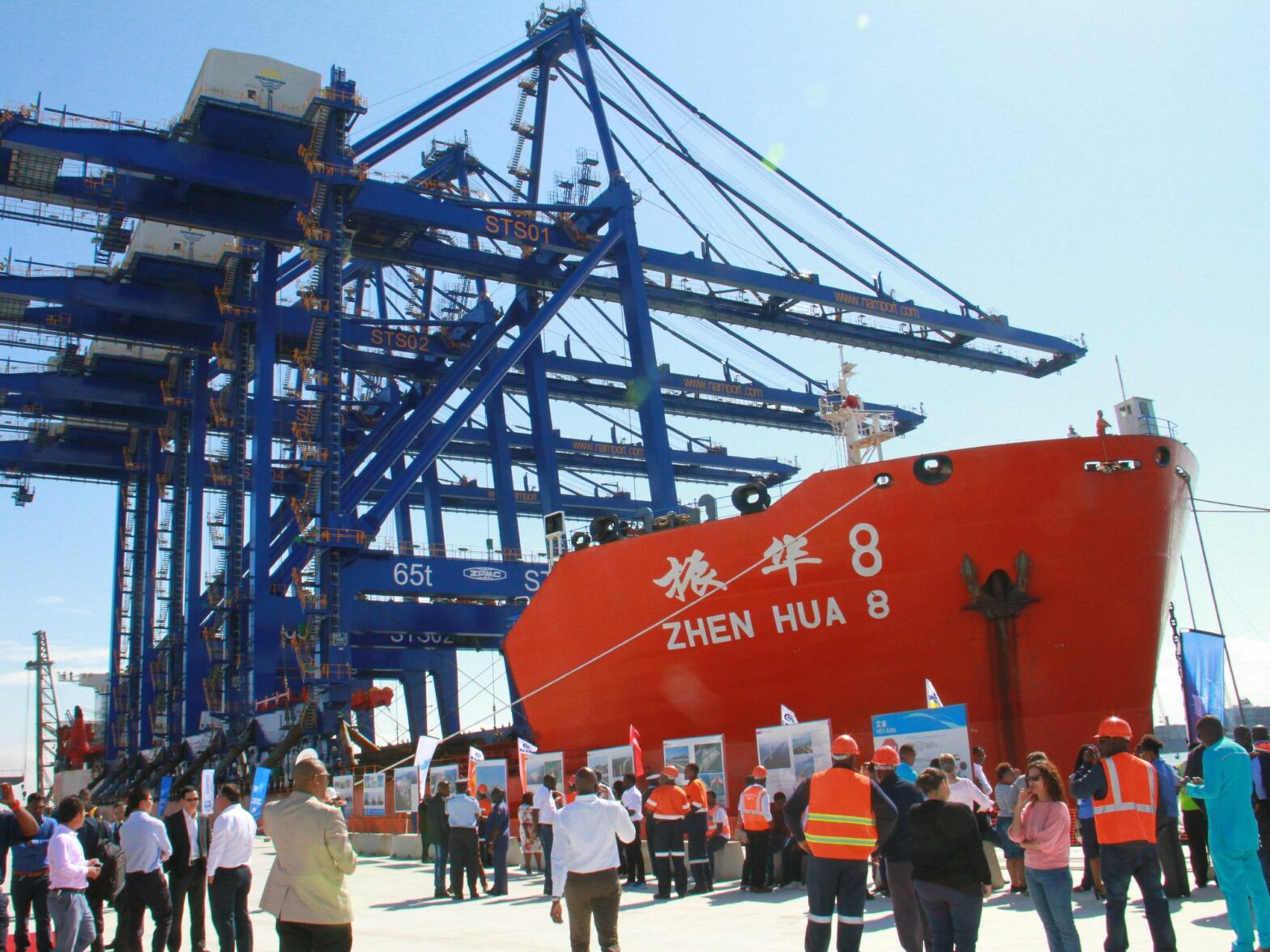
China has invested billions in multiple African countries in order to expand its influence. But both sides have been quietly scaling back the relationship, as Africans resent one-sided deals and China fears defaults on debt.
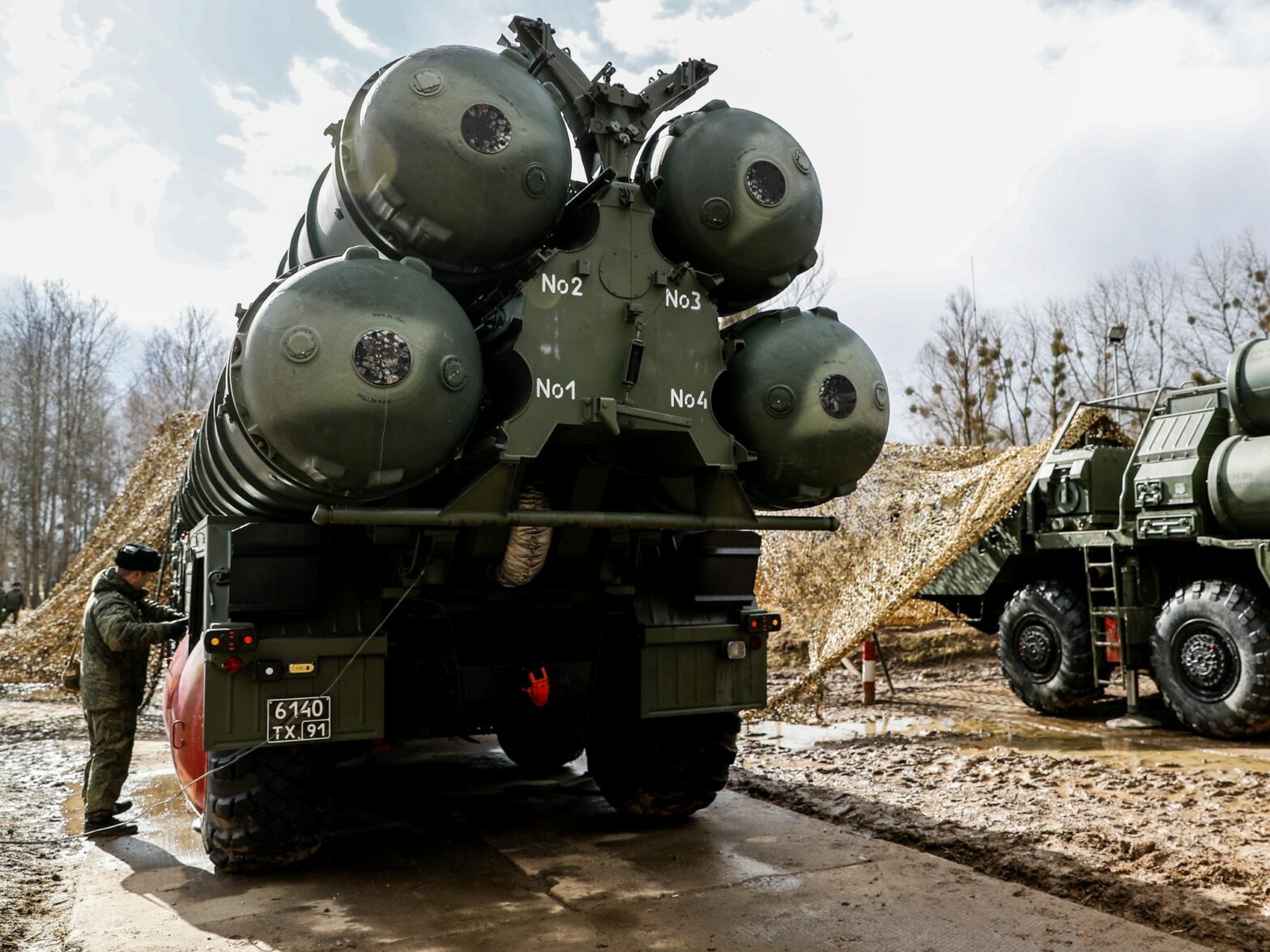
Russia has announced its withdrawal from a post-Cold War nuclear arms control treaty it signed with the U.S. The decision risks re-launching a global arms race.
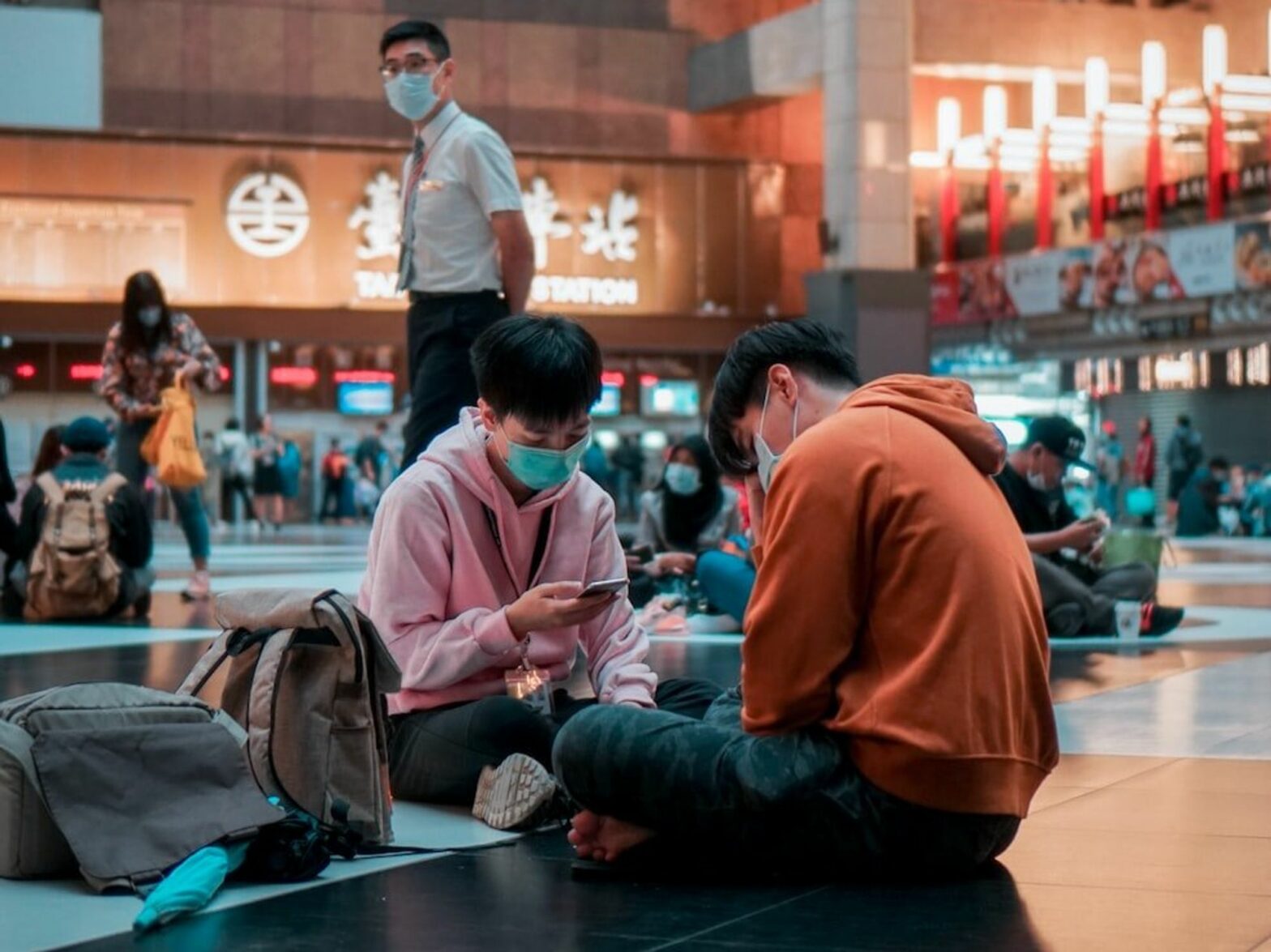
As more young people in Taiwan use Chinese social media, drawn to the fun and glitzy elements of life on mainland China, they need to learn to distinguish real life from propaganda.
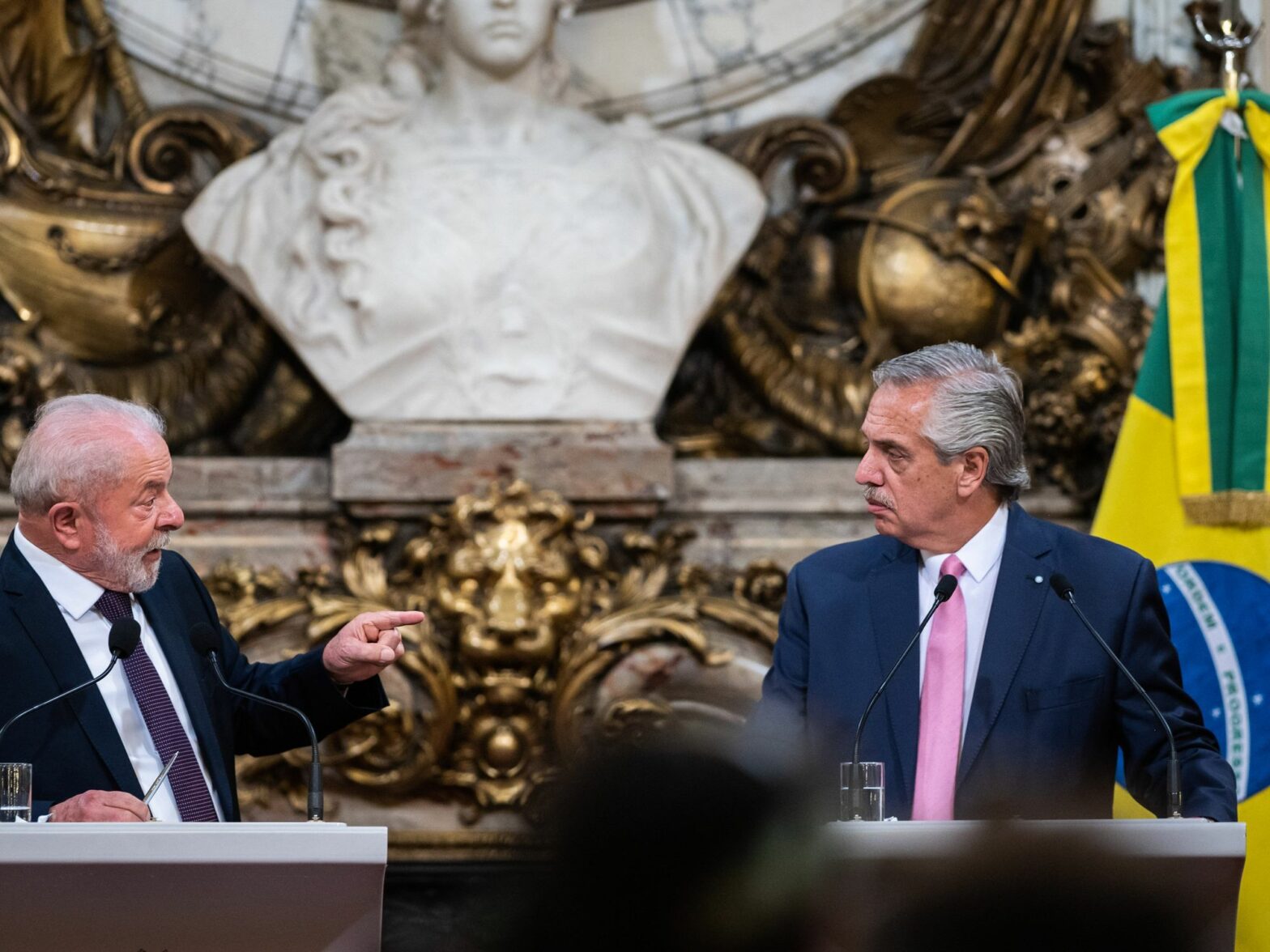
Brazil and Argentina have raised the idea of a shared currency for the South American trading zone. But few believe this is possible without more economic harmonization in the region.
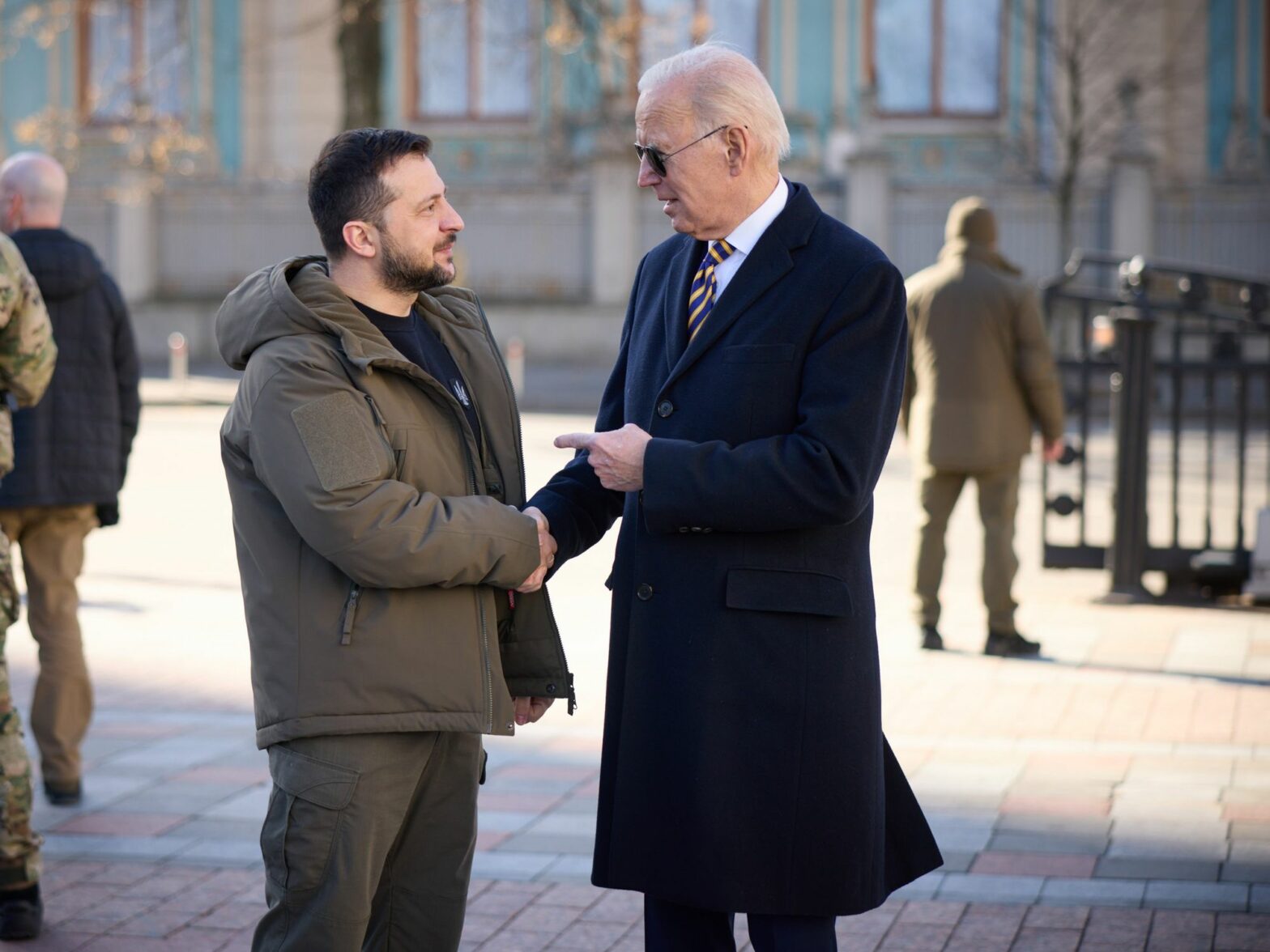
In the inevitable race for symbolic victories on the eve of the Ukraine invasion’s first anniversary, Joe Biden scored a major victory with his surprise visit to Kyiv. Meanwhile, one year on, Vladimir Putin has yet to visit his own country’s troops on the front line.
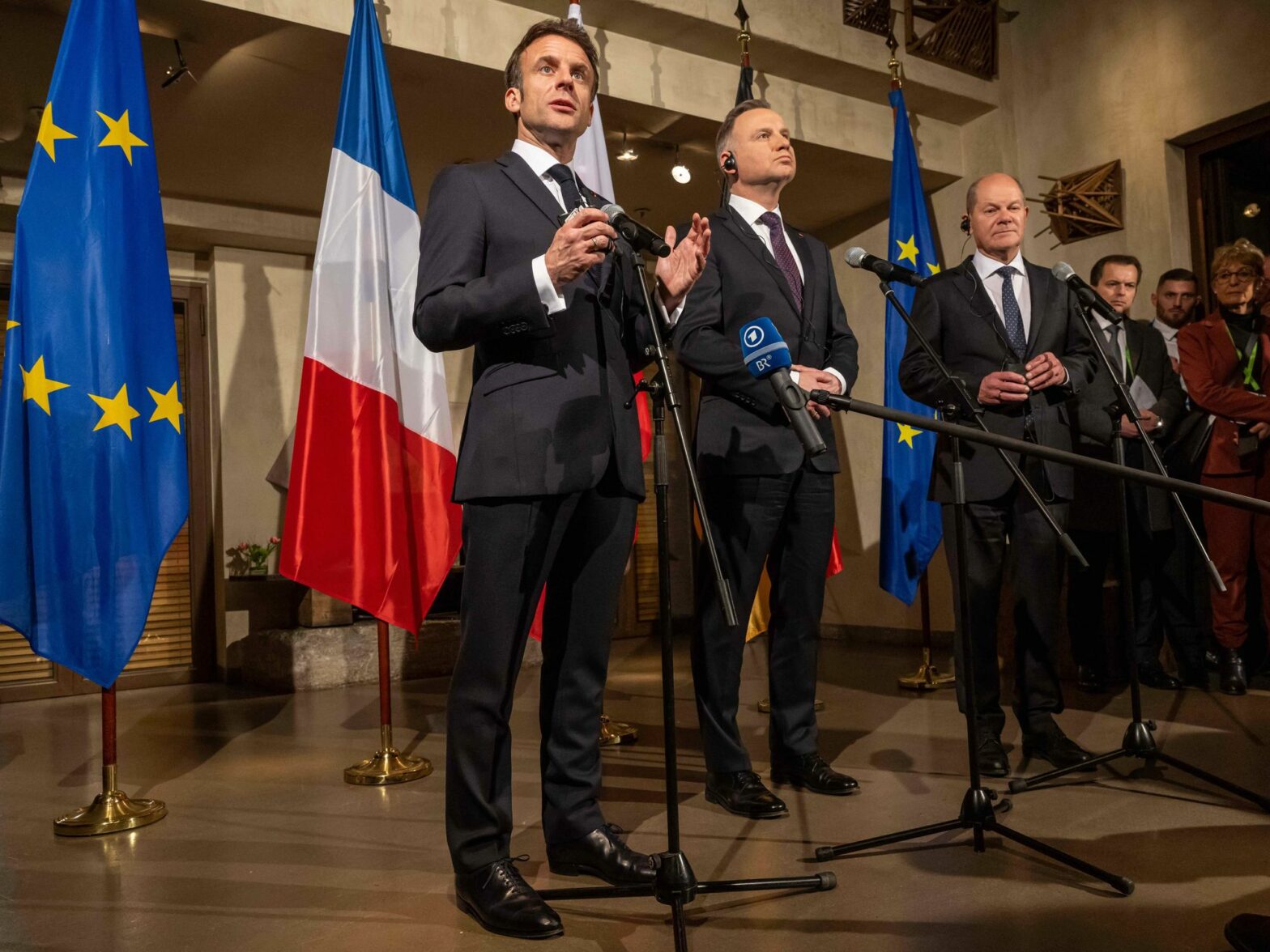
Returning from this weekend’s Munich Security Conference, French President told France Inter public radio: “I do not think that Russia should be defeated completely, or attacked on its soil. These observers want above all to crush Russia. This has never been the position of France and it never will be.”
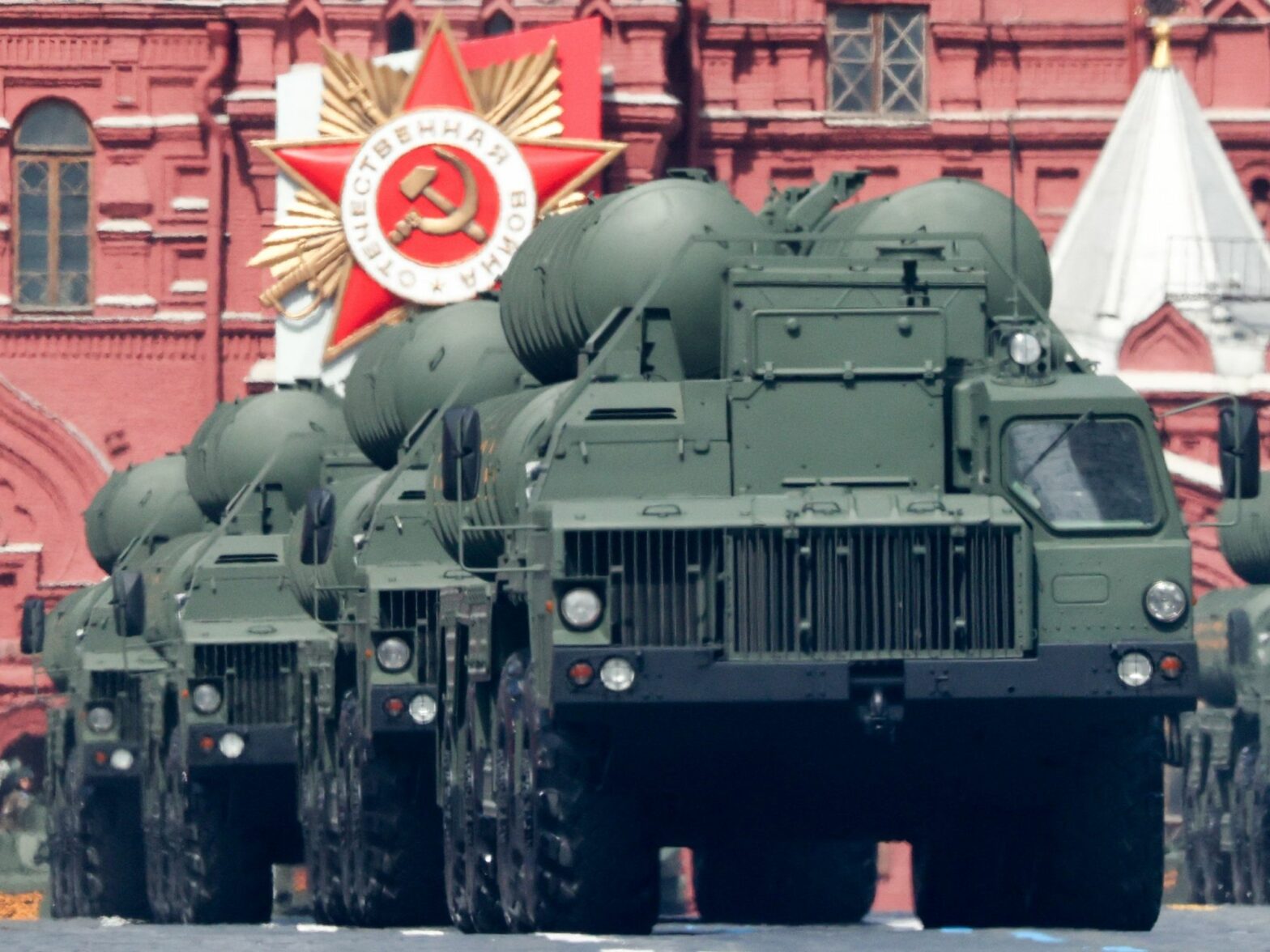
A healthy dose of cynicism and short cuts allows parts for weapons and other technology to still make their way into Russia. Independent Russian-language media Vazhnyye Istorii traces the way both Moscow and much of the rest of the world circumvent export bans.
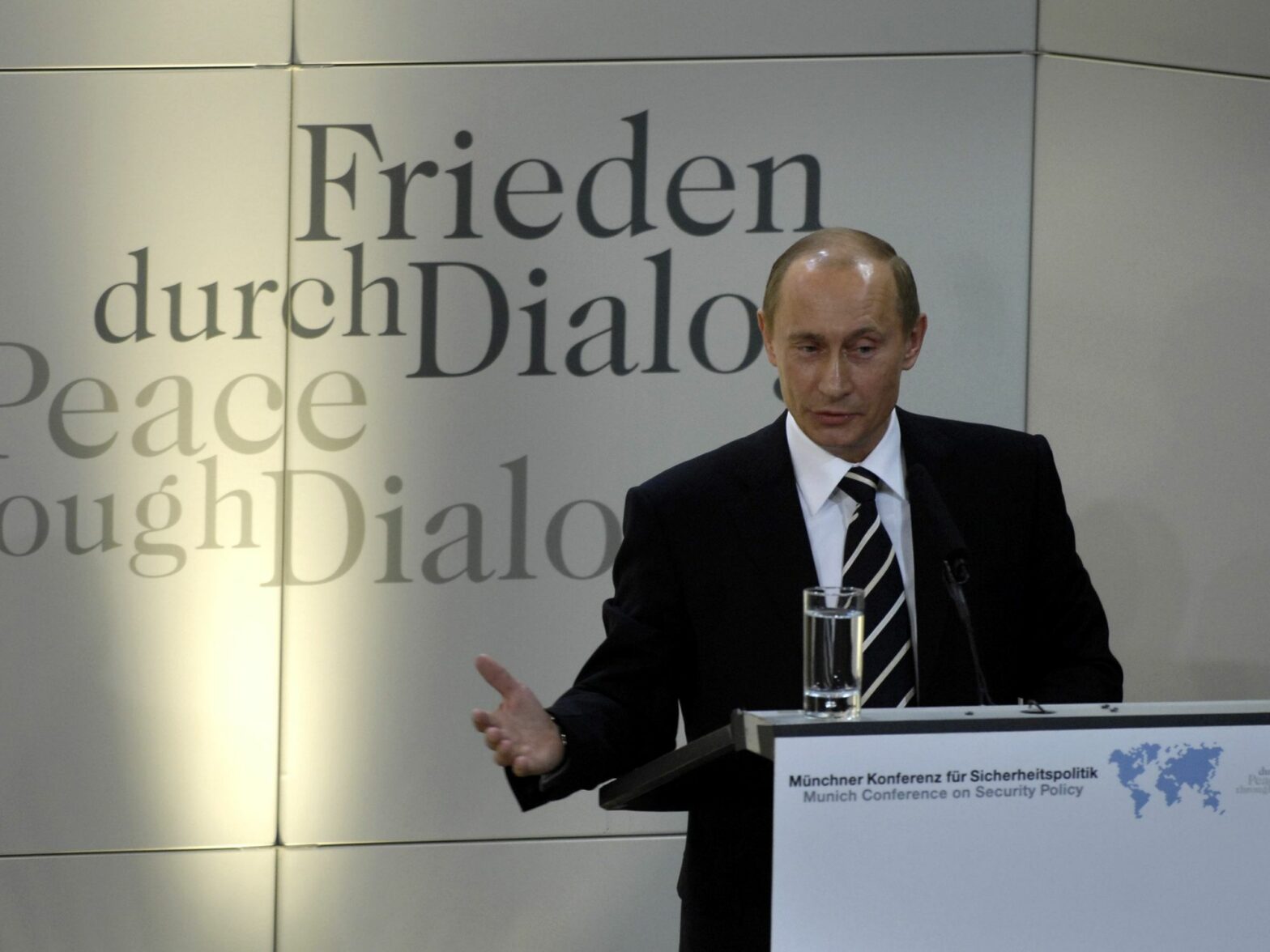
The Munich Security Conference of 2023 takes place this weekend. The 2007 edition was a turning point for the world, where Vladimir Putin made his intentions clear — and today it all looks destined to arrive at the invasion of Ukraine.

Republicans and Democrats have been engaged in political ping-pong over migration, bussing migrants from red to blue states. Now the issue has reached Canada as the migrants are pushed ever further north.
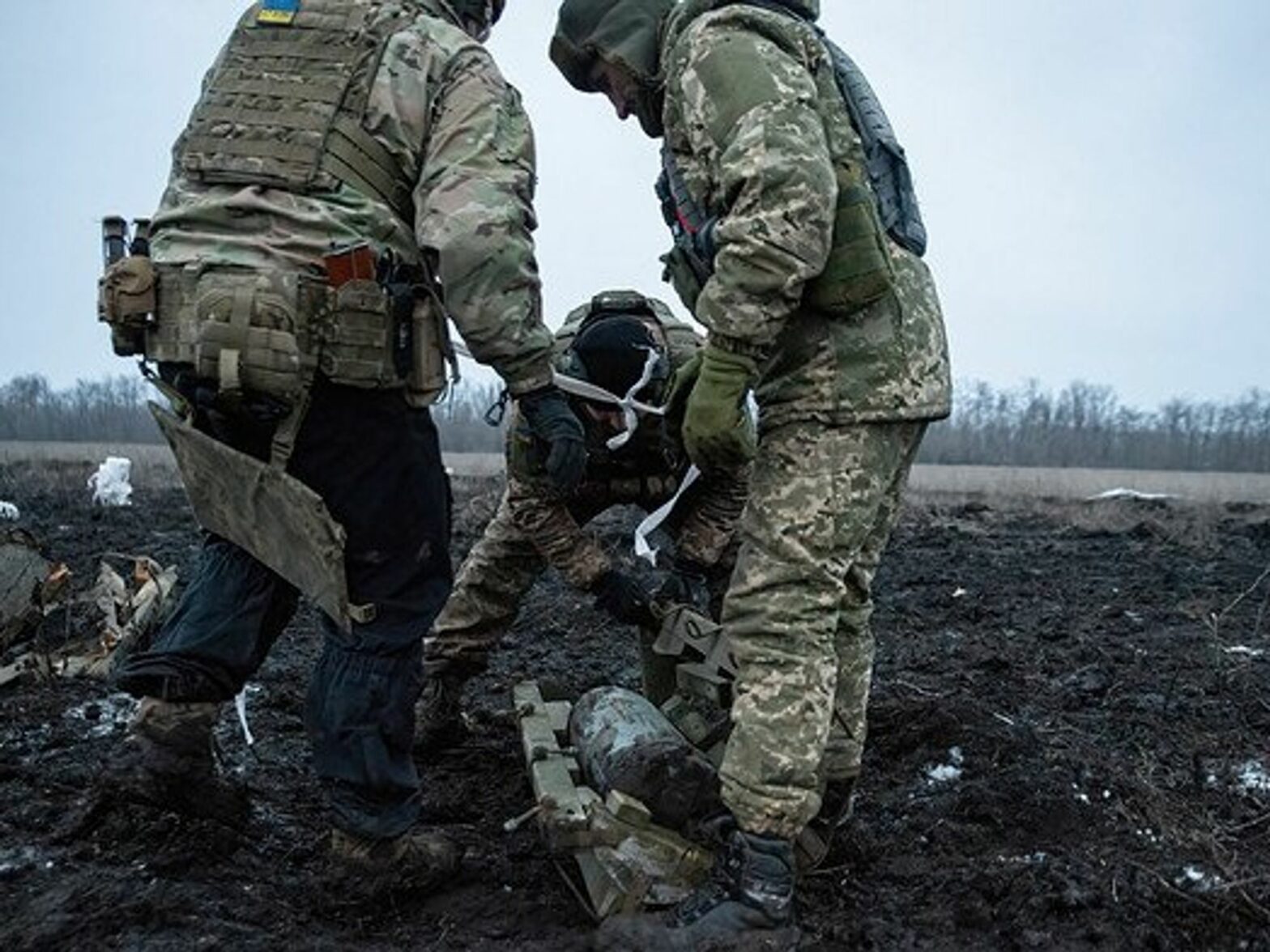
Tech billionaire Elon Musk has long been considered one of Ukraine’s key supporters, but he has just announced restrictions on the Ukrainian military’s use of his Starlink satellites. Die Welt spoke to soldiers on the front lines in Bakhmut who are already feeling the effects.
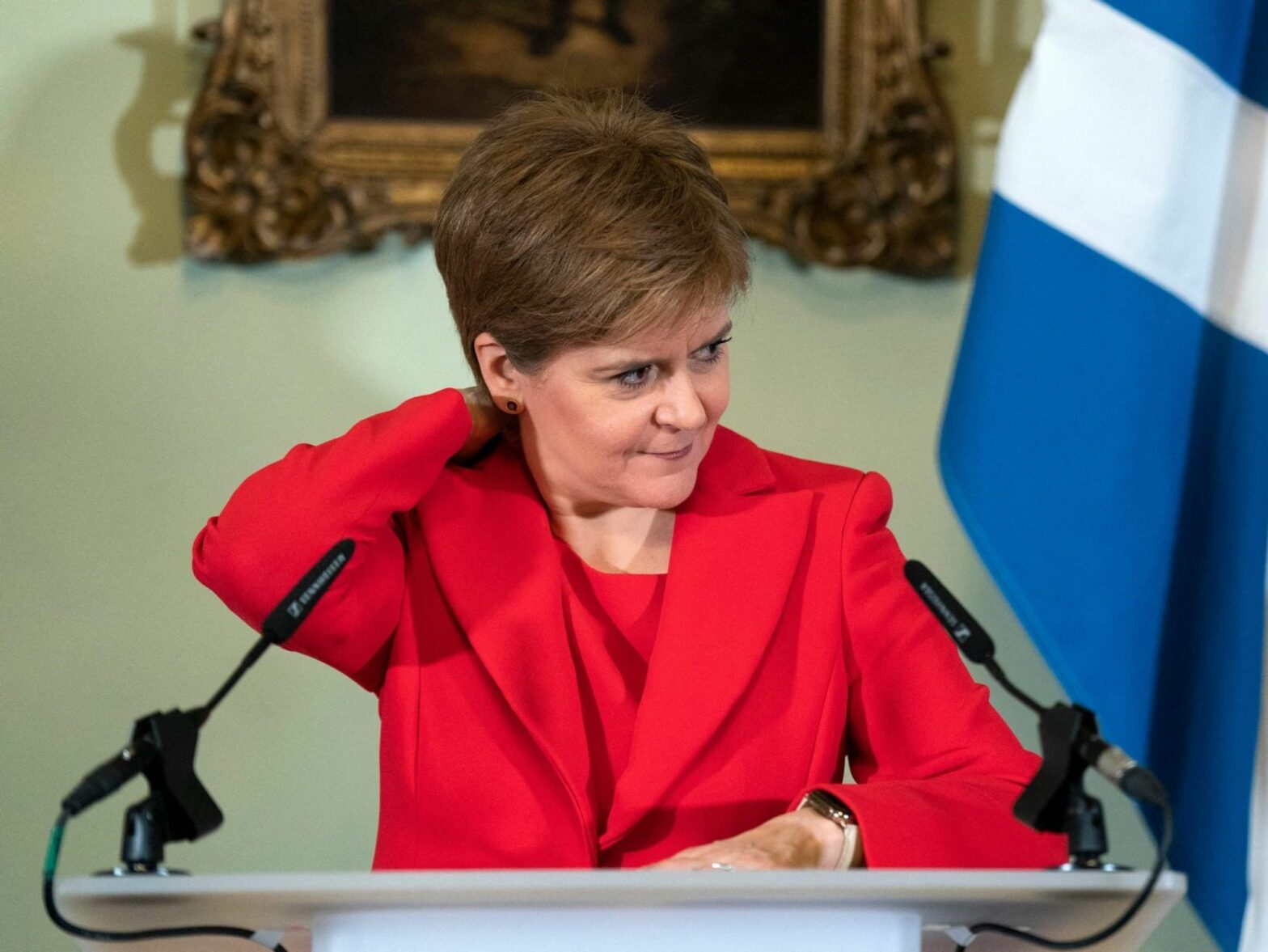
For both her party and her longtime quest for Scottish referendum, Sturgeon leaves several crucial dossiers wide open.
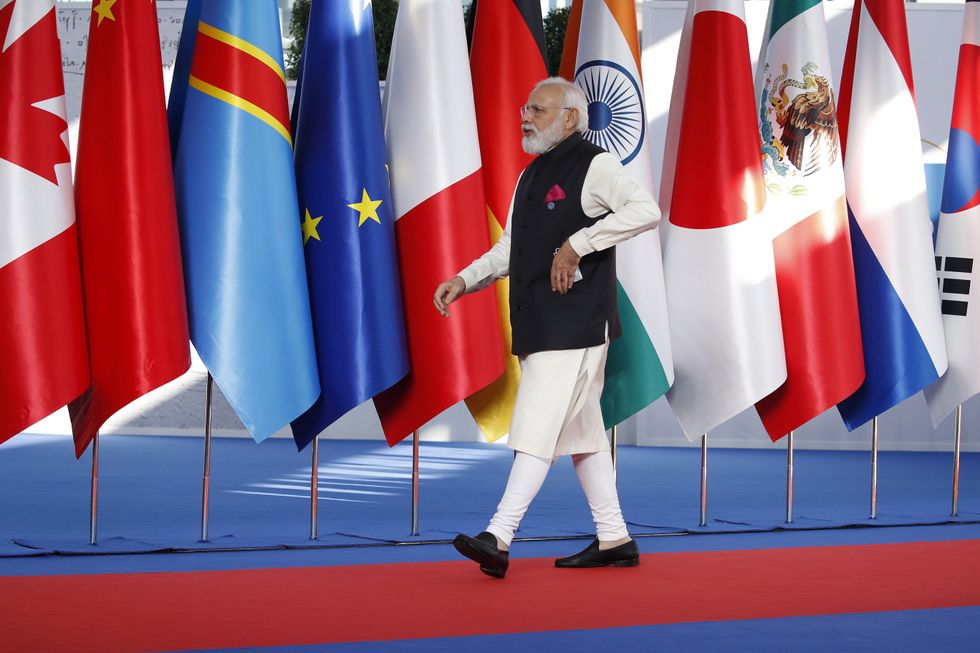
After not buying any aircraft for 17 years, Air India has announced the largest order in the history of aviation. It’s a symbol of India’s new standing in the world, its ambitions and the role it has as a model for other non-aligned nations
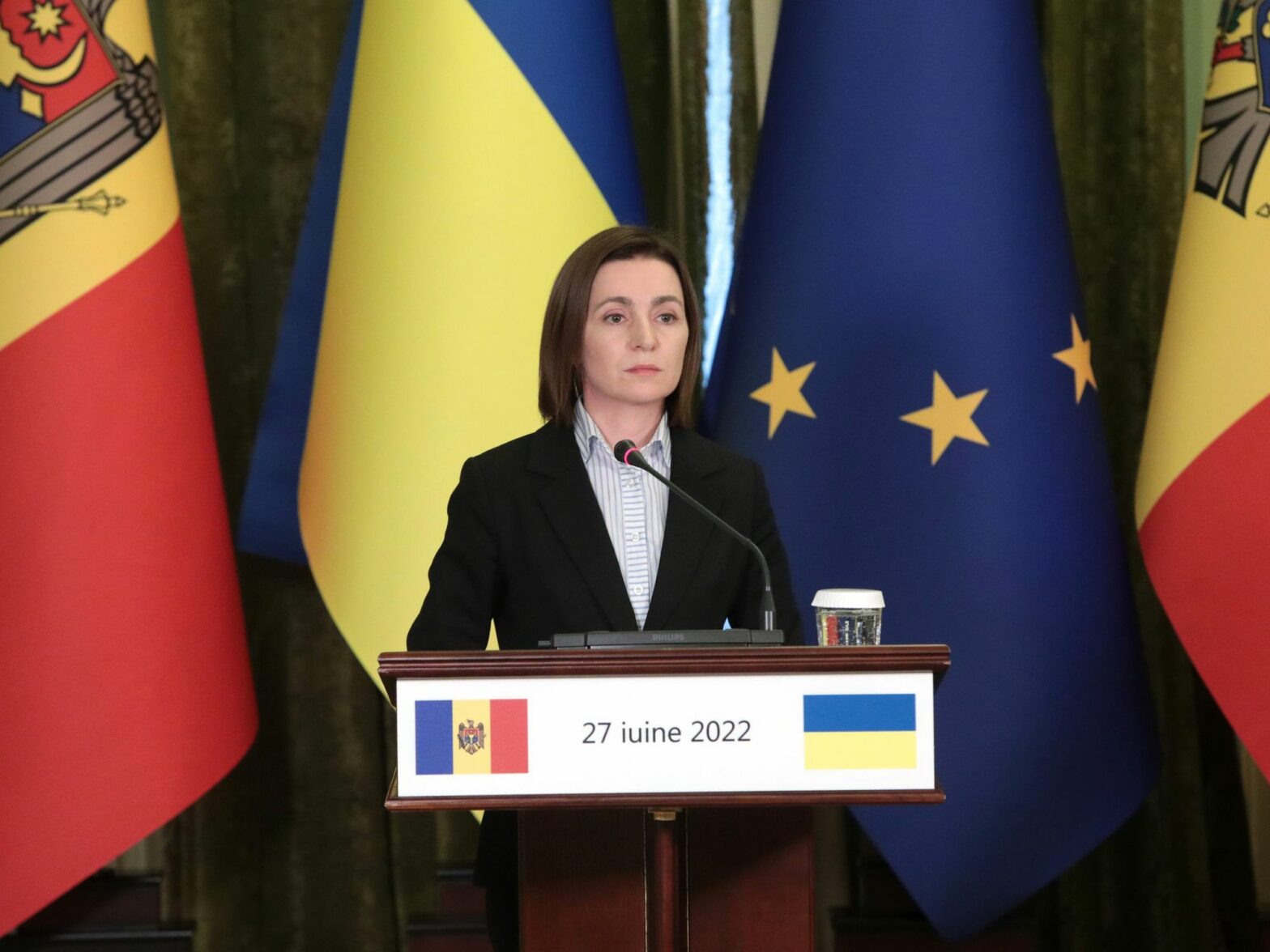
Moldovan President Maia Sandu has warned that Russia aims to install a pro-Kremlin leadership in the former Soviet country across the border from Ukraine. Vladimir Putin has both the means and desire to do so.
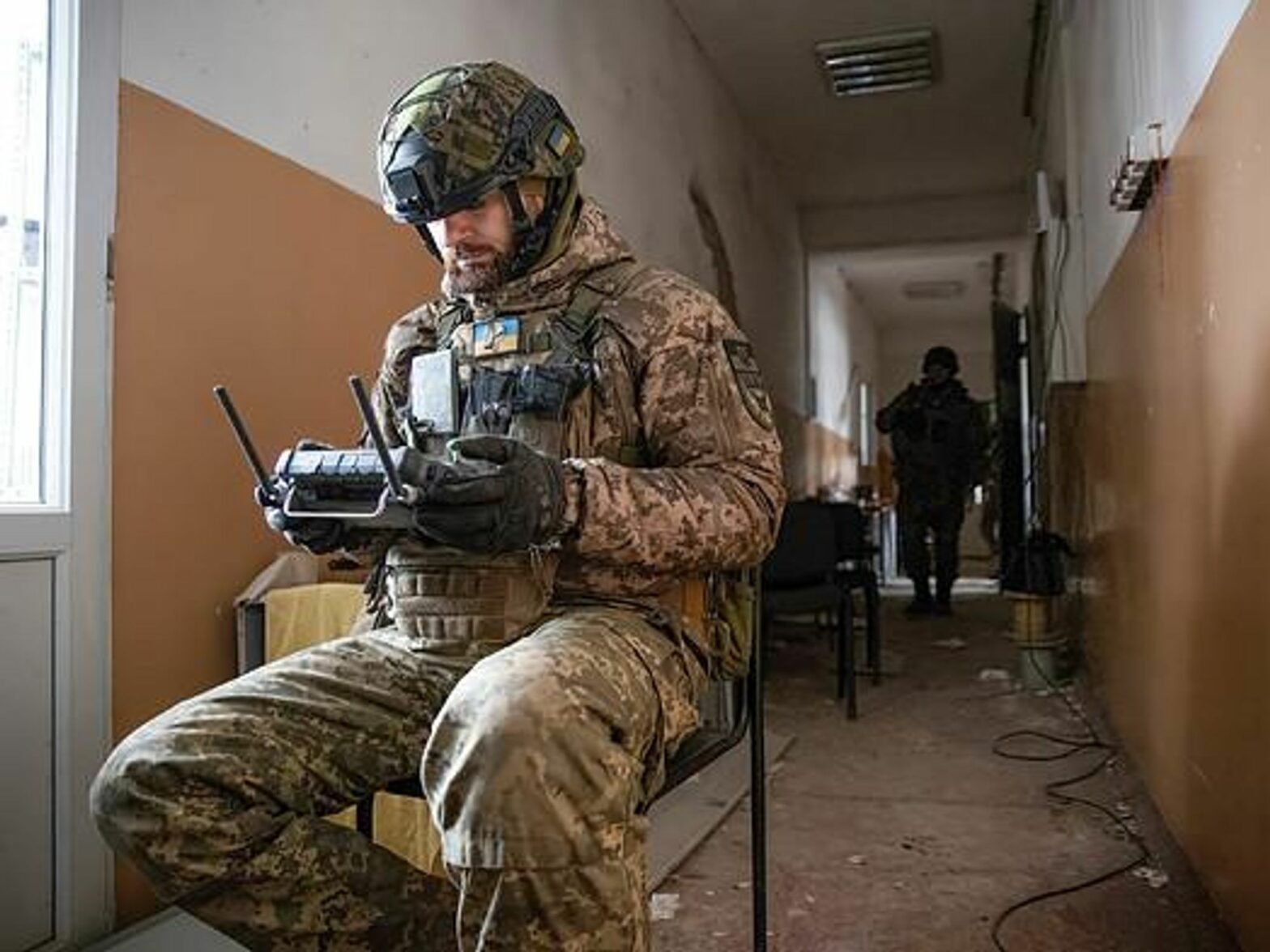
Russians who oppose the war in Ukraine face a tough moral question: How far are they prepared to go? Around the world, a group of Russians are organizing and raising money to send much-needed drones to help Ukrainian forces fight the Russian invasion.
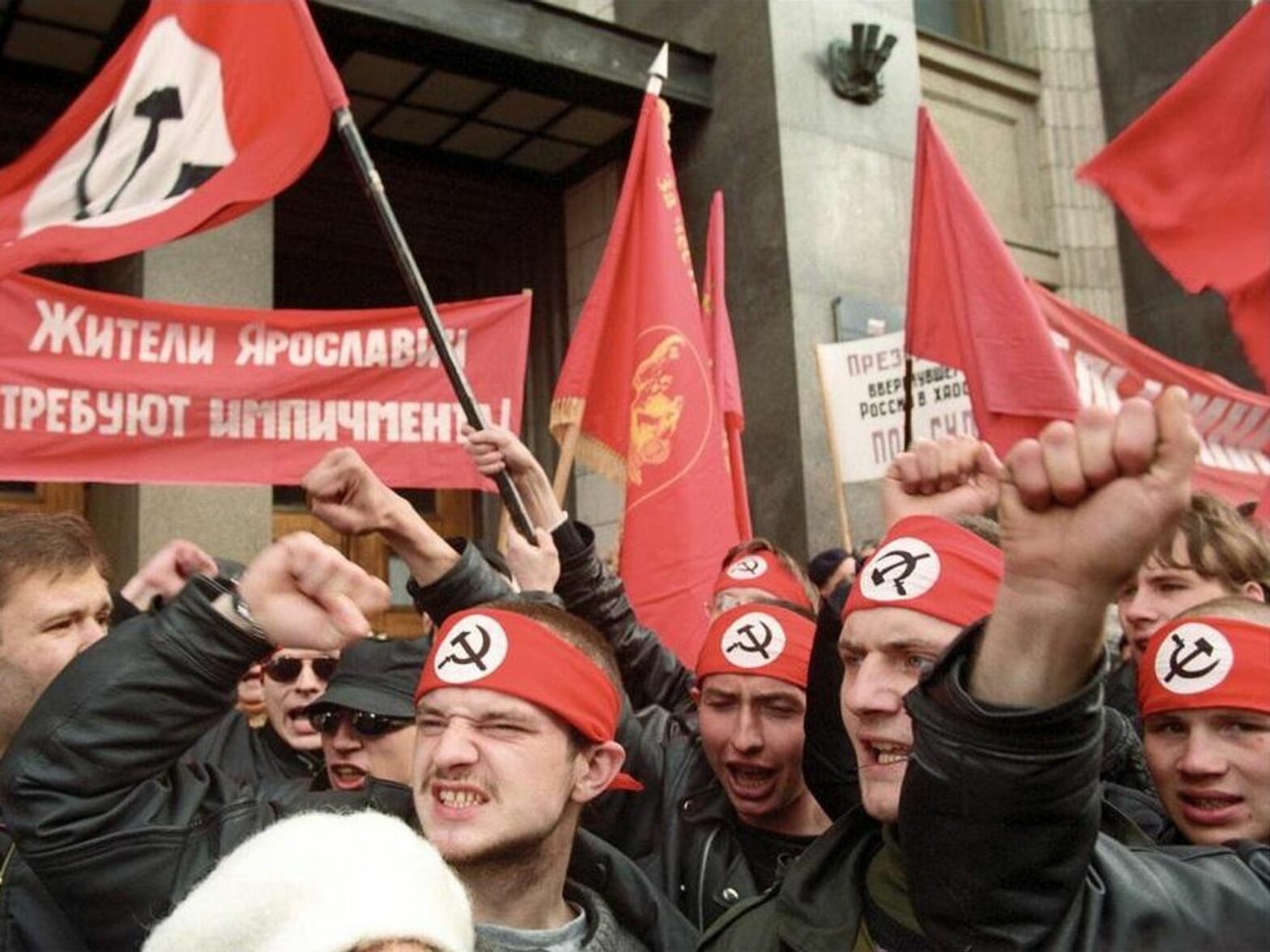
It is a mistake to attribute the construction of authoritarianism in modern Russia to Putin alone. Serhiy Gromenko, an expert at the Ukrainian Institute for the Future, explains the evolution for how Russia wound up an authoritarian state, and why Putin isn’t the only one to blame.
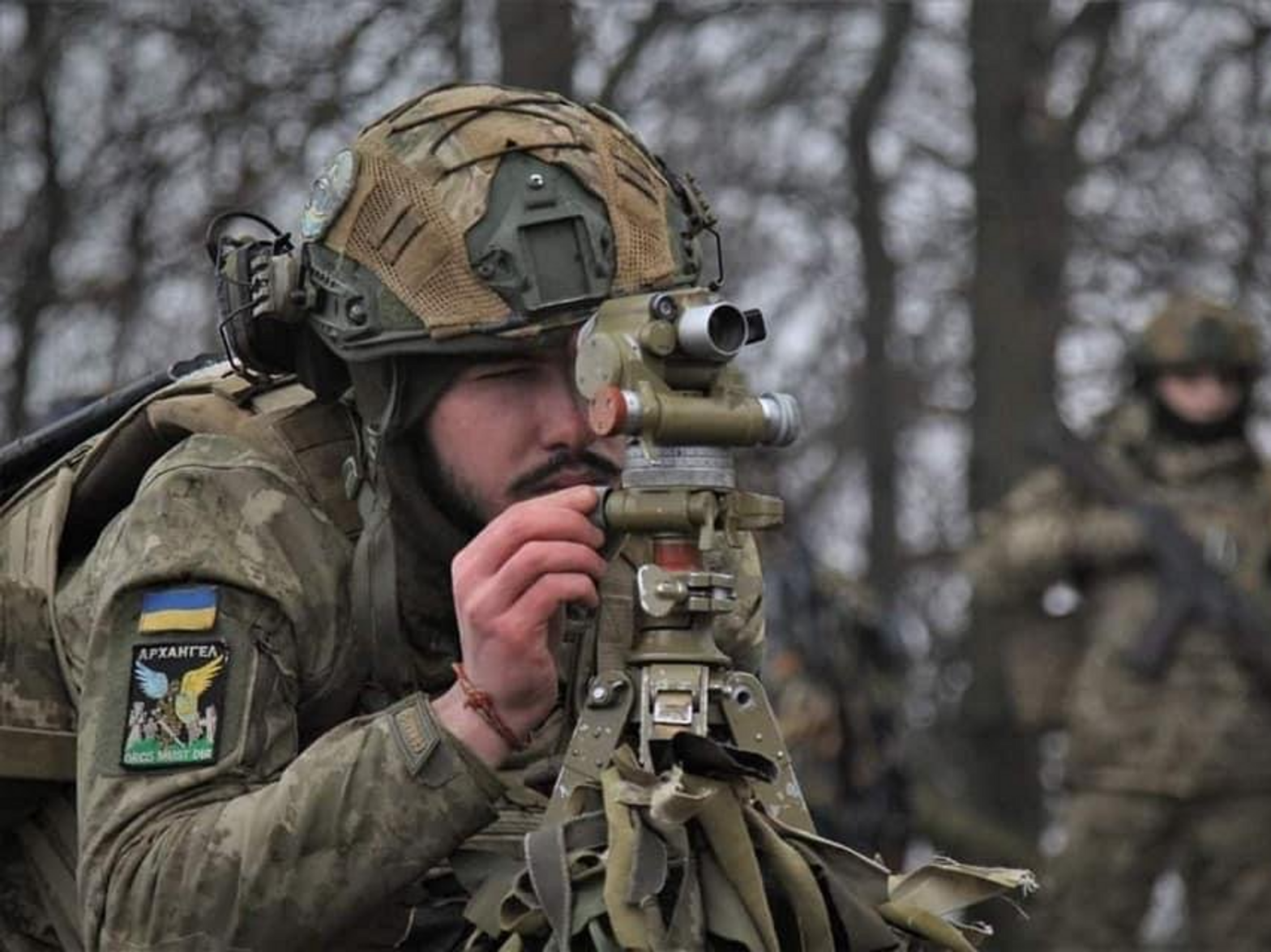
Latest reports show that Russia is stepping up its operations in eastern Ukraine, with a major offensive looking to be imminent. But international military strategists and tactical experts think that instead of sealing Kyiv’s fate, this rushed assault could precipitate the demise of Vladimir Putin and his war.
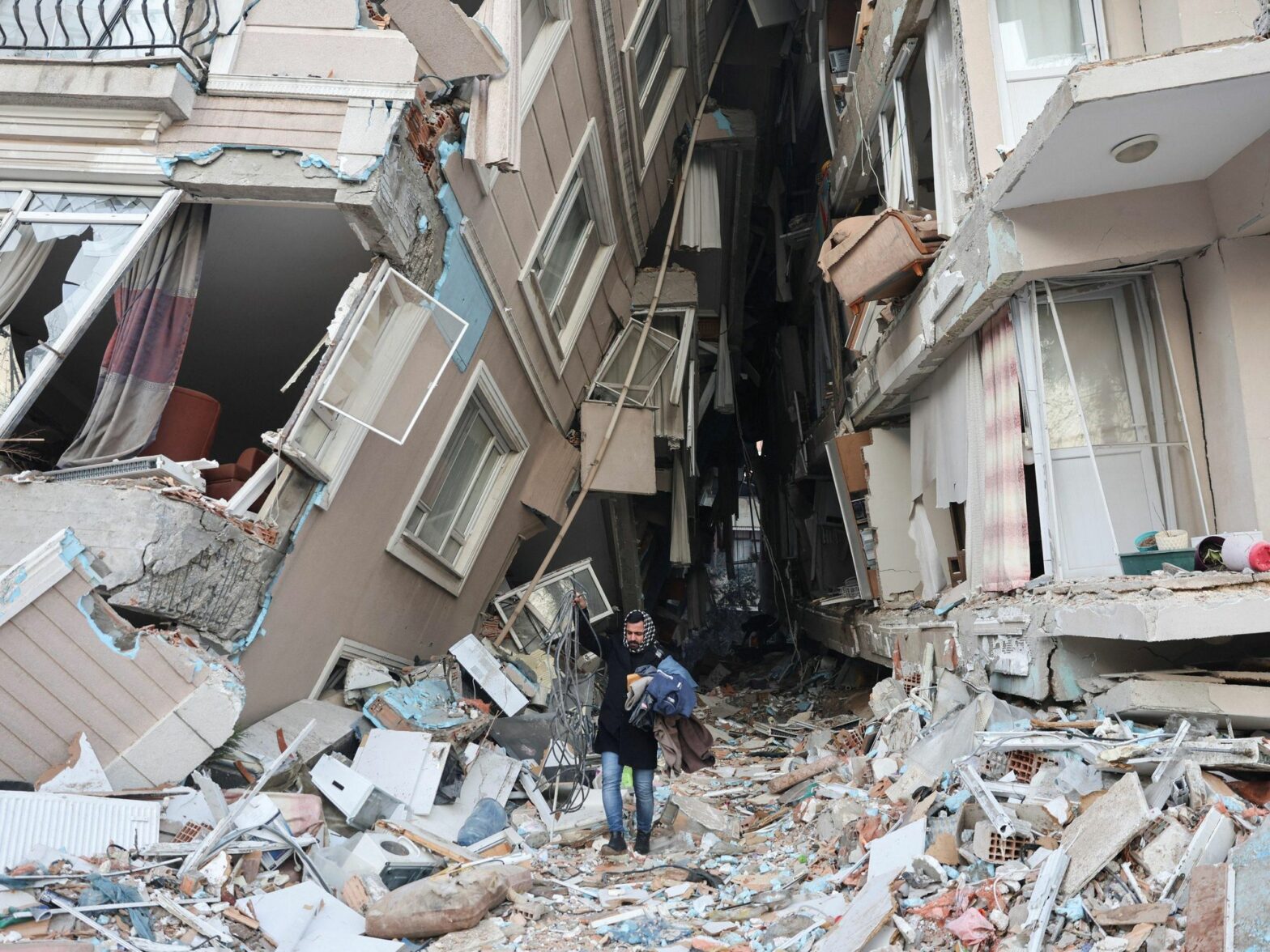
A reflection of what the Feb. 6 earthquake exposes deep problems in Turkish public life over the past two decades, and what we can expect in the coming months and years.
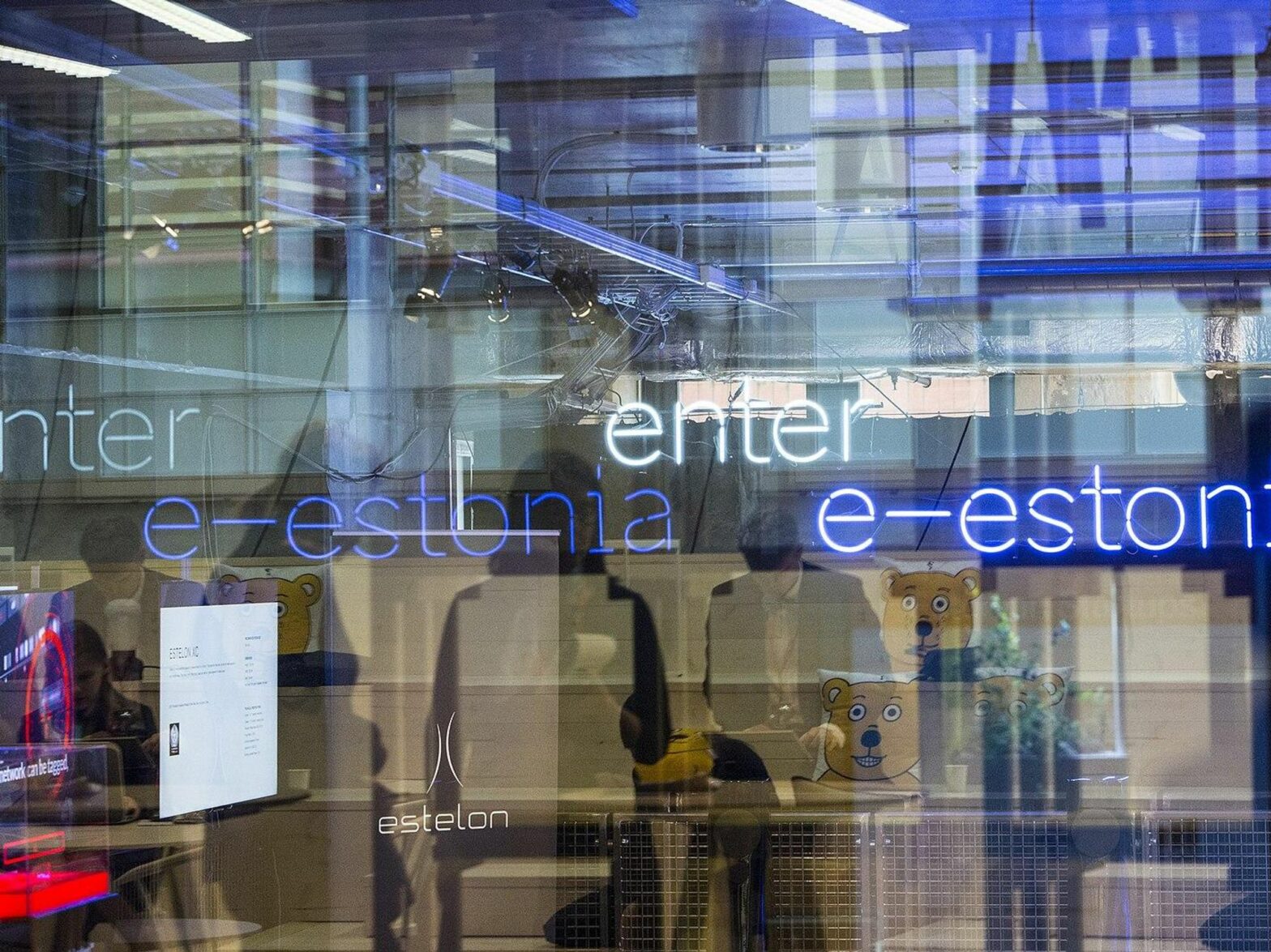
An Estonian e-residency that gives holders access to the country’s government services and business networks has growing takeup in both mainland China and Taiwan. For both business and political reasons.
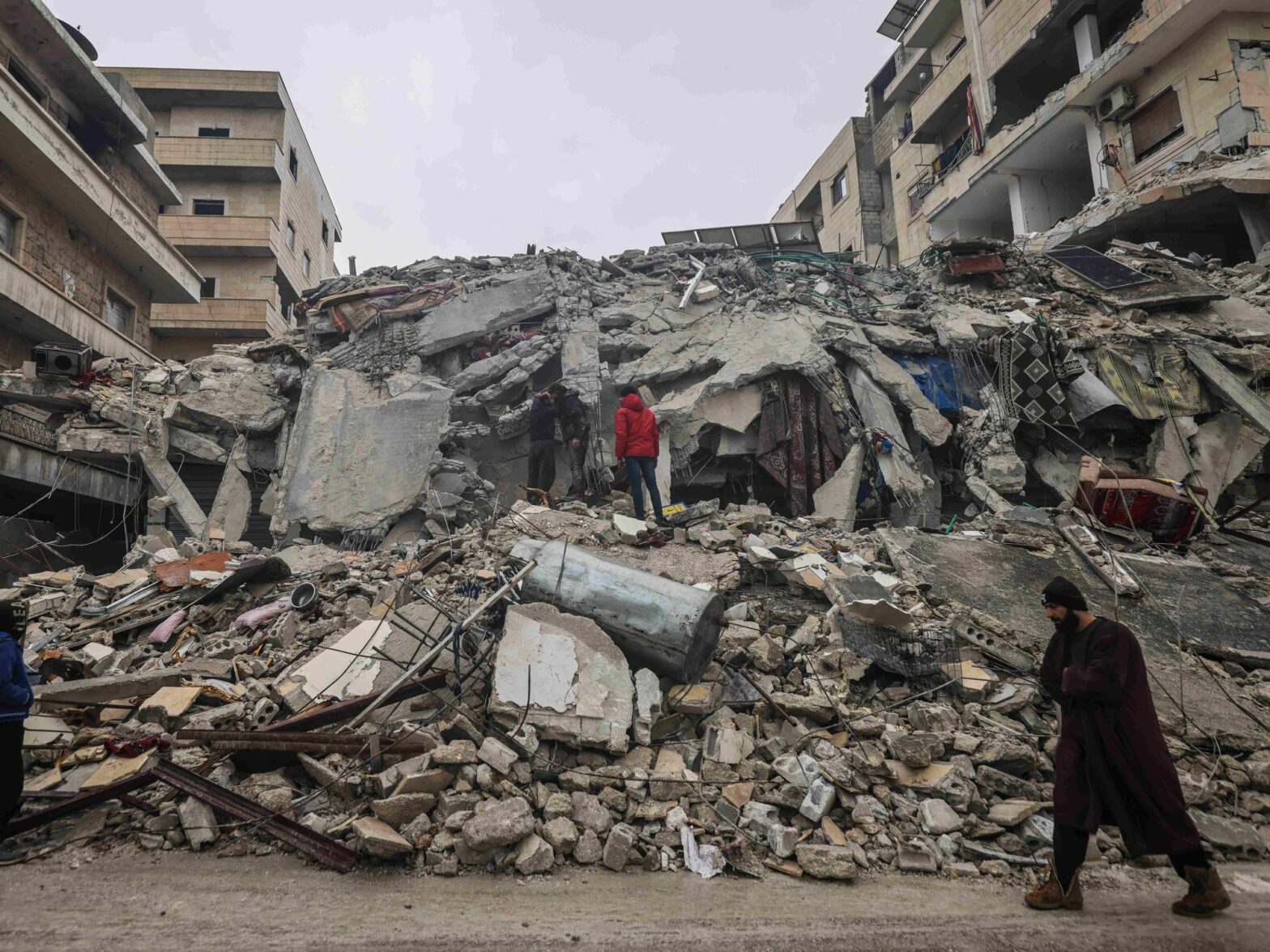
Across the border from the epicenter in Turkey, the Syrian region of Idlib is home to millions of people displaced by the 12-year-long civil war. The victims there risk not getting assistance because of the interests of Syrian leader Bashar al-Assad, reminding the world of one of the great unresolved conflicts of our times.
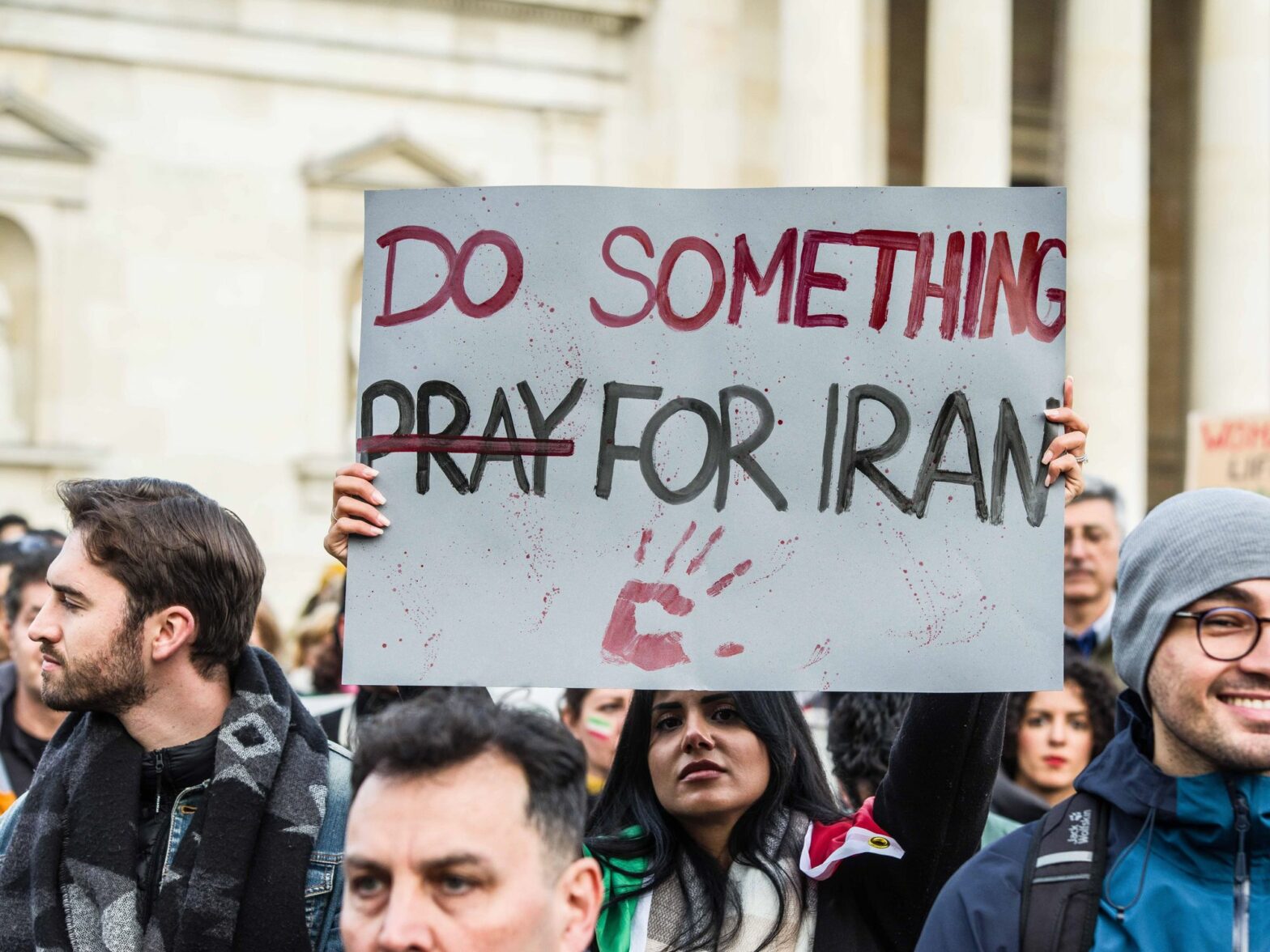
Inside Iran, people are risking their lives to fight the oppressive Islamic Republic. Now, they need support from compatriots abroad and Western democracies to bring an end to this decades-long fight for democracy.
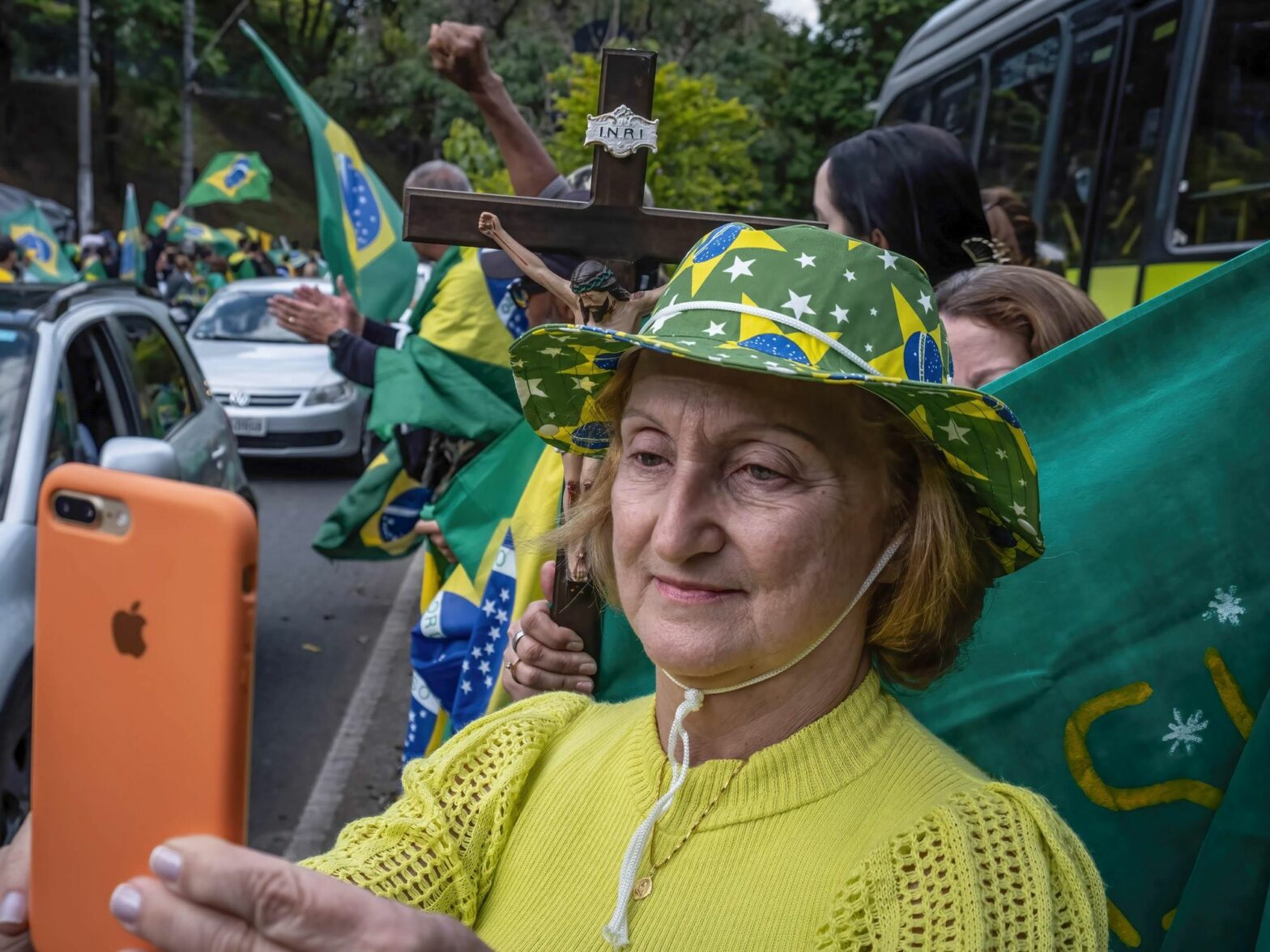
Older demographics are particularly vulnerable (and regularly targeted) on the WhatsApp messaging platform. We’ve seen it before and after the presidential election.
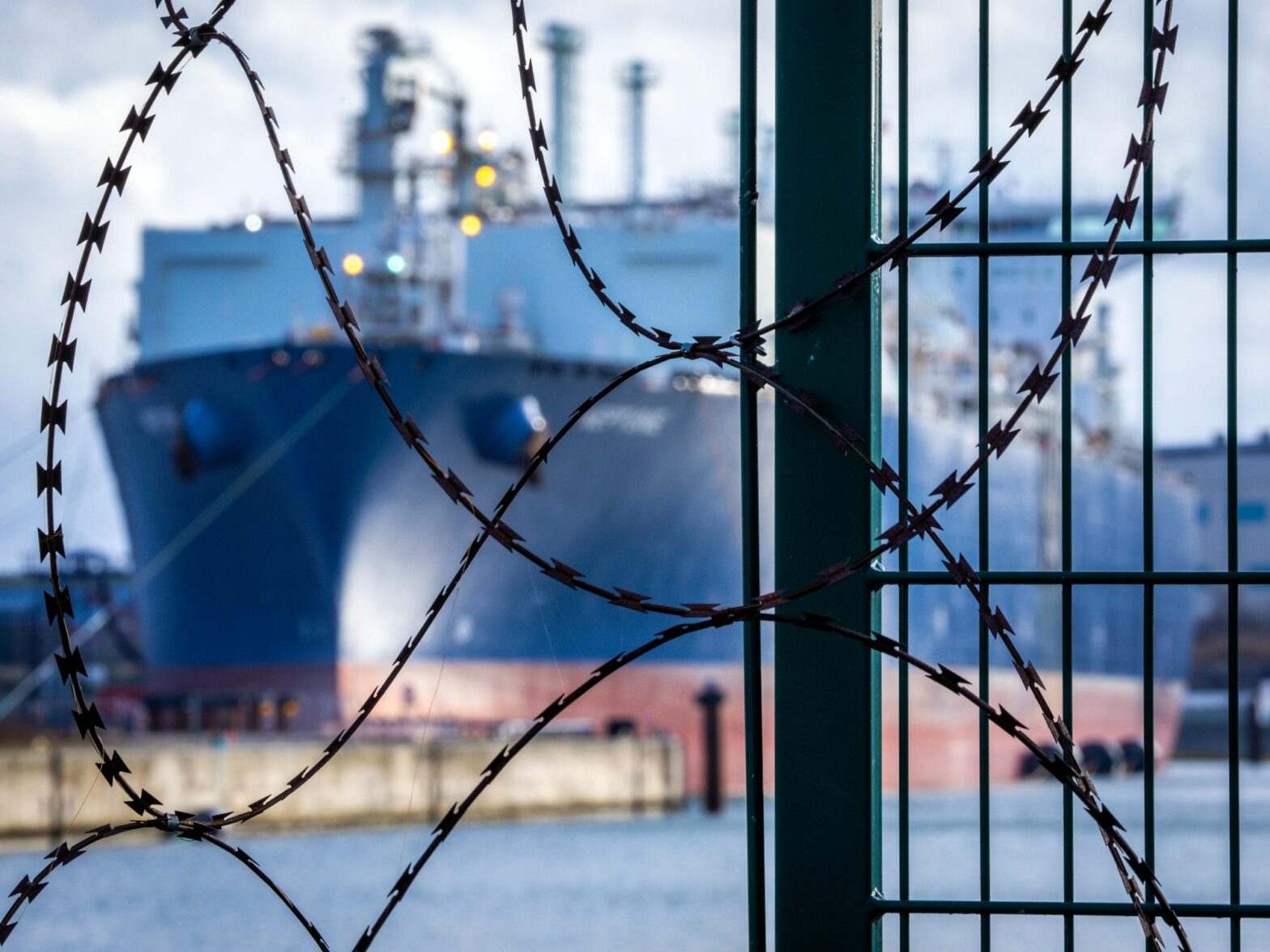
Petro Poroshenko, the Ukrainian businessman and politician, who served as the fifth president of Ukraine from 2014 to 2019, believes more can be done to defeat Putin, by truly crippling the Russian economy:
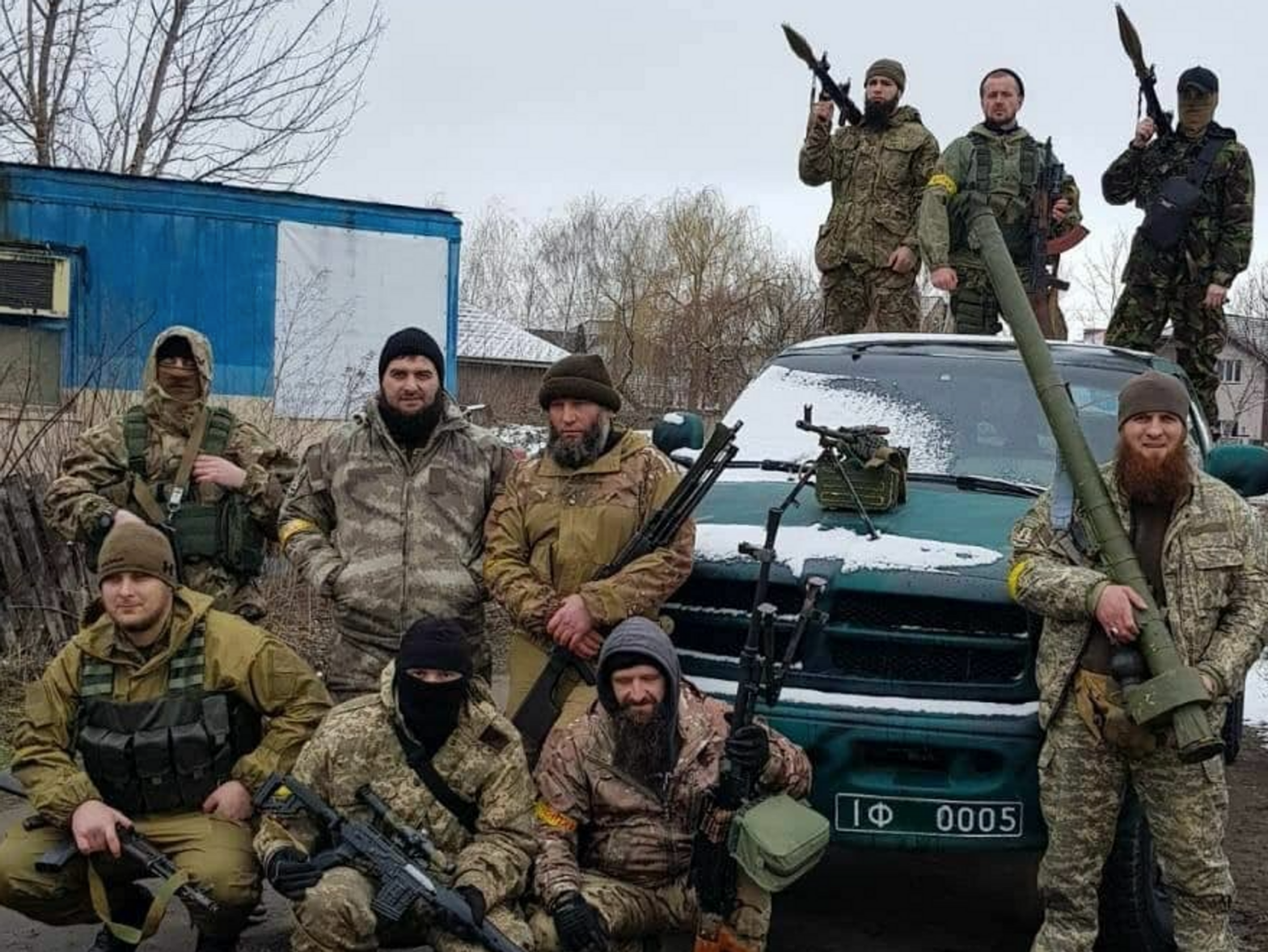
They came to fight Russia, and to avenge the deaths of their loved ones and friends killed in Chechnya. Not wanting to sit in the trenches, they’ve found work in intelligence and sabotage.
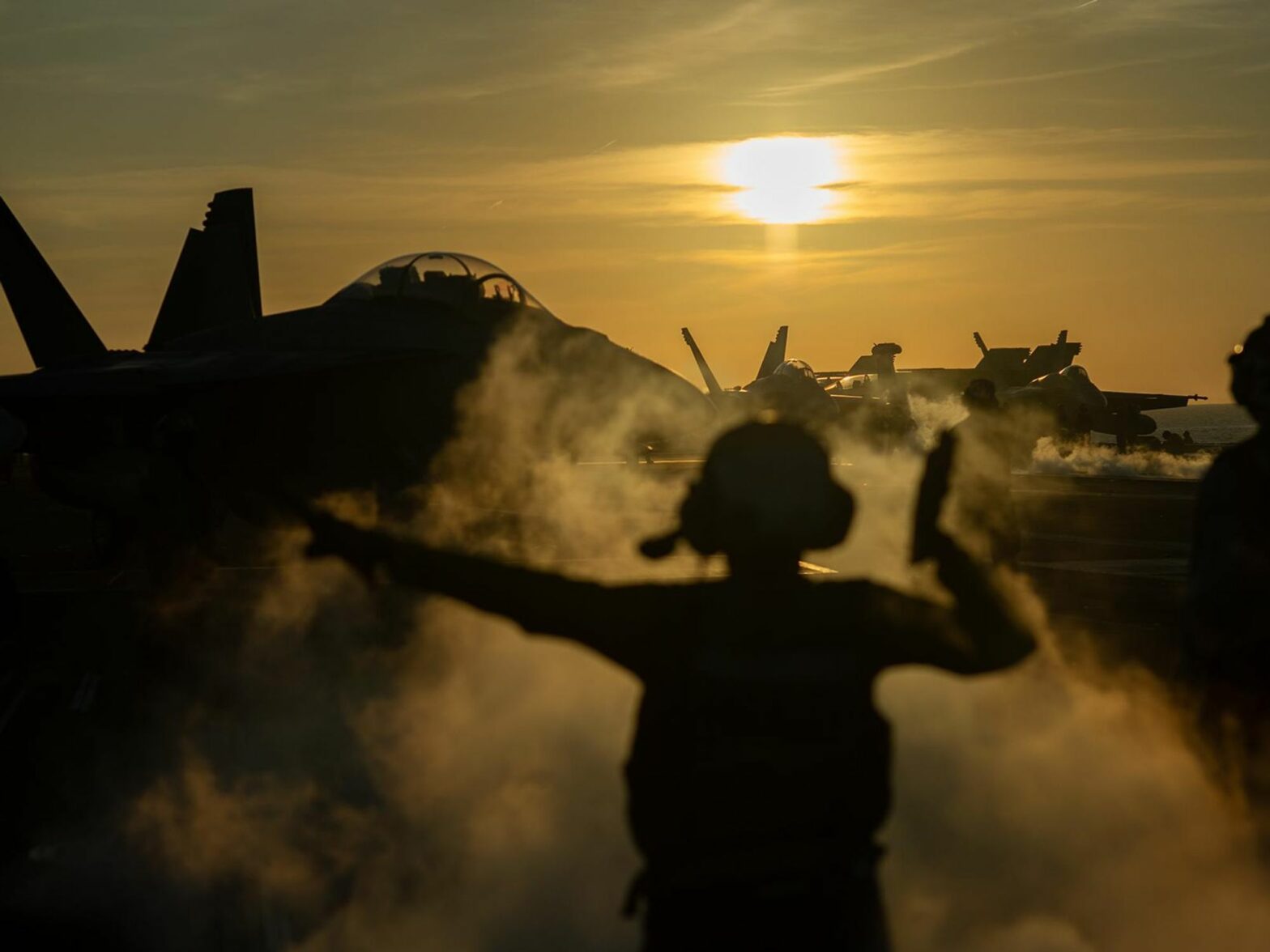
The open debate on weapon deliveries to Ukraine is highly unusual, but Kyiv has figured out how to use the public moral suasion — and patience — to repeatedly shift the question in its favor. But will it work now for fighter jets?
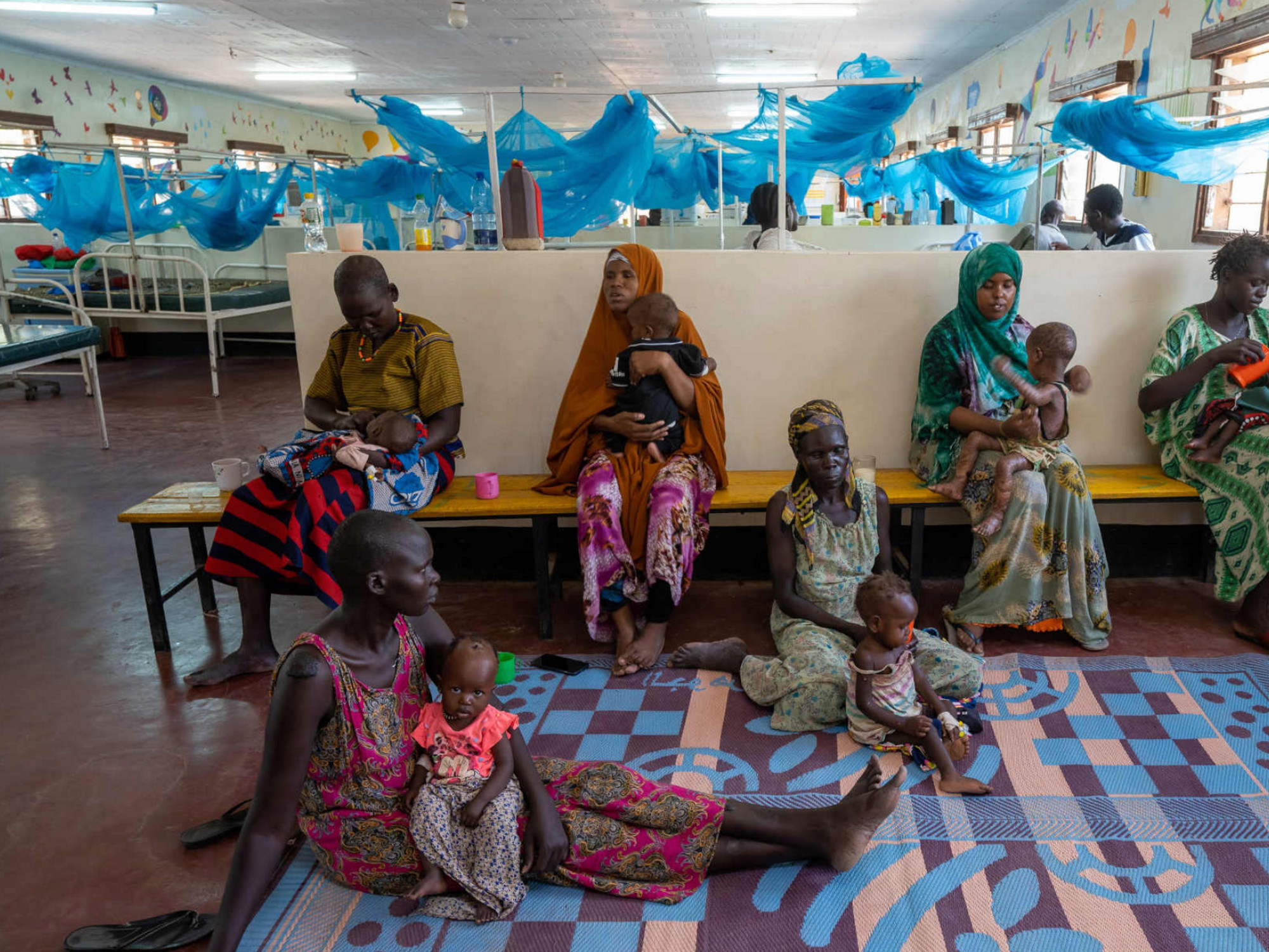
The worst drought in 40 years, which has deepened from the effects of climate change, is hitting the young the hardest around the Horn of Africa. A close-up look at the victims, and attempts to save lives and limit lasting effects on an already fragile region in Kenya.
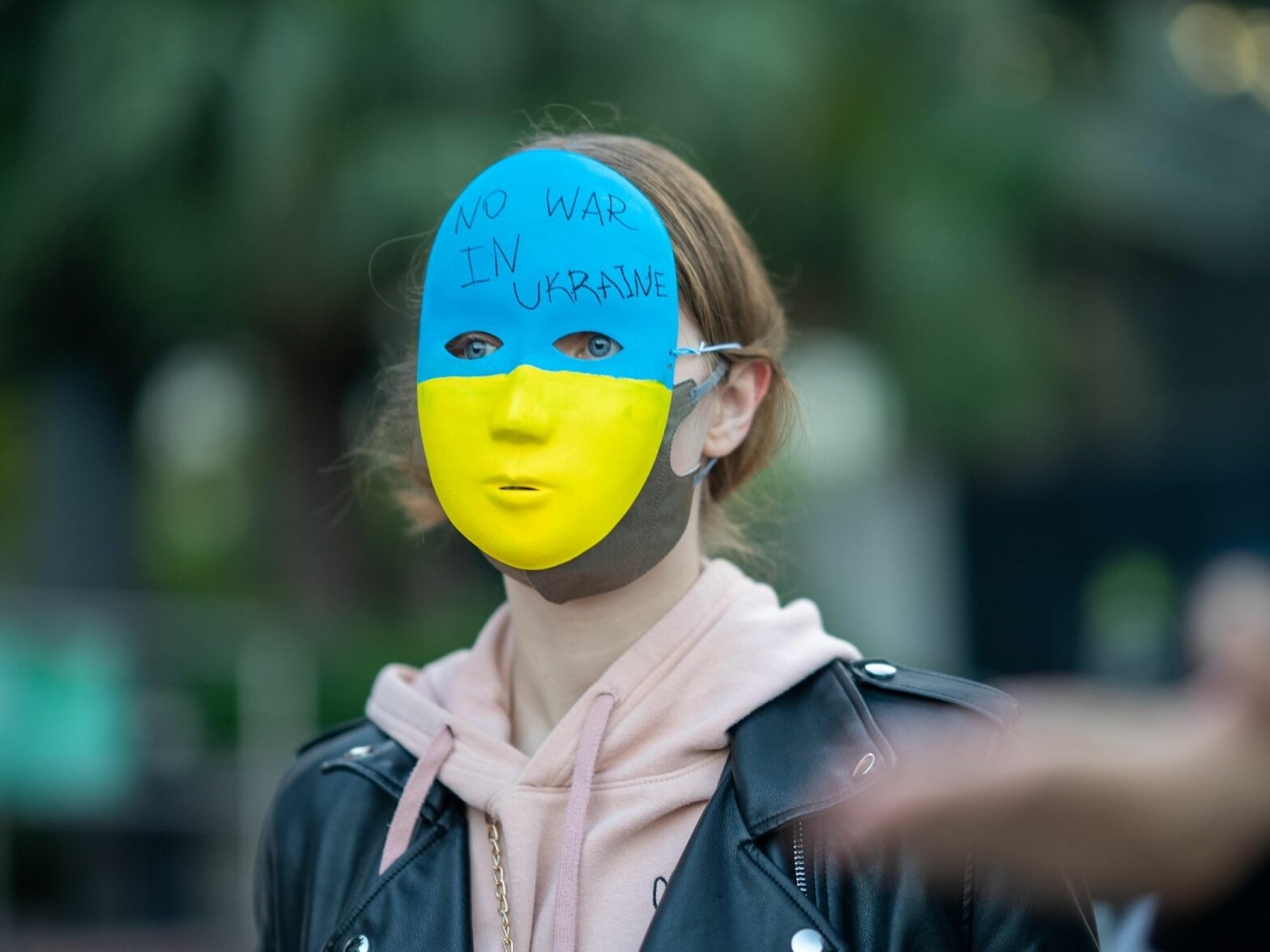
Russia’s 2021 census showed a record drop in the number of Ukrainians living in Russia. But the cleansing of everything Ukrainian, including language and culture, started long before Putin’s invasion.
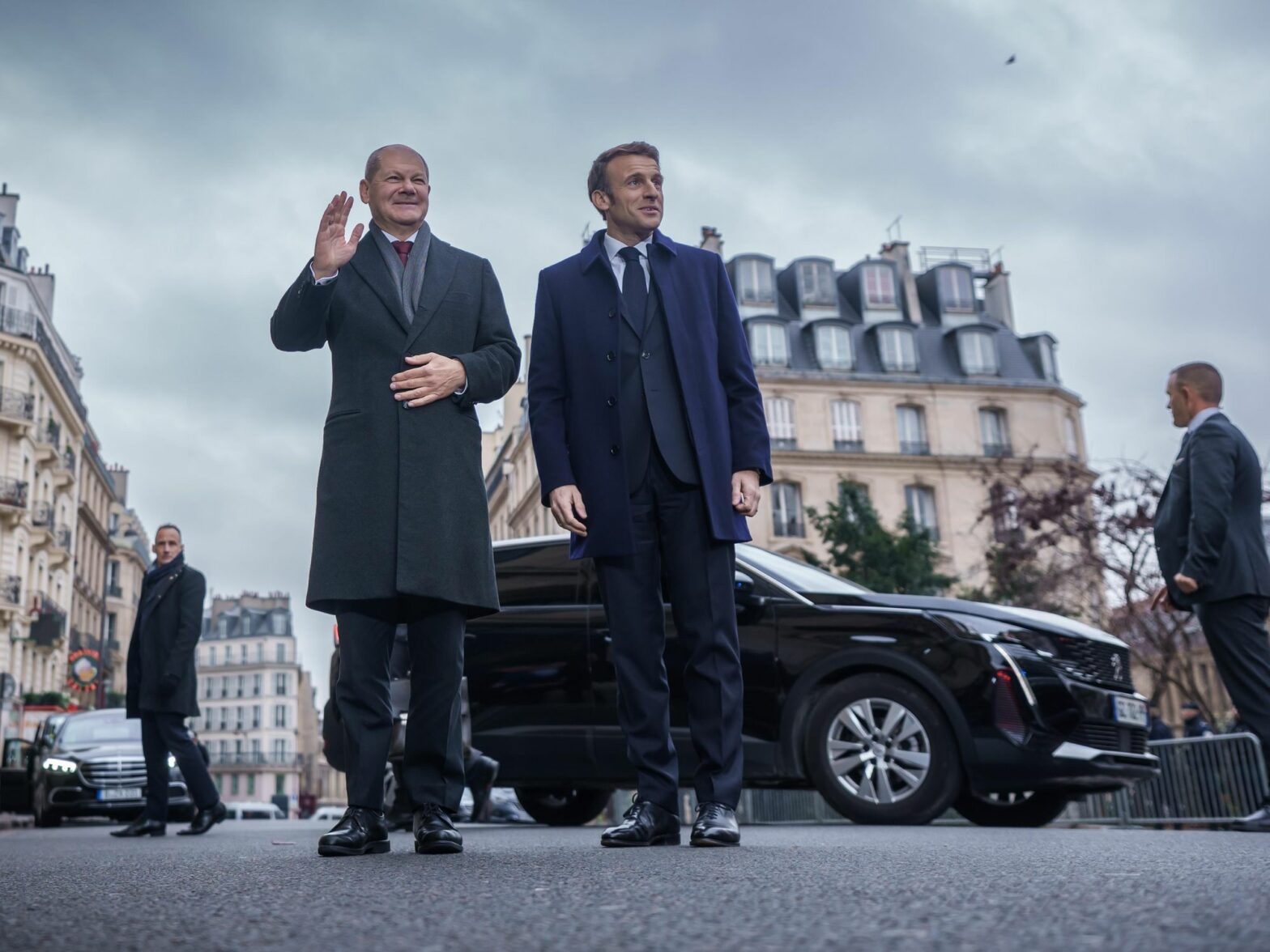
If symbols were sufficient to govern international relations, France and Germany would be in total and absolute agreement today. But much more than that is needed, especially with a full-fledged war burning just to the east.
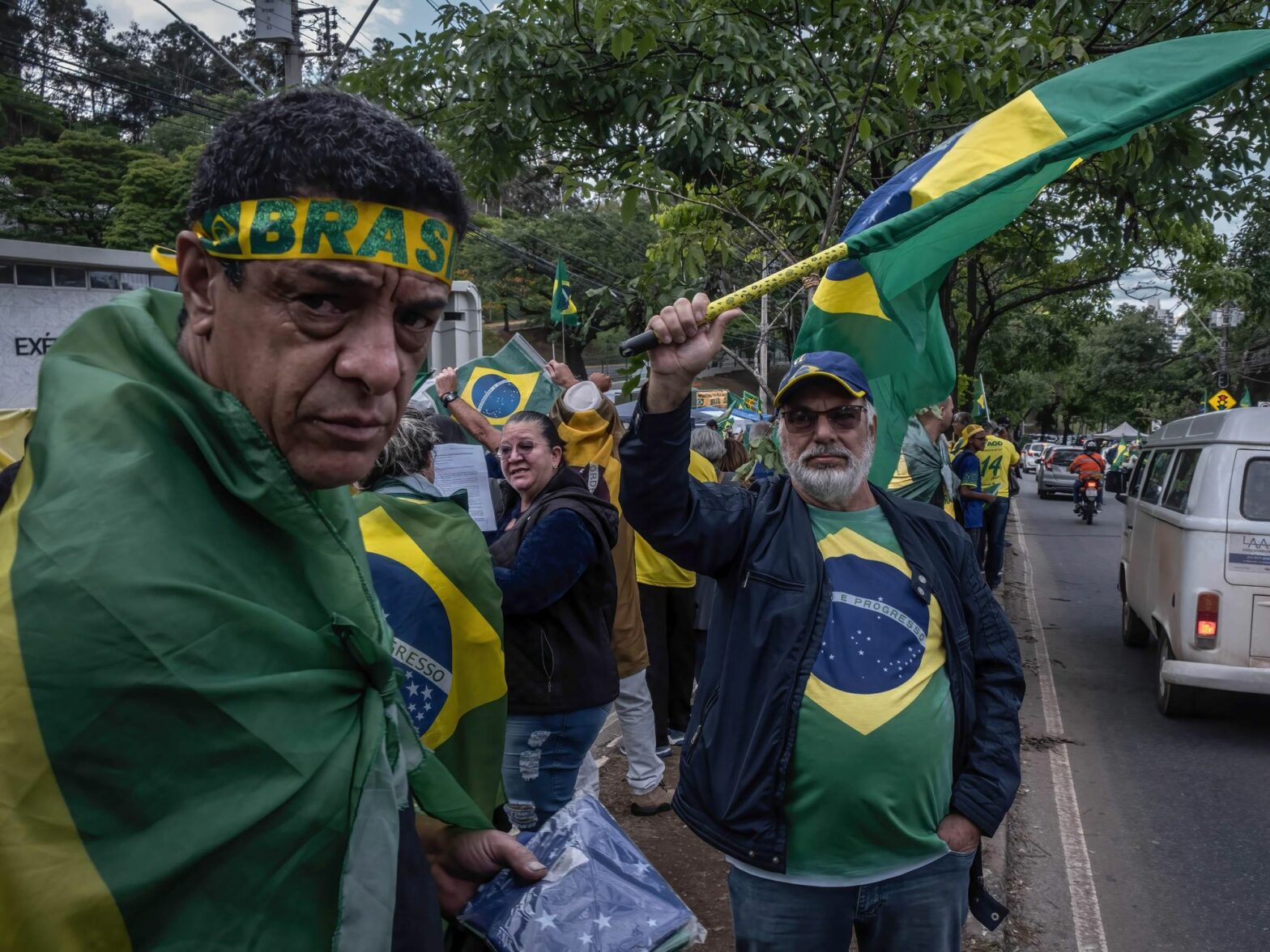
Taking inspiration from events in the United States over the past four years, rejection of election results and established state institutions is on the rise in Latin America.

As an Italian bestseller explores why people are fleeing the Golden State, the international press also takes stock of unprecedented Silicon Valley layoffs. It may be a warning for the rest of the world.