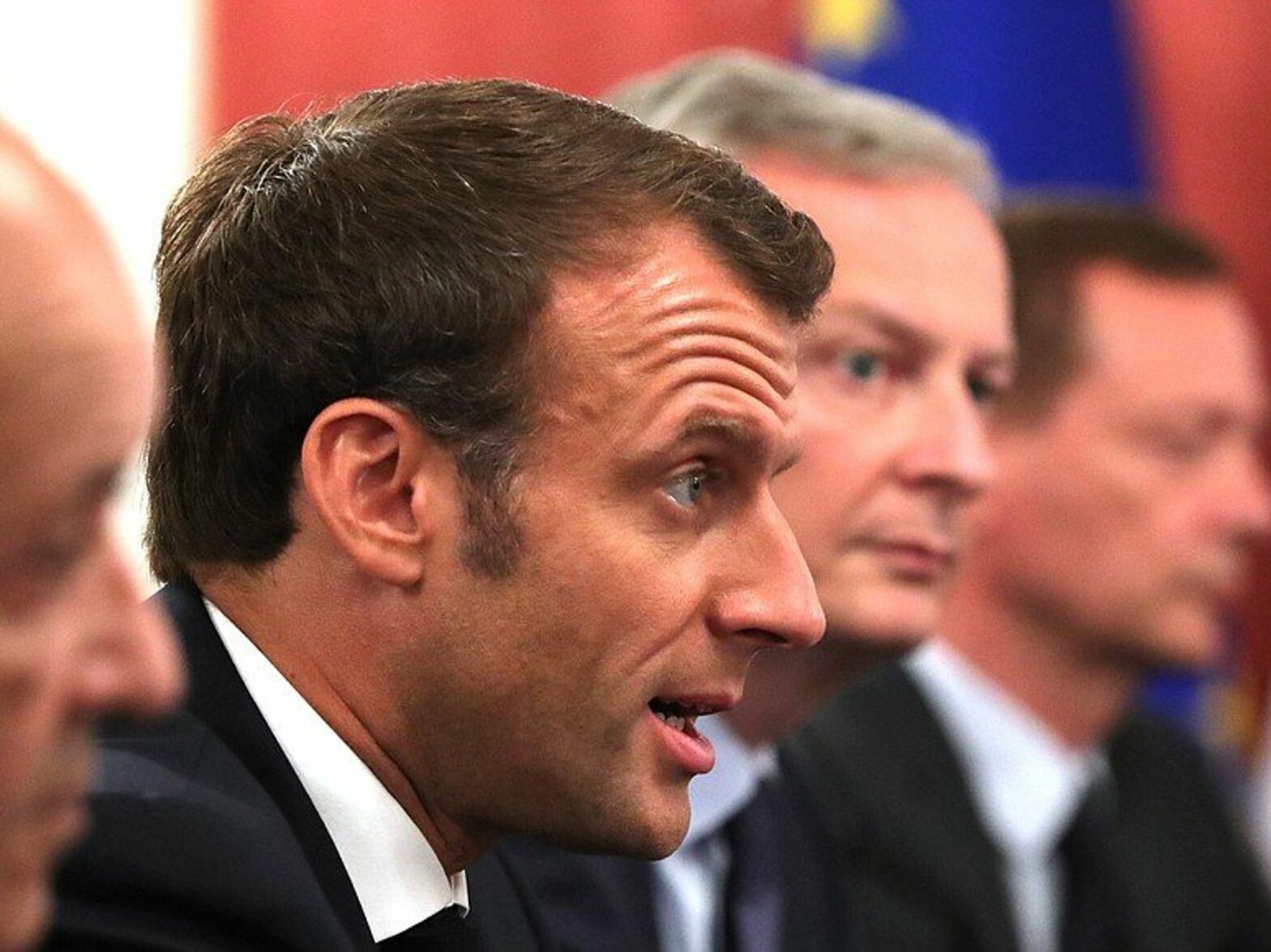
Translated in full from French, here is the exclusive interview French President Emmanuel Macron gave to three reporters on his way back from his trip to China, in which he insisted that Europe needed more autonomy from the United States.
 Worldcrunch
Translated in full from French, here is the exclusive interview French President Emmanuel Macron gave to three reporters on his way back from his trip to China, in which he insisted that Europe needed more autonomy from the United States.
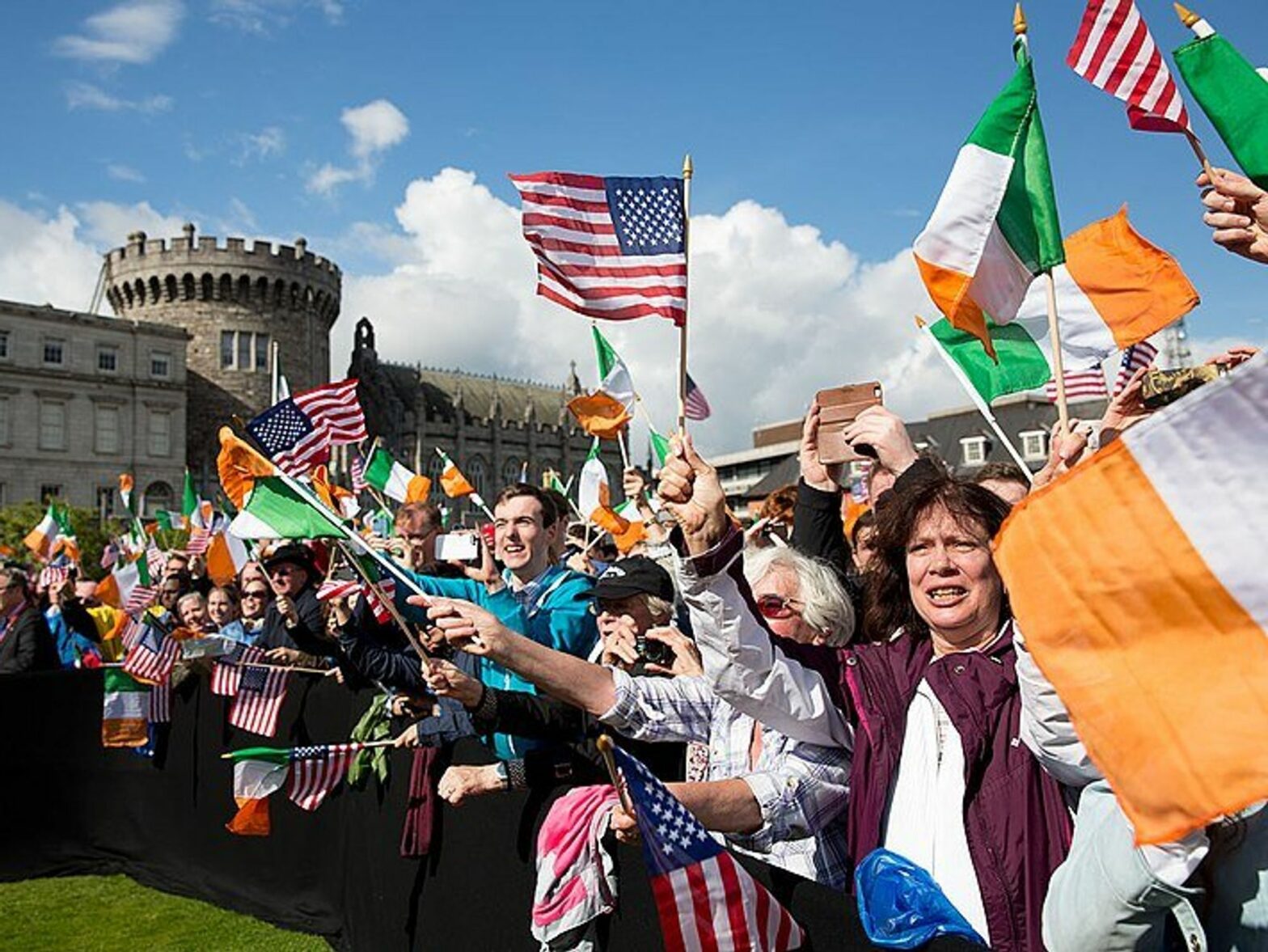
There’s a long tradition of U.S. presidents — many of whom have been of Irish heritage — visiting Ireland. But Joe Biden’s visit is much more than just a diplomatic mission.
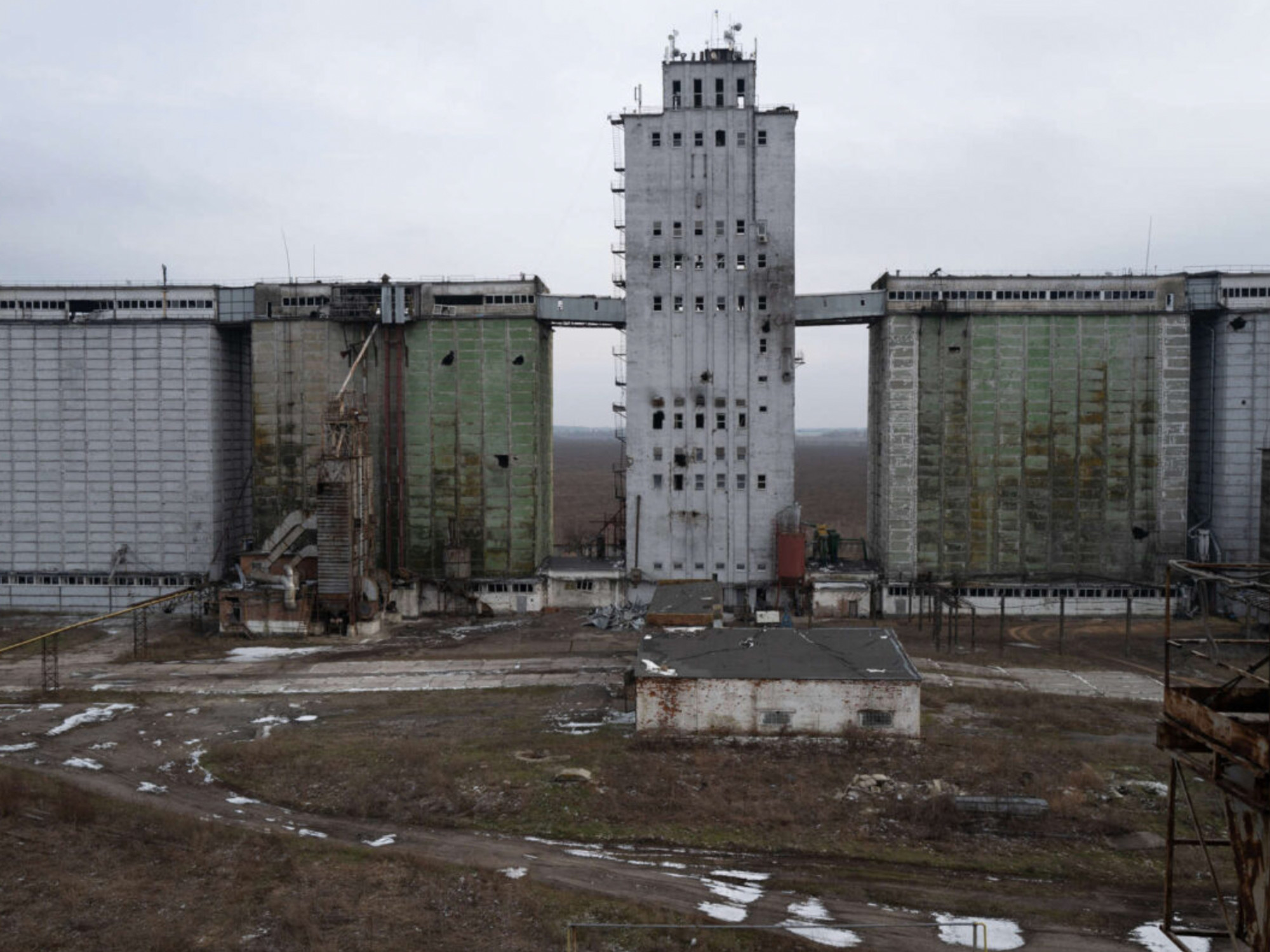
Reporting from agricultural centers in eastern Ukraine confirms a landmark study: Extensive wartime damage to the country’s crucial agricultural sector risks raising hunger in places that have counted on Ukrainian grain.
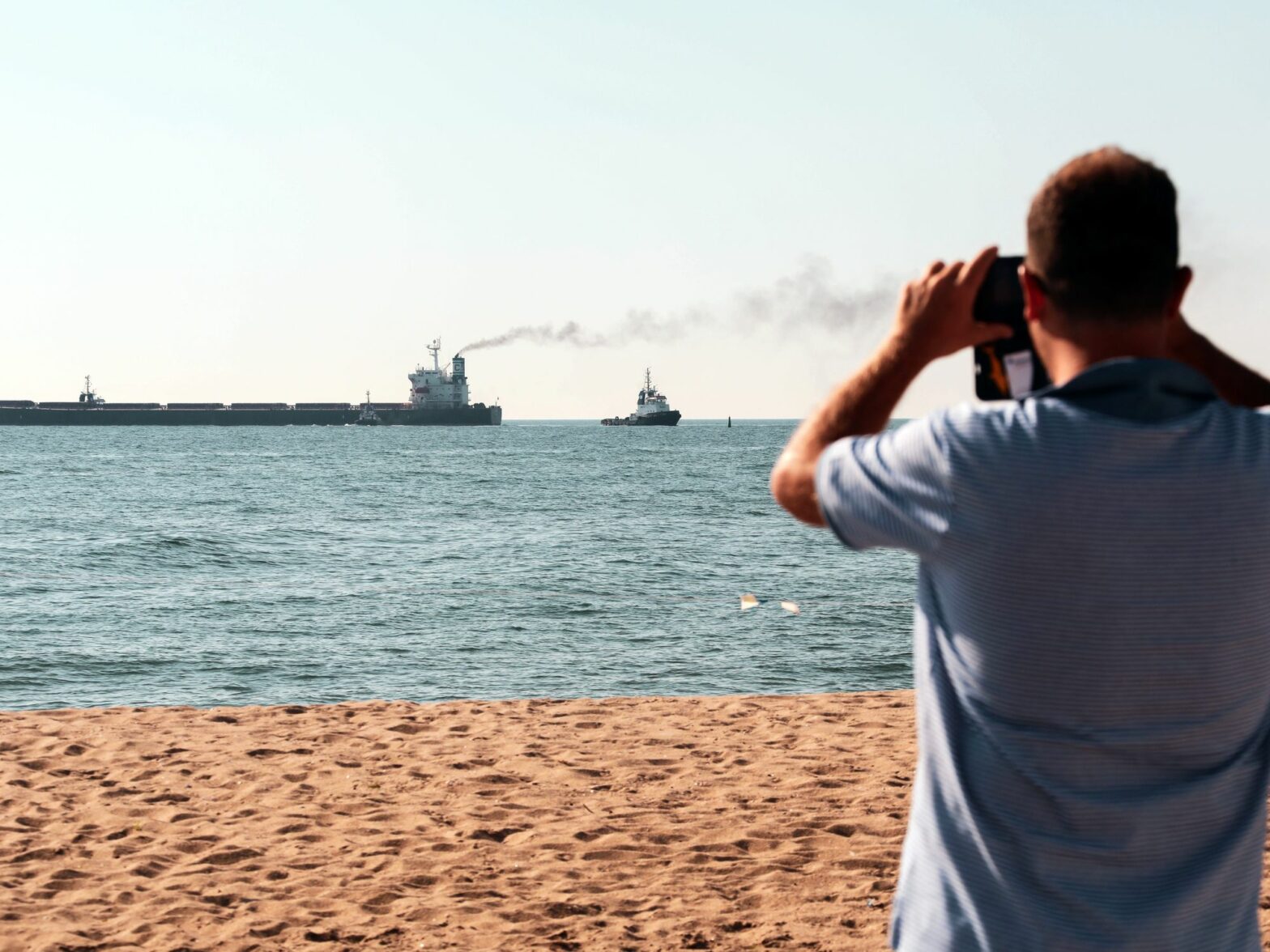
According to a new report, the world’s primary recipient of Ukrainian grain is China, and the pace of exports has exceeded pre-war levels. But the Chinese leader’s long game goes much further.
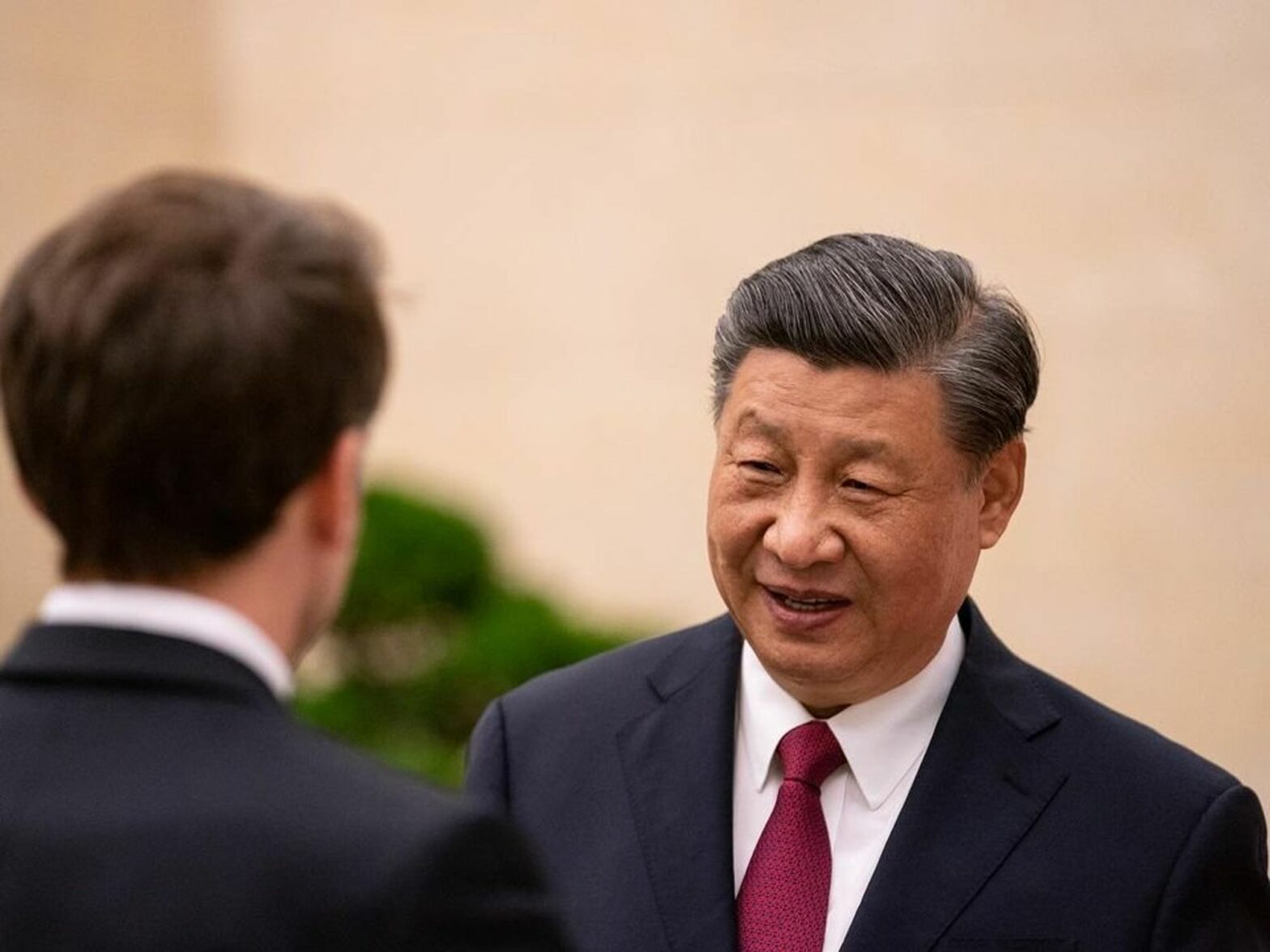
Ukraine was the trickiest part of French President Emmanuel Macron’s state visit to China. And though Xi Jinping didn’t say much, Macron made his voice clear on the war and possible arms shipments to Russia — and the West is watching closely.
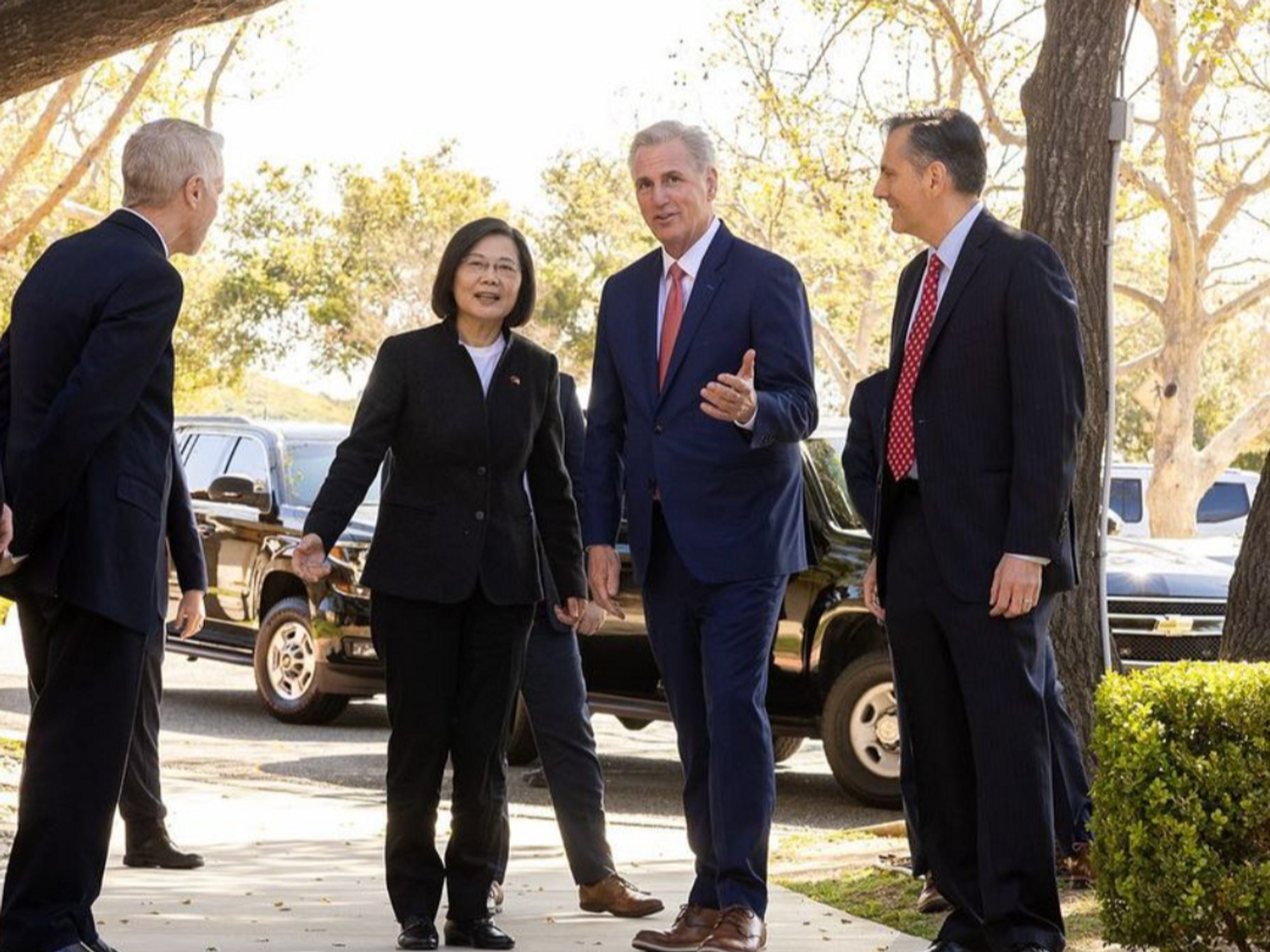
The issue of Taiwan has come up during French President Emmanuel Macron’s visit to China. The unresolved question of the island’s independence shows Europe will find it hard to remain neutral as tensions between the U.S. and China reach a new peak.
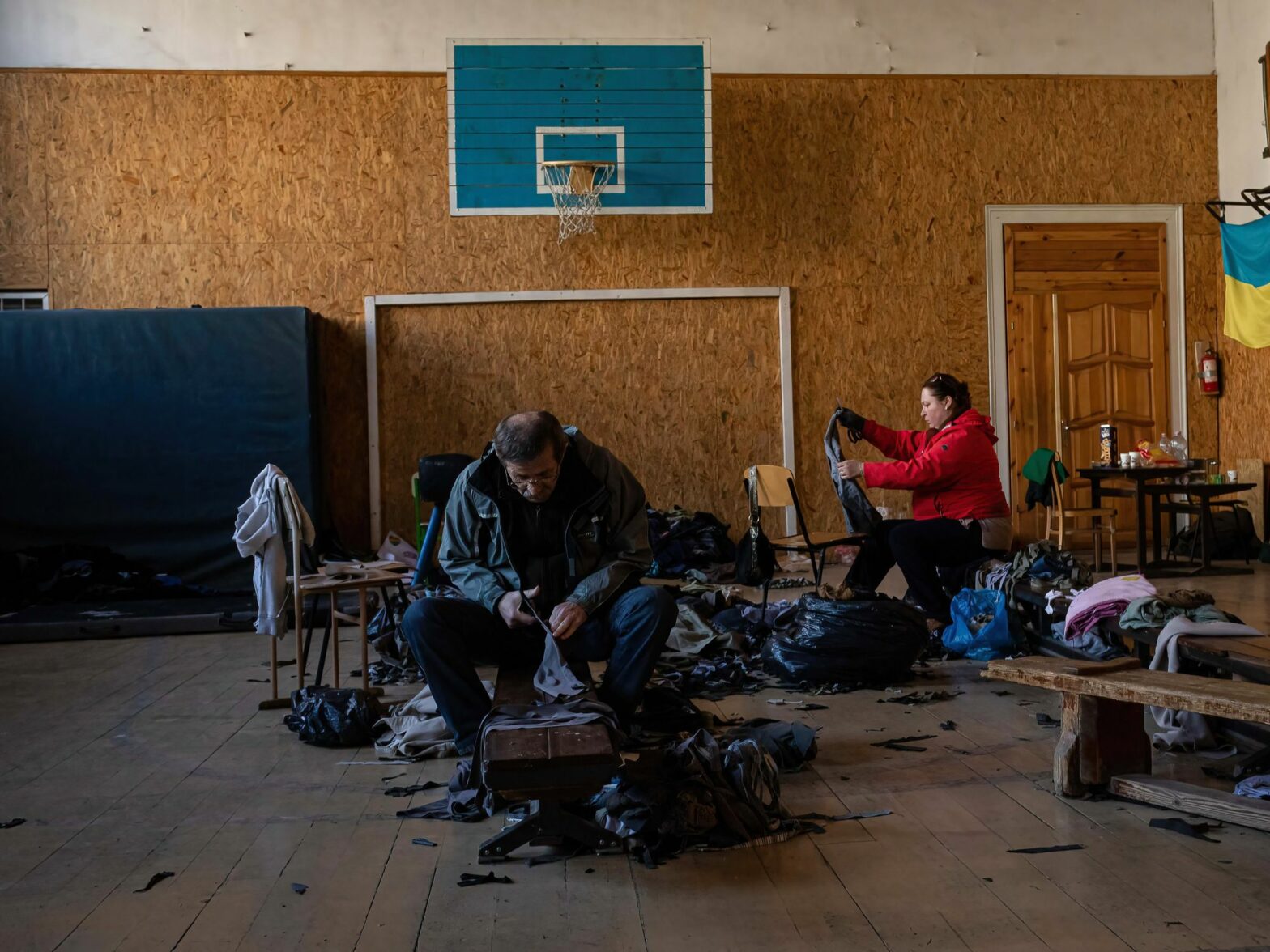
A visit to the Ukrainian region of Transcarpathia, which borders Hungary and is home to about 150,000 Hungarian-Ukrainians, where the pro-Russian stance of Hungarian Prime Minister Viktor Orban is wreaking havoc.
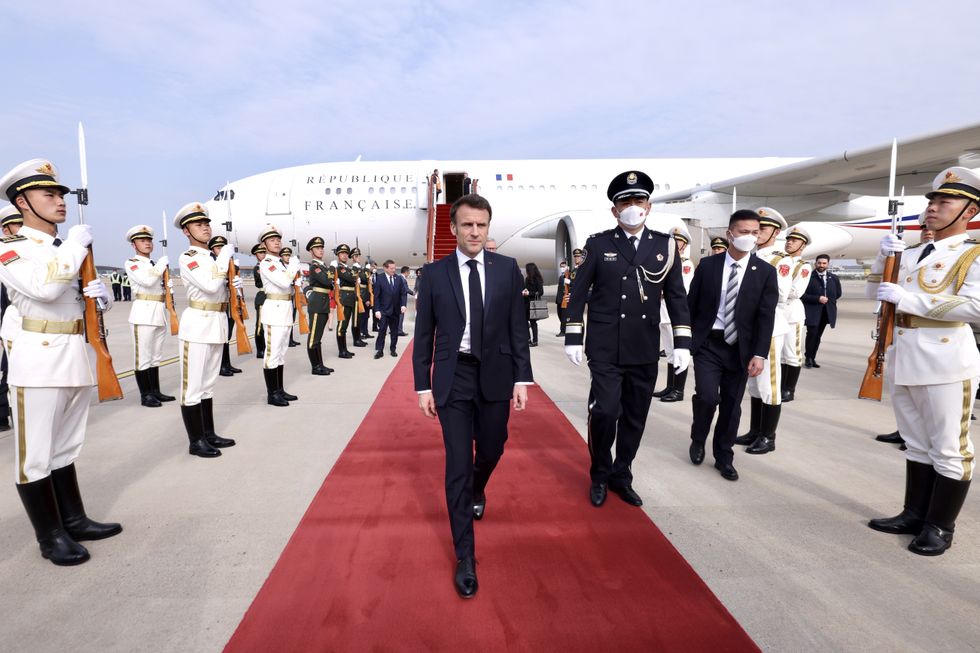
The French President begins a three-day visit to China. He has the difficult task of forging a “third way” for Europe between U.S. and Chinese interests in an increasingly polarized world.
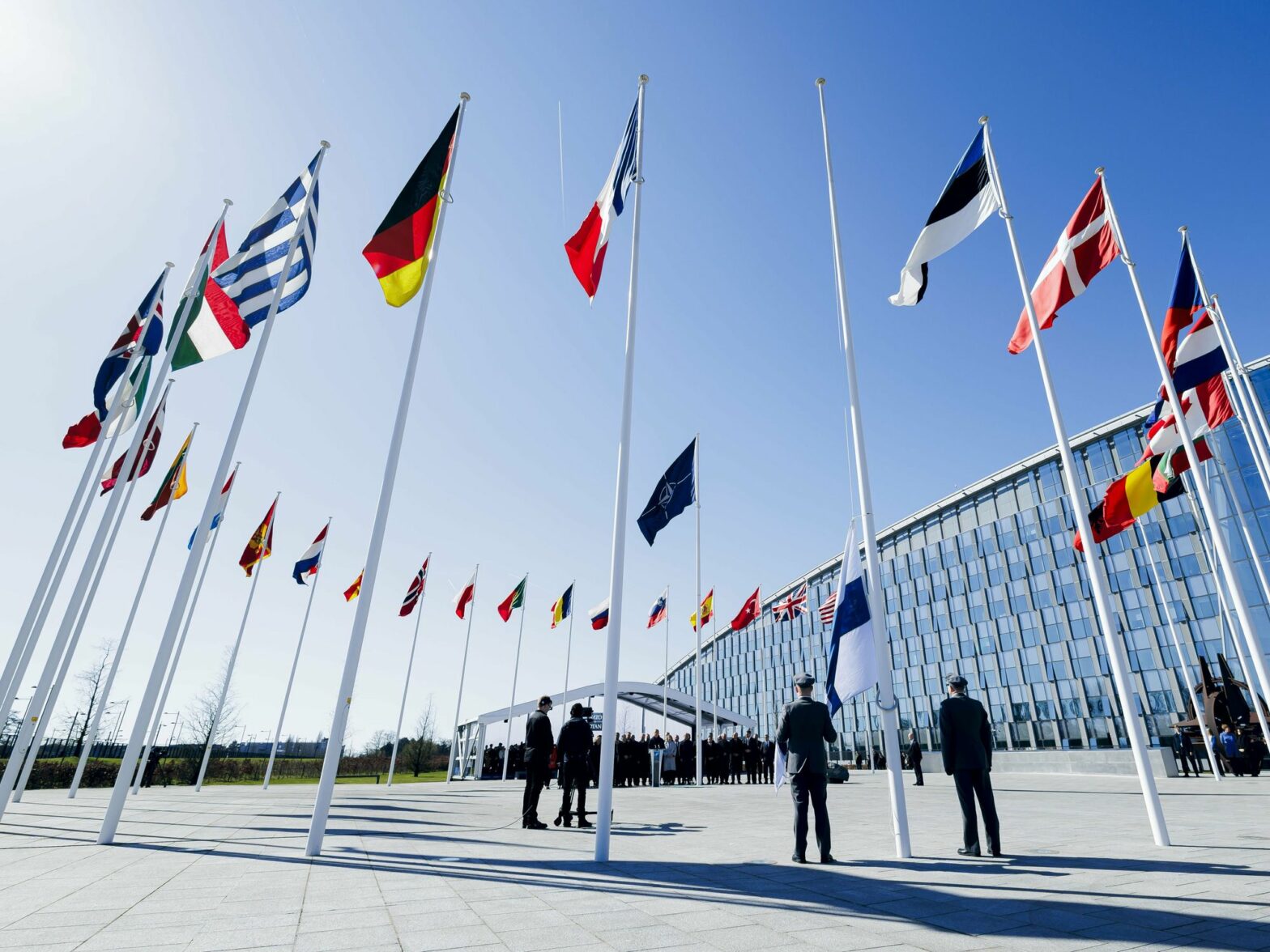
Russia’s president only has himself to blame for historically neutral Finland acquiring NATO status.
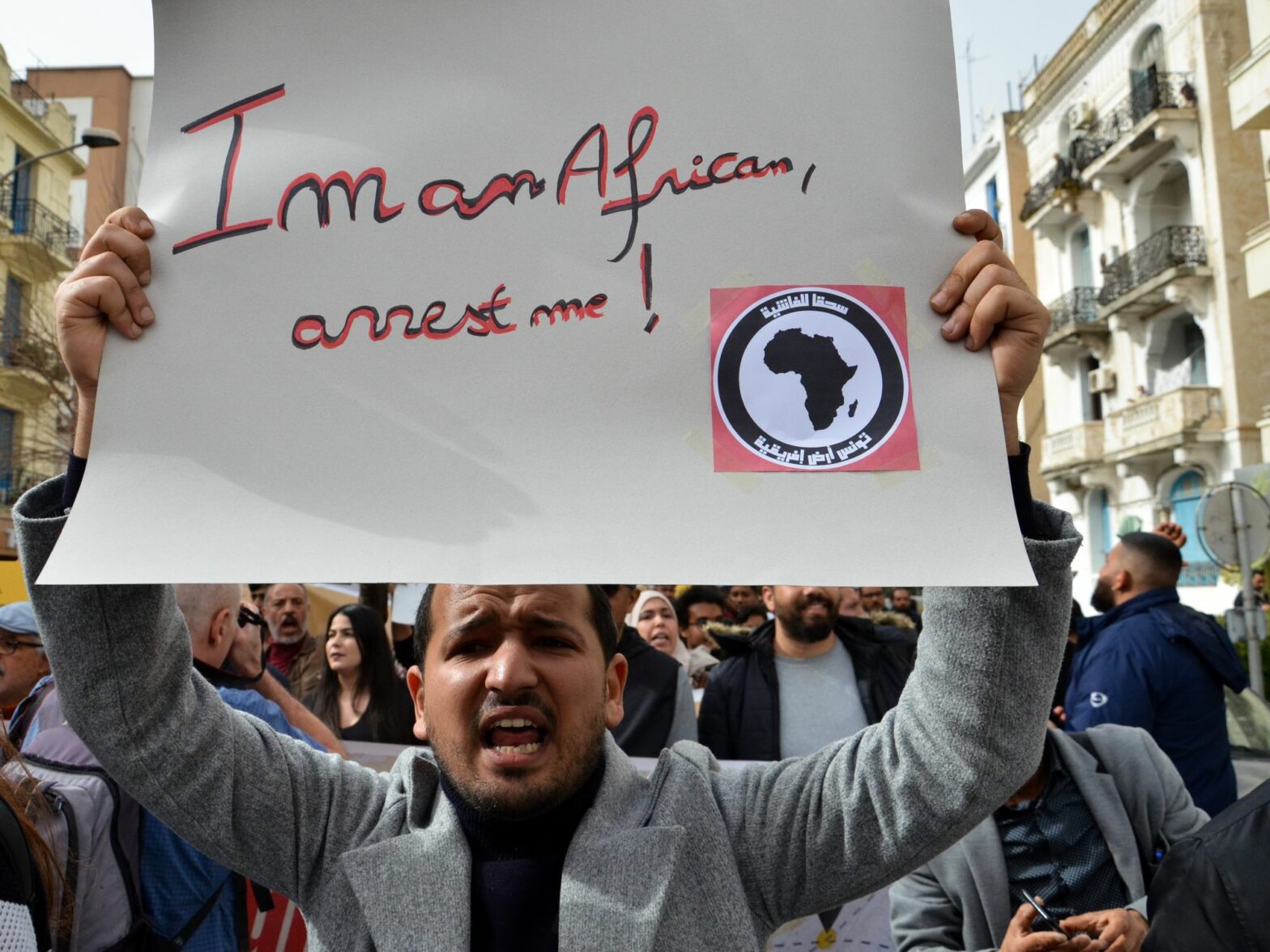
Tunisia’s president has risen to power on the back of populism that suggests black people are trying to replace Arabs. The African Union has not intervened, begging the question of what is its purpose.
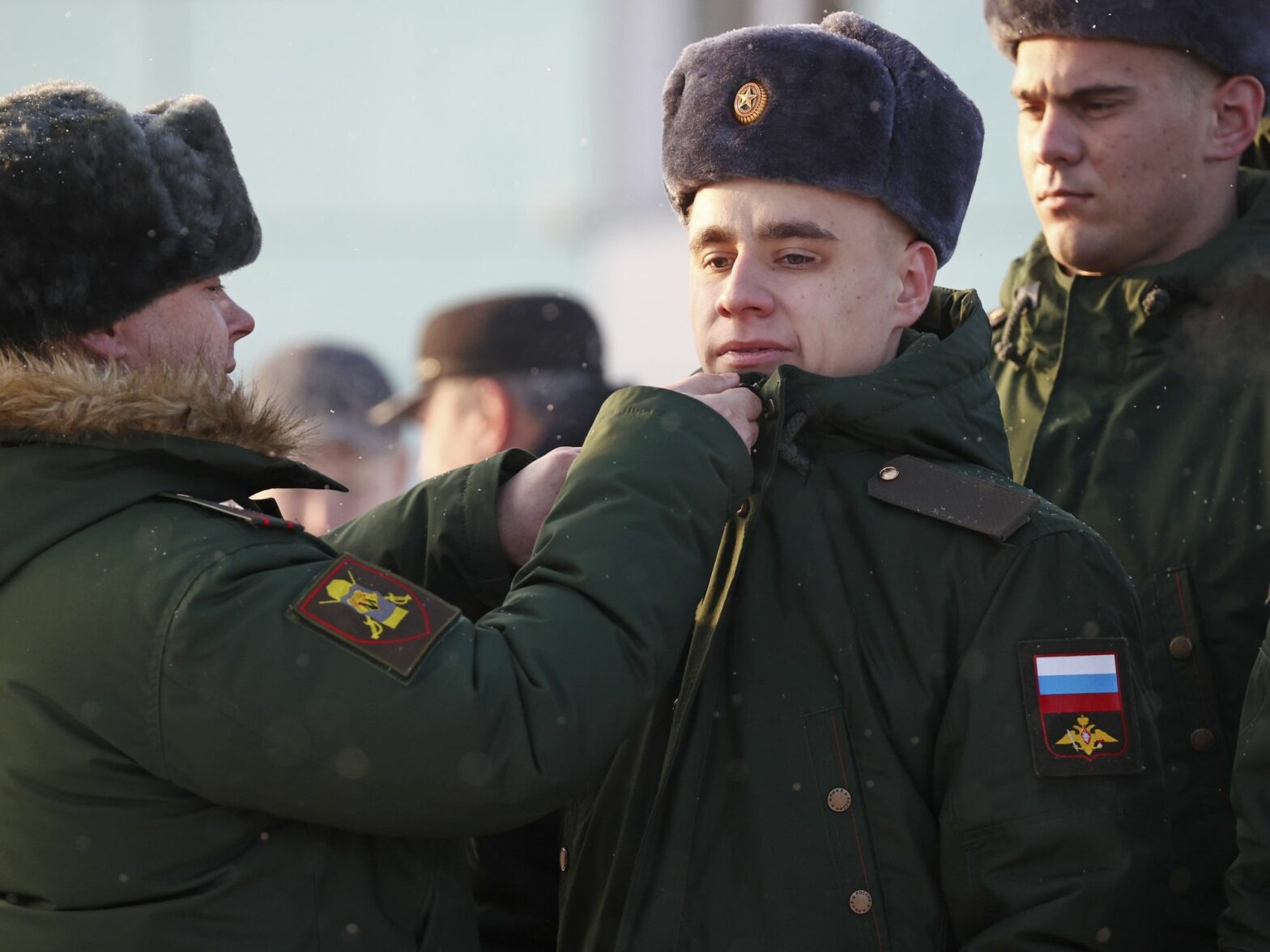
Few believe the Russian government claims that it can recruit 400,000 new troops as volunteers, even with cash bonuses. But the alternative, a nationwide draft, may be too high a risk for Vladimir Putin.
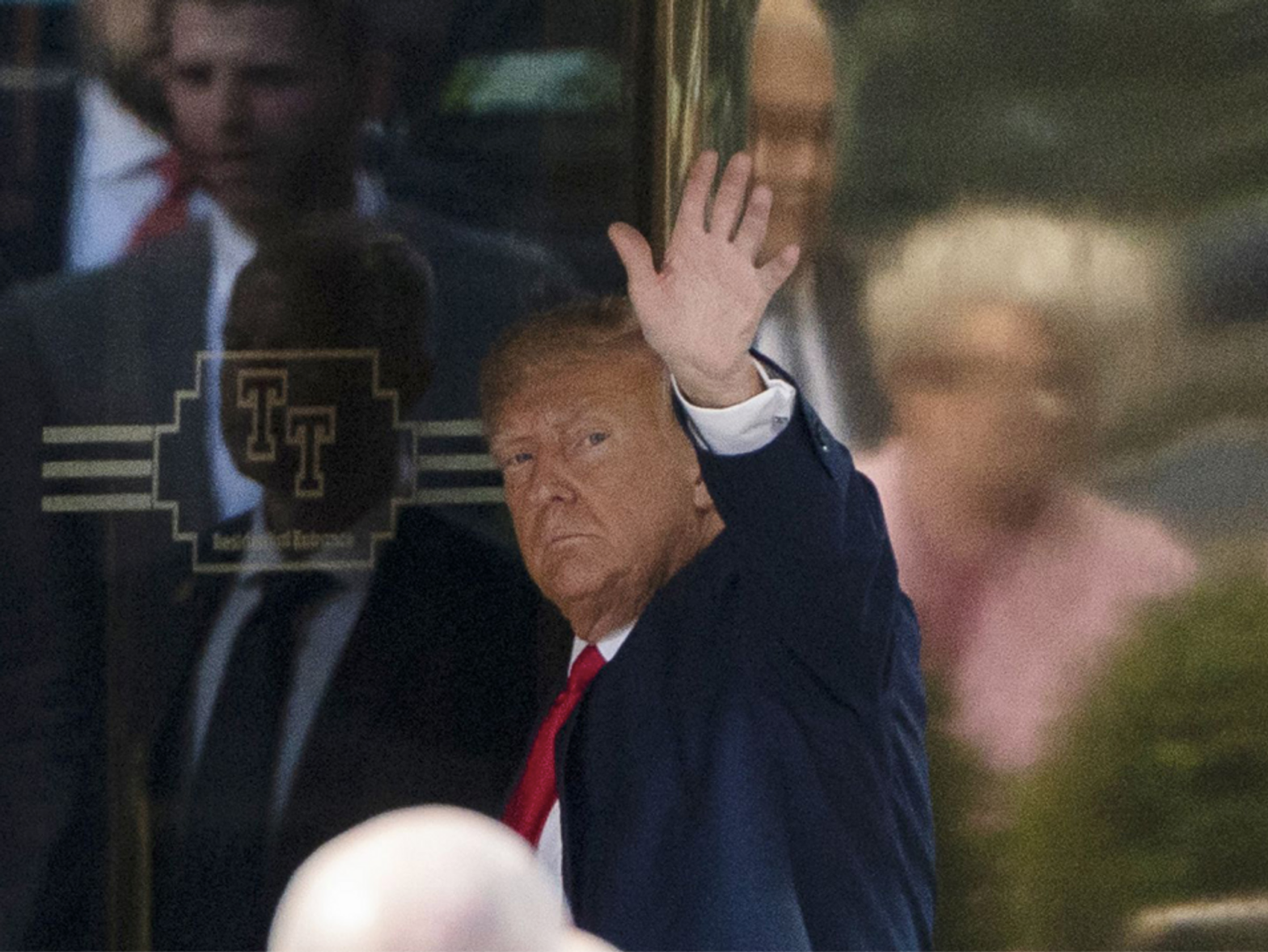
Donald Trump’s indictment is an unprecedented opportunity for him to rally his supporters — almost a godsend. But it could also be good news for U.S. President Joe Biden. What it means for the nation is another story. A view from a French political scientist.
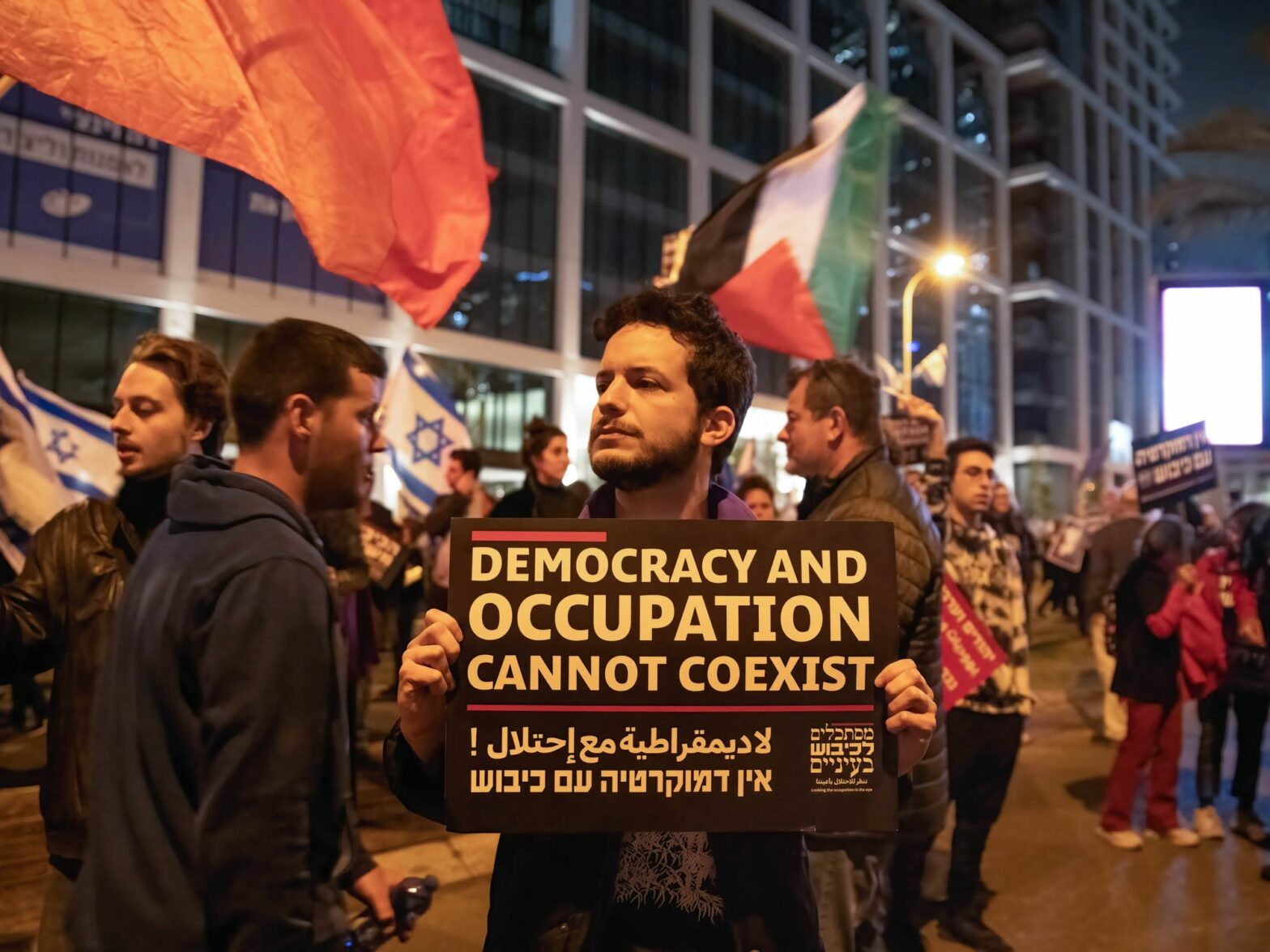
Praise in the West has been heaped on the popular protests in Israel that have halted undemocratic judicial reform proposed by the Netanyahu government. But this supposedly noble fight for democracy doesn’t apply to 20% of its citizens, not to mention the policies carried out in the Occupied Territories.
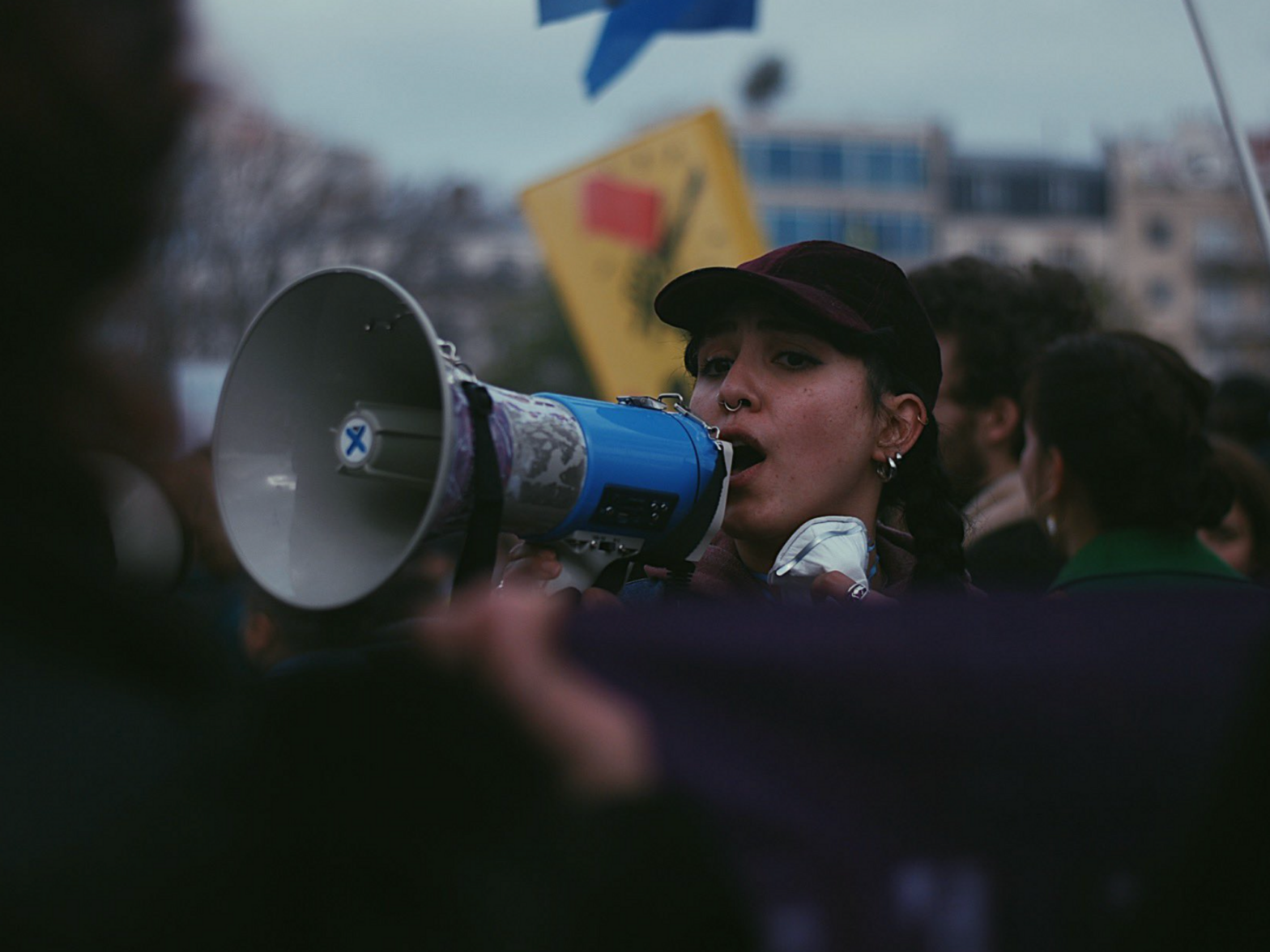
To prevent France’s current institutional crisis from leading to a regime crisis, it is not a question of the much criticized pension reform — or even that Emmanuel Macron must resign. A change is needed in the very way French democracy functions.
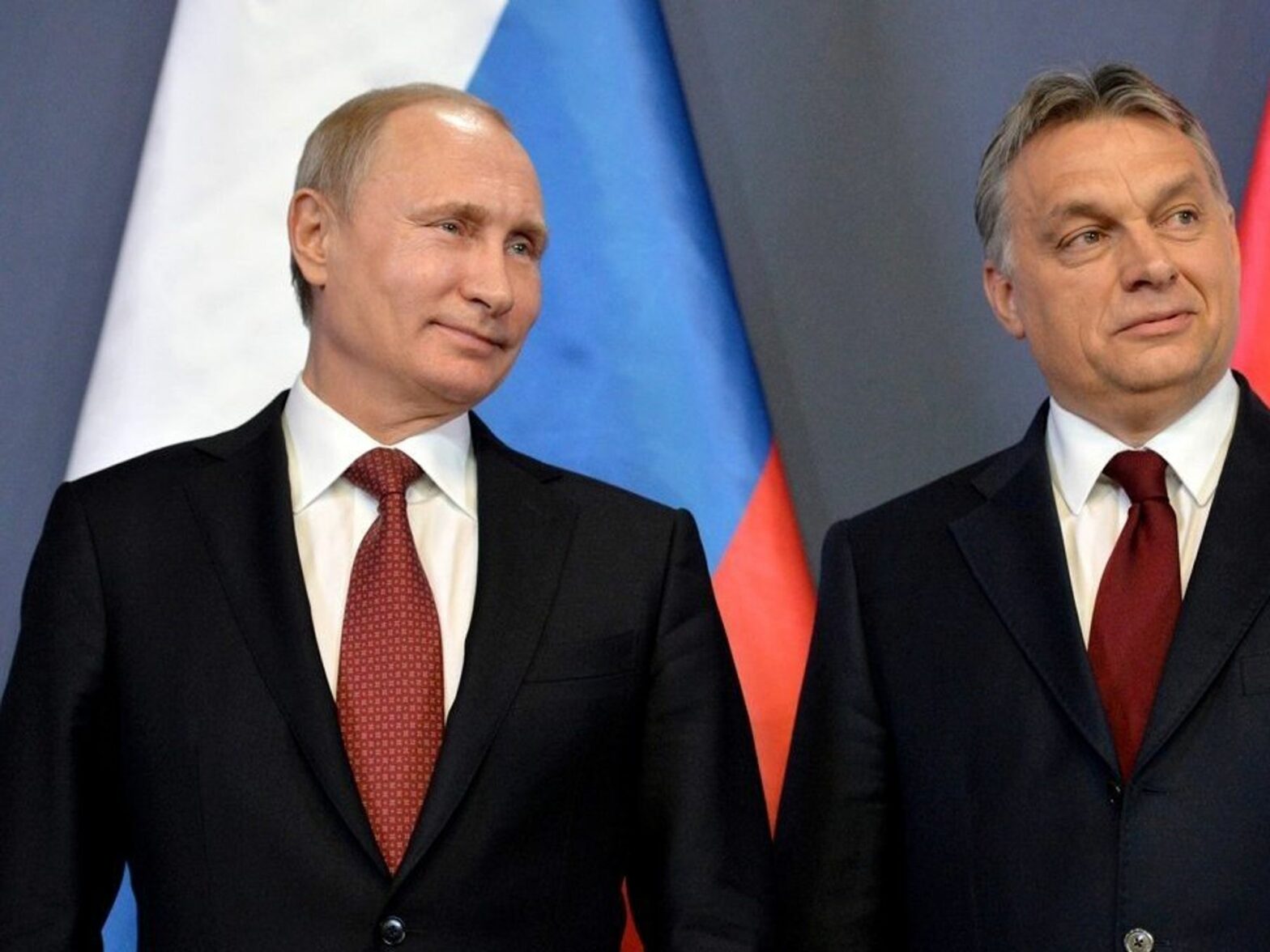
Hungarian prime minister Viktor Orbán appears to be courting Vladimir Putin, and turning his back on the EU. There is a clear strategy behind his rhetoric — but it is not any personal affinity for Russia.
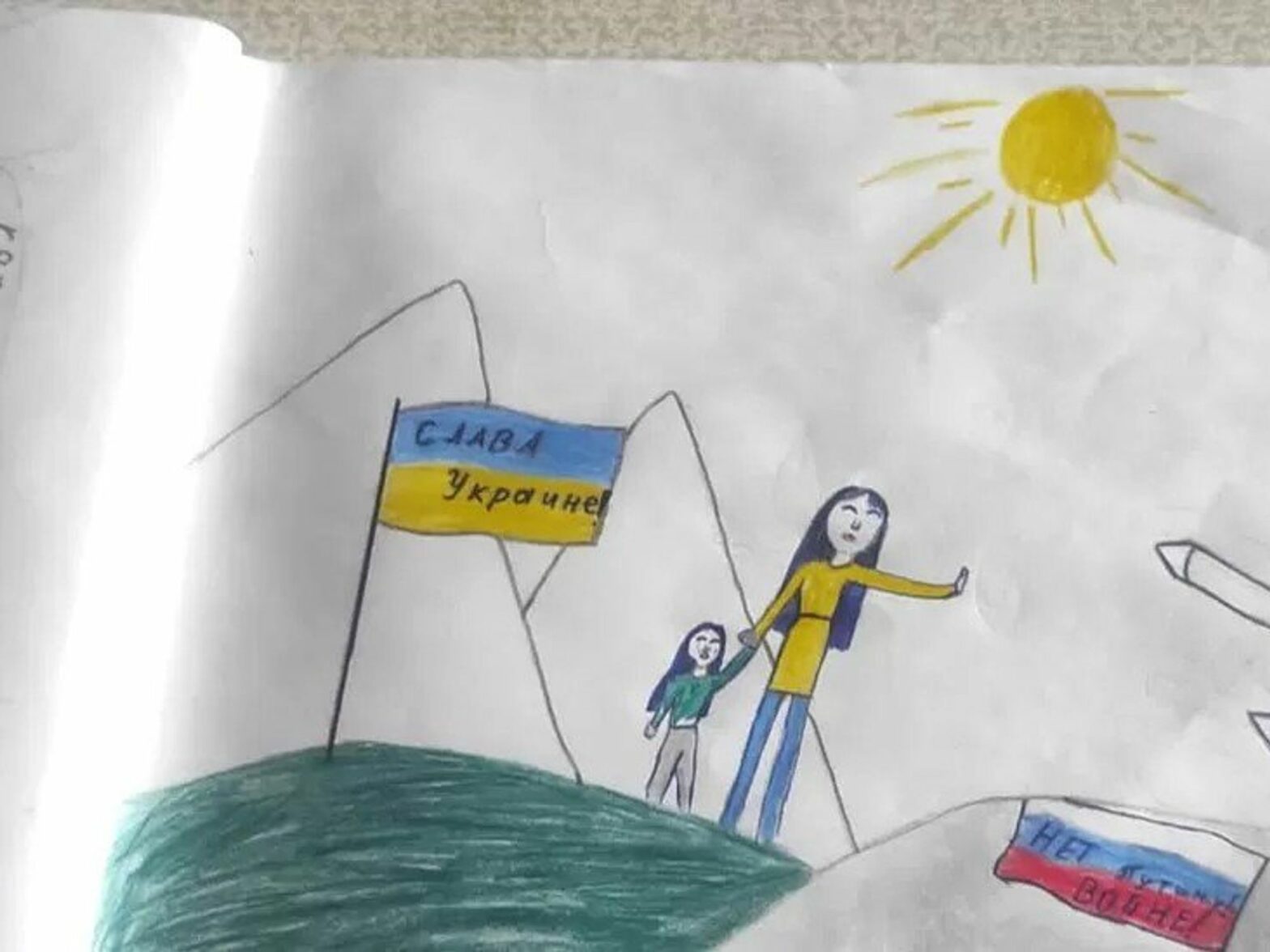
Even beyond the bloodshed of its war in Ukraine, lesser acts of aggression by the state are a clear expression of the intentions of Vladimir Putin’s Russia.
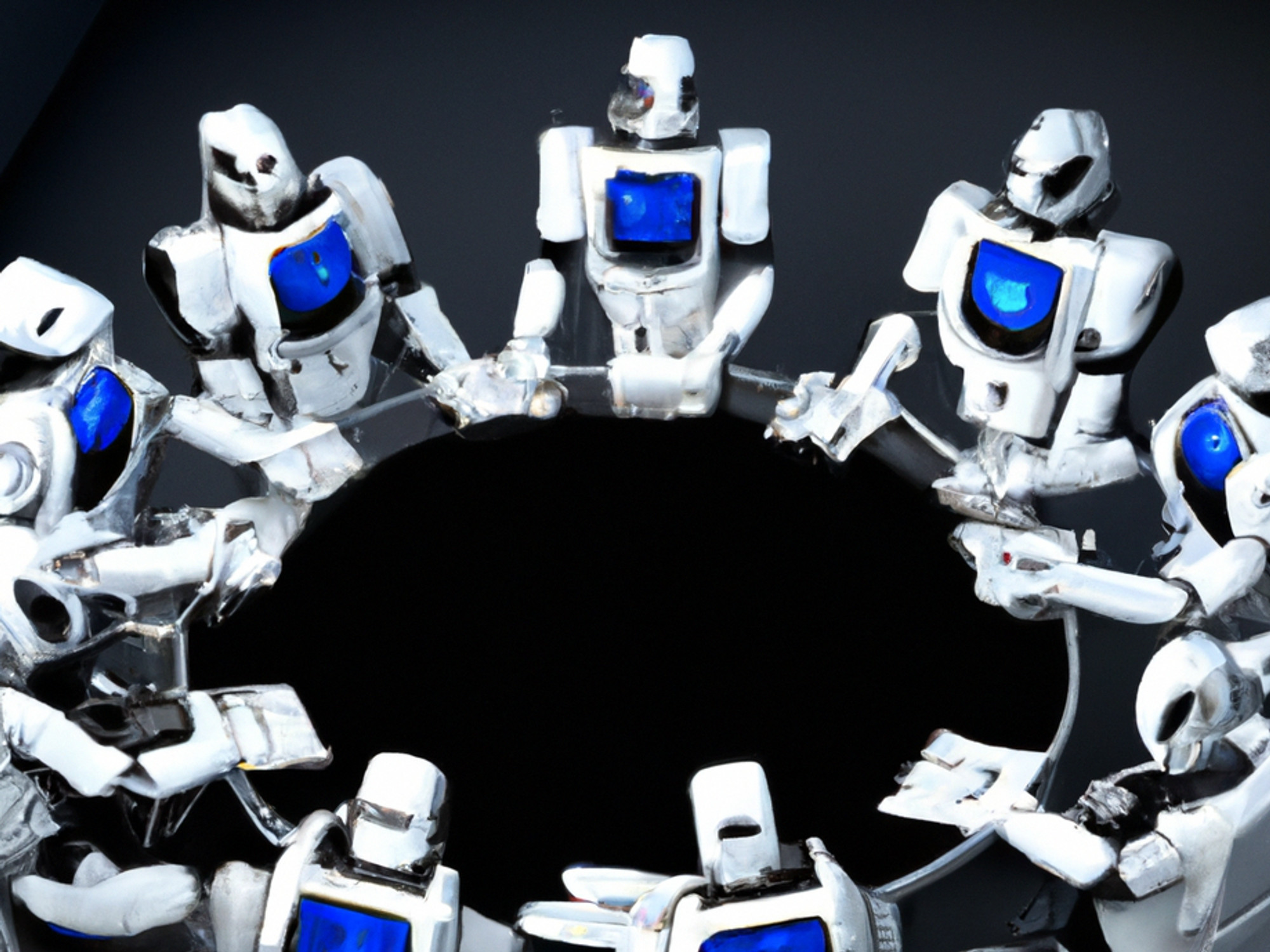
Like with the atomic bomb, artificial intelligence will divide the world into the haves and the have-nots, French columnist Édouard Tétreau writes. To win the AI arms race, France and its allies need a new transatlantic partnership.
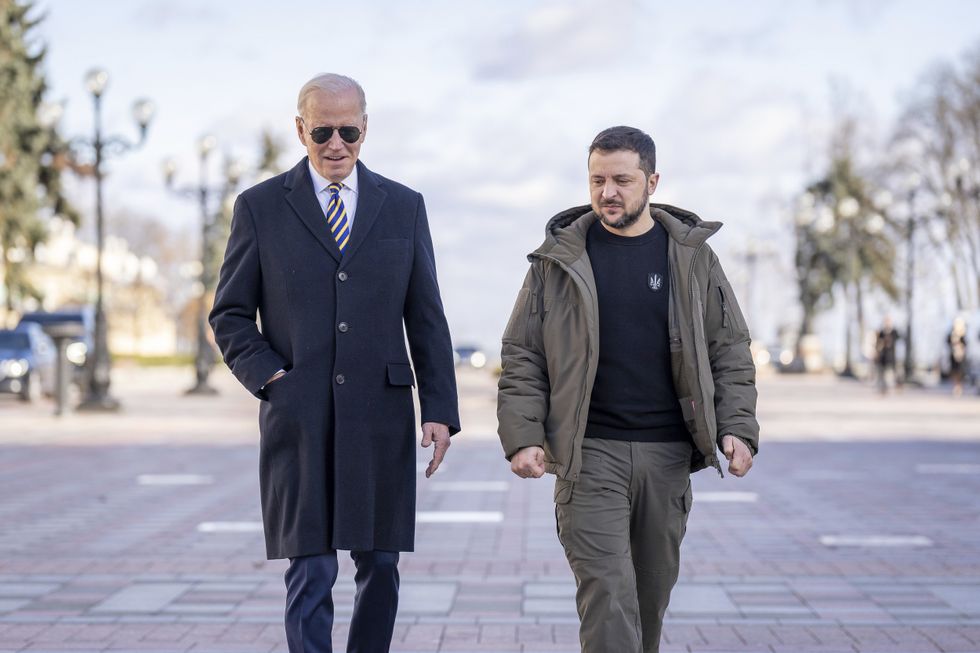
With a decisive deal with Putin out of the question, the only way to create a lasting peace is to recreate some fundamental dynamics of the Cold War.
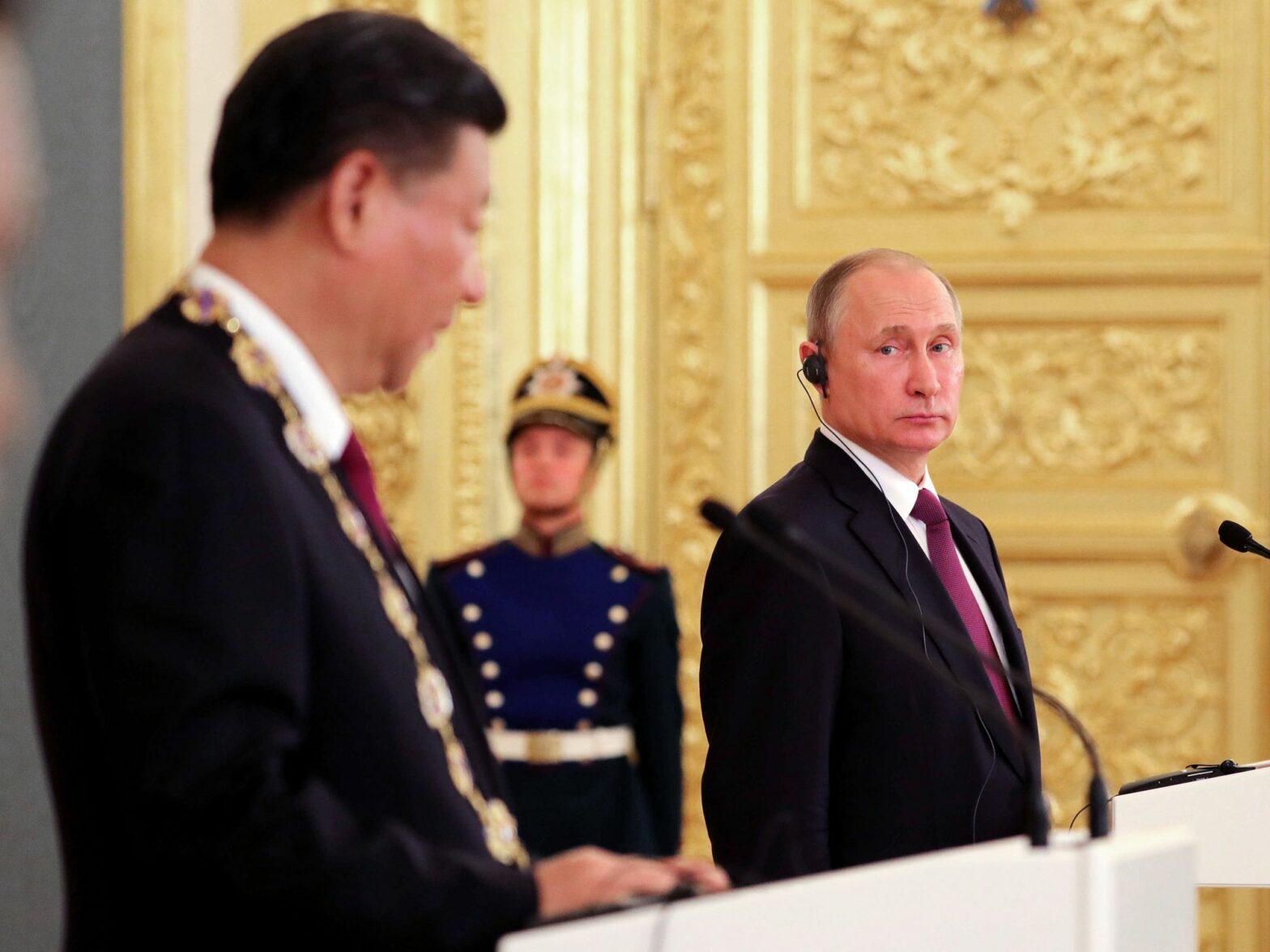
To trace Moscow’s decision to transfer nuclear weapons to Belarus, we may need to look to Beijing — and the recent summit of Xi Jinping-Vladimir Putin
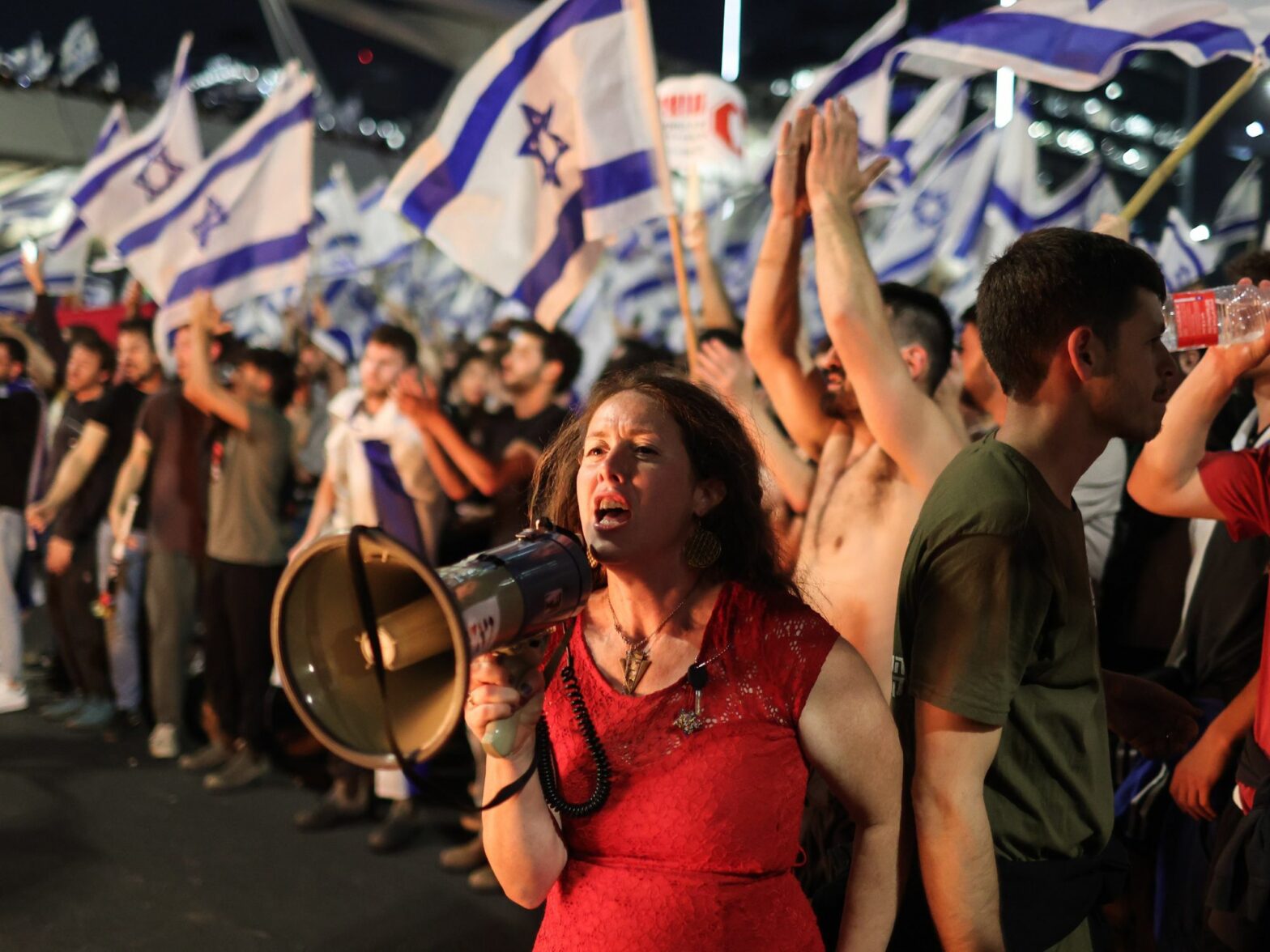
France, Israel, United States: these three democracies all face their own distinct problems. But these problems are revealing disturbing cracks in society that pose a real danger to hard-earned progress that won’t be easily regained.
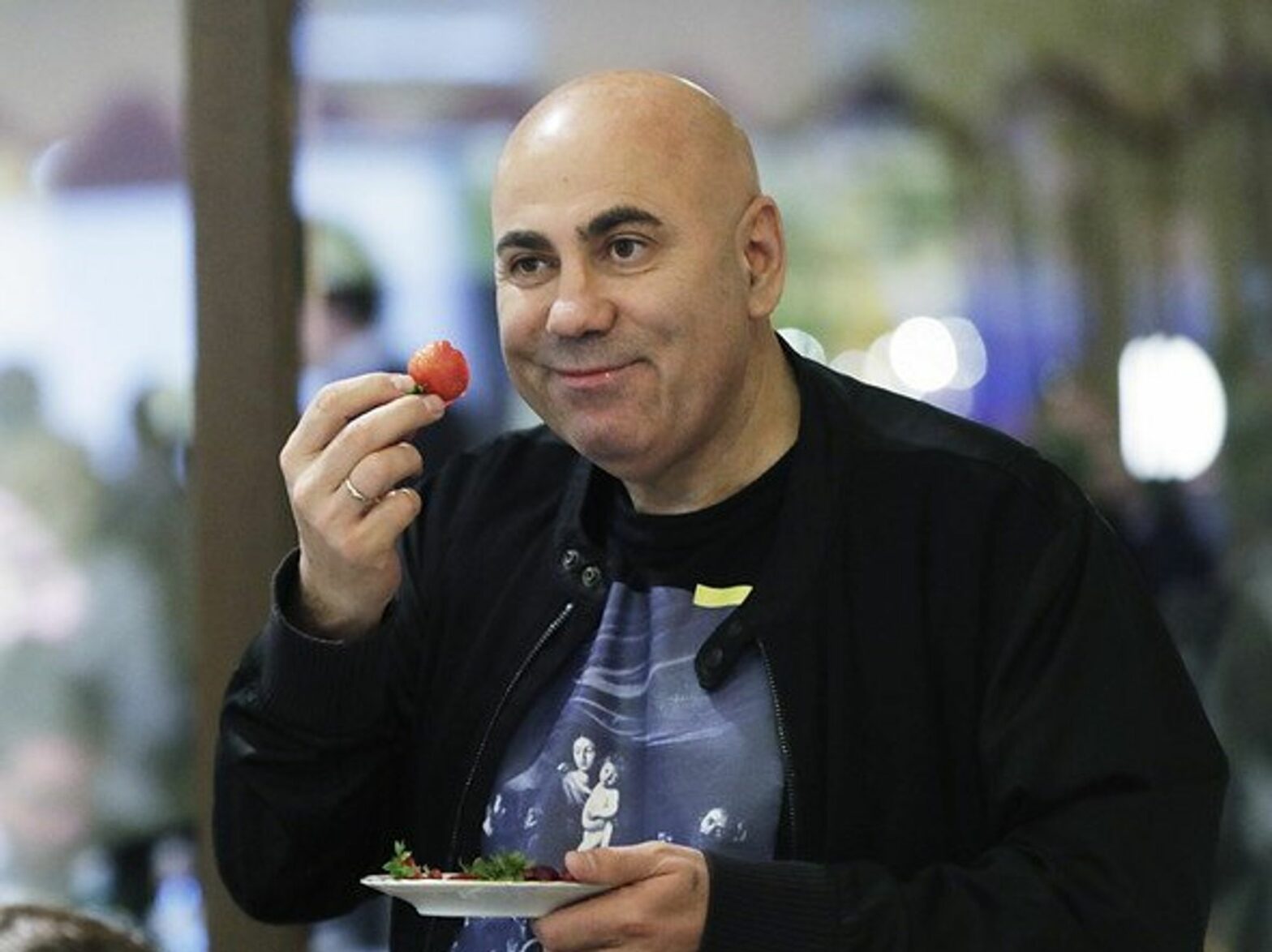
What does Russia’s ruling class really think of Putin? A leaked audio recording of Russian producer Iosif Prigozhin and Russian billionaire ex-senator Farhad Akhmedov criticizing Putin has been verified by Russian intel service FSB, offering a peak into the anger toward the Kremlin’s war.
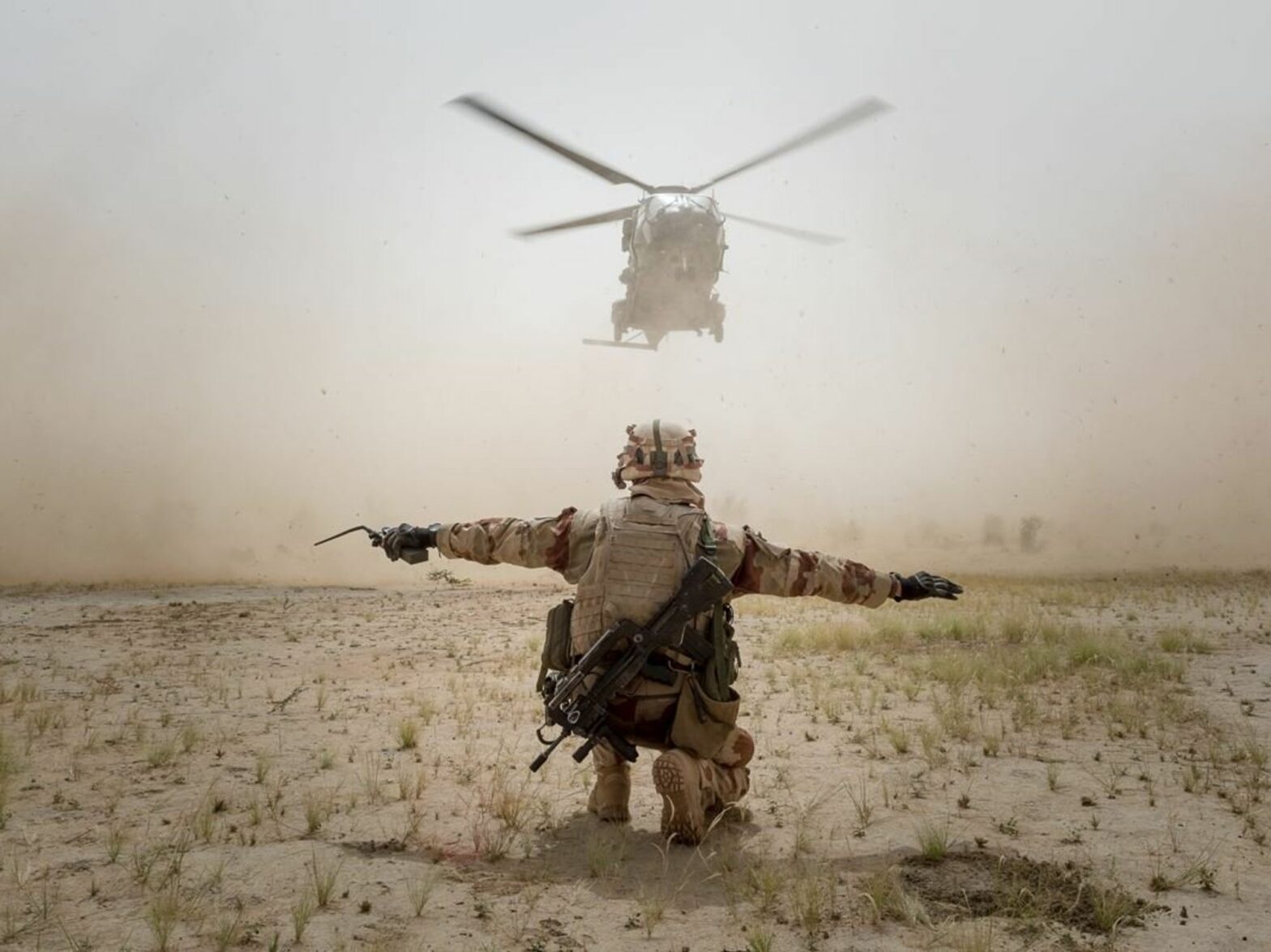
Fueled by the Kremlin, anti-French sentiment in Africa has been spreading for years. Meanwhile, China is also increasing its influence on the continent as Africa’s focus shifts from west to east.
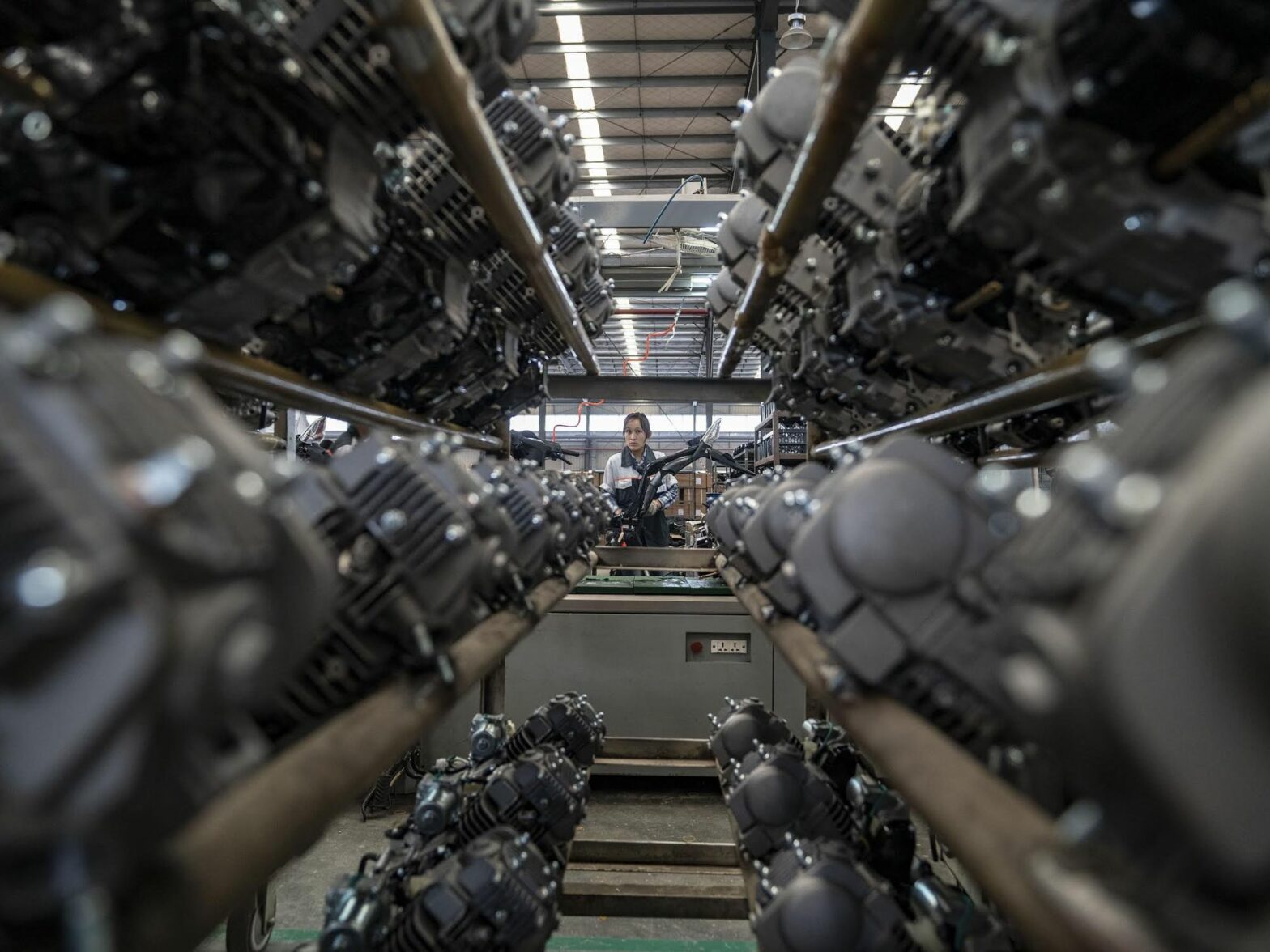
China is still a manufacturing juggernaut and a growing power, but companies are looking for alternatives as Chinese labor costs continue to rise — as do geopolitical tensions with Beijing.
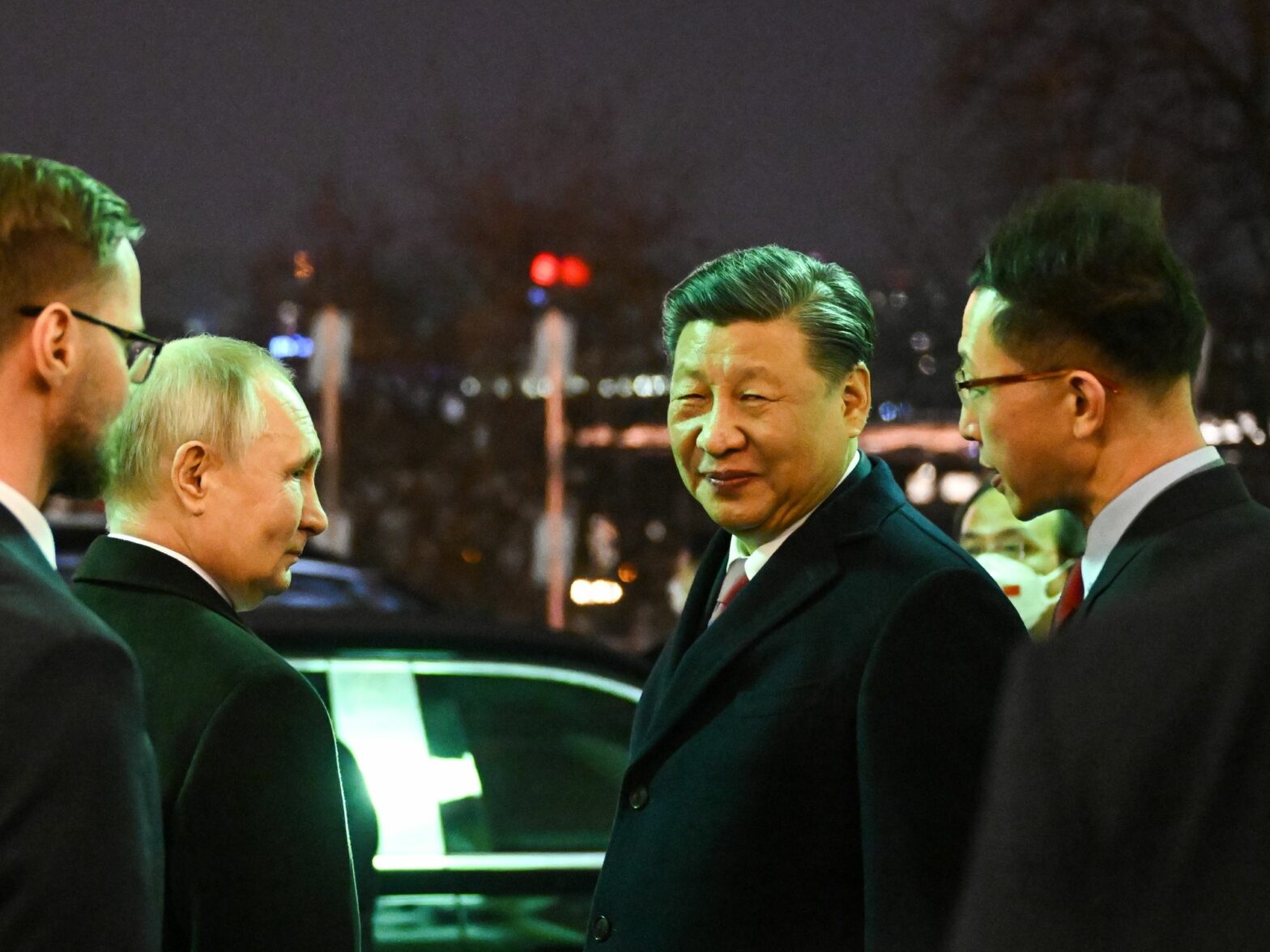
China has adopted a stance of pro-Putin neutrality since the start of Russia’s invasion. But this is not an alliance of equals. China has the upper-hand and sees the opportunity to present itself as an alternative world leader.
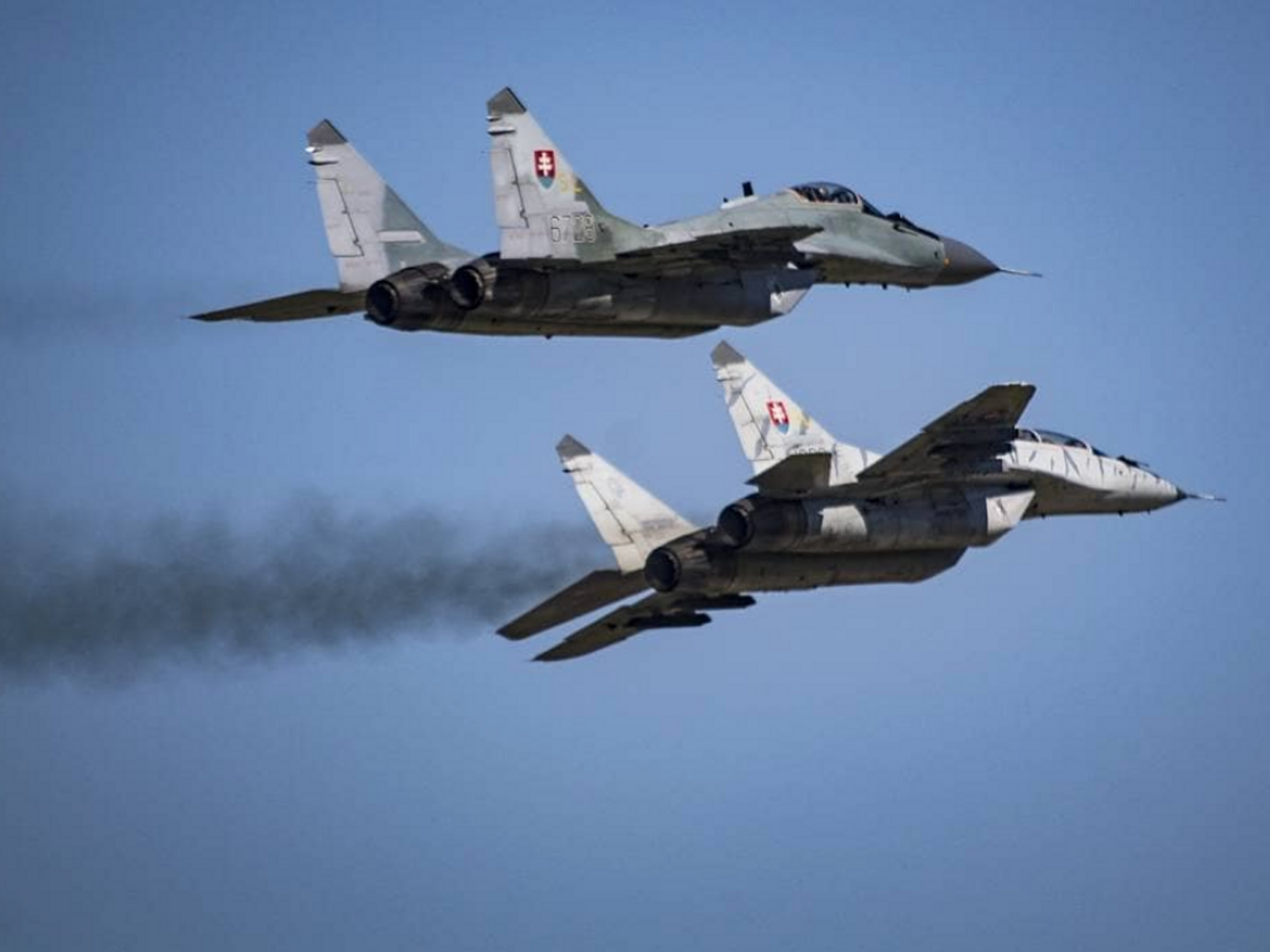
A bloc of eastern European countries has distanced themselves from Western Europe — Germany in particular — by sending Soviet era jets to Ukraine, part of growing push to supply the country with Western-made fighter jets.
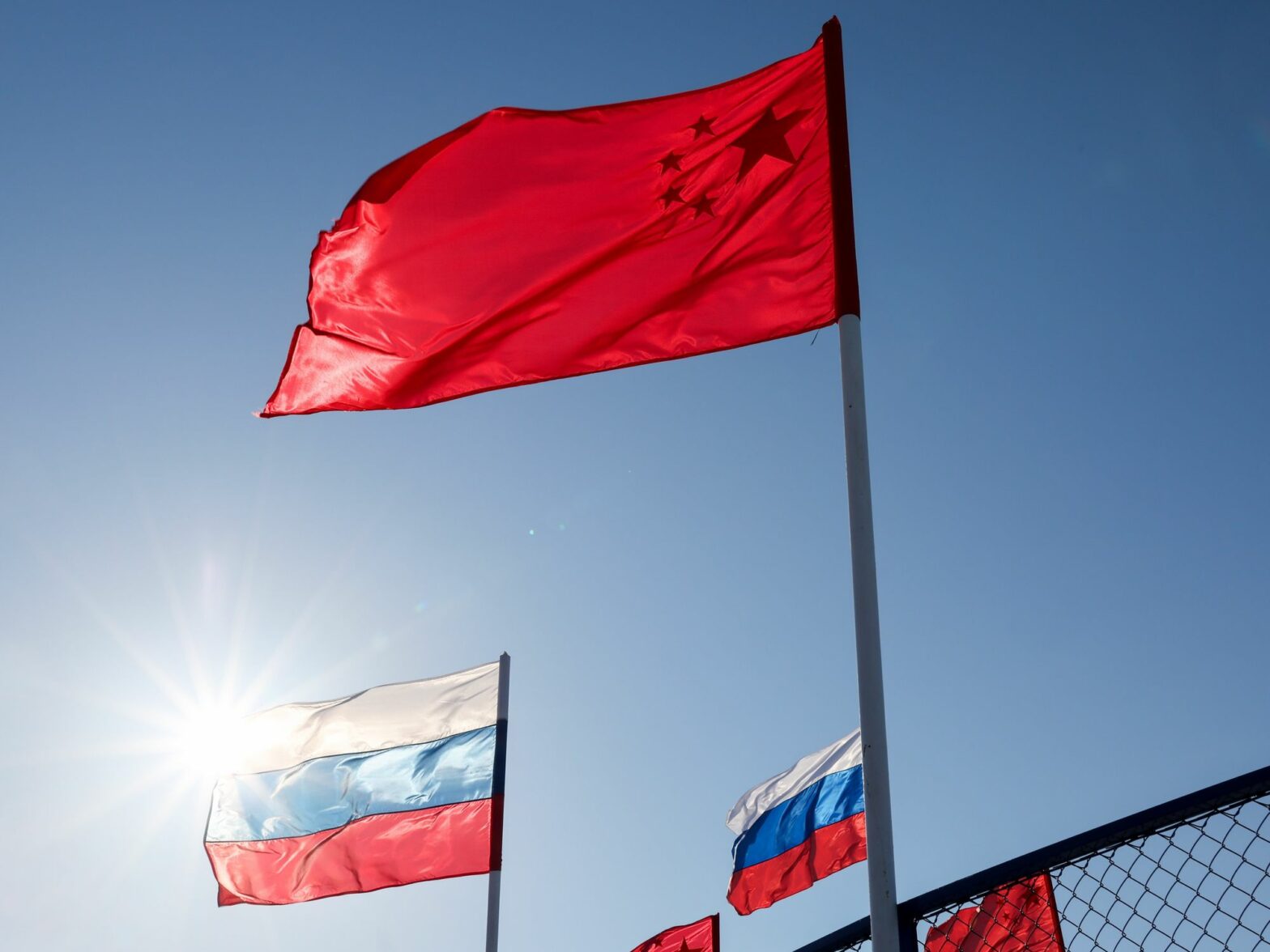
As the Chinese government puts together what it calls a peace plan for Ukraine, it’s also considering sending weapons to Russia. The Biden administration warns China will “pay a real price” if it helps Russia, but Beijing’s real goal is to weaken the United States.
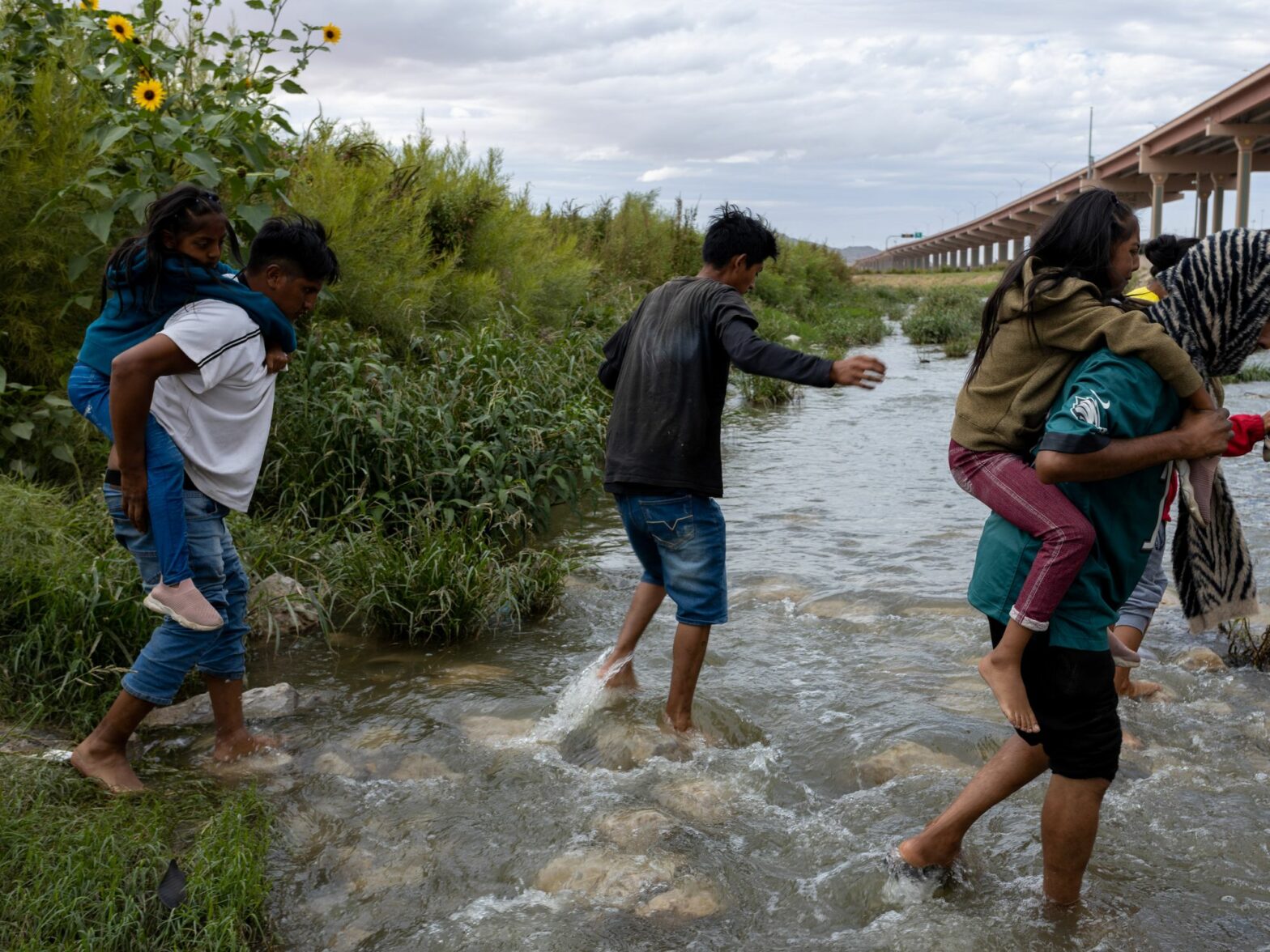
With dimmed hopes of a transition from the economic crisis and repressive regime of Nicolas Maduro, many Venezuelans increasingly see the United States, rather than Latin America, as the place to rebuild a life.
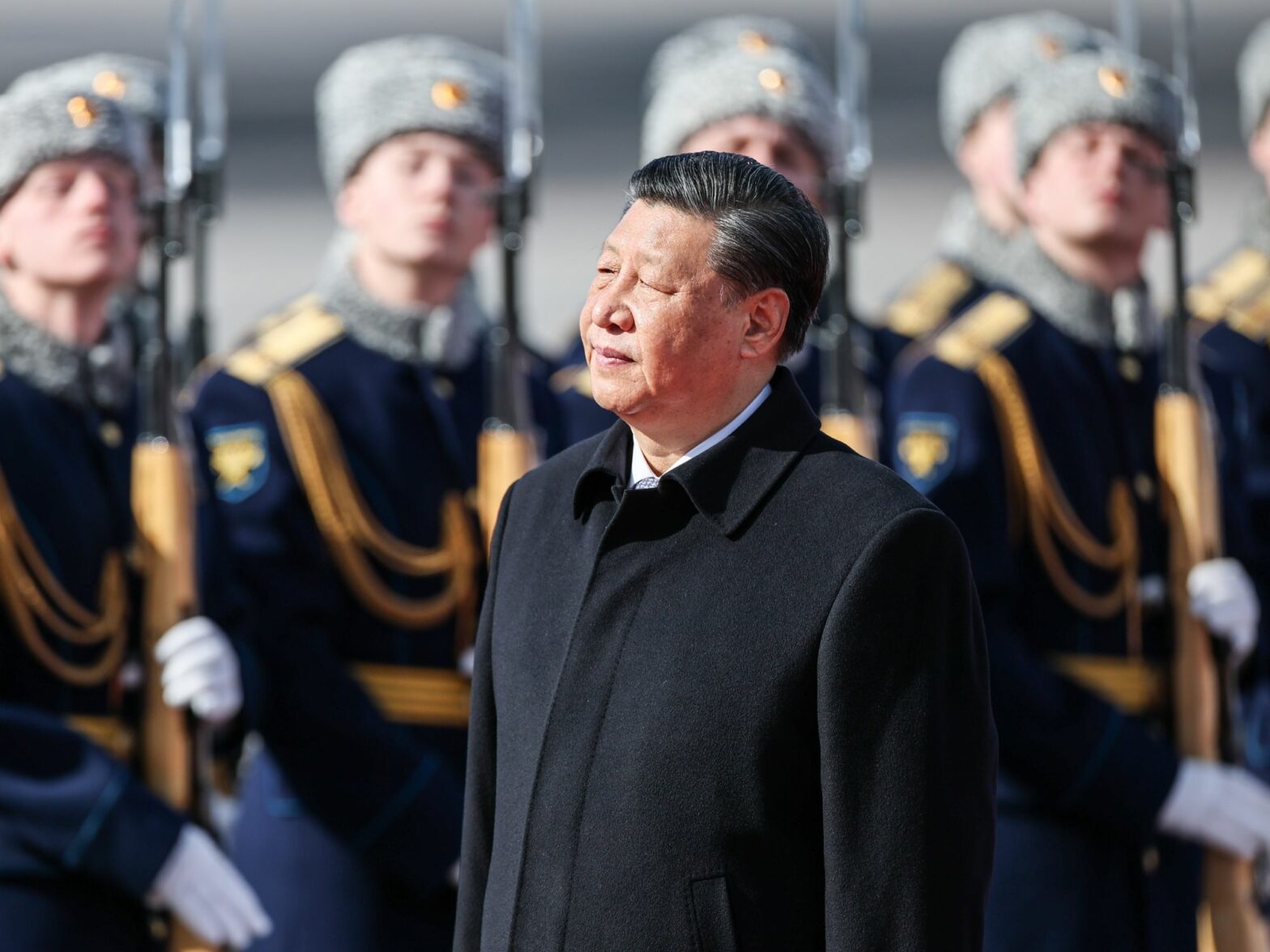
As Xi’s closely watched visit to Moscow begins, China and Russia may seem like strategic partners, but it has ultimately shown to be a marriage of convenience. And both countries are naturally competitors, wary if the other grows stronger.
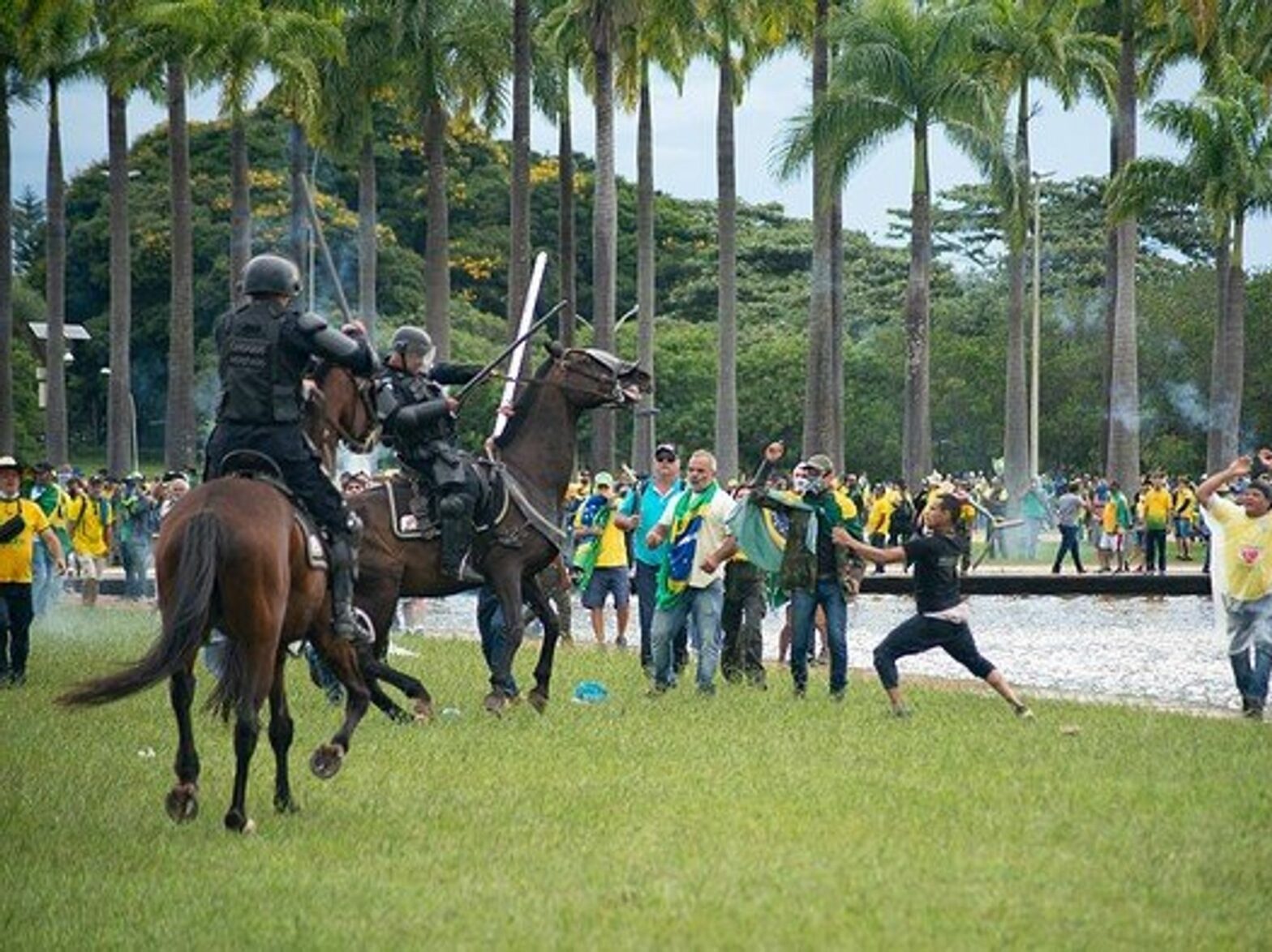
Right-wing reaction to the globalized, liberal order is starting to look less dispersed and more systematic, like 20th-century political movements like socialism and communism.
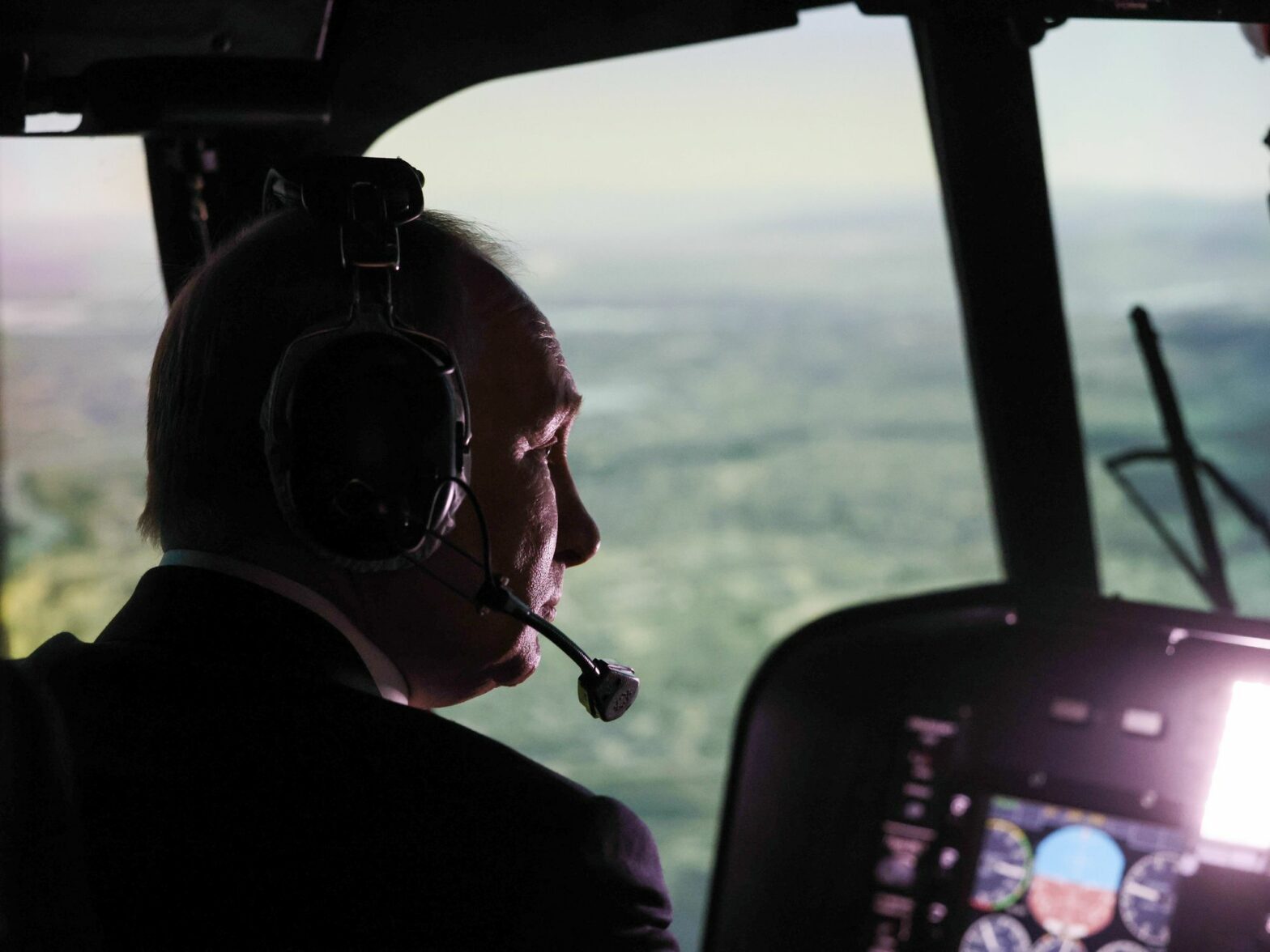
The war crimes arrest warrant issued by the Hague puts the pressure on the Russian president. Would that prompt him to follow through on his past threats to use nuclear weapons? An extensive investigation by independent Russian publication Project.Media into Putin’s life finds that he has other priorities closer to home.
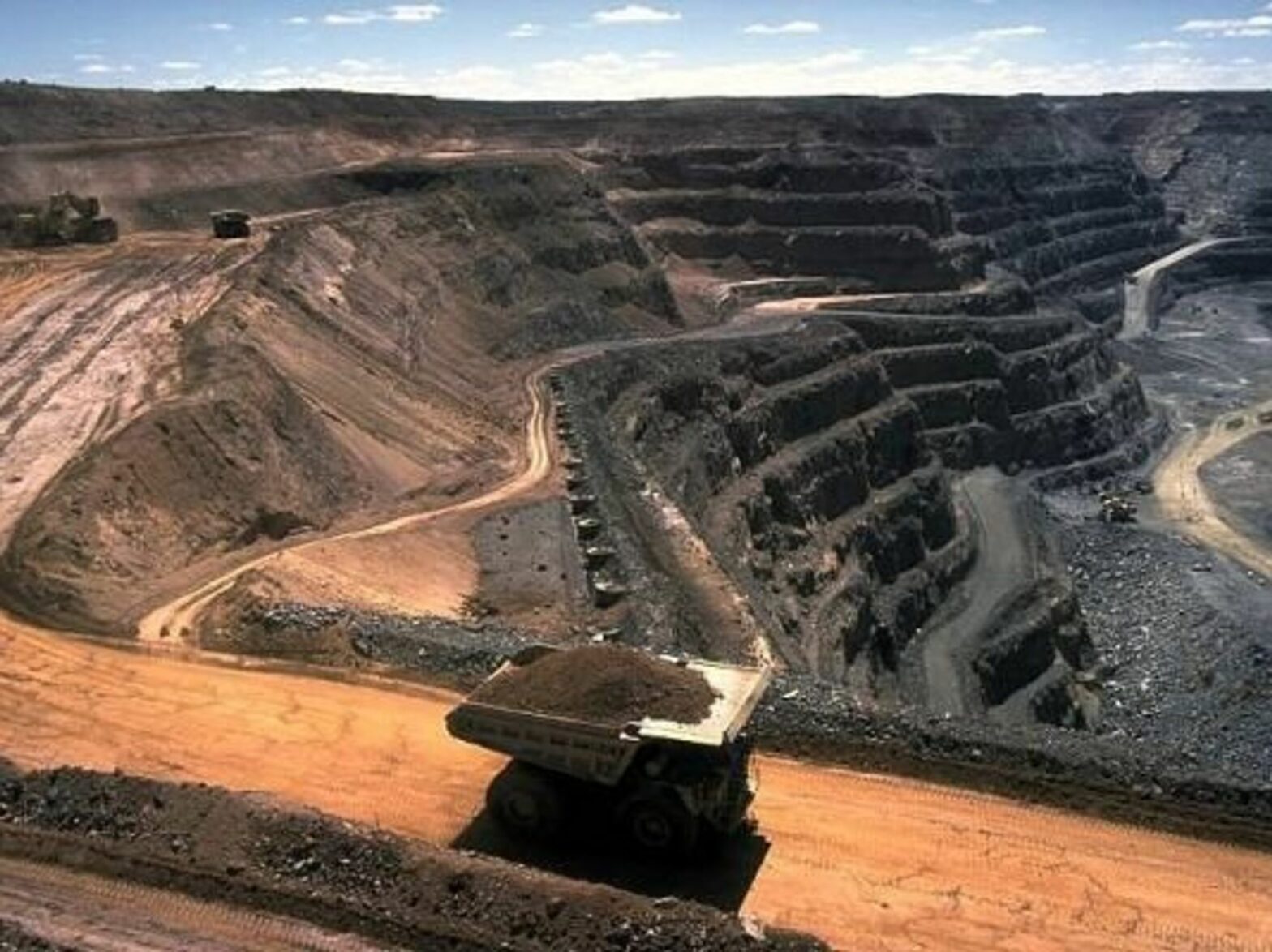
The European Union has a new plan that challenges the long-established dogmas of globalization, with its just-in-time supply chains and outsourcing the “dirty” work to the developing world.
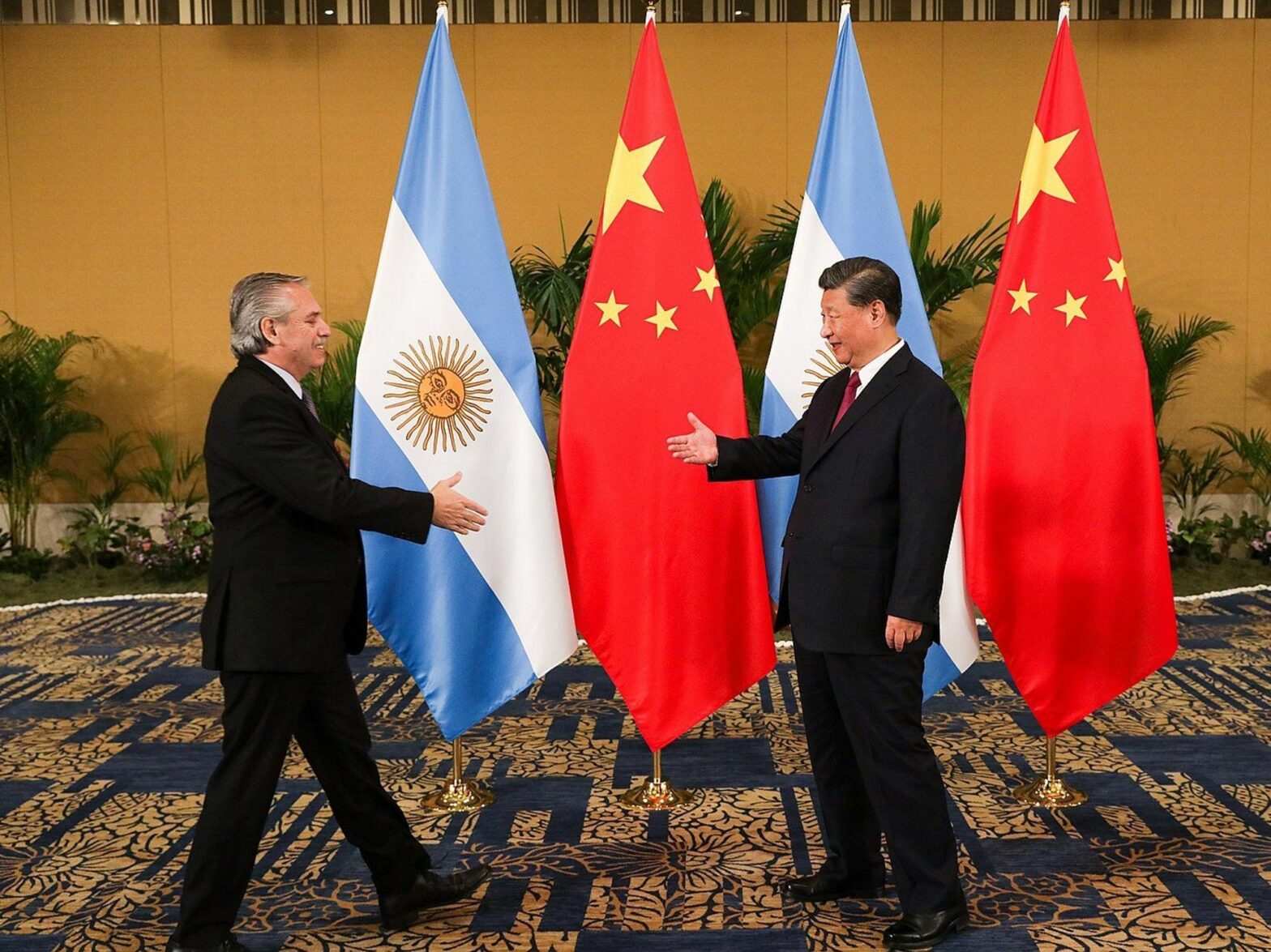
China has become one of Argentina’s most important trading partners and is increasing its military bases in the country. As China seeks to challenge the liberal world order, Argentina risks rifts with other key allies.
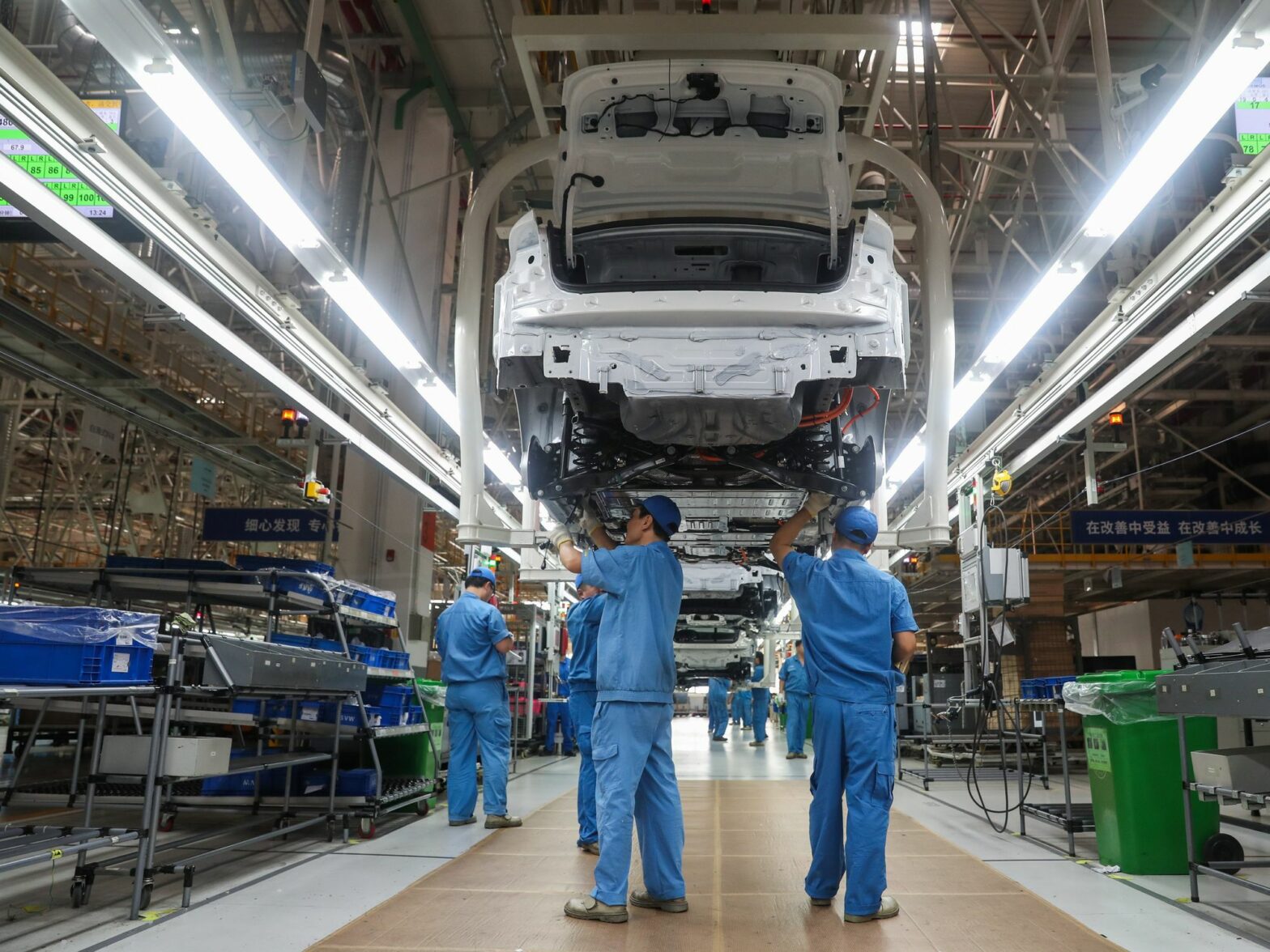
German automobile giant Volkswagen will invest billions in China to manufacture electric vehicles. It has deemed the risk of China invading Taiwan “unlikely,” a peek into the calculations that private-sector conglomerates make, just like state actors.
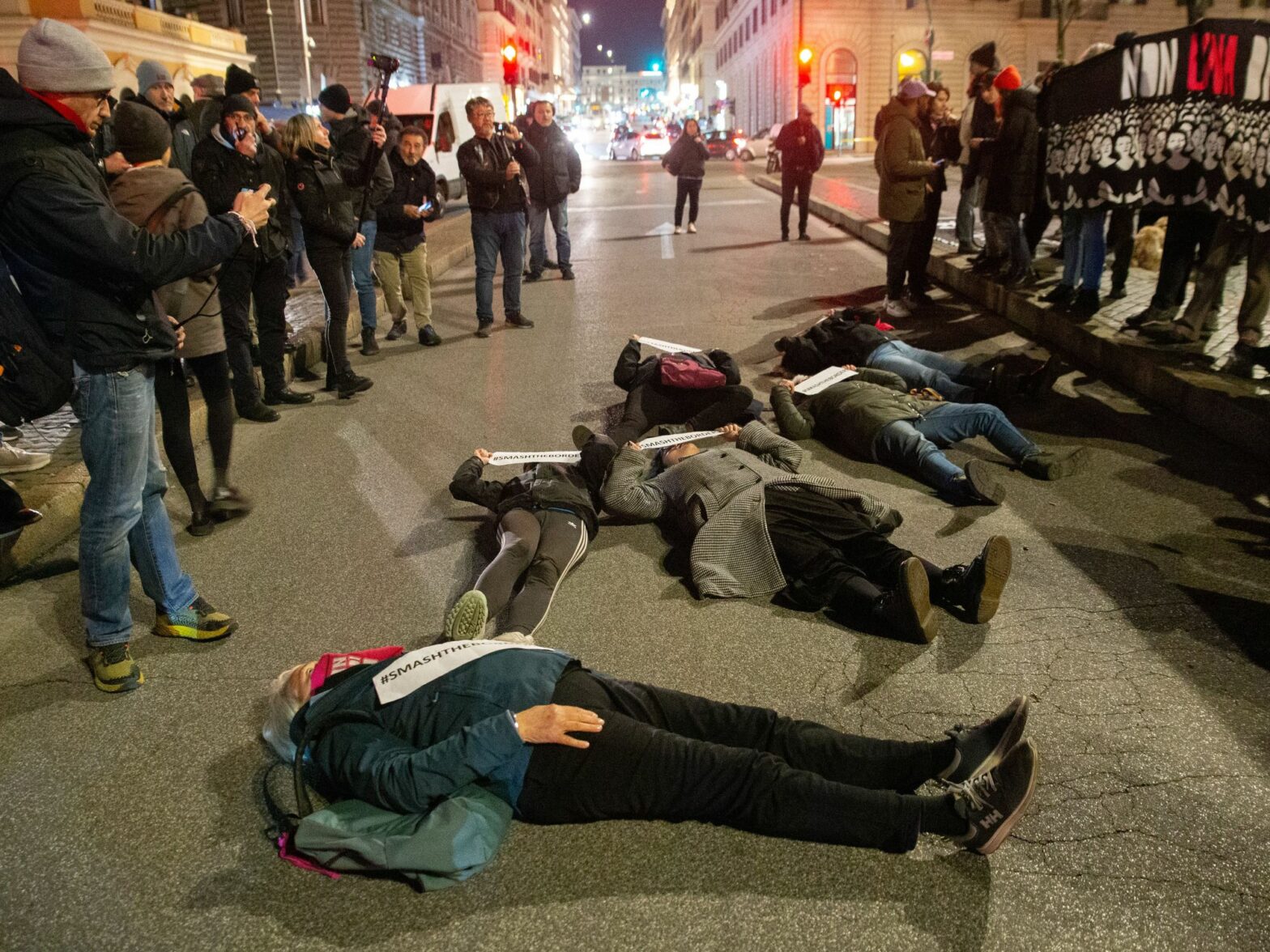
The Italian Defense minister has blamed an uptick in illegal immigrant arrivals in Italy on the Russian mercenary group, which has a strong presence in Africa, with the risk that it could divide the Western alliance. Wagner chief Prigozhin is having none of it.
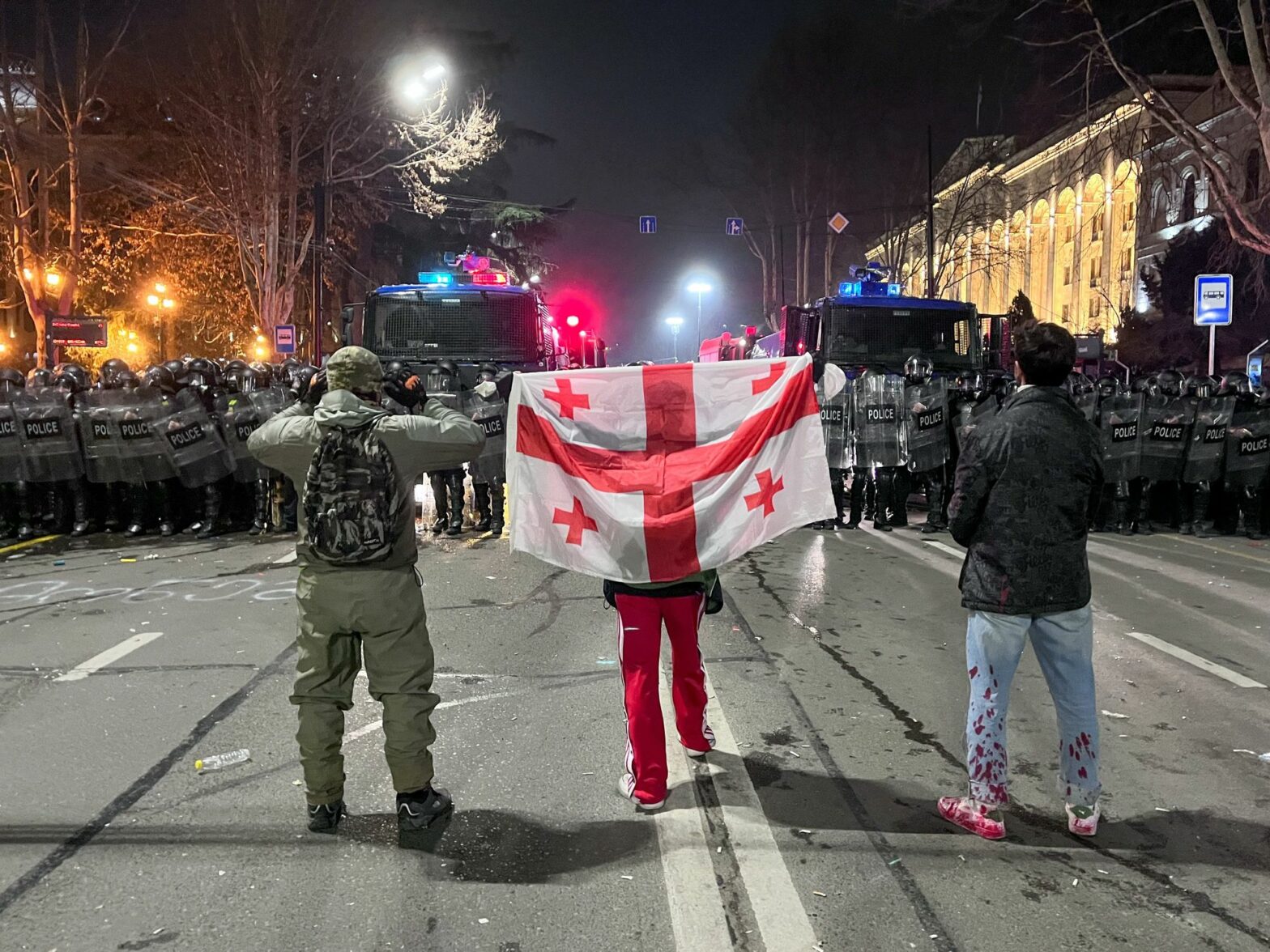
Protesters in Georgia blocked the adoption of a Russian-inspired “foreign agents” law, leading to threats from the Kremlin. Writing for La Stampa, Georgia-born political scientist Nona Mikhelidze explains why the events put Moscow on edge.
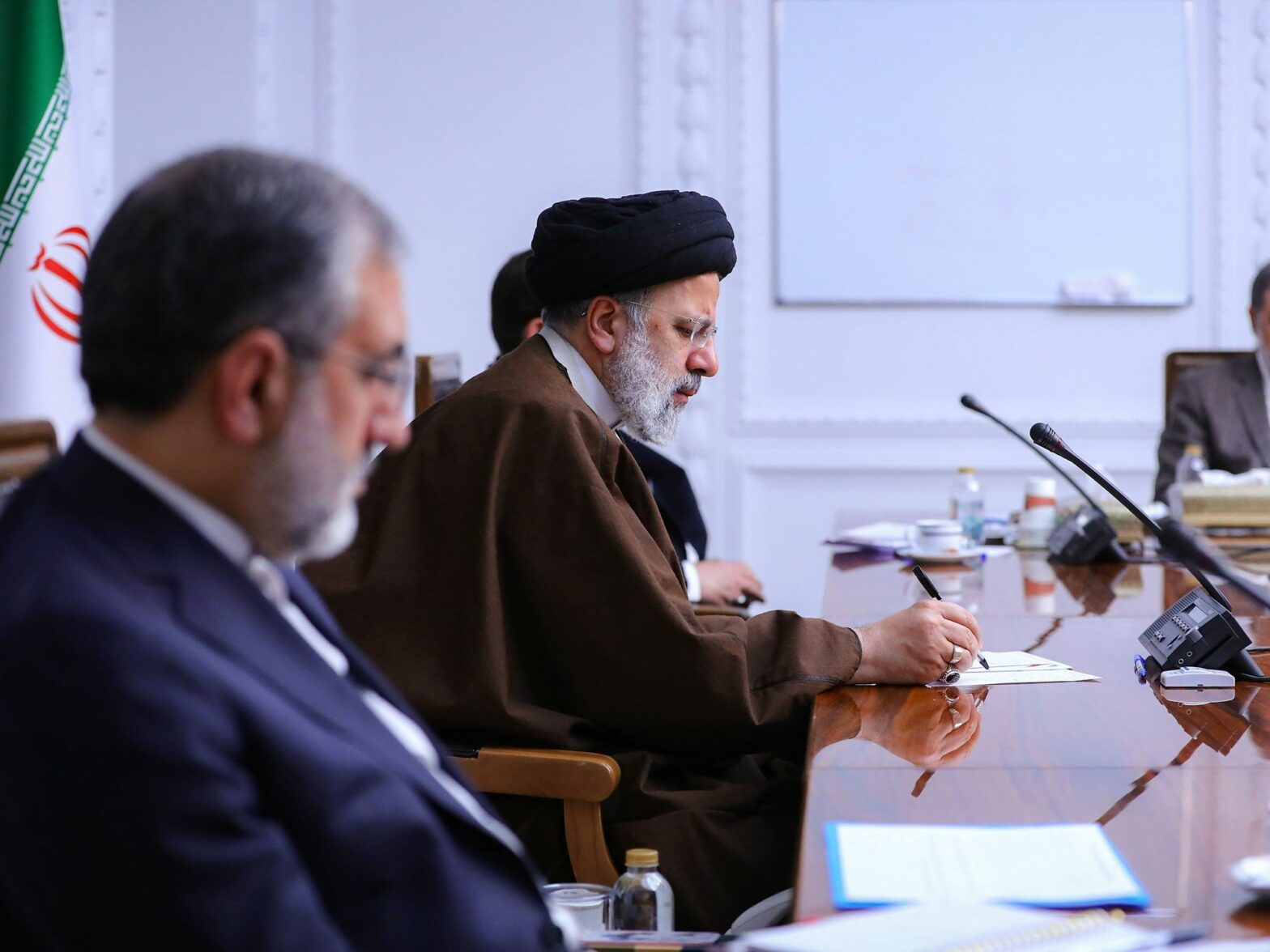
Iran and Saudi Arabia have announced they will restore diplomatic relations. The news may have proved startling — especially China’s role — but is unlikely to dispel long-standing distrust between two regional rivals.
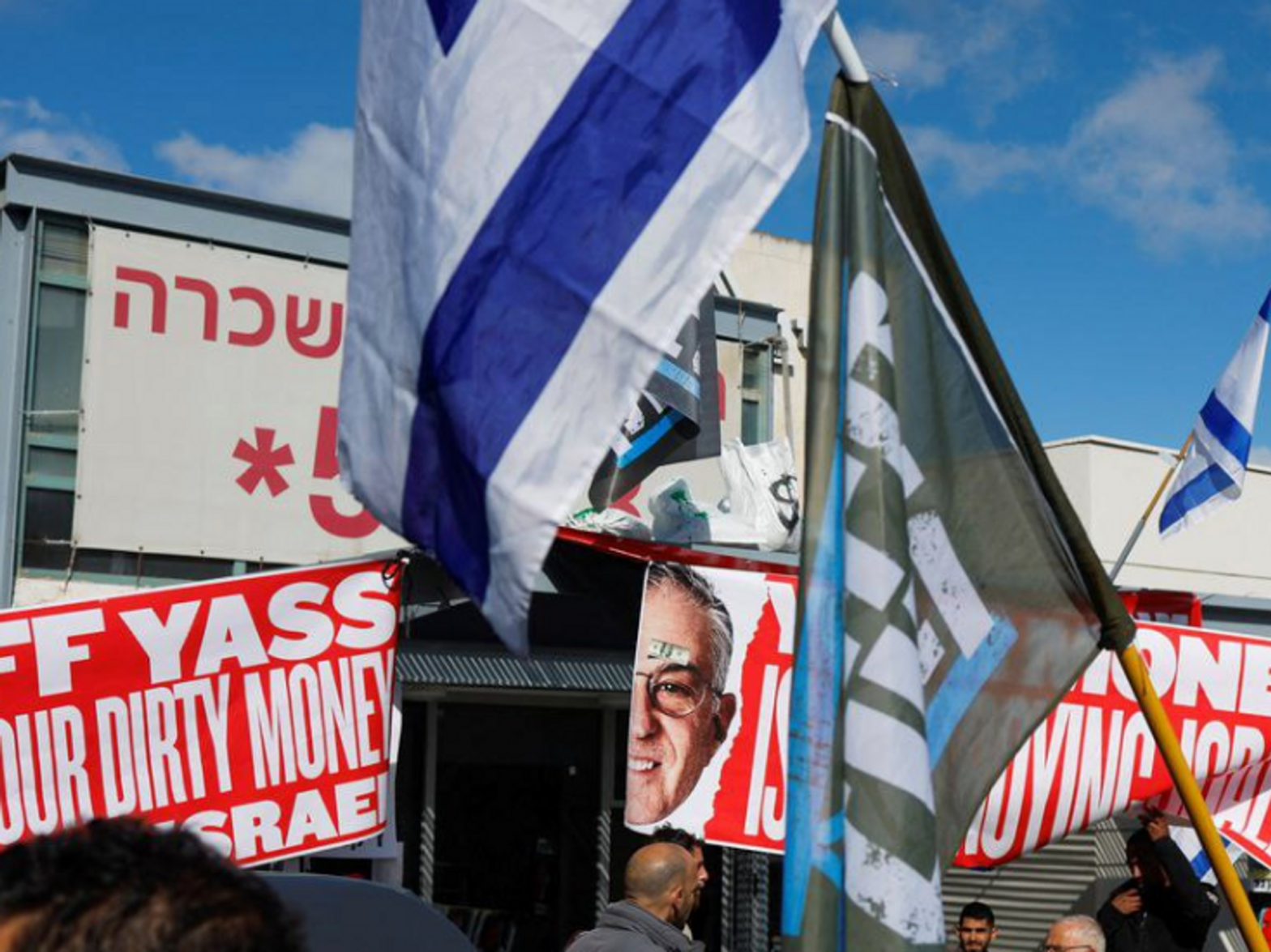
Israeli Prime Minister Benjamin Netanyahu’s return to power with the most right-wing government in the country’s history has revealed a deep schism in Israeli society between settlers and secularists.
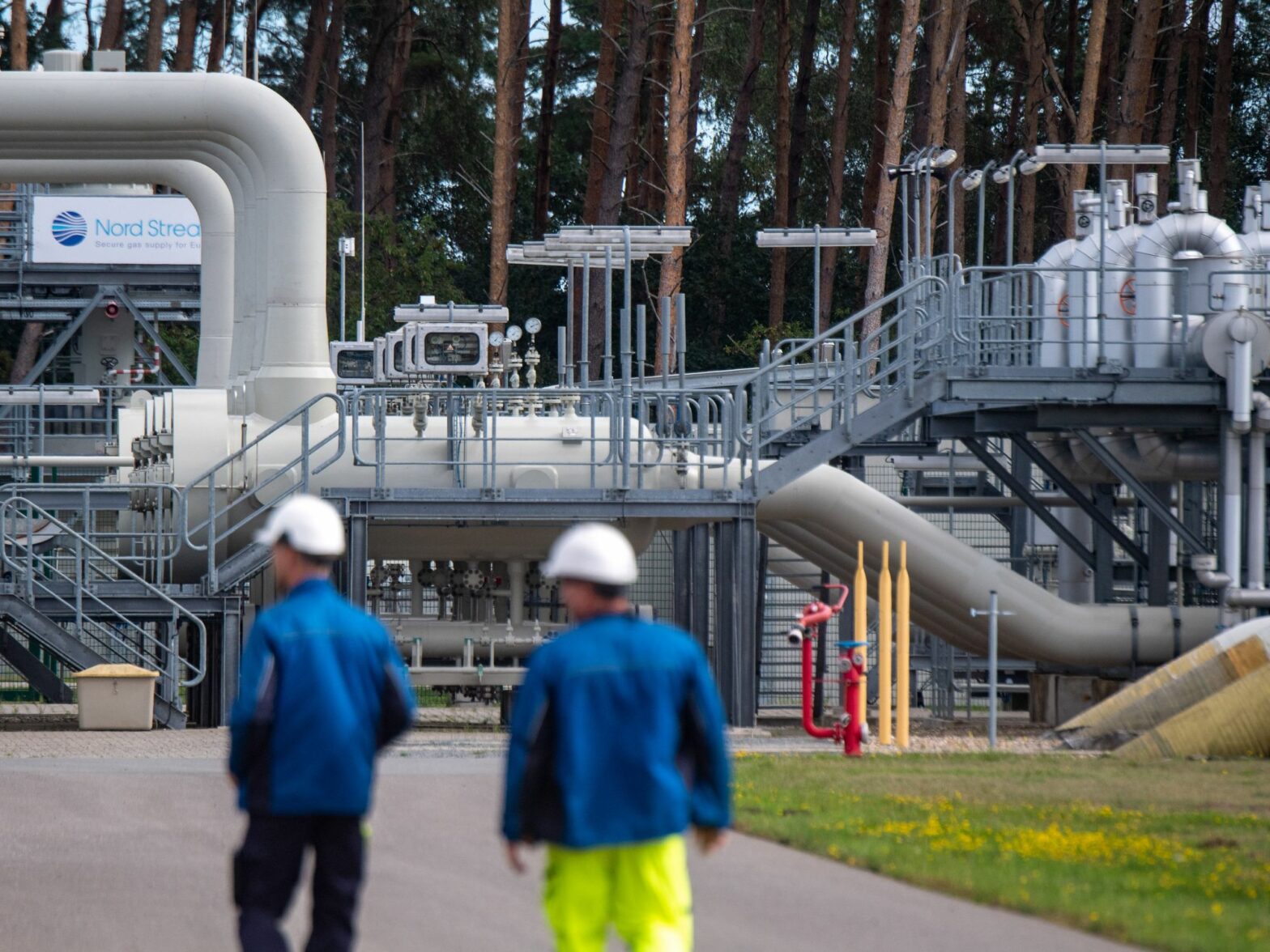
A new report blames the attack last September on a pro-Ukrainian outfit. It is hardly the last word on the case, but a good sign that the truth will come out in the end, which is crucial to maintain support in the West.
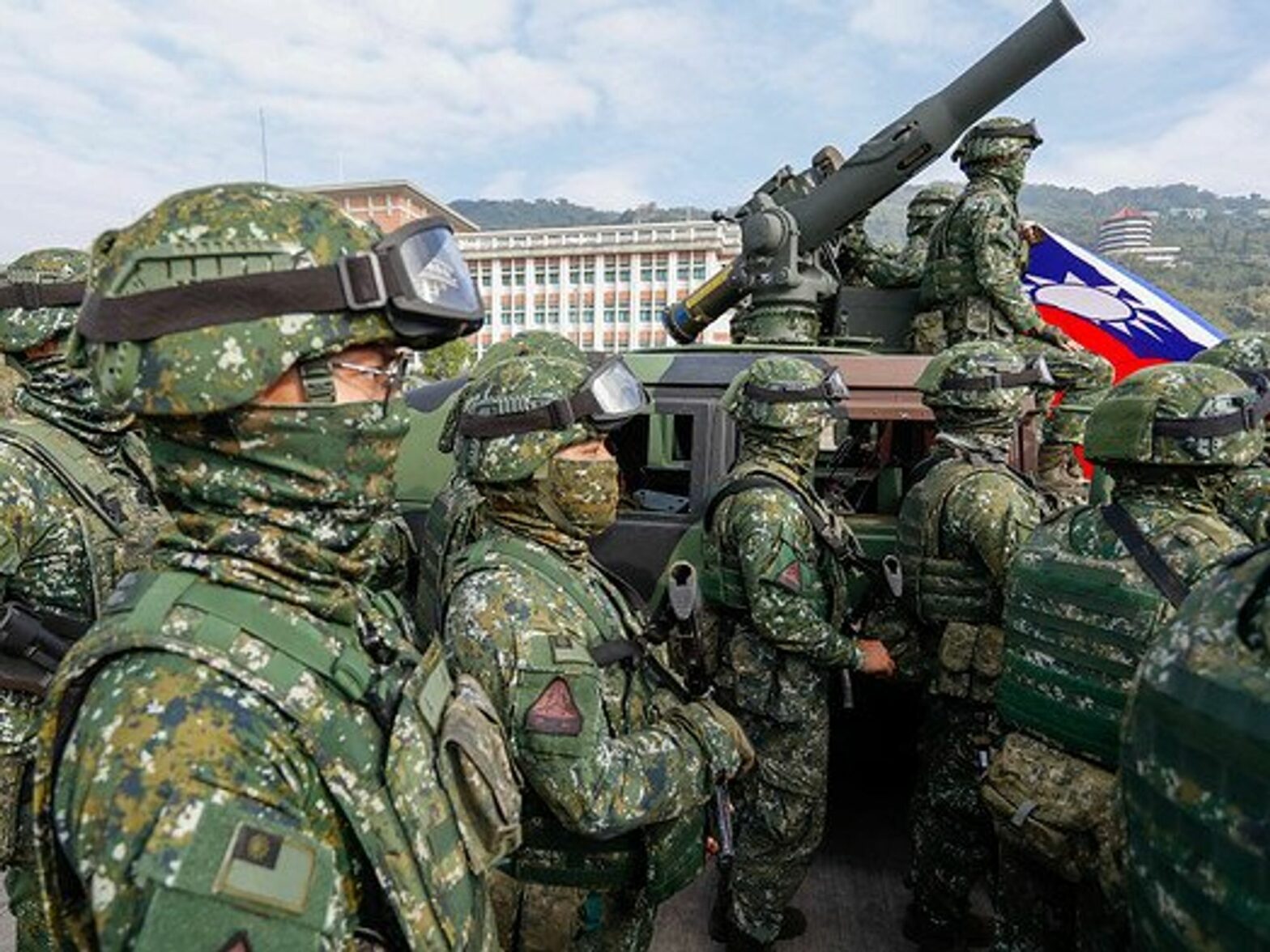
China is spending more money on weapons and defense than ever. The reason is evident: Xi Jinping wants to take Taiwan. Europe should follow the U.S. and support Taipei militarily as the only way to deter Beijing from war.
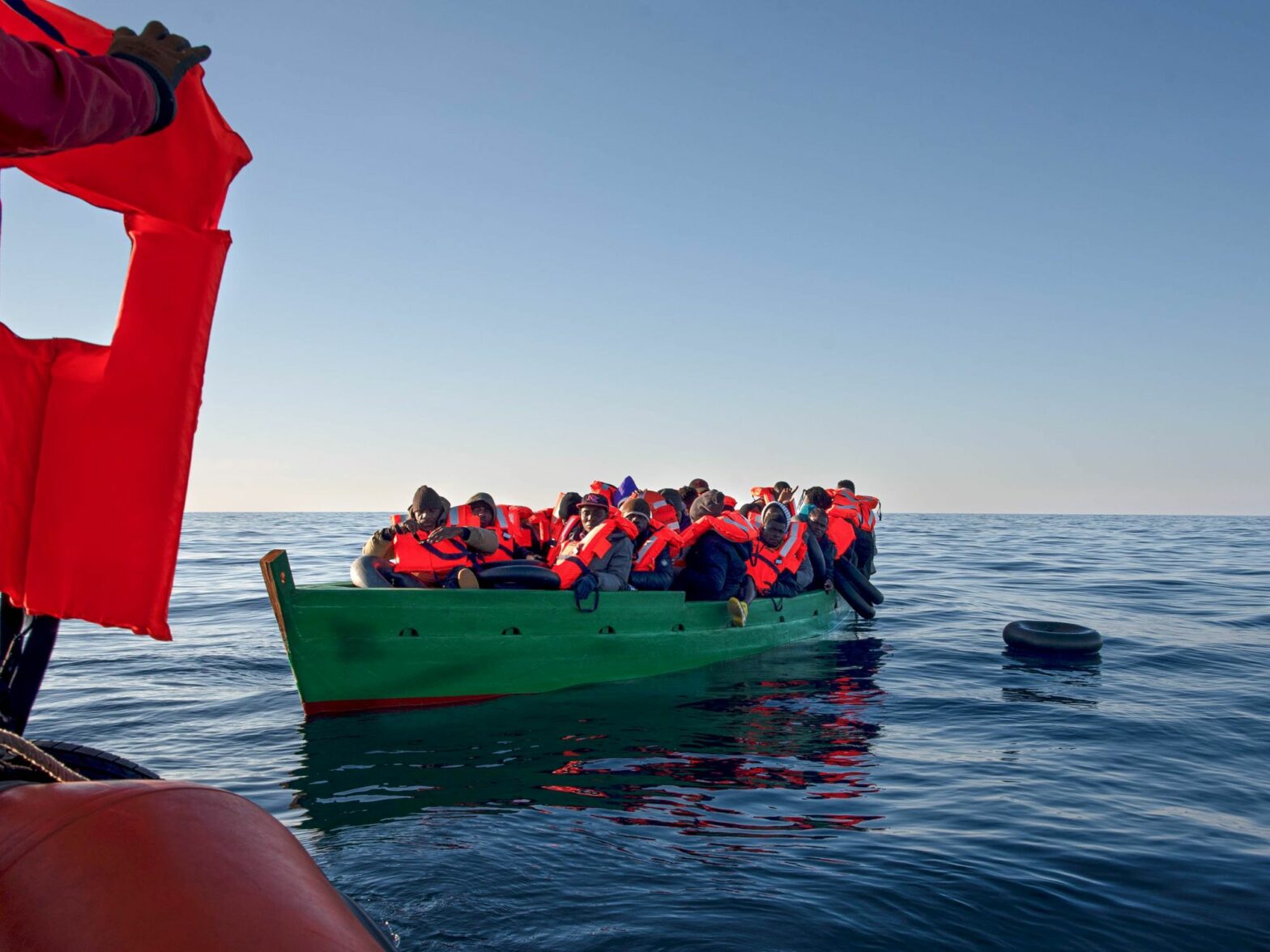
NGOs around the world are facing difficulties as governments criminalize them. The crackdown leaves states less accountable, while the biggest victims are the most vulnerable.