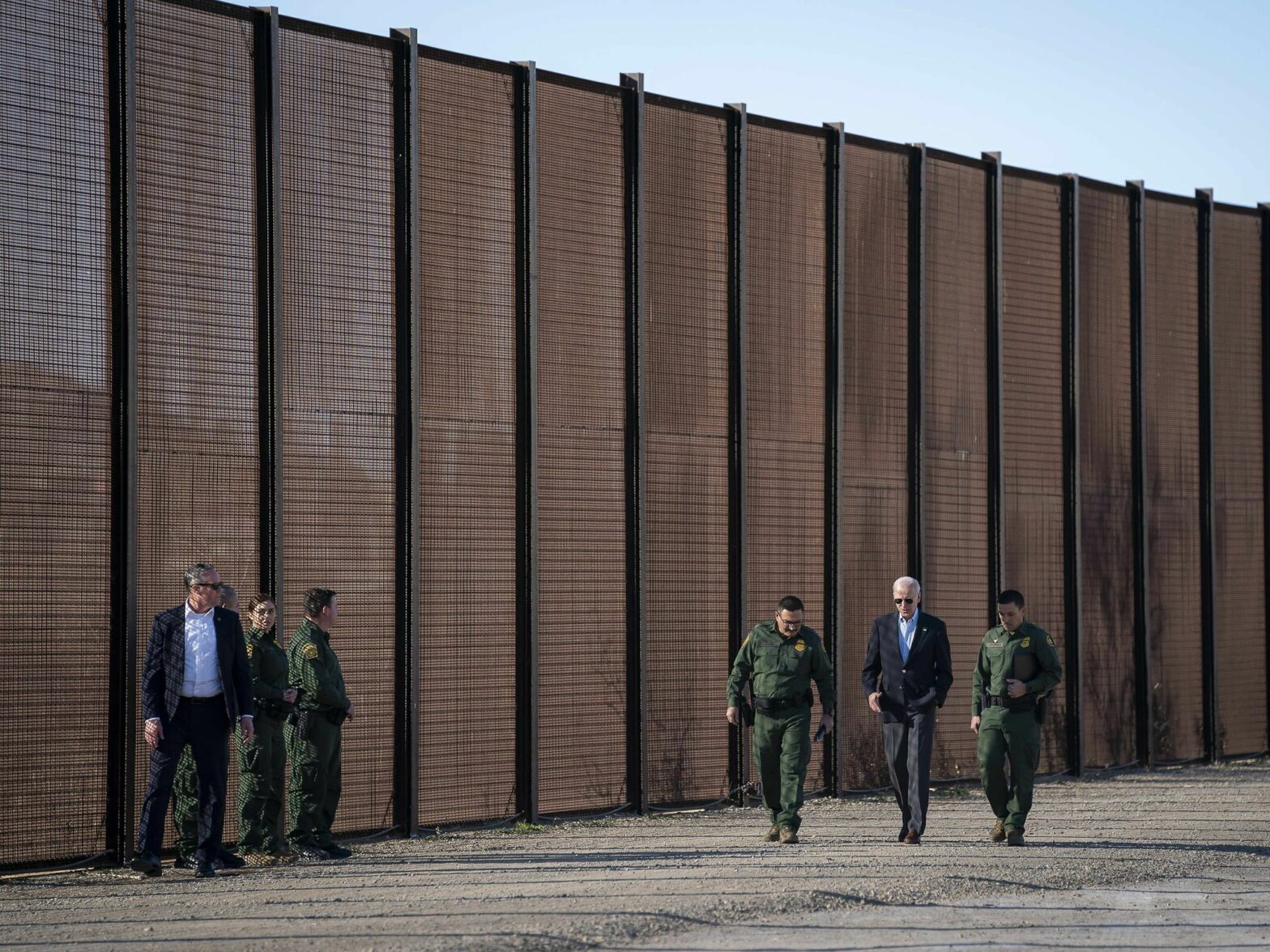
Mexico and the United States must collaborate to tackle a dual problem of violence and drug use hurting their countries.But first, they must stop playing the blame game.
 Worldcrunch
Mexico and the United States must collaborate to tackle a dual problem of violence and drug use hurting their countries.But first, they must stop playing the blame game.
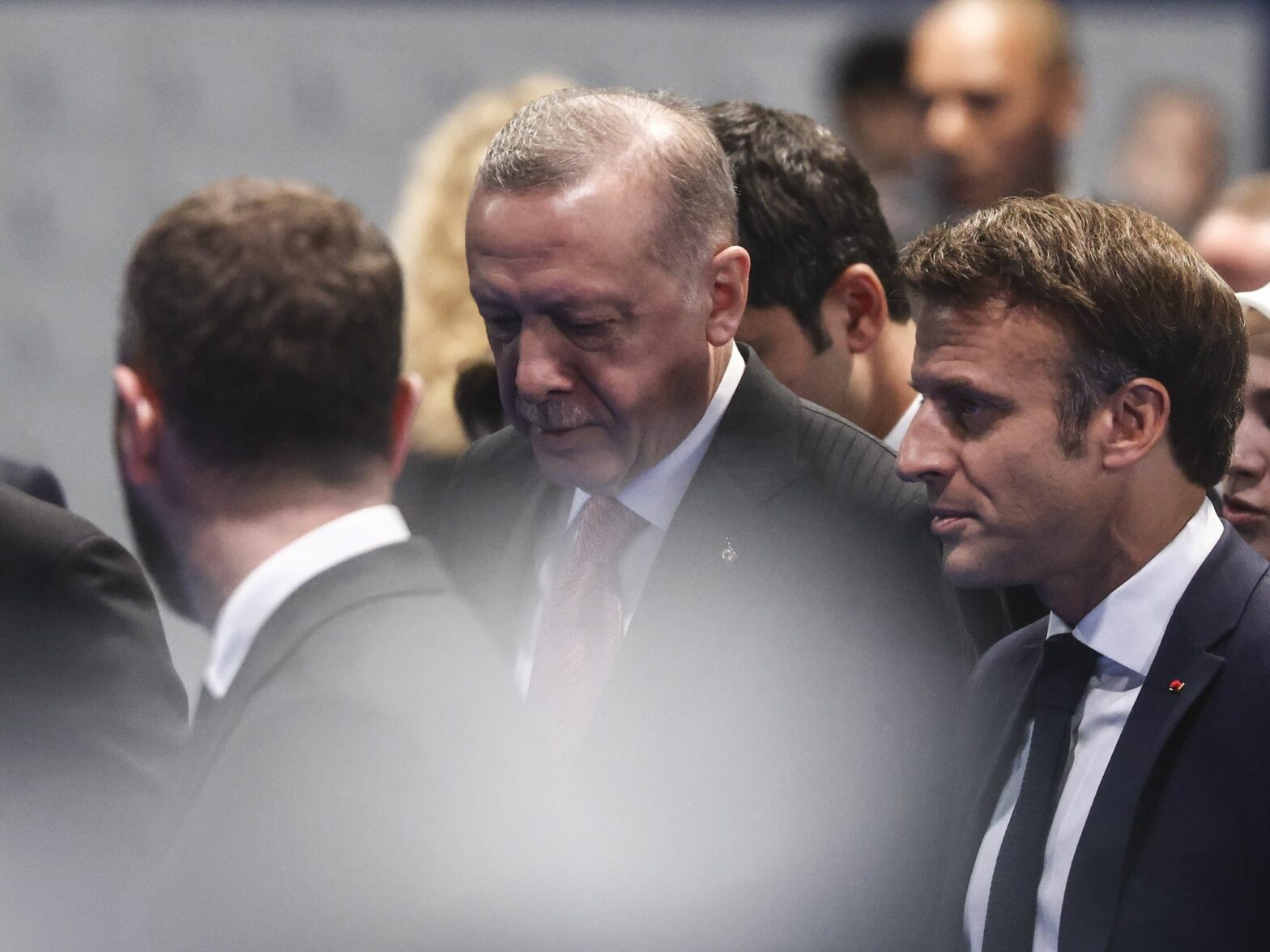
Western leaders hope the end is coming for the reign of Turkey’s longtime leader Recep Tayyip Erdogan, but saying it too loudly is just too risky in geopolitical terms.
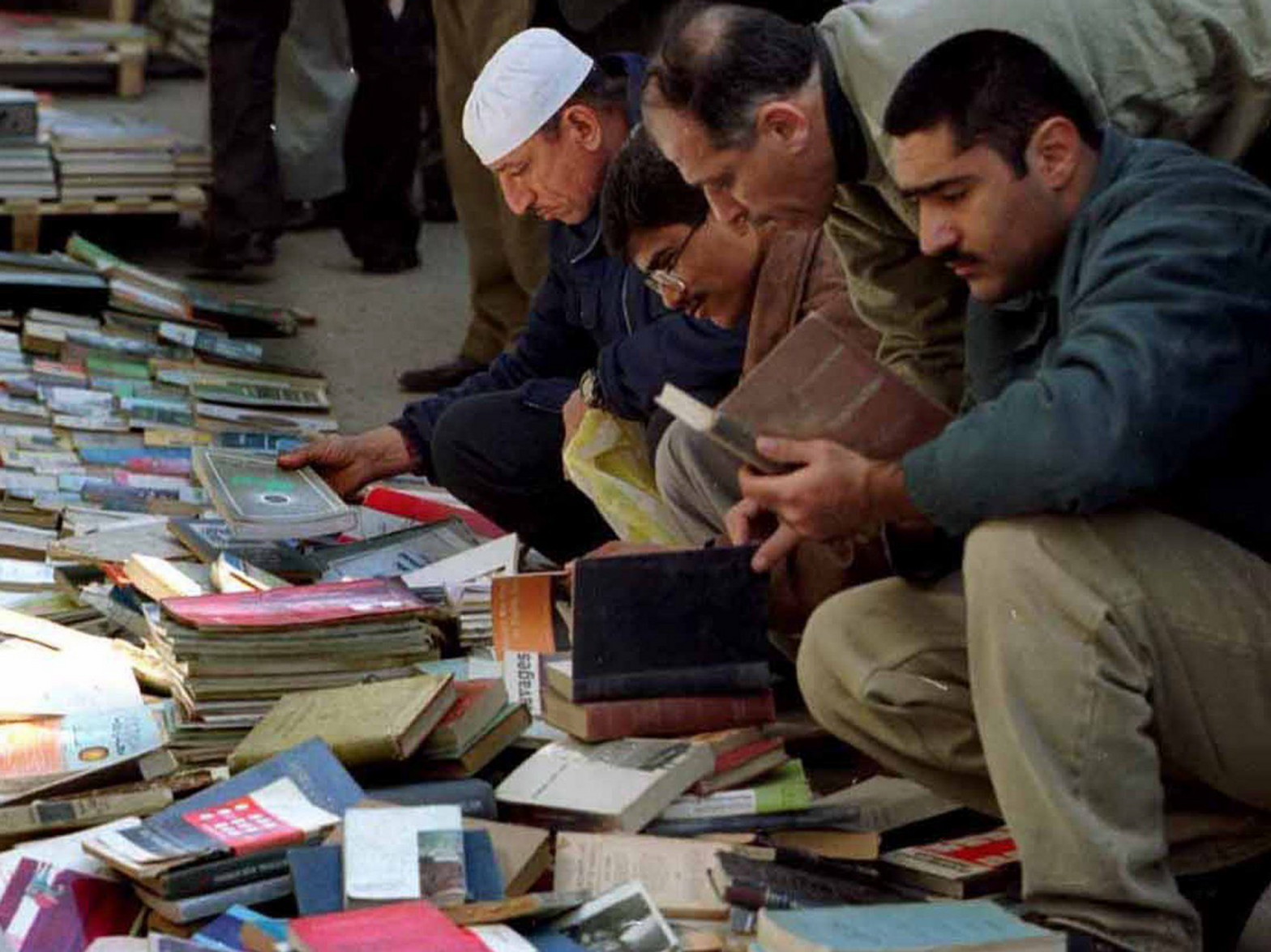
Leading writers in Iraq depict the U.S. invasion and its consequences as just one chapter in a much longer and broader history of foreign occupations and internal political violence in Iraq.
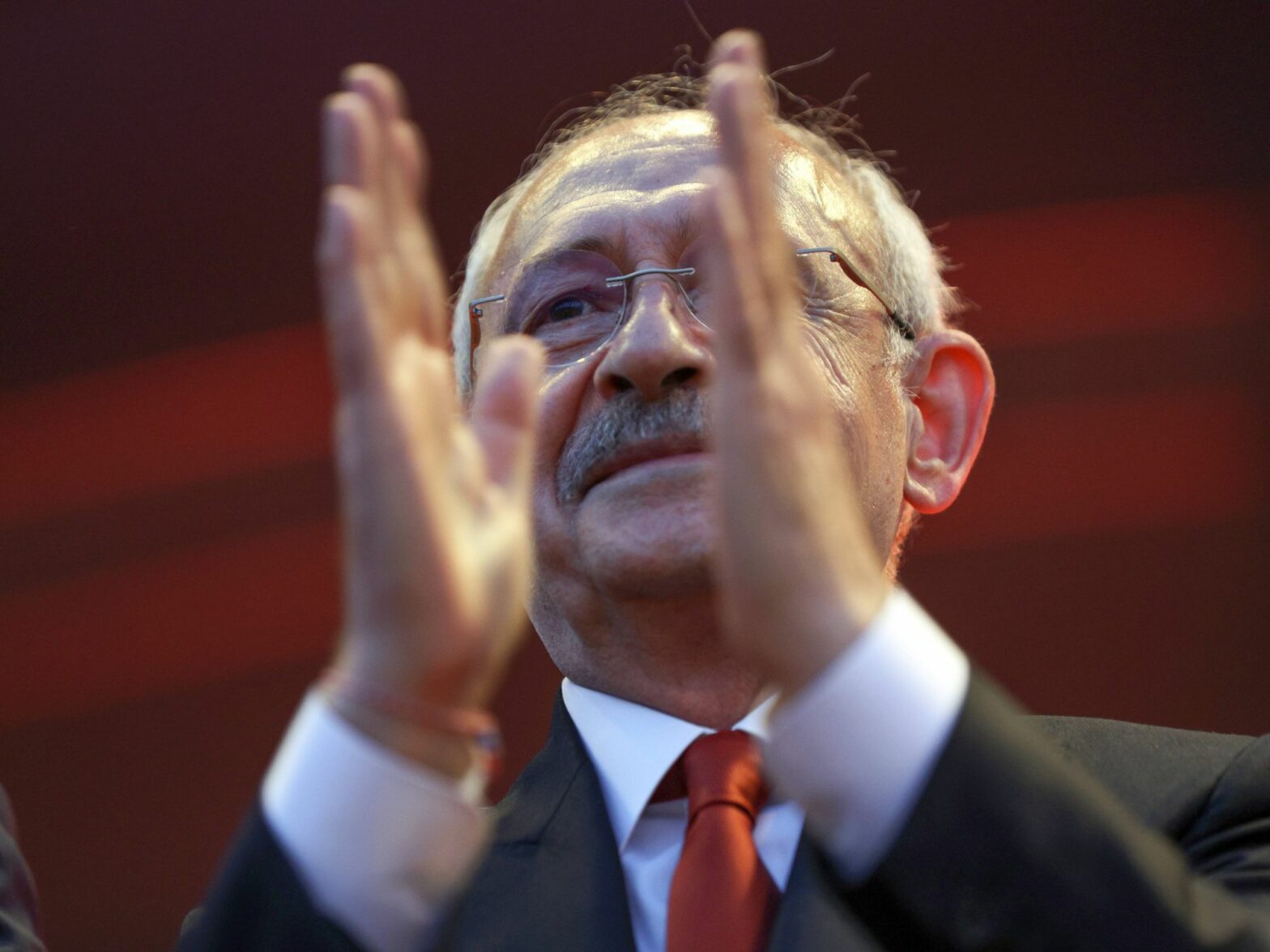
The 74-year-old veteran politician has a solid chance of unseating Erdogan from power after 20 years. Kilicdaroglu has displayed the kind of calm and open attitude to save Turkish democracy.
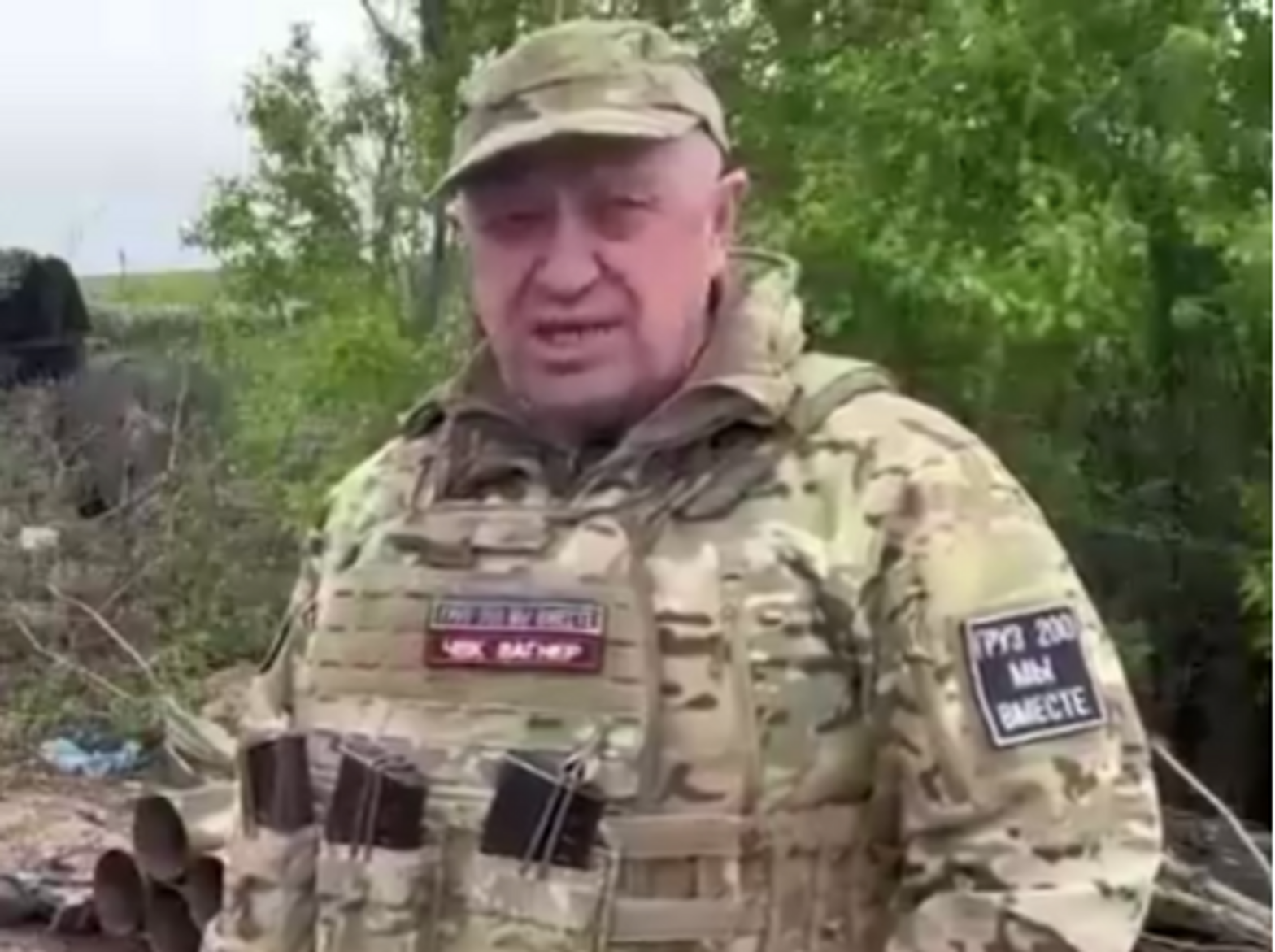
Head of the Wagner mercenary group Yevgeny Prigozhin’s furious videos have been aimed in the past at Putin’s deputies and generals. Now, he’s taking aim at the tsar himself.
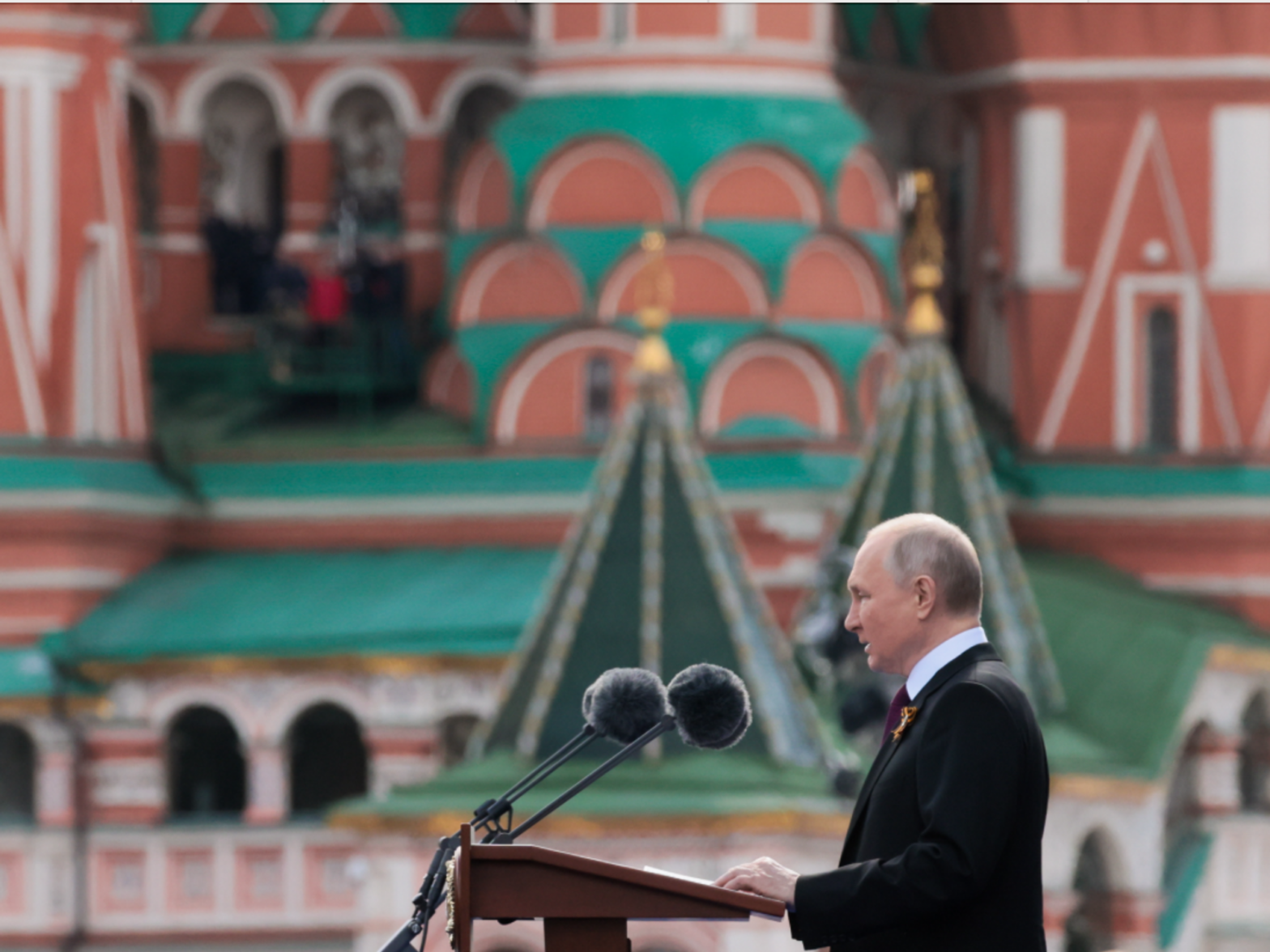
May 8th and May 9th crystallizes the divergent fates of Ukraine and Russia. For Vladimir Putin, the victory of the “Great Patriotic War” is at the core of his national narrative. More than 14 months into his invasion of Ukraine, who still believes the story?
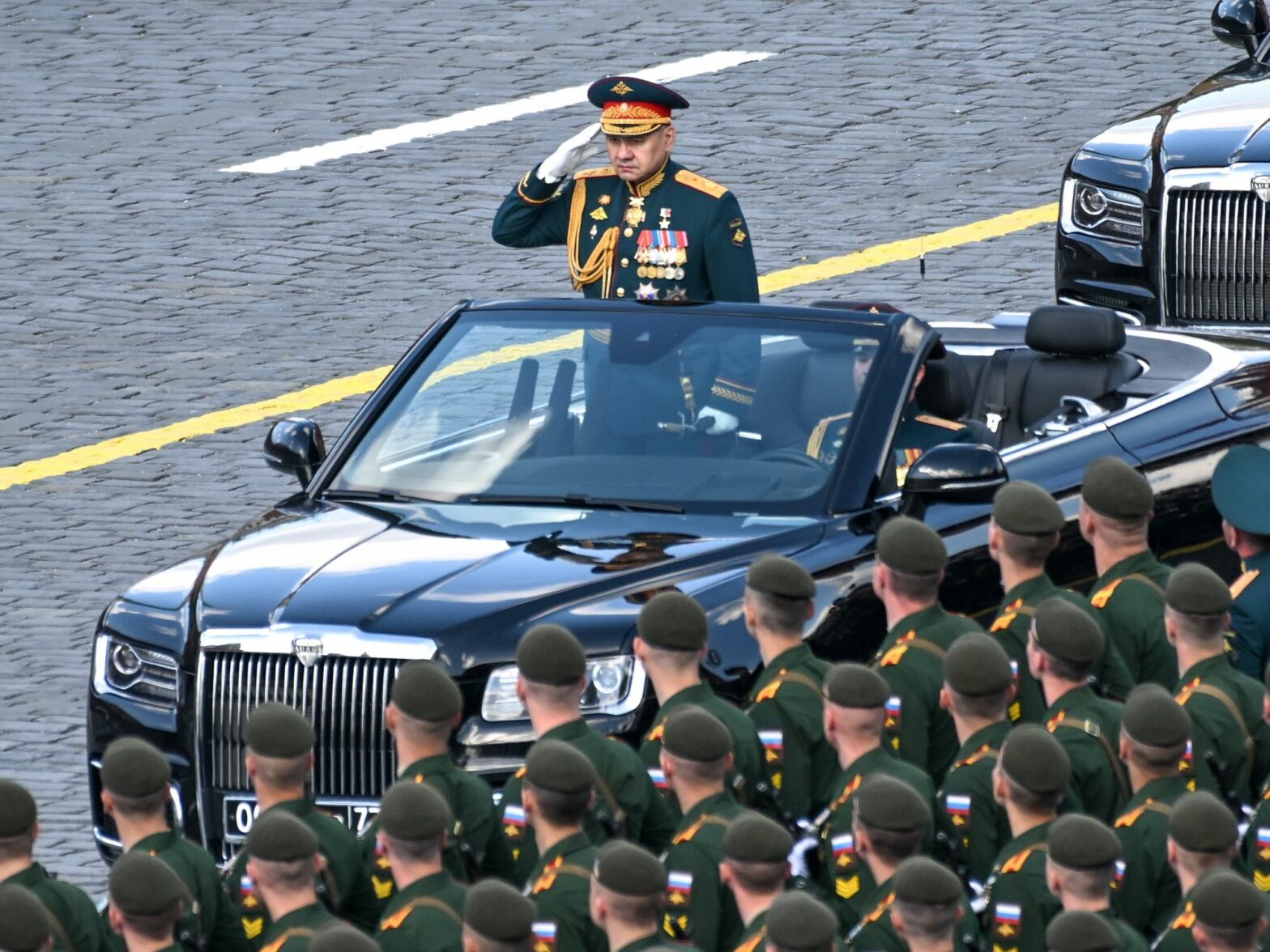
In the second year of the war, the Kremlin looks weak while Putin brags about defending the homeland from outside attacks.
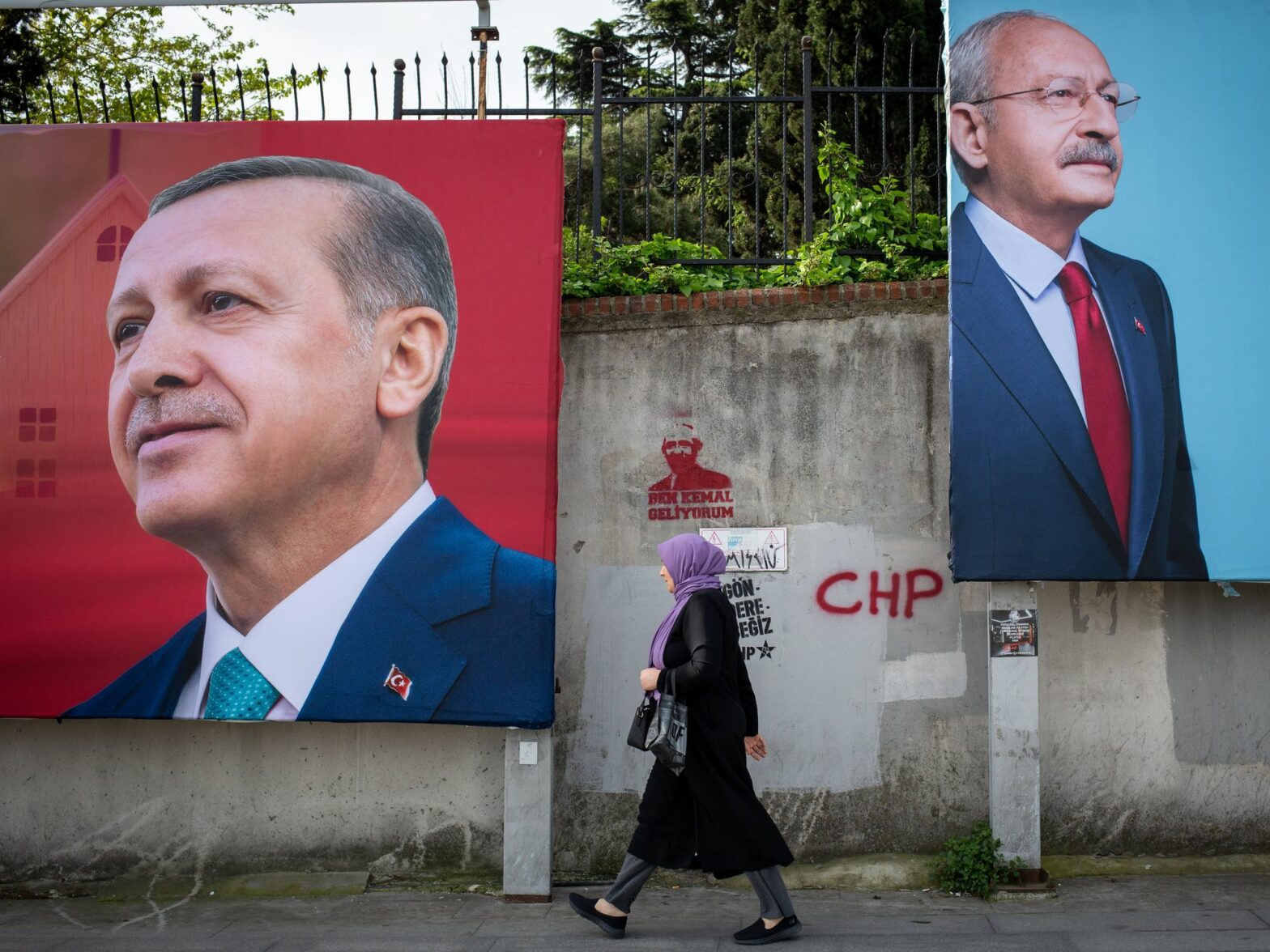
President Erdogan and his allies have spent the final weeks of the campaign questioning the political legitimacy of their opponents’ eventual victory ahead of the May 14 election. When the vote does come, the risk of setting off a veritable civil war is real.
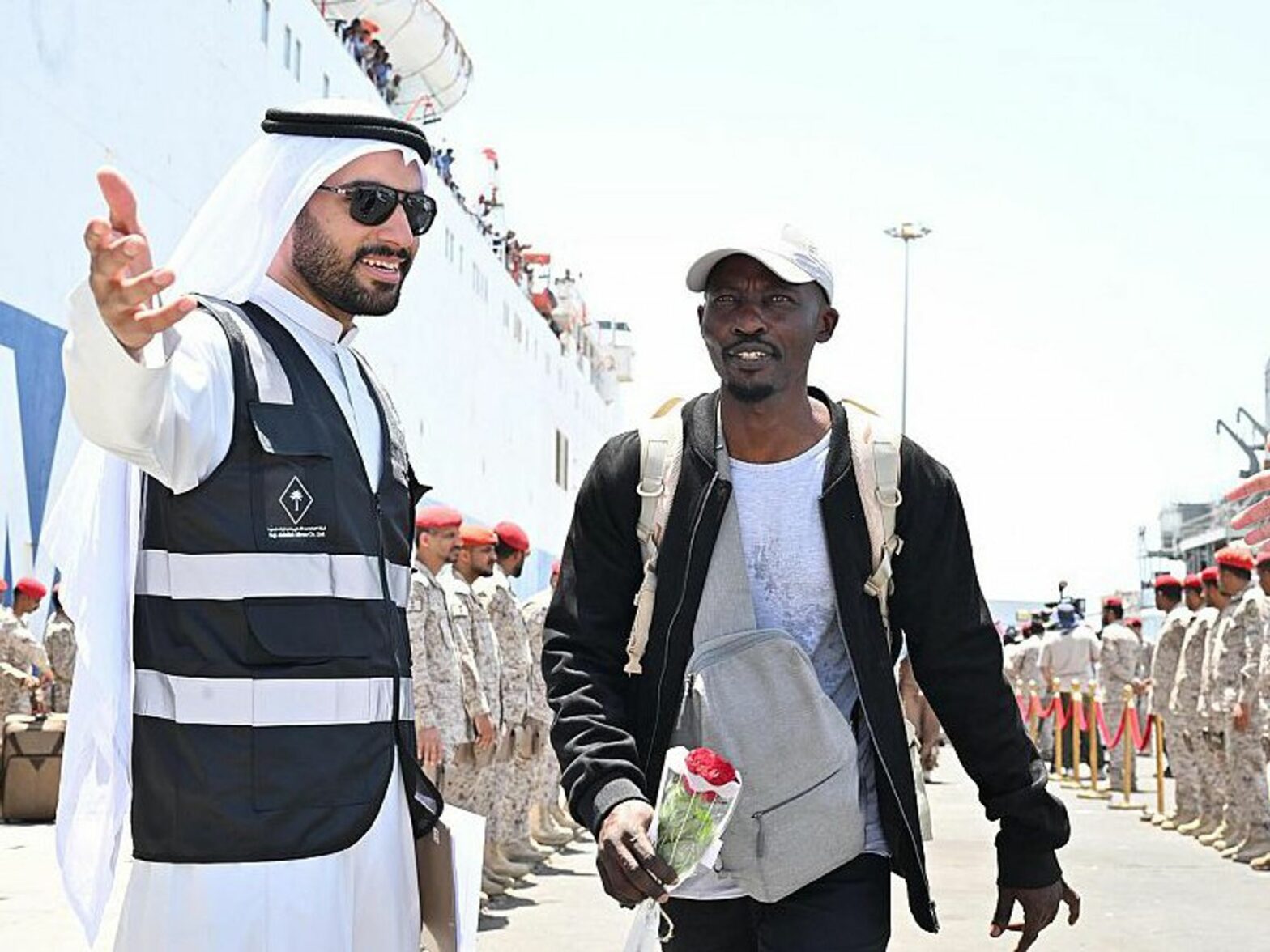
Located on the shore of the Red Sea, rich in natural resources, Sudan is strategically important to the Arab states of the Persian Gulf. Worried about a conflict that is getting bogged down, Arab capitals are mobilizing behind the scenes, with initial “pre-negotiation” talks beginning Saturday in the Saudi port city of Jeddah.

Amid the summit hosted at the White House, and warning from AI experts, the world can’t simply leave the machines to their own devices.

The Iranian regime has been trying different methods to encourage people to have children. Most have failed, for economic reasons.
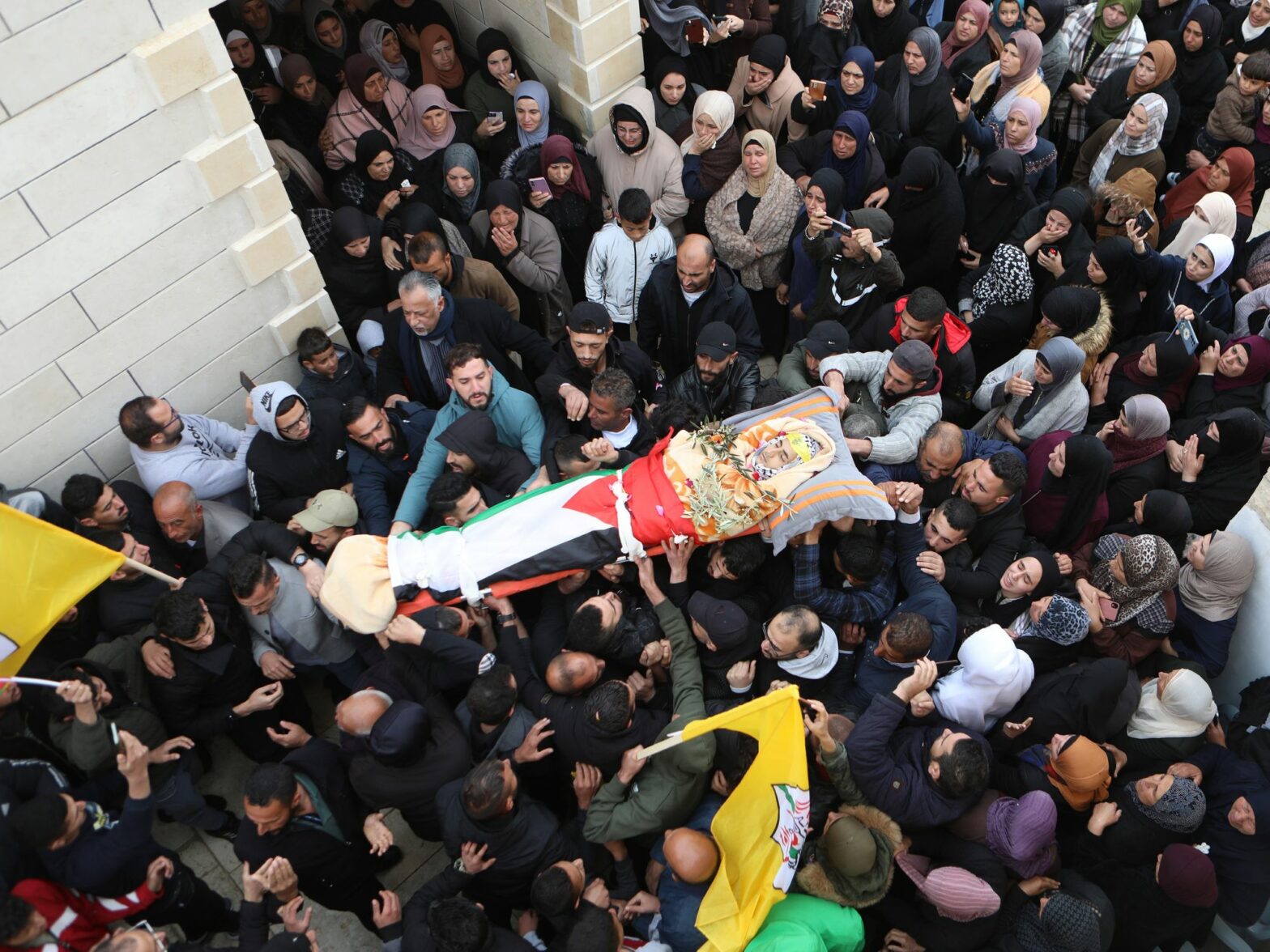
A Palestinian has died from a hunger strike in an Israeli prison, exacerbating the cycle of violence in the region. Israeli’s protesting Benjamin Netanyahu”s right-wing government have little to offer to resolve the eternal crisis of the Occupied Palestinian Territories.
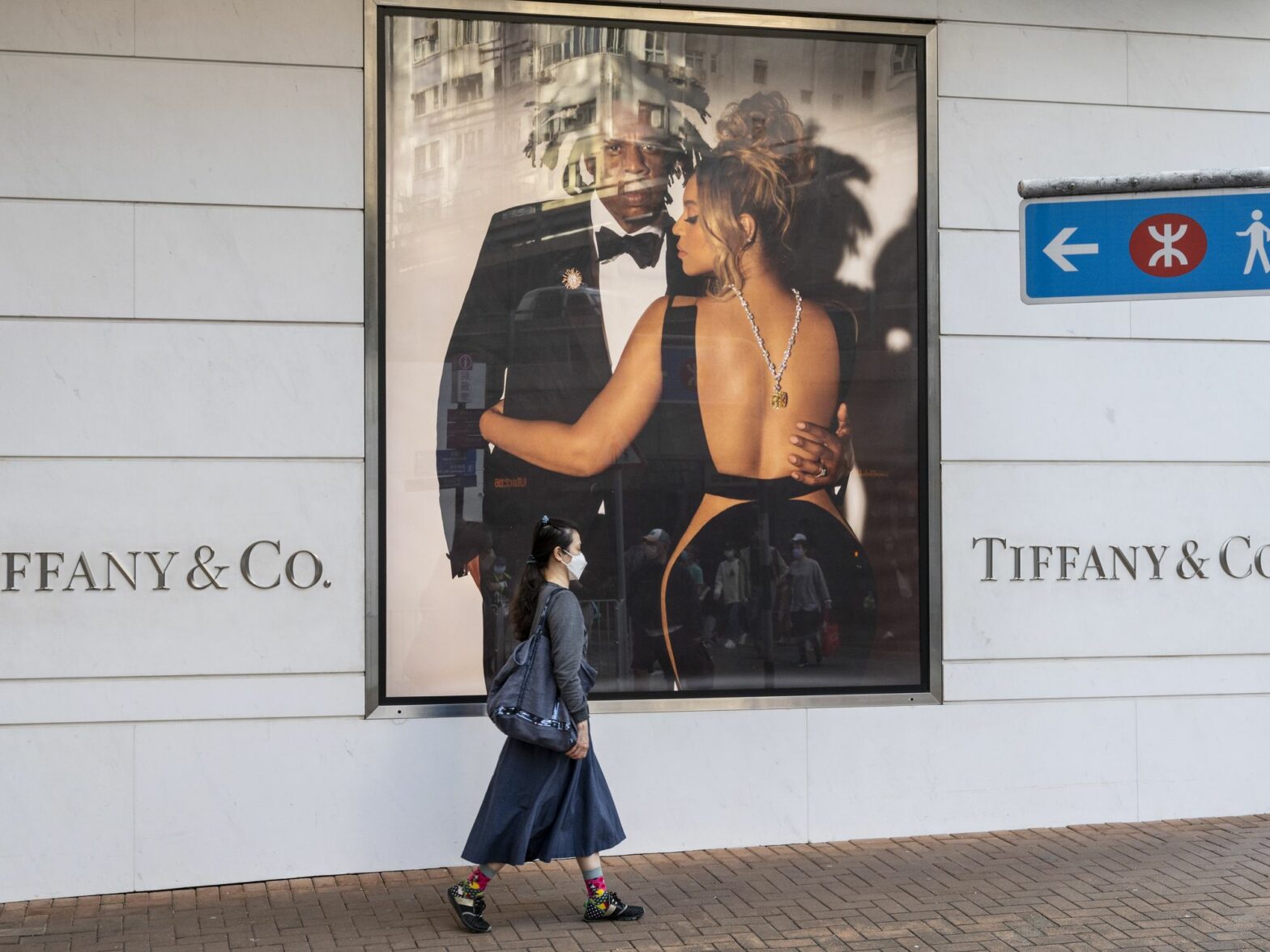
The West and its brand of modernity may be waning in favor of an ascendant China, but is it offering anything besides replacing market forces with brute force.
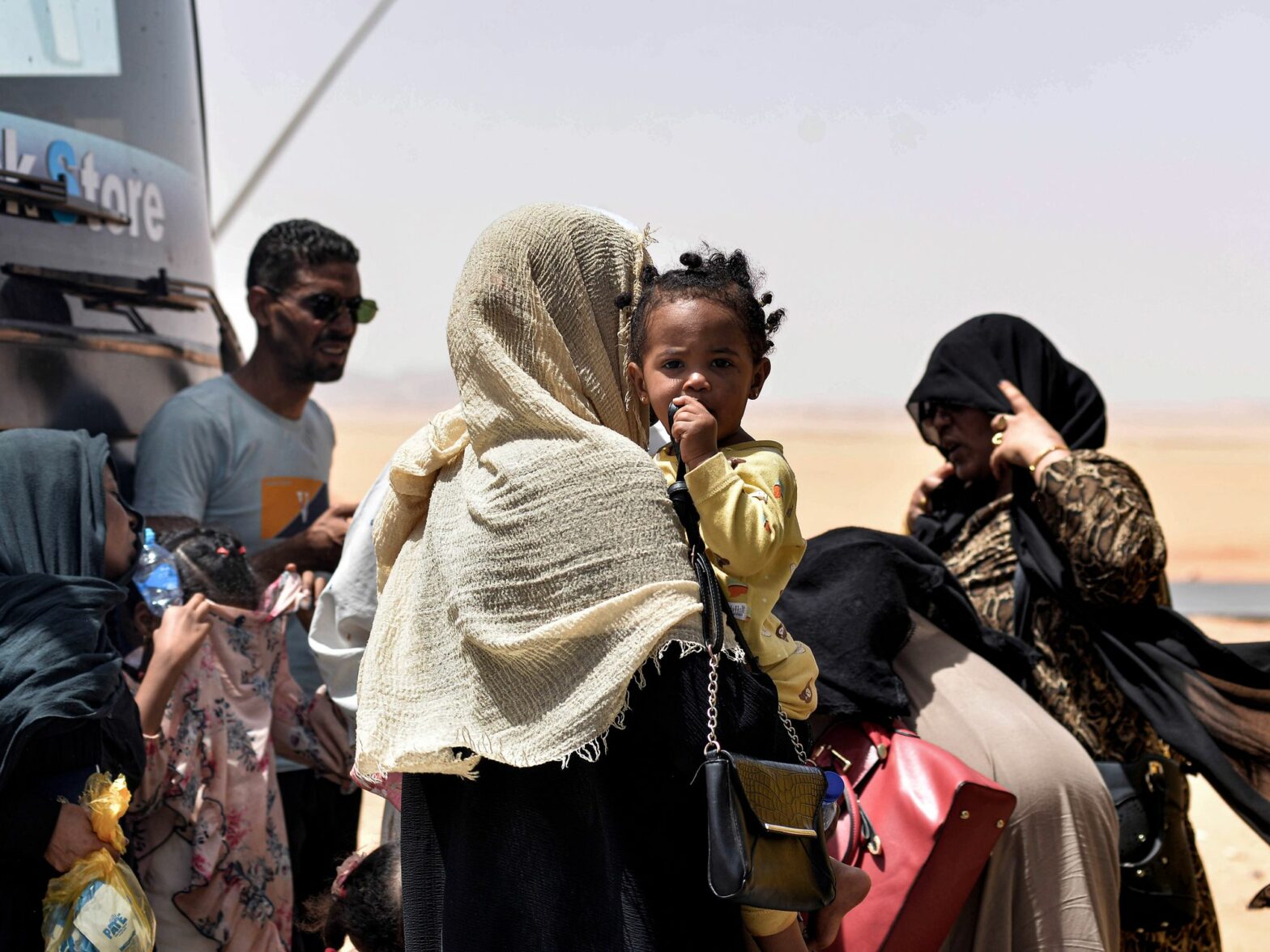
More than 14,000 Sudanese people have already crossed the border into neighboring Egypt to flee the conflict in their country. On arrival, they say there are chaotic scenes.
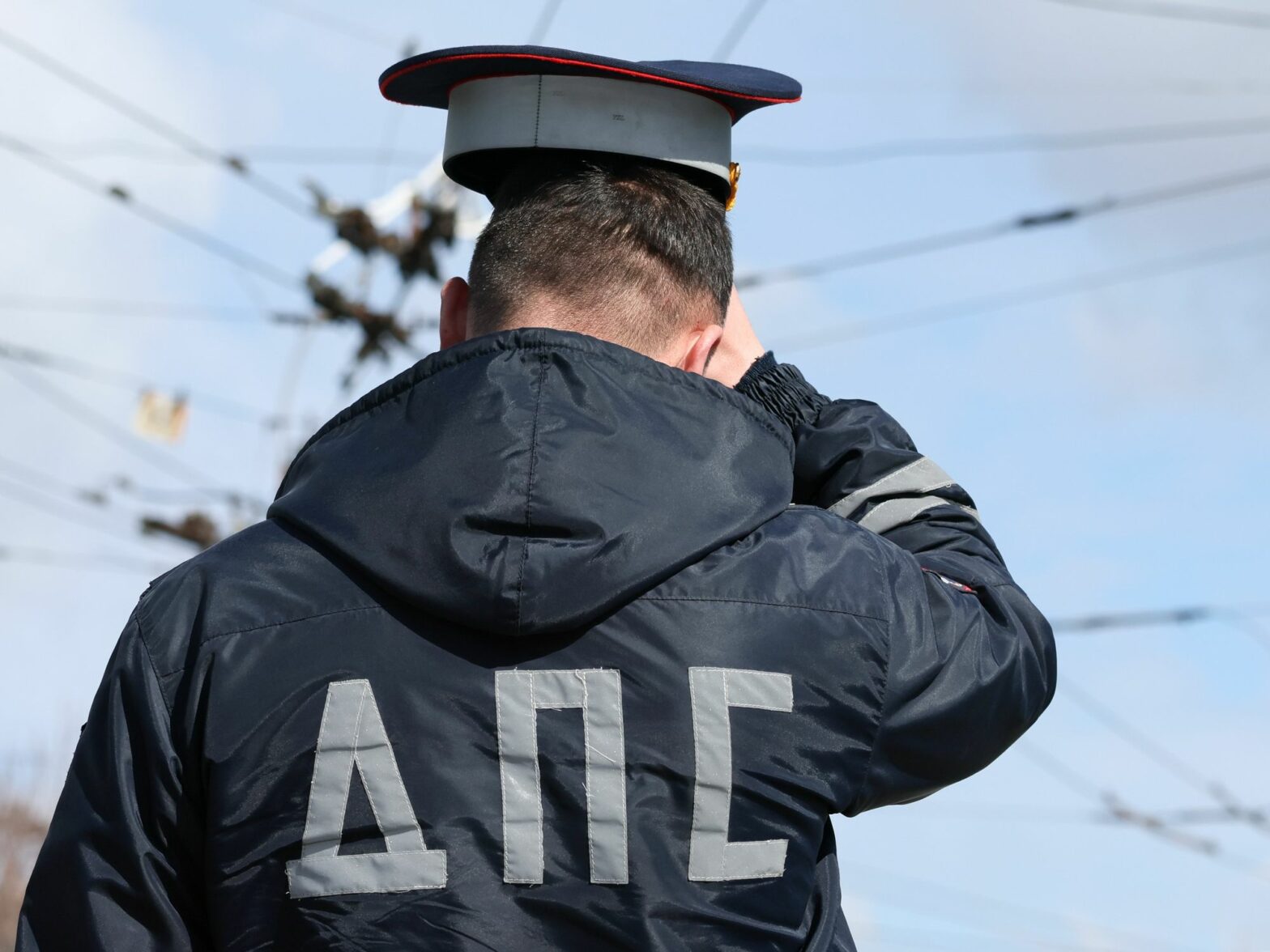
Tamila Tasheva, the Permanent Representative of the President of Ukraine in the Autonomous Republic of Crimea, issues an appeal on the eve of Kyiv’s counter-offensive to seize this moment in history — but do so carefully.
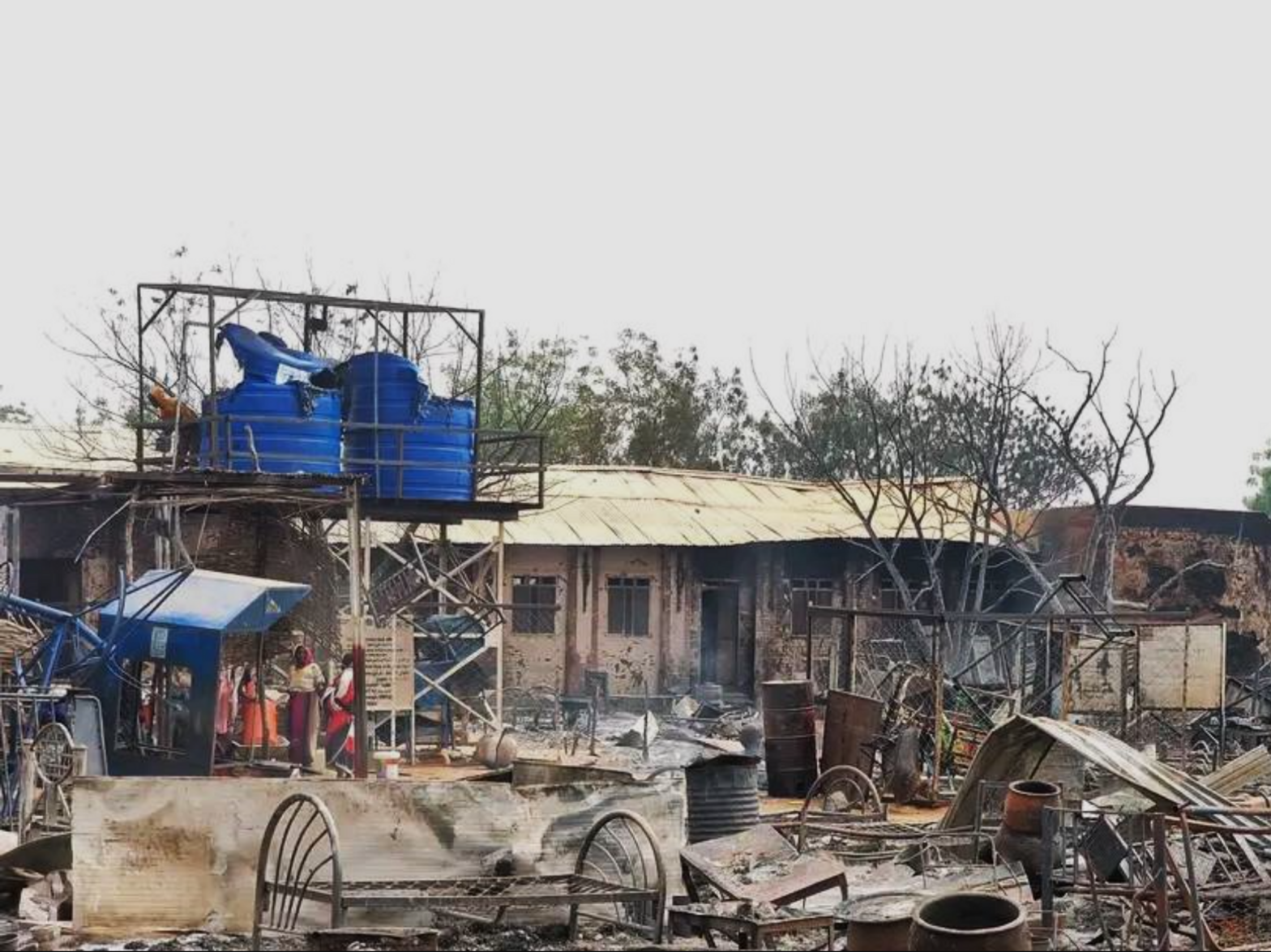
Sudan is descending into all-out civil war. This risks upsetting the fragile peace in Darfur, raising the specter of more atrocities and massacres.
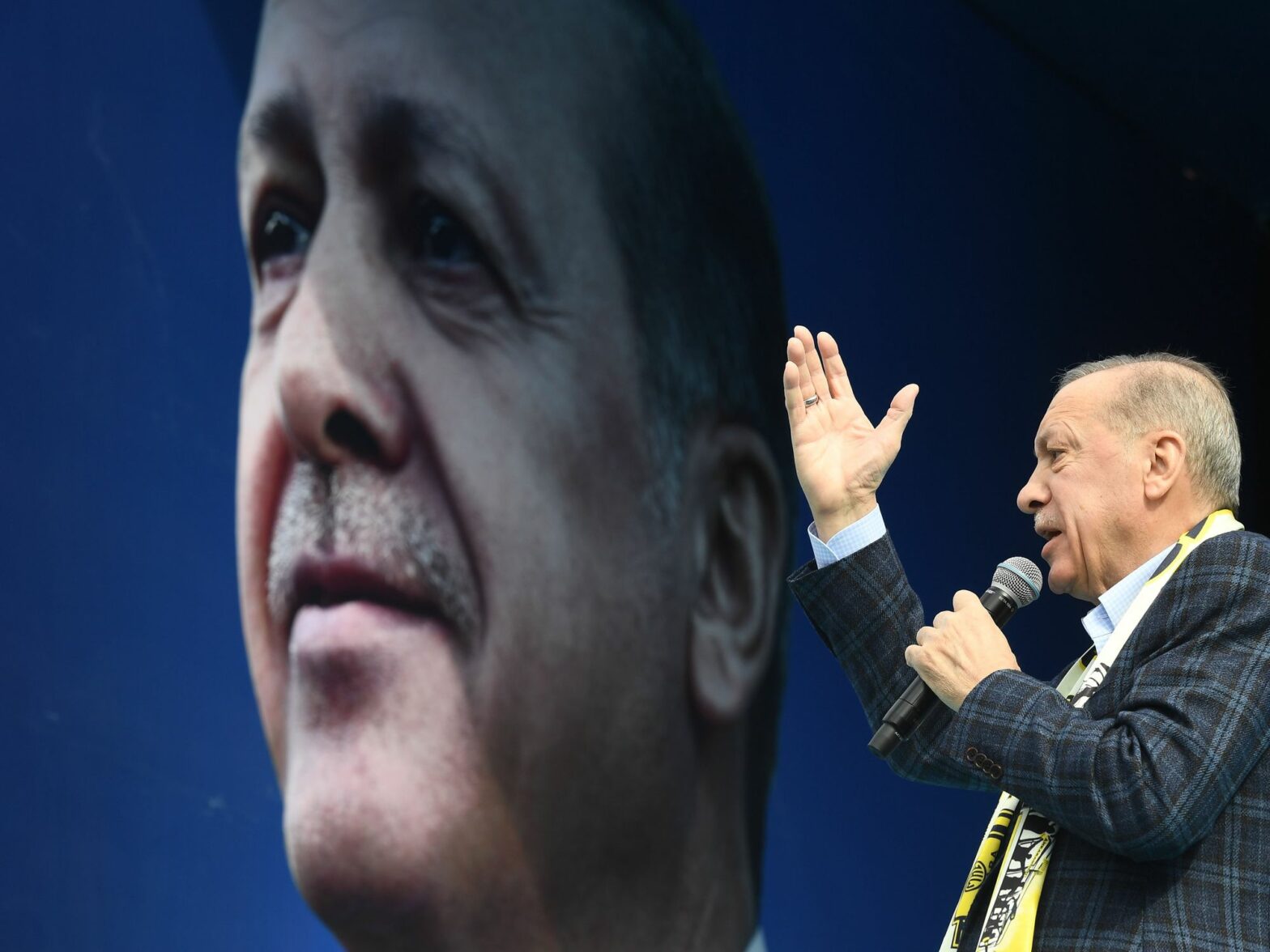
A tale of Turkey’s second president accepting defeat begs the question of whether Recep Tayyip Erdogan would accept election defeat on May 14, and return to life as a private citizen.
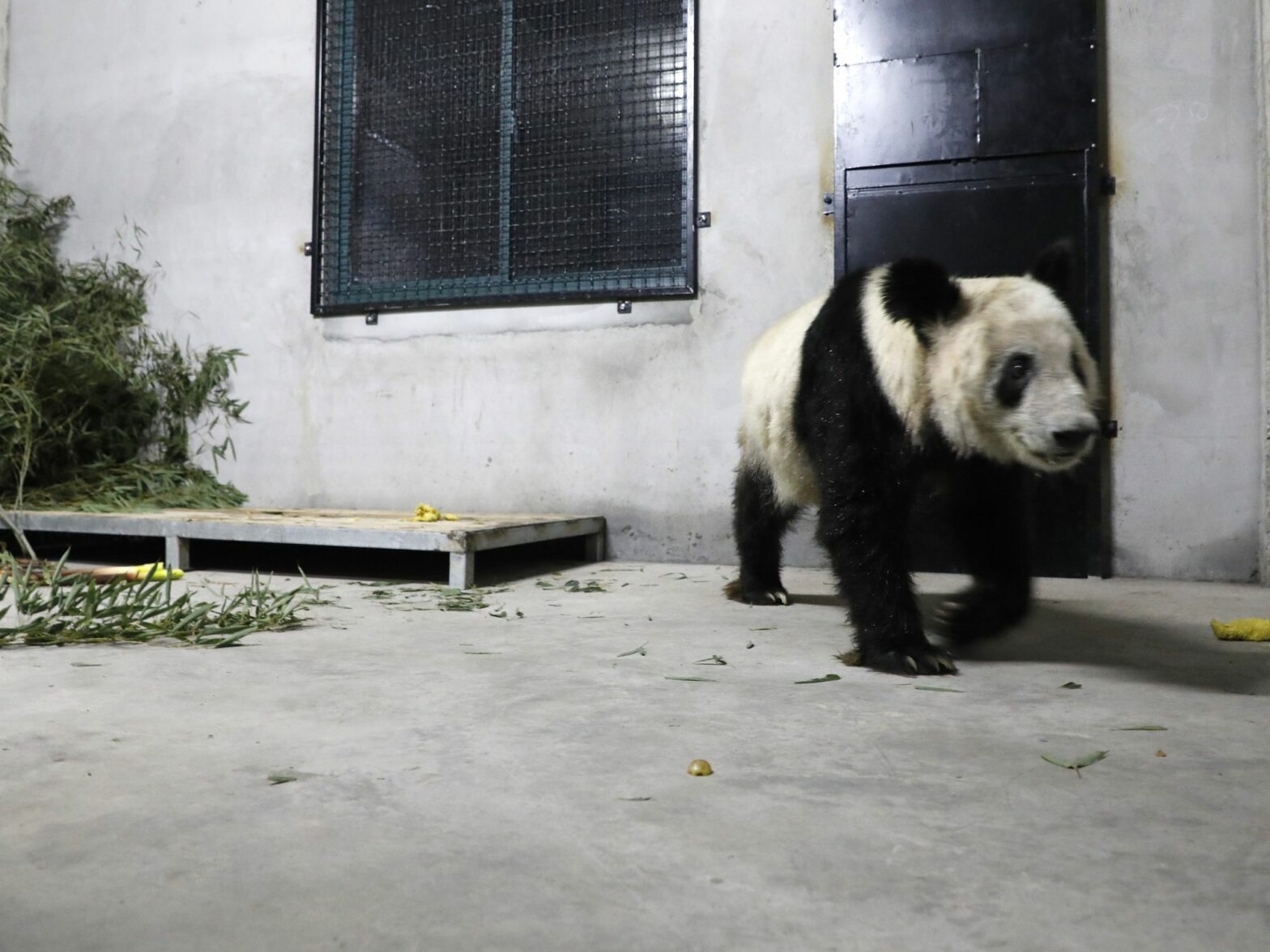
This is the story of Ya Ya, a female panda whose fate captures for the degrading relationship and eroding trust between China and the U.S.
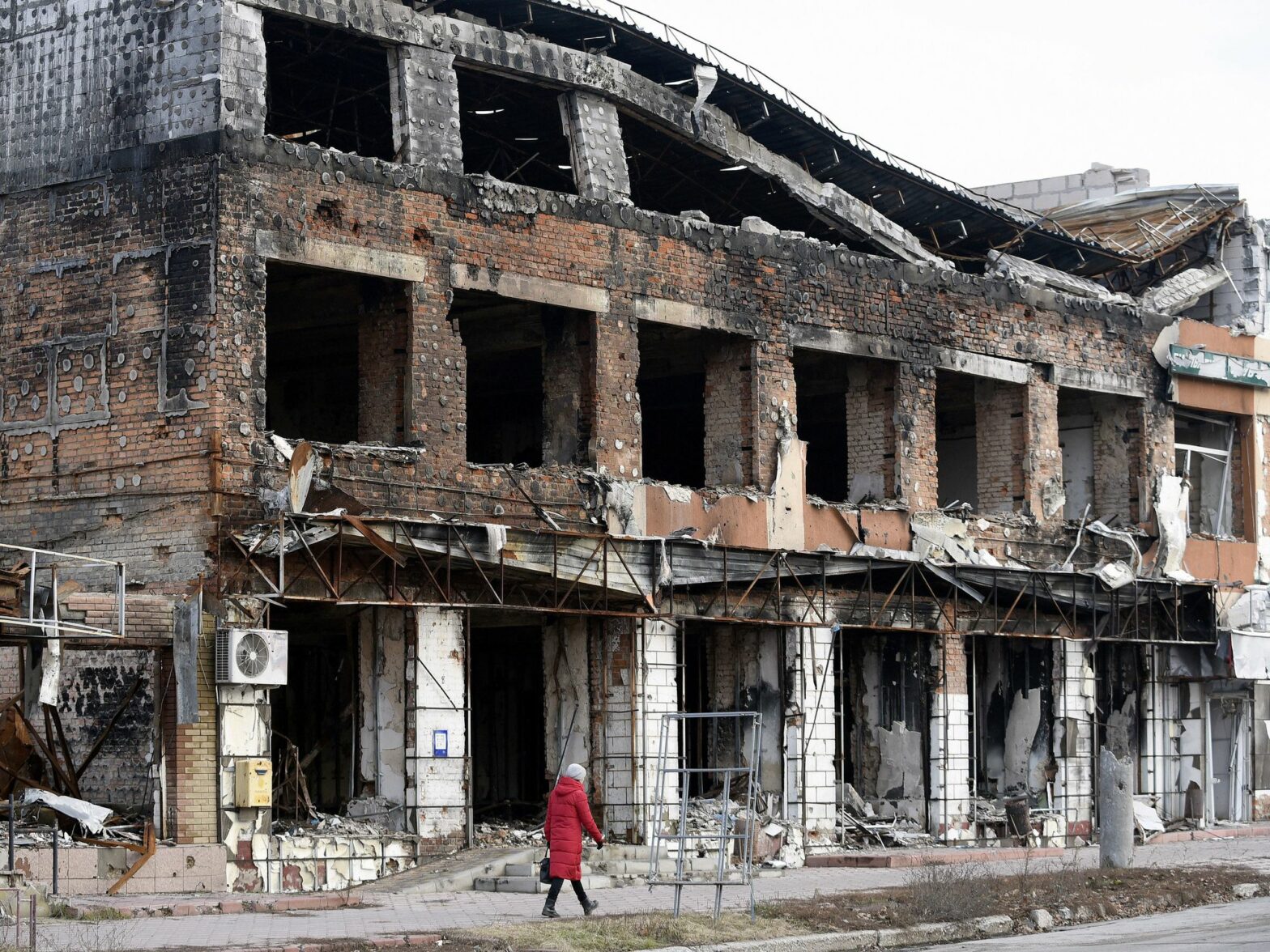
When the invasion began on Feb. 24, 2022, Iryna Zhyvolup hunkered down with three generations of her family in Izyum, Ukraine. A few weeks later, she lost her loved ones in a missile attack.
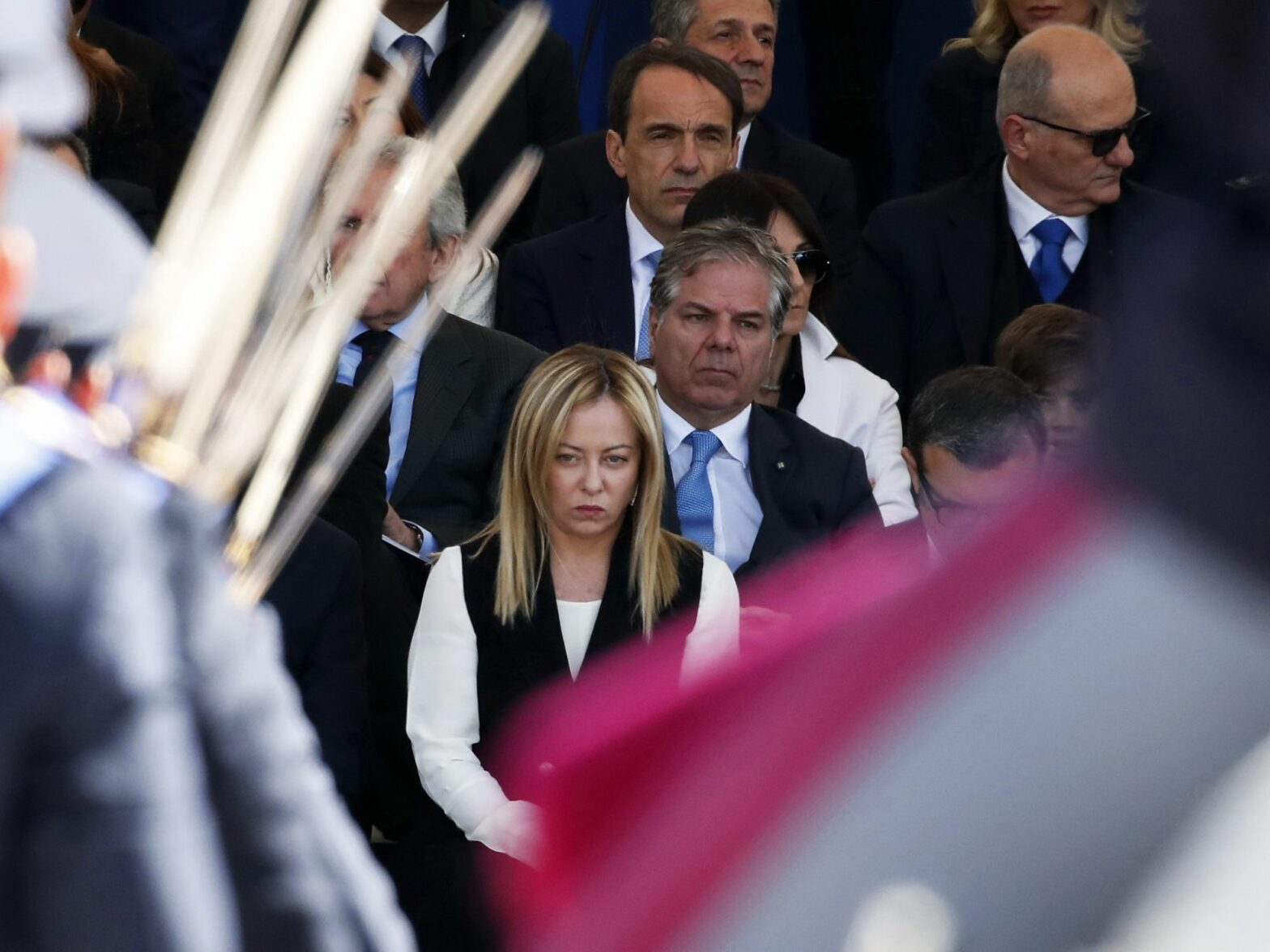
Redemption, homeland, people, and above all nation: Giorgia Meloni uses these terms to express the idea of a power projected into the future, part of a precise political strategy.
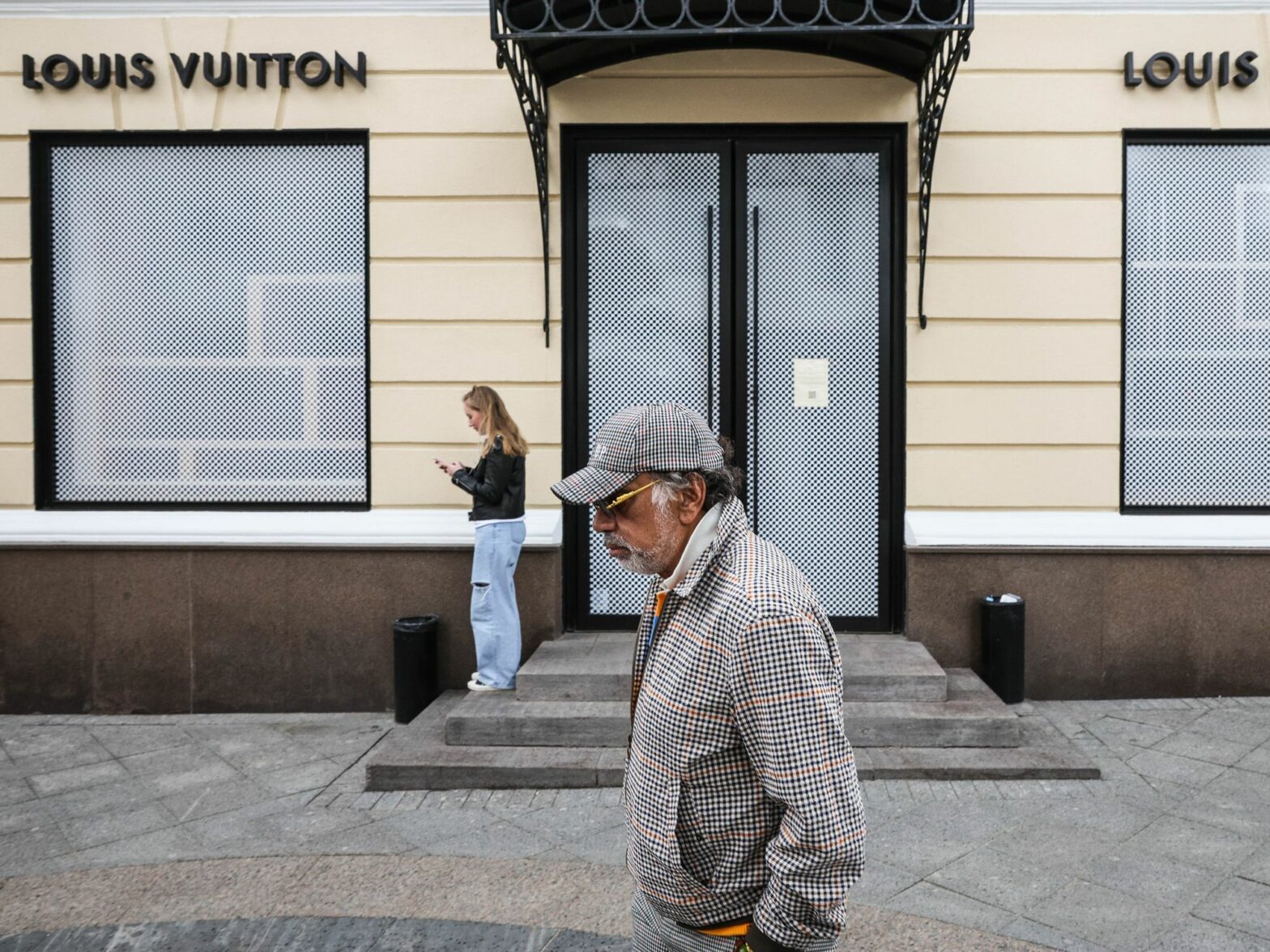
After a year of full-scale war, Russian businesses have figured out tricks to get around international sanctions: reselling, repackaging, rerouting: Almost everything is available — for a price.
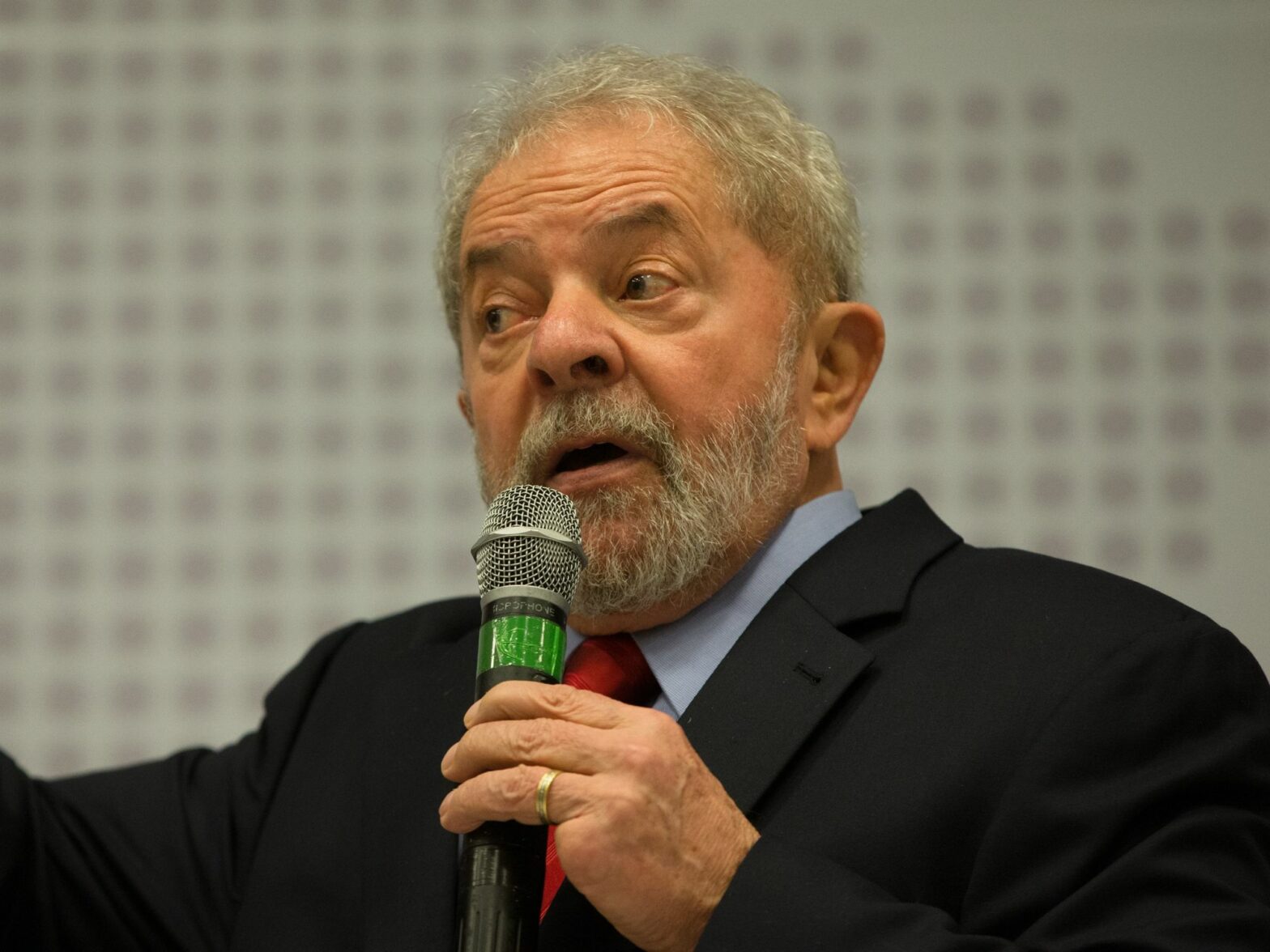
Though he campaigned for his return to the Brazilian presidency as a pro-Western reformer, since coming into office Lula da Silva has reverted to the classic positioning of a 20th century Latin American leftist.
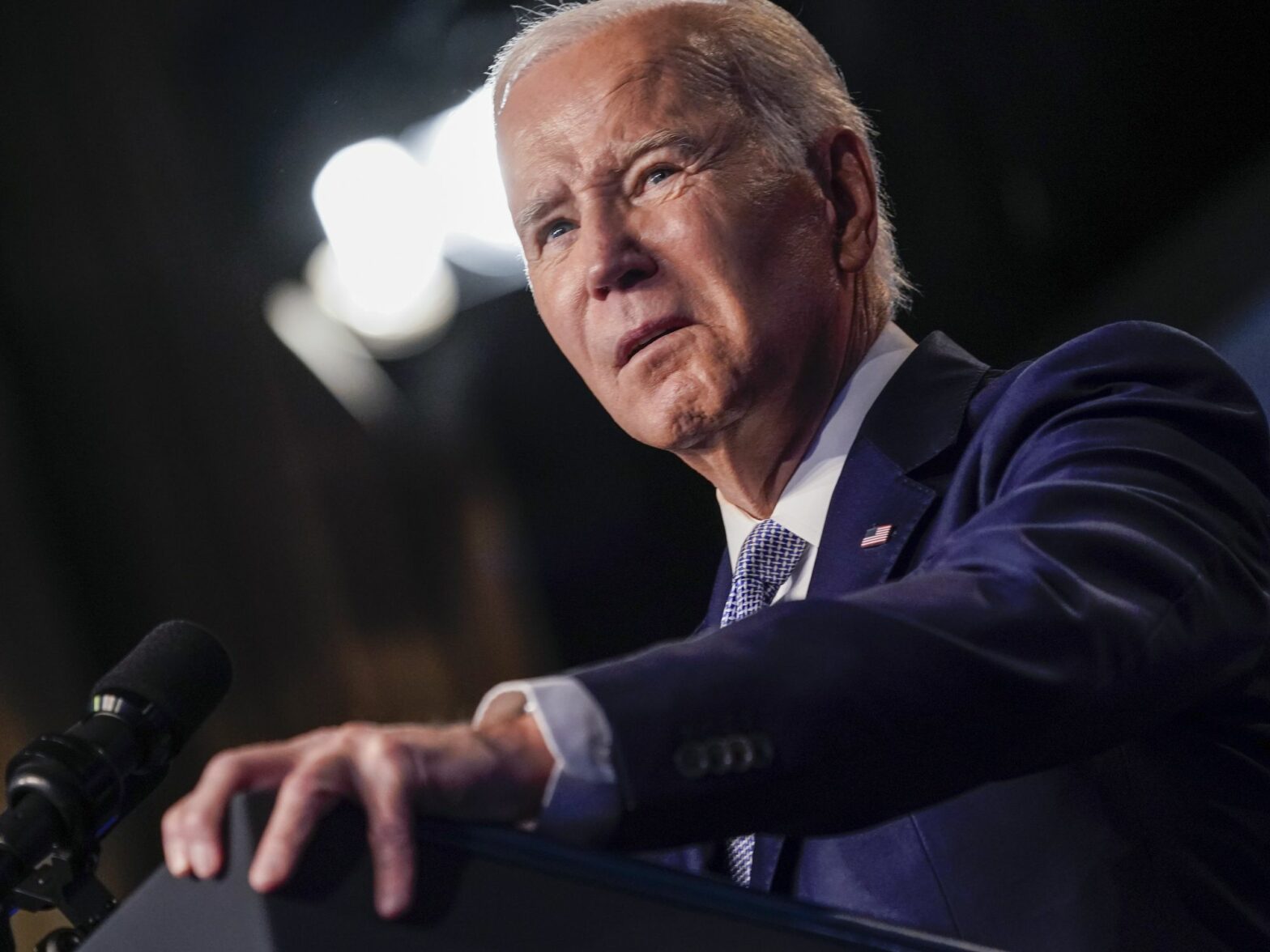
After Joe Biden announced he’s running for a second term as U.S. president this week, newspapers around the world began to brace for a rematch of two rather old men.
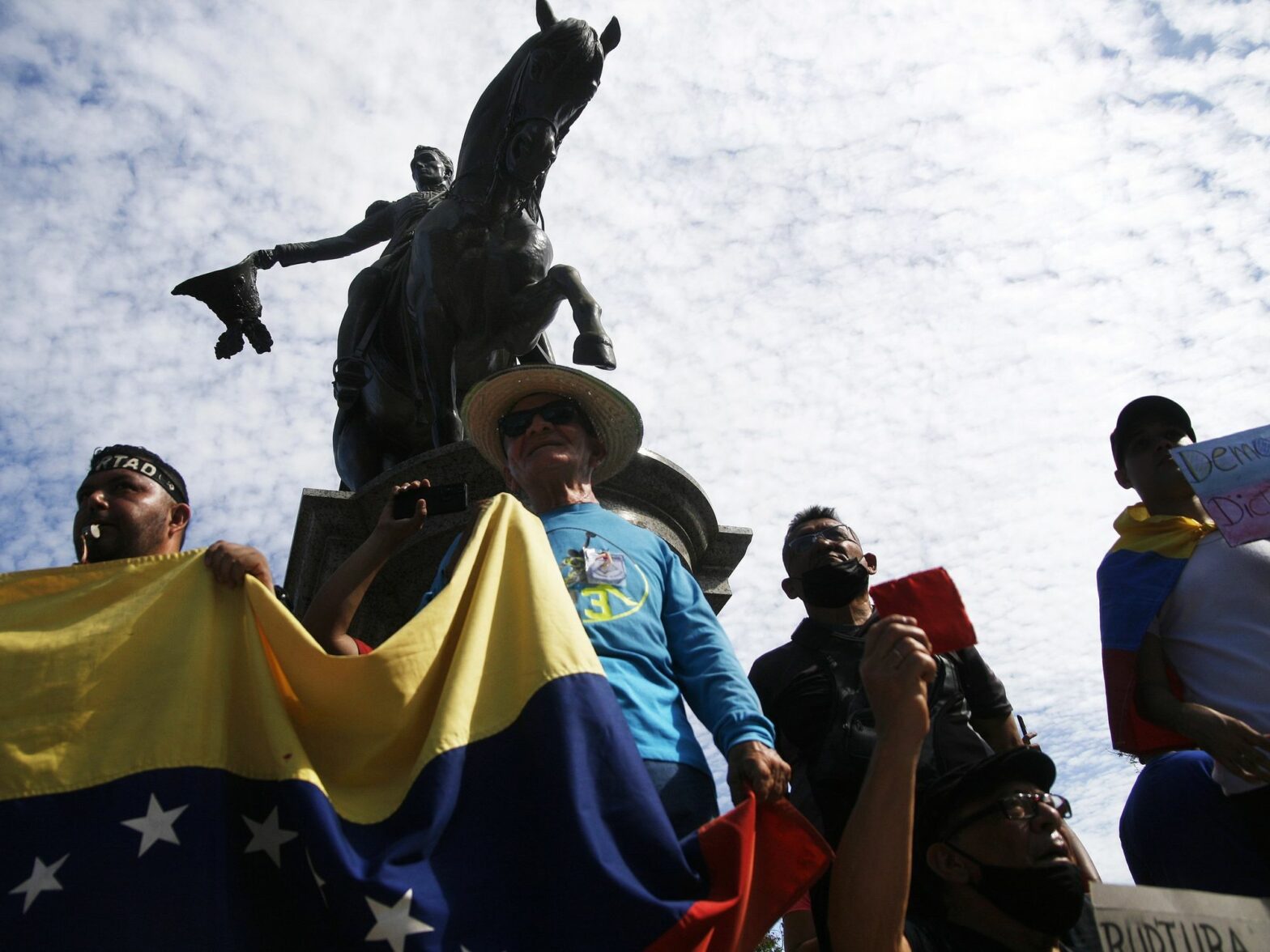
Like fears of communist subversion during the Cold War, claims that the Left will destroy the economy and end freedom persist in Latin American elections, in spite of their ridiculousness.
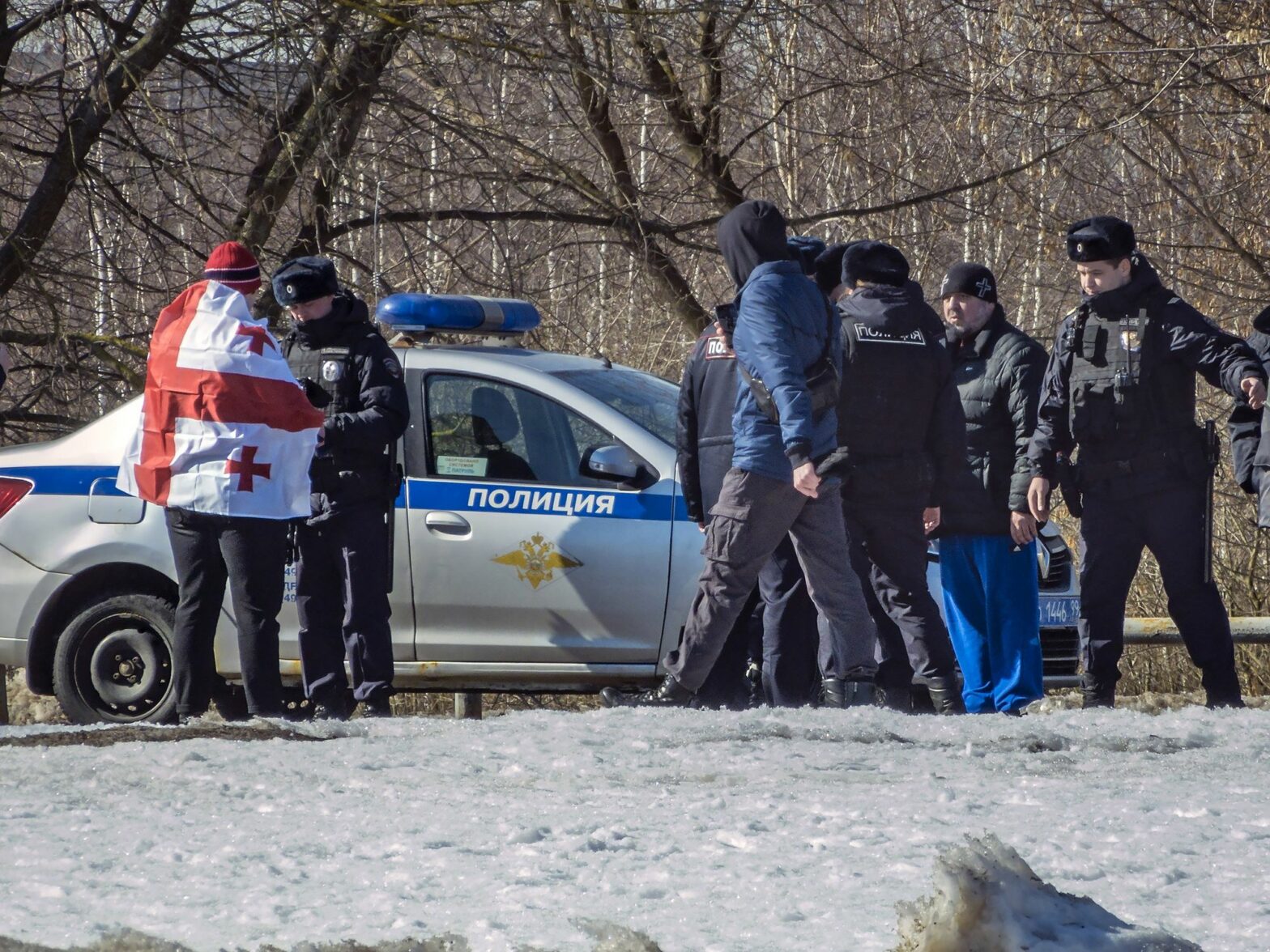
The war in Ukraine has launched an epidemic of denunciations in Russia: 145,000 individual reports to the security services in just the first six months of the war. It’s the latest evidence of the current regime’s Stalinist approach.
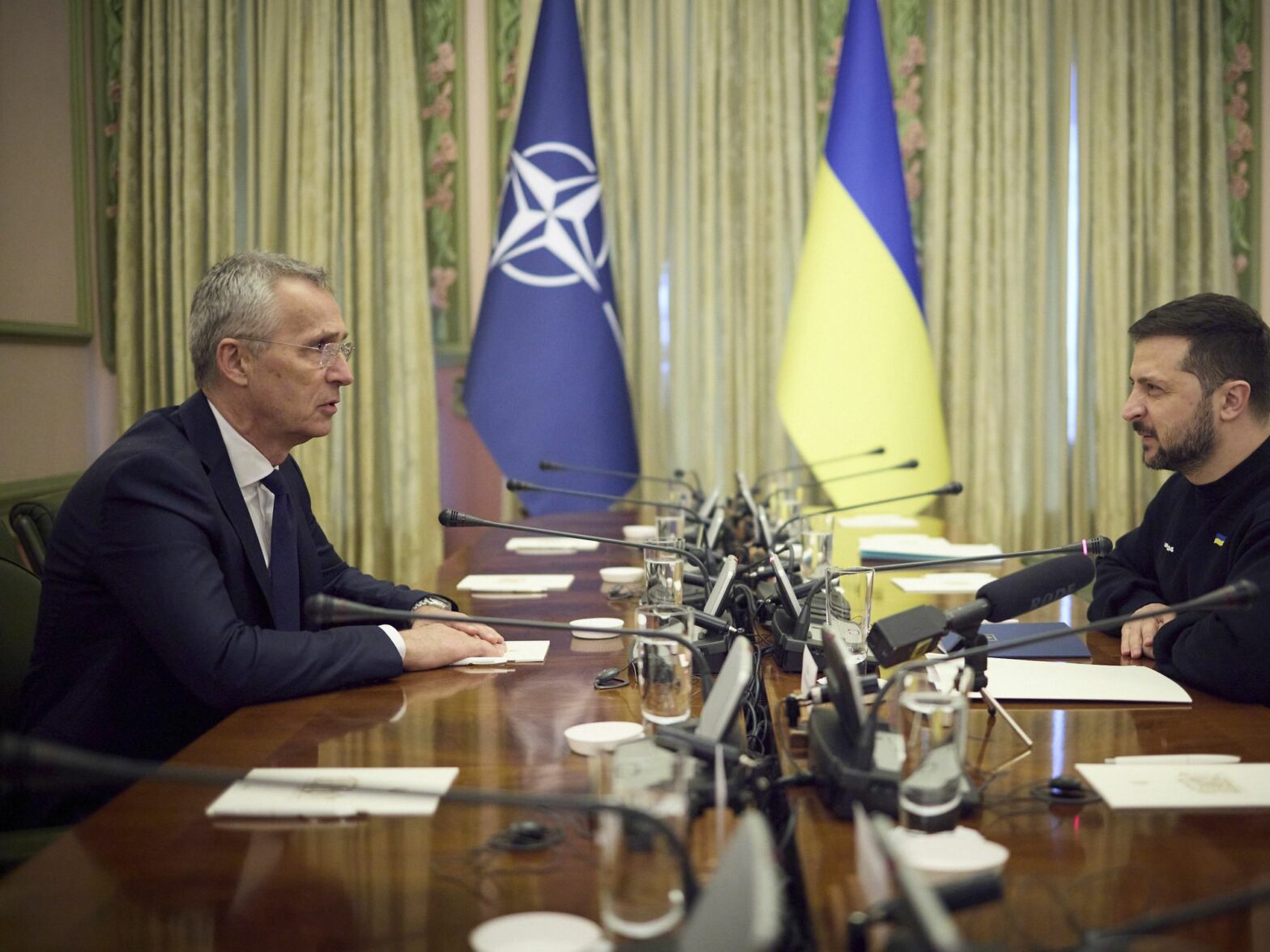
Ukrainian President Volodymyr Zelensky has accepted an invitation to attend the next NATO summit in July, but he will arrive with expectations that the alliance is ready to pave the way for the country’s accession to the military alliance, even as the state of the war itself remains crucial to the decision.
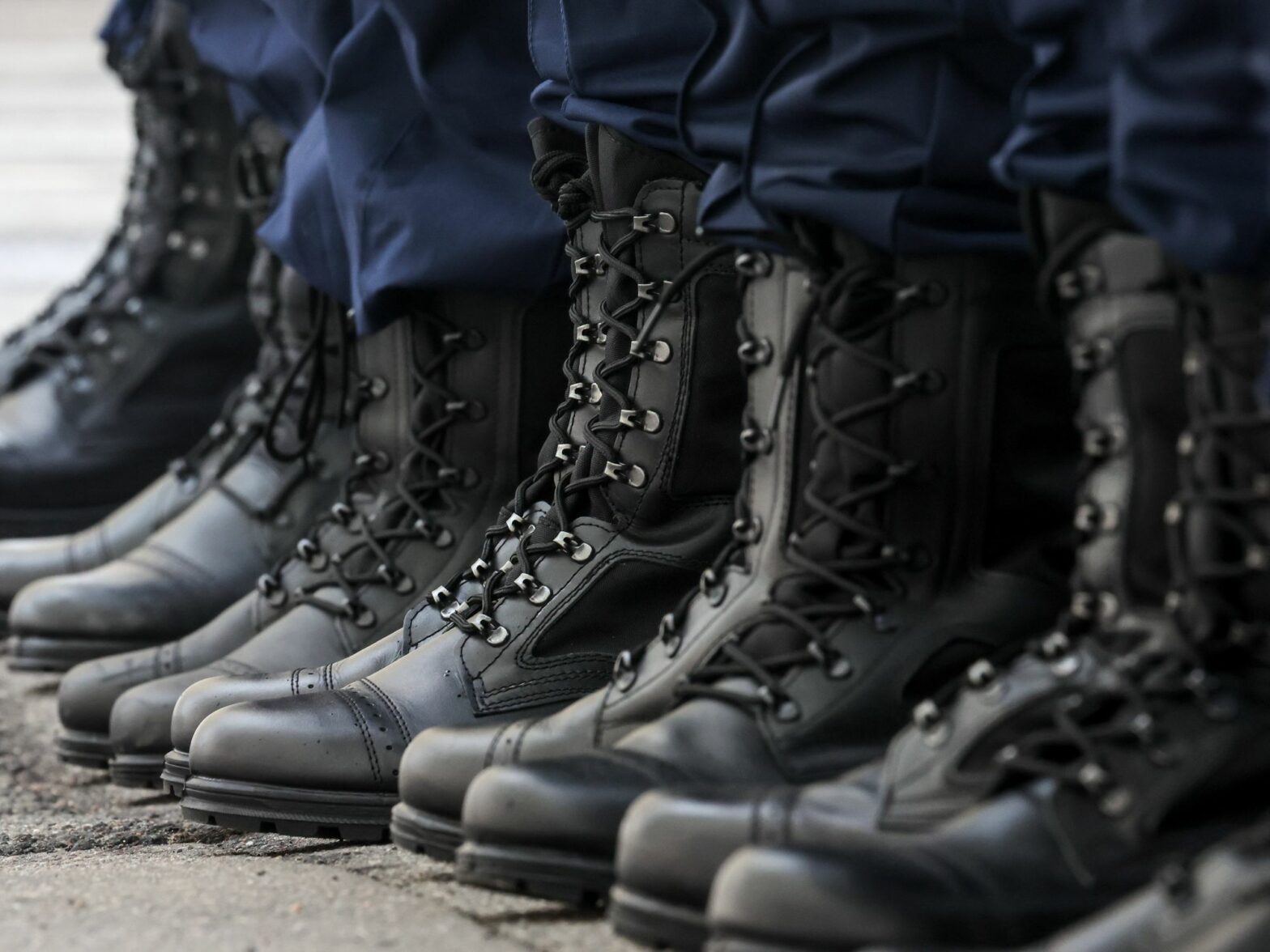
Desperate to supply depleting forces in Ukraine, Russia’s defense ministry has taken up the dubious recruiting method of offering prisoners freedom in exchange for going off to war. The same technique was begun but then halted in February by the Wagner Group mercenaries. It’s Putin’s latest attempt to avoid a nationwide mobilization.
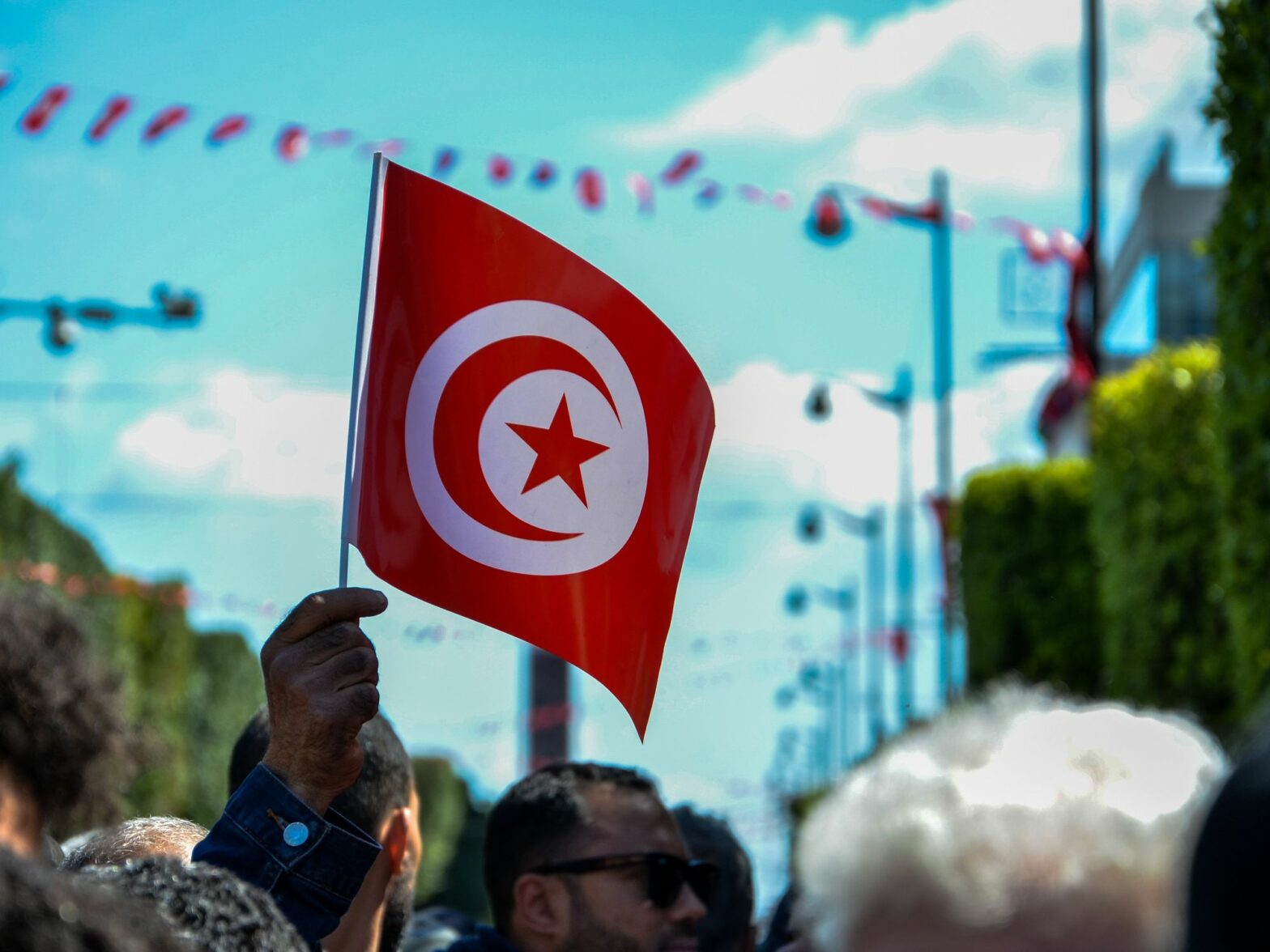
The arrest this week of top opposition leaders shows Tunisian President Kaïs Saïed is drifting ever farther away from basic democratic practices. Yet there’s no mass uprising, unlike in 2011, perhaps because economic factors are foremost on people’s minds.
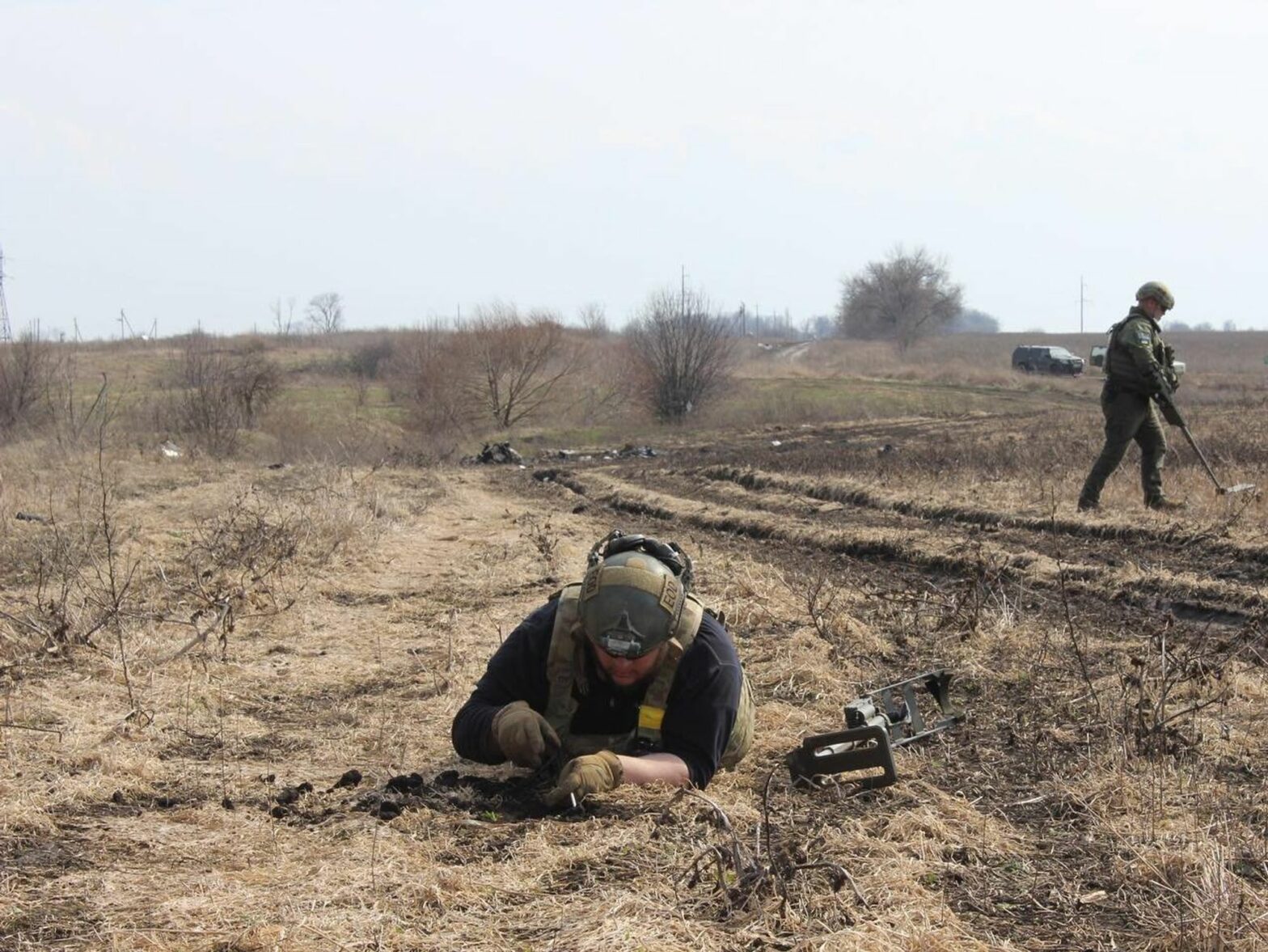
Ukraine became the country with the most landmines in the world. Kyiv has limited resources, so NGOs are trying to help by training soldiers to identify and destroy the potentially deadly devices even while protecting themselves from new assaults from Russian forces.
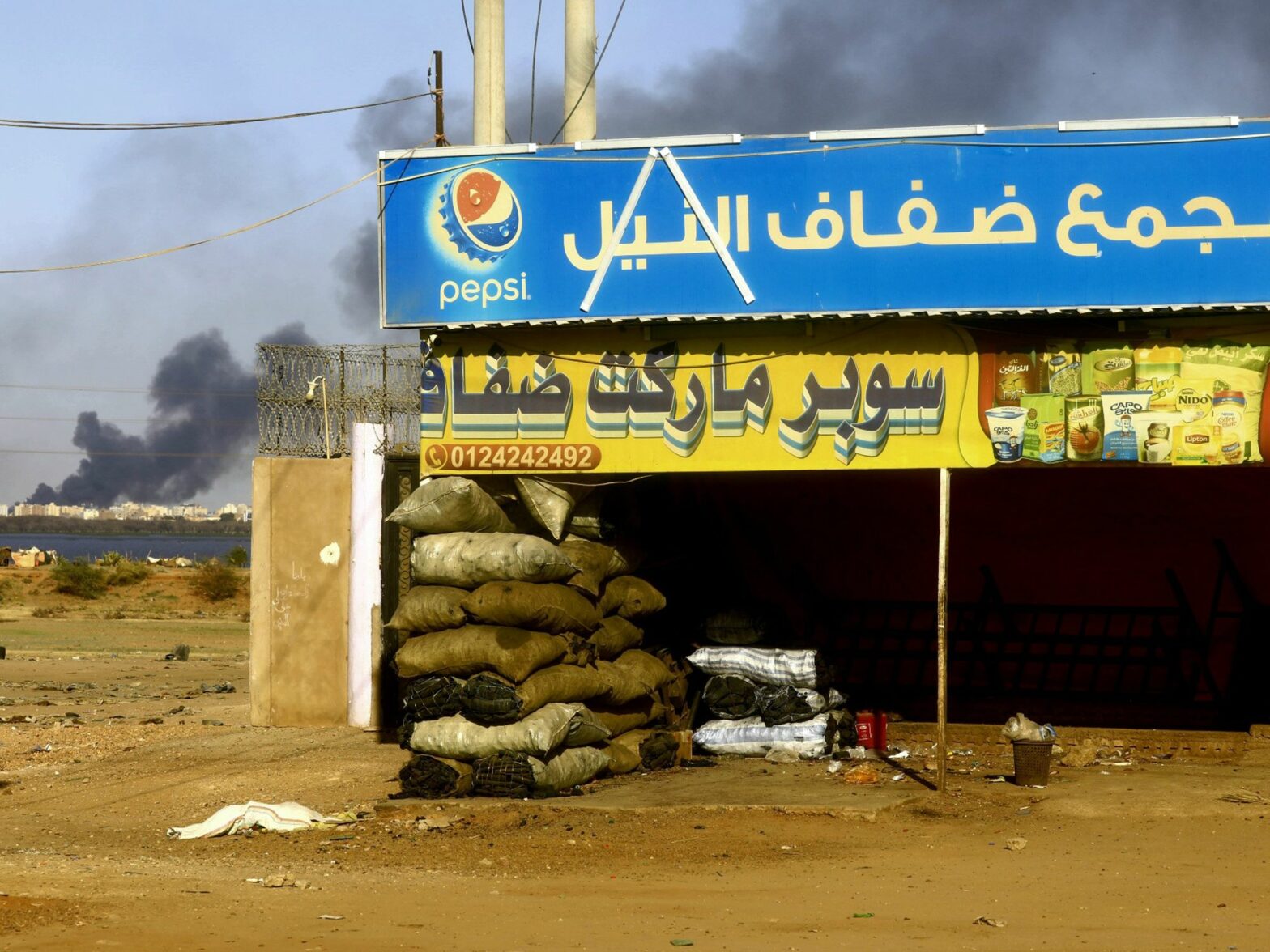
Hundreds are dead, thousands are injured and the health system is collapsing in Sudan. It’s a war being fought by two factions of the armed forces in Sudan that risks escalating when outside forces, from Egypt to the UAE to Russia’s Wagner Group, step in.
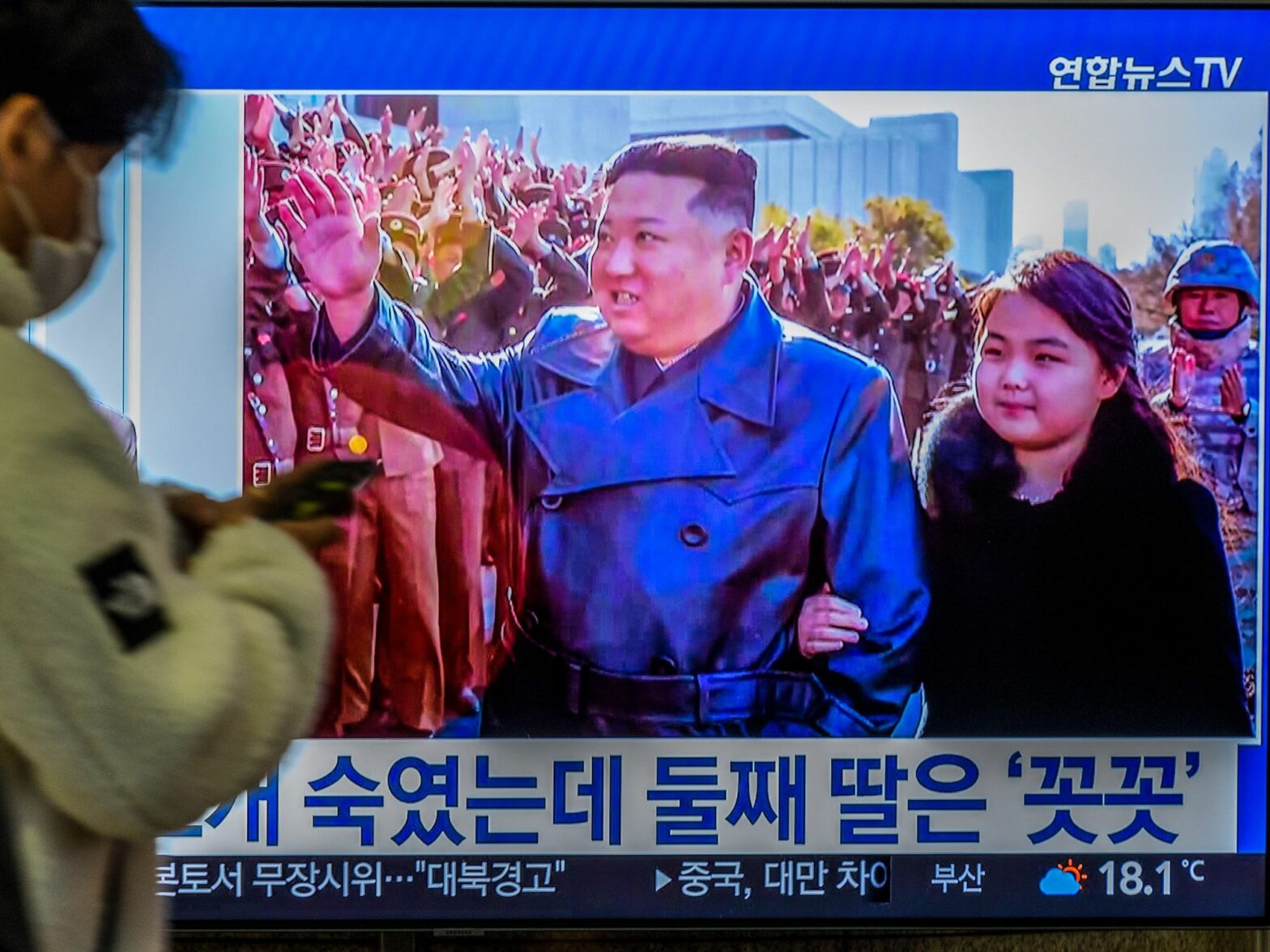
What should the world make of Kim Jong-un, his young daughter Ju Ae in tow, flexing North Korea’s military hardware? Nothing good, though the scenario that it is mostly just a flex is still the most likely.
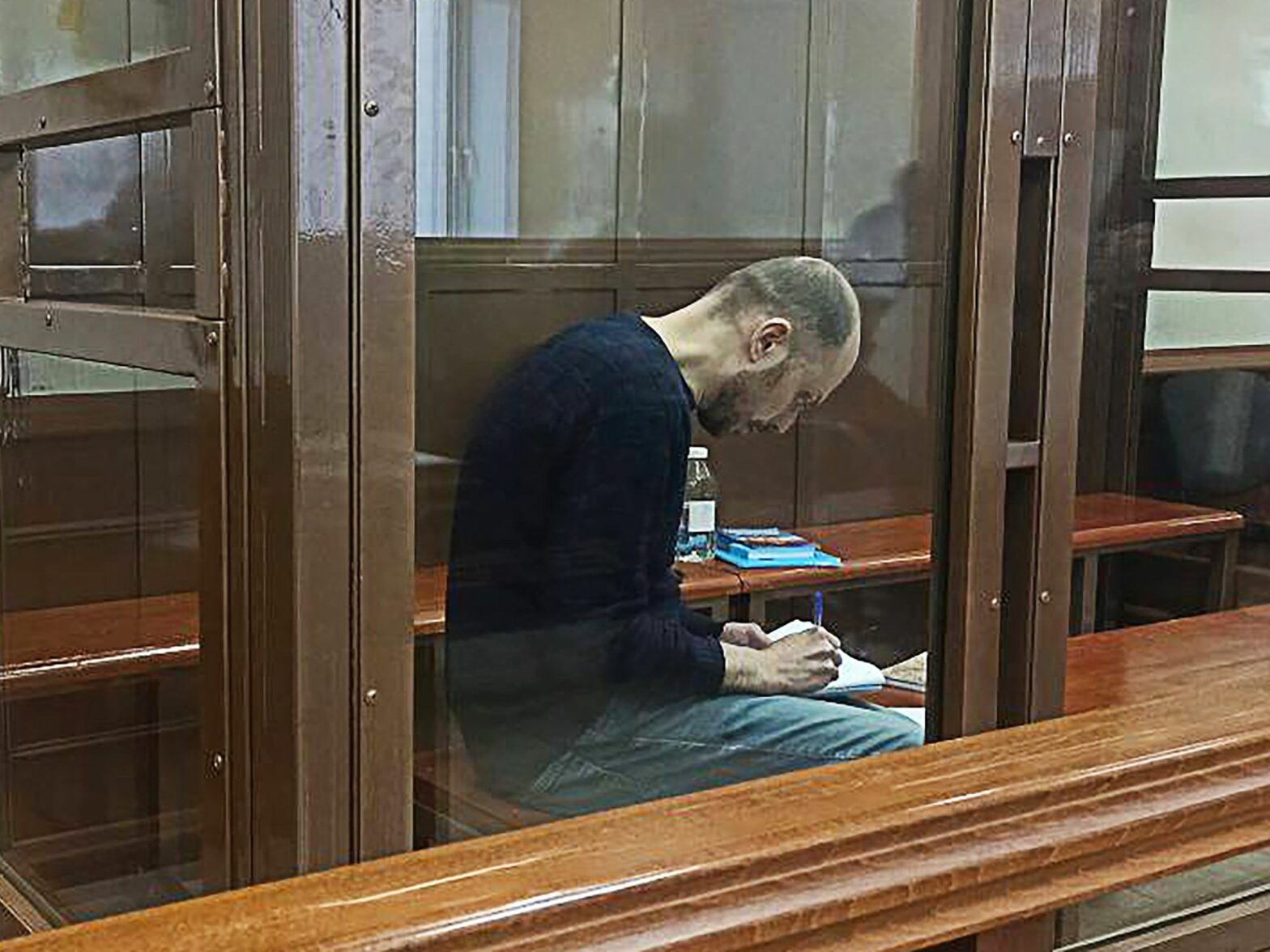
This week’s high-profile court cases, from the 25-year sentence of opposition leader Vladimir Kara-Murza to the prosecution of Wall Street Journal reporter Evan Gershkovic, look like a shift to totalitarianism. But they may also be a sign of a nation set to implode.
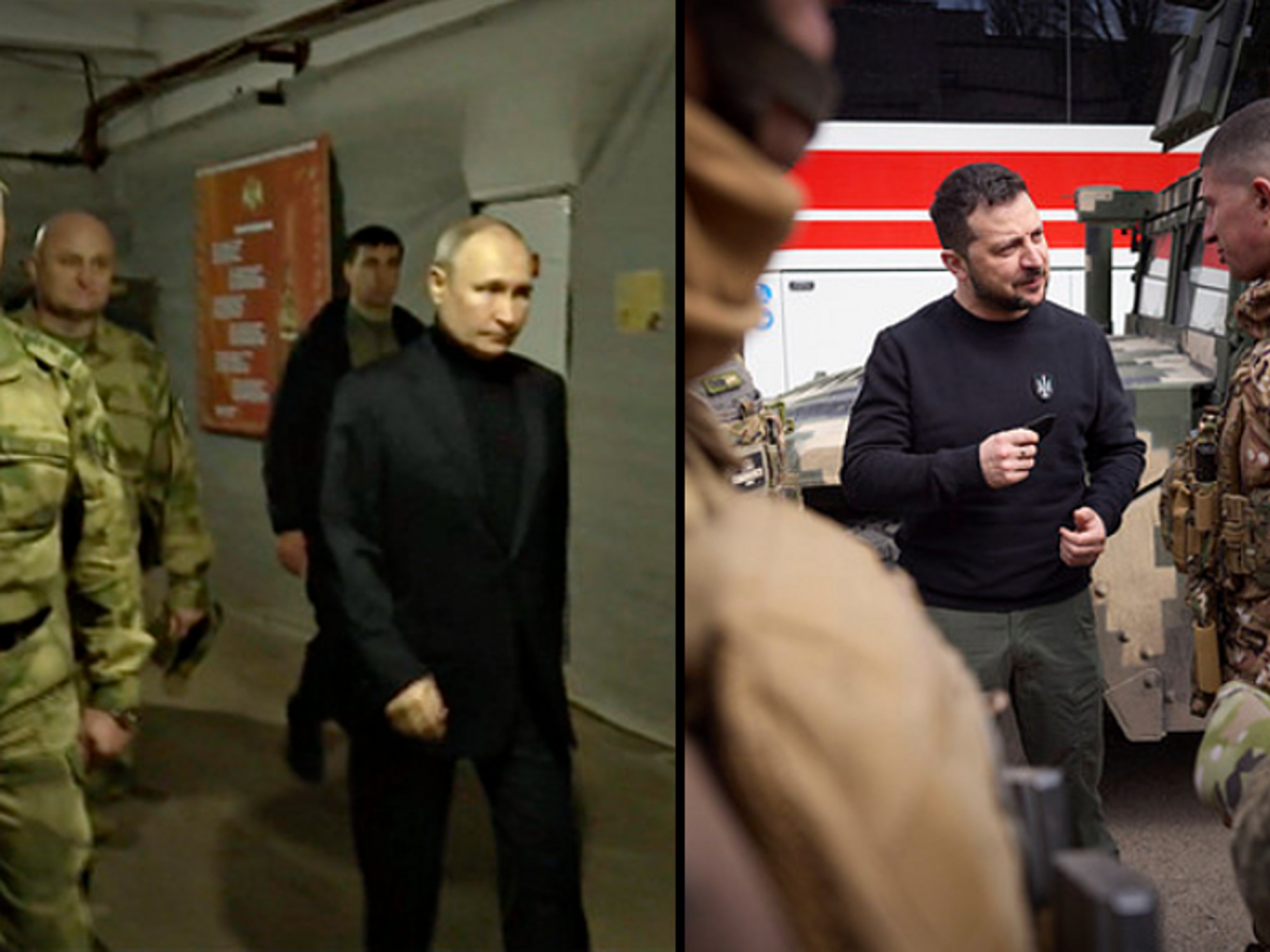
The Ukrainian and Russian presidents made separate visits to the frontline recently, in closer physical proximity than anytime since the war began. It was a sign that we should not expect negotiations anytime soon.
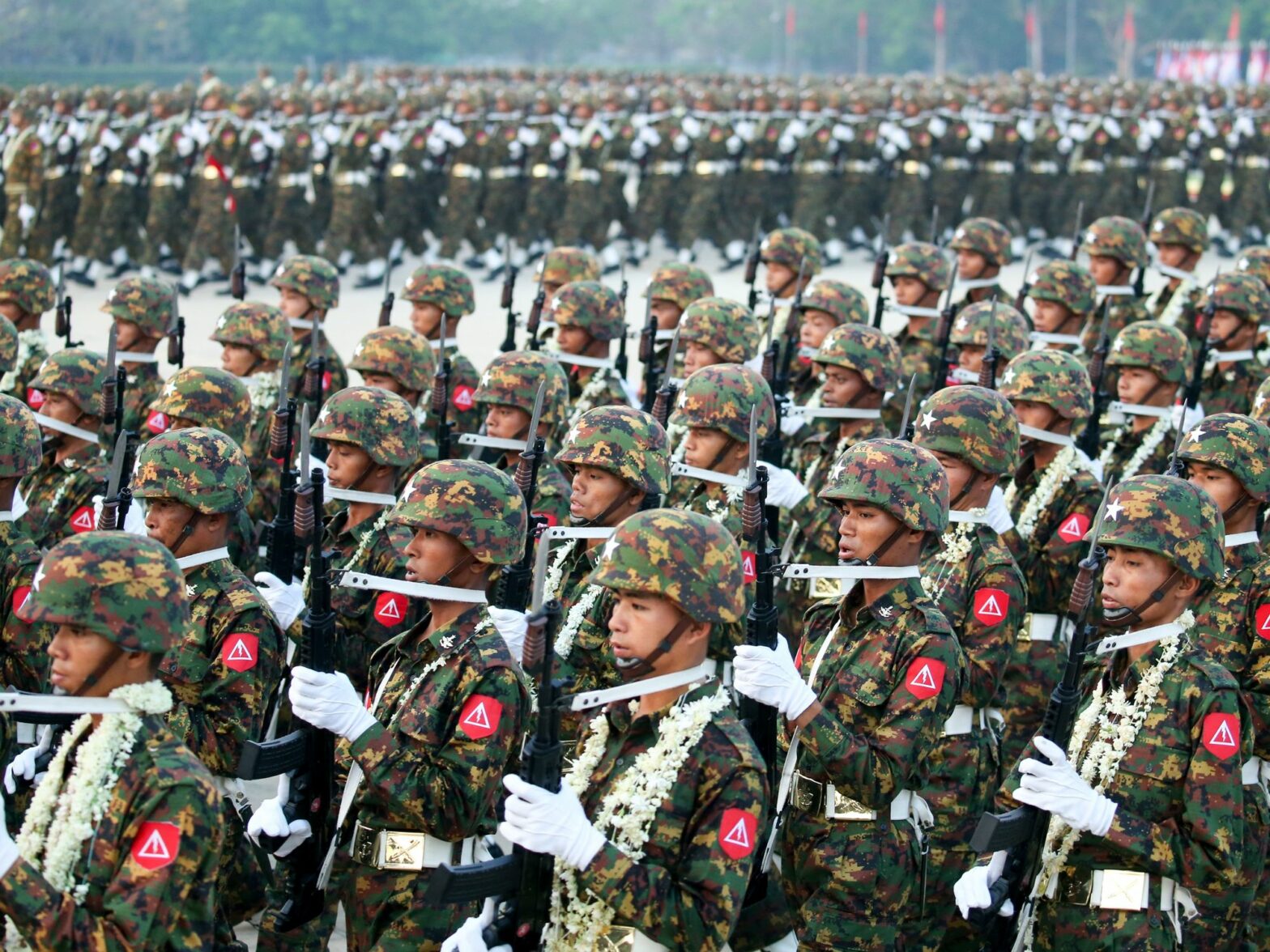
Last week, Myanmar’s armed forces bombed a gathering in a village in Sagaing Region, killing scores of innocent victims. It was not an isolated incident.
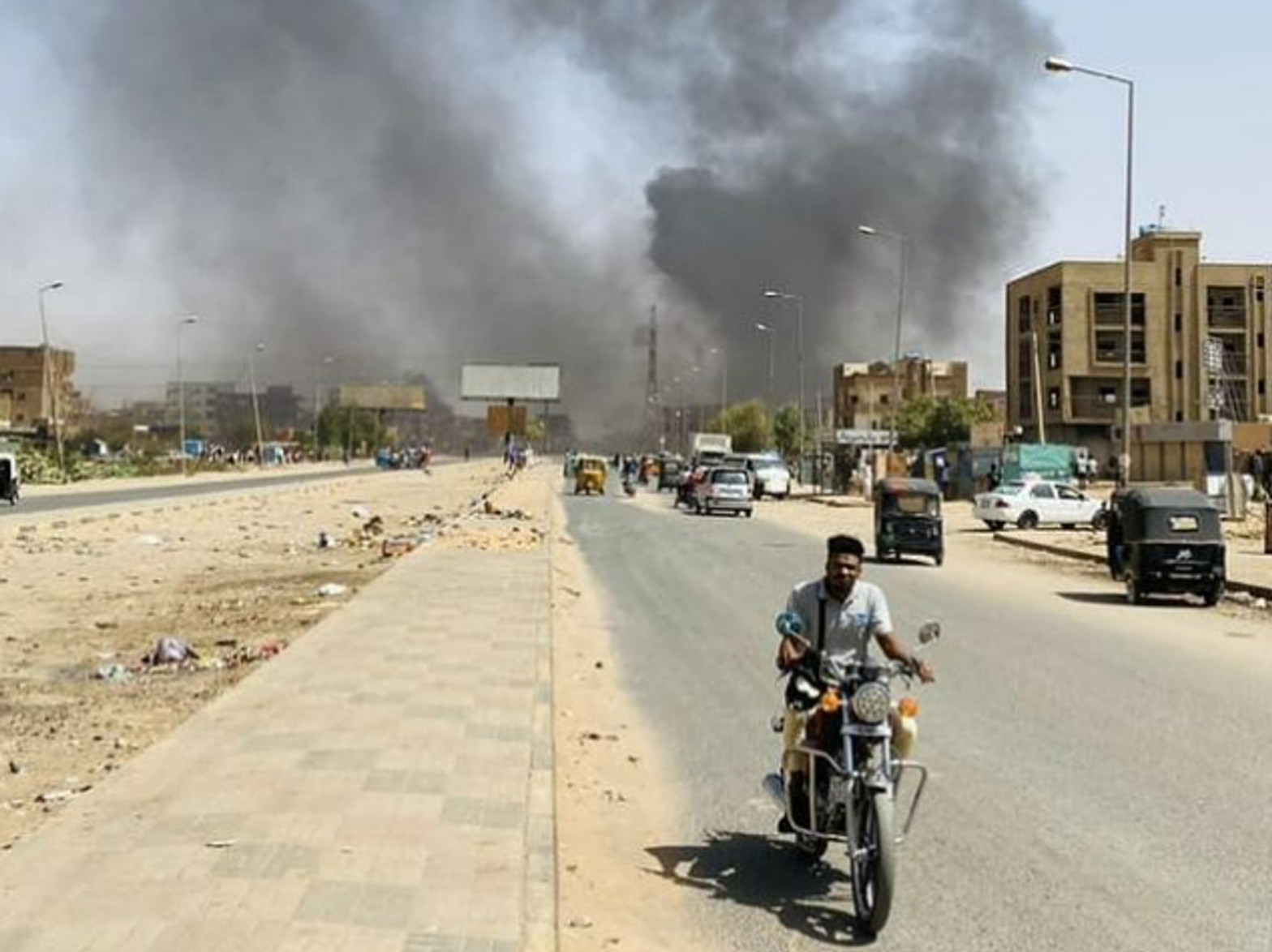
More than a decade after the Arab Spring gave hope of a wave of democracy in North Africa and beyond, the violence that has erupted in Sudan squashes hope in that troubled nation of a democratic future.
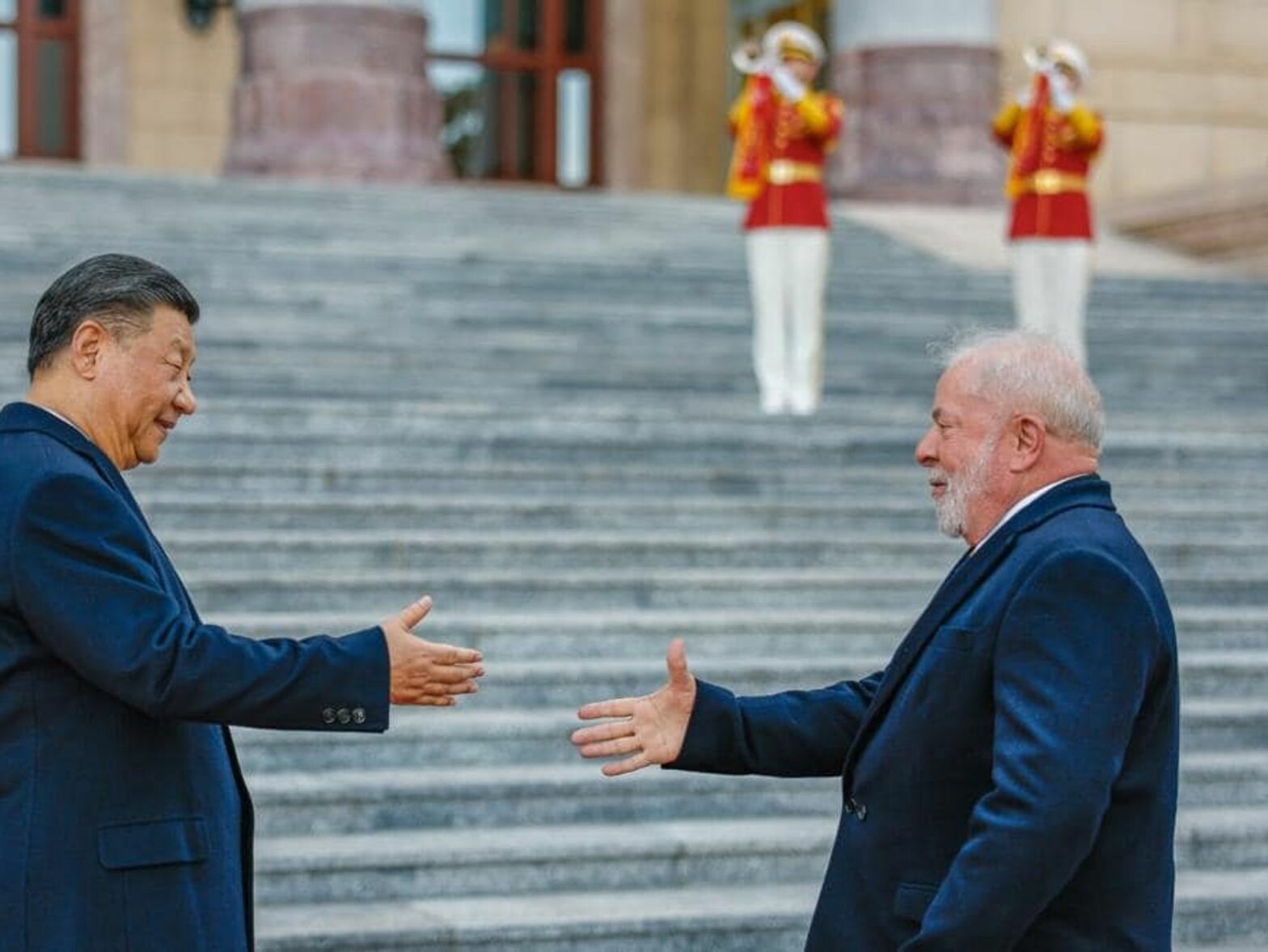
The Brazilian president, back in power after more than a decade later, has not lost his vision of a post-Western world in which the BRICS would occupy a central place. Lula’s visit to Beijing puts such a vision front and center on the global agenda.
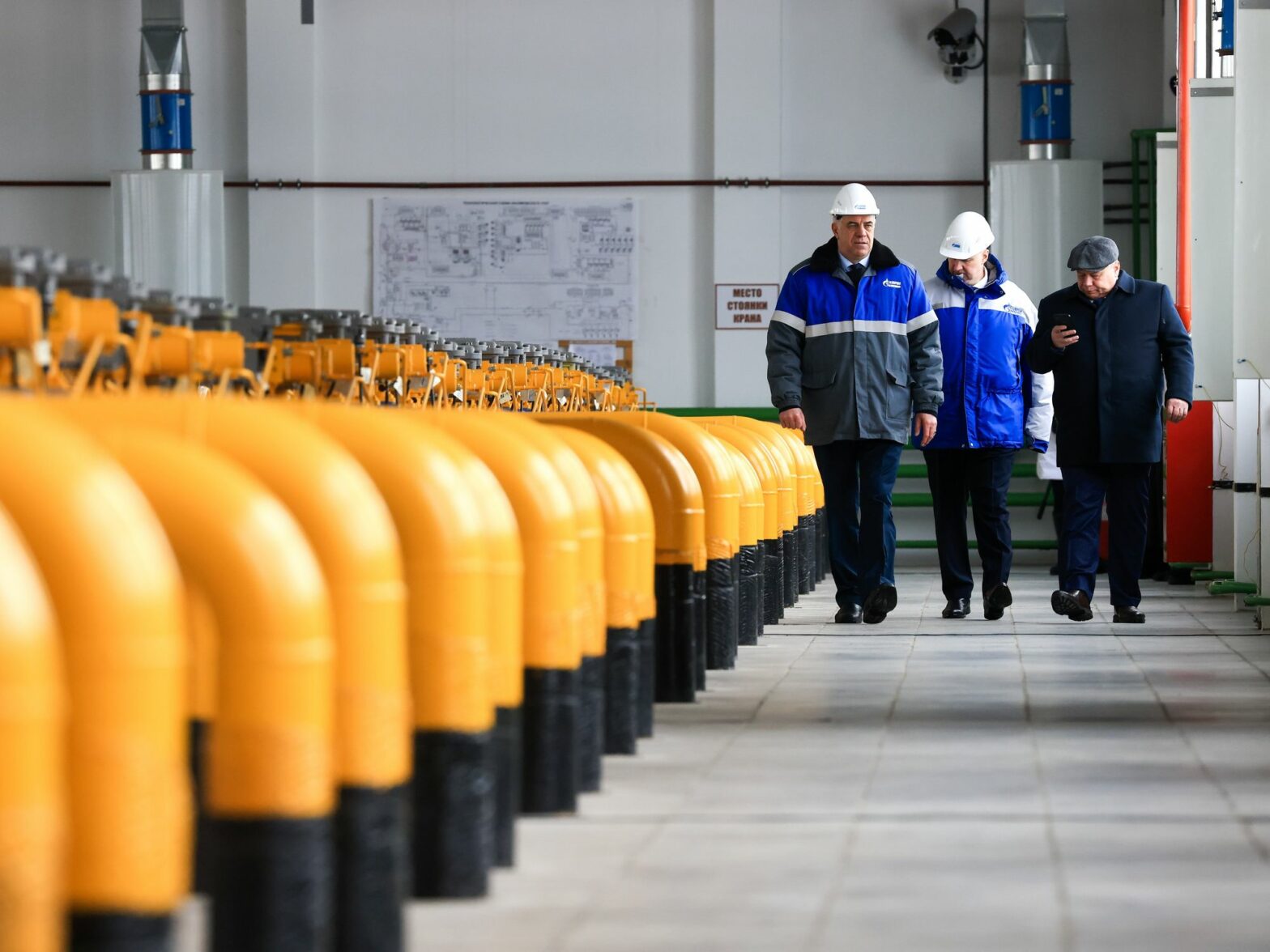
Russian state-owned energy company Gazprom has lost access to the European market and is rife with inefficiencies. Still, it isn’t going anywhere soon. The engine of Russia’s vast resources are fed into Vladimir Putin’s system for maintaining power.

President Biden finishes his much-publicized trip to Ireland today in my tiny hometown. We’re enjoying the pomp, but it’s a reminder that the glory days of Irish America are well and truly gone.
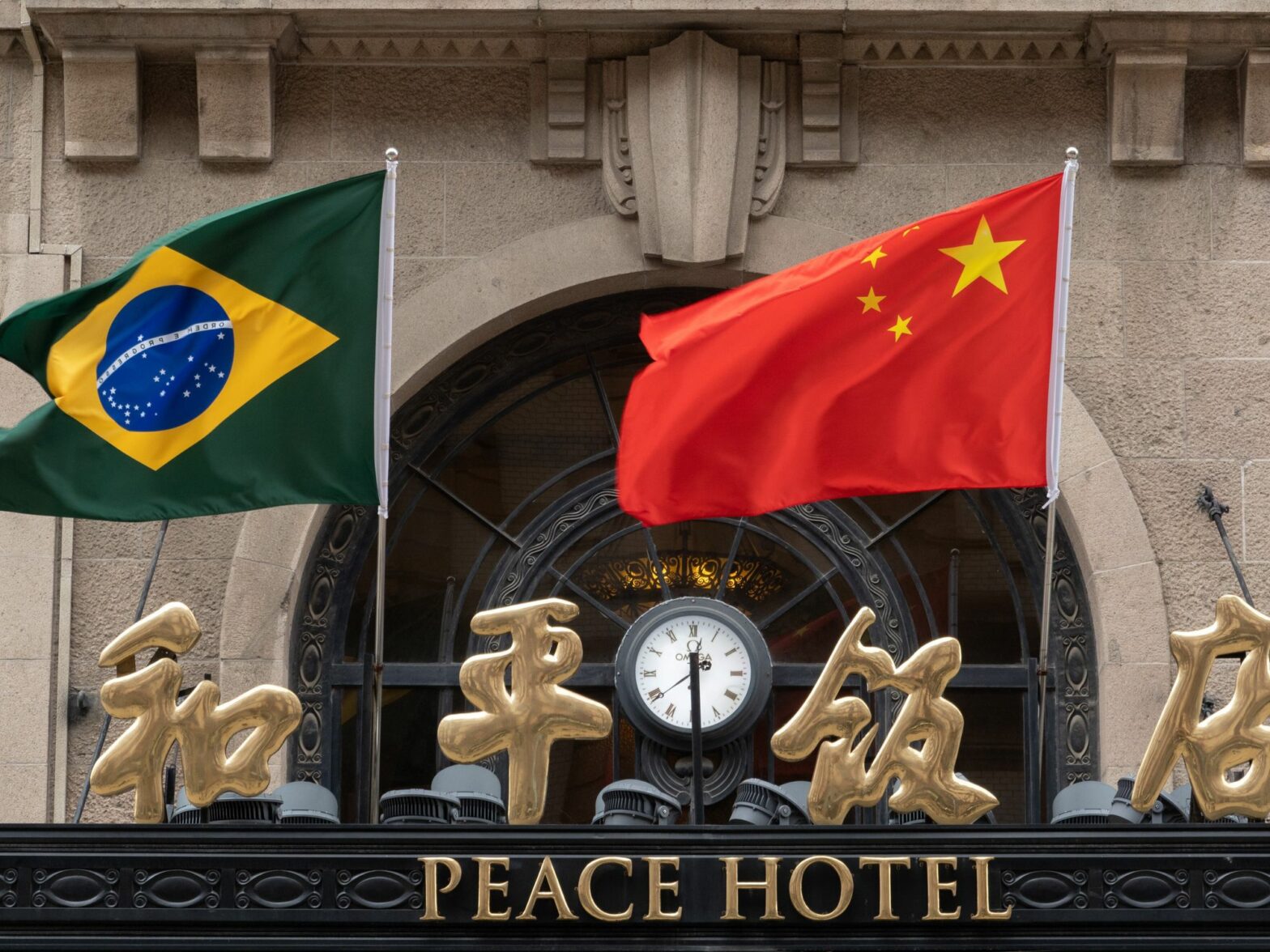
Brazilian President Lula da Silva is sticking to Brazil’s favored policy of diplomatic non-alignment while visiting China, hoping to win his country all the business and export deals he can sign.
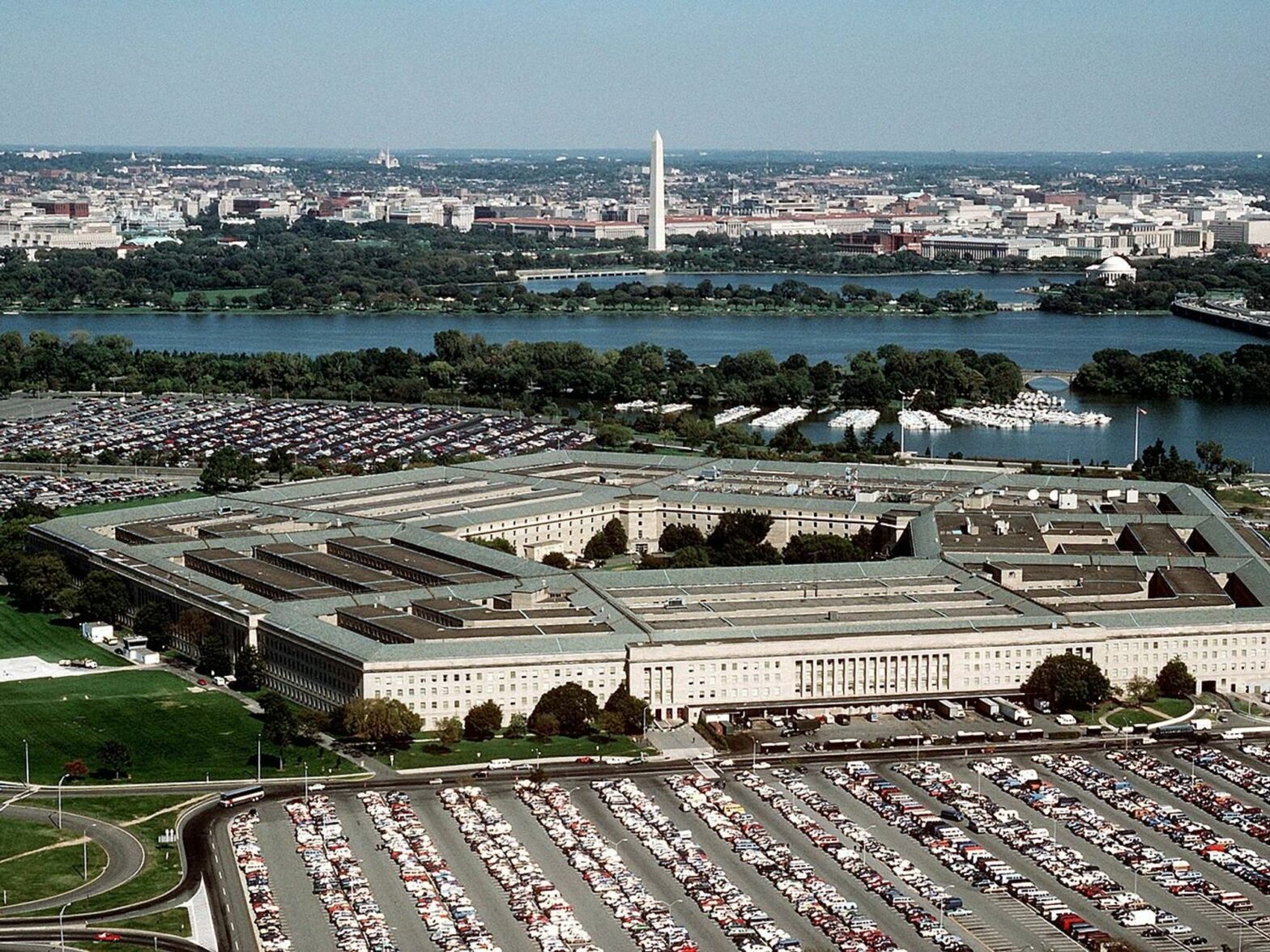
Confronted with a significant security breach, the U.S. is learning a brutal lesson about modern warfare.