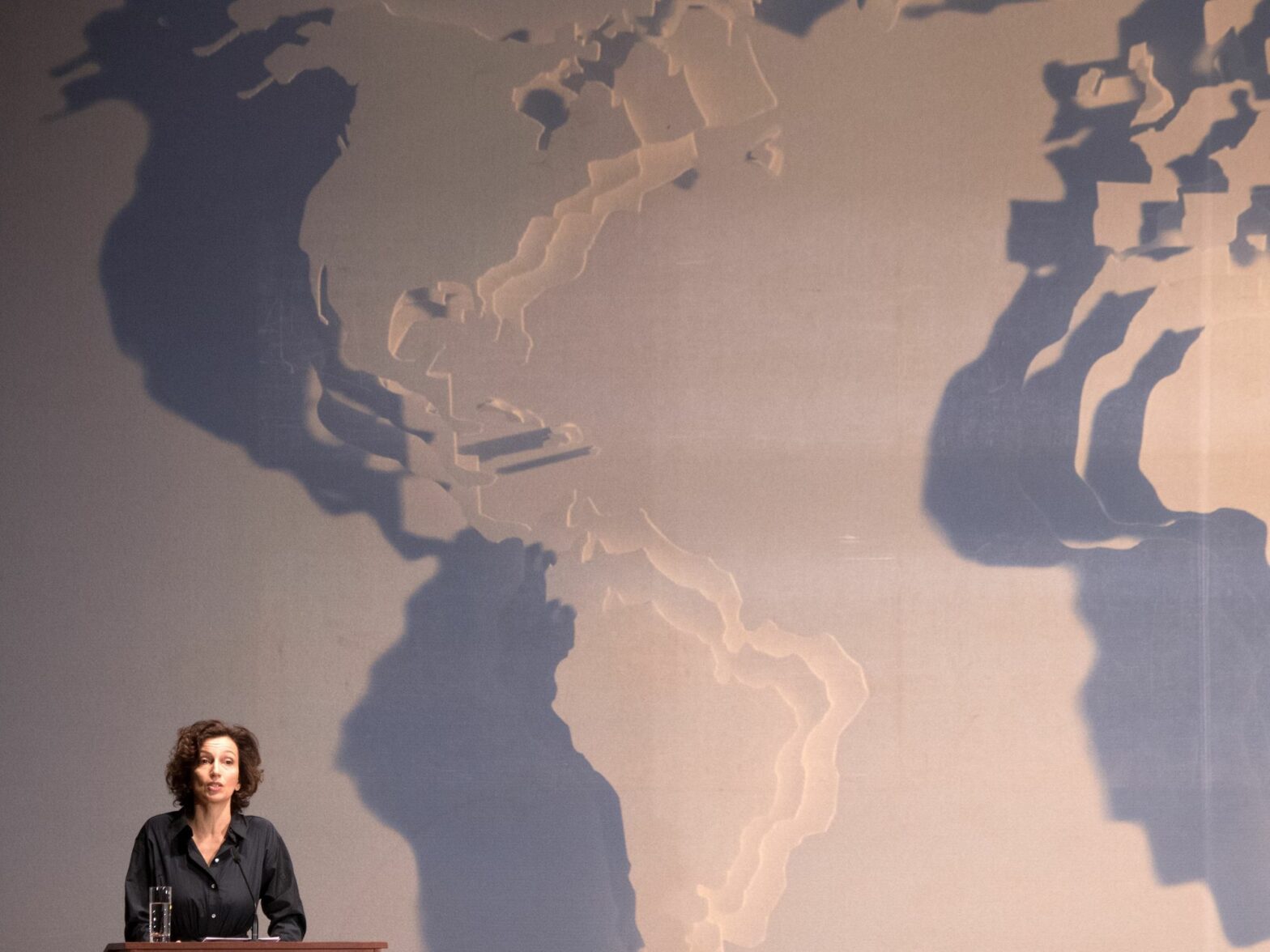
The U.S. is set to rejoin UNESCO, after Donald Trump pulled the country out in 2017, accusing it of being biased against Israel. The reasons for the return include artificial intelligence and pure geopolitics.
 Worldcrunch
The U.S. is set to rejoin UNESCO, after Donald Trump pulled the country out in 2017, accusing it of being biased against Israel. The reasons for the return include artificial intelligence and pure geopolitics.
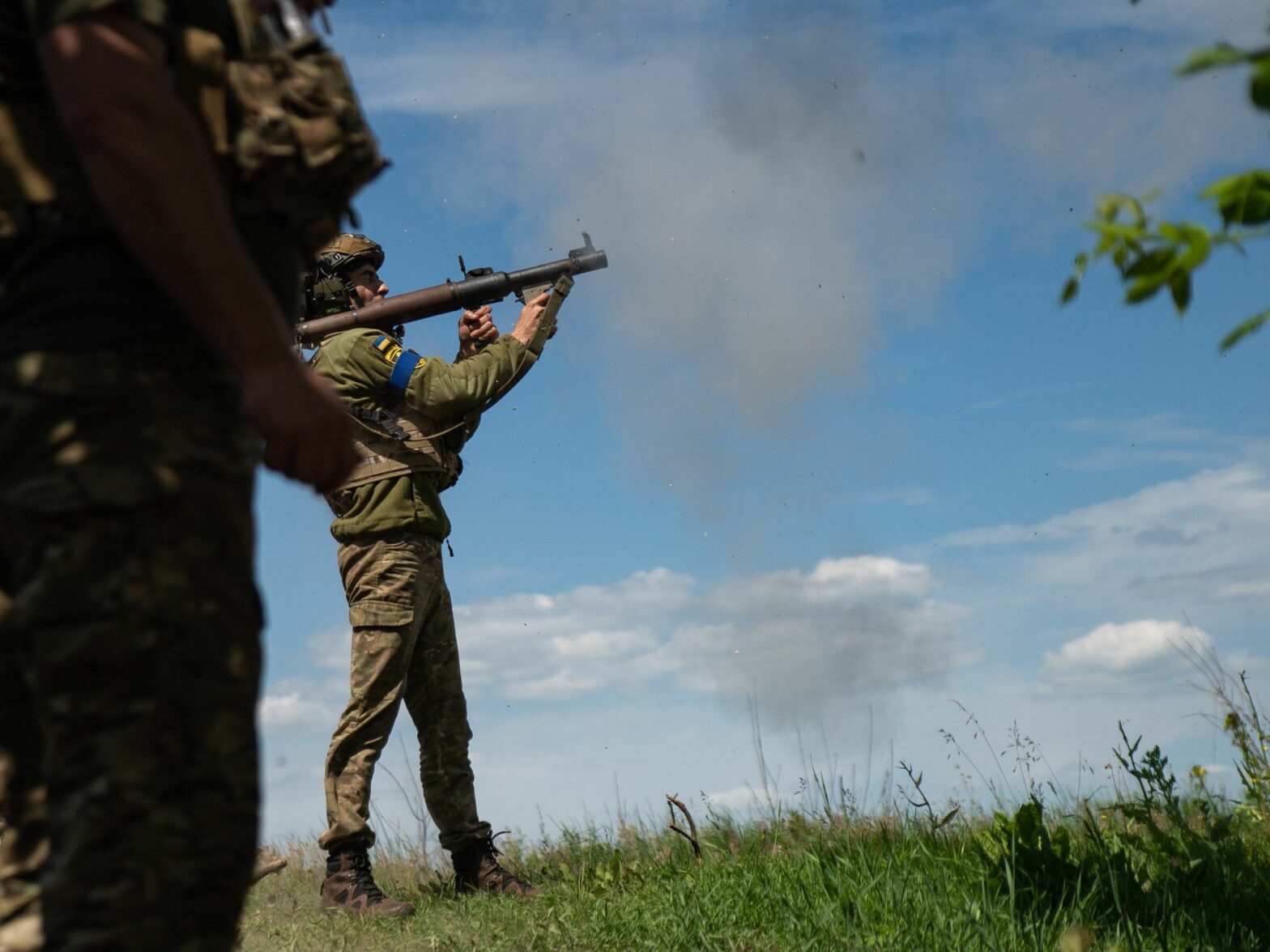
Don’t believe each new twist, minute-by-minute, as information is a weapon that both sides handle carefully. But there are ways to begin to see how this possibly decisive battle will turn out.
On Monday, news came that Silvio Berlusconi has died at the age of 86. Much has been written about Berlusconi, having been the center of Italian political life for so long, including this particular piece by a veteran Italian columnist back in 2011 after the prime minister had resigned.
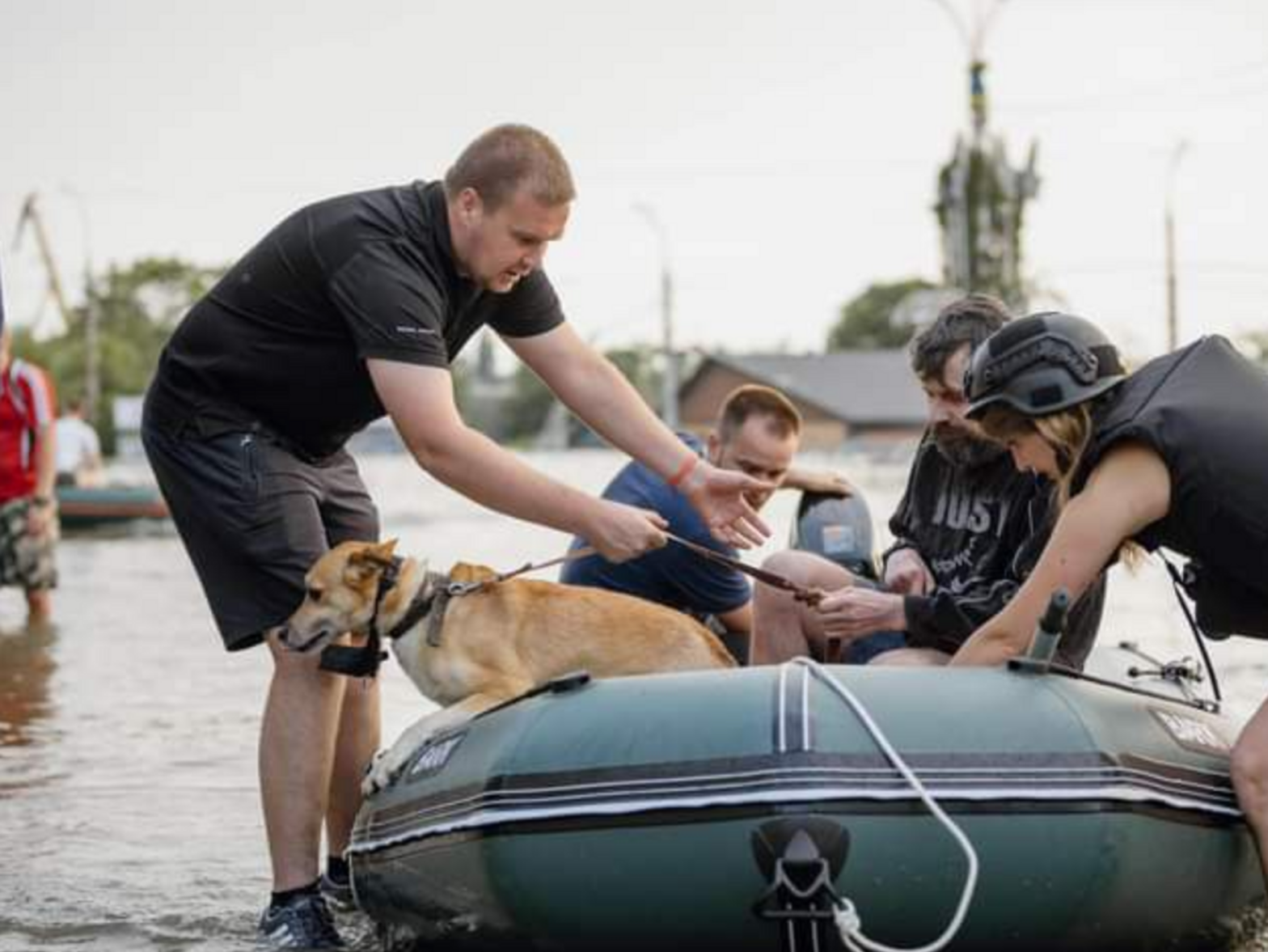
Global politics have gotten in the way of humanitarian aid when it comes to the flooding in Ukraine. Zelensky points the finger towards a deep, structural UN shortcoming.
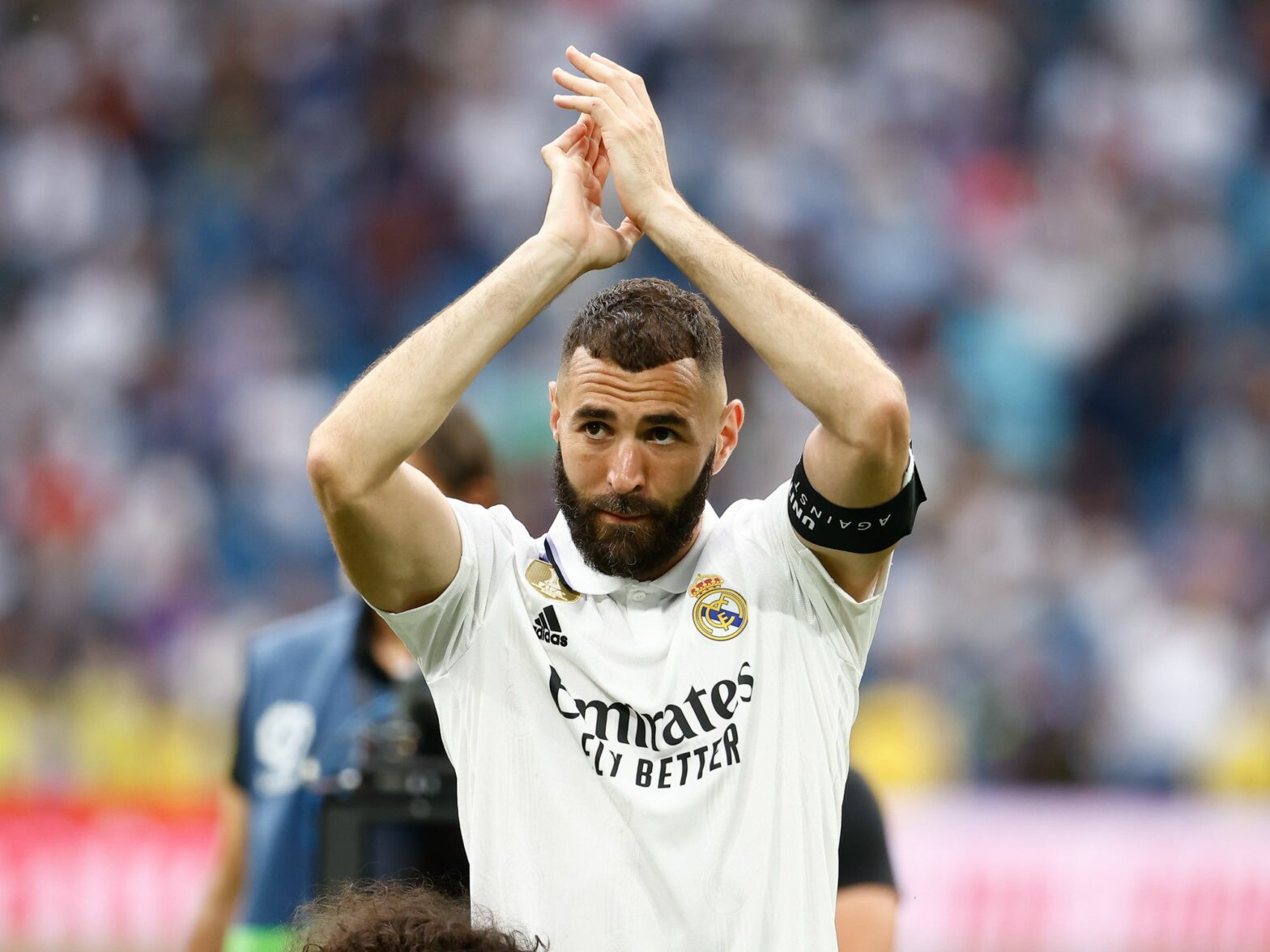
Saudi Arabia suddenly now leads the world in golf, continues to attract top European soccer stars, and invests in culture and entertainment… Its “soft power” strategy is changing the kingdom’s image through what critics bash as blatant “sportwashing.”
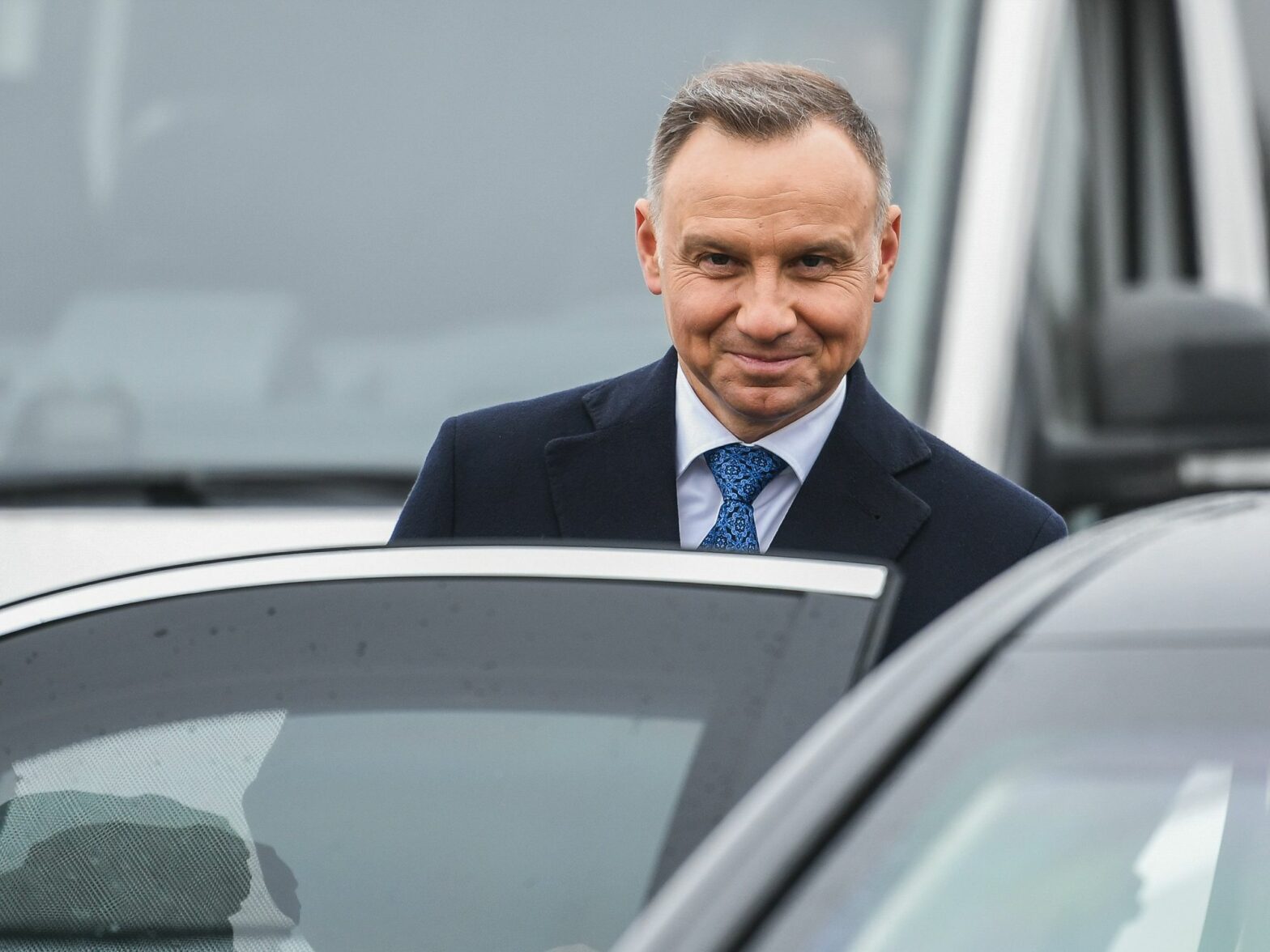
Since creating a controversial commission against “Russian influence”, Polish President Andrzej Duda has faced criticism from the United States and the European Union. Duda has since offered to make several changes to the law, but several experts in Brussels remain unconvinced that the law will not become a witch hunt ahead of the upcoming elections.
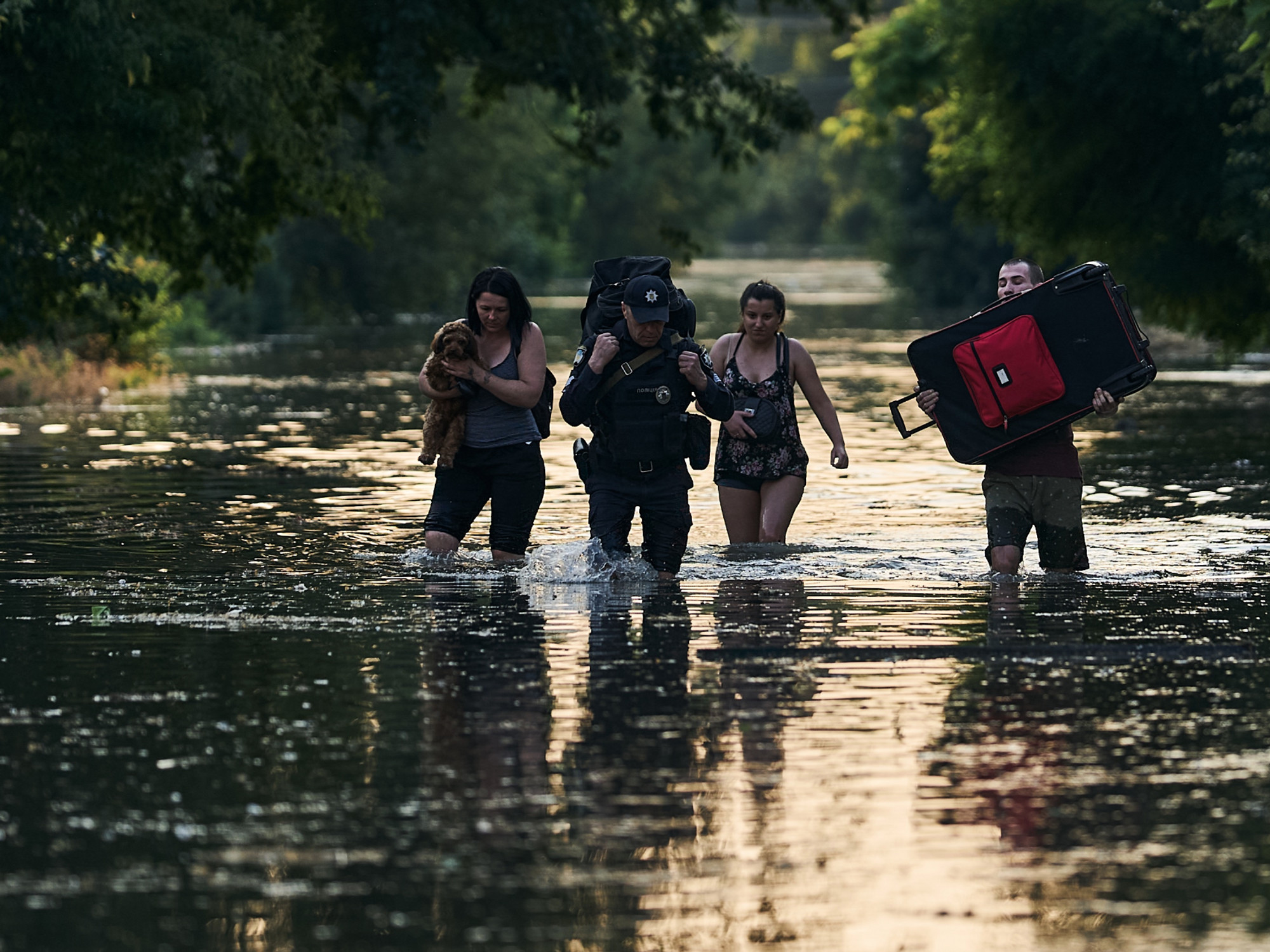
The Nova Kakhovka dam explosion was undoubtedly carried out by Putin, putting both Ukrainian and Russian lives at risk. The explosion makes clear that there are no limits to how far Putin will go. That has been his message since Day One of the war.
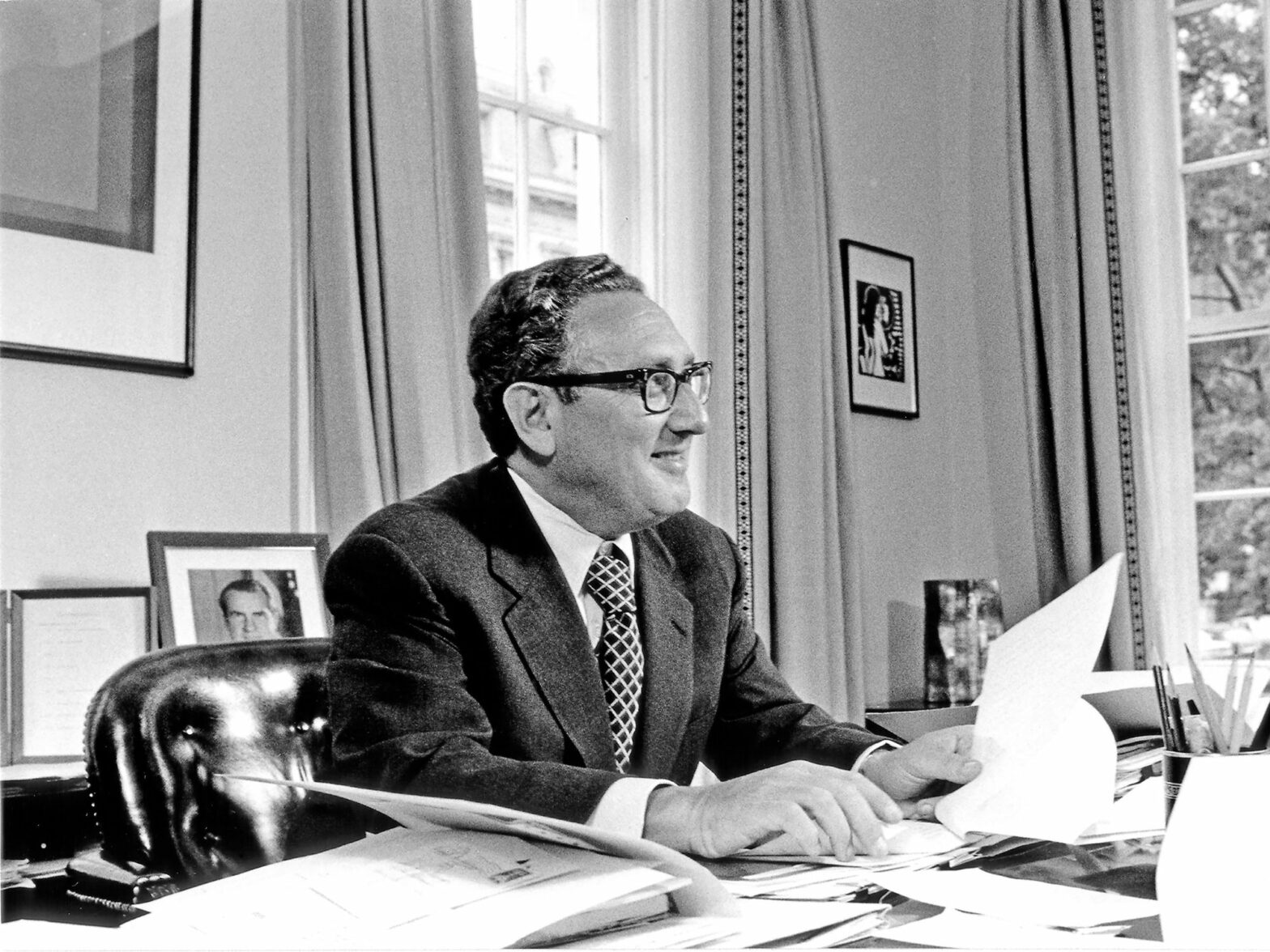
A diplomatic genius for some, a war criminal for others, Henry Kissinger has just turned 100. An opportunity for Dominique Moïsi, who has known him well, to reflect on the German-born U.S. diplomat’s roots and driving raison d’être.
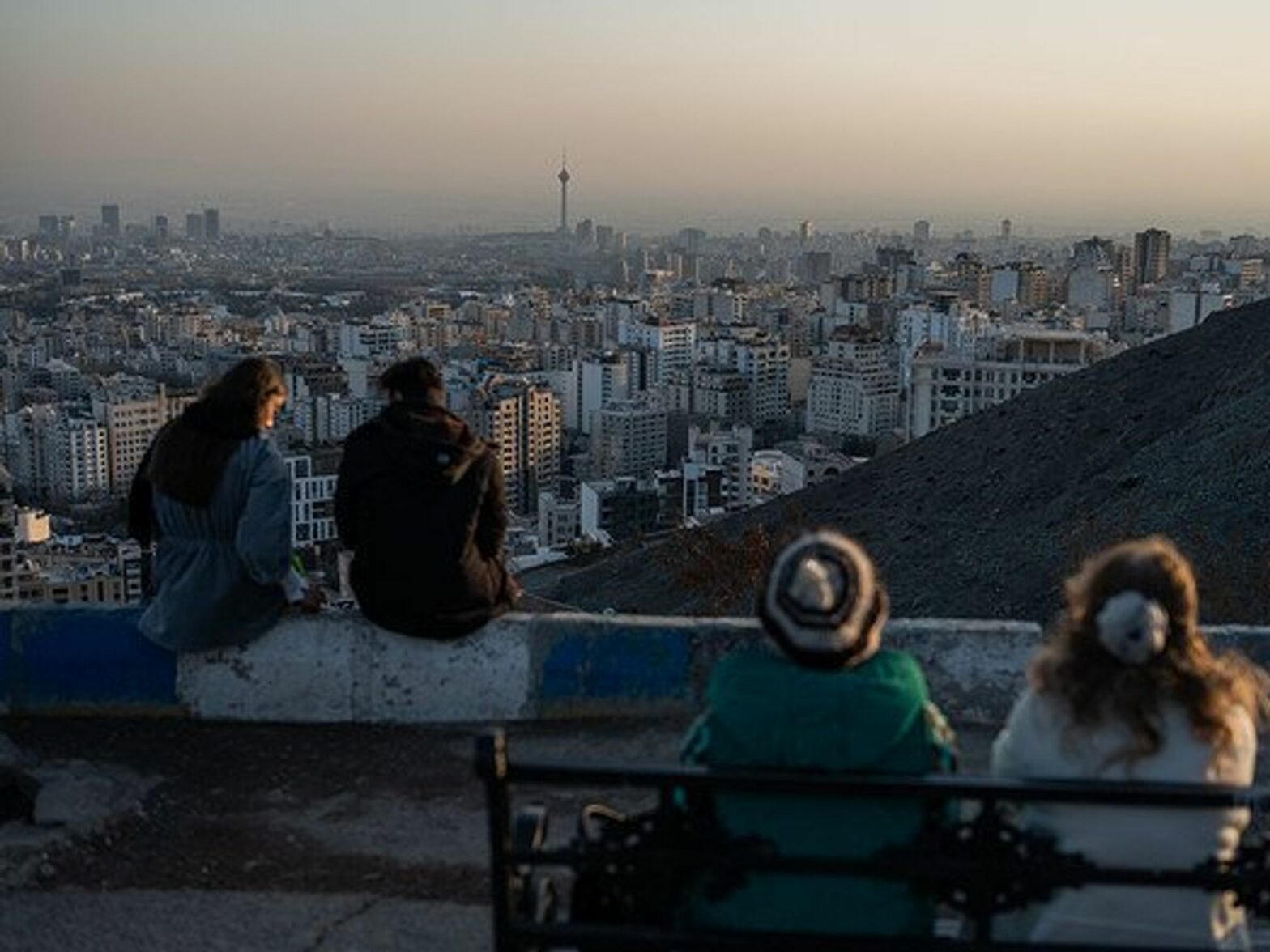
Impatient to be rid of a 40-year dictatorship, many Iranians have sunk into despair at the failure of protests last year to topple the Islamic Republic. They must be patient and sober in their immediate expectations, before a longer, ongoing process of change turns Iran into a free nation with the rule of law.
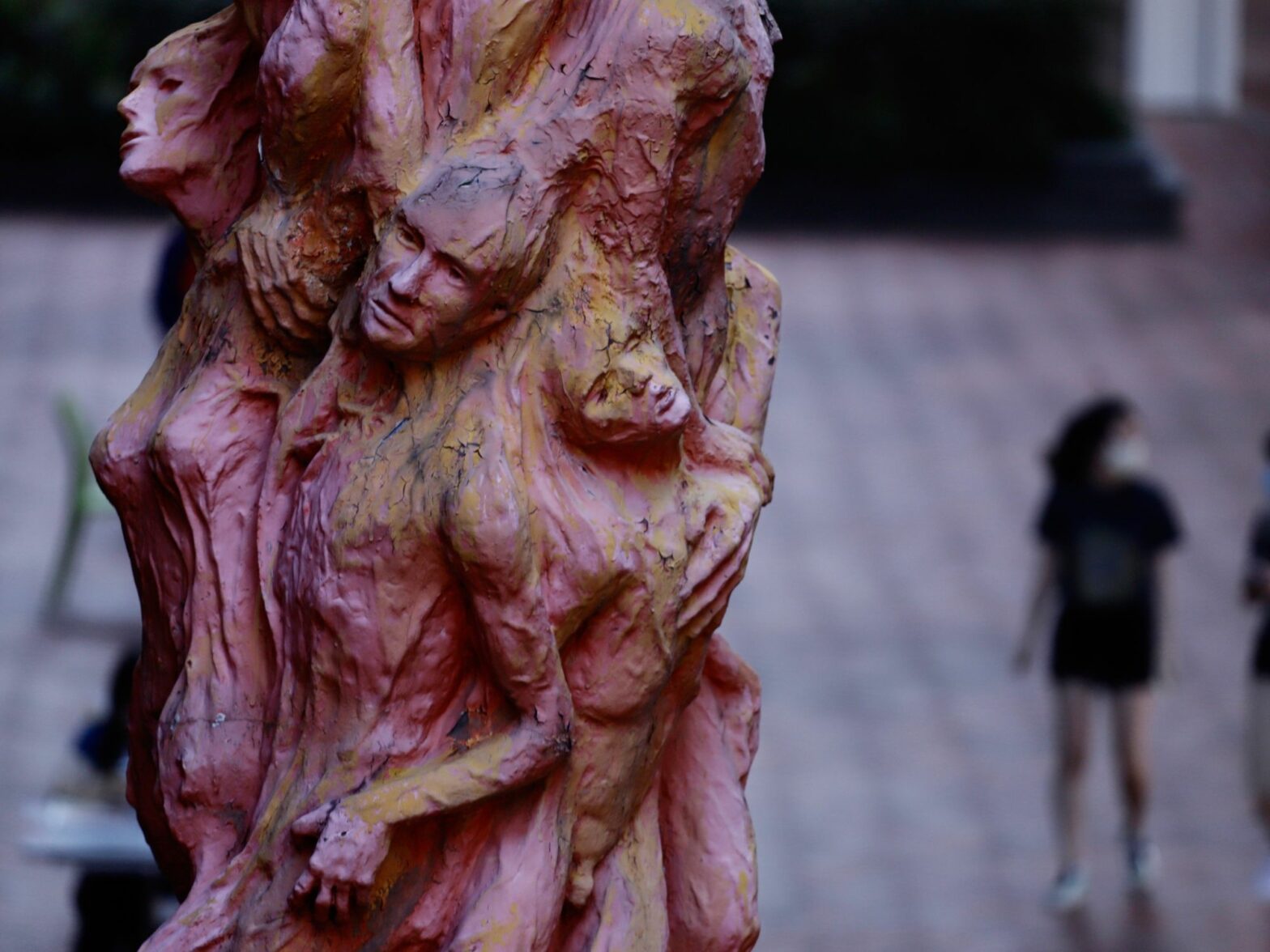
The “Pillar of Shame” in Hong Kong, a memorial to the victims of the Tiananmen Square massacre, was a symbol of freedom and democracy. Beijing has taken it down, but a replica is being built in Berlin. Activist Samuel Chu explains why that means so much to him.
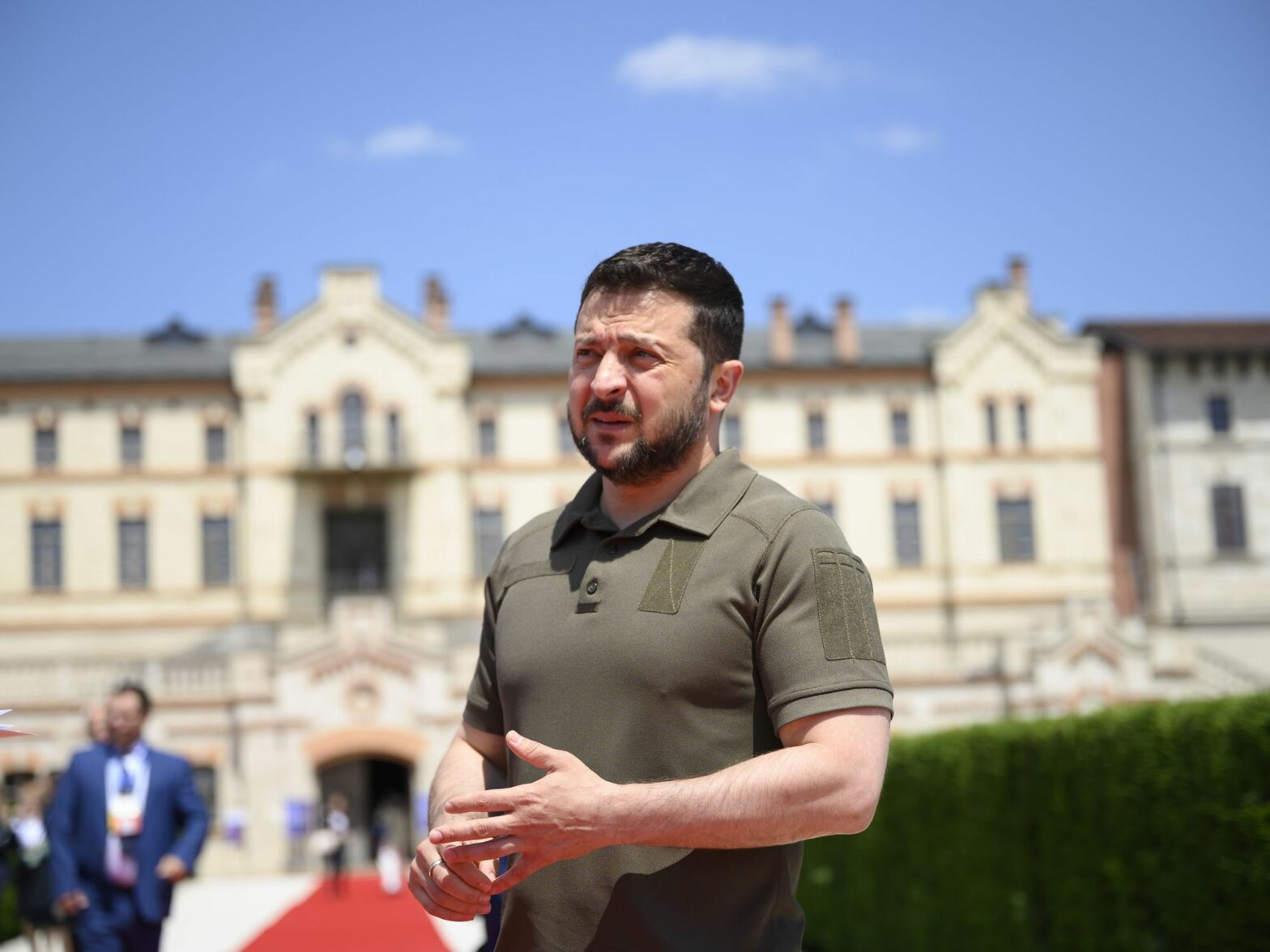
Volodymyr Zelensky has made his demand clear: full NATO membership for Ukraine, perhaps as soon as this year. Yet member countries, from the U.S. to top European allies, are still stuck in the mindset of not “provoking” Russia. But if not now, when?
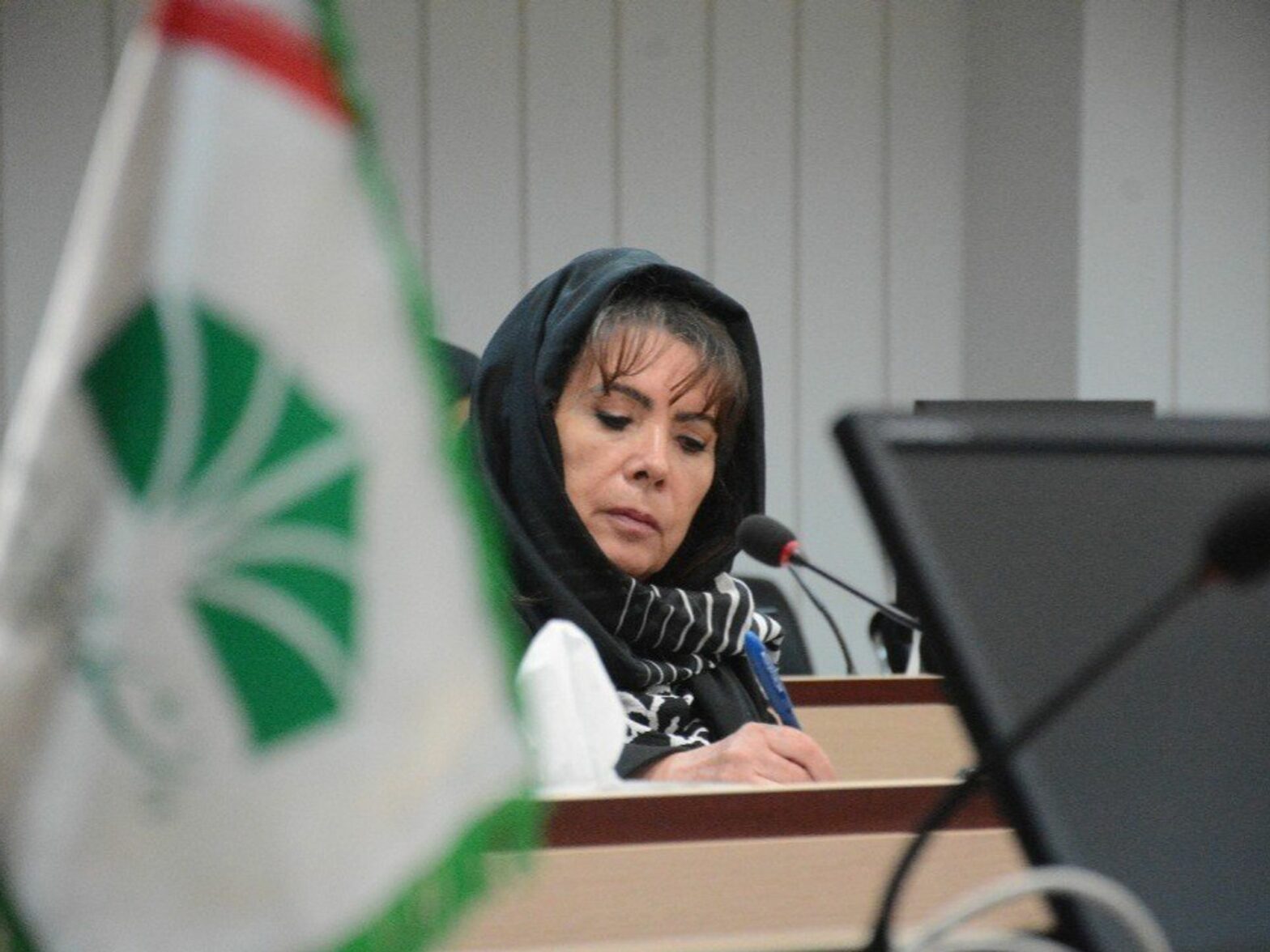
Among the Islamic Republic of Iran’s very few diplomatic friends are too many from Latin America’s left, who are always happy to milk their cash-rich allies for all they are worth.
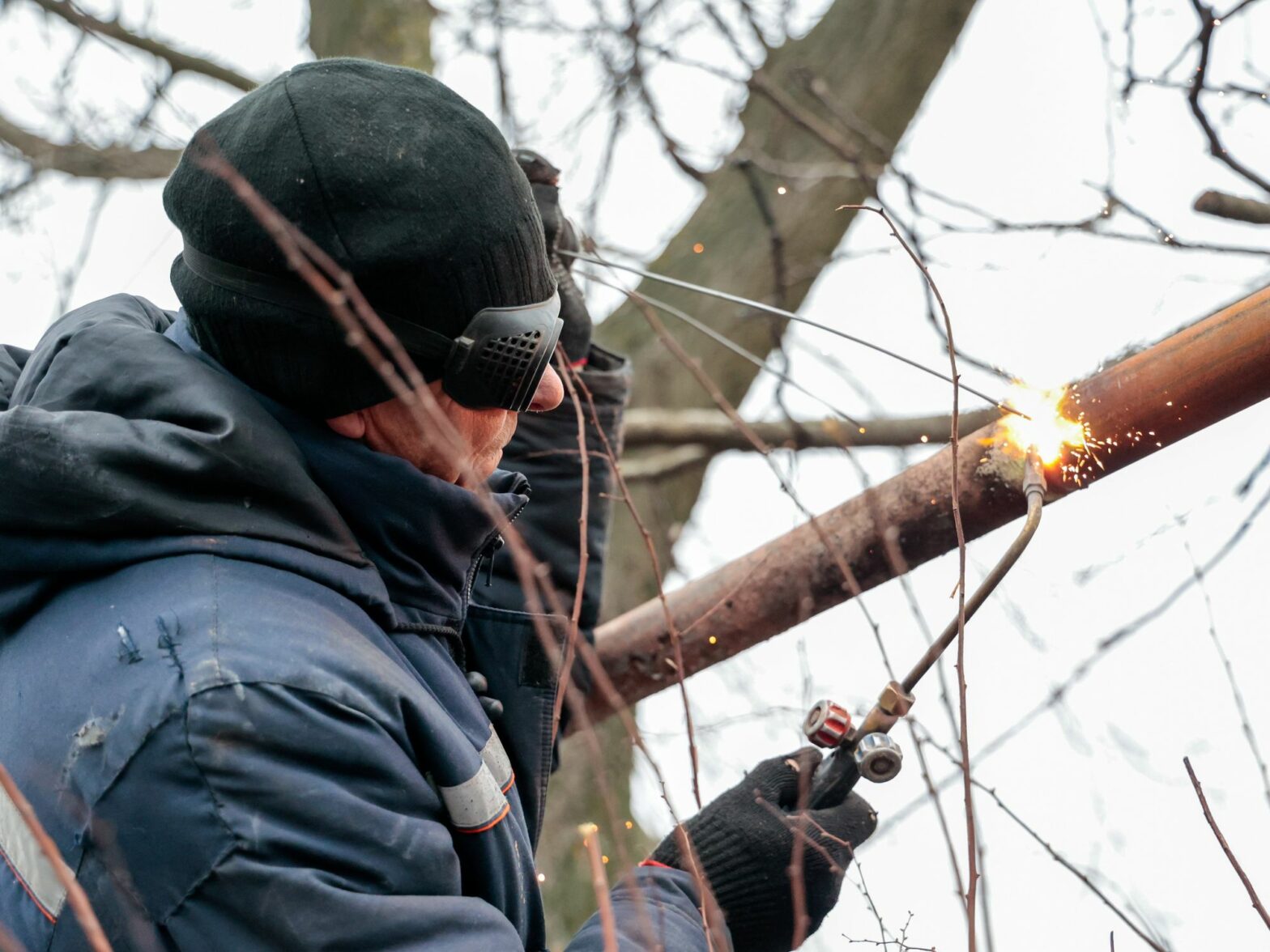
The West is deceiving itself if it hopes for a quick end to the Ukraine war. Above all, it must consistently implement an energy transition — otherwise, it will remain at Putin’s mercy, writes prominent Kremlin critic Mikhail Khodorkovsky, in German daily Die Welt.
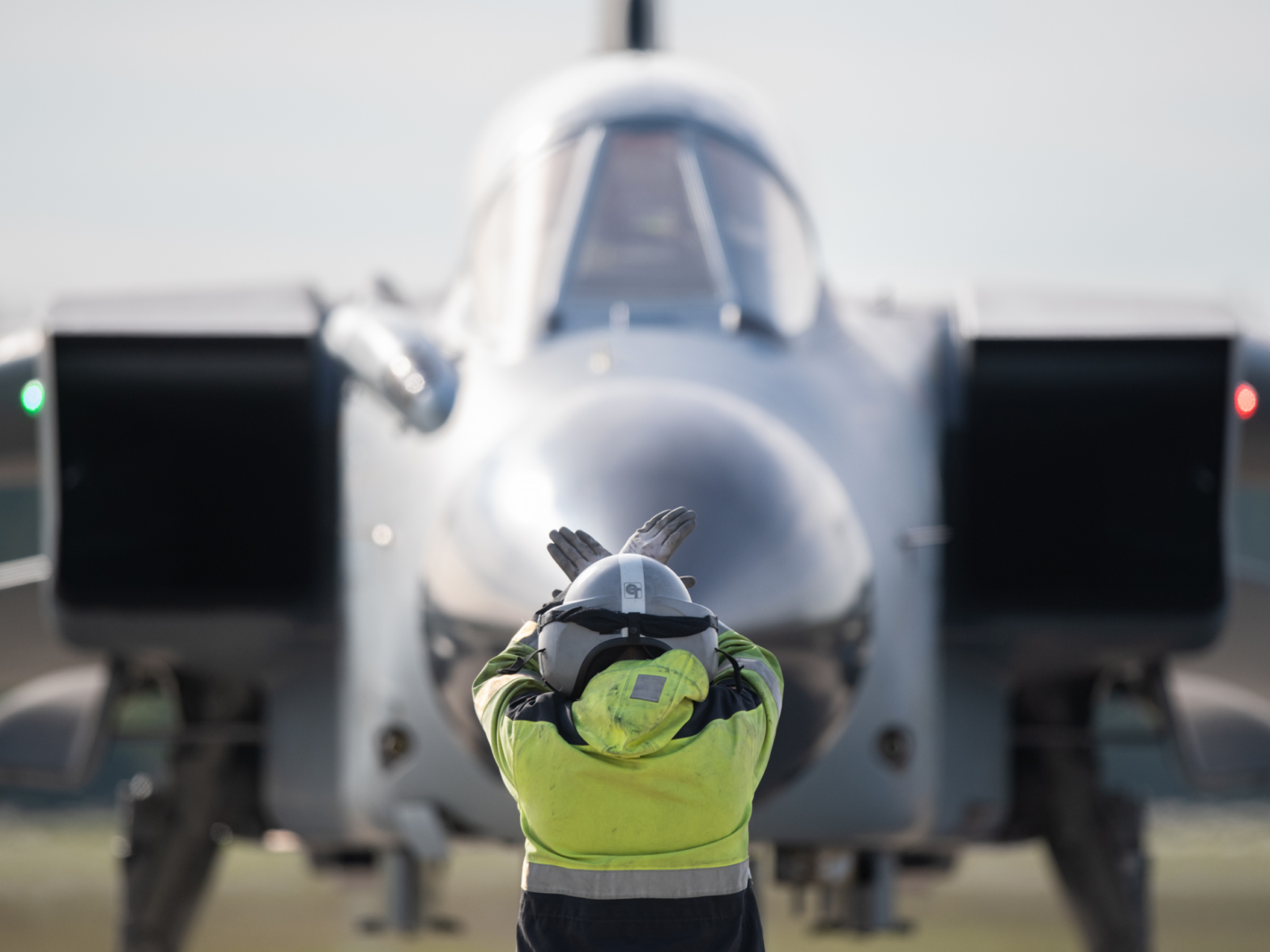
A Parliamentary committee that oversees German intelligence services is questioning Beijing increasing recruitment activities of those who know Western weaponry best. This raises a fundamental strategic question as China-West tensions grow .
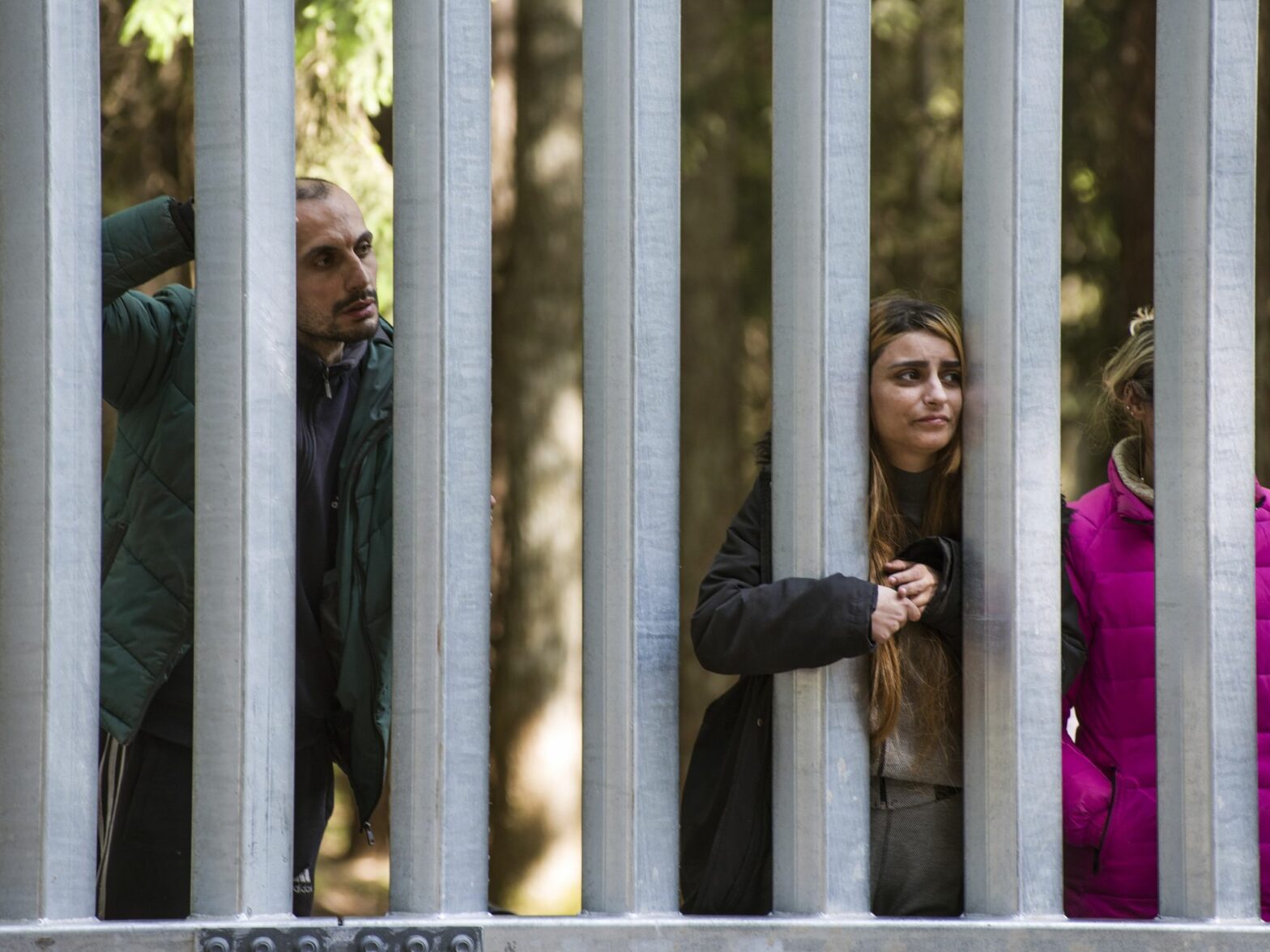
In 2021, Belarus strongman Lukashenko triggered a migration crisis when he actively drove asylum seekers to the EU. According to the German government, those numbers are on the rise again.
Tunis and Moscow have been increasingly close — at the cost of relations with the West, which had once looked to Tunisia as a model of democracy. The two countries are brought together by Kremlin’s efforts to woo African countries, but also a natural alliance of its strongman Presidents Putin and Saïed.
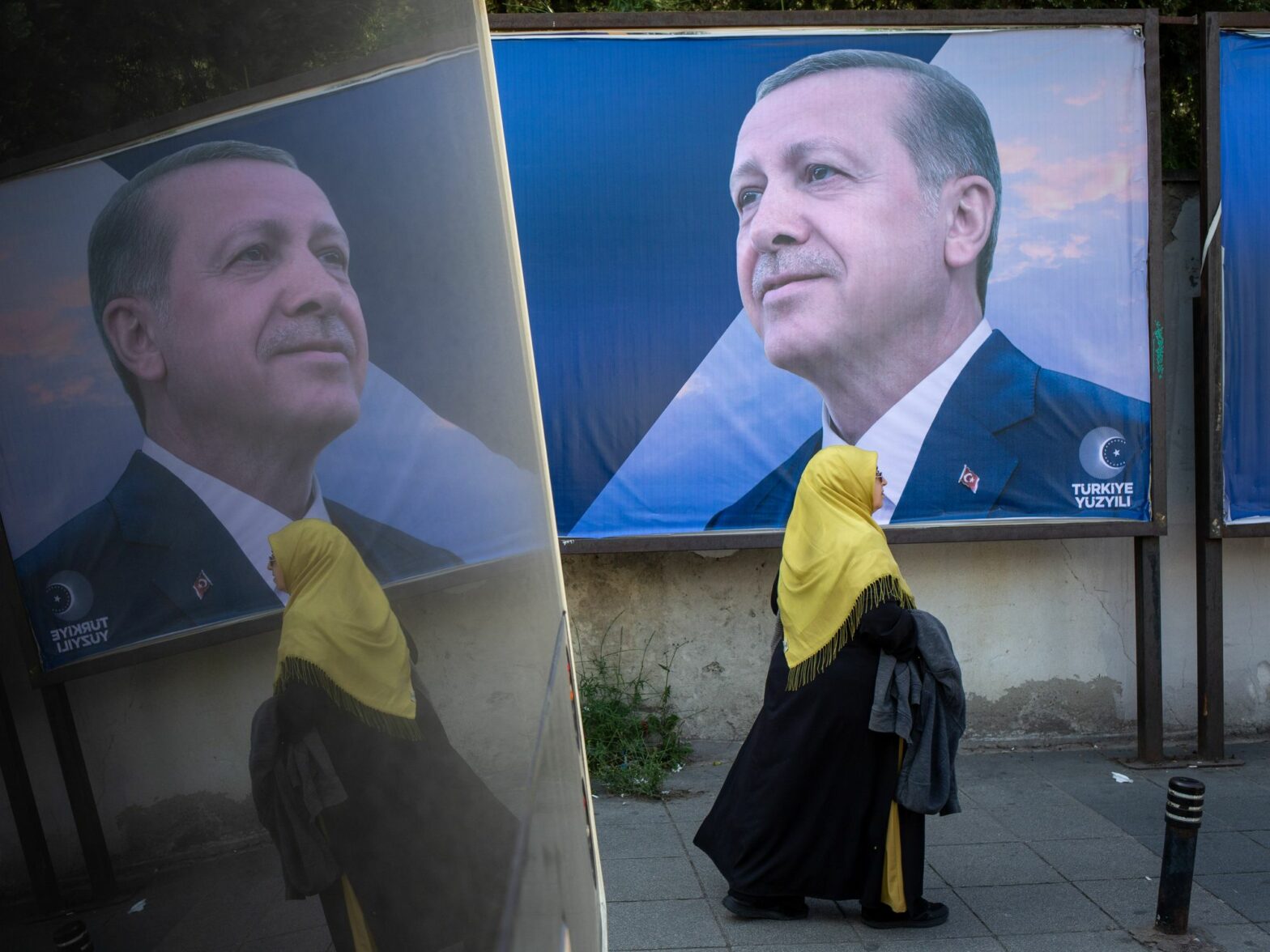
Recep Tayyip Erdogan has cemented his already tight grip on power in Turkey, winning an unprecedented third term as president. The West had hoped for a slightly less unpredictable leader, but they will have to make peace with an emboldened Erdogan, who may become even more autonomous.
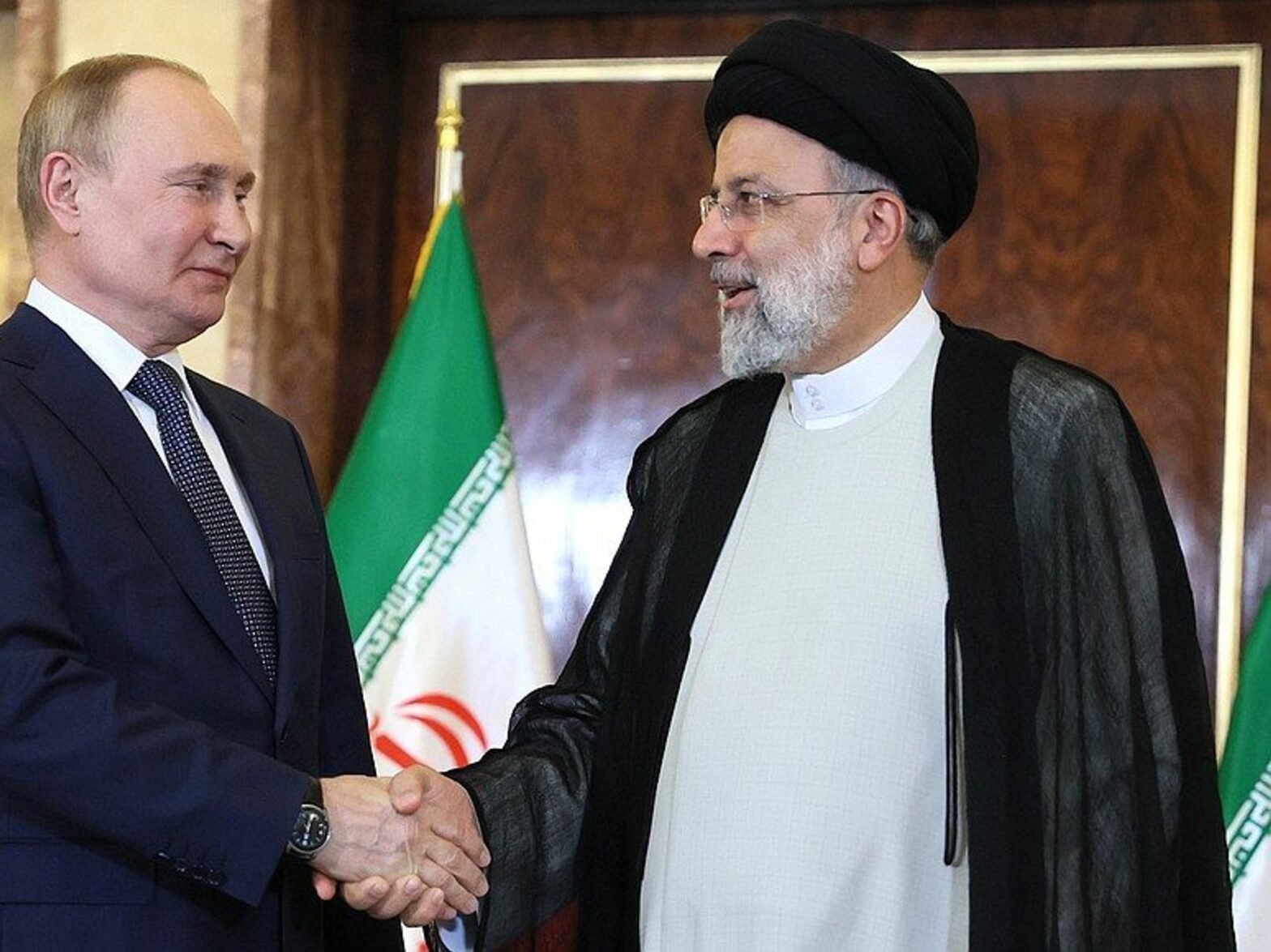
Russia attacks Ukraine with Iranian shahed drones, thinks about buying Iranian missiles, sells Iran Su-35 fighters, and starts repairing its civilian aircraft. How is it that Iran has become Russia’s main ally?
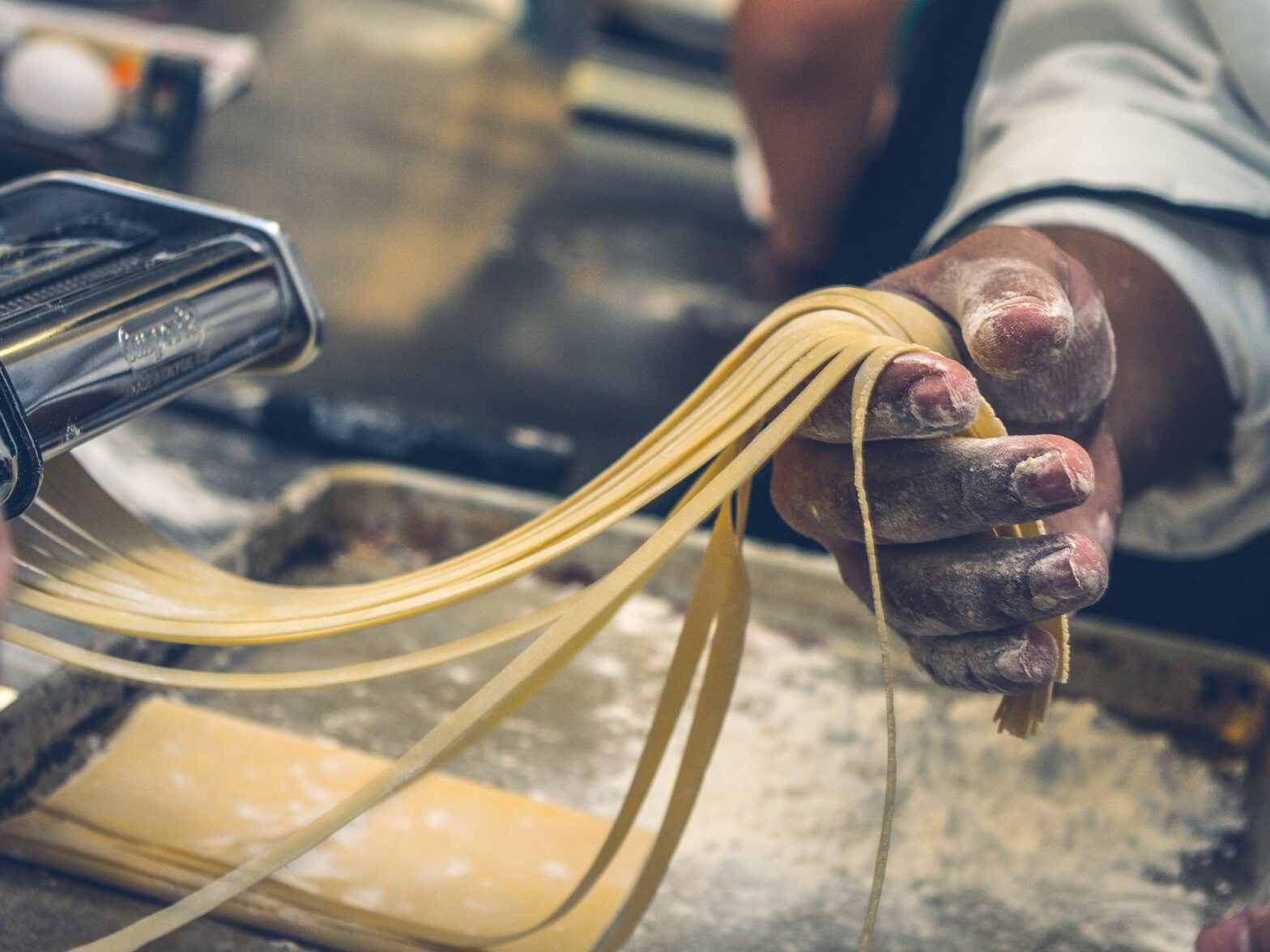
Rome has been strongly opposed to synthetic foods, insect-based flours and health warnings on alcohol, and aggressive lobbying by Giorgia Meloni’s right-wing government against nutritional labeling has prompted accusations in Brussels of “gastronationalism.”
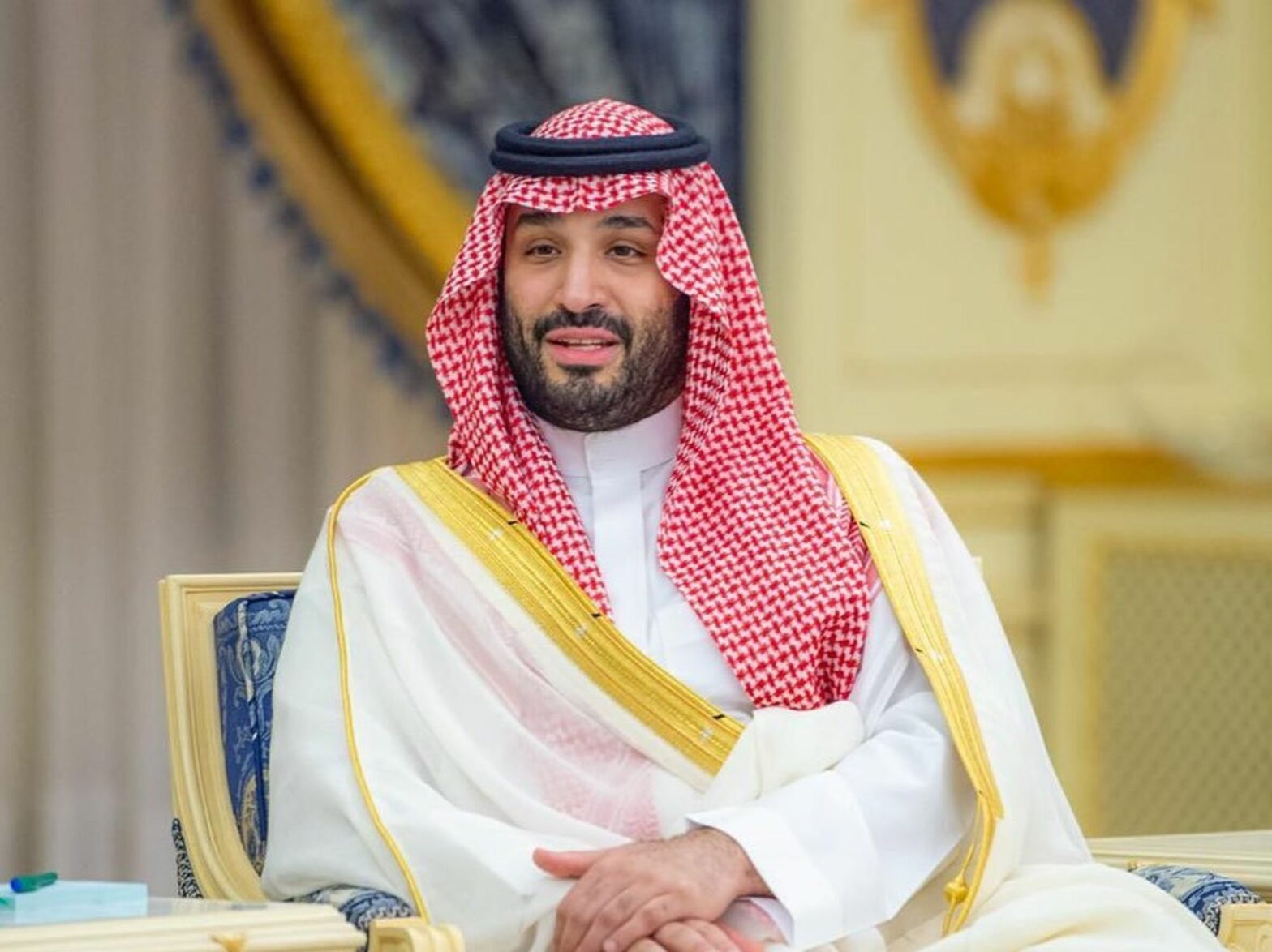
Mohammed bin Salman, aka MBS, is positioning the Saudi kingdom to be a global force of diplomacy in a way that challenges a longstanding alliance with Washington. But does the young prince have a singular vision for the interests of both his nation and the world?
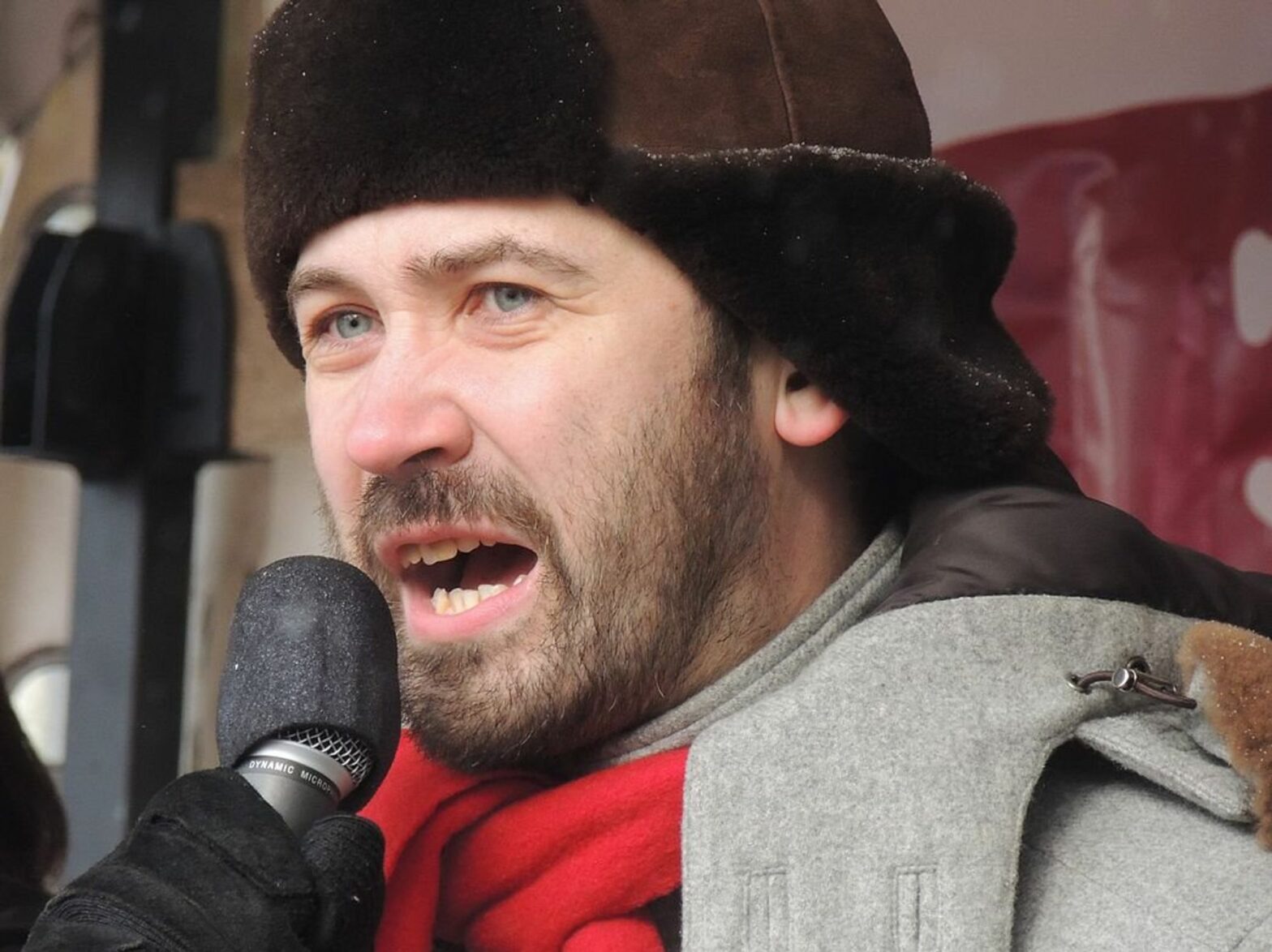
The month of May has seen a brazen drone attack on the Kremlin and a major incursion by Russian rebels across the border war into the Russian region of Belgorod. Could this lead to Russians pushing Vladimir Putin out of power? Or all-out civil war?
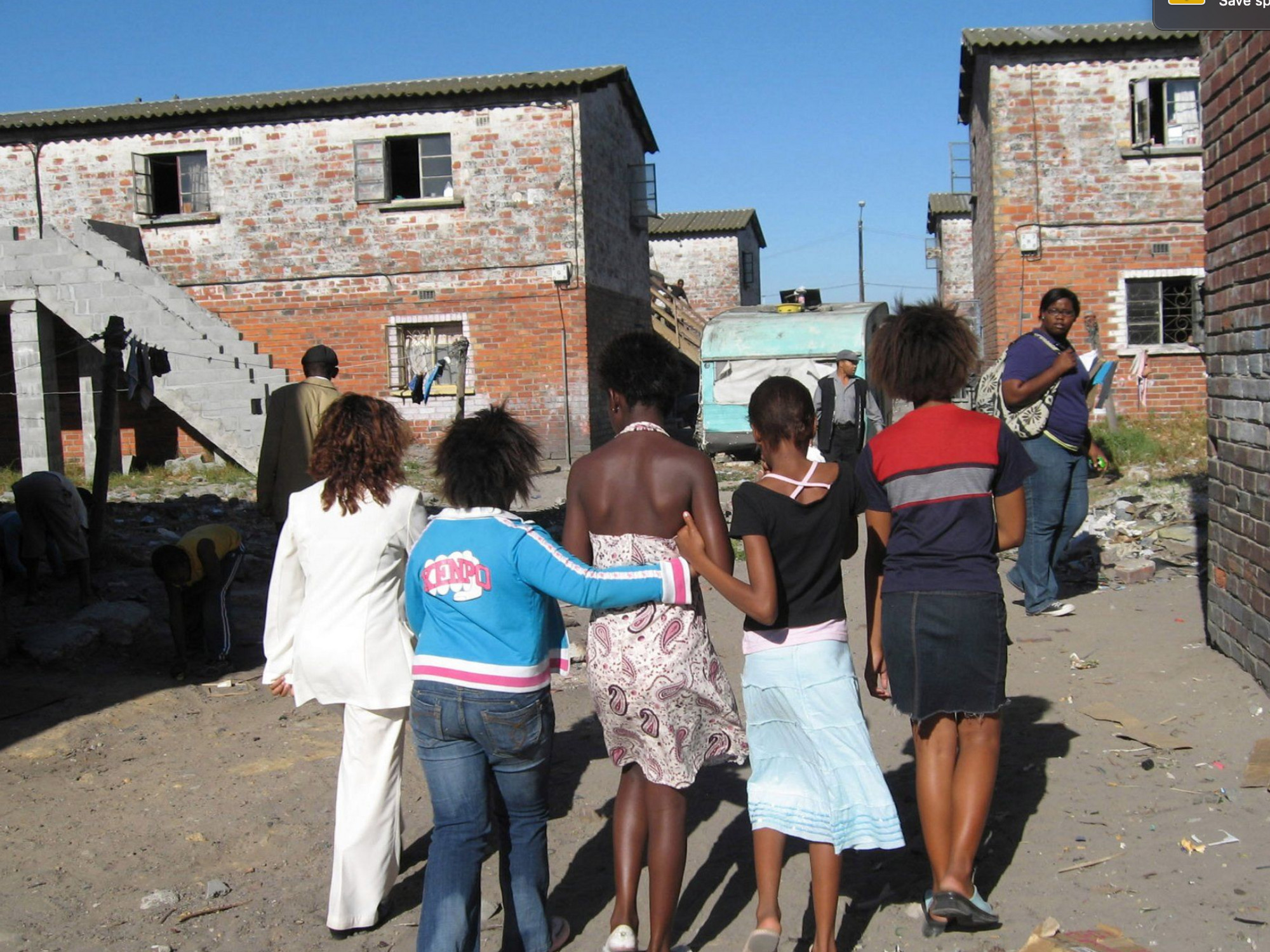
Recent allegations by the U.S. ambassador to South Africa that the African nation gave ammunition and weapons to Russia in December 2022, amid Russia’s war on Ukraine, illustrate the complexity of U.S.-Africa relations.
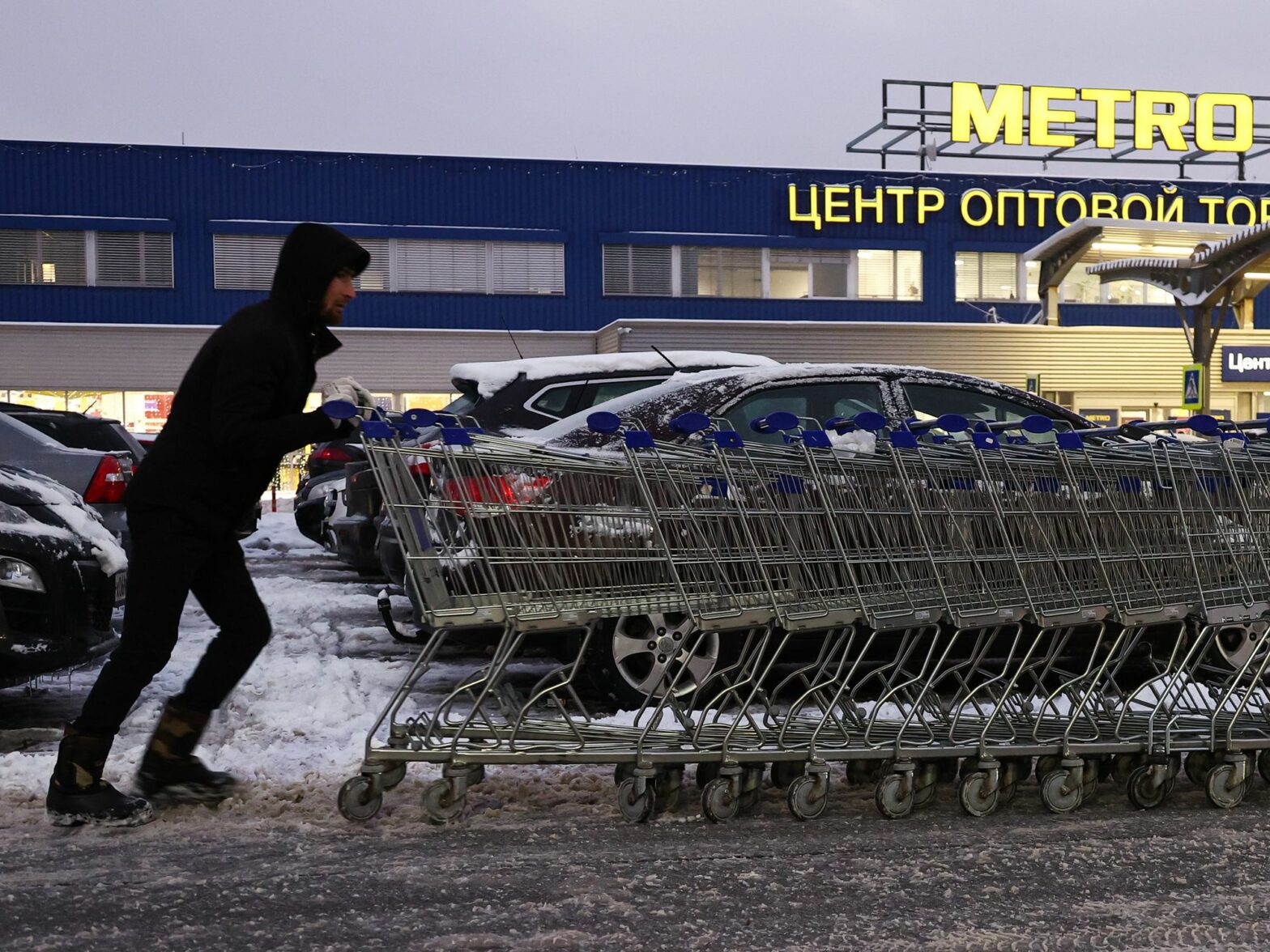
Ukraine has compiled a blacklist of companies it says are “sponsoring” war by still doing business with Russia. The list is causing a stir within the European Union, which is currently working on its 11th round of sanctions.
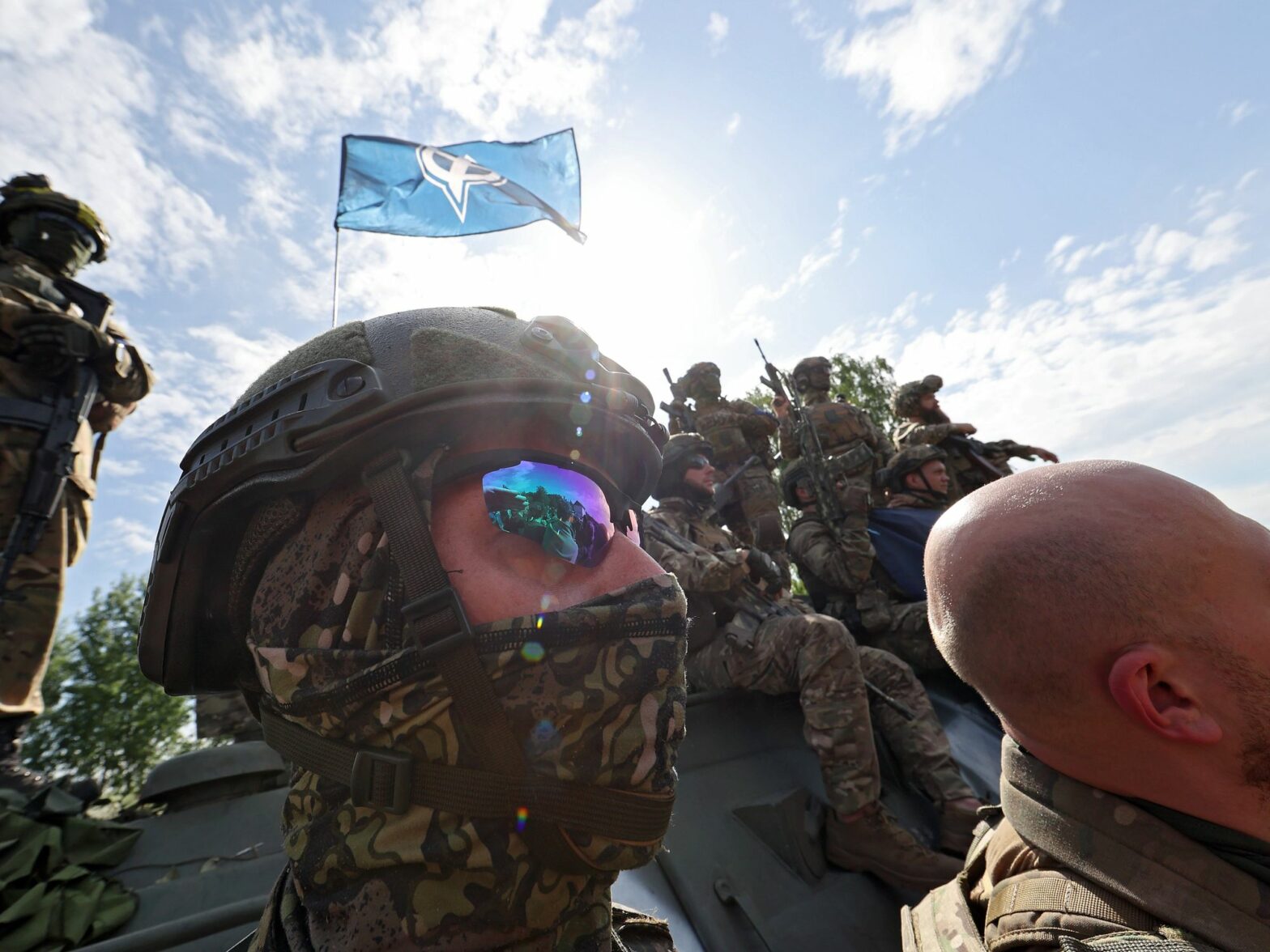
A series of brazen attacks into Russian territory, from the border region all the way to the placing a target on Putin’s life, may have limited military ends. But it is a perfect example of psychological warfare against an increasingly vulnerable nation.
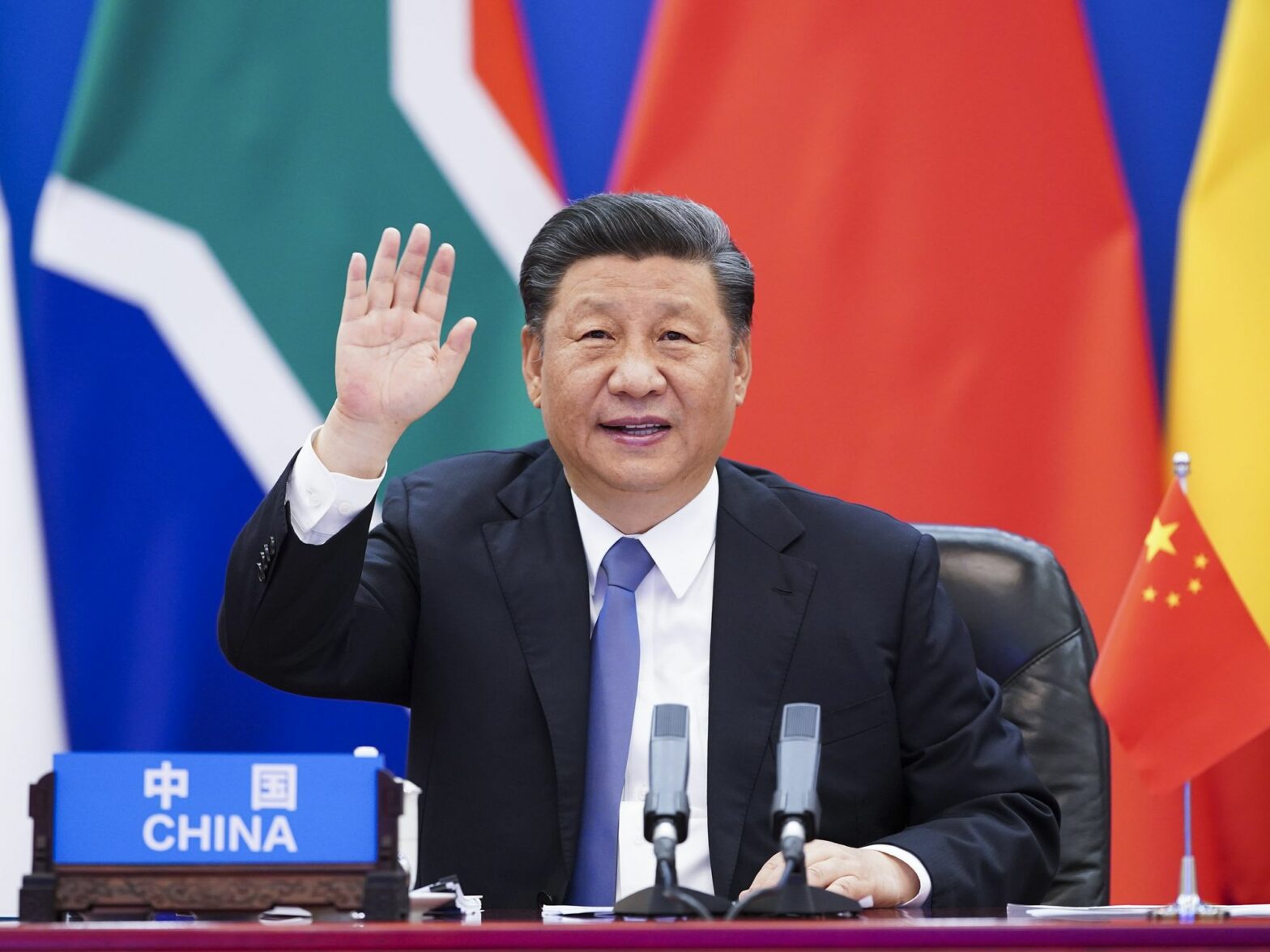
Approaching the world as a simple opposition between East and West falls short. An emerging “tripolar” geopolitics requires we establish new ways of thinking and managing both conflict and opportunity.
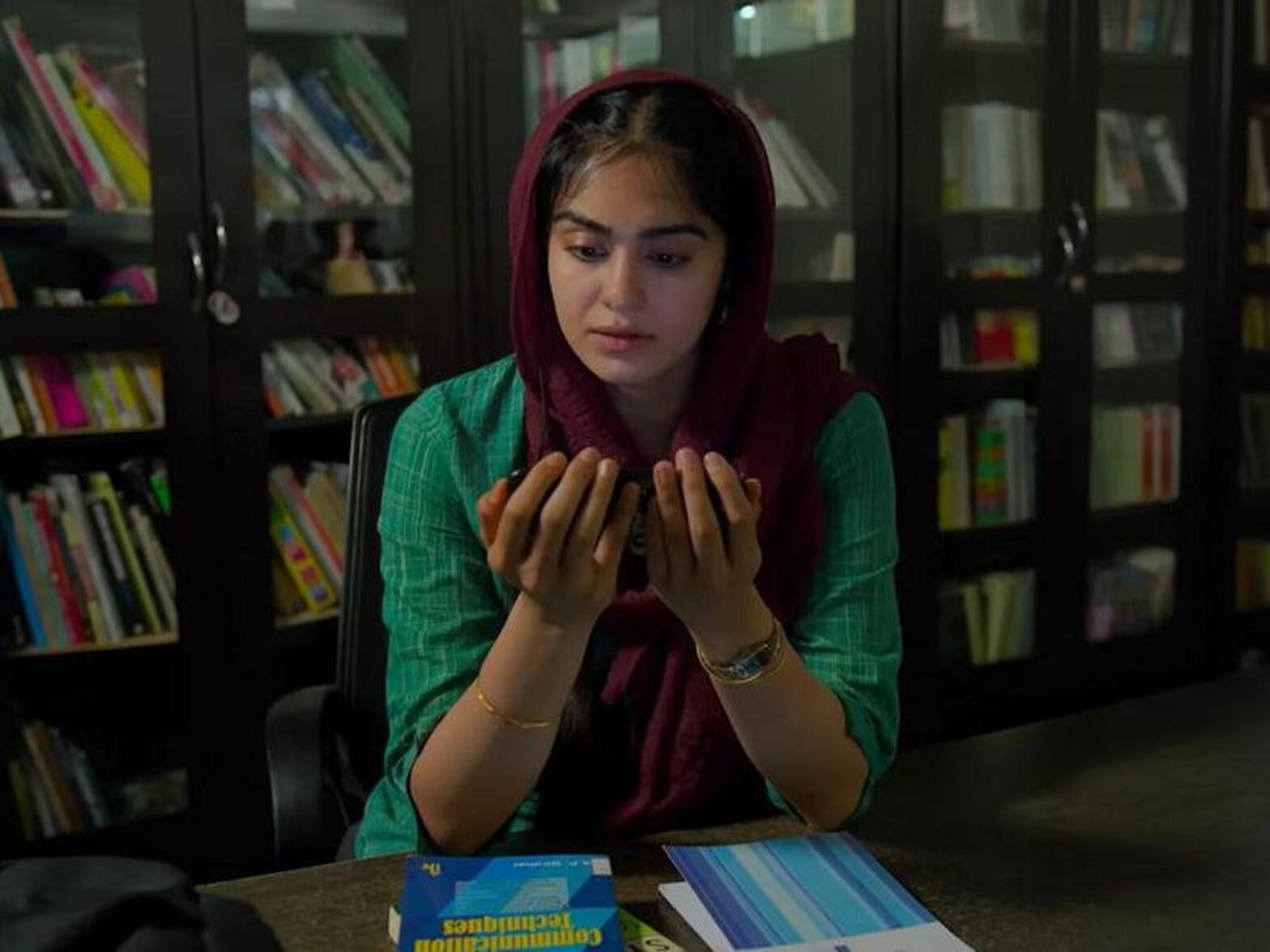
Bollywood film The Kerala Story has done huge numbers at the Indian box office after public support by Hindu nationalist parties. But the film is facing claims it is Islamophobic propaganda that peddles conspiracy theories about Muslims.
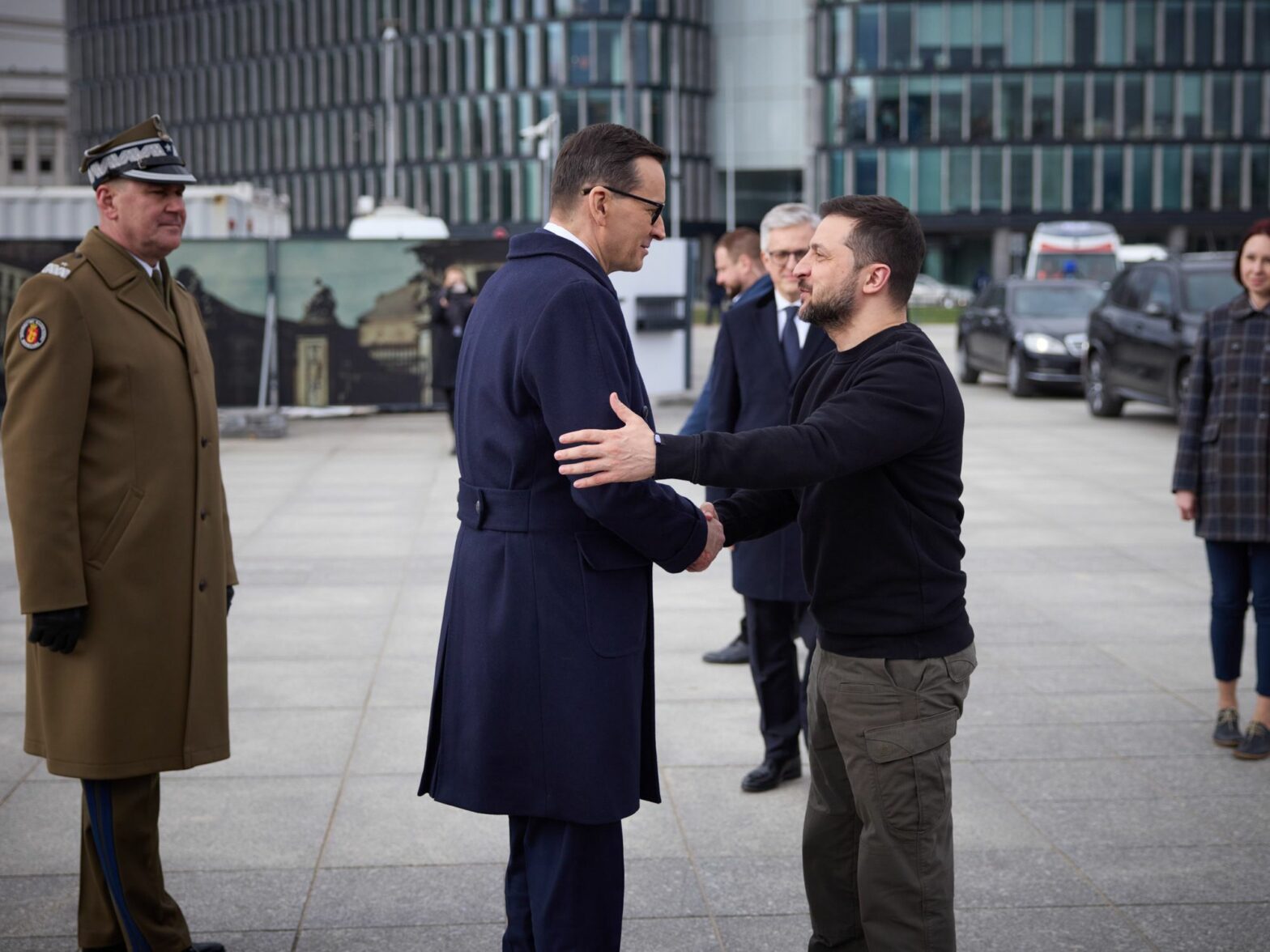
The Polish government has recently demanded official apologies from Kyiv (which is busy fighting off the Russian invasion) for historic war crimes committed by Ukrainian nationalists against ethnic Poles during World War II. The ruling PiS party is up to its old tricks of scapegoating for votes.
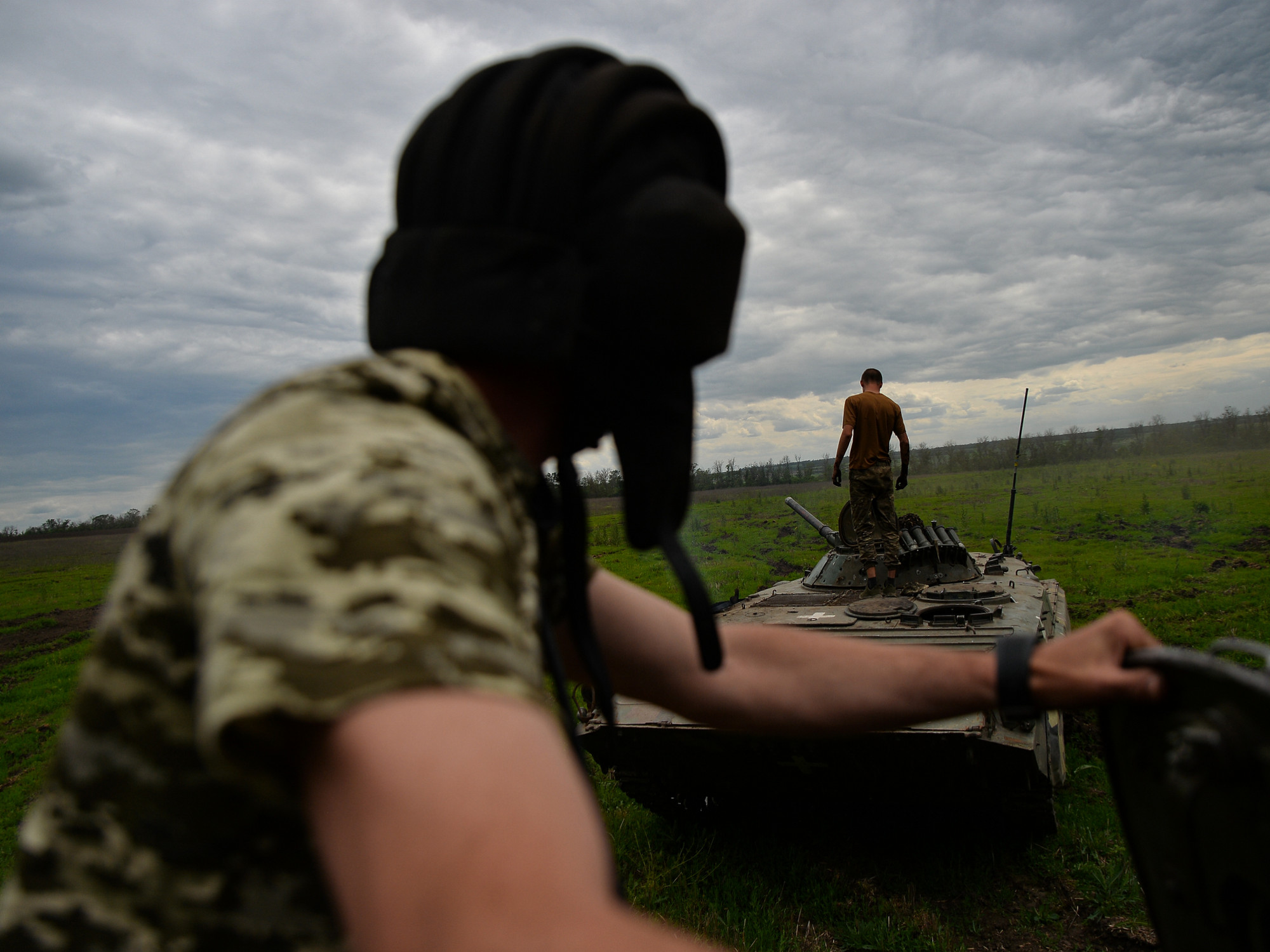
As we wait for Ukraine’s looming counteroffensive, analysts are already looking ahead and asking what will happen after this decisive summer. After brutal battles, a general weariness risks setting in, that could push Ukraine to accept a ceasefire.
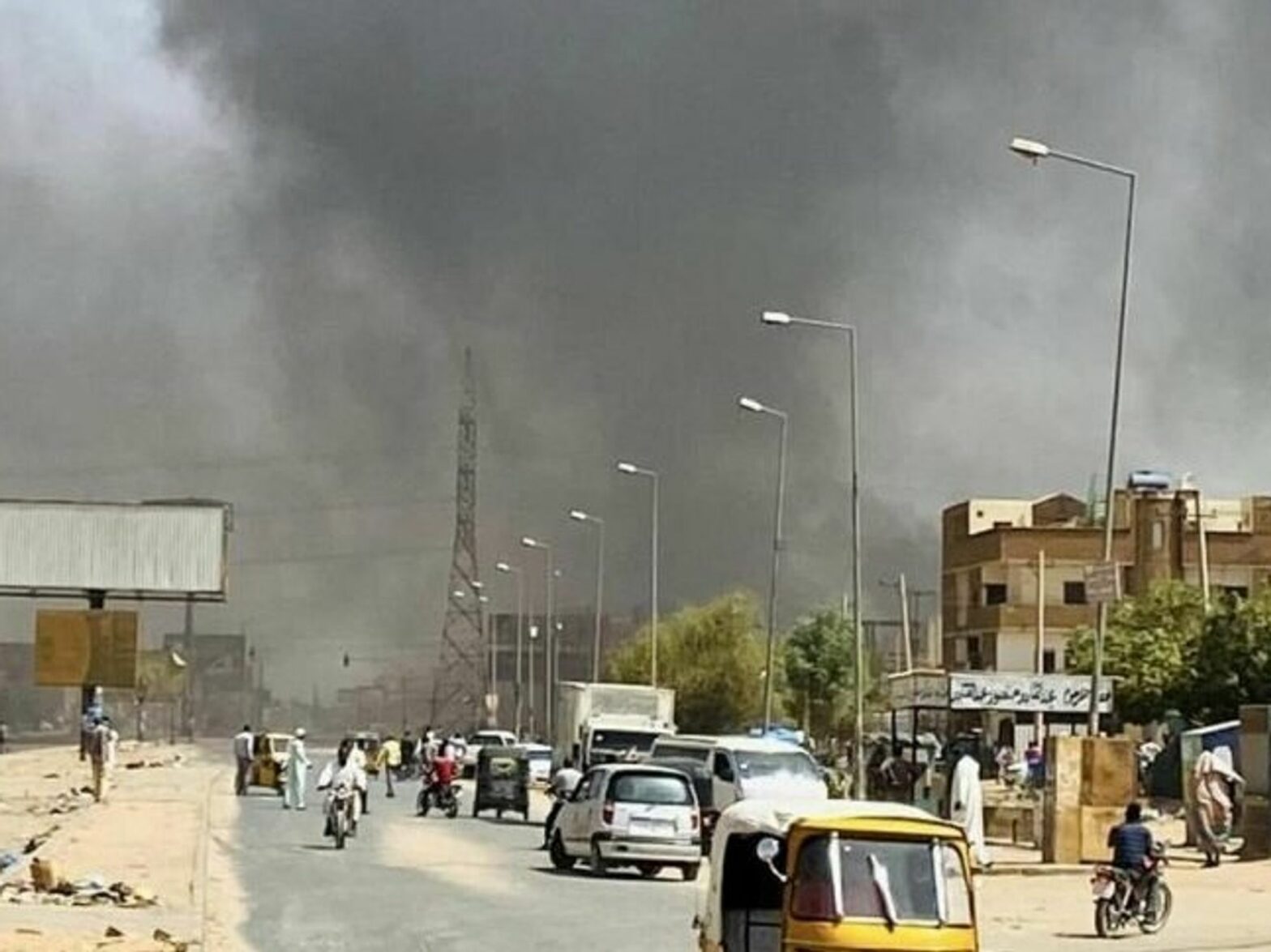
Khartoum, one African capital that hadn’t seen fighting in its recent history, is in the grip of a civil war between rival military forces. How it looks to an architect who grew up in the heart of its creative energy.
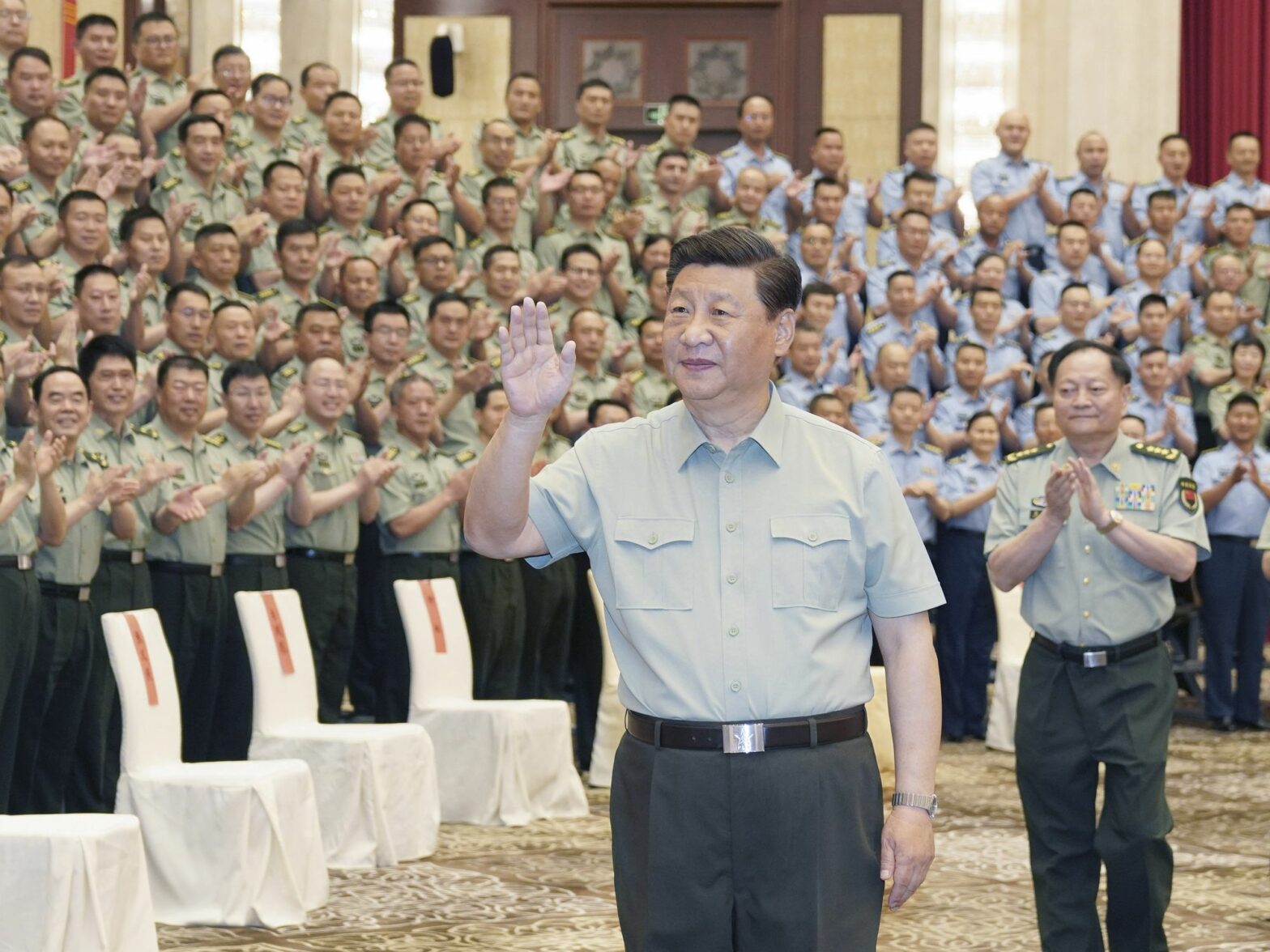
The just completed G7 in Hiroshima has locked both sides in the simmering Cold War in Asia into what appears an inevitable confrontation that recalls the U.S.-Soviet showdown. But there are key caveats that make both the limits and risks harder to anticipate.
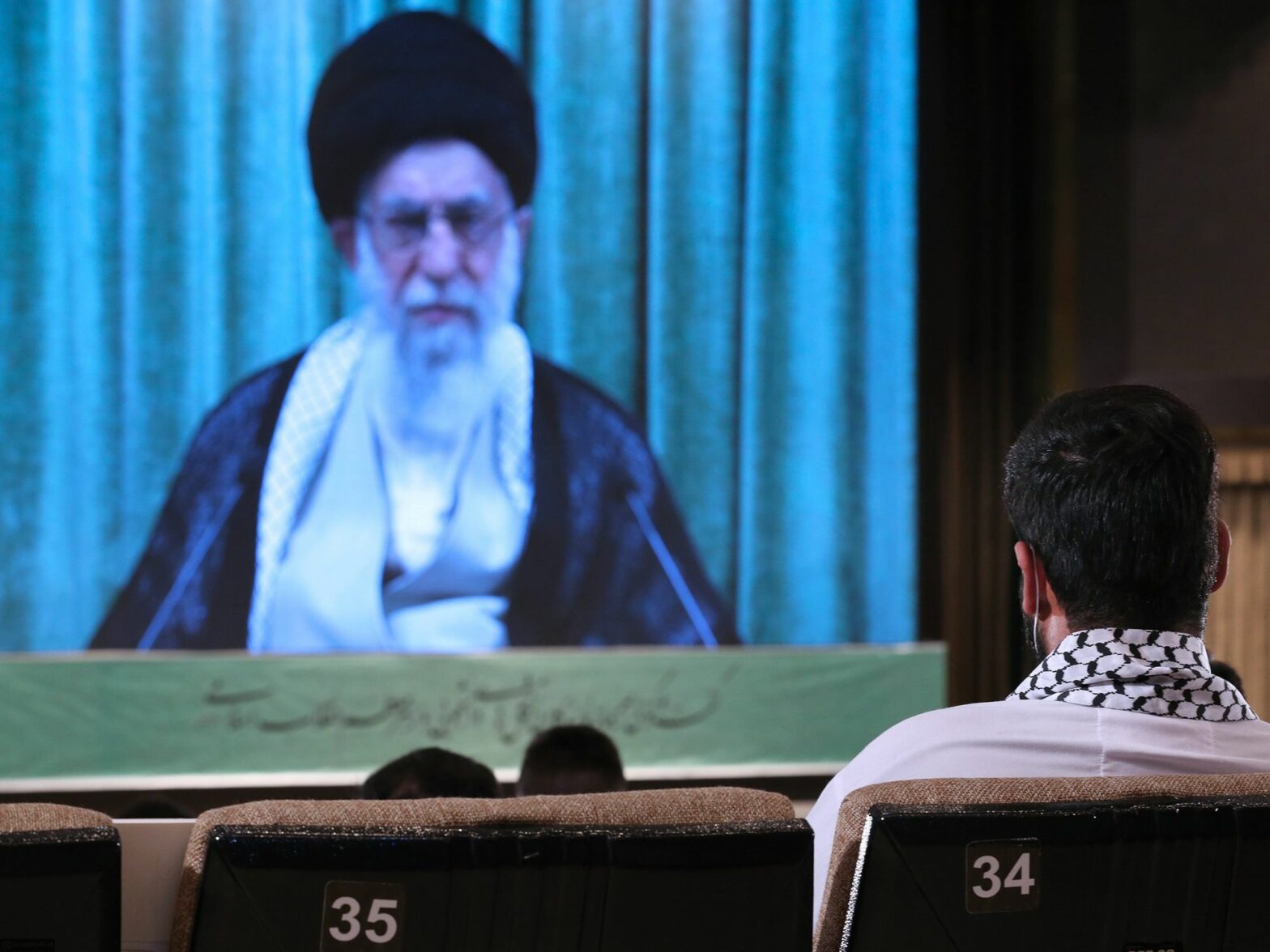
Finding themselves amid a range of strategic, economic and regional interests, Iranians in a post-regime future will have to deftly maneuver their country toward a peaceful, constitutional state. Bahram Farrokhi writes about the good, the bad and the worst-case scenarios.
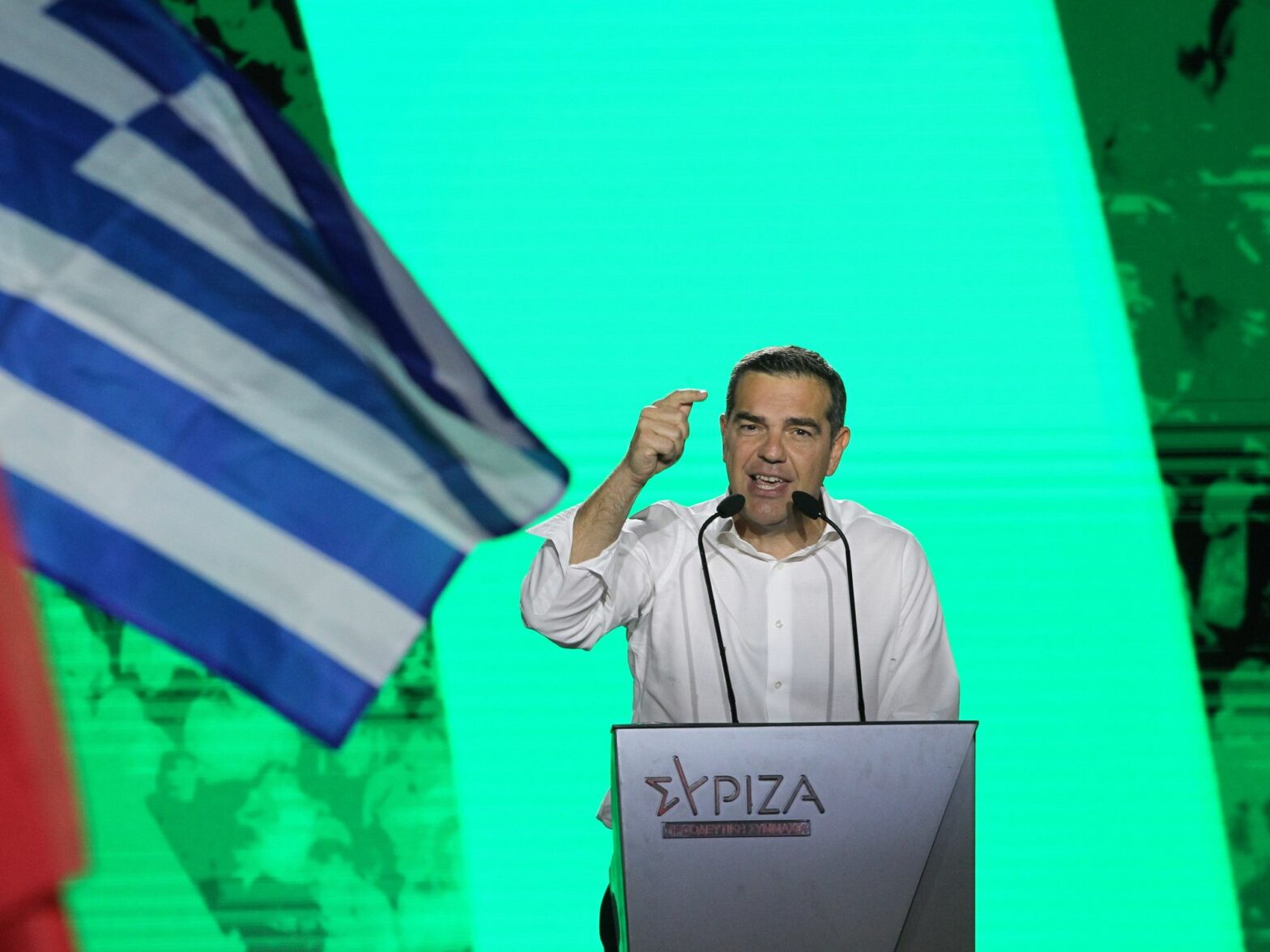
With the opposition Progressive Alliance ‘Syriza’ trailing in the polls for the May 21 election, they’ll need to convince their potential core left-wing voters that they are true progressives. Tspiras’ controversial bailout deal of 2015, however, still hangs in the air.
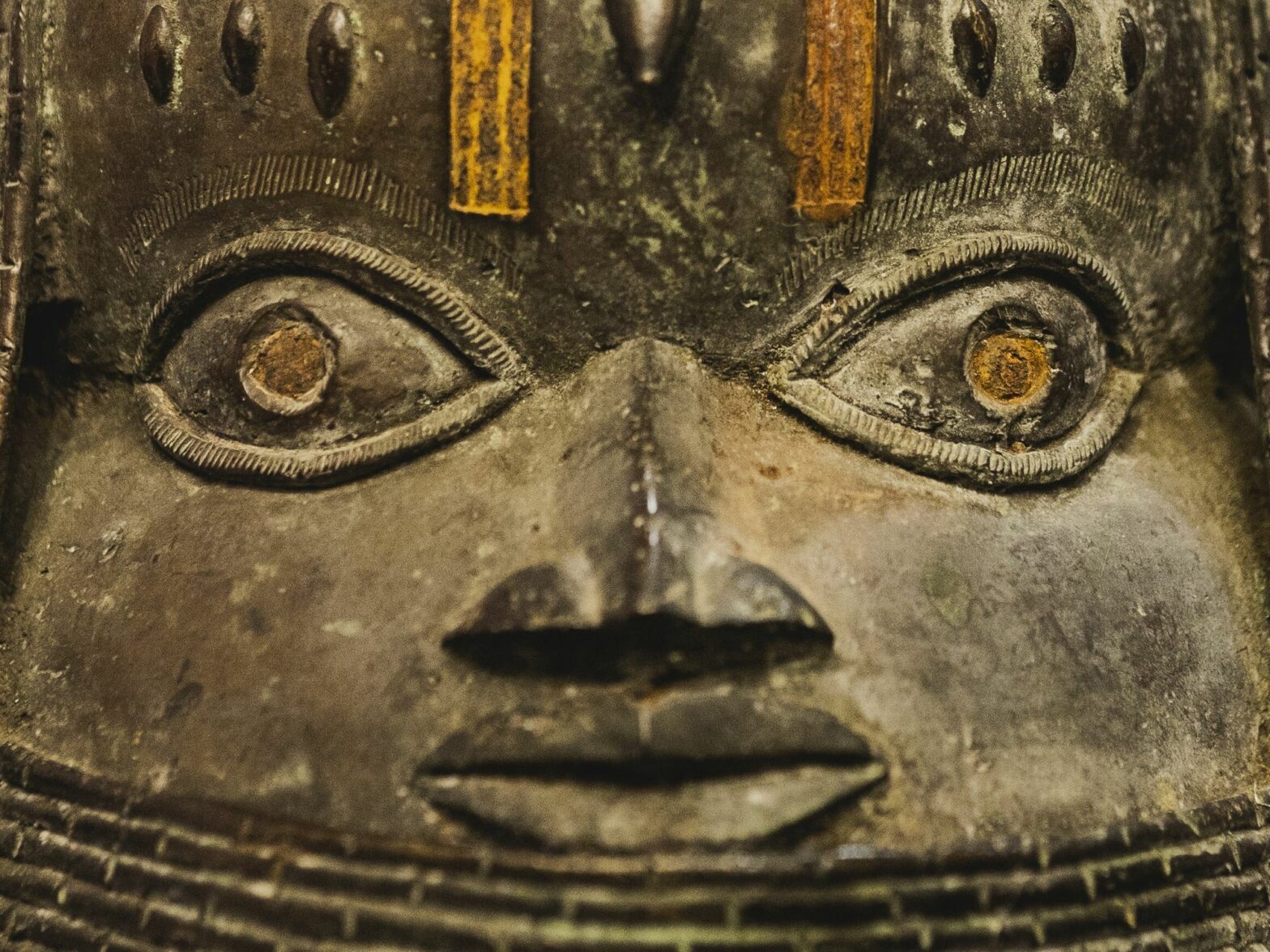
Germany is returning looted Benin bronzes back to Nigeria. But there are now concerns that they will now disappear into private ownership or that they will be threatened with damage or loss
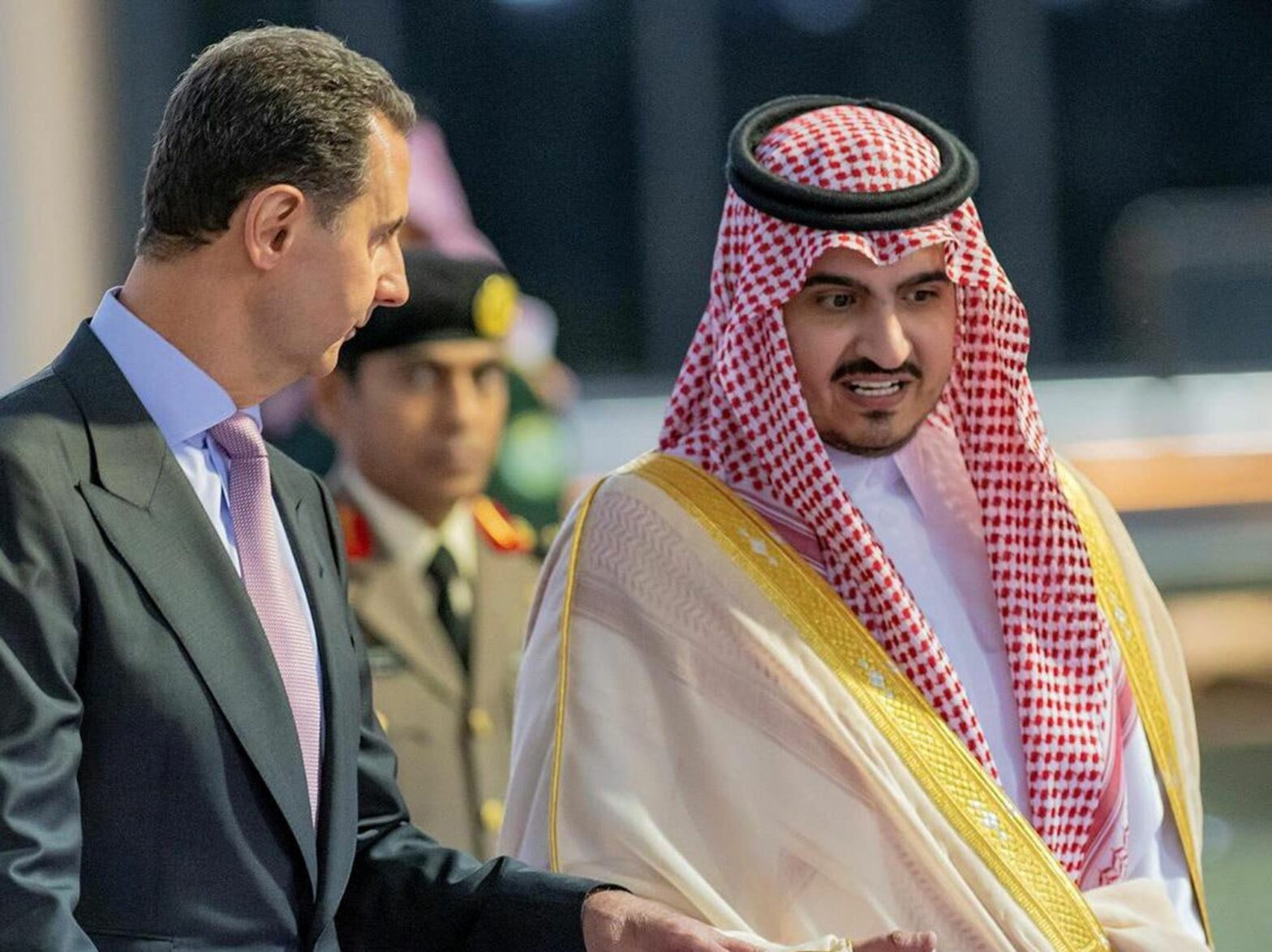
Two pressing factors have weighed on the Arab League to reintegrate the accused war criminal: refugees and narcotics. But it speaks to a larger weakness of the international community to see that justice is carried out.
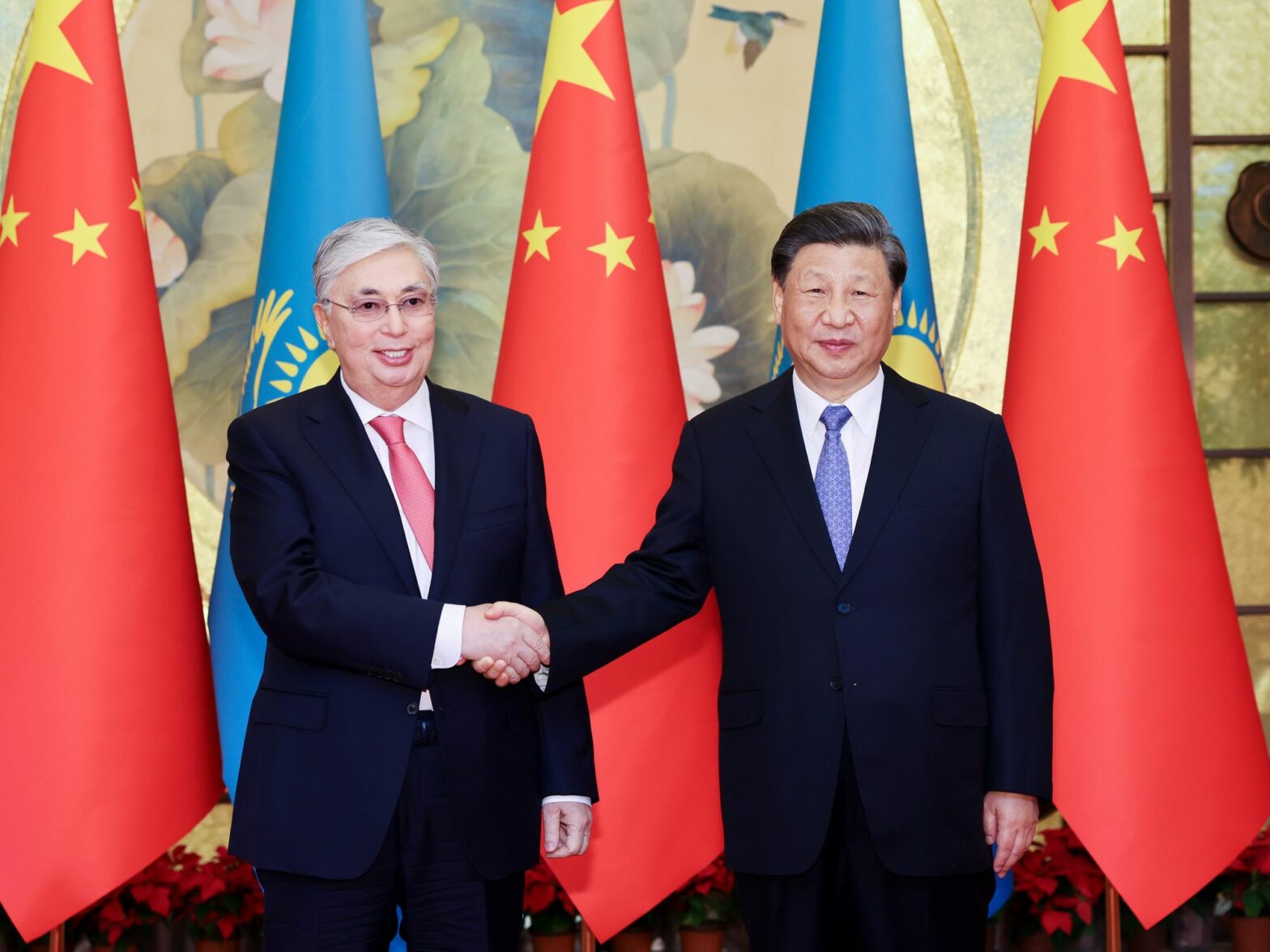
Five former Soviet states have arrived for a key summit in China, and the absence of Vladimir Putin signals Central Asia’s desire to distance itself from Moscow — and China’s rising global dominance.
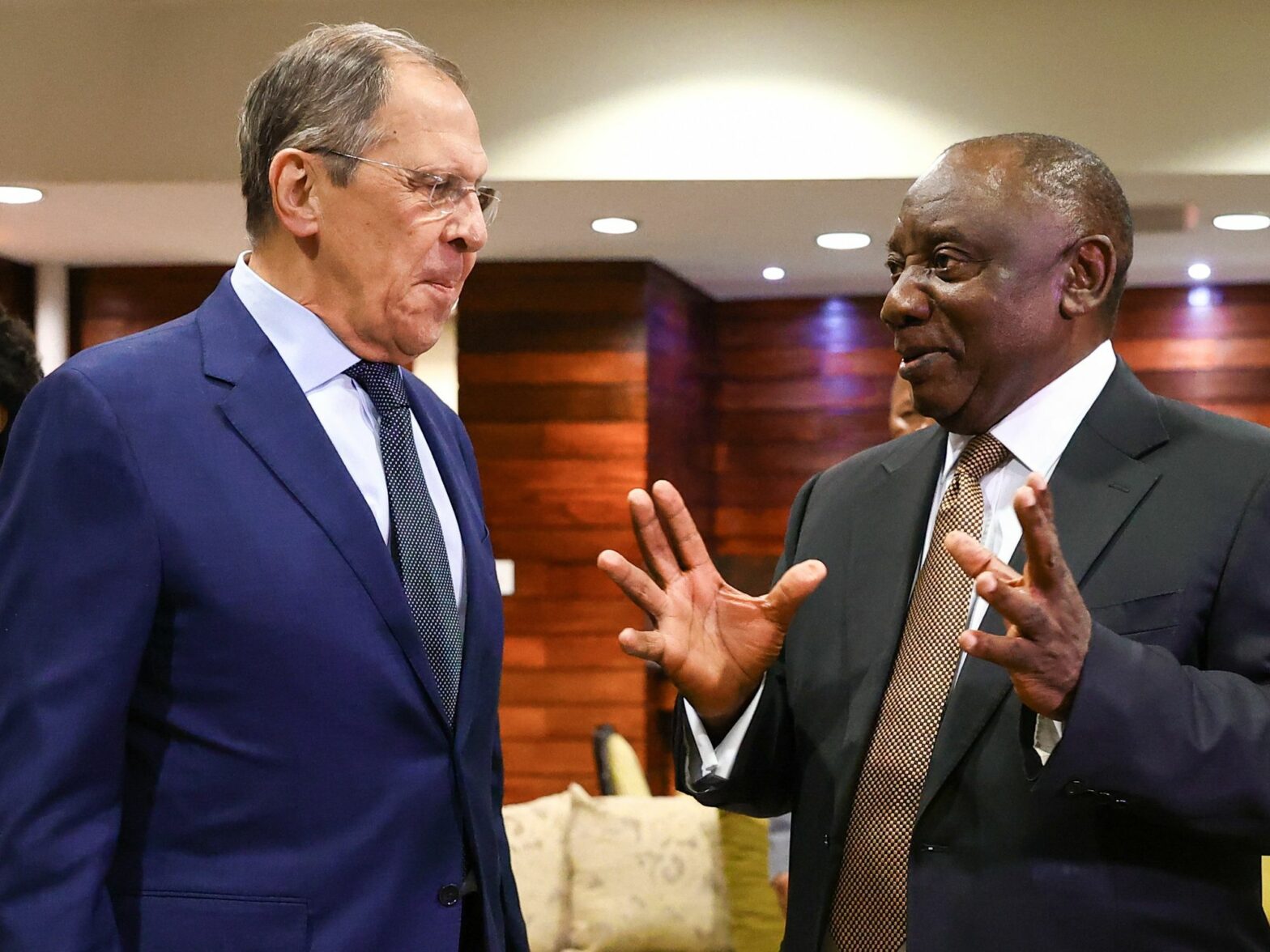
After Beijing’s dubious push to lead negotiations on settling the war in Ukraine, now it’s South Africa’s turn. But its “ambiguous” neutrality on the war — and reports of secret weapons sales to Russia — raise serious skepticism in Kyiv and the West.
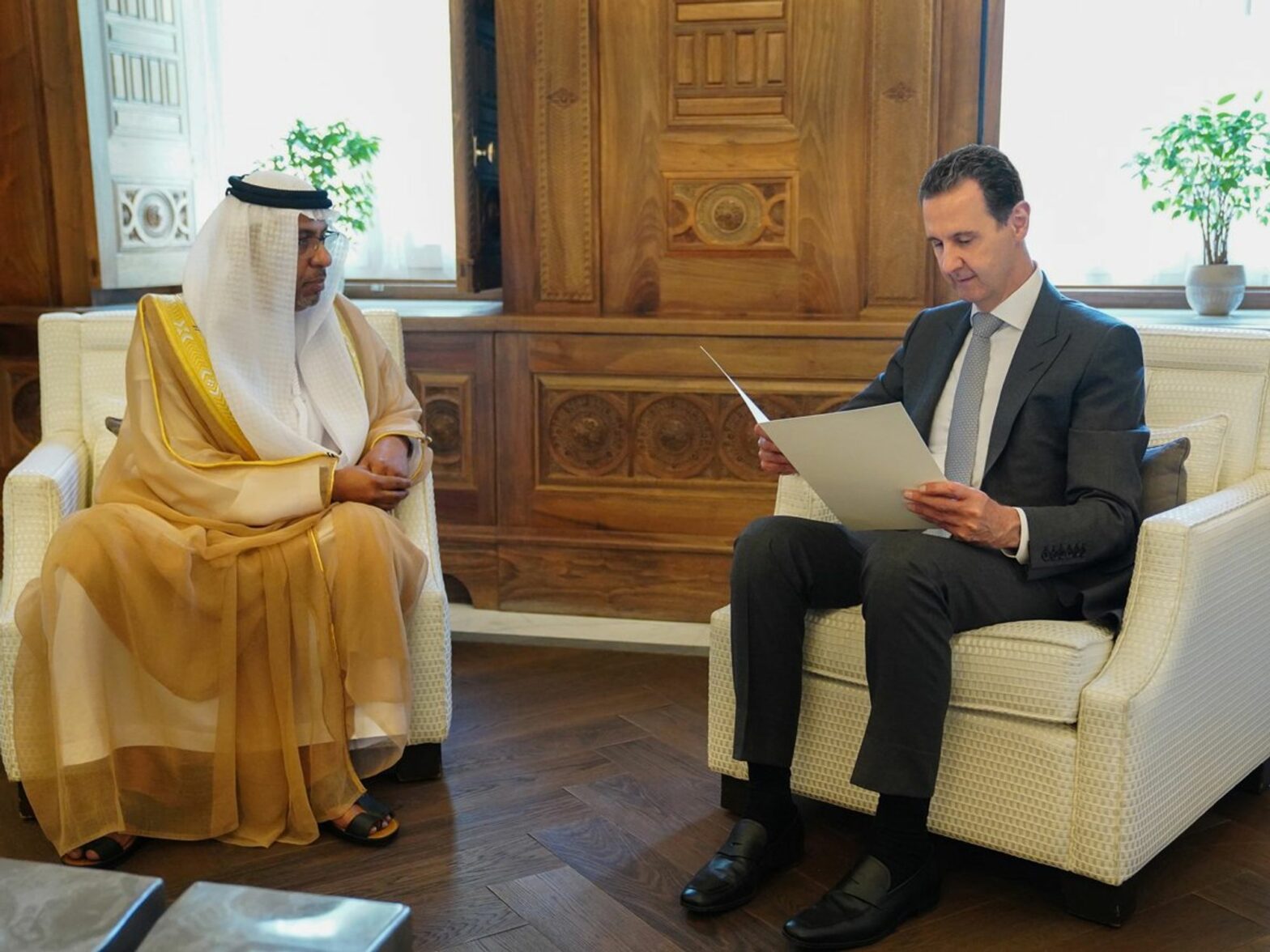
Despite the official “consensus” by Arab League nations to welcome Syria back to the organization after 12 years of suspension, several key countries were opposed on principal — including key questions still open in North Africa.
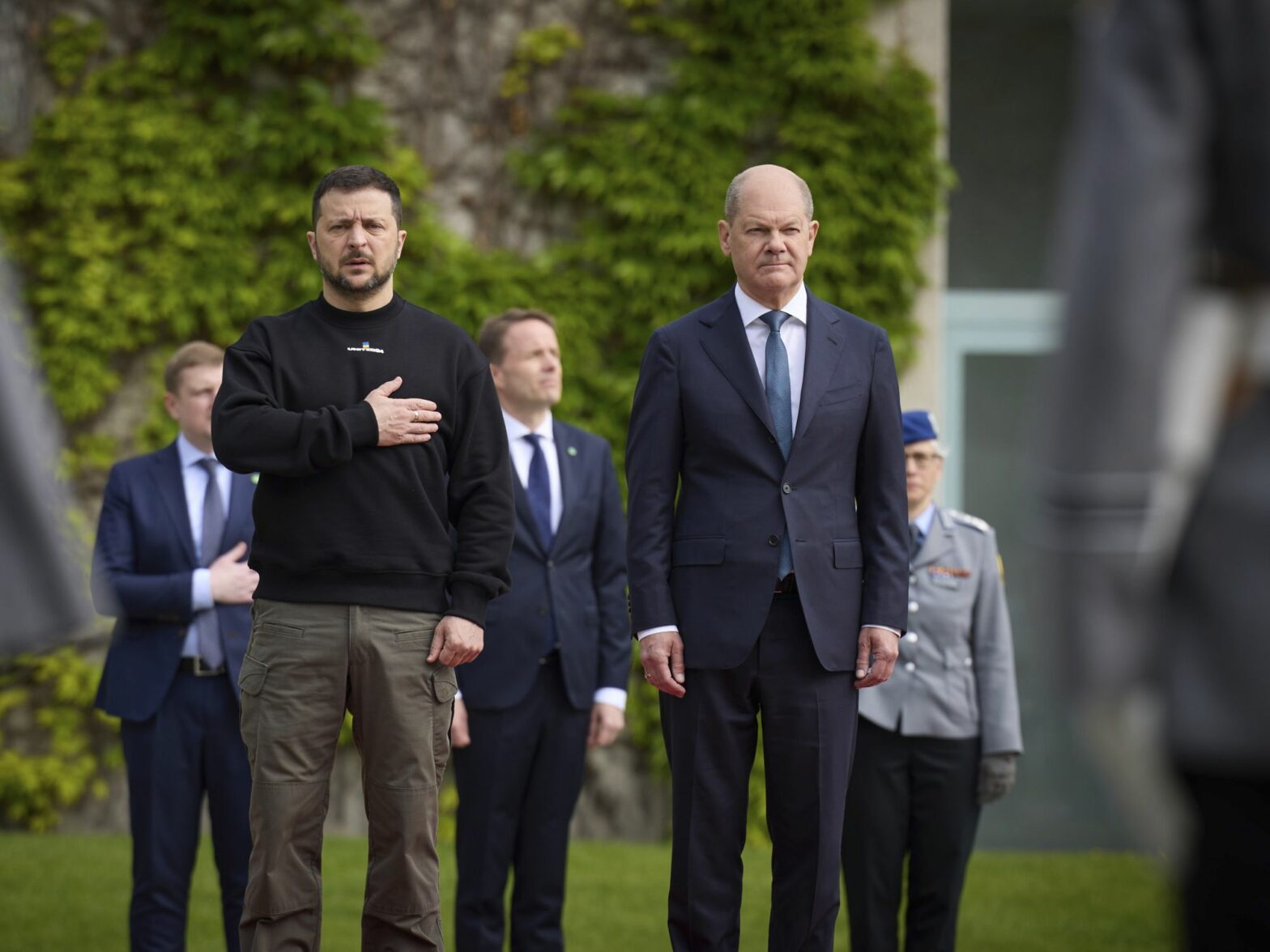
Ukrainian President Volodymyr Zelensky succeeded in securing massive stocks of weapons essential to Ukraine’s imminent counteroffensive — and, crucially, he laid the groundwork for Ukraine’s bid for NATO membership.
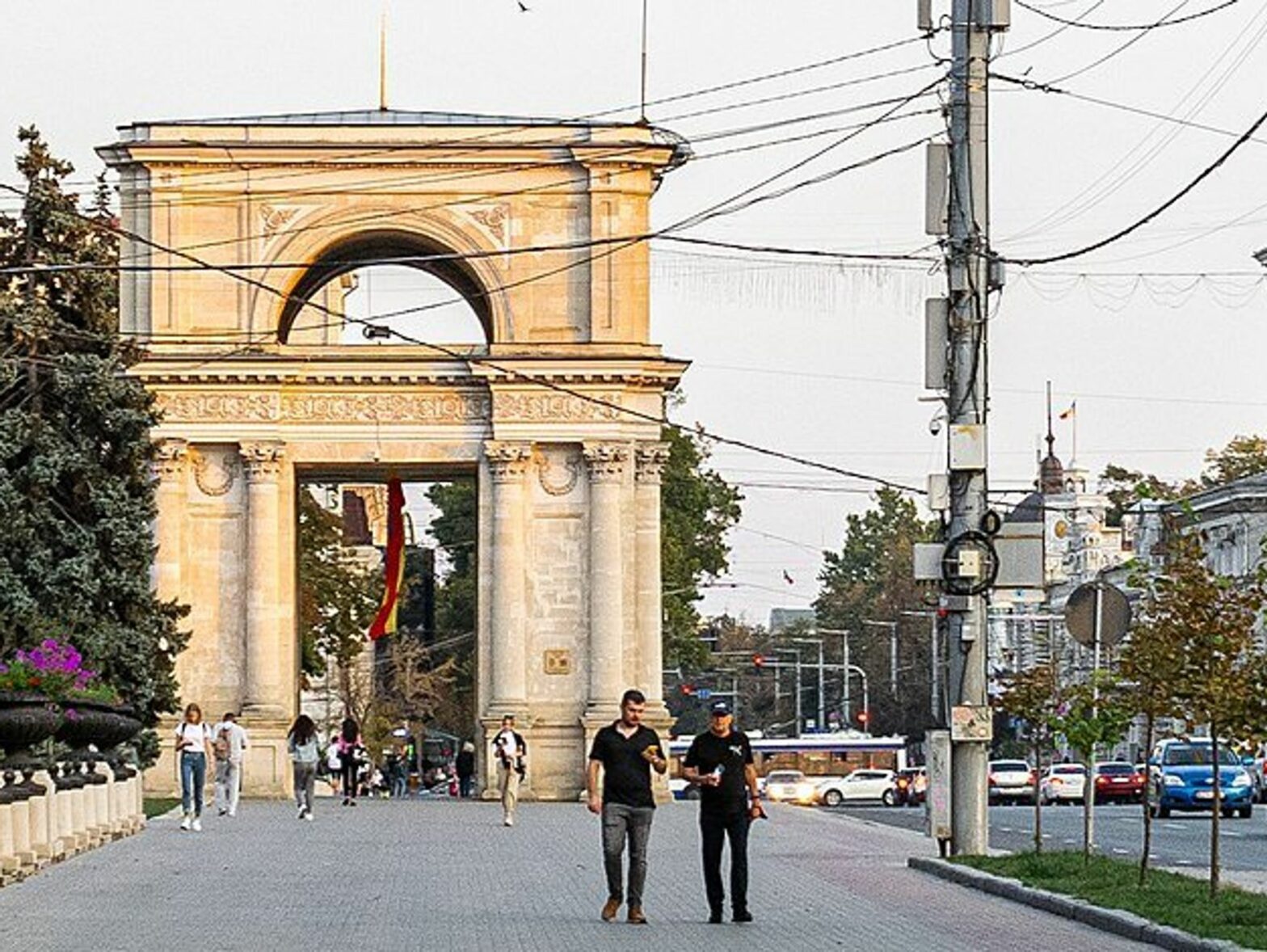
Chairman of the Parliament of Moldova Igor Grosu has announced the nation’s withdrawal from the Parliamentary Assembly of the Commonwealth of Independent States. Will Moldova succeed in making a final break with Russia?
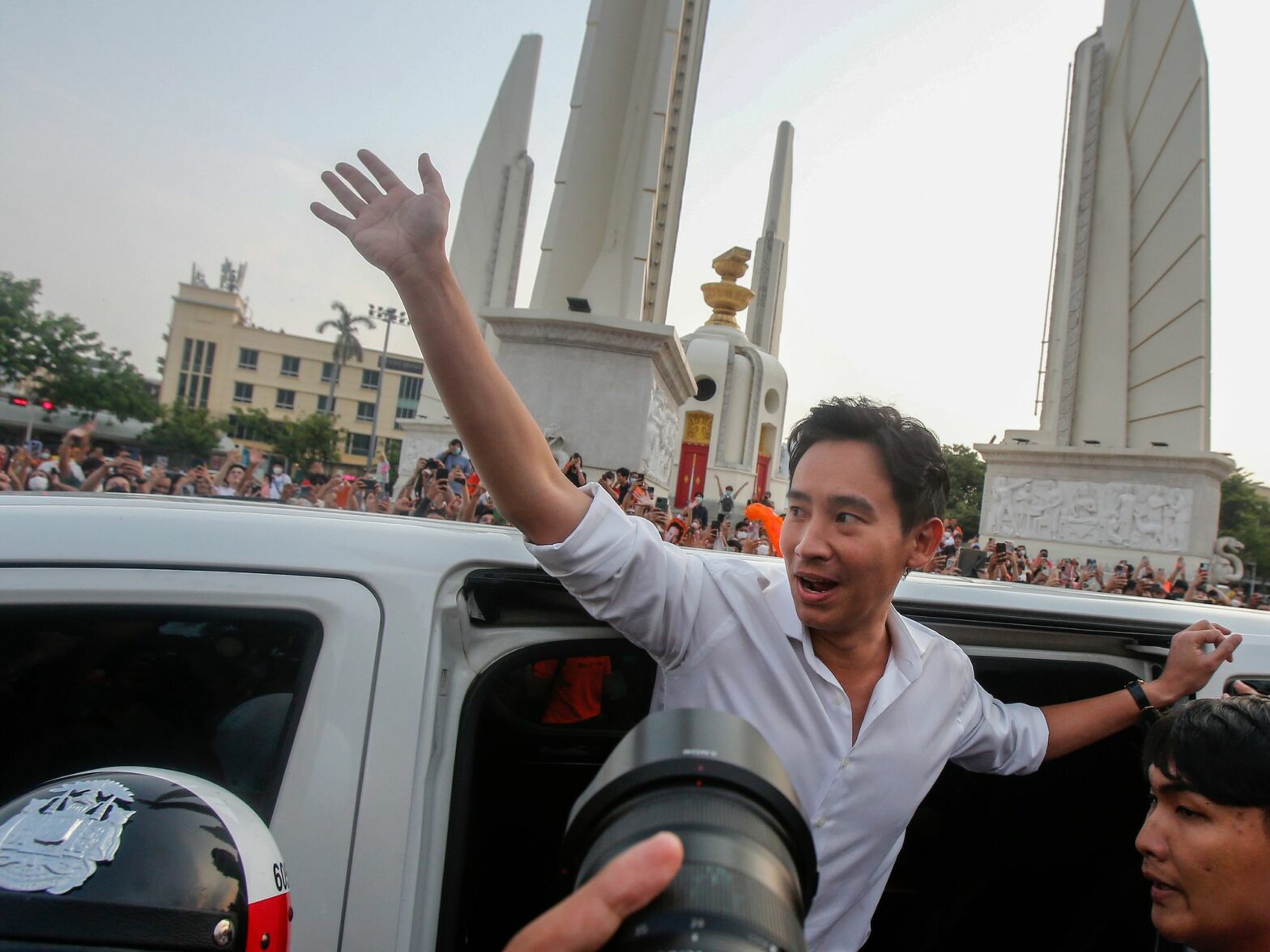
Thai voters spoke in favor of Pita Limjaroenrat’s Move Forward party, bringing hopes of in-depth reform of the country’s institutions. But that doesn’t guarantee Thailand’s opposition forces will be able to form a government, or that the military will ultimately give way.