A new flood of consumer-facing neuroscience-driven products, including those using electroencephalograms (EEGs) raise complicated questions about data privacy and beyond.
 Worldcrunch
A new flood of consumer-facing neuroscience-driven products, including those using electroencephalograms (EEGs) raise complicated questions about data privacy and beyond.

The public version of the Artificial Intelligence-driven chatbot is not yet fully plugged into the real-time internet. But there was an enlightening conversation going back to 2014, when the conflict in Ukraine actually started. ChatGPT’s hedging responses may help explain why the world wasn’t prepared for Putin’s invasion a year ago.

The TV series “The Last of Us,” where a fungal infection creates a pandemic that turns people into violent zombies offers hints of what could become more possible as global warming creates the conditions for the spreading of killer fungi.
The revelations of a clandestine digital operation that provides services to destabilize nations and manipulate opinion are a wake-up call for democratic states to take urgent action, including the need to hold Big Tech accountable.
Greener than renewables, safer than oil and gas, nuclear power is deeply misunderstood — to the detriment to humans and our planet.
Fans of Star Trek live in a Golden Age where old and new series are readily available. As one hardcore Trekkie points out, the franchise is a reminder of the similarities and differences between pseudoscience and science fiction.

Reports that the new AI natural-language chatbot is a threat to Google’s search business fails to see that the two machines serve very different functions.

As the population ages, the likelihood of diseases such as dementia increases. That means we need to rethink how we design and build cities for the future. A look up close from Lisbon.

Applying Artificial intelligence to vocal cues is increasingly being used to detect a range of illnesses from COVID-19 to asthma and even depression. But such technology also comes with serious ethical concerns.
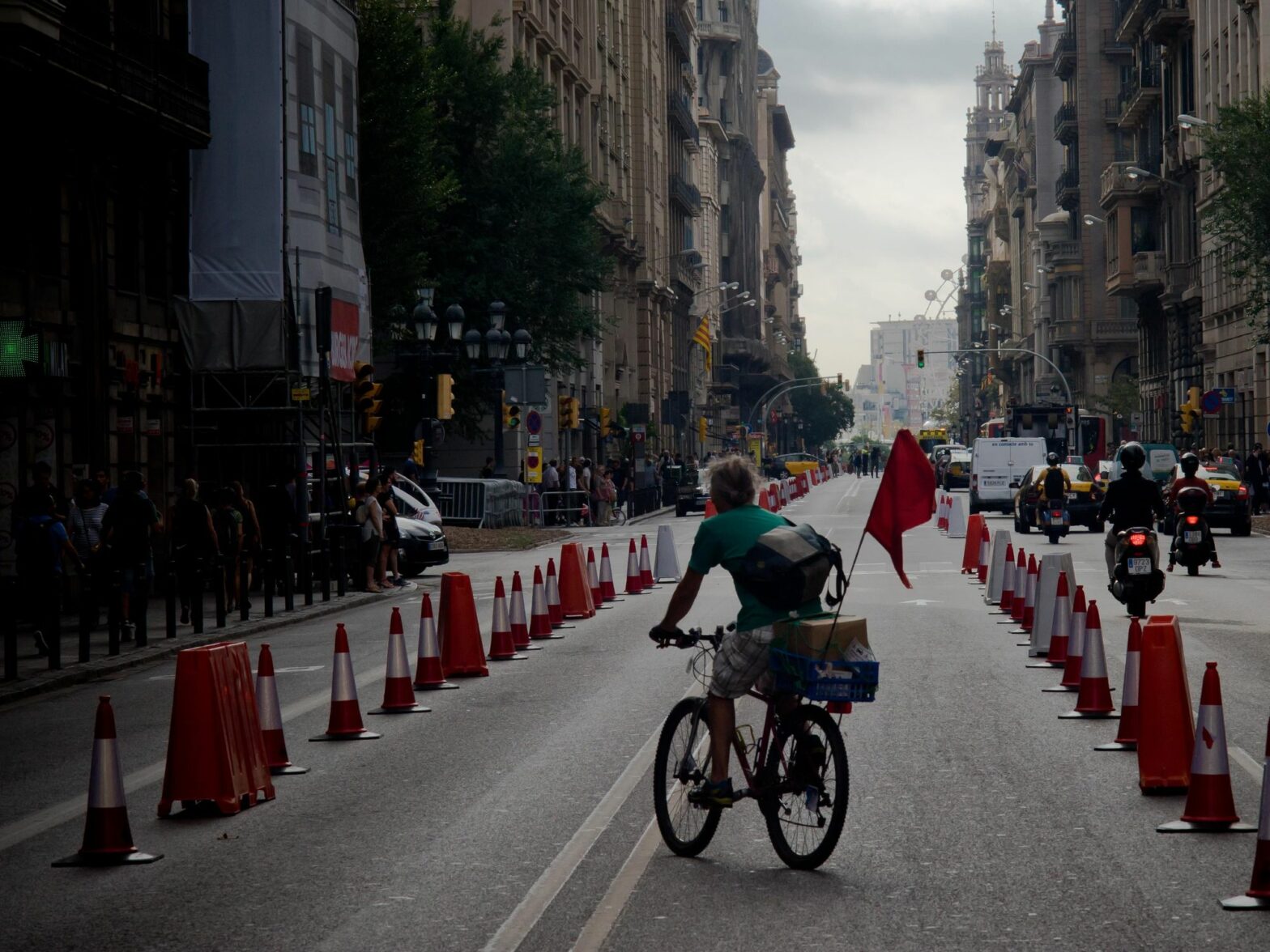
Barcelona architect Ton Salvadó explains how a new way or organizing urban areas might lead to greener, more peaceful cities.
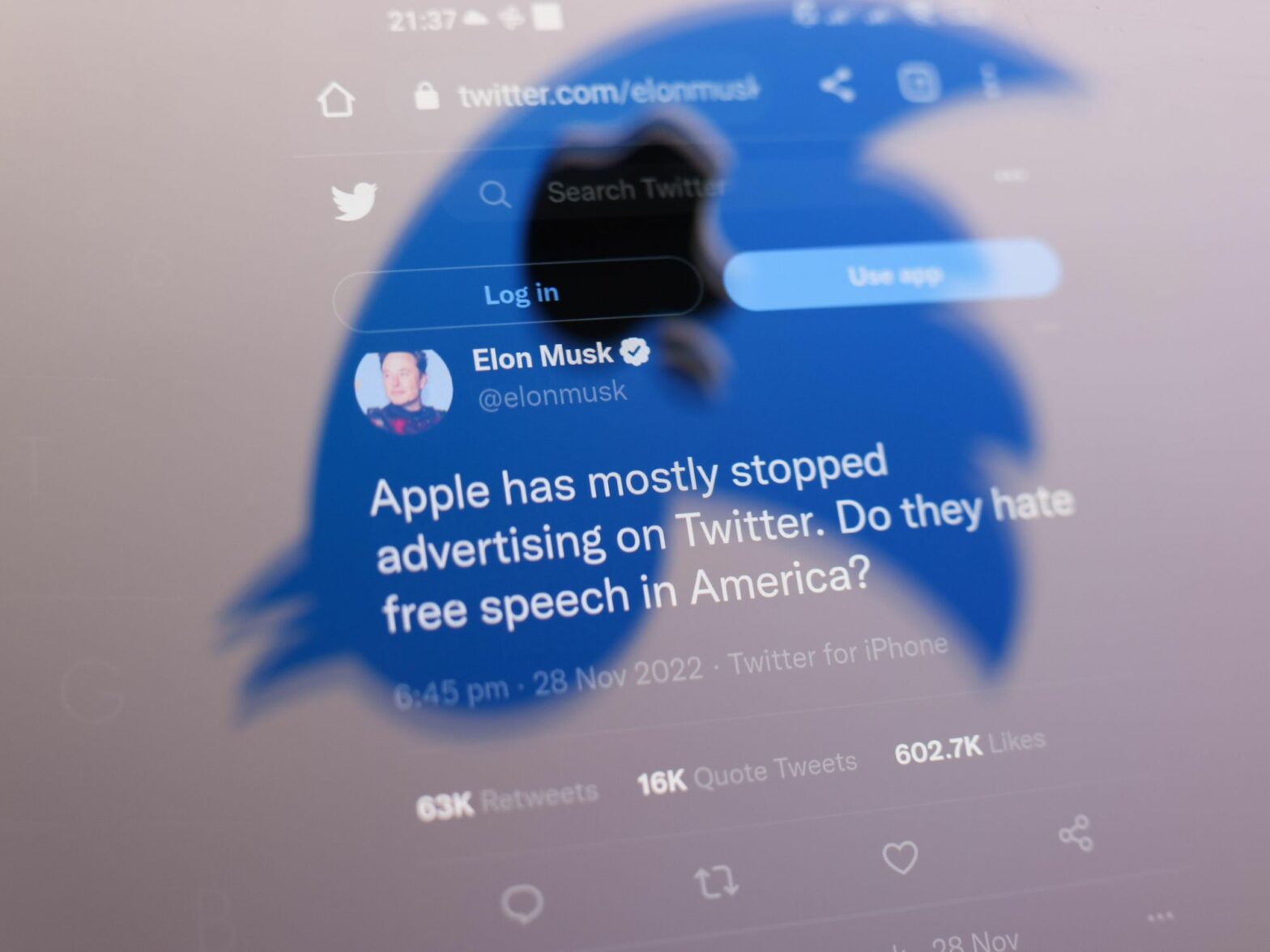
For Worldcrunch’s editor-in-chief, the arrival of ChatGPT, a stunningly powerful AI-driven tool for automated writing, combined with the rising noise on social media, have brought us to a troubling inflection point in the way we communicate with each other.
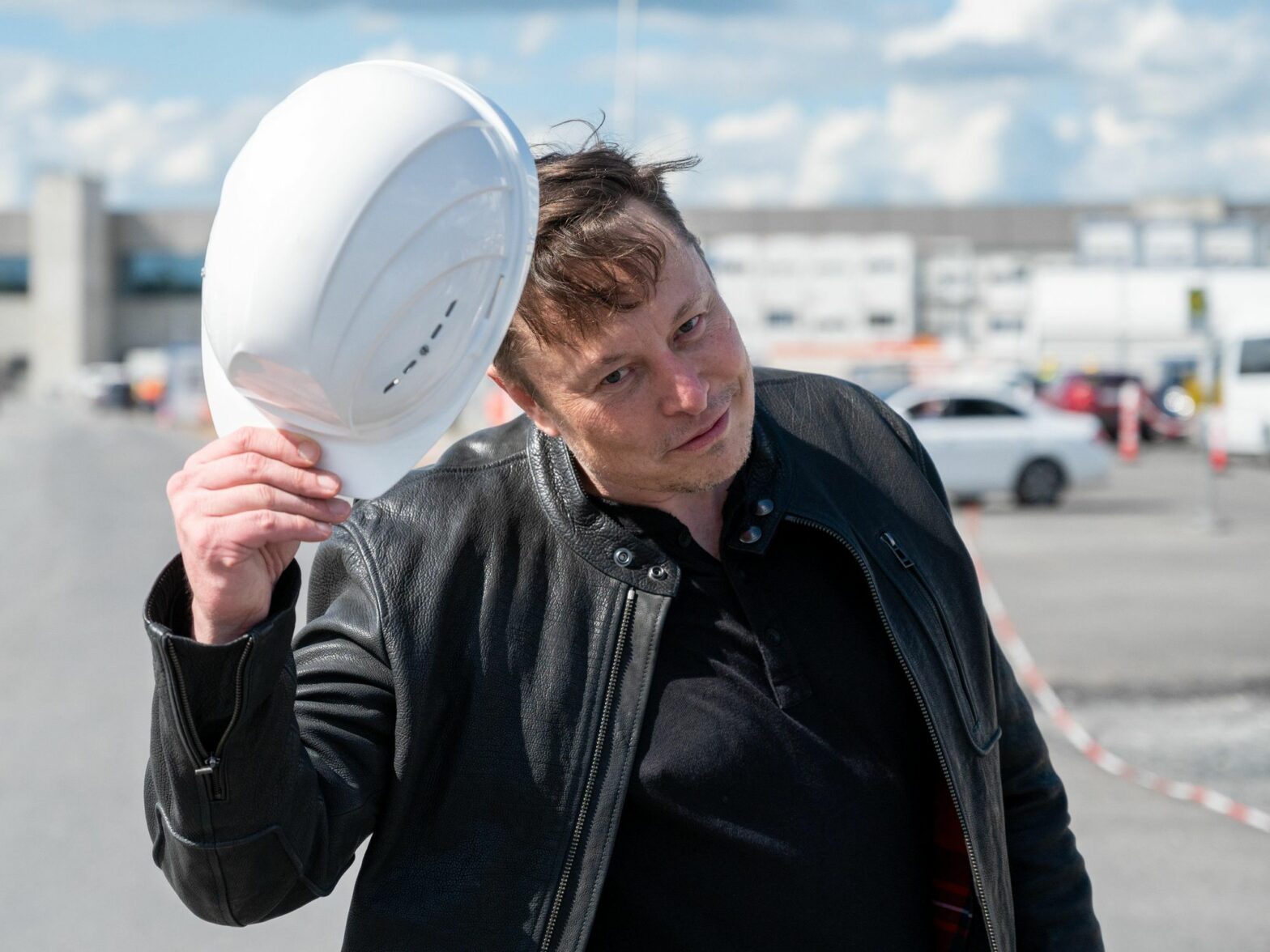
Theodore Kury, Director of Energy Studies at the University of Florida, sees value in thinking of social media as the pipeline that carries a new kind of utility: information. He makes the case for regulating companies like Twitter accordingly.
The world of work is at a crossroads. A new French study published last week shows that in the span of four years, jobs offering remote work have increased tenfold since 2017, as the world grapples with the long-term impact of COVID-19. The profound questioning of the necessity to “go to the office” that the […]
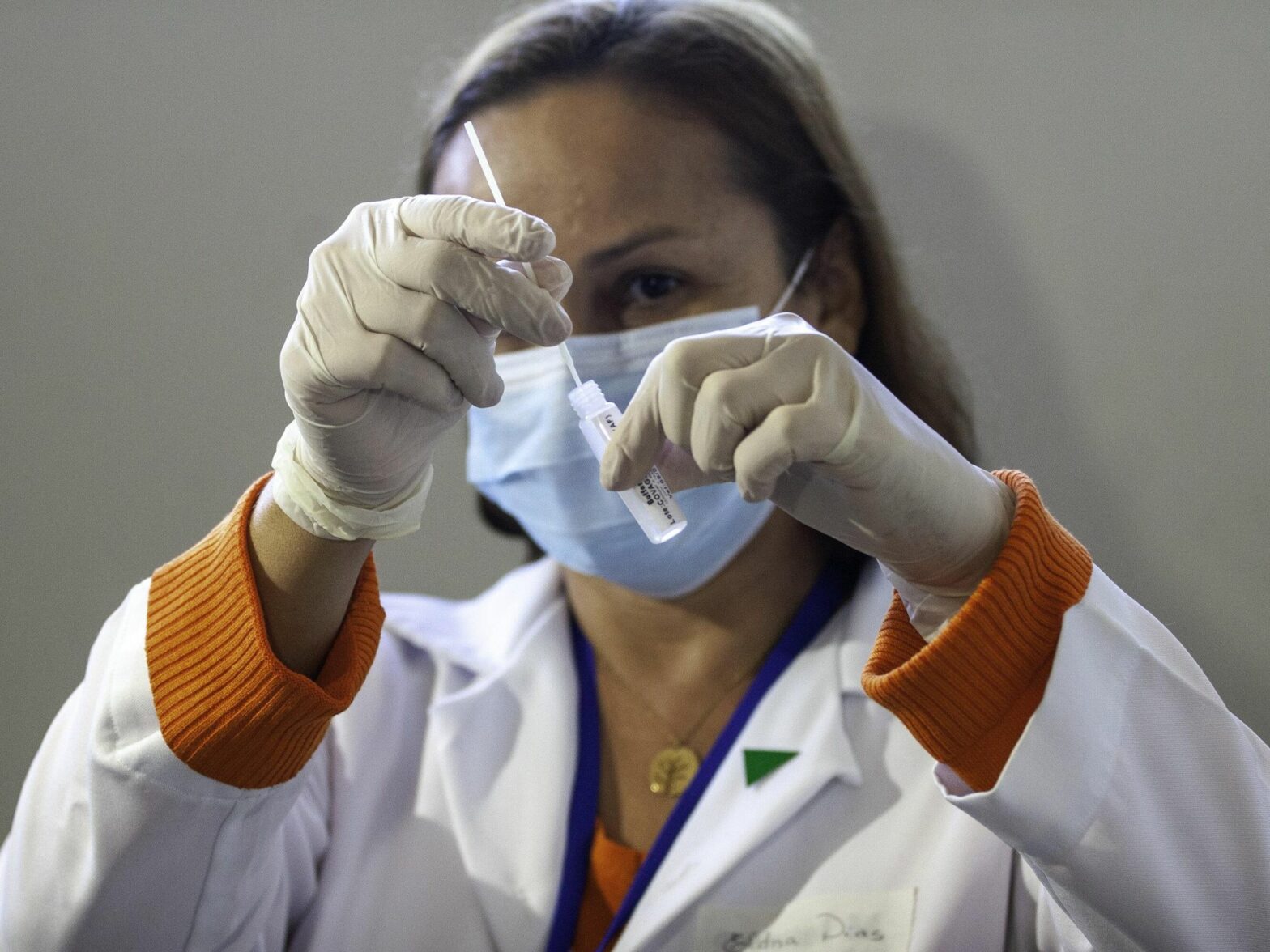
More than a decade ago, with the economy growing and political capital committed to public research and development, Brazil was the poster child for investing in the future. It was all bound to drop out quickly once the winds changed.
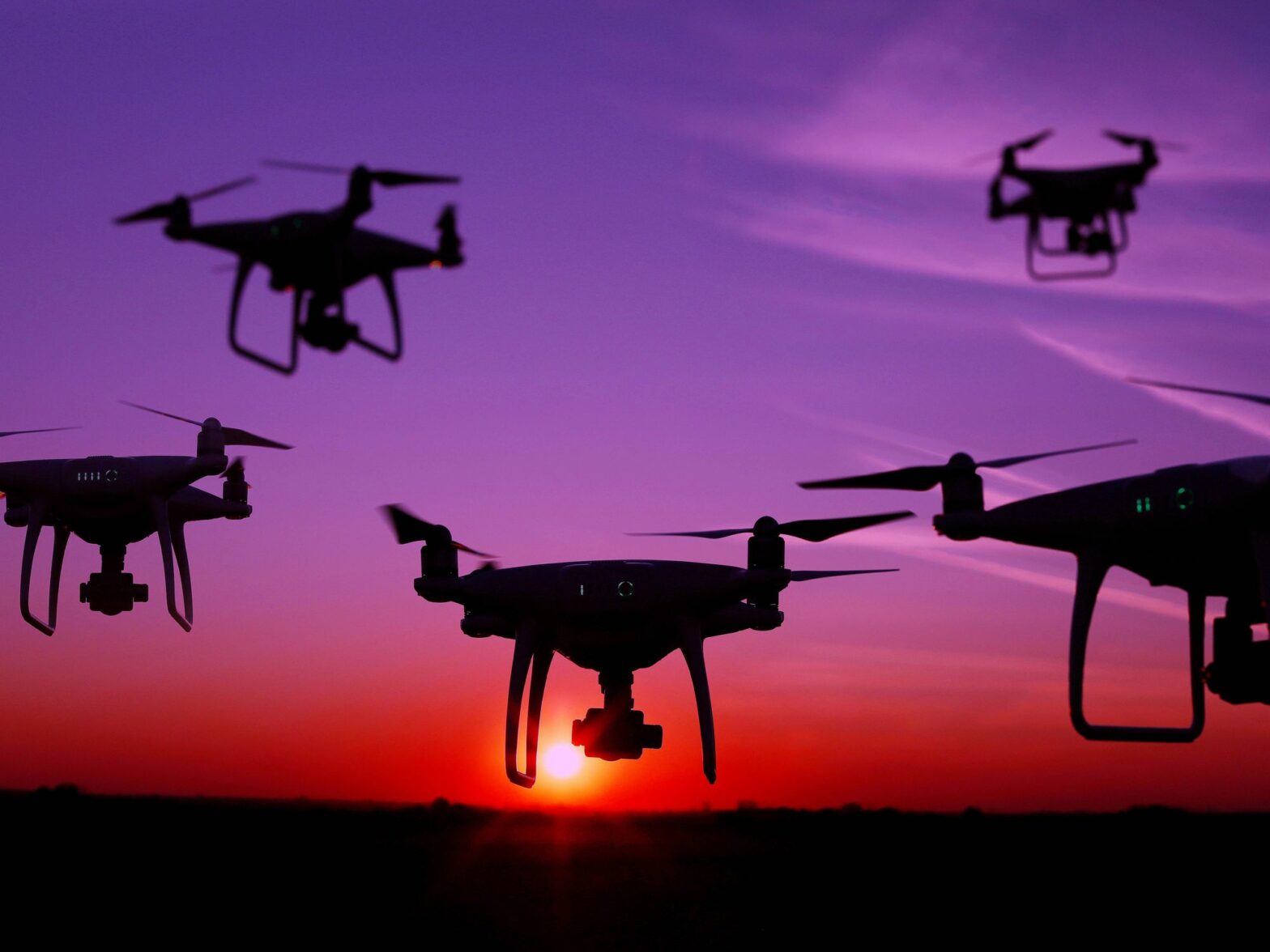
The war in Ukraine has shown how civilian drones can be effectively used as weapons. Meanwhile in Paris, with preparations on to host the Olympics in 2024, the city is testing some unlikely solutions to make sure the devices can’t be employed by terrorists.

Elon Musk bought Twitter in the name of absolute freedom. But numerous research shows that social media hate speech leads to actual violence. Musk and others running social networks need to strike a balance.
Tech billionaires such as Elon Musk and Mark Zuckerberg have lost far more money this year than ever before. Eccentric behavior and questionable decisions have both played a role. But there are examples in U.S. business history that have other clues.

Two anonymous Iranian Twitter users spoke about their hopes that Iran’s protests could hasten the end of the unpopular regime, and what Elon Musk’s takeover of the the platform could mean for them.
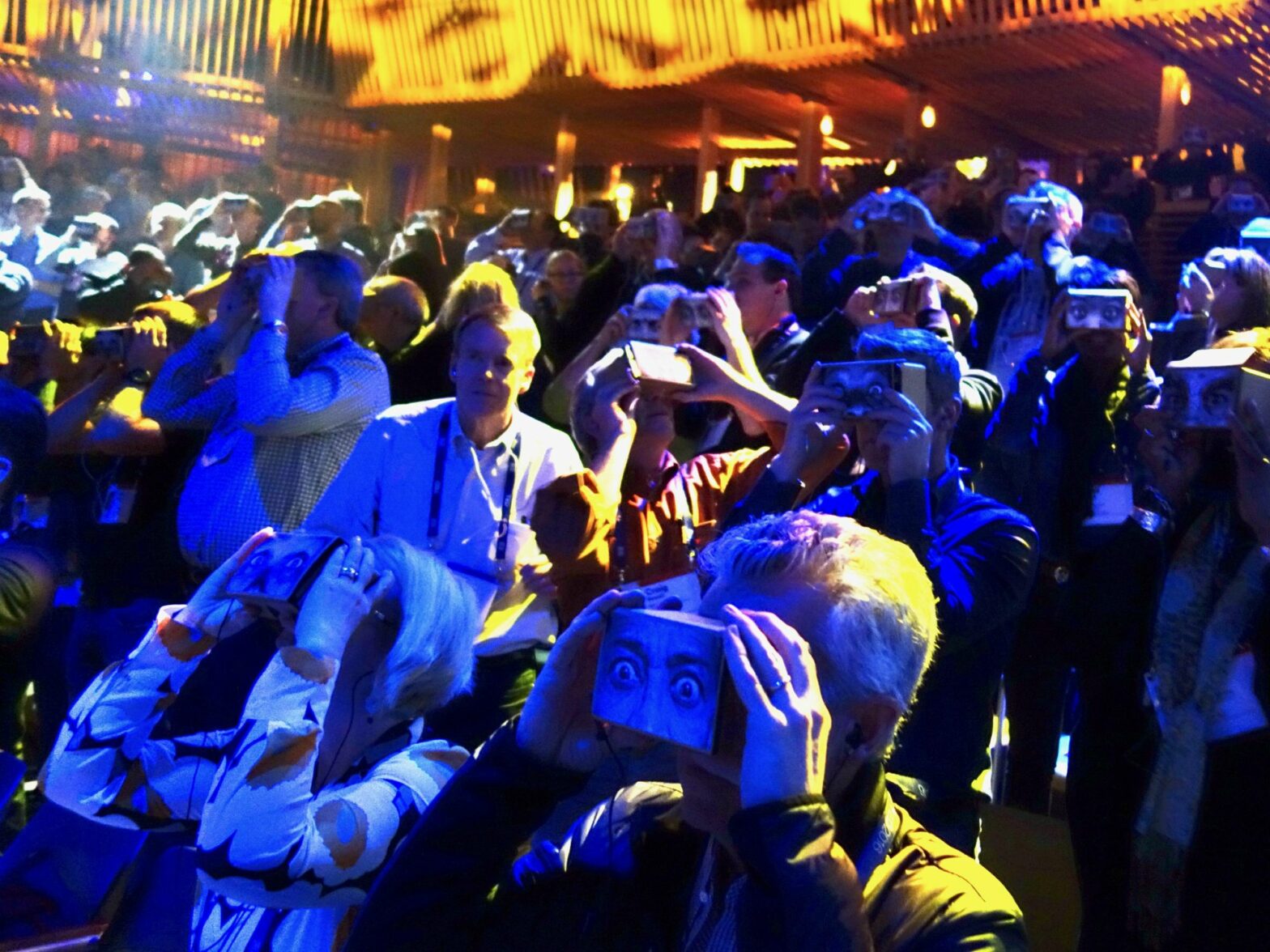
The Metaverse evokes utopian visions of an escape from reality or a life lived online. But for now, it’s still just interactive gaming or networking spaces that does not have the rules or laws necessary to manage its full potential.
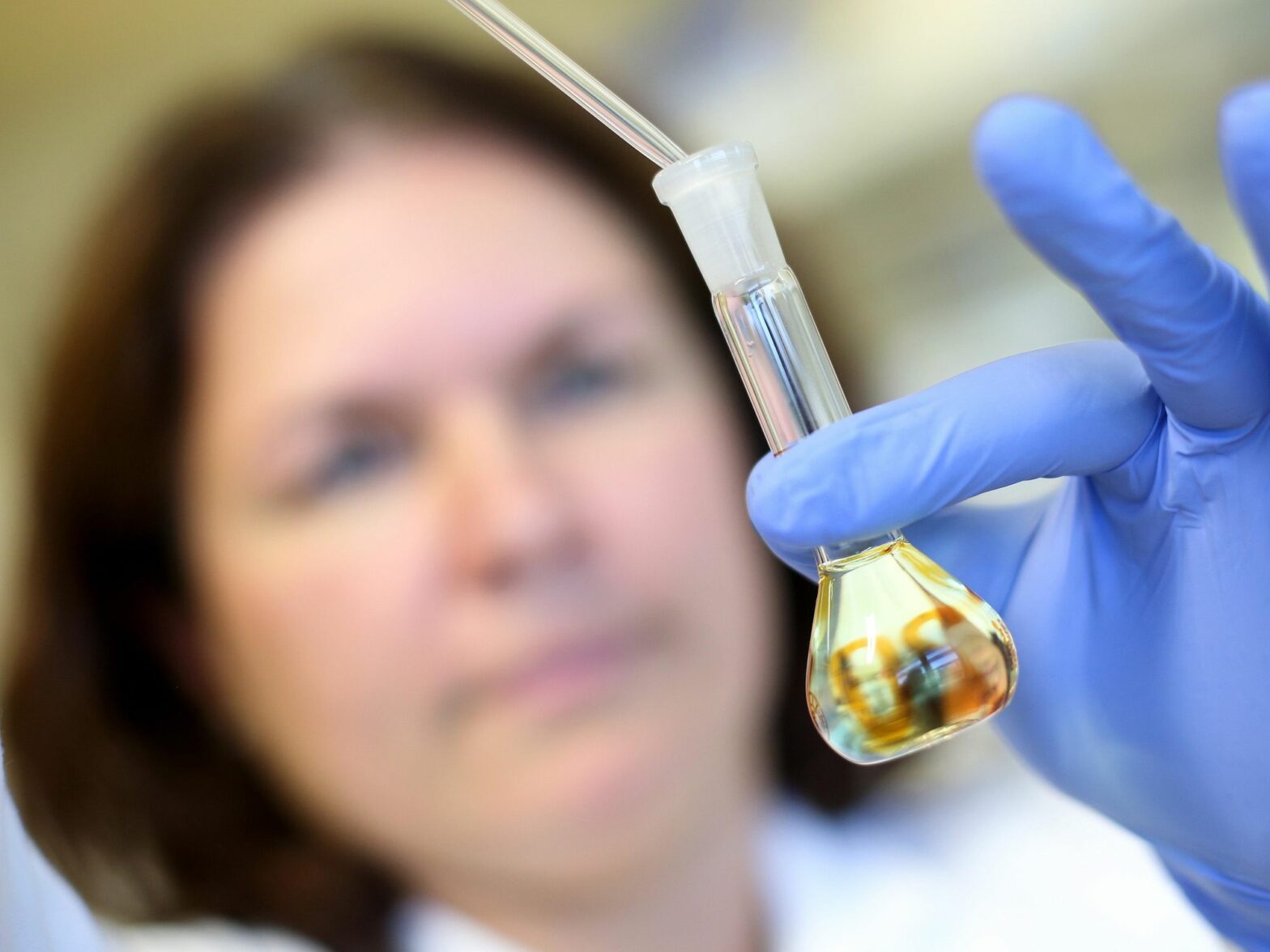
Feminists have generated a set of tools to make science less biased and more robust. Why don’t more scientists use it?

The discovery that earned Japan’s Shinya Yamanaka the 2012 Nobel Prize in Medicine has paved the way for new research proving that aging is a reversible process. Currently just being tested on lab mice, will the cellular reprogramming soon offer eternal youth?
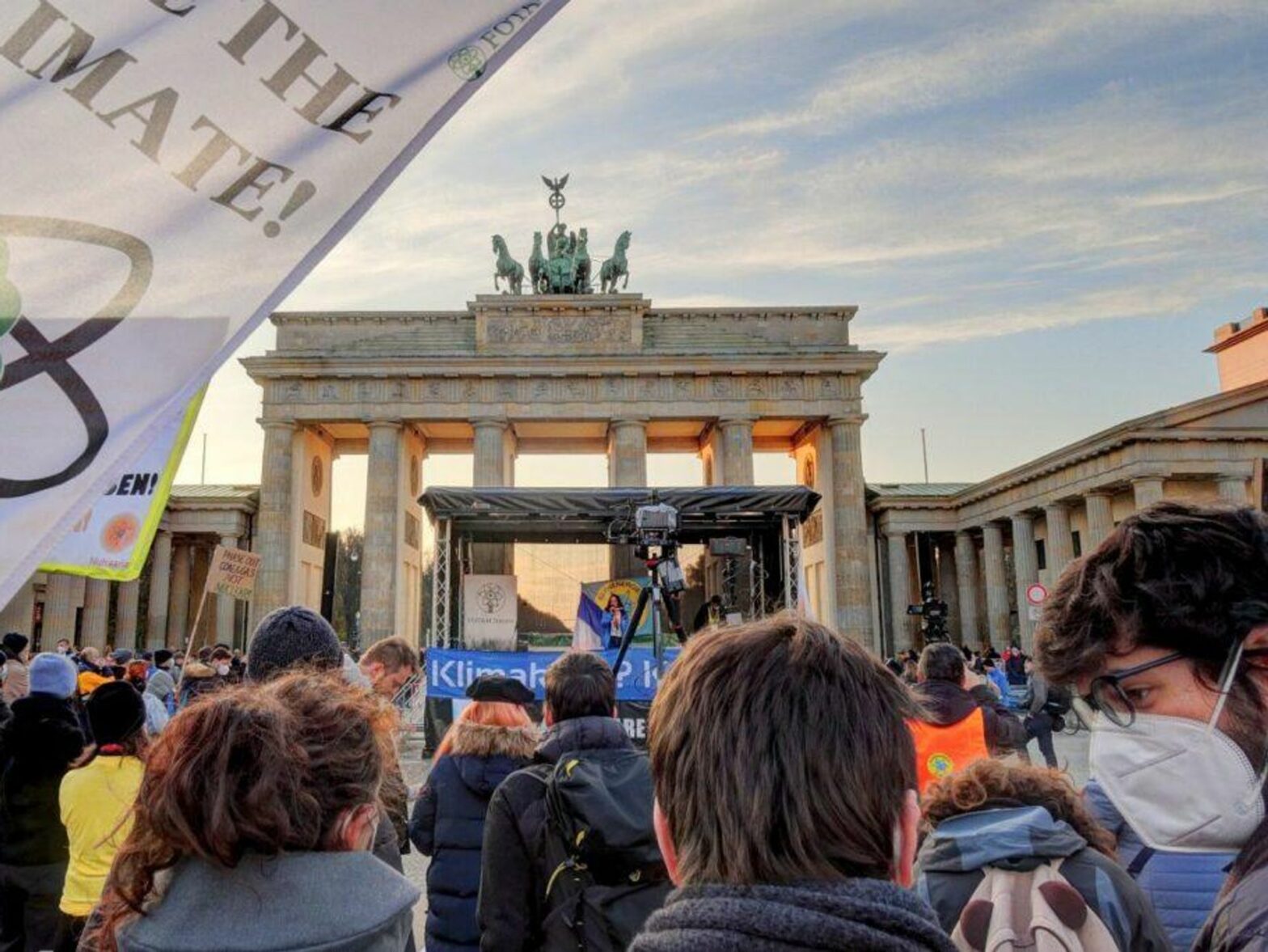
As the youngest generations worry about the effects of climate change on their lives, some are turning to nuclear power as a “cleaner” source of energy — marking a significant shift from the previous generation of anti-nuclear environmentalists.

Opening bee skulls. Electric shocks for cockroaches. Some researchers want to grant more invertebrates ethical consideration, questioning long-held assumptions on consciousness.

Digital currencies may be volatile, but one company in Argentina has found a way to allow farmers to purchase goods and services online using surplus grain.
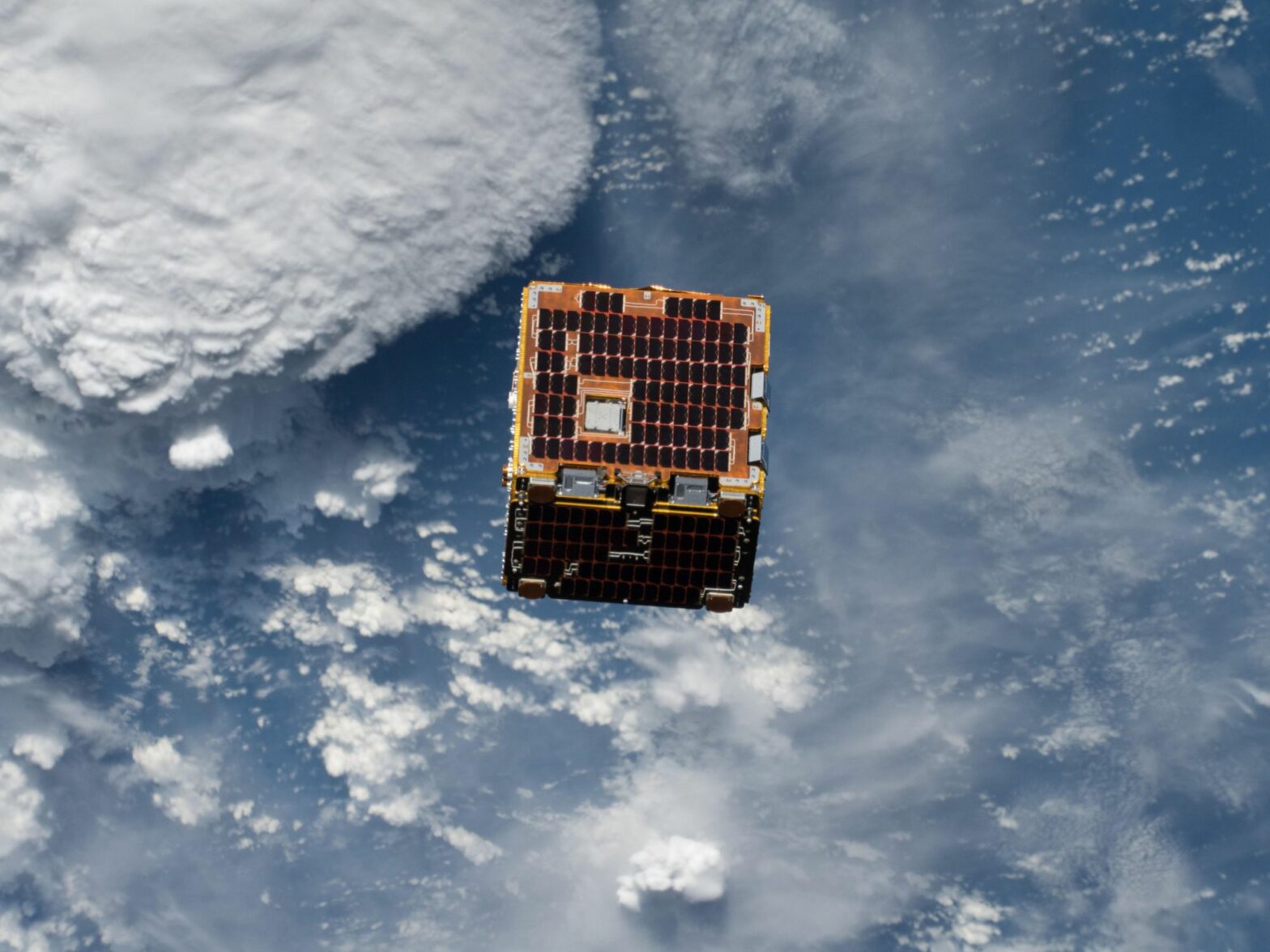
Exploiting space resources and littering it with satellite and other anthropogenic objects is endangering the ecosystem of space, which also damages the earth and its creatures below.

The war in Ukraine is not just being fought on the ground. The battle for dominance increasingly happens on the digital field, where a worldwide network of cyber-soldiers conduct attacks to disrupt Russia’s war effort, from the outside and inside too.
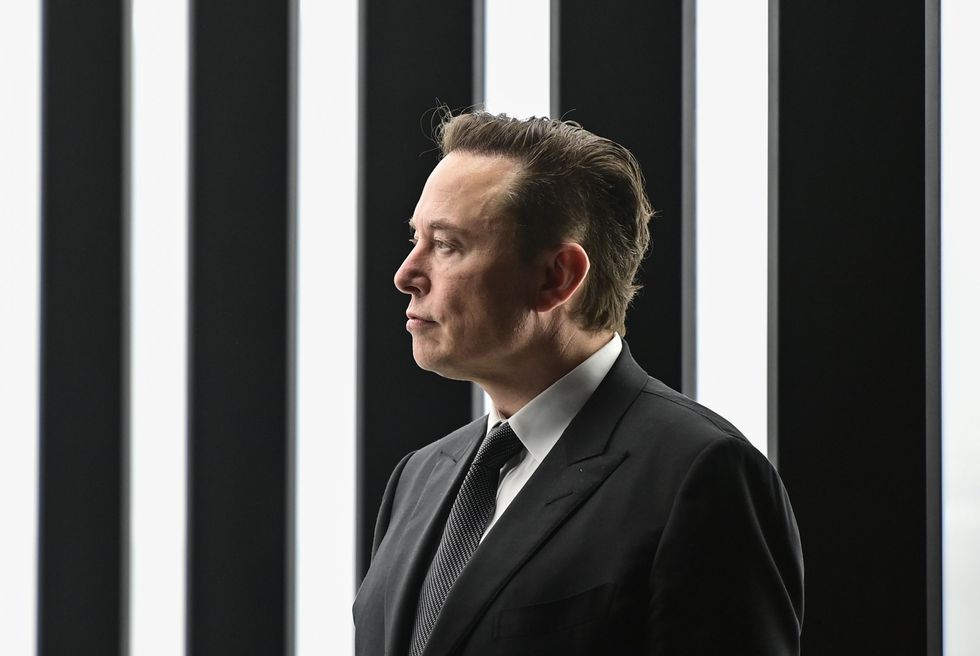
Oligarchs of the ‘Second Gilded Age’ in the like of Elon Musk are already able to influence the public’s minds through media ownership. But getting a hand on Twitter means having access to its users’ data and exploiting it for financial purposes.
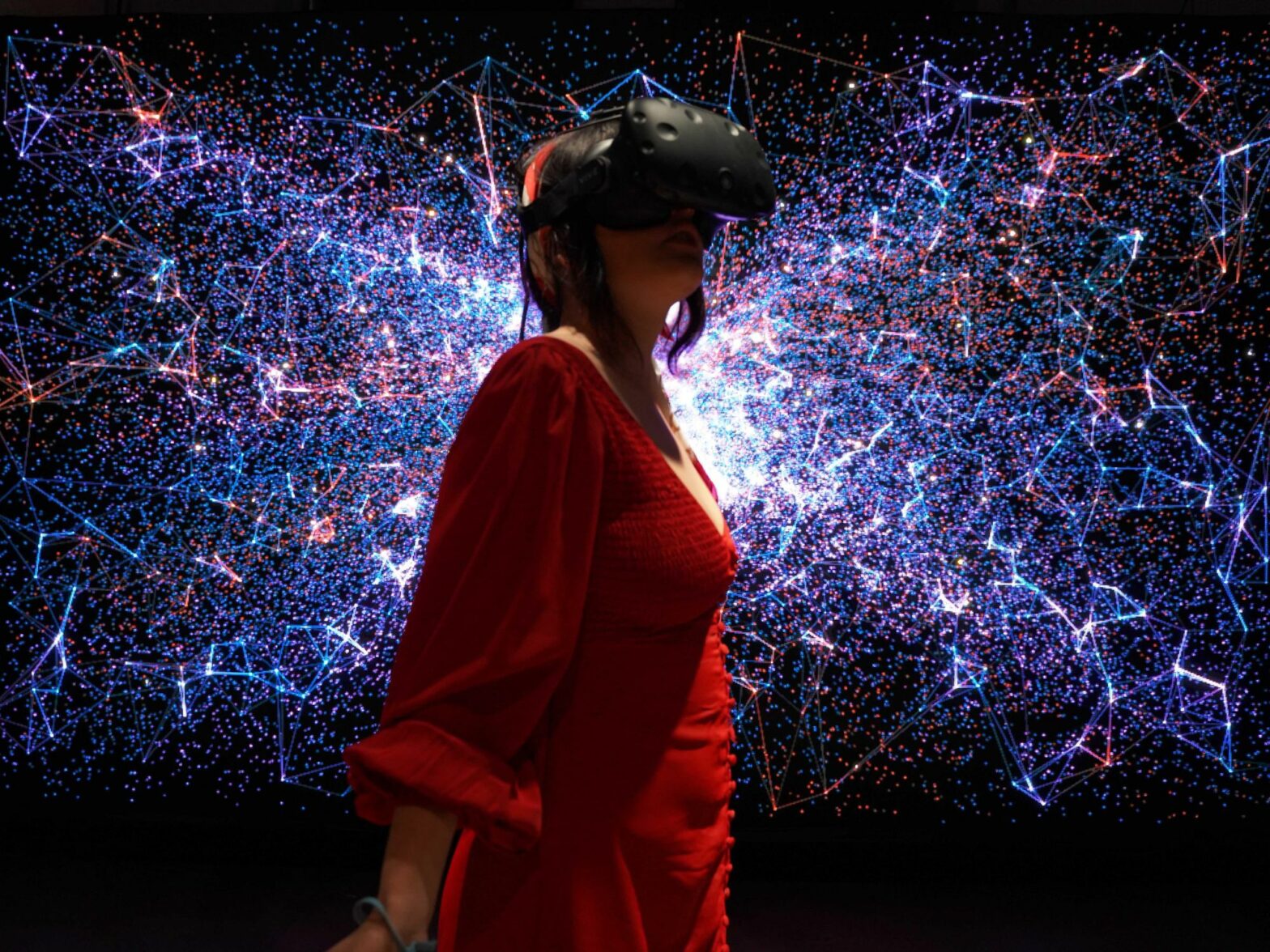
Metaverses are introducing ownership and rarity to the internet for the first time in its history. It is already generating billions of dollars in transactions, but the risk is that it becomes a club exclusively for the wealthy.

In an area the size of Singapore, Egypt is building its new capital. Constructed under the close control of the military and the head of state, the city embodies the grand ambitions of an increasingly autocratic president. But will it turn out to be a ghost city?
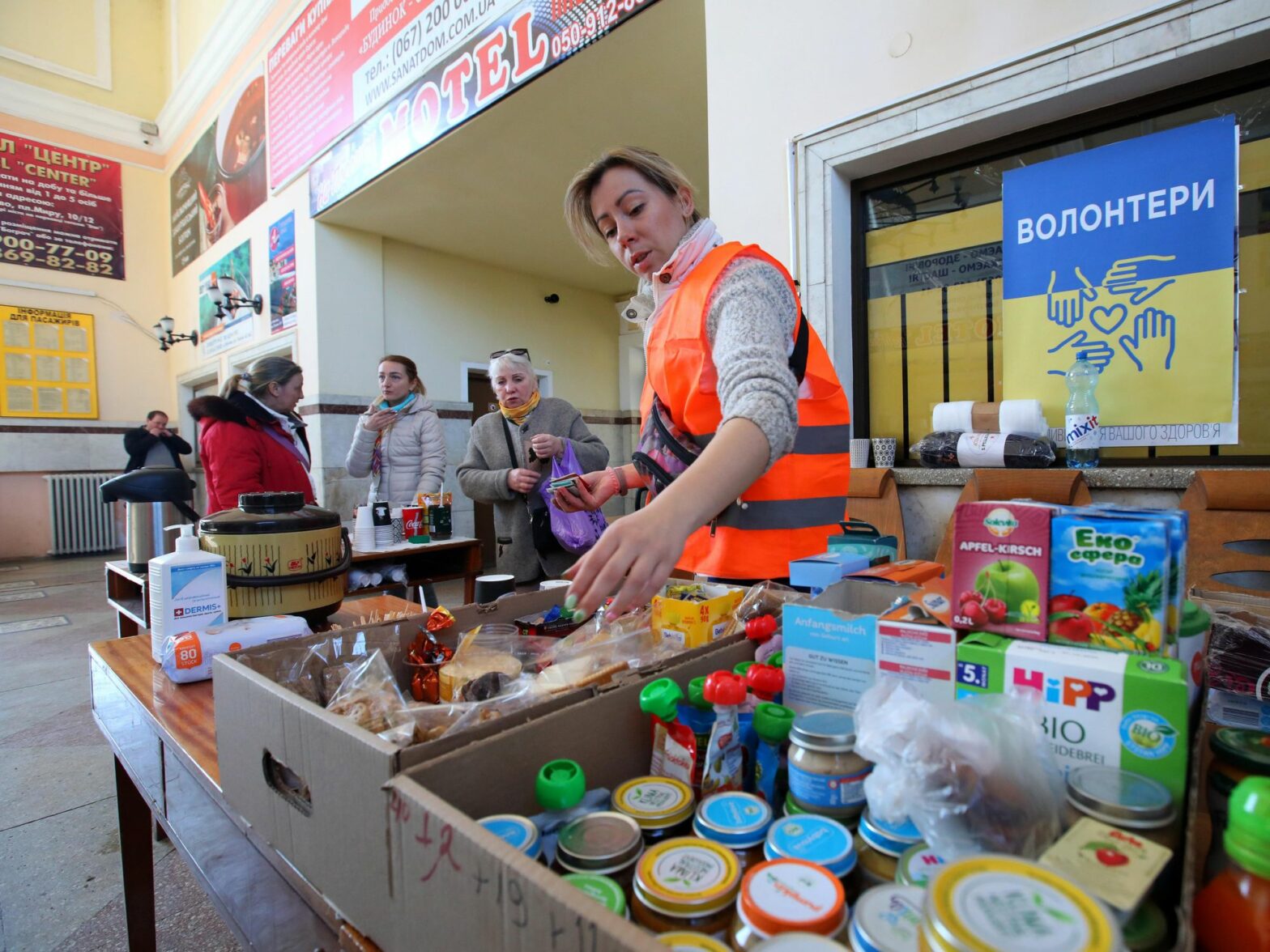
In an interconnected world, we are faced again with the negative implications of the so-called “butterfly effect” when a localized conflict can have far-reaching consequences and trigger lasting crises. For our world’s broken food systems, the war in Ukraine should be a wake-up call.
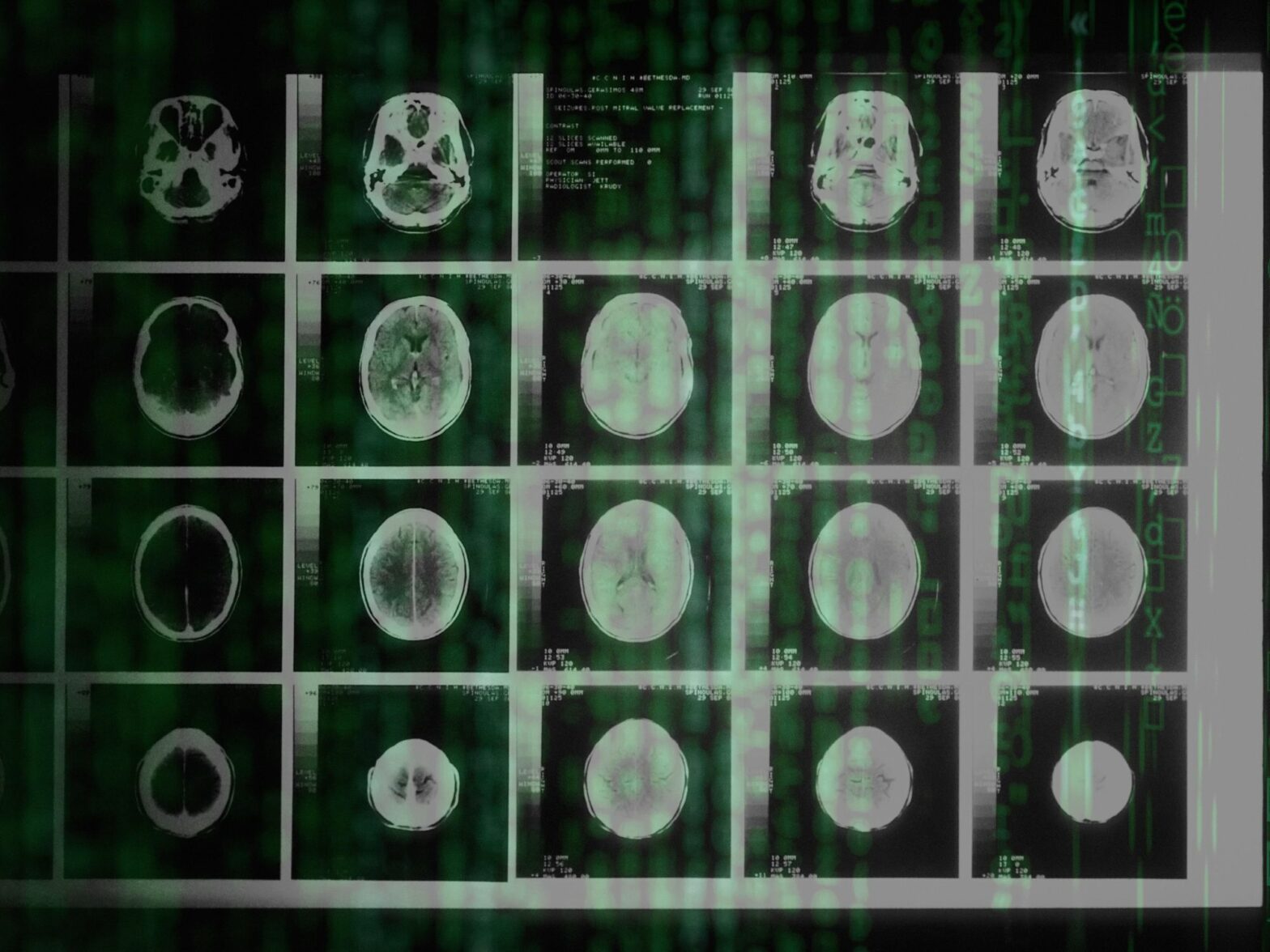
From testing for COVID through WhatsApp to taking selfies to check heart risks, AI programs are being used in Argentina to complement early-stage diagnoses. The technologies are in their early stages but are able to detect what the human eye might miss.
The workplace wellness trend now includes the very practical questions about how, when and how much we get paid, and is shaping up to be the next step in blurring the lines between personal and professional that were once so neatly divided.
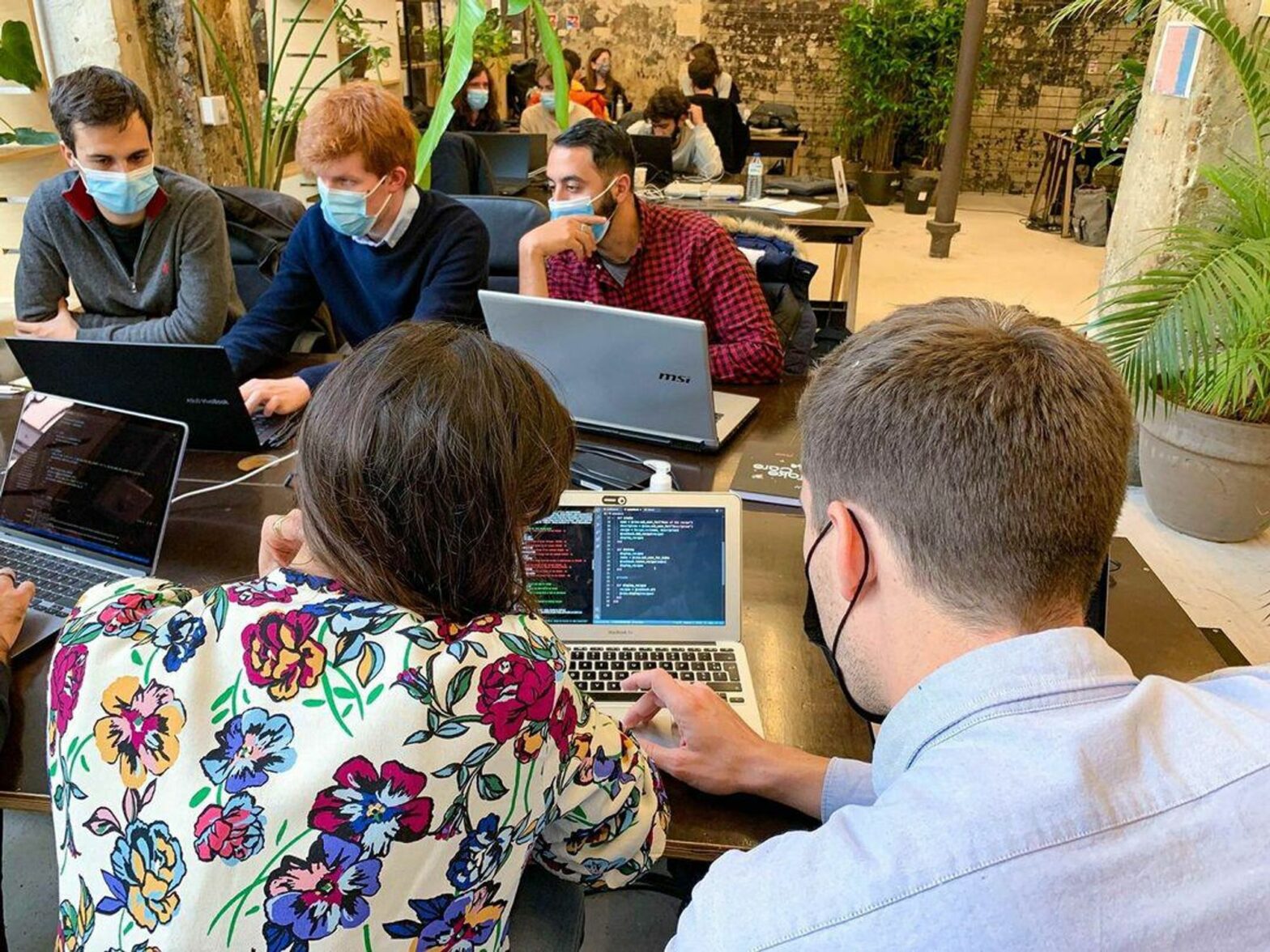
With 43 campuses in 27 countries, Le Wagon has become the world’s leading network for intensive coding education, revolutionizing how coding is taught.
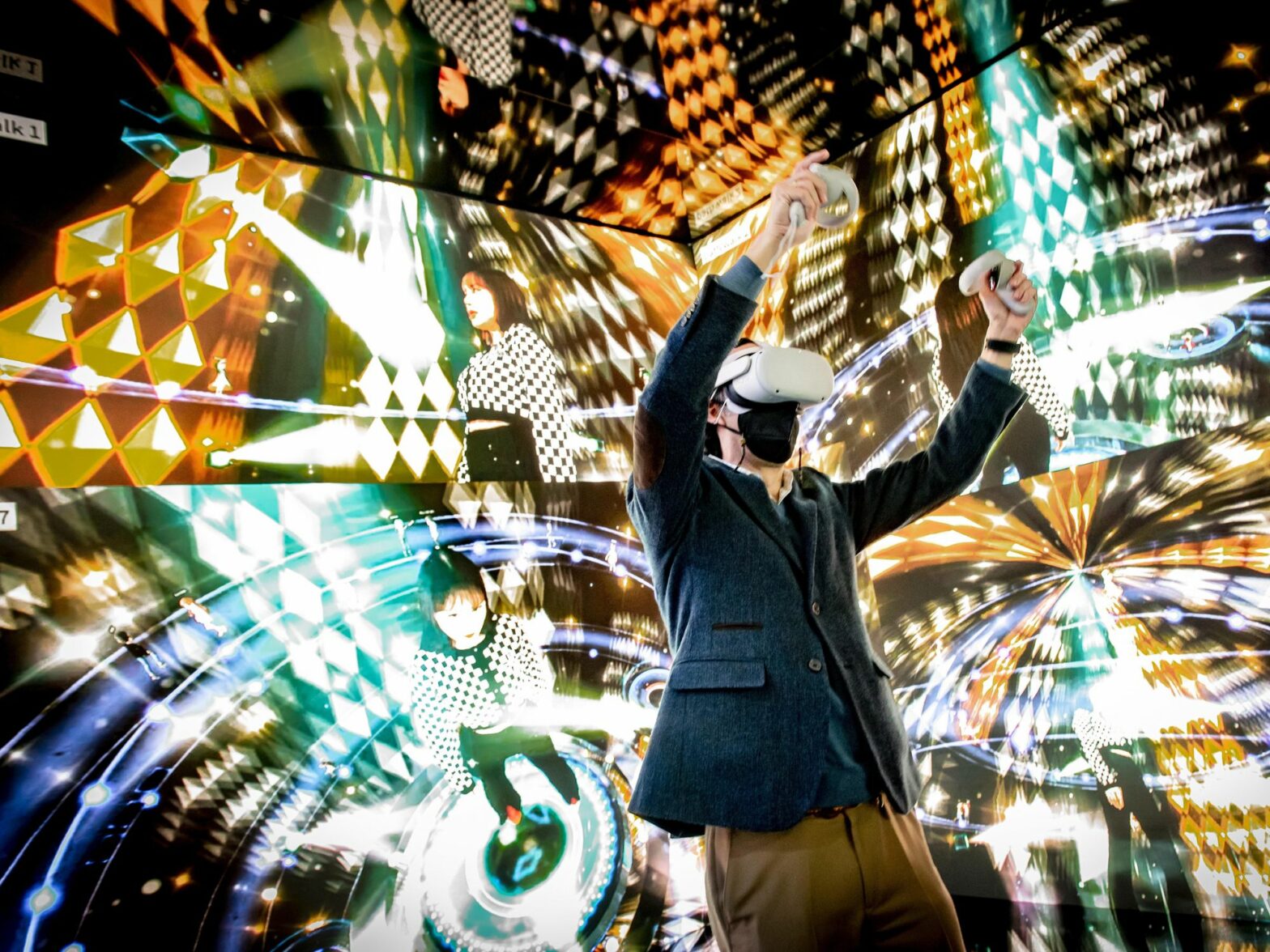
Glitchy online museum tours are a thing of the past. From Barcelona to Bollywood, the metaverse is bringing immersive cultural experiences right into our homes.
It was Jane Austen, back in 1816, who wrote that “every man is surrounded by a neighborhood of voluntary spies.” That neighborhood is getting quite a bit bigger these days as our digitized lives and economies extract ever-deepening rivers of private data from the daily lives of citizens. Of course, with that has also come […]

A recent tender for Brazil’s 5G network once again highlighted the growing rivalry between the two superpowers. Now, the Biden administration may even have a formula to free countries of their debt to Beijing.
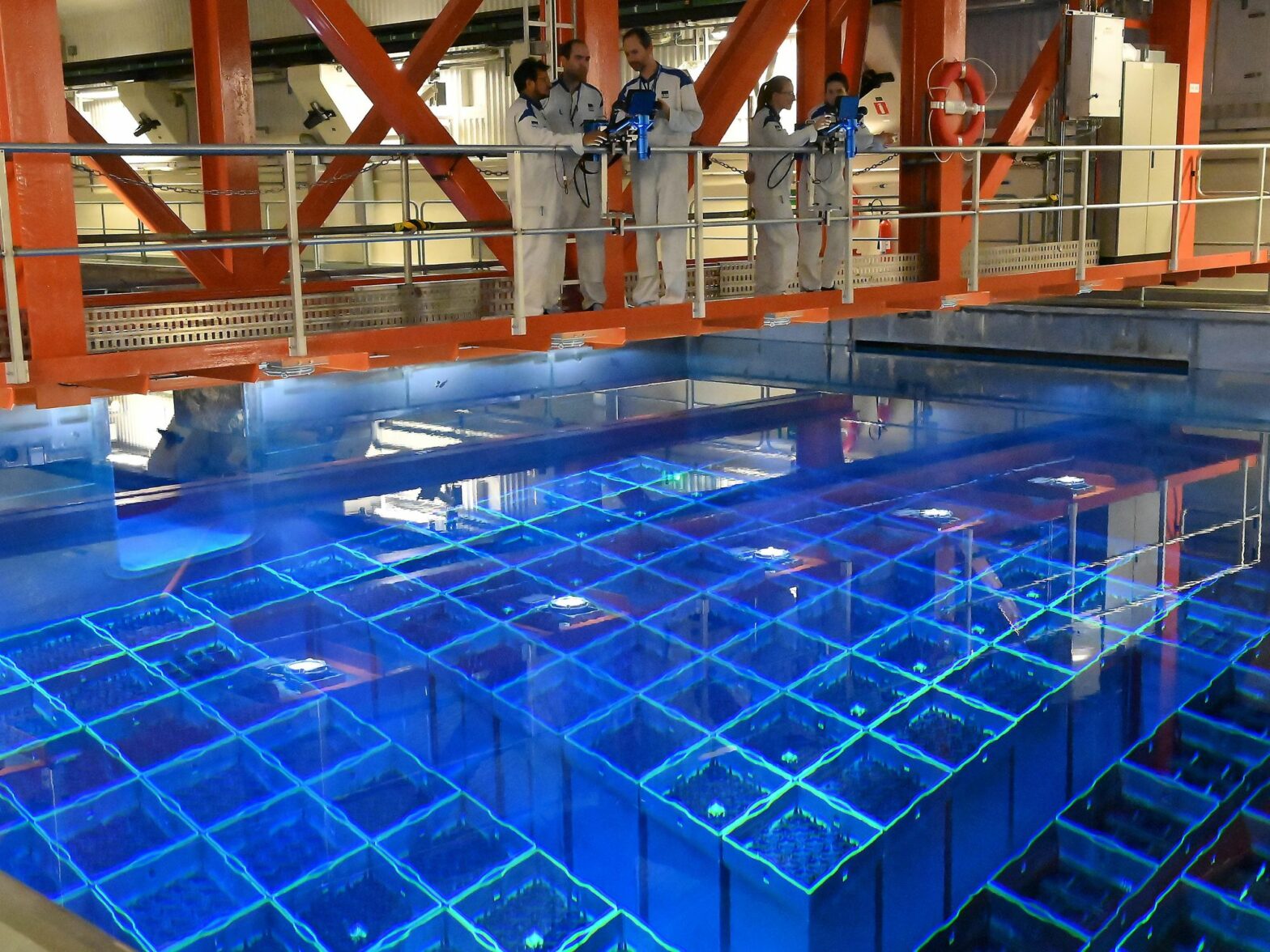
As experts debate whether nuclear power can become another leading renewable energy source, Sweden has adopted a first-of-its-kind underground depository for nuclear waste — and many countries are following their lead.
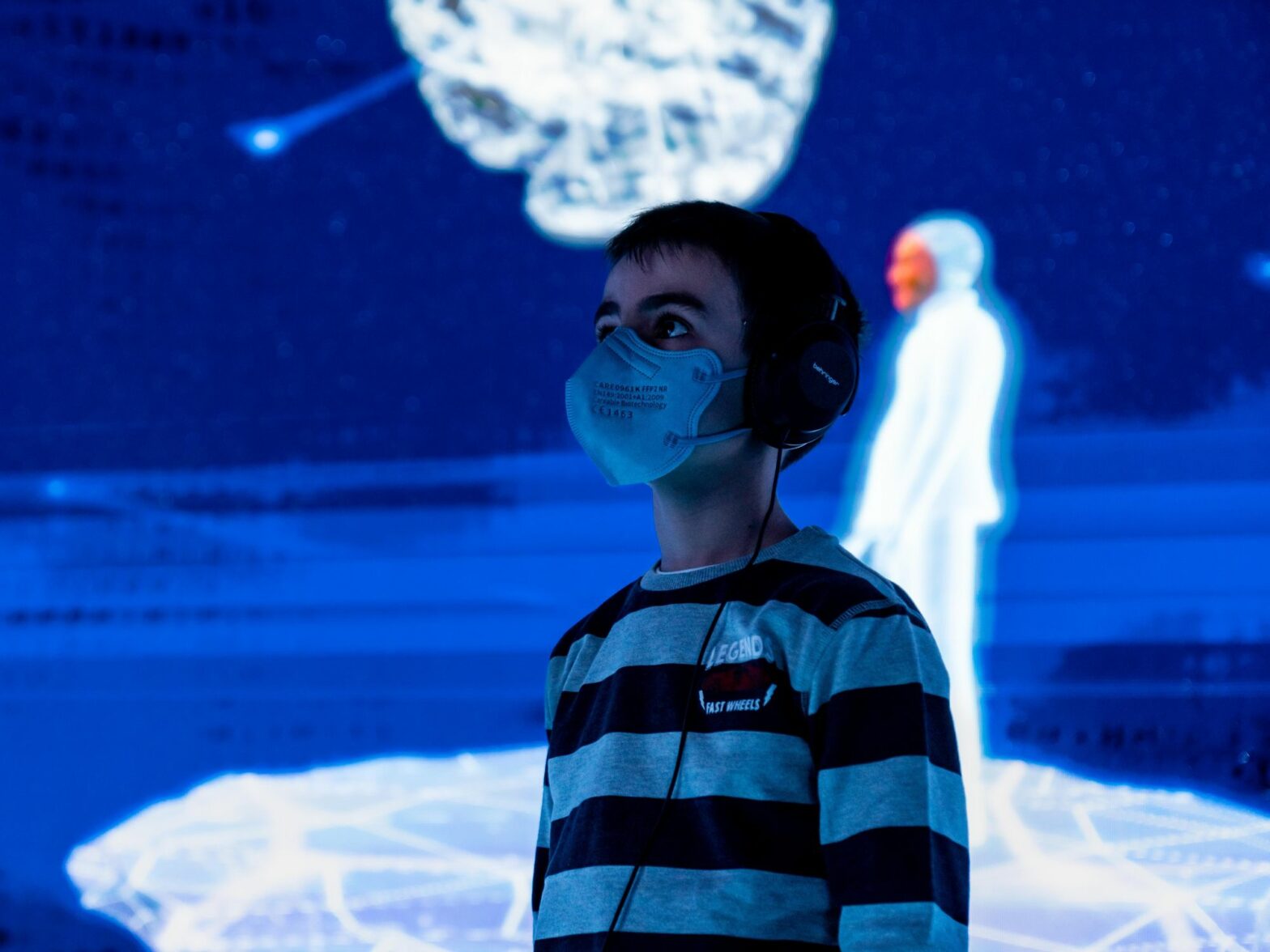
The change of Facebook’s name to Meta is a hint to the general public of where social media and digital sovereignty risks taking us in a future “virtual” world.
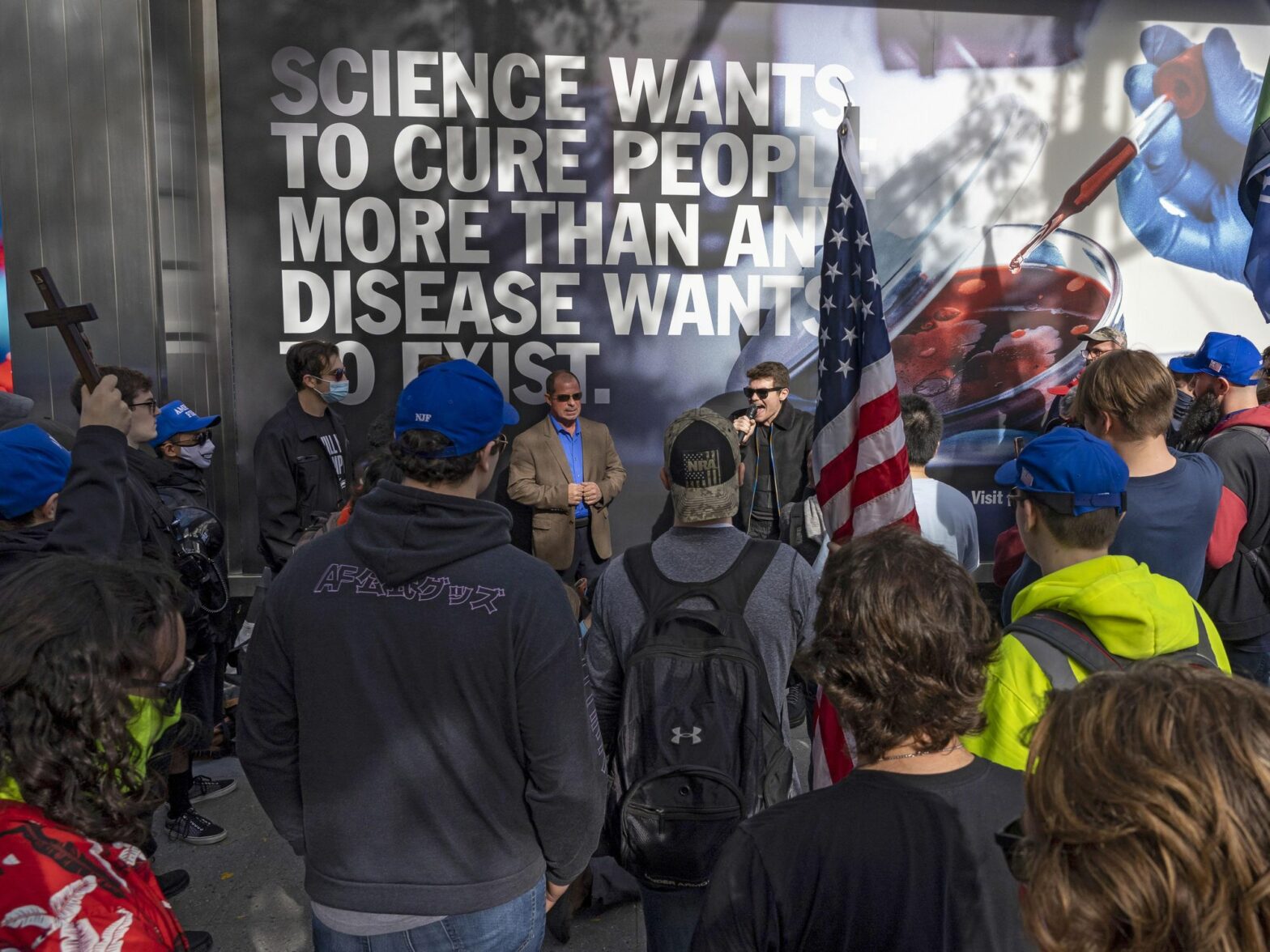
The number of political leaders who have science or technology backgrounds is disturbingly low. It’s not just the specifics of issues such as climate change, cybersecurity and COVID-19, but rather democracy itself and being able to dialogue with those who have lost trust in the facts that the governments are giving us.
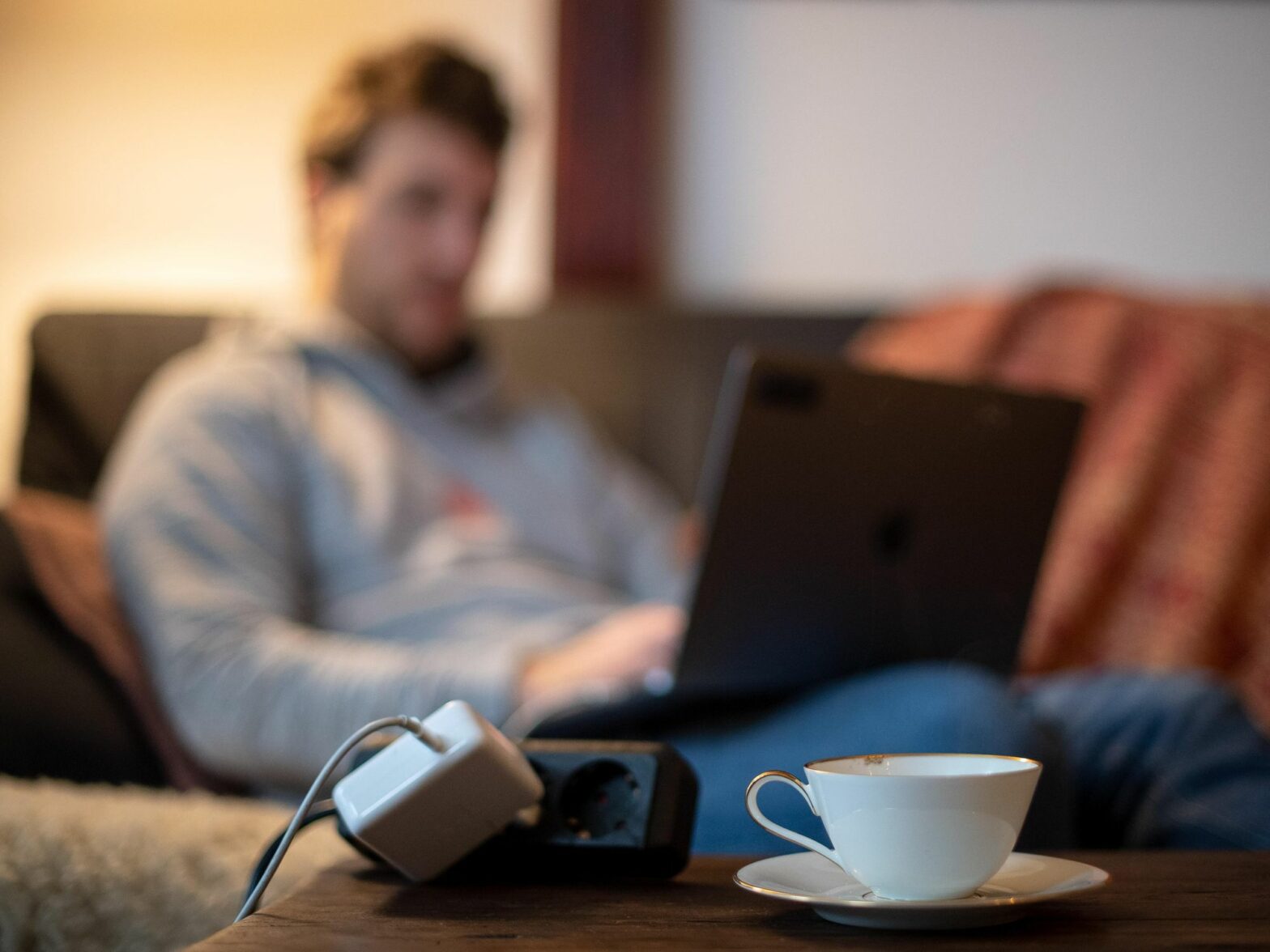
Silicon Valley firms are leading the way in corporate policy, while European countries like Germany are beginning to draw up laws to create a bonafide legal right to work from home.