Having your own car means unlimited freedom. Right? A study shows that yes, it can increase life satisfaction. But freedom is a myth, and dependency on your vehicle will reduce overall happiness.

 Worldcrunch
Having your own car means unlimited freedom. Right? A study shows that yes, it can increase life satisfaction. But freedom is a myth, and dependency on your vehicle will reduce overall happiness.
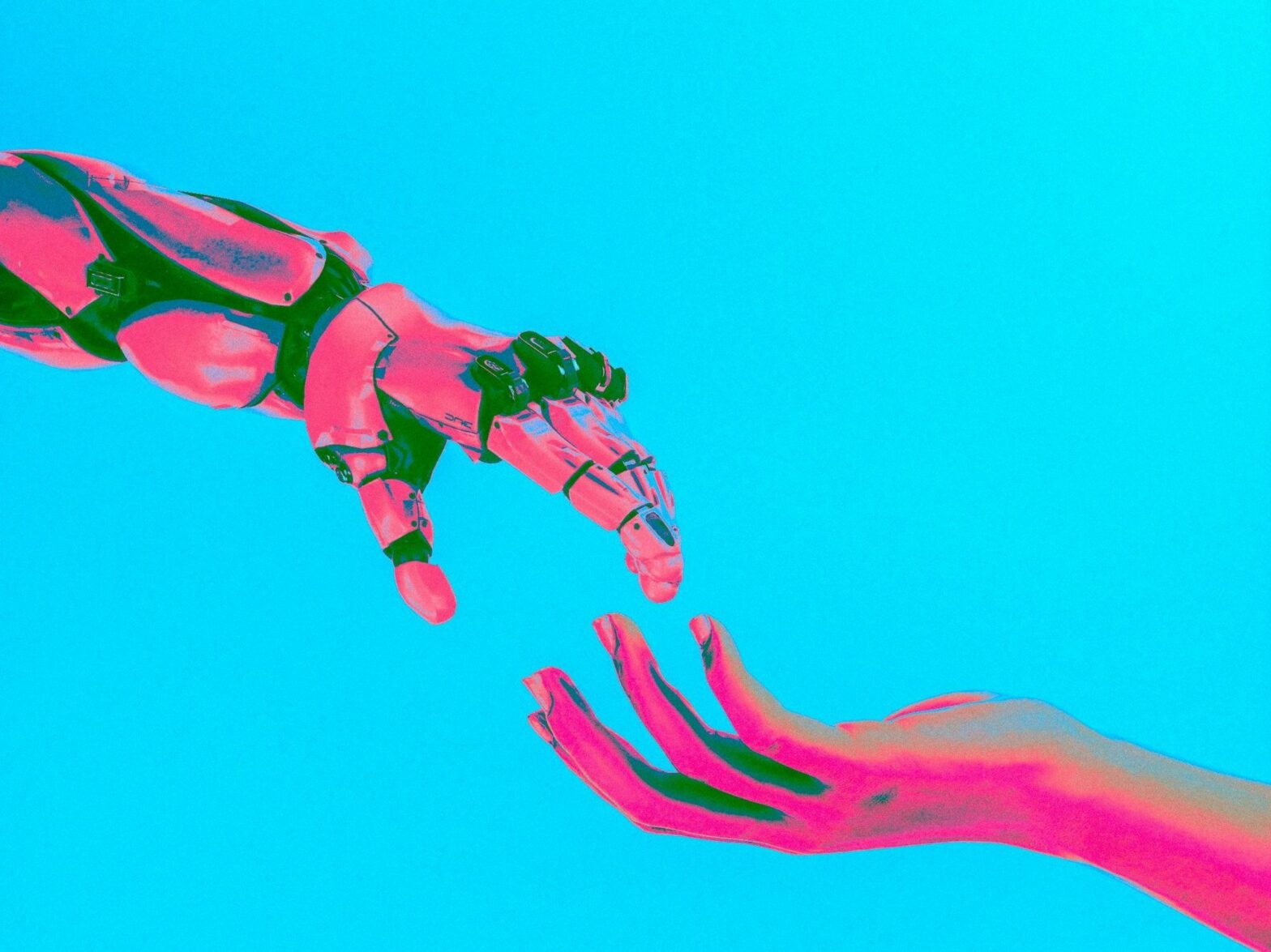
A Chinese startup is shaking the U.S. supremacy in generative artificial intelligence. Are we heading towards a collapse of barriers to entry accelerating the deployment of this technology? Could Europe offer a third way to the future?
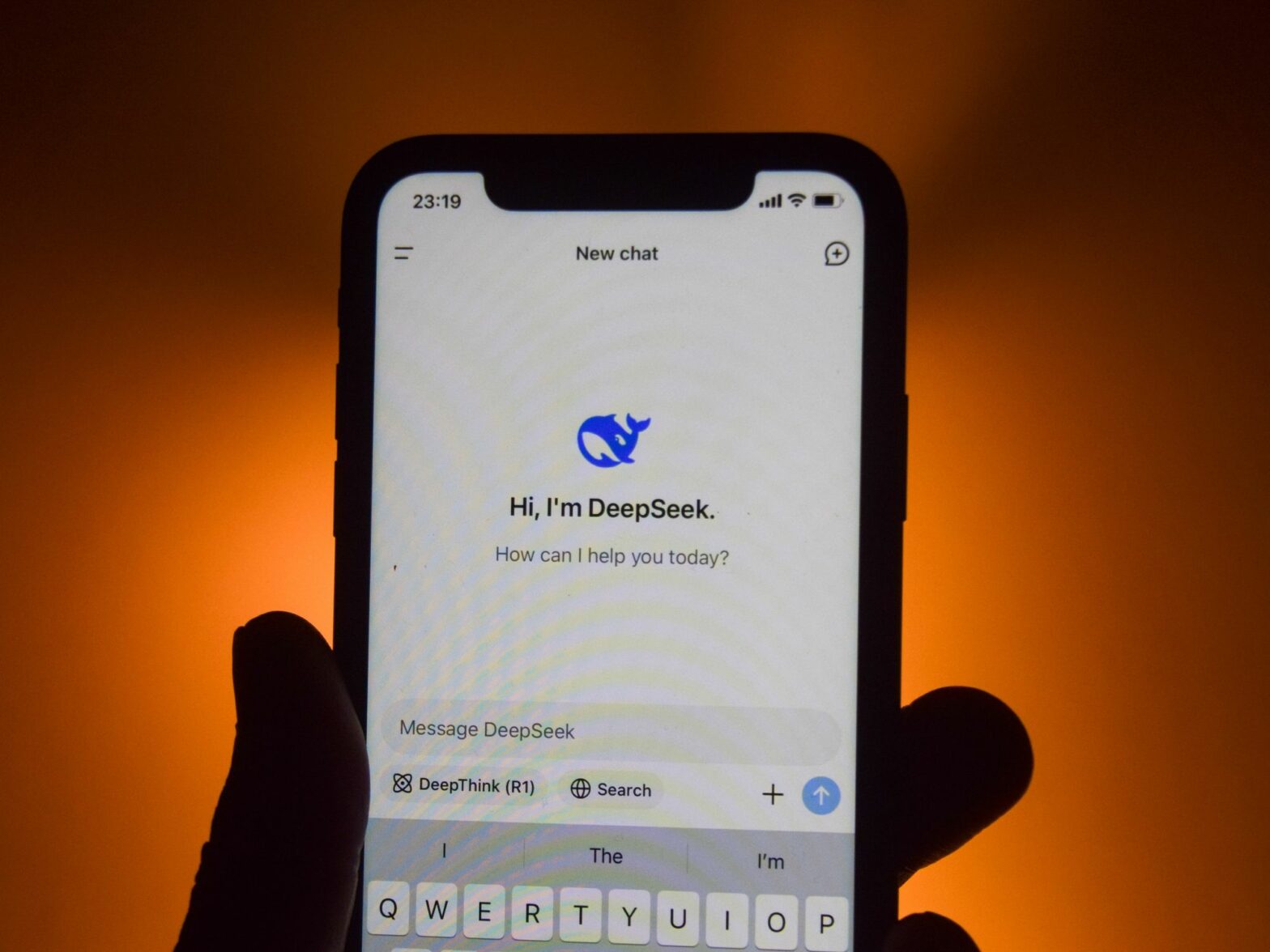
DeepSeek has become the most downloaded free app in the U.S. just a week after it was launched. Its sudden rise has triggered shockwaves on Wall Street, where U.S. stocks dropped sharply on Monday. With equivalent performances to rival ChatGPT but at the fraction of the cost, the startup is threatening the aura of invincibility surrounding the U.S. technology industry.
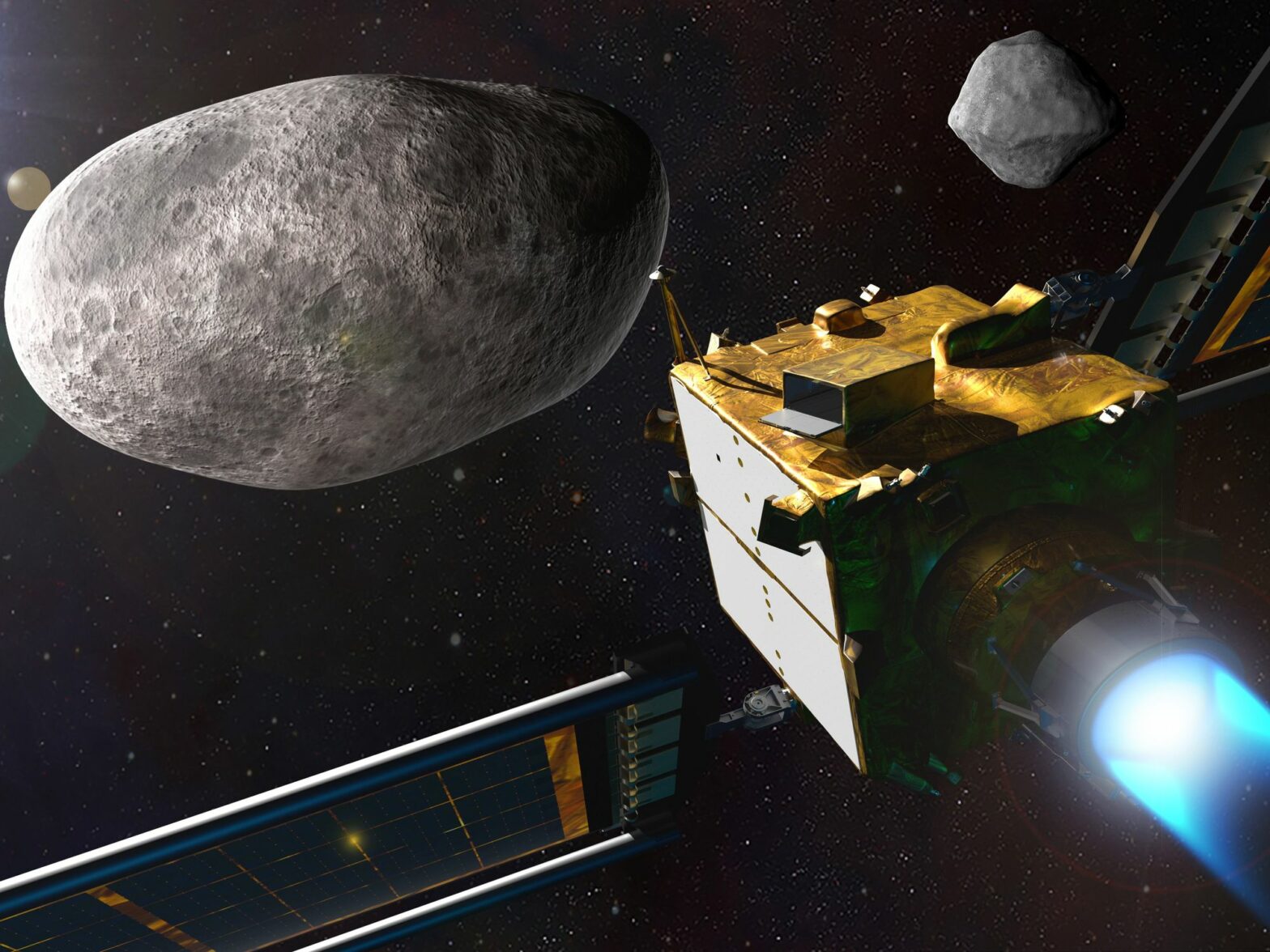
Funding for planetary defense has long had strong bipartisan support both inside and outside of U.S. Congress. But with the change of administration, could it be under threat?

As ski seasons grow increasingly shorter and irregular, the Cetursa company and Andalusia Regional Government are asking to extract twice as much water from the Monachil River to produce more artificial snow for the Sierra Nevada resort. The official argument is that this will have no environmental impact. Experts disagree.
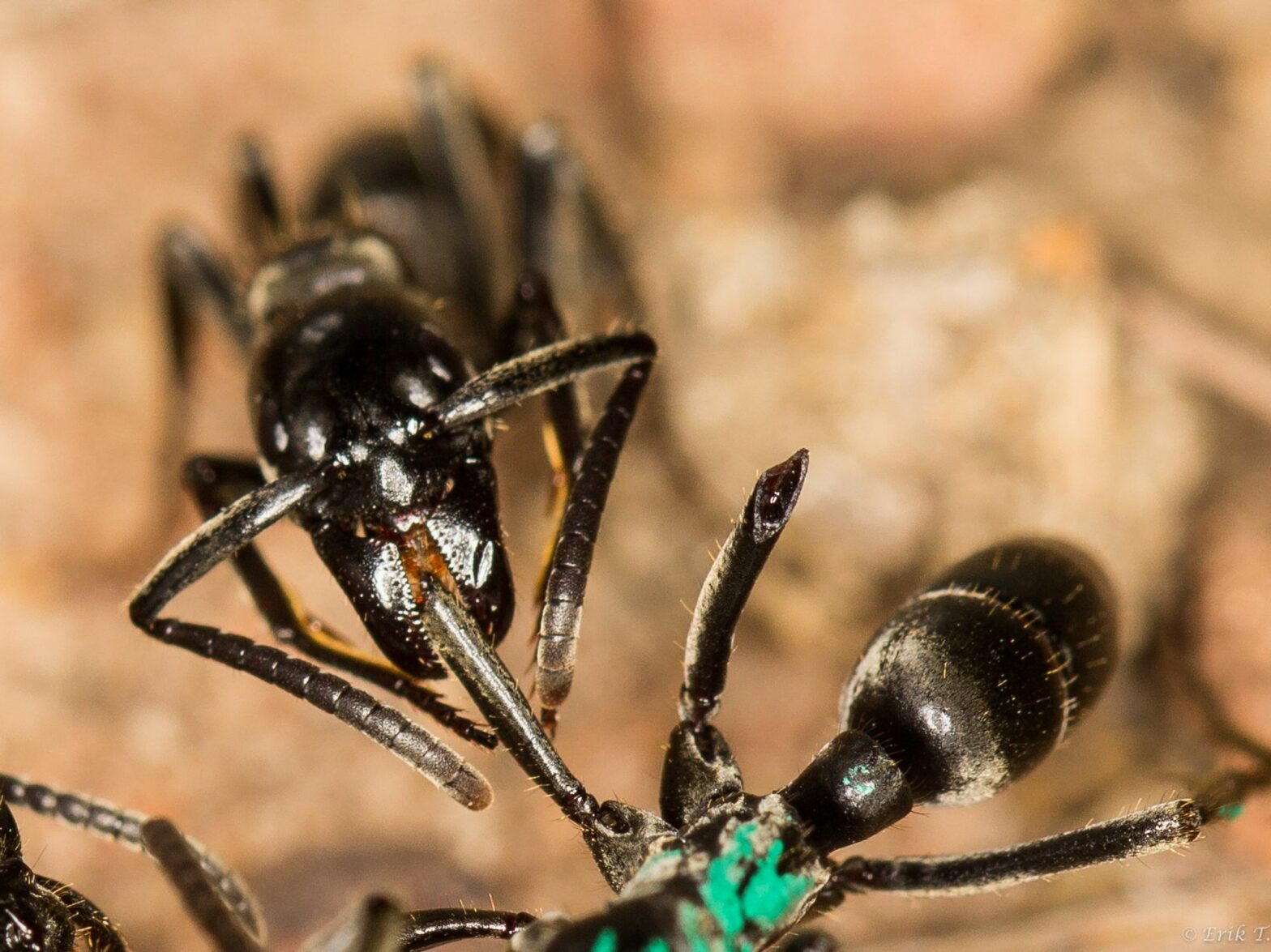
Insects like ants heal their fellow species, and they even perform surgeries. Biologist Erik Frank is researching their methods. He believes that humans can also benefit from them.
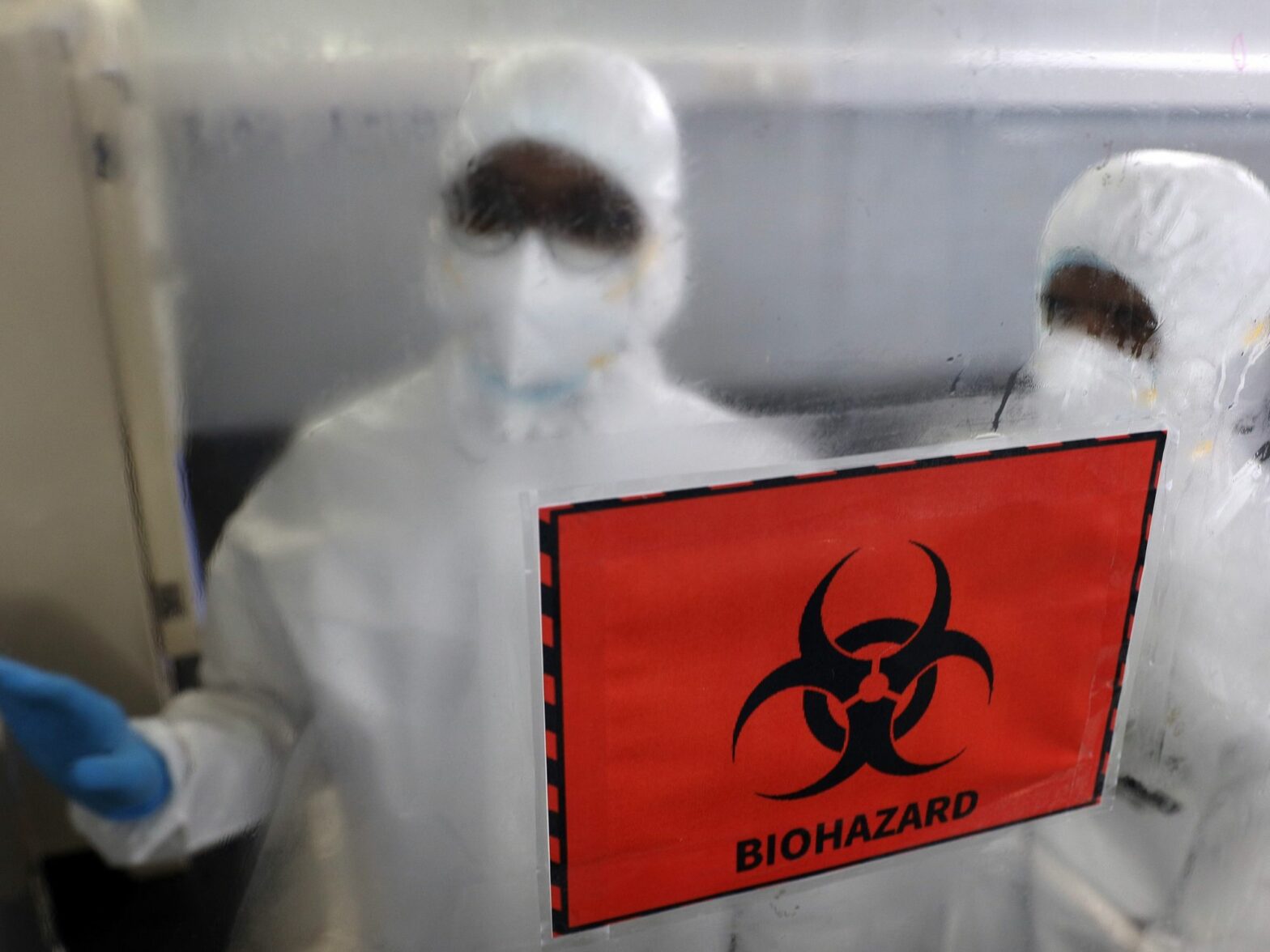
India’s policymakers have ambitious plans for pathogen research. Can safety infrastructure keep up?
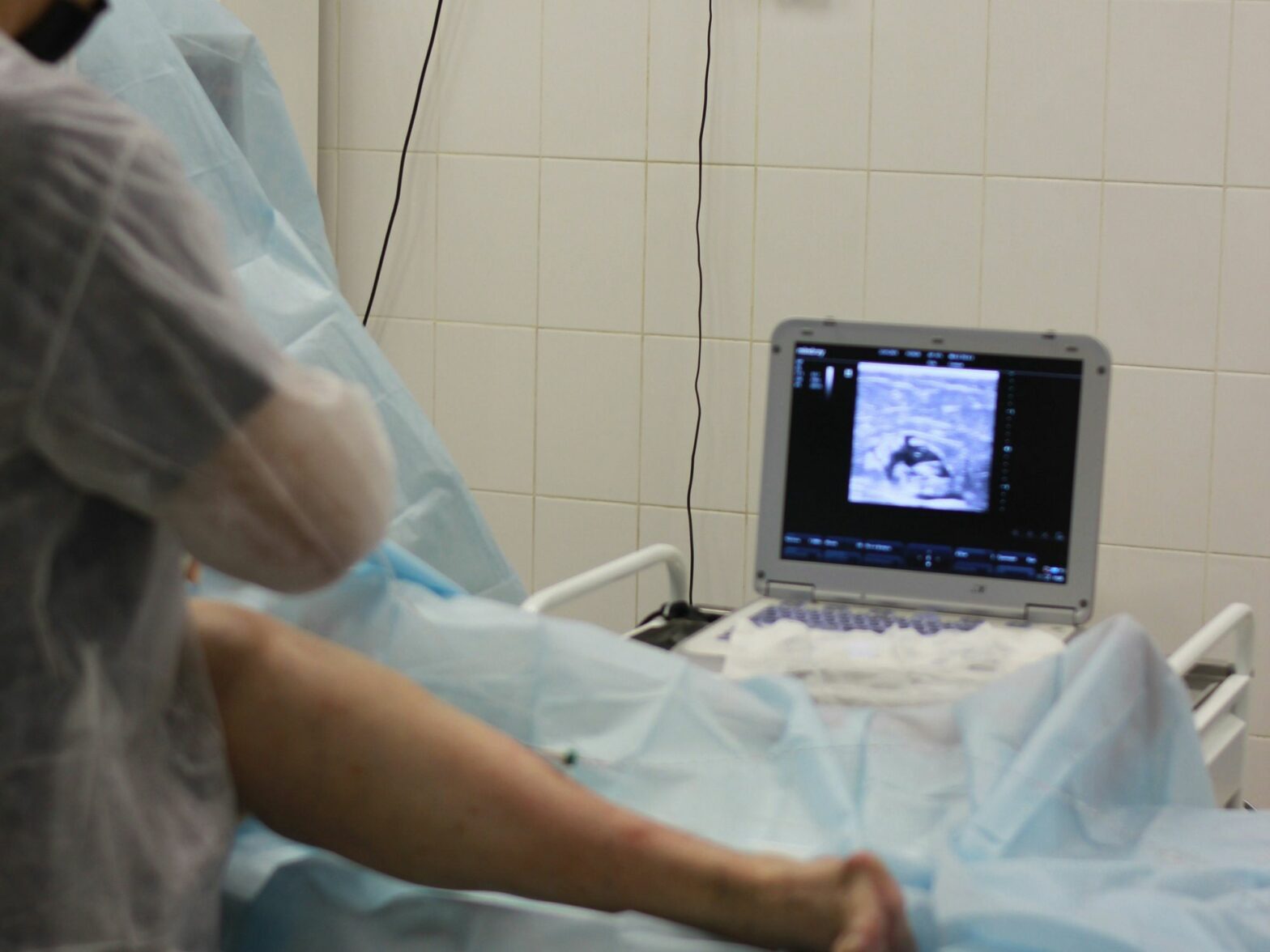
Spain has become an international mecca for fertility treatments. Yet in an industry where medicine, business, social pressure and life projects overlap, some are raising concerns over what they say is aggressive advertising, misinformation, obstacles to stopping egg freezing and procedures ending in unbearable debt.
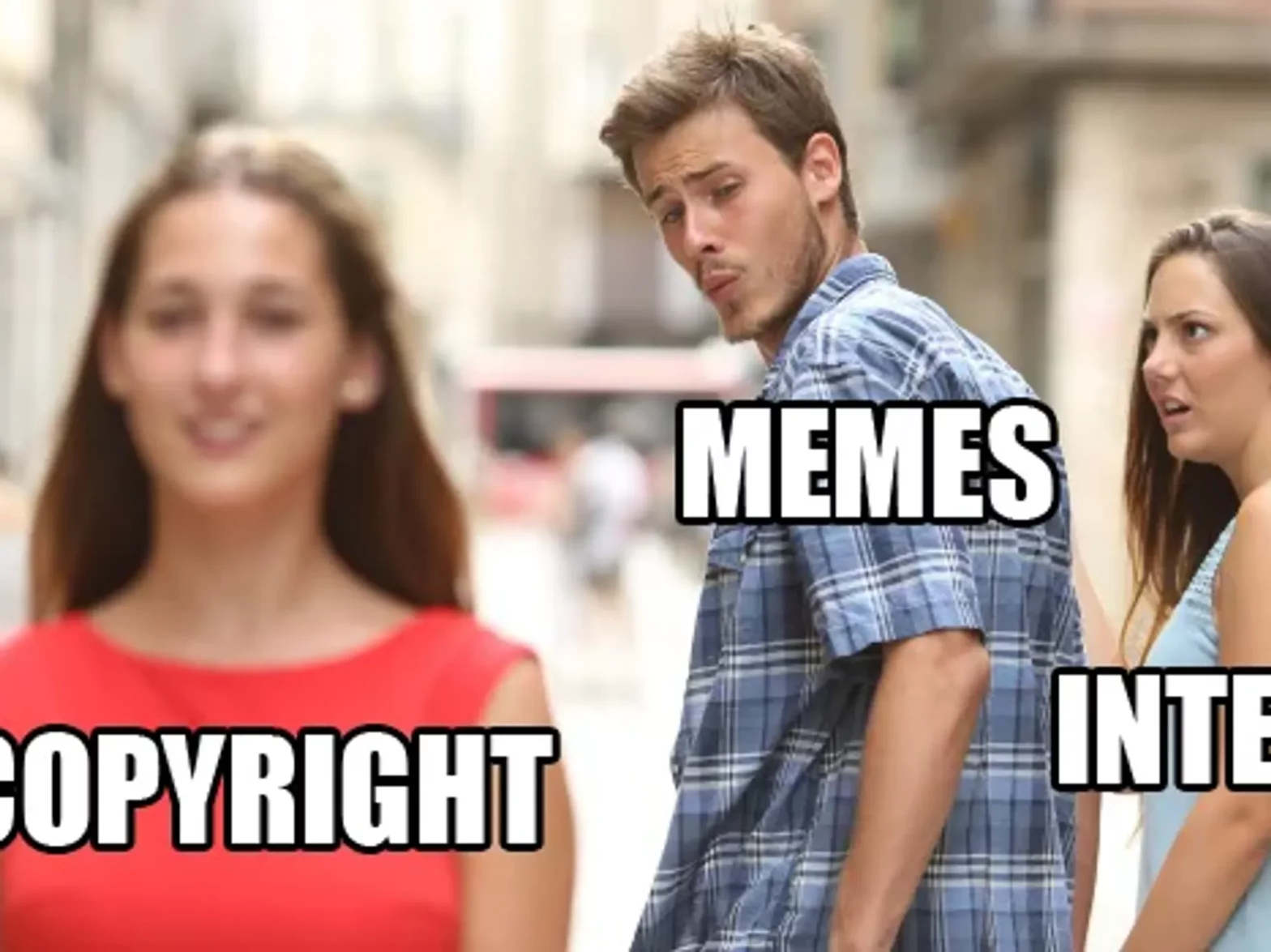
A look into how copyright laws may or may not be applicable to memes, which normally use an existing image without any consent. The question is a reminder of how the Internet has changed the basics of communication and commerce.

A new French research laboratory was recently opened on the University of Rennes campus. The experimental facility, equipped with boreholes that reach 300 feet deep, focuses on studying soils and the microbiology of the underground.
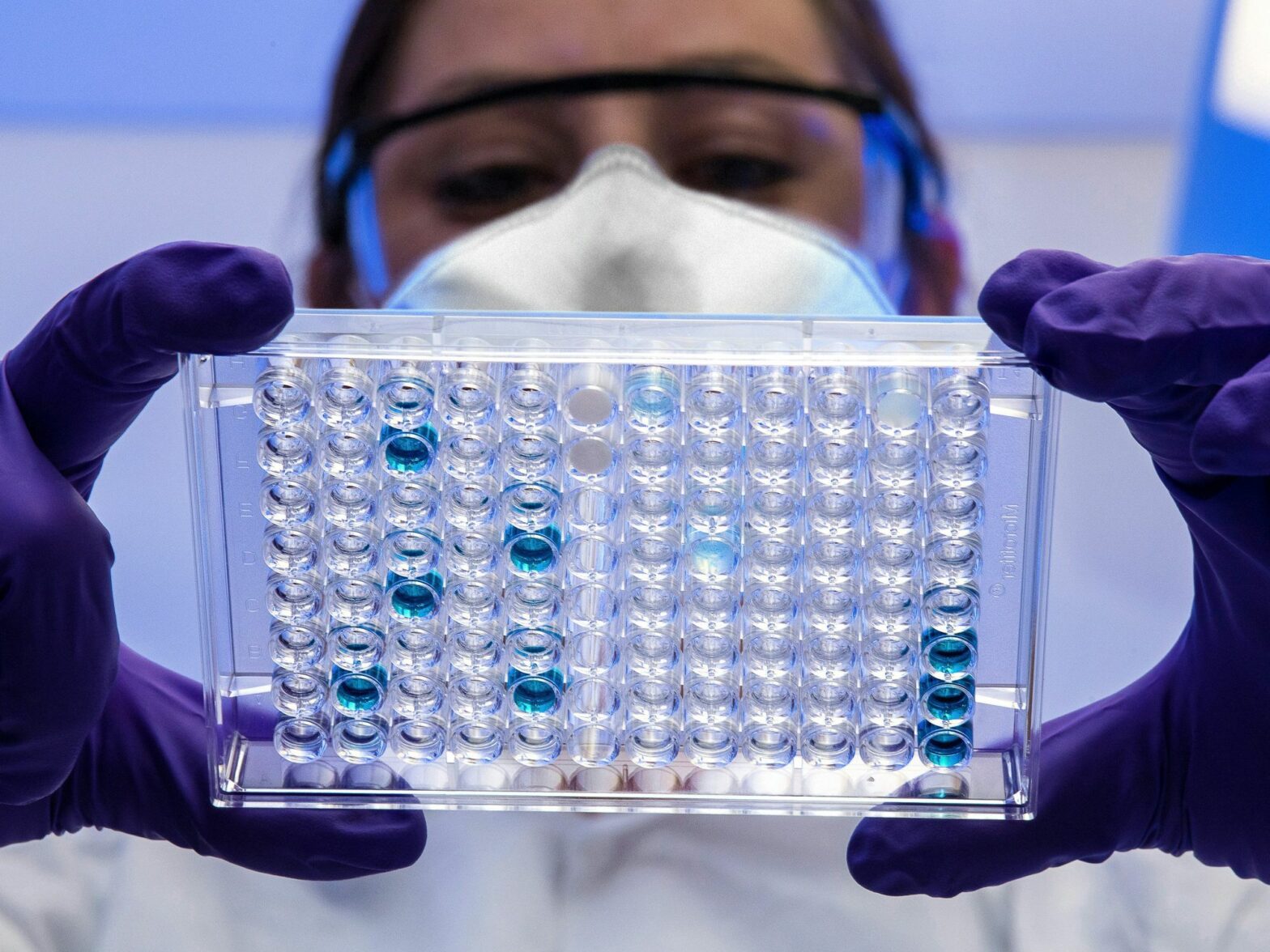
As scientists struggle to connect with the public, they must consider new models for making research more accessible.

Nick Littlehales was Cristiano Ronaldo’s sleep coach. Now he looks at a Die Zeit journalist’s sleepless nights through cycles and diagrams, returning to a central paradoxical conviction.
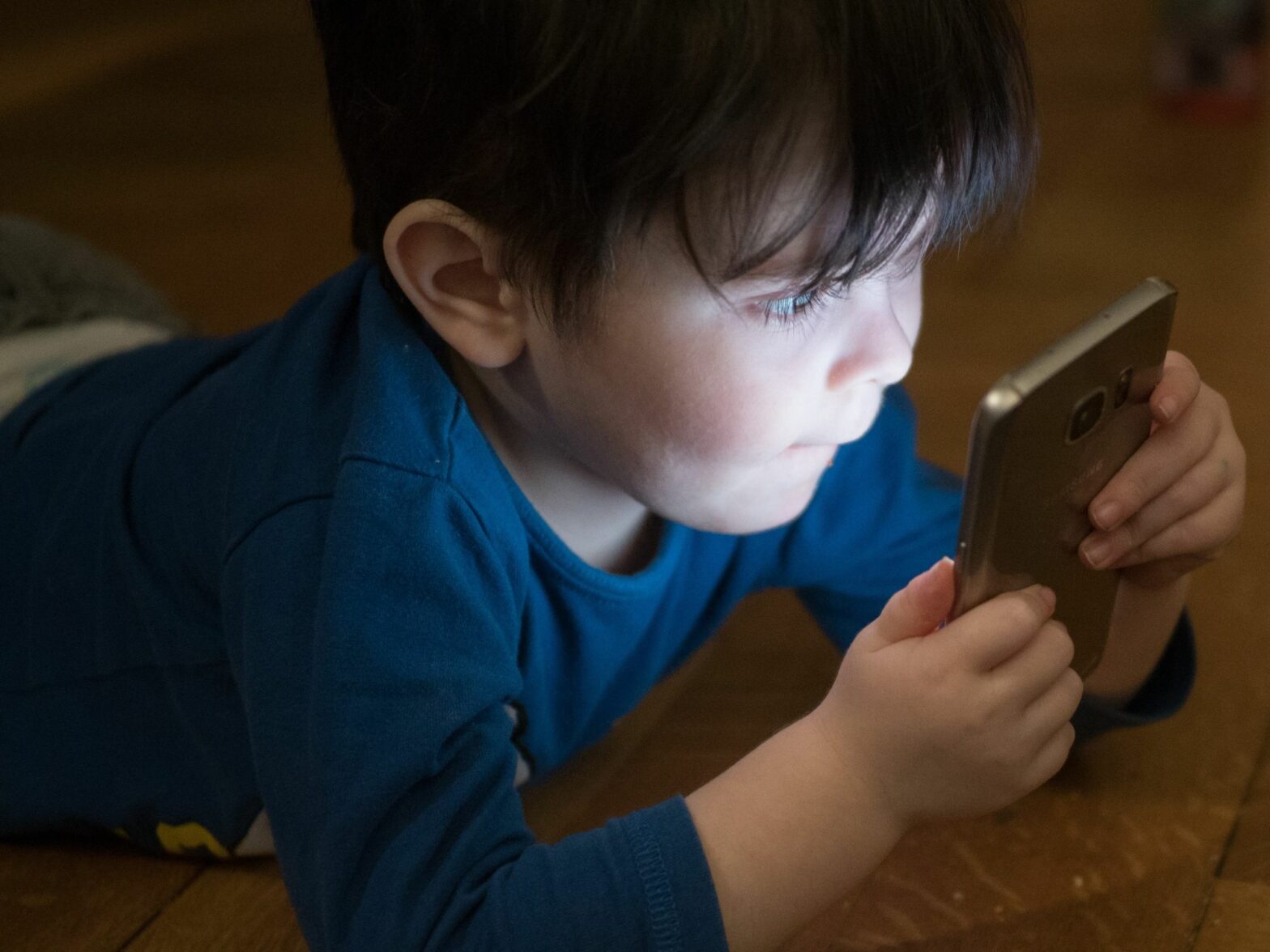
Many parents give their toddlers a smartphone or tablet. Is this a total disaster or can children adapt to the new media? For Die Zeit, Wenke Husmann takes a closer look at what scientists say about how screens influence the development of children’s brains.
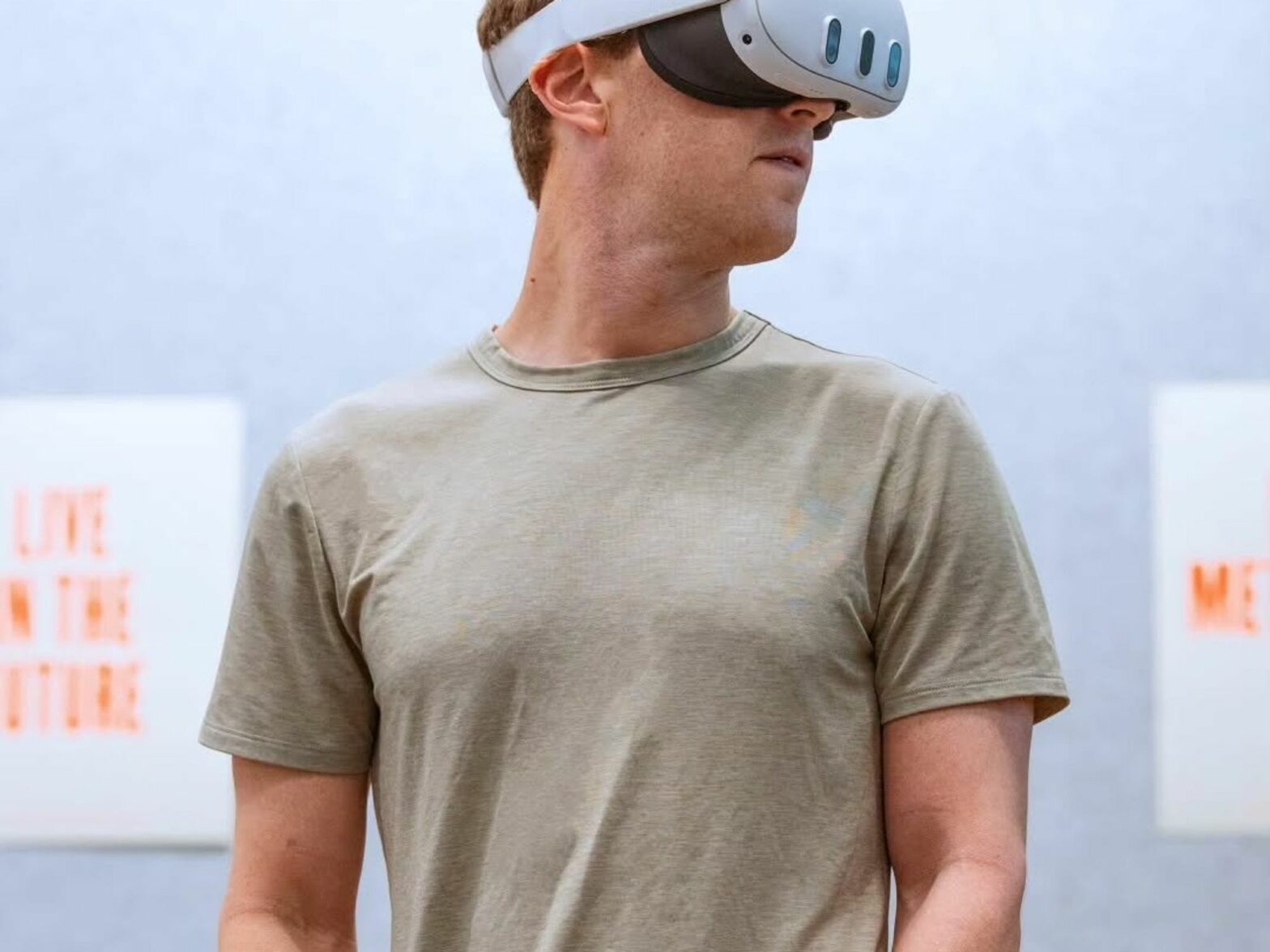
The dramatic shift by Meta, which announced it will abandon its fact-checking program, does not bode well for the fight against the spread of misinformation and disinformation online.
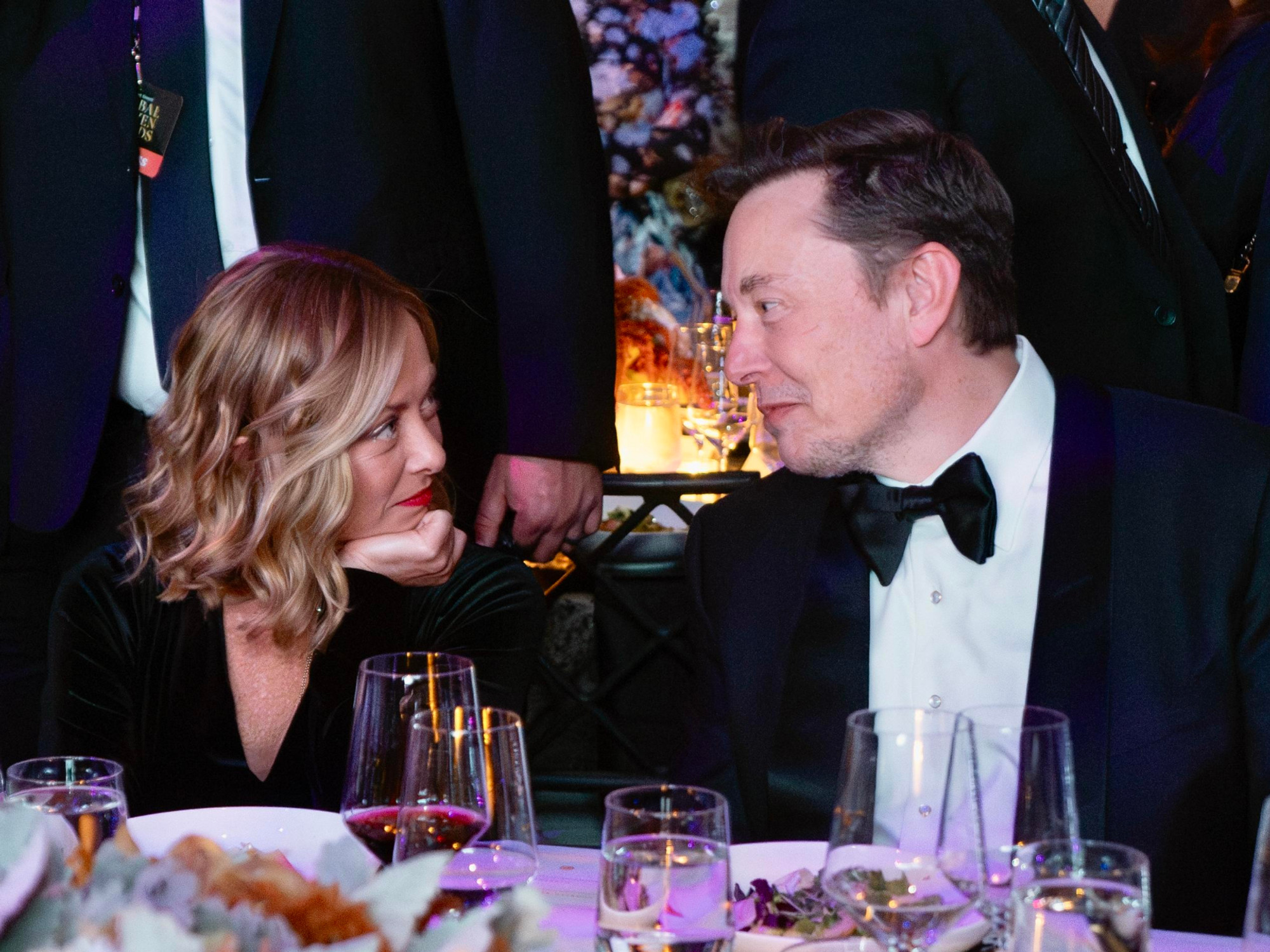
Emmanuel Macron, Keir Starmer, and Olaf Scholz have all responded in the past few days to Elon Musk statements siding with Europe’s far right. Among top European leaders, U.S. tech billionaire seems to only have eyes for Italy’s Giorgia Meloni.
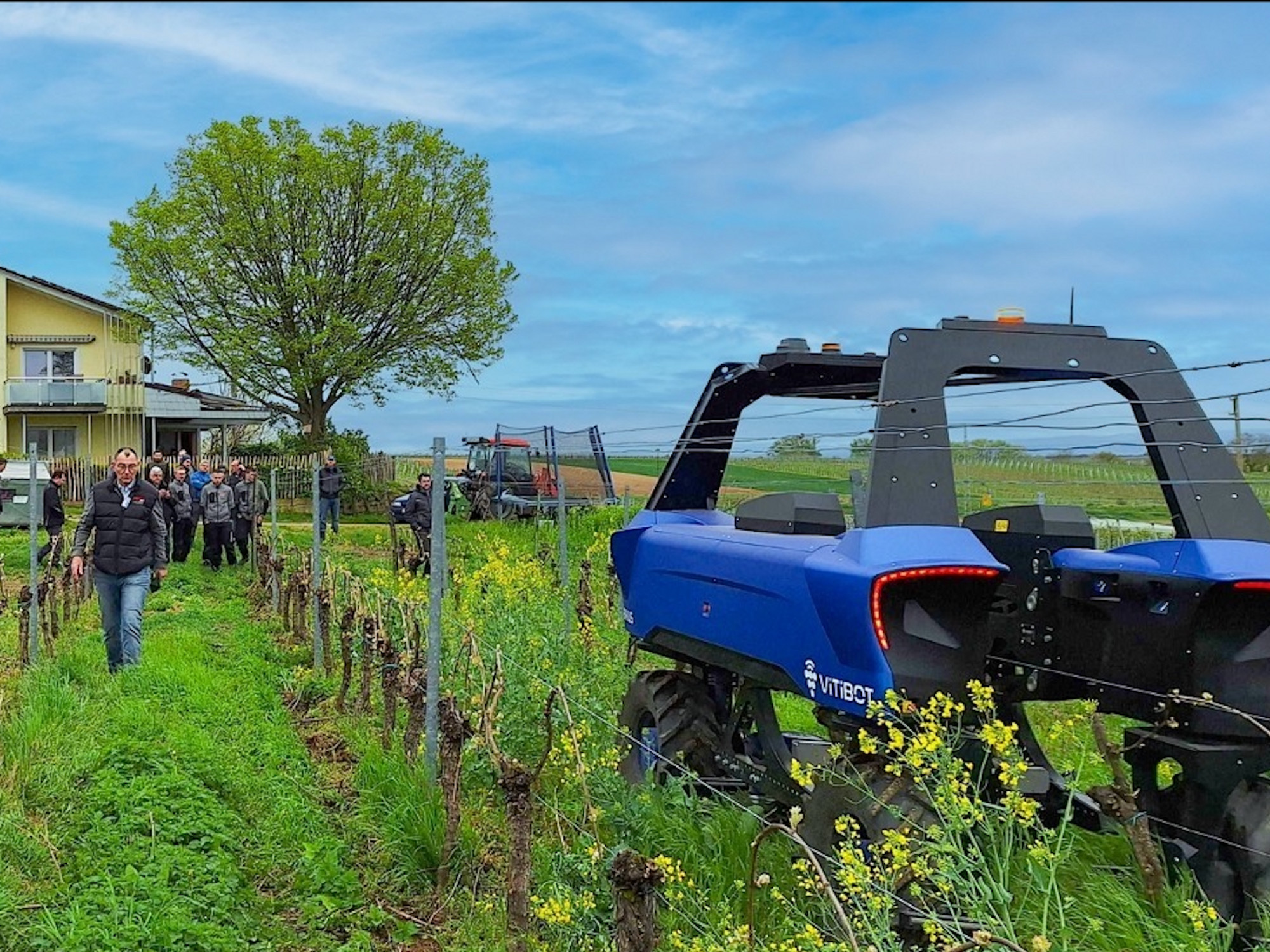
The vineyards around Bordeaux are known for preserving the region’s traditions. But they are also on the cutting-edge among French winemakers, leading the way in using new technologies, such as electric robots and AI monitoring, which allow them to reduce CO2 emissions and solve labor shortages.
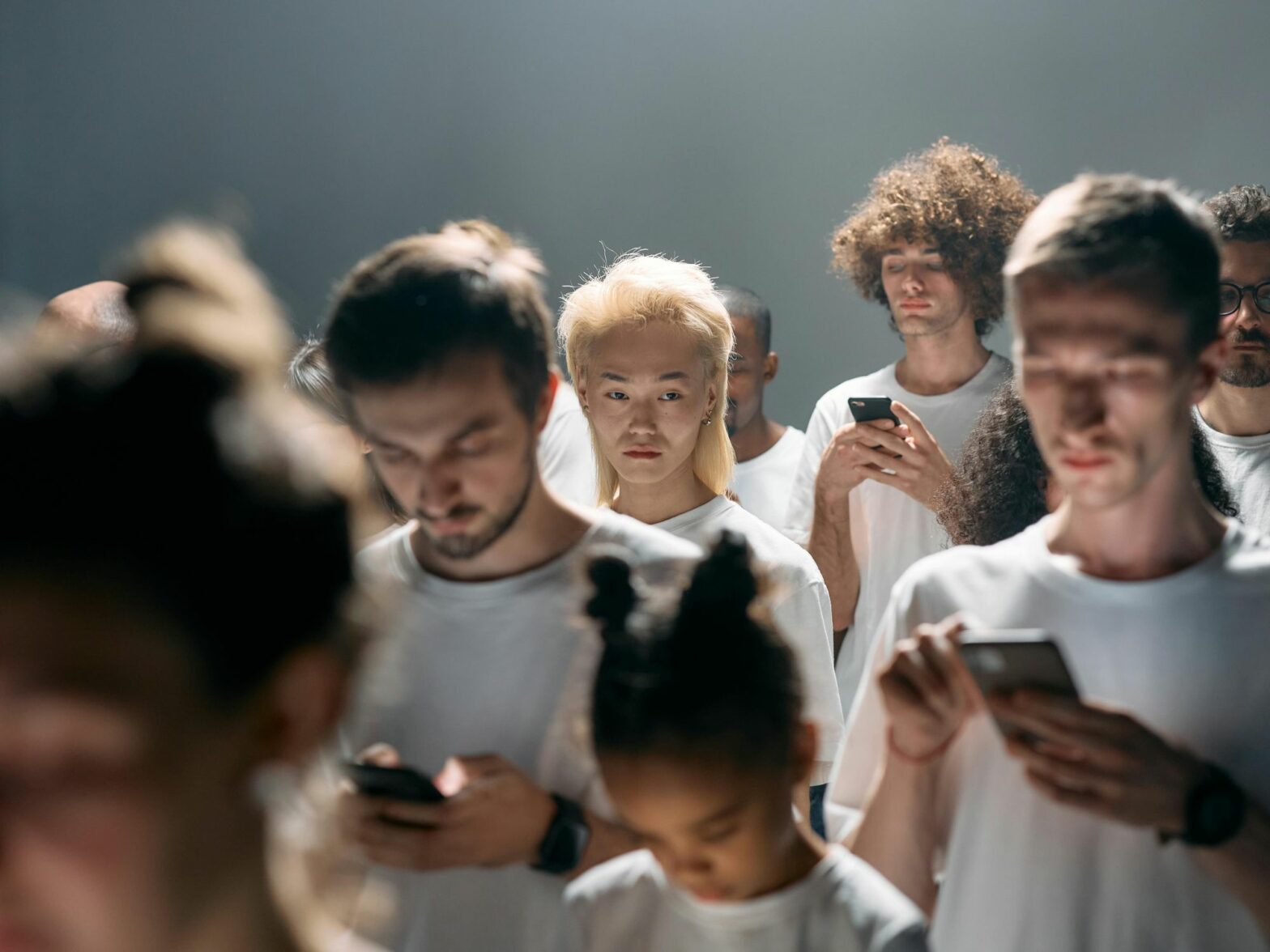
We are drowning in digital hyper-production, or the vast torrent of pictures and data coming out of our screens. There is no room for mystery or creativity. The art of delay, essential for contemplative thought, is definitively lost in the culture of digital immediacy. So what can we do about this?
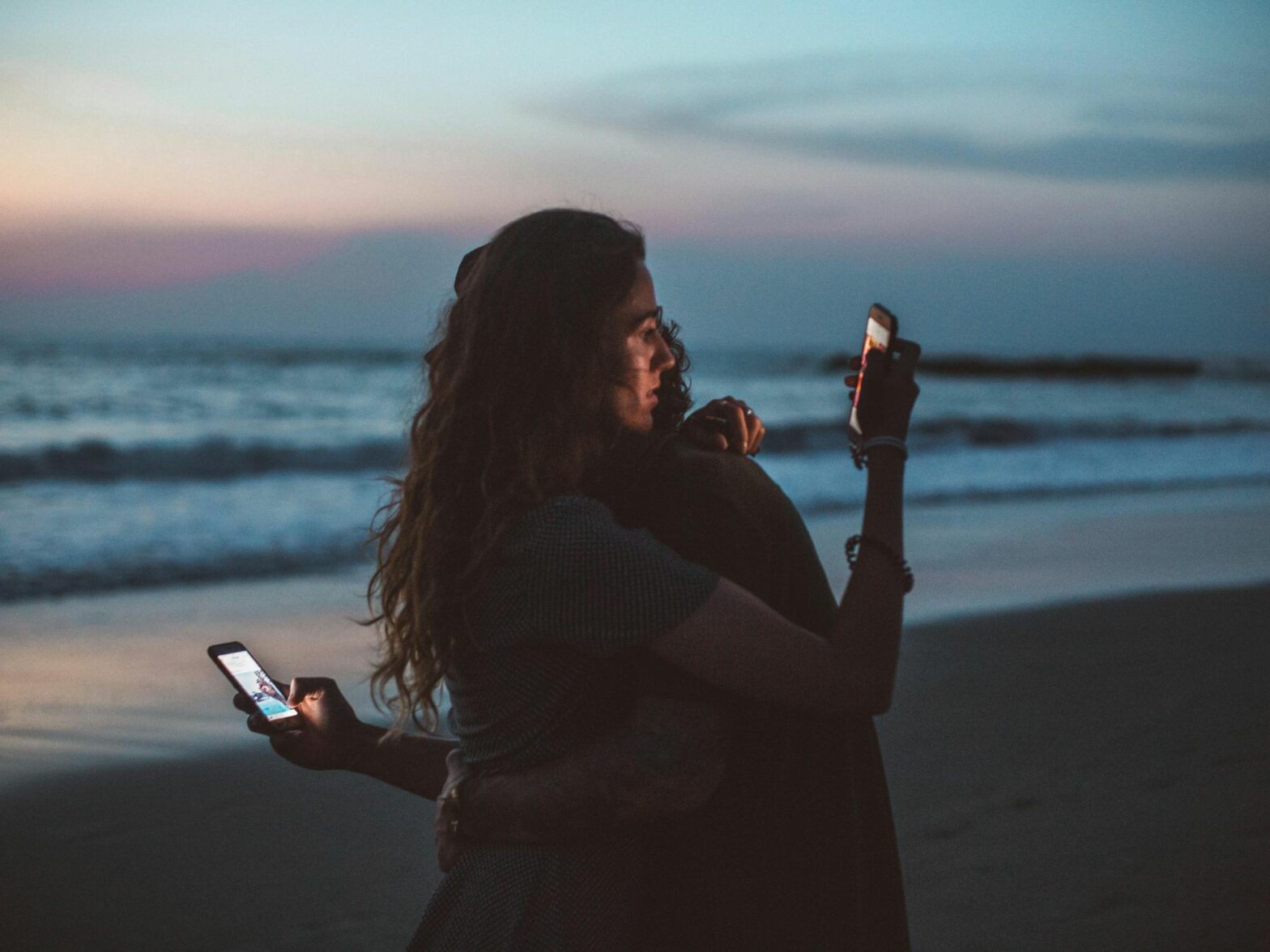
In Colombia and elsewhere in the Western world, parents worried about the horrors of the modern world hurting their children have turned to keeping their children on a leash and, worse, overexposing them to Internet garbage. They must let go, so their children can function as social beings, educator Julián de Zubiría Samper writes in El Espectador.

Although science and research dominate our lives, many people continue to believe in miracles. There are understandable reasons for this.
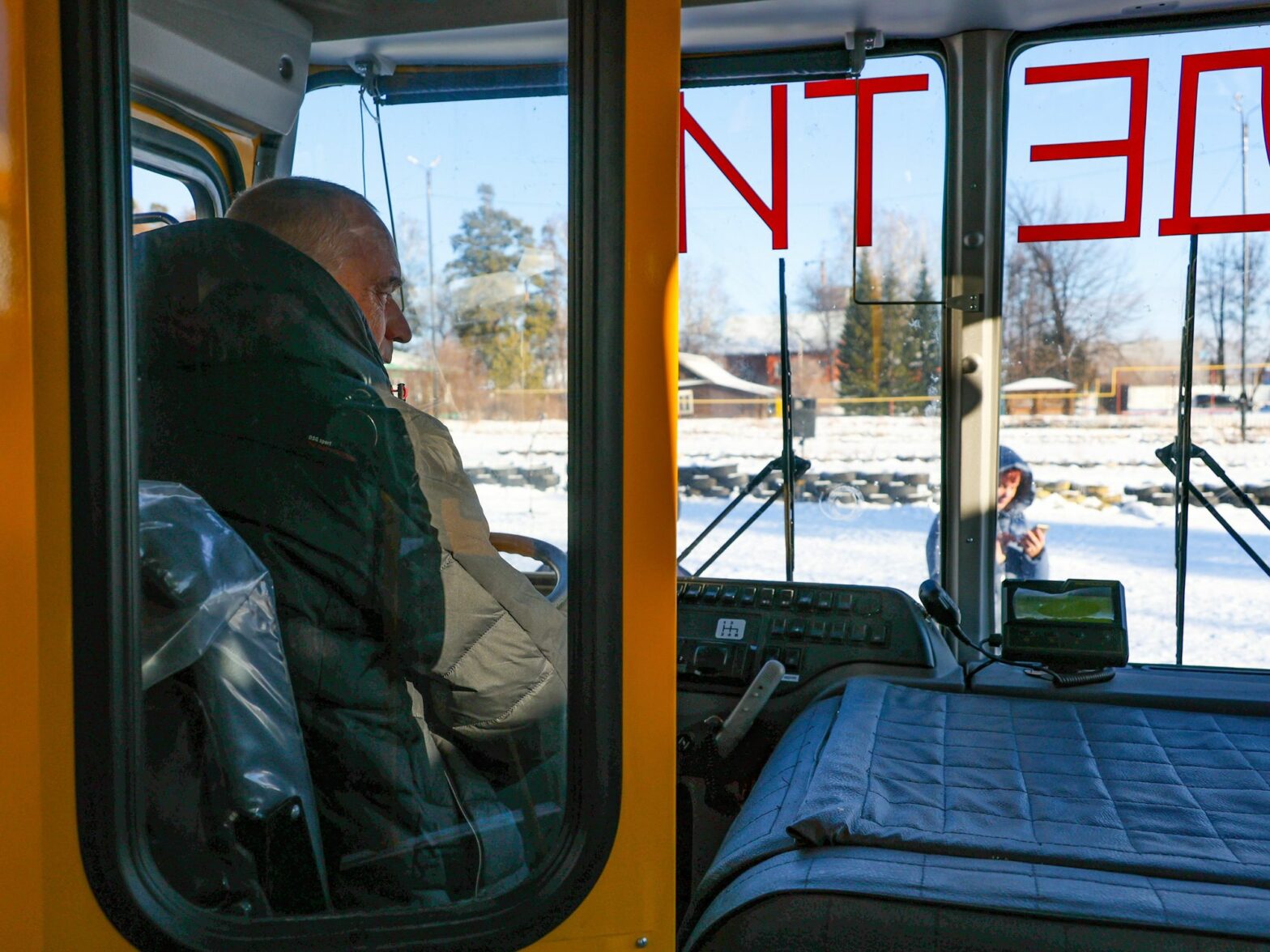
Russia’s Parliament has approved a law that would limit migrant children’s access to schools. It contradicts basic decency, international law and the Constitution. It is also bad for Russians.
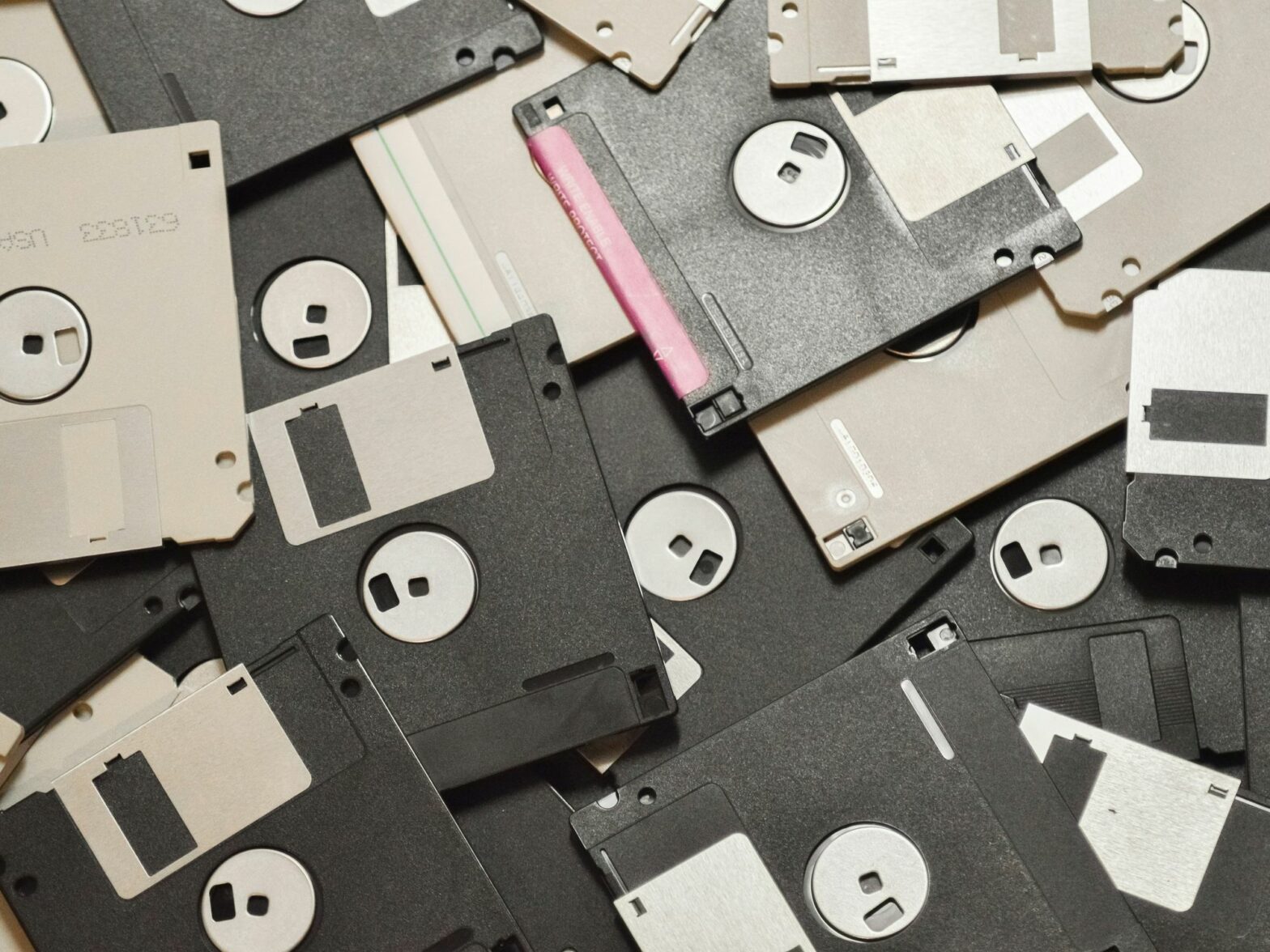
Every day, parts of the Internet disappear, because they are not profitable or nobody cares. It’s the silent loss of decades of culture.
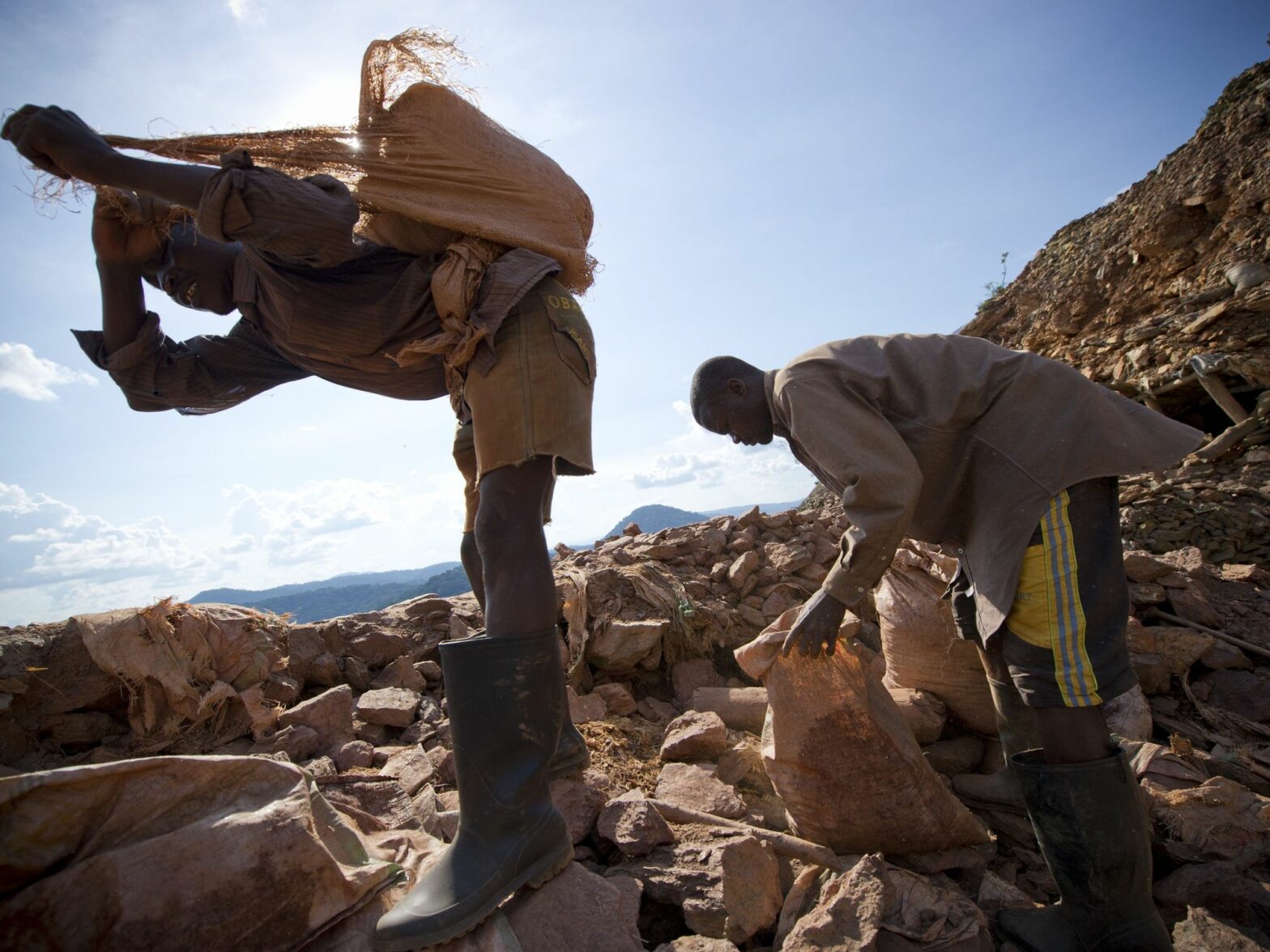
Kinshasa is suing Apple in France and Belgium for “complicity” in the use of rare minerals pillaged by armed groups to build their products. Apple denies the accusations and guarantees traceability, but the case highlights the fragile balance of power in Silicon Valley’s global supply chains.
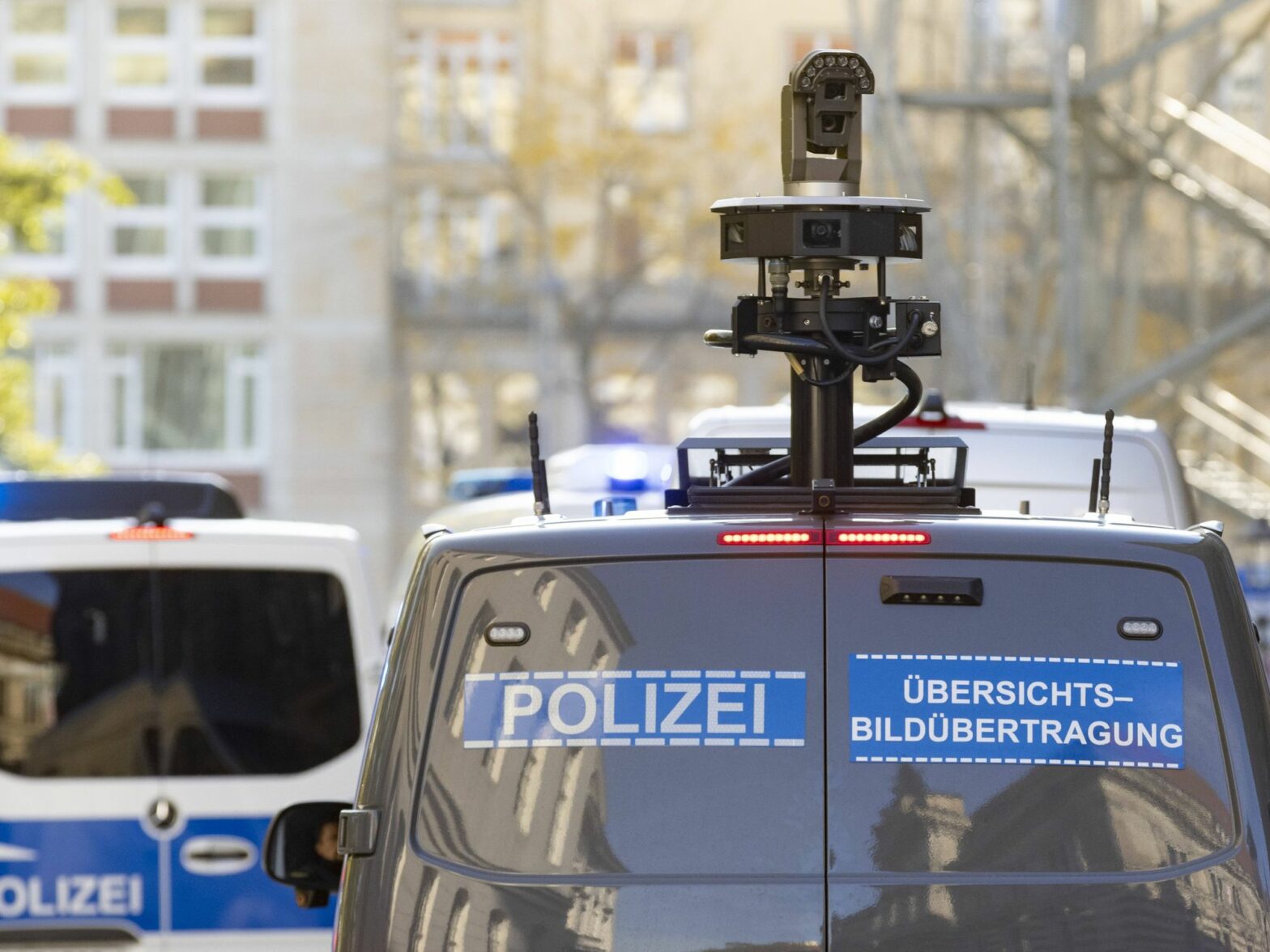
Advances in DNA technology and artificial intelligence may usher in a more Orwellian world. But do they work?
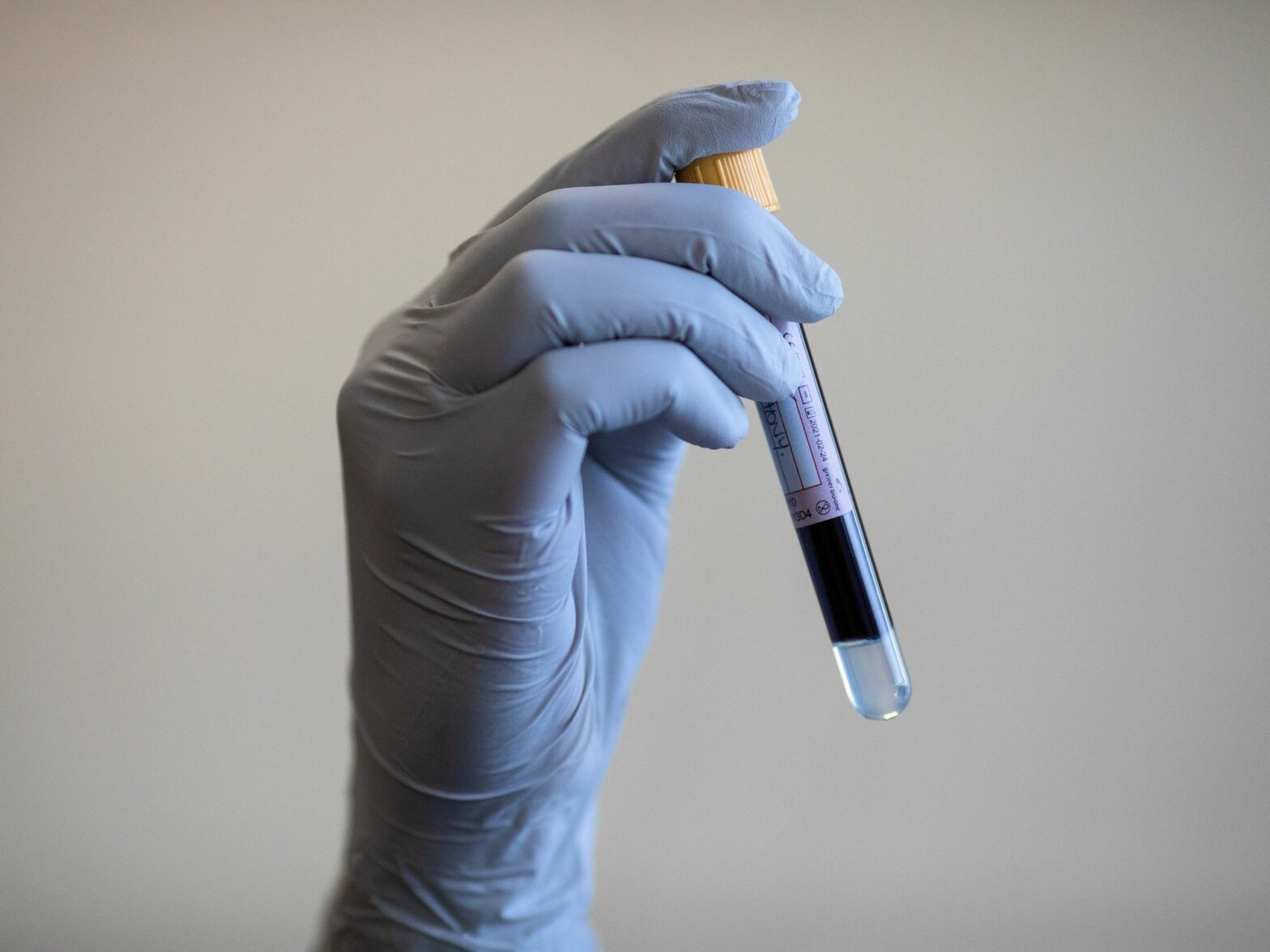
A new blood test, designed to detect more than 50 types of cancer, could be the future of early cancer detection. Is it the next big thing, or just another marketing gimmick?
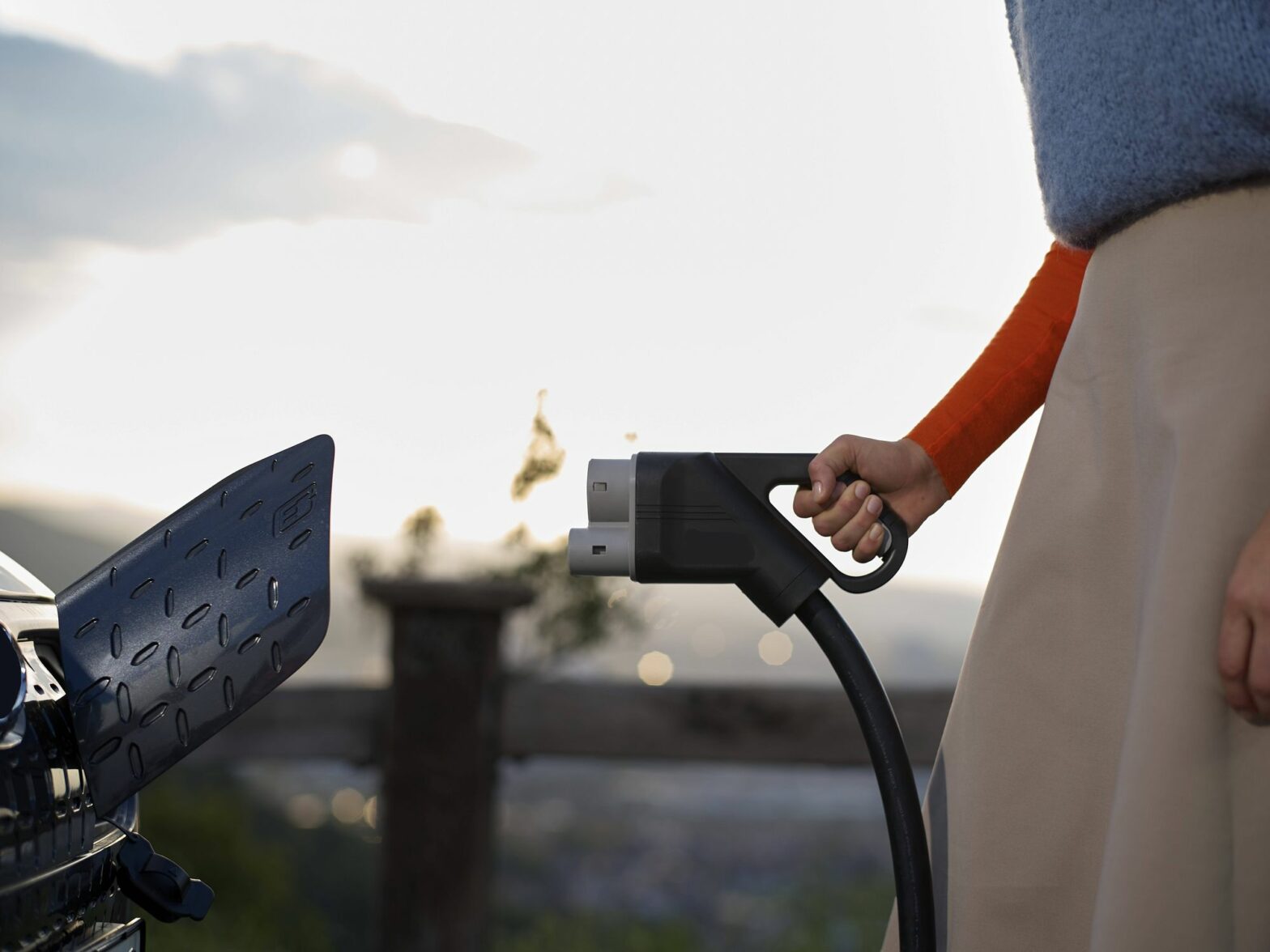
Europe’s electric car battery dreams are crumbling. From halted construction to creditor protection filings, the once-promising industry is on the brink of collapse. Meanwhile the incoming Trump administration says it plans to undo Biden-era policies supporting electric vehicles and emissions standards.
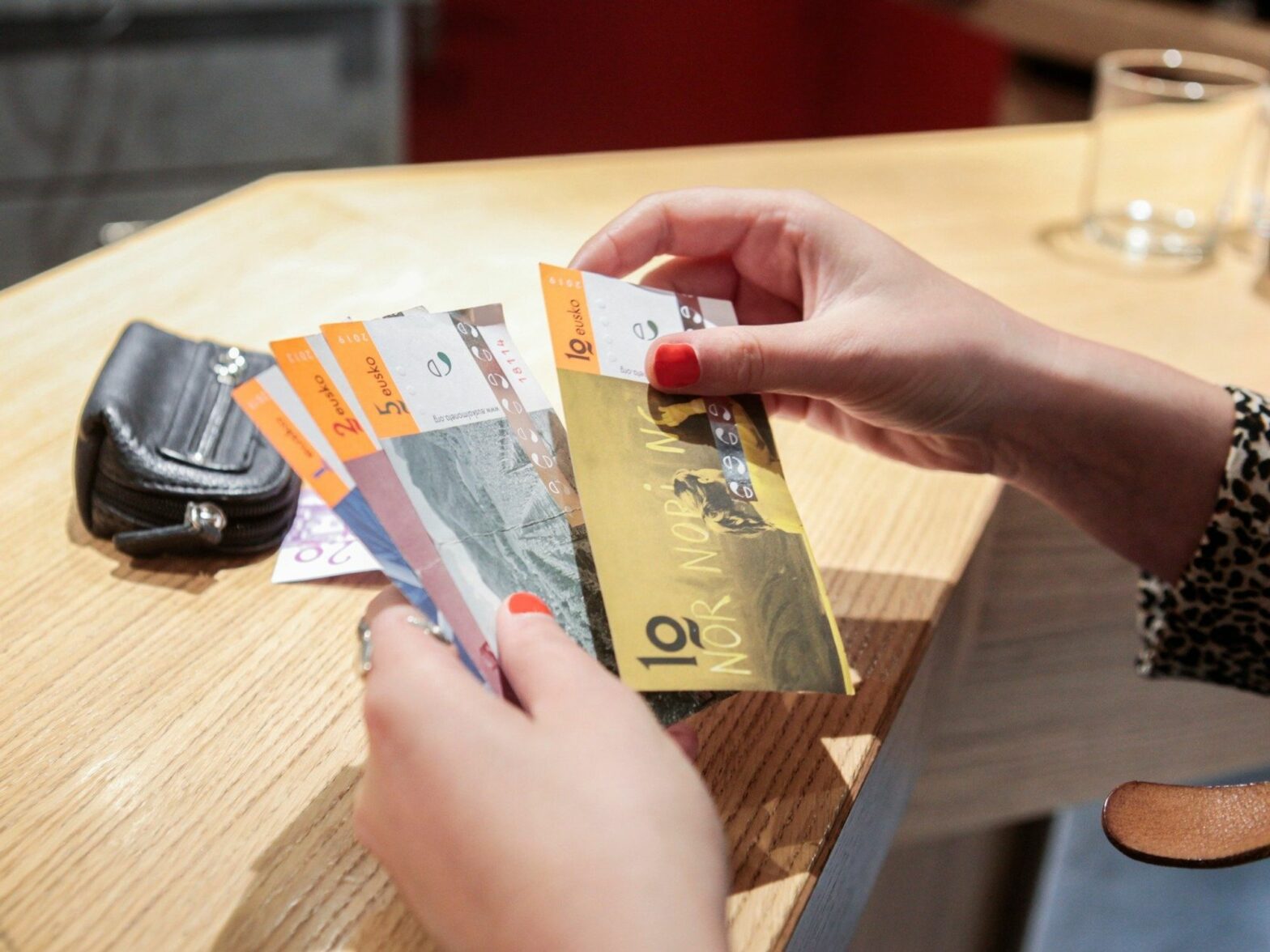
Increasingly widespread across France, these alternative currencies are emerging as a new tool for promoting short supply chains, local economies and ecological transition.
Misleading videos on the platform are said to have influenced the election in Romania, with accusations against Russian influence. Have we learned anything about manipulation and disinformation since Facebook faced a similar outcry in 2016?
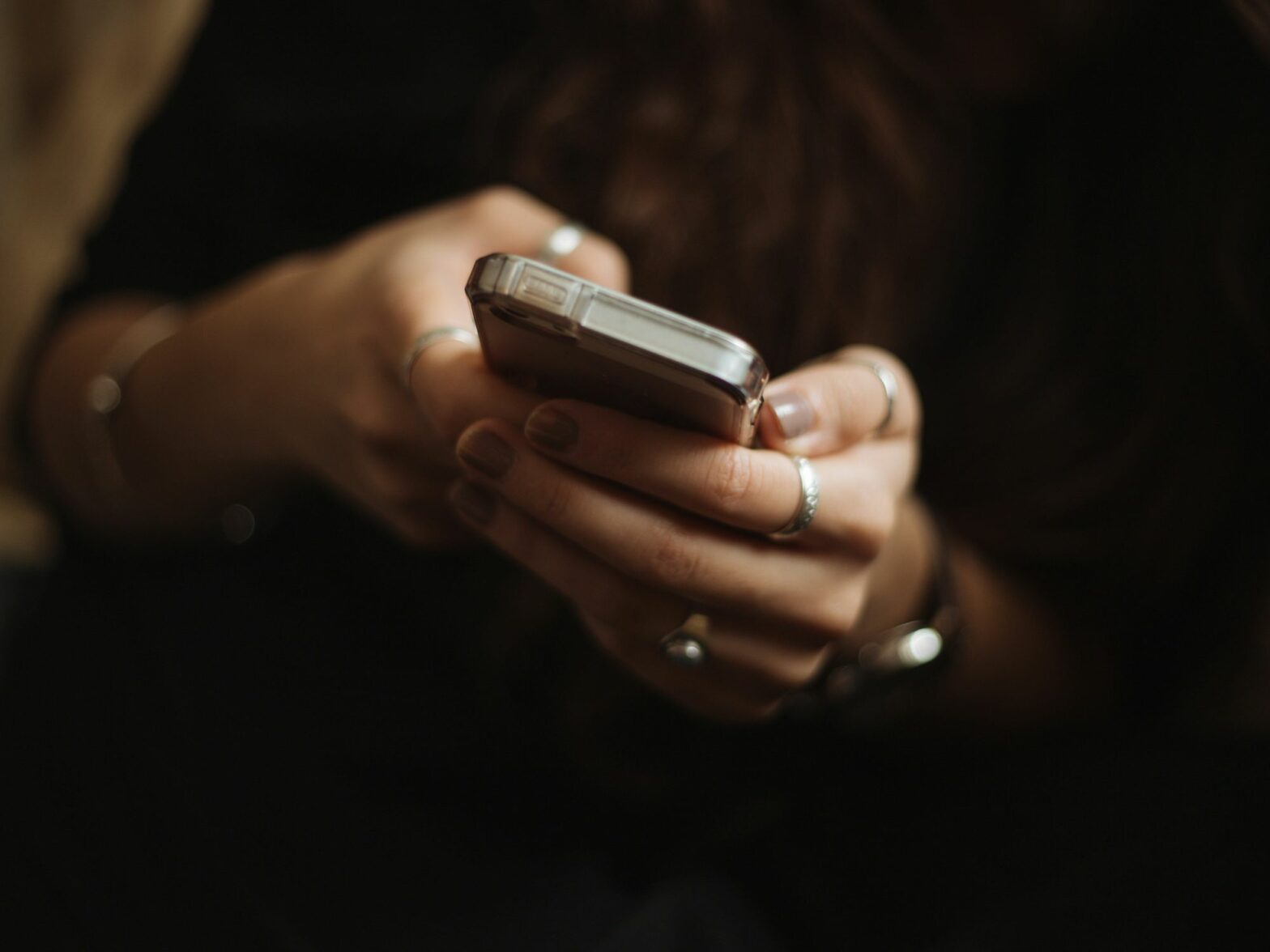
As concerns grow over the risks of social media and technology on young people, a new and largely unregulated digital frontier is emerging: interactions with artificial intelligence. Platforms like Character.AI allow users to create AI-generated characters that seem human, prompting critical questions about how these virtual experiences affect our understanding of reality and relationships.
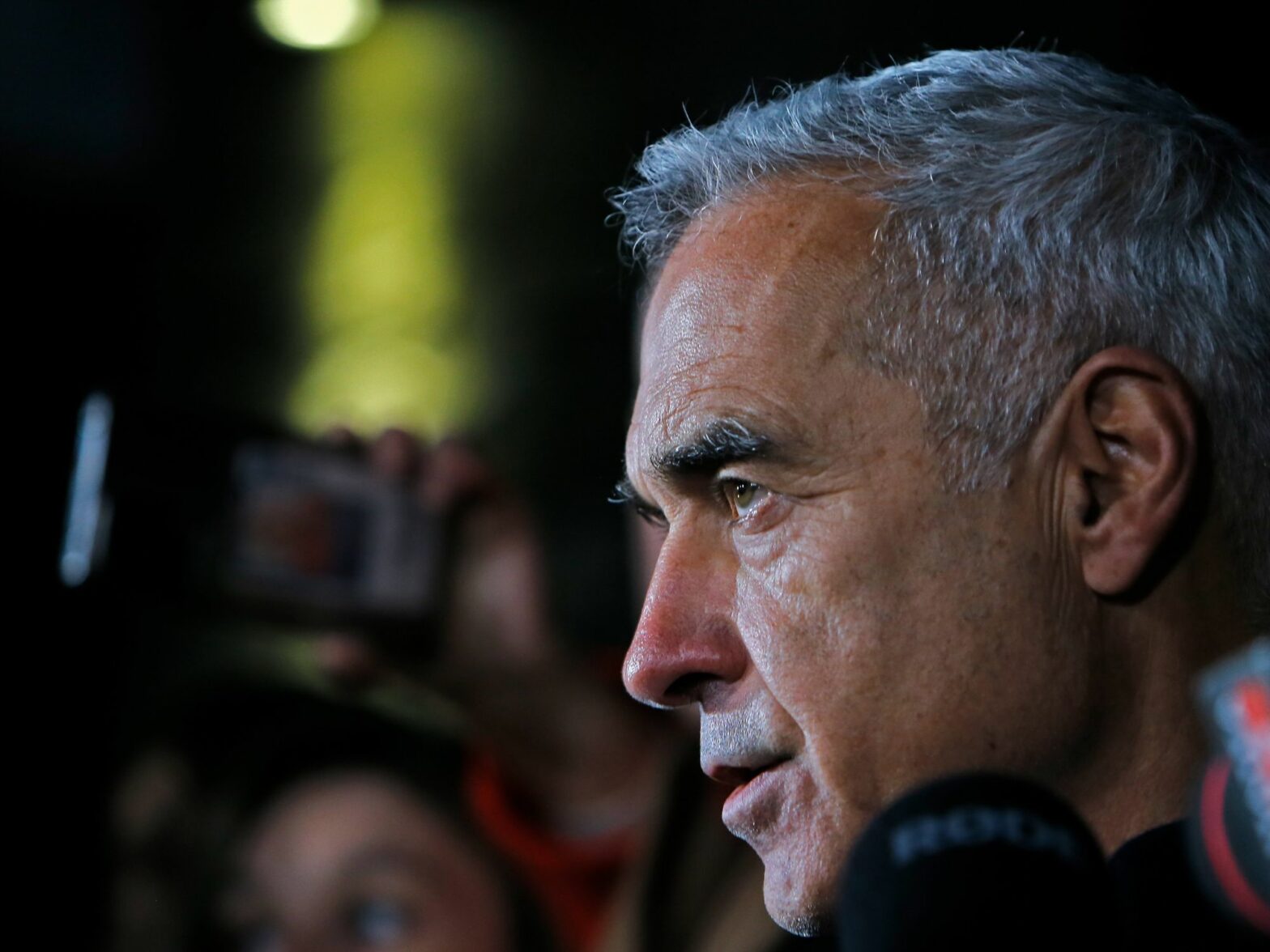
Romania’s out-of-nowhere far right presidential candidate Călin Georgescu has become the latest case study showing just how much sway social media platforms can have over elections, going even farther than Donald Trump on Elon Musk’s X.
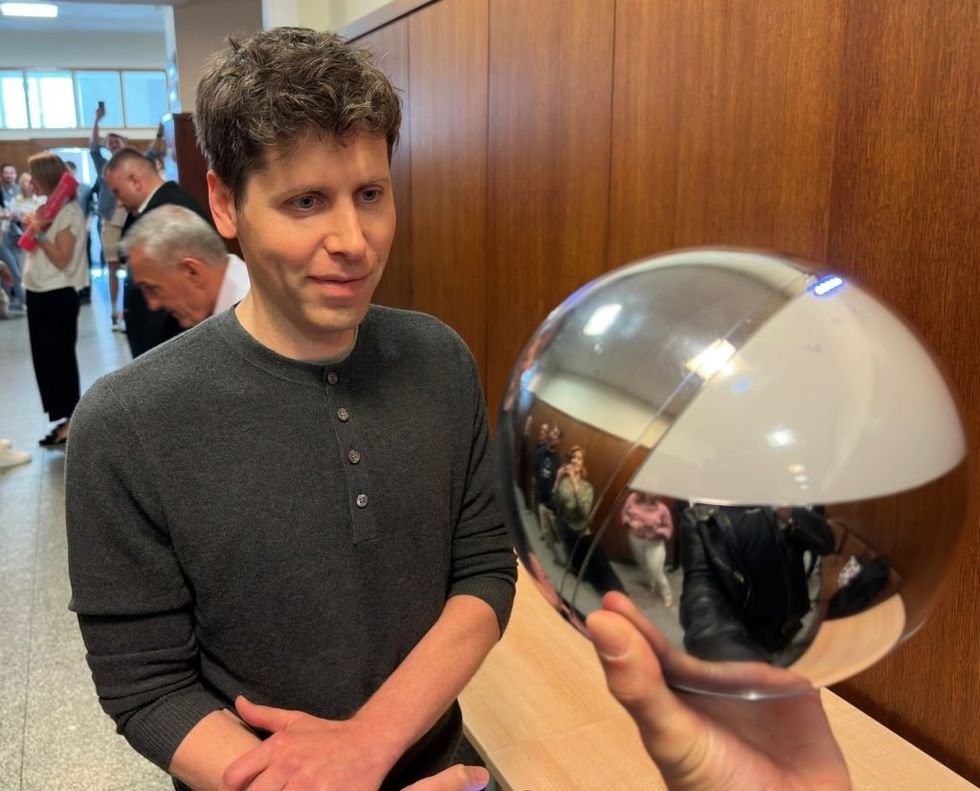
The initiative led by OpenAI CEO Sam Altman to create a global identity system through iris scanning has landed in Brazil. But what about privacy, transparency and the ethical implications of such a vast biometric project?
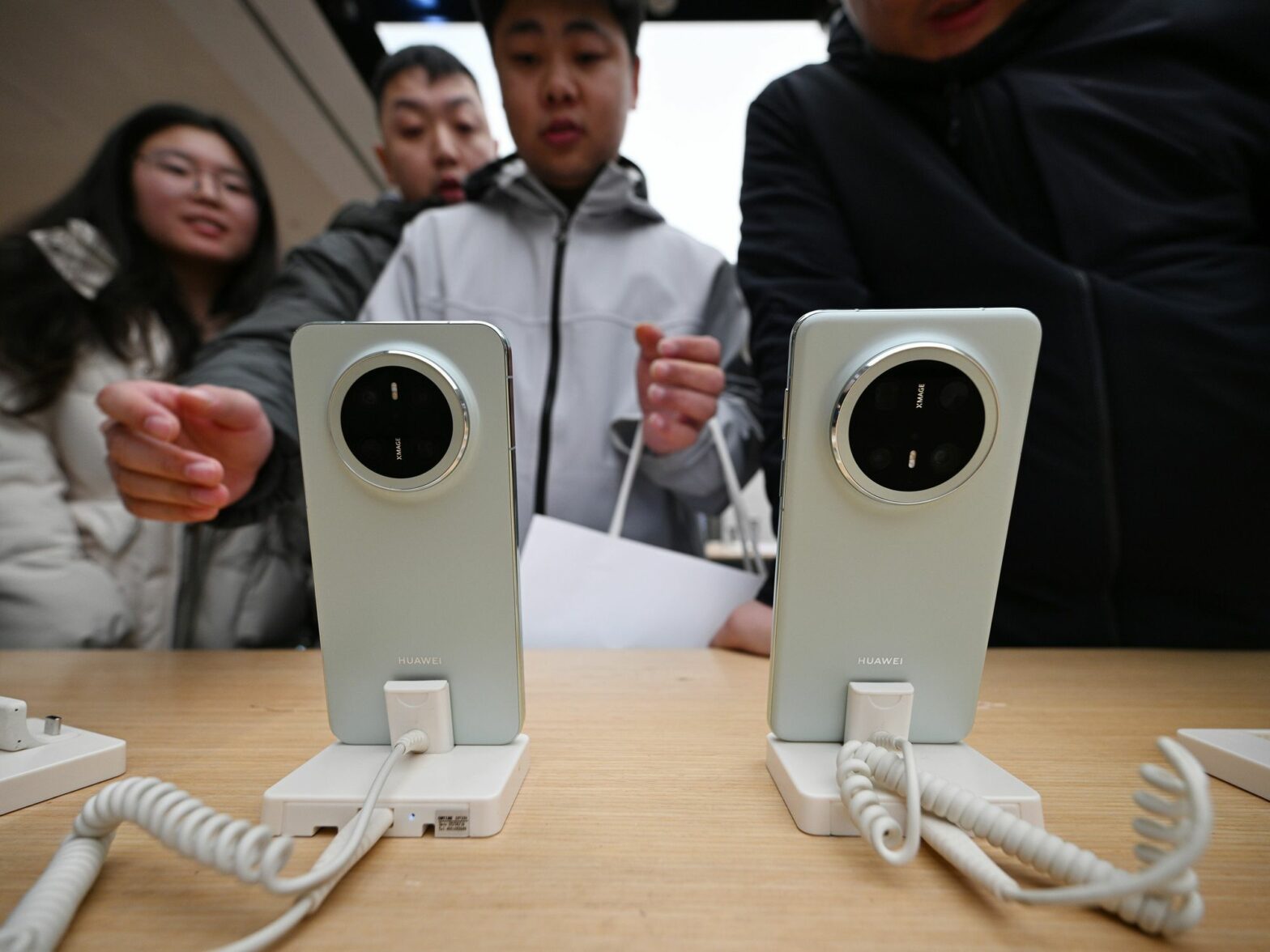
Before leaving office, the Biden administration yesterday imposed its toughest sanctions yet to deny China access to AI chips. This long-standing policy will undoubtedly continue under Donald Trump, a rare point of continuity.
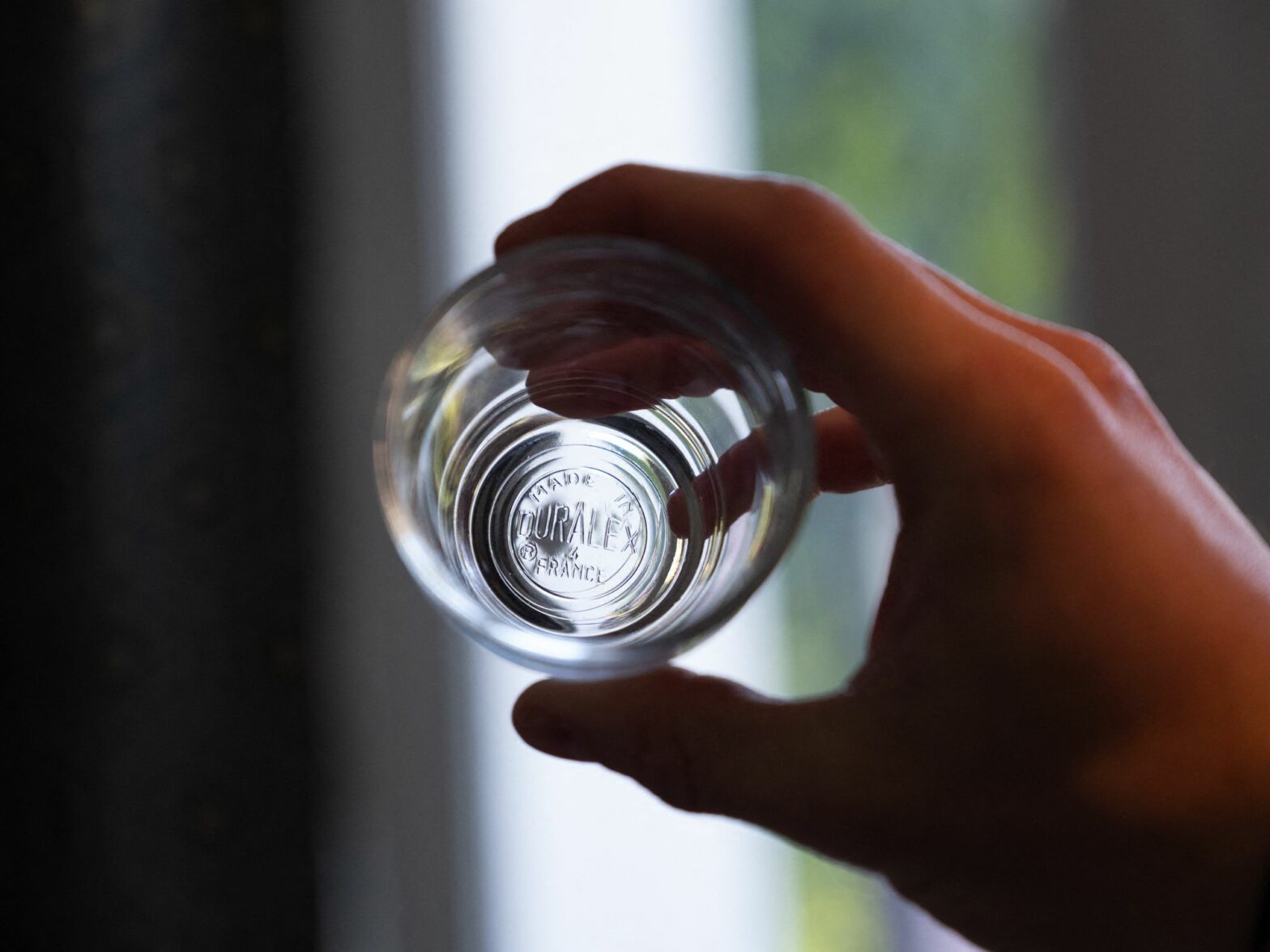
In Spain and beyond, Duralex plates and glasses have been part of the lives of different generations. So when workers of the French tempered glass manufacturer took over the emblematic company a few months ago, turning it into a cooperative to save it from bankruptcy, Spanish media took note.
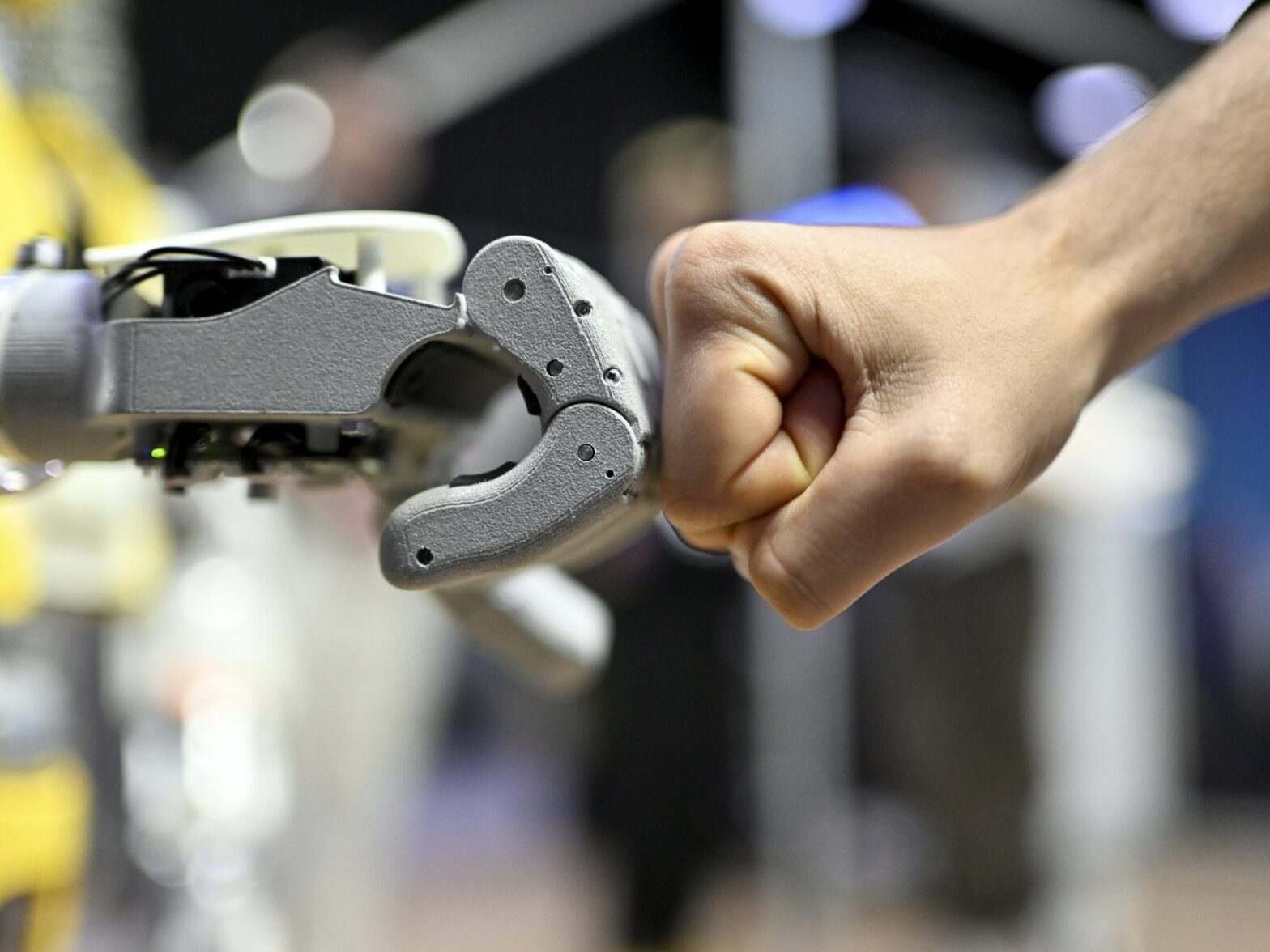
What will humans be like generations from now in a world transformed by artificial intelligence? Plenty of thinkers have applied themselves to questions like this, considering how AI will alter lives – often for better, sometimes for worse.
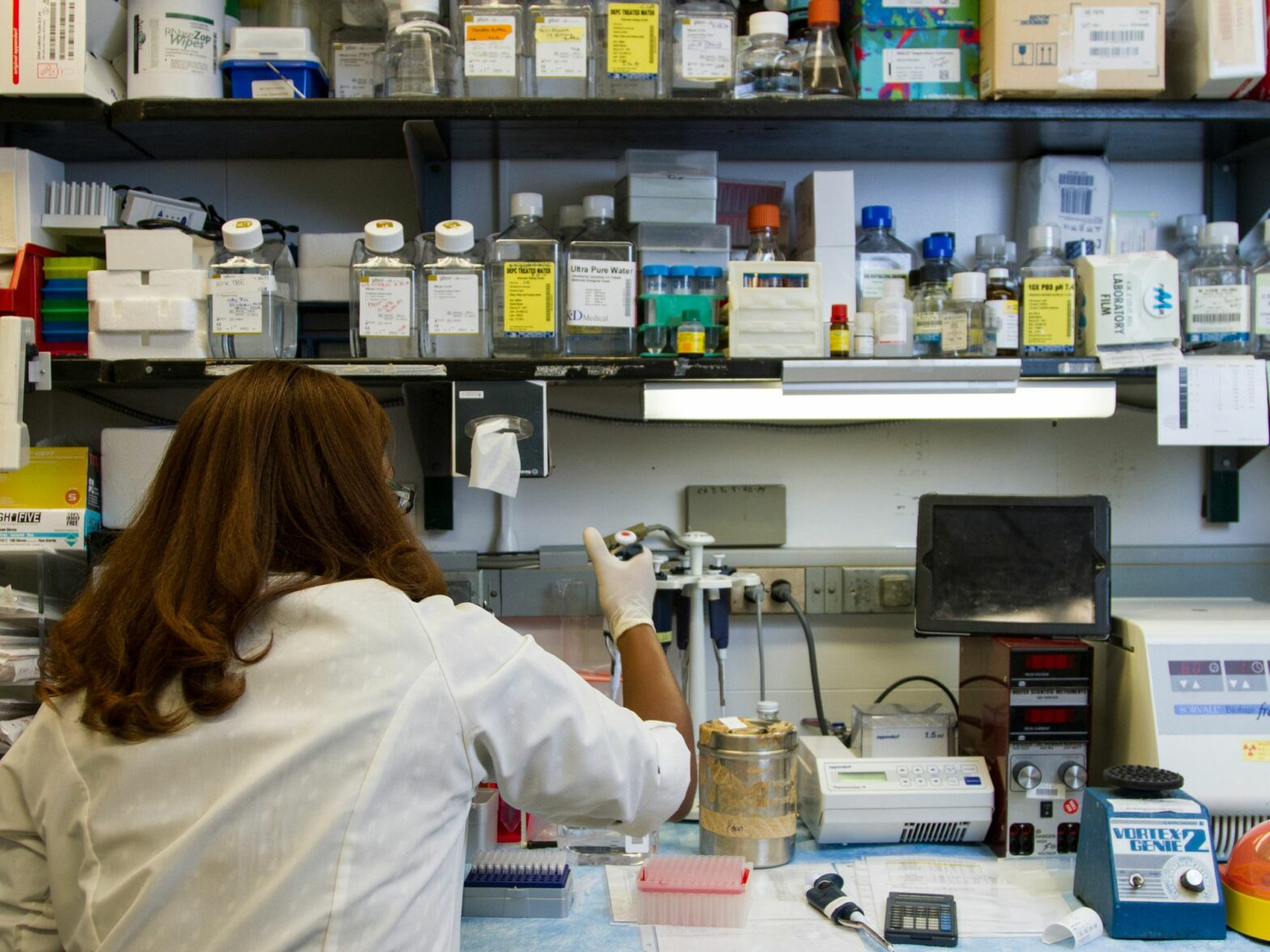
Beata Halassy’s aggressive form of breast cancer kept returning, until she chose to conduct a self-experiment. A molecular biologist, Halassy explored an untested treatment and injected herself with viruses to successfully fight off her cancer. It raises ethical debates, but also provides a glimpse into the future of personalized medicine.
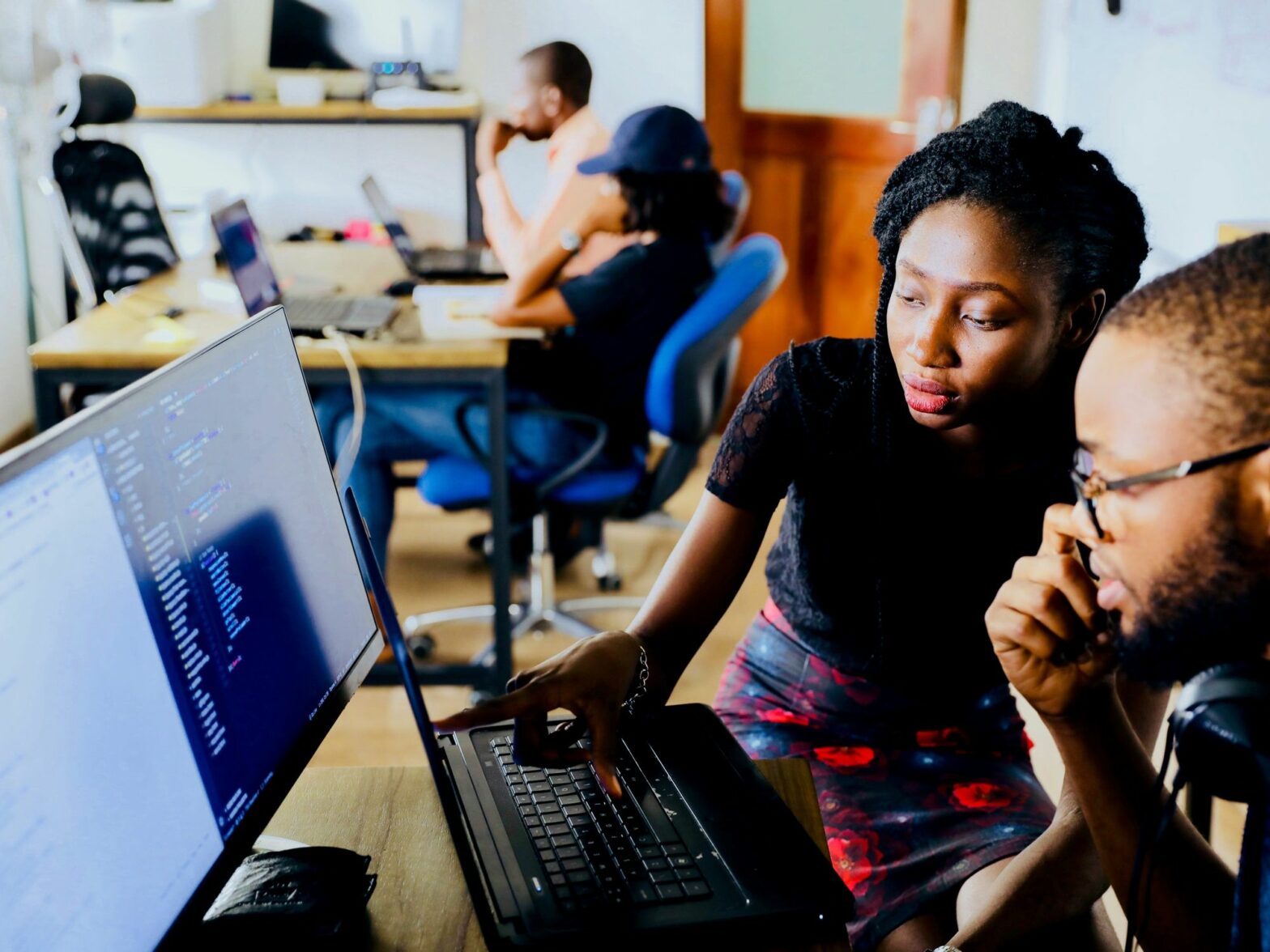
AI could offer a great new way in to the global economy for sub-Saharan Africa. Yet with some 20 million jobs needed to be created annually to absorb the massive influx of young people in the labor market, AI could also create new unemployment.
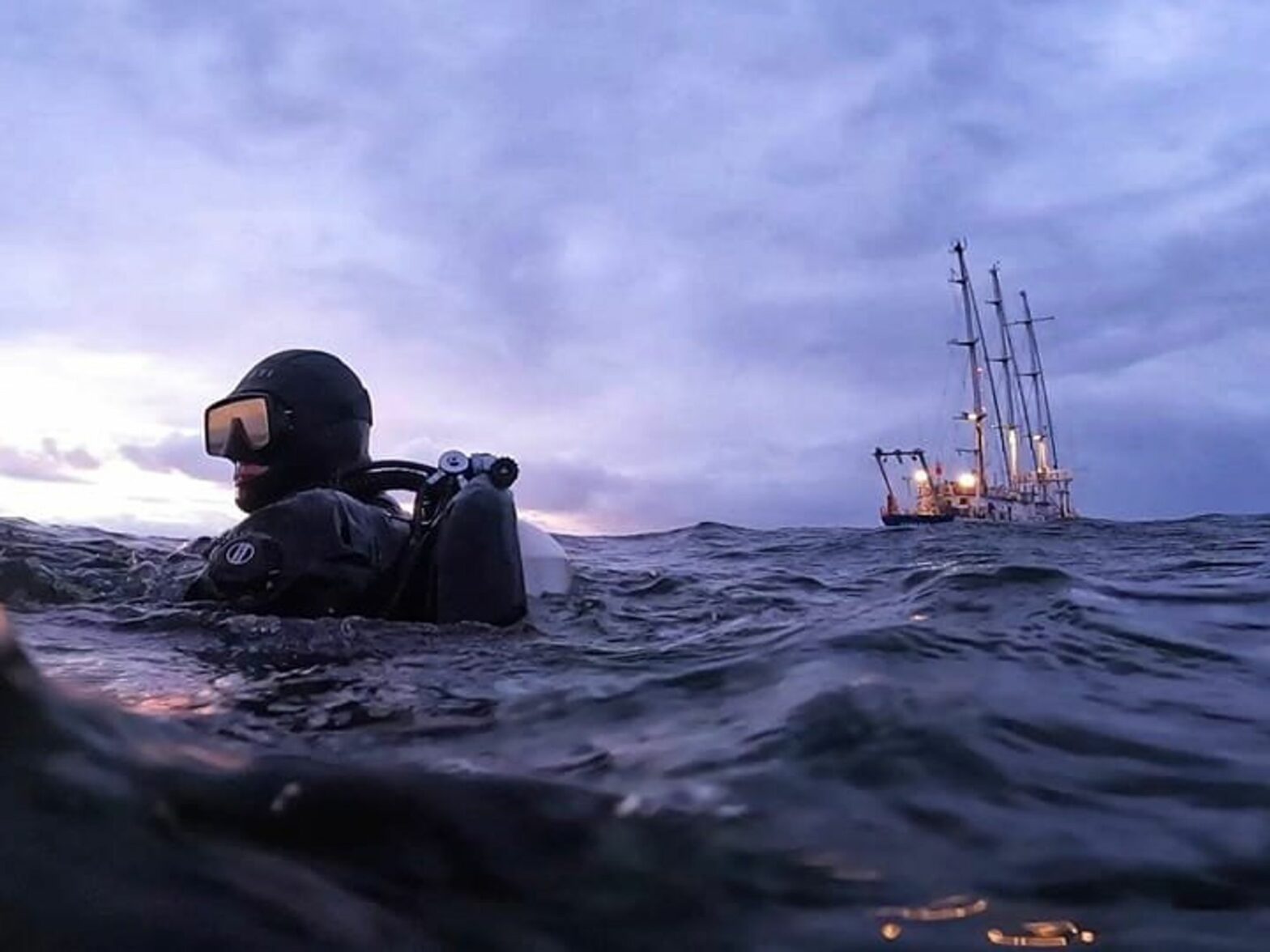
Russia’s invasion of Ukraine and fears of westward escalation have already led many European countries to up their own defense strategies. But instead of the latest technologies, rockets, and fighter jets, the true key to fighting back may lie in studying the polar region, critical for world stability.
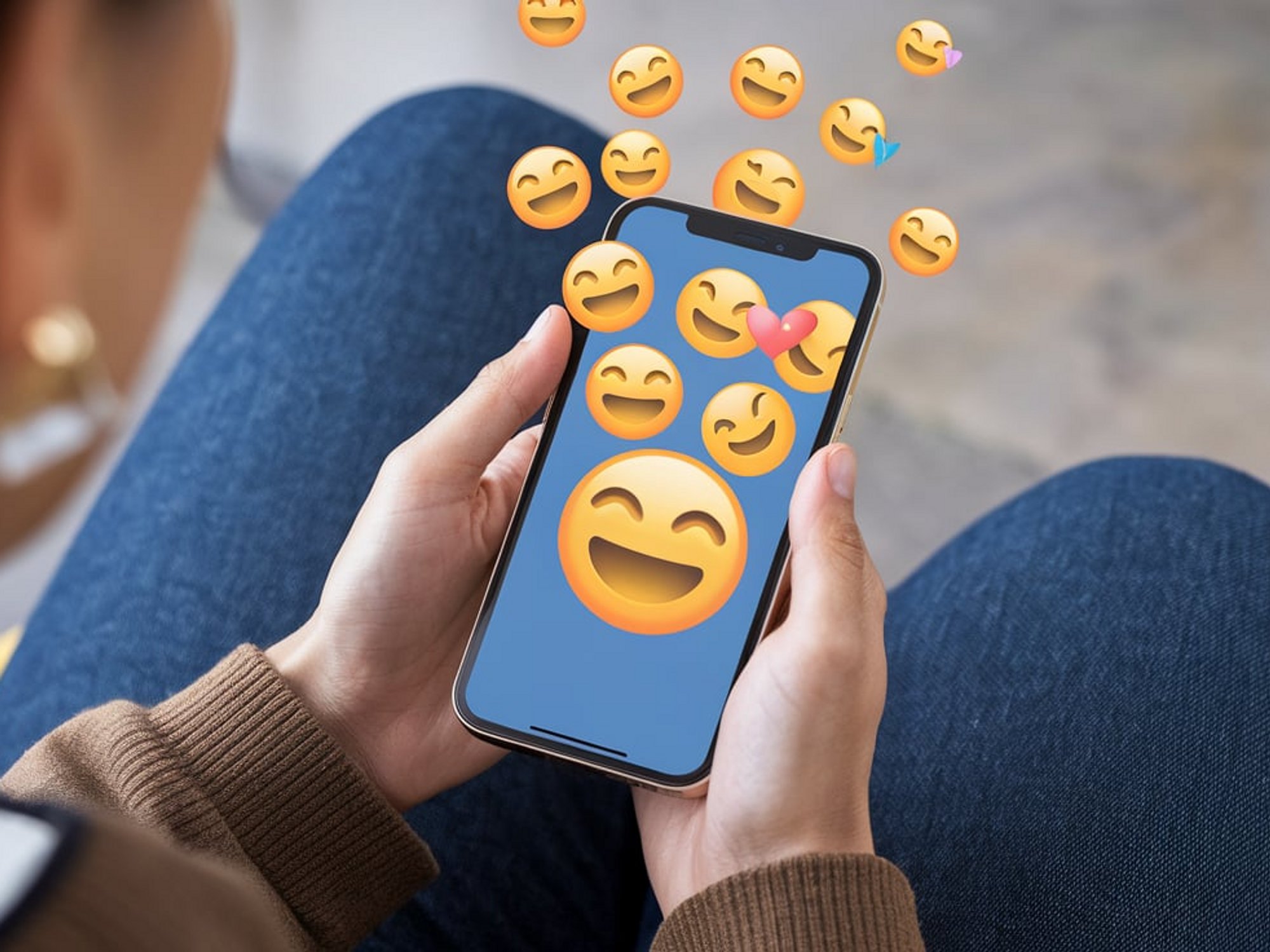
Happiness applications promise to make users measurably happier in eight weeks. But is happiness a skill that can be taught? For Die Zeit, science writer Maria Mast put an app to the test.
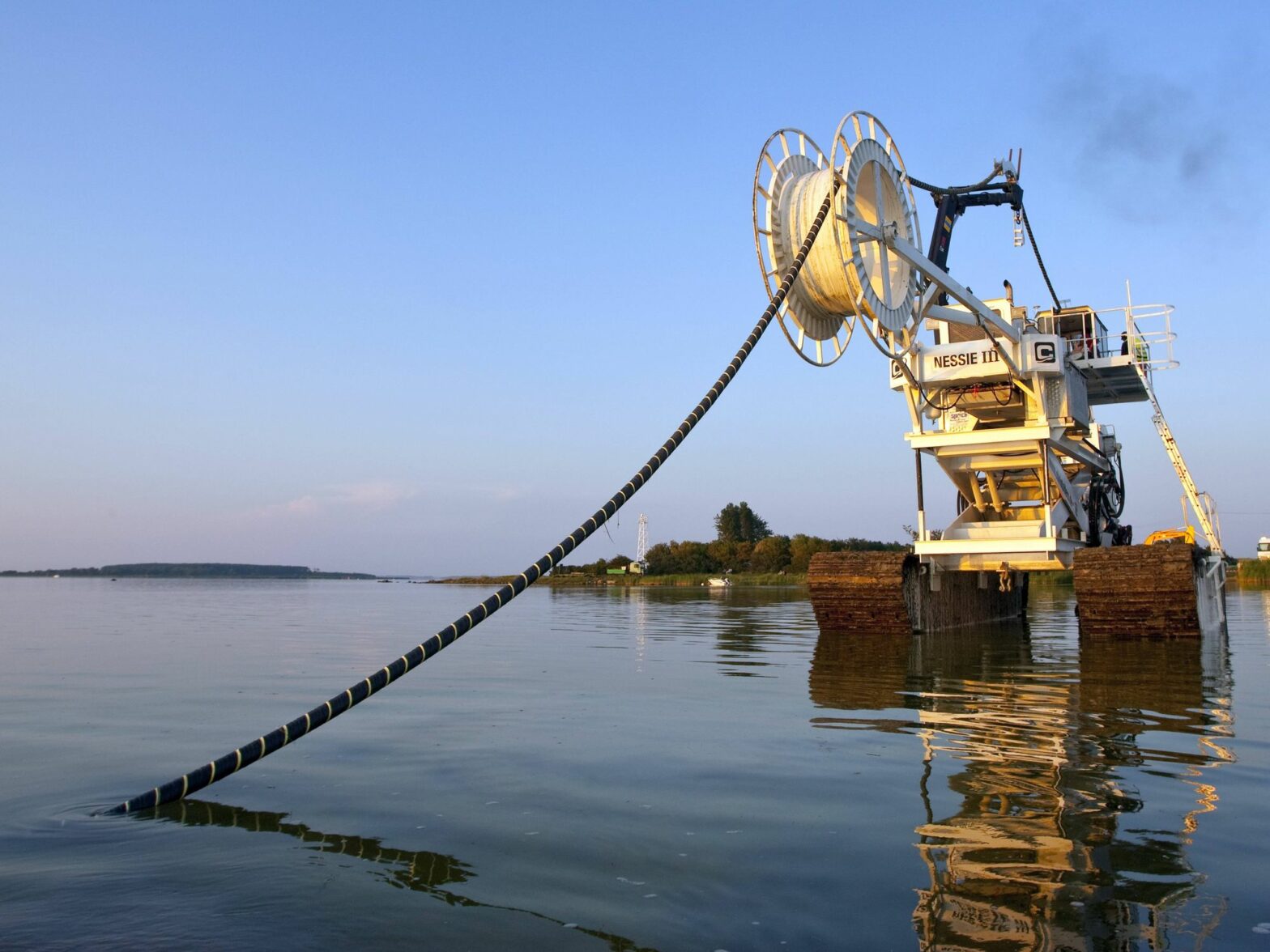
Forget about the satellites: 99% of global data traffic runs over fiber optic cables on the seabed. Now, climate change and political sabotage might put the infrastructure at risk.
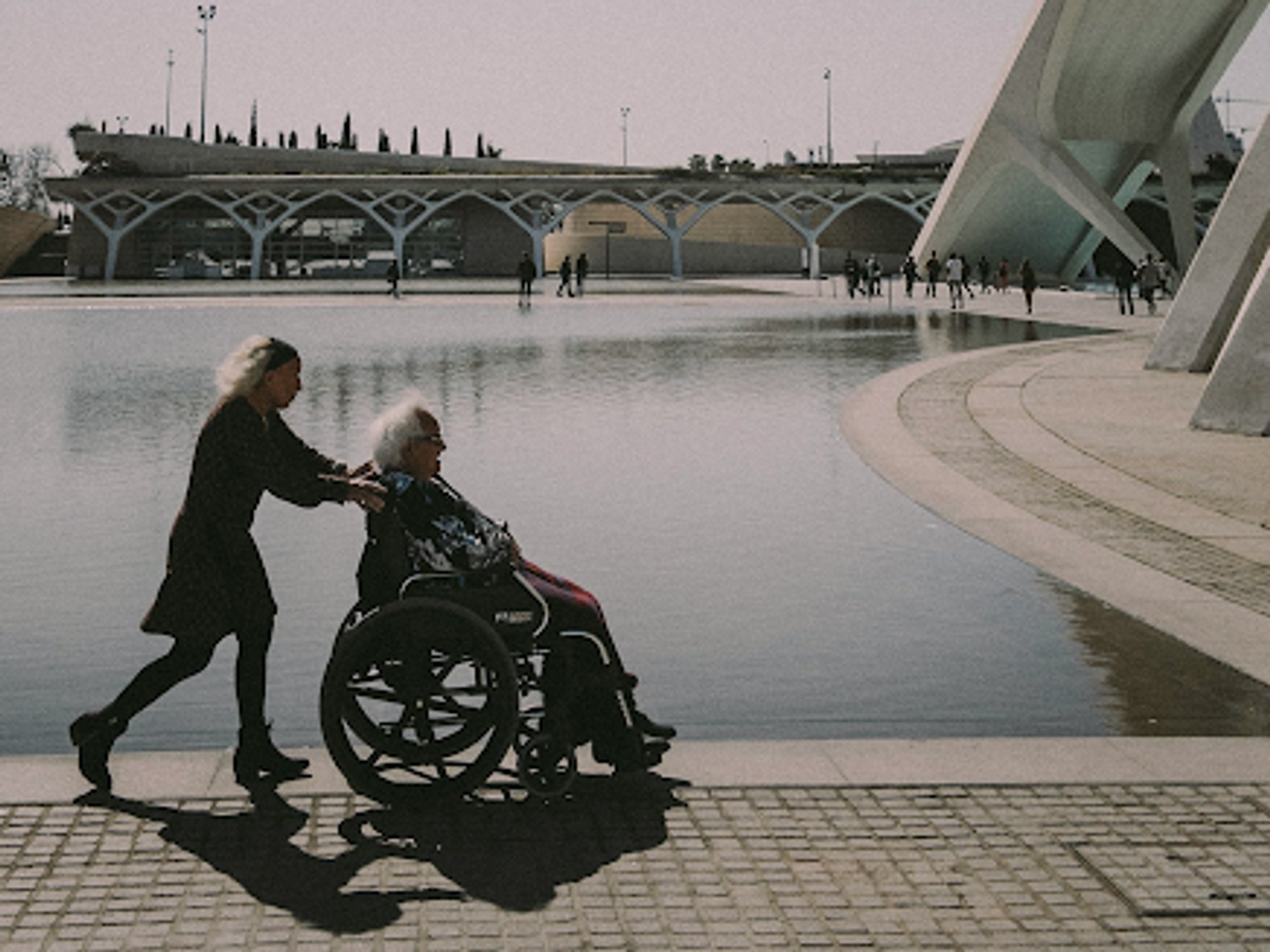
Lecanemab, marketed as Leqembi, is the first drug targeting the root cause of Alzheimer’s disease to be approved by the European Medicines Agency. Despite its side effects and limited efficacy, it finally offers a glimmer of hope for effective therapies.
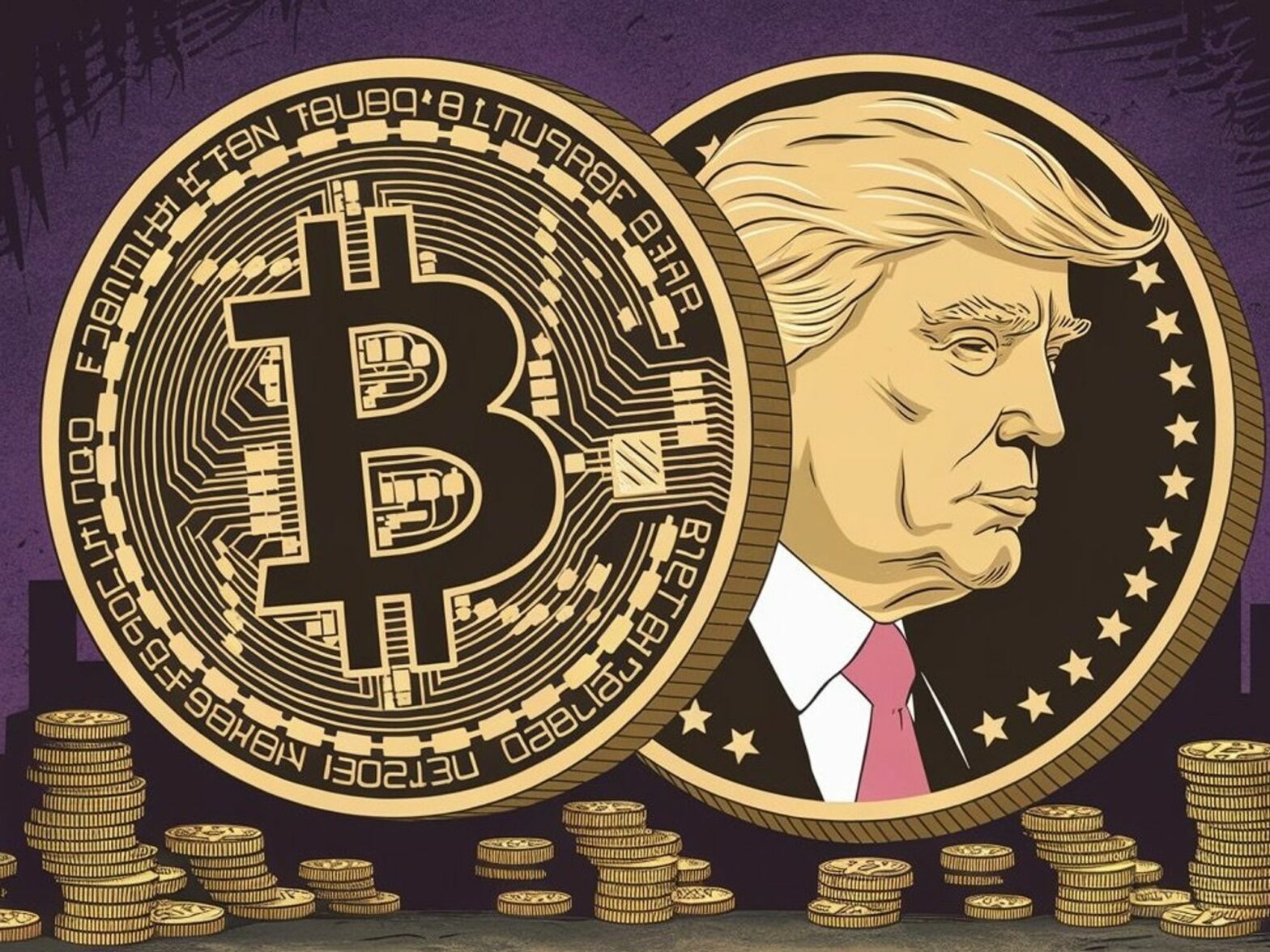
With a pro-crypto agenda and substantial backing from industry investors, Donald Trump’s presidency is poised to reshape the landscape of digital currencies, promising a future where Bitcoin and other cryptocurrencies thrive under favorable regulations and government support.