New tech may soon be able to predict future political problems and independently develop solutions before issues even arise. But what does that mean for democracy?

 Worldcrunch
New tech may soon be able to predict future political problems and independently develop solutions before issues even arise. But what does that mean for democracy?
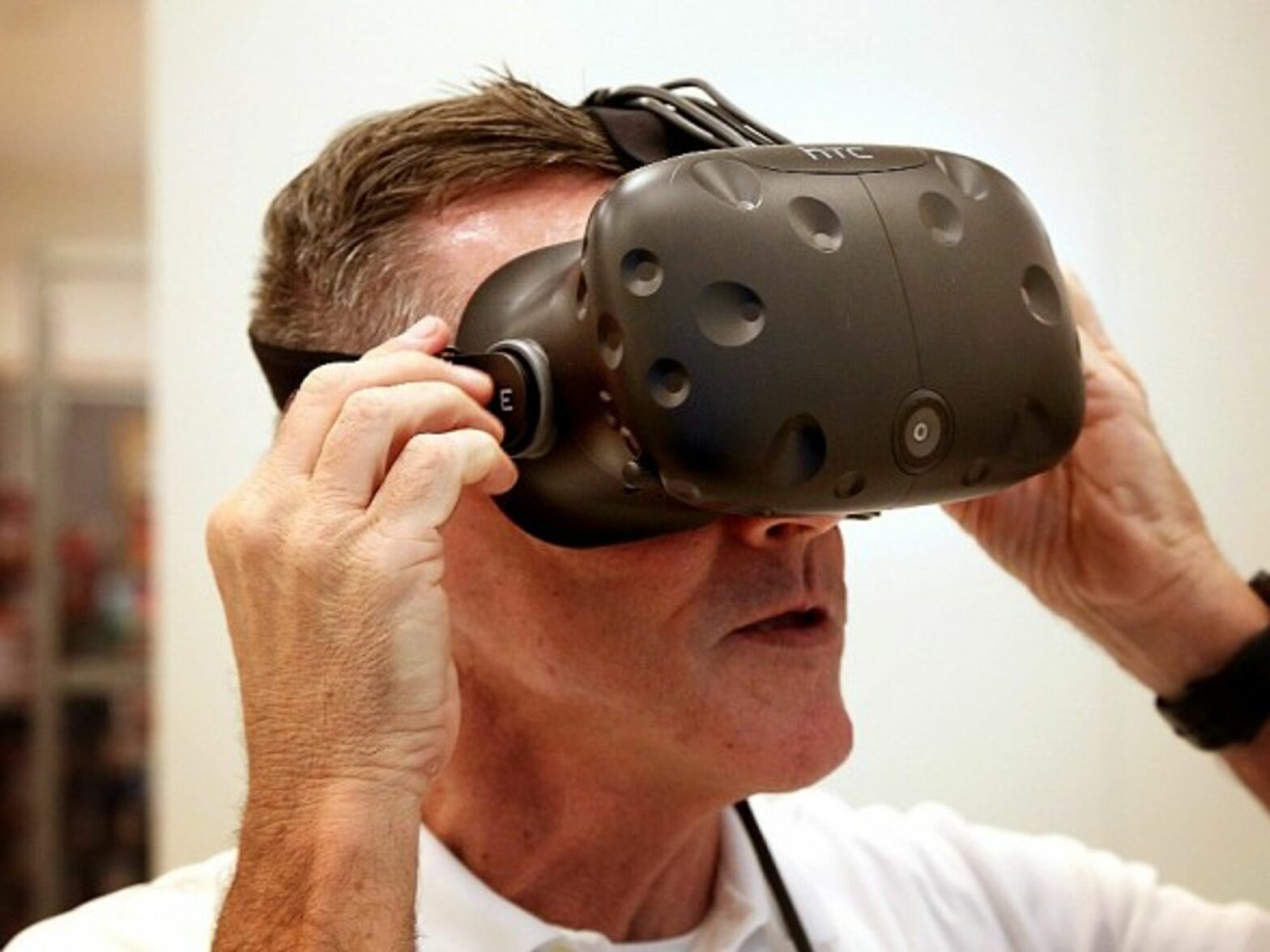
No longer just for entertainment purposes, the technology can also help people tackle their phobias, for example. But it’s also time to set limits.
LA STAMPA Meet The Doctor’s Maid Who Inspired The Mediterranean Diet A housekeeper with serious culinary skills helped feed the mind and mouth of Ancel Keys, the American doctor famous for documenting the health benefits of Mediterranean food. THE INITIUM Yulin To Paris: Dog-Eating At Center Of Animal Rights Battle A Chinese dog meat festival […]
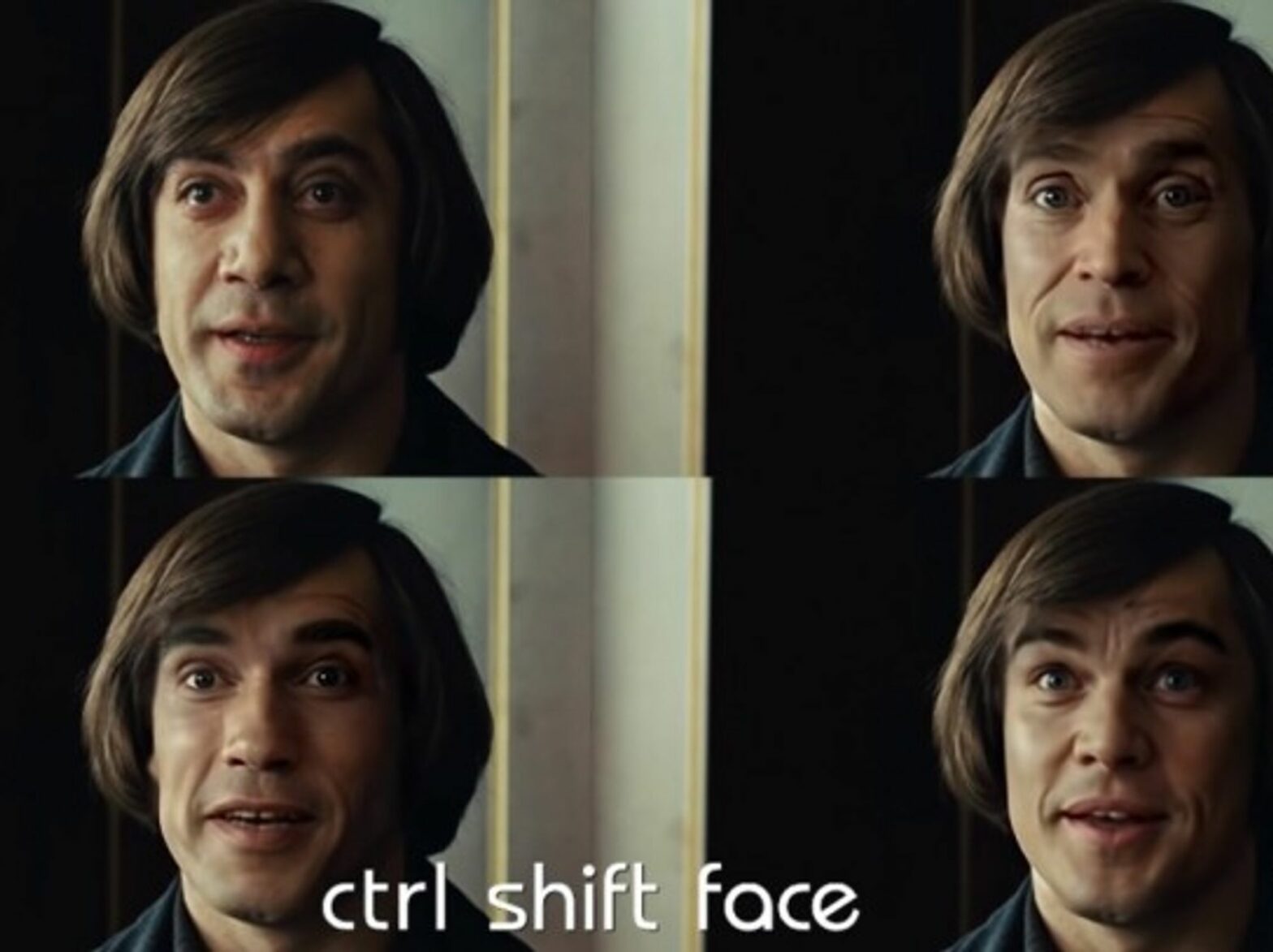
He’s the mastermind behind has most famous deepfakes of the web. Donald Trump, Bruce Lee or even Elon Musk have been integrated into his videos, which are as fascinating and problematic as they are funny.

Most people in Latin America and the Caribbean live in urban areas. And many of those cities are downright massive, with sustainability challenges that desperately need solutions.
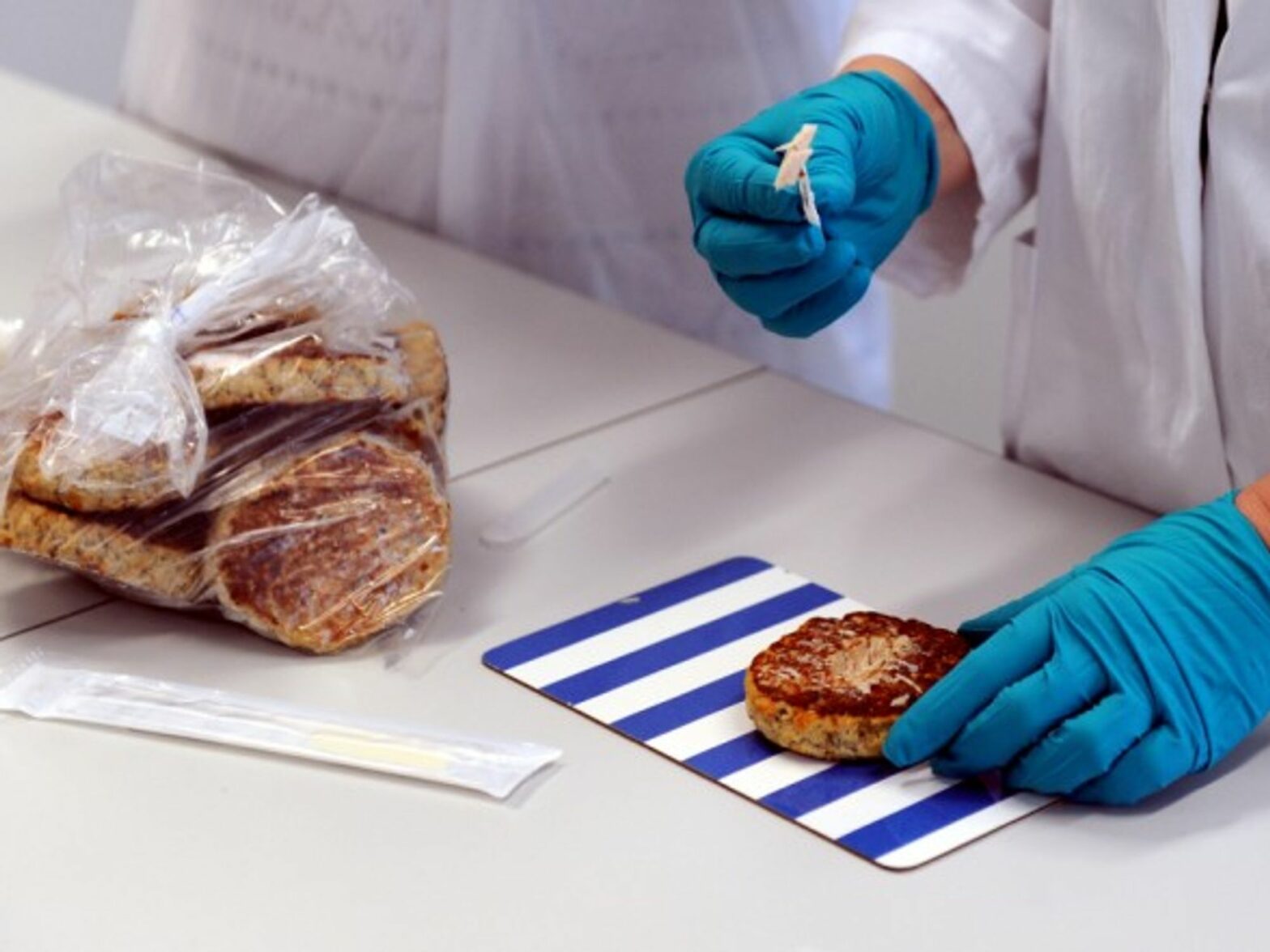
An Argentine pharmaceutical firm has begun testing lab beef production and expects to have a tasty and ‘painless’ product sizzling within a few years.

If societies really want to tackle inequality, they’ll need to do more than just improve access to new technologies.

Darwin may have poked a hole in the Christian creation myth. But historically speaking, the relationship between science and religion has been far more nuanced than most people imagine.

Facebook, Google and other platforms are not doing enough to make political ads more transparent.
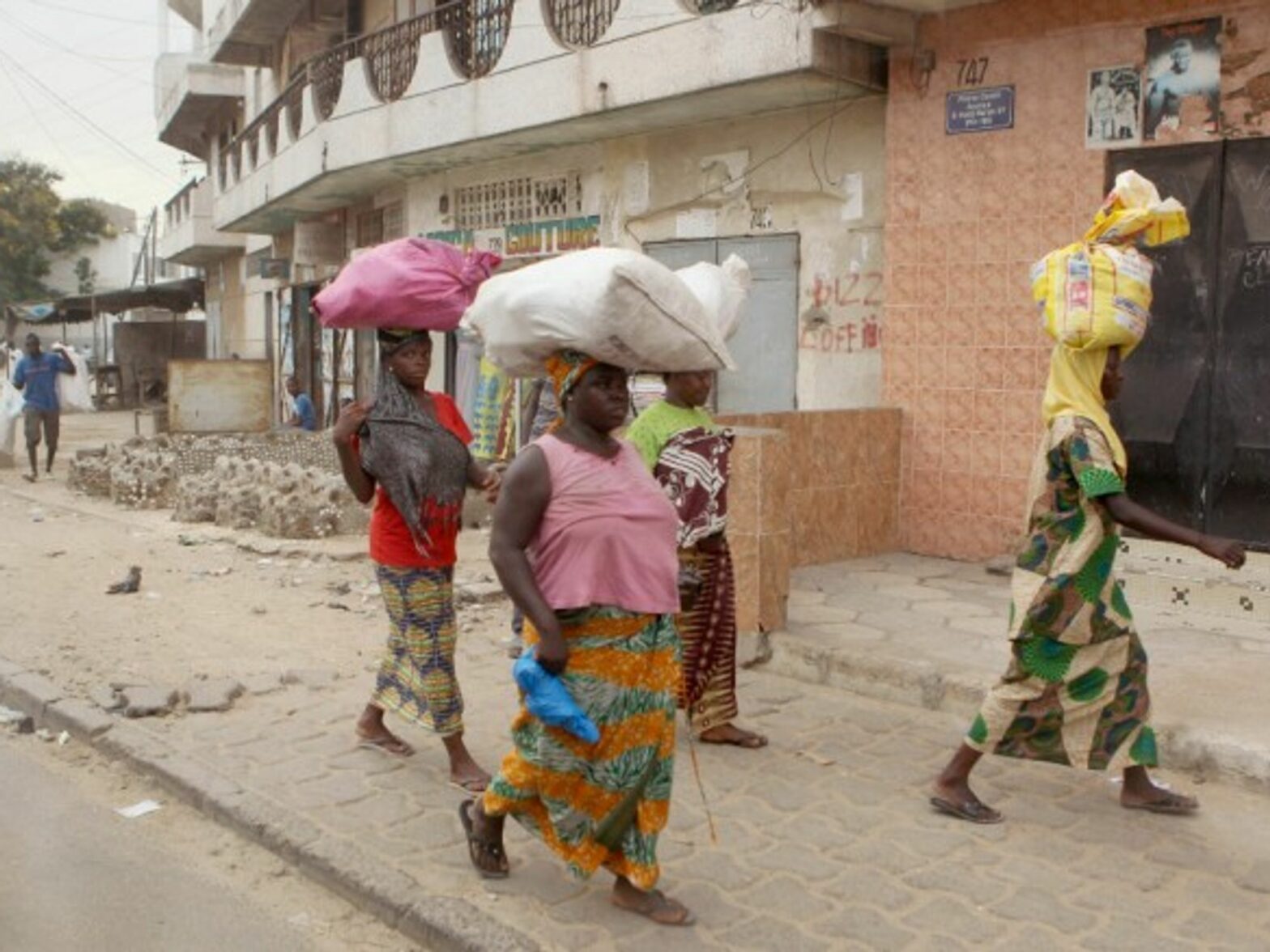
Femicide is a major problem in the West African country. A French entrepreneur of Senegalese origin is hoping her invention — App-Elles — can help end it.

A pioneering Swedish researcher has come up with new insights about love and romance after analyzing the databases of the dating site Meetic.

Researchers are studying brain function to better understand why and in what circumstances workers feel satisfied with their jobs.

It’s part trade war, part cyber defense — and the rumblings of conflict grow louder as countries (and companies alike) maneuver to protect their high-tech assets. Prime Minister Shinzo Abe recently announced that Japan would tighten export controls for advanced technologies in response to new U.S. trade restrictions aimed at China, writes the Yomiuri Shimbun […]

Recent studies from a French laboratory of linguistics reveal surprising aspects of human language that make it even more mysterious than it sounds.
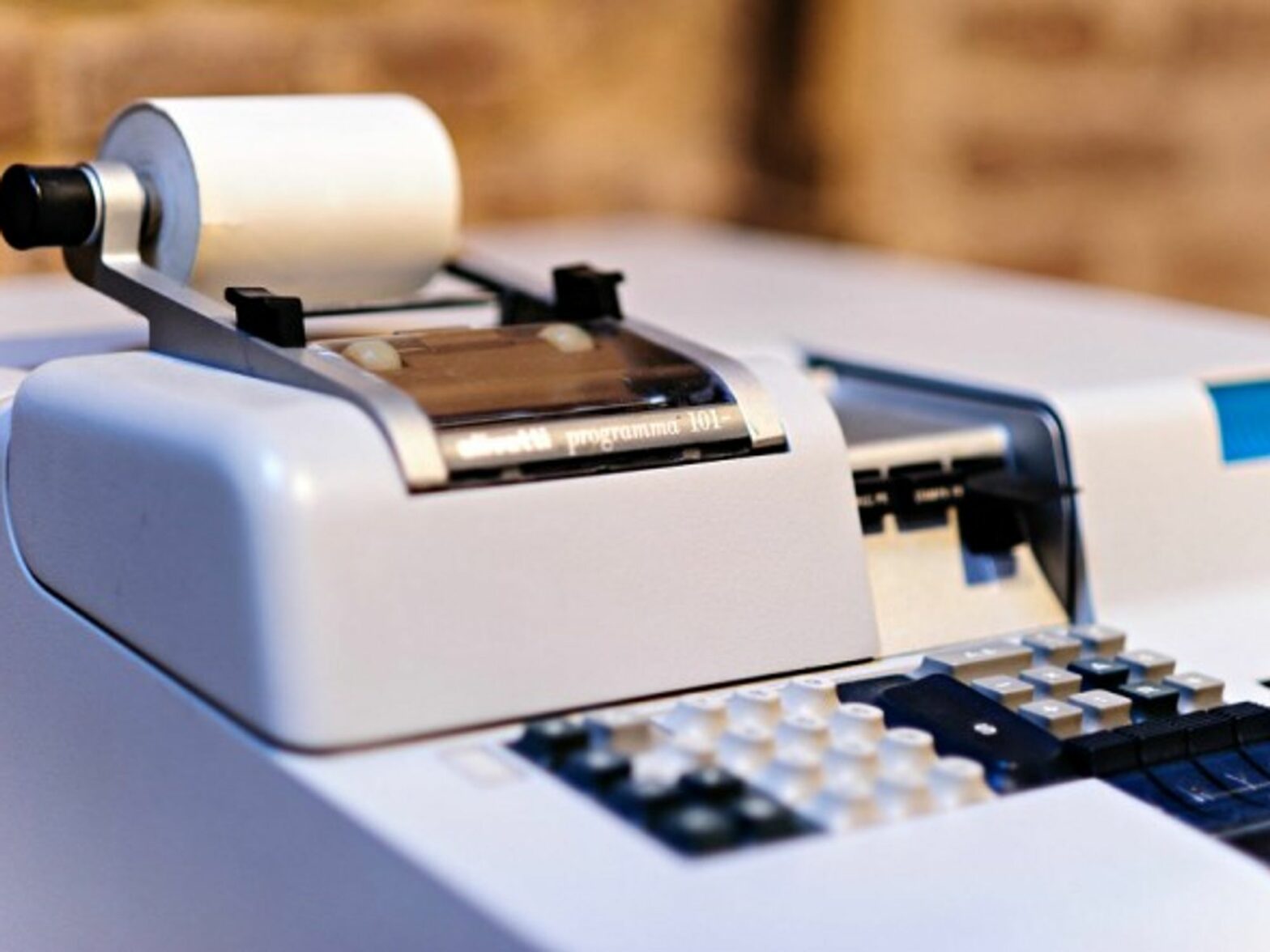
Back in 1965, the Italian office machine company launched the revolutionary P101, used by NASA and later copied by U.S. rivals.

PARIS — In 1919, the International Labor Organization adopted the first conventions on women in the workplace. In 2019, the women who won the World Cup earned $850,000 less than their male counterparts. Three waves of feminism have transformed sexual and interpersonal dynamics. Still, the #MeToo movement reminded us of entrenched power-and-sexual dynamics in the […]
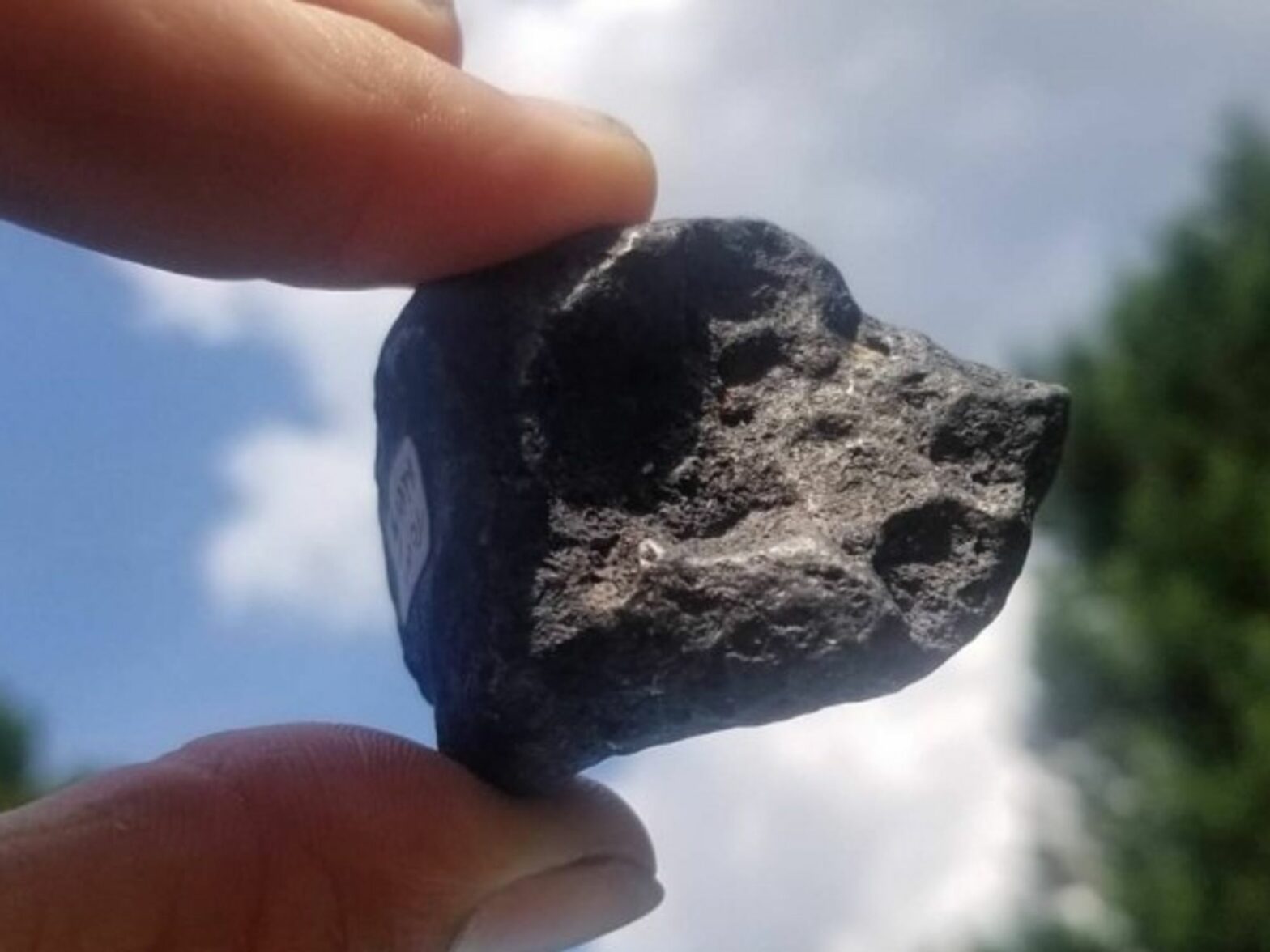
Campo del Cielo, in the far north, has an usual concentration of meteorites. But little by little they’re being pilfered, and often smuggled out of the country.

Mechanization is bound to destroy jobs, which not surprisingly provokes fear. But trying to delay the inevitable only makes matters worse and prepares neither society nor laborer for the future.
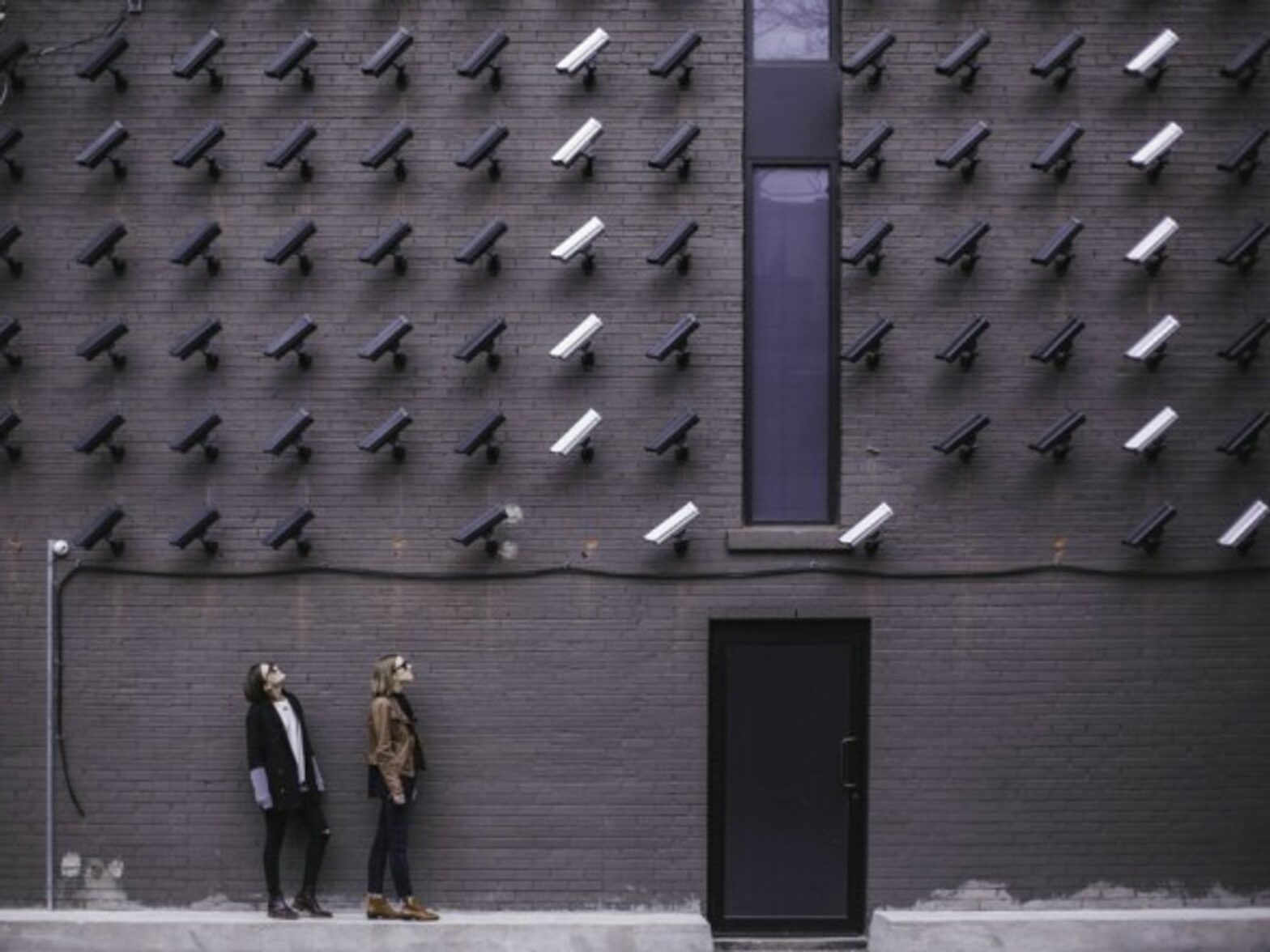
China’s ‘social scoring’ system, with punishments for nonconformist actions and rewards for good behavior, changes human interaction. Germans know a thing or two about the high stakes of privacy protection.

Designed in the 1980s to protect against sexually transmitted diseases and unwanted pregnancies, female condoms are now increasingly available throughout Africa. And the world.
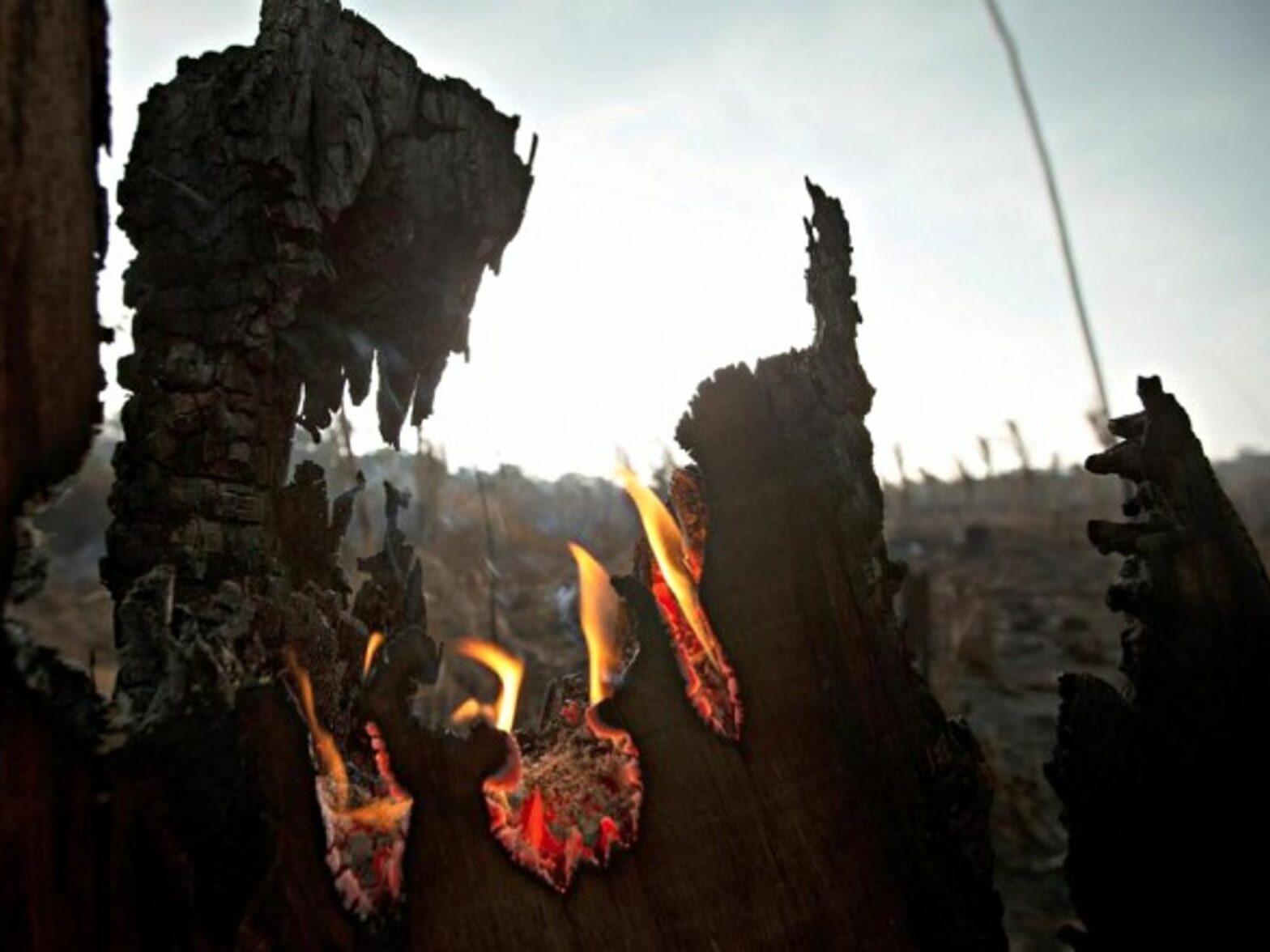
Colombians were not overtly upset by deforestation in their country until recently. But massive media coverage of the Brazilian Amazon on fire may be changing attitudes.
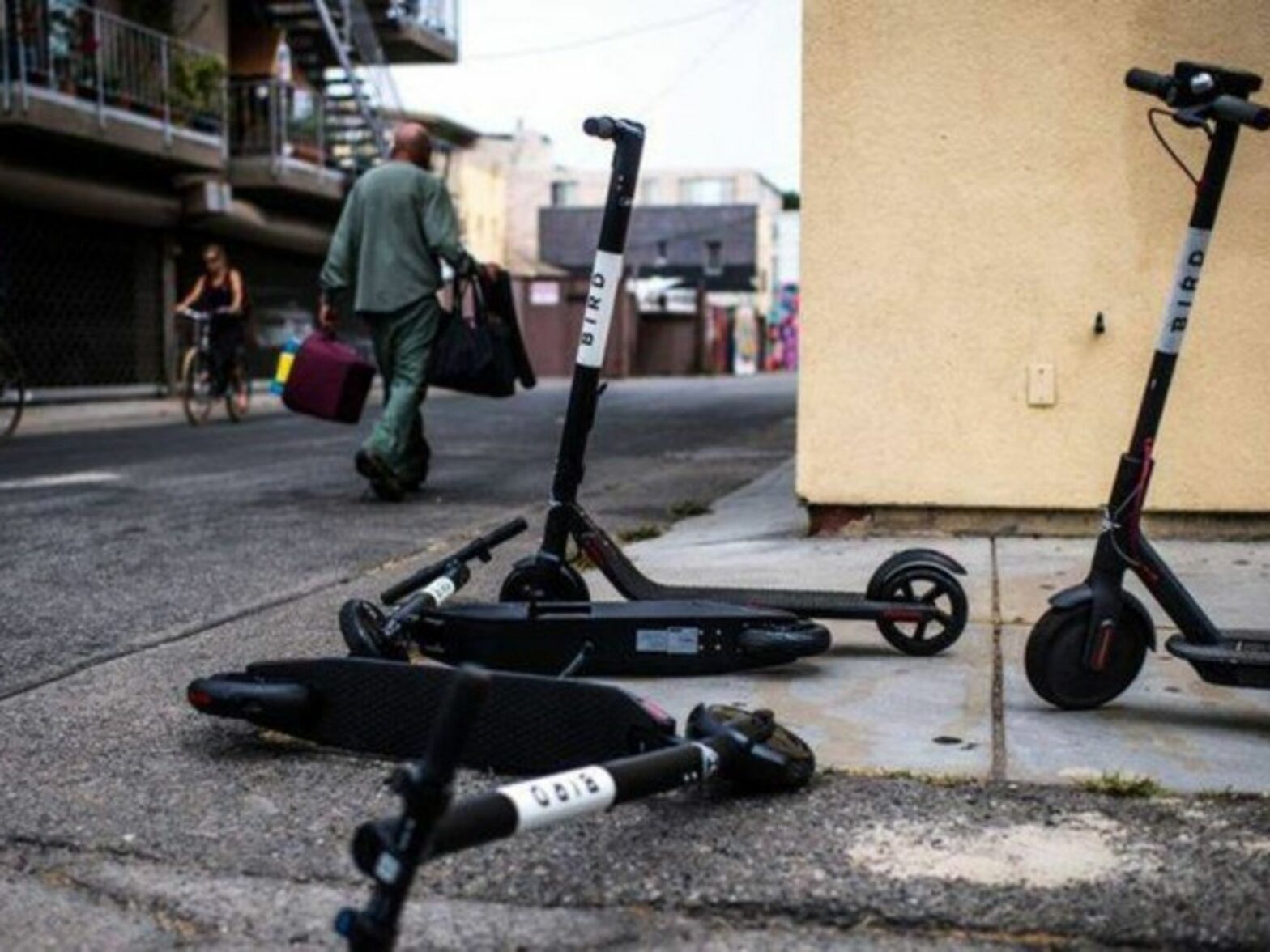
We can only solve our traffic problems if we stop idealizing car and bike sharing, and focus on how people behave and what they want.

How economic actors, communities and developing countries fare in the digital economy will depend in large part on how much control they have over the data they produce.

It has become fashionable to blame the climate crisis on the economy, but it’s important to fight against this misconception, and the trivialization of the problem.

Personal privacy seems to be fleeting in a world where technology is constantly advancing — and it’s no accident: Around the globe, authorities are creating new ways to collect information about their citizens, be it in the streets or in supermarkets. Identity verification is a growing business, and the market is expected to grow from […]
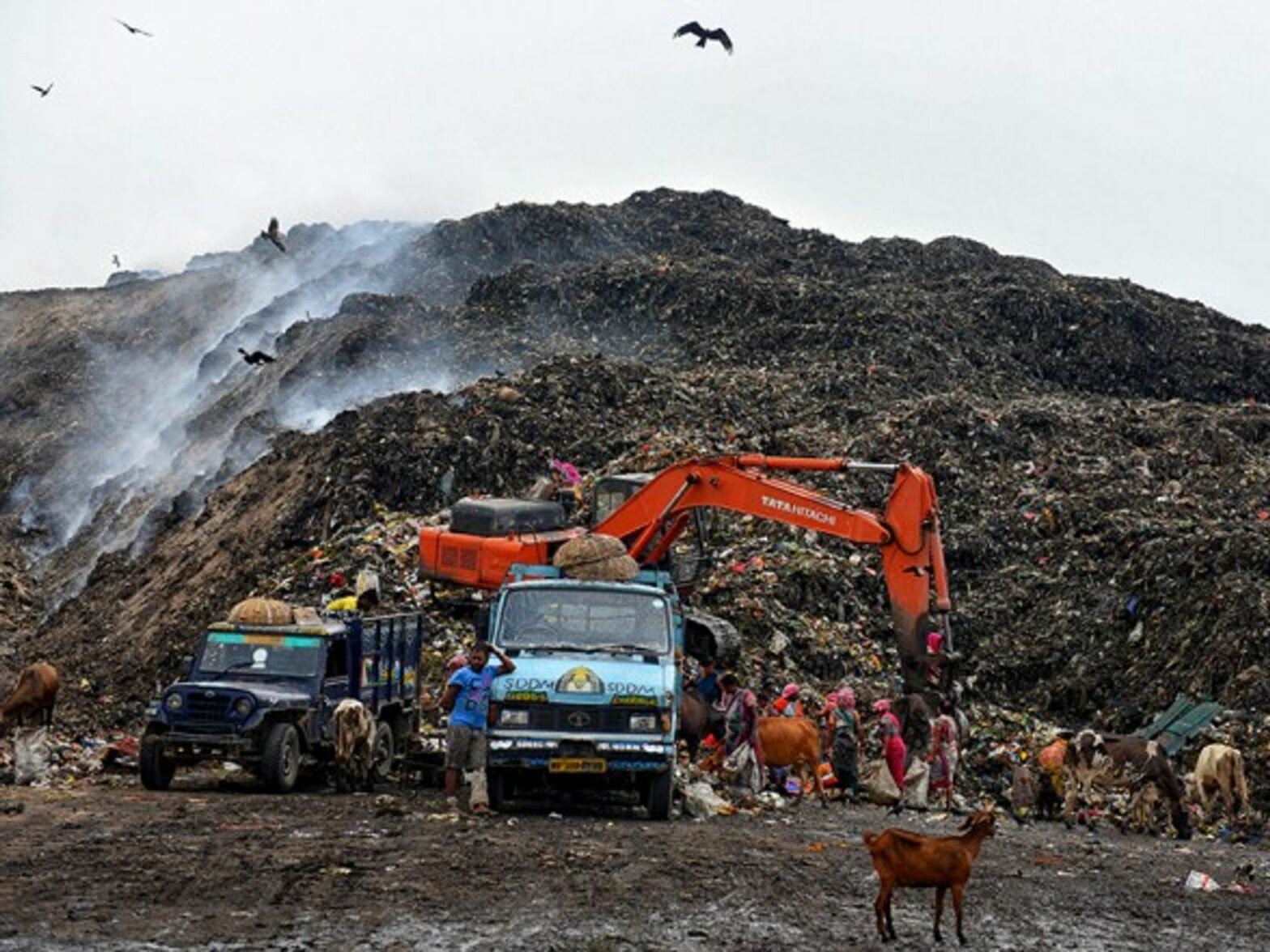
The country’s landscape is ravaged by plastics and environmental collapse seems imminent. And yet religion appears to often be on the wrong side of the issue.

Economist Bruno Alomar pleads for an appeasement of tensions on both sides of the Atlantic regarding the Internet and tech giants.
Can the possibility of the end of the world give meaning to life? A French philosopher (and mother of young children) fears the worst but tries to live the best she can.
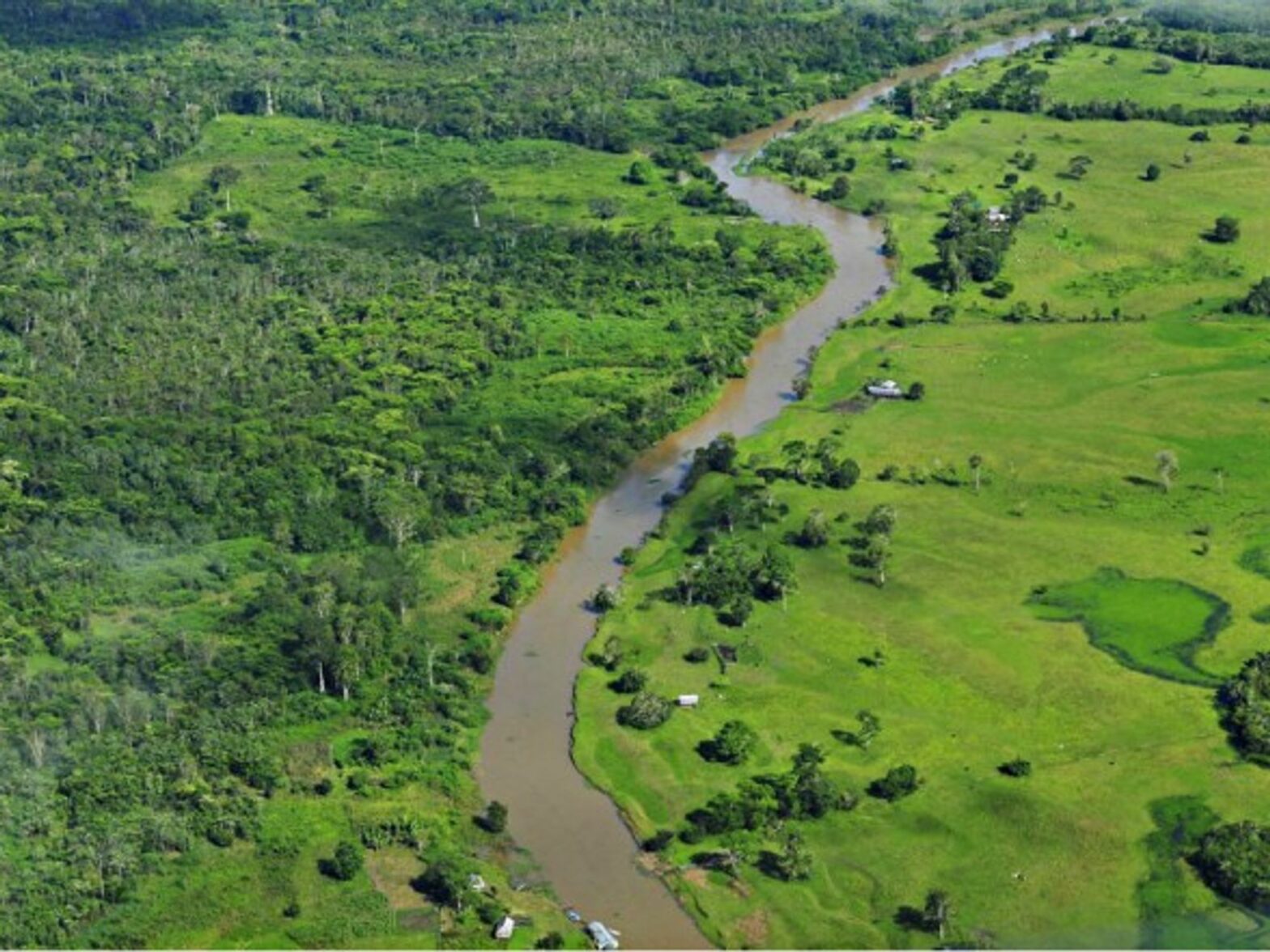
Brazilian President Bolsonaro is wrong to think rainforest destruction is purely an internal matter. The patrimony of the natural world is at stake.
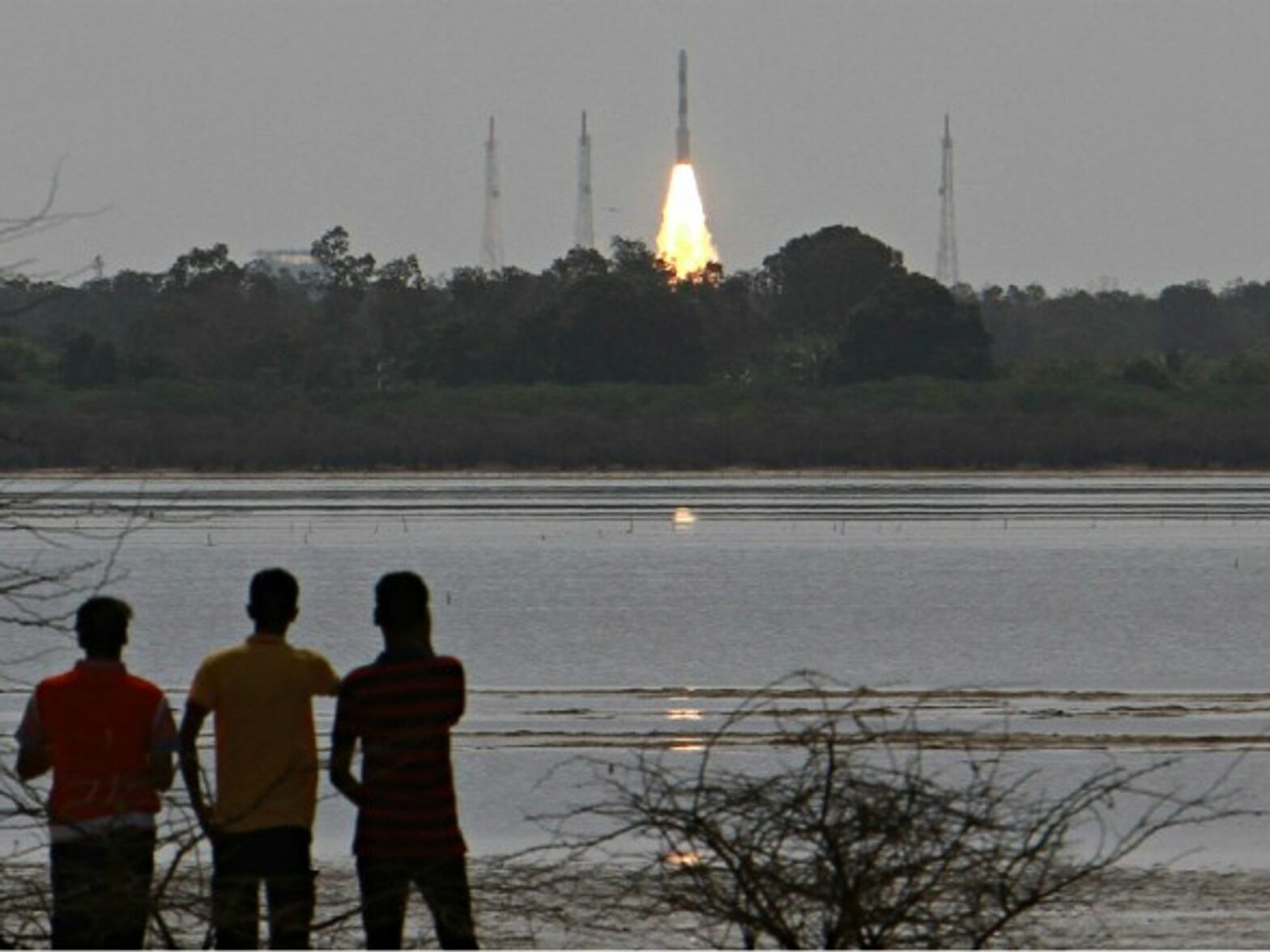
ISRO is forced to compete with U.S. tech giants for India’s engineering talent. And with its breakthrough moon mission, India shows the success of its working model.

Laws take time to catch up with reality. Could we program them into binary systems? It is tempting, but it is also dangerous.

In putting into use fast-moving ways of startups, the state looks to improve quality of public services. A hundred or so state-sponsored startups have already been launched with the hope of contributing to the modernization of the administration.

A half-century later, Neil Armstrong’s ‘great leap’ still boggles the mind. Here’s a look back at some of the headlines that followed the historic feat.

-OpEd- PARIS — We live in a society that changes rapidly, and we wish for schools that reassure us. Schools that are forward-looking, perhaps. Even our schools in the Third Republic that we refer to so often were anything but retrograde. On the contrary! The school believed in the ability of its Black Hussars — […]

Information technology was supposed to make everything move faster. We need to rethink the way we use our digital tools to serve our real needs.

The trend of what the French dubbed décroissance (degrowth) overlooks how progress and technology are bound to improve our lives.
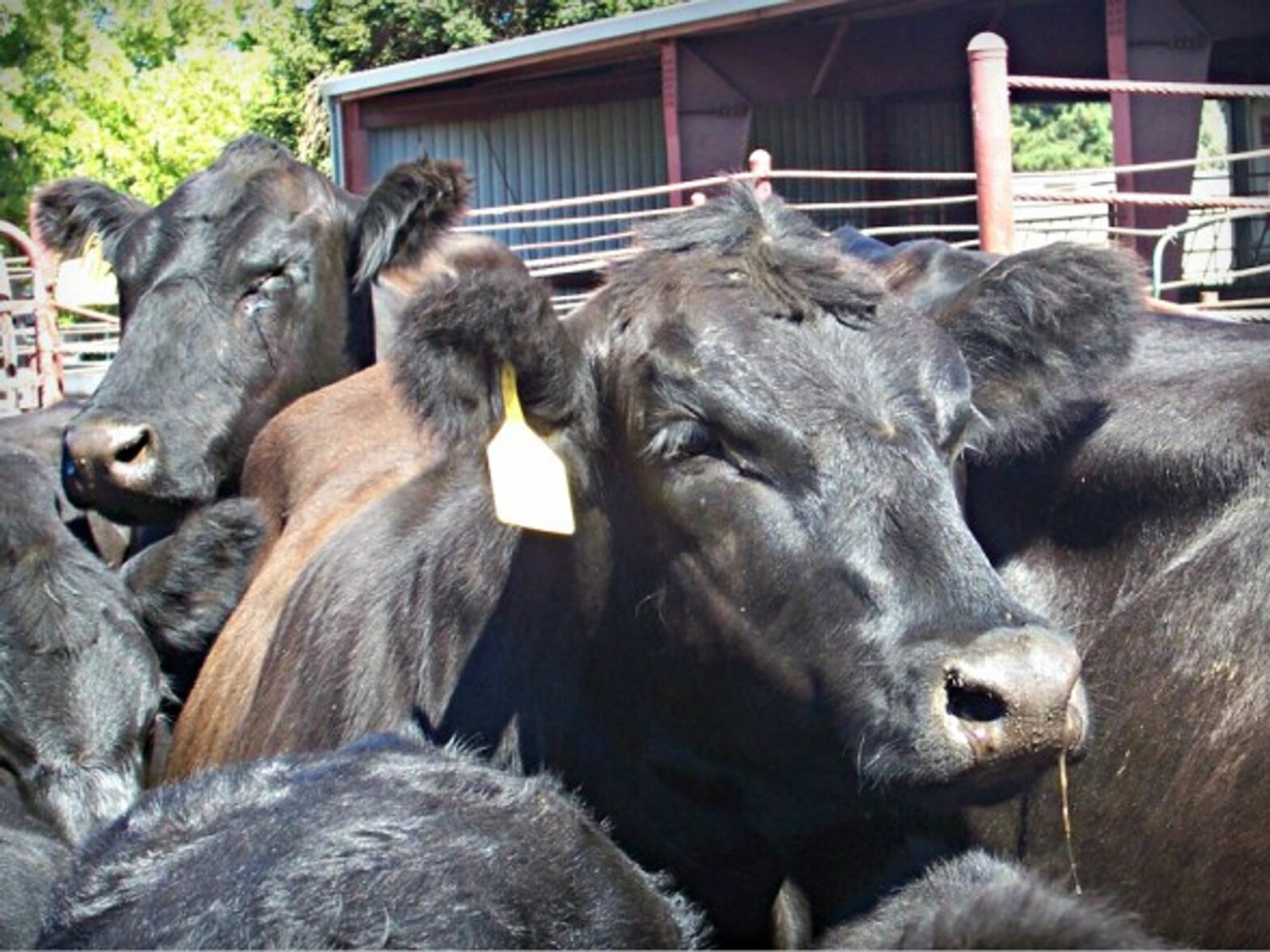
When it comes to human health and the planet’s well-being, certain activities are simply untenable. Researchers also know that self-regulation never works.

Though seductive as pure financial innovation, Facebook’s crypto currency project risks a concentration of power that must be stopped at all costs.
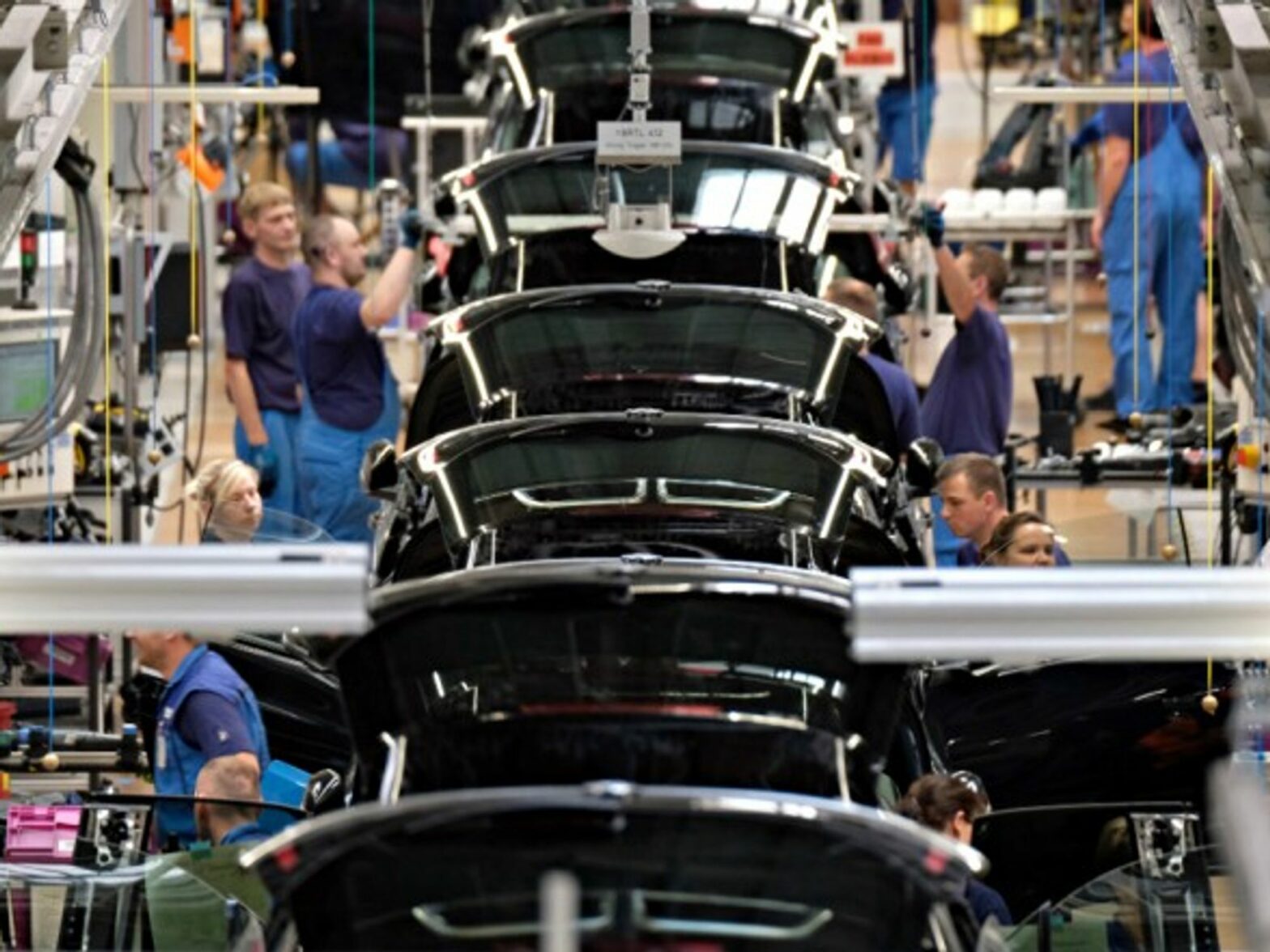
A new study shows Germany must look for other ways to convince automobile buyers to switch to electric cars. Shall we say: quota?

The airline industry certainly has room for improvement, but dreaming of a rail-only future ignores some practical and even environmental realities.