Some people seem to breeze through a 40-hour workweek, housework, workouts, and personal projects, while others barely make it to the couch after work. But what if you, too, could become one of those high-energy people?

 Worldcrunch
Some people seem to breeze through a 40-hour workweek, housework, workouts, and personal projects, while others barely make it to the couch after work. But what if you, too, could become one of those high-energy people?
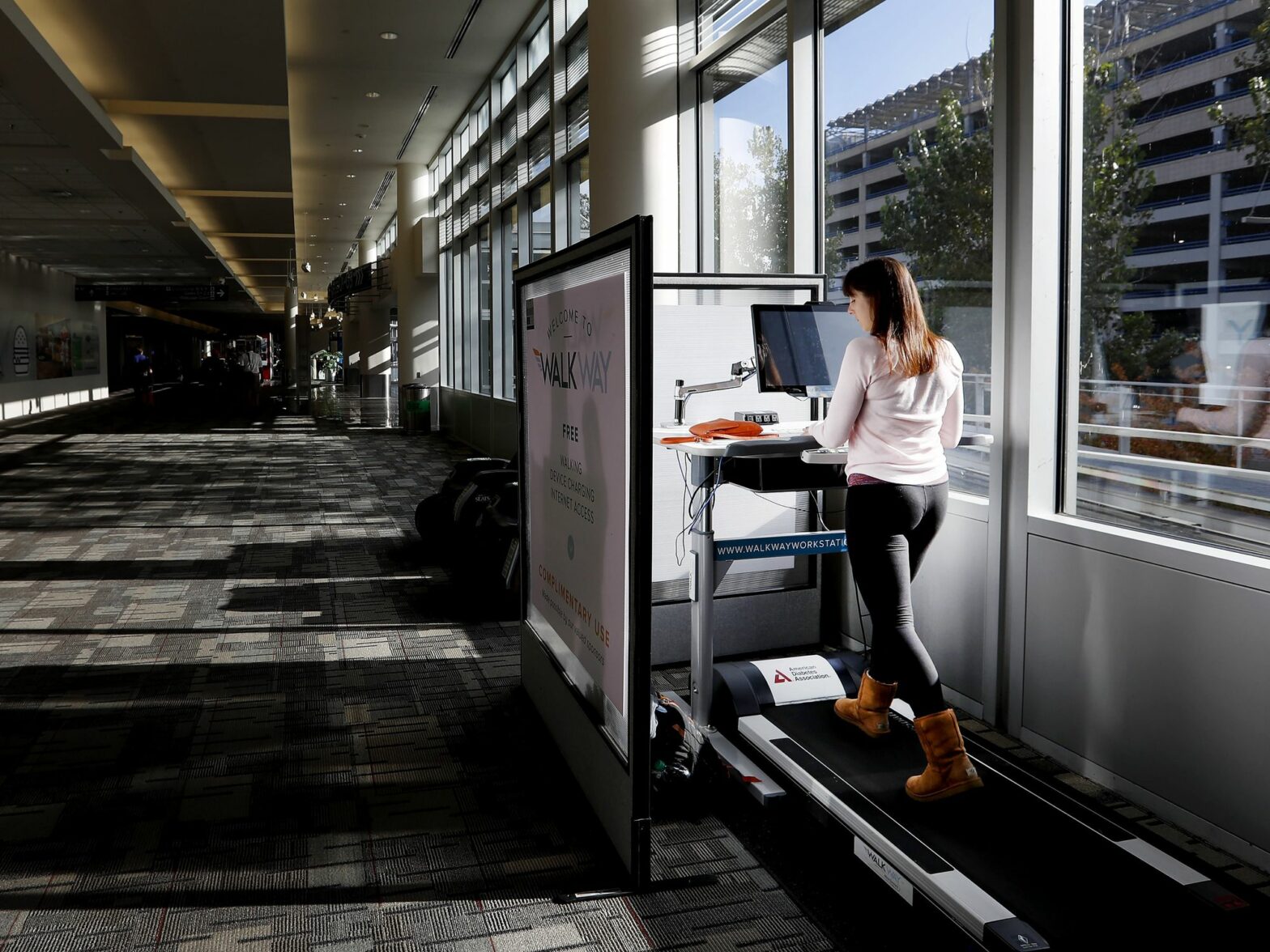
In the workplace, we found out that standing desks weren’t much better than sitting. Is a walking pad the healthiest solution for maximizing life and work? Stimulating creativity and productivity? Our author tested it for 30 days in the office
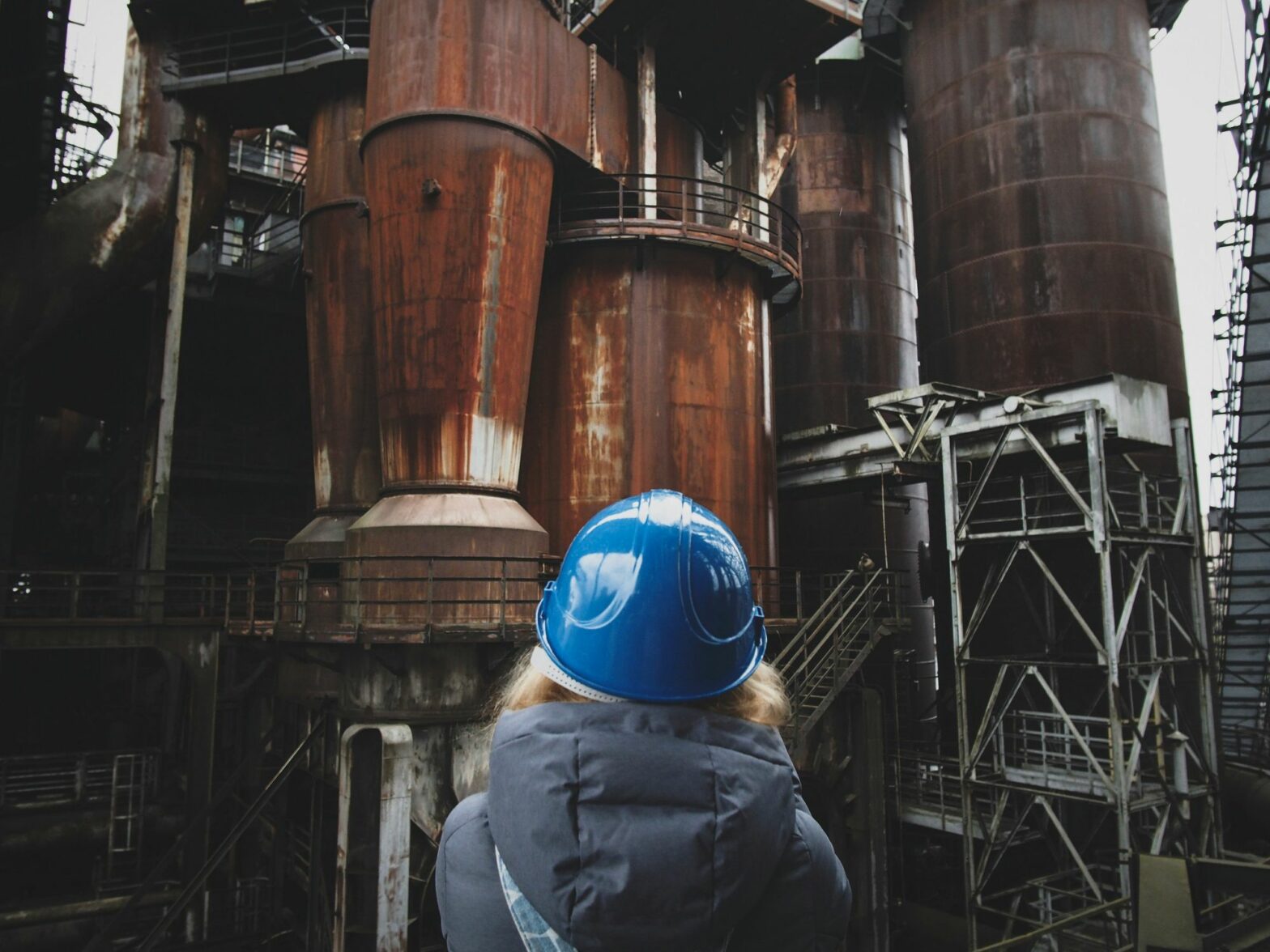
While the traditional most promising path to well-compensated employment included a college diploma followed by a corporate job, an increasing number of young people are instead looking to the trades for better work-life balance, increased compensation and a break from the patterns set by their parents.

The Macron government says France needs to work more — and it has a point. The French people disagree — and they’re not wrong. Here’s why, and how to bridge the gap.

The writer hits a professional wall the year after the birth of her second child. It’s a reminder of the limits of our modern uber competitive economy.
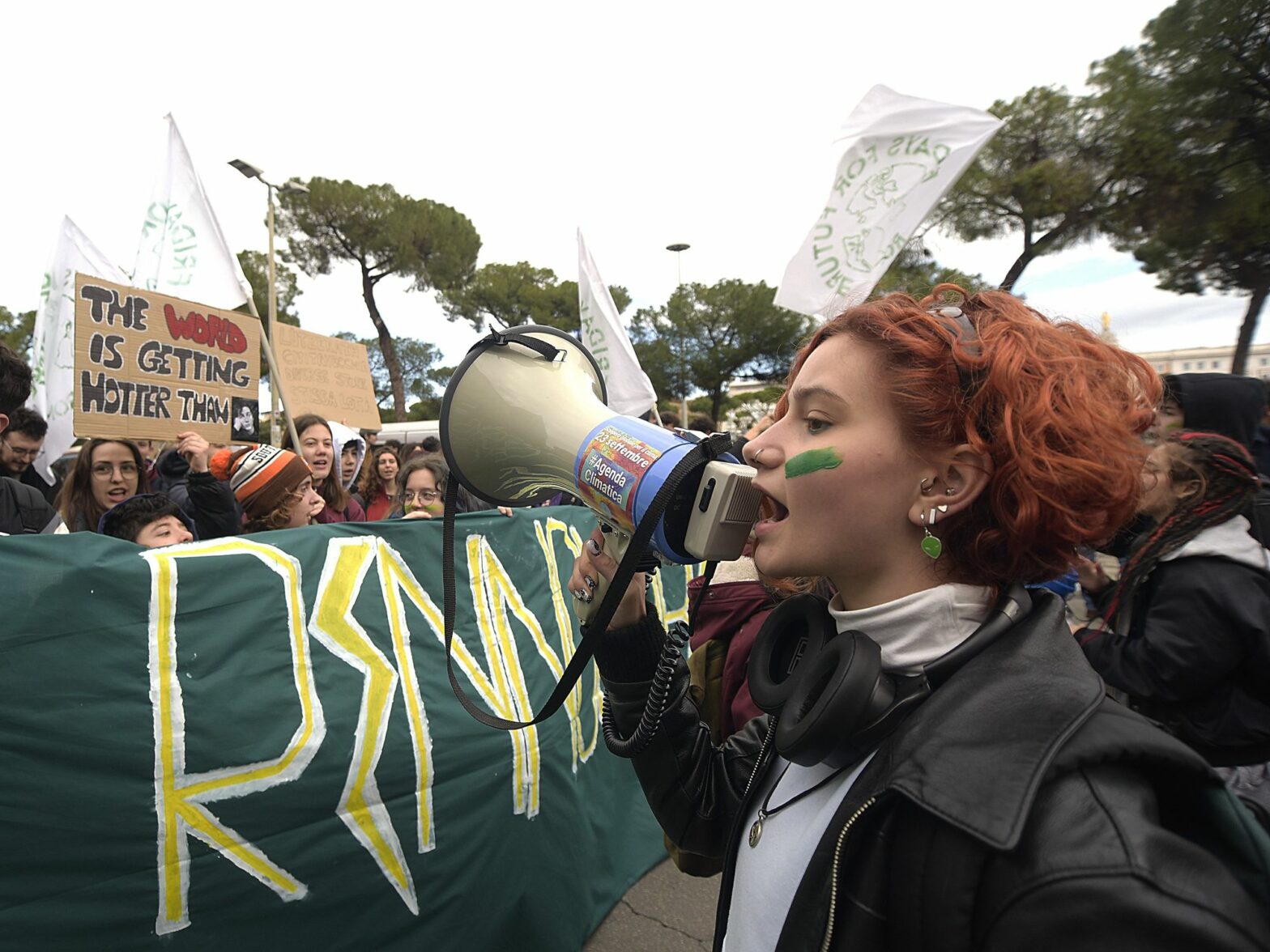
Climate quitting is a lasting residue of the larger mass resignation since the pandemic. The phenomenon mostly involves young people who change or quit their jobs if they consider it harmful to the planet.
Gen Z, those 26 and younger, are entering the workforce. Their lives and values differ drastically from older generations, forcing employers to rethink how they work.