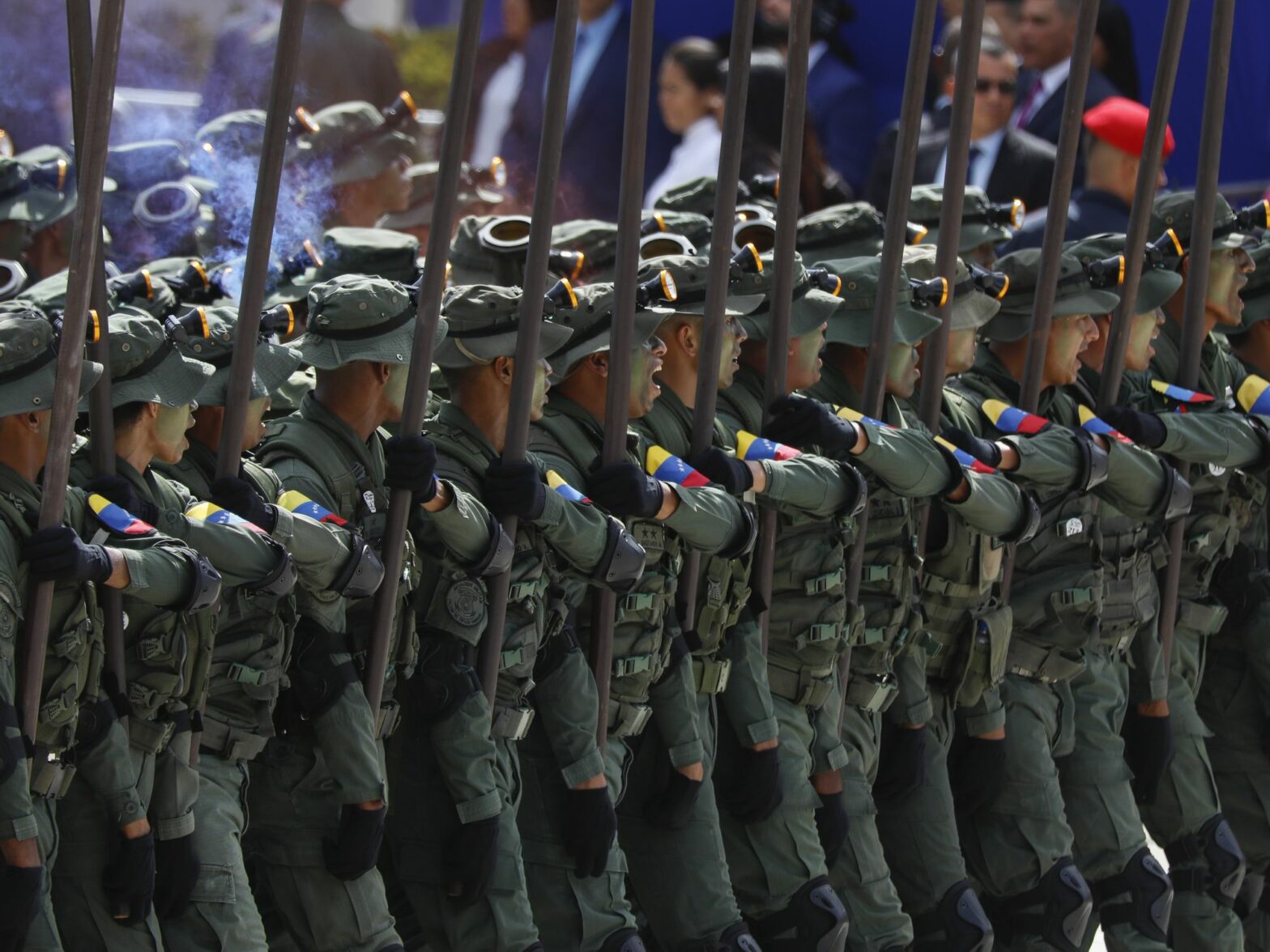
The armed forces have been dragged into political and electoral spats across the Americas, from the United States to Brazil to Venezuela. Is this another sign of liberal democracy’s decline in the West?
 Worldcrunch
The armed forces have been dragged into political and electoral spats across the Americas, from the United States to Brazil to Venezuela. Is this another sign of liberal democracy’s decline in the West?
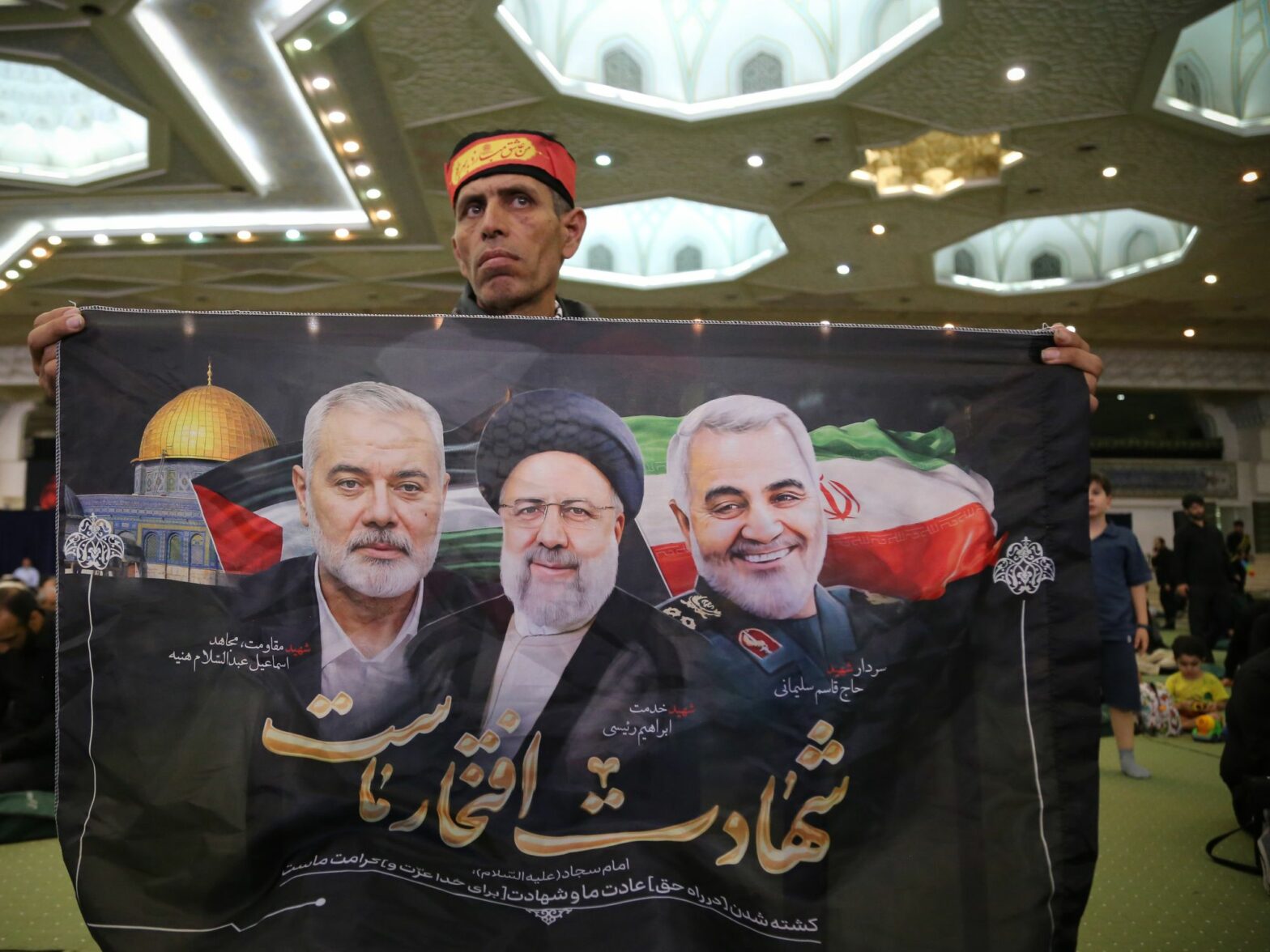
It’s been weeks since Hamas leader Ismail Haniyeh’s killing in Tehran. Will Iran end up striking Israel, as it promptly said it would, or persist in an unnerving waiting game, leaving the rest of the word in the dark as to its plans, resolve and capabilities?

In matters of foreign policy, whether the war in Ukraine or in Gaza, the rejection of extremes should appear as an obvious fact of reason and ethics. Unfortunately, this is not the case.
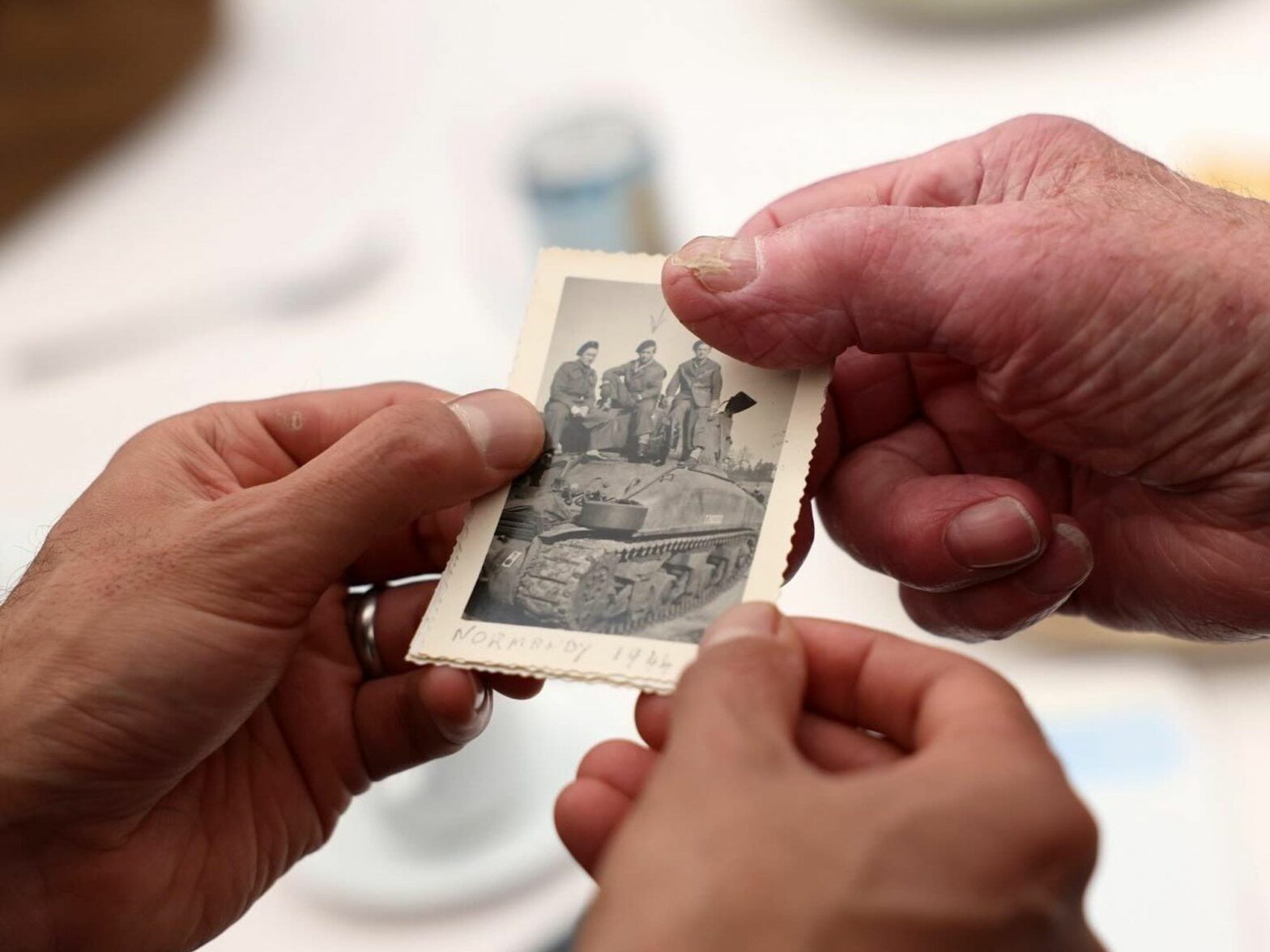
Participants in the D-Day commemorations will issue a new transatlantic declaration reaffirming common values. The risk is that they will try to save the West — rather than try to reinvent a world with greater fairness and economic equity.
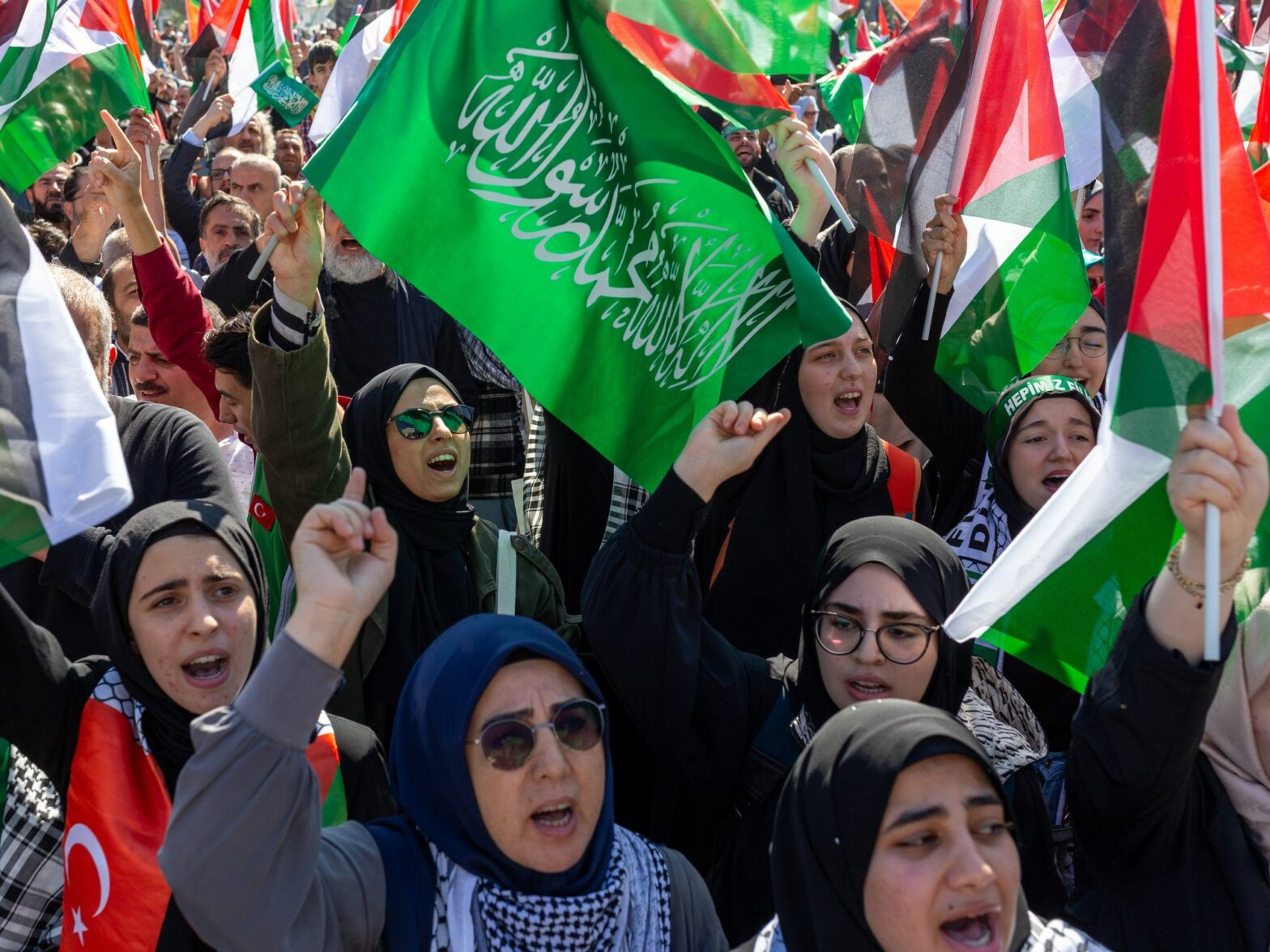
As Israel ramps up its attacks on Gaza, and support from the West continues, ordinary people in Turkey are falling into the trap of seeing the world as an inevitable showdown between East and West.
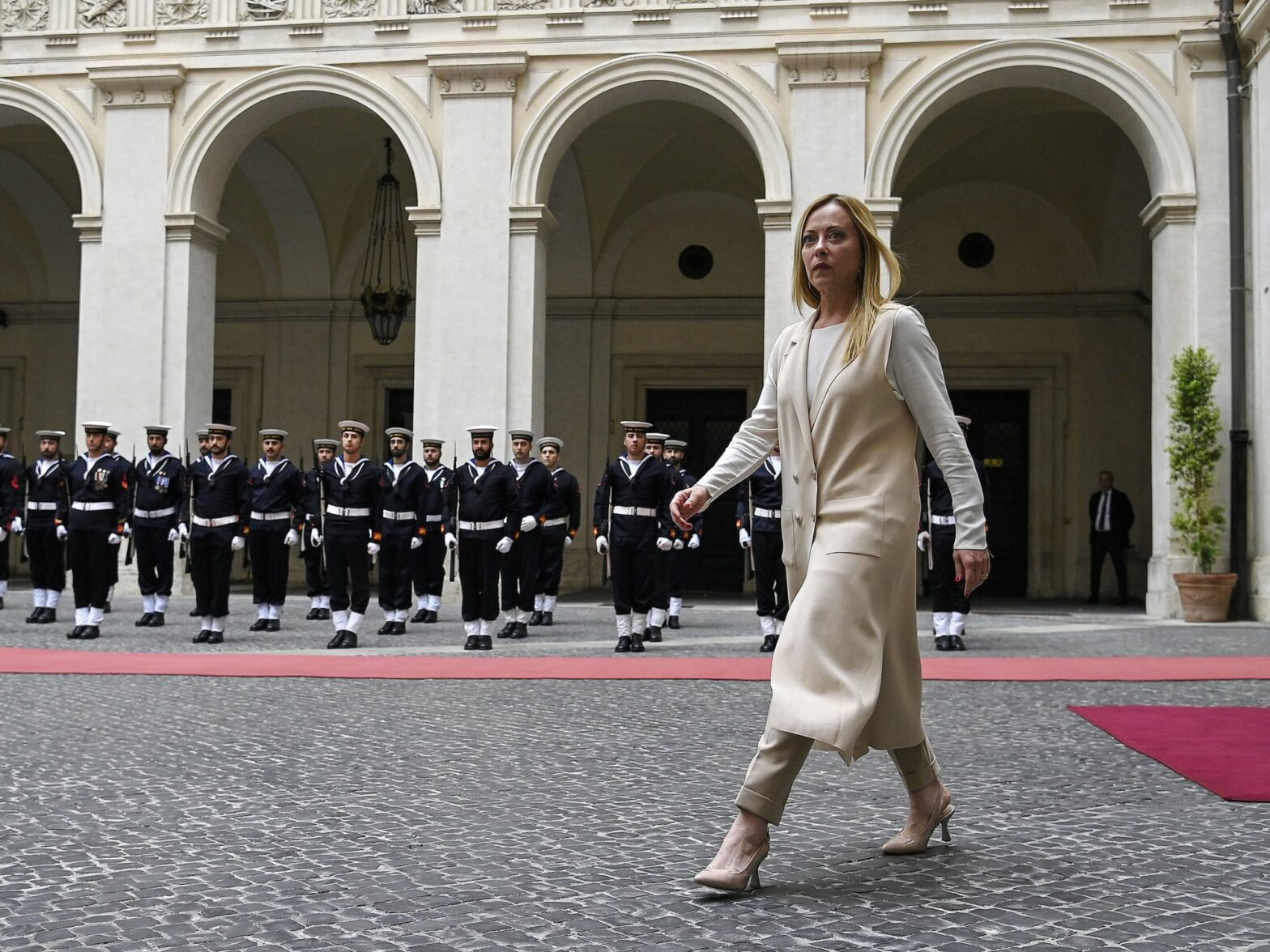
Last week, Italy was caught in the uproar of Giorgia Meloni’s break-up, a swirl of TV scandal and political controversy. But now that the dust is settled, what does this mean for a single mother standing strong, though alone, on the political right.
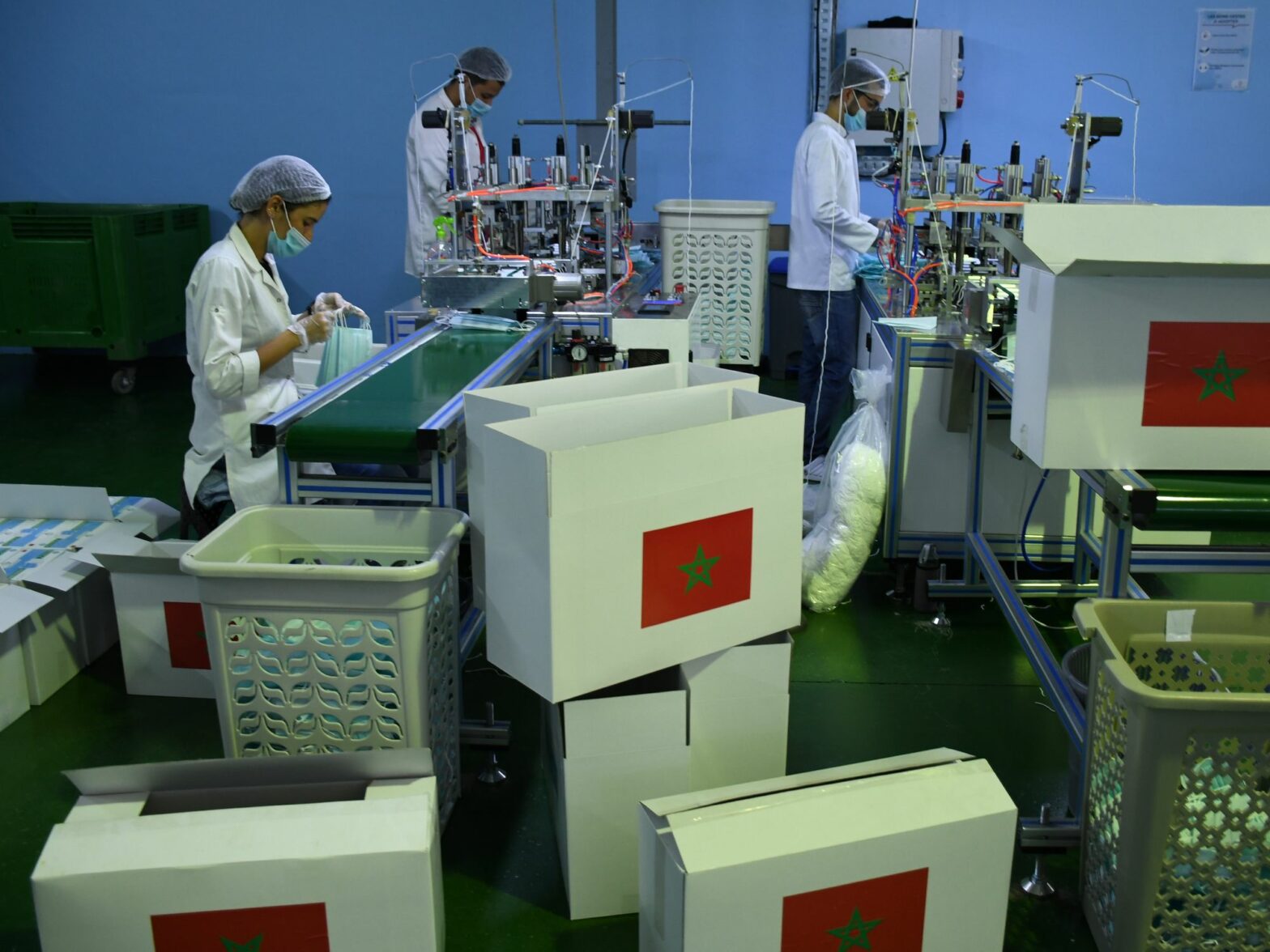
As the world’s technologies change, so do the countries with not only advantages in production, but also geography and diplomacy. China knows this, and sees that investing in Moroccan resources is a particularly smart bet in the long run.
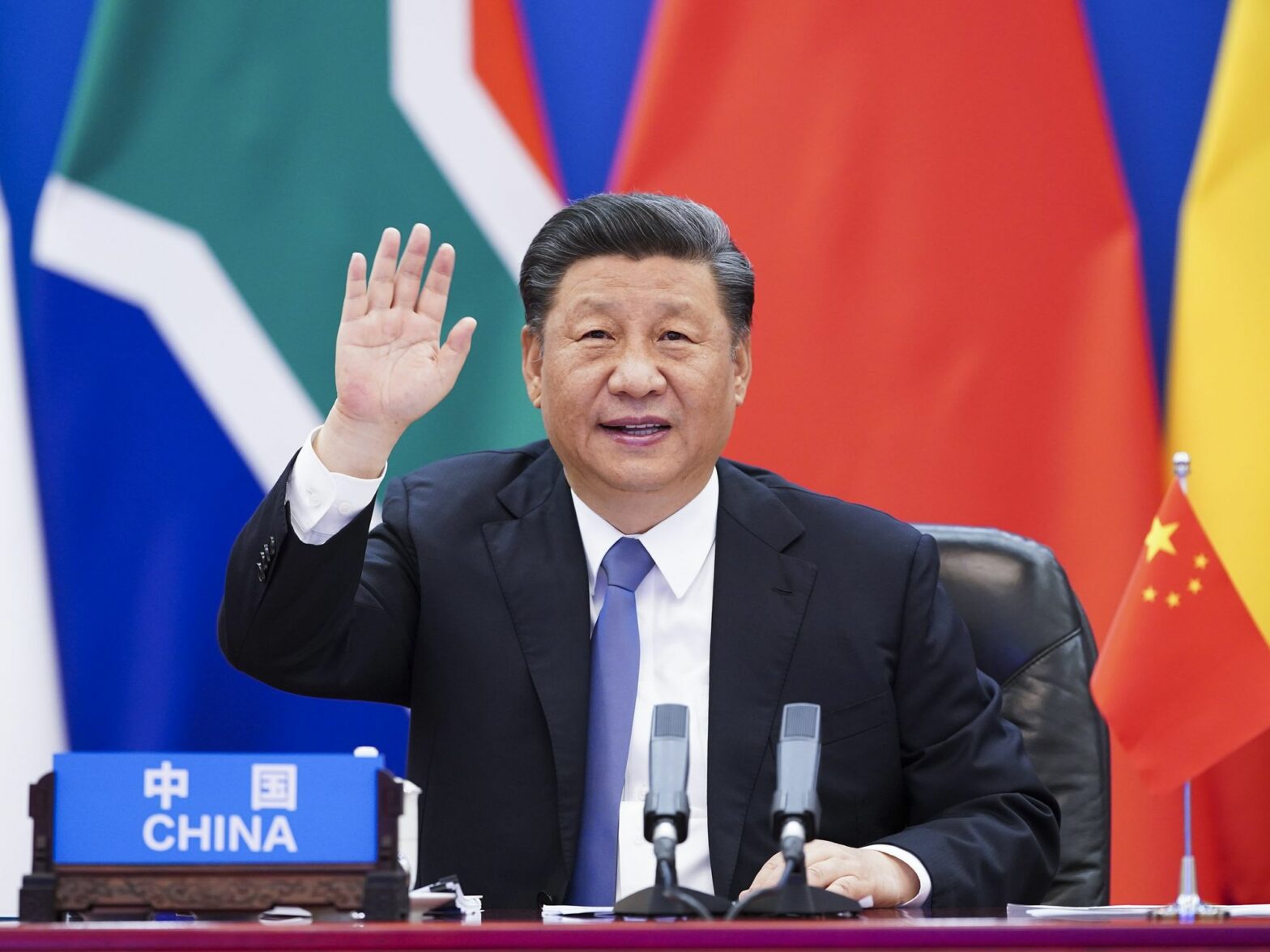
Approaching the world as a simple opposition between East and West falls short. An emerging “tripolar” geopolitics requires we establish new ways of thinking and managing both conflict and opportunity.
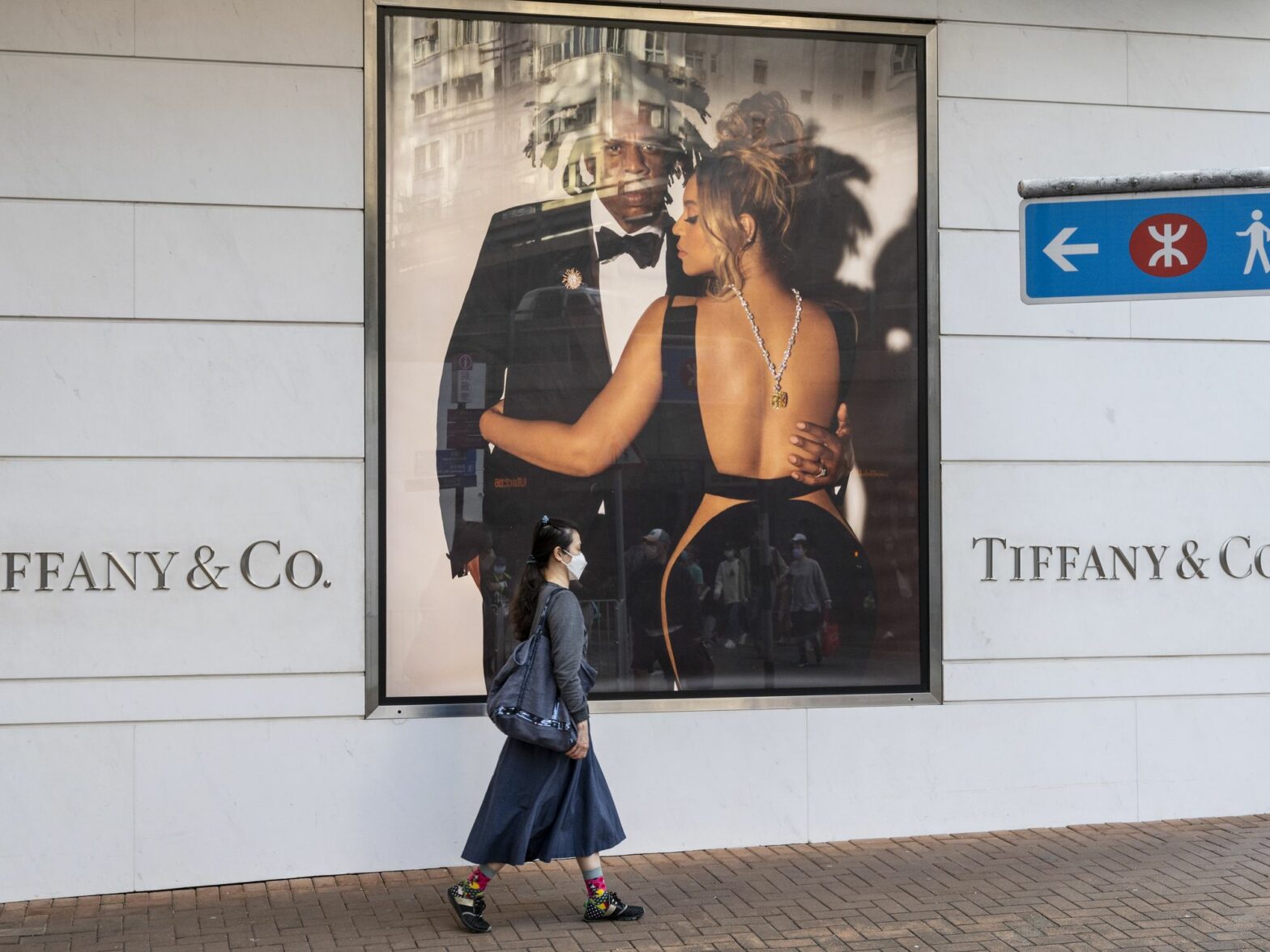
The West and its brand of modernity may be waning in favor of an ascendant China, but is it offering anything besides replacing market forces with brute force.
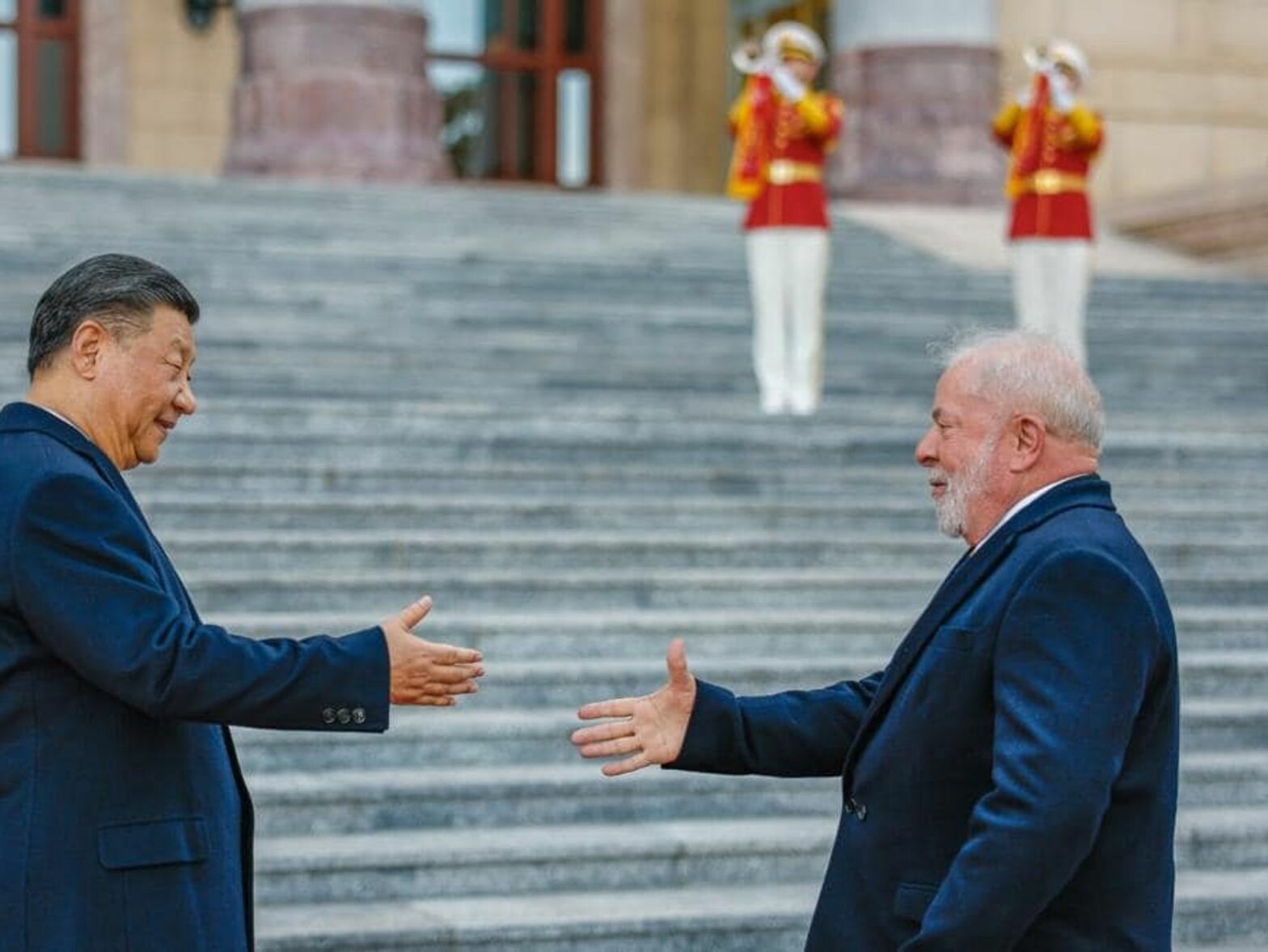
The Brazilian president, back in power after more than a decade later, has not lost his vision of a post-Western world in which the BRICS would occupy a central place. Lula’s visit to Beijing puts such a vision front and center on the global agenda.
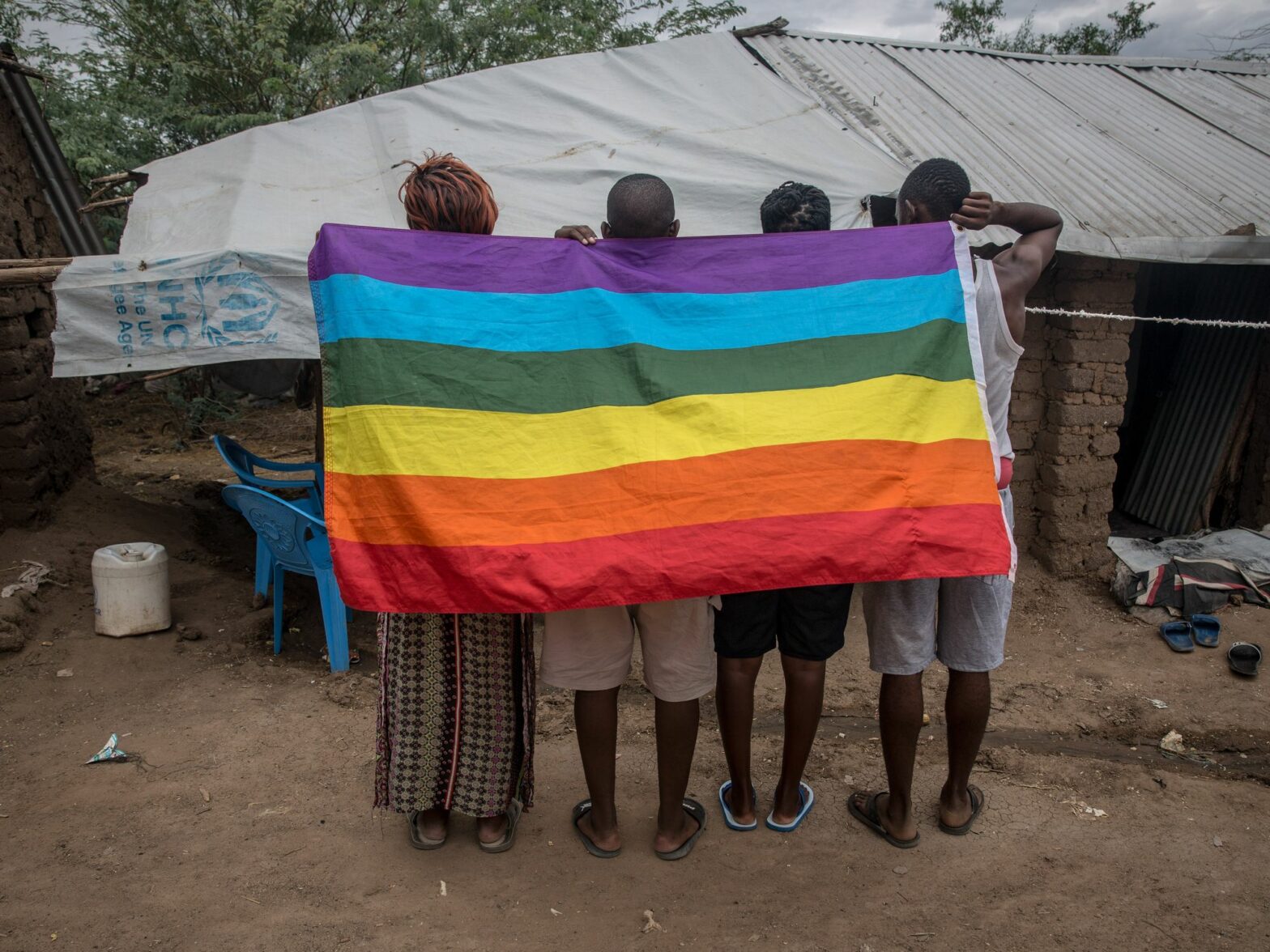
Uganda’s new law that calls for life imprisonment for gay sex is part of a wider crackdown against LGBTQ+ rights that is particularly harsh on the African continent.
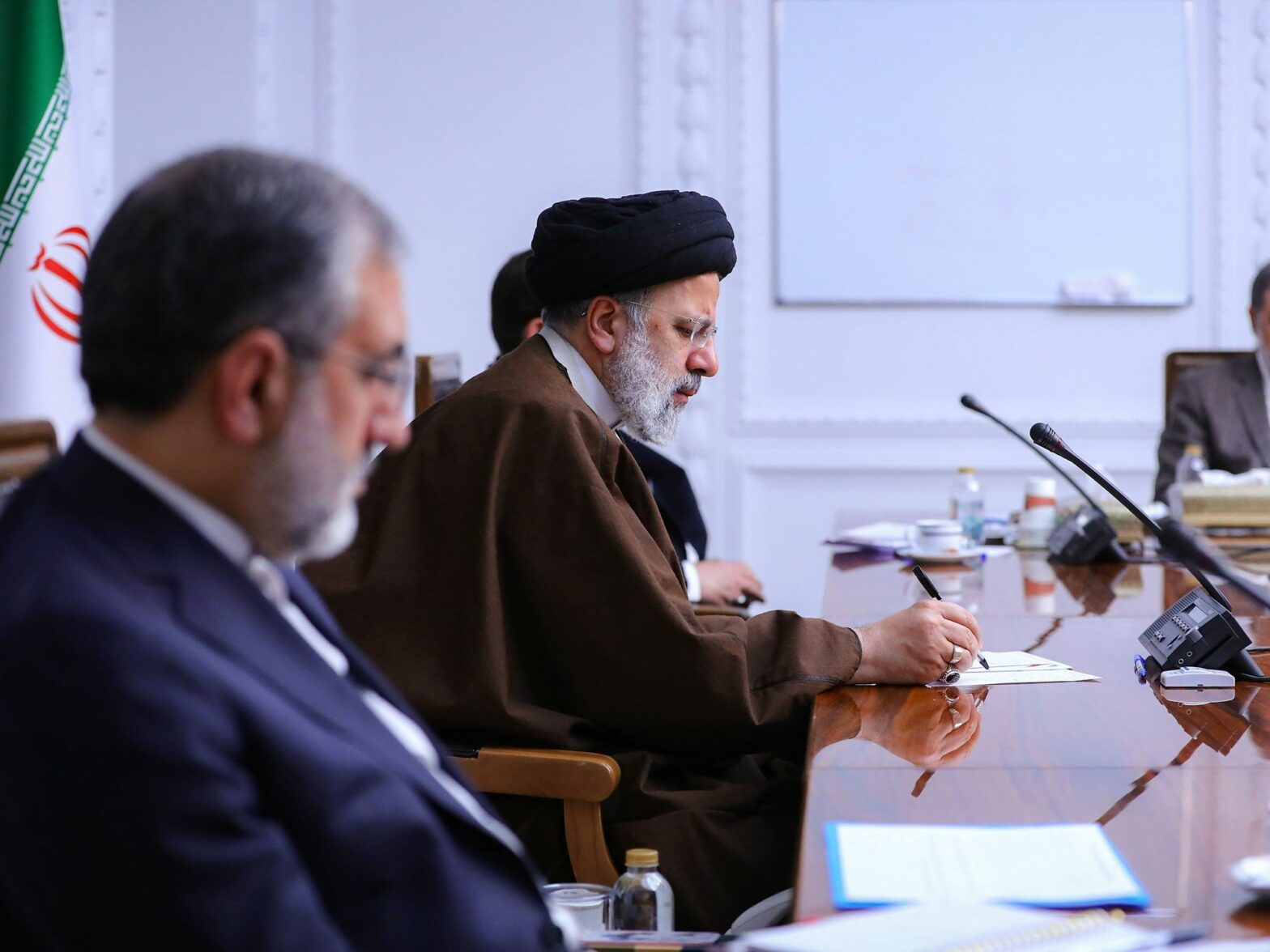
Iran and Saudi Arabia have announced they will restore diplomatic relations. The news may have proved startling — especially China’s role — but is unlikely to dispel long-standing distrust between two regional rivals.
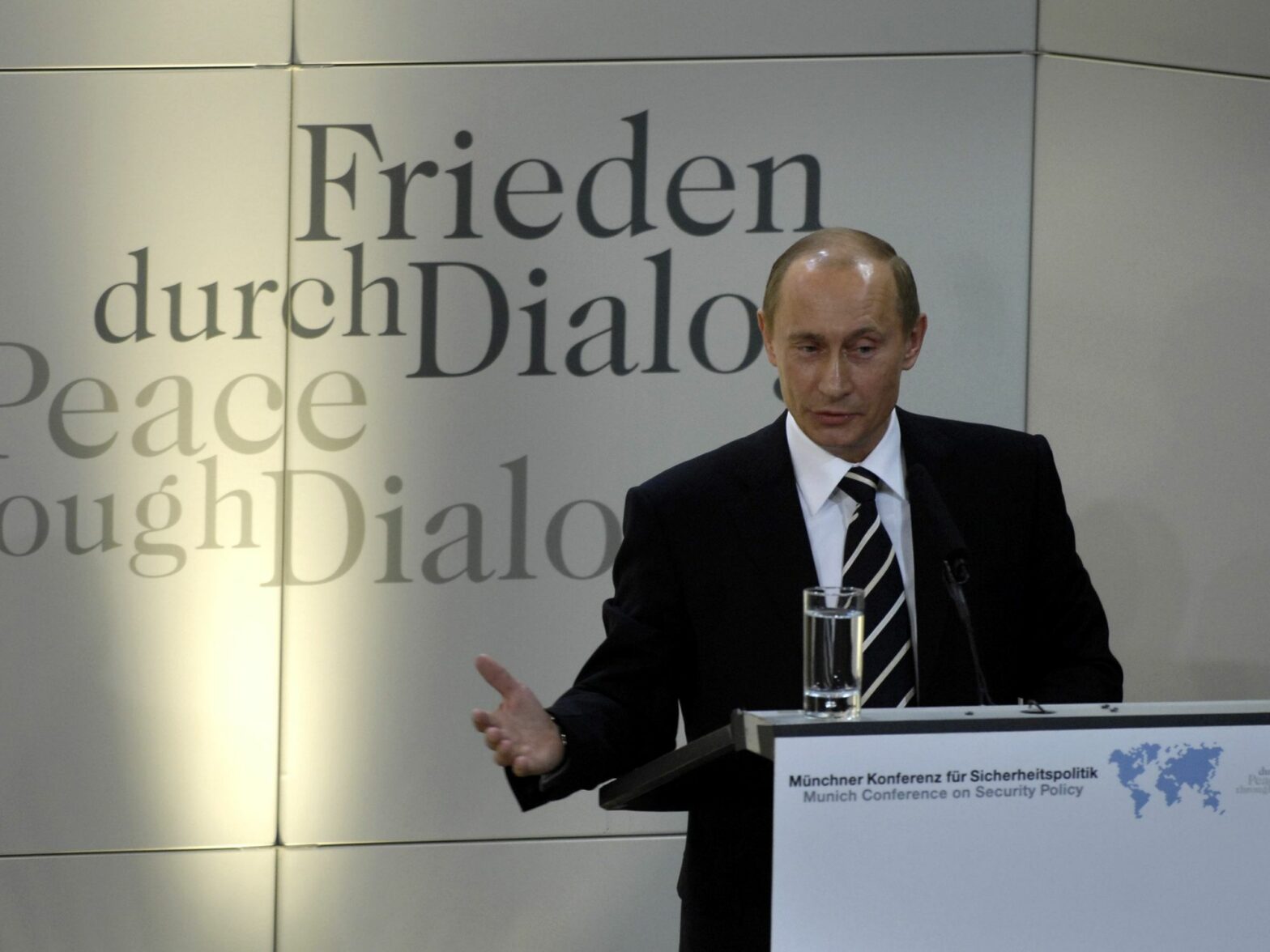
The Munich Security Conference of 2023 takes place this weekend. The 2007 edition was a turning point for the world, where Vladimir Putin made his intentions clear — and today it all looks destined to arrive at the invasion of Ukraine.
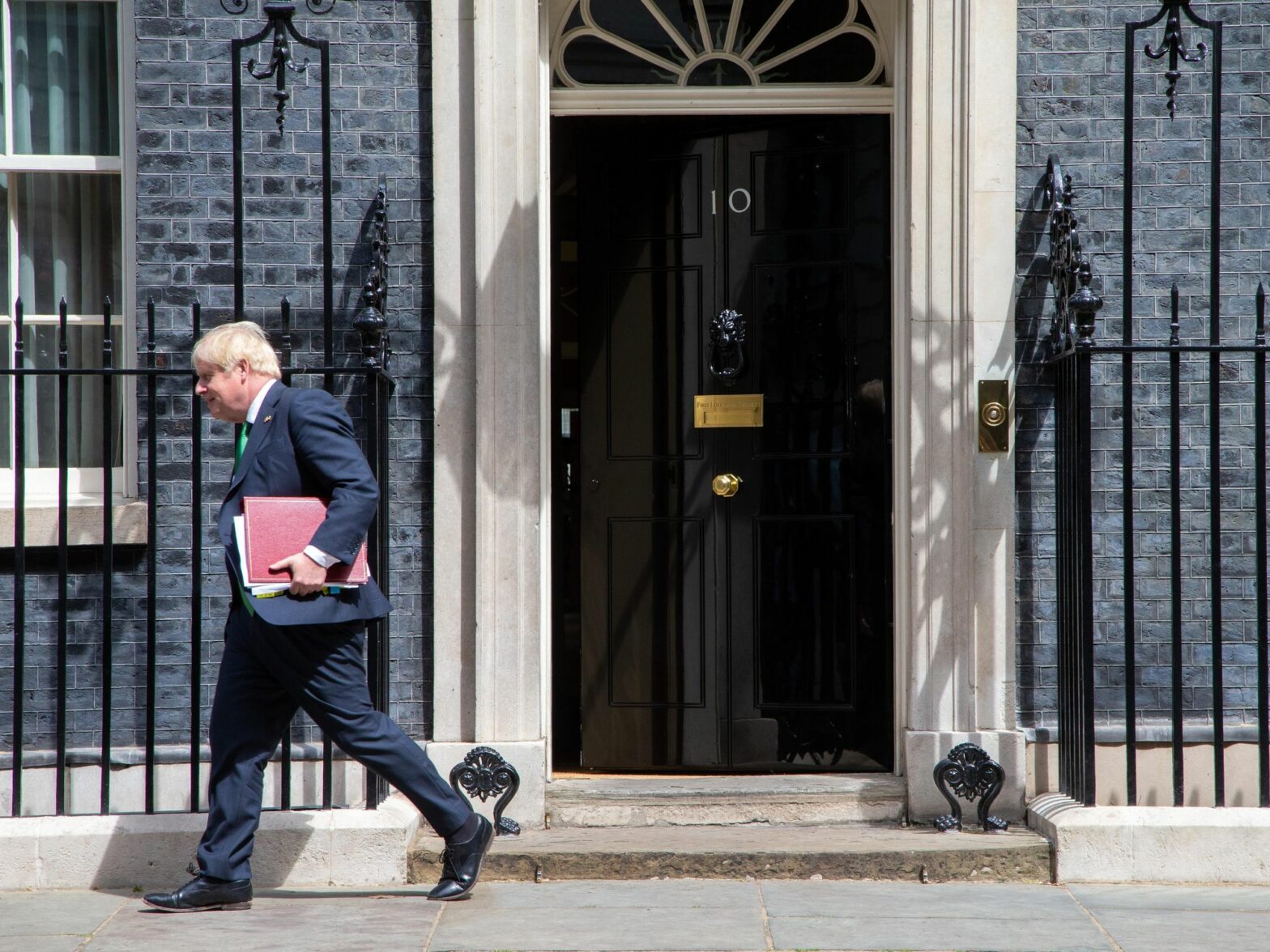
Boris Johnson’s resignation is another example of the political crises in the democratic world. But that does not necessarily mean that dictators and despots will win.
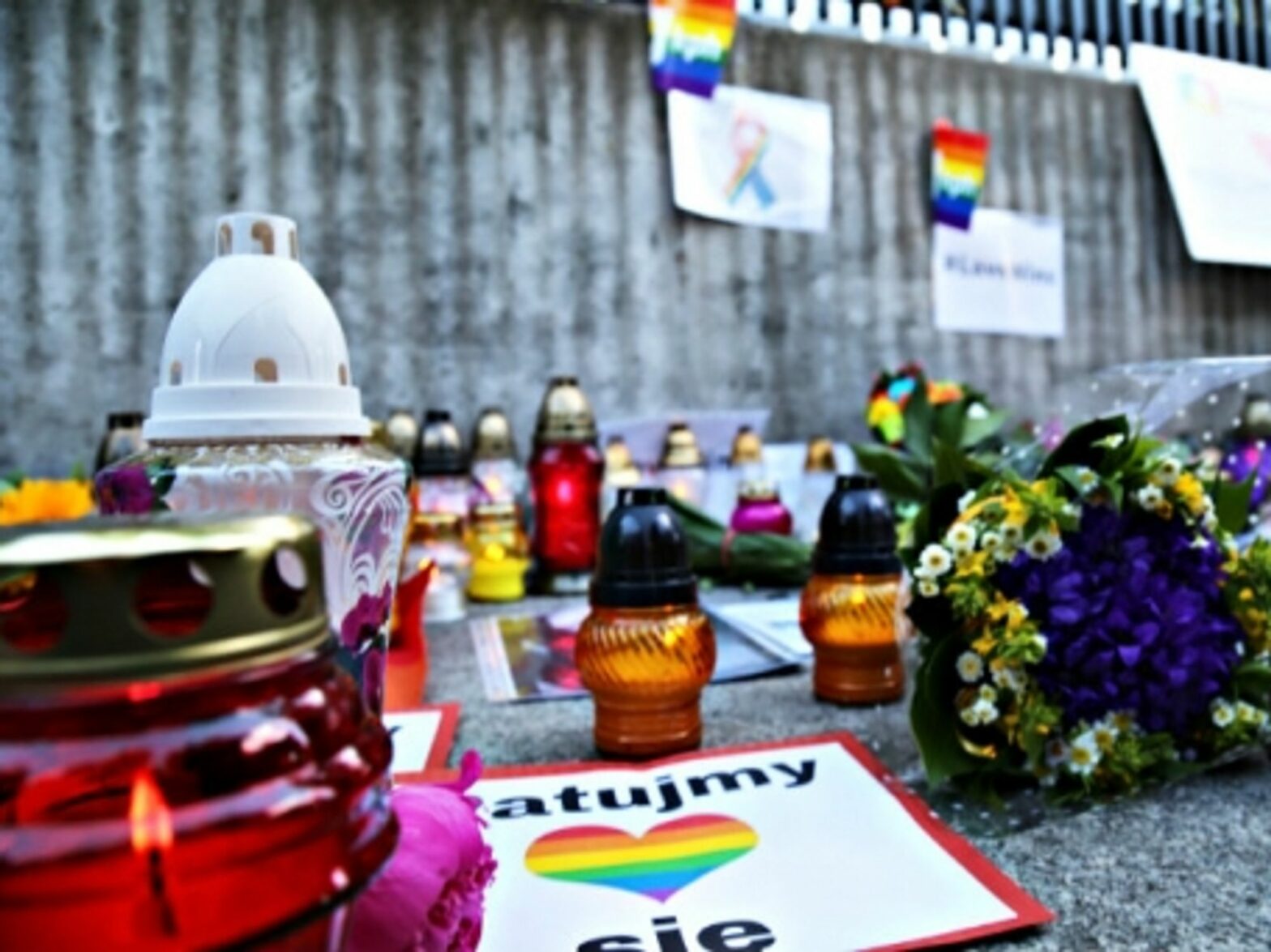
Let’s be clear, the terror in the Pulse club was not an attack on Western culture in general: It was aimed explicitly at gay people. Most heterosexuals don’t have the slightest idea what this really means.