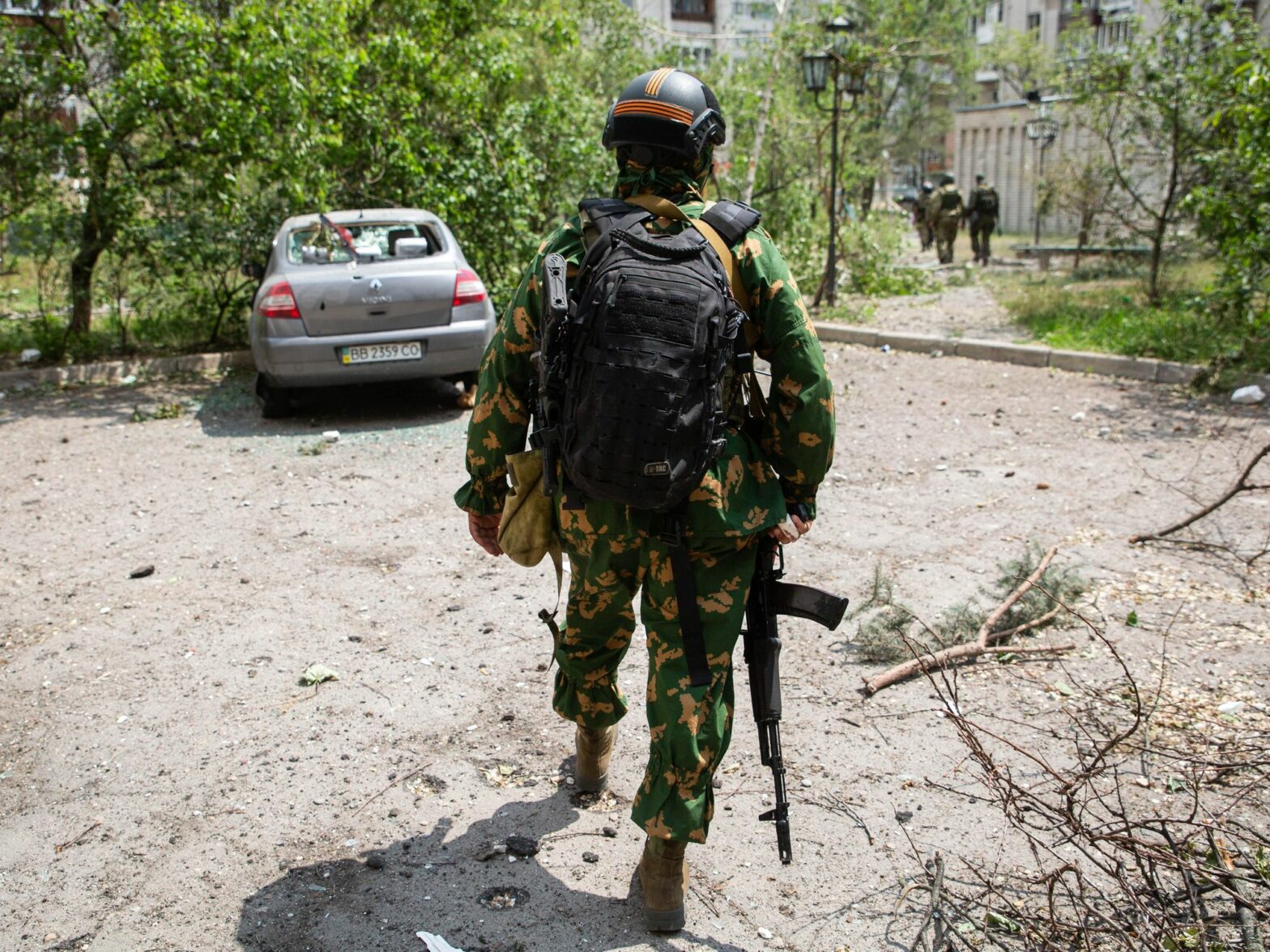
It was another fierce night of combat in the eastern Ukrainian city, where Ukrainian President Volodymyr Zelensky said the fate of the battle could be decisive.
 Worldcrunch
It was another fierce night of combat in the eastern Ukrainian city, where Ukrainian President Volodymyr Zelensky said the fate of the battle could be decisive.
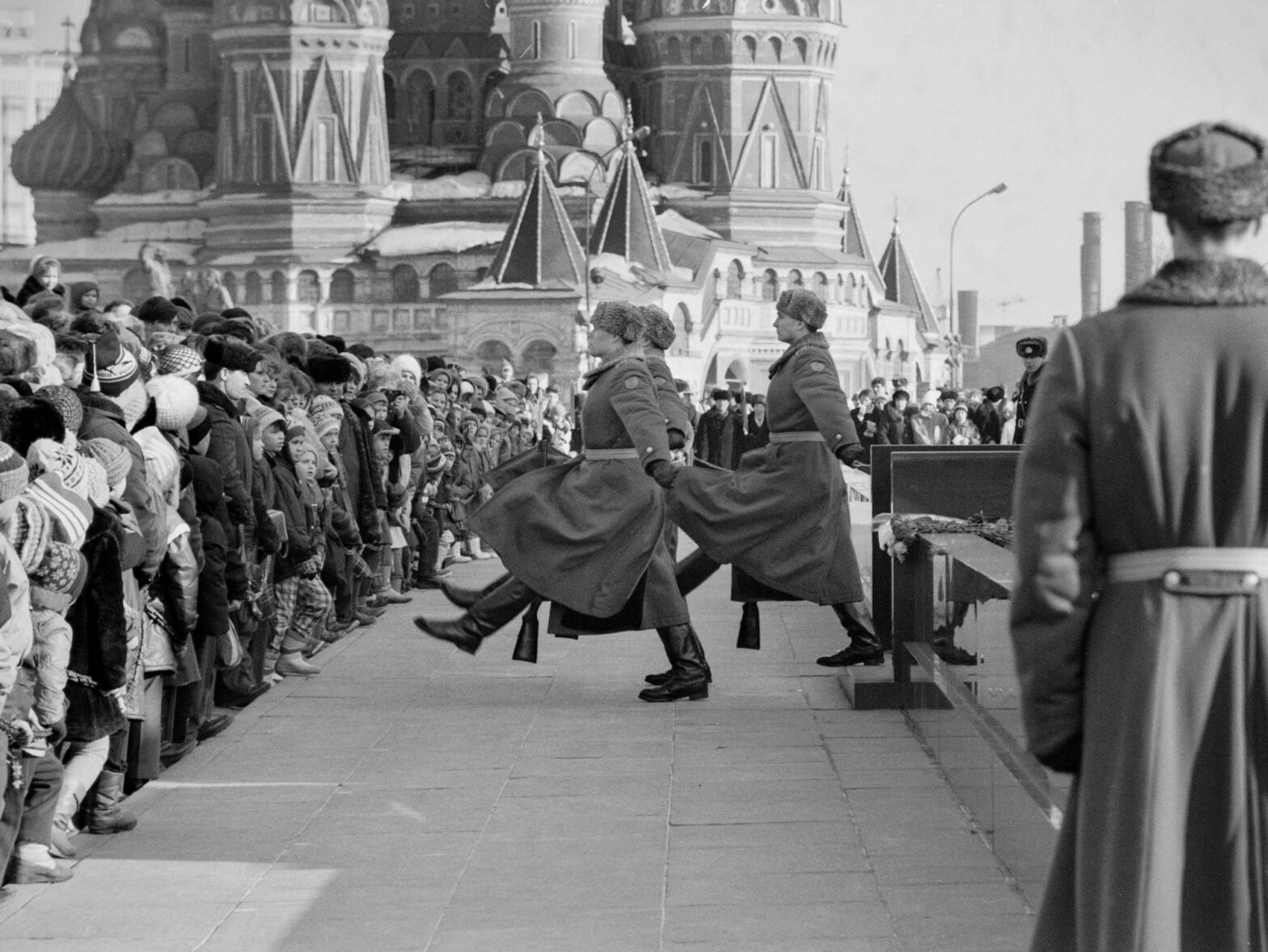
Putin’s brutal attack on Ukraine has turned the world on its head. As shocking as it is, those closer to Russia sense something familiar in the past three months. This personal dispatch is about the Russians and the Slavs (I am the latter).
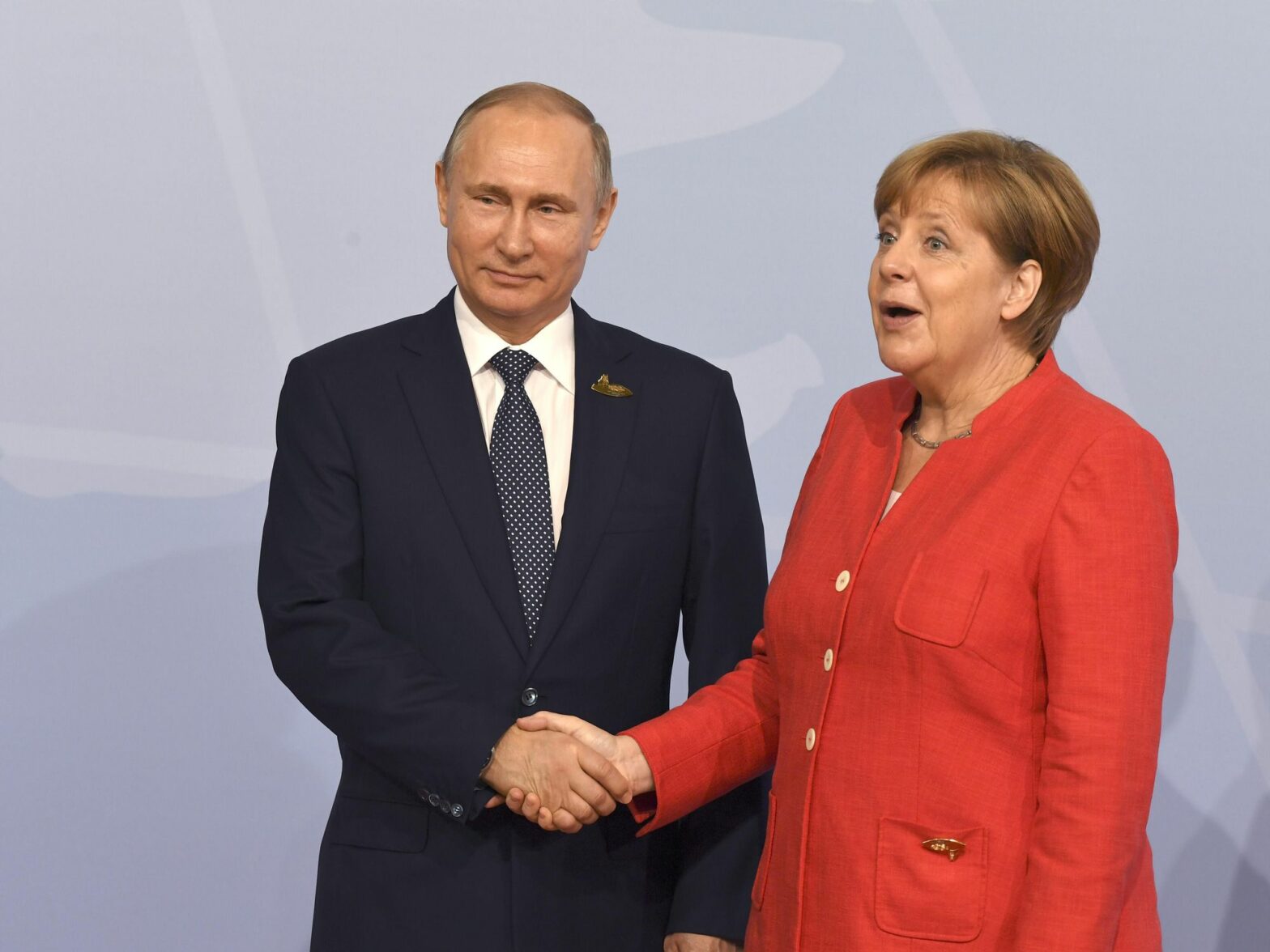
In her first interview since the end of her 16 years as German Chancellor, Merkel said she had “nothing to apologize for.” Asked why she had opposed plans for NATO membership for Ukraine and Georgia in 2008. “Ukraine was not the country that we know now.”
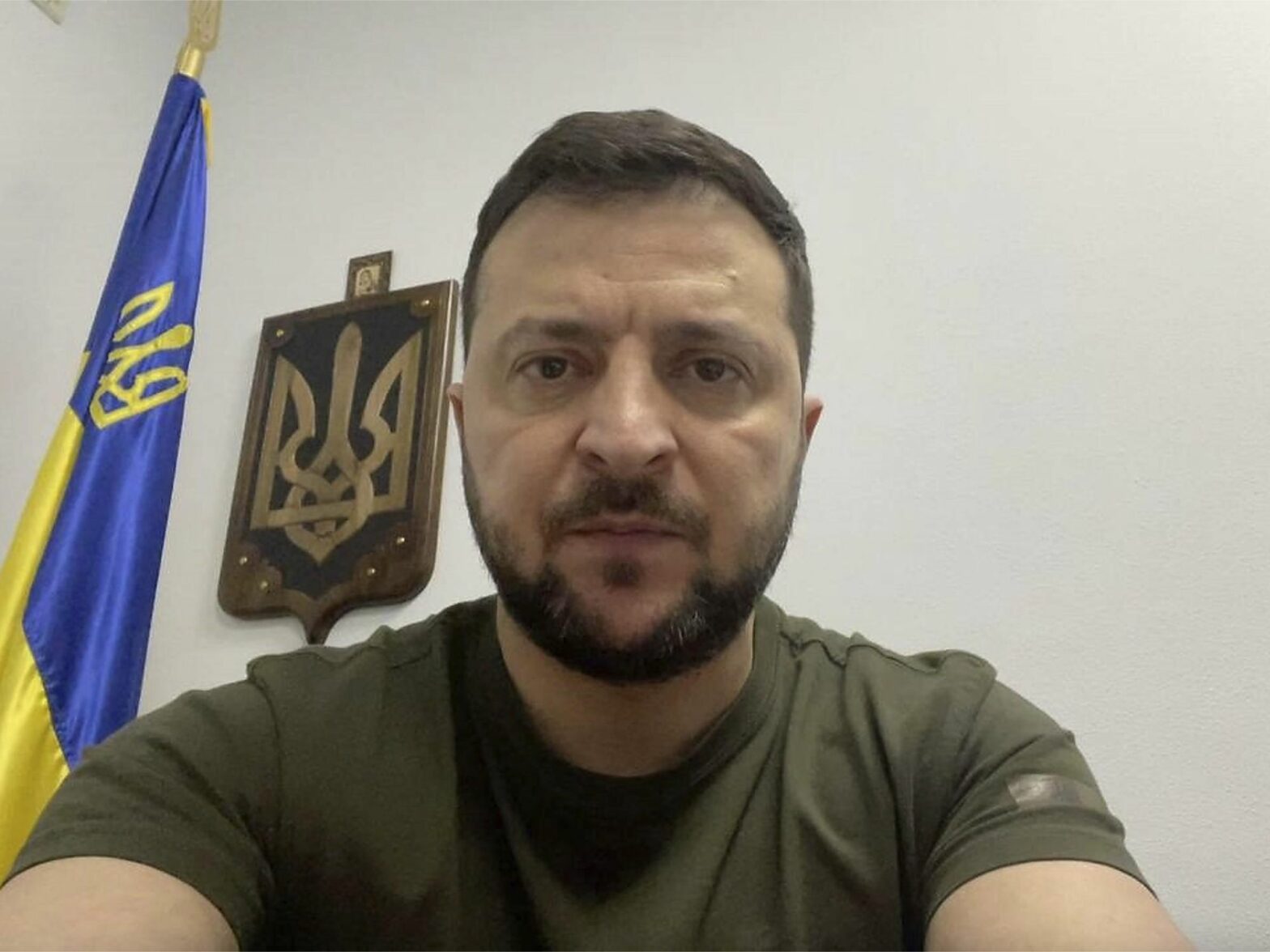
Those calling for Kyiv to negotiate away part of its territory, understand neither history nor the current reality of Ukrainian democracy.
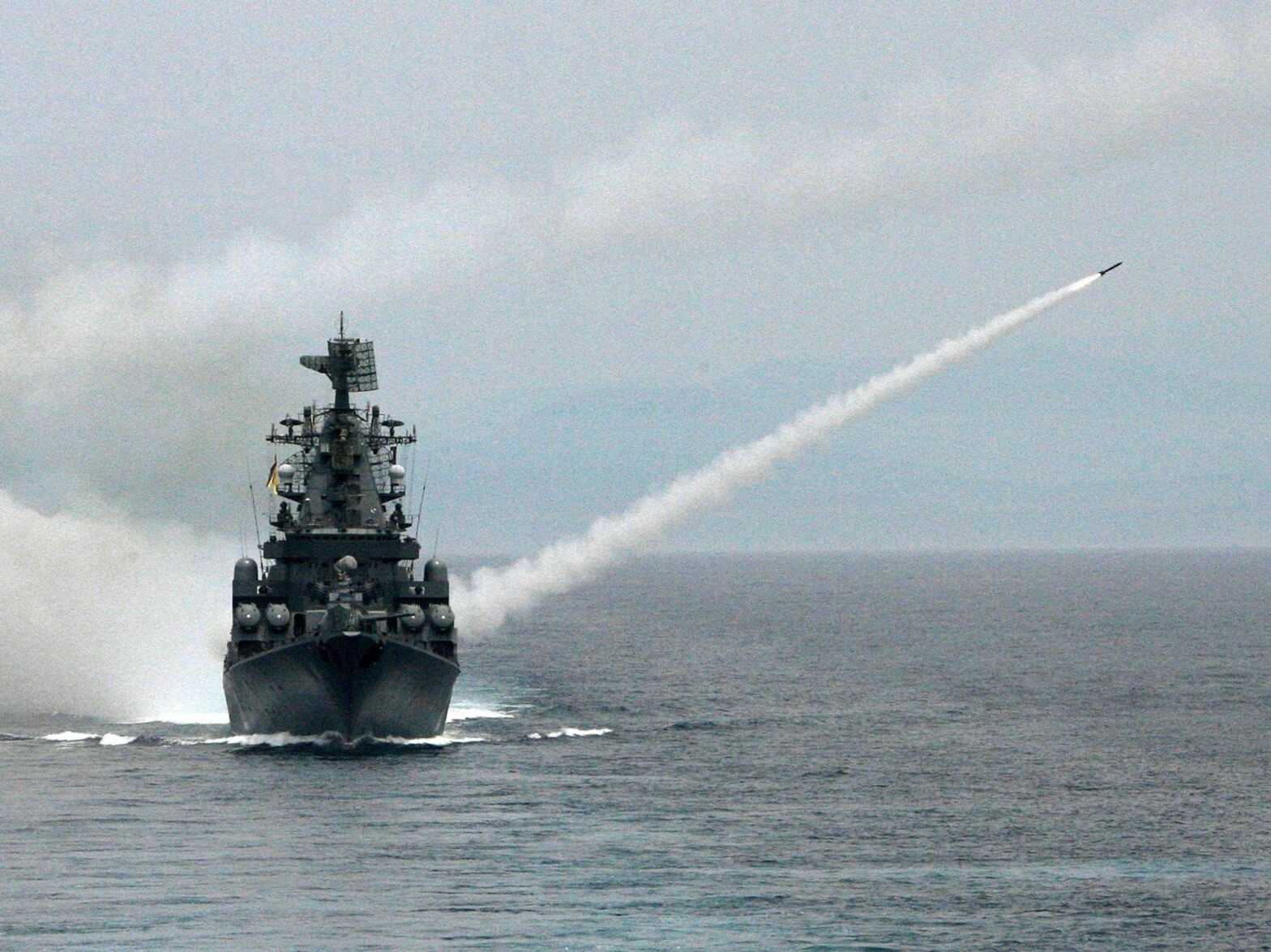
Ukrainian officials say a fleet of Russian ships has been forced more than 100 kilometers from the Ukrainian coast, which could be used to alleviate the economic pressure of the Russian blockade.
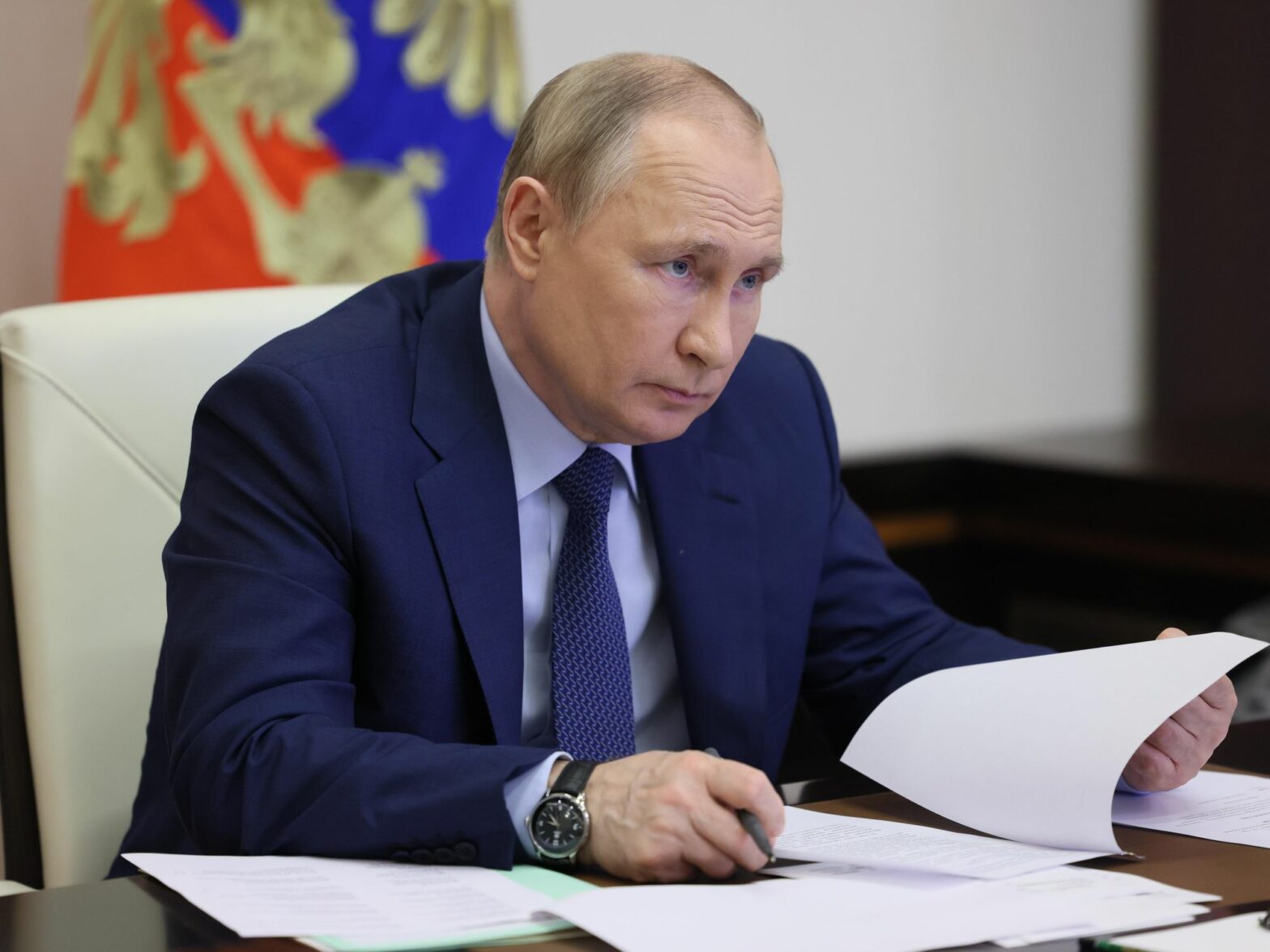
Polish-born French writer Marek Halter, who fled the Nazis to the USSR, has known Vladimir Putin for 30 years. Halter sent the Russian president a long letter on May 18, and later shared a copy of it with Les Echos. In the letter, he lays out the path for Putin to renounce the war without undermining Russia’s standing.
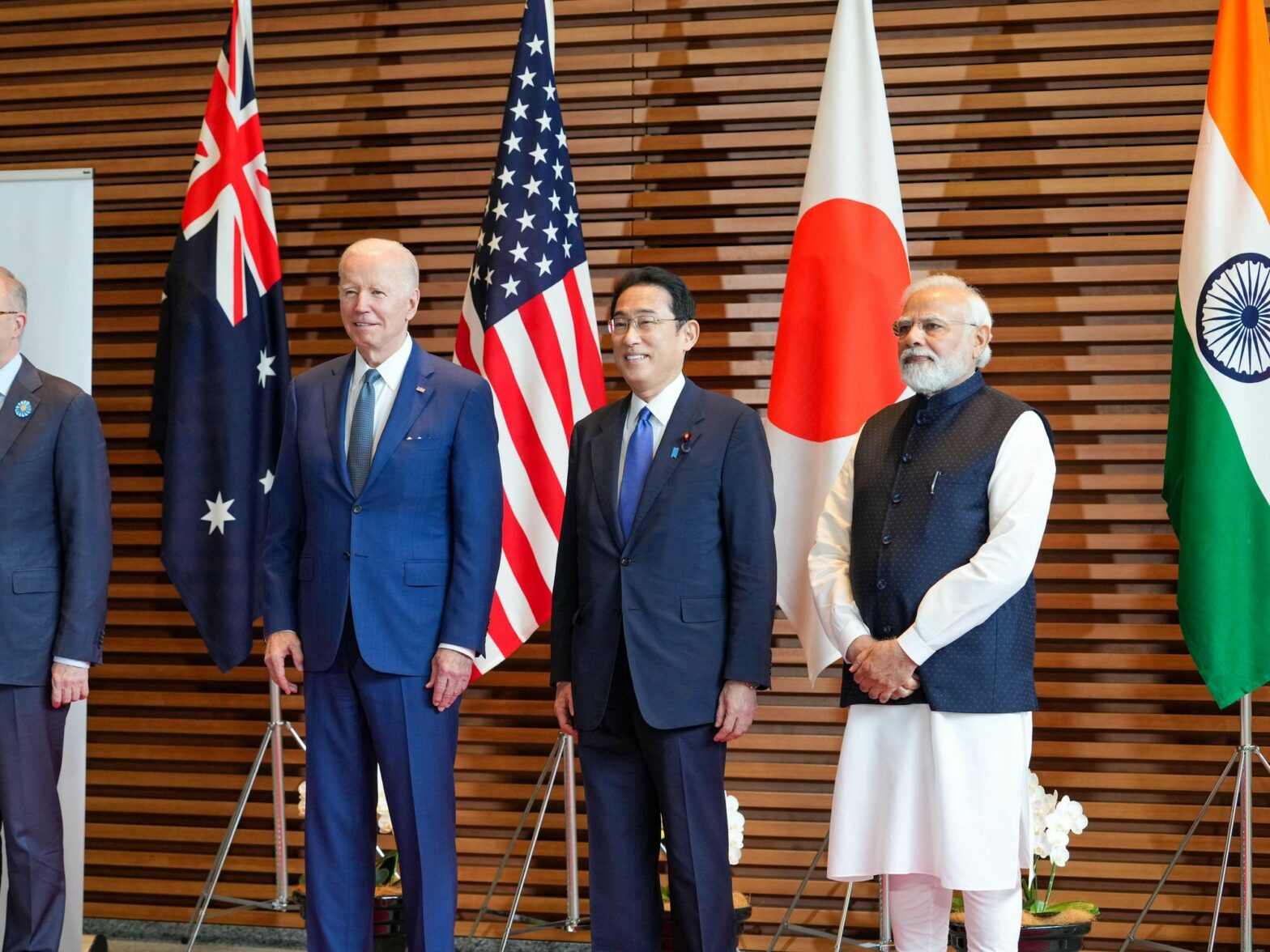
Russia’s invasion of Ukraine changed the rules of diplomacy. As Russia and China show budding unity, the world’s diplomats must look at the effects of Eastern Europe on East Asia — and Taiwan specifically.
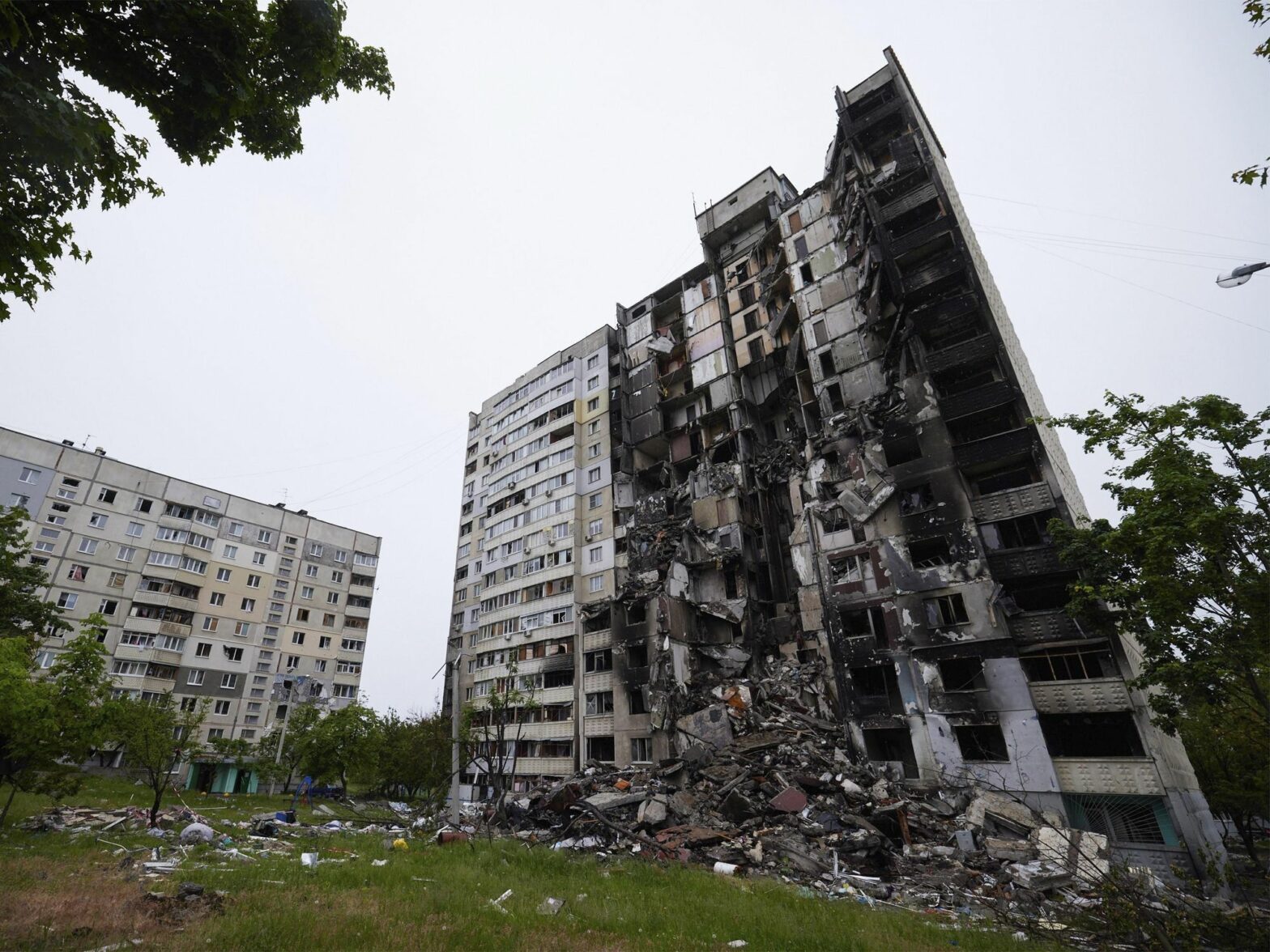
One hundred days after Vladimir Putin launched an apparent all-or-nothing invasion of Ukraine, the reality is neither all nor nothing. The Russian president is no doubt comforting himself with news that his troops are progressing in the southeastern Donbas region. President Volodymyr Zelensky reported Thursday that Russia by now controls up to 20% of Ukrainian […]
Anatoly Dremov shares his experiences of the war in Ukraine on the Russian Telegram network – and reveals details that don’t always line up with the Kremlin narrative.
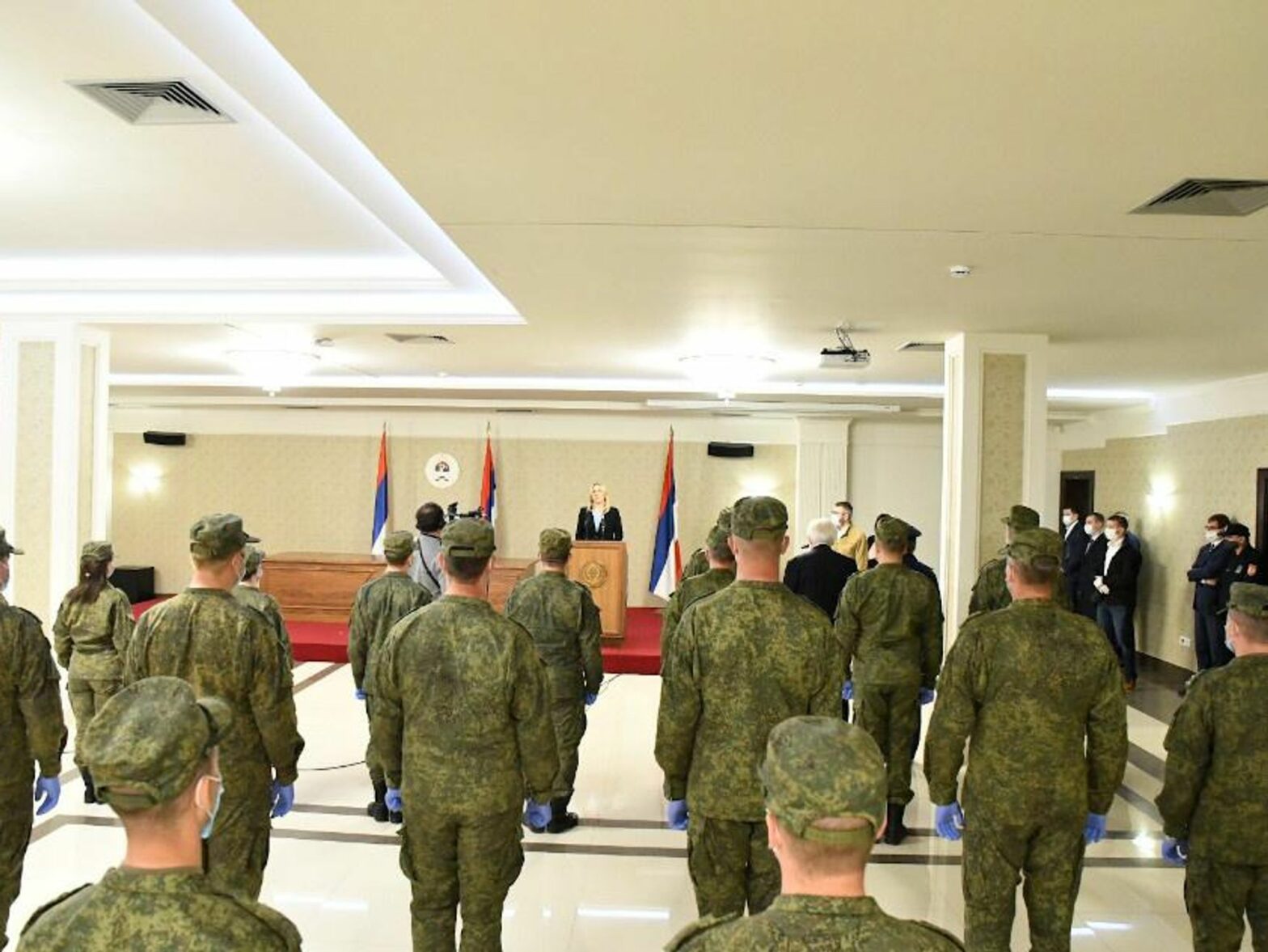
Even with no end in sight to the war in Ukraine, Russia may be plotting to destabilize the Balkans by the end of this year. The target? Bosnia and Herzegovina, which may be already close to splitting.
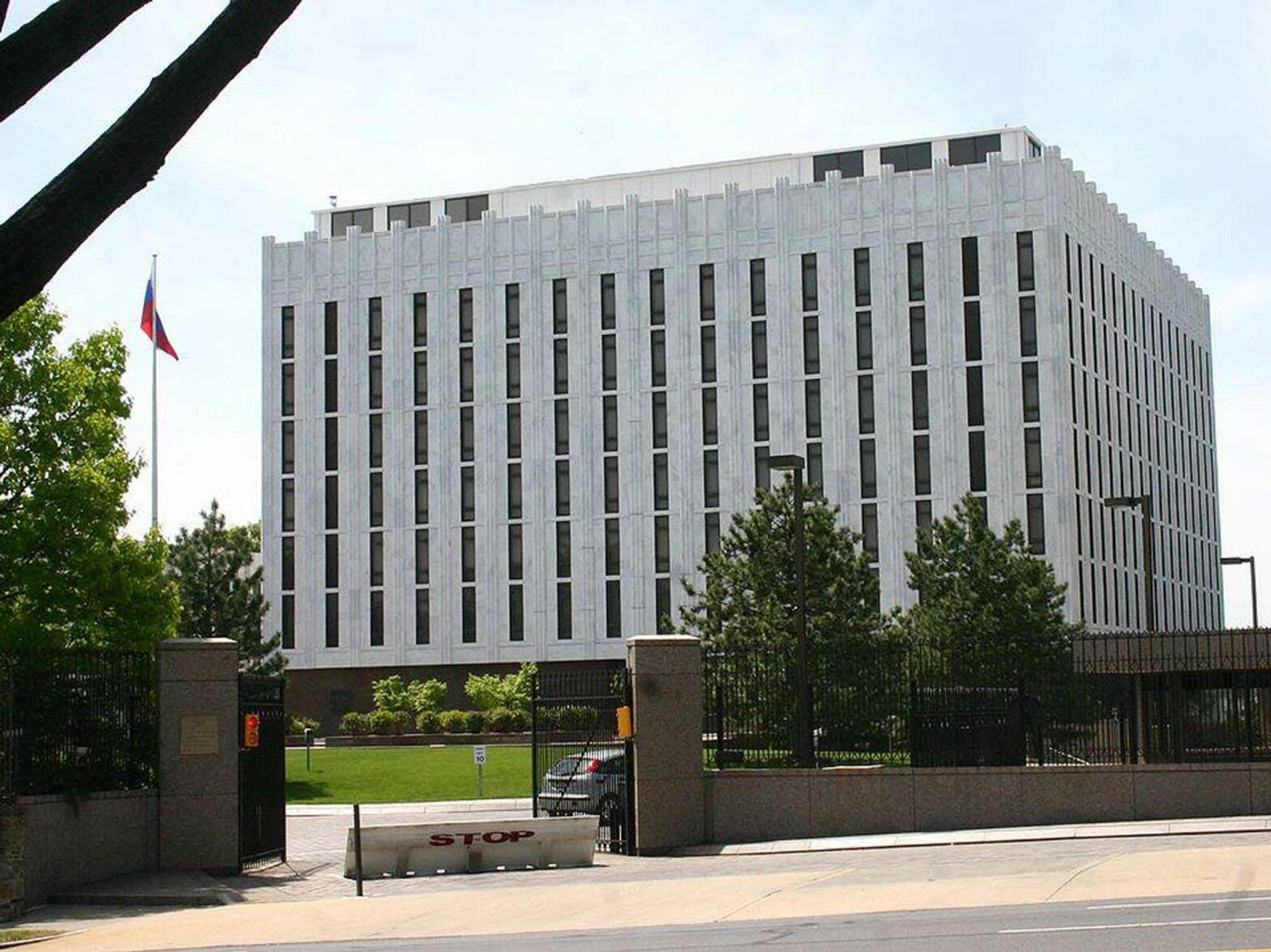
Kremlin press secretary Dmitry Peskov confirmed the complete absence of high-level communication between Moscow and Washington, as tensions continue to rise over the U.S. delivery of long-range rocket launchers to Ukraine.
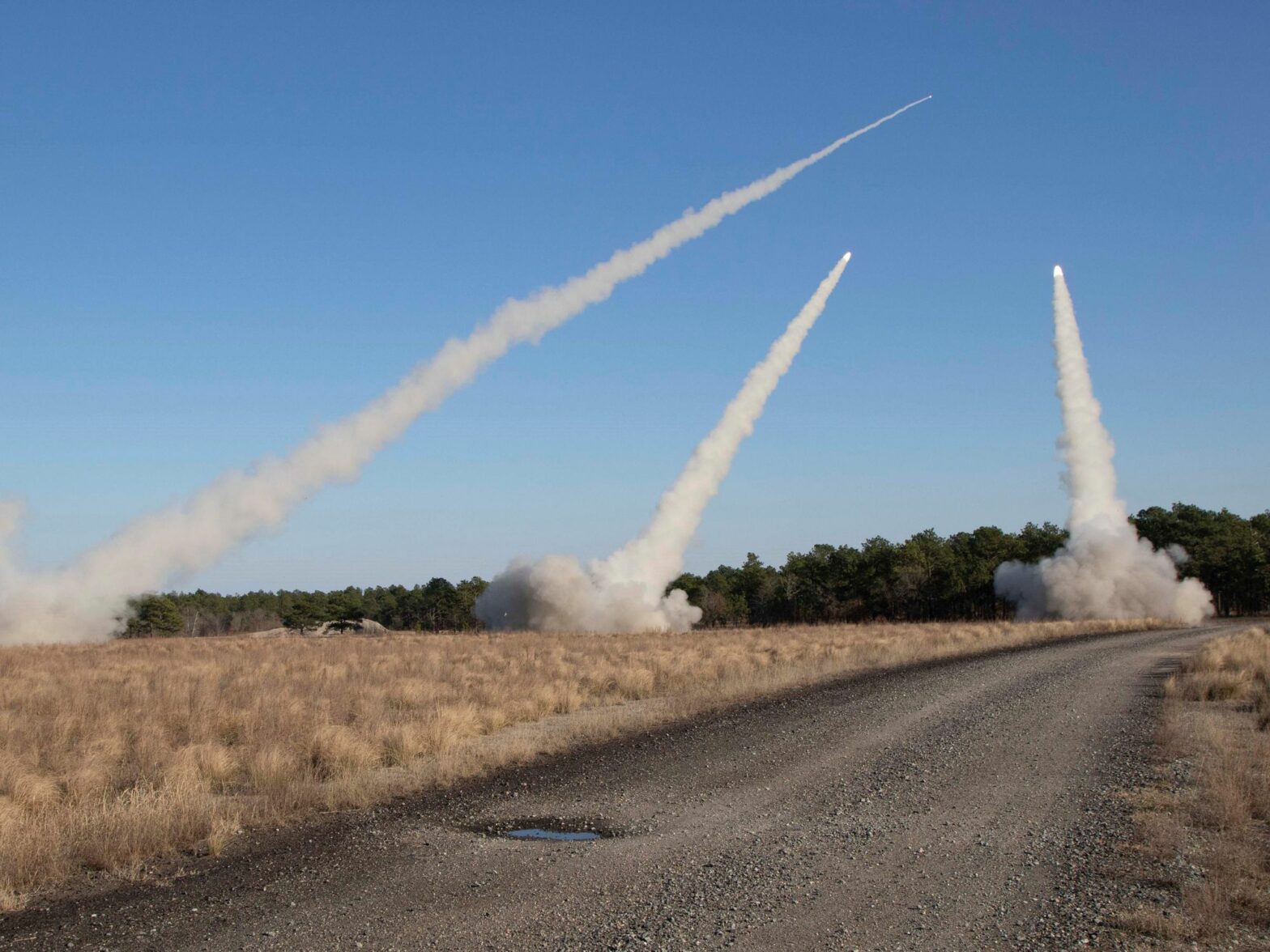
The U.S. has ultimately decided to send MLRS weapons, which are capable of hitting Russian territory, but only with Ukraine’s promise not to launch the rockets across the border. But will this eliminate the risk of the war escalating into a direct confrontation between the U.S. and Russia?
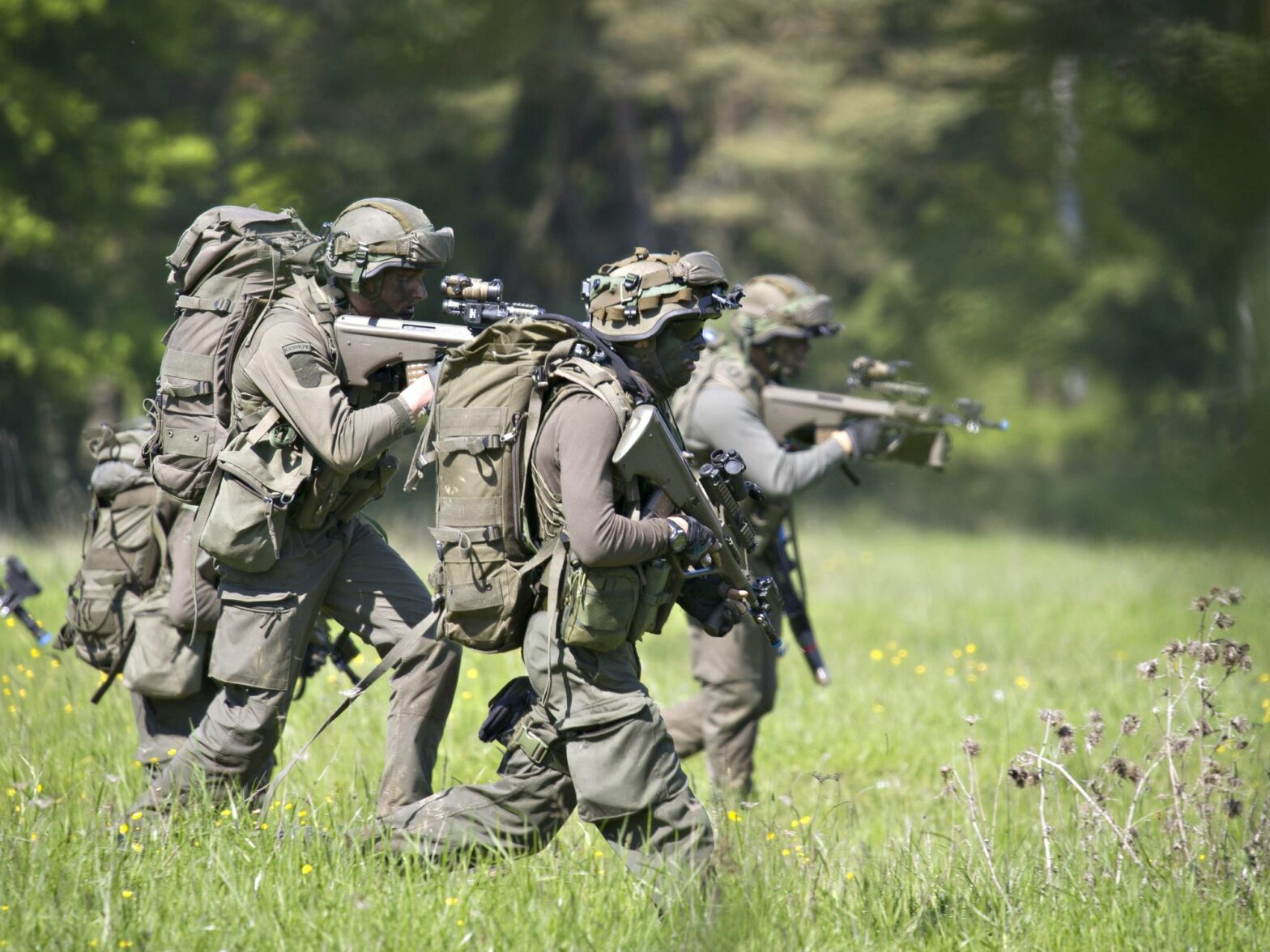
While Sweden and Finland are fast-tracking NATO applications, the writer’s homeland of Austria continues to cling to longstanding “neutrality” status, sleepwalking through the Russian invasion of Ukraine. The government has the polls on their side. But in reality, it’s not our neutrality that protects us.
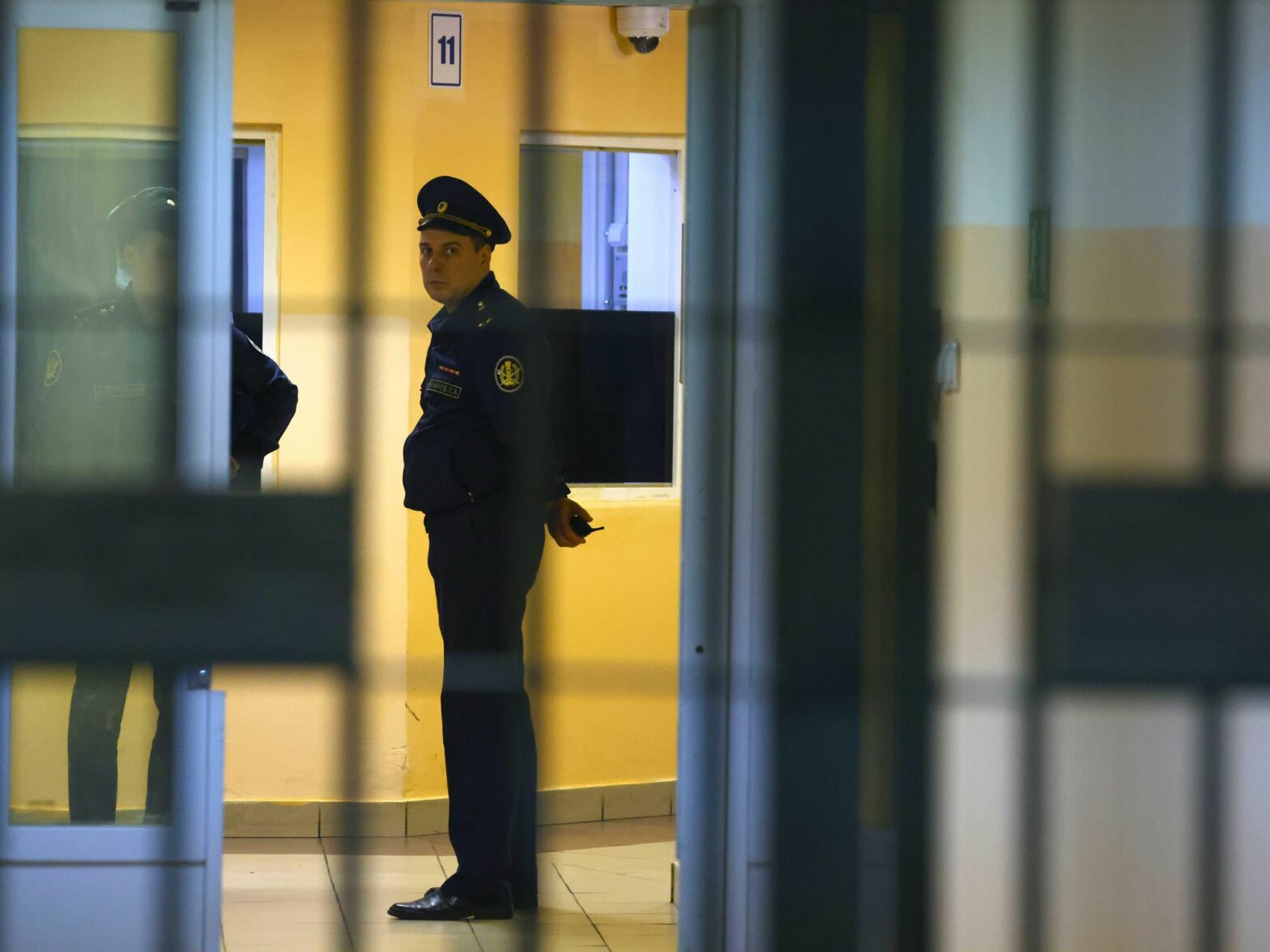
Russian jails were already struggling thanks to long investigations and an arrest bias. But the conflict in Ukraine has made a bad situation worse in detention centers around the country, with so-called Ukrainian “spies and traitors” locked up without trial.
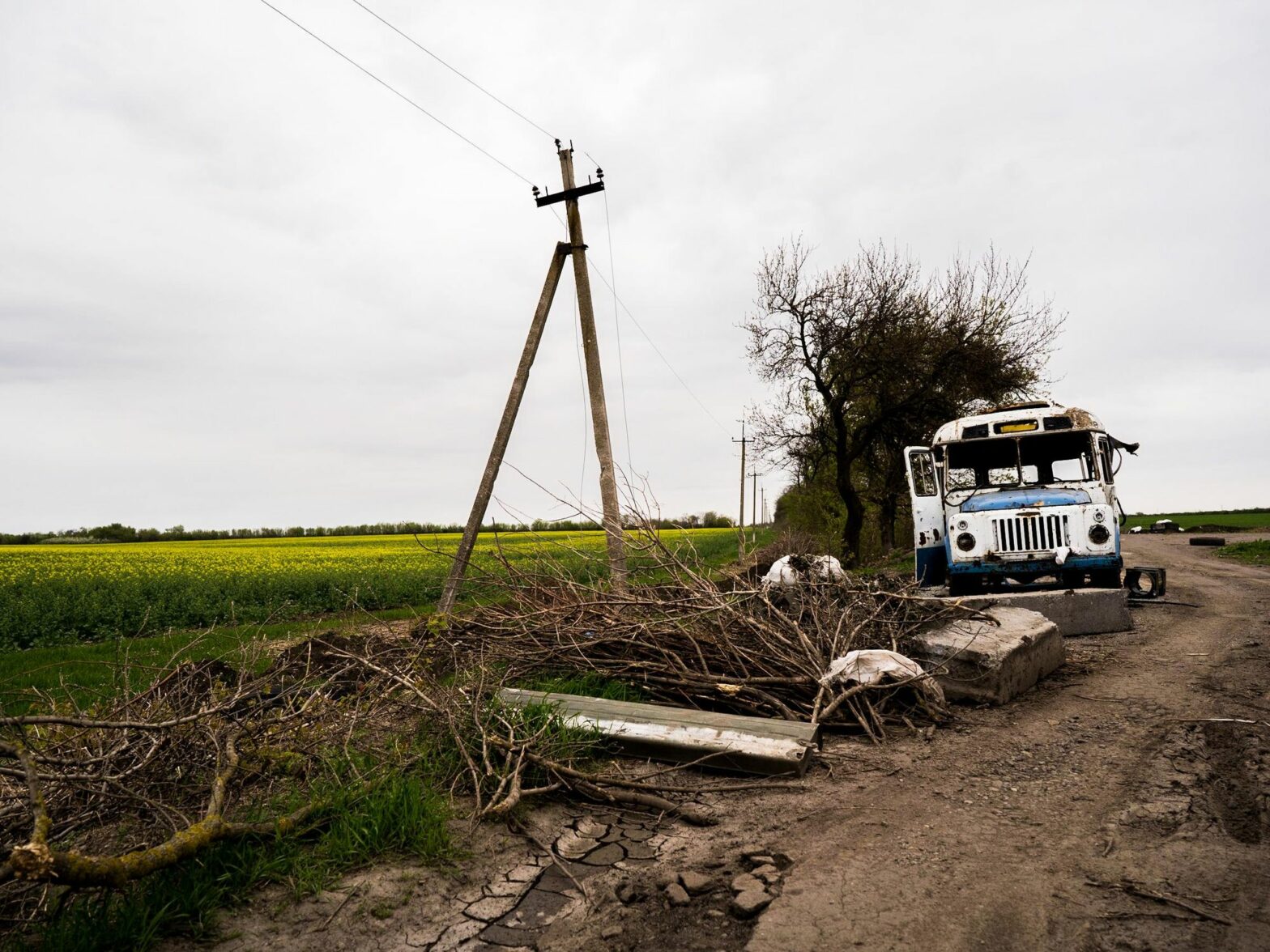
In early March, Kherson became the first major Ukrainian city to fall to Russian troops. A new report says that Russia has switched communication services to those controlled by Moscow, as an early picture emerges of what can happen to conquered territory. For that reason, perhaps, Ukraine has recently launched a surprise counterattack on Kherson.
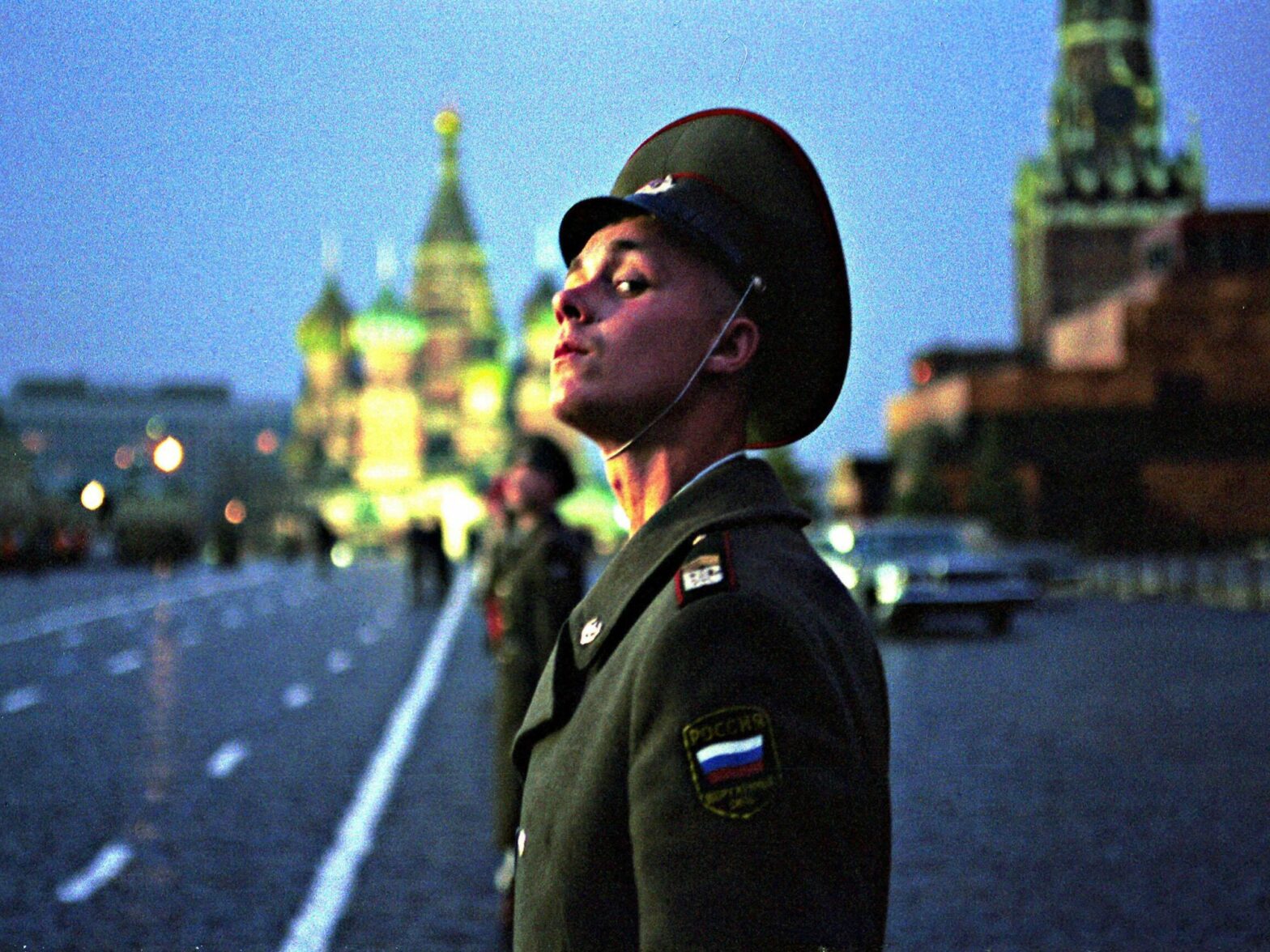
The war in Ukraine is hastening the fall of major world powers Russia and the United States. There can only be one true victor from their protracted battle — China — and far too many risks for the rest of us.
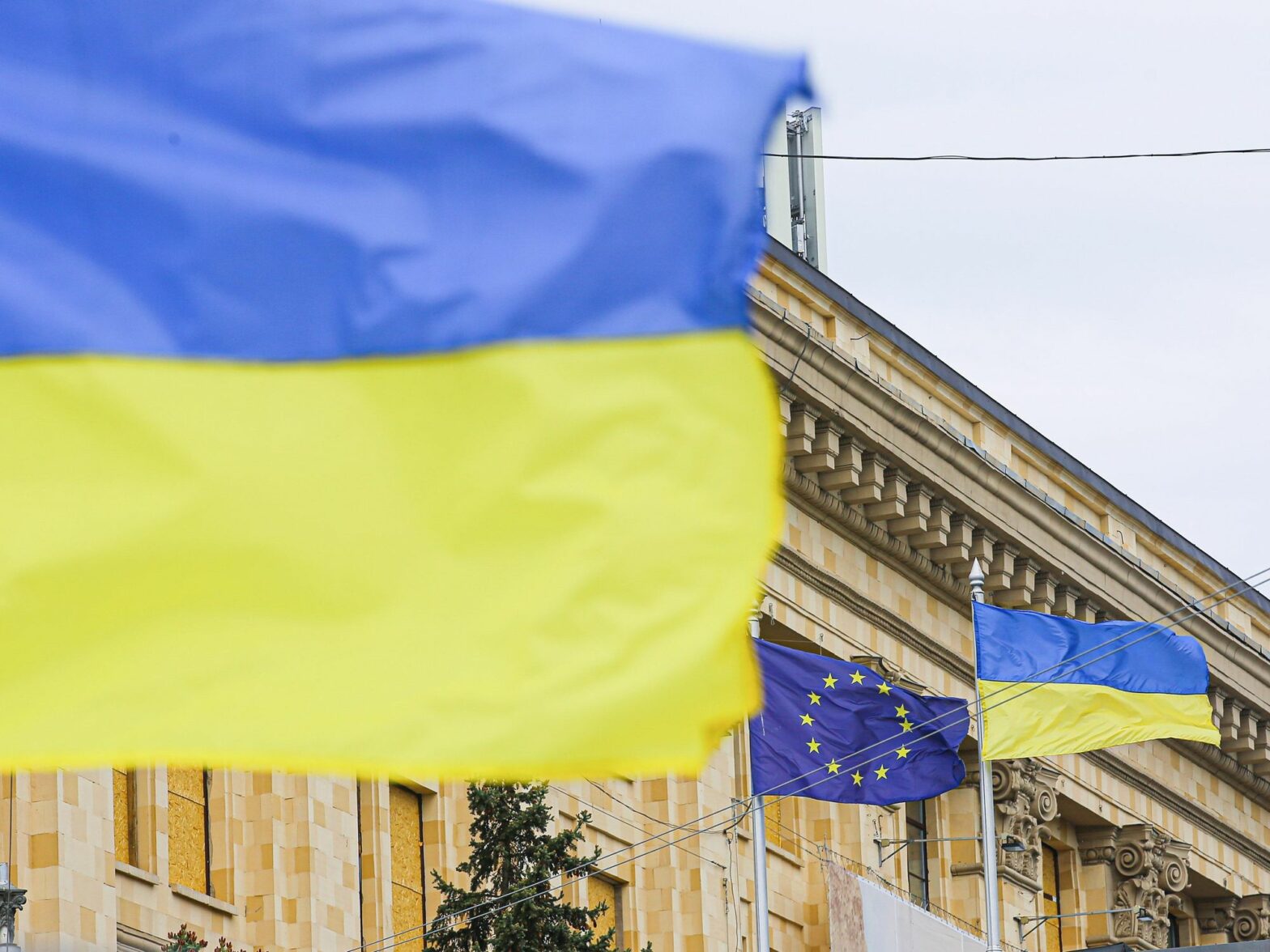
European leaders meeting Monday and Tuesday are seeking a new package of sanctions against Russia, which could may (or may not) include an oil embargo. It comes as German Economy Minister Robert Habek said EU unity “is beginning to crumble.”
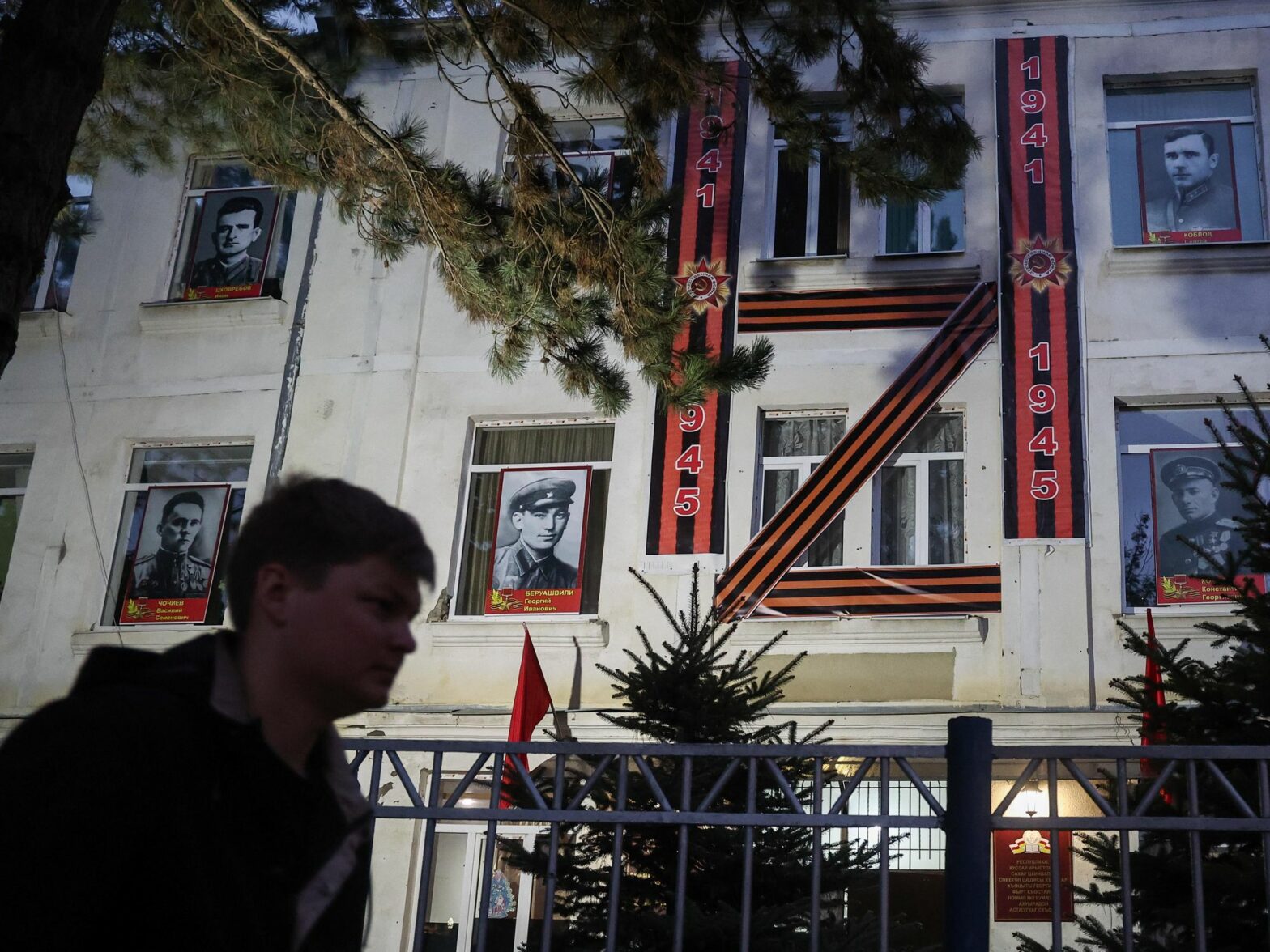
Putin has not forgotten about the breakaway republic of South Ossetia, which wants to decide in July whether to join Russia. People here still remember when the Russian army invaded while the West looked on. And there is growing worry that this could soon happen again.
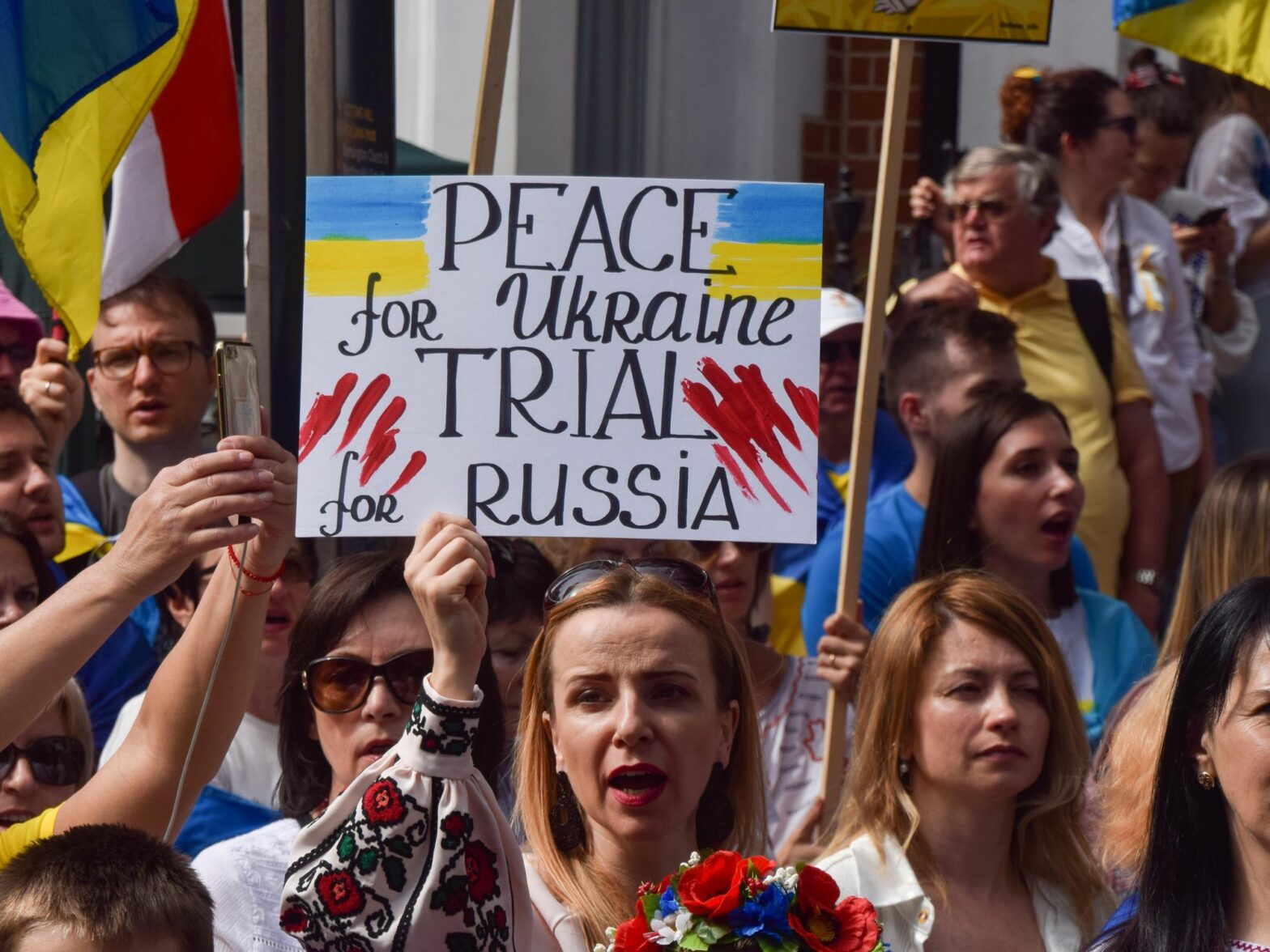
Russia’s invasion has created a stark global divide: them and us. On one side are the countries refusing to condemn Moscow, with the West on the other. It’s a dangerous split that could have repercussions far into the future.
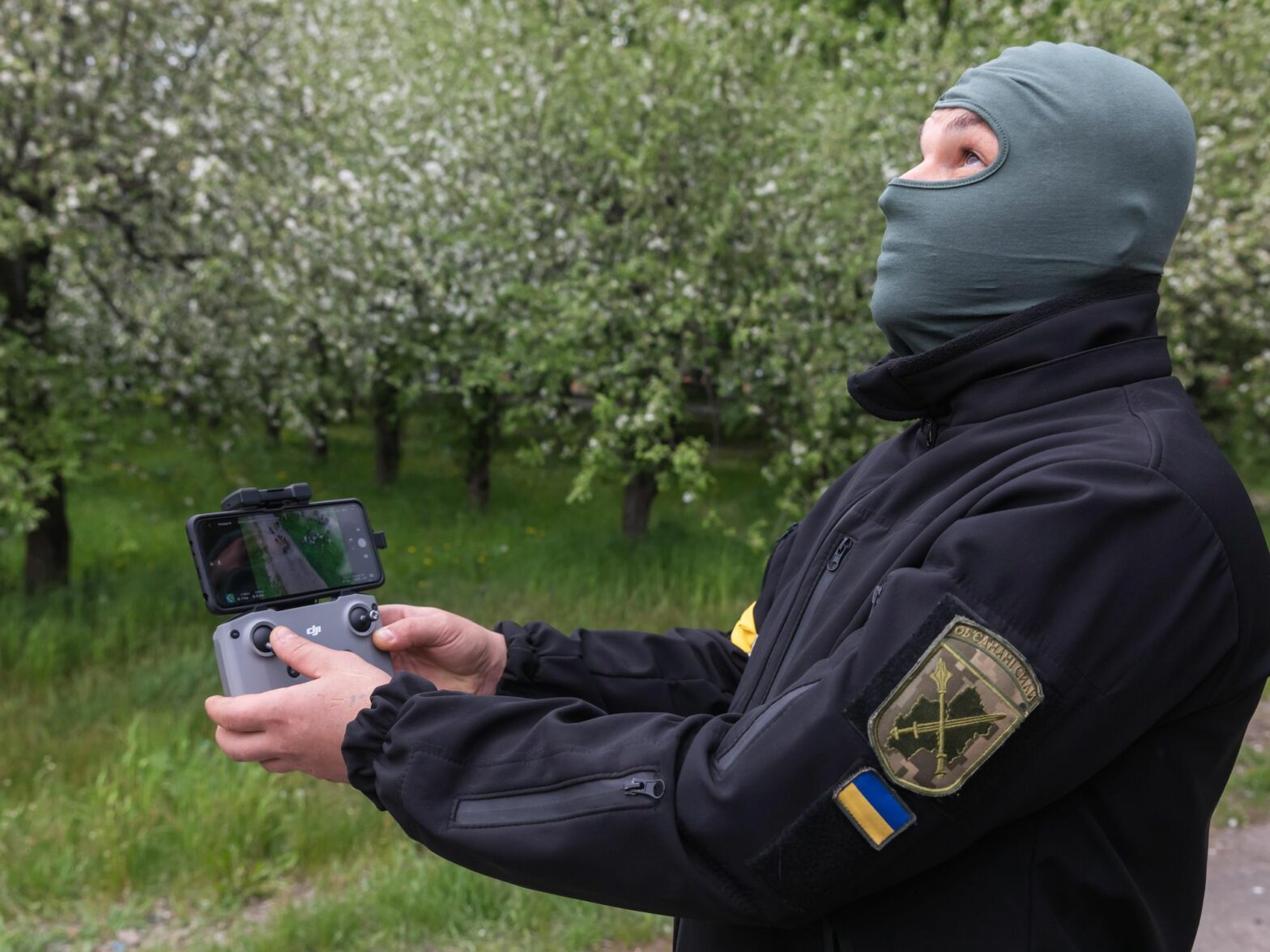
A member of the Ukrainian Armed Forces writes his account of the new dynamic of targeting, and being targeted by, the invading Russian troops, as drones circle above and trenches get left behind.
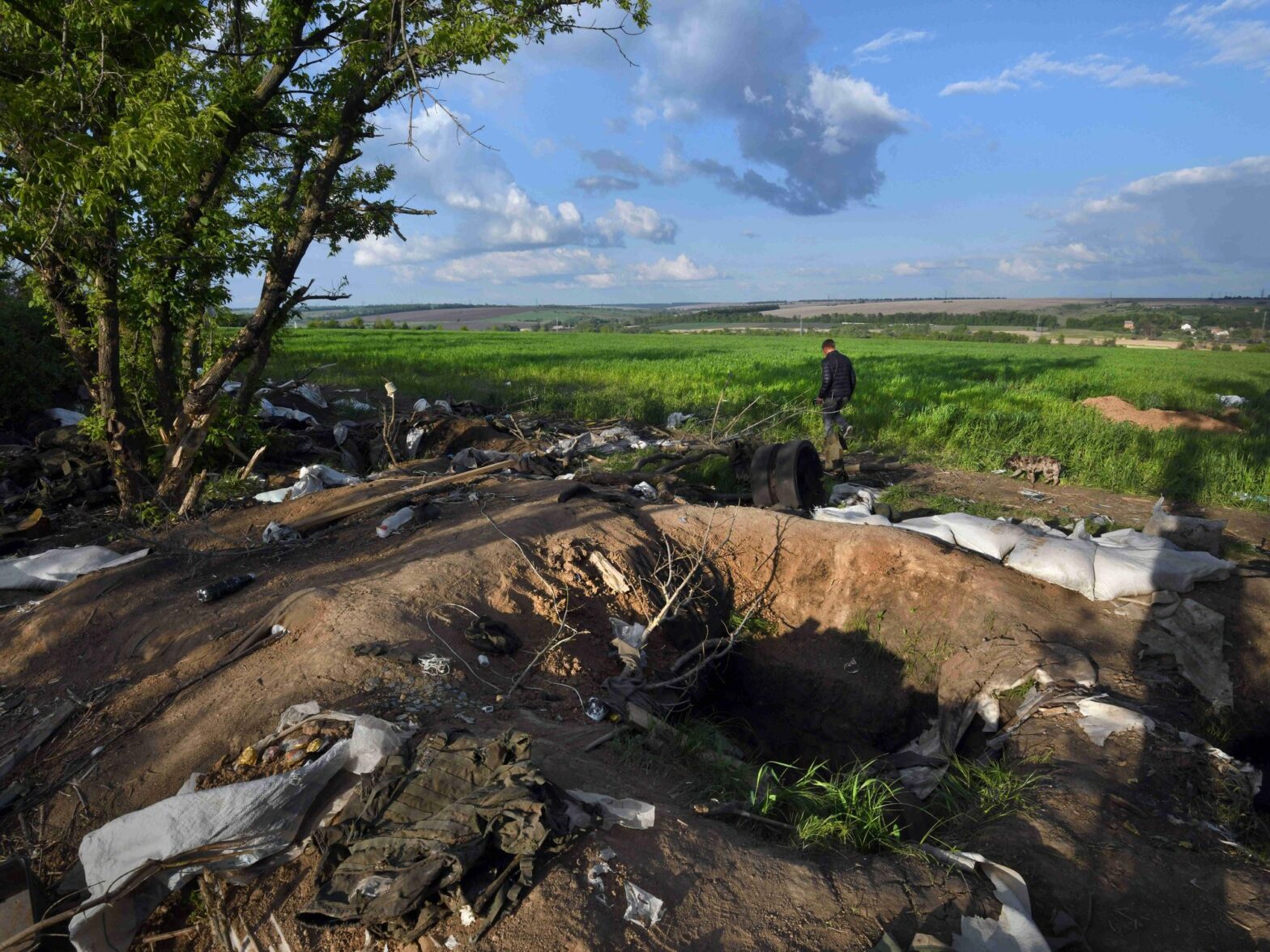
While Russia is accusing Ukraine of carrying out attacks on its territory, the U.S. is set to send rocket launchers that could fire into Russian territory. But Washington is also warning Kyiv of the high risks of escalation.
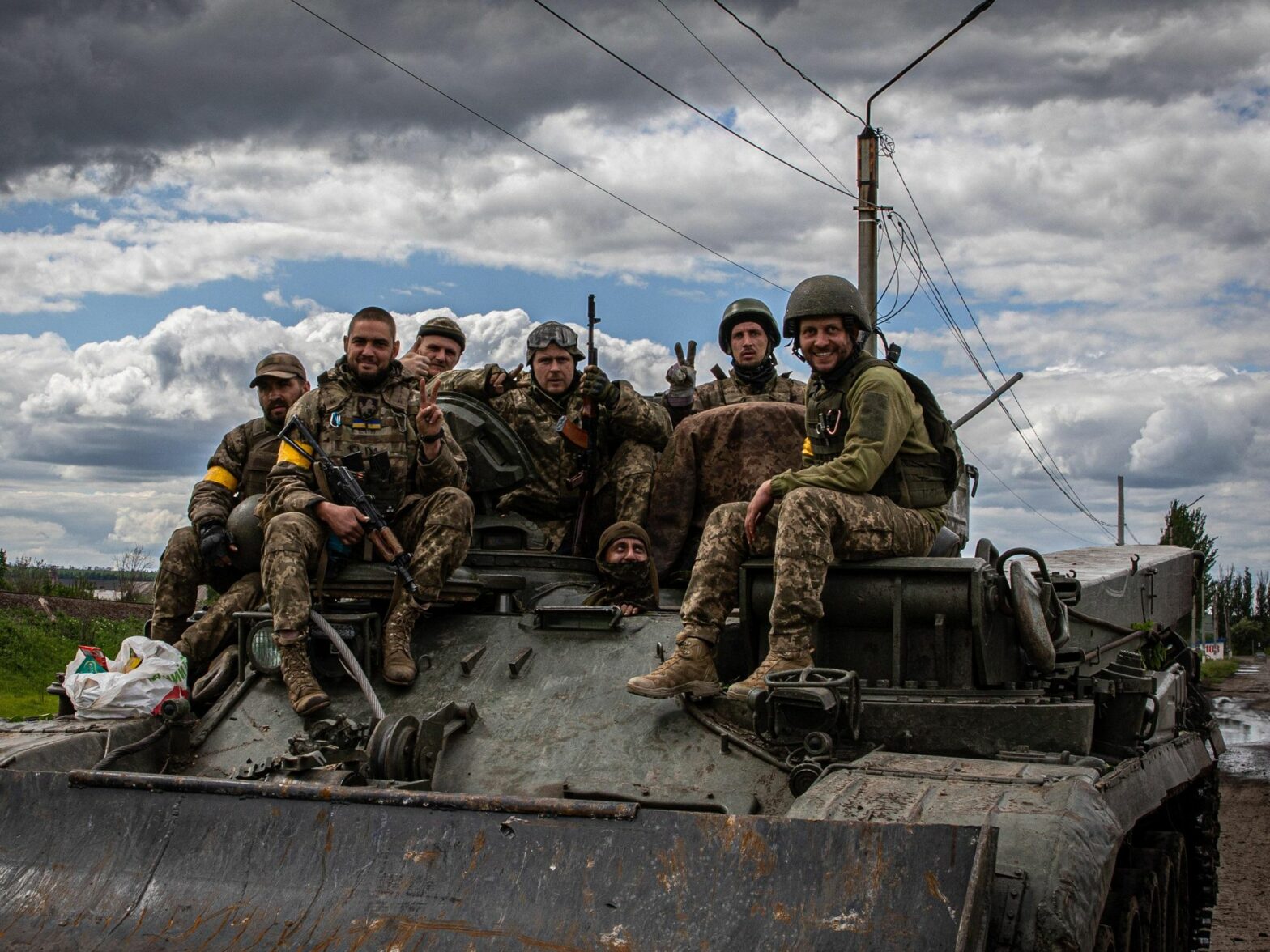
Russia continues to shrink its ambitions in Donbas, as Ukraine doubles down on its strategy of guerilla attacks, interrupting supply and communication contacts and ultimately undermines the morale of the enemy.
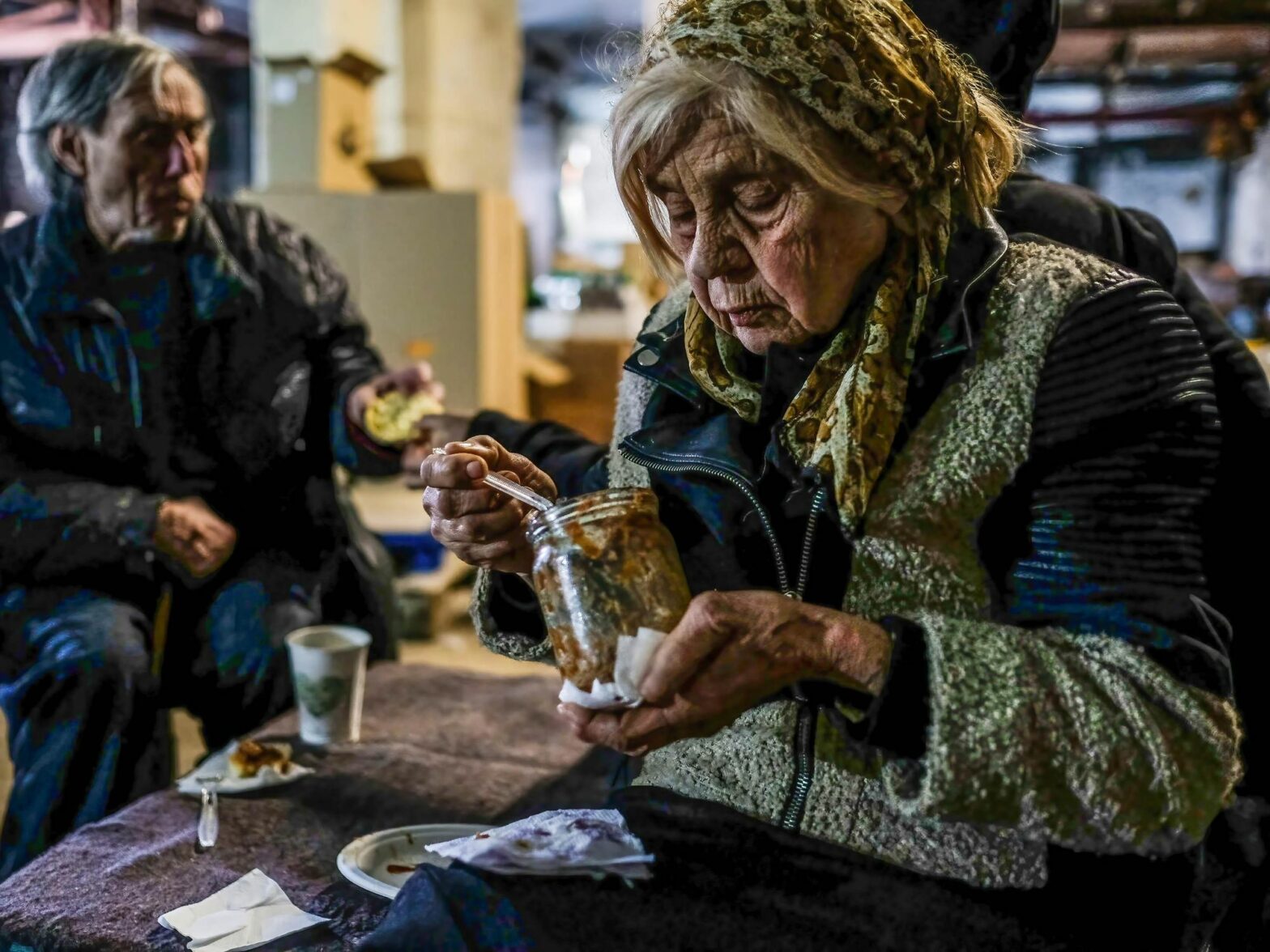
Russian troops are attempting to encircle Severodonetsk, the last key city remaining under Ukrainian control in the Luhansk region, as Vladimir Putin looks to claim victory in a war that is not going Moscow’s way. But will the toll be for civilians?
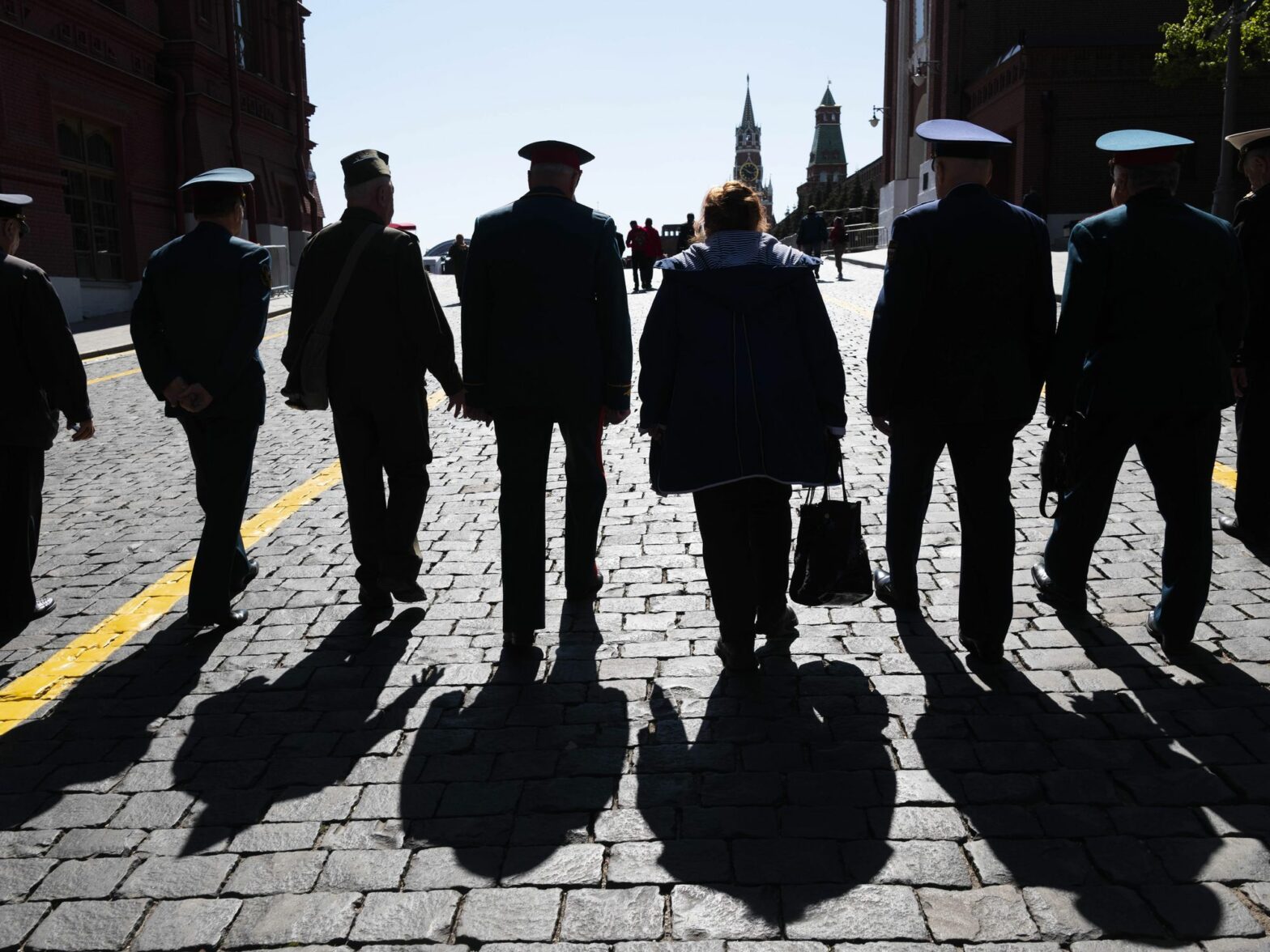
No doubt, strategic errors and corruption at the highest ranks in the Kremlin are partly to blame for the Russian military’s stunning difficulties in Ukraine. But the roots run deeper, where the ordinary recruits come from, how they are exploited, how they react.
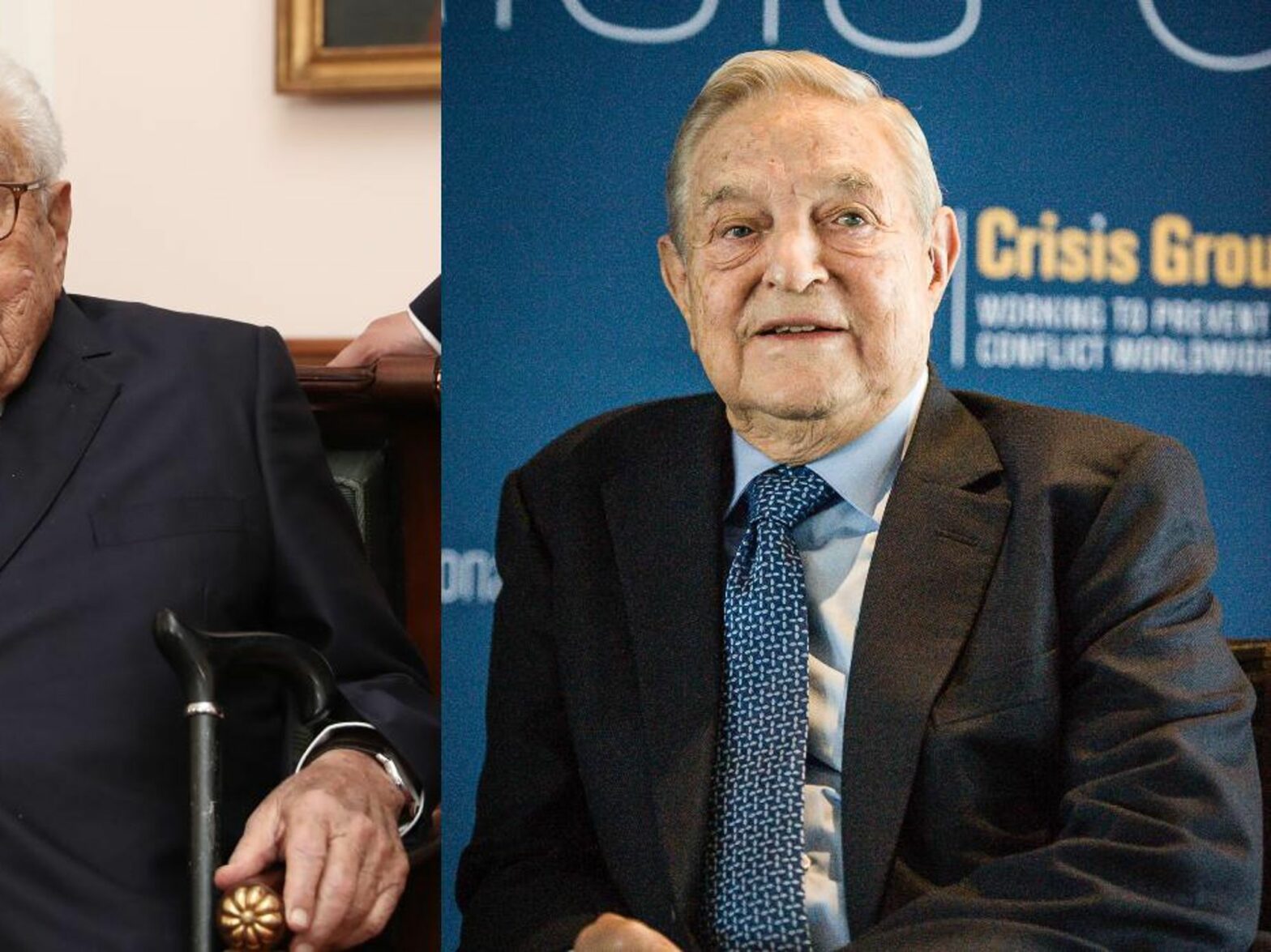
The two 90-something European-Americans spoke separately at the Davos summit this week, offering very different assessments of what the West should do in the face of Russia’s invasion of Ukraine.
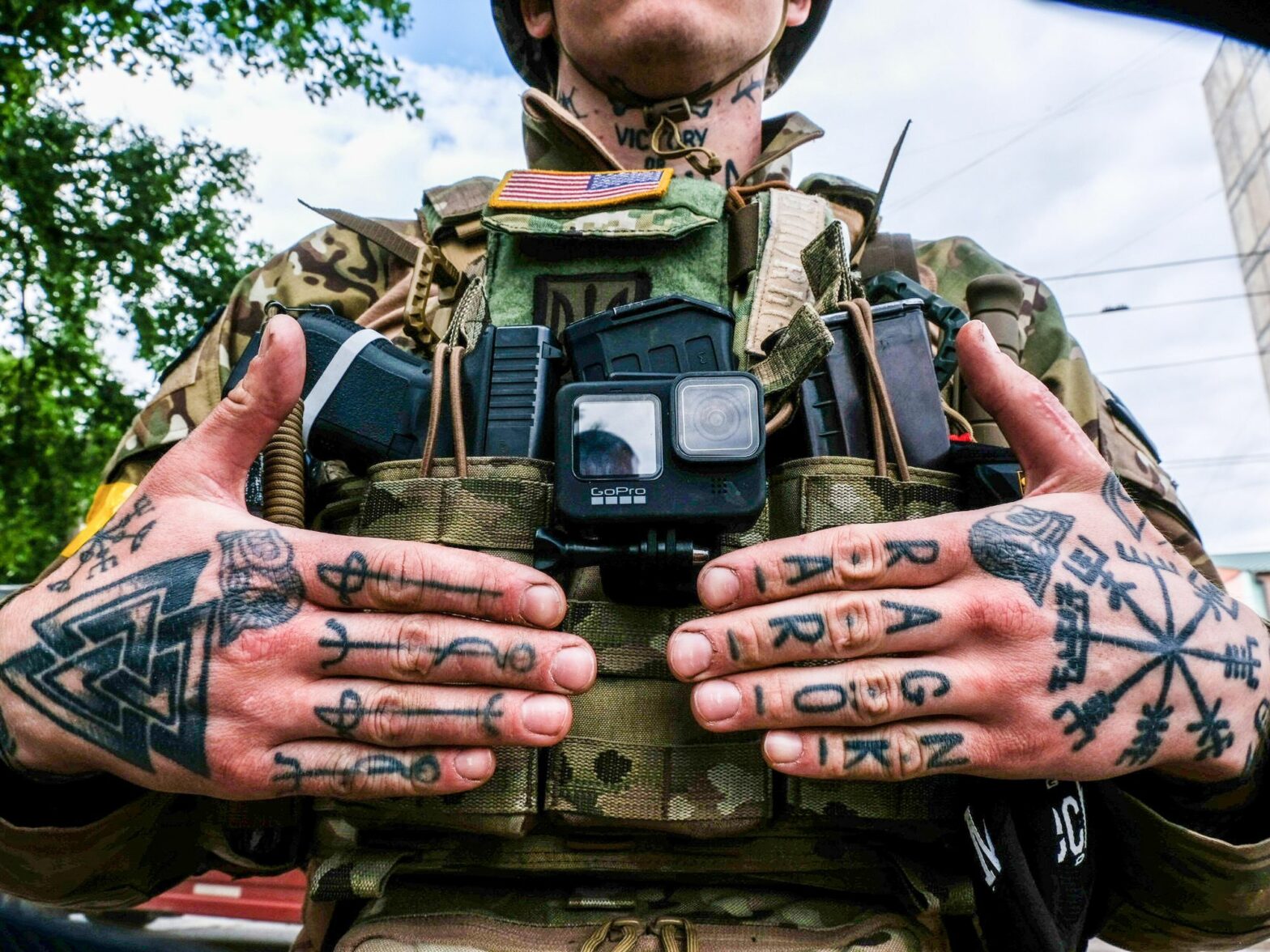
Vladimir Putin had planned to roll through Ukraine and splinter the West. While it has not gone according to plan, the destruction and uncertainty left in the path of the invasion has shaken the world.
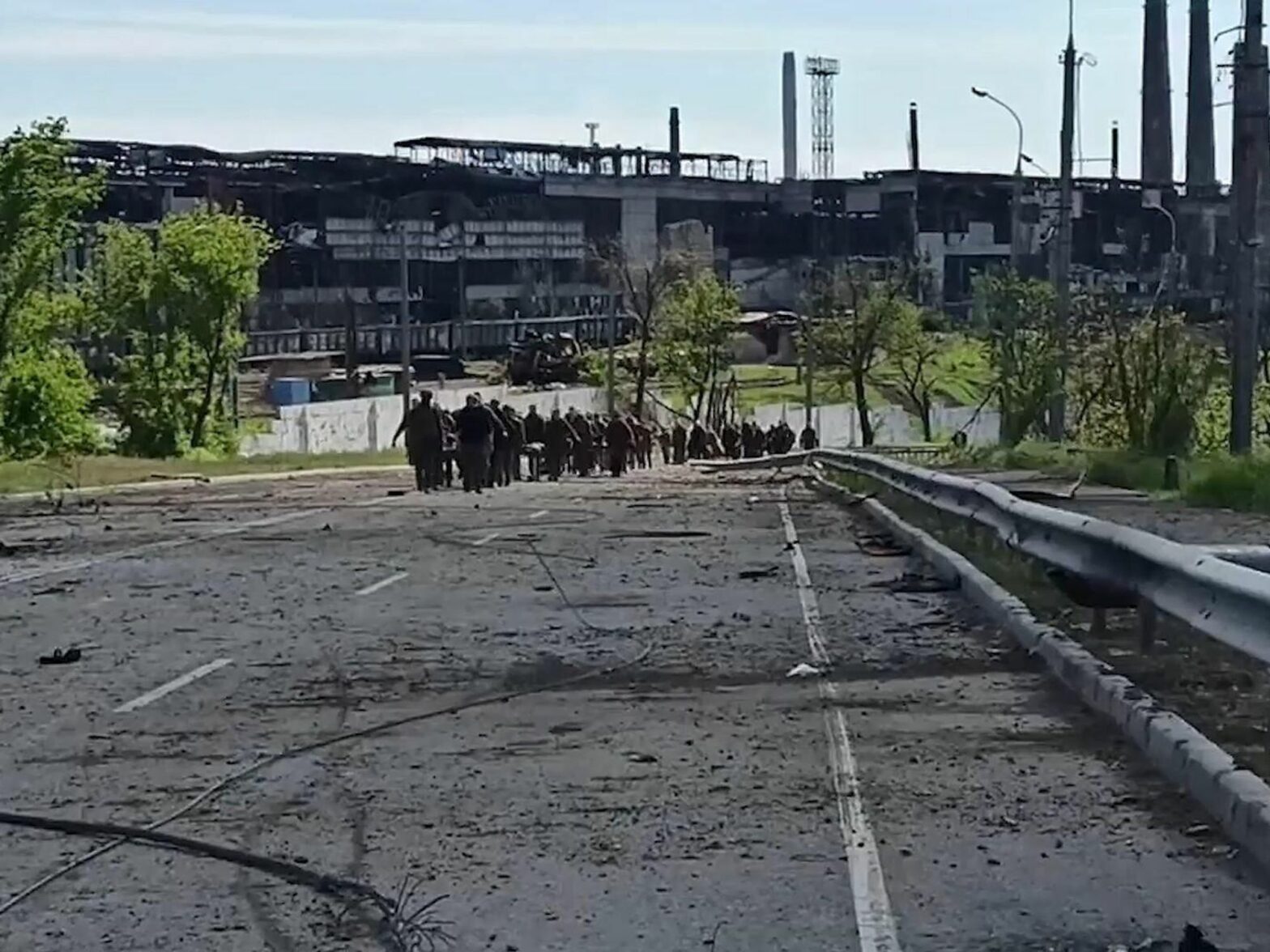
A Ukrainian court has convicted the first Russia soldier of war crimes. Meanwhile, Moscow offers no news on the Ukrainian soldiers surrendered in Mariupol. The very meaning of this war may be contained in the different treatment of POWs.
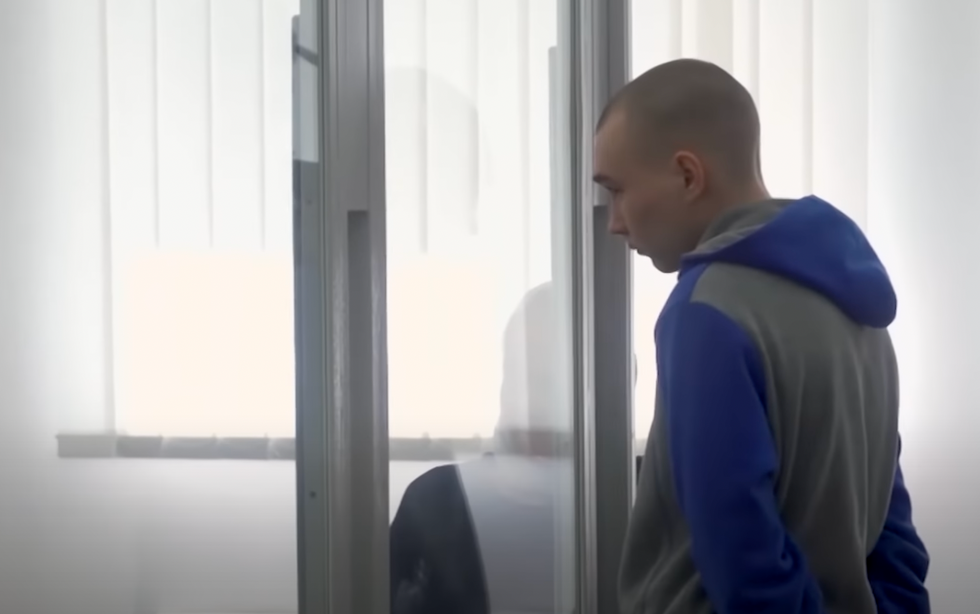
Vadim Shishimarin had confessed to shooting an unarmed 62-year-old man in northeast Ukraine shortly after the invasion began.
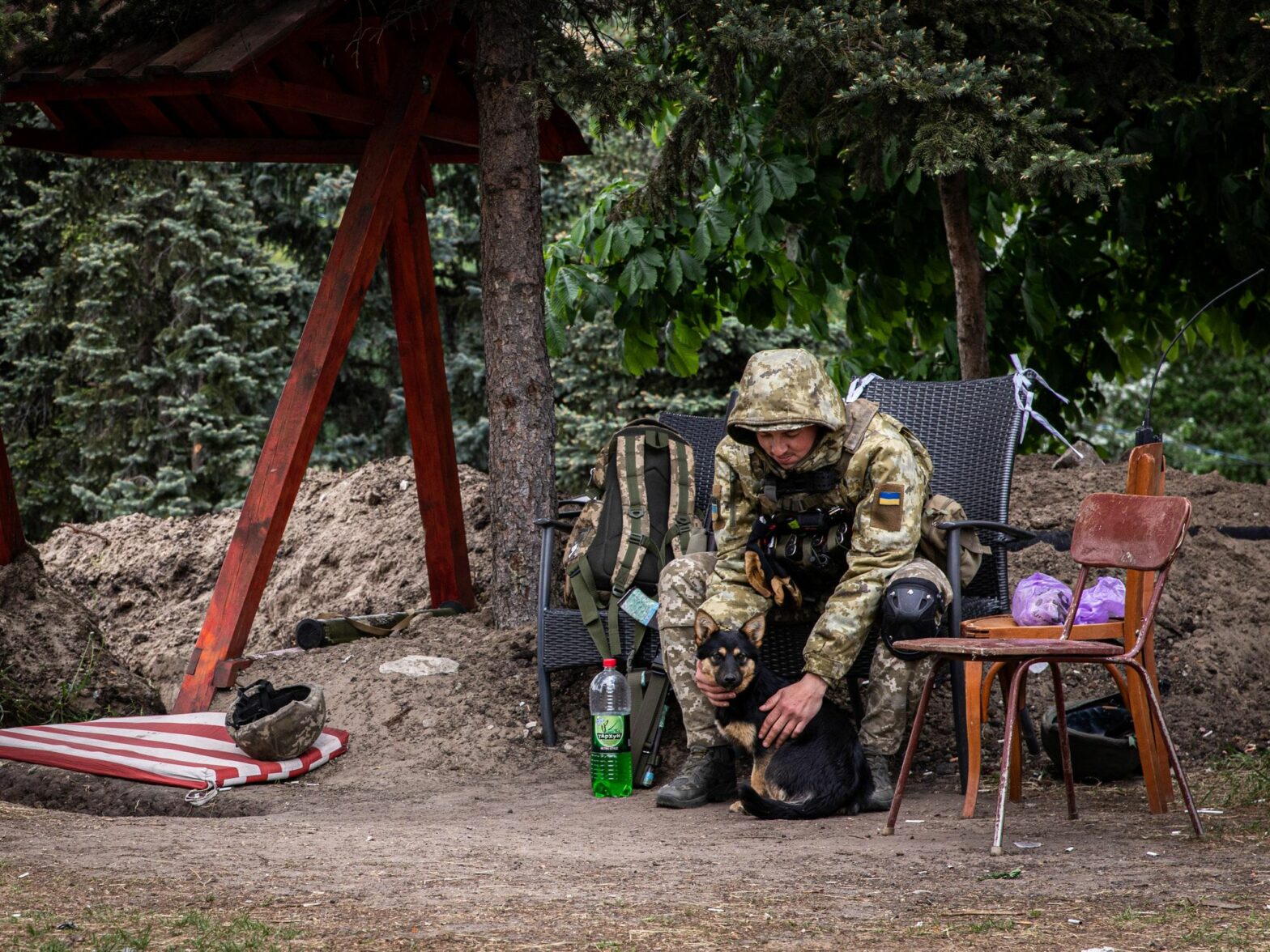
Russia may allow over-40s to enlist in military as resources are needed to step up the assault in eastern Ukraine.
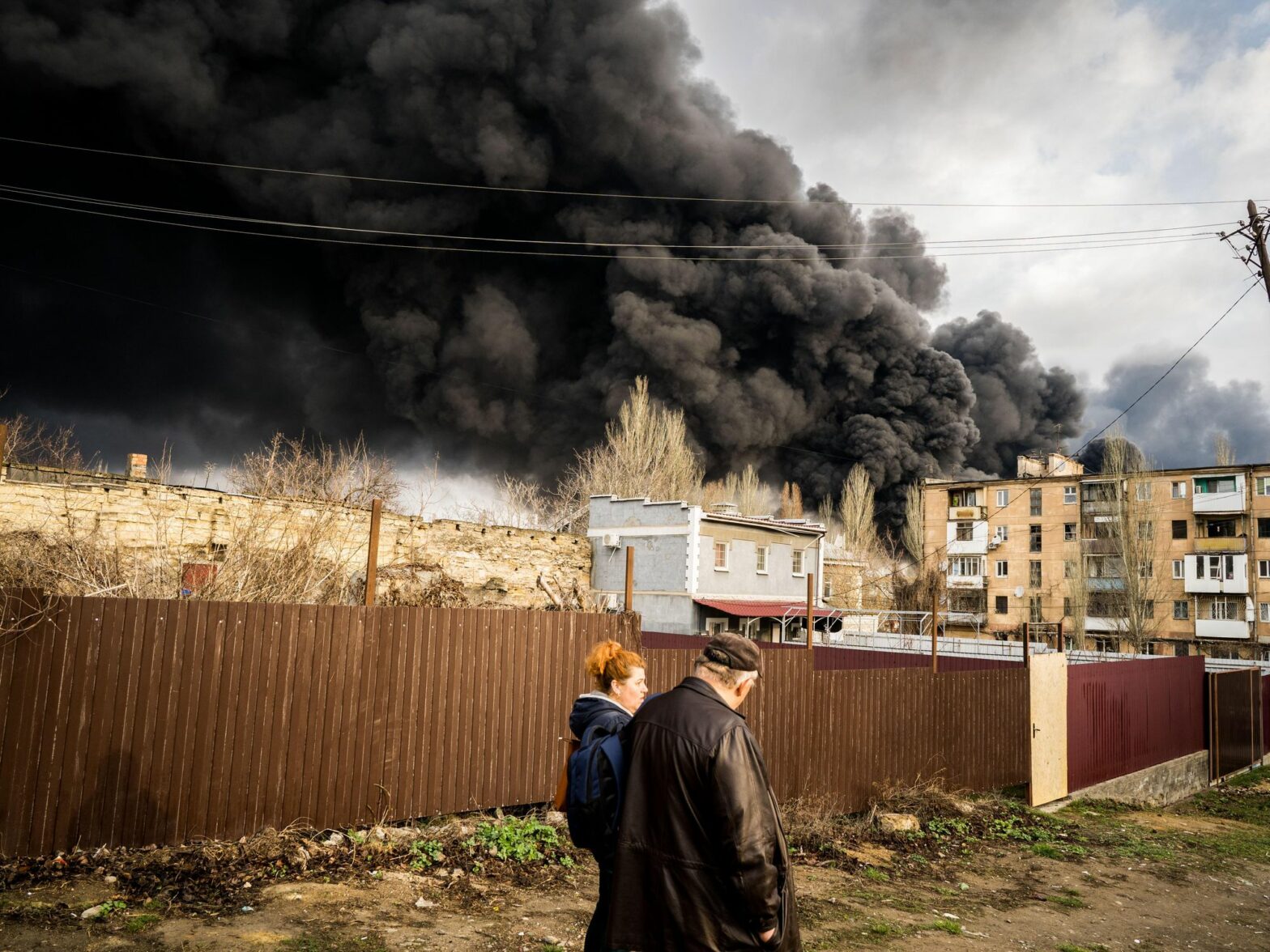
After the fall of Mariupol, Vladimir Putin appears to have his eye on another iconic southern coastal city, with a strong identity and strategic location.
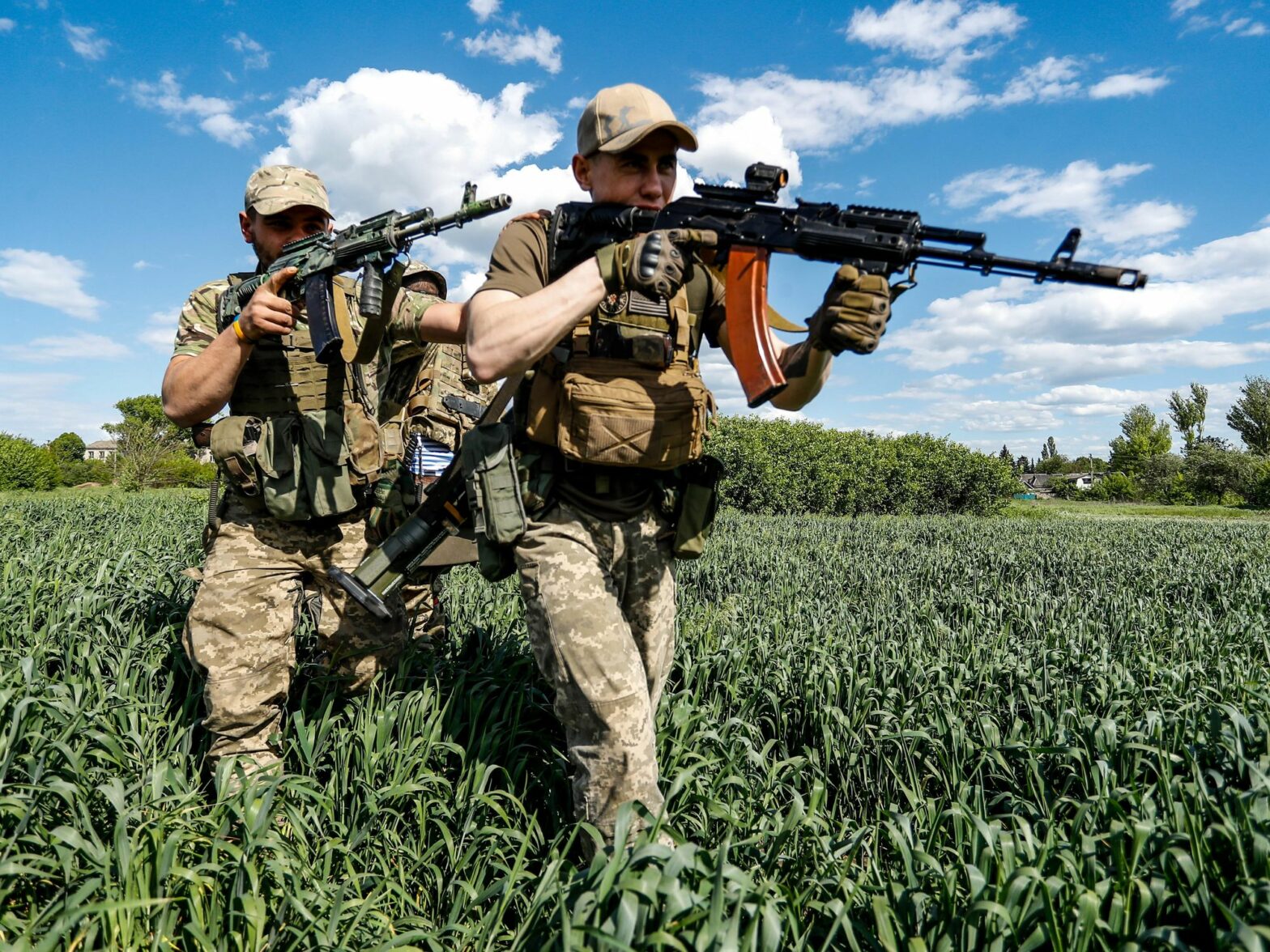
U.S. Department of Defense officials report that instead of the typical battalion tactical groups in Ukraine, which number several hundred soldiers, the Russians have now shifted to attacks by smaller units.
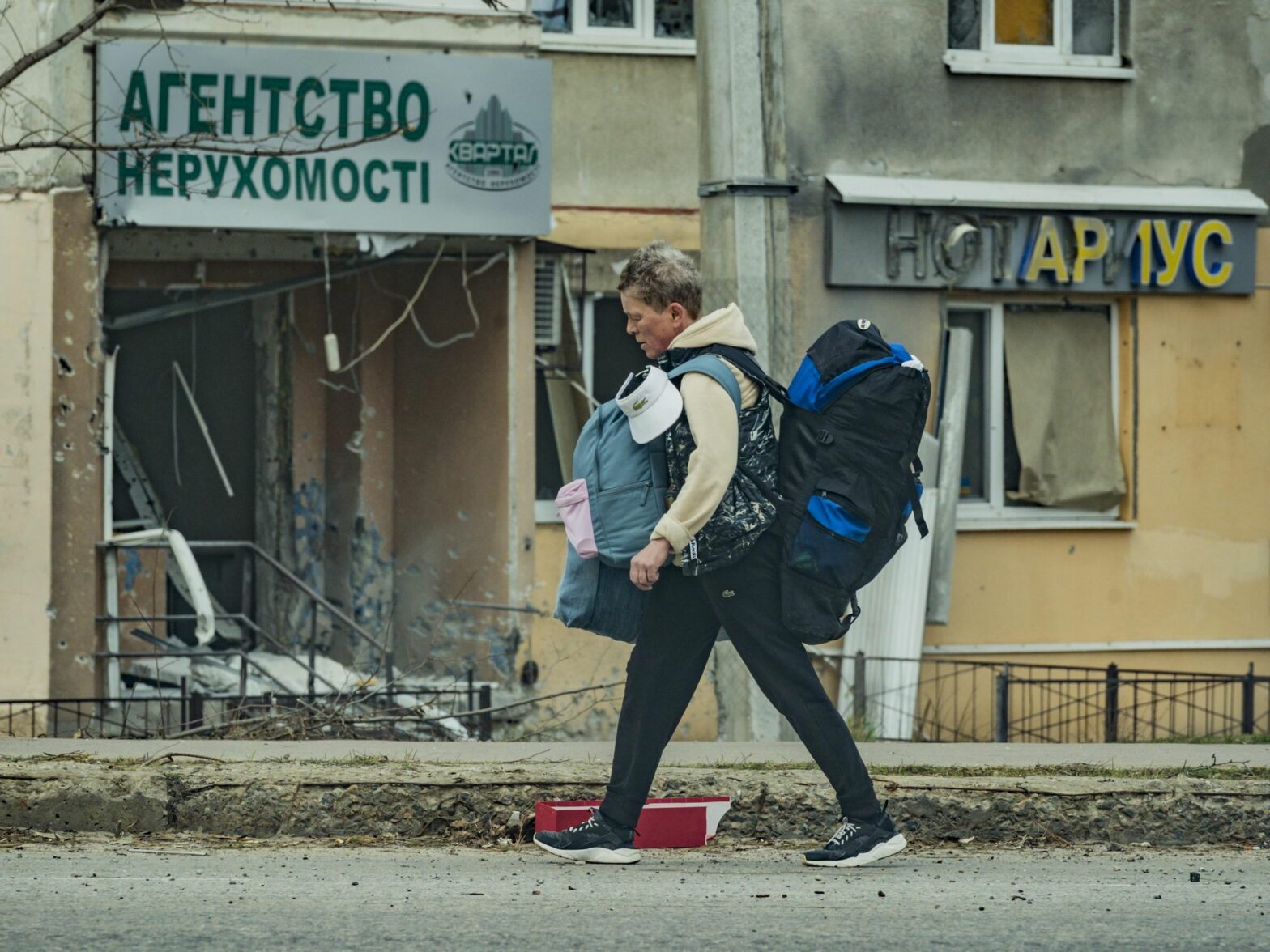
Russian forces have been pushed out of the area around Kharkiv. Villages that were occupied for two months are free once more — but utterly destroyed. And thousands of people have disappeared without a trace.
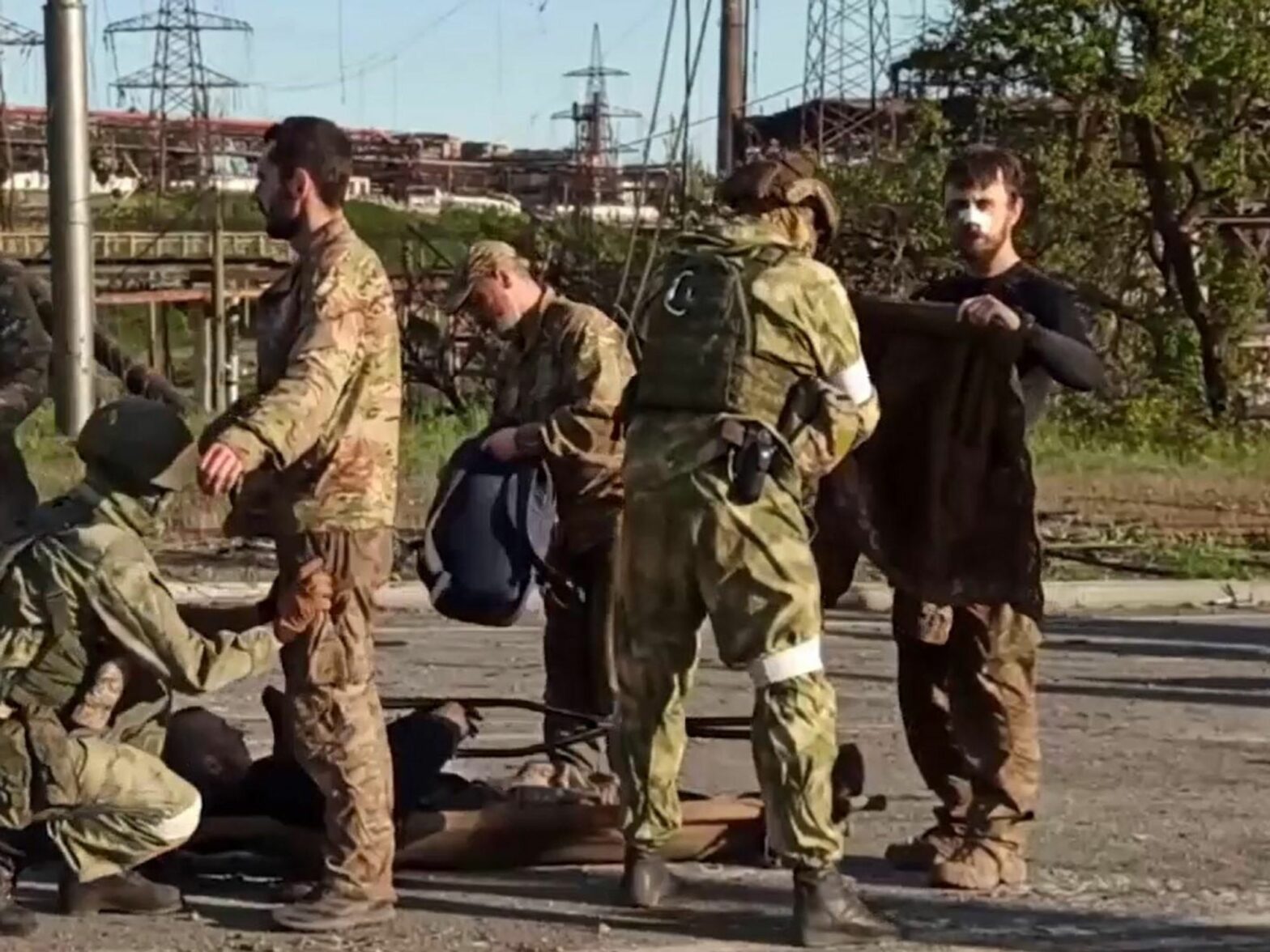
Up to 1,000 Ukrainian troops have reportedly surrendered from the Azovstal steel plant in the port of Mariupol, with all sent to a prisoner camp in Russian-controlled territory in Donbas. Ukrainians are hoping for a prisoner exchange, though Moscow may try some for war crimes.
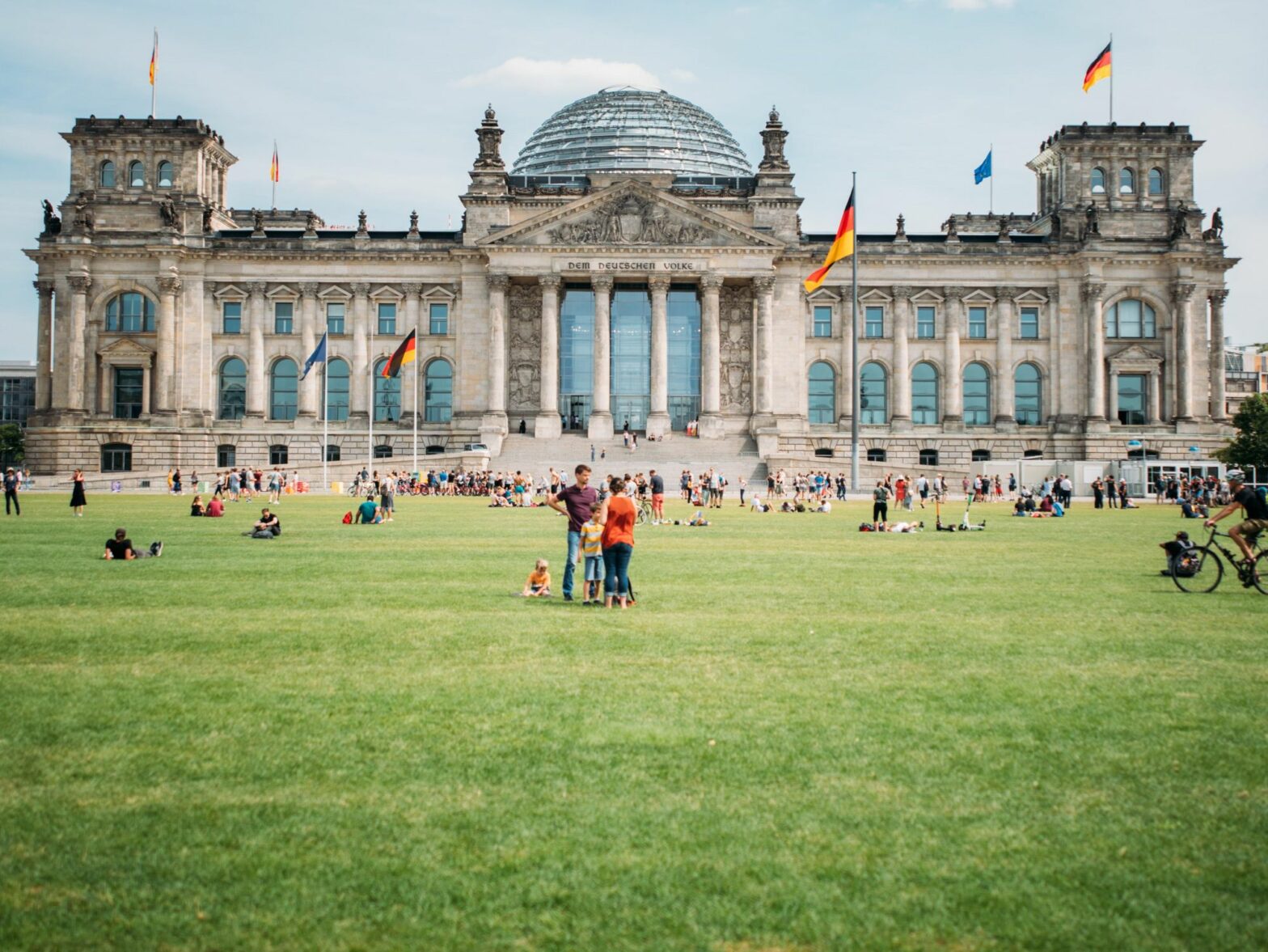
A group of pro-peace German intellectuals published a letter asking the country not to deliver heavy weapons to Ukraine, but they’re missing the point completely. Germany needs to reinvent itself in order to face today’s challenges — and threats.

The war in Ukraine is not just being fought on the ground. The battle for dominance increasingly happens on the digital field, where a worldwide network of cyber-soldiers conduct attacks to disrupt Russia’s war effort, from the outside and inside too.
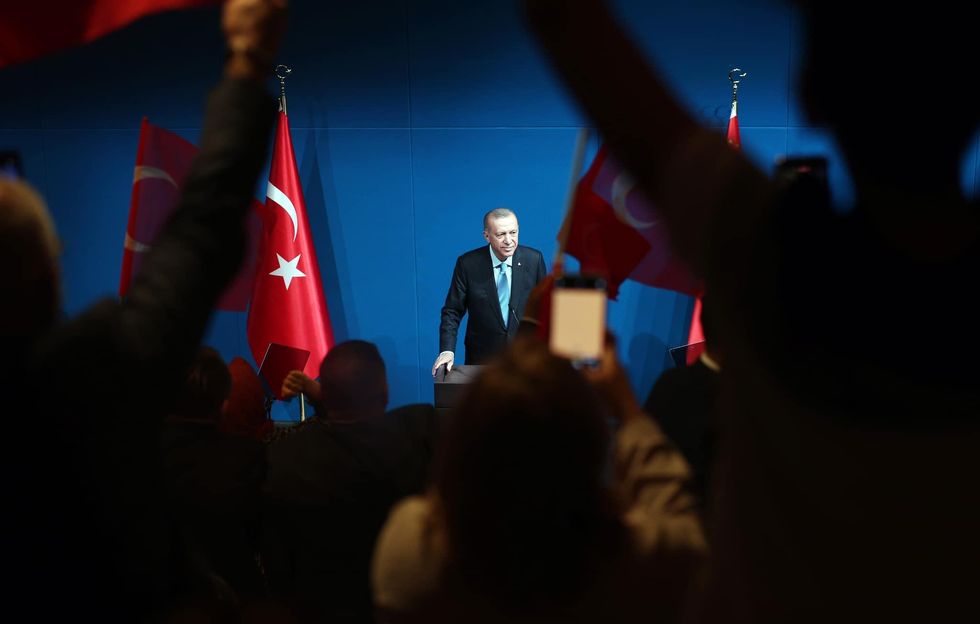
Turkey’s Erdogan puts up a veto, while Orban’s Hungary plays it coy. Meanwhile, Vladimir Putin throws a curveball.
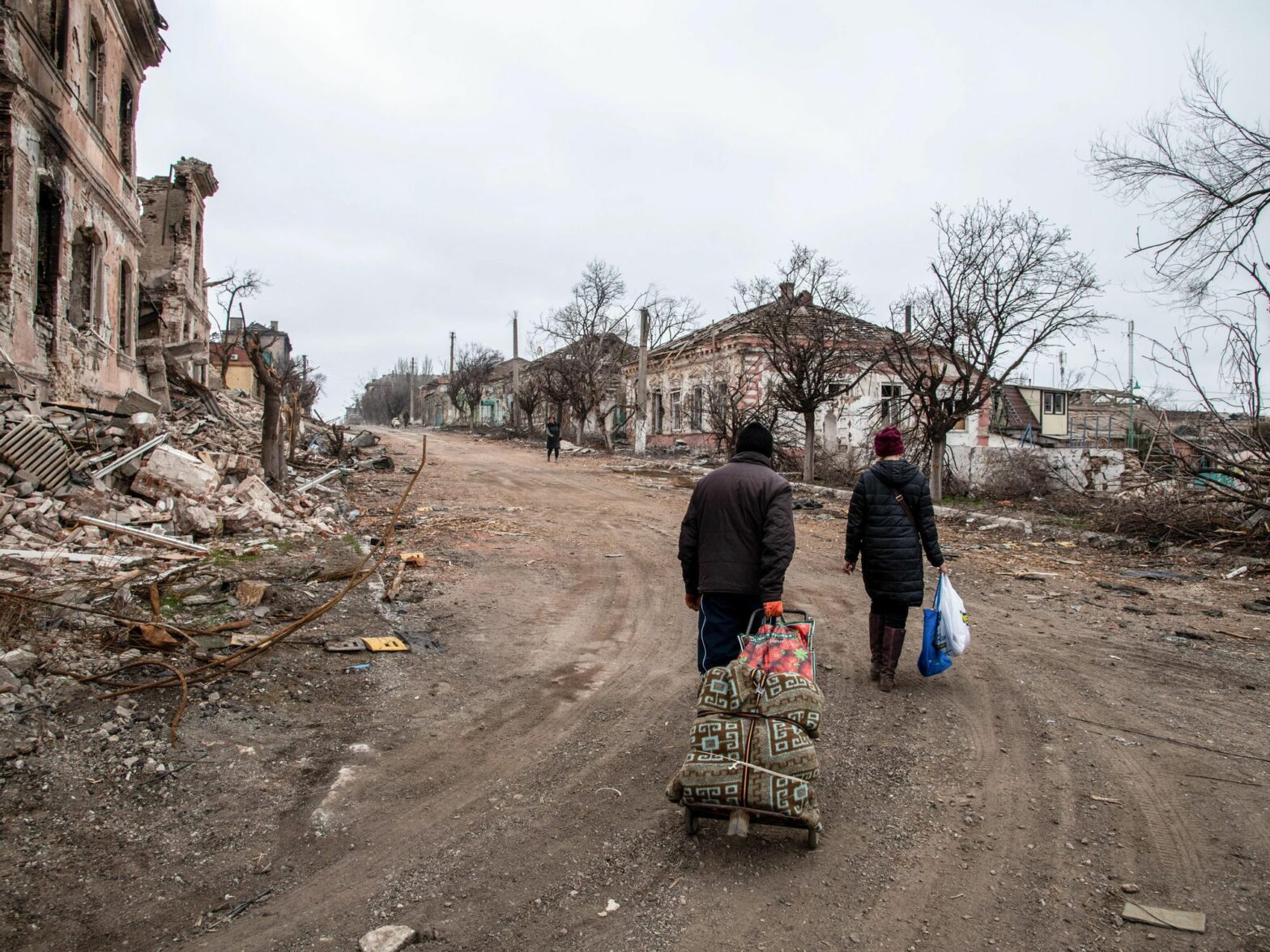
Though different than concentration camps constructed by Nazis, the “filtration” facilities nevertheless are a return to another brutal history, reopened under Putin, and ramped up since the invasion of Ukraine.
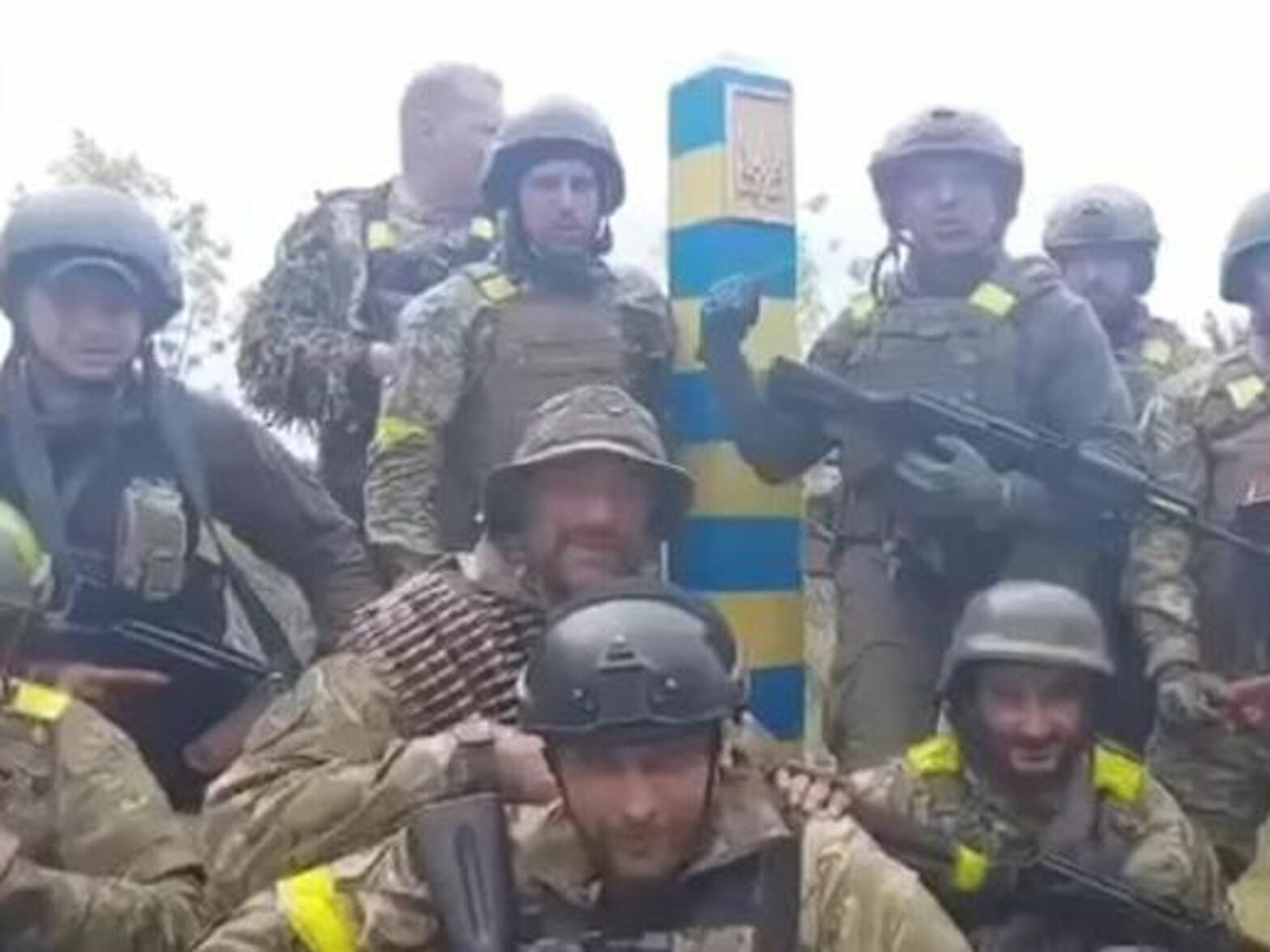
After reseizing Kharkiv, Ukrainian soldiers reach the border with Russia. Meanwhile, Moscow continues its assault on Donbas, and has renewed missile strikes of the port city of Odesa.
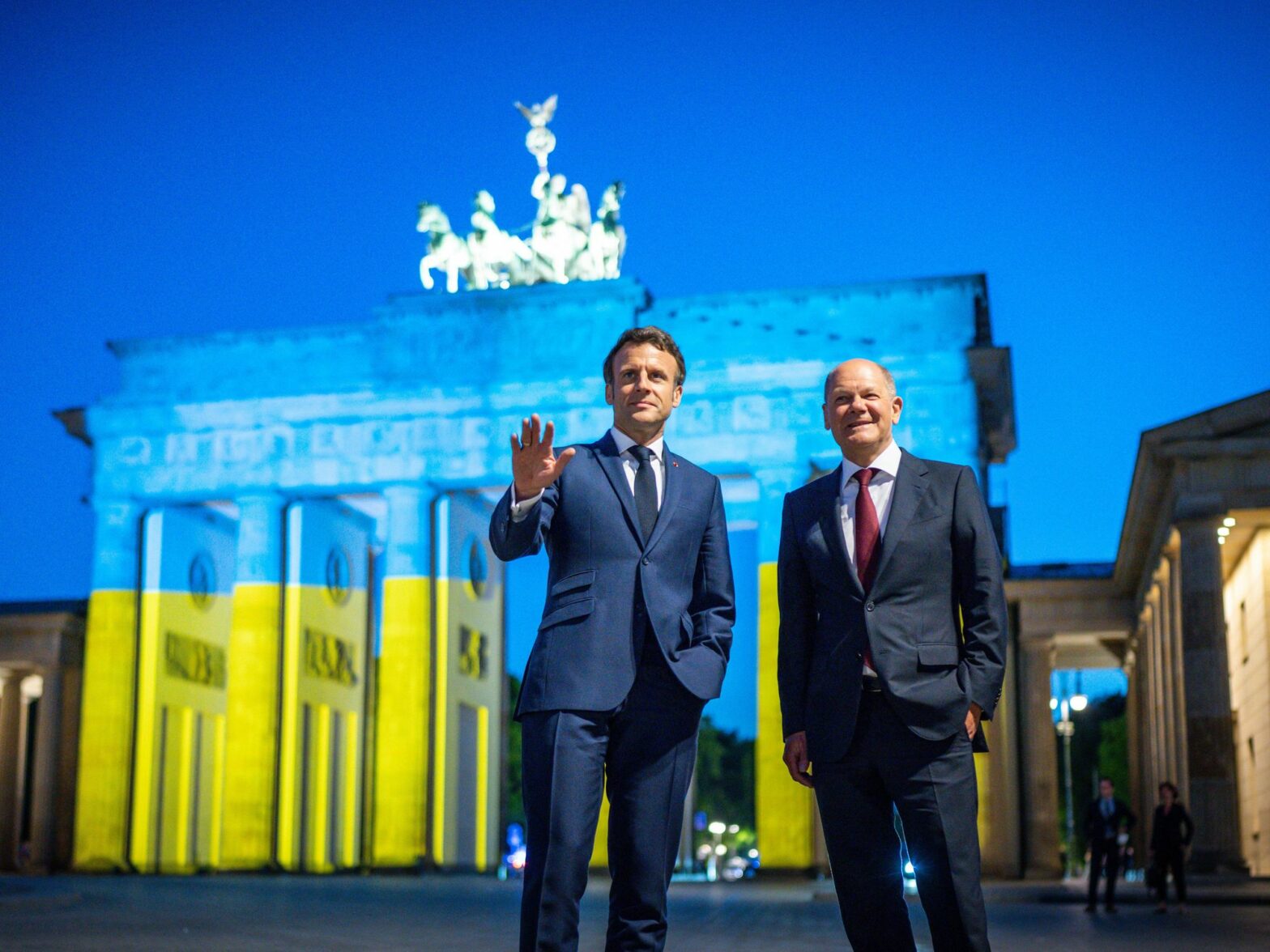
French President Emmanuel Macron has proposed a new European Political Community, with support from Germany’s Olaf Scholz, that would include Ukraine in a second-tier union. No, this is not about European “core values” — it’s just the latest attempt by the EU’s two biggest players to be sure not to upset Vladimir Putin.
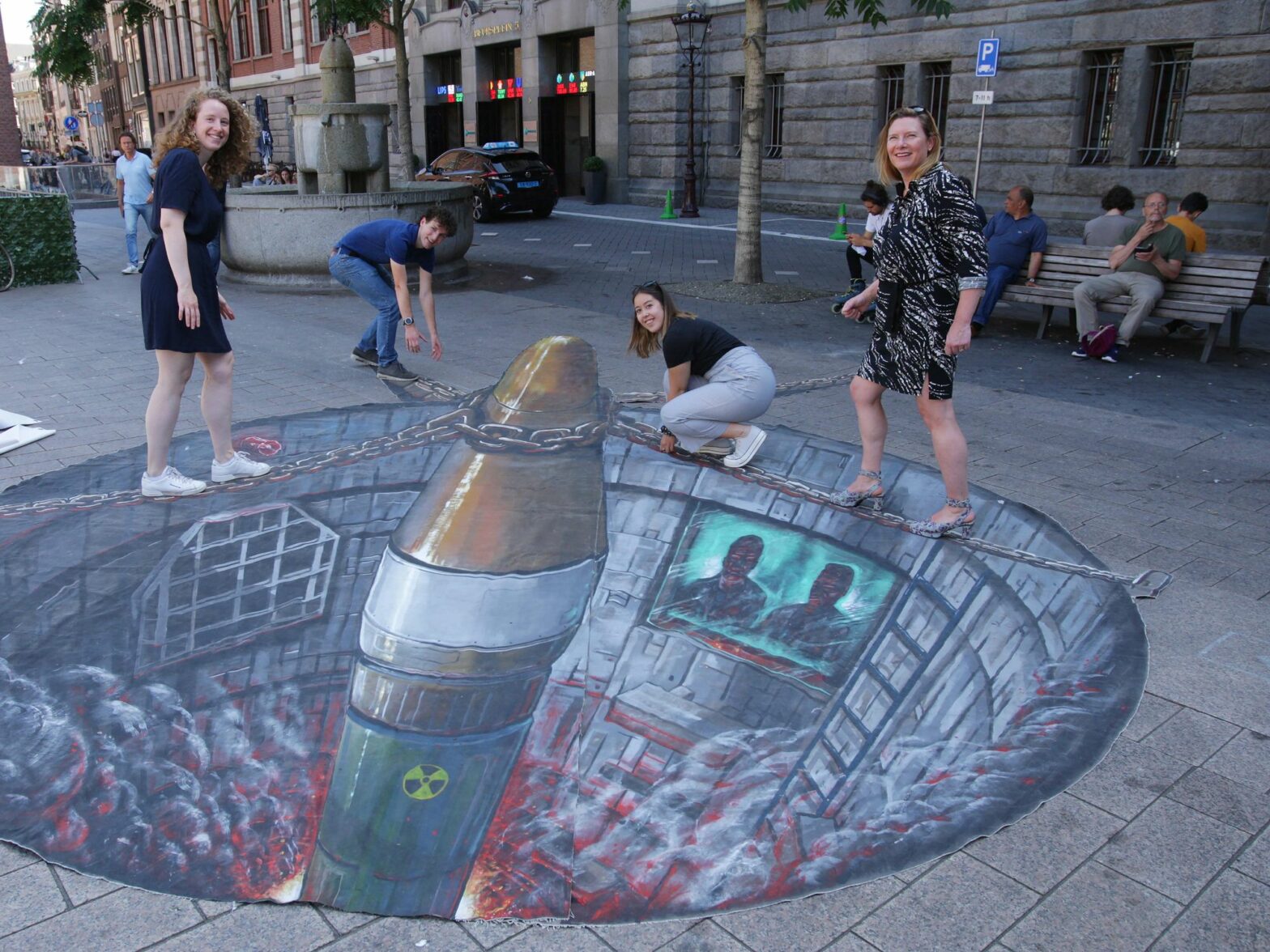
Baby boomers who grew up under the threat of nuclear armageddon warn against a nuclear escalation of the war in Ukraine. But the younger generations are not cowed by Putin’s blackmail. And that’s a very good thing.