A new study published by LinkedIn Actualités in France, shows a notable gender difference in how companies decide who gets to work from hom. What factors explain this gap? They may (or may not) surprise you.

 Worldcrunch
A new study published by LinkedIn Actualités in France, shows a notable gender difference in how companies decide who gets to work from hom. What factors explain this gap? They may (or may not) surprise you.

Working neither from the office nor from home: the flexible concept of “workation” is appealing not only to digital nomads but increasingly to regular employees who want to find new ways to for peak work-life balance.

Young people no longer answer the phone if they haven’t been warned that the call is coming. Employees working remotely insist on organizing their schedules as they see fit. Women want to put an end to men dictating the tempo of their relationship.

In France more than anywhere else, employees seem to find it difficult to give up teleworking to come back to the office. They have more or less valid reasons to hesitate. But employers also have their own.
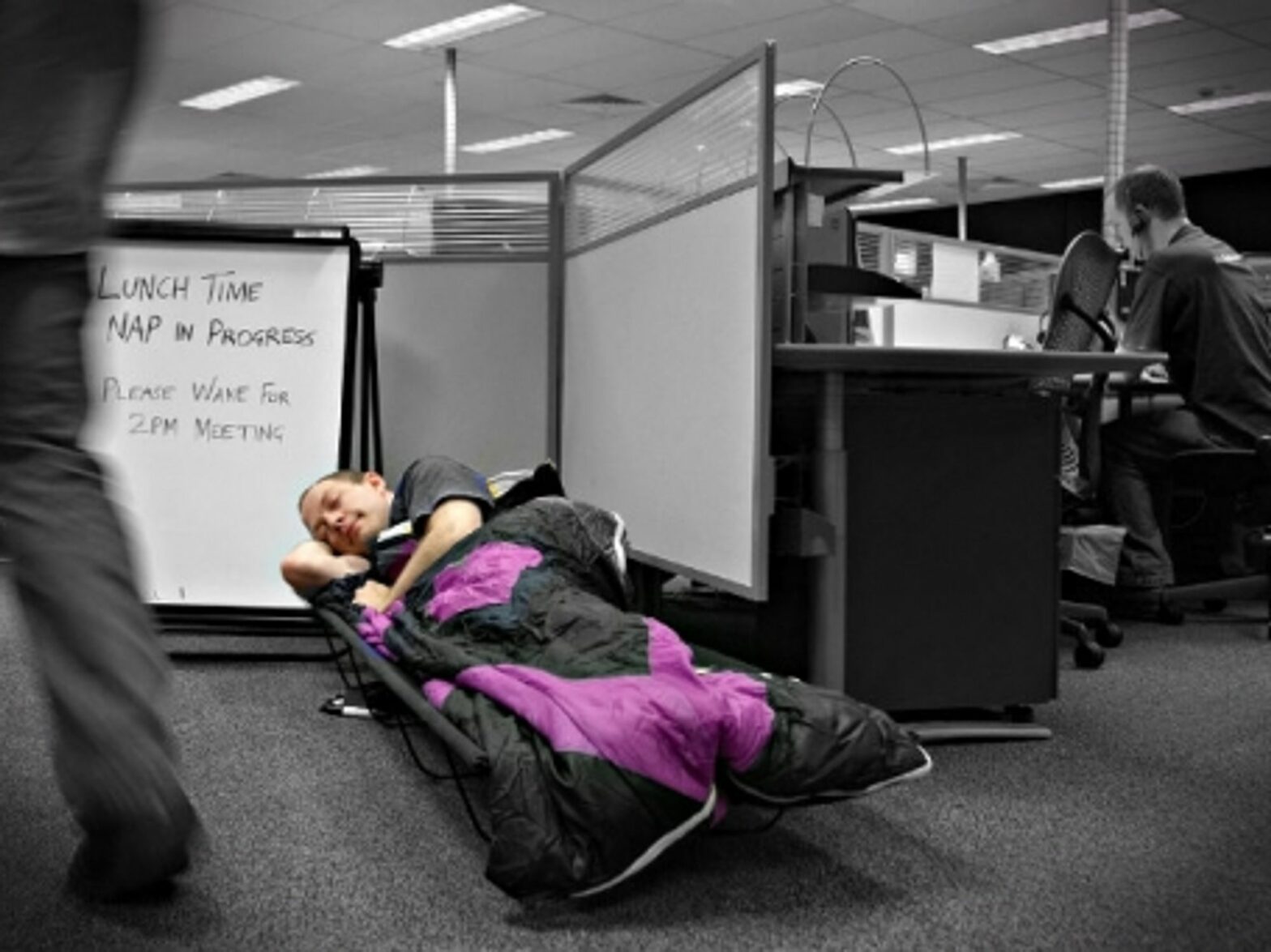
As boundaries between work and private life fall away, telecommuting has been a rising trend in recent years. But some now have begun to opt for living at work.