In the mid-17th century, the weather in China got colder. The frequency of droughts and floods increased while some regions were wiped out by tragic famines. And the once-unstoppable Ming dynasty began to lose power.
 Worldcrunch
In the mid-17th century, the weather in China got colder. The frequency of droughts and floods increased while some regions were wiped out by tragic famines. And the once-unstoppable Ming dynasty began to lose power.
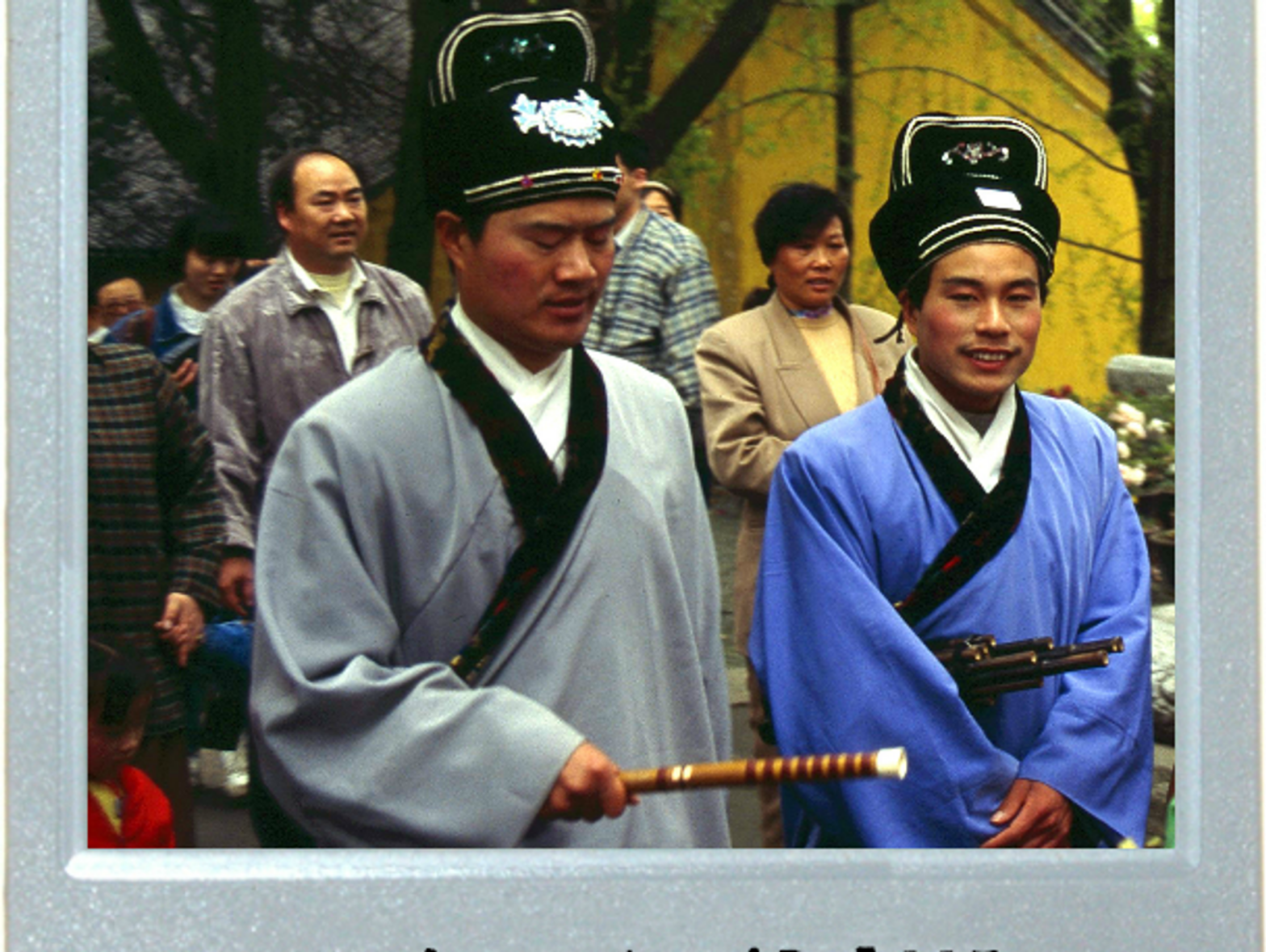
I stumbled upon a parade in full traditional attire in the lush gardens of Suzhou, in eastern China. What I like most about this shot is the pair’s symmetrical contrast with the man and woman in contemporary uniforms just over their respective right shoulders.
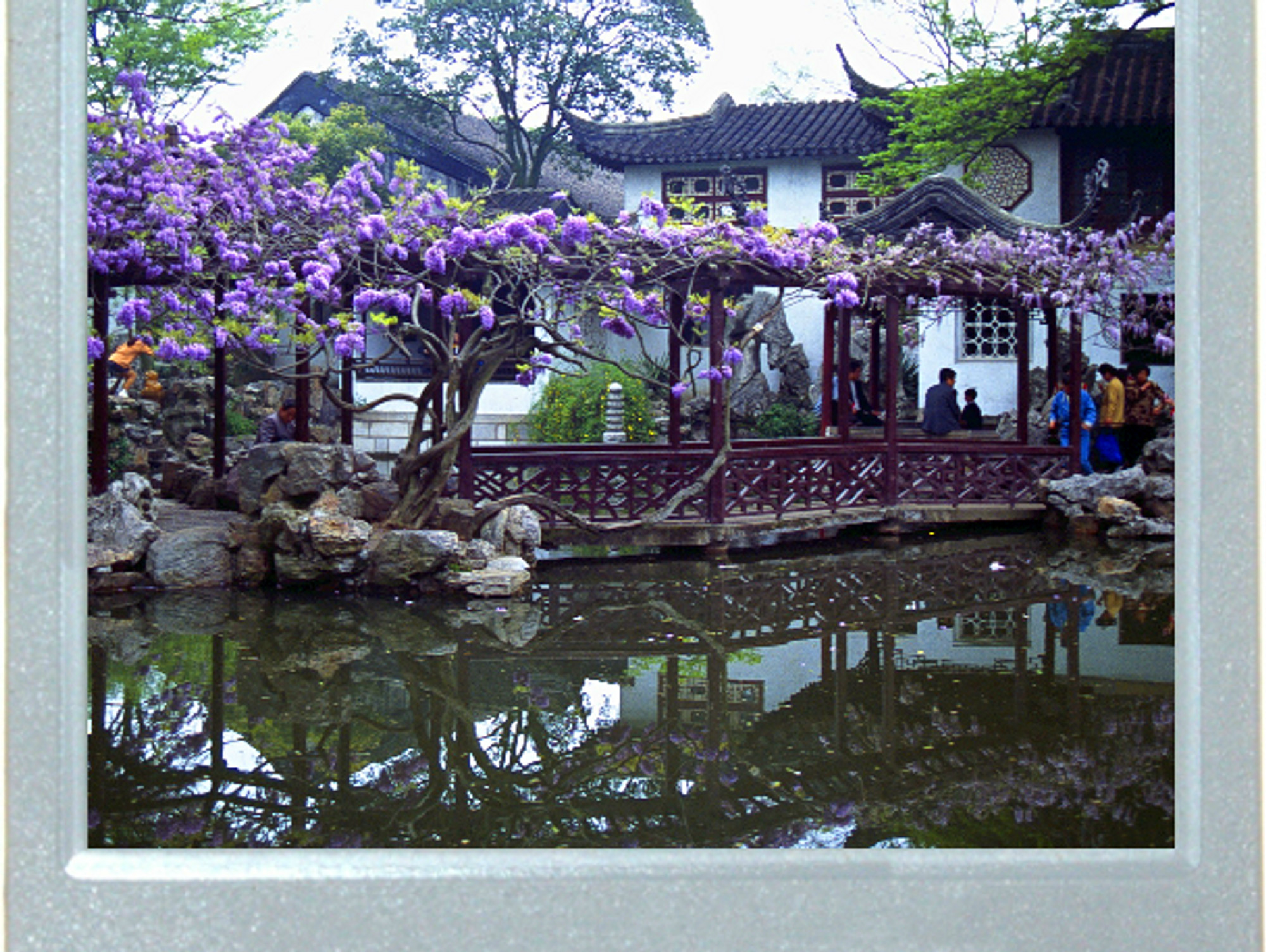
Wisteria was in full fragrant bloom in the gardens of Suzhou during our spring tour along the country’s east coast. The city’s many waterways has given it the nickname as the “Venice of China.” See more slides from My Grand-Père’s World here.
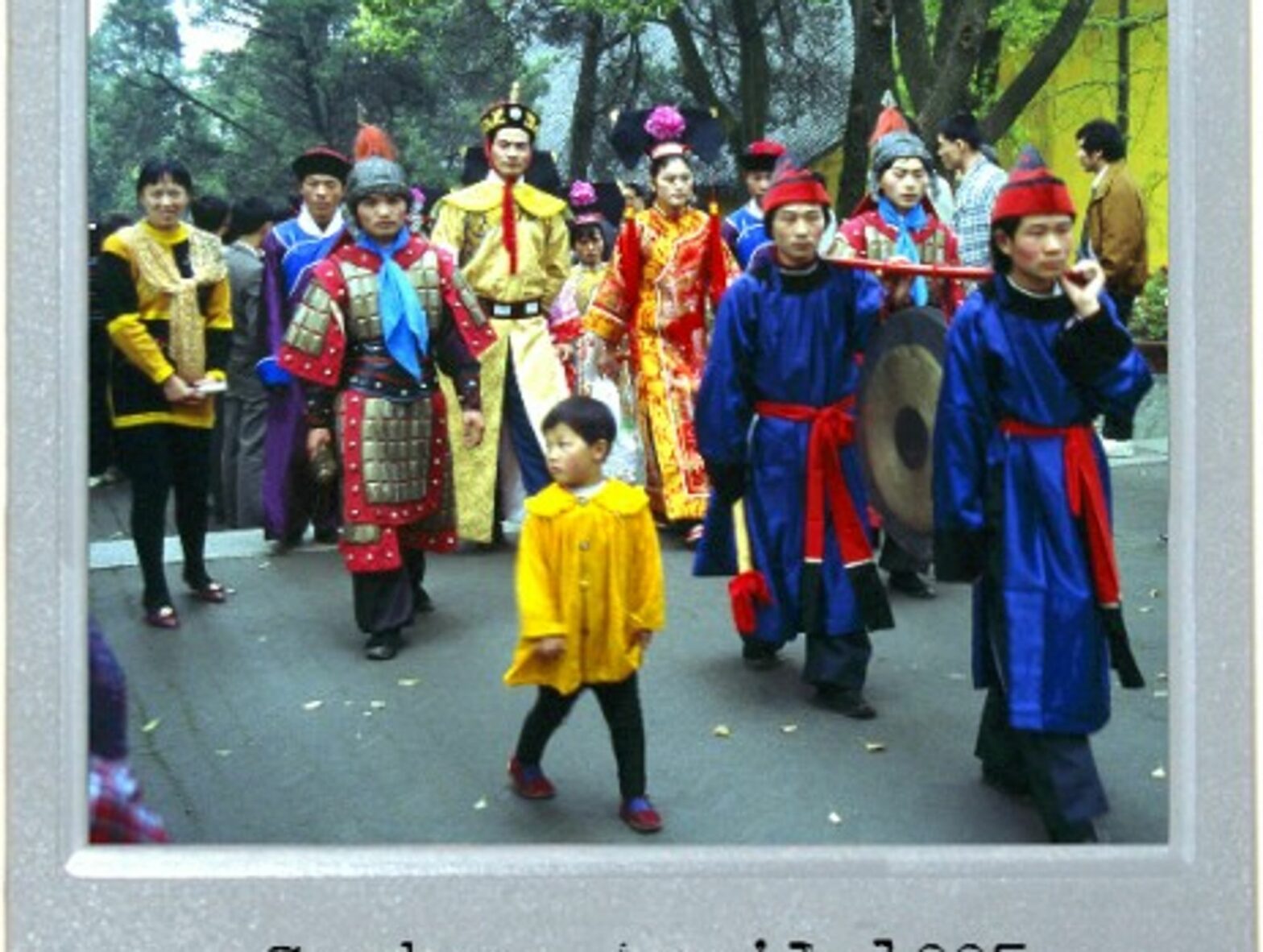
Suzhou is often called “the Venice of China” because of its many canals and stone bridges. The city’s lush classical gardens are part of the UNESCO World Heritage list, making it a major tourist attraction in the region — and leading to very colorful displays of “folklore” …