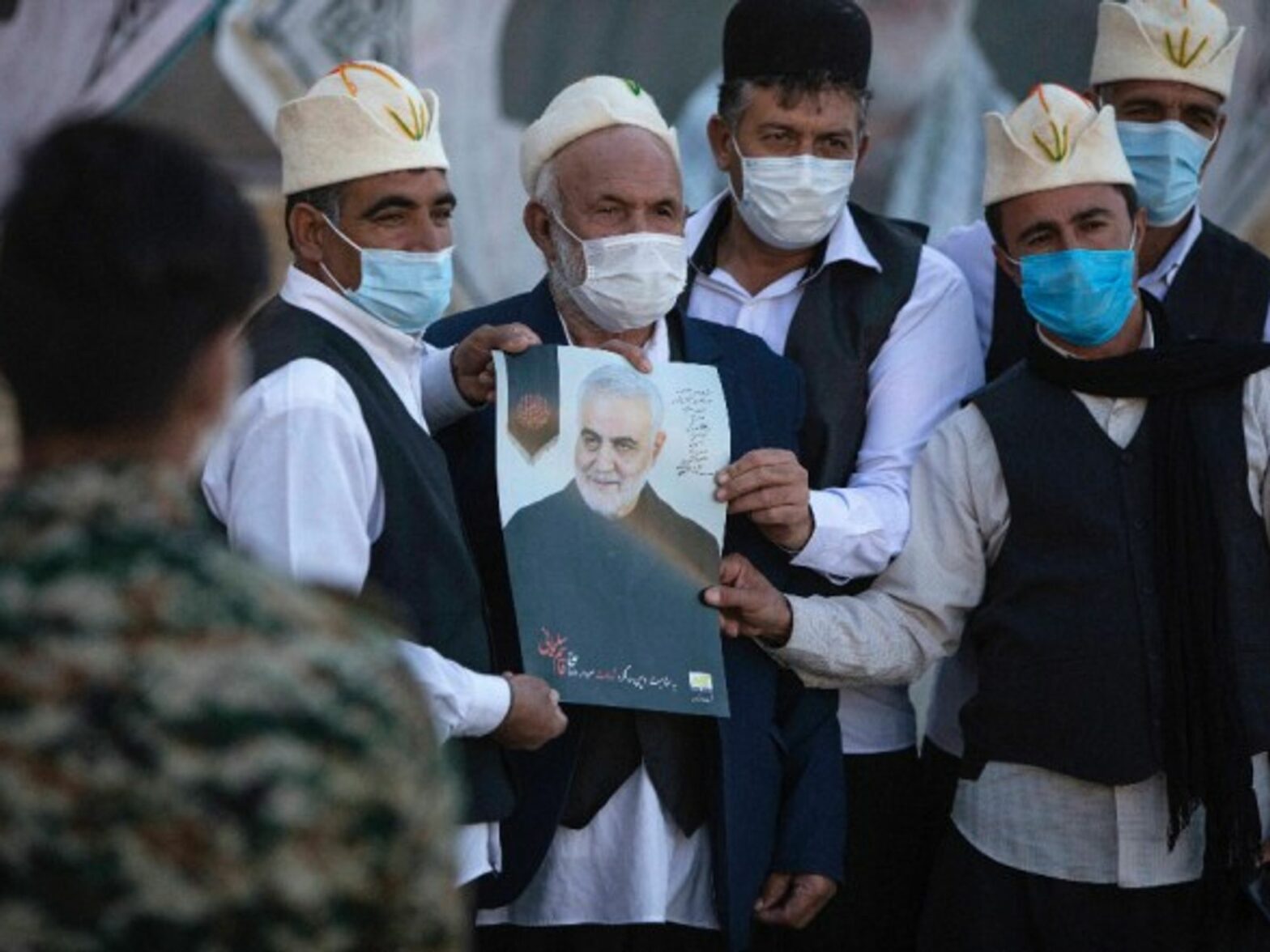
The Iranian regime’s plans to be the power broker in three Middle Eastern states have withered since the United States killed its key regional operative Qasem Soleimani.
 Worldcrunch
The Iranian regime’s plans to be the power broker in three Middle Eastern states have withered since the United States killed its key regional operative Qasem Soleimani.
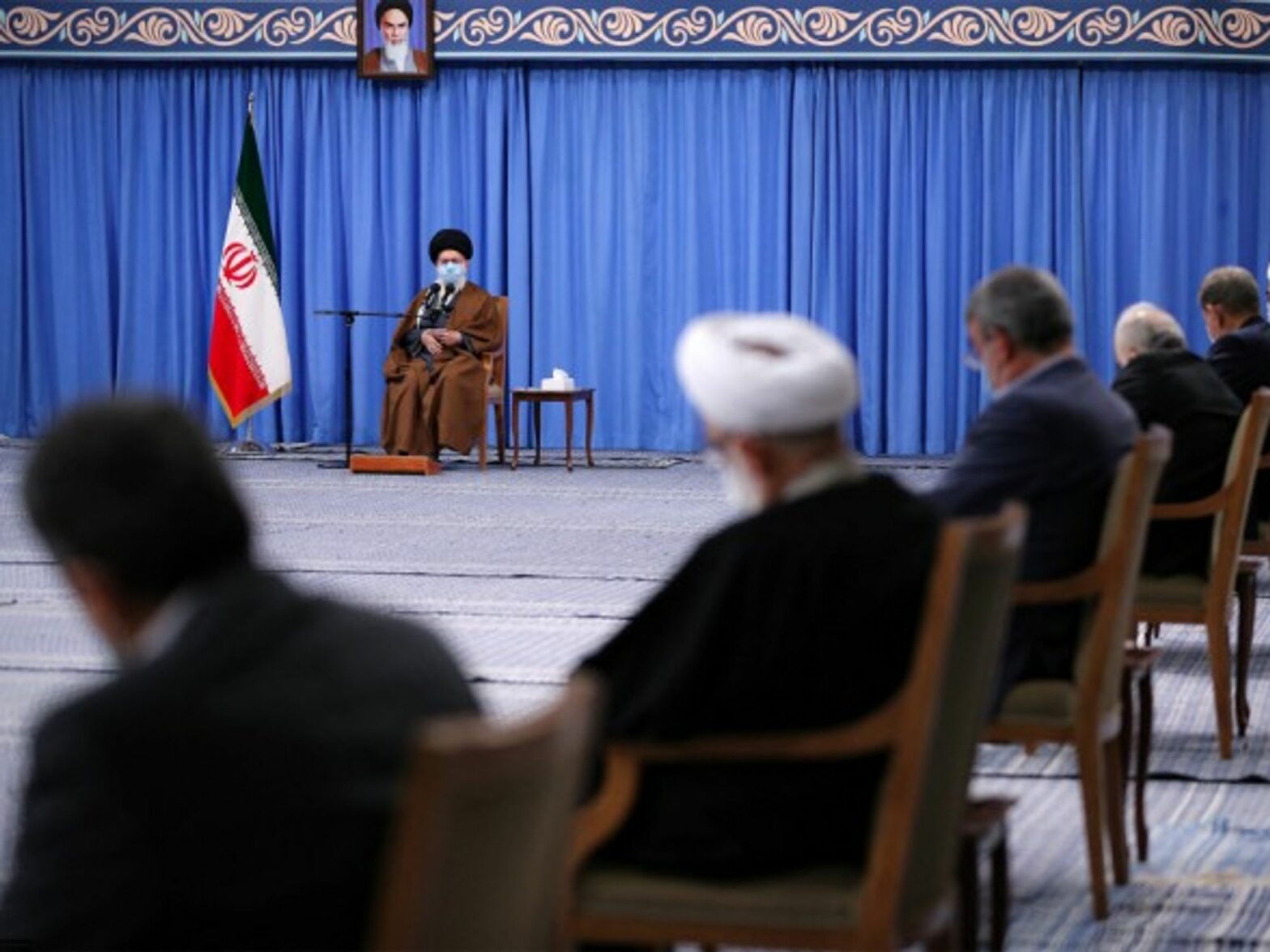
Iranian officials have reacted cautiously to a string of strikes, killings and acts of sabotage against the regime in past months. Do they fear retaliating against the West could hasten the Islamic Republic’s demise?
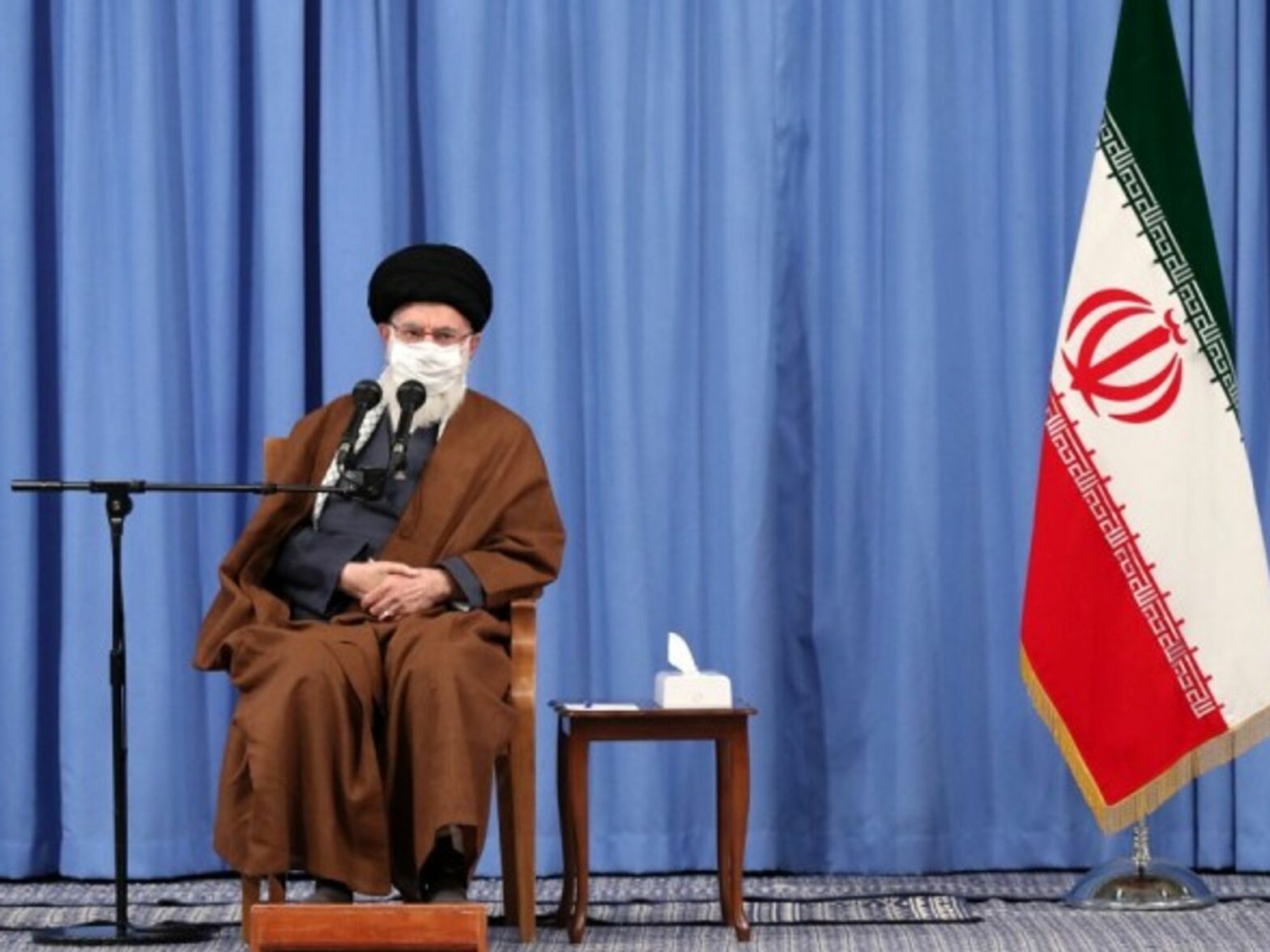
Supreme Leader Ali Khamenei claims he has no interest in engaging with Washington. But the U.S. president, fighting right now to win reelection, tells a different story.
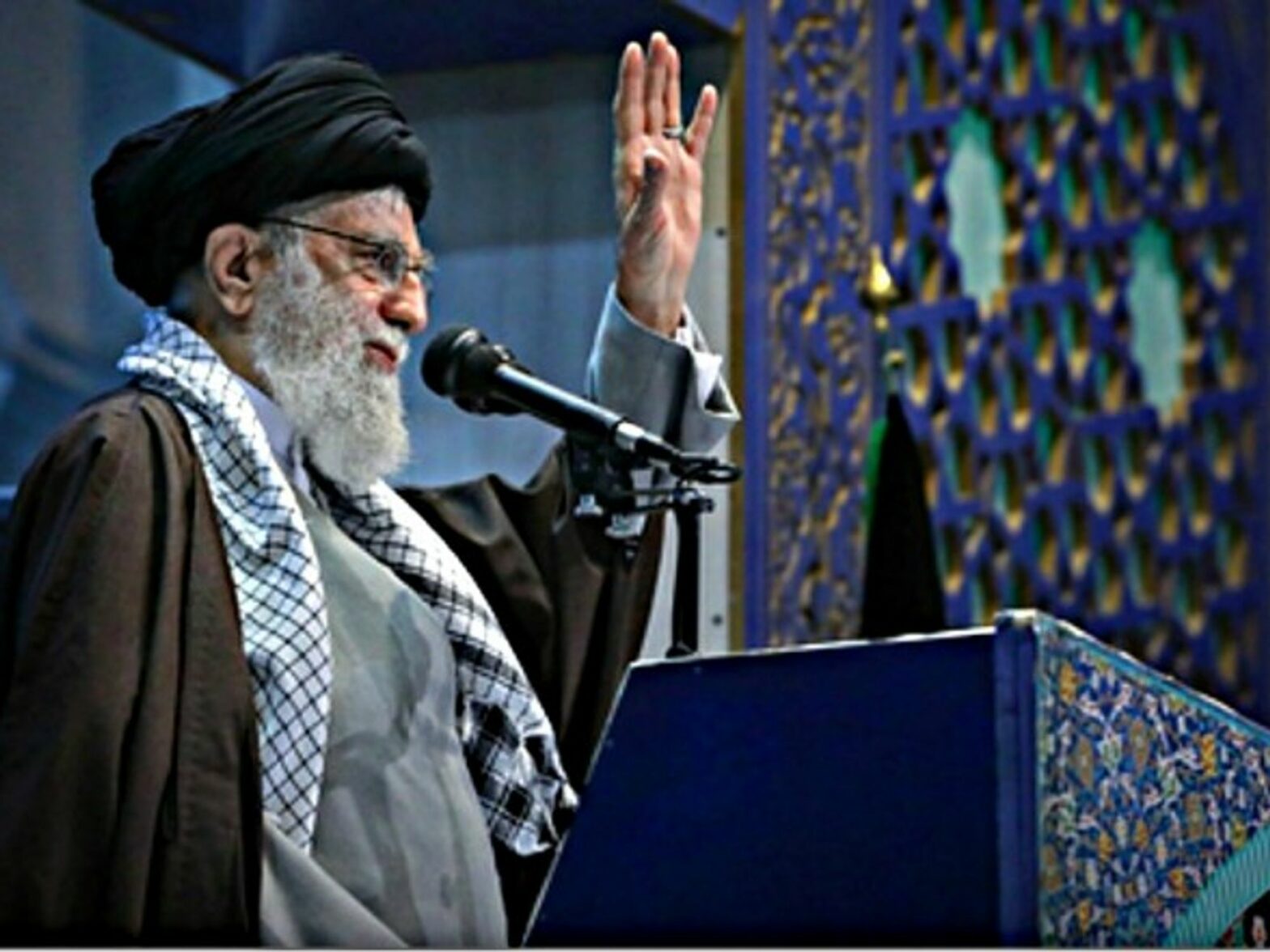
After the U.S. assassination of General Soleimani and Tehran’s accidental shooting down of a Ukrainian passenger jet, rising economic and political pressures have put Islamic rule in its most fragile state in memory.
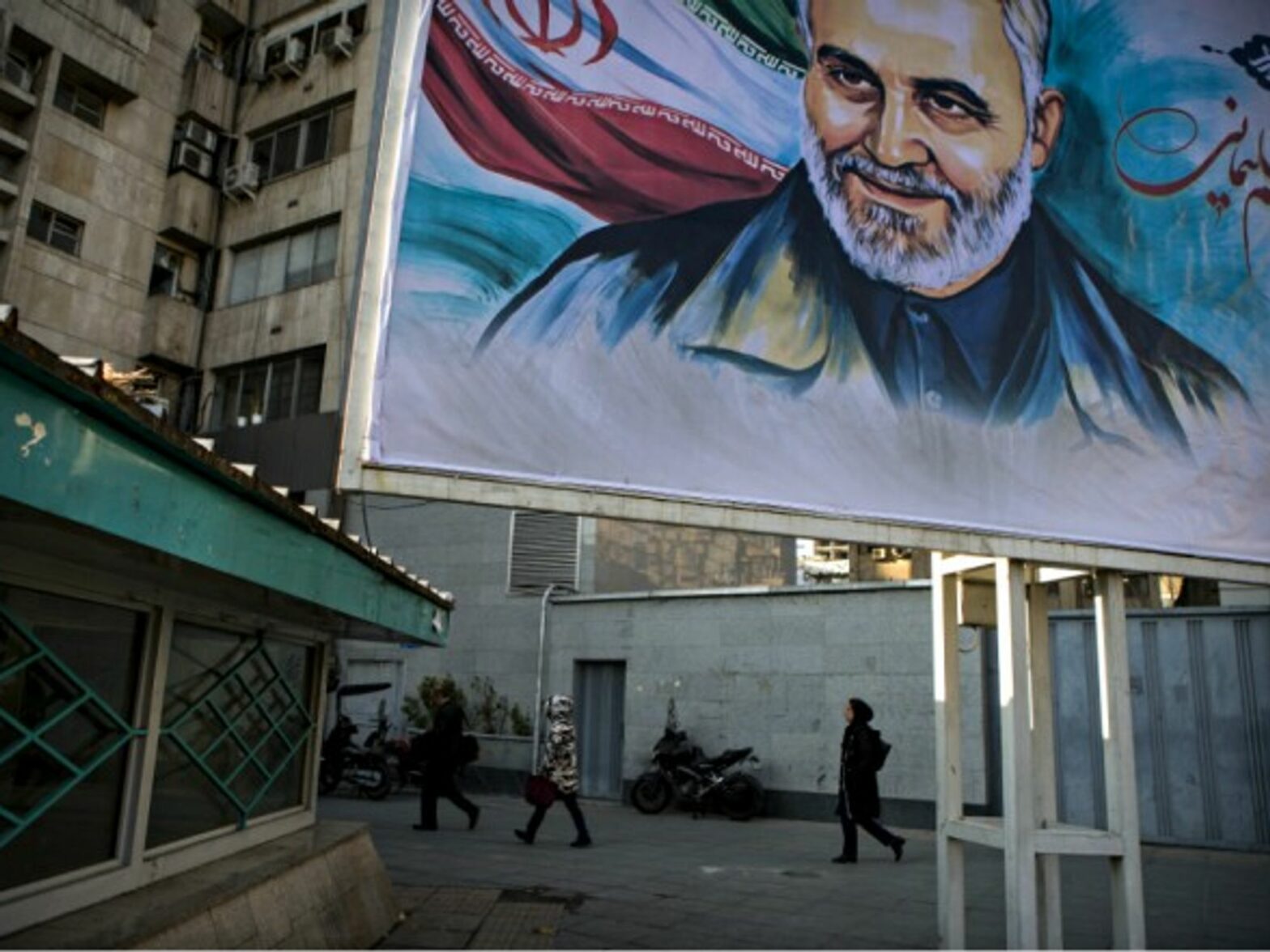
With a battered economy and recent anti-government street protests, can Iran fulfill its promise to avenge the U.S. killing of Qasem Soleimani? Can it afford not to?
Compared to radical Sunni terrorist organizations like ISIS, the regime in Tehran can seem relatively tame. But don’t be fooled.