As scientists struggle to connect with the public, they must consider new models for making research more accessible.
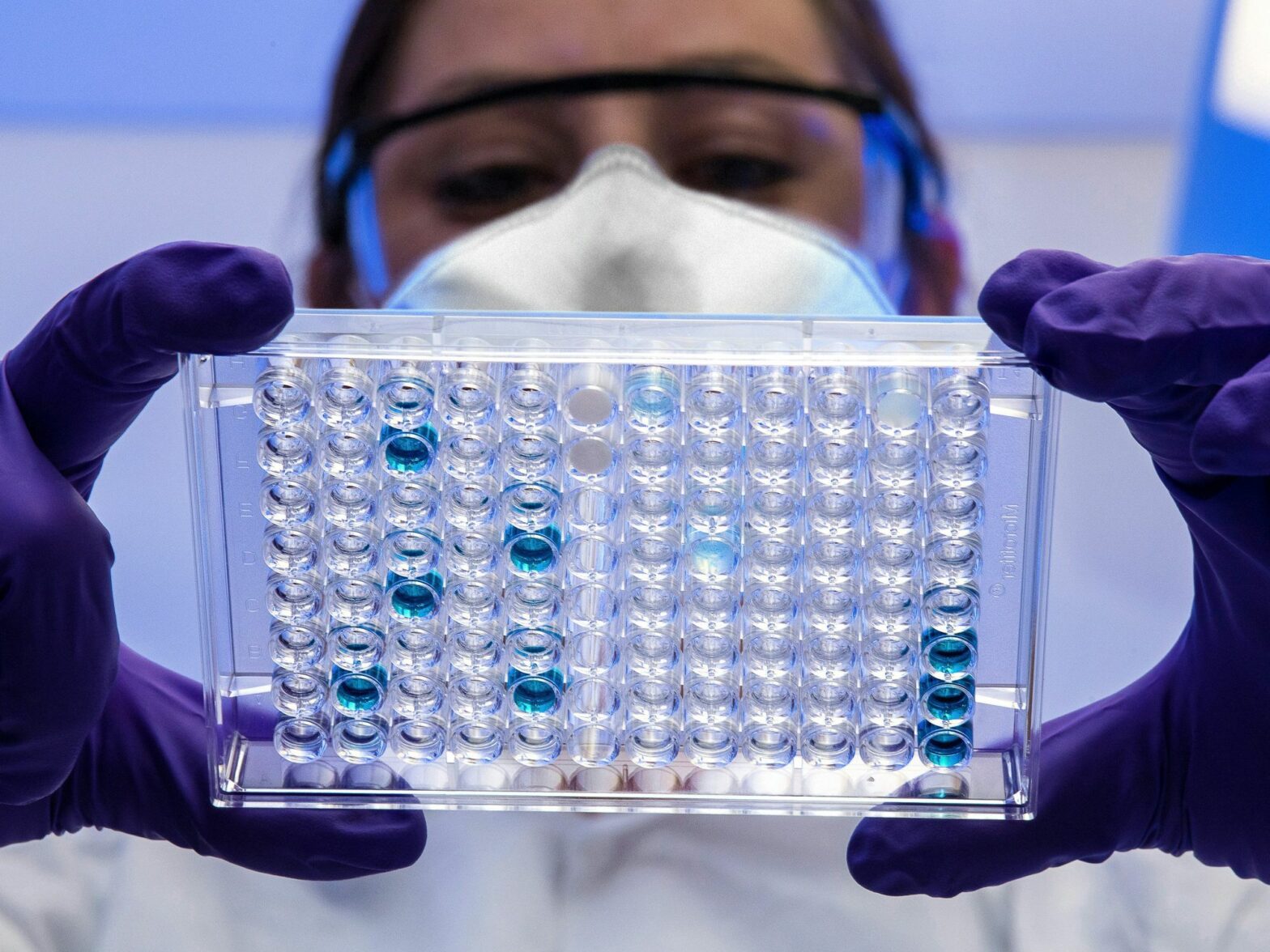
 Worldcrunch
As scientists struggle to connect with the public, they must consider new models for making research more accessible.

Although science and research dominate our lives, many people continue to believe in miracles. There are understandable reasons for this.
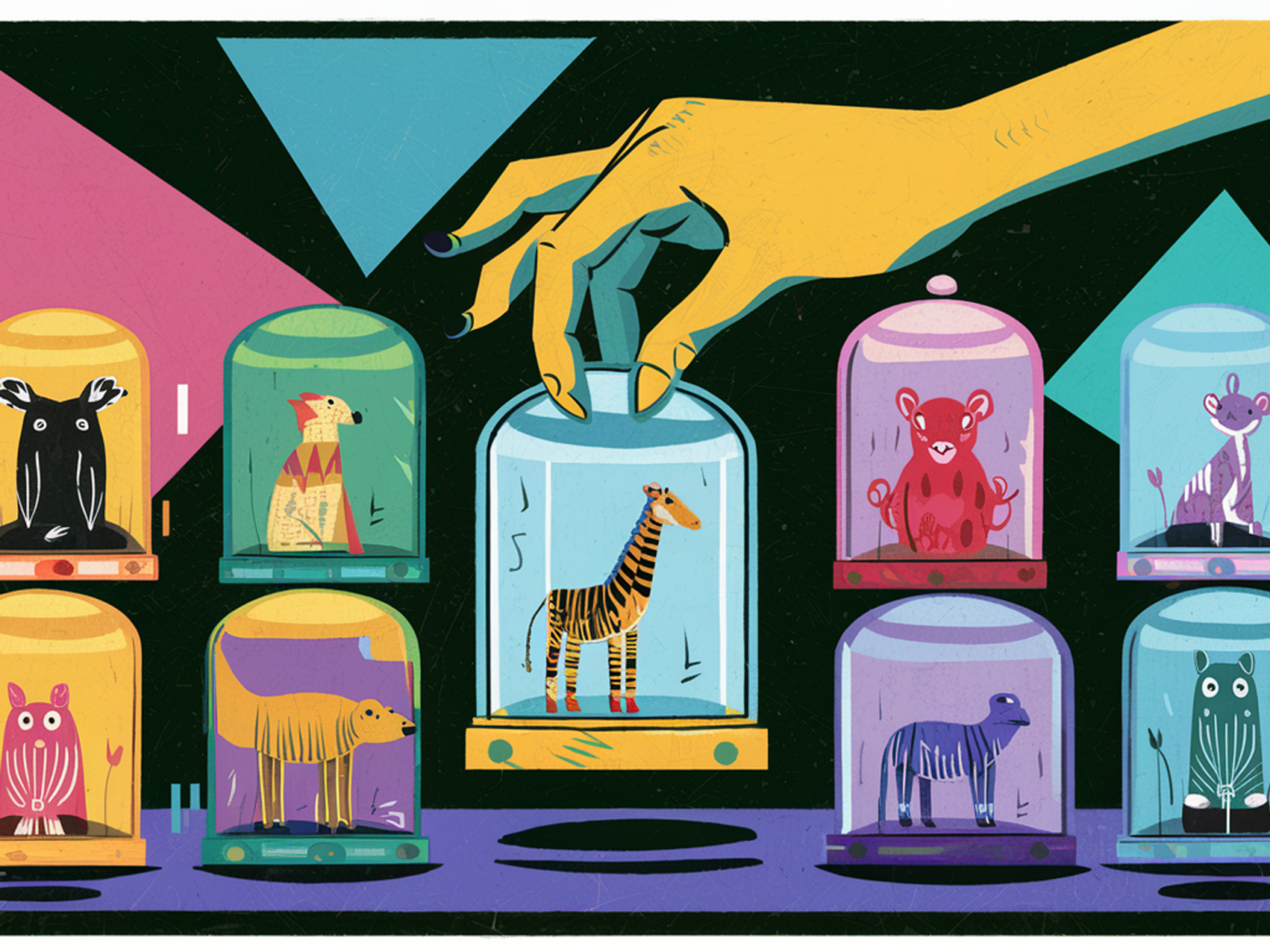
No single, unified list exists of all species cataloged by humans. Some scientists want that to change.

In the Canadian Arctic, two ambitious research initiatives try to strengthen climate data through community engagement.
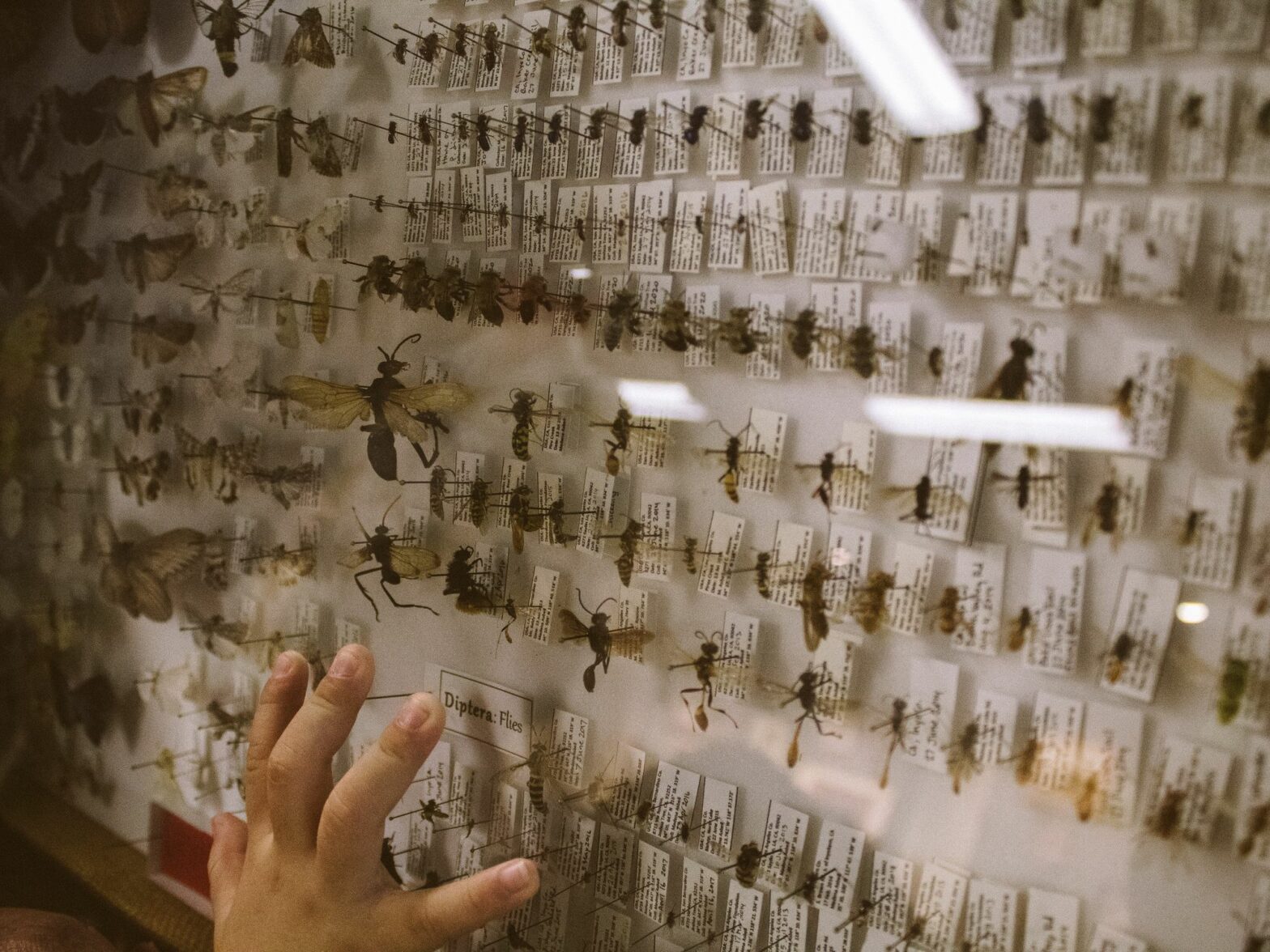
Scientists are increasingly seeing evidence of “dark extinction” in museum and botanical garden collections.
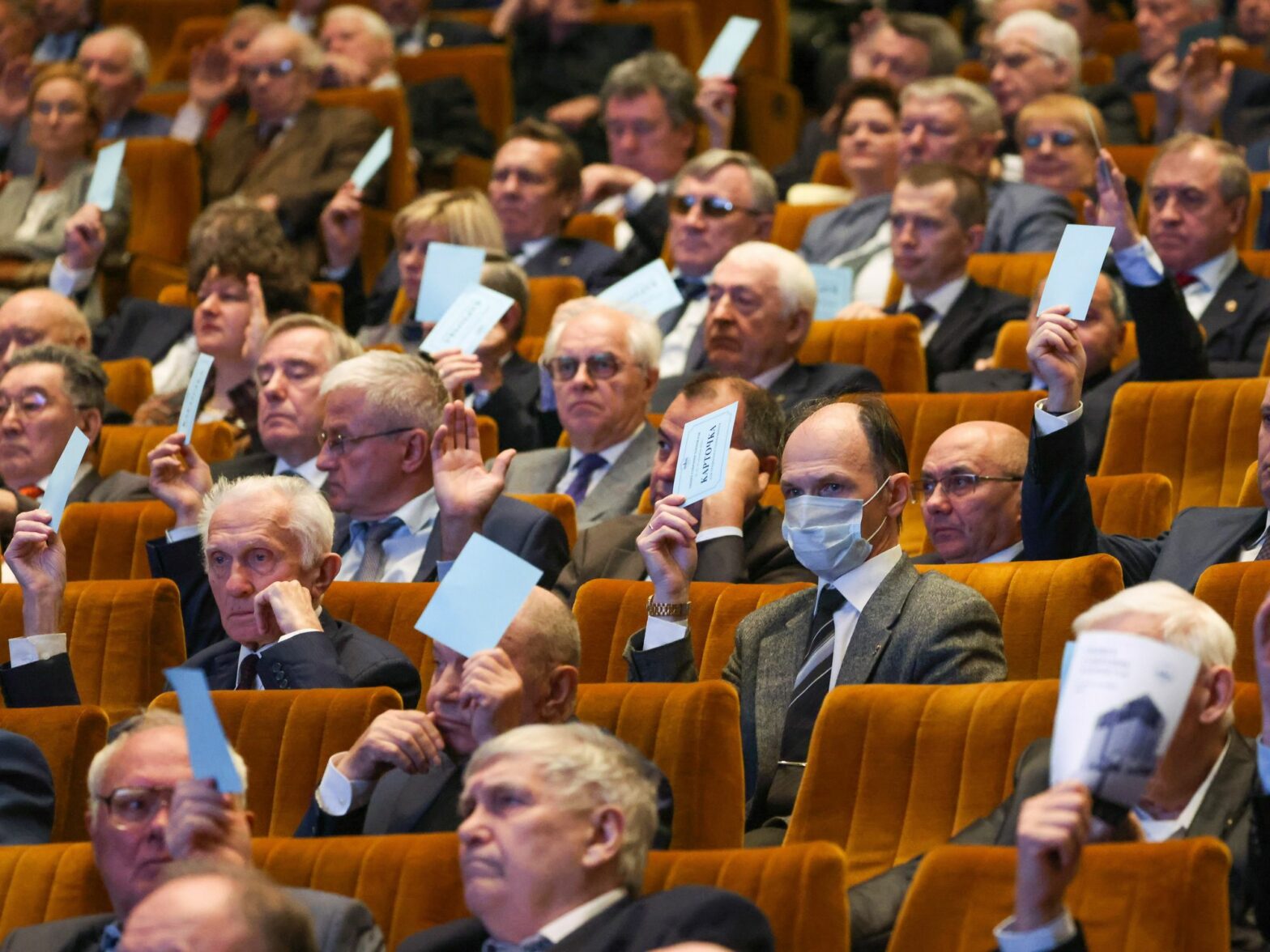
A fourth physicist from the Novosibirsk Department of the Russian Academy of Sciences has been detained on treason charges. The scientists’ research is linked to the development of hypersonic missiles, and an open letter now warns that Moscow’s arrests of its top researchers will cause Russia to fall behind in the development of such weapons.

An evangelic group has threatened to take legal action against a samba school because of its mix of religious iconography at the 2023 Carnival festivities. A Brazilian secular institute has a response.

Amid a severe drought, Afghan scientists are asking the international community to engage with the brutal regime.

No one knows the true number of coronavirus infections in China, but it could be up to 4 million a day. Experts fear that new variants could emerge undetected that may prove dangerous for the rest of the world. Time is ticking.
Feminists have generated a set of tools to make science less biased and more robust. Why don’t more scientists use it?
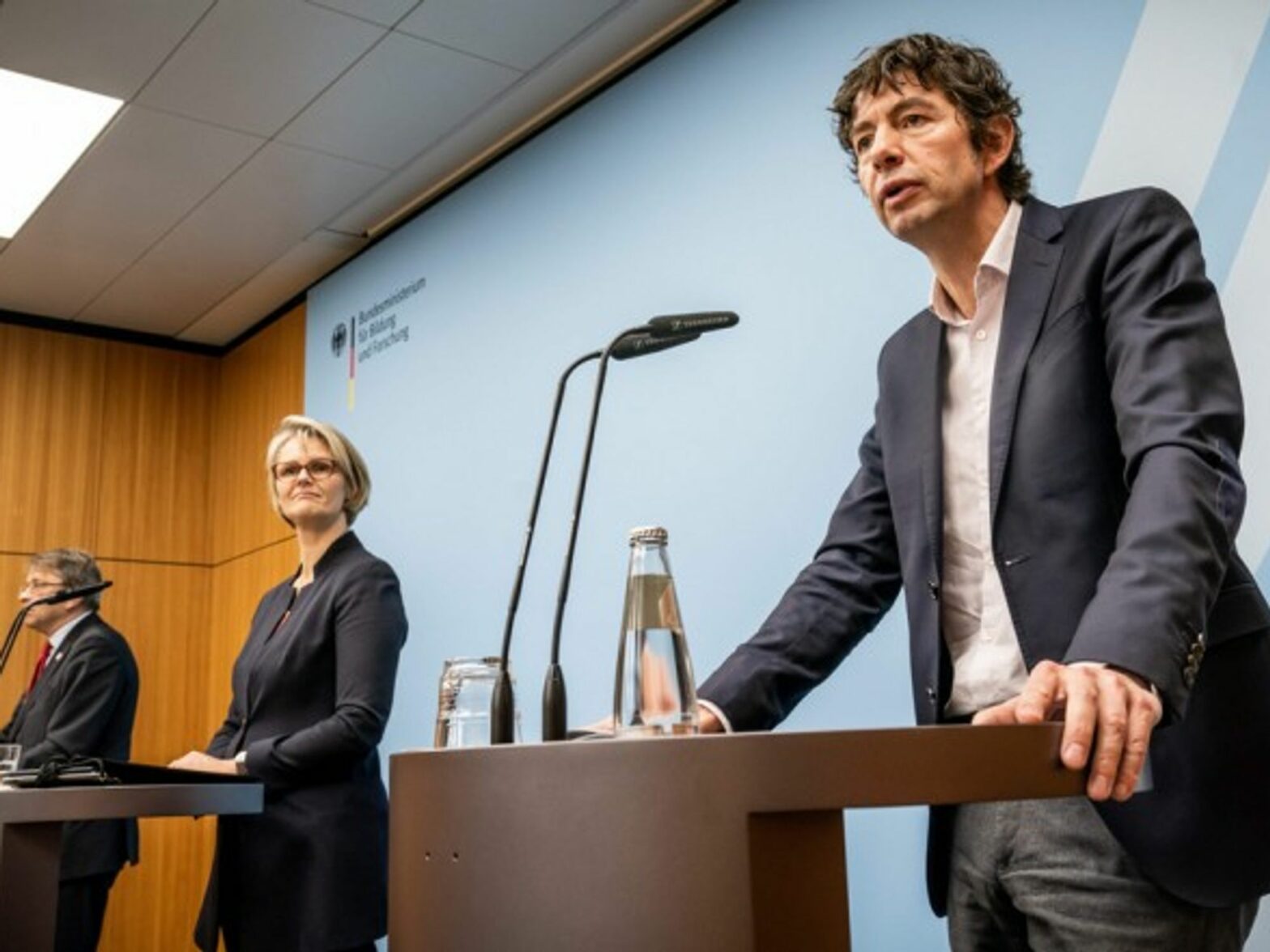
Whether or not they were looking for it, the COVID-19 crisis has given epidemiologists bonafide public power. “At this point, if Drosten says it is too early, that carries as much weight as Merkel saying it,” quipped German economist Marcel Fratzscher about his country’s top epidemiologist Christian Drosten and top politician Angela Merkel. There is […]
You’ve been with the professors, and they all like your looks… A group of five Swedish scientists of the Karolinska Institute in Stockholm have revealed that they have been inserting Bob Dylan lyrics and song titles into research articles for the past 17 years as part of a bet. The scientist who winds up quoting […]
BBC, NEW SCIENTIST, WIKIPEDIA Worldcrunch Dolphins are the friendly sea creatures nobody can hate – they’re playful, fun and super intelligent. Here are some interesting facts you may not know about dolphins, as well as the saddest dolphin video we’ve ever seen — that is, the saddest video EVER. milk-can 1. SEA PORK – People […]
LE SOLEIL (Canada), POPULAR MECHANICS, SMITHSONIAN (USA), GUARDIAN (UK) Sure, fewer party balloons and squeaky-voice clown pranks would be a shame. But recent reports of a worldwide shortage of helium could also create supply problems in the production of some of the most advanced technologies, reports Quebec news site Le Soleil. Reserves of helium, a […]
ARIRANG NEWS (Korea), BBC NEWS, CURRENT BIOLOGY (UK), MEDICAL DAILY (USA) Worldcrunch During Korea’s Chosun Dynasty, young men living in poverty often chose to castrate themselves to live within the relative comfort of the imperial palace walls, reports Arirang news. They were used to guard gates and manage food, and were the only men outside […]