Why do we like what we like? New insights from neuroscience reveal that objects that please us are as much about our own values as the objects themselves.

 Worldcrunch
Why do we like what we like? New insights from neuroscience reveal that objects that please us are as much about our own values as the objects themselves.
December 17-18 OUR WEEKLY NEWS QUIZ What do you remember from the news this week? 1. Which South American country is in turmoil following the removal and arrest of its president, Pedro Castillo? 2. What is the nickname of Russian arms dealer Viktor Bout who was exchanged for U.S. basketball star Brittney Griner in […]
More than a decade ago, with the economy growing and political capital committed to public research and development, Brazil was the poster child for investing in the future. It was all bound to drop out quickly once the winds changed.
December 10-11 OUR WEEKLY NEWS QUIZ What do you remember from the news this week? 1. Twenty-five people were arrested Wednesday on suspicion of plotting to overthrow what country’s government? 2. Why was Peru’s ousted president detained by the police in Lima after his impeachment? 3. Indonesia’s new criminal code included what surprising ban […]
December 3-4 OUR WEEKLY NEWS QUIZ What do you remember from the news this week? 1. What did Kyiv Mayor Vitali Klitschko decide to do across his city, to prevent Putin from “stealing our Christmas”? 2. What item became the rallying symbol for China’s ongoing anti-lockdown protests? 3. What word, another way of saying […]
November 26-27 ️ STARTER How Iranian protesters unmasked the regime’s old game of “divide and rule” Iran’s clerical regime has worked hard over 40 years to set Iranians against each other on multiple bases, and must now watch a nation united in opposition to itself and breaking its red lines, notably those set around gender, […]

Opioid and oil companies alike have a history of obfuscating science as a litigation tactic. How does this harm victims?
November 19-20 ️ STARTER Will Iran’s uprising trigger an Islamic reformation across the Middle East? The showdown between Iranian protesters and the clerical regime is another episode in Iran’s clash of theocracy and Western-style secular modernity. Its outcomes will reverberate across the entire Islamic world, so the West needs to pay attention, writes Elahe Boghrat […]
November 12-13 OUR WEEKLY NEWS QUIZ What do you remember from the news this week? 1. What did actor and activist Sean Penn “loan” to Ukrainian President Volodymyr Zelensky as they met in Kyiv? 2. Which Latin American dictator was seen shaking hands with U.S. envoy John Kerry and French President Emmanuel Macron at […]
November 5-6 OUR WEEKLY NEWS QUIZ What do you remember from the news this week? 1. Defeated Brazilian President Jair Bolsonaro urged his supporters to stop what kind of public protest against the election result? 2. What facility, the biggest of its kind in the world, did China lock down amid a new COVID […]
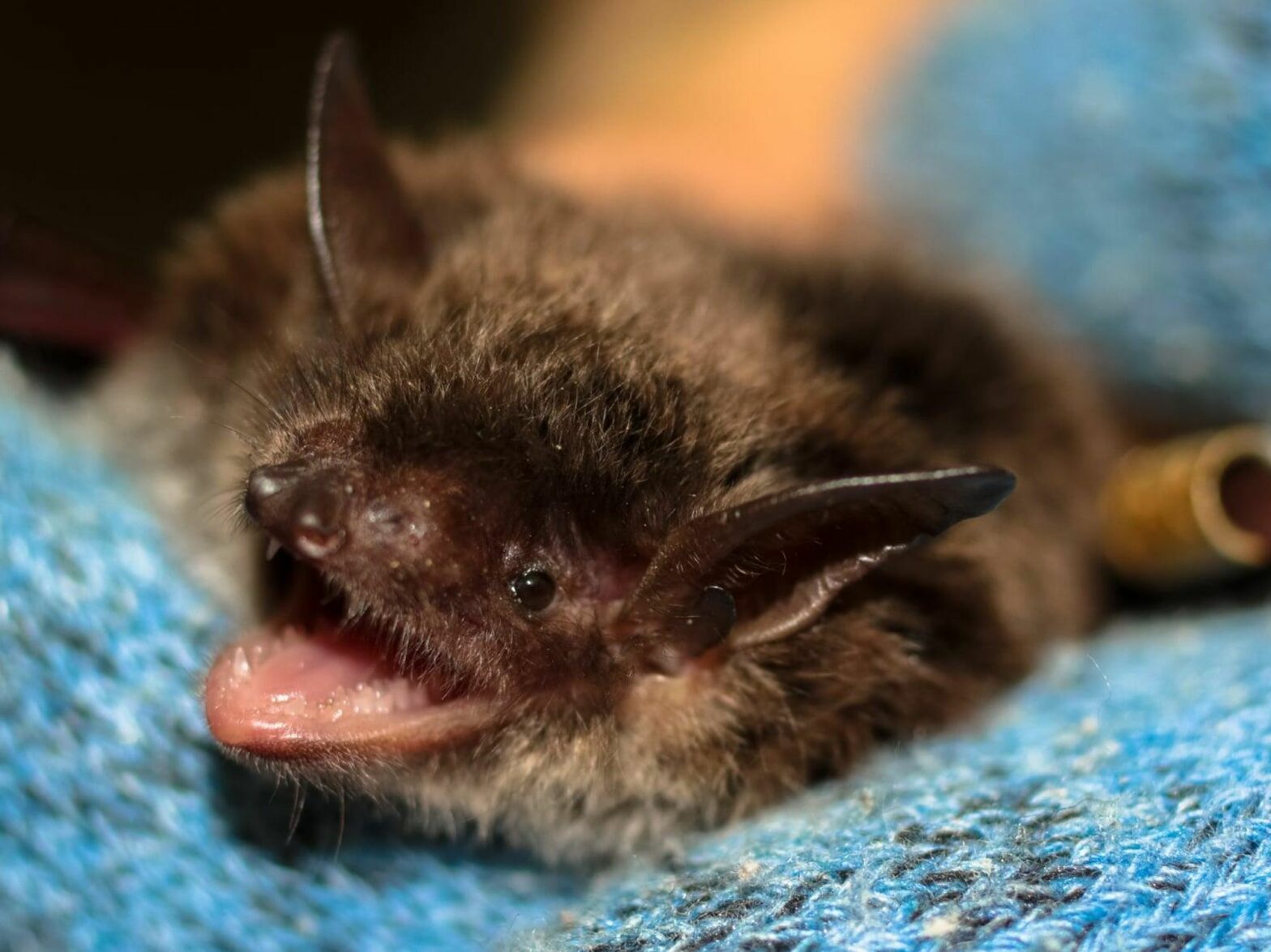
Struggling to save trapped and injured bats, scientists endure Russian shelling and accusations of spreading bioweapons.
October 29-30 OUR WEEKLY NEWS QUIZ What do you remember from the news this week? 1. Which carmaker became the latest major company to leave Russia over its invasion of Ukraine? 2. Why did Iran’s anti-government protesters hold a special rally 40 days after Mahsa Amini was killed by Iran police? 3. A day […]
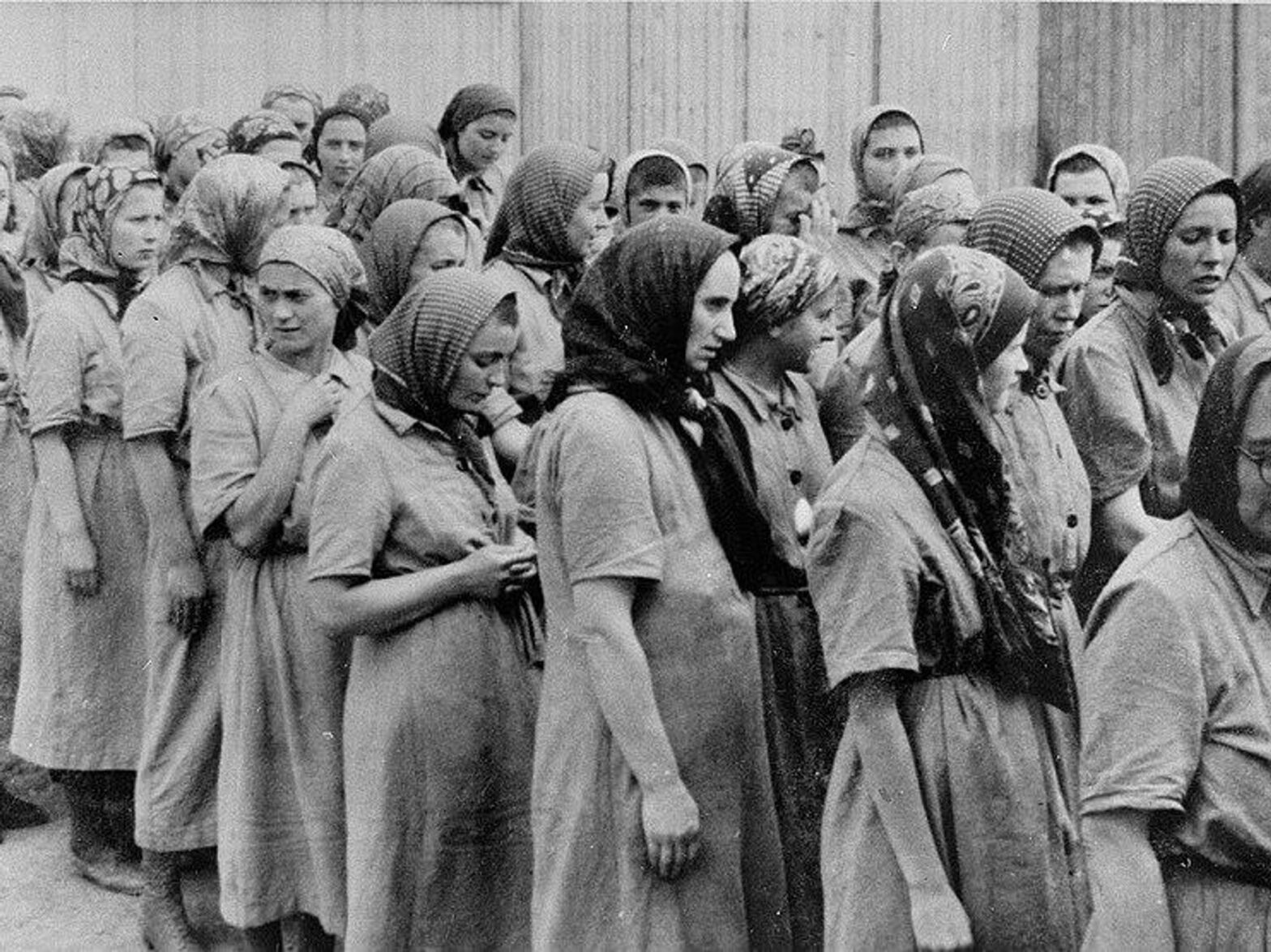
Perpetuating the silence around sex and body issues can lead to misinterpreting historical events, and prevent us from taking action to right wrongs.
October 21-22 OUR WEEKLY NEWS QUIZ What do you remember from the news this week? 1. In this week’s Communist Party Congress, why was China’s Xi Jinping allowed to stand for a third consecutive term? 2. Why did an Iranian climber competing in Seoul find herself in the midst of a controversy? 3. Which […]
October 15-16 OUR WEEKLY NEWS QUIZ What do you remember from the news this week? 1. What country expressed outrage after Russian missiles that hit Kyiv crossed its airspace? 2. India had to halt the production of what medicine after a report linked it to dozens of child deaths in Gambia? Cough syrup/Insulin/Antibiotics 3. […]

October 8-9 OUR WEEKLY NEWS QUIZ What do you remember from the news this week? 1. Ukrainian President Volodymyr Zelensky said he will not negotiate with Russia as long as…? 2. North Korea fired a missile over what country’s territory for the first time since 2017? 3. Slovenia became the first Eastern European country […]
Feminists have generated a set of tools to make science less biased and more robust. Why don’t more scientists use it?
Bot did you get it?
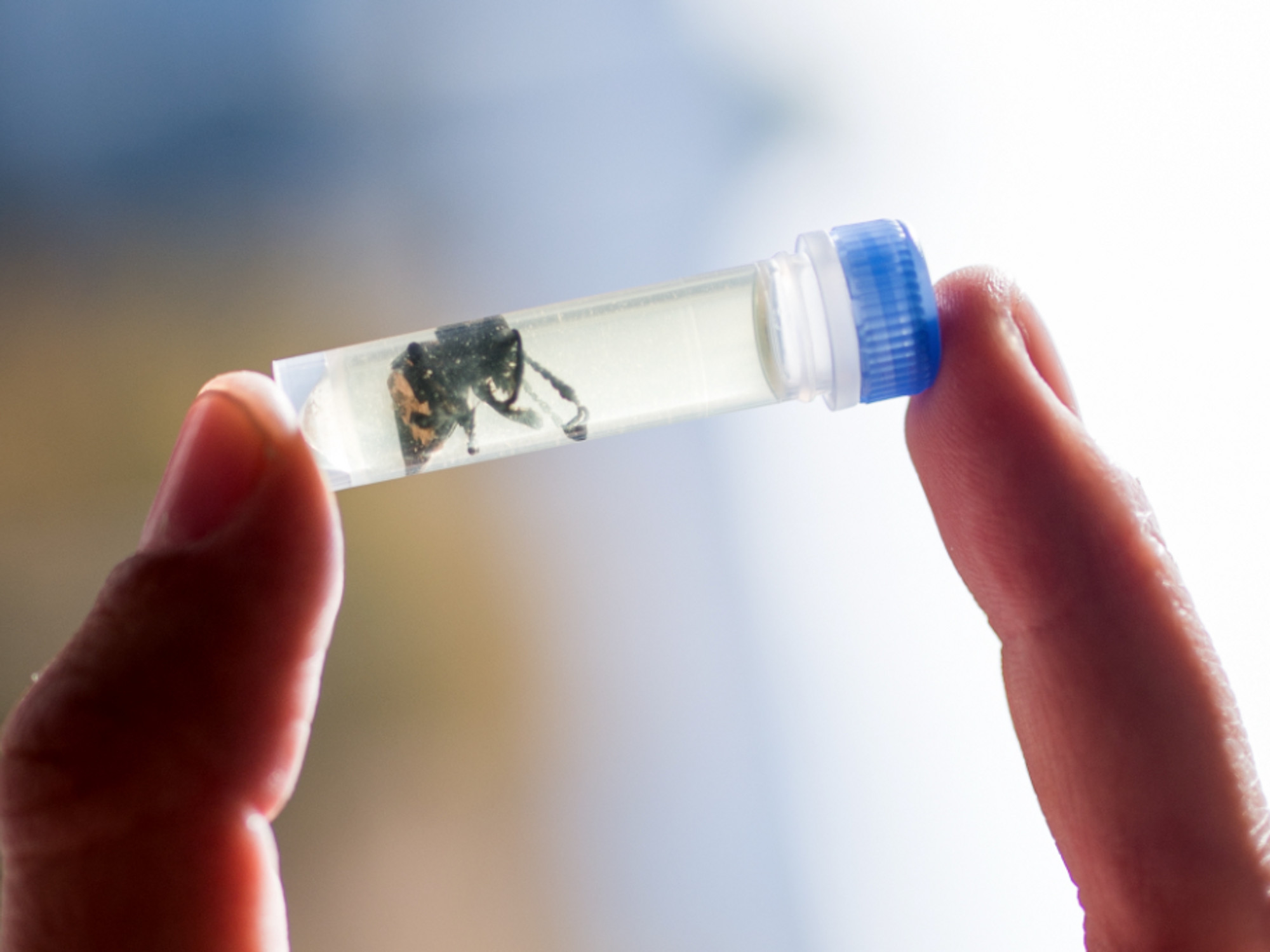
Opening bee skulls. Electric shocks for cockroaches. Some researchers want to grant more invertebrates ethical consideration, questioning long-held assumptions on consciousness.
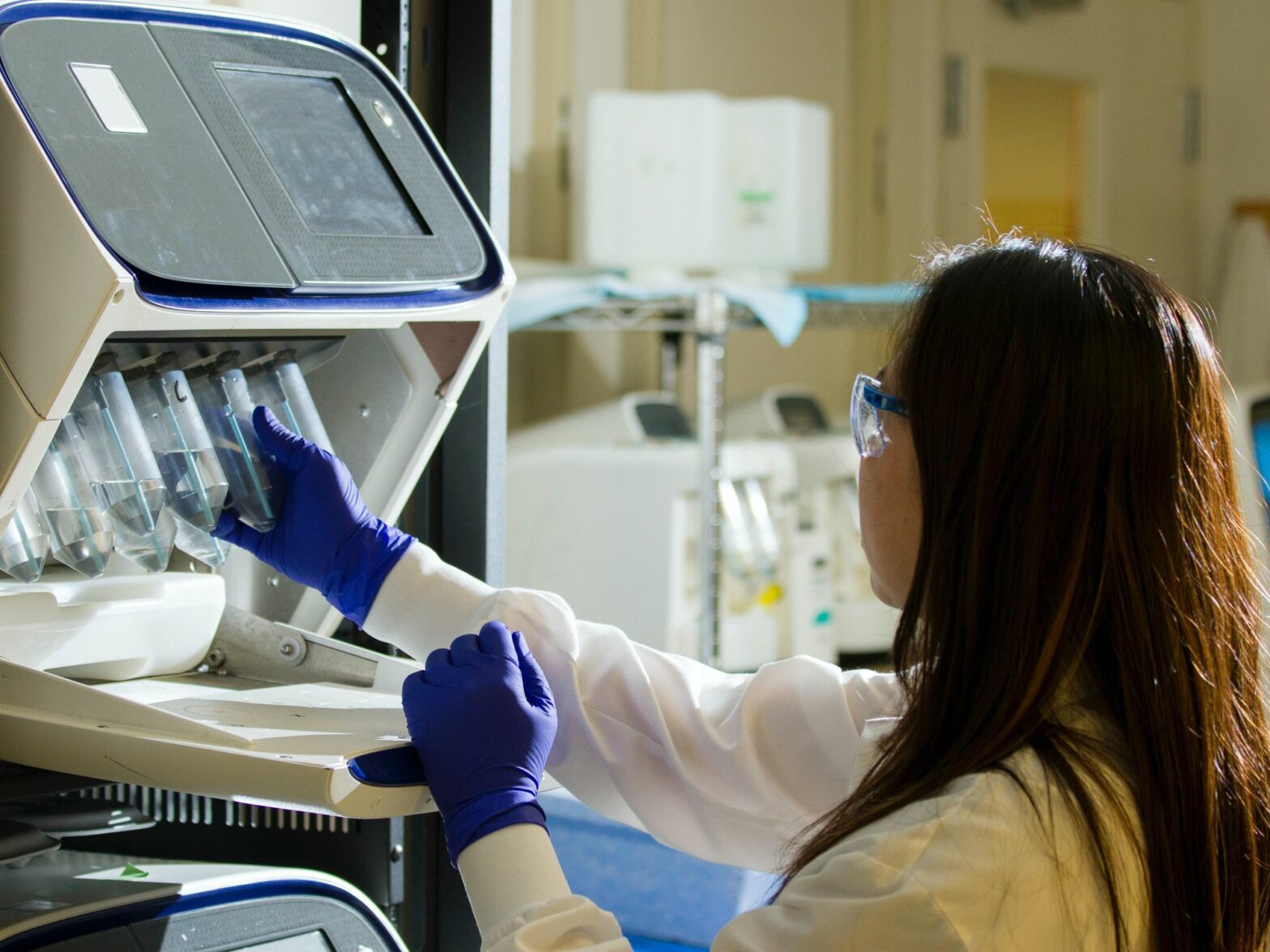
For families learning their child will be born with a debilitating condition, new legal issues create additional trauma.
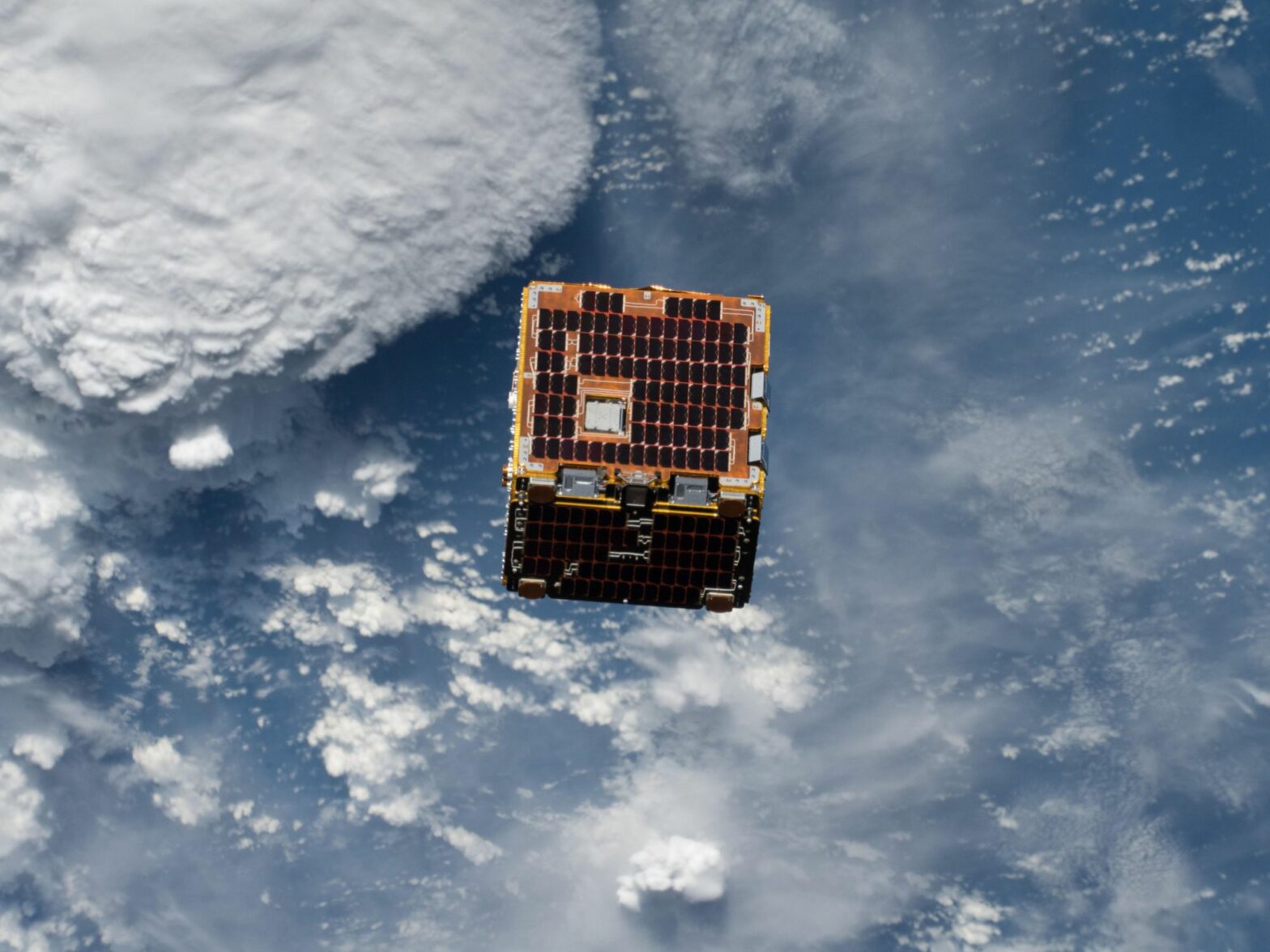
Exploiting space resources and littering it with satellite and other anthropogenic objects is endangering the ecosystem of space, which also damages the earth and its creatures below.
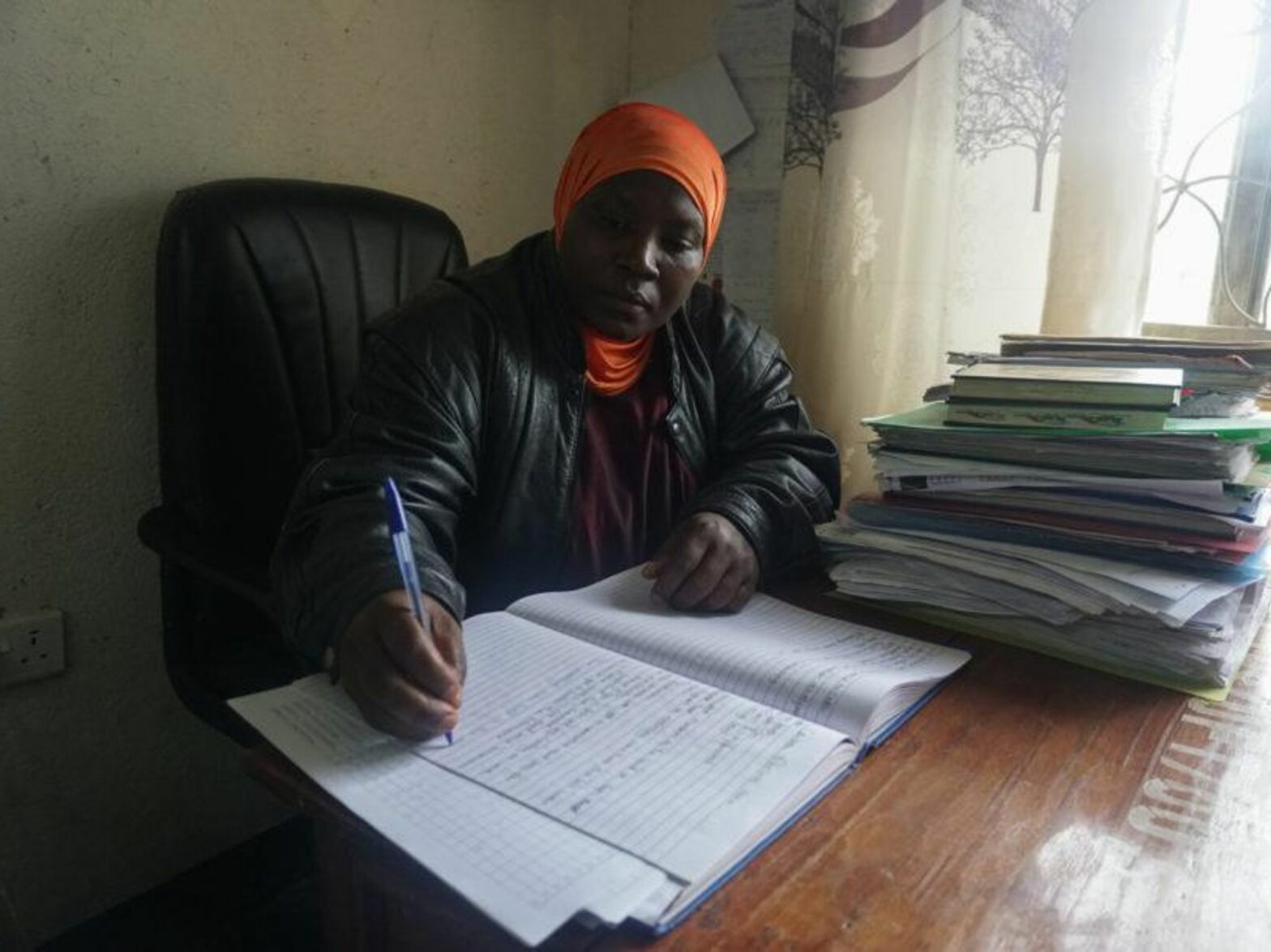
KAMPALA — Allen Asimwe has dedicated more than two decades to teaching geography at a large public high school in southwestern Uganda. Her retirement age, as a public servant entitled to benefits, is just six years away. She doubts she will wait that long. “I am determined, I want to quit,” she says, calculating that she could earn more by shifting full time to the salon she opened six years ago to supplement her income. “Given the frustration, I cannot continue in class anymore.” For years, she hoped the Uganda National Teachers’ Union would succeed in lobbying for better wages. […]
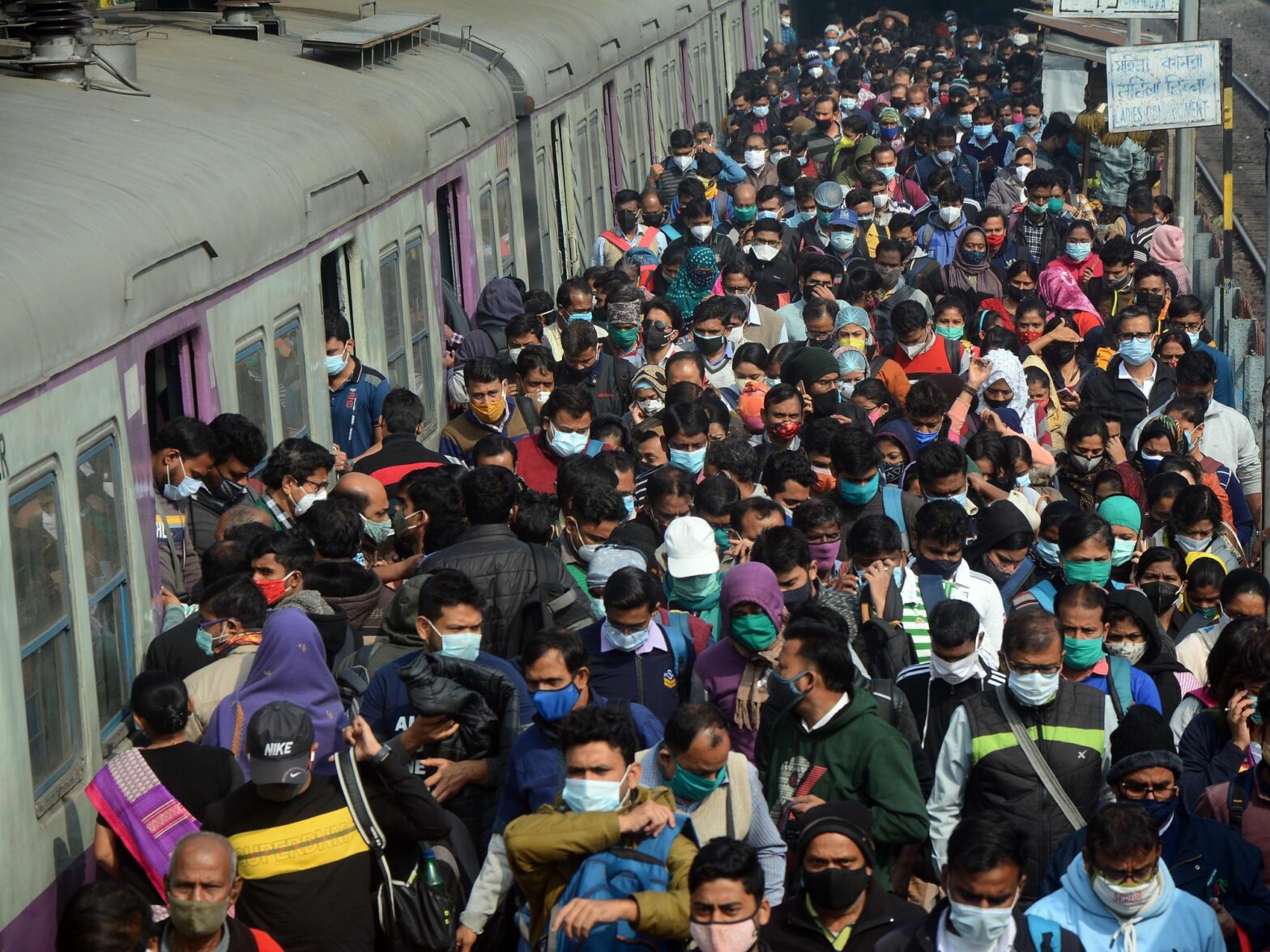
? Saluton!* Welcome to Friday, where order has been restored in Kazakhstan, with a very heavy hand and help from Russia, North Korea bows out of the Beijing Olympics because of COVID and a new study shows dogs have multilingual skills. Meanwhile, Negar Jokar writes in Persian-language media Kayhan-London about the ways that Iran hounds […]
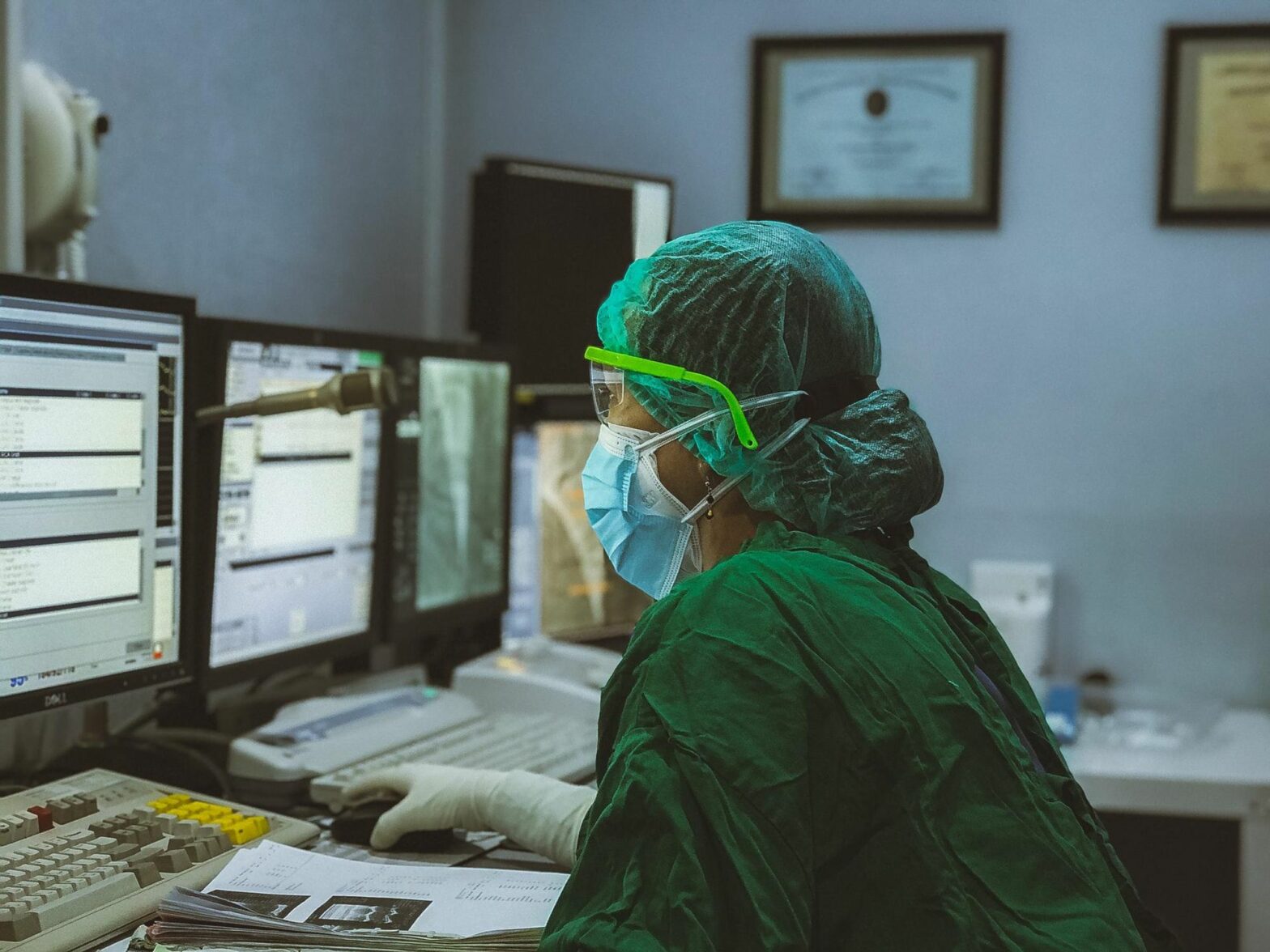
Two years on, even if they’ve still not given us the definitive answers to COVID-19, scientists are our best hope. But they can’t do it alone.

? Halito!* Welcome to Wednesday, where the WHO says vaccines may be less effective against the Omicron variant, a spacecraft “touches” the Sun for the first time and the Berlin metro is offering edible tickets. Warsaw-based daily Gazeta Wyborcza also looks at shocking practices multiplying in Poland’s booming and unregulated funeral business. [*Choctaw, Native American] […]
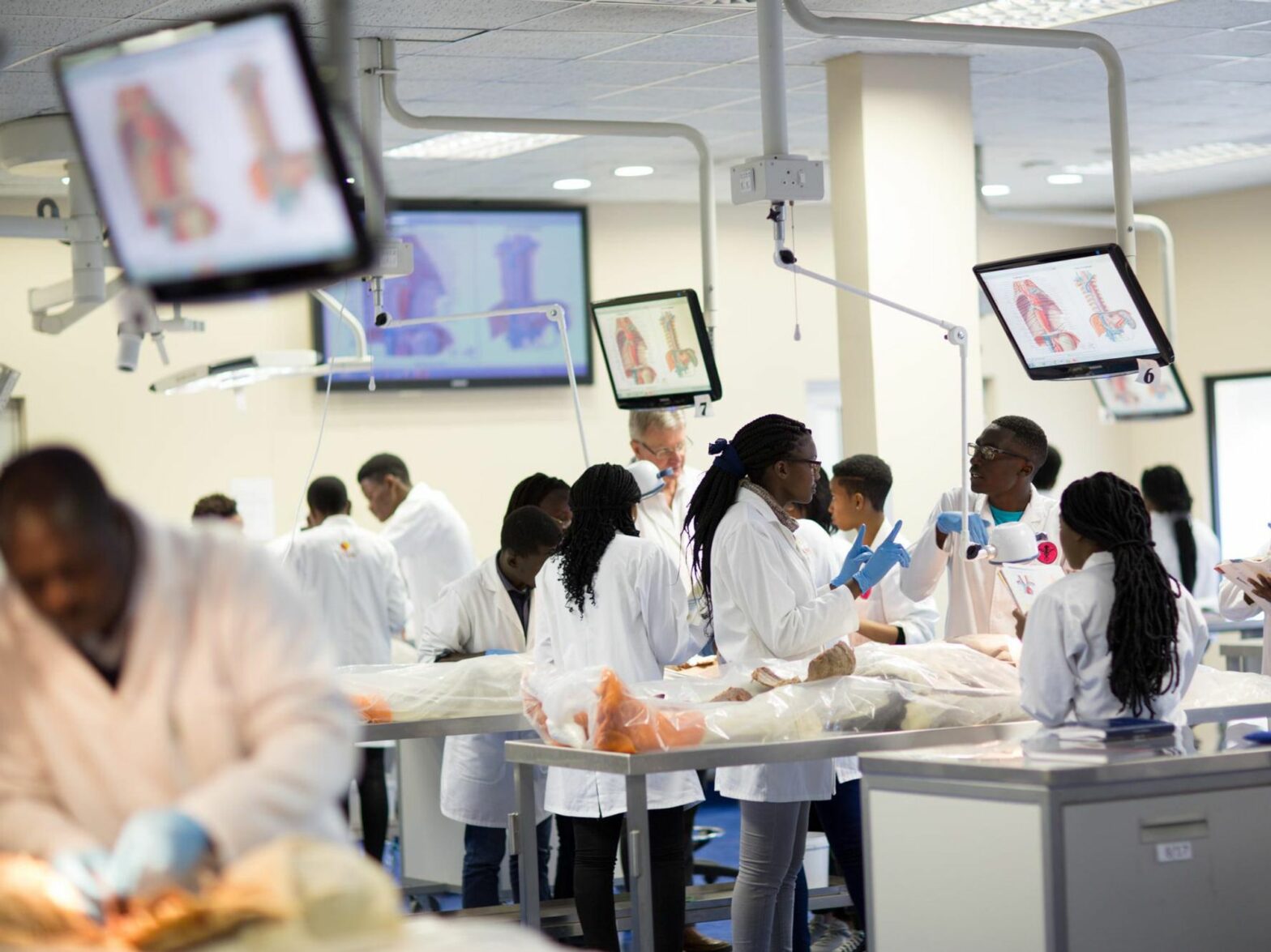
Even as it celebrates this year’s literature prize going to Tanzanian author Abdulrazak Gurnah, Africa is again completely absent from the list of Nobel winners in science. In research as elsewhere, money is the key.
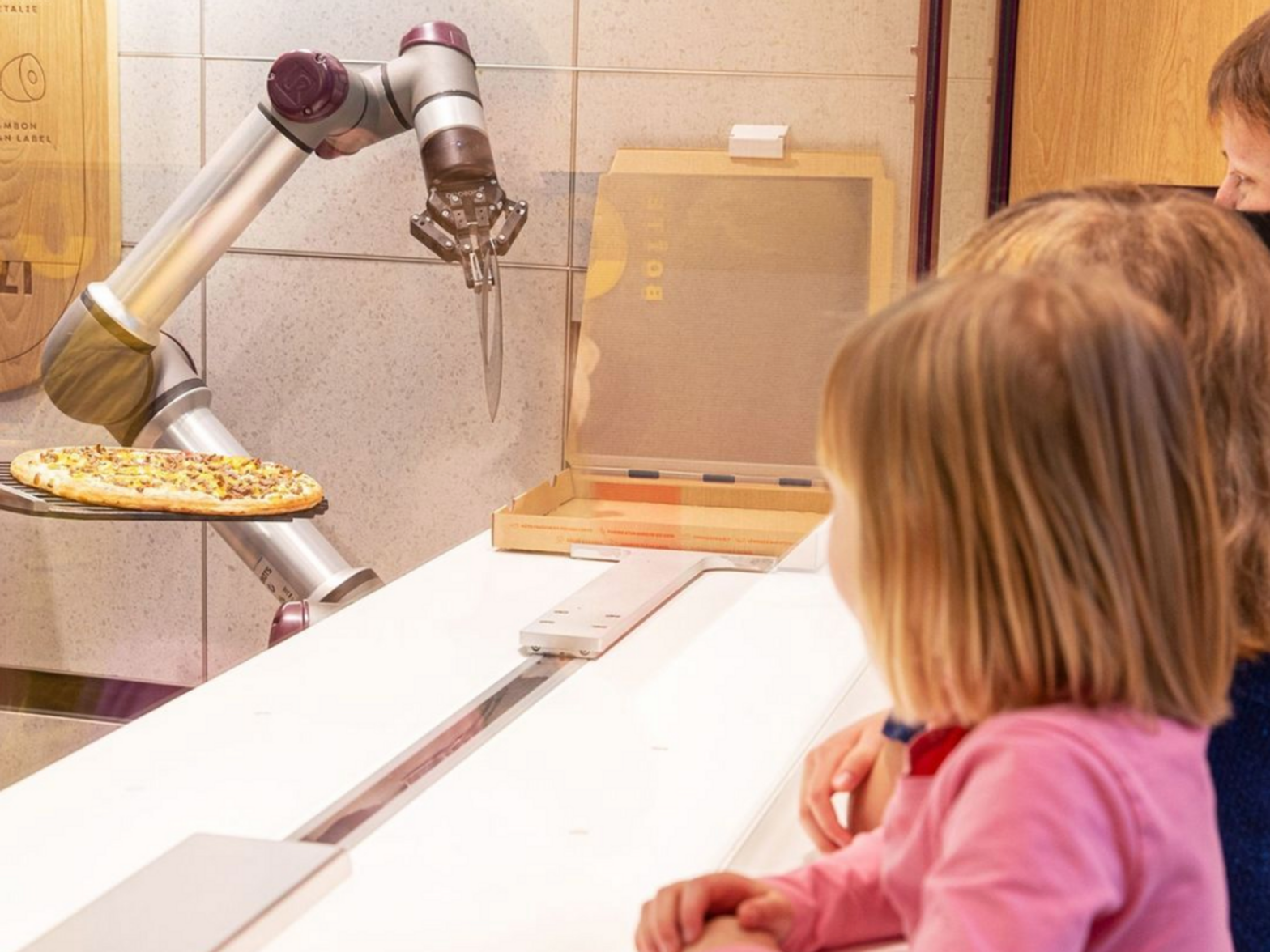
Robotics has become standard in much of industrial production, but AI also means robots are able to accomplish more and more complicated tasks. Here are some living examples around the world.
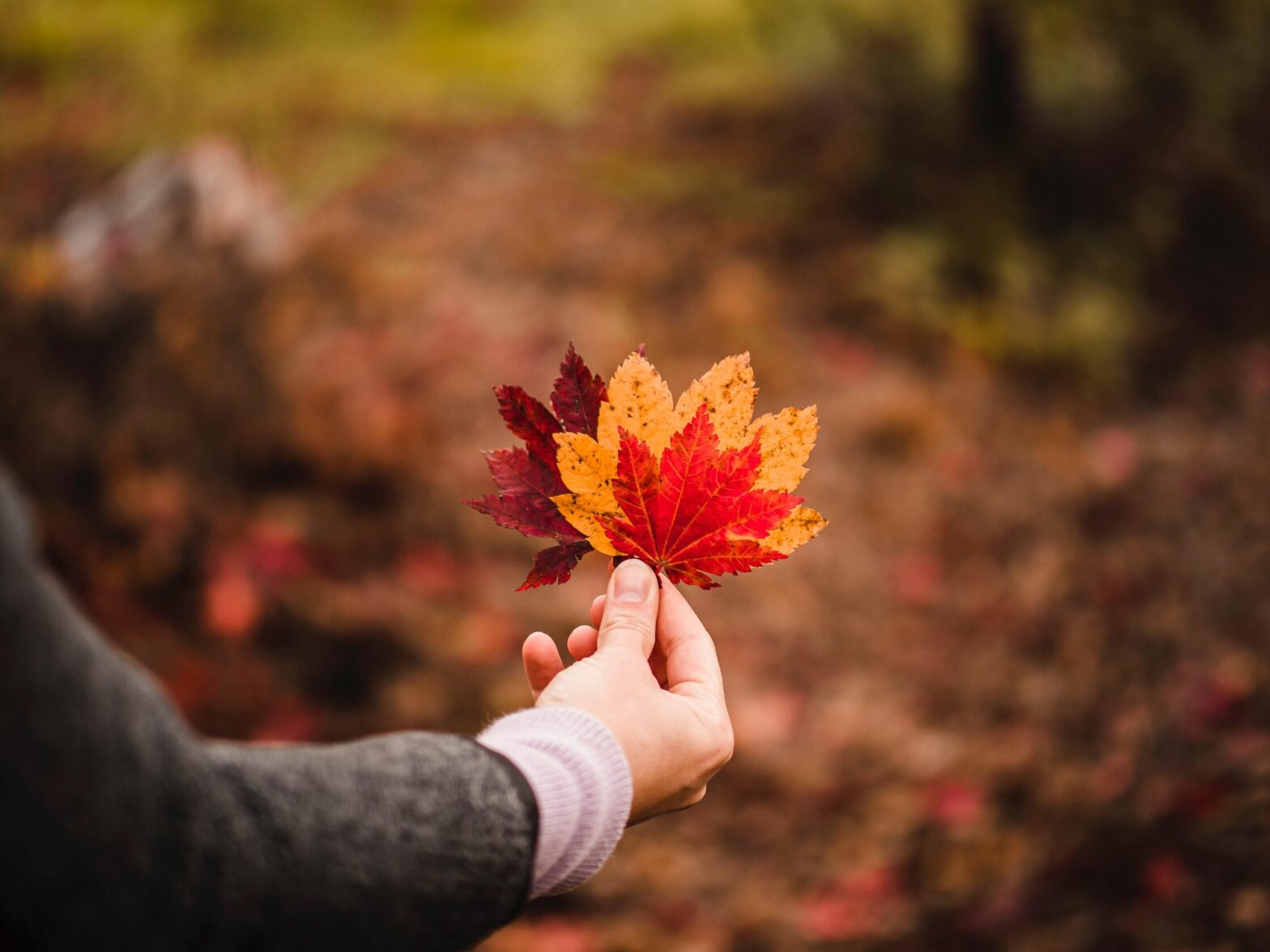
Climate change is visible in many ways across the world. In the U.S., tree species are migrating north and changing colors of their leaves as temperatures warm each year.
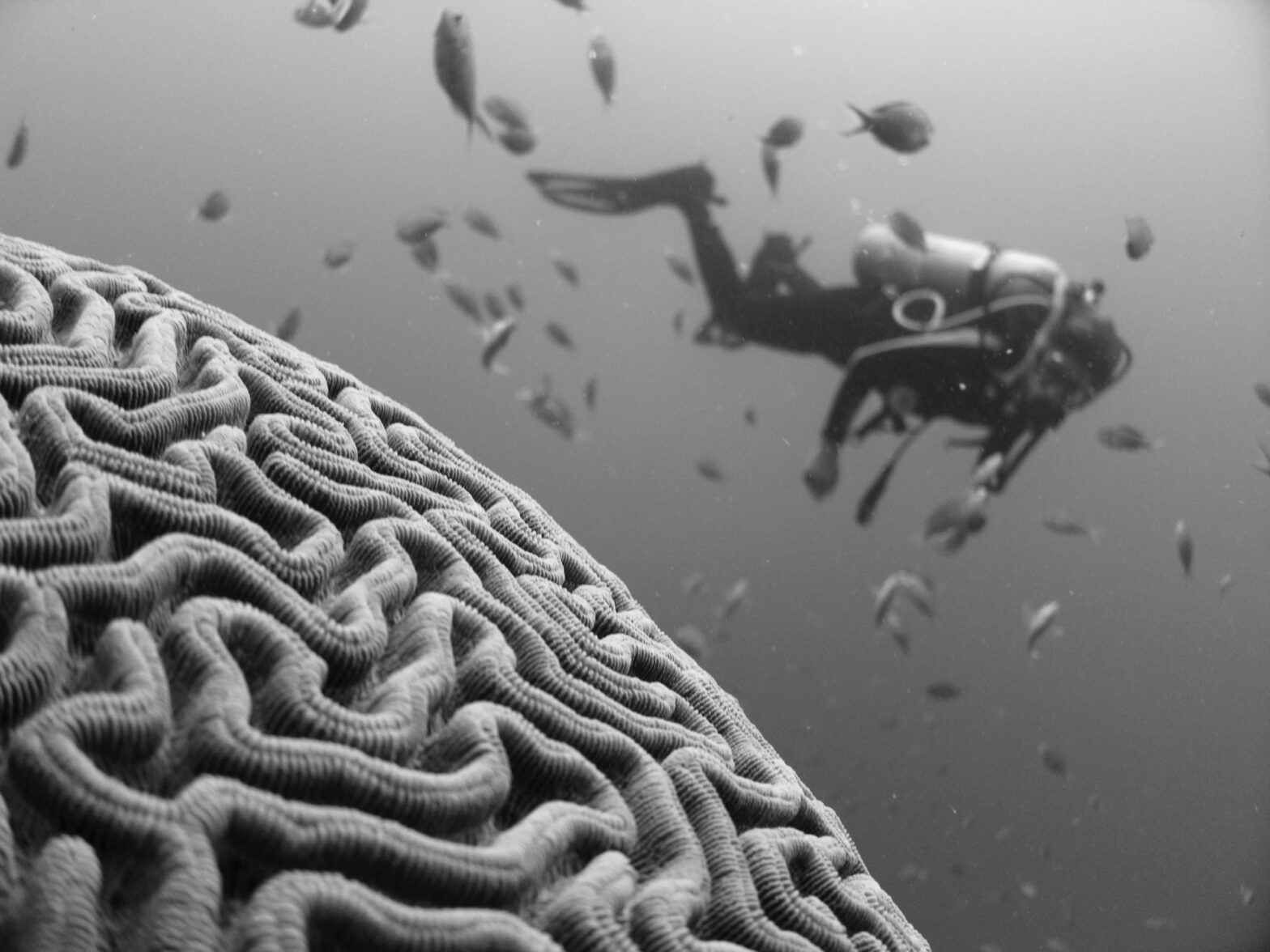
Our carelessness toward the environment could be due, in part, to the functioning of a very primitive area of our brain: the striatum.
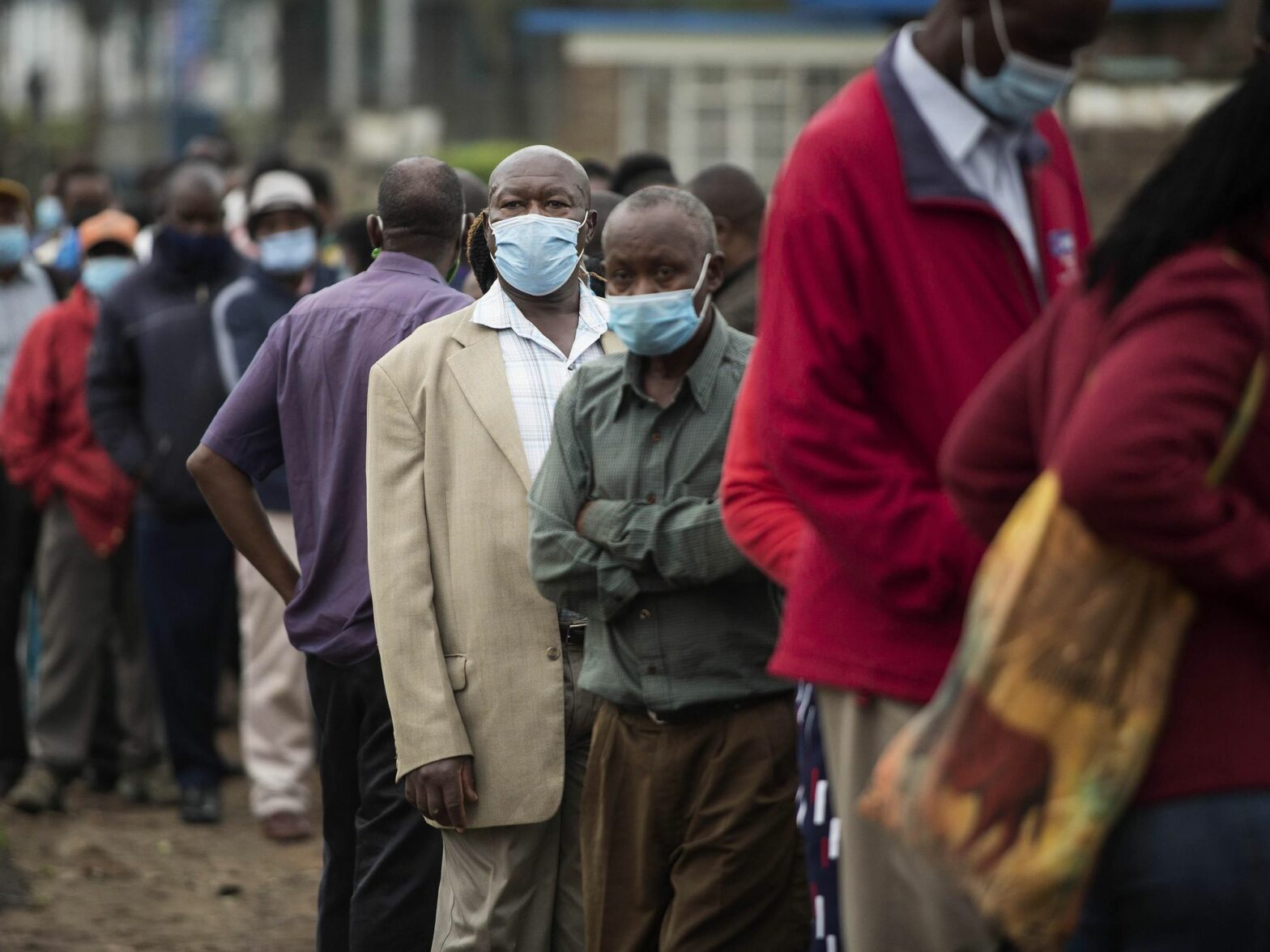
Affluent countries have begun offering COVID-19 boosters to already fully vaccinated citizens. Meanwhile in some low-income countries, access to doses is virtually non-existent.
Across the Western world, the number of men unable to have children without medical intervention is growing. Health specialists are raising the alarm and scientists are struggling to find the cause, while politicians are ignoring the issue.
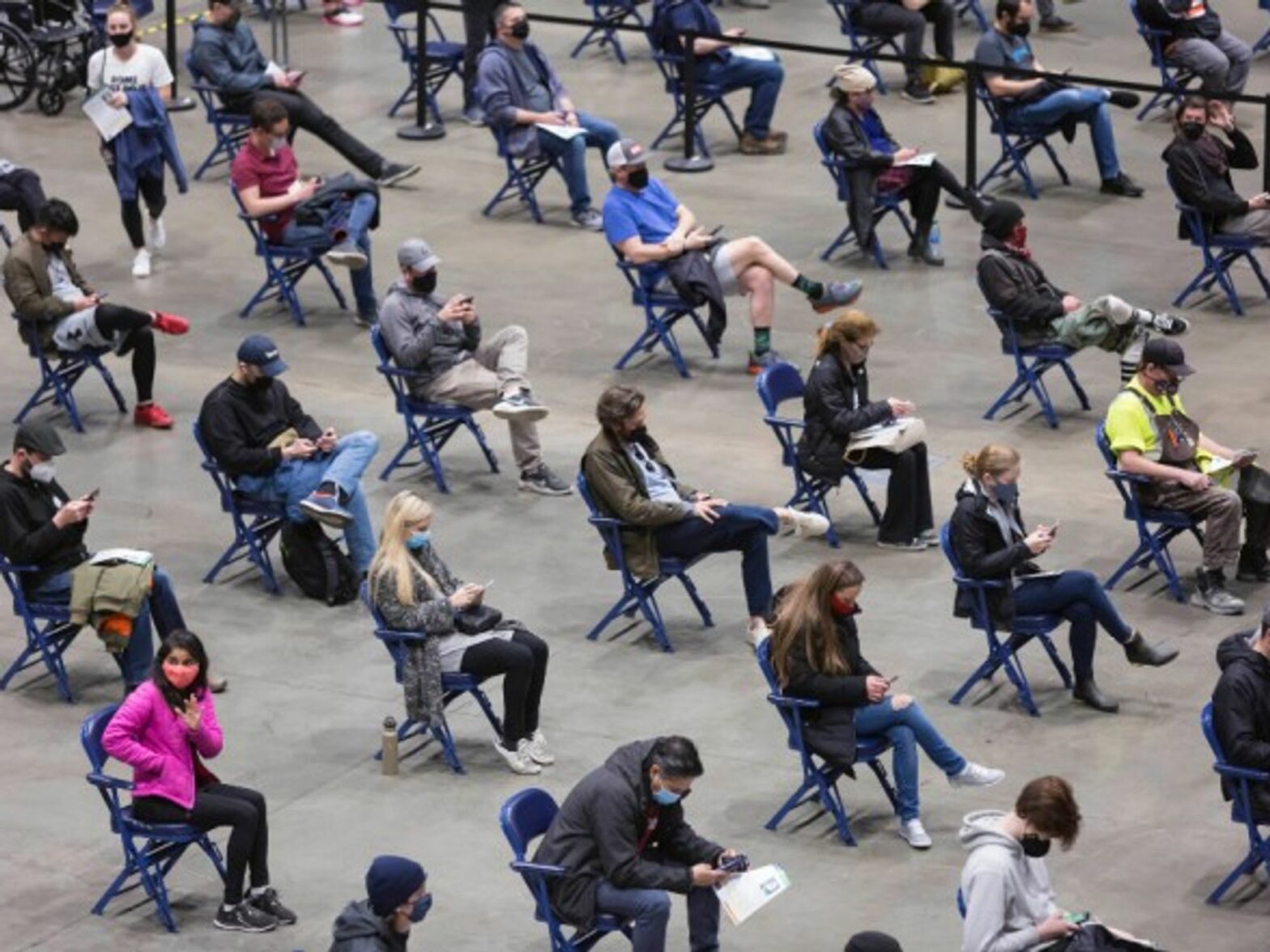
Belgium’s vaccination campaign is a prime example, computer scientist Hugues Bersini argues, of how technology can not only improve efficiency, but also, in some cases, make things more fair.
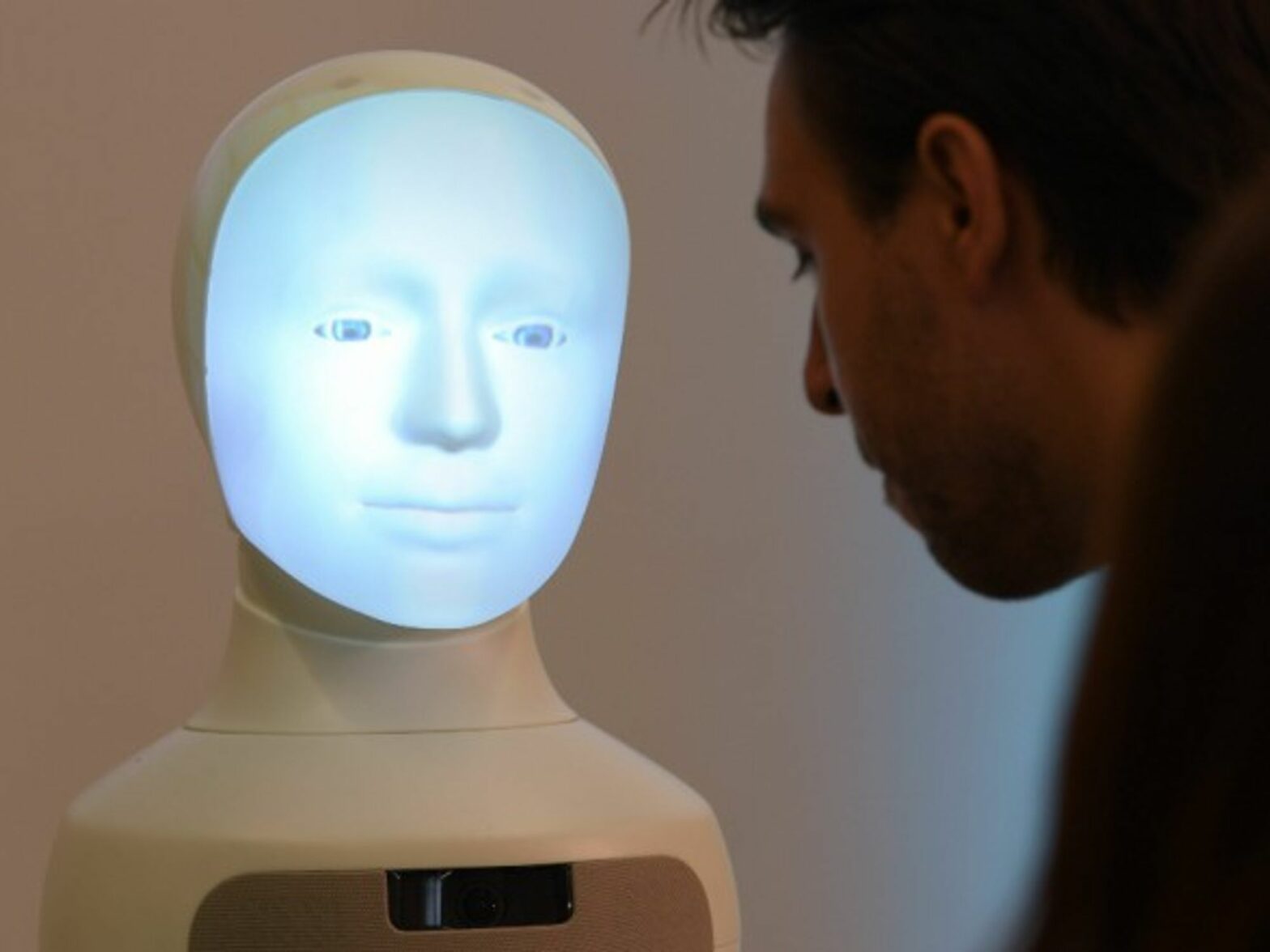
Technological progressions have always changed how we behave. But AI has much more far-reaching potential to change the very meaning of what it is to be a human.
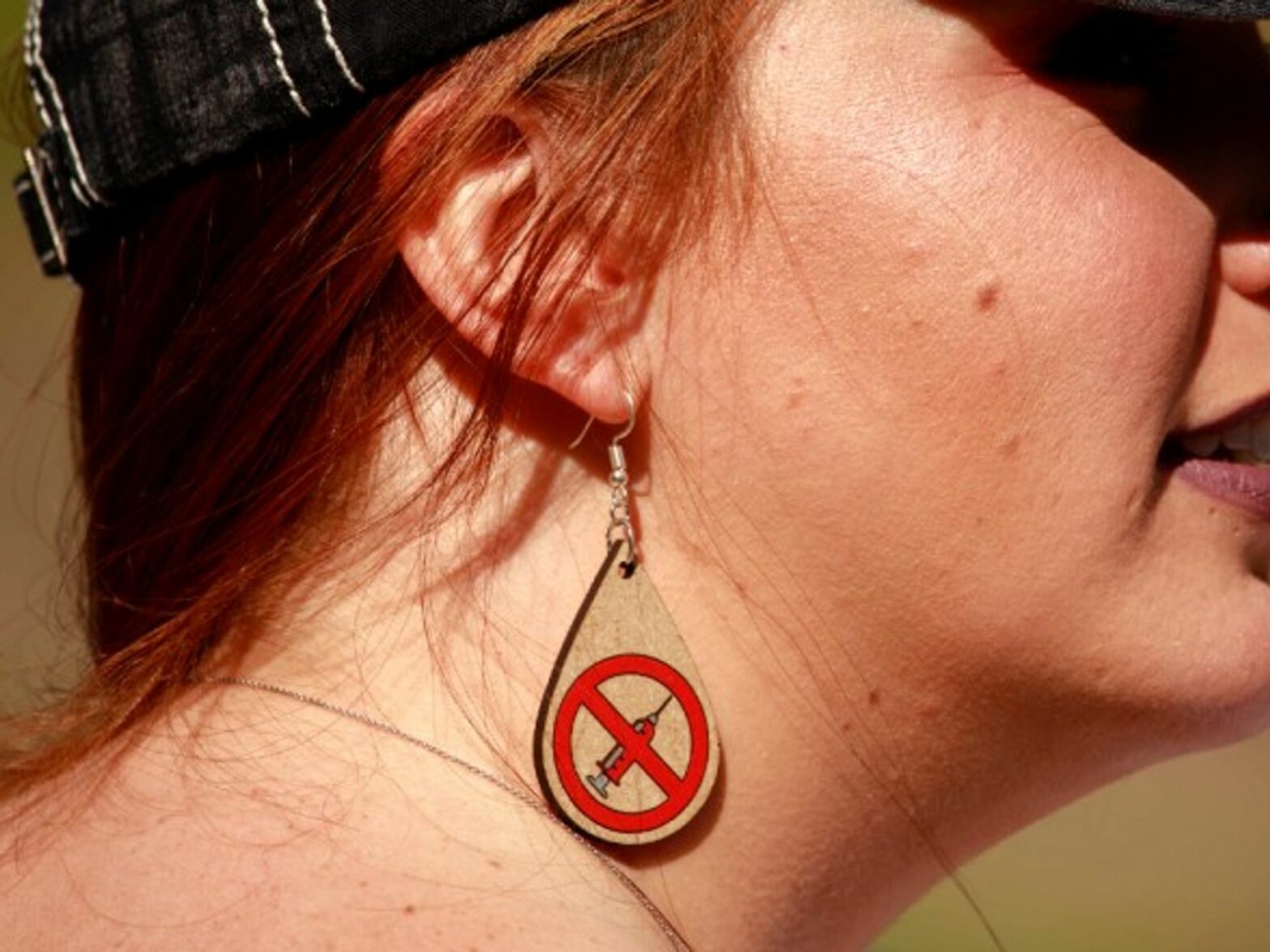
The halting of AstraZeneca’s vaccine trial is not only a reminder of the challenge of finding a cure, but will feed growing public mistrust of states and scientists.
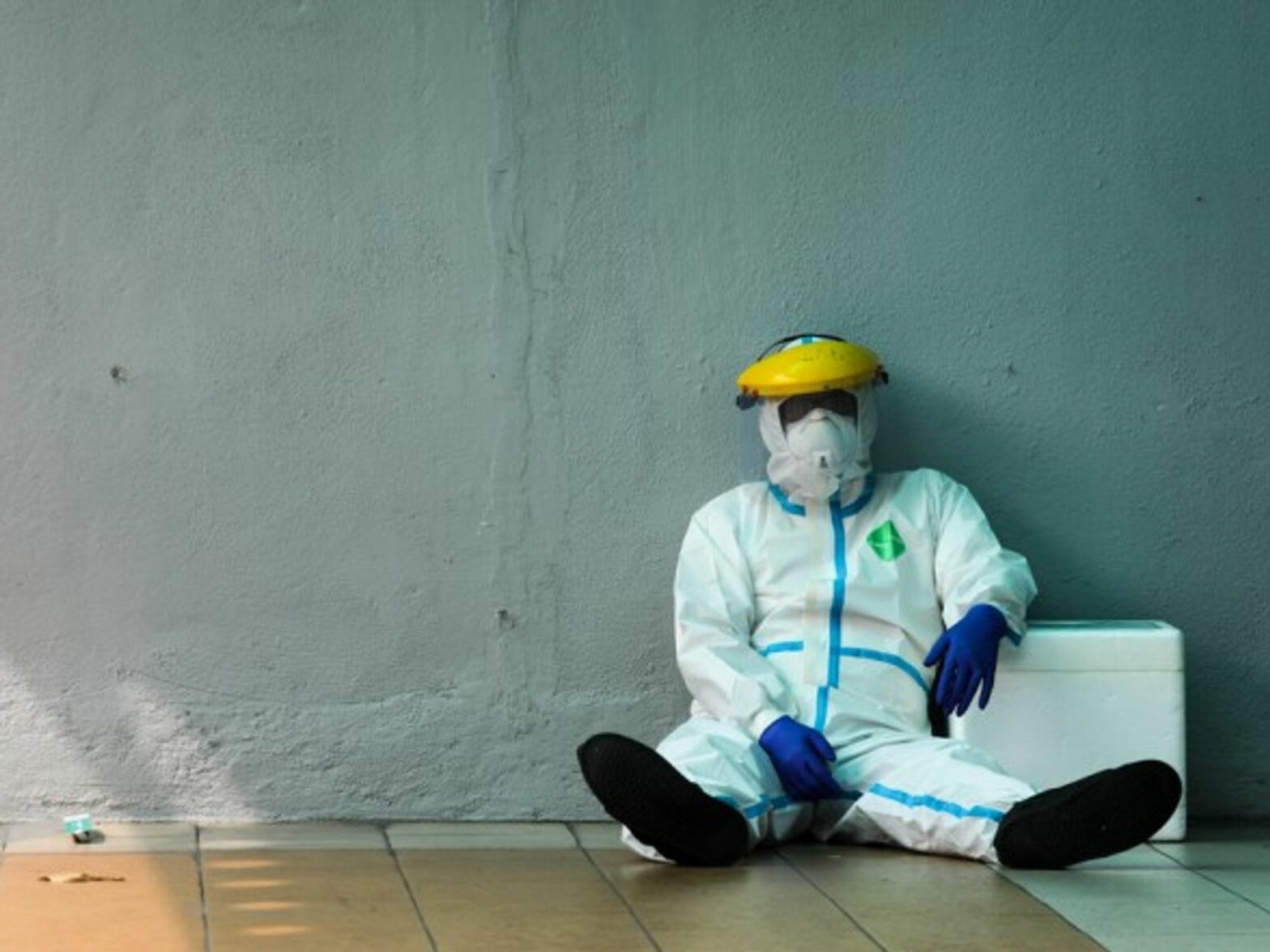
Building scientific beliefs is a long and arduous path that originates from a contradictory process. But facing a pandemic, it’s the best we’ve got.
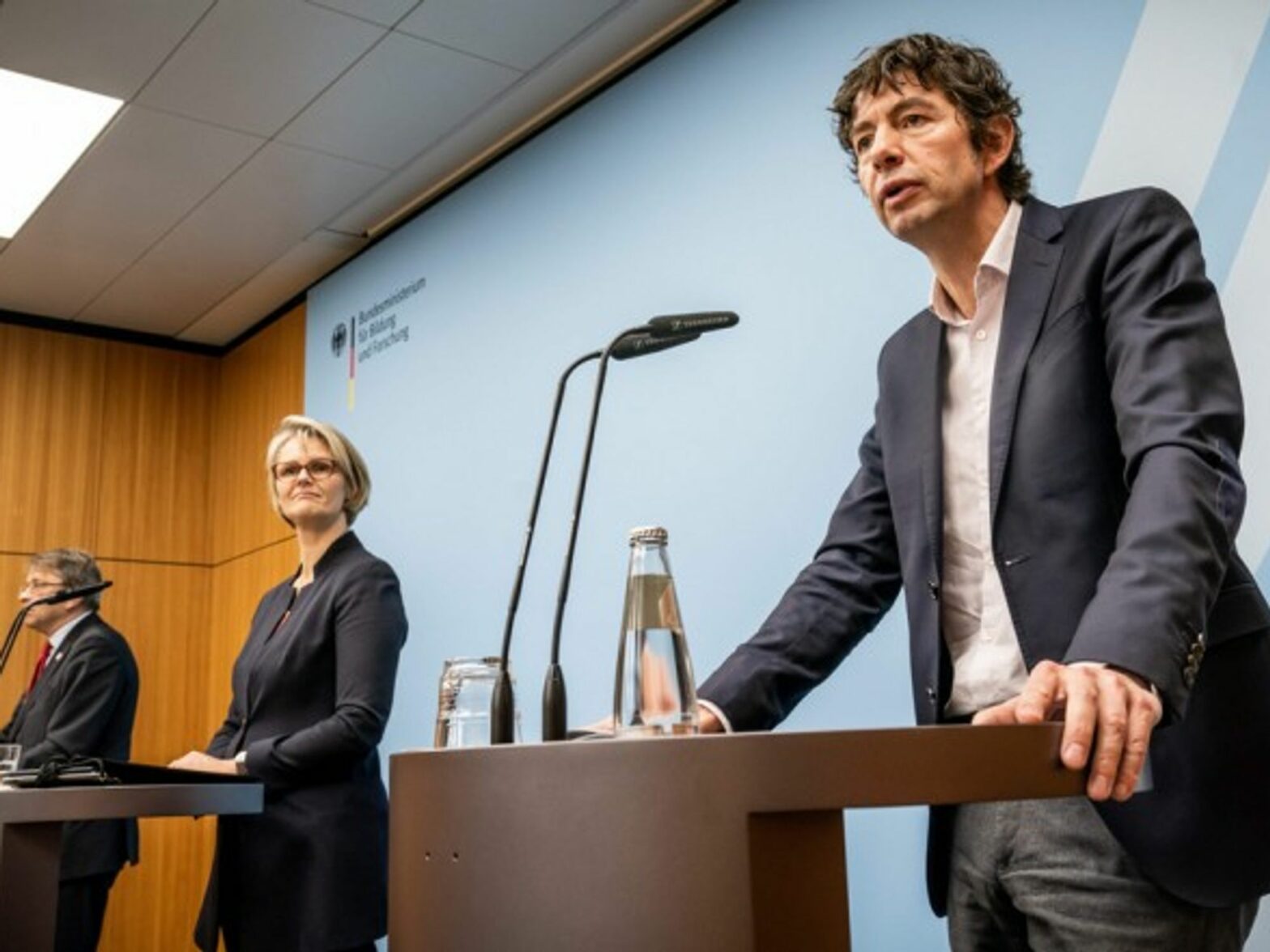
Whether or not they were looking for it, the COVID-19 crisis has given epidemiologists bonafide public power. “At this point, if Drosten says it is too early, that carries as much weight as Merkel saying it,” quipped German economist Marcel Fratzscher about his country’s top epidemiologist Christian Drosten and top politician Angela Merkel. There is […]
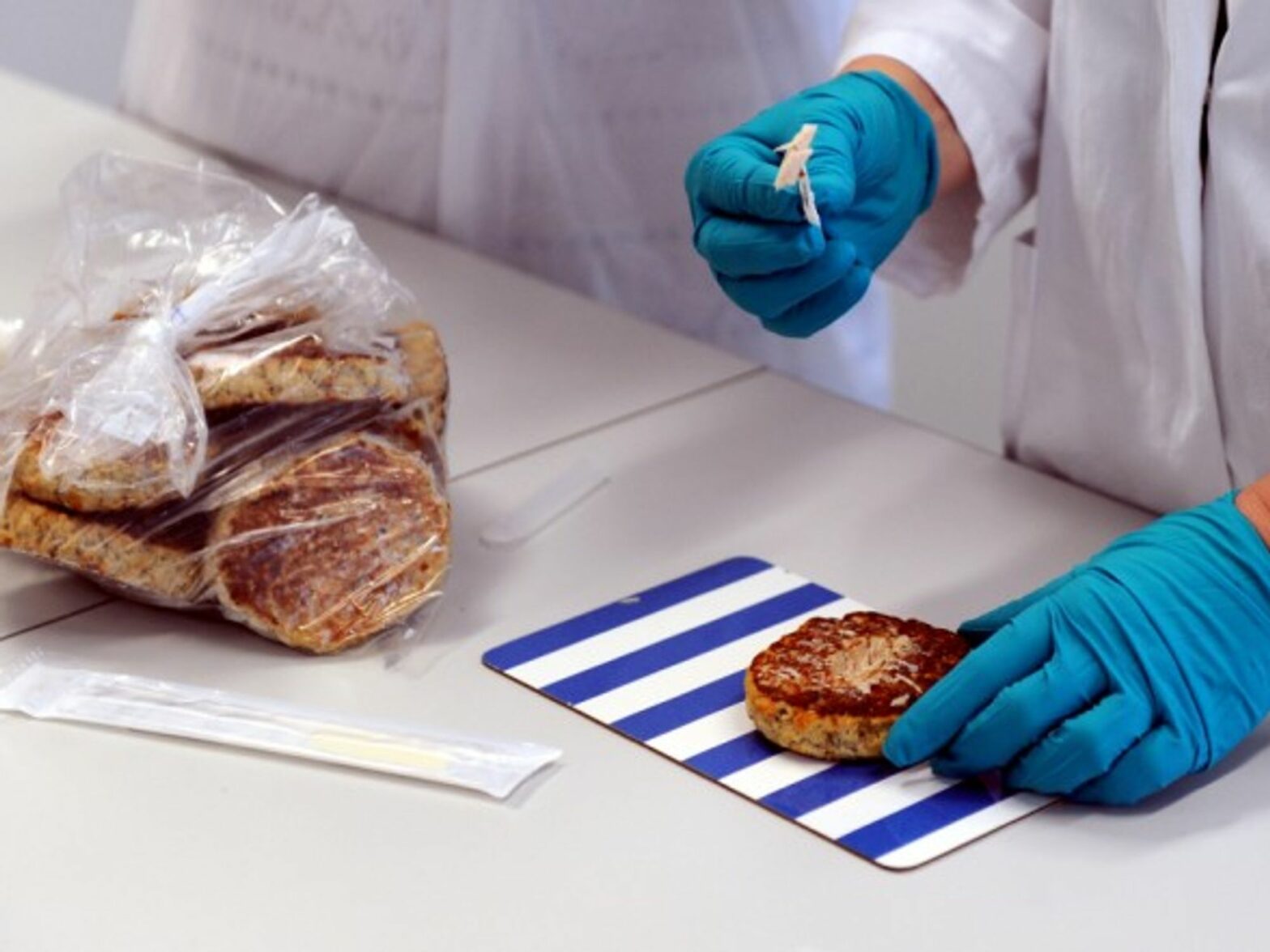
An Argentine pharmaceutical firm has begun testing lab beef production and expects to have a tasty and ‘painless’ product sizzling within a few years.

Recent studies from a French laboratory of linguistics reveal surprising aspects of human language that make it even more mysterious than it sounds.
Nothing’s wrong with praying for an illness to go away. Just don’t count on it…
The trend of what the French dubbed décroissance (degrowth) overlooks how progress and technology are bound to improve our lives.