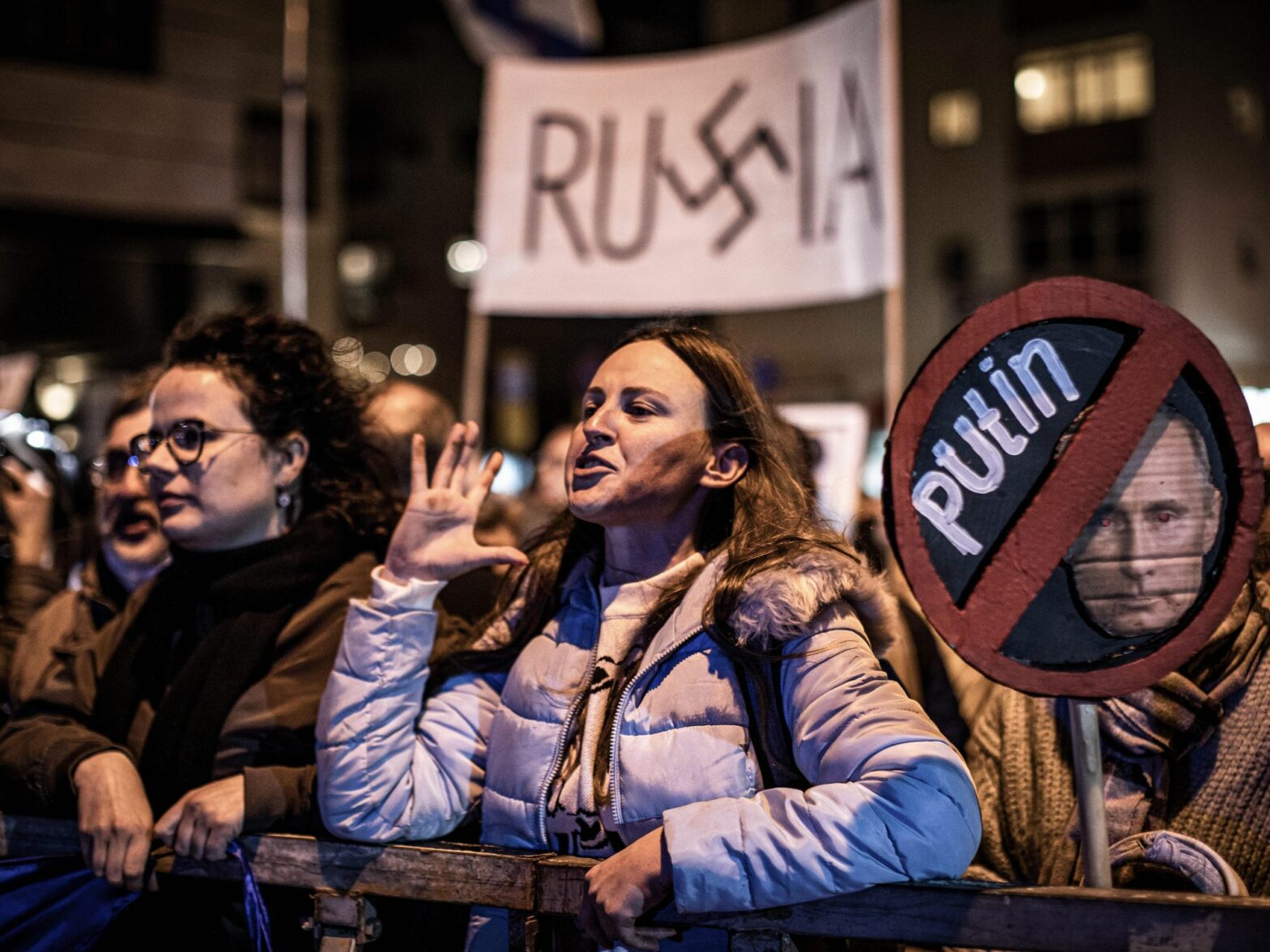
Russian speakers represent 15% of the Israeli population. And now, the war in Ukraine is bringing long-simmering tensions in their community to the surface.
 Worldcrunch
Russian speakers represent 15% of the Israeli population. And now, the war in Ukraine is bringing long-simmering tensions in their community to the surface.
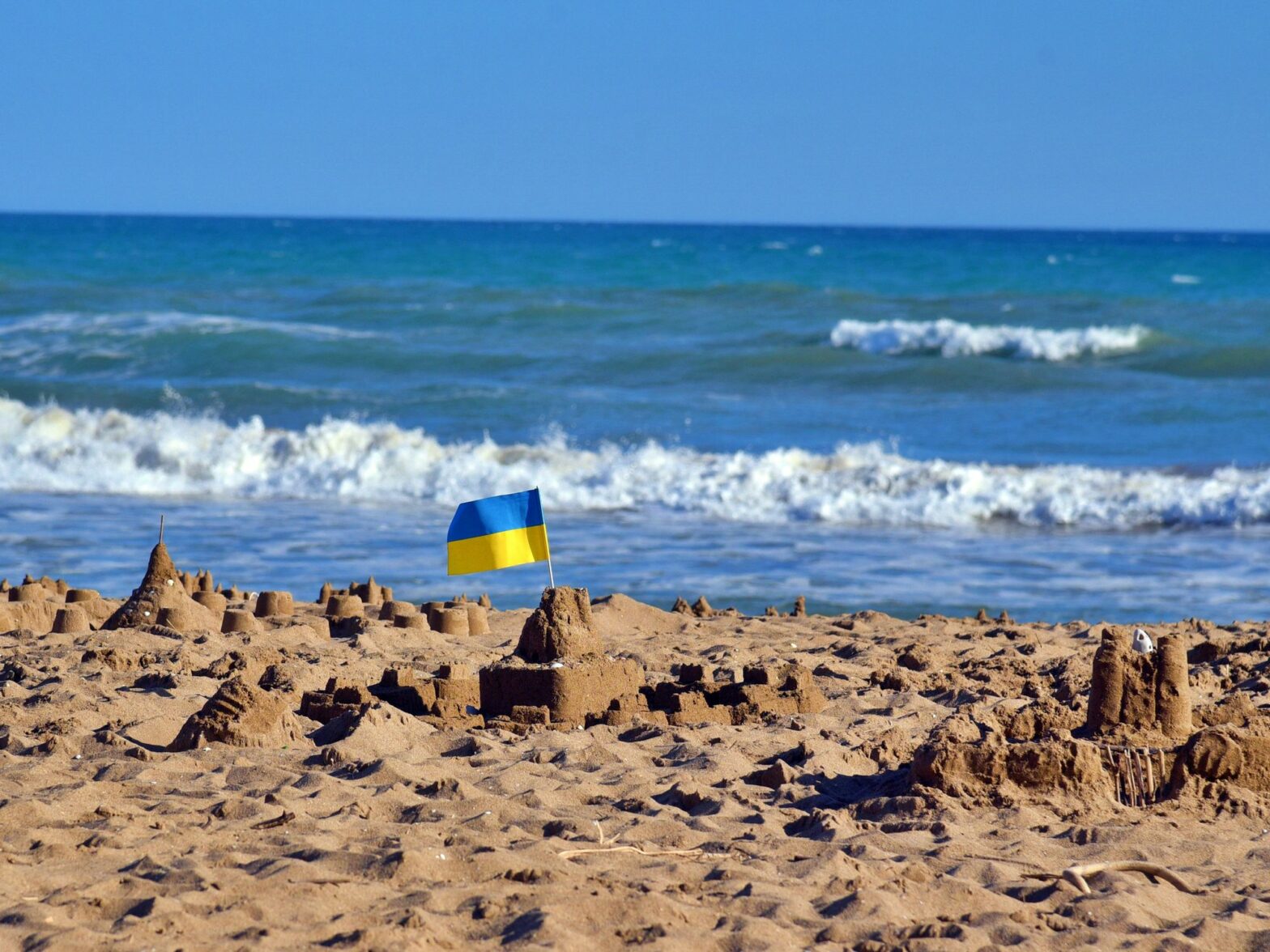
Our Ukrainian journalist has another job to help pay the bills: at a luxury hotel in the South of France. It brings the stark contrast of her life right now, and the risks facing her native country, into desperately sharp relief.
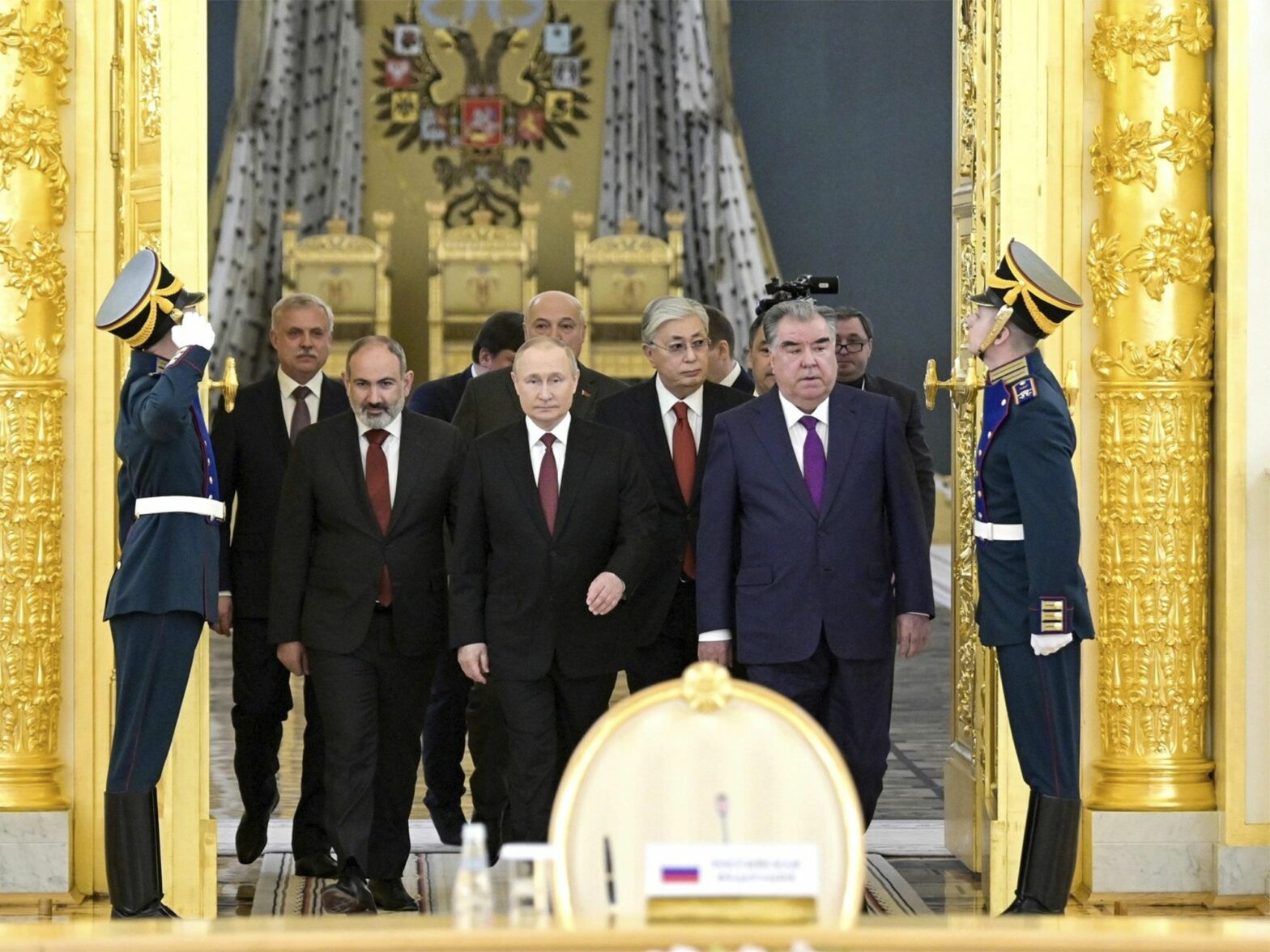
Analysts have closely followed whether Belarus, a loyal Kremlin ally, will invade its neighbor. But even though the Belarusian president toes the Kremlin line, he is unlikely to want to get in over his head in Ukraine.
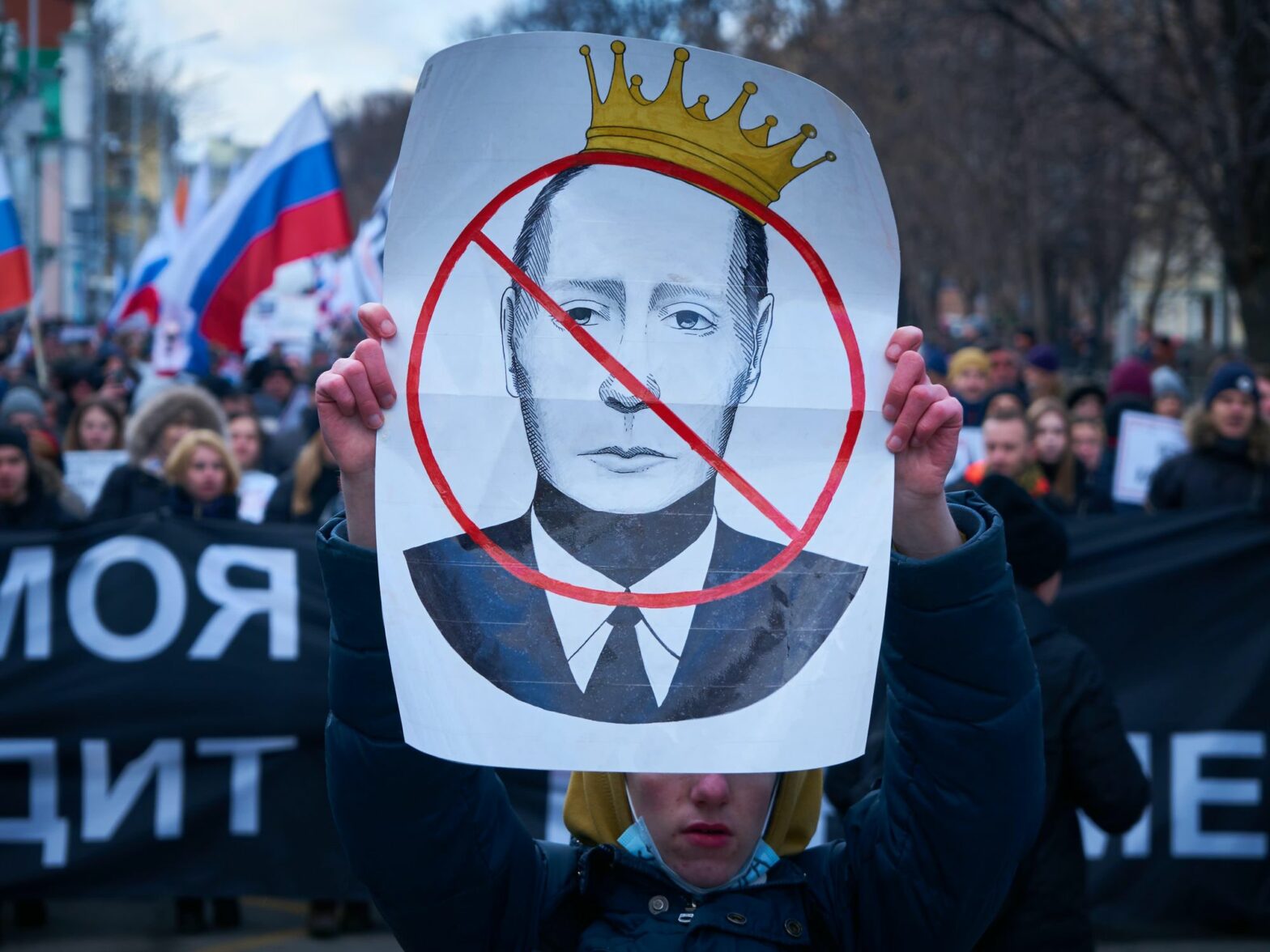
French President Emmanuel Macron is making a point of keeping an open dialogue with Putin, hoping to avoid a world war at all costs. But he needs to get his historical comparisons (and world wars) in order.
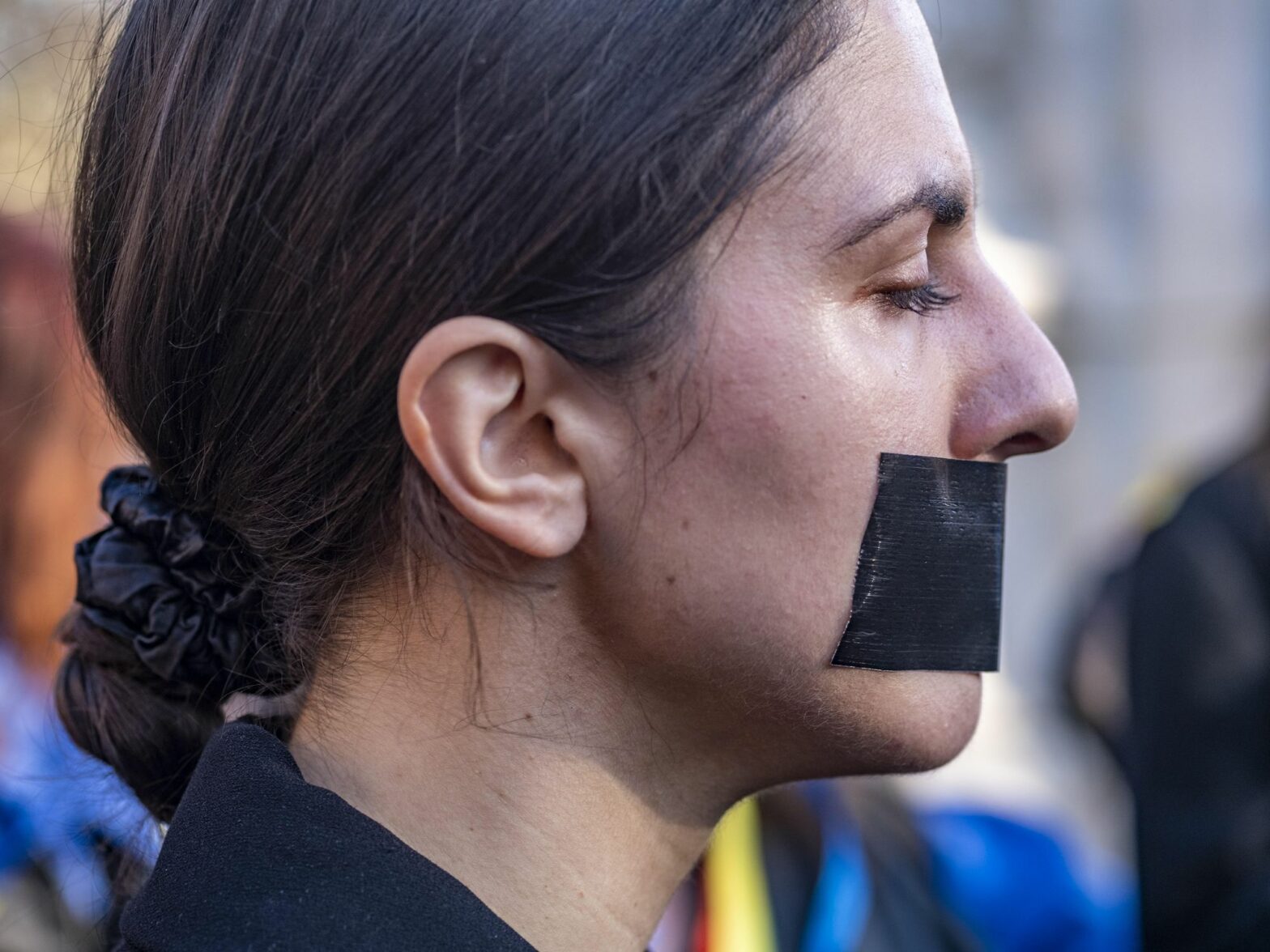
English Professor Jacob Edmond takes a look at the creative ways that Russian journalists, writers and artists are turning forced silence into powerful statements.
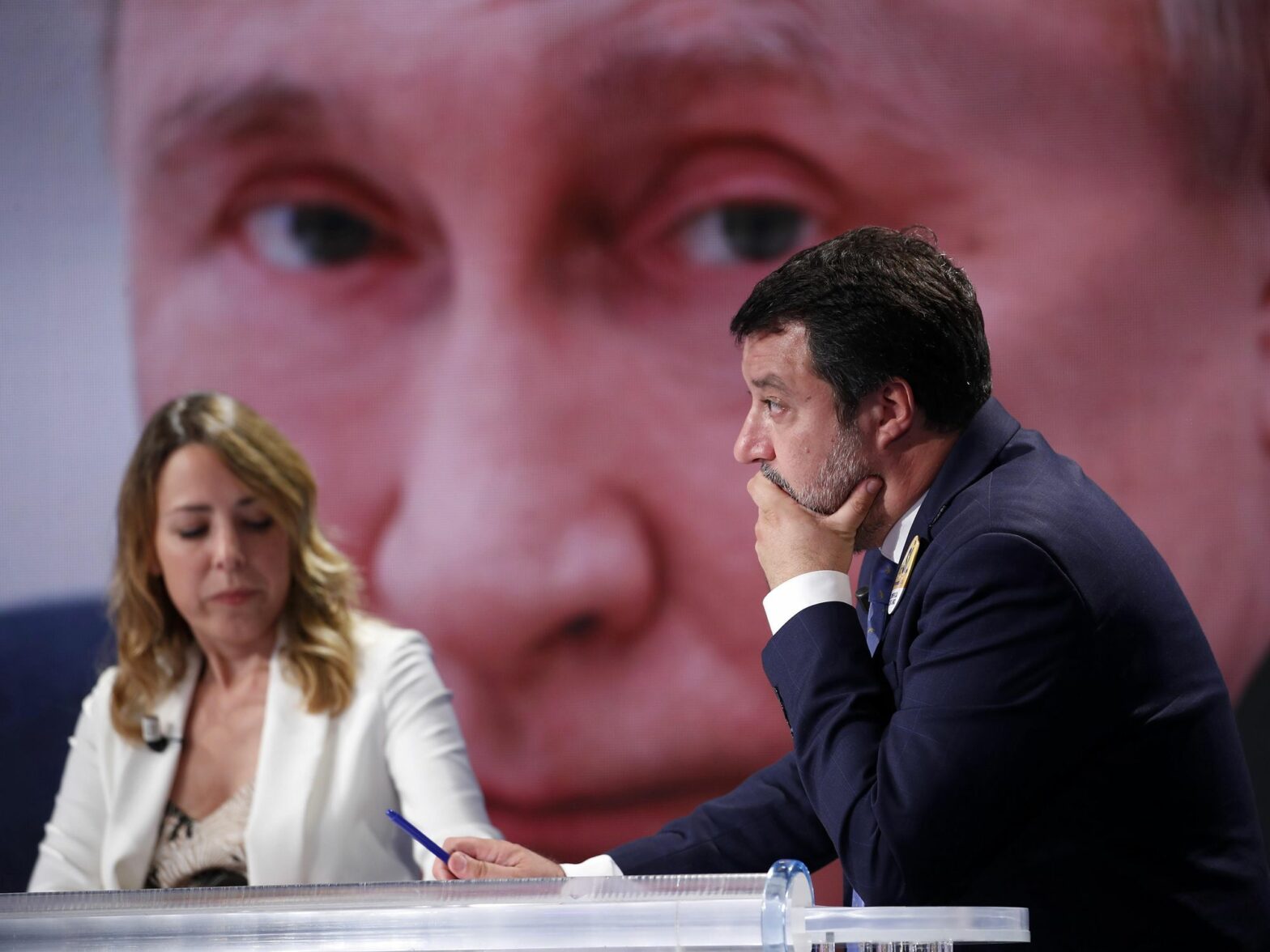
While there are Moscow backers across Europe and even in the U.S., they mostly remain on the margins. In Italy, however, support for the Kremlin runs surprisingly wide, and deep.
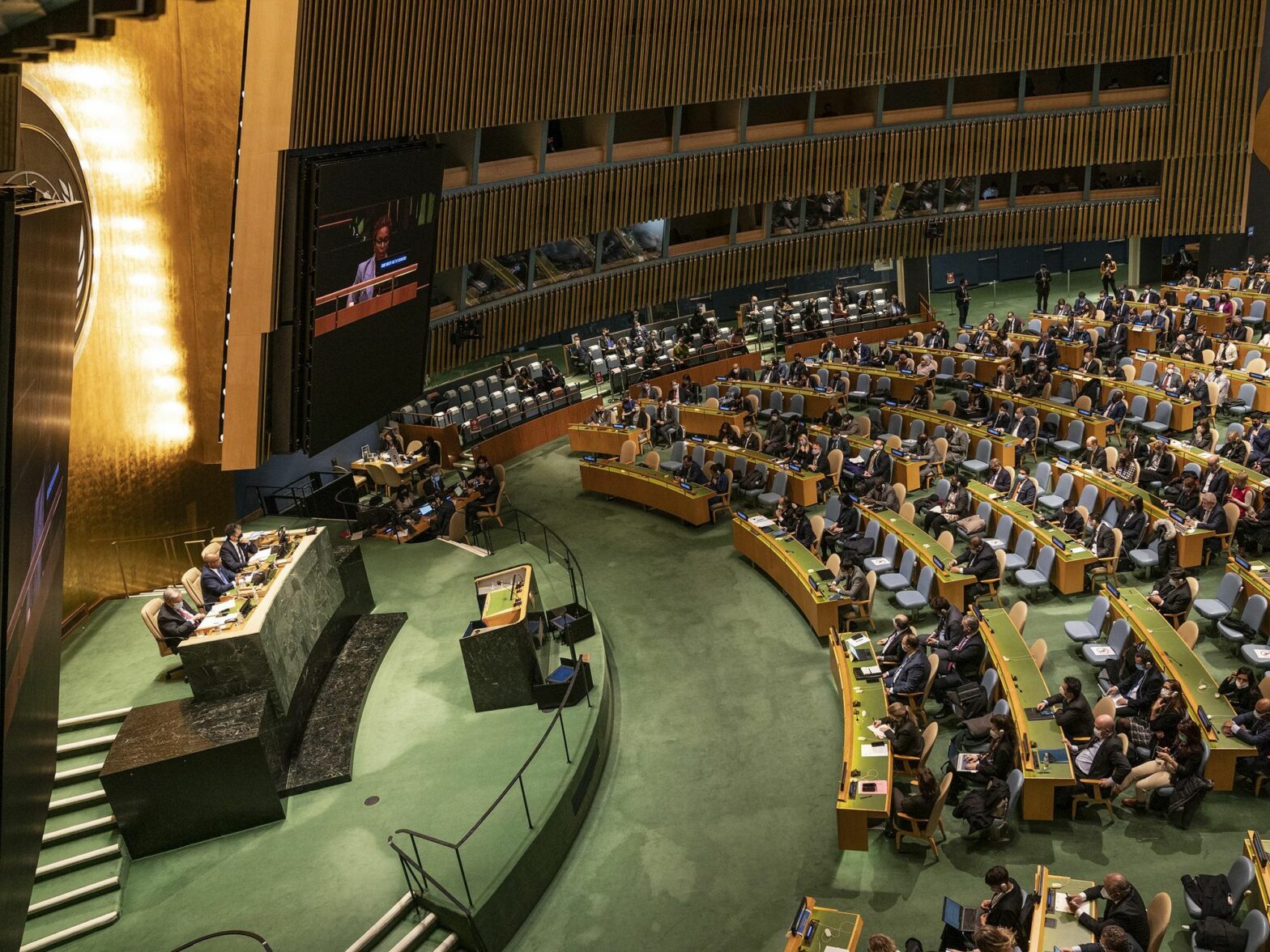
With a passion that recalls the aftermath of World War II, politicians and commentators are demanding a global order that takes seriously the rules of the United Nations Charter — notably on respect for sovereignty and fundamental human rights.
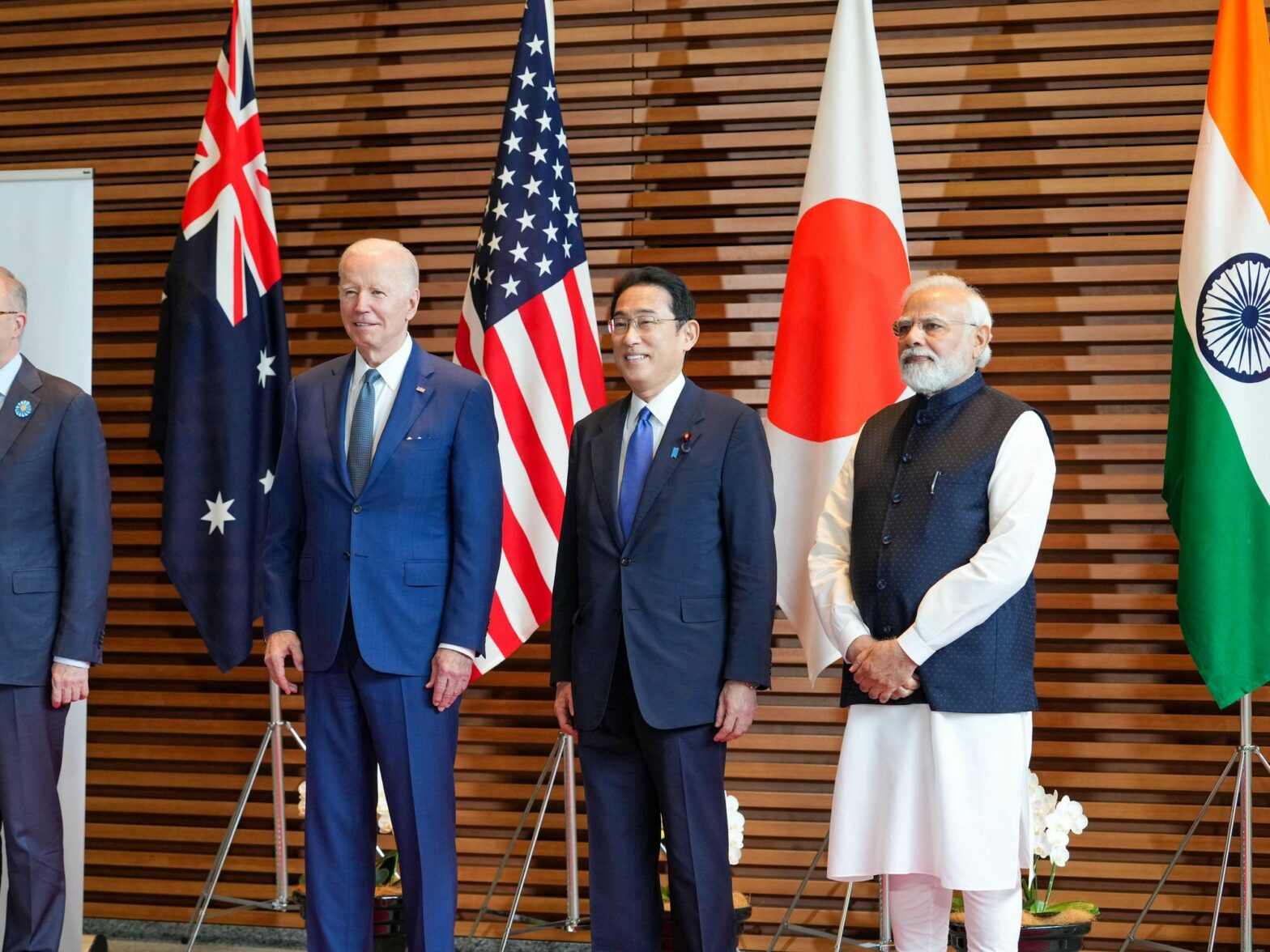
Russia’s invasion of Ukraine changed the rules of diplomacy. As Russia and China show budding unity, the world’s diplomats must look at the effects of Eastern Europe on East Asia — and Taiwan specifically.
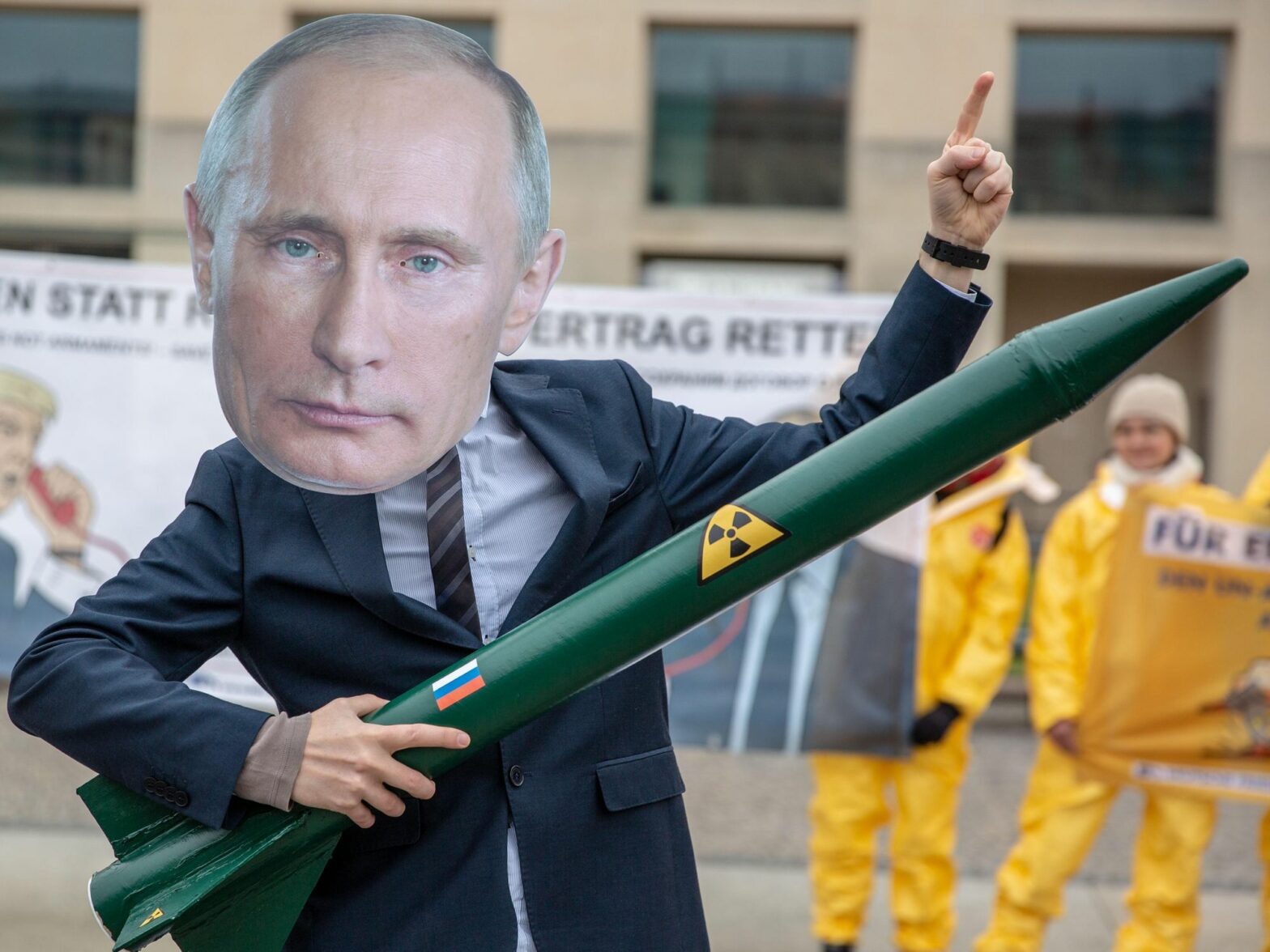
The risk of the Kremlin launching a tactical nuclear weapon on Ukraine is small but not impossible. The Western response would itself set off a counter-response, which might contain or spiral to the worst-case scenario.
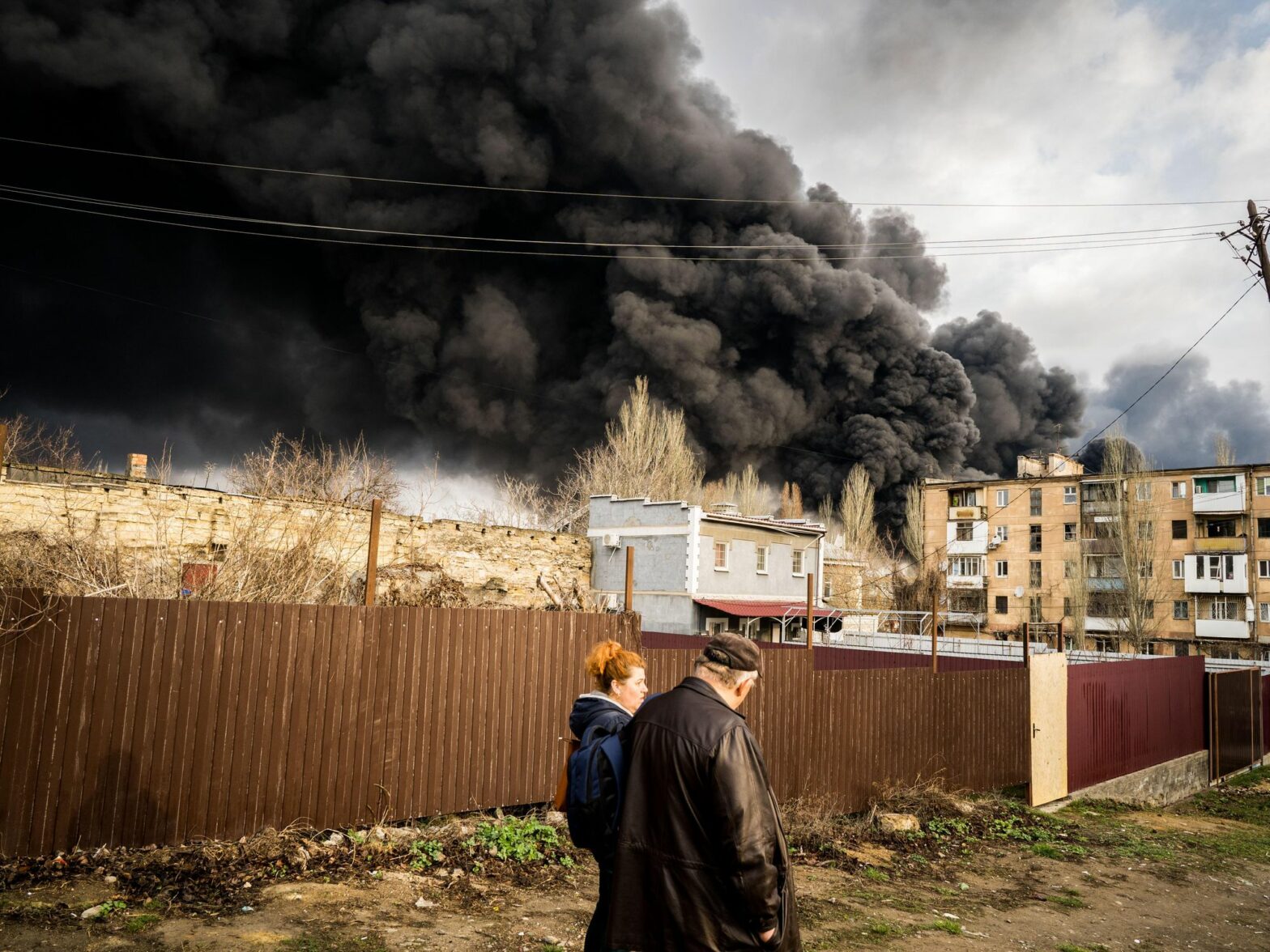
After the fall of Mariupol, Vladimir Putin appears to have his eye on another iconic southern coastal city, with a strong identity and strategic location.
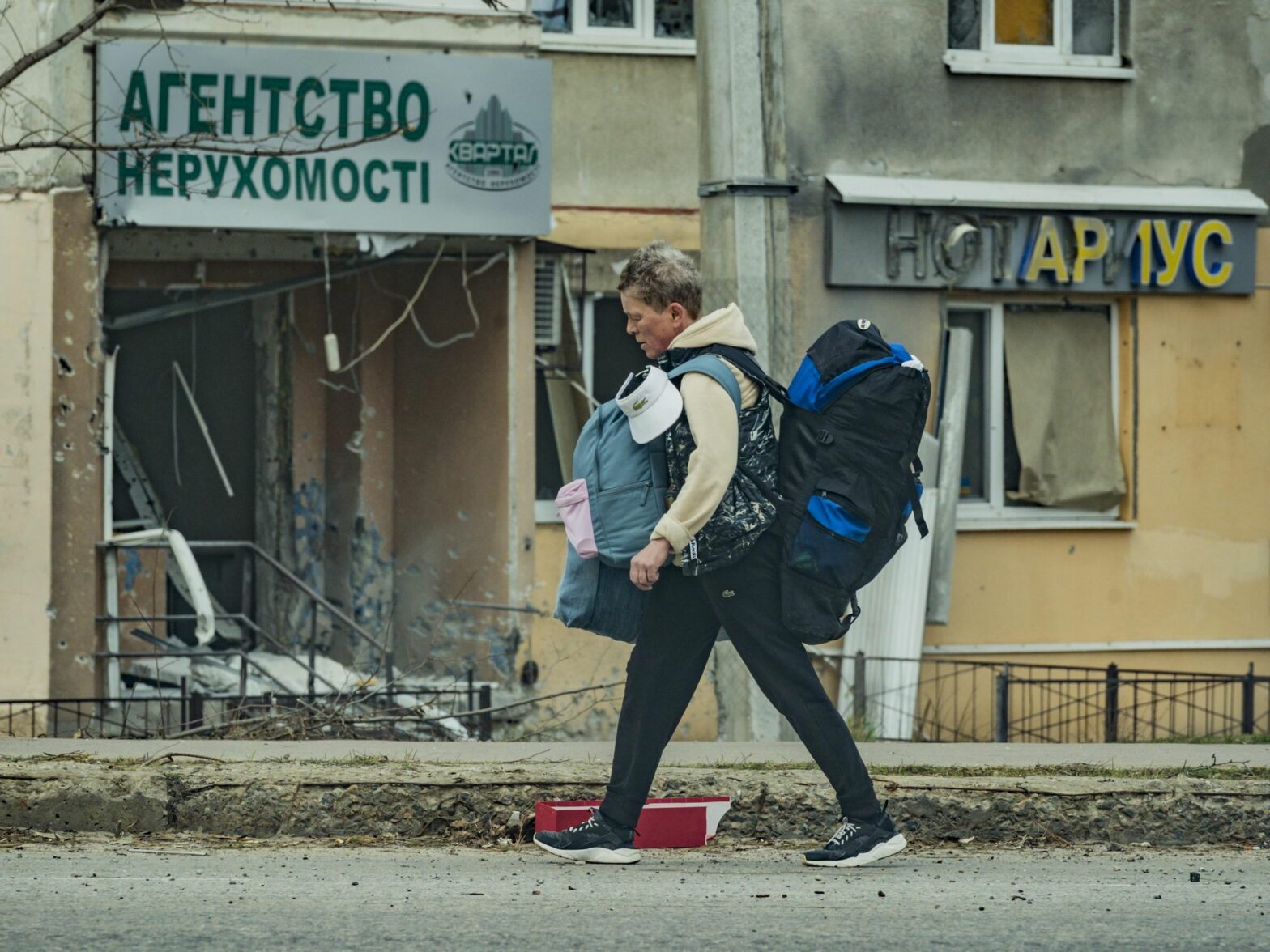
Russian forces have been pushed out of the area around Kharkiv. Villages that were occupied for two months are free once more — but utterly destroyed. And thousands of people have disappeared without a trace.
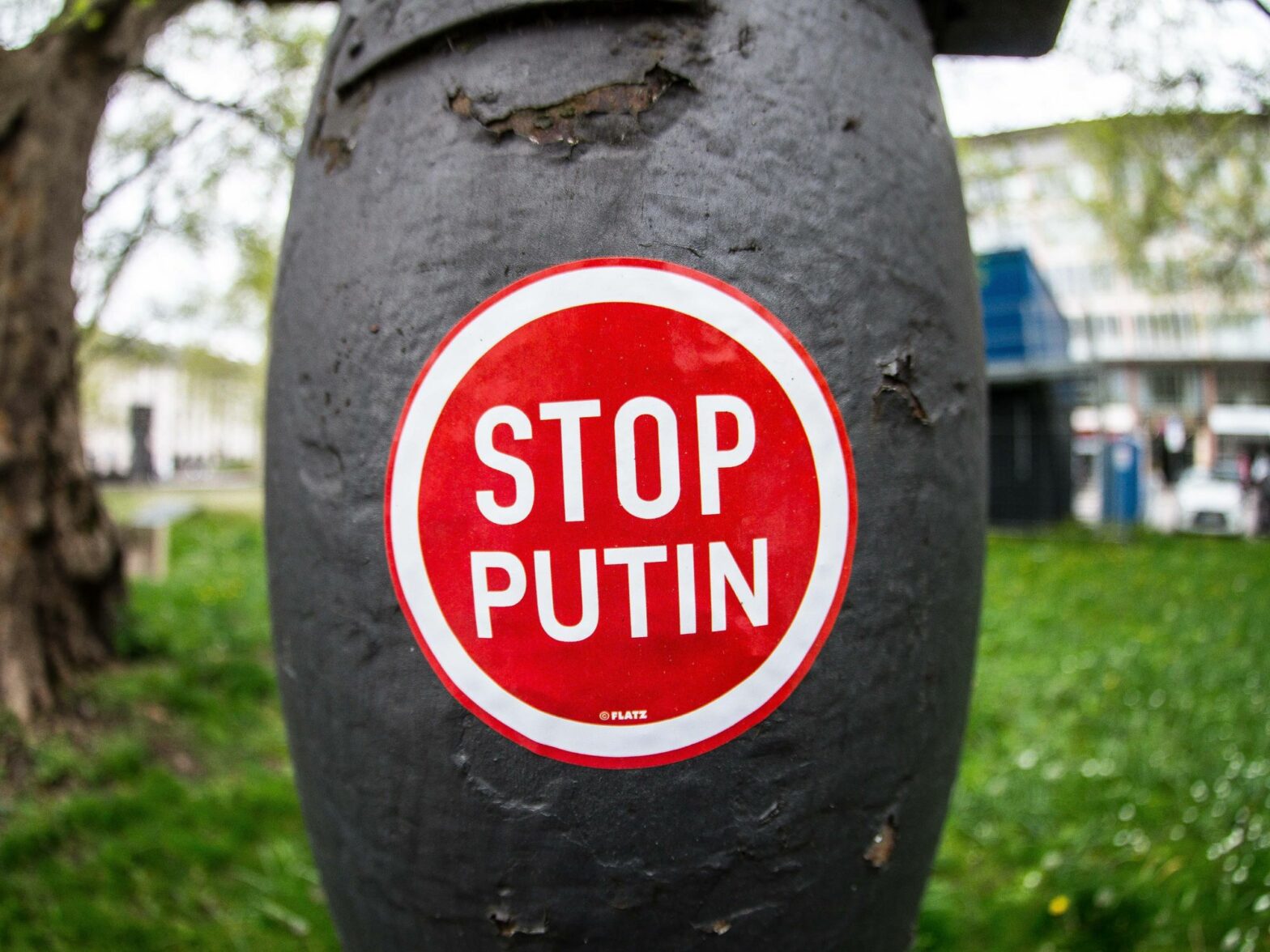
Despite legal threats or worse, a notable minority of Russians, from students to elected officials, are finding ways to oppose the invasion of Ukraine. Meanwhile, many others have left the country since the war began, creating a brain drain that could last for many years.
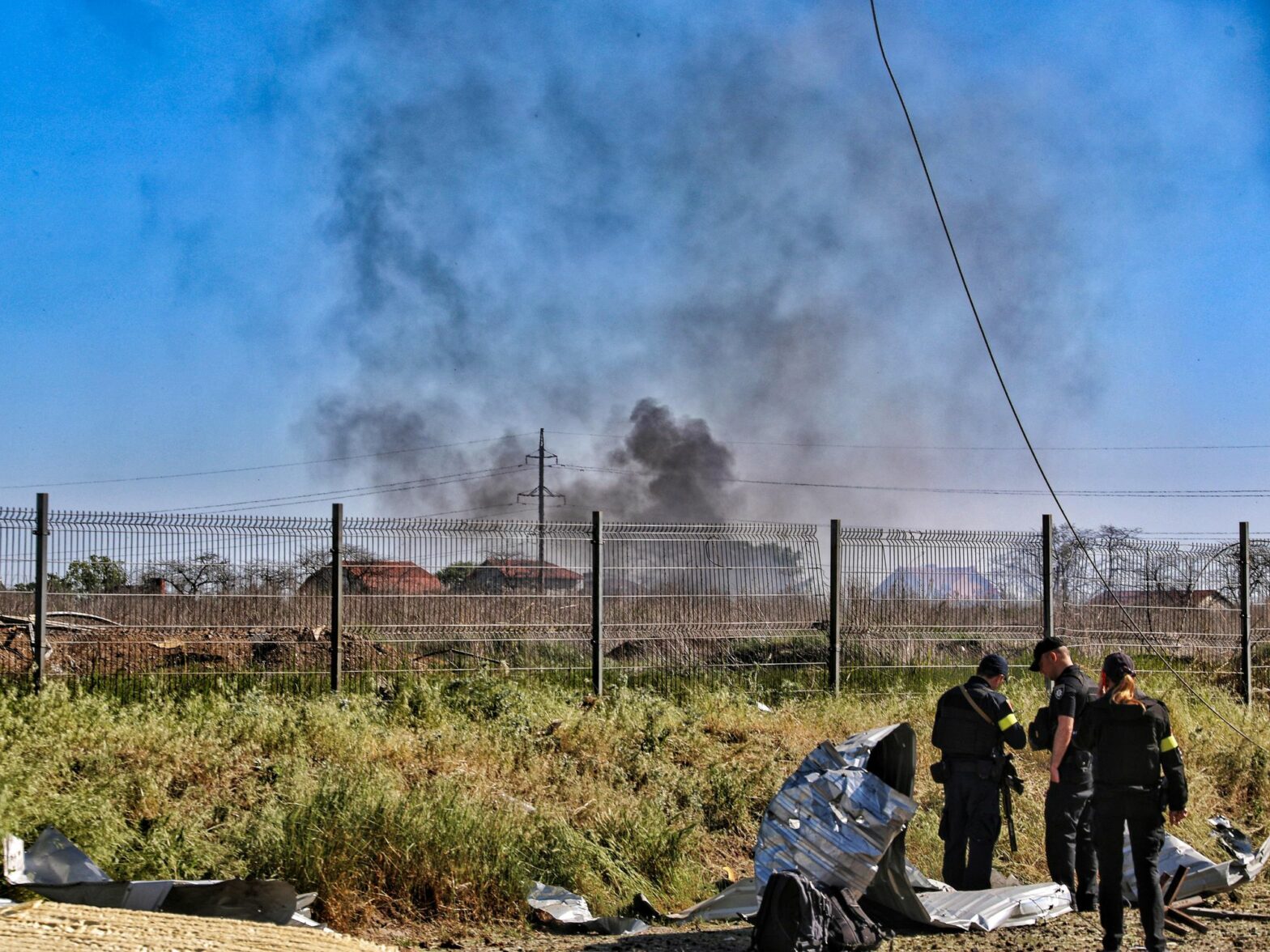
Other top news breaking: UN says civilian toll much higher, Moscow metro workers may be forced to fight, Lithuanian Parliament calls war “genocide”, special Pulitzer for Ukrainian journalists, and more.
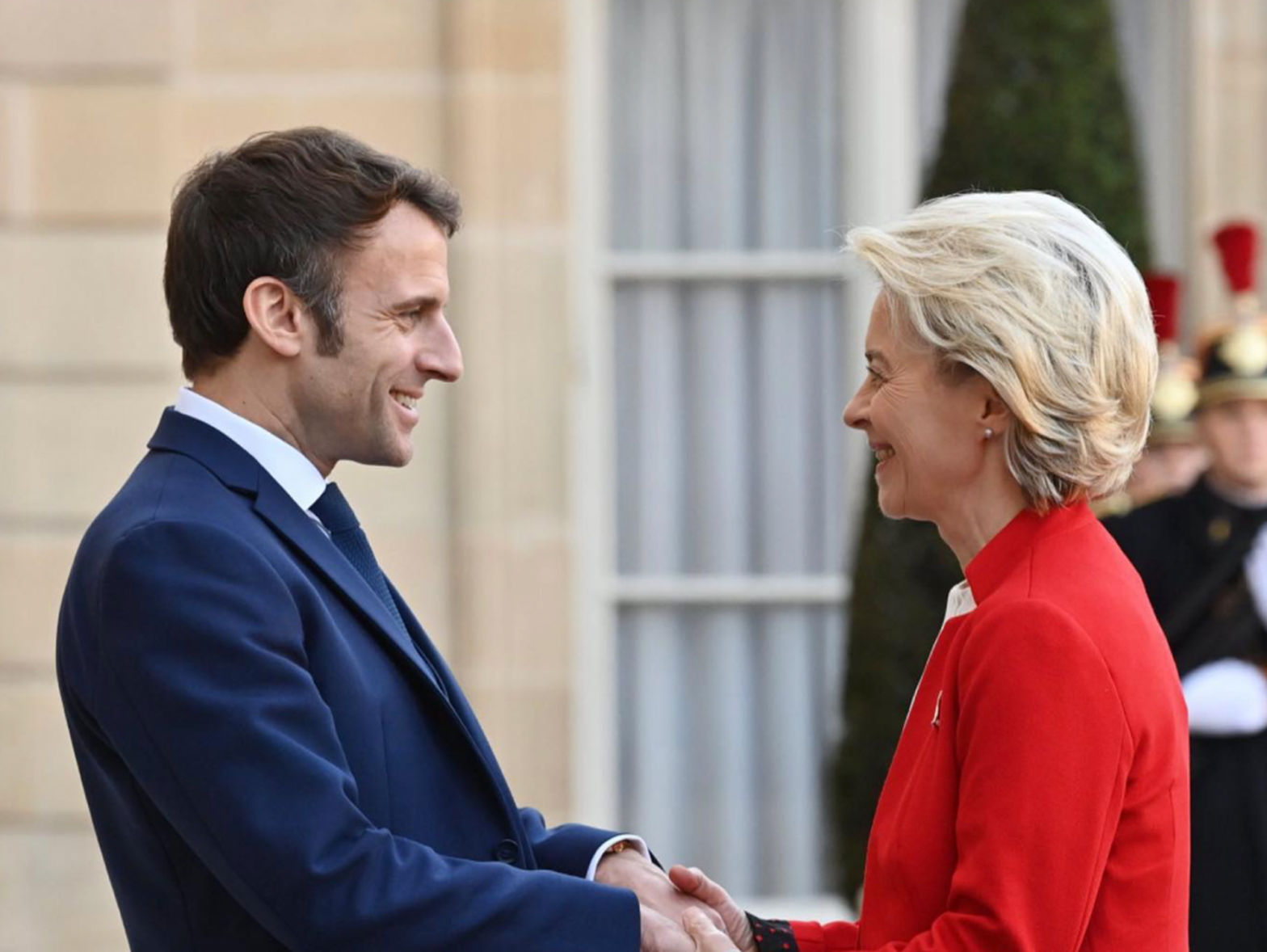
Having long articulated a strong pro-European stance, Emmanuel Macron’s reelection comes on the heels of Russia’s invasion of Ukraine and Angela Merkel’s departure. It is a clear opportunity for the French president to take a key leadership role in the world. How should he approach it?
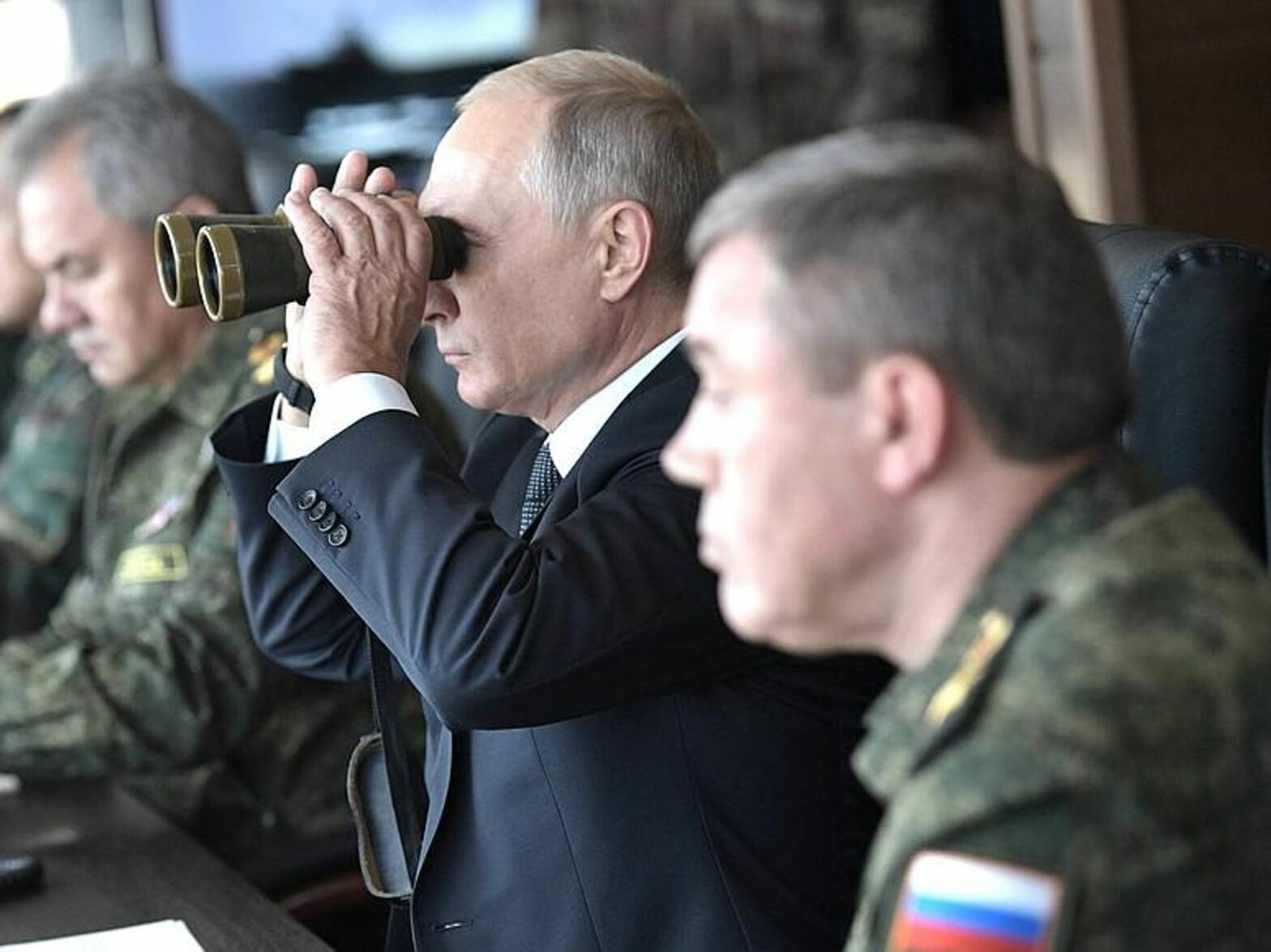
Reports are circulating that Putin might use May 9, Russia’s “Victory Day”, to announce a mass mobilization of the war in Ukraine. That would be a huge escalation for what’s still referred to as a “special military operation,” and has so far mostly counted on recruits far from major population centers.
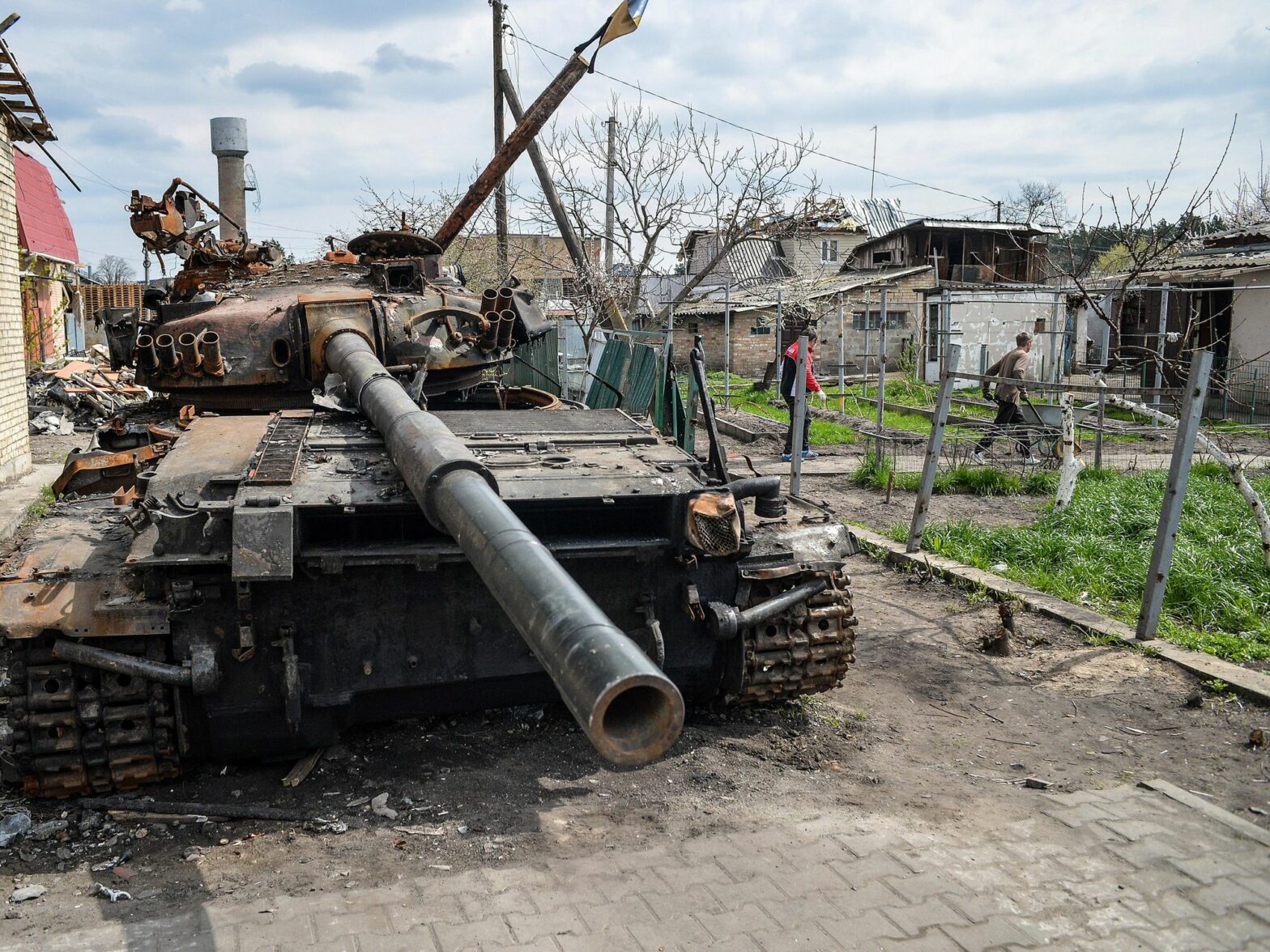
U.S. Secretary of Defense Lloyd Austin said Washington believes Ukraine can win the war, and that Russia must be “weakened” for the foreseeable future. But to end a nationalistic-aggressive empire will require unity and courage by the West.
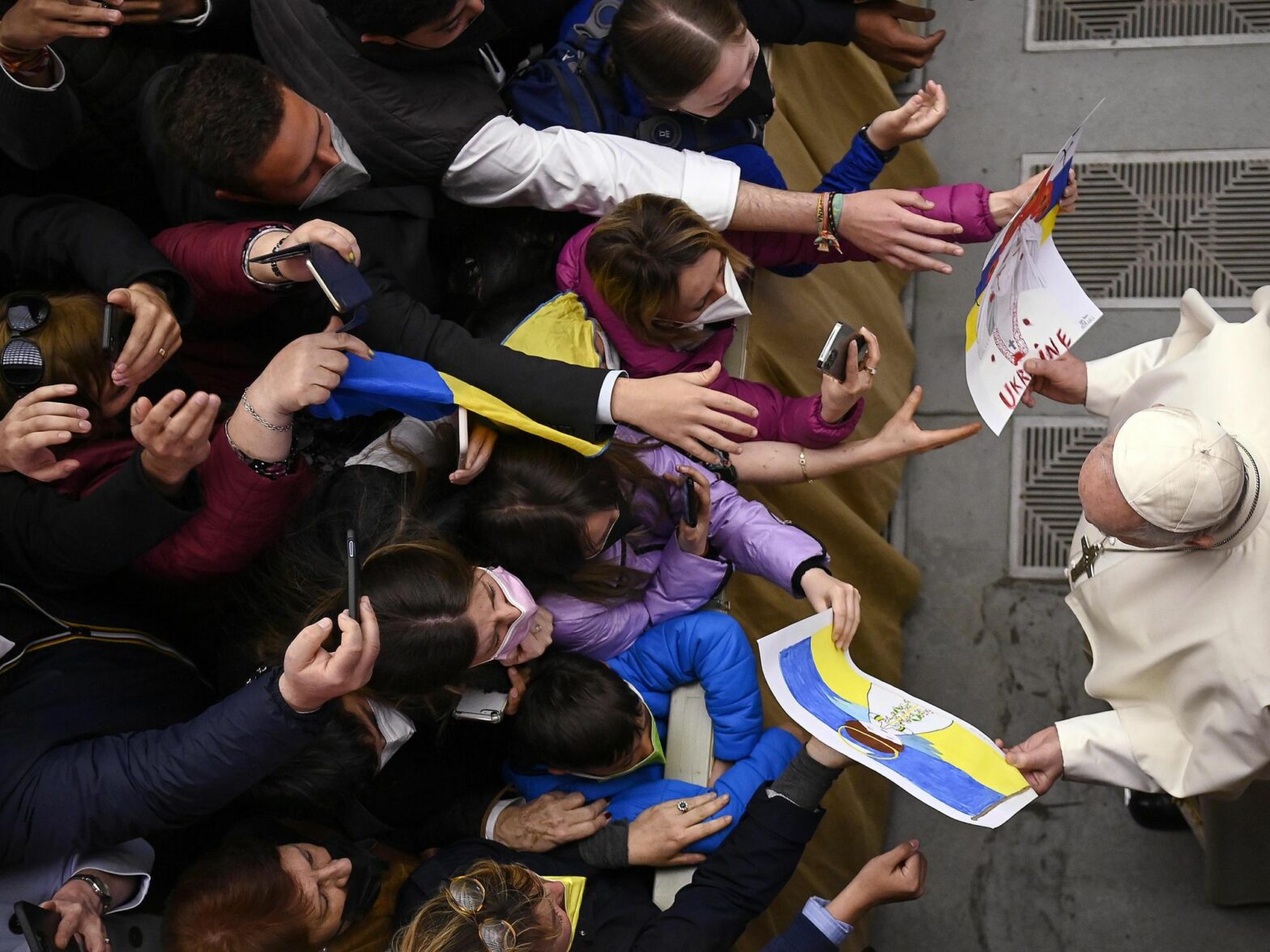
The Pope is being urged to “go to Kyiv,” and name Putin as the aggressor in the war in Ukraine. If he did so, the pontiff would renounce his own religious charisma, and ultimately sap him of his unique role and power as the ultimate messenger of peace.
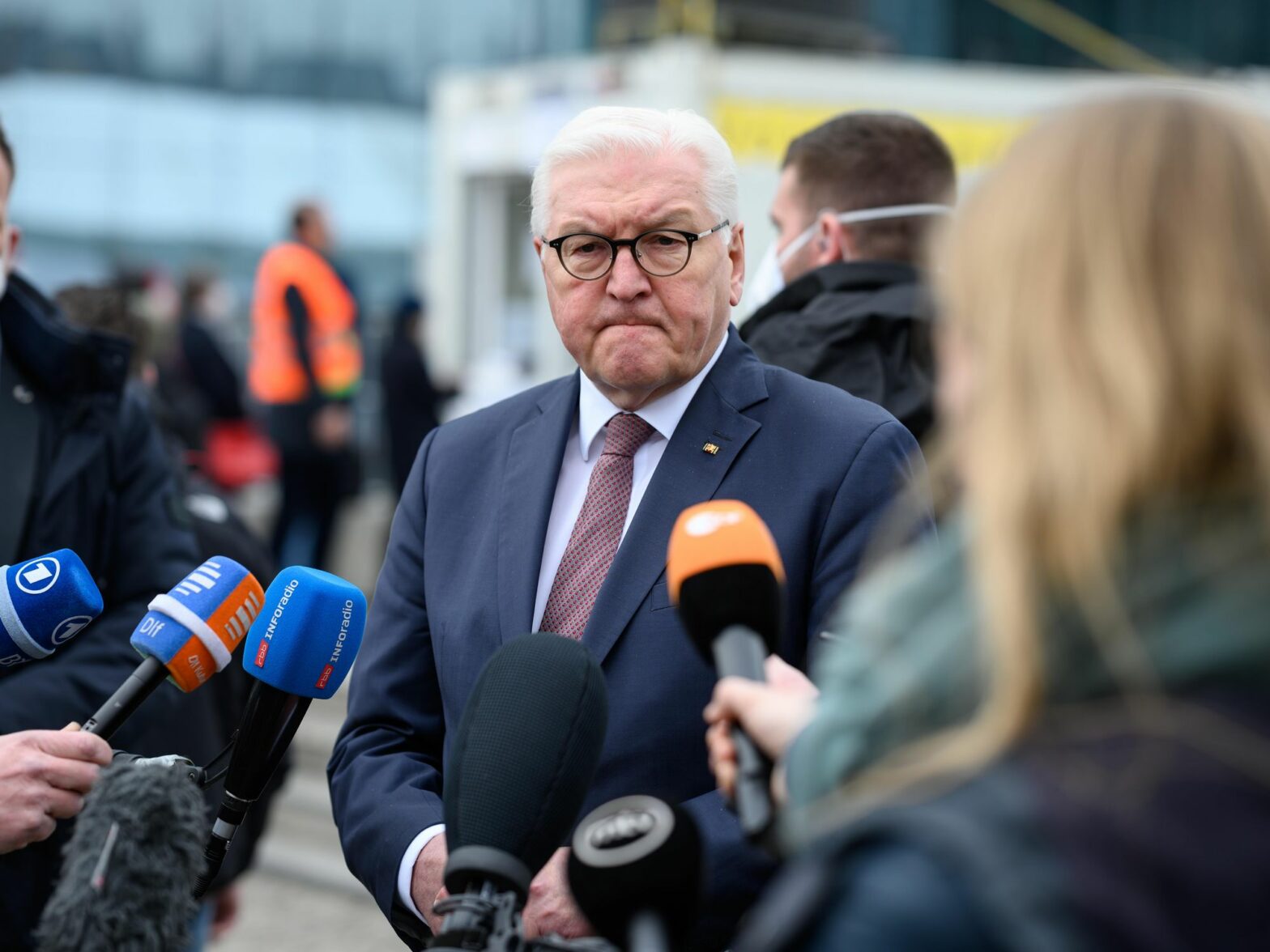
Why was German President Frank-Walter Steinmeier disinvited to the Ukrainian capital? The case is being used by the German elite for their own benefit, or rather, for Russia, whose economic and political treasures in Europe are guarded by the same Steinmeier.
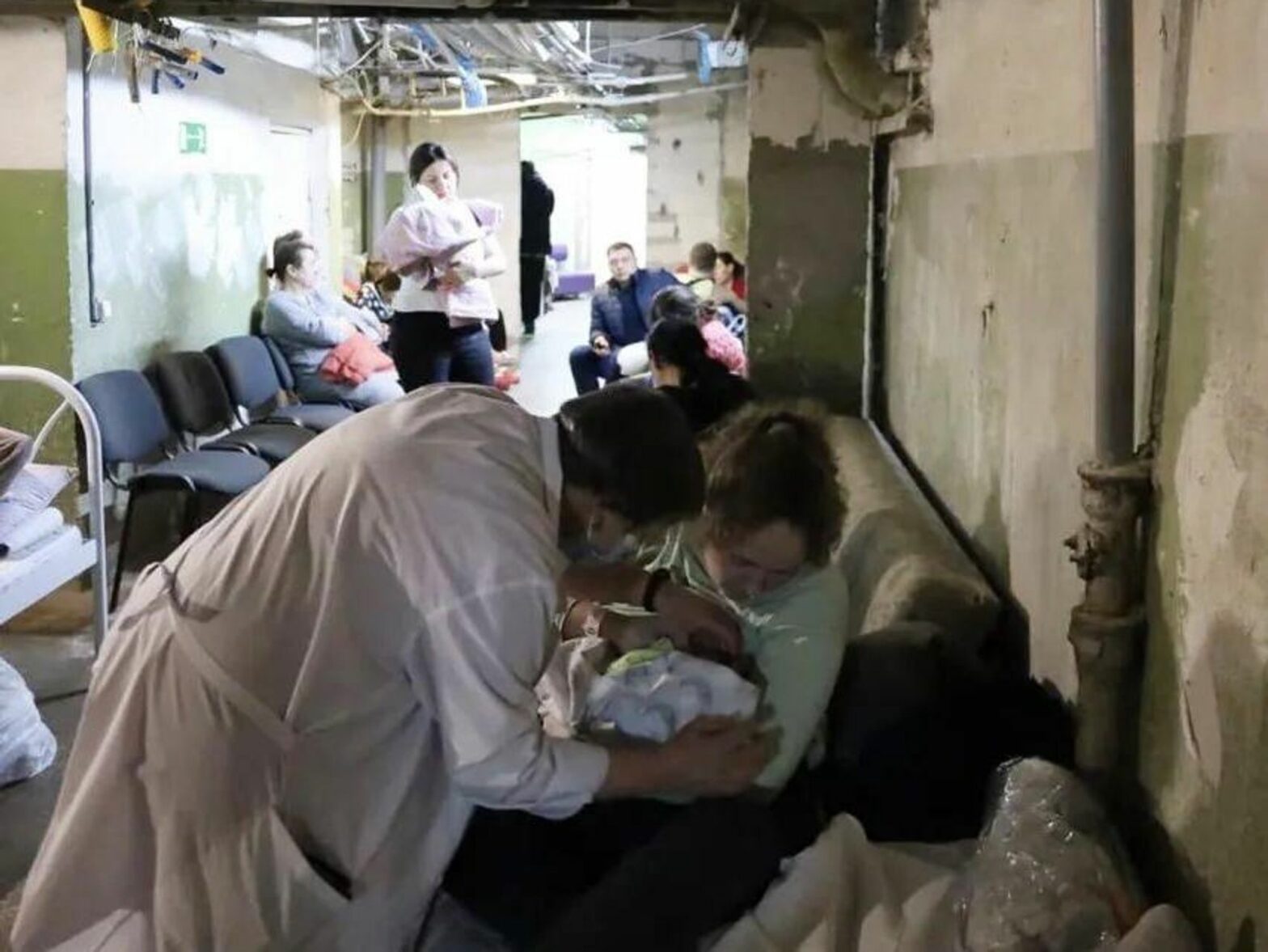
BioTexCom is responsible for more than half of the 2,500 surrogate babies born annually in Ukraine. This is how, in the middle of the war, the surrogacy company continues to function.
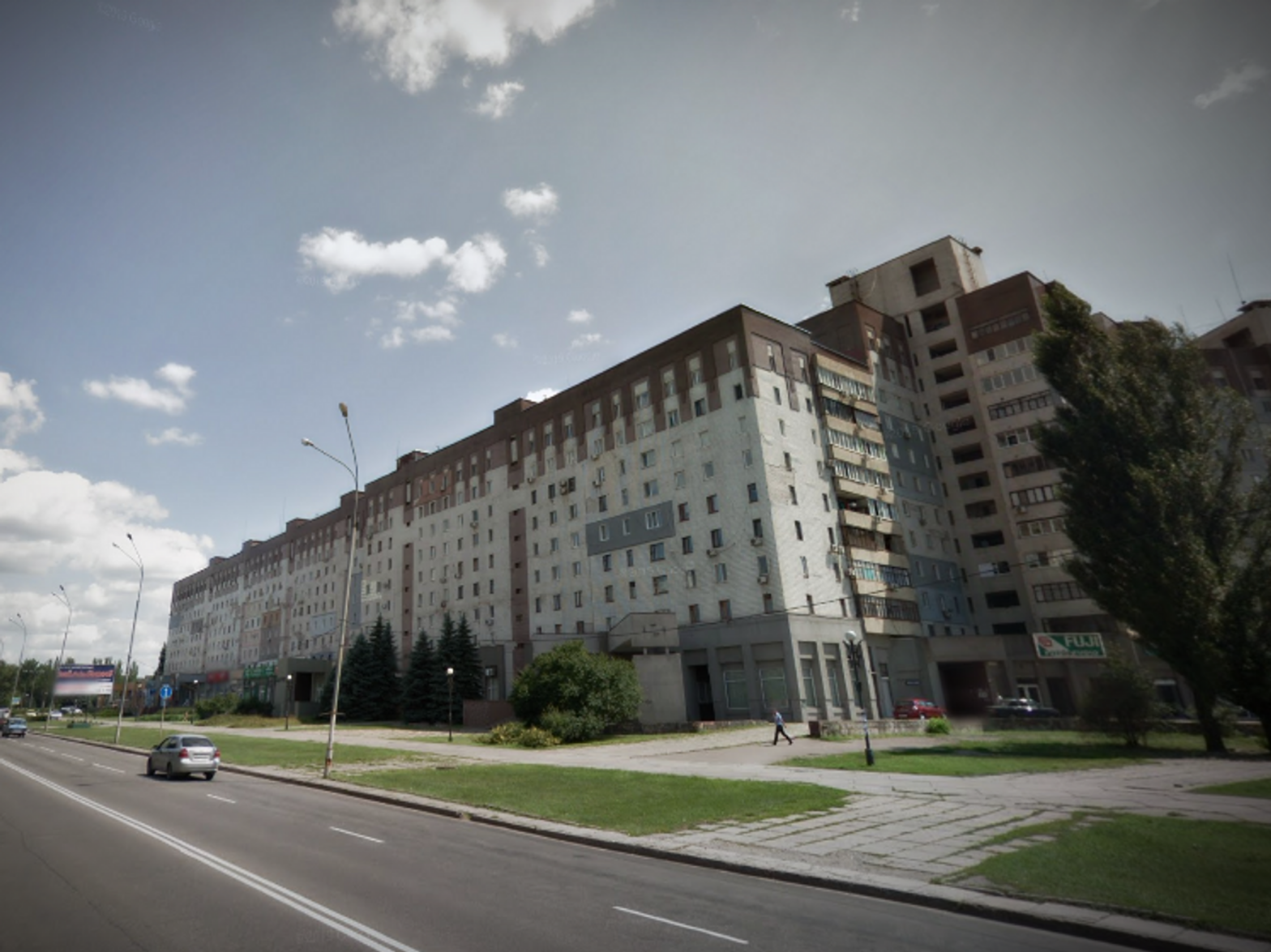
The 44-year-old’s parents still live in the same apartment in Kryvyi Rih, where Russian troops attacked in the early days of the war before retreating. But with Putin’s focus shifted eastward, the people who grew up with Zelensky brace for more attacks.
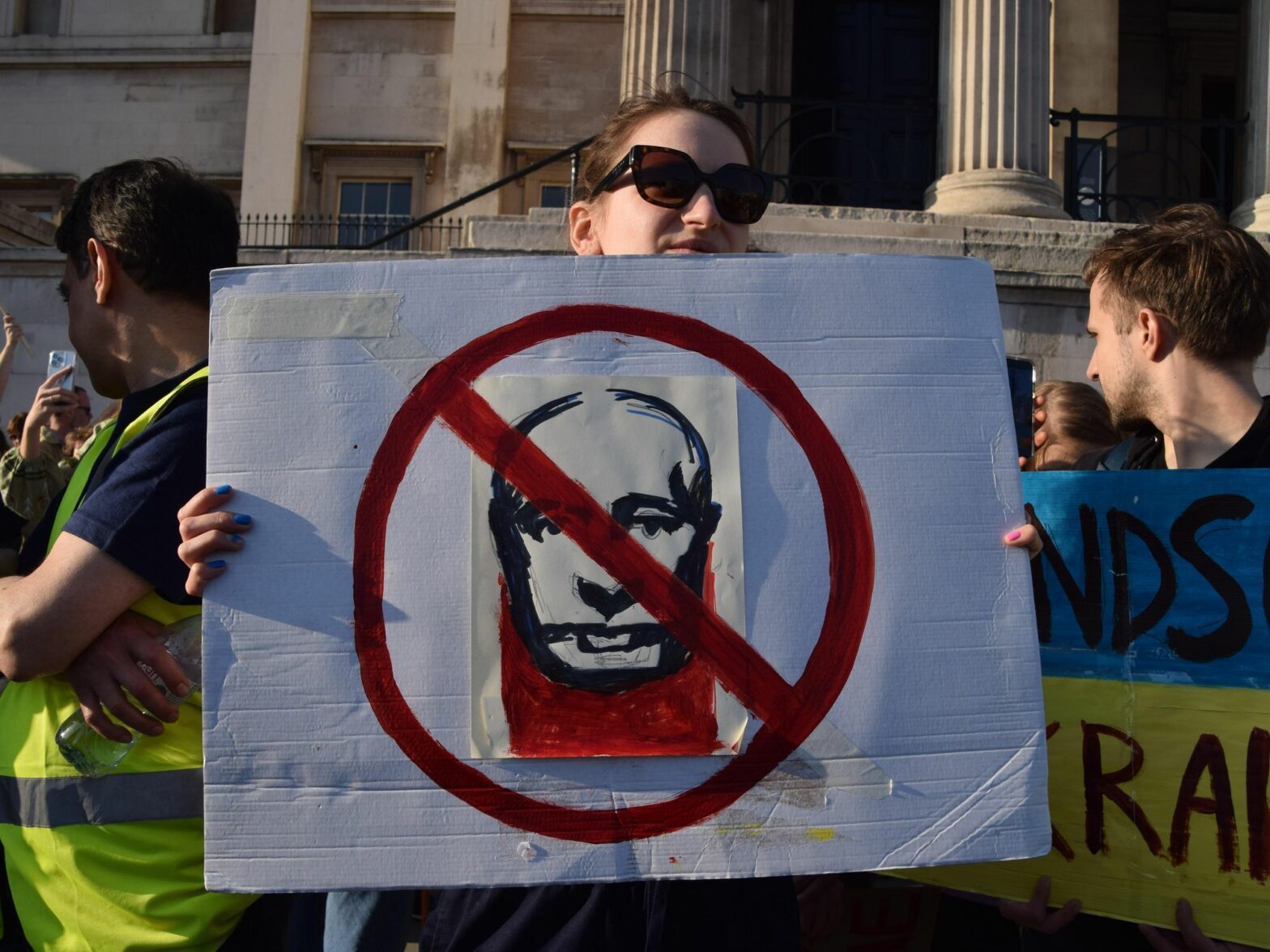
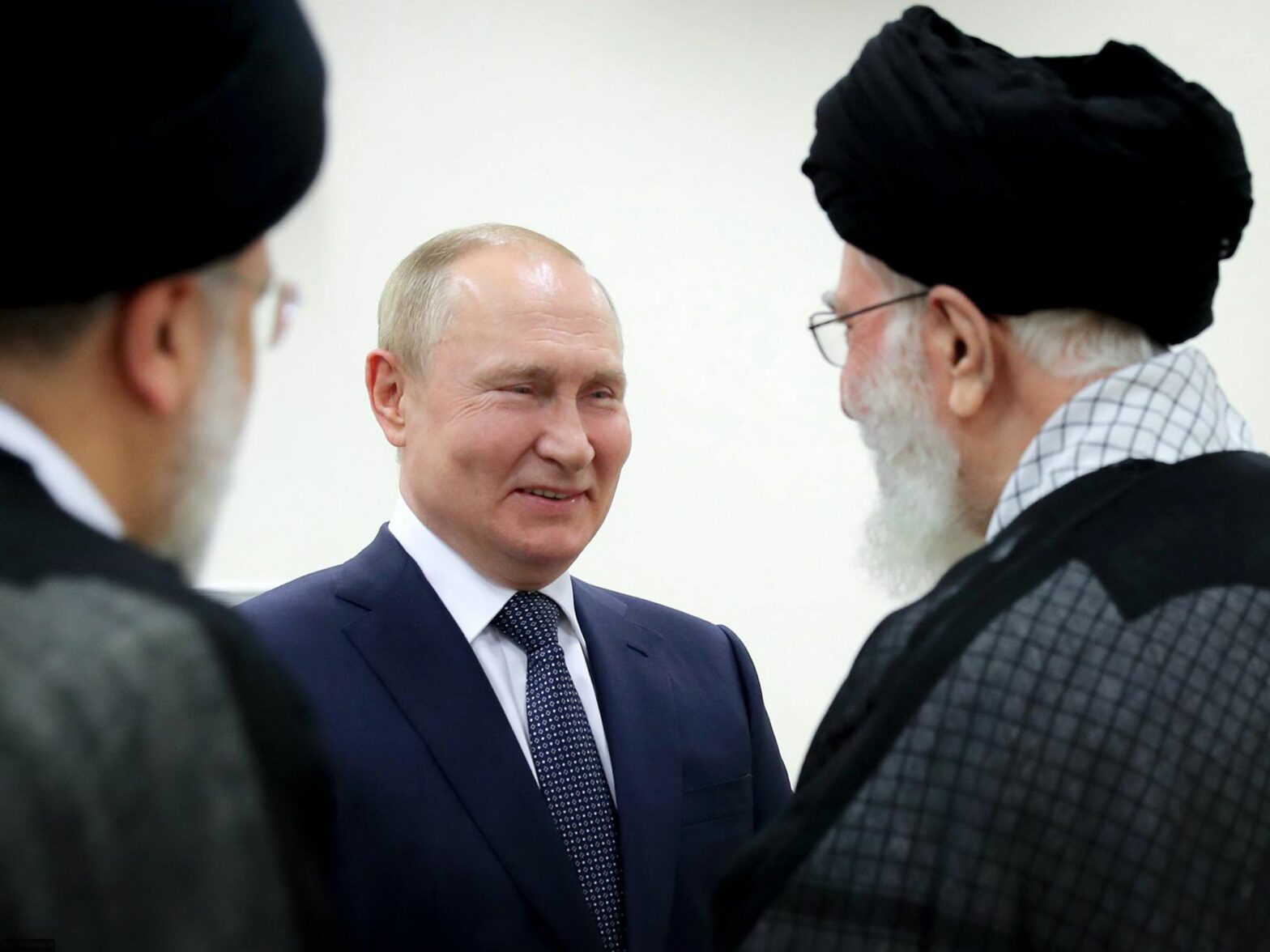
Russia’s President Putin may speak of denazifying Ukraine, but his words and actions — from the Mariupol maternity hospital to the atrocities of Bucha to Friday’s missile attack on the Kramatorsk railway station — show that he’s taken up the mantle of Europe’s line of fascist dictators. Take a look at those today who still lend him support.
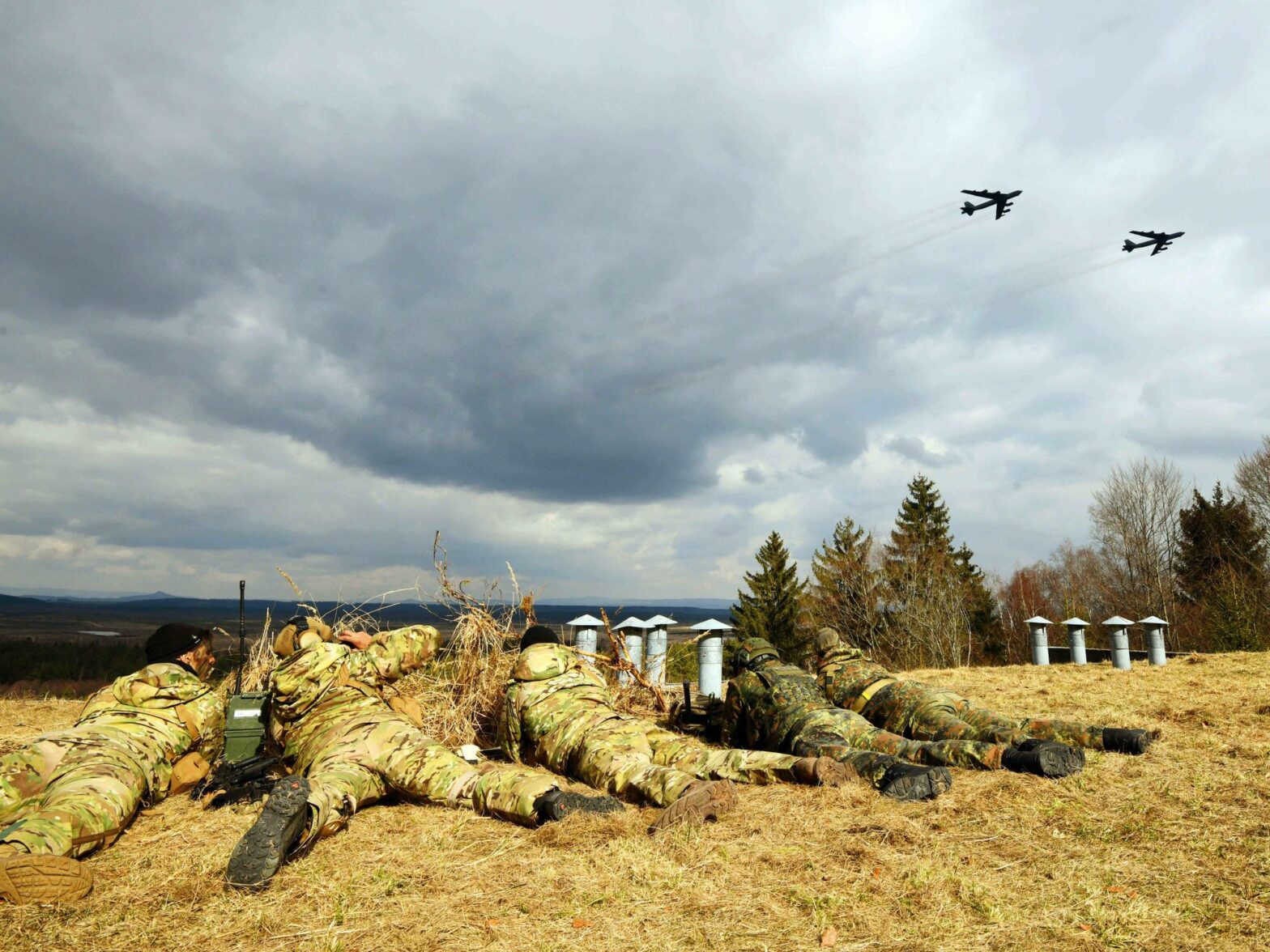
The gruesome images from Bucha are shocking. But how many more massacred Ukrainian civilians will it take before the West and NATO say enough? The West’s constant fear of escalation makes things easy for Putin.
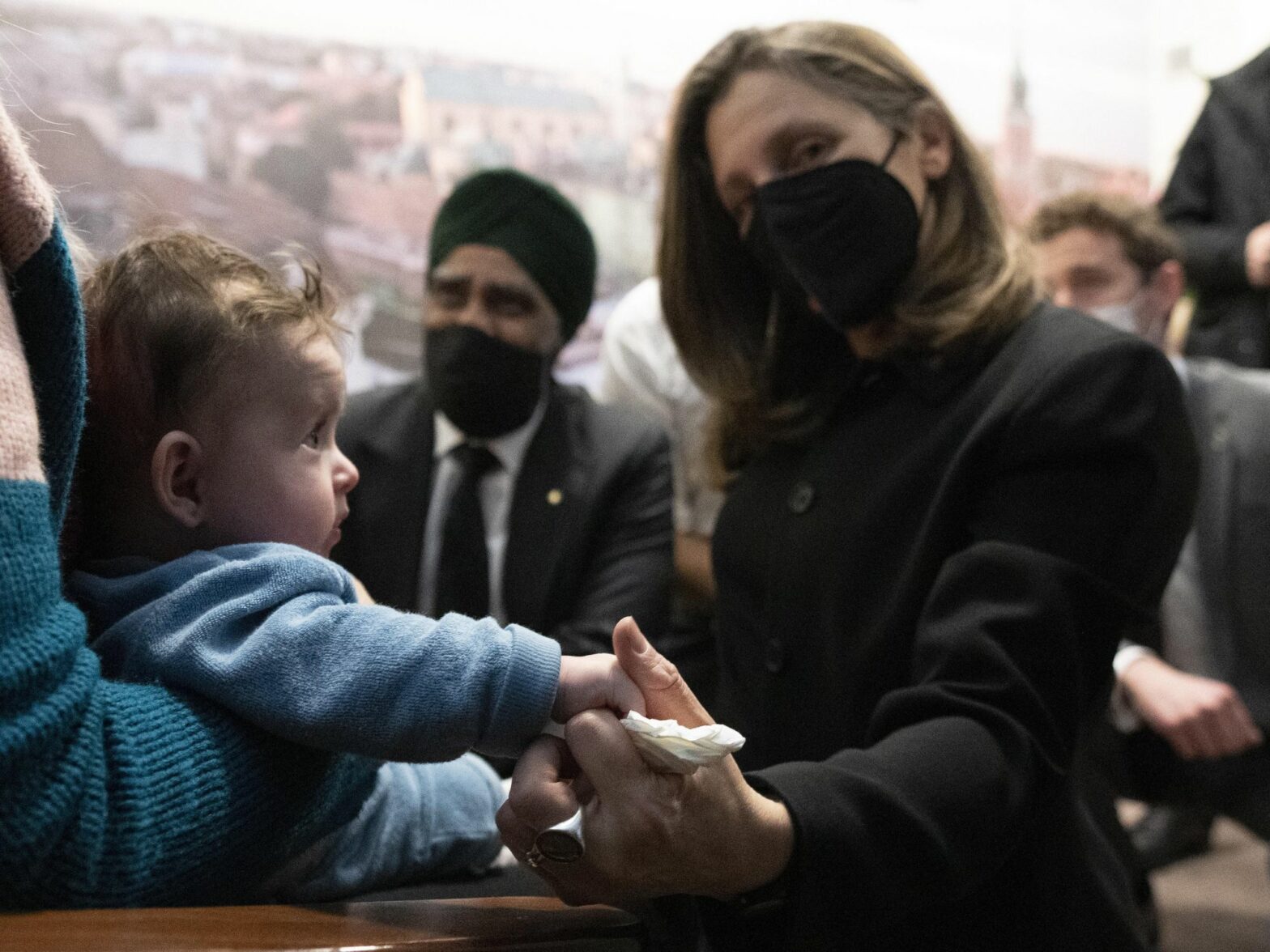
Canada’s Deputy Prime Minister Chrystia Freeland, like many others, is rightly outraged at Russia’s invasion of Ukraine. Yet her emotional attachment to Ukraine, where she has family roots, risk undermining what should be her priority: the interests of Canada.
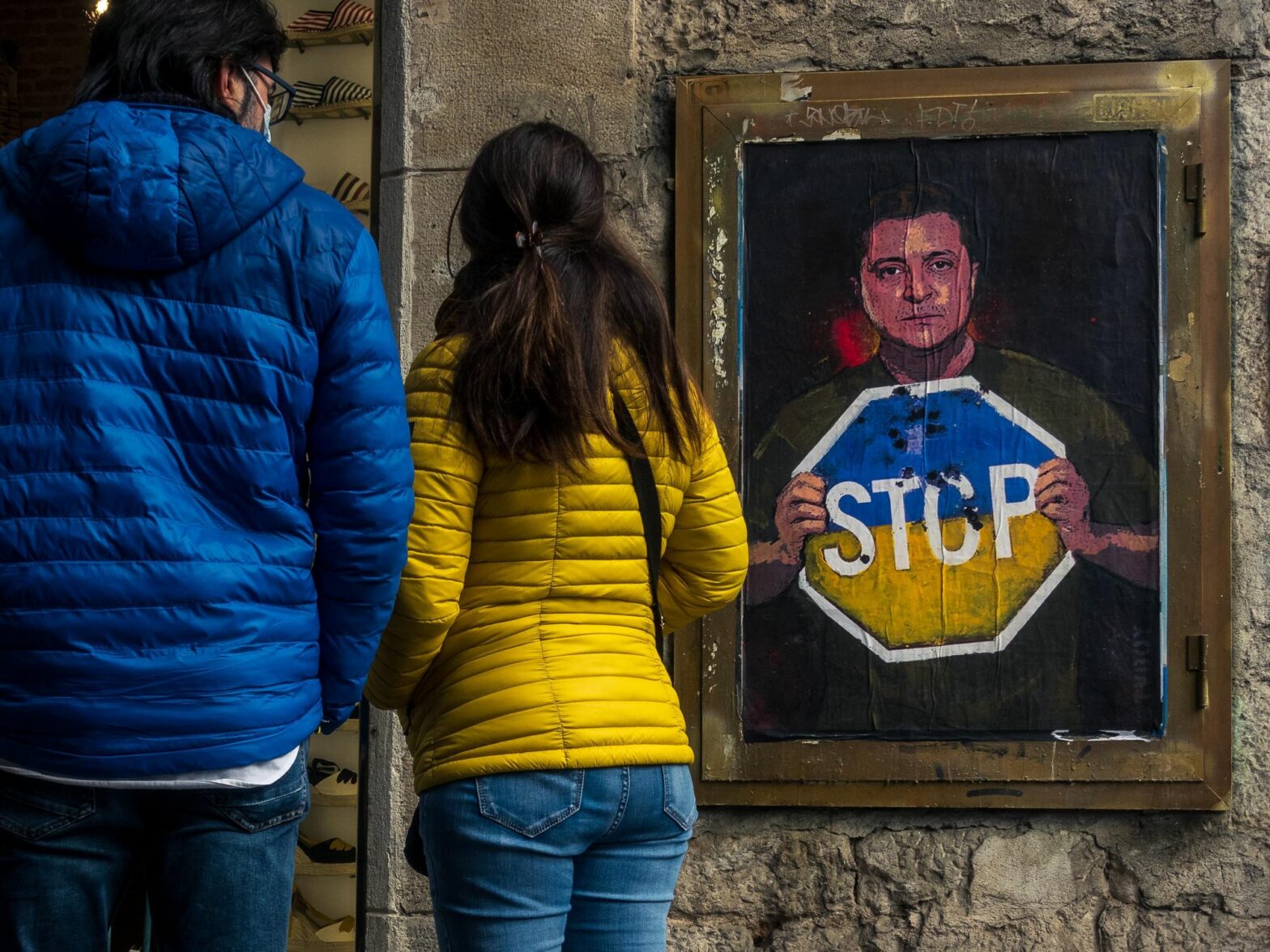
Ukrainian President Volodymyr Zelensky seems ready to accept death on the battlefield — but he would be doing his people an even greater service if he fled Ukraine to establish a government-in-exile.
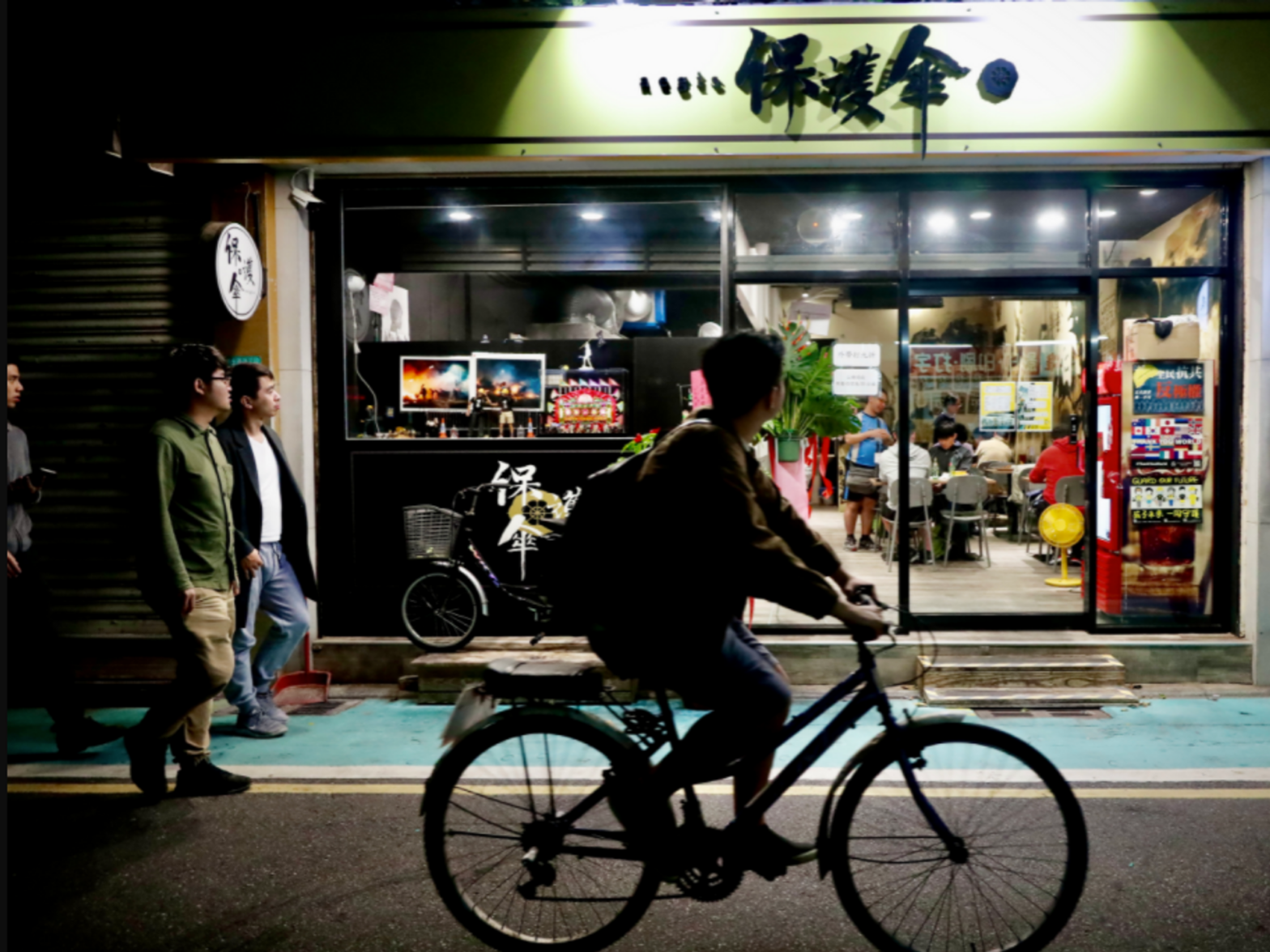
China is already profiting from the West’s economic divorce from Russia. But its biggest interest may be to learn from Russia’s experience of invading a land it claims for itself.
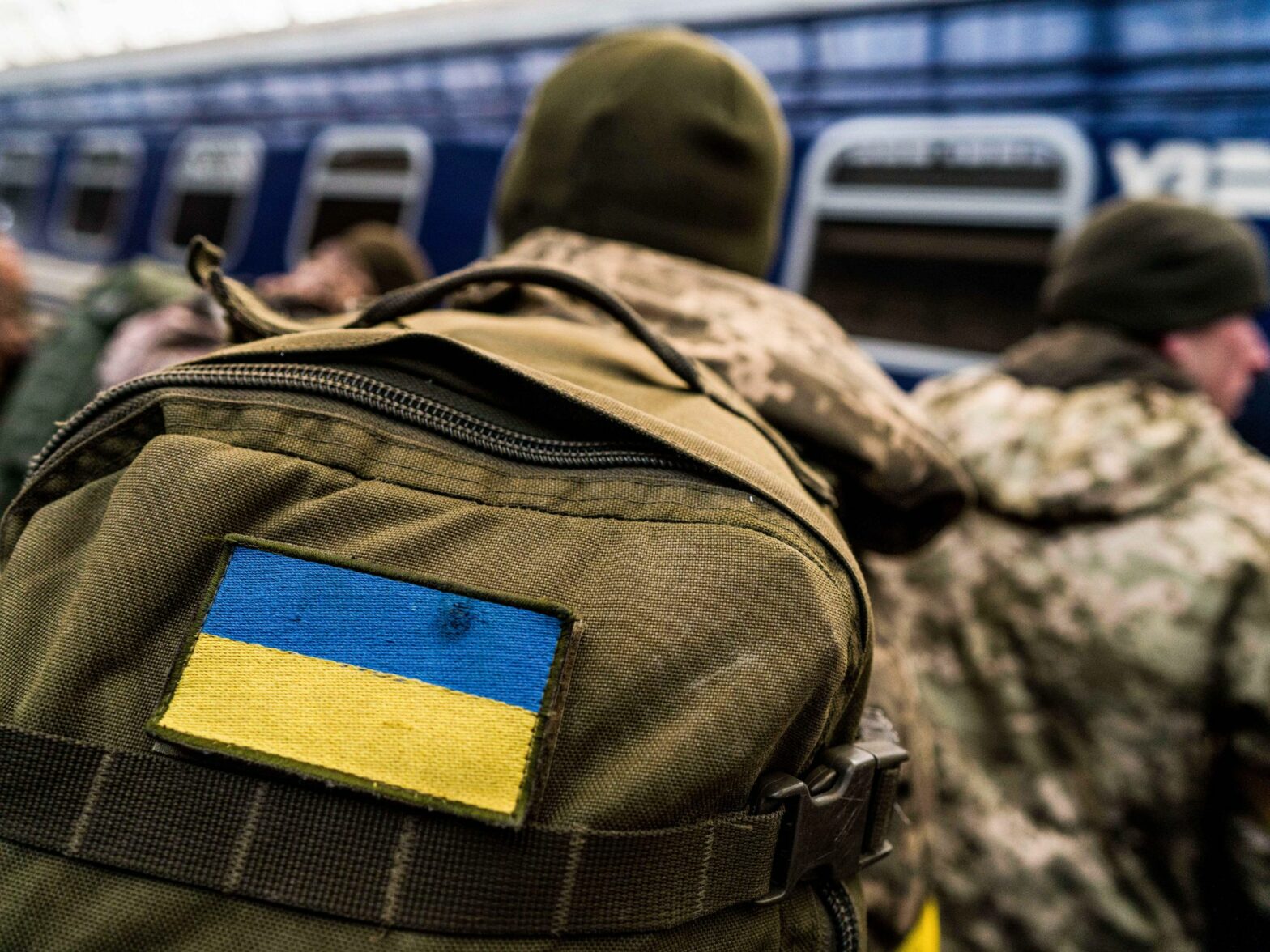
It is not heroism that is creating the long lines to enlist in the country’s fight against Russia, nor is it the opposite that explains the refugees trying to get out alive. There is a single objective for both.
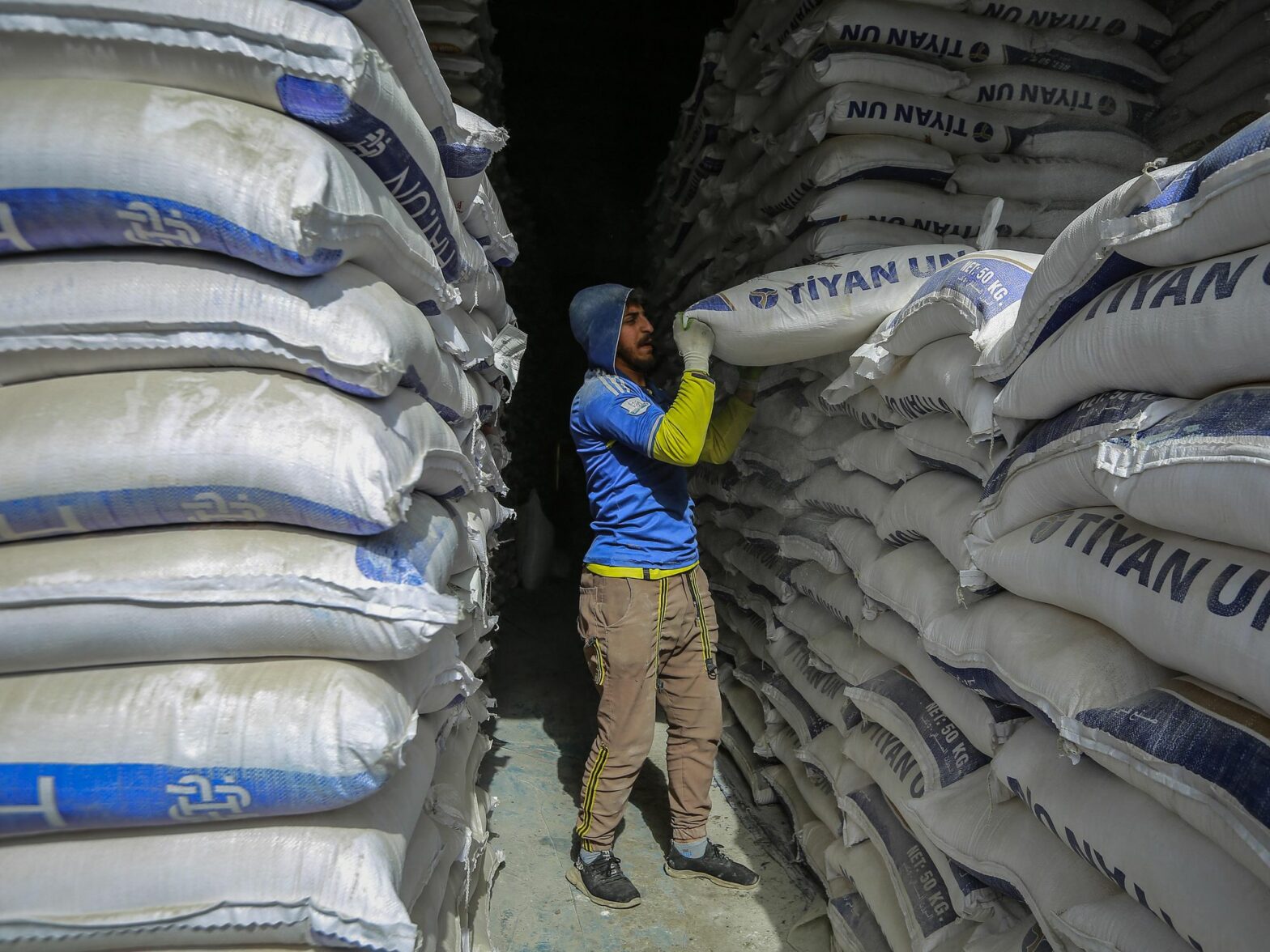
First, the COVID-19 crisis, and now the need to respond to Russia’s invasion of Ukraine, are forcing countries to confront the risks of global interdependence. In its place comes a rush to establish national autonomy for crucial resources, from masks to oil and gas. But at what price?
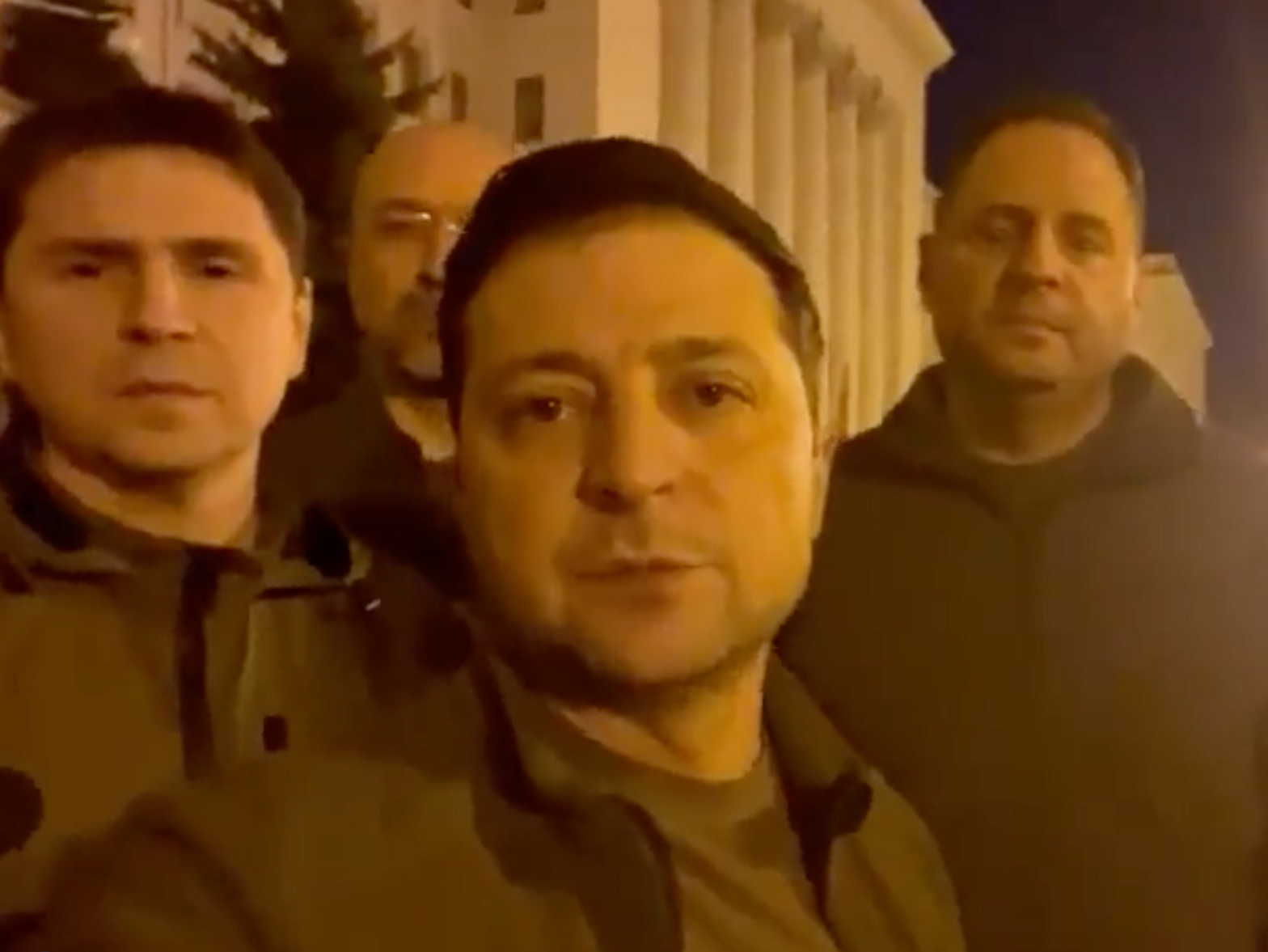
Ukraine President Volodymyr Zelensky has instantly become an international icon of courage in the fight for freedom. This sudden fame is as much a proof of how much is at stake in Ukraine as any one man’s power — and Zelensky is the first to know his limits.
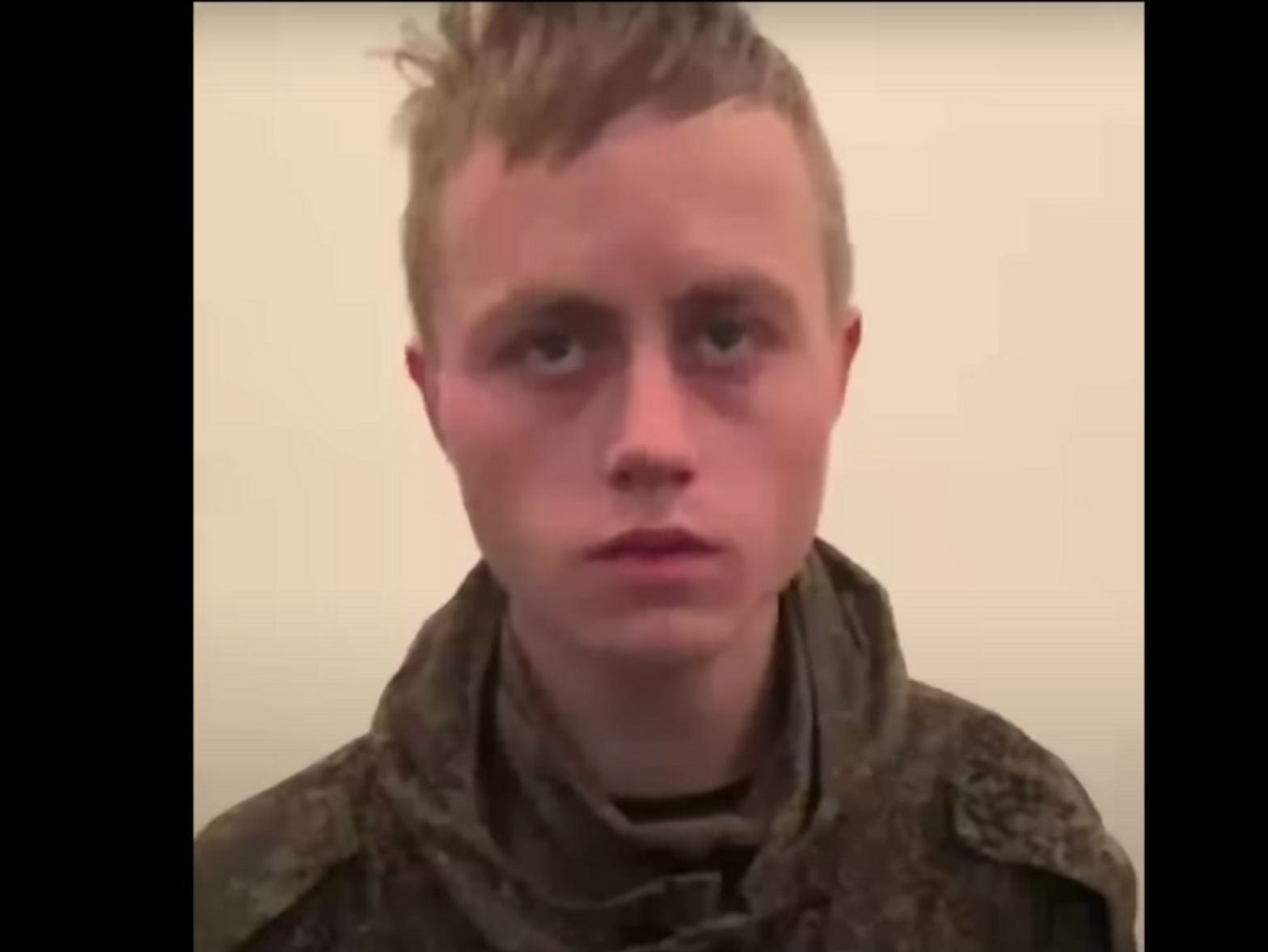
One week since Putin ordered an invasion of Ukraine, Russia has failed to control the narrative at home and abroad.
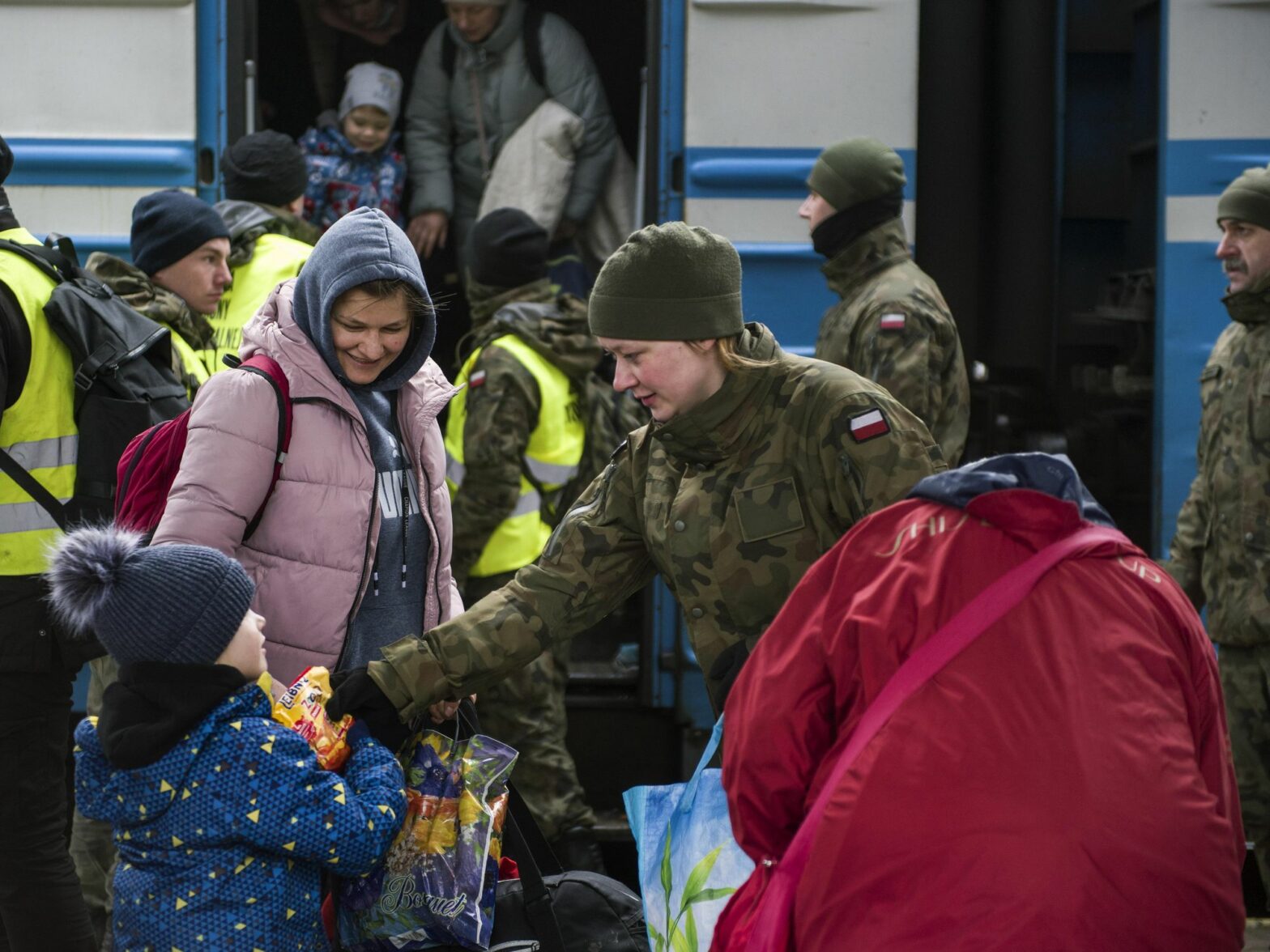
The war in Ukraine has prompted a huge outpouring of compassion across the border in Poland. It is a positive reflection of the human condition, but also a reminder that we should care for others and outsiders even when there’s no nearby conflict.
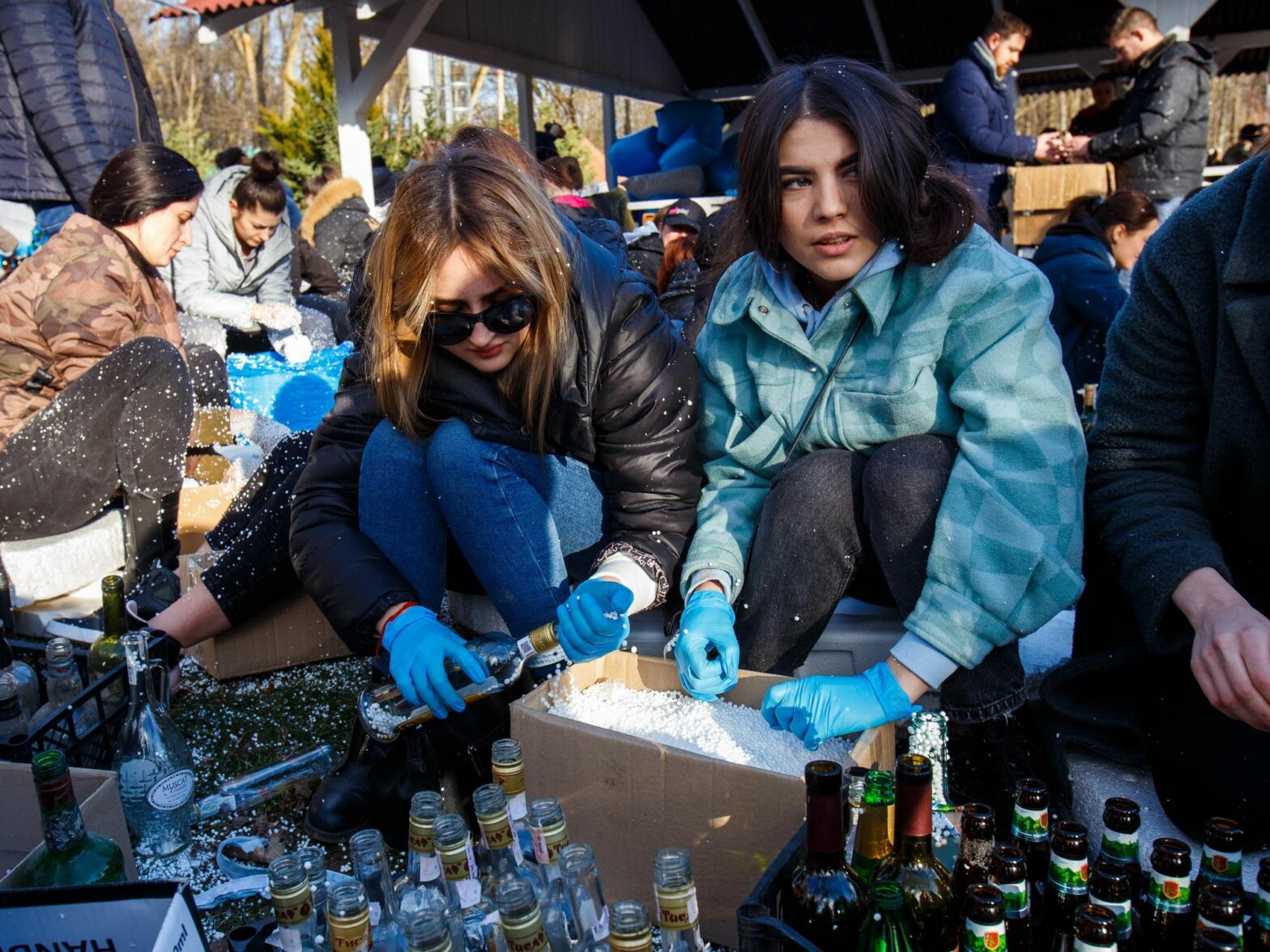
A reporter arrived from elsewhere in Europe, posing the questions so many others have begun to ask themselves since all-out war began last week.
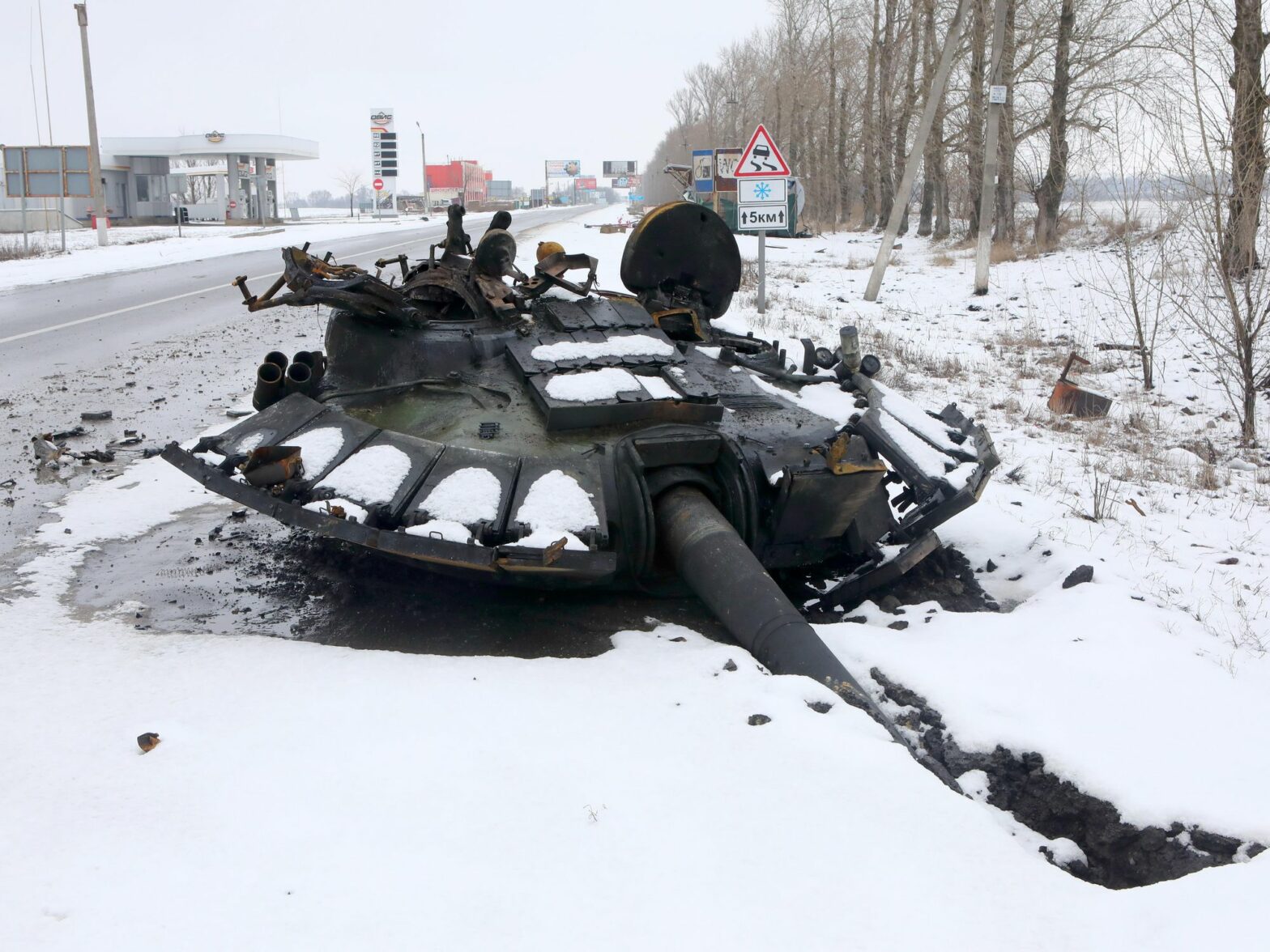
The Russian invasion of Ukraine that began Thursday morning on multiple fronts was meant to quickly overrun the outnumbered defensive positions. Kyiv-based Livy Bereg reports that it hasn’t turned out that way.
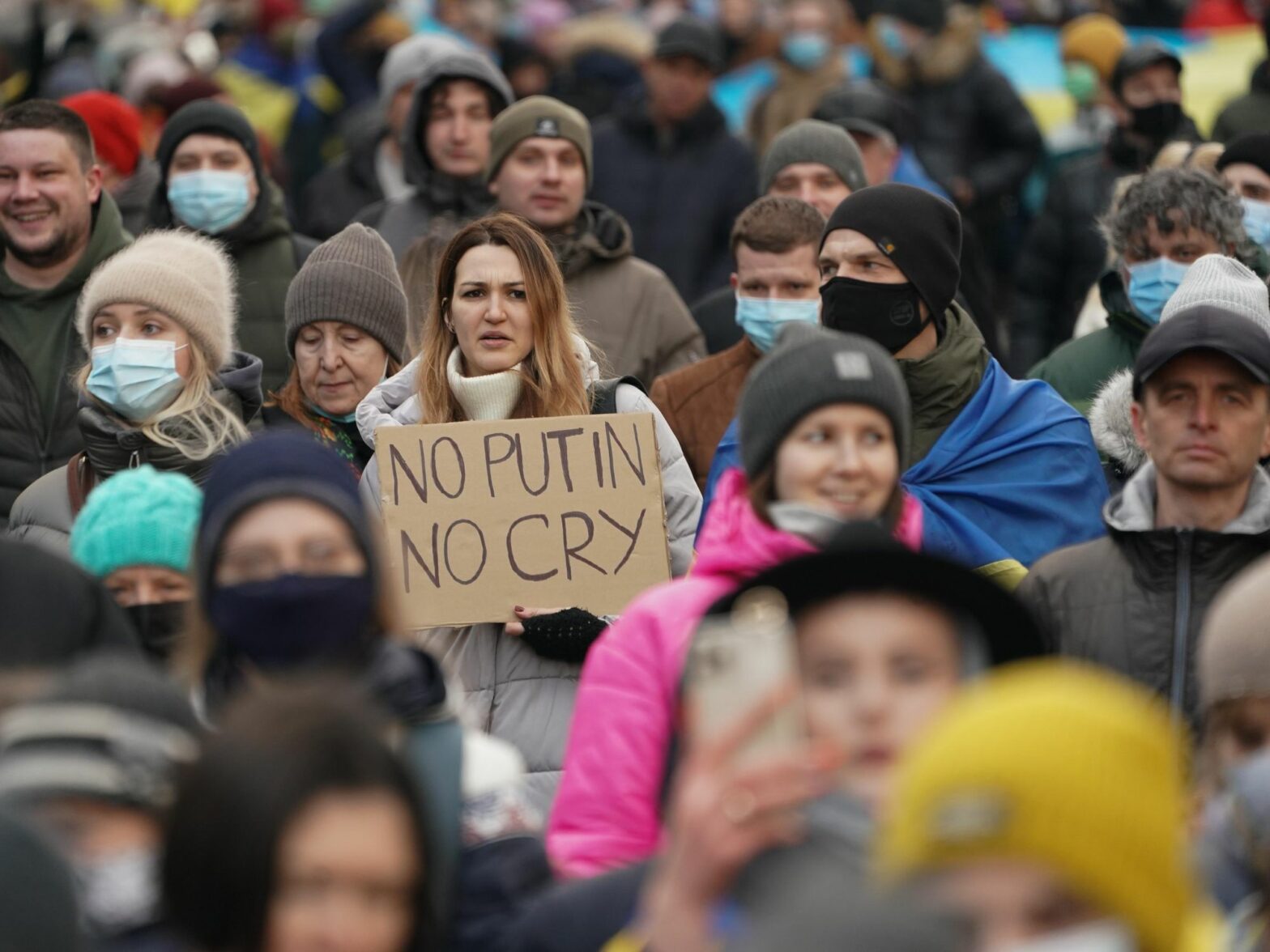
The mood is dark, and so are the jokes, which may explain Ukrainians’ apparent sense of calmness in the face of the neighboring Russian bear lining up at the border.