July 31 – August 6, 2023
 Worldcrunch
July 31 – August 6, 2023
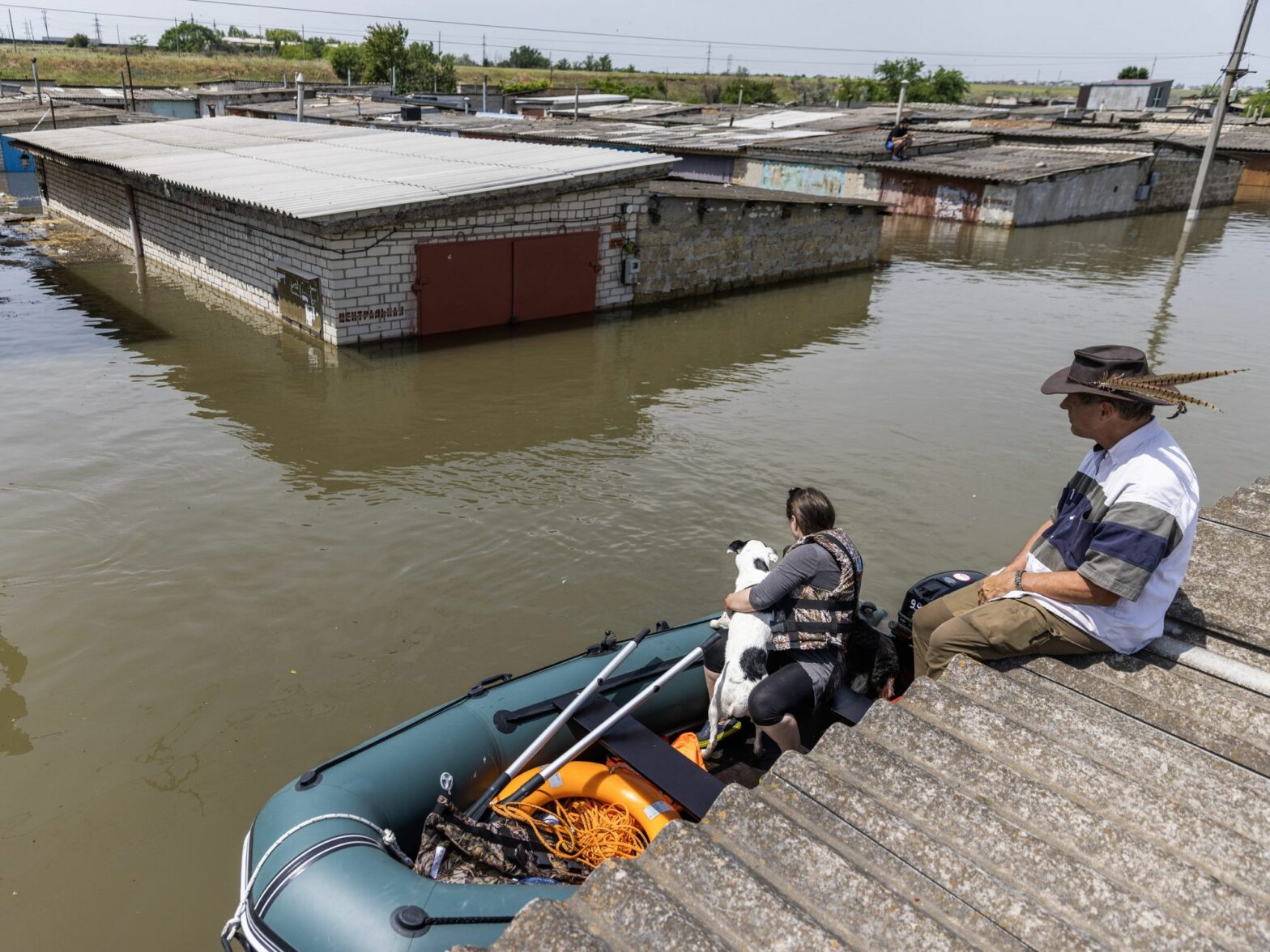
Warfare is not only traumatic for people and infrastructure but also has a large impact on the natural environment. The environmental damages of the Ukraine war will likely be be so great that even neighboring countries will suffer their effects.
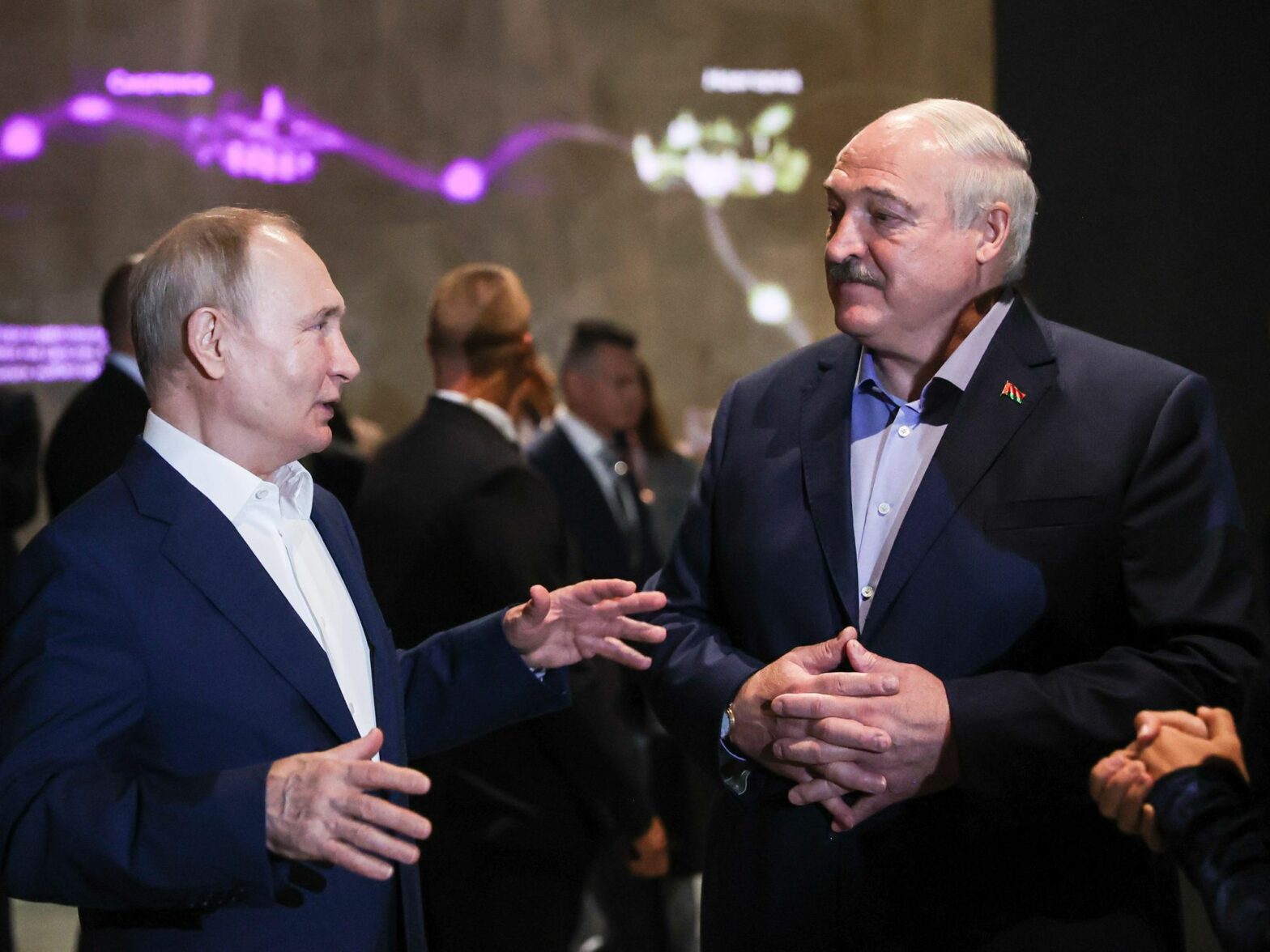
Both Russian President Vladimir Putin and longtime ally Belarusian leader Alexander Lukashenko have issued statements accusing Poland of having territorial ambitions in Ukraine. It’s a worrying development that opens the door to military confrontation with NATO — and the looming presence of Wagner troops isn’t making things easier.
July 24 – July 30, 2023
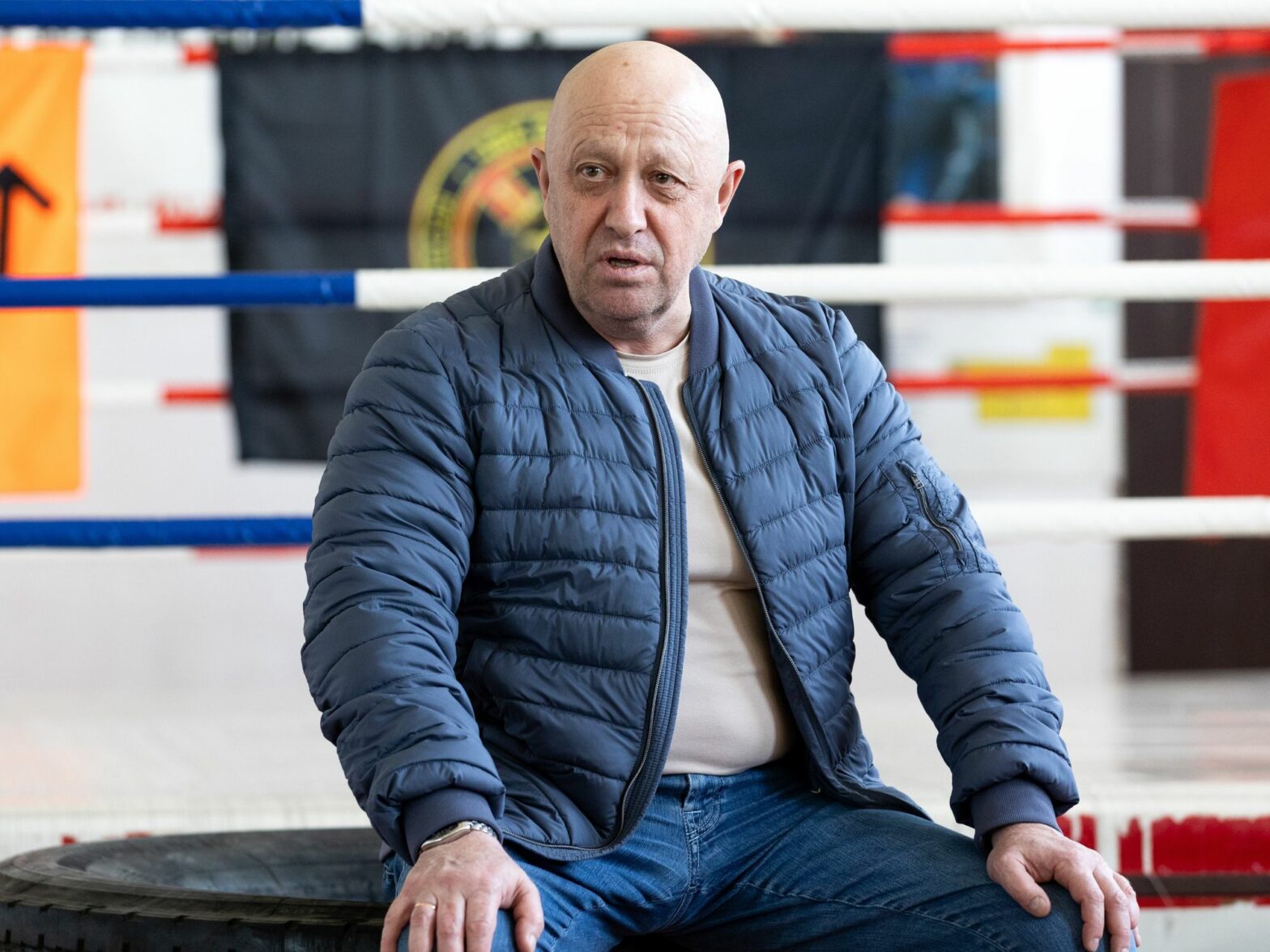
The post-coup mystery continues with reports that Wagner founder Yevgeny Prigozhin is not, in fact, in Belarus, but in Russia. A look at what it says about Vladimir Putin’s hold on power.
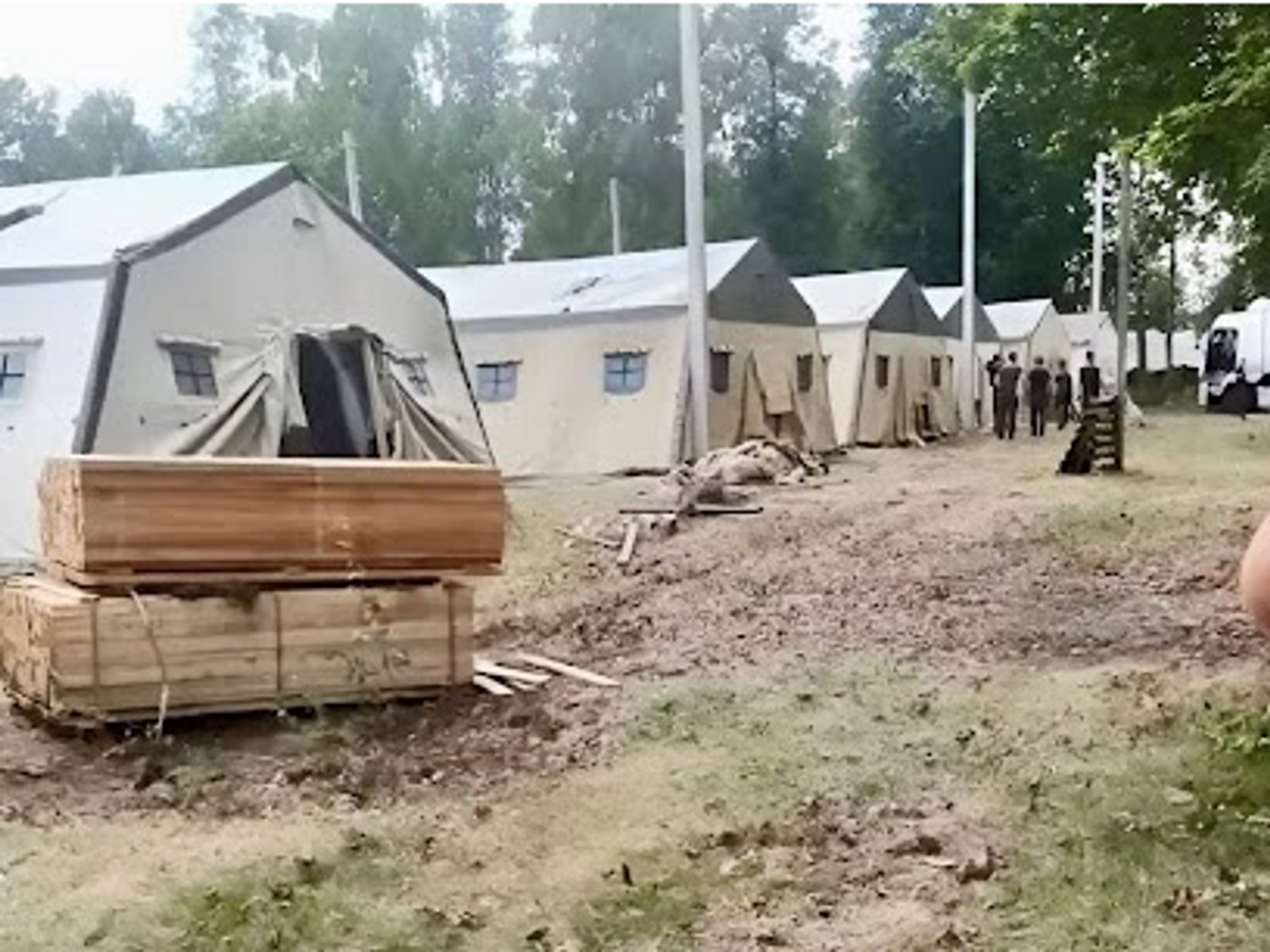
After Wagner’s aborted coup and relocation to Belarus come the first reports and images of military camps, including one in Asipovichi, a town south of Minsk. What does this mean for the still unstable situation in Russia? For the war in Ukraine? And the role of Belarus strongman Alexander Lukashenko?
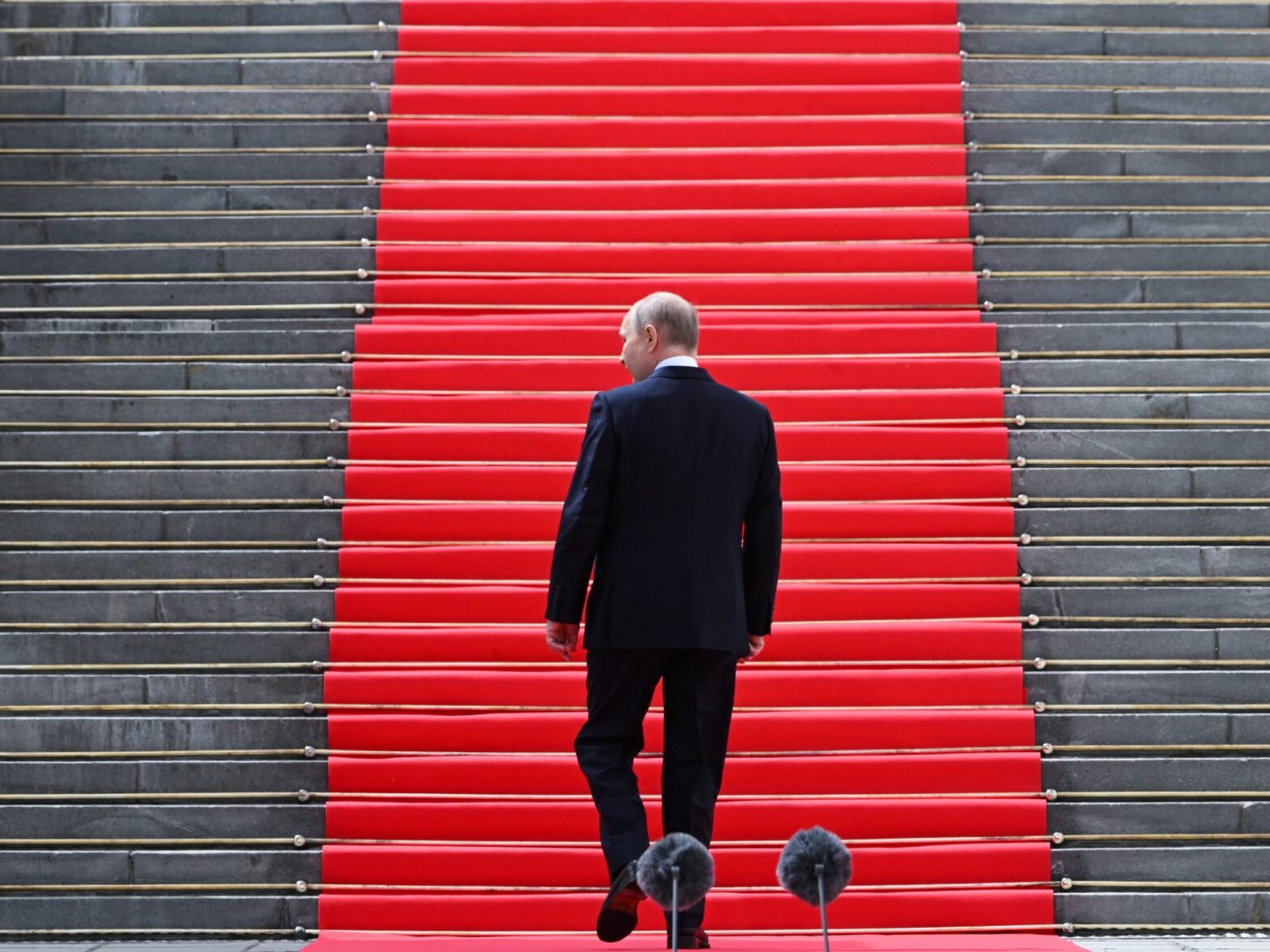
There are many lessons to be taken from Yevgeny Prigozhin’s aborted uprising in the halls of power China. Going forward, Beijing will see Russia as a model on what to avoid in maintaining stability autocratic rule.
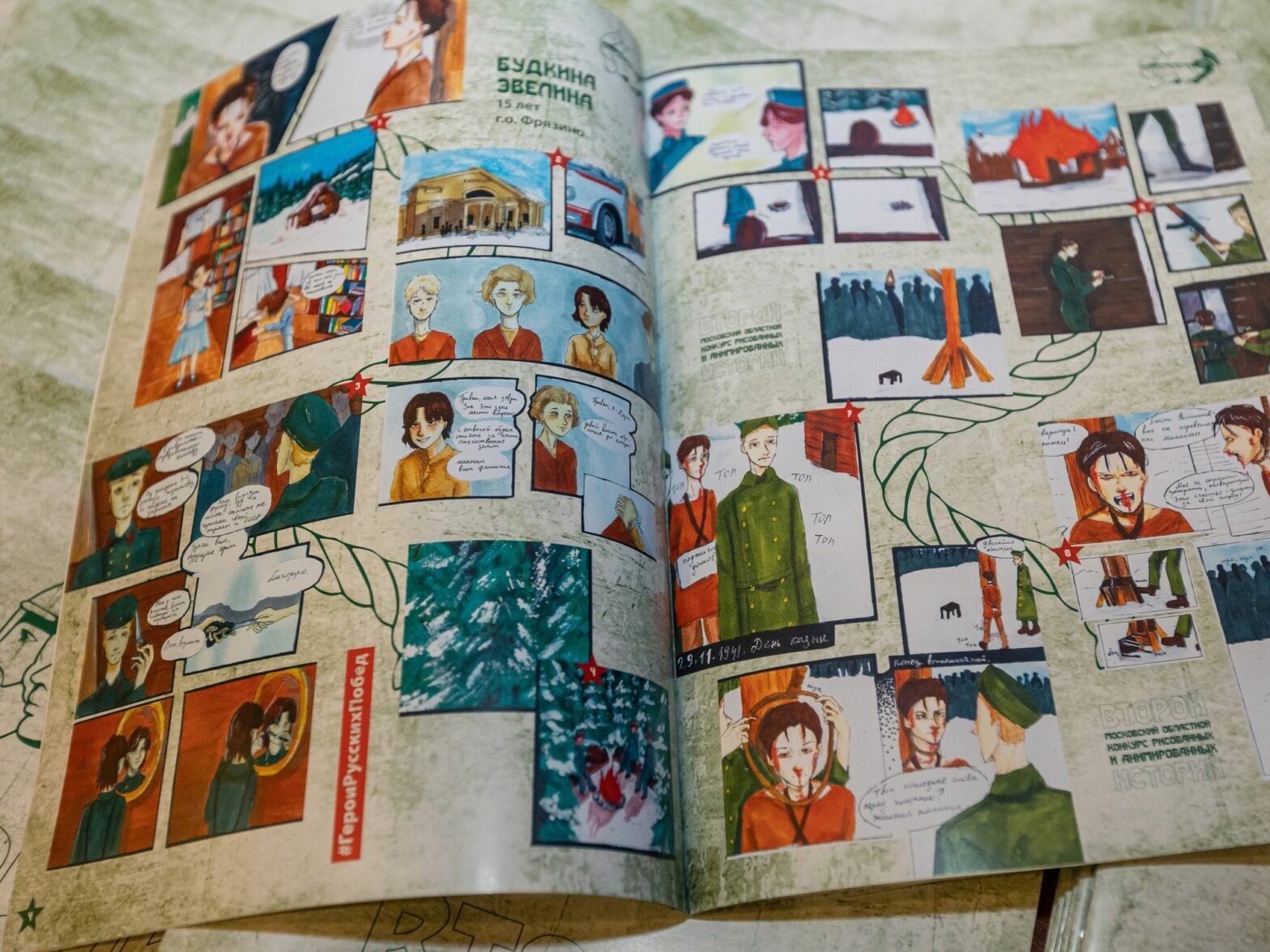
After Russia’s full-scale invasion of Ukraine, the government allocated some grant funding to various projects aimed at bolstering support for the war. One such initiative was a comic book contest, where some graphic artwork showed dead Ukrainian soldiers.
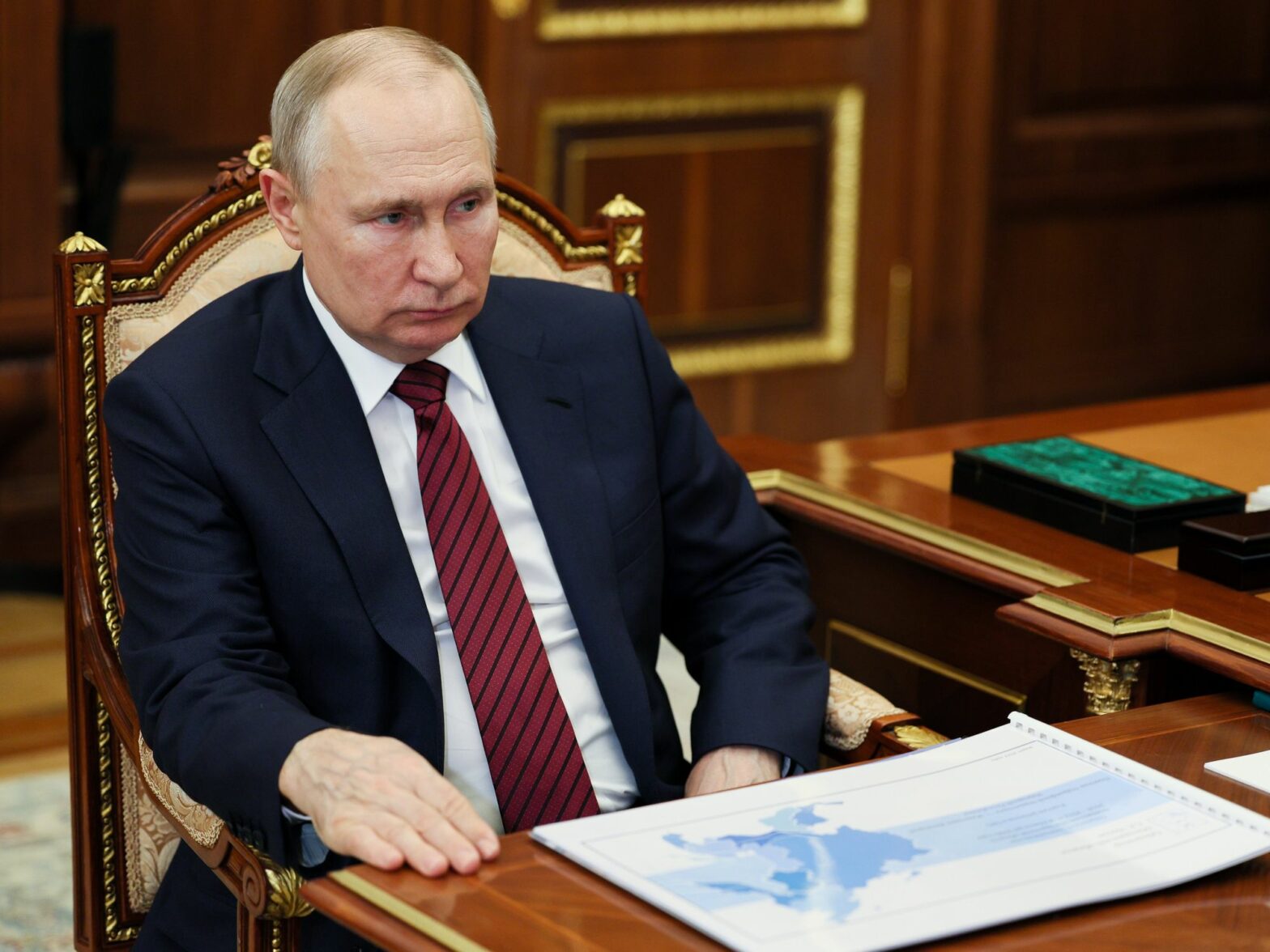
After significant sections of the Nova Kakhovka dam were destroyed in a Russian-controlled part of southern Ukraine, independent Russian media Agents.Media has pieced together Vladimir Putin declarations on May 30 that may have been a warning of a false-flag attack.
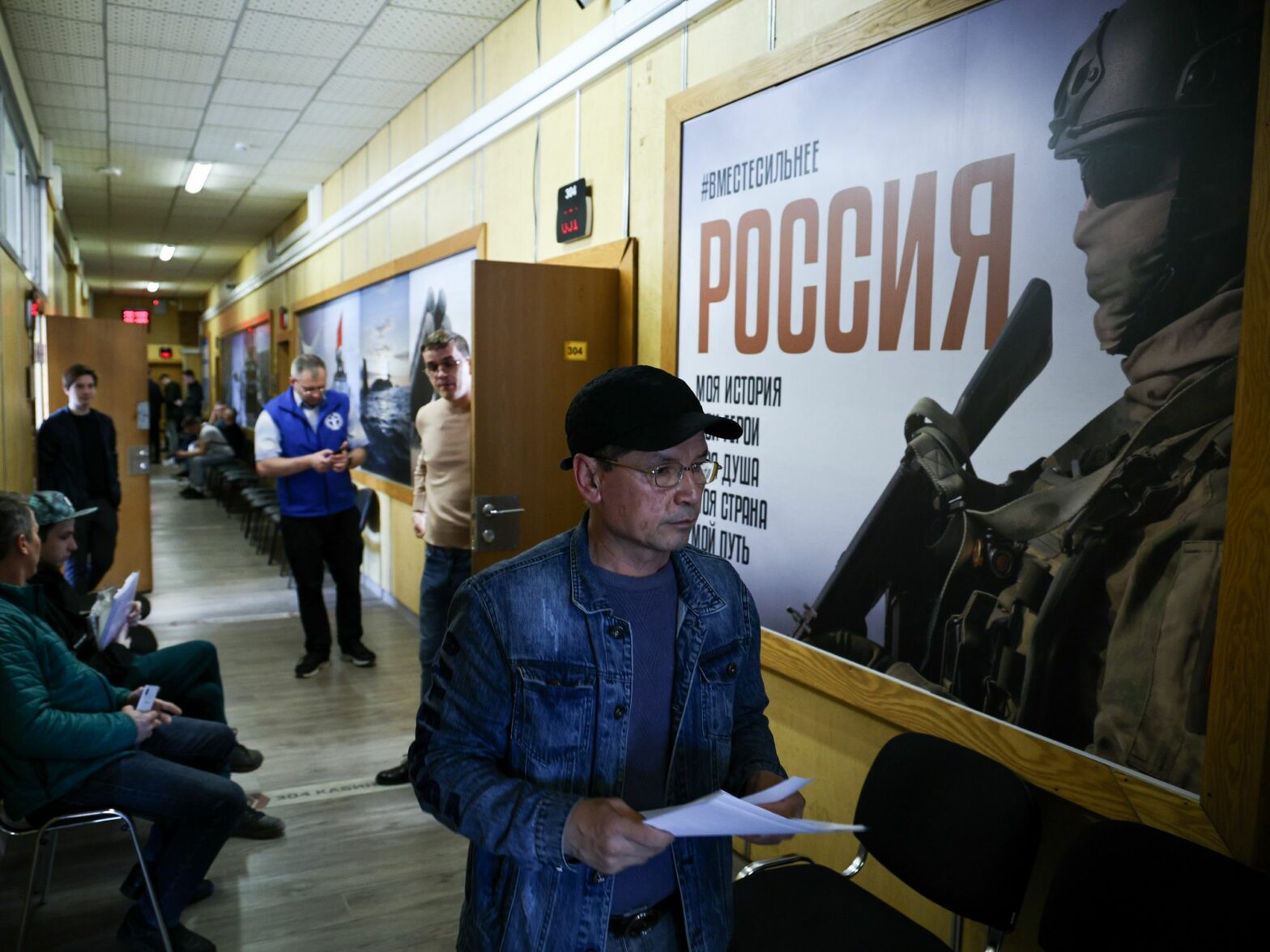
Hundreds of thousands of Russians have taken part in the war. On returning, many face difficulties to return to normal life and finding work, as independent Russian news outlet Vazhnyye Istorii/Important Stories reports.
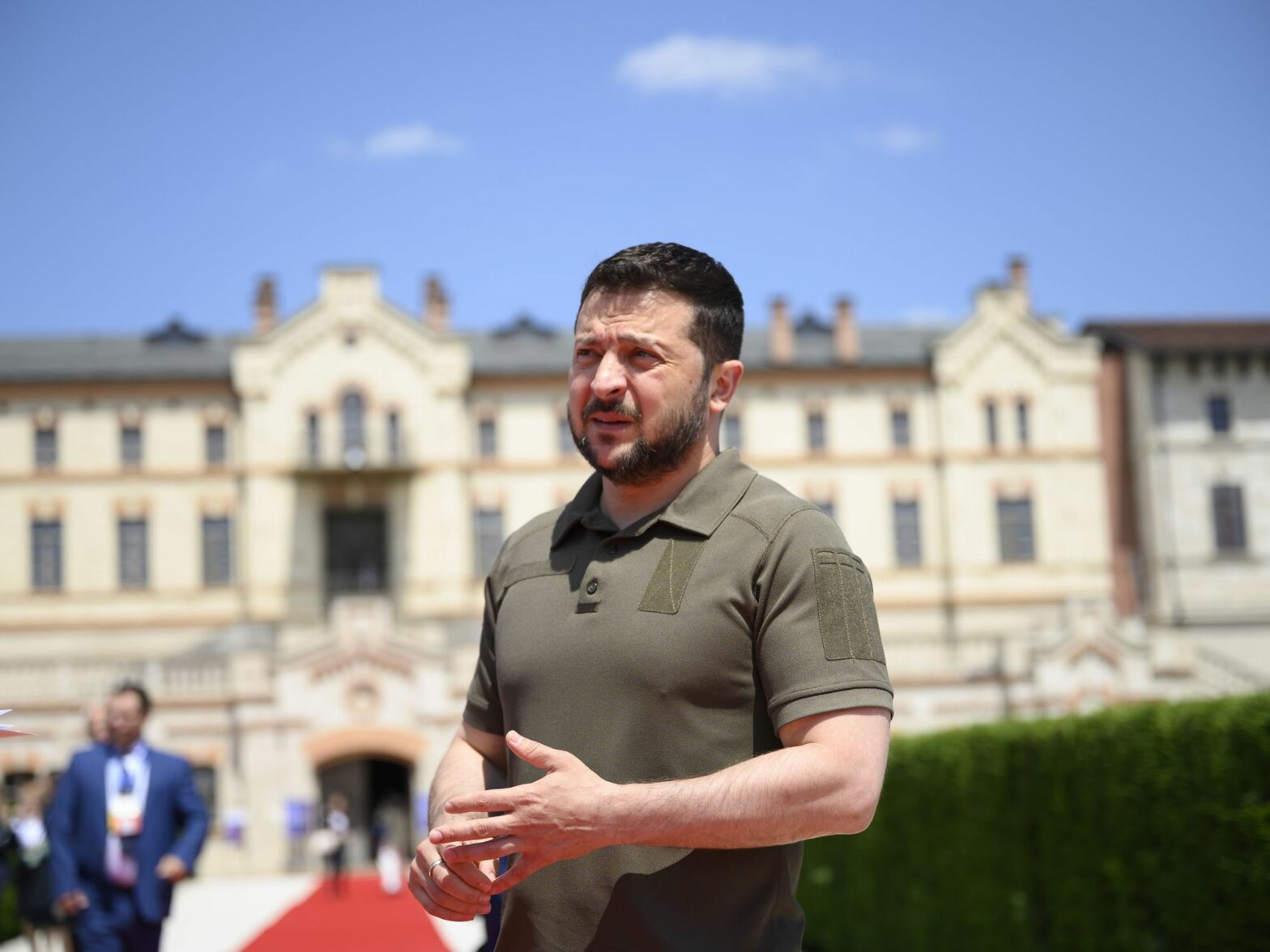
Volodymyr Zelensky has made his demand clear: full NATO membership for Ukraine, perhaps as soon as this year. Yet member countries, from the U.S. to top European allies, are still stuck in the mindset of not “provoking” Russia. But if not now, when?
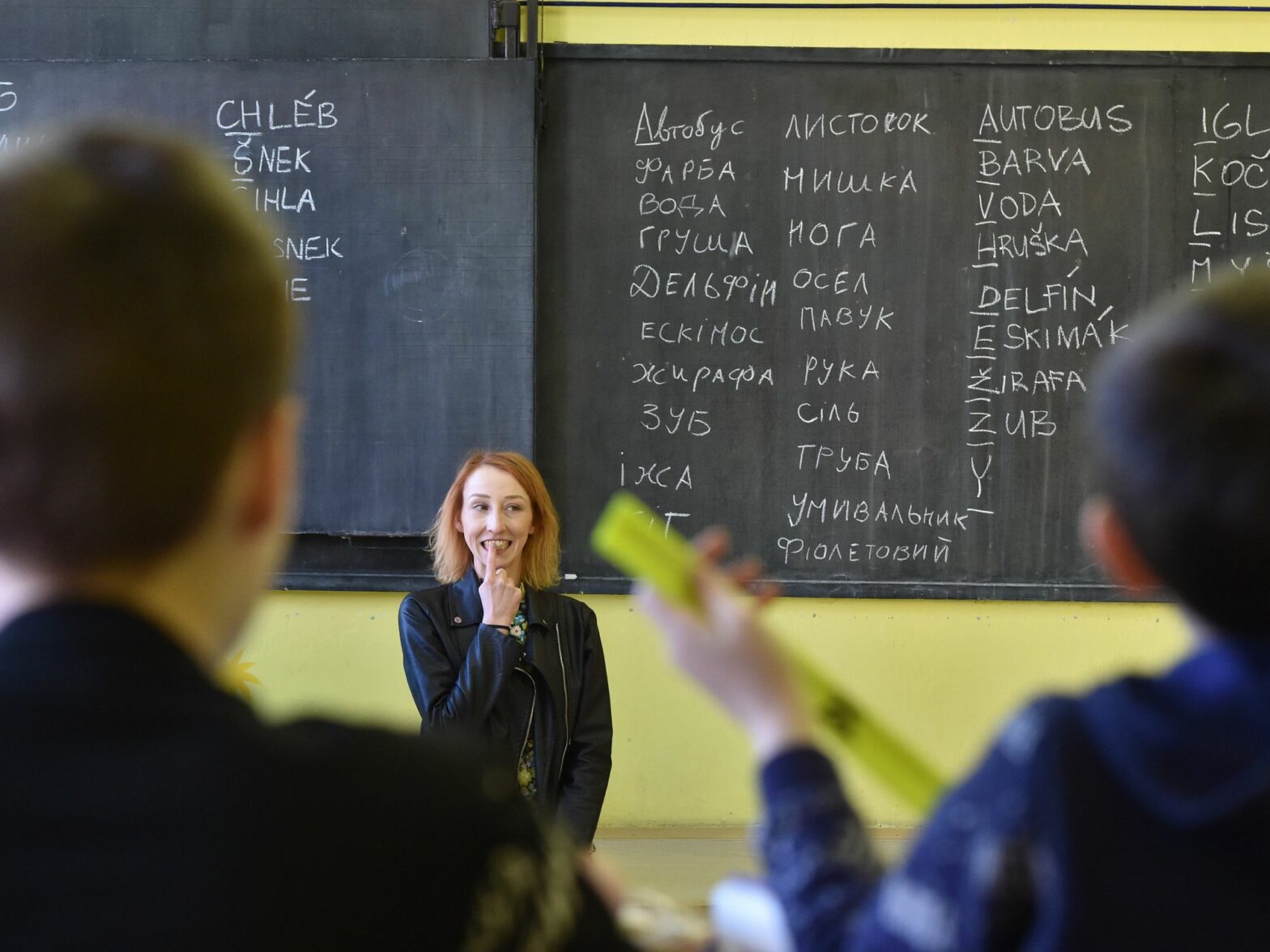
Russia’s full-scale war against Ukraine goes well beyond the battlefield. Russia is trying to destroy Ukrainian identity by imposing the Russian language in occupied areas, as a prime weapon in Moscow’s policy of “Russification.”
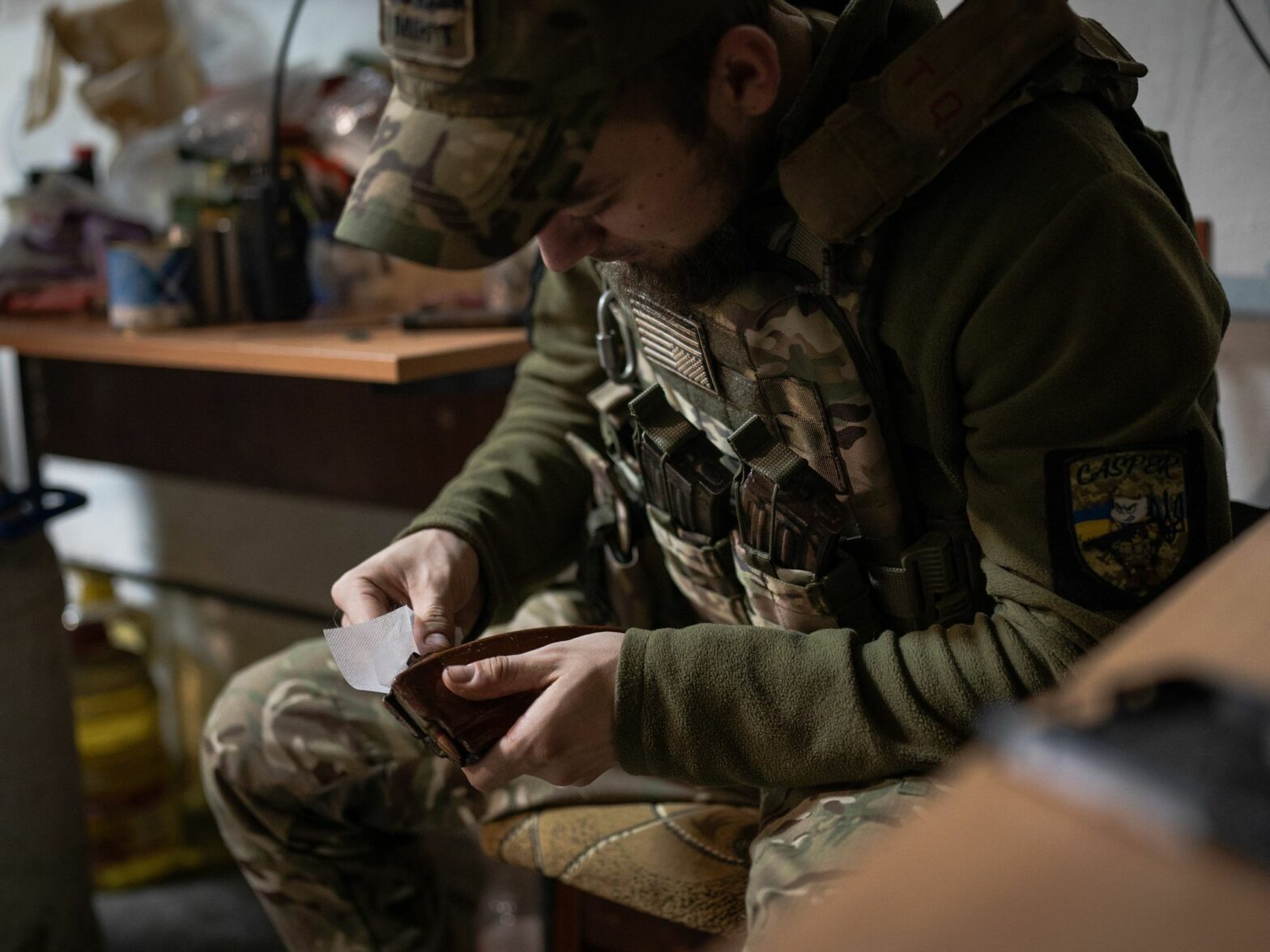
Pavlo Kazarin is a journalist for Ukrainska Pravda. He is also serving in the Ukrainian army: With the good and the bad, heroes and otherwise.
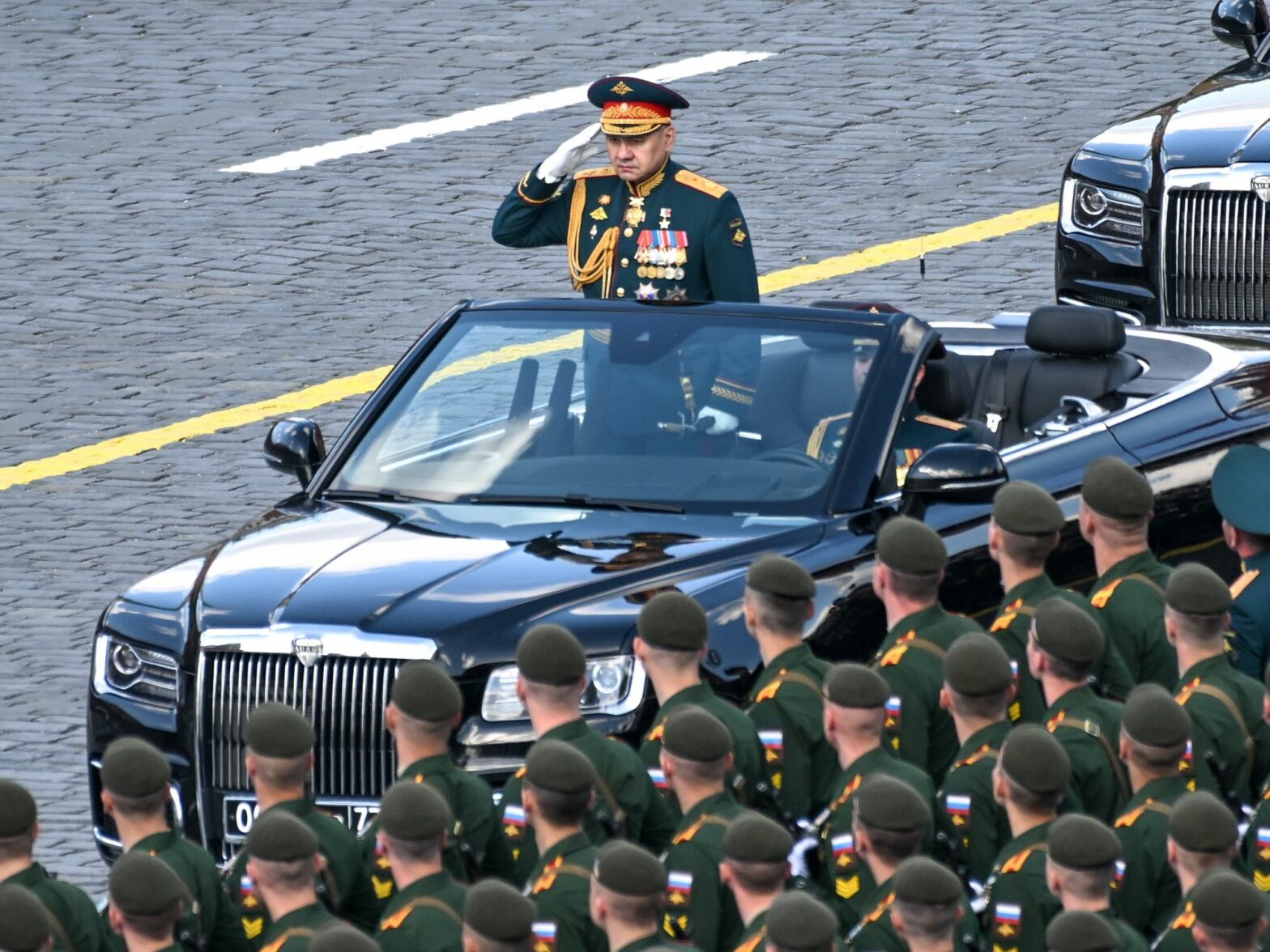
In the second year of the war, the Kremlin looks weak while Putin brags about defending the homeland from outside attacks.
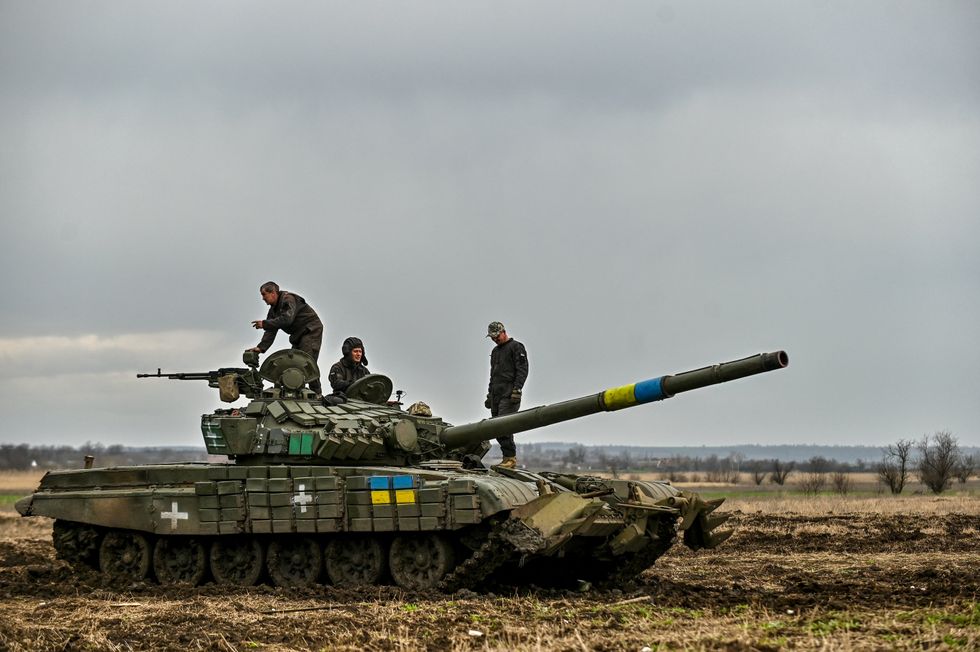
Even as Ukraine’s Western allies are sending much needed military hardware, there is an unofficial market for used equipment — from armored vehicles to drones and satellites — that has been vital for Kyiv. But how do these second-hand goods make it from Britain to the front?
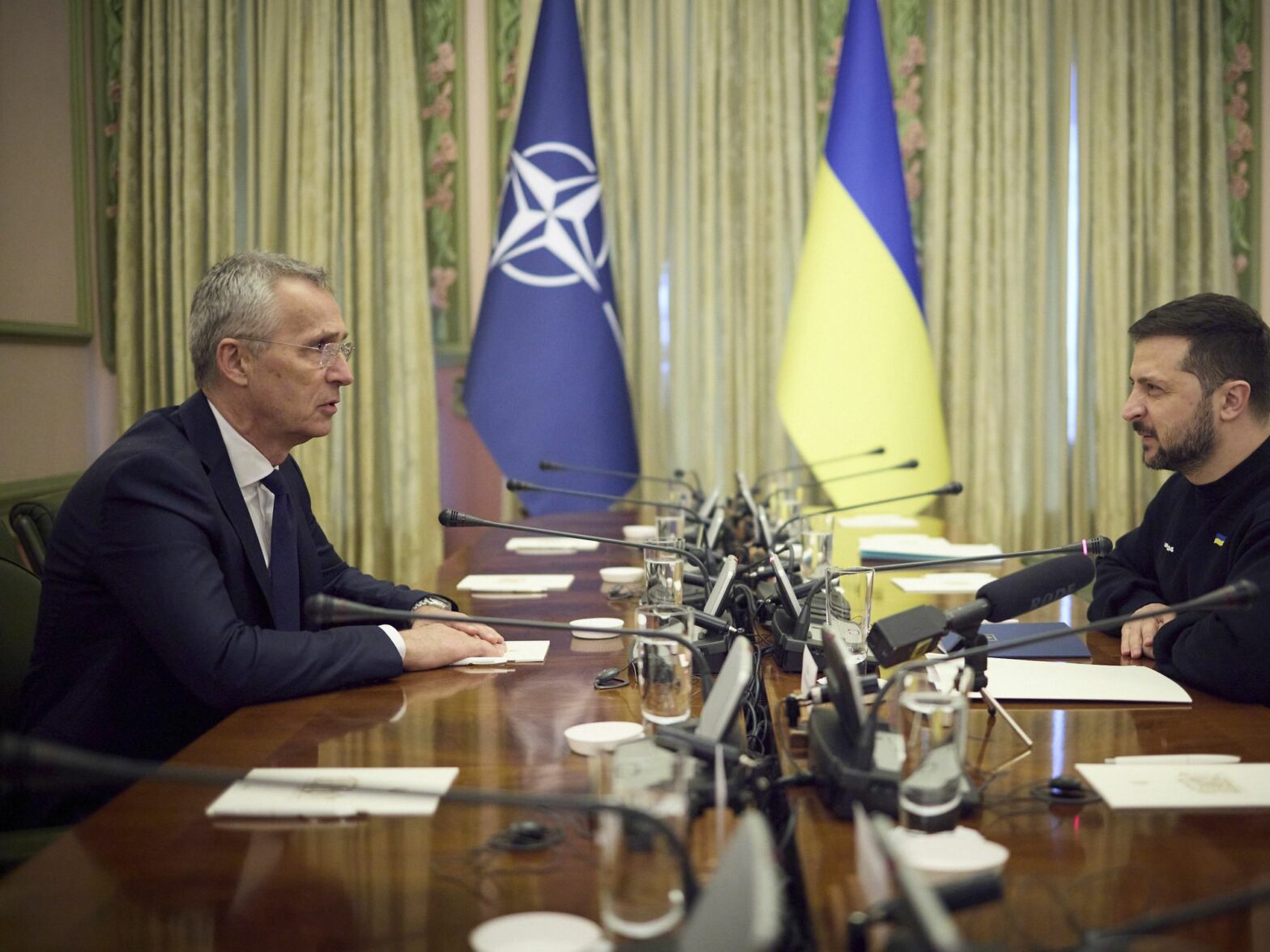
Ukrainian President Volodymyr Zelensky has accepted an invitation to attend the next NATO summit in July, but he will arrive with expectations that the alliance is ready to pave the way for the country’s accession to the military alliance, even as the state of the war itself remains crucial to the decision.
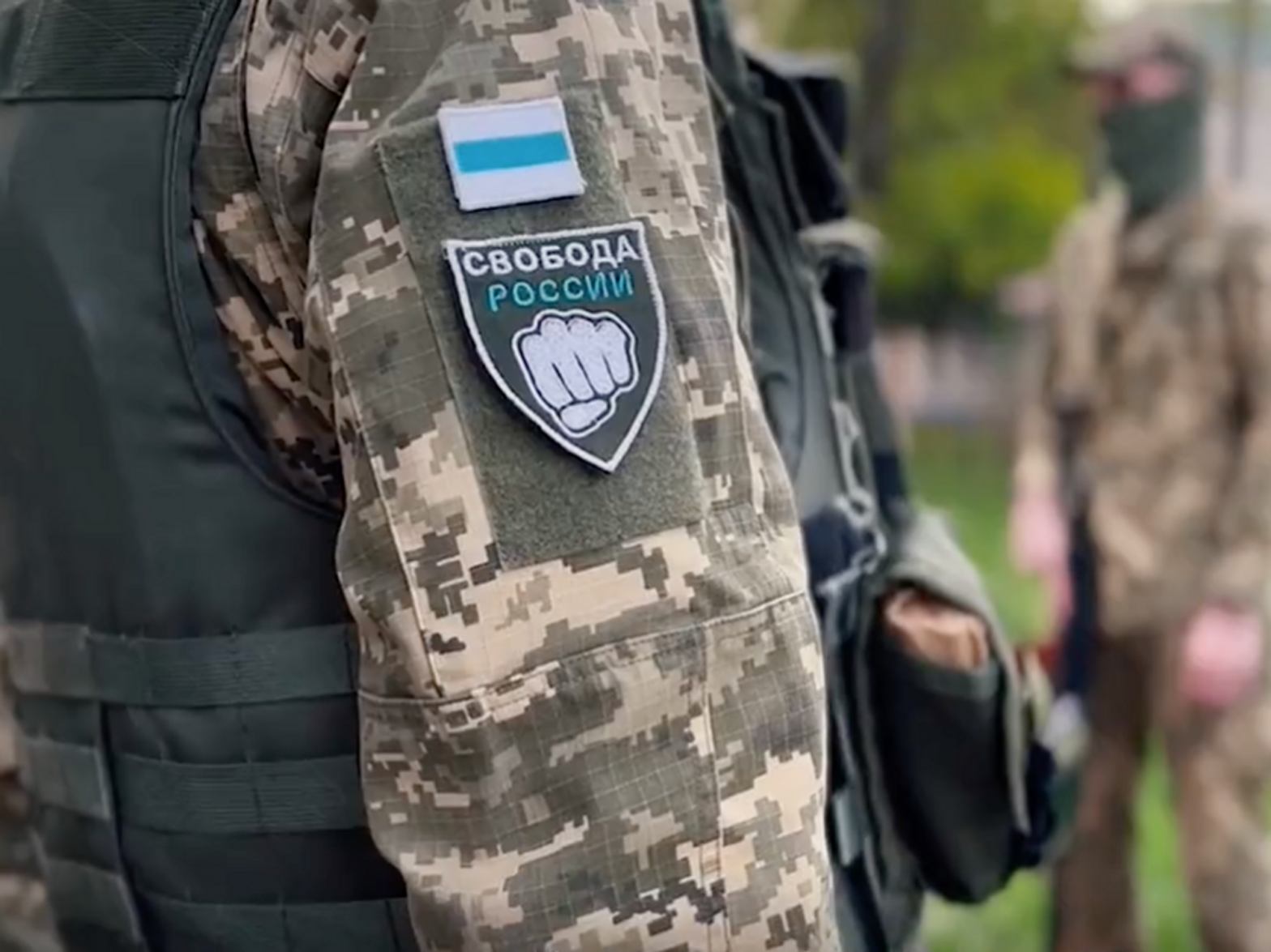
The Freedom of Russia Legion consists of Russian army defectors who are fighting against their homeland, outraged that Vladimir Putin has destroyed the moral standing of Russia by invading its neighbor. Still, it’s a delicate “double-life” on the front line.
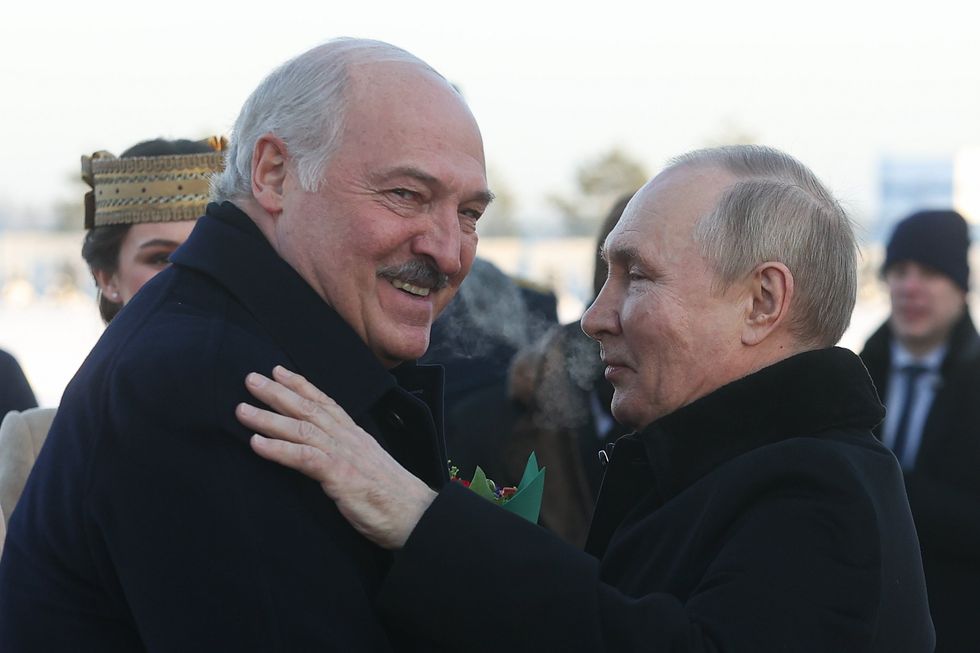
A few weeks after an explosion at a military field in Belarus, Vladimir Putin announced plans to deploy tactical nuclear weapons in Belarus. There is a connection, even if Belarus leader Alexander Lukashenko is walking a tight rope of domestic control and keeping Putin satisfied.
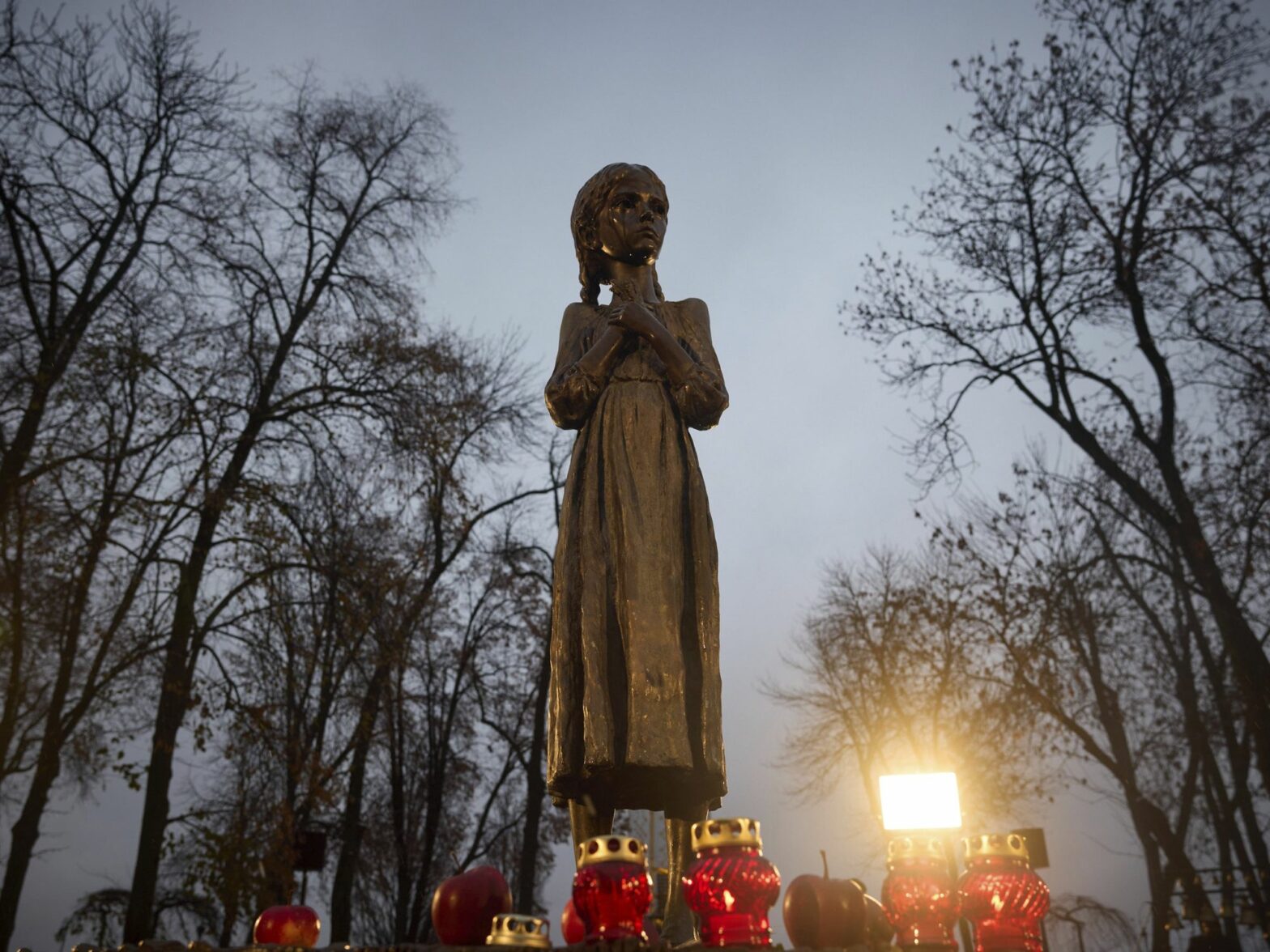
Ukraine and countries around the world recognize the Holodomor, the famine which killed millions of Ukrainians in the early 1930s, as a genocide caused by Soviet authorities. But Russia still refuses to admit responsibility. A new study uses agricultural records and mathematical modeling to show that the famine clearly targeted Ukrainians.
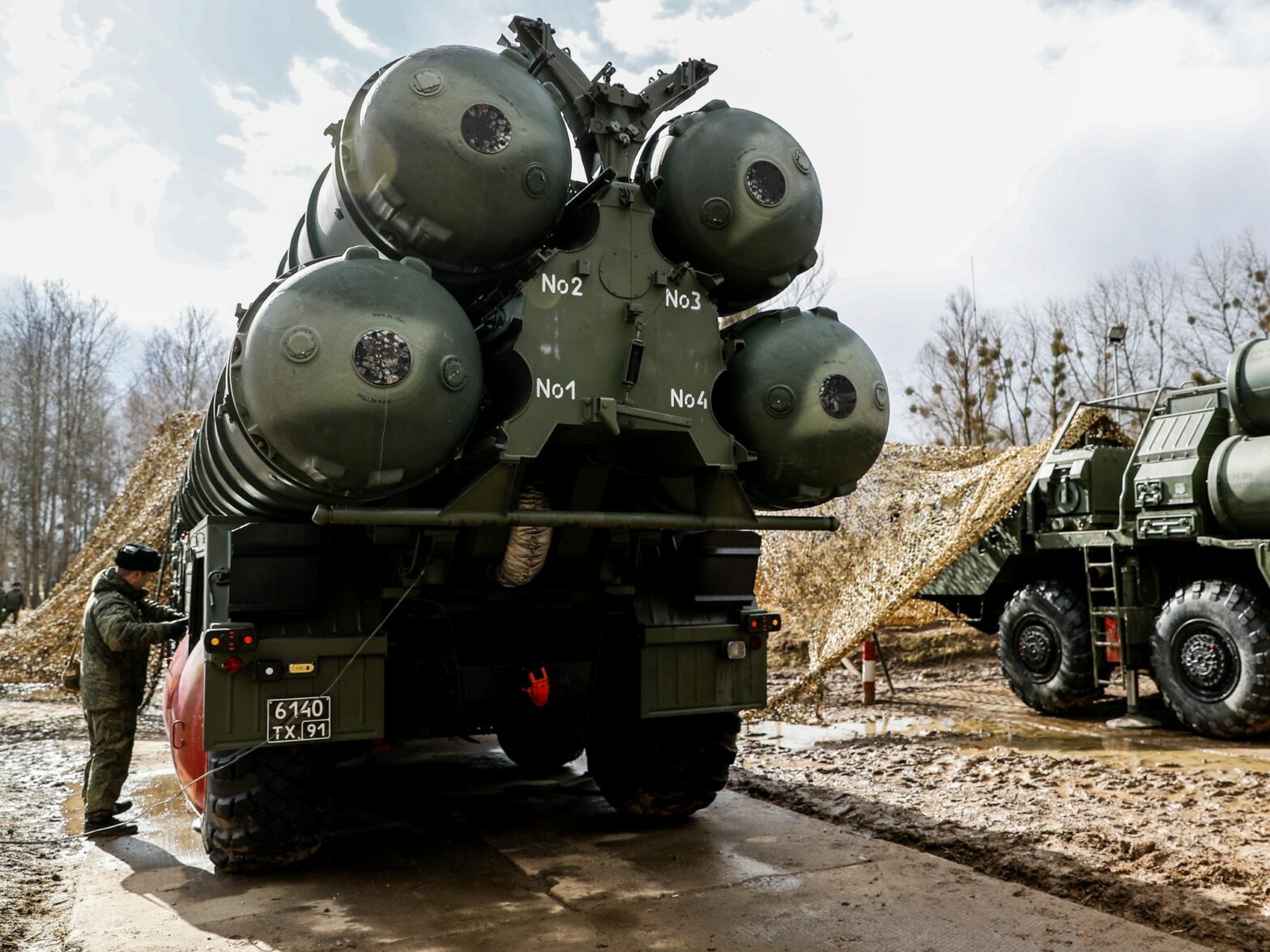
Russia has announced its withdrawal from a post-Cold War nuclear arms control treaty it signed with the U.S. The decision risks re-launching a global arms race.
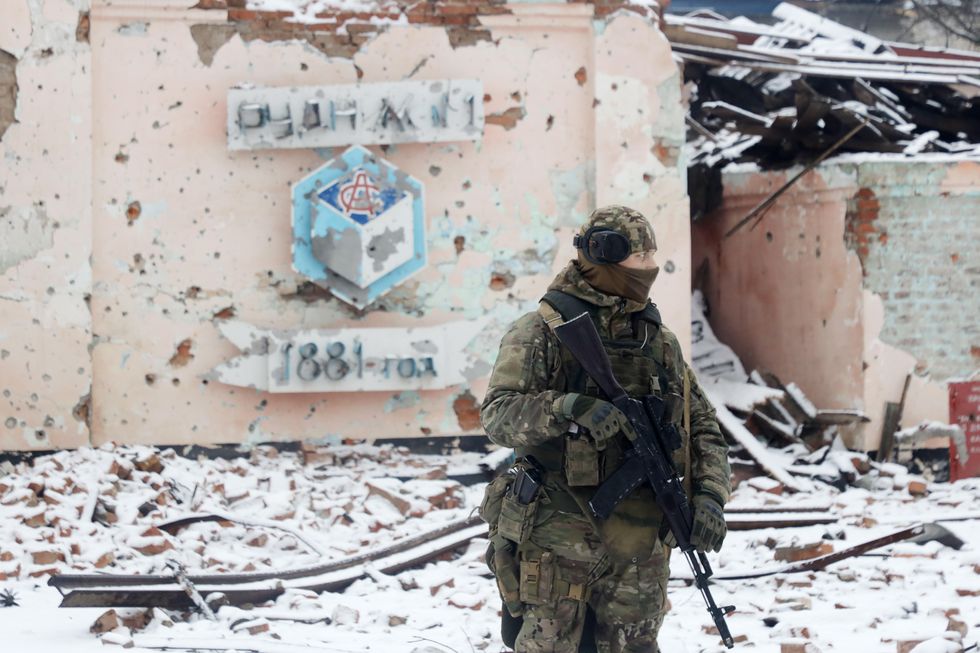
Many of the convicts that the Wagner Group mercenary outfit enlisted to fight in Ukraine are dead or missing, which has created a major recruitment problem for the paramilitary group headed by Putin confidante Yevgeny Prigozhin.
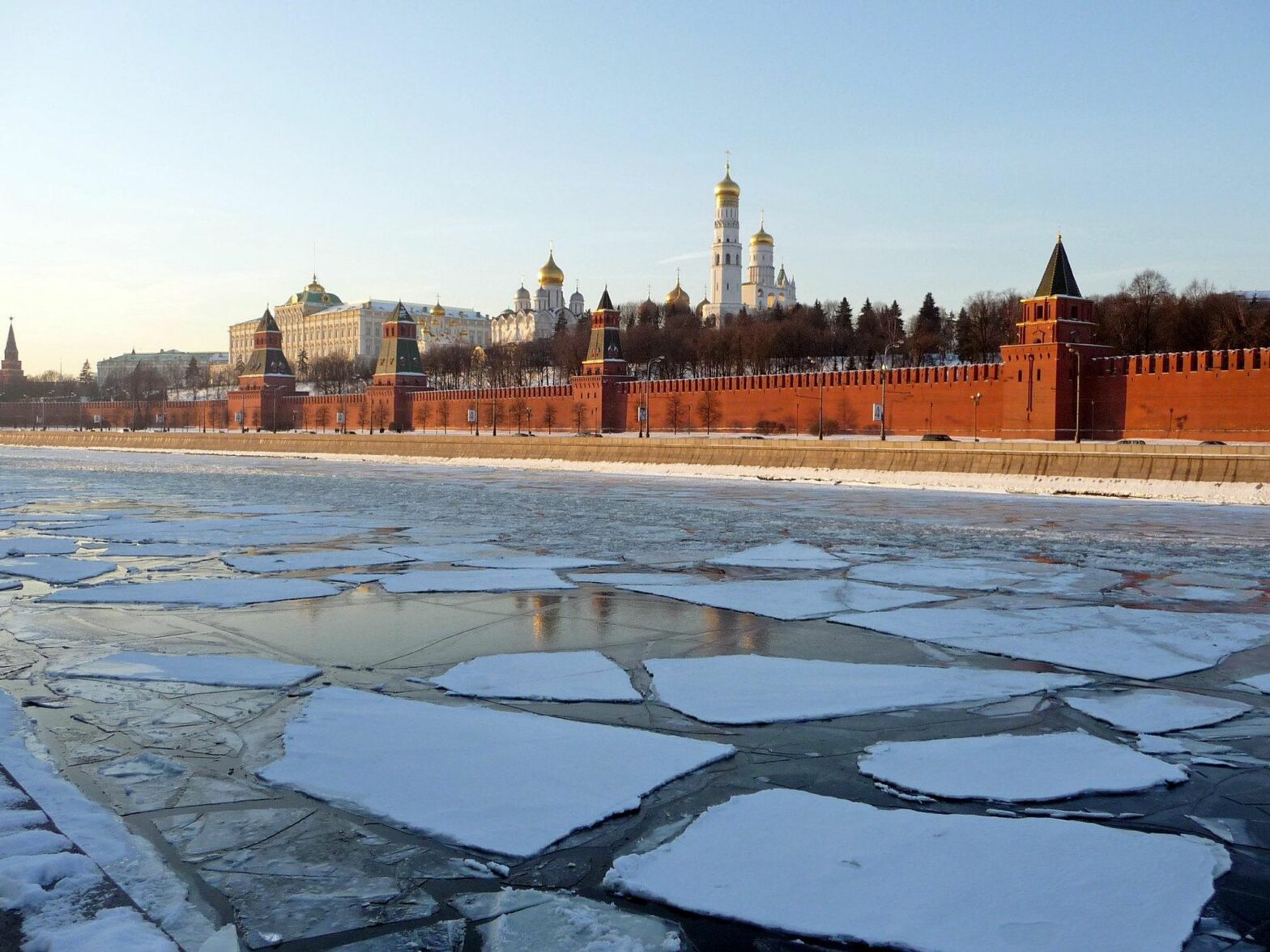
Russia is increasingly concerned about security from the sky: air defense systems have been installed on rooftops in Moscow’s government quarter. Systems have also appeared in several other places in Russia, including near Vladimir Putin’s lakeside home in Valdai. What is the Kremlin really worried about?
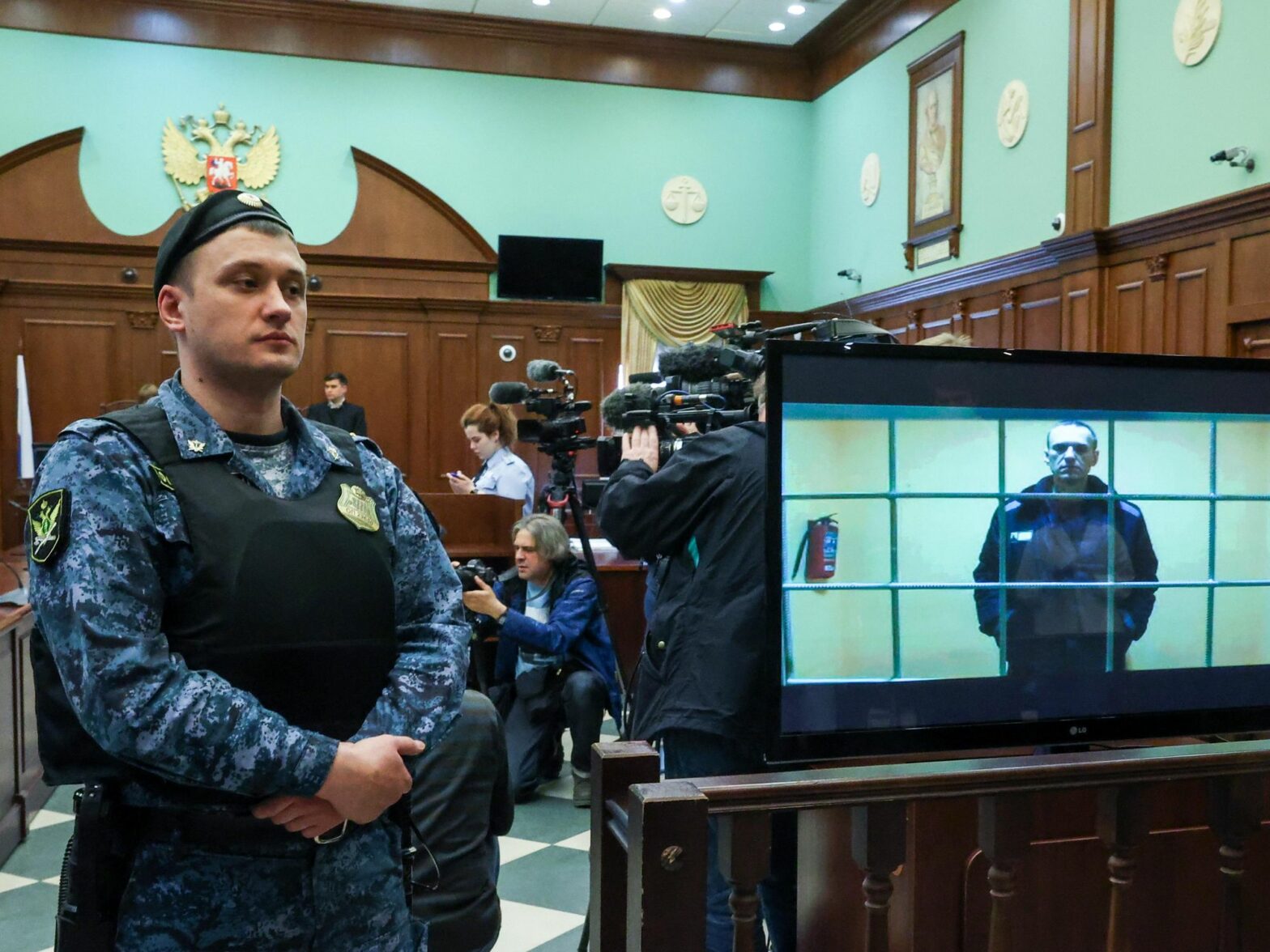
Two years ago, Vladimir Putin’s most prominent critic Alexei Navalny was jailed. Much has and hasn’t changed since then, but Putin’s invasion of Ukraine means that Russia has put itself on a course of no return.
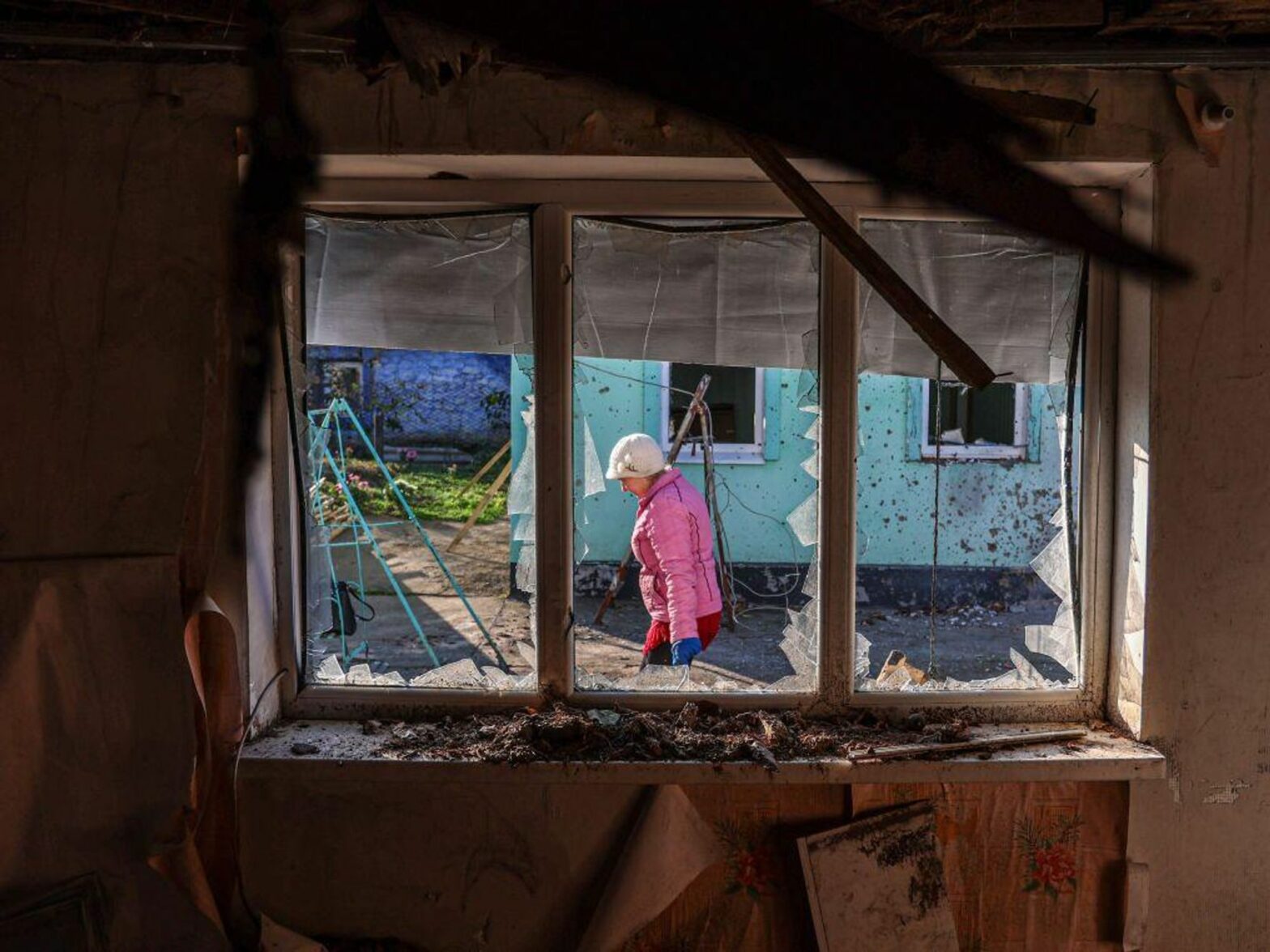
After a grim New Year, a soldier and mother reflects on the trauma of the past 10 months: fear, the corpses of friends and the choice between her own children and joining the war effort.
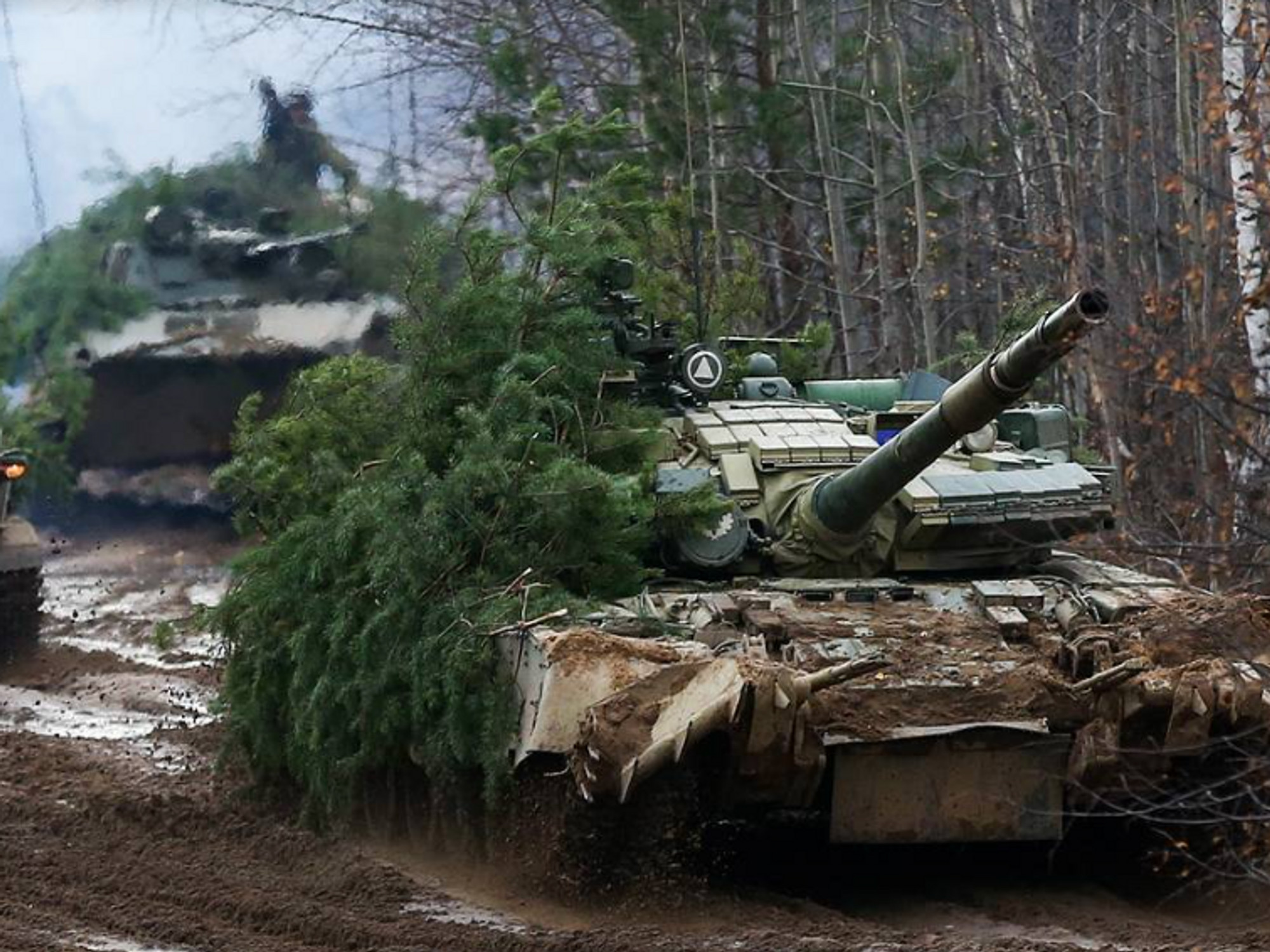
Vladimir Putin used the Orthodox Christmas holiday as a 36-hour communication ops, while plans proceed to widen his war in Ukraine.
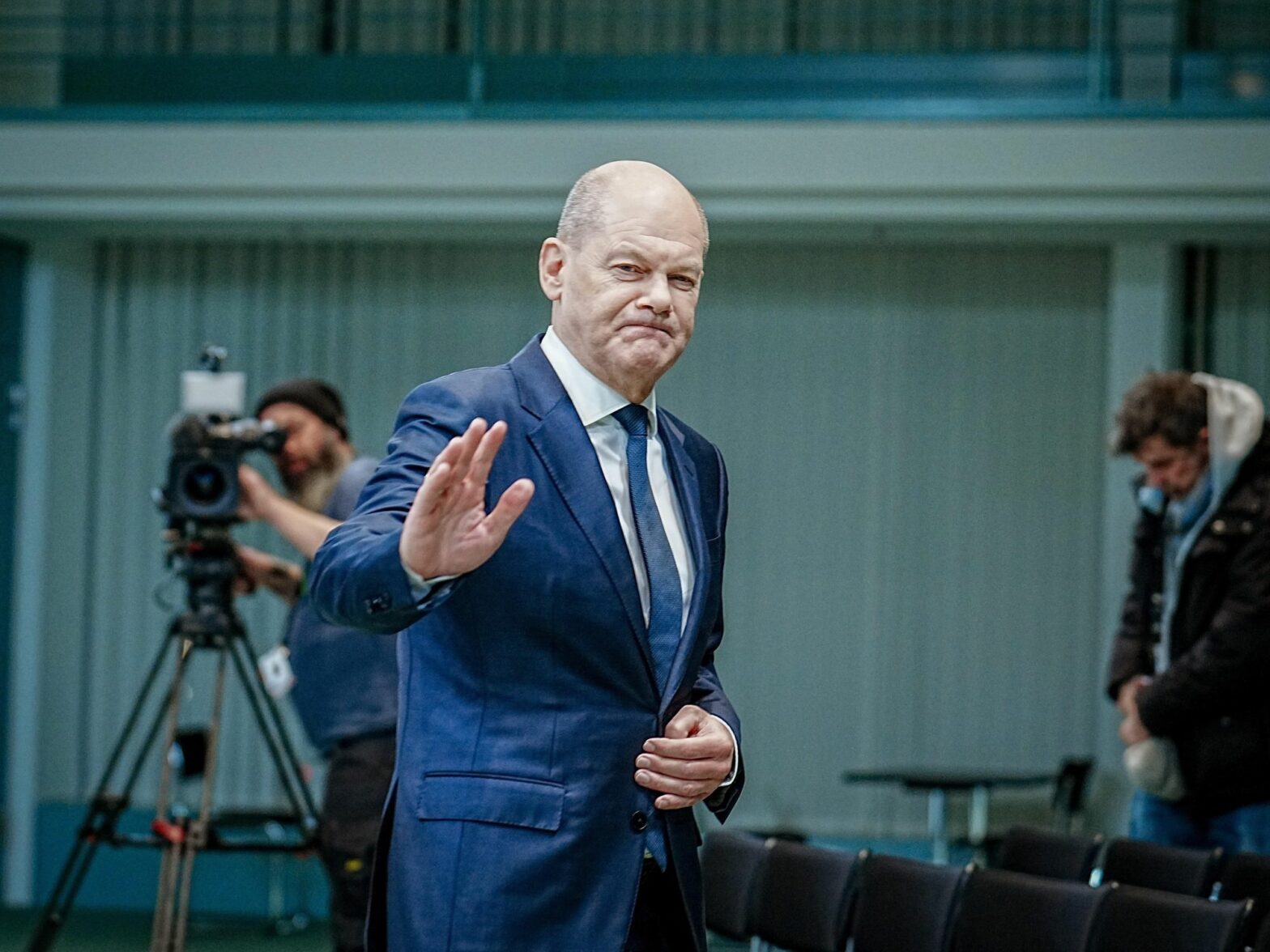
Praising the courage of the Ukrainian people, German Chancellor Olaf Scholz assured Kyiv of Germany’s support for “as long as it is needed.” Not nearly enough, according to the country’s opposition.
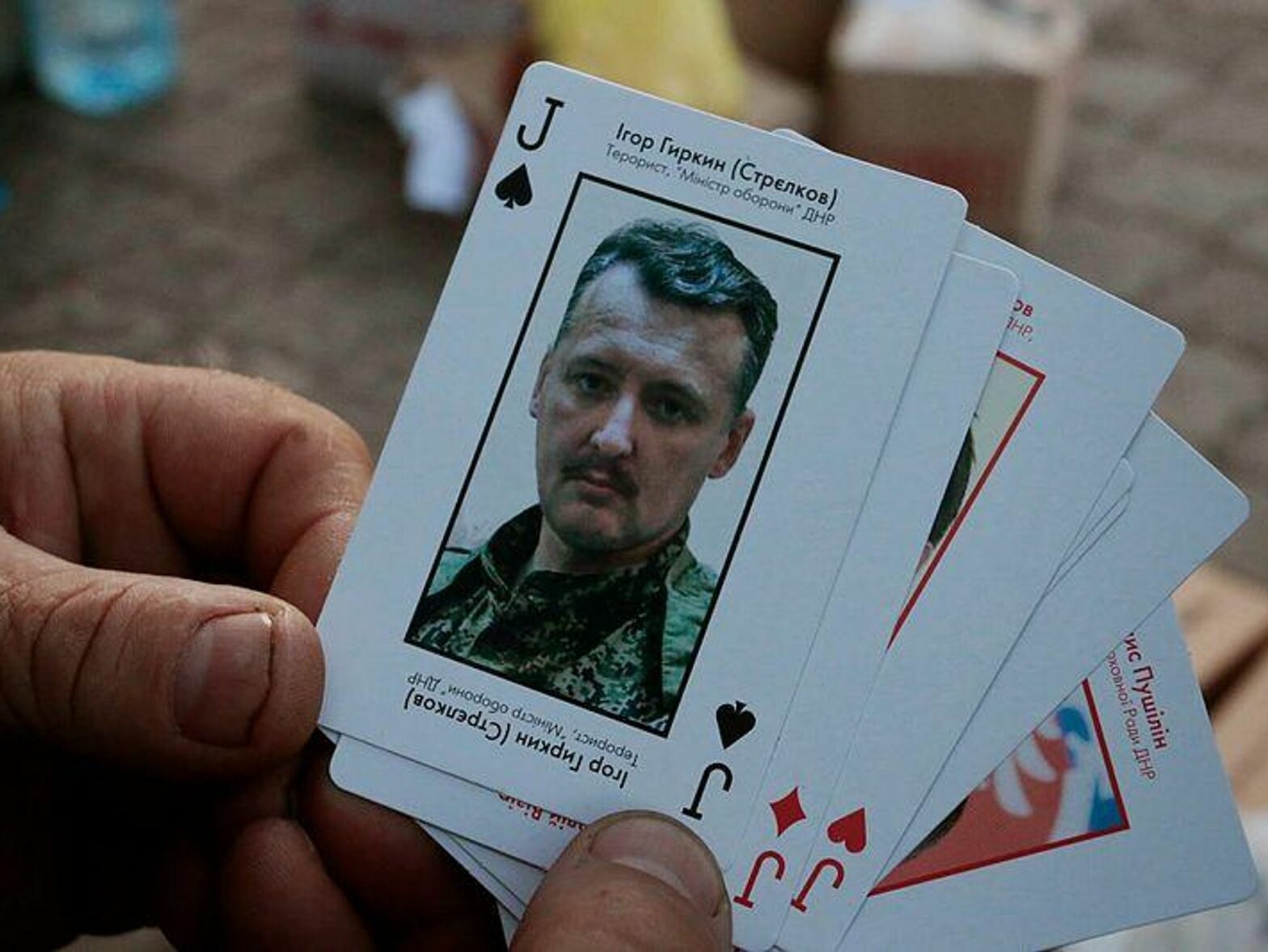
He’s been accused of multiple atrocities, and convicted in the shooting down of Malaysian Airlines Flight 17 over Ukraine in 2014. But since Russia’s invasion, Igor Girkin seems ever more in a state of despondency, with a uniquely dark view on the future, for Vladimir Putin most of all.
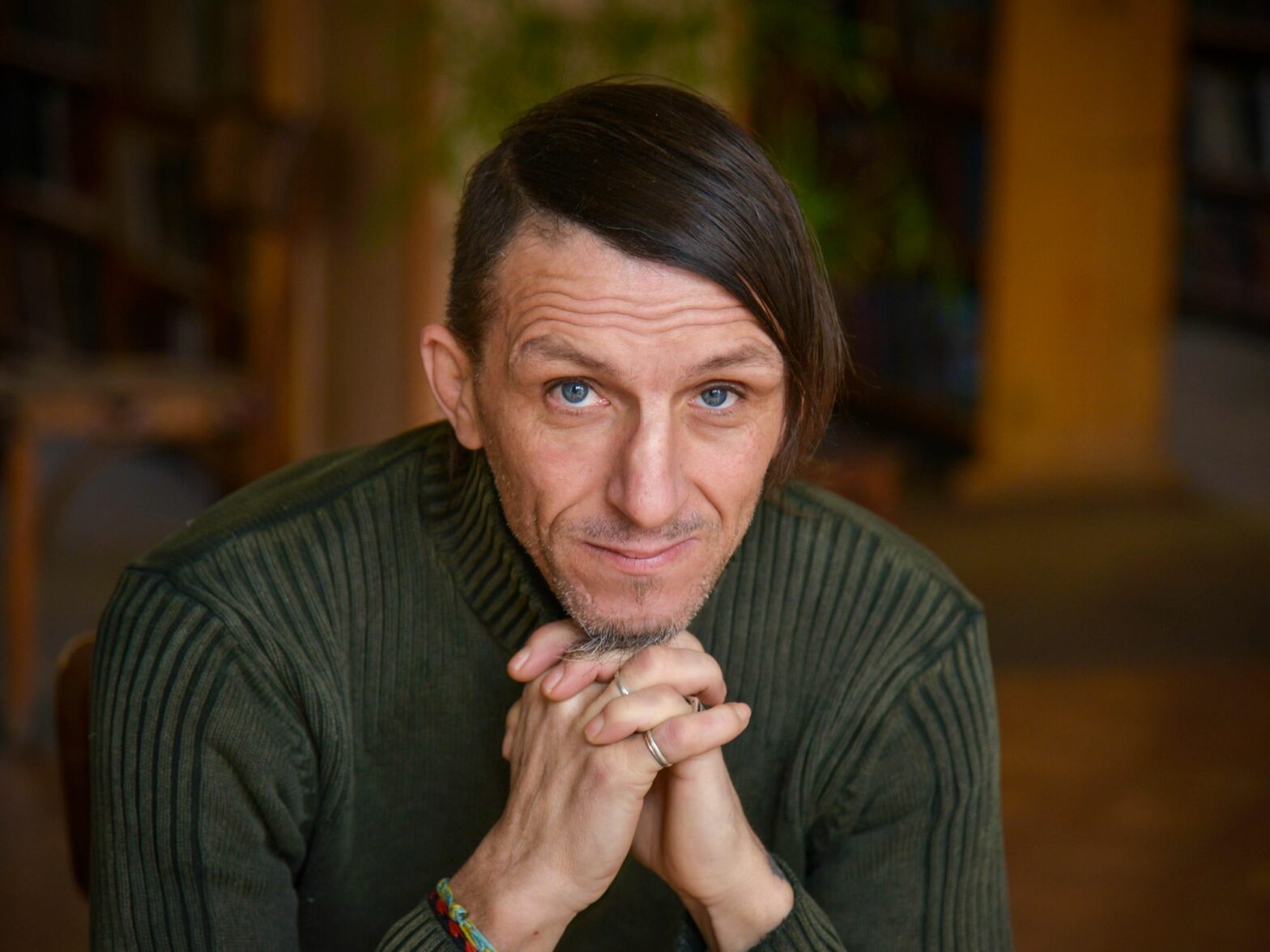
Volodymyr Vakulenko was a Ukrainian writer killed by the Russians during the invasion. He left behind a diary that is intensely personal, yet encompasses much of the tragedy of his nation.
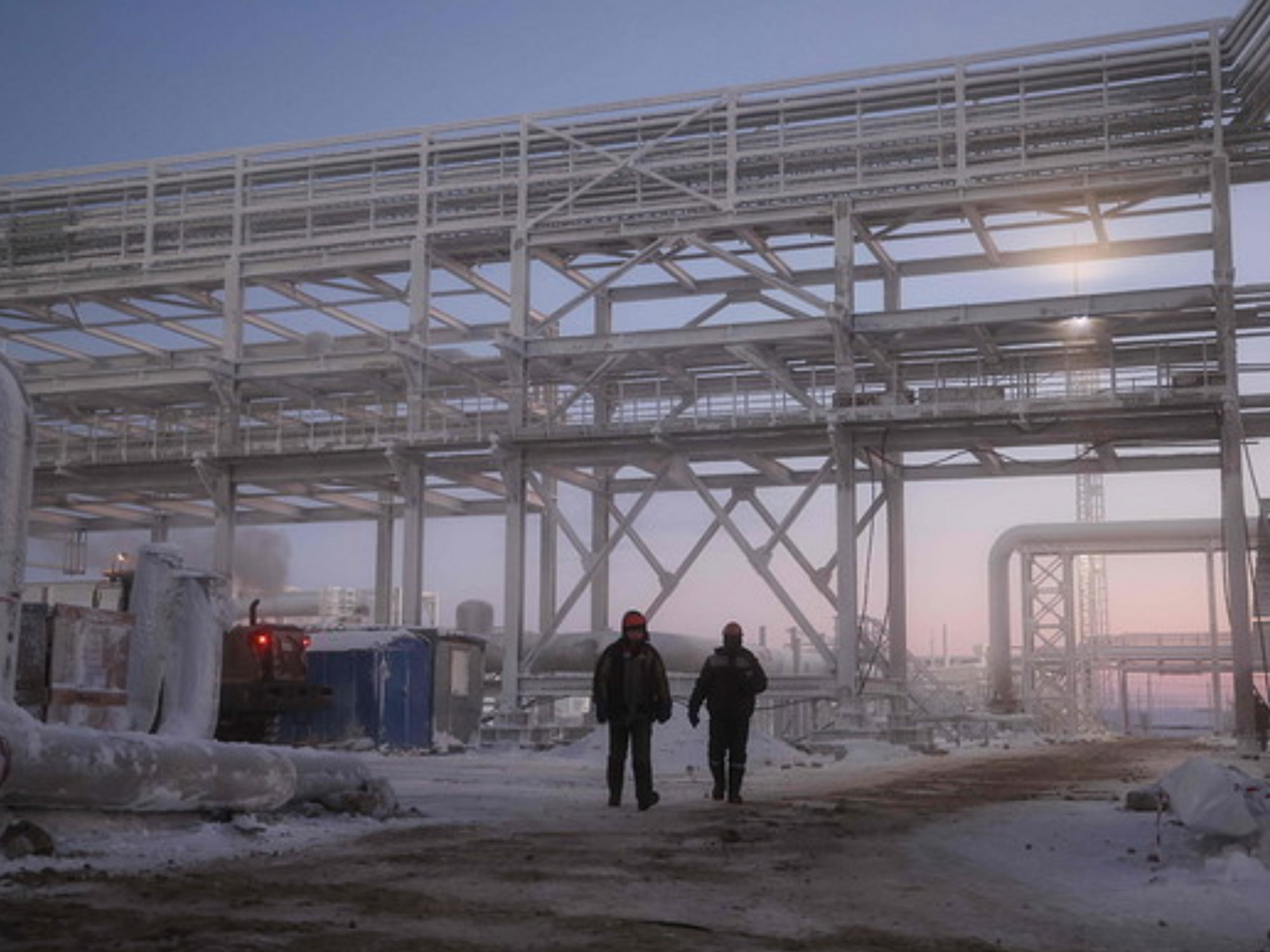
Russia owns 60% of Arctic coastline and half of the region’s population. In recent history, NATO has not been overly concerned with the defense of the Arctic region because the U.S. military has been focused on the Middle East. This is all changing since Russia’s invasion of Ukraine.
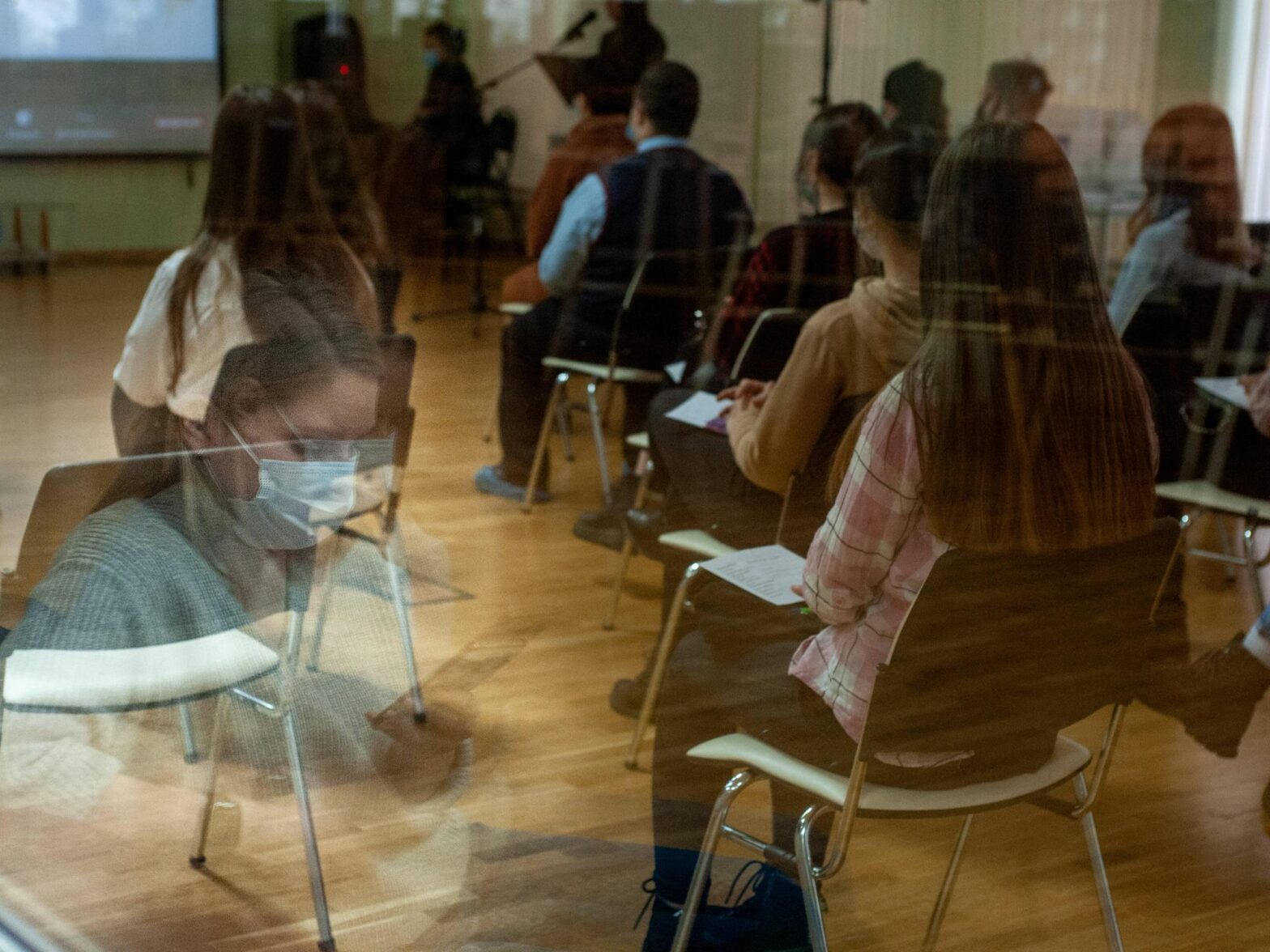
In Russian schools, lessons on “important things” are a compulsory hour pushing state propaganda. But not everyone is buying it. Independent Russian media outlet Vazhnyye Istorii/Important Stories spoke to teachers, parents and students about how they see patriotism and Putin’s mobilization.
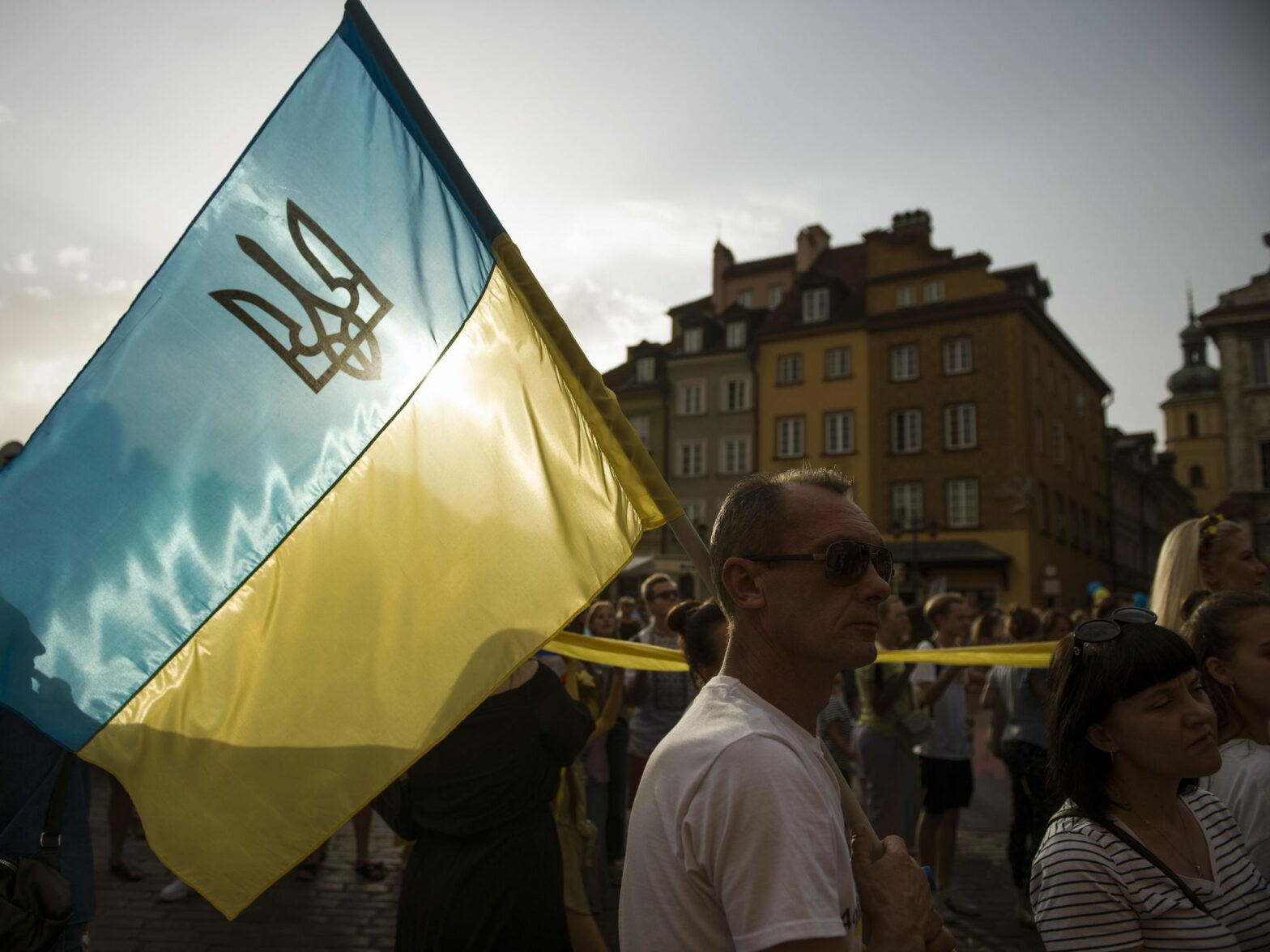
David Stulik, senior research analyst at the Prague-based European Values Research Center, explains the risks of continuing to calculate all our choices according to hypothetical fears of and future compromises with Russia.
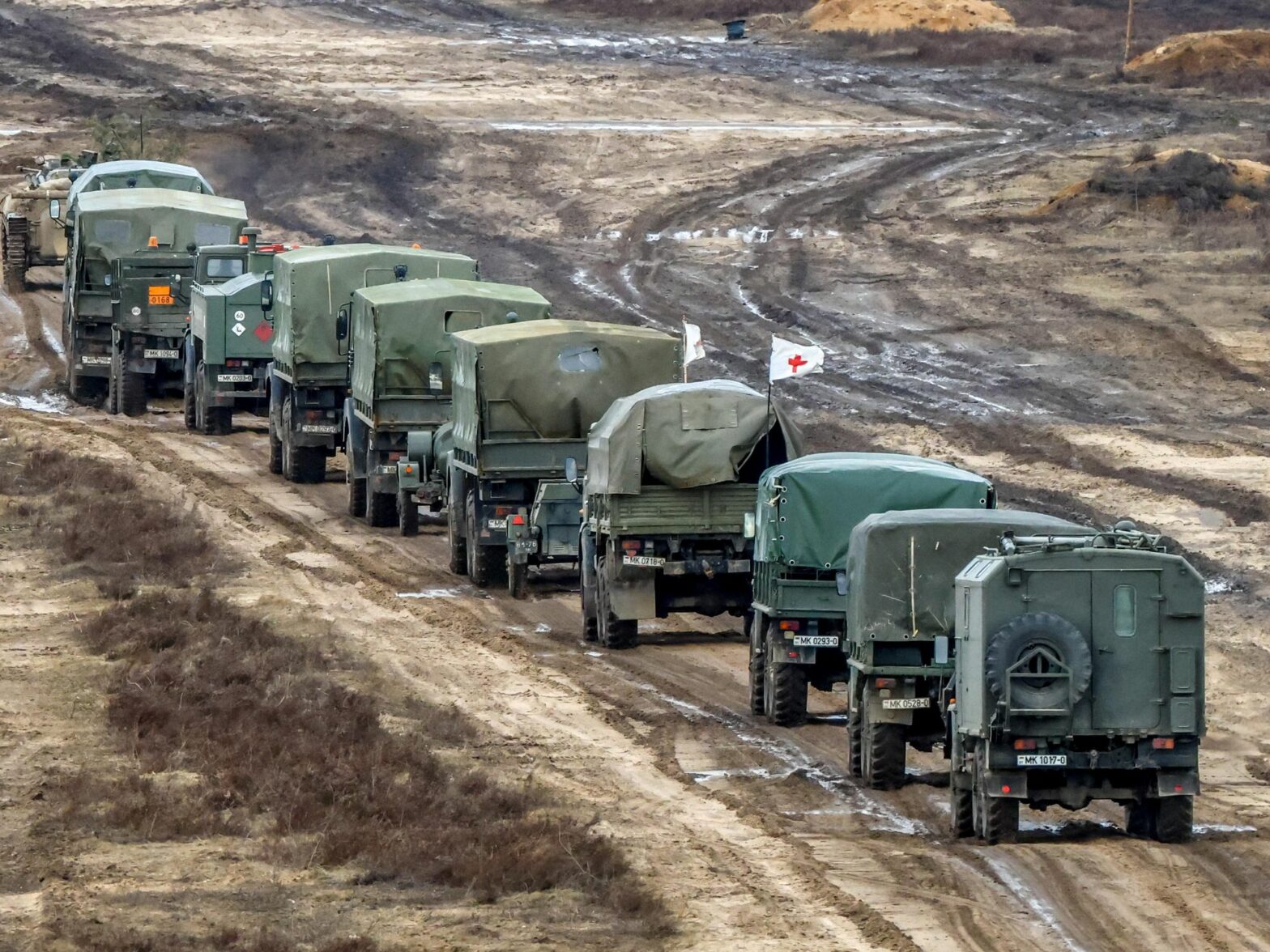
As the war in Donbas is bogged down, the most likely major new gambit in Vladimir Putin’s ambitions in Ukraine would be to get military support from his ally in Minsk, Belarusian strongman Alexander Lukashenko. How would that actually go down?
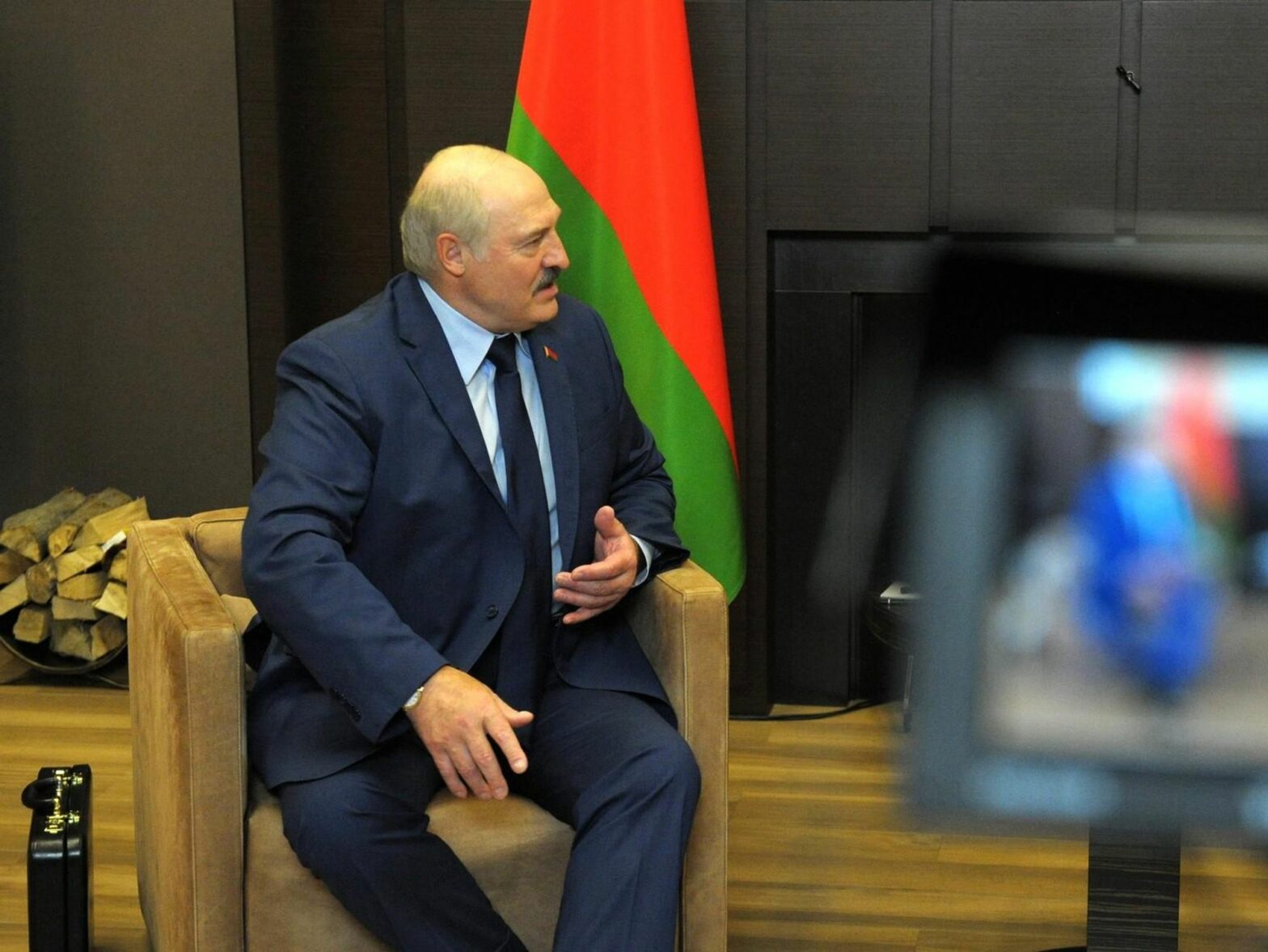
Staunch Putin ally Belarusian President Alexander Lukashenko has recently tried to distance himself from an escalating war. But a series of events over the past month look set to drag him into Moscow’s war with all the risks that entails for his small country.
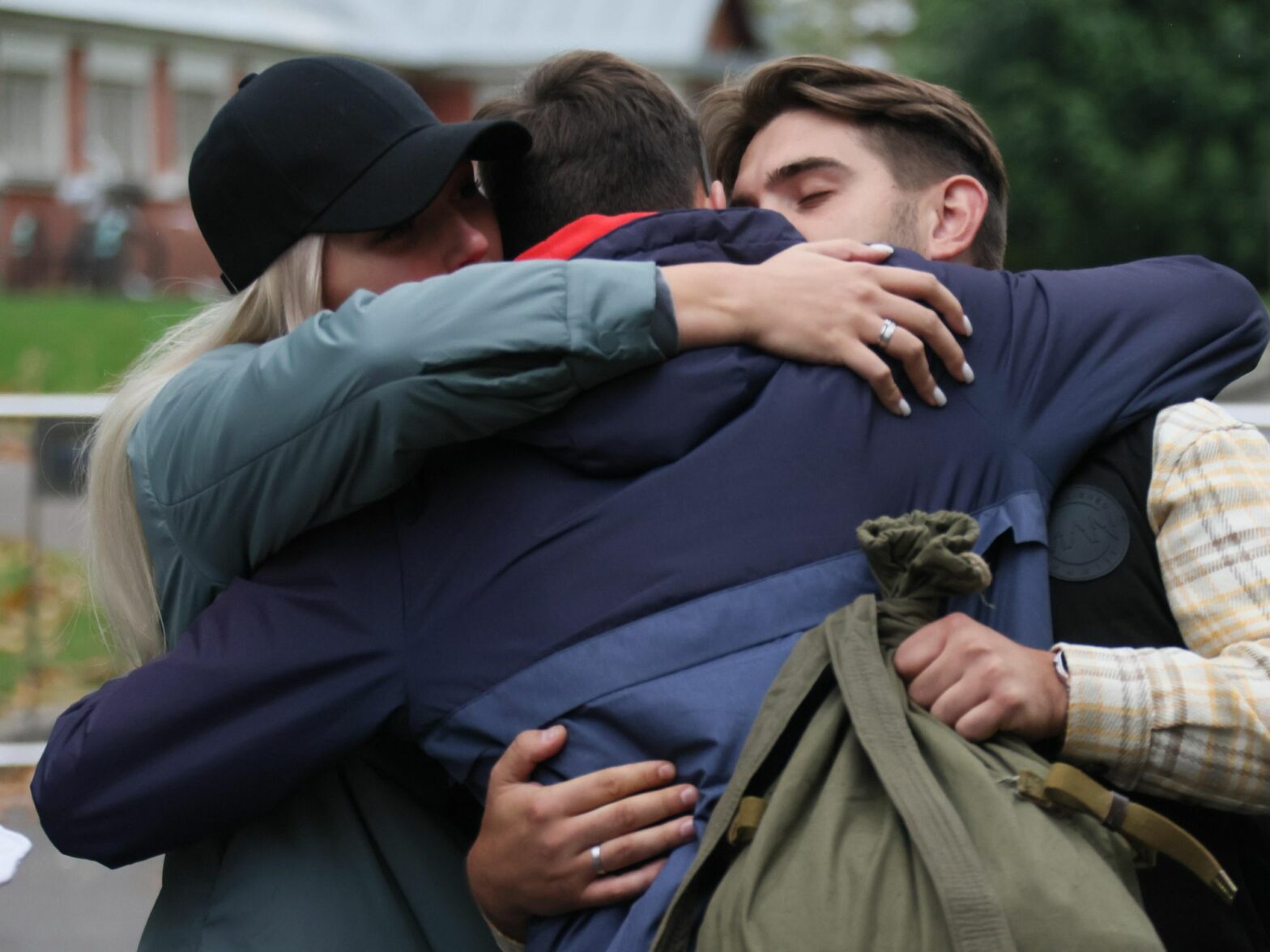
Ever since Russia announced a “partial mobilization” of hundreds of thousands of new recruits, we’ve seen plenty of coverage of those evading the draft. But the real story is how many untrained and under-equipped citizens will blindly follow the Kremlin’s orders.
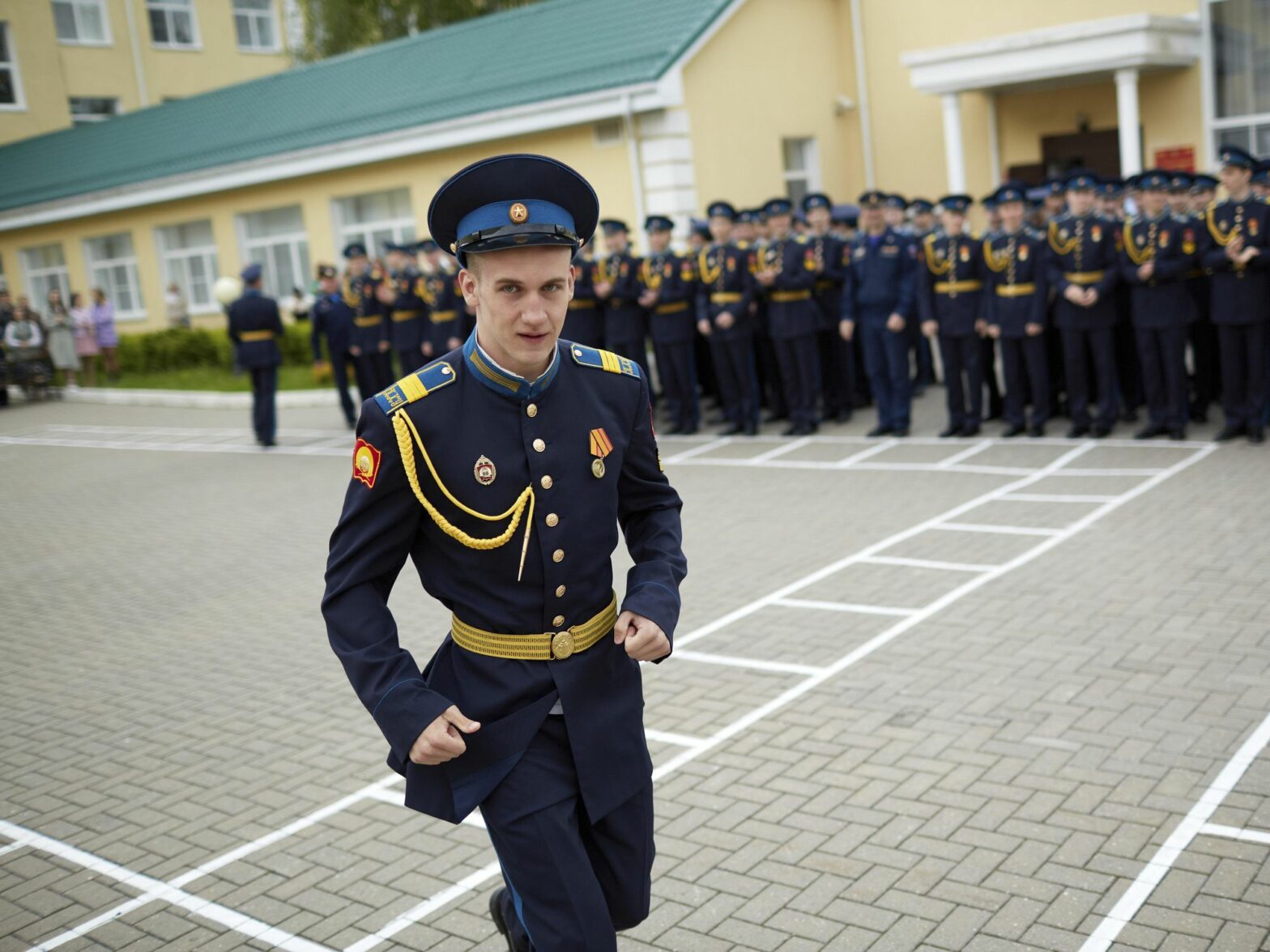
As much as he tried to, Vladimir Putin could not avoid the nationwide mobilization of new recruits. But now he can no longer hide from a war he chose for his nation — and more than ever, his own destiny is riding on the result.
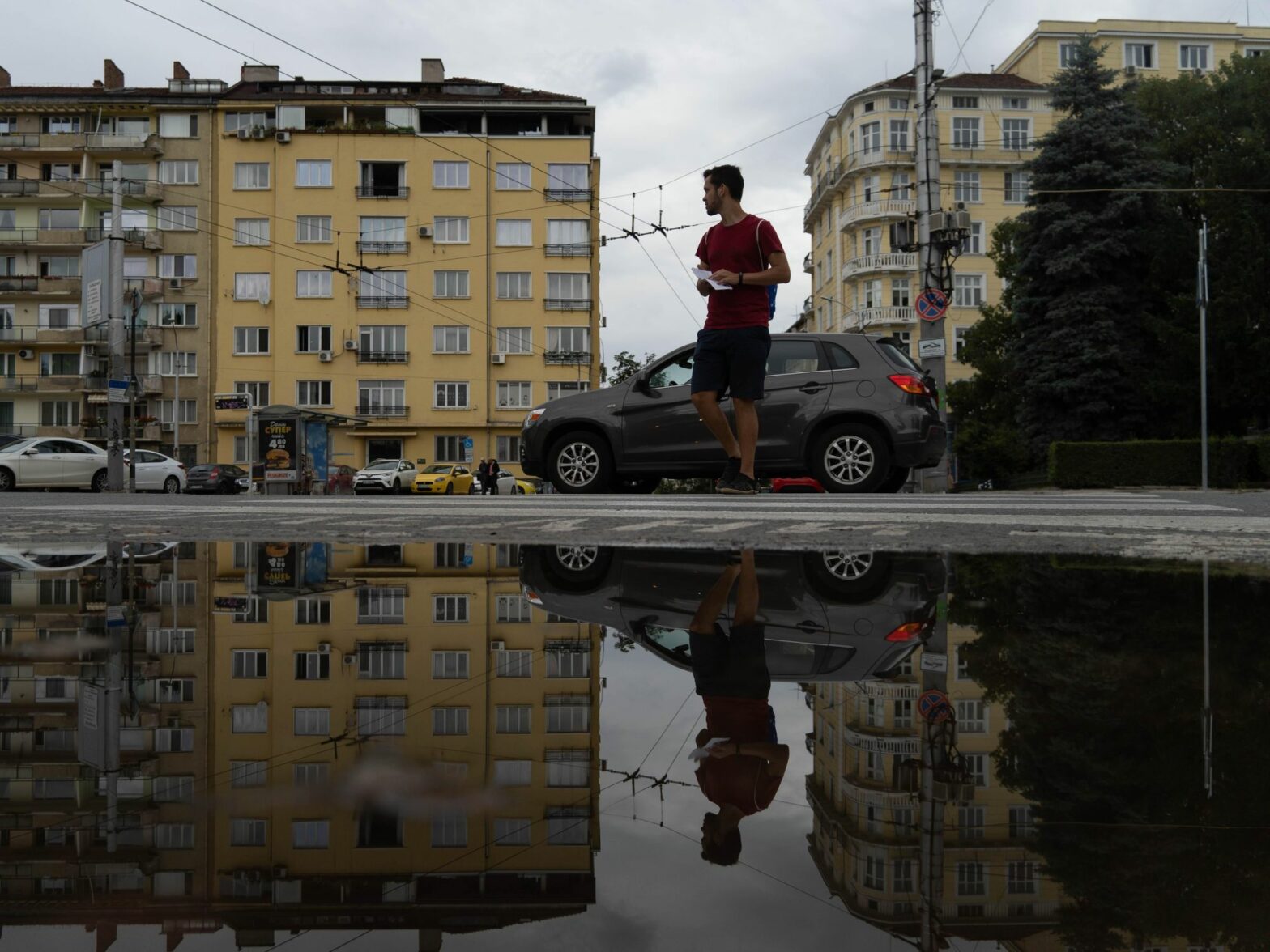
Bulgaria had sworn off Russian gas imports, but then its government collapsed. Now pro-Russian politicians are in power, which for the European Union means there is much more at stake than just energy supply.
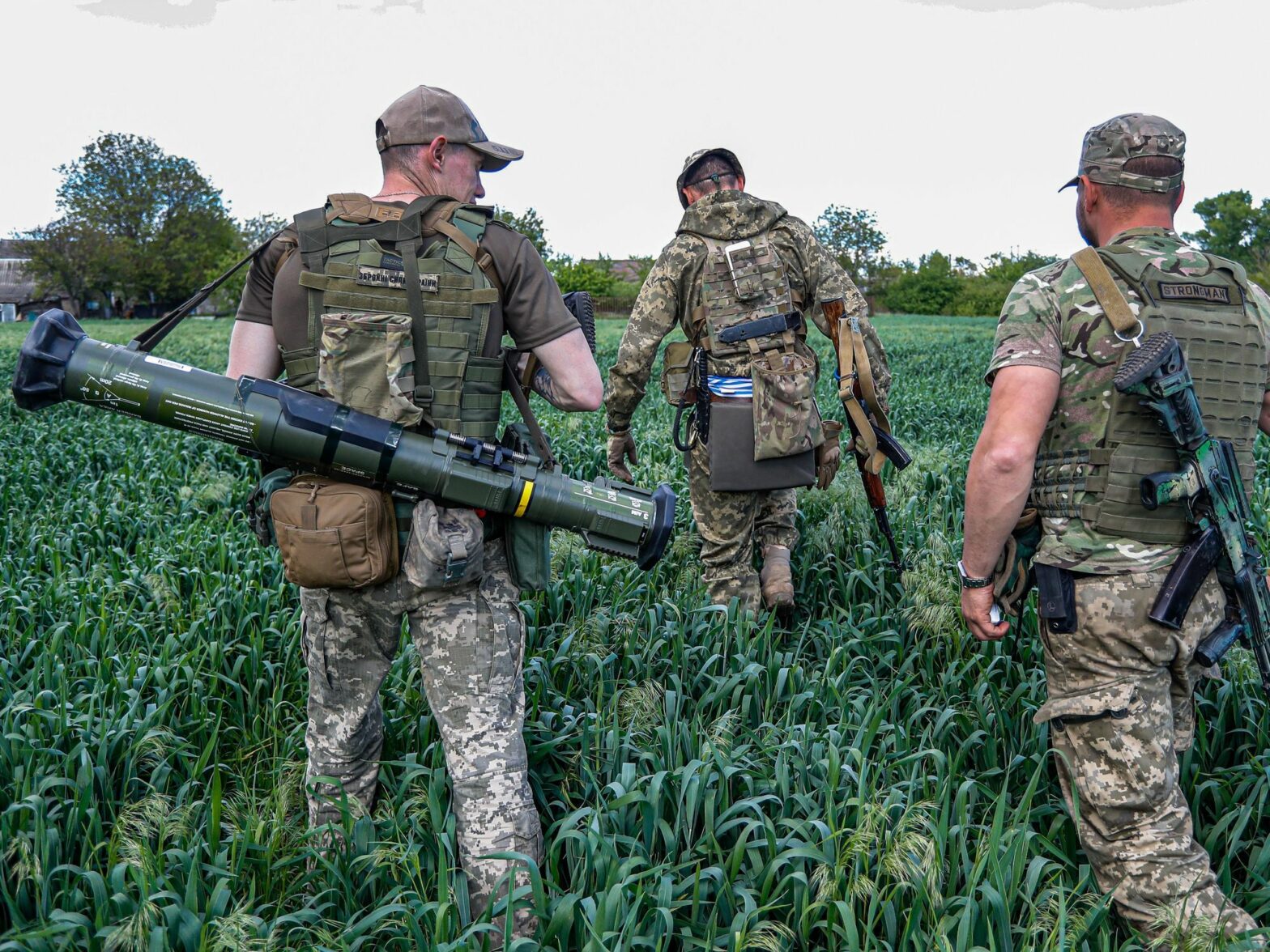
Russia’s progress on the frontline has stalled. But without weapons promised by the West, Ukraine has not been able to carry out decisive counteroffensives. The West’s indecisiveness risks the war being dragged out until next year — which is exactly what Putin wants.
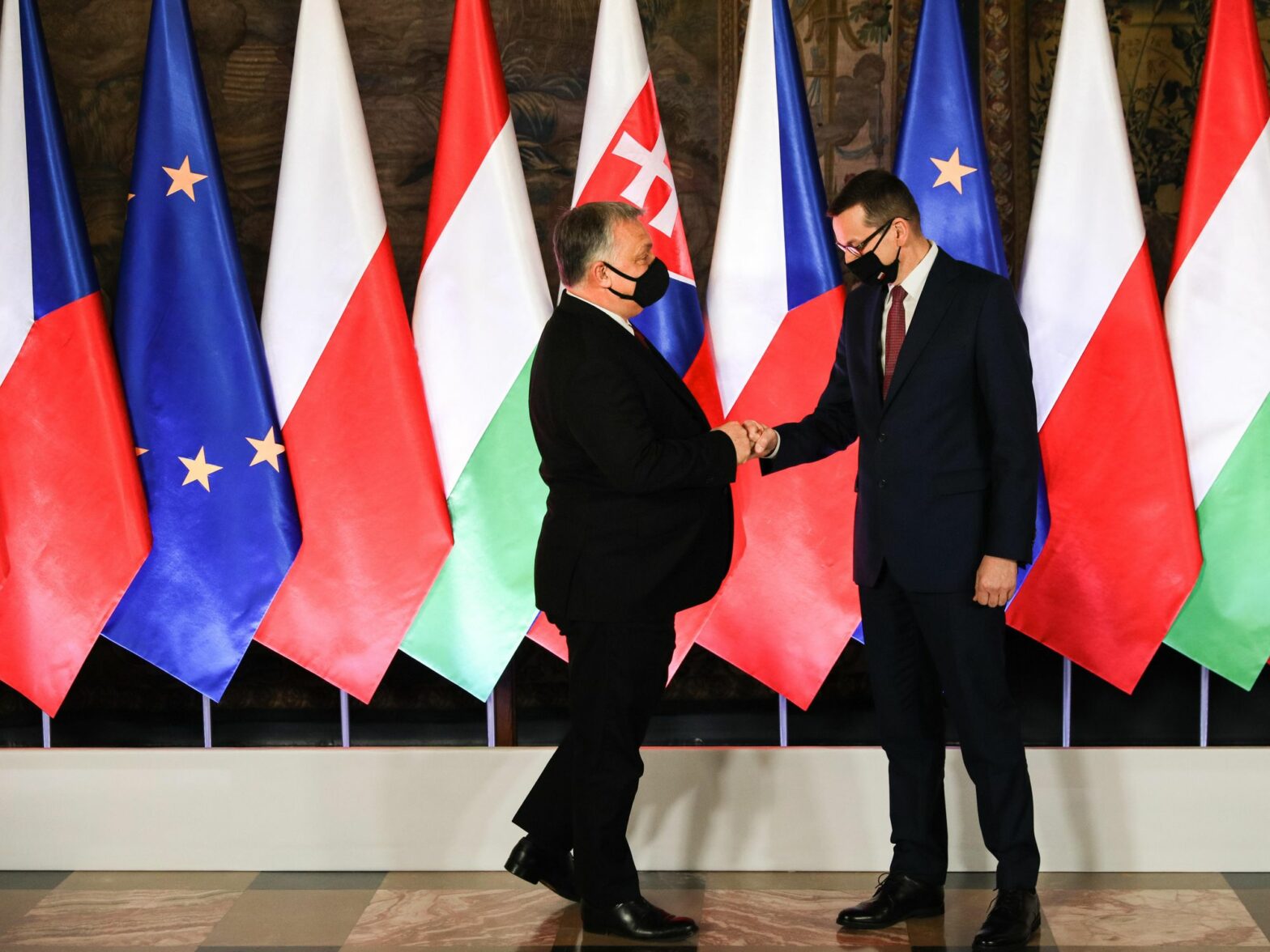
After having announced Poland’s rupture with Hungary, Polish Prime Minister Morawiecki has reversed course. It is a sign that Poland’s ruling conservative government may be ready to bet on an alliance with Moscow.
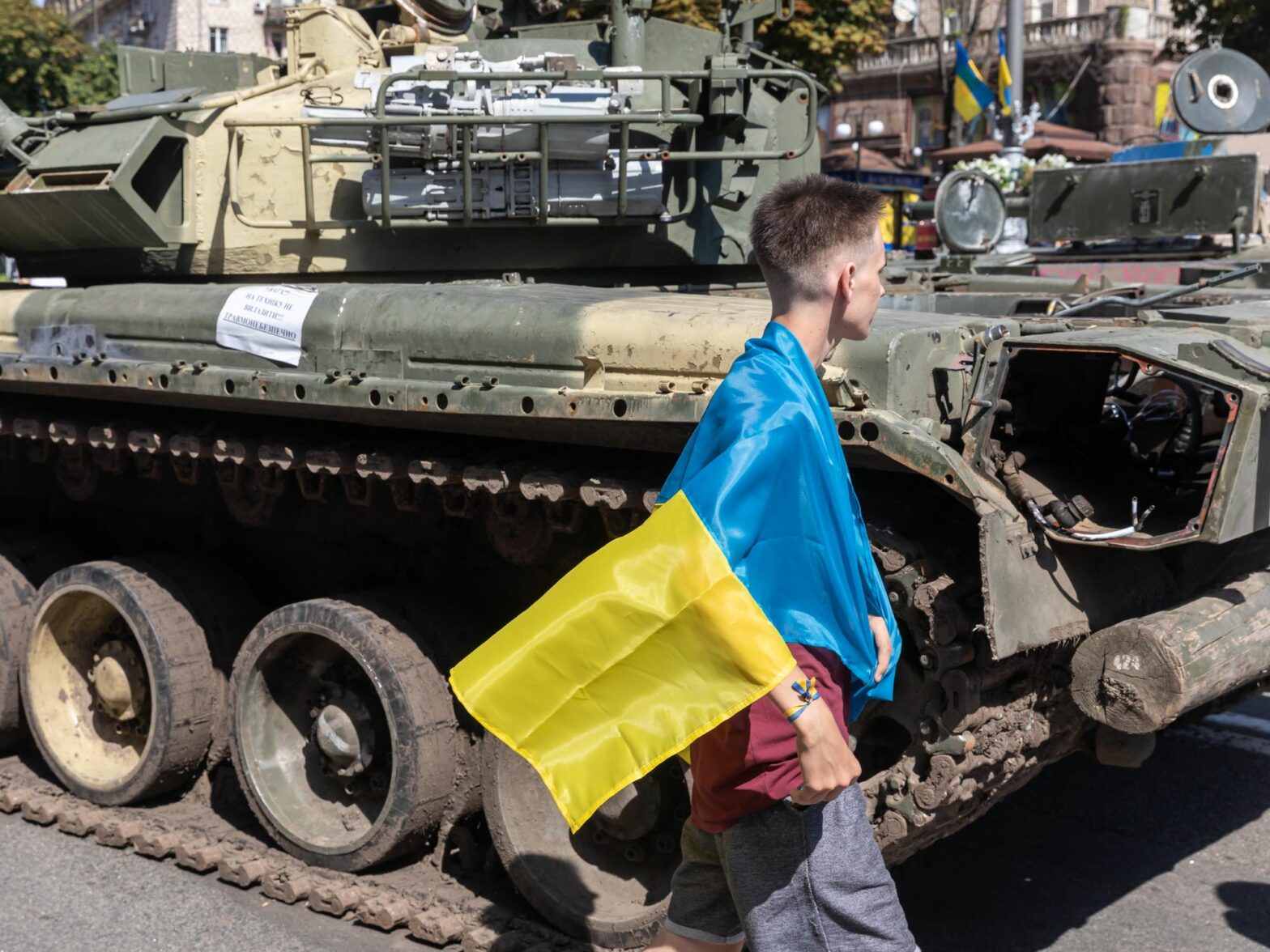
The prolonged war in Ukraine is certainly not over. But six months in, we already know that Russia will come out the loser, both to its Western rivals, and to China, for whom it is now a junior partner.
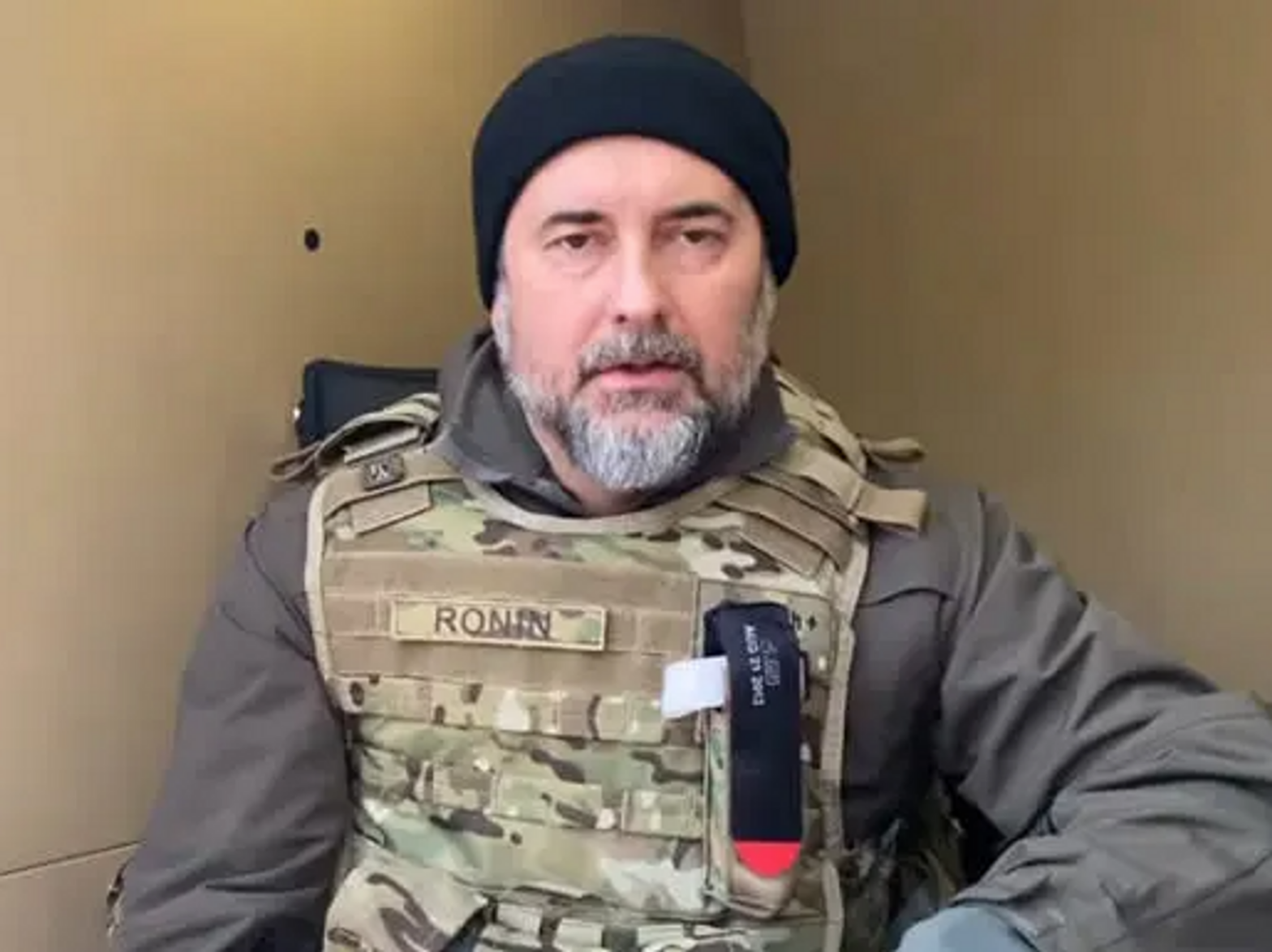
Ukrainian newspaper Livy Bereg asked Volodymyr Zelensky’s chief adviser on the Donbas, Serhiy Haidai, why he did not hold Ukraine’s position in the Luhansk region.