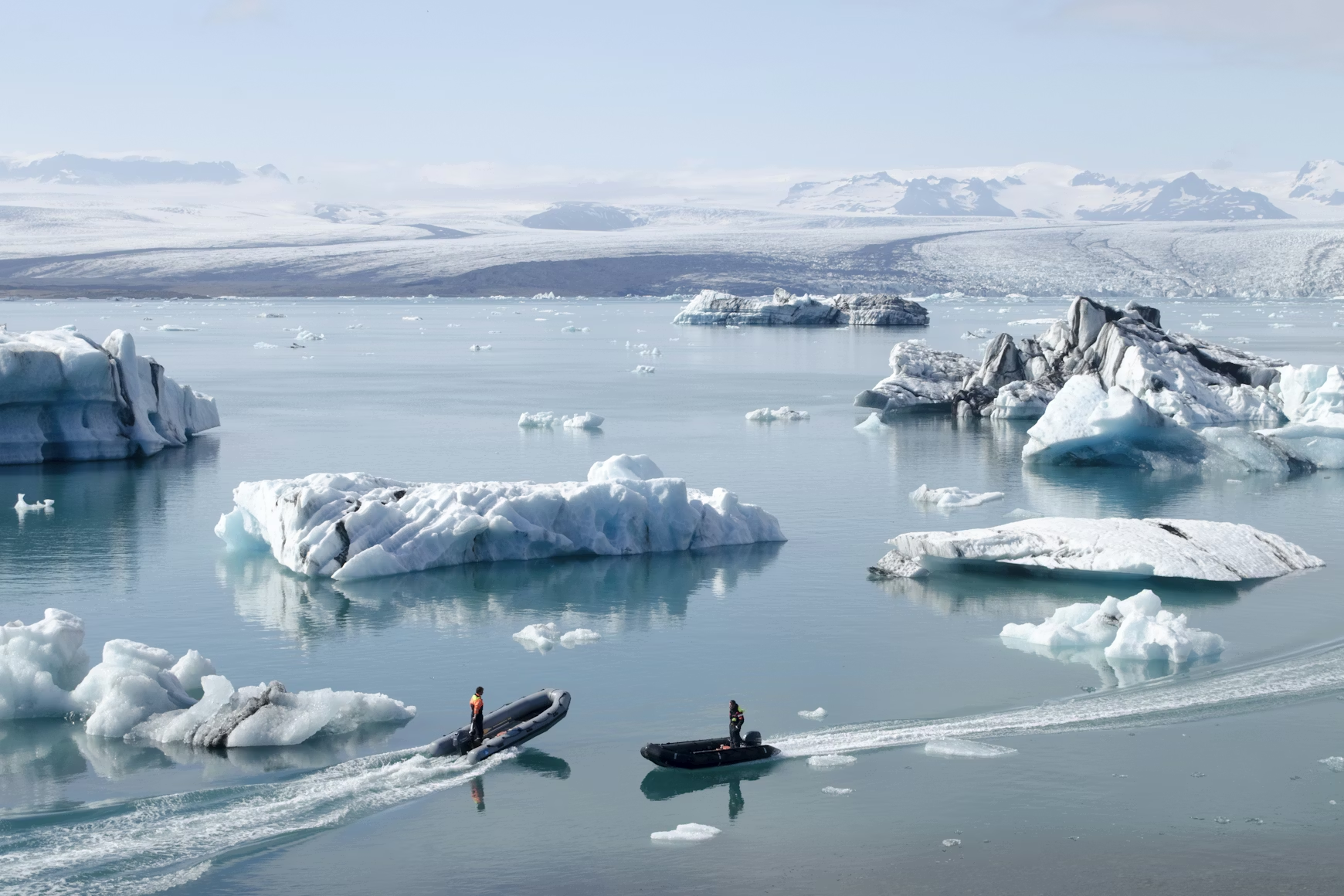
From volatile volcanoes to fragile winter landscapes, Icelanders live between wonder and risk as scientists race to understand a land that both sustains and endangers them.
 Worldcrunch
From volatile volcanoes to fragile winter landscapes, Icelanders live between wonder and risk as scientists race to understand a land that both sustains and endangers them.
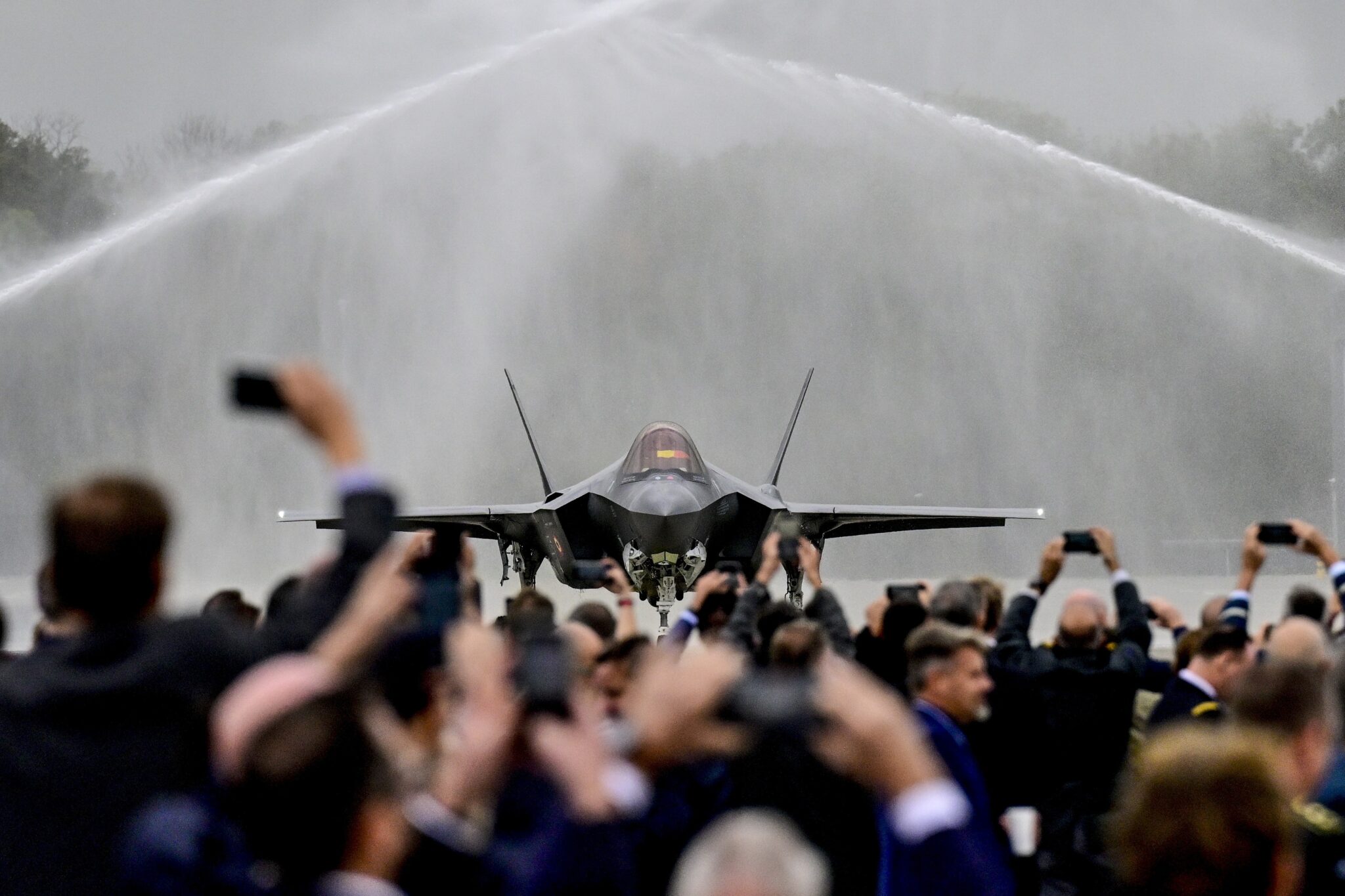
Germany and France once saw FCAS as the future of European defense, but political rifts and industrial rivalry now threaten the project itself.
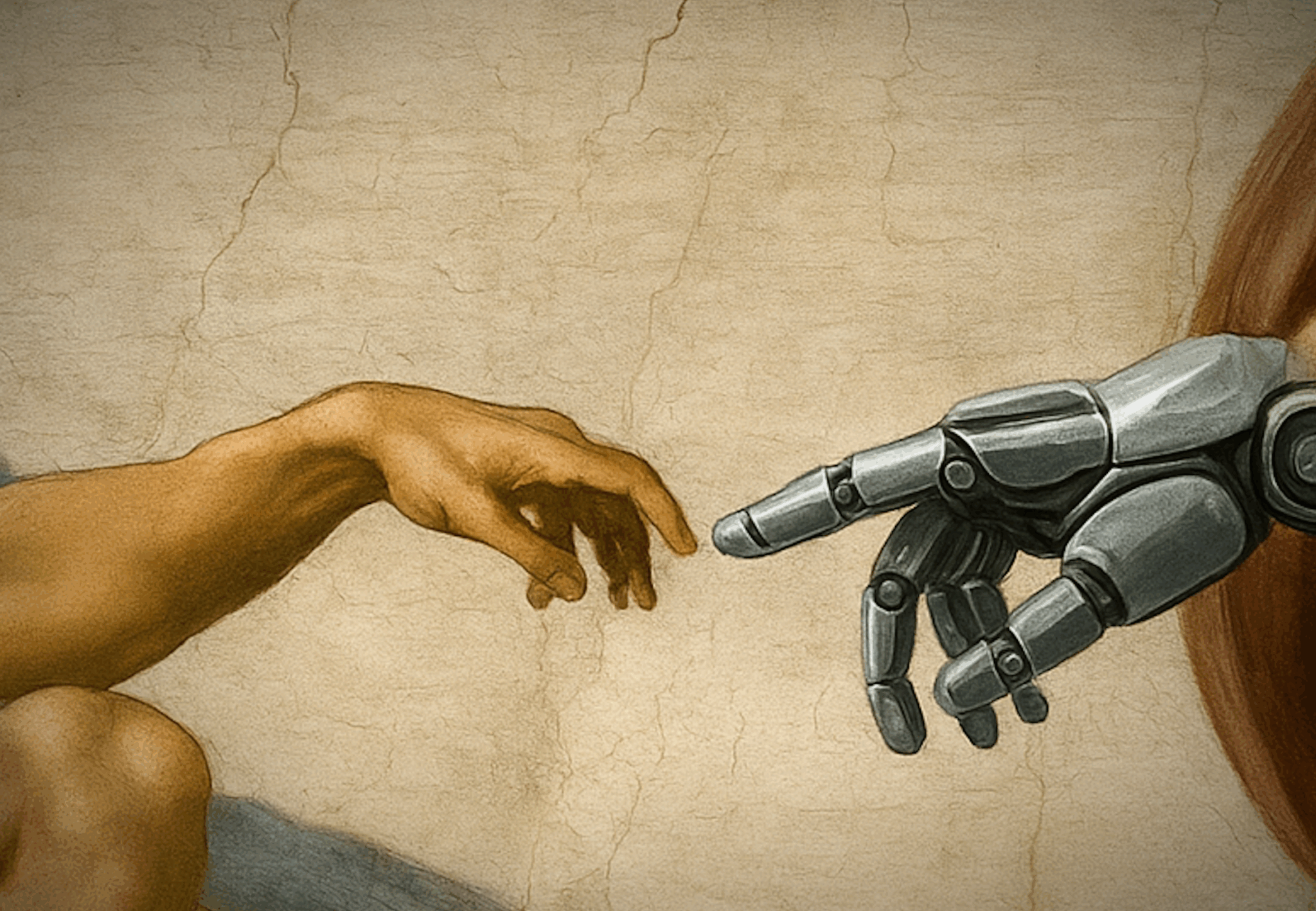
From embryo editing to dreams of eternal life, Silicon Valley’s new faith in machines blurs the line between progress and eugenics, raising the question of what humanity is willing to sacrifice for perfection.
At the Paris Brain Institute, a team of scientists is exploring the mental processes that occur during the transition from wakefulness to sleep, with potential clinical applications.
Some patients “come back to life” shortly before dying: they regain consciousness and control of their minds and interact with their families as they normally would. It is an illusion, but one with interesting scientific implications.
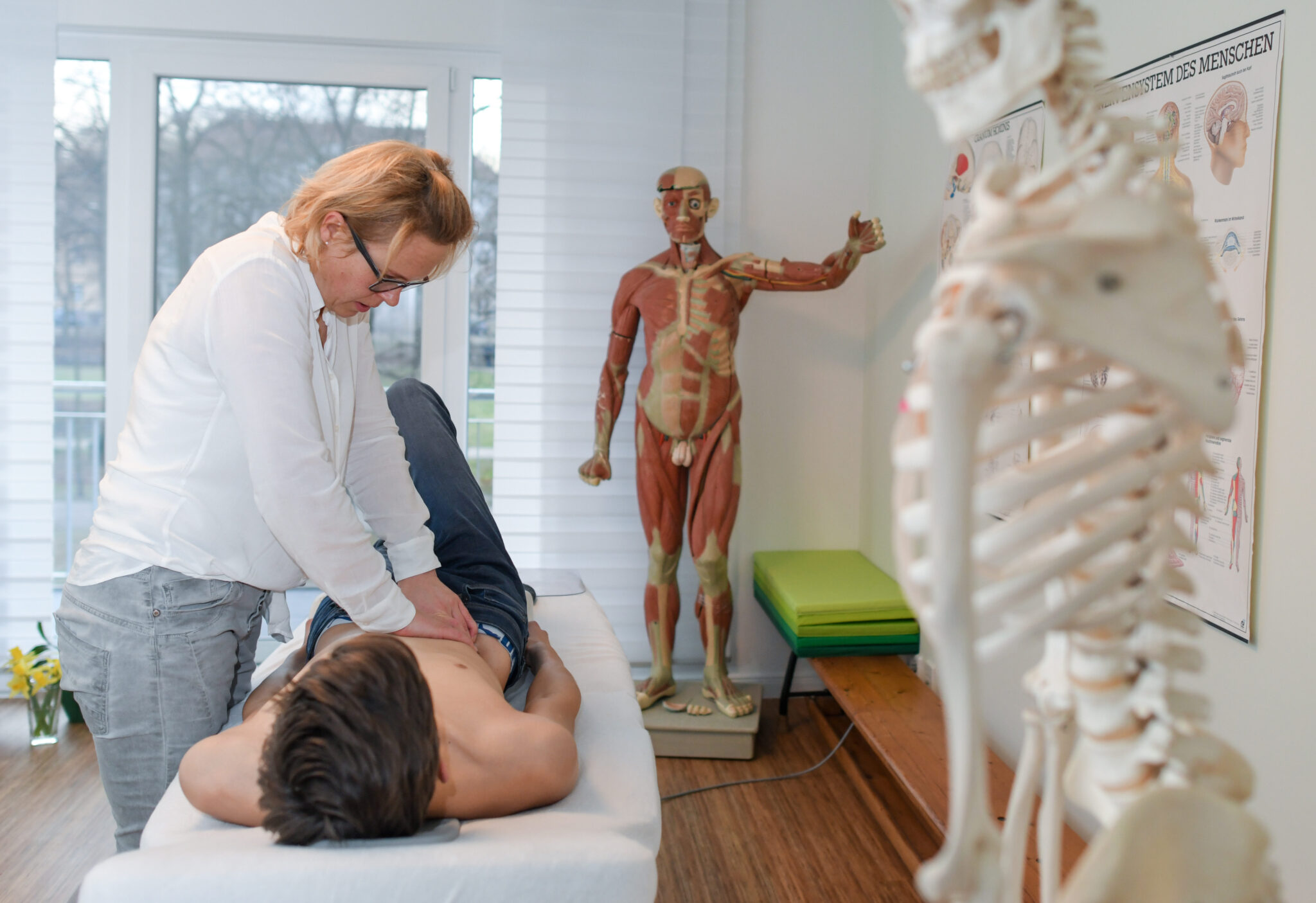
Practitioners want legal recognition, critics call it pseudoscience. Can osteopathy really heal? The problem is that evidence is not always consistent.
Experience, stress regulation, and mental rewiring may matter more than raw speed and strength when it comes to staying at the top, and explain why some athletes in their 30s and 40s, like LeBron James or Novak Djokovic, keep dominating.
A growing research field known as “the science of science” promises to be essential for rebuilding trust in scientific research and navigating an uncertain future.

A study of hundreds of thousands of YouTube videos and podcasts reveals that AI isn’t just changing how we write, it’s subtly altering our spoken language too, raising new concerns about cultural homogenization and who controls the words we use.

Throughout the working year, many of us build up a chronic sleep debt — and our bodies keep scores. On holidays, our internal systems seize the opportunity to reset and recover.
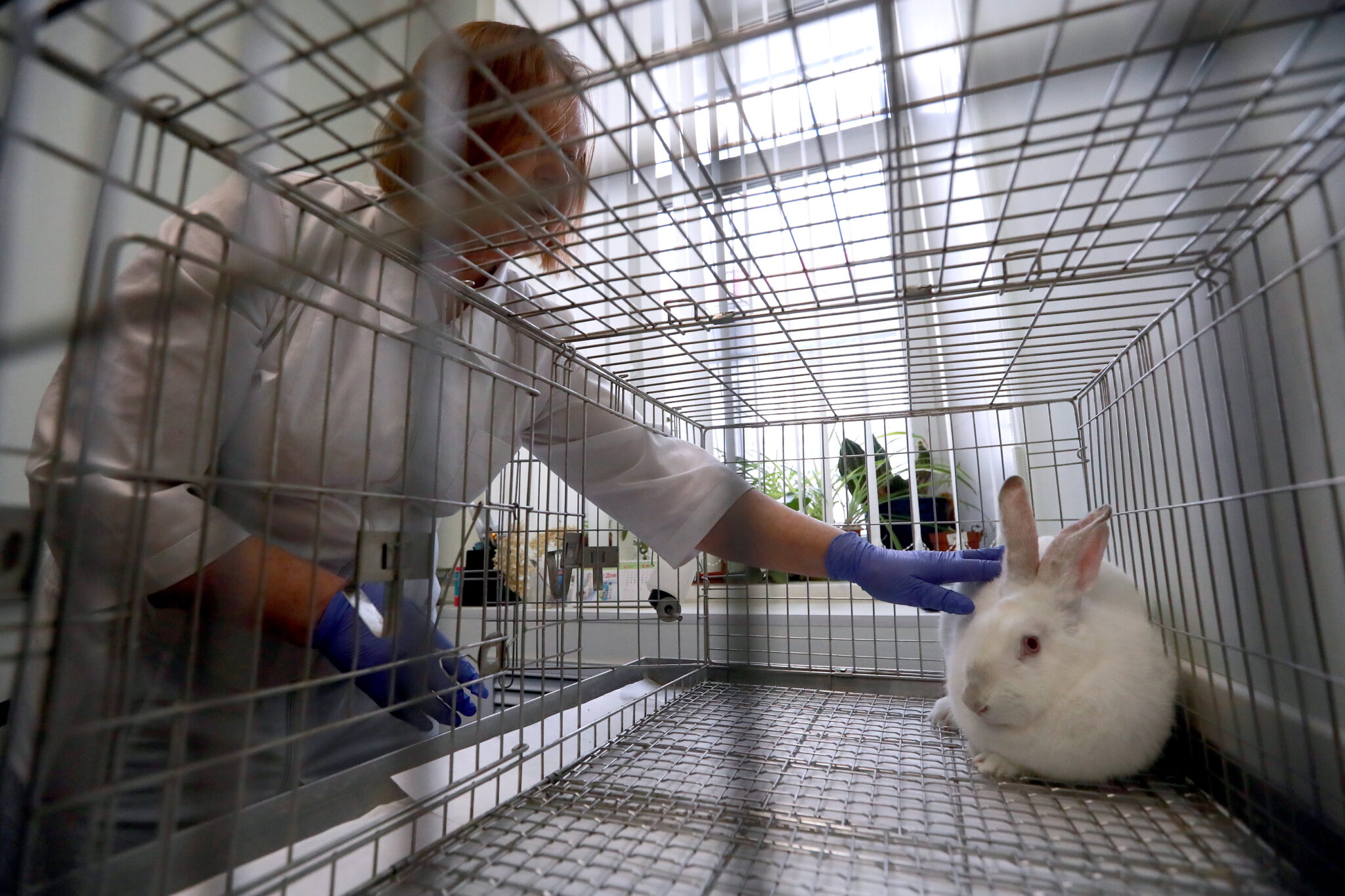
Most of us can accept that animal experiments are ok before allowing new drugs on the market. But allowing such animal testing is important even when no specific application is at stake. They are also crucial for understanding complex biological processes to help treat diseases like Alzheimer’s, Parkinson’s and depression.
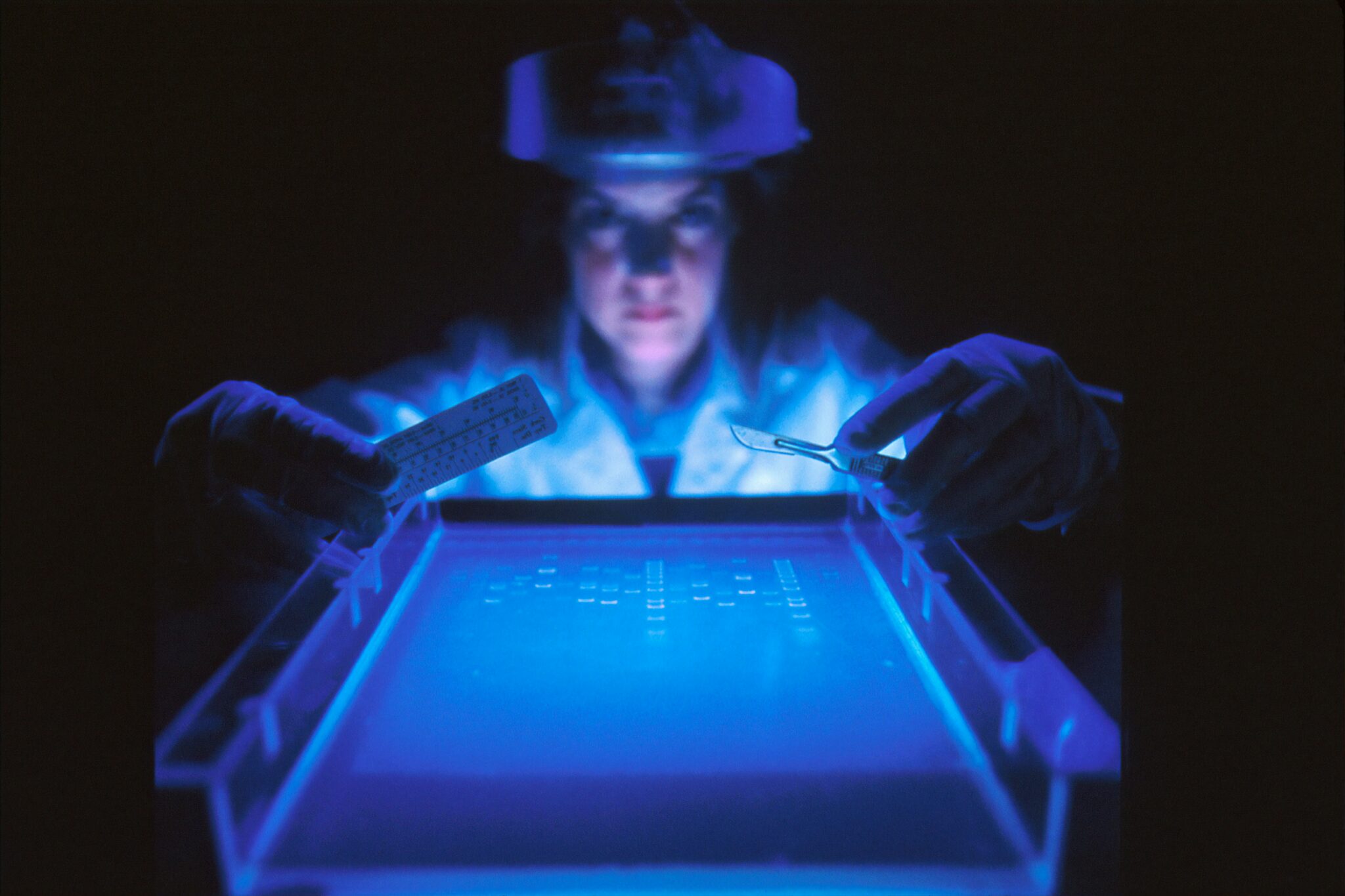
As international research projects are upended, European leaders say they will fill the funding void. Is that realistic?
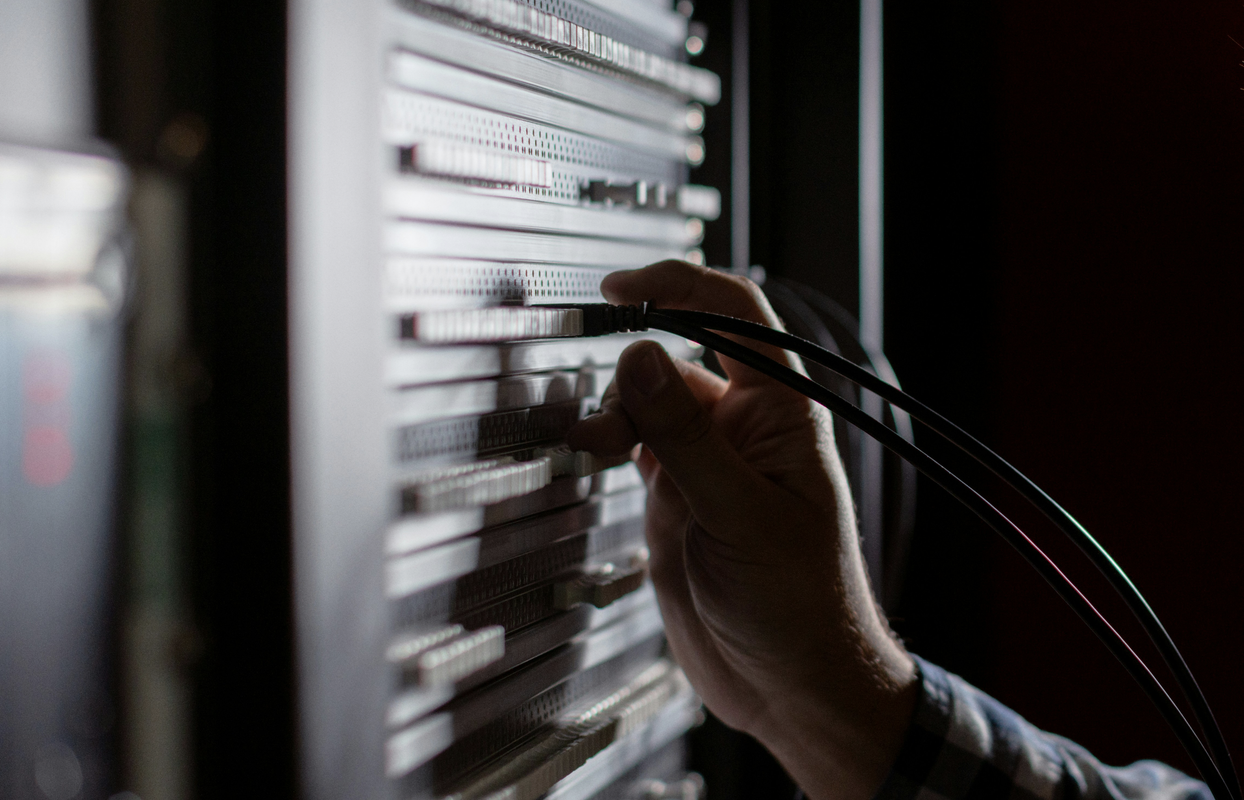
A report from Oxford University lists the 32 countries – 16% of the world’s nations – with the infrastructure needed to develop artificial intelligence. The gap is widening with the rest of the world, in the key technological sector of the 21st century.

👋 Grüss Gott!* Welcome to Thursday, where Iran braces for a possible Israeli attack, a UK-bound plane carrying 242 people crashes in India and today’s quiz question comes from Denmark’s two biggest cities. Meanwhile, Piero Negri Scaglione in Italian daily La Stampa revisits seminal filmmaker Sergio Leone’s oeuvre, particularly in light of how he viewed […]
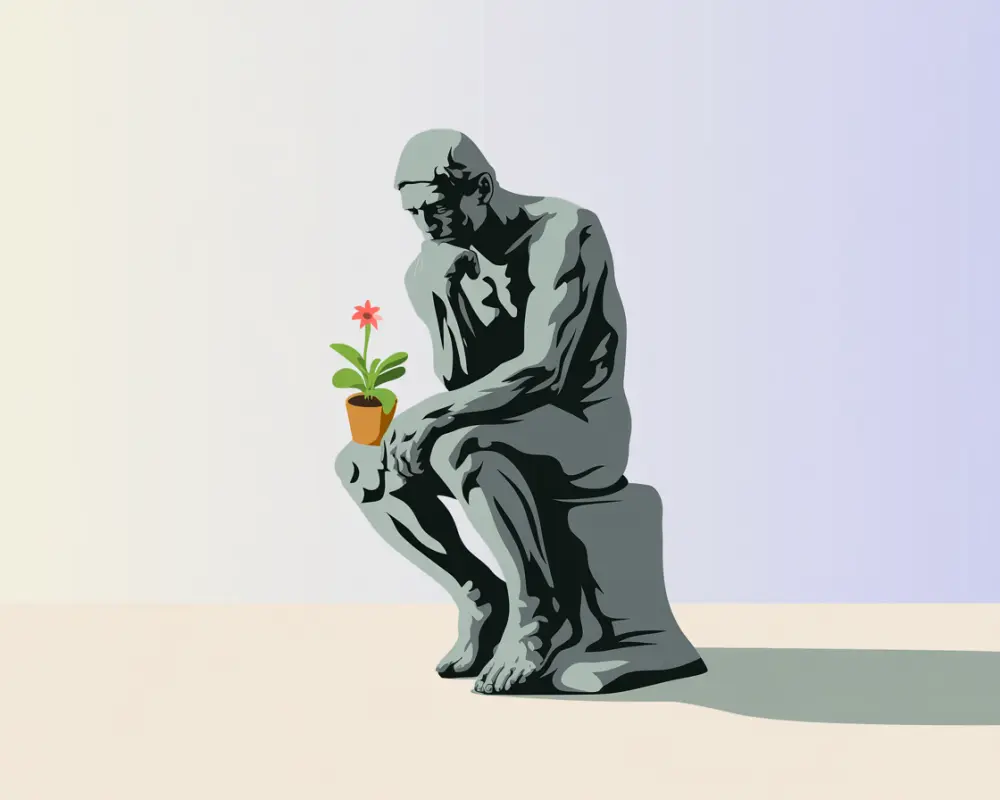
A laboratory at Spain’s University of Murcia is trying to find the common denominator among all the intelligences that inhabit this planet, no matter how different they may be.

Classifying students as visual, auditory, or tactile learners can actually do more harm than good. Research shows what truly improves learning.
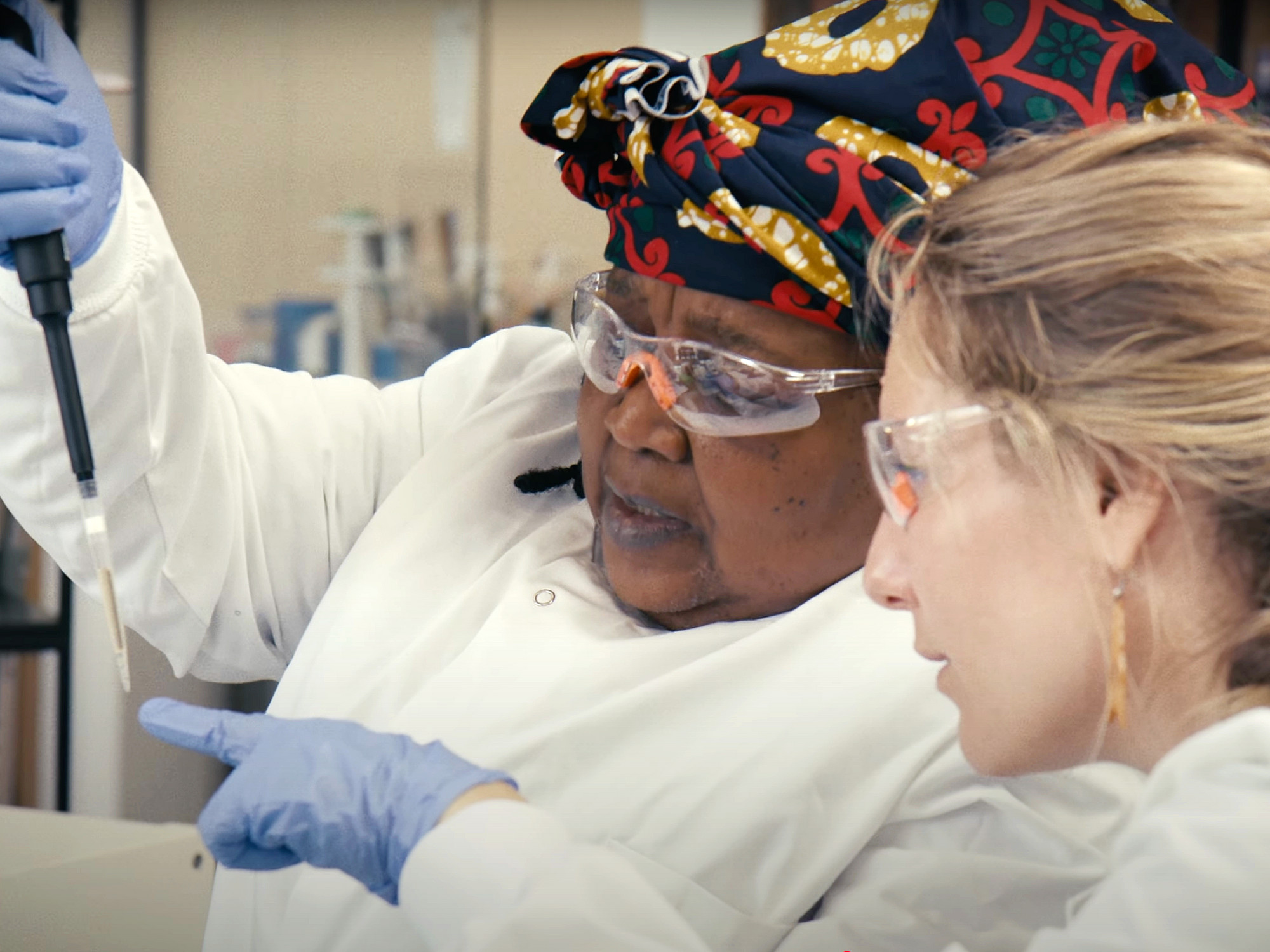
New technologies that allow researchers to understand DNA and other genetic markers are advancing quickly, but the law surrounding who actually owns the information that researchers collect is not advancing fast enough.
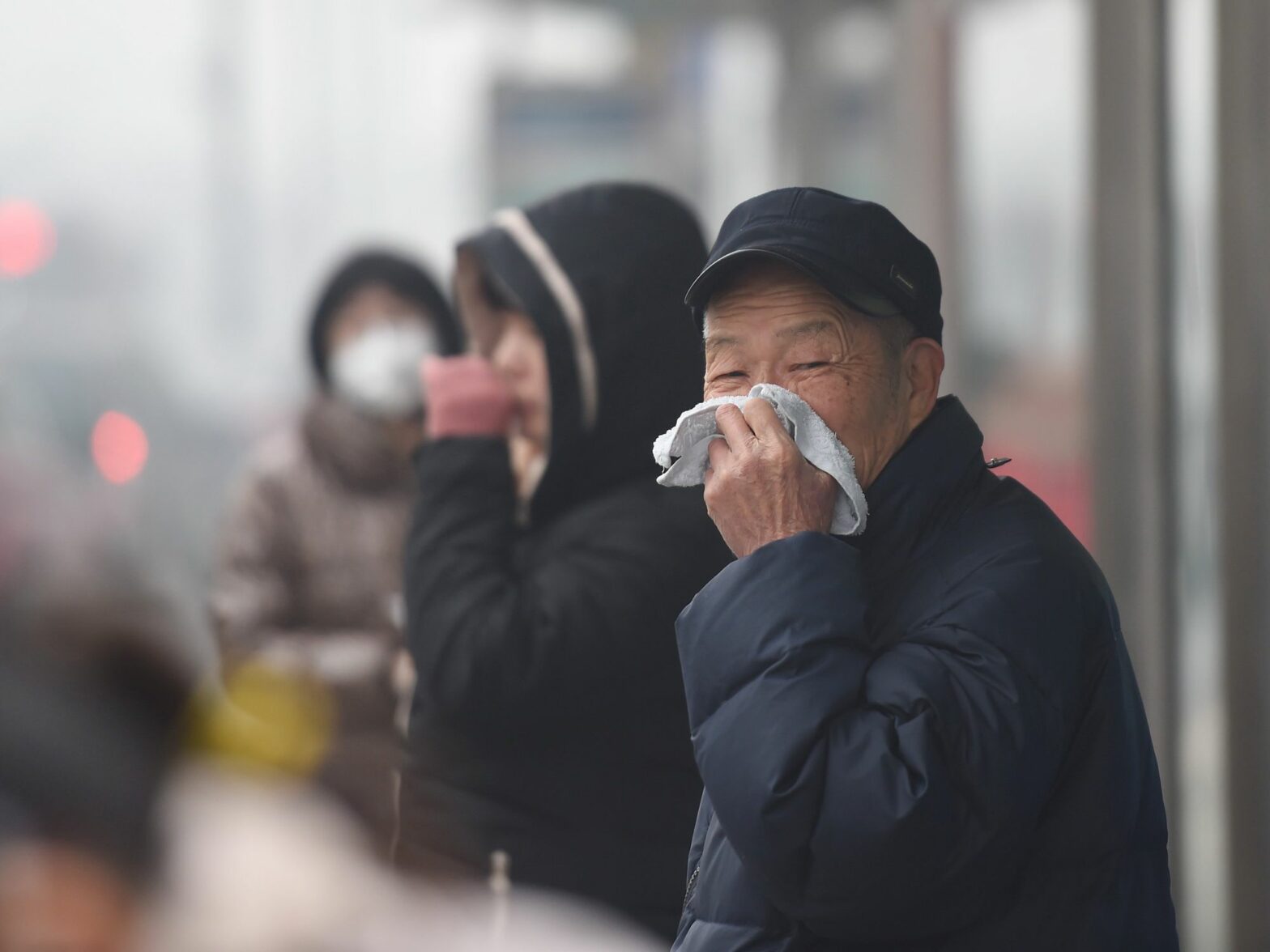
Recent studies reveal strong links between air pollution and deposits in the brain, even in areas with low pollution levels. Inflammation plays a key role in this process.
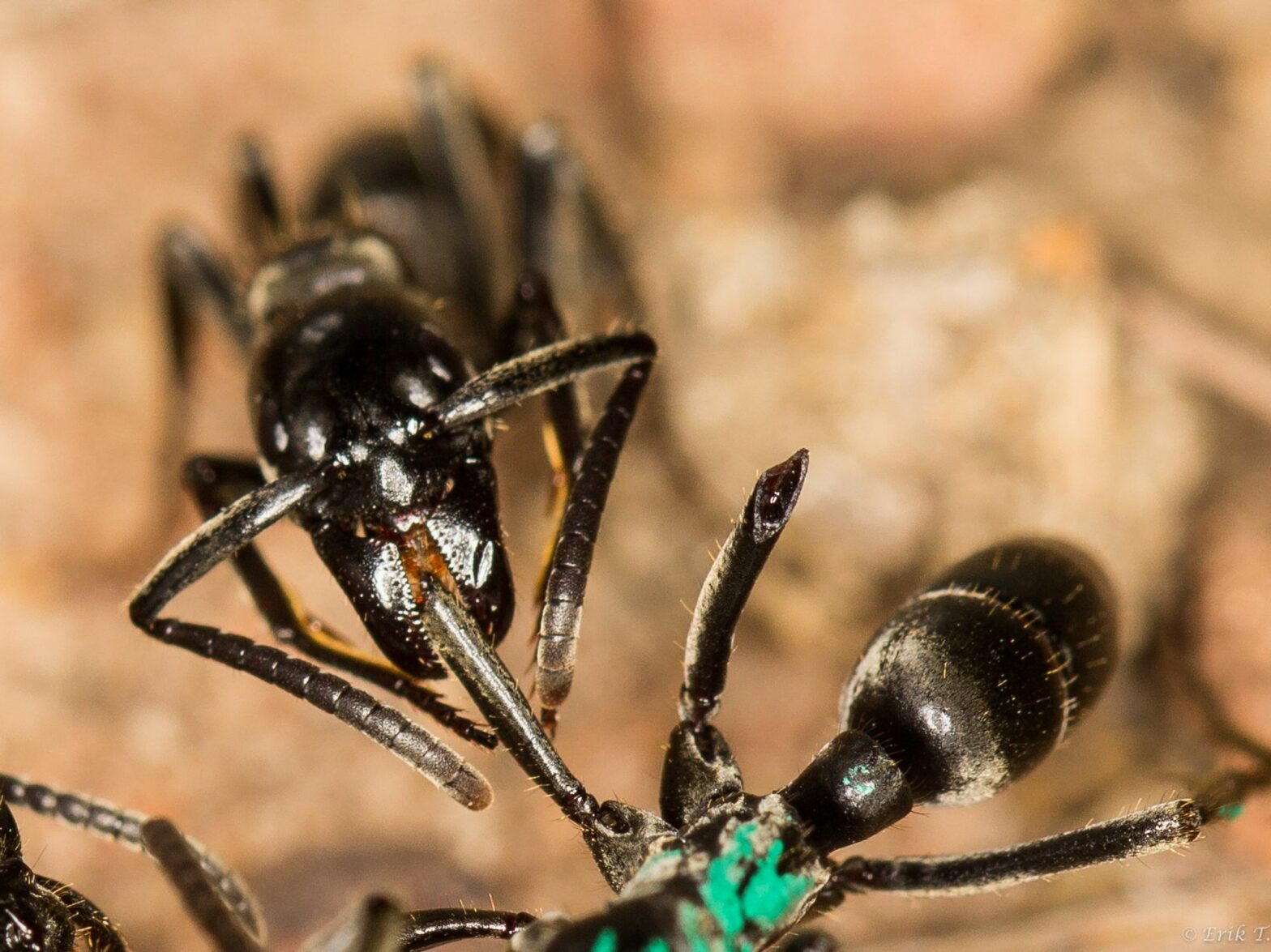
Insects like ants heal their fellow species, and they even perform surgeries. Biologist Erik Frank is researching their methods. He believes that humans can also benefit from them.
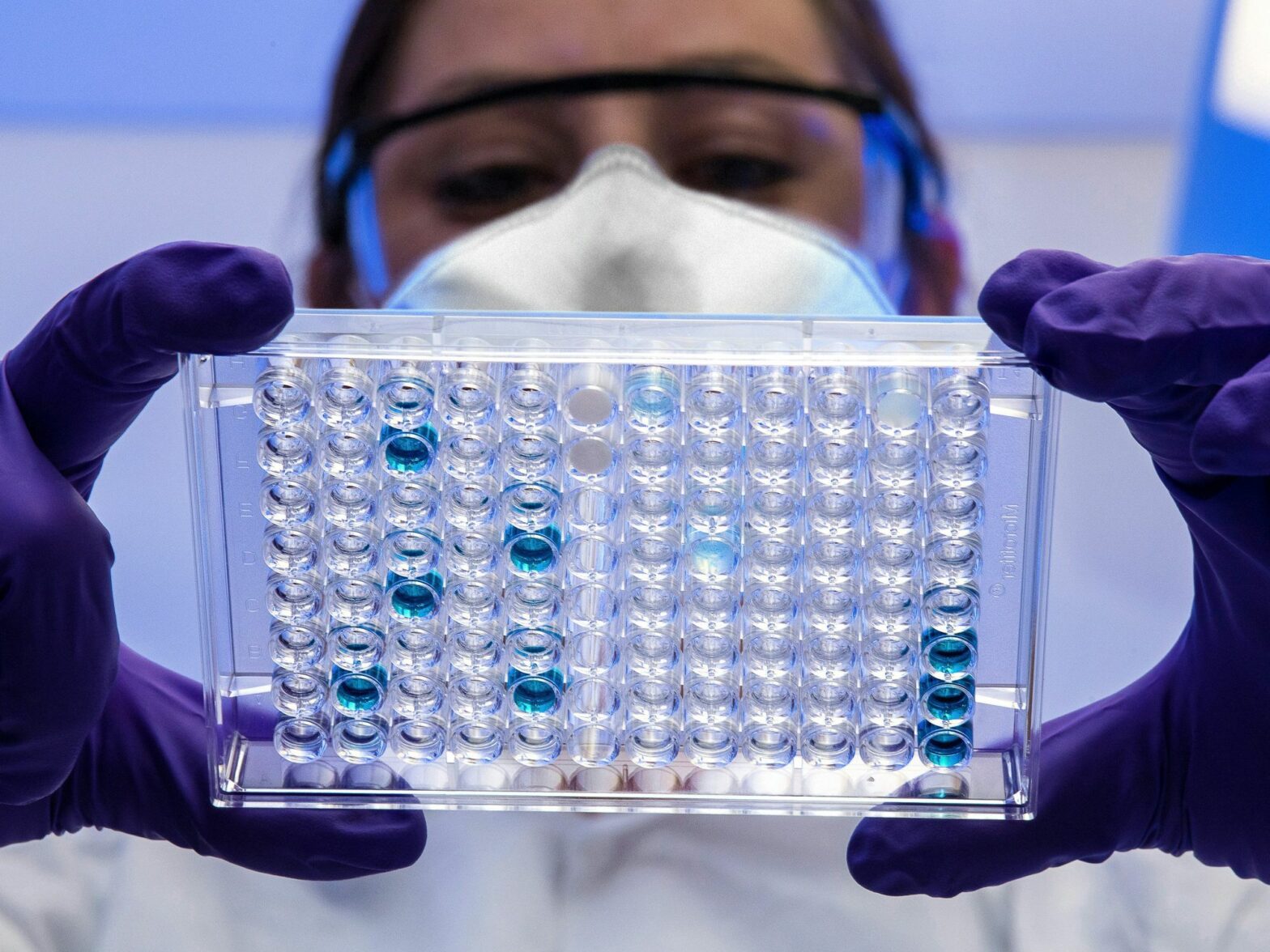
As scientists struggle to connect with the public, they must consider new models for making research more accessible.
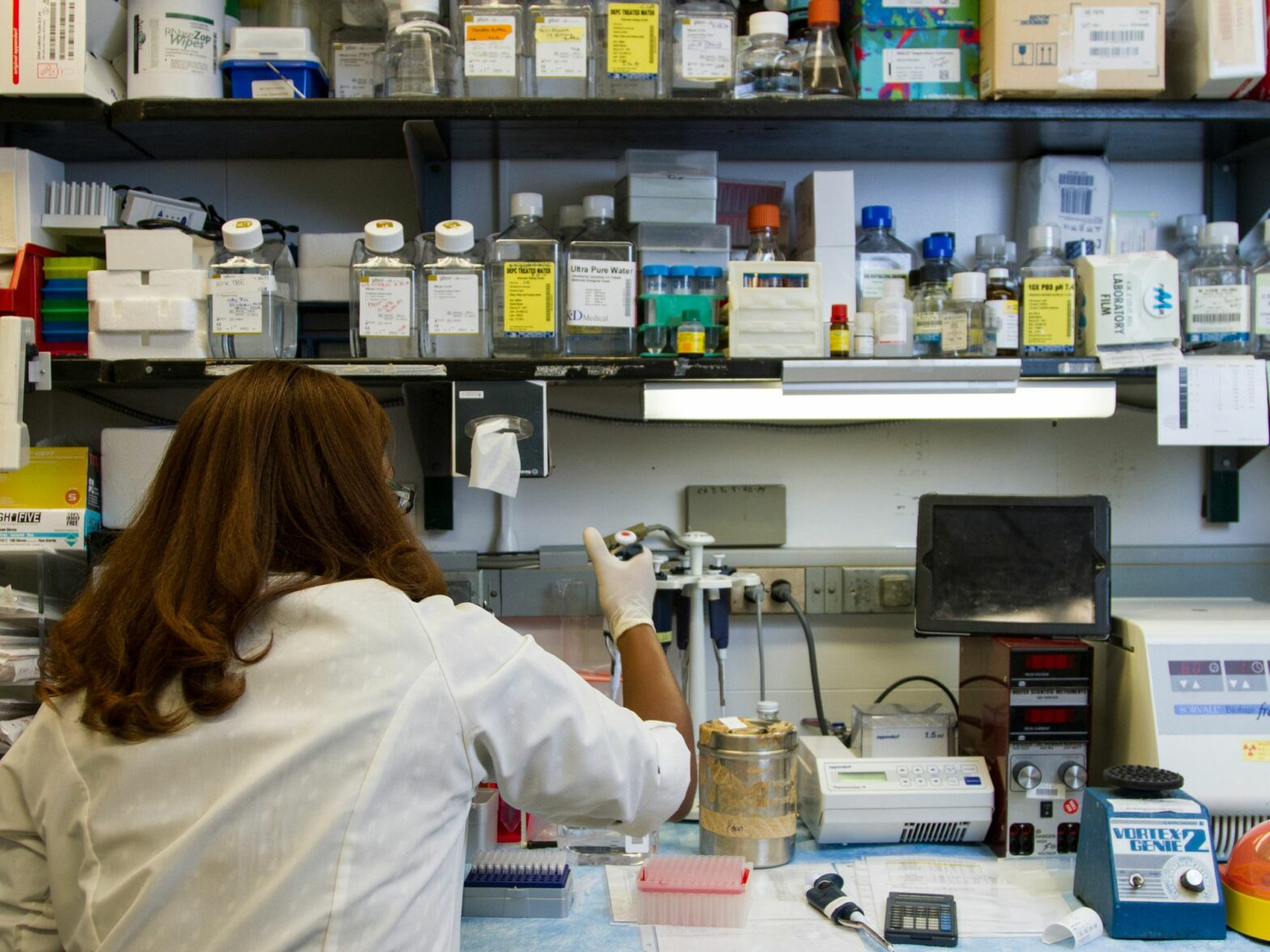
Beata Halassy’s aggressive form of breast cancer kept returning, until she chose to conduct a self-experiment. A molecular biologist, Halassy explored an untested treatment and injected herself with viruses to successfully fight off her cancer. It raises ethical debates, but also provides a glimpse into the future of personalized medicine.

How does déjà vu happen? Psychologists have long avoided the complicated question, but researchers are now trying to understand this uncanny phenomenon.
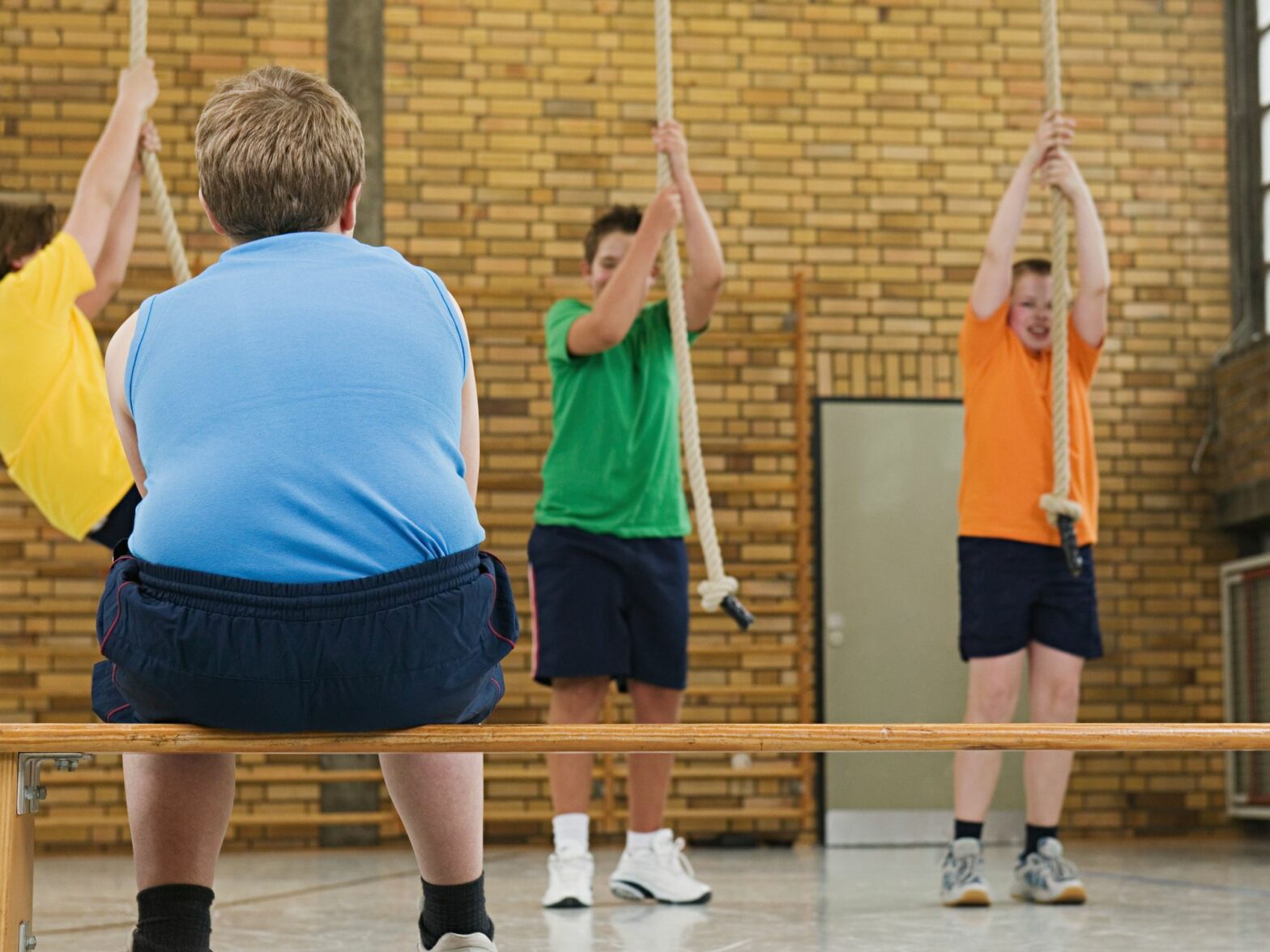
For years, evidence has grown that school body-mass index screenings aren’t helpful and can even be harmful. Why do they persist?
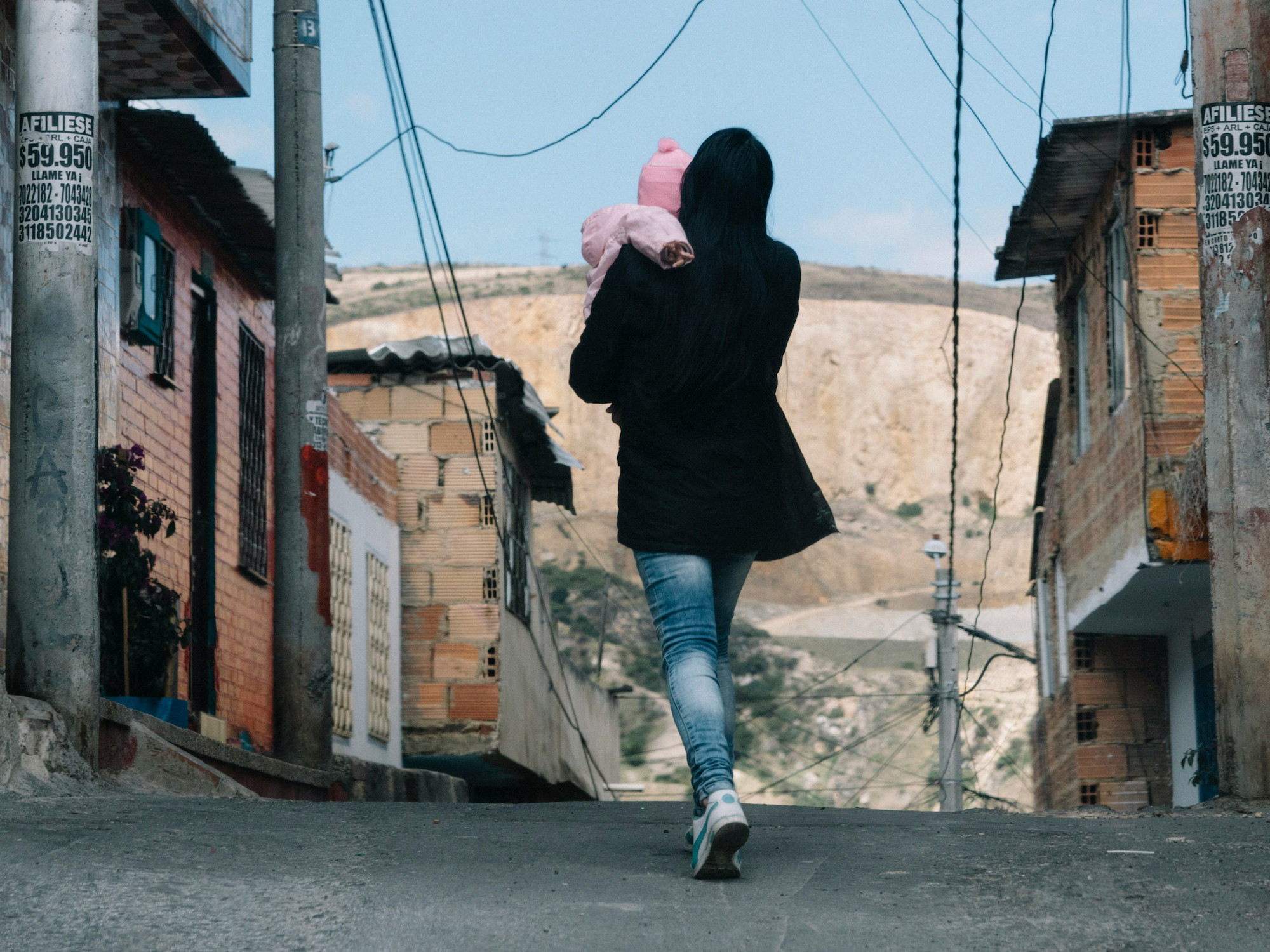
In the darkest corners of gender violence there is “violencia vicaria”, or vicarious violence, aimed at one person (usually inside a family) to hurt another. It is a devastating shadow over mothers and children. Between silence and invisibility, this form of abuse leads to tragedies and leaves deep scars — and calls for urgent and greater recognition and protection for victims.
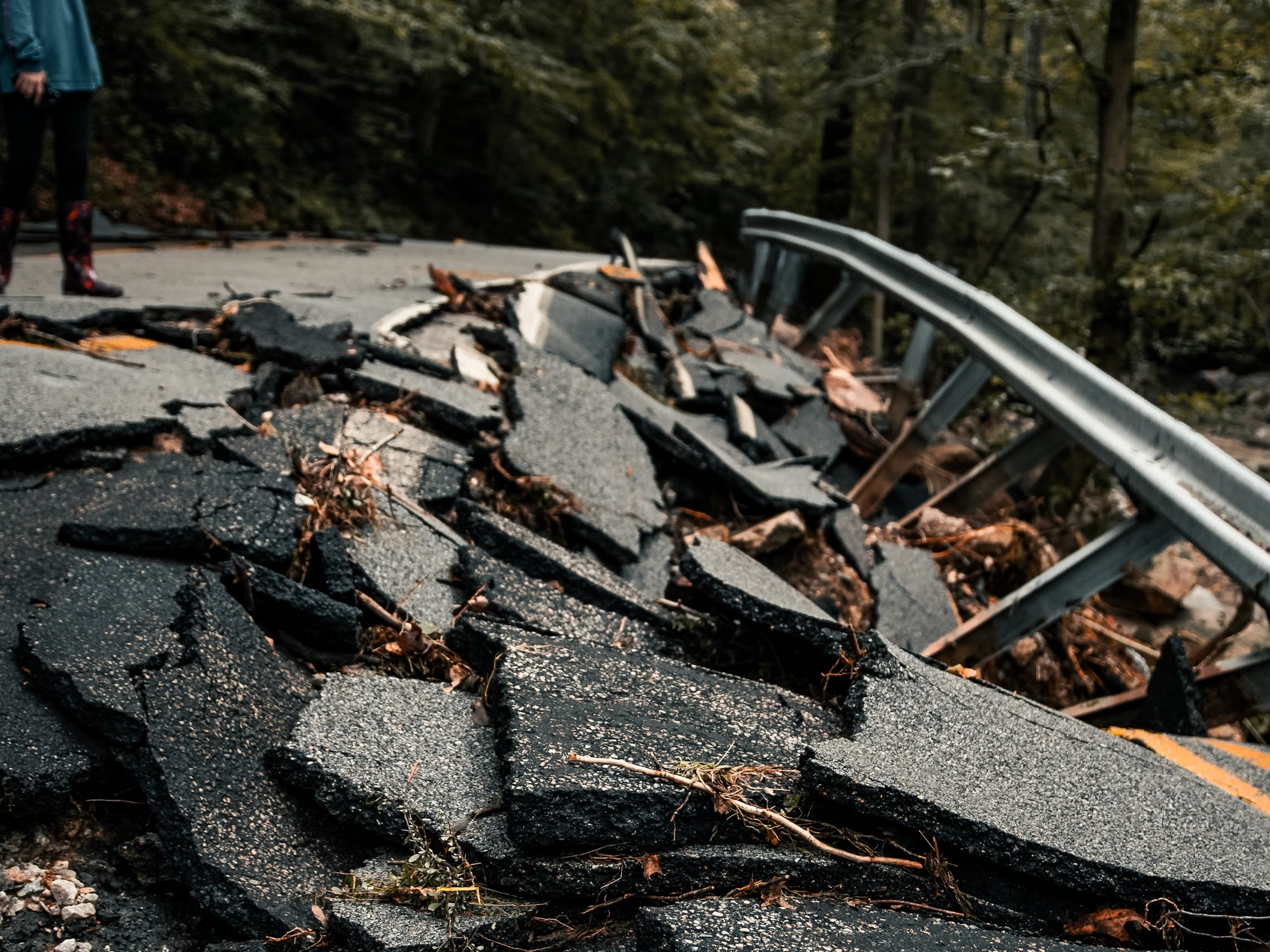
The Central U.S. is at risk for major disaster. But scientists don’t know why — or when — the next big one will strike.
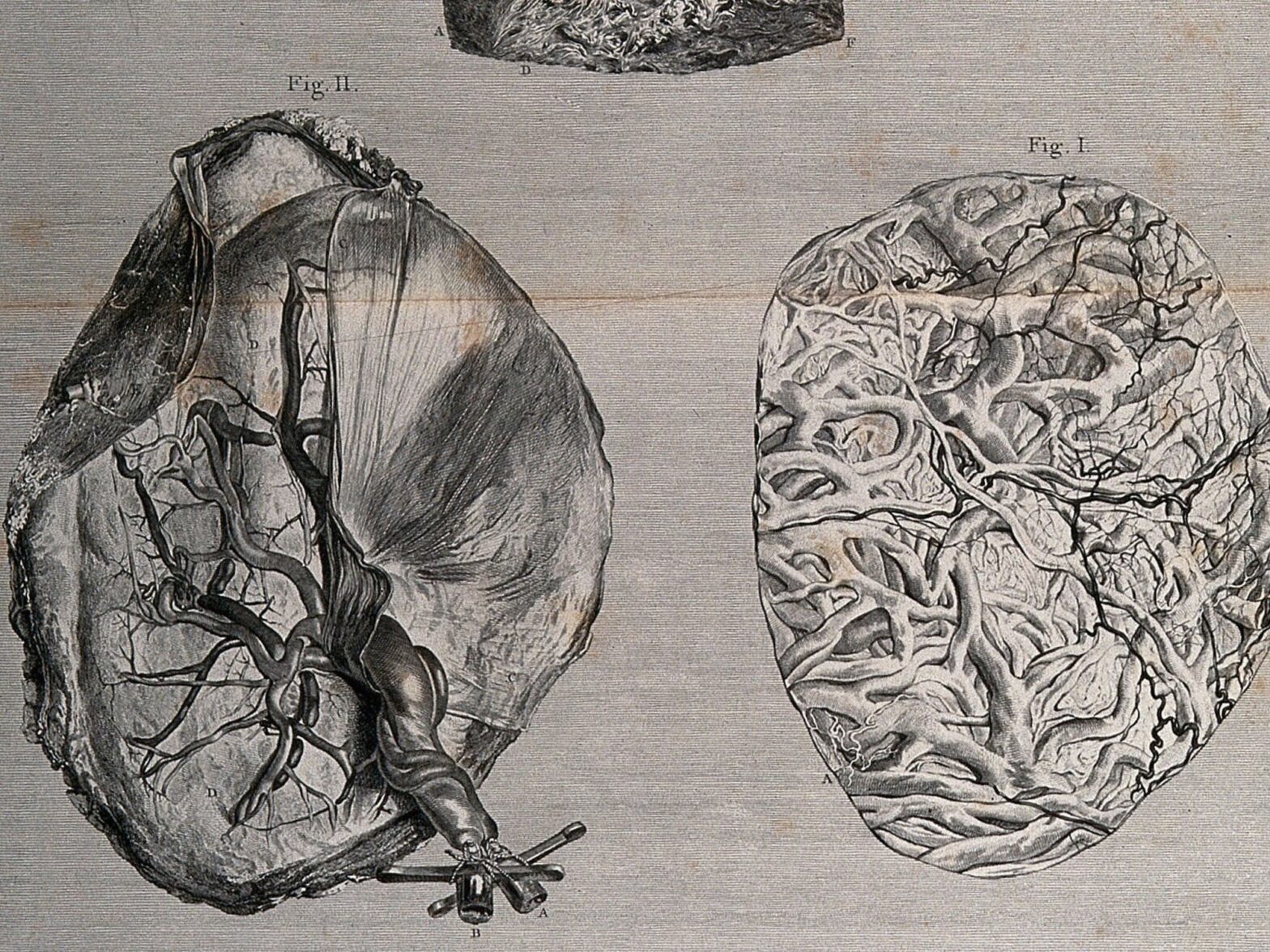
A better understanding of the placenta may help curb maternal and fetal mortality rates, but progress is slow.
It’s not the passage of time or overcoming hardship that makes you wise, but rather the effort to keep your mind truly open.

Located between Marrakech and Casablanca, the Mohammed VI Polytechnic University is trying to replicate the recipes that have made the United States’ Silicon Valley successful, fusing research and business — with special attention given to green energies and food sovereignty.
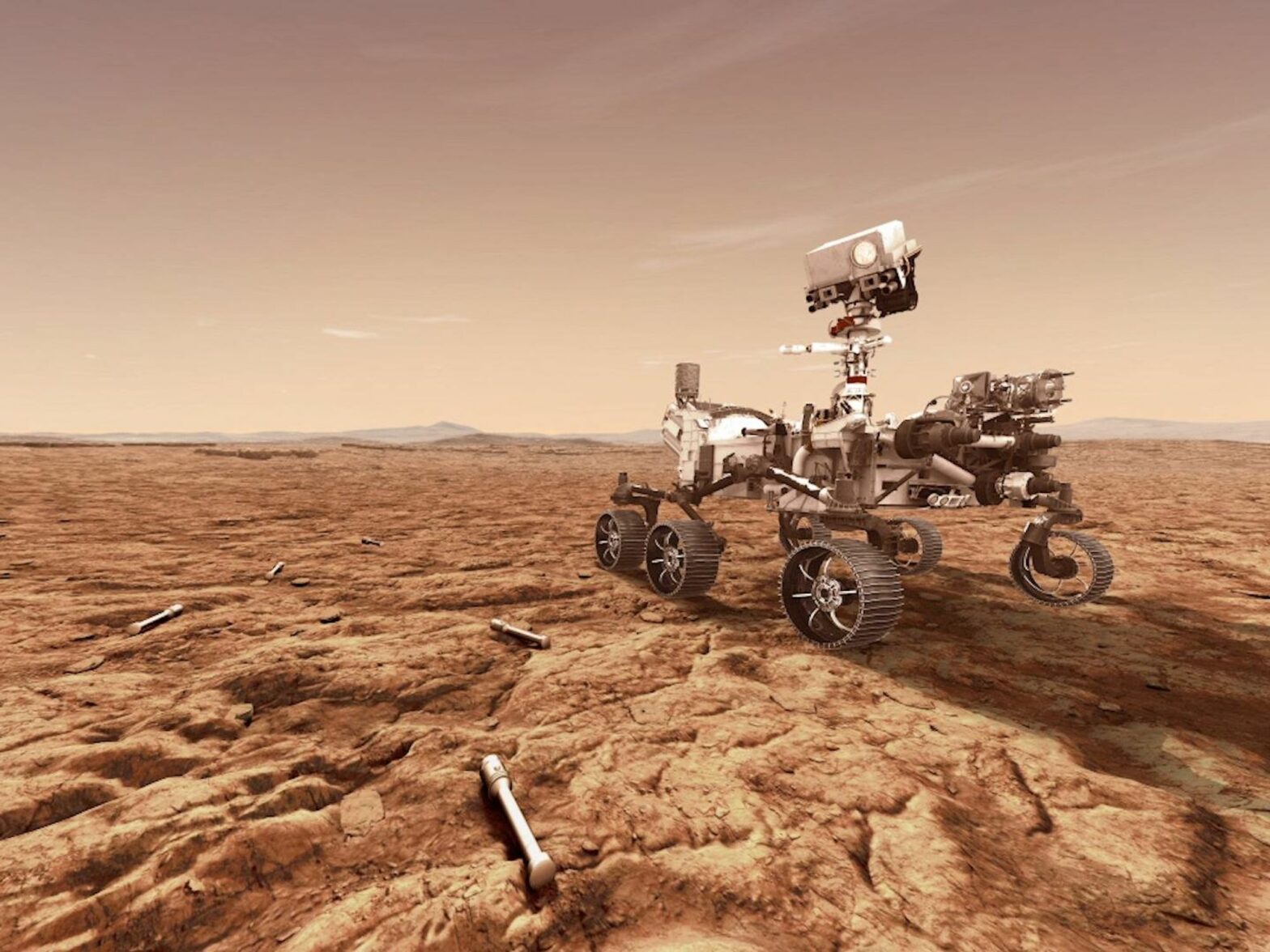
An endeavor to retrieve samples from the red planet is in the works. Some scientists wonder if it’s a wise investment.
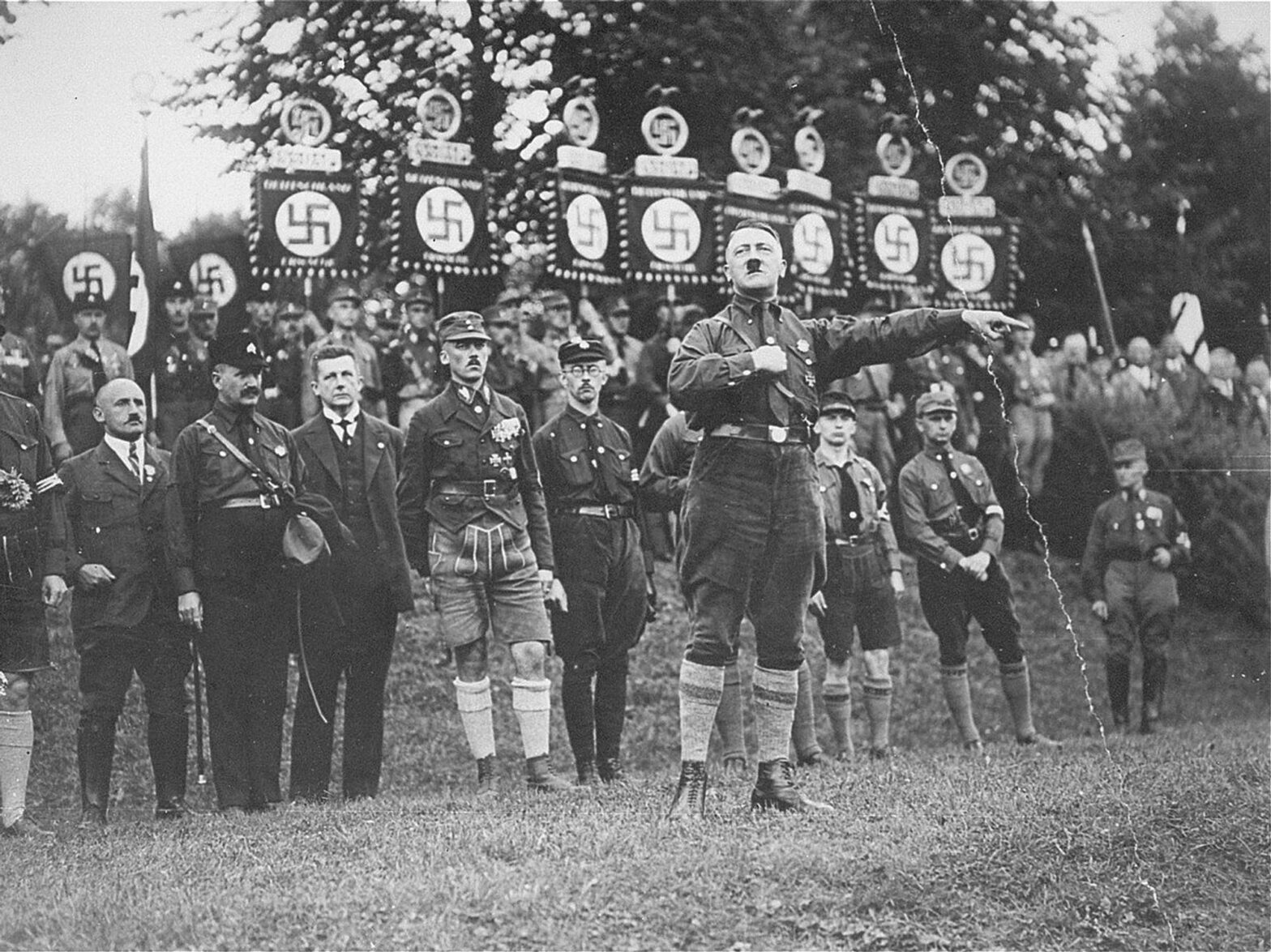
Hitler wielded much of his power through his public discourses, yet a serious academic edition of his speeches has never been published. An unprecedented project led by Germany’s Institute of Contemporary History and the National Broadcasting Archive aims to better understand how he wielded power through rhetoric.

Injuries are on the rise in the United States’ NBA, but also in sports in general. Now a growing body of scientific research is studying new approaches to improve player safety.
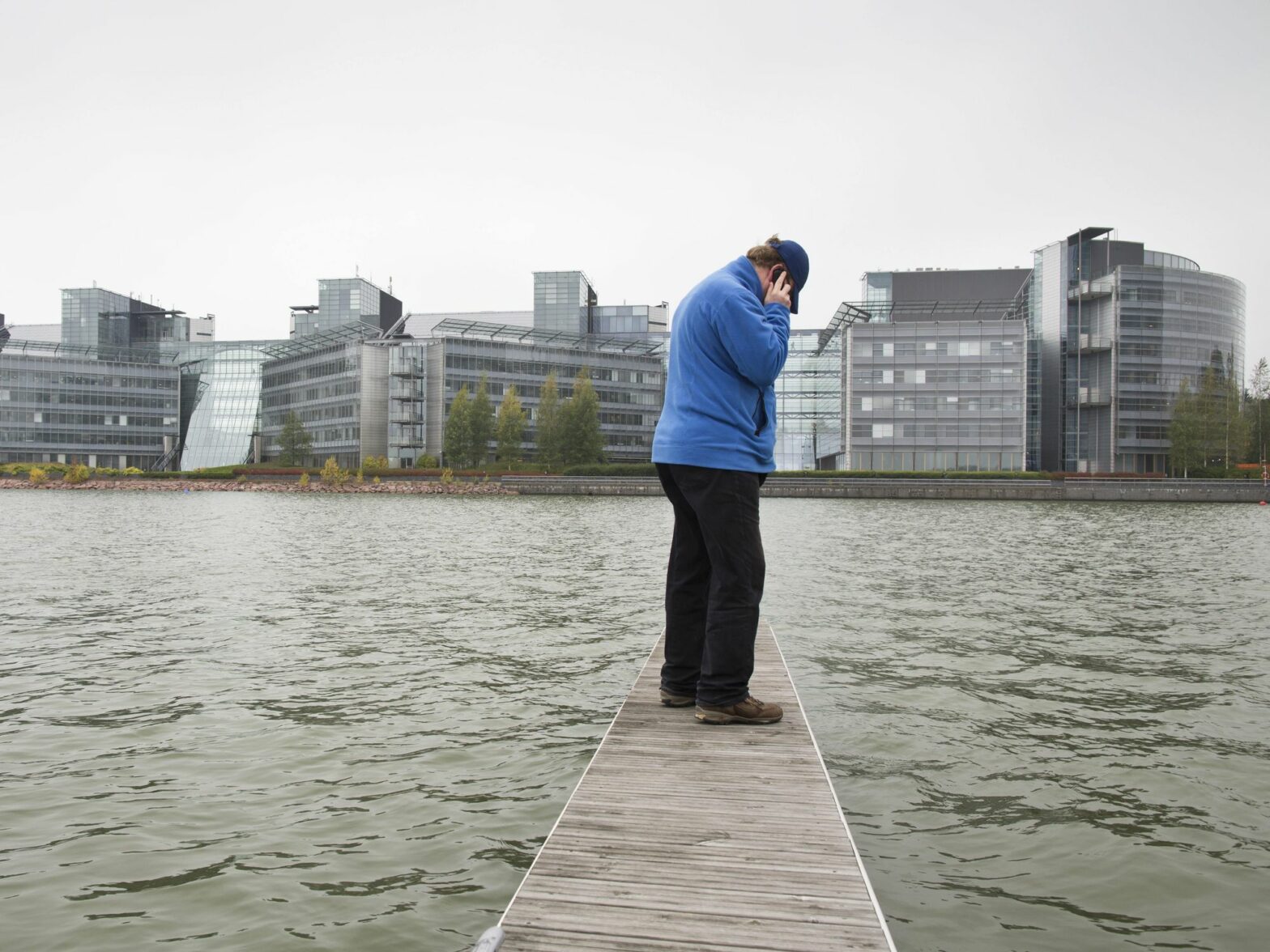
In Oulu, Finland, near the Arctic Circle, 500 researchers at the 6G Flagship laboratory are already outlining the next generation of mobile technology, due to arrive by 2030. Nokia’s homeland wants to turn the page on 5G, which failed to win over the industry.
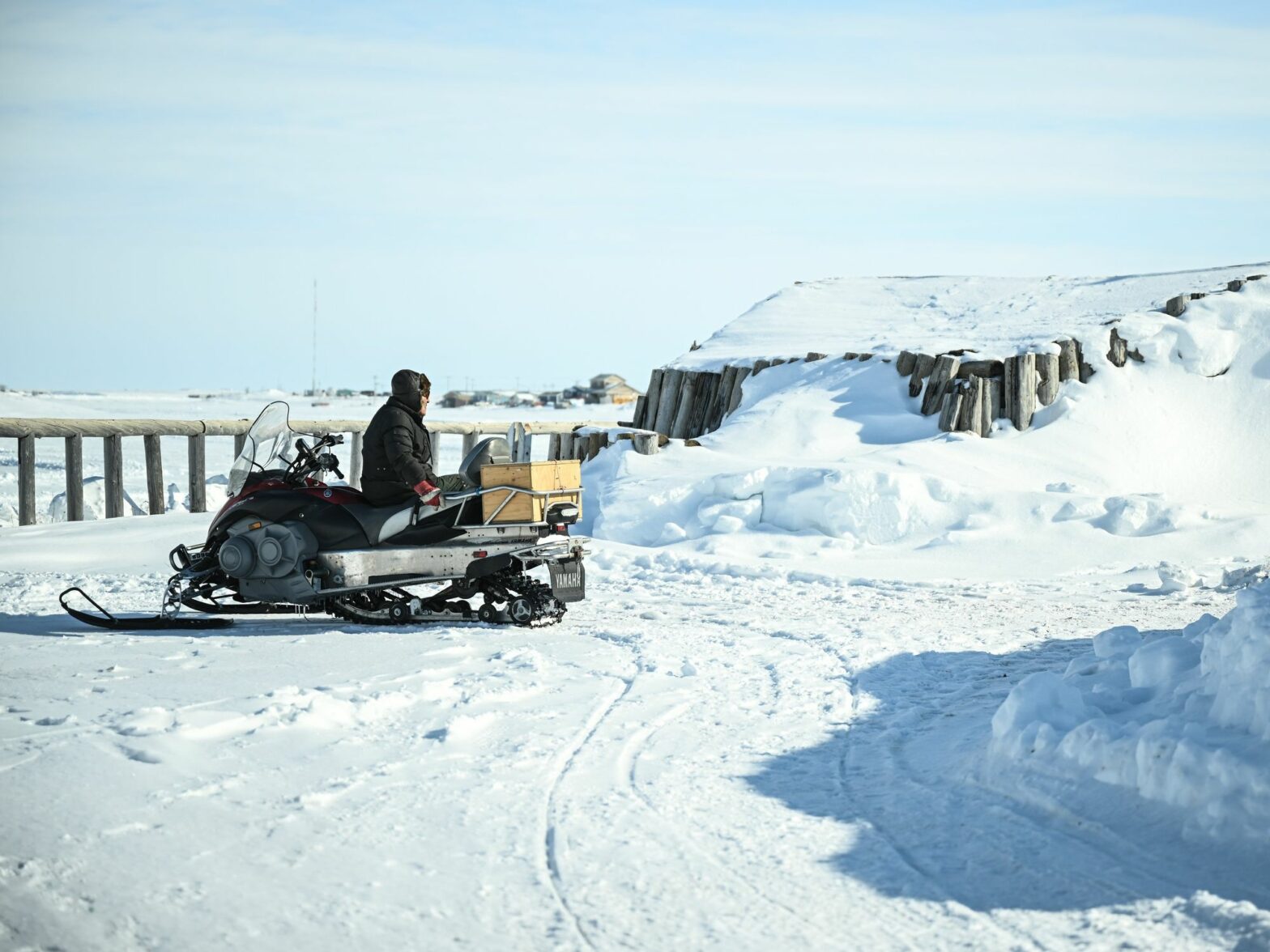
In the Canadian Arctic, two ambitious research initiatives try to strengthen climate data through community engagement.
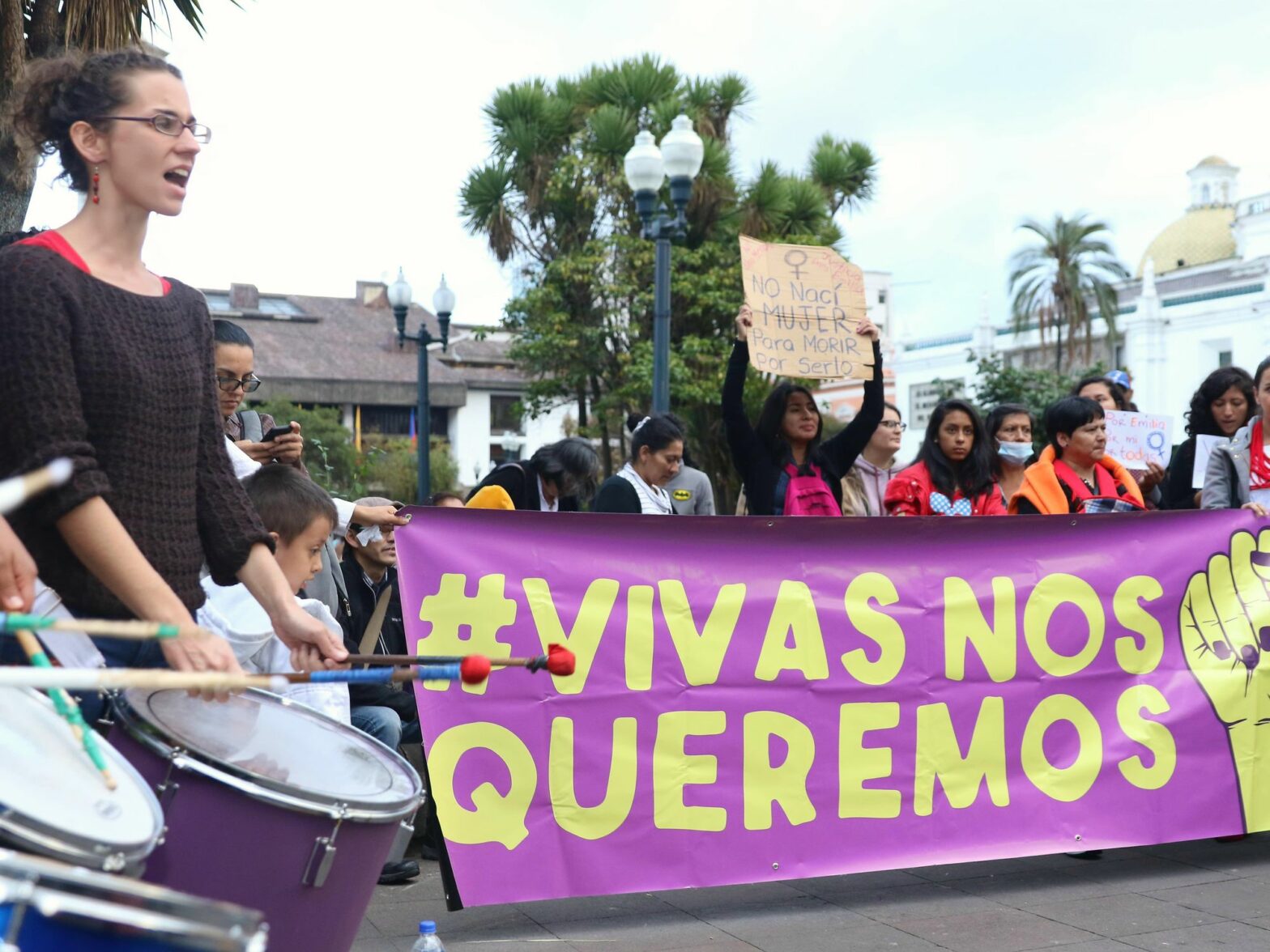
In 2008, Ada Beatriz Rico started counting the women who died due to gender-based violence. Argentina began keeping official records seven years later, but the activist’s pioneering work continues.
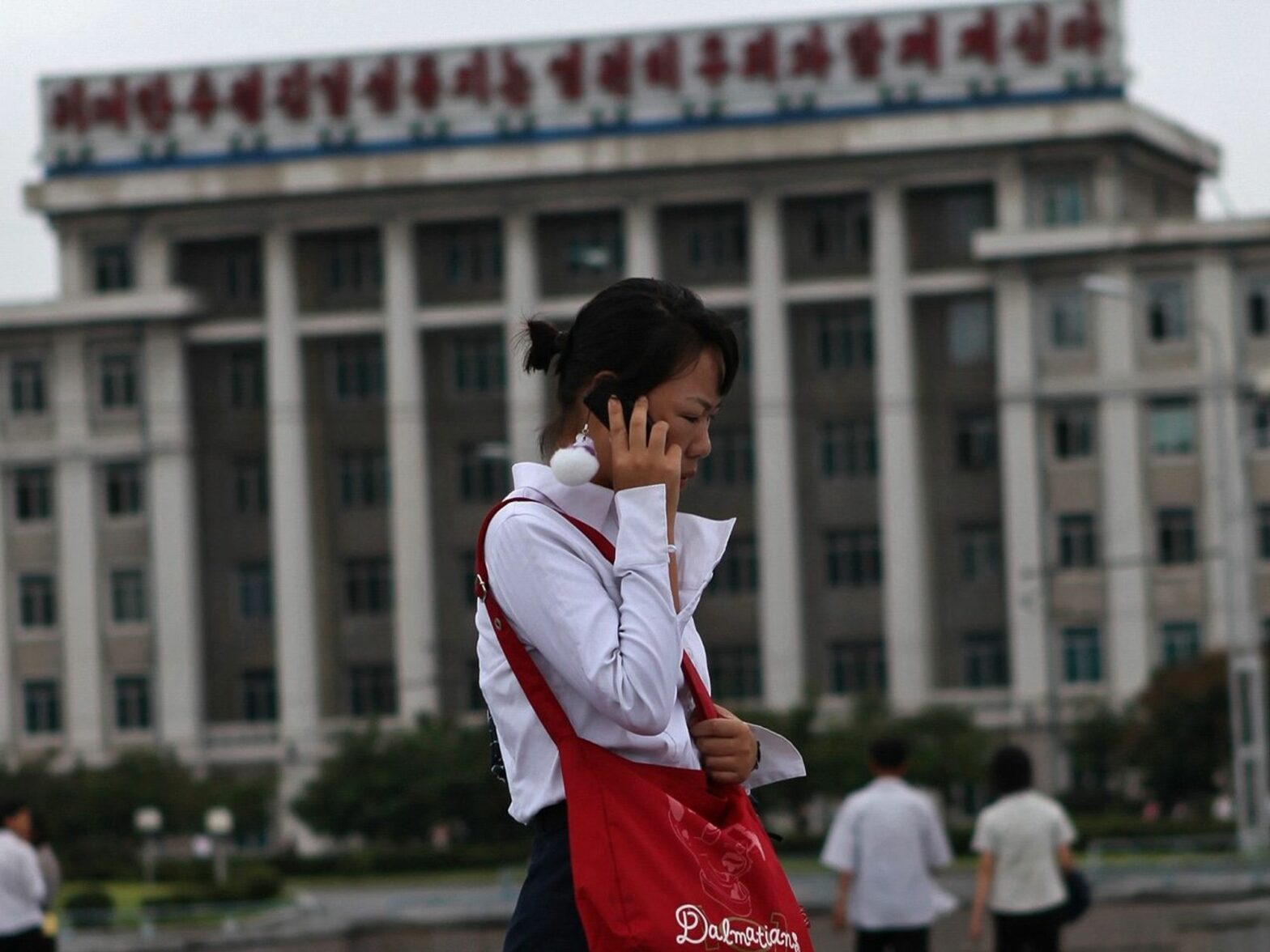
New research reveals the emergence of “grassroots capitalism” in North Korea, disproportionately through women. It provides a cautionary tale in the most unlikely of countries for patriarchal societies everywhere: underestimate women at your peril.
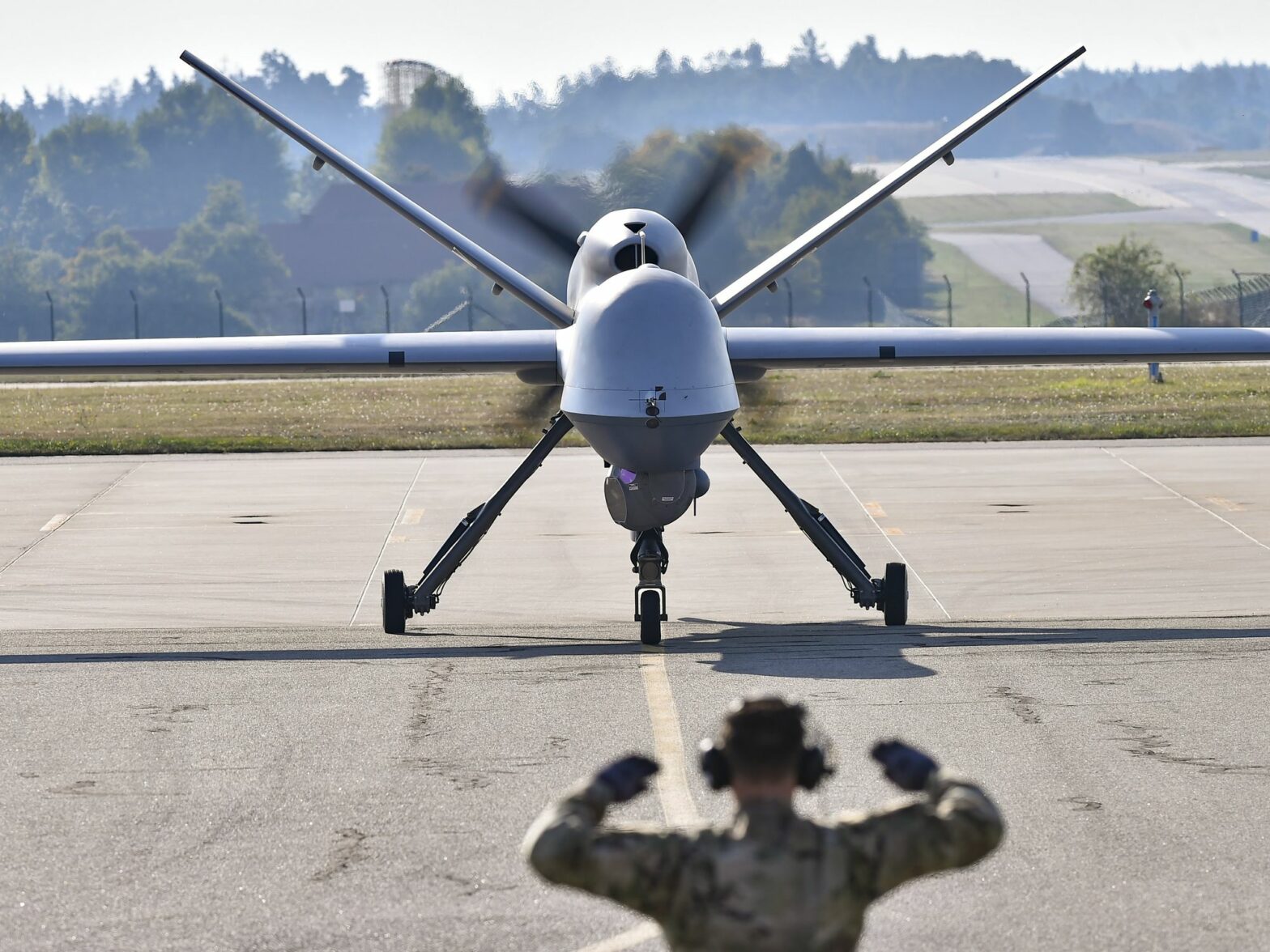
Putting the latest AI breakthroughs at the service of national security raises major practical and ethical questions for the Pentagon.

For years, mindfulness has been promoted as a near panacea. But just how much does the brain affect the body?

Mali’s “mysterious city” welcomes a new class of students trained in looking after ancient books. From conservation to digitization of these works, a colossal task awaits them to preserve this endangered heritage and the secrets they contain.
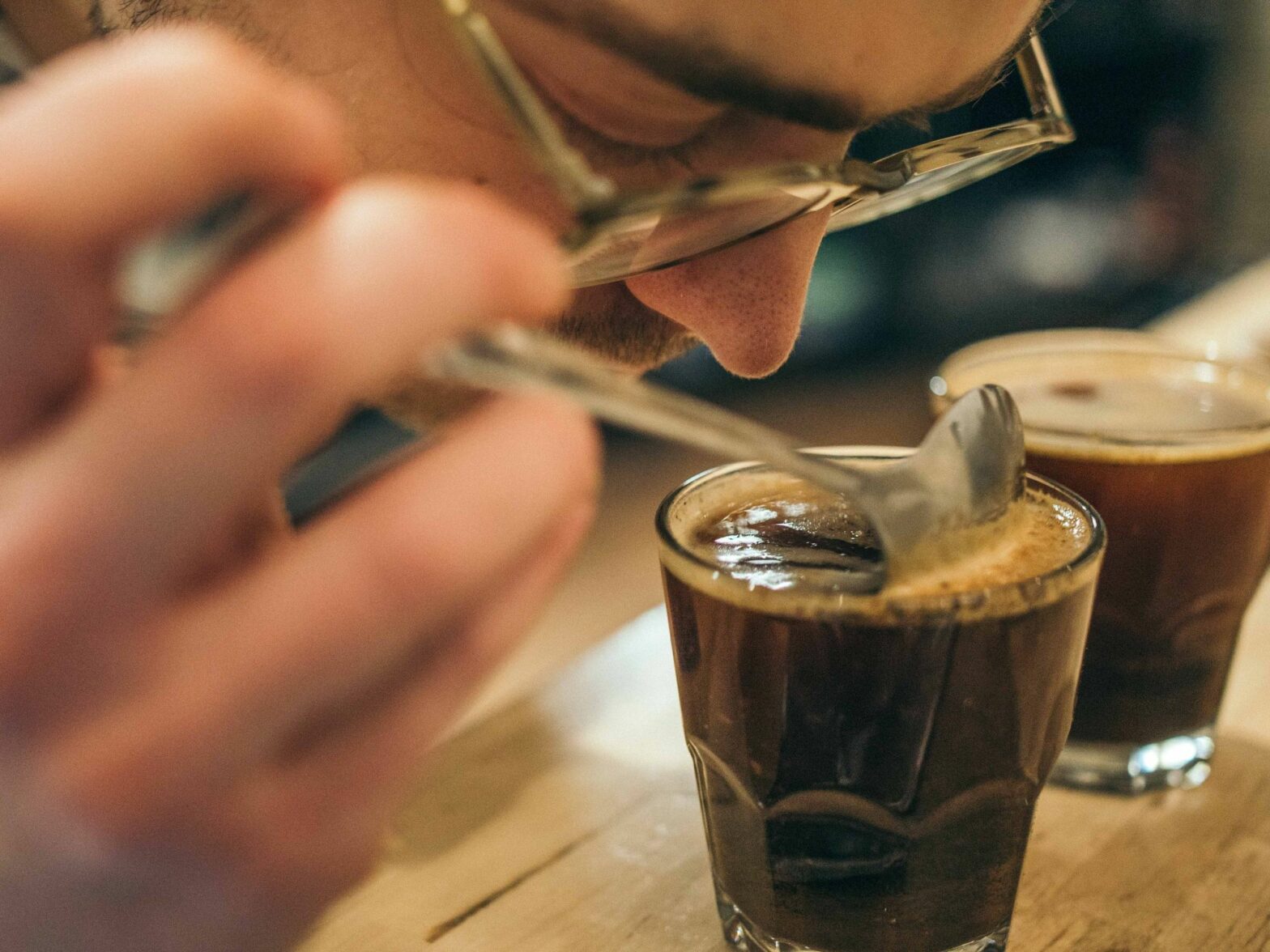
The pandemic brought attention to an overlooked condition. But researchers are still fighting to show smell matters.
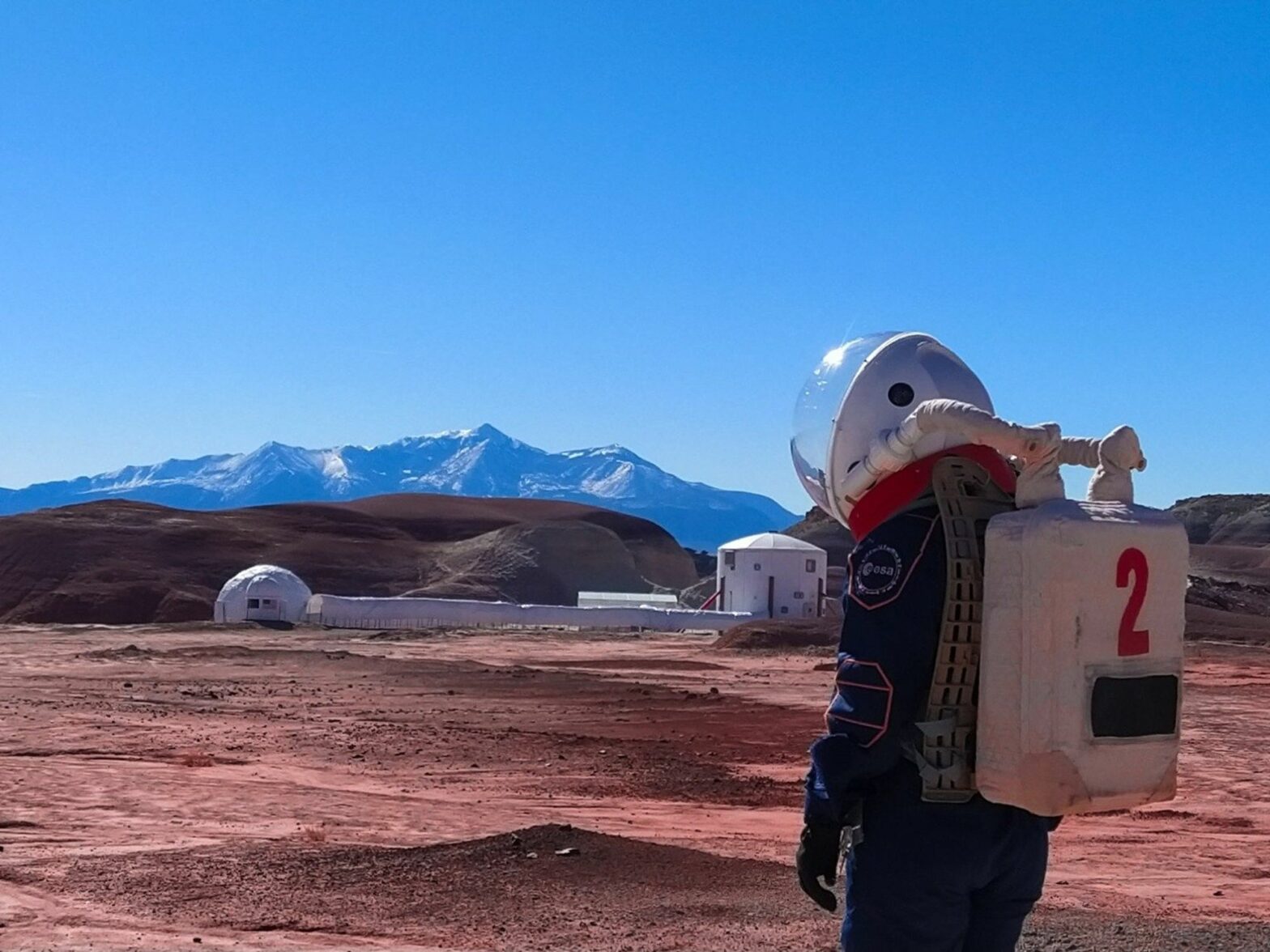
A niche research community plays out what existence might be like on, or en route to, another planet.