Updated Jan. 23, 2024 at 1:00 p.m.
 Worldcrunch
Updated Jan. 23, 2024 at 1:00 p.m.
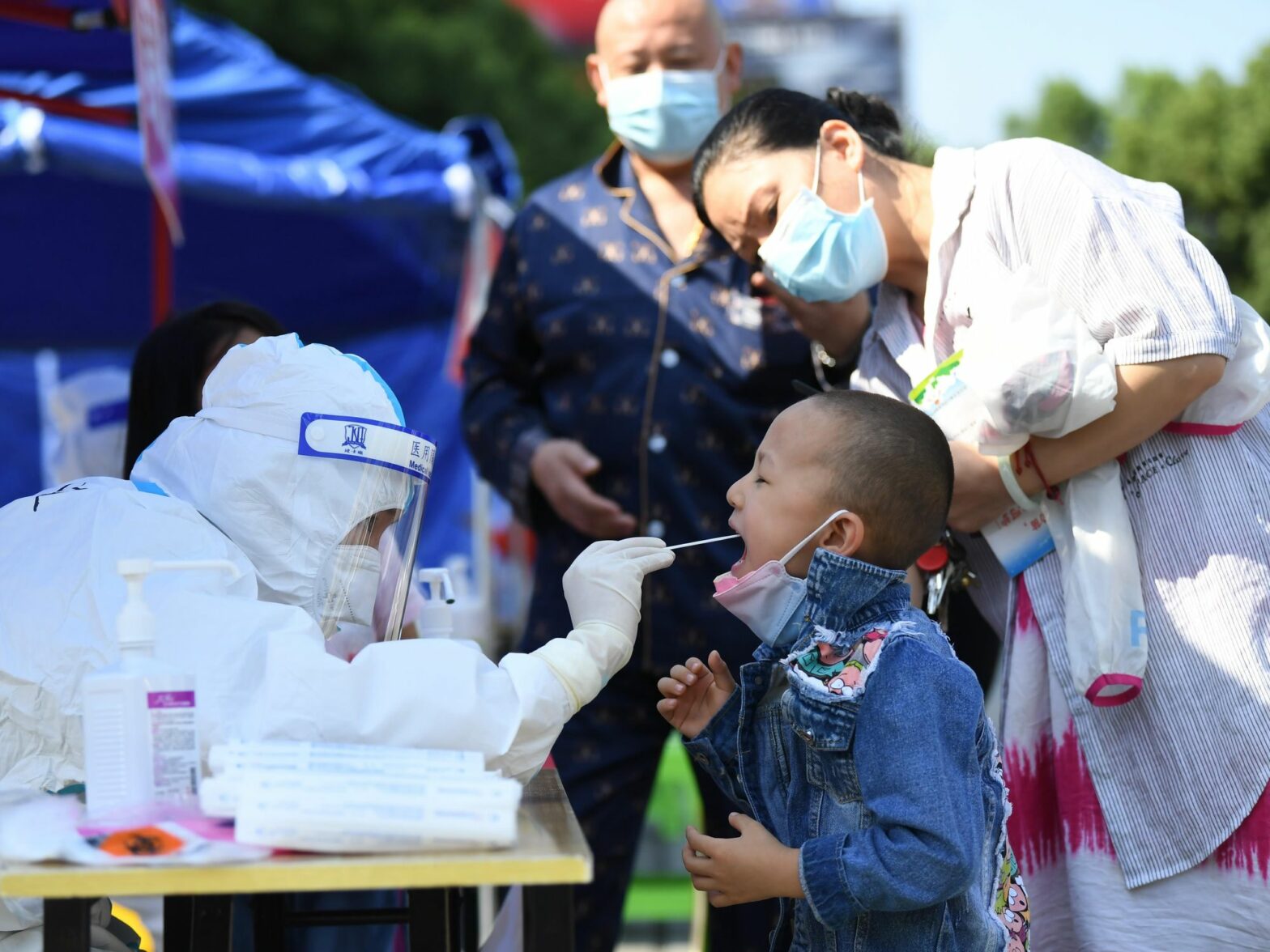
Too much has been put in to the state-sponsored truth that minimal spread of the virus is the at-all-cost objective. Xi Jinping may eventually have no choice but to renounce the harsh measures, but at this week’s Communist Party Congress, the Chinese President was giving no ground.
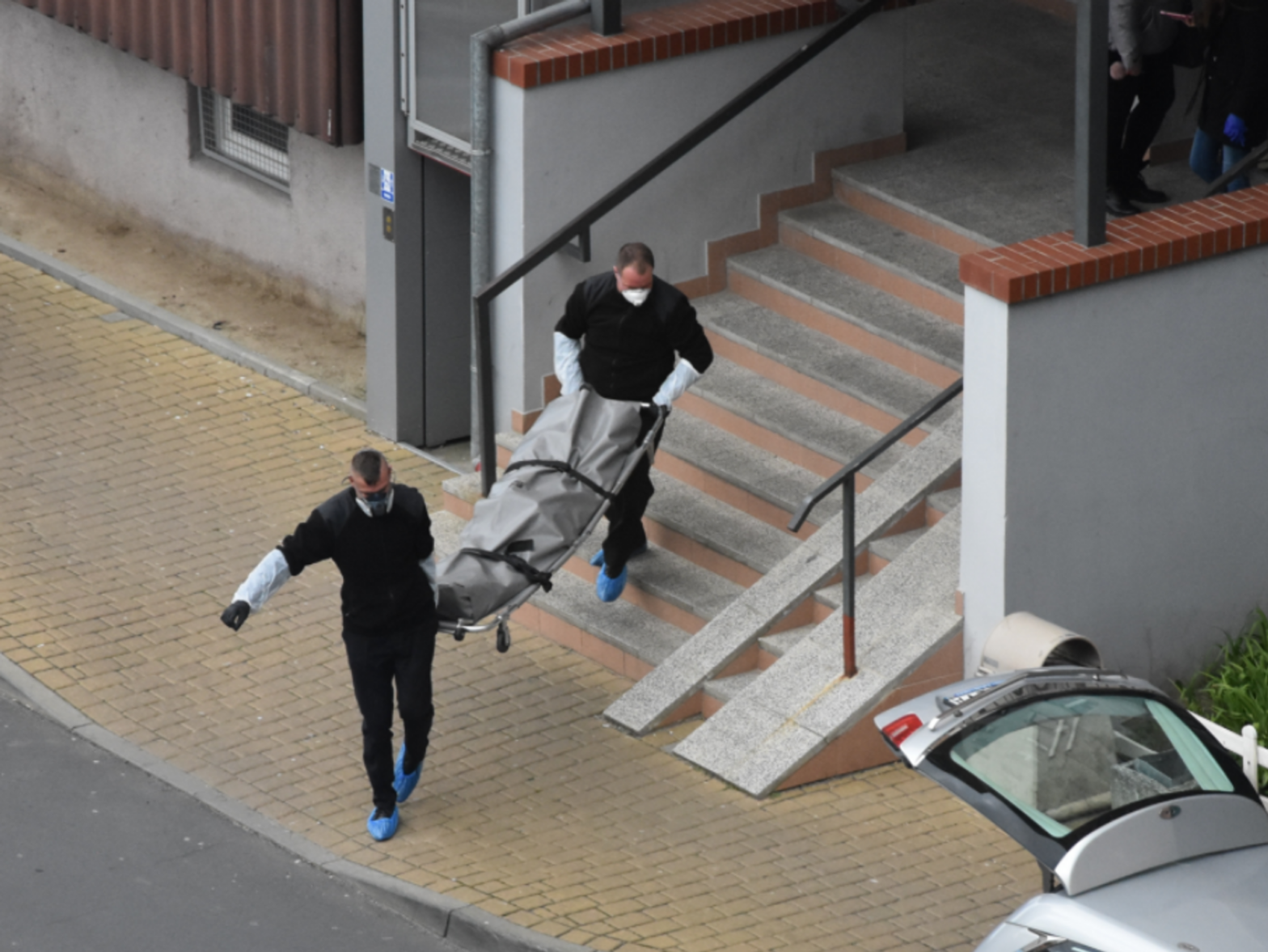
A total lack of regulation has meant that virtually anyone can sell funeral service, even people without refrigerated rooms, hearses or pandemic safety measures.

Are the lives of the youth impacted by coronavirus restrictions worth less than the extended lives of the elderly? This is the debate we must have when faced with the prospect of another lockdown.
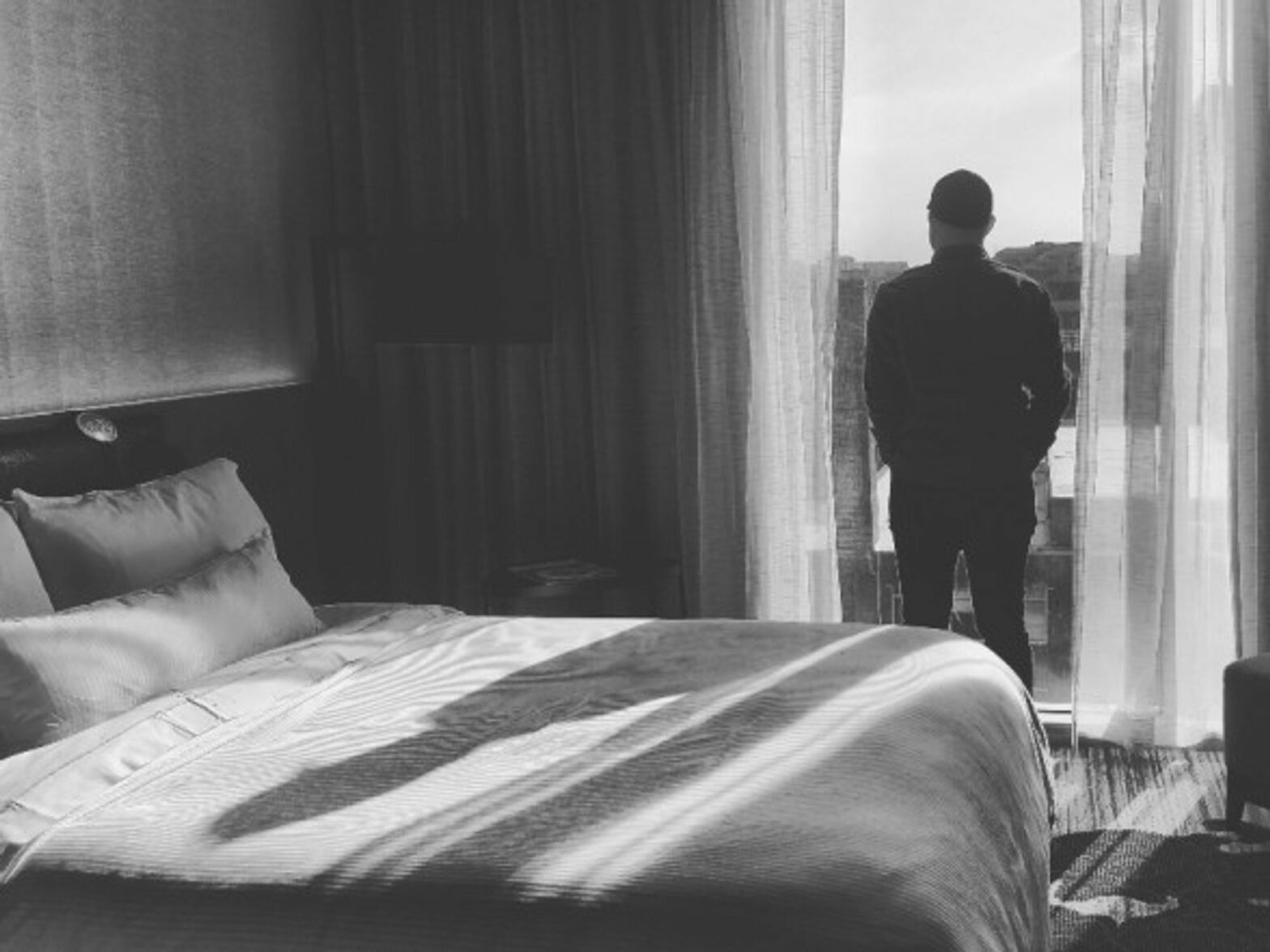
The lockdowns have arrived as technology accentuates the passage from ritually organized time to time without clear limits.
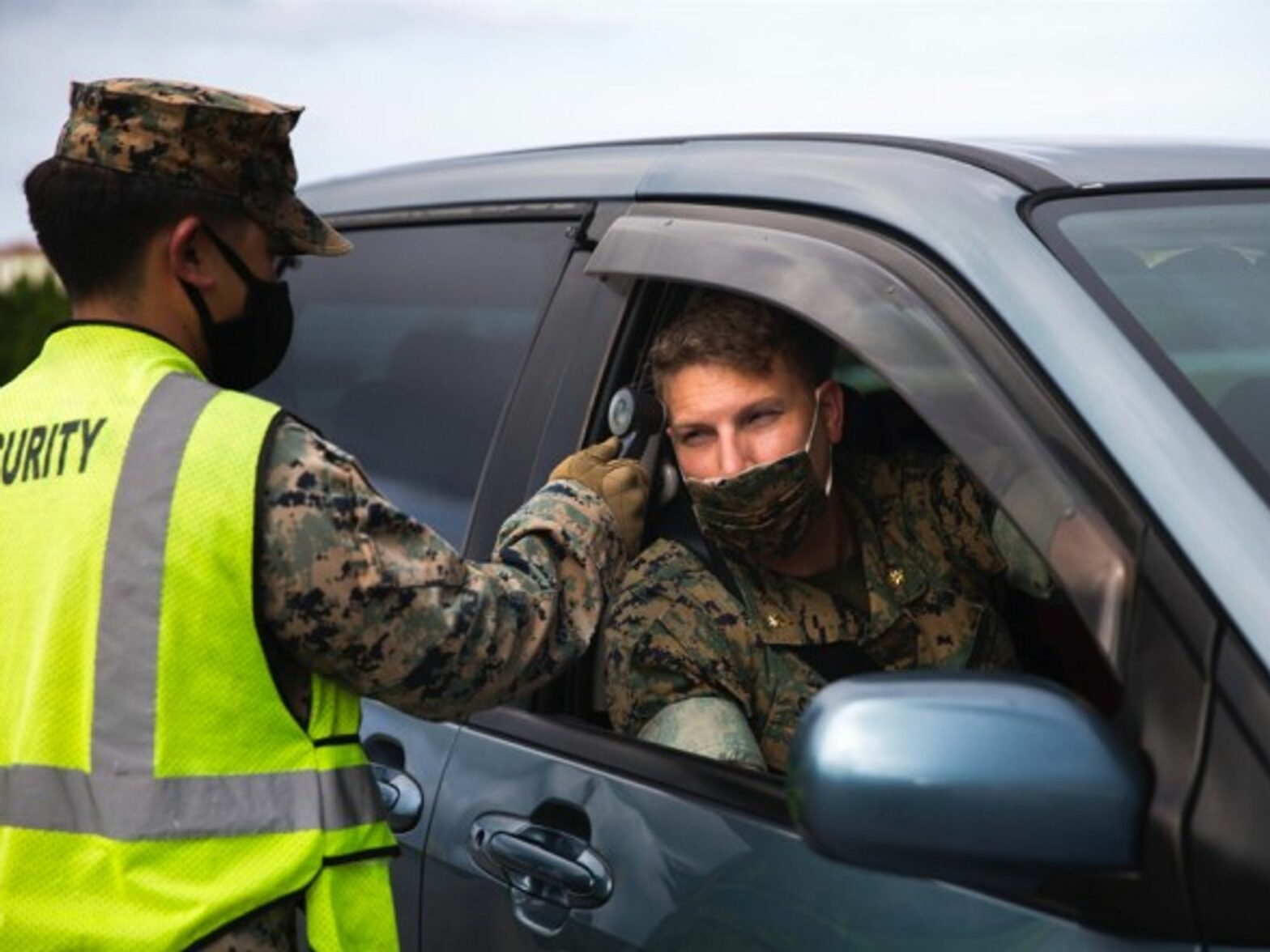
In both Okinawa and Iwakuni, locals worry that American soldiers and their families are importing the virus and not doing enough to contain it.

For some, France’s strict shelter-in-place period sank their relationships. Others say it helped. Either way, couples in the would-be land of romance found themselves at a real crossroads.
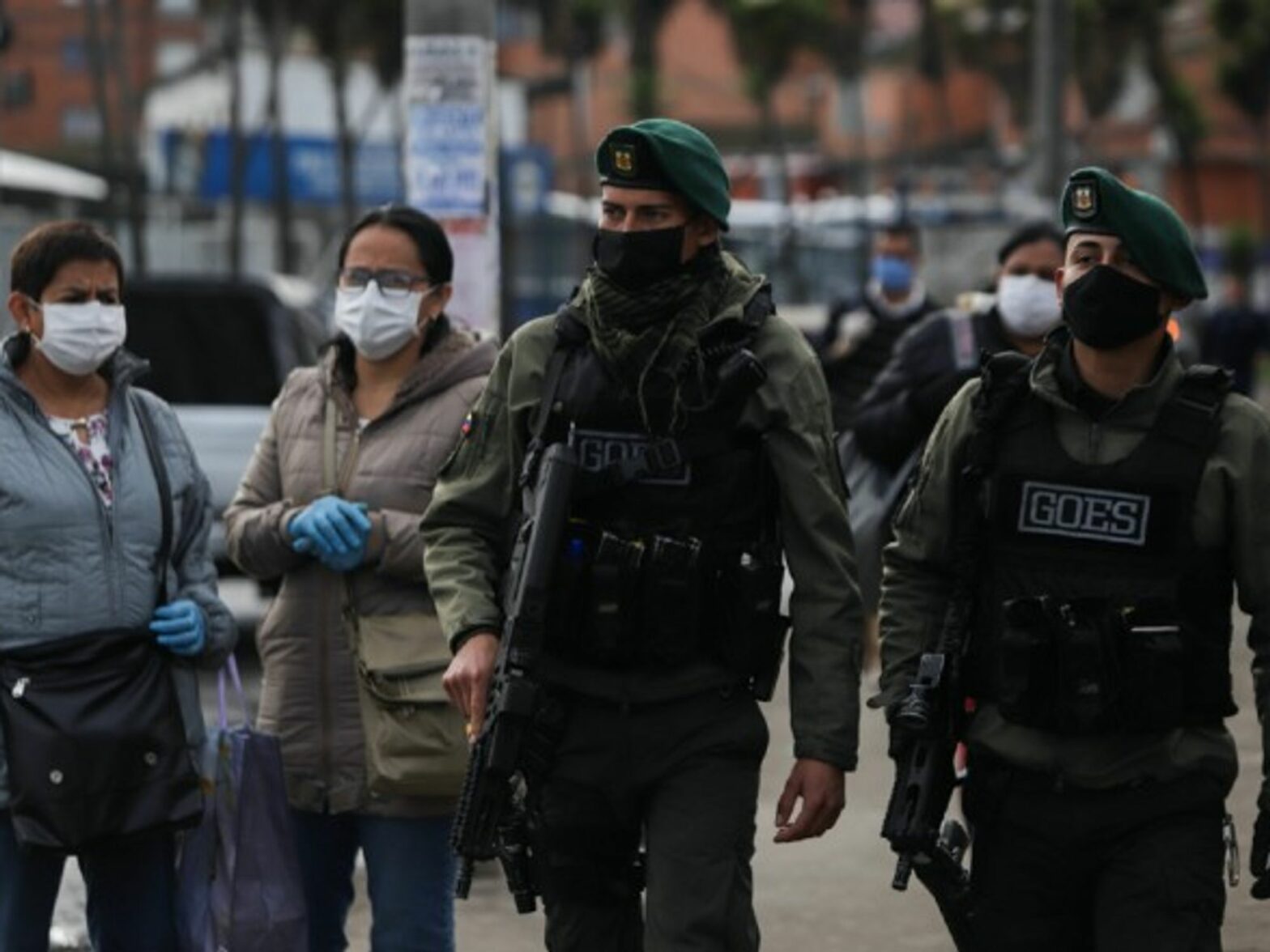
The pandemic, and especially the fears whipped up by states and the media, may be pushing society toward greater submission to the world’s powers.
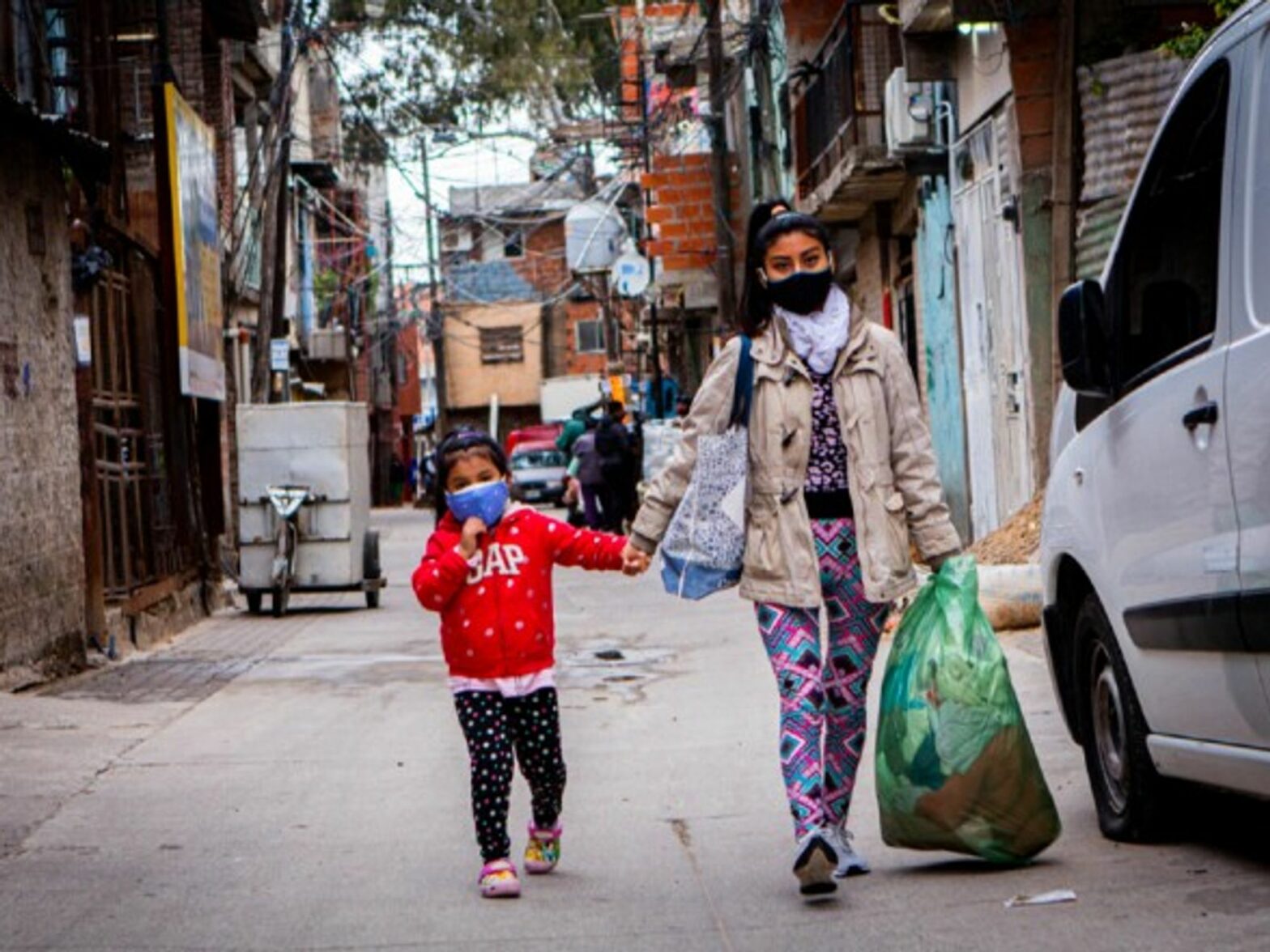
Large cities like Buenos Aires are prepping for life after the lockdown and anticipating changes, among other things, in the ways people commute.
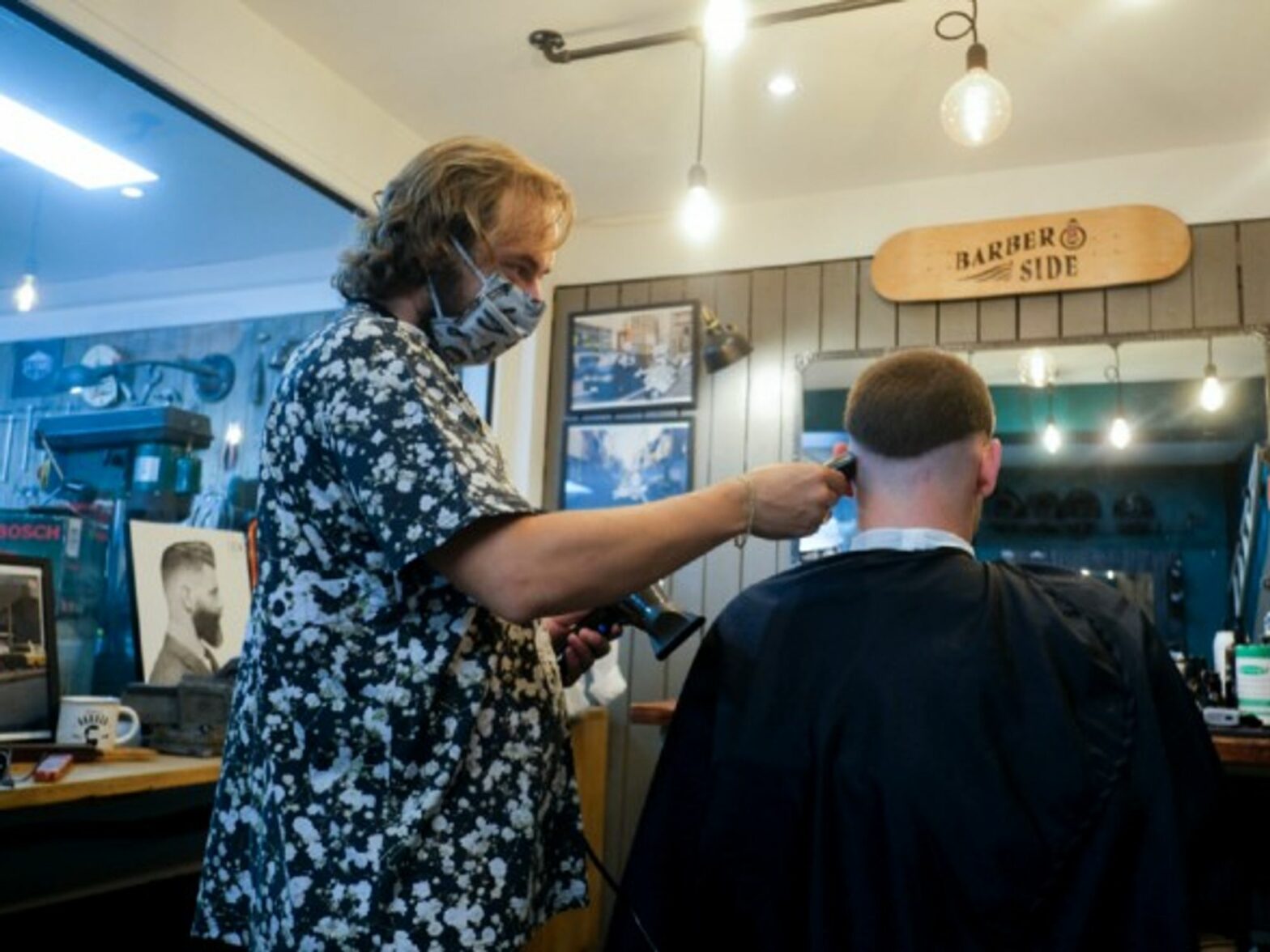
We have all, at some point, thought about the very first thing we’d do once lockdown restrictions start to lift. Going for a cup of coffee, dining out, meeting friends in the flesh (not on Zoom). But there’s one item on our list of mundane things we took for granted that we’re reminded of each […]

Charles de Gaulle was the first world leader to truly understand the power of television, using regular presidential broadcasts as a way to circumvent French legislators, labor unions and other levers of democratic influence.
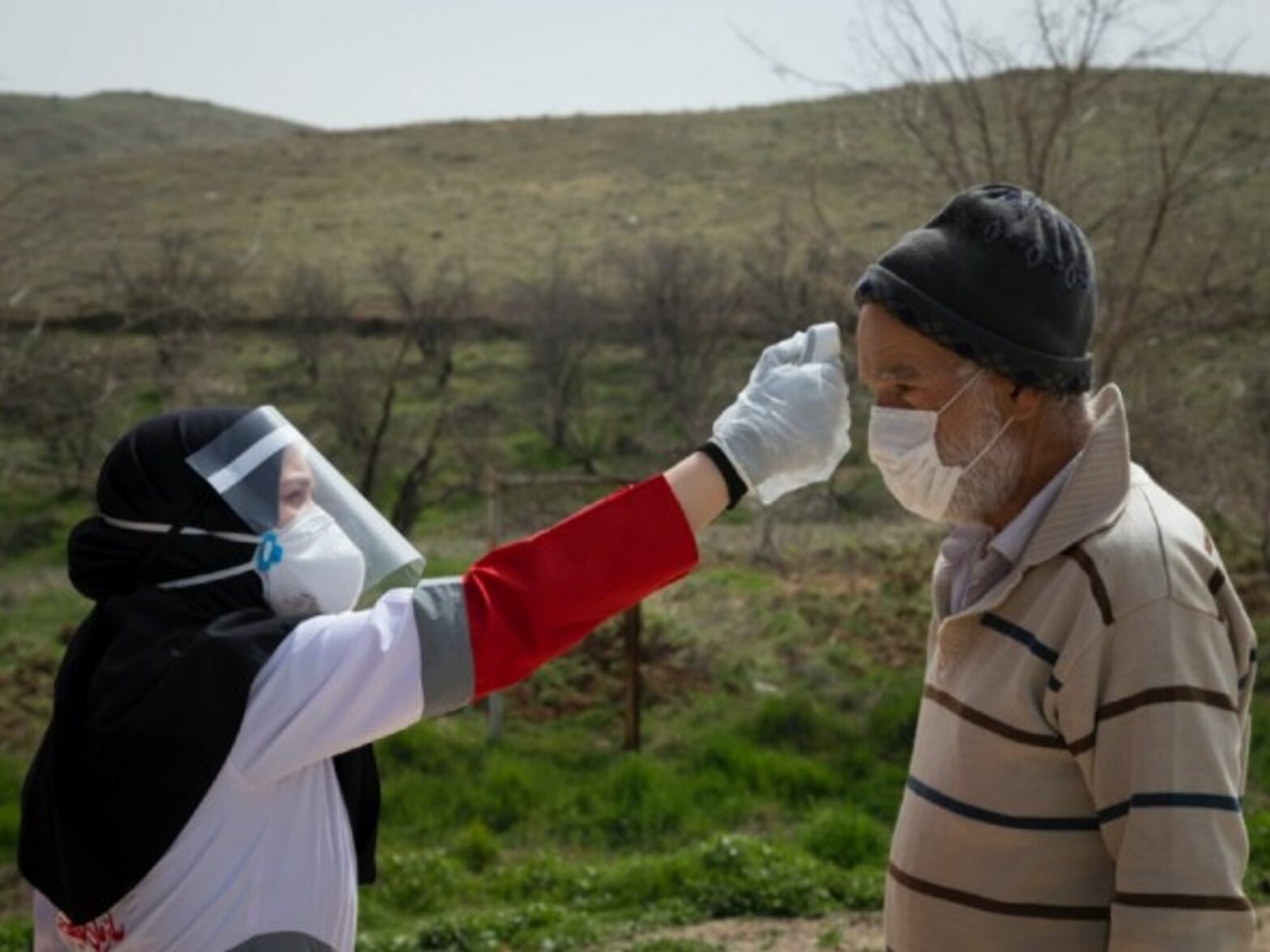
President Rouhani wants some activities to reopen, in open conflict with recommendations of national coronavirus task force.
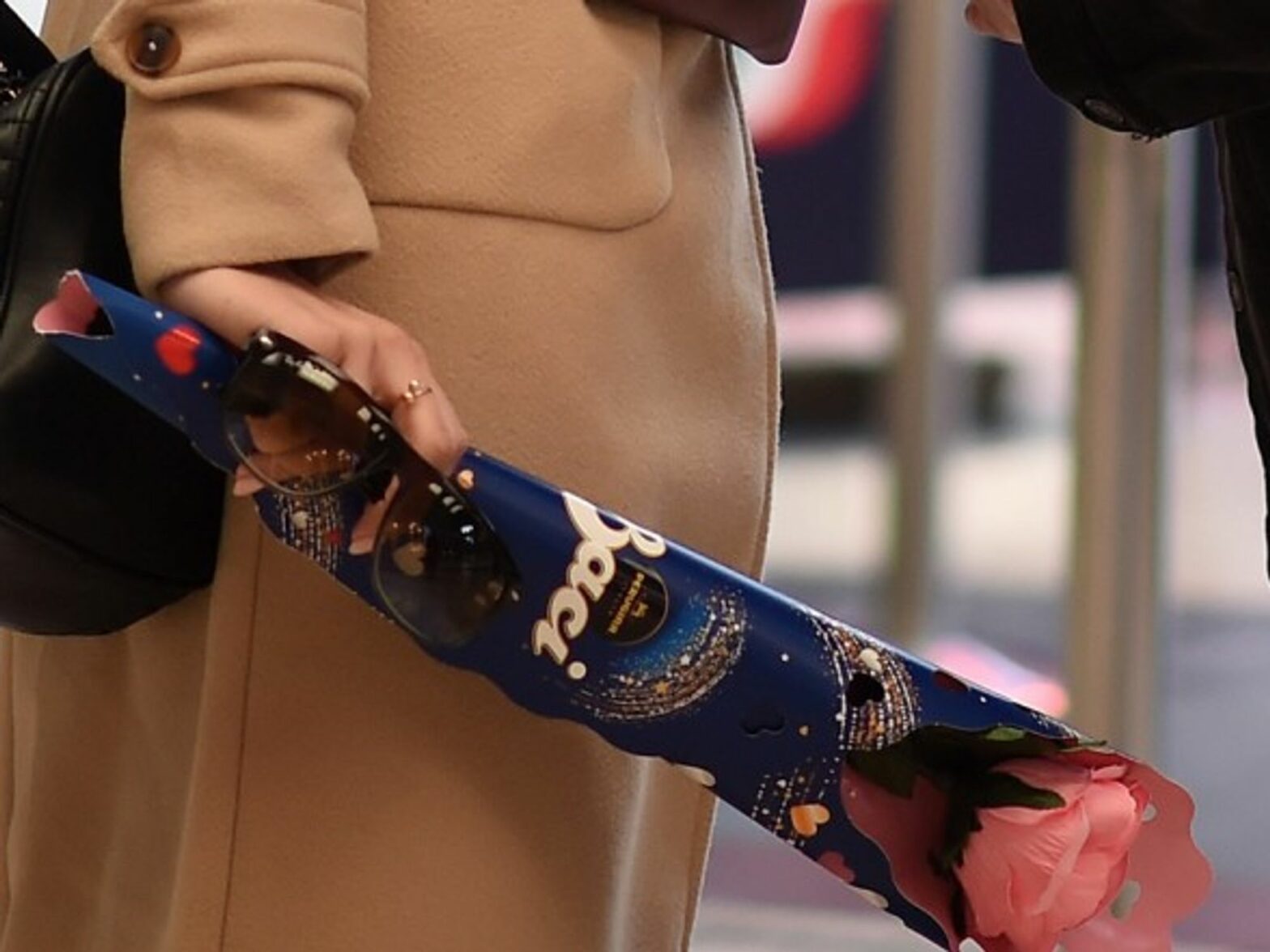
It’s a bittersweet scene captured at Milan’s Central Railway Station, at the global epicenter of the COVID-19 crisis. With more than 800 deaths attributed to the novel coronavirus and 12,000 infected in Italy, the northern region of Lombardy, which includes Milan, is by far the hardest hit, with 617 deaths as of Thursday. Prime Minister Giuseppe Conte has extended a severe lockdown to the entire country, with all shops, restaurants, cafes and bars being ordered to close, with the exception of grocery stores and pharmacies, until March 25. Amid the chaos and uncertainty, this photograph recalls Gabriel García Márquez” epic […]
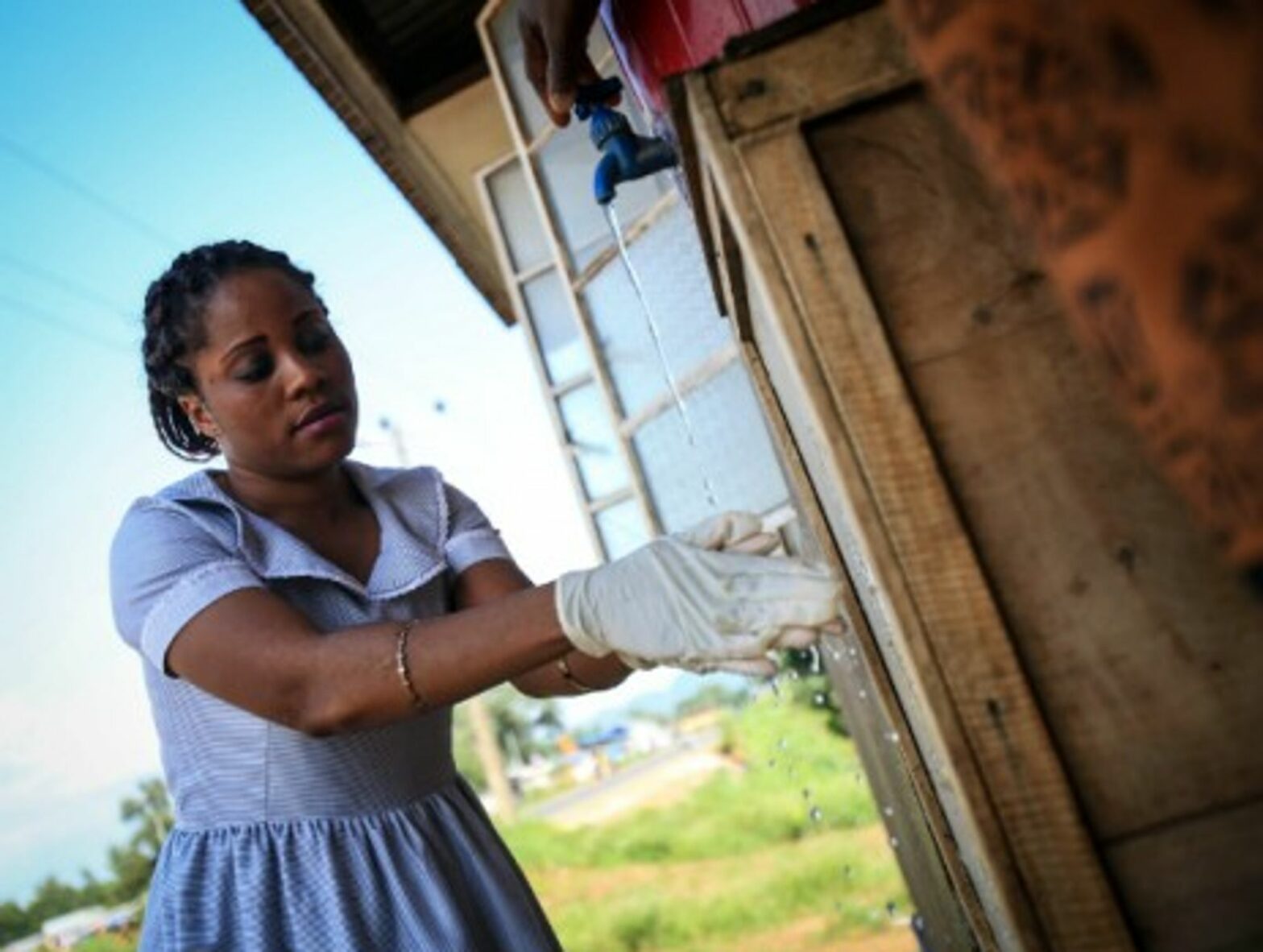
Teams of volunteers were combing the country to try to stem the spread of the virus during a recent three-day quarantine.