By seeking to impose his rules on the rest of the world, Donald Trump follows in the footsteps of his 20th century predecessors in the White House. But protectionism is a whole new trick.
 Worldcrunch
By seeking to impose his rules on the rest of the world, Donald Trump follows in the footsteps of his 20th century predecessors in the White House. But protectionism is a whole new trick.
American protectionism has returned, with tariffs that vary by country, but are permanent. There will be exceptions and specific negotiations but, in Trump’s intentions, they become one of the foundations of the American economy. The world must respond with this reality in mind.
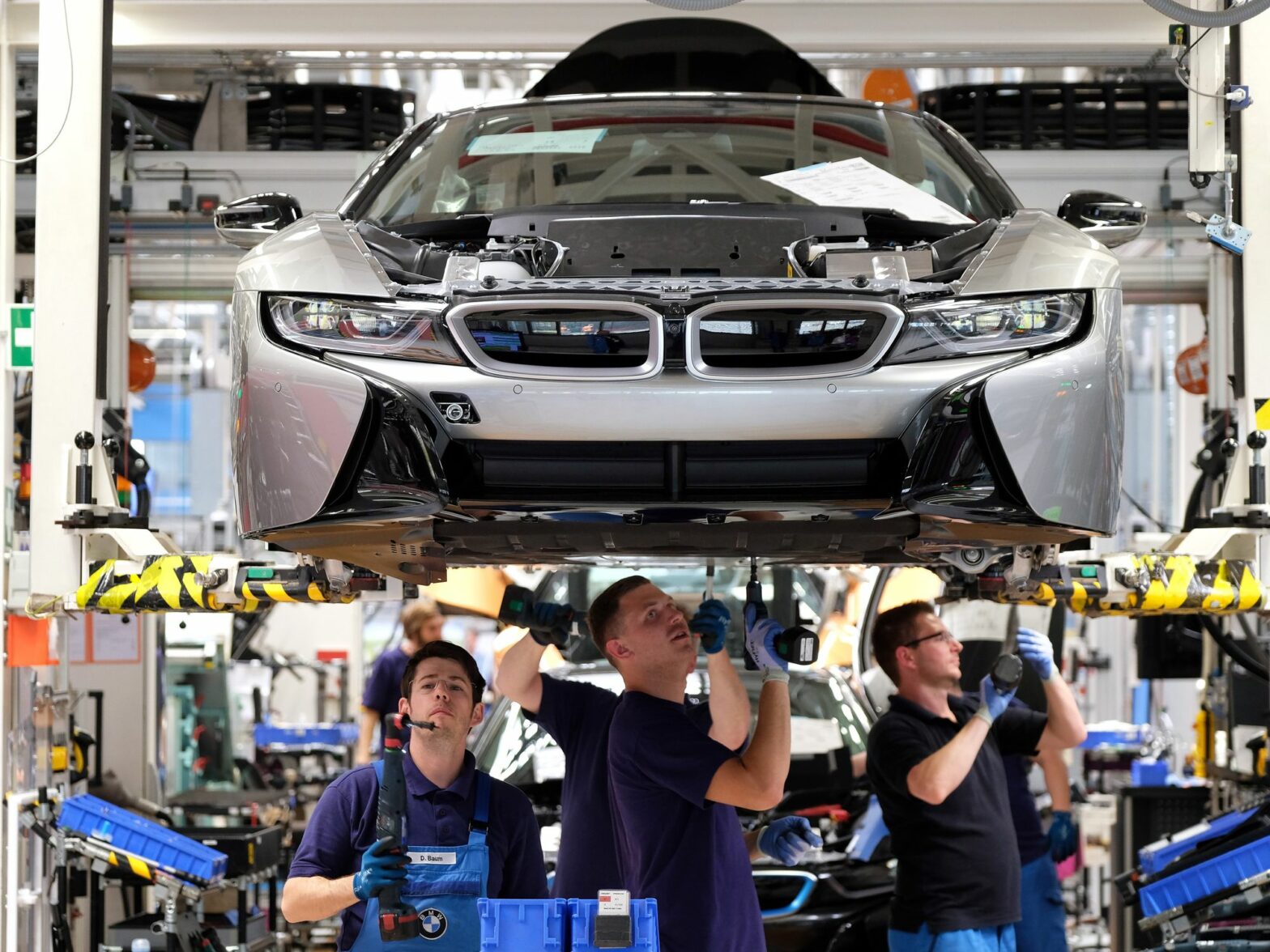
The EU should resist the temptation to retaliate against U.S tariffs on European cars. If we look closer at the recent past and the uncertain future, Trump’s bad intentions produce some good.
Will America become revisionist, unilateralist and expansionist under Donald Trump’s second term? In the early 1970s, French philosopher Raymond Aron spoke of the United States as an “imperial republic,” Now, in 2025, there is potentially much less “republic,” and much more “imperialism.”
A recent tender for Brazil’s 5G network once again highlighted the growing rivalry between the two superpowers. Now, the Biden administration may even have a formula to free countries of their debt to Beijing.
The U.S. has long enjoyed hegemony over the 2.7-million sq km Caribbean basin. But whether Washington likes it or not, Beijing is showing that it too wants a piece of the pie.
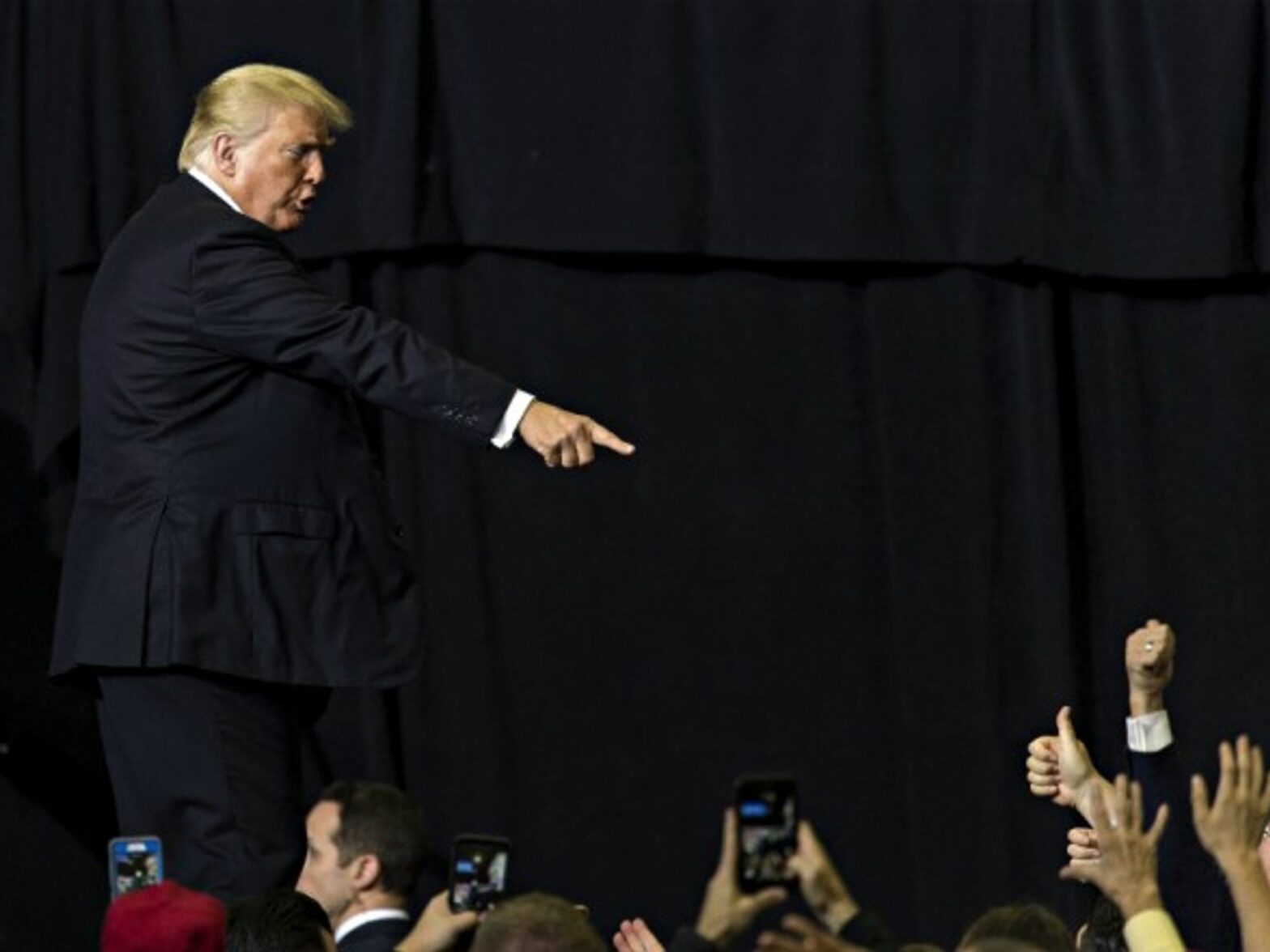
With more sanctions for China and curbs on NAFTA, Donald Trump is fulfilling his campaign pledges to curtail globalization — free trade and vast business interests be damned.
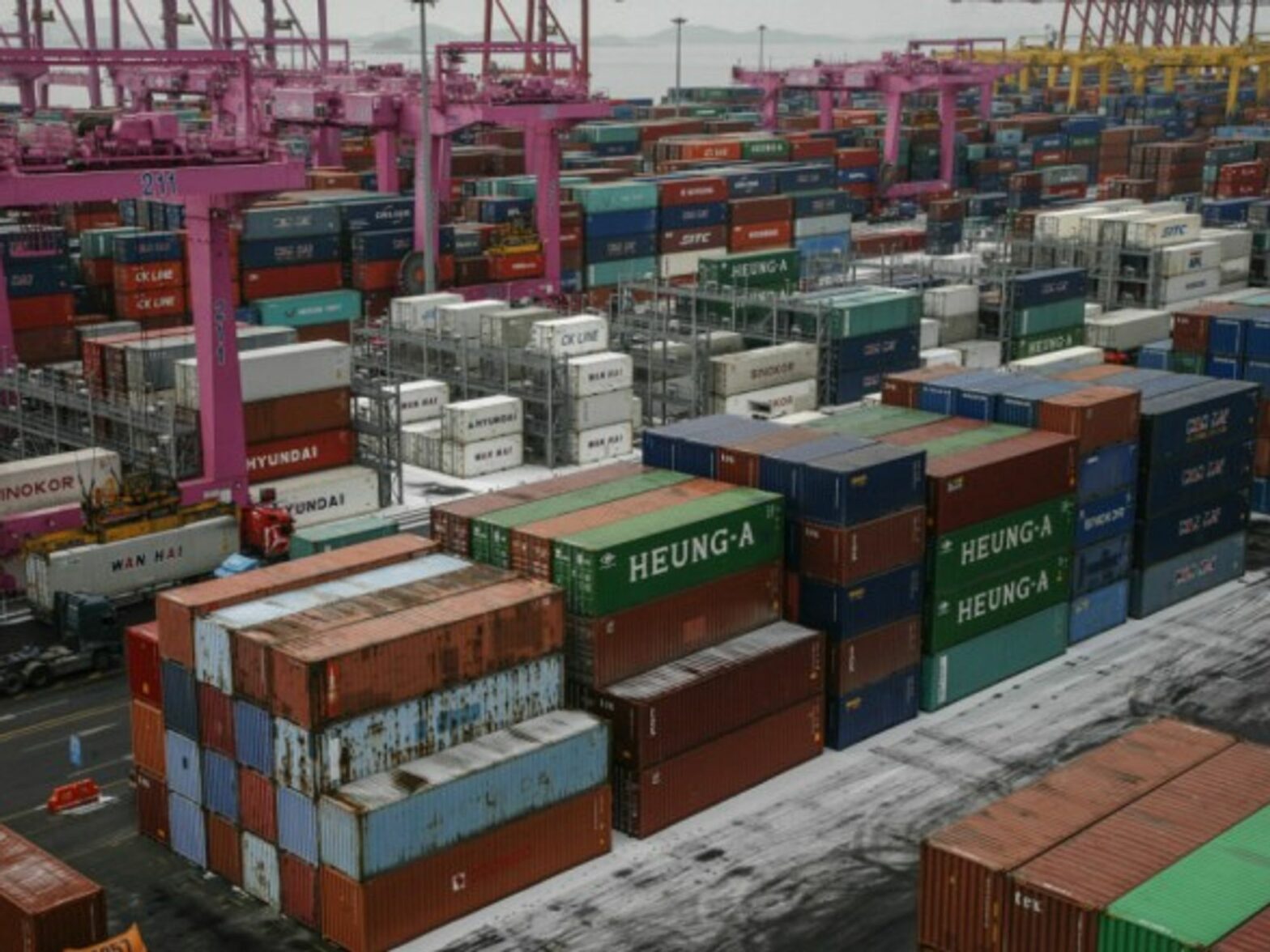
For decades, economists scorned protectionism as a losing proposition. Now some have begun to admit that not everyone benefits from open markets.
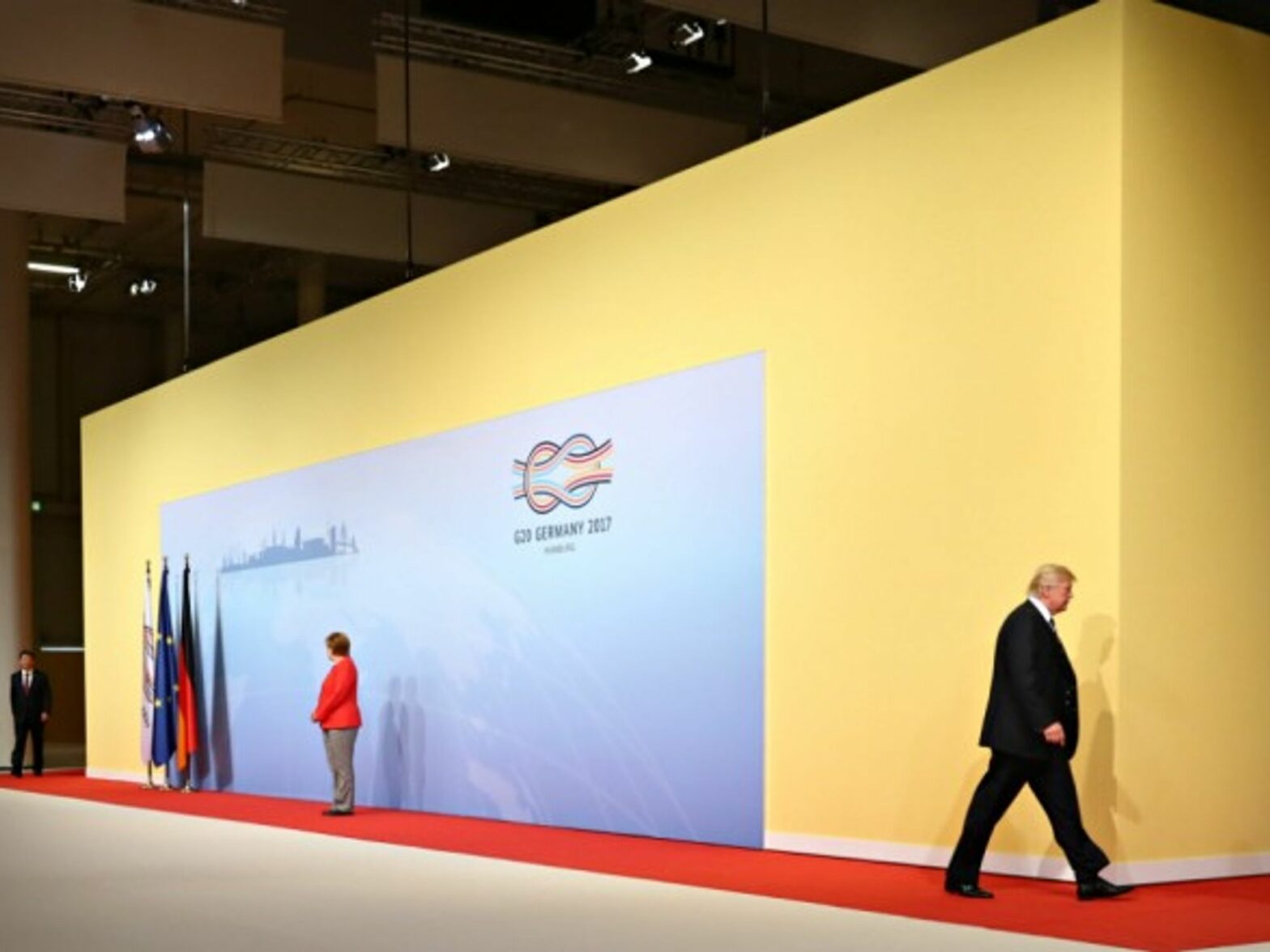
-Analysis- SAO PAULO — The G20, the club gathering the world’s biggest economies, is the offspring of two crises. First, the 1997 Asian financial crisis led to the creation of the group in 1999, as an annual summit for finance ministers and central bank governors. Their objective back then was to coordinate policies to stabilize […]

First with Obama and now with Trump, the U.S. is making space for a second imperialist power on the American continent, China.
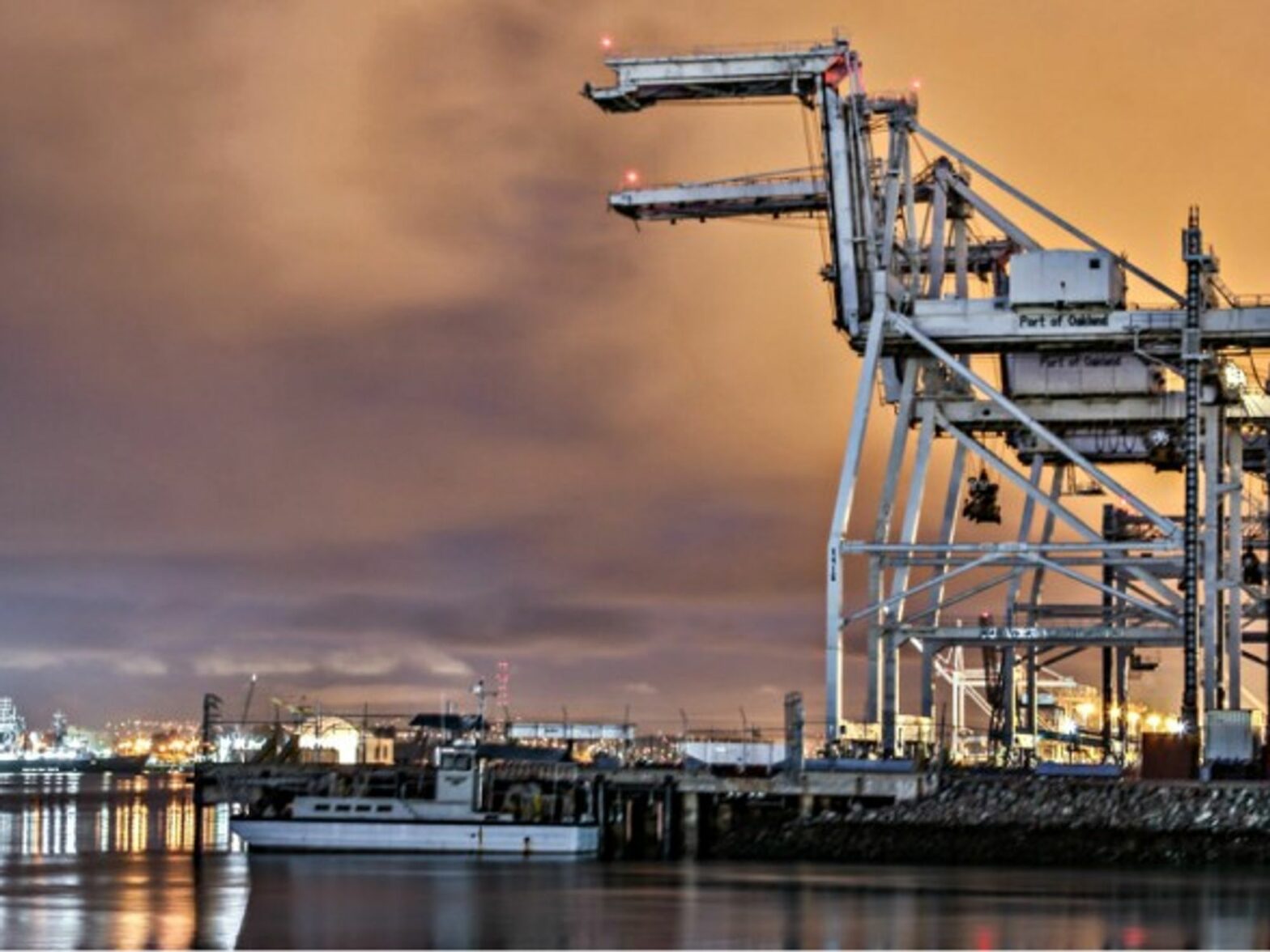
If Washington cracks down on Chinese imports, Beijing is sure to respond in kind. Companies that would suffer include makers of everything from sneakers to semi-conductors.

Trade with Asia will be all the more important for Latin American countries once President Obama leaves office.
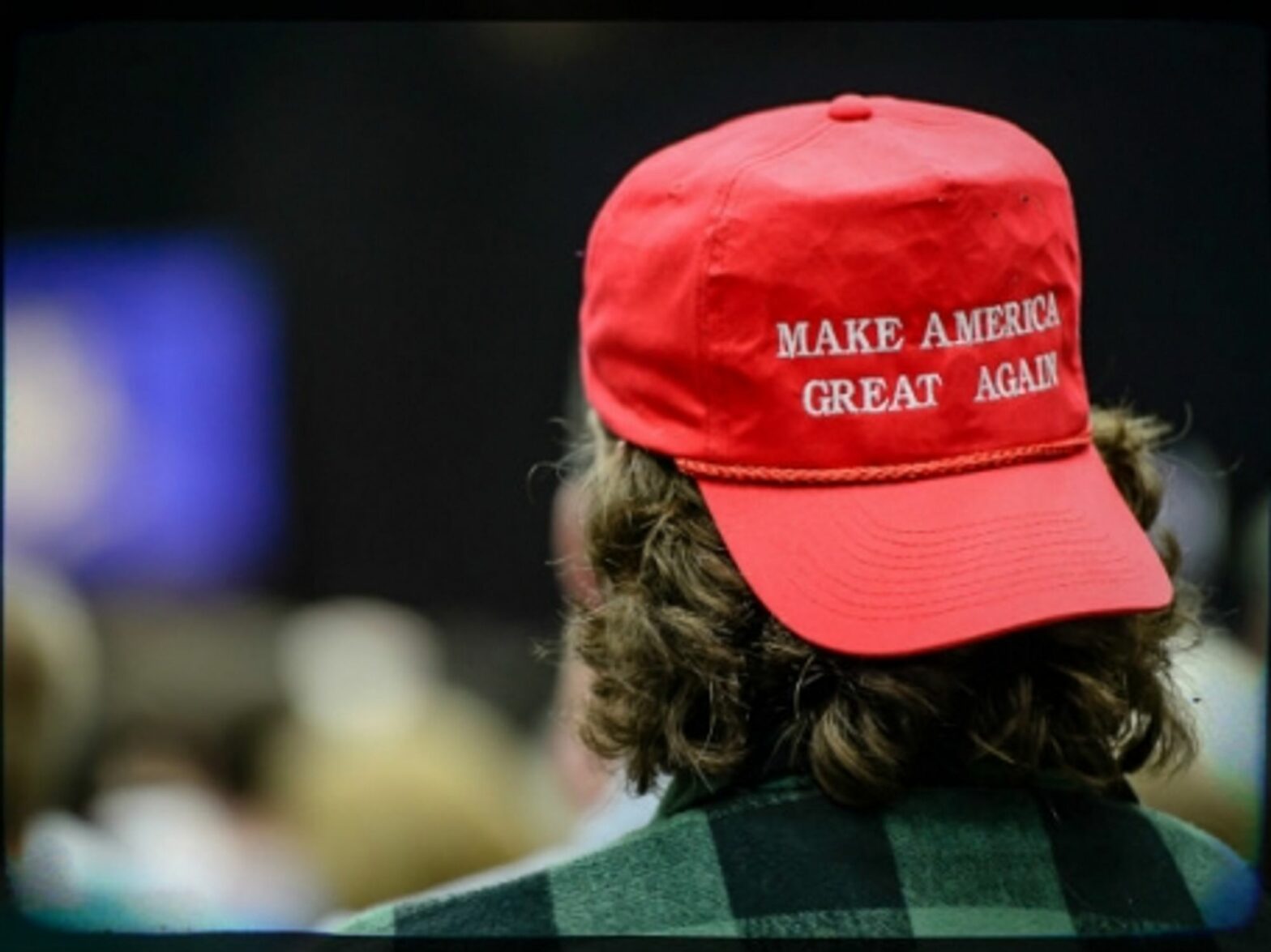
For the first time in 70 years, Americans have a chance to vote for an outspoken protectionist from a major party. How did we get here?
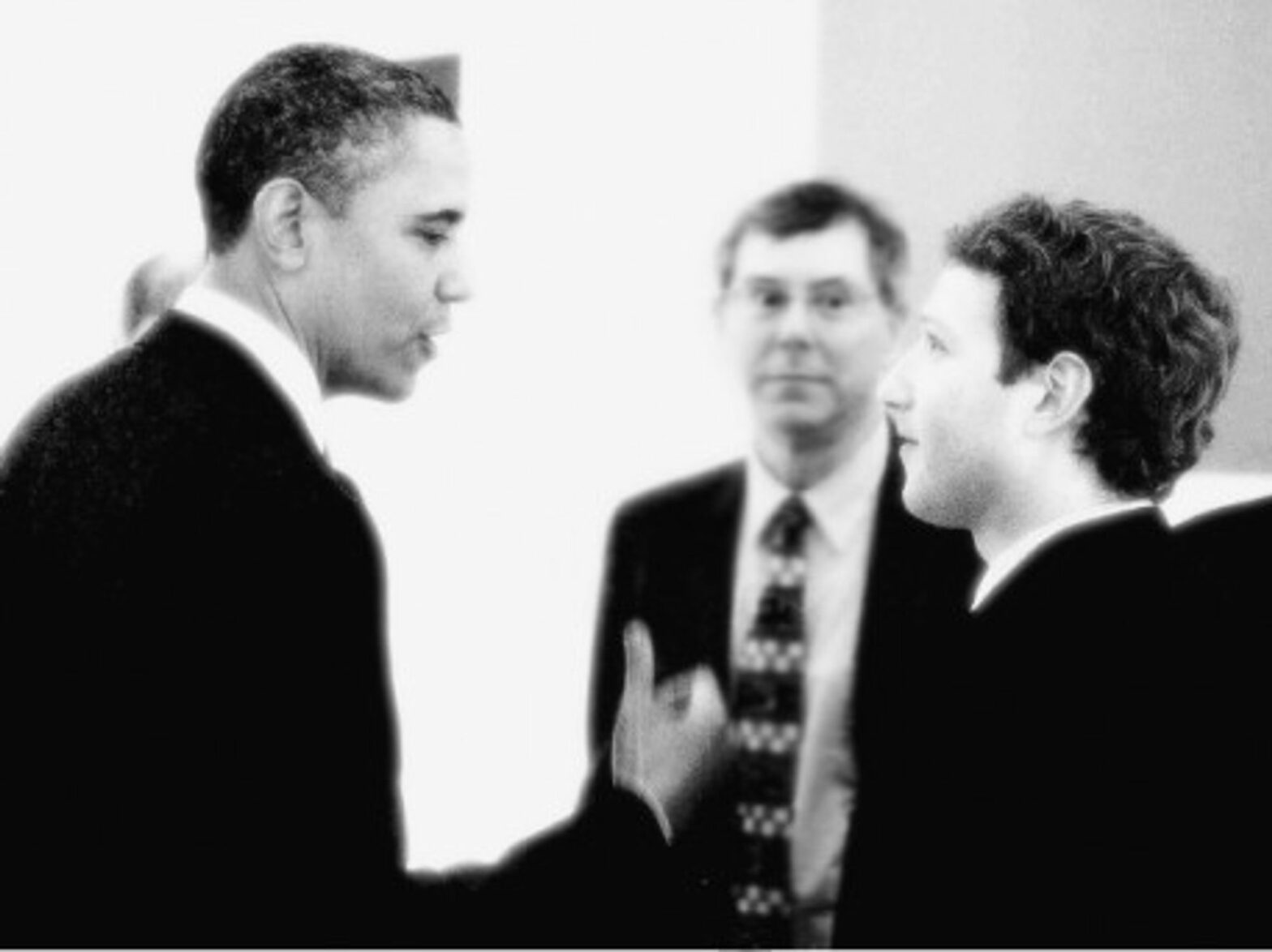
A hard European retort to an attitude that extends from Silicon Valley to the White House, which says that the United States’ dominance in new technology should give it free license abroad.
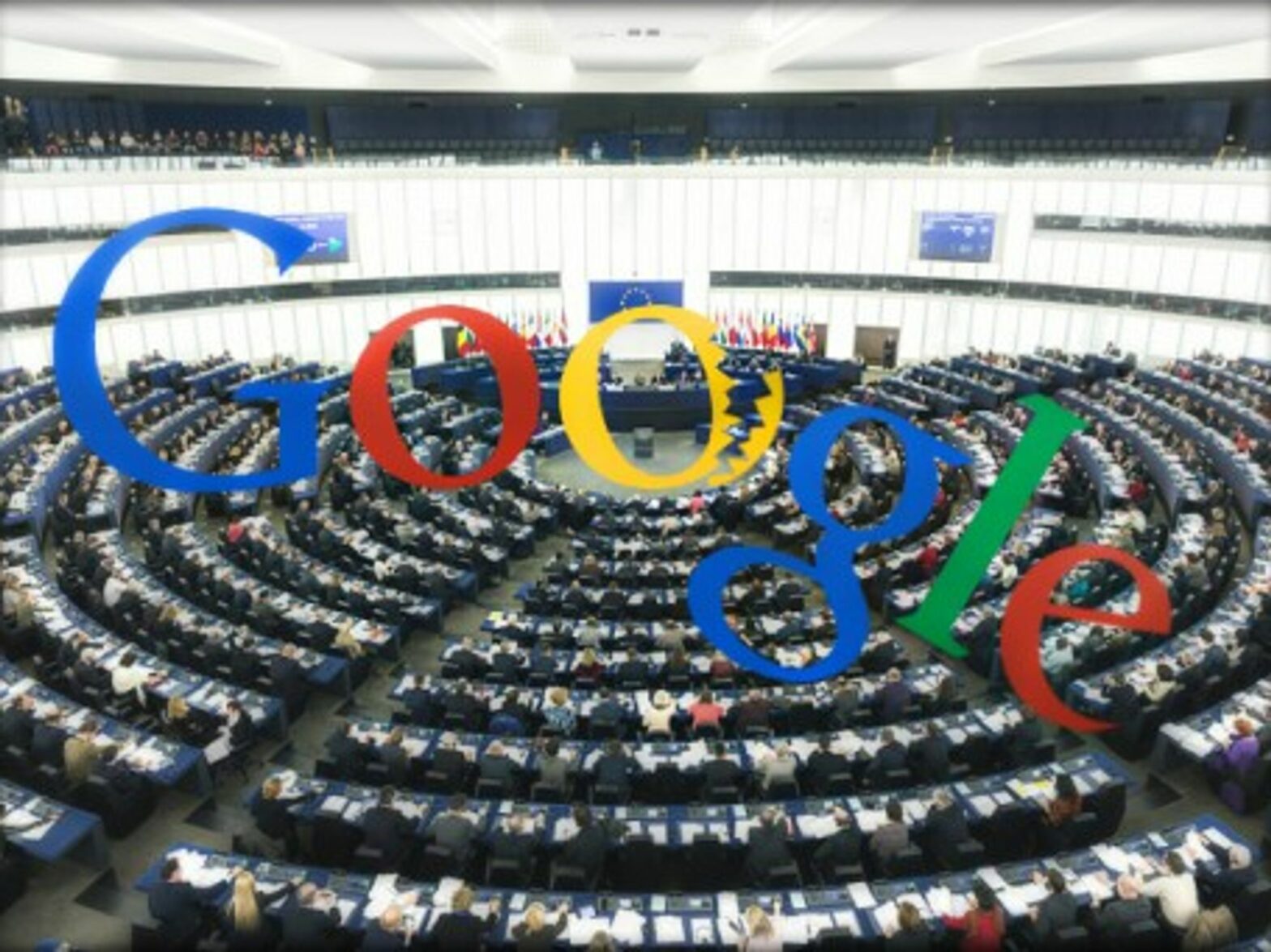
Yes, the Google ‘monster’ is too big and too powerful. But EU politicians imposing a breakup of the U.S. tech giant is not the solution. A mix of arm-twisting and open competition can do the trick.

The Kremlin is spinning domestic protectionism and anti-West food sanctions as a way to help Russia’s farmer. But it’s really just a recipe of pure politics – and bad economics.