At the core, the controversial Italian leader, who died this week at 86, wanted to be liked, loved. That explains many of his choices, including the ones that have left a dark mark on Italy’s history.

 Worldcrunch
At the core, the controversial Italian leader, who died this week at 86, wanted to be liked, loved. That explains many of his choices, including the ones that have left a dark mark on Italy’s history.
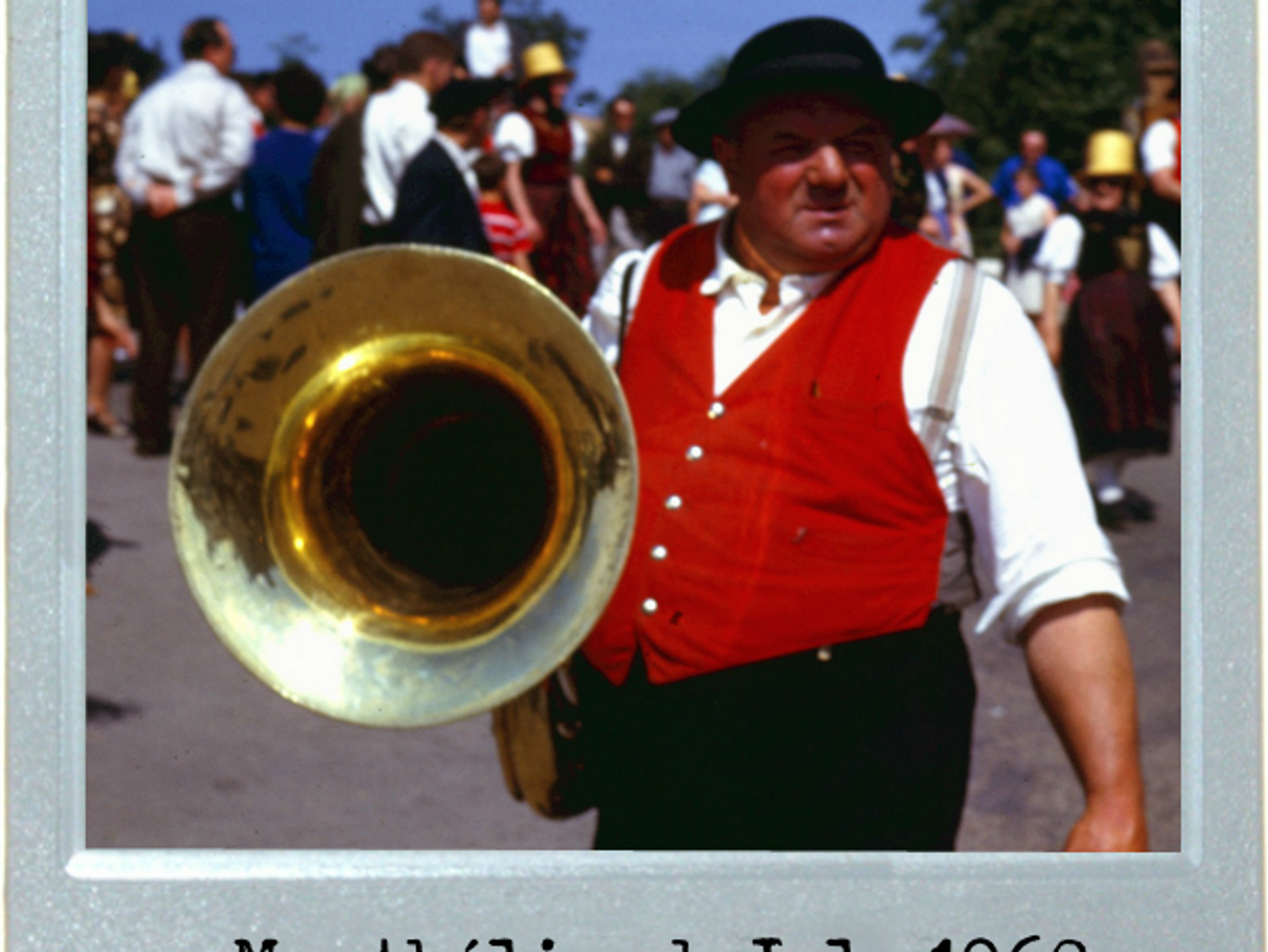
When I was a young man, a major folklore festival came through my hometown in eastern France, with musicians and dancers in colorful costumes from all over Europe. Spotting this photo 58 years later, I knew right away what I didn’t know when I took it: this perfectly rotund tuba player almost certainly hailed from […]
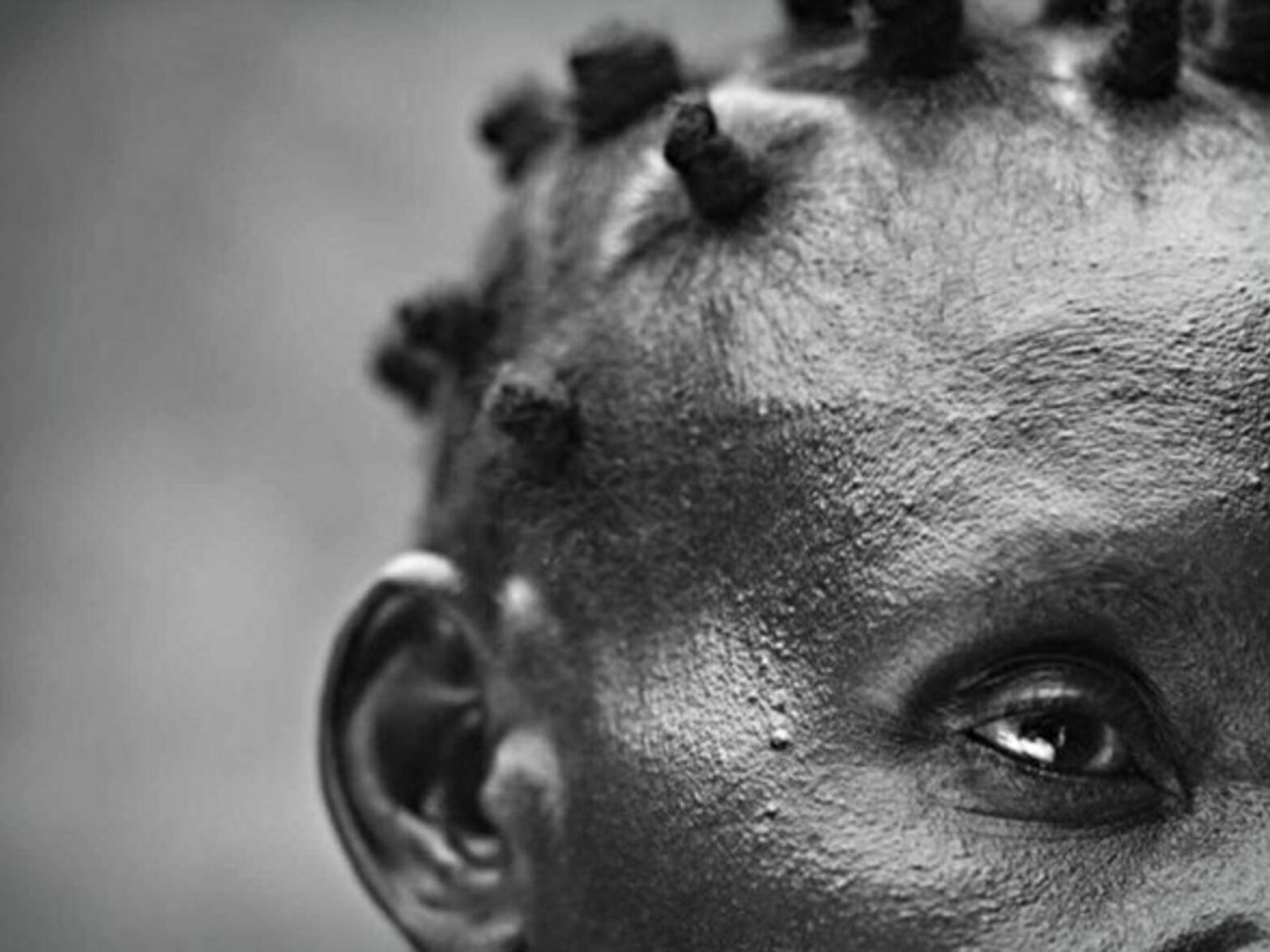
Hellen lives with a mental health condition in Juba, South Sudan. She says she fell ill after the birth of her sixth child. With this powerful portrait, New-Zealand born photojournalist Robin Hammond won 2017 second prize singles at the prestigious World Press Photo, in the “People” category. In this OneShot, Hammond explains why he thinks this particular image of Hellen touched the jury. [youtube https://www.youtube.com/embed/AVt2t5GHlL0 expand=1] Praying for a Miracle (©Robin Hammond/NOOR) | OneShot OneShot is a new digital format to tell the story of a single photograph in an immersive one-minute video. Follow OneShot:
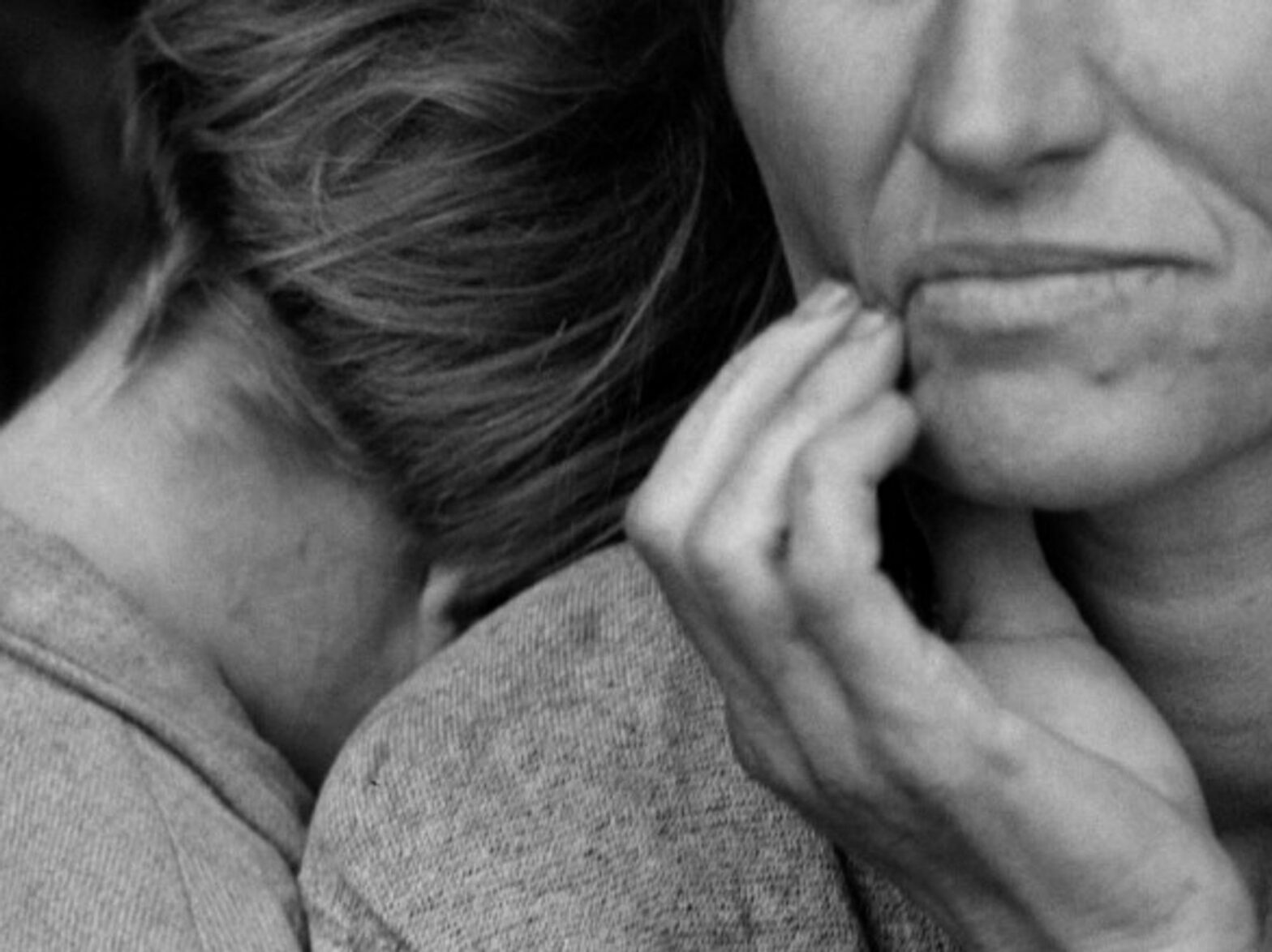
It may be the most iconic photograph of the Great Depression. Dorothea Lange’s 1936 image has come to be known as Migrant Mother, though the Library of Congress references its full title as Destitute pea pickers in California.
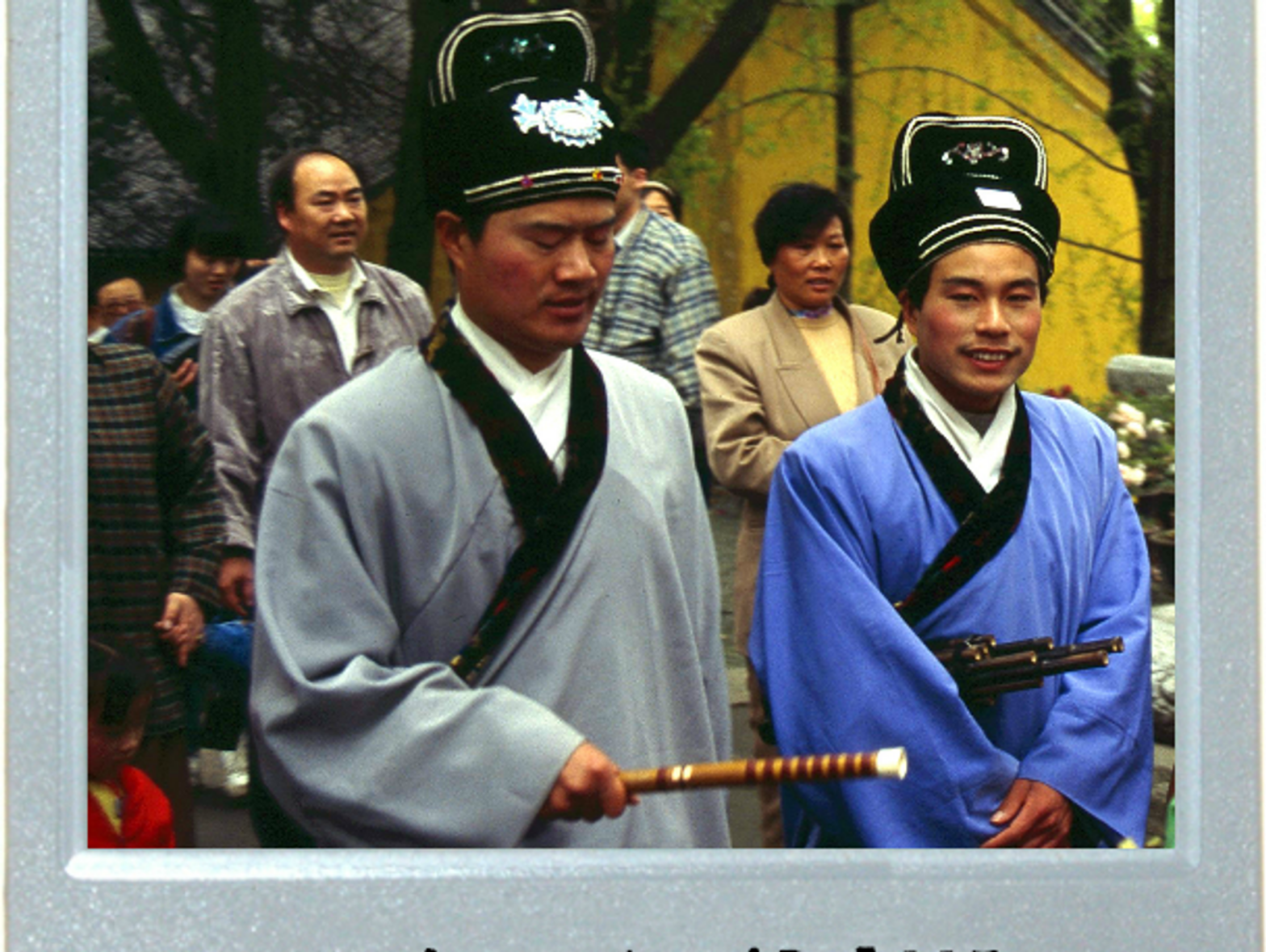
I stumbled upon a parade in full traditional attire in the lush gardens of Suzhou, in eastern China. What I like most about this shot is the pair’s symmetrical contrast with the man and woman in contemporary uniforms just over their respective right shoulders.
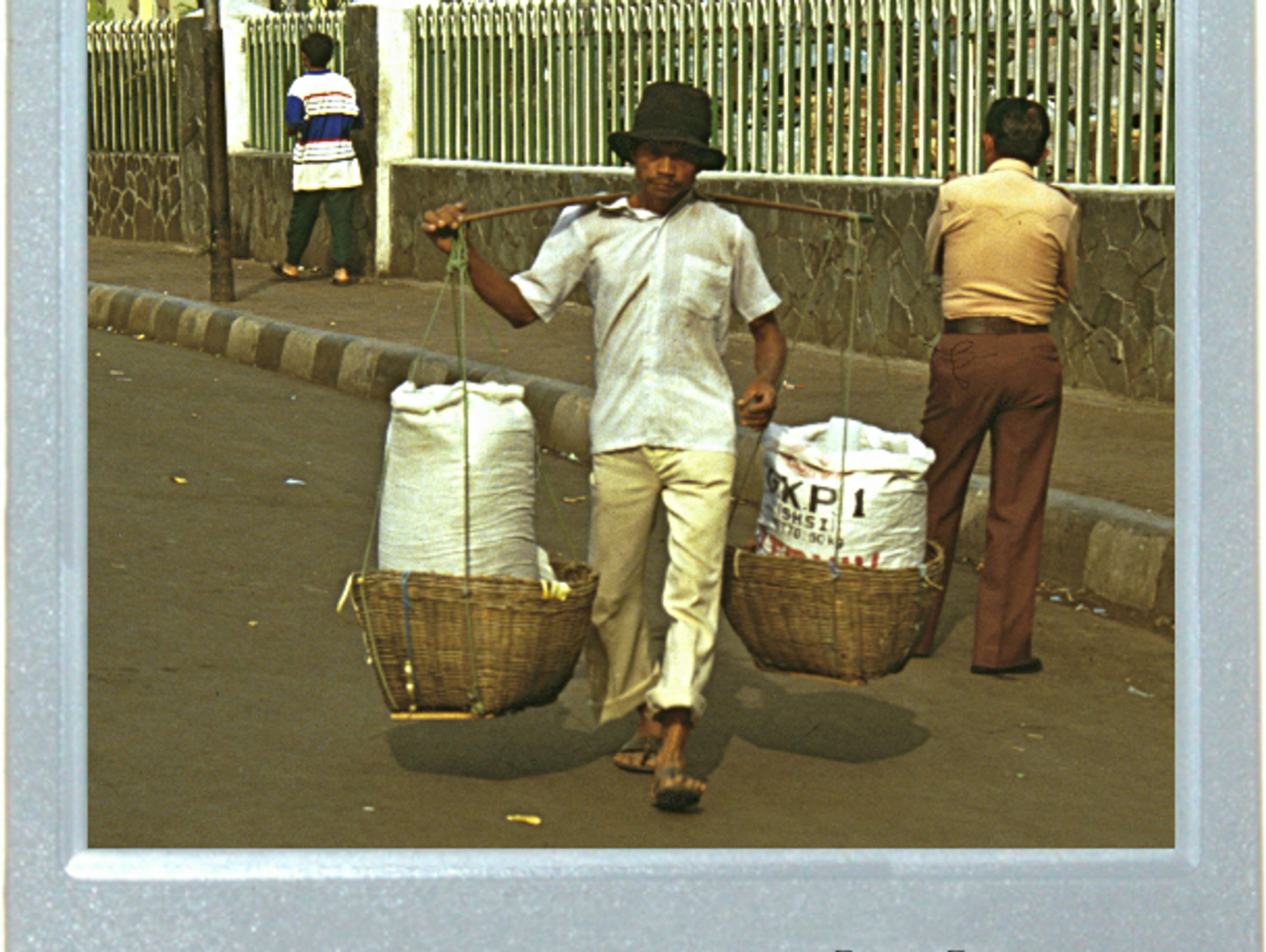
Sunda Kelapa, the old port of Jakarta, was the perfect place to snap some portraits of Indonesian stevedores at work. Balance is everything. See more slides from My Grand-Père’s World.

The third of a three-part series of oral histories from the favelas of Rio de Janeiro, so close and yet so far away from the Olympic spotlight.
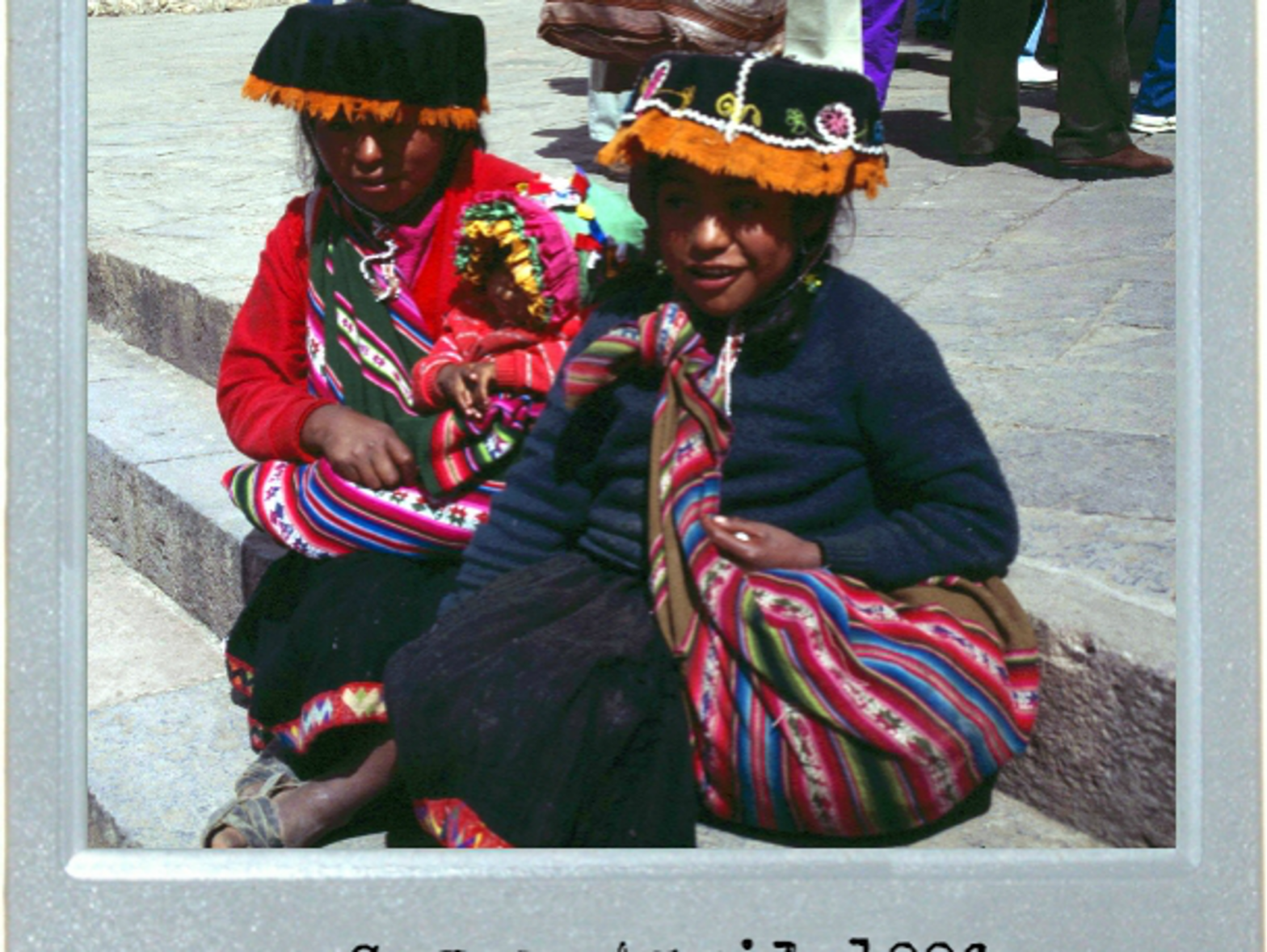
These two Peruvian women in traditional clothes were taking a break from a nearby festival, watching me watching them.

The second of a three-part series of oral histories from the favelas of Rio de Janeiro, so close and yet so far away from the Olympic spotlight.
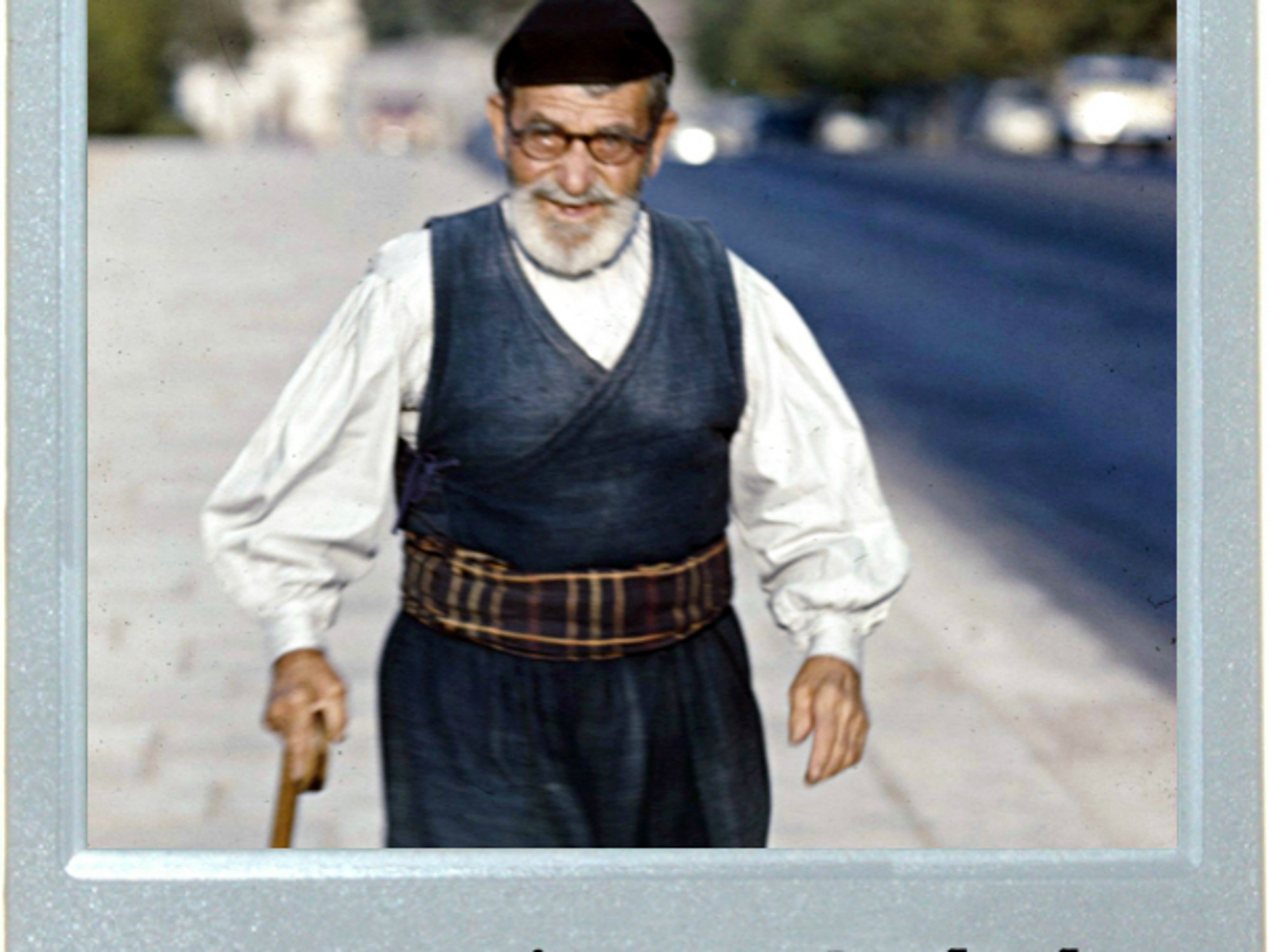
This was the first of about a dozen trips to Greece. From Athens to Epidaurus to Crete … There is something about the country’s history and its people that always made us come back for more.
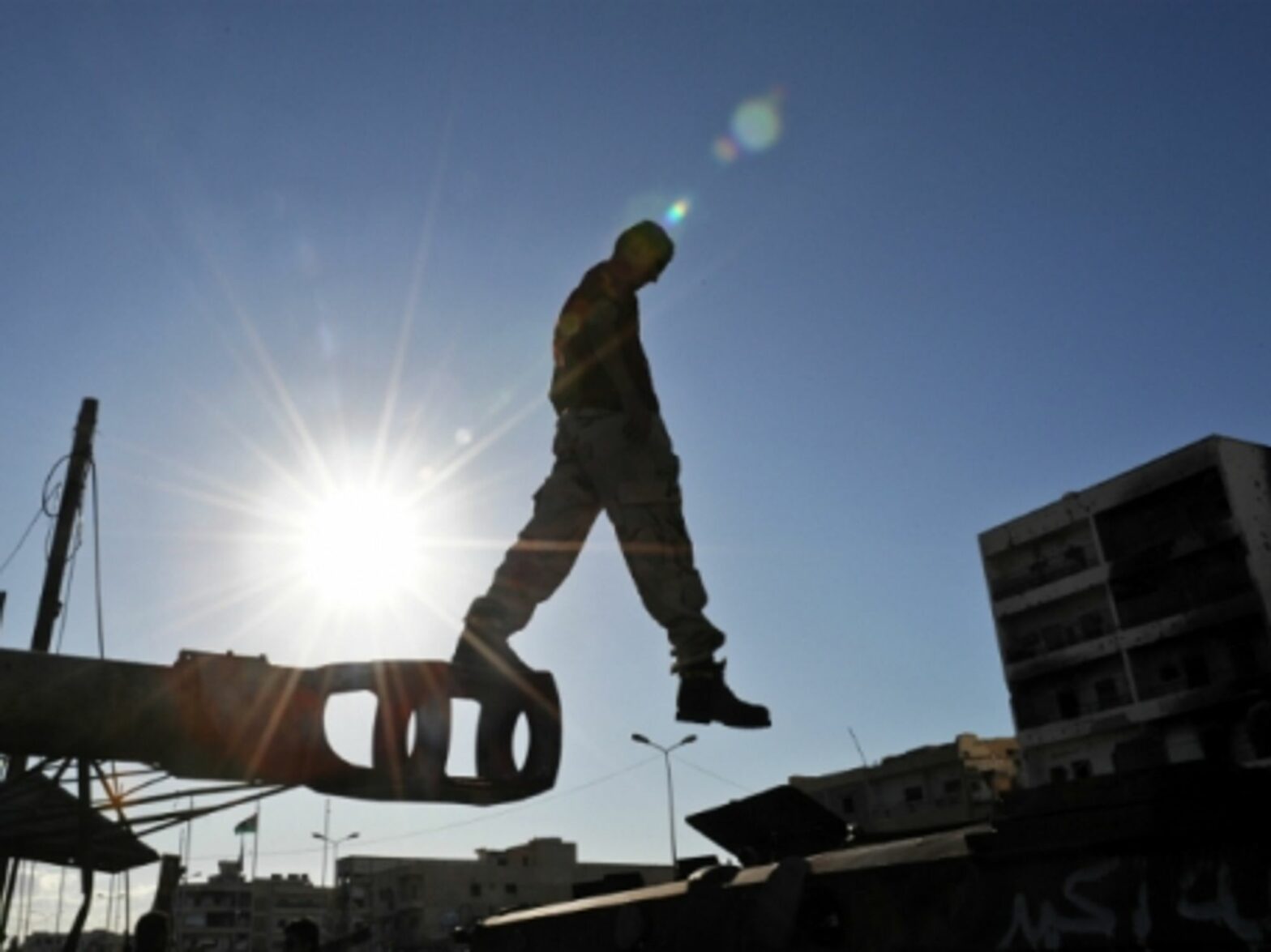
MISRATA — The weather is fair as the moon hangs over a family home in Misrata. The al-Rufai’s tiled courtyard, with its table and plastic chairs, and a vine shoot wrapped around the arbor, feels strangely peaceful this evening. Inside a dismantled Libya, the enclosure is an unexpected oasis, a welcome safe-haven against the chaos. […]
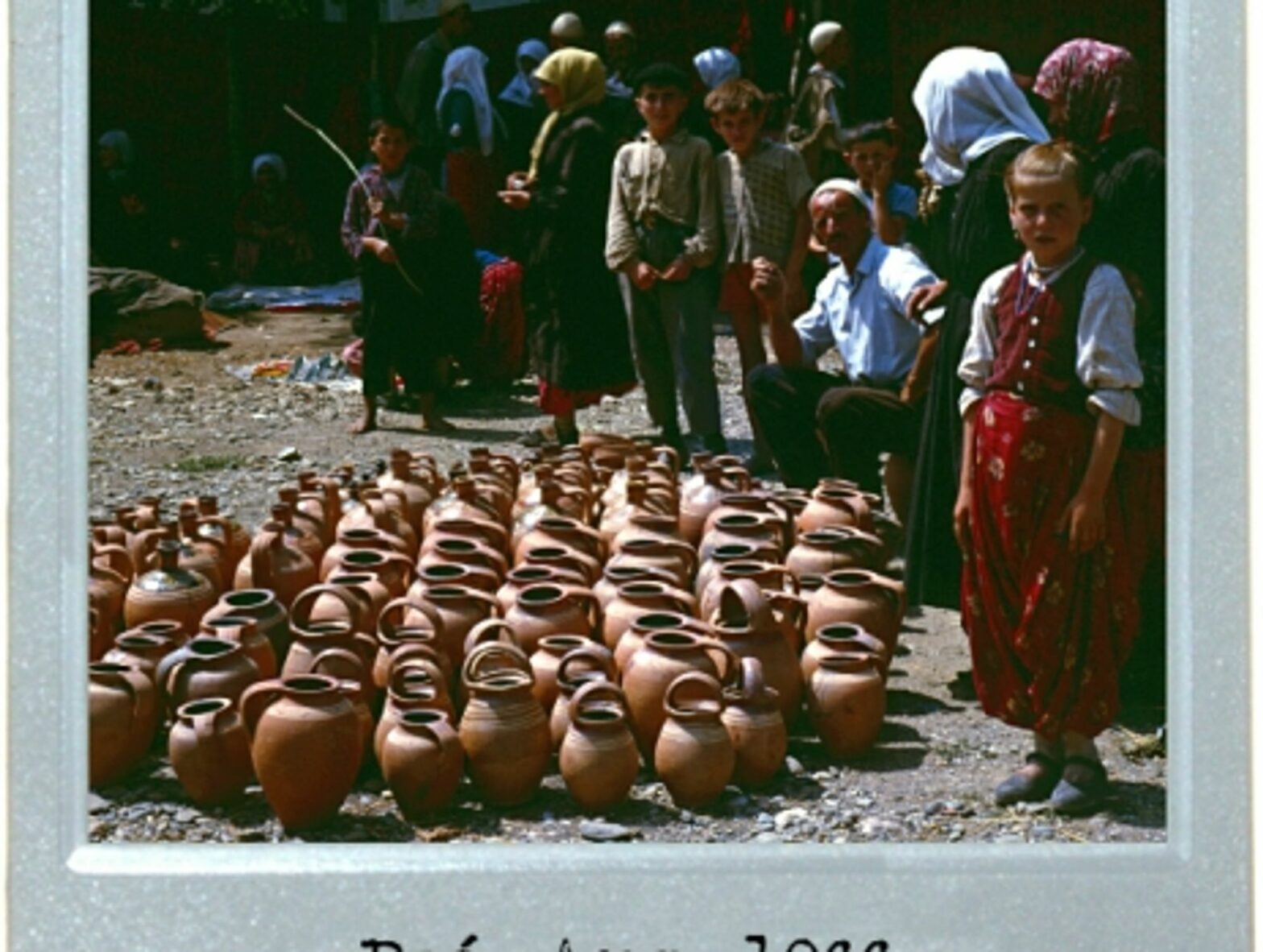
At the markets of Peć, in western Kosovo, there was no real way for me to tell whether I was in the 19th or 20th century.
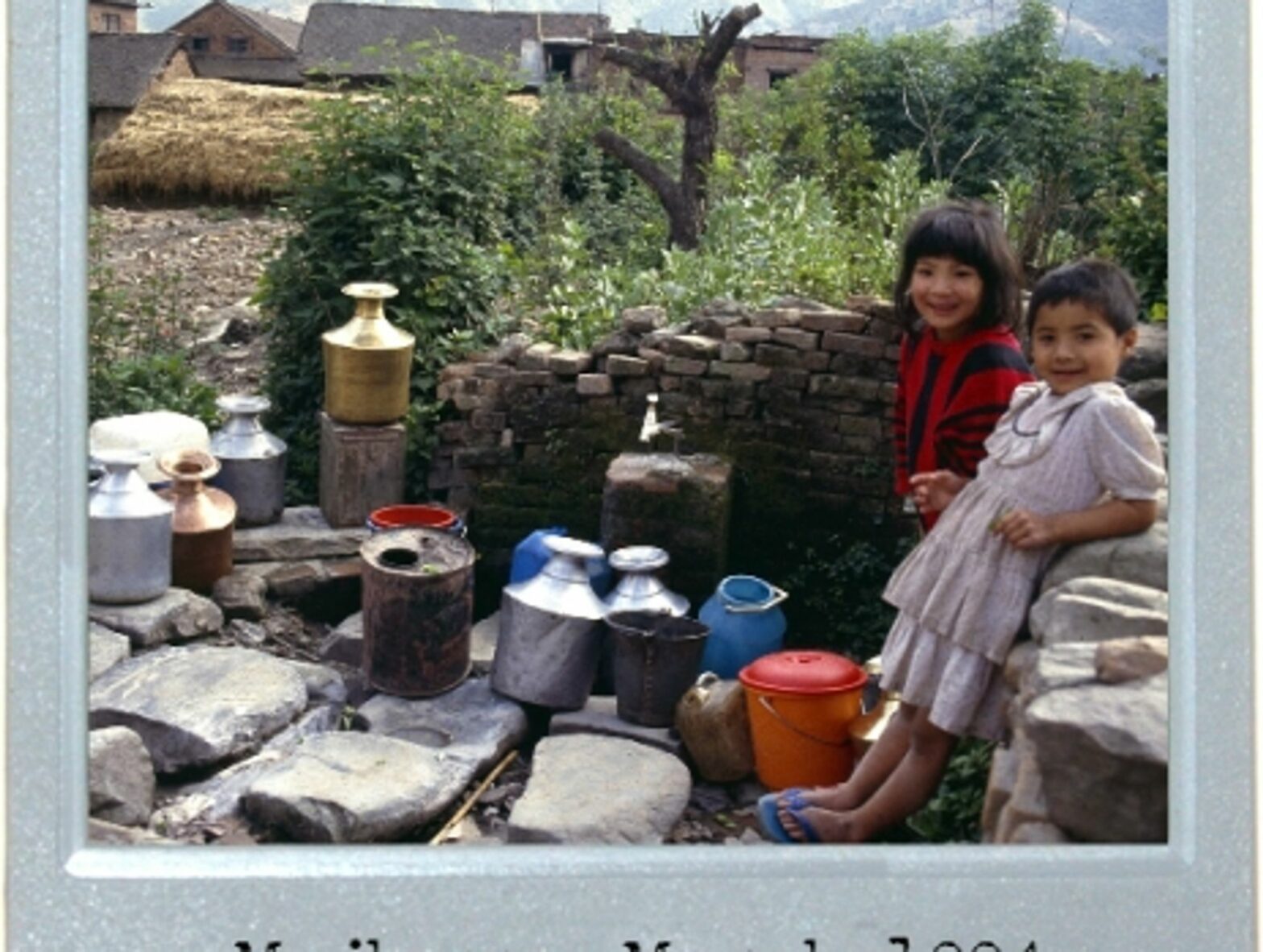
In the cradle of the Himalayas, these Nepalese kids were using all kinds of weirdly shaped pots, vases and buckets to bring water back to the village, from the only source available to the community.
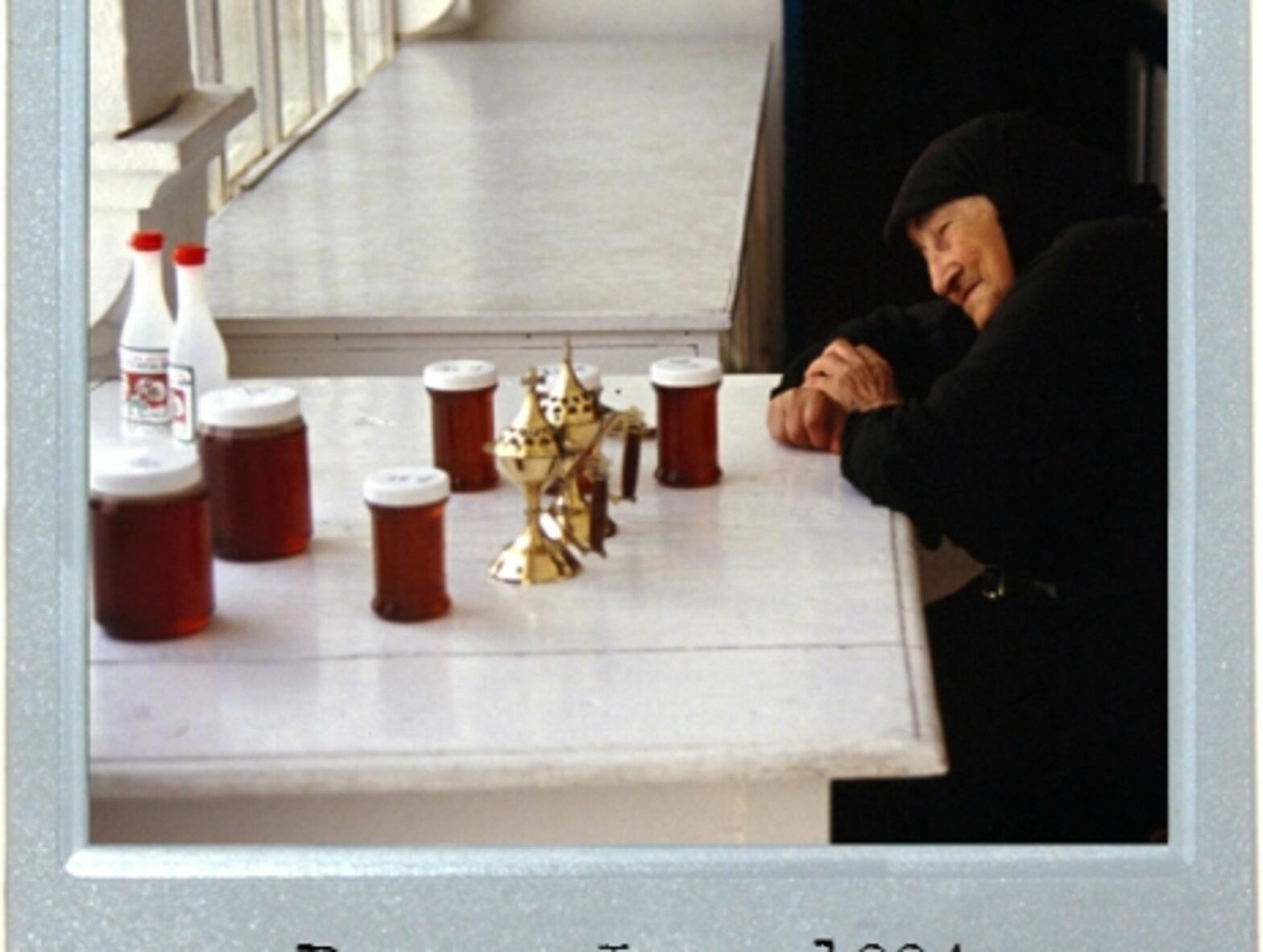
In the fairy tale, the evil queen disguises herself as an old woman and tries to kill Snow White with a poisoned apple. What the story left out is that she then moved to Cyprus to sell jars of marmalade.
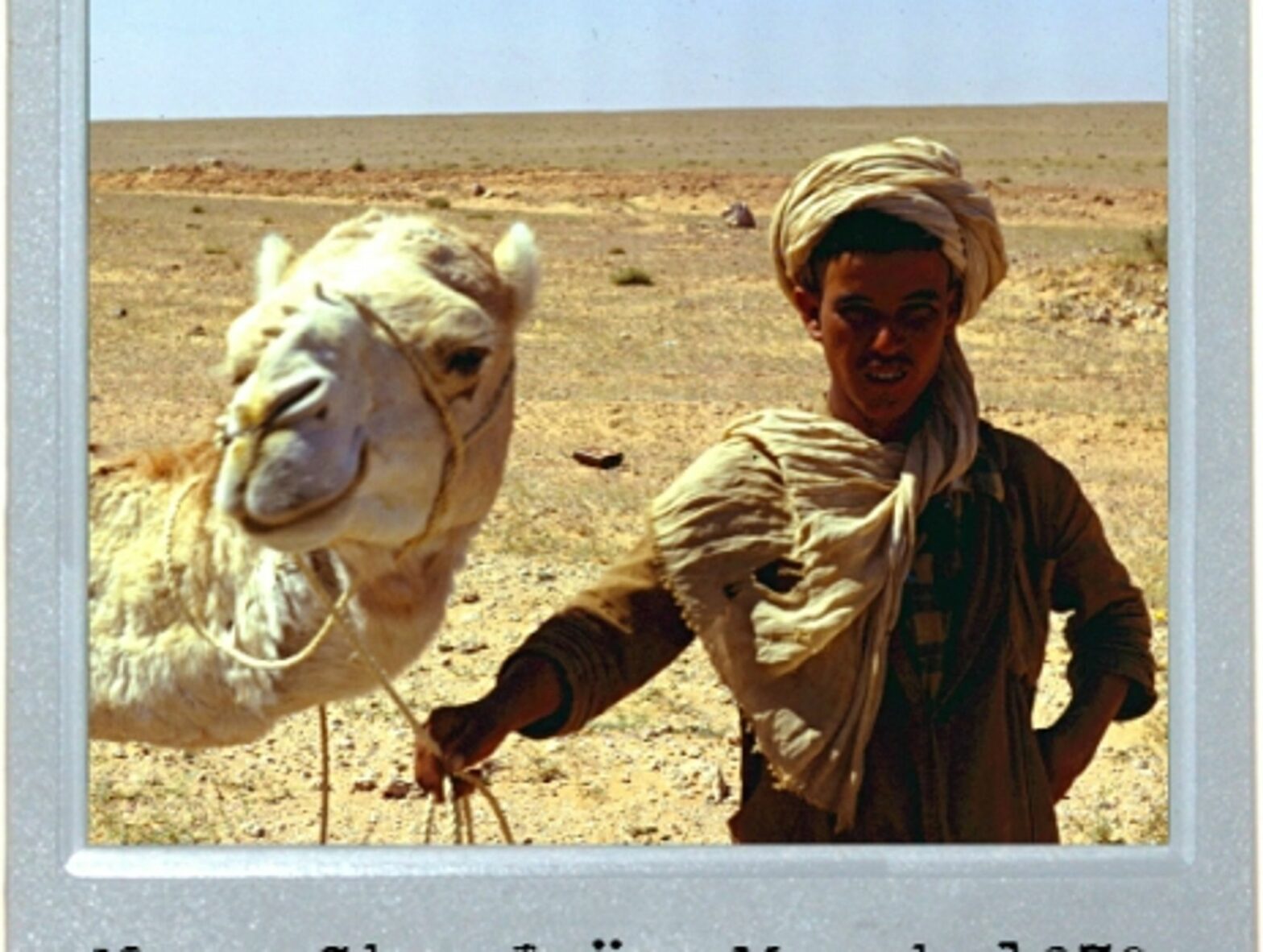
Driving through Algeria and Tunisia 45 years ago wasn’t actually so rough: For our European postérieurs, the seats of our 404 Peugeot were undeniably more comfortable than the saddle of this camel.
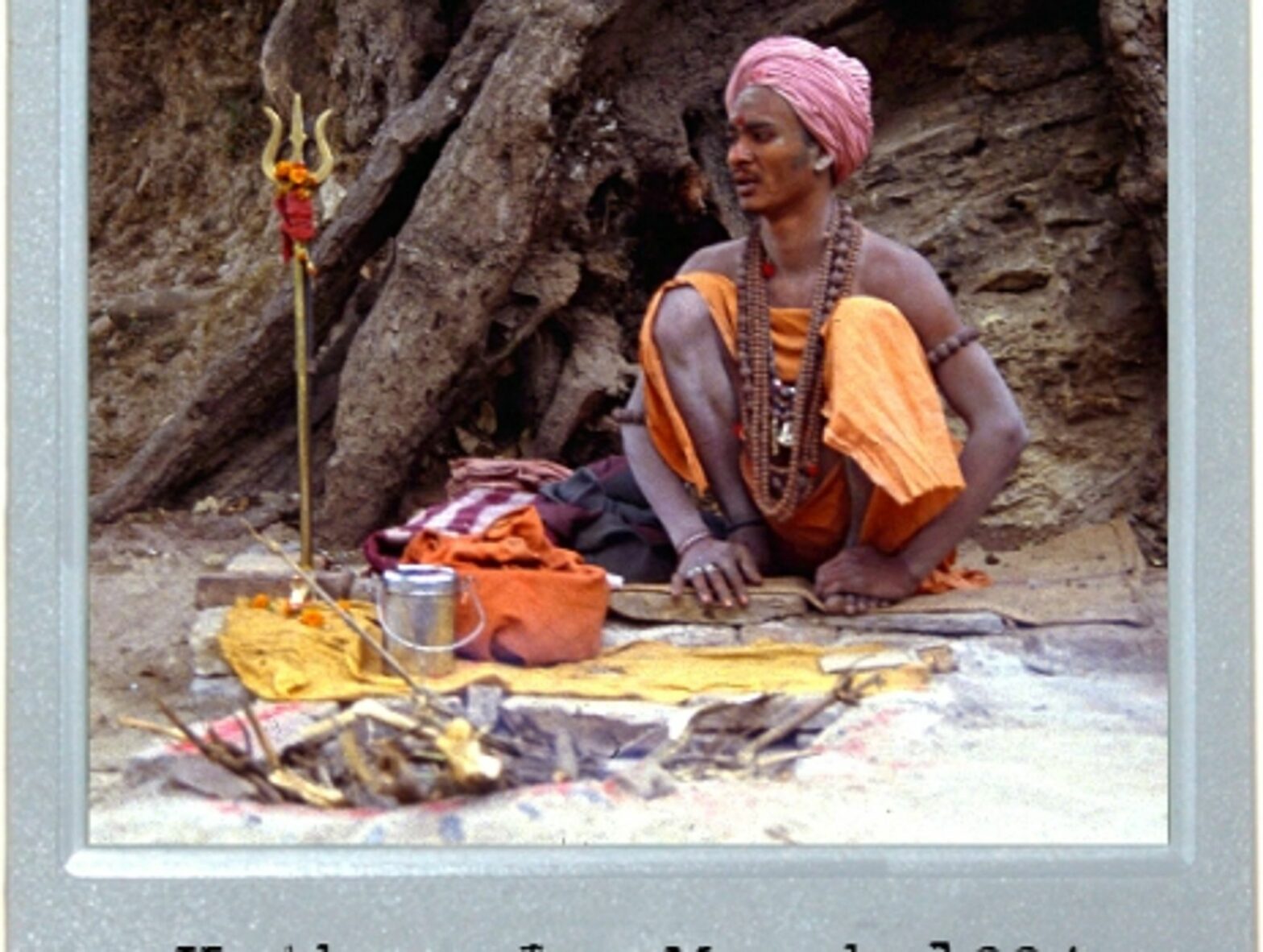
For the sadhus (“good men”) of India and Nepal, recognizable by their ash-smeared bodies and saffron-colored clothes, asceticism through hunger and poverty is a way to reach moksha, which in France we call libération.
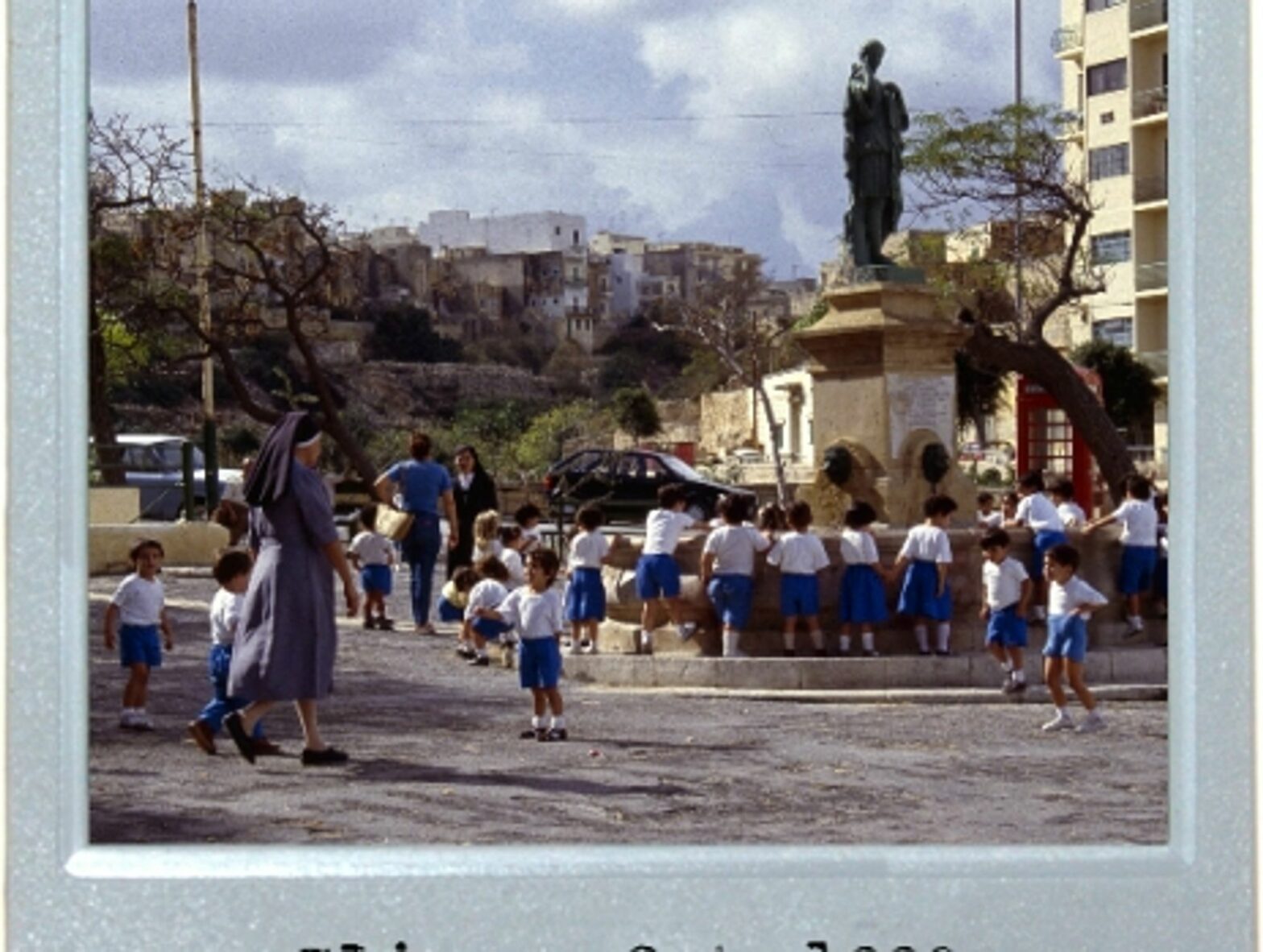
Once a quiet fishing village in northeast Malta, Sliema became the island’s first tourist resort. And with all the kids running around and playing on the promenade that day, it was easy to forget that Sliema means “peace” in Maltese.
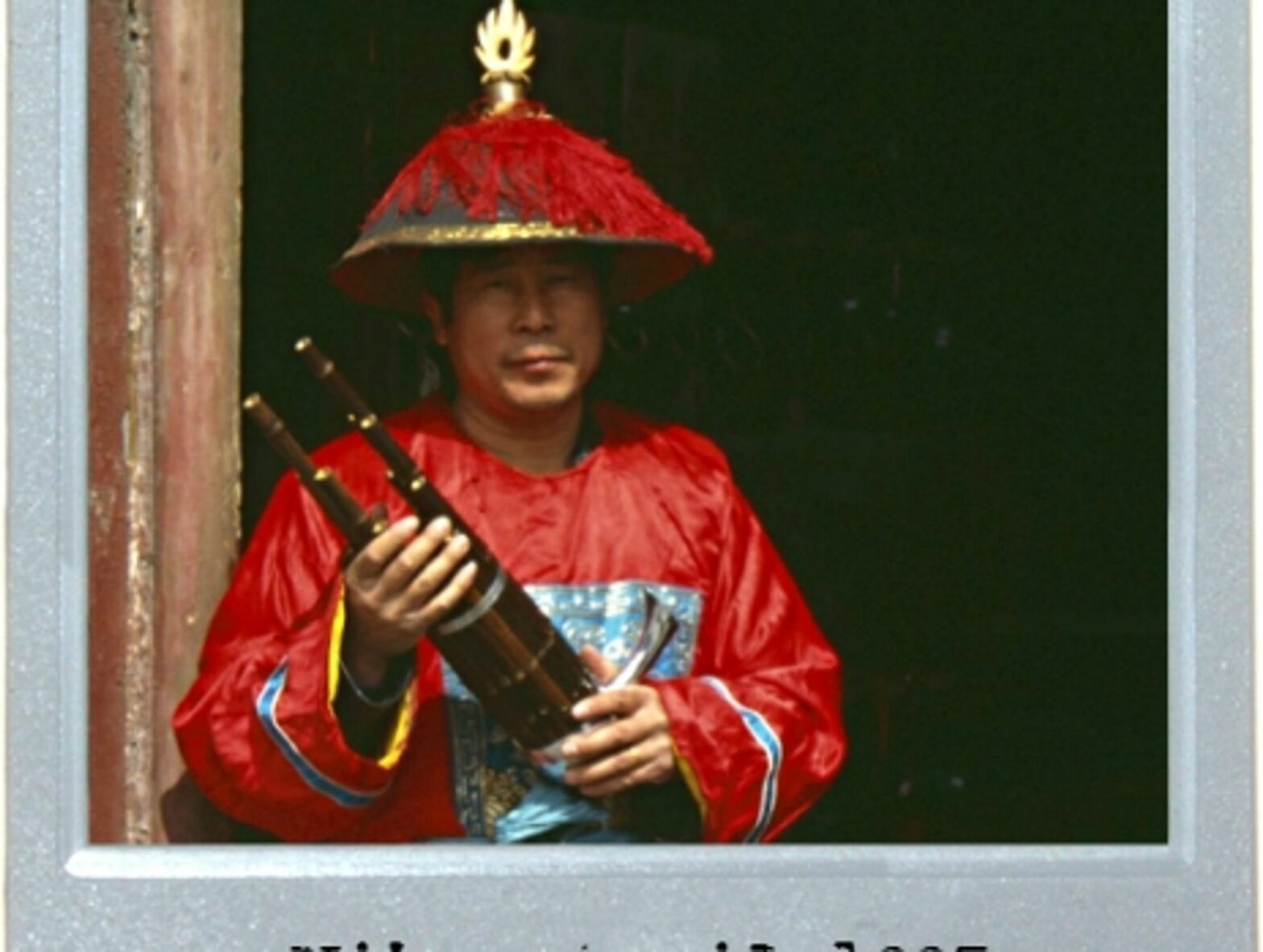
My grandson has quite the collection of exotic instruments that I’ve brought to him from my travels. That includes this Chinese wind instrument called sheng, made of several reed pipes.
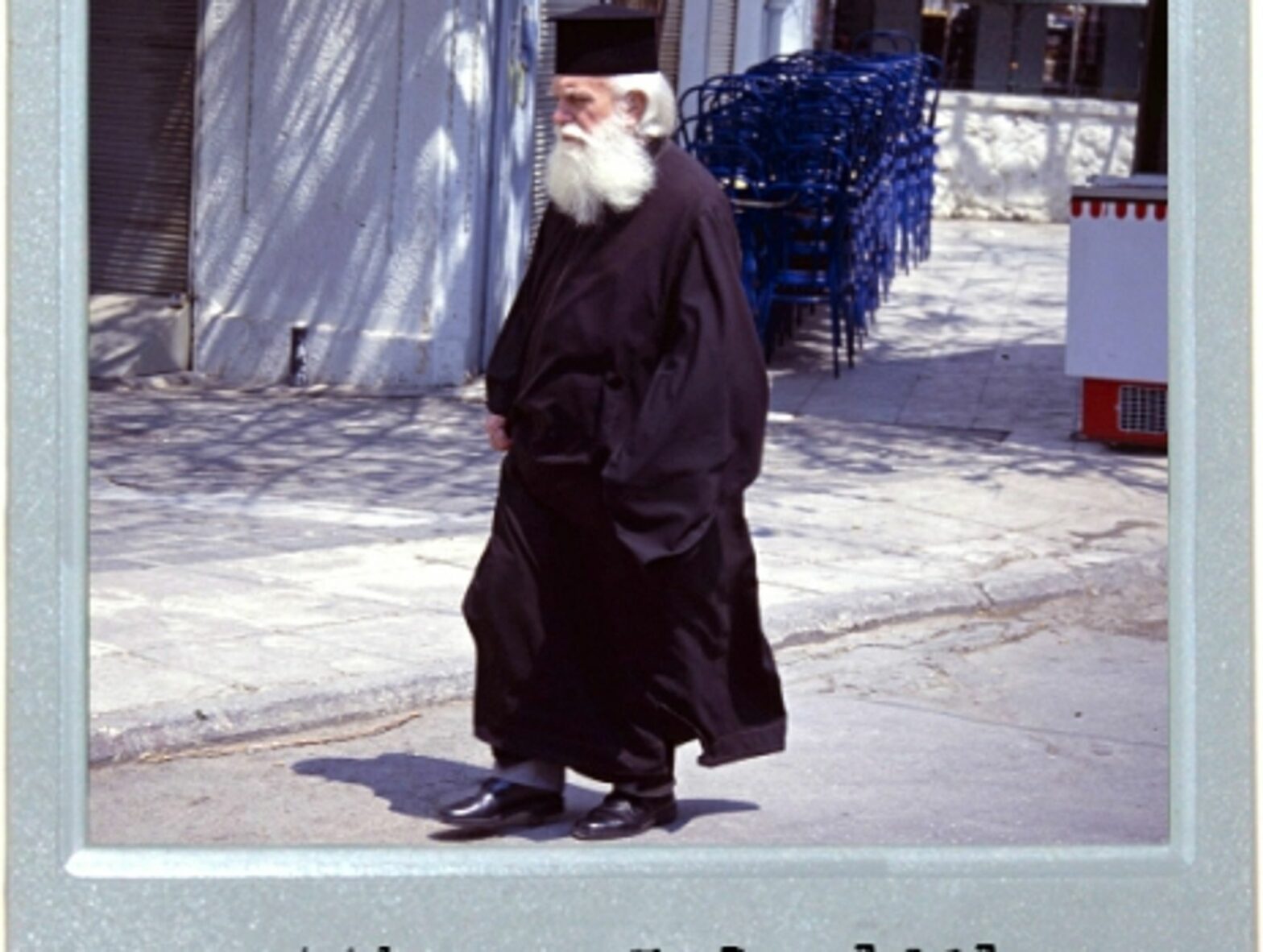
I could never have been a Greek Orthodox bishop: True, the black cassock and the “chimney-pot” style hat look good — but I like to keeep my beard trimmed.
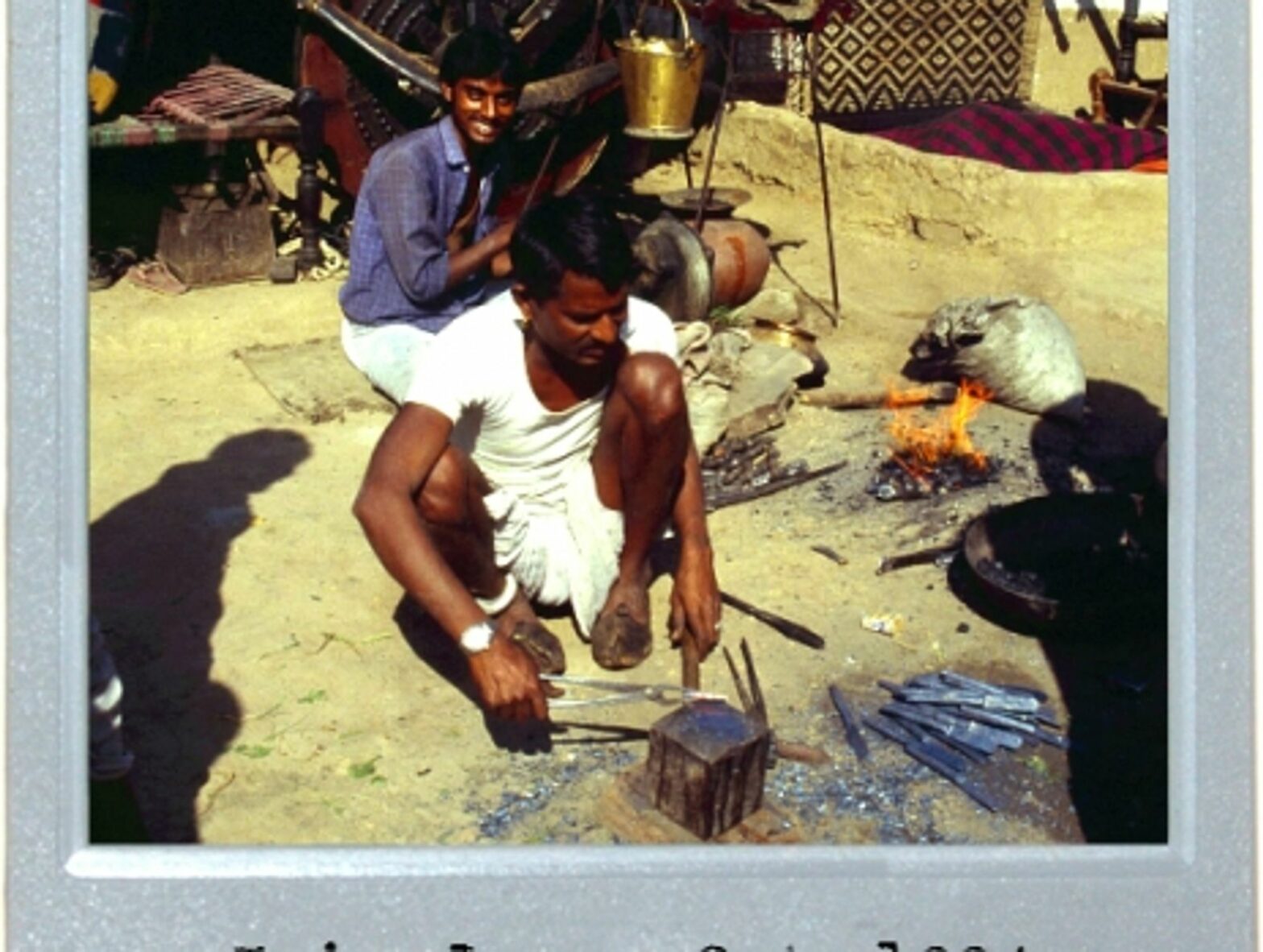
With only the most basic tools at his disposal, this roadside blacksmith in Jaisalmer, in the Indian state of Rajasthan, managed to forge very robust knives.
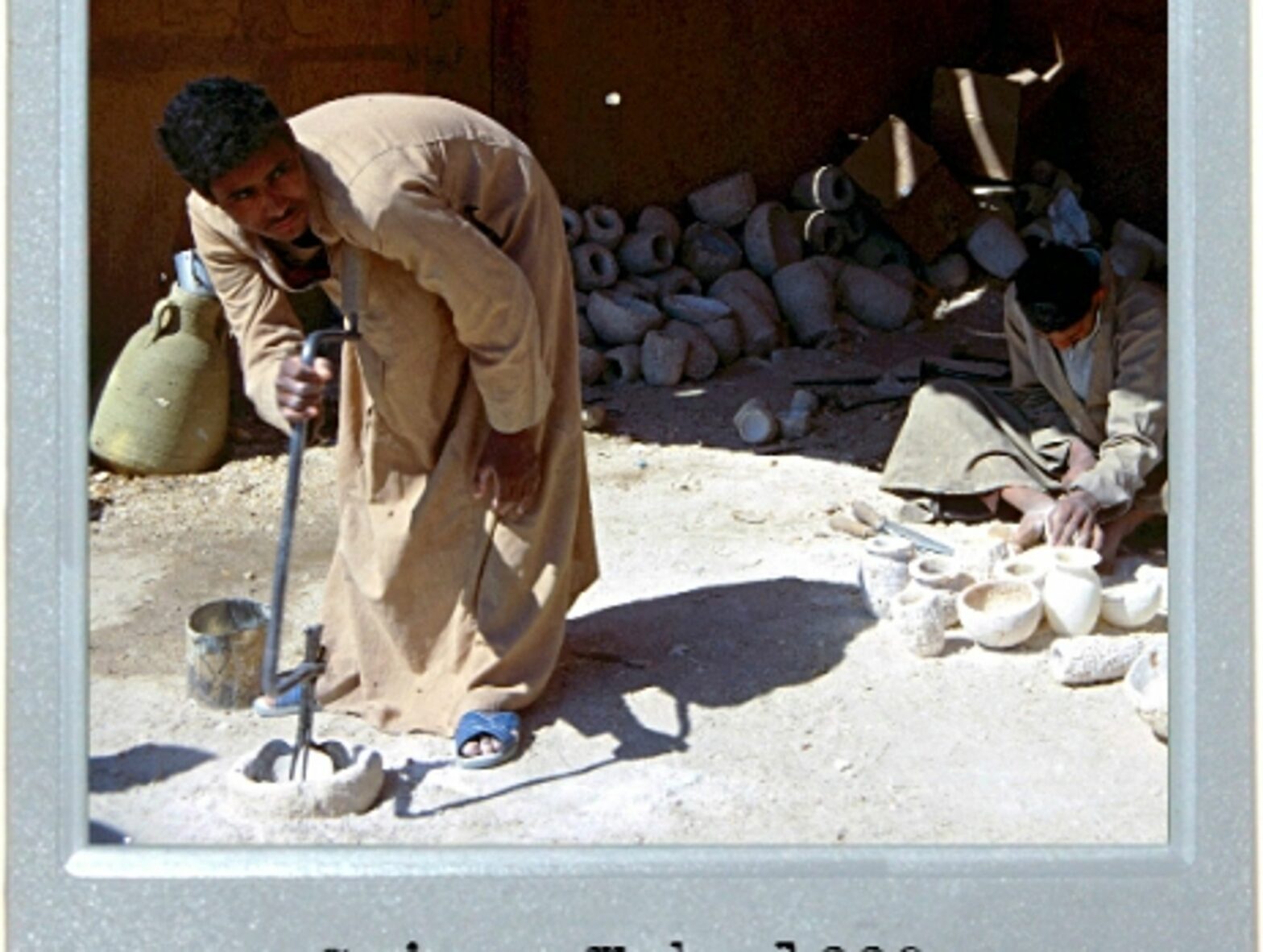
A stone’s throw from the Great Pyramids, these traditional potters used a peculiar, ancient technique: While we’re used to seeing the clay turn on a wheel, the man here used a kind of crank to carve the inside of his bowl.
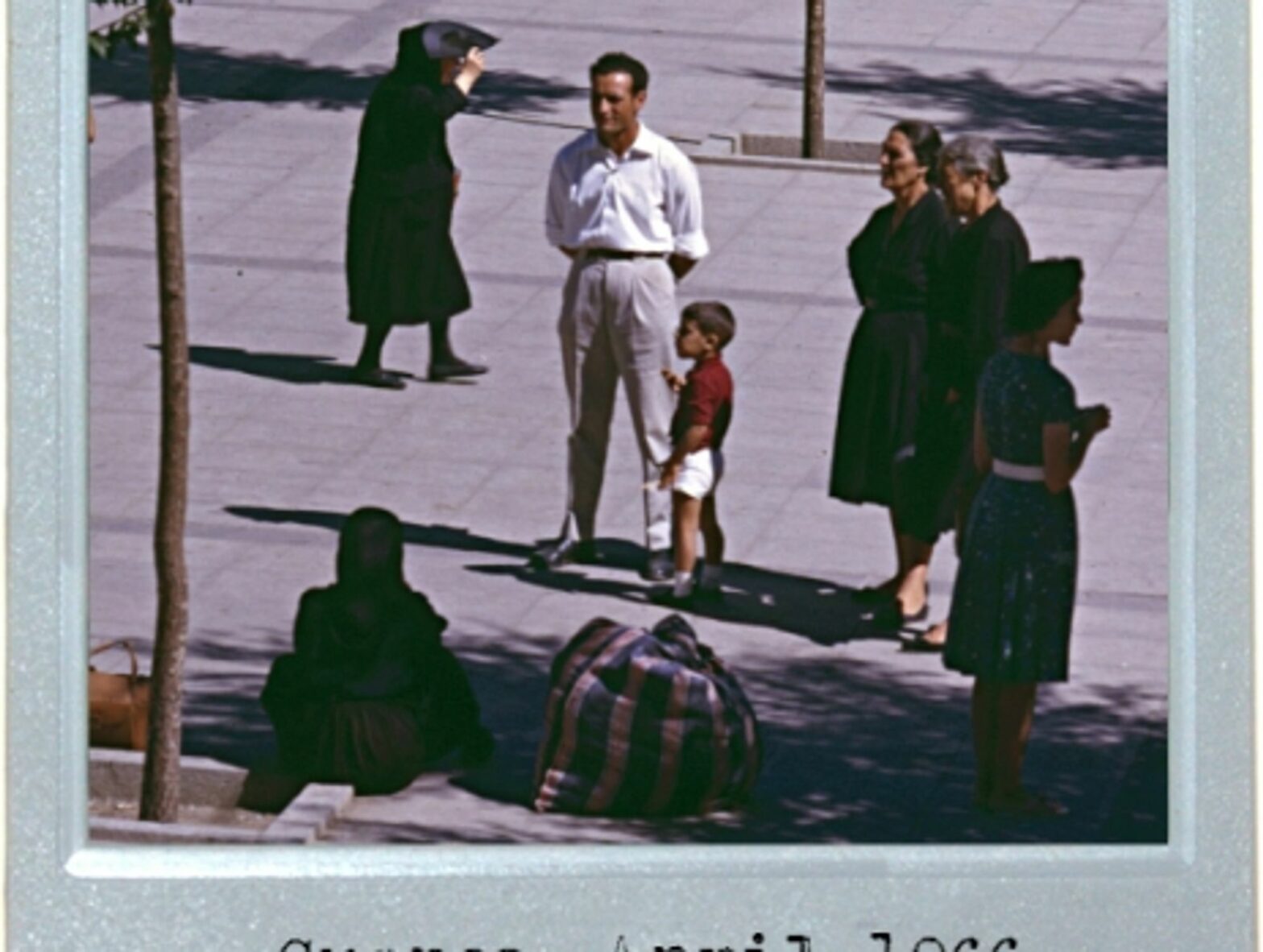
On a hot April day on the Plaza Mayor (Main Square) of Cuenca in central Spain, generations intermingle as activity resumes — after the compulsory afternoon siesta.
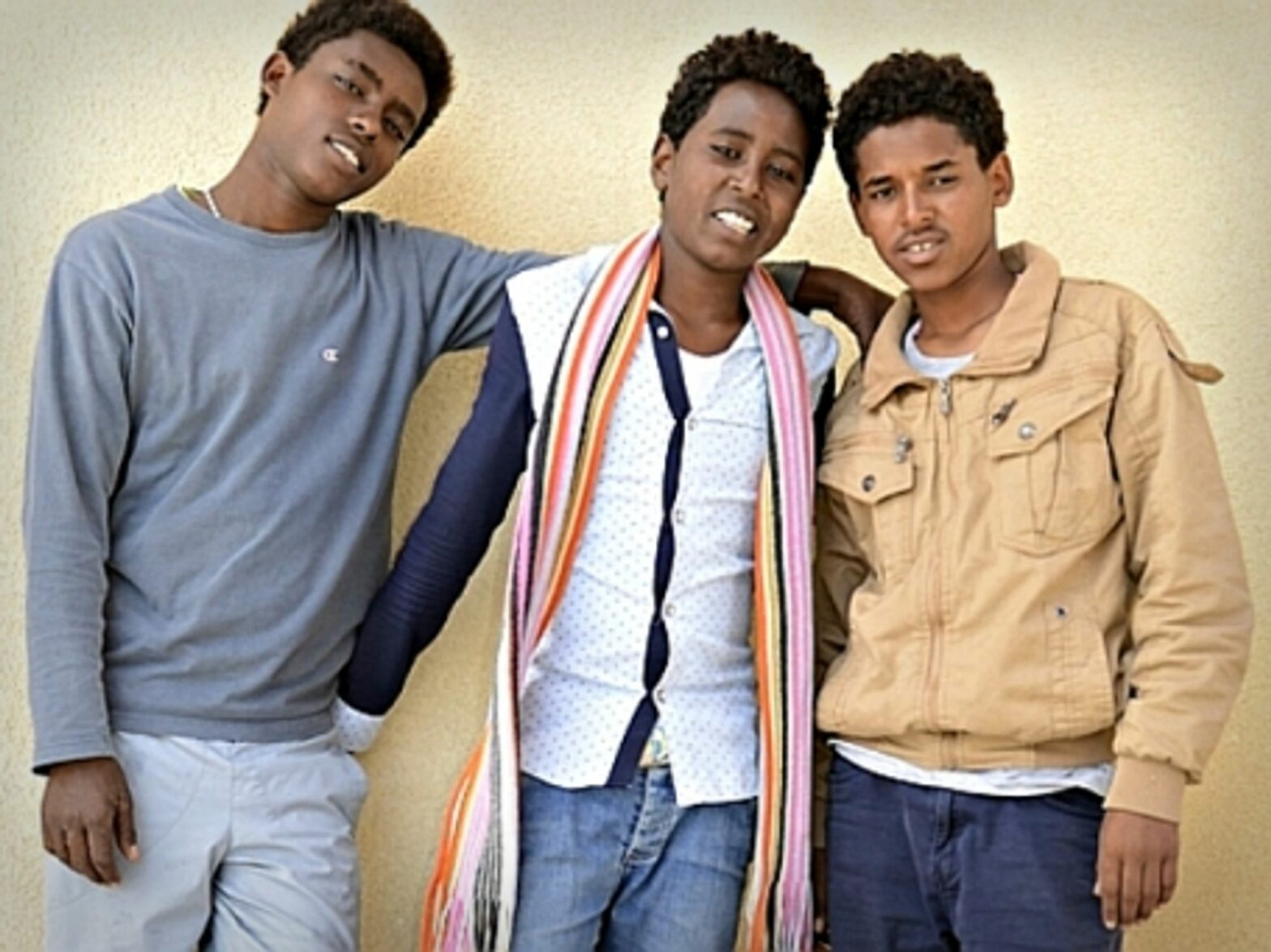
Young men who left Eritrea, by way of Libya, may have all ended up in Lampedusa, but they took many different paths getting there.
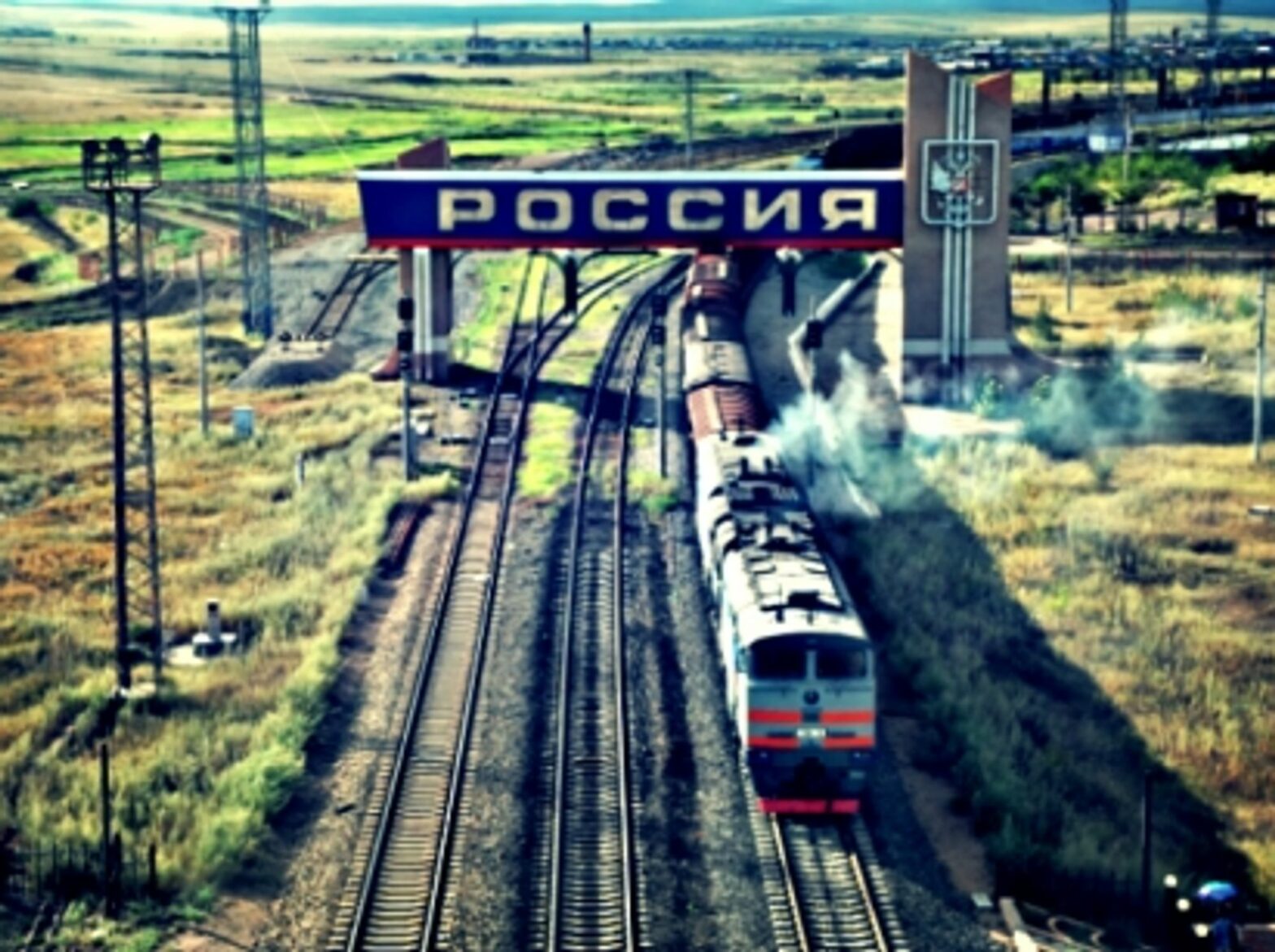
An online series of photographs brings the writer back to his first great journey, via the Trans-Siberia rail, from his native Yugoslavia to post-Mao China.

They’ve known him from up close, and their insights help explain the mystery of the Russian president’s rise. And, perhaps, what he’ll do next.
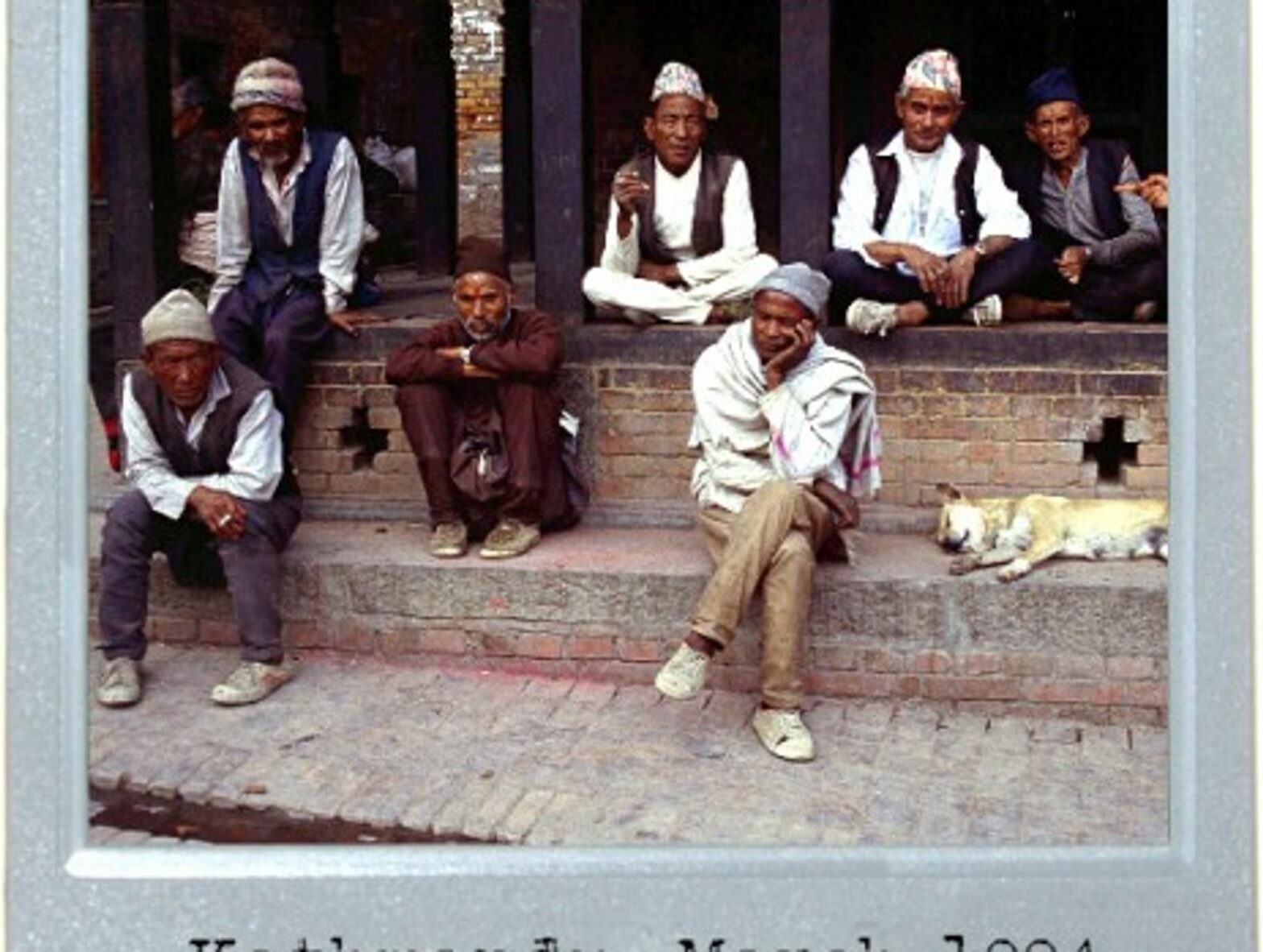
Not much to do in Kathmandu? On the doorstep of a Hindu temple, these Nepalese men seemed on the verge of following the dog’s example.
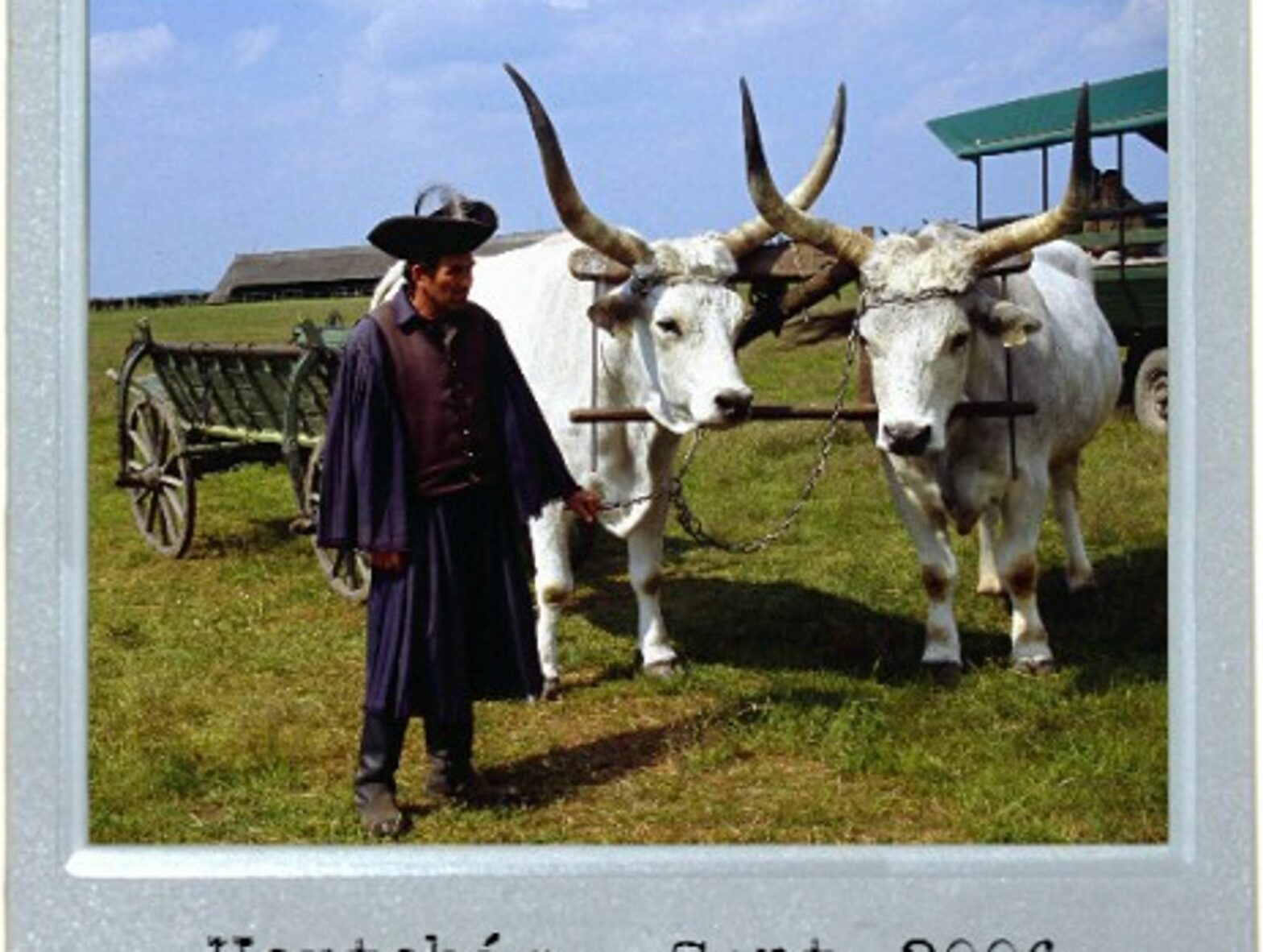
In the barren Hungarian puszta, livestock dehorning is out of the question — unlike in my native France, for instance. That’s lucky for the Hungarian Grey cattle, with their long slender horns.
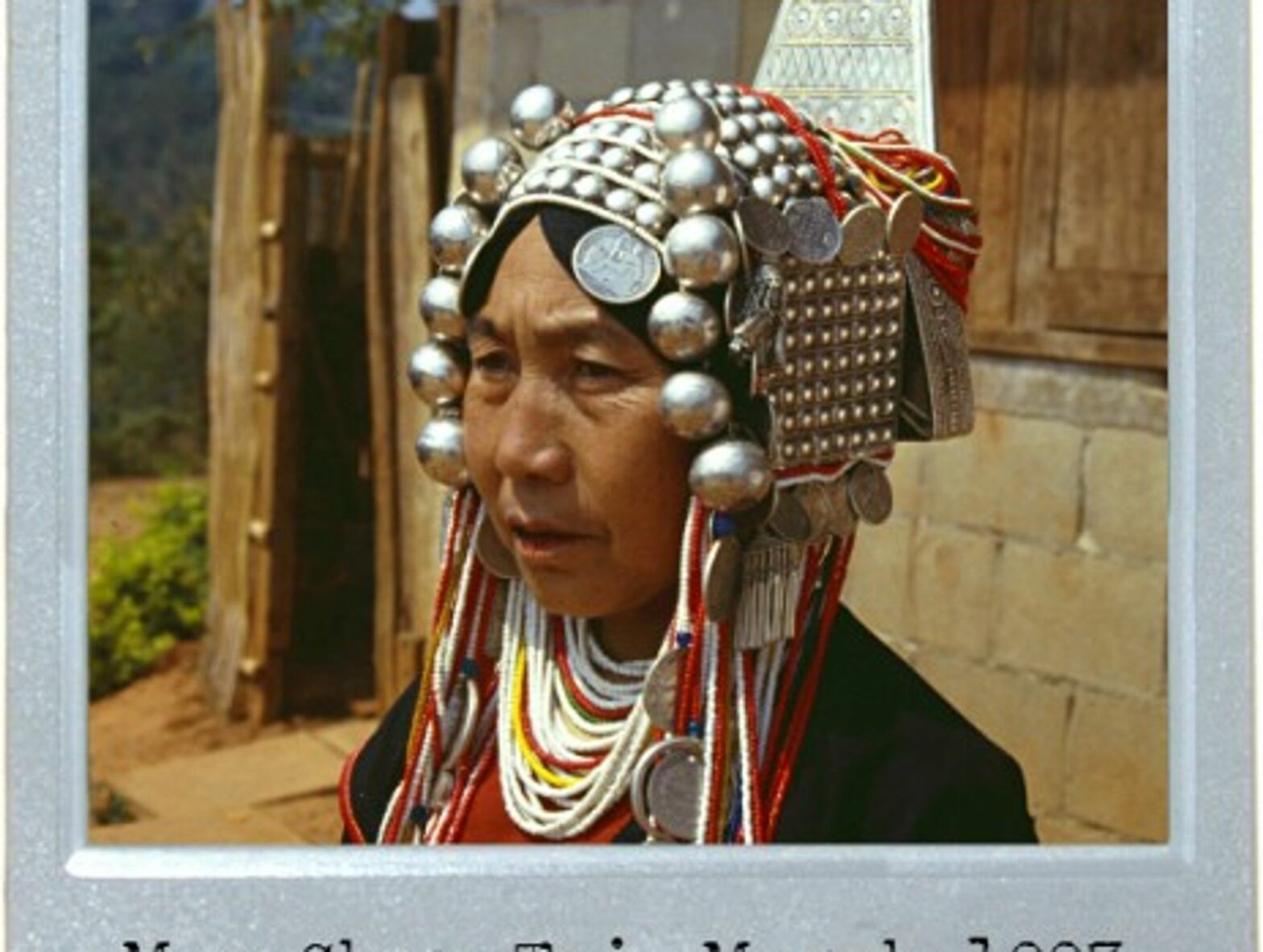
In the Akha villages of northern Thailand, women show their age, marital status and wealth on their headdresses. A sort of traditional, old-fashioned social media, if you will!
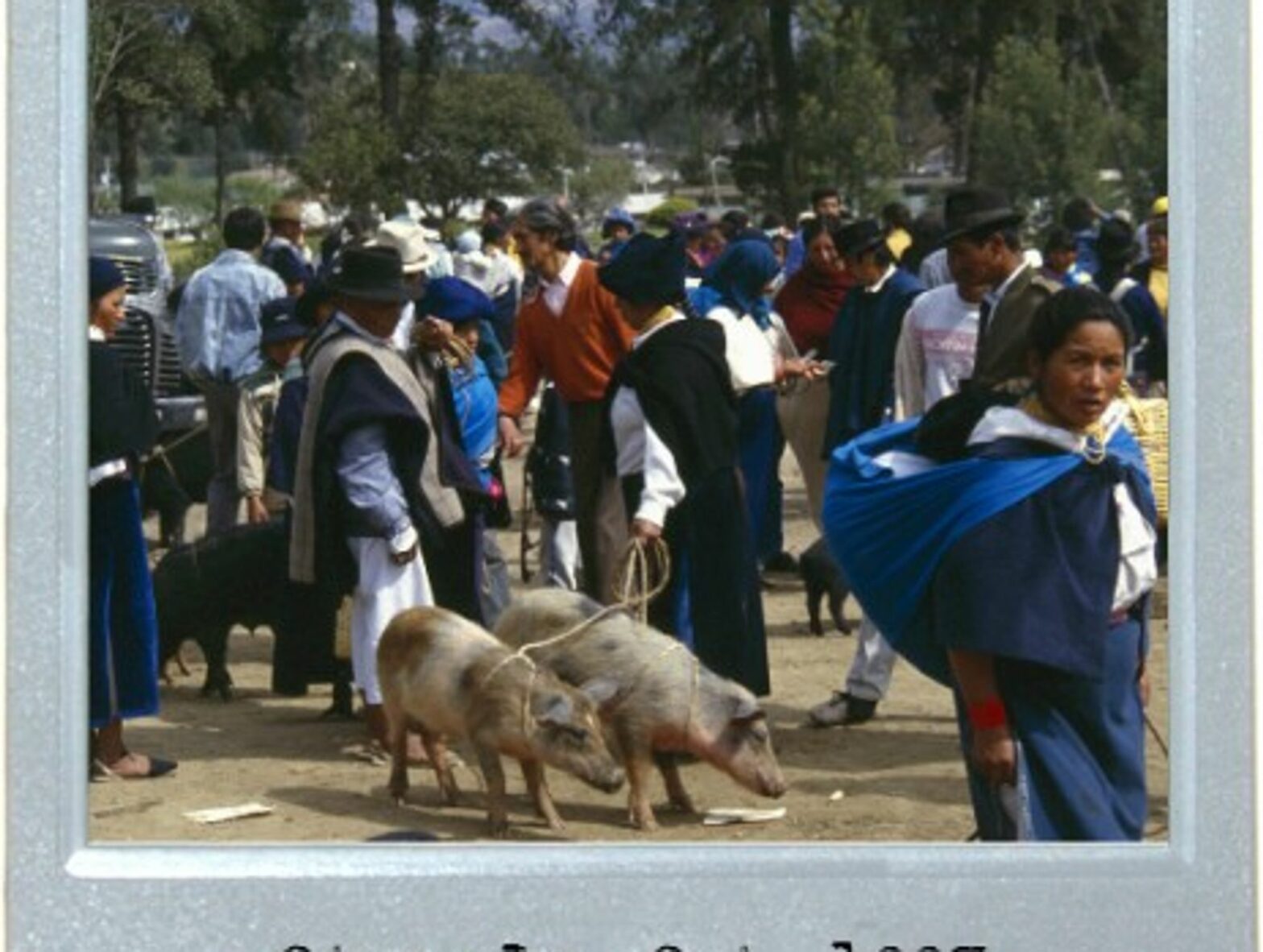
On Saturdays, the whole town of Otavalo becomes a gigantic market famous for its textiles, handicrafts, leather goods and spices. It draws people — and pigs — from the whole country and, together with the capital Quito and the Galapagos Islands, is one of Ecuador’s most popular tourist destinations.
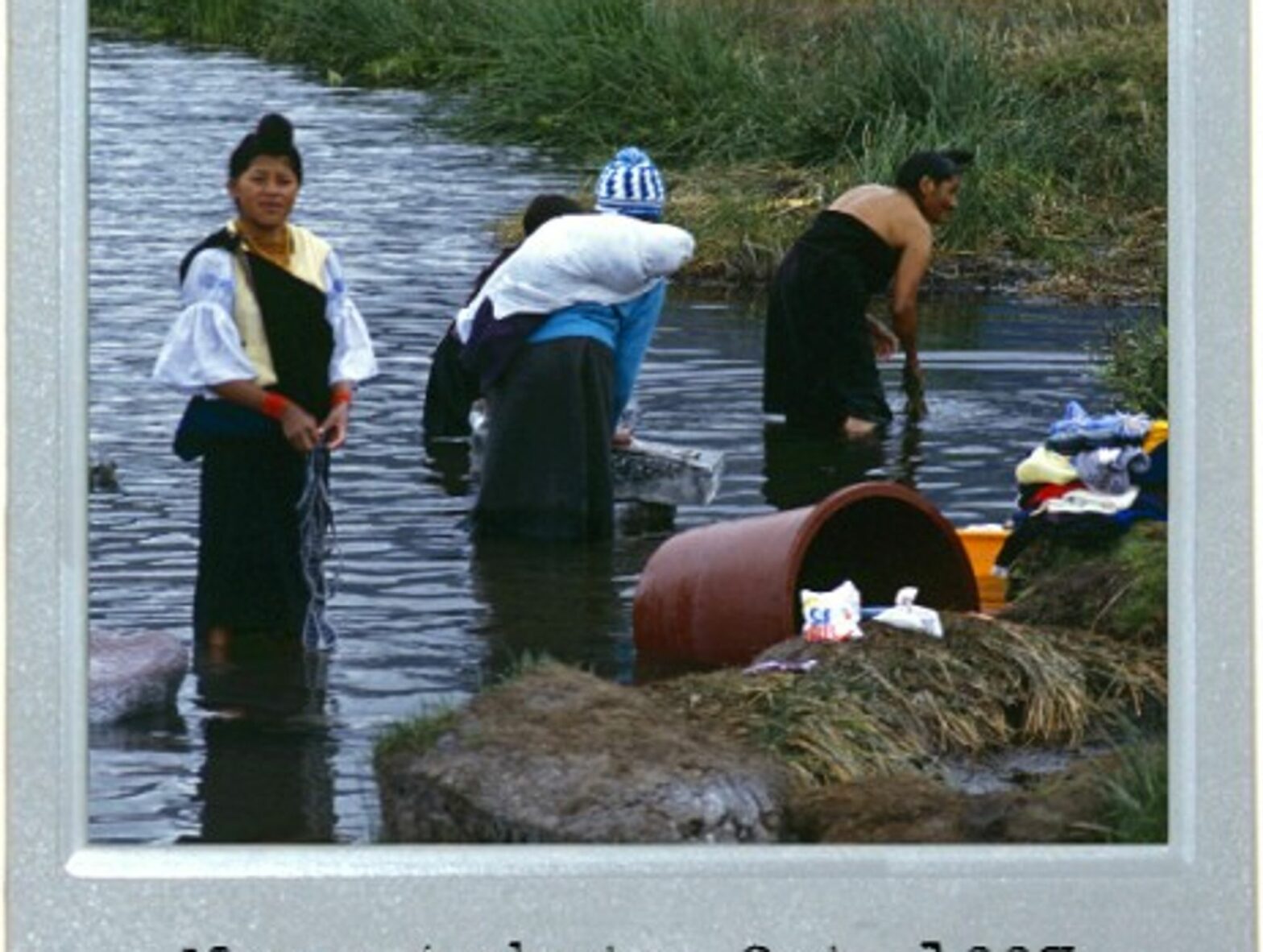
Same brand, different technique: These Ecuadorian women were washing their clothes using Ariel, a brand of laundry detergent popular both in Latin America and Europe. Their washing machine was just slightly bigger than ours — the Ambato River, a stream that ultimately empties into the Atlantic Ocean via the Amazon.
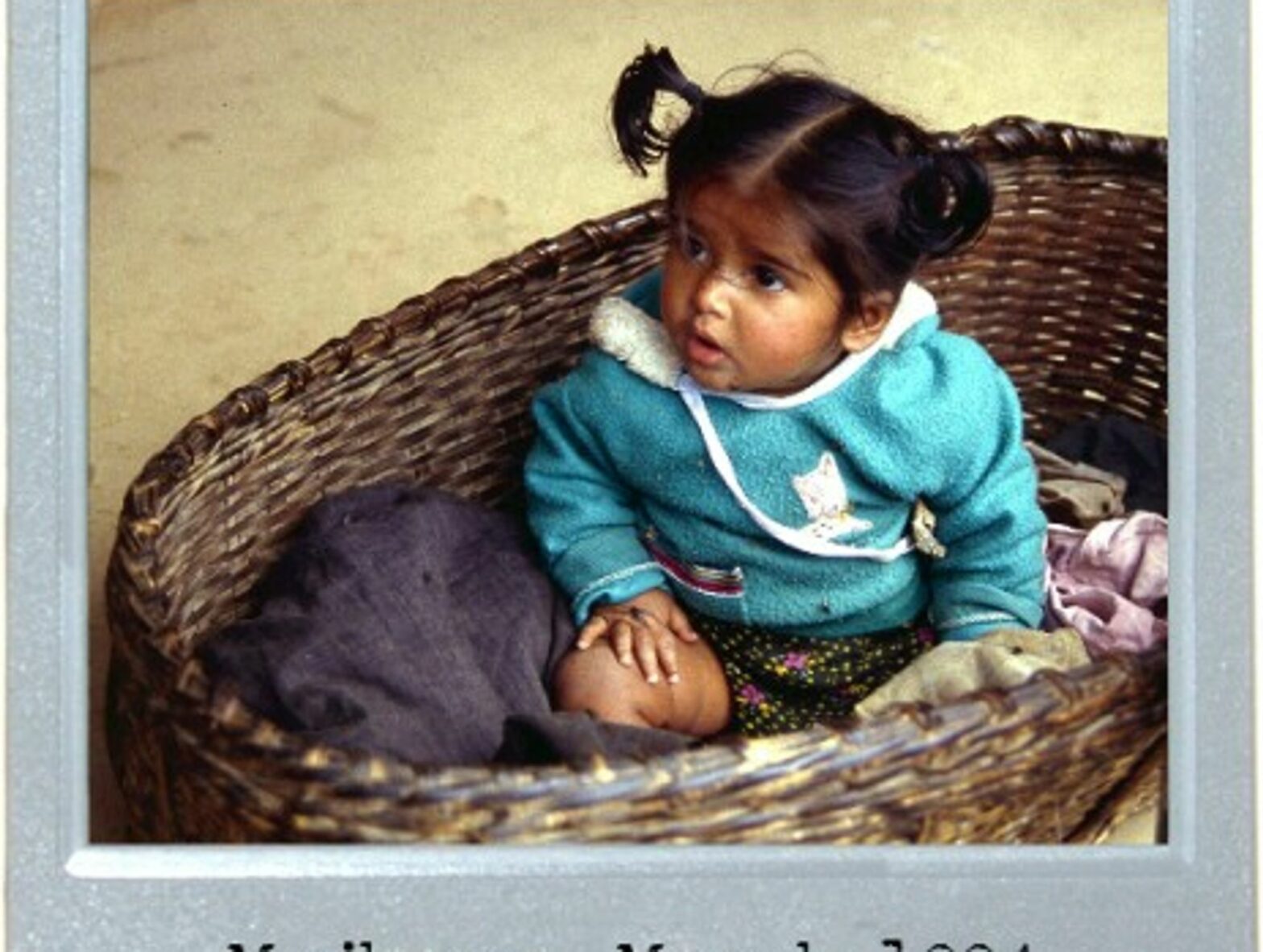
A wicker basket worked just fine as a crib for this baby in eastern Nepal, though she looked just about ready to outgrow it.
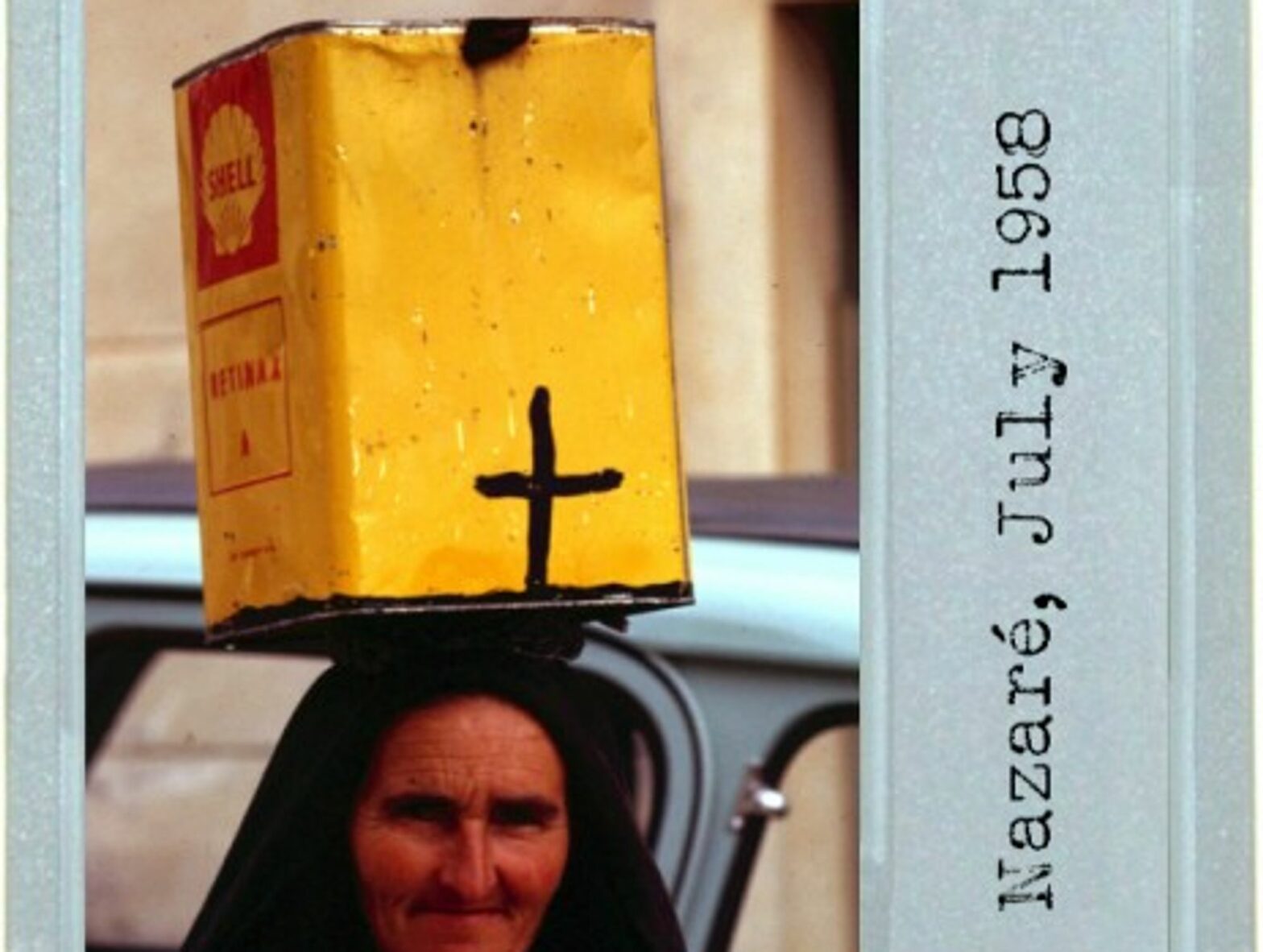
The inhabitants of Nazaré lent themselves well to portraits back when people were more open to being photographed than today. This woman was carrying a recycled oil can that she used to draw water from a well.
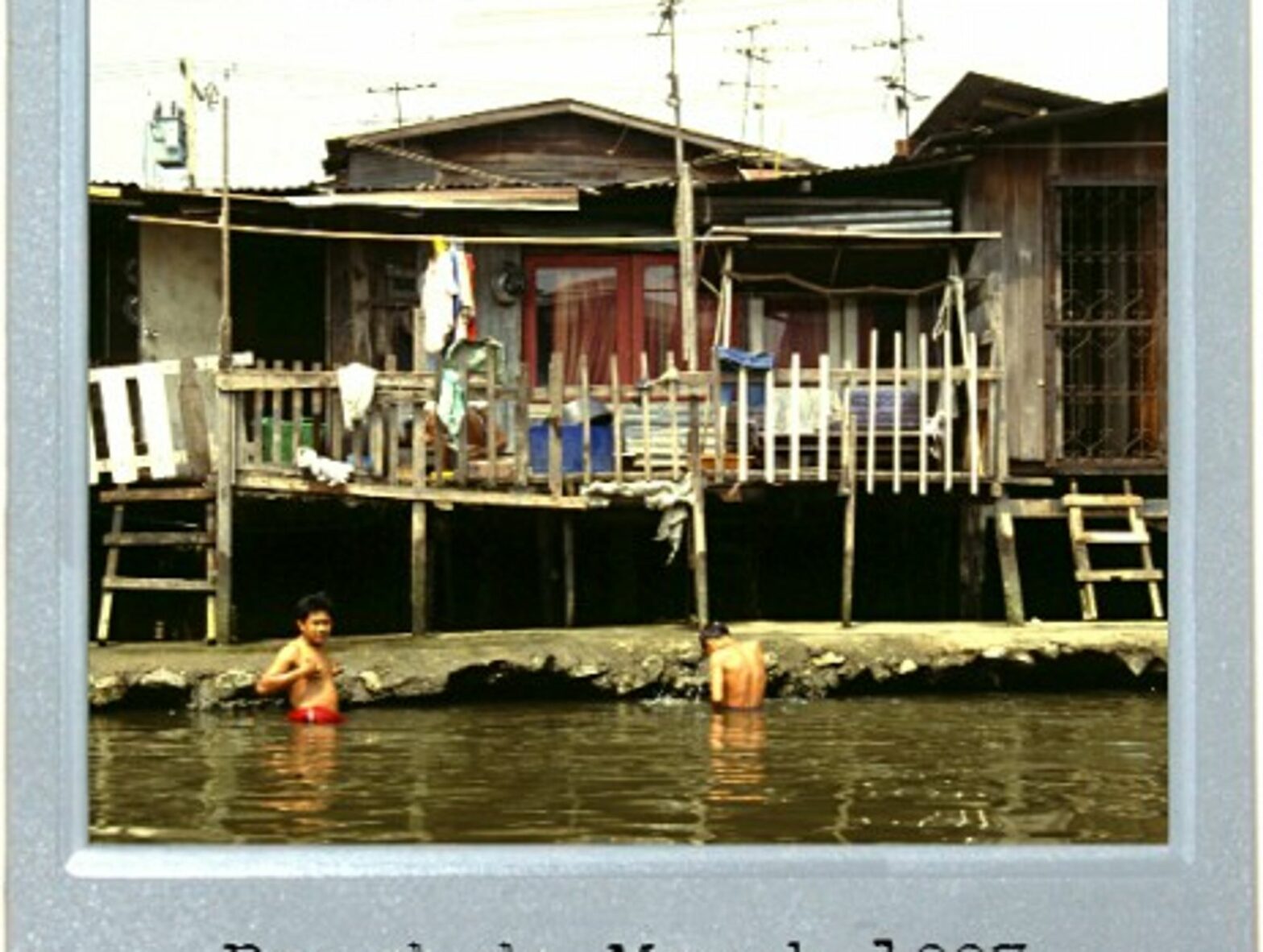
Here is a view from a boat trip we took on the khlongs, the canals that crisscross Bangkok. Traffic is so bad in the Thai capital that locals still rely heavily on these water routes to go from one place to another. The many khlongs earned Bangkok its nickname of the “Venice of the East” […]
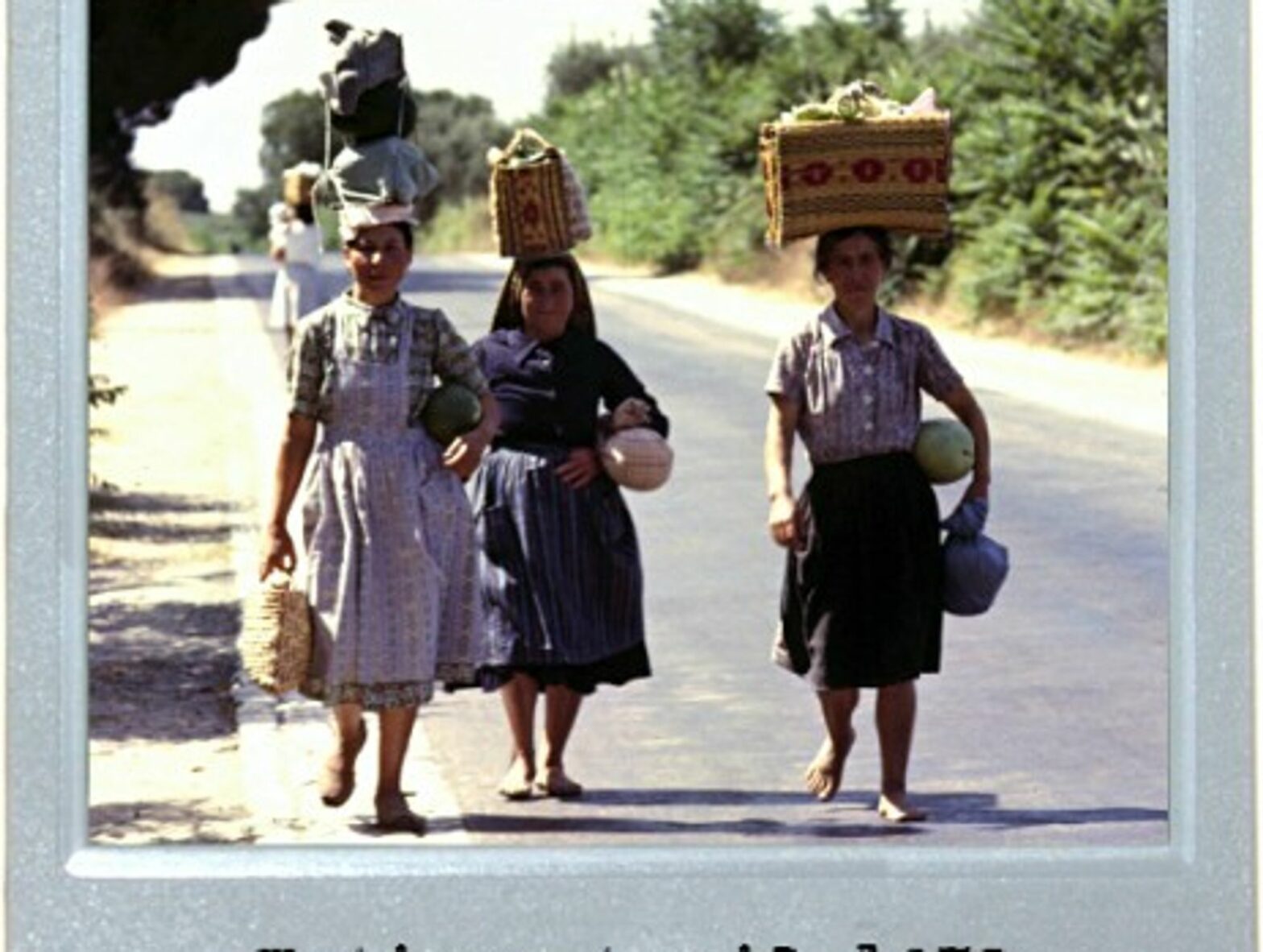
I’ve already told you about the “women-carrying-things-on-their-heads” recurring theme in my slides. There is no country where I have snapped more such shots than Portugal, including this one near the mysterious Our Lady of Fatima destination for Catholic pilgrims.
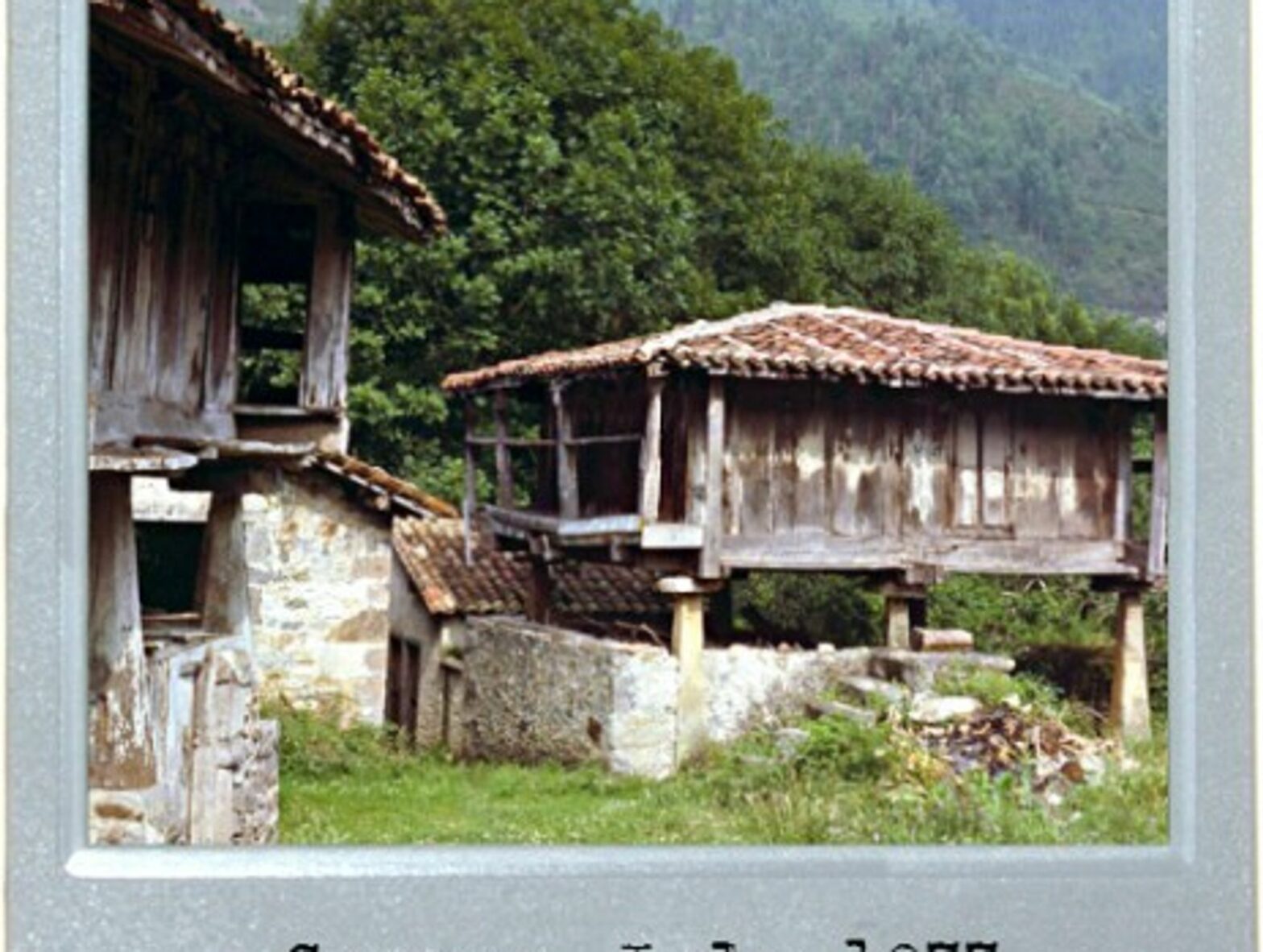
A stone’s throw away from Santiago de Compostela, I took this picture of a hórreo — a kind of granary built above ground and characteristic of Spain’s northwestern Galicia region. The pillars end in flat stones to prevent rats from accessing the grain stored there. When I took this shot in the month of July, […]
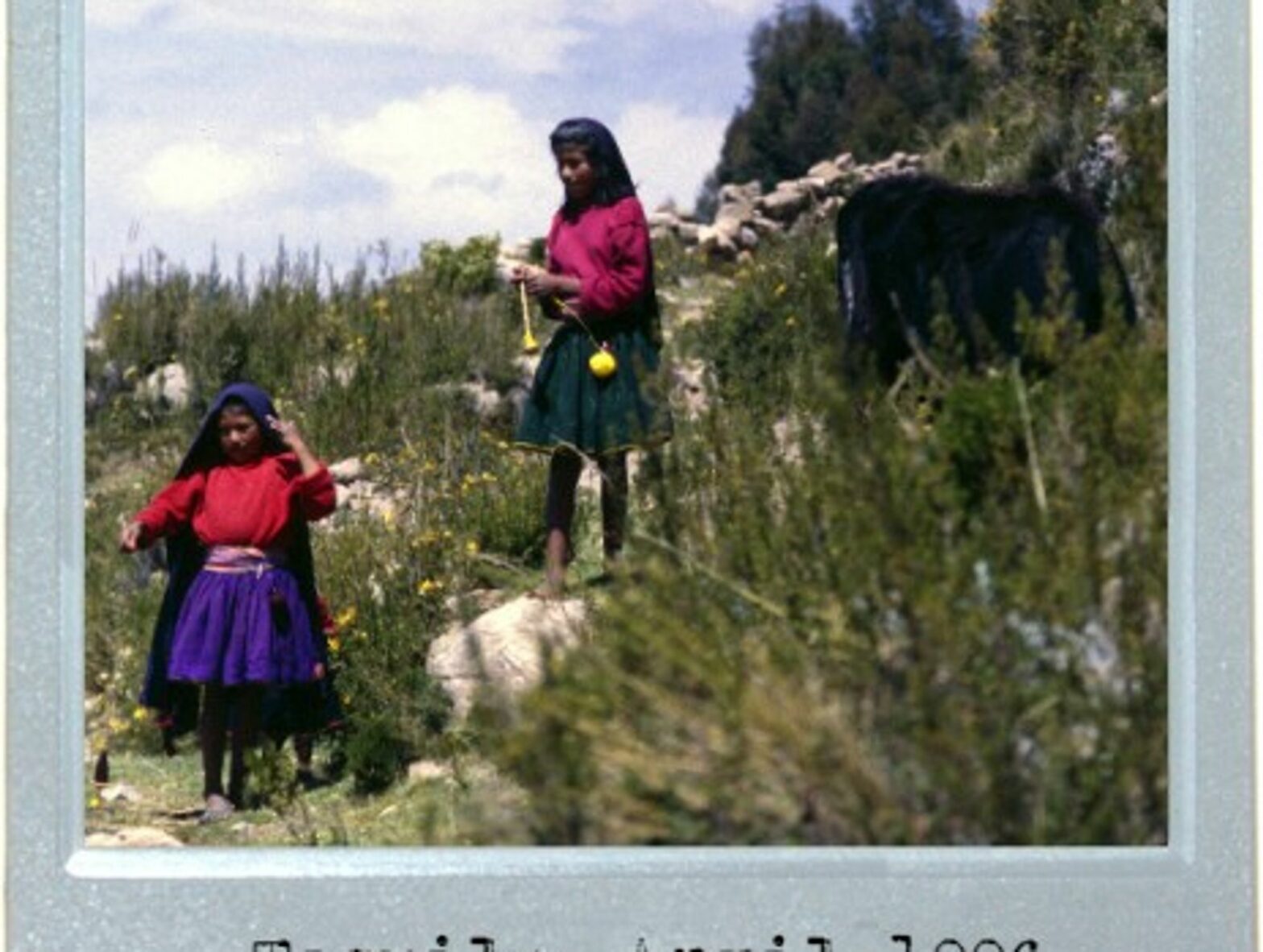
Seeing these two girls with their spindles and balls of yarn, going their merry way on a steep path of Lake Titicaca’s Taquile Island, you might think they are among the Peruvian girls and women who create the kind of high-quality handicraft I’ve already told you about. But on Taquile, women are only allowed to […]
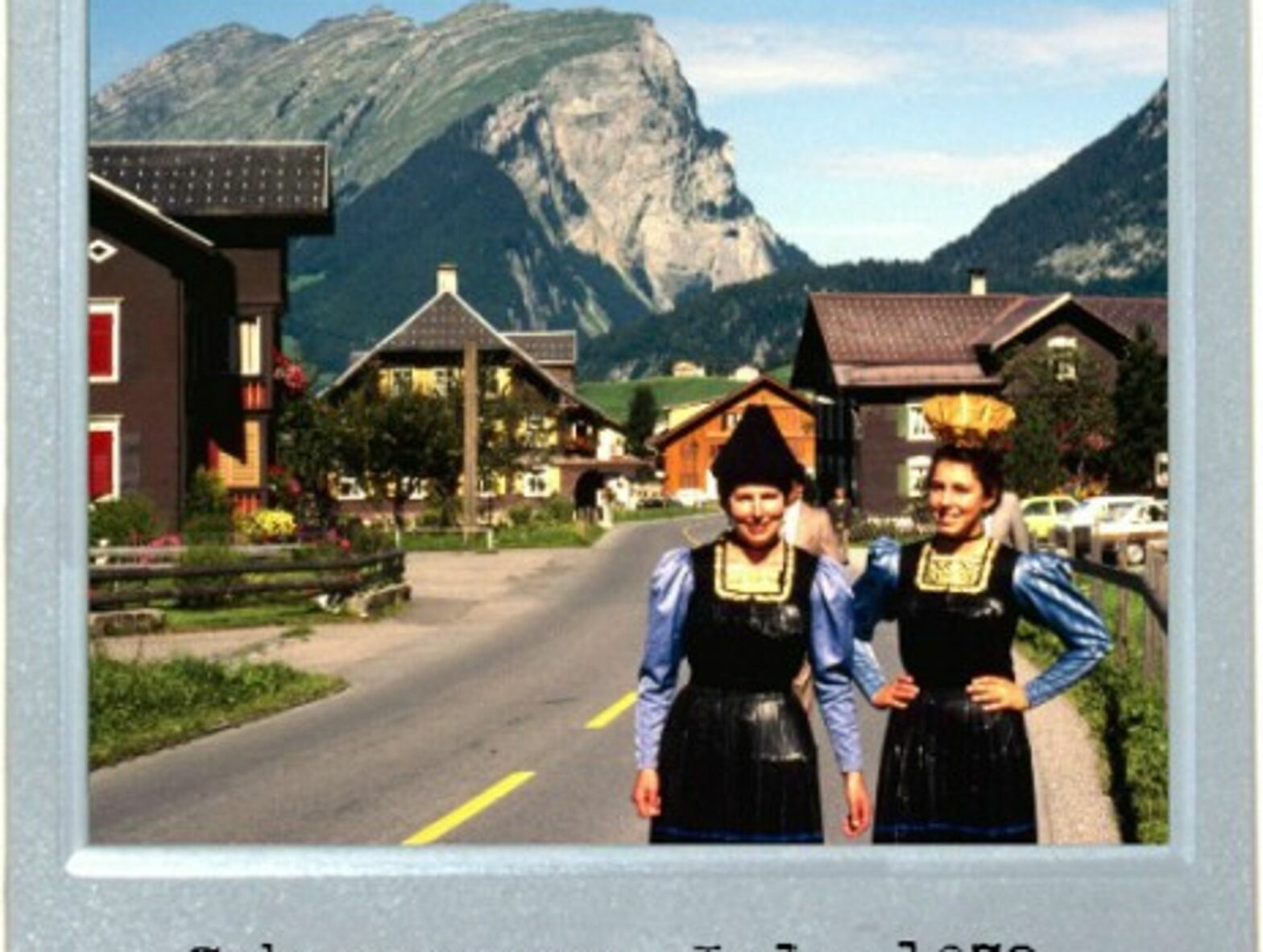
Beautiful mountains, colorful wooden houses, costumed Mädchen … The village of Schoppernau, in the state of Vorarlberg’s Bregenz Forest, is a living, breathing Austrian postcard. I guess my wife and I liked this kind of scenery: We went to Austria 23 times!
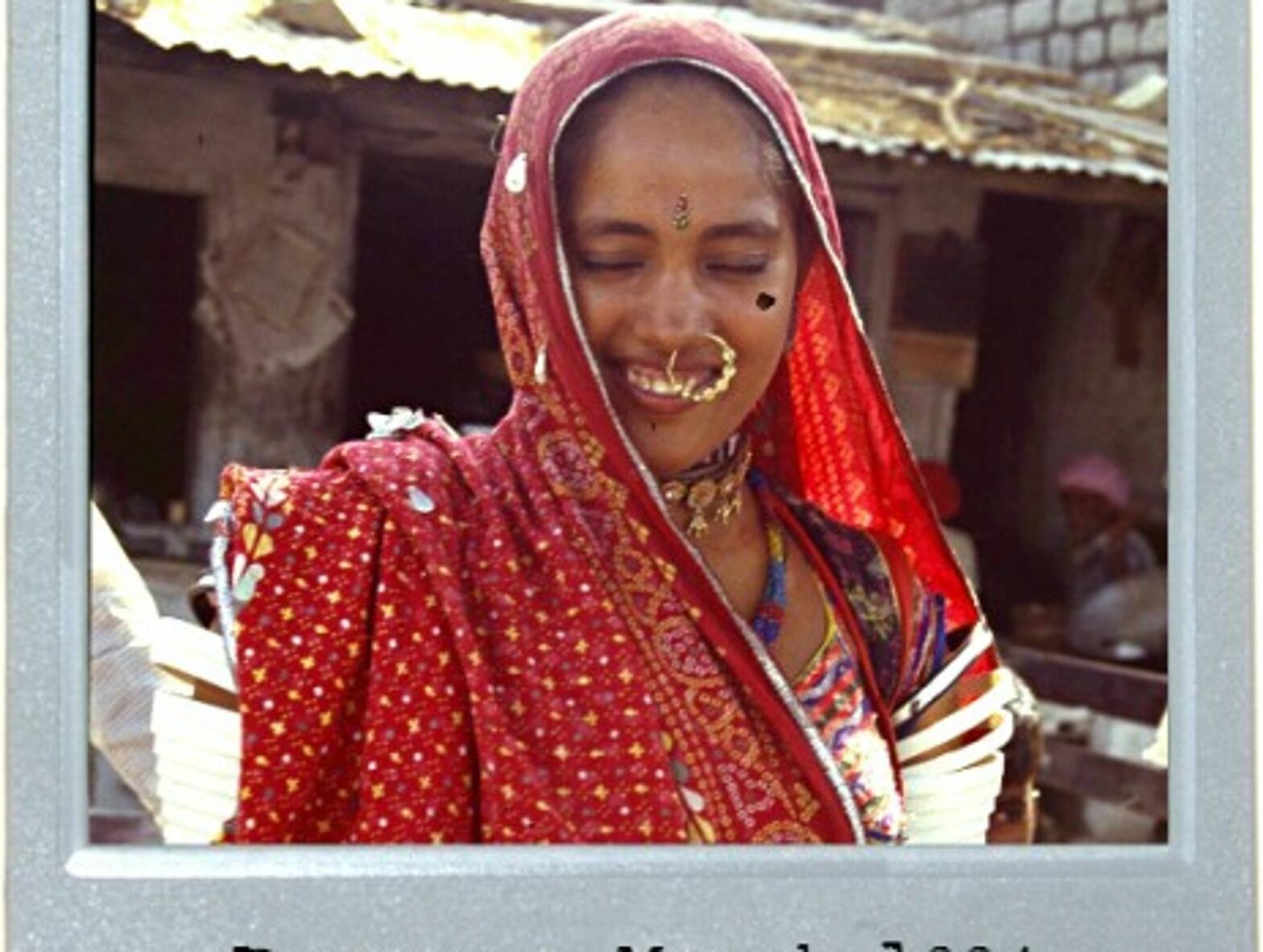
I’ve already told you about Rajasthan’s colorful nomadic culture, but this close-up allows us to better see how society standards vary from one world to another: For instance, the huge nose ring this woman was wearing is regarded as a mark of beauty and social standing there.
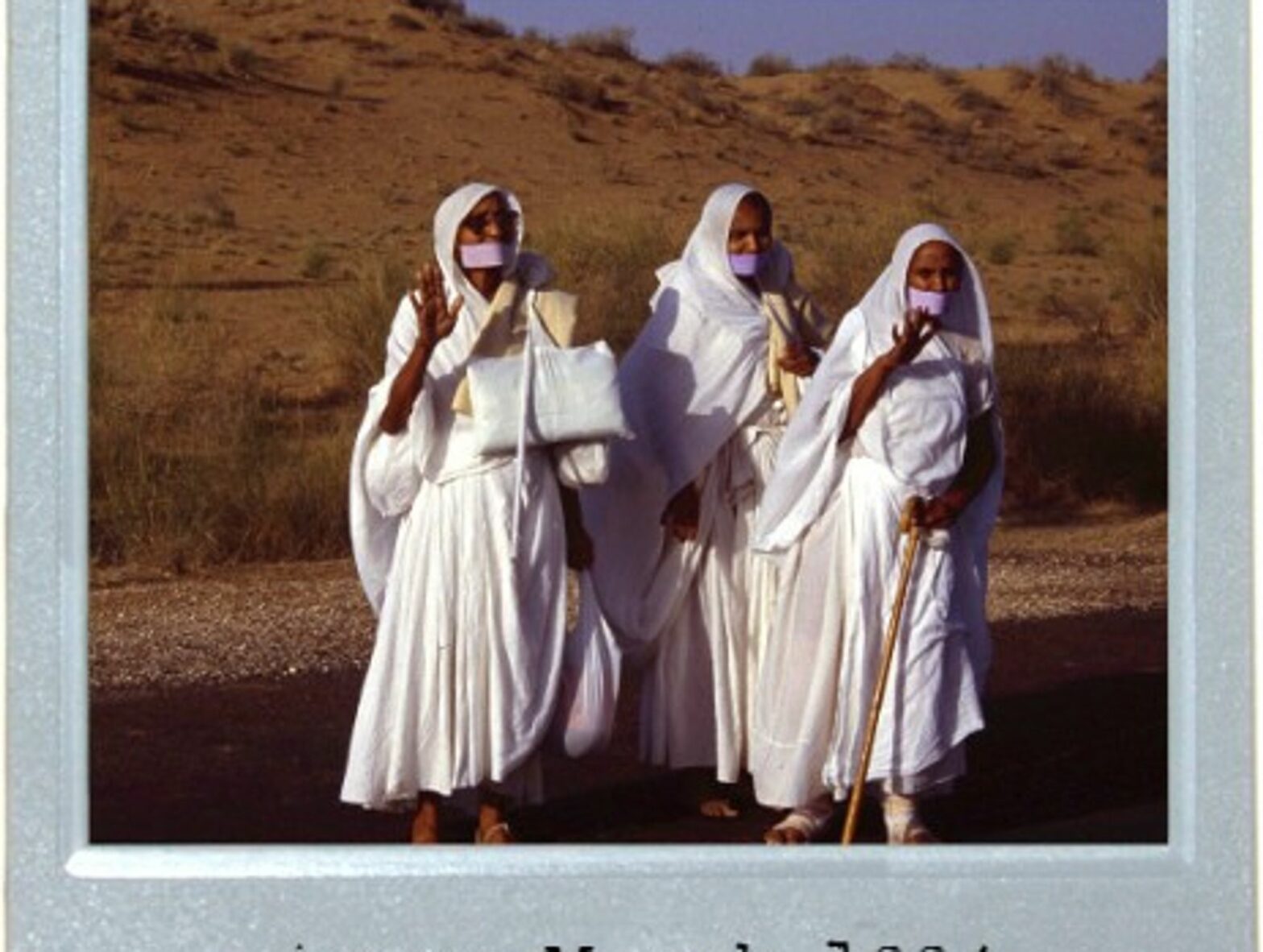
I took this picture of Jain women, who had apparently taken a vow of silence, near the famous Taj Mahal. But what I remember best is that, since their religion advocates non-violence and deep respect toward all living things, several women used a straw broom to sweep before them so as not to crush insects […]
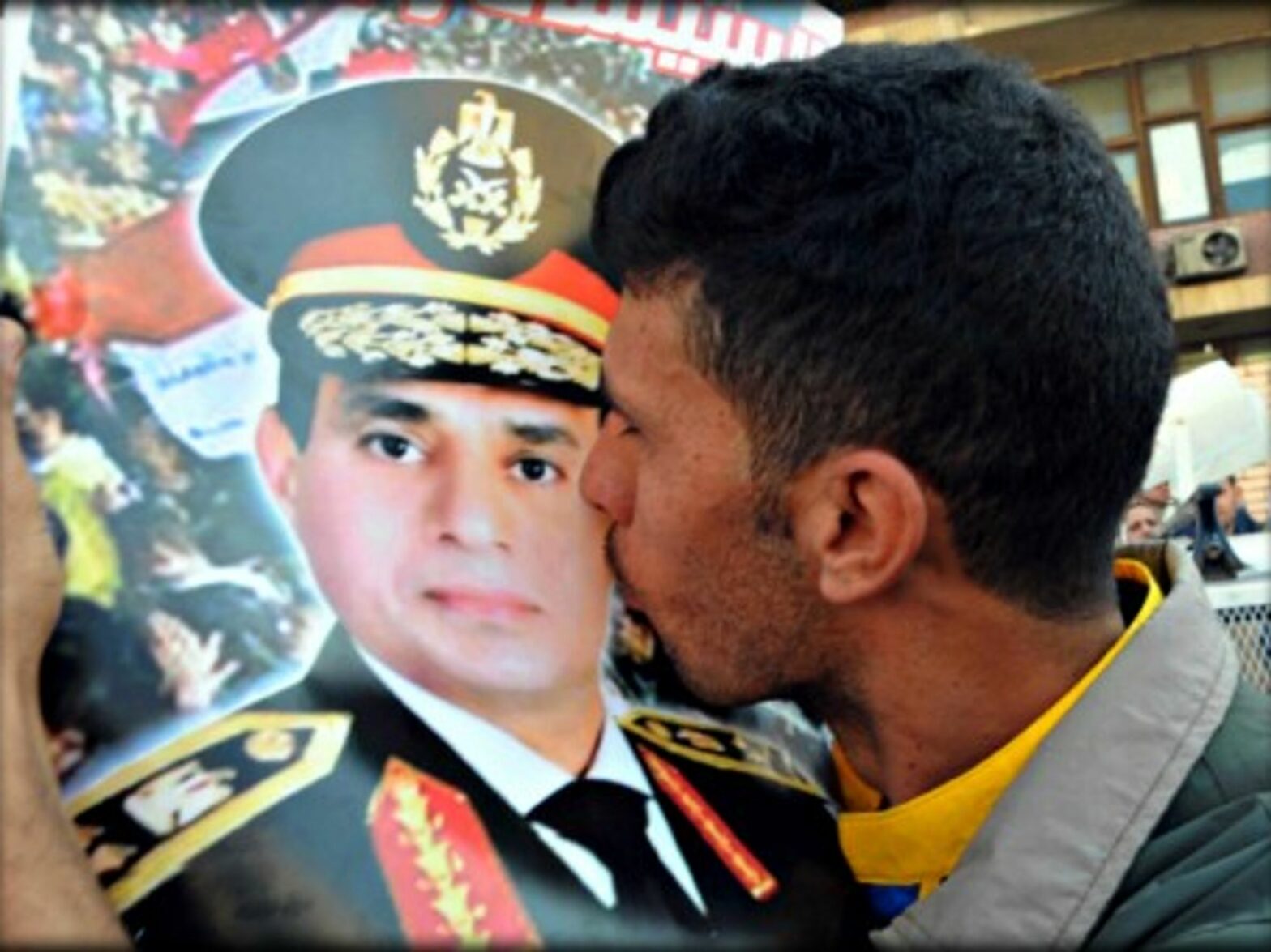
CAIRO — He might as well already be president. His photo is on every wall in Cairo. His constant television appearances, broadcasts of his speeches and video clips glorifying the army eclipse the presence of interim leader Adly Mansour. Even Field Marshall Abdel Fattah al-Sisi’s mention of his night visions from 35 years ago, in […]