For authoritarian leaders from Beijing to Moscow, it’s unbearable that democratic institutions like the European Union succeed. So it is vital that we Europeans build measures to protect democratic sovereignty.
 Worldcrunch
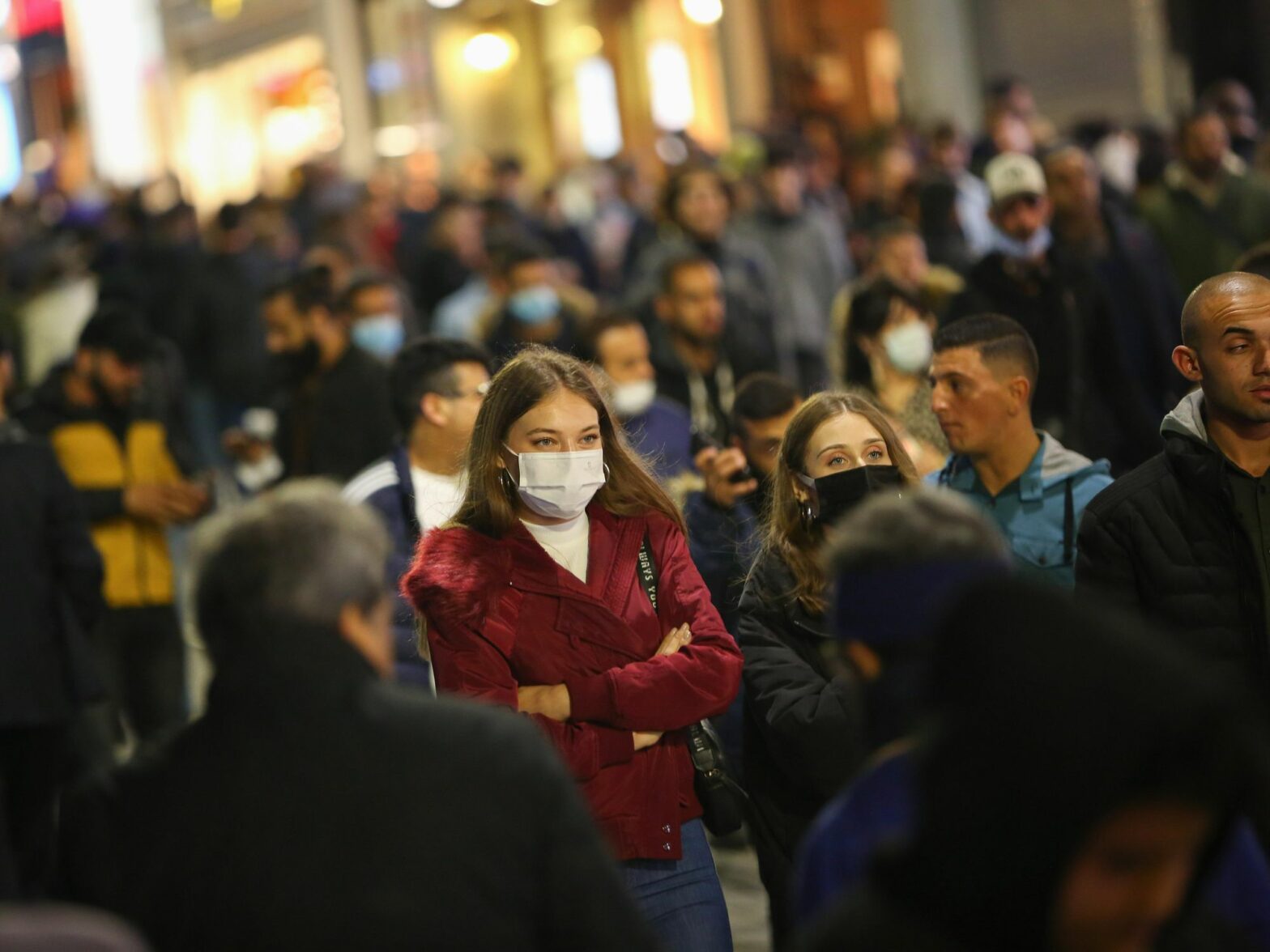
Erdogan has long sought to mould young Turks into a so-called ‘pious generation’ for his brand of Islamic political rule. Now it seems he has failed, as the younger generation longs for what that the president refuses to grant them. In next year’s elections, their votes may prove decisive.
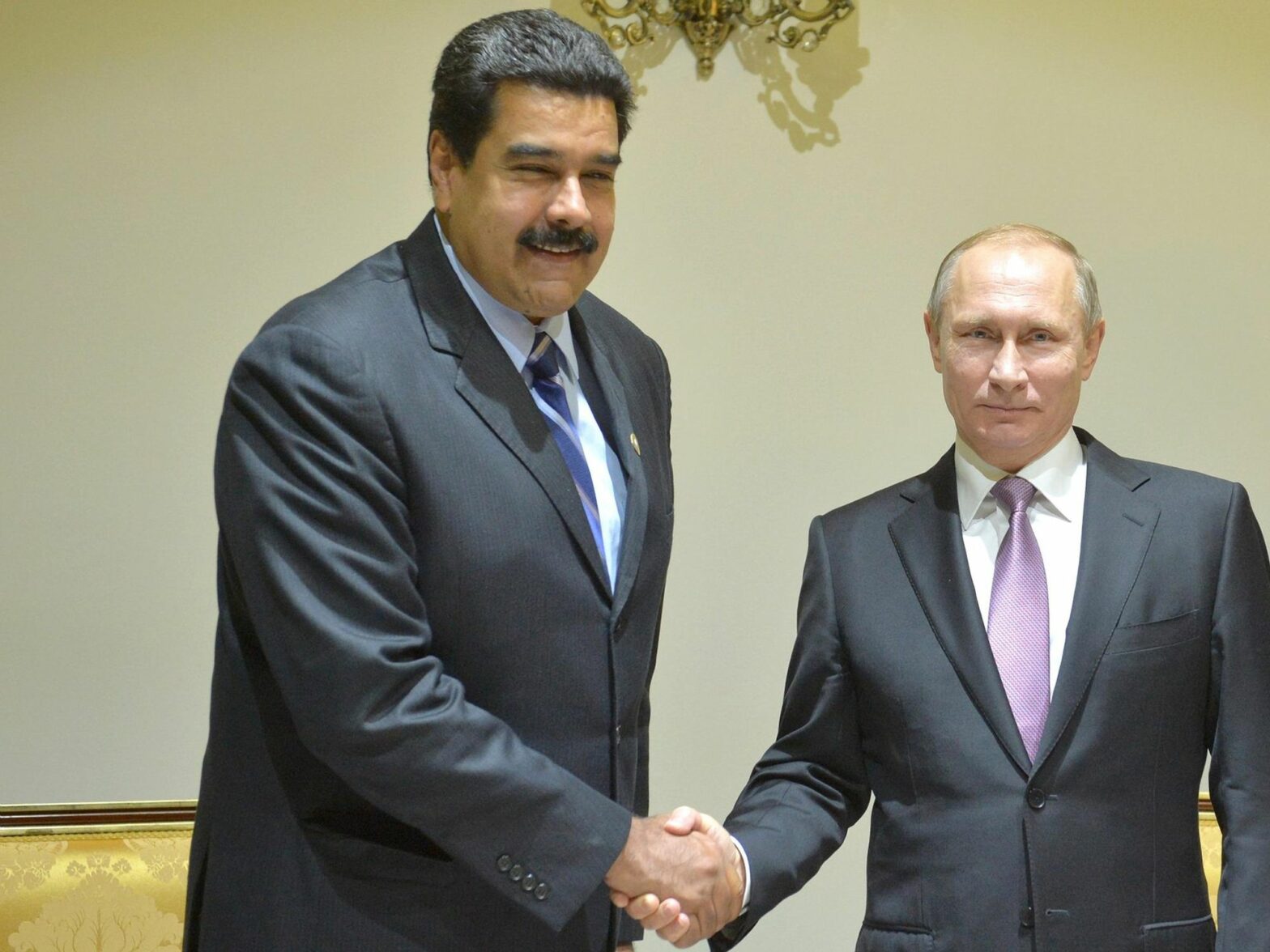
Russia’s president is neither clearly right-wing nor left-wing. As his dubious allies around the world suggest, he simply hates Western liberal democracy and seeks to expand his personal power, at home and abroad, by sowing unrest and conflict.
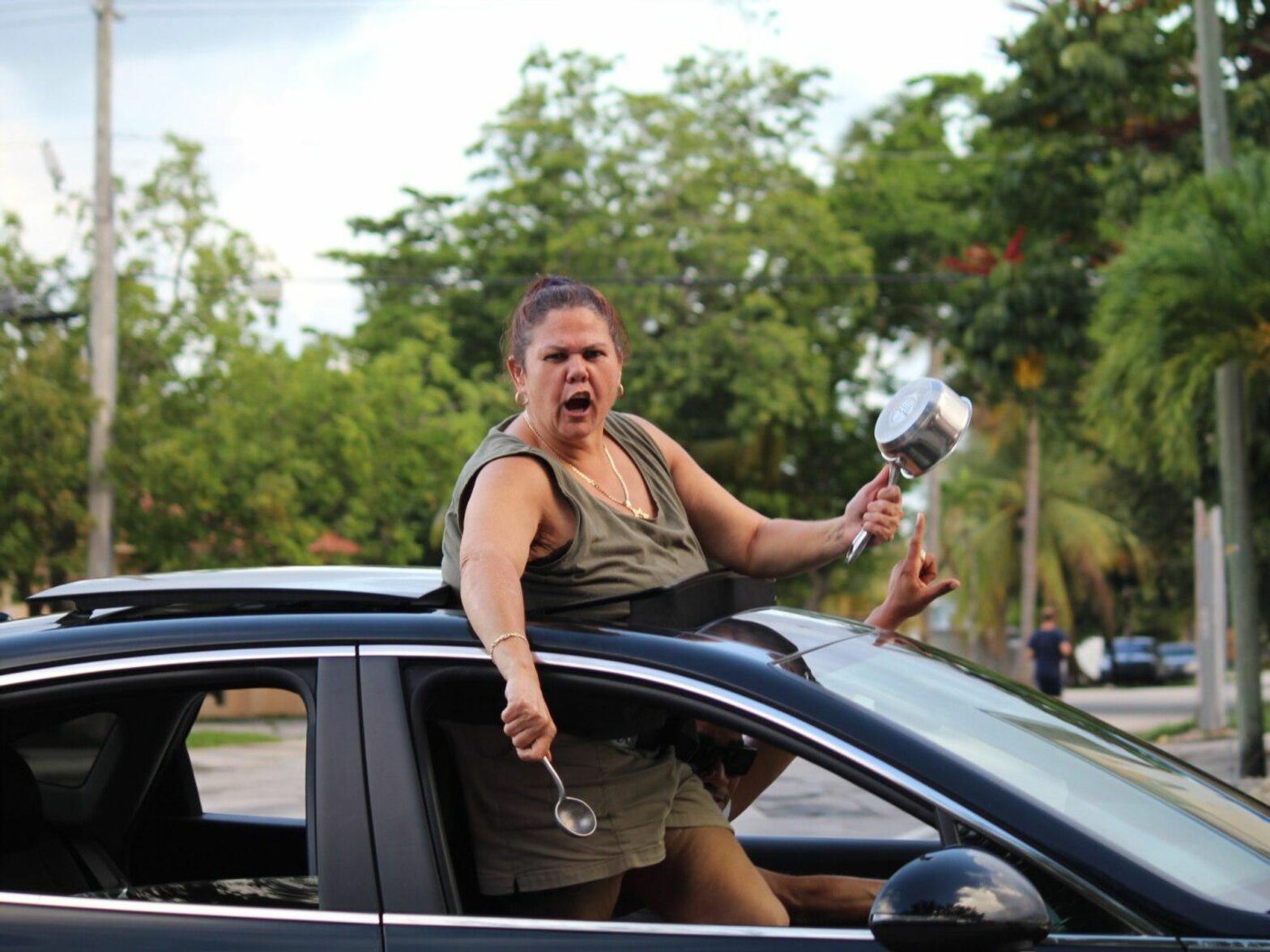
The Cuban government has once again jailed dissenting artists or forced them to flee. But anger at the 60-year dictatorship has spread far beyond artistic circles and the regime no longer has the power to silence people.
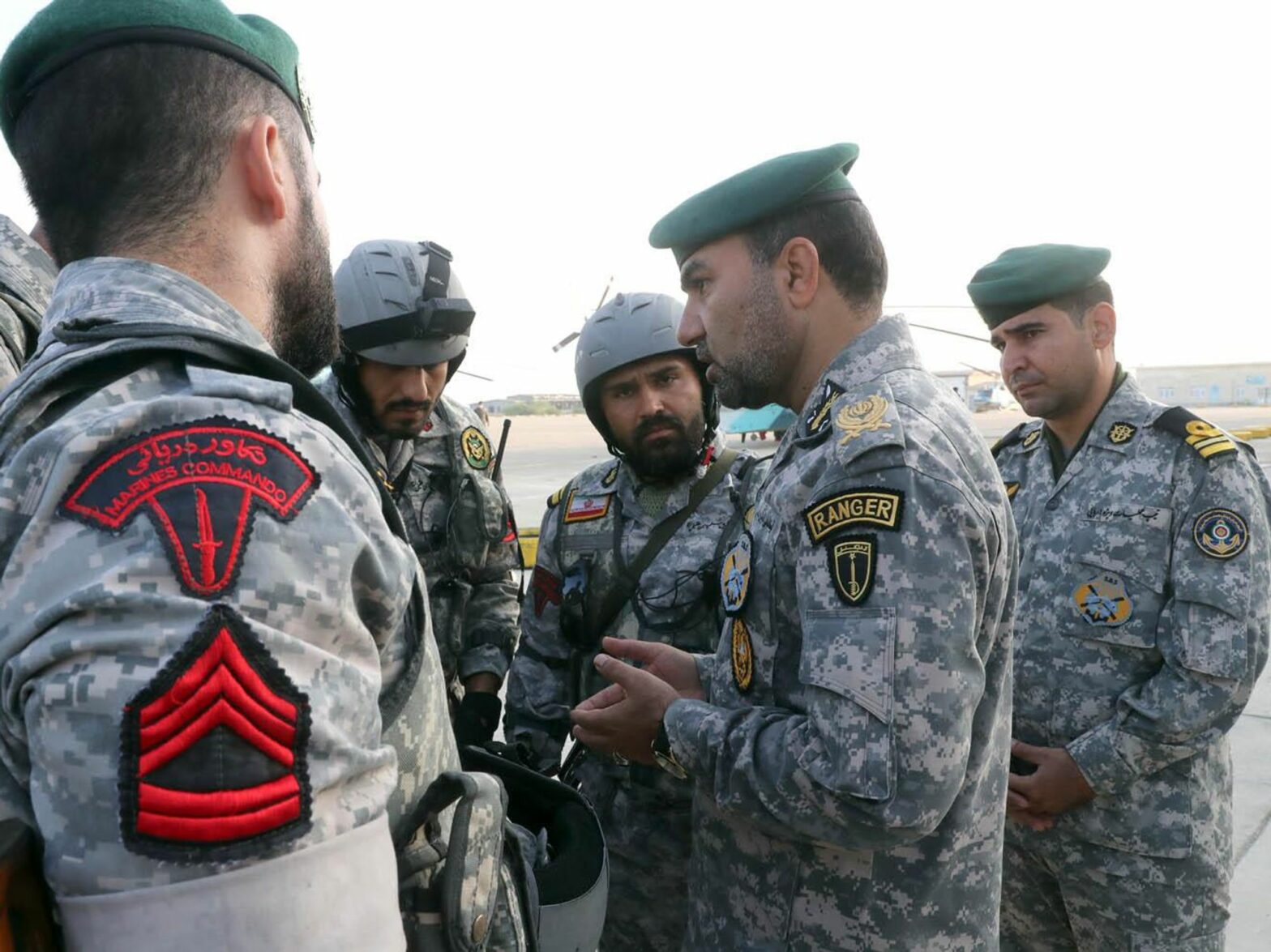
Iran’s clerical regime is handing over vital economic sectors to its “allies,” Russia and China. But future generations may end up paying the real price for the country’s “Look to the East” philosophy.
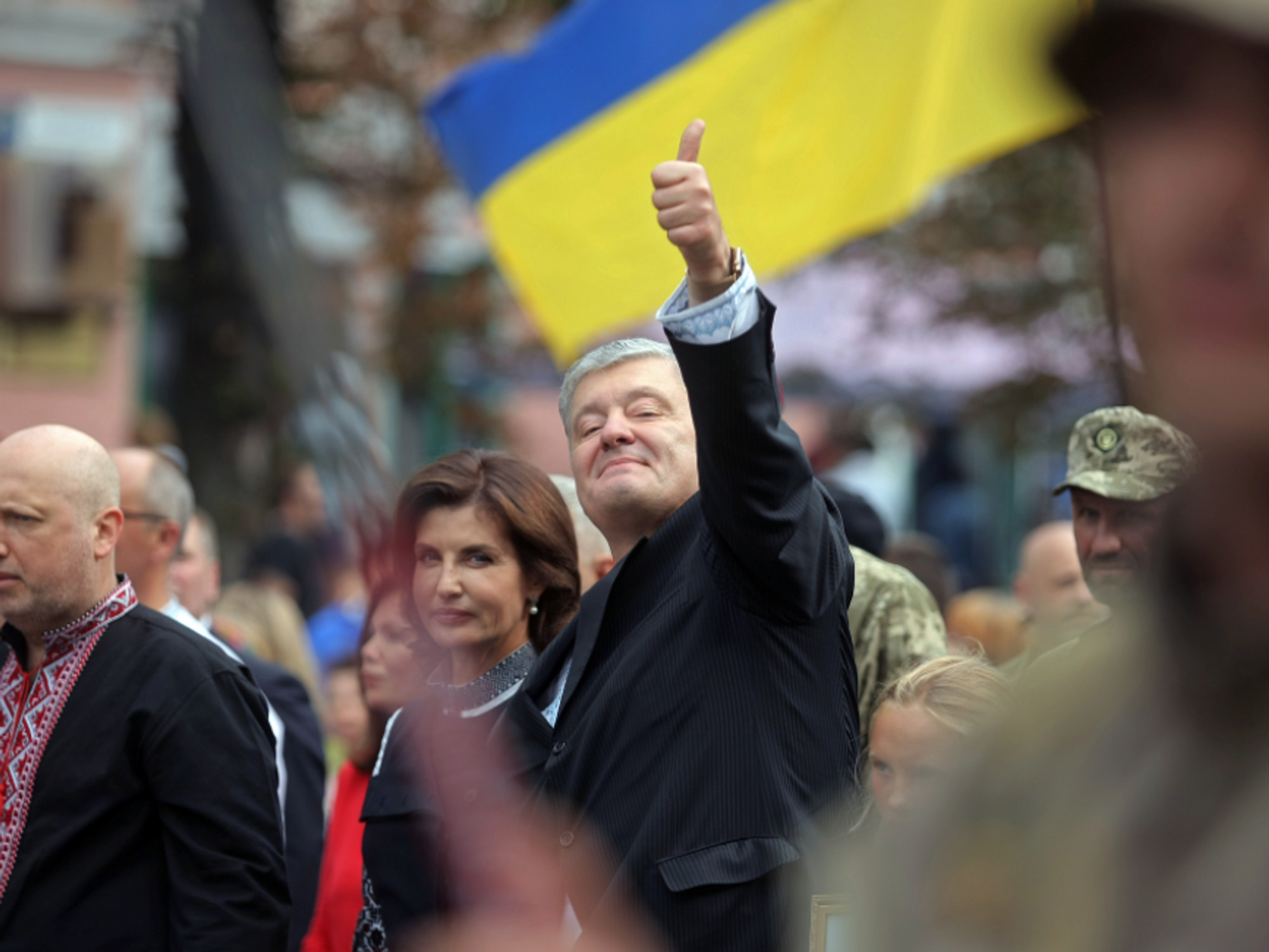
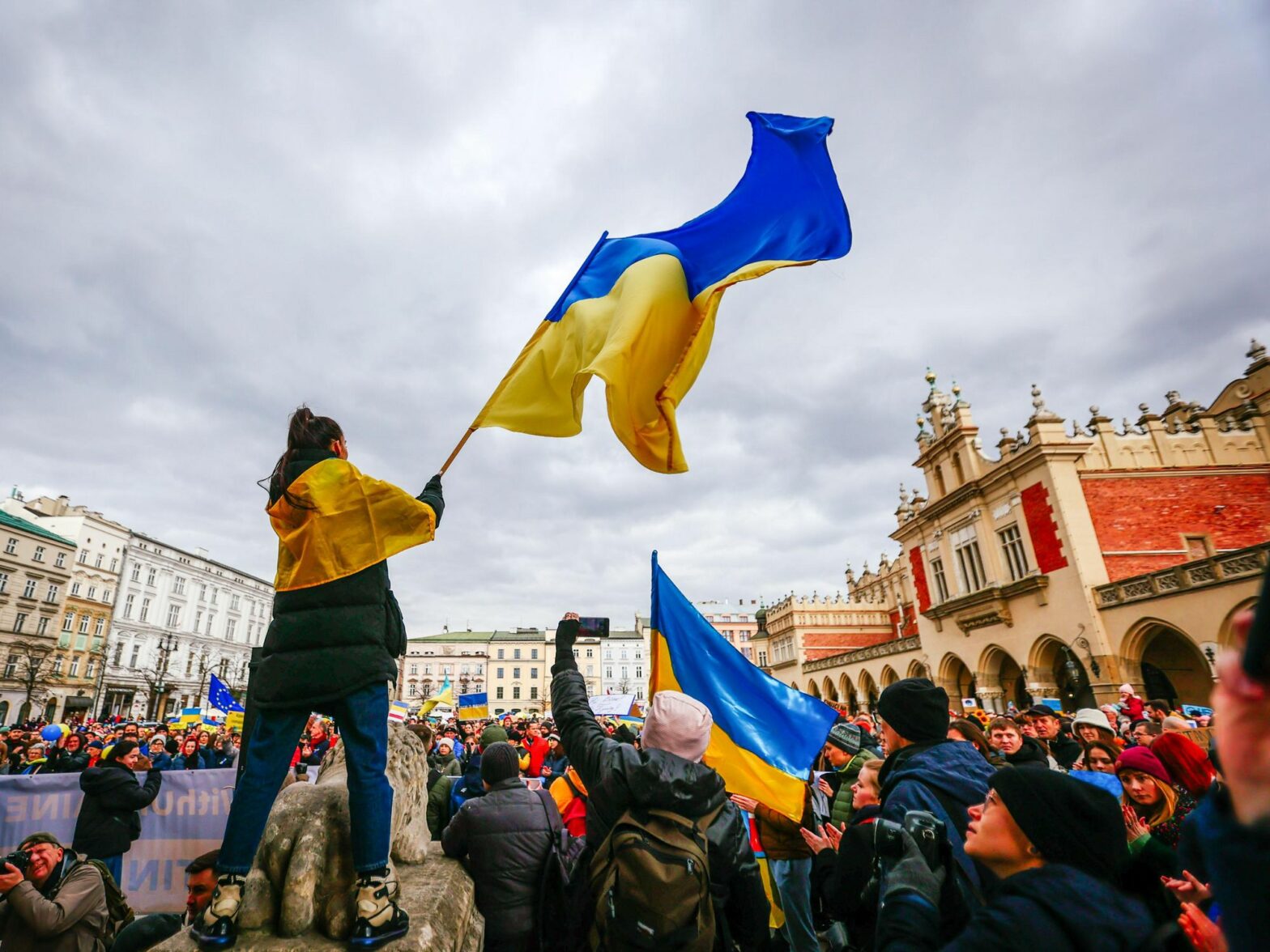
Ukraine’s former president Petro Poroshenko has taken refuge in Poland after being accused of treason and cooperation with Russia. It’s a film we’ve seen before in Kyiv.
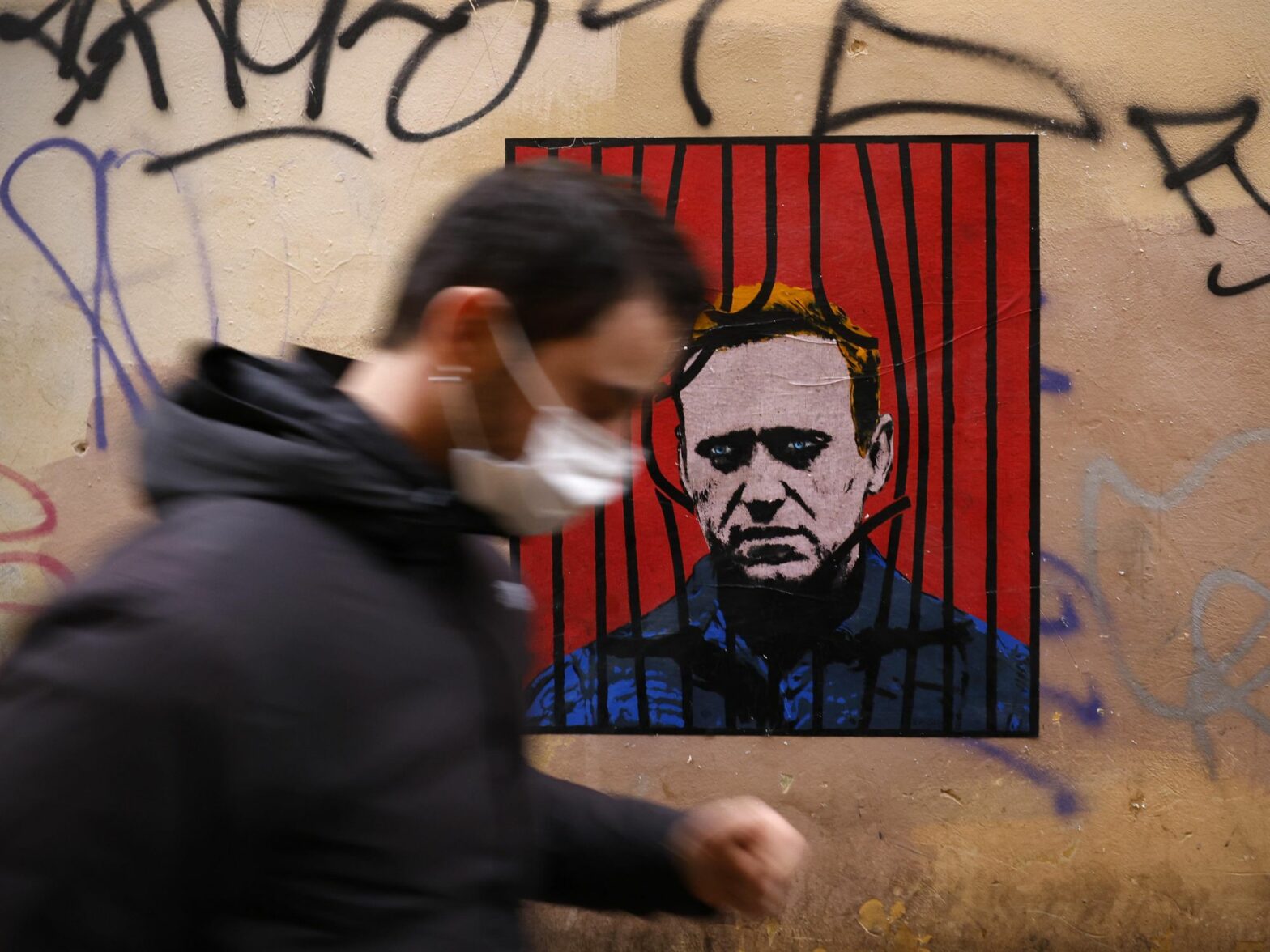
Russian media outlets have received government orders to remove archived material about Alexei Navalny and his investigations into corruption by Vladimir Putin and his associates. While the jailed activist’s past work can be found elsewhere, YouTube and other foreign internet platforms may be the Kremlin’s next target.
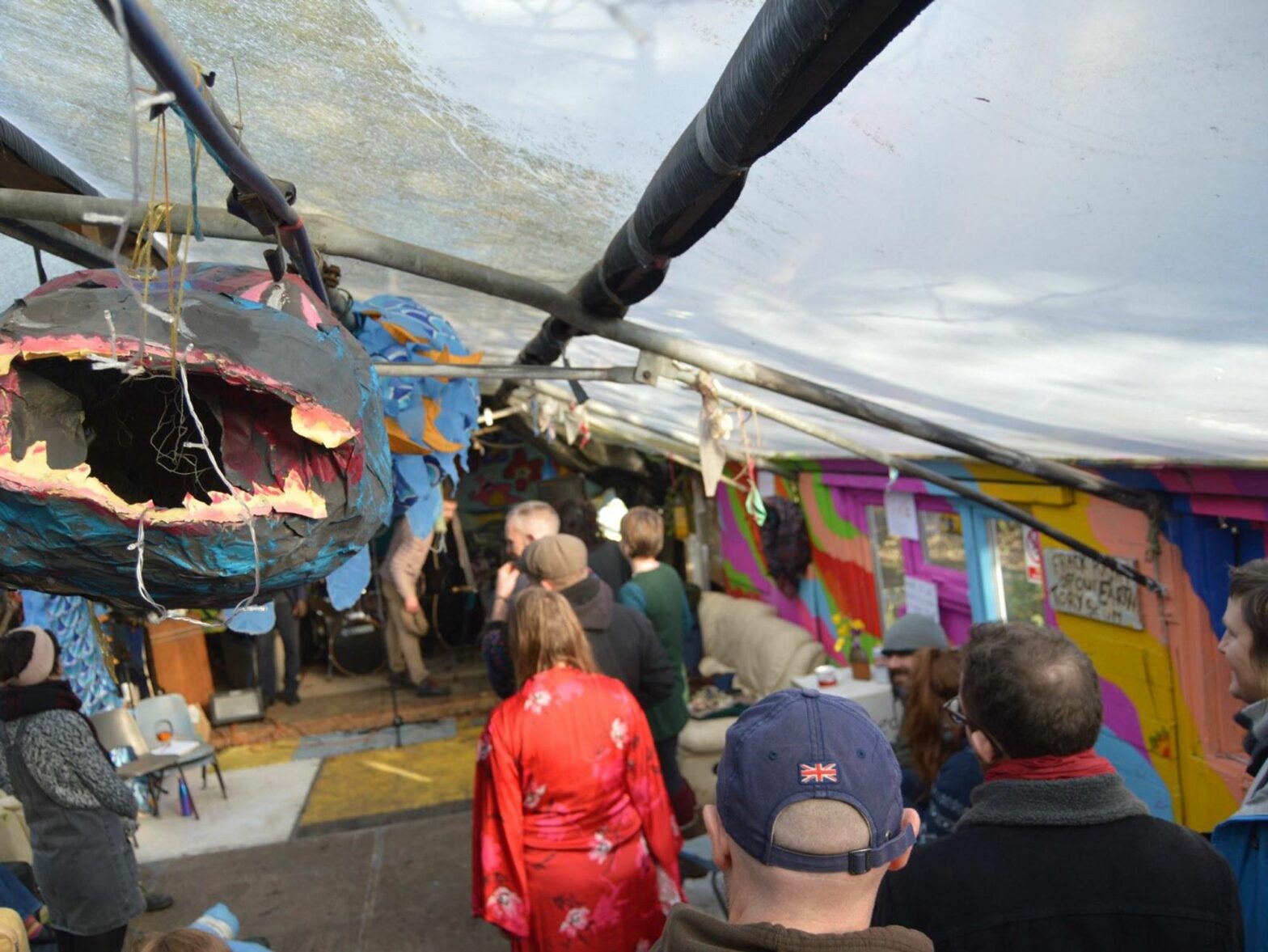
Imagine self-organized forms of building, from remodeling existing structures to building entirely new spaces to accommodate individual liberty and radical change in social organization. It’s a movement whose time may be coming.
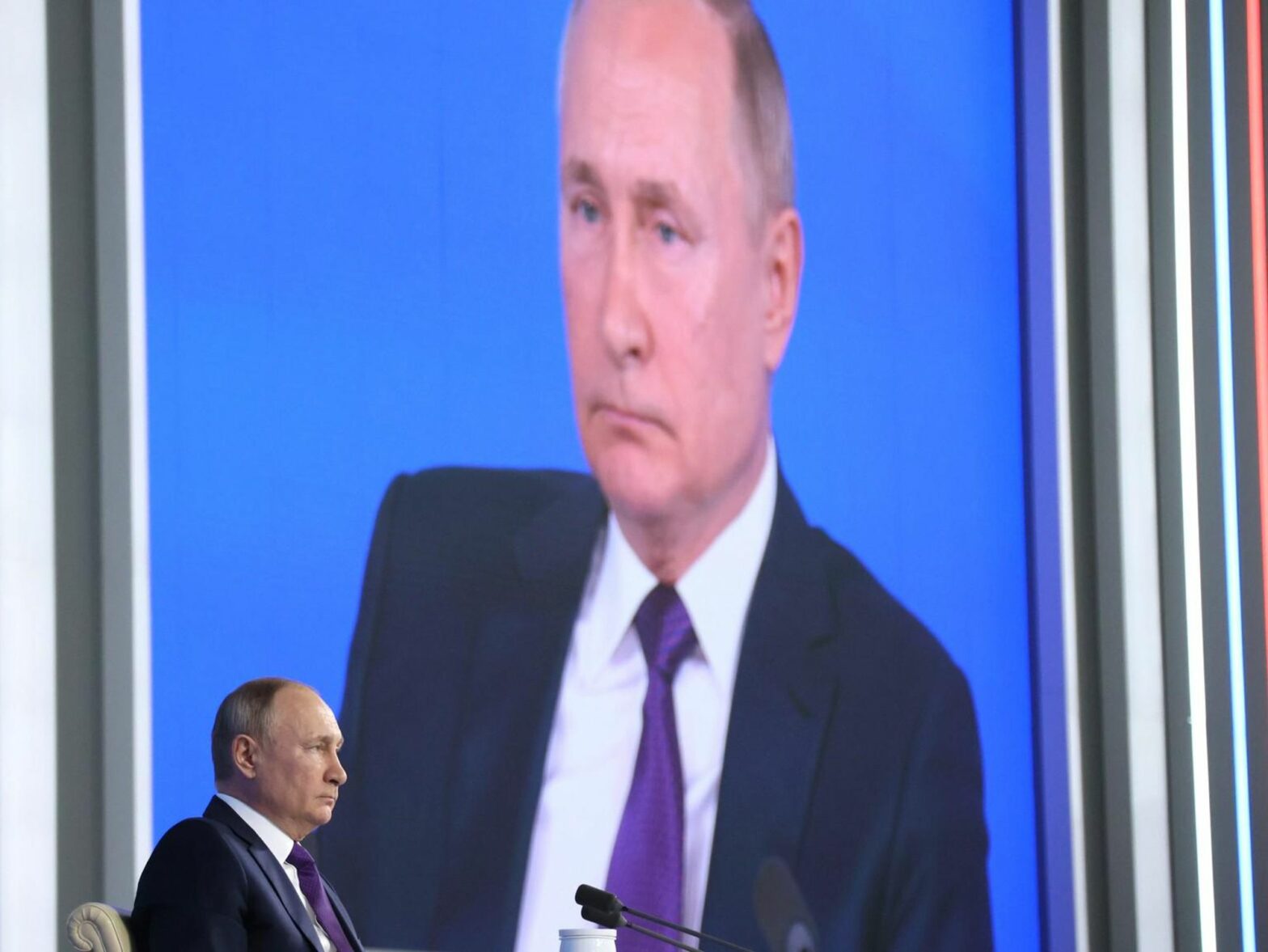
Experts in geopolitics and the workings of world leaders have accelerated a two-decade long quest to understand the motivations of the enigmatic man in the Kremlin.
Facebook whistleblower Sophie Zhang says that the tech giant knowingly facilitates undermining democracy in India. Fair voting cannot be guaranteed if real people’s voices are drowned out by armies of fake online commentators.
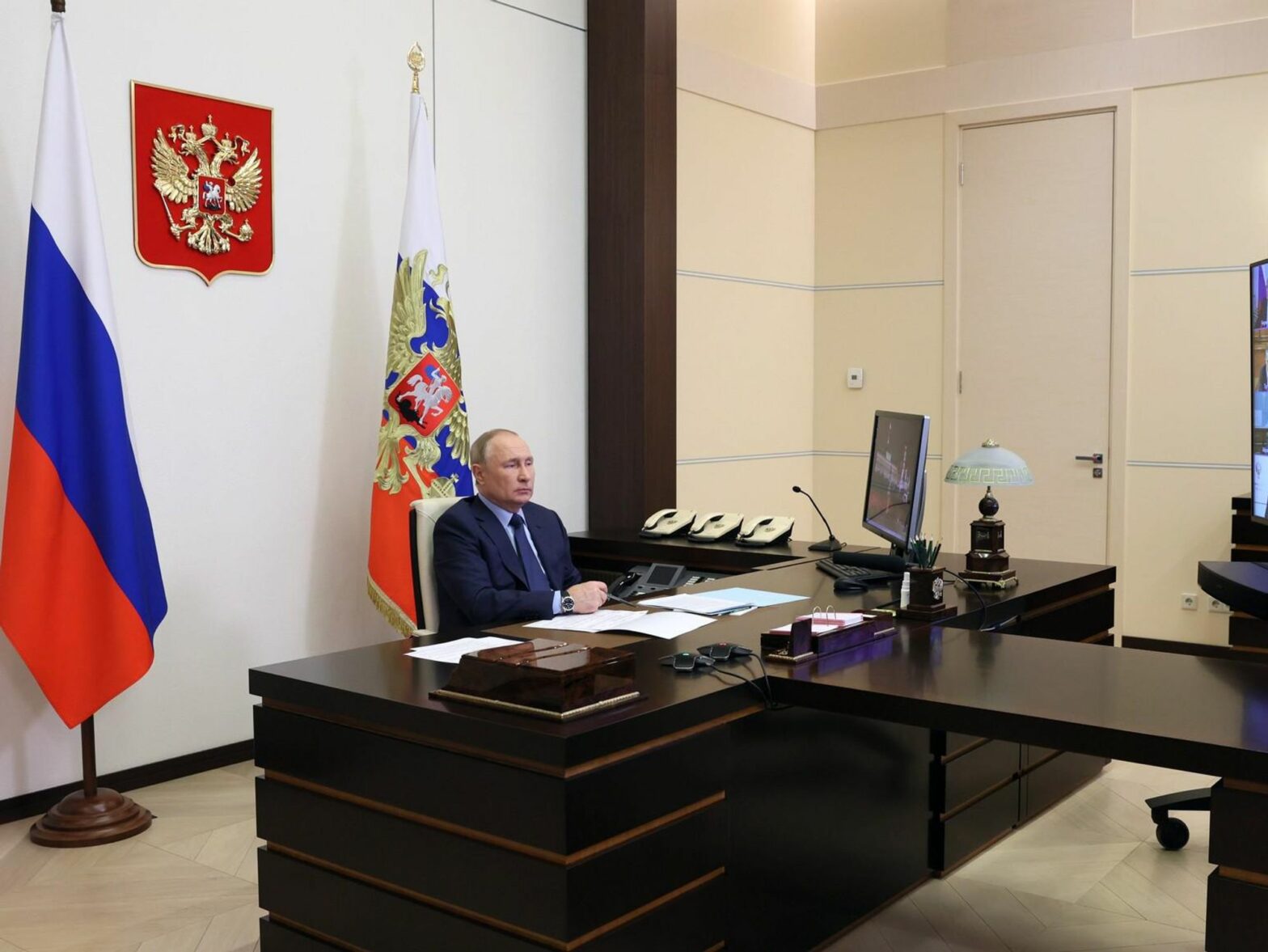
In the year since the arrest of Vladimir Putin’s last opponent a new Cold War has begun. In the absence of internal enemies, Russia’s increasingly powerful yet isolated ruler must turn to external targets.
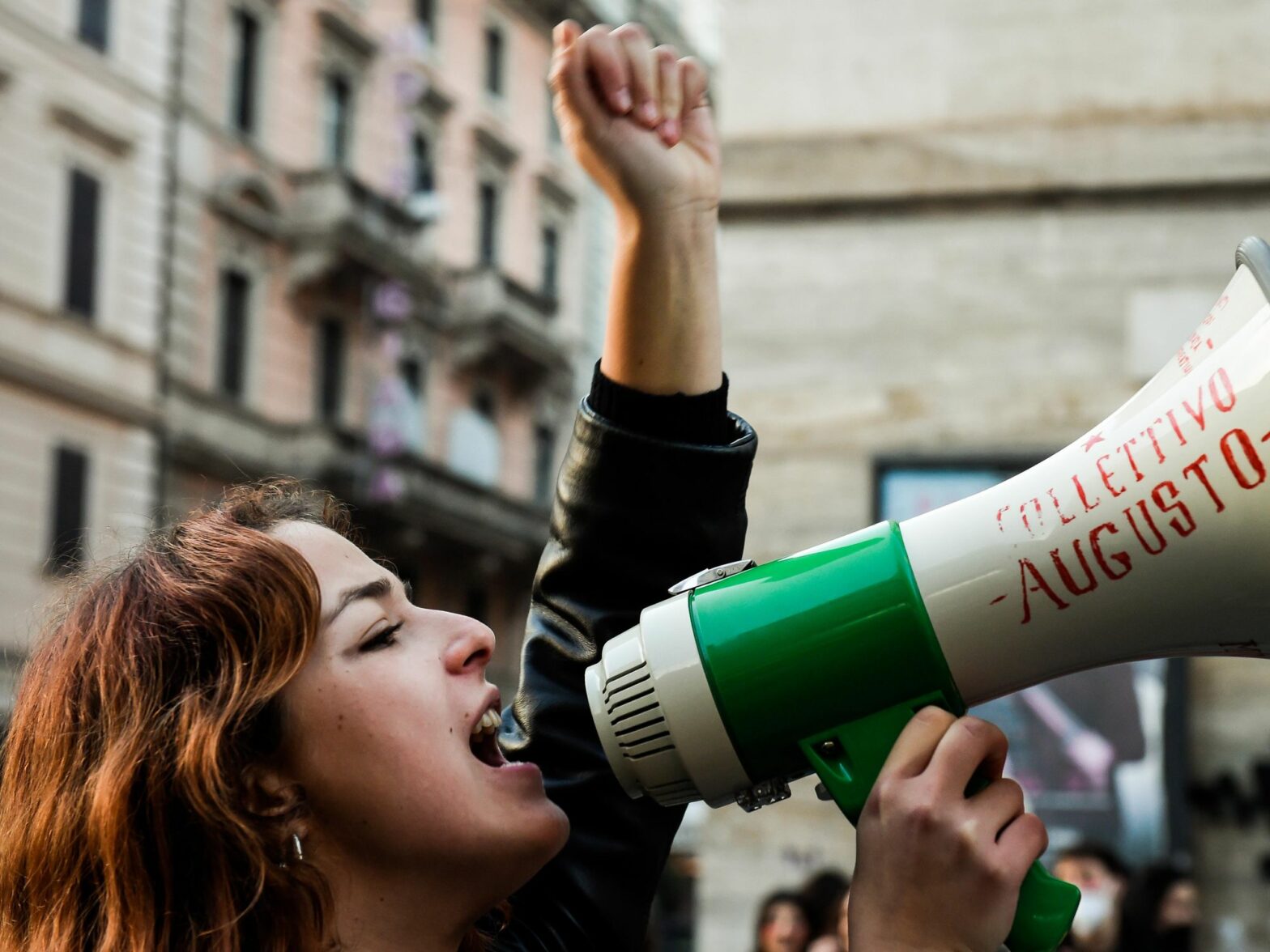
Italy’s head of state is being elected next week, amid a flood of attention of the candidacy of infamously misogynous former Prime Minister Silvio Berlusconi. Having a woman in the presidency, argues Italian writer and intellectual Dacia Maraini, may finally help steer the country in a better direction.
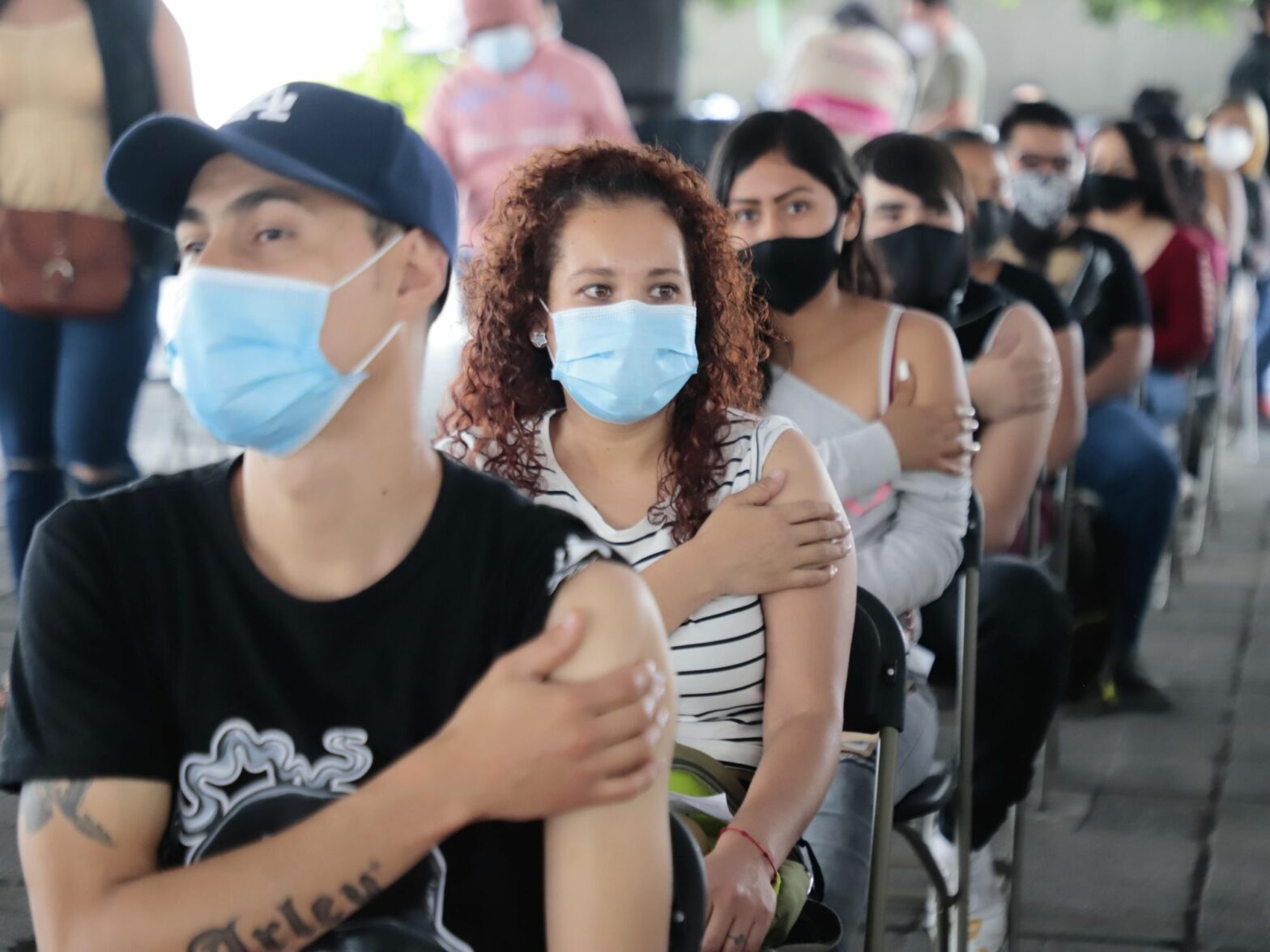
Echoing its cultural diplomacy of the early 20th century, the United States is gifting vaccines to Latin America as part of a renewed “good neighbor” policy.
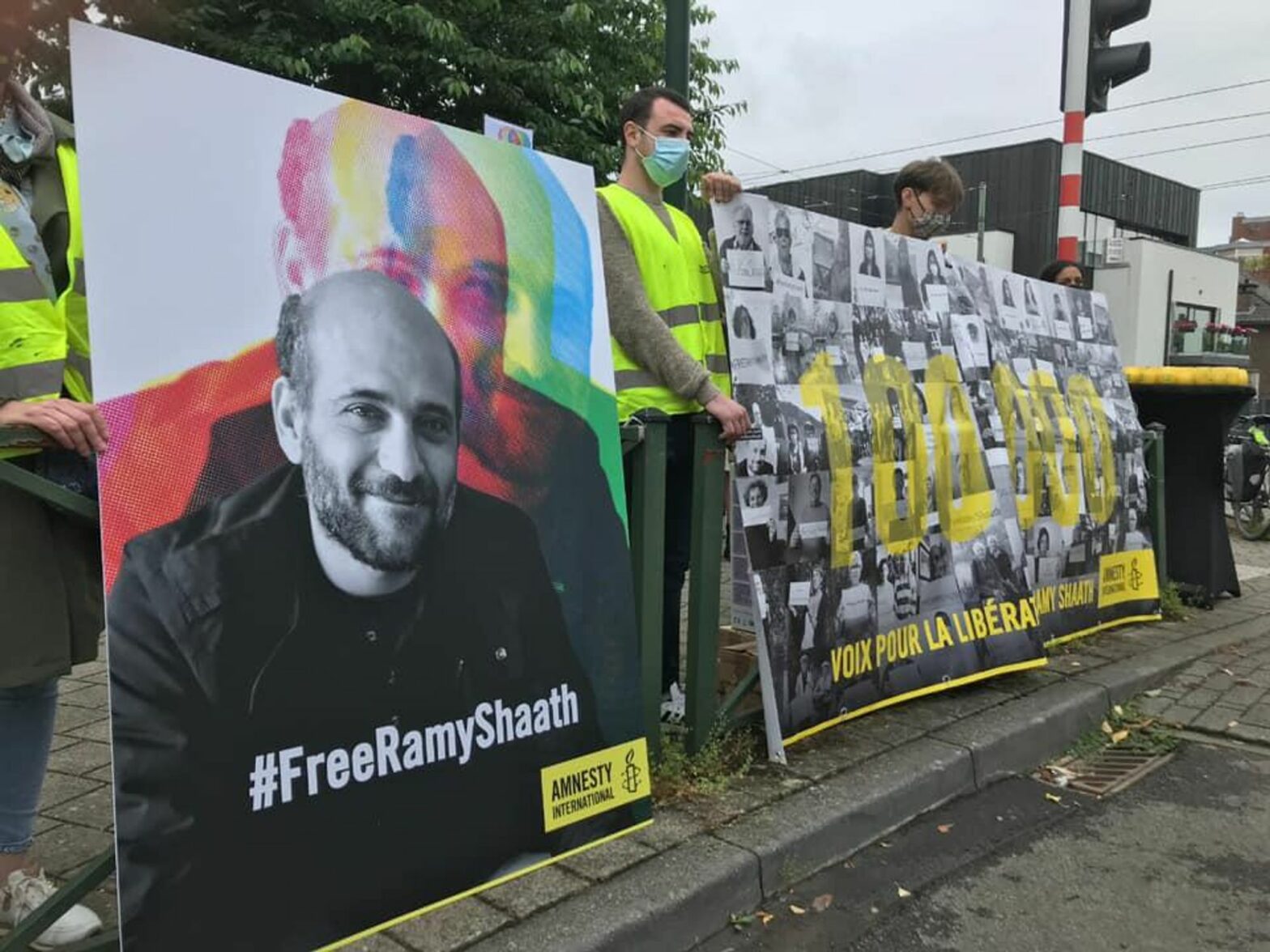
Several notable political prisoners in Egypt have renounced their citizenship to gain freedom. The choice is a difficult one to make personally, and the practice is highly questionable politically.
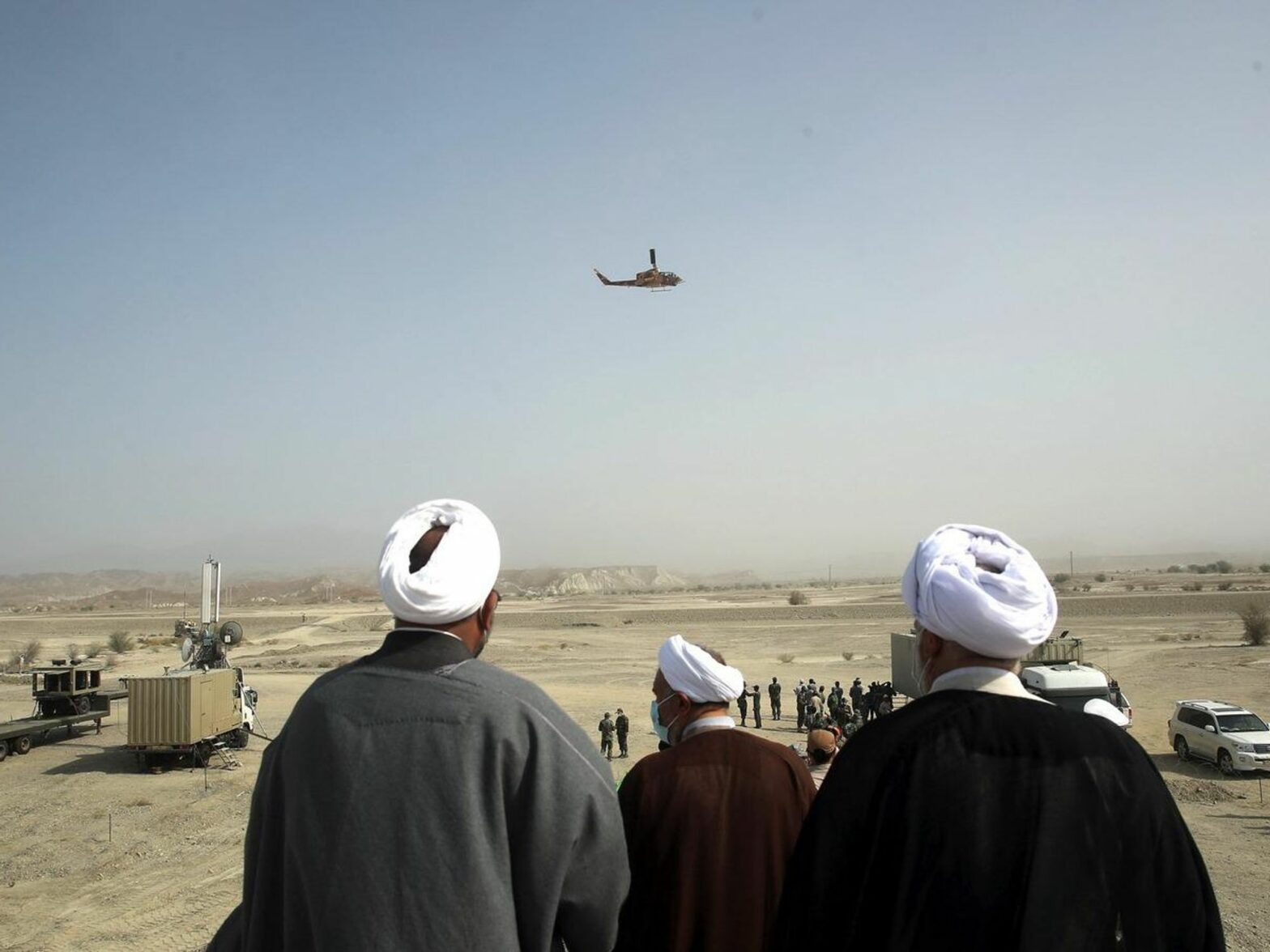
Russia’s role in in Iranian affairs goes to the highest levels of its military and security structures. But will anyone in Iran dare question Supreme Leader Ali Khamenei, in spite of the grave risks to the country’s national security?
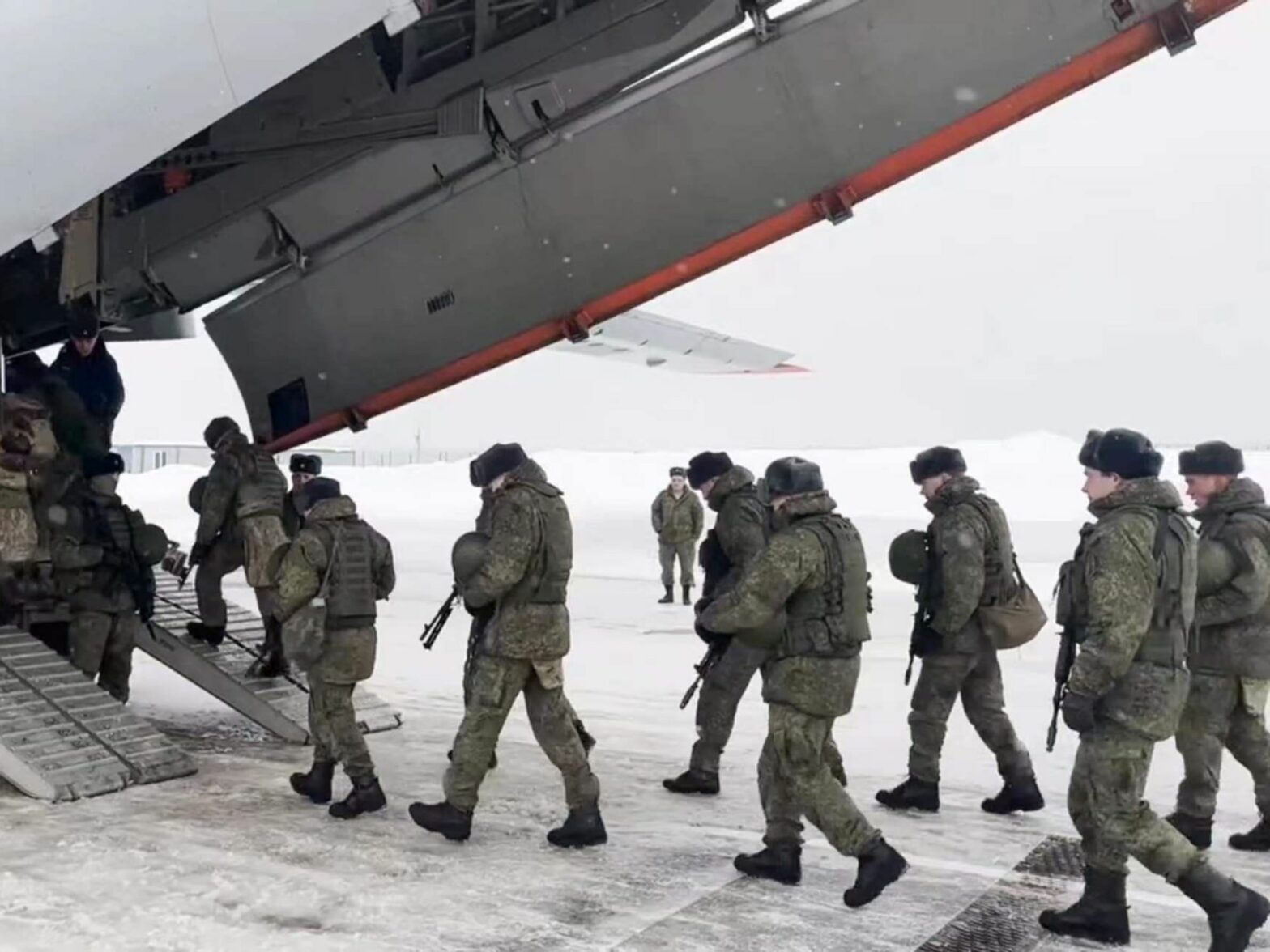
As with Ukraine and Belarus, Kazakhstan is falling under the grip of Moscow as a response to disorder and threats to align with the West.
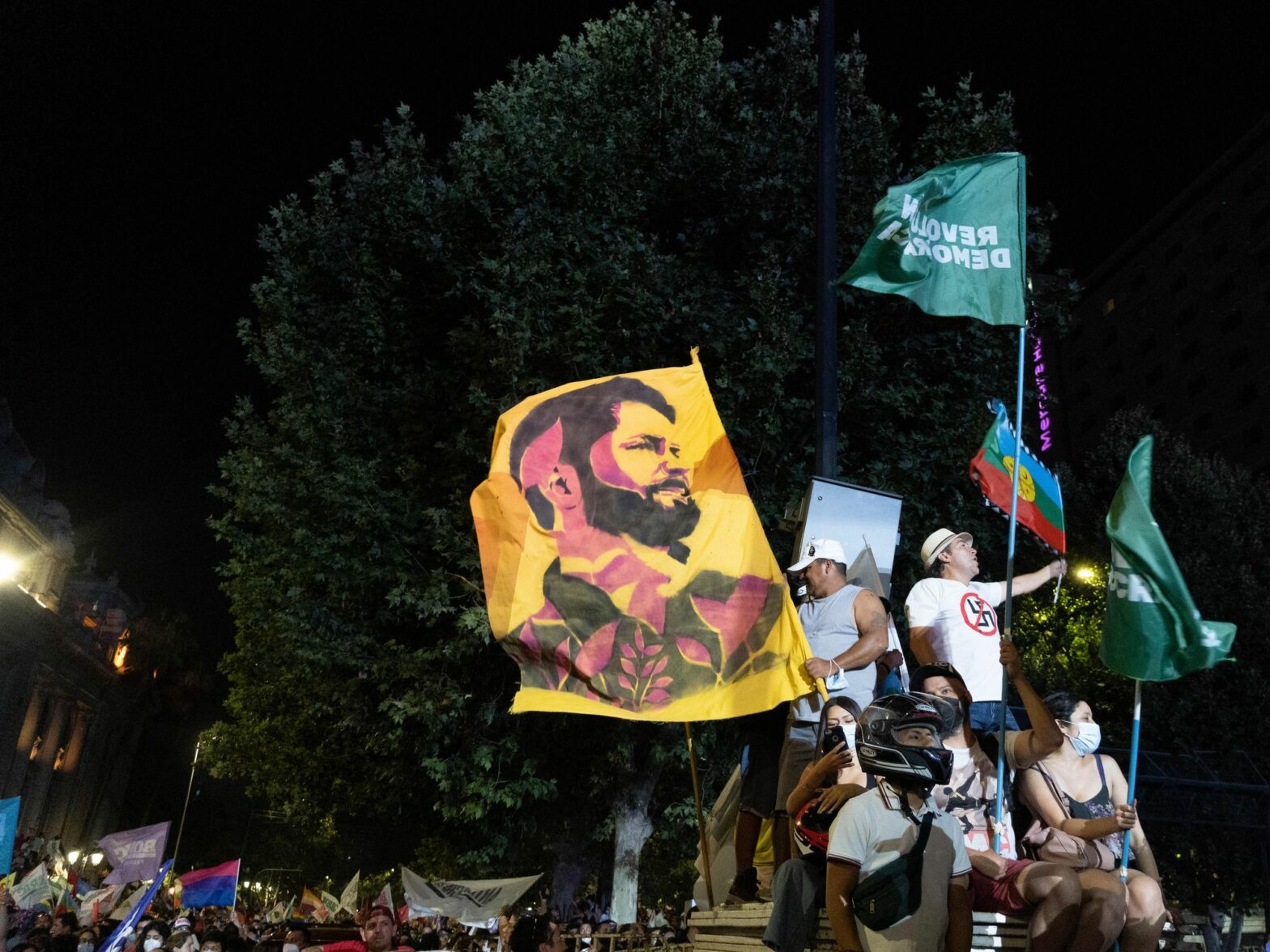
The recent electoral victory of a youthful leftist in Chile has inspired the left in Latin America and around the world. But the country’s unique political and economic history means it is not necessarily a model for the rest of the world.
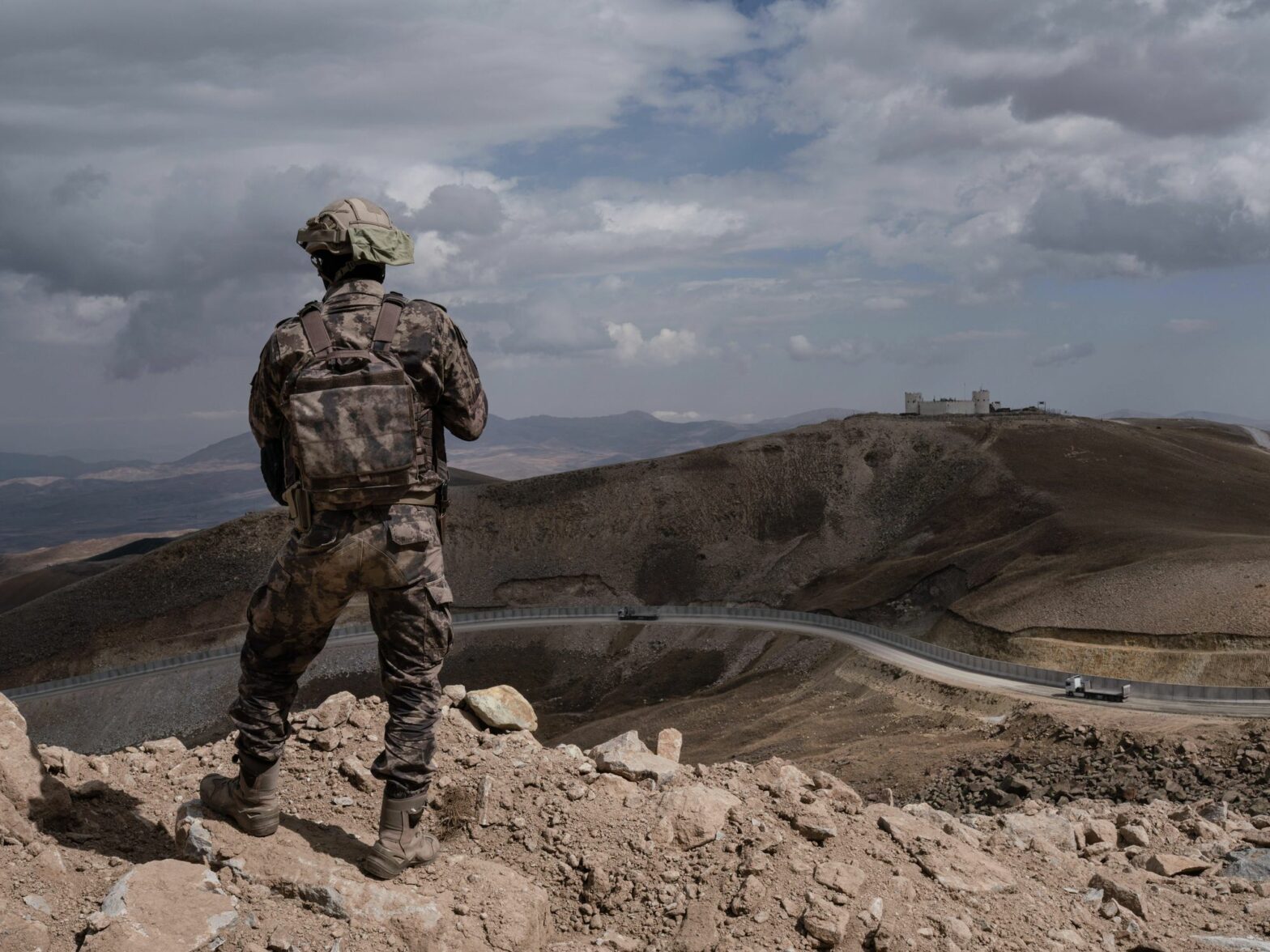
Iran’s clerical regime is able to sabotage asylum applications, prompt deportations and, failing that, beat and murder Iranian political refugees in Turkey.
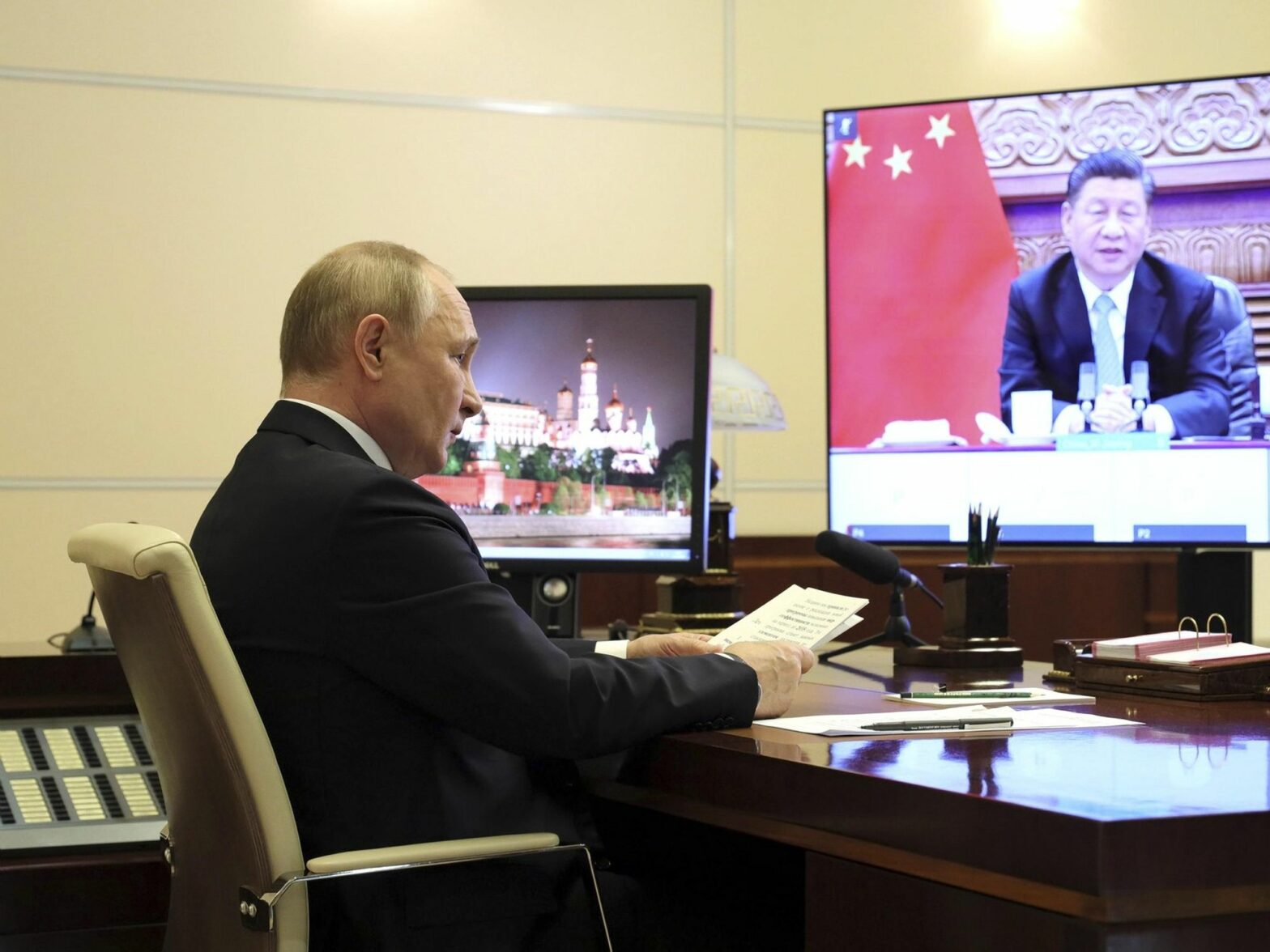
Joined in their respective confrontations with the West, both the Chinese and Russian leaders are boasting about their burgeoning partnership. Yet there are fundamental reasons the love affair is unlikely to last.
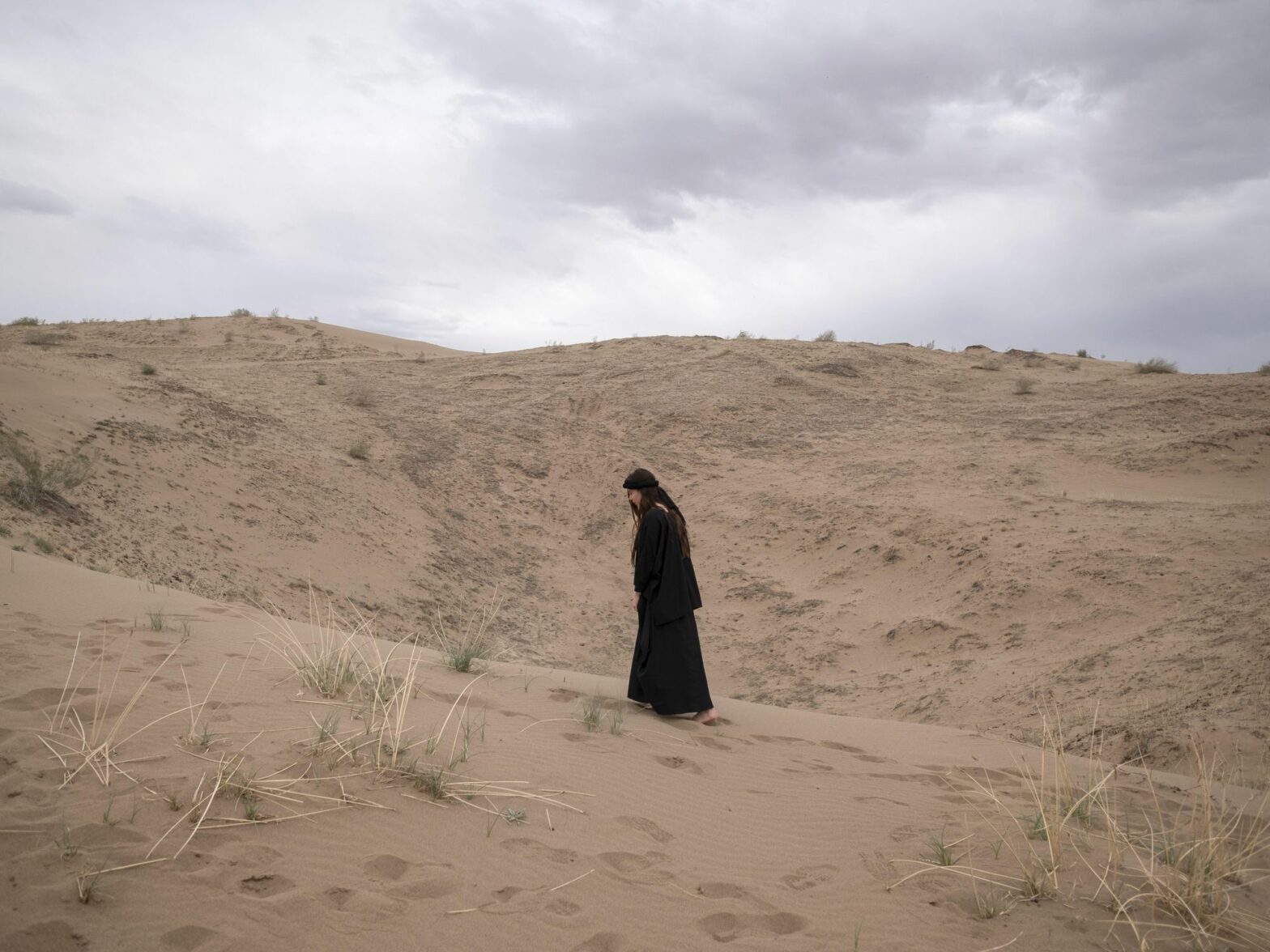
The Iranian government is responding to peaceful protests with batons and bullets. Their brutality and criminal incompetence are galvanizing protestor solidarity and resistance, which might finally prove fatal to the ruling elite.
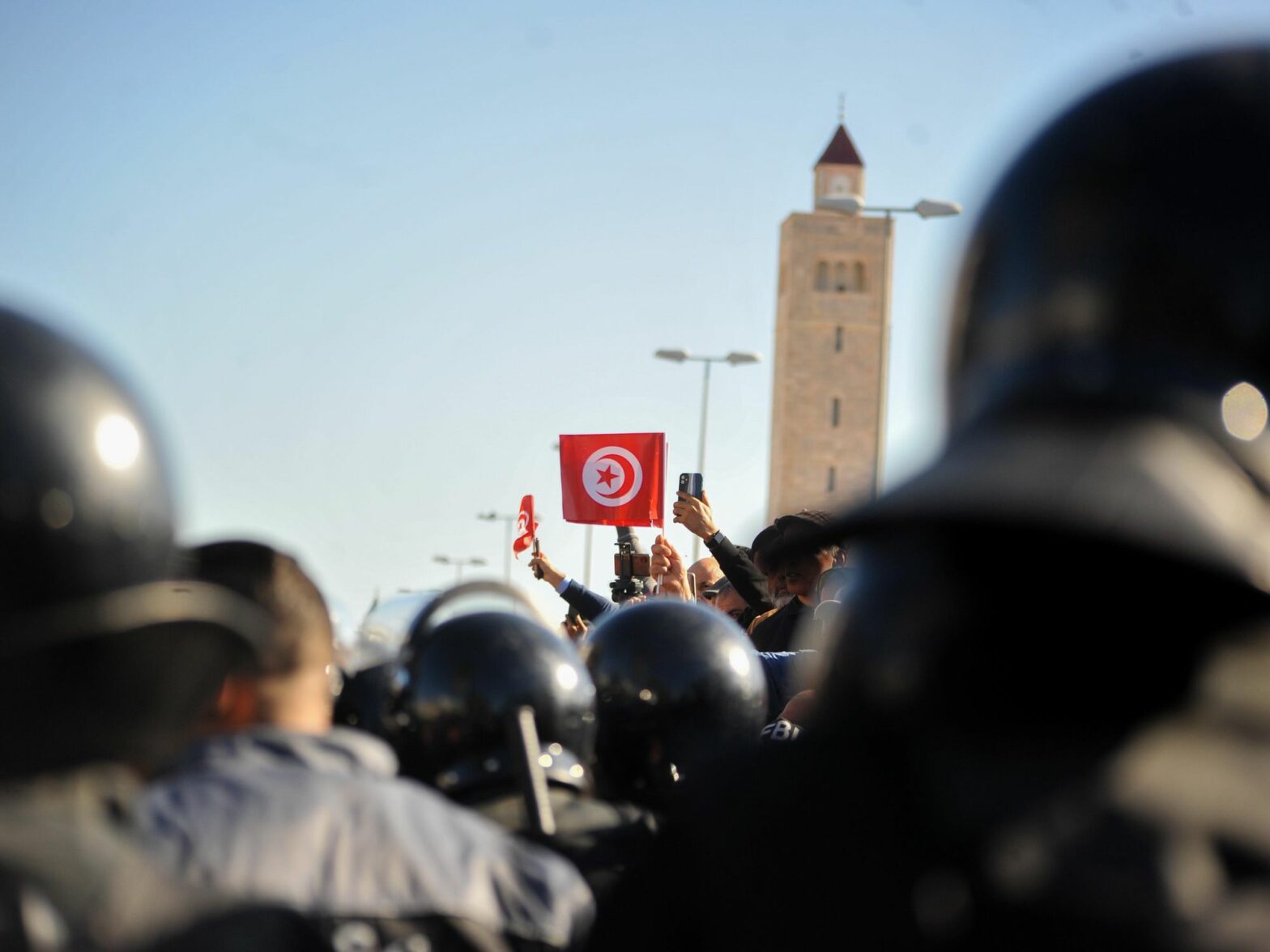
The Tunisian president is cultivating his ambiguities and pushing his constitutional reform, without proposing a roadmap to get the country out of the crisis. Refusing to speak to the media, he has an increasingly populist tone with messianic accents.
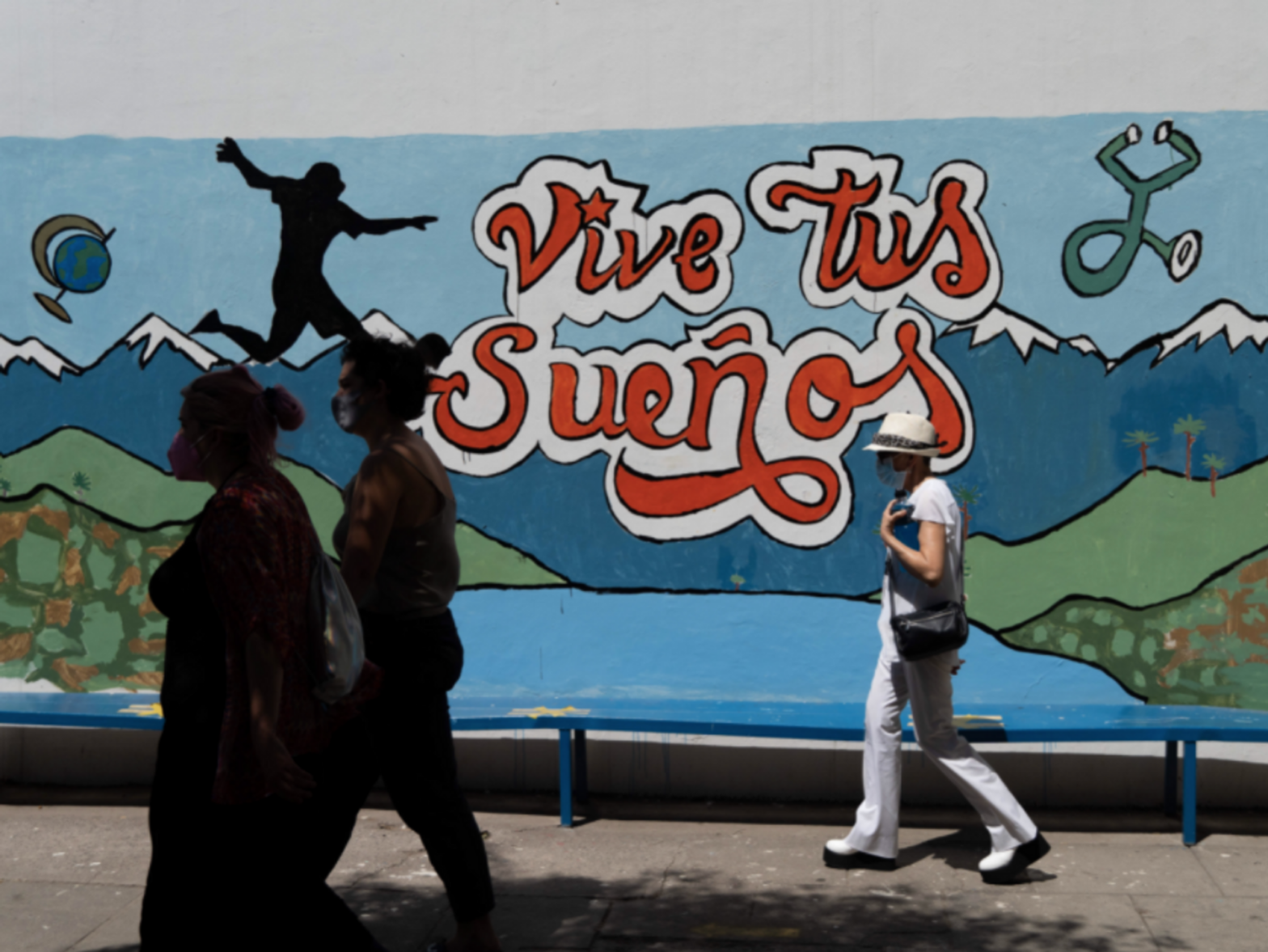
Will Chile’s president-elect Gabriel Boric and his team lead the country toward a European-style social-democracy in partnership with business, or will the country turn sharply left if traditional economic powers resist their reforms?
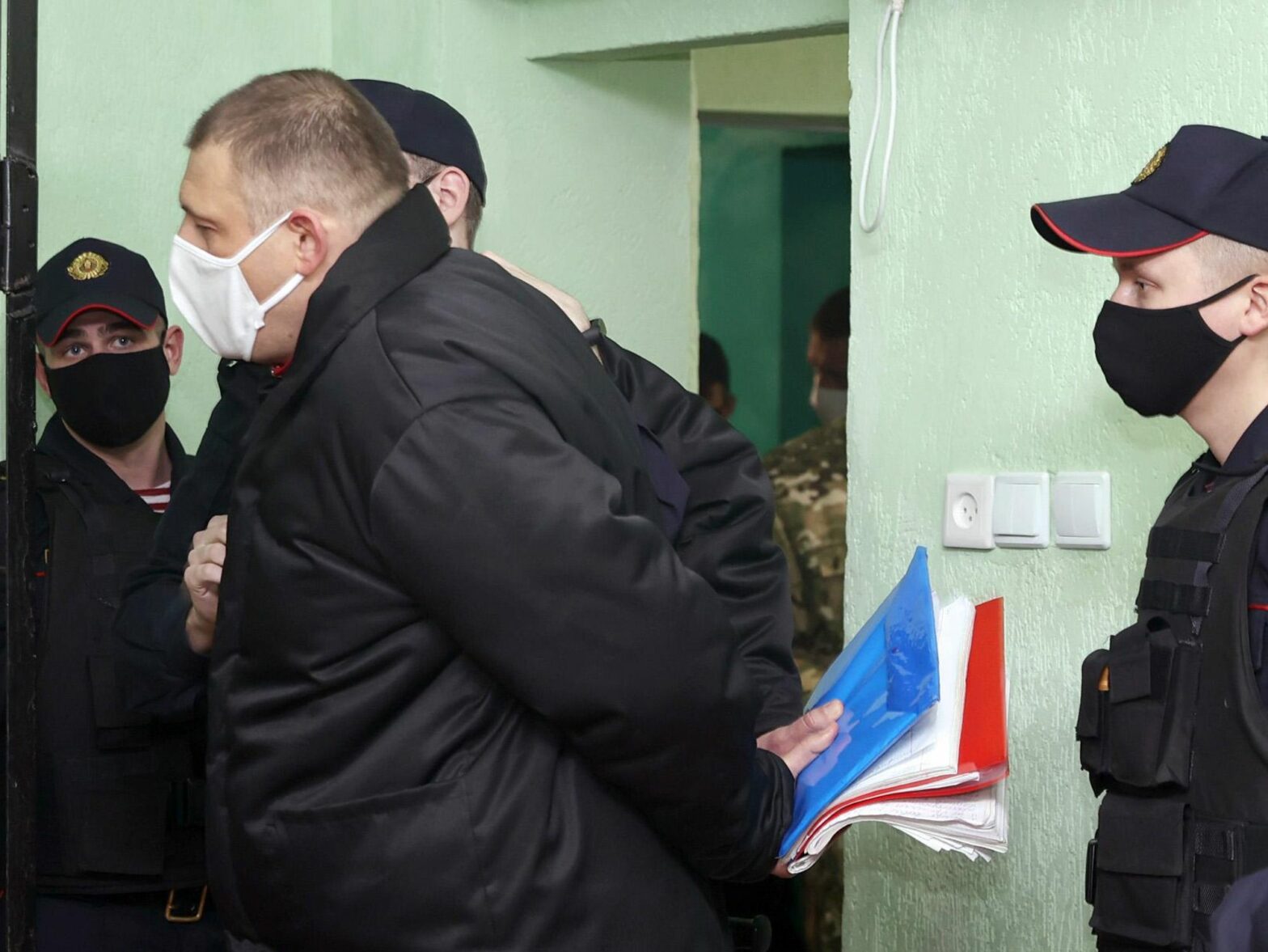
The jail sentence against the opposition leader is a clear sign that strongman Lukashenko is not looking back.

The Ukraine government’s official Twitter account is using memes and GIFs to poke Moscow and draw attention to the risk of a Russian invasion. It is one of just a few institutional accounts that has decided not to be careful
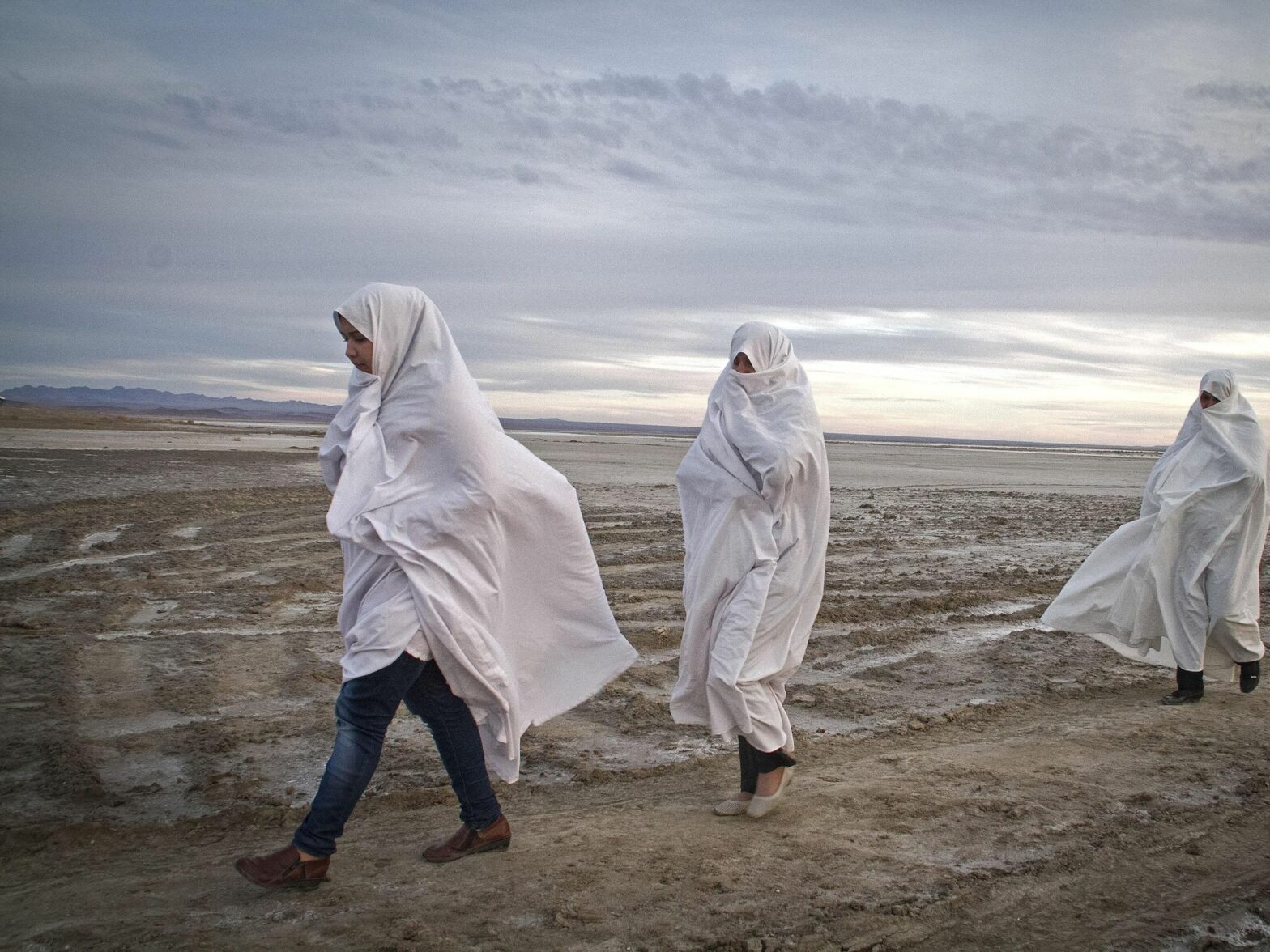
The growing environmental movement in the West, wittingly or not, has given no attention to mass protests in Iran against the clerical regime, most recently focused on the drought conditions and other ecological risks. Had ecologists been hoping to sign a green pact with Tehran?
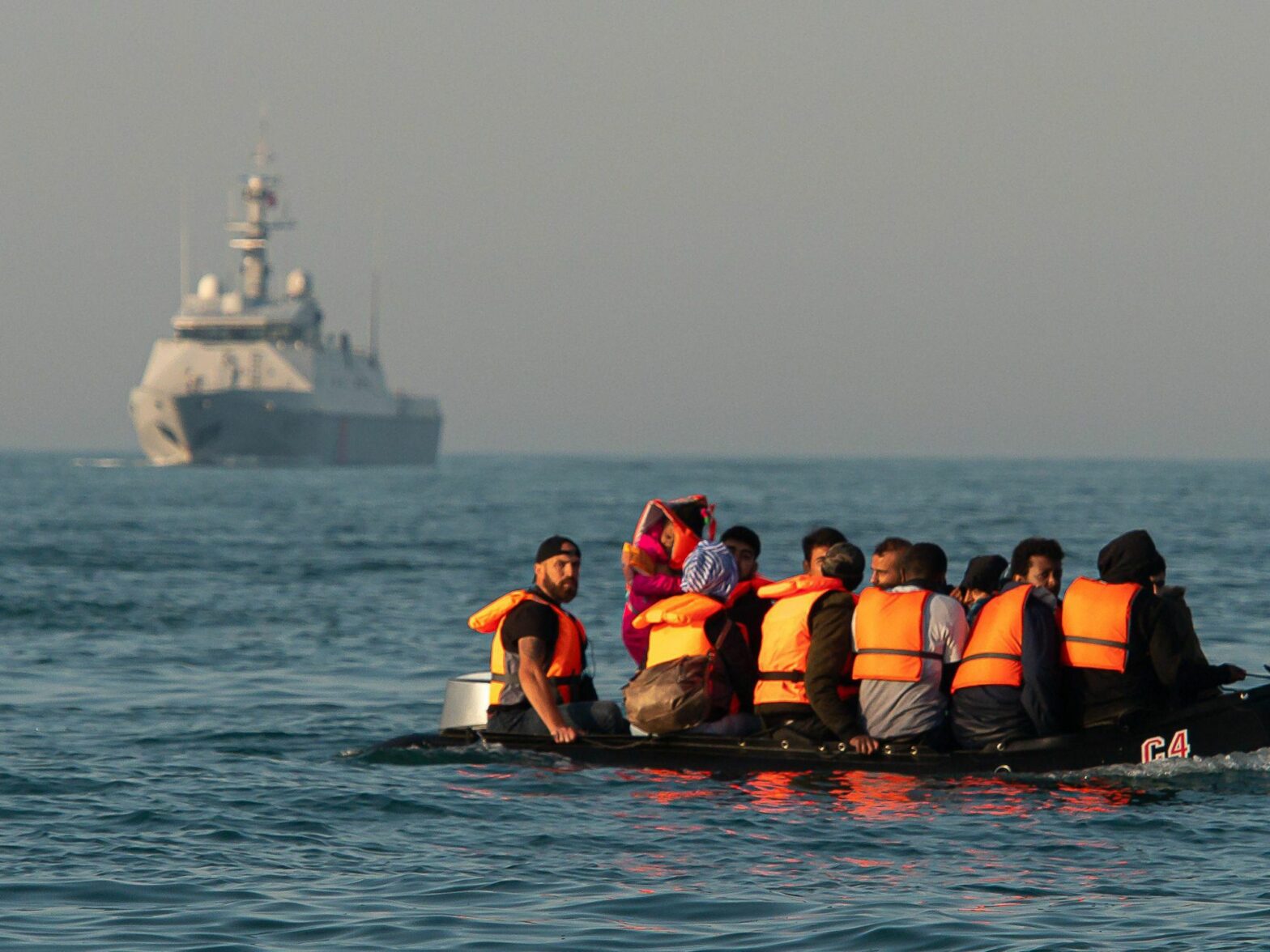
The deaths of 27 migrants off the French coast of Calais is one more tragedy on a long list in the European Union. After the initial shock, however, we tend to forget, get used to it and in the end, become indifferent.
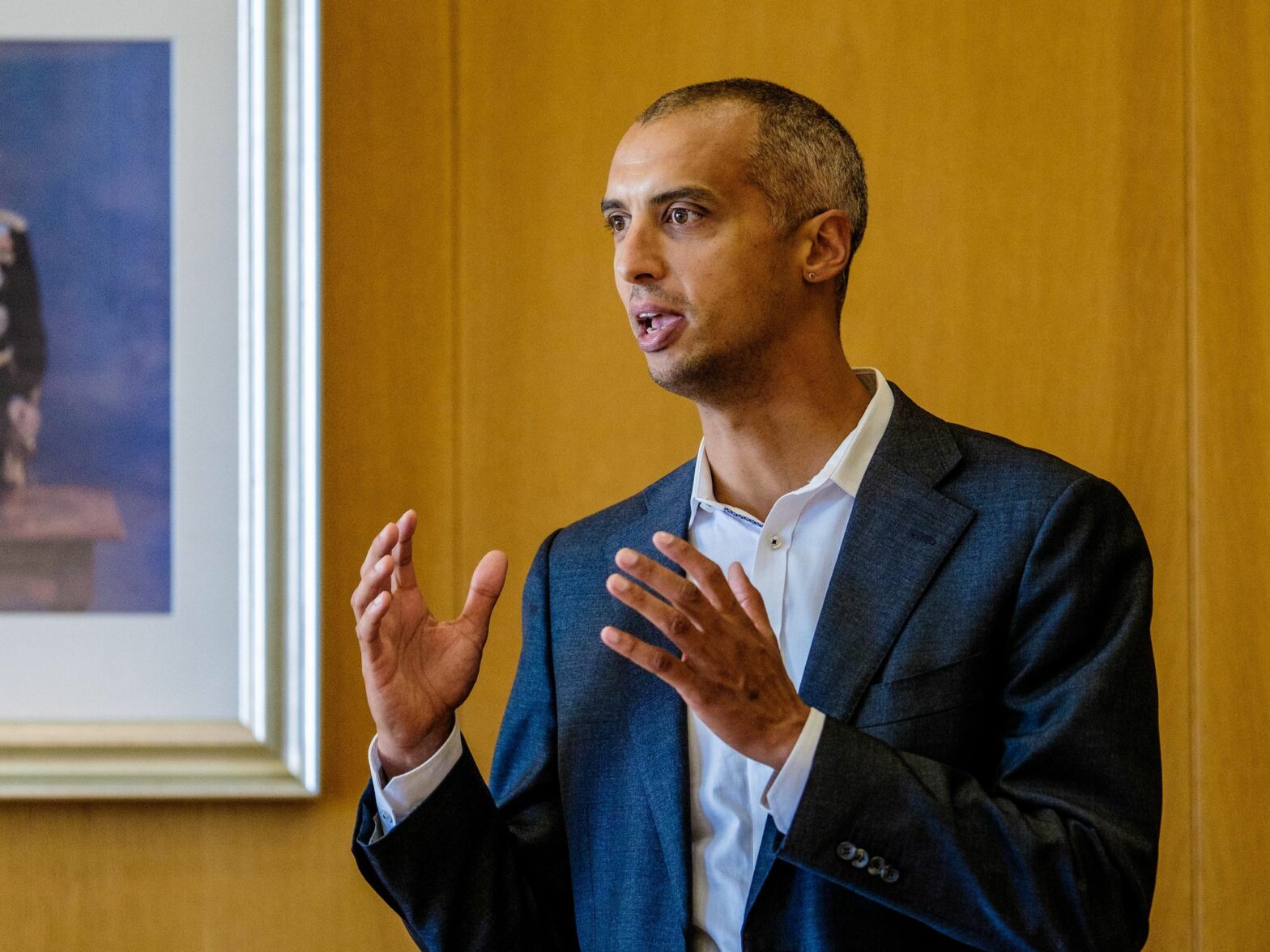
Migrant associations and activists are saying there are not enough politicians of migrant origin in the new German Bundestag. But are such politicians guaranteed to support policies that benefit migrants? There are prominent examples that suggest otherwise.
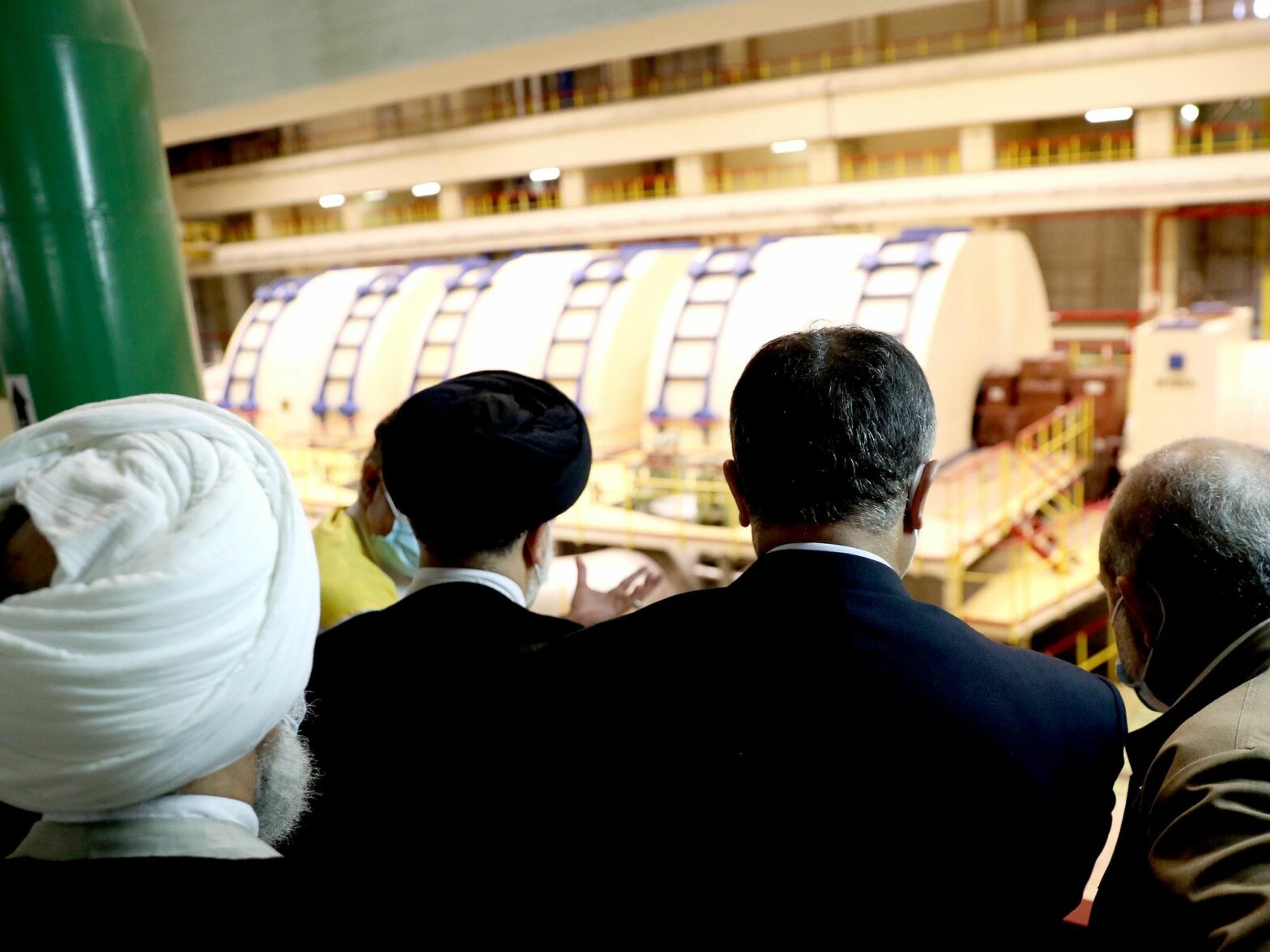
In spite of the toll sanctions have taken on its economy, Iran wants a deal on its nuclear program that addresses none of the West’s concerns about its military ambitions. It is also moving forward with new uranium enrichment technology.
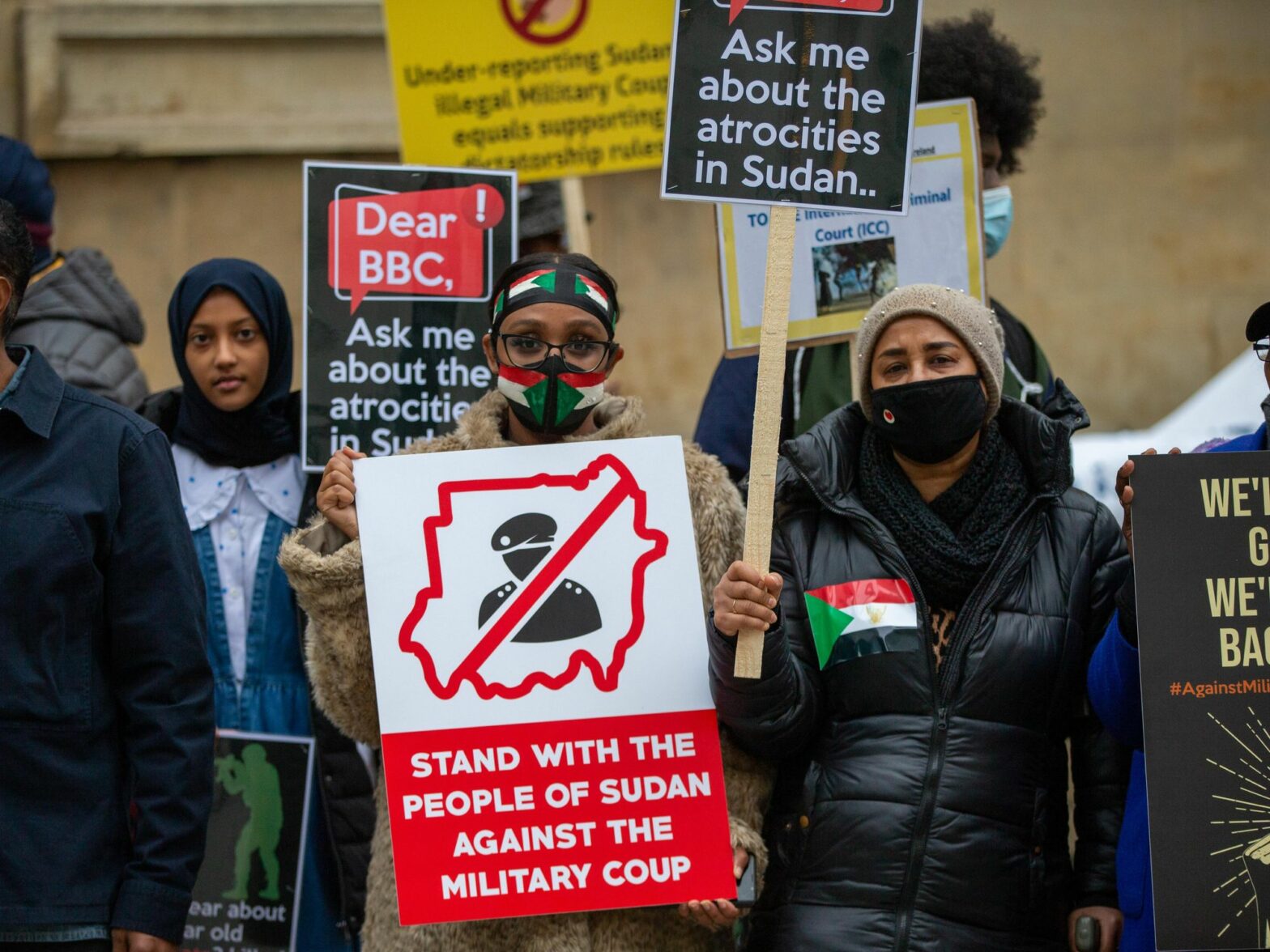
Ousted Prime Minister Abdalla Hamdok was the face of the “stolen revolution”. The fact that he accepted, out of the blue, to return at the same position, albeit on different footing, opens the door to the final legitimization of the coup.
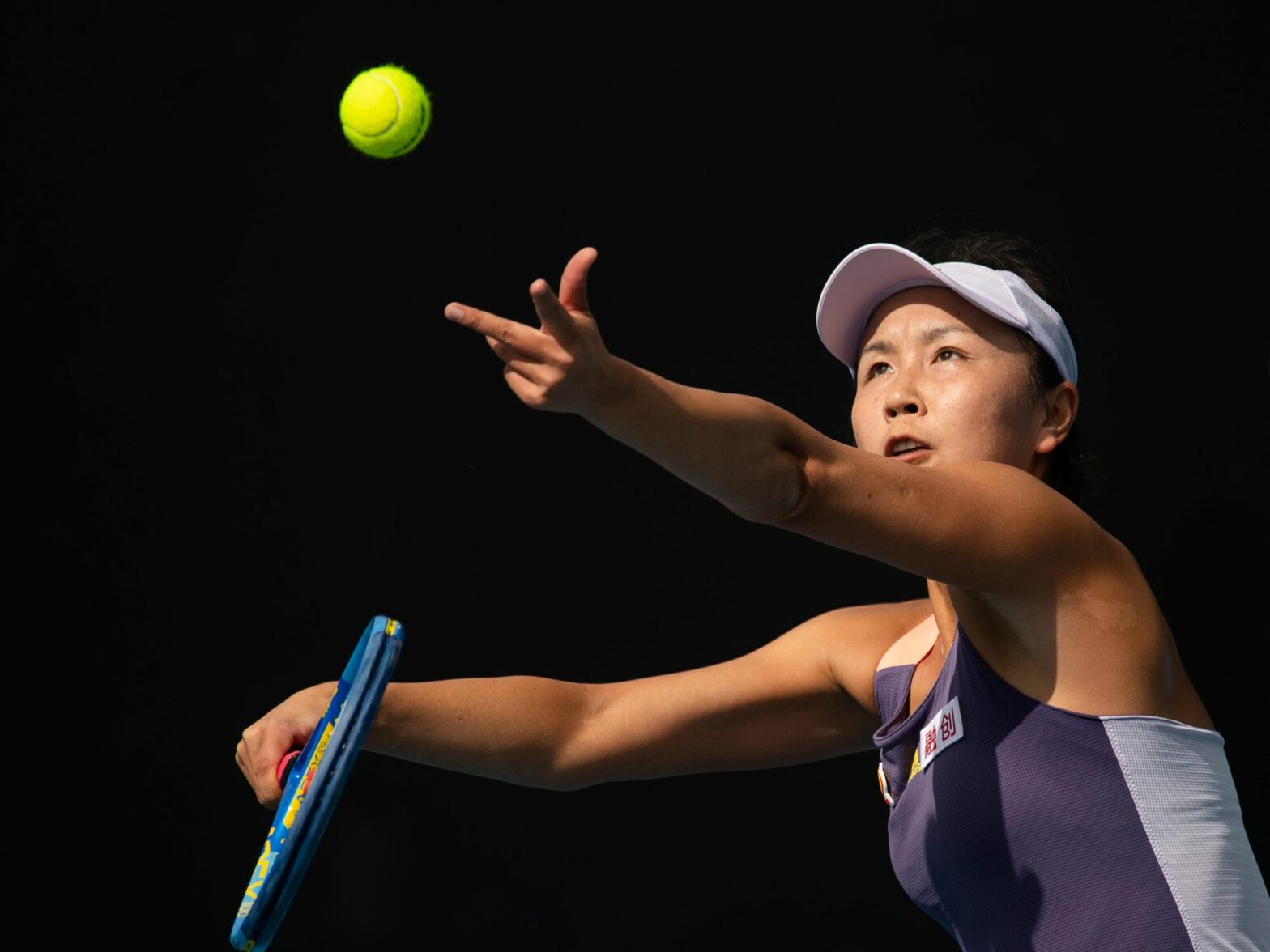
The mysterious disappearance – and brief reappearance – of the Chinese tennis star after her #metoo accusation against a party leader shows Beijing is prepared to do whatever is necessary to quash any challenge from its absolute rule.
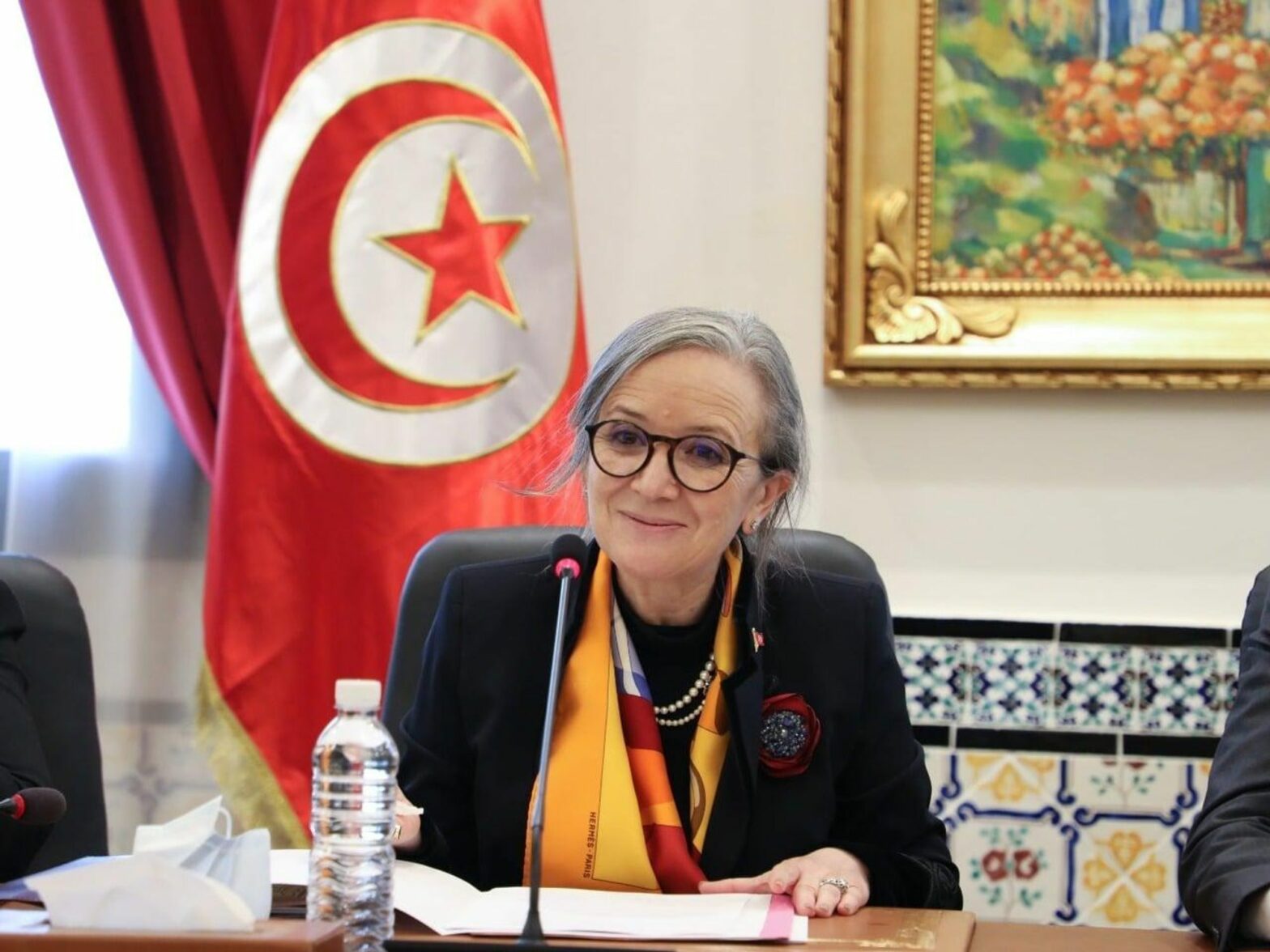
Tunisian President Kaïs Saïed caused a stir by appointing Najla Bouden, the first female head of government in the Arab world. But as the president has assumed full powers a decade after the launch of the Arab Spring, it is a choice with a mixed message.

Boji the dog was giving a good image to Istanbul’s public transportation system. Some wonder if opponents of the mayor exercised the canine nuclear option…
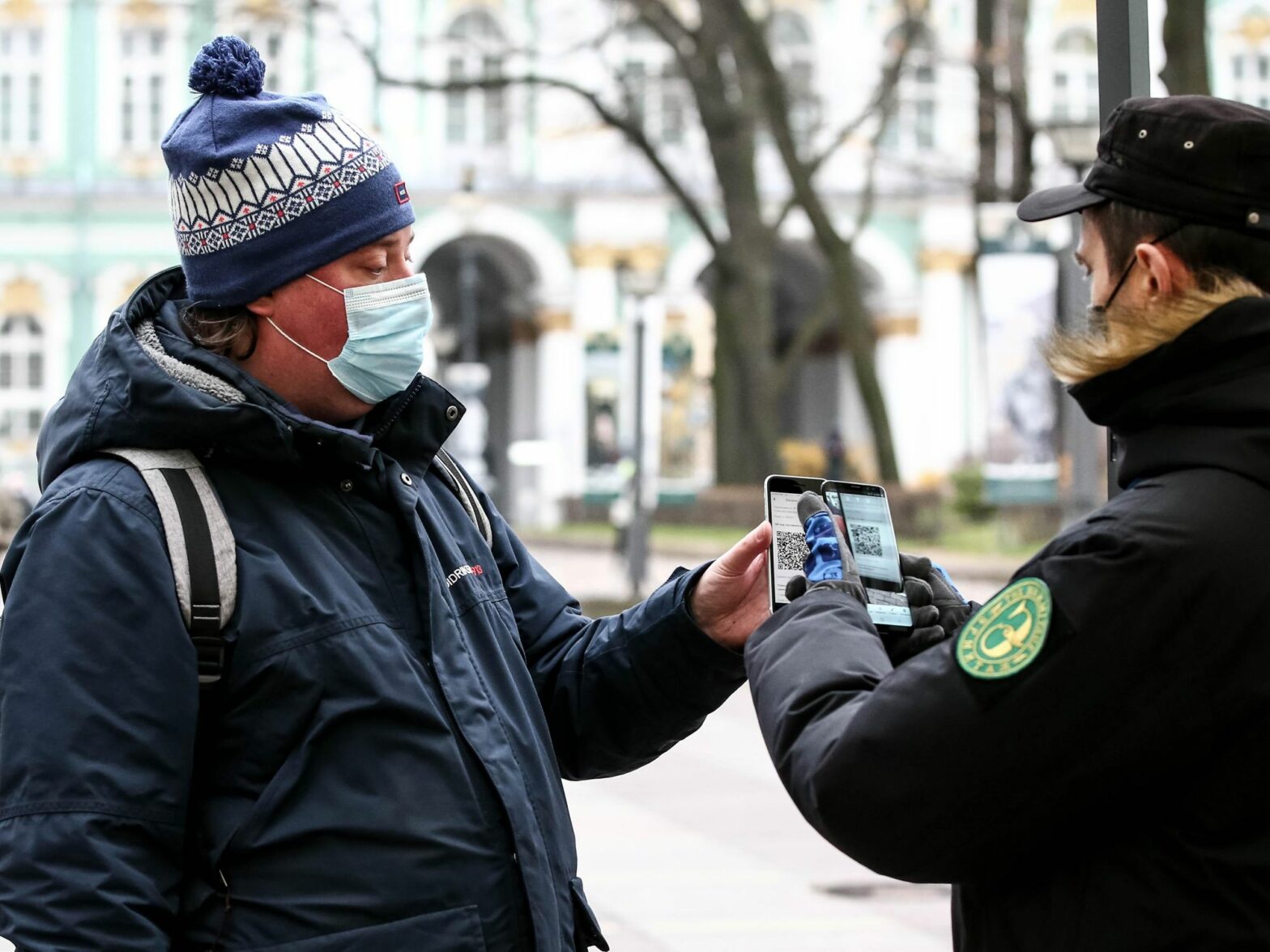
Lockdowns can be justified on an ethical basis to achieve an important public health benefit, even though they restrict individual freedoms. Whether selective lockdowns are justified, though, depends on what they are intended to achieve.
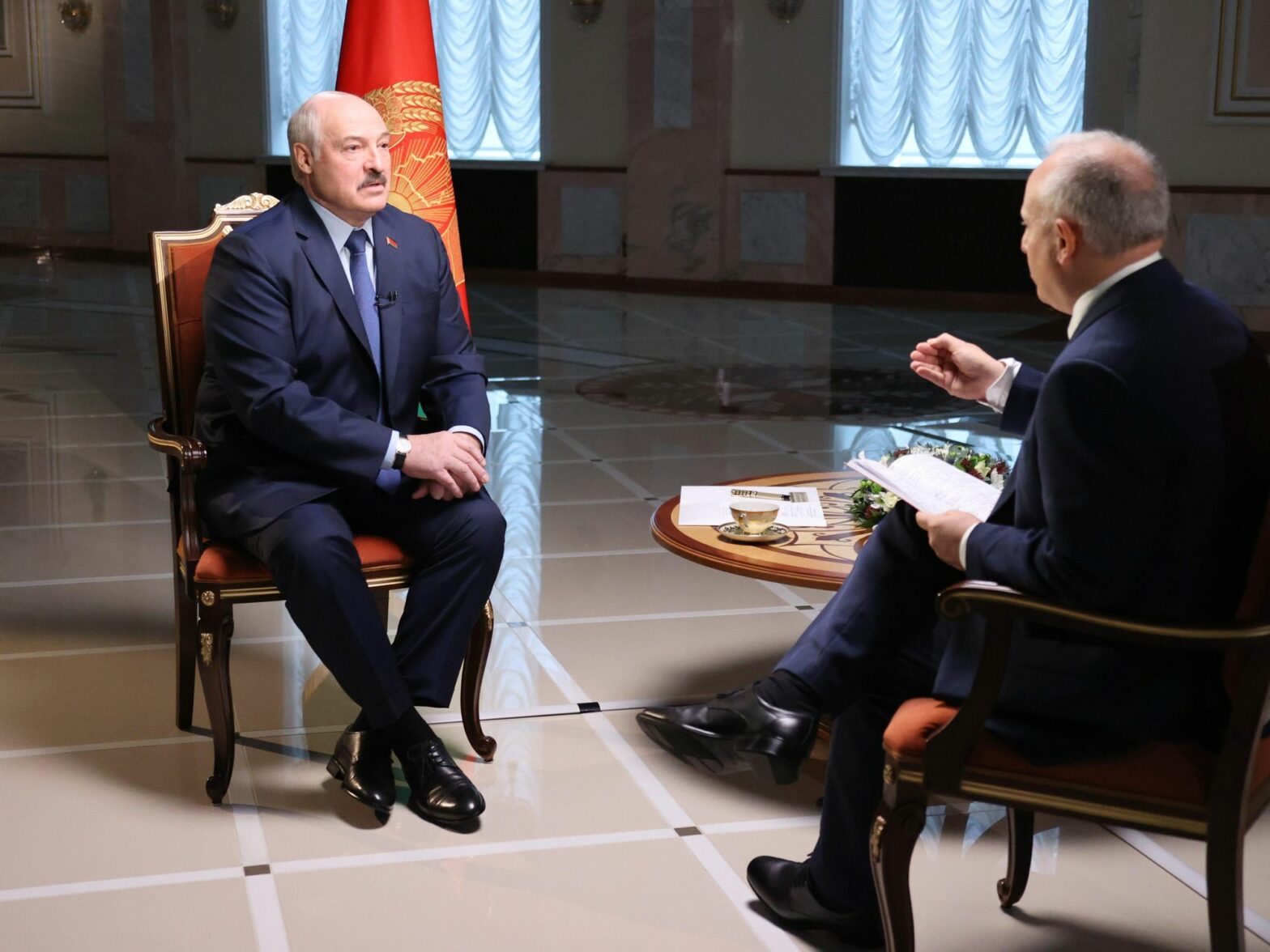
A German politician lashed out after Angela Merkel spoke on the phone with Belarus strongman Alexander Lukashenko. But like in other hot spots, avoiding the worst along the Belarus-Poland border means casting aside moral superiority and naiveté.
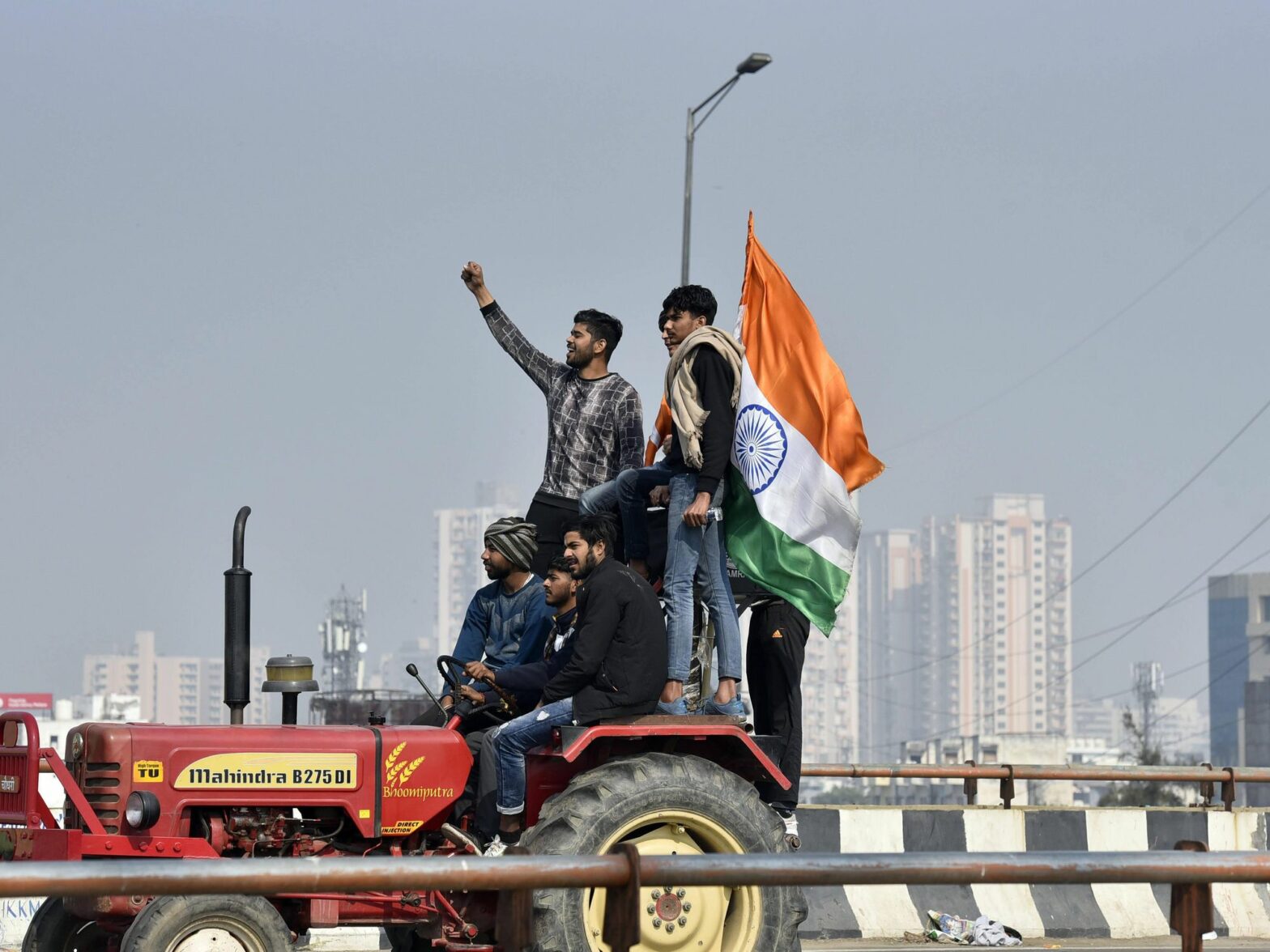
The year-long national movement of farmers challenged the government of Narendra Modi against all odds, and ultimately prevailed by focusing on unity across India’s diverse ethnic, religious and geographic landscape.
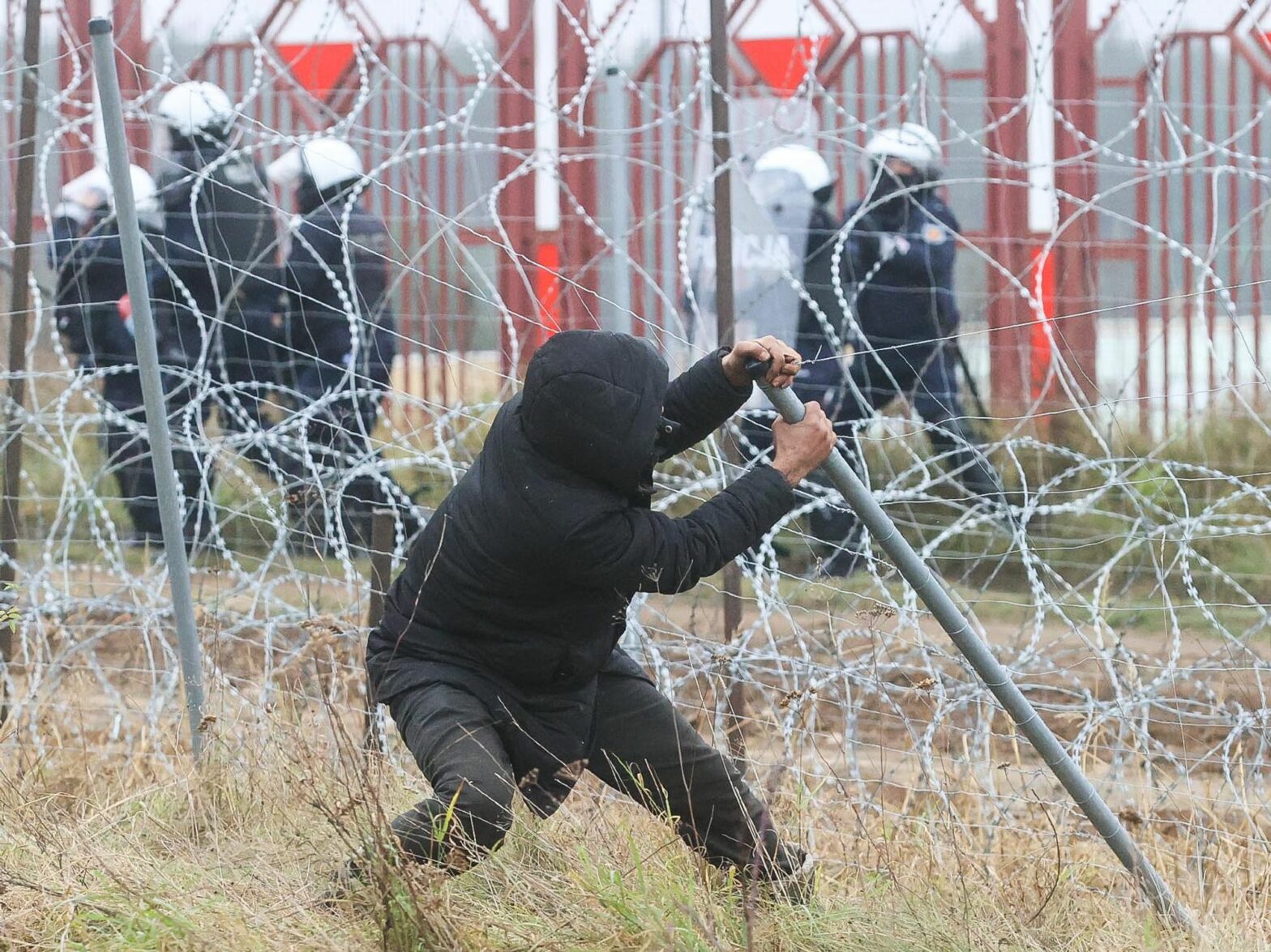
? ሰላም!* Welcome to Tuesday, where Russia is under fire for blowing up a satellite in space, clashes erupt at the Poland-Belarus border and Leo’s Beach opens again. Courtesy of German daily Die Welt, we also look at the reasons behind the major discrepancies in COVID-19 vaccination rates across Europe. [*Selam, Amharic – Ethiopia] […]
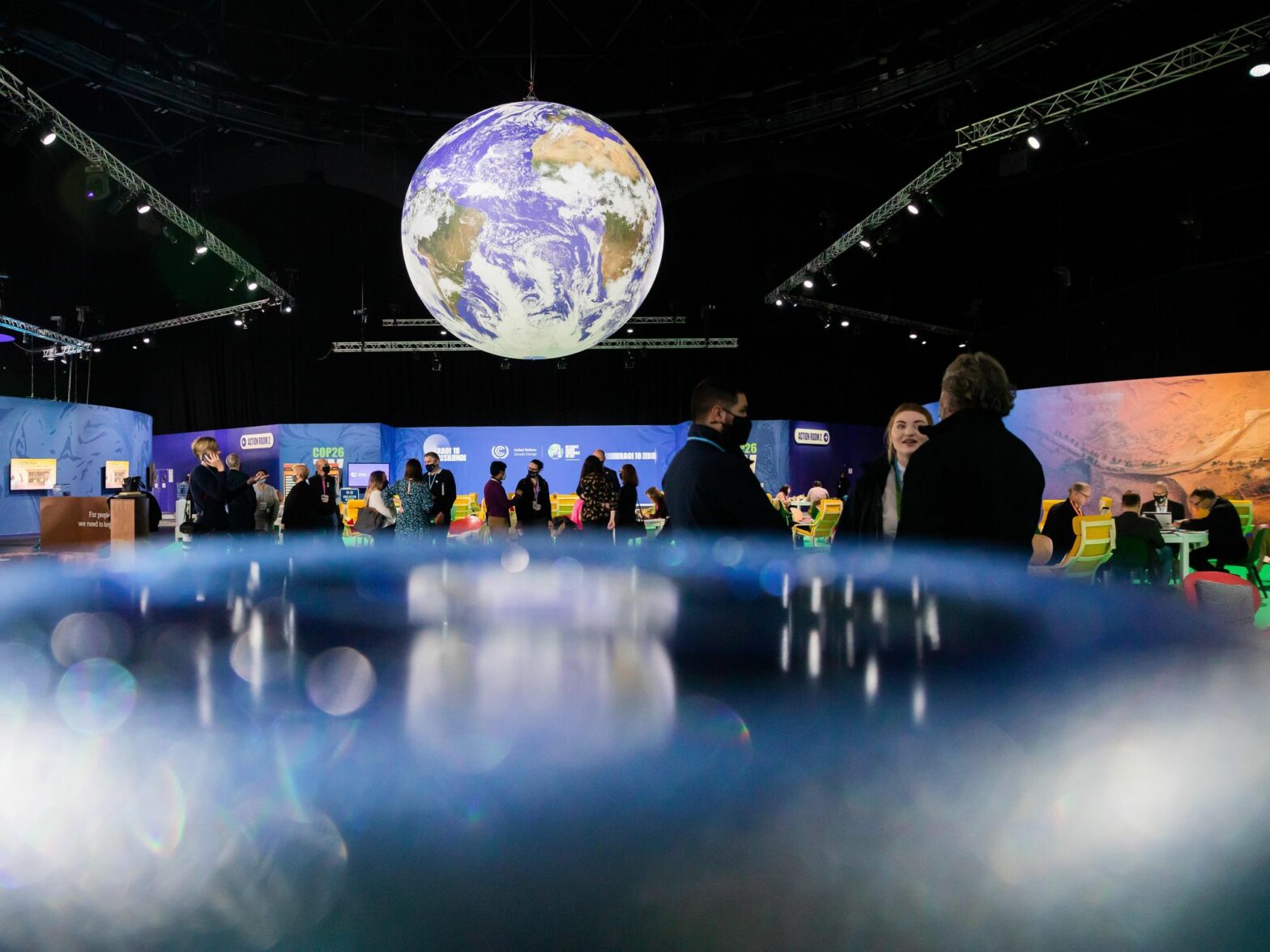
The final deal at COP26 falls well short of what’s needed to confront global warming. Still, the Glasgow summit has provided a new blueprint for how we measure progress — and shown how pressure can be applied to world leaders.
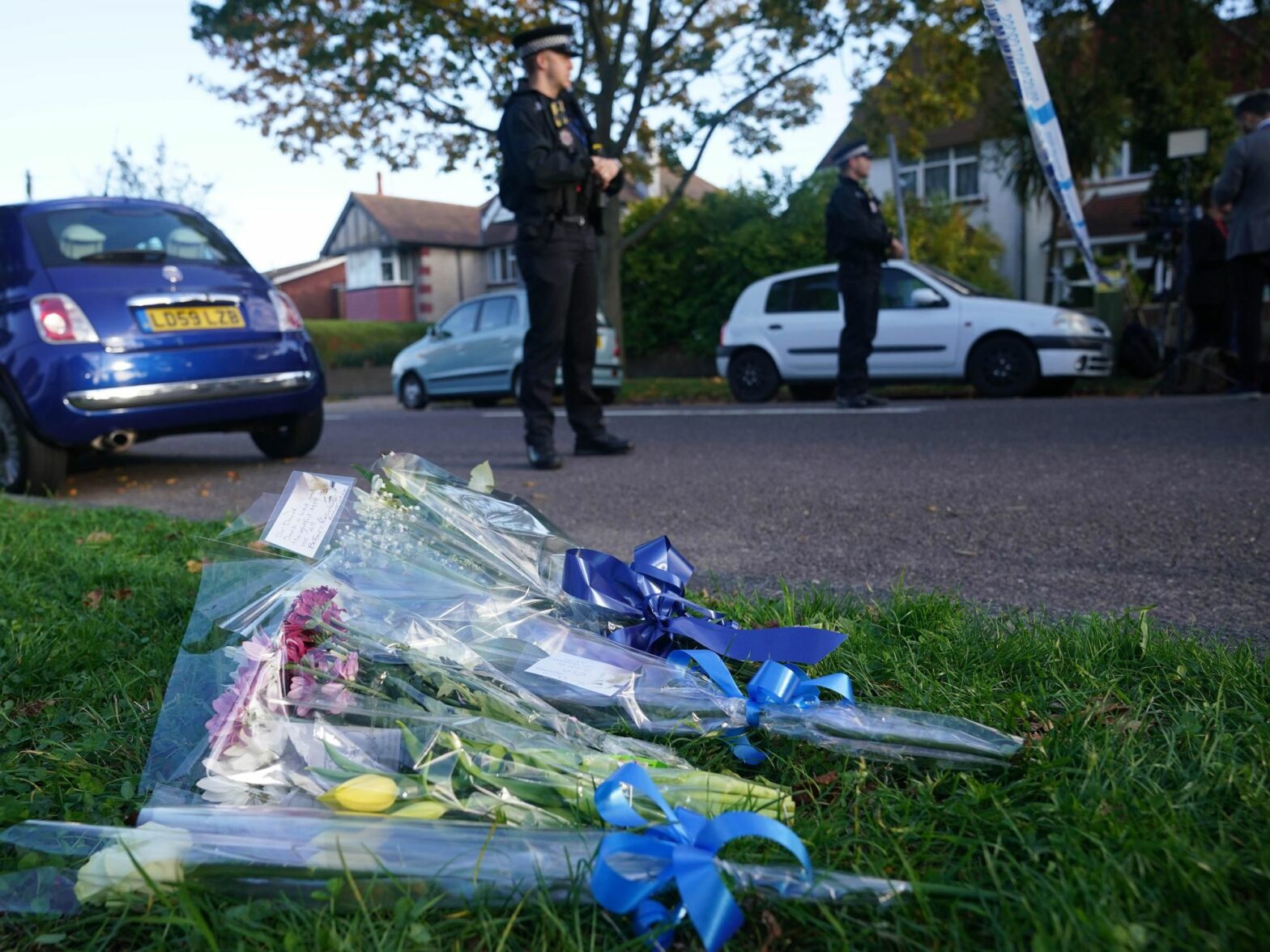
The deadly stabbing of UK MP David Amess confirms this researcher’s ongoing study on trust and governance in democracies around the world: It’s bad.
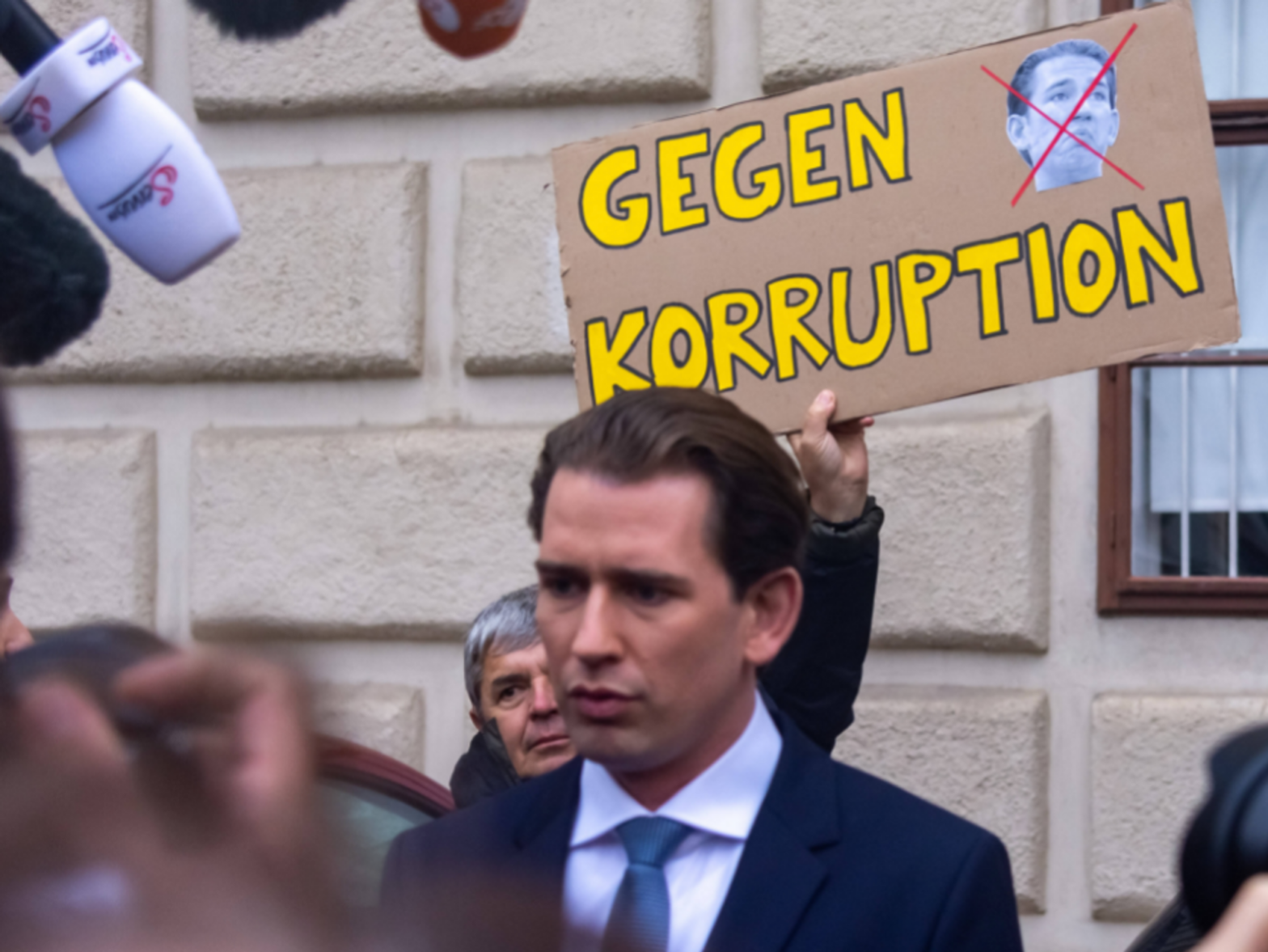
The rise and fall of 35-year-old Sebastian Kurz was breathtaking in any context. Yet the resignation of the Austrian chancellor offers unique insights into a political scenario that was very much of our COVID times.
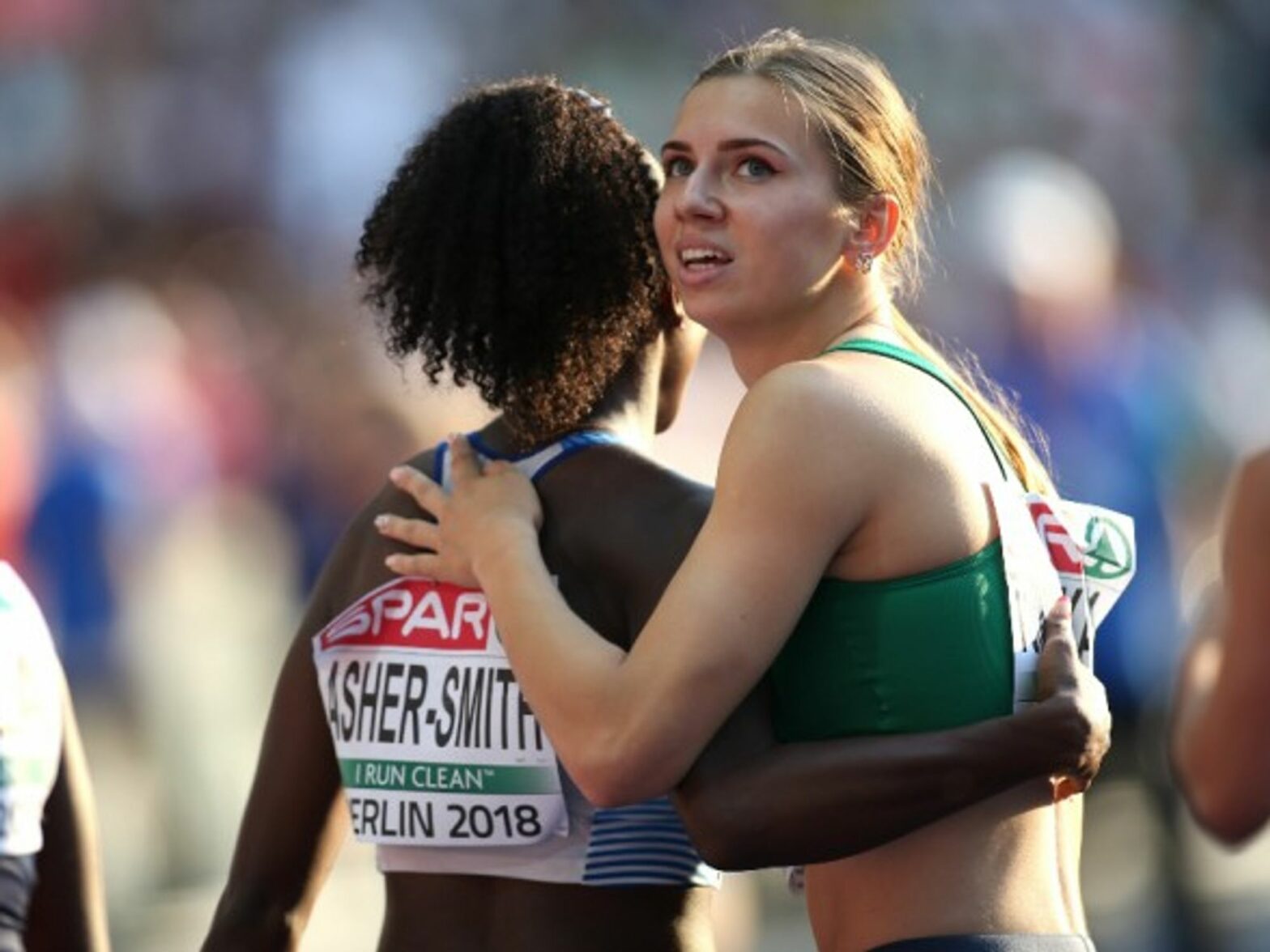
A virtual unknown to most of the world a few days ago, Belarusian sprinter Kristina Timanovskaya is now at the center of an Olympic drama that has spilled over into the realm of geopolitics.