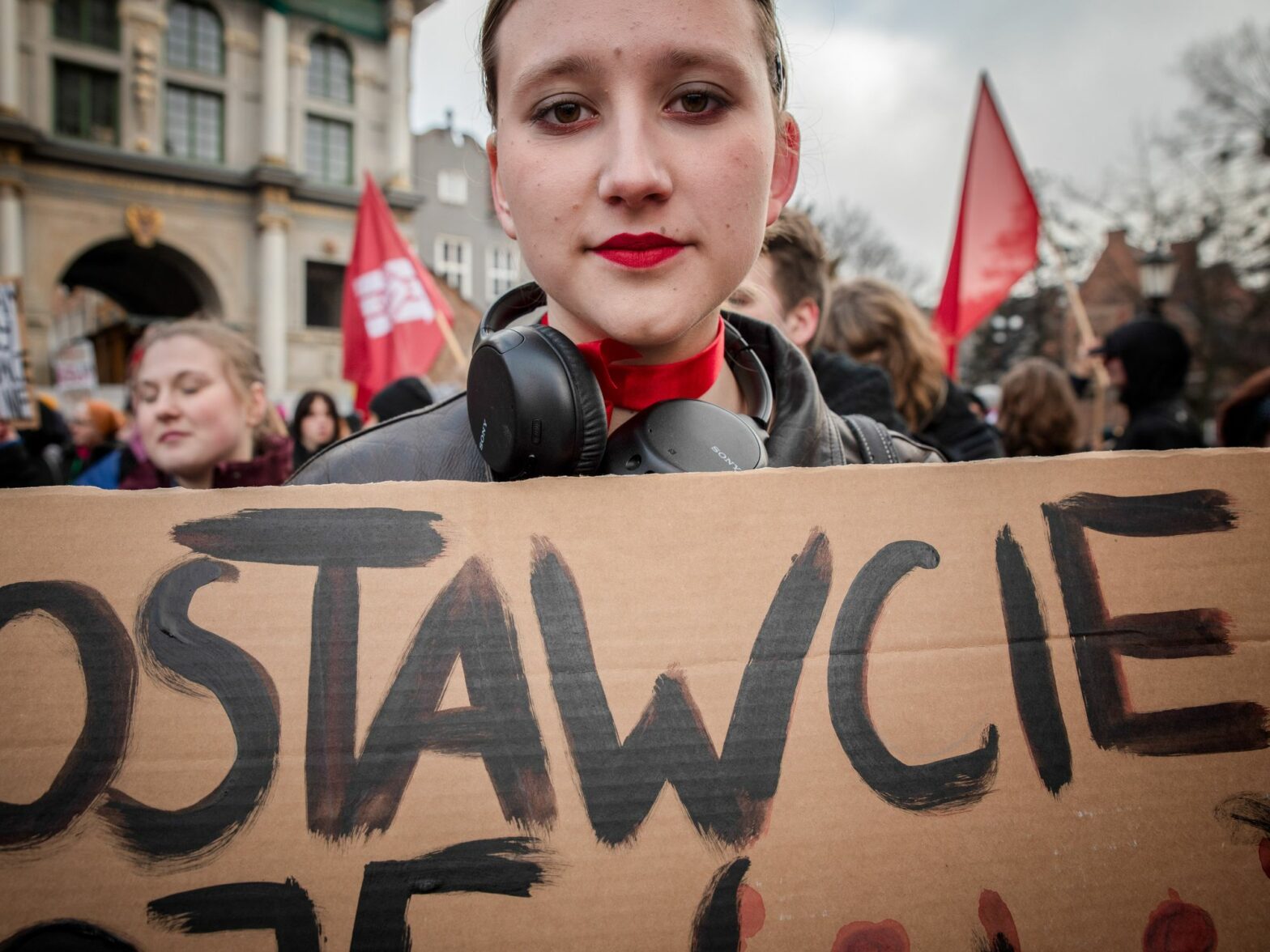
As Poland considers lowering the voting age to 16, what can other countries’ experiences with reducing the voting age teach us about political trends and ralling young constituents?
 Worldcrunch
As Poland considers lowering the voting age to 16, what can other countries’ experiences with reducing the voting age teach us about political trends and ralling young constituents?
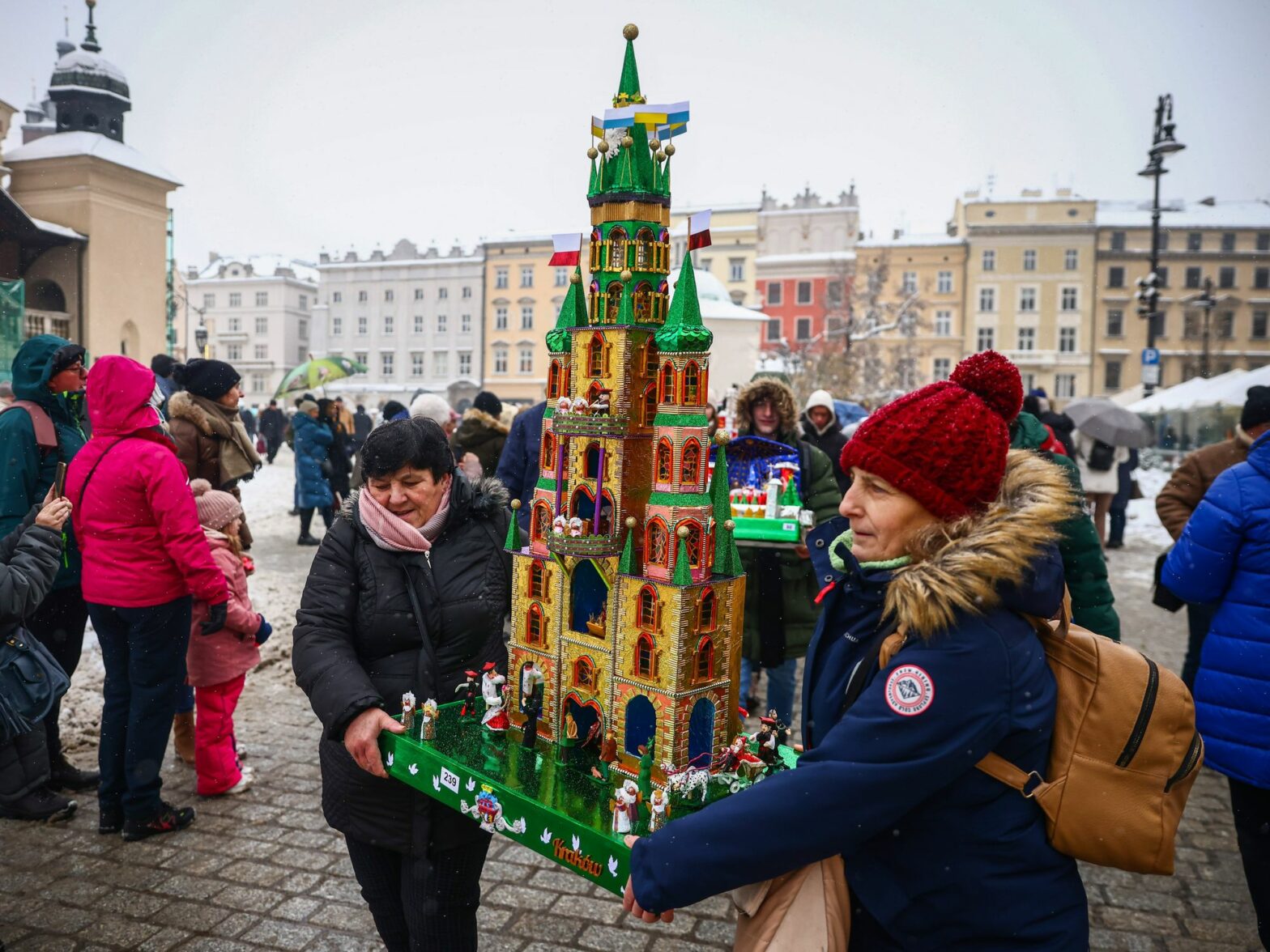
Poland remains one of the last strongholds of Catholicism in Europe, and one of the few countries to have a concordat with the Holy See in its constitution. Until now, the conservative Law and Justice Government has maintained close ties to the religion. With a new opposition government, and religious practice trending towards decline, many wonder if Poland will become a secular state for the first time since the fall of Communism.
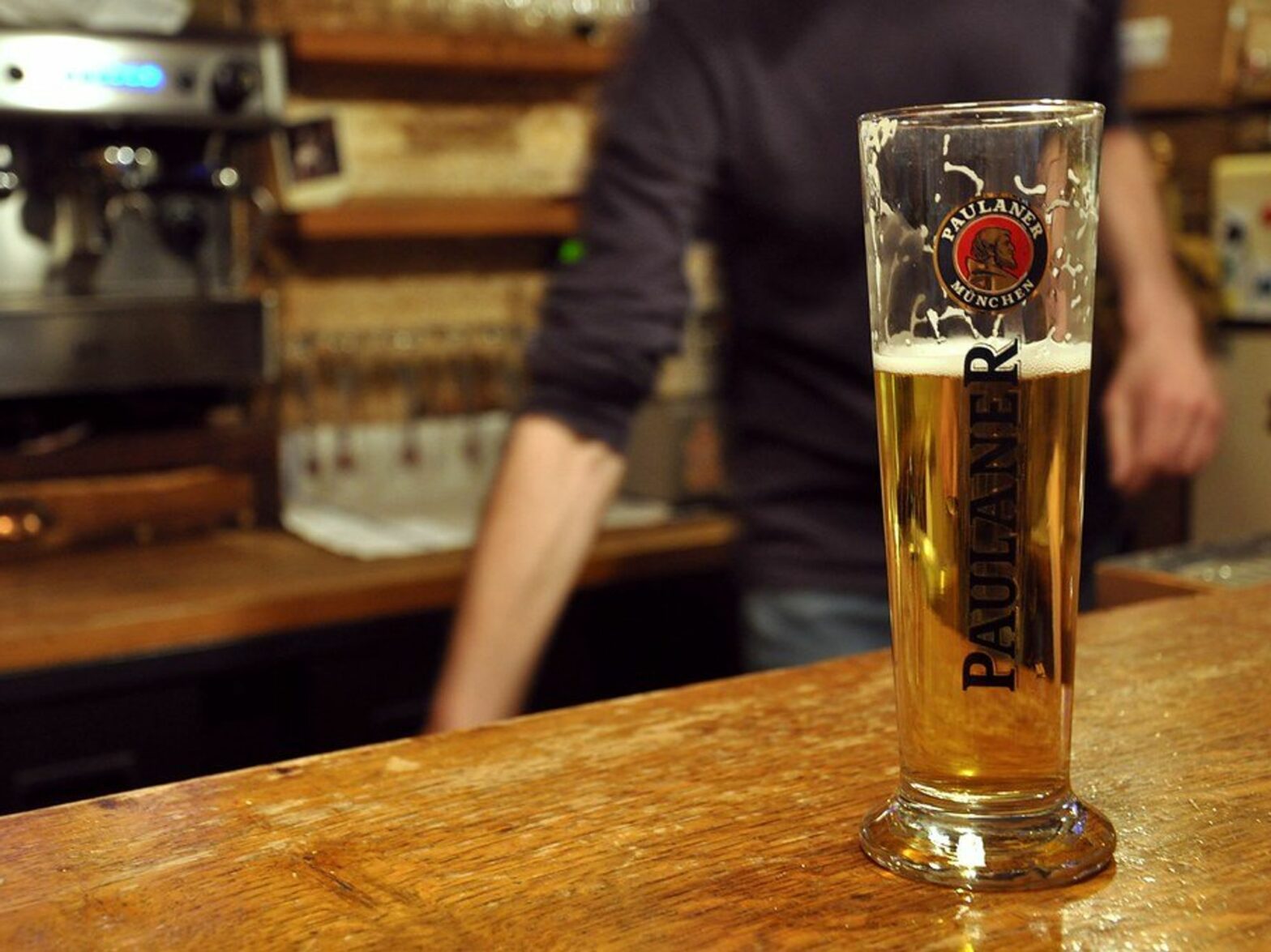
Young people across Europe are drinking less, which is driving a boom in non-alcoholic alternatives, and the emergence of new, more complex markets.
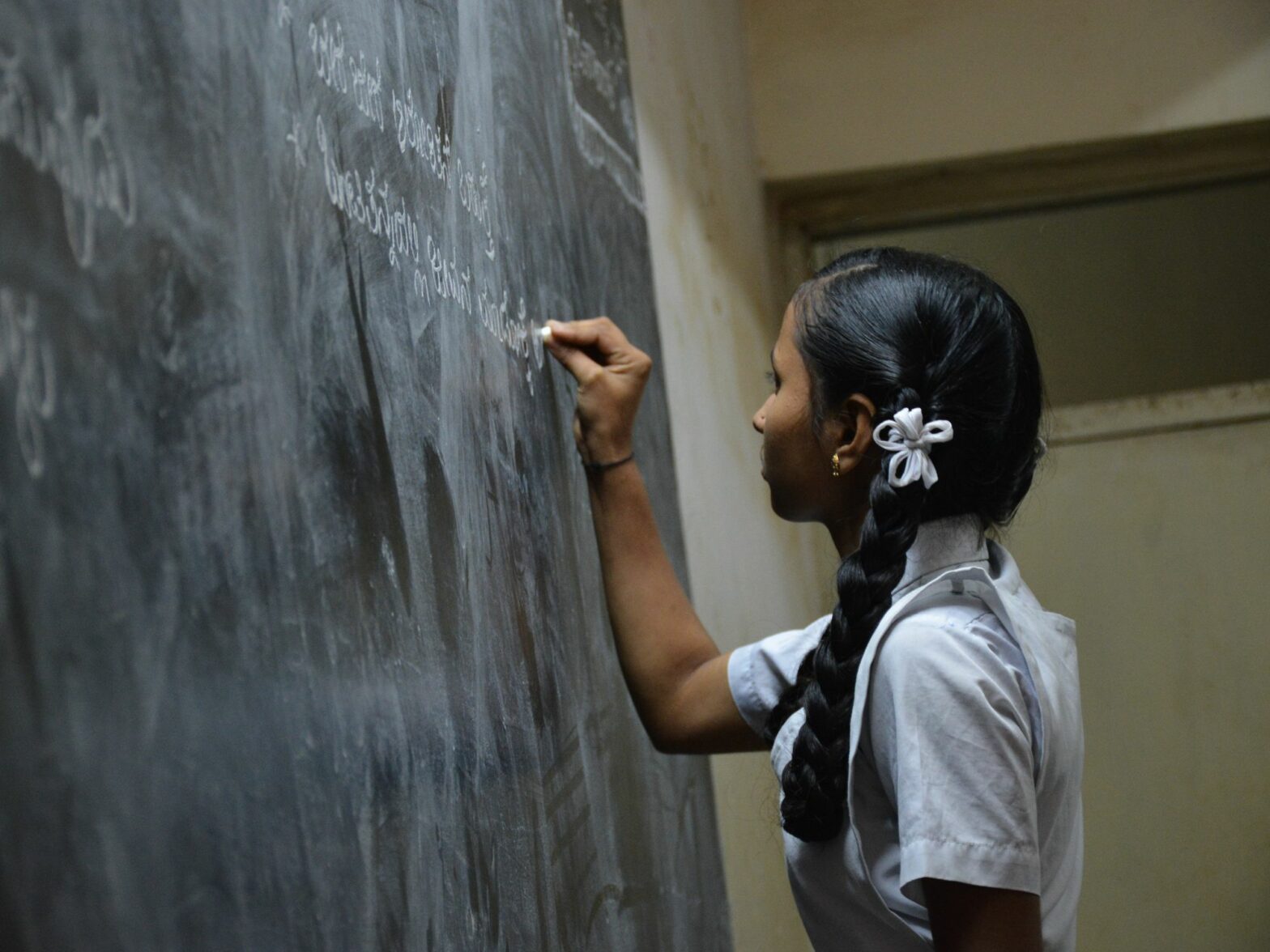
From North America to Africa to Europe, massive teacher shortages are threatening to derail progress on global development goals. The causes vary and sometimes overlap, but the price will be paid in the future.
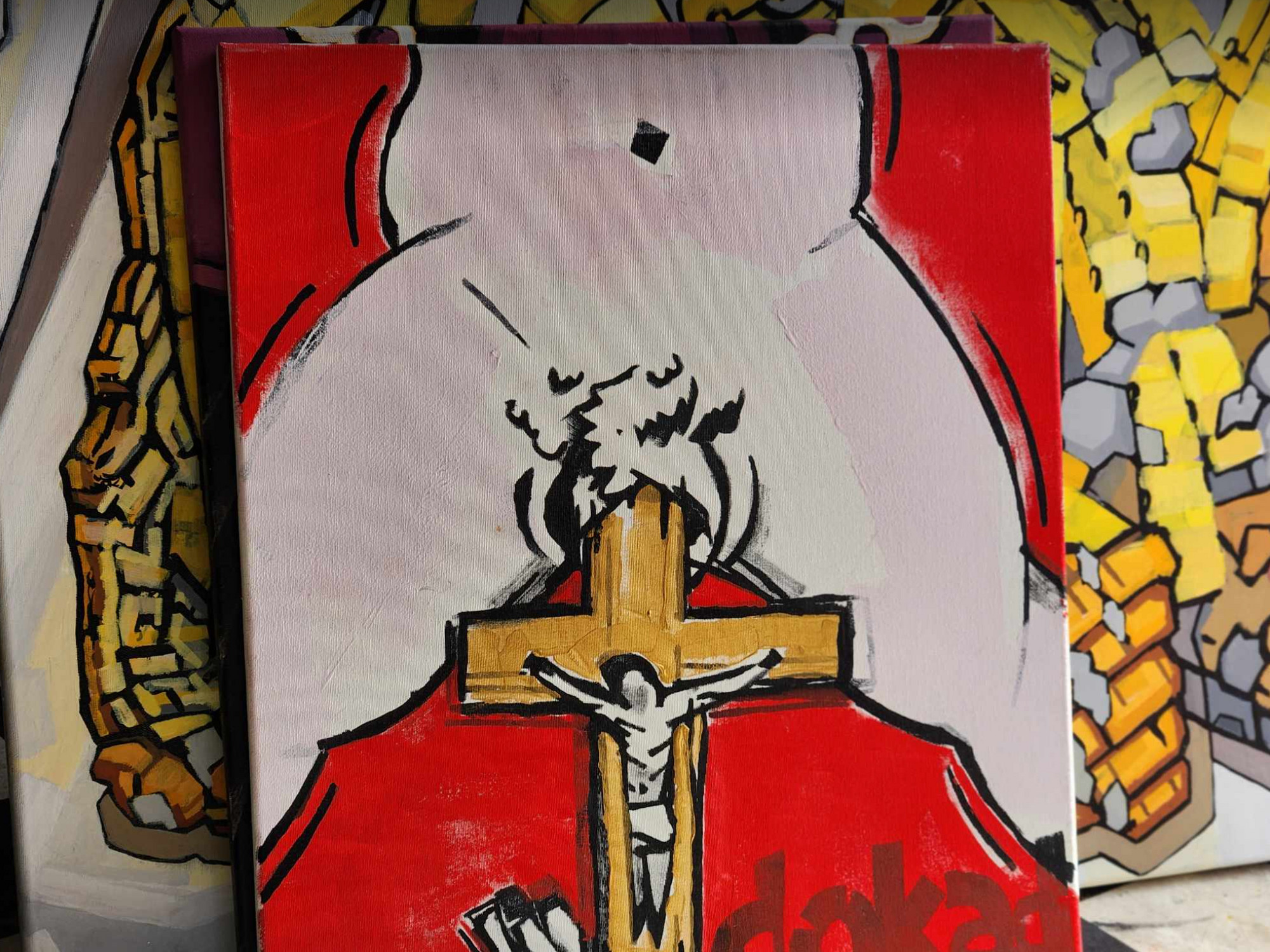
Majority-Catholic Poland has some of the strictest defamation laws of any democratic country, which includes laws defaming the Catholic Church. For many artists, this has meant years of legal trouble, including threats of jail time.
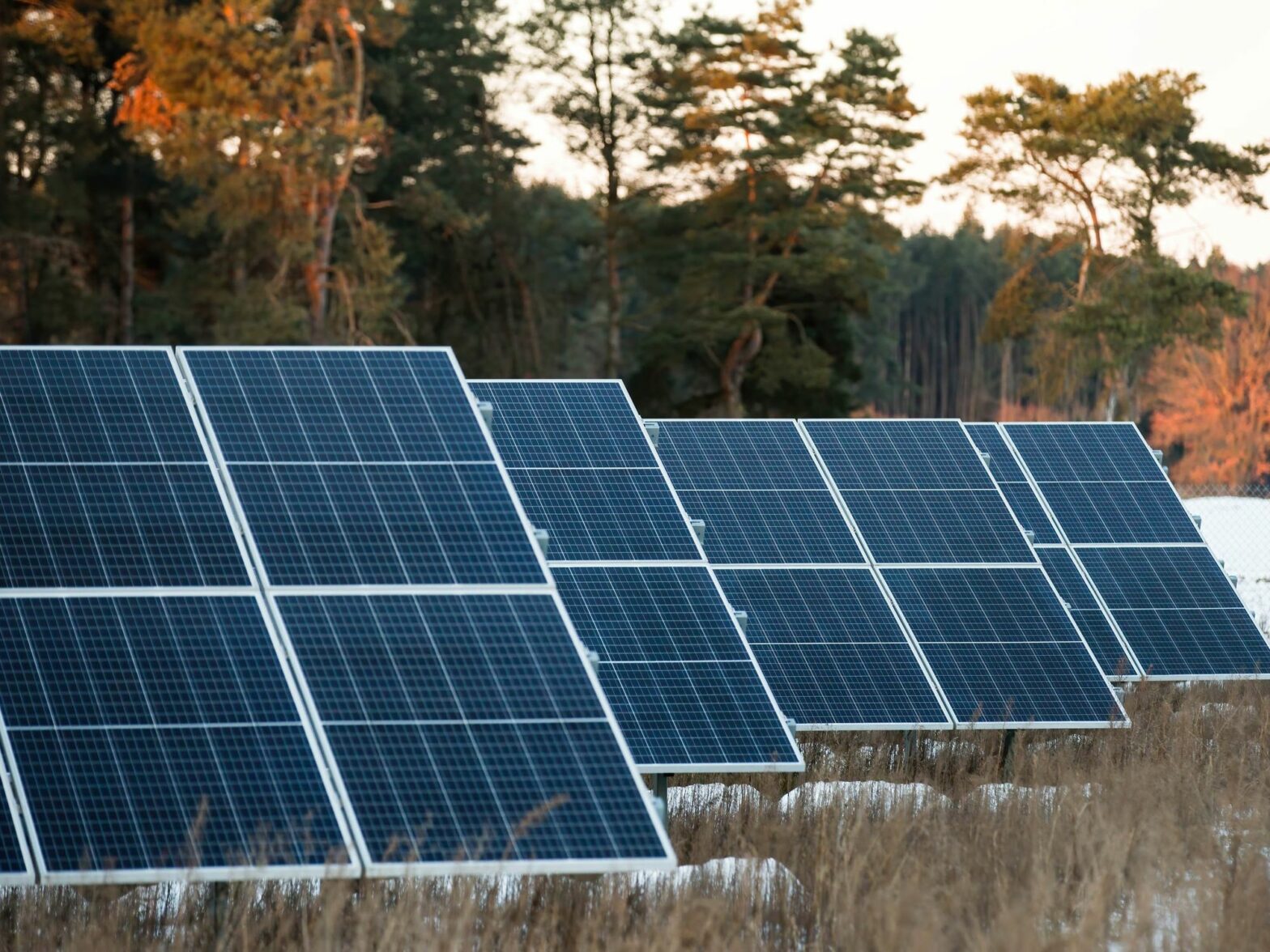
The country known for the highest coal dependency in Europe has been experiencing a marked shift towards renewable energy sources, many on the micro scale.
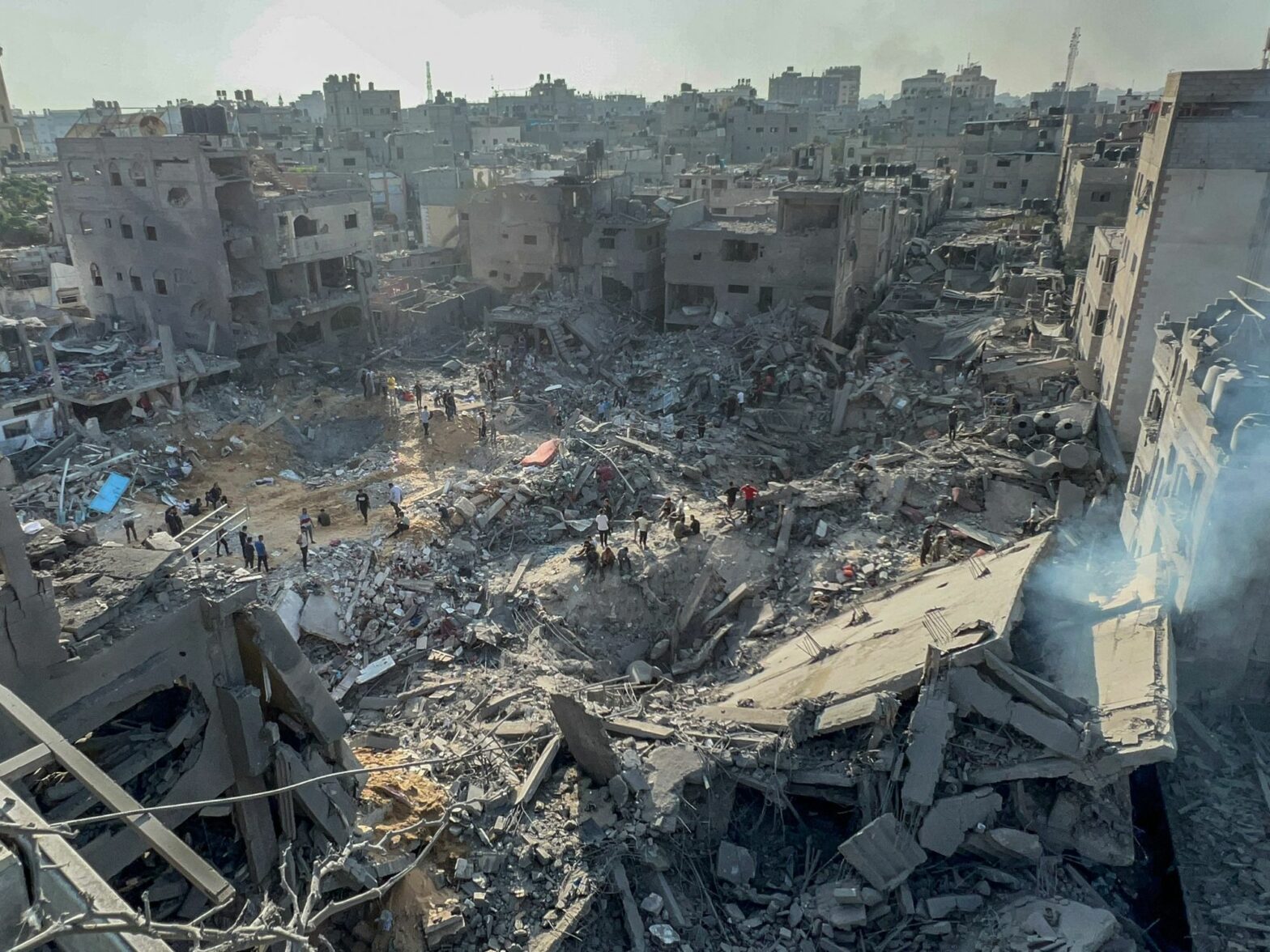
Considering that our “final war” may be arriving isn’t so far-fetched when states like Iran, Russia and North Korea are courting confrontation and taking “crazy” risks, a little like the European powers of 1914. But let’s proceed with caution.
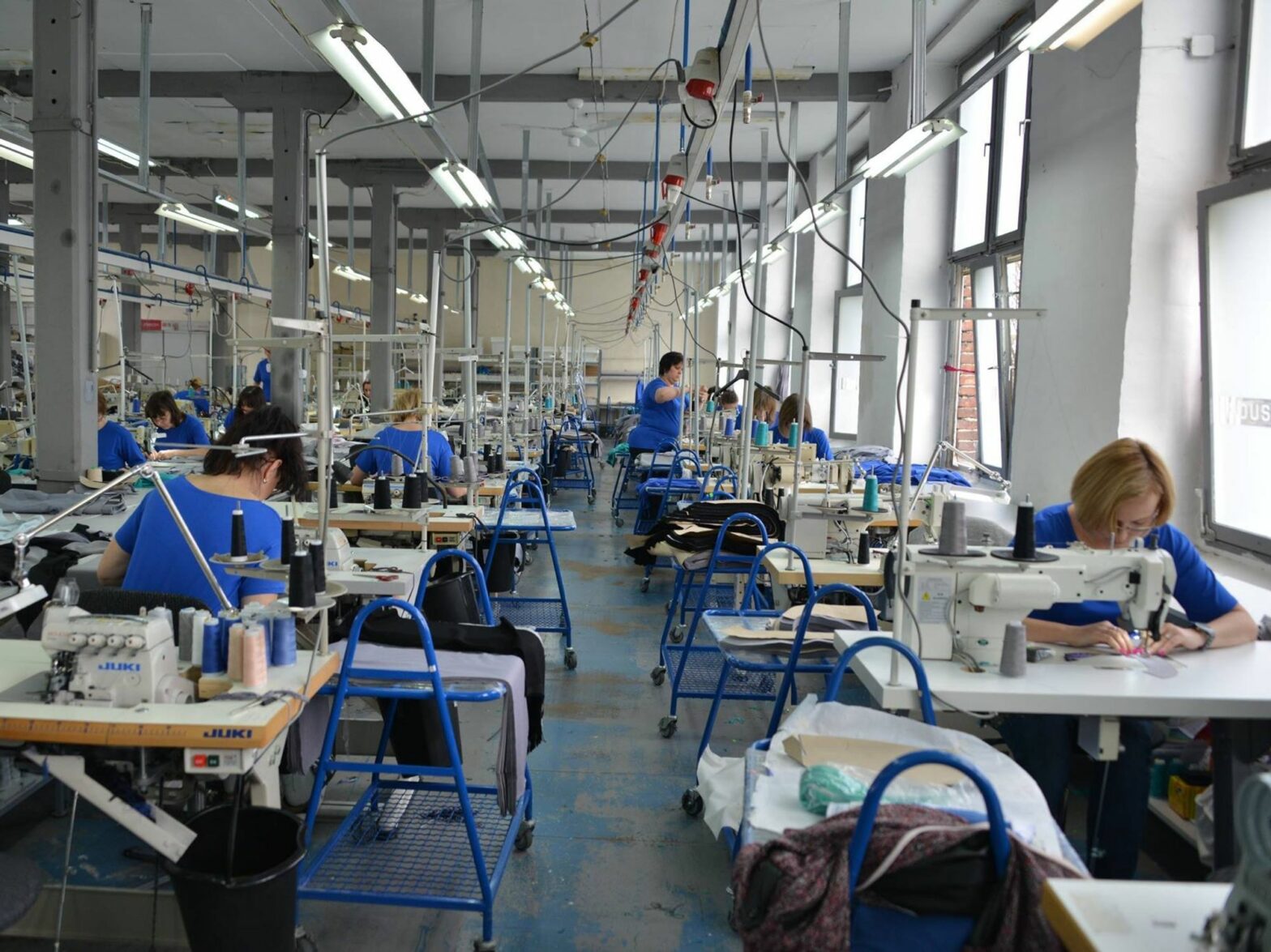
In an undercover investigation for Polish daily Gazeta Wyborcza, journalist Dominika Klimek discovered the brutal reality of Poland’s sweatshops, which produce clothing for some of the biggest brands and best known designers in Europe.
In its latest parliamentary elections, Poland opted to oust the ruling party, PiS, from power. Now will Viktor Orbán’s Hungary, a victim of democratic backsliding, be able to do the same. Political scientist and economist Bálint Madlovics and sociologist and former Hungarian Parliamentarian Bálint Magyar investigate.

The Polish Prime Minister has launched an investigation into Polish YouTubers suspected of grooming underage girls. Dubbed by some as the “Polish #MeToo”, the scandal (also nicknamed “Pandora Gate”) has prompted new questions into the investigation, prevention, and punishment of pedophilia in the country.
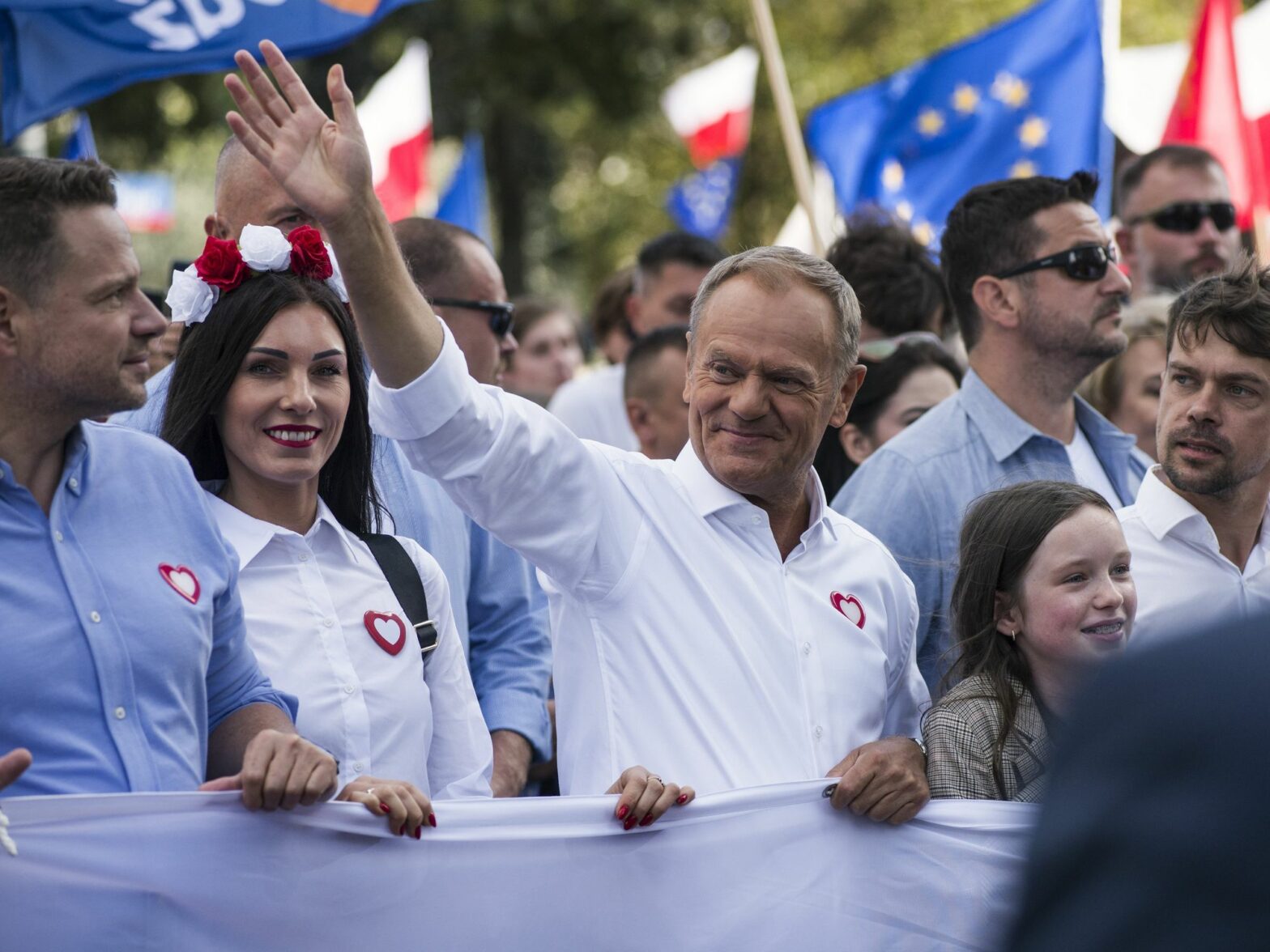
The Polish government has frequently clashed with the European Union, stoking fears that a “Polexit” may be on the horizon, depending on the results of the country’s upcoming election where a far-right anti-EU party could play the role of kingmaker.
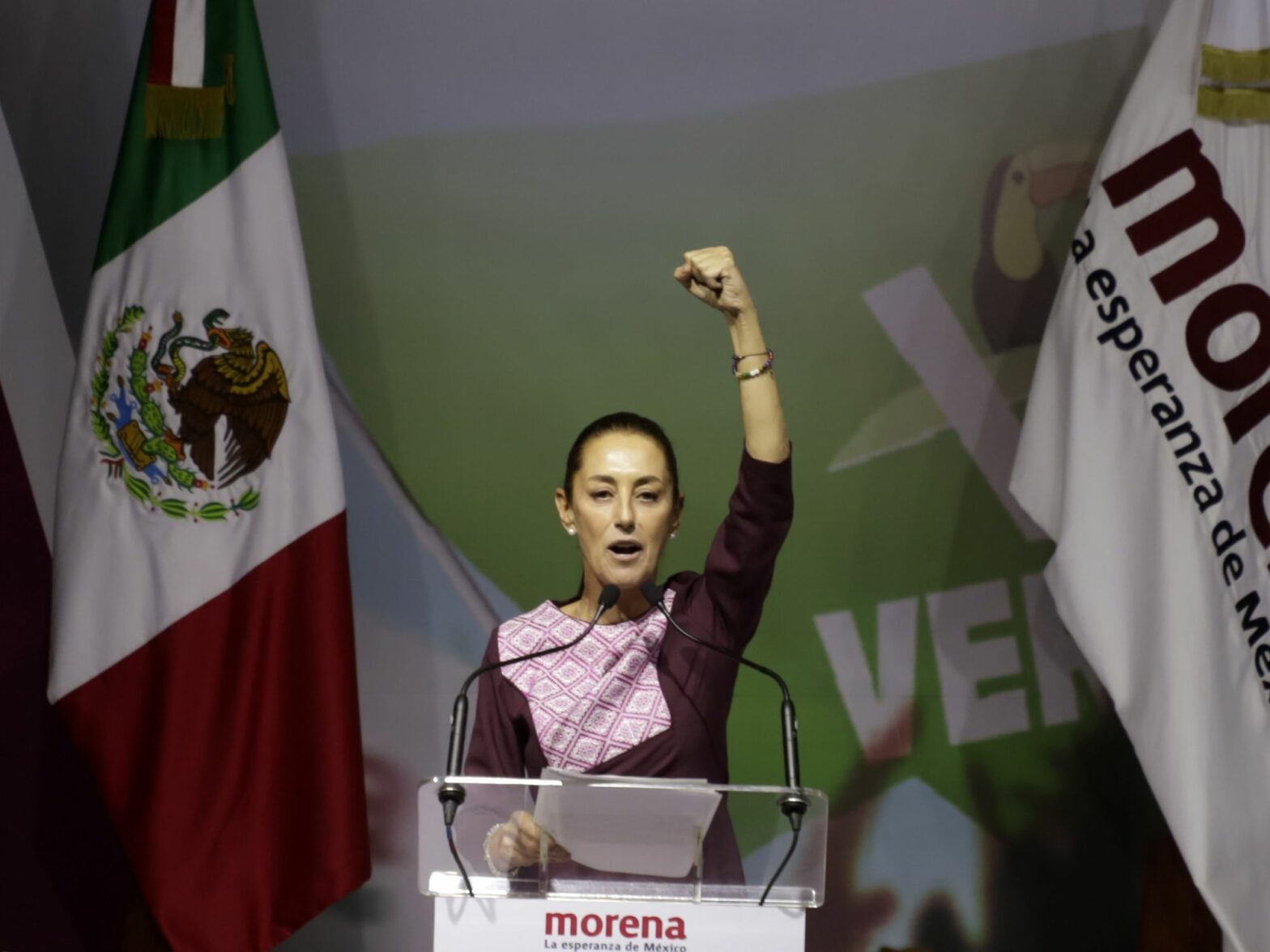
Mexico is on the cusp of getting its first woman president. And in Poland, the upcoming elections will see the highest-ever number of women running for office. Two landmarks for nations where the patriarchy has long reigned supreme.
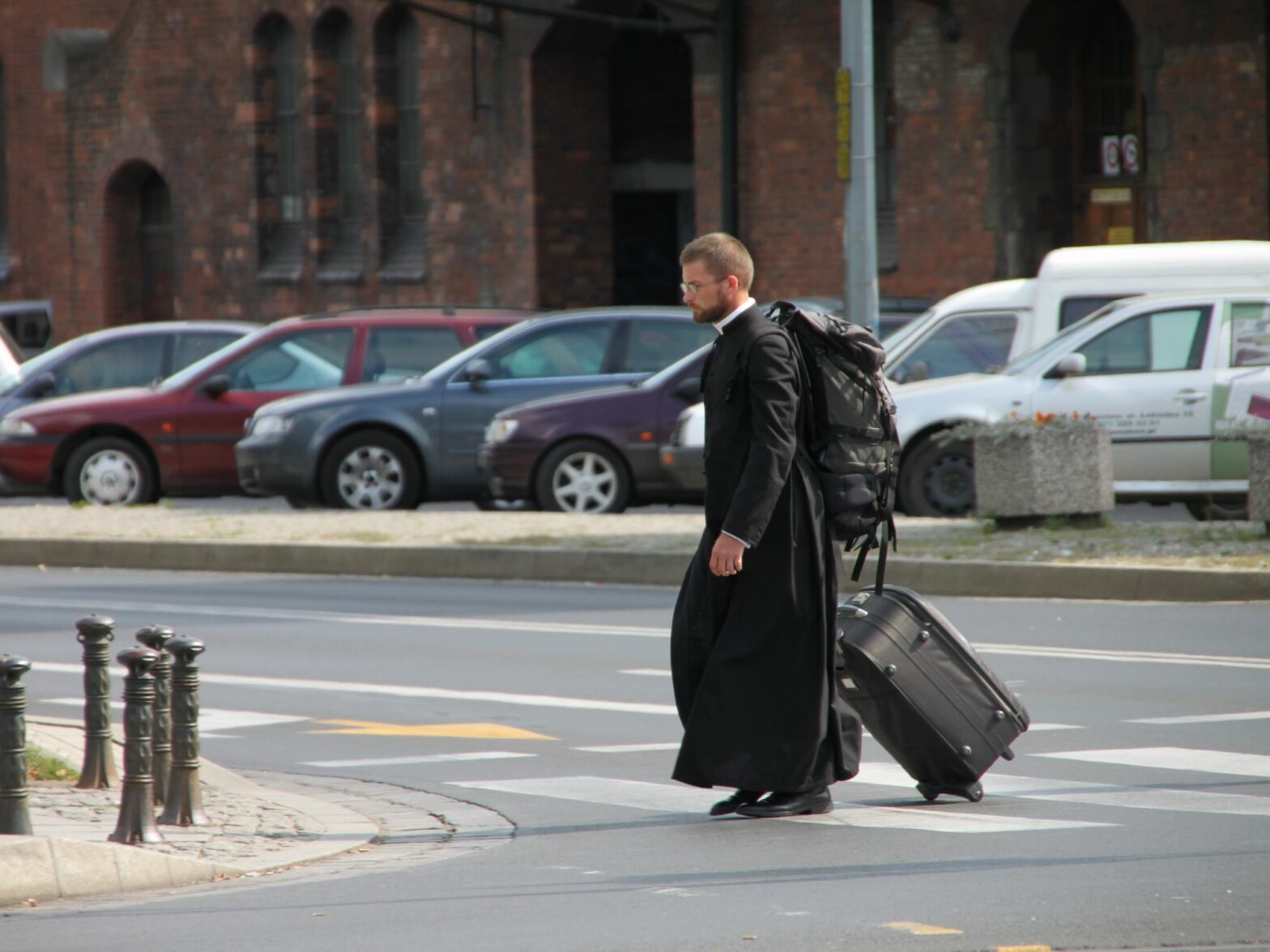
Poland’s powerful Catholic Church is facing yet another crisis: following an exodus of parishioners, notably among younger Poles, now priests are leaving the clergy too.
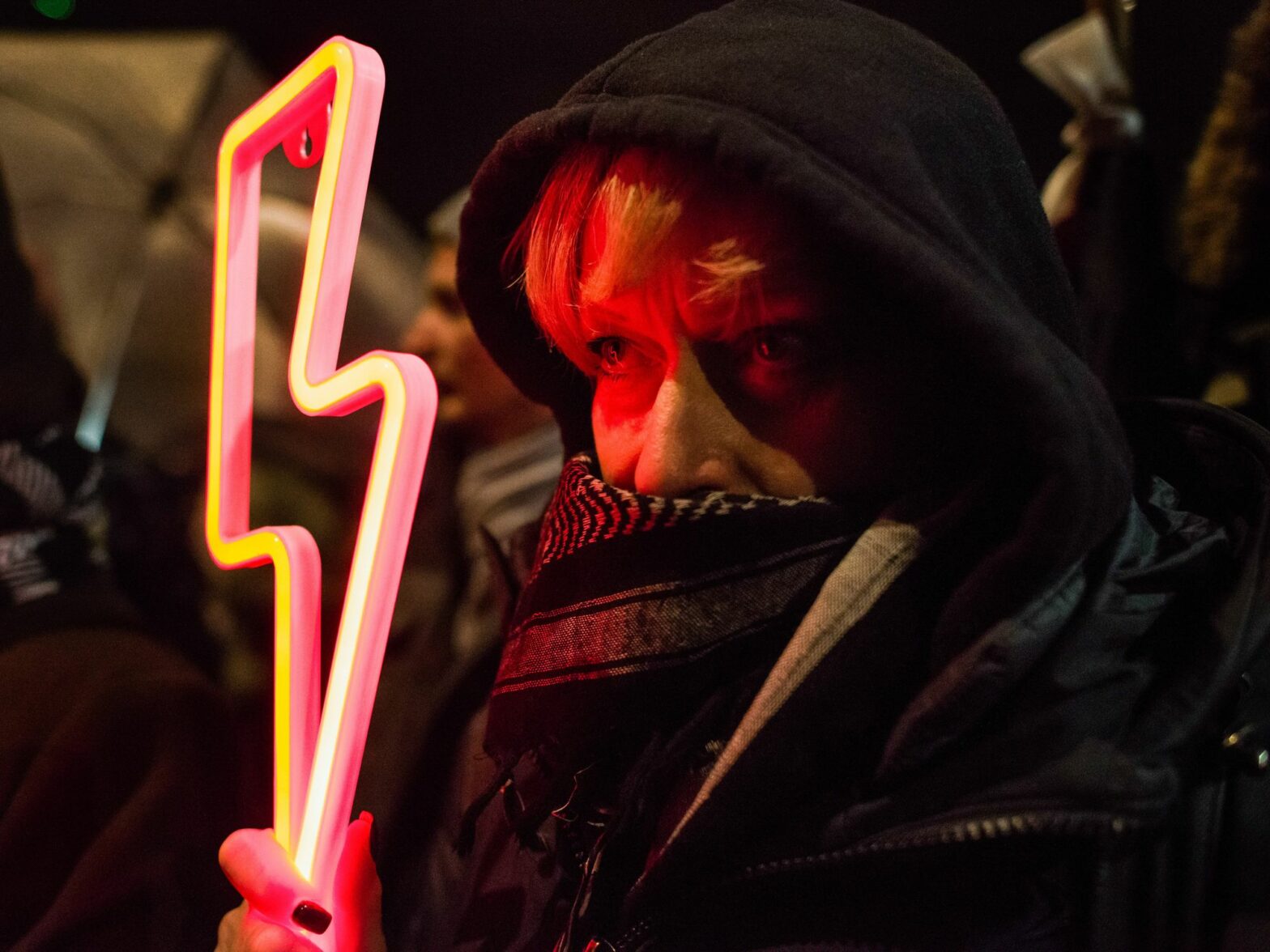
Poland has some of the most restrictive abortion laws in Europe. Several parties vying in national elections on Oct. 15 are competing for conservative Catholic voters by promising new laws that could put women’s lives at risk.
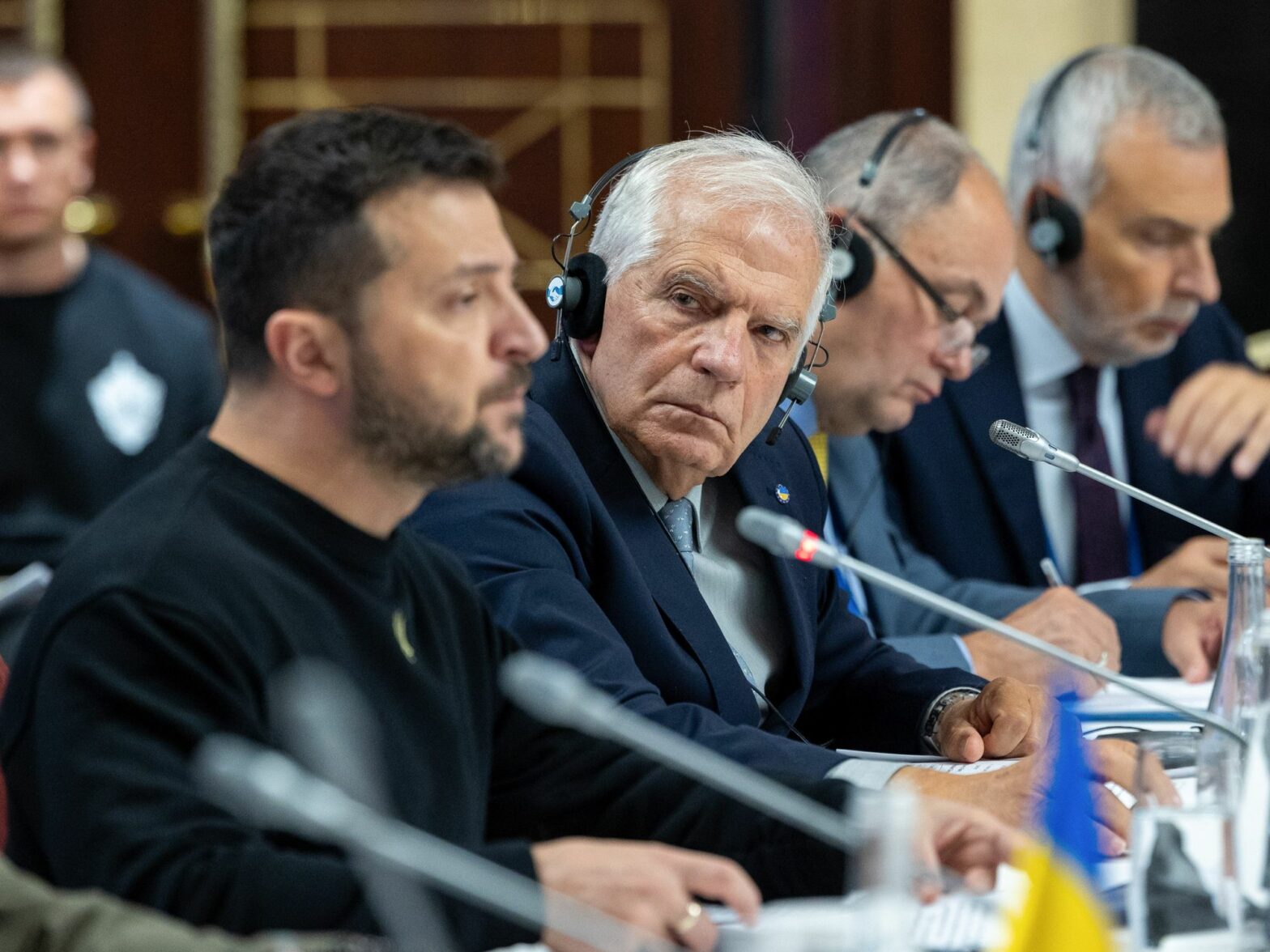
Europe’s foreign ministers traveled together to Kyiv yesterday to reaffirm their support for Ukraine. It is necessary after the first signs of “fatigue” in Western support, from a Polish about-face to the victory of a pro-Russian prime minister in Slovakia.
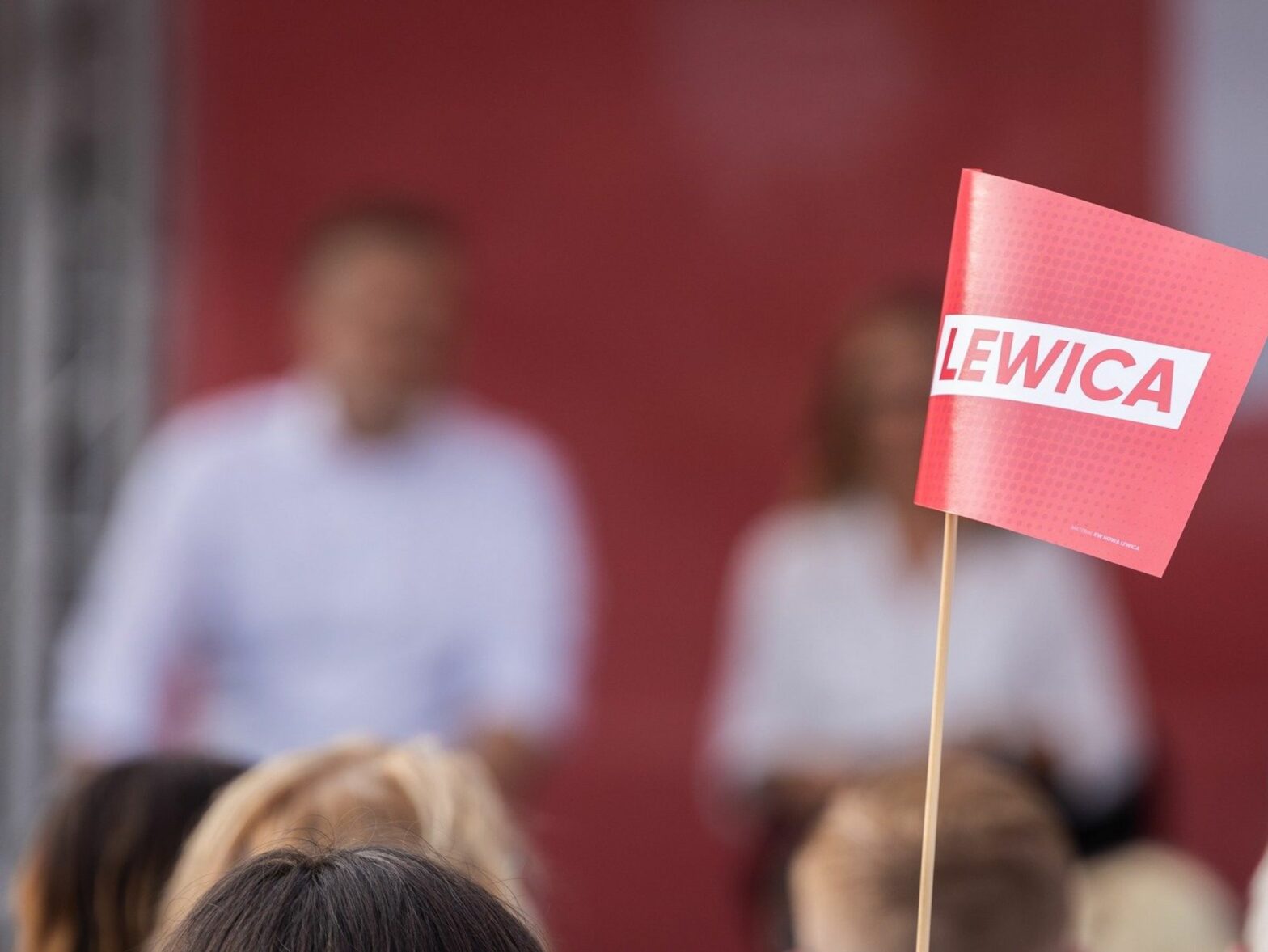
For years, Poland’s political scene has been dominated by divisions between the centrist Civic Platform (PO) and the conservative ruling party, Law and Justice (PiS). Now, on the eve of national elections, a far-right party Konfederacia is also rising. Where is the progressive left in Polish politics?
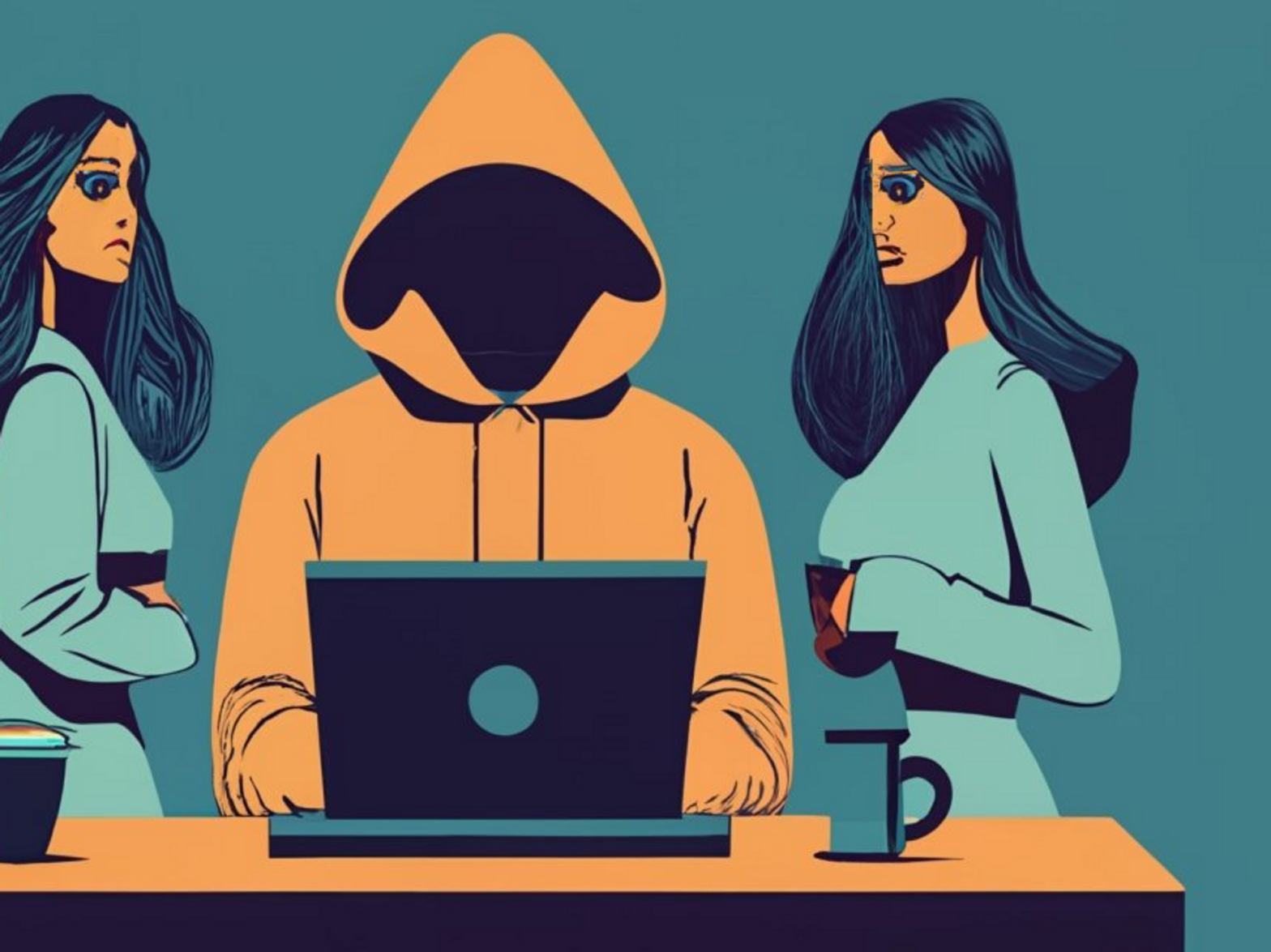
An increasing number of male teens and young adults who’ve experienced feelings of rejection wind up in what’s been dubbed the “incelosphere,” a place where they can find mutual understanding in a world they think is against them. Two women Polish journalists spent two years on the online servers these “beta males” are flocking to in ever greater numbers.
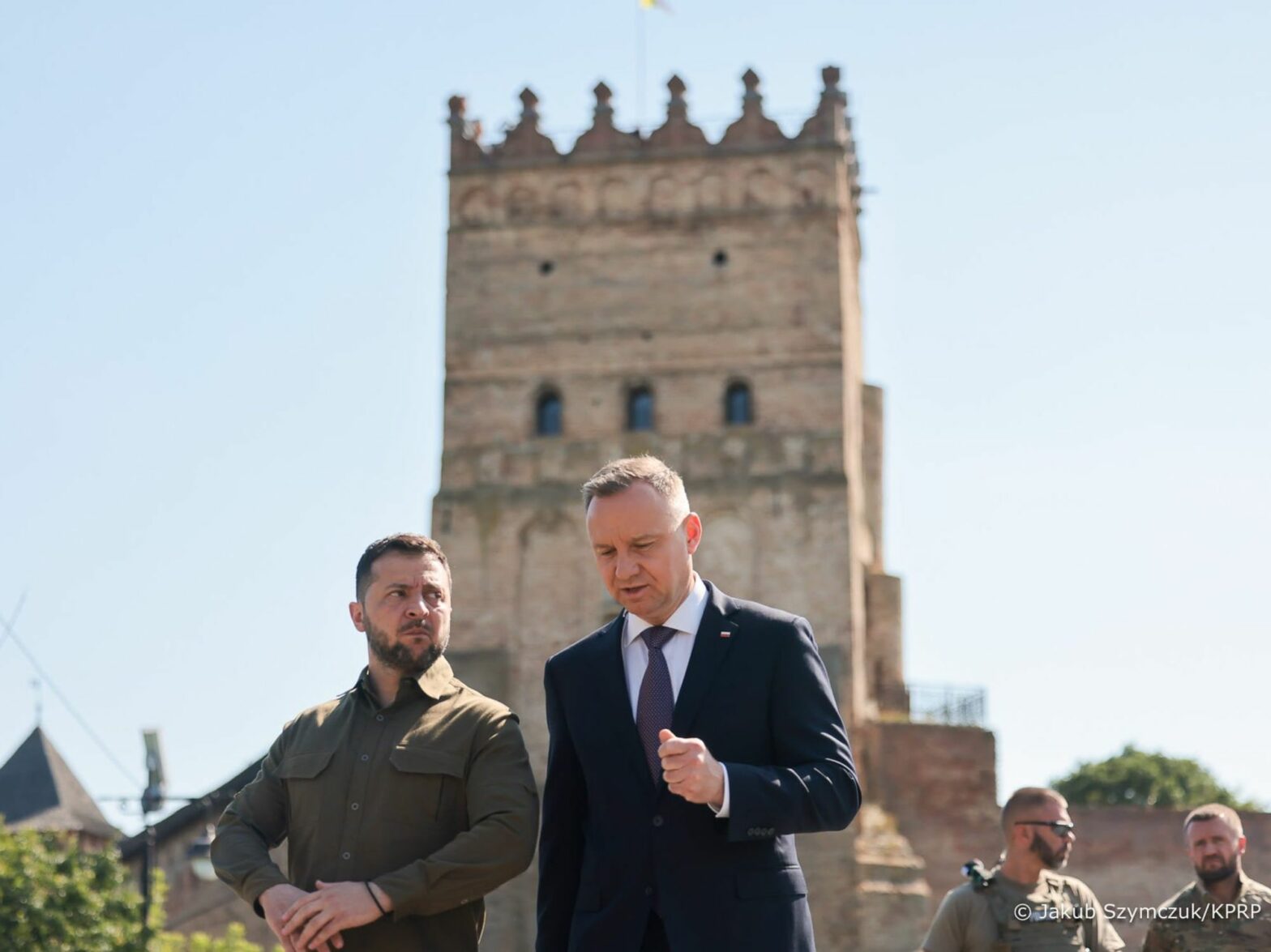
Poland’s decision to stop sending weapons to Ukraine is being driven by the ruling Law and Justice (PiS) party’s short-term electoral calculus. Yet the long-term effects on the world stage could deeply undermine the united NATO front against Russia, and the entire Western coalition.
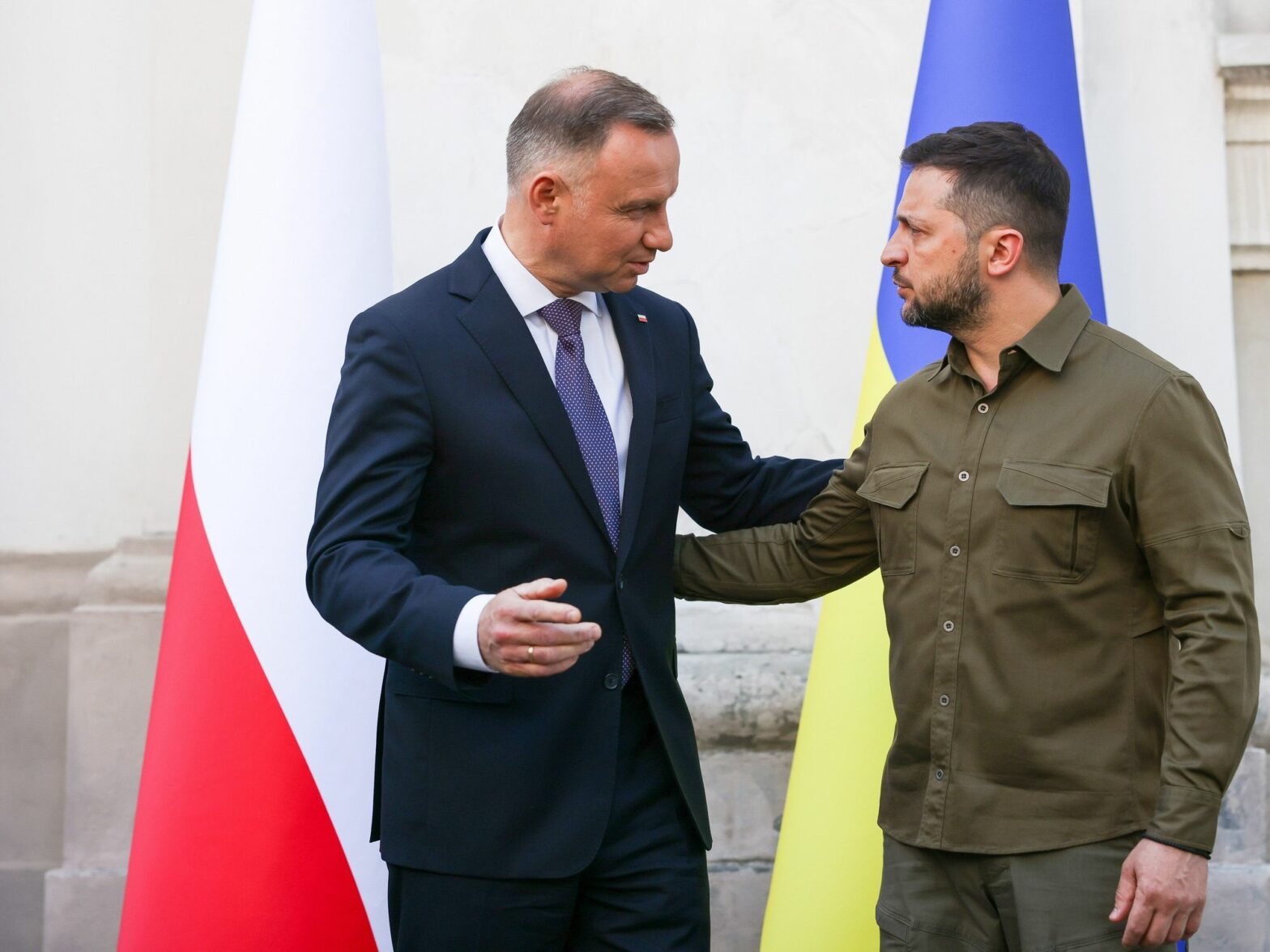
Poland has taken President Zelensky’s criticism at the UN very badly, and has decided to not supply new arms to Ukraine. One man in the Kremlin couldn’t be more pleased.
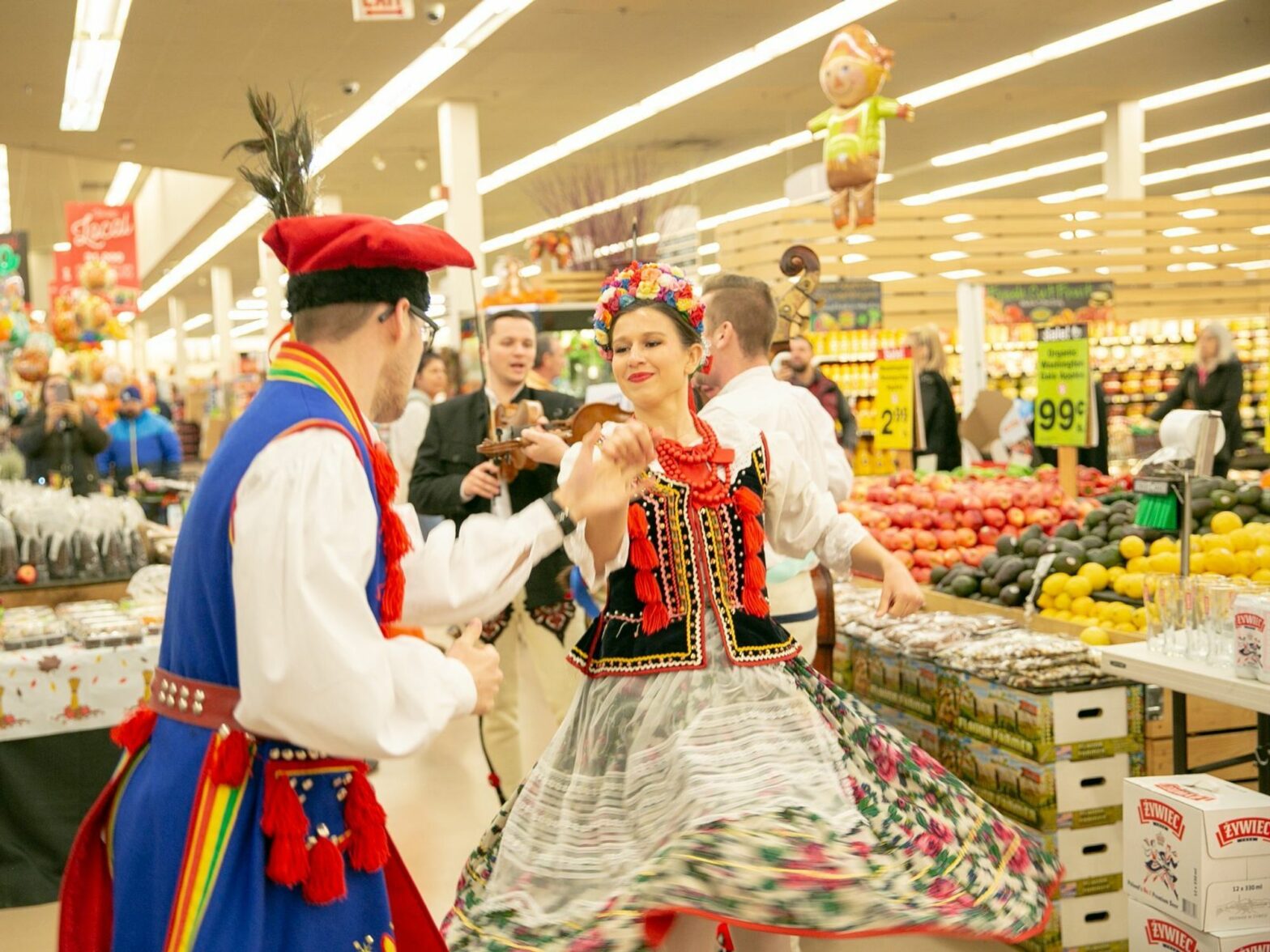
Based on conversations with author and psychotherapist Gregorz Dzedzić, who is part of the Polish diaspora in Chicago, as well as the diary entries of generations of Polish immigrants, journalist Joanna Dzikowska has crafted a narrative that characterizes the history of the community, from its beginnings to its modern-day assimilation.
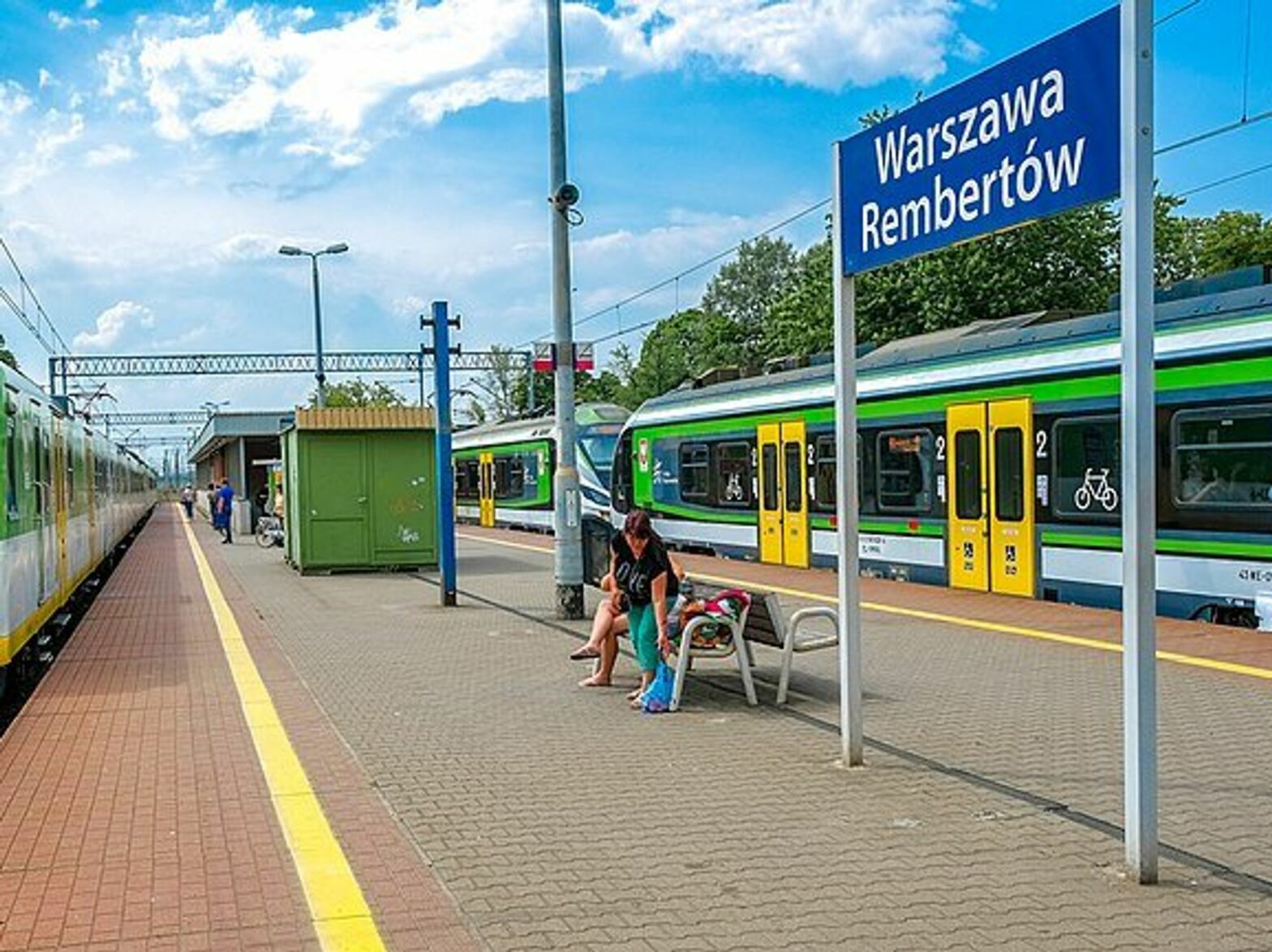
Polish state railways have been accused of deliberately keeping protestors from reaching the capital for an anti-government protest march. This is not the first controversy the railways have faced.
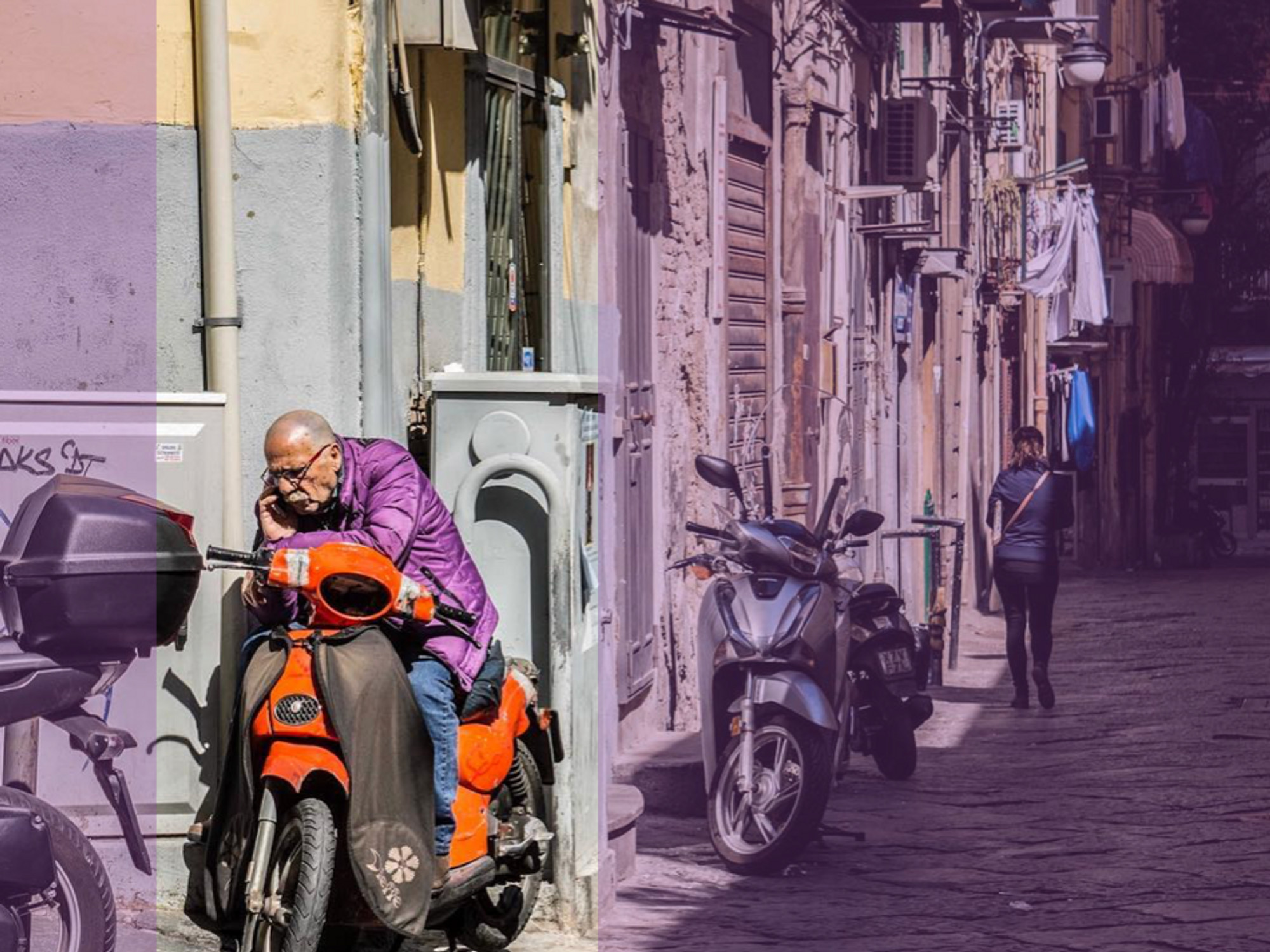
Our Naples-based psychiatrist tries to relieve a patient of his anxiety over a very specific delusion of persecution.
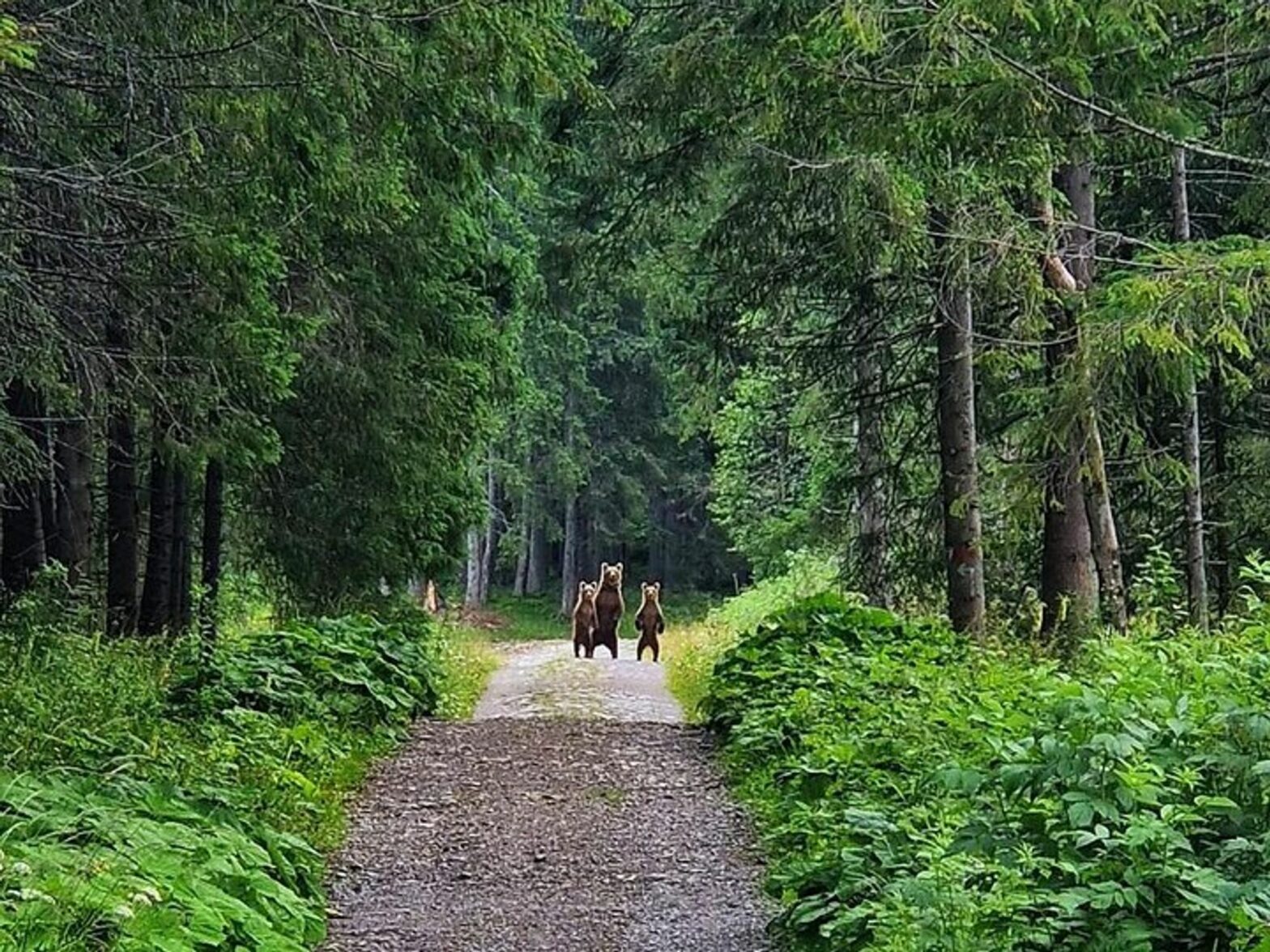
Slovakian elections set for later this month have been shifting towards an unexpected issue. Bears have been threatening people living near the Tatra Mountains, and how to respond has been dividing politicians.
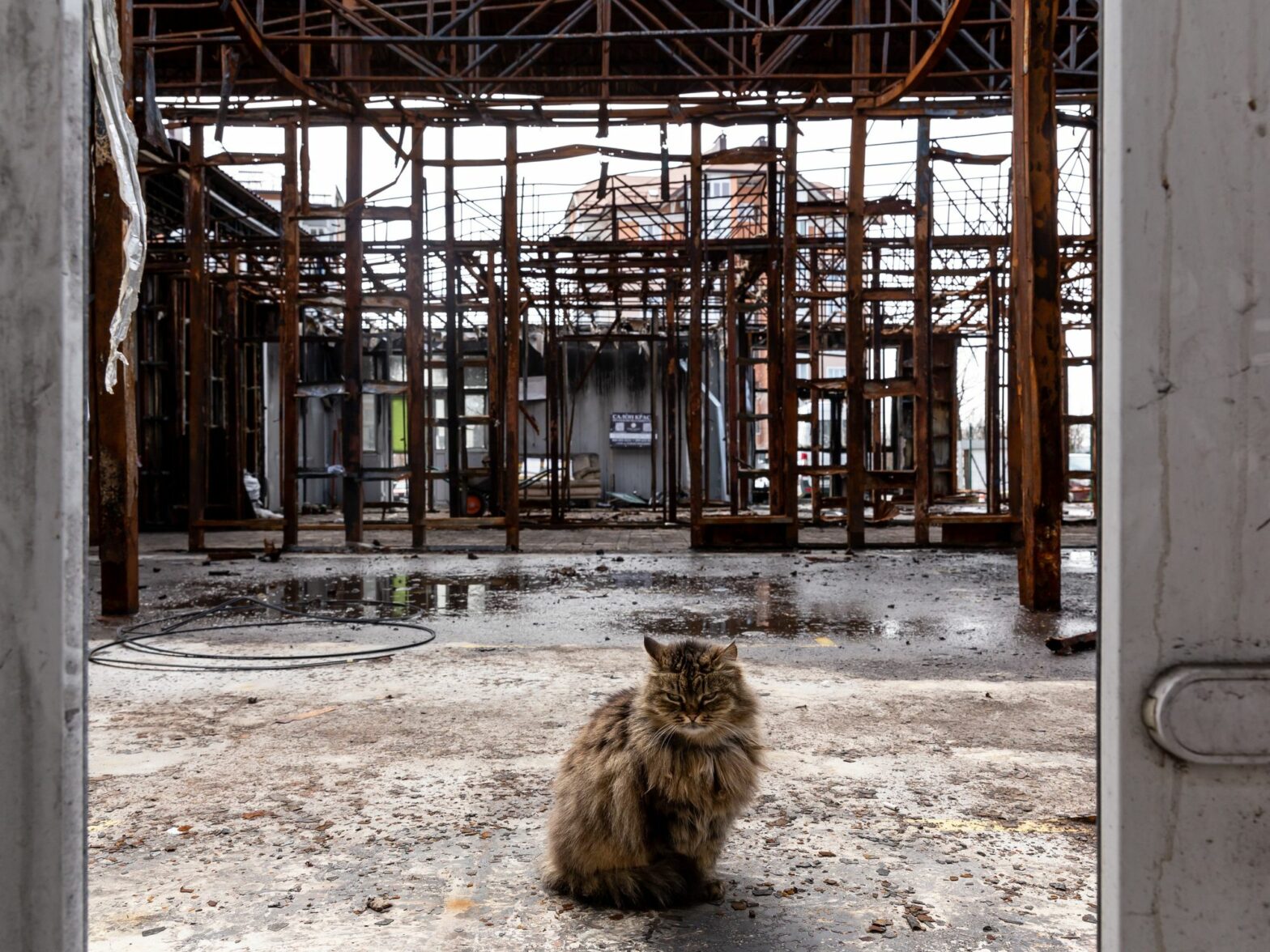
It took decades to transform Hiroshima and Auschwitz into authorized destinations that welcomed visitors to explain the sites of unspeakable horrors. Ukraine is encouraging people to see such places as Bucha and Irpin, where Russia is accused of war crimes. Exploring the line between the morbidity of dark tourism and the value of historical memory.

The Polish government released a list of medications last week that will now be reimbursed for people older than 65 and under 18. On the list is Ozempic, a drug initially intended for diabetes that has taken the world by storm due to its effectiveness for weight loss.
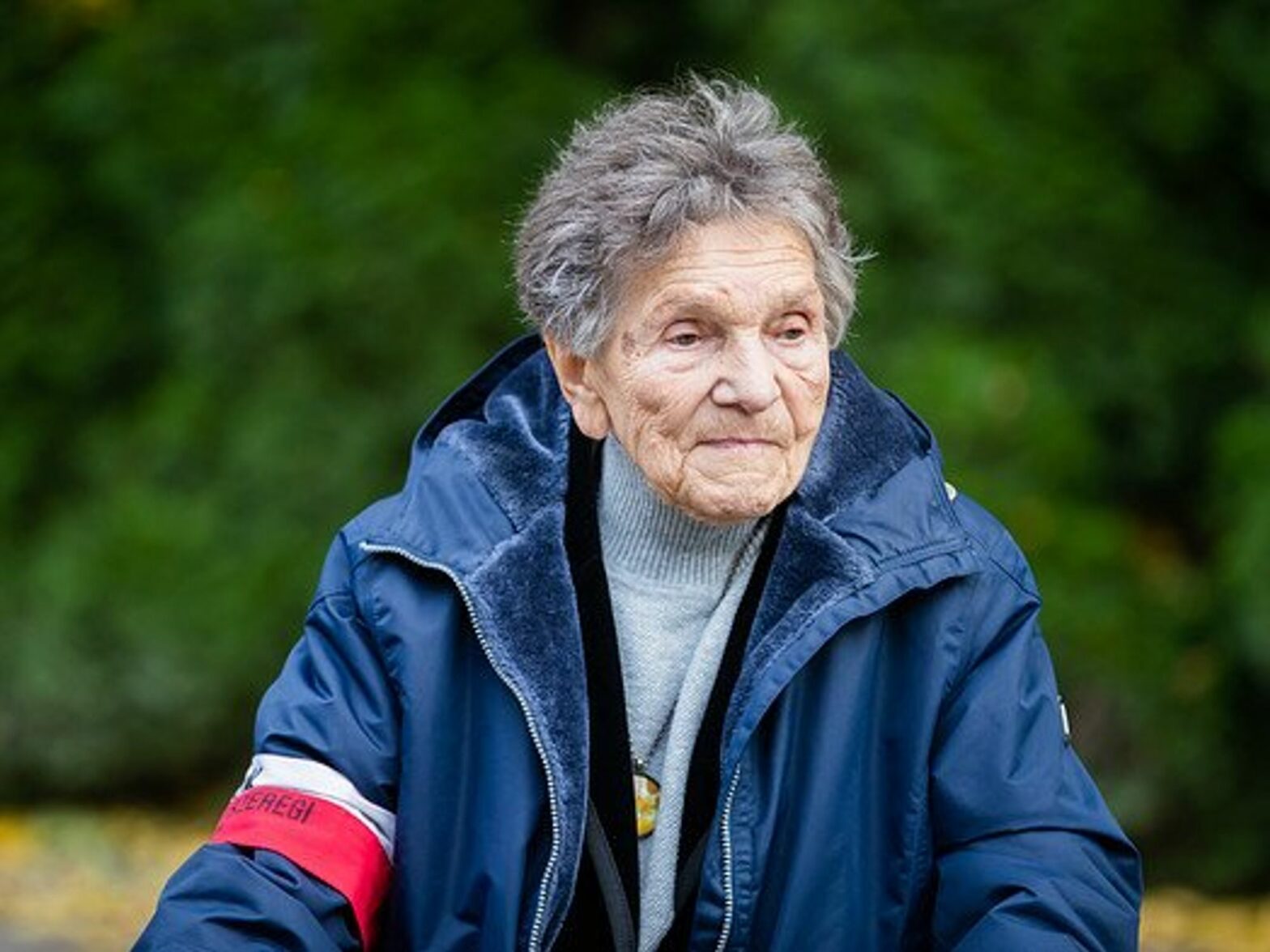
Now 96, Wanda Traczyk-Stawska survived the Warsaw Uprising 79 years ago and has continued to fight for Poland. This time, however, her battles are for her fellow women.
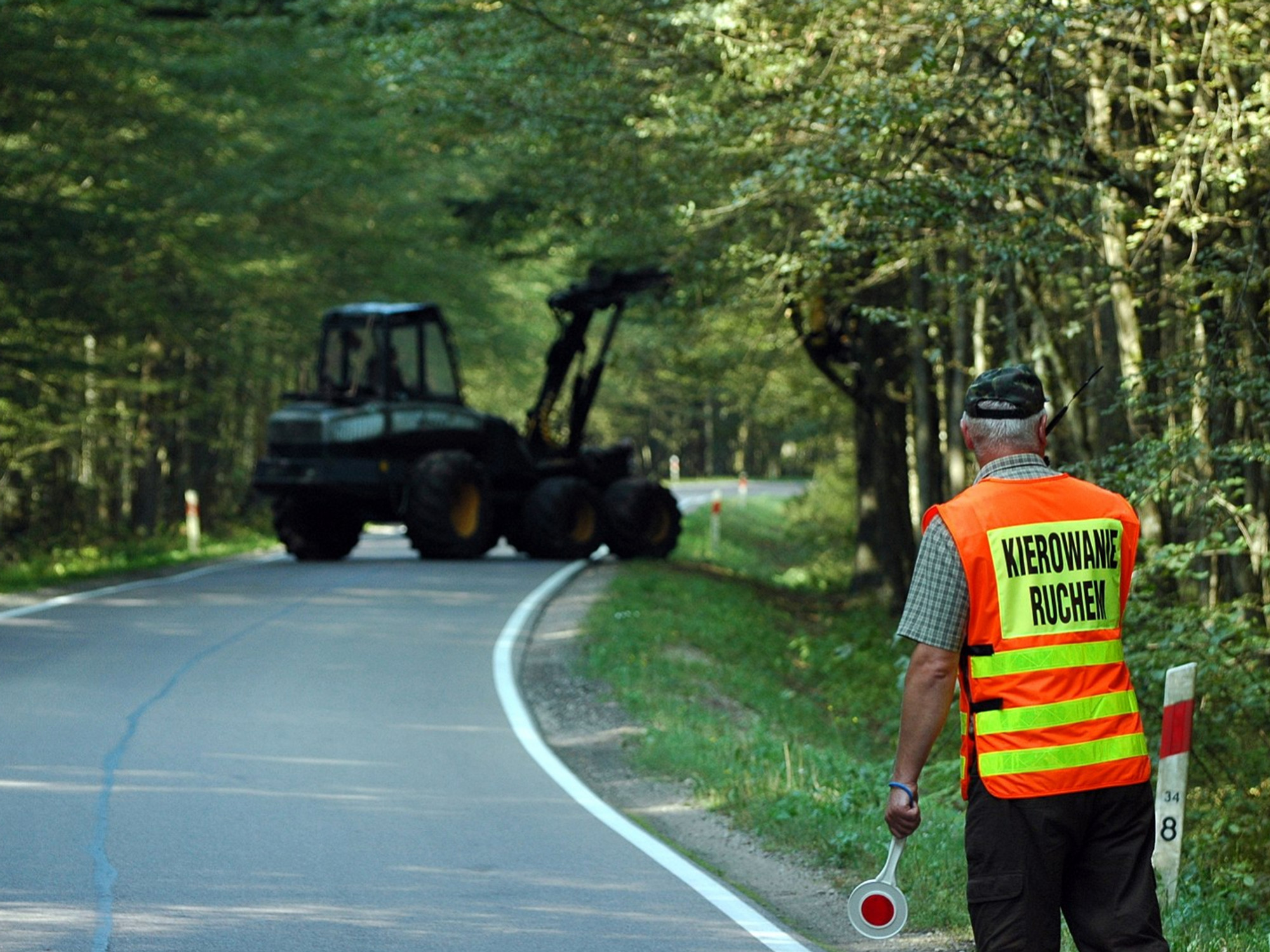
The Puszcza Białowieska, one of Europe’s oldest forests, has become a battleground, with environmentalists increasingly concerned about widespread logging in the forest, which is also ground zero for heightened tensions with neighbor Belarus and the ongoing migration crisis. And, all across Poland, increased logging with political motivations has been stirring activist tensions.
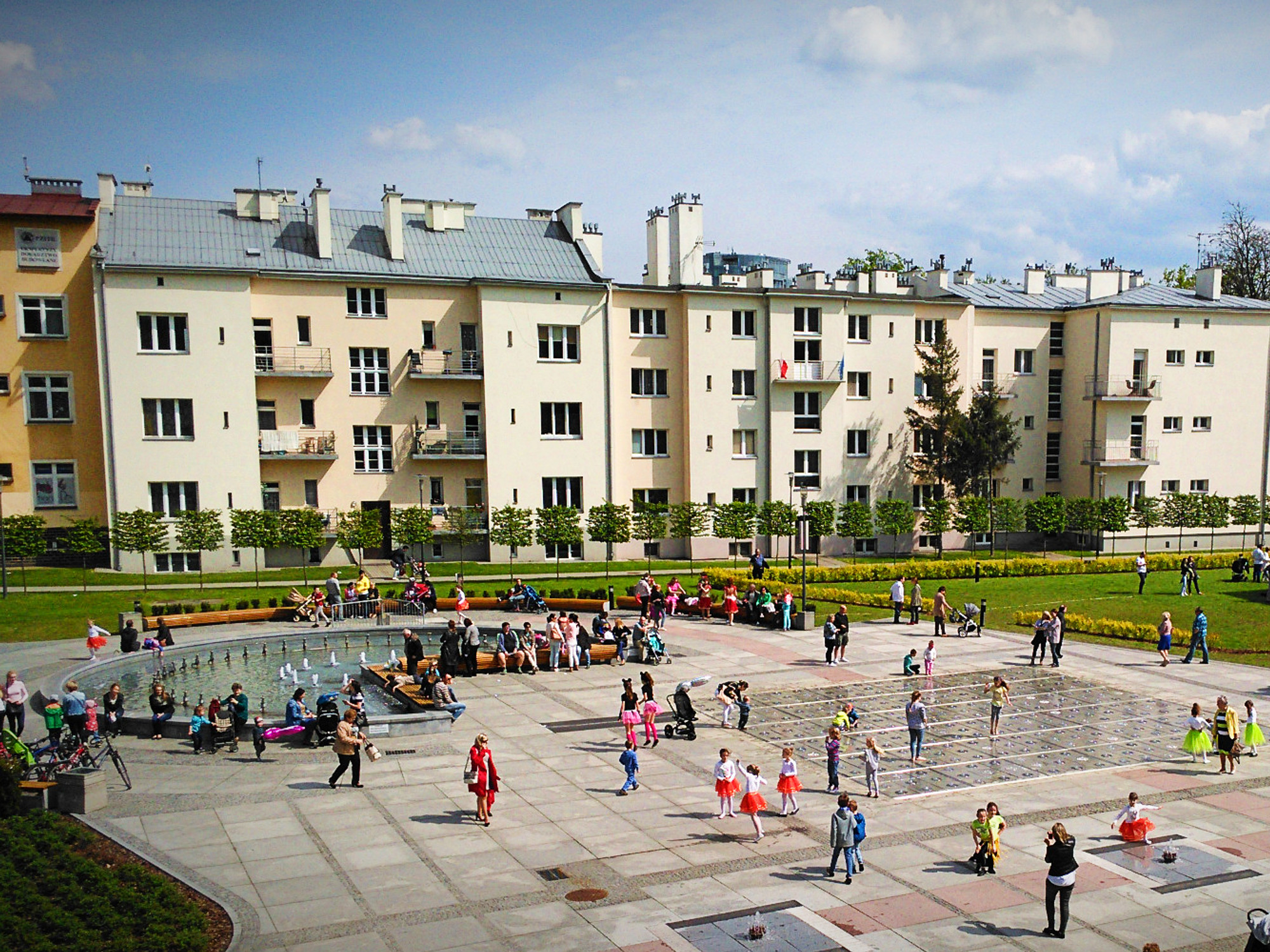
An ongoing outbreak of Legionnaires’ disease in southeastern Poland, near the Ukraine border, has prompted interventions from the Polish internal security agency. Over the past four days, authorities have not found any signs of deliberate spread of the disease, but are continuing to investigate.
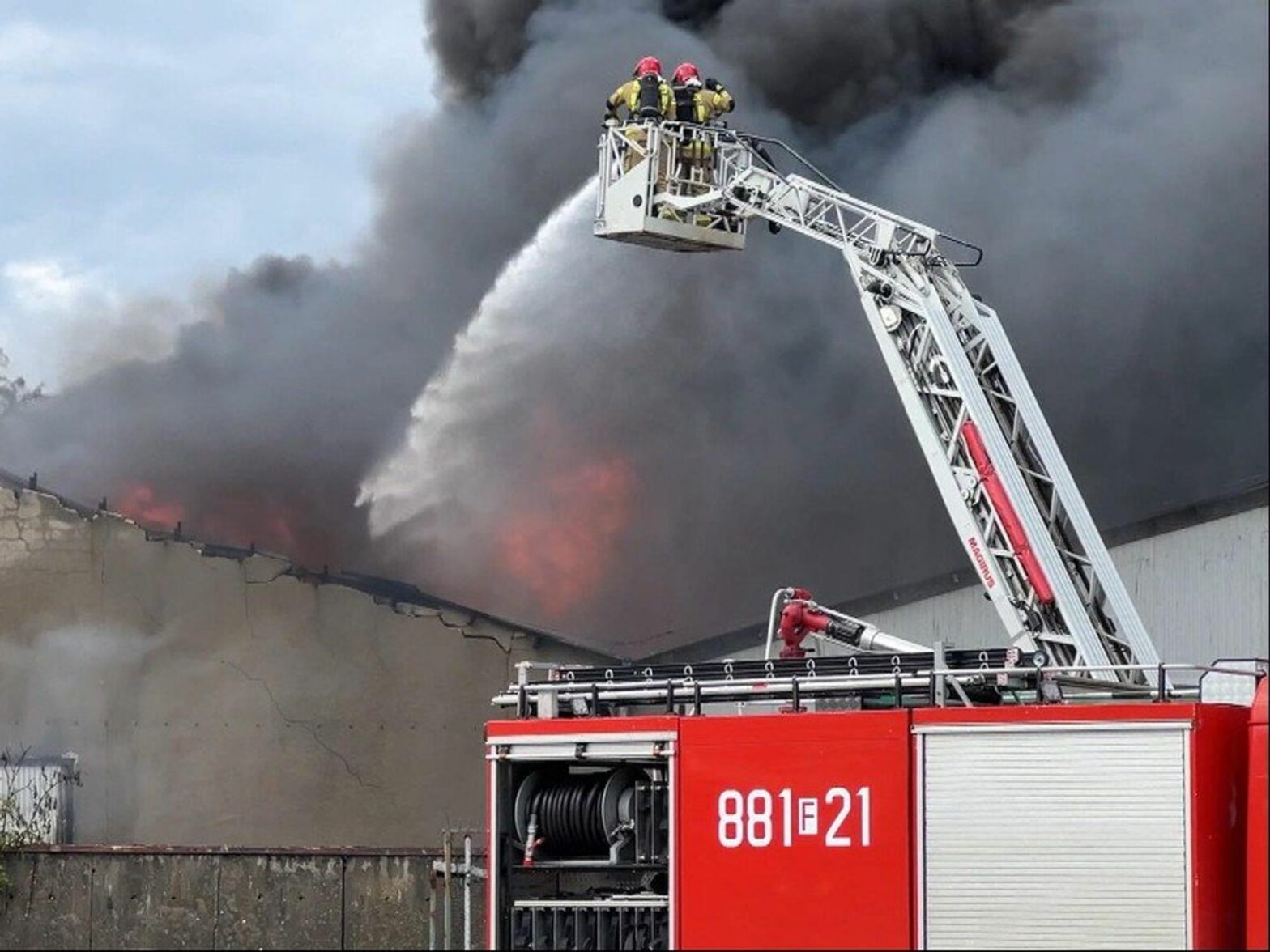
A fire involving a hazardous waste dump has brought attention to the hundreds of illegal waste dumps across Poland. Yet the government has failed to offer an adequate response.
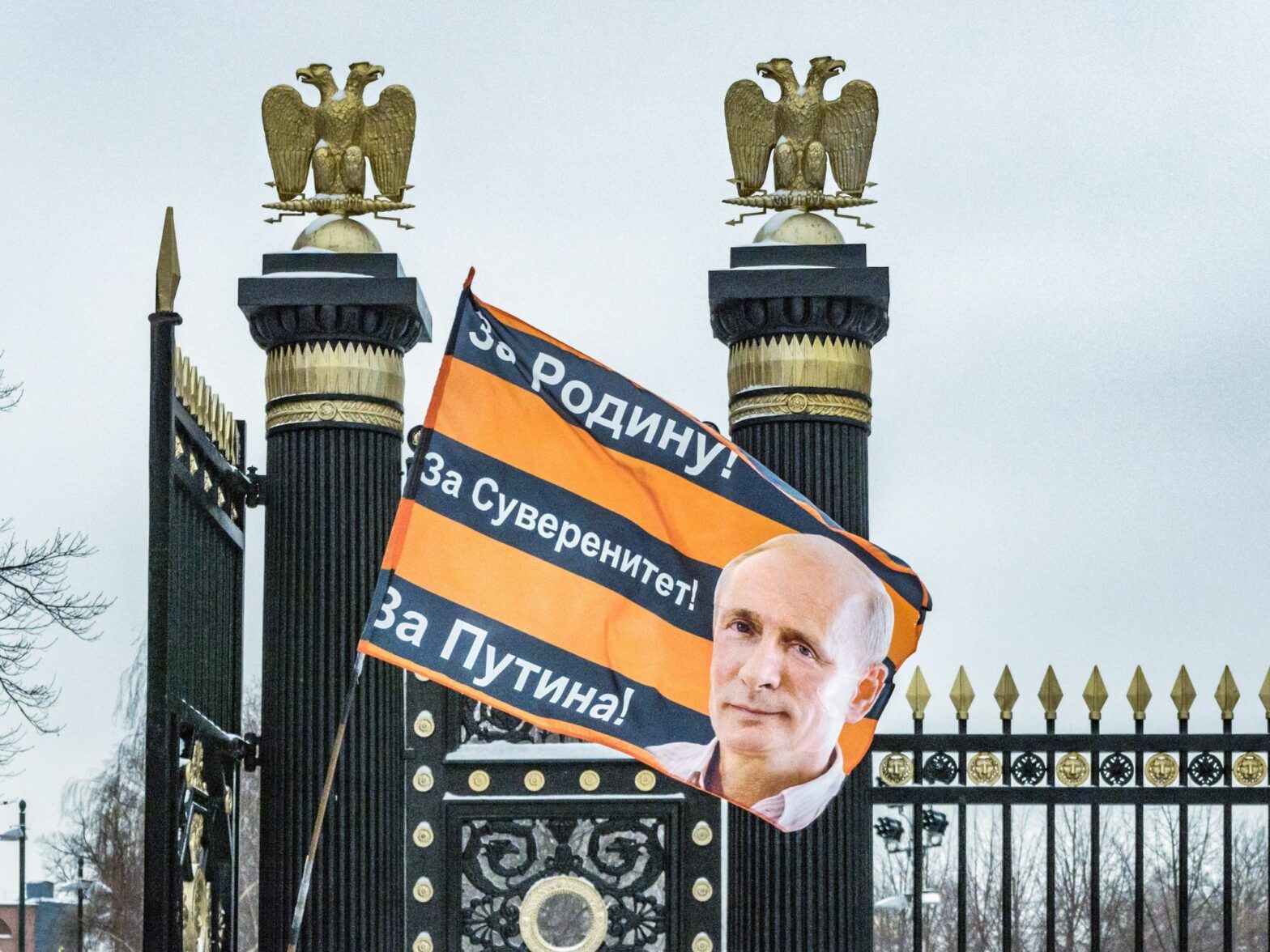
As a key regional member of NATO and neighbor of Ukraine, Poland is of particular interest to the Kremlin, and the usual misinformation weapons used by Russia also feature allusions to Jews and Americans — and may now include attempts to recruit Poles by the Wagner Group.
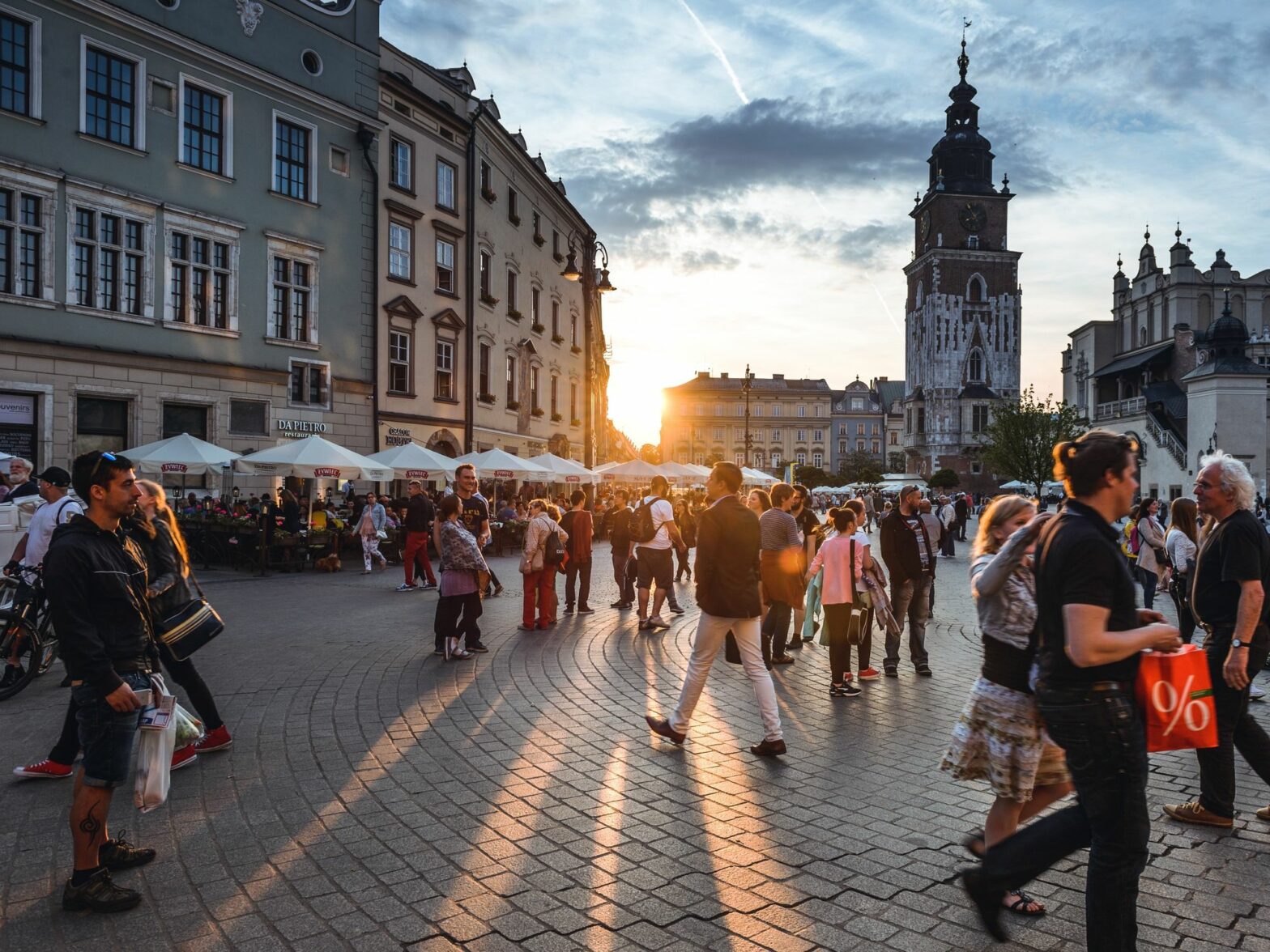
As the Polish capital is outpaced by cities such as Kraków and Gdańsk for earnings, the question is posed of what the future holds for the Polish job market and Warsaw.
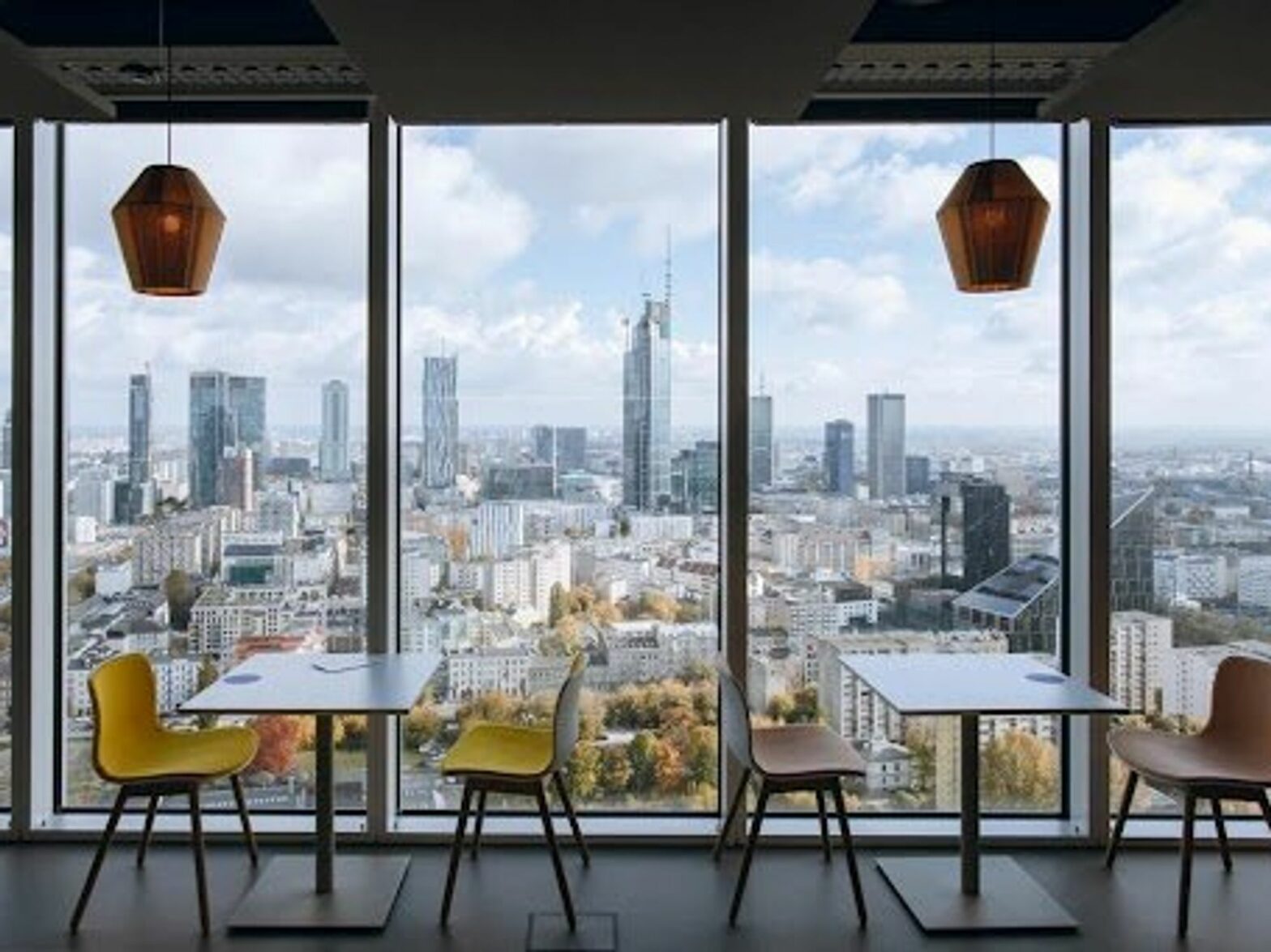
Poland has received widespread investment from multinational companies and now, the country is bucking the worldwide trend by adding jobs in the tech sector.
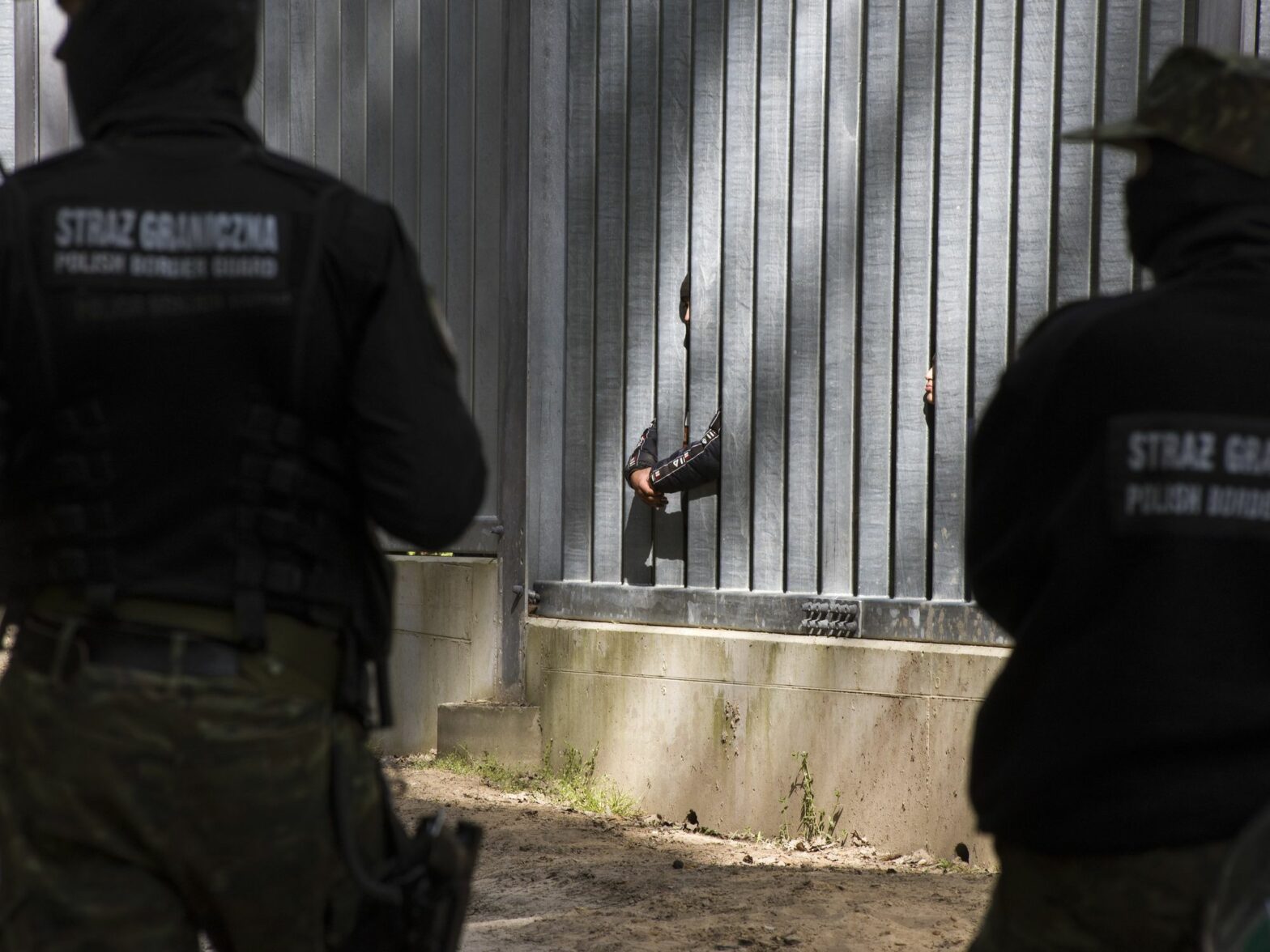
The presence of Russian Wagner paramilitary troops near the Polish border has sent the country’s prime minister into a panic, while on the campaign trail. But are worries about the presence of a mere 100 mercenaries justified or is it somehow part of Mateusz Morawiecki’s scare tactics, as in 2015?
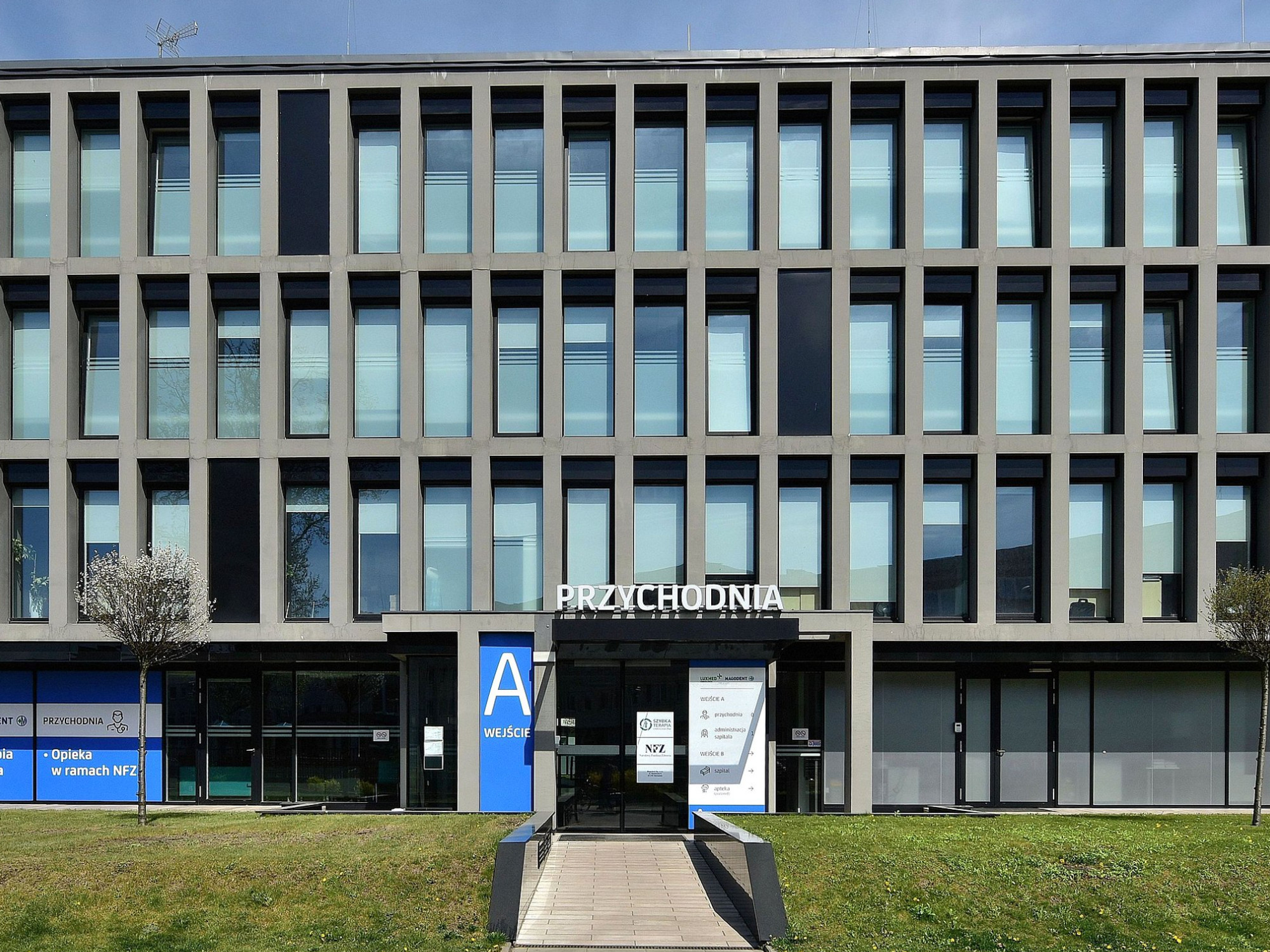
Since the Russian invasion of Ukraine began, Poland has accepted the largest number of Ukrainian refugees of any country. But in spite of the aid that they have received, some notable gaps remain: including the Polish healthcare system.
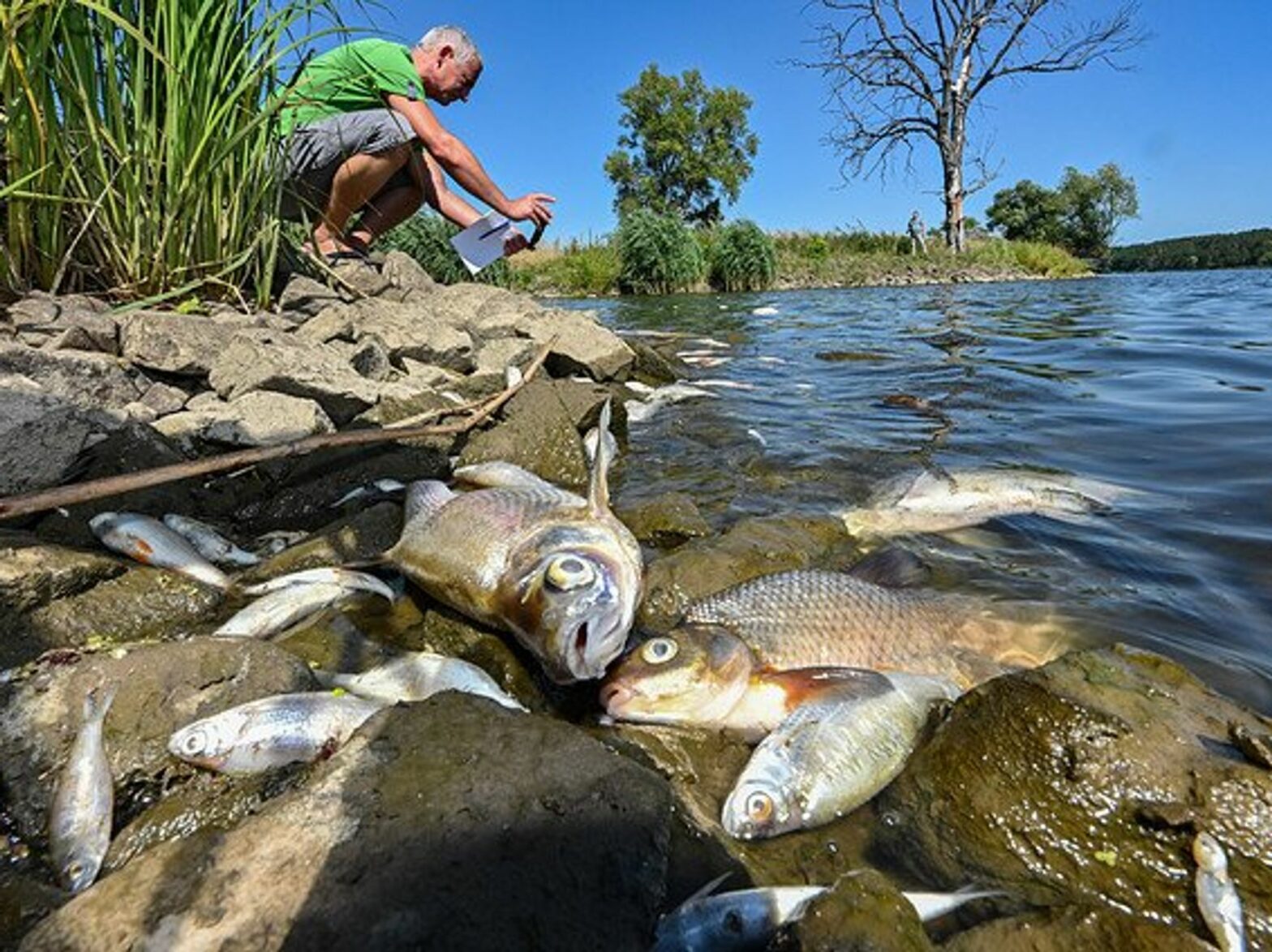
Since last year, over half of the fish in the river have died, and Germany’s environment minister has said that Poland has not done enough to prevent a repeat of the incident. Now the Oder, which runs through the Czech Republic, Poland, and Germany, is experiencing fish death en masse once again. Was this catastrophe doomed to repeat itself? Reporters from German newspaper Die Zeit and Polish newspaper Gazeta Wyborcza looked for answers.
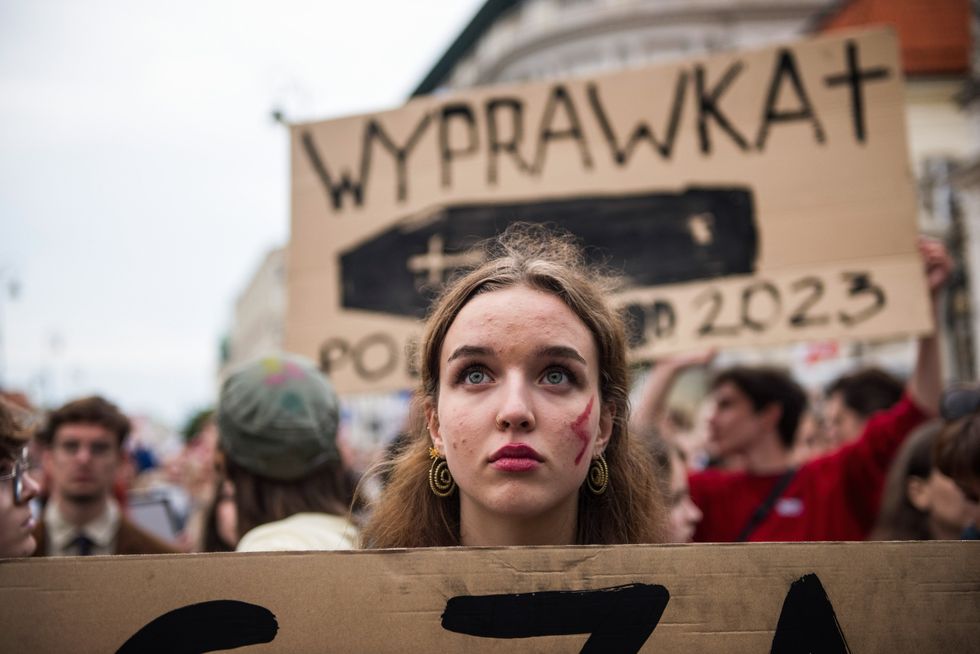
Poland, known for having some of Europe’s most restrictive abortion laws, only allows the procedure in cases of rape or incest, or when the life of the mother is at risk. But even when abortions are performed legally, women can be met with criminal accusations from the police.
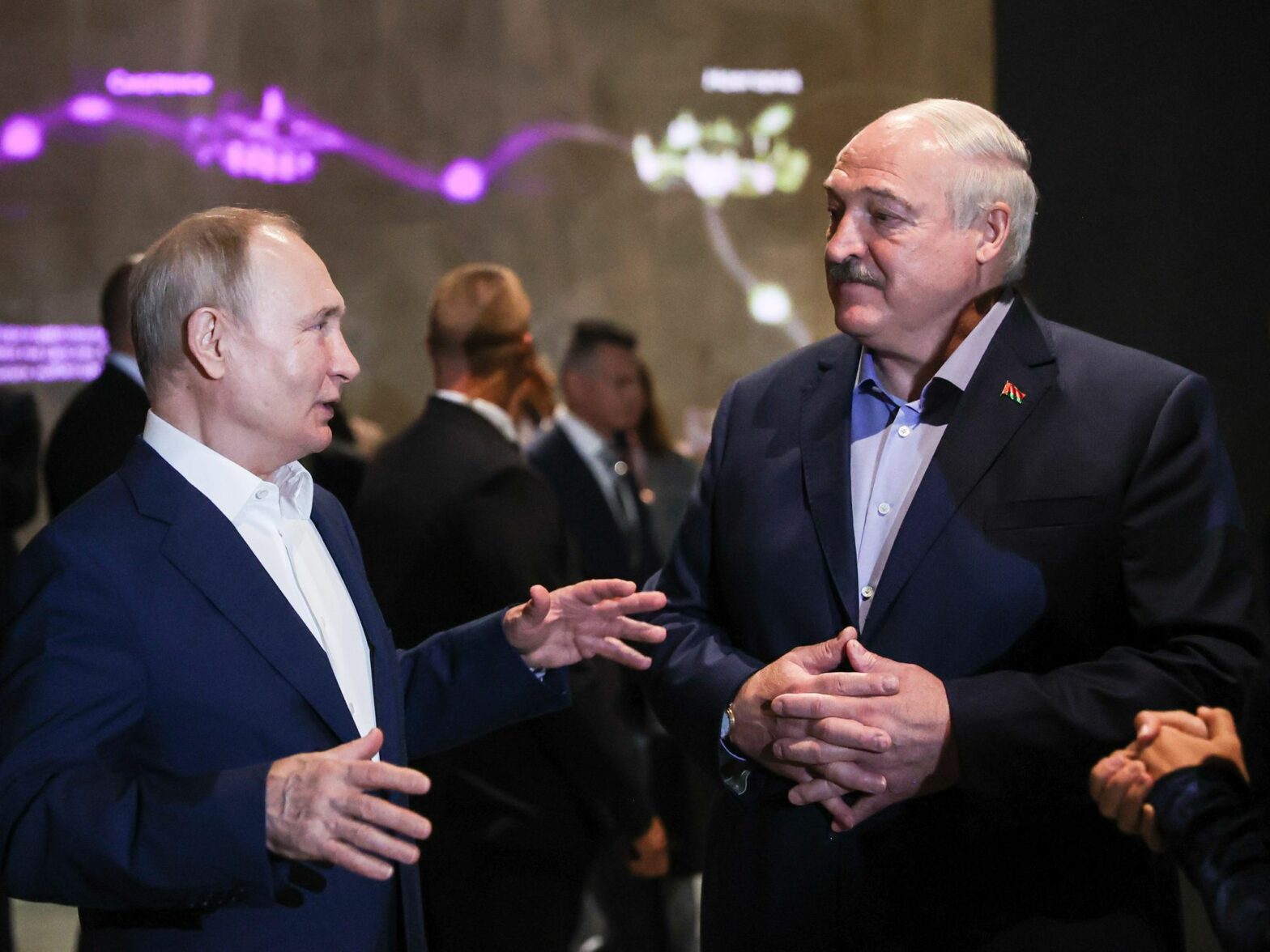
Both Russian President Vladimir Putin and longtime ally Belarusian leader Alexander Lukashenko have issued statements accusing Poland of having territorial ambitions in Ukraine. It’s a worrying development that opens the door to military confrontation with NATO — and the looming presence of Wagner troops isn’t making things easier.
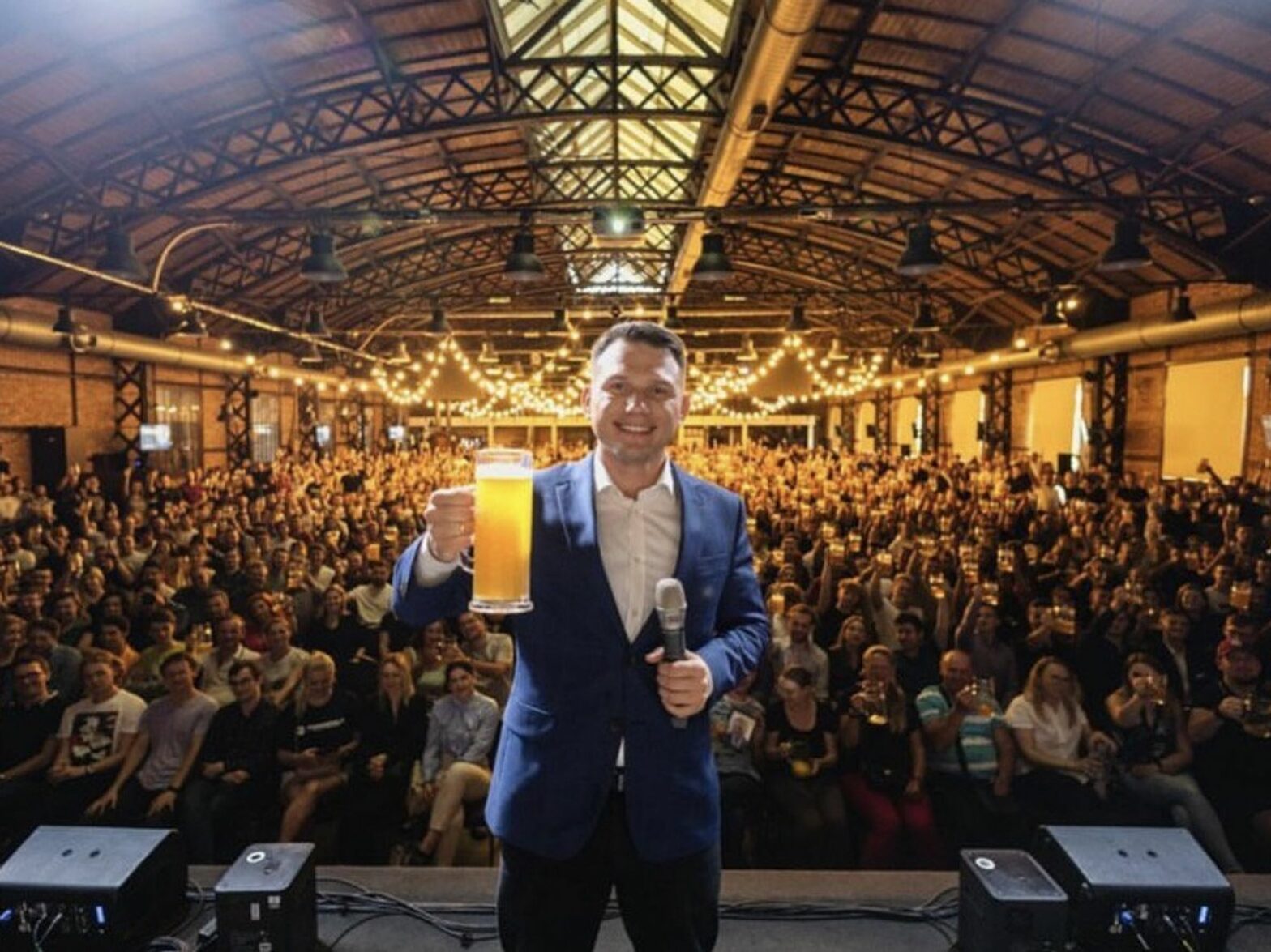
With Poland’s parliamentary election approaching, a controversial far-right political alliance, Konfederacja, has made its way to third place in national opinion polls. With a series of past scandals, a strong presence on social media and steadily increasing numbers in the polls, Konfederacja and party leader Sławomir Mentzen may be headed for a king-making role.
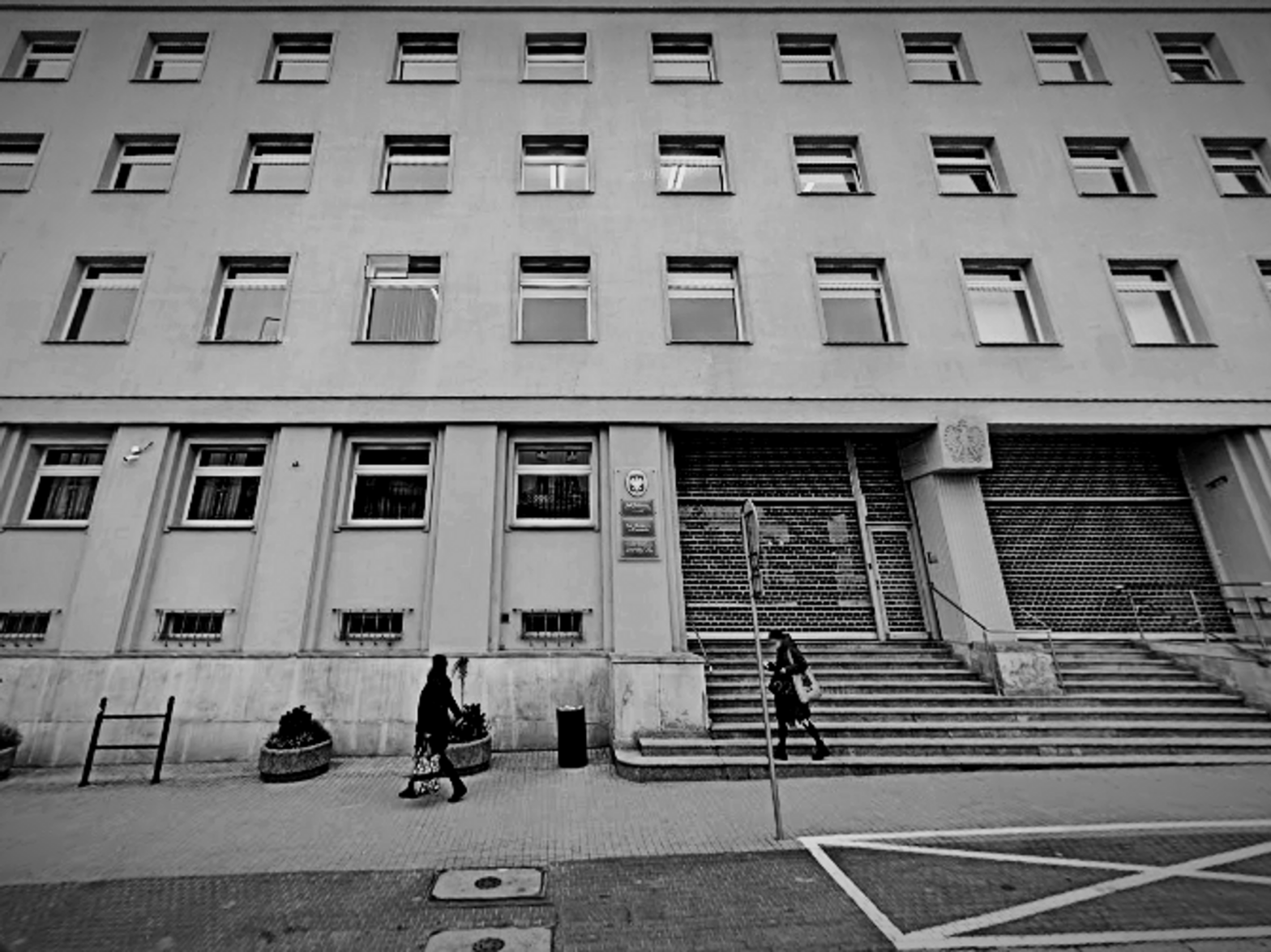
Polish Judge Joanna Knobel has became the victim of a hate mail campaign targeting, among other things, her Jewish background. With new threats being sent to other judges in recent weeks, the country is faced with a dangerous deepening of the divide that puts the institution of a free judiciary.
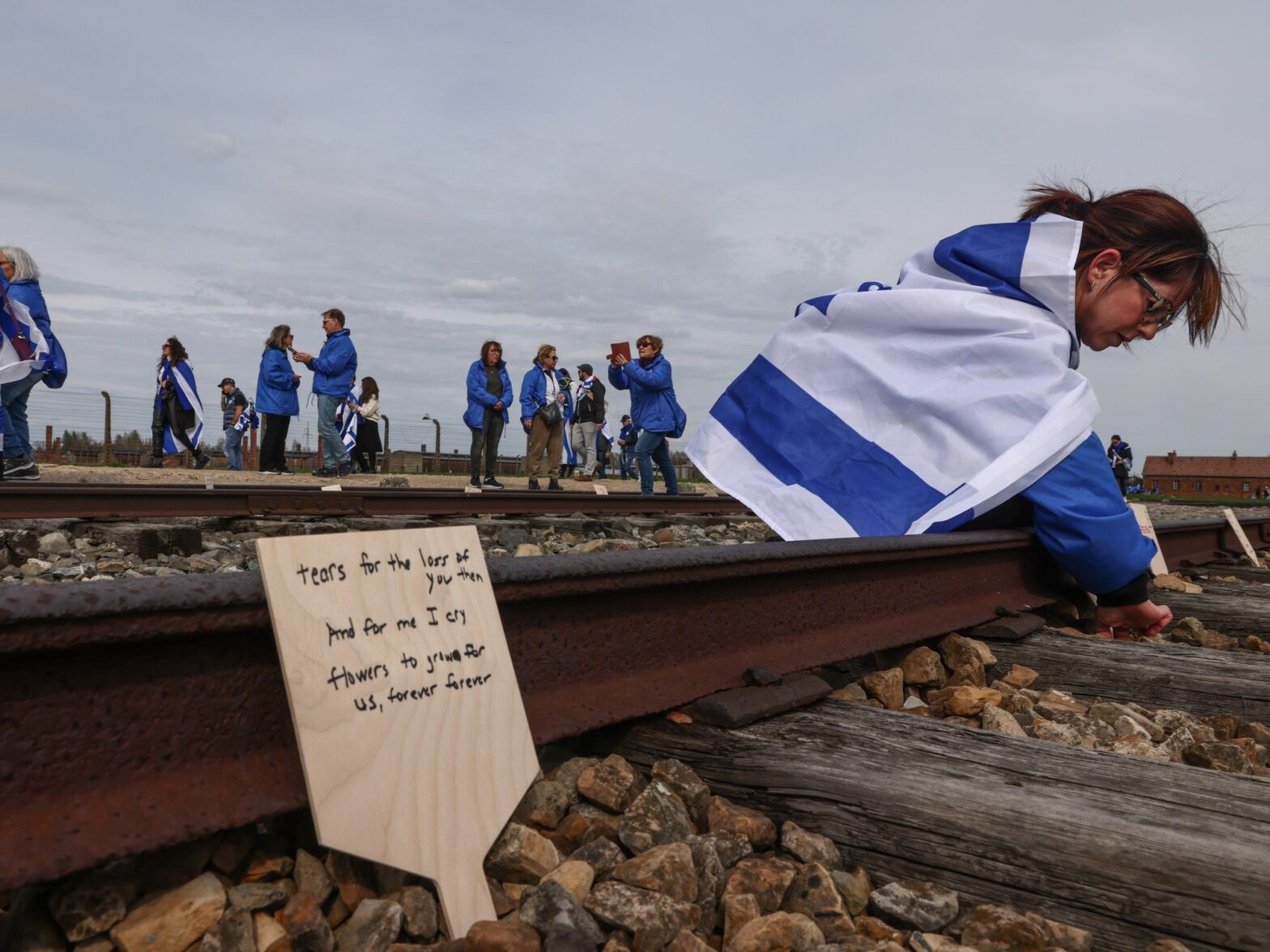
In a deep-rooted divide that has plagued Poland for years, the role of non-Jewish citizens in the Holocaust remains a much debated issue. But now the increasingly popular far-right party Konfederacja is toeing the line of blatant Holocaust denial.