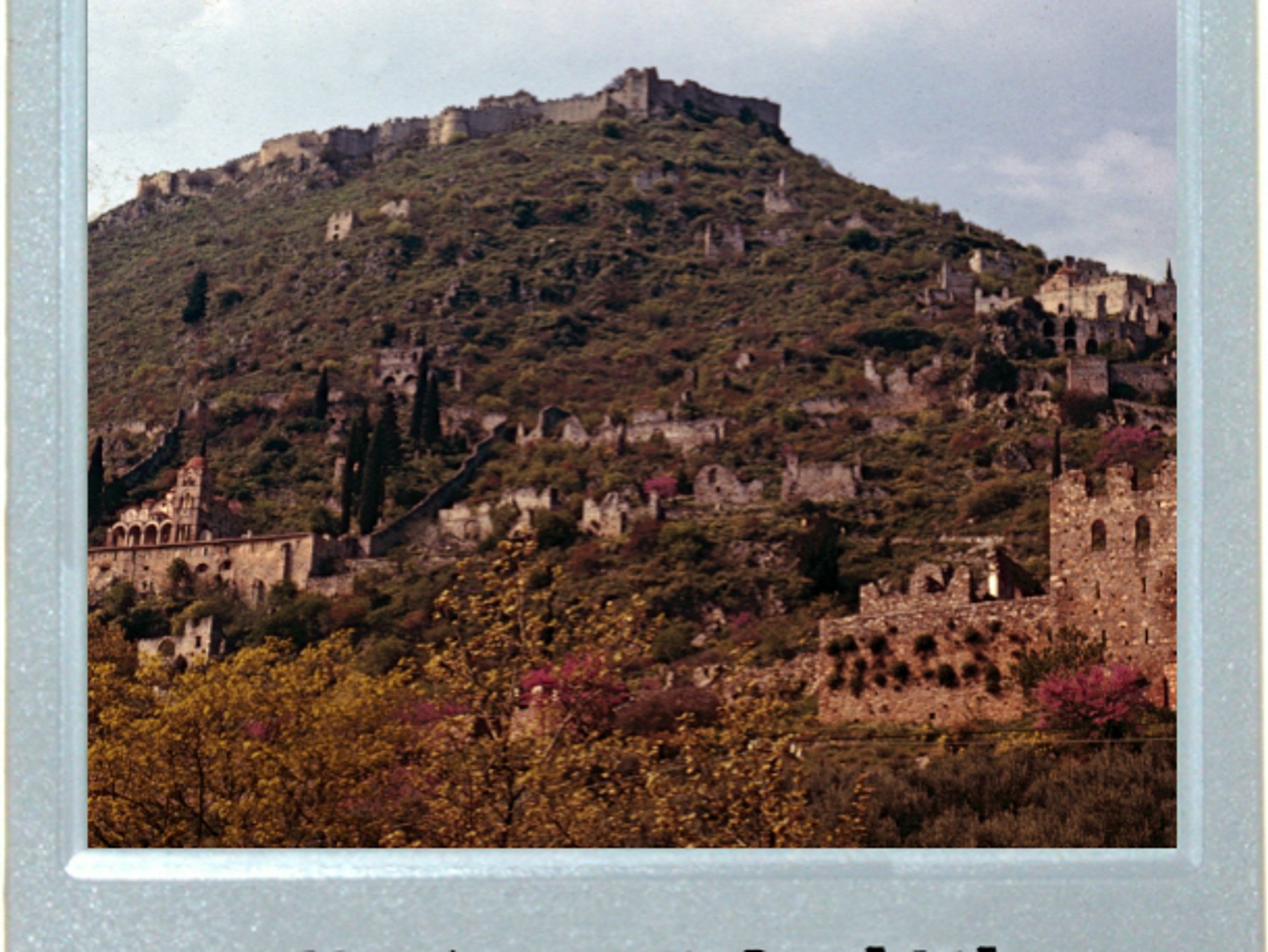
On the first of our many trips to Greece, my wife and I drove down to Mystras in the south of the country. Abandoned in the 19th century, the town’s churches, castle and fortress walls stand as a reminder of Byzantine grandeur.
Ghost Town Grandeur
On the first of our many trips to Greece, my wife and I drove down to Mystras in the south of the country. Abandoned in the 19th century, the town’s churches, castle and fortress walls stand as a reminder of Byzantine grandeur.
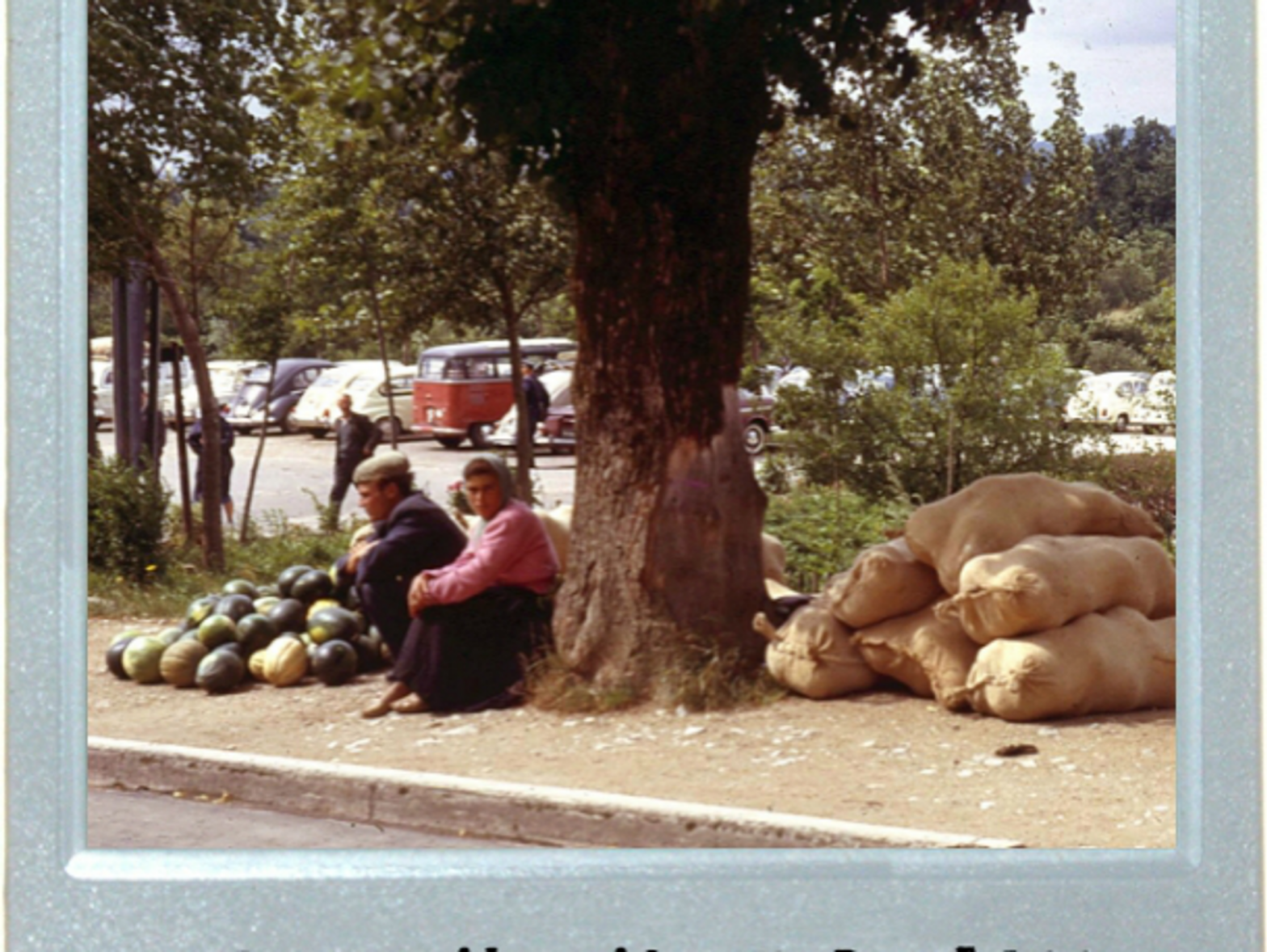
Under the authoritarian regime of Josip Broz Tito in then Yugoslavia, lots of shop windows were empty. Roadside vendors were a more reliable source of food there, with watermelons being a staple of domestic agriculture.
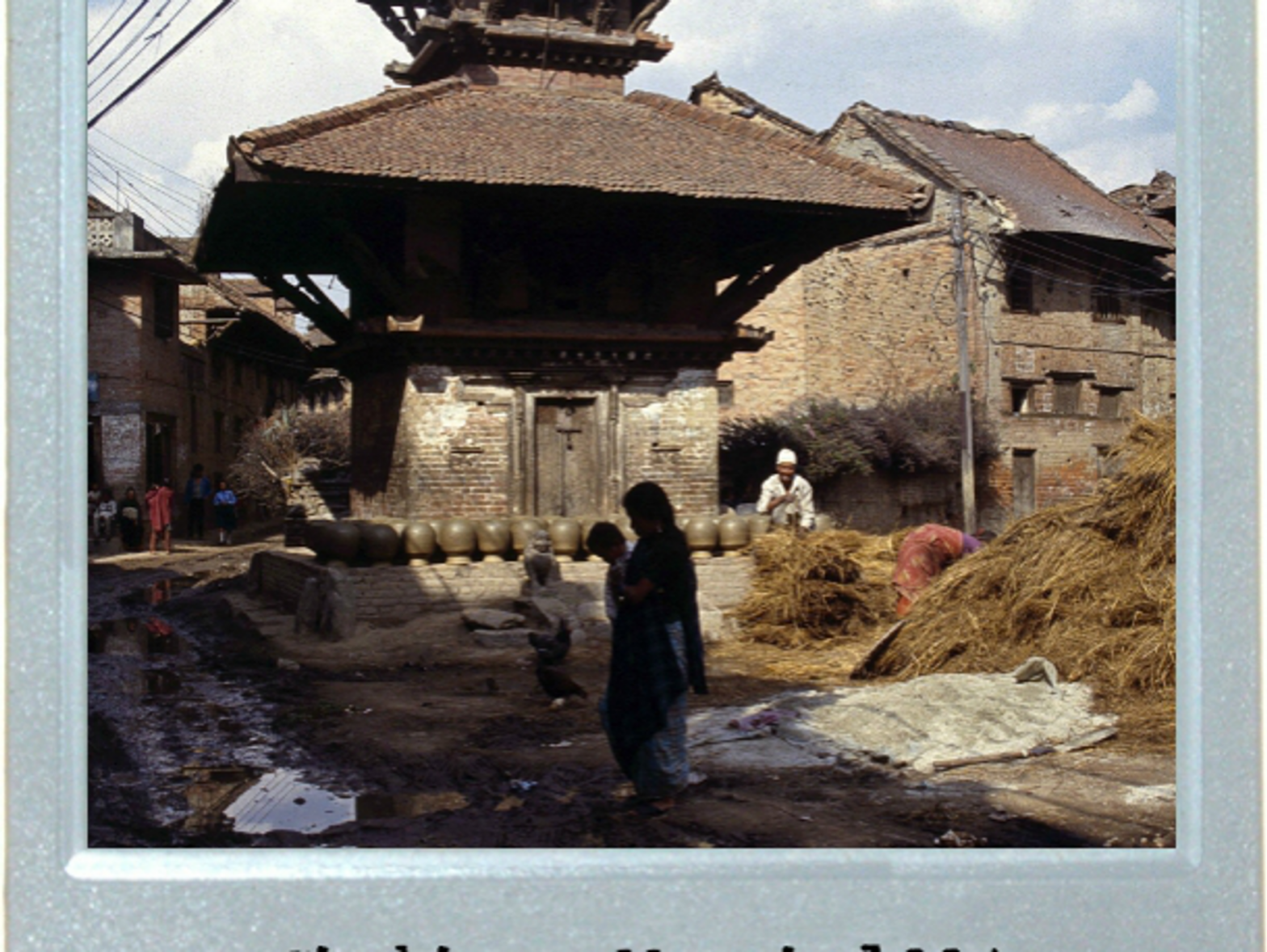
About a hundred kilometers south of the Himalaya mountain range, the village of Chobhar is a far cry from the country’s bustling and polluted capital, Kathmandu.
With my RDA-made Exakta Varex camera, I tried my hand at some macrophotography. I processed the film myself in a home-made darkroom.
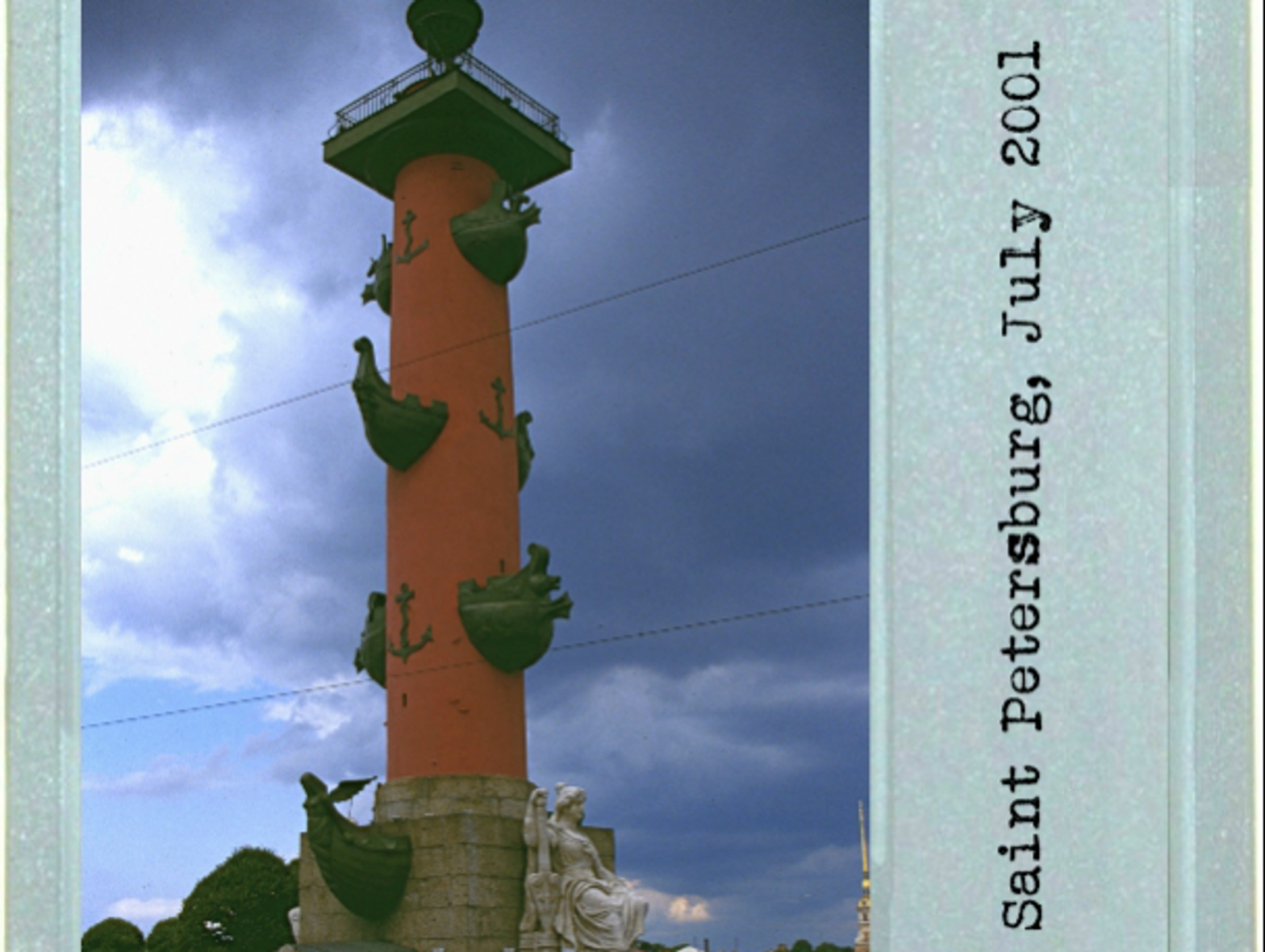
This is one of two rostral columns opposite the Old Saint Petersburg Stock Exchange on the Neva river. The red stucco columns, adorned with bronze ship prows, were meant as beacons — the torches at the top are still lit on ceremonial occasions.
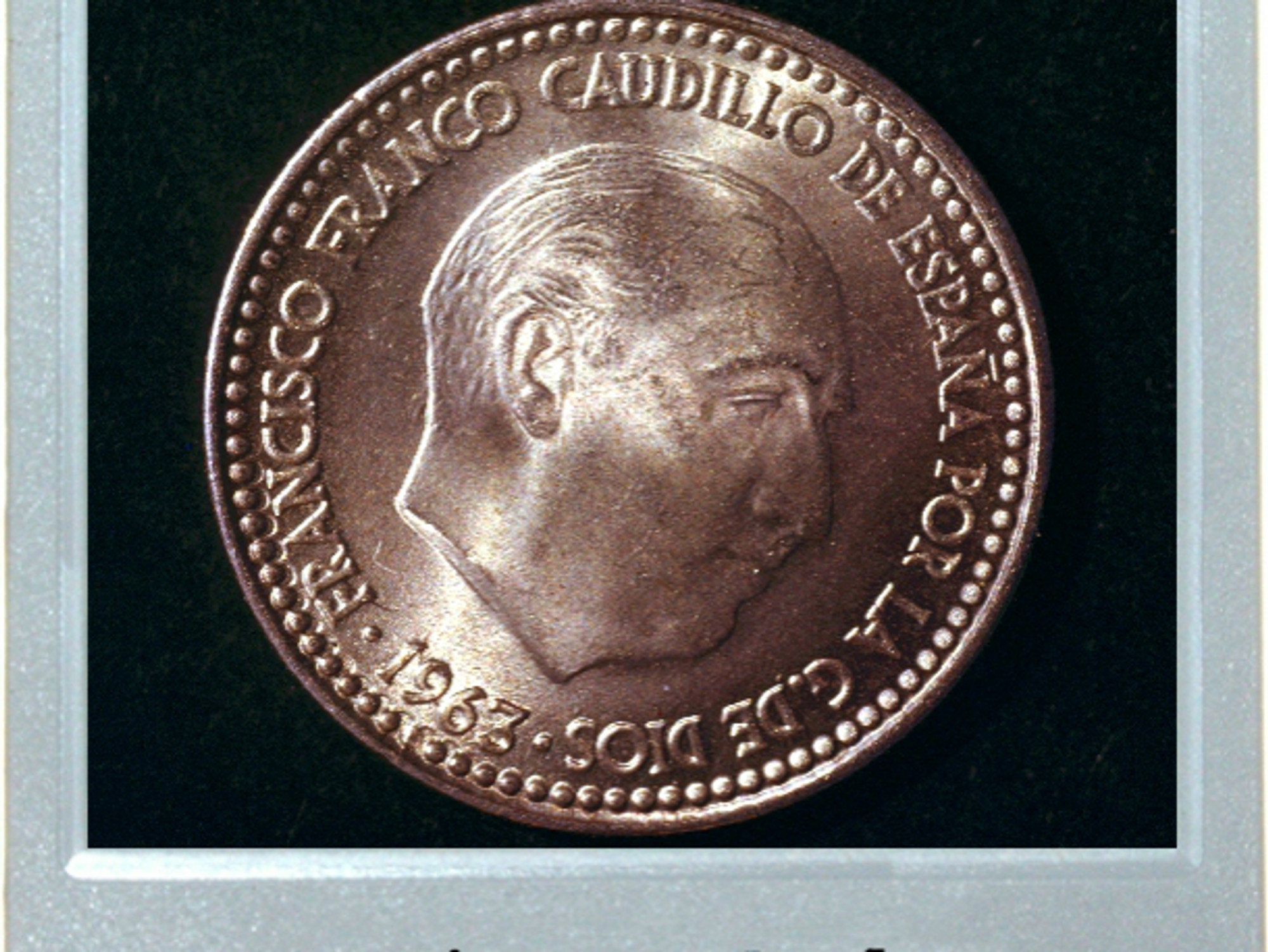
We drove to Spain several times in the 1960s, back when General Francisco Franco was still leading the country. This is a Spanish peseta coin representing El Caudillo (“the Chief”) that I kept from our trip all the way down to Santiago de Compostela.
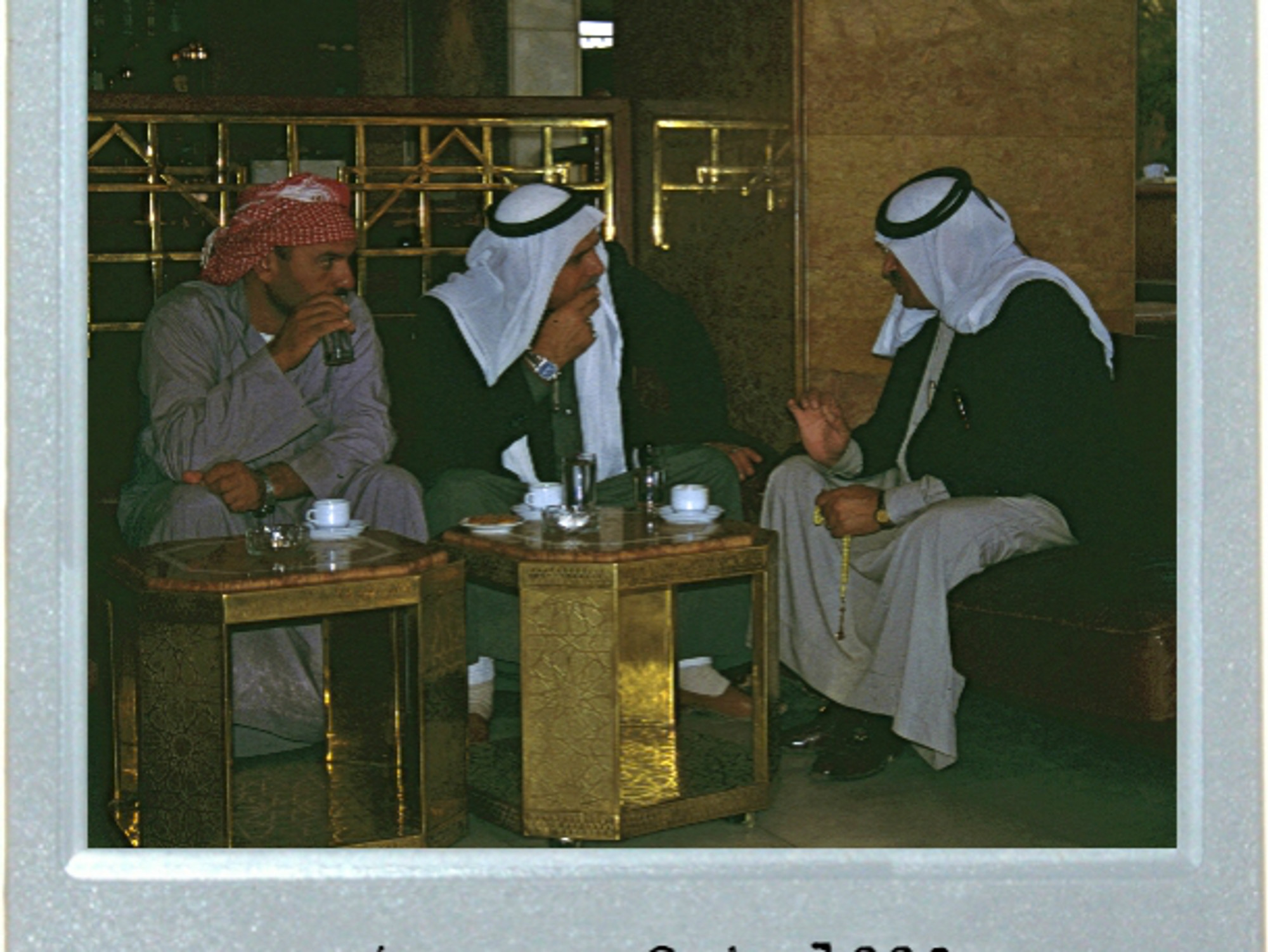
In between visiting the wonders of the nearby city of Jerash and the desertic Wadi Rum valley, we stopped for the night in Jordan’s capital Amman. And scenes like this one in the hotel lobby were as memorable as the country’s ancient ruins and wondrous landscapes.
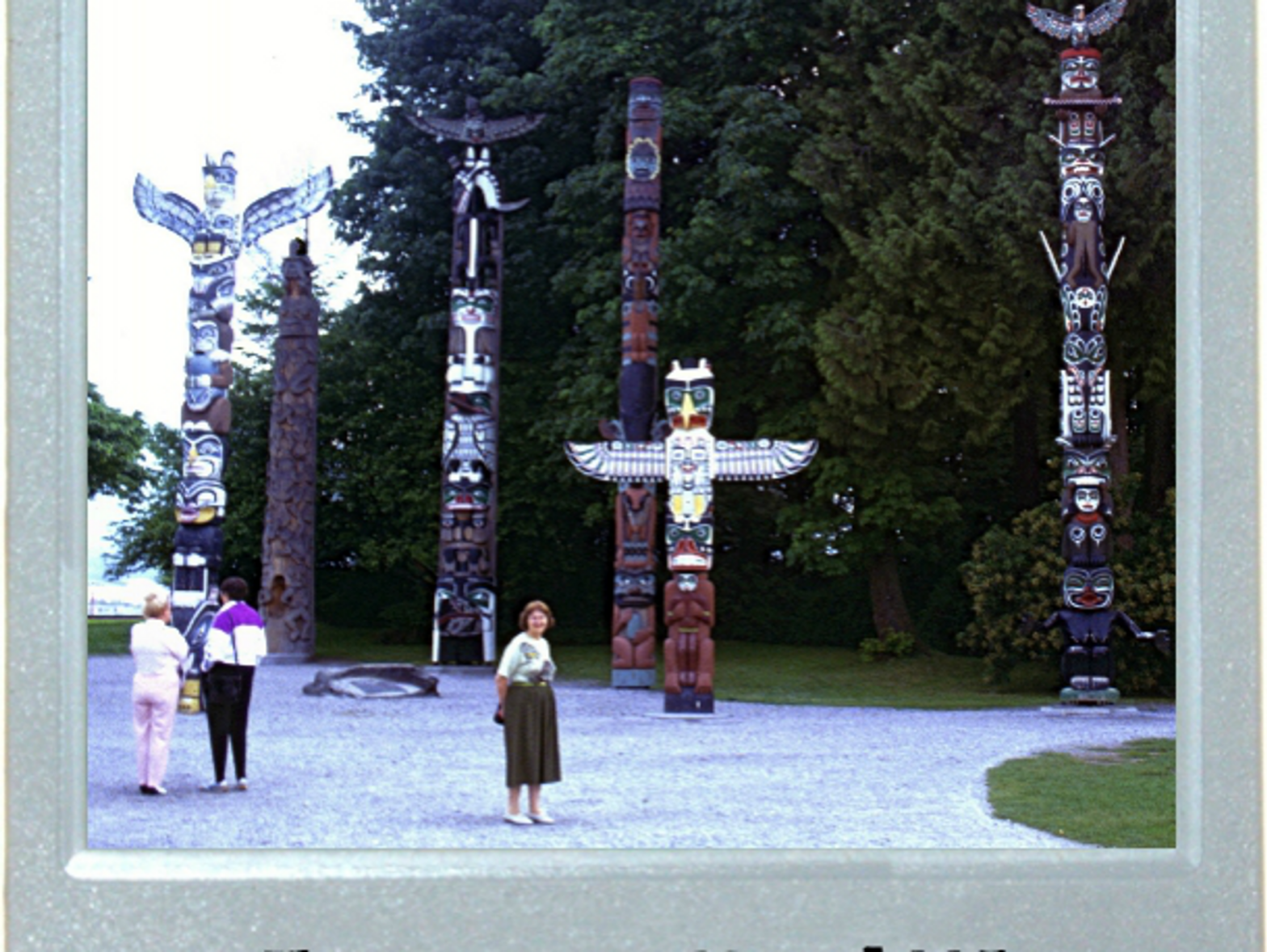
The nine totem poles in Vancouver’s Stanley Park were impressive both for the carvings, and the height. For some perspective, my wife Claudine, in the foreground, was about 5ft7.
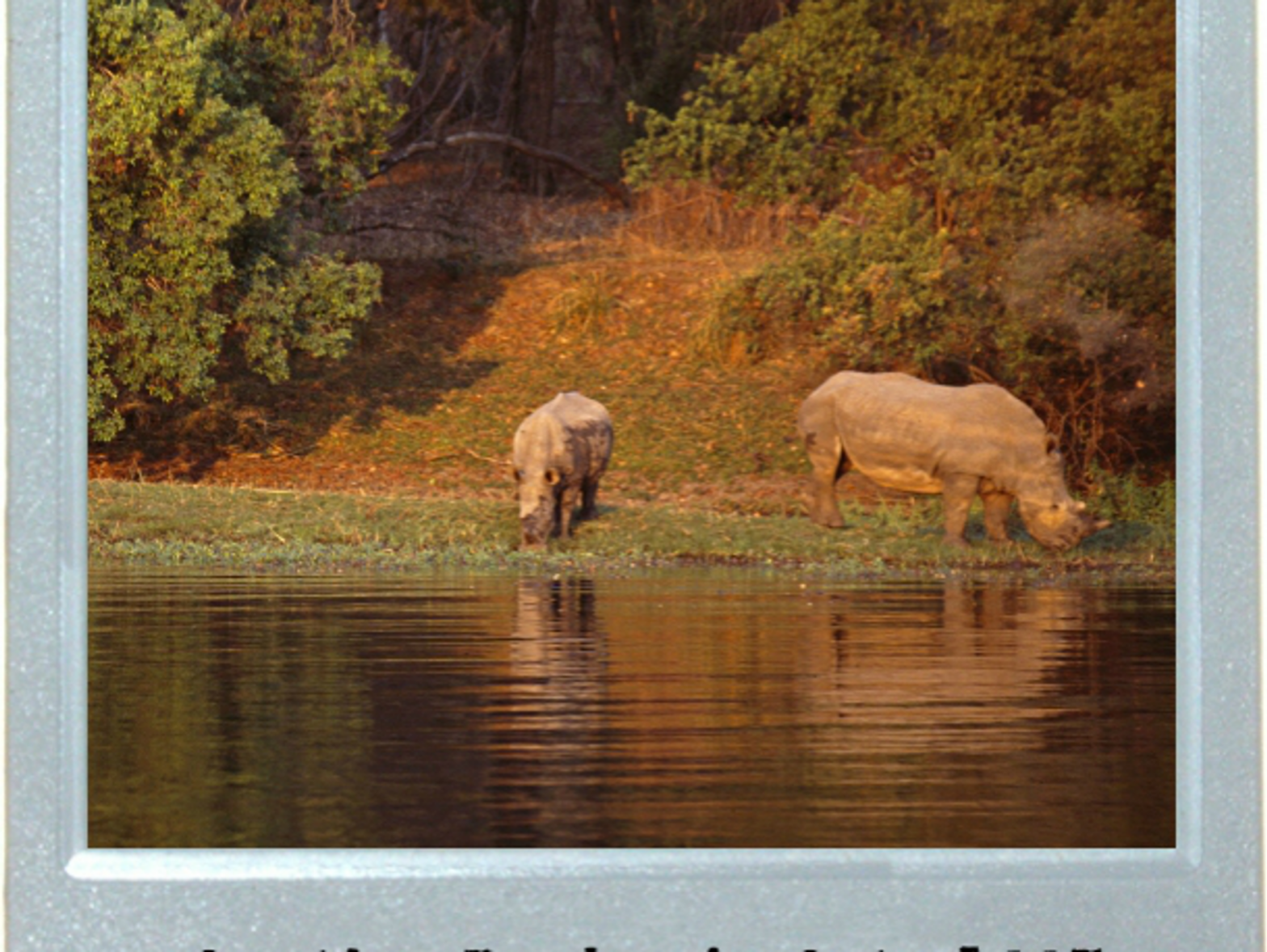
On the Zambezi, the upper end of which begets the mighty Victoria Falls, I went on a half-day cruise. There was amazing fauna to observe from the deck, and champagne to drink from the boat’s open bar. Hey rhinos, here’s looking at you …
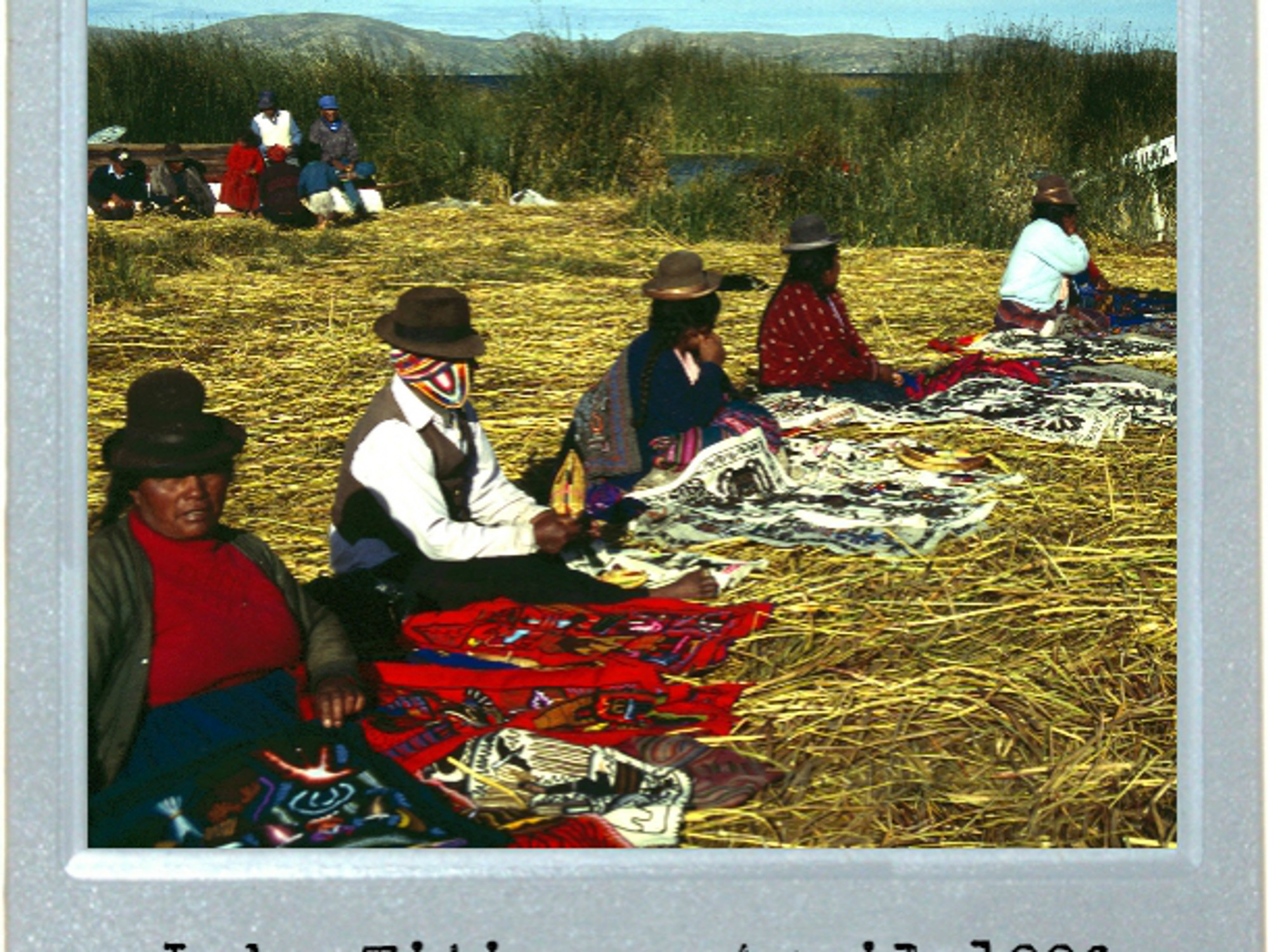
I bought a nice bedspread from one of these Uru women, sitting in the sun on a islet in Lake Titicaca. They sure get enough practice: The Uru people wove the islets themselves, using dried reeds.
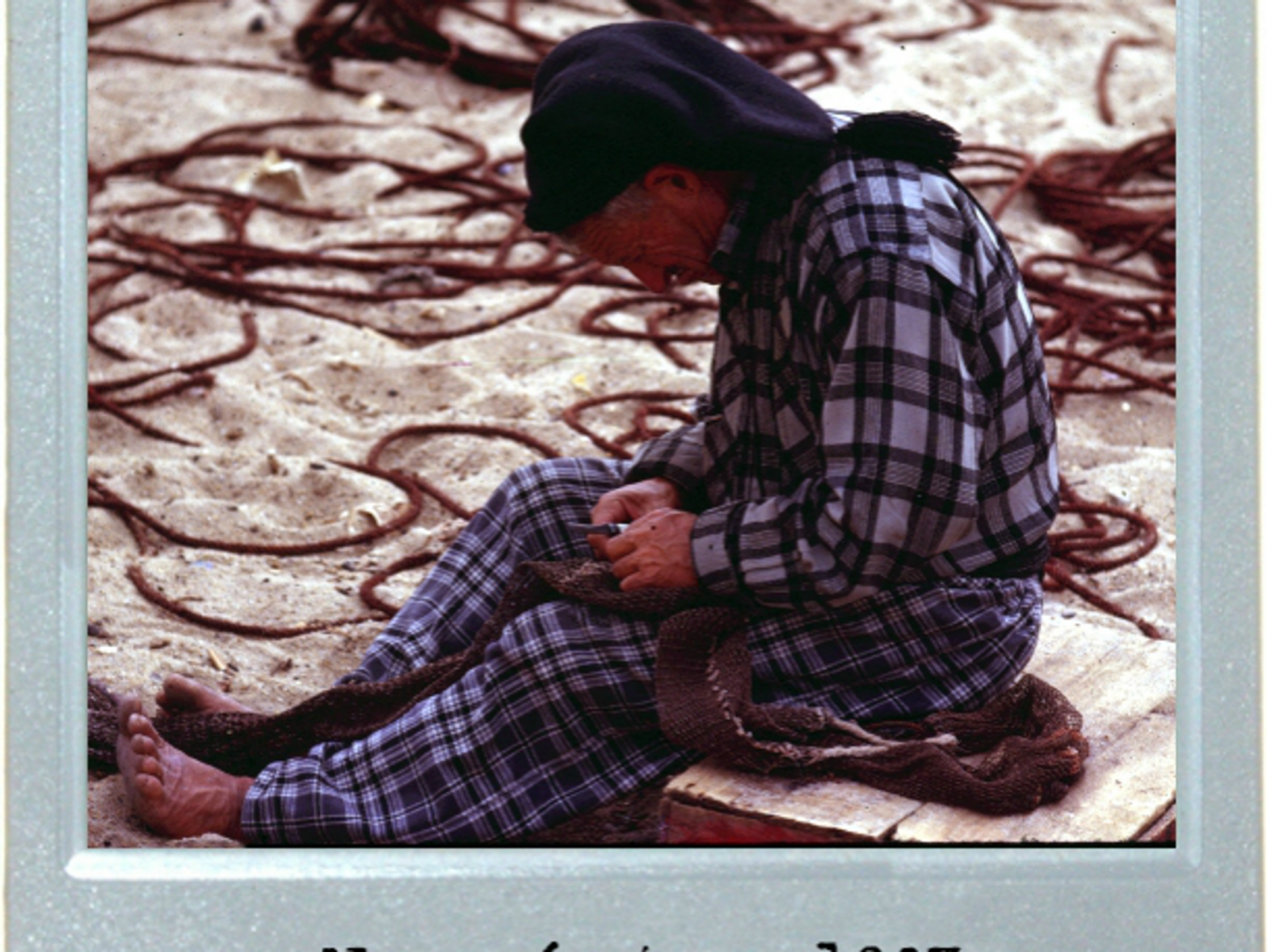
I’ve already told you about the fishermen’s wives of Nazaré, and the seven petticoats they’d wear traditionally in this Portuguese town. The fishermen“s costumes are just as interesting. Although granted, they do look a little bit like pajamas.
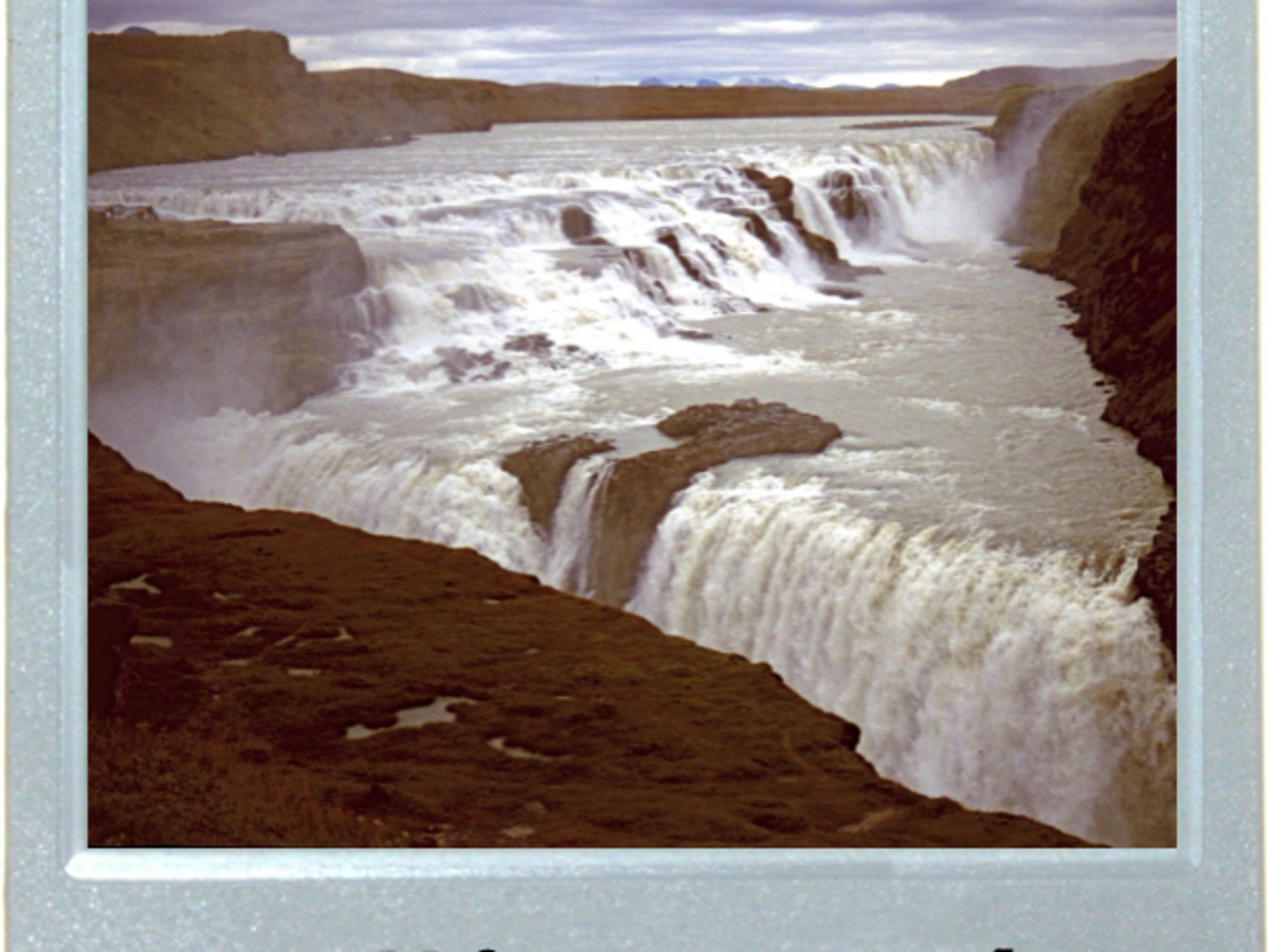
Though definitely not the most impressive watefalls I got to see, the Gullfoss cataract (not far from other popular Icelandic landmarks like Þingvellir or the “father of all geysers“) gives the eerie impression that the water disappears into the earth.
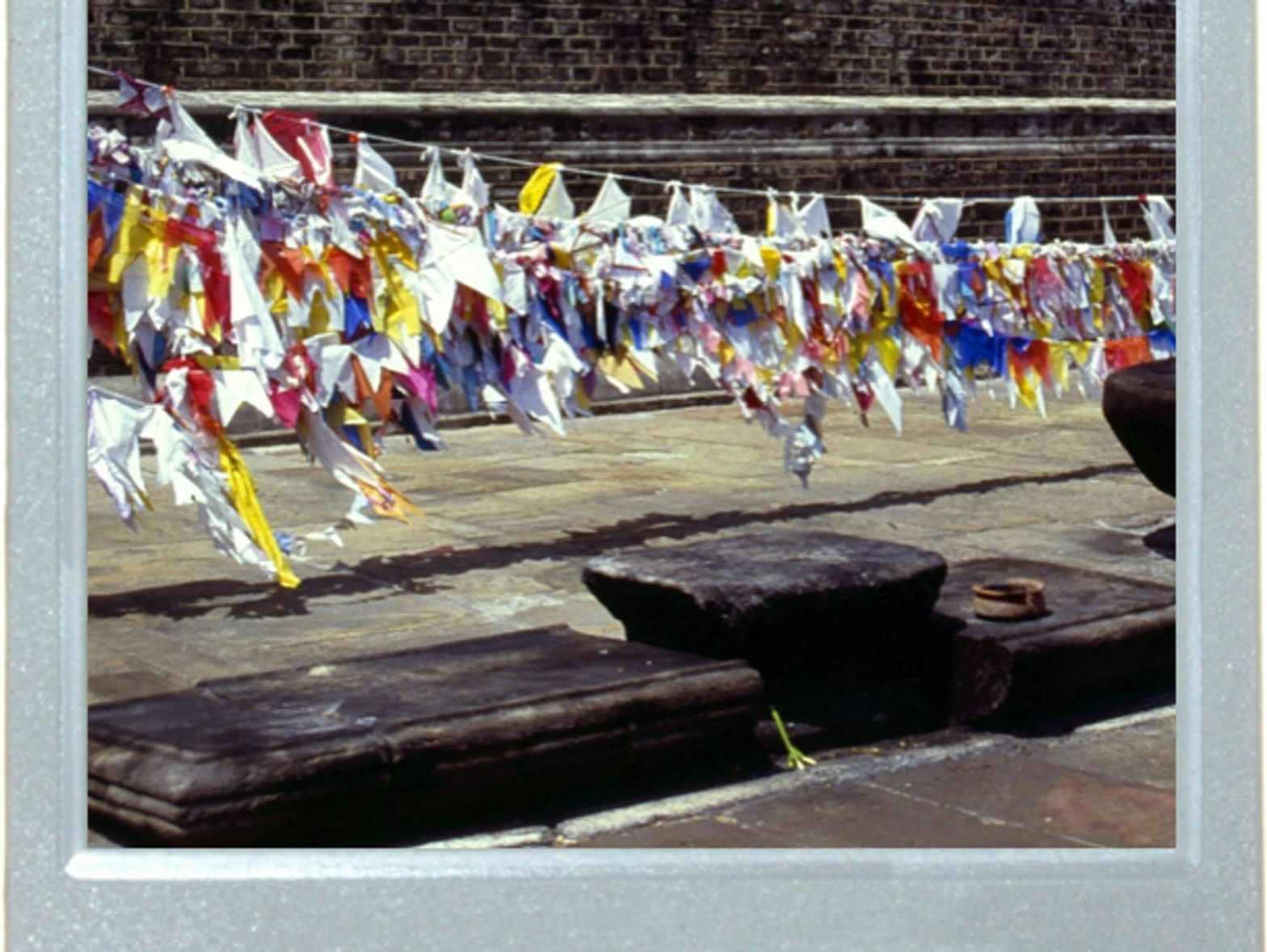
Members of Sri Lanka“s Hindu minority have a religious custom where they tie a piece of colored cloth to a line. Every knot signifies a wish.
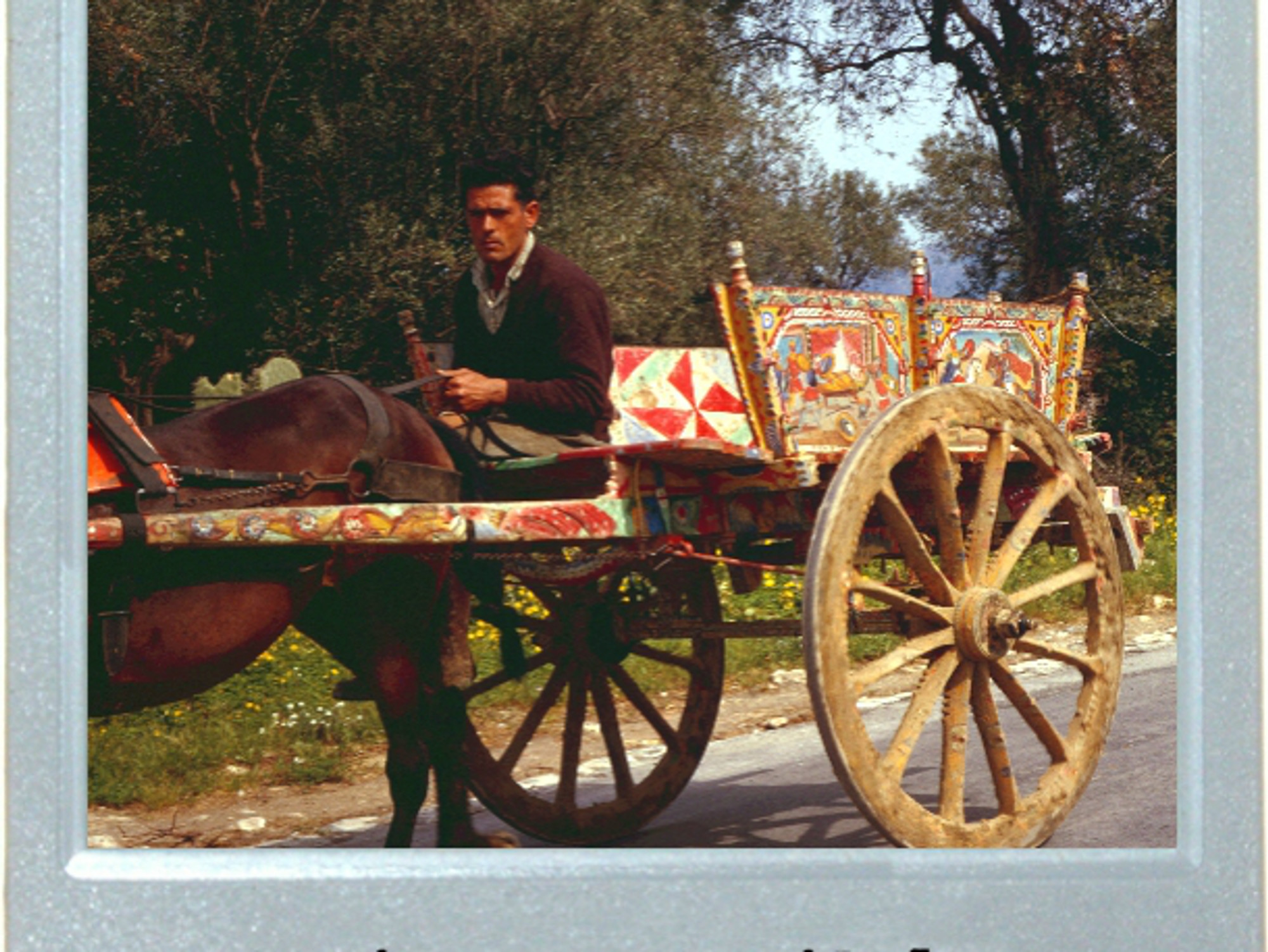
Brightly-decorated Sicilian carts don’t just look great. The scenes carved in the wood of the carretti siciliani used to be a good way to teach history, and pass on folklore, to illiterate workers.
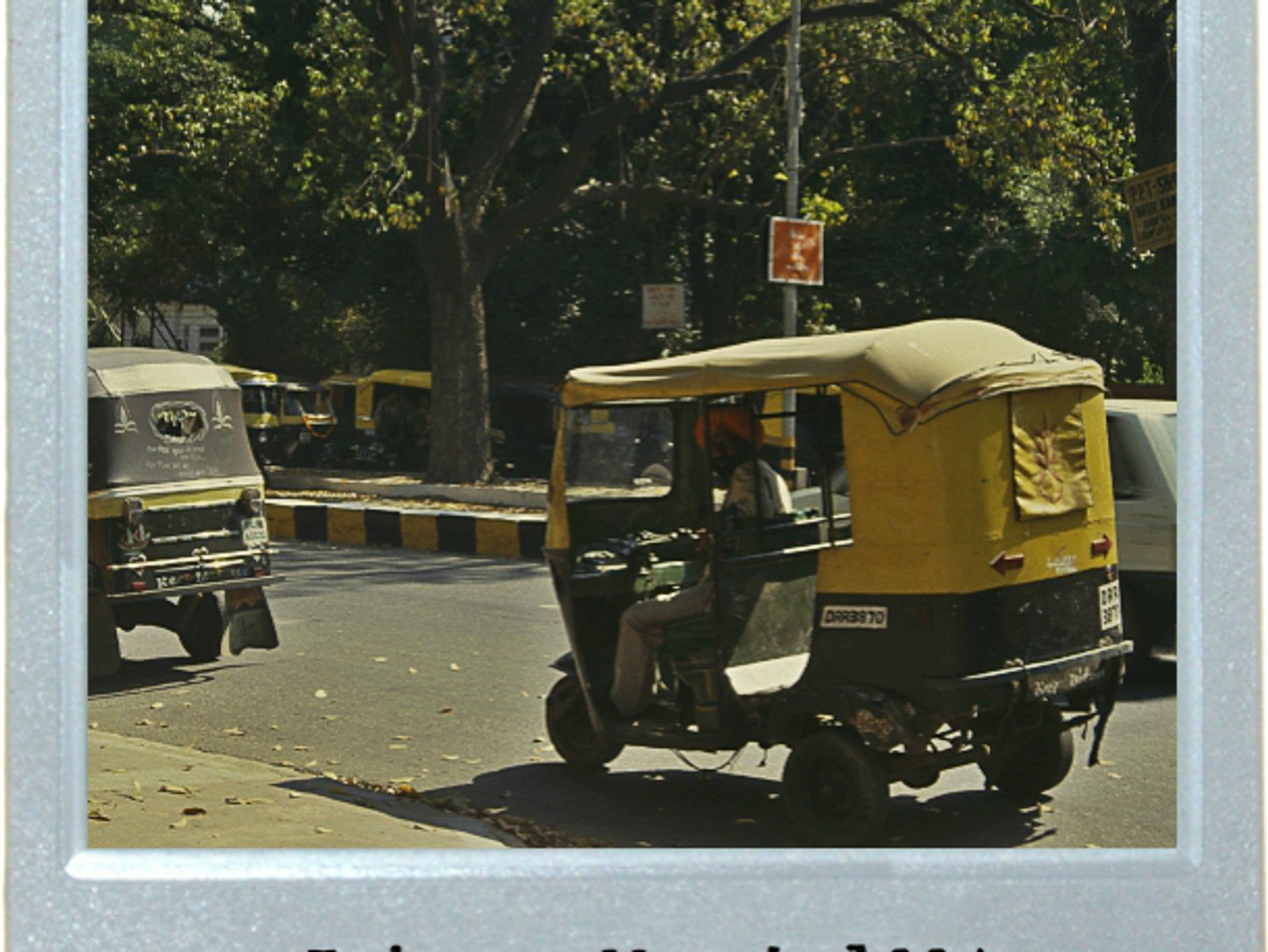
To deal with daily traffic jams in the Indian city of Jaipur, locals and tourists alike turn to fast and cheap rickshaws that can weave through clogged city streets.
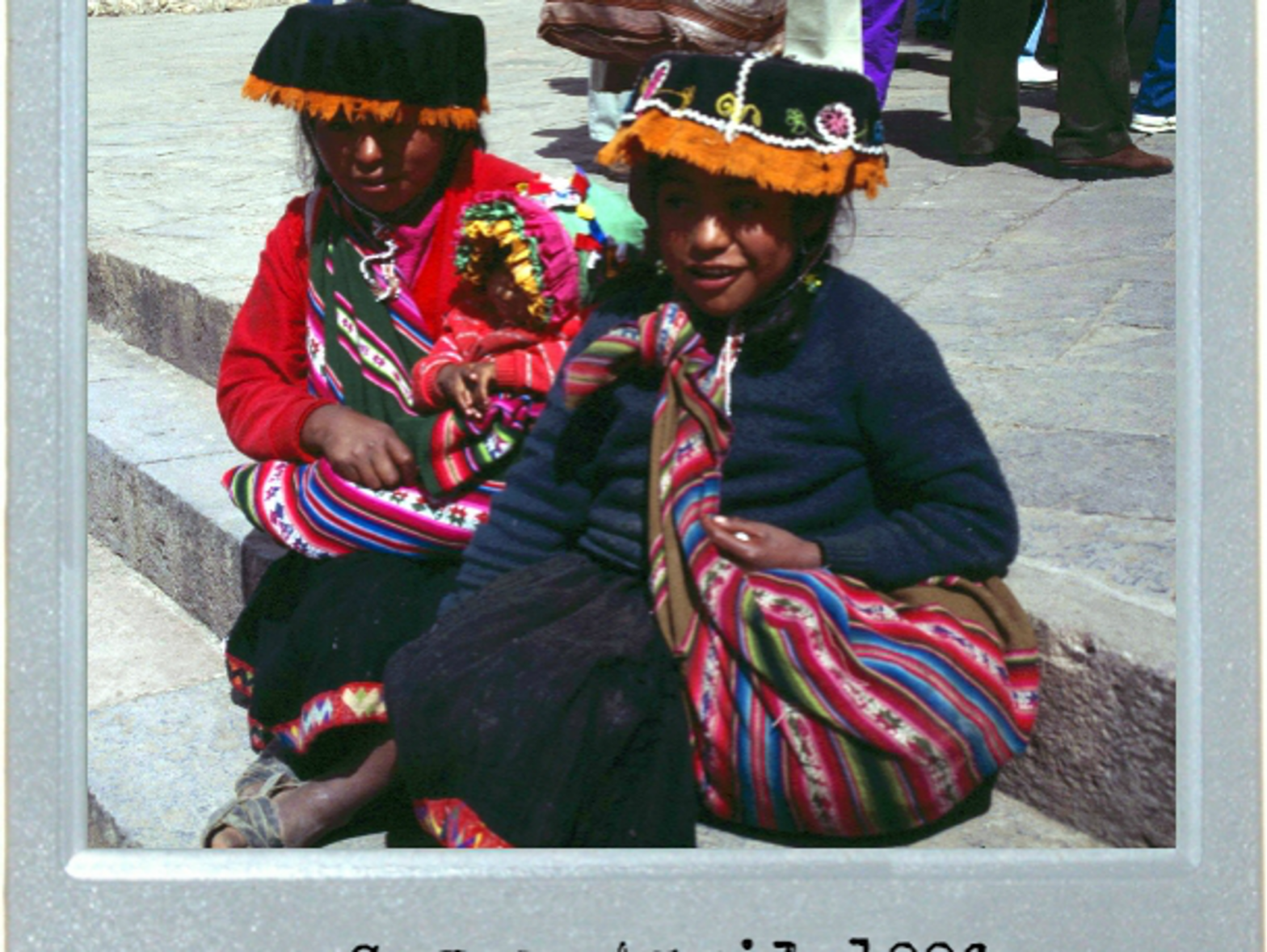
These two Peruvian women in traditional clothes were taking a break from a nearby festival, watching me watching them.
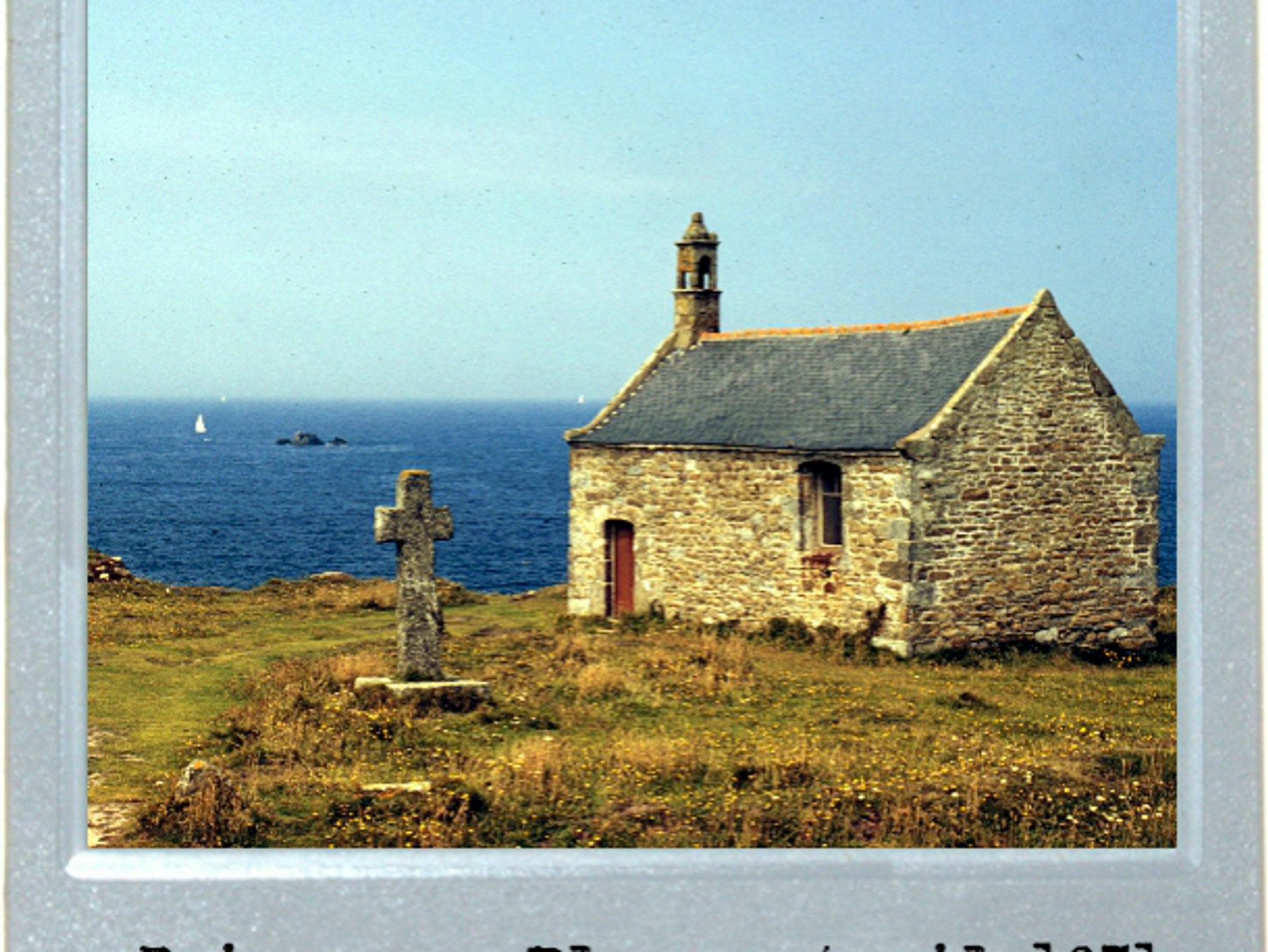
Ask anyone in France about Brittany, and there’s a good chance they’ll tell you how bad the weather is in the northwestern region. Looks like blue skies to me!
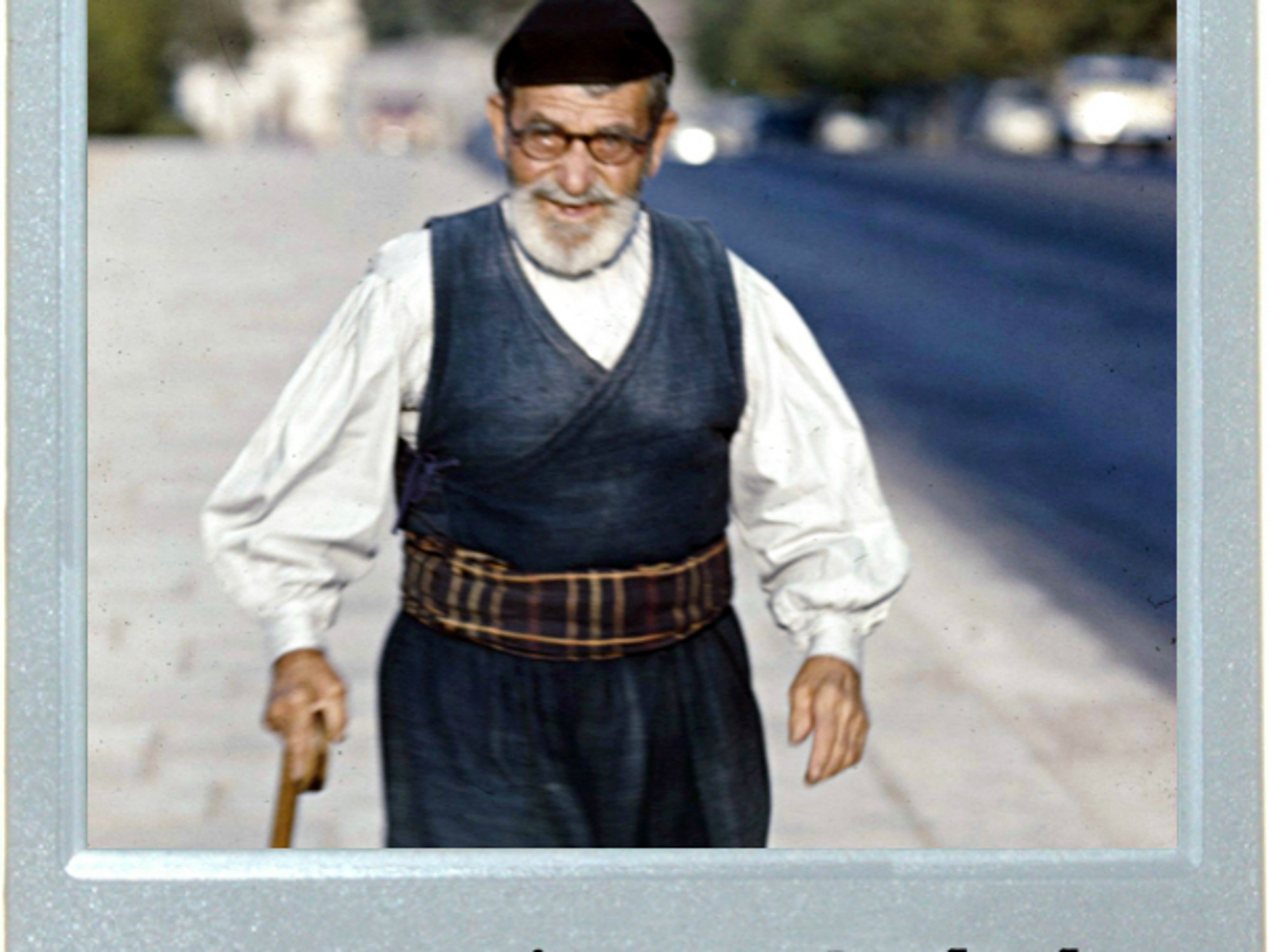
This was the first of about a dozen trips to Greece. From Athens to Epidaurus to Crete … There is something about the country’s history and its people that always made us come back for more.
My wife Claudine was barely paying attention to the endless limousine she was walking past. Too conspicuous for her taste, maybe?
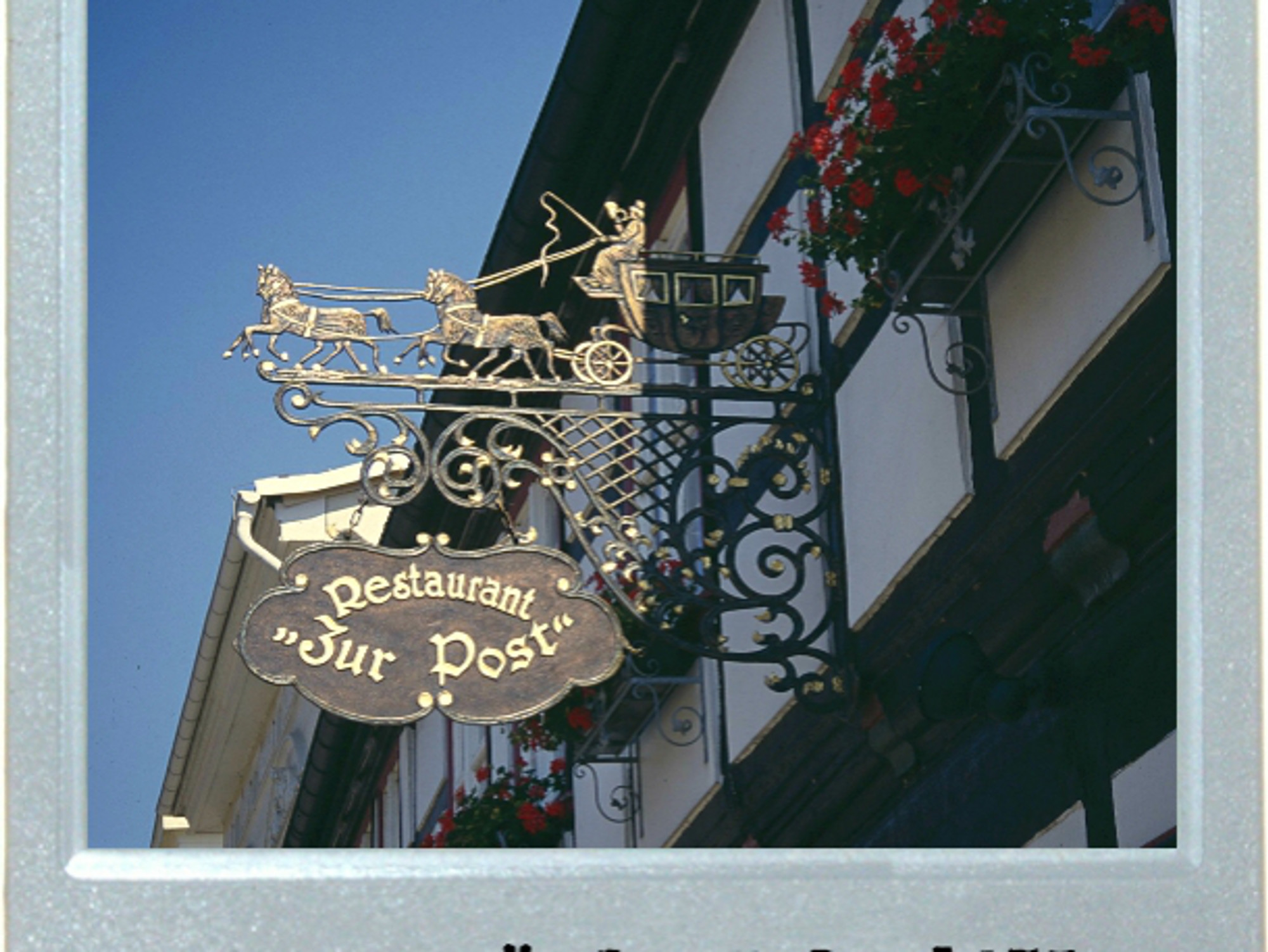
Wrought iron restaurant signs are a German specialty, and usually point famished travellers like me toward excellent Gasthaus food. But not far from Tangermünde, where I took this shot, a different sort of iron still separated Europe in two.
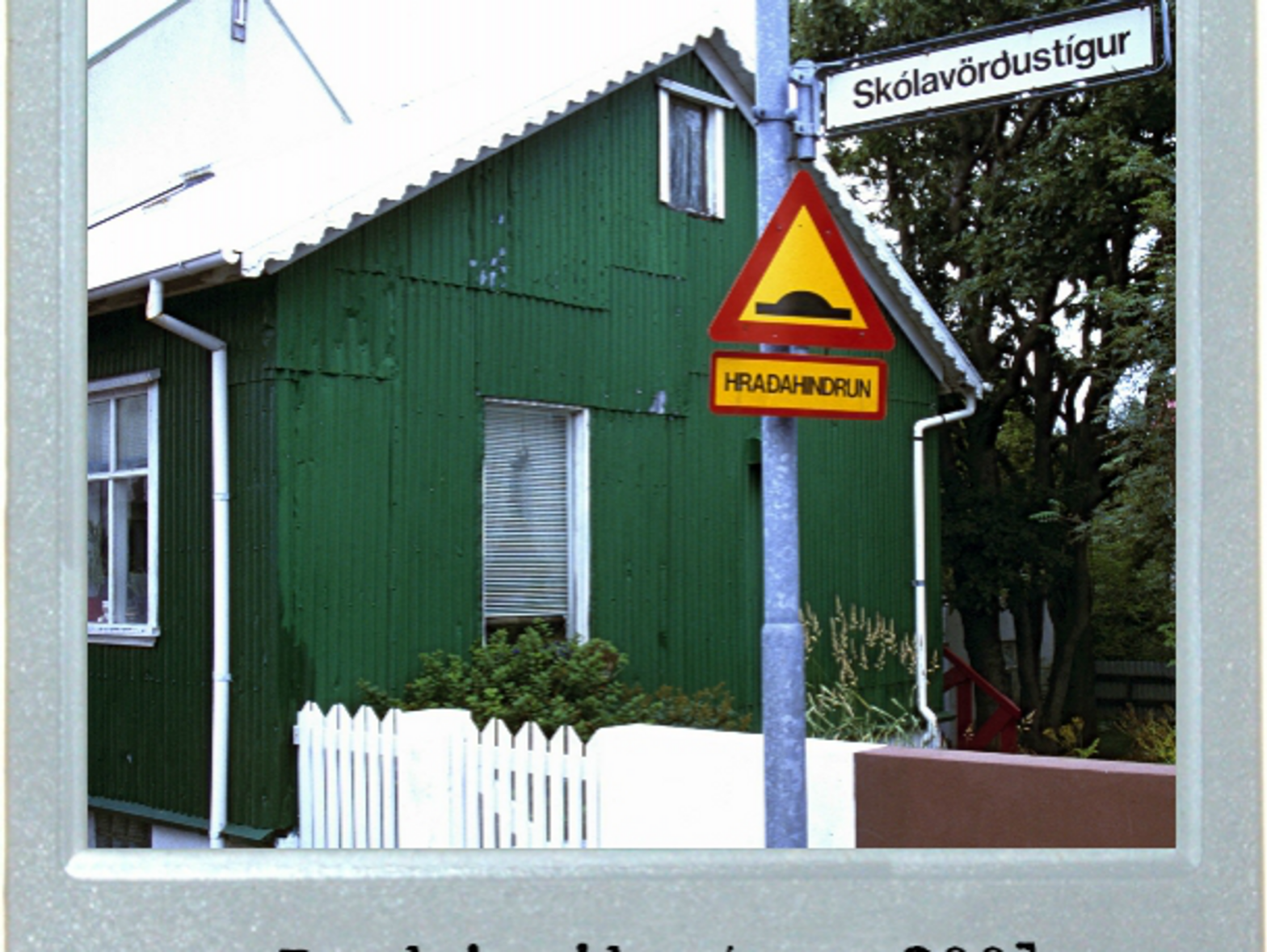
A speed bump sign in Reykjavik, Iceland. When I don’t understand the language, I’m always grateful to see road signs that translate across borders.
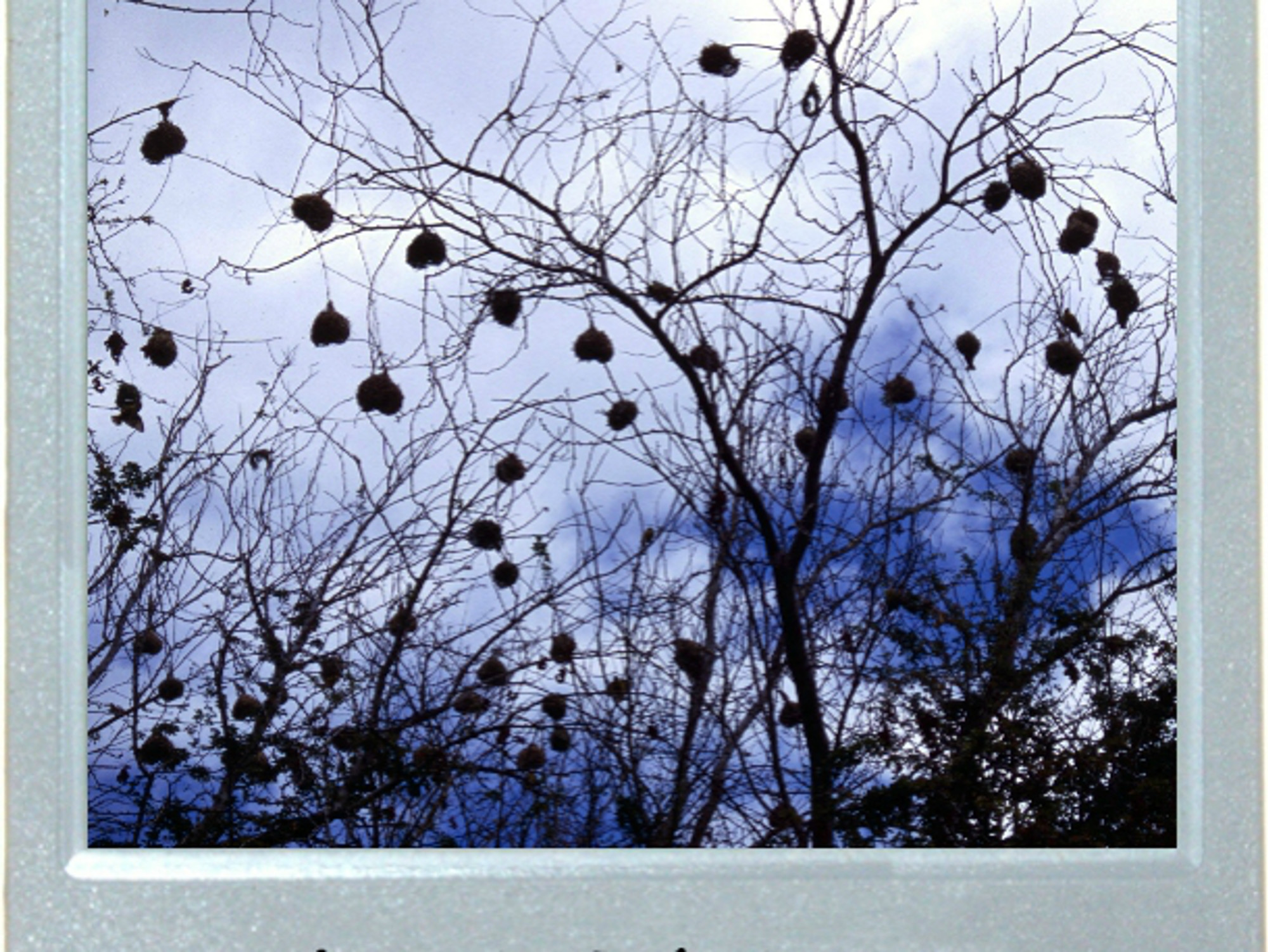
This tree was not afflicted by some strange disease: “Village weavers” — little yellow birds we got to see on both Mauritius and Réunion islands — had made it their home.
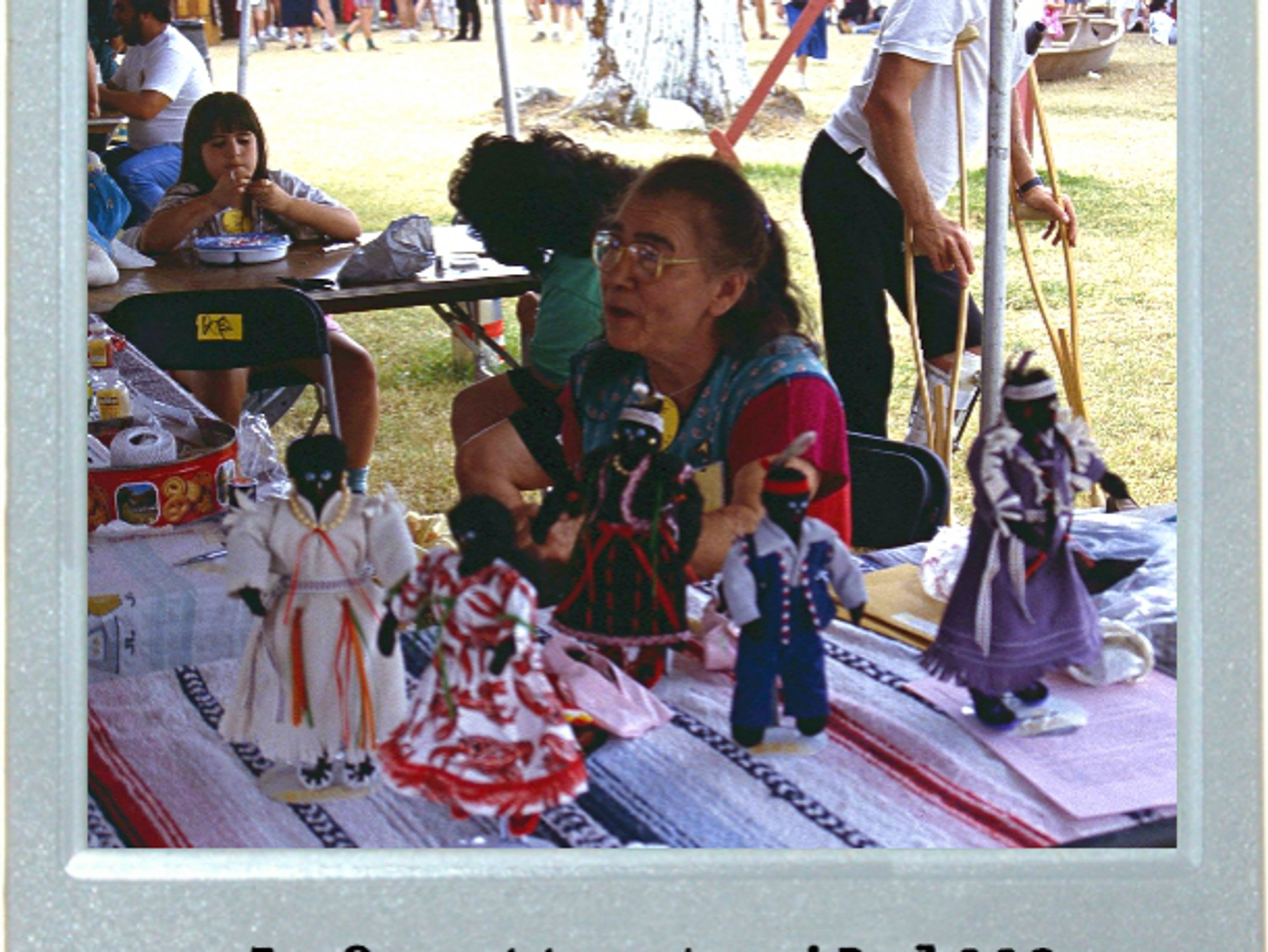
There’s a lot happening in this shot of an open-air market at Lafayette’s big jazz, arts and crafts festival, in Louisiana. The dolls in the foreground, the little girl sewing, the guy in the crutches — you can even spot a red box of Danish cookies!
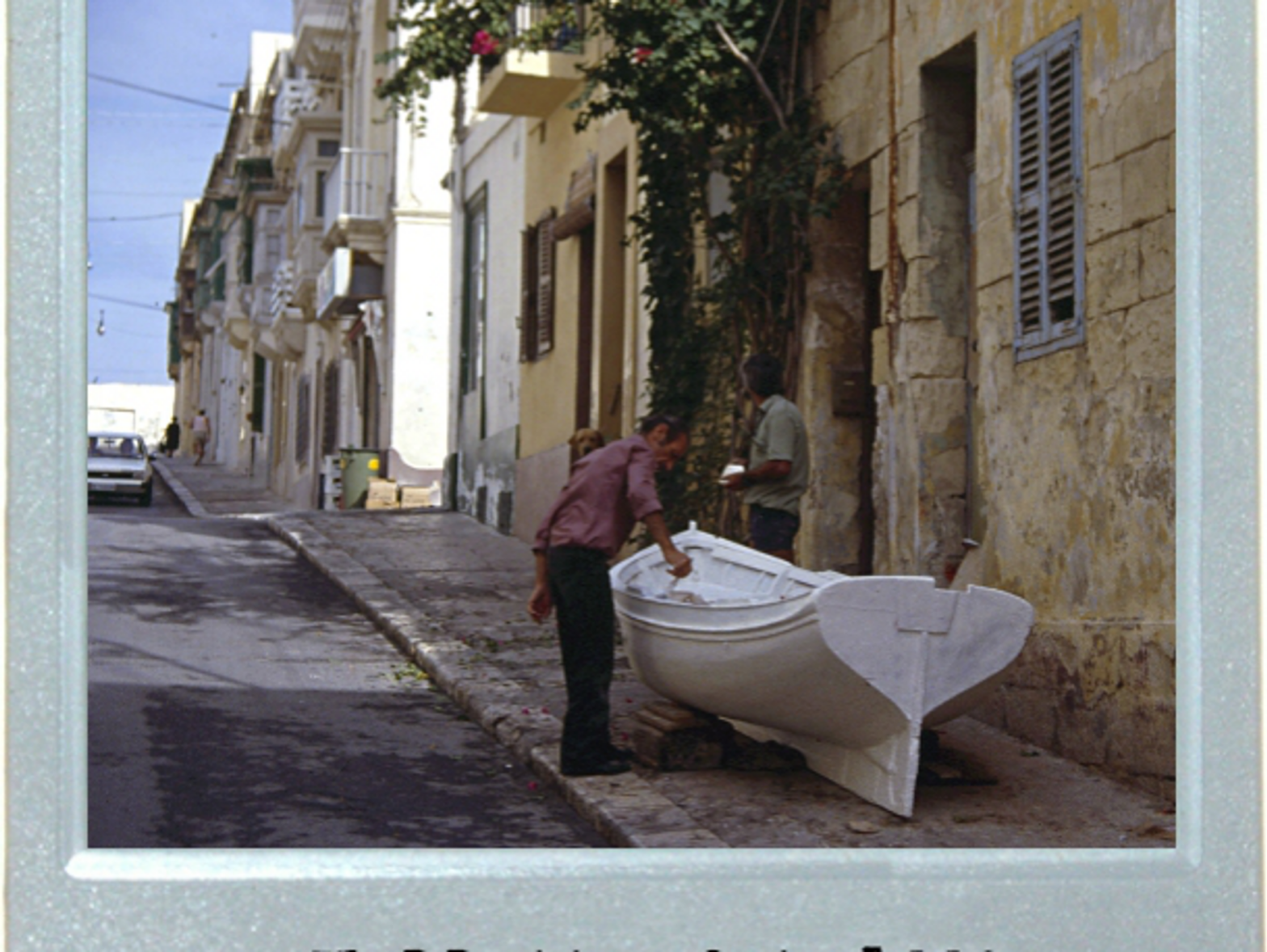
This man was giving his boat a fresh coat of paint on a hilly street in Valletta. Less than a year before, a U.S.-USSR summit in Malta is credited by some as having closed the Cold War. That meeting was aboard a much bigger Soviet boat anchored in the nearby harbor of Marsaxlokk.
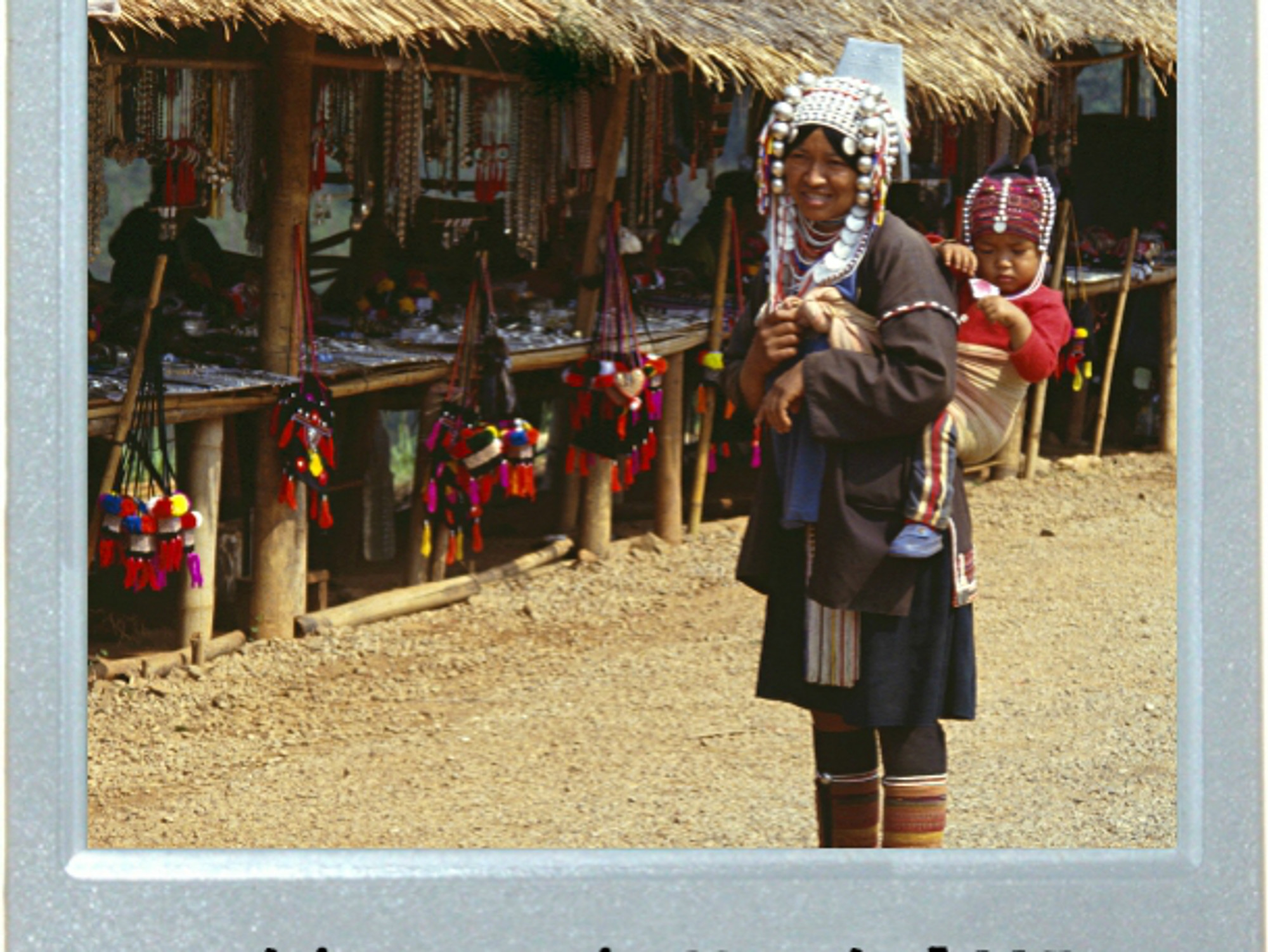
While other tourists were busy buying “traditional” crafts, I took many pictures of members, young and old, of the Hmong people of Chiang Rai, in northern Thailand.
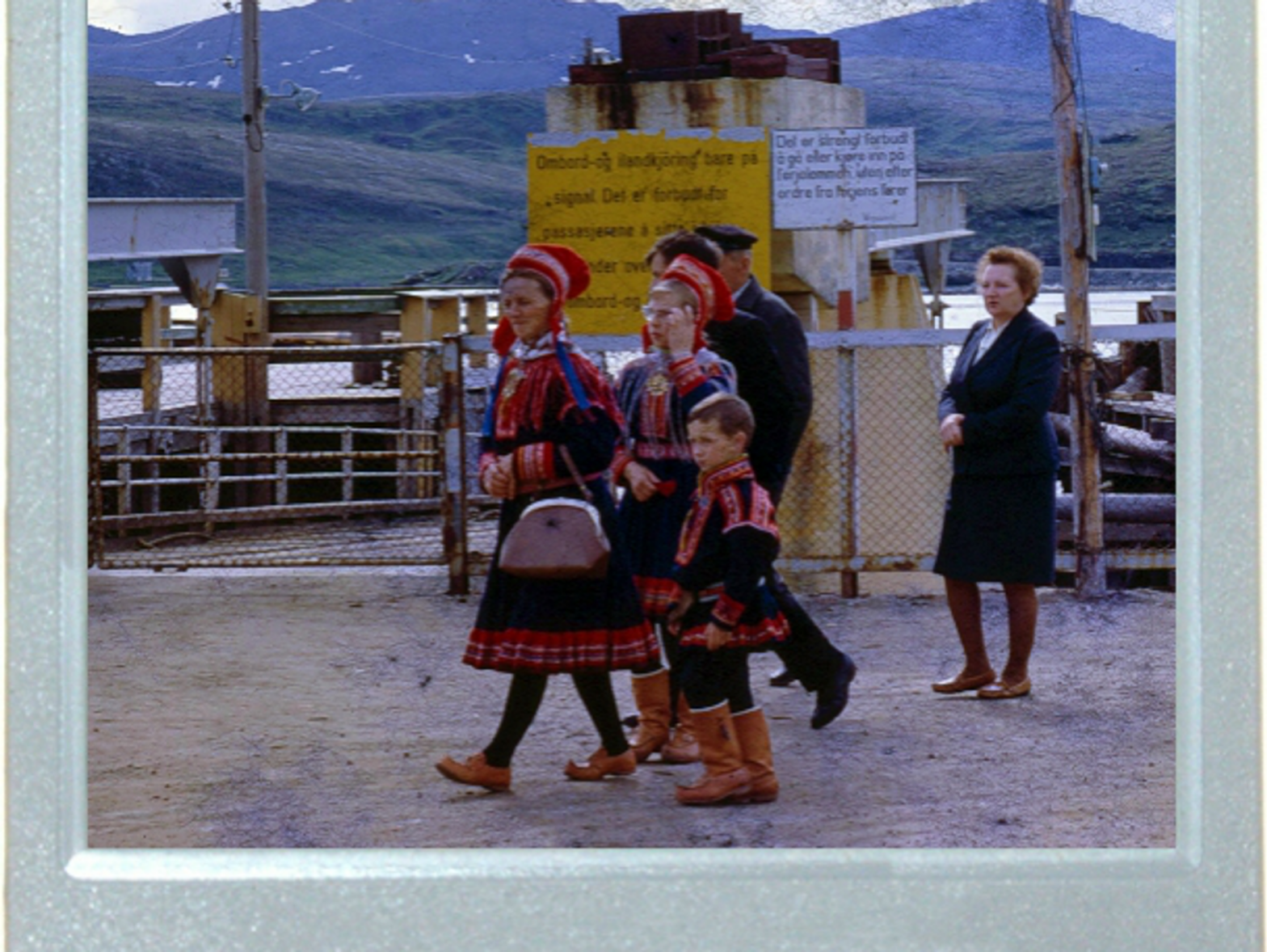
In northern Norway, this Sámi family was wearing colored gákti costumes. And I don’t think it was merely for tourists — in the 1960s, some northern families were still in the habit of wearing traditional clothing when selling hides at the local market, or herding reindeer.
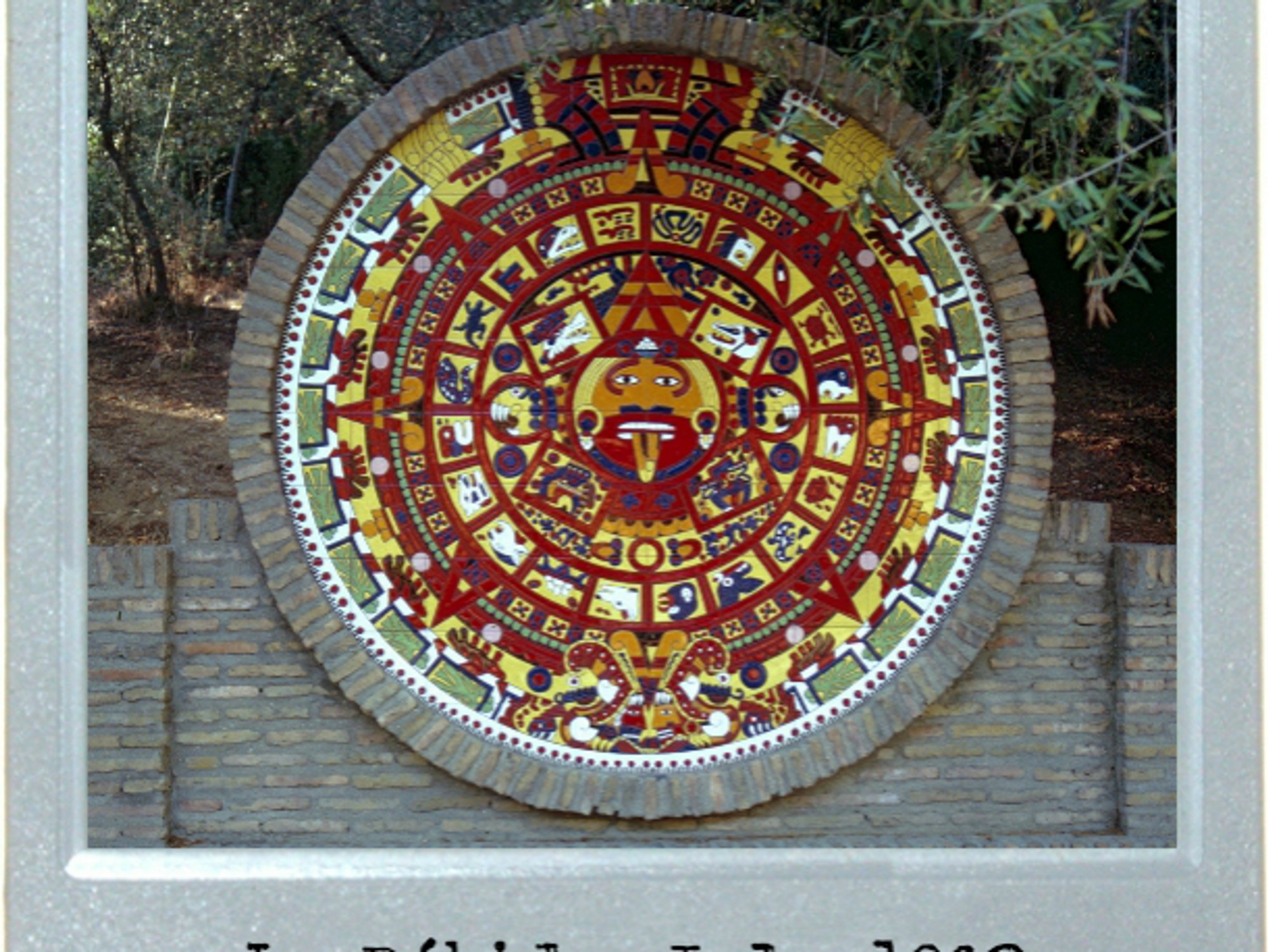
This is a reproduction of an Aztec calendar near Huelva in southern Spain. The original lies in a museum in Mexico City. Based on meticulous astronomical observations, the Aztecs used this sunstone to determine whether the end of the world was near. They found out it would happen on Dec. 21, 2012 — and weren’t […]
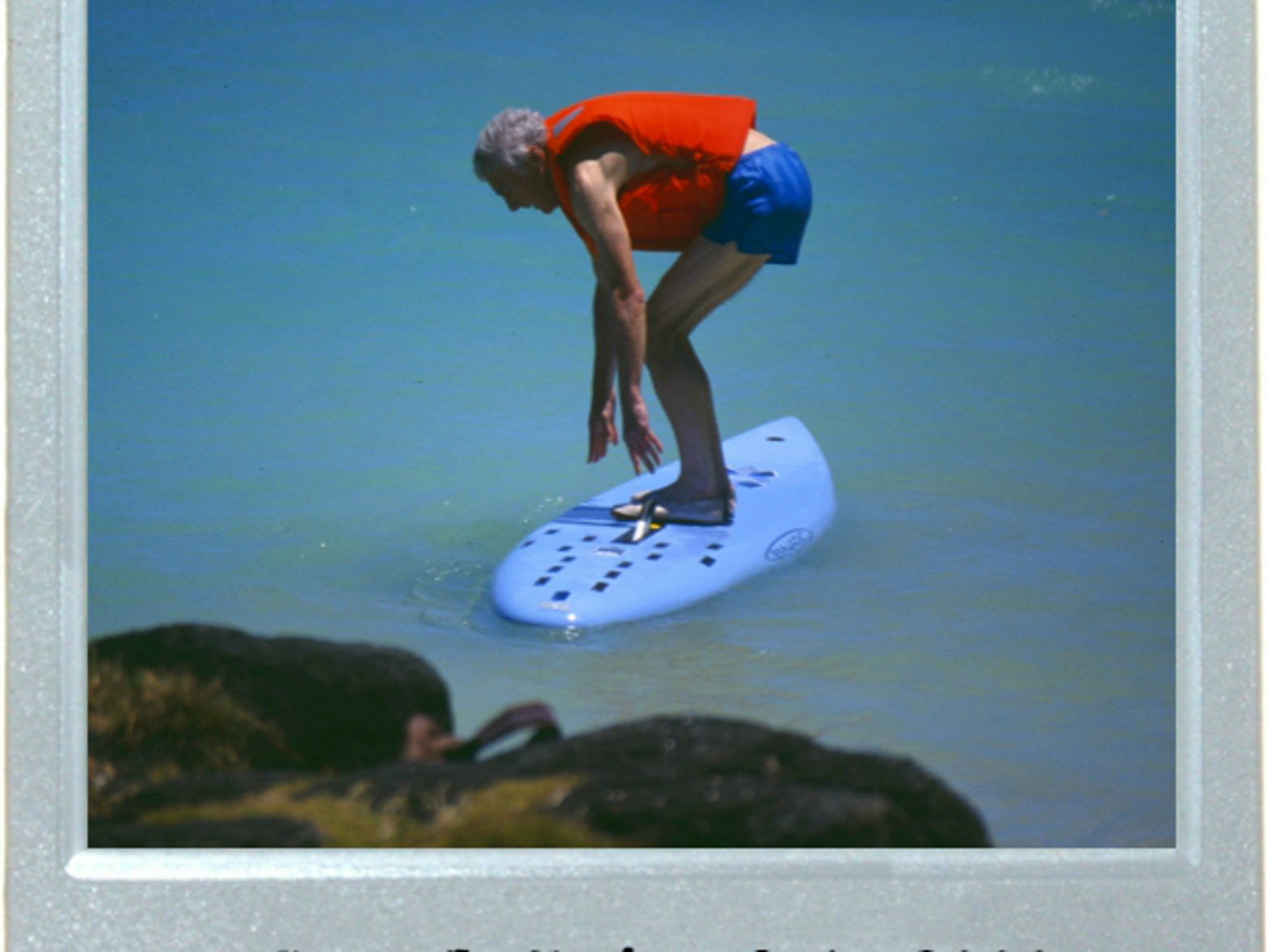
On the northern tip of the island nation of Mauritius in the Indian Ocean, this man was determined to try his hand at surfing. I took a picture of him just before he fell into the water — the first of many tumbles.
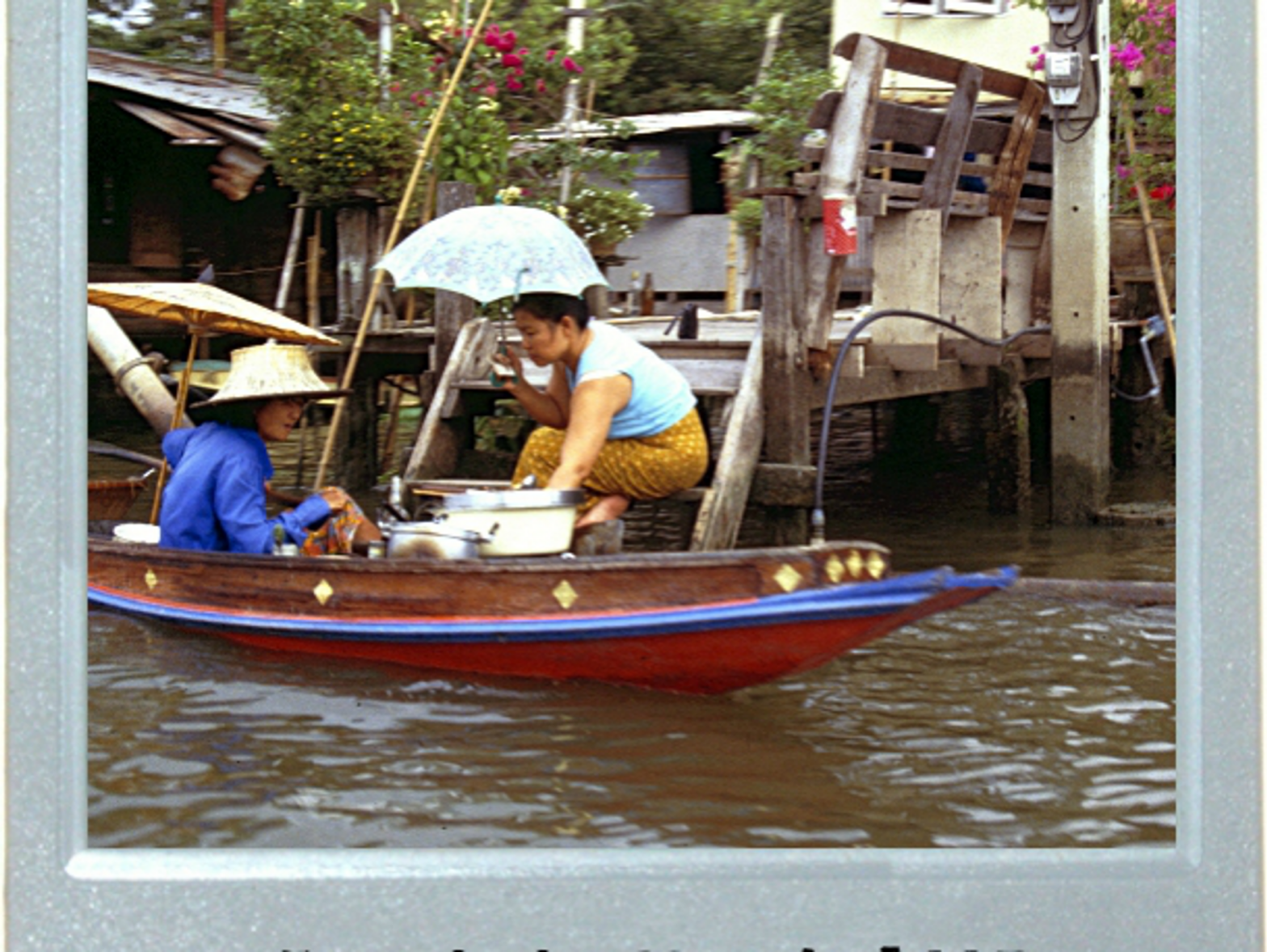
There was a documentary on French TV a couple of days ago about the khlong canals that crisscross Bangkok. Not much seems to have changed since I went there 23 years ago, except for one thing: Running water has made its way to the nearby houses, so people no longer drink directly from the turbid […]
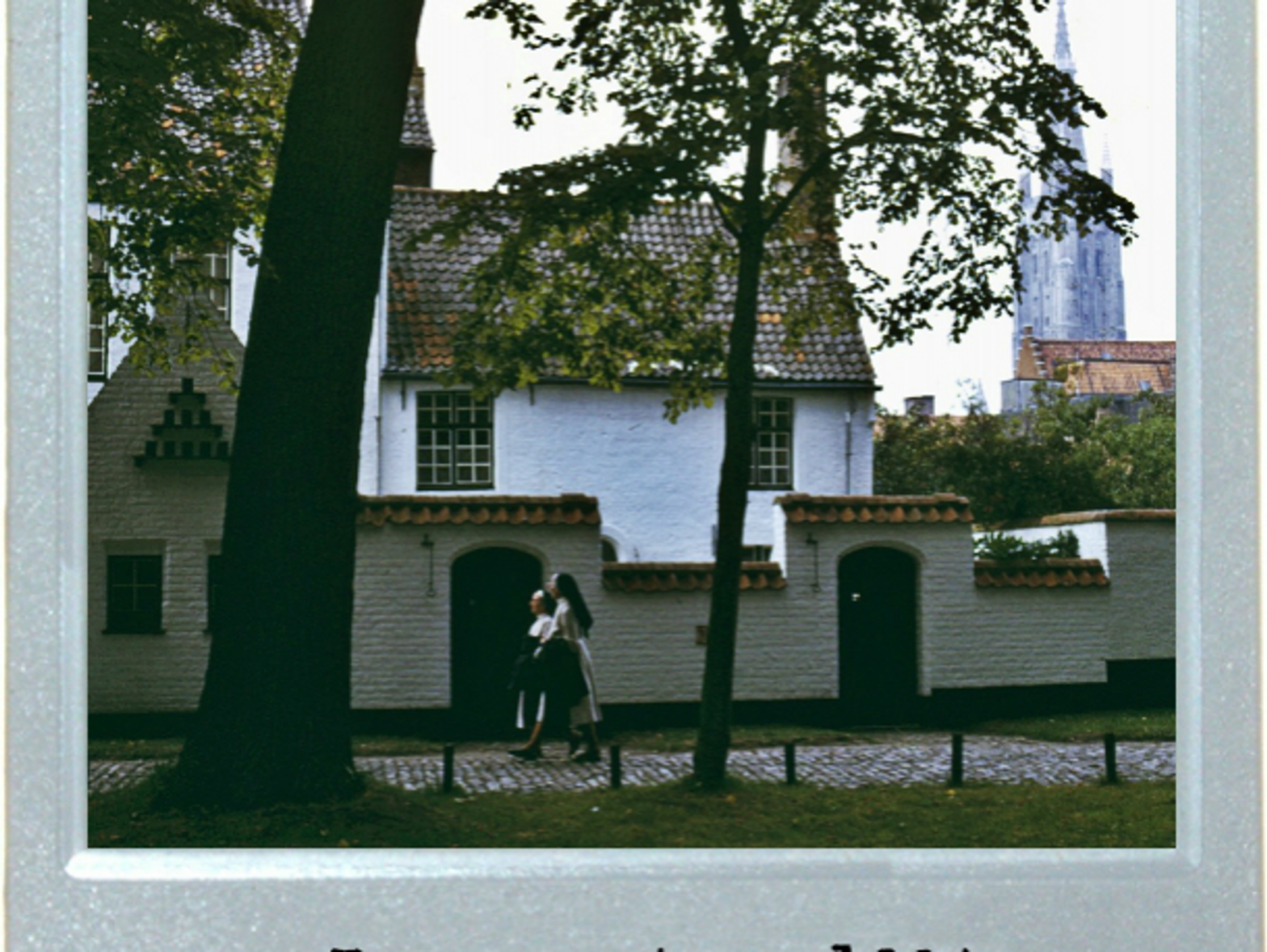
There are no more “Beguines” in the Beguinage: In the early 20th century, these lay nuns were replaced by Benedictines, pictured here walking in front of the convent, with Bruges’ Church of Our Lady visible through the leaves.
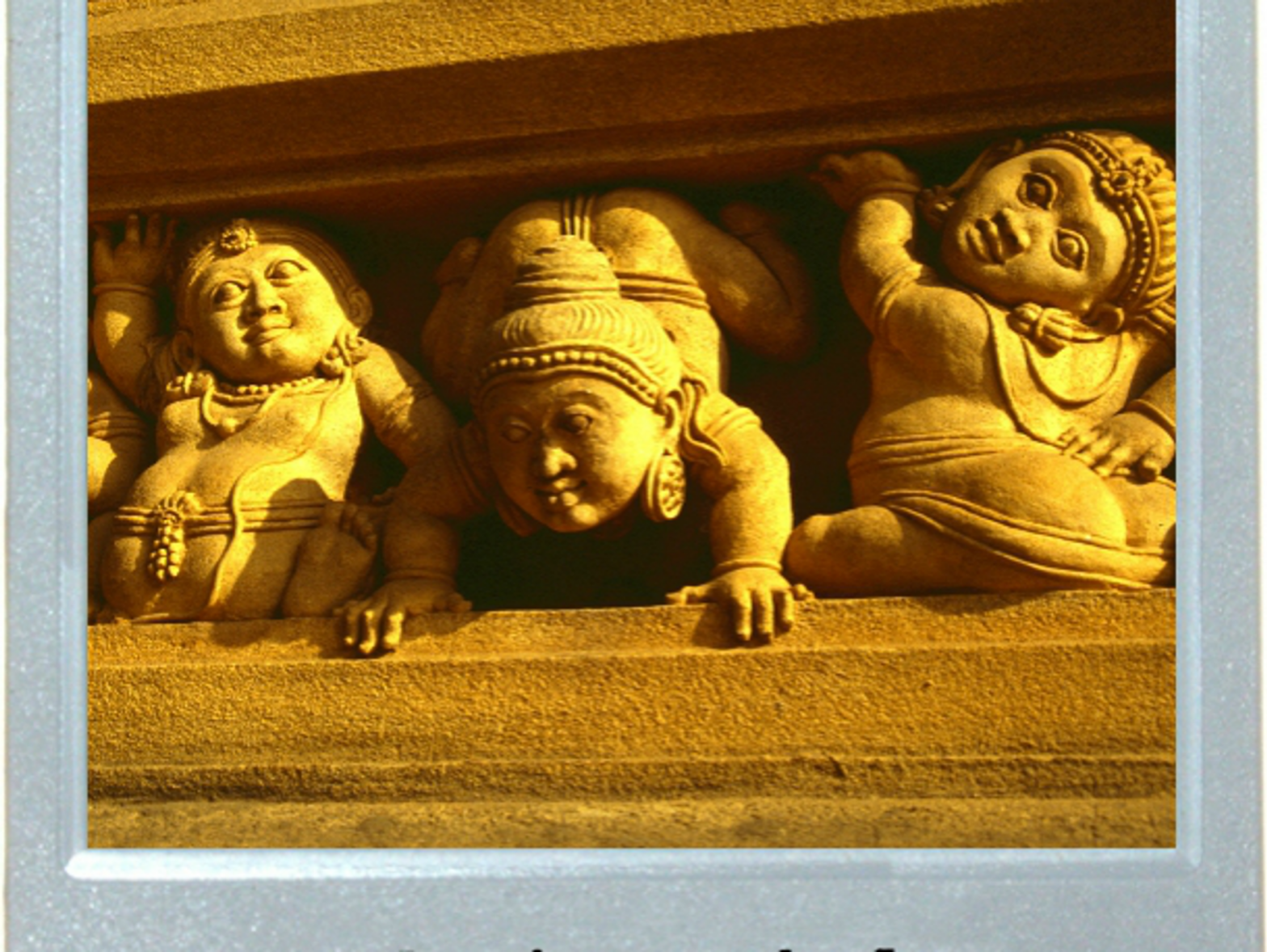
Statues of Buddhas are famously plump, but these chubby figures at Kelaniya Temple near the Sri Lankan capital Colombo really take the cake.
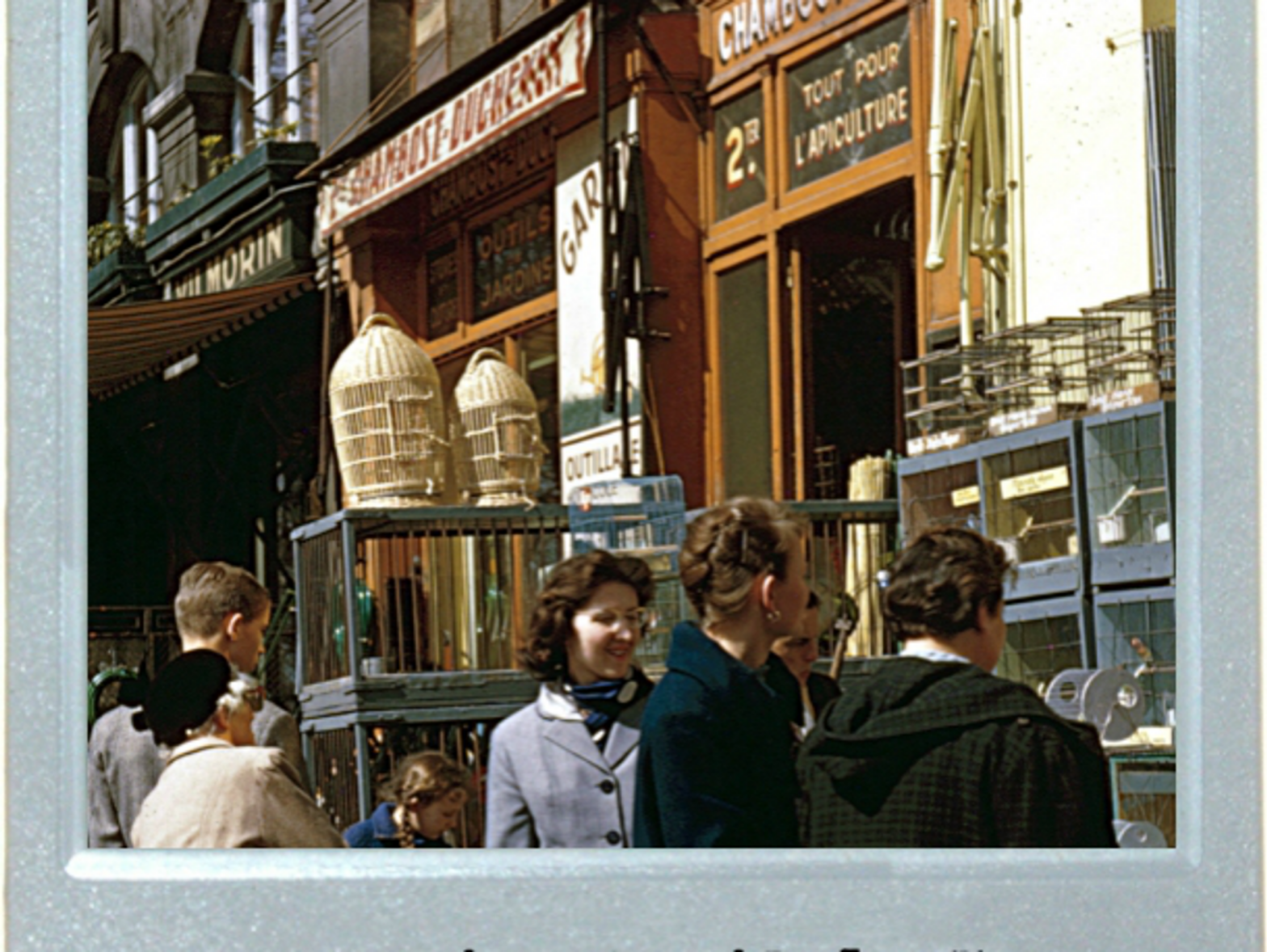
Too bad slides can’t convey the sounds and odors of a given time and space. Coming across this image from Paris, I can still hear and smell the flower and bird market on the Île de la Cité where my wife Claudine and I were taking a walk one day.
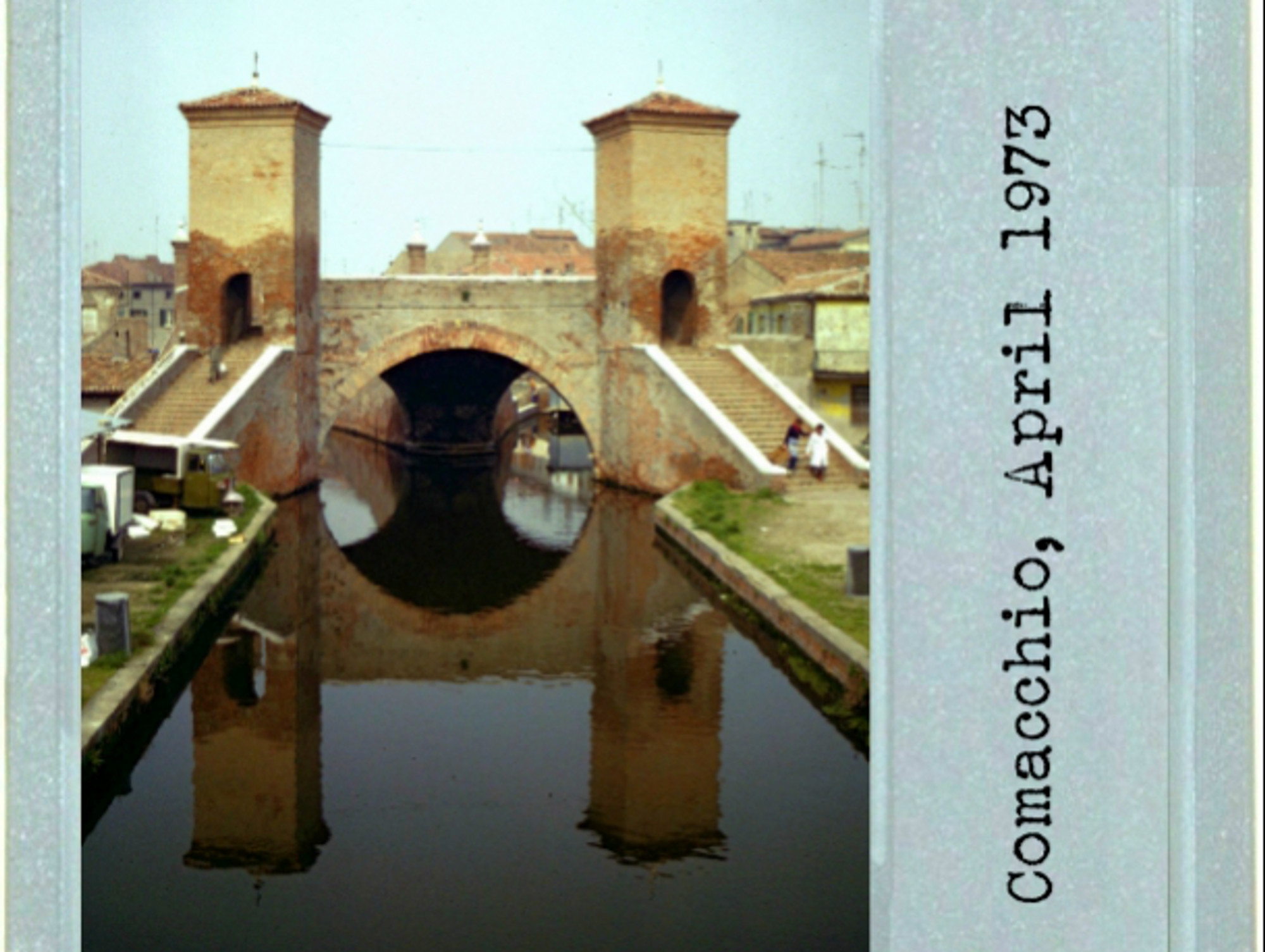
Just like nearby Venice, Commachio is built in a marshy lagoon across dozens of little islands, joined by bridges like the Ponte dei Trepponti here.
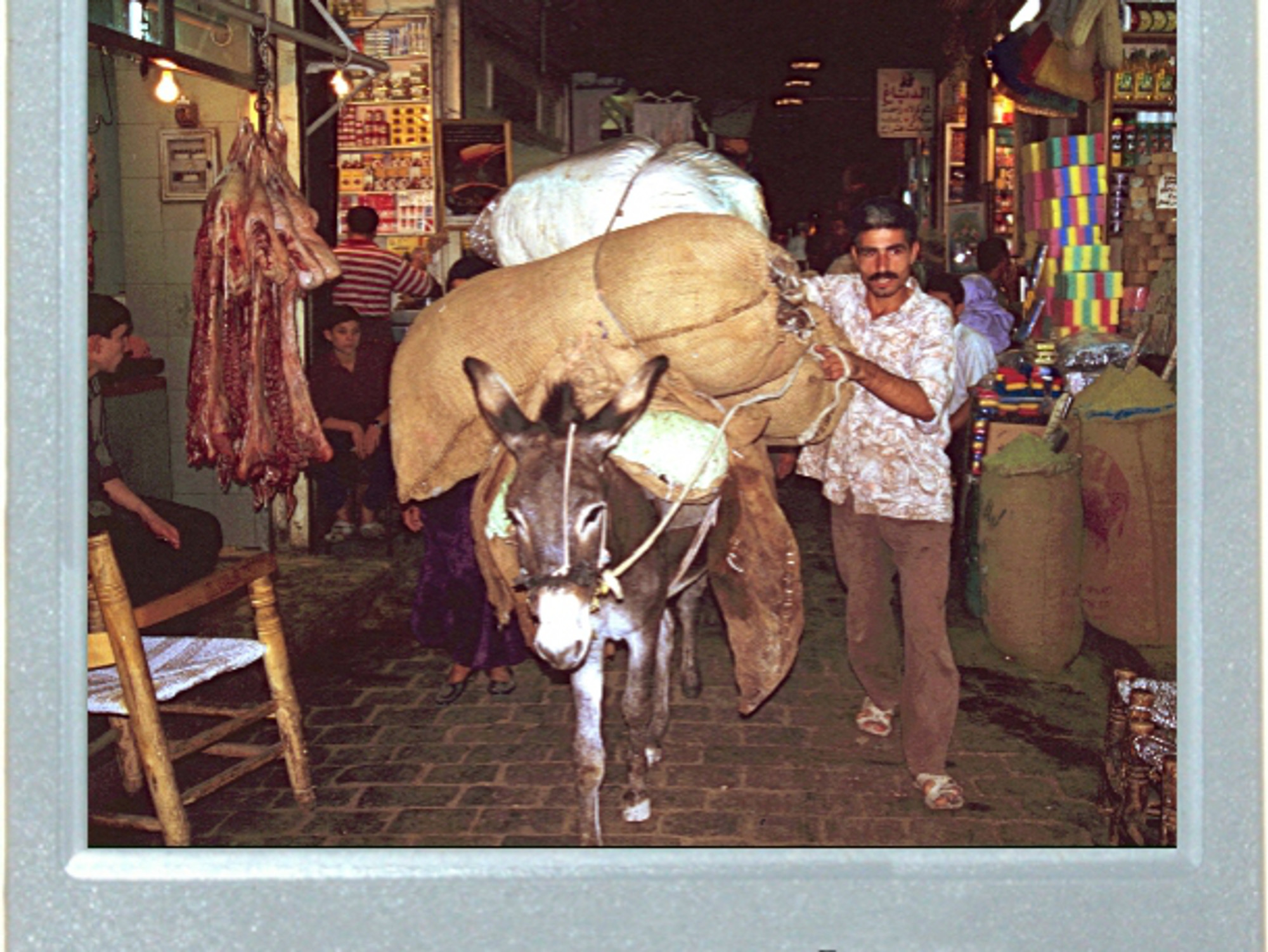
Aleppo’s al-Madina souk, the world’s largest covered historic market, was a highlight on our visit to what was then a bustling, cosmopolitan and altogether very pleasant city. It has been sad to watch from afar as so much of it has been devastated during the ongoing Syrian Civil War.
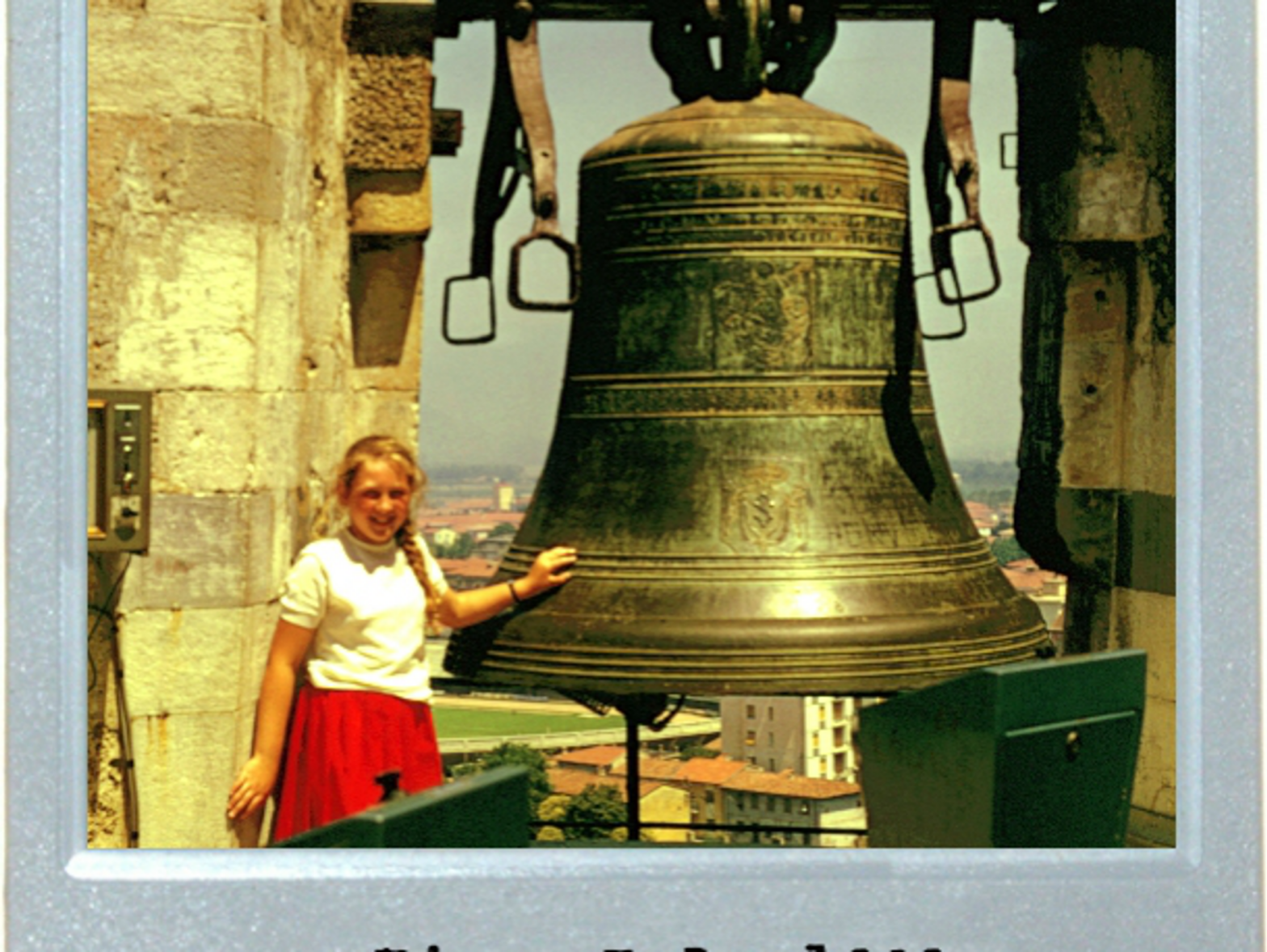
My daughter Cécile had climbed the steps all the way up the Leaning Tower of Pisa. She smiled for the camera, but you can tell she didn’t feel so safe close to the tilted edge.
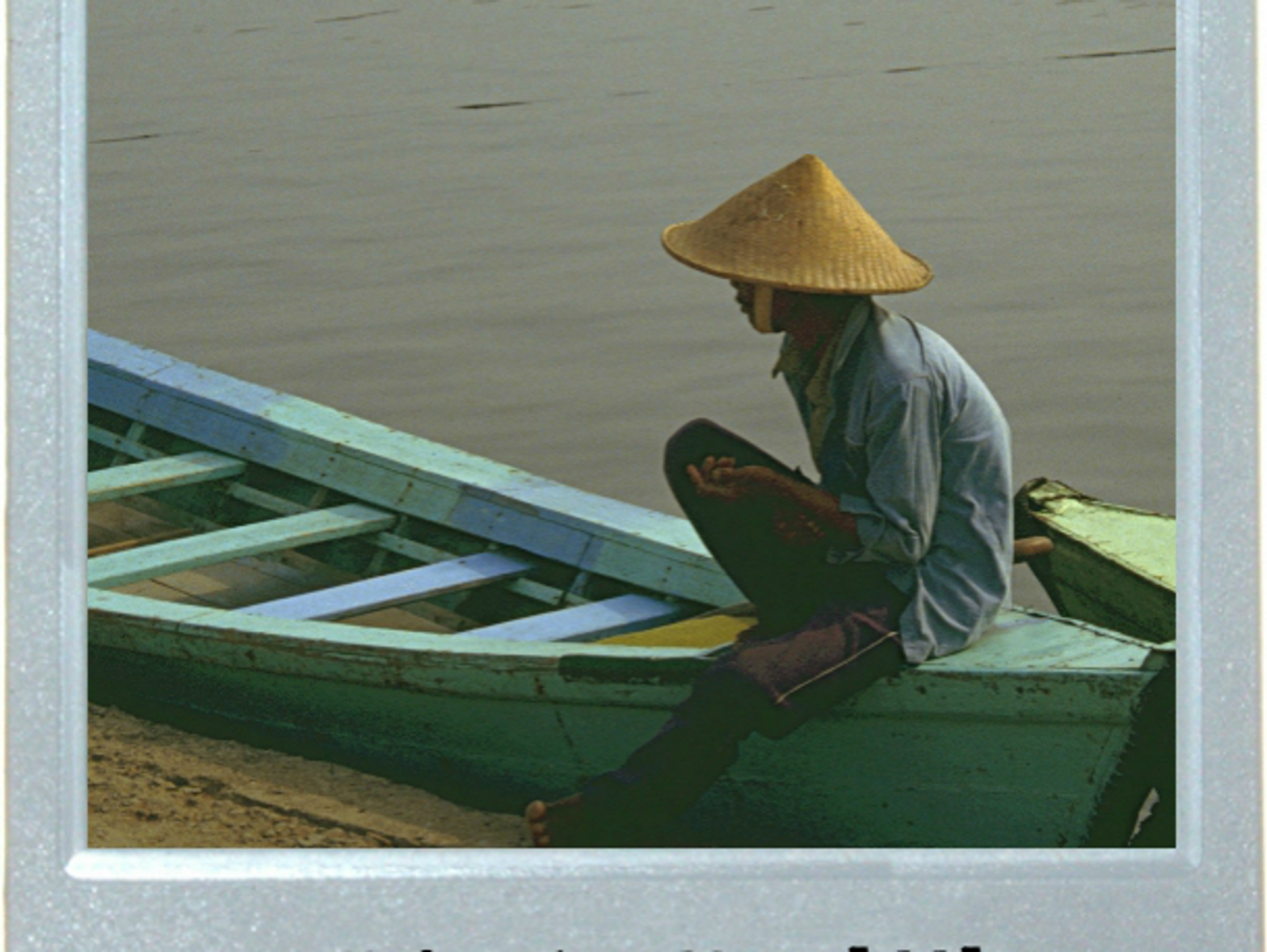
The many rivers in Indonesia provide an endless stream of picturesque moments, like this man in Jakarta wearing a traditional caping conical hat.
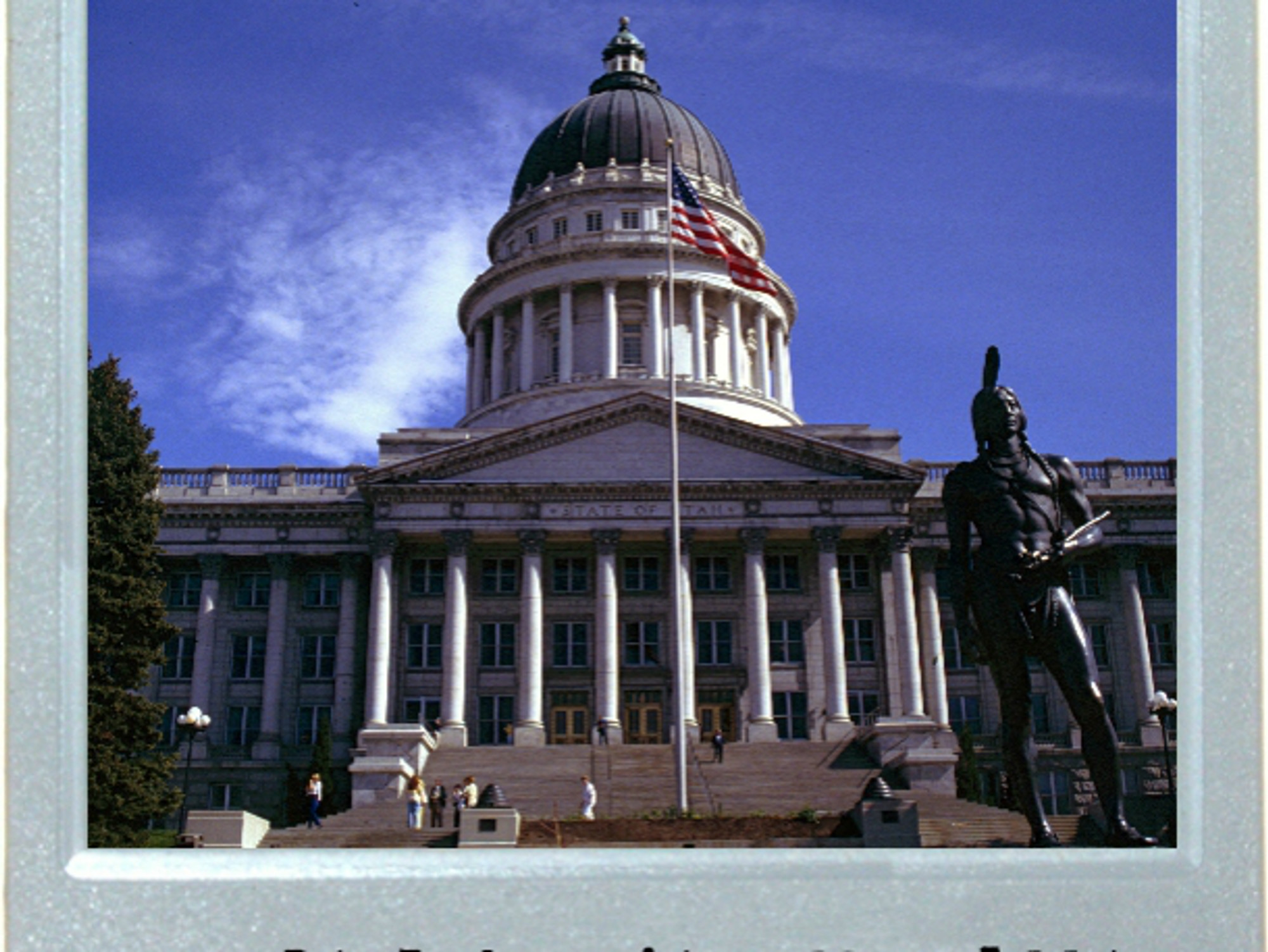
A stone’s throw away from Salt Lake City’s Mormon Tabernacle is the Utah State Capitol building, the site where famously strict regulations on alcohol have been approved because of the Mormon religion that still dominates the state. I was surprised however to find that one could order French wine in the local restaurants.
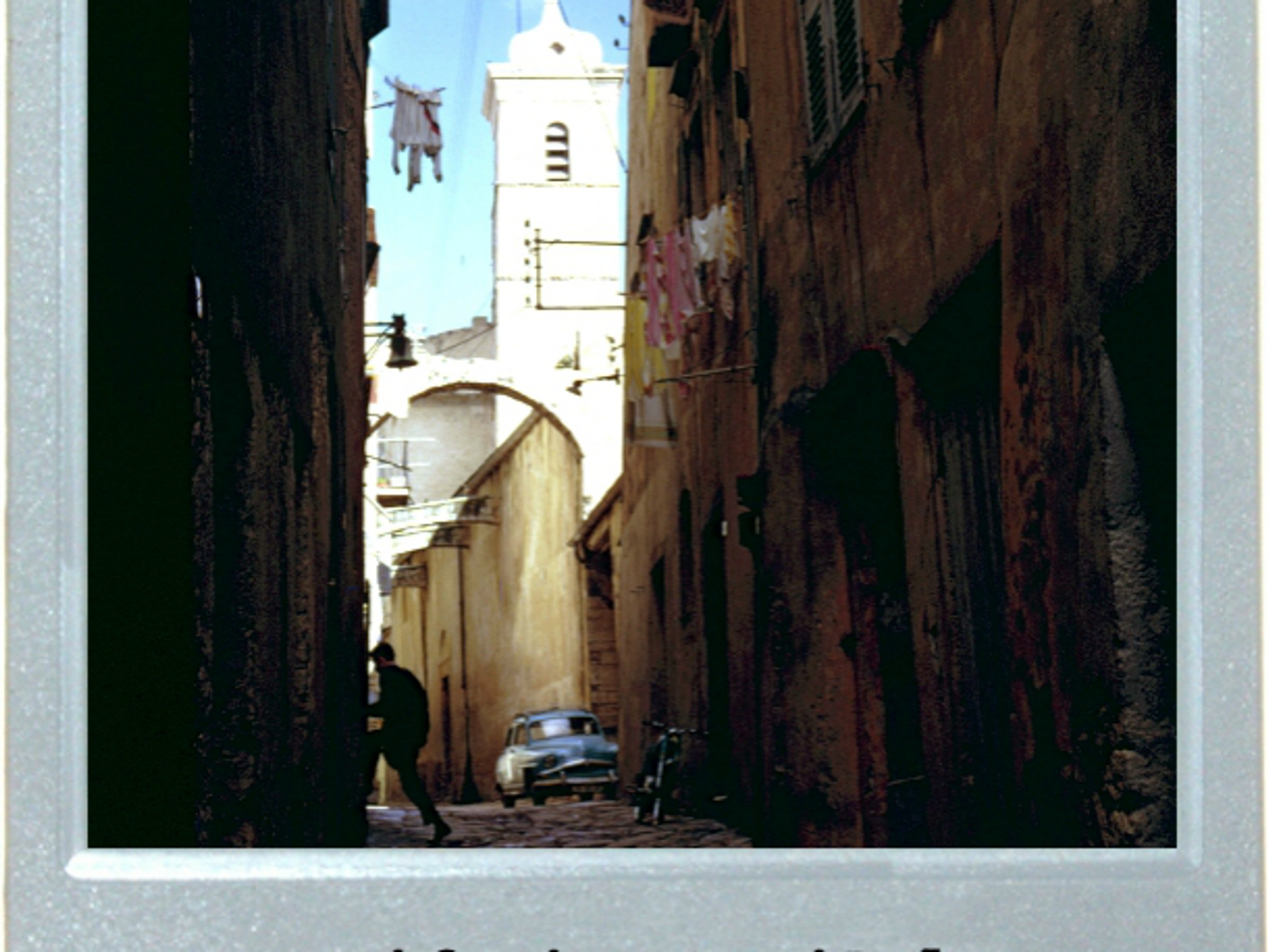
On a warm Spring day at the southern tip of the French island of Corsica, it was time to go home and take a siesta.
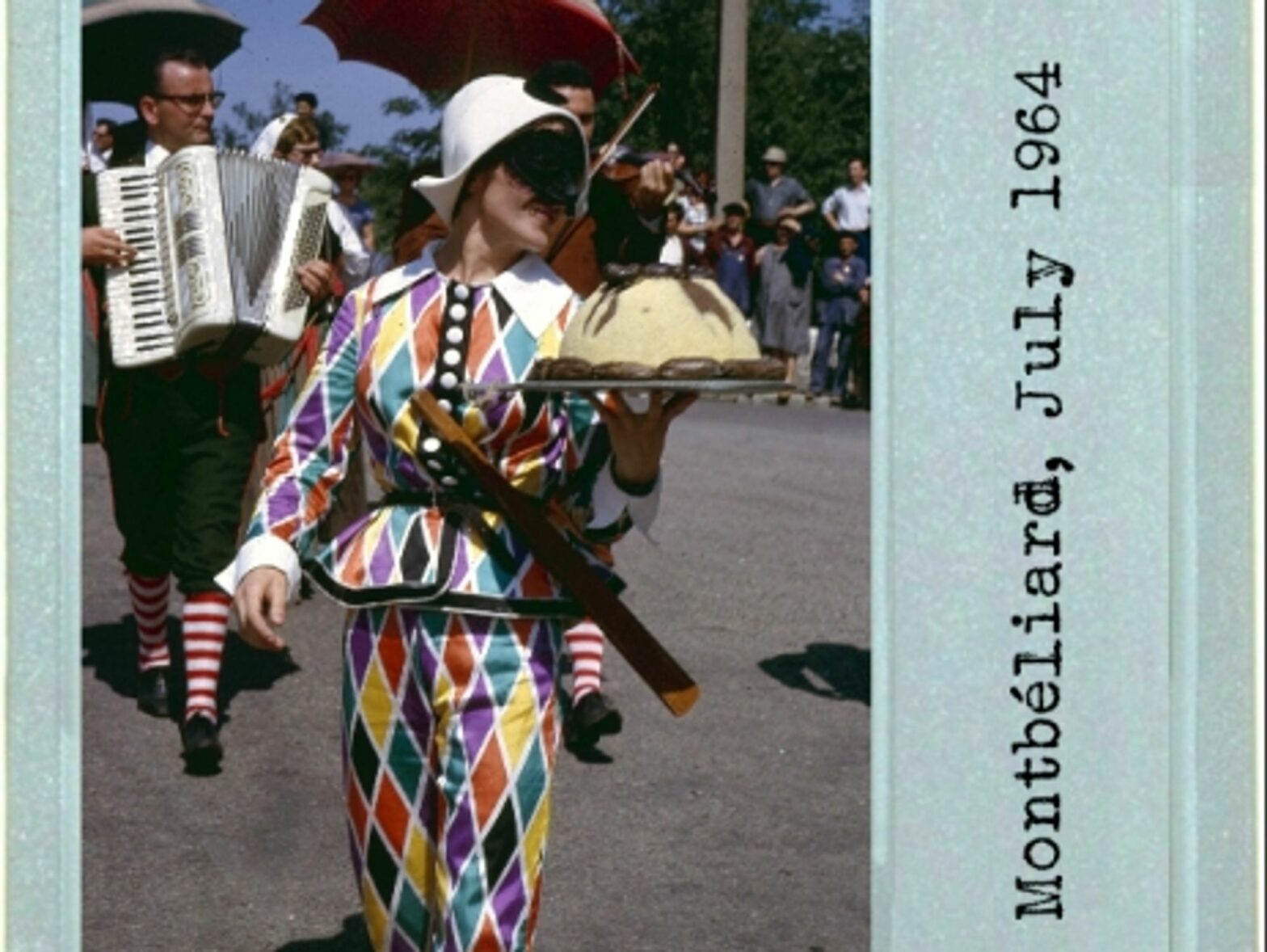
This Arlecchino belonged to a band from Bergamo that had made the trip to my native eastern France. Parading in the streets of Montbéliard, this character from the Commedia dell’arte was participating in the folk singing and dancing festival organized by the choir I used to conduct.
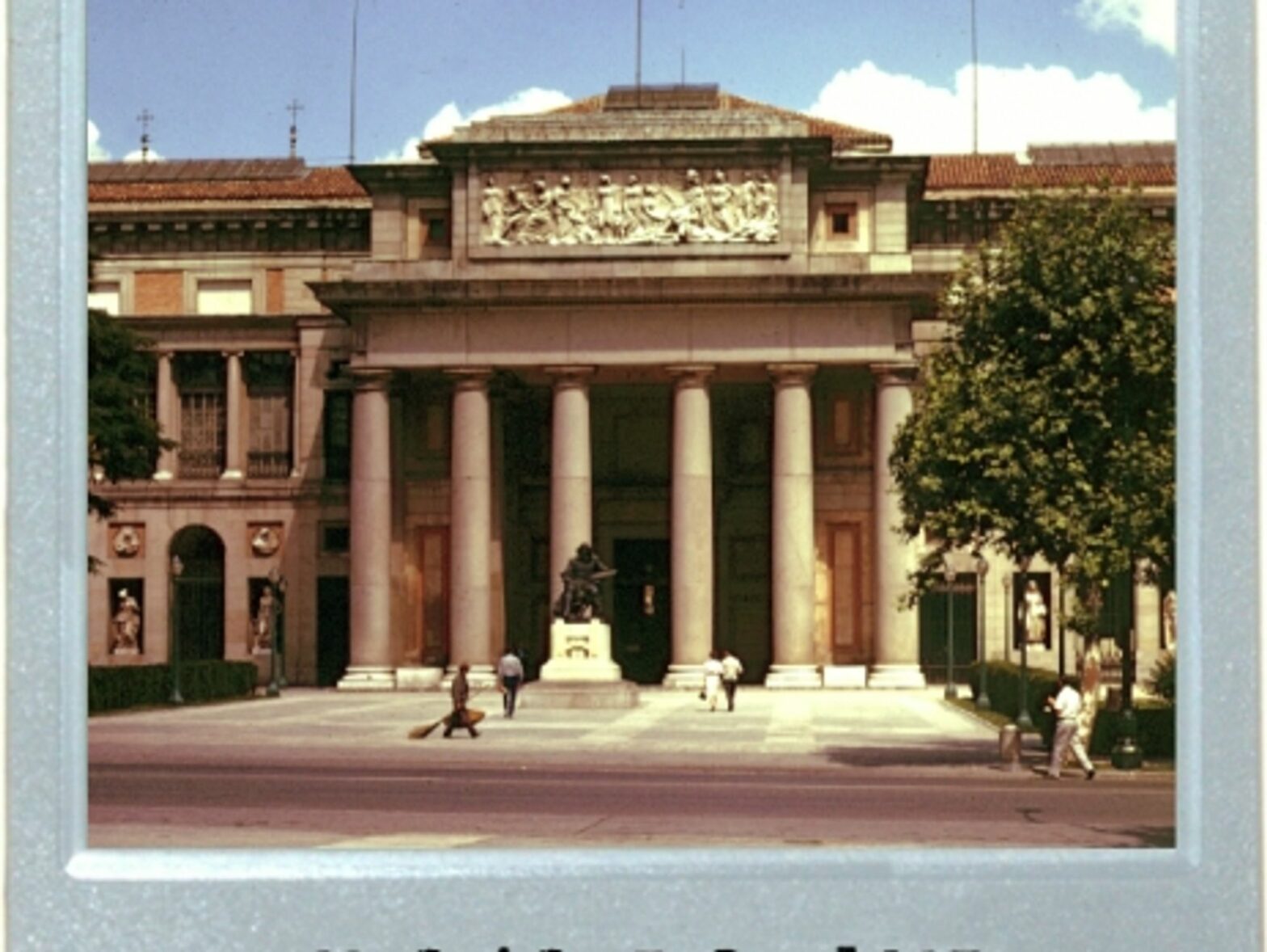
Boasting astounding collections of artists, both Spanish (Velázquez, Goya) and international, (Rubens, Rembrandt …) the Museo del Prado in Madrid is one of the most visited museums in the world. When I went there more than 50 years ago, there was no queue in sight.