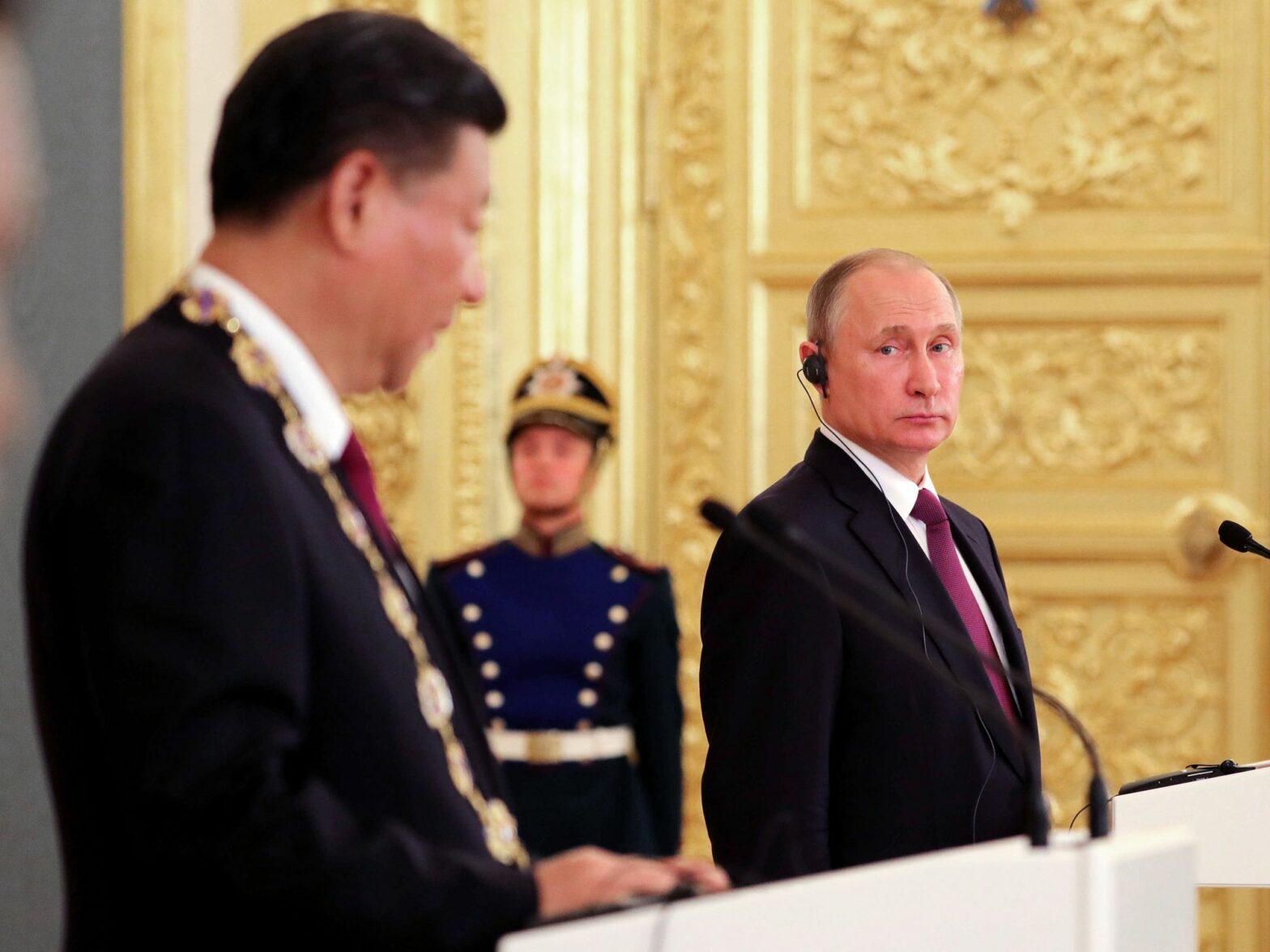
To trace Moscow’s decision to transfer nuclear weapons to Belarus, we may need to look to Beijing — and the recent summit of Xi Jinping-Vladimir Putin
 Worldcrunch
To trace Moscow’s decision to transfer nuclear weapons to Belarus, we may need to look to Beijing — and the recent summit of Xi Jinping-Vladimir Putin
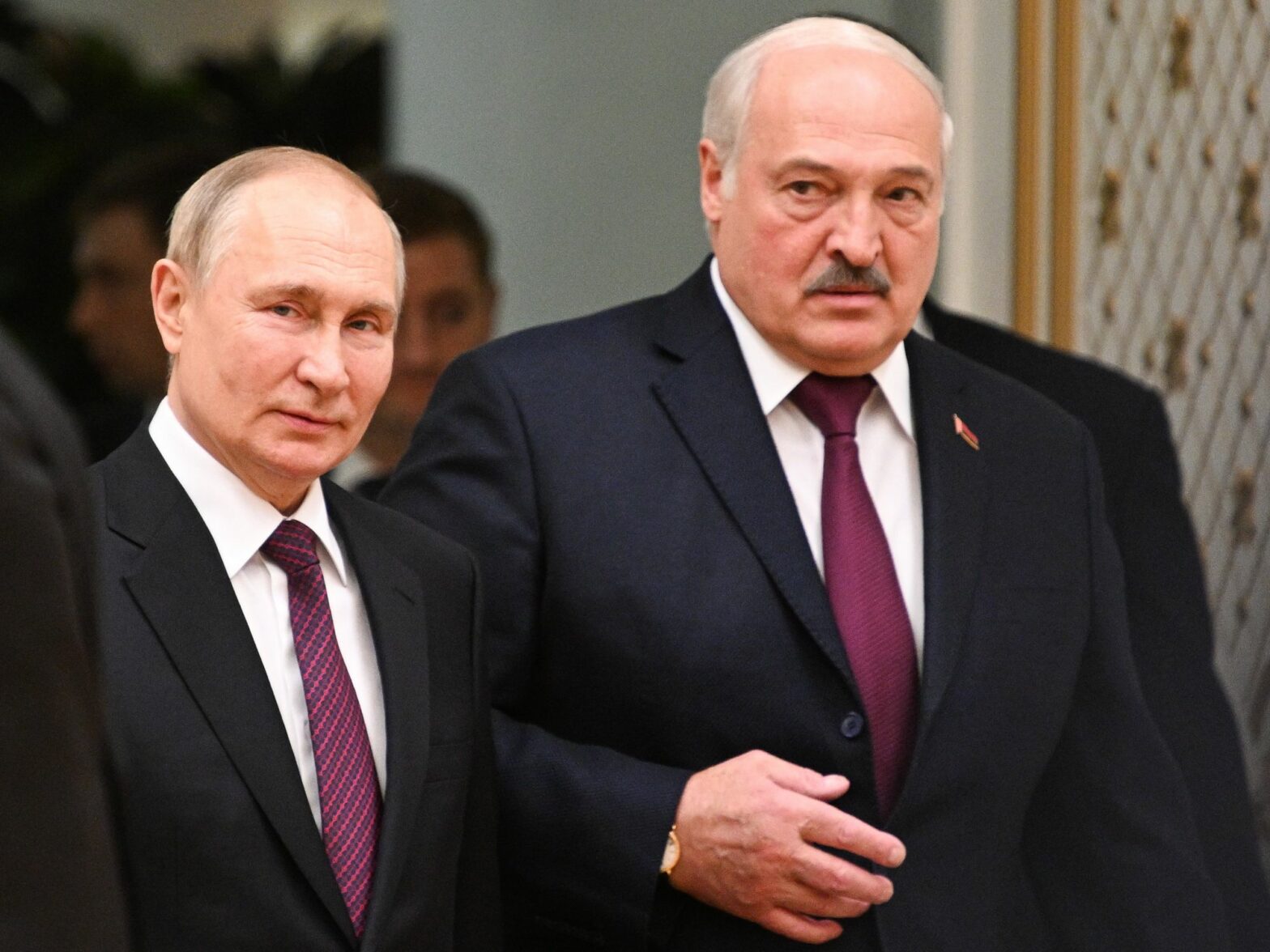
Of course Russia’s announcement of moving tactical nuclear weapons to Belarus should not be underestimated. But the reality is that, since the beginning of the invasion, Russia’s nuclear situation has not changed. We should instead look hard at where both Minsk and Beijing have wound up.
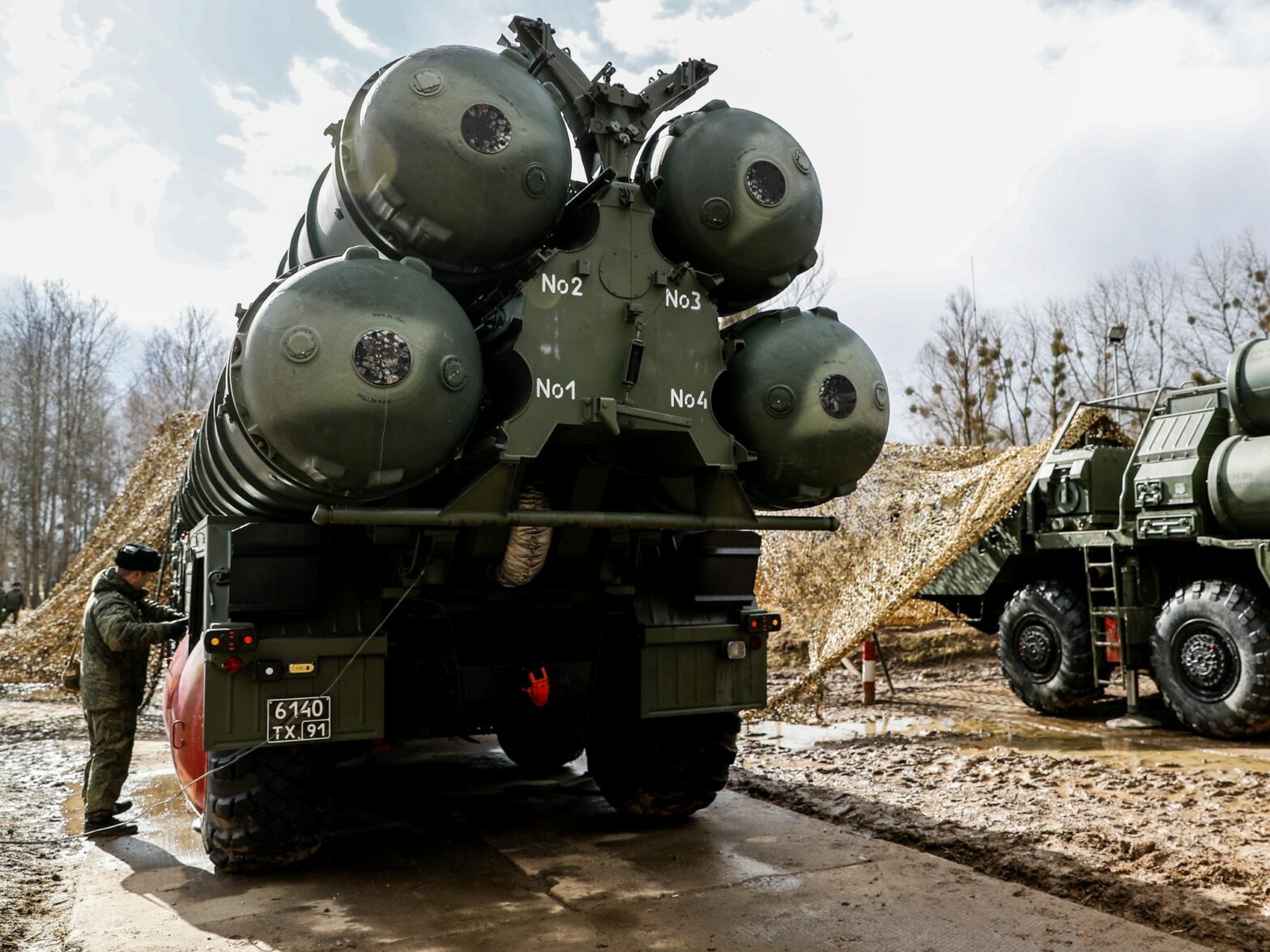
Russia has announced its withdrawal from a post-Cold War nuclear arms control treaty it signed with the U.S. The decision risks re-launching a global arms race.
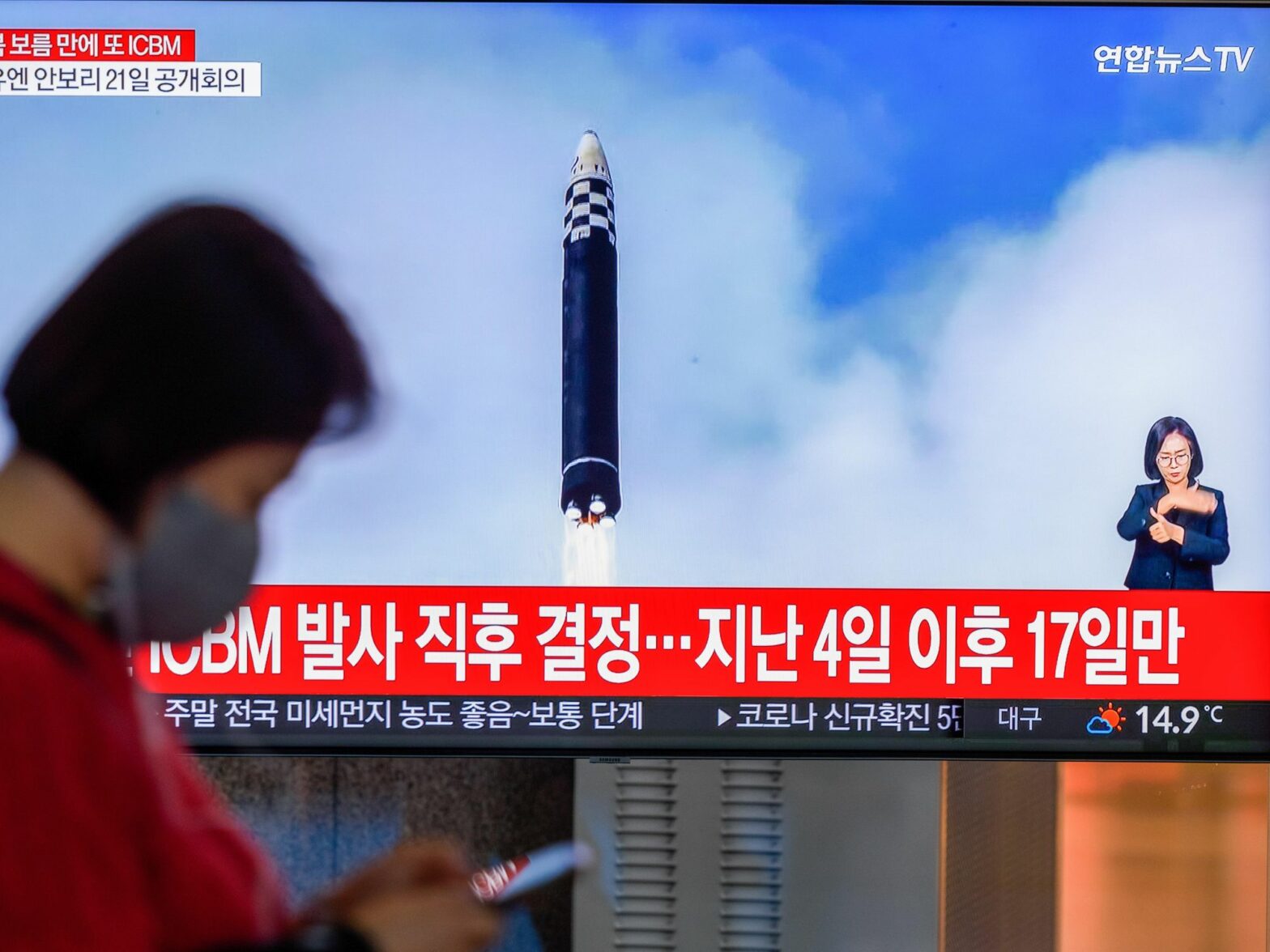
How to handle a nuclear armed pariah state is not a simple question.
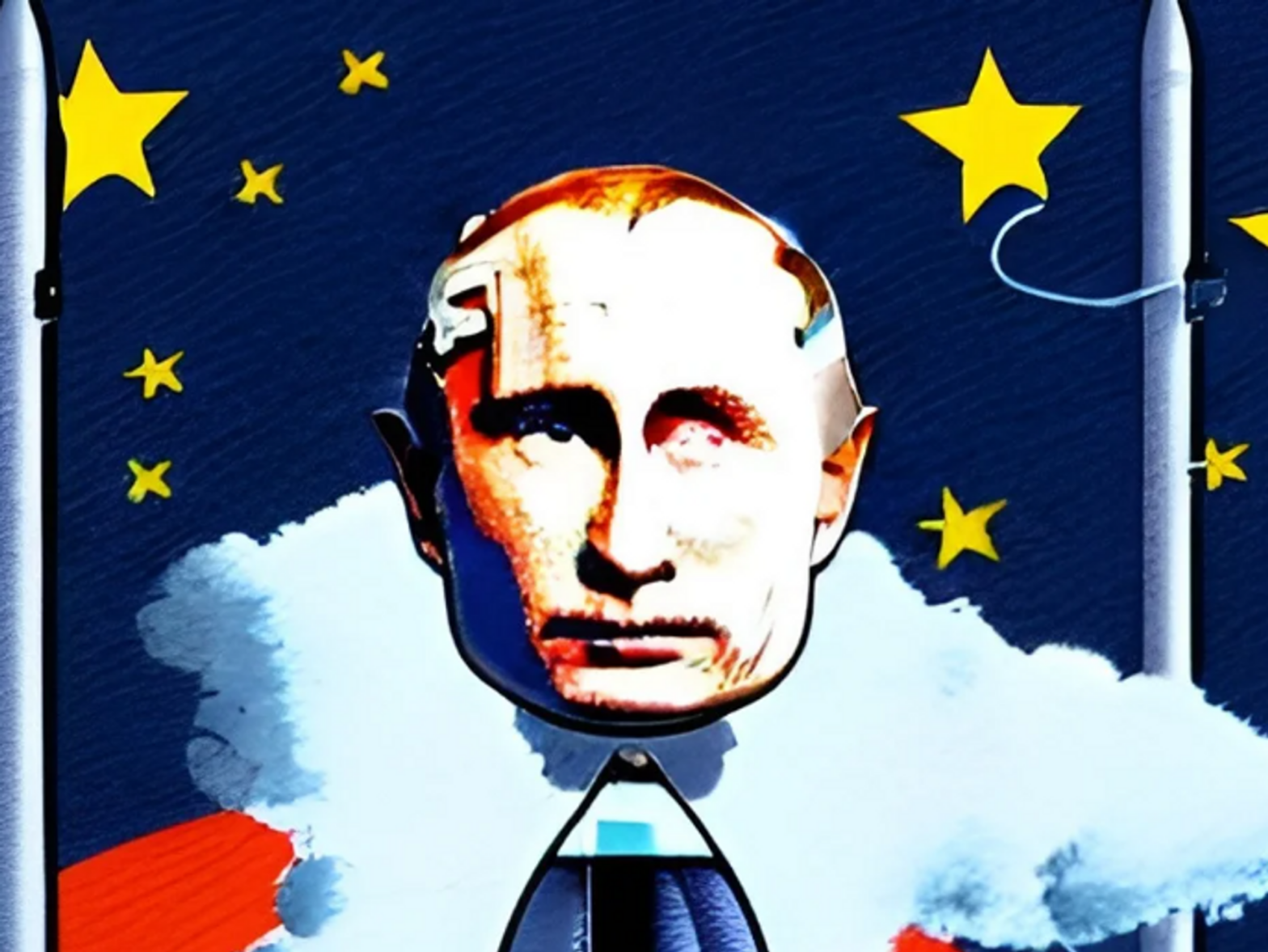
Beyond the already existing nuclear powers, at least eight countries could be poised to discard non-proliferation status quo and arm themselves with nuclear arsenals.
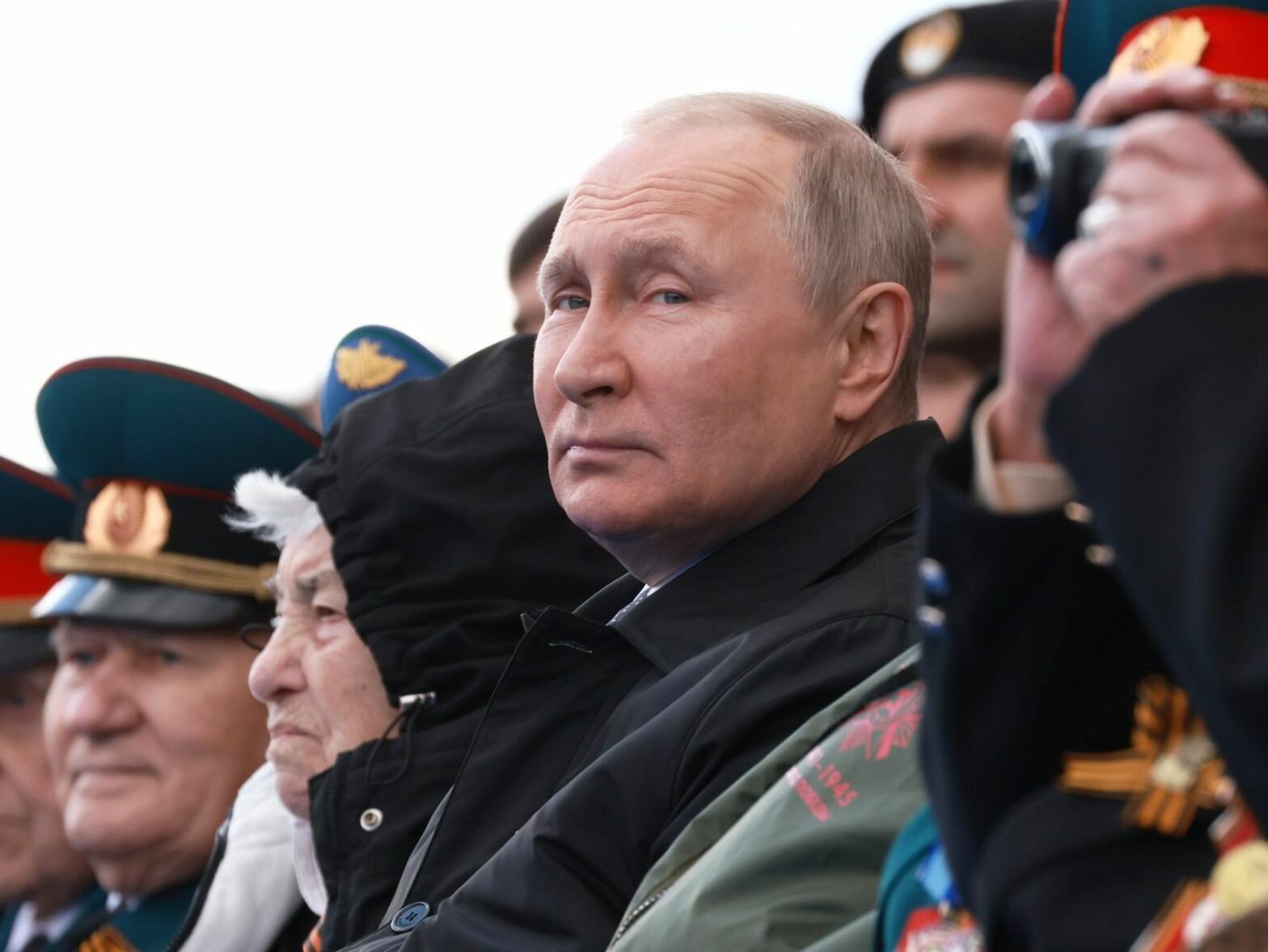
The missile attacks this week on Ukrainian cities will not scare Kyiv into submission. It’s the latest and gravest sign that Vladimir Putin may be bound to face an even grimmer tactical choice: the nuclear option.
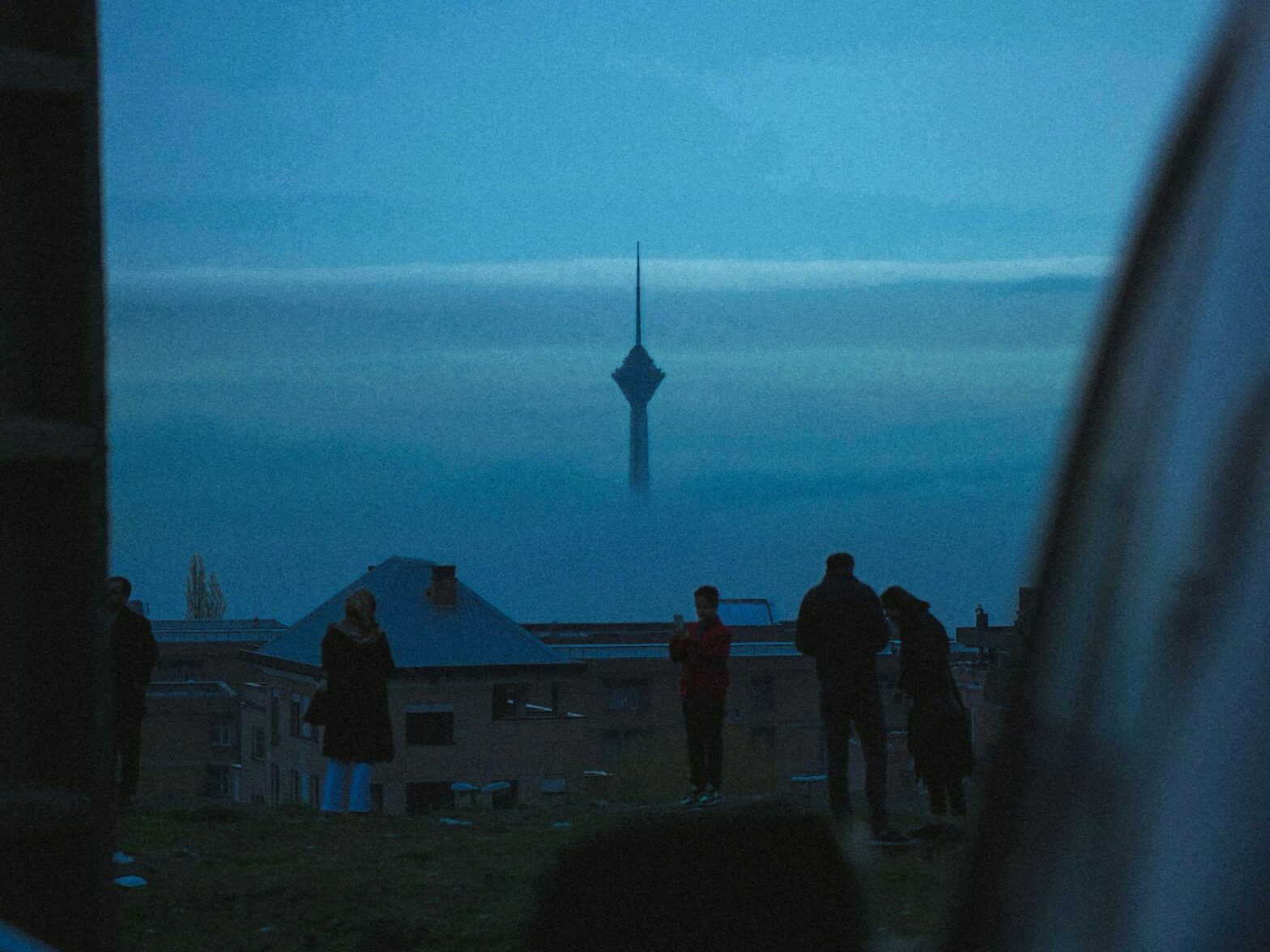
The West is insisting on reviving a nuclear pact with Iran. However, this will only postpone the inevitable moment when the regime declares it has a nuclear bomb. The only solution is regime change.
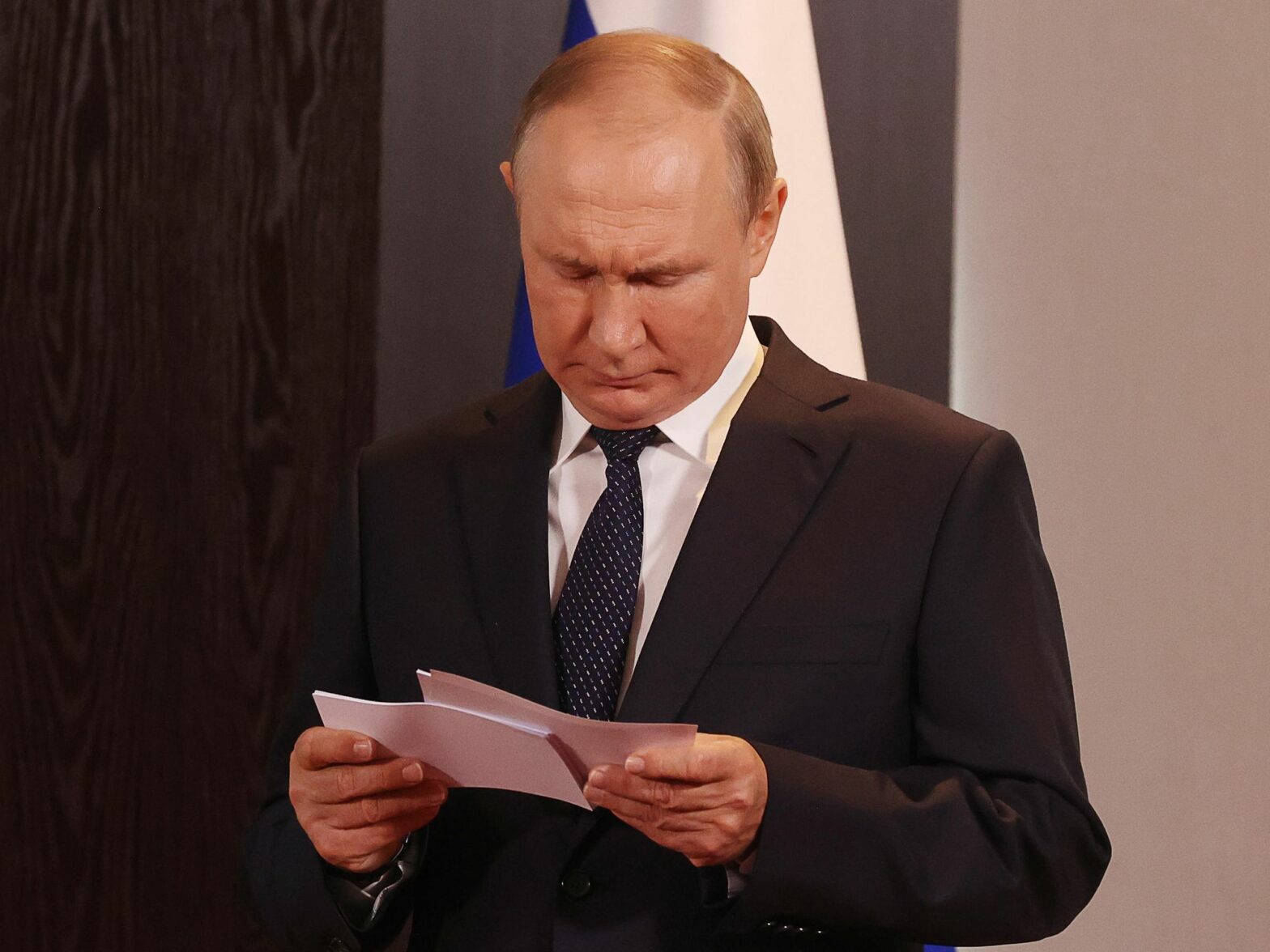
Negotiate? Stall? Double down? The Russian leader suddenly finds himself in front of a situation that offers no obvious good choices. Doing nothing, however, is not an option.
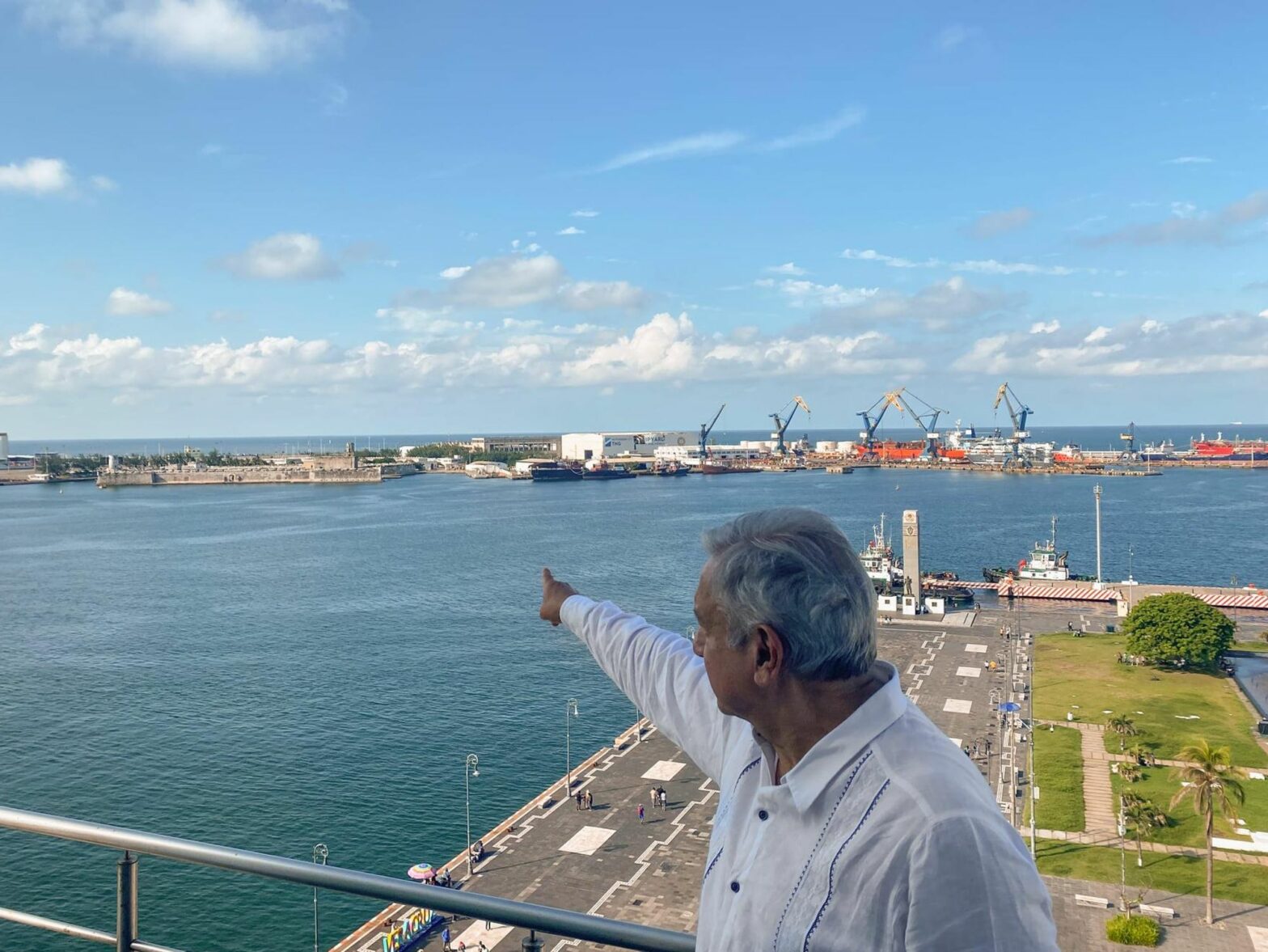
In irking Mexico’s chief trading partners with decisions affecting energy firms, the country’s leftist President Andrés Manuel López Obrador is tinkering with the free-trade pact that is the very engine and ballast of Mexico’s vast, and vulnerable, economy.
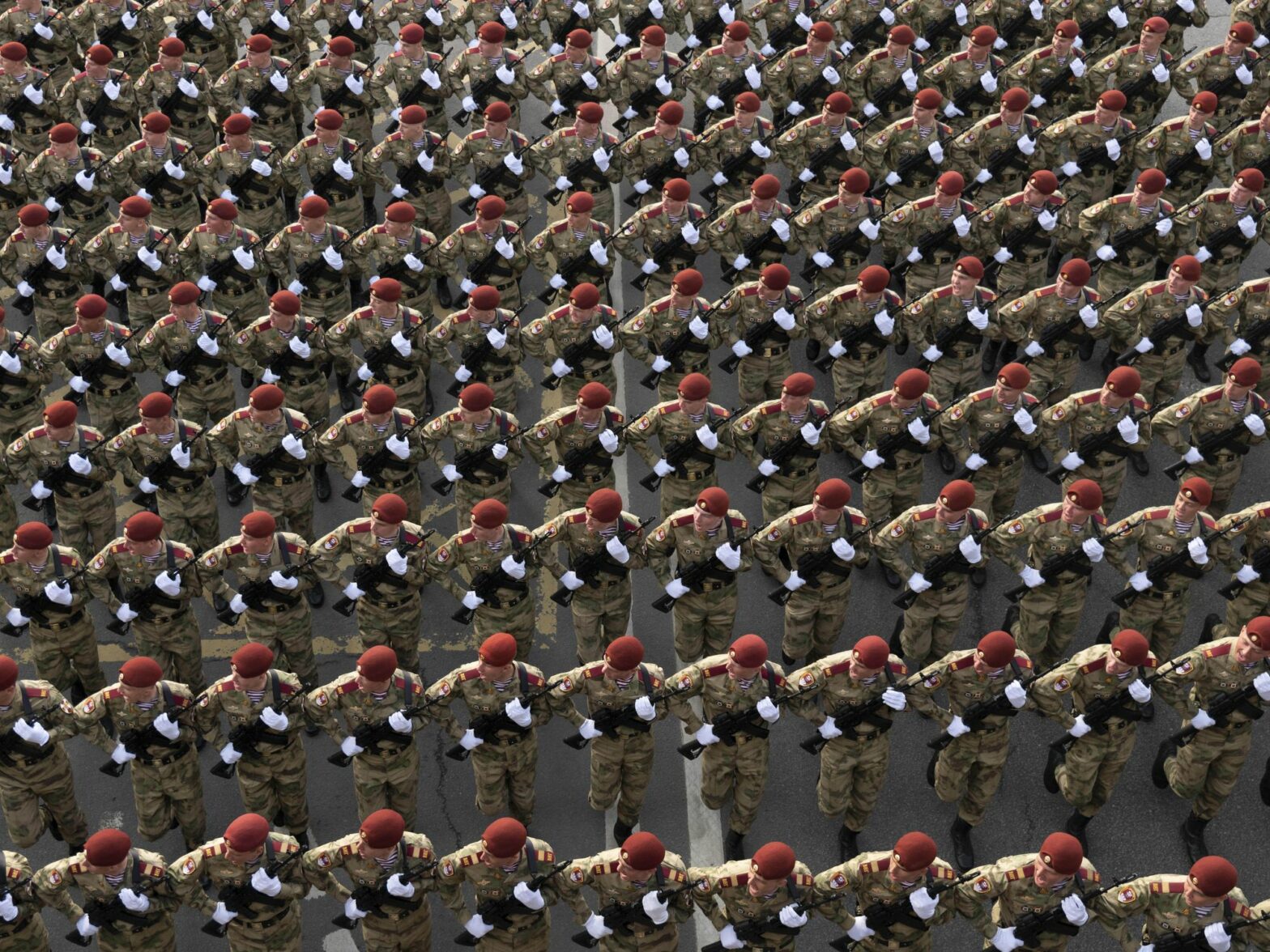
Russia’s attack on Ukraine has exacerbated tensions not only in its neighborhood, but around the planet, making the world’s hotspots even hotter.
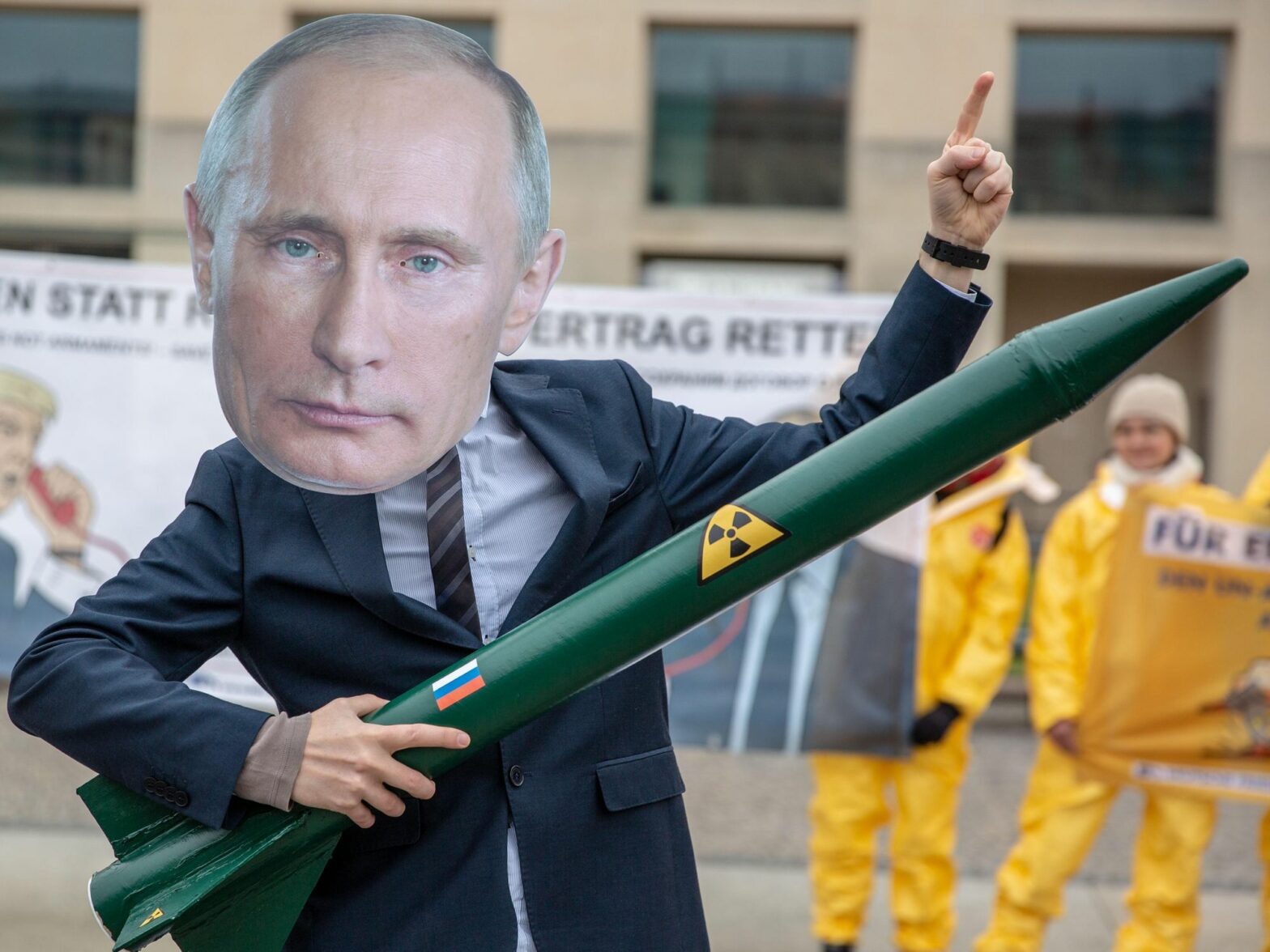
The risk of the Kremlin launching a tactical nuclear weapon on Ukraine is small but not impossible. The Western response would itself set off a counter-response, which might contain or spiral to the worst-case scenario.
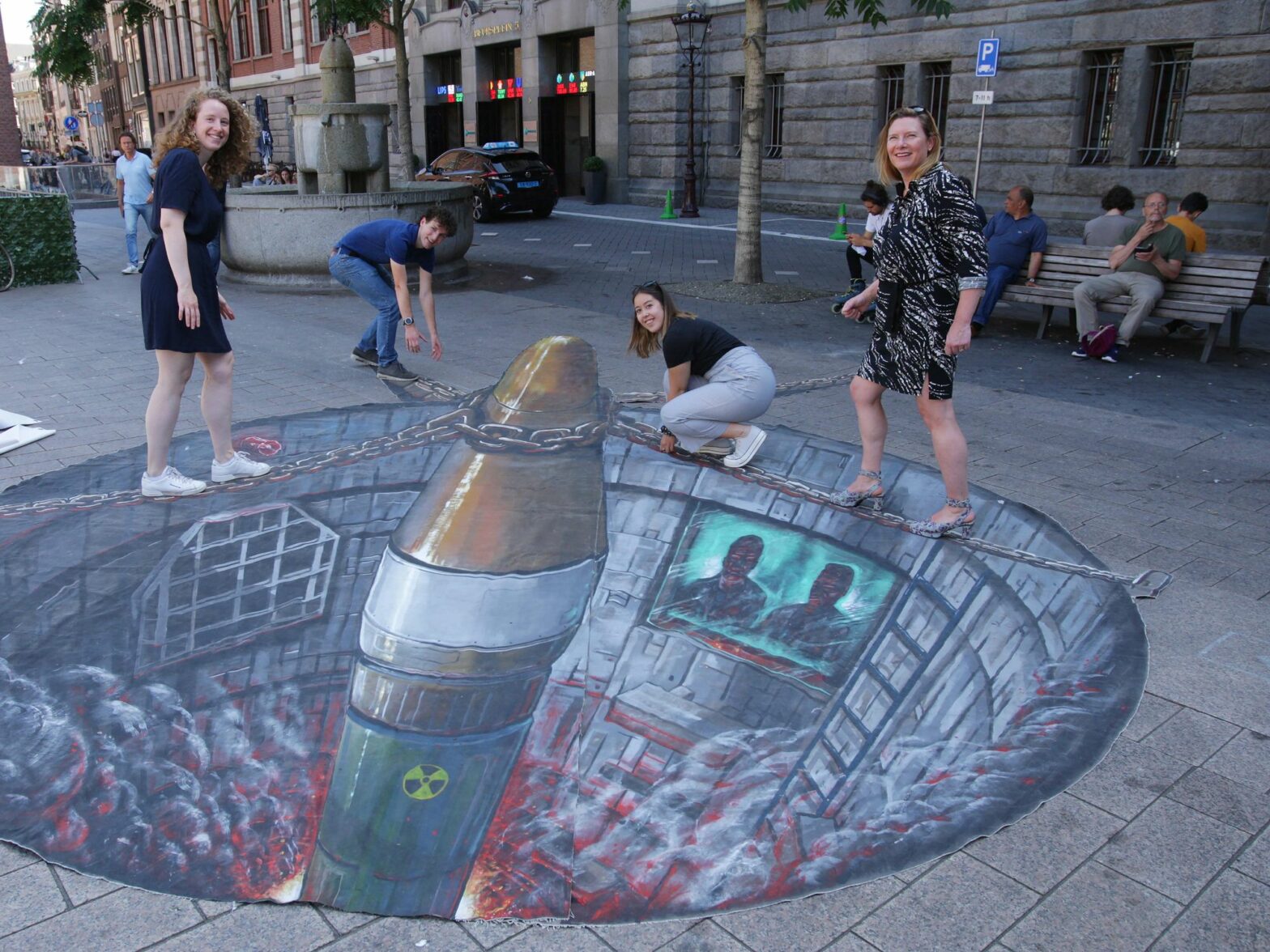
Baby boomers who grew up under the threat of nuclear armageddon warn against a nuclear escalation of the war in Ukraine. But the younger generations are not cowed by Putin’s blackmail. And that’s a very good thing.
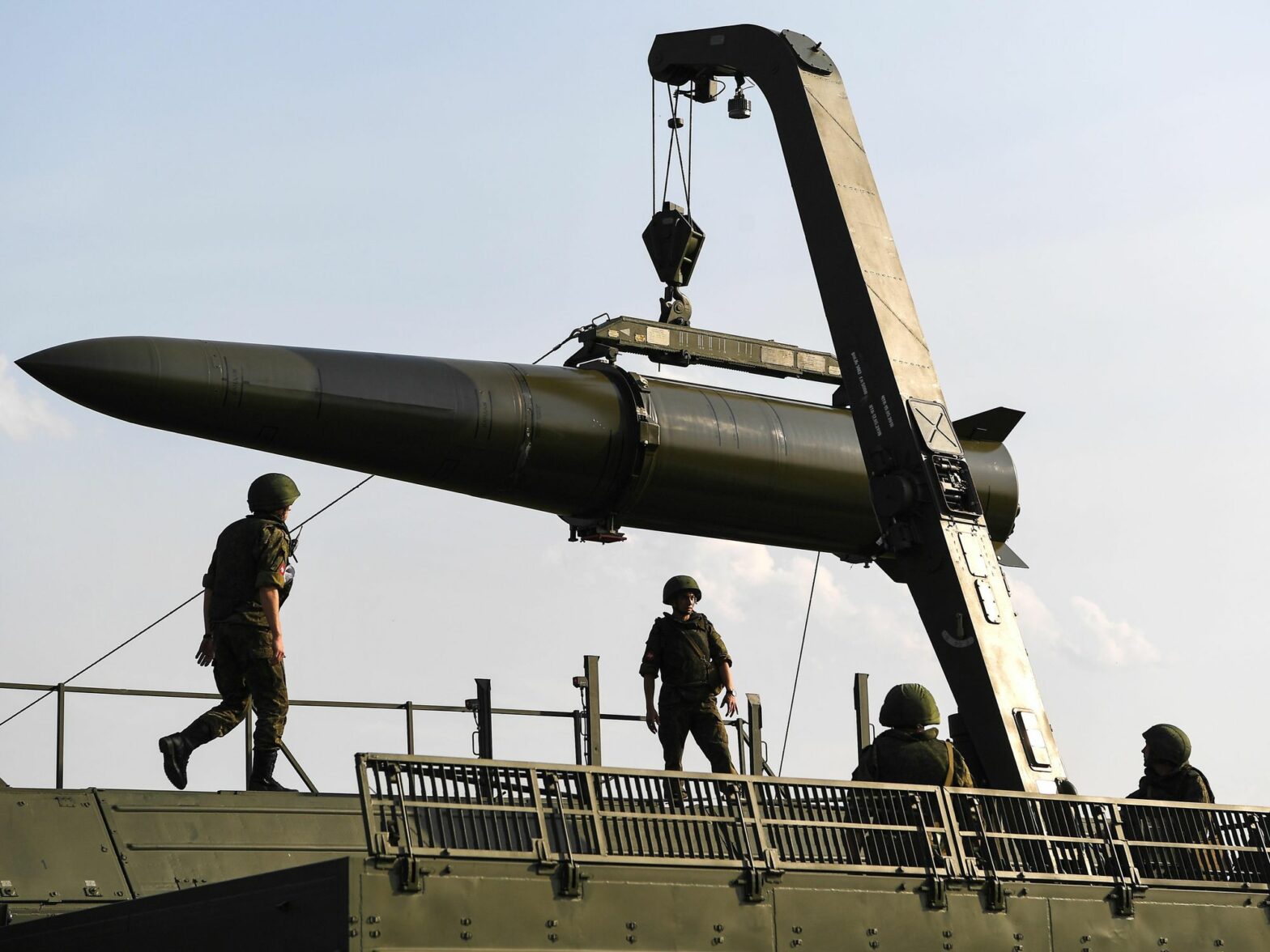
Vladimir Putin has put his nuclear forces on alert — a shock for many, but even more so for those just across the Polish border from Kaliningrad where Russian nuclear missiles are stationed, and aimed at European capitals from Warsaw to Berlin.
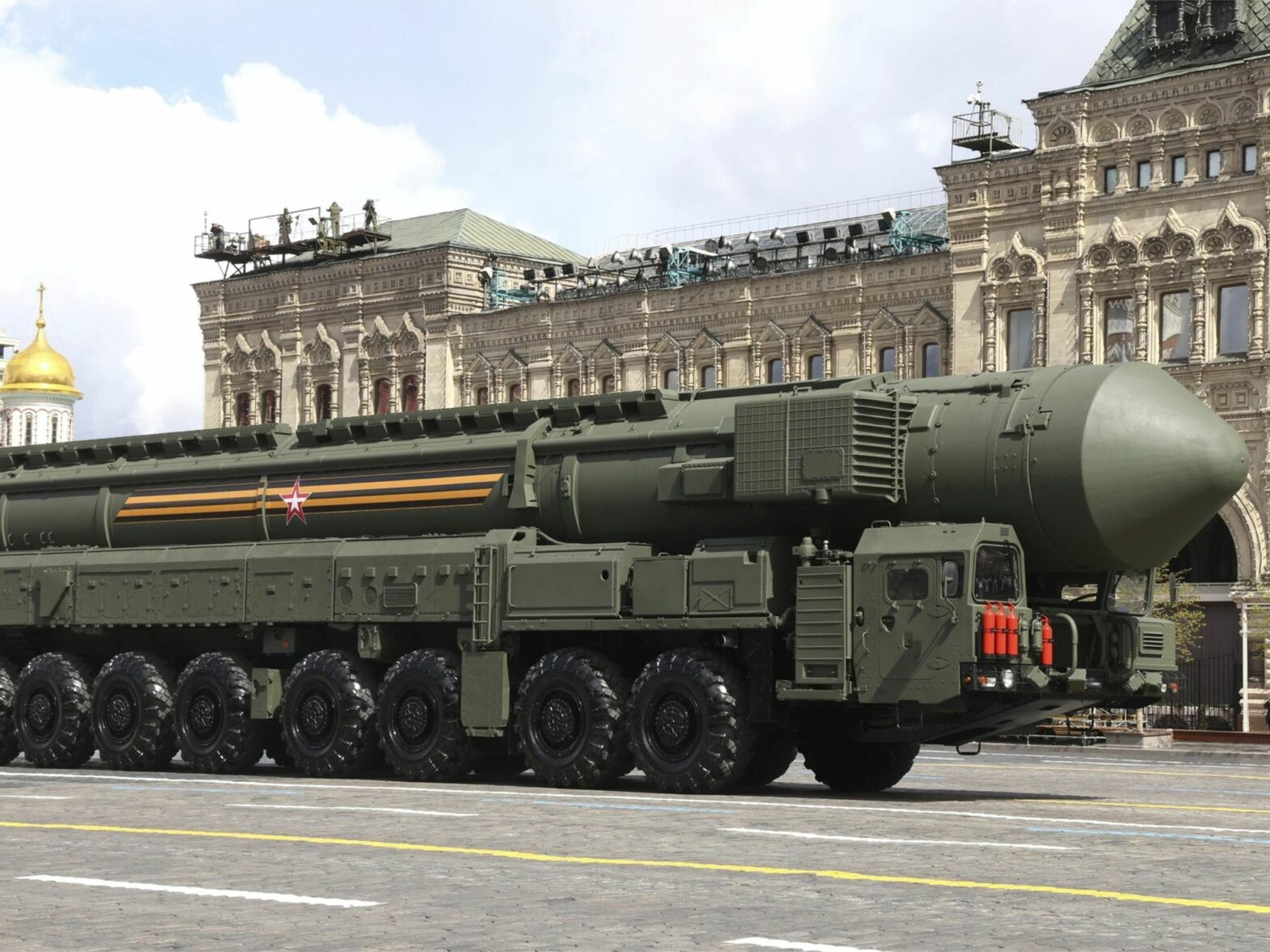
Russian propaganda plays on the revival of the West’s fear of a nuclear attack, especially knowing how close European capitals are to Moscow’s atomic warheads. But Europe must remember the lessons of the Cold War and not play into Putin’s hands.
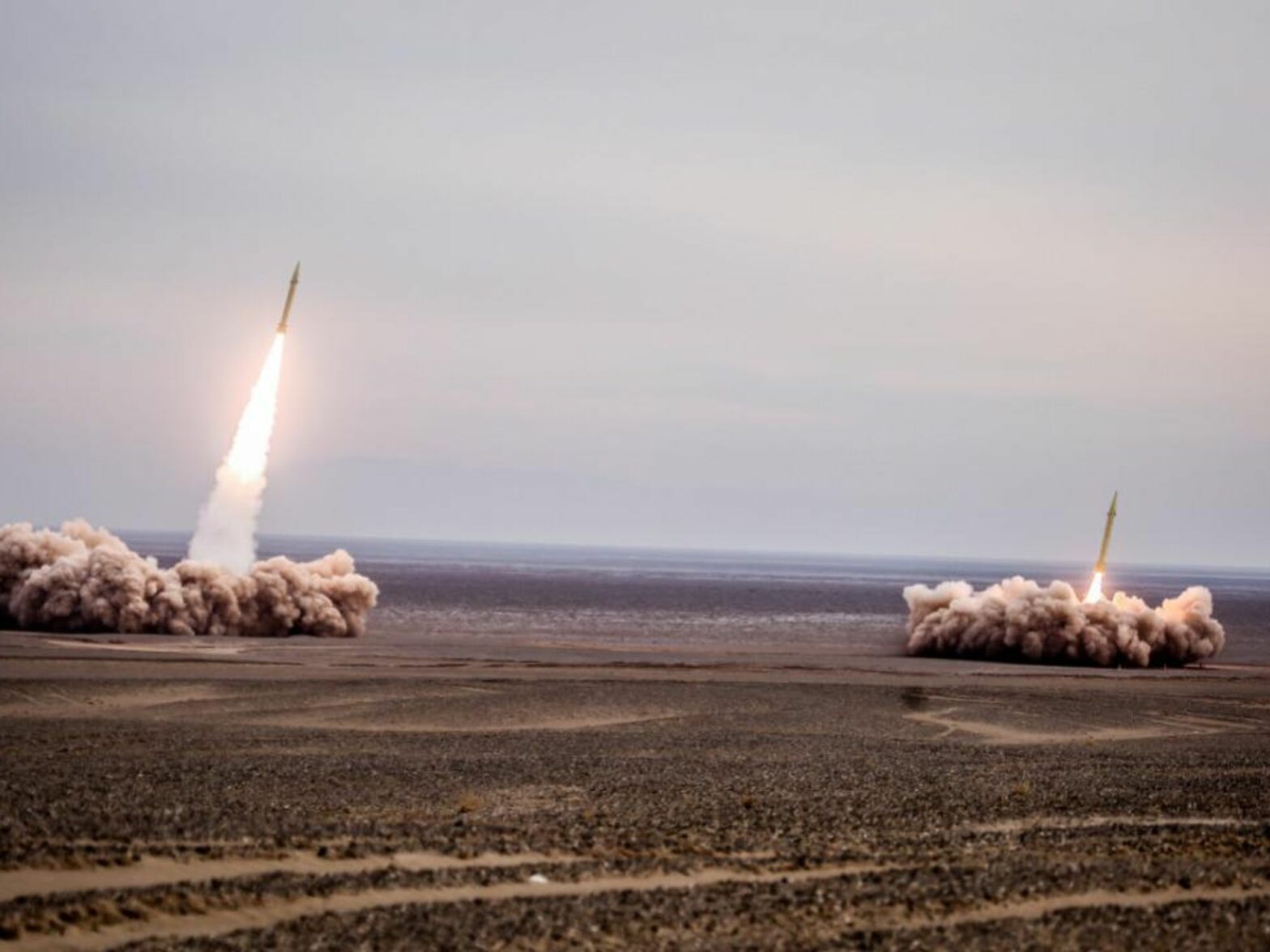
A new round of comments from inside Iran’s leadership ranks reaffirms its intention to produce a nuclear bomb, a decades-long cat and mouse game between the regime and an ever cautious West that hasn’t seemed to change even as the Russia-Ukraine war brings in a new world order.
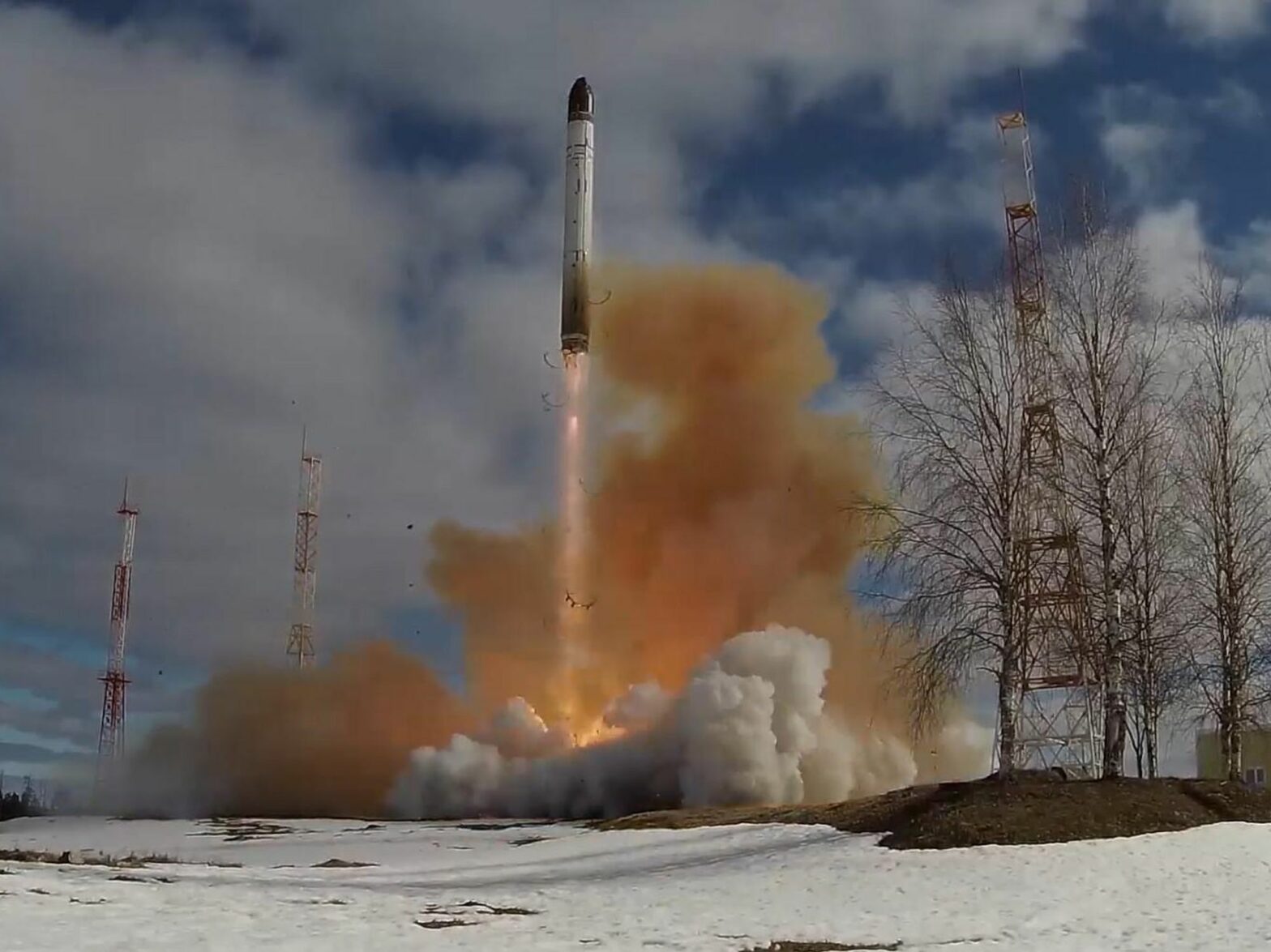
While Western countries are increasing their military support to Kyiv, Russian President Vladimir Putin threatens to use his new hypersonic missiles. He thereby makes the threat of a nuclear war in Europe a little more concrete.
While cheering the Russian attack on Ukraine, Iranian state media have also drawn the “lesson” from this war that a state can only be strong if it has a nuclear arsenal.
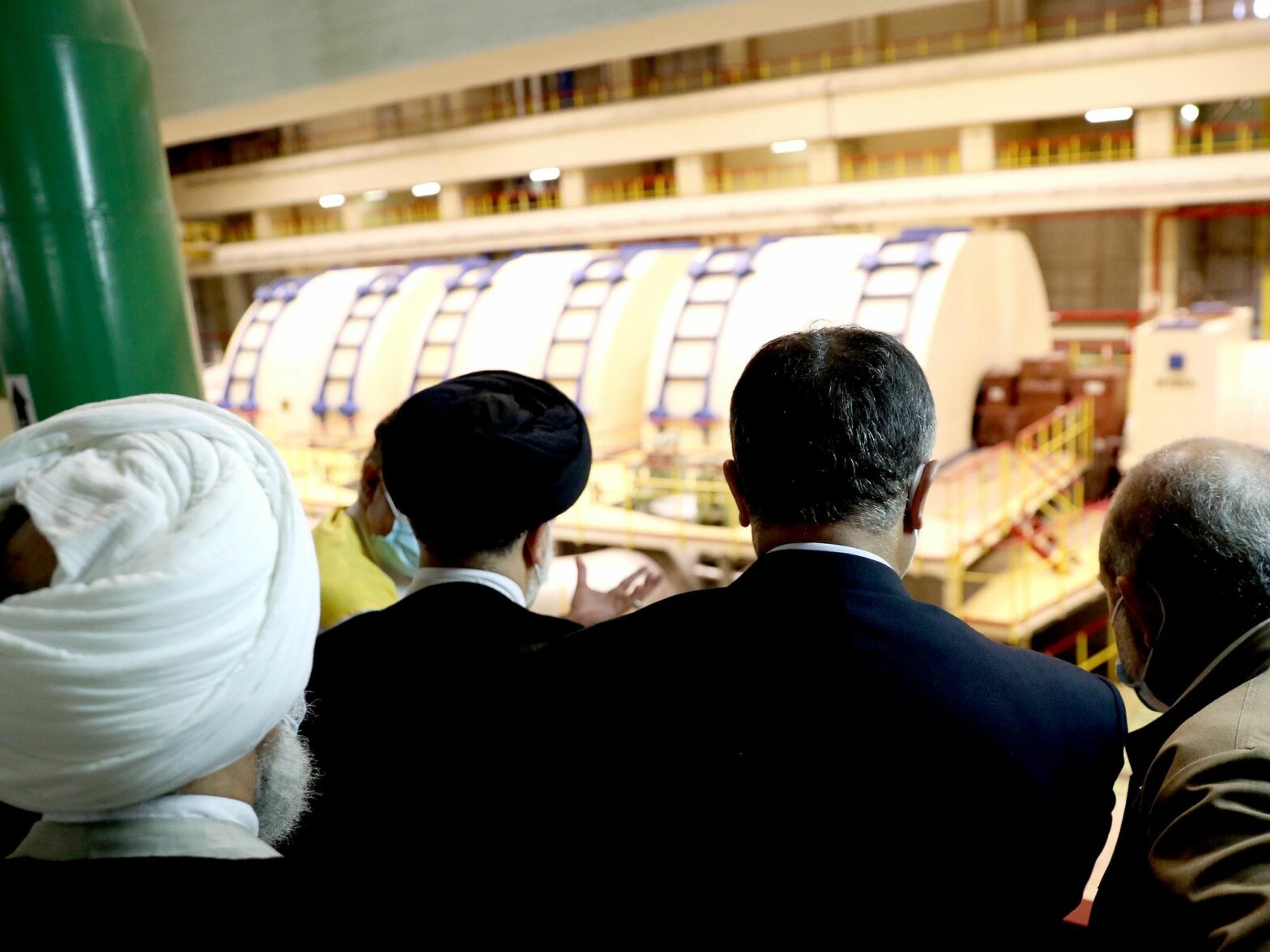
In spite of the toll sanctions have taken on its economy, Iran wants a deal on its nuclear program that addresses none of the West’s concerns about its military ambitions. It is also moving forward with new uranium enrichment technology.
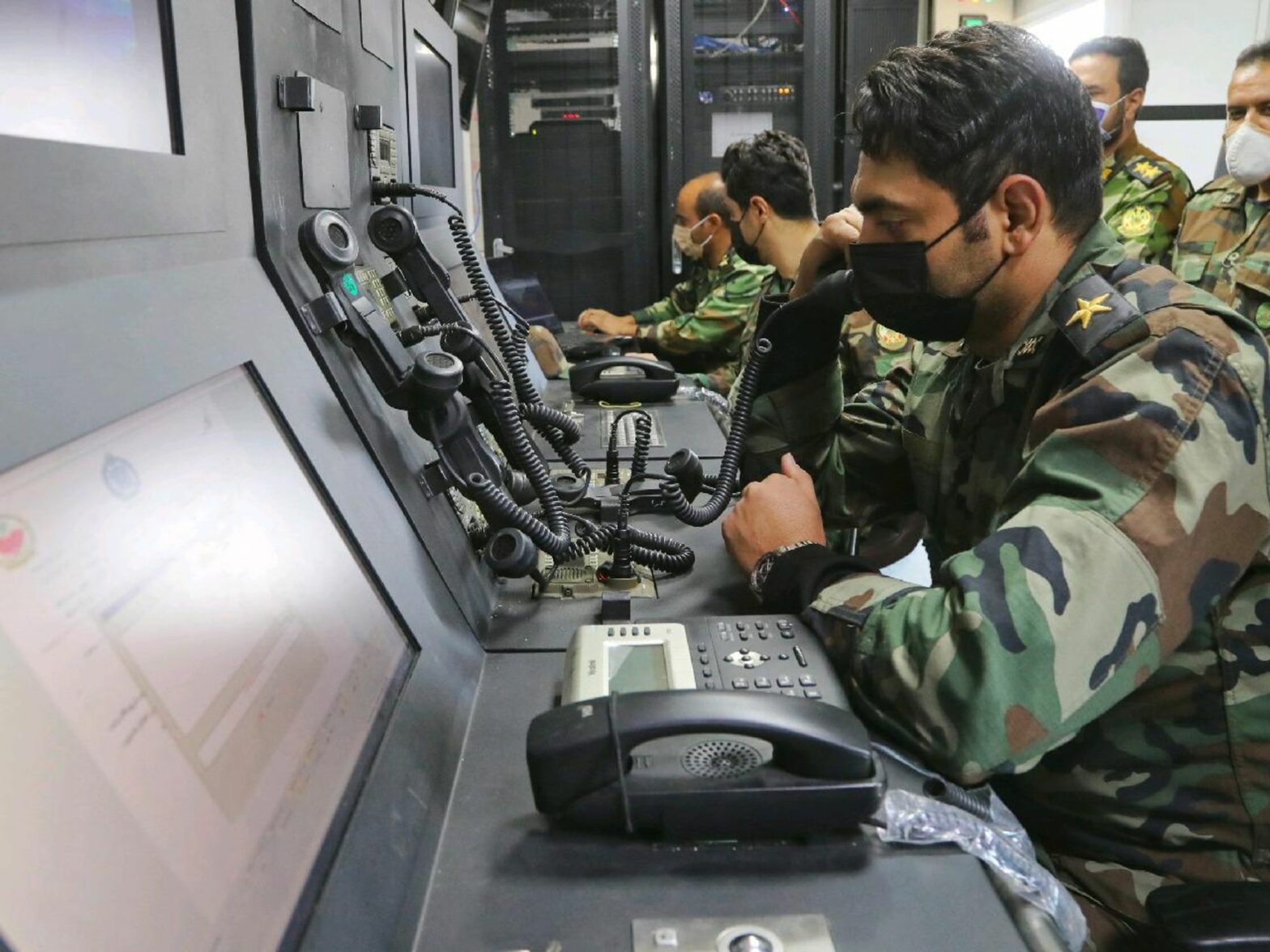
The U.S. is calling for “imminent” return to talks. But Tehran has made advances on its nuclear program that could force the West to accept, in a new pact, its bomb-making capacity, which Iran will “freeze” if Western powers lift sanctions.
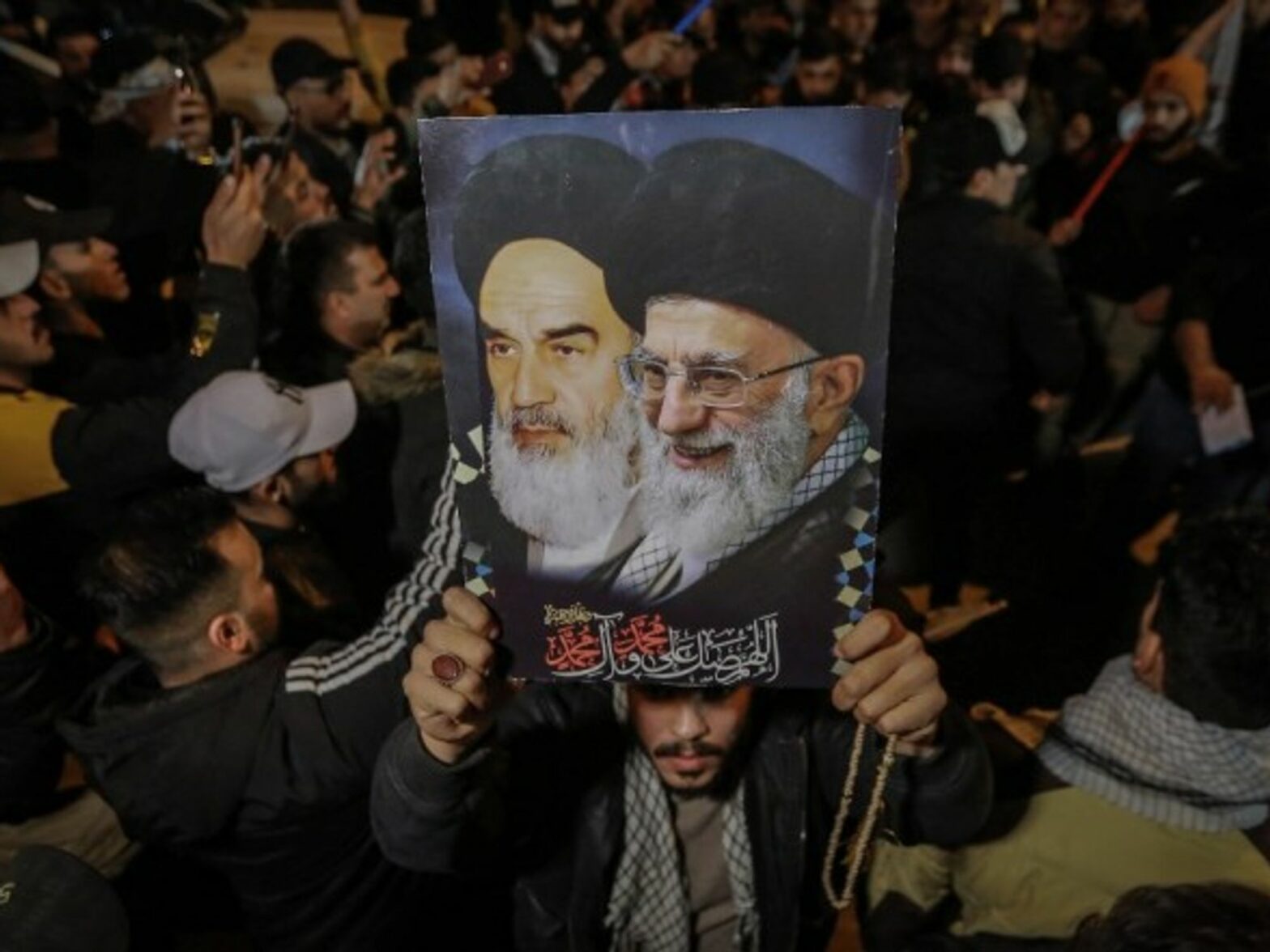
Resumption of nuclear talks between Islamic Iran and the Powers will not be easy, as the West also thinks it’s time to discuss Iran’s missiles and regional policies.
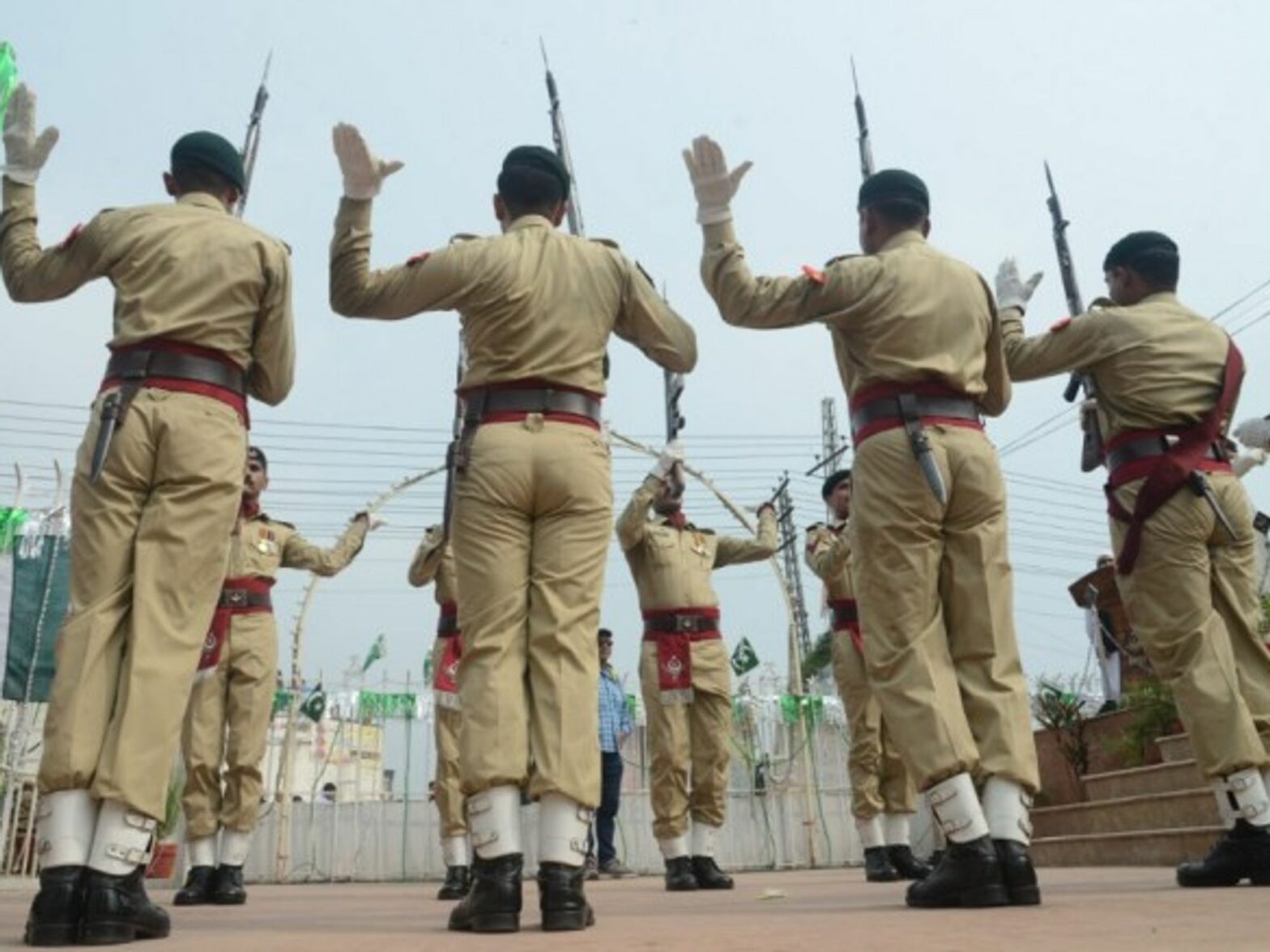
As the showdown deepens over the contested region with Pakistan, India is now weighing whether to water down its nuclear no-first-strike policy.
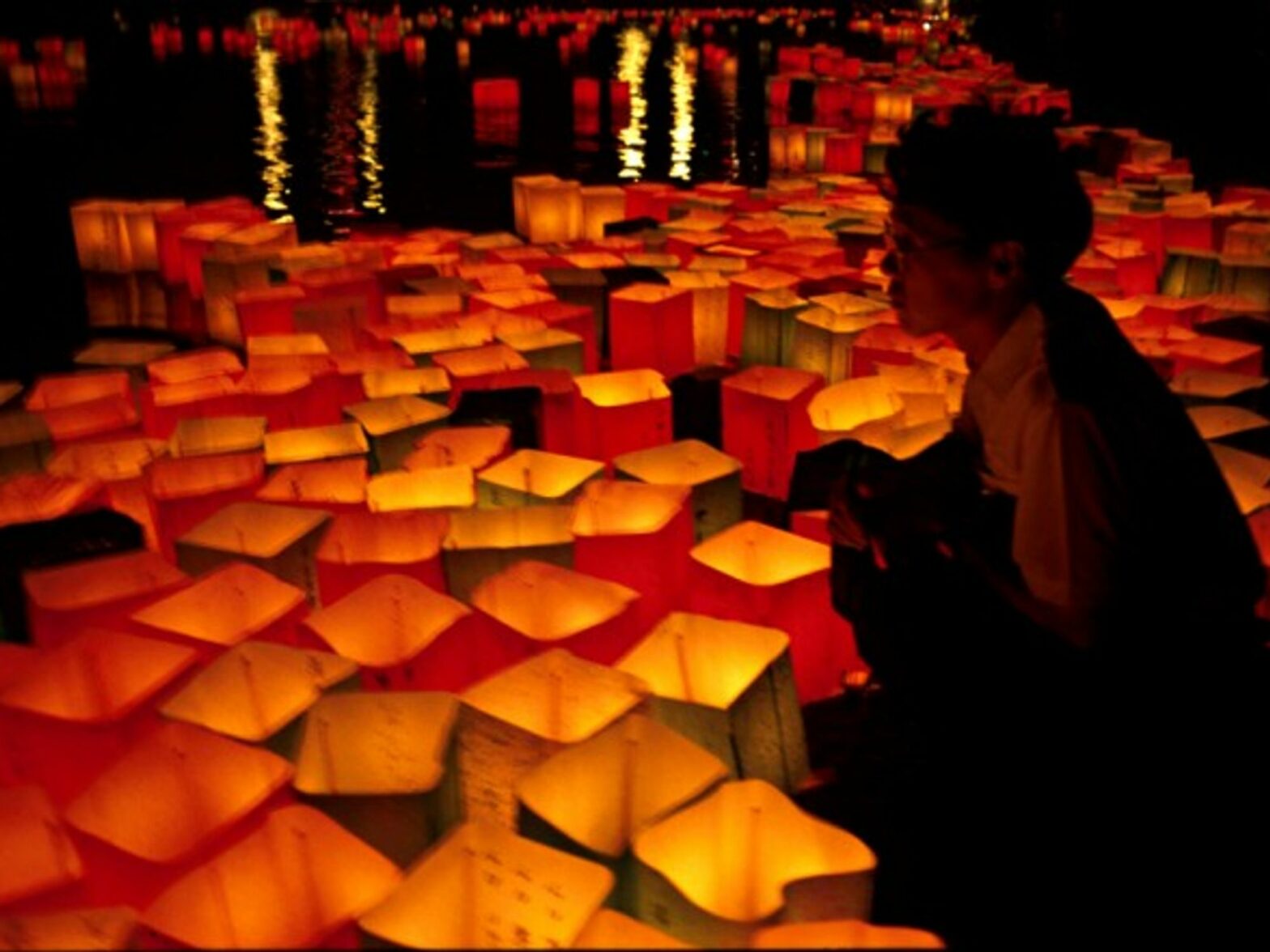
TOKYO — Seventy-three years after atomic bombs laid waste to the Japanese cities of Hiroshima and Nagasaki, remaining survivors still bear the physical and psychological scars of the horror they endured. And for many, one of the most troubling aspects of that experience is the lingering guilt they feel, for having survived while so many […]
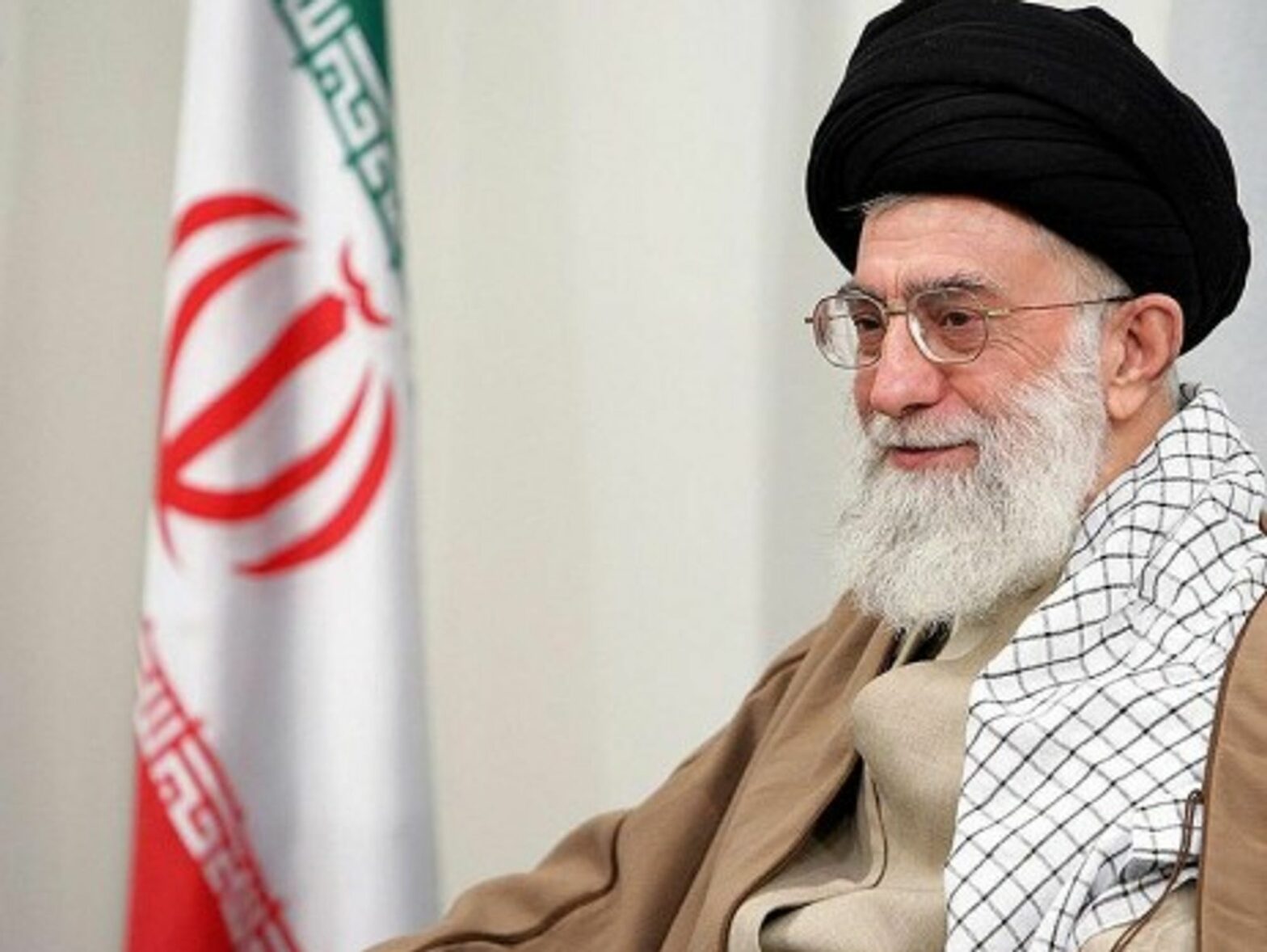
As Iranian envoys and representatives of world powers ended their last round of talks intended to define the scope of Iran’s contested nuclear program, Iran’s Supreme Leader Ayatollah Ali Khamenei told a gathering in Tehran Wednesday that Iran’s negotiators should not “give in to unjust demands.” Talks are set to resume during the first half […]
BBC, JERUSALEM POST (Israel), THE NEW YORK TIMES, VOA (U.S.), REUTERS Worldcrunch DAMASCUS– Russia has expressed its concern at an alleged Israeli airstrike in Syria that left four dead and two injured says the BBC. Various reports about the airstrike differ in details, while Israel remains silent about its action. Sources told Reuters on Wednesday […]