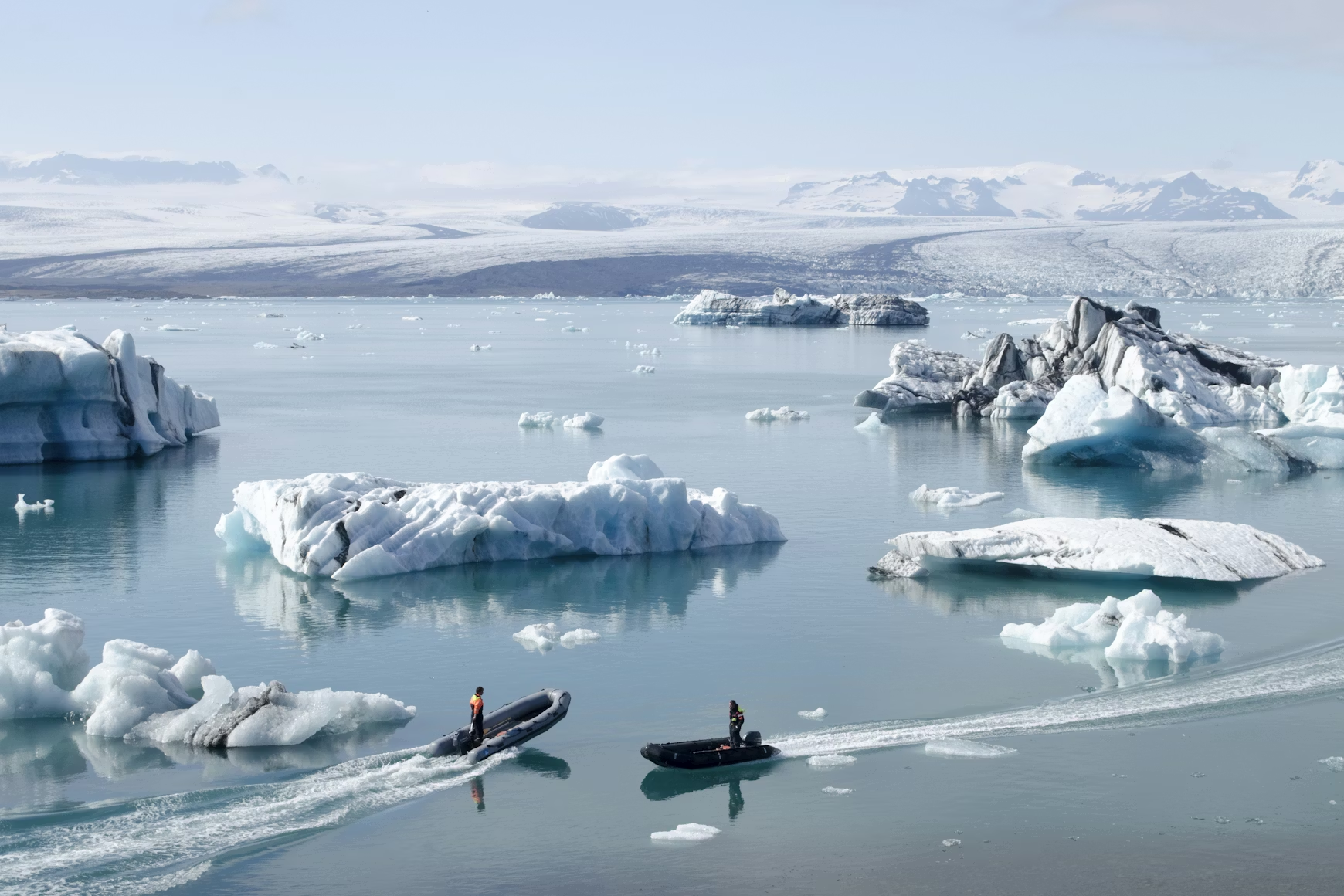
From volatile volcanoes to fragile winter landscapes, Icelanders live between wonder and risk as scientists race to understand a land that both sustains and endangers them.
 Worldcrunch
From volatile volcanoes to fragile winter landscapes, Icelanders live between wonder and risk as scientists race to understand a land that both sustains and endangers them.
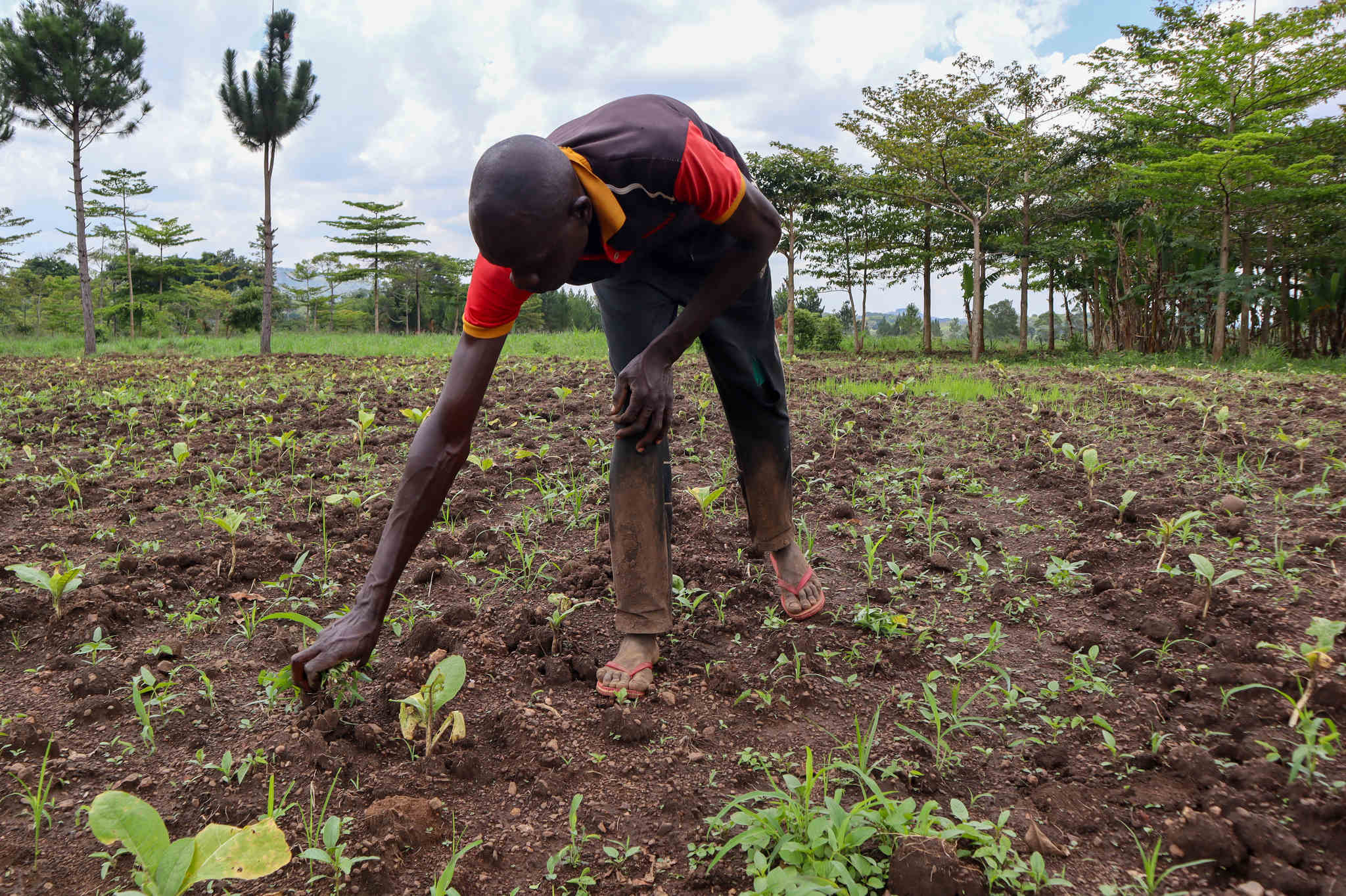
Tobacco farming in Uganda has resulted in the loss of trees key to the diets of chimpanzees and baboons, increasing human-primate interactions — and the risk for disease spillover.
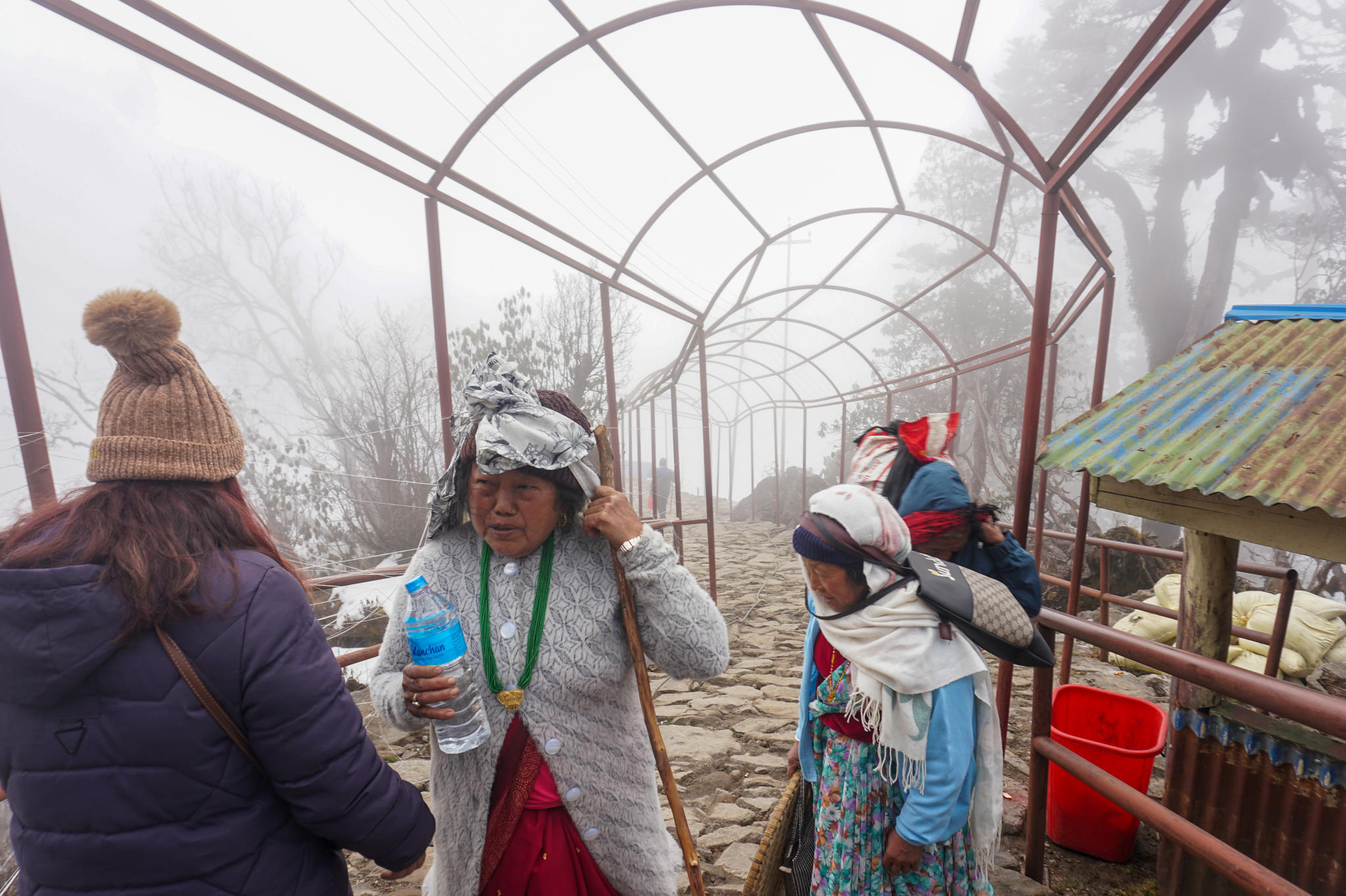
A cable car project to Nepal’s Pathibhara temple threatens the livelihood of porters and is seen by the indigenous Limbu community as a desecration of sacred land. Their protests reflect broader struggles over development and indigenous rights in the country.
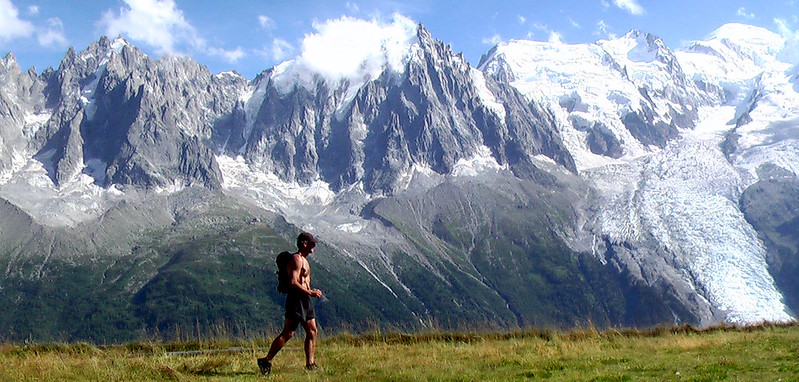
Stepping into the wild is more than just a journey — it transforms the way we think and feel. Here’s the science to prove it.
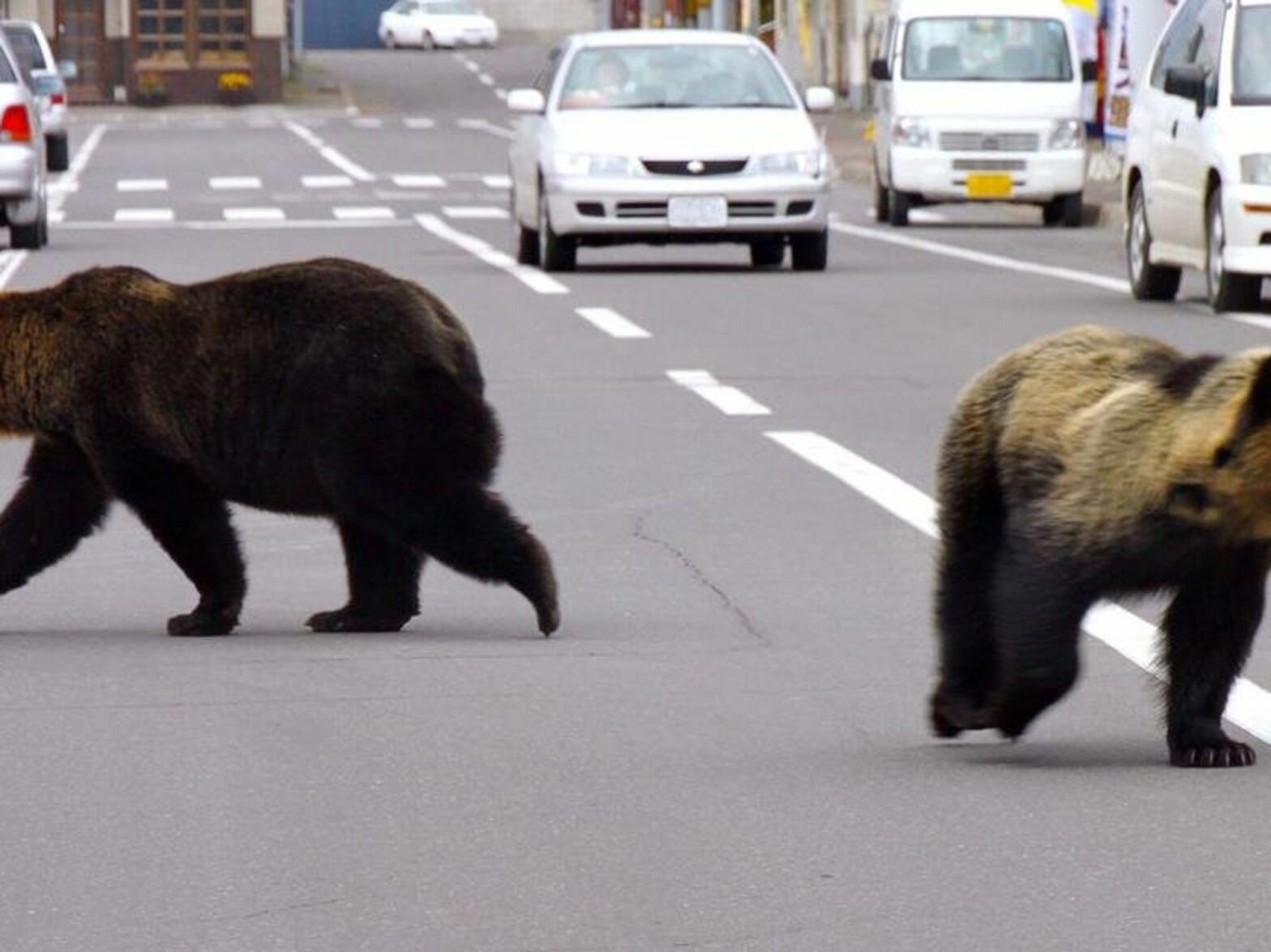
Climate change and demographic collapse have driven bear attacks to reach a record high in Japan. In both the countryside and the cities, bears and other animals are taking back territory from humans. Should locals learn to live with them or take extreme measures?
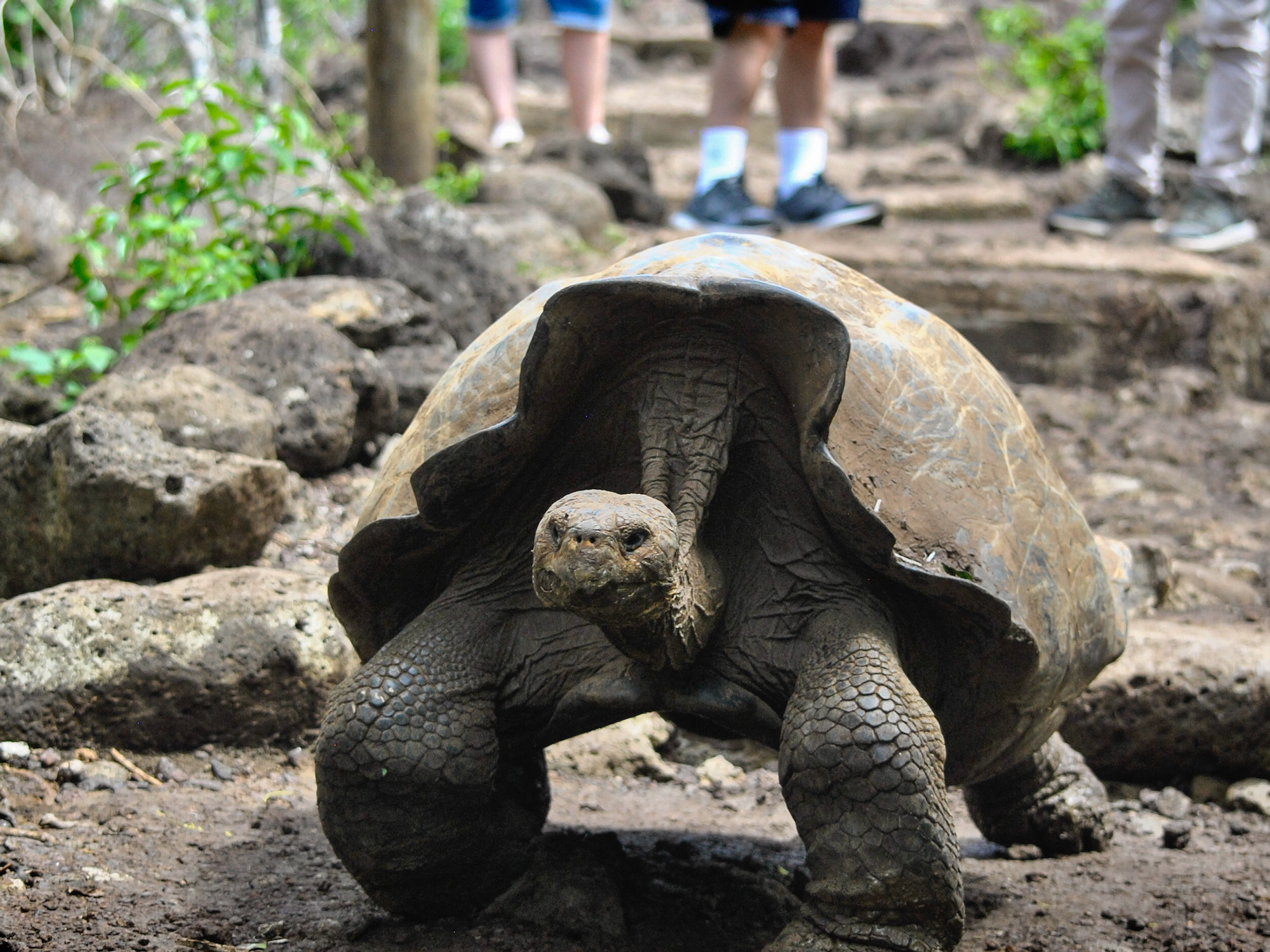
Ecuador’s exceptional Galapagos archipelago has been at the heart of an ambitious decades-long preservation policy to protect its unique fauna from too many visitors. Could it serve as a model for others for how to resist overtourism?
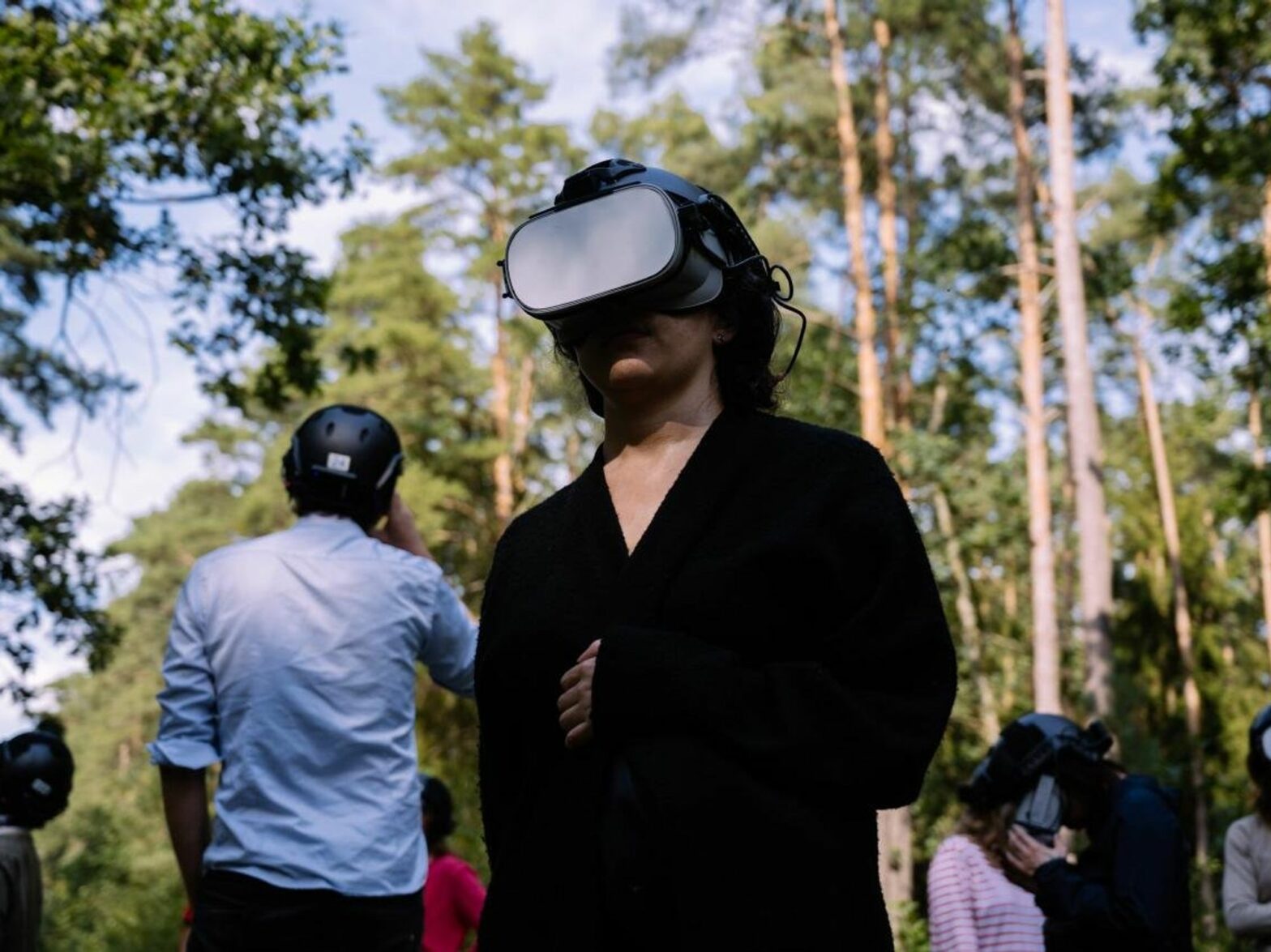
The International Festival of Performing Arts Temporada Alta is hosting the Spanish premiere of this European project that explores our links with nature and the landscape.
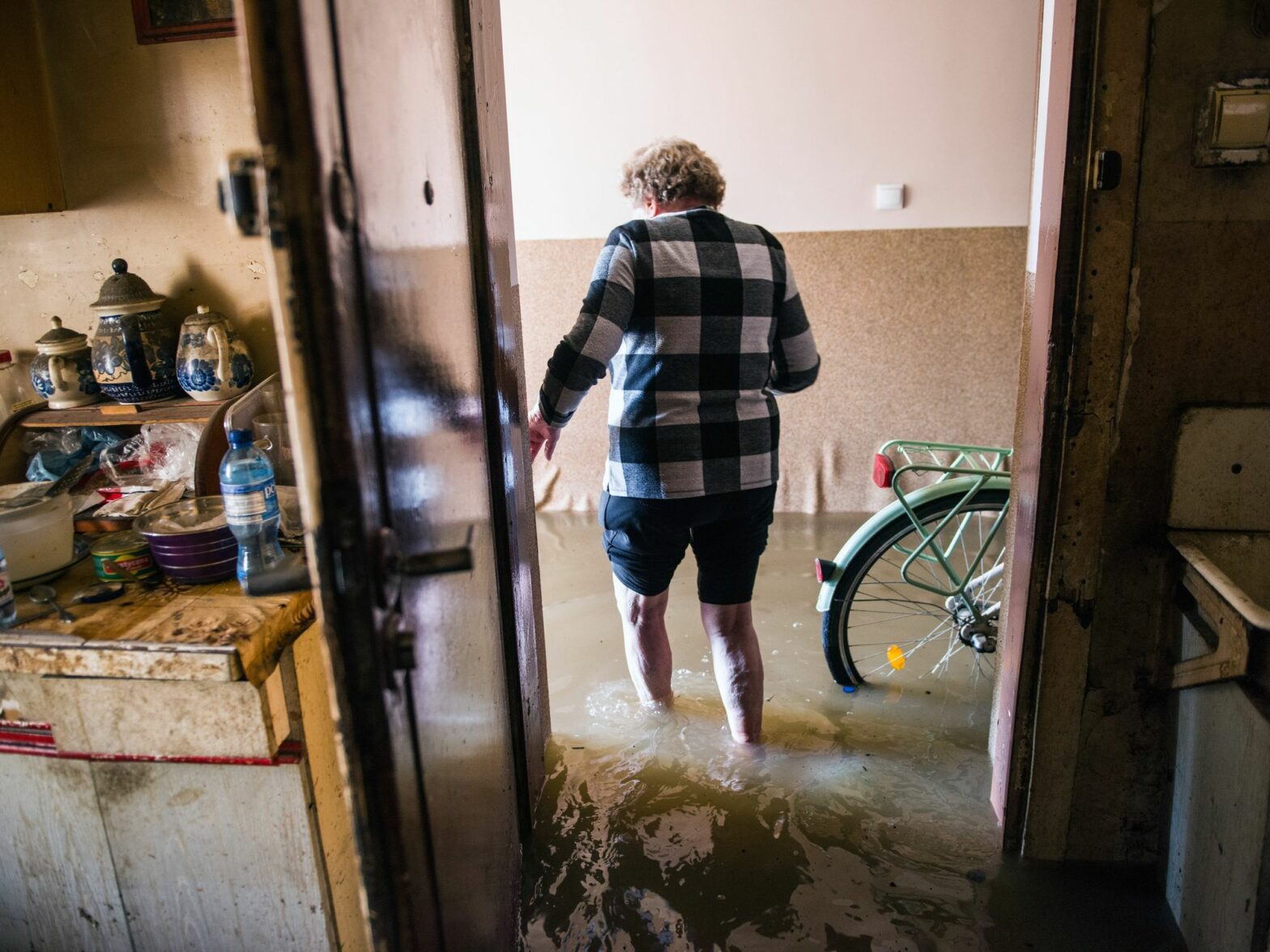
Along with much of central Europe, Poland has experienced large scale flooding that has impacted the country’s infrastructure, budget, and sense of safety. Will this tragedy change the way Poles view climate change?
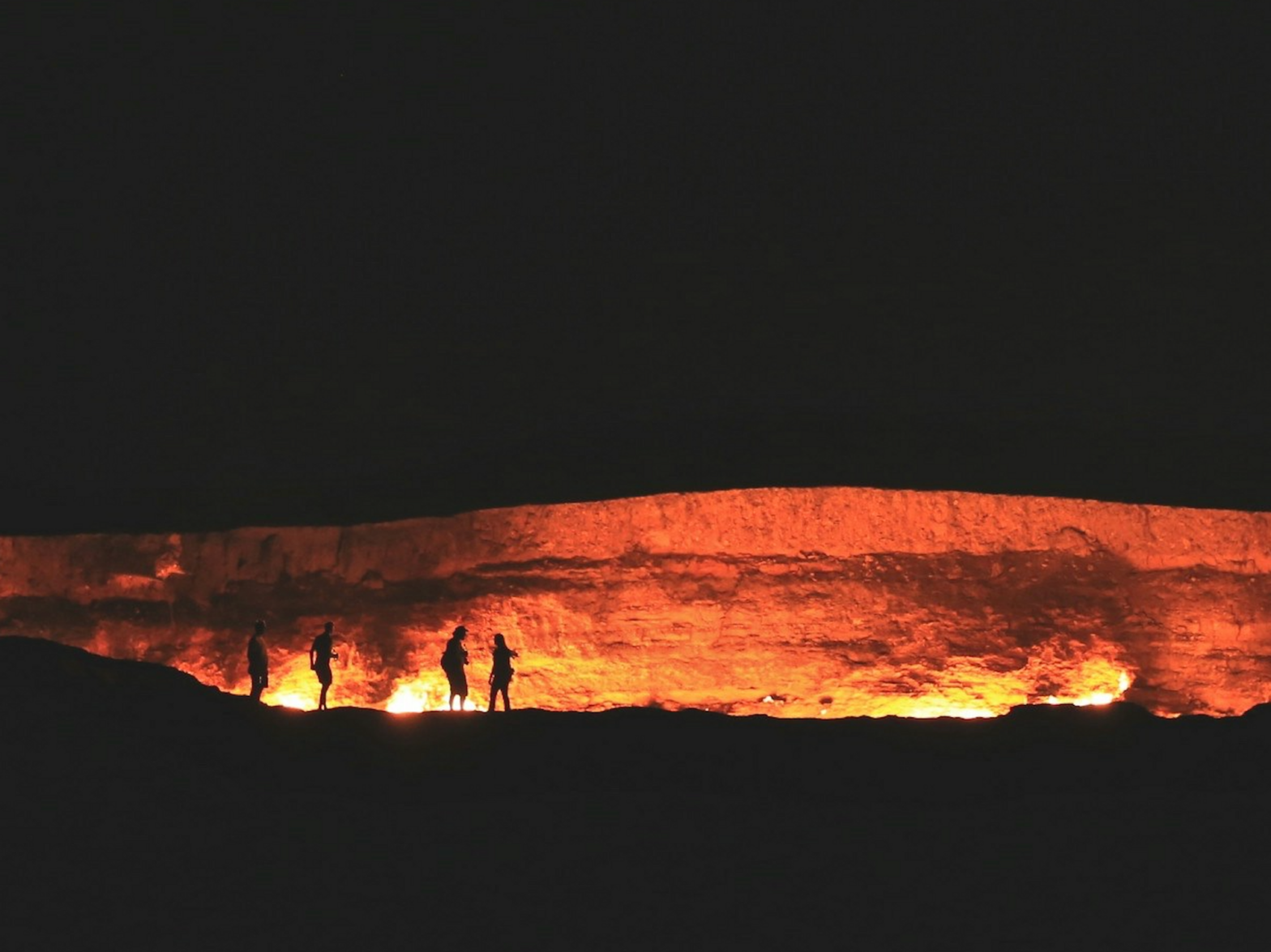
The president of Turkmenistan announced plans to extinguish the country’s famous “Gates of Hell” gas crater sometime in 2024. But it’s by no means the only one of its kind. We rounded up the eternal flames still burning in all corners of the globe.
Updated August 21, 2024 at 11:00 a.m. Brazil reports fires burning in the Amazon Rainforest at unprecedented rate on this day in 2019. How extensive were the fires in the Amazon rainforest? The fires in the Amazon rainforest of 2019 were widespread, affecting multiple countries in the region. The exact extent of the fires varied, […]
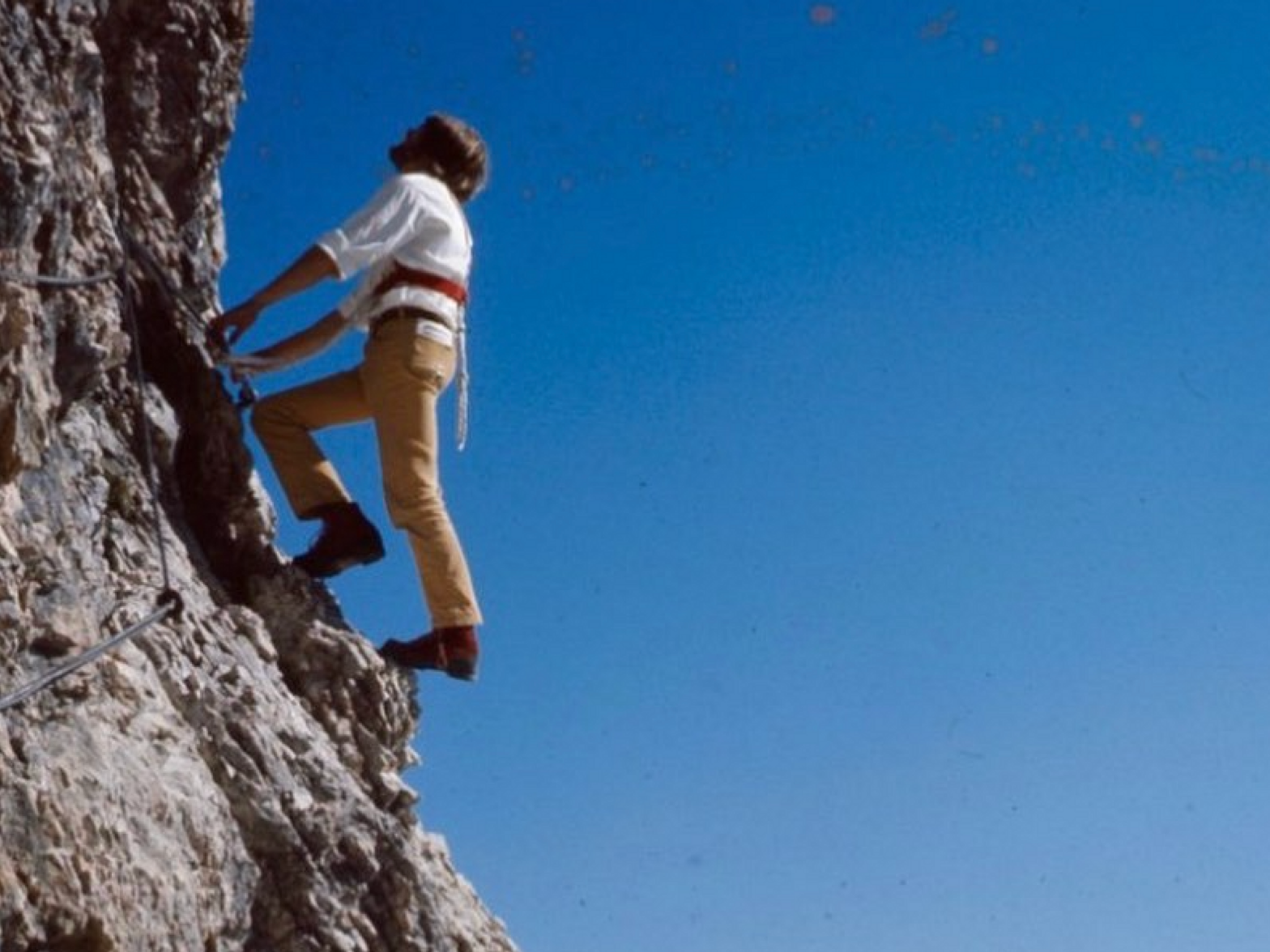
At the age of 79, the Italian-born, German speaking Reinhold Messner is a climbing legend, who was the first climber to ascend all fourteen peaks over 8,000 metres (26,000 ft) above sea level — without supplementary oxygen. Today he keeps moving, and thinking.
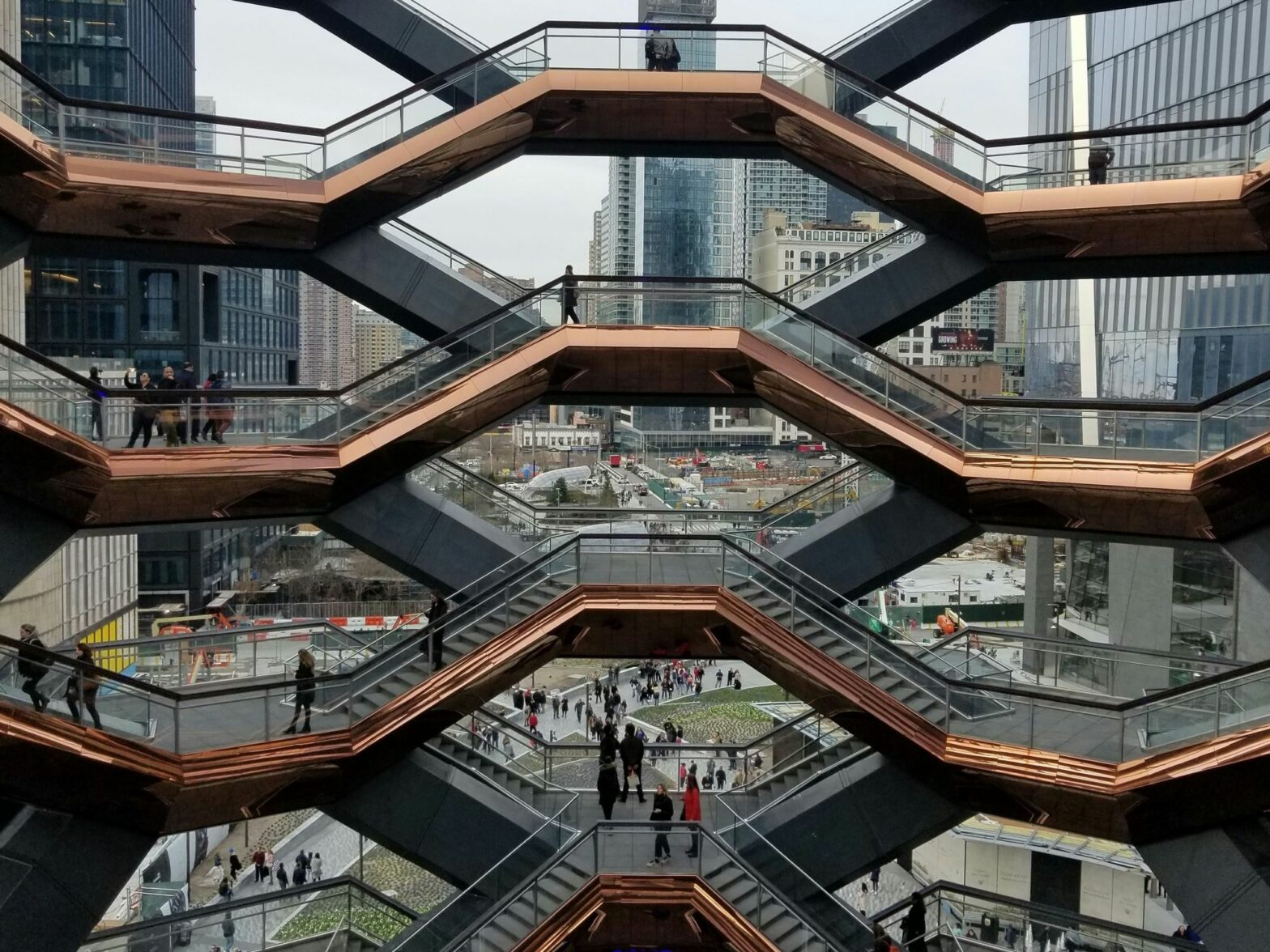
As the world’s climate becomes erratic and hostile, we might remold our cities from being expressions of our cold triumphalism to vessels and tools for inclusive, peaceful cohabitation with nature.
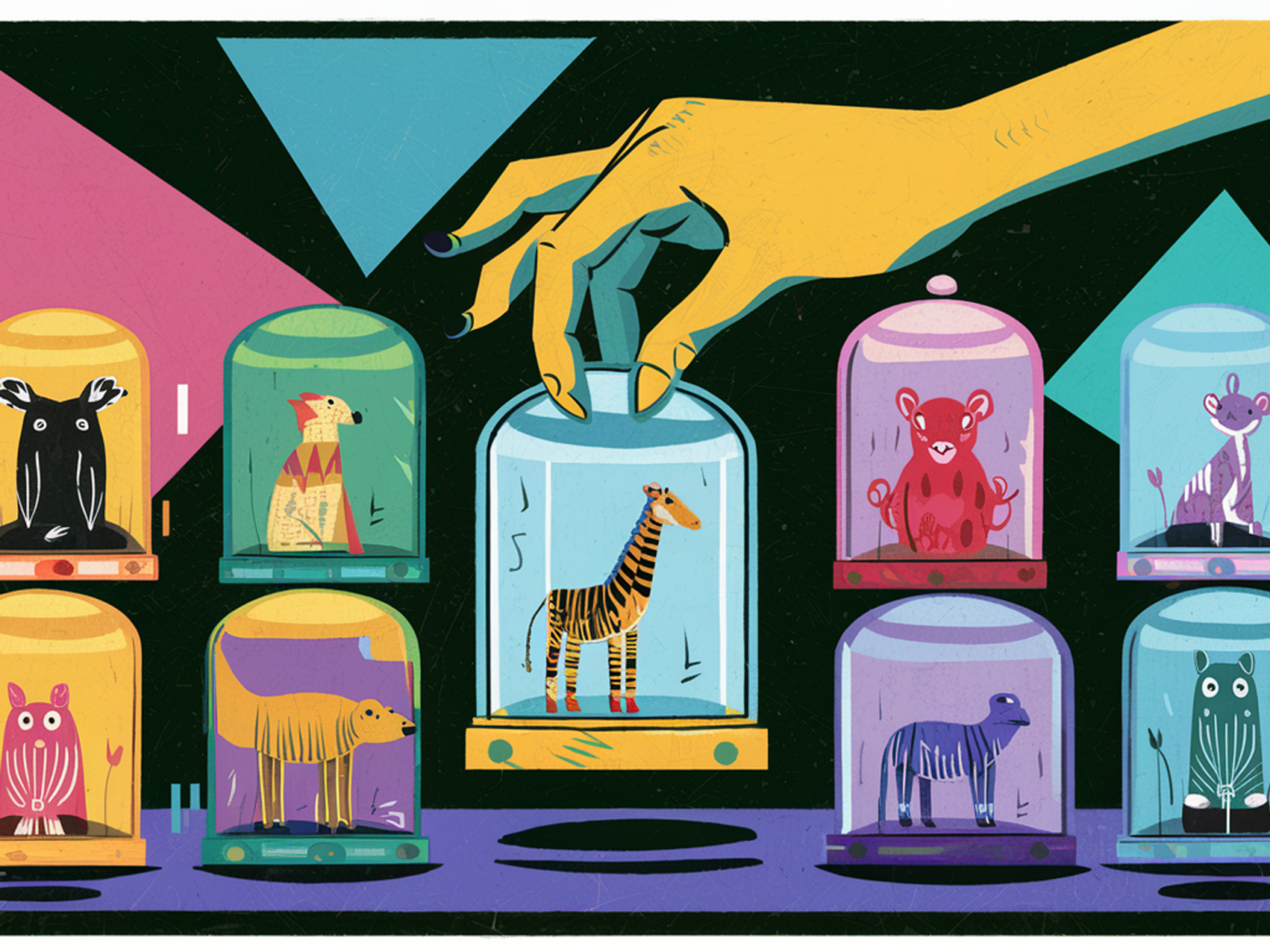
No single, unified list exists of all species cataloged by humans. Some scientists want that to change.
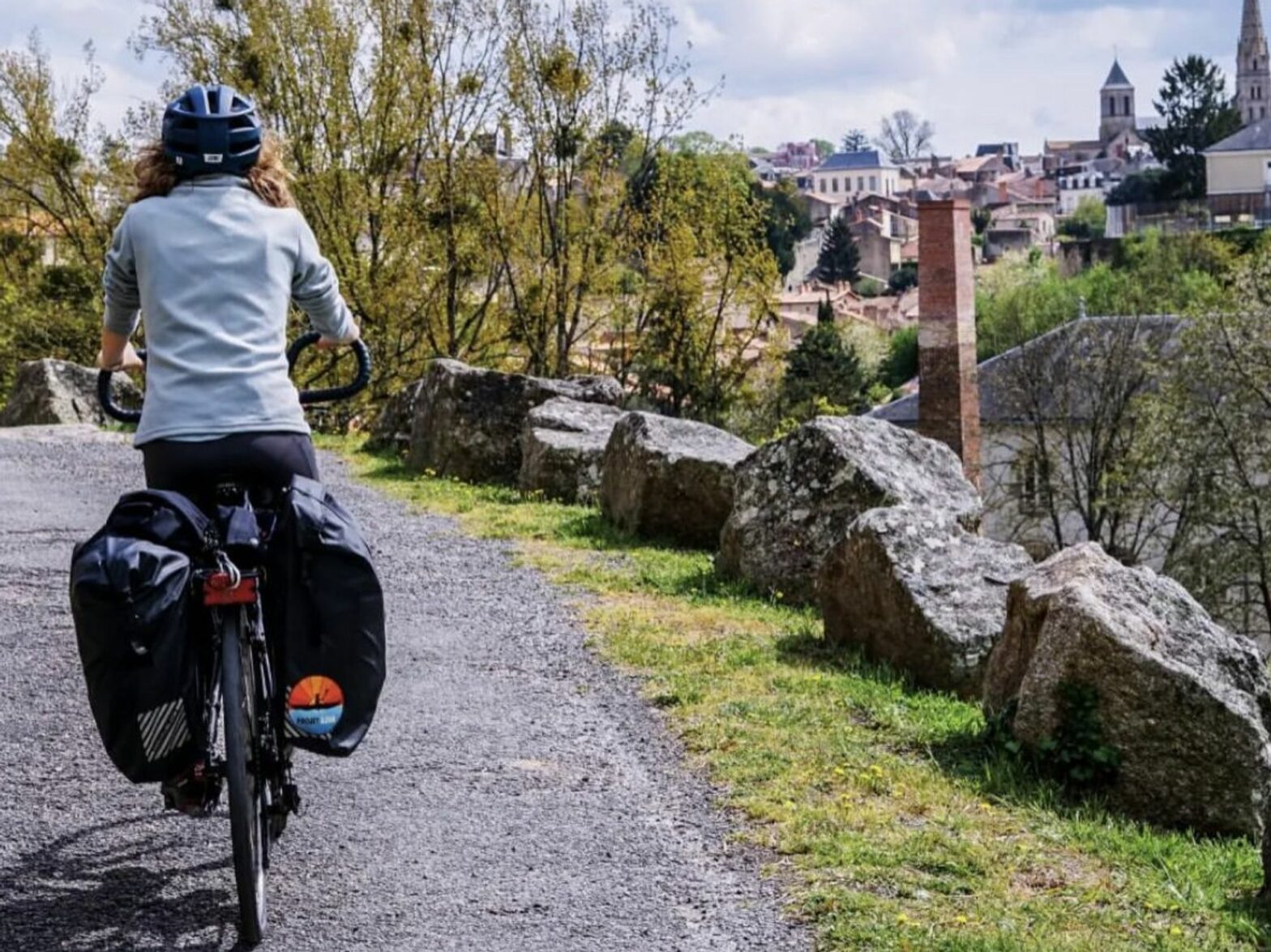
The climate crisis could provide an opportunity to invent a new way of discovering the world that is more local and sustainable.
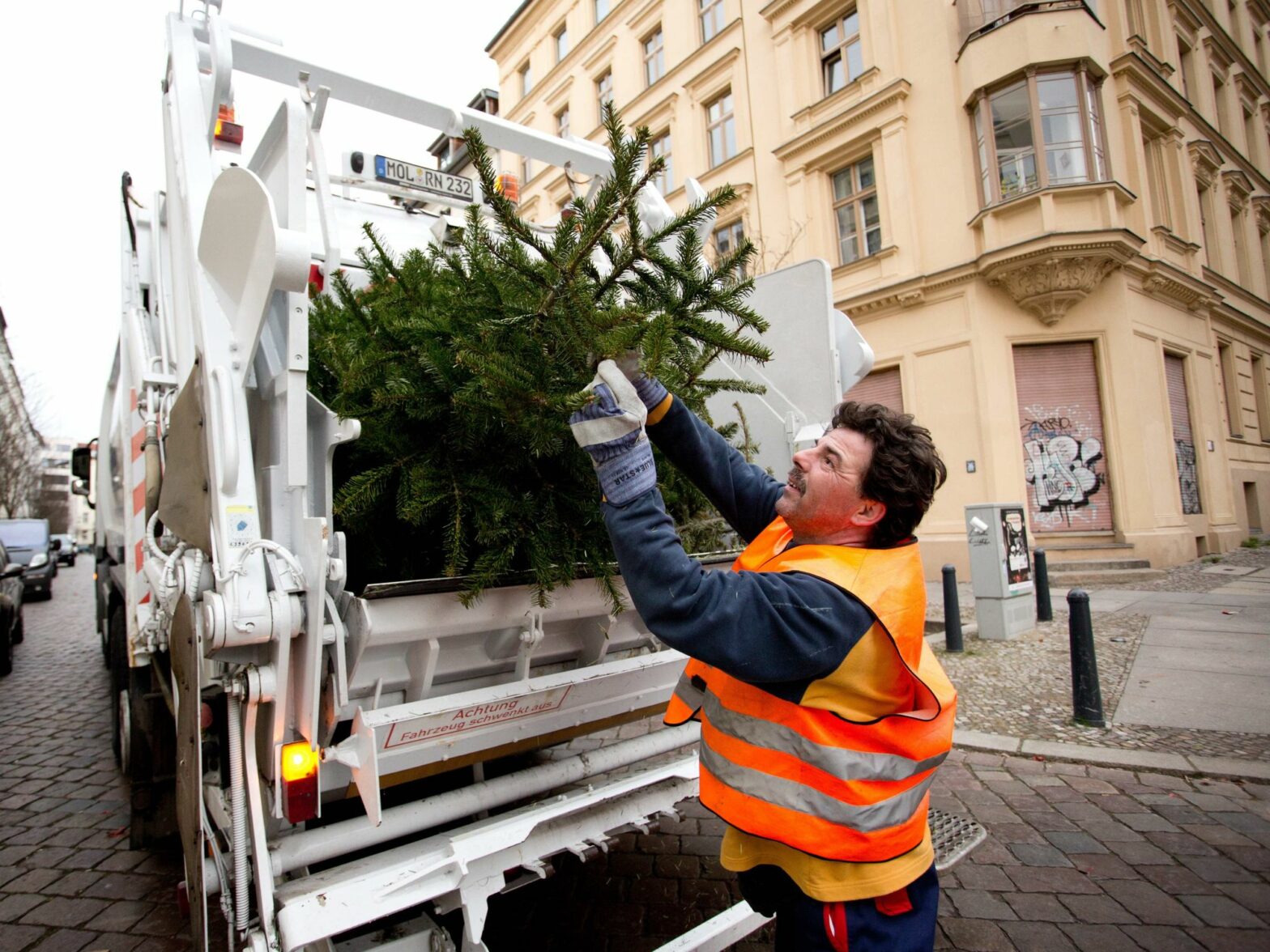
Each year, millions of trees are sacrificed for the sake of Christmas — an ecological disaster and a denial of what trees represent for humanity. There are, however, some green alternatives to buying (and killing) your own private tree each year.
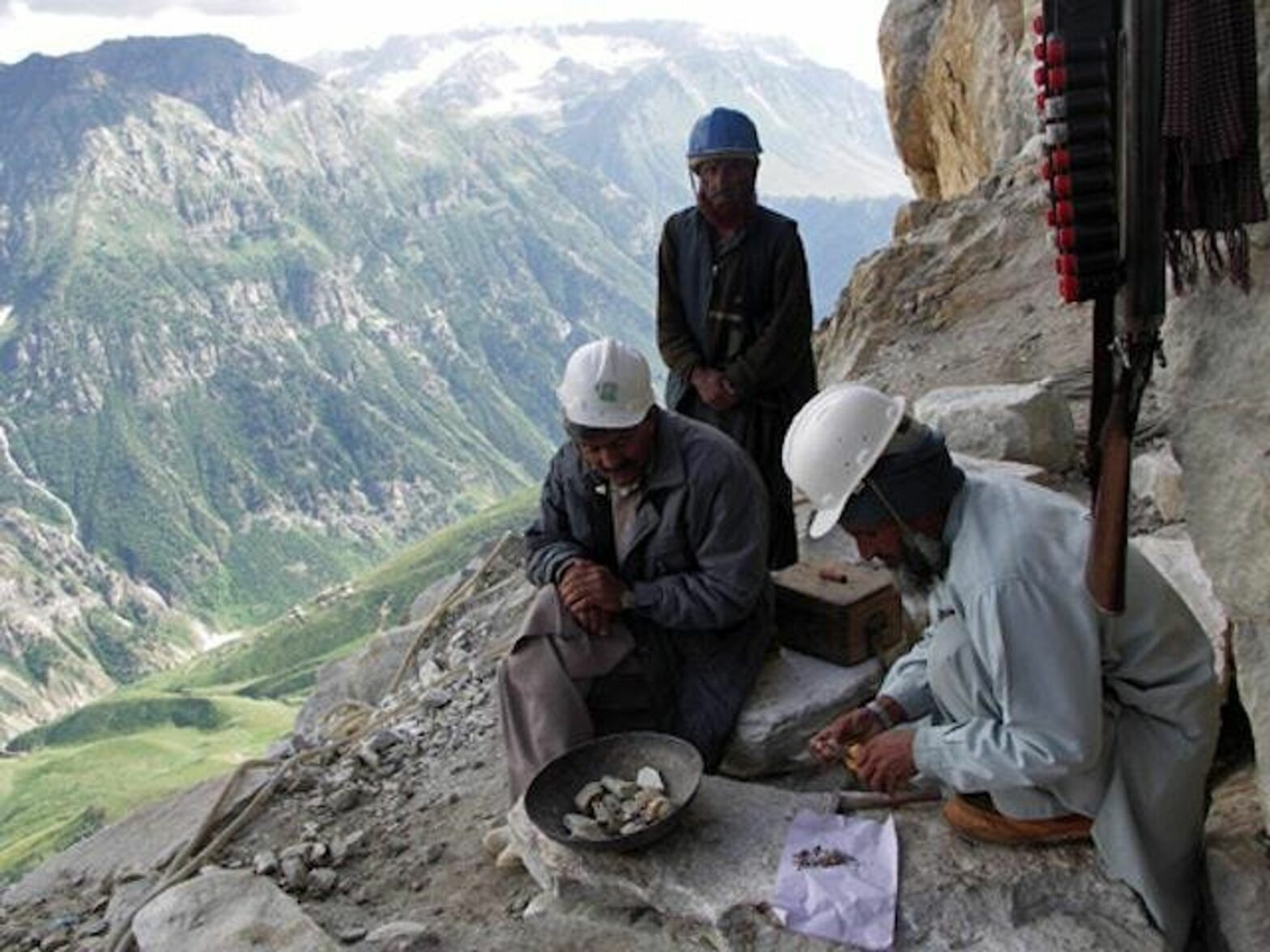
A vast stretch of mountains in India’s Padder Valley is believed to house sapphire reserves worth $1.2 billion, which could change the fate of one of the poorest districts of Jammu and Kashmir.
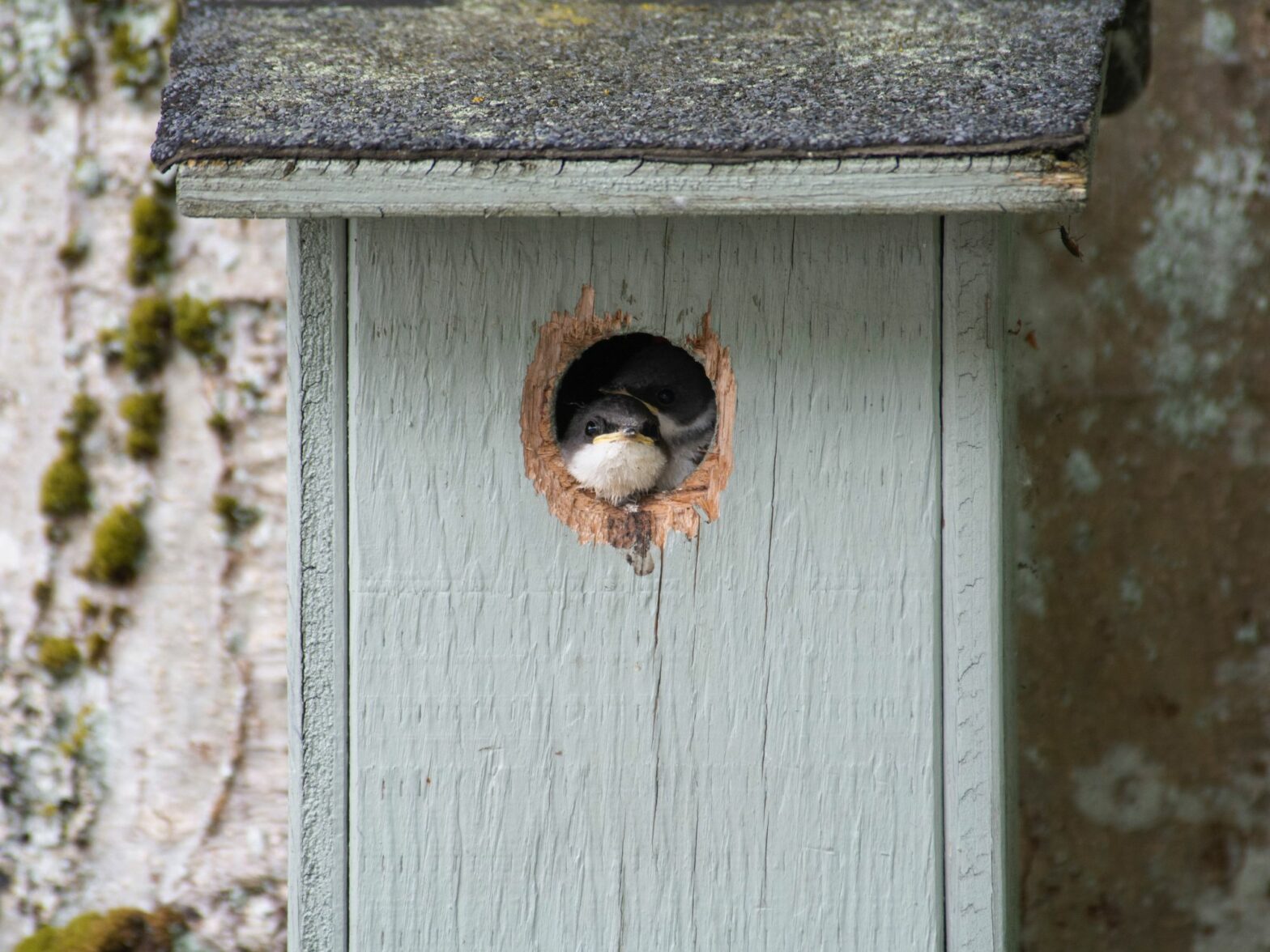
Human-made shelters don’t always keep creatures out of harm’s way. Can technology help design a better protect birds and possums?
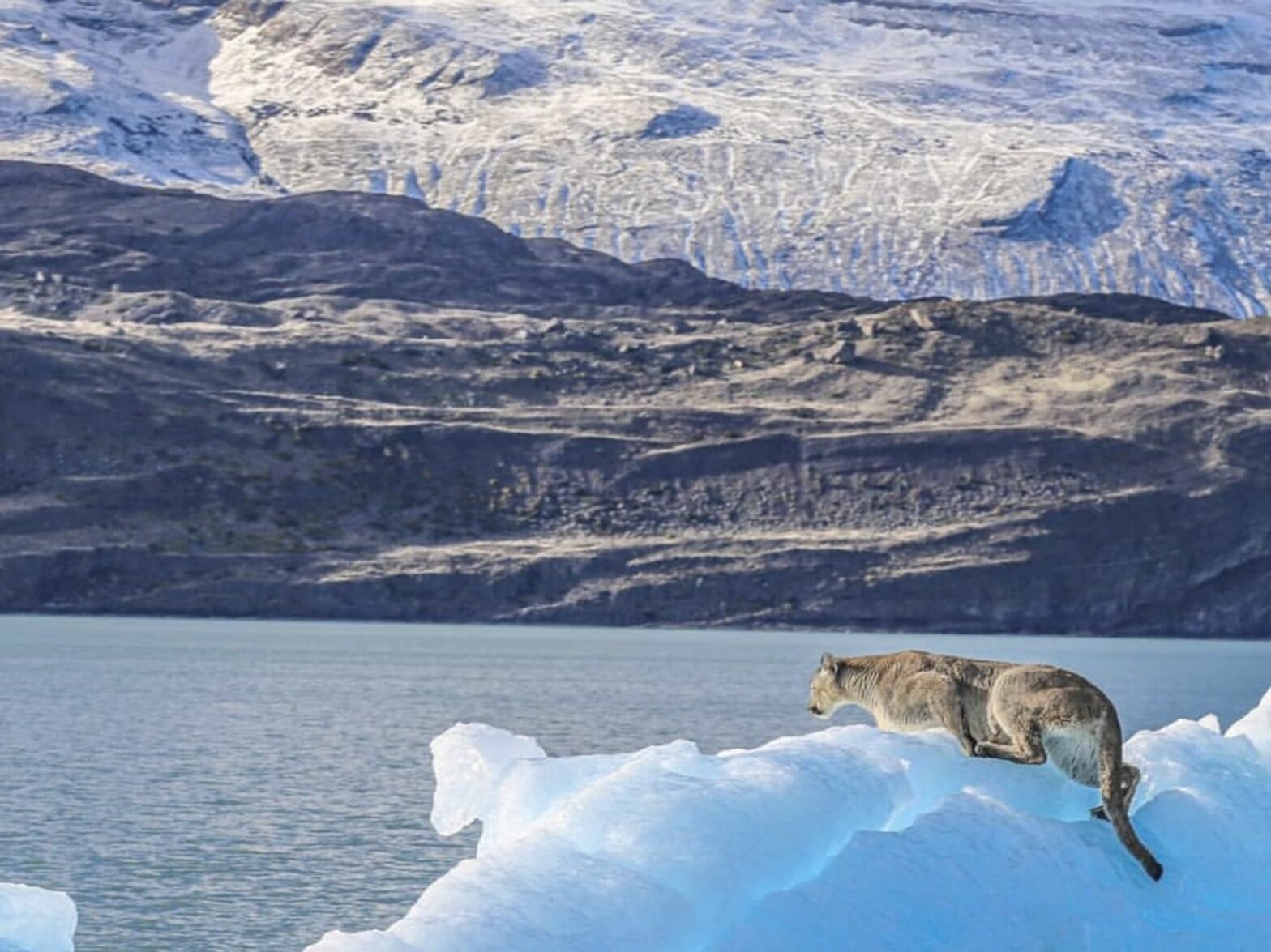
The Patagonian National Park is a spectacular and unique landscape that illustrates the outstanding beauty of nature. But it is at risk of becoming a victim of the climate crisis.
The best tables near Table Mountain!
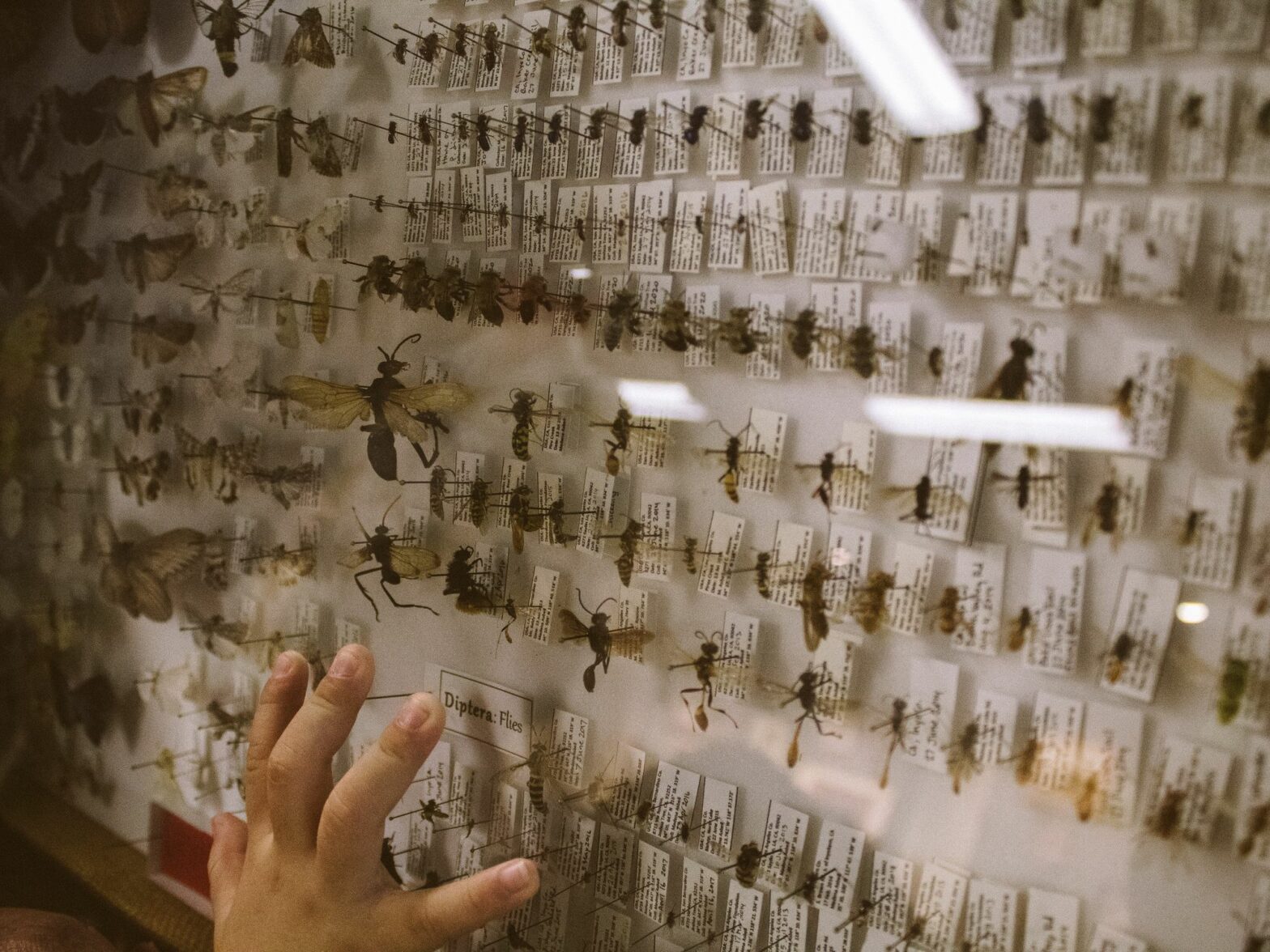
Scientists are increasingly seeing evidence of “dark extinction” in museum and botanical garden collections.
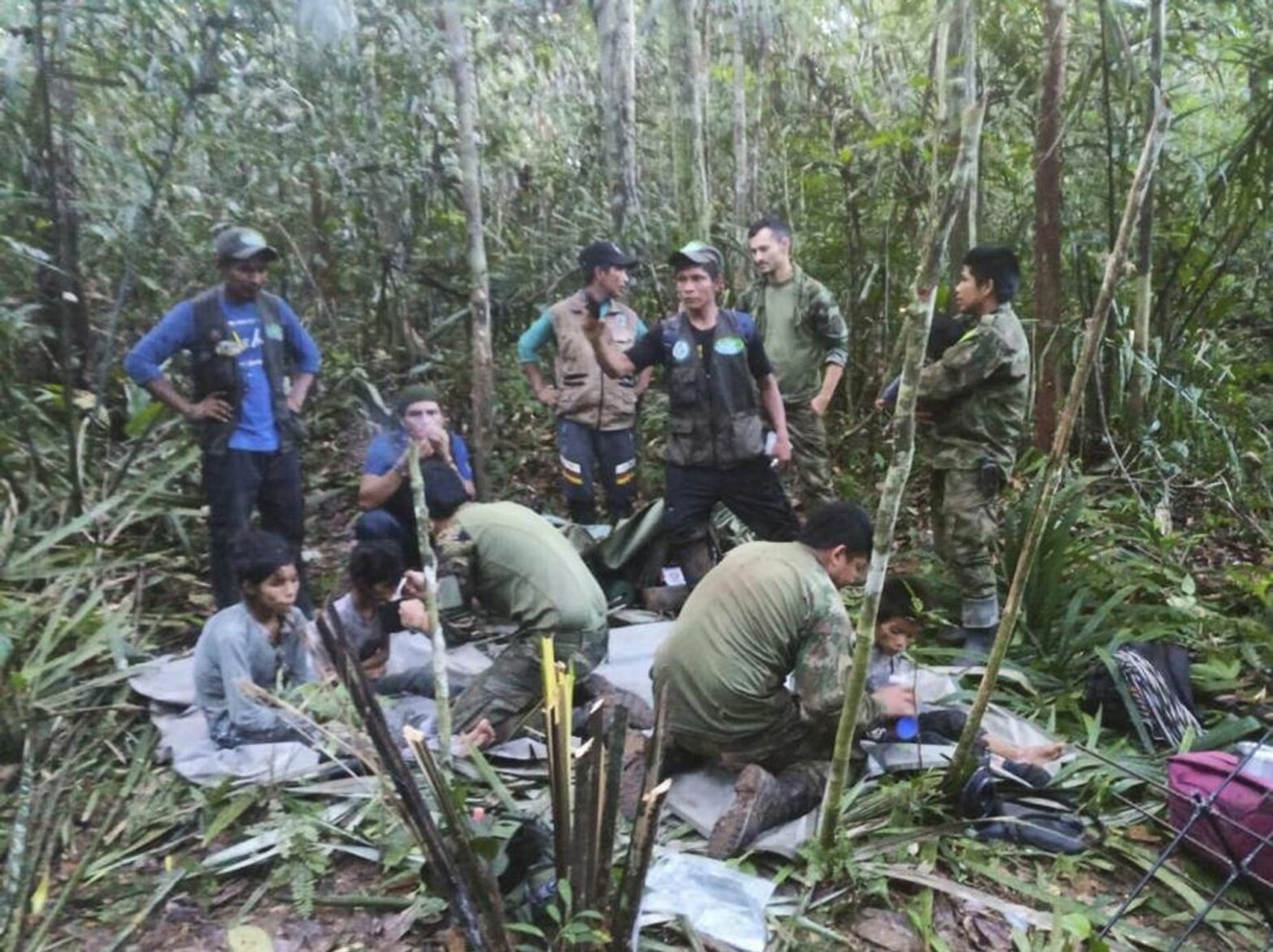
Much has been said about how the children’s local culture helped them survive 40 days stranded. But there are indigenous people in Colombia who believe “natural spirits” watched over them, keeping them safe until it was time for them to be found.
A compelling story about how forest fungal networks communicate has garnered much public interest. Is any of it true?
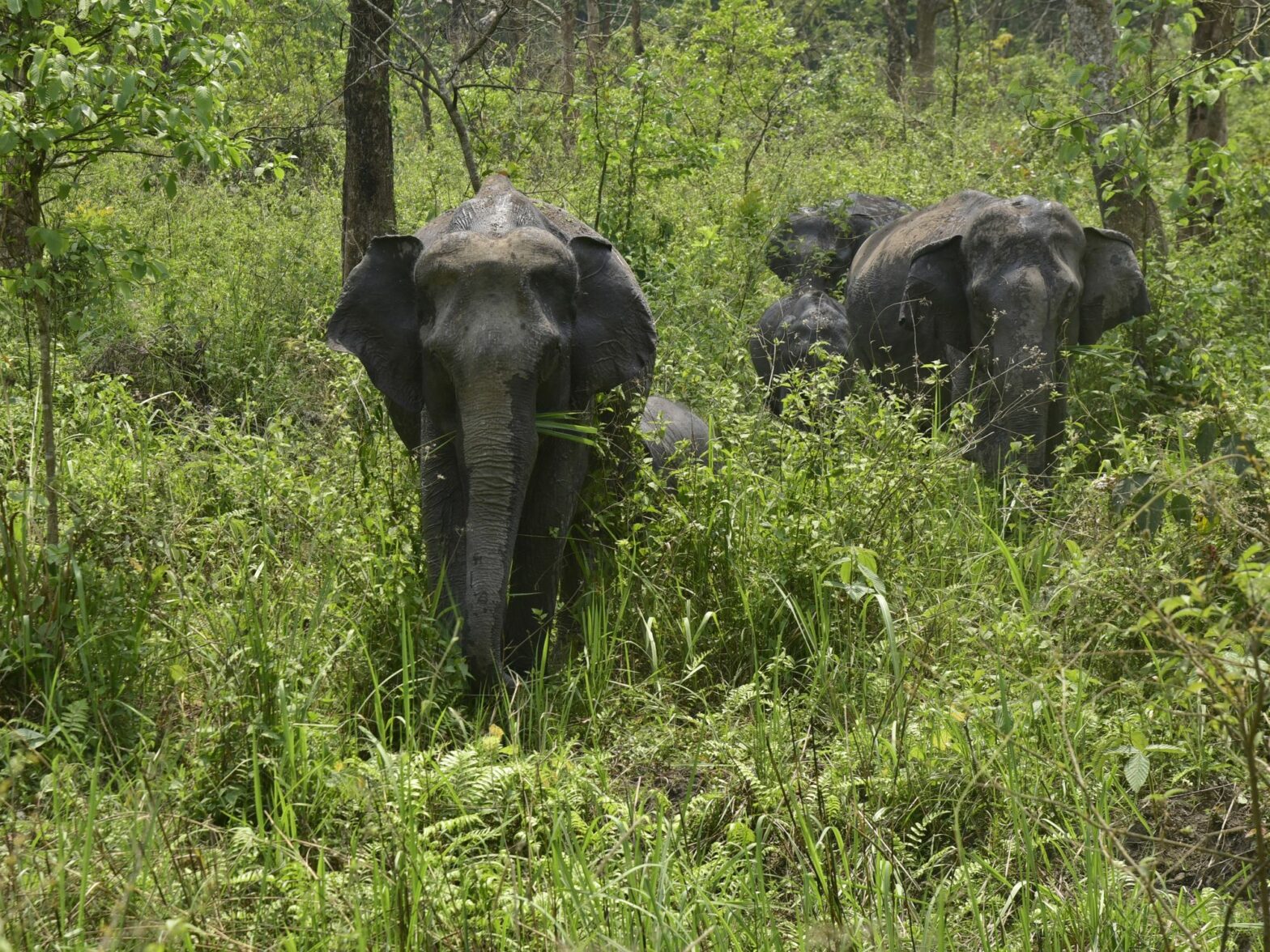
Experts say that understanding how the giant mammals weigh risk and reward could help prevent clashes with people.
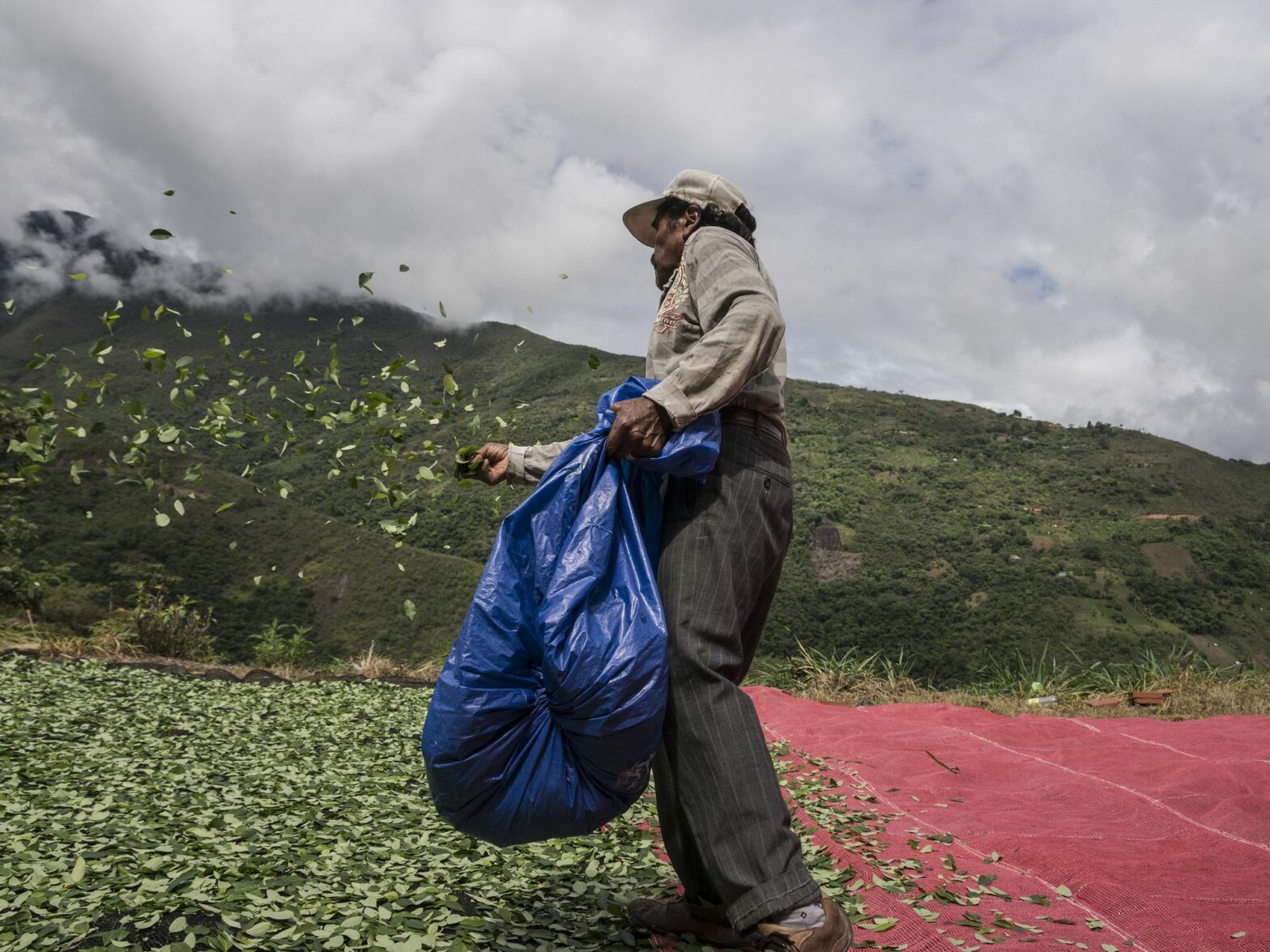
Convincing coca farmers to plant legal crops is better than spraying poisonous pesticides to wipe out the plants. And yet it turns out these crop substitution programs are problematic, disrupting livelihoods and unintentionally causing violence and deforestation.
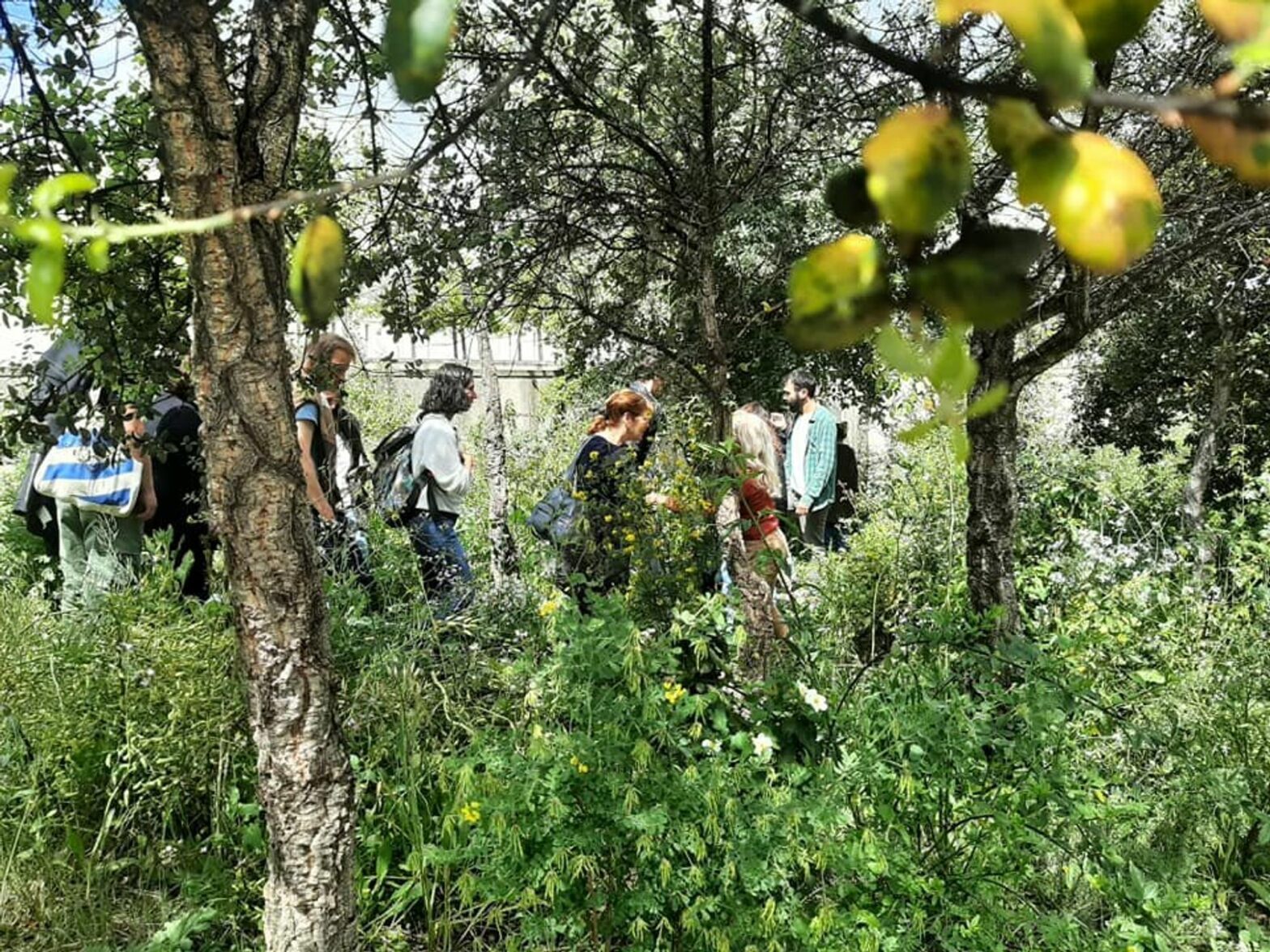
Two years ago, forests planted according to a method invented by Japanese botanist Akira Miyawaki, began to spread across in urban spaces in the Portuguese capital. It’s a way to bring real enclaves of nature to urban realities in record time.
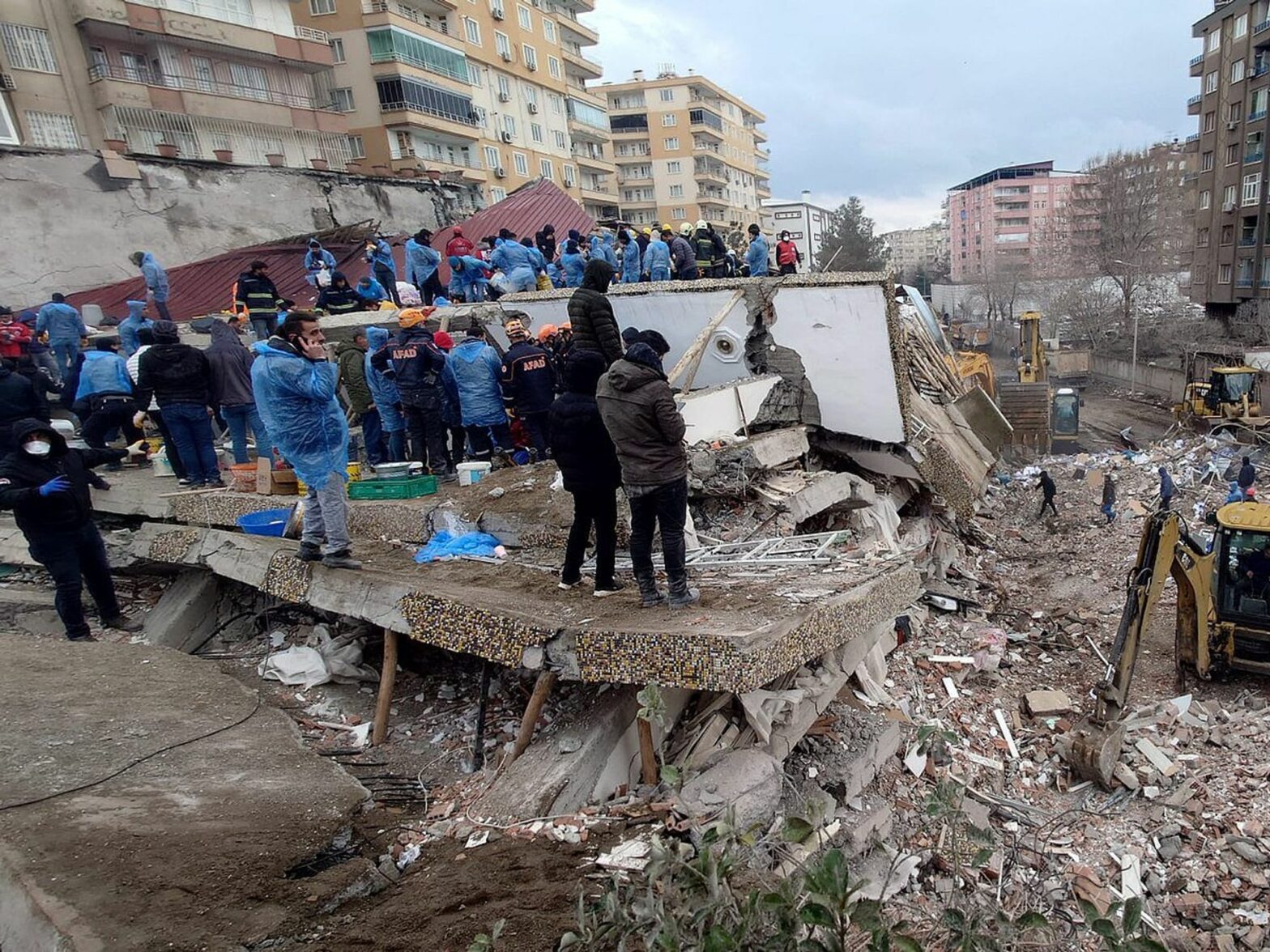
The earthquake in Turkey and Syria teach us about humility in the face of what we can’t control — but we also surprise ourselves in responding to crisis.
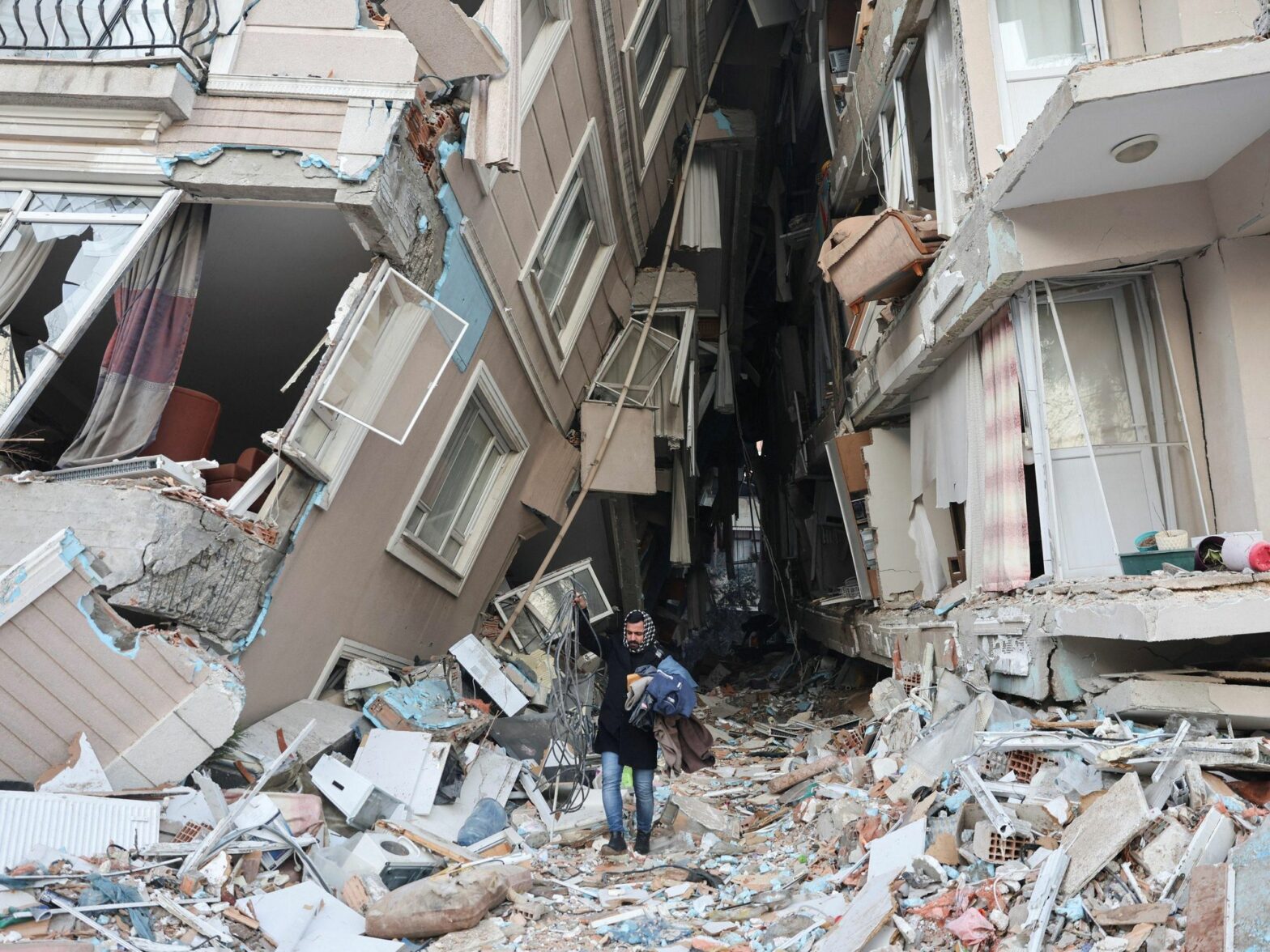
A reflection of what the Feb. 6 earthquake exposes deep problems in Turkish public life over the past two decades, and what we can expect in the coming months and years.
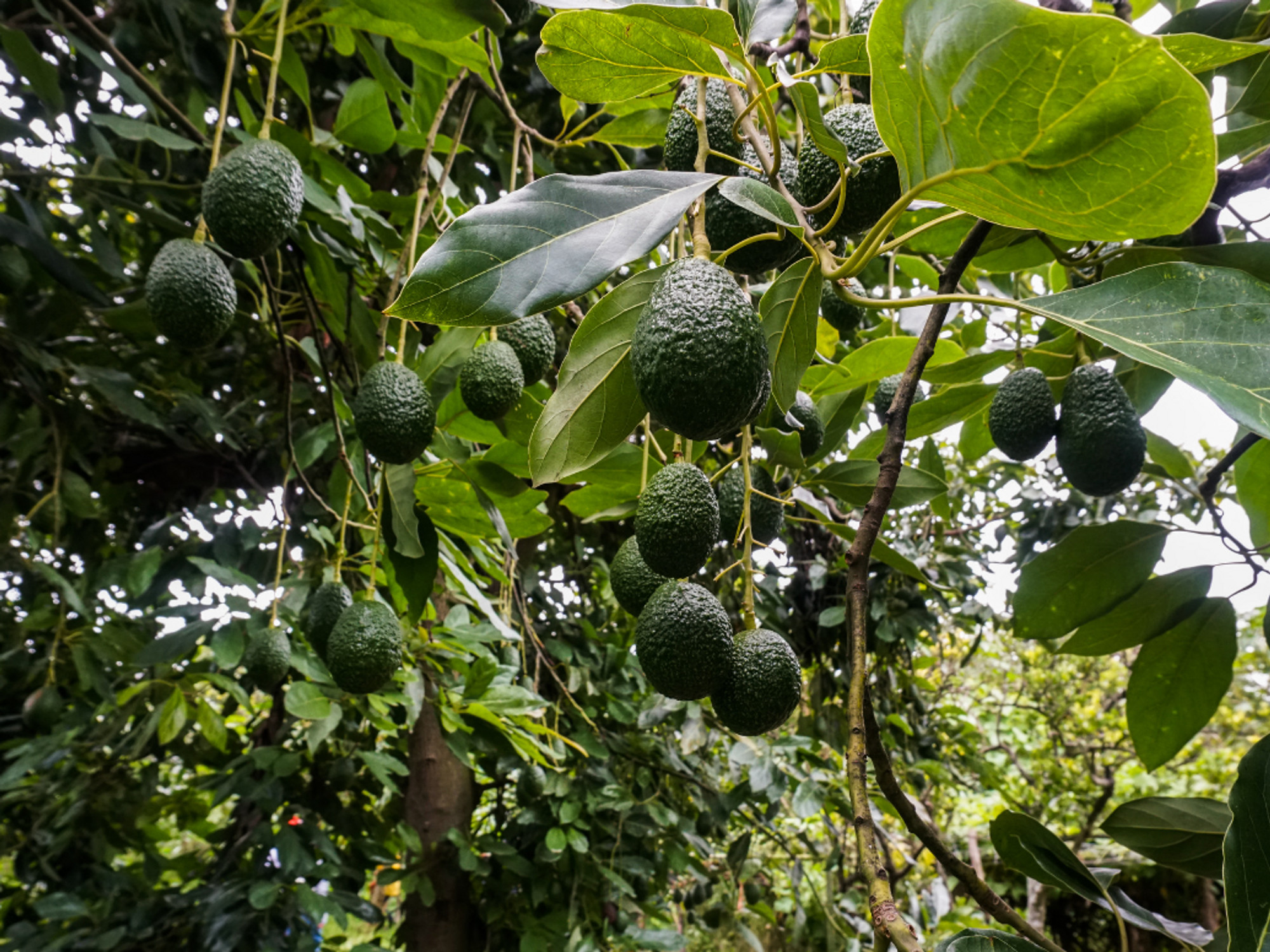
As avocado production stifles biodiversity, depletes water reserves and takes over once-forested land, farmers and environmentalists in Jalisco warn that Mexico’s “green gold” may not be so green after all.
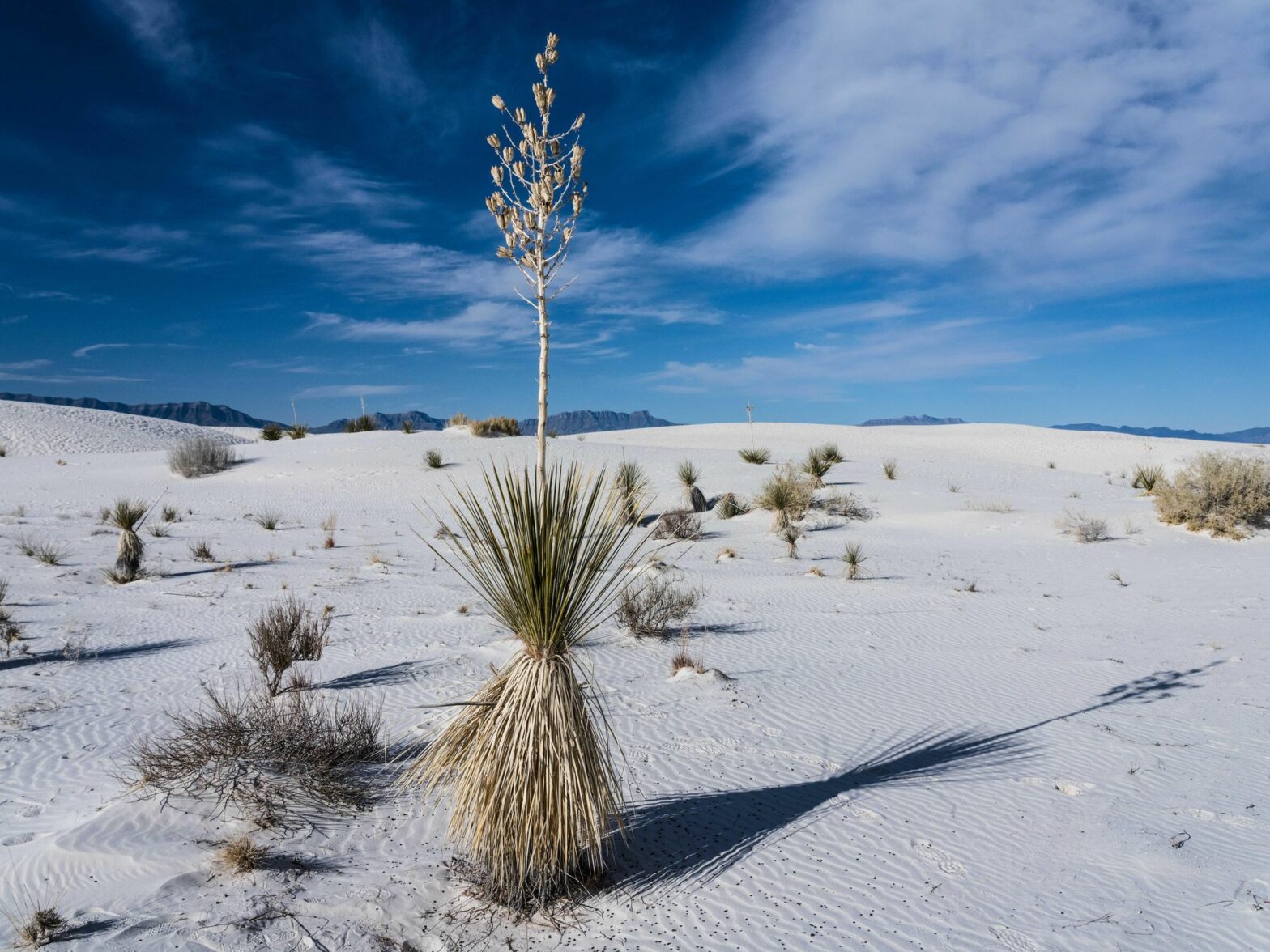
Giving nature rights, as South American nations are keen to do these days, is well-intentioned, but far too limited in scope to make sense.
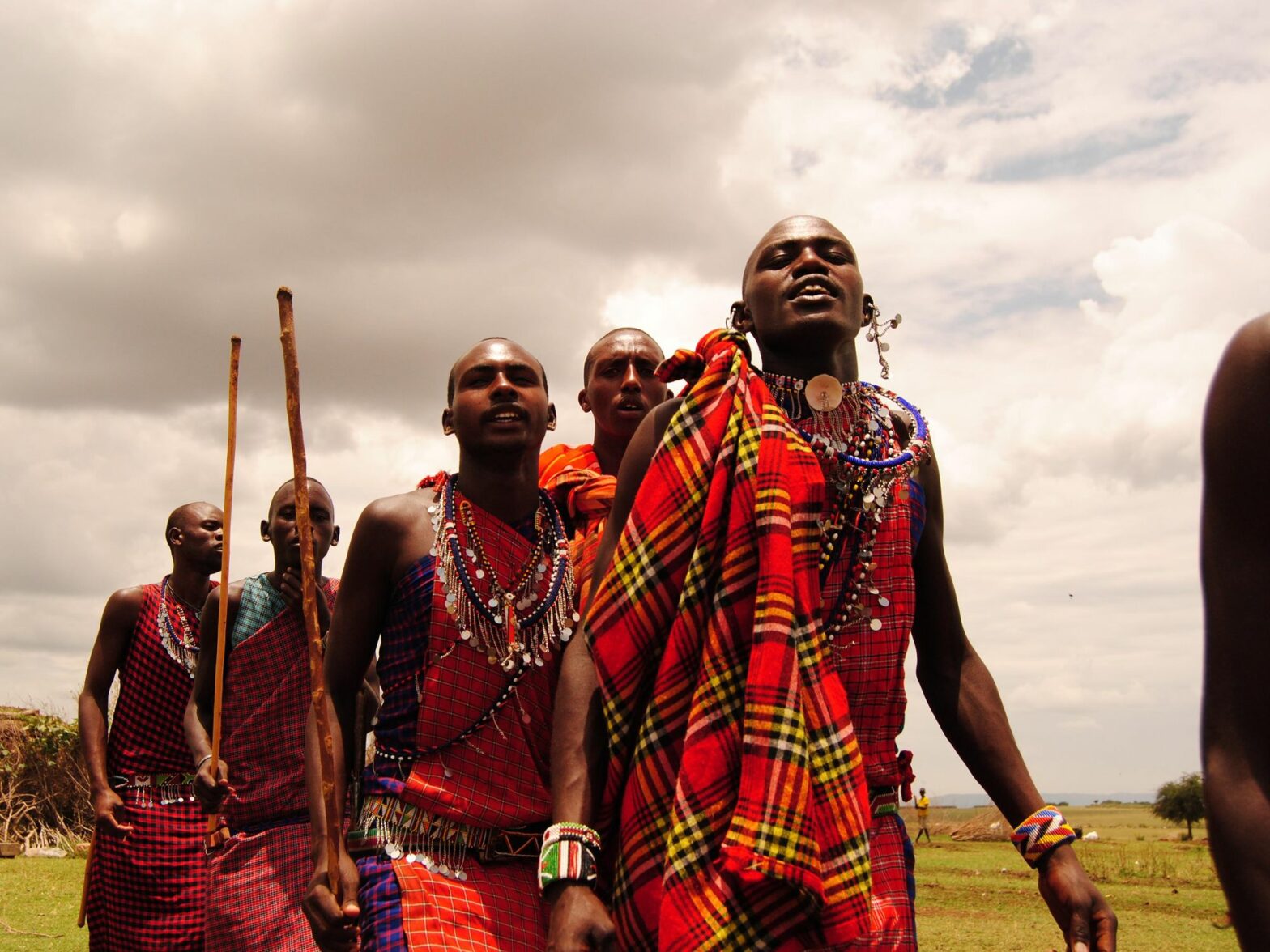
Thousands of Maasai people in Tanzania met brutal police repression when they demonstrated against being expelled from their land, laying bare both how ineffective and inhumane the conservationist movement can be.

Traditional medicines, once banned, have regained favor. Government and health officials are endorsing them alongside COVID-19 vaccinations.
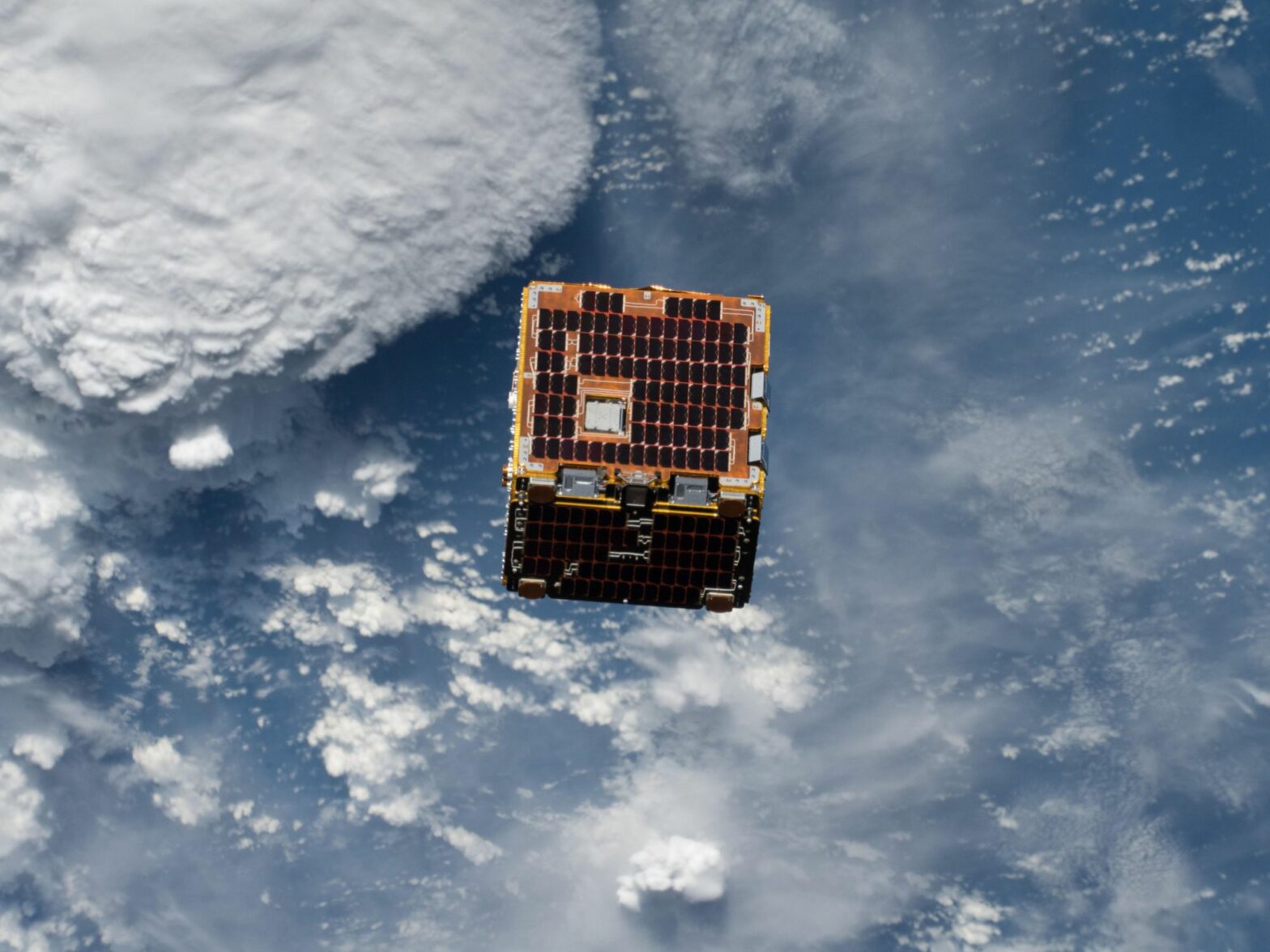
Exploiting space resources and littering it with satellite and other anthropogenic objects is endangering the ecosystem of space, which also damages the earth and its creatures below.

When humans care about the natural world, it means revising our place in it and acting accordingly, not giving nature “rights and concessions” that are figments of our self-serving imagination.
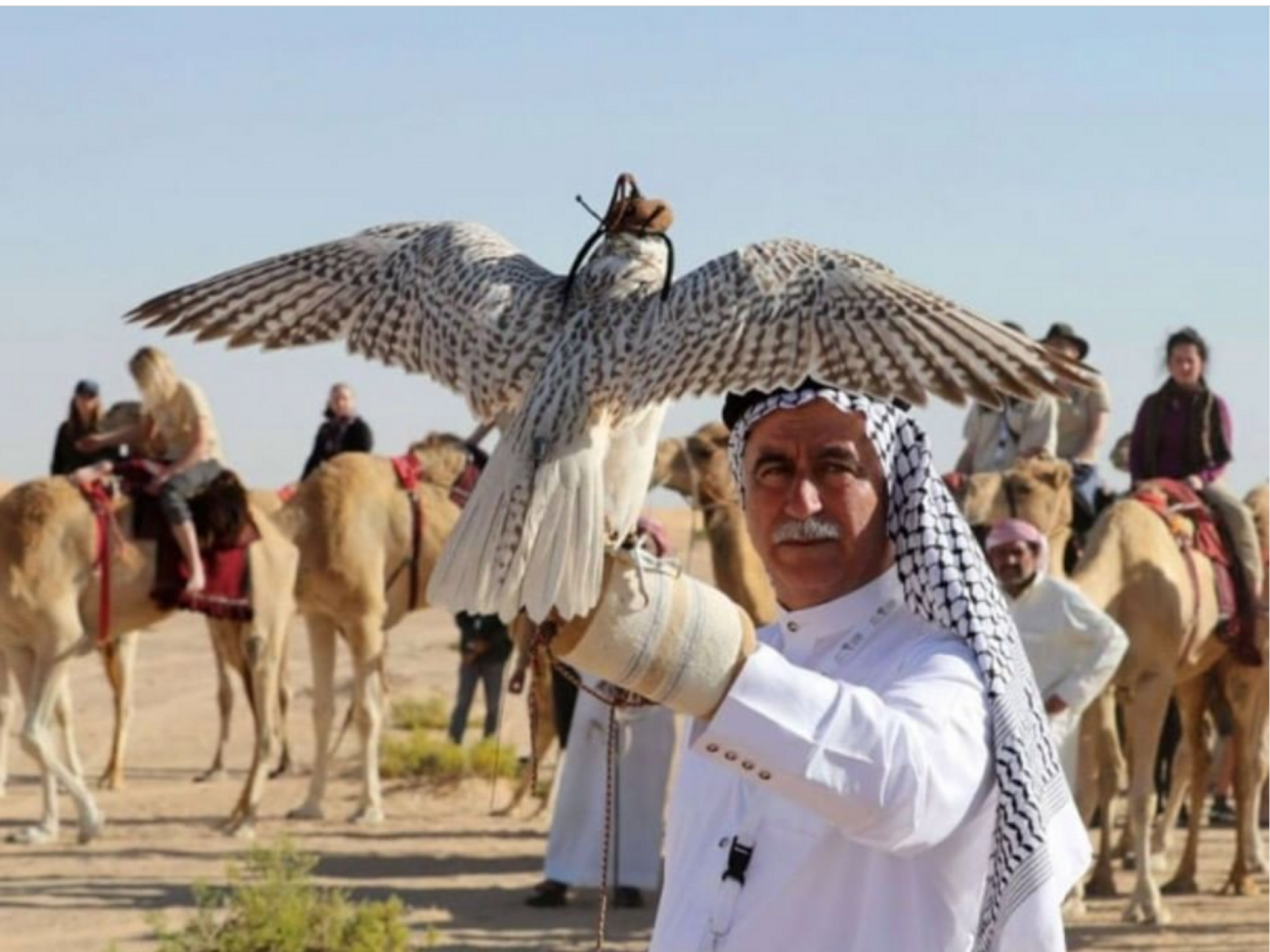
Facing biodiversity loss, hunting can be seen as not only cruel but also damaging to natural ecosystems. Yet hunters argue that their activity is a natural way to “replace” animal predators and a tradition that should be preserved. Can there be a happy hunting medium?
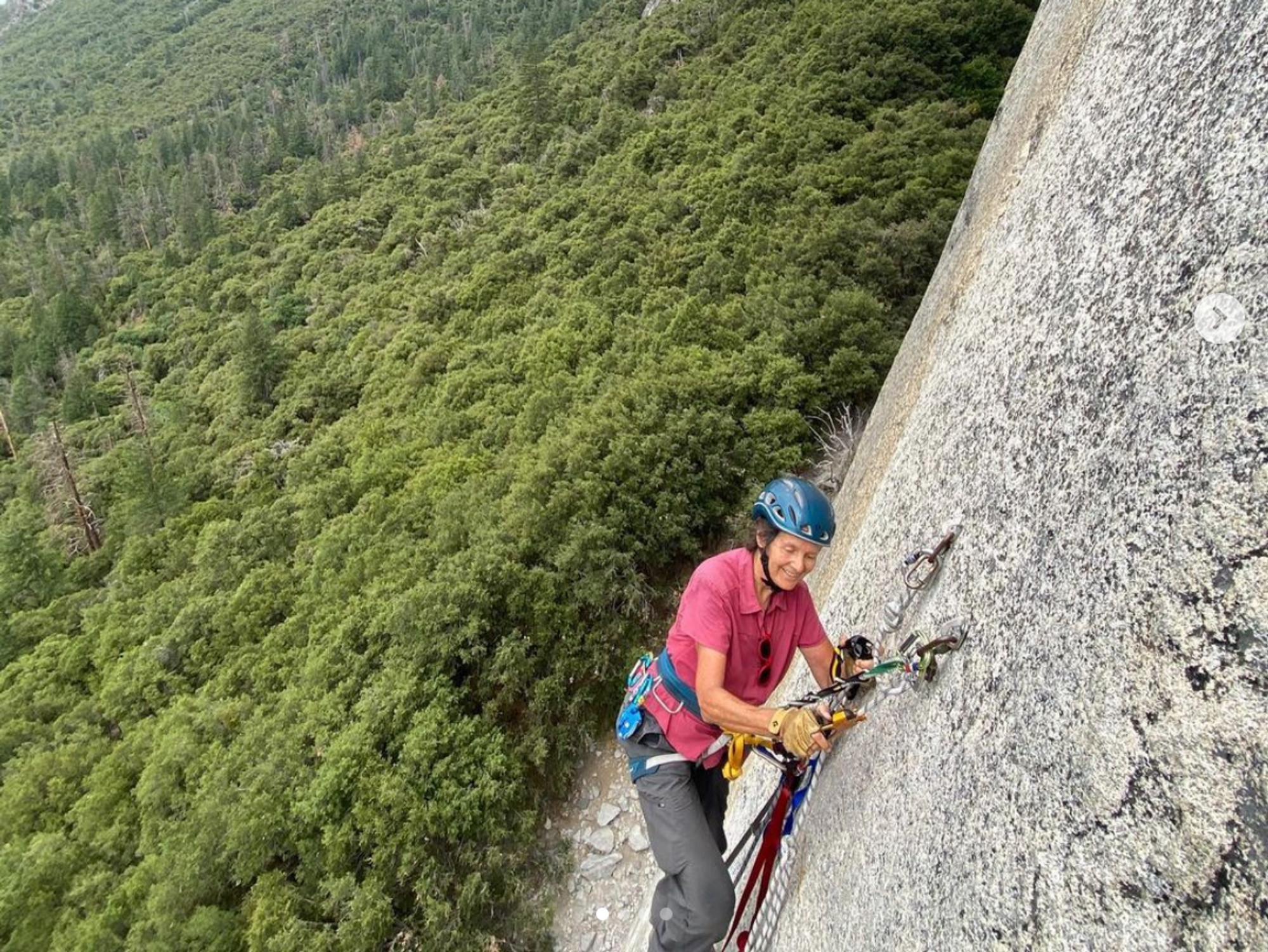
M.J. “Sunny” Eberhart just became the oldest person to complete the Appalachian Trail…at the ripe young age of 83. He is just one of many of the graying outdoor pioneers to set mind-boggling records that redefine staying power.
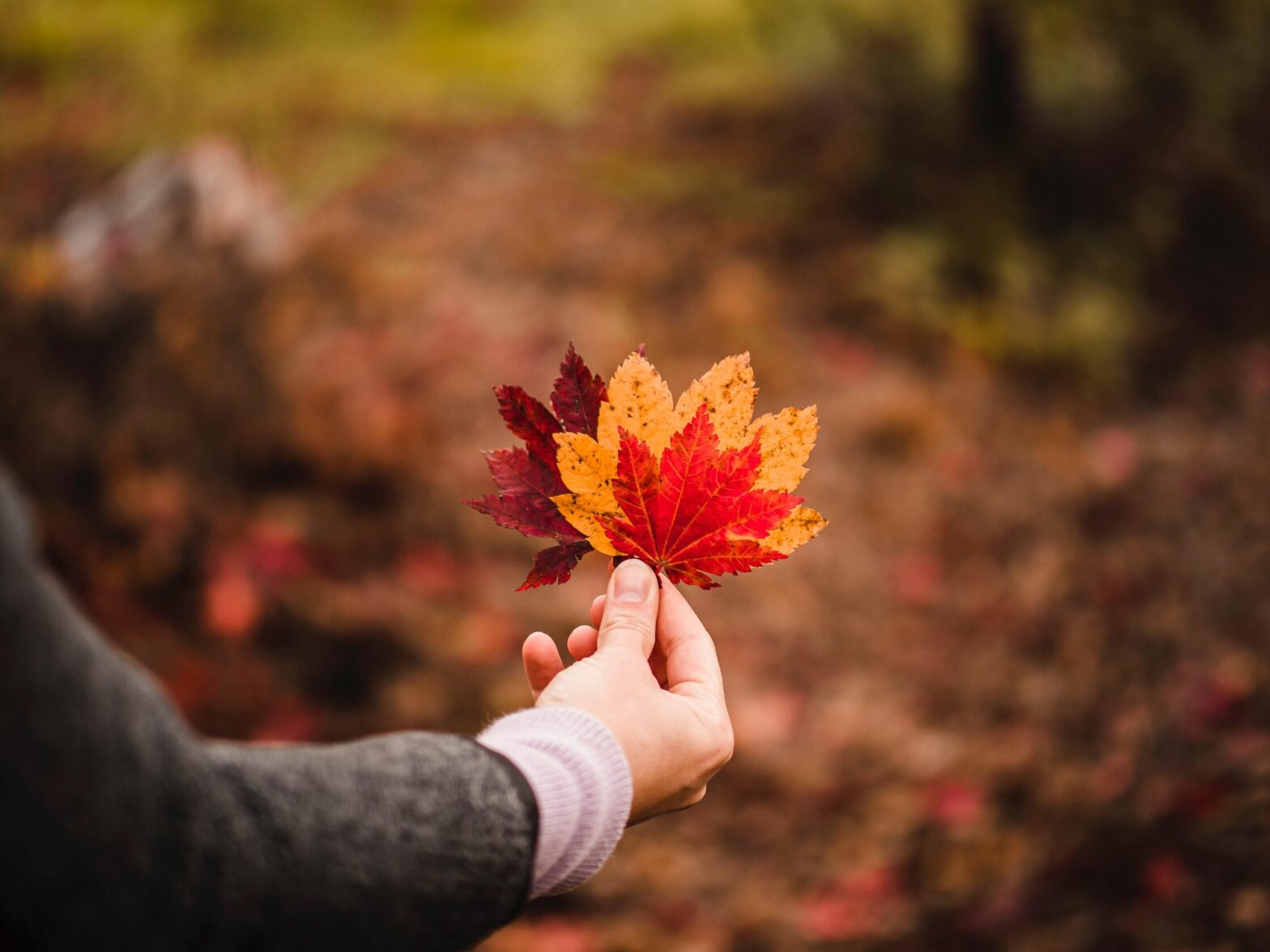
Climate change is visible in many ways across the world. In the U.S., tree species are migrating north and changing colors of their leaves as temperatures warm each year.

Our carelessness toward the environment could be due, in part, to the functioning of a very primitive area of our brain: the striatum.
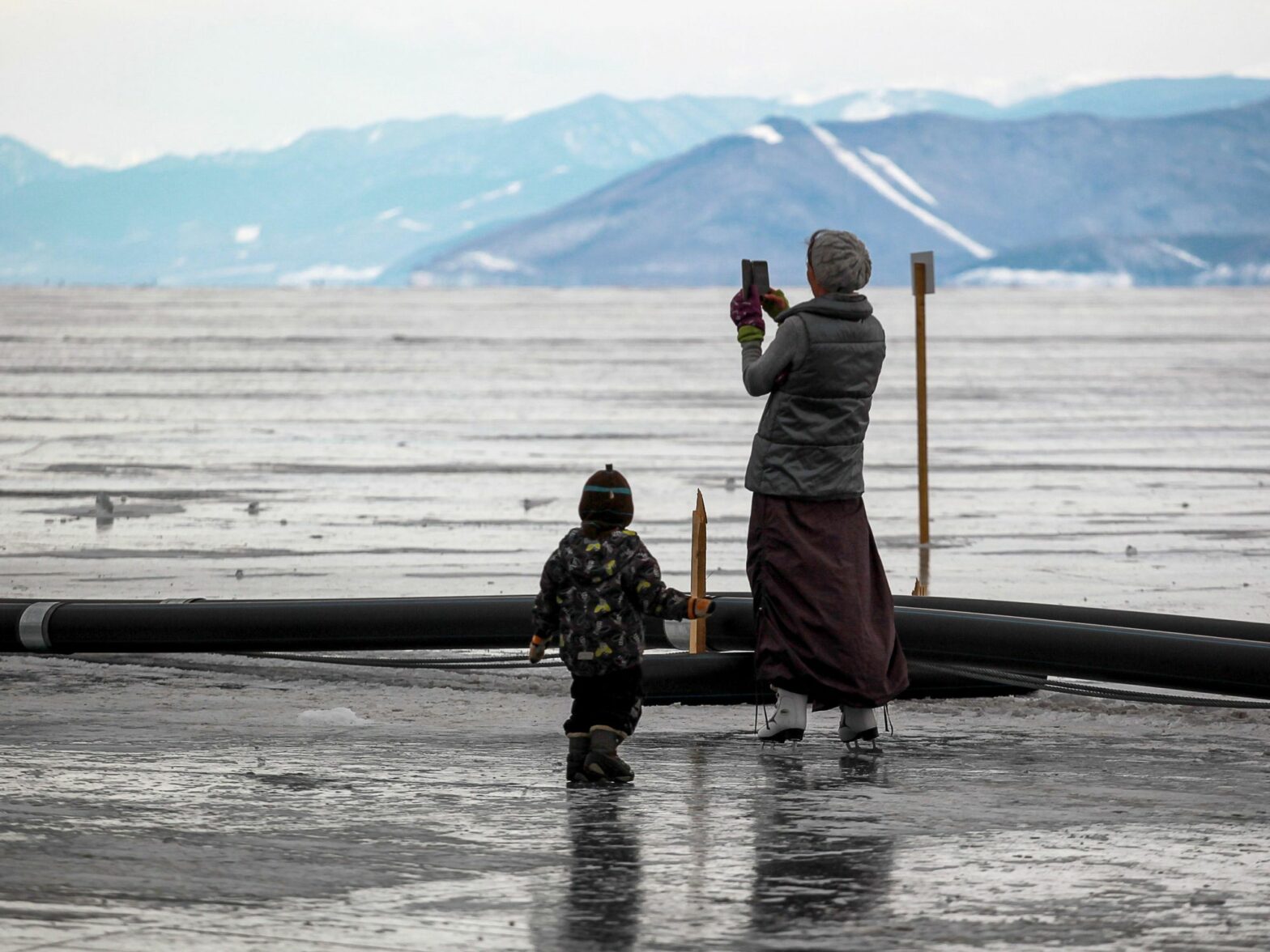
Fishing nets, industry and other human-caused dumping are poisoning Russia’s Lake Baikal, the world’s largest, deepest (and oldest) lake. Bigger than all the North American Great Lakes combined, it’s at risk after 25 million years of life.
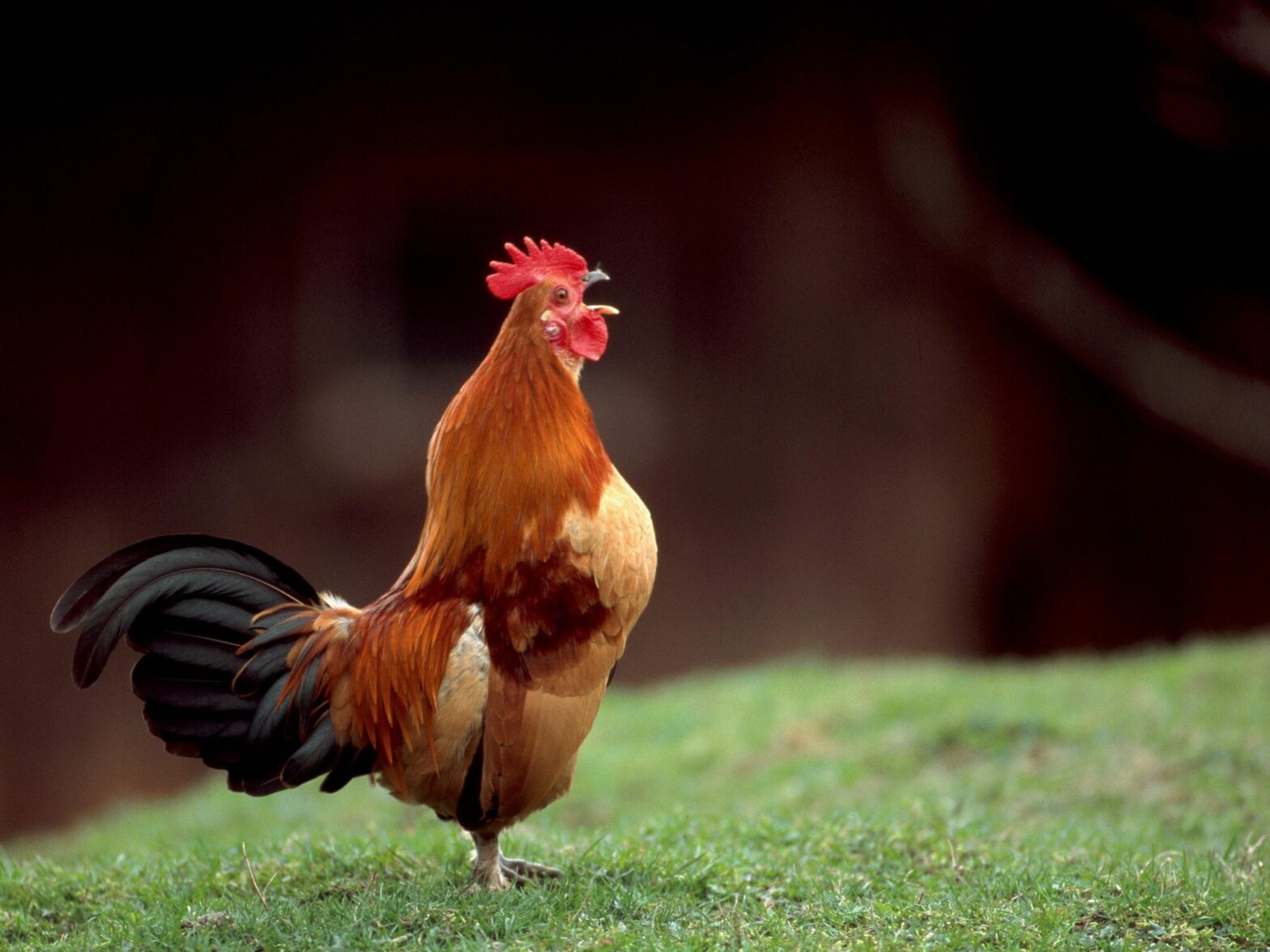
To most, the French countryside evokes an idyllic paradise, from the southern Provence region with its lavender fields to vineyard-covered Burgundy to the castles of the Loire Valley. In this postcard vision, you can smell the soft air, see the grazing cows and hear the silence, broken only by the rare tolling of local church […]
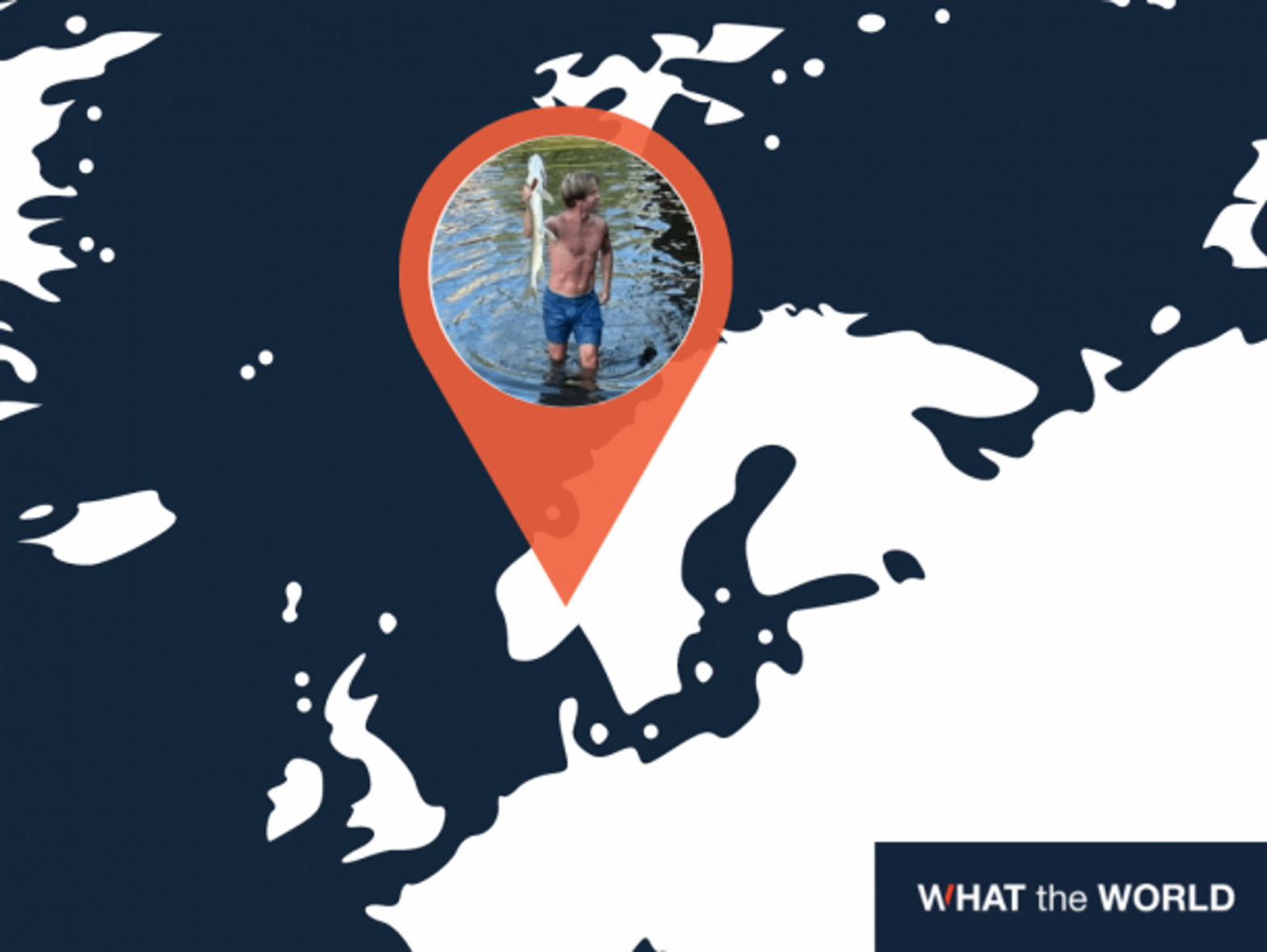
It was a sunny, Scandinavian afternoon when Even Nord Rydningen spotted something in the still waters beneath Oslo’s Gullhaug bridge. “It looked like a trout, but it also looked a bit like a shark,” he told Norwegian daily Aftenposten. Upon closer inspection, Rydningen realized it was in fact a pike, a sharp-toothed (but tasty) species […]