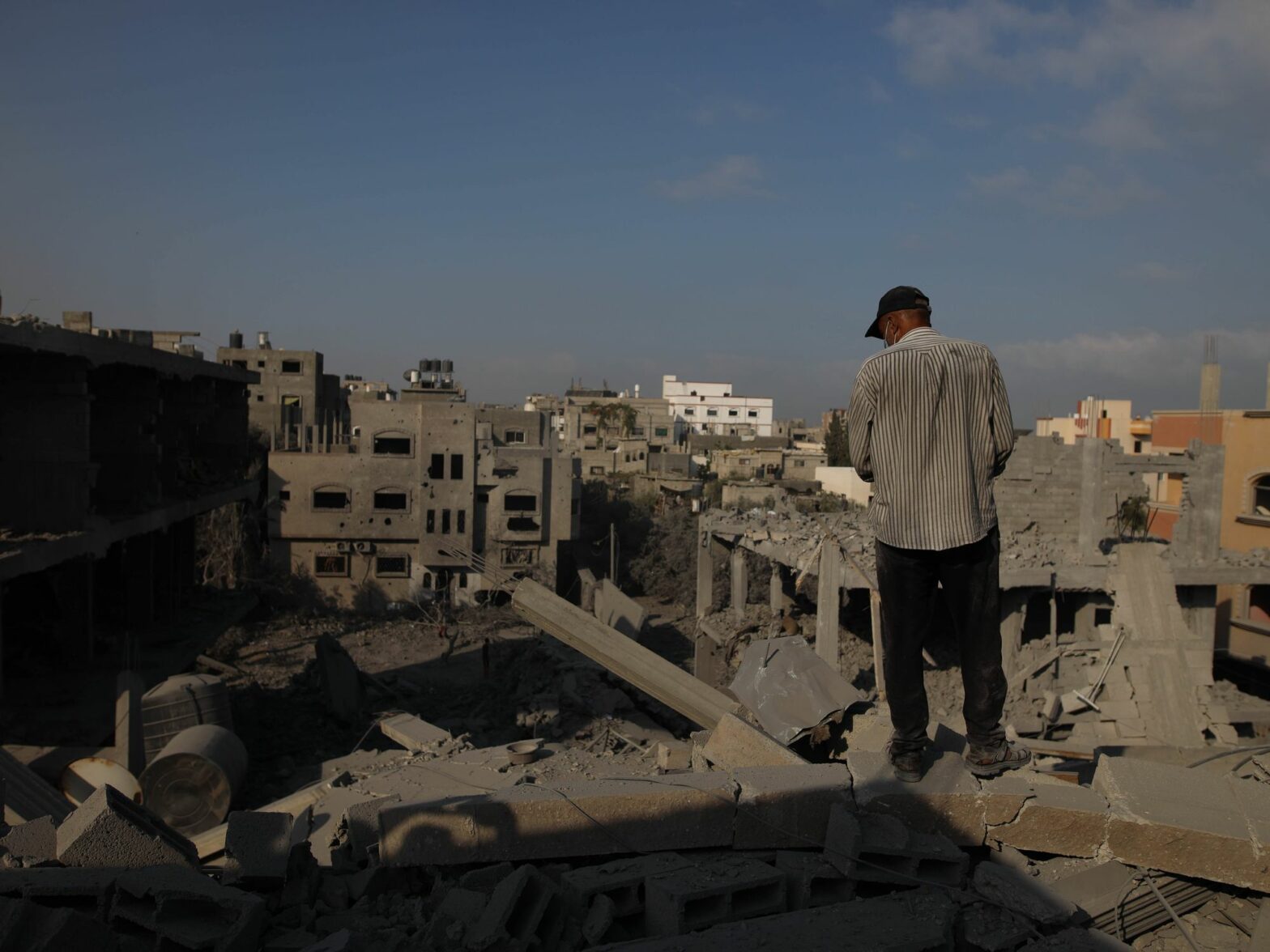
The author, whose family was forced to flee during the 1947 “Nakba” expulsion of Palestinians, sees how the event has been used by leaders in the Arab world to wield authority without actually improving anyone’s life.
 Worldcrunch
The author, whose family was forced to flee during the 1947 “Nakba” expulsion of Palestinians, sees how the event has been used by leaders in the Arab world to wield authority without actually improving anyone’s life.
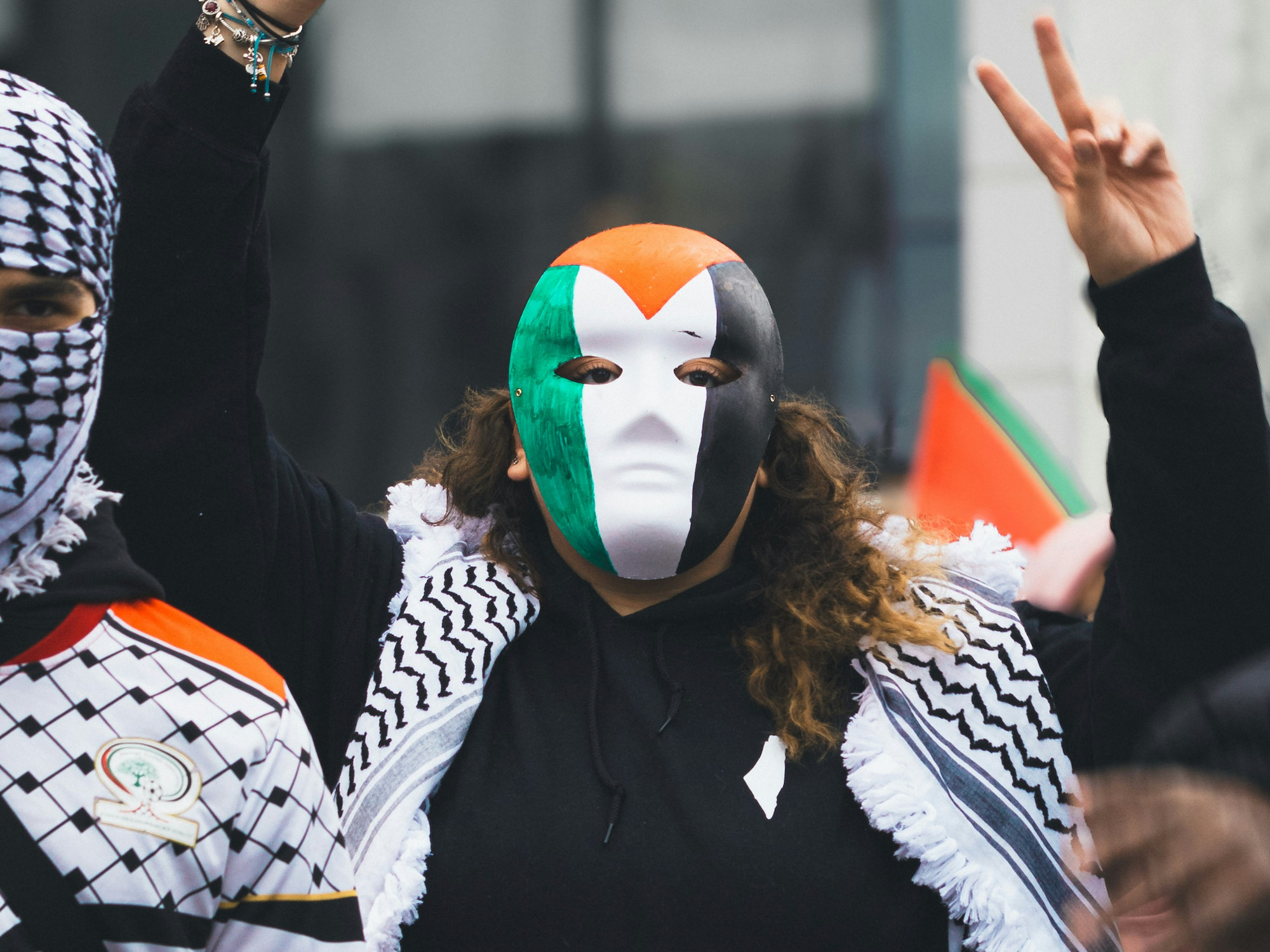
It was the exceptional time that changed the equation, and revived the Palestinian dream. It also awakened the hidden Israeli plans: the extermination of the Palestinian people, the liquidation of their cause, and the evacuation of their land.
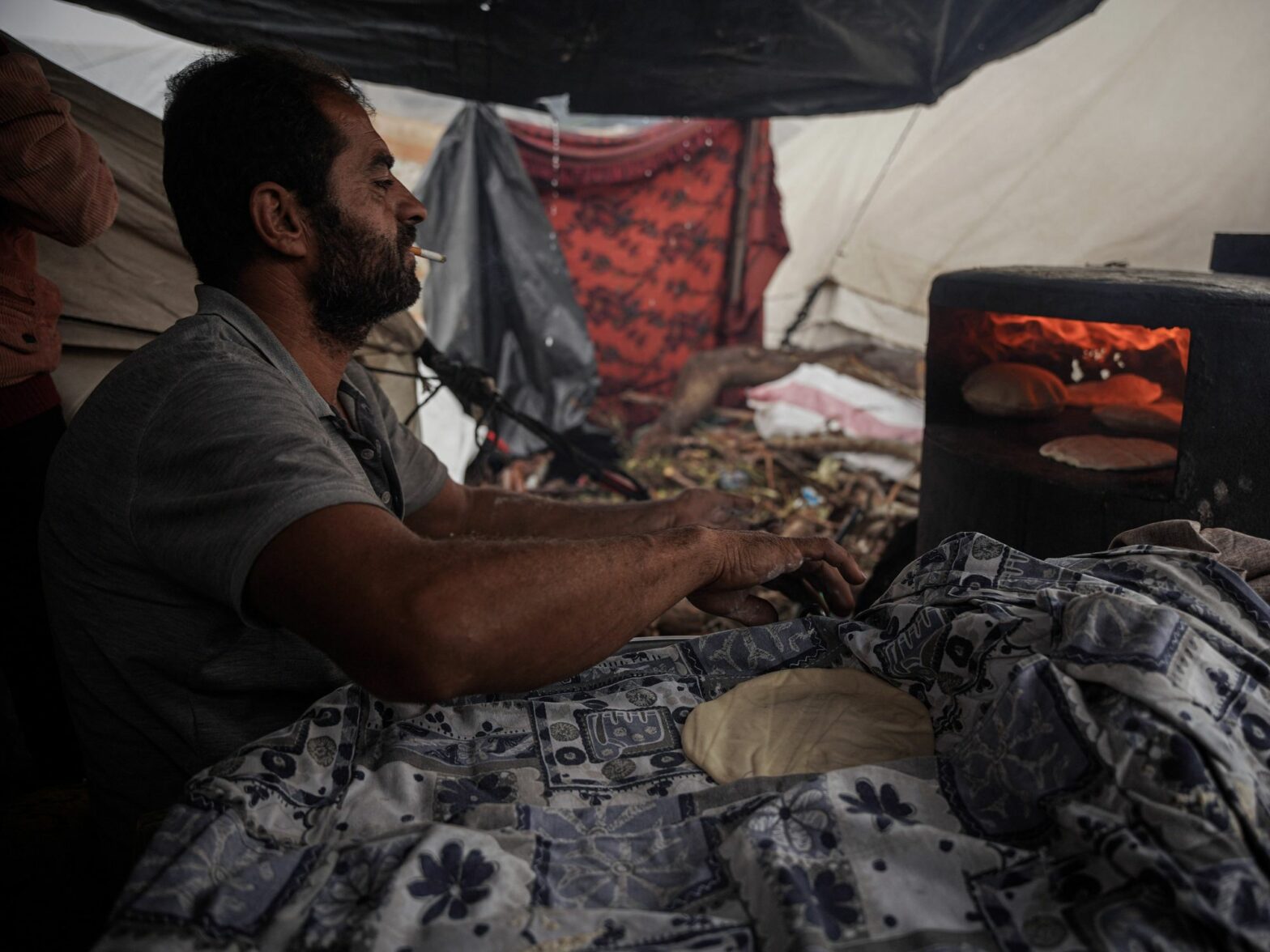
Faced with a deepening shortage of resources and shuttered bakeries, Palestinians are resorting to makeshift means to survive, using clay ovens fueled by firewood from destroyed homes to cook their food. Resourcefulness that fights famine in the short term but may have long-term health effects.
Palestinian writer Sarah Abu Ghazal reflects on the recurring dreams and visions she has had since the Israel-Hamas war began, as well as on the past and present traumas experienced by her family and the people of Gaza.
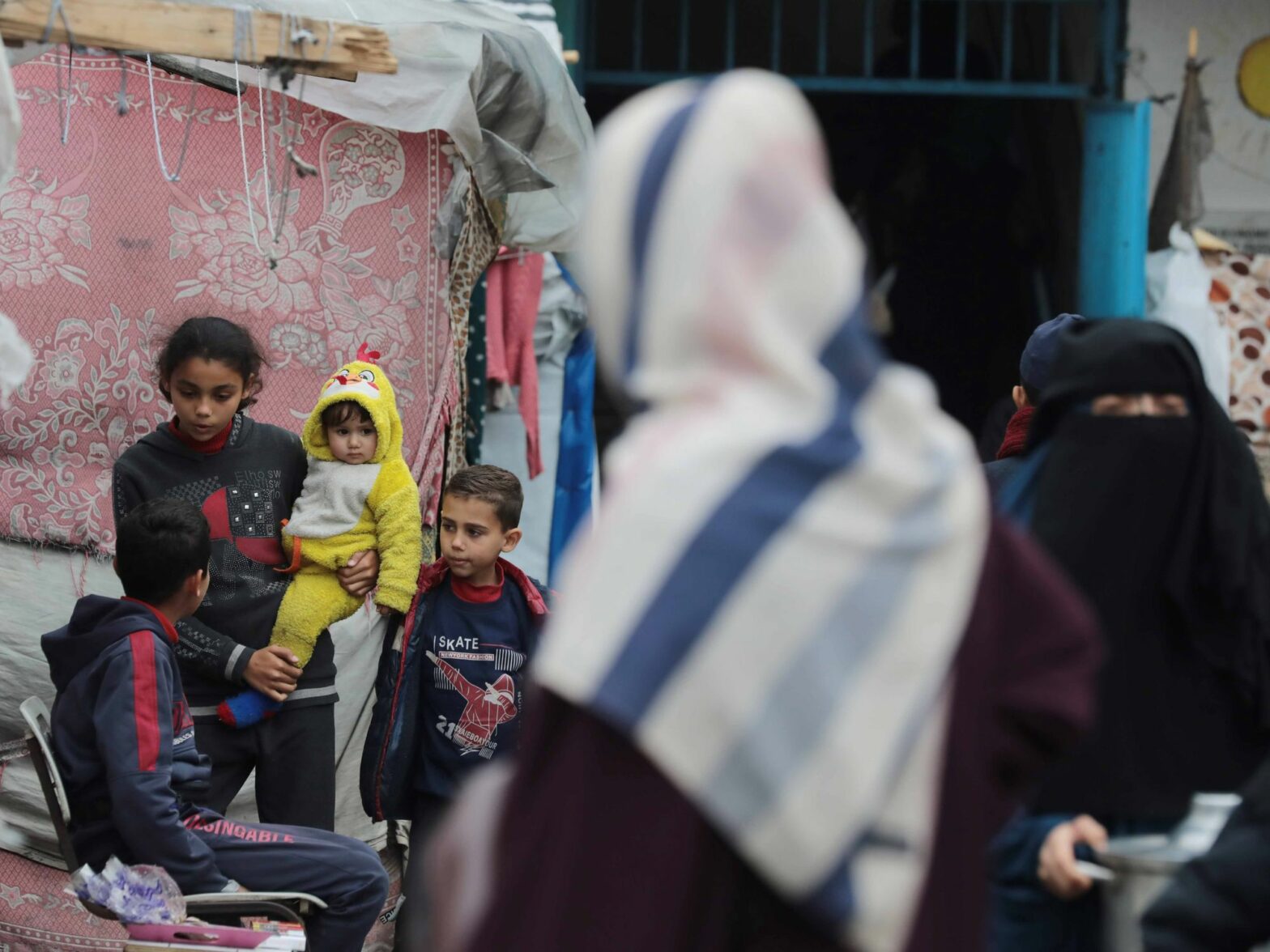
Desperate Gaza residents now wait for a word on the success of ceasefire deal, which could allow them to return home. Even if They don’t know what will come next. But they definitely want an end to the war, and so their significant suffering. They want to return to their homes, even if they are demolished.
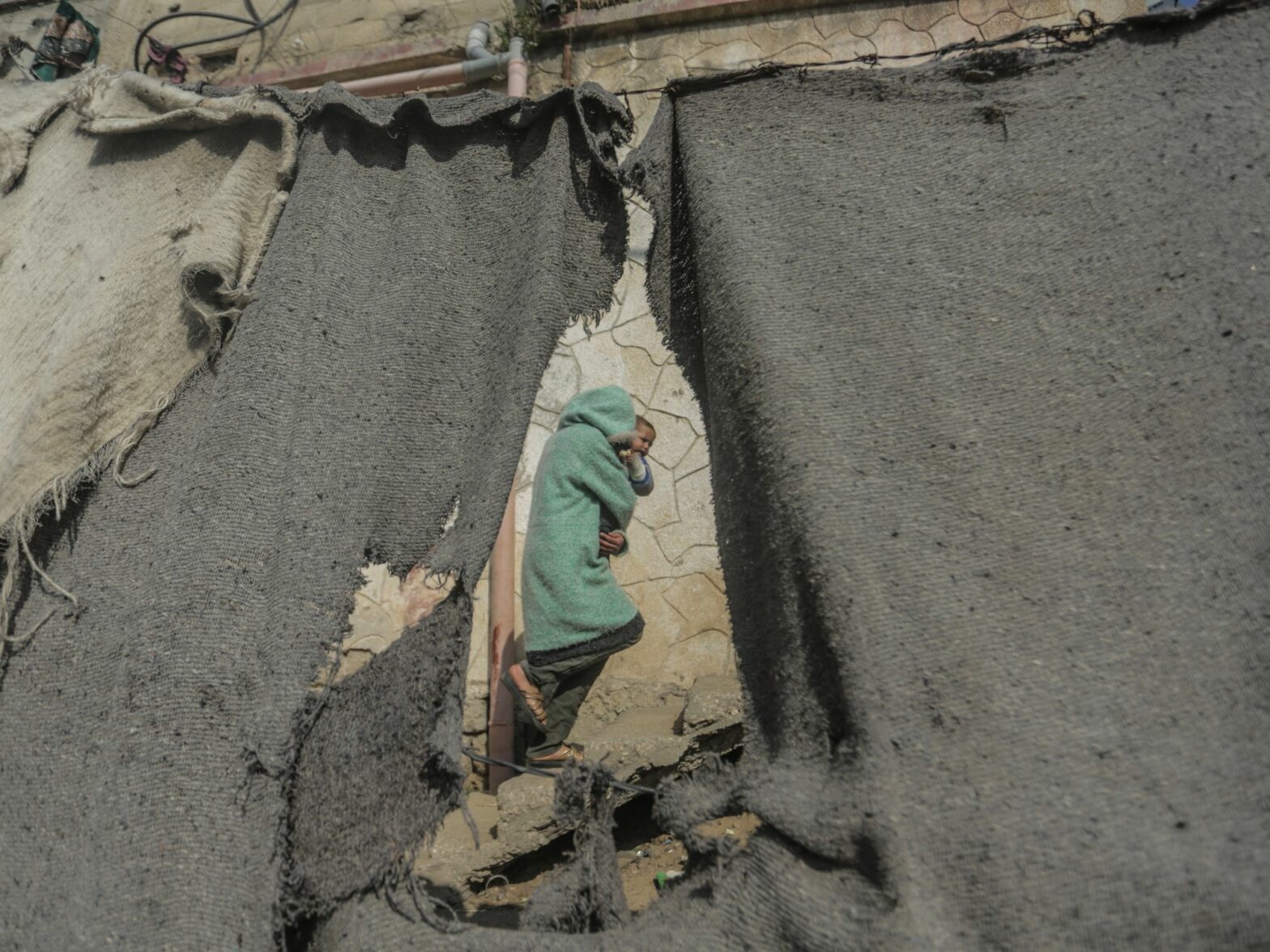
An Israeli soldier took an infant girl from Gaza after her family was killed during bombings, and brought her to an undisclosed location in Israel. When the news emerged, the Palestinian Foreign Ministry, based in the West Bank city of Ramallah, called it a “heinous crime” and demanded the return of the child to Palestine.
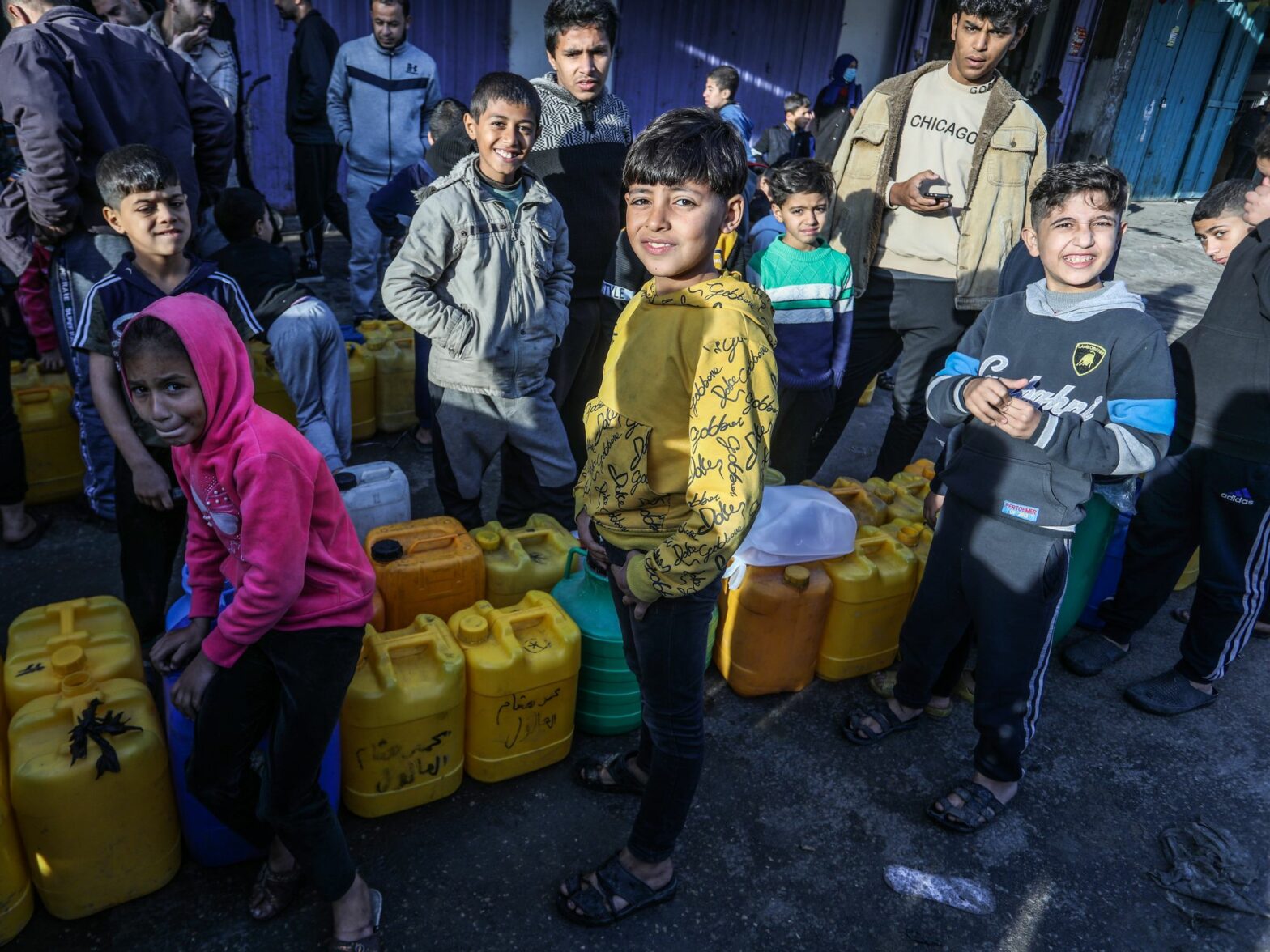
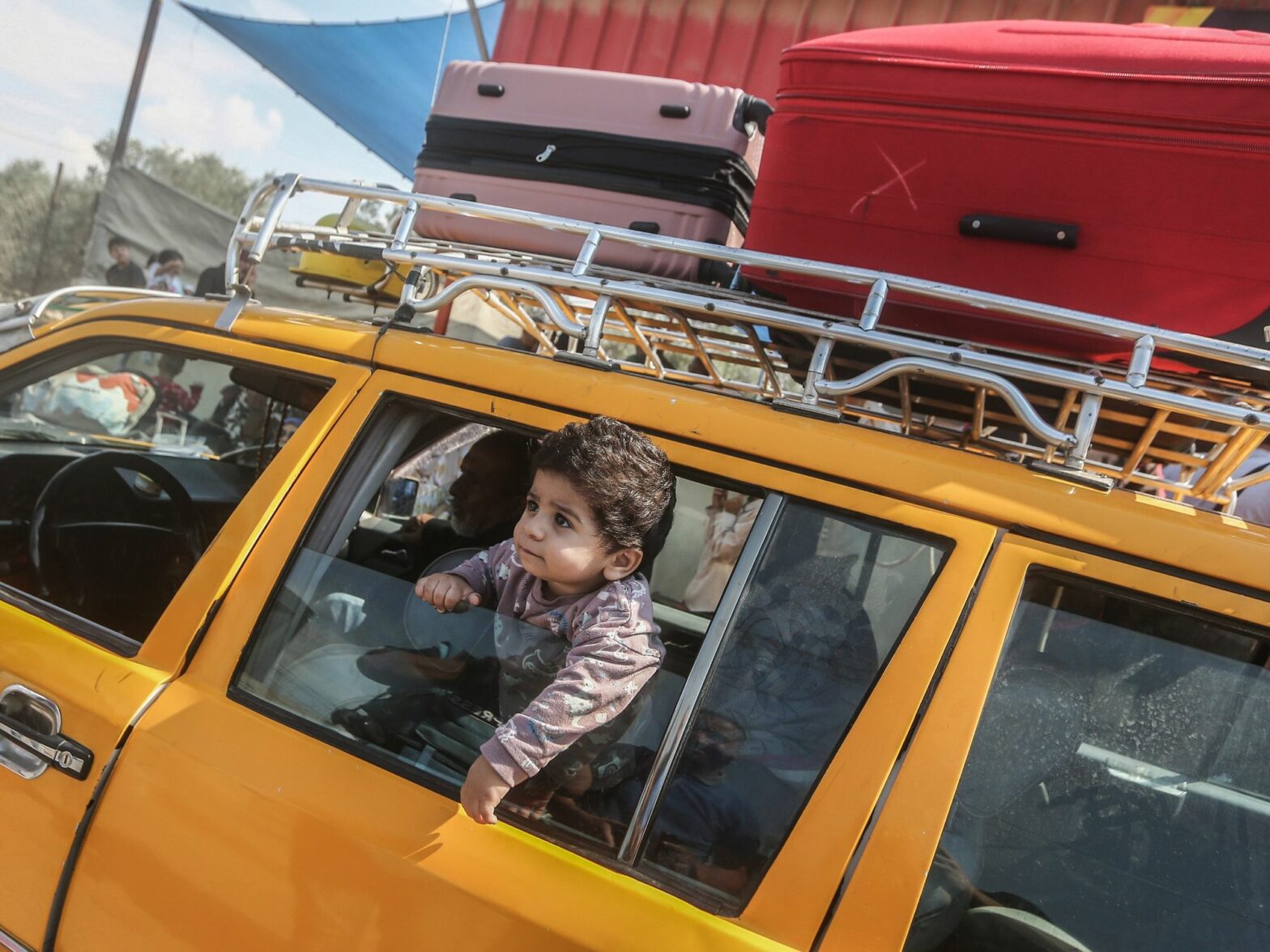
Displaced Palestinian families are streaming into Rafah on Gaza’s southernmost border, with Egypt, fleeing Israel’s relentless bombardment. With more than one million people now cramped in the town, conditions are dire and many fear another “Nakba,” pushed out of their homeland for good.
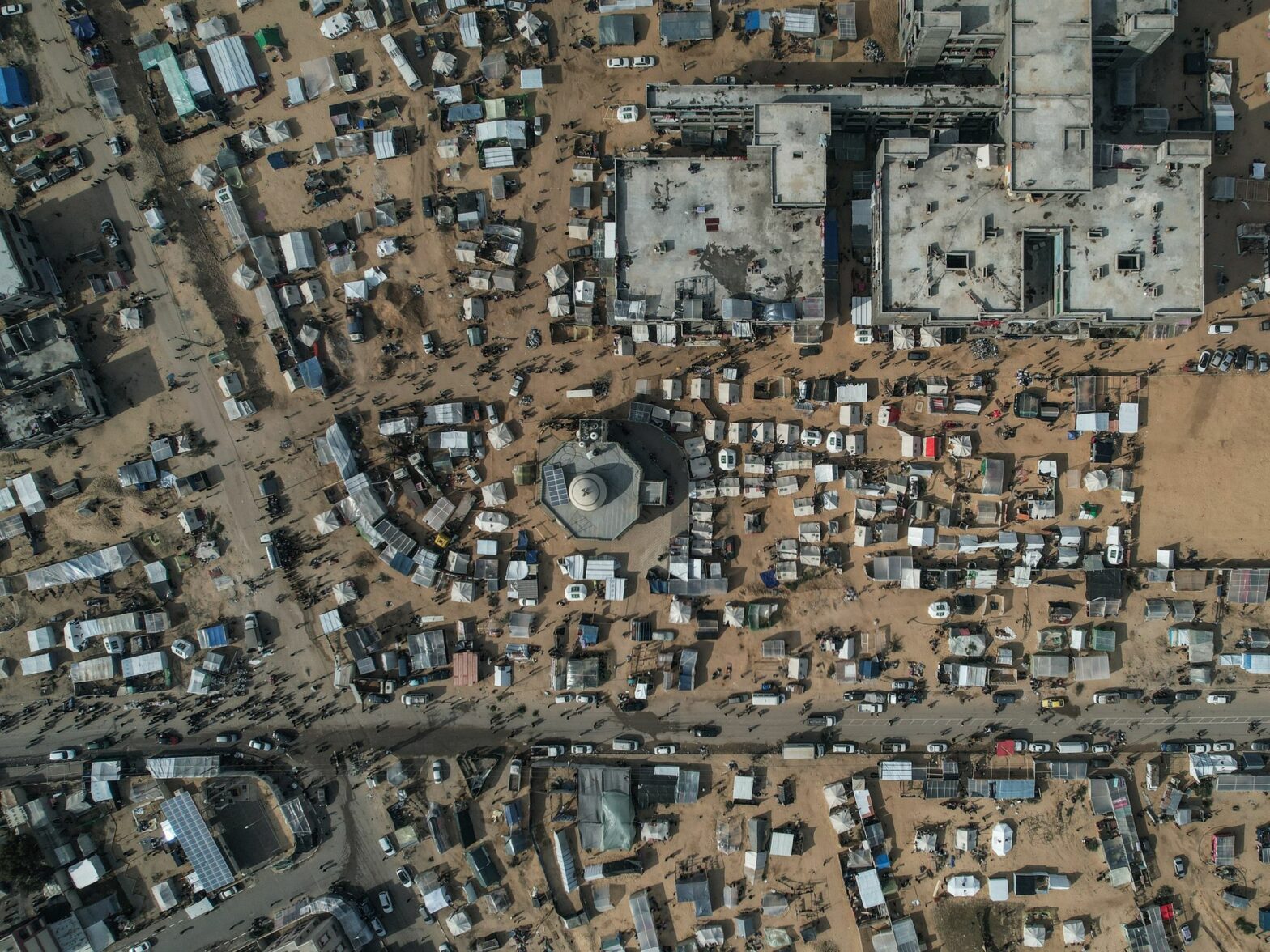
Palestinians are being terrorized by Israel’s attacks and constantly shifting evacuation orders. Meanwhile, no country in or out of the region has agreed to take in refugees, and Gazans may not even go, still haunted by the “Nakba,” the mass displacement of Palestinians after 1948. The rising death count is the clearest sign of a truly desperate situation.
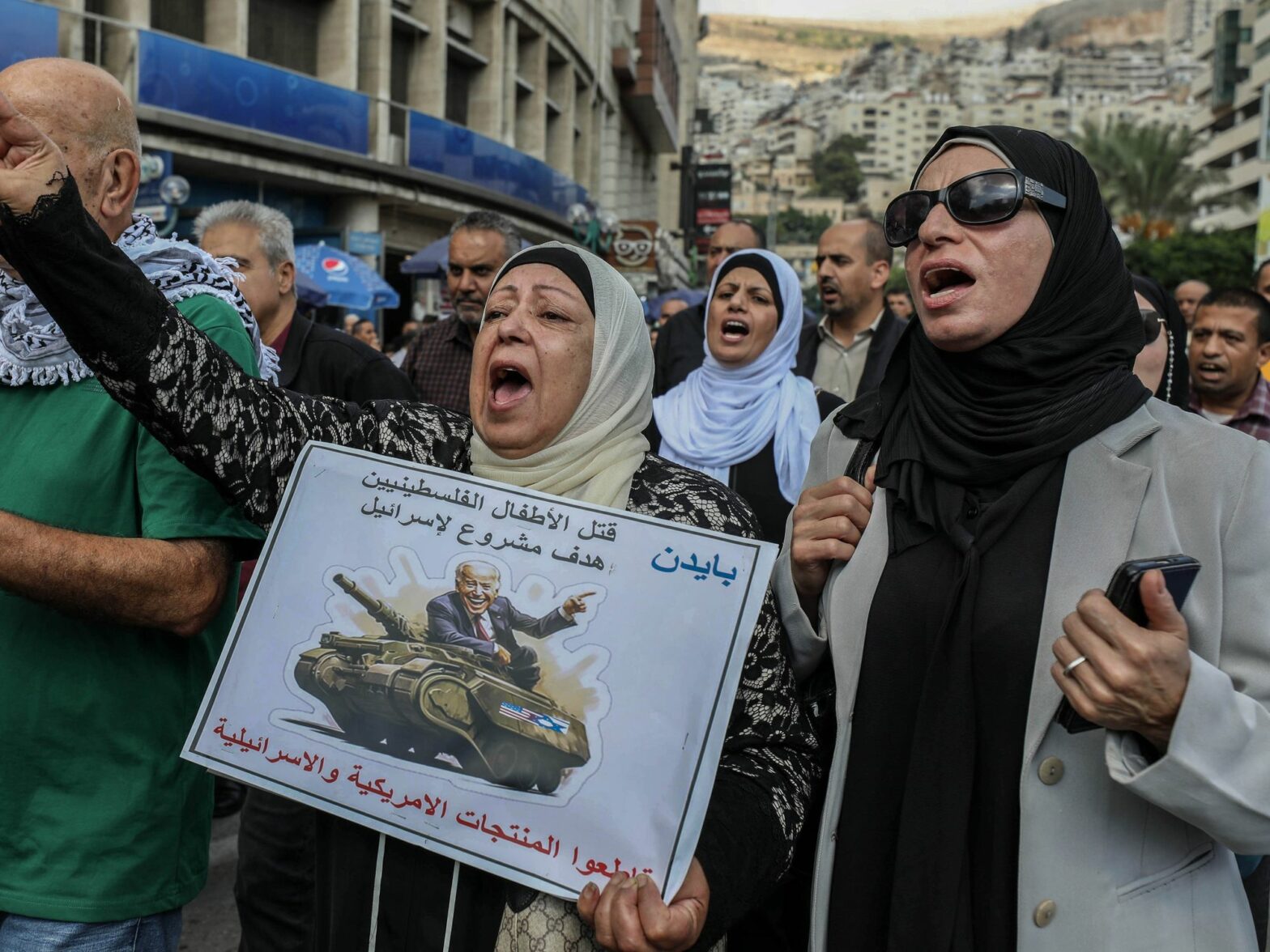
In the capital of the Palestinian Authority, residents are outraged at Israel — but also their own leaders for not taking a harder line. The beneficiary is the militant group Hamas, which rules the other Palestinian enclave of Gaza, and is in an all-out war with Israel.

Worldcrunch’s editor tries to make some kind of sense out of a week that felt senseless and tragic, perilous and inevitable all at once.
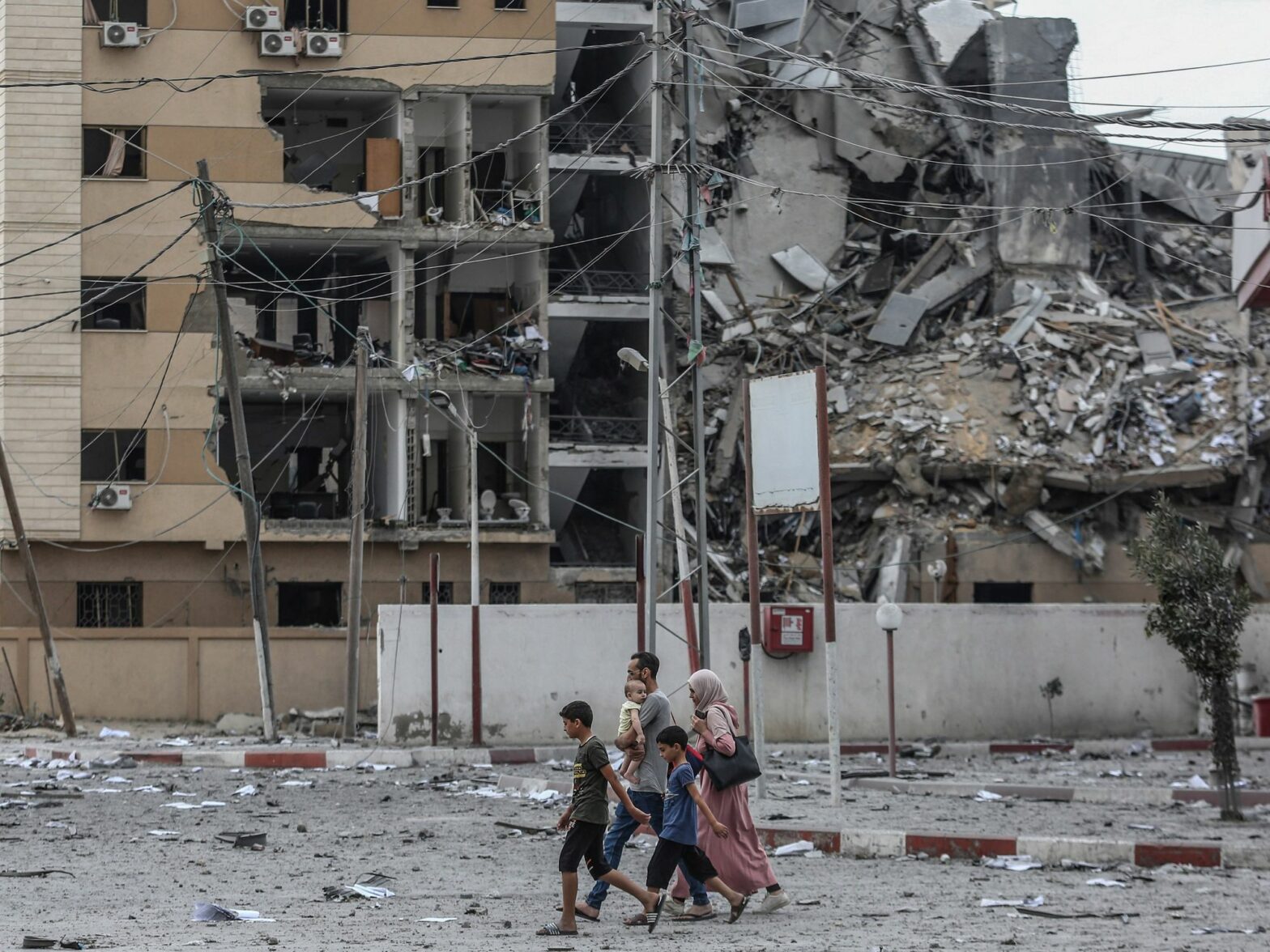
Even as the borders close and the siege tightens, most of the Palestinians also deeply fear leaving, convinced that (like their forebears) they’ll never return.
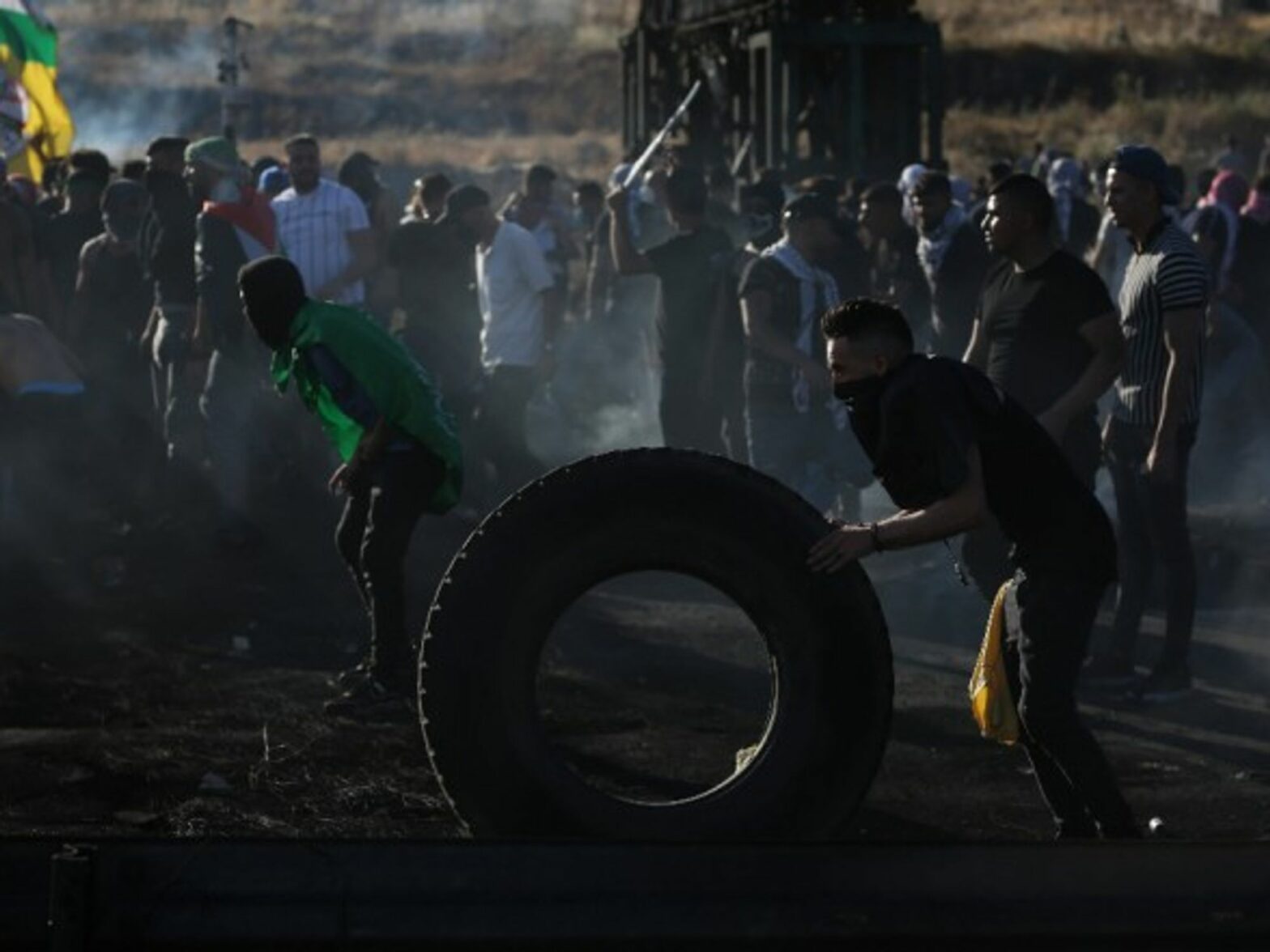
For fear of losing legitimacy to Hamas, supporters of the ruling Fatah party have joined the riots that have left at least 19 people dead since Friday.

Chile has the largest Palestinian population outside the Arab world. This neighborhood in Santiago is bound by a singular mix of history, soccer and headlines coming out of Gaza.