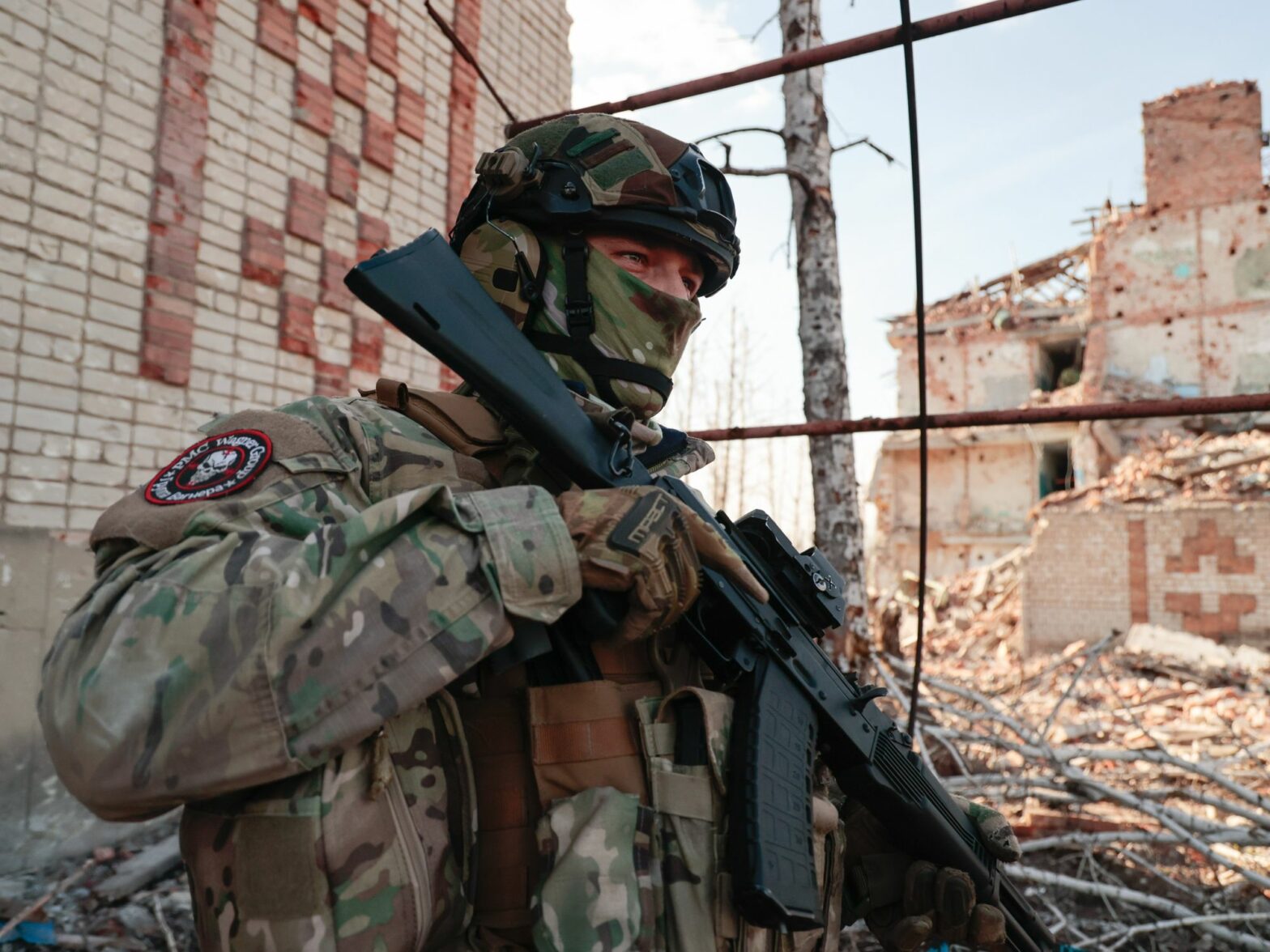
Even as Ukraine struggles to hold onto the last remaining bits of the eastern city, military experts say the official Russian military apparatus may have decided to rid itself of the Wagner mercenaries and bury them all in Bakhmut.
 Worldcrunch
Even as Ukraine struggles to hold onto the last remaining bits of the eastern city, military experts say the official Russian military apparatus may have decided to rid itself of the Wagner mercenaries and bury them all in Bakhmut.
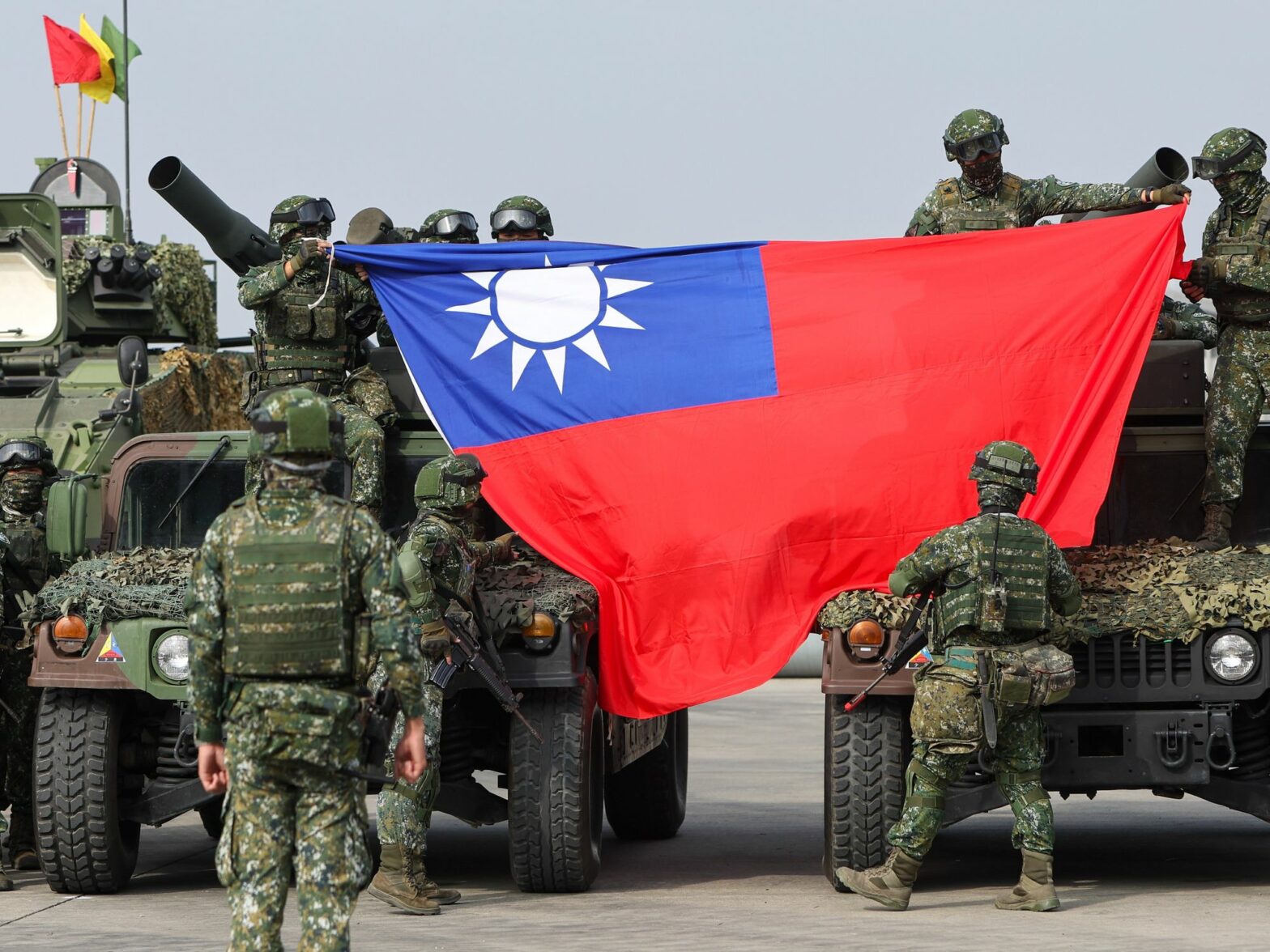
The Chinese military’s encirclement of Taiwan is above all a political move, not a tactical one. War is unlikely for now: Beijing still has other cards to play in the crisis. But if these fail, anything is possible.
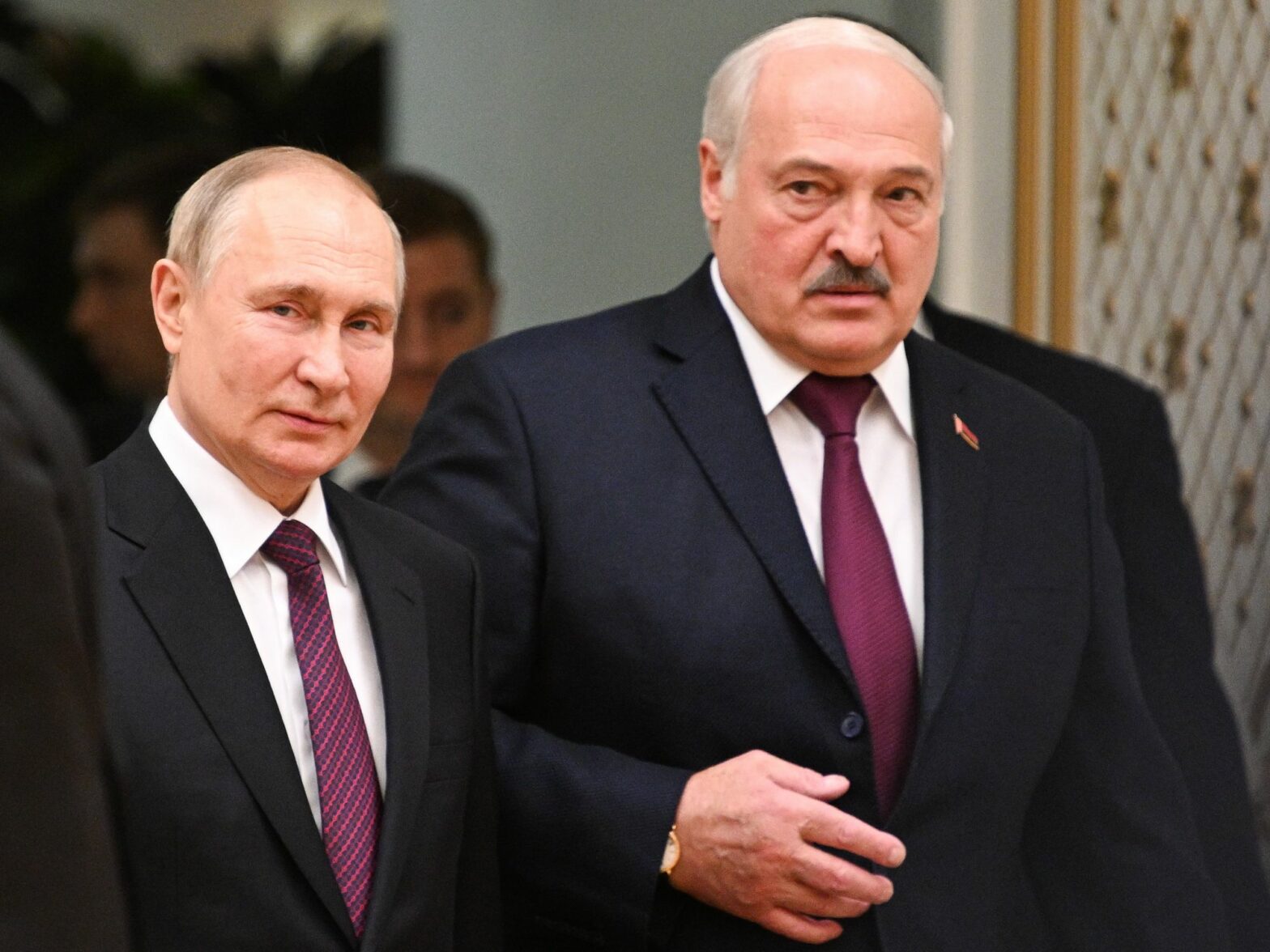
Of course Russia’s announcement of moving tactical nuclear weapons to Belarus should not be underestimated. But the reality is that, since the beginning of the invasion, Russia’s nuclear situation has not changed. We should instead look hard at where both Minsk and Beijing have wound up.
Tech billionaire Elon Musk has long been considered one of Ukraine’s key supporters, but he has just announced restrictions on the Ukrainian military’s use of his Starlink satellites. Die Welt spoke to soldiers on the front lines in Bakhmut who are already feeling the effects.
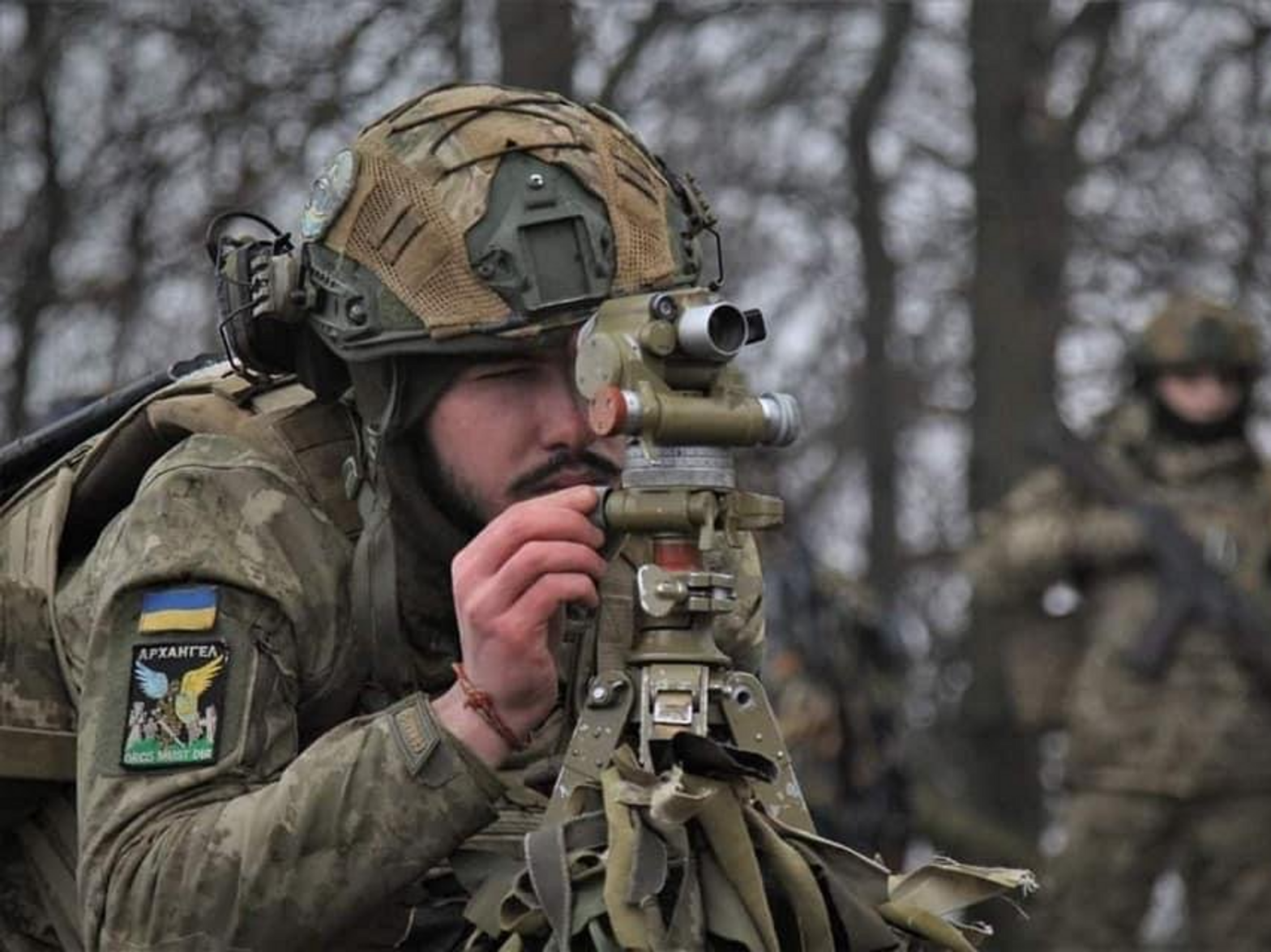
Latest reports show that Russia is stepping up its operations in eastern Ukraine, with a major offensive looking to be imminent. But international military strategists and tactical experts think that instead of sealing Kyiv’s fate, this rushed assault could precipitate the demise of Vladimir Putin and his war.
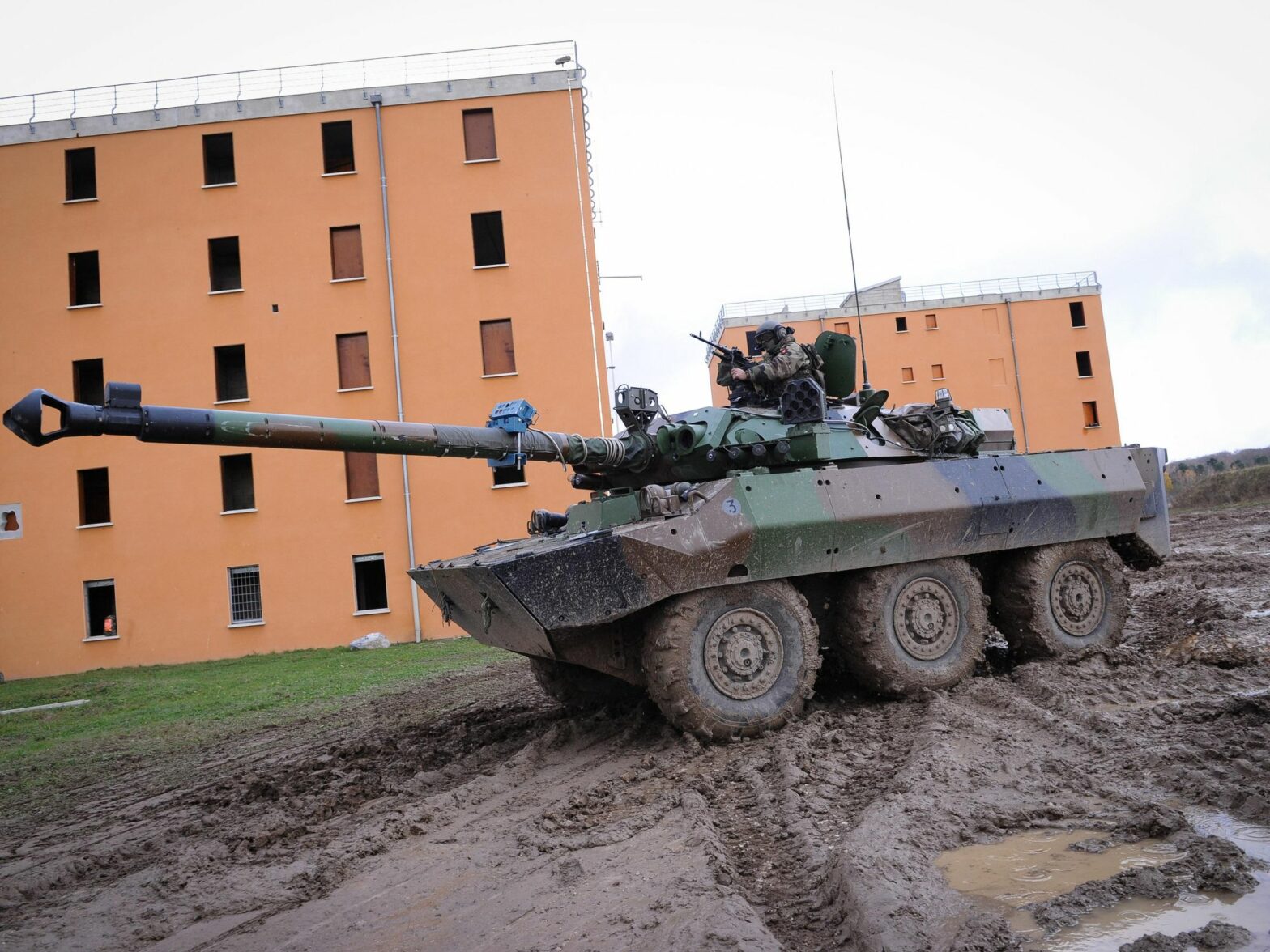
After Dnipro was left devastated by one of Russia’s deadliest attacks on Ukrainian civilians to date, the problem of arms delivery in a war that keeps escalating has never been more urgent.
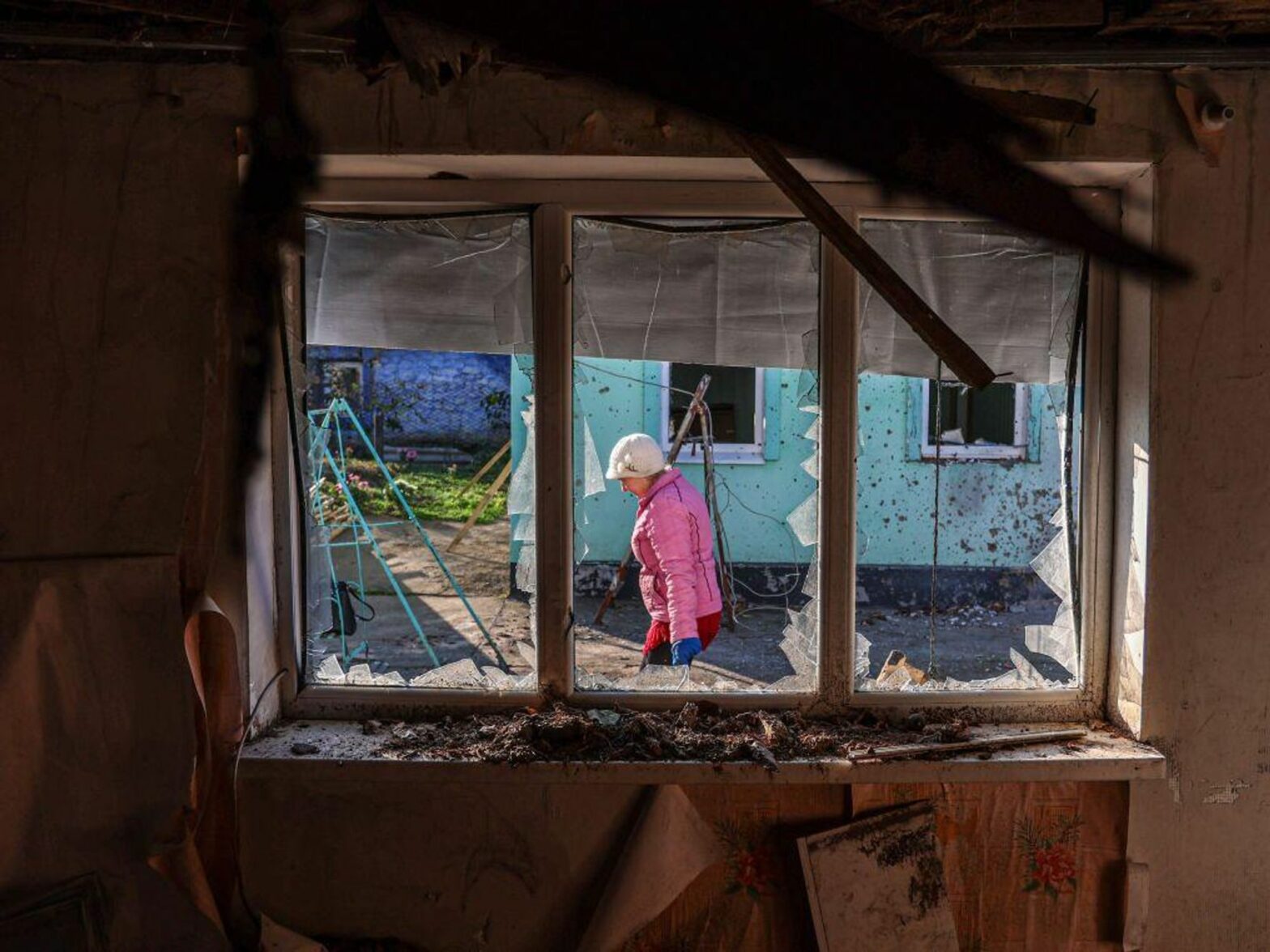
After a grim New Year, a soldier and mother reflects on the trauma of the past 10 months: fear, the corpses of friends and the choice between her own children and joining the war effort.
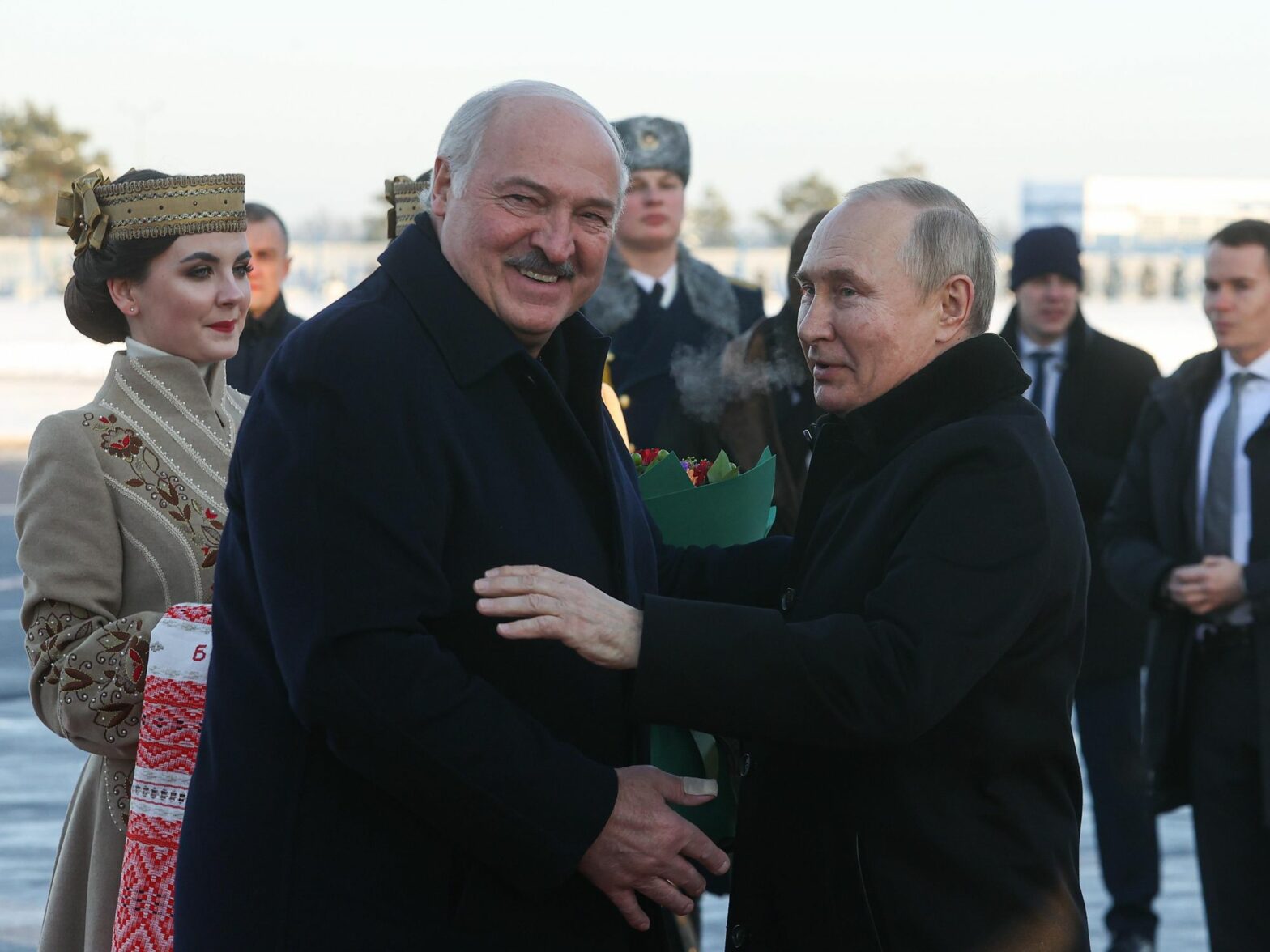
Five days after Minsk’s troops began amassing at the Belarus-Ukraine border, Russian President Vladimir Putin has arrived for an impromptu summit with Alexander Lukashenko. Belarus’ strongman is increasingly seen as no longer having the option to say No to entering Putin’s war against Ukraine.
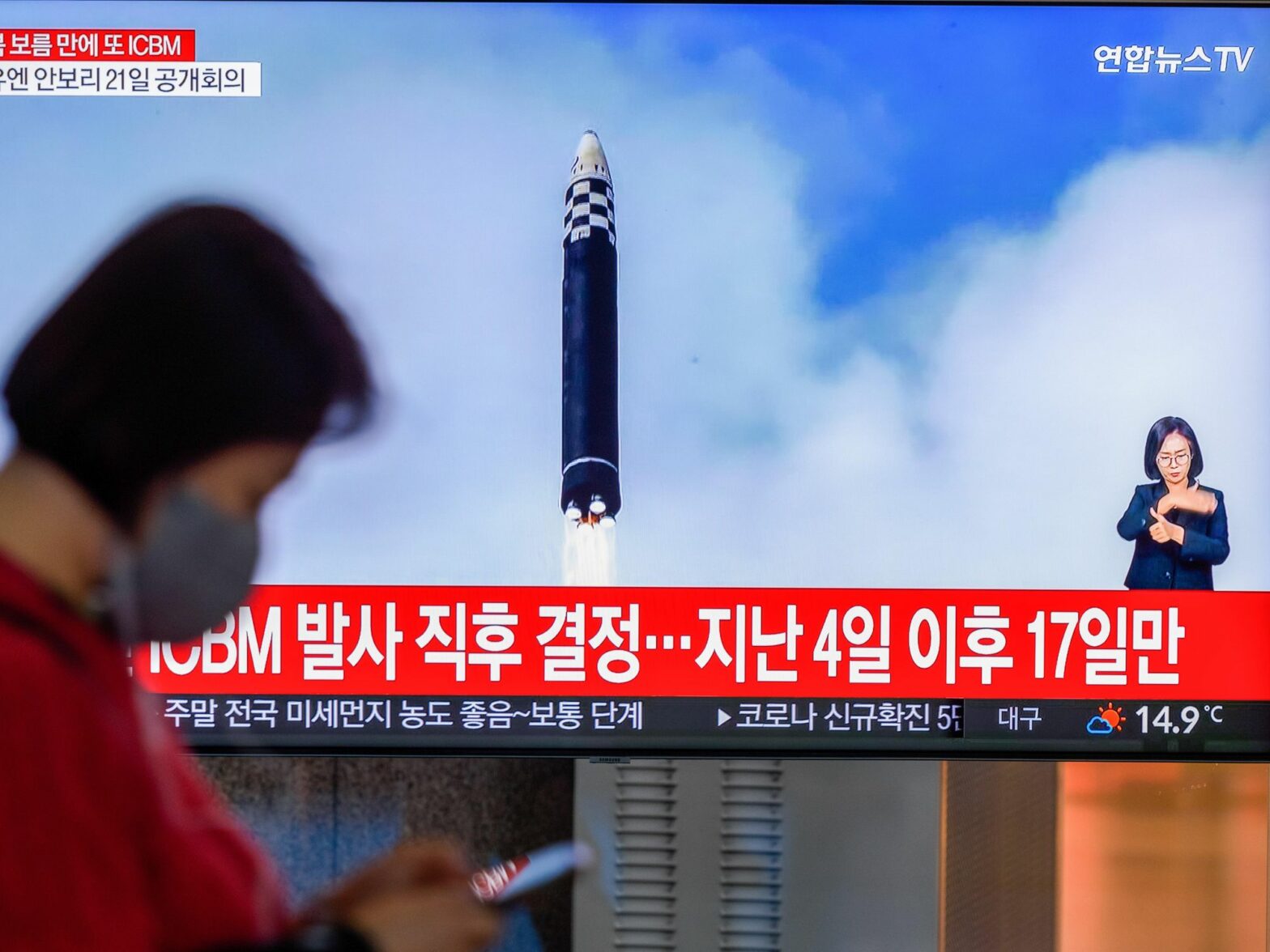
How to handle a nuclear armed pariah state is not a simple question.
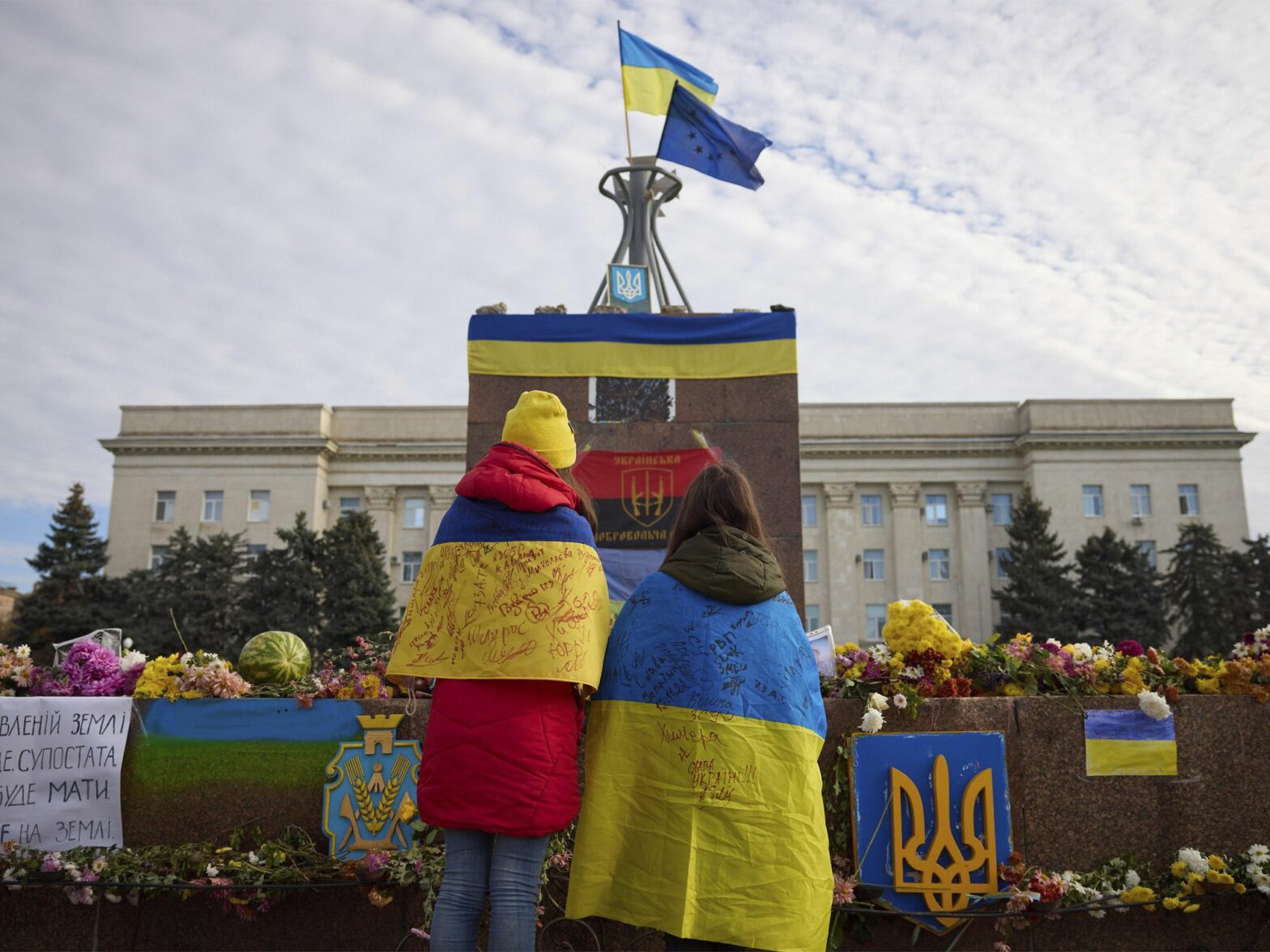
The reconquest of Kherson seemed like a turning point in the Ukraine war. But while Kyiv and the West can see it as an encouraging sign for the long-term fate of the war, it makes negotiations a veritable non-starter now. A cold, hard analysis from French geopolitical expert Dominique Moïsi.
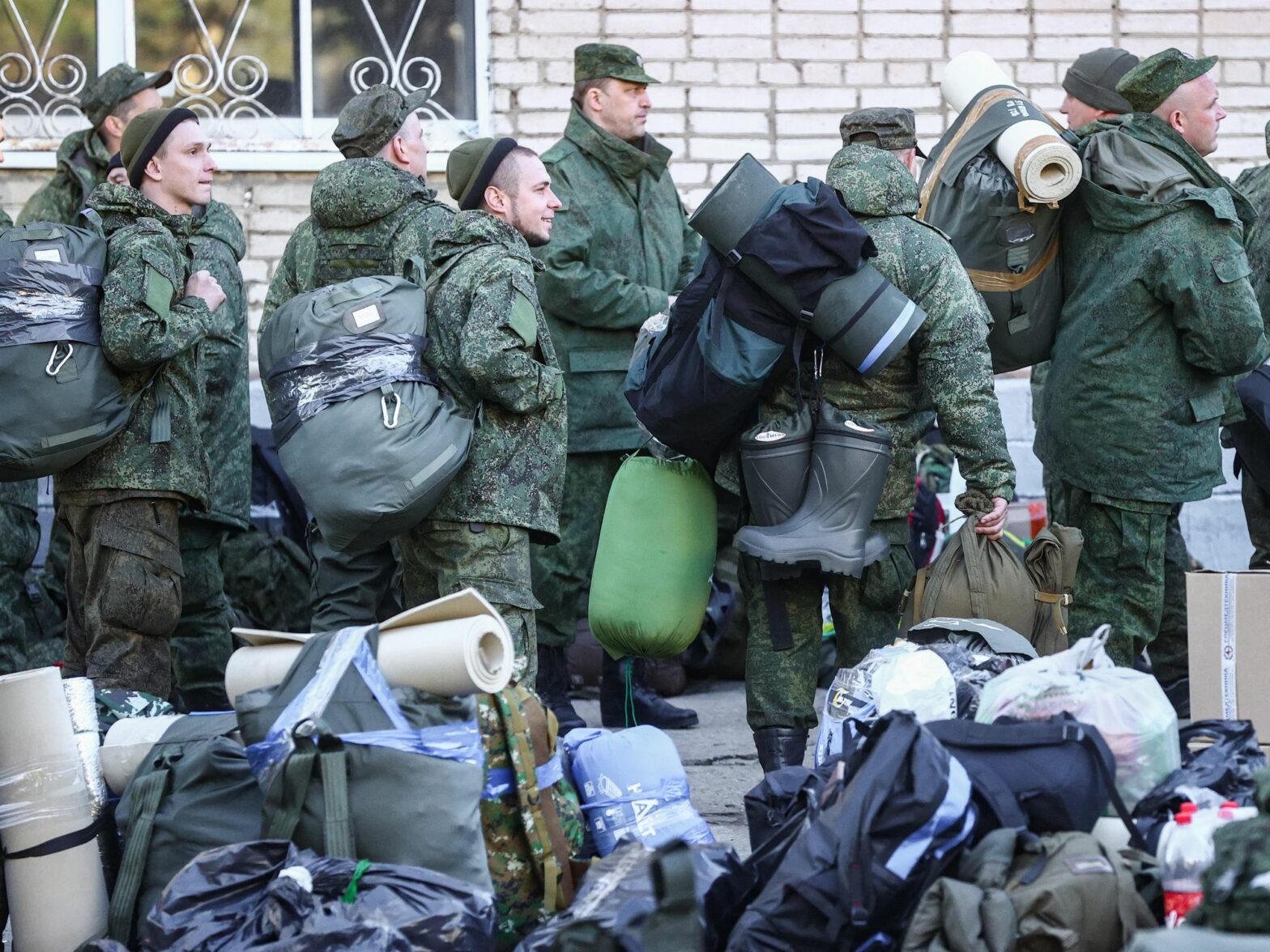
A missile attack early Friday kills four, as civilians try to evacuate the largest Ukrainian city under Russian occupation.
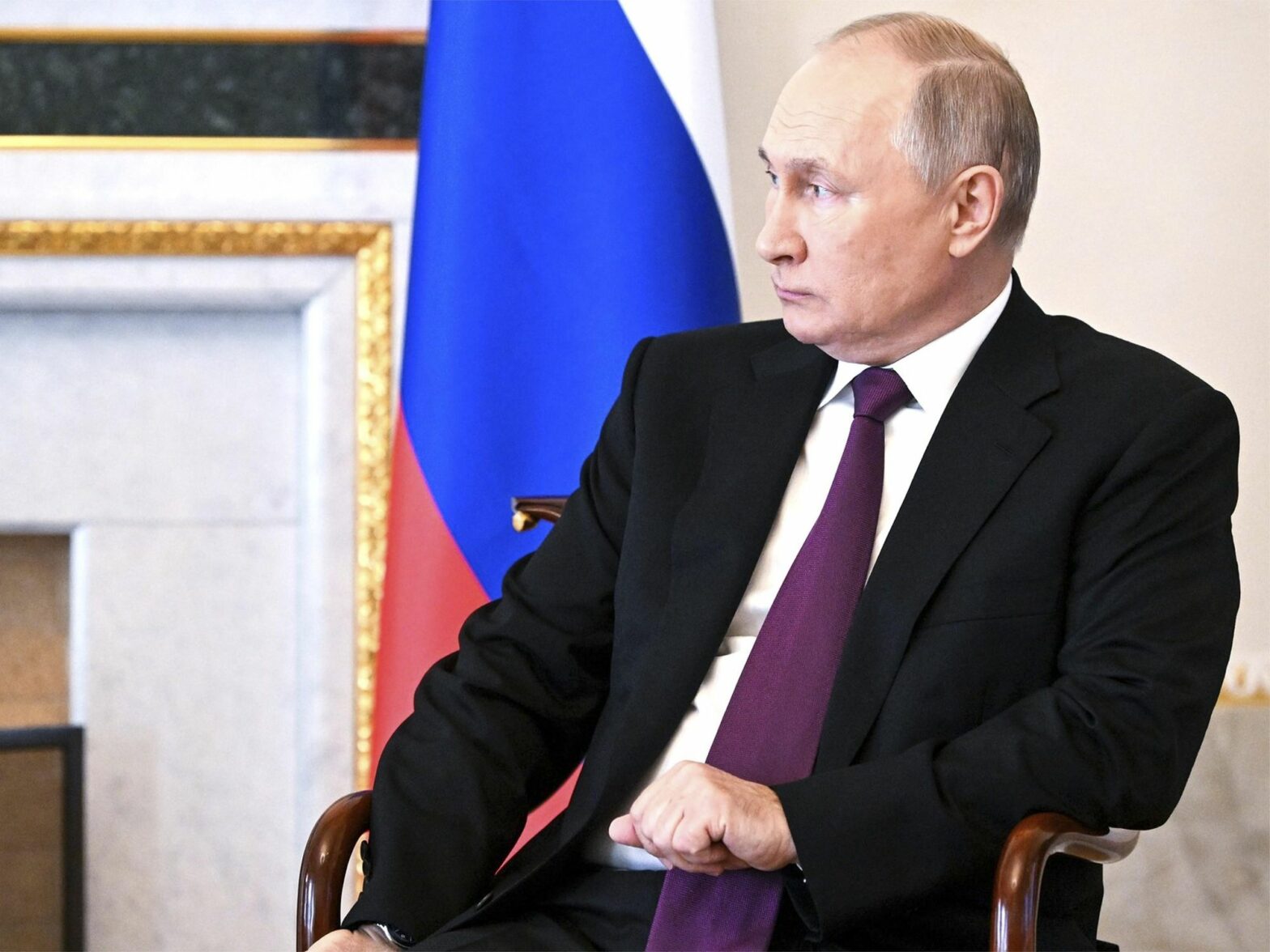
Ukraine’s recent successes on the battlefield have put pressure on Vladimir Putin, who has launched what appear to be desperate attacks on civilians and infrastructure in response. Experts warn that it is dangerous to believe that Russia is bound to fail.
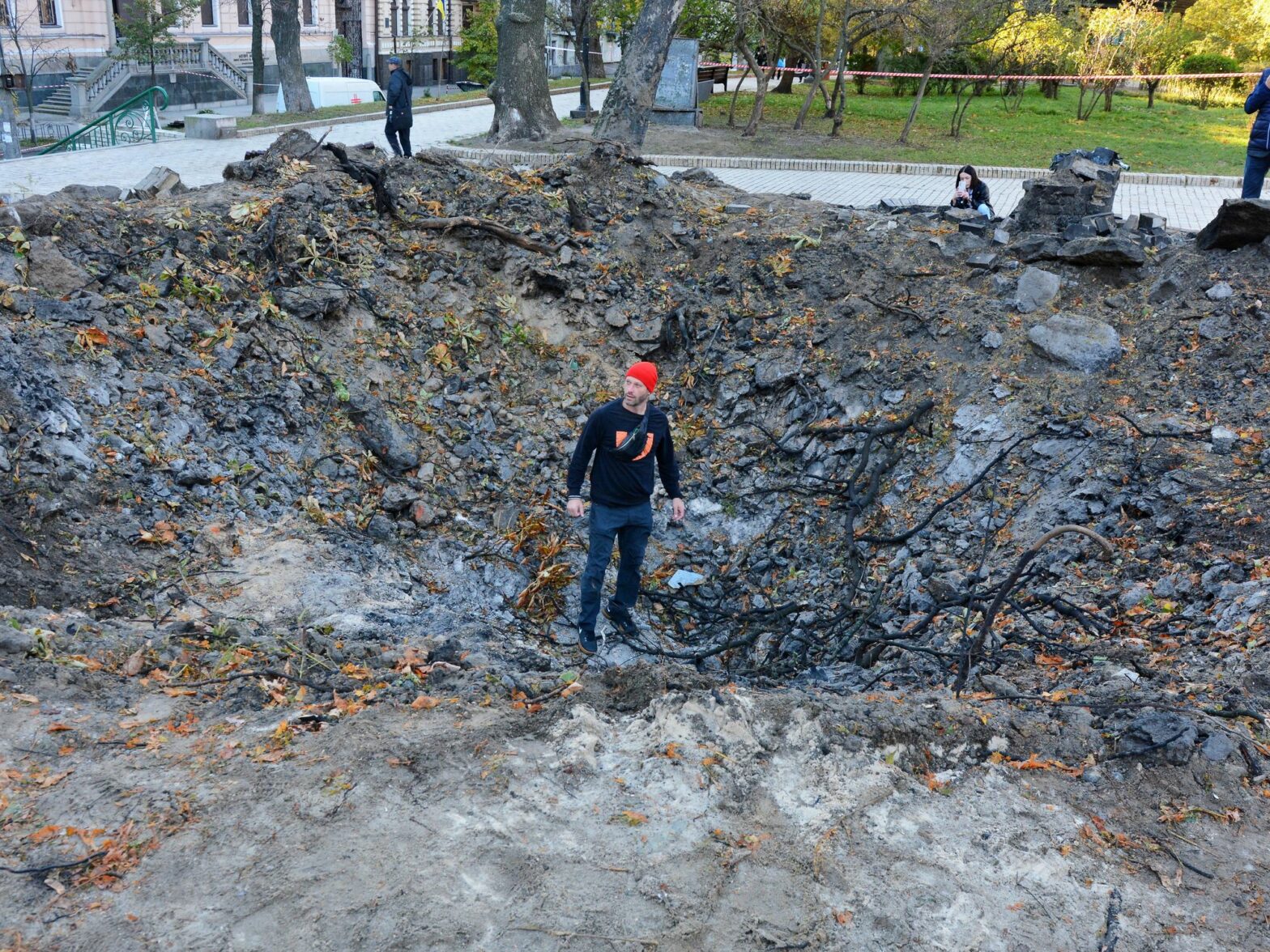
This week’s massive strikes by Russia on Ukrainian territory brought back the terror of the first days of the invasion across the entire country. Were they strategic strikes, or simply a retaliation for Ukraine’s attack on a strategic bridge in Russia-occupied territory in Crimea?
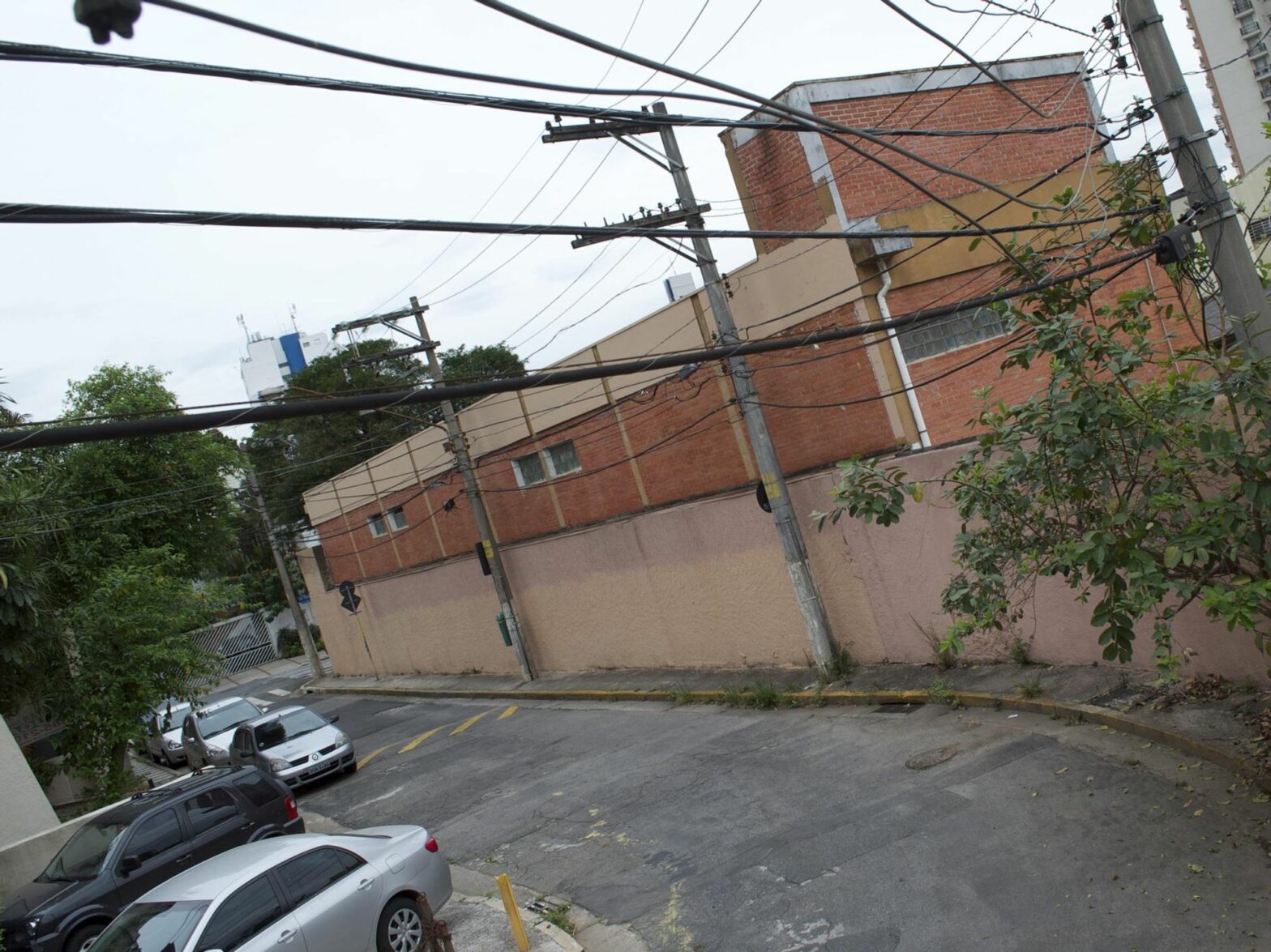
As the country gears up for a politically-charged run-off election, a team of archaeologists, historians and forensics experts are set to excavate the grounds and buildings of one of the worst torture centers in São Paulo, trying to recover the country’s painful history of torture during the military regime.
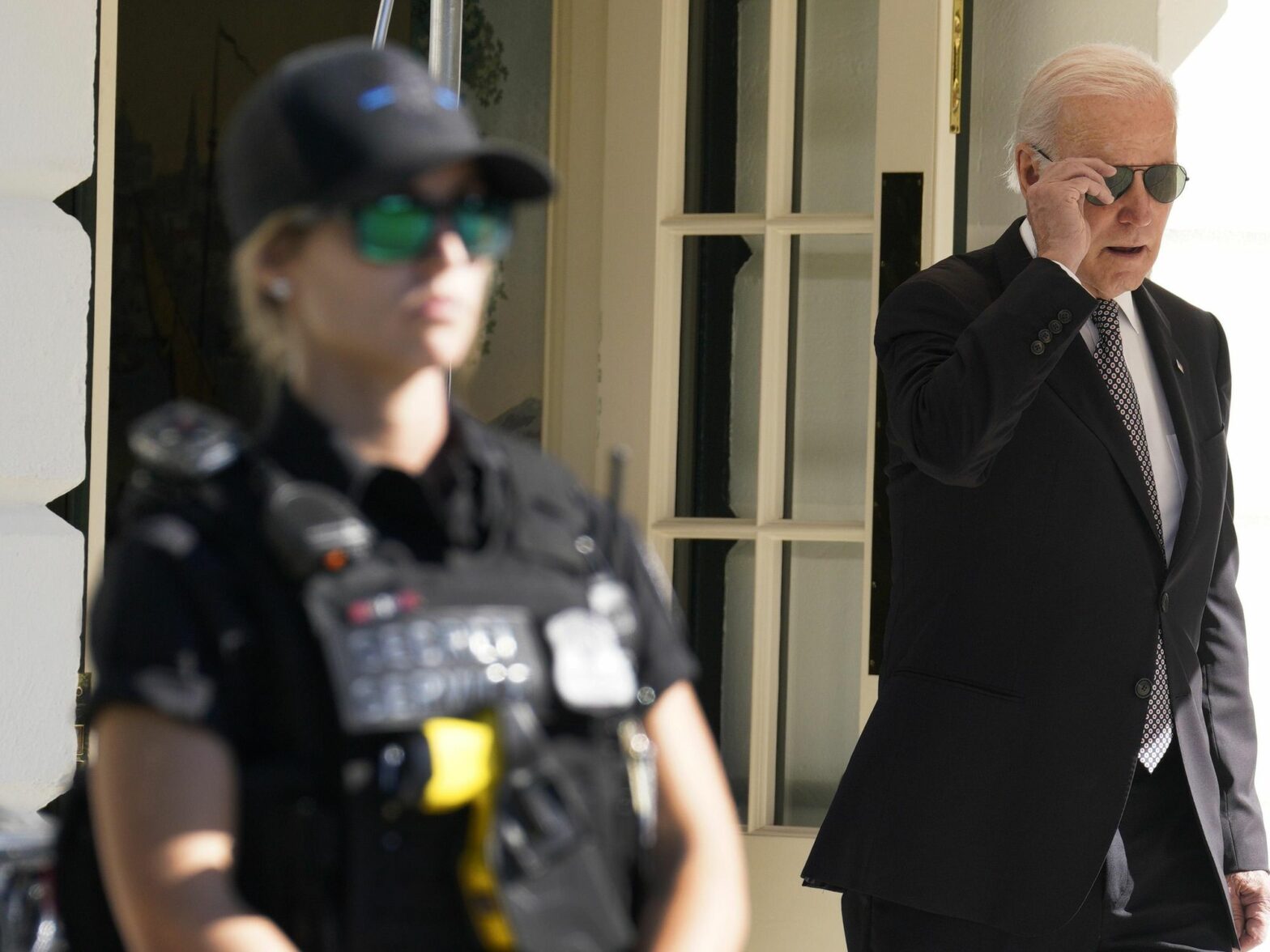
“We have not faced the prospect of Armageddon since Kennedy and the Cuban missile crisis,” U.S. President Joe Biden declared.
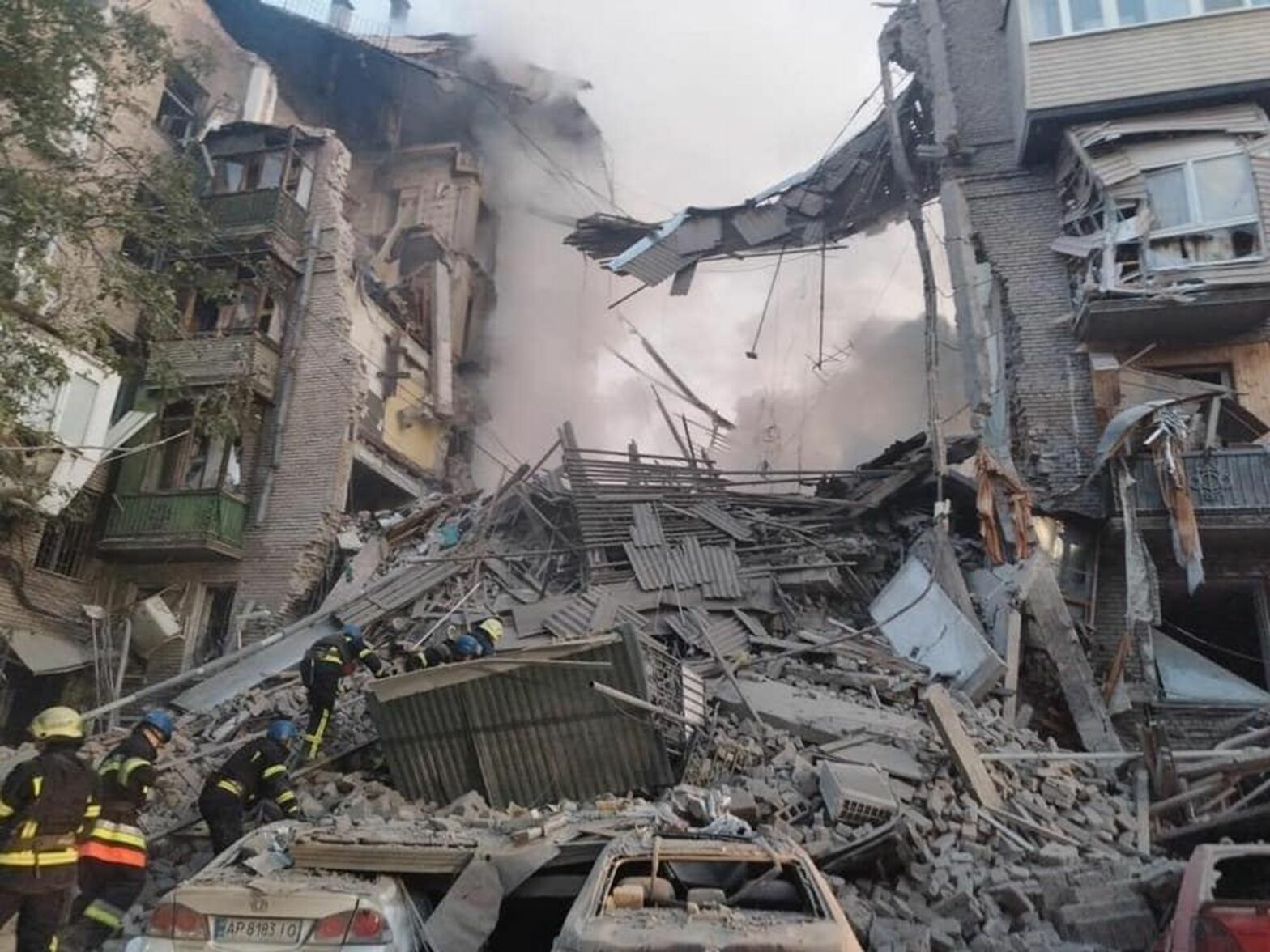
Developments on both fronts are hard to gauge, even as Ukrainians advance at high speed and continuously liberate new towns.
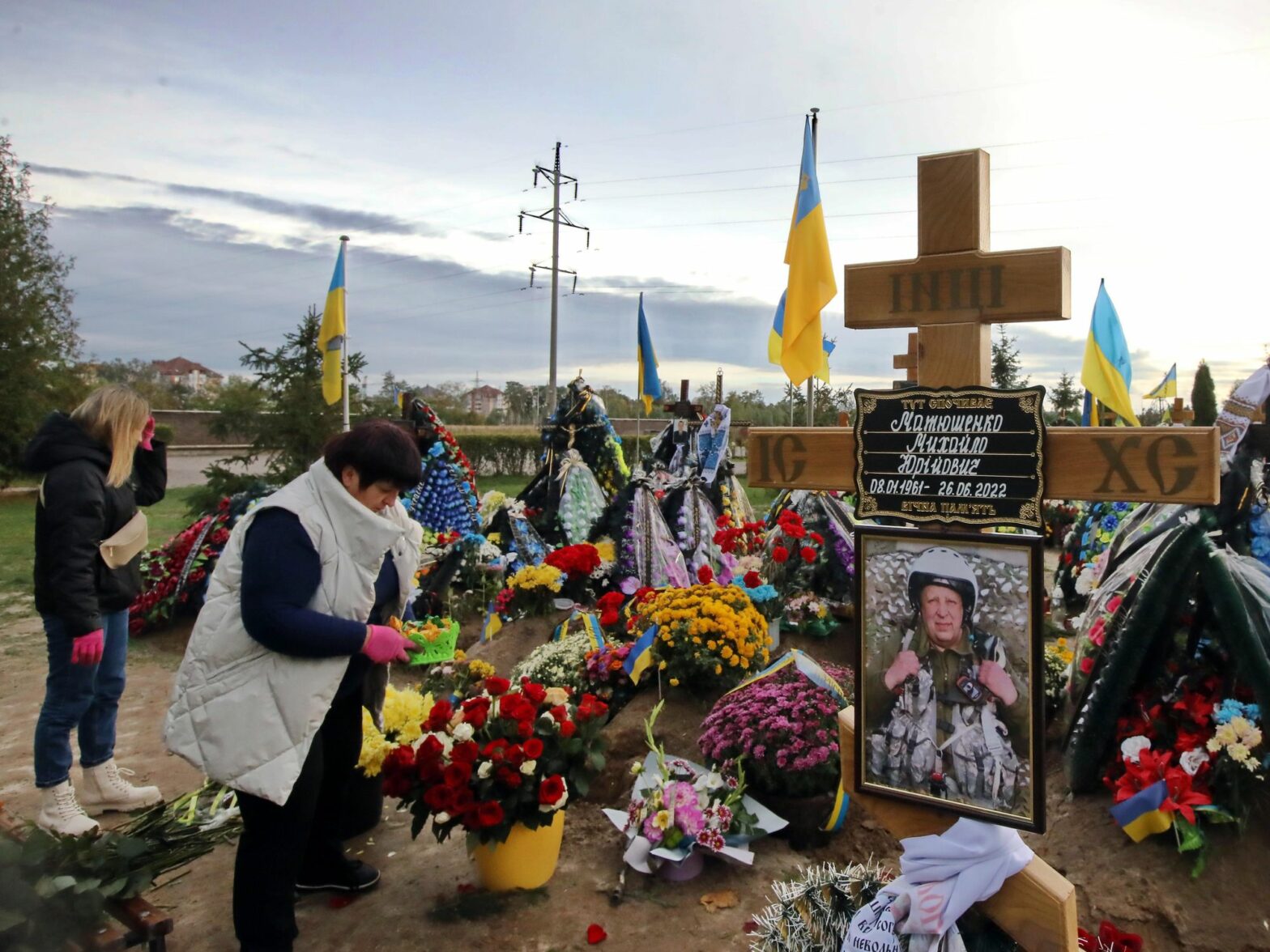
Testimonies have been gathered from victims who had been detained by the Russian military near Kyiv in the early weeks of the war. Some were held in a pit, others had their hands beaten with hammer, others with an axe and rifle butt. Some never made it out alive.
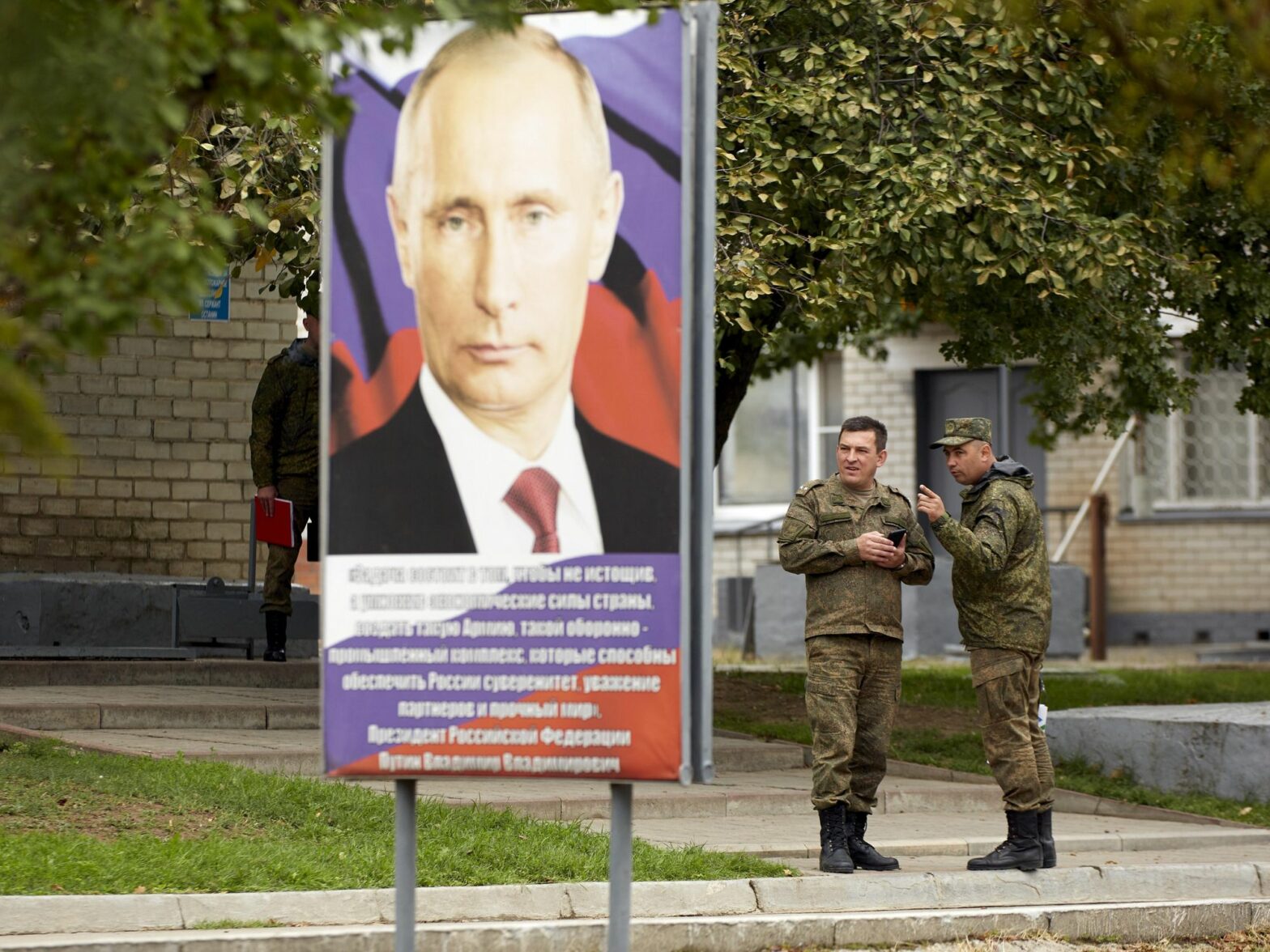
The warning comes after Washington’s latest military aid package to Ukraine.
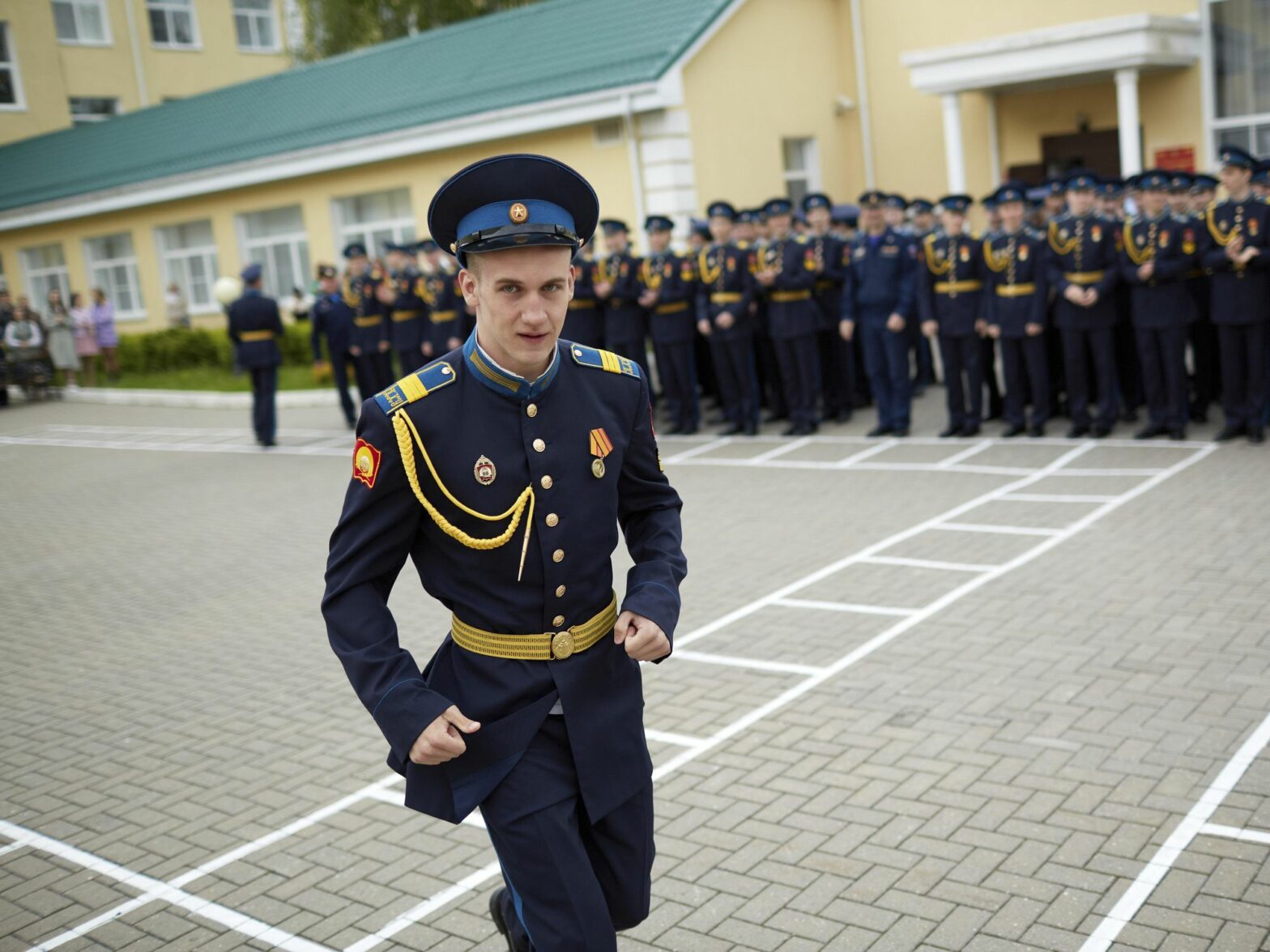
As much as he tried to, Vladimir Putin could not avoid the nationwide mobilization of new recruits. But now he can no longer hide from a war he chose for his nation — and more than ever, his own destiny is riding on the result.
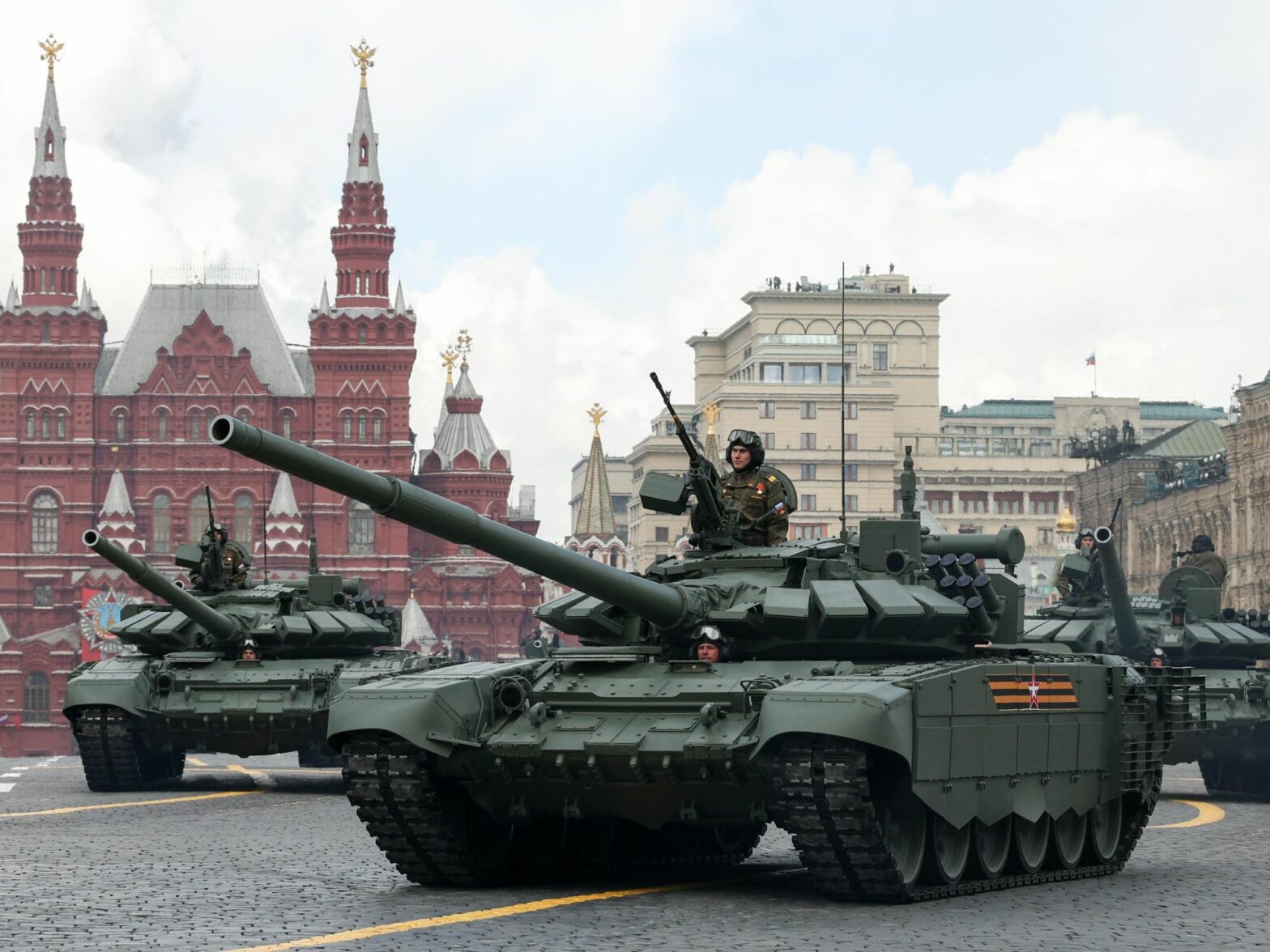
Despite what the Kremlin claims, Western sanctions against Russia are working. Perhaps most important is the embargo on electronic component exports, which prevents the Russian army from rebuilding tanks and missiles severely depleted in the war.
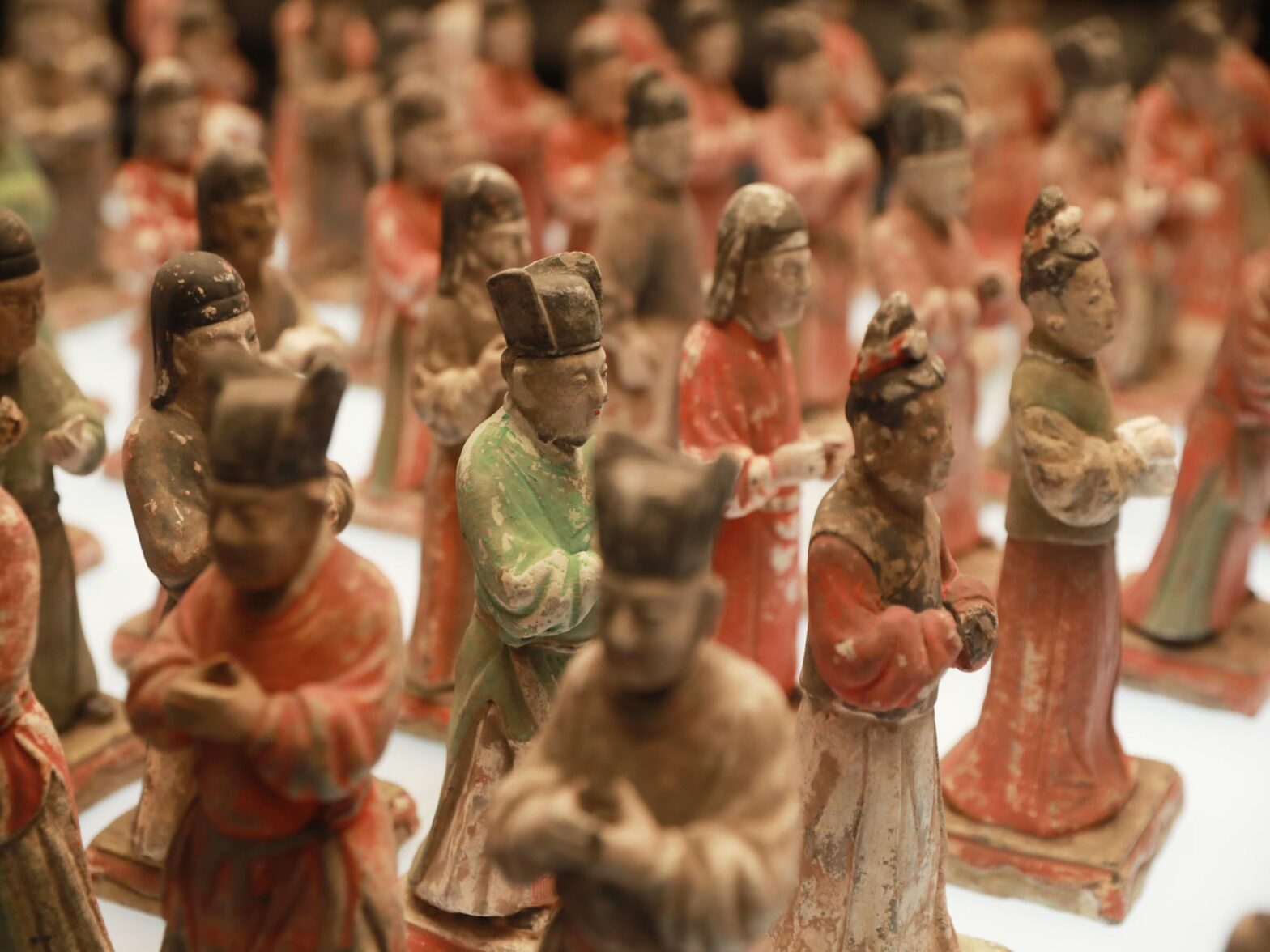
In the mid-17th century, the weather in China got colder. The frequency of droughts and floods increased while some regions were wiped out by tragic famines. And the once-unstoppable Ming dynasty began to lose power.
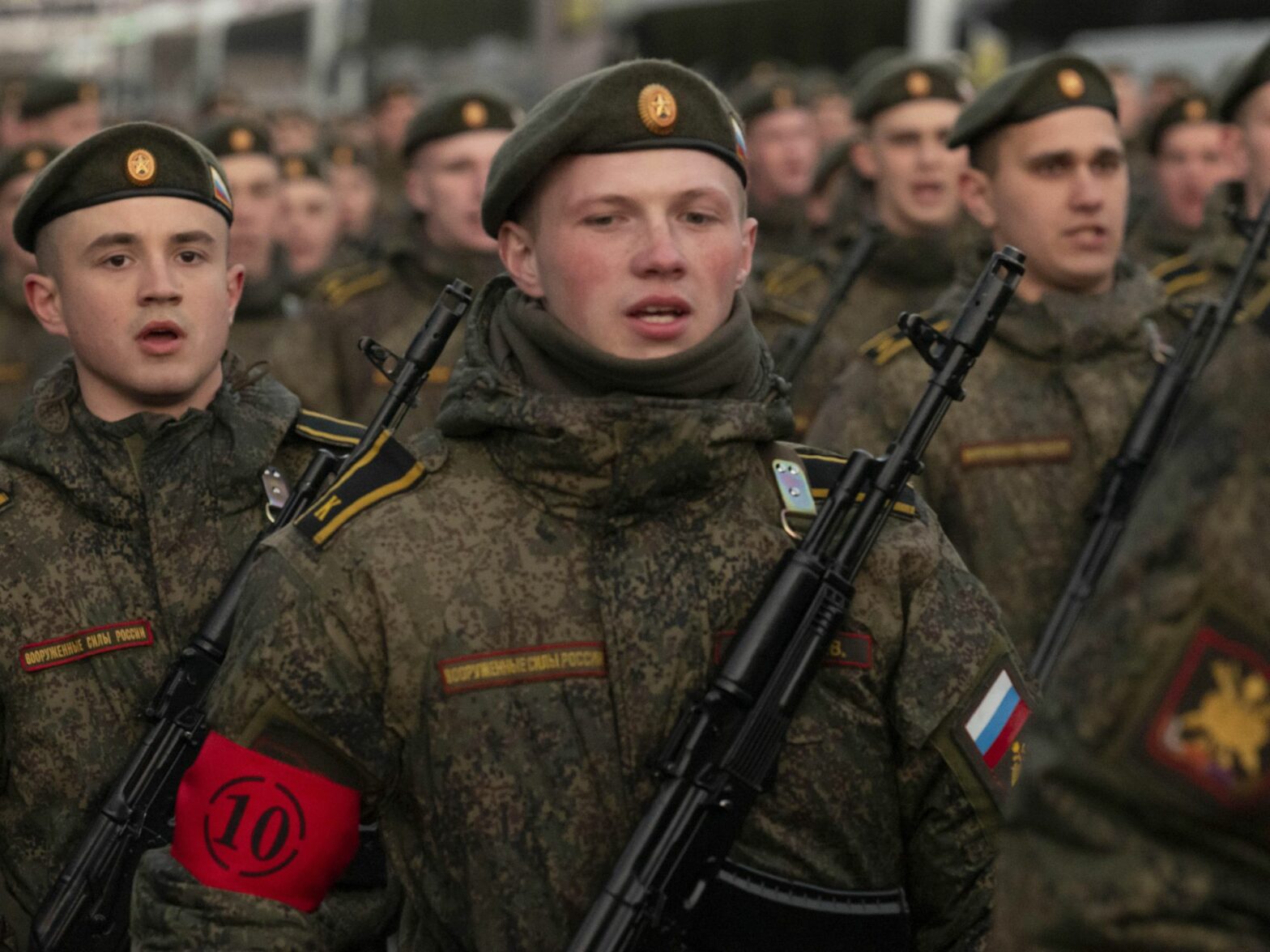
The deteriorating conditions among Russia’s front line troops, chronicled by a handful of foot soldiers who have spoken out, may explain why Ukraine’s recent counter-assault has been so successful.
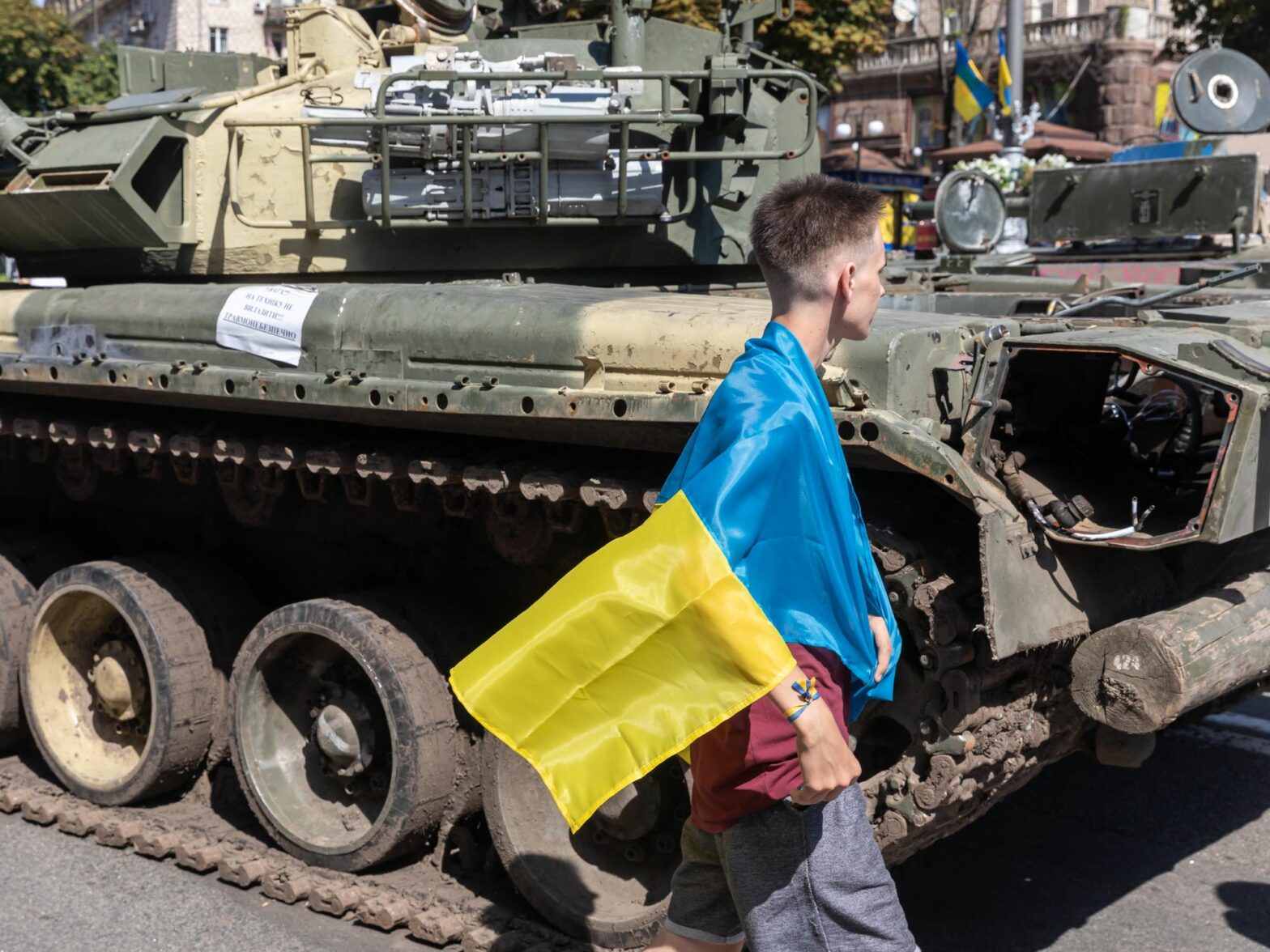
The prolonged war in Ukraine is certainly not over. But six months in, we already know that Russia will come out the loser, both to its Western rivals, and to China, for whom it is now a junior partner.
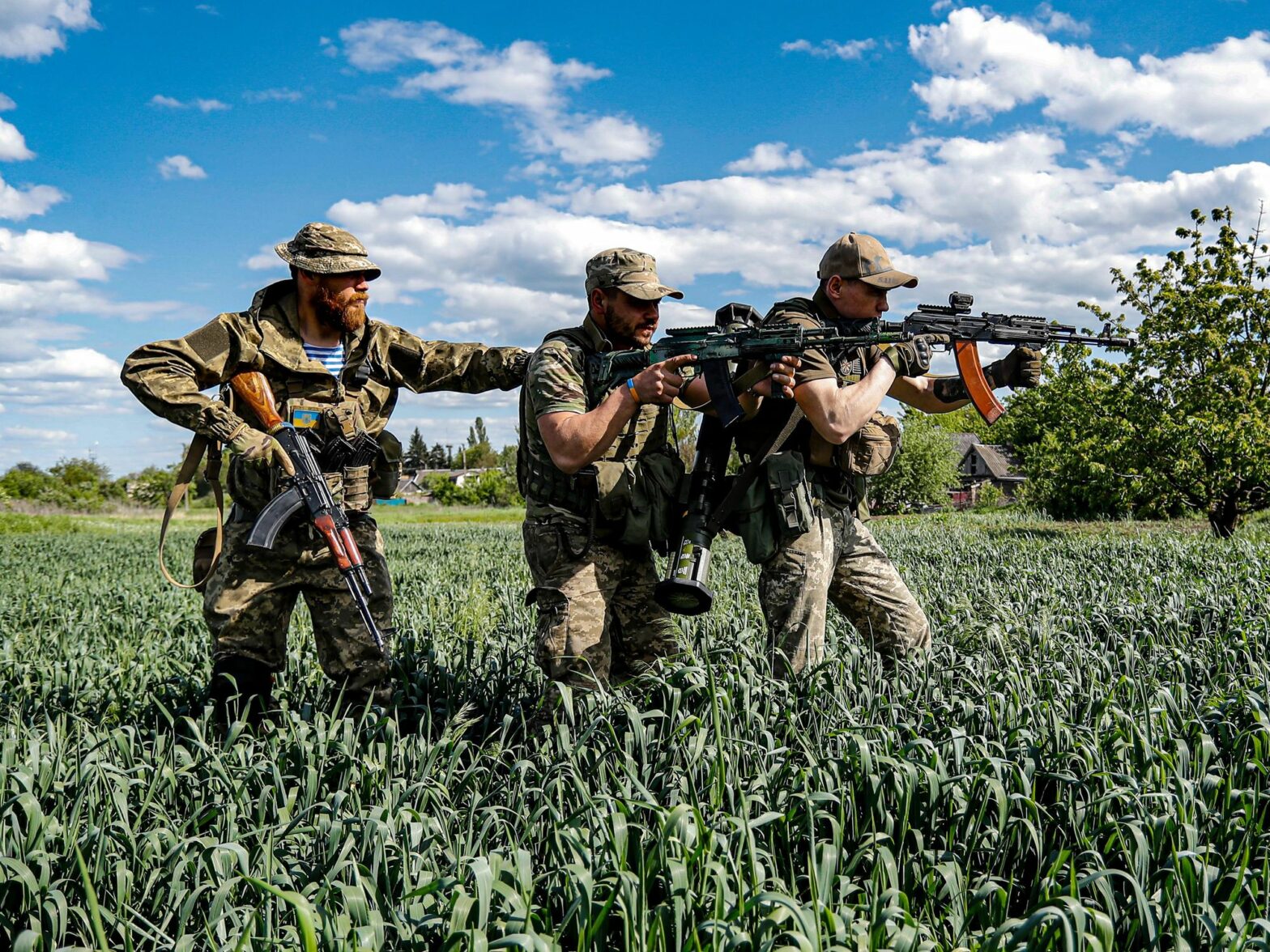
Russian troops have so far been unable to mount a decisive offensive in the east, as Ukraine records small but meaningful successes near the southern city of Kherson. This is not how Vladimir Putin had it planned.
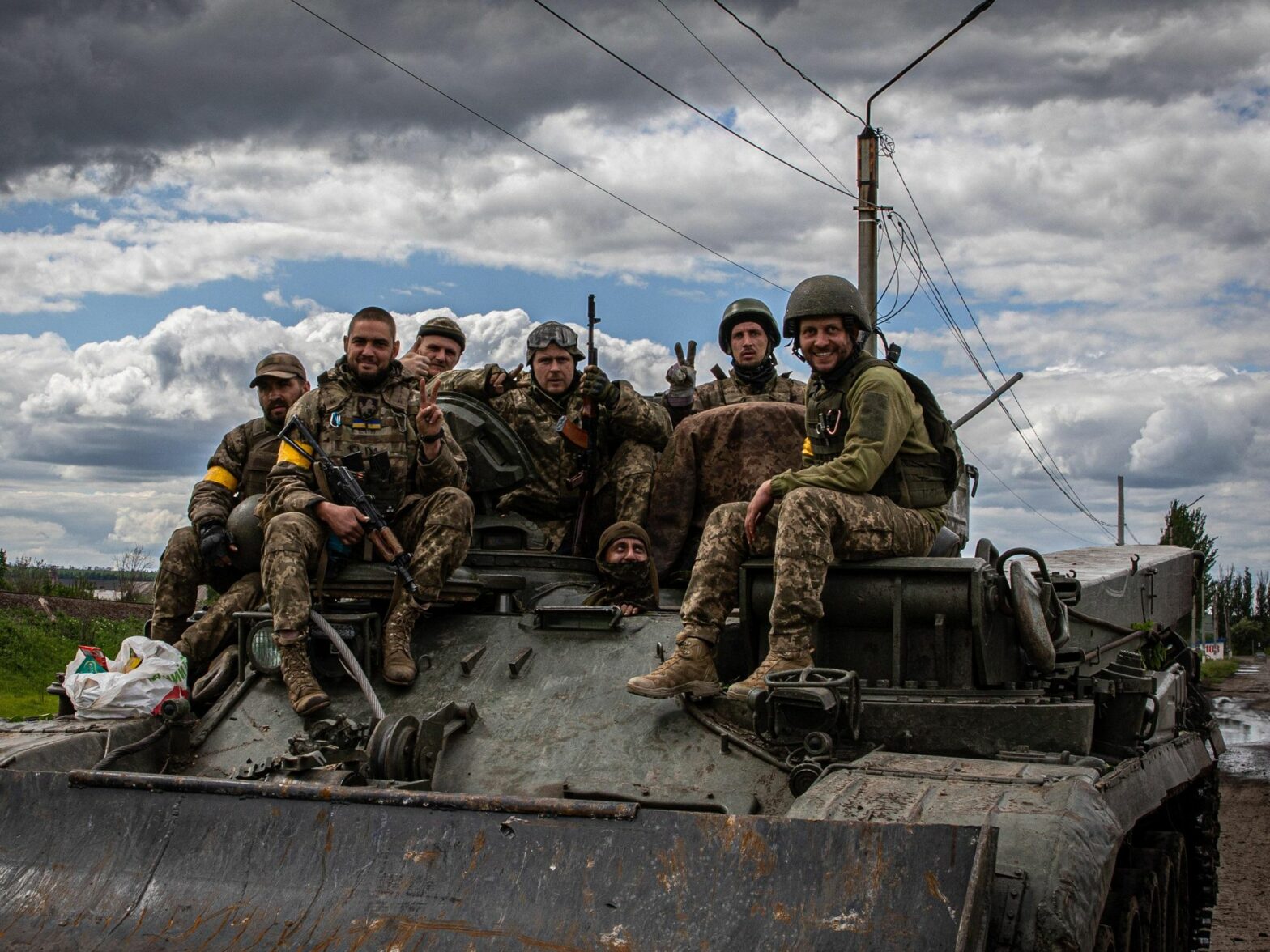
Russia continues to shrink its ambitions in Donbas, as Ukraine doubles down on its strategy of guerilla attacks, interrupting supply and communication contacts and ultimately undermines the morale of the enemy.

The war in Ukraine is not just being fought on the ground. The battle for dominance increasingly happens on the digital field, where a worldwide network of cyber-soldiers conduct attacks to disrupt Russia’s war effort, from the outside and inside too.
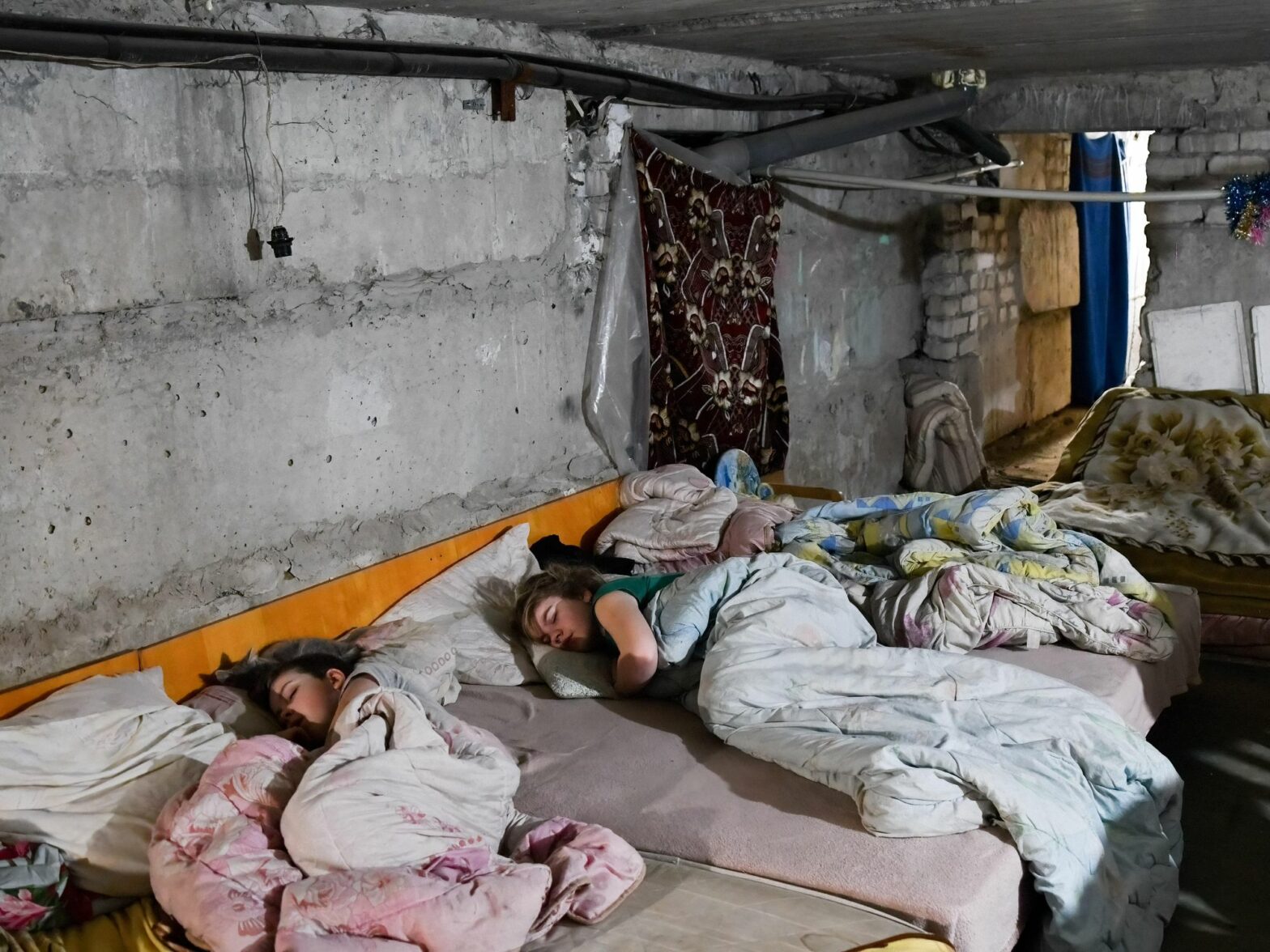
The battle for the Donbas is being waged across small villages in what is commonly known as “Ukrainian Switzerland” are now paying the price for Russia’s defeat in Kyiv, risking to forever change this longtime tourist destination.
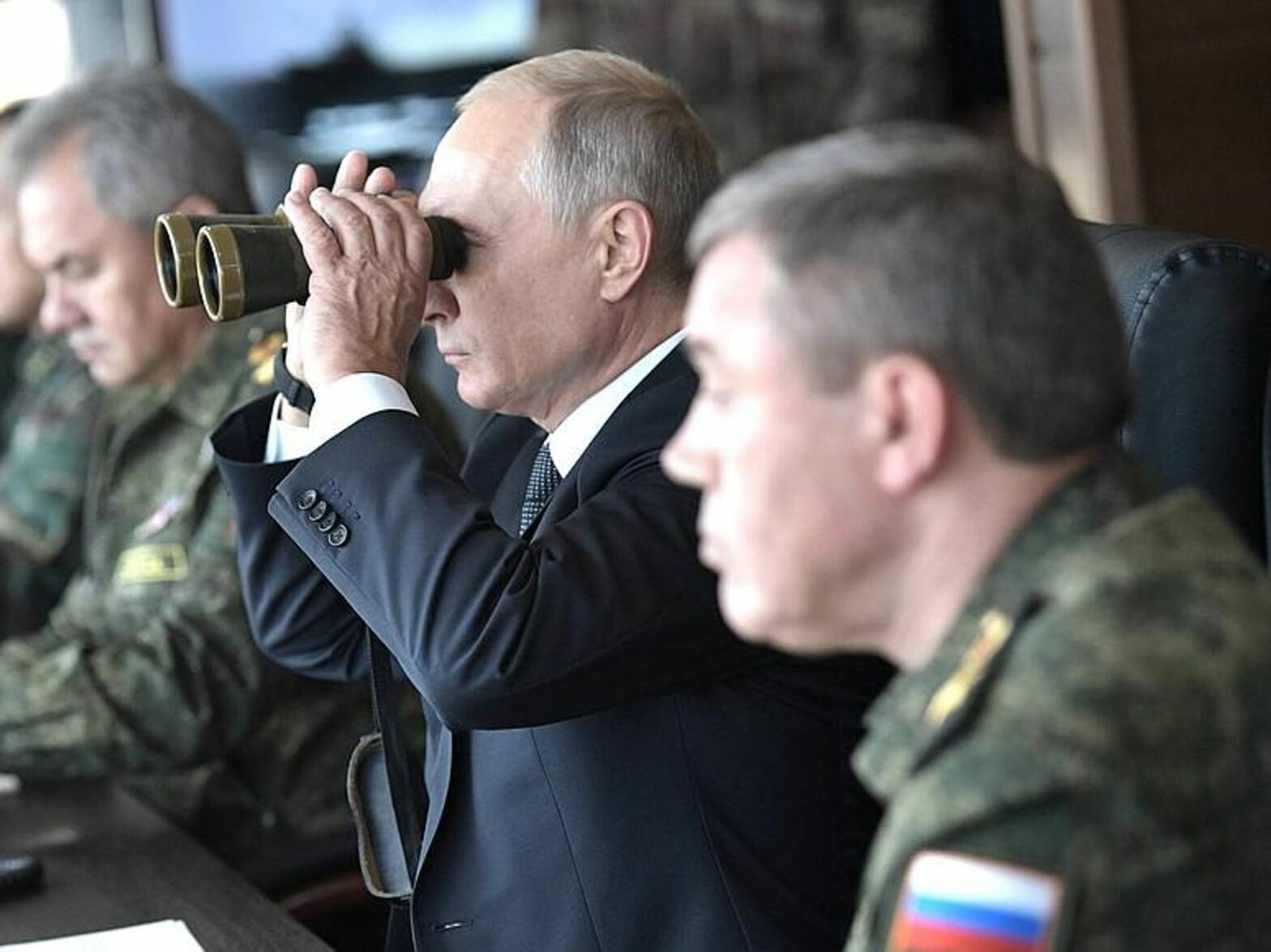
Reports are circulating that Putin might use May 9, Russia’s “Victory Day”, to announce a mass mobilization of the war in Ukraine. That would be a huge escalation for what’s still referred to as a “special military operation,” and has so far mostly counted on recruits far from major population centers.
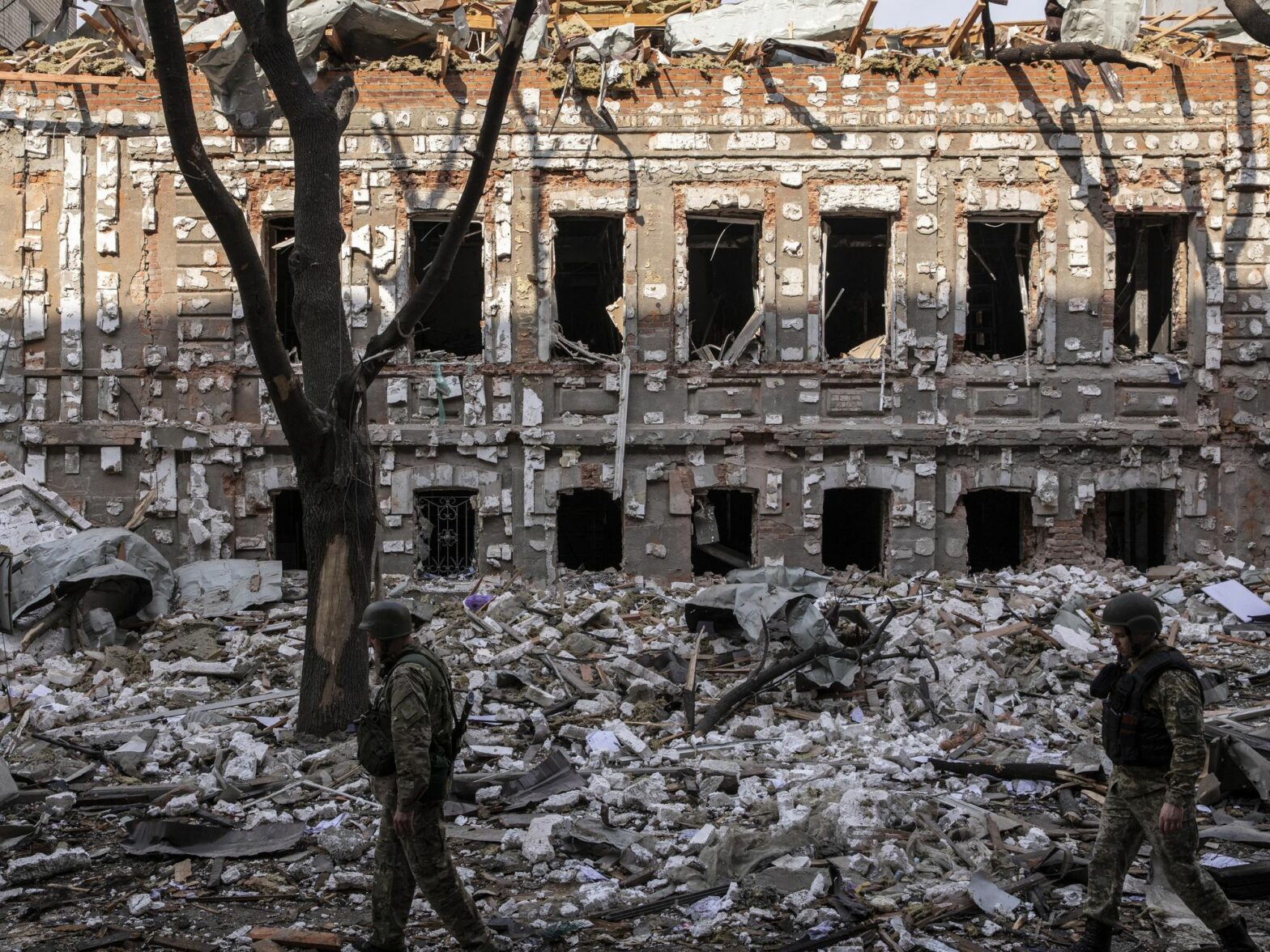
Ukraine cannot win the war against Russia’s superior military power. But it can at least try not to lose it — with methods like those used in Vietnam or Algeria. Last week’s sinking of the Moskva warship was a perfect example.
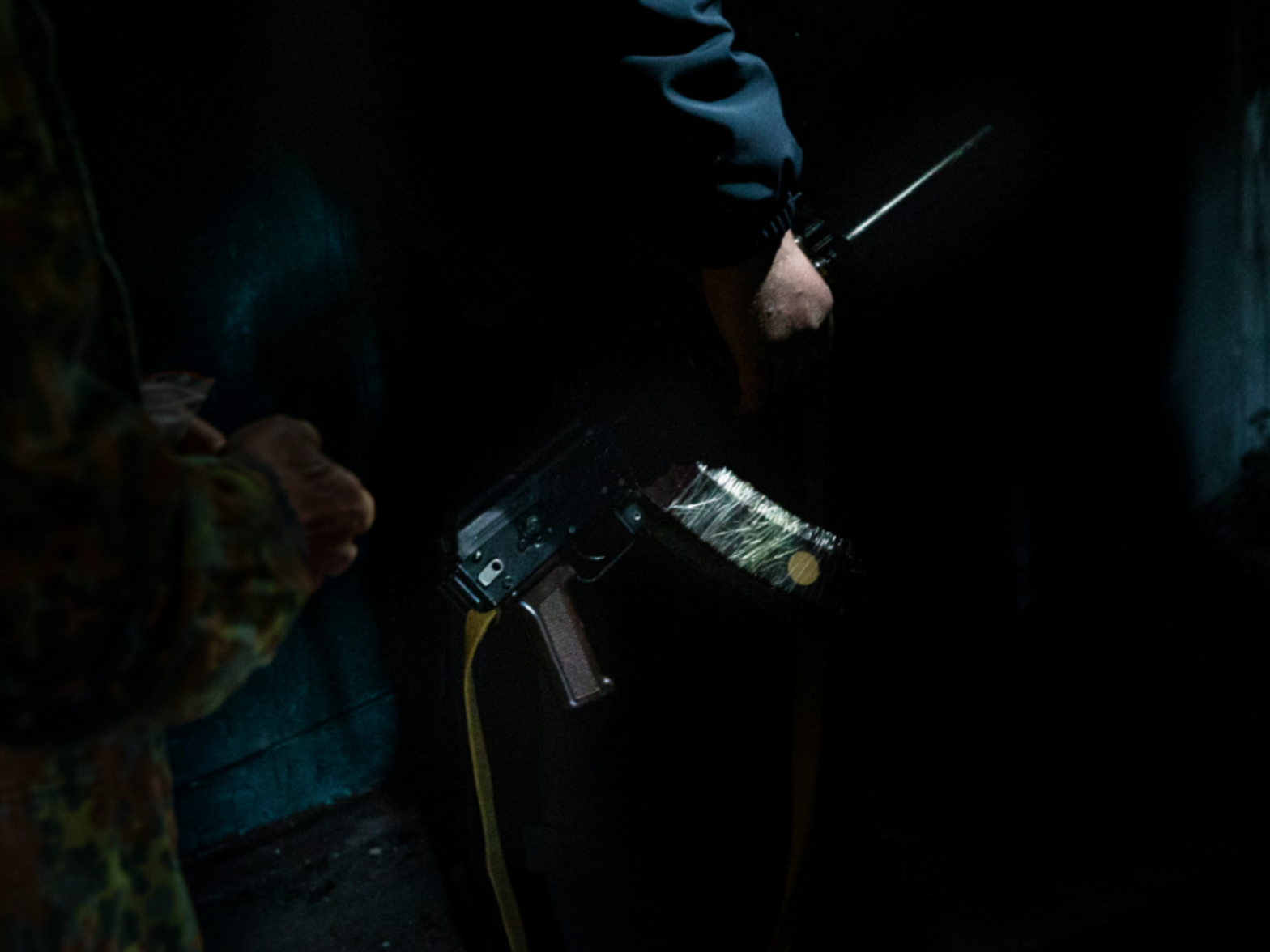
A reporter in Kharkiv joins the Ukrainian Special Forces patrolling the streets in search of pro-Russian saboteurs. But the military police teams also have to deal with those violating the curfew, which can become a deadly offense during war.
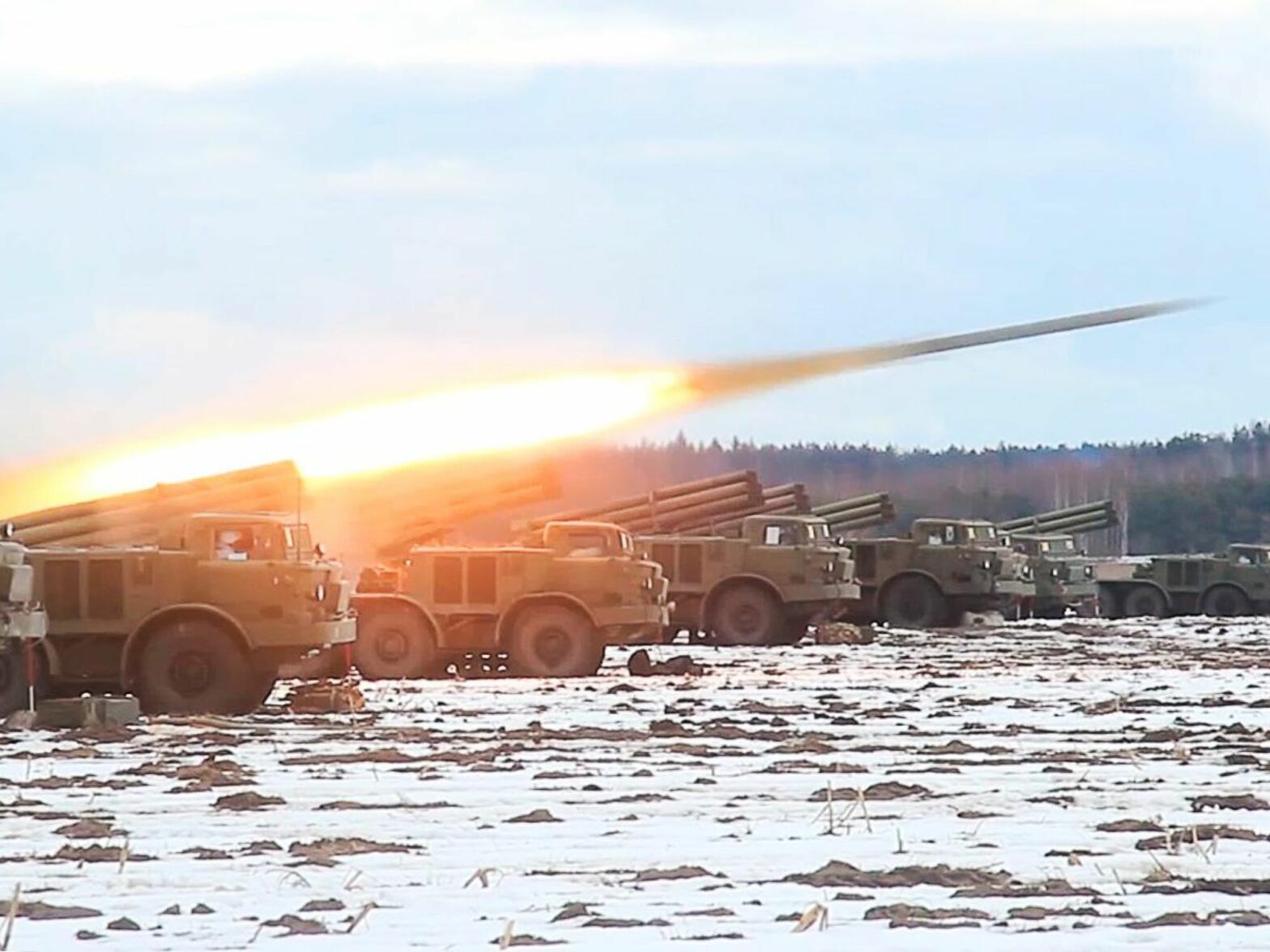
After Minsk recalled all its embassy staff from Ukraine over the weekend, additional reports now show evidence around the northwest territory that Alexander Lukashenko may be ready to join Putin in the assault on the southern neighbor.
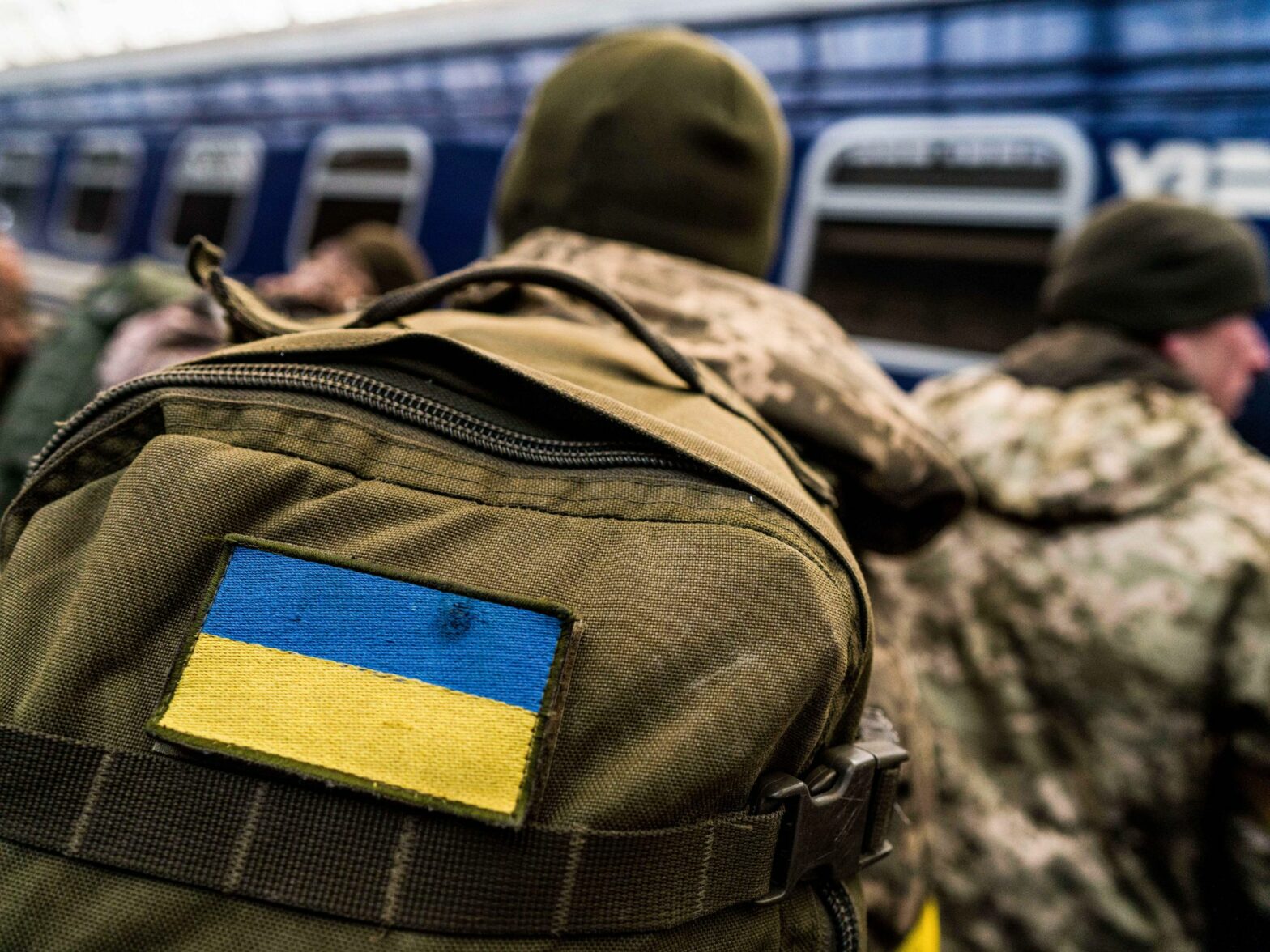
It is not heroism that is creating the long lines to enlist in the country’s fight against Russia, nor is it the opposite that explains the refugees trying to get out alive. There is a single objective for both.
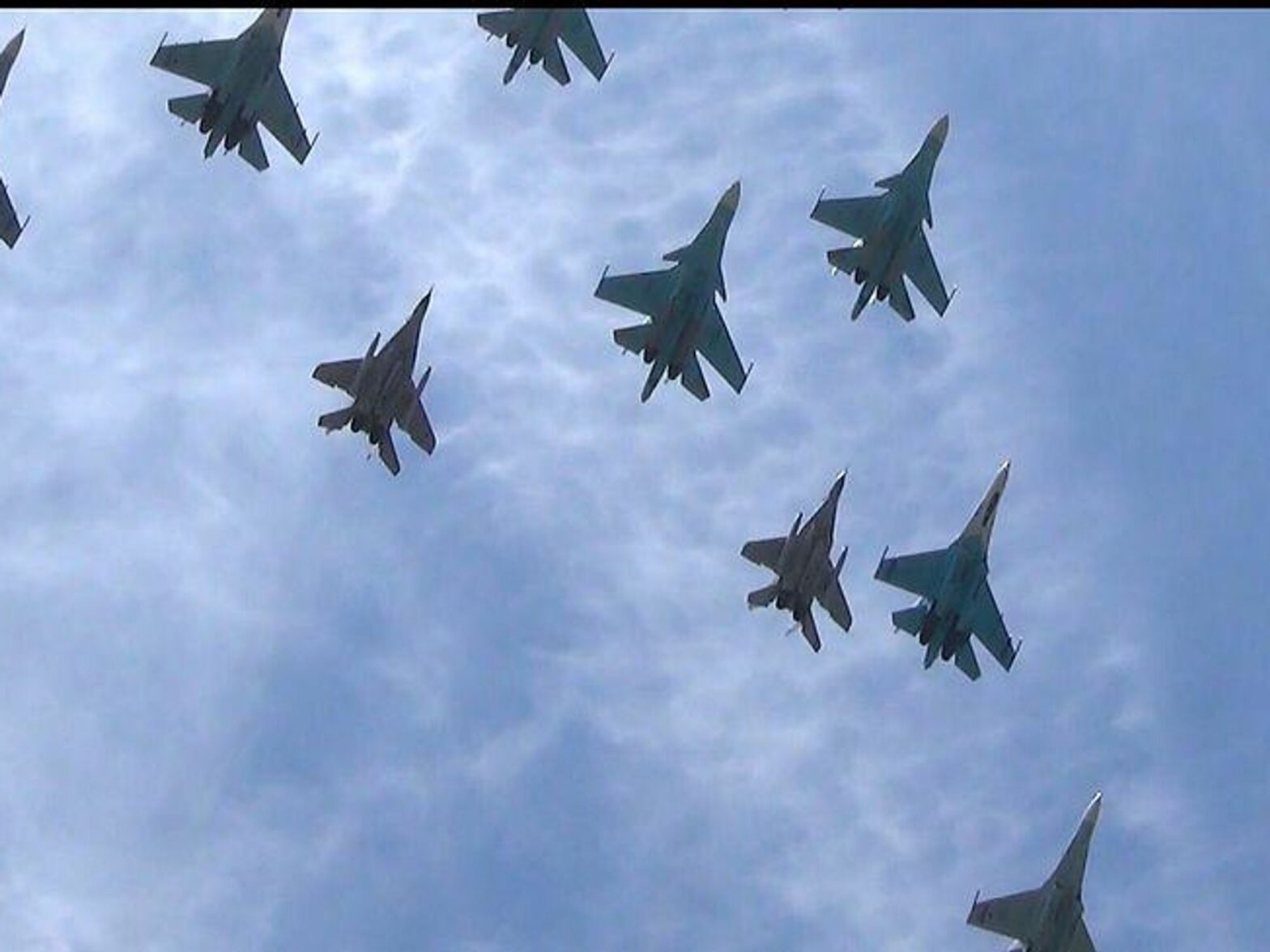
Ukrainians are pleading with the West to establish a no-fly zone to stop the destruction of their country. But that would be a high-risk option. Now the U.S. is considering delivering fighting jets, but that could also escalate the conflict. What else can be done?
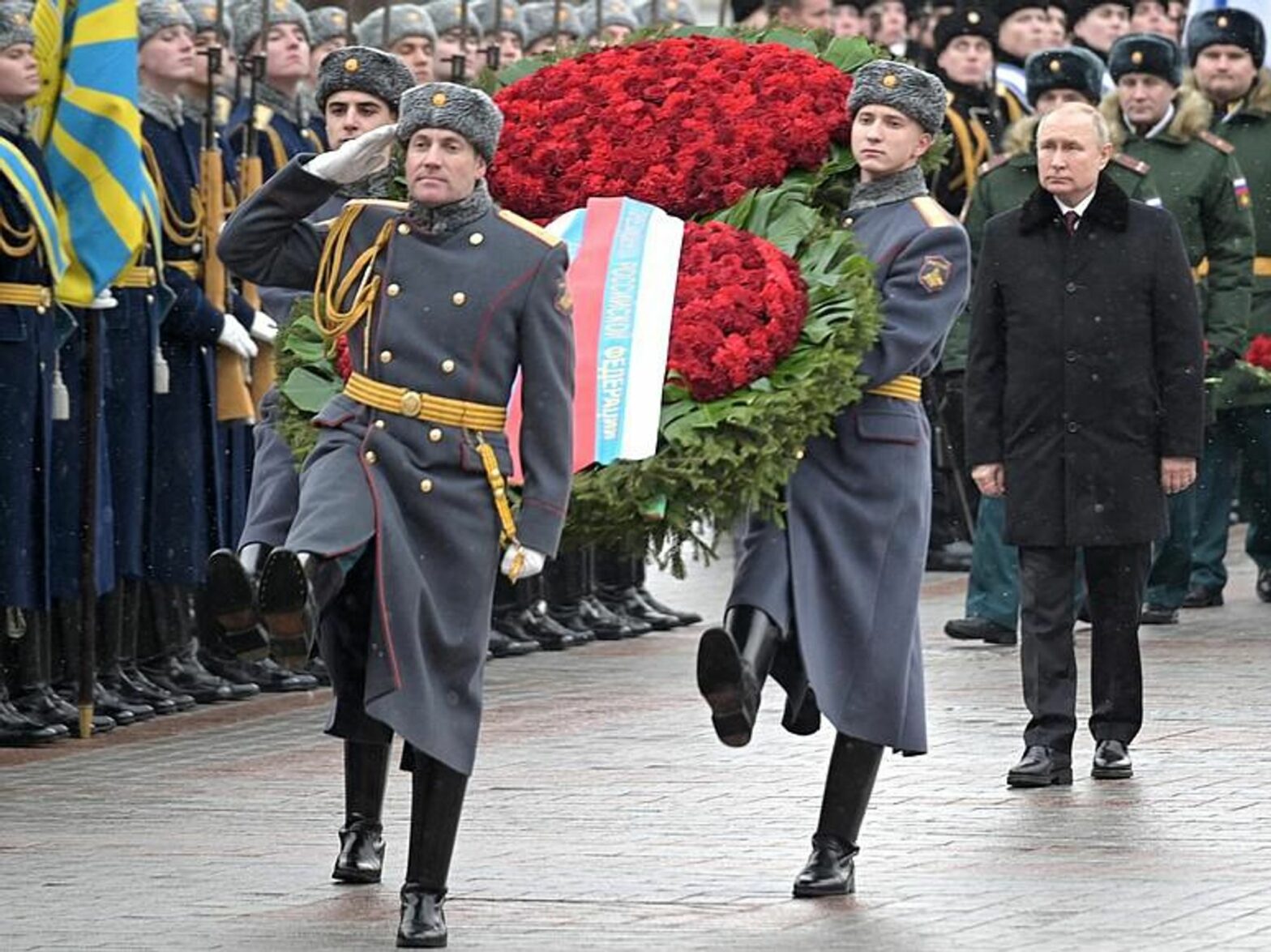
Vladimir Putin’s claims that NATO threatens Russia’s security, and that the only way Russia will back down is if NATO promises never to admit Ukraine, is a bait and switch. His long-term dream is to erase the idea of a Ukrainian nation on the road to his wider tsarist conquests.
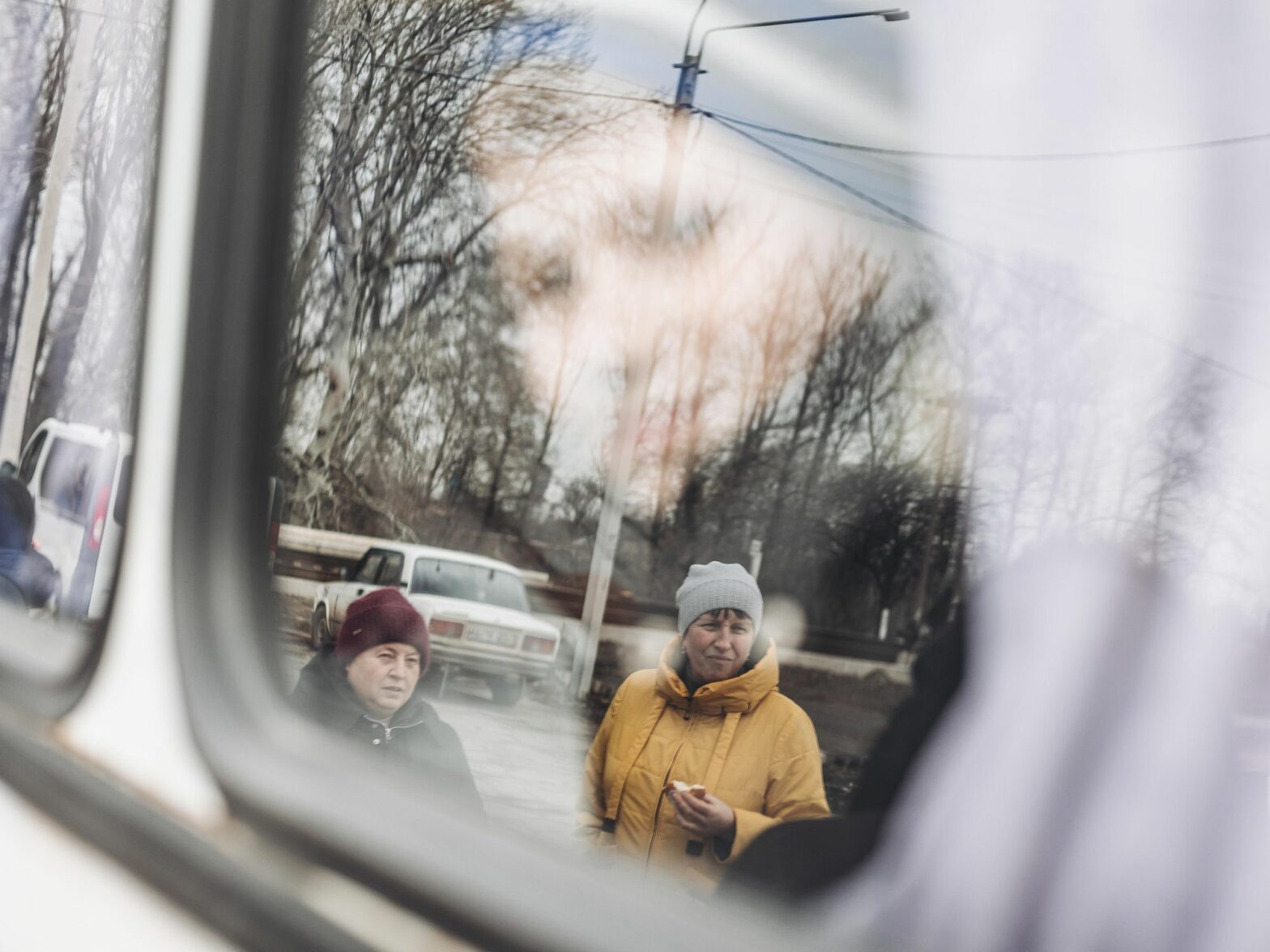
Faced with a massive invasion by its far more powerful neighbor, Ukrainians must be conscious of the stakes at play and the means that Vladimir Putin is prepared to employ.
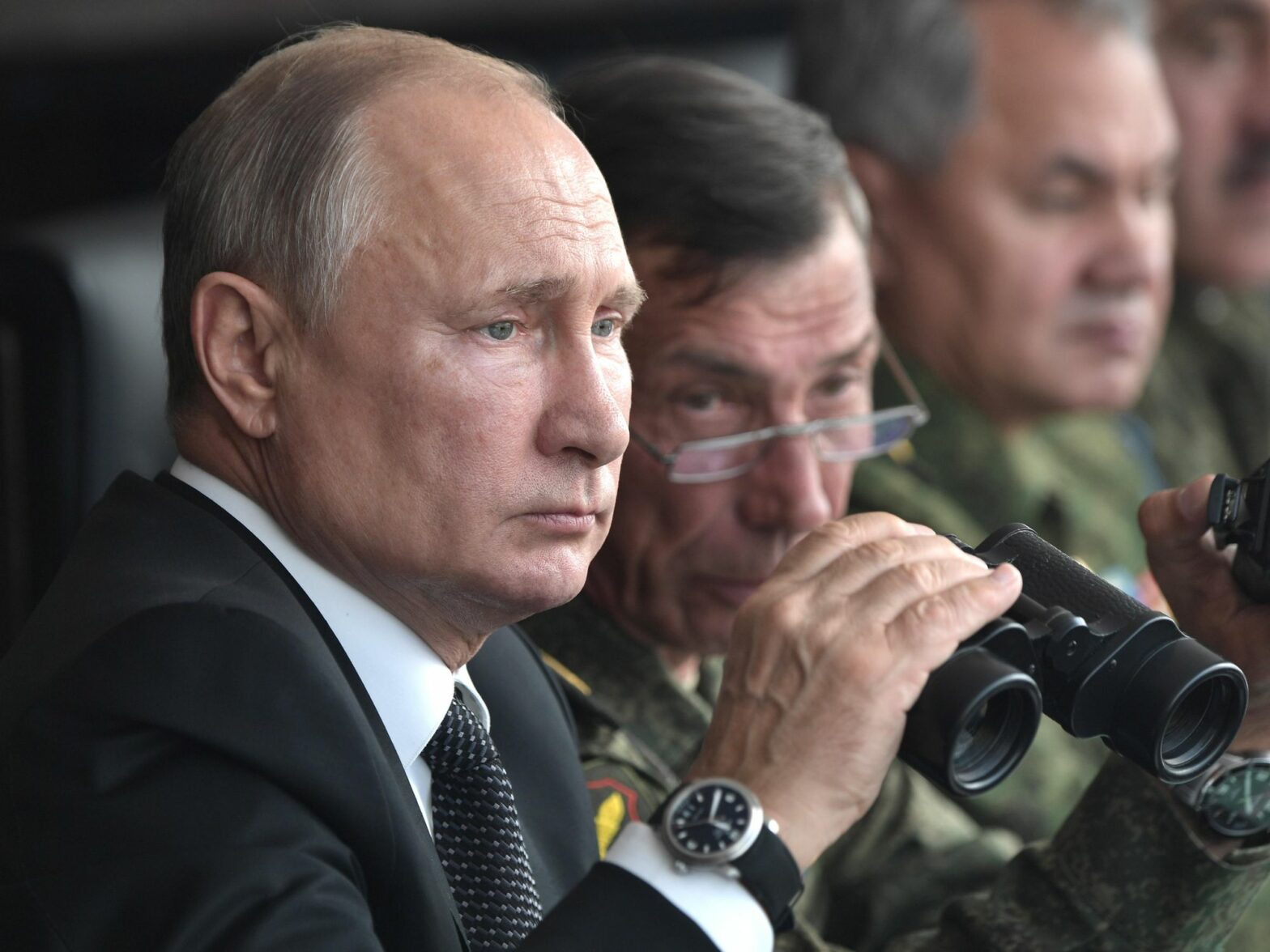
The situation in eastern Ukraine is highly explosive. What will happen after the recognition of the self-proclaimed “People’s Republics” of Donetsk and Luhansk as independent states? Will Putin hunker down or double down? Instant analysis from German foreign policy thinkers on what happens next.
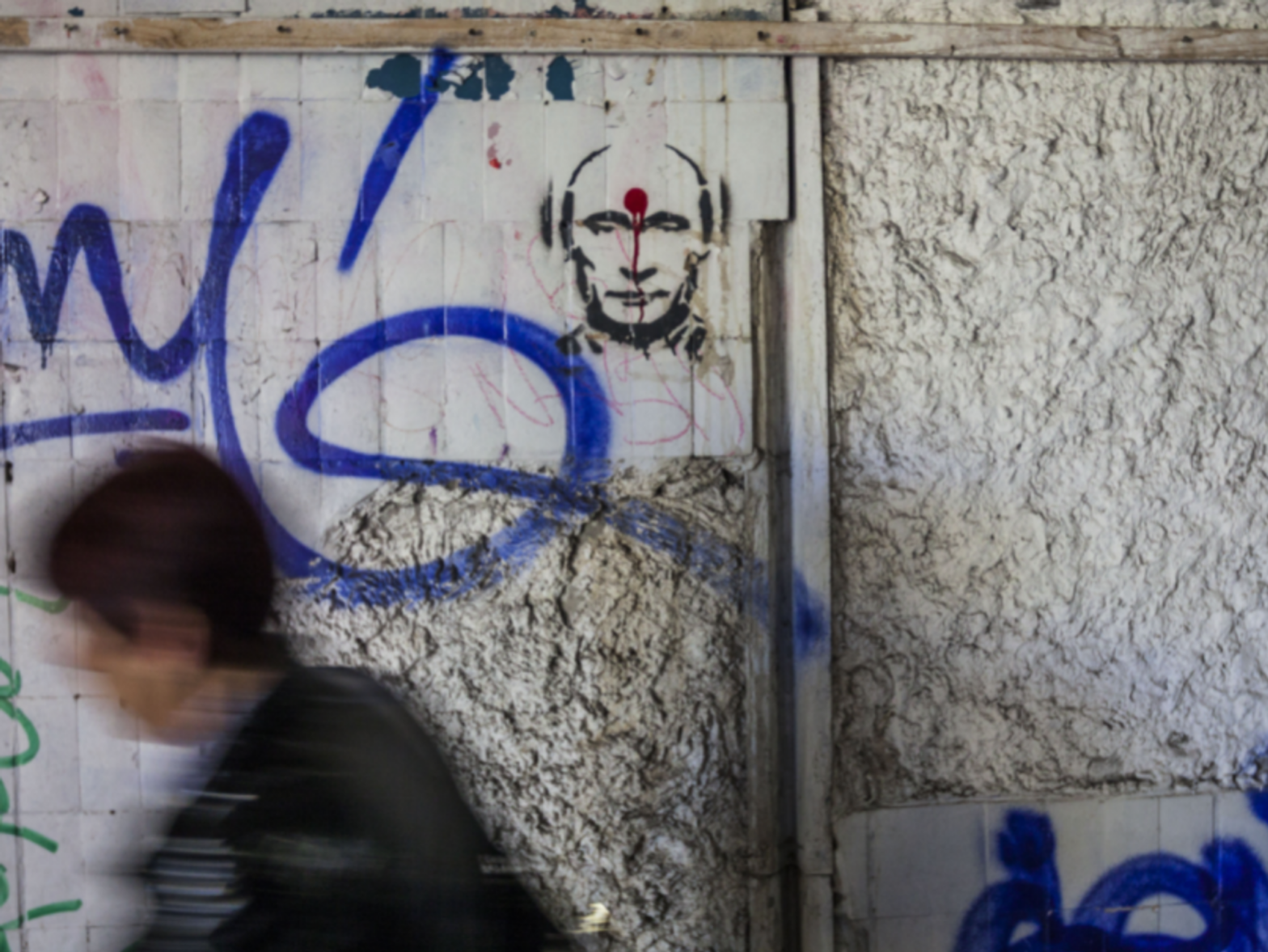
It’s not the presence of Western weapons that scares Moscow, it is the idea of freedom. And yet by threatening Ukrainians with invasion, his neighbors and rivals in the West rally around that same idea. Has the would-be strategic mastermind in the Kremlin finally painted himself into a corner? Unfortunately, that’s a dangerous place.
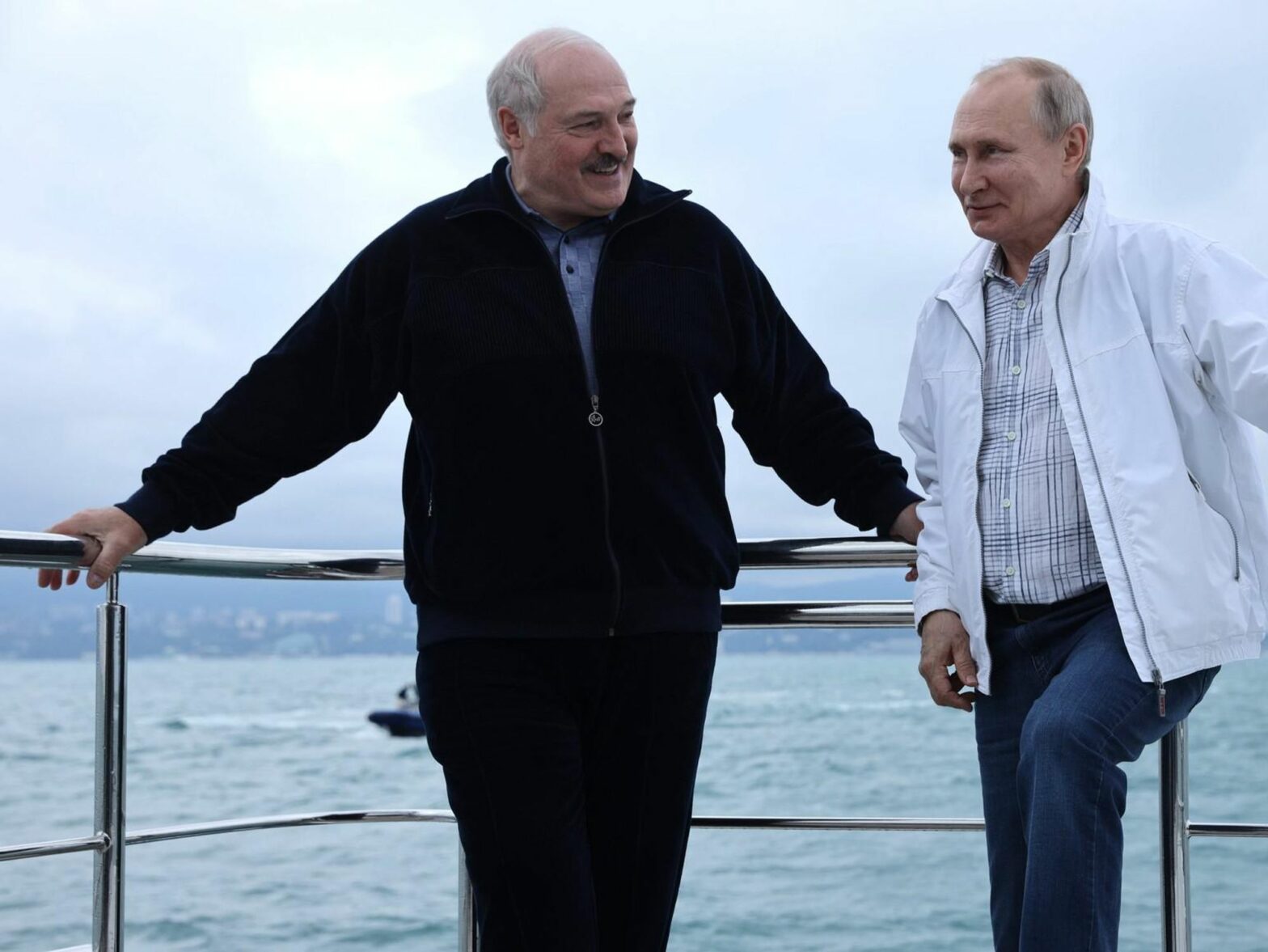
With Russian troops now deployed through Belarus, the risk is growing of an invasion through Ukraine’s northern border. Vladimir Putin’s regional strategy and Alexander Lukashenko’s dictatorial demands are not always what they seem.
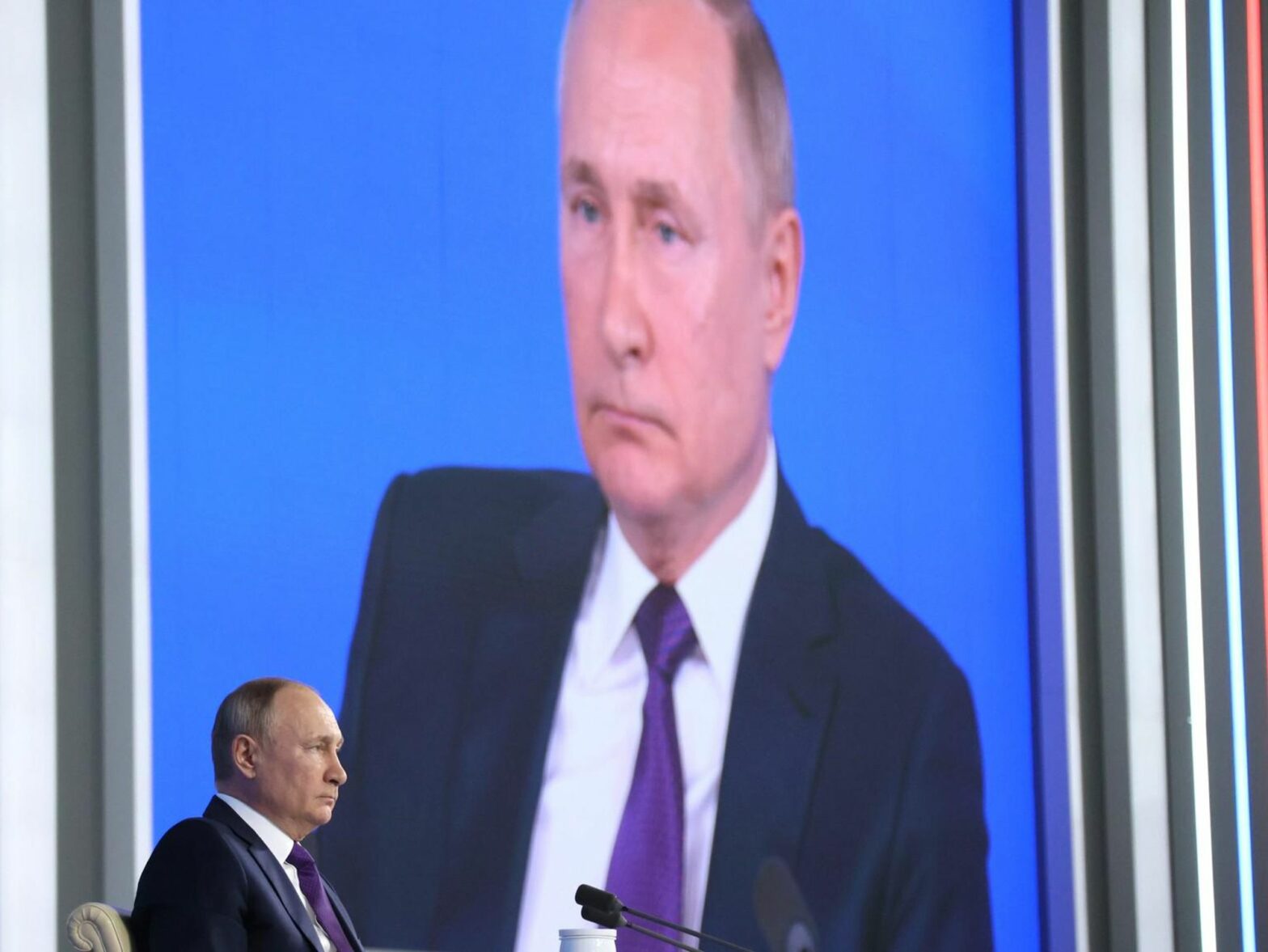
Experts in geopolitics and the workings of world leaders have accelerated a two-decade long quest to understand the motivations of the enigmatic man in the Kremlin.
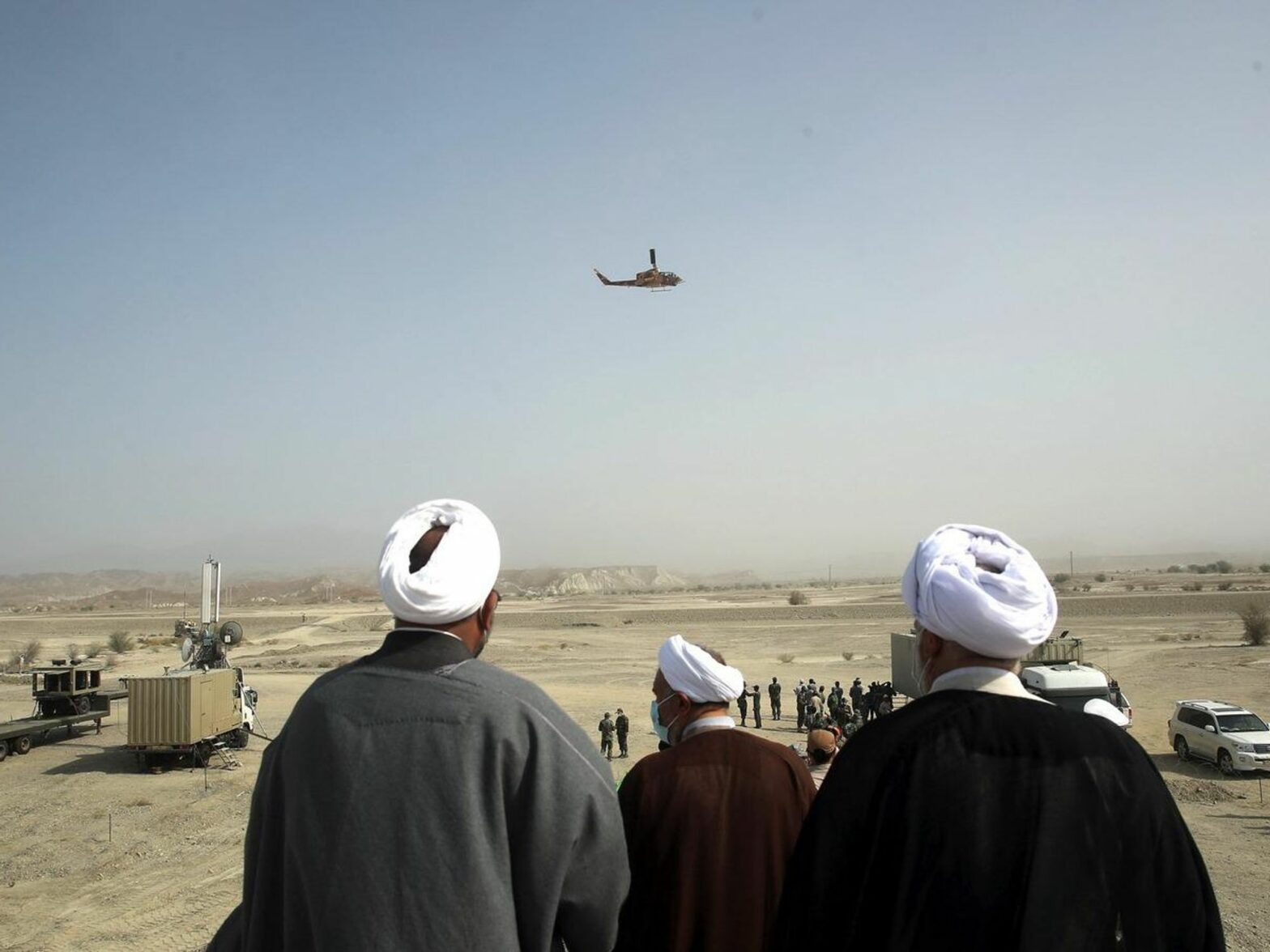
Russia’s role in in Iranian affairs goes to the highest levels of its military and security structures. But will anyone in Iran dare question Supreme Leader Ali Khamenei, in spite of the grave risks to the country’s national security?