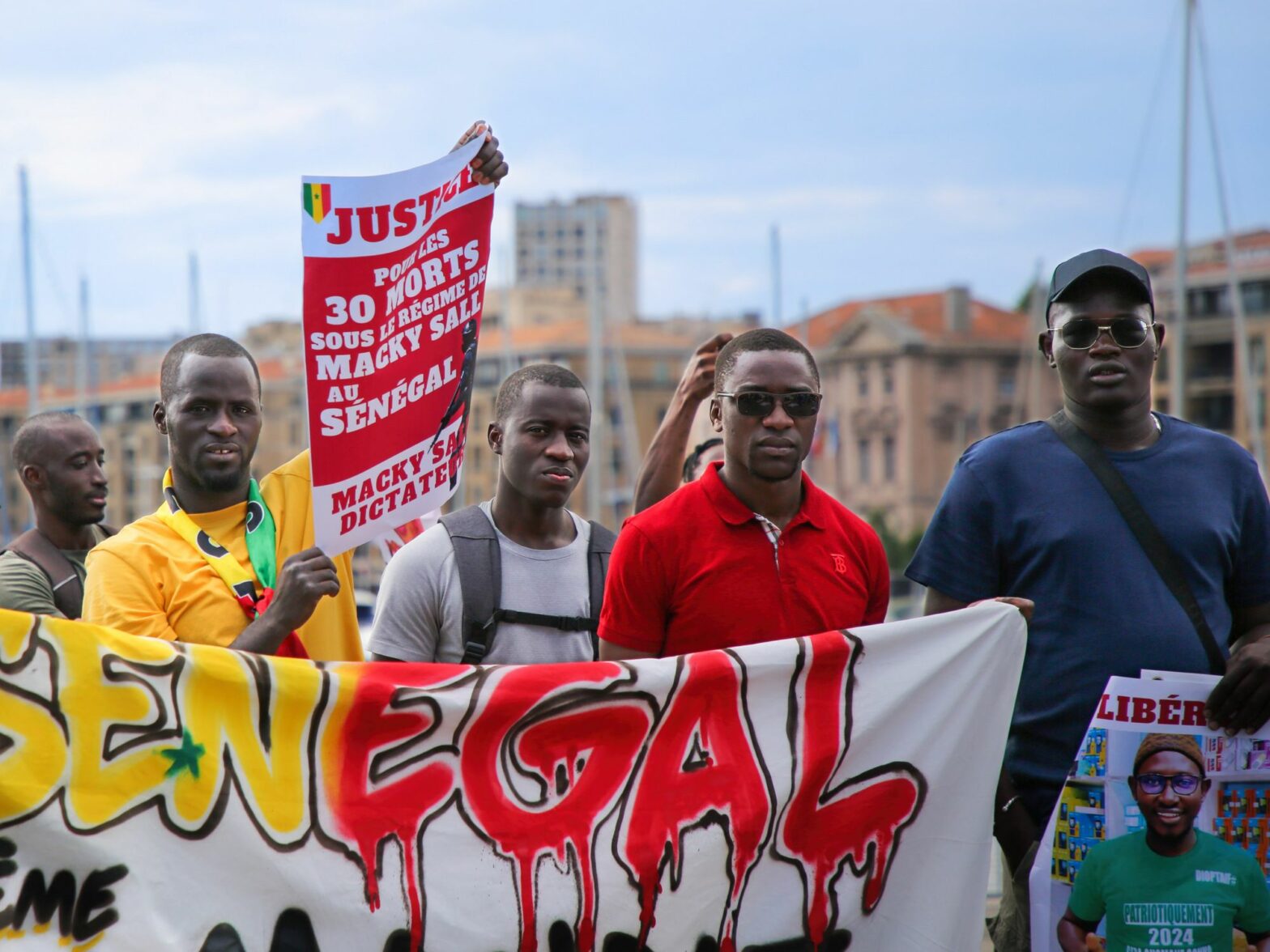
The election of the new president of Senegal, Bassirou Diomaye Faye, paves the way for a period of deep uncertainty between Paris and Dakar, amidst the spread of an “anti-French sentiment” in West Africa.
 Worldcrunch
The election of the new president of Senegal, Bassirou Diomaye Faye, paves the way for a period of deep uncertainty between Paris and Dakar, amidst the spread of an “anti-French sentiment” in West Africa.
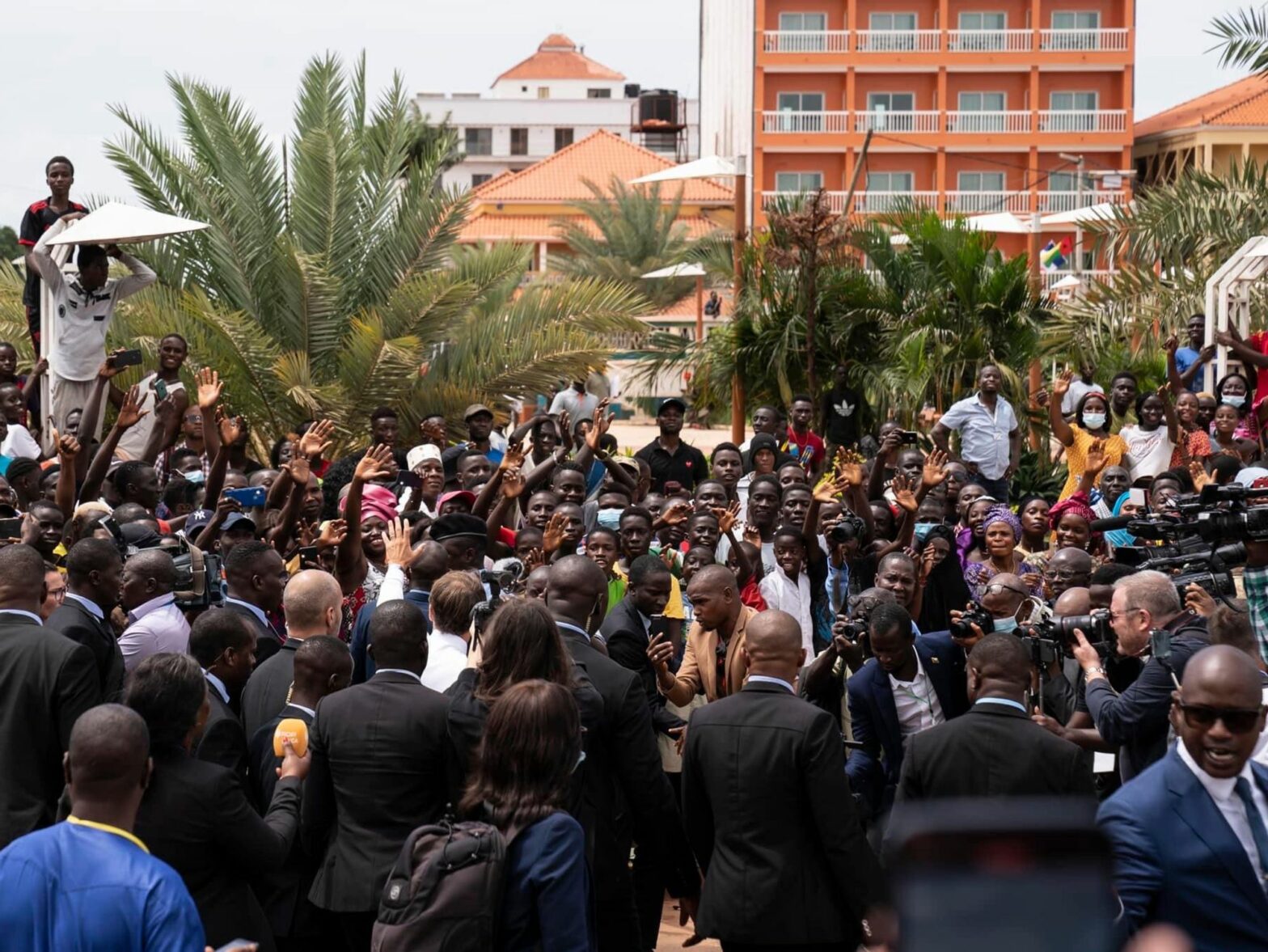
Conspiracy theories about France’s involvement in every twist and turn of African politics abound. Yet, writes Adama Wade for Dakar-based Financial Afrik, using leftover grievances of colonial influence is often a way for Africans to make excuses for their political failings.
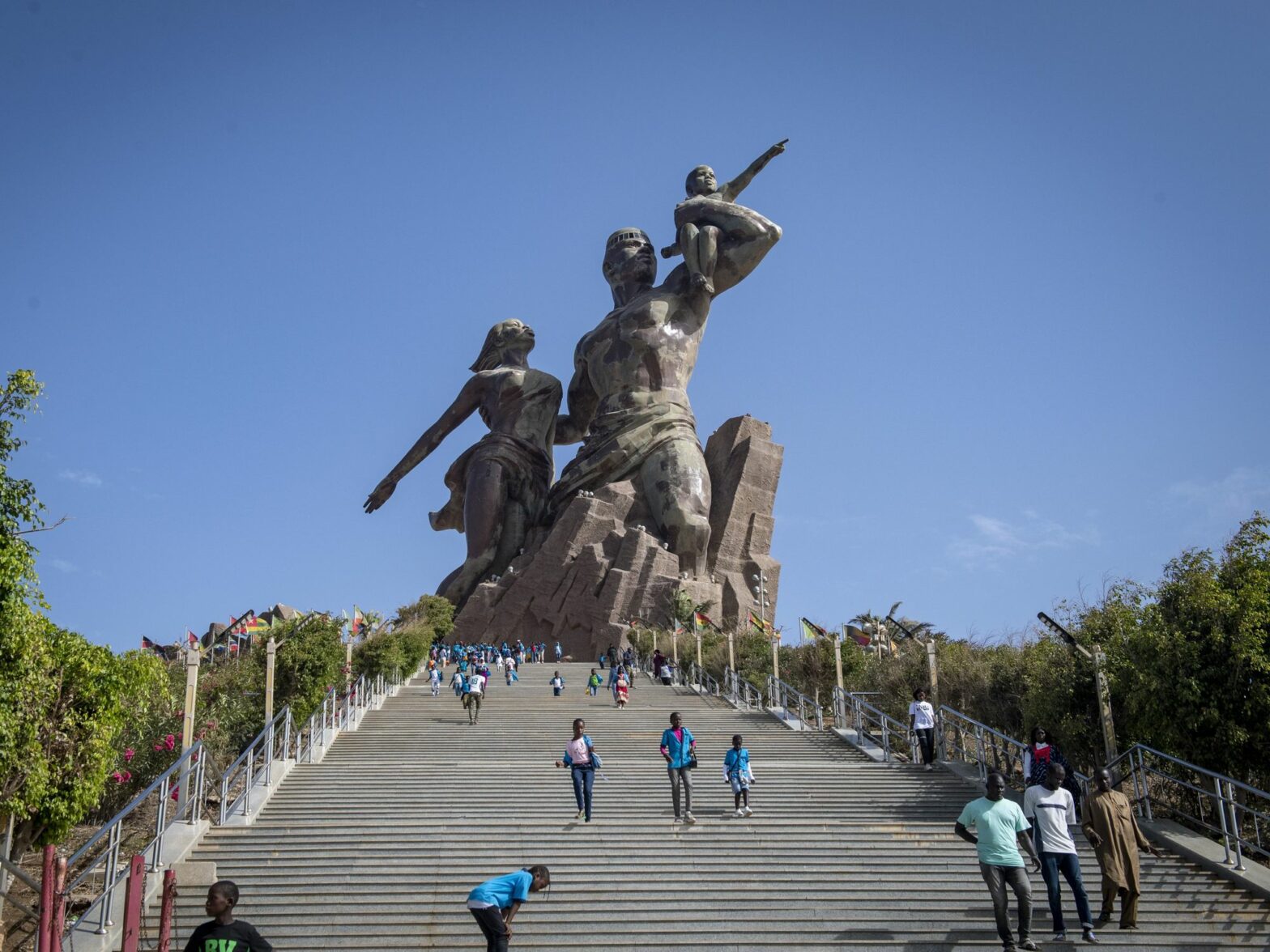
President Macky Sall’s decision to suspend the February 25 presidential election has plunged Senegal into chaos. It’s also grim news for those seeking institutional reform across Africa, where Dakar was long seen as a democratic model.
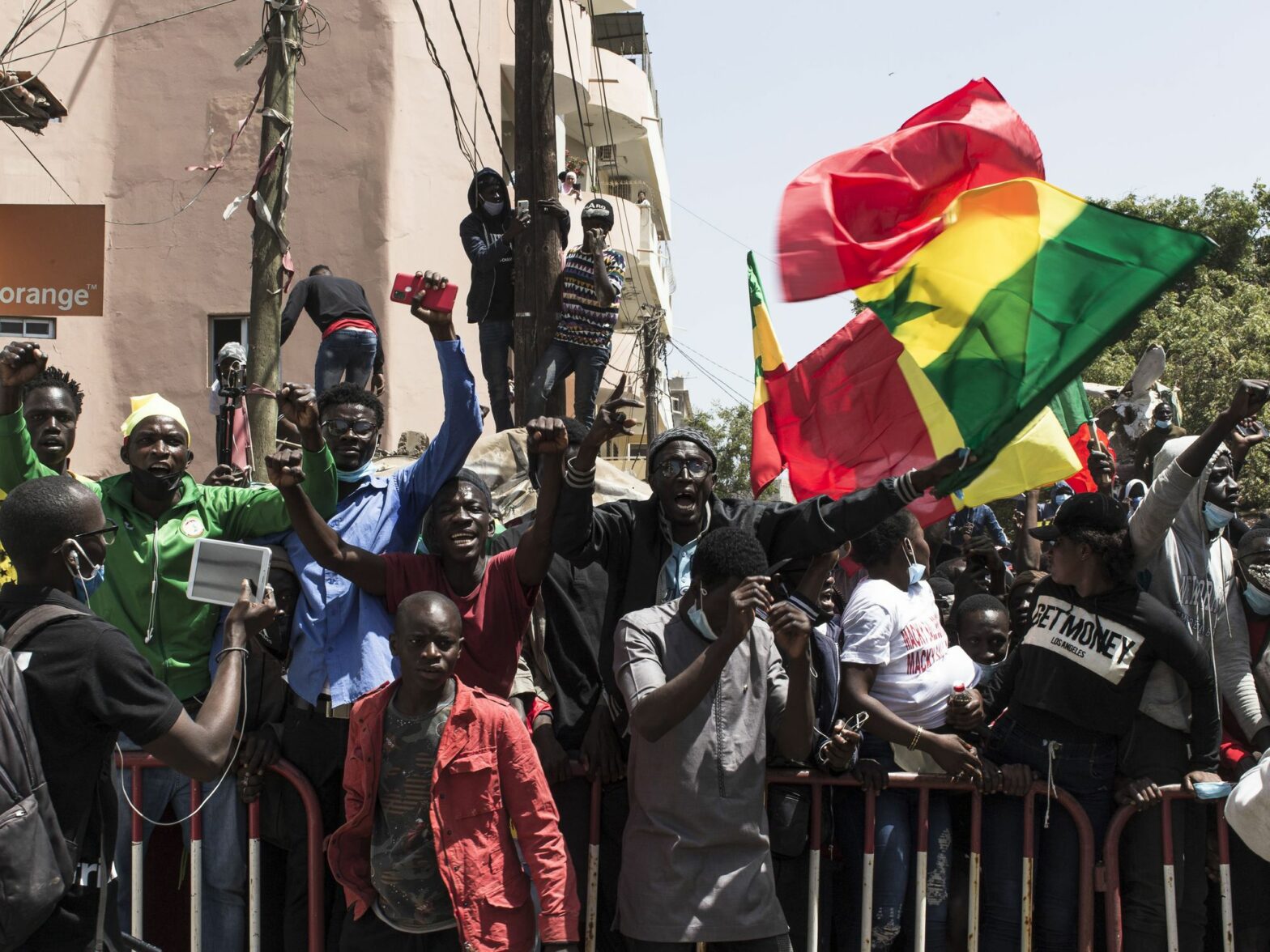
The violence that erupted following the sentencing of opposition politician Ousmane Sonko to two years in prison left 16 people dead and 500 arrested. This reveals deep fractures in Senegalese democracy that has traces to France’s colonial past.