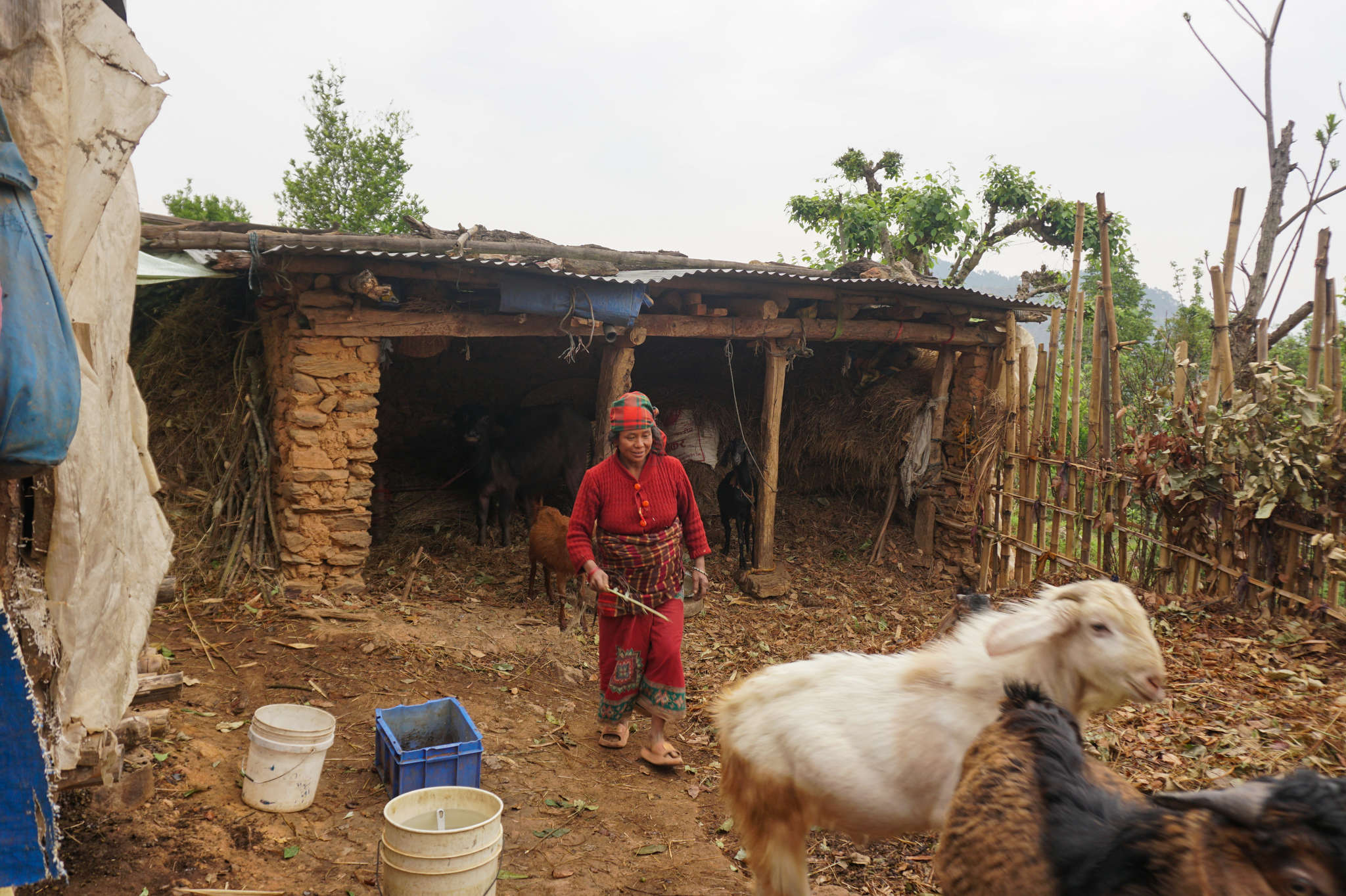
For one farmer, the barley supply once made flour for a year. Now, it is limited to two handfuls. The loss of USAID adds to the long list of challenges.
 Worldcrunch
For one farmer, the barley supply once made flour for a year. Now, it is limited to two handfuls. The loss of USAID adds to the long list of challenges.
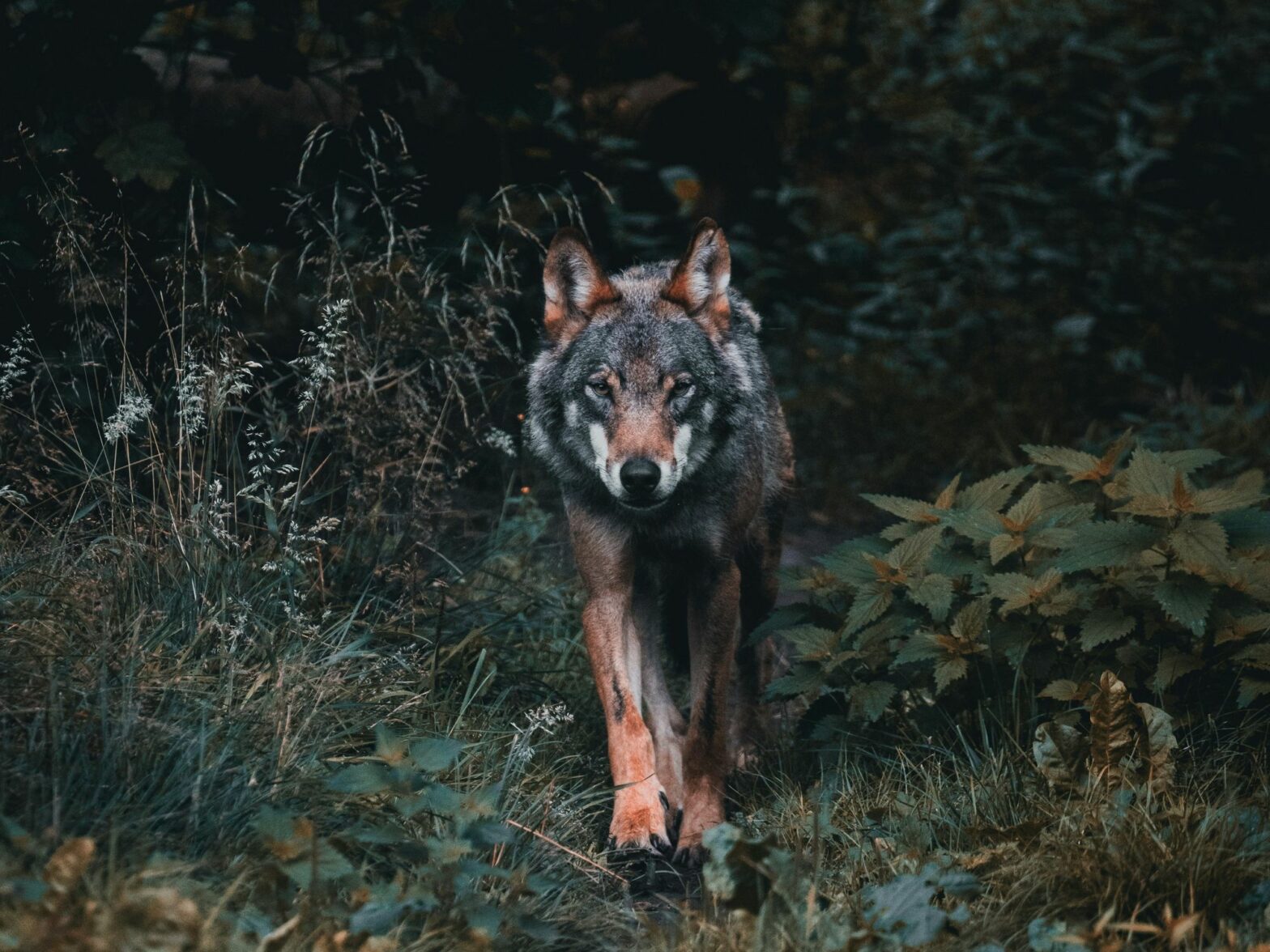
For the past 30 years, the number of wolves has steadily increased in France — great news for biodiversity but not for farmers, who are accusing the predator of attacking and killing their livestock. The topic, which has become explosive, is symbolic of a very contemporary divide in the country.
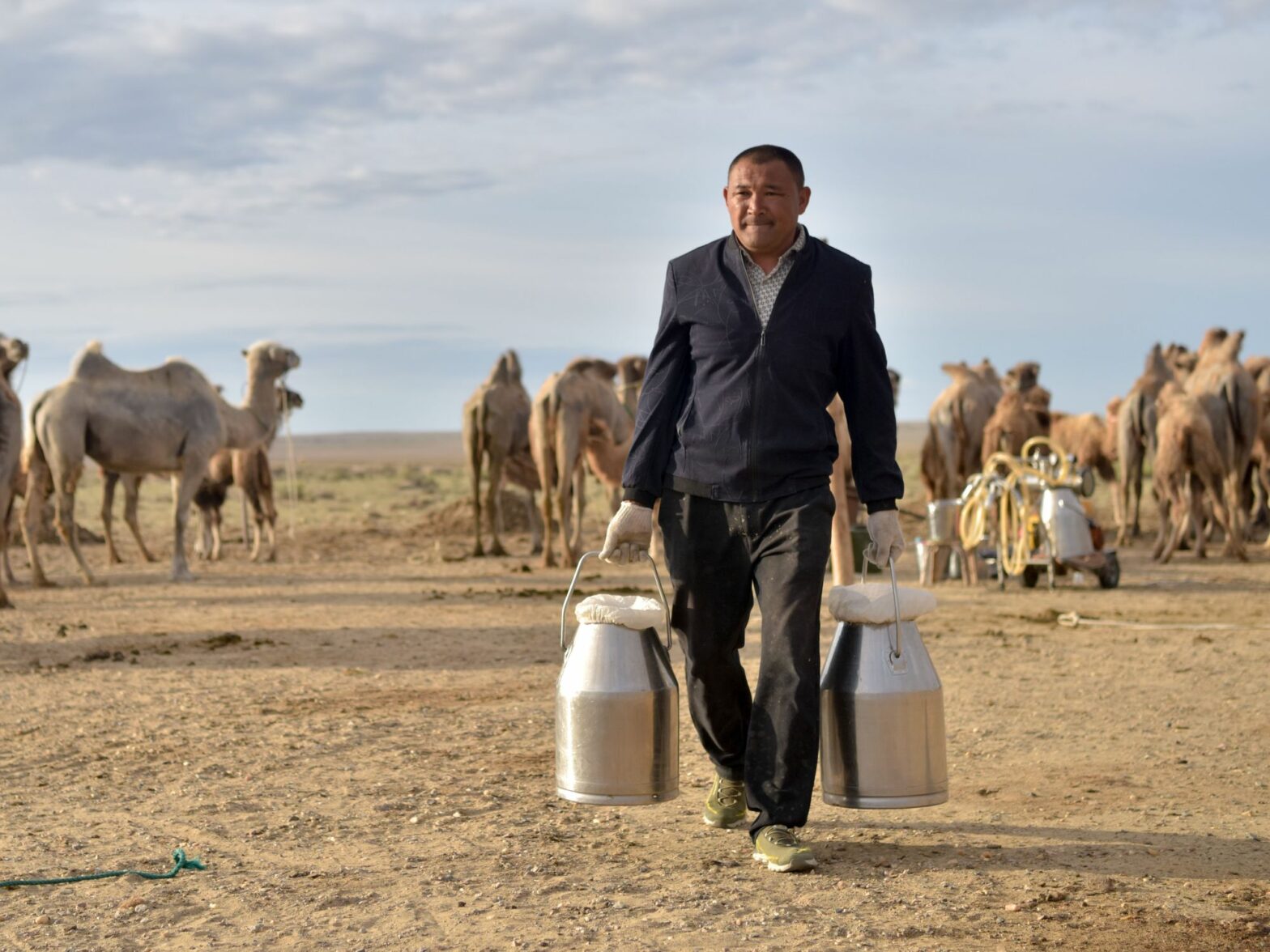
Camels’ resilience to climate change and increasingly sought-after milk make them more and more attractive for intensive farming in the Middle East. But this shift could prove detrimental to both the environment and the region’s traditional camel herding.
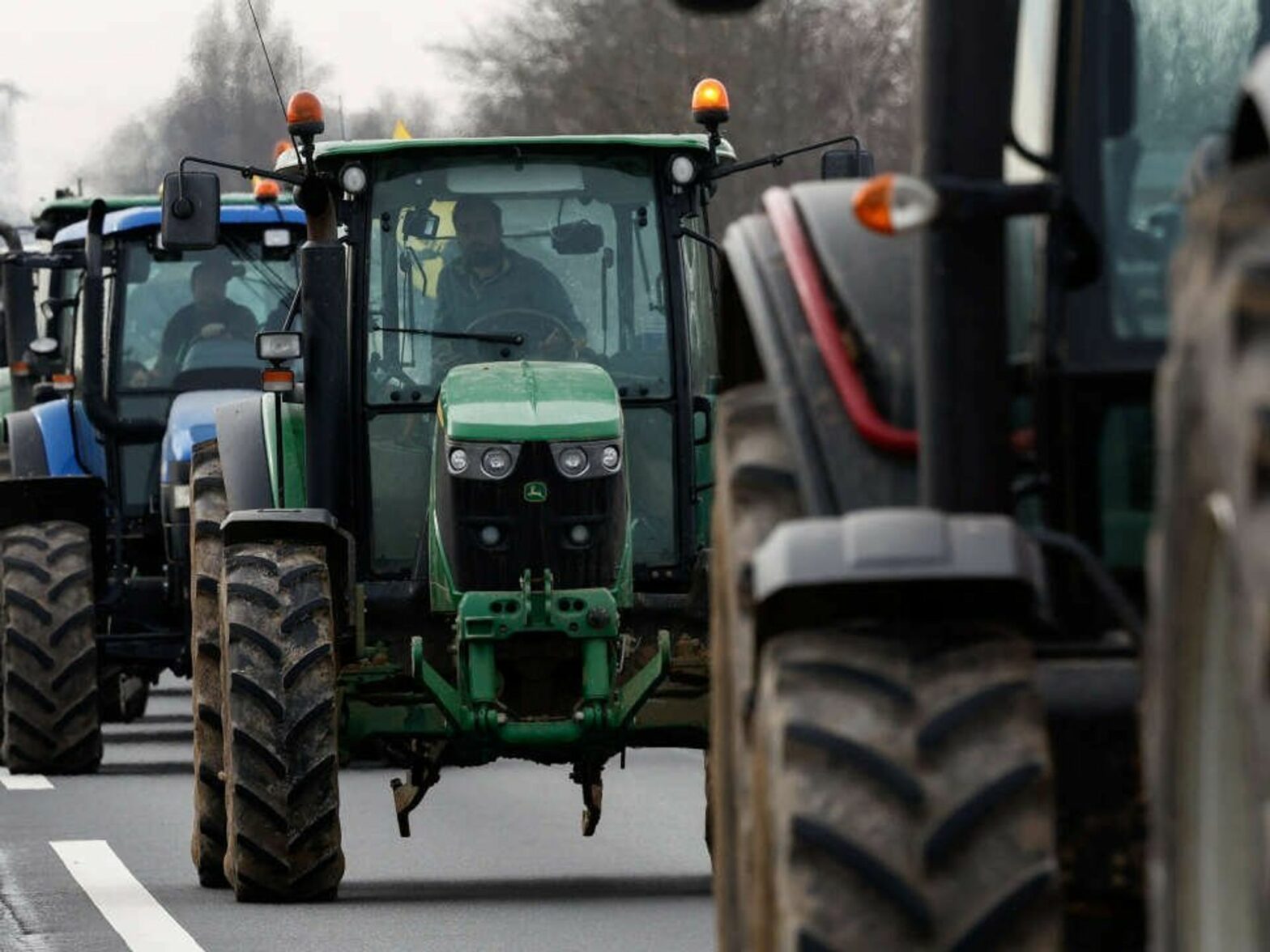
Haute-Garonne is the starting point of the movement that is now engulfing the entire industry. We report on farmers on the front line of a crisis that has gone national.
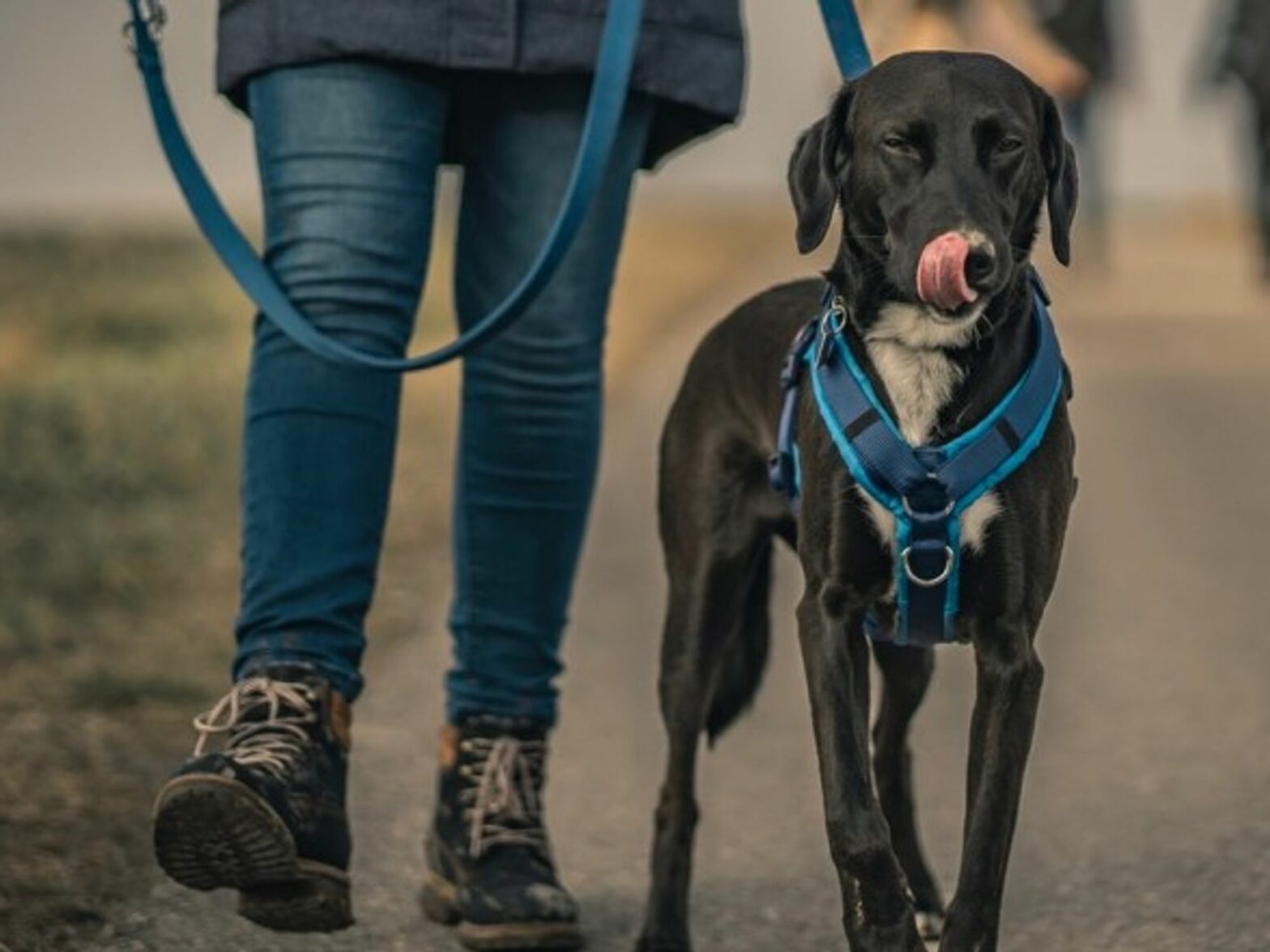
Pushed by a small but influential animal rights party in the Netherlands, the law could also ban keeping birds in cages and force farmers to widen pig pens and grazing areas.
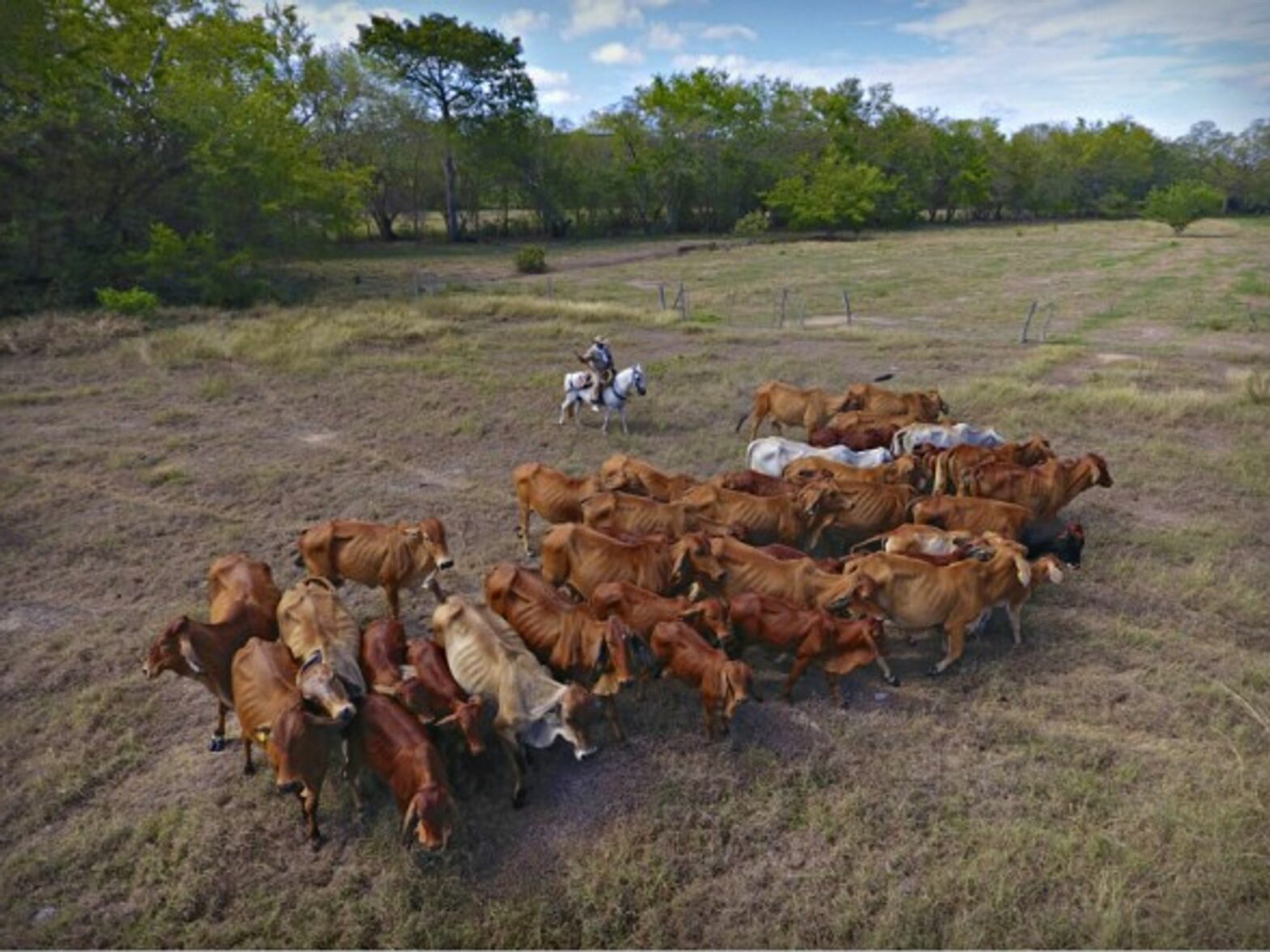
Colombia’s biggest project to make livestock farming sustainable is showing that farmers can raise cattle and even boost dairy production without destroying the forest.
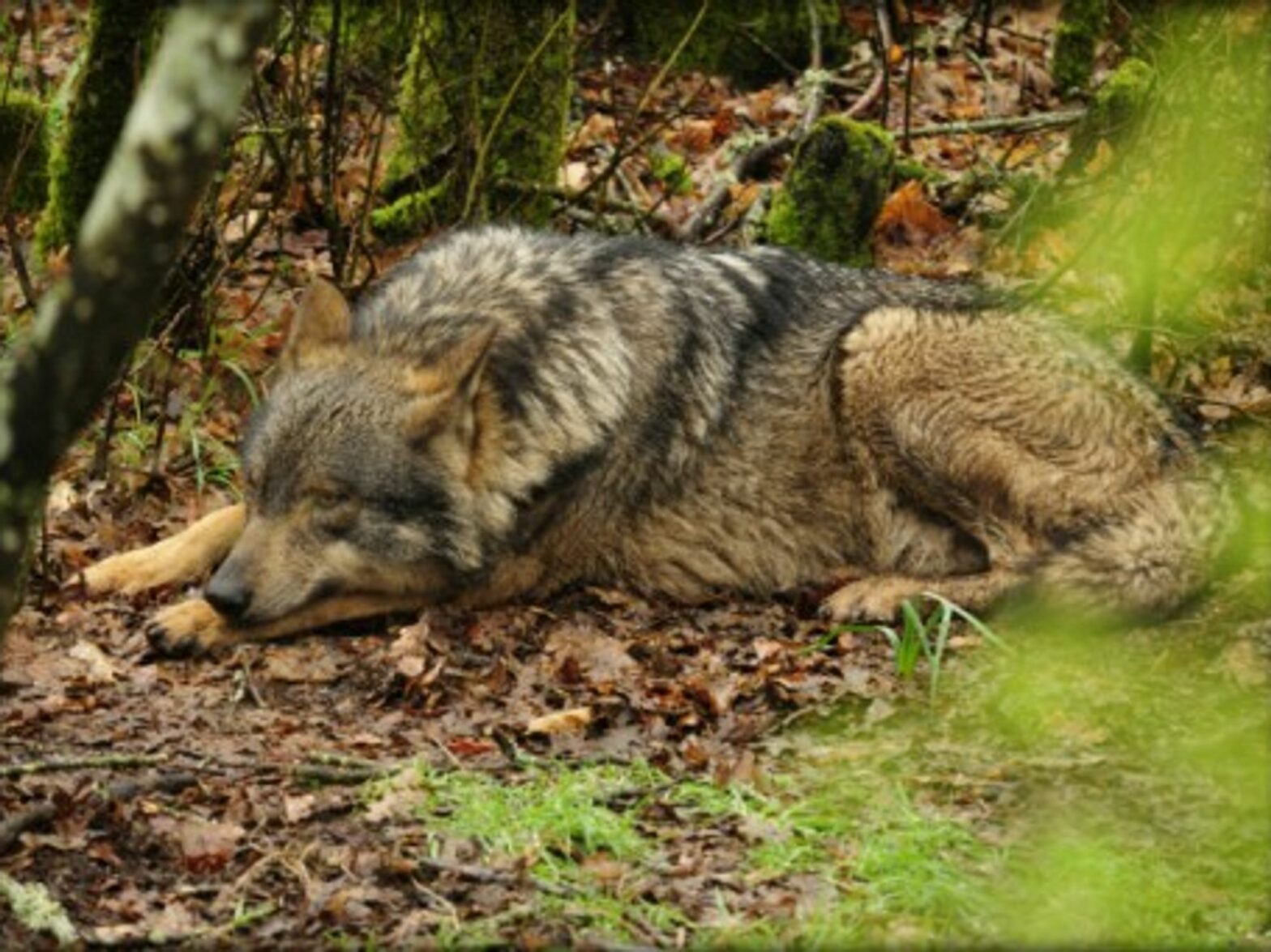
“Wolves are not killed because they are grey, but because they eat sheep.” (Russian proverb) Who’s afraid of the Big, Bad Wolf? Well, as it turns out, more than just the shepherds whose flocks get devoured. In European culture, there is a deep-rooted negative image of the wolf, based on fear of attacks on humans […]