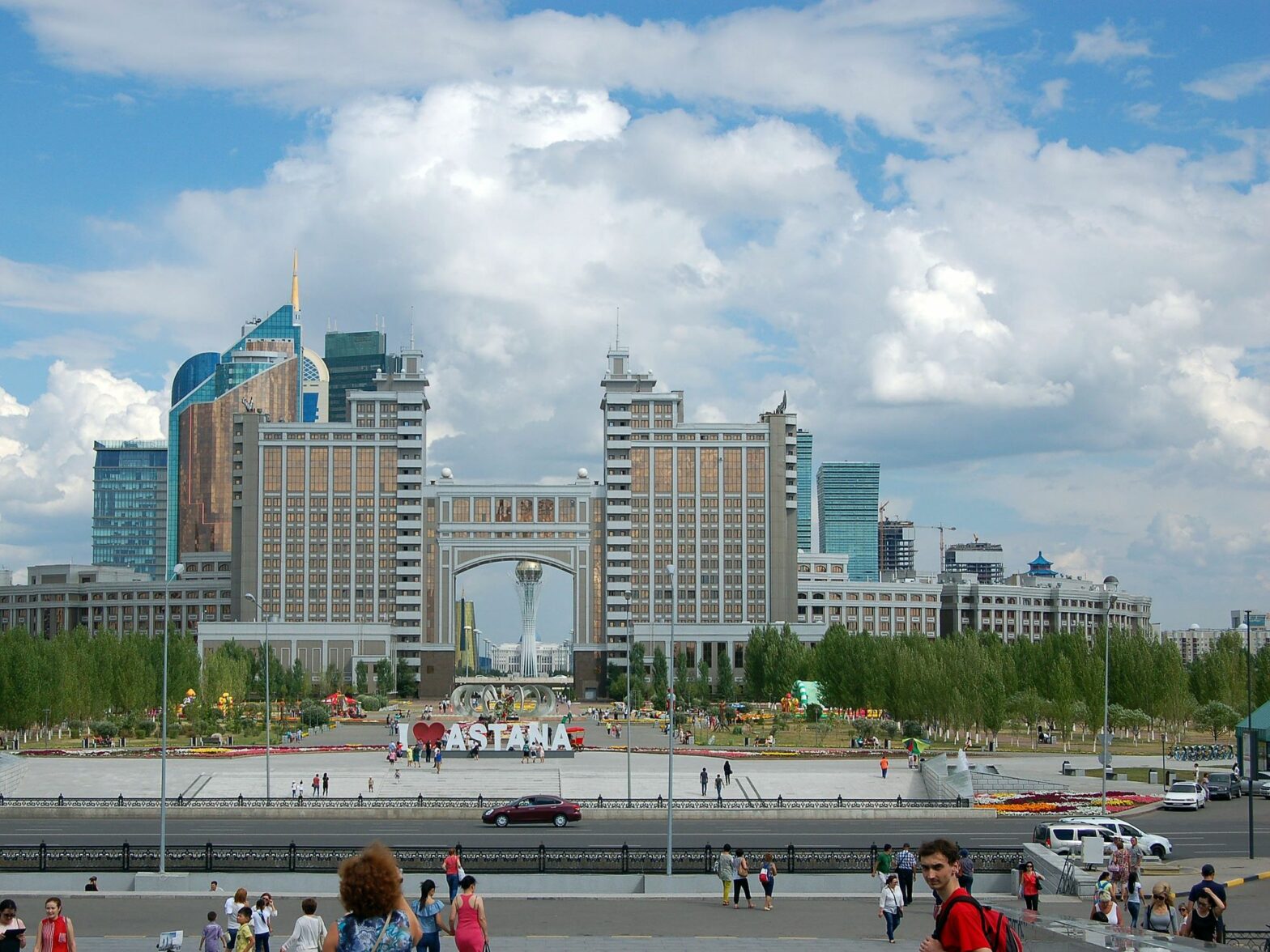
As Russia loses in influence in Central Asia, Ukraine has an opportunity to take over a key role in relations between countries in the region and the European Union.
 Worldcrunch
As Russia loses in influence in Central Asia, Ukraine has an opportunity to take over a key role in relations between countries in the region and the European Union.
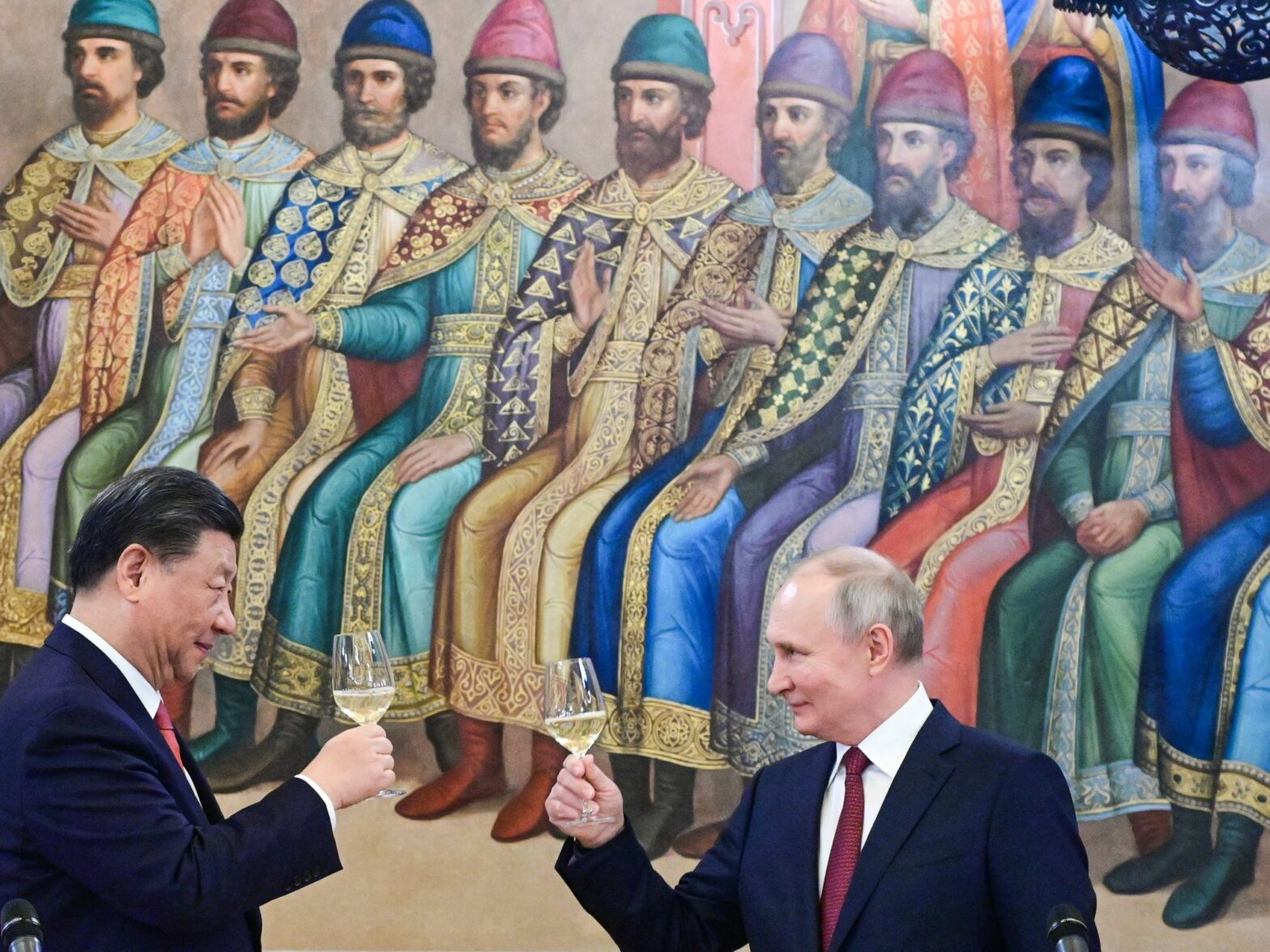
The Spief, the political-economic forum dear to the Russian president, takes place this weekend in Saint Petersburg. The West will be absent, as the Kremlin increasingly appears beholden to Beijing.
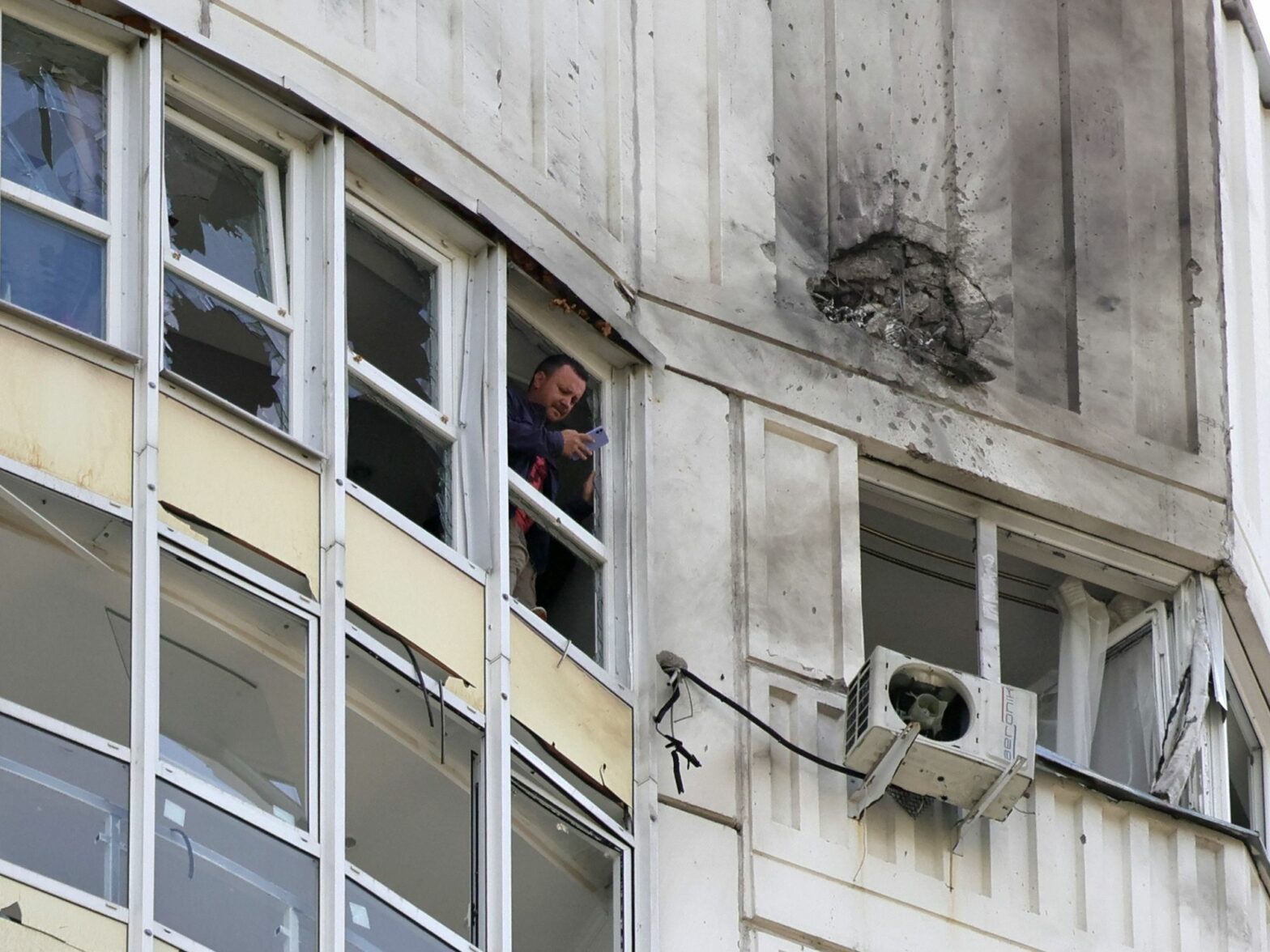
In another scenario, Putin could be bragging about Russia’s control of Bakhmut after nearly a year of fighting, and the bombing of the Ukrainian Intelligence’s headquarters, which was recently acknowledged by Kyiv. But instead he must retreat to the ultimate home front after drone attacks in the capital.
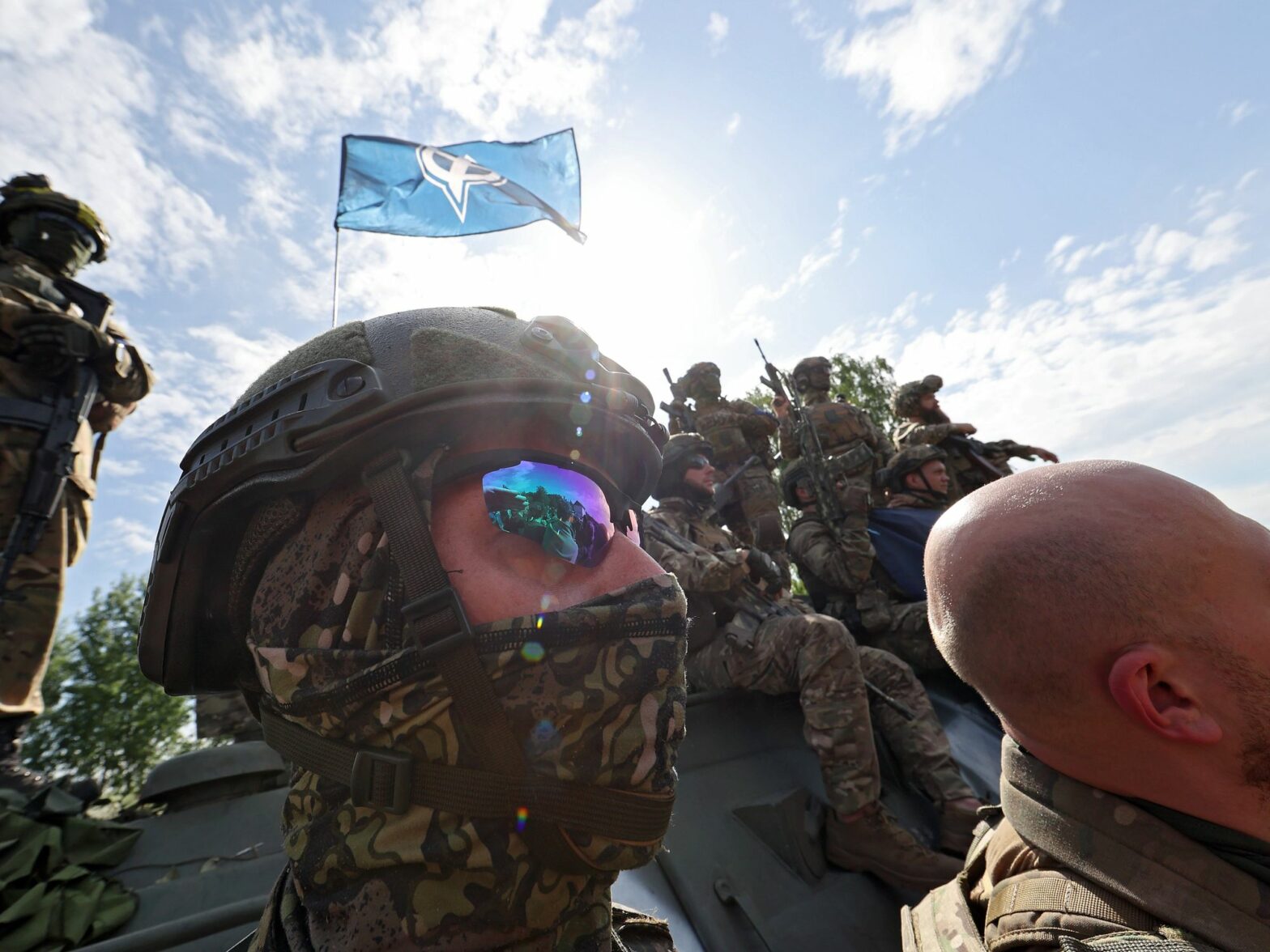
A series of brazen attacks into Russian territory, from the border region all the way to the placing a target on Putin’s life, may have limited military ends. But it is a perfect example of psychological warfare against an increasingly vulnerable nation.
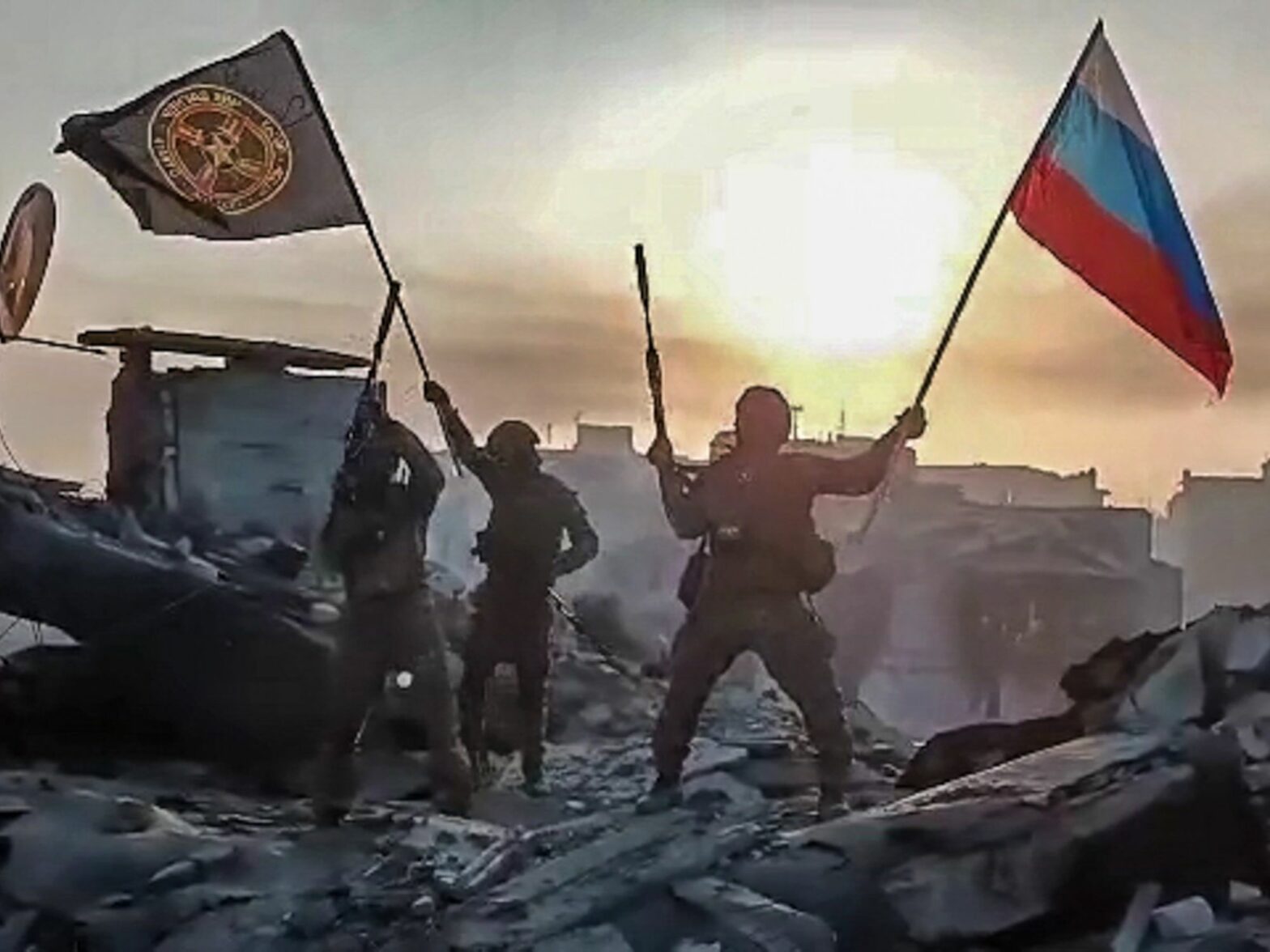
Having claimed conquest over Bakhmut, Wagner Boss Yevgeny Prigozhin says his troops will begin to leave the city Thursday and hand control over to the official Russian army. But there are plenty, especially inside of Russia, who have no interest in seeing Wagner go. A showdown with the Kremlin looms.
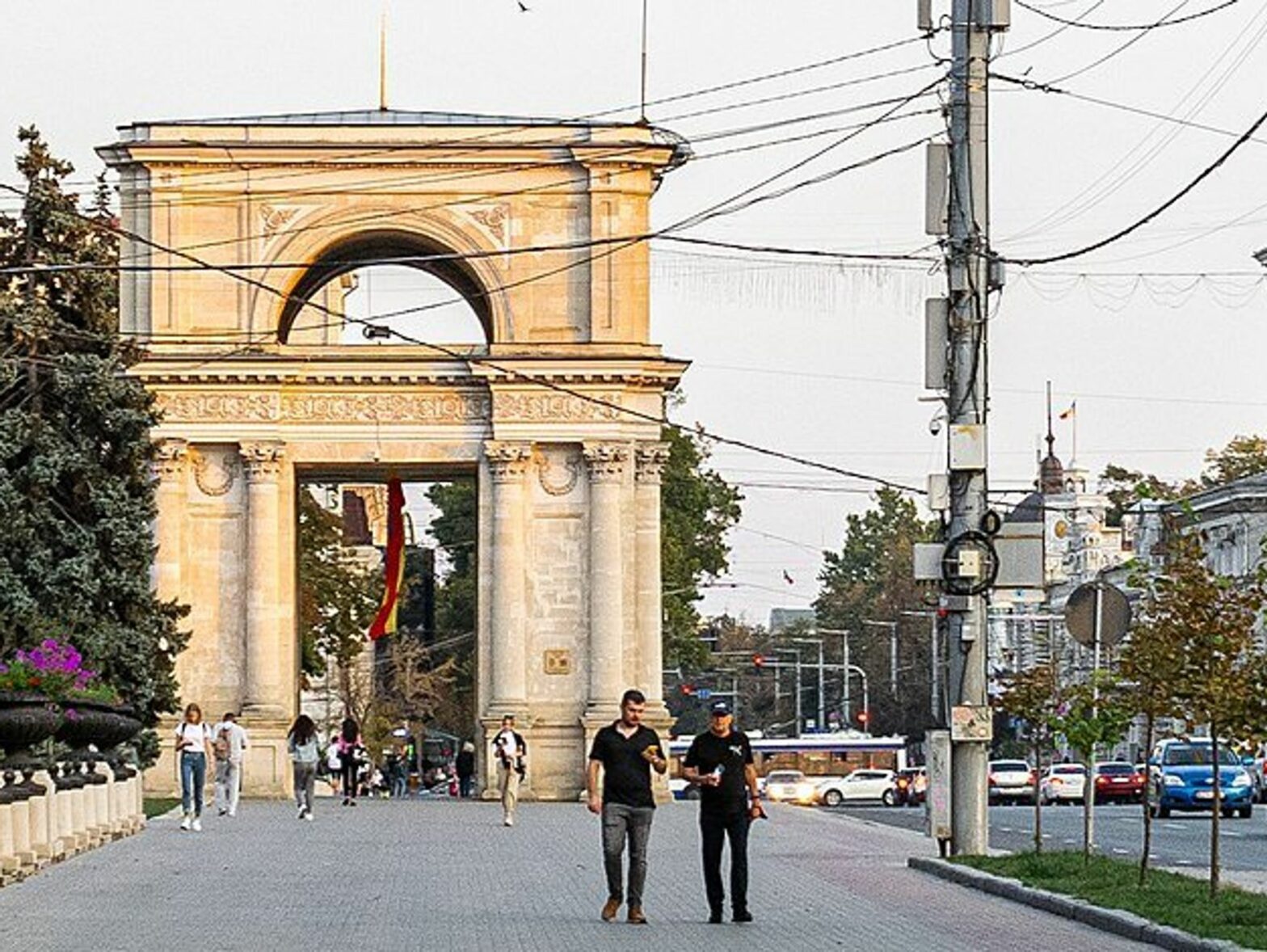
Chairman of the Parliament of Moldova Igor Grosu has announced the nation’s withdrawal from the Parliamentary Assembly of the Commonwealth of Independent States. Will Moldova succeed in making a final break with Russia?
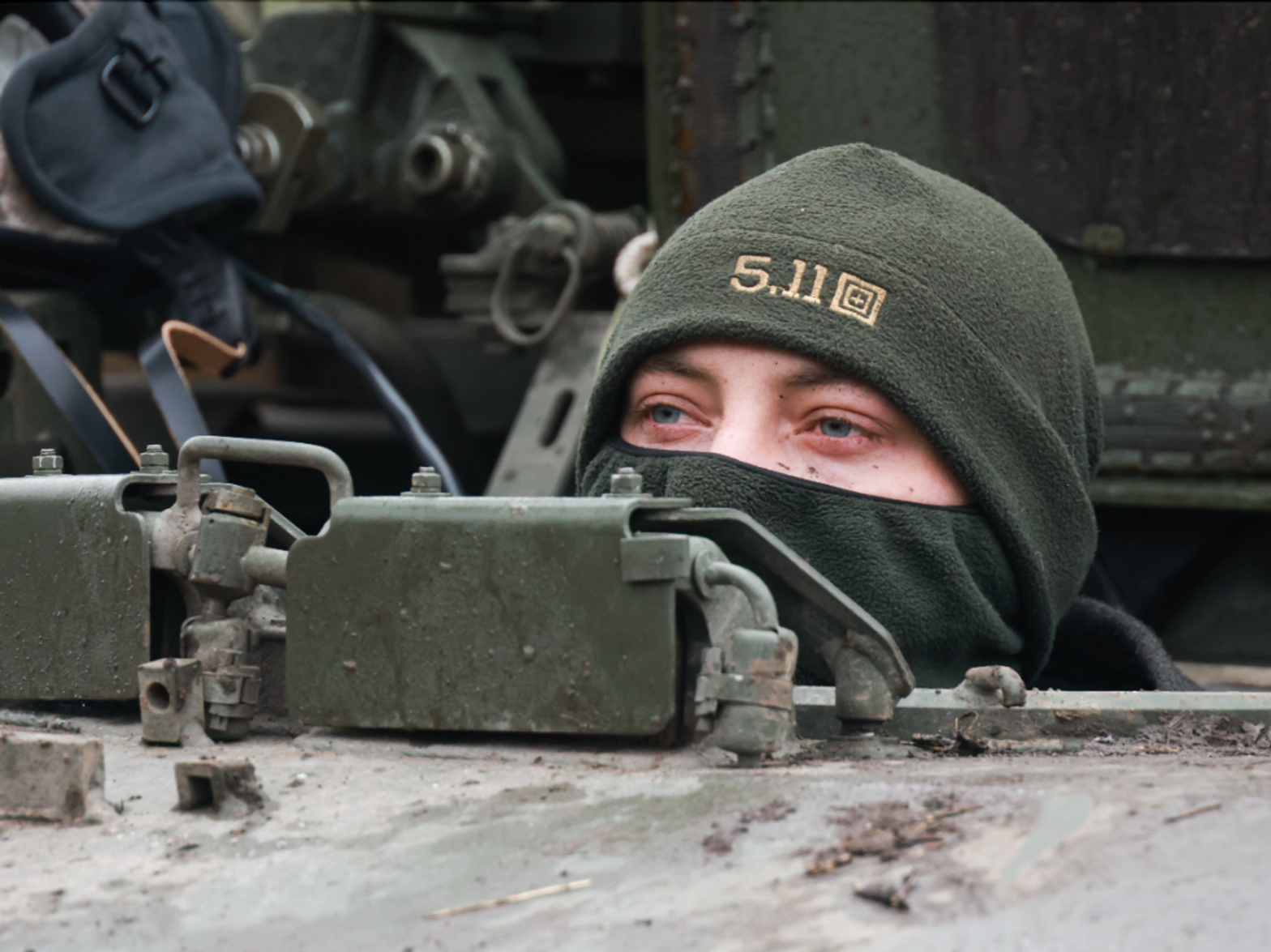
After its initial blitzkrieg failed, and with Ukraine gearing up for a counteroffensive, Russia sees its best hope in holding out for a protracted conflict. Kyiv, instead, is trying to convince its Western allies that achieving victory as soon as possible is the only path forward.
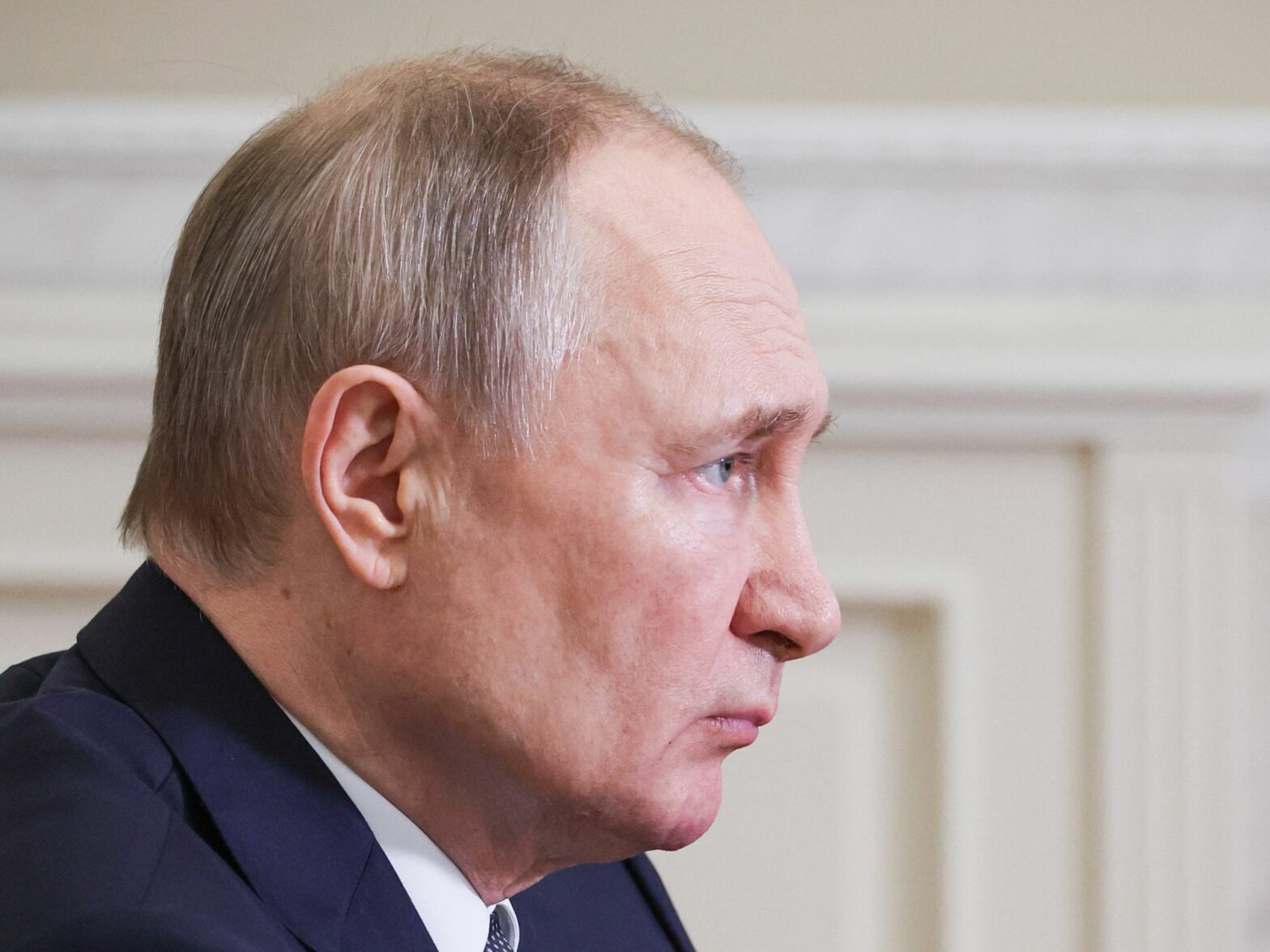
Moscow is accusing Kyiv of trying to assassinate Putin in a drone strike on the Kremlin. It will likely be used as a pretext for Putin to escalate attacks.
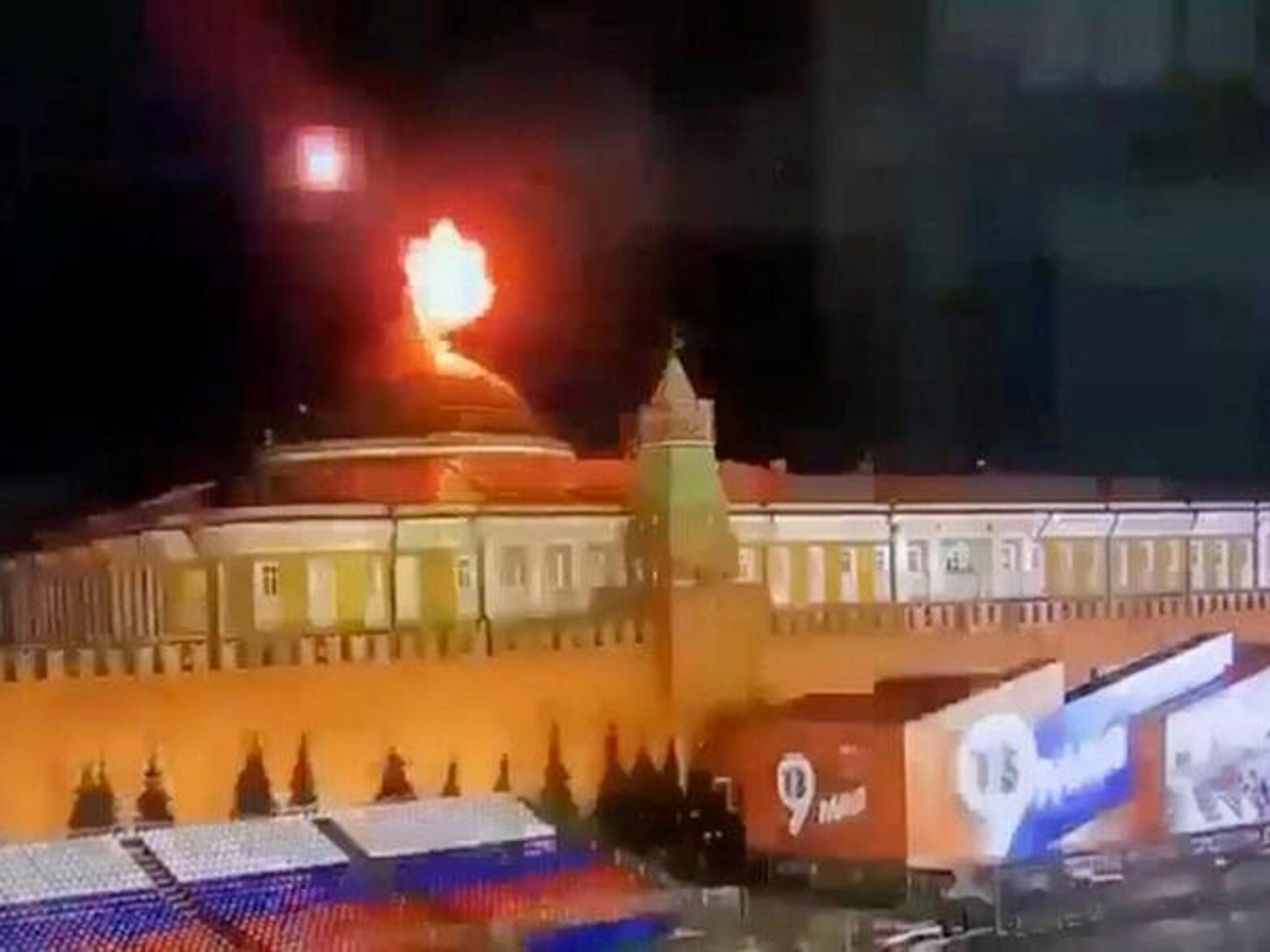
Whether Ukraine or Russia is behind the clamorous attack on the Kremlin, which Moscow says was an assassination attempt against Vladimir Putin, it is bound to shape the imminent counter-offensive.
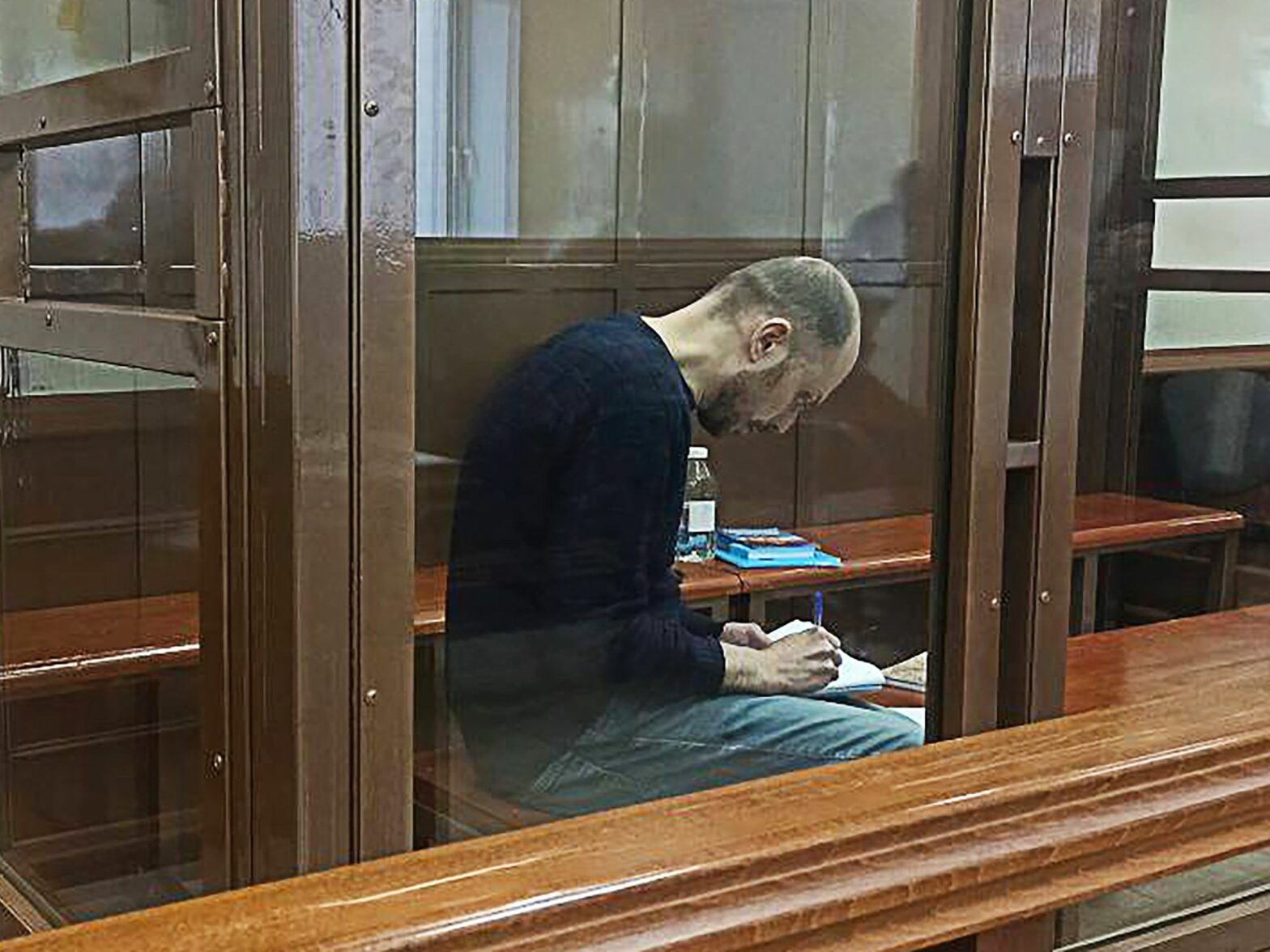
This week’s high-profile court cases, from the 25-year sentence of opposition leader Vladimir Kara-Murza to the prosecution of Wall Street Journal reporter Evan Gershkovic, look like a shift to totalitarianism. But they may also be a sign of a nation set to implode.
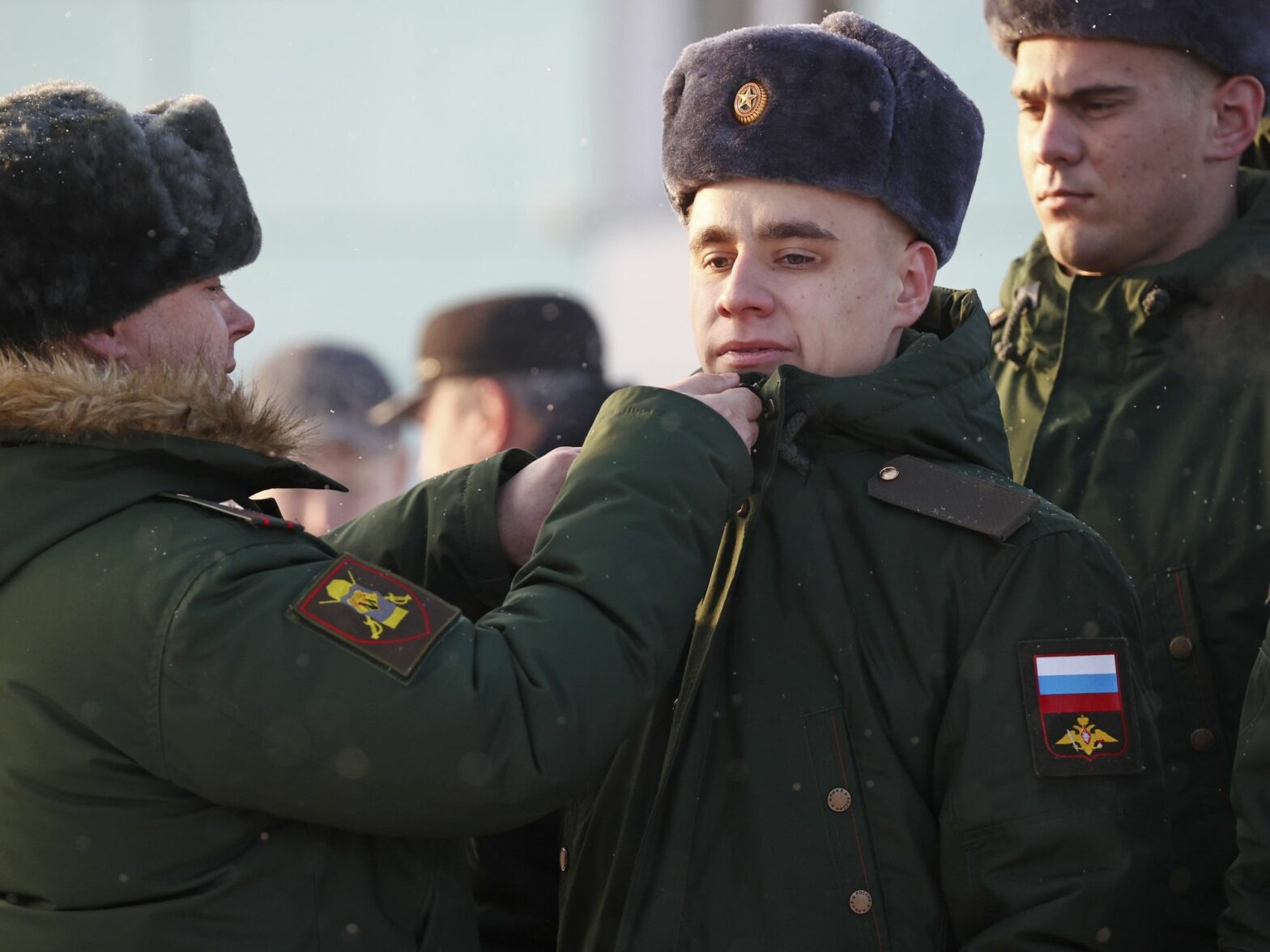
Few believe the Russian government claims that it can recruit 400,000 new troops as volunteers, even with cash bonuses. But the alternative, a nationwide draft, may be too high a risk for Vladimir Putin.
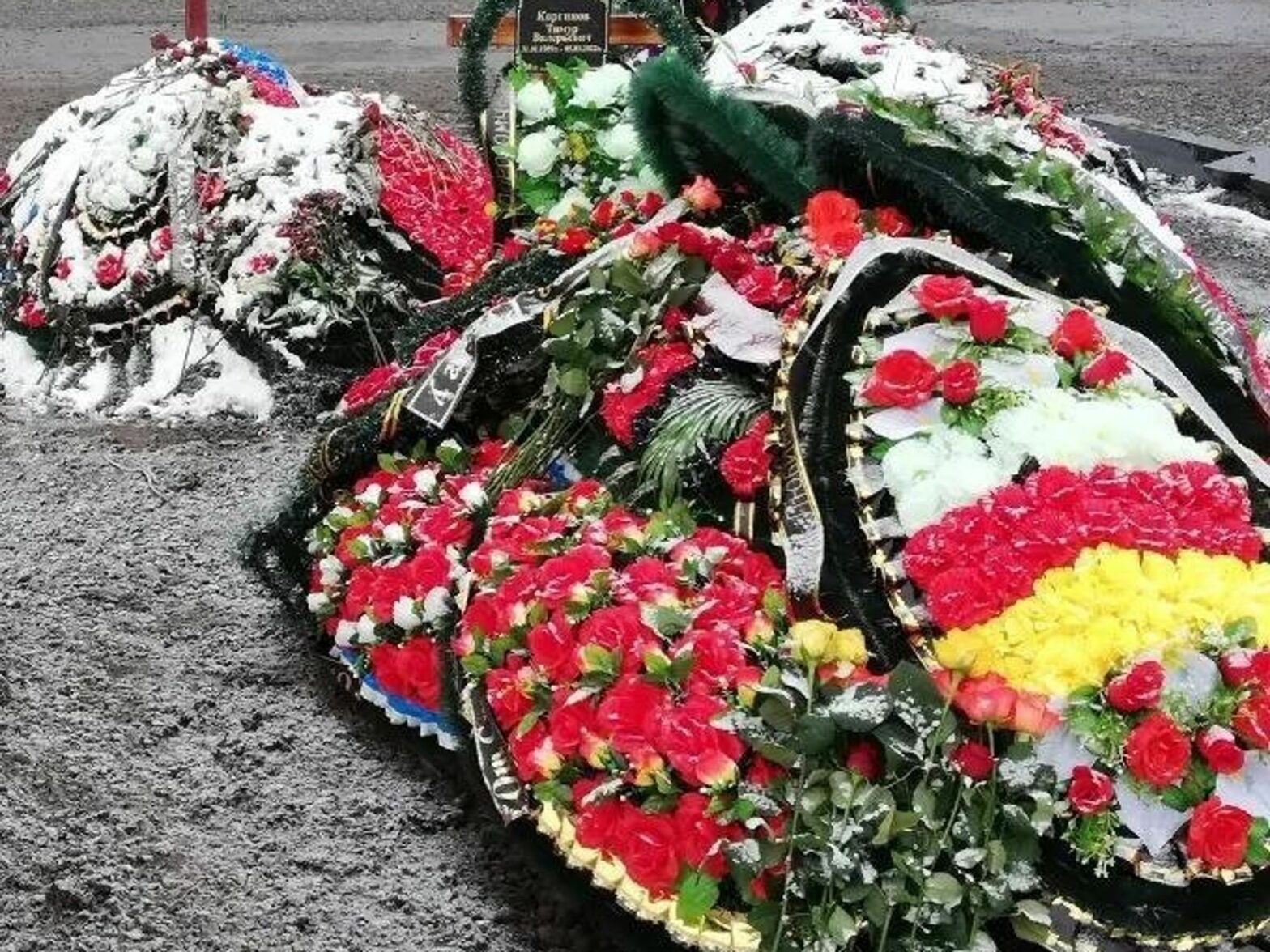
This is the other side of the Kremlin’s “special operation” in Ukraine. The human cost of the Russian side remains unclear. The reportage takes place in the capital of one of the poorest regions of Russia, in the heart of the Caucasus, where a growing number of soldiers are buried.
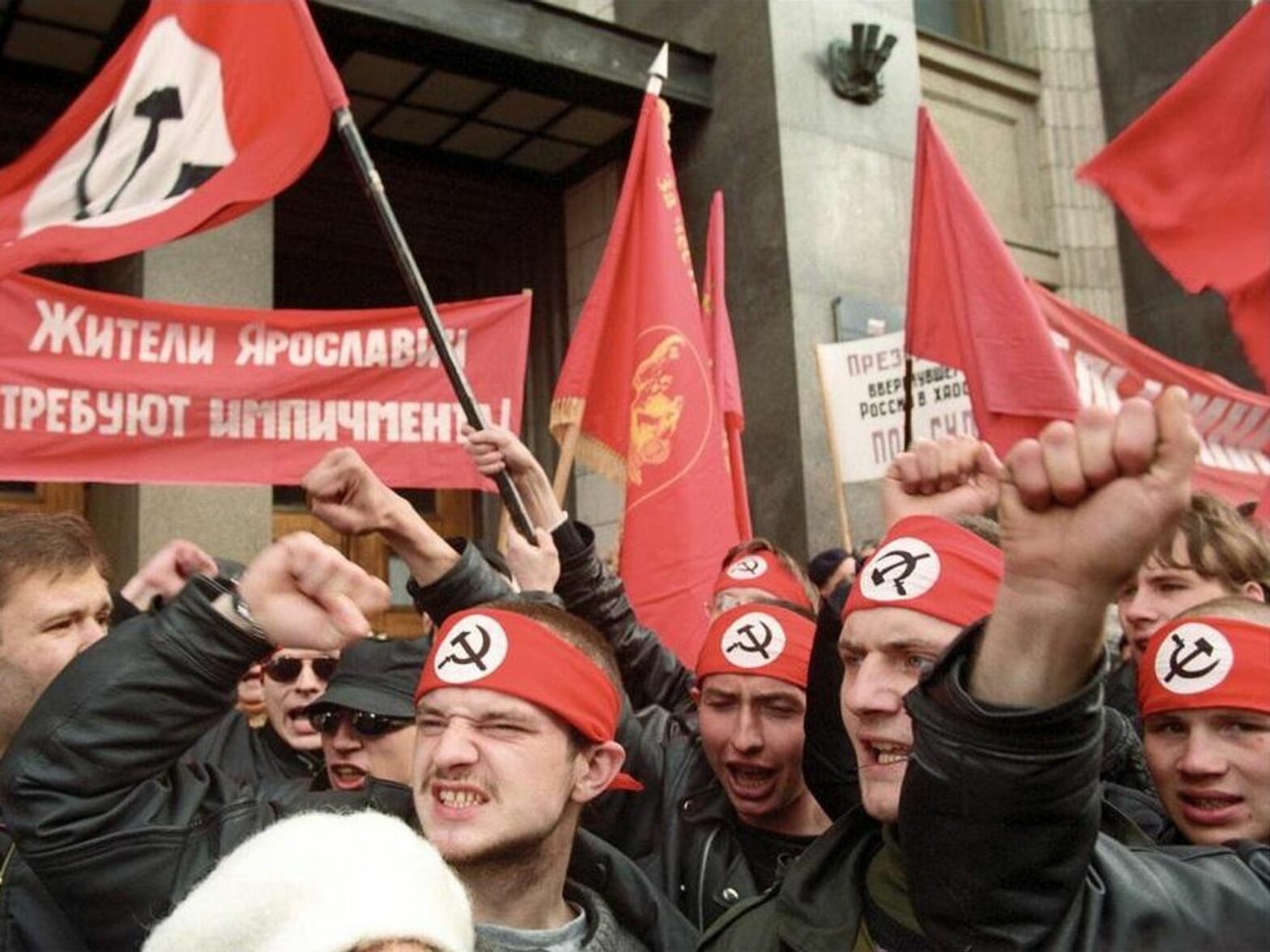
It is a mistake to attribute the construction of authoritarianism in modern Russia to Putin alone. Serhiy Gromenko, an expert at the Ukrainian Institute for the Future, explains the evolution for how Russia wound up an authoritarian state, and why Putin isn’t the only one to blame.
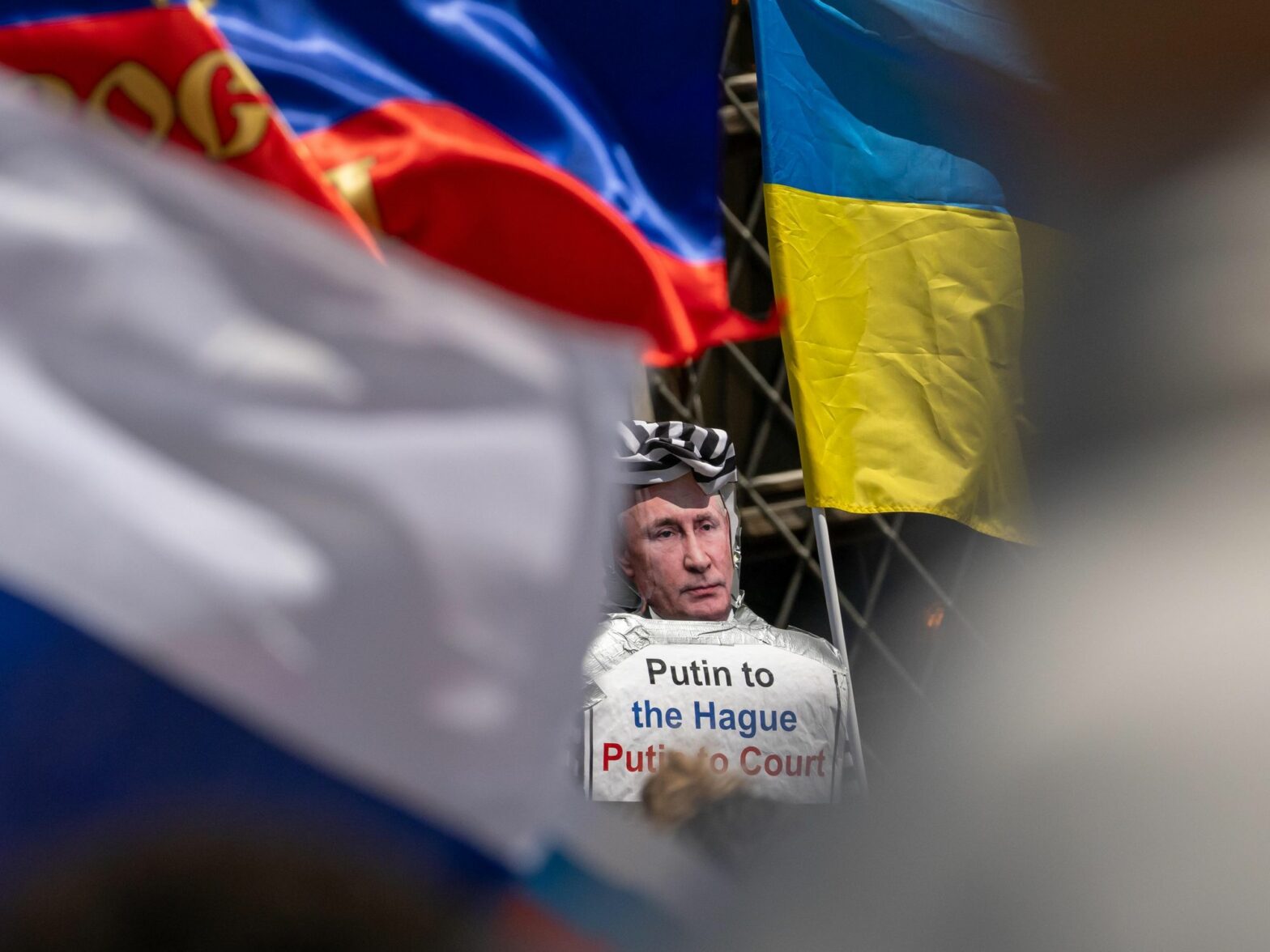
Consider the inverse of “collateral damage.” Envision Russia’s defeat and the triumph of a democratic coalition offers reflection on the most weighty sense of costs and benefits.
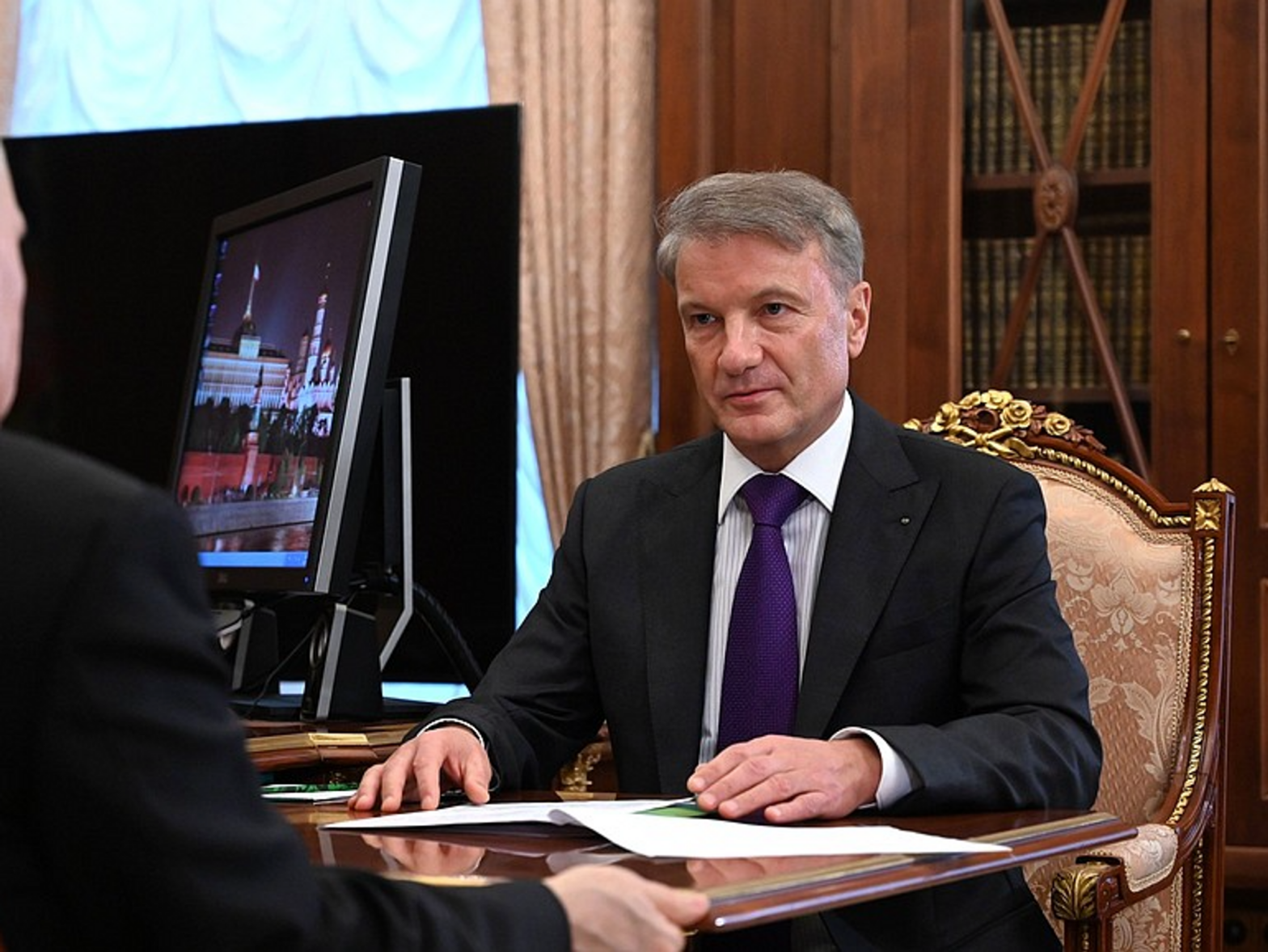
Back in the 1990s, the Russian elite were busy maneuvering behind the scenes. But today, Moscow’s liberals know better than to contradict the strongman in the Kremlin.
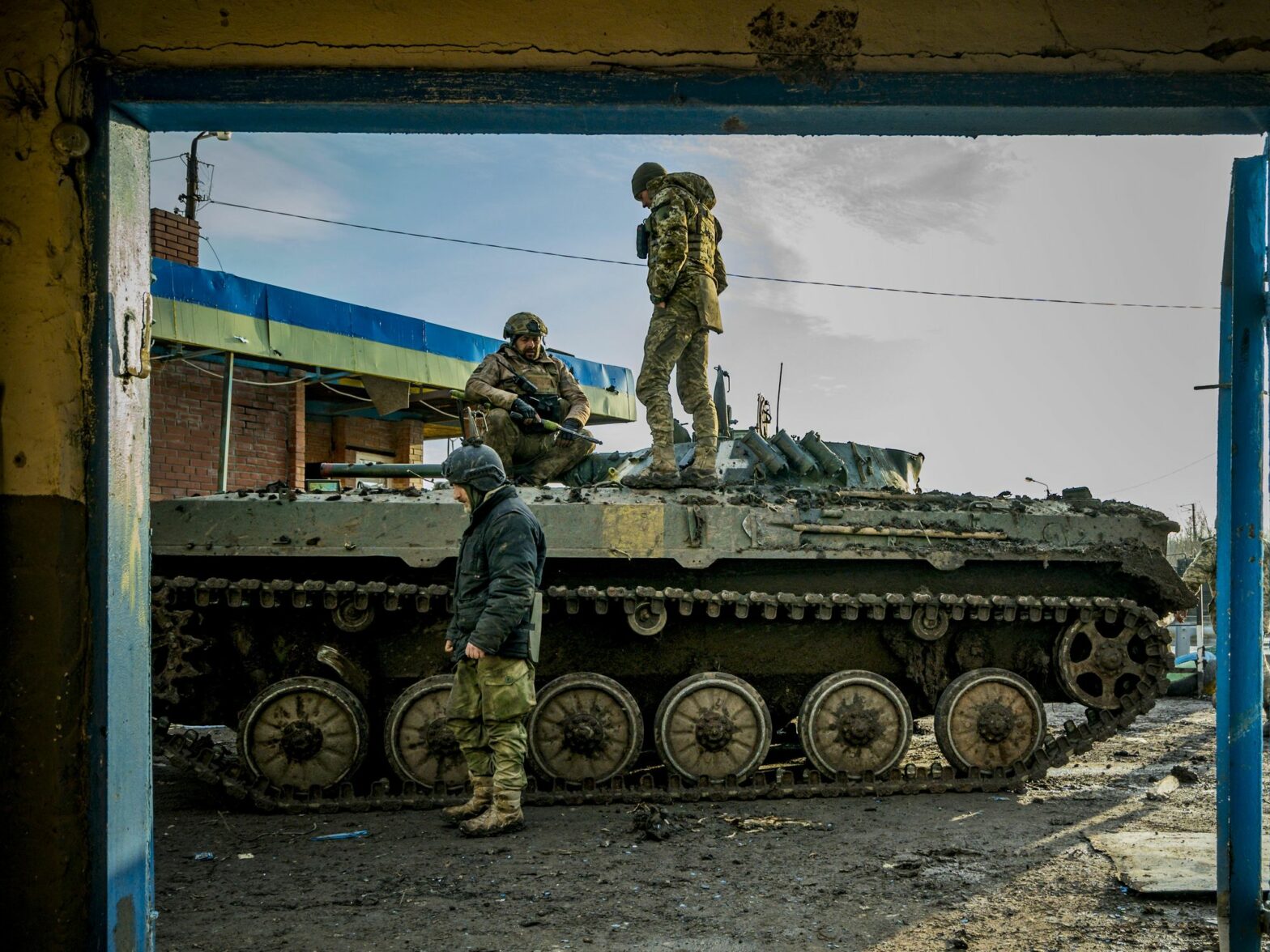
Fighting has been fierce for the city of Bakhmut in eastern Ukraine. What is the price of a victory that is, above all, symbolic?
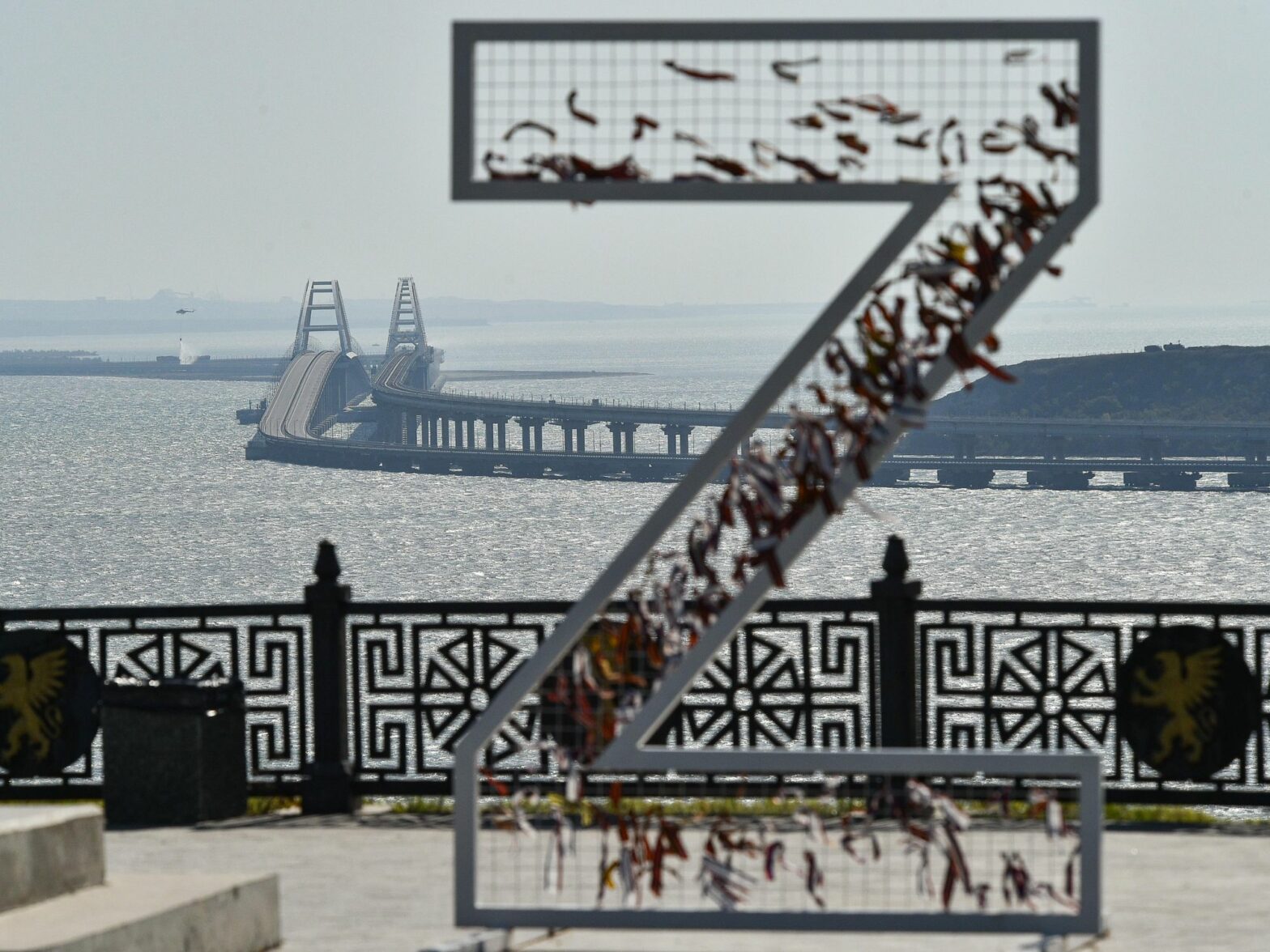
Russian-born, Kyiv-based writer Michael Sheitelman writes that while everybody is afraid of Russia’s bitter wrath should it be forced to relinquish Crimea, the same should go for Ukraine. Imagine that scenario now…
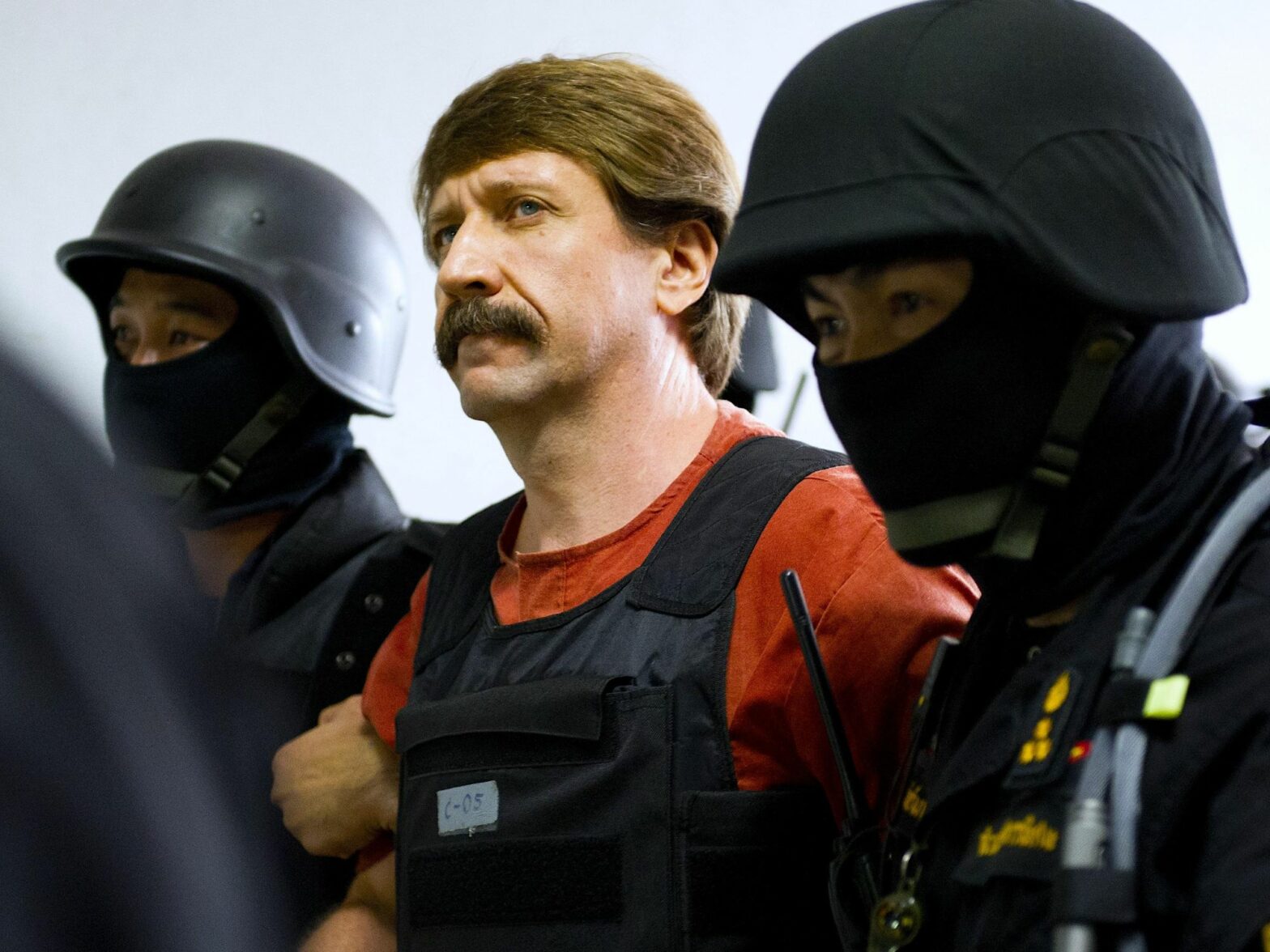
There’s been no shortage of boasting in Russia after the return of arms dealer Viktor Bout, in exchange for U.S. basketball player Brittney Griner. But even if Vladimir Putin showed his negotiating muscle, it’s a pyrrhic victory as too many other compatriots haven’t made it home alive..
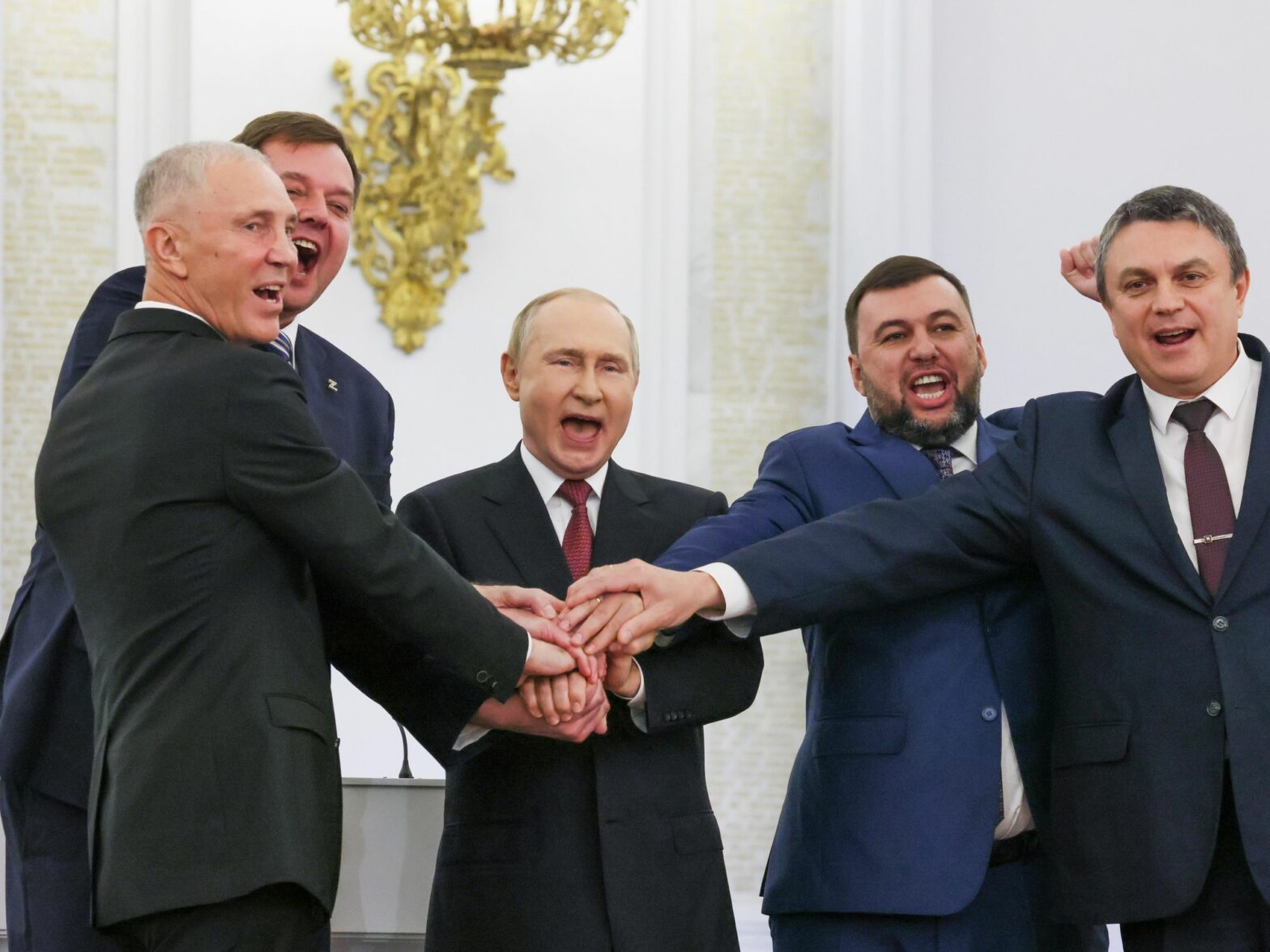
The Kremlin said Russian President Vladimir Putin was open to negotiations, adding that the possibility of talks would be hampered by the United States’ refusal to acknowledge annexed Ukrainian regions as being part of Russia. [shortcode-Subscribe-to-Ukraine-daily-box] “The United States still does not recognize new territories as part of the Russian Federation, and this complicates the […]
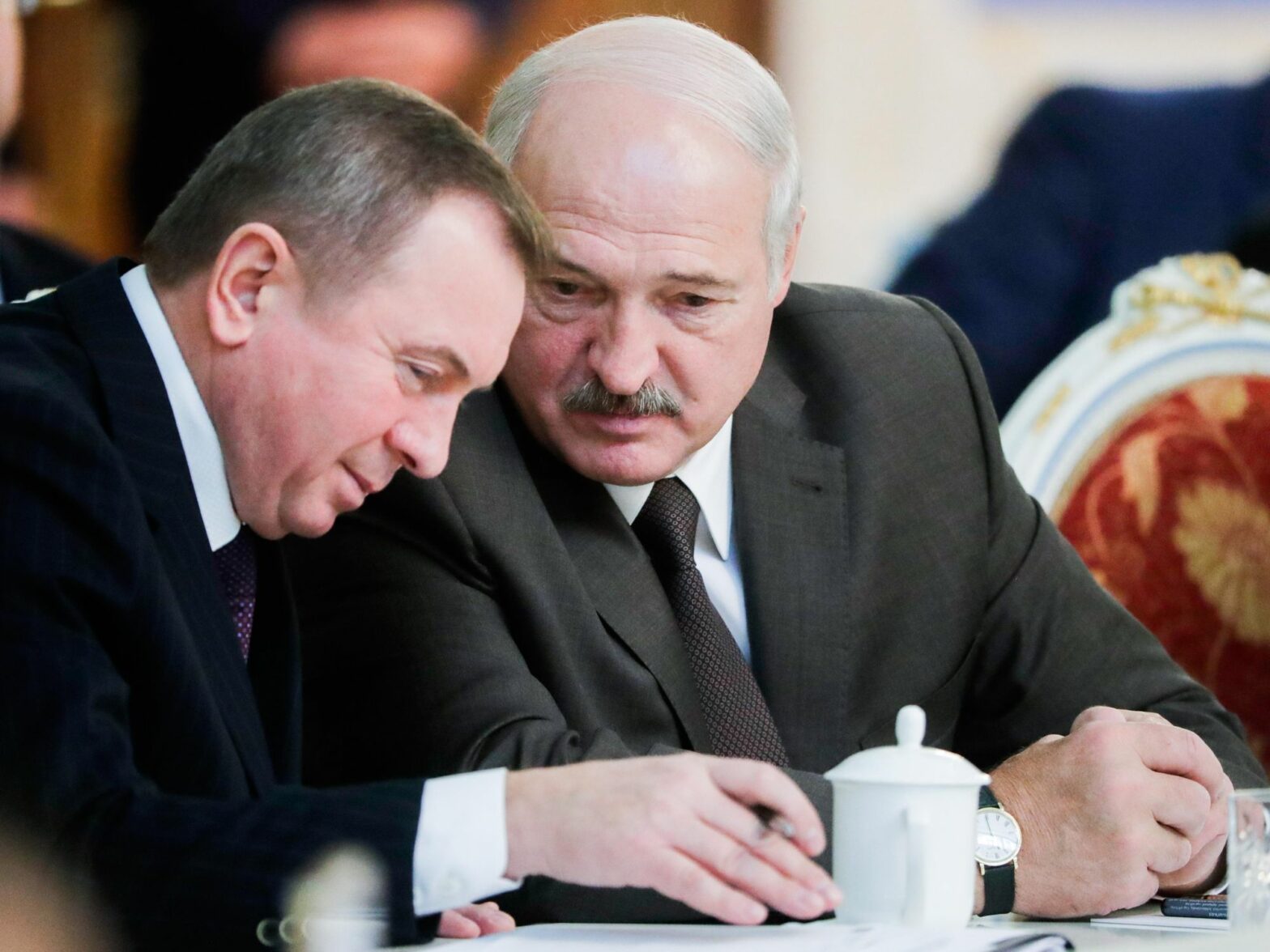
Whether or not the 64-year-old died of natural causes, the Kremlin is reinforced now in Minsk — leaving even less wiggle room for Belarus strongman Alexander Lukashenko.
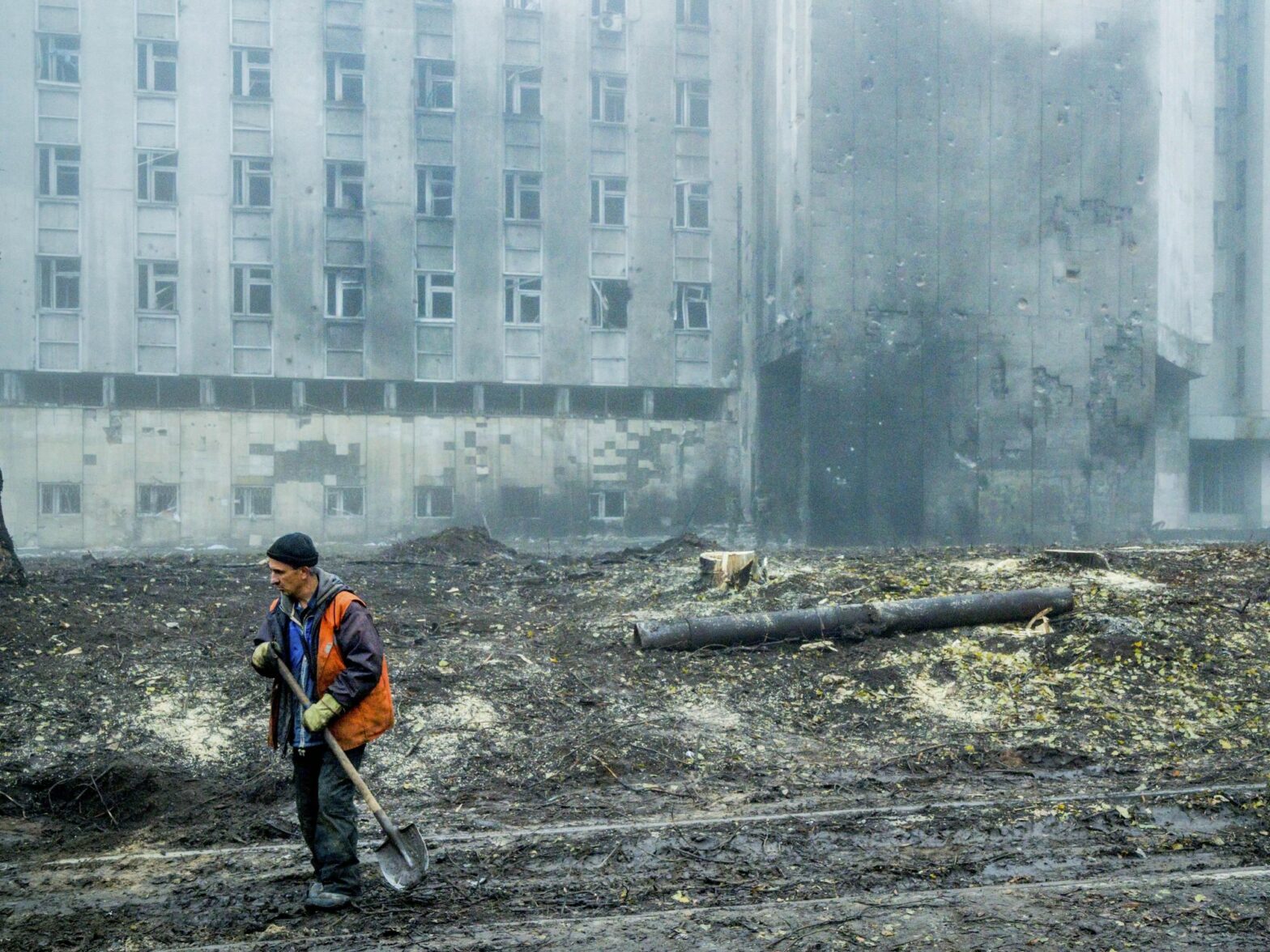
Kremlin’s spokesman Dmitry Peskov insisted that Russia has no choice to continue the war because of Ukraine’s “unwillingness to negotiate.” [shortcode-Subscribe-to-Ukraine-daily-box] “First they negotiate, then they refuse to negotiate, then they pass a law that prohibits any kind of negotiations, then they say they want negotiations, but public ones,” Peskov told reporters. The comments come […]
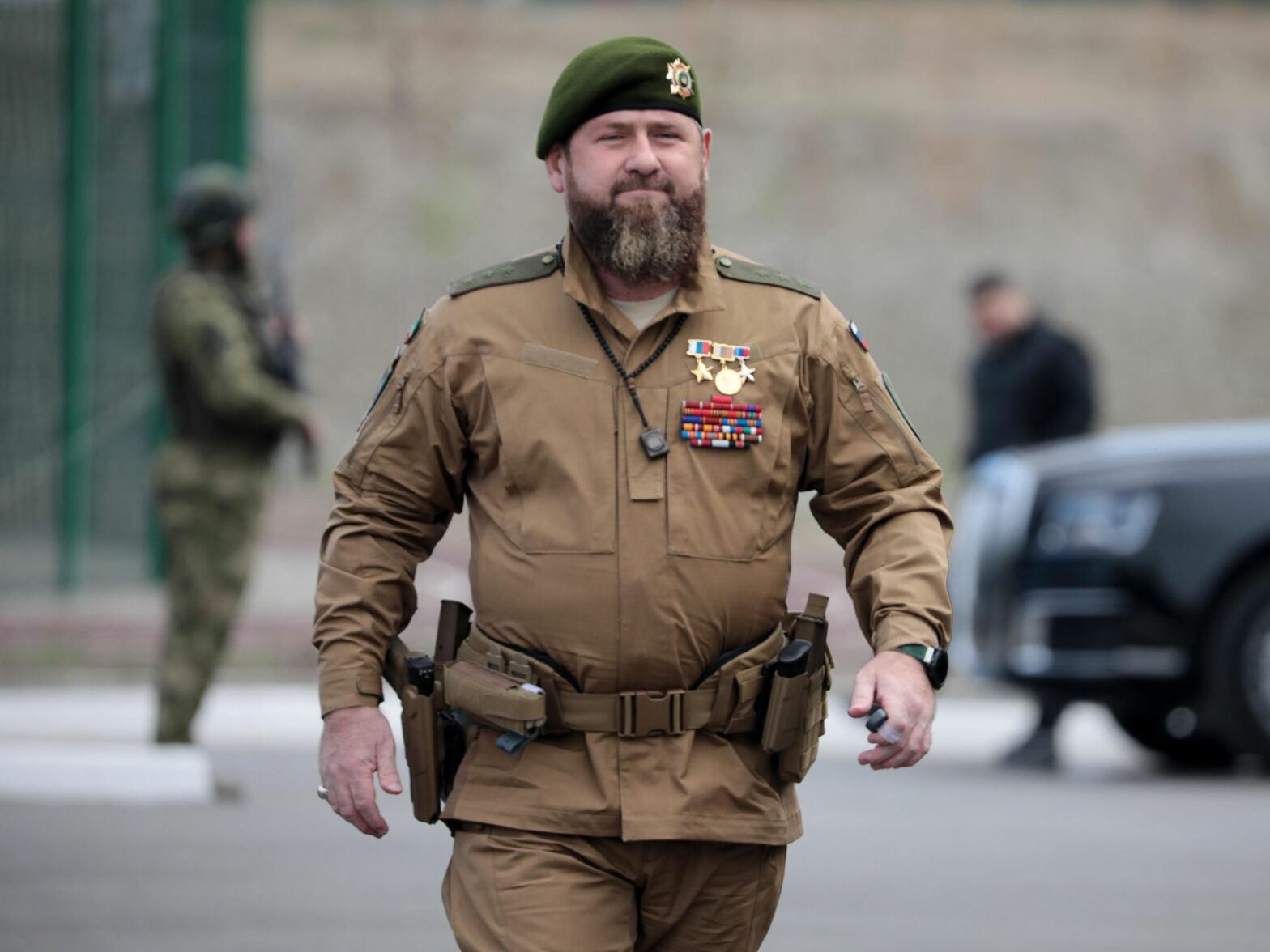
Ramzan Kadyrov, the strongman leader of Chechnya, is one of the most recognizable (and hawkish) figures in the orbit of Russian President Vladimir Putin. But beyond his online bluster, he is keeping his options open as Moscow loses ground in the war in Ukraine.
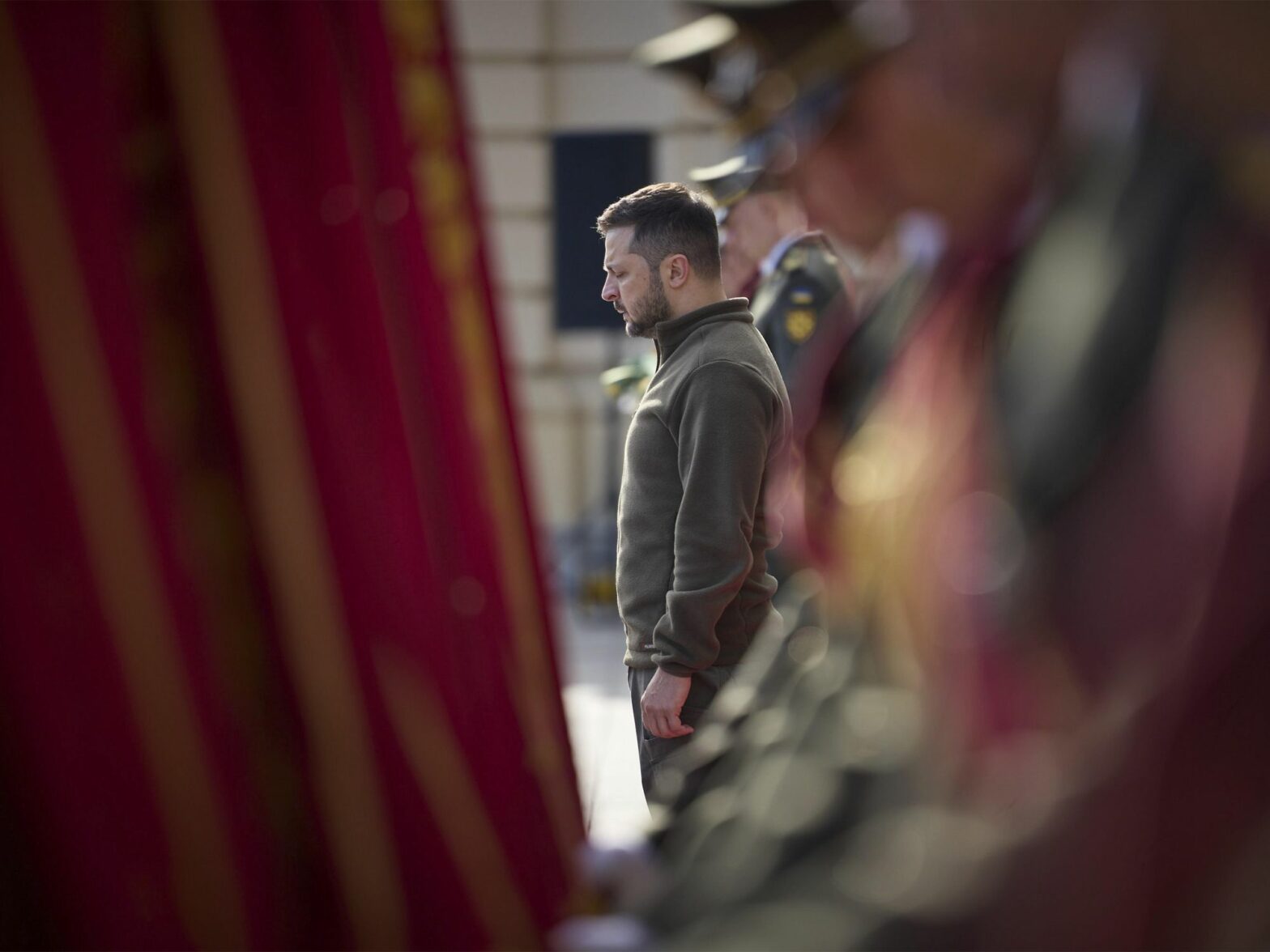
Talking to an Italian daily, the Ukrainian president says only Russia has the power to stop the war. Meanwhile, 30 progressives from the U.S. Congress are calling on President Biden to demand negotiations.
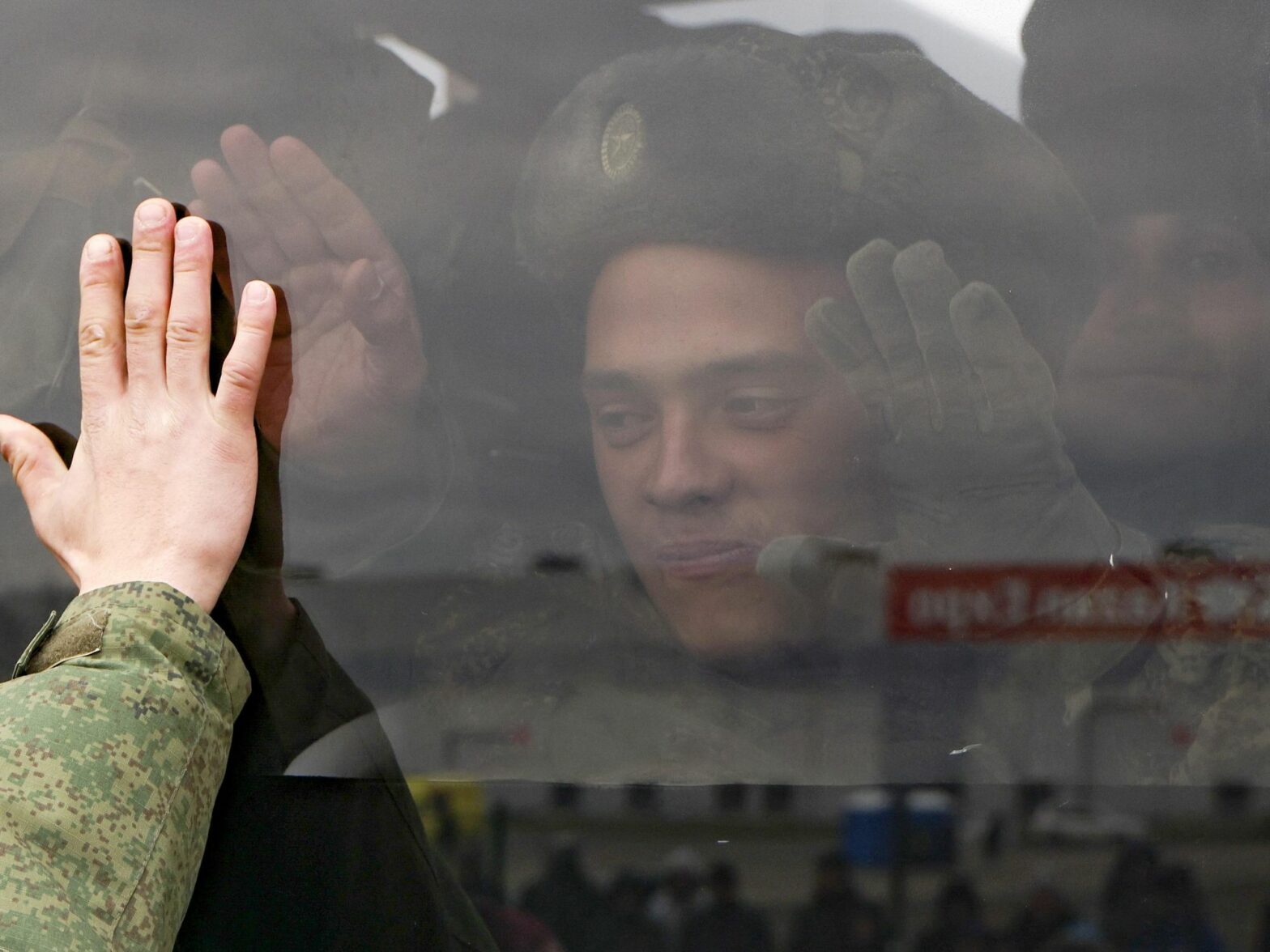
Ukraine and its Western partners say the warnings from Russian Defense Minister Sergei Shoigu could be a “false flag” operation used to divert attention from its own potential use of banned weapons.
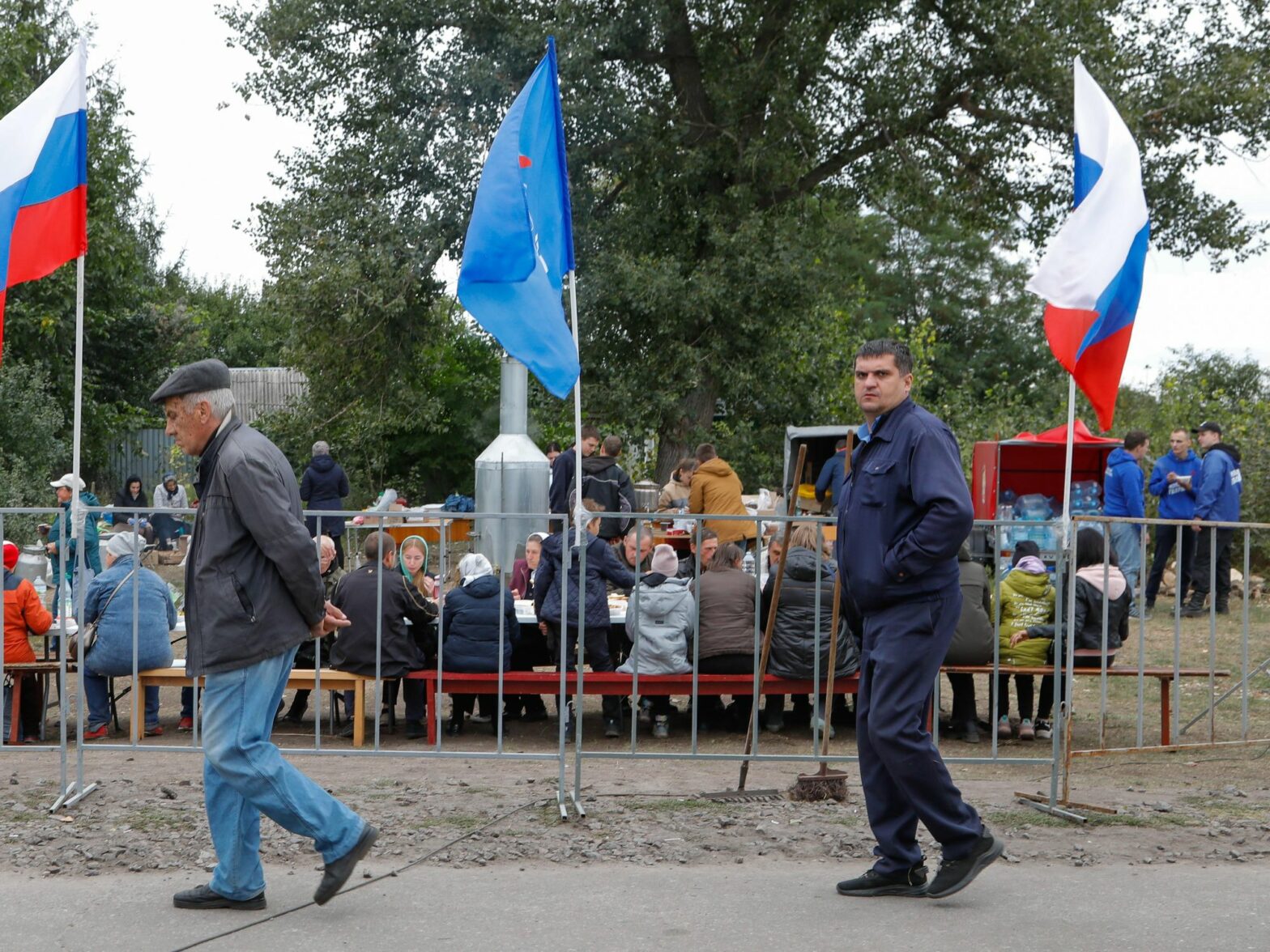
The successful Ukrainian counteroffensive in the northeast has brought Kyiv’s troops to the border, now with the artillery capacity to strike inside Russian territory. What are risks of launching a “counter-invasion”? What are risks of not doing so?
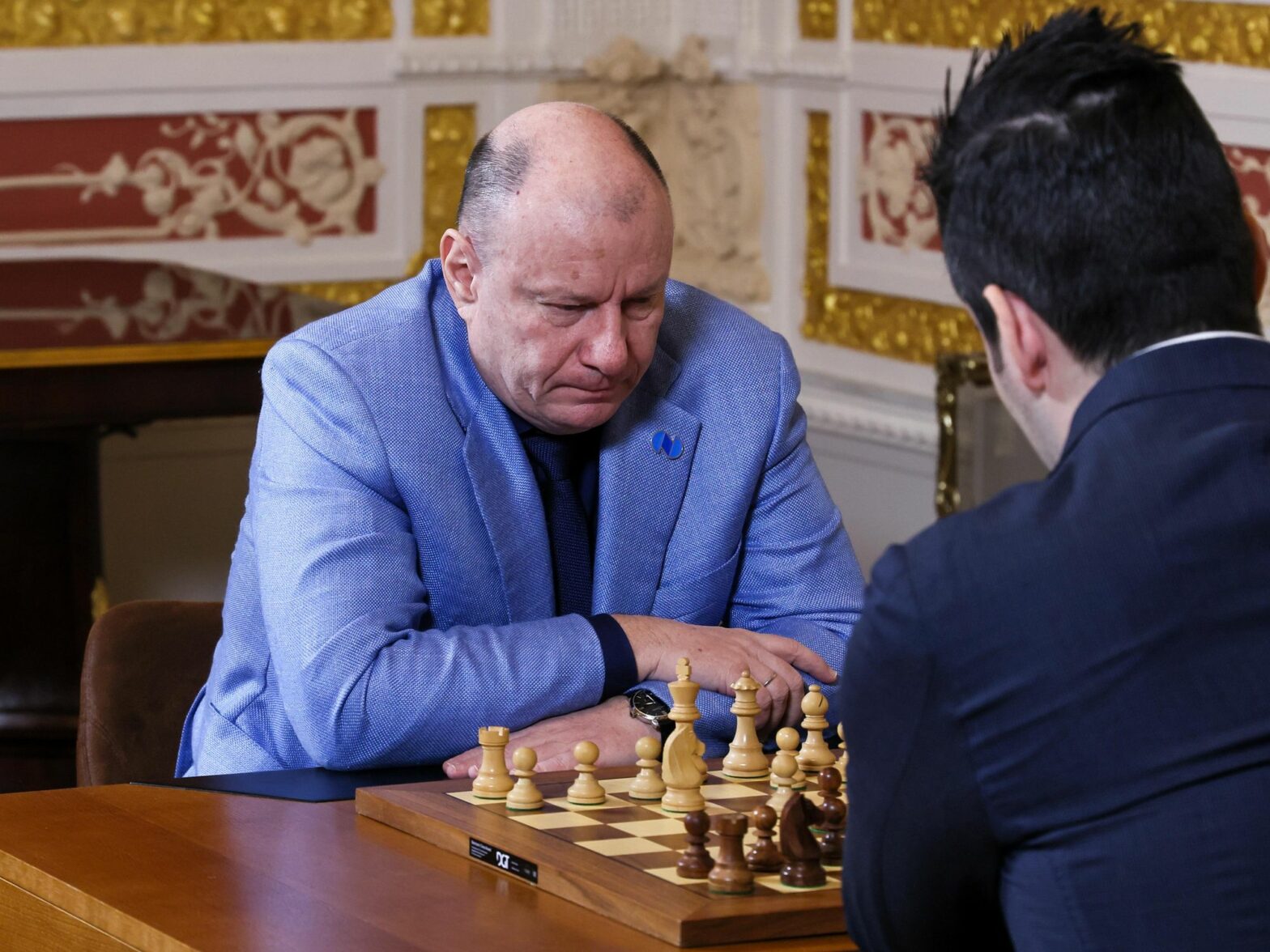
French daily Les Echos profiles Vladimir Potanin, Russia’s incarnation of a never-turn-back oligarch. The owner of Nornickel, Russia’s leading company in the metals and mining industry, Potanin continues to grow his business despite Western sanctions. He recently took over French bank Société Générale’s Russian subsidiary — with the Kremlin’s approval, of course.
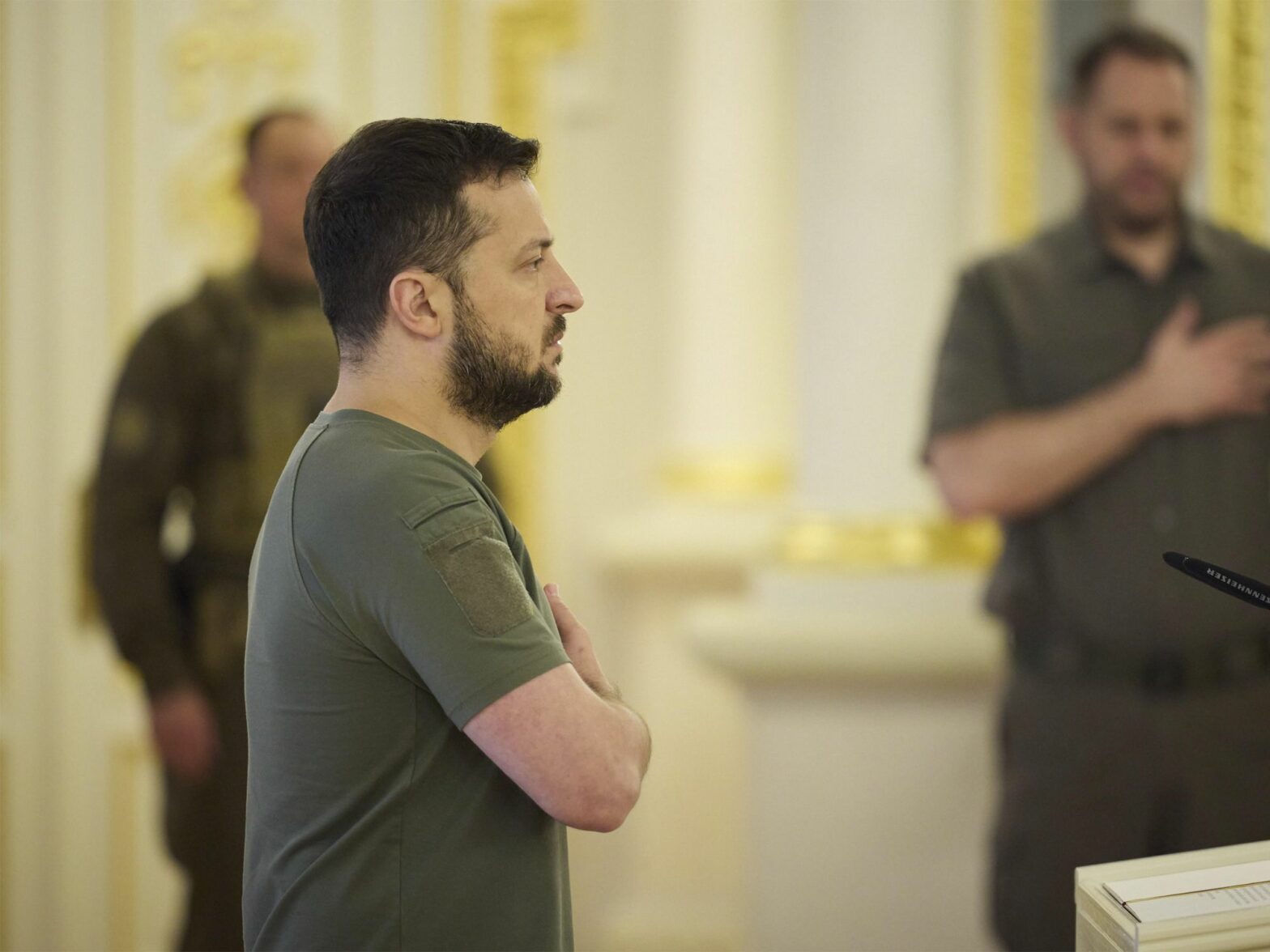
Volodymyr Zelensky’s suspension of two top security officials over treason allegations is a high-stakes five months into the war. Prosecutor General Iryna Venediktova and the head of the Security Service of Ukraine Ivan Bakanov face allegations of high treason and cooperation with Russia. Stay up-to-date with the latest on the Russia-Ukraine war, with our exclusive […]
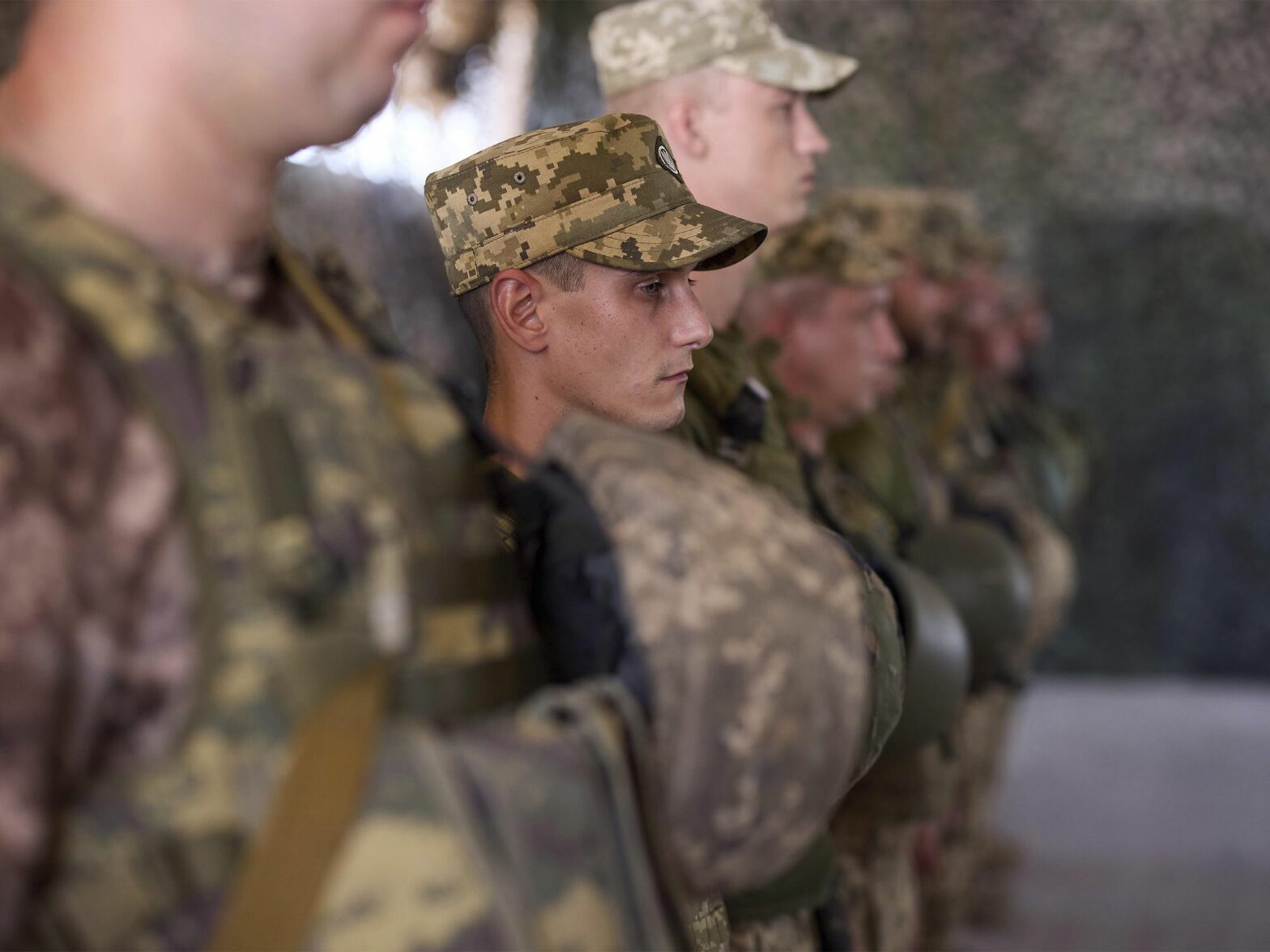
Deploying up to one million troops to try to regain territory would be a significant political and morale boost. But there are also key economic reasons to preserve access to the Black Sea.
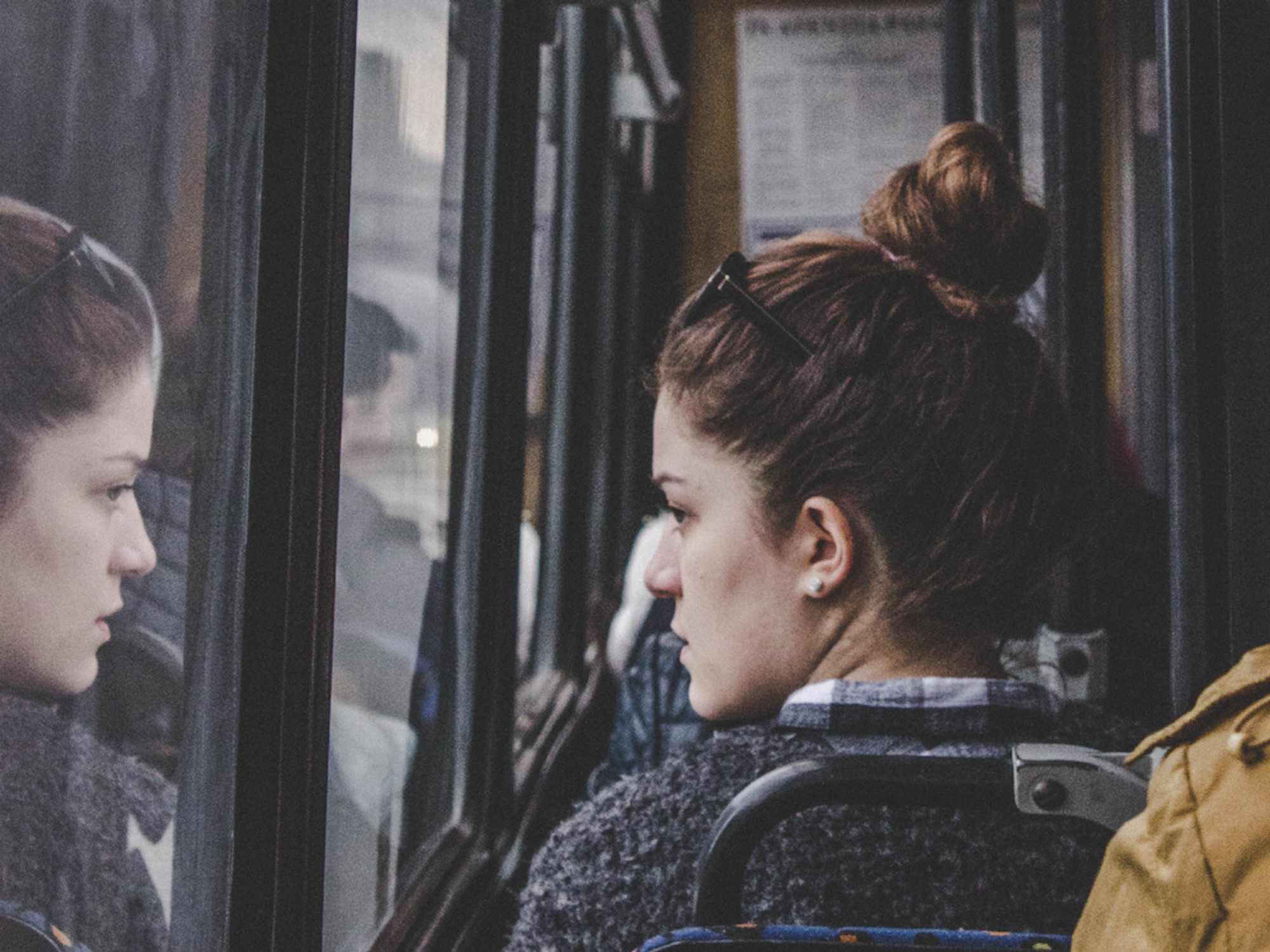
Vladimir Putin has been upfront about his desire to rebuild Russia’s influence in the region. Former Soviet states are watching developments in Ukraine closely, with many trying to ensure futures free of interference by Moscow.
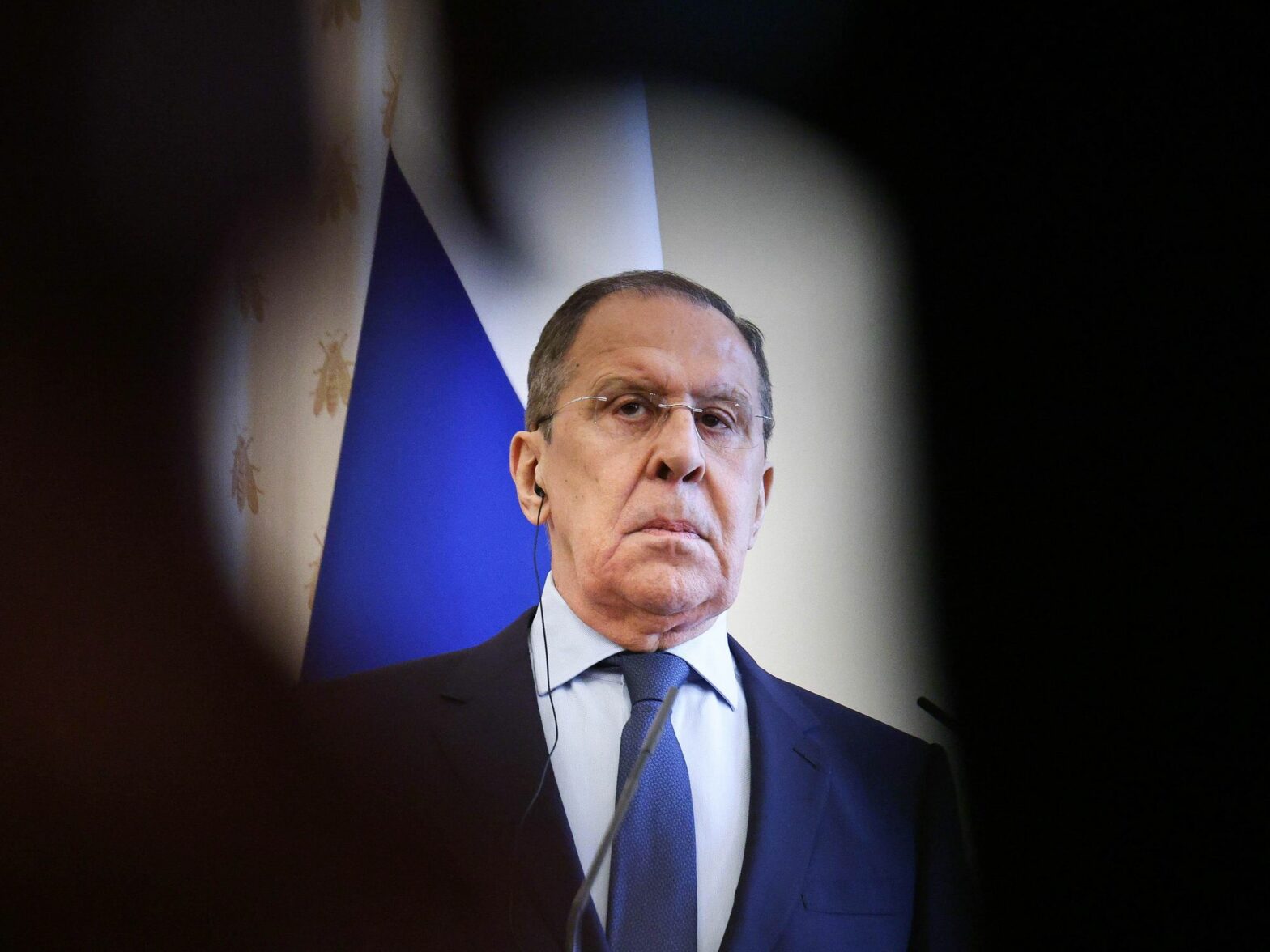
The Russian Foreign Minister, among the country’s most recognizable figures, embodies both the corruption and confusion of the Putin regime. Not everything is what it seems — and that’s the point.
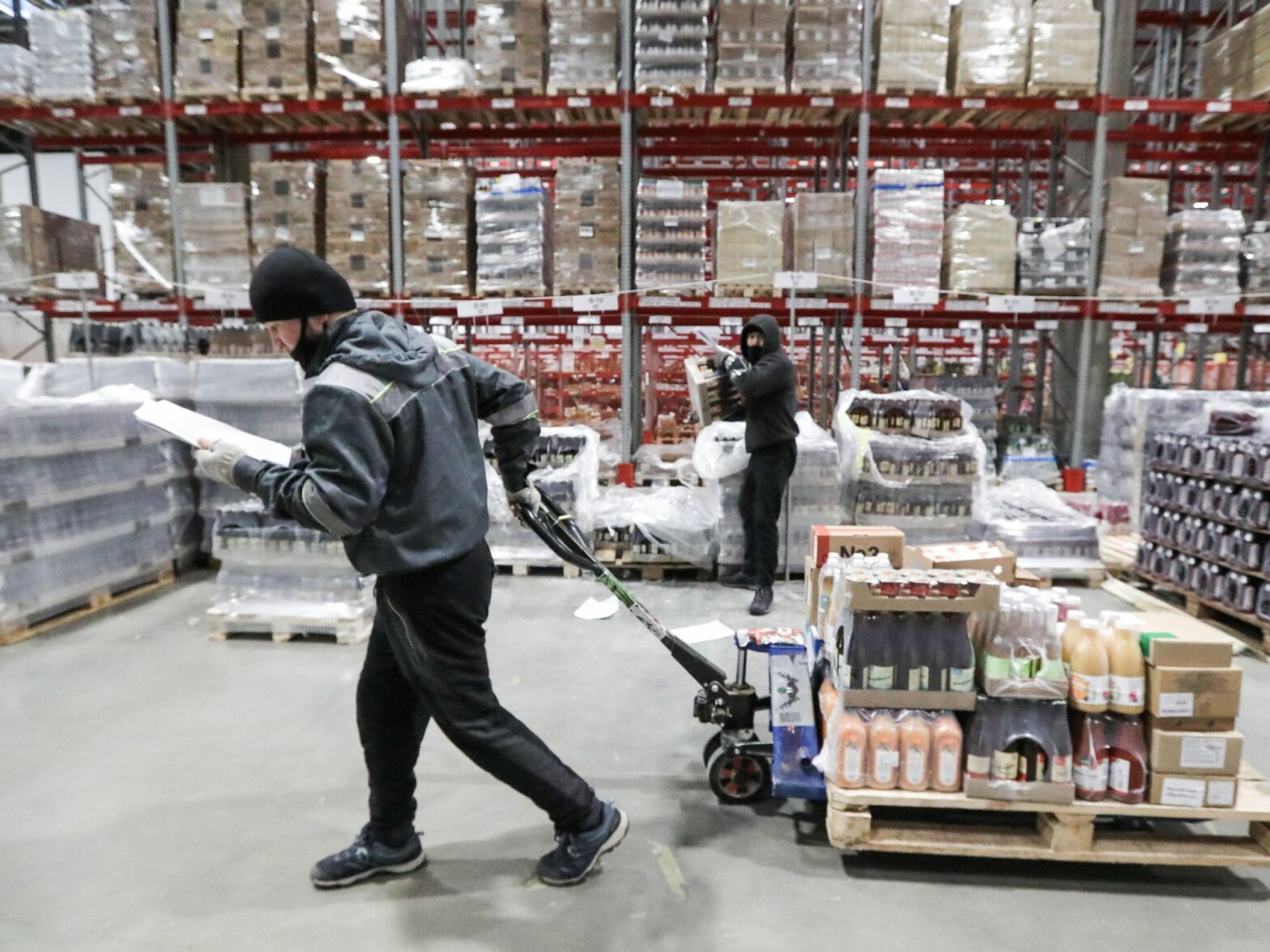
The head of the Kremlin boasted at the recent forum in St. Petersburg International Economic Forum about Russia’s economic resilience against Western sanctions. But behind the scenes, Russian business leaders tell a different story.
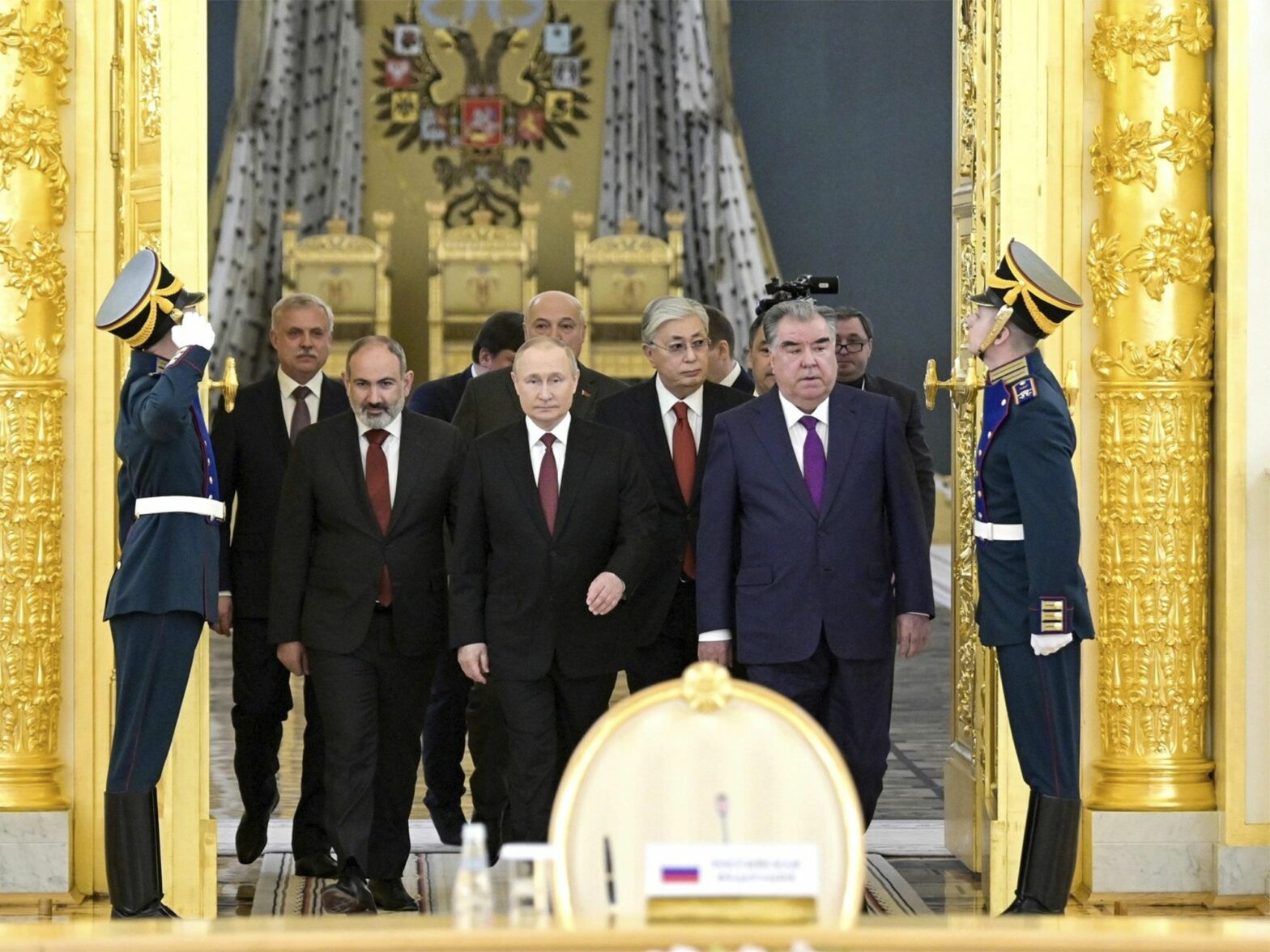
Analysts have closely followed whether Belarus, a loyal Kremlin ally, will invade its neighbor. But even though the Belarusian president toes the Kremlin line, he is unlikely to want to get in over his head in Ukraine.
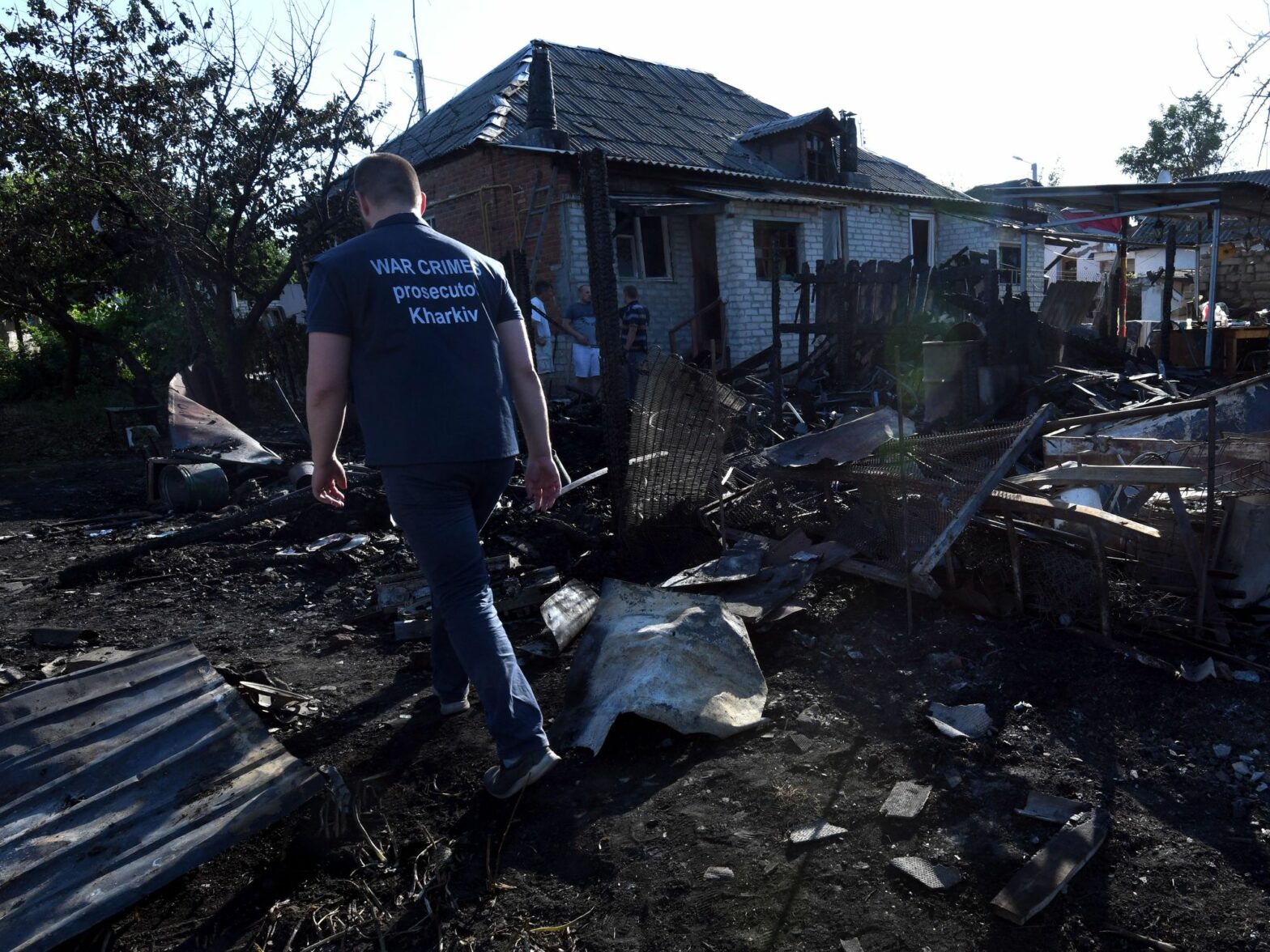
Attacks in Ukraine’s second biggest city are reminiscent of strategy in Mariupol.
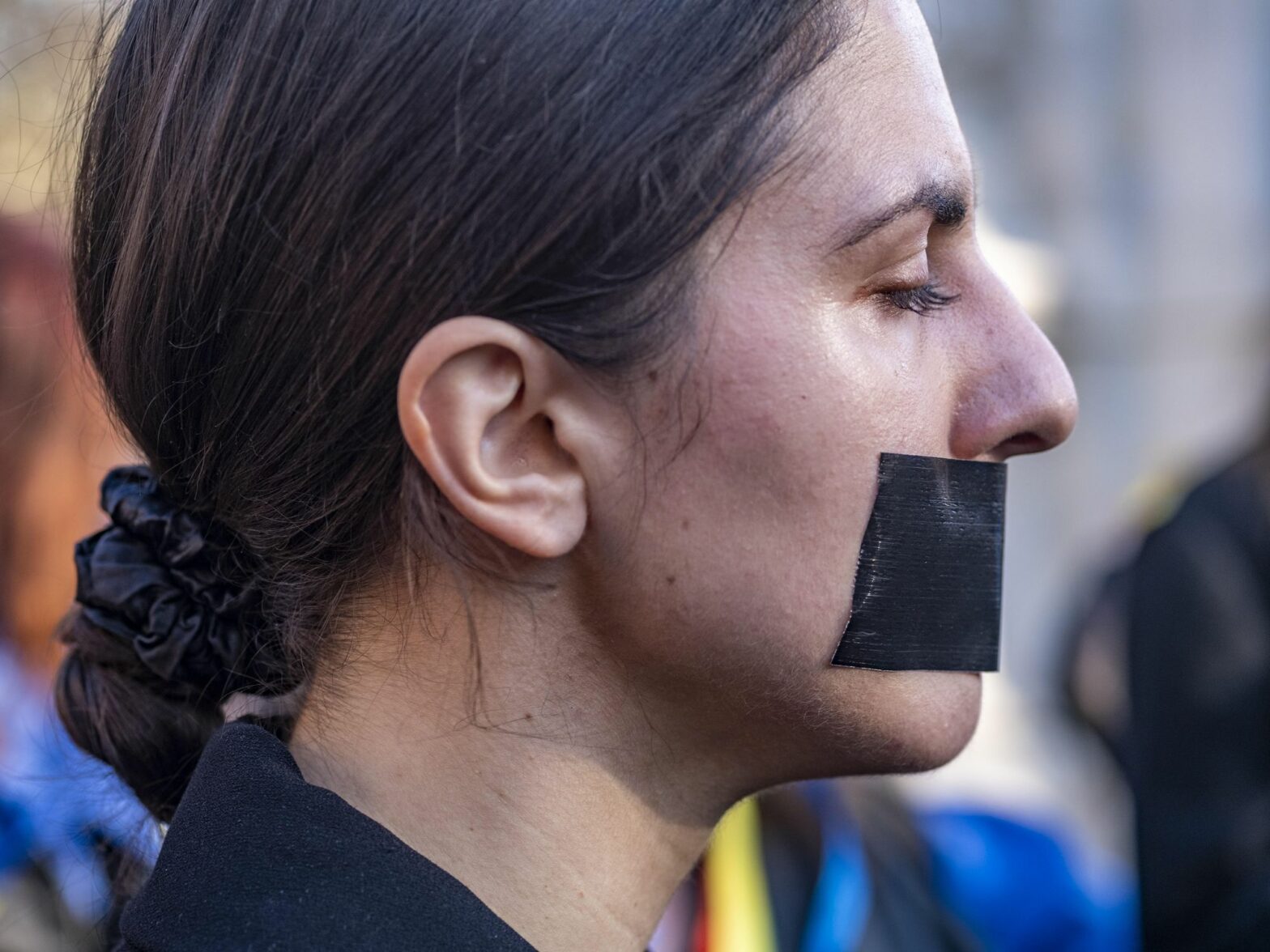
English Professor Jacob Edmond takes a look at the creative ways that Russian journalists, writers and artists are turning forced silence into powerful statements.
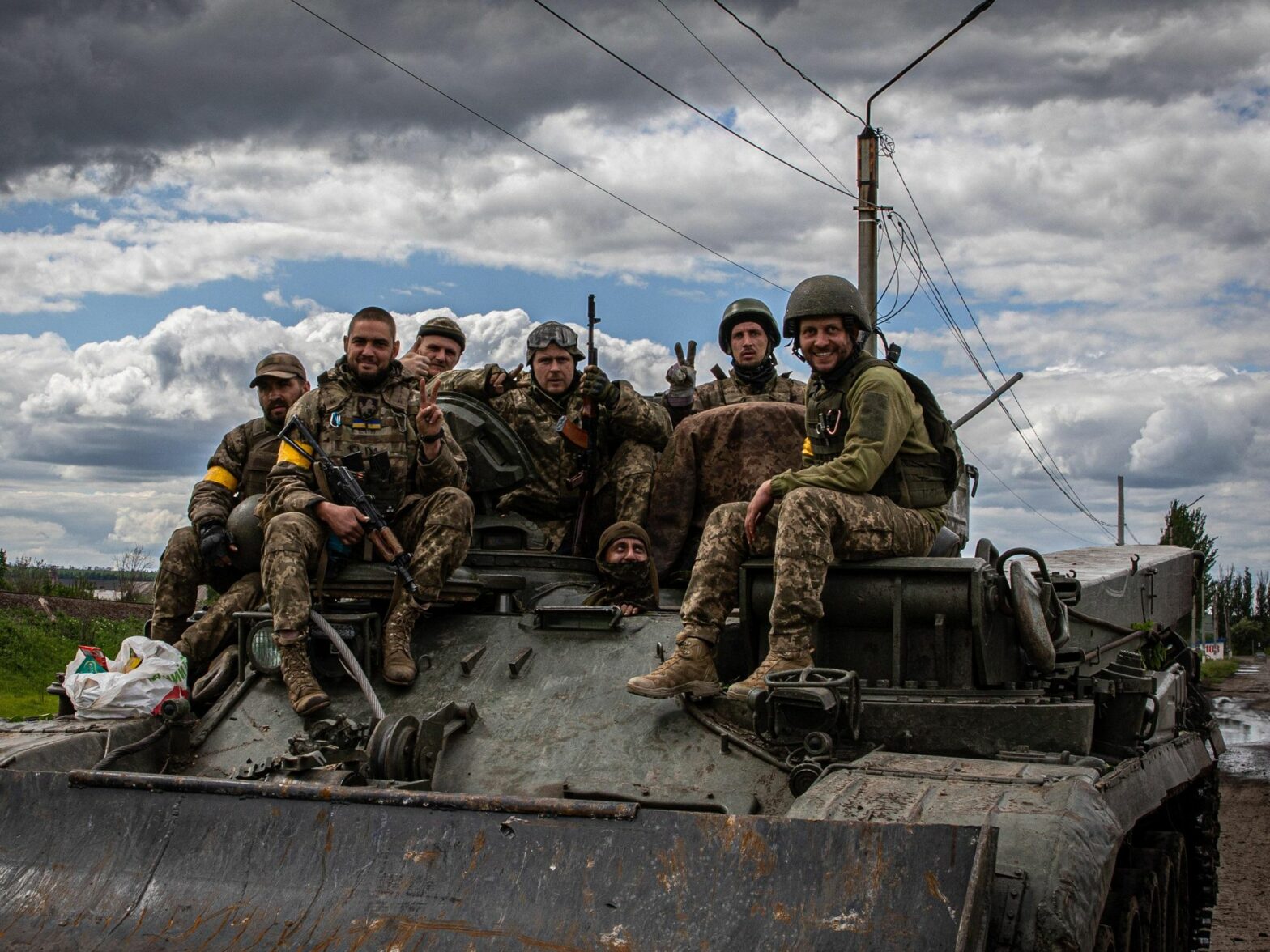
Russia continues to shrink its ambitions in Donbas, as Ukraine doubles down on its strategy of guerilla attacks, interrupting supply and communication contacts and ultimately undermines the morale of the enemy.
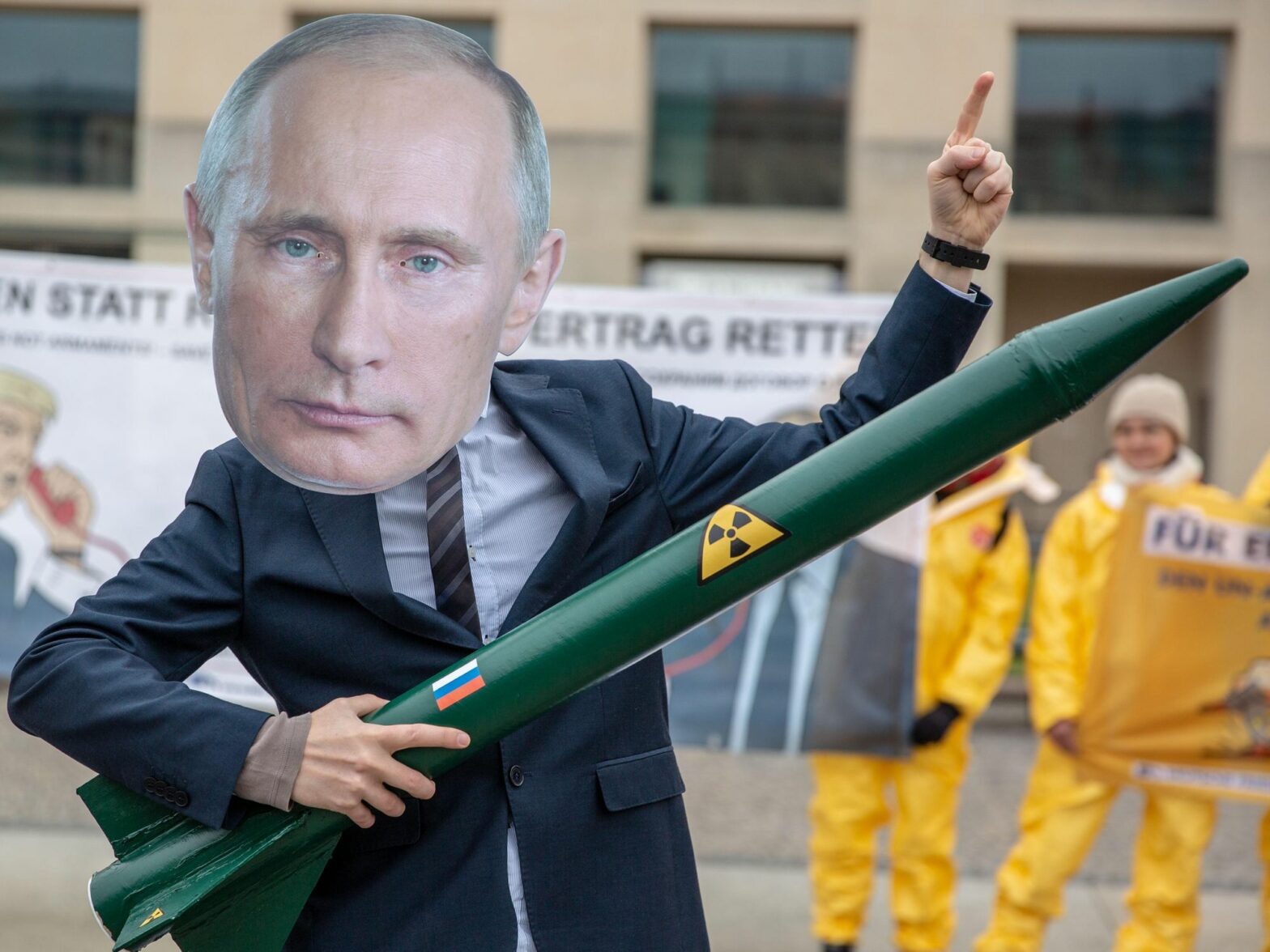
The risk of the Kremlin launching a tactical nuclear weapon on Ukraine is small but not impossible. The Western response would itself set off a counter-response, which might contain or spiral to the worst-case scenario.
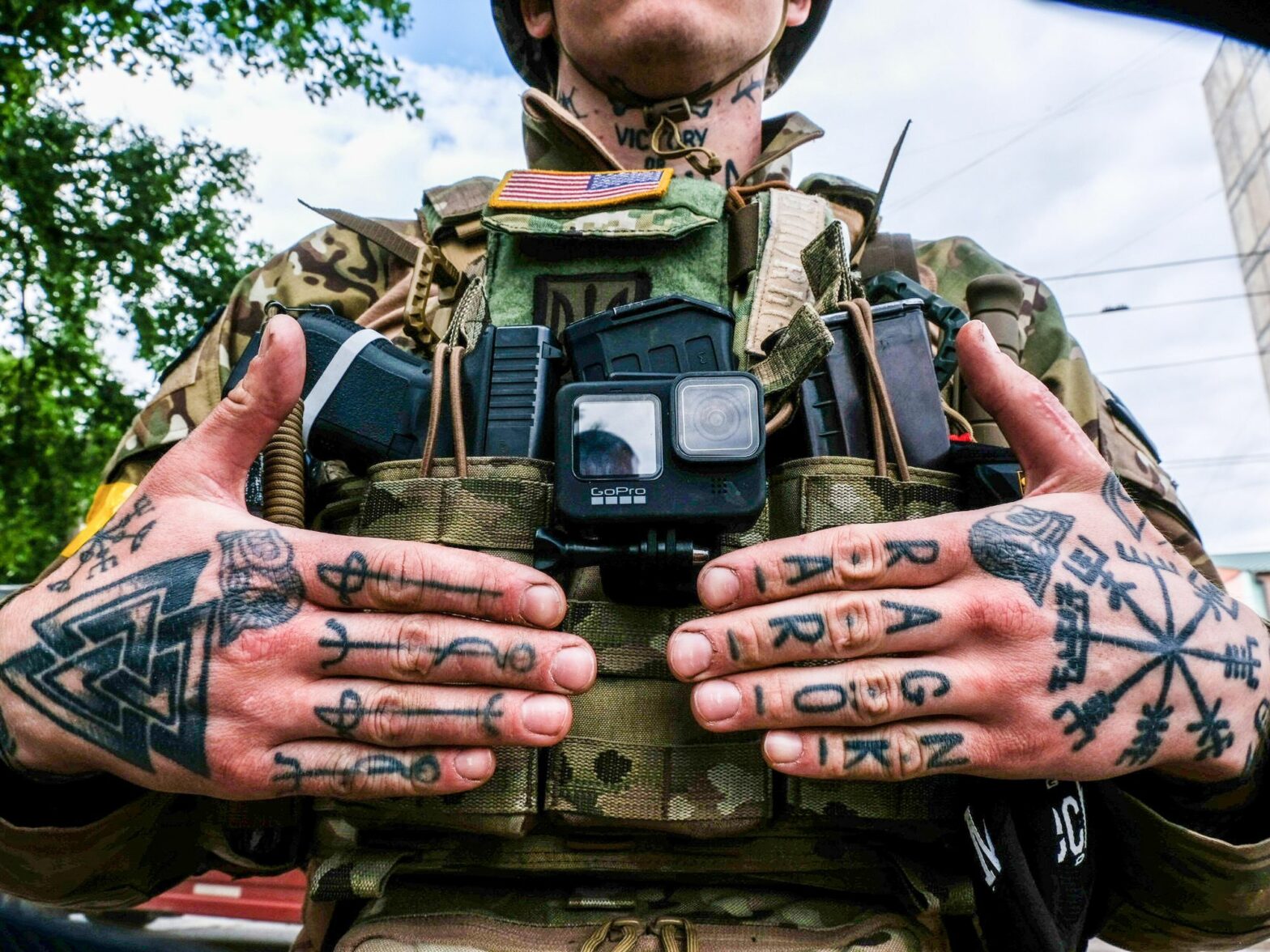
Vladimir Putin had planned to roll through Ukraine and splinter the West. While it has not gone according to plan, the destruction and uncertainty left in the path of the invasion has shaken the world.
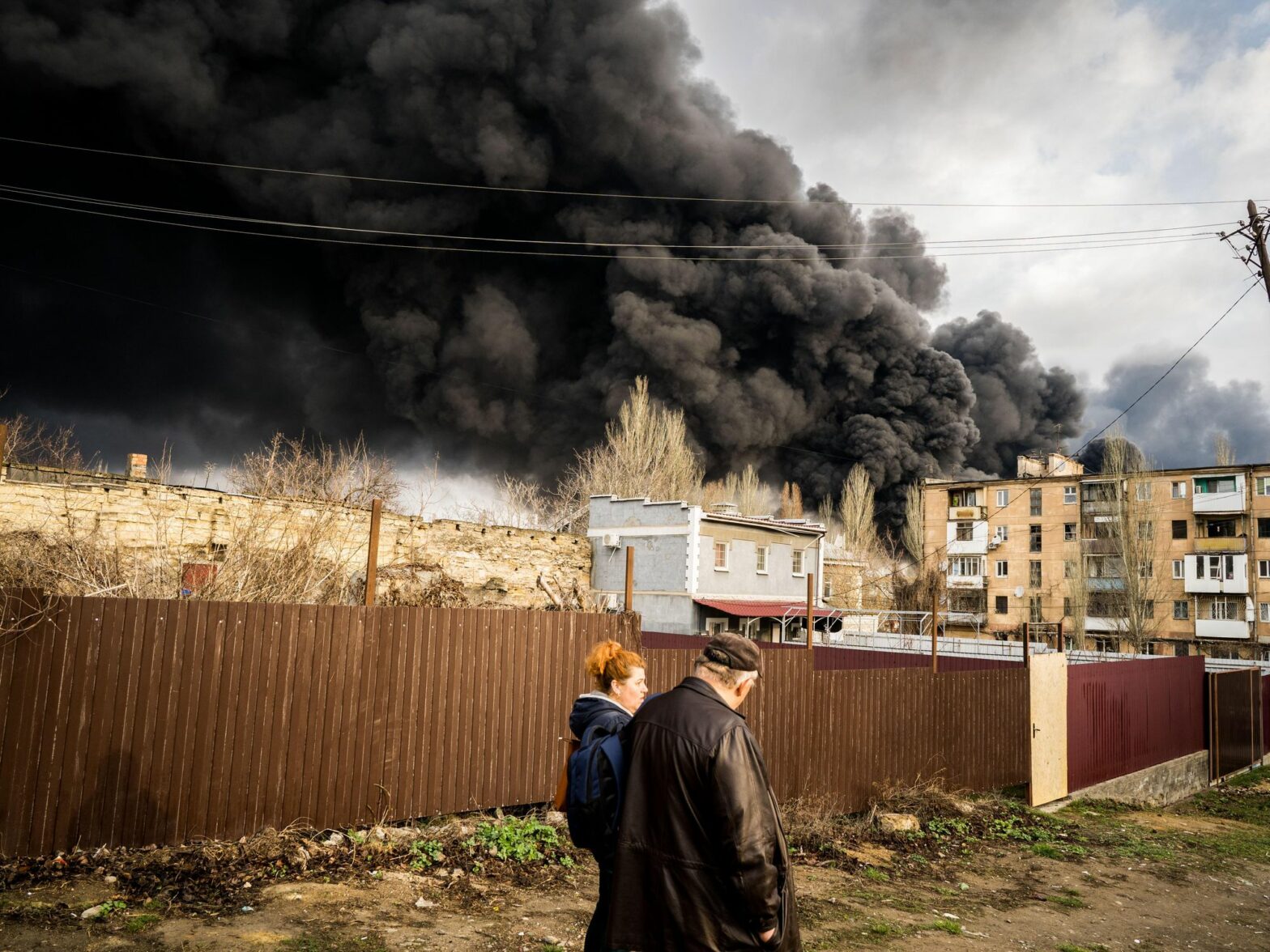
After the fall of Mariupol, Vladimir Putin appears to have his eye on another iconic southern coastal city, with a strong identity and strategic location.
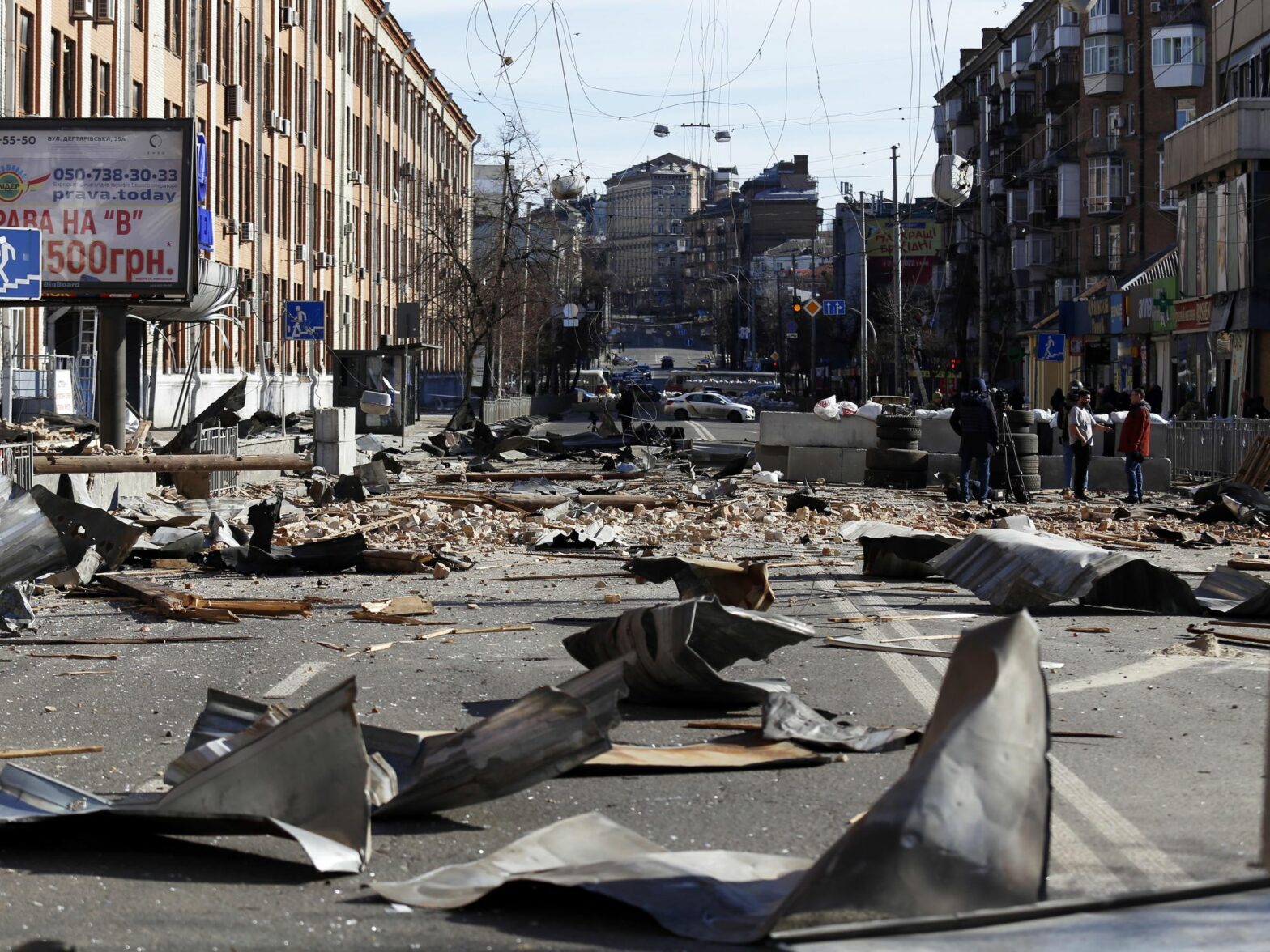
The Kremlin is increasingly focused on the destruction of infrastructure in Ukraine. The government in Kyiv will be entitled to reparations. Russia should know now: the more it destroys in Ukraine, the less it will get back from its foreign billions.
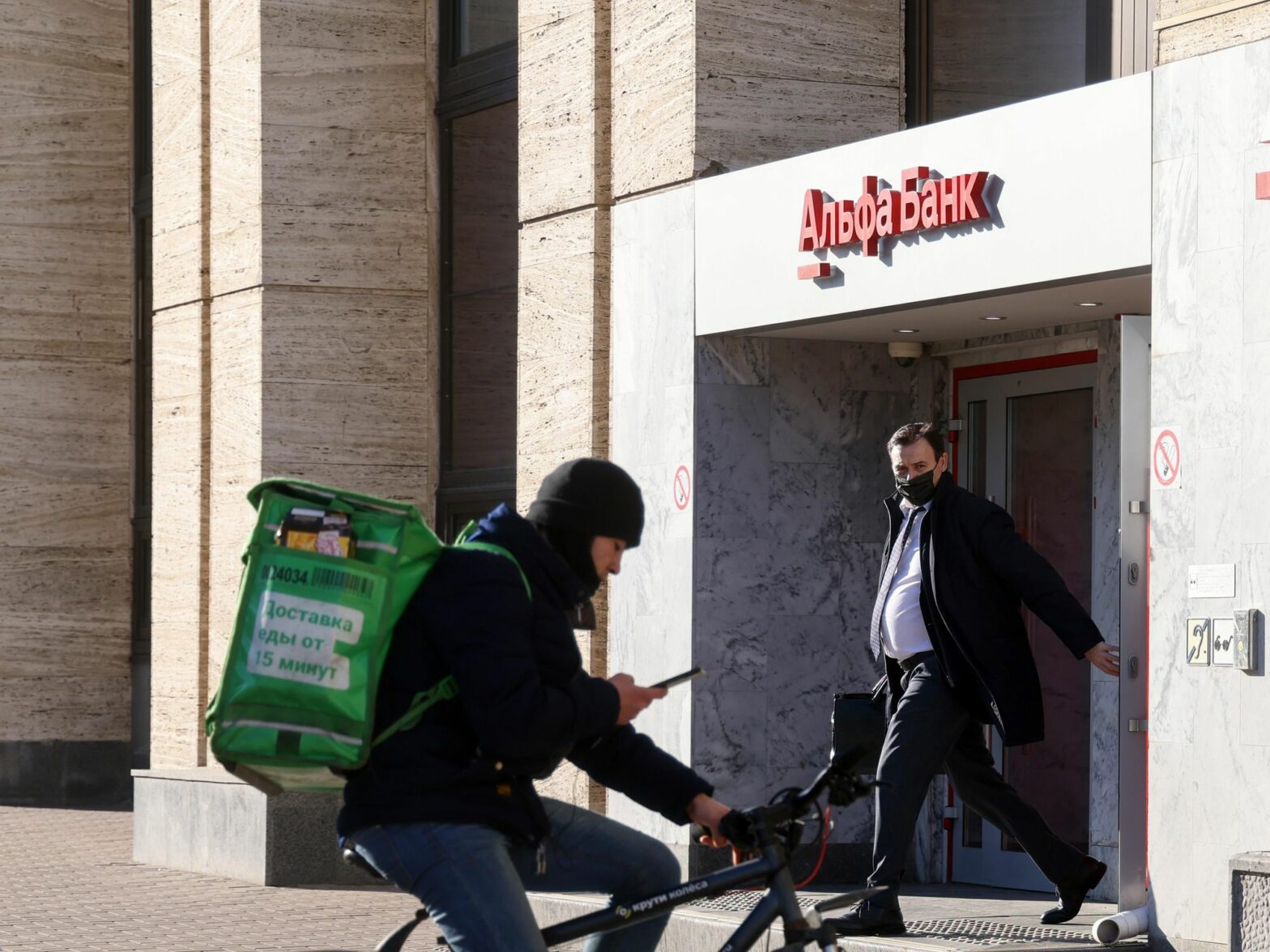
While Kyiv comes under full military attack, less than 500 miles to the north the Russian capital is a surreal mix of normalcy, pockets of protest and the quiet sensation that nothing will ever be the same.