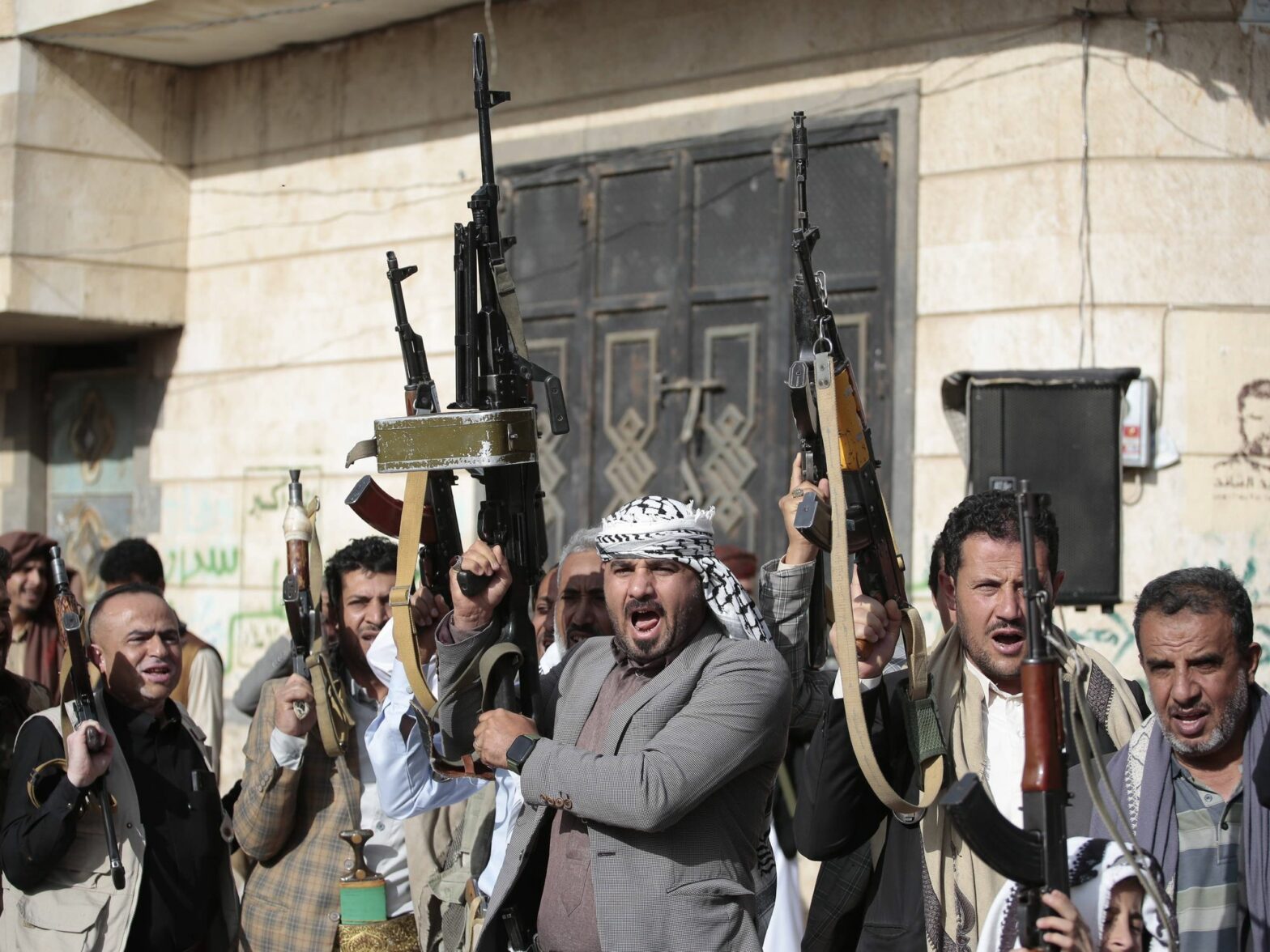
The United States has “quietly” kept bombing Yemen, more than 50 times in two weeks. But what if Donald Trump’s real target is Iran?
 Worldcrunch
The United States has “quietly” kept bombing Yemen, more than 50 times in two weeks. But what if Donald Trump’s real target is Iran?

The porn industry and amateur and professional adult content plays a role in the Israeli war on Gaza. Some pornographic companies did not only provide support to Israel, but adult content also contributed to drawing a violative imagination about Israeli soldiers and their relationship with the battlefield and the Gazan victims. It is part of a long history linking pornography and war.
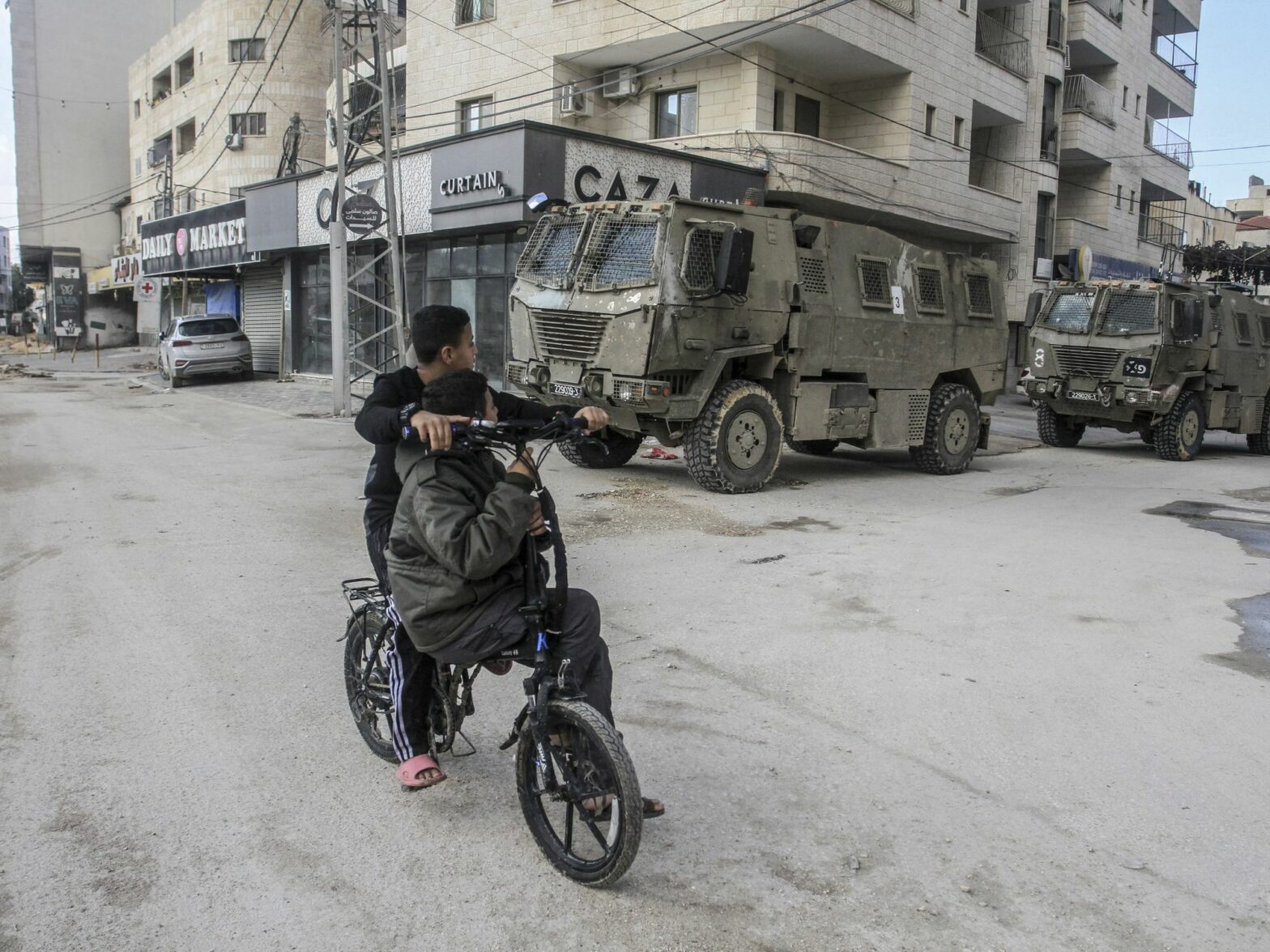
The Palestinian Authority insists that its operation in the Jenin refugee camp was intended to maintain security and thwart any Israeli plans for the West Bank. Yet other Palestinian factions have criticized the move, which comes amid Israel’s ongoing war on Gaza and ahead of Donald Trump’s return to the White House.
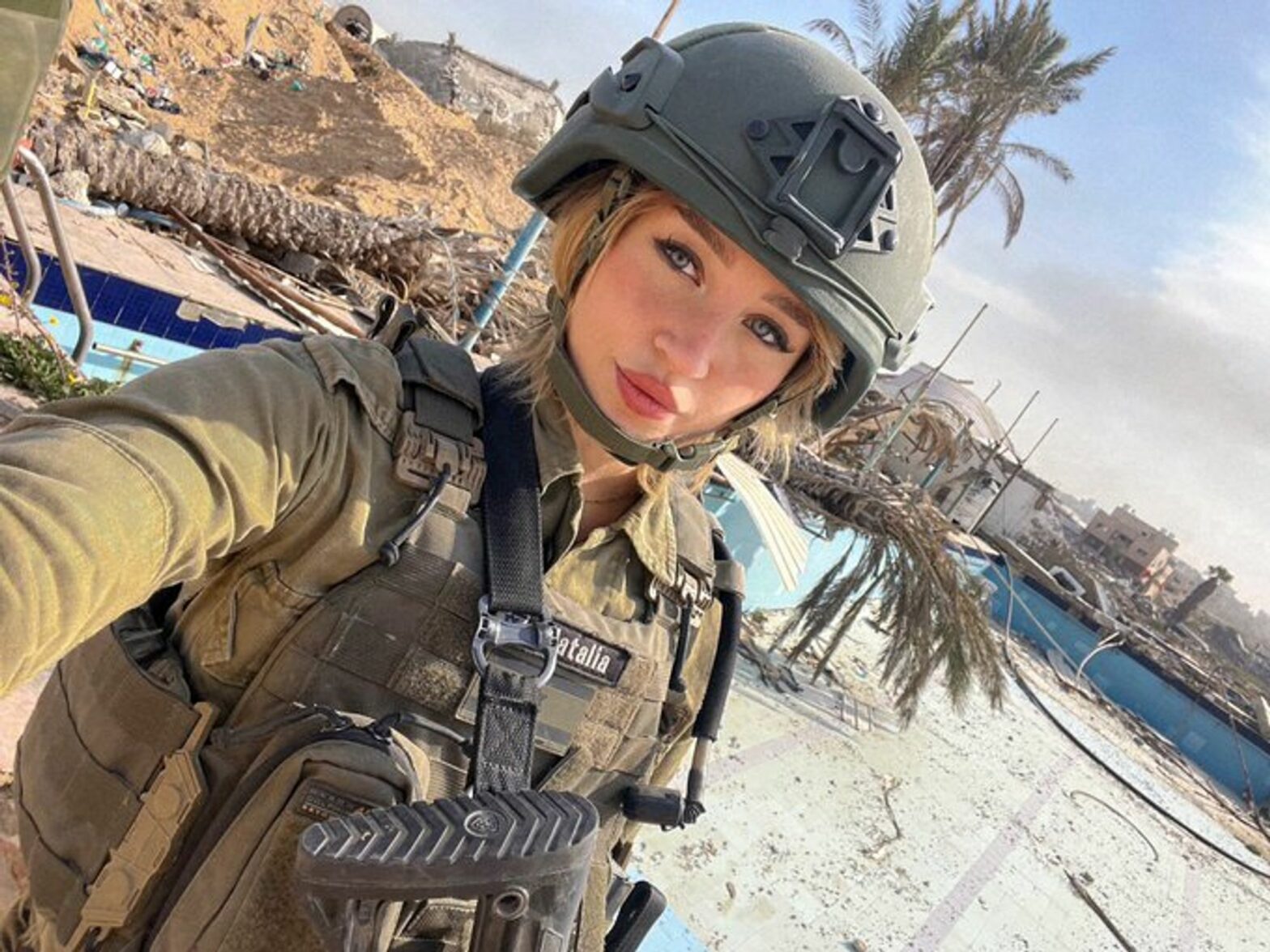
The porn industry and amateur and professional adult content plays a role in the Israeli war on Gaza. Some pornographic companies did not only provide support to Israel, but adult content also contributed to drawing a violative imagination about Israeli soldiers and their relationship with the battlefield and the Gazan victims. It is part of a long history linking pornography and war.
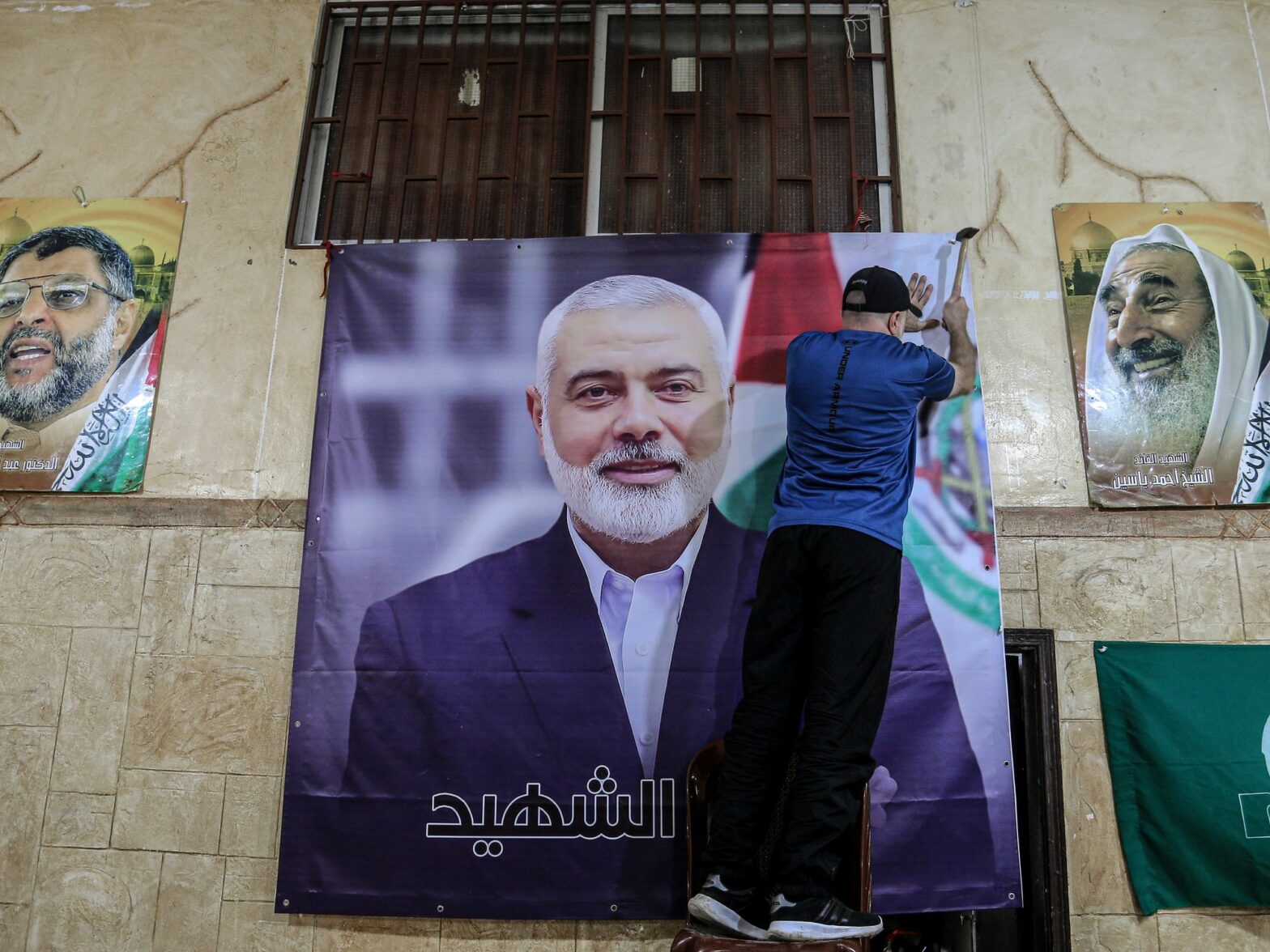
A series of strikes occurred just days after Netanyahu returned from the United States, which will have difficulty denying a role in the targeting of three capitals in the region in 24 hours, and may spark a much wider war in the Middle East.
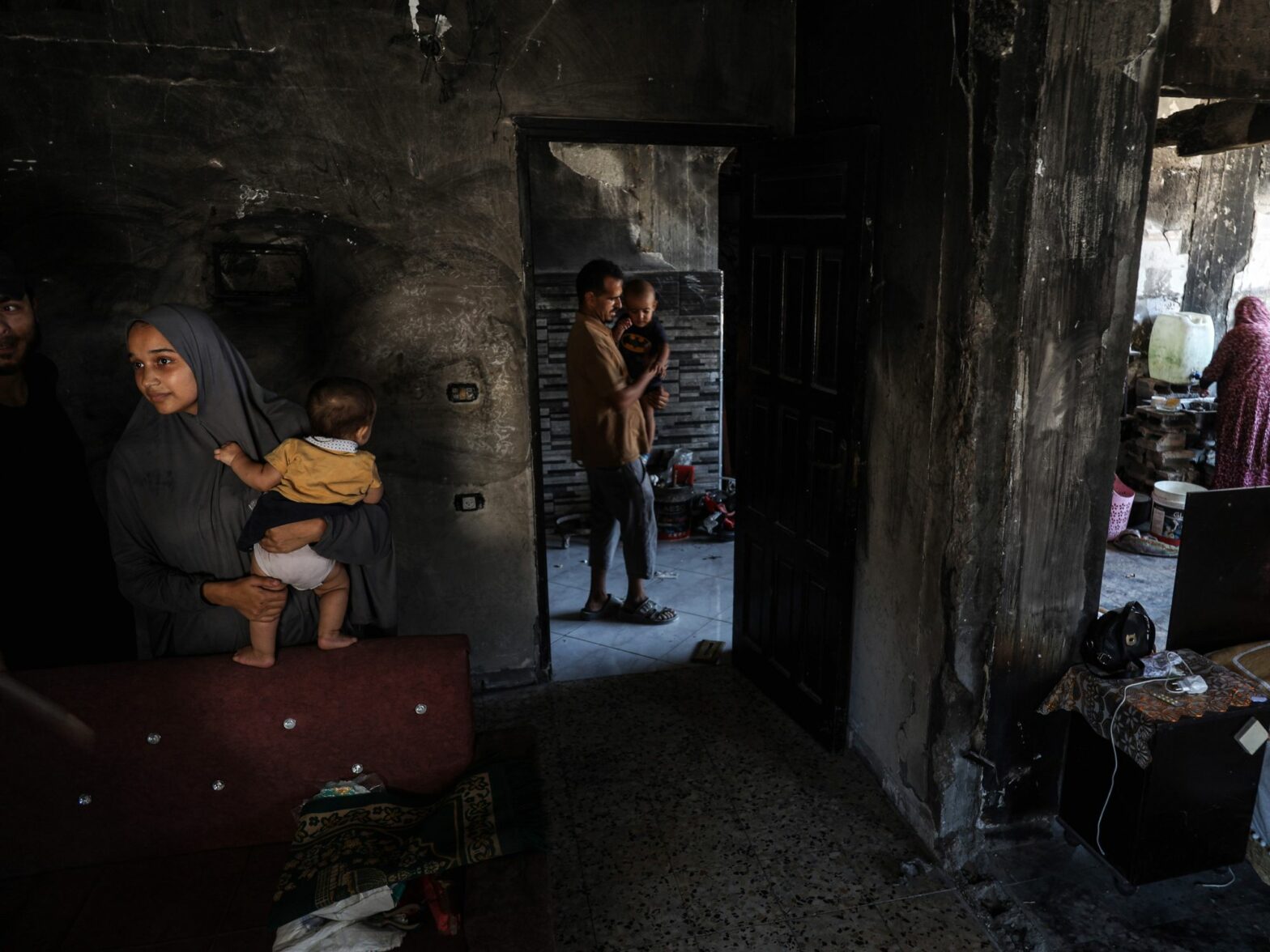
The remains arrived in Rafah in two bags, one blue and the other white. I placed them in front of me, waiting for a time that would force me to open them up.
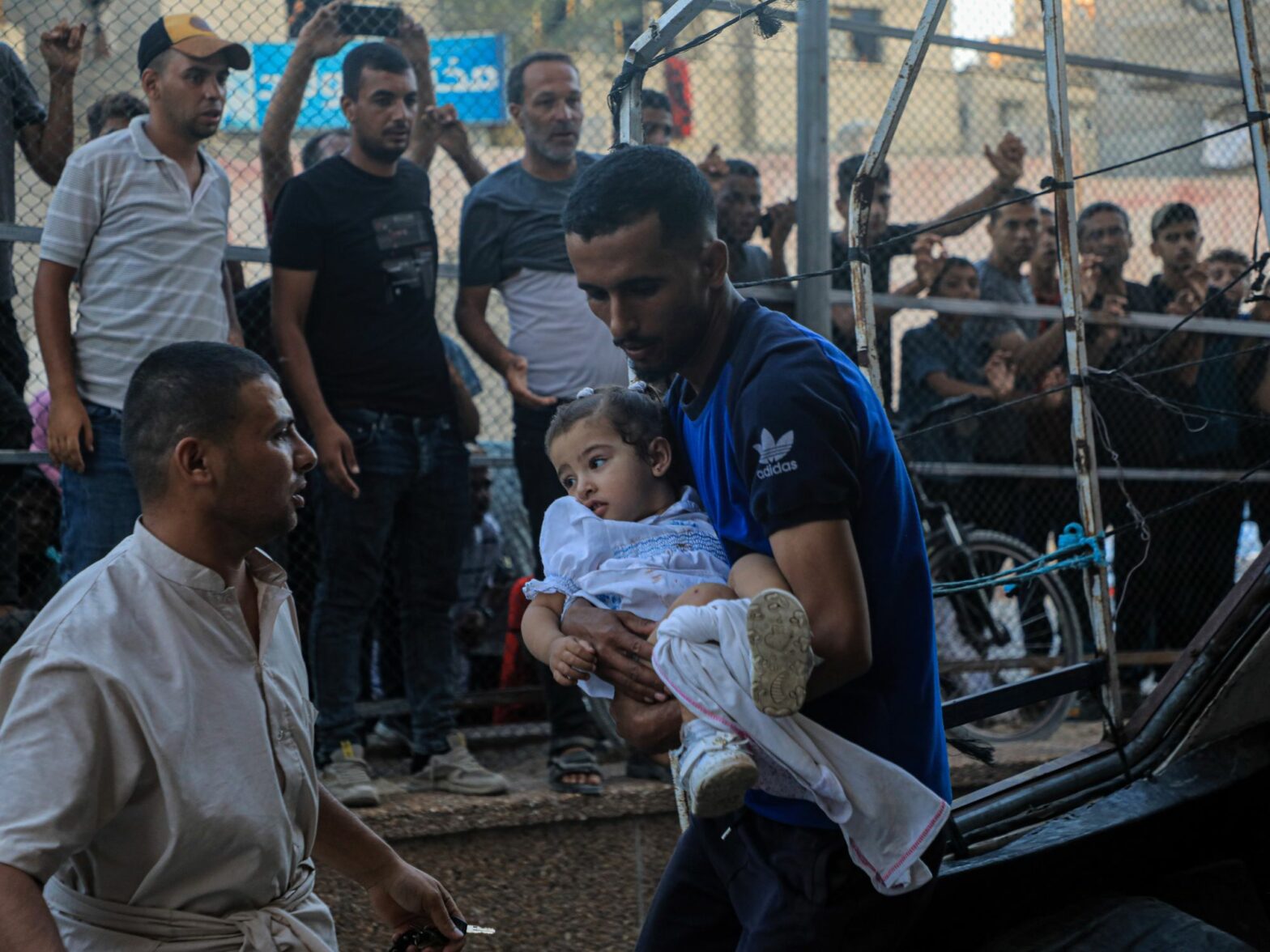
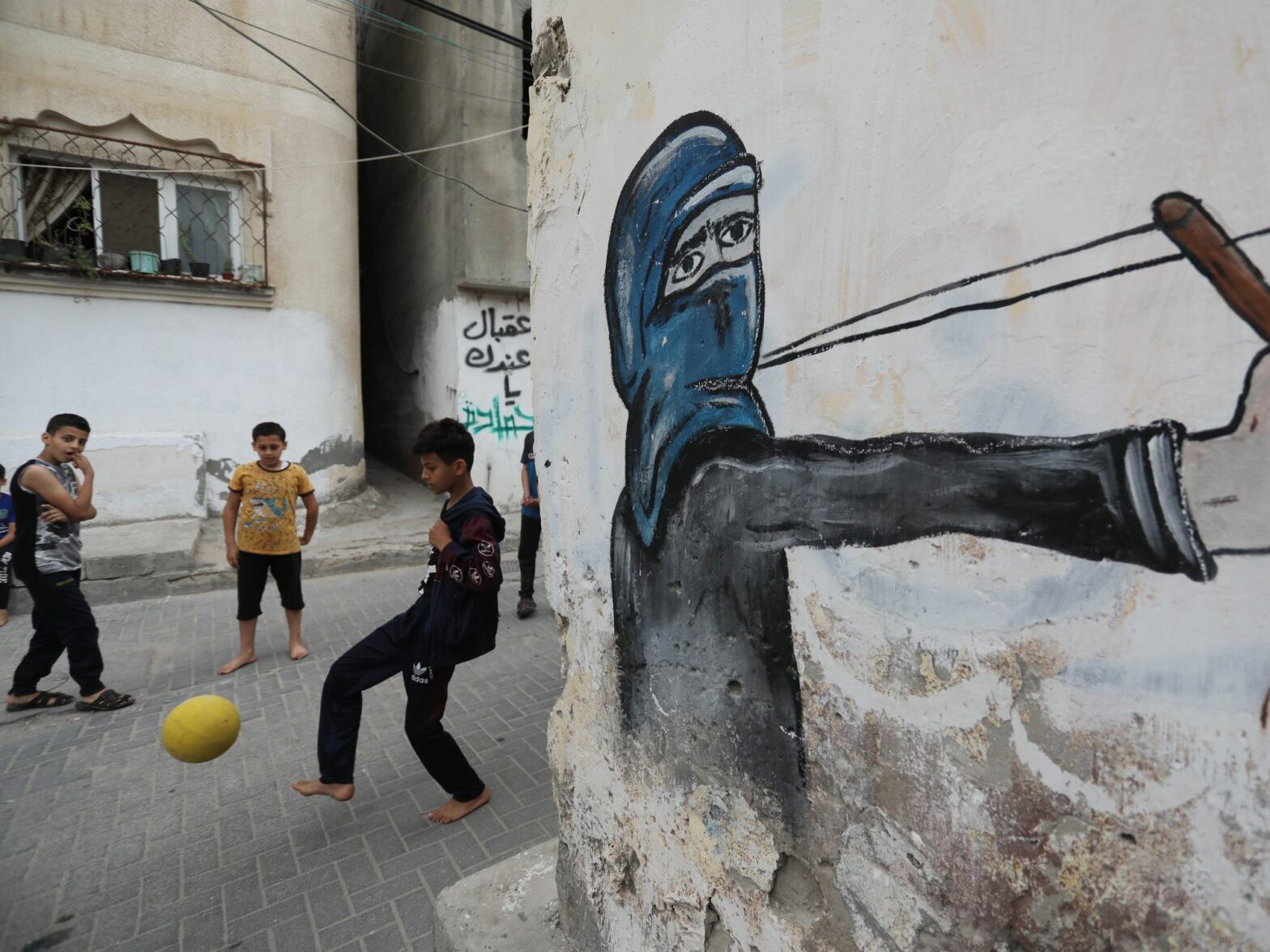
An Israeli missile struck children playing soccer in a schoolyard a day after international outrage at Russia’s bombing of Ukraine’s largest children’s hospital. As the Israel-Hamas war drags on, ceasefire negotiations get harder as the rest of the world looks away.
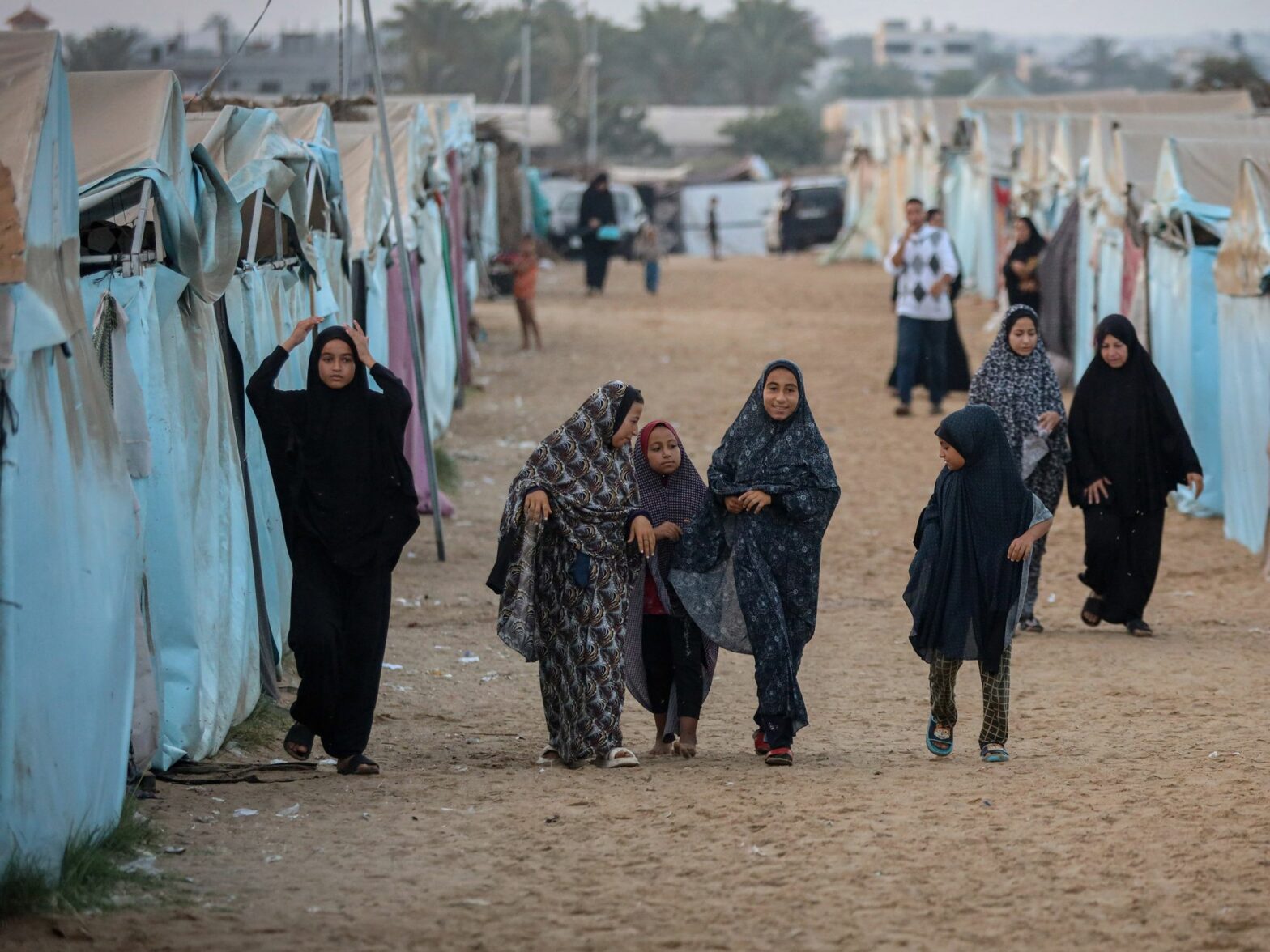
The Israel-Hamas war, now in its 9th month, has made the Eid al-Adha celebrations impossible for the Palestinians in Gaza. They spent the holiday amid relentless bombing, killing and destruction.
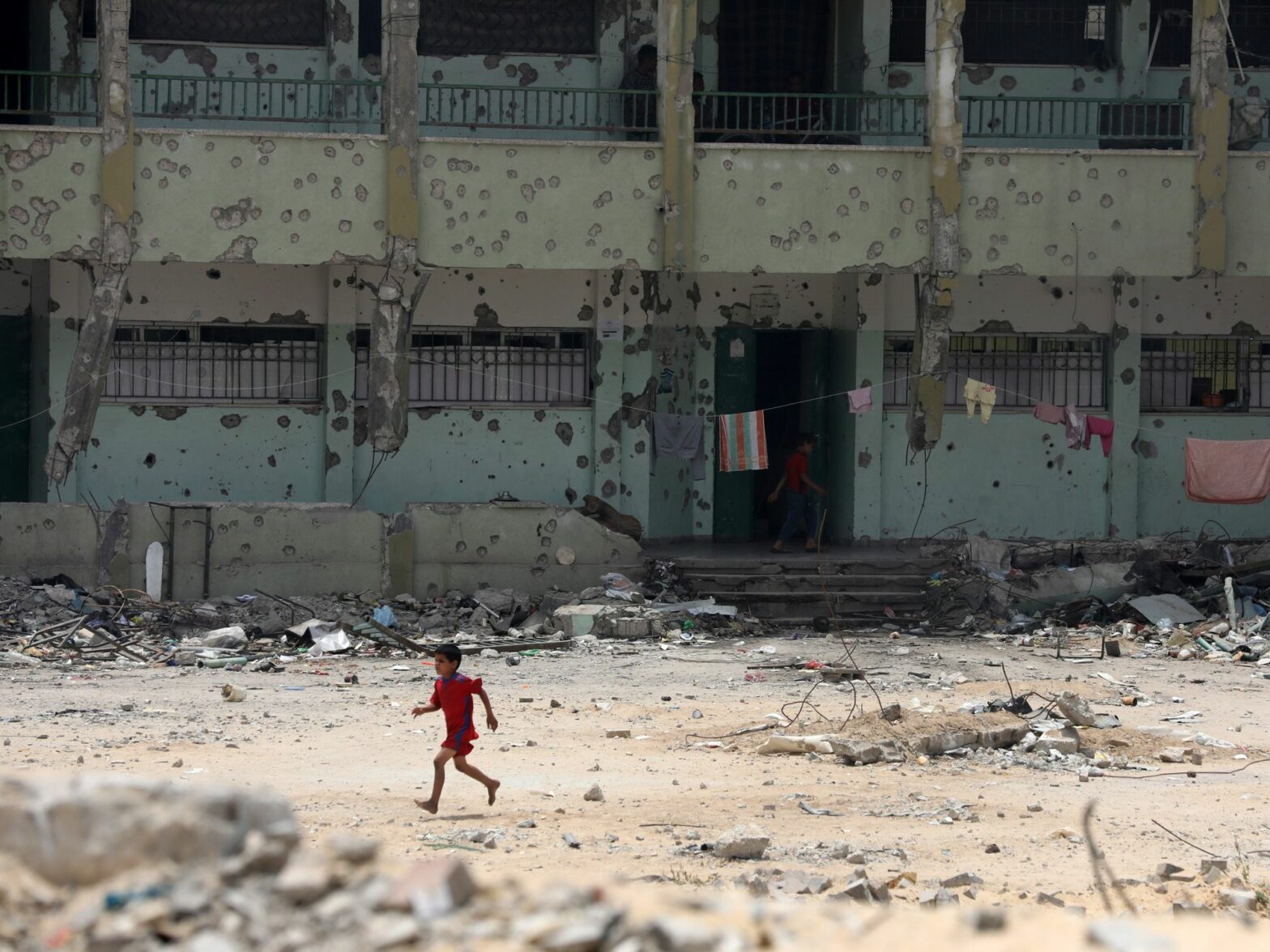
The efforts of chief prosecutor Karim Khan to try Israel’s Prime Minister and Defense Minister over the Gaza war could be a starting point to hold Israeli political and military officials accountable for crimes have committed over many years against Palestinians.

Prime Minister Netanyahu felt the pressure to follow through on his threats to enter Rafah, which may have earned him the space to finalize a ceasefire and get the hostages back.
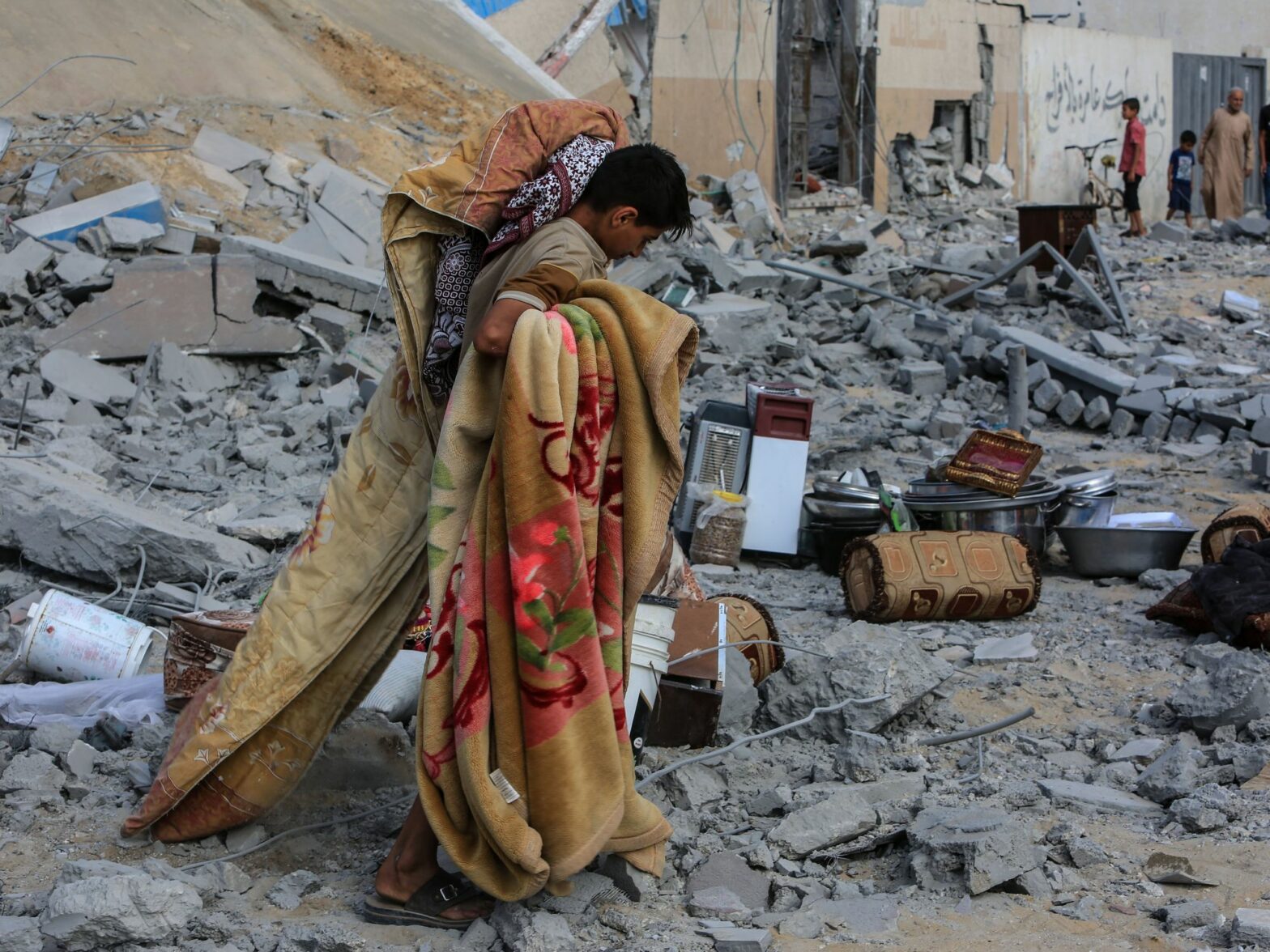
Entire Palestinian families have been wiped out over the past seven months in Gaza in Israel’s bombing campaign. Many families resorted to dividing their family members to different places, so at least some of them survive if their houses are bombed.
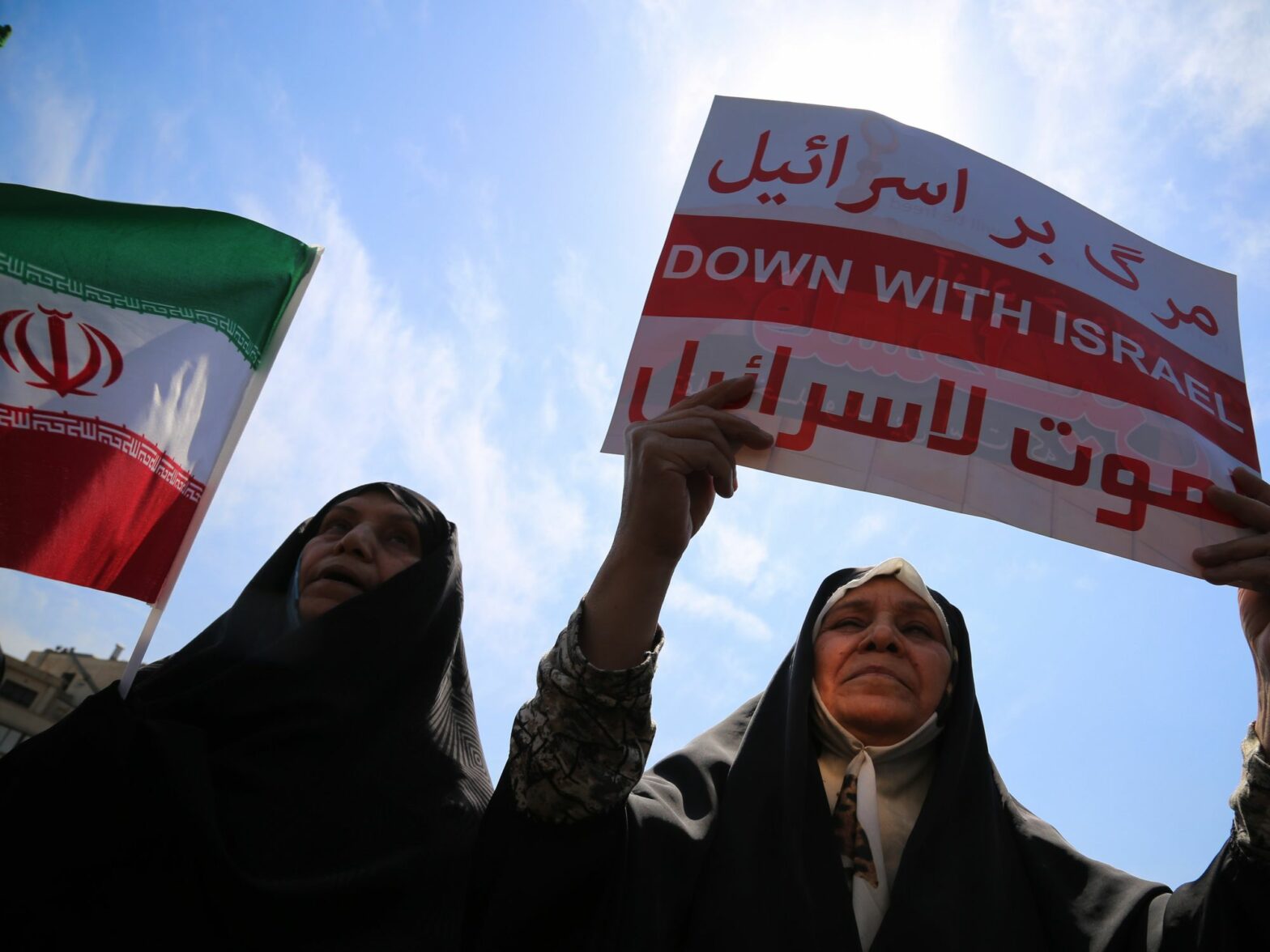
Israel’s recent strike on central Iran was a warning shot for Tehran, tempered by a desire to close the recent spate of tit-for-tat attacks and by pressure from the U.S. Yet this may have only ended round one of the Iran-Israeli showdown.
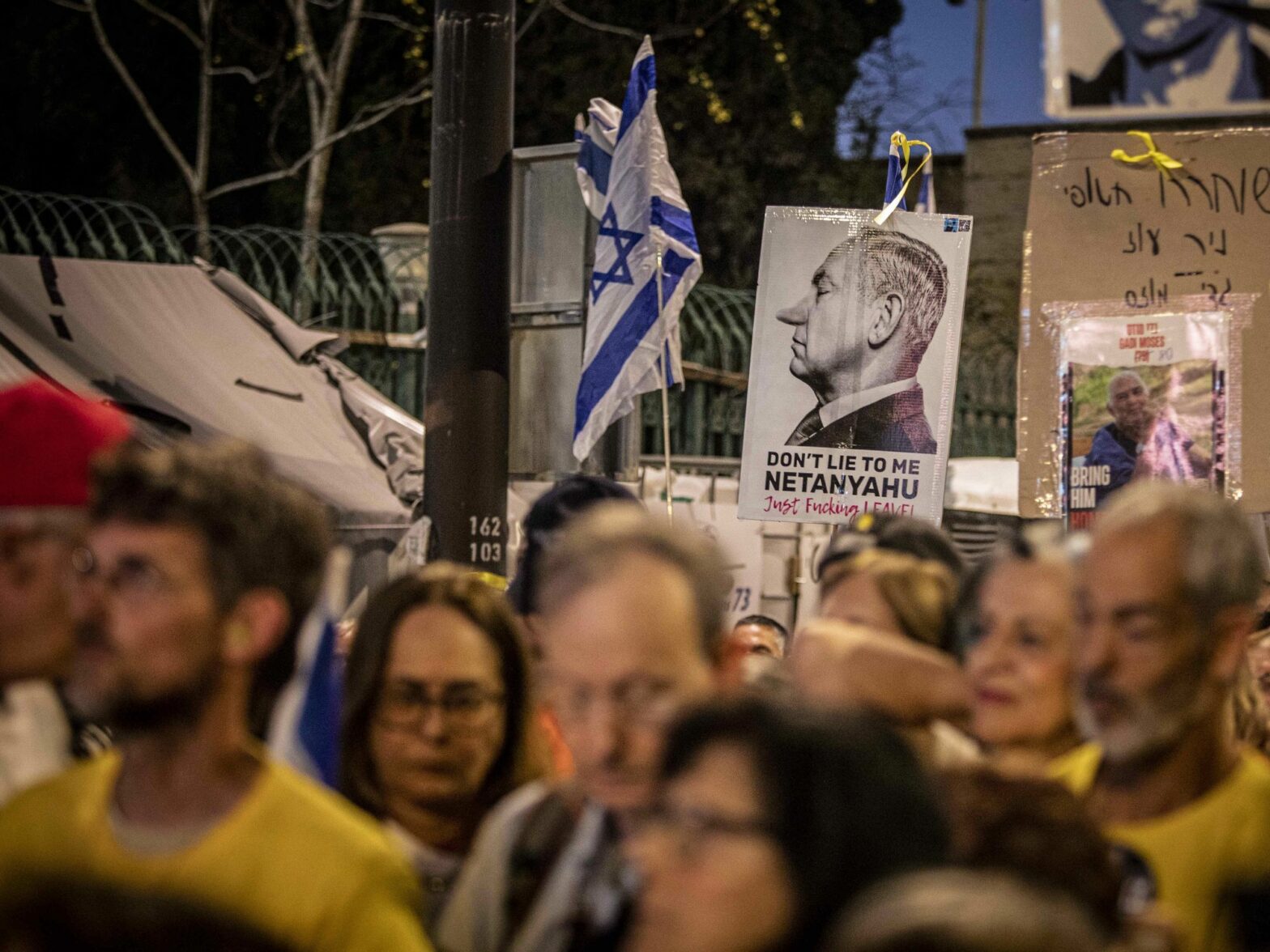
After Israel’s military killed seven aid workers from the World Central Kitchen — including six foreigners —, its closest allies in the West revolted. Some threatened to stop supplying Israel’s war machine. The Arab countries, meanwhile, are still taking the position of “concerned observer” of Israel’s killing of over 33,000 Palestinians, two thirds of them women and children.
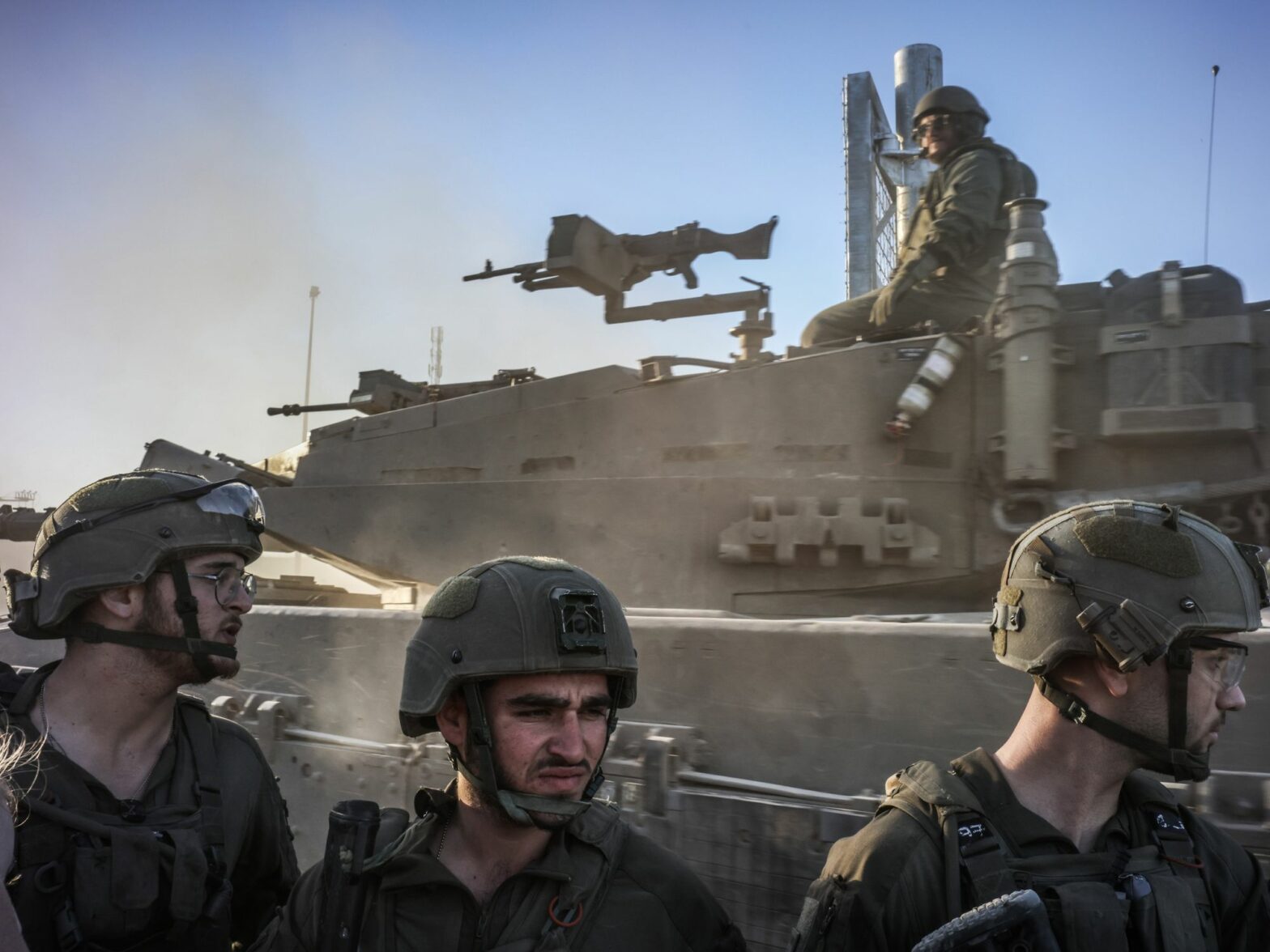
The eighth part of an anthology of poetry from the IDF’s front line soldiers prompted the withdrawal of its copies, with some poems articulating an Israeli “call for revenge.” Sometimes only poetry can truly expose the brutal truth.
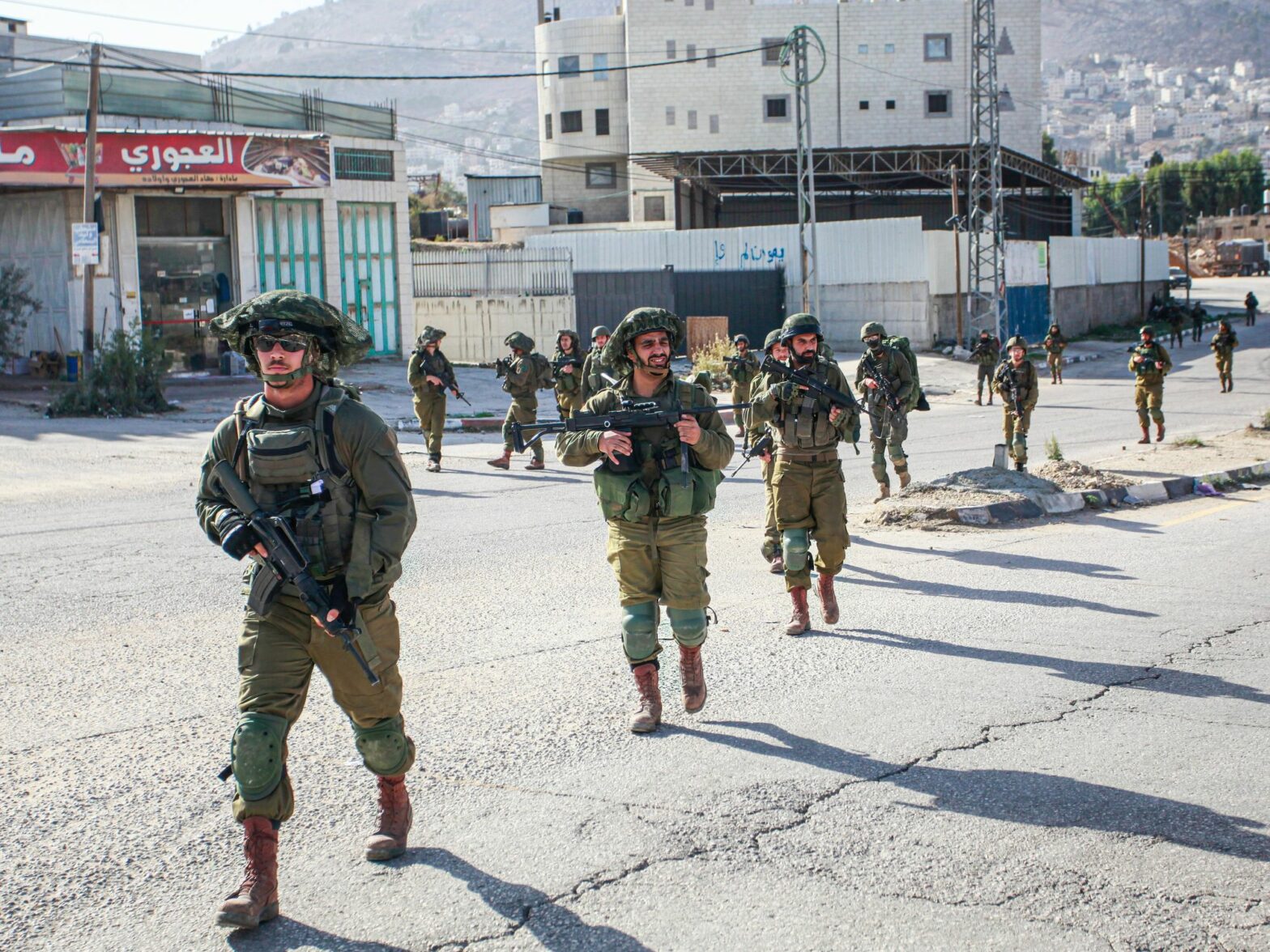
Released detainees detail how Israel’s military used them as human shields in its war against Hamas in Gaza. Soldiers would put civilian Palestinians in front of military targets, endangering their lives, according to accounts from recently-released detainees.
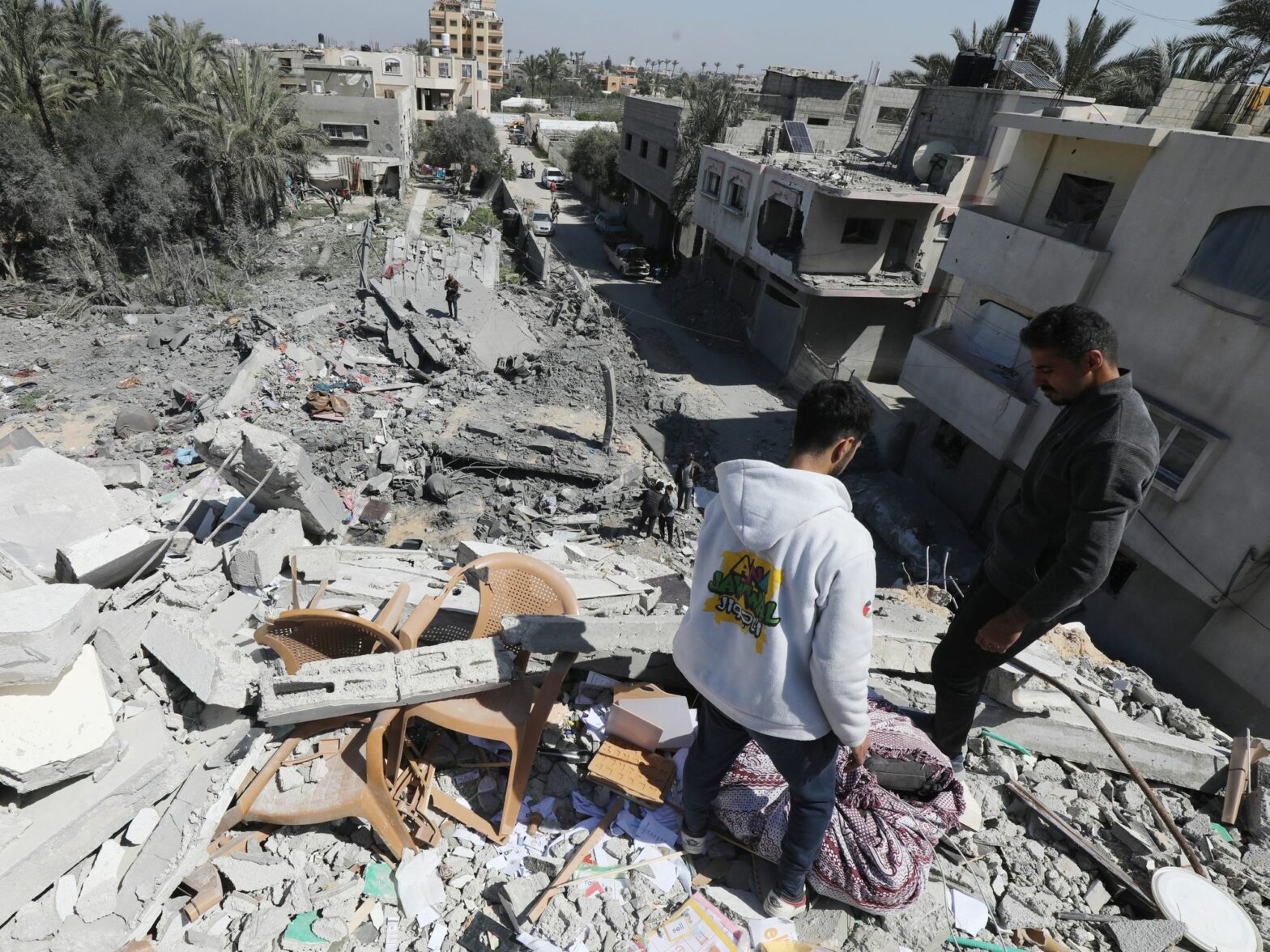
Famine creeps into Gaza, one could expect a certain pragmatism would push influential countries in the region to intervene. Yet each of these countries has its own political agenda.
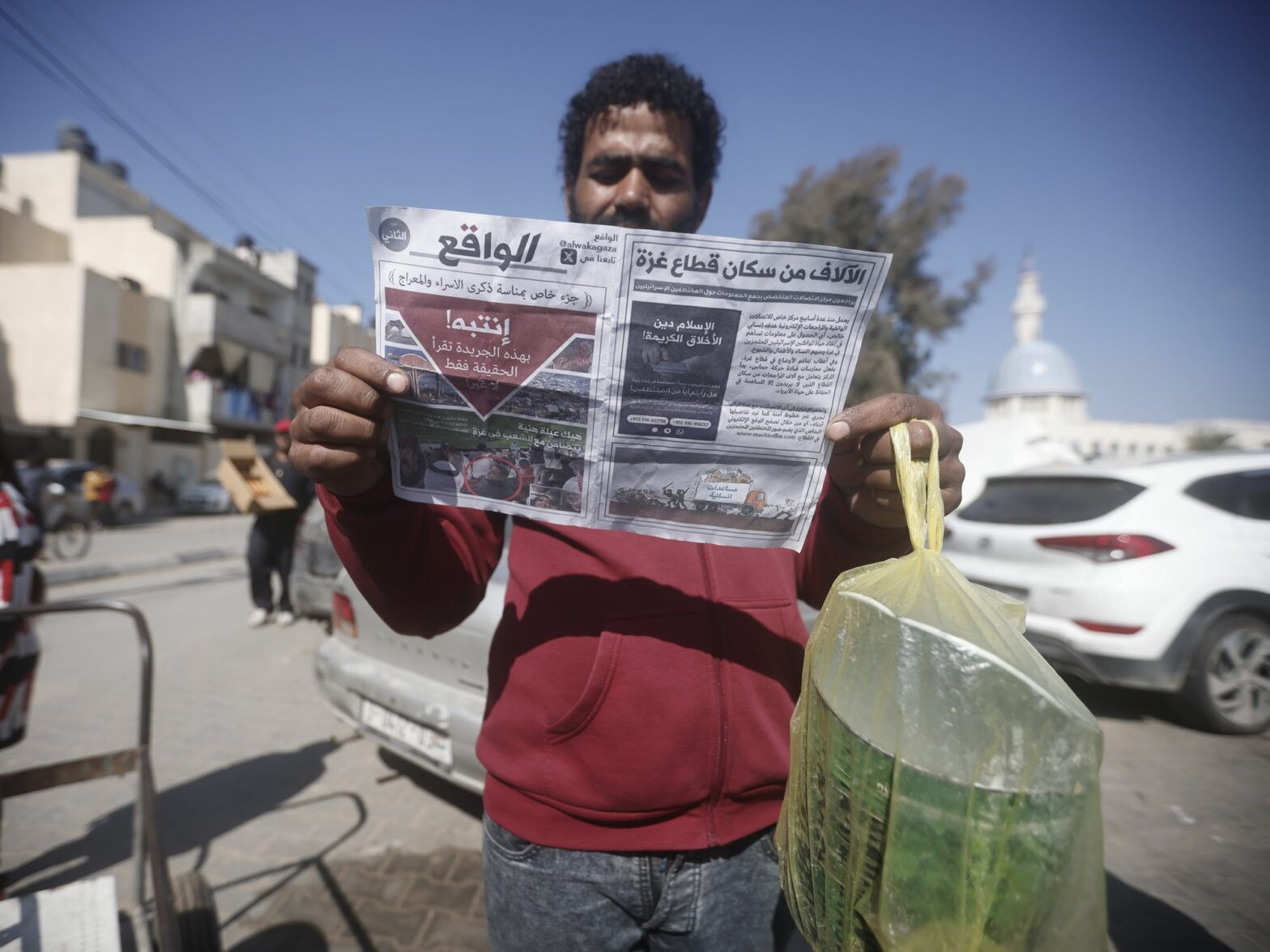
Rafah has become, by far, the largest concentration of displaced people in Gaza. Now Israel is threatening to invade the city, sending waves of desperation among 1.4 million people there. It’s simple: There’s nowhere else to go.
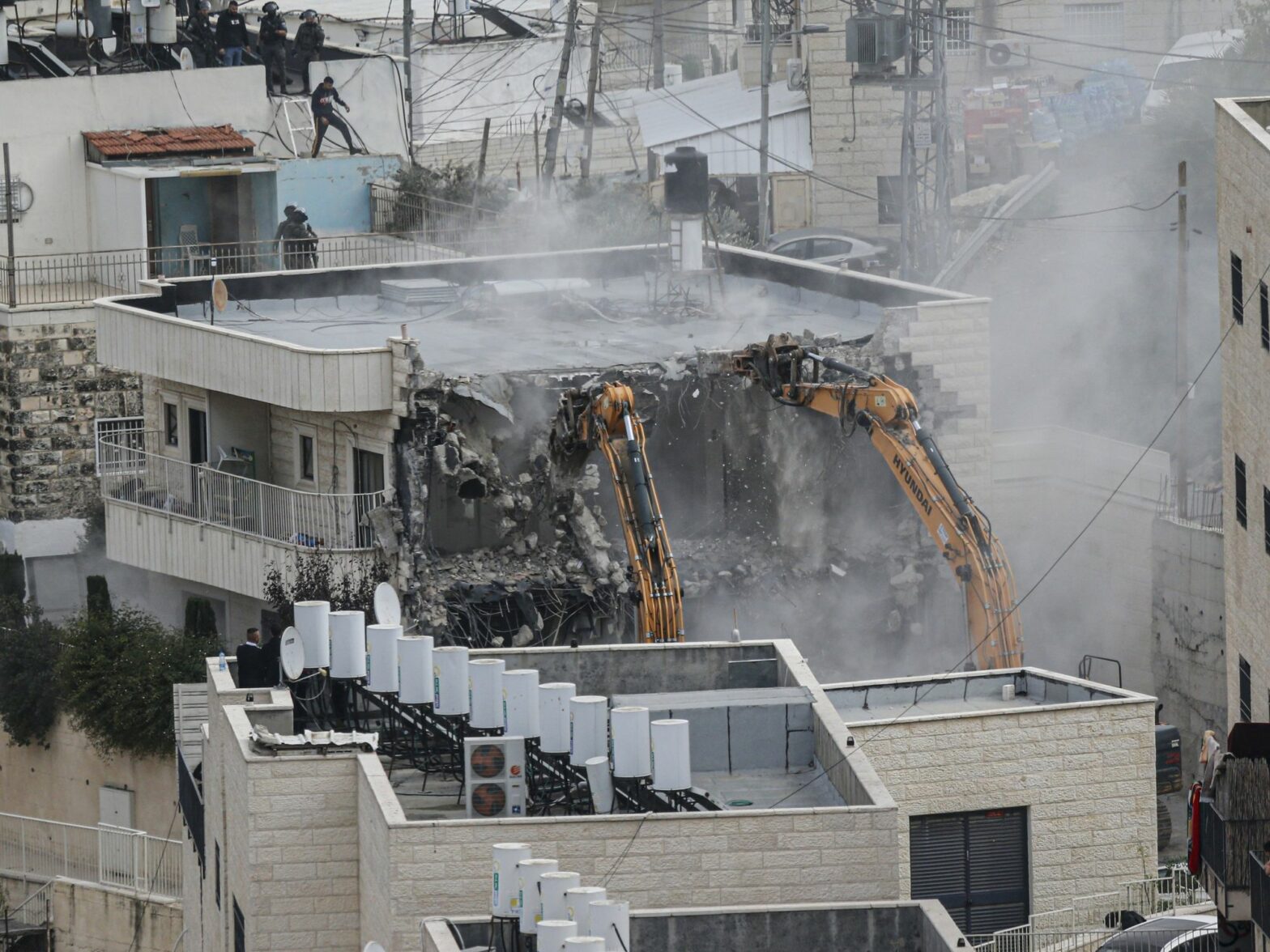
Israel says it is establishing a buffer zone inside Gaza along the strip’s border, as part of its efforts to guarantee security and avoid another Oct. 7. But it’s already led to the destruction of thousands of buildings and acres of agricultural land. In other words: Occupation.
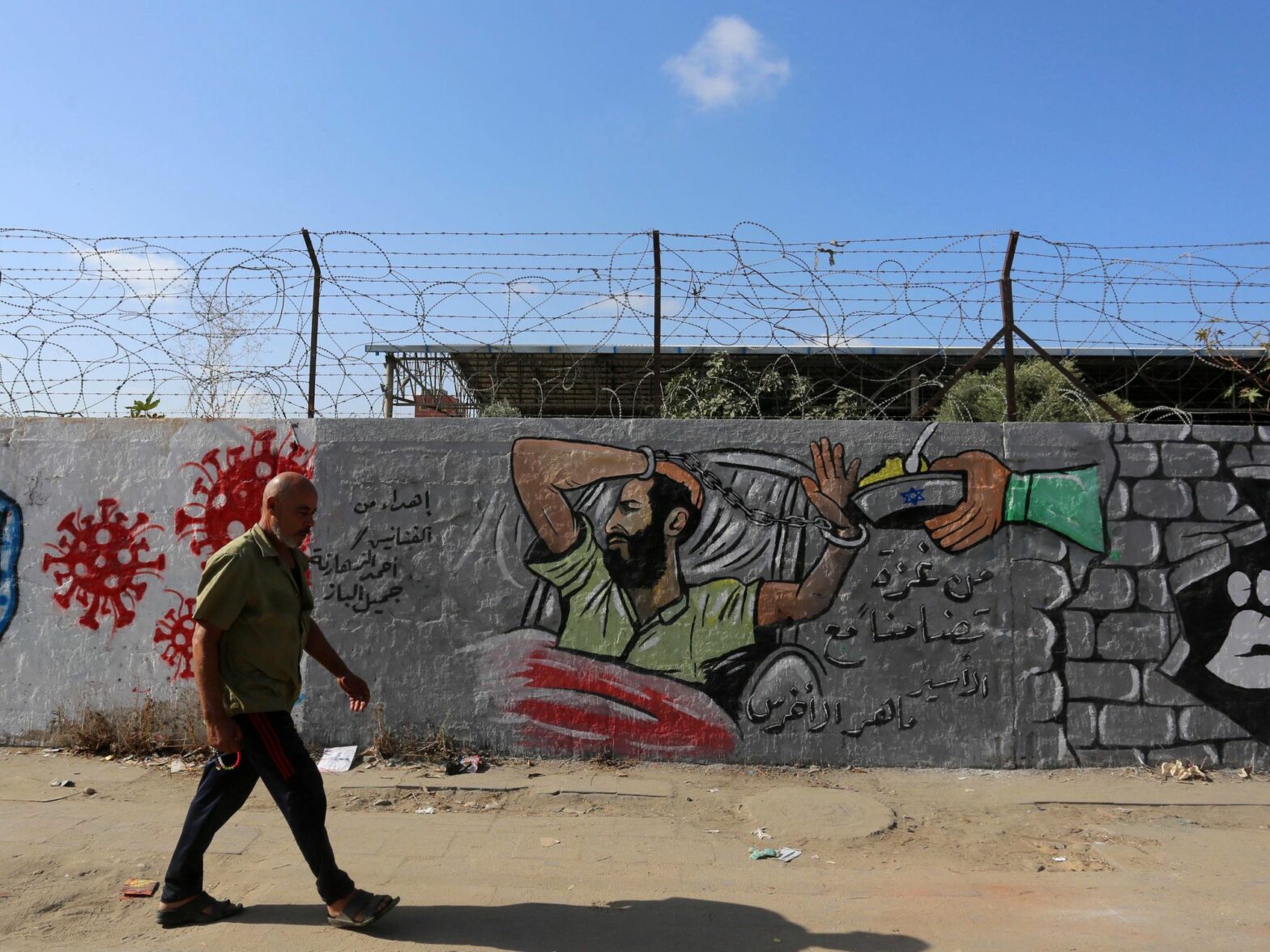
Since Oct. 7, Israel has launched a crackdown on Palestinians, in both Gaza and the West Bank. Once the new detainees are taken to jail, they allege that authorities regularly take an extra hard line, including a disturbingly high number of prisoners killed.
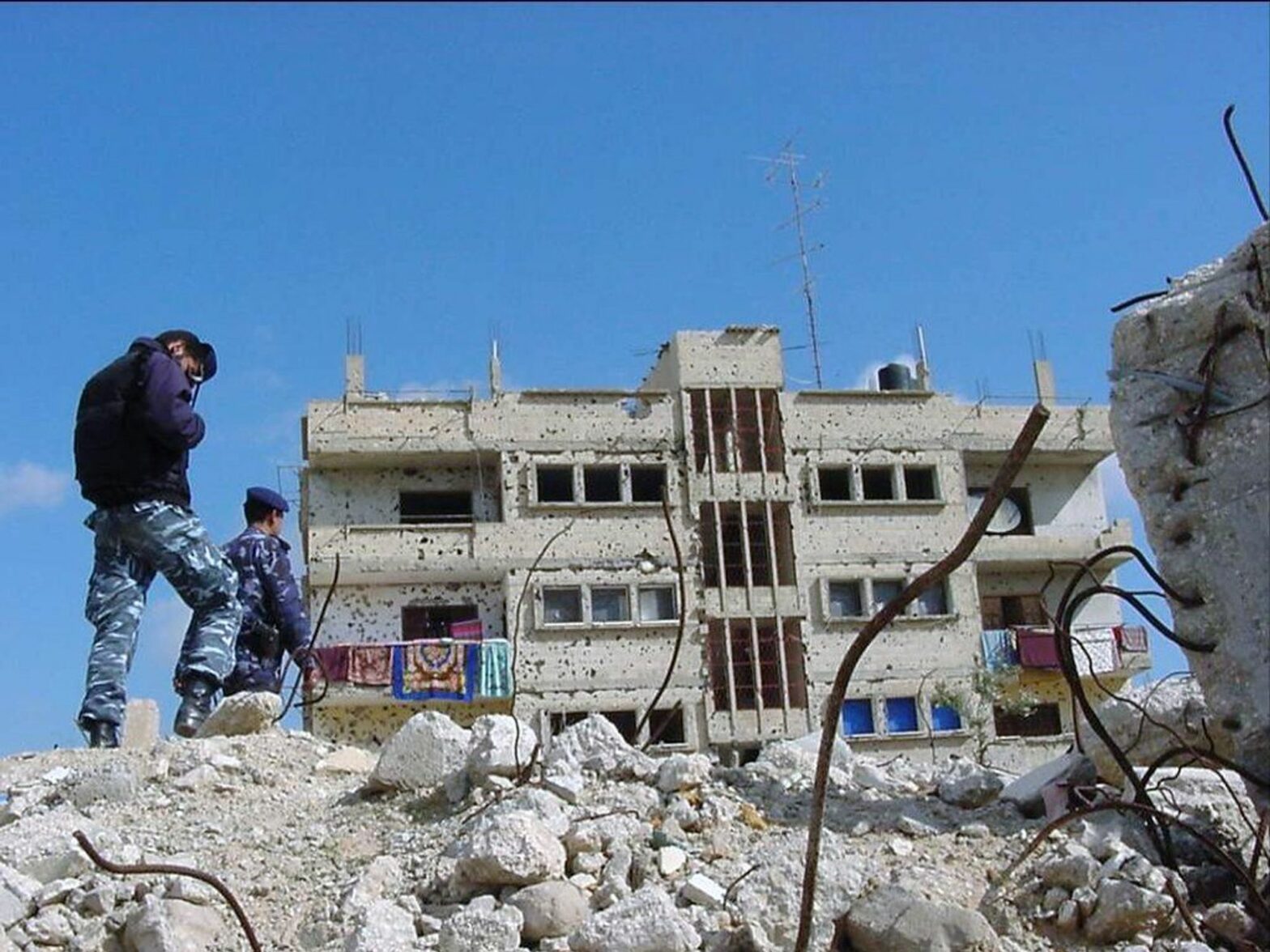
Israel is pushing for more control of the disputed passage near the Egypt-Gaza border, testing Egypt’s security stance and threatening the peace treaty between the two nations.
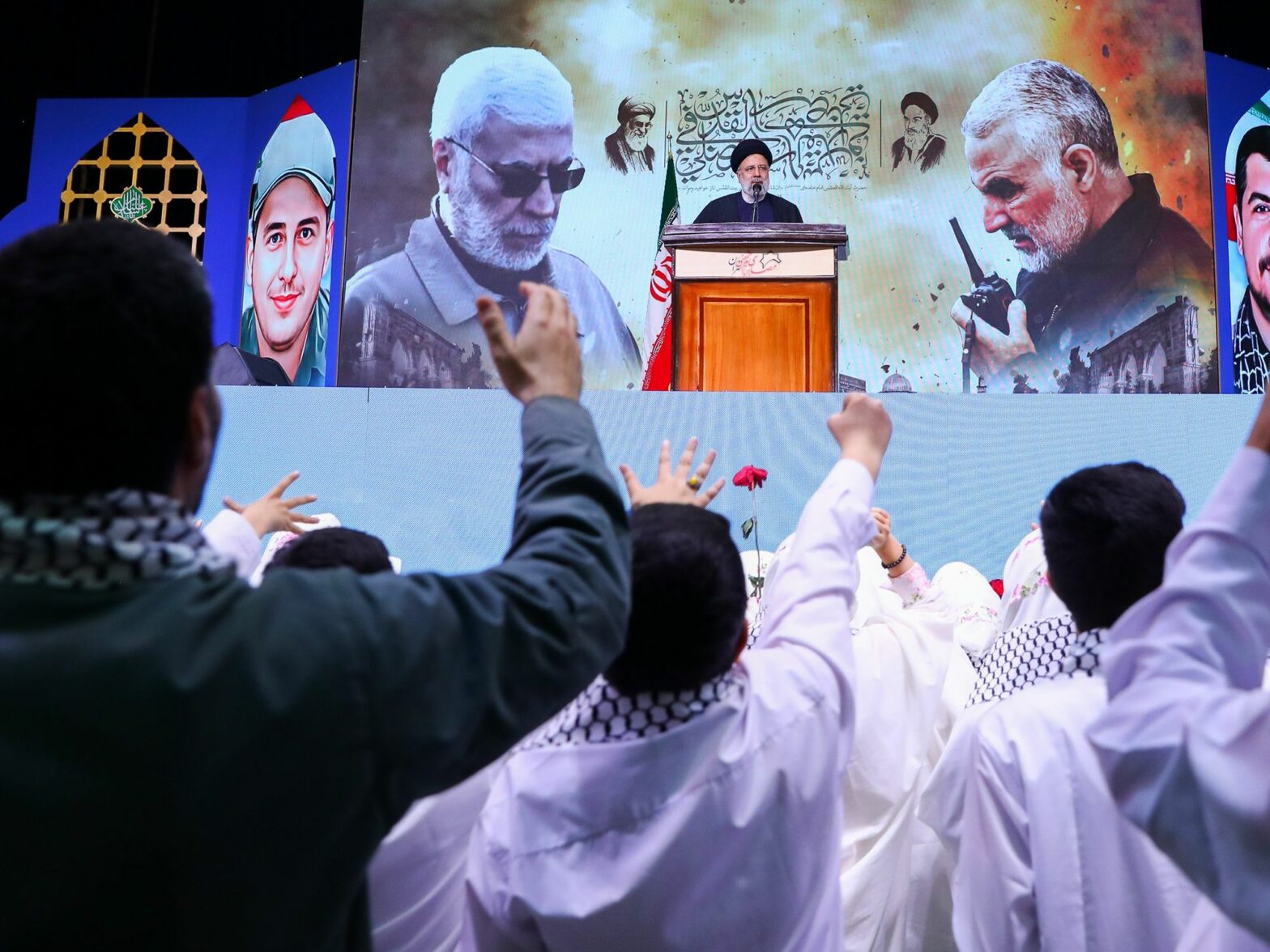
Though all-out war has not yet spread, there are a multiplying number of attacks, targeted and otherwise, taking place across borders that has all the makings of a region-wide conflagration.
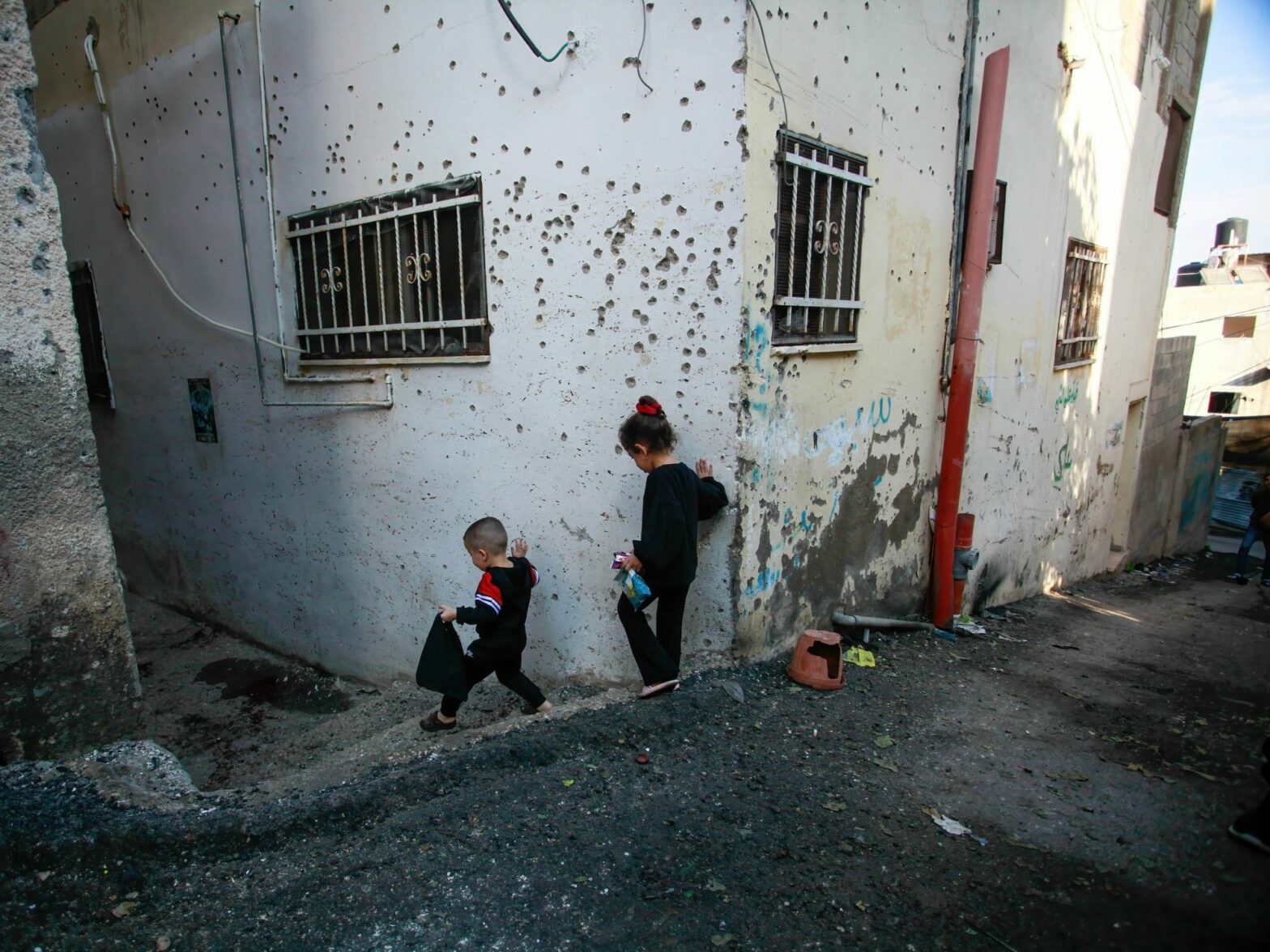
Within 15 minutes, the life of Youssef al-Bazm turned upside down. The Palestinian father had considered himself the luckiest person in the world because of his small family. But everything changed on Dec. 1. His story is just one of thousands of parents looking for their lost kids.
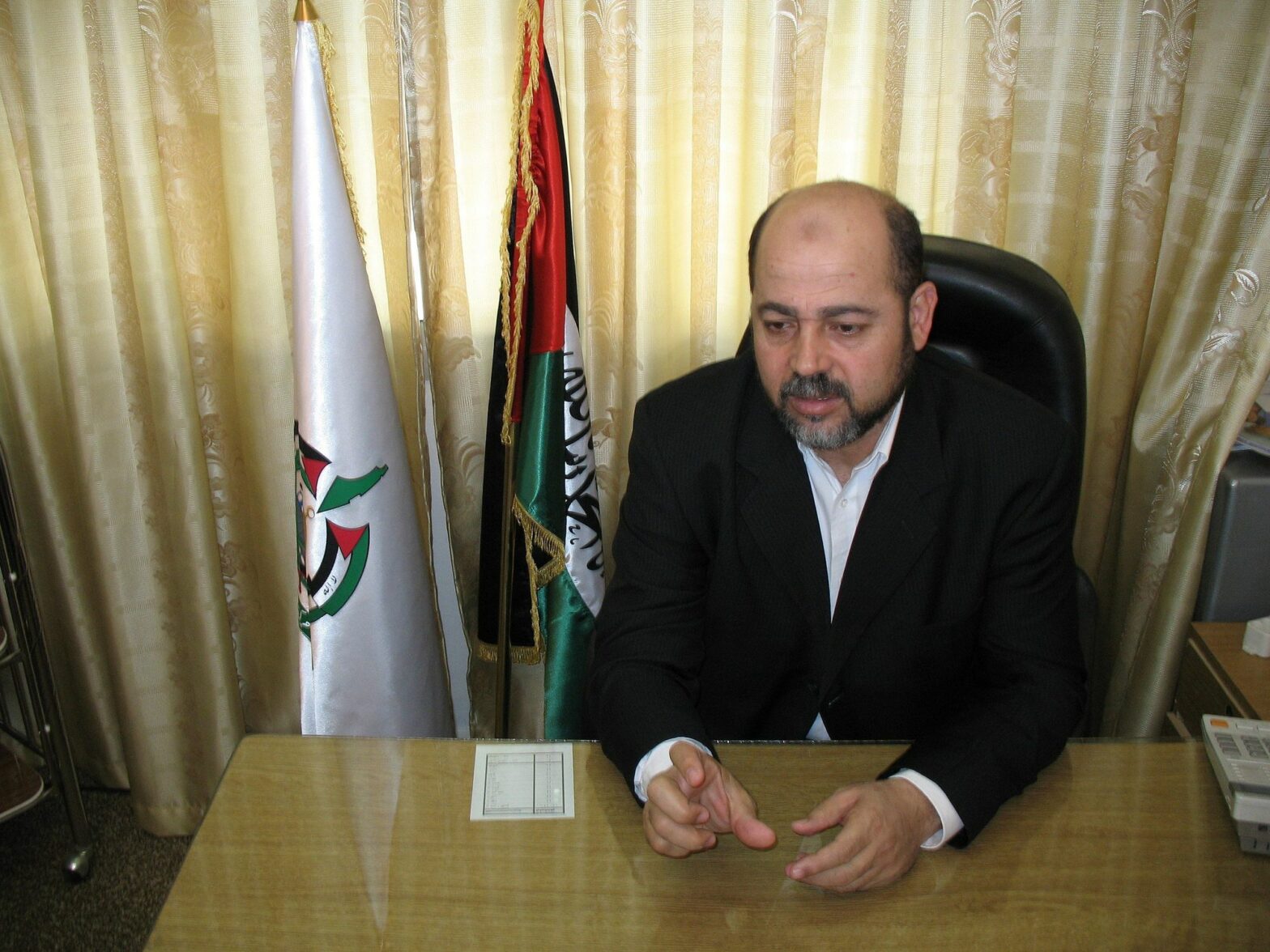
A Hamas delegation arrived in Russia, as Putin warns Israel that the war could spread beyond the Middle East.
In response to the attack by Hamas, Israel promises to eradicate the group, but what does this really look like? With the promise of a high toll in human lives and the complex network of the Gaza Strip, an operation to retaliate against Hamas may be even more difficult that one may think.