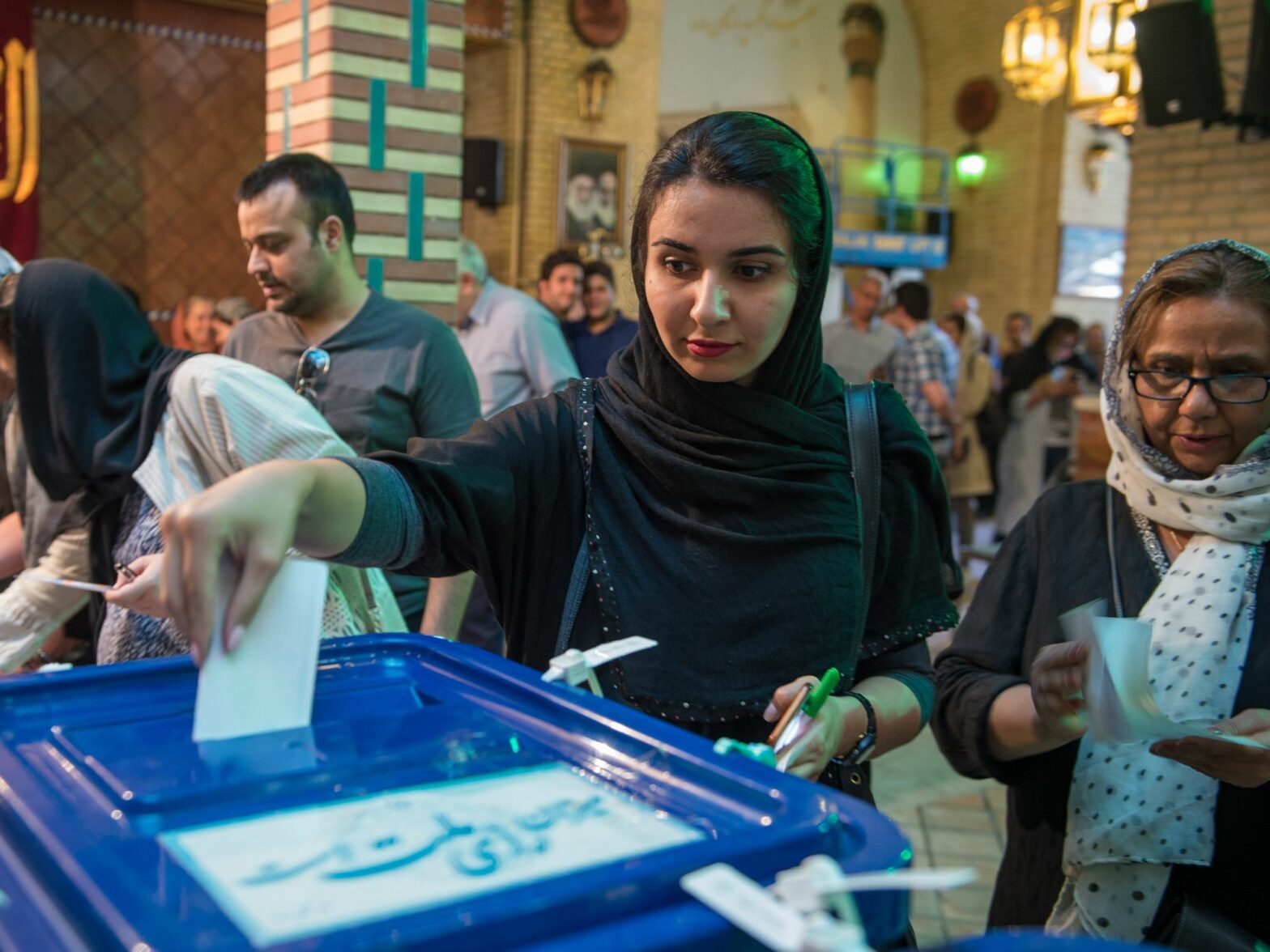
Iran’s regime has selected six candidates for the presidential elections due in late June, and possibly even a winner, just as millions of Iranians may have made their own choice, to no longer vote in a dictatorship.
 Worldcrunch
Iran’s regime has selected six candidates for the presidential elections due in late June, and possibly even a winner, just as millions of Iranians may have made their own choice, to no longer vote in a dictatorship.
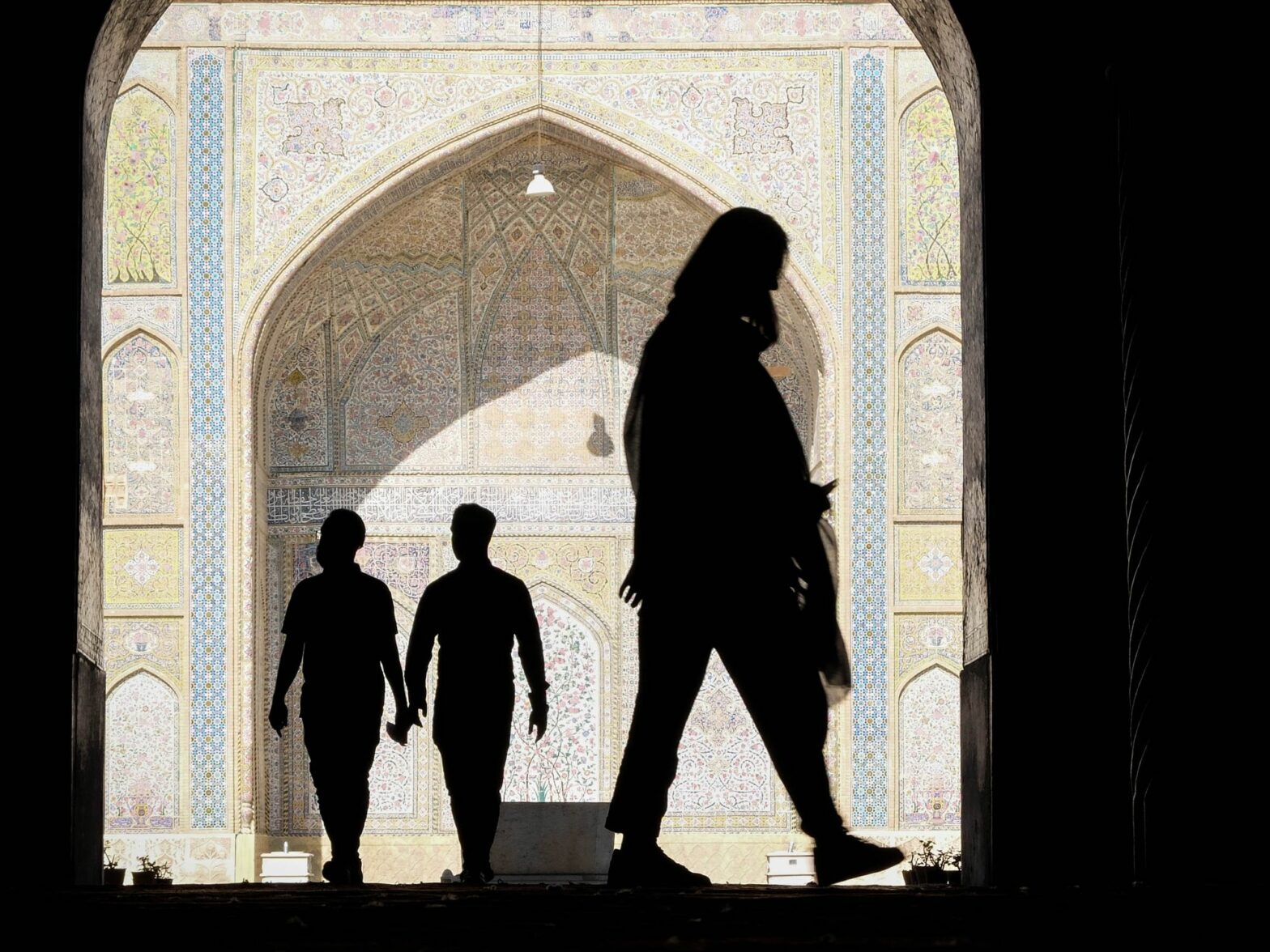
One of the chief victims of radical clerical rule in Iran has been religion, historically a bulwark of Iranian society now seen as a tool of tyranny.
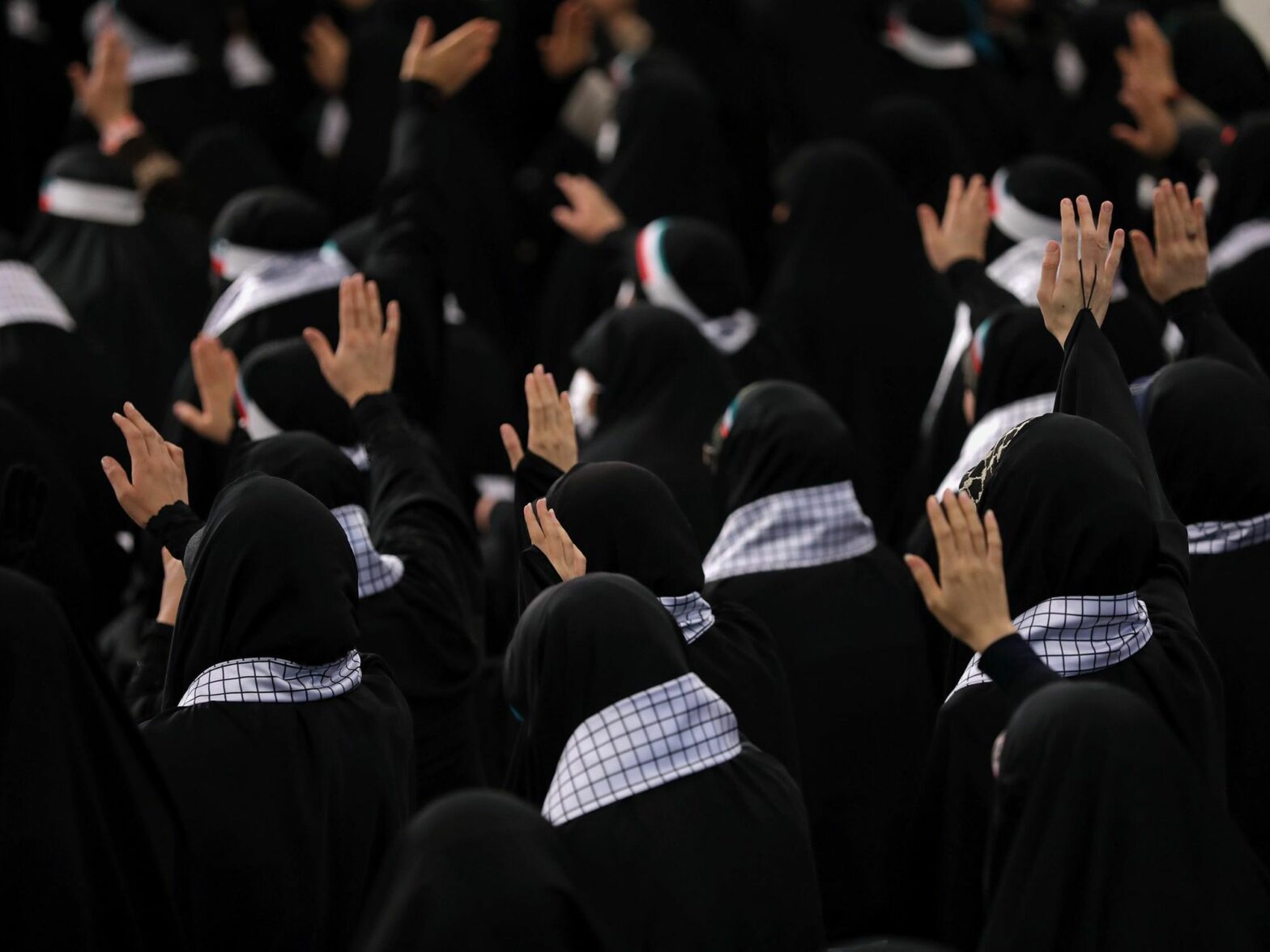
Reported declarations by some Iranian officials on revising the notorious morality police patrols and obligatory dress codes for women are suspect both in their authenticity, and ultimately not even close to addressing the demands of Iranian protesters.
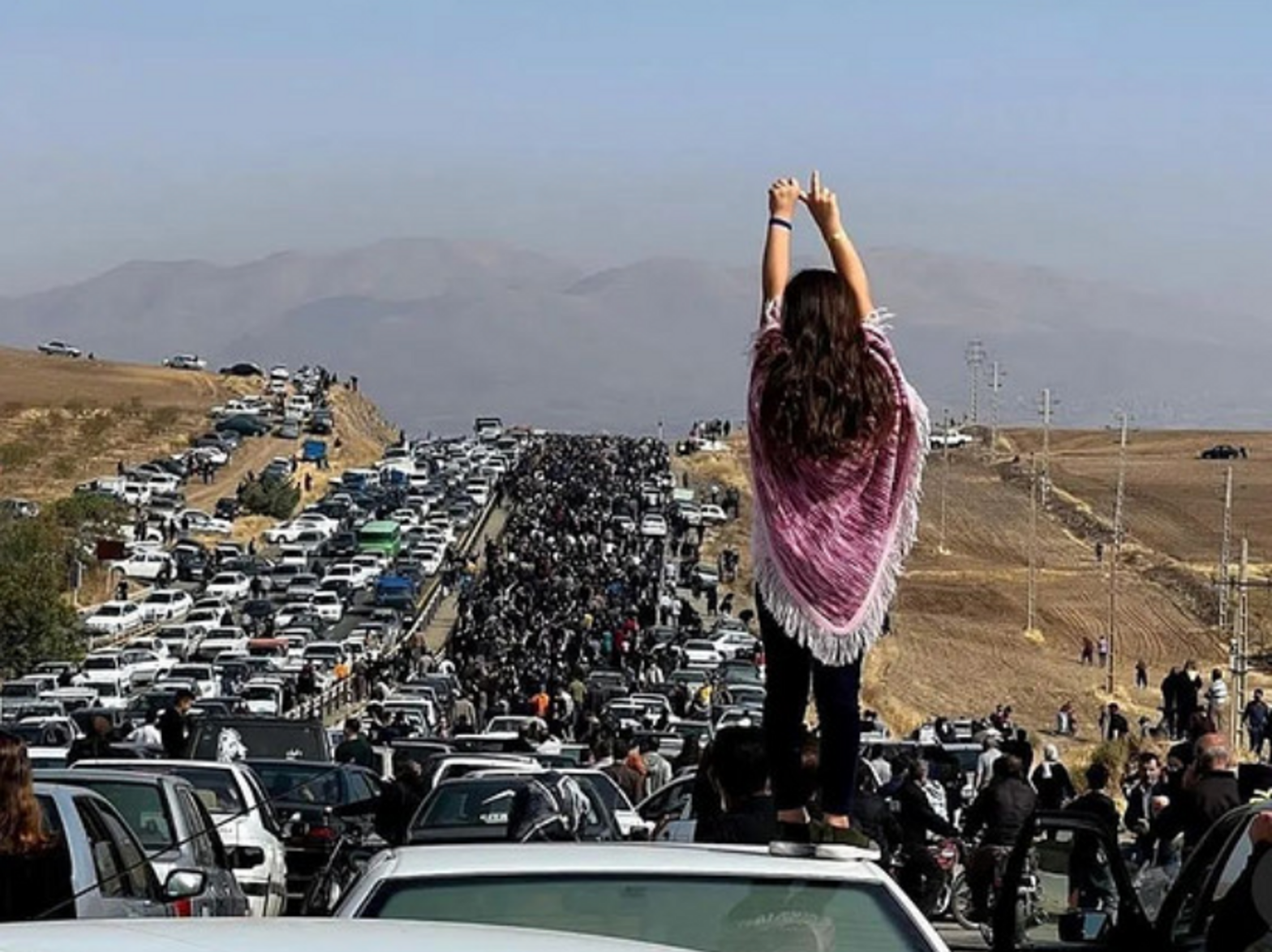
Mass demonstrations and civil disobedience continue to take place in Iran, shaking both its ruling regime and the world. But beyond the headlines, gauging what effects they will really have is a trickier exercise. Mada Masr asked Iranian political scientist Fatemeh Sadeghi about the biggest acts of civil disobedience Iran has seen in decades.
The Iranian government is responding to peaceful protests with batons and bullets. Their brutality and criminal incompetence are galvanizing protestor solidarity and resistance, which might finally prove fatal to the ruling elite.