A growing research field known as “the science of science” promises to be essential for rebuilding trust in scientific research and navigating an uncertain future.

 Worldcrunch
A growing research field known as “the science of science” promises to be essential for rebuilding trust in scientific research and navigating an uncertain future.
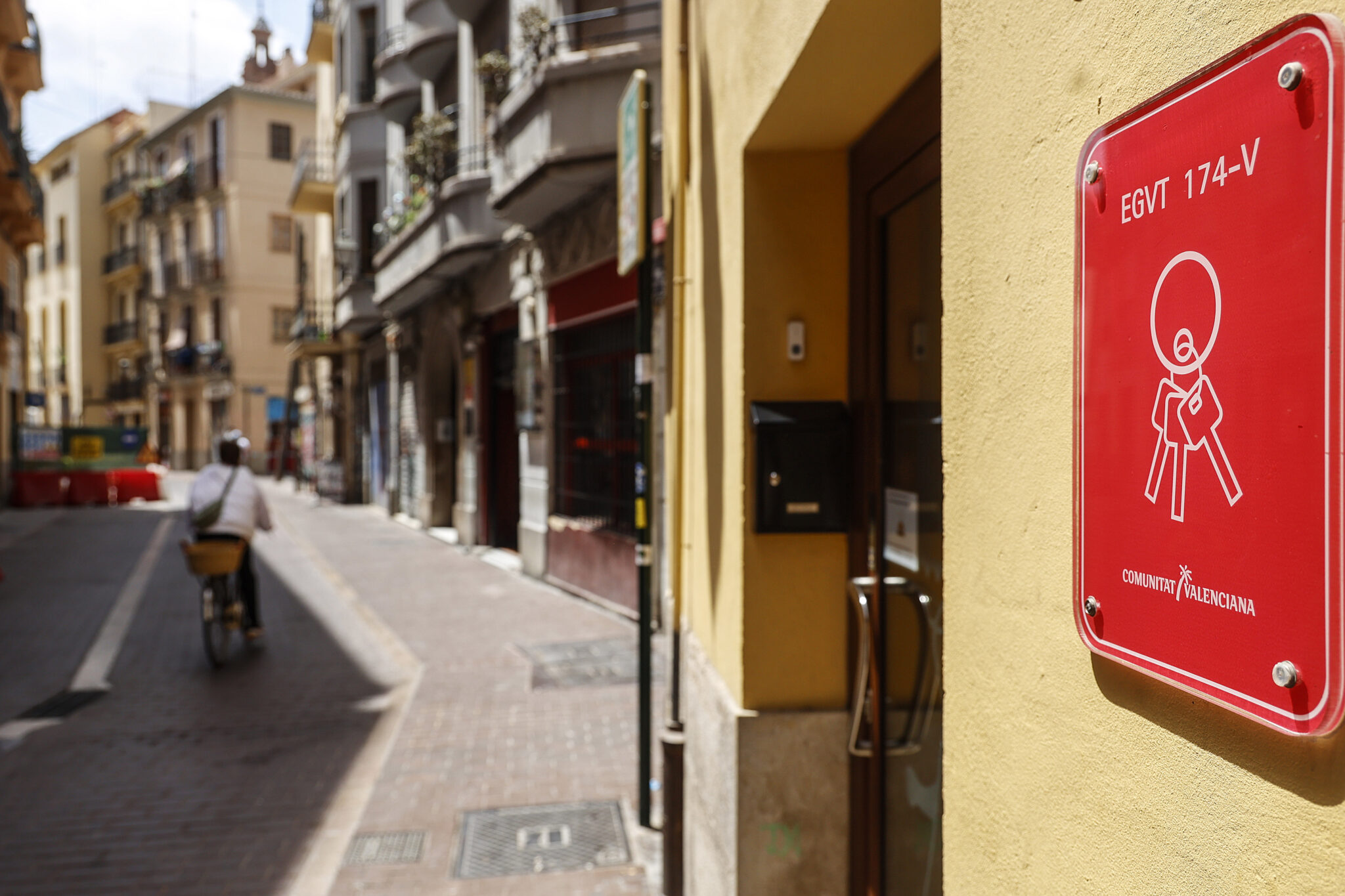
In Valencia, Spain, the expansion of both licensed and unlicensed tourist accommodations is raising housing prices and pushing locals out of traditionally working-class neighborhoods.

Silicon Valley’s self-anointed philosophers promise digital immortality and Kantian rigor, yet their transhumanist ambitions reveal a darker inheritance: an evolutionary game of invisible rivalry. True transcendence won’t come from tweaking biology, but from dismantling the self-interest that entrenches inequality.

In the midst of discussions about the use of artificial intelligence, ecofascist narratives have crept in. How did this happen? What are the dangers?
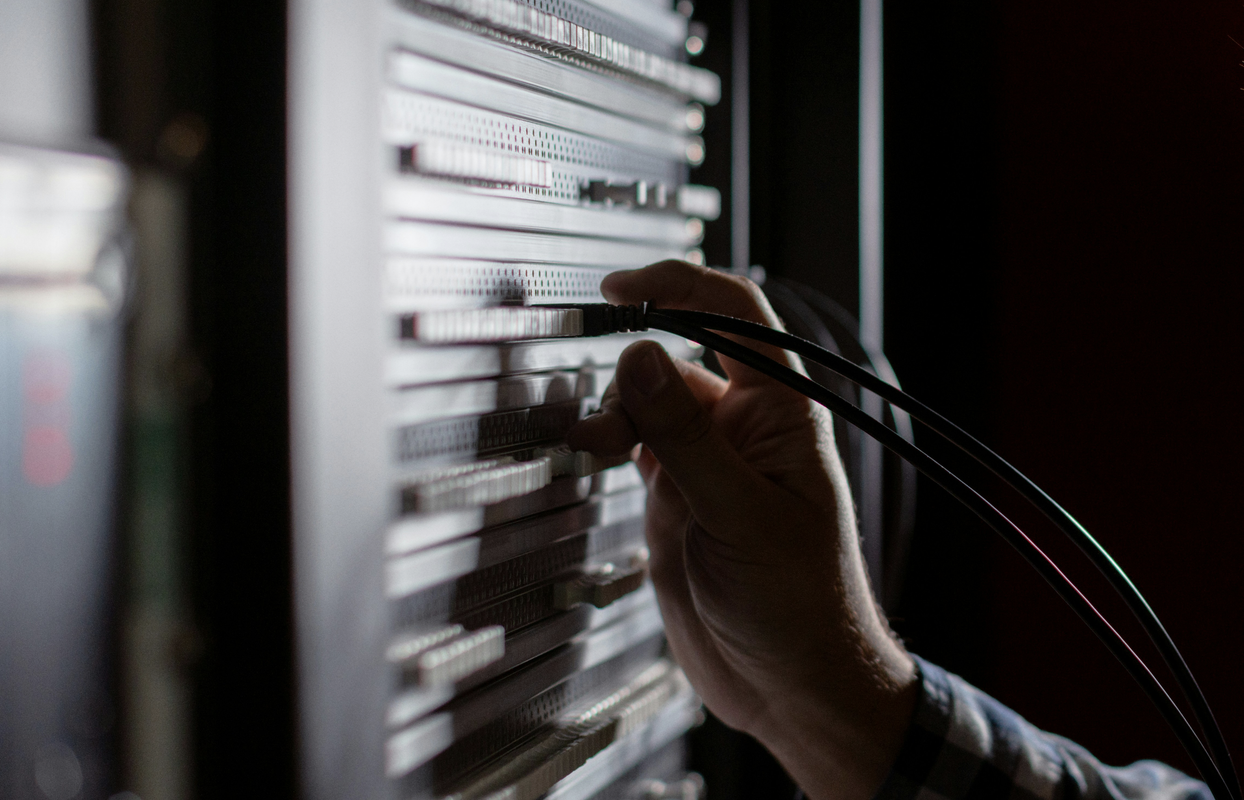
A report from Oxford University lists the 32 countries – 16% of the world’s nations – with the infrastructure needed to develop artificial intelligence. The gap is widening with the rest of the world, in the key technological sector of the 21st century.

In the 1950s, despite an outward appearance of fulfilled lives, American housewives endured a hidden malaise — “the problem that has no name” — a silent yet pervasive discontent. Self-esteem, which has long been neglected among women, can be nurtured and developed, for both personal and collective wellbeing.
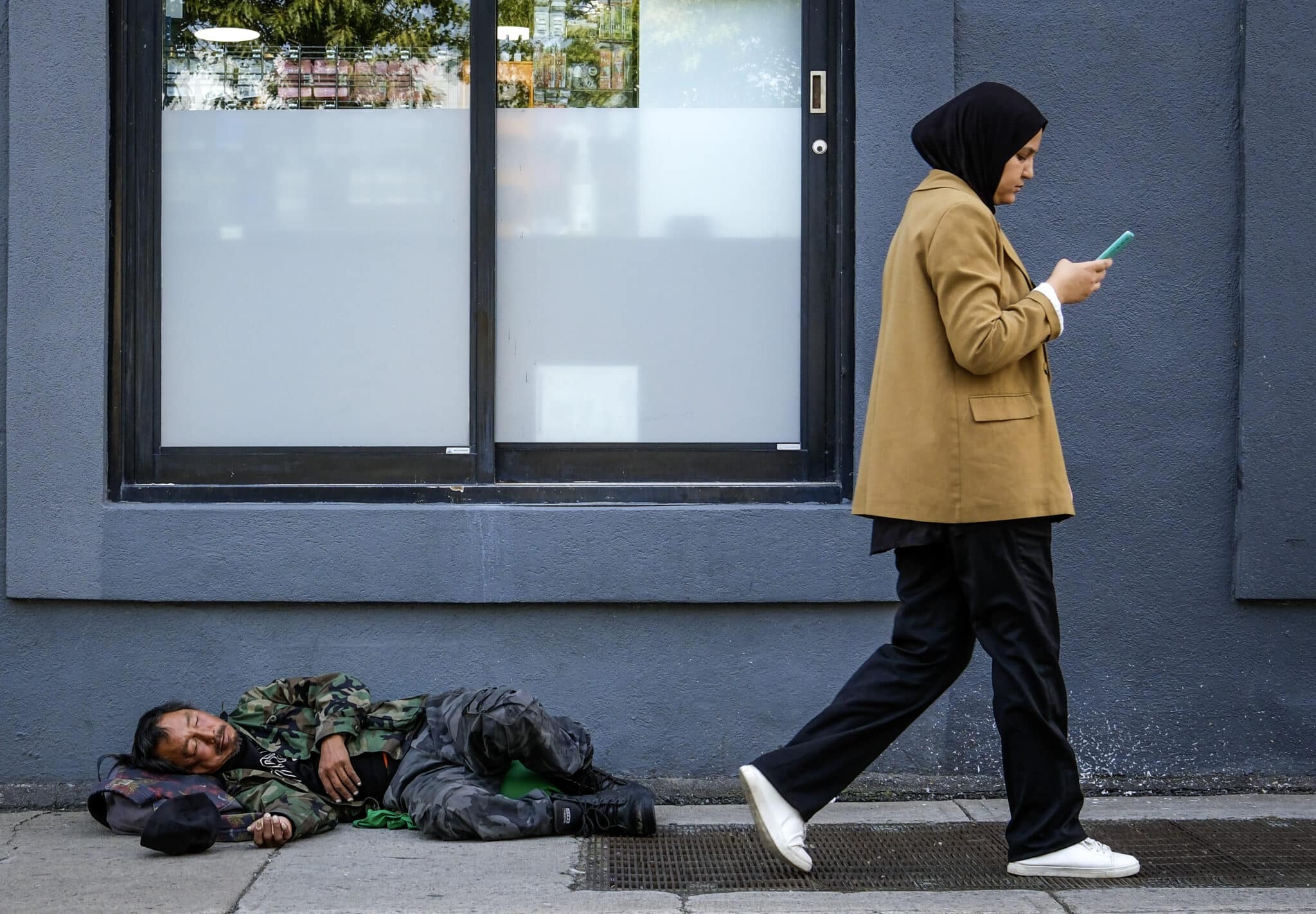
AI is here whether we like it or not. But who owns it, and who gets to use it, are questions that are far from being settled.
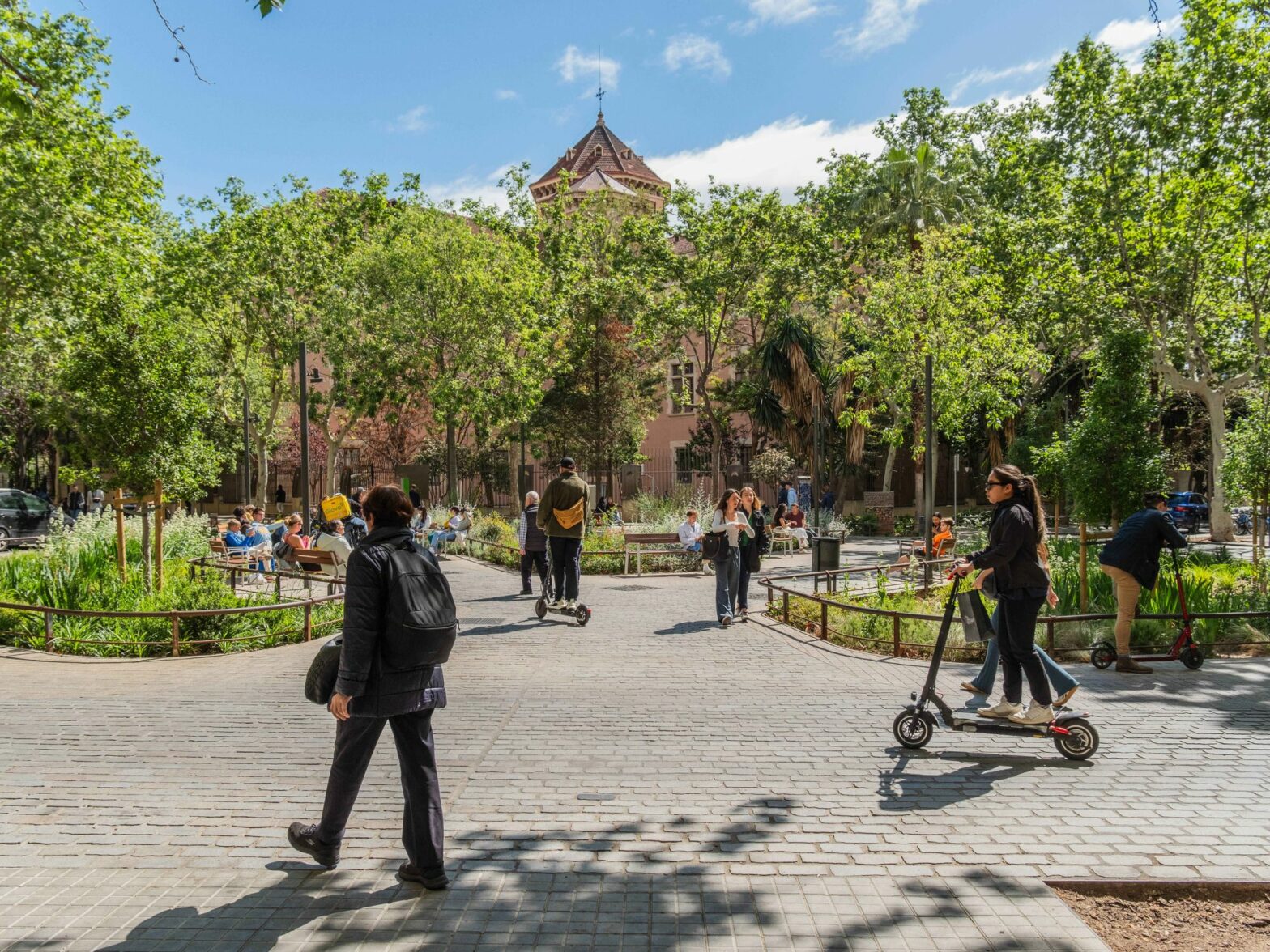
Pollution and climate change have prompted some cities to convert into more sustainable and liveable spaces. But these same policies can widen social inequality. How can cities fix this paradox?

The biggest firms and richest people in the world have the money states need to invest in services that can improve the lives of billions of people. That could help stop a collective slide into acute social and political tensions.

Pollution and climate change have prompted some cities to convert into more sustainable and liveable spaces. But these same policies can widen social inequality. How can cities fix this paradox?
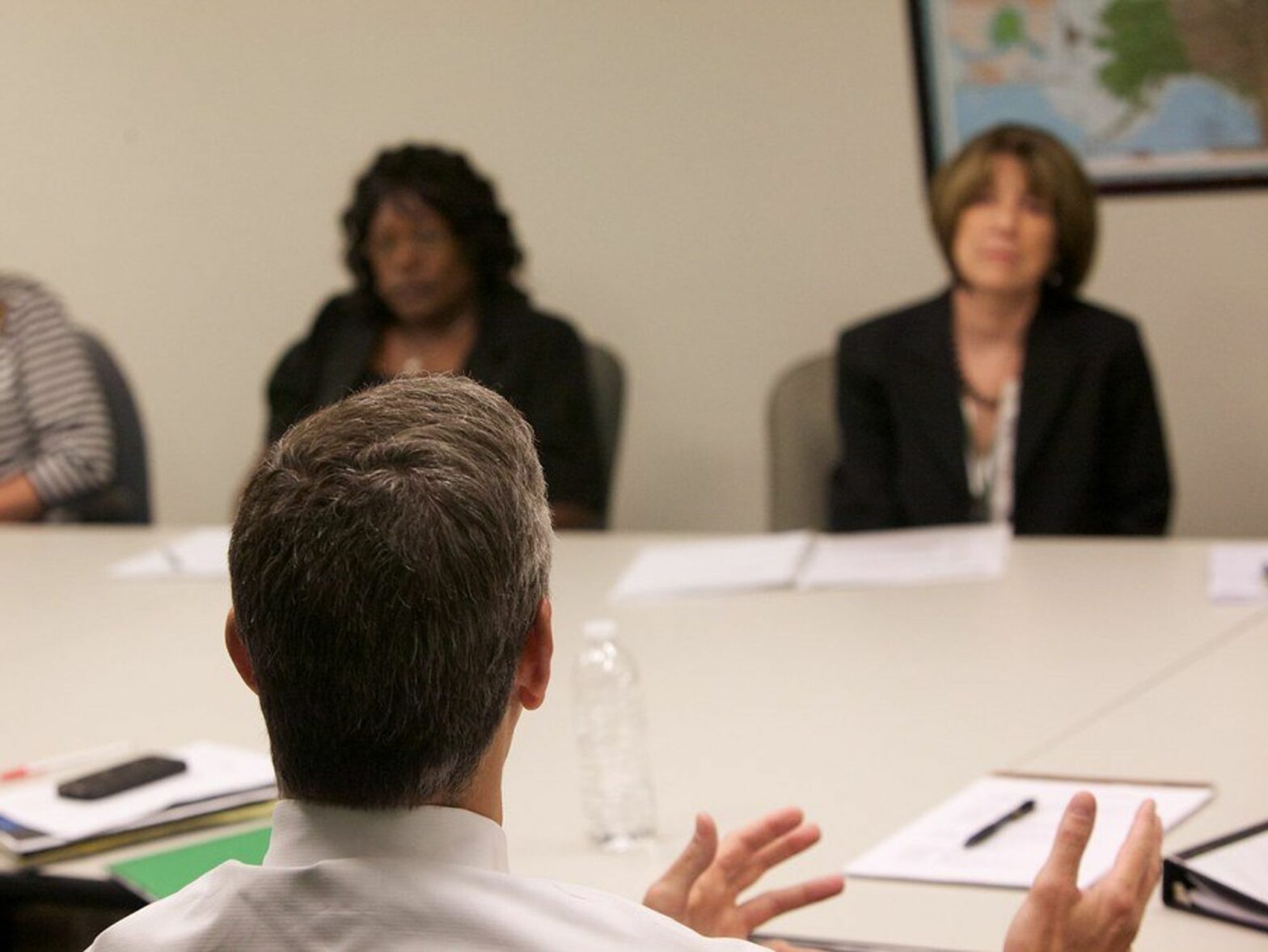
A new study published by LinkedIn Actualités in France, shows a notable gender difference in how companies decide who gets to work from hom. What factors explain this gap? They may (or may not) surprise you.
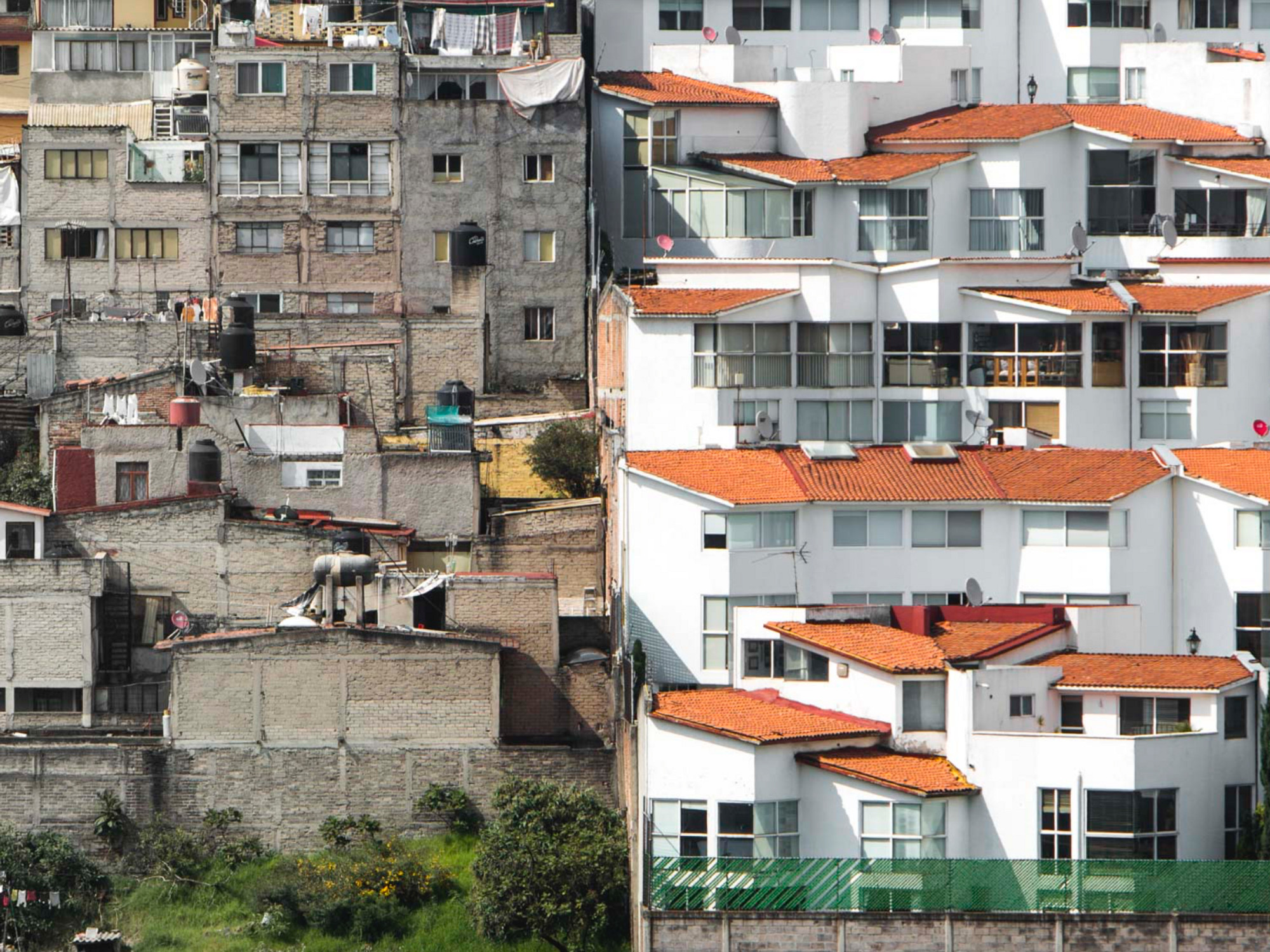
Gentrification is affecting many Latin American cities. As residents push back, there are worries that existing residents and cultures alike will be erased.

The U.S. will stop funding vaccines but says it wants equitable access. That’s not possible in a predatory system.
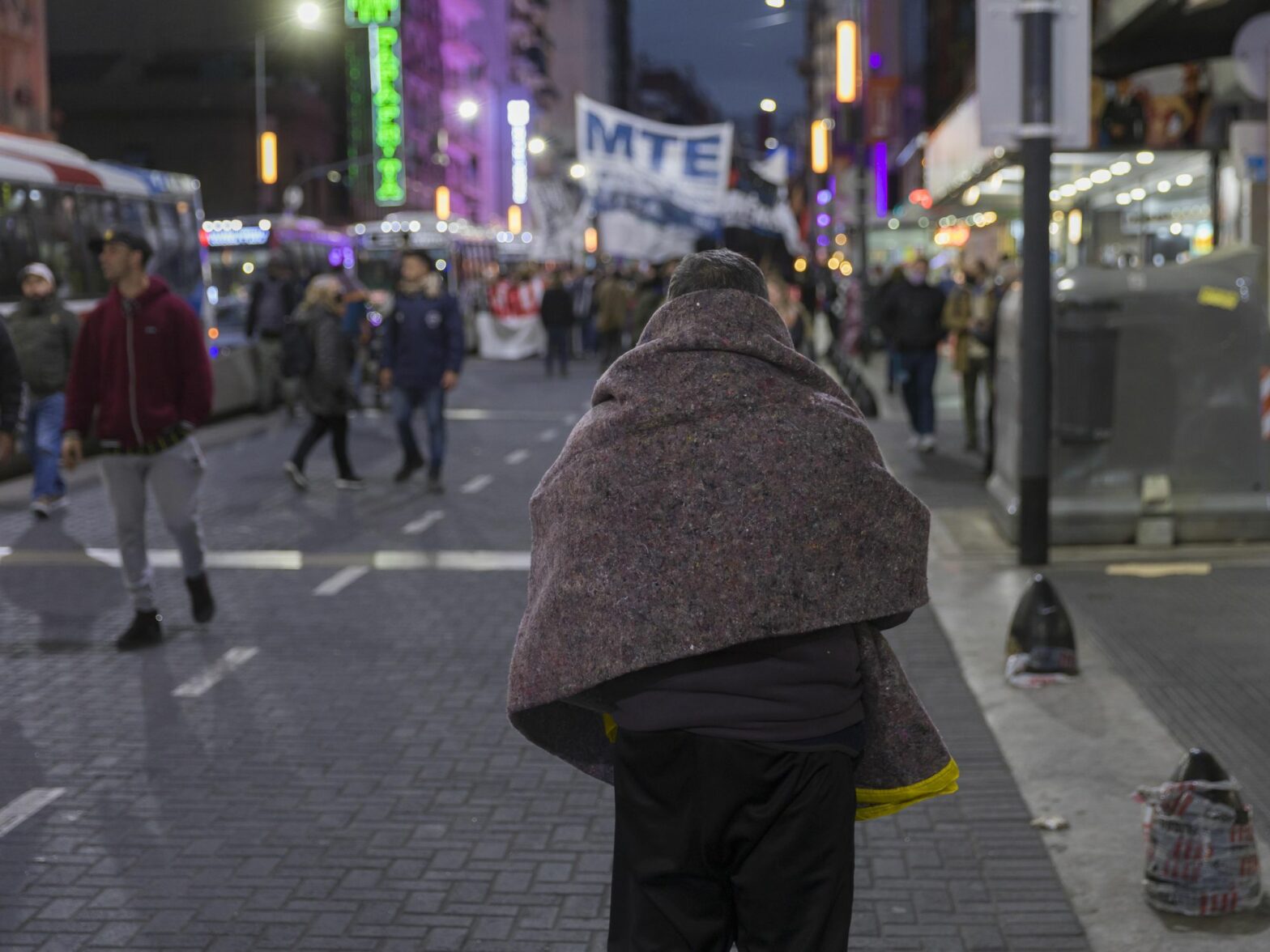
The expansion of constitutional rights has become a rhetorical tool for populist governments, when they do nothing to address much more vital questions like wealth inequality and social injustice. Latin America offers sharp examples, past and present.

In San Diego, California, a researcher tracked how in the city’s low-income neighborhoods that have traditionally lacked dining options, when interesting eateries arrive the gentrification of white, affluent and college-educated people has begun.

While the rise of European right-wing populism is becoming a pan-continental phenomenon, we seem determined to miss its one common driver.
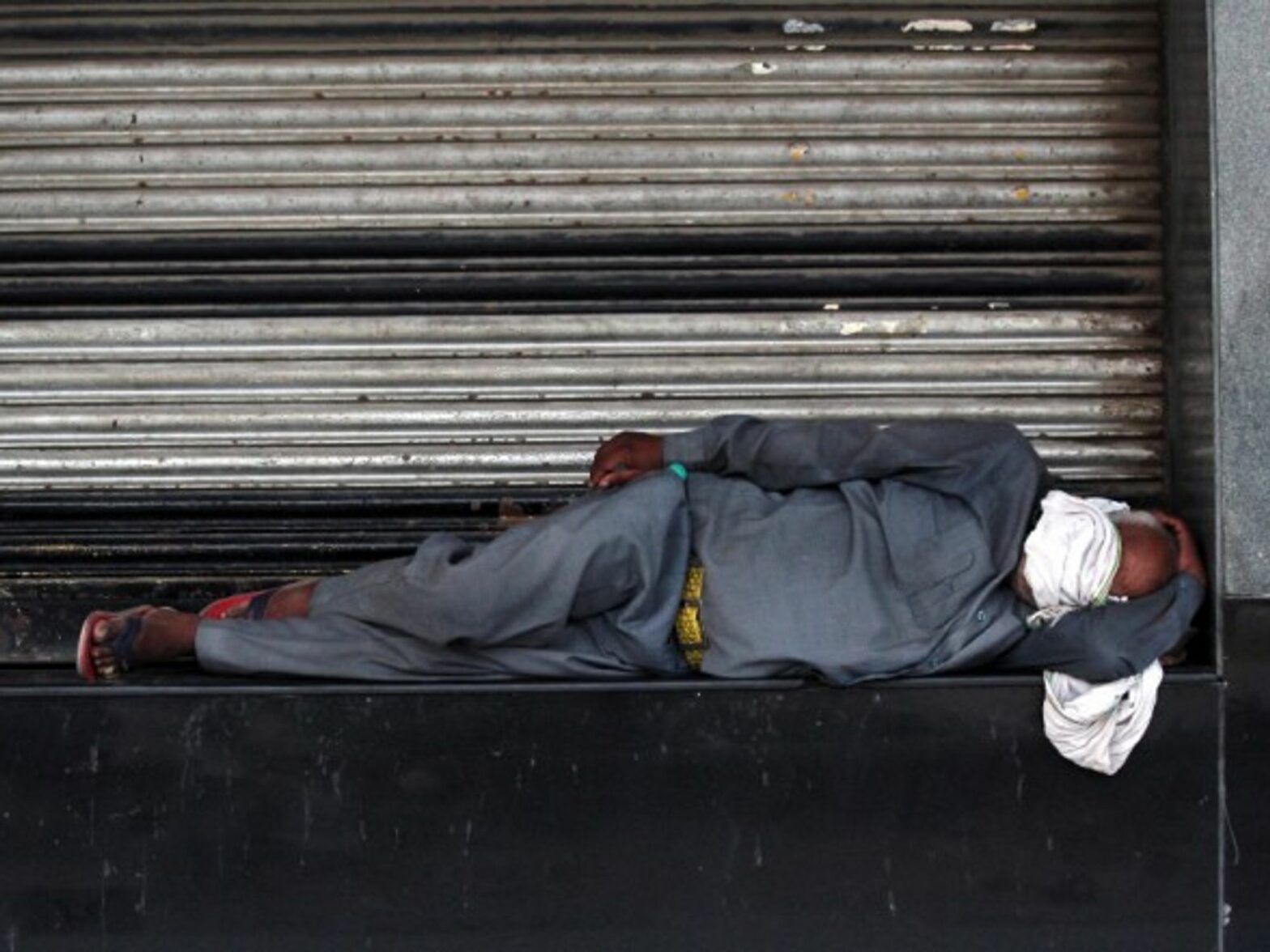
A year after the world’s second most populous nation went into quarantine, a new study aims to calculate the cost in terms of mental health illness, suicide and inability to receive medical care.
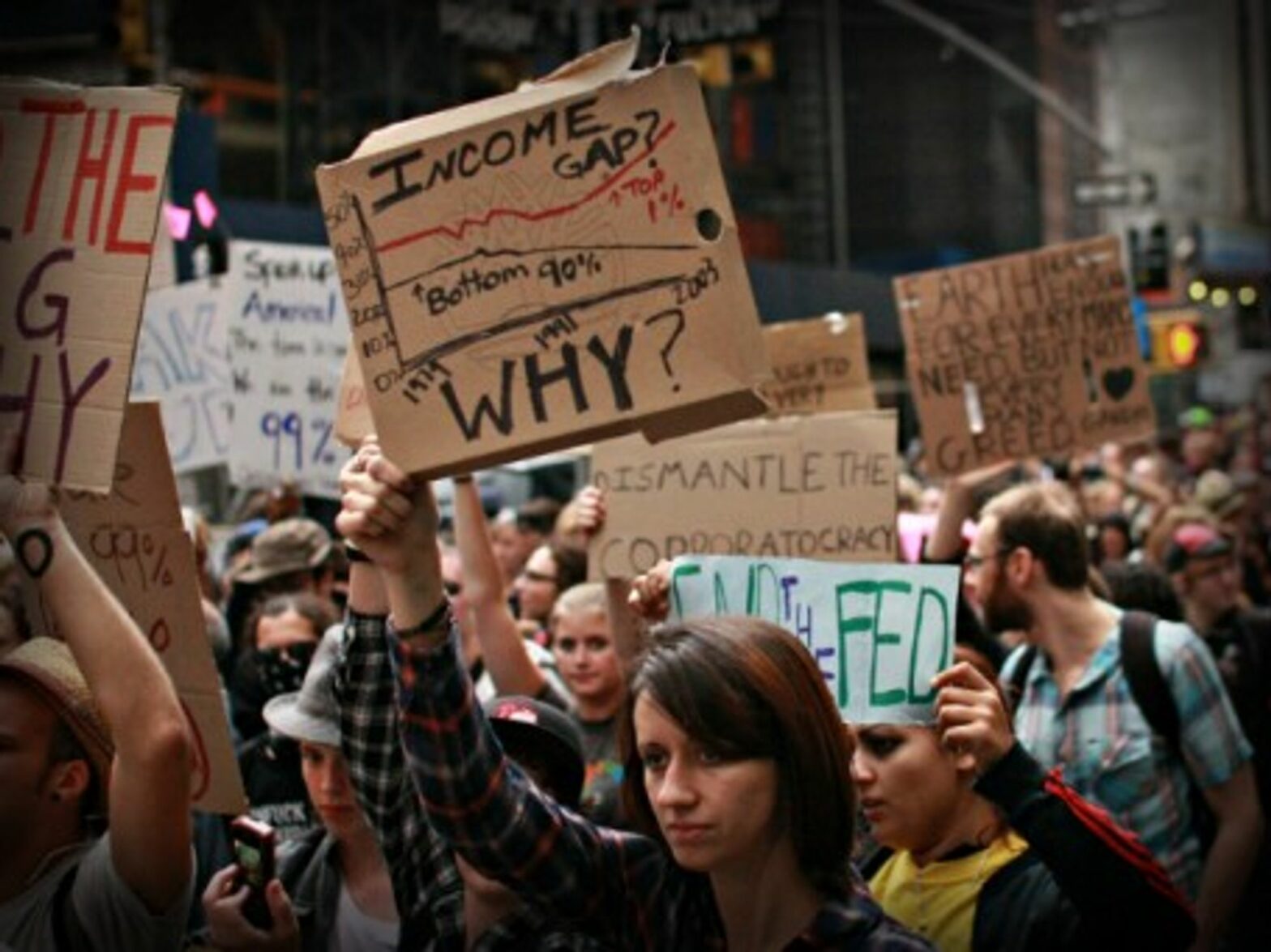
Barack Obama made American inequality the central challenge of his State of the Union address. Europe and the rest of the West should be listening too.
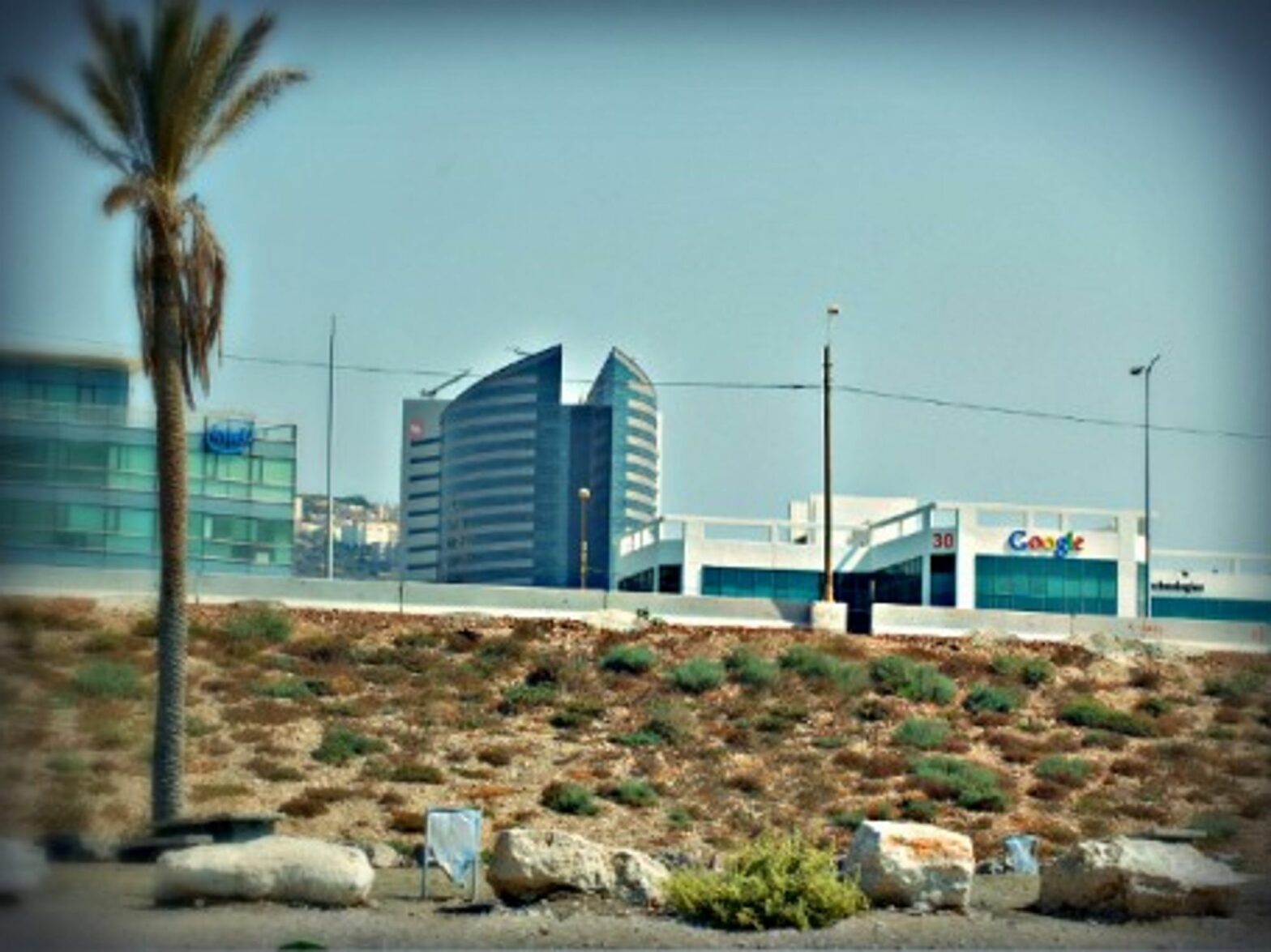
The central urban areas of Israel are a proven Silicon Valley success in the Middle East. But the country must find ways to bring the high-tech industry to the north and south.

It should be “Casual Monday-Through Friday” all summer long — and not just for women. It might change everything at the office, odors and energy bills included.