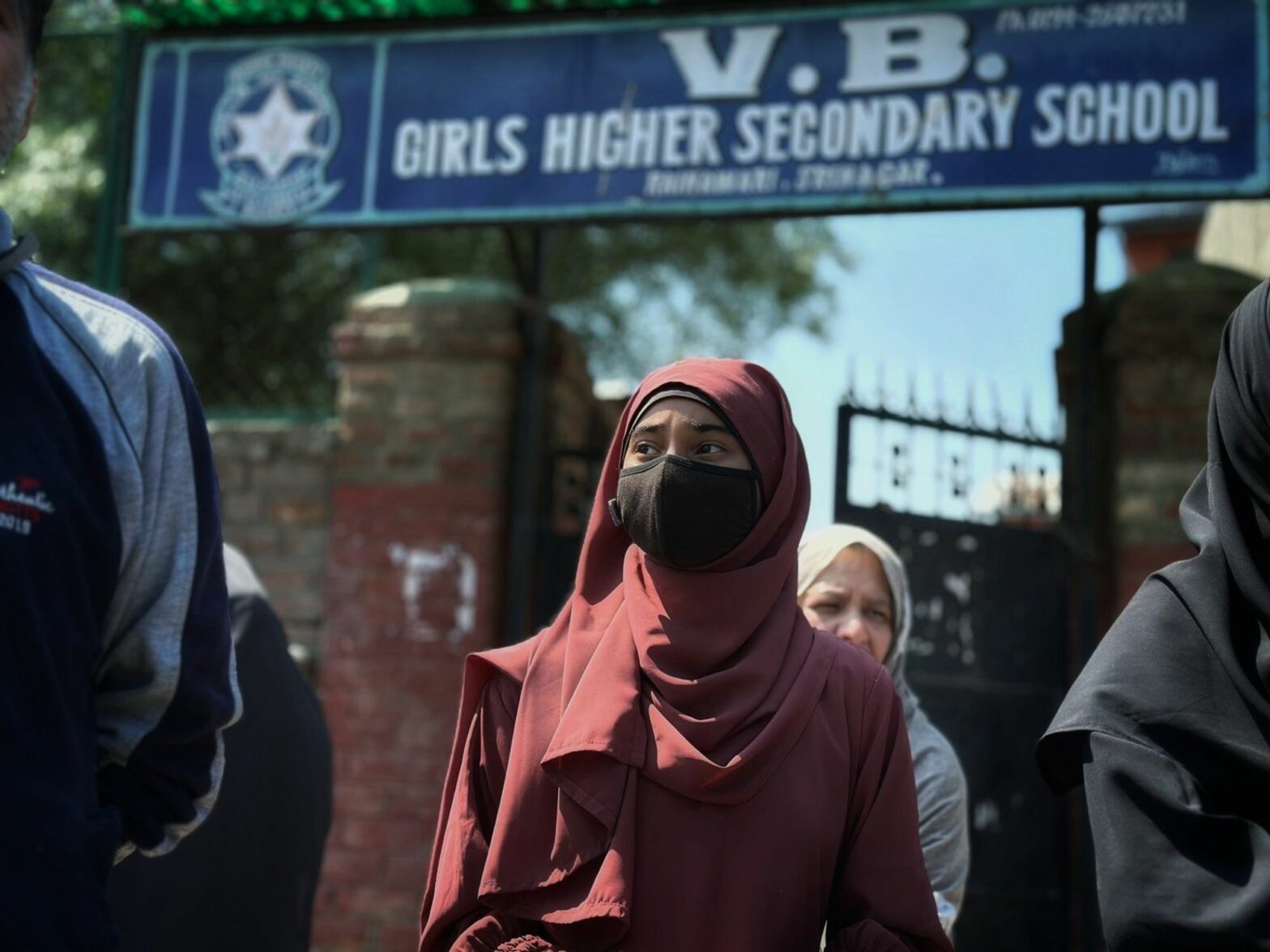
Two different cases of hijab controversies in India show there is one thing that is consistent, which is to impose on people at the margins an idea of “uniformity.”
 Worldcrunch
Two different cases of hijab controversies in India show there is one thing that is consistent, which is to impose on people at the margins an idea of “uniformity.”
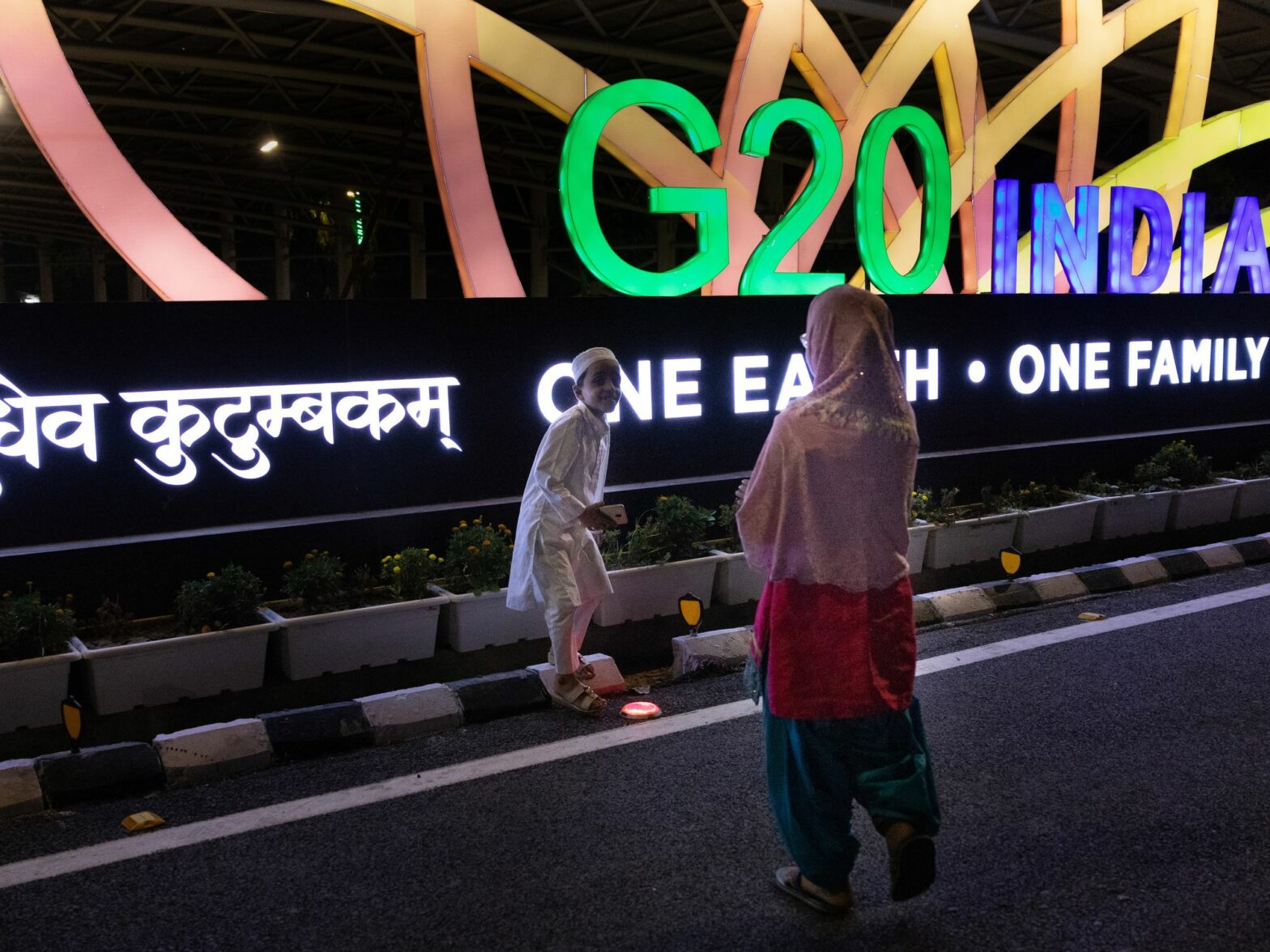
One official invitation and two booklets, issued ahead of the G20 meeting in New Delhi, refer to India as “Bharat” — a word with a long history of political, etymological and religious significance. But there is little clarity as to which name should be used in English.
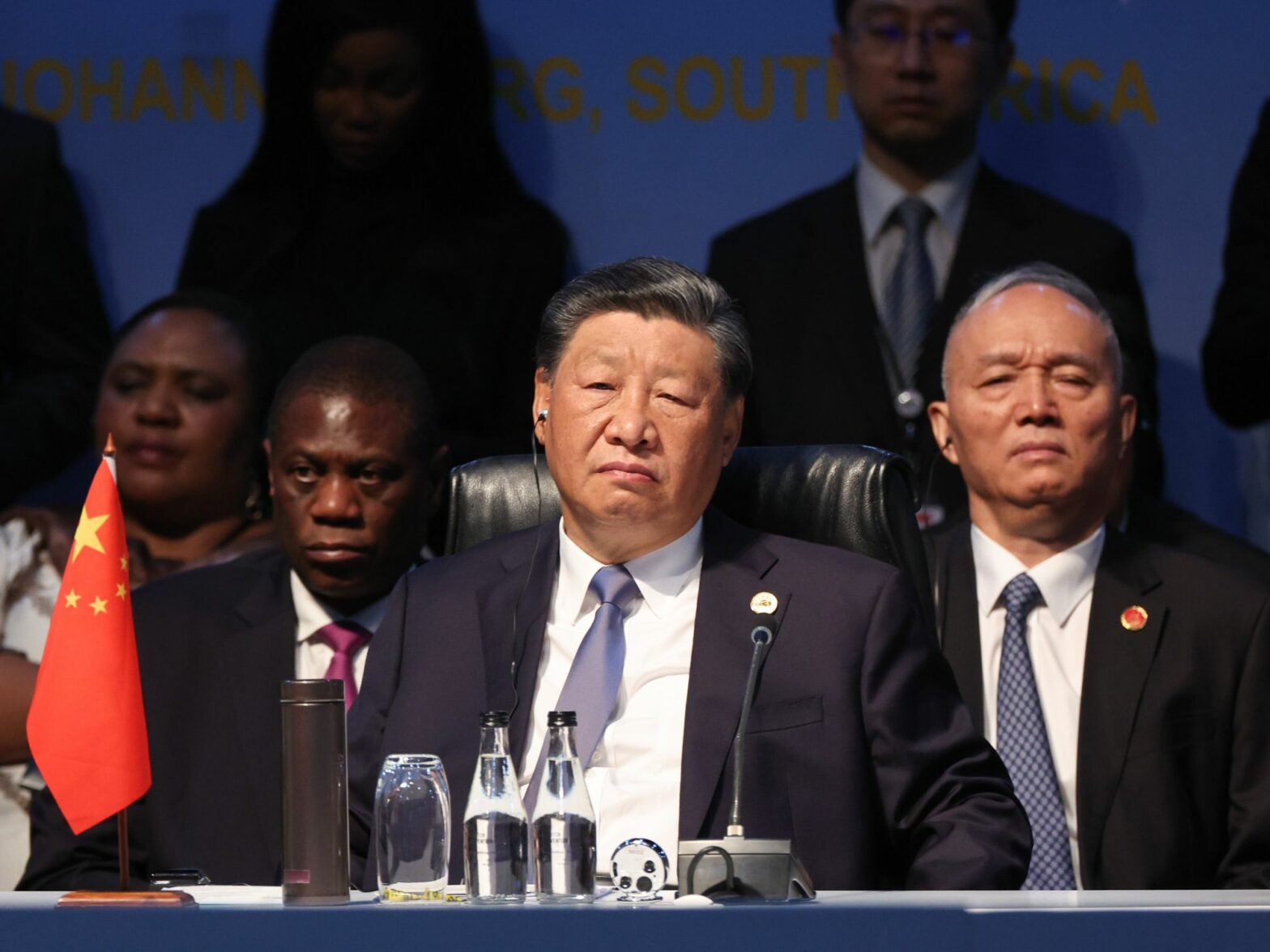
There will be no Vladimir Putin or Xi Jinping at this weekend’s summit of the world’s 20 leading economies in New Delhi: a symbol of the fragmentation of the world that has accelerated since Russia’s invasion of Ukraine.
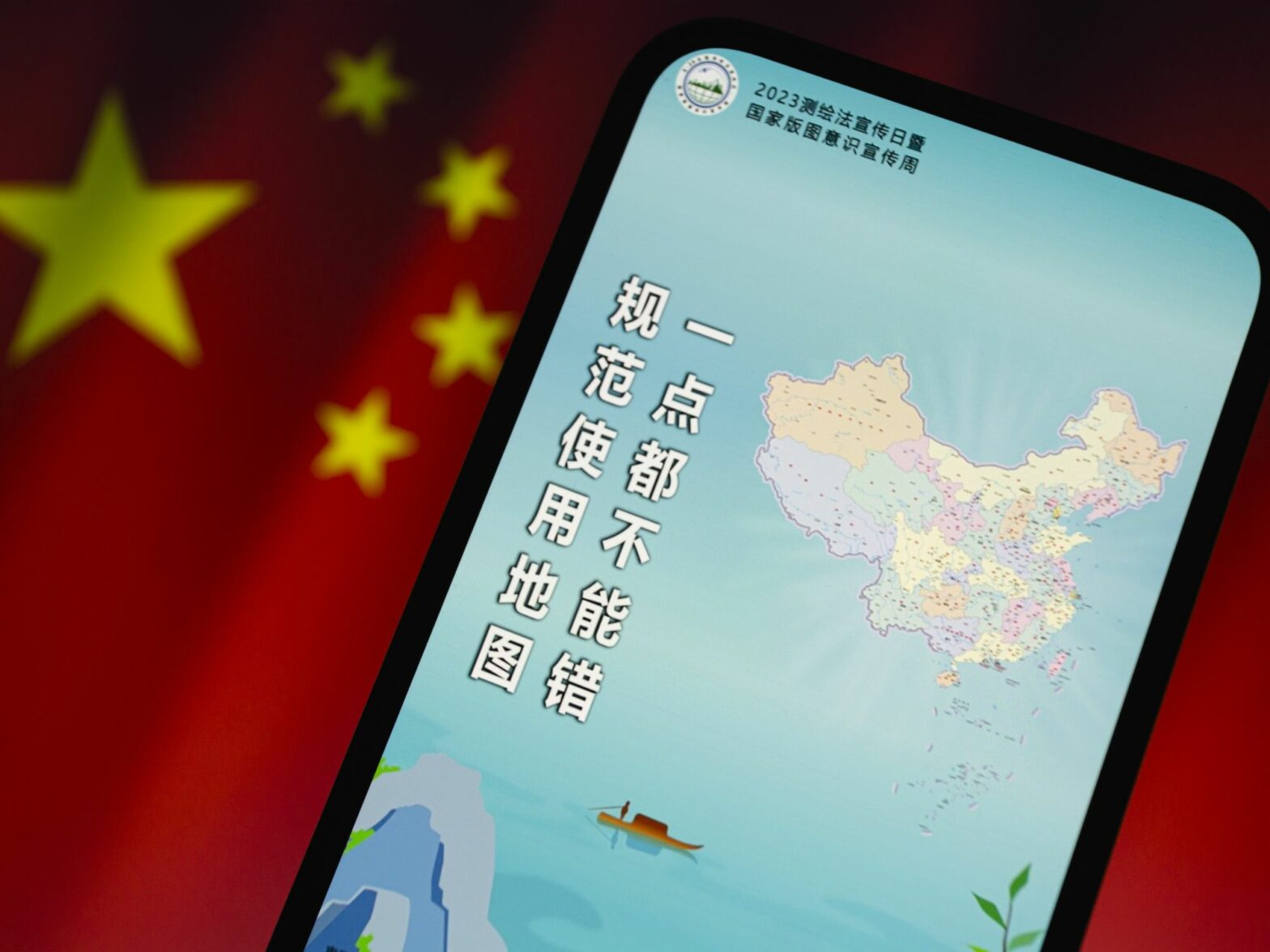
China released a new map where it borrows strips of lands from its neighbors. Although this is far from being the first time the country is involved in territorial disputes, Beijing’s growing military shows it has the power (and will?) to try to make it a reality.
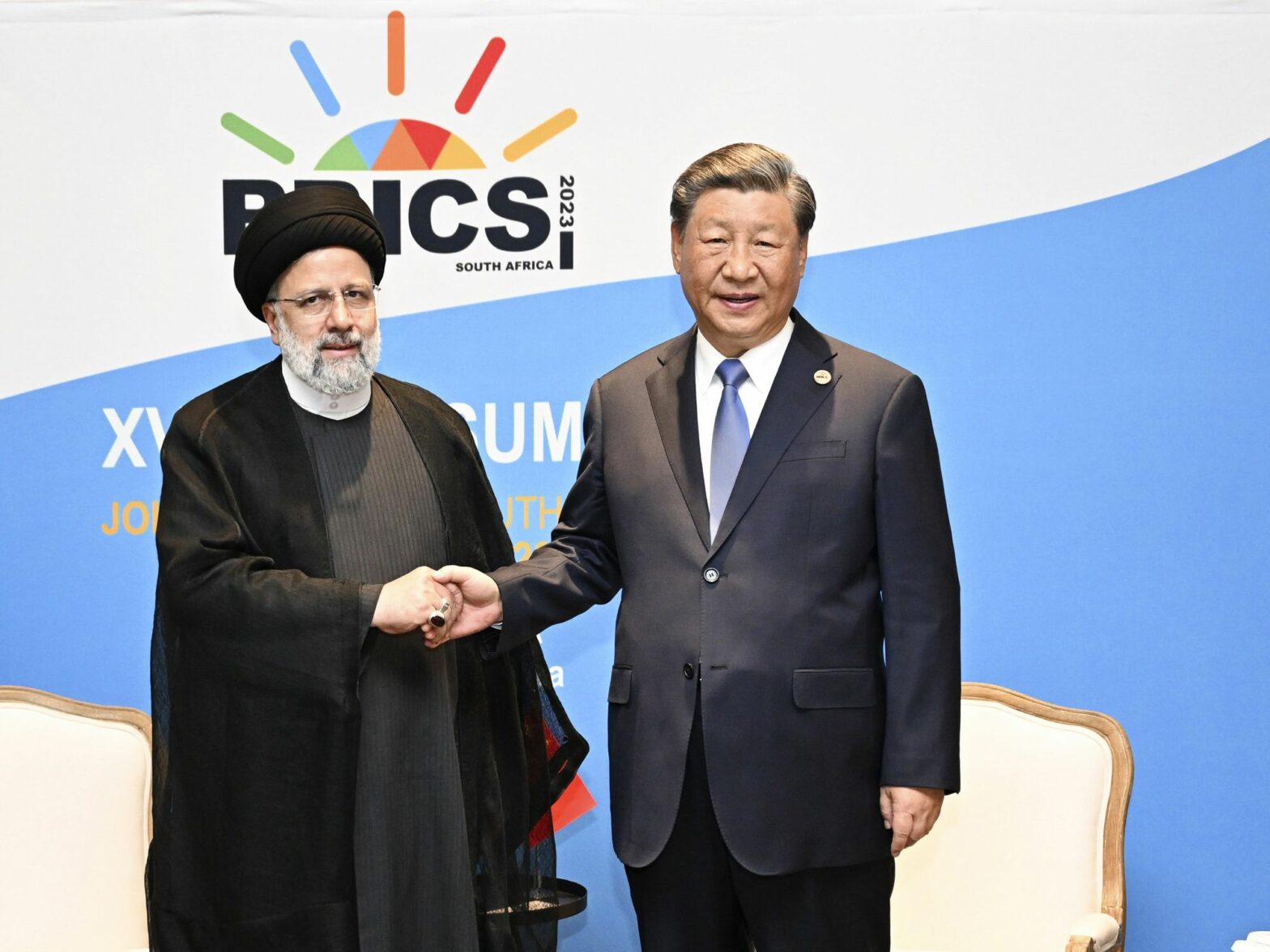
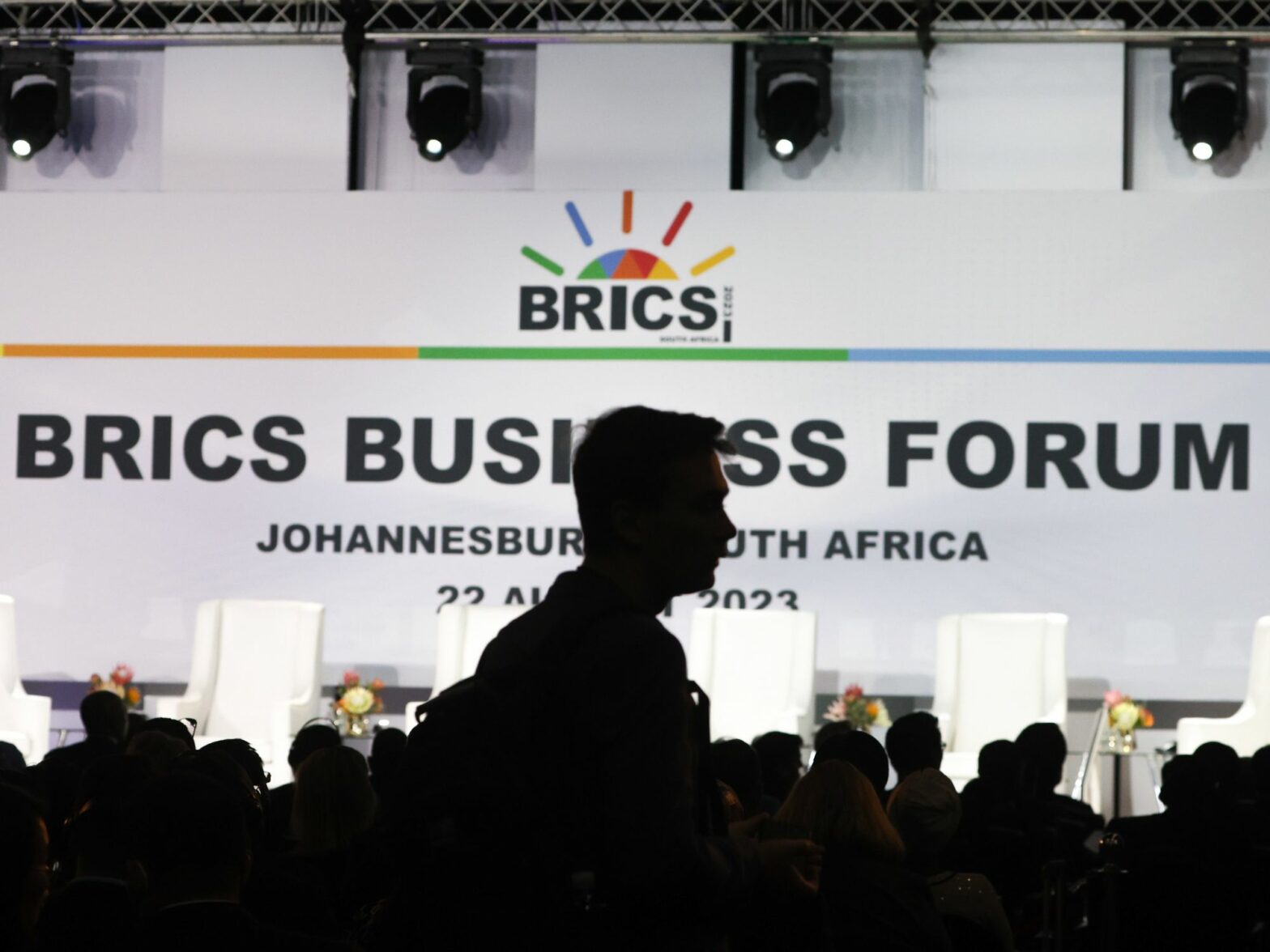
The BRICS economies’ inclusion of new members like Iran may not make business sense, but it fits with the Sino-Russian strategy of drawing states of the Global South into their orbit in open confrontation with the U.S. and the rest of the West.
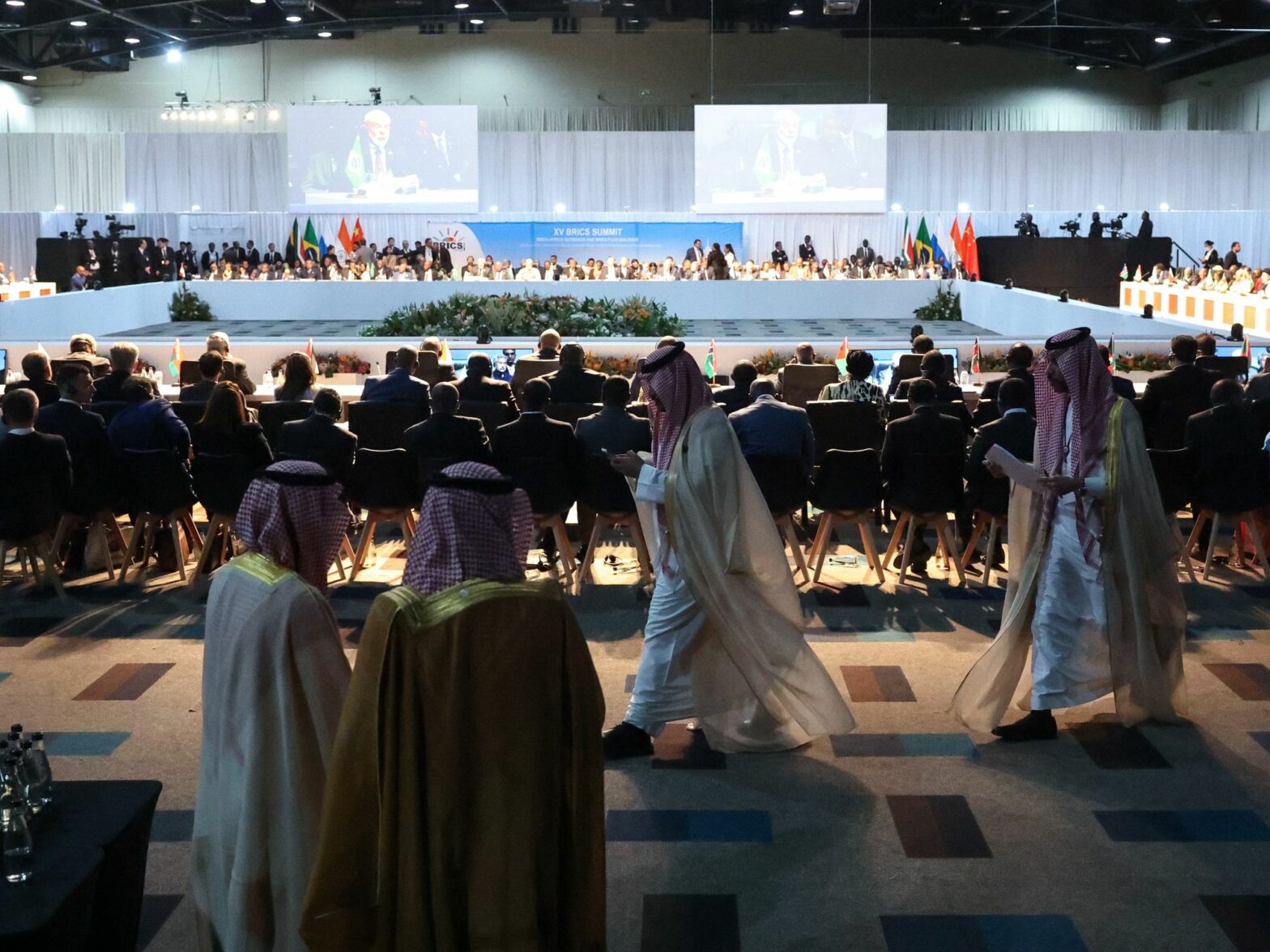
With the G20 in New Delhi around the corner, India risks finding itself the wrong side of history, and end up as an observer and not one of the drivers of a “once in a lifetime” change.
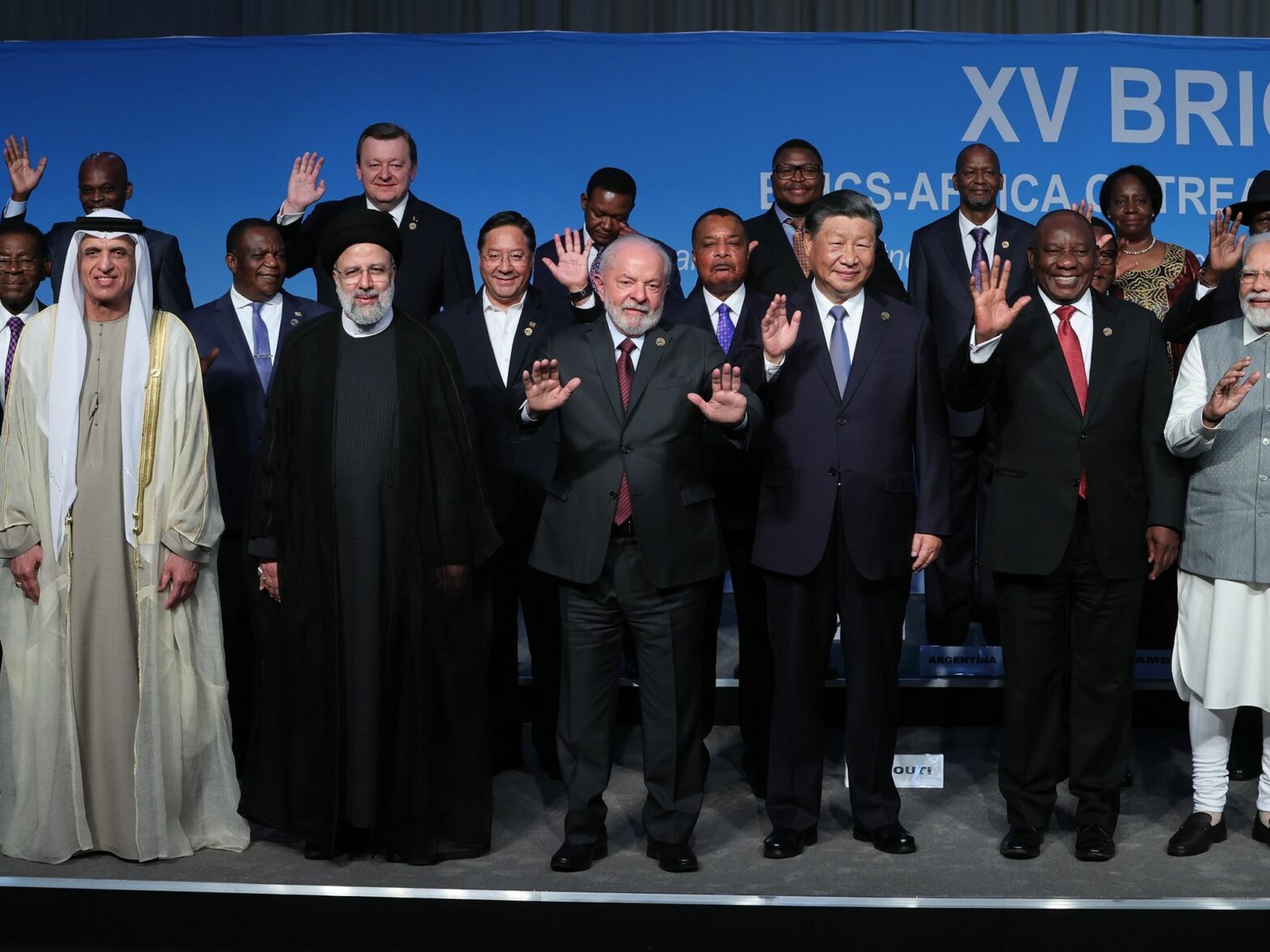
The West is losing influence on many fronts, embodied in the rise of the BRICS alliance as a kind of “counter-G7.” But Western leaders will need to decide if they want to be part of this change, or its victim.
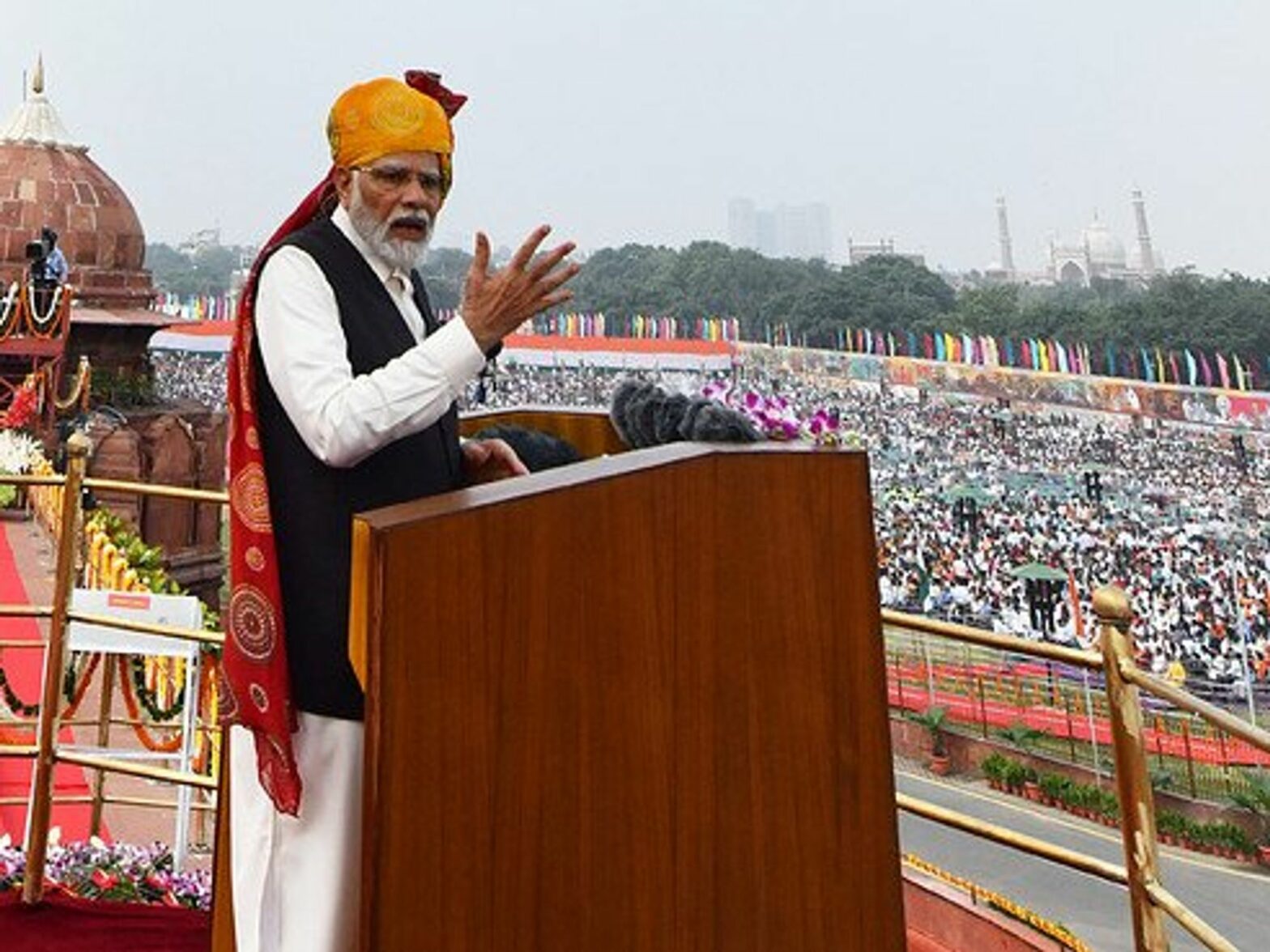
Narendra Modi’s fixation with unflinching loyalty from those close to him is a worrying trait that betrays the Indian prime minister’s own insecurities.
The war in Ukraine has become globalized, with its effects being felt from Africa to China. The only hope of de-escalation is in a potential diplomatic summit between the U.S. and China this autumn.
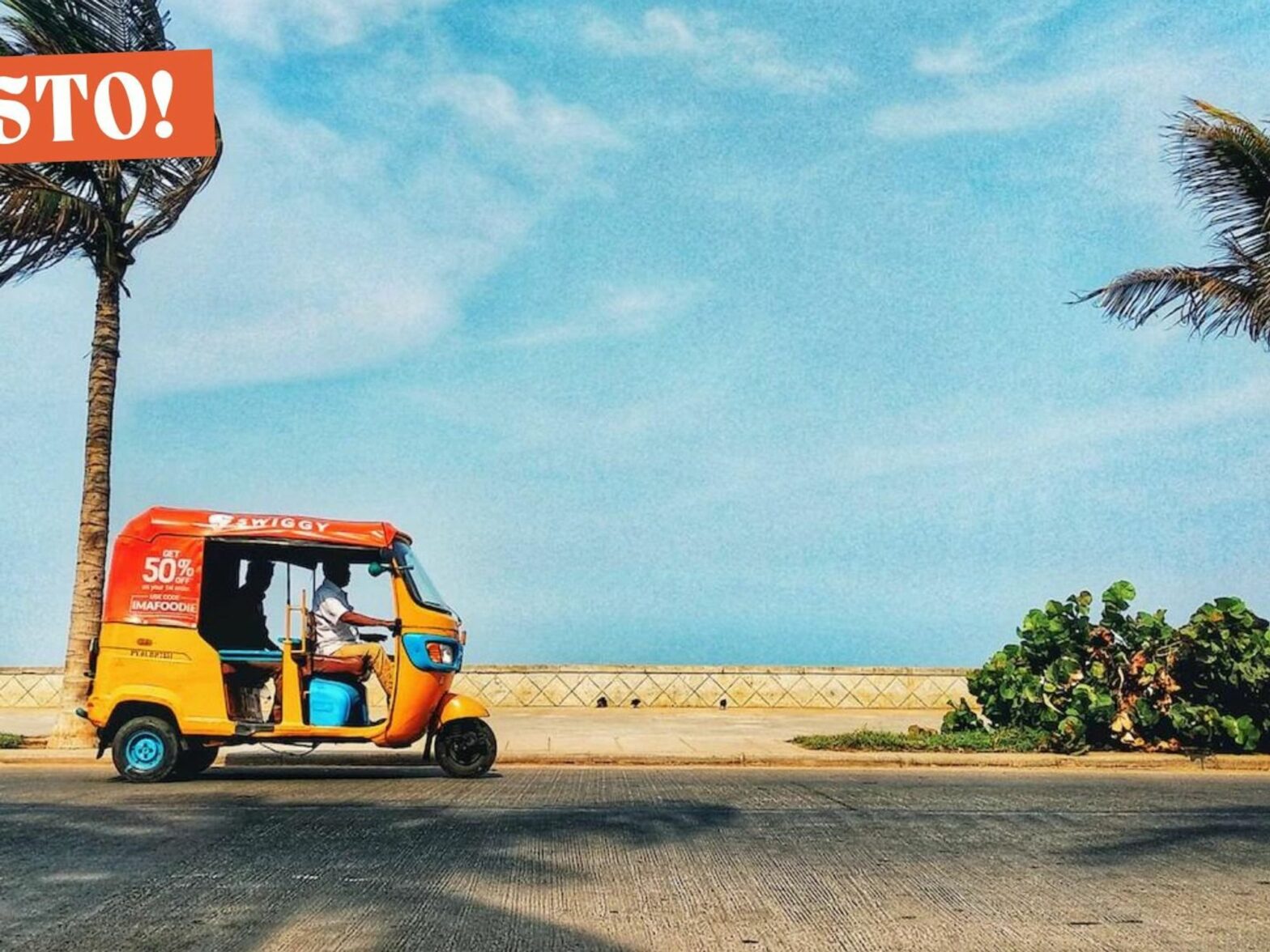
Imagine a city with French and Southern Indian fusion cuisine, with gorgeous, century-old colonial-era buildings and beautiful beaches, surrounded by warm, turquoise water. It exists: Pondicherry. The southern city’s cuisine is like no other in India. It combines recipes, flavors and methods from French cooking with regional Indian, often with touches of East Asian and […]
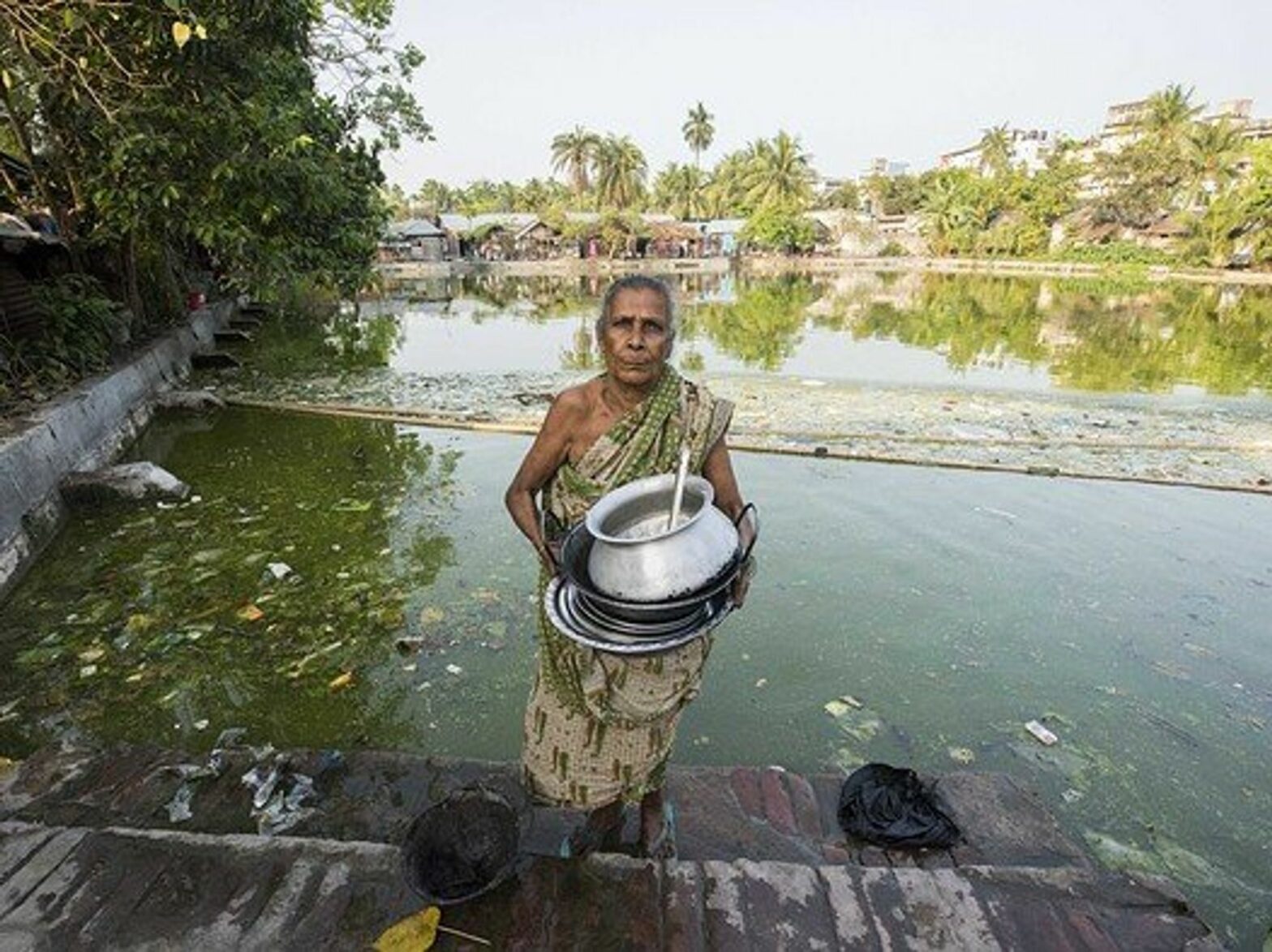
India’s “untouchables” still face violence and discrimination for drinking or using water they are not supposed to. For the author, a Dalit himself, it’s time for Indian environmentalists and researchers who are striving to provide equal water access to acknowledge the role caste is playing.
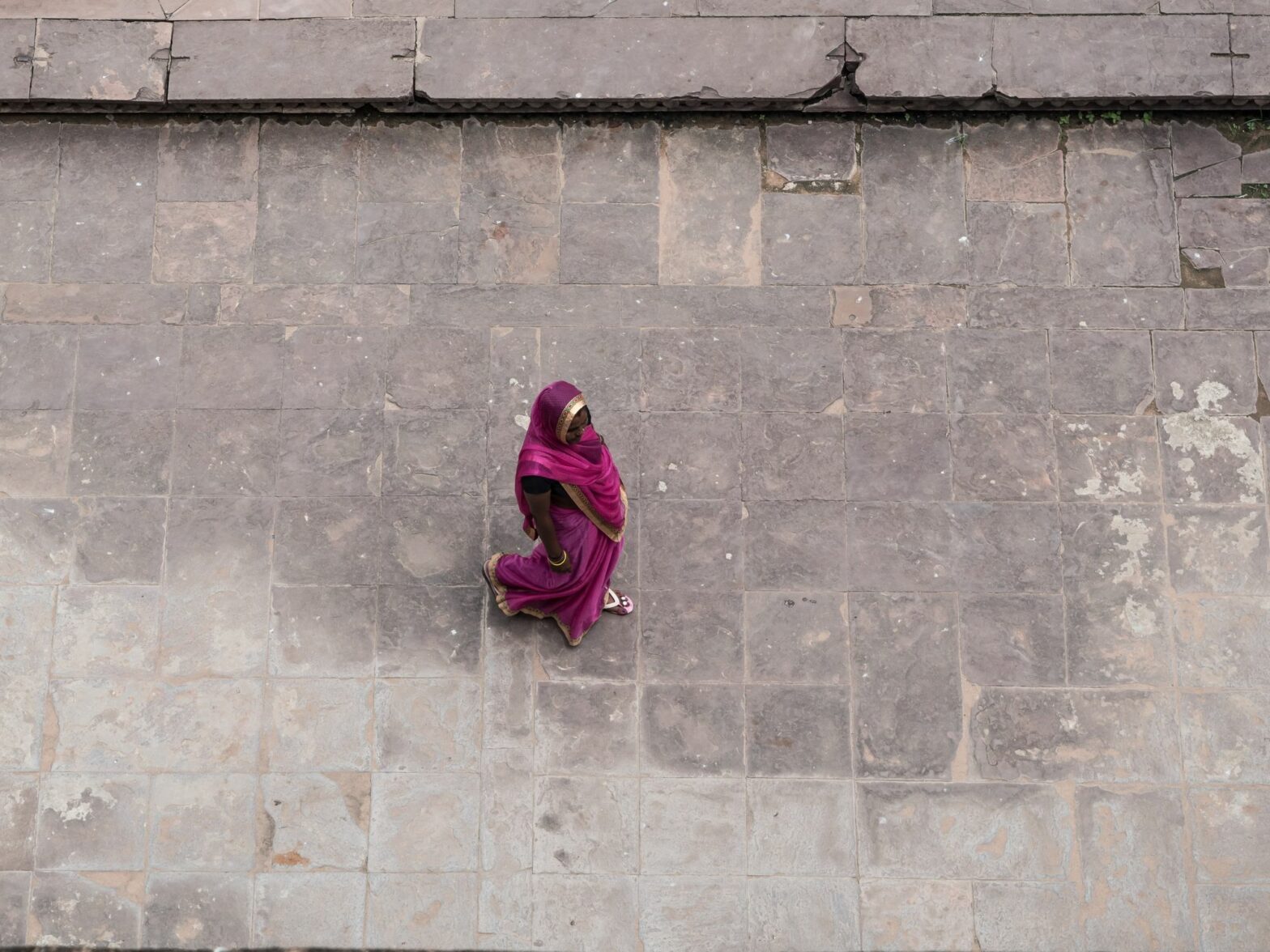
The clear lack of words, in Hindi and other Indian vernaculars, to describe feminine reproductive organs, feminine hygiene or women’s reproductive rights, says a lot about a country plagued by violence against women and rampant rape culture.
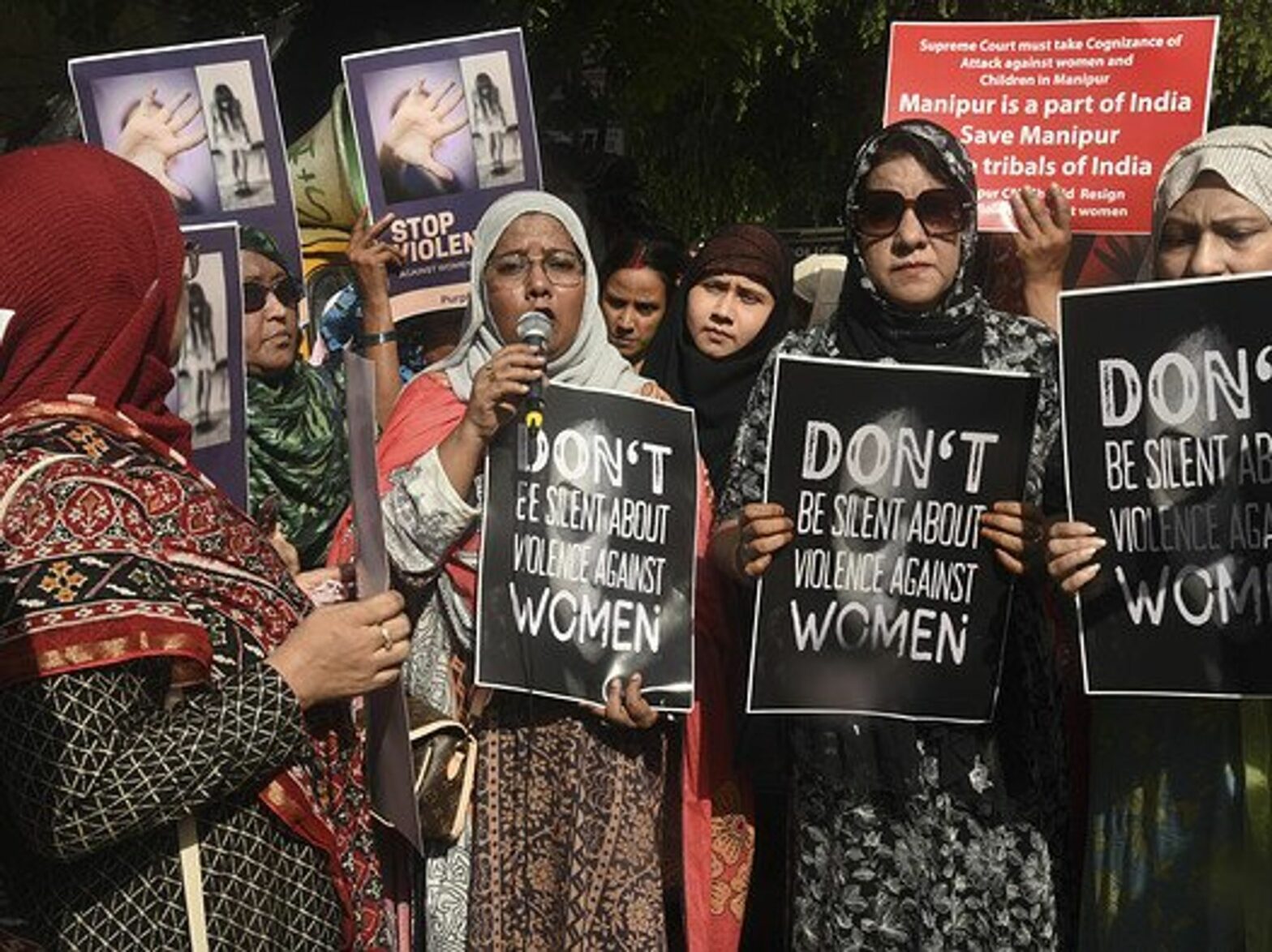
As a bloody civil war rages in northeast India, why is it that only graphic images of women attracts public attention to regions that are deemed too remote and peripheral?
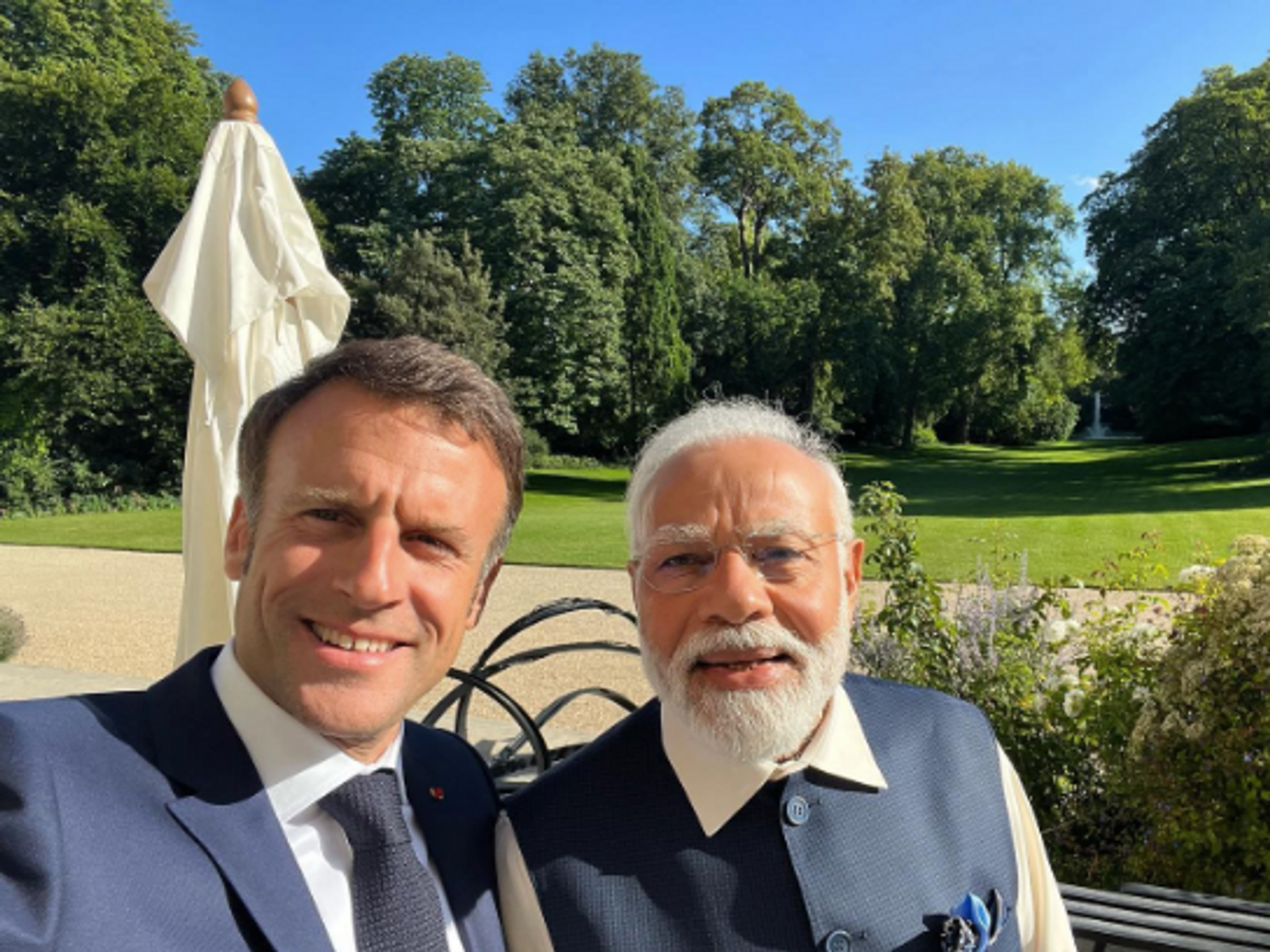
Indian Prime Minister Narendra Modi was received warmly in the U.S. and in France — visits which must have provoked some jealousy in Turkey, where President Recep Tayyip Erdogan, who faces many of the same anti-democratic criticisms as Modi, can’t expect the same kind of red-carpet welcome in Washington.
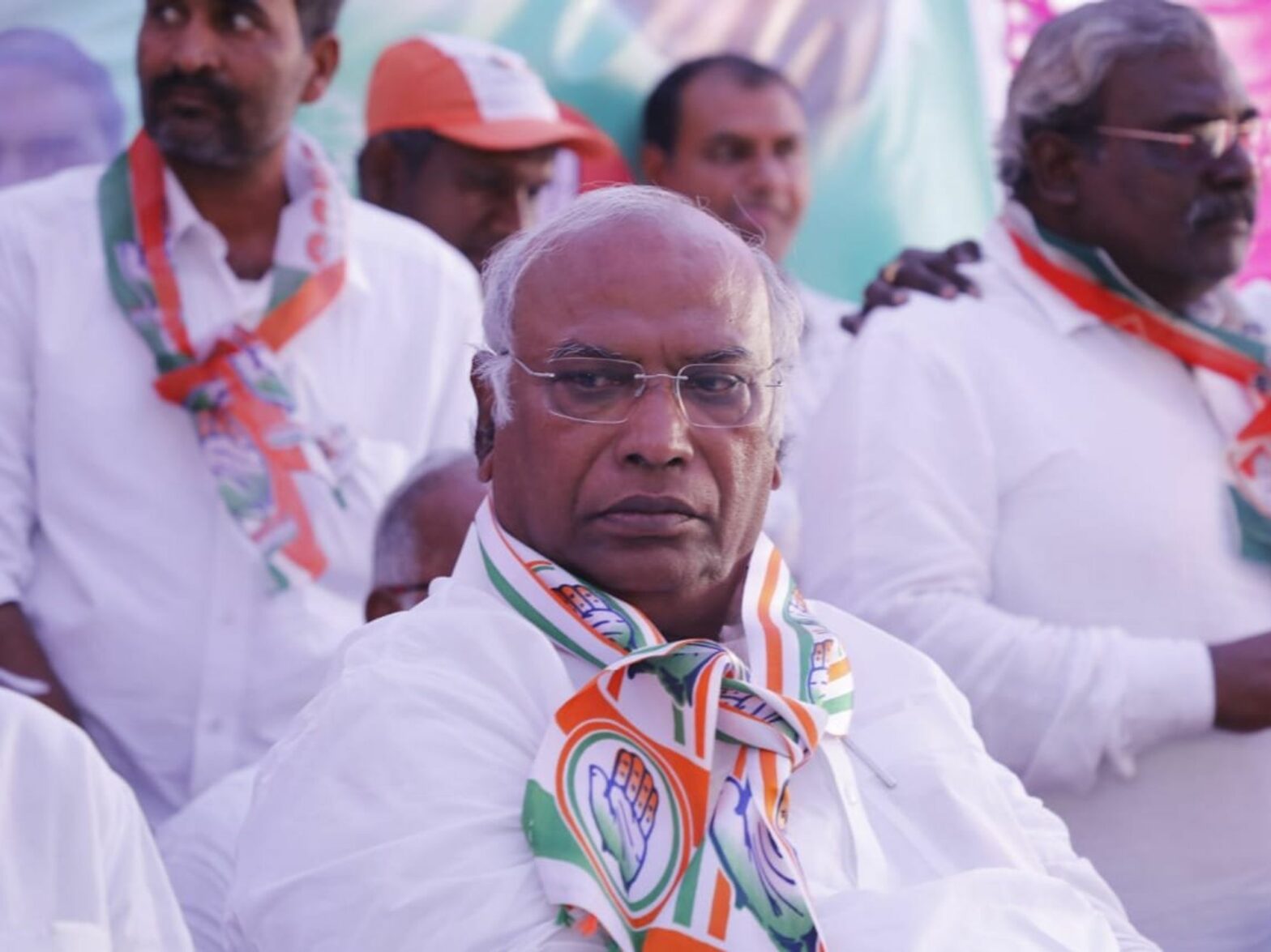
India goes to the polls next year, with a united opposition hoping to unseat Prime Minister Modi after 10 years in power. Mallikarjun Kharge, who may be the best candidate, is from India’s “lowest” caste system.
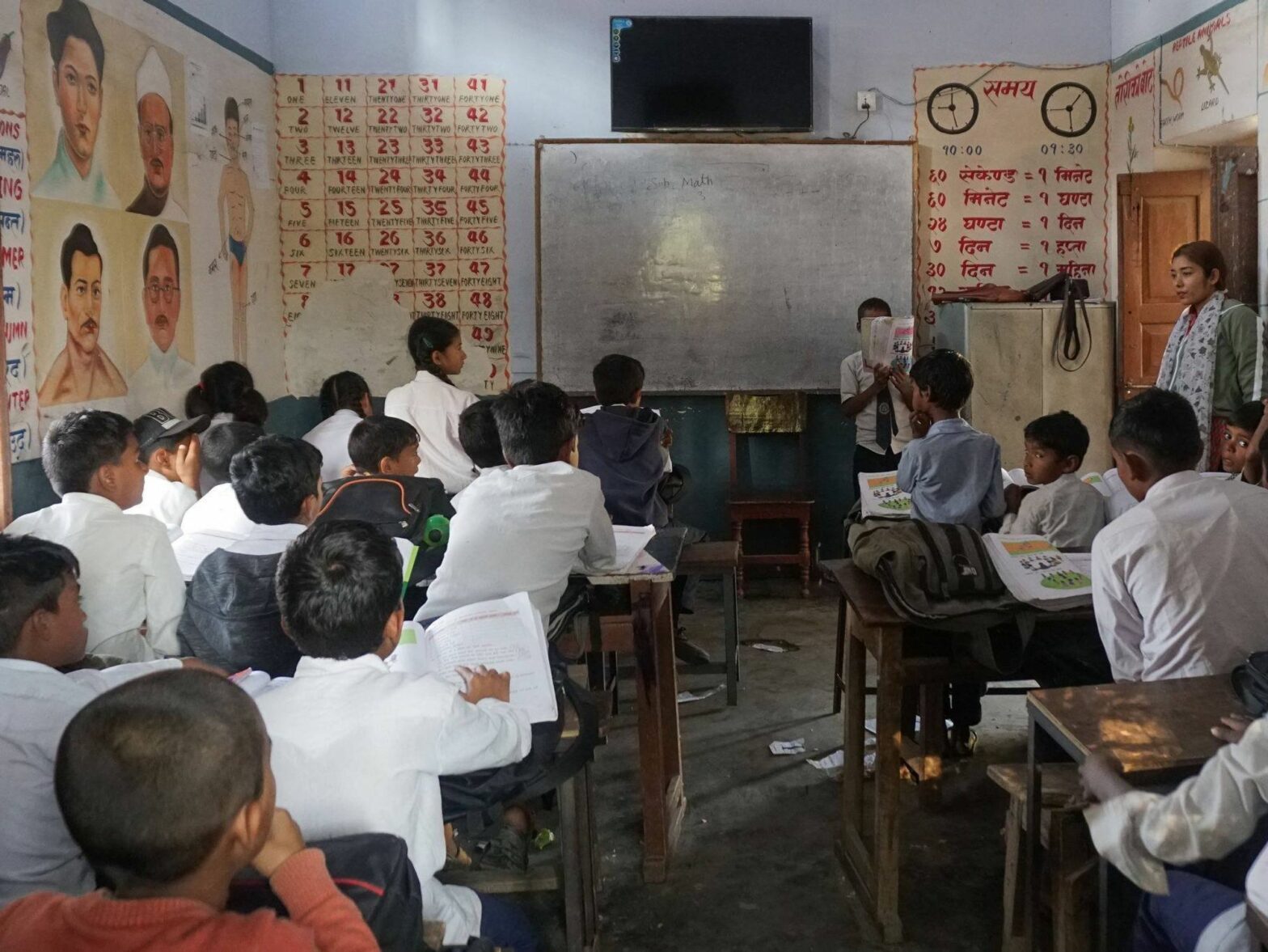
In Nepal, local schools are encouraged to offer instruction in the first languages of their students. But even in linguistically diverse regions, the only words they still hear and read are in Nepali.
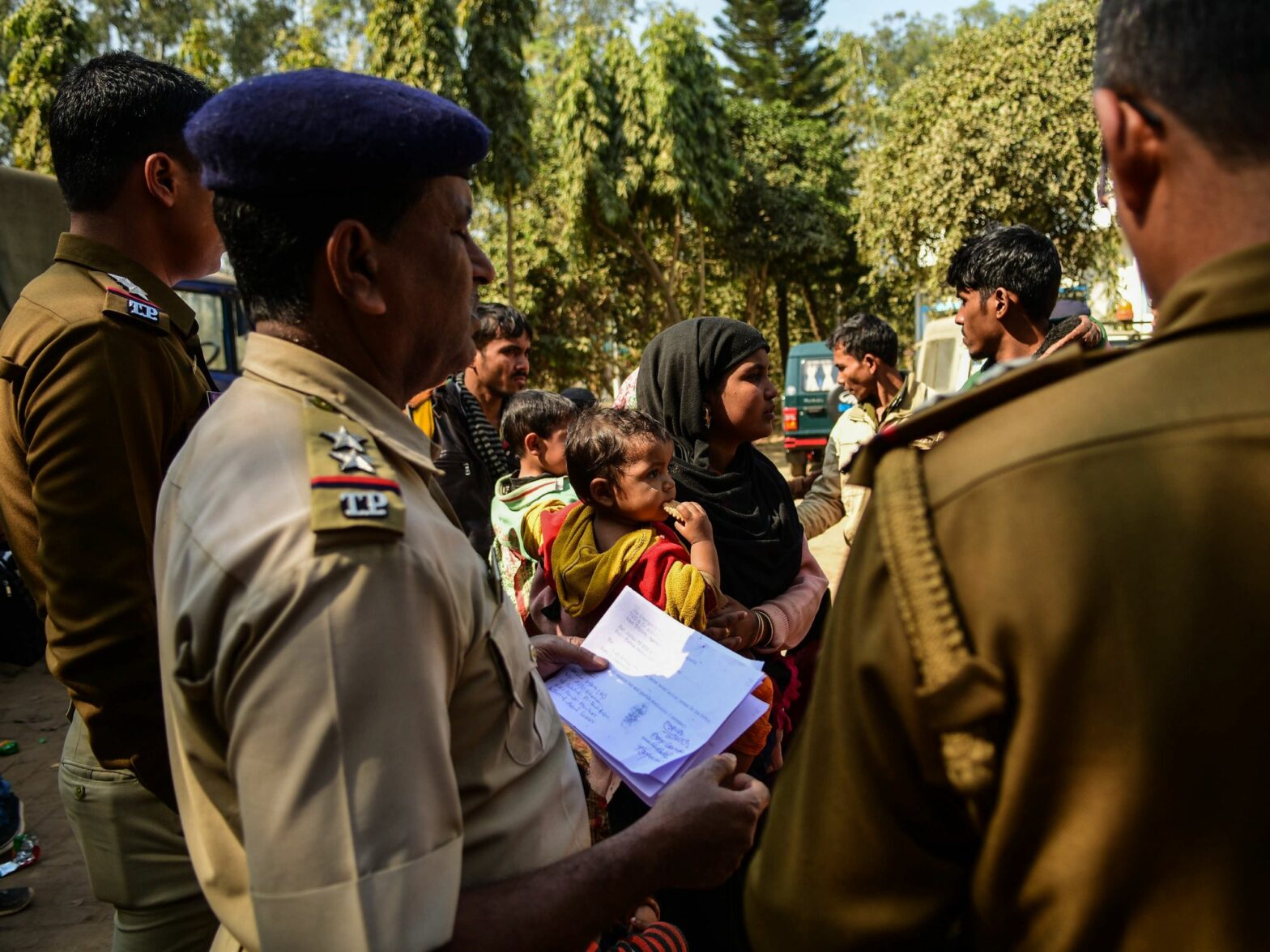
While the 1,600-kilometer border between India and Myanmar has seen waves of Burmese refugees fleeing to India as the civil war and air strikes have intensified, the Chinese government has been vocal about its support of Myanmar’s military junta. Inevitably, already tense relations between China and India
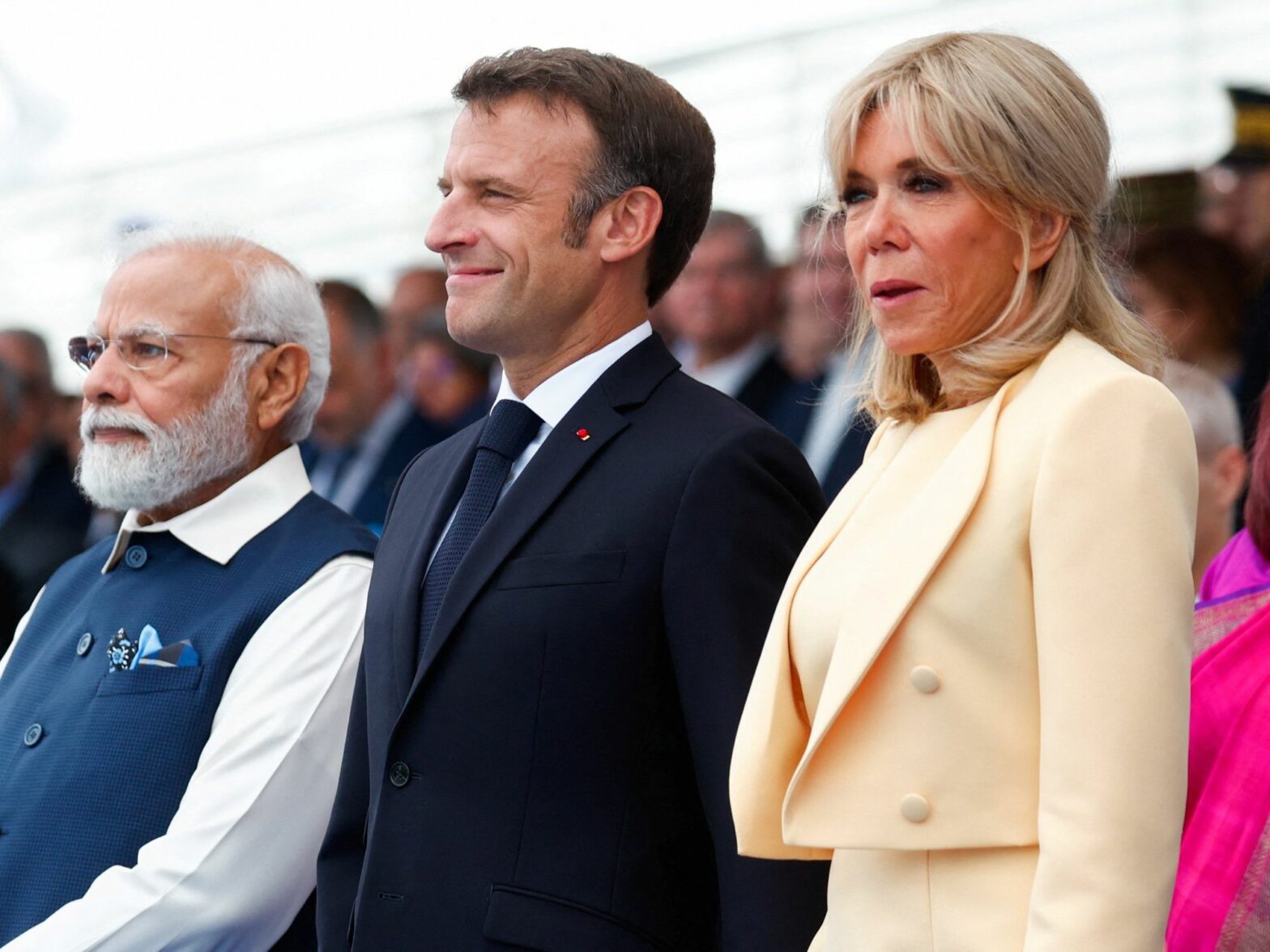
Indian Prime Minister Narendra Modi is the guest of honor for the July 14-Bastille Day celebrations in Paris, a choice that has benefits and risks for both France and India, two medium-sized powers cultivating their relative independence.
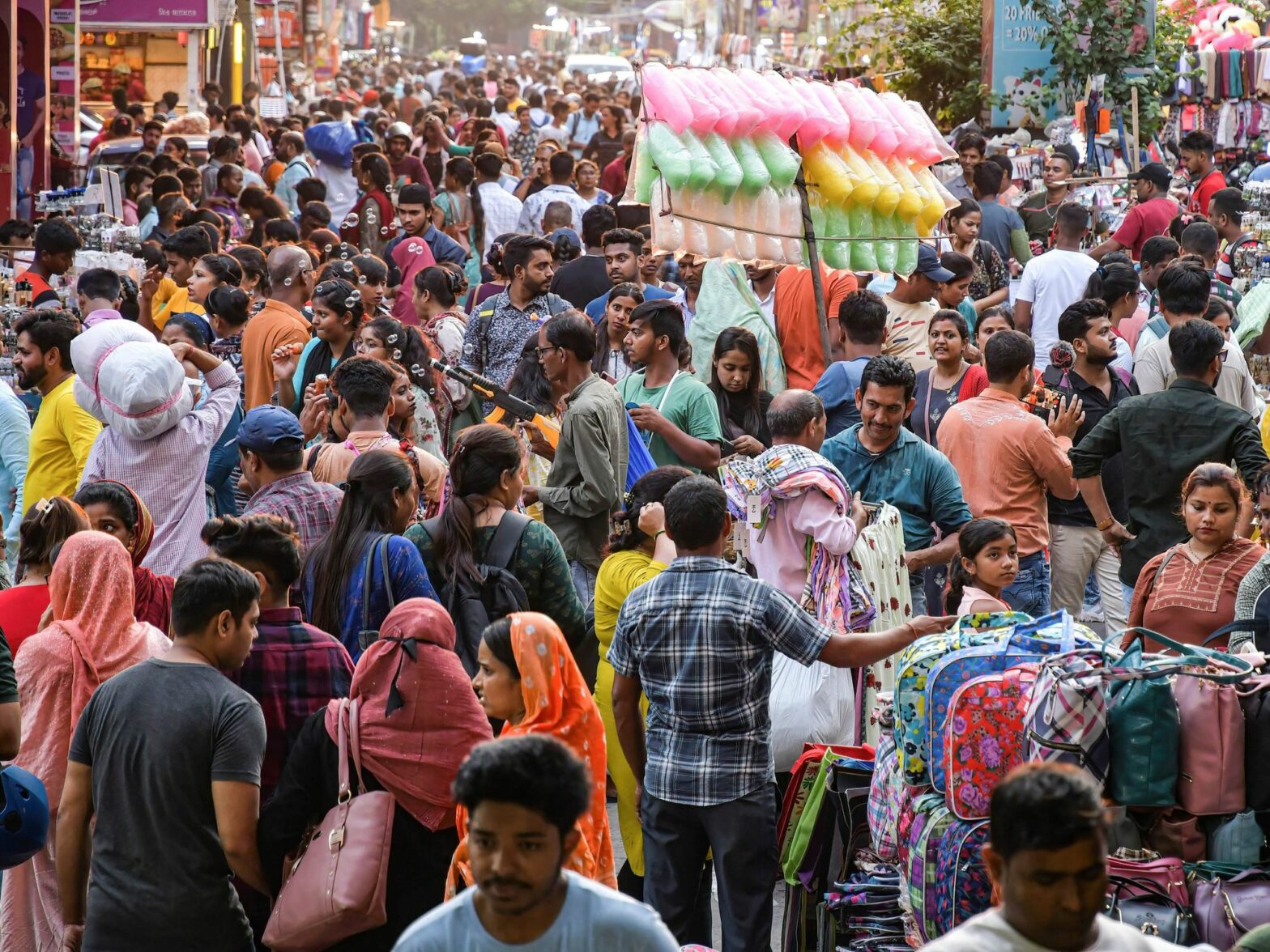
Two Asian giants are facing each other: China, whose economic and military power is no longer in doubt, and India, whose weapon is demography and who dreams of being the equal of its Chinese rival. The effects will reverberate everywhere.
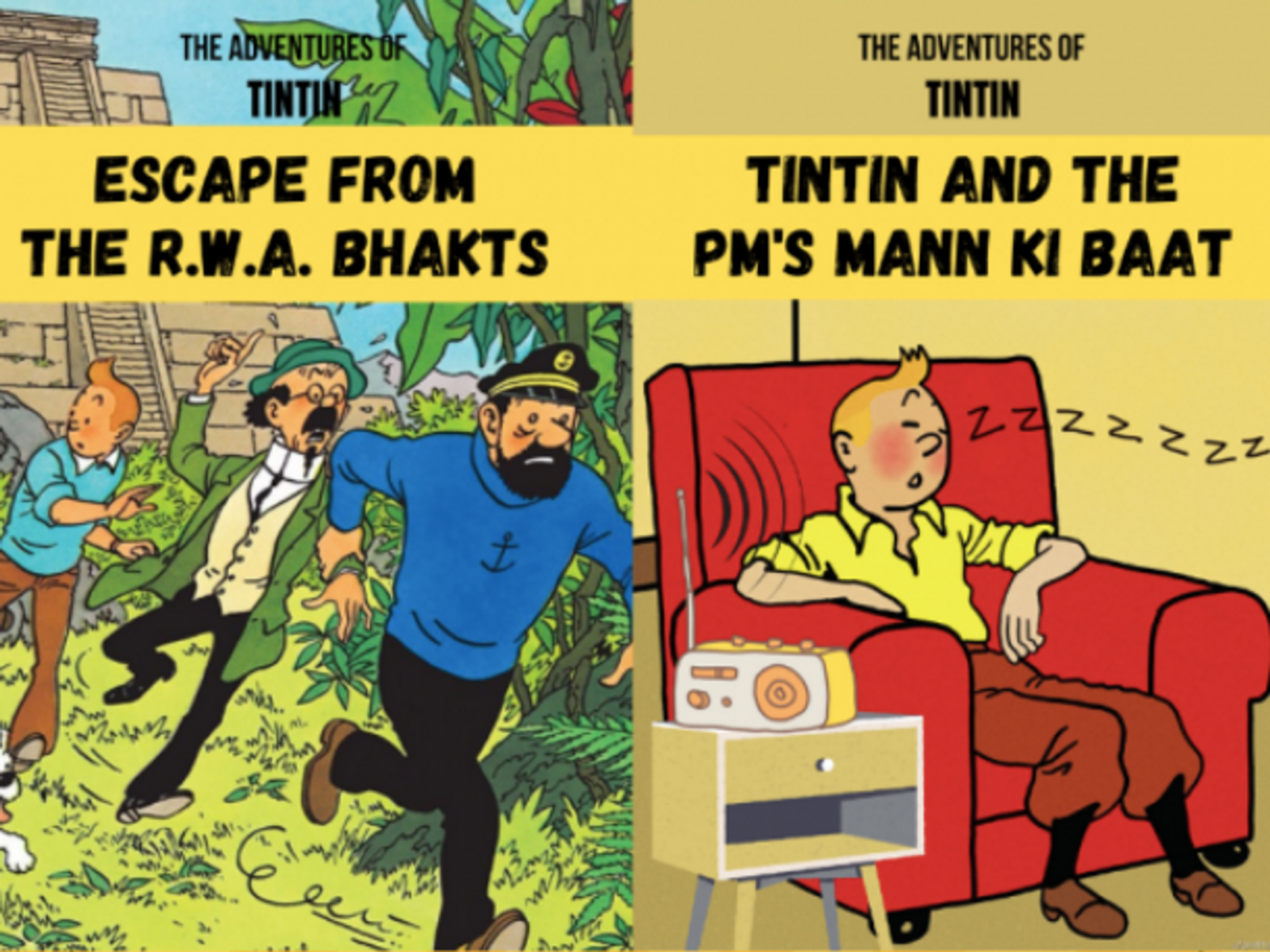
Humorous covers of the iconic comicTintin taking aim at Narendra Modi’s government have caused a backlash on social media. But the Belgian “bande dessinée” has a long history of satirizing authoritarian government.
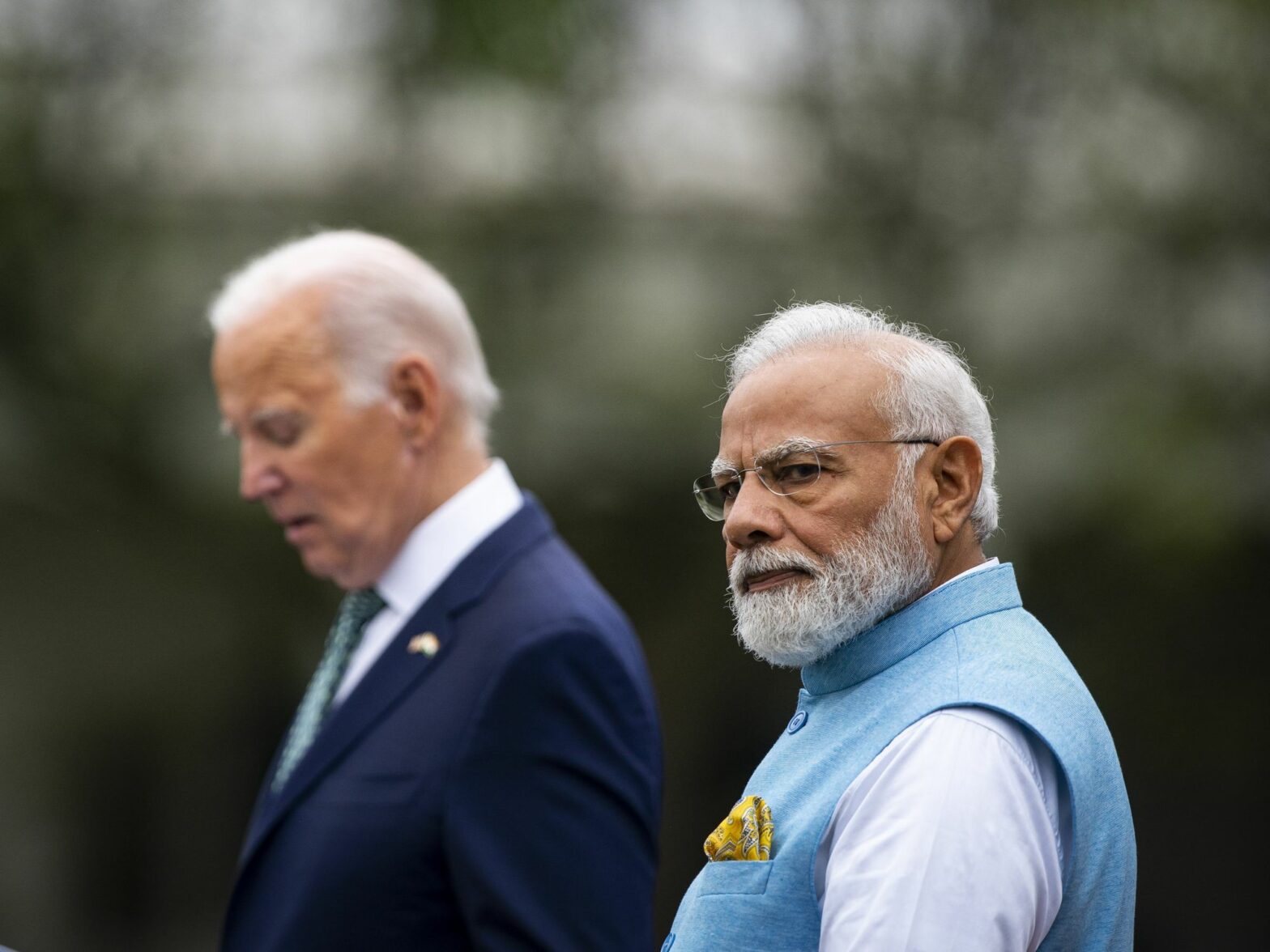
Indian Prime Minister Narendra Modi’s triumph during his state visit to the U.S. is part of a well-honed strategy of realpolitik and geo-economic opportunism. How the West responds says a lot about where the world is heading.
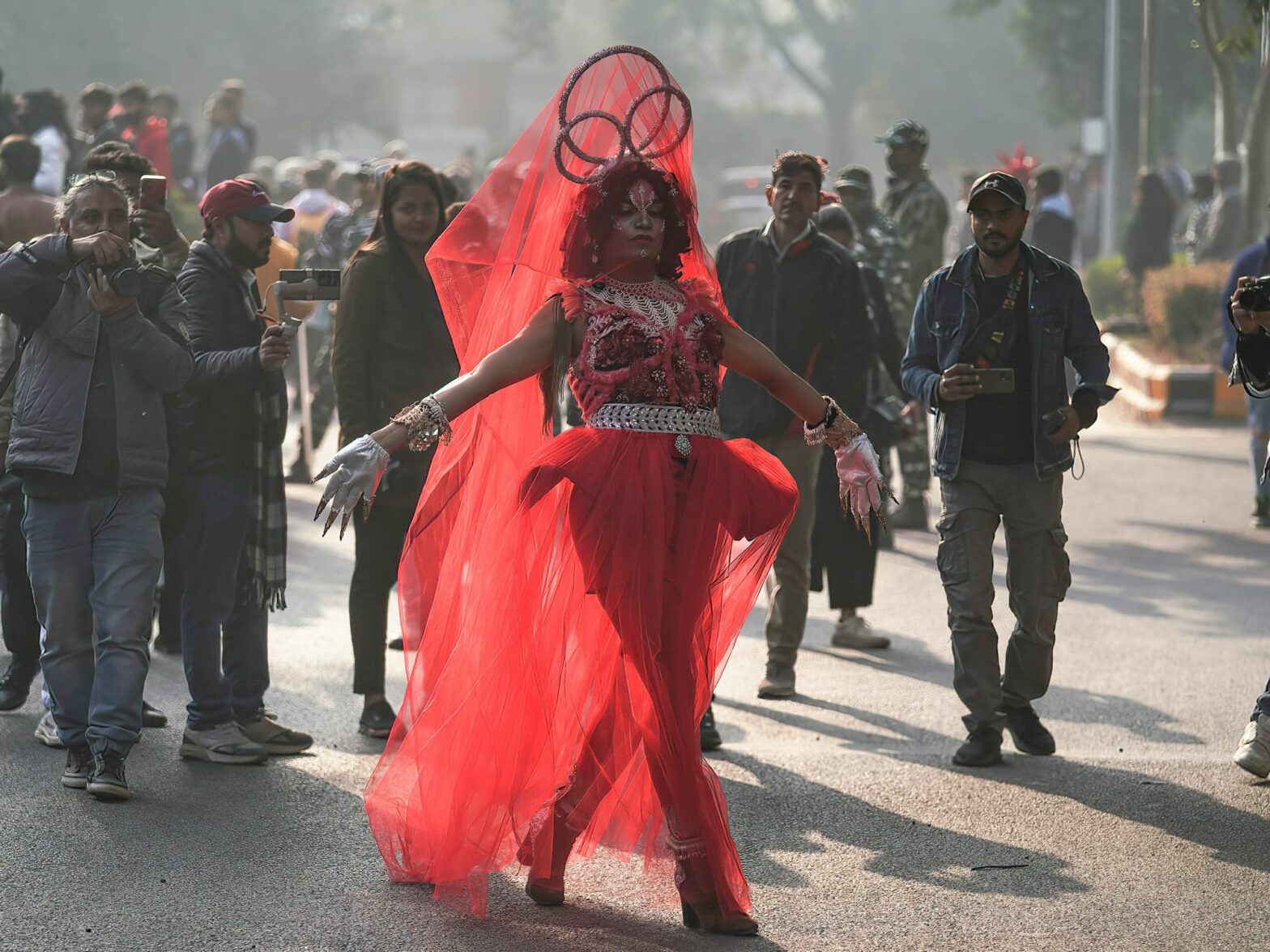
The hyper-inclusive queer world of fashion challenges the view that gayness is a “curable” tendency.
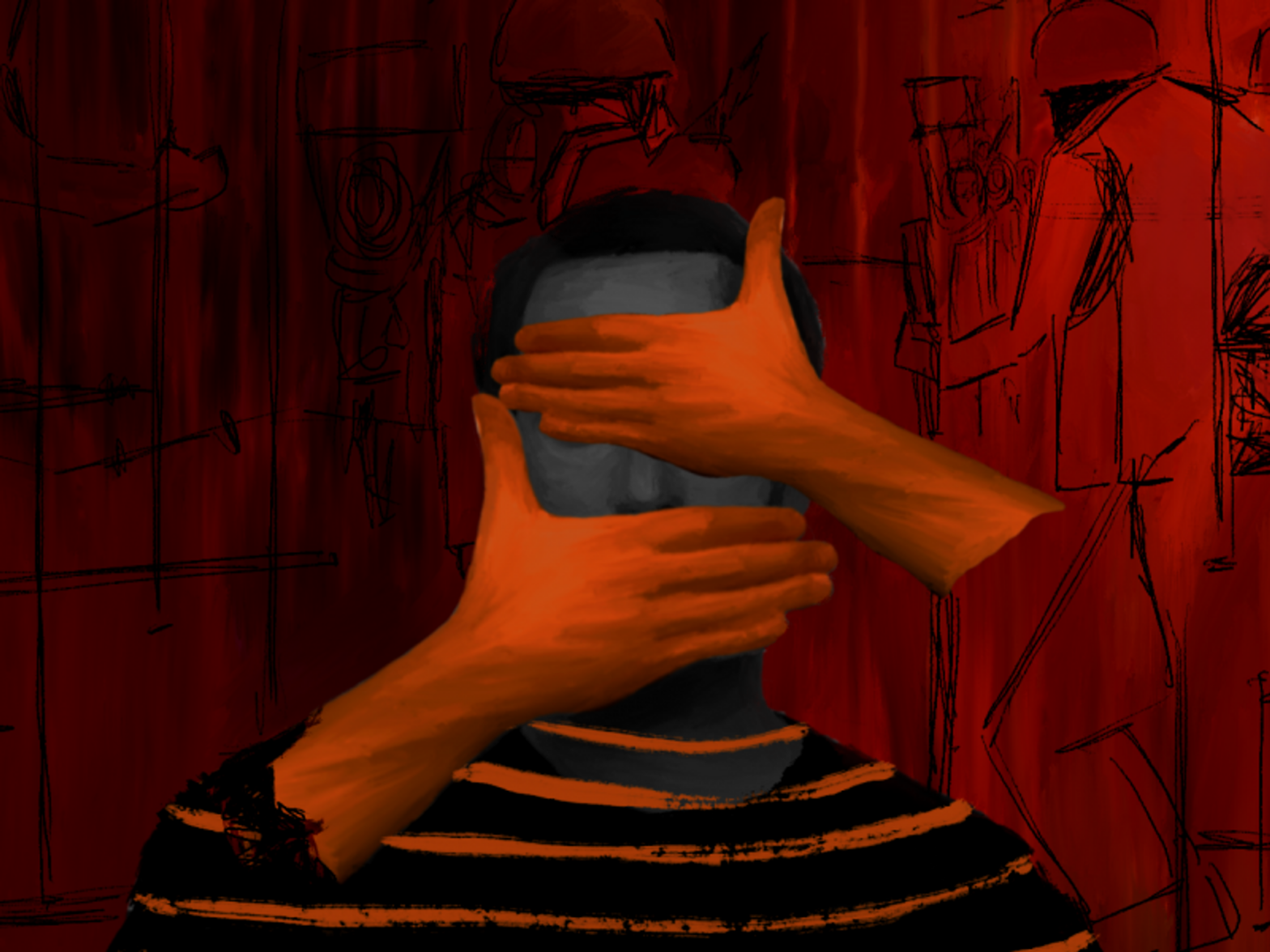
Female travel agents are luring financially weak women from villages to send them to the Gulf nations as domestic workers and caretakers where abuse is the norm!
Narendra Modi became the Prime Minister of India on this day in 2014, after his party, the Bharatiya Janata Party (BJP), won a majority in the Indian general election. What were Modi’s main promises during his election campaign? Narendra Modi campaigned on a platform of economic growth, job creation, and improving infrastructure in India. He […]
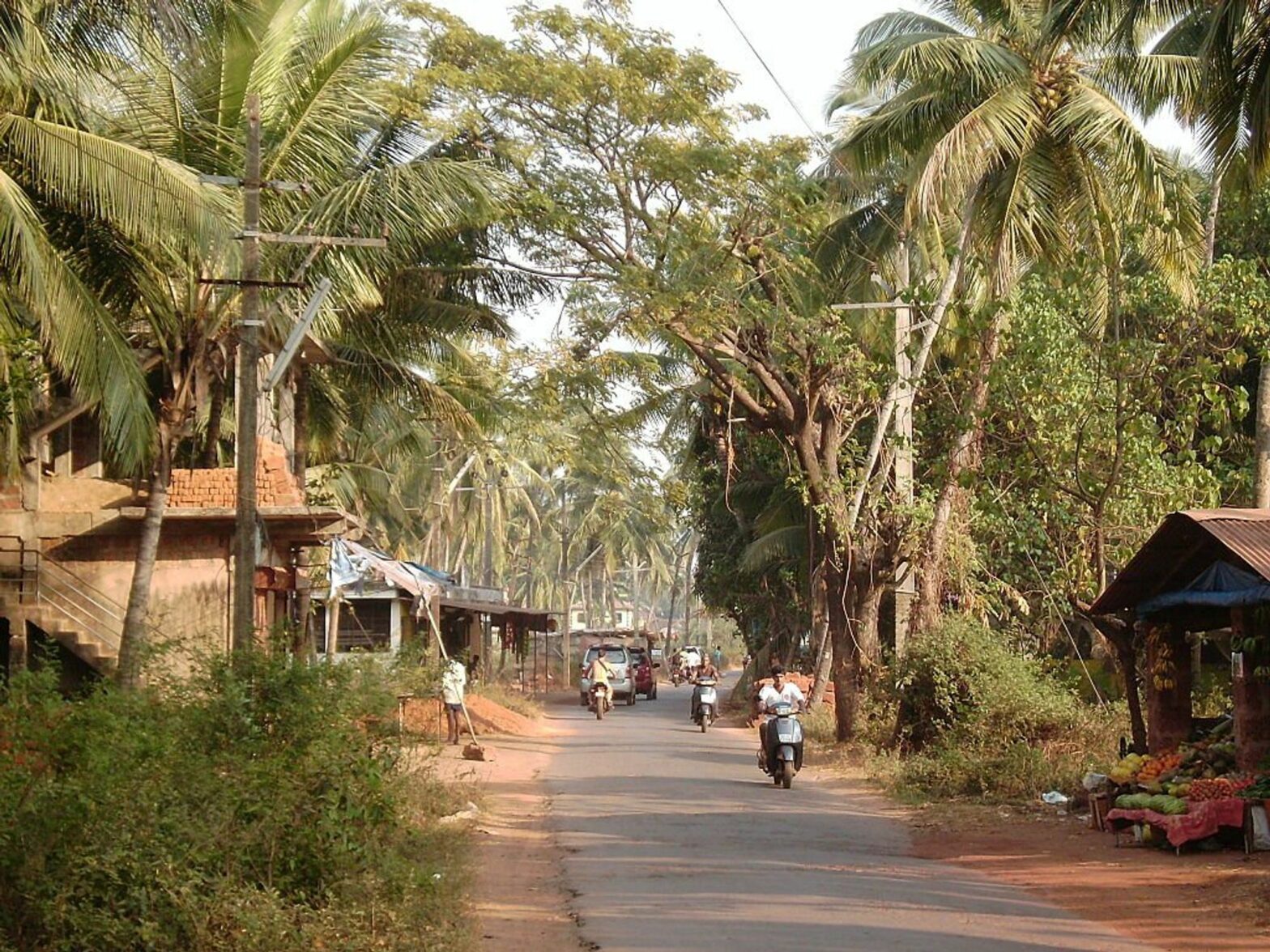
Since the beginning of the war in Ukraine, many Russians ordered to the front have fled to India’s scenic west coast. They enjoy sandy beaches, sun and a cheap life, but relations with pro-war Russians who have long settled there regularly disturb the peace.
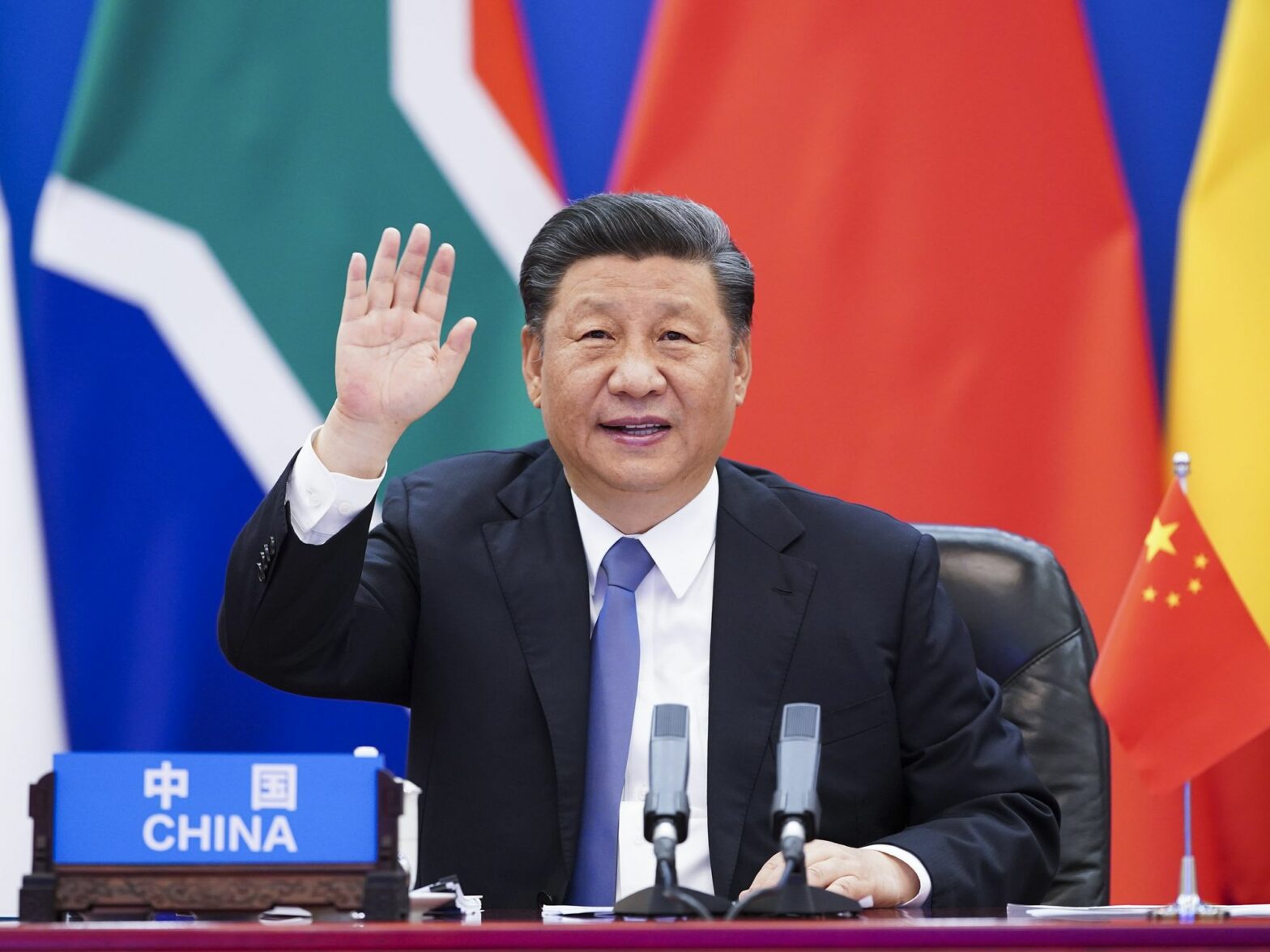
Approaching the world as a simple opposition between East and West falls short. An emerging “tripolar” geopolitics requires we establish new ways of thinking and managing both conflict and opportunity.
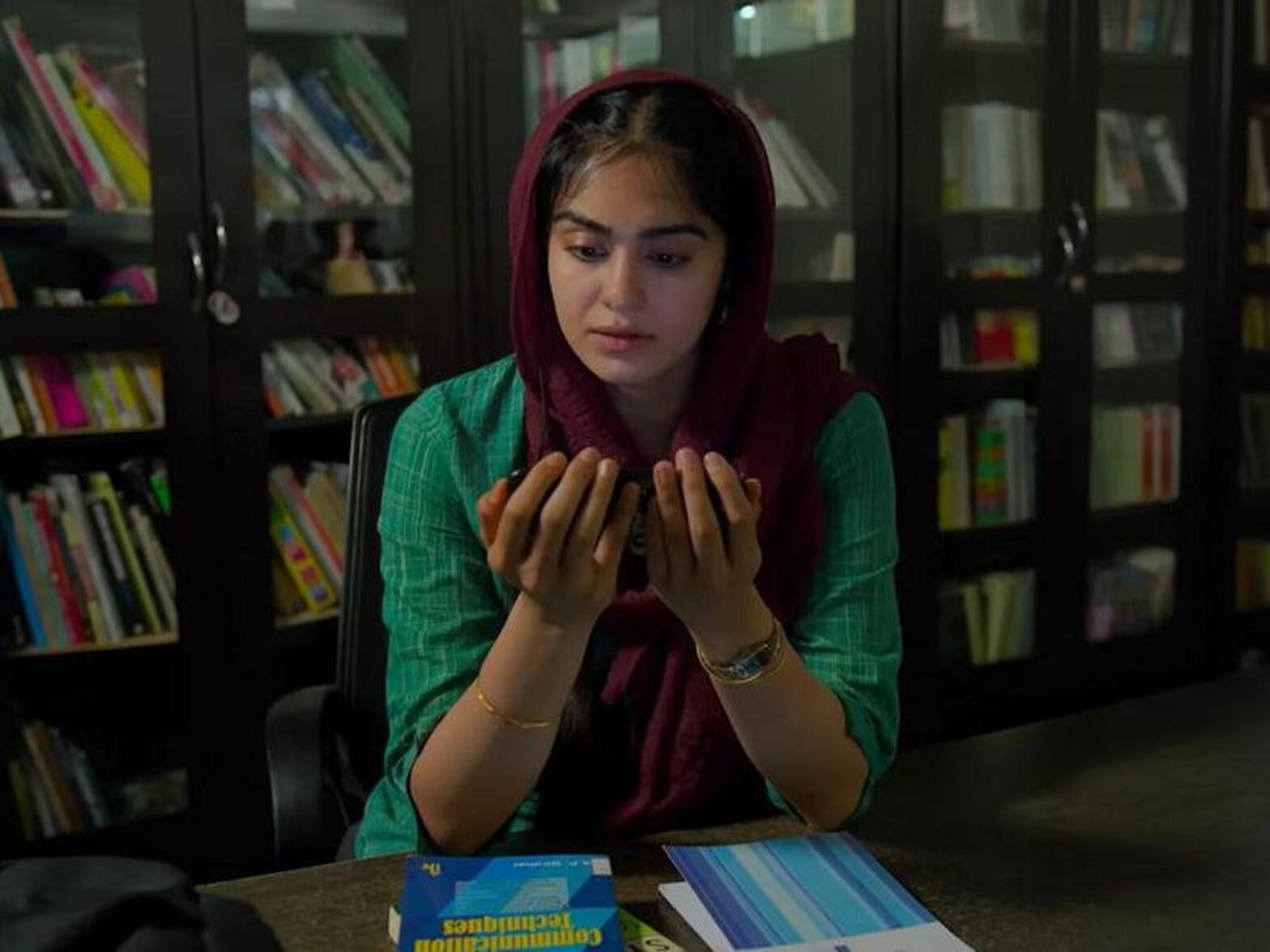
Bollywood film The Kerala Story has done huge numbers at the Indian box office after public support by Hindu nationalist parties. But the film is facing claims it is Islamophobic propaganda that peddles conspiracy theories about Muslims.
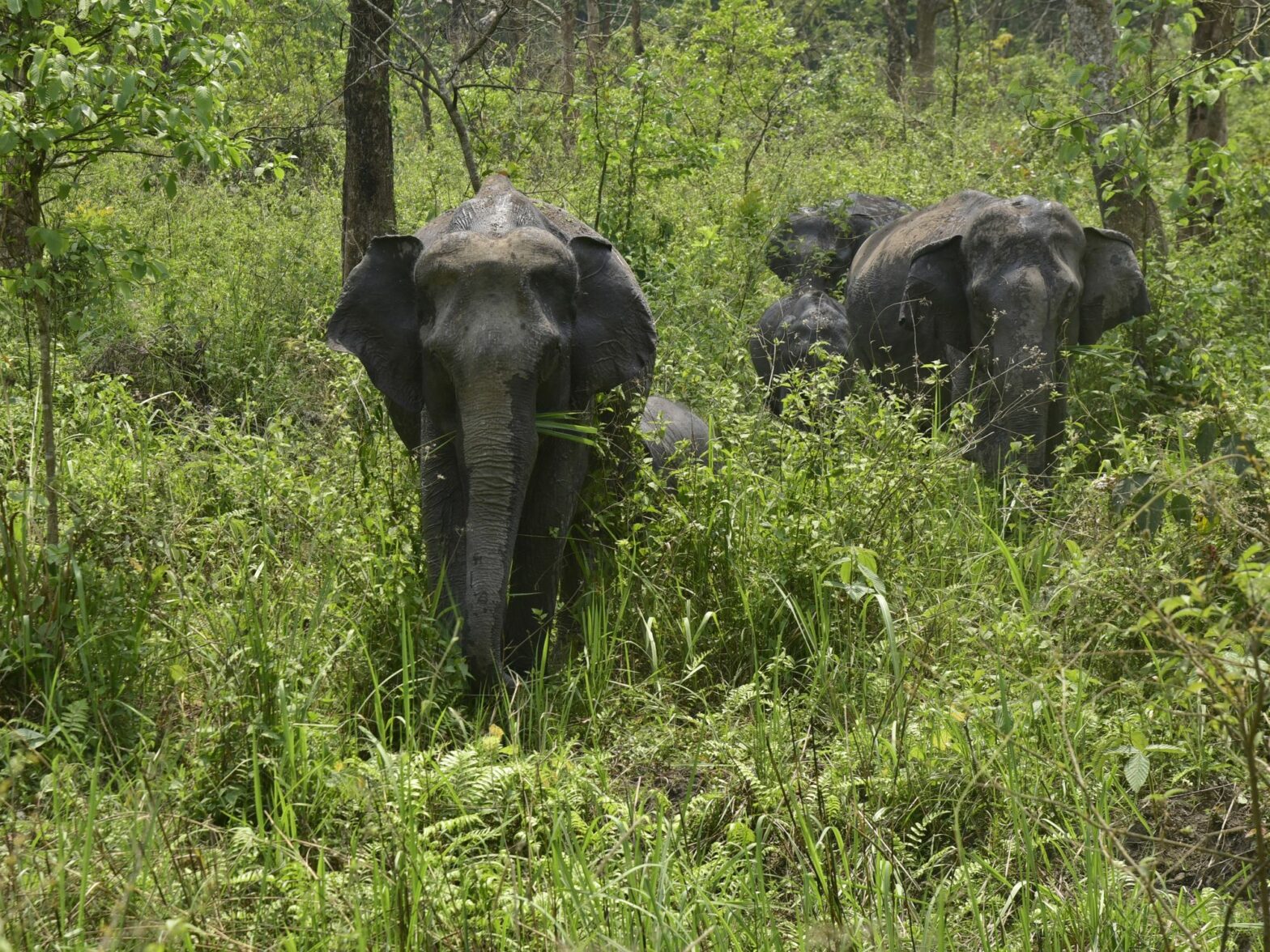
Experts say that understanding how the giant mammals weigh risk and reward could help prevent clashes with people.
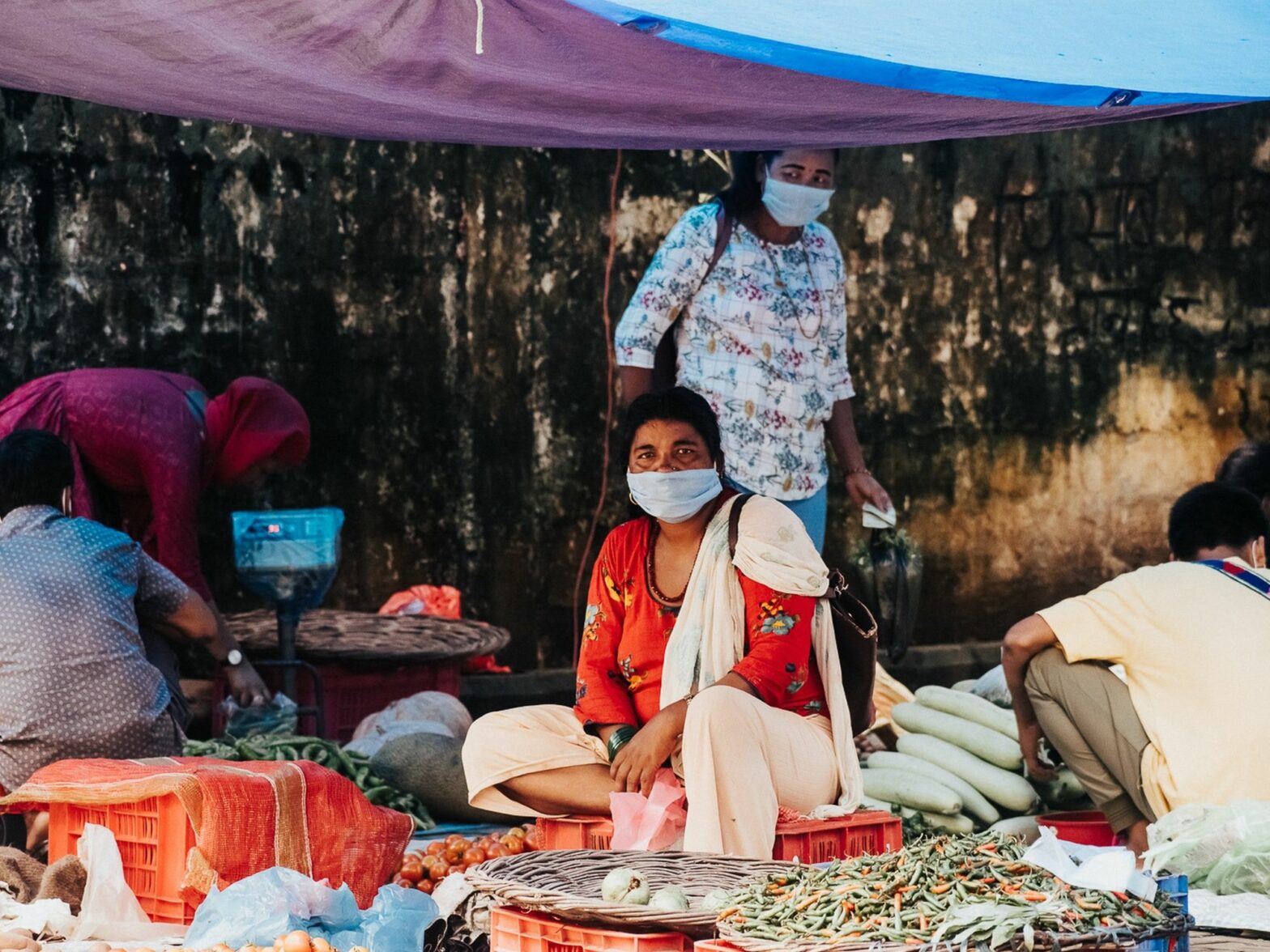
Anger depletes and debilitates; grief, on the other hand, creates a new strength and resolve. What is centrally at stake for me, three years after I lost my husband, is a stubborn refusal to forget the disease that took him away.
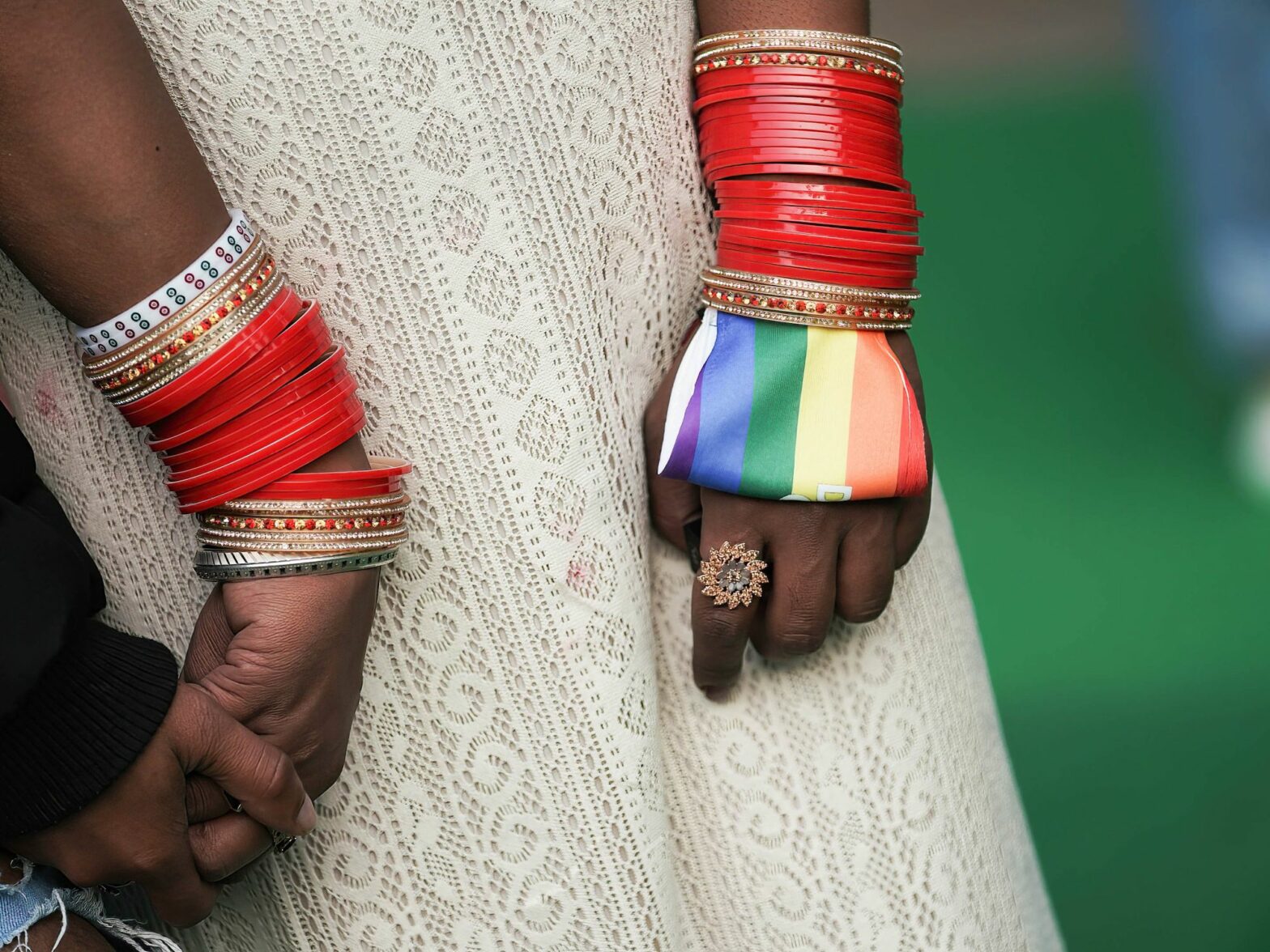
Interfaith and inter-caste relationships have always been difficult in India. As the Supreme Court hears petitioners pleading for marriage equality, the time is ripe to see how laws and hatred have stopped love.
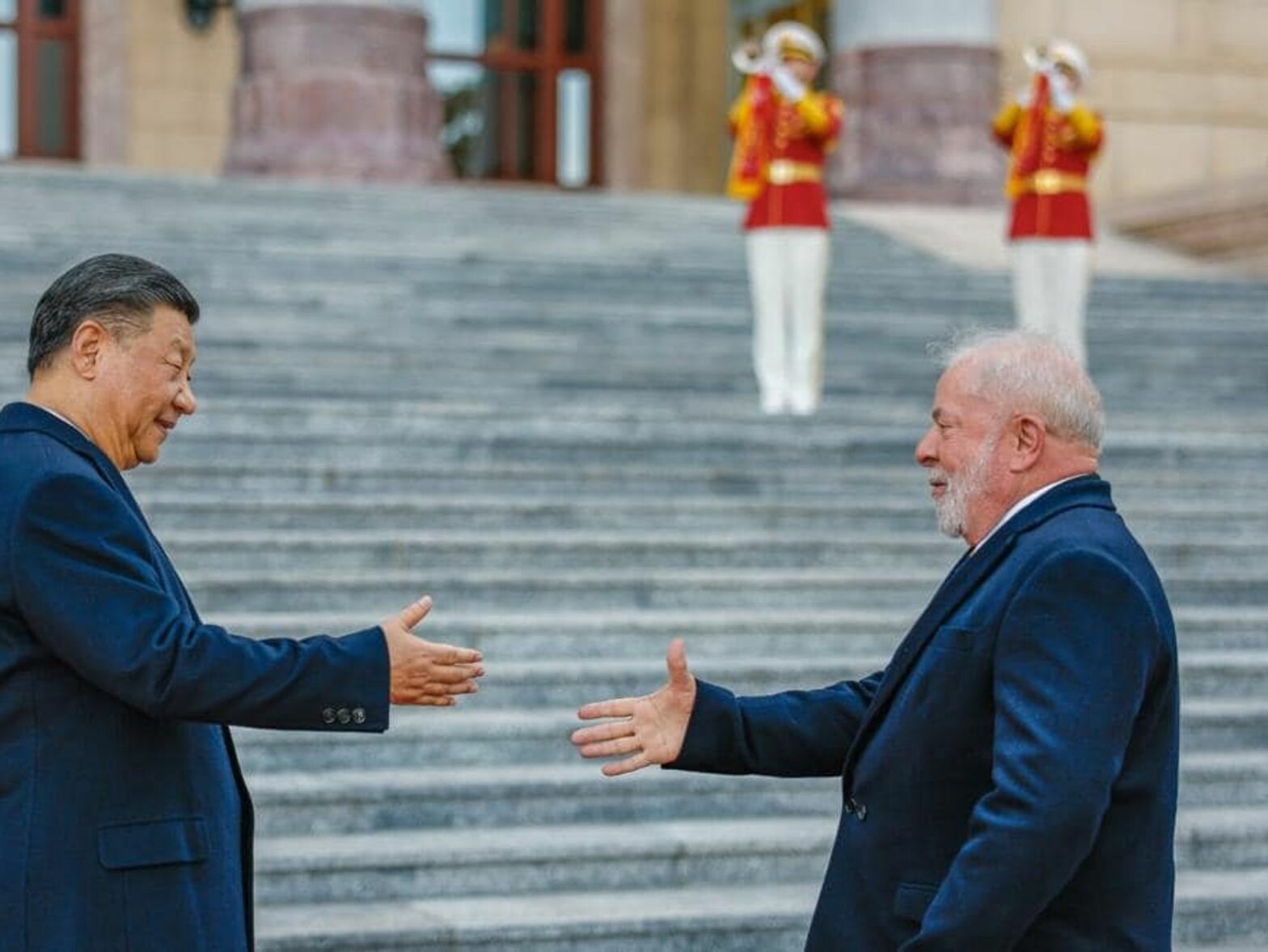
The Brazilian president, back in power after more than a decade later, has not lost his vision of a post-Western world in which the BRICS would occupy a central place. Lula’s visit to Beijing puts such a vision front and center on the global agenda.
On this day in 1959, the 14th Dalai Lama crossed the border from Tibet to India seeking political asylum because he and his followers were facing increasing persecution from the Chinese government. The Chinese had occupied Tibet in 1950, and tensions between the Tibetan people and the Chinese authorities had been escalating. Who is the […]
Why is it that this nation of a billion-plus has such problems with intimacy and romance?
On top of the traditional troubles some young people face on their own for the first time are the added factors of social media pressure and the effects of the pandemic. The crisis appears to have hit hard in Italy, with other countries, from India to France to the UK, reporting a similar situation.
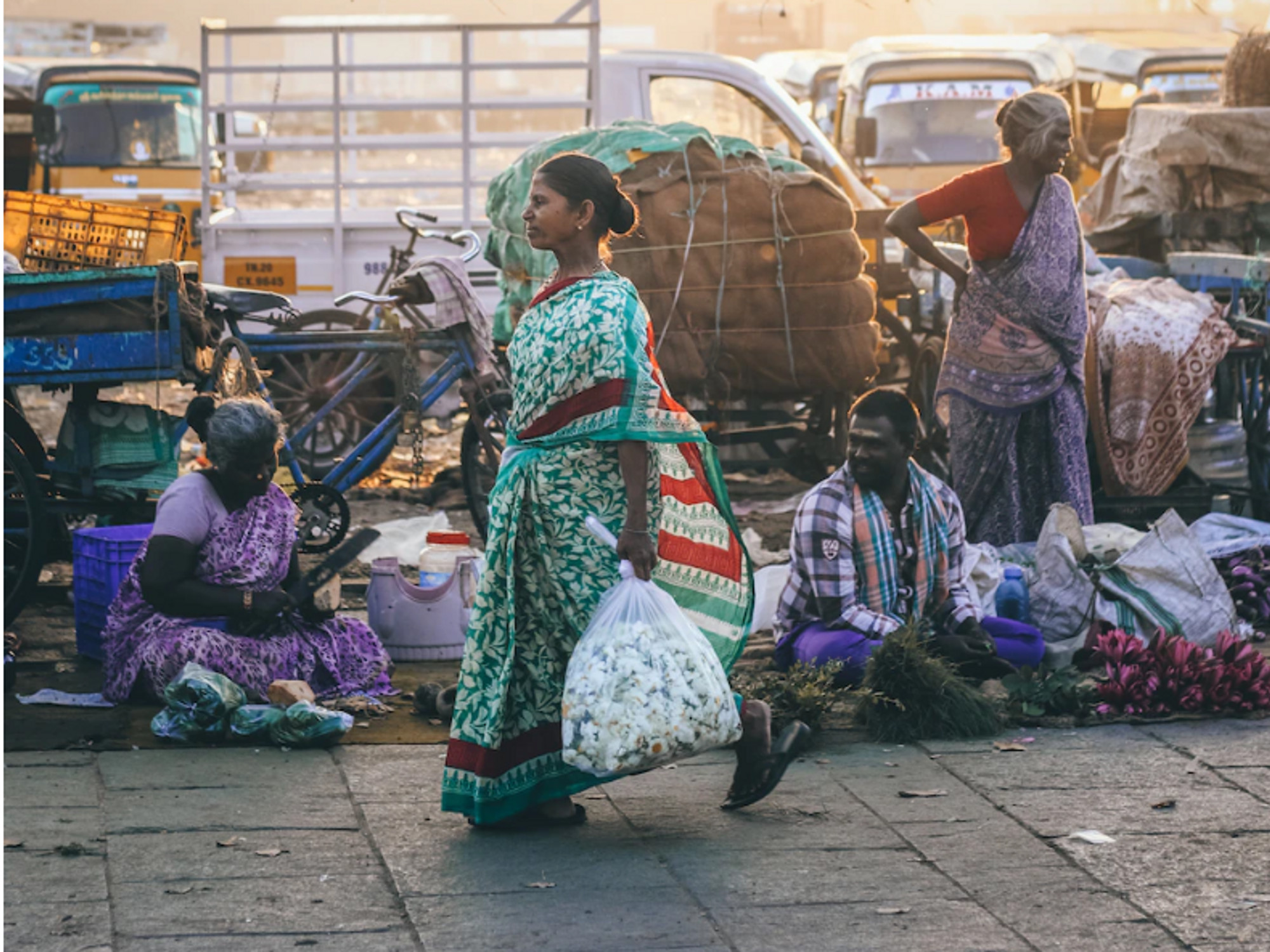
The cuts in funds for various welfare programmes in the latest budget reflect the lack of will on the part of India’s political class to uplift the poor. It is time a wealth tax and a more progressive tax regime are in place.
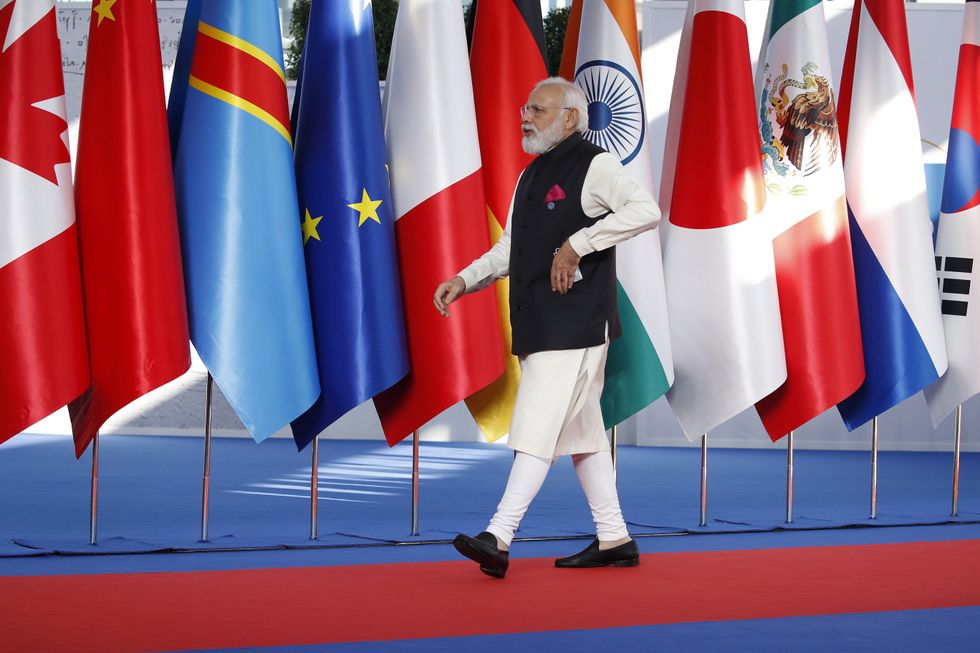
After not buying any aircraft for 17 years, Air India has announced the largest order in the history of aviation. It’s a symbol of India’s new standing in the world, its ambitions and the role it has as a model for other non-aligned nations
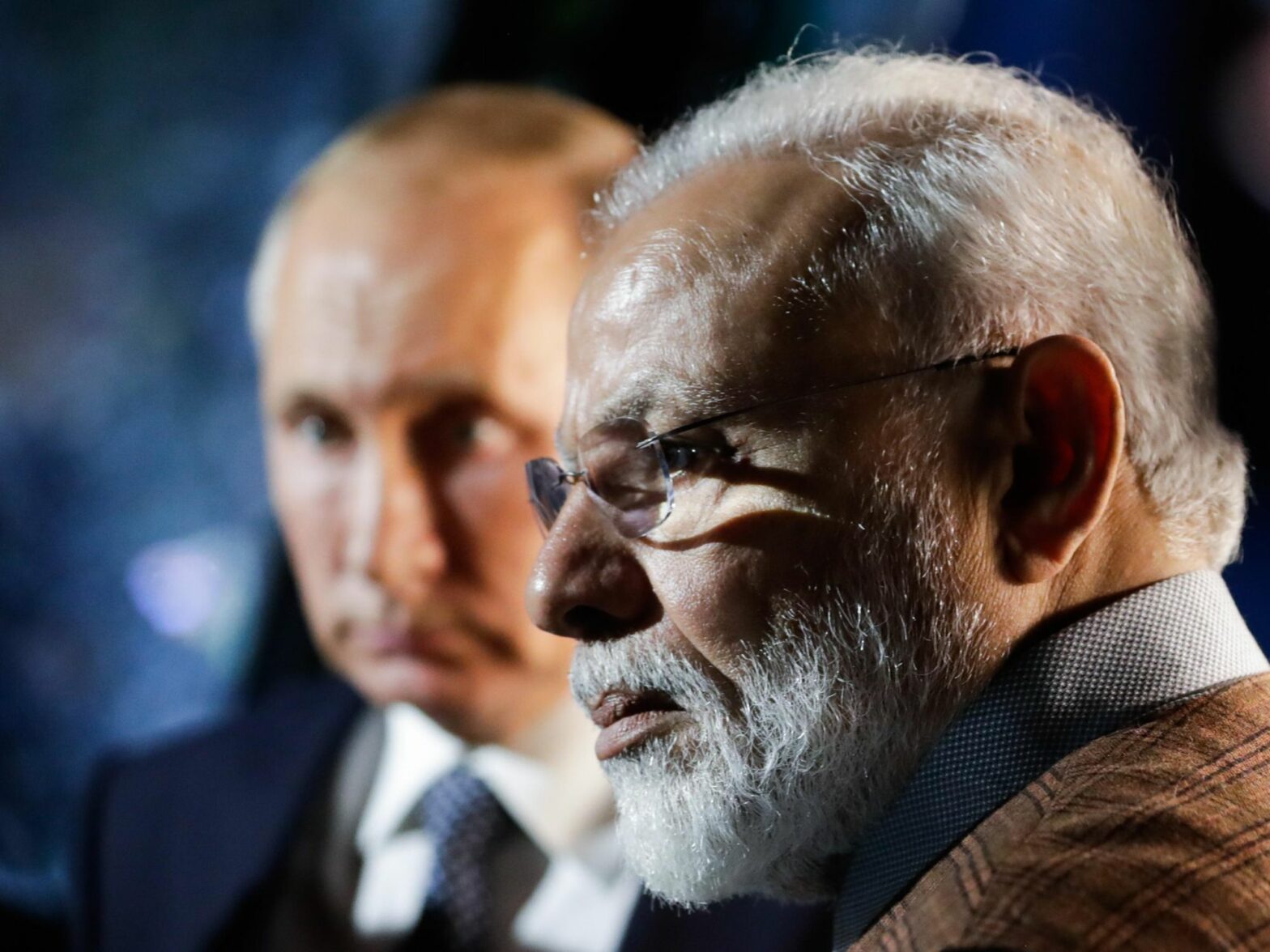
By shrugging aside Russia’s aggression, India has shown indifference to fears that China could follow Russia’s example.
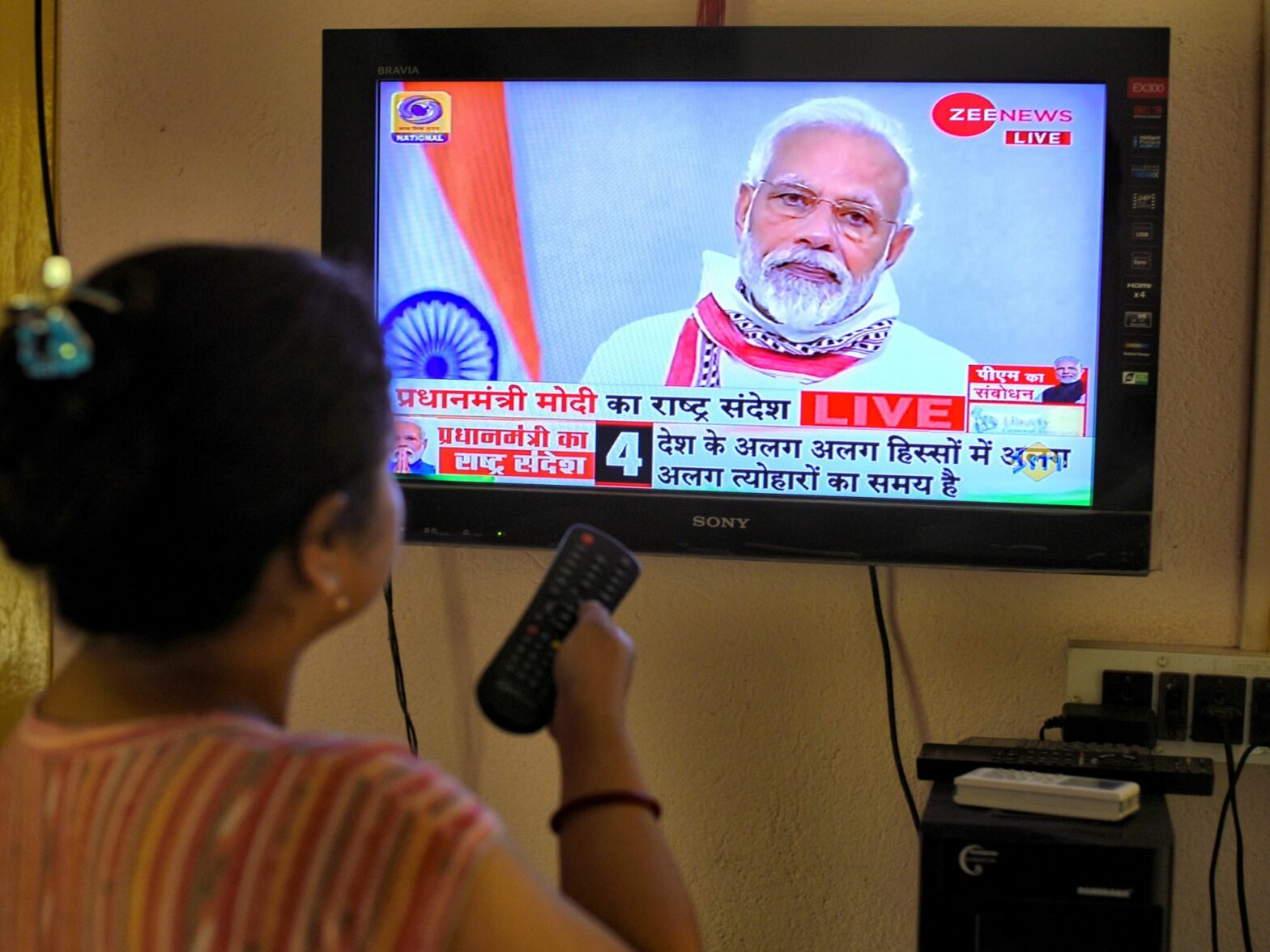
The Modi government’s attempts to censor the media and intimidate independent journalism pose a grave danger to Indian democracy.
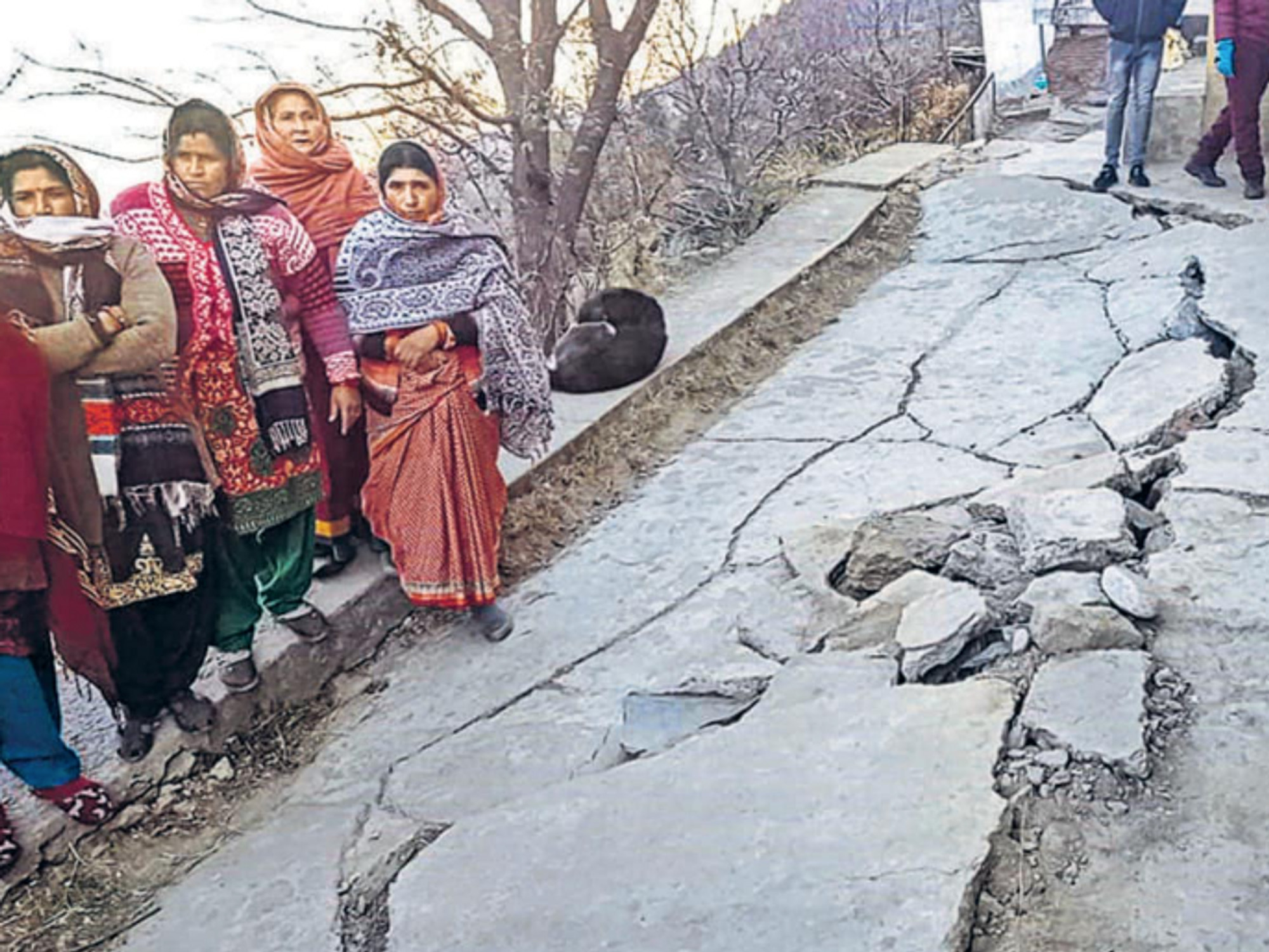
The Indian authorities’ decision to hide factual reports on the land subsidence in Joshimath only furthers a sense of paranoia.
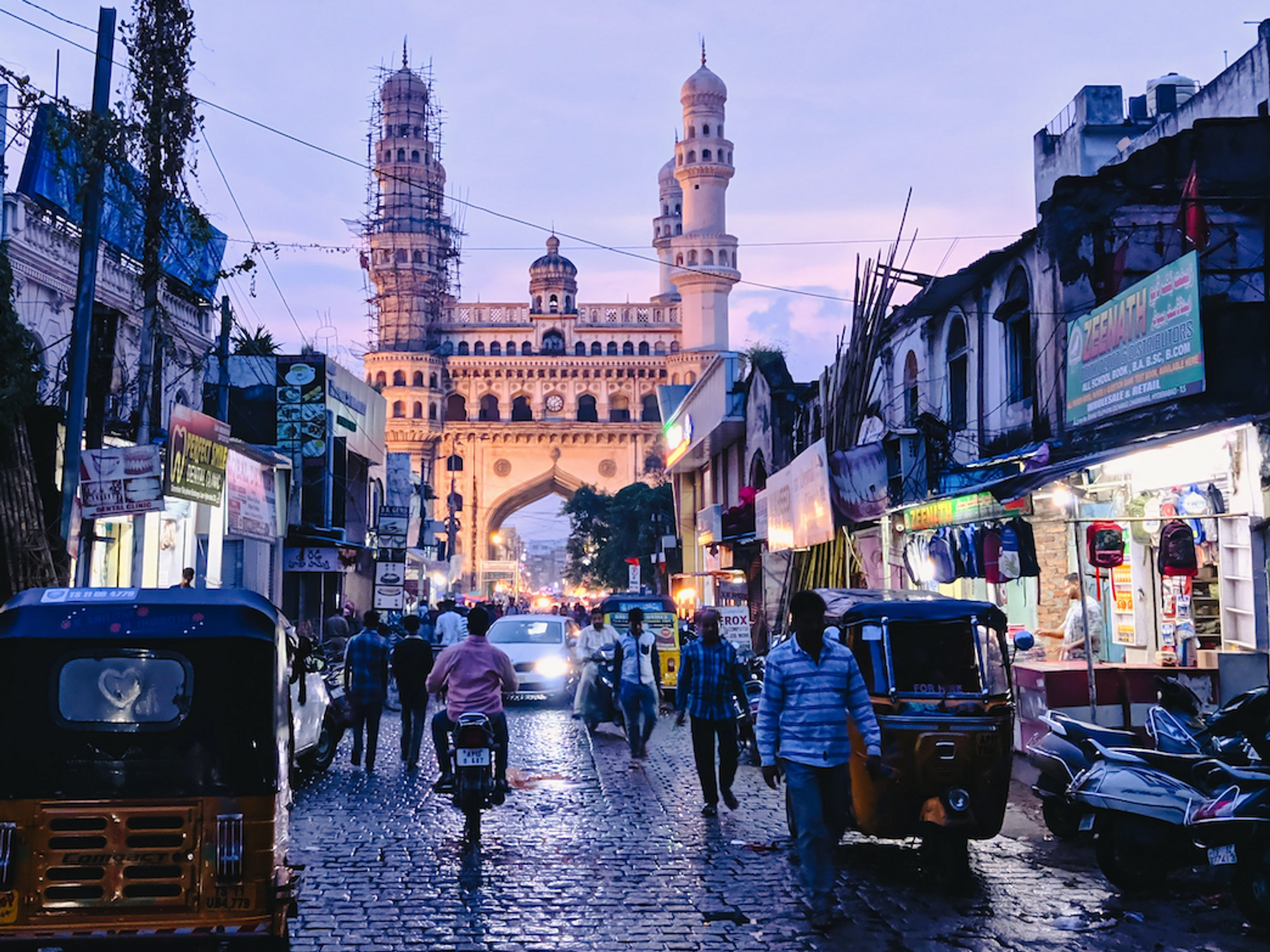
The news that China’s population has shrunk for the first time in 60 years, comes as India appears to be outperforming its giant neighbor on a number of fronts. But this reversal of fortune still has too many variables to predict the demise of one or the rise of the other.