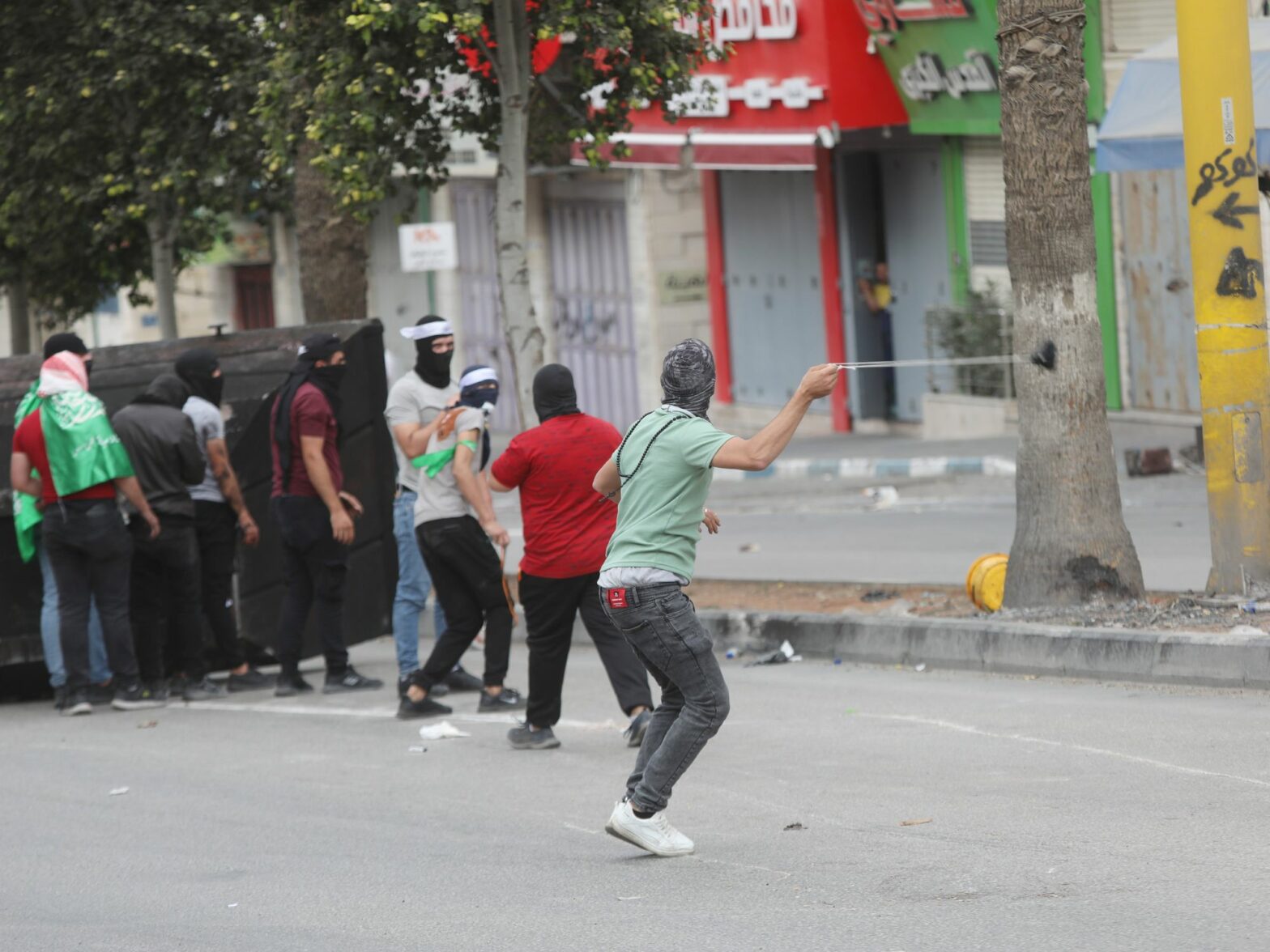
Death count rises above 100 in the West Bank, as sources reports weapons flooding in through Iran.
 Worldcrunch
Death count rises above 100 in the West Bank, as sources reports weapons flooding in through Iran.
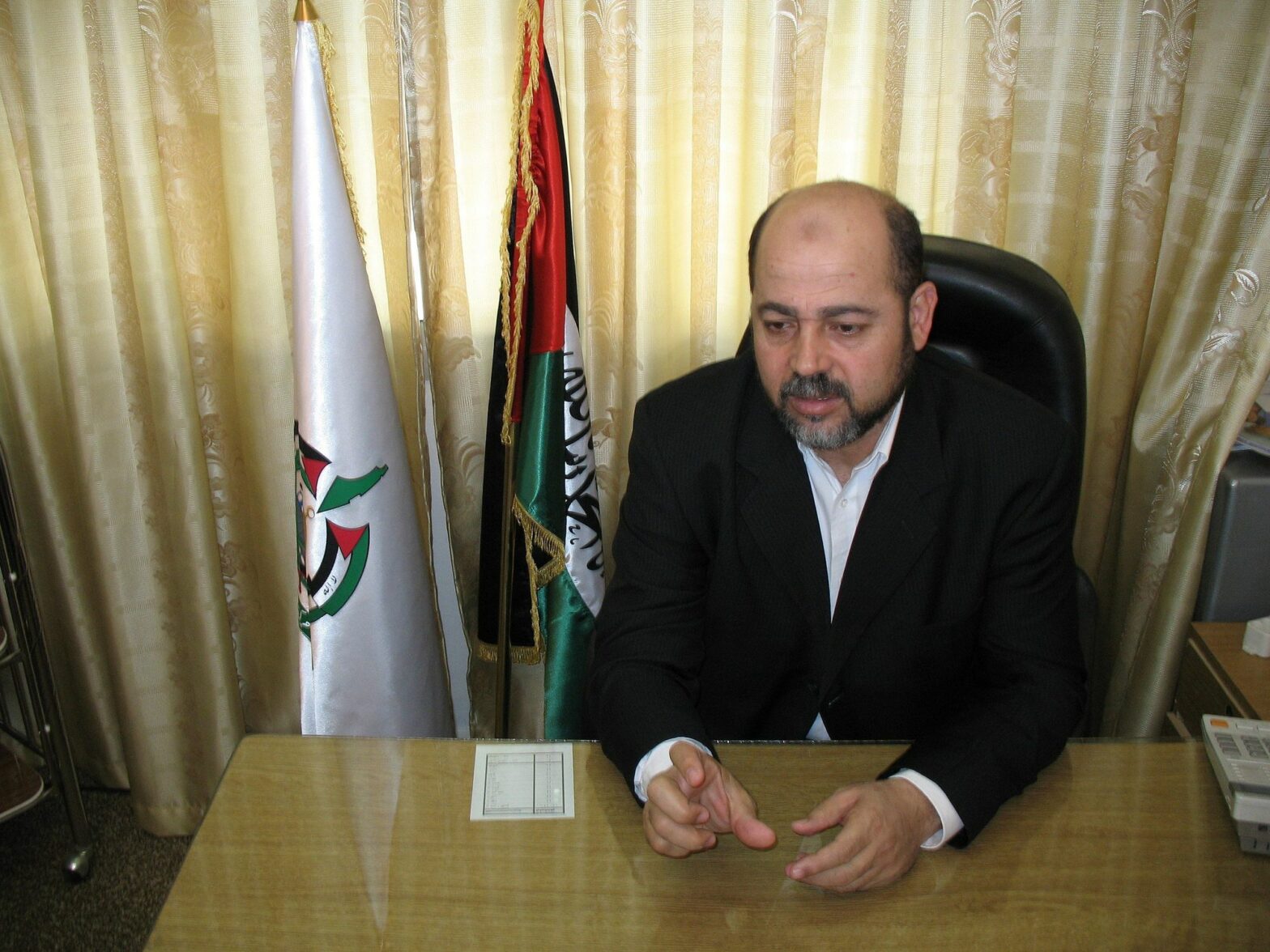
A Hamas delegation arrived in Russia, as Putin warns Israel that the war could spread beyond the Middle East.
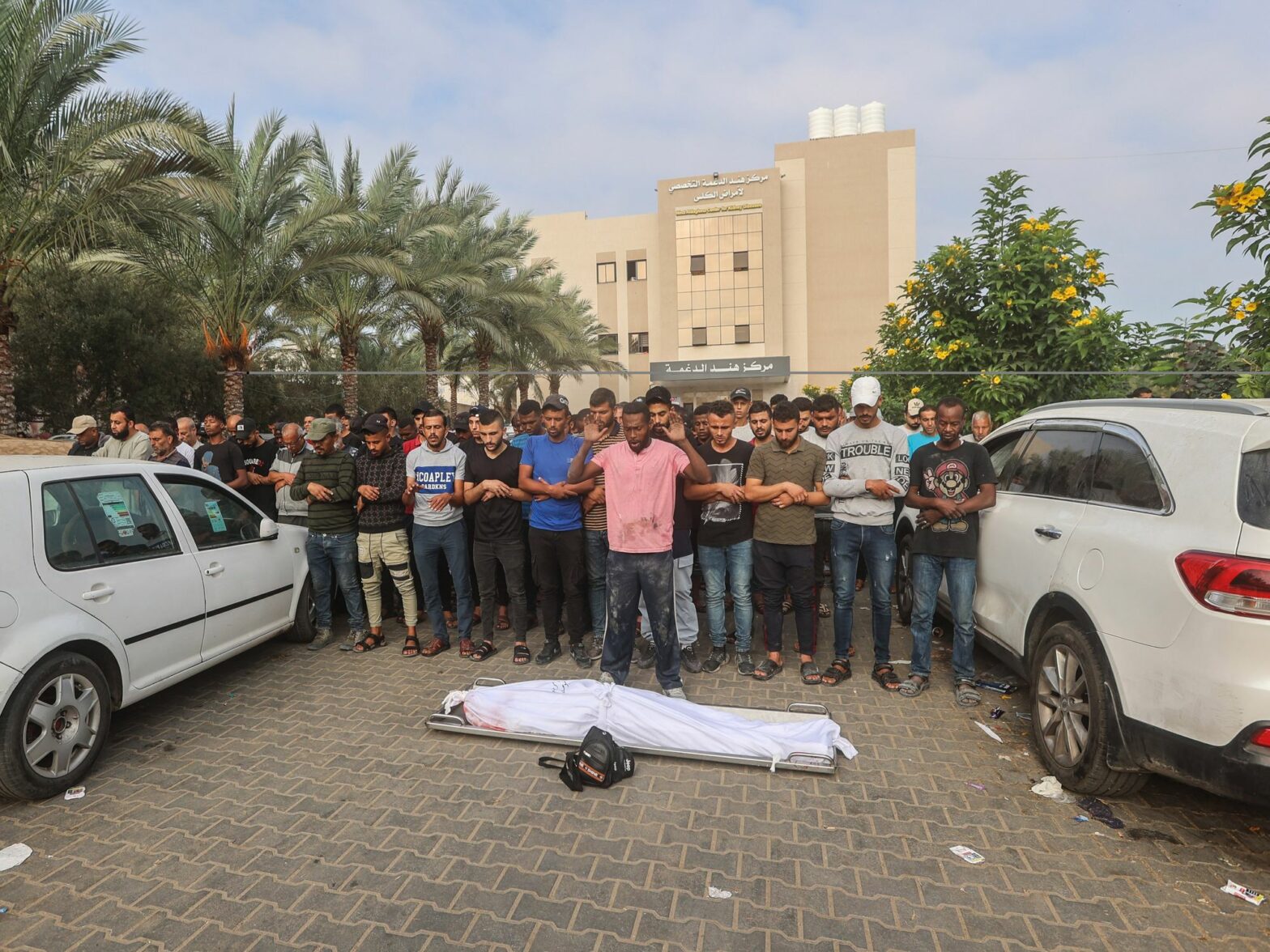
While everyone acknowledges the civilian toll is climbing in Gaza, a new doubt has begun to spread in recent days about the reliability of the death counts given by Gaza’s government, which is run by Hamas. U.S. President Joe Biden now says he doesn’t believe the numbers at all, which has set off criticism about his lack of both sources and “empathy.”
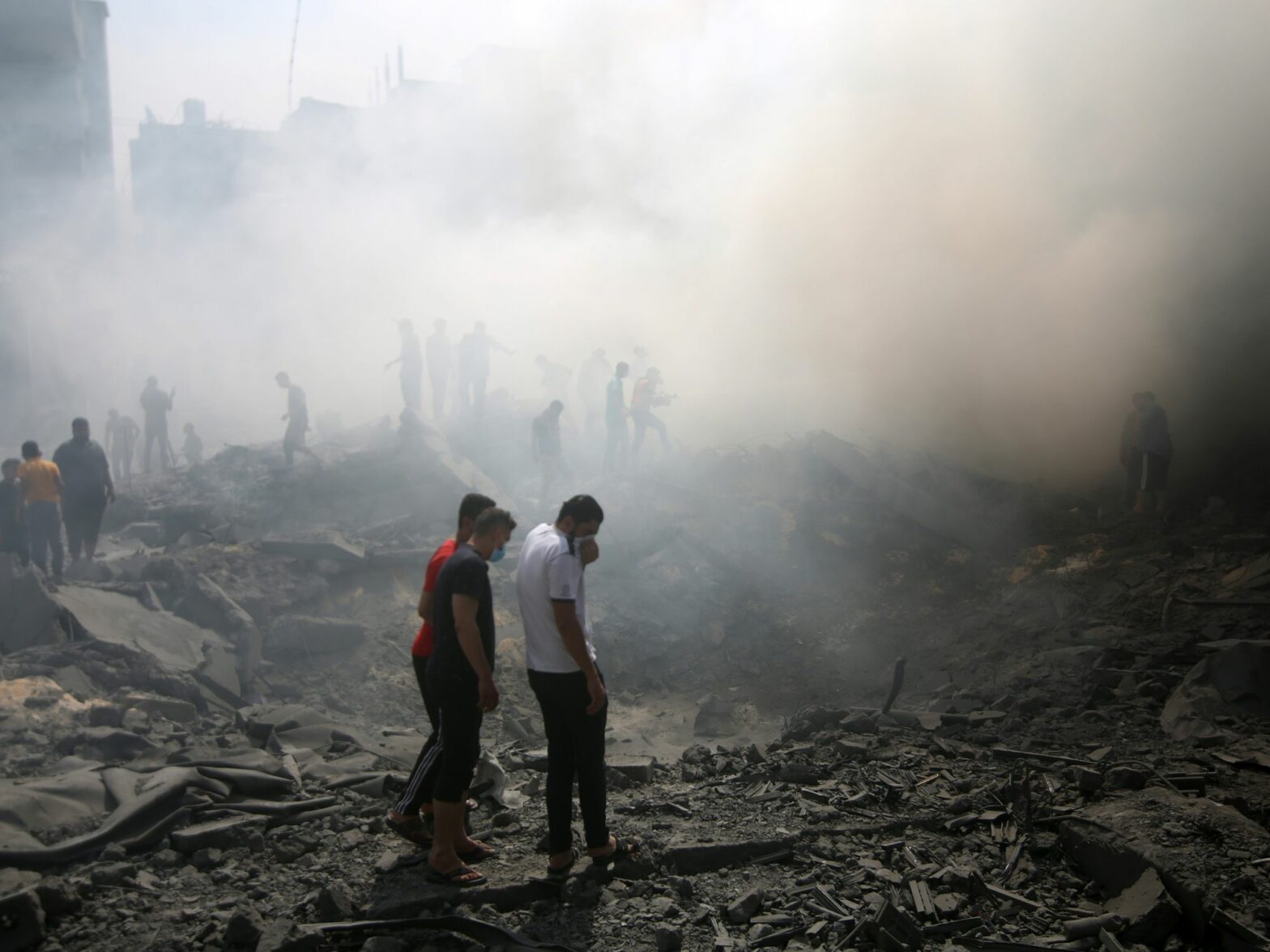
Over the past week, Gaza has been officially under siege, even if the roots have long been planted in the confined territory. Others may say that Israel itself has long felt under siege, surrounded by hostile nations. It’s worth tracing the origins of this policy of war that targets entire populations, from Troy in ancient Greece to Leningrad in World War II.
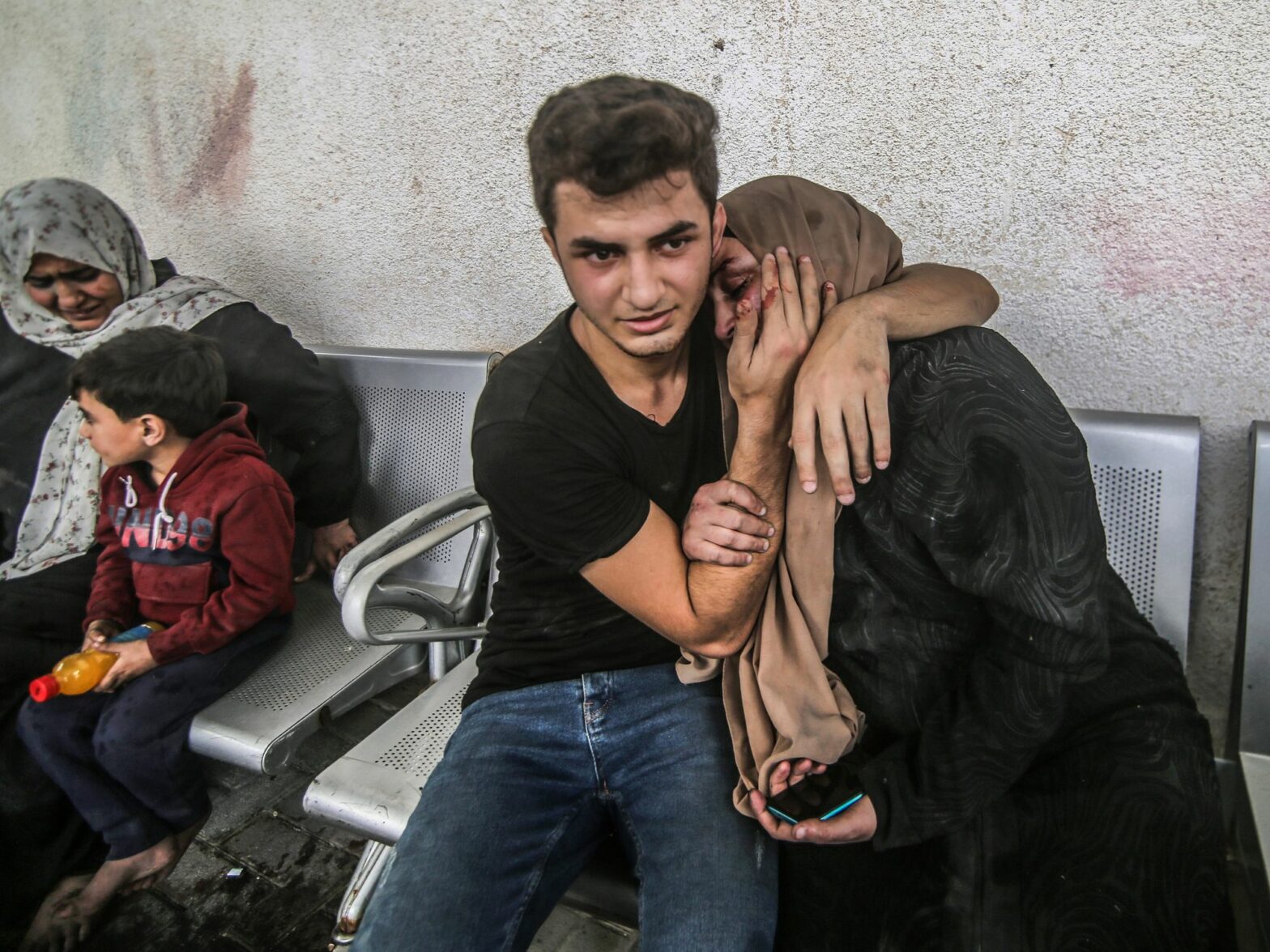
A full siege is on in Gaza, and there’s little room for escape for civilians.
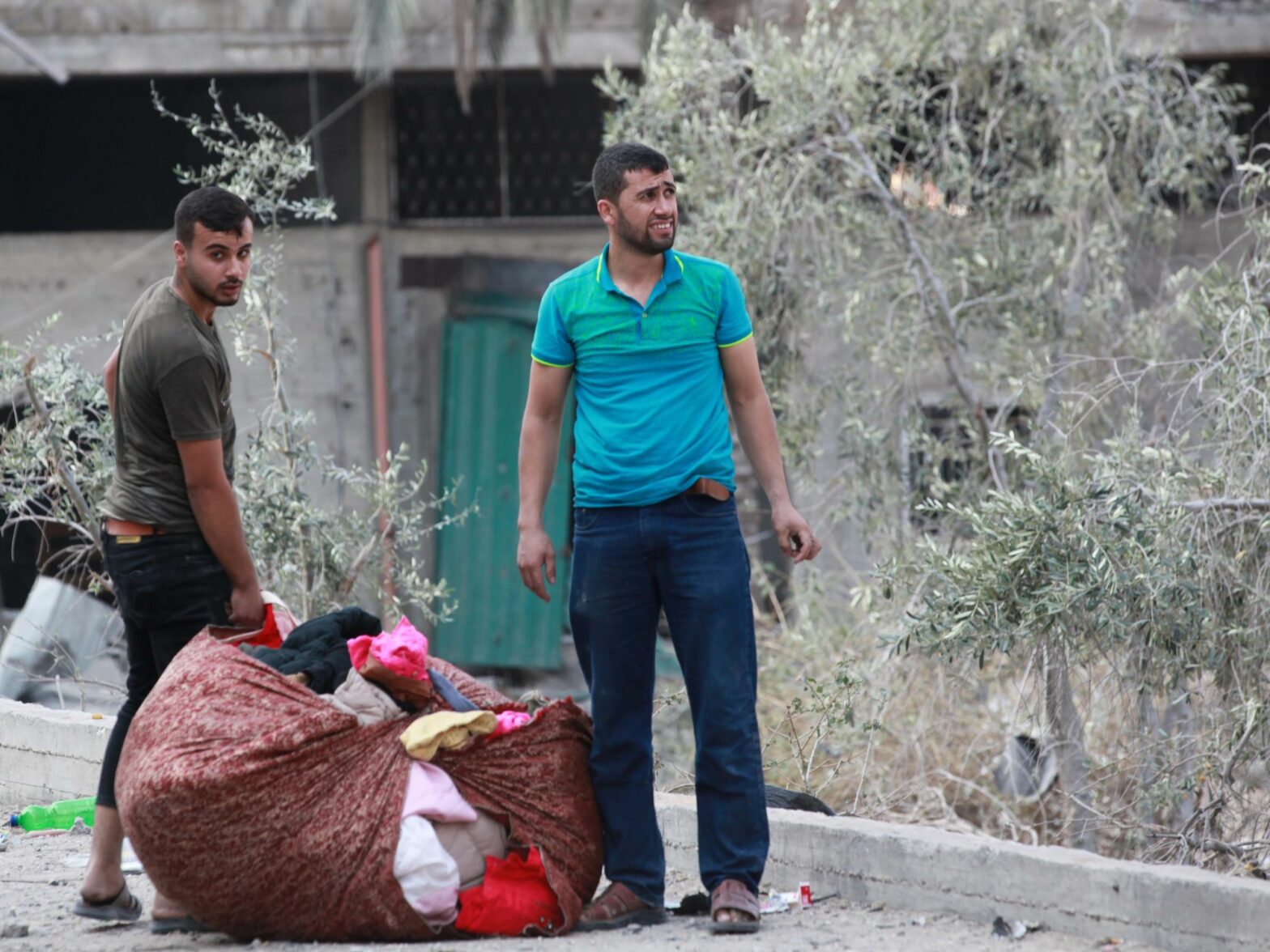
The U.S. is said to be in talks with Cairo about setting up a humanitarian corridor into Egypt for the Palestinian civilians fleeing Israeli airstrikes and shortages brought on by “complete siege” announced earlier this week. Also new brutal revelations of Hamas massacre of Israeli children.
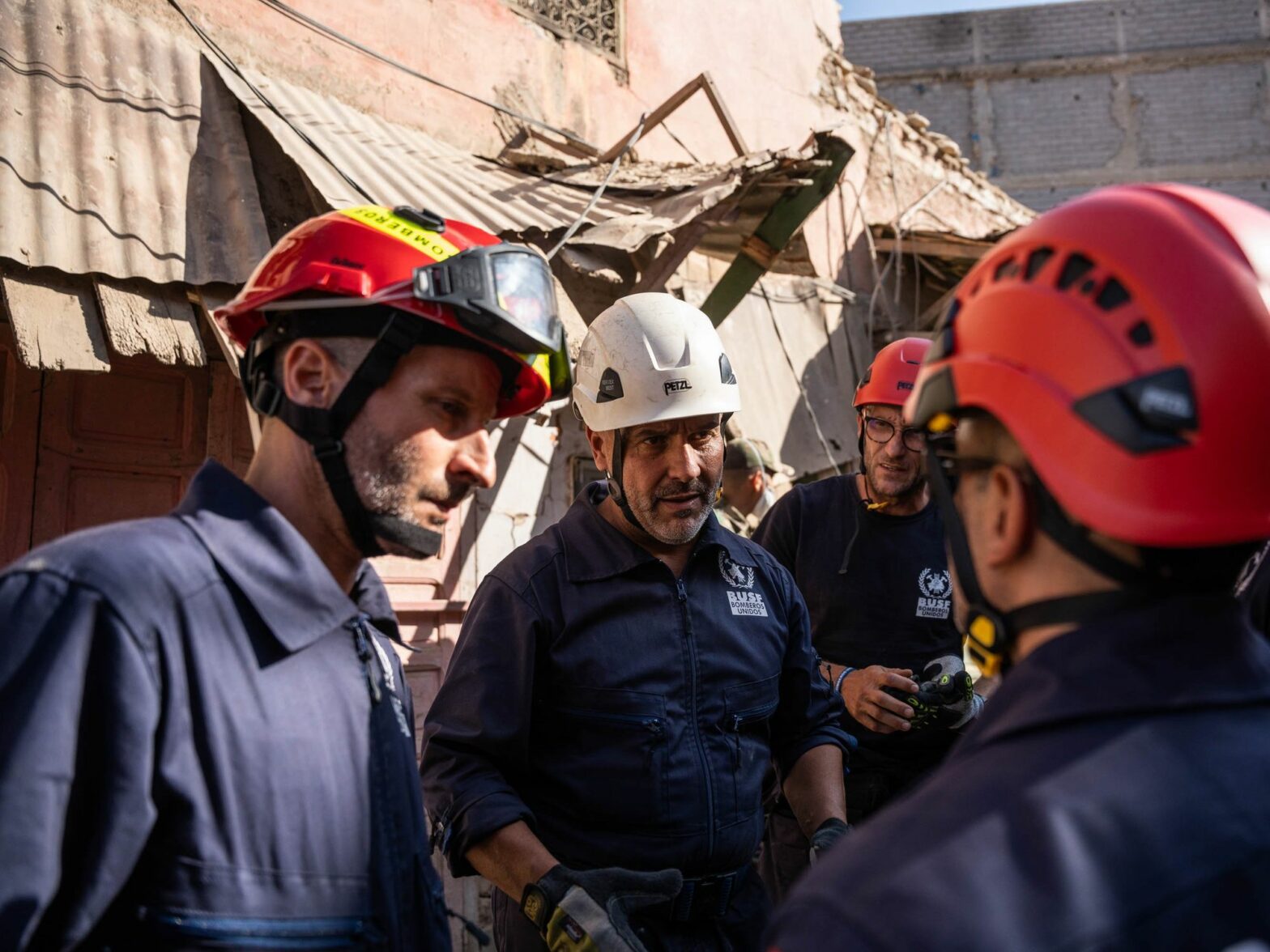
The practice of sending humanitarian aid to foreign countries has always been political, but Morocco’s decision to refuse offers of search-and-rescue teams raises questions about national sovereignty and politics in times of crisis.
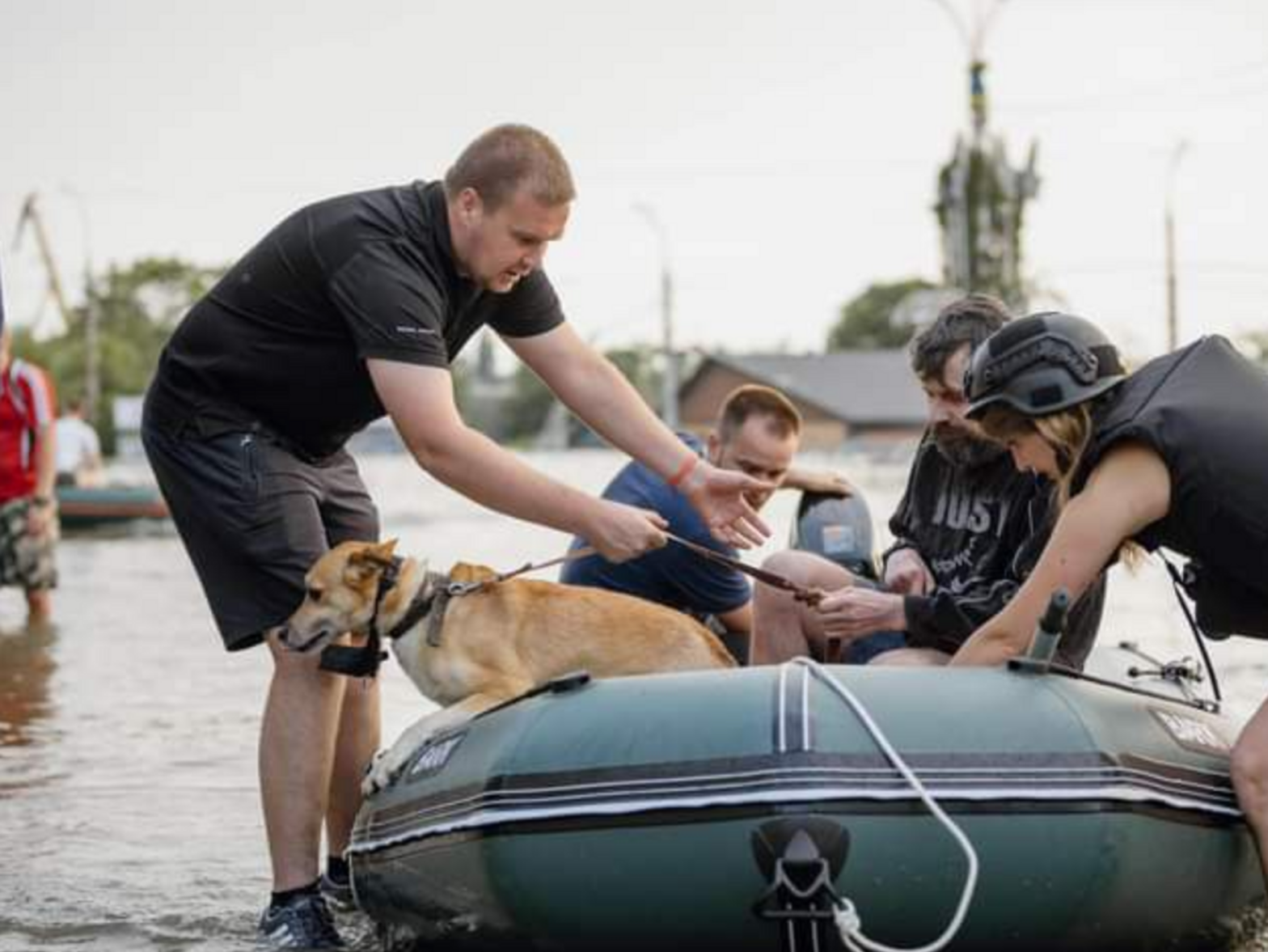
Global politics have gotten in the way of humanitarian aid when it comes to the flooding in Ukraine. Zelensky points the finger towards a deep, structural UN shortcoming.
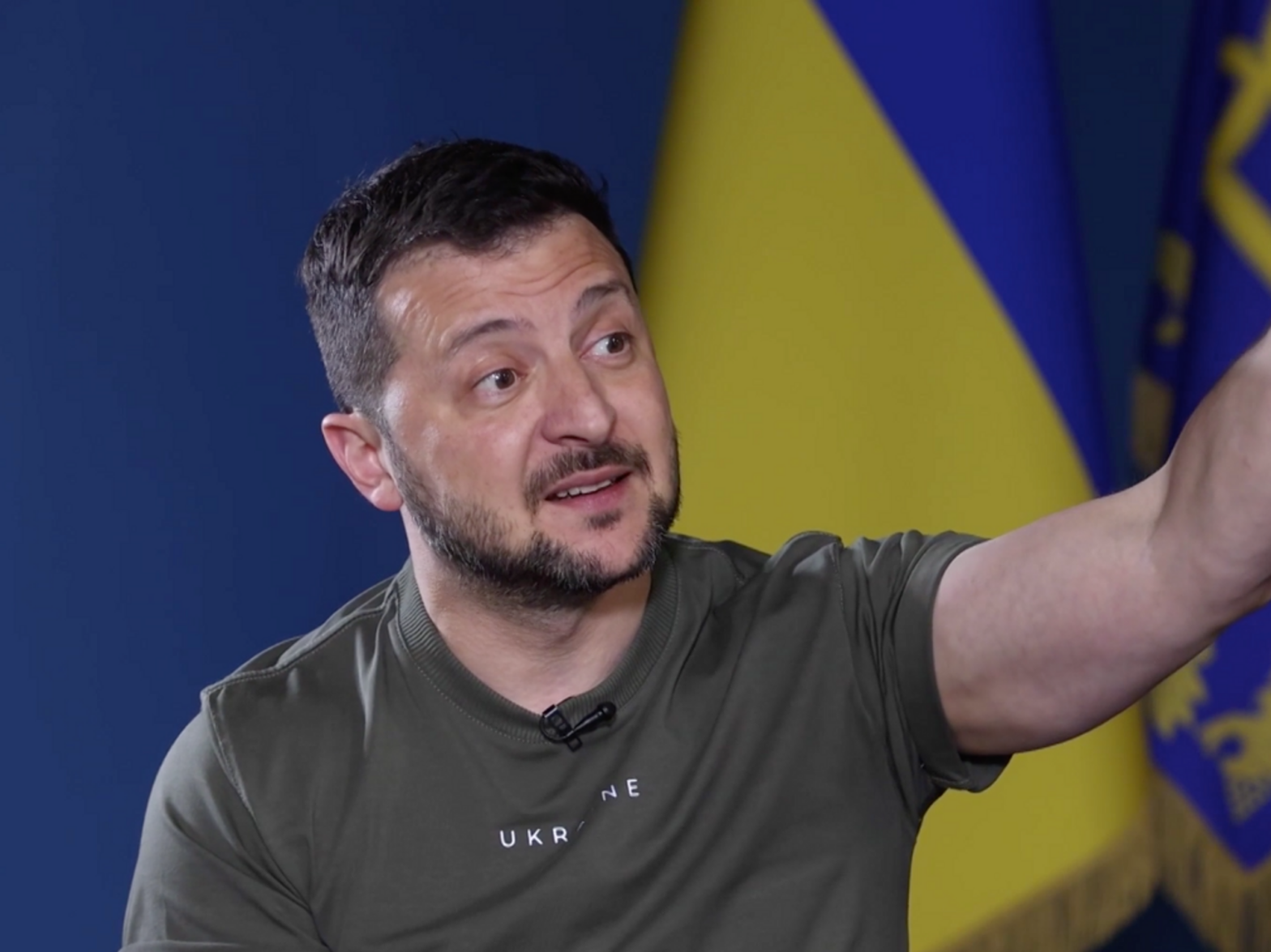
In an exclusive interview with German daily Die Welt, Volodymyr Zelensky comments on the power struggles inside the Russian government. At the same time, he accuses Russia of firing on rescue workers after the dam explosion, and offers harsh criticism for the UN and the Red Cross.
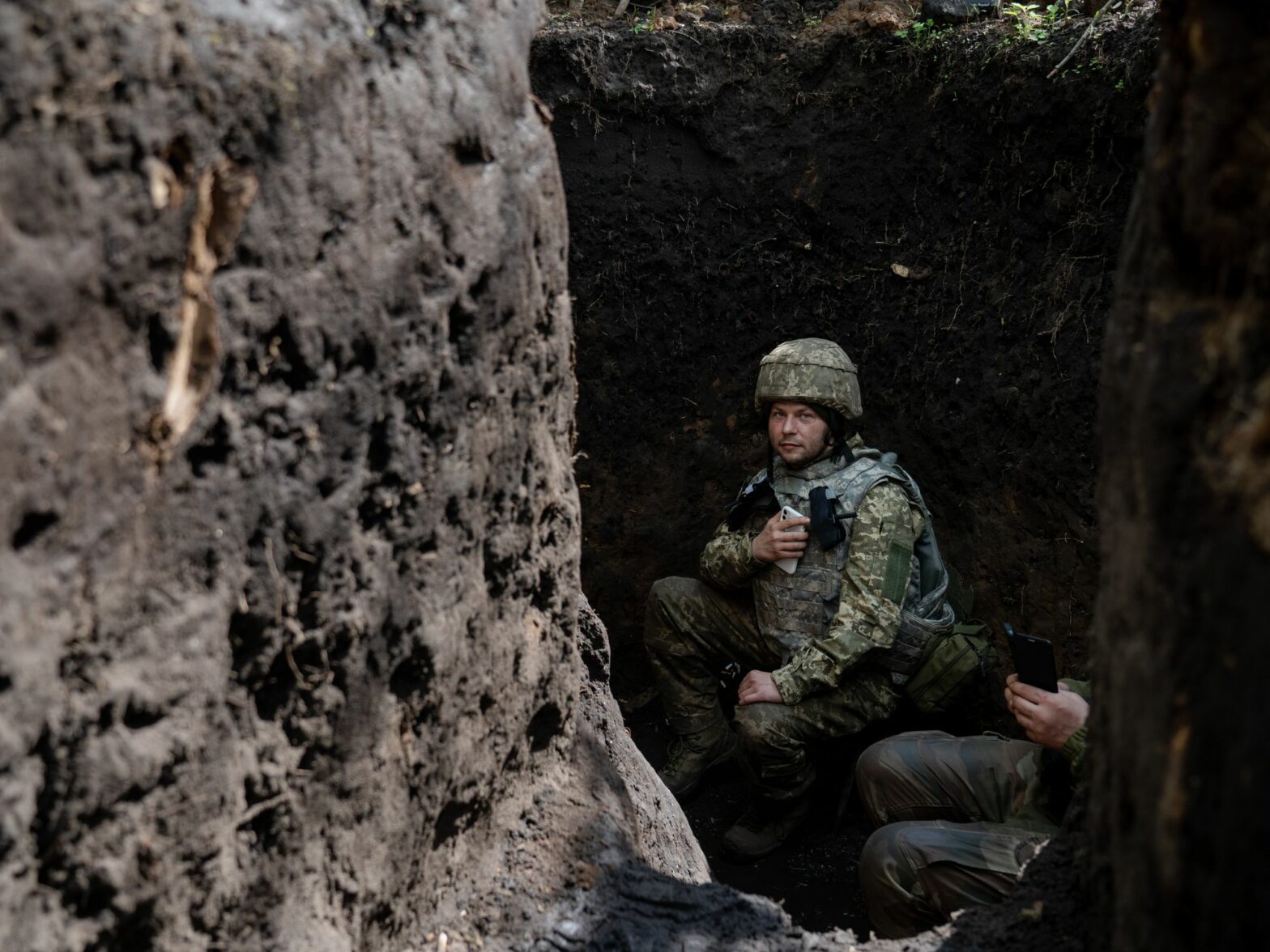
In the ambulances transporting the wounded to the field hospitals, in the vans traveling to the front or in the trains returning them home for a few days’ rest, the soldiers stationed on the Bakhmut front do not talk about military victories or war strategies. They talk about death, and life.
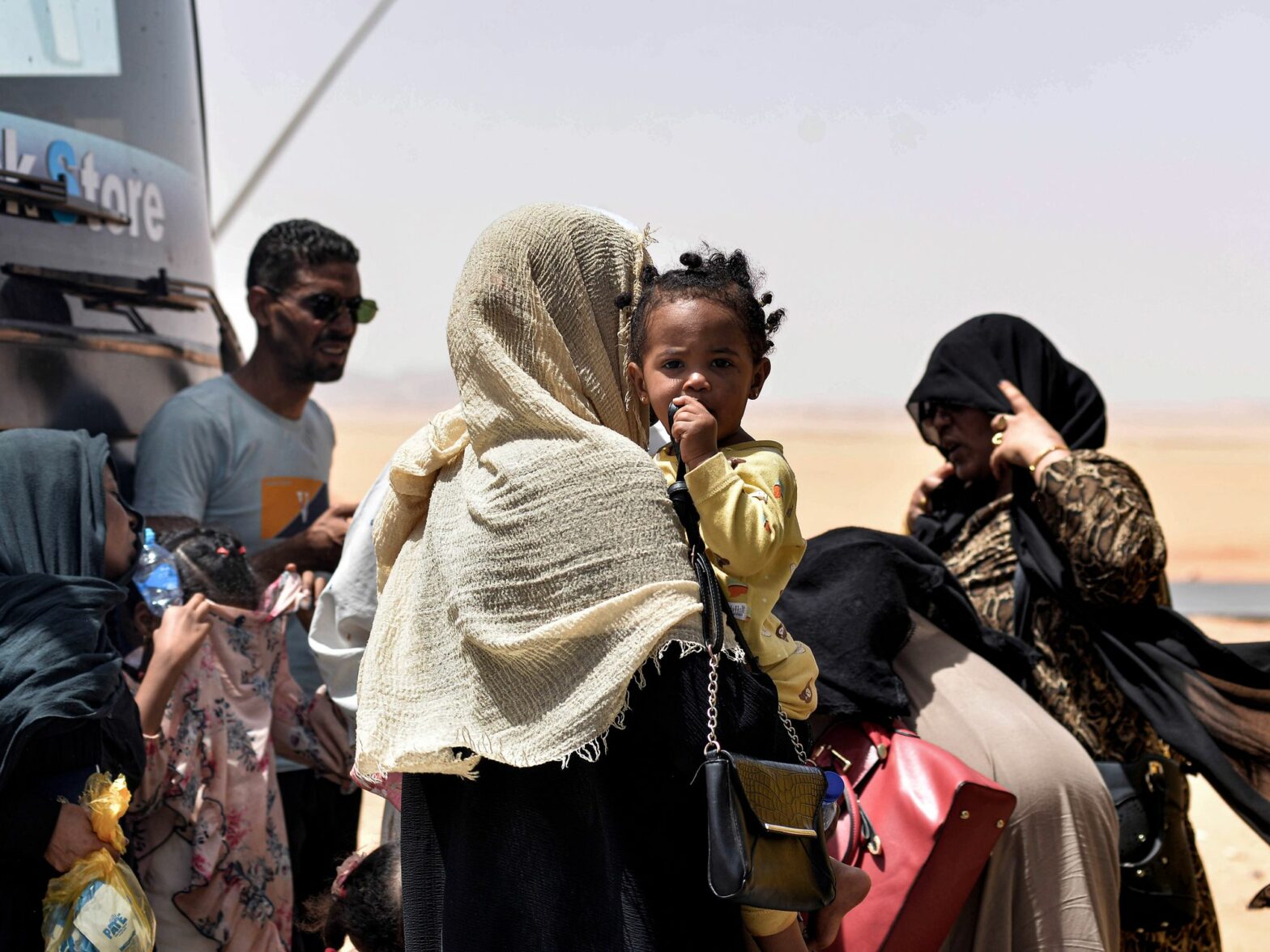
More than 14,000 Sudanese people have already crossed the border into neighboring Egypt to flee the conflict in their country. On arrival, they say there are chaotic scenes.
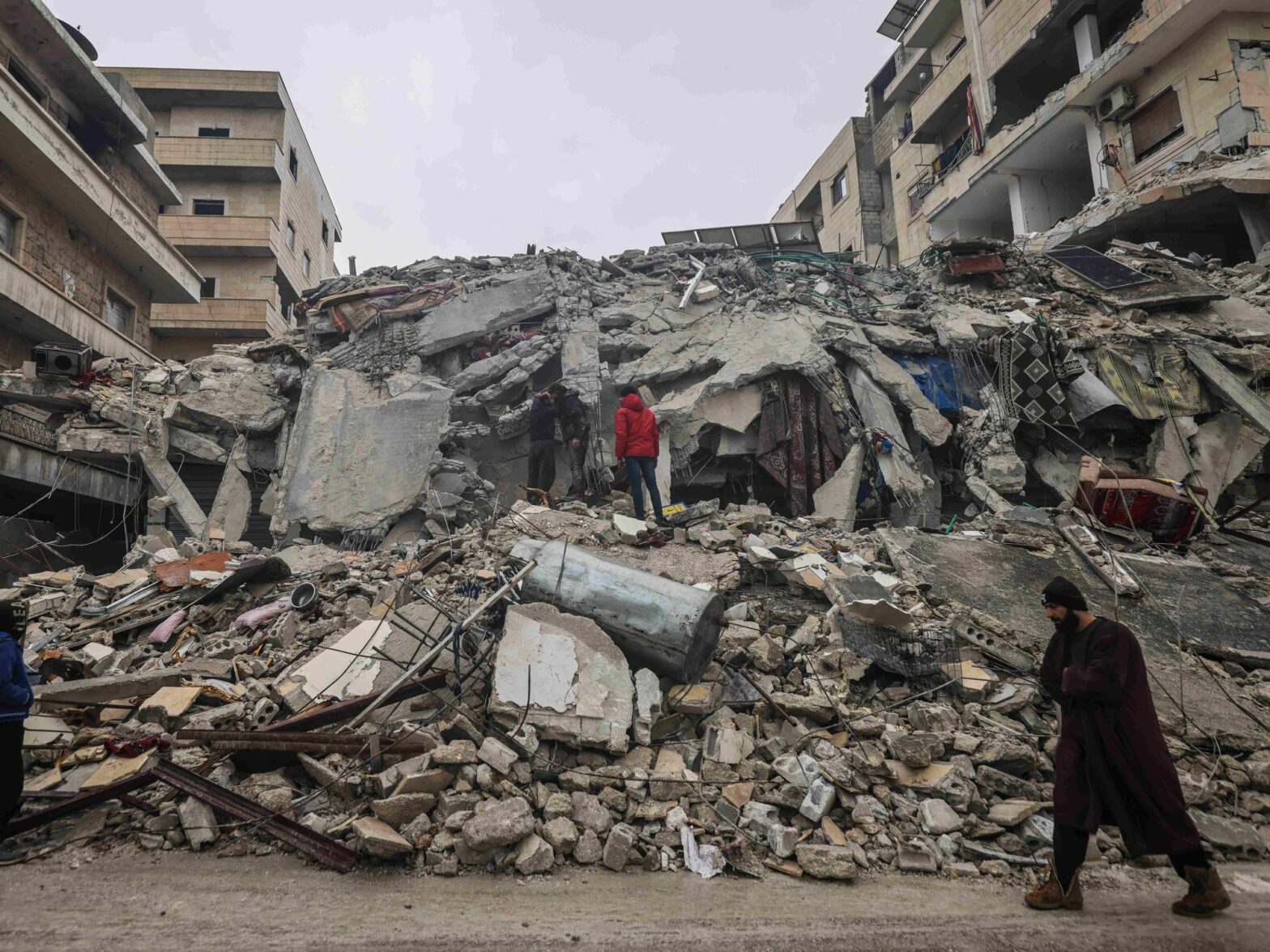
Across the border from the epicenter in Turkey, the Syrian region of Idlib is home to millions of people displaced by the 12-year-long civil war. The victims there risk not getting assistance because of the interests of Syrian leader Bashar al-Assad, reminding the world of one of the great unresolved conflicts of our times.
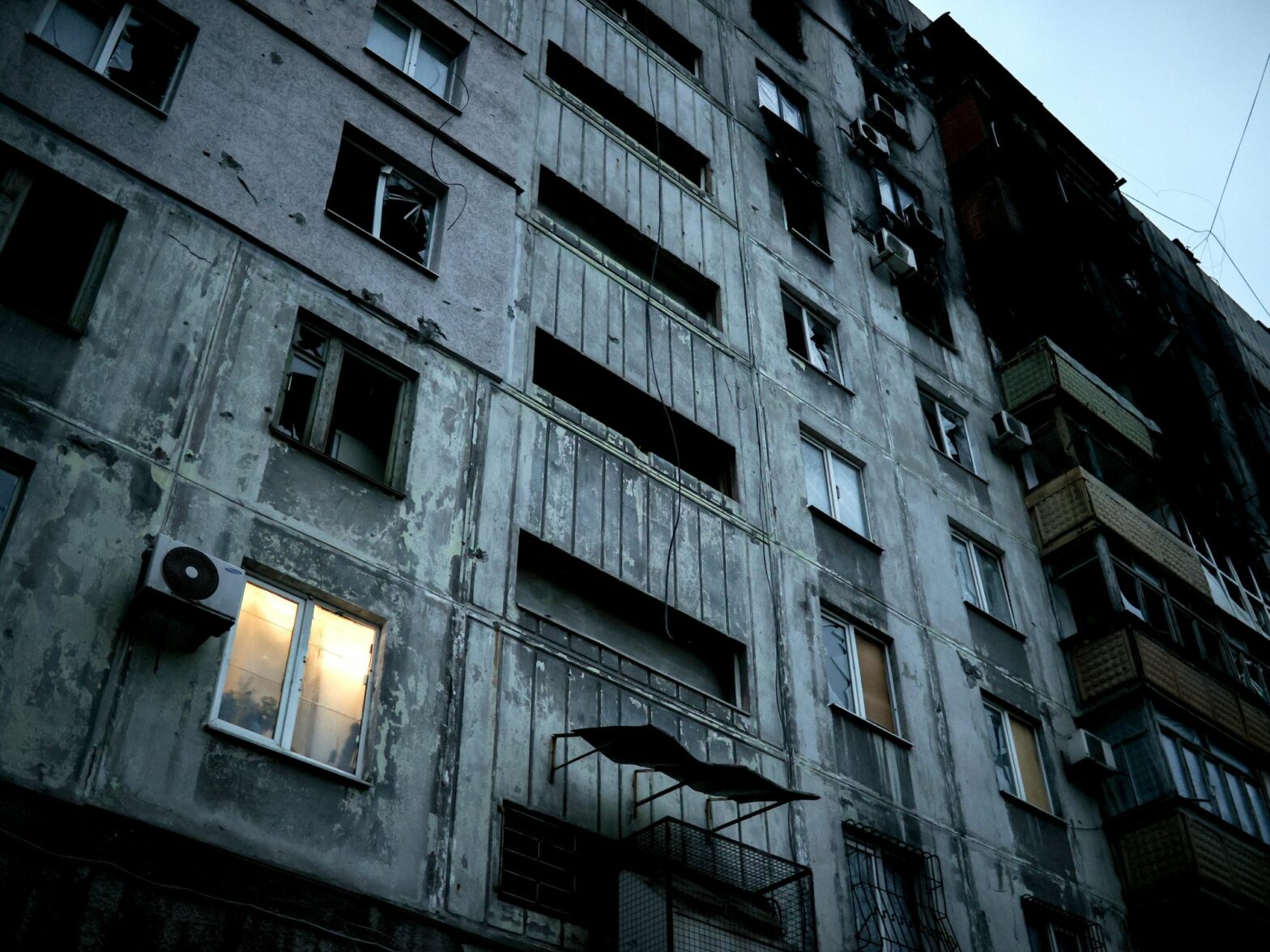
Russian occupation authorities promised to rebuild housing in Mariupol by winter, but in reality, thousands of people face the cold in largely destroyed houses and apartments. Mariupol residents told Vazhnyye Istorii about how they are surviving as winter falls.
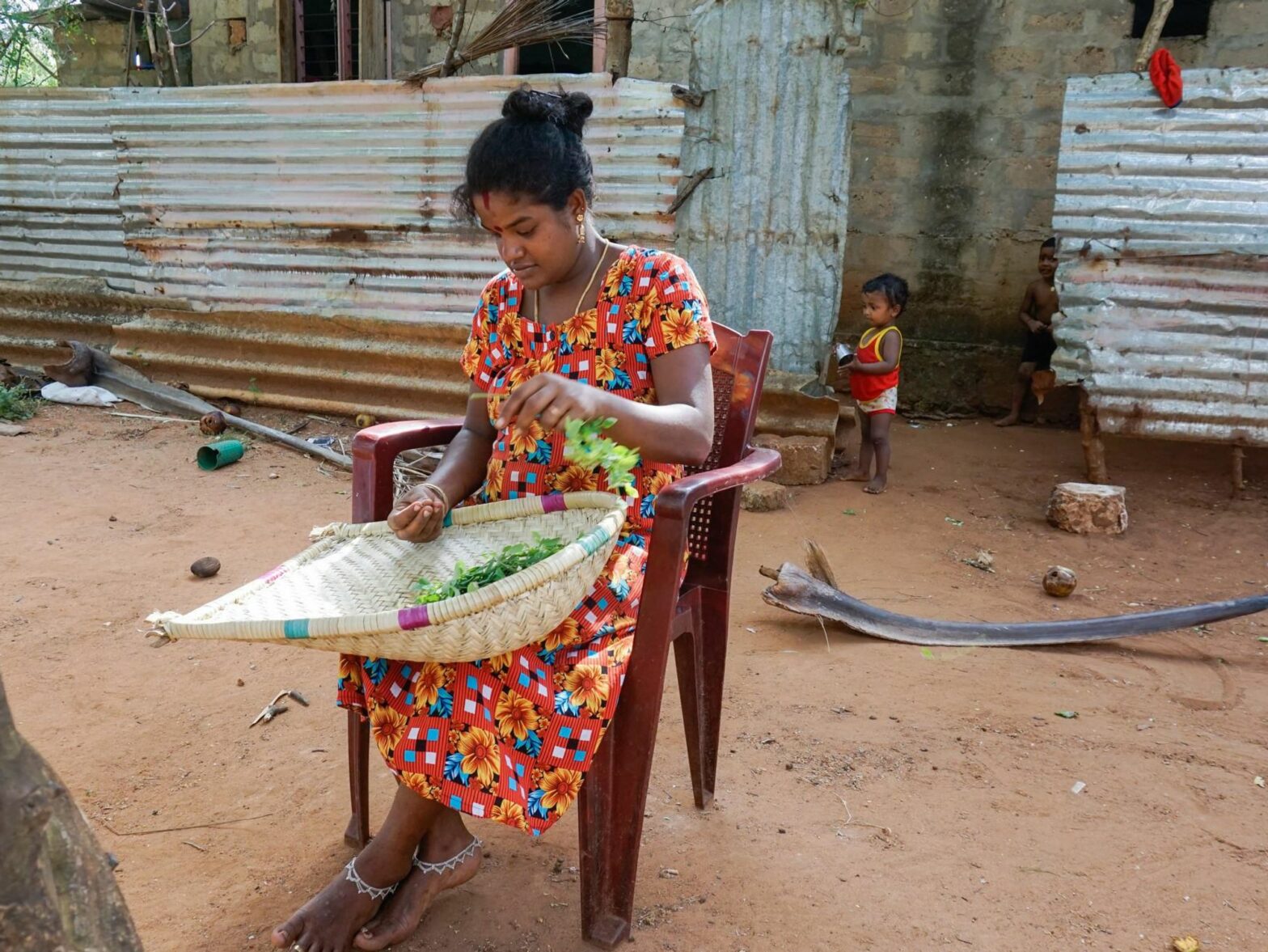
The country’s worst economic crisis in decades has toppled the government and led to soaring prices. Pregnant women struggle to access essential supplies.
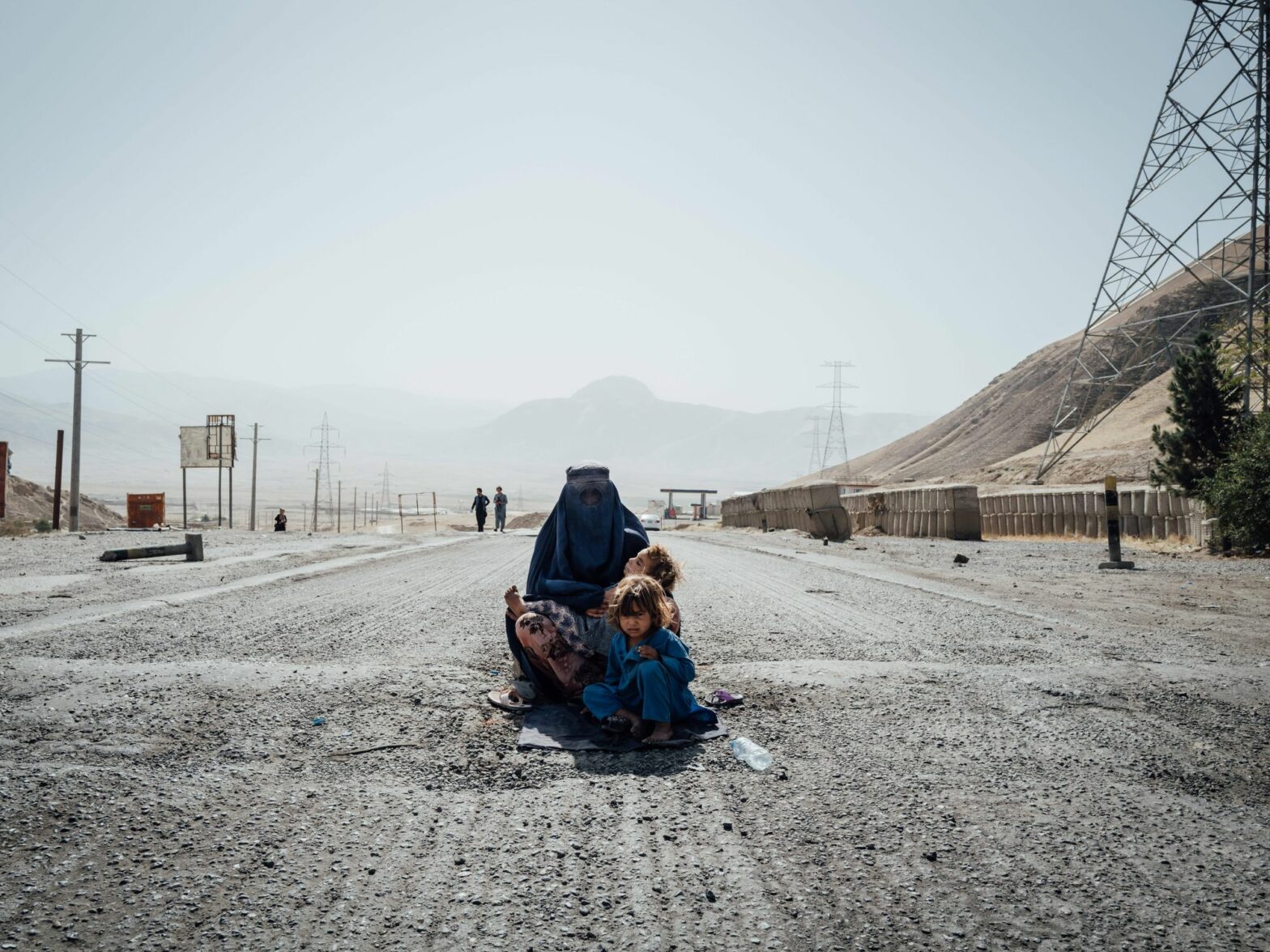
Unlike ISIS-K (Islamic State Khorasan), drug cultivation and trafficking are not an ideological matter for the new rulers of Afghanistan — more likely a bargaining chip in negotiations with the West.
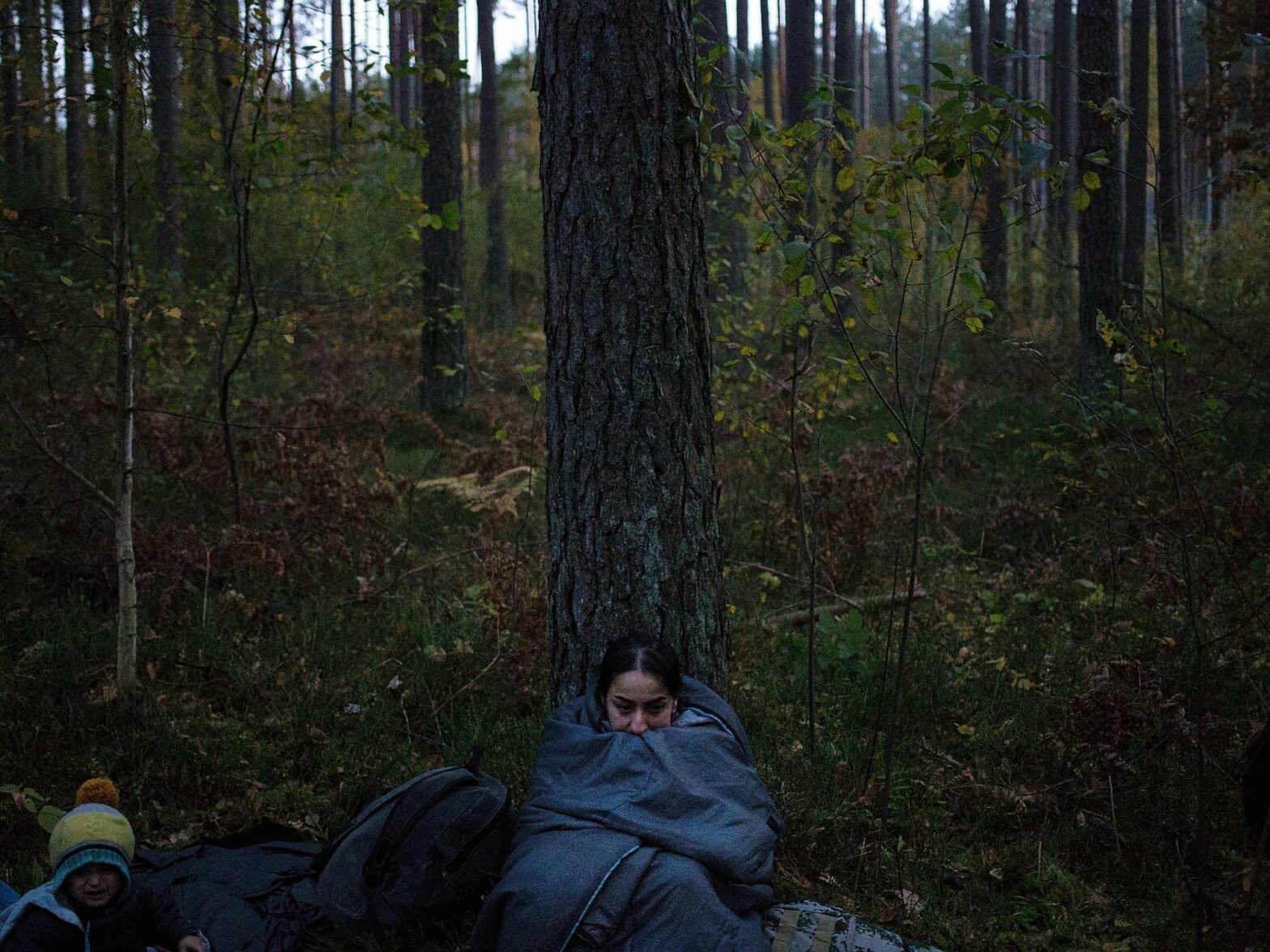
The United Nations, UNICEF, Red Cross and other international humanitarian organizations seem to be trying to reach the Polish-Belarusian border, where Belarus leader Alexander Lukashenko is creating a refugee crisis on purpose.
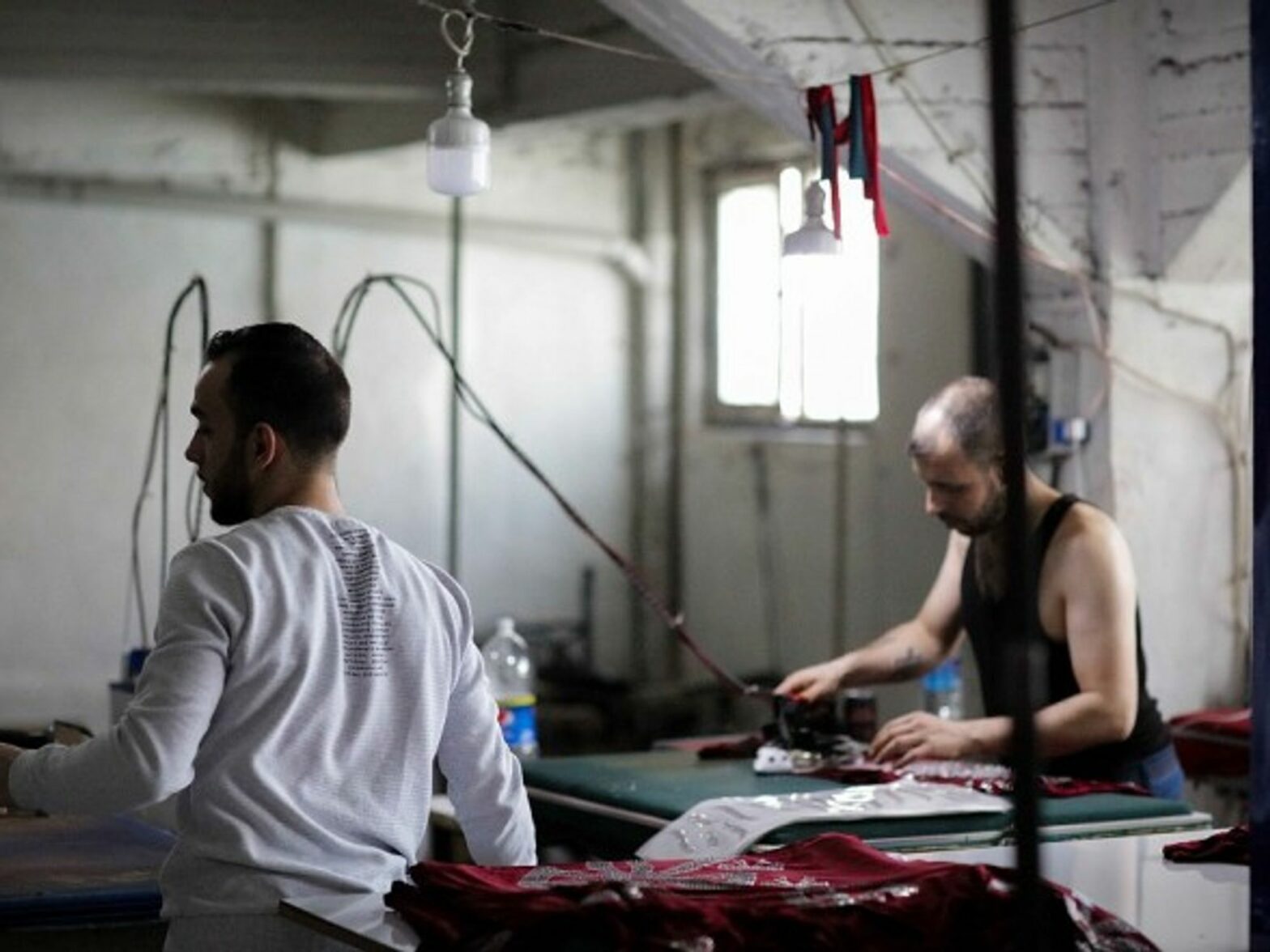
The four million Syrians living in Turkey were already facing great difficulties, and the pandemic only made their lives more uncertain. But there’s another truth they know must face.
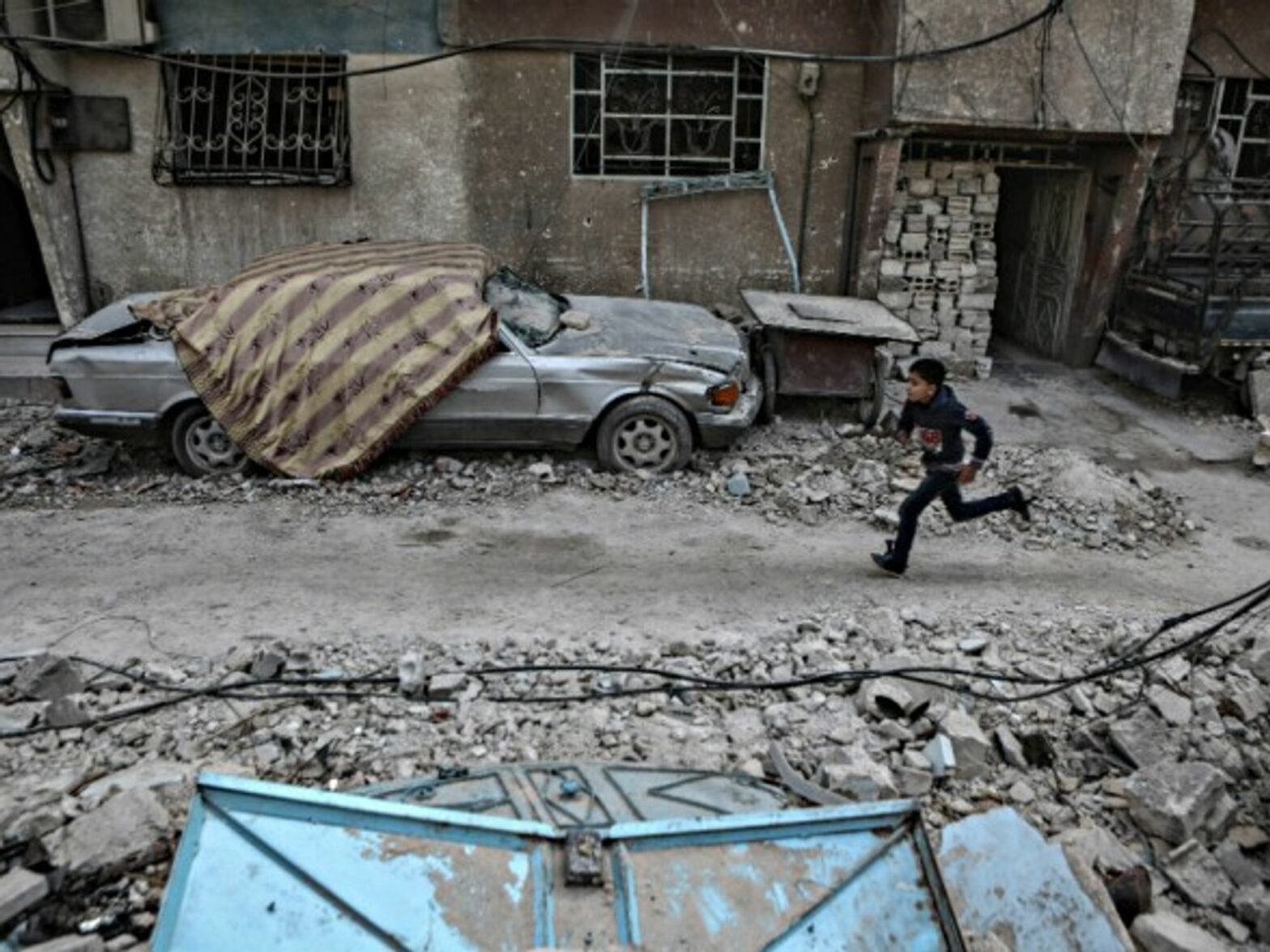
BEIRUT – Russia’s proposal for a partial truce in the Eastern Ghouta suburbs of Damascus is not a “humanitarian pause,” but a “humanitarian posture,” says Dr. Annie Sparrow, a critical-care pediatrician and public health professional. In Syria Deeply’s latest Deeply Talks, Sparrow and Mohamed Katoub, advocacy manager for the Syrian American Medical Society (SAMS), spoke with our editors about the deteriorating humanitarian situation in the besieged Damascus suburbs. (Listen to the full audio here) Last week, Moscow called for daily, five-hour cessations of hostilities to allow for aid deliveries and medical evacuations. However, it usually takes a convoy between eight […]
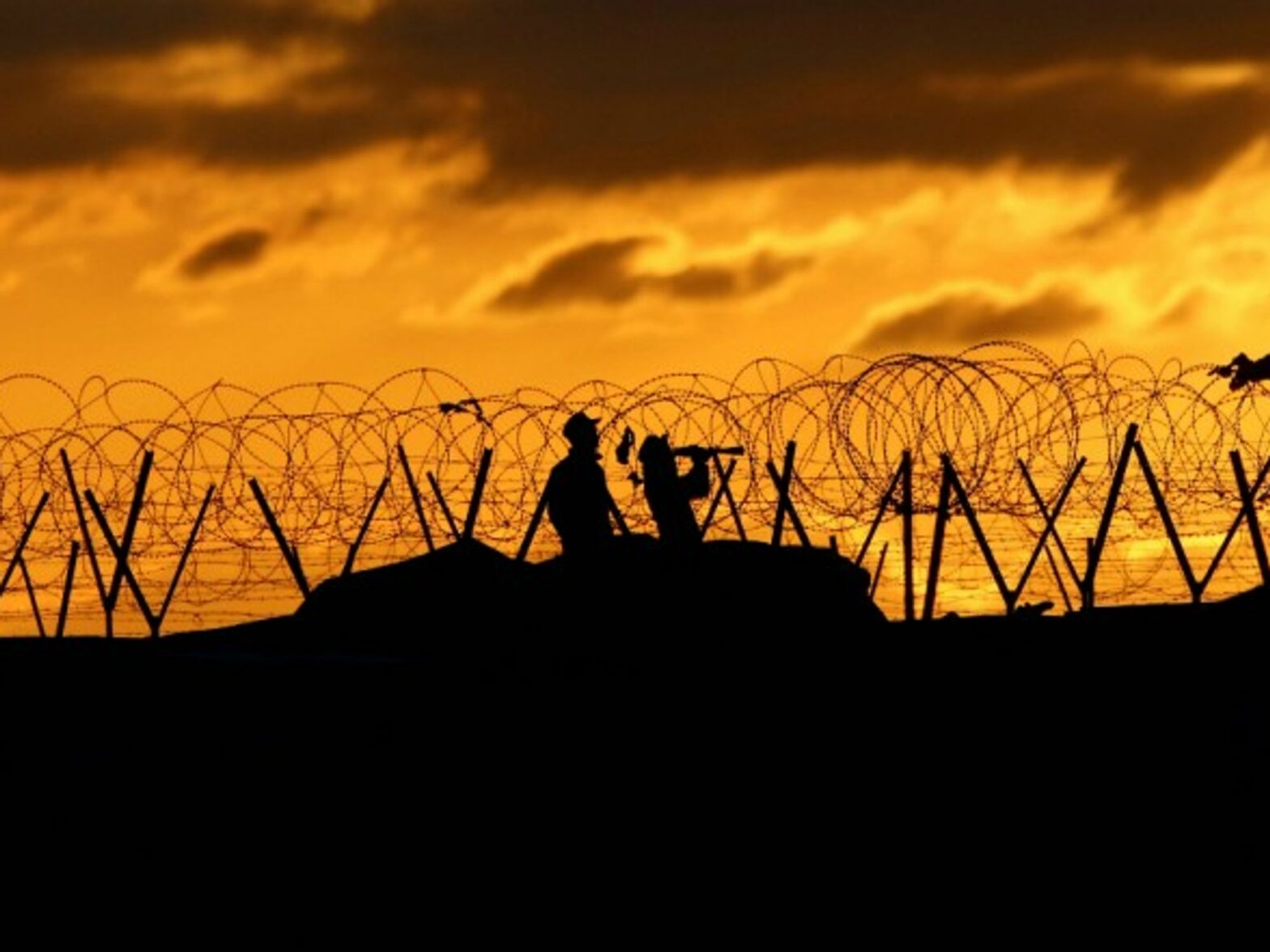
-OpEd- BERLIN — The theater of war that is Syria has brought us scenes of a world devoid of rules: children killed by poisonous gas, the bodies of prisoners who were tortured or burned alive and a multitude of national armies and rebel groups that hack each other to pieces. In short, it has brought […]
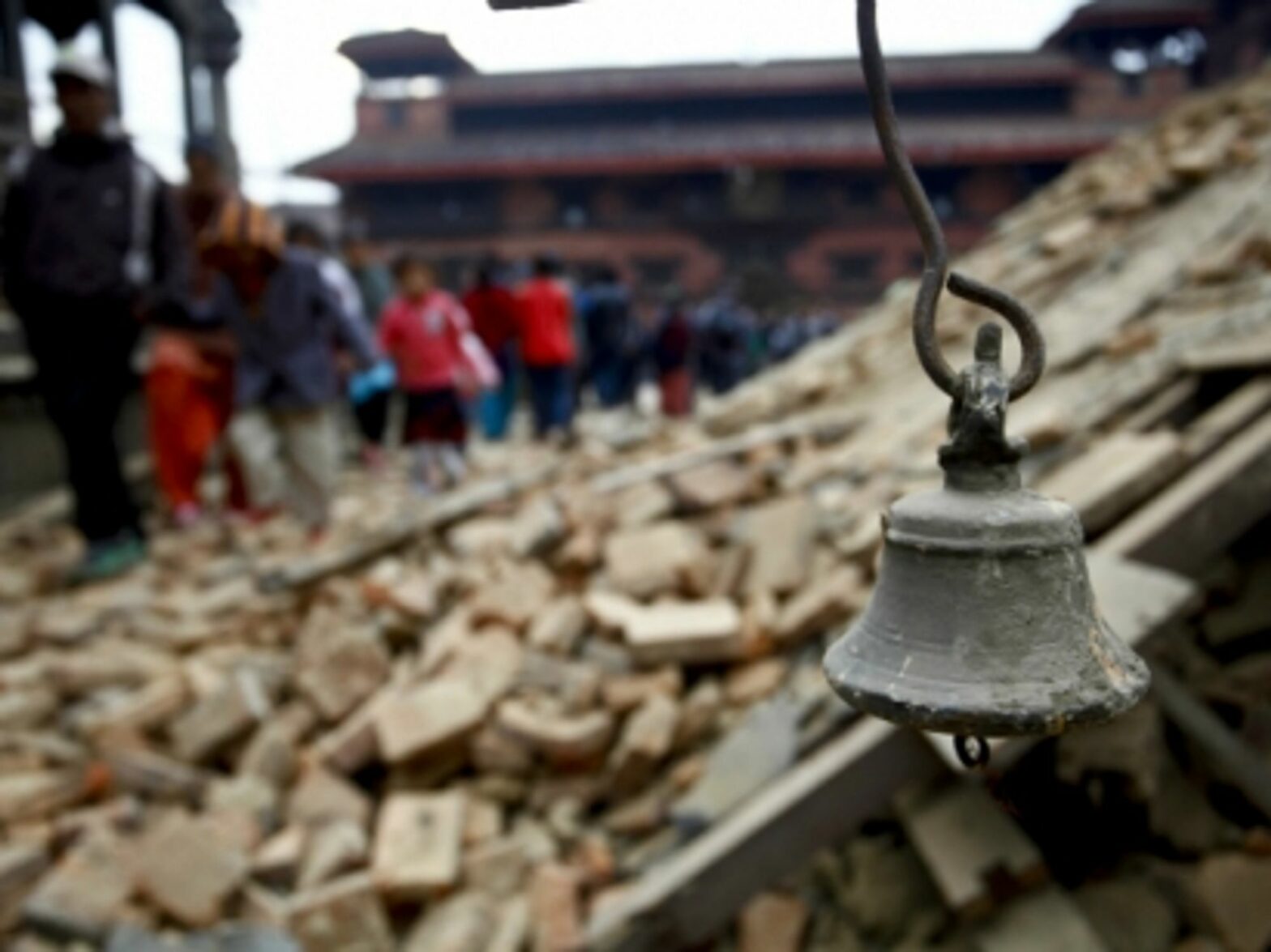
KATHMANDU — It’s 4 p.m. in Durbar Square, the iconic piazza in the middle of Nepal’s capital, and a group of volunteers is digging through the rubble of the Hindu Kasthamandap Temple which, according to legend, was built with the wood of a single tree in the 12th century. Suddenly, there’s an explosion of joy […]
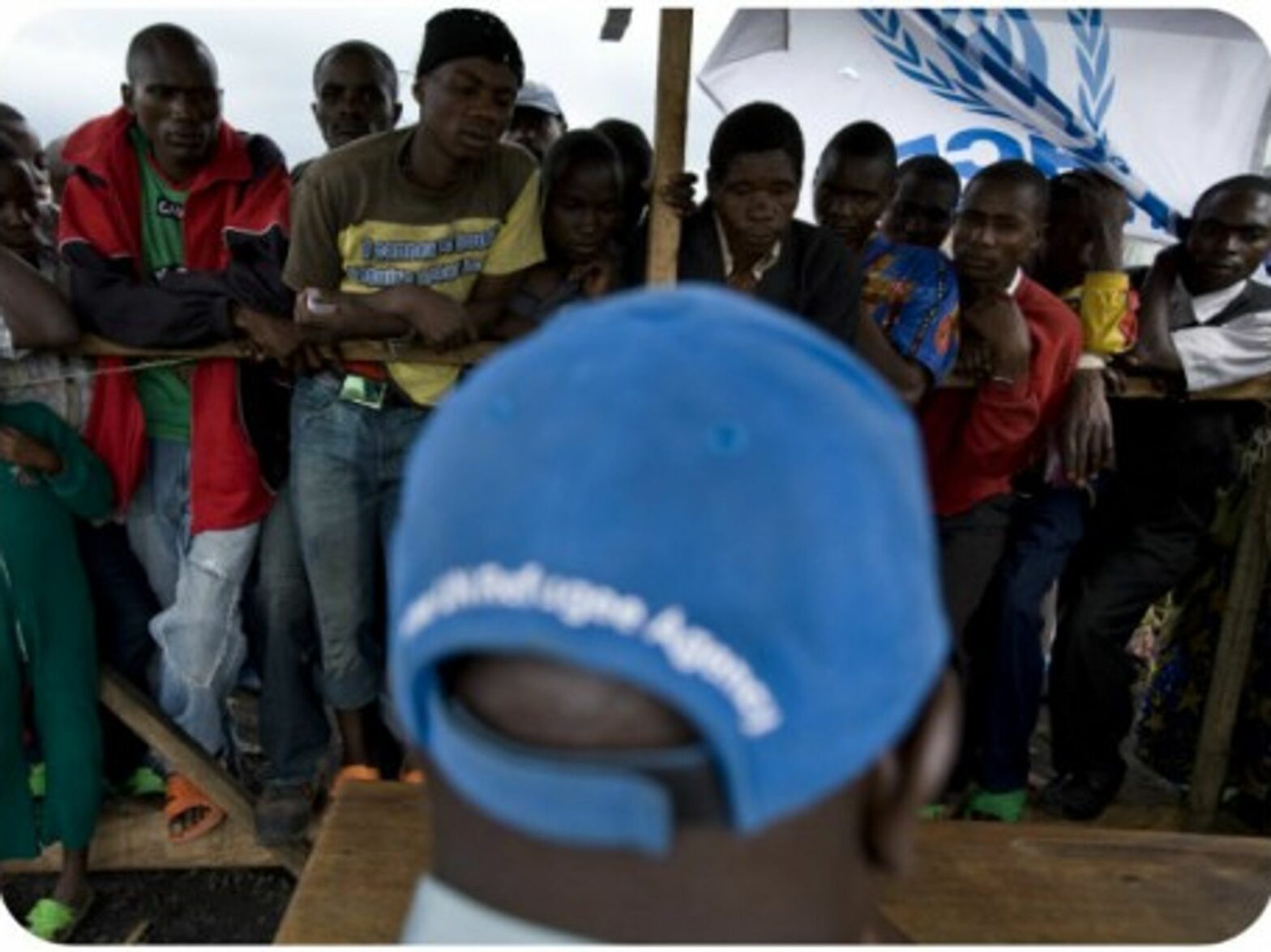
In the Democratic Republic of Congo, a new biometric system aims to prevent locals from pilfering supplies meant for victims of civil conflict. The aid often ends up at local markets.
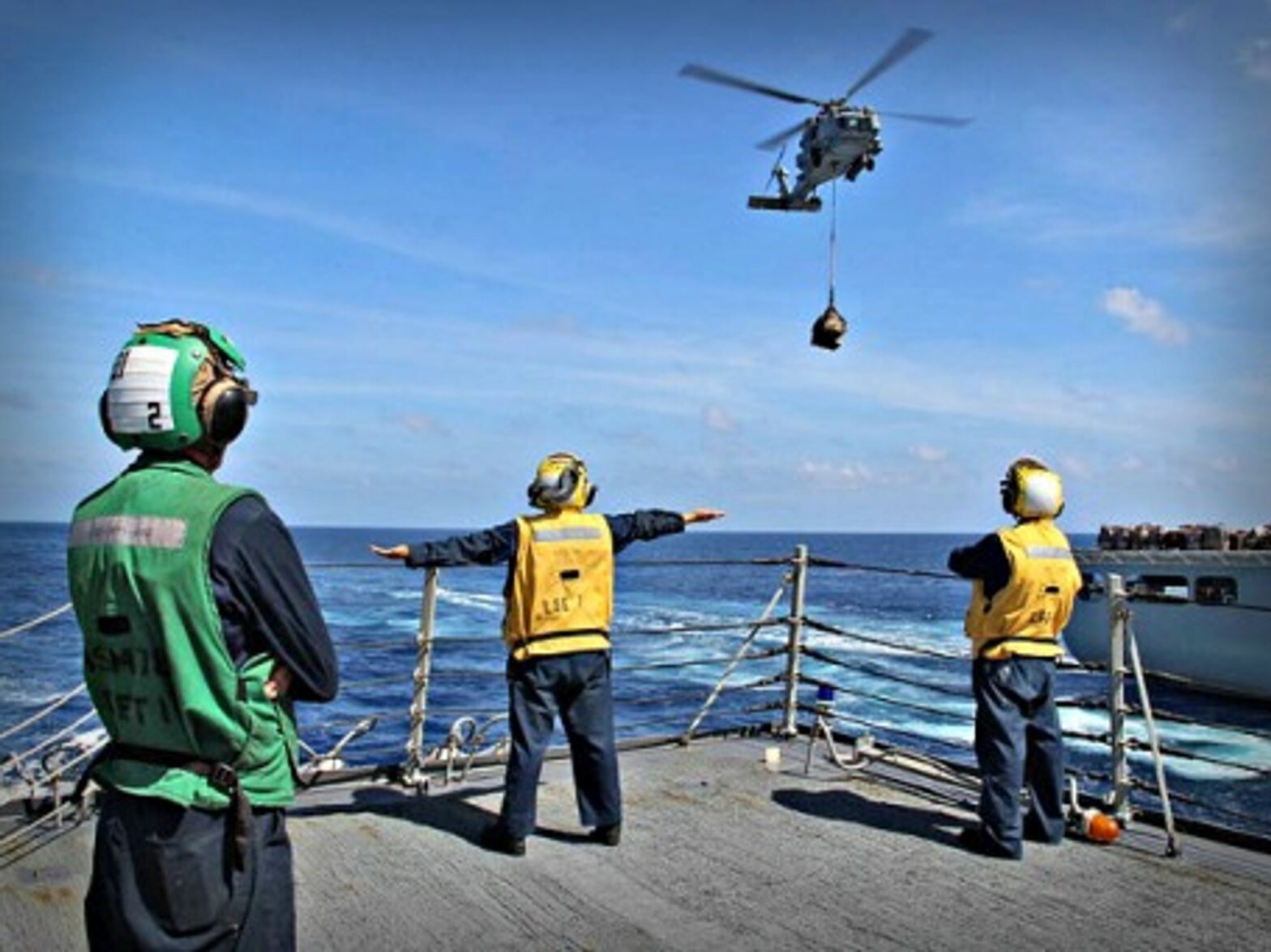
BEIJING — Since Malaysian Airlines flight MH370 disappeared on March 8, two dozen nations have joined in the search and demonstrated a true spirit of international cooperation. But absent the timely release of information by certain countries — because of profound fear of compromising national security data — cooperating countries haven’t been able to wholly […]