More than 400 million people are expected to attend this year’s festivities — a once-every-12-years occasion — which began Monday and continue through the month of February.
 Worldcrunch
More than 400 million people are expected to attend this year’s festivities — a once-every-12-years occasion — which began Monday and continue through the month of February.
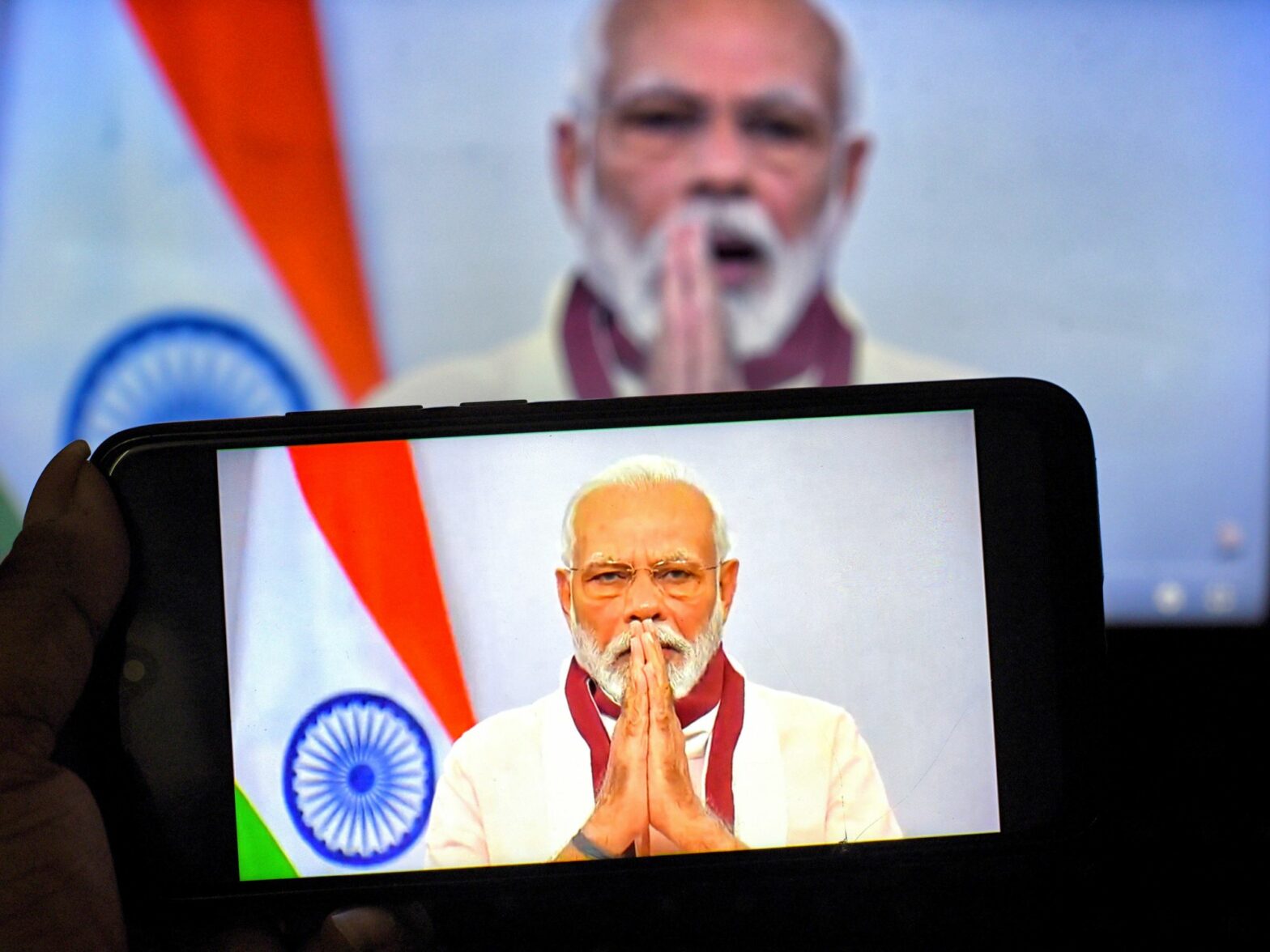
In the run-up to India’s general elections this spring, Prime Minister Narendra Modi has been showcasing his adventures in social media posts, his preferred method of communication, saturating the digital landscape of a highly connected country — and avoiding hard questions from the press.
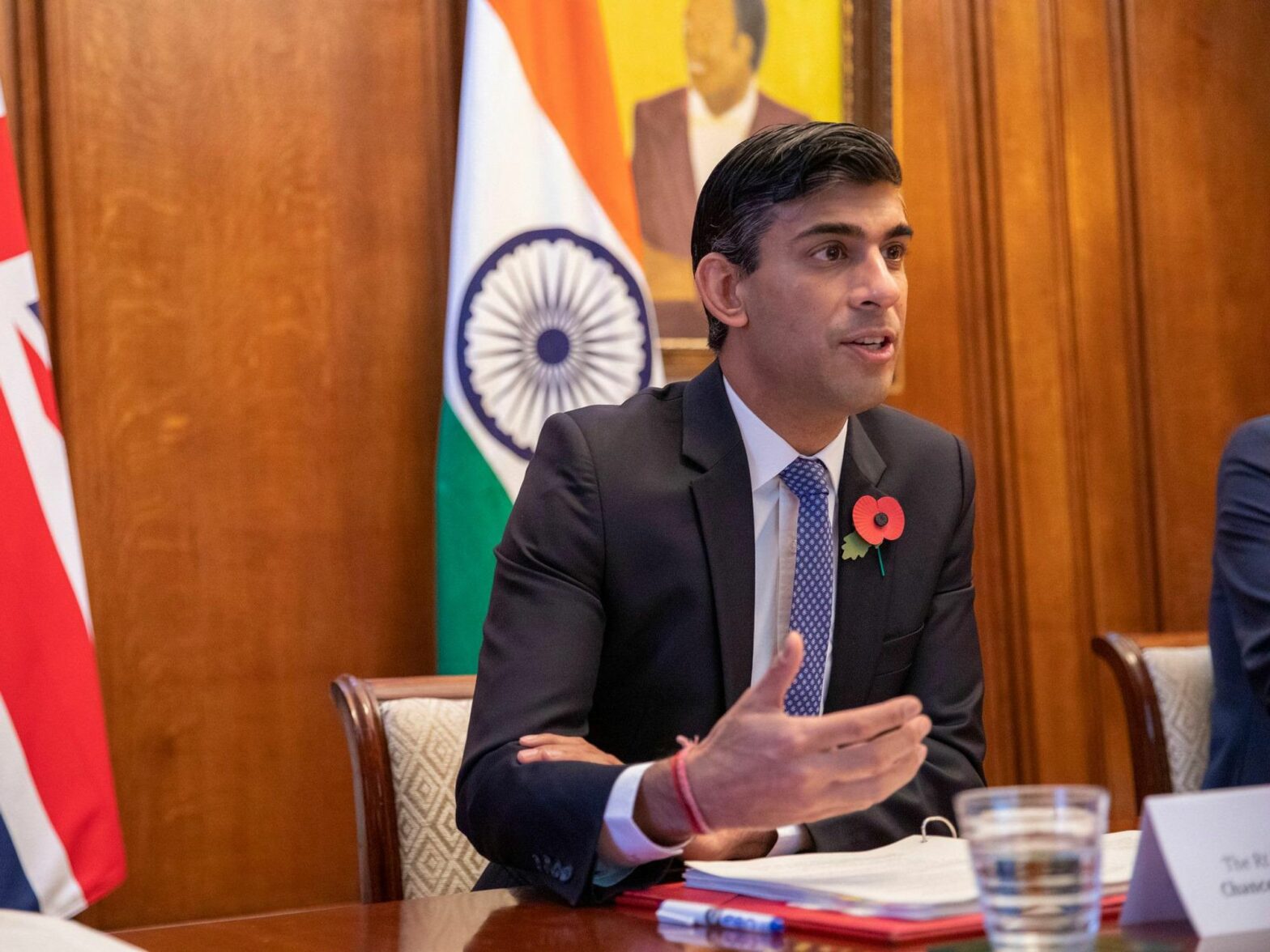
Rishi Sunak, a Hindu of Indian origin, has become the UK’s prime minister. His religion has not factored at all into debates — a fierce contrast to a religiously divided India.
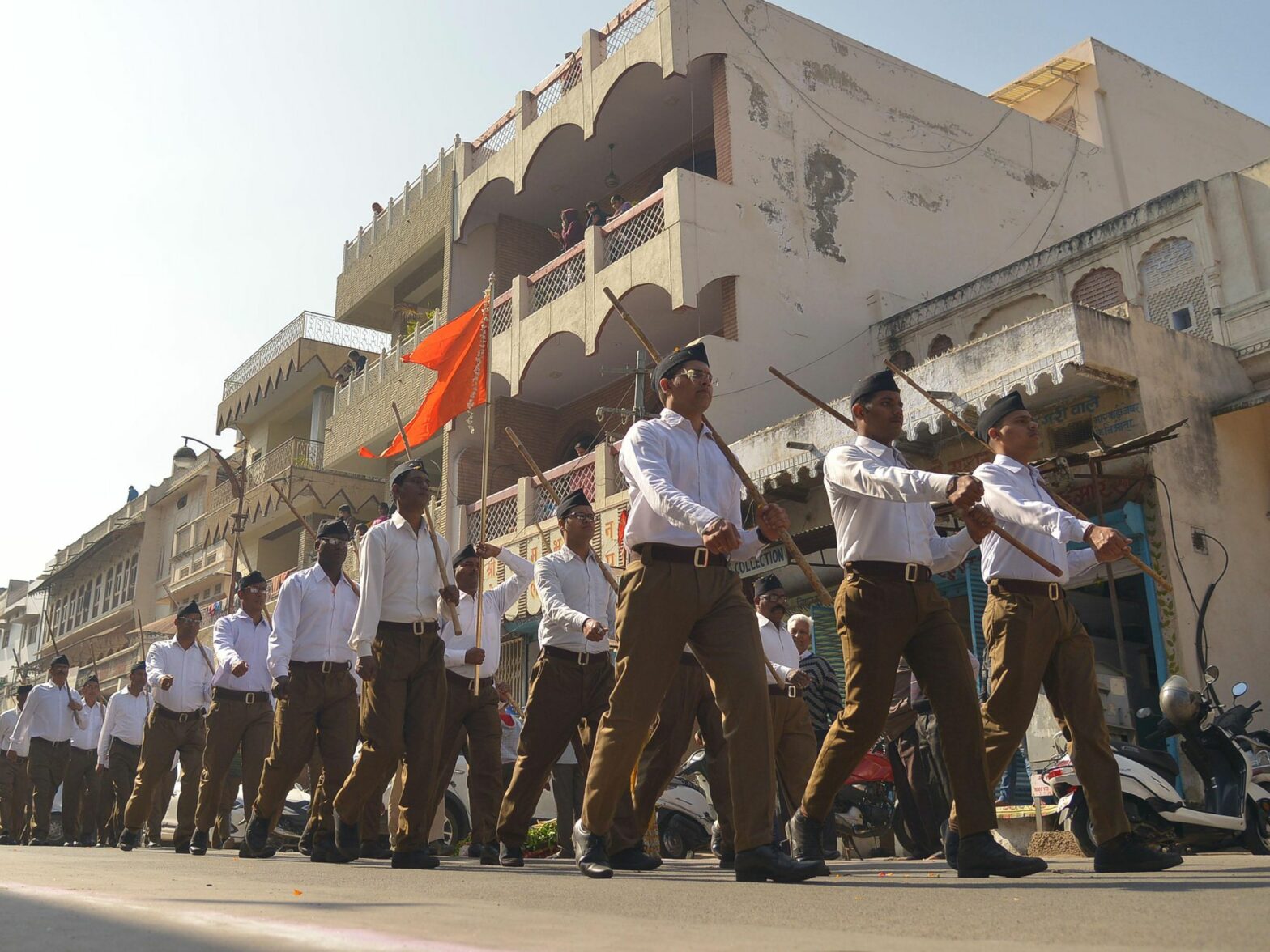
The true version of Hinduism teaches that one has to respect other faiths. That has been threatened the past century by ideologues inspired by the worst ideas of our times.
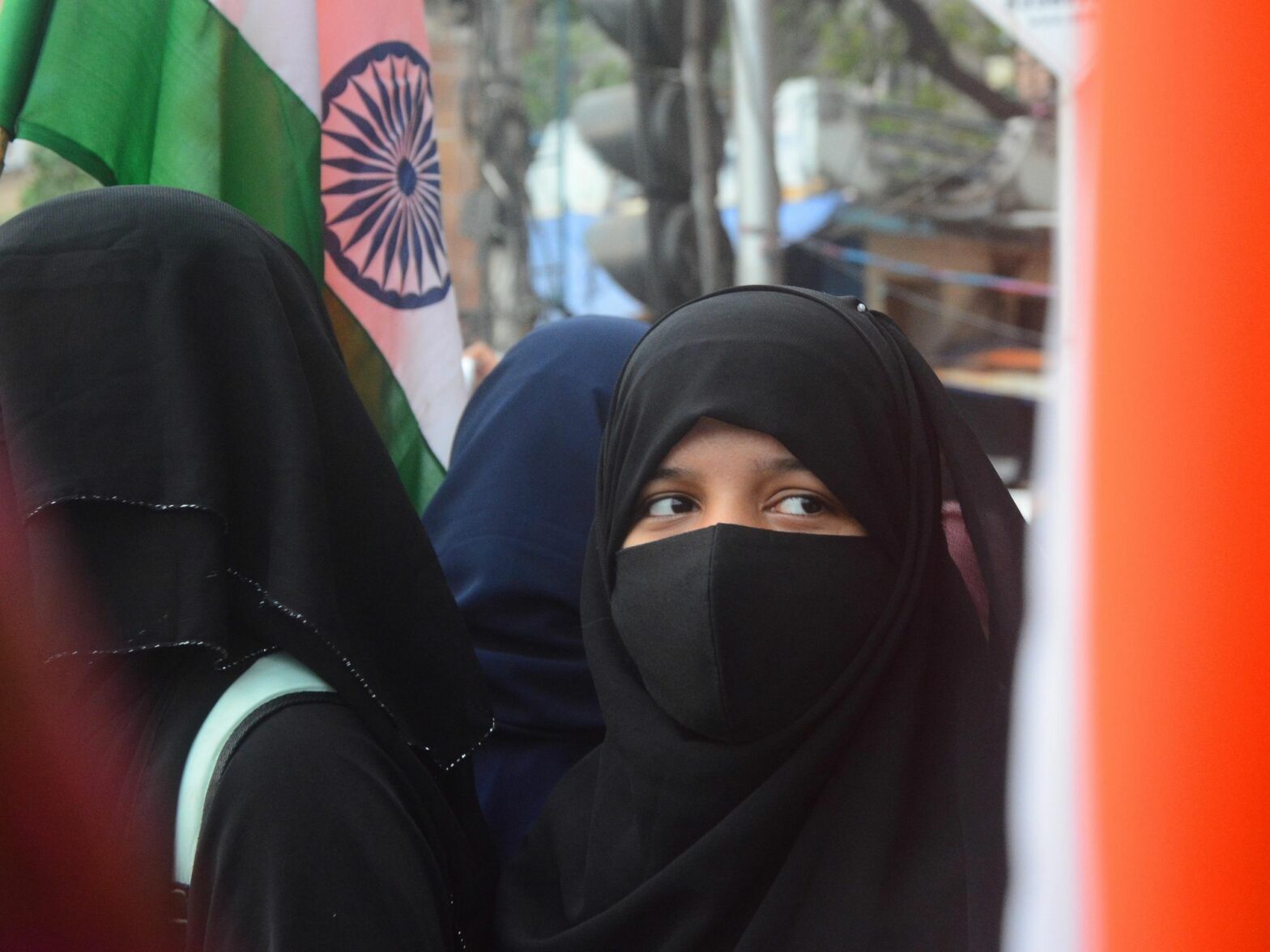
Many Muslim female students lament that several of their Hindu friends have turned their backs on them, despite the fact they have been friends for several years.
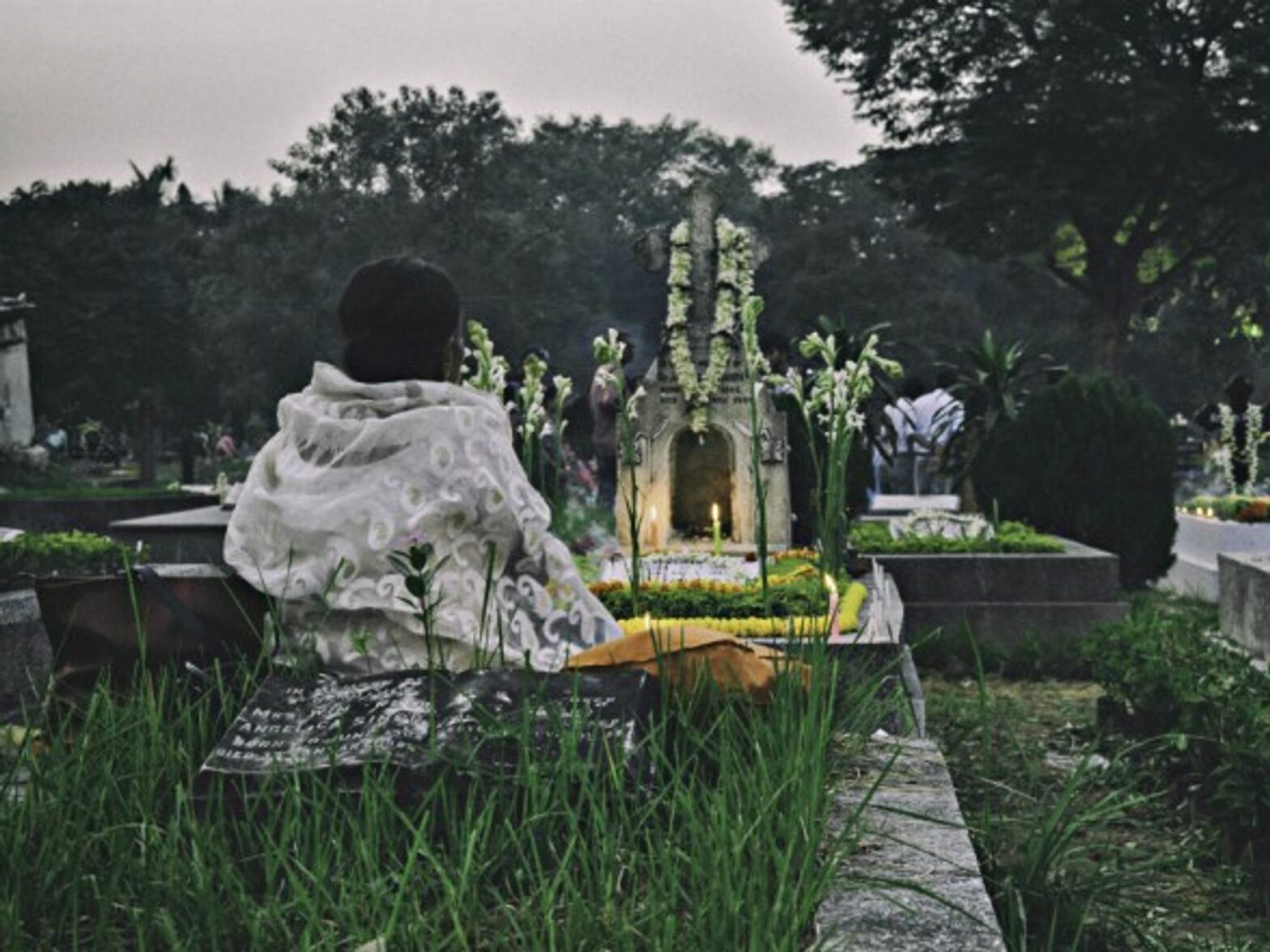
-Essay- MUMBAI — In my memories of my grandmother, one image of her comes to my mind: that of a widow with a tonsured head, wrapped in a dull brown cotton sari worn in traditional style, a blank forehead without the usual vermilion powder or kumkum, bare neck, empty ears and hands unadorned and shorn off all jewelry. Her ankles and feet were bare too — without the traditional anklets or silver rings worn on the toes of both feet — the symbol of married women. I also have a very vivid story of my grandmother etched in my memory. […]
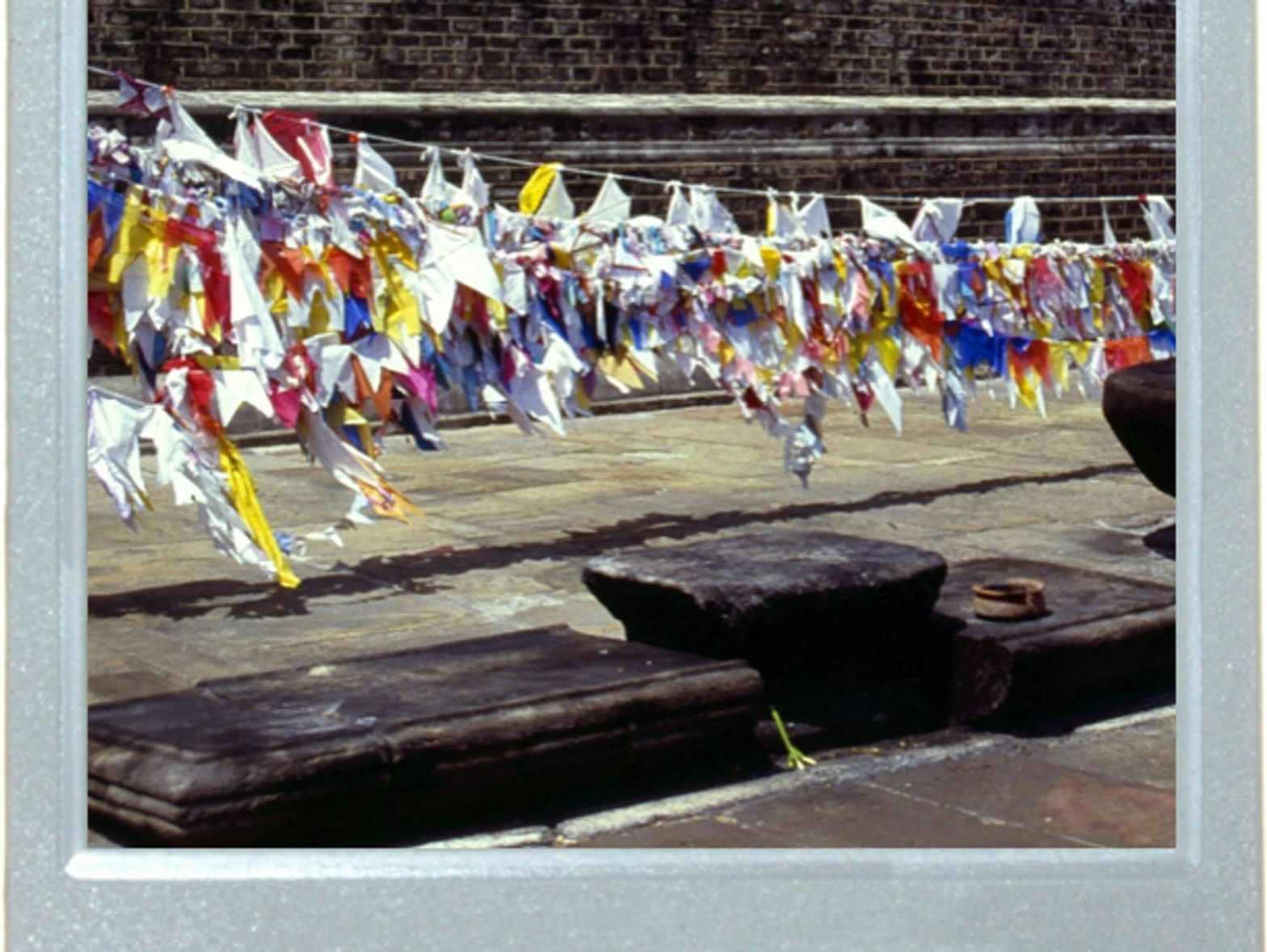
Members of Sri Lanka“s Hindu minority have a religious custom where they tie a piece of colored cloth to a line. Every knot signifies a wish.
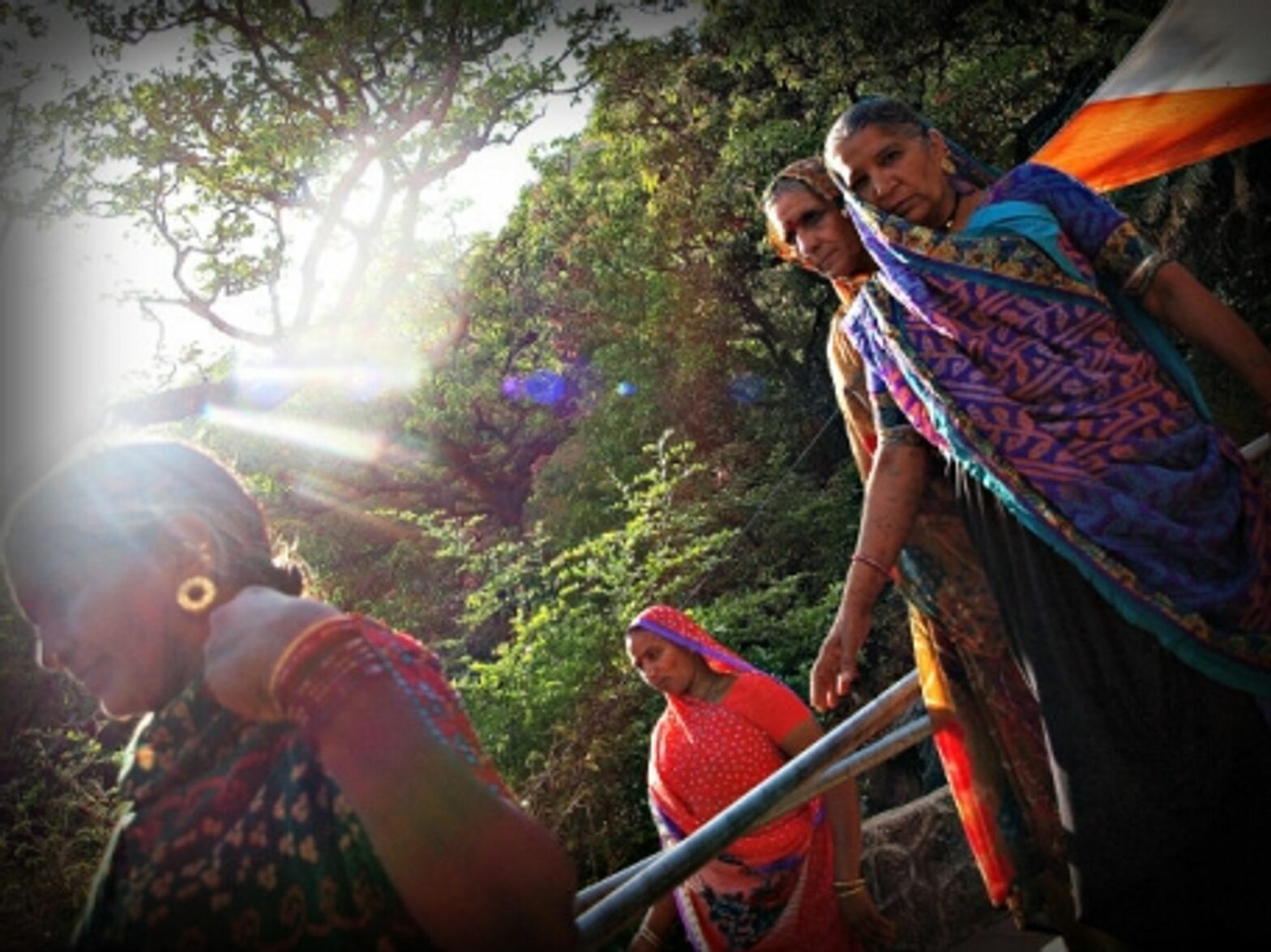
A woman’s movement challenging a centuries-old practice of denying women entry into the most sacred areas of worship in Hindu temples and Muslim shrines is generating a heated debate across India.
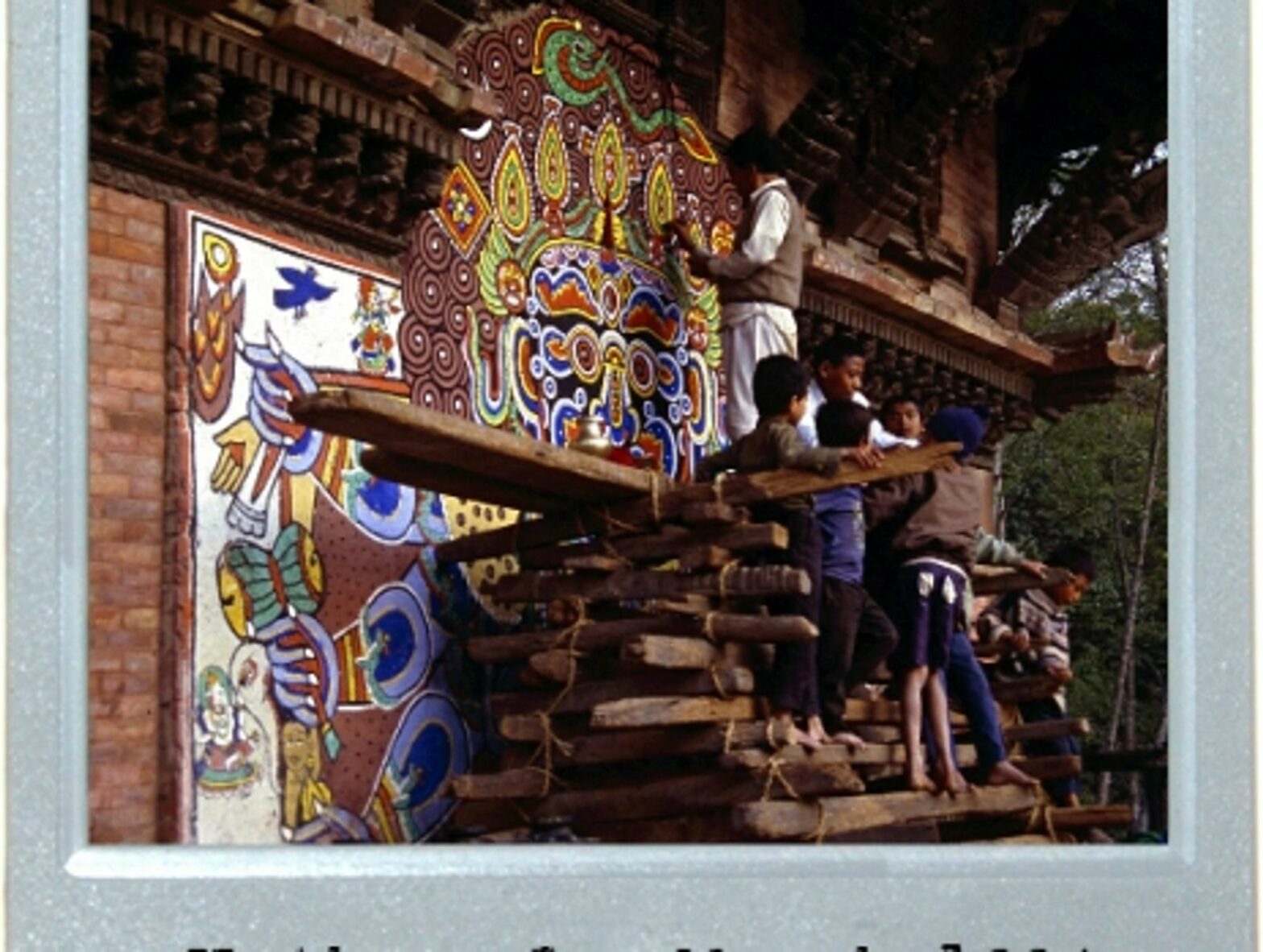
Children were playing next to a man painting a wood panel for one of the countless Hindu festivals in Kathmandu, Nepal.
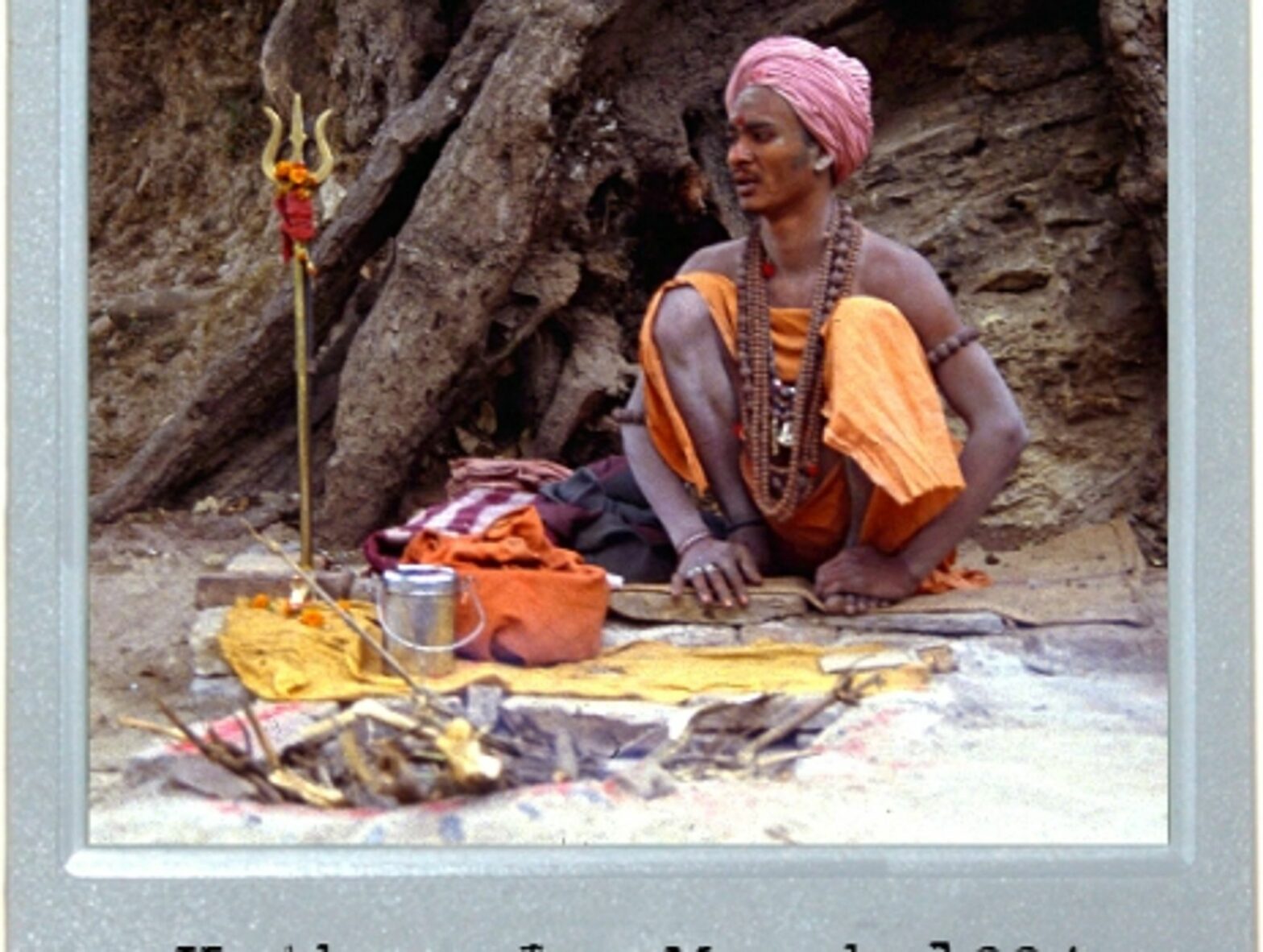
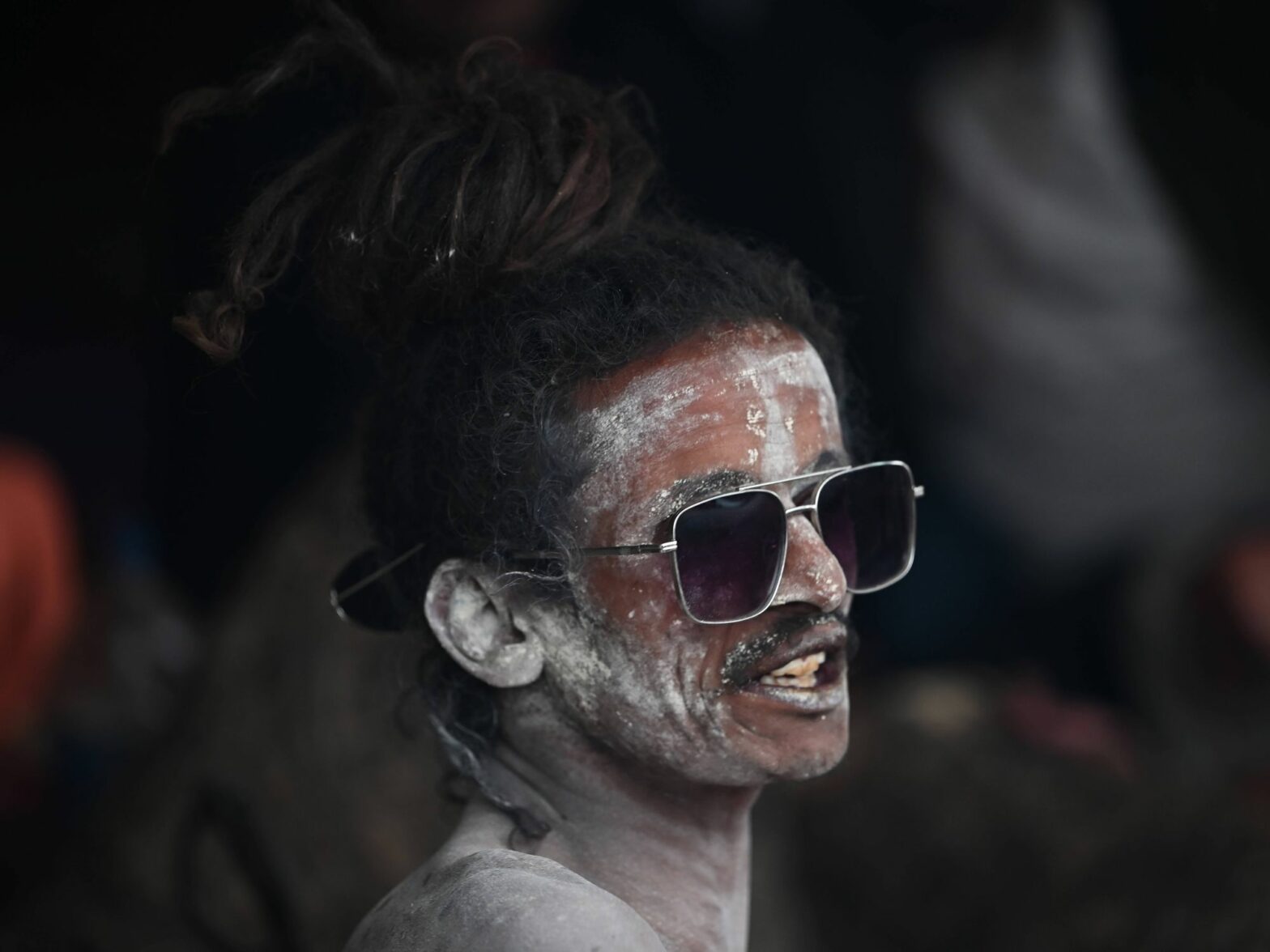
For the sadhus (“good men”) of India and Nepal, recognizable by their ash-smeared bodies and saffron-colored clothes, asceticism through hunger and poverty is a way to reach moksha, which in France we call libération.
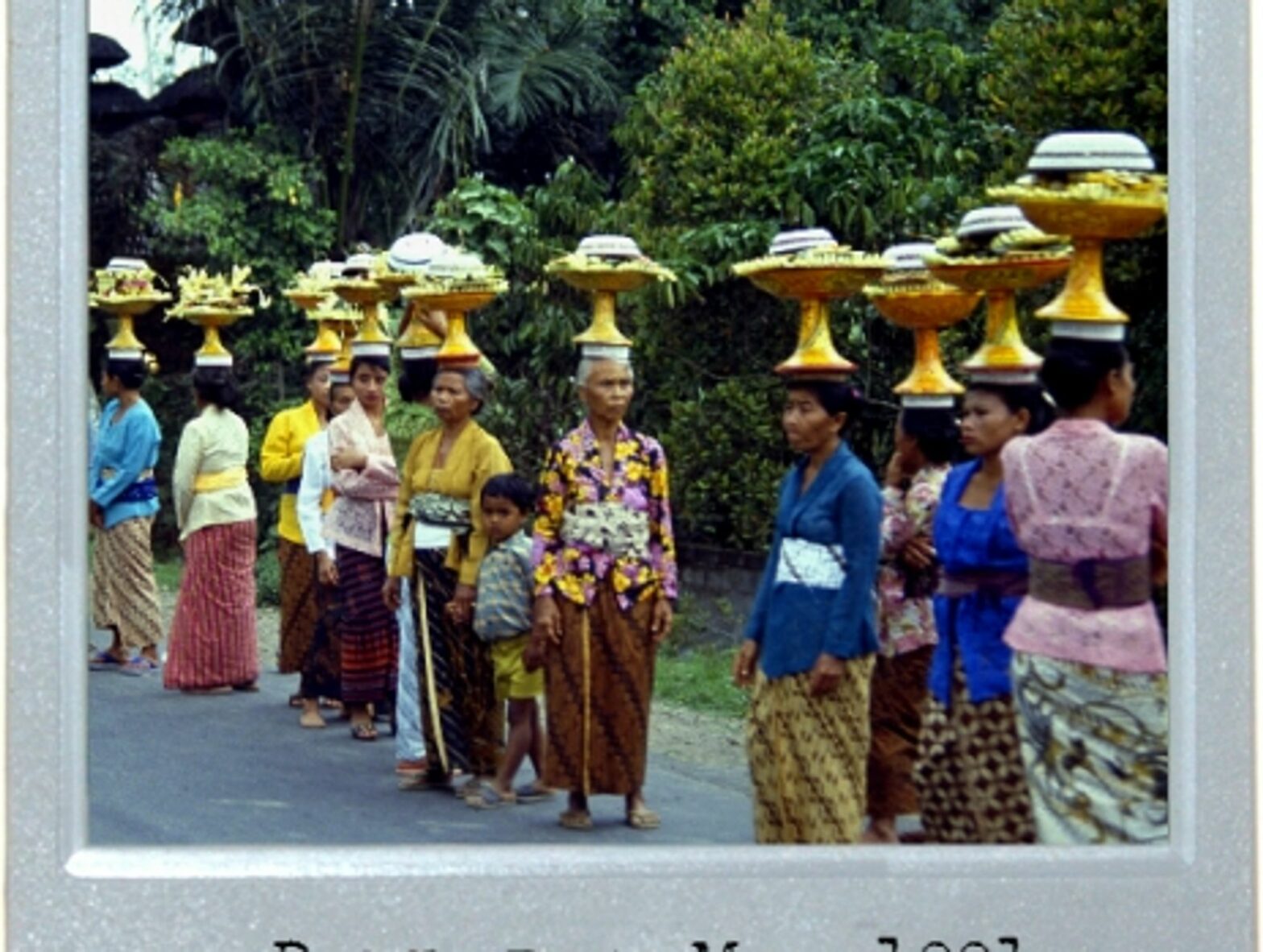
Religious offerings are important on the Indonesian island of Bali. Long processions of women can be seen threading their way to the Hindu temples, carrying towers of flowers, fruit, cakes, meats and eggs on their heads, often for long distances.
MUMBAI — Thirty-five-year old Praveen Kumar worked as a deliveryman at a slaughter house, carrying meat to retail markets around Mumbai. But last month, he lost his job when the slaughterhouse was shut down following the state government’s new ban on beef. “Here I was earning about $7 a day, and life had become much easier. I was able to keep my wife and three children happy,” he said. “But with this ban now I can’t even afford two proper meals for my family and my children may also have to leave school because I can’t pay the fees.” Selling […]
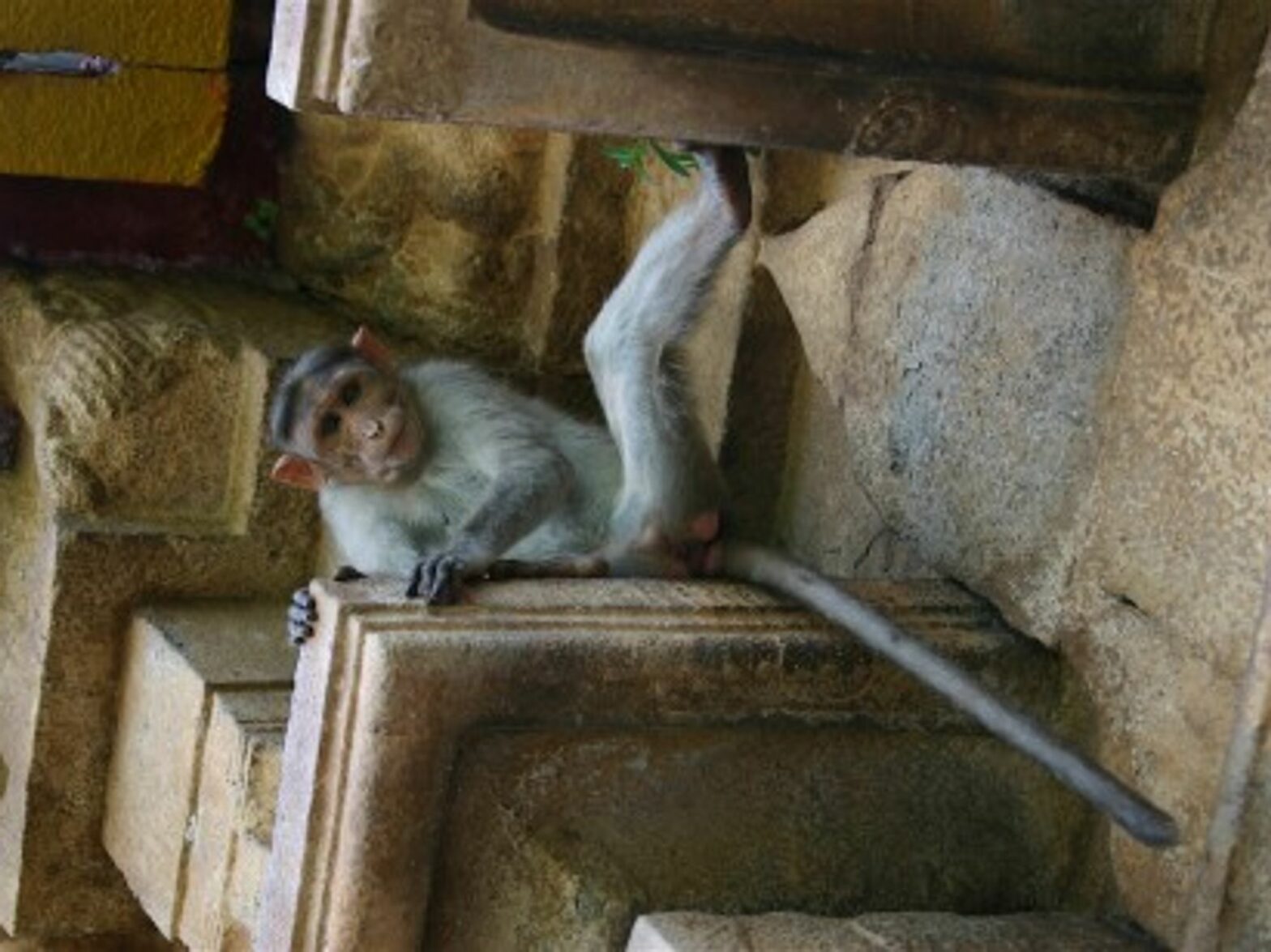
PACHMARHI — Anil Yadav has lived in the hilltop town of Pachmarhi for the past 16 years, but over the past three he says that the monkey population has expanded beyond control. So much so that humans are now being forced to live in cages. In India, monkeys are sacred and worshipped by Hindus as […]
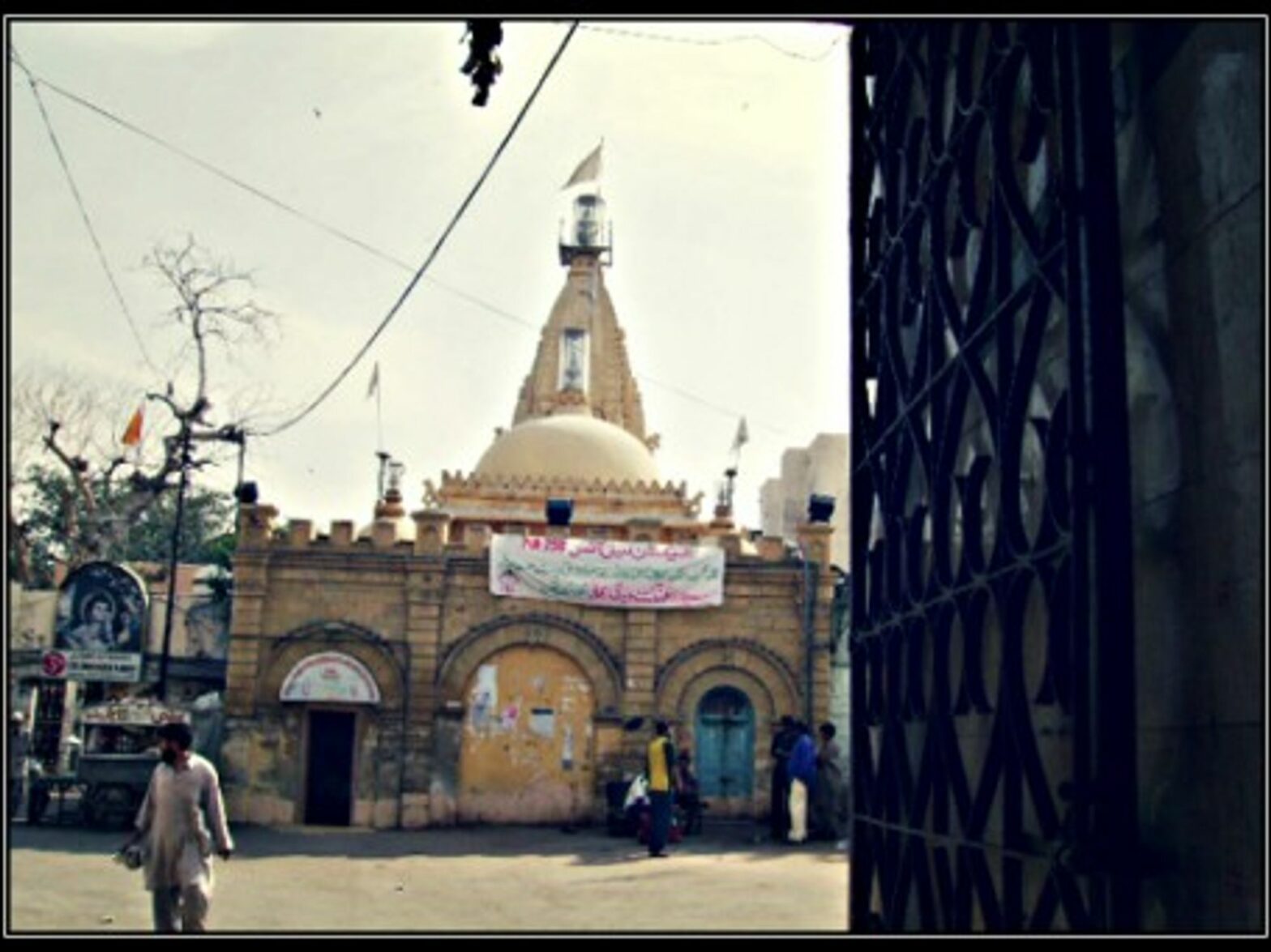
The construction of Pakistan’s next tallest building in Karachi is seen by the country’s Hindu minority yet another attack in this Muslim-majority country of 180 million.
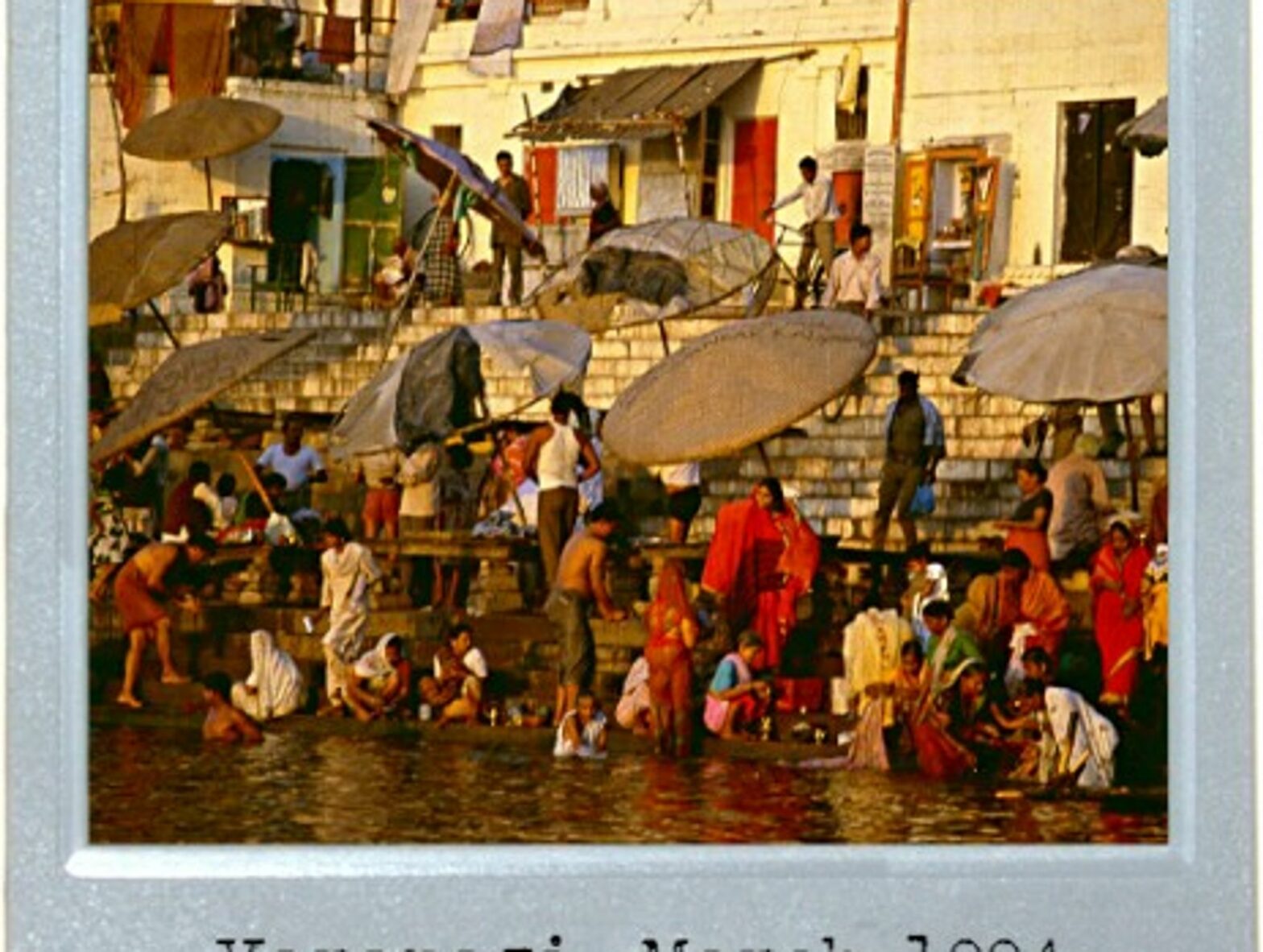
This is the famous Dashashwamedh Ghat in Varanasi — the city also known as Benares, the holiest of the seven sacred cities in Hinduism and Jainism. “Ghats” are a series of steps leading pilgrims to the Ganges River to perform ritual ablutions (while tourists on a moving boat try to take non-blurry pictures).
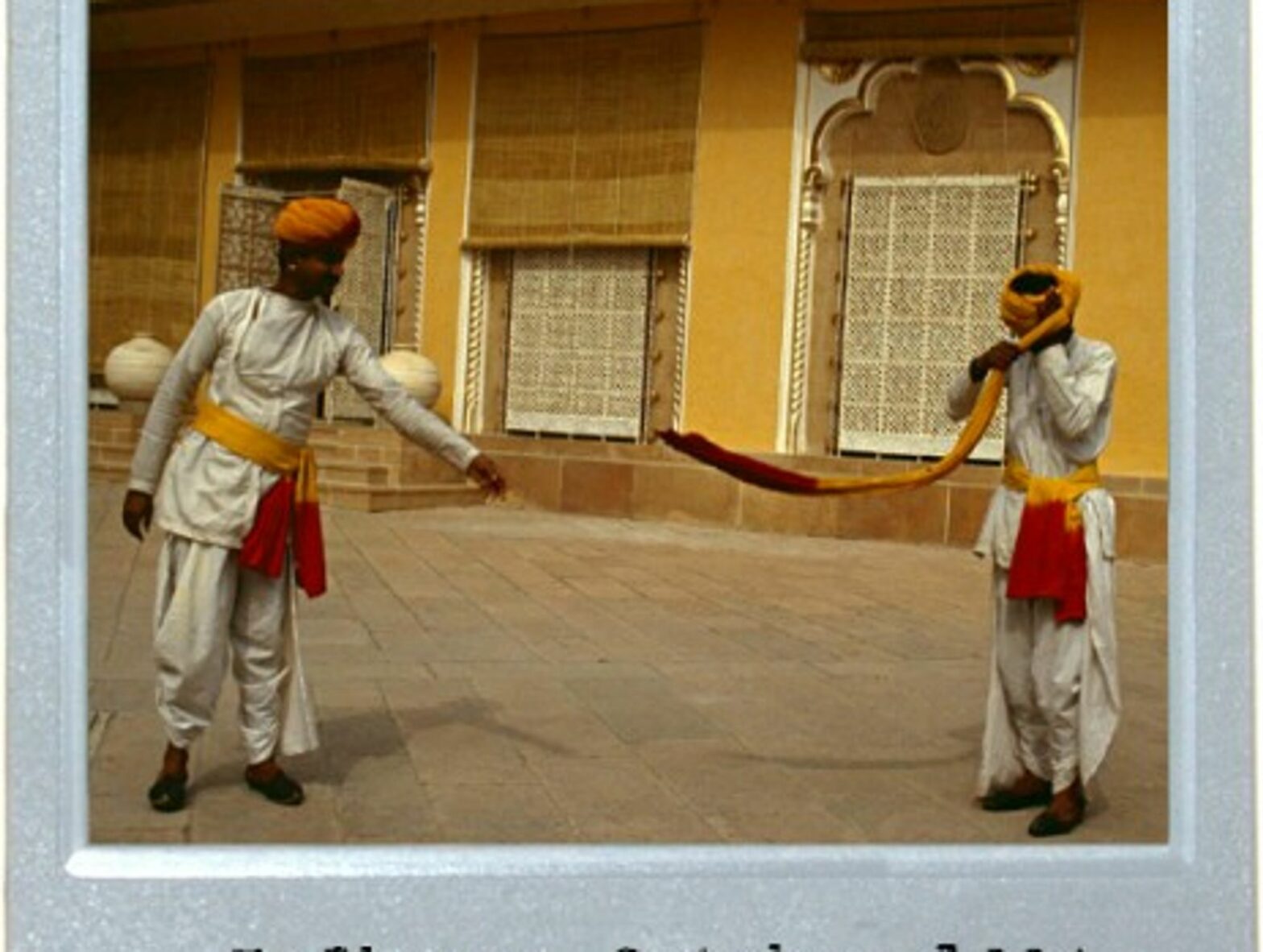
In India’s sumptuous Mehrangarh Fort, in the western Rajasthan region, we watched two guards’ traditional turban-tying demonstration. Different styles and colors of head-gear used to be associated with specific Indian villages and communities — a custom that we could see was already beginning to fade two decades ago in many of the places we visited.
CHIRANG – “Around 50 of them came and opened fire on our village.” Rebayal Ali still seems stunned, his eyes glazed over. His vest clings to his skinny torso because of the humidity, as the Muslim farmer tells Le Monde of his night of terror. It was July 23 in his village in Assam, a […]