The clash over language teaching is less about classrooms and more about who gets to define what it means to be Indian.
 Worldcrunch
The clash over language teaching is less about classrooms and more about who gets to define what it means to be Indian.
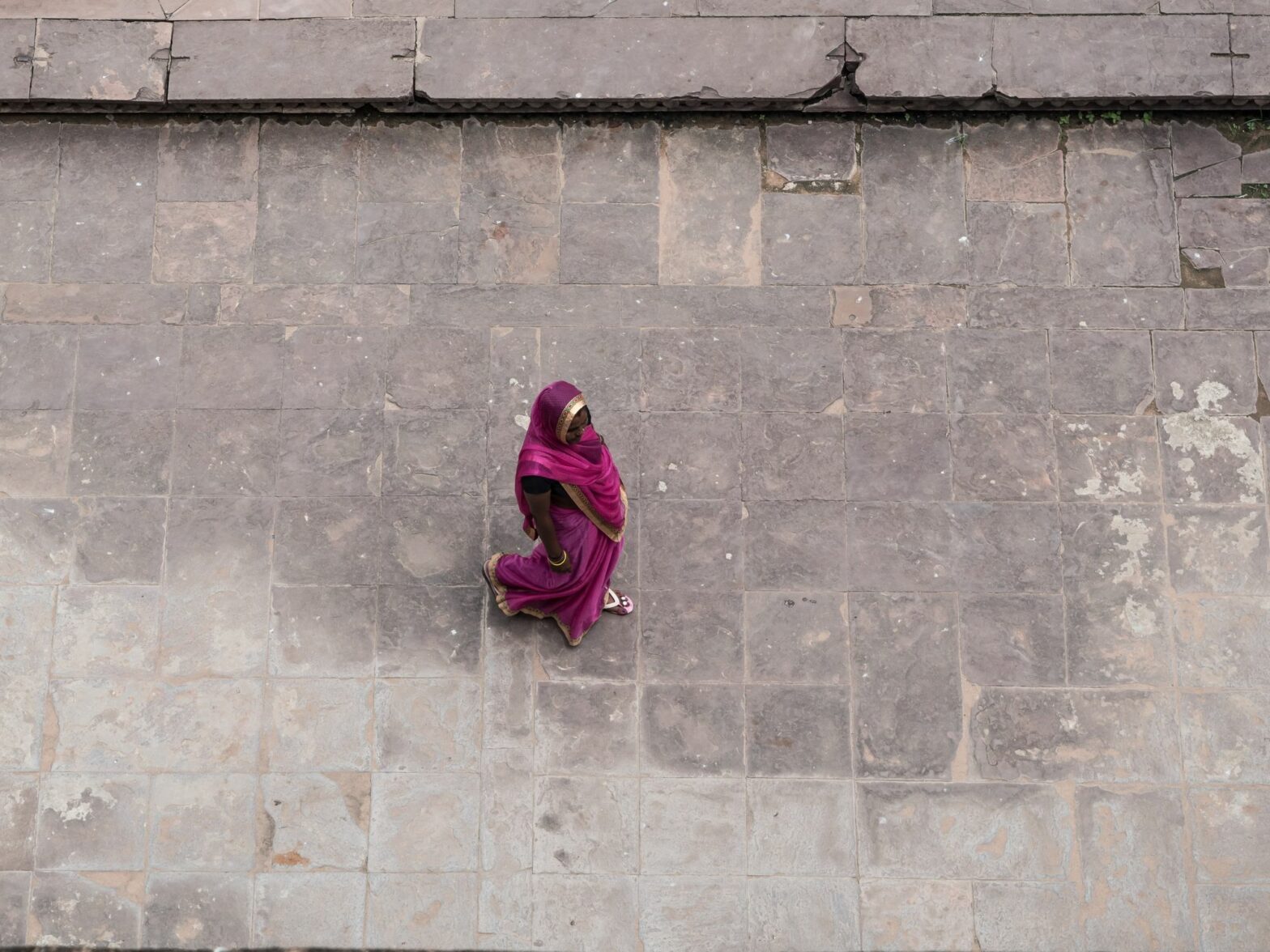
The clear lack of words, in Hindi and other Indian vernaculars, to describe feminine reproductive organs, feminine hygiene or women’s reproductive rights, says a lot about a country plagued by violence against women and rampant rape culture.
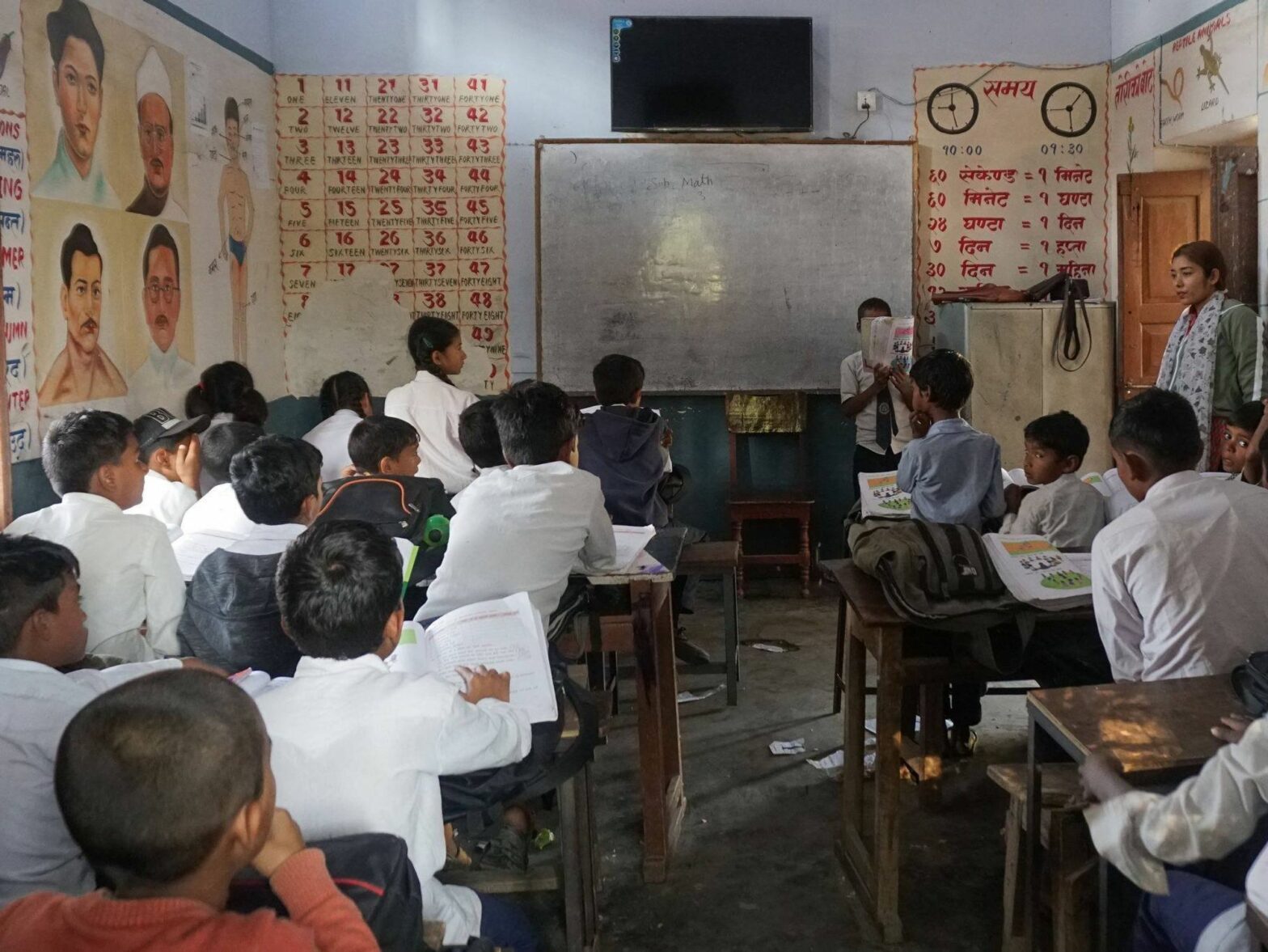
In Nepal, local schools are encouraged to offer instruction in the first languages of their students. But even in linguistically diverse regions, the only words they still hear and read are in Nepali.
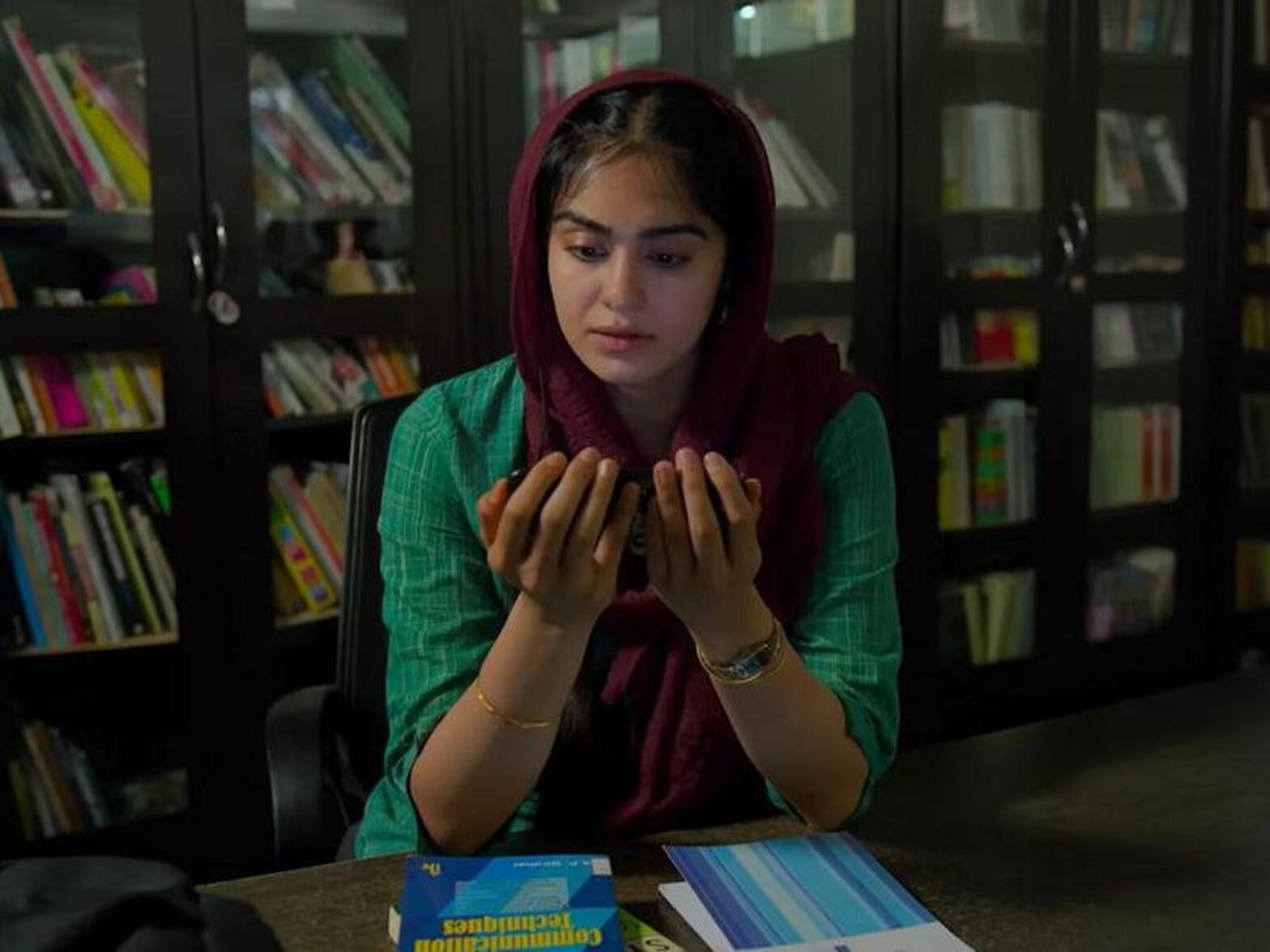
Bollywood film The Kerala Story has done huge numbers at the Indian box office after public support by Hindu nationalist parties. But the film is facing claims it is Islamophobic propaganda that peddles conspiracy theories about Muslims.
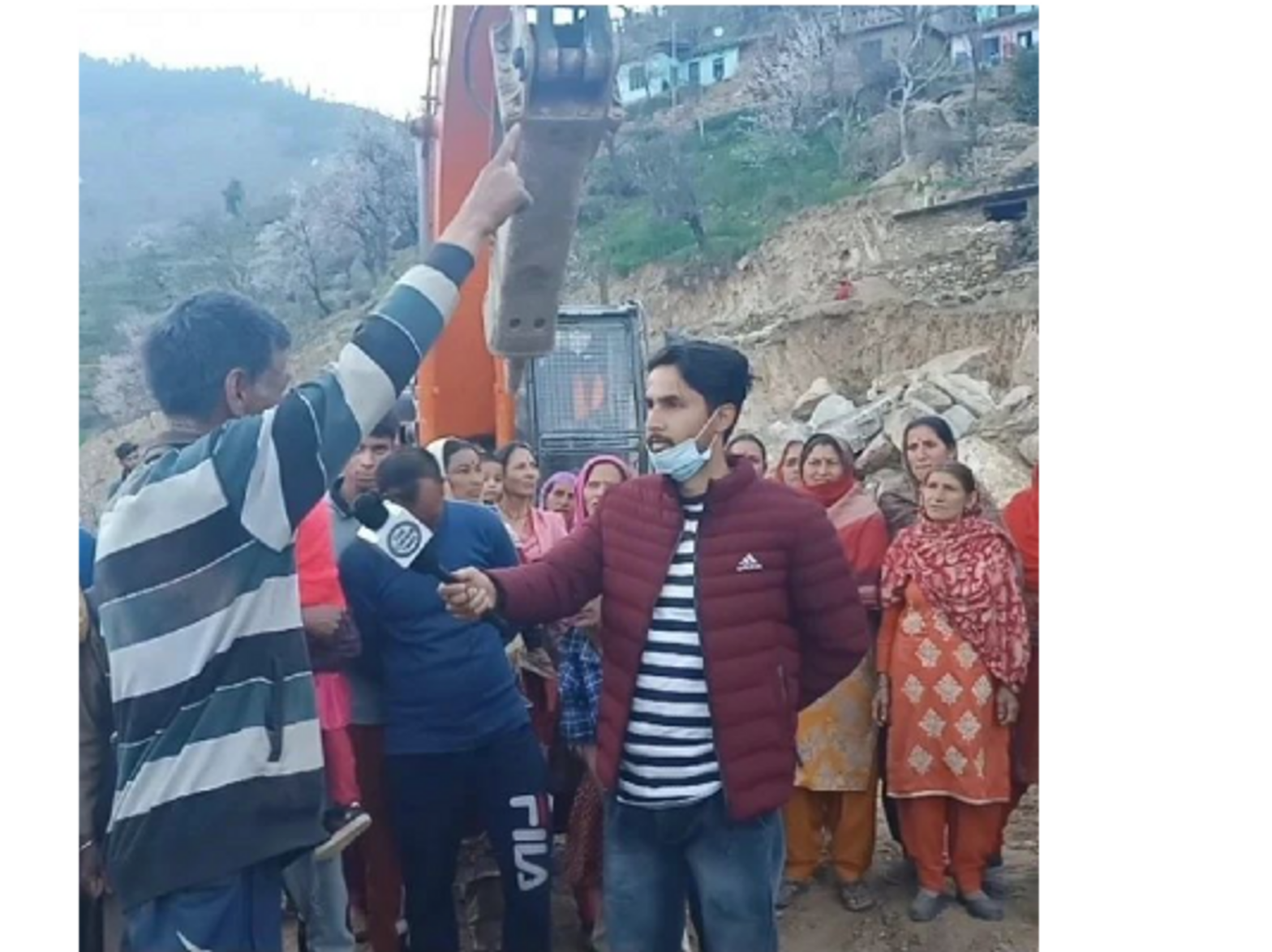
After a bill by Indian parliament sidelined local languages in India, one digital newspaper took up the task of helping preserve them.
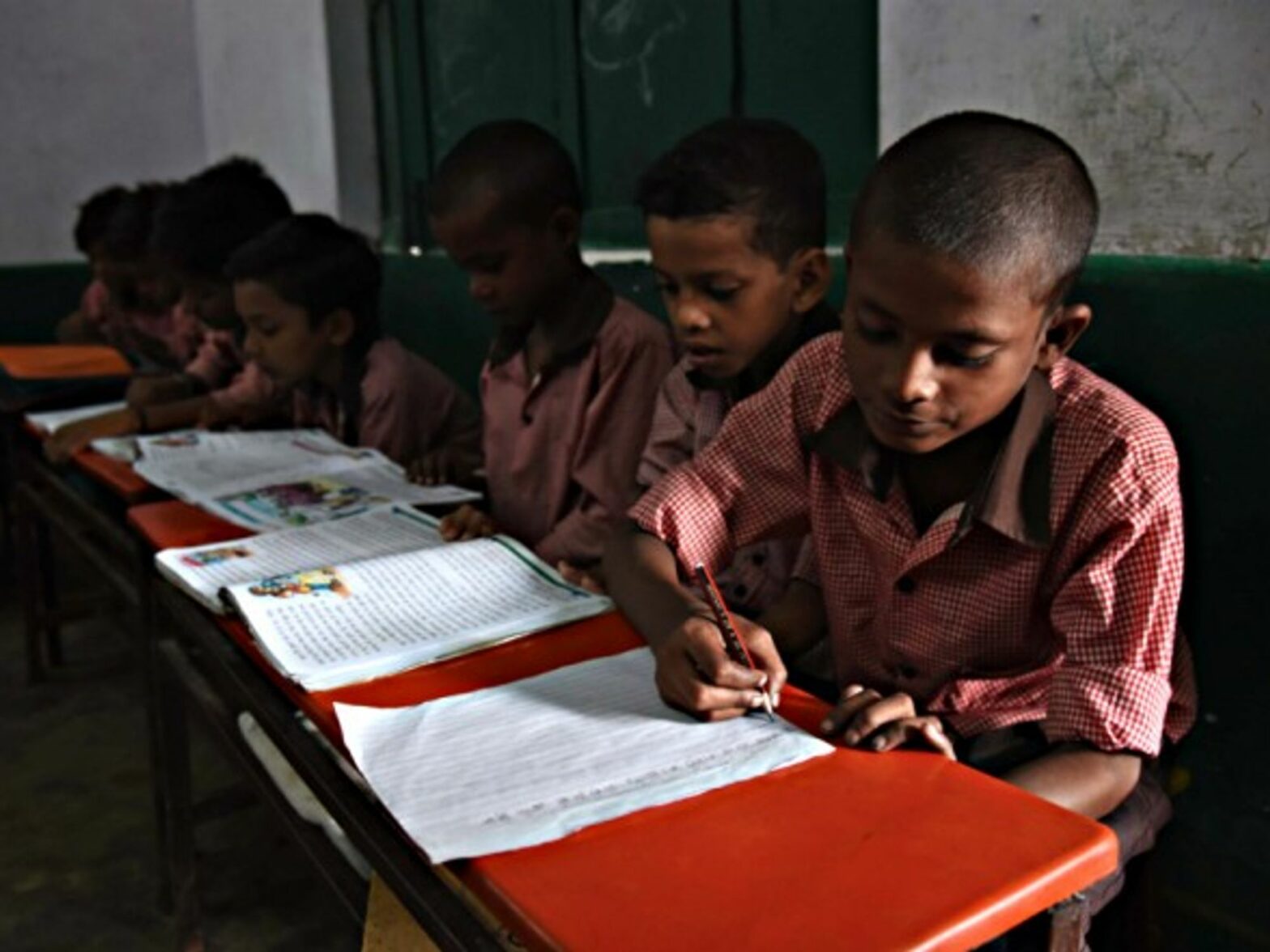
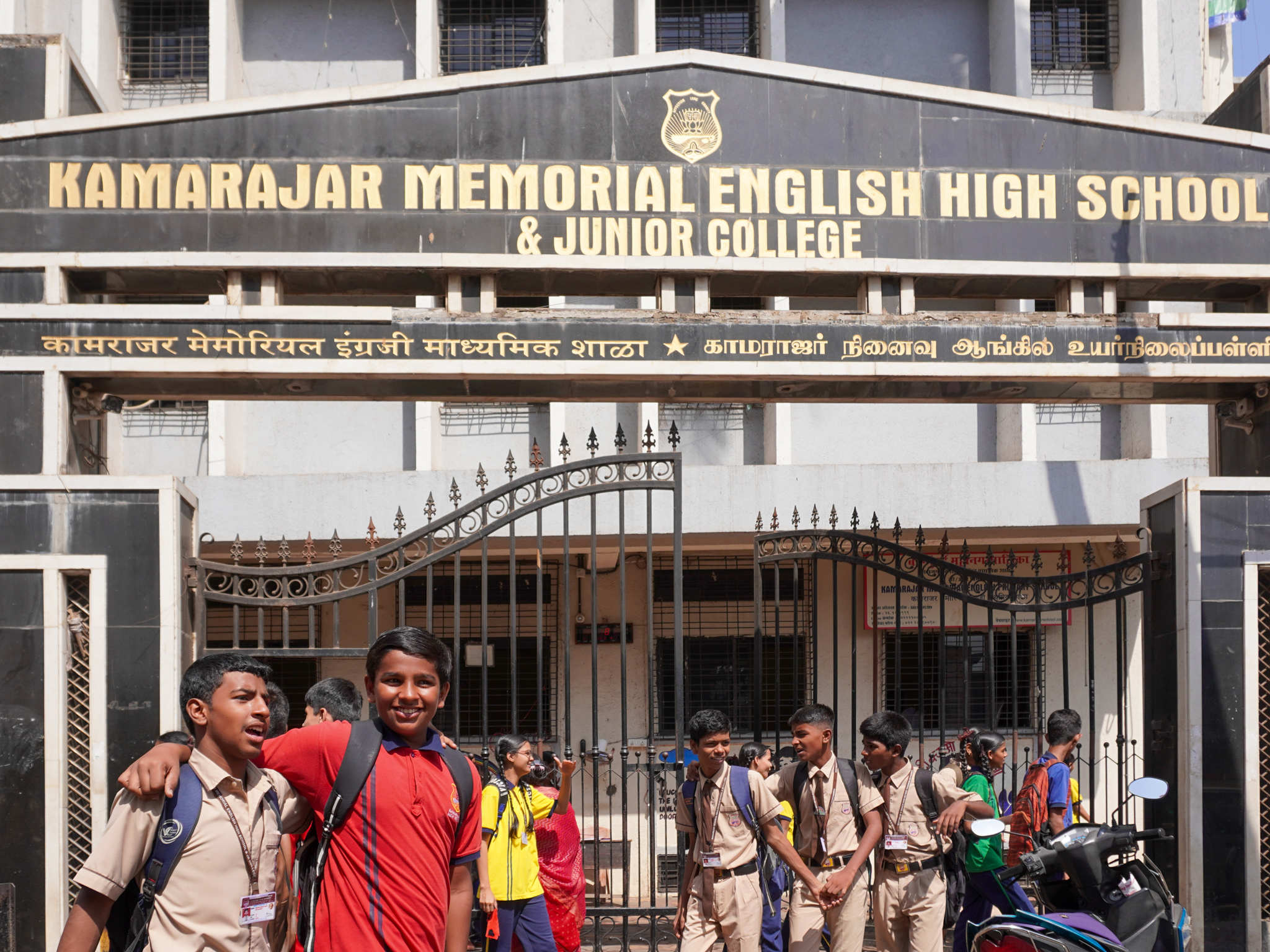
The number of children studying in English in India increased 273% between 2003 and 2011. But there is also a push for Hindi over regional dialects. Child development should be the guide, not politics or status.