November 27 – December 3, 2023
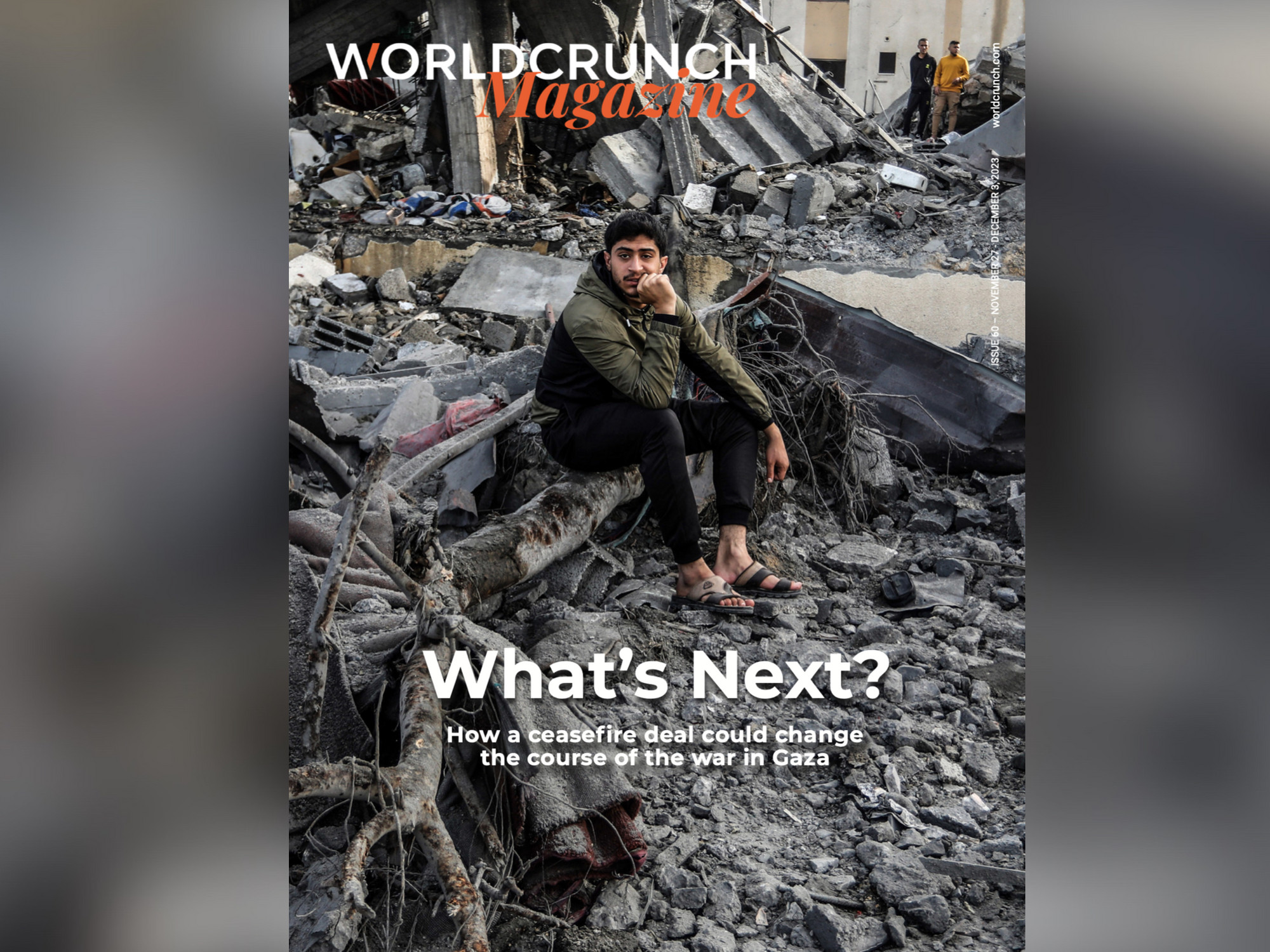
 Worldcrunch
November 27 – December 3, 2023
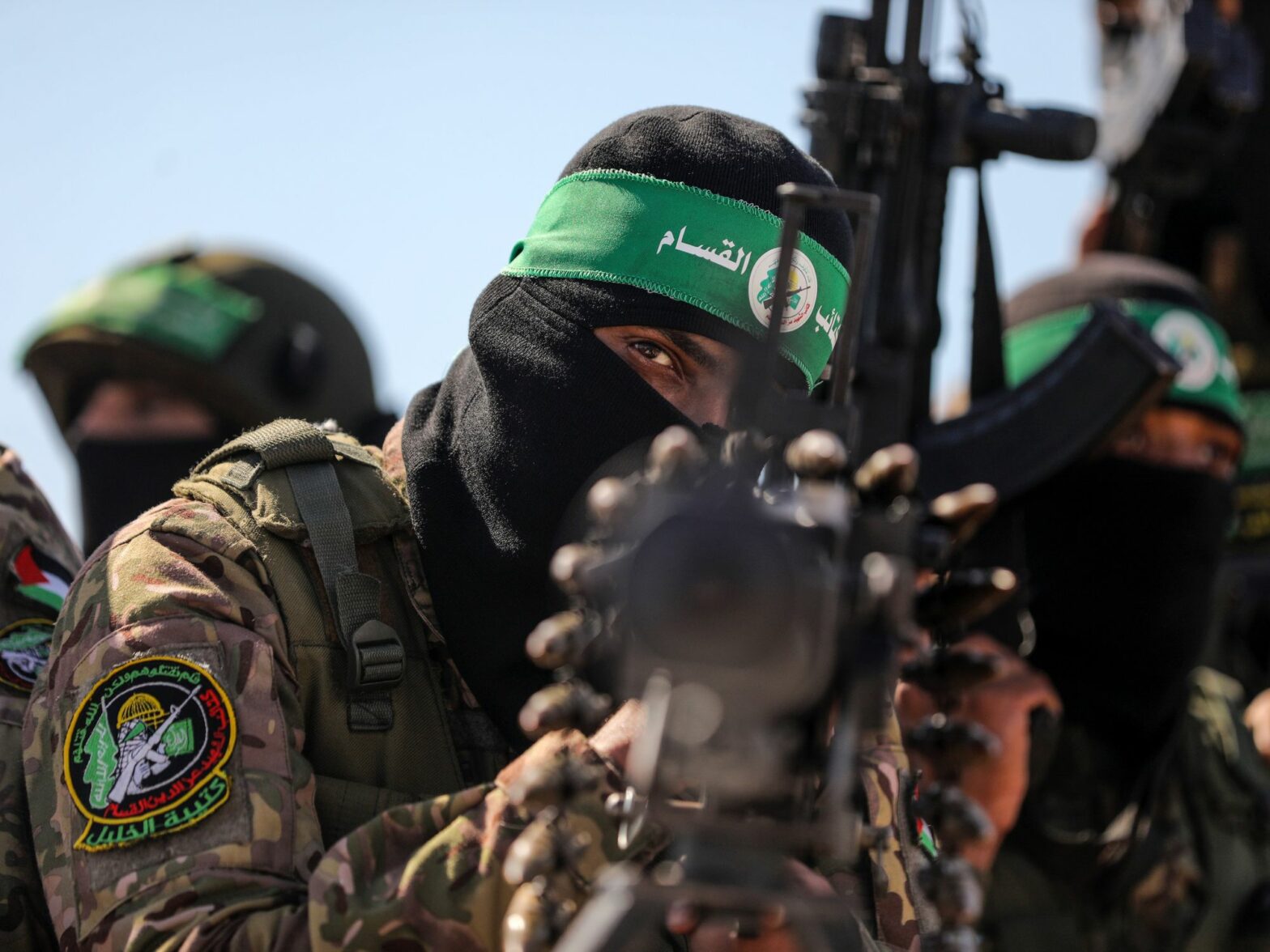
As long as there are criminal regimes with technological, military, and financial capabilities, defeating them militarily is the only route to lasting peace.
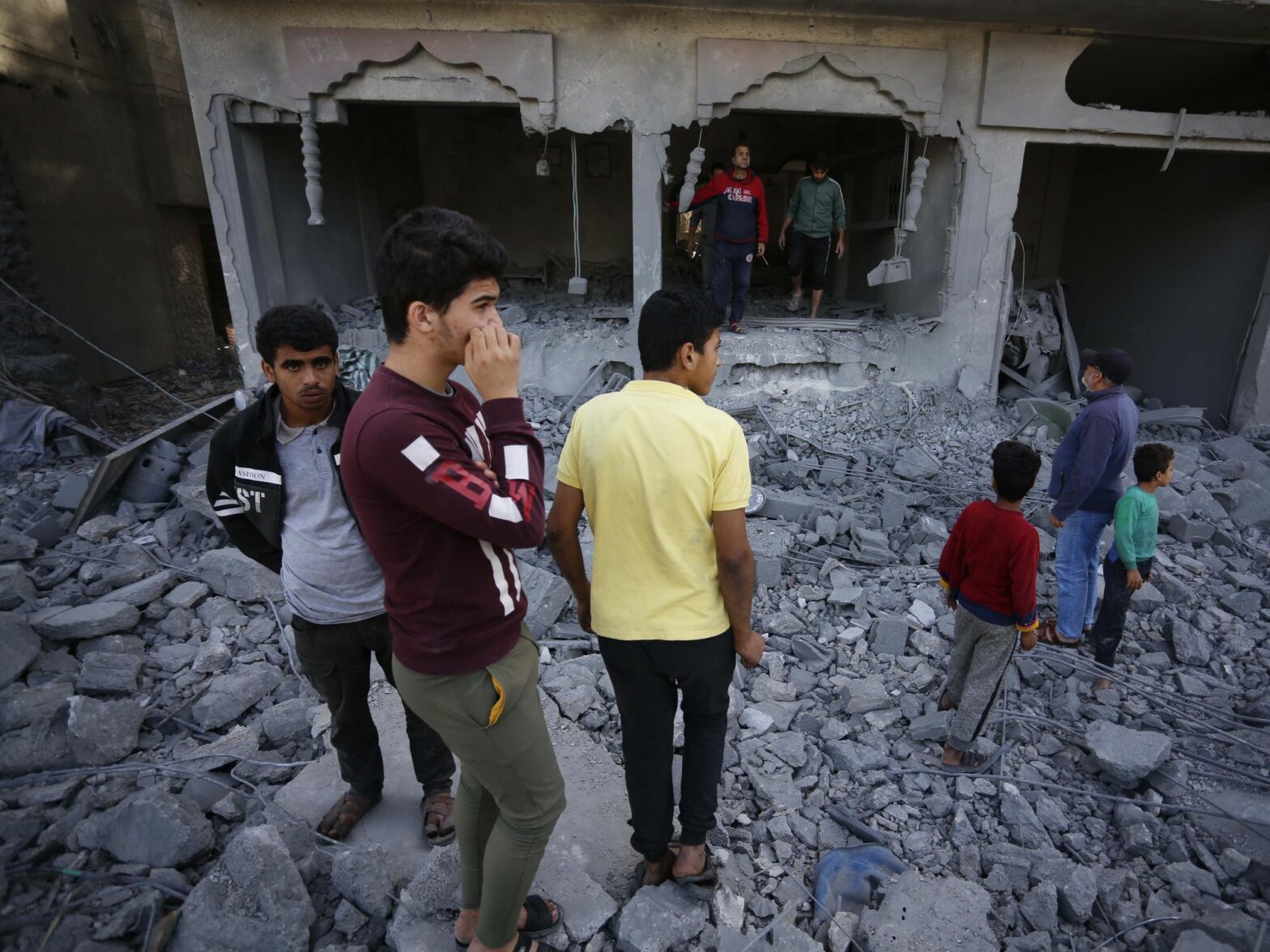
With Qatar now confirming that the temporary truce will begin Friday morning, ordinary Gazans may be able to breathe for the first time since Oct. 7. But for most, the task ahead is a mix of heartbreak and the most practical tasks to survive. And there’s the question hanging over all: can the ceasefire become permanent?
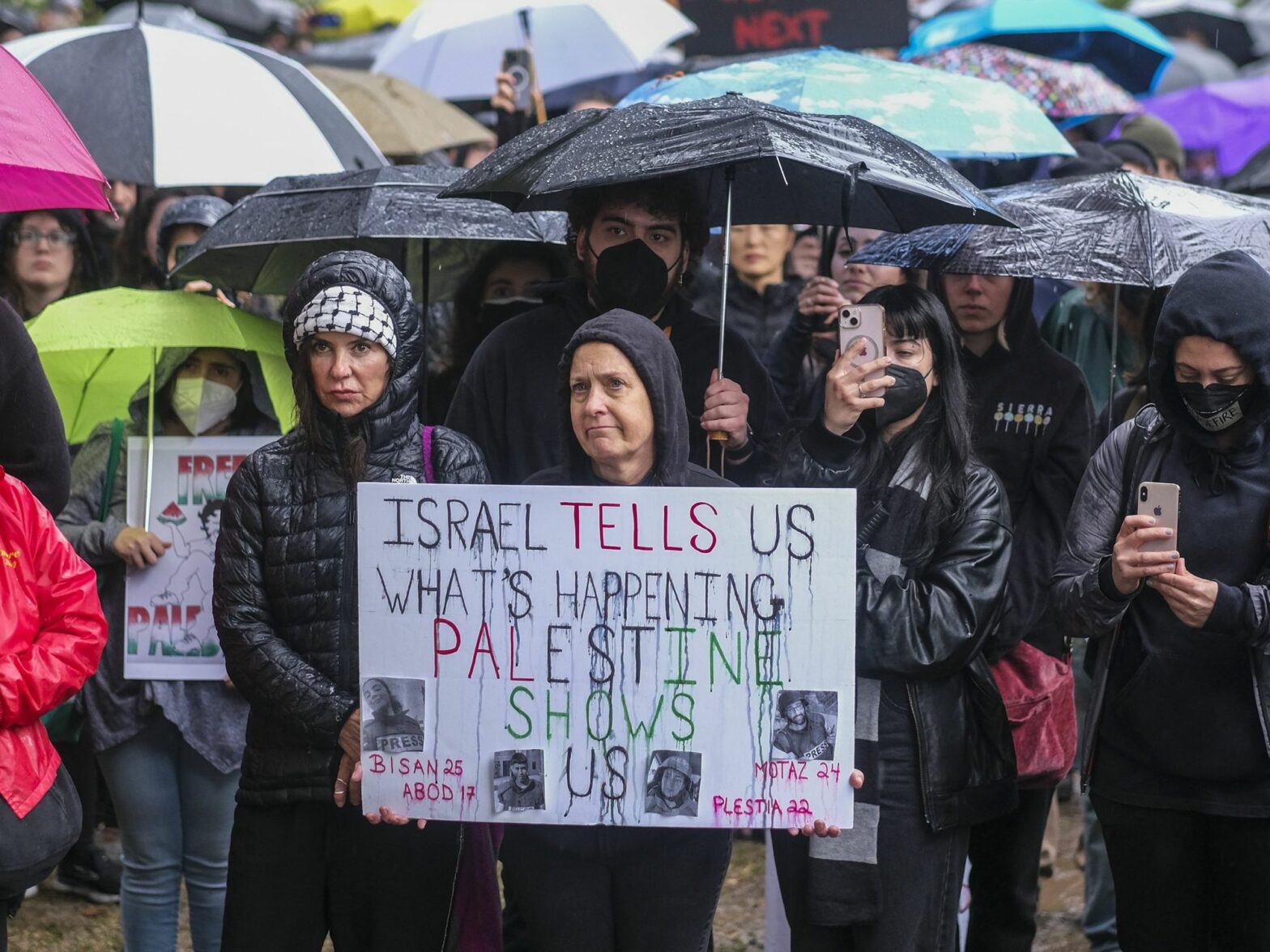
Protests in big cities in the U.S. and Europe against Israel may remind some Iranians of the Western Left’s deluded, and arrogant, support in 1979 for a revolution that turned Iran and the Middle East into a cesspool of terrorism.
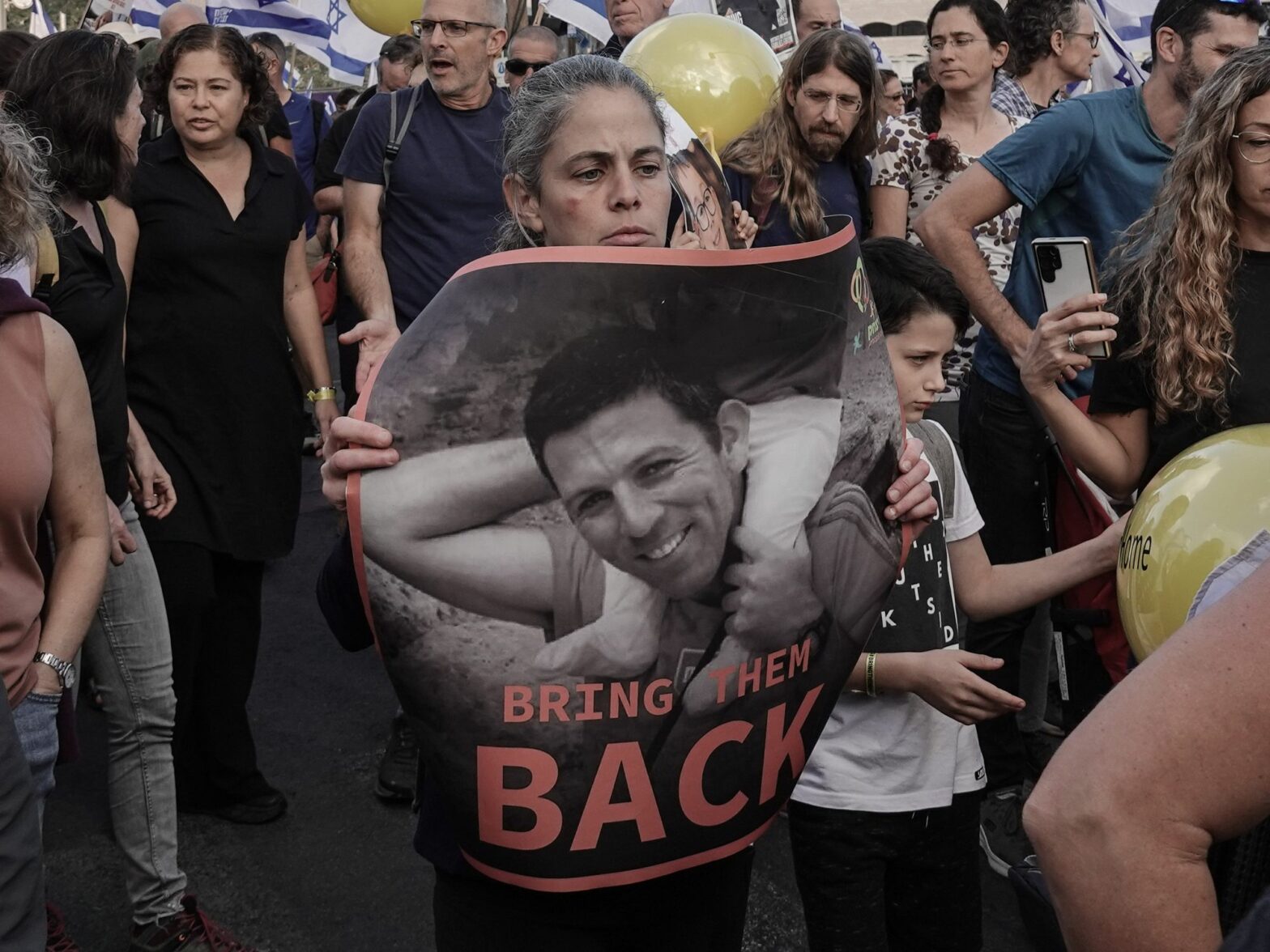
Israeli Prime Minister Benjamin Netanyahu has pushed ahead a deal negotiated via Qatar, for a four-day truce and an exchange of 50 hostages for 150 Palestinian prisoners. Though the humanitarian and political pressure was mounting, Israel’s all-out assault is suddenly halted, with unforeseen consequences for the future.
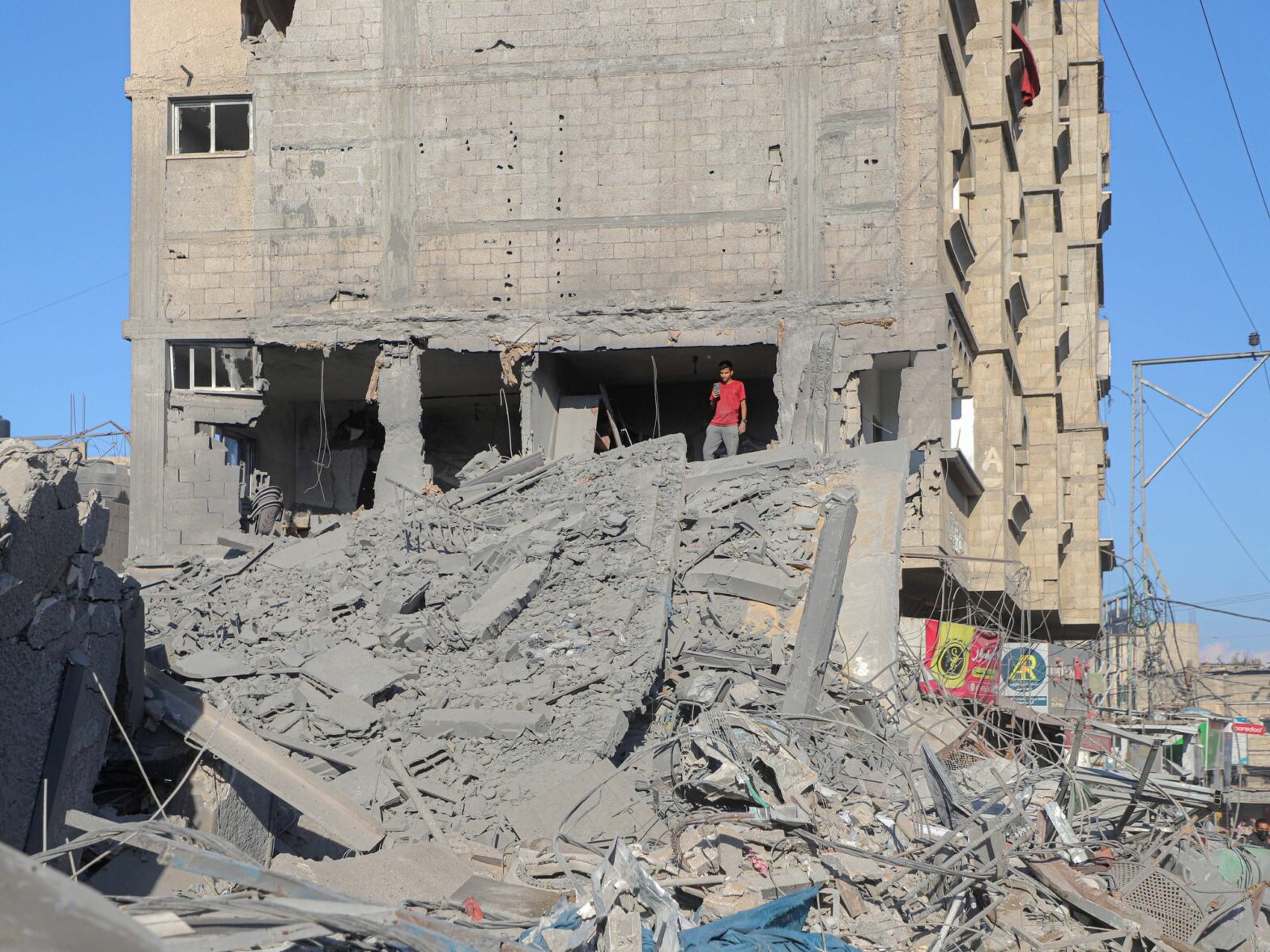
A five-day ceasefire deal in the Gaza war appears imminent. In the past, such provisional truces sometimes turned permanent. But is this time different?
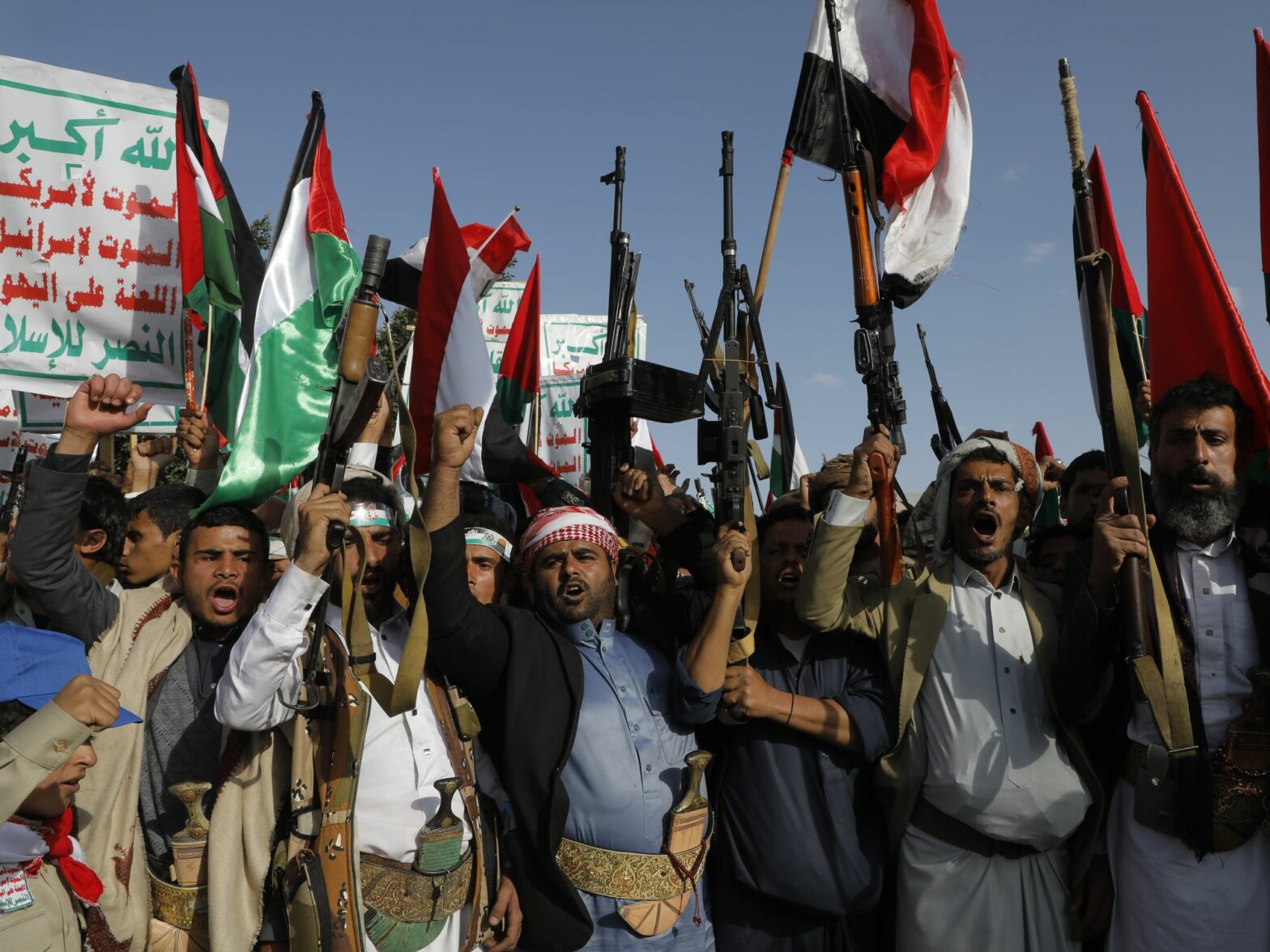
The Iran-backed Yemeni rebel group Houthis have seized a vessel in the Red Sea’s shipping route and took the ship’s 25 crew members hostage. It’s just the latest sign that the spillover from Gaza may arrive first from the south.
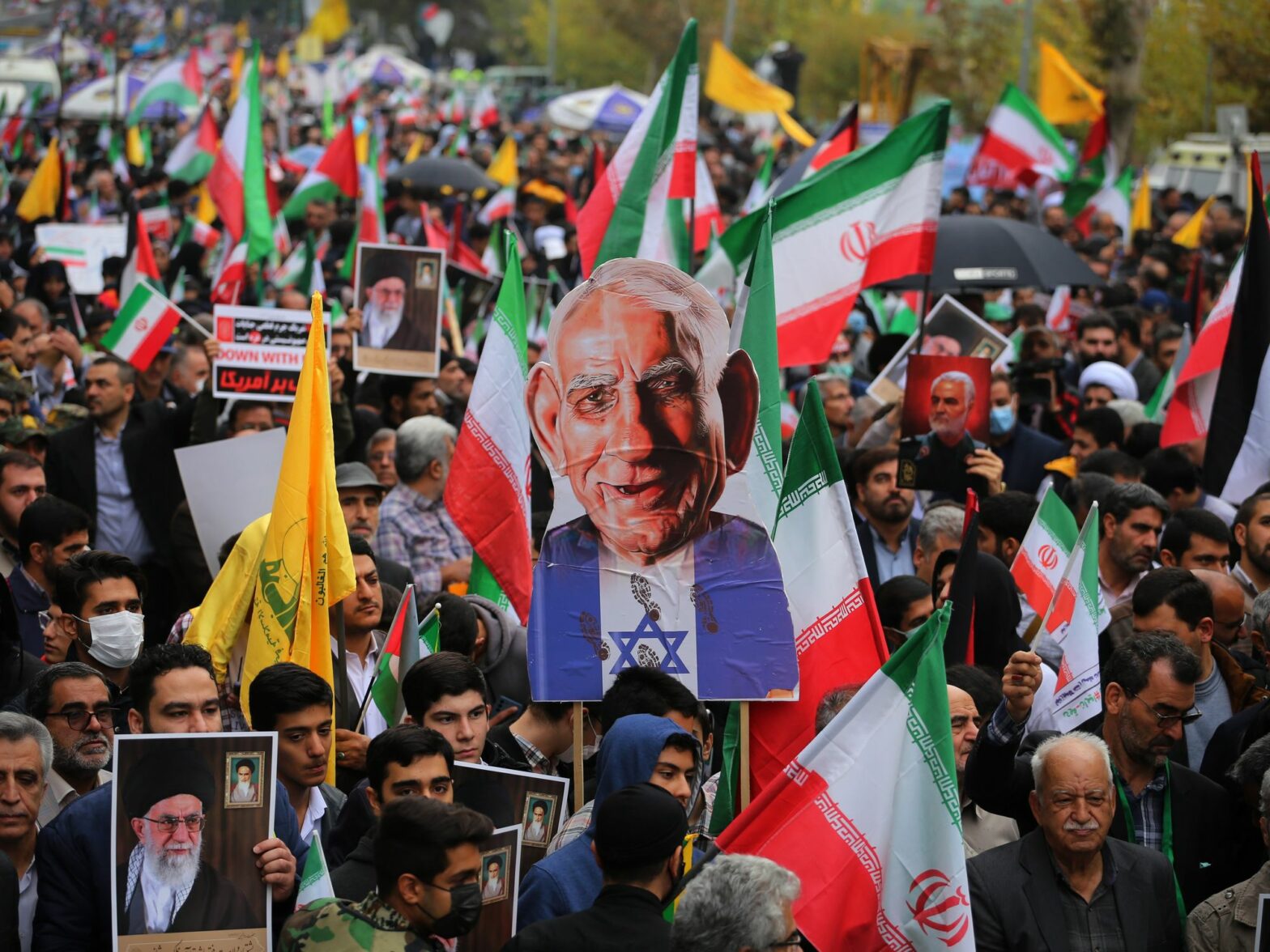
Iran this week has reaffirmed its full support for Hamas, issuing new threats to escalate with more attacks like Oct. 7. This came after some in the region had criticized Iran for now joining the fray directly. With the rising rhetoric, Iran can’t stay passive forever.

The debate over the war in Israel is raging on social media. In this divisive atmosphere, it is impossible to call out anti-Semitism in Muslim communities or on the right wing without being applauded by all the wrong people. What Germans are failing to acknowledge is how much the country’s own history has to do with this.
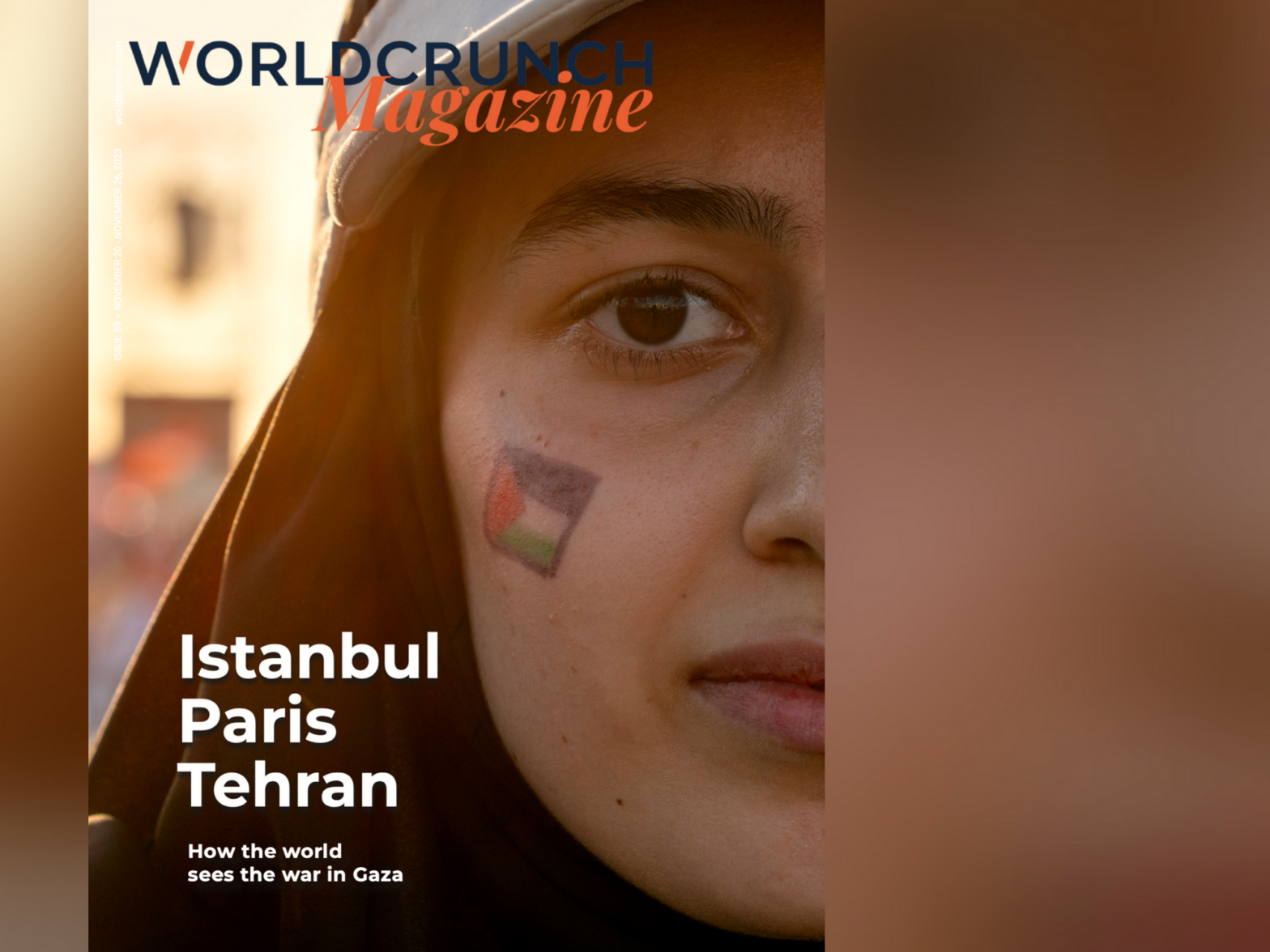
November 20 – November 26, 2023
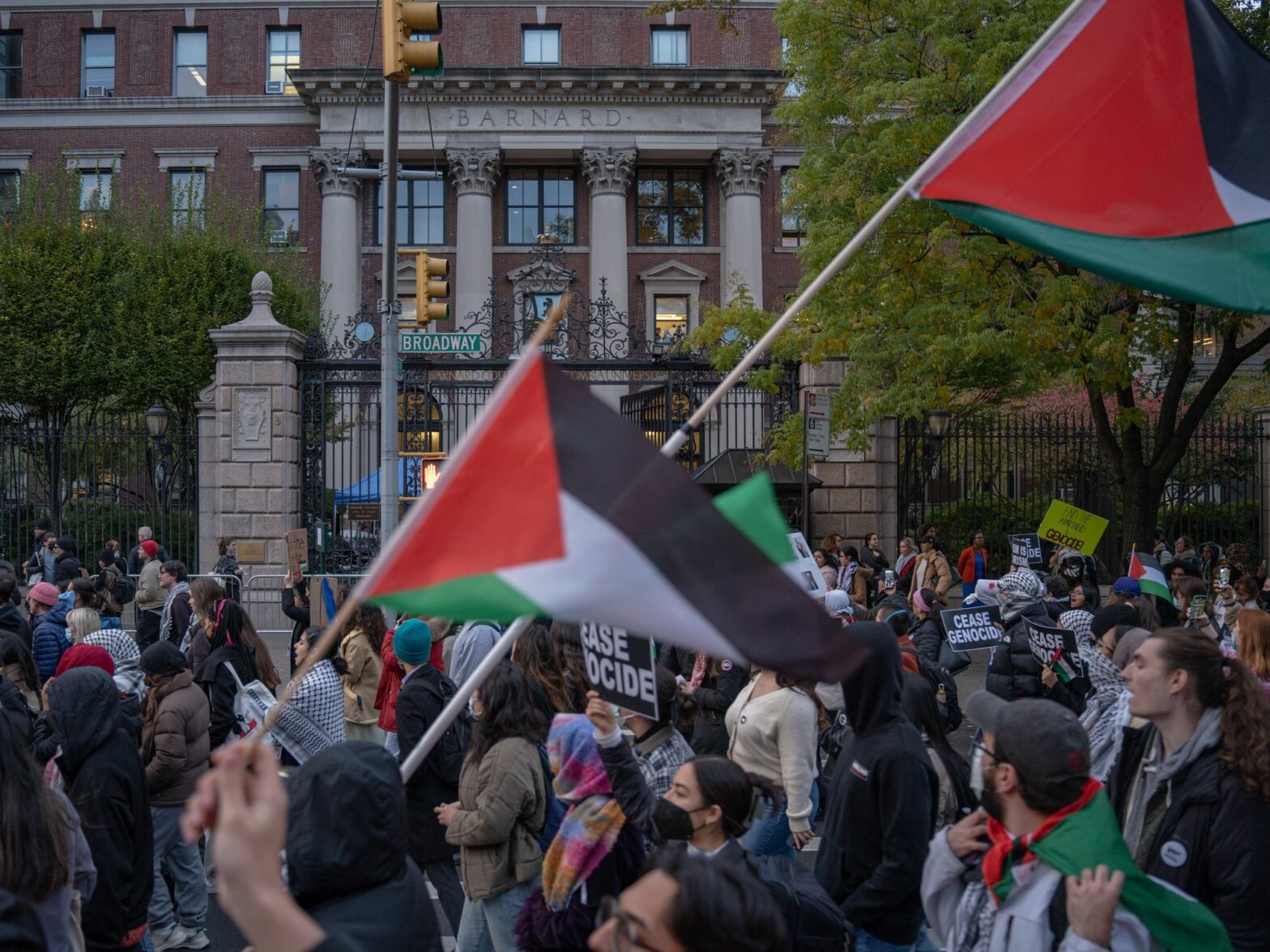
Taking the U.S. and France as leading indicators, with different histories and relationships inside the Middle East, Israel should be very worried about maintaining the support of its Western allies. The criticism of Israel and calls for immediate ceasefires are coming not only from the streets, but also inside the halls of power.
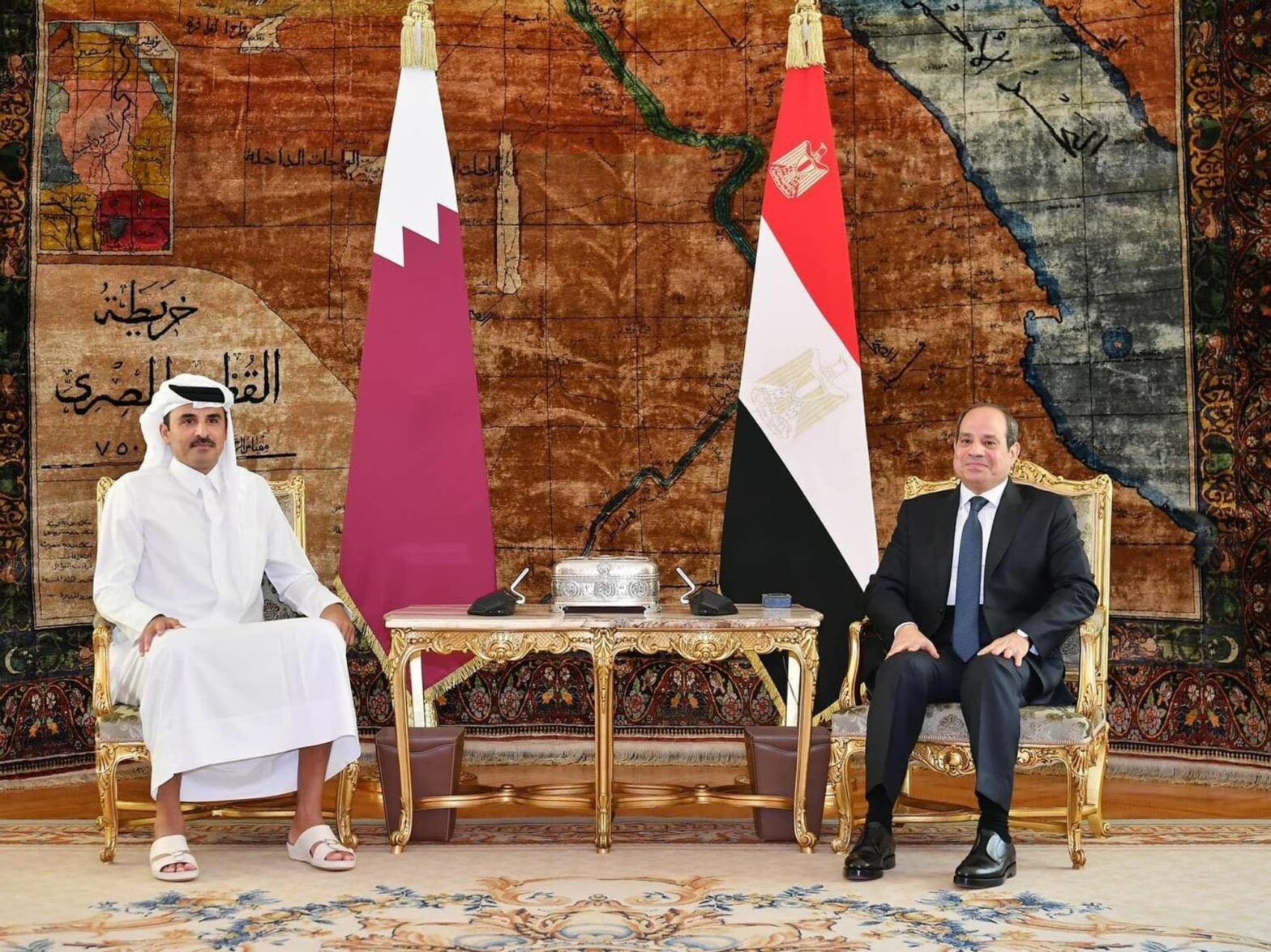
Perhaps even more pivotal than Qatar, Egypt is accelerating its efforts to mediate between Hamas and Israel.
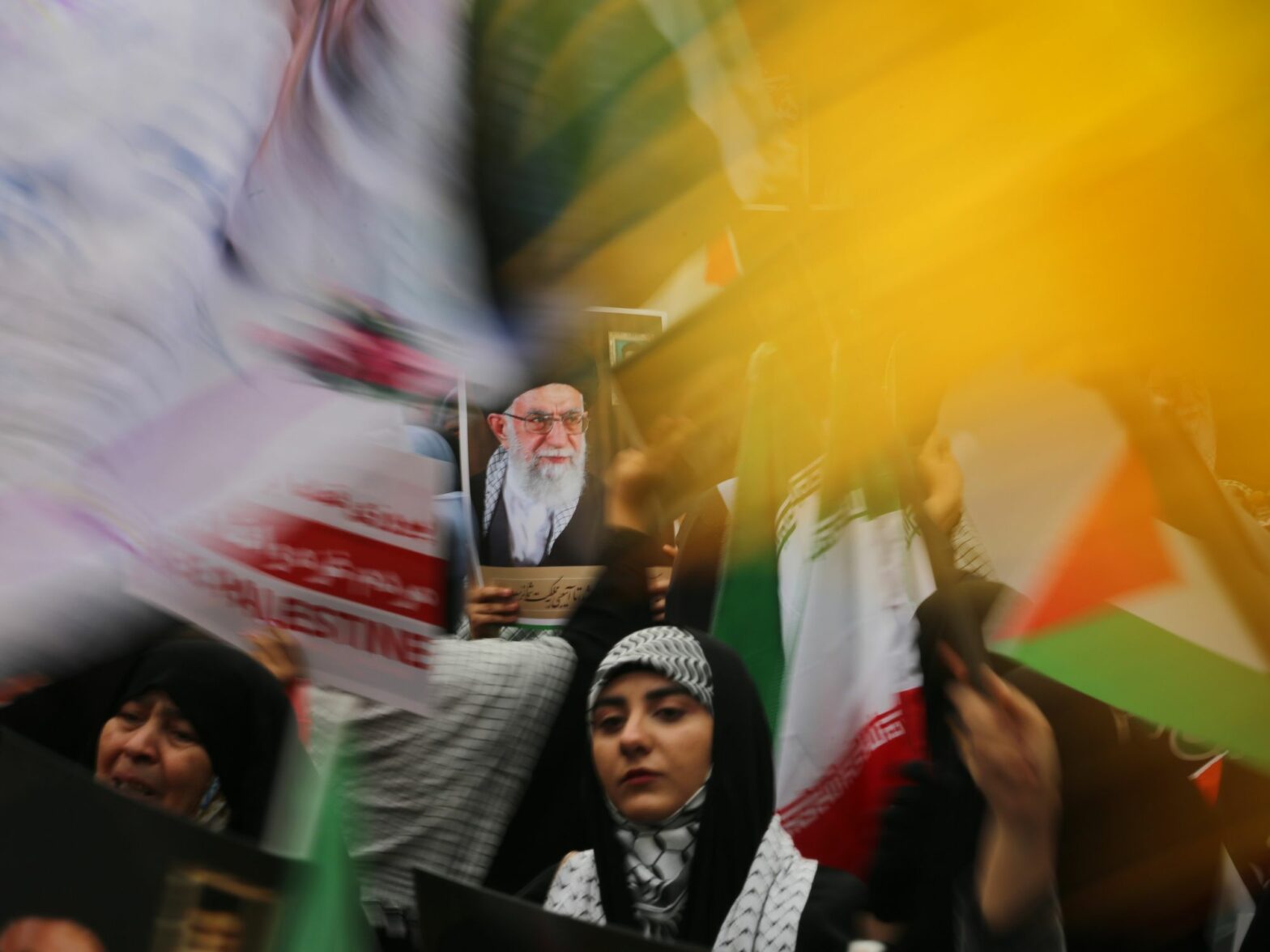
Iran’s revolutionary regime insists it wants Israel destroyed and has threatened a regional war, but its actions are ambivalent, suggesting it may fear a regional war that would hasten its demise. As a result, it may decide to stop supporting Hamas in Gaza.

It was a wakeup call for some: pro-Palestinian demonstrators in Turkey tried to storm the U.S. base Incirlik where nuclear weapons have long been stationed. There is more discussion than ever about whether the NATO partner is still a trustworthy military ally with such potent weapons within reach.
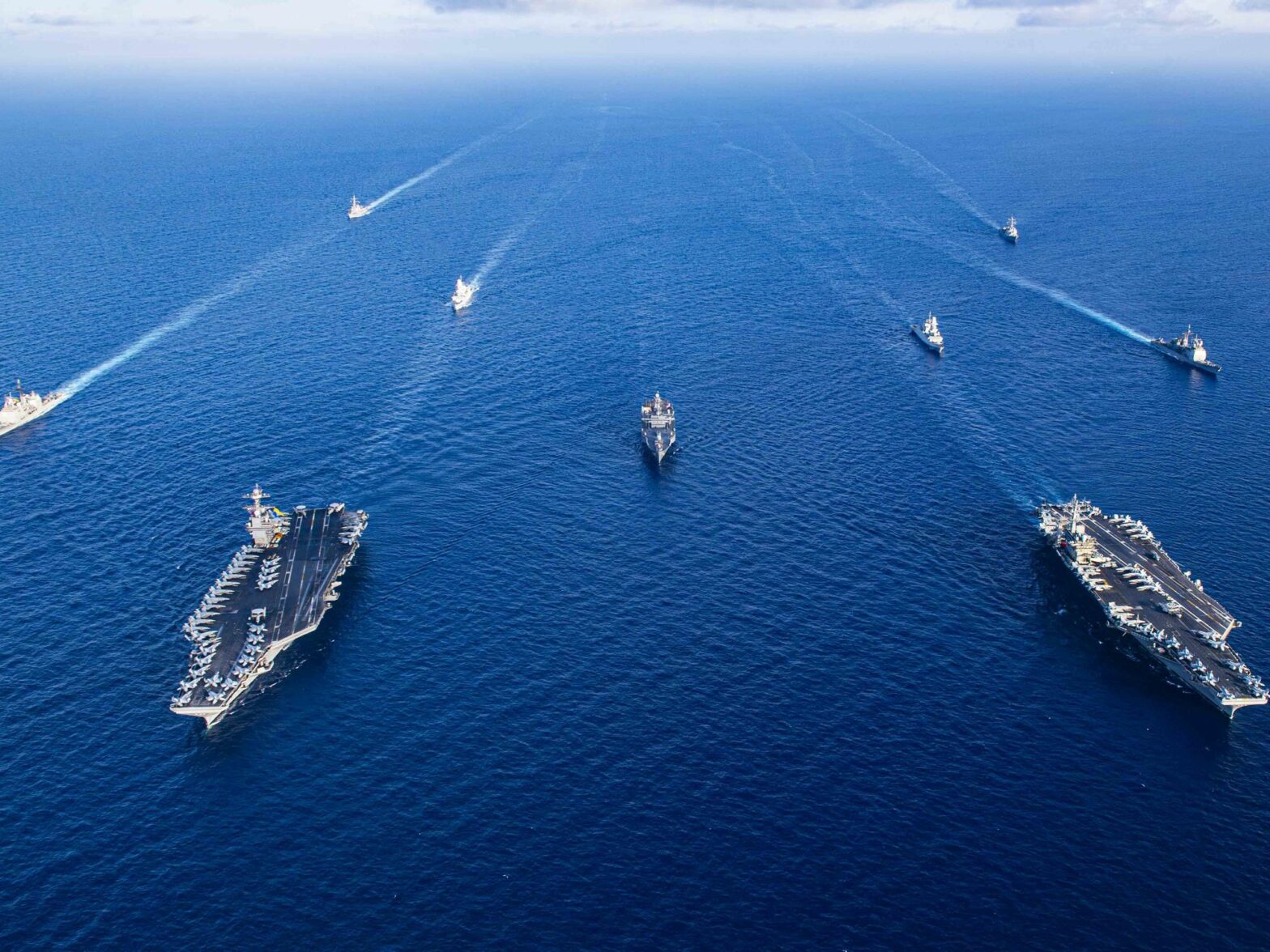
The United States has found itself at the forefront of a conflict that the whole world is following. President Joe Biden faces the pull of public opinion, the threat of Iranian action, and the escalation of the Israeli state.
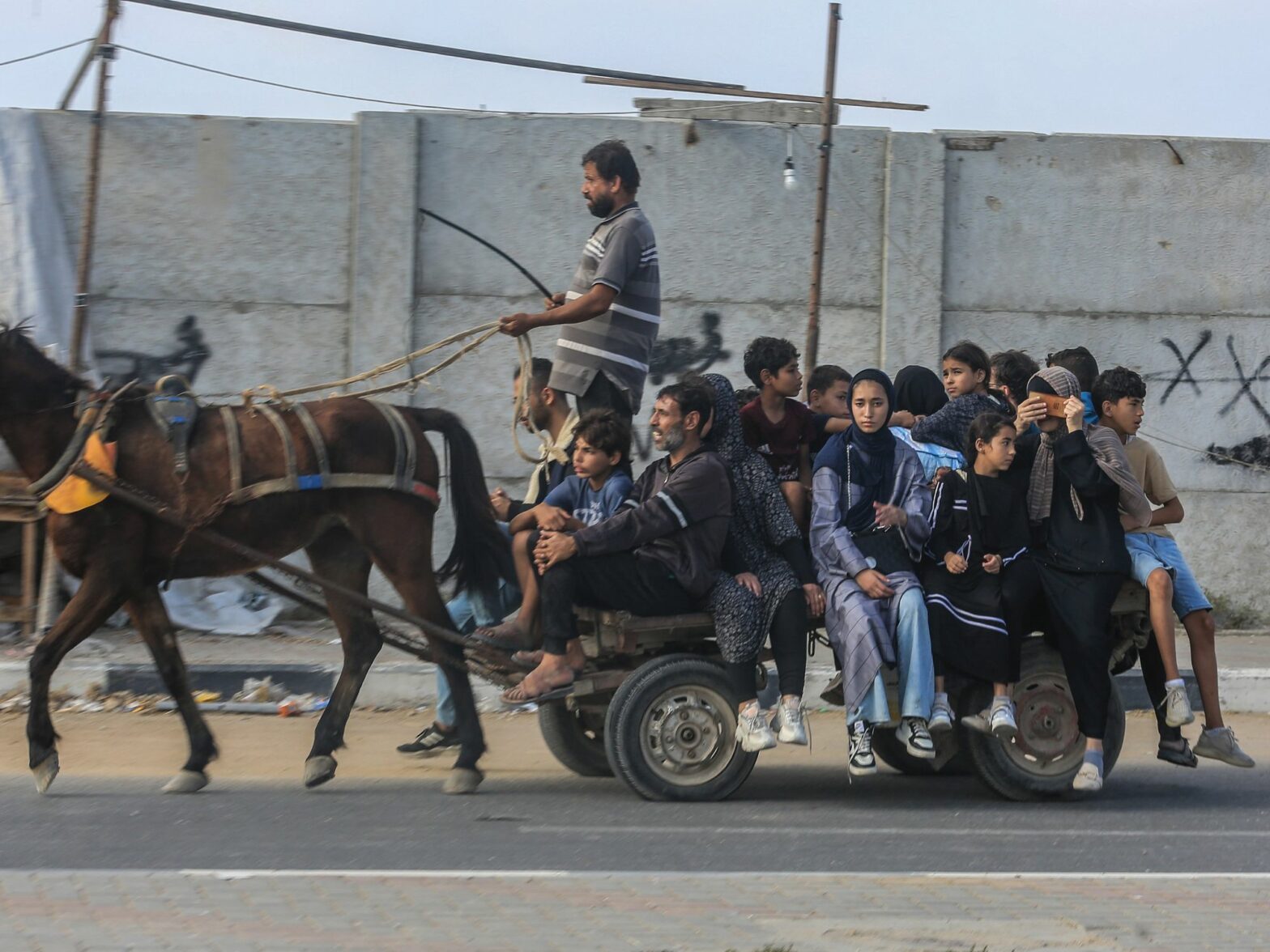
After last Thursday’s announcement of daily, four-hour humanitarian pauses in the northern part of Gaza, masses of Palestinians fled southward. But the journey is anything but safe and easy.
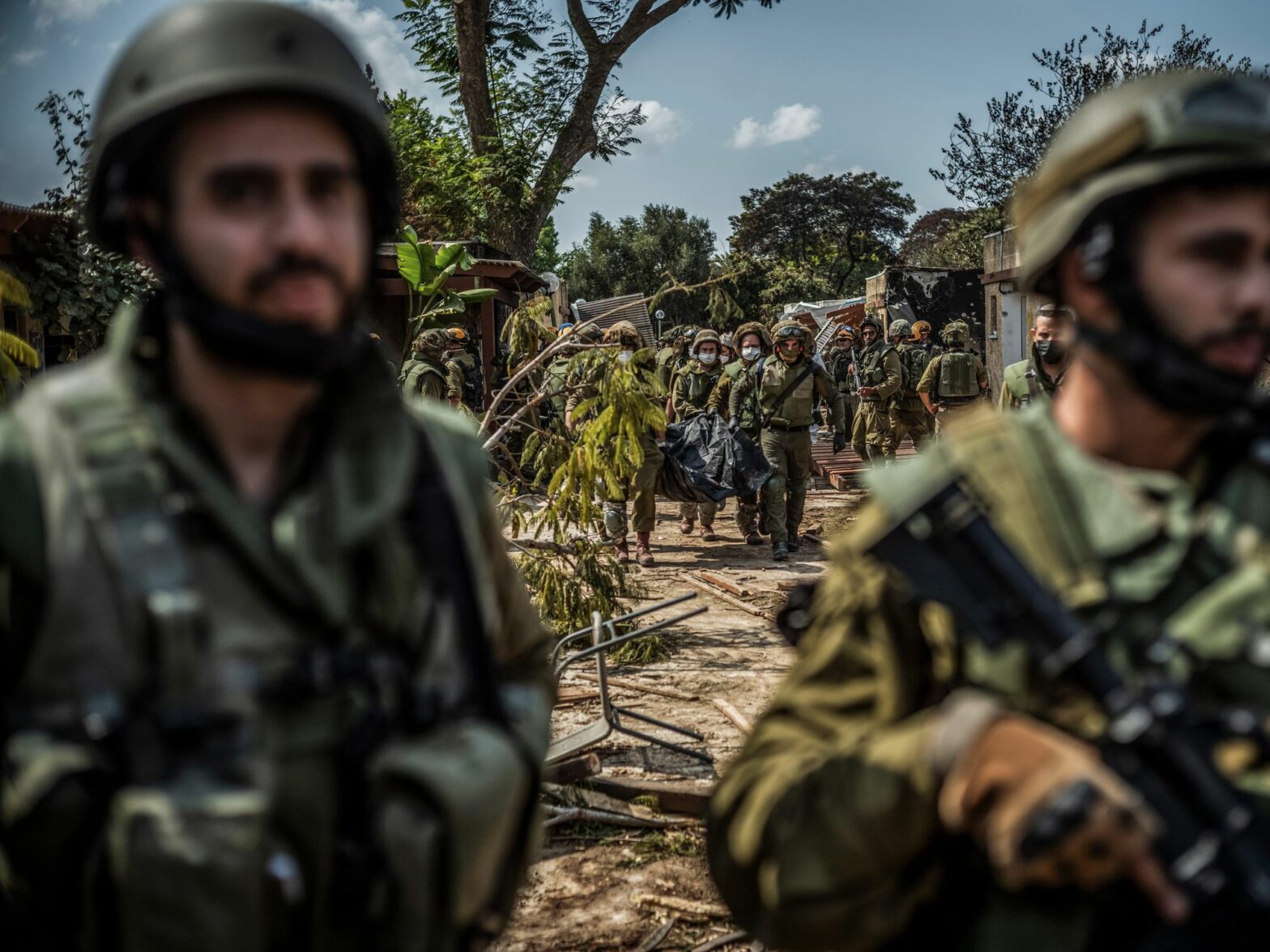
Public sympathy for Hamas terrorists has precedents. Algeria’s liberation in the 1960s from French colonial rule is viewed by history as a wholly just cause, despite horrific attacks against civilians. What does the analogy tell us about Israel’s current situation?
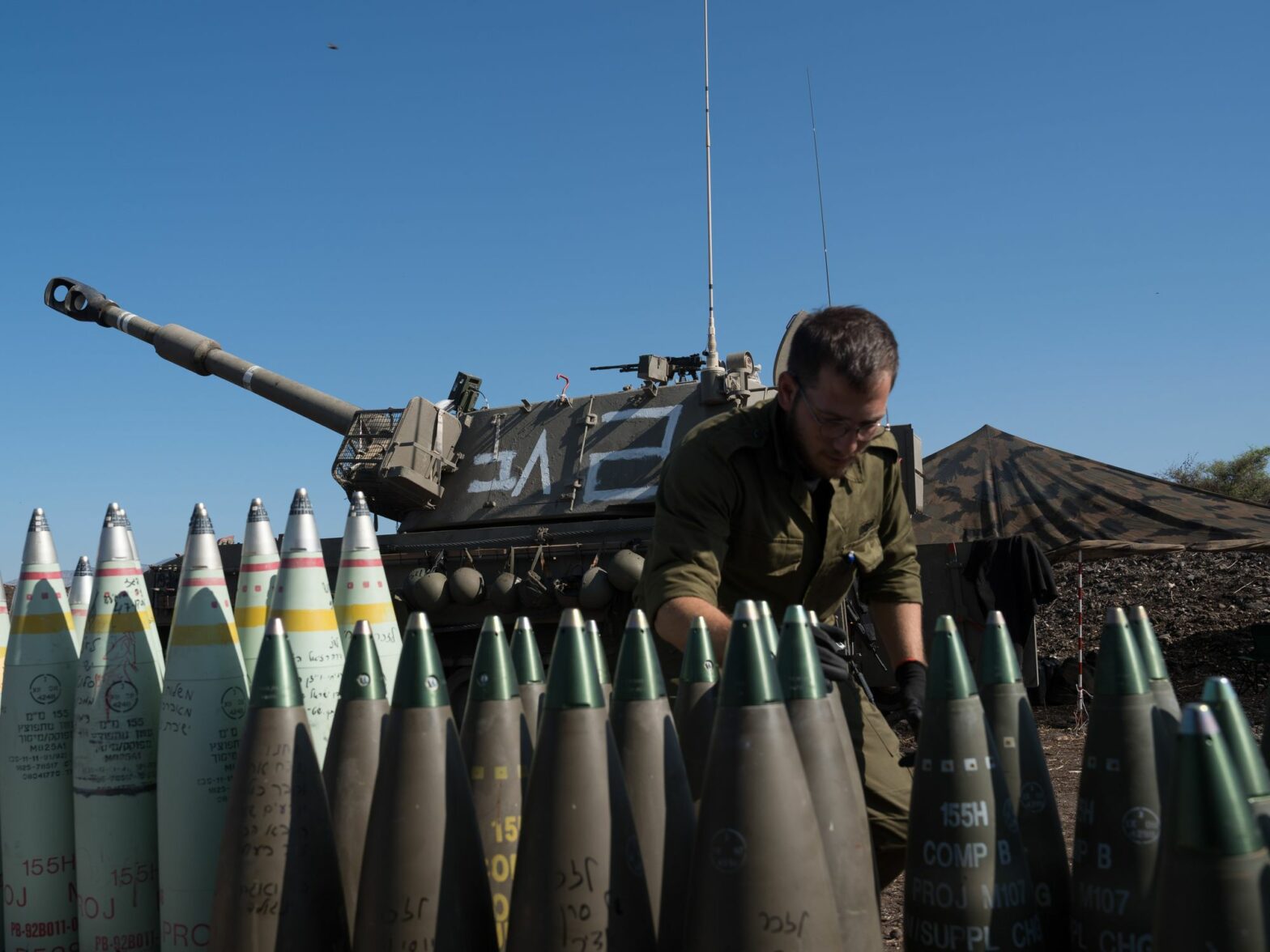
Israel has reacted sharply to the French president’s criticism of the IDF continued bombing of civilians in Gaza. France is the first country to break with Western unanimity on Israel since October 7, which explains the virulence of the reaction.
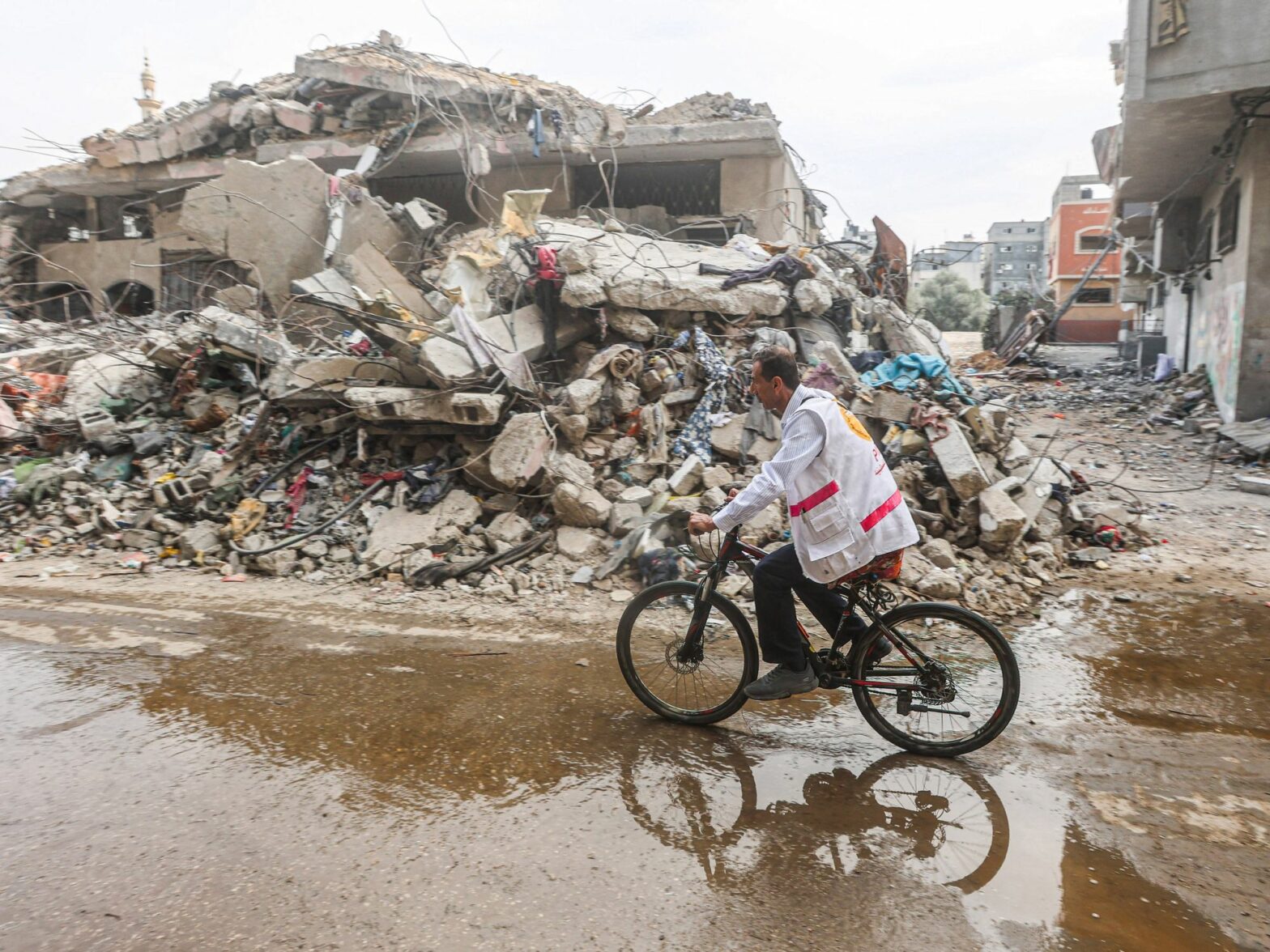
The health situation in Gaza is becoming more and more dire as Israel continues to bomb the enclave. Egyptian media Mada Masr takes a look at the history of the Palestinian health care system.
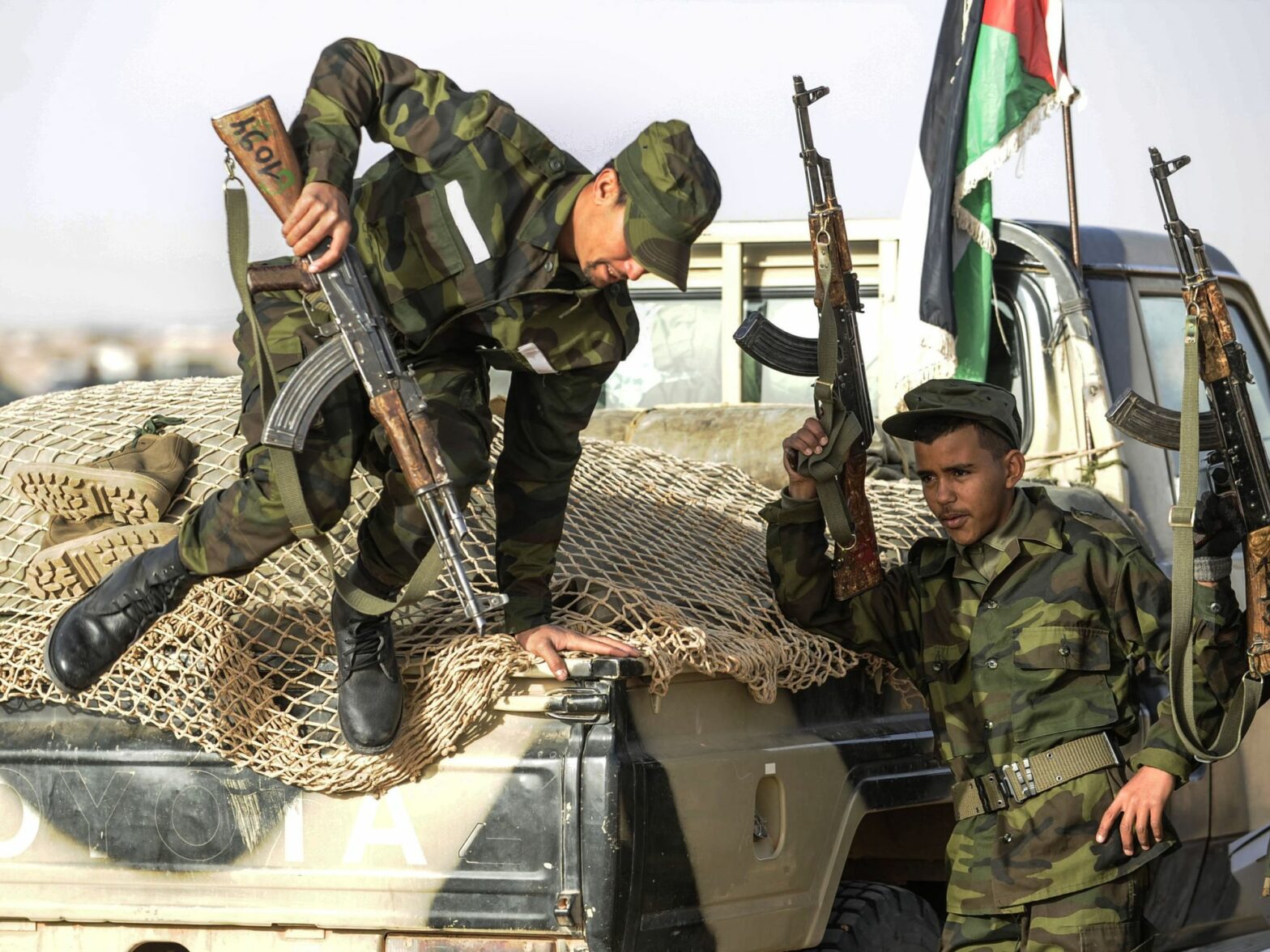
Germany’s Die Welt newspaper has had access to information from secret services that reveal Iran’s trail of support of anti-Israel terrorist groups that go as far as the Sahara. A militia is developing there that supports Hamas — and aims to plot deadly attacks against Israel and its interest wherever possible.
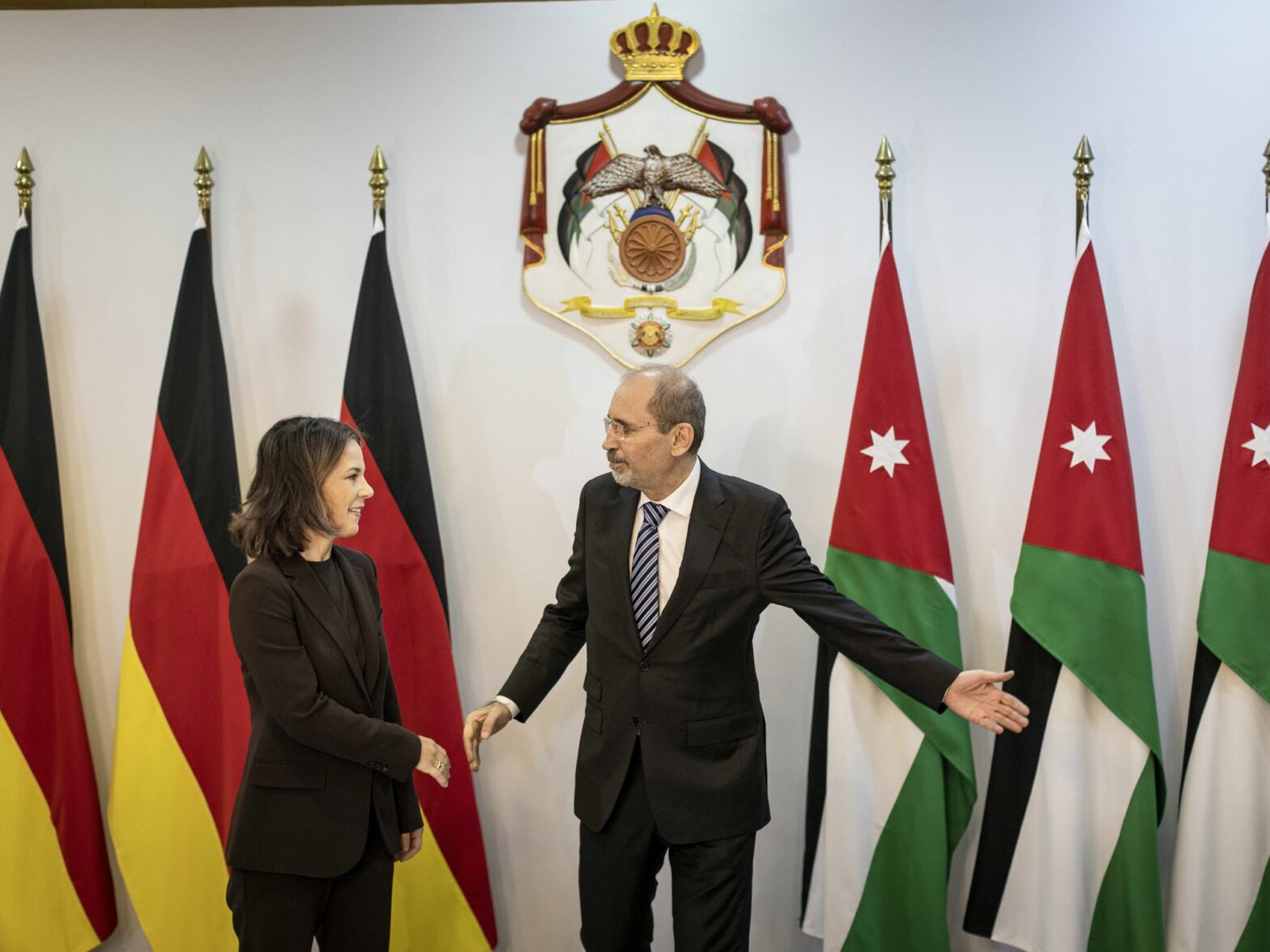
In Qatar, Egypt, Paris or on the phone, negotiators are busy trying to secure the release of hostages, push for “humanitarian pauses”, and prepare for the political aftermath of the war. Meanwhile, the war rages on in Gaza.

November 13 – November 19, 2023
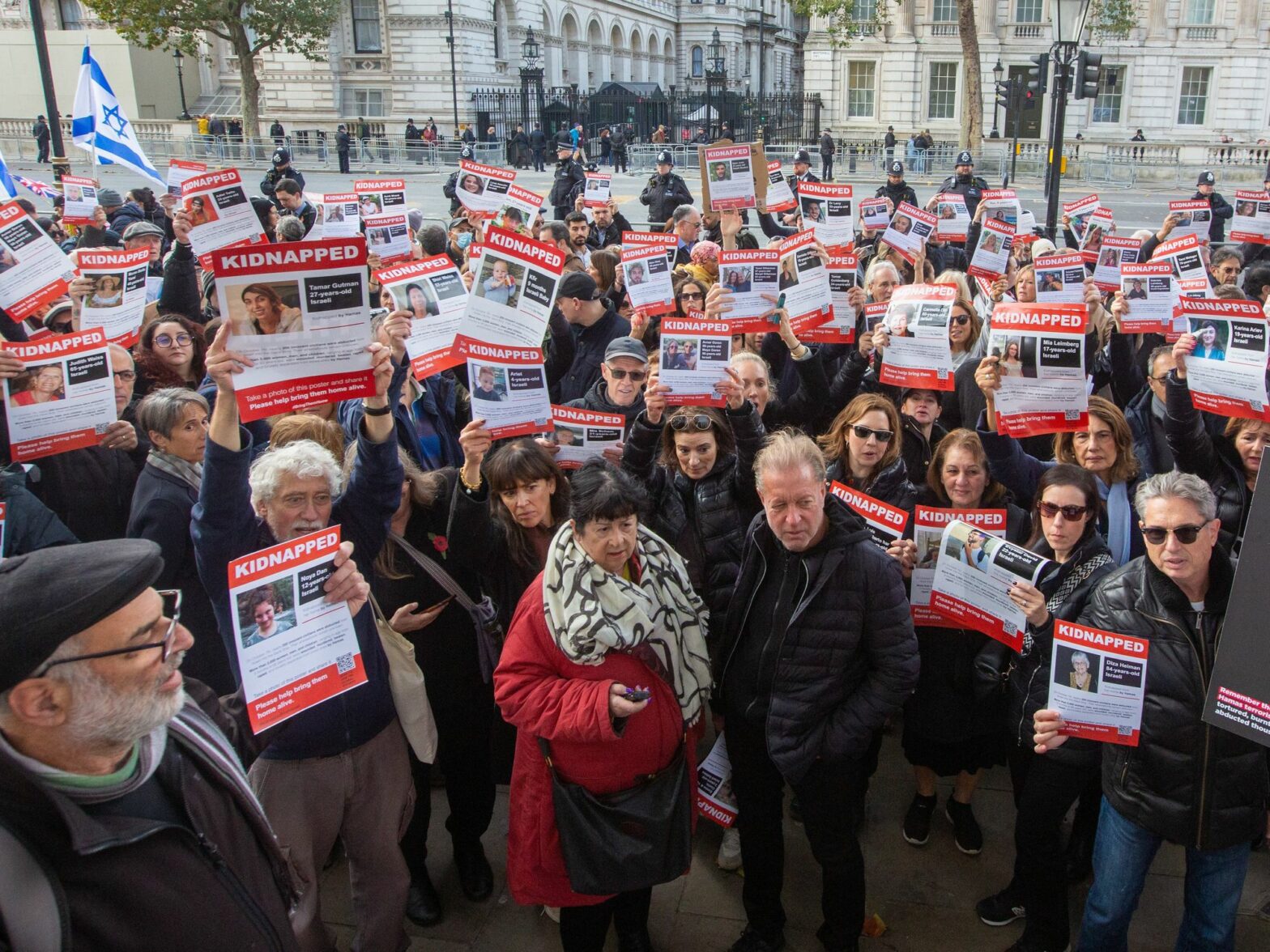
The Palestinian Islamic Jihad’s military wing, the al-Quds Brigades, has said it is prepared to release two hostages held in Gaza if conditions on the ground permit. A spokesperson for the al-Quds Brigades said it is ready to release two Israeli hostages, a woman and a boy, for humanitarian and medical reasons. He added that […]

Reserved, not accustomed to the spotlight, capable of taking a step back and not overshadowing the president. In this time of crisis, Antony Blinken navigates geopolitics with the president’s full trust.
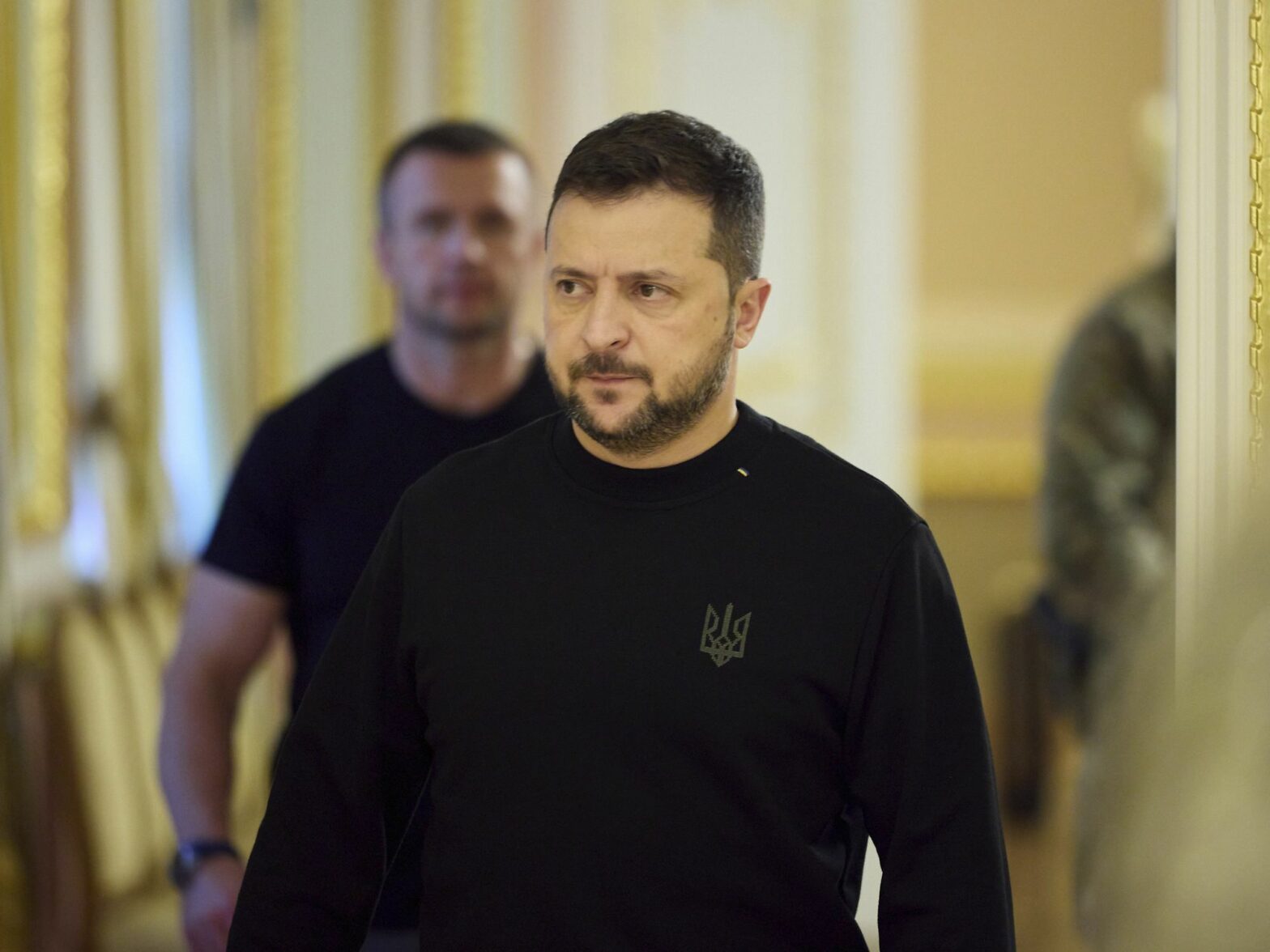
After the postponement of Ukrainian President Volodymyr Zelensky’s planned trip to Israel, there are voices now saying it should be cancelled outright. What’s the price of Ukraine publicly declaring its support for the current actions of the Israeli government and military?

Qatar is leading negotiations for one to two day humanitarian truce in exchange for the release of up to 15 hostages held by Hamas.
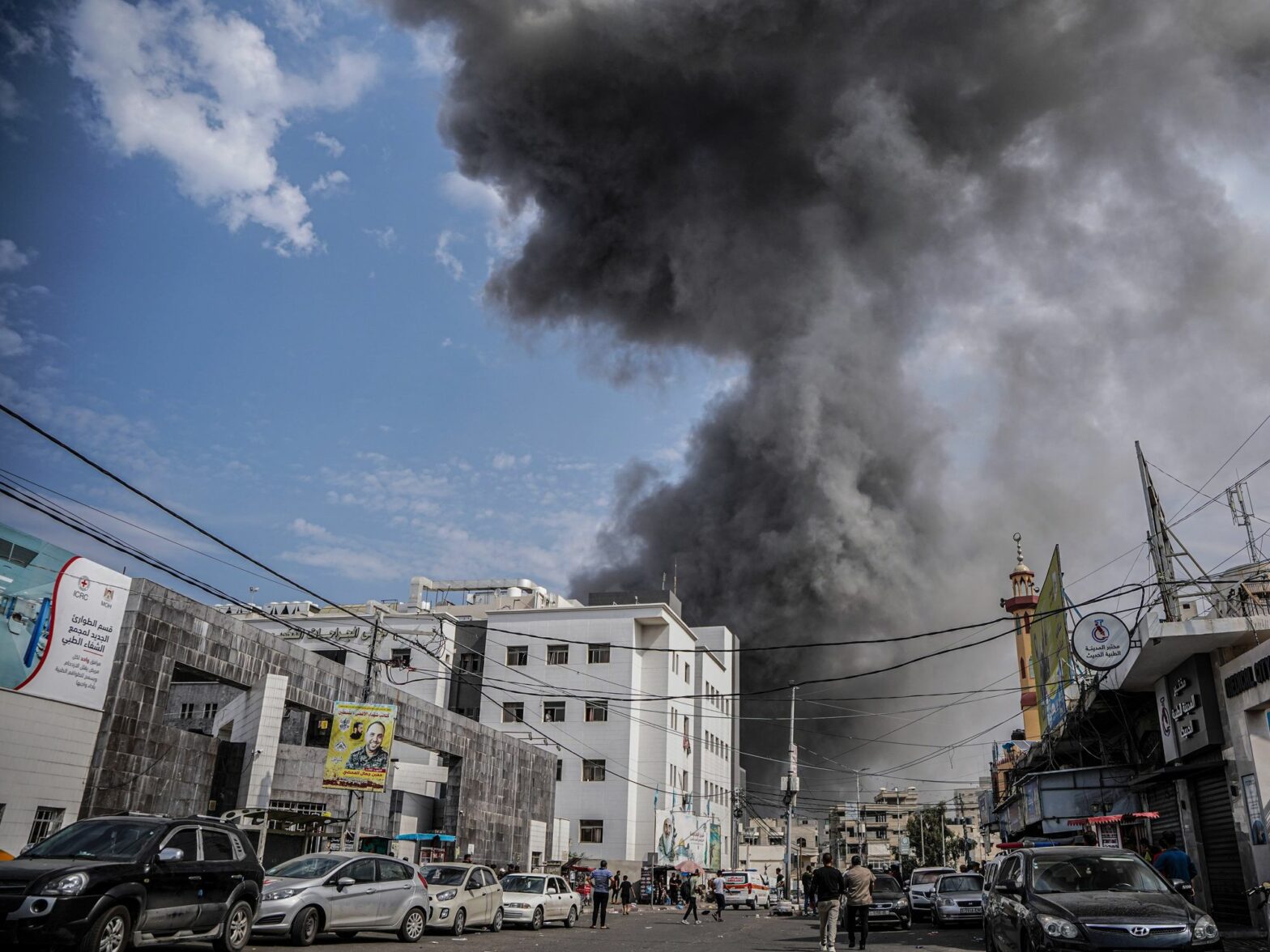
Prime Minister Benjamin Netanyahu and other top Israeli officials have referred to Hamas militants as “the new Nazis.” But as horrific as the Oct. 7 massacre was, what does it really mean to make such a comparison 80 years after the Holocaust? And how can we rightly describe what’s happening in Gaza?
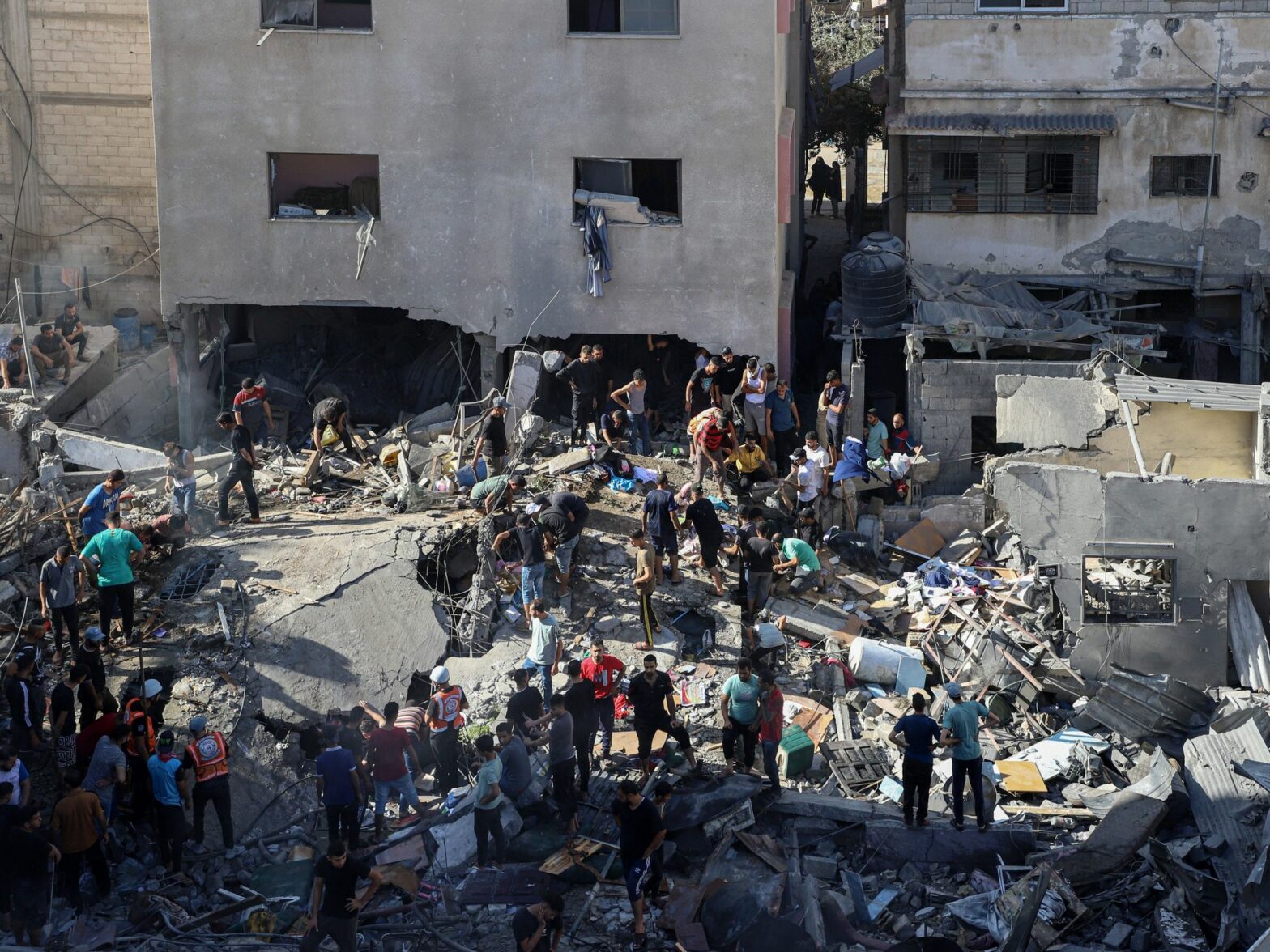
Netanyahu gives scant signs of hope for any easing of the massive assault on the Palestinian enclave, as the number of dead tops 10,000.
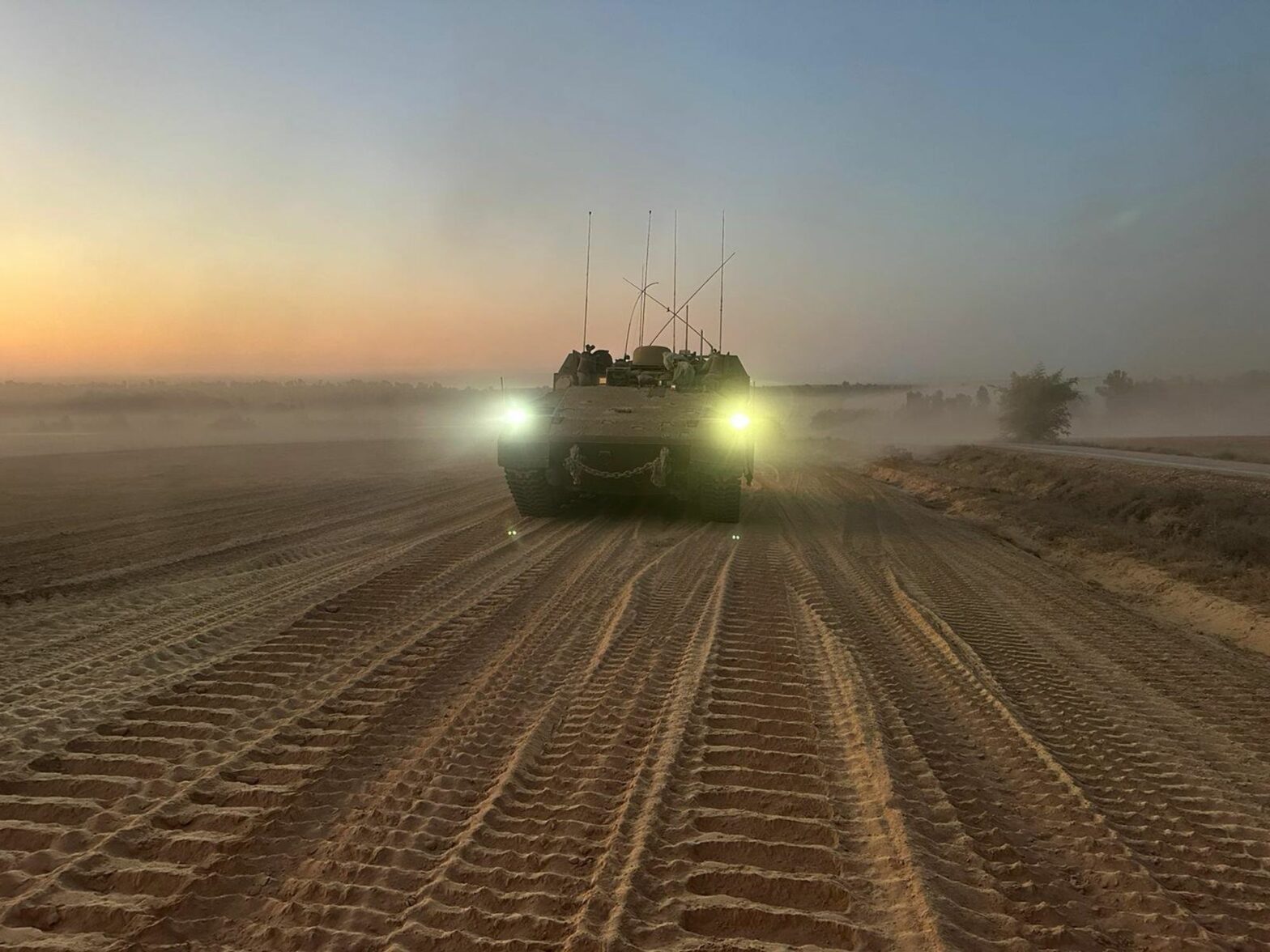
Marking one month of war in the Middle East, French political commentator Pierre Haski takes stock of three major geopolitical consequences.
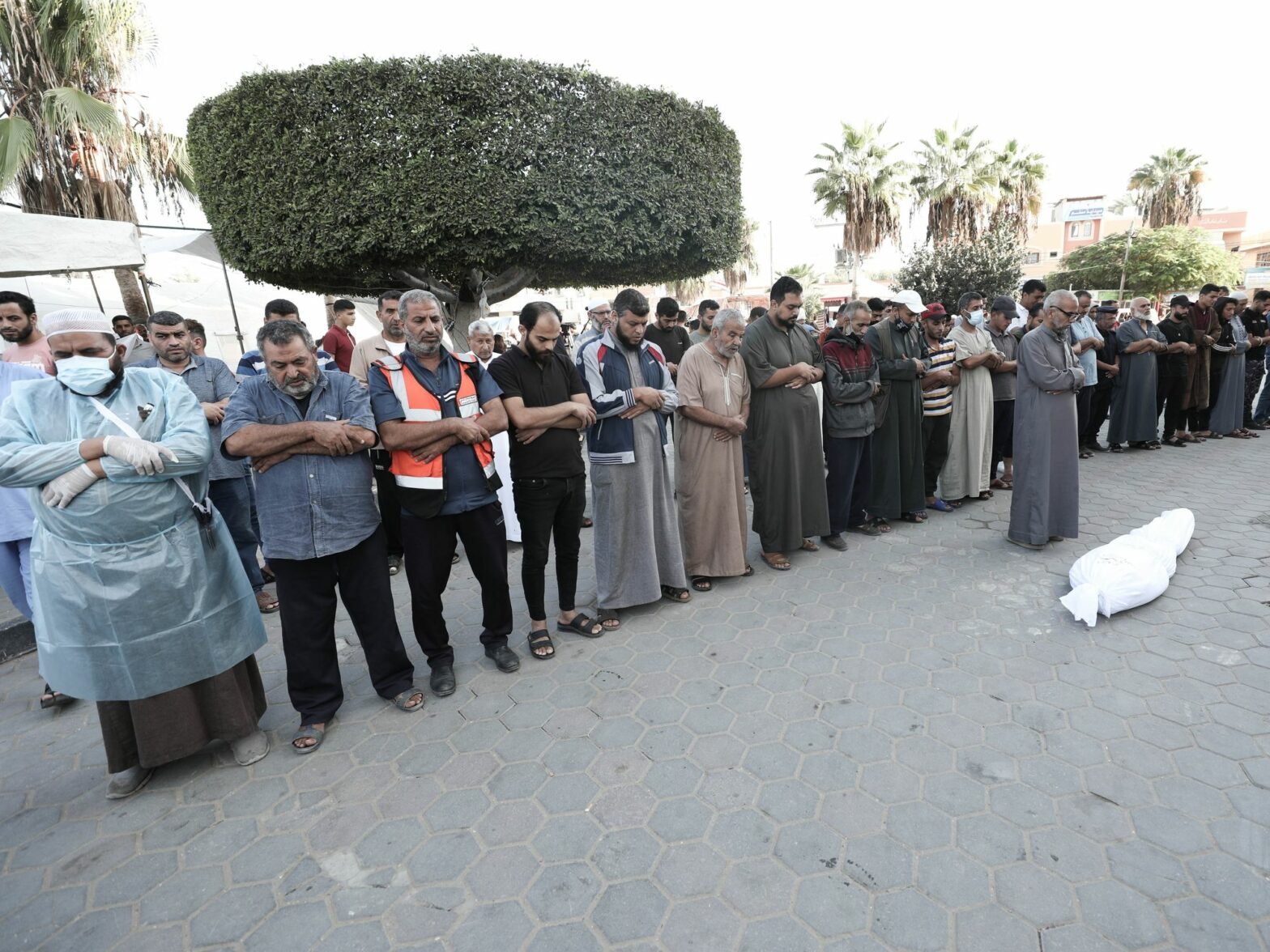
As the death toll in Gaza reaches 10,000, Israel has launched what may be its most intense bombardment, as ground offensive continues to accelerate. All of this as U.S. Secretary of State Blinken says he’s trying to get Israel to limit the civilian casualties.
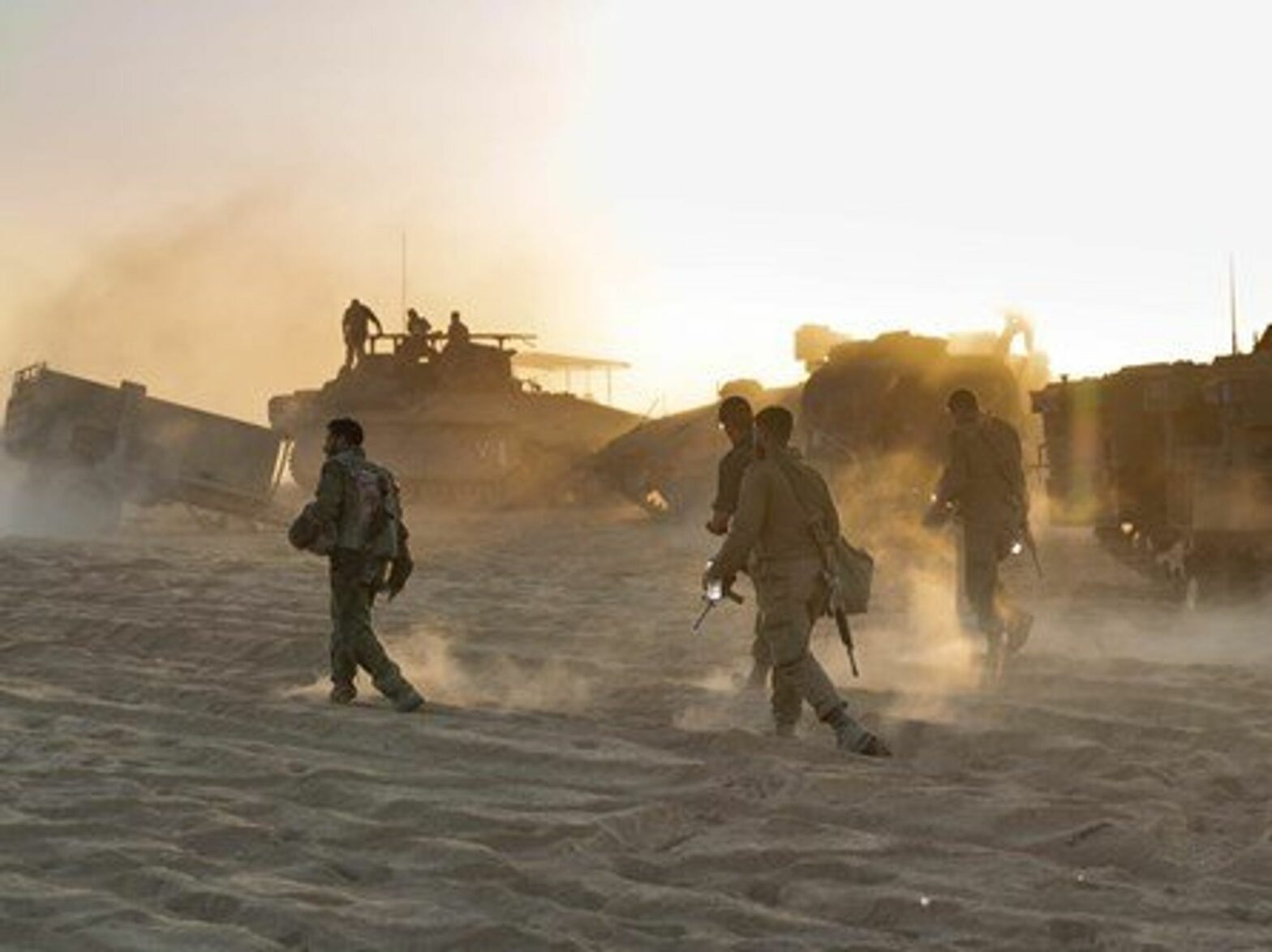
Calls for a “humanitarian pause” are multiplying as the war rages on for almost a month, but the West is careful not to talk about a ceasefire, which Israel totally rejects. Where does that leave us in a search for a way out?
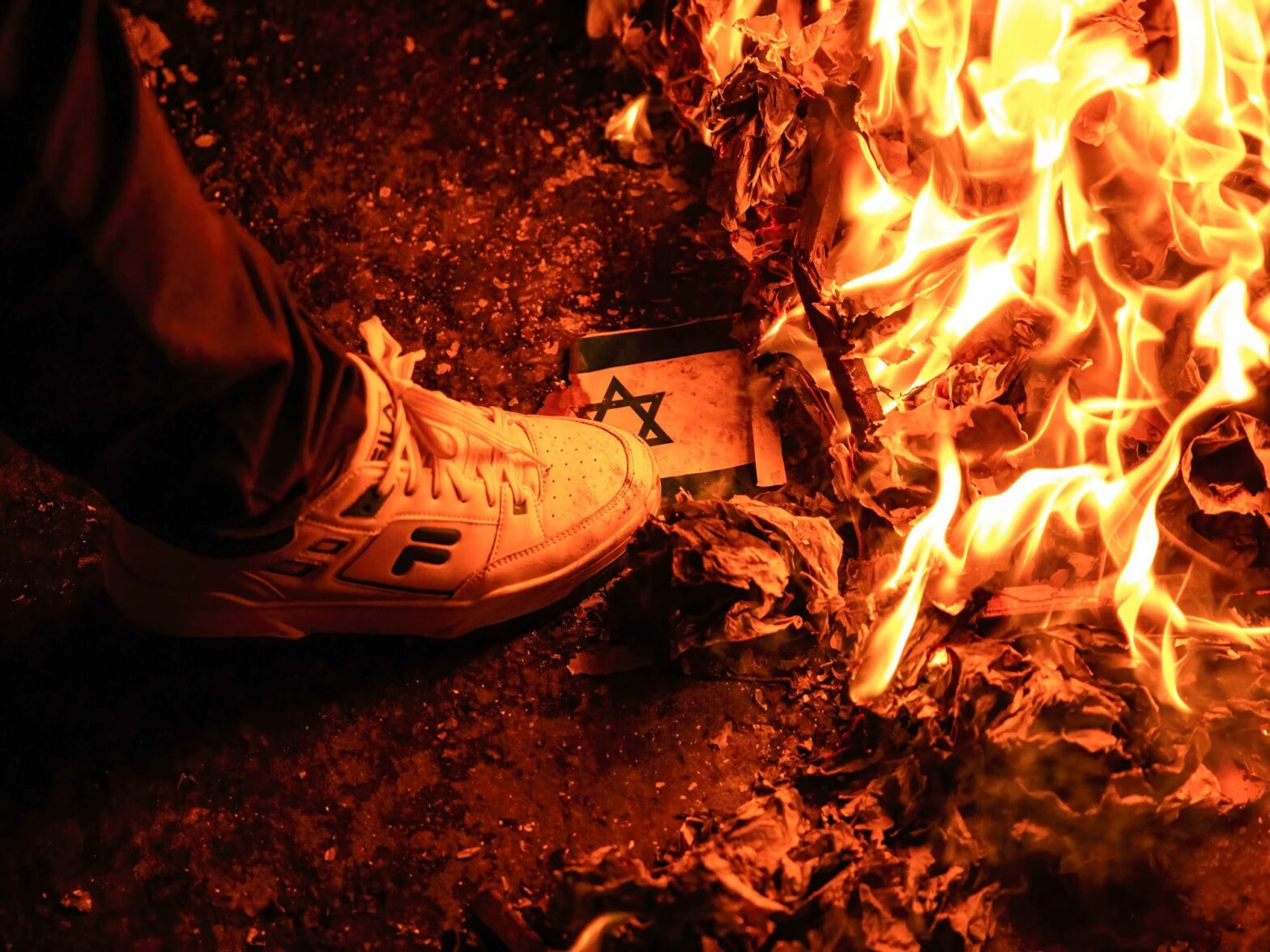
Sectors of the political Left around the world have practically lauded the Oct. 7 Hamas attack on Israel — finally barely bothering to hide their good ol’ fashioned hatred of the Jews, rather than hiding behind anti-Zionist rhetoric. Something evil has been re-released.
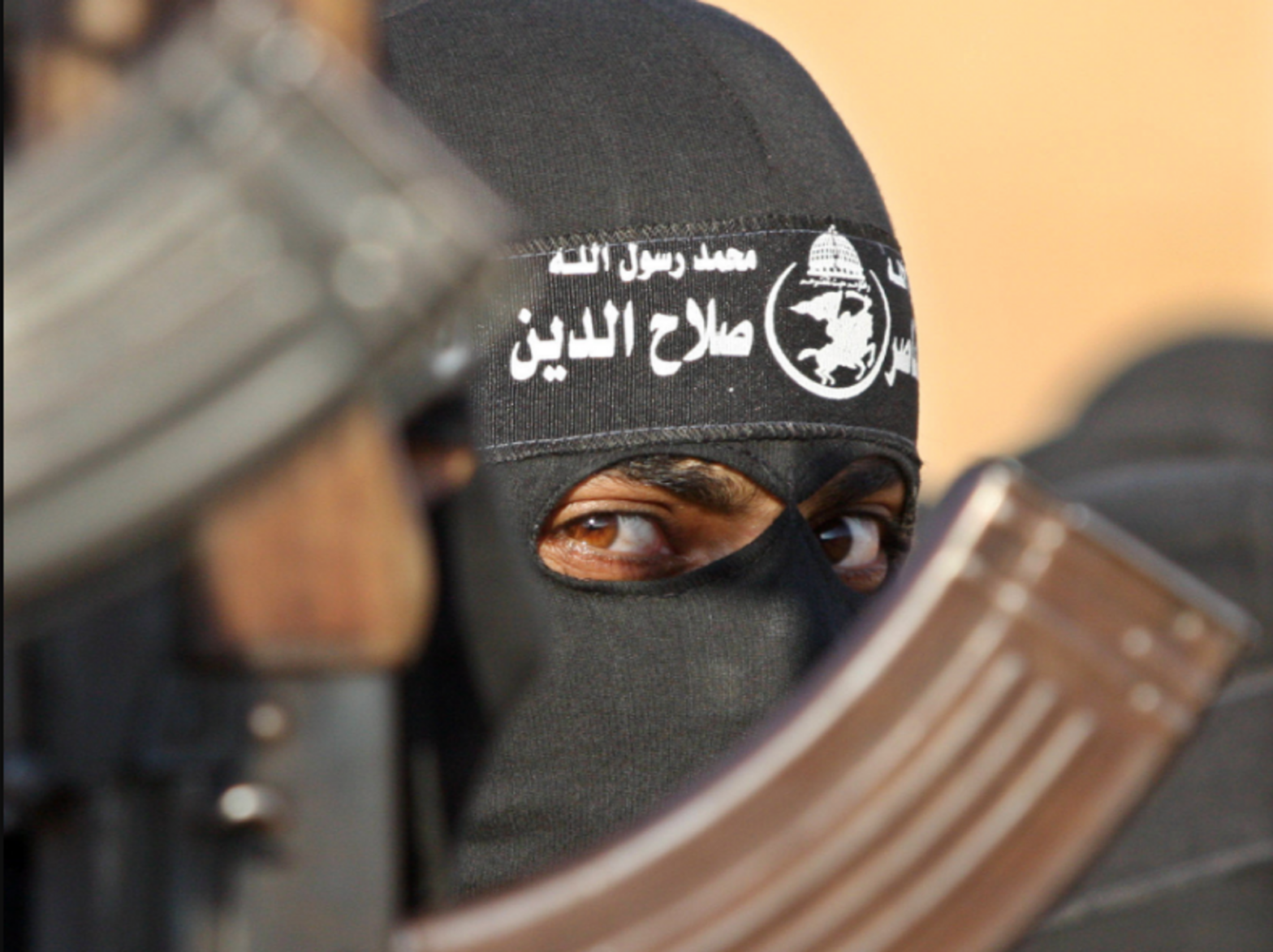
Russia is largely discrediting itself as a viable leader in diplomacy after siding so plainly with Hamas.
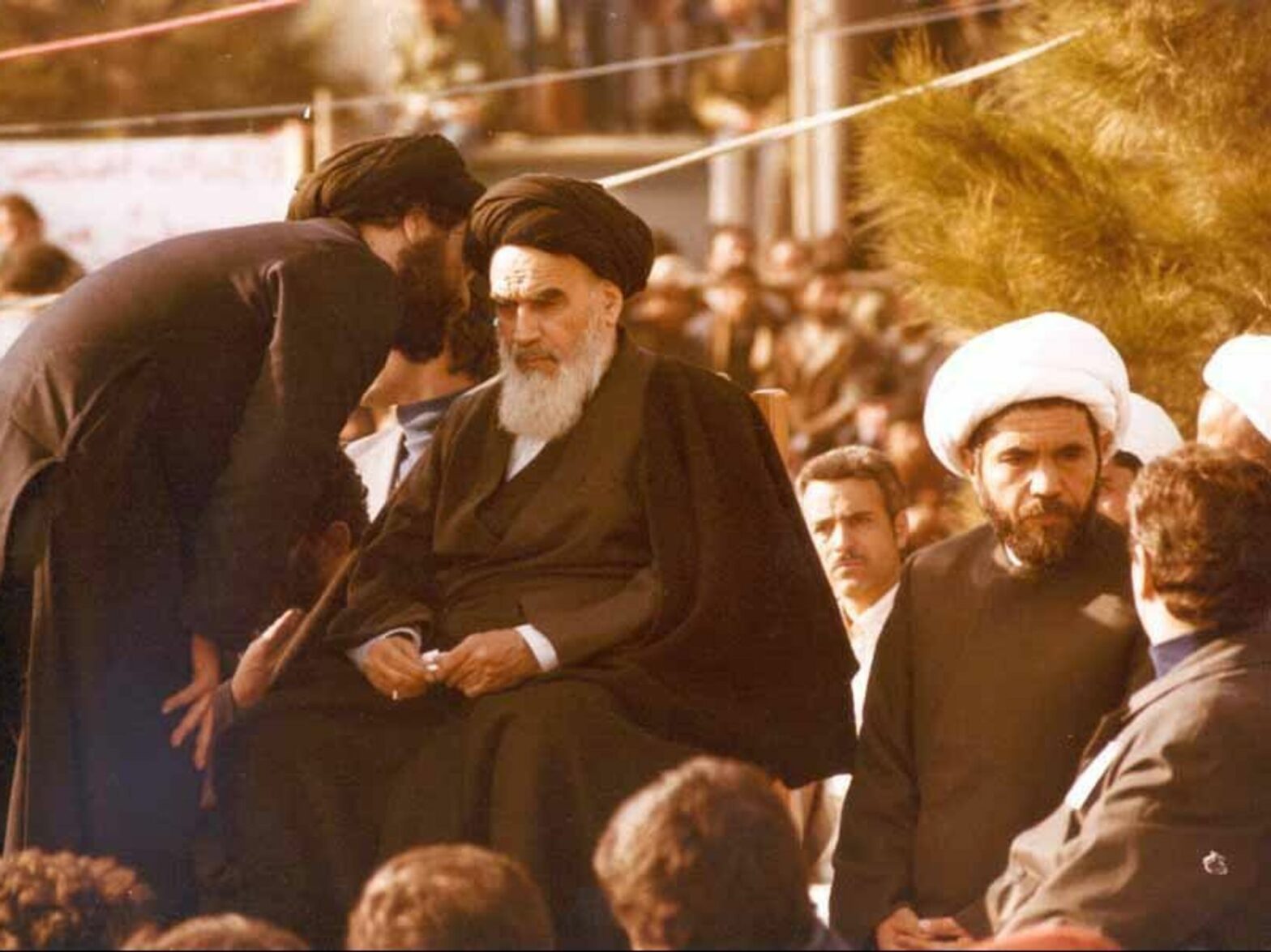
Whom should we blame for the death and destruction in Gaza: terrorists, Israel or ‘warmongers’ beyond them, notably the Tehran regime that envisaged, decades ago, a regional war as the prelude to spreading its “Islamic revolution.”
November 6 – November 12, 2023
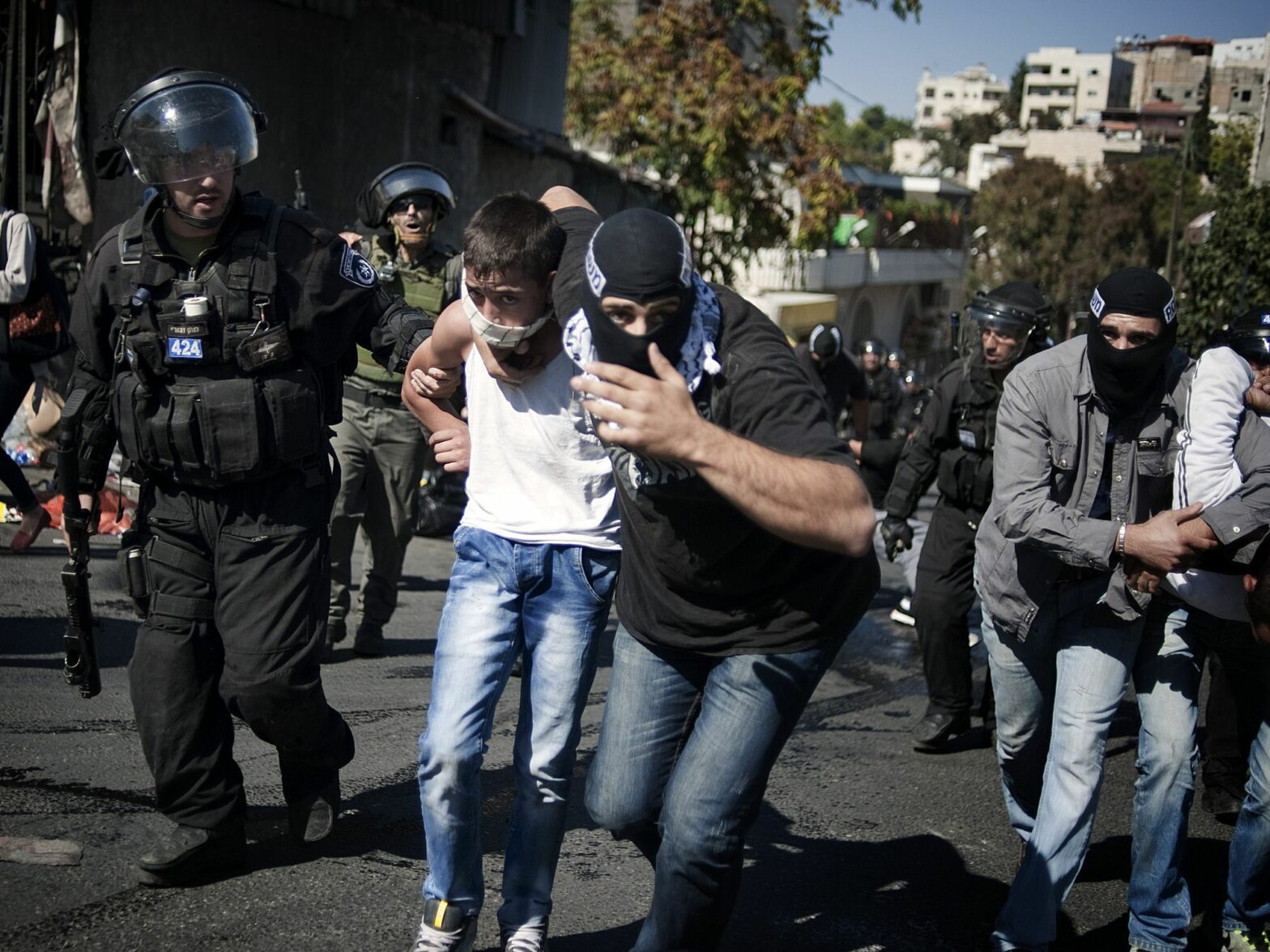
The number of Palestinian prisoners in Israel’s jails has doubled since the Hamas attack of Oct. 7. Some ask if the roundups of Palestinians is a tactic to win the release in an exchange with Hamas for the 200 hostages held in Gaza.
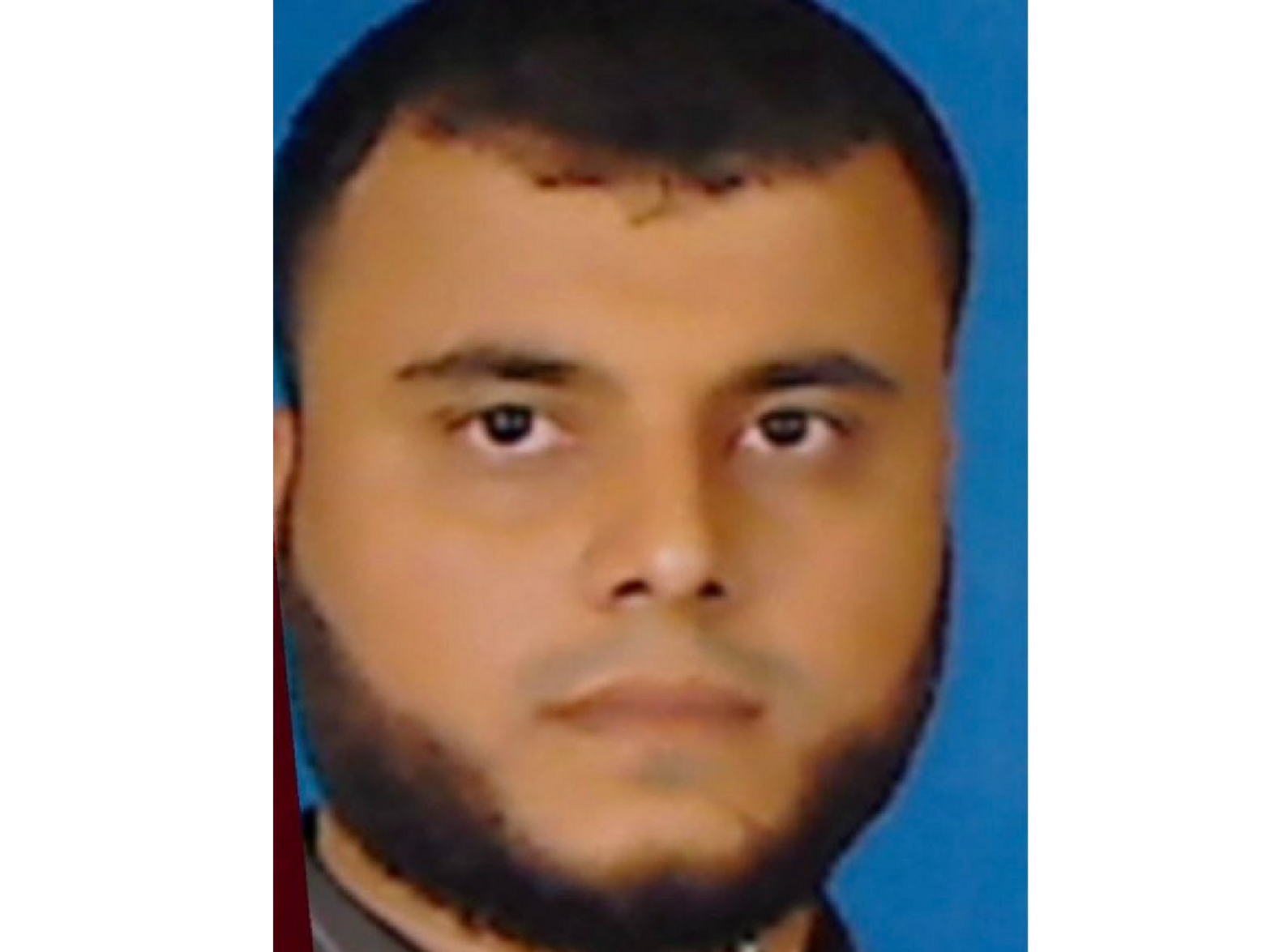
As outrage spreads over the civilian casualties in Tuesday night’s bombing, Israel justifies the strike as necessary to eliminate Hamas leaders, including at least one suspected mastermind of the Oct. 7 attack.
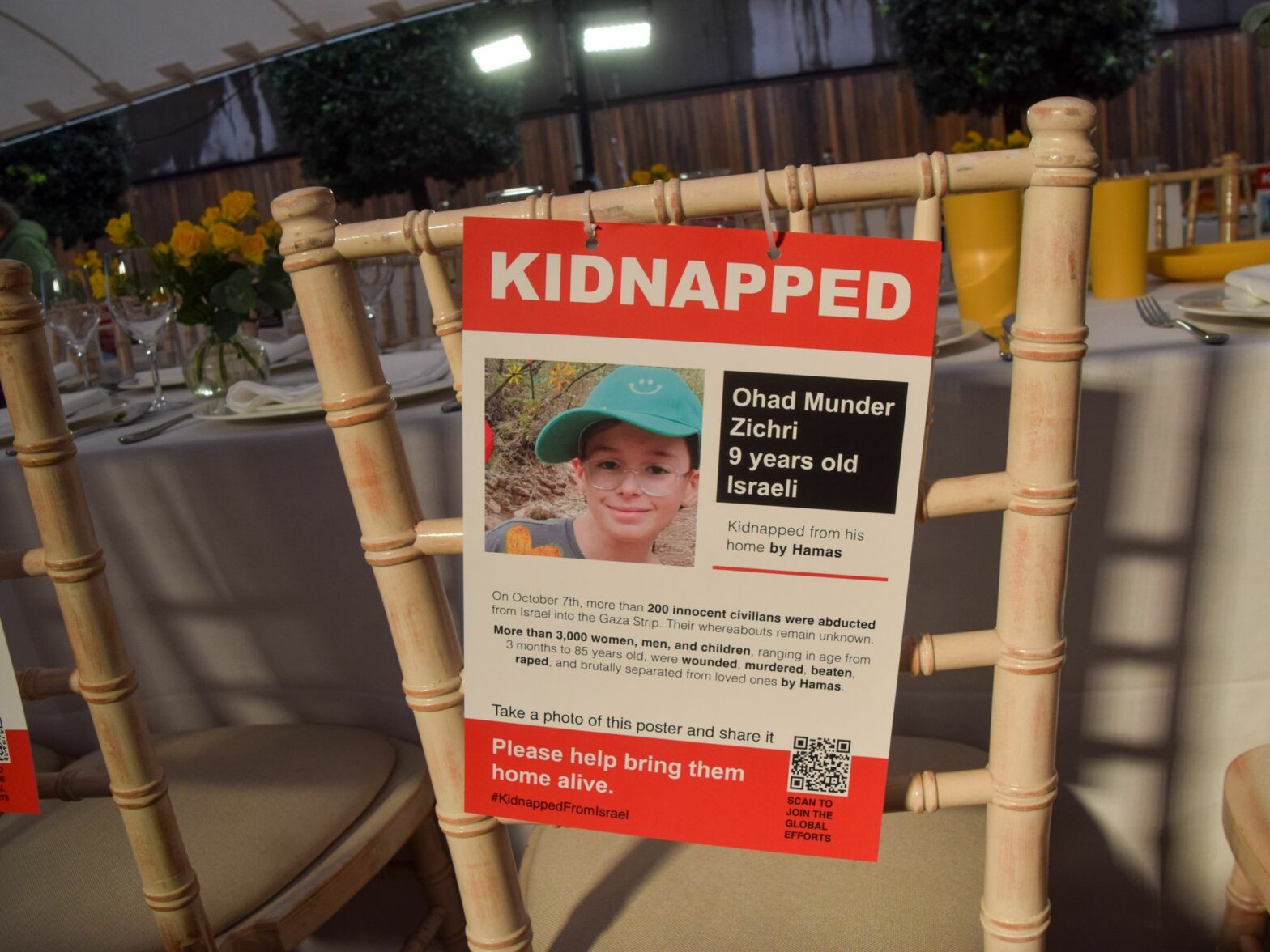
The kidnapping of more 200 Israelis by Hamas suggests that its patron, the Islamic Republic of Iran, is exporting its terrifying and lucrative methods at home to the rest of the Middle East.
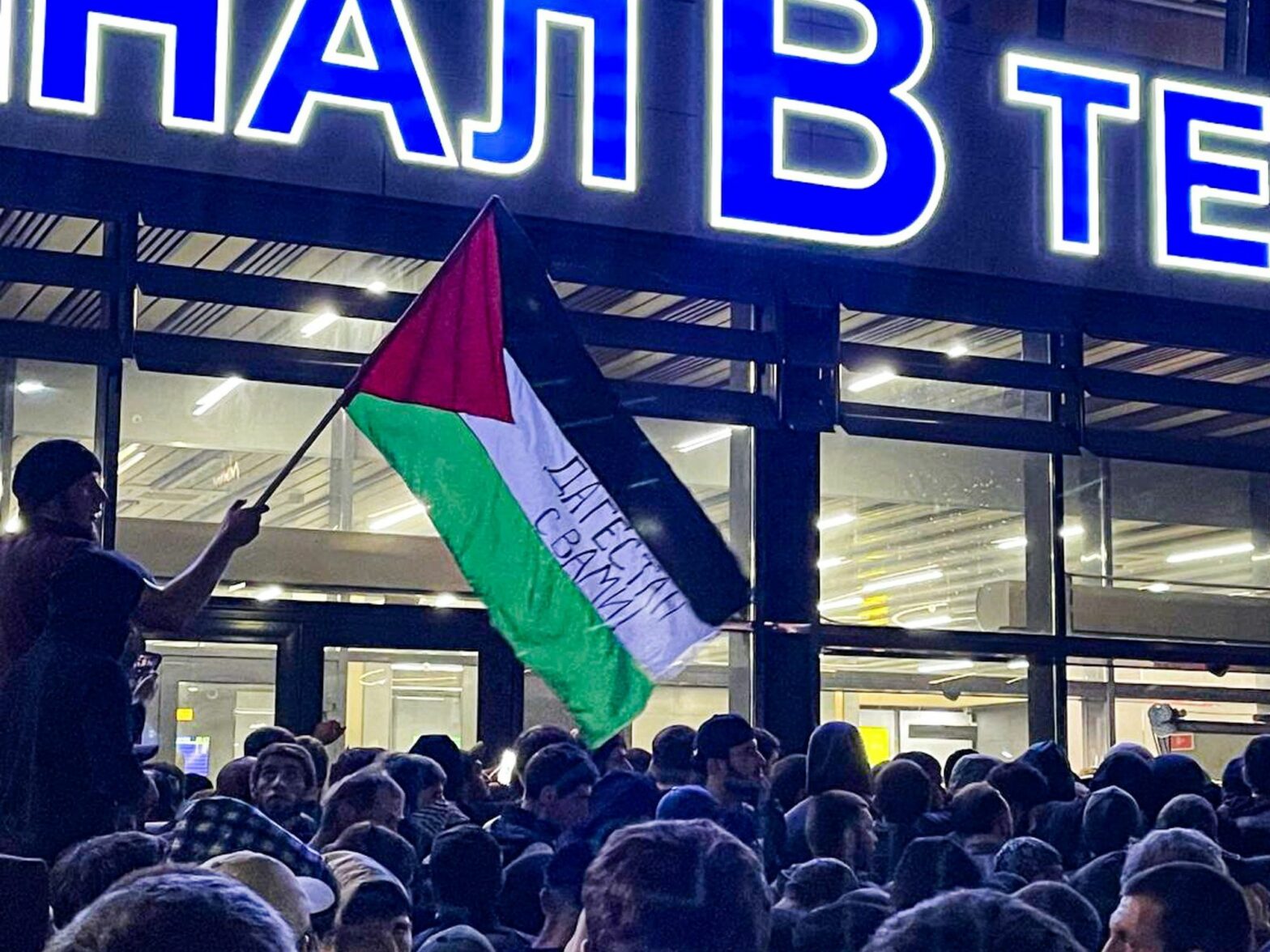
Evoking the anti-Semitic mobs of the 19th century around Russia and Eastern Europe, several hundred young men descended on an airplane on the tarmac of an airport in the Russian republic of Dagestan. It is part of a series of anti-Jewish and anti-Israeli attacks in the Muslim-majority region since the war in Gaza began.
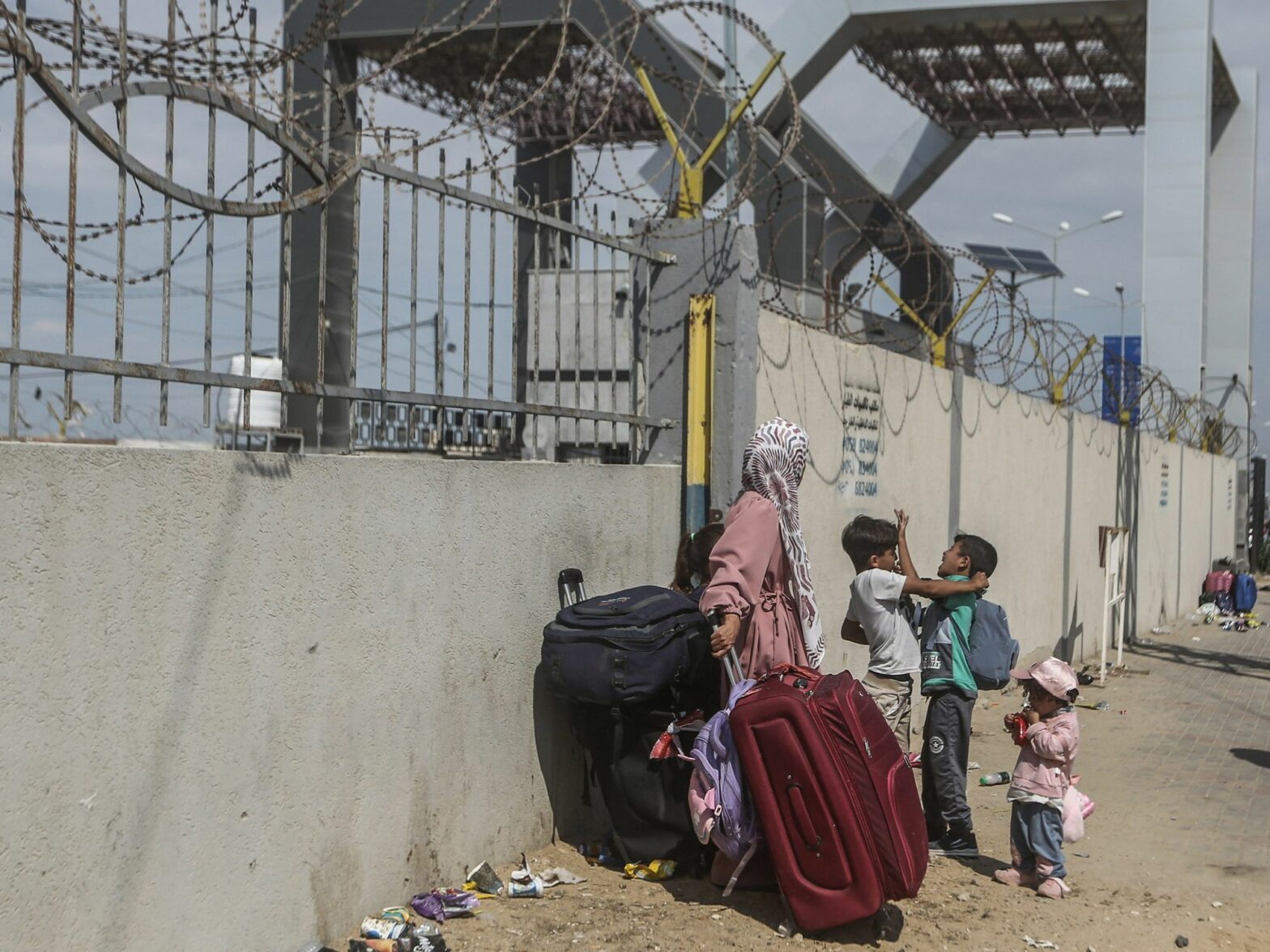
Dubbed by some as the ‘Eiland plan,’ after a retired Israel general, Egypt is vehemently opposed to any attempt to transfer Palestinian refugees from Gaza, which could turn Sinai into a launch pad for operations against Israel, and ultimately redraw the map of the Middle East again.