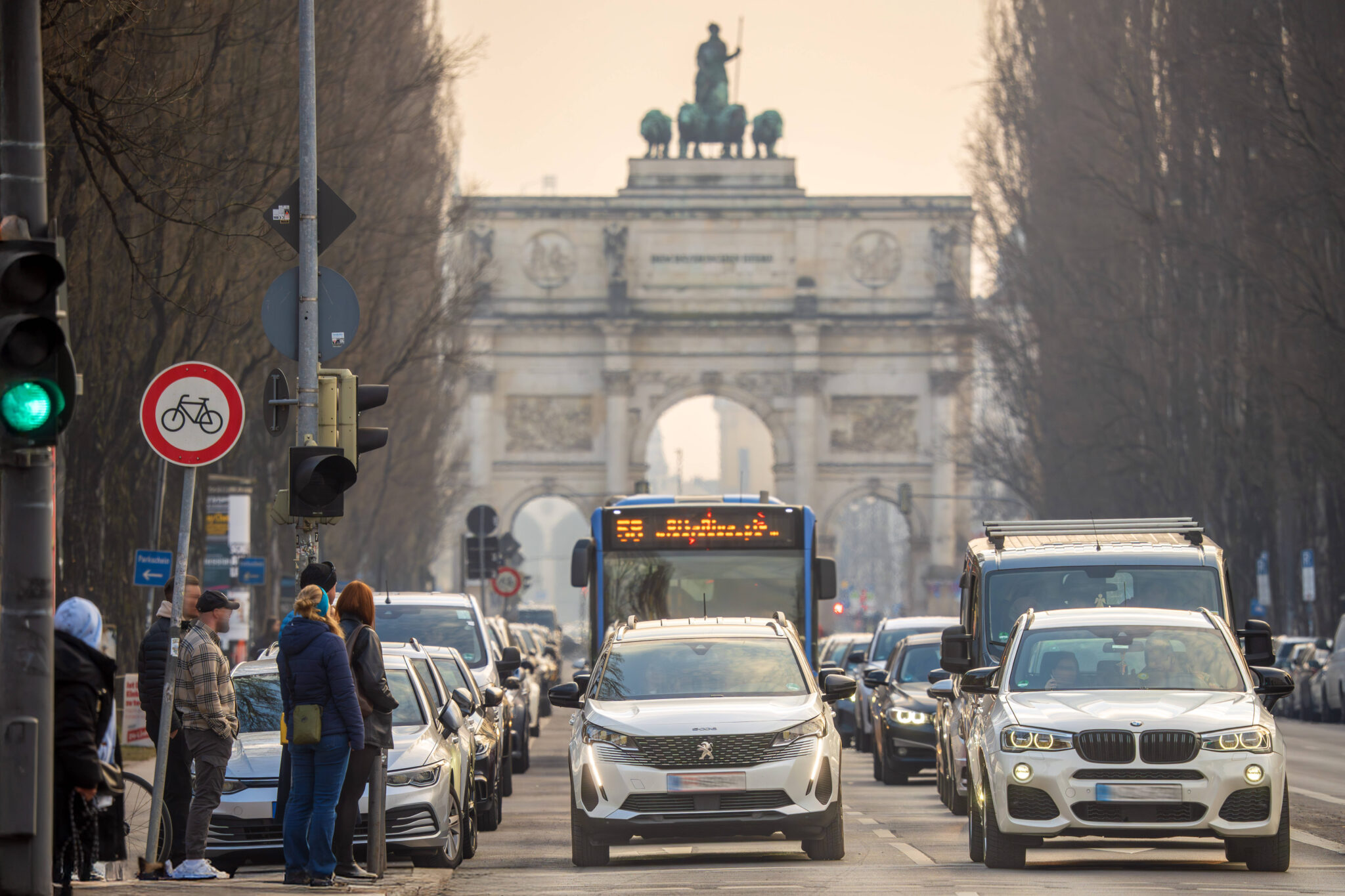
As Chancellor Friedrich Merz’s government doubles down on highways and combustion engines, critics warn that ignoring electric trends and digital innovation could cost Germany its place in the global auto industry.
 Worldcrunch
As Chancellor Friedrich Merz’s government doubles down on highways and combustion engines, critics warn that ignoring electric trends and digital innovation could cost Germany its place in the global auto industry.
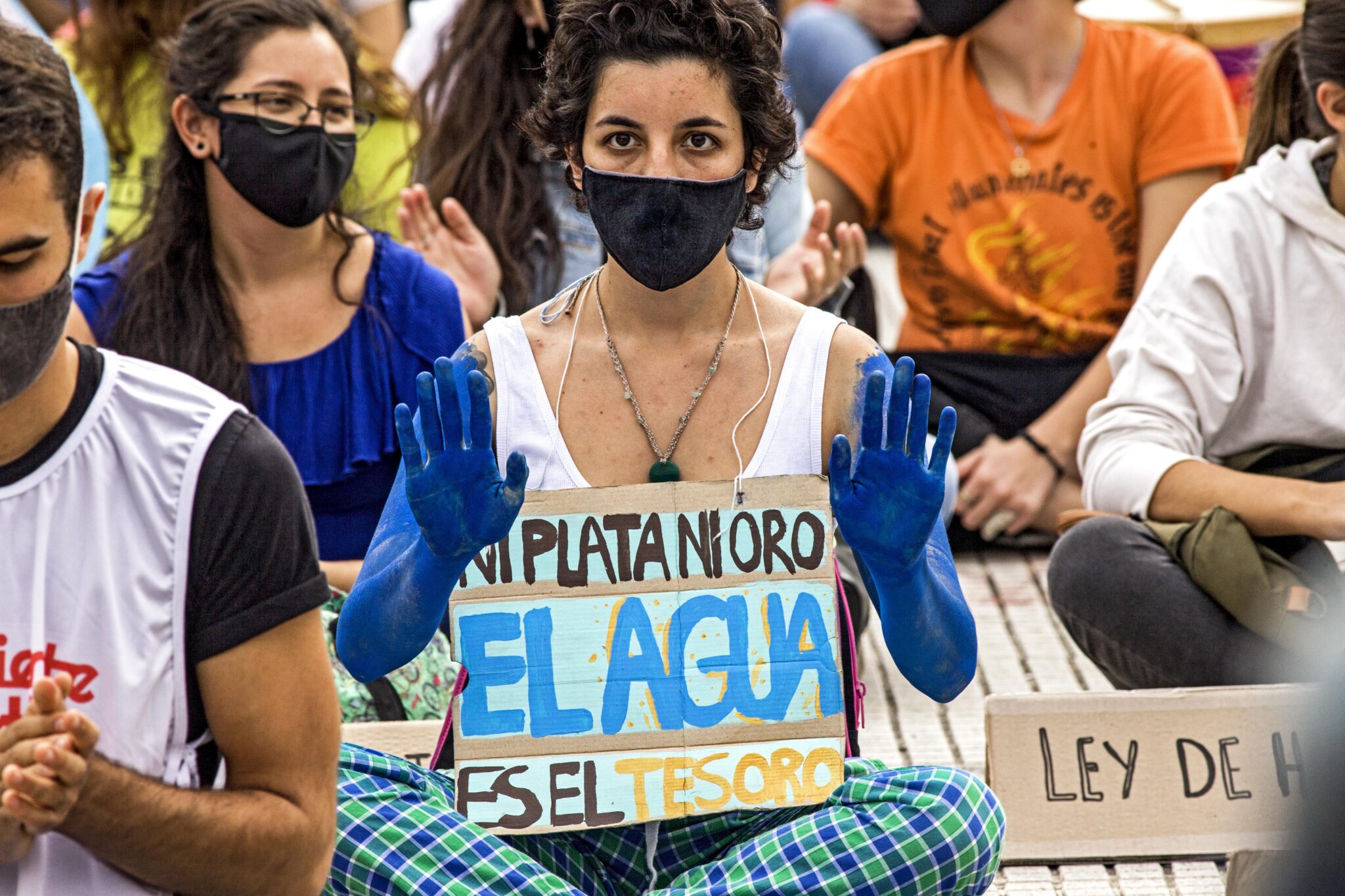
In the midst of discussions about the use of artificial intelligence, ecofascist narratives have crept in. How did this happen? What are the dangers?
June 14-15 • Putin’s long game• Music world mourns Brian Wilson, Sly Stone…• “Climate-responsive” paint• … and much more ⬇️ STARTER Israel’s Iran strikes required extensive planning, with parallels to pager attack in Lebanon On Sunday, U.S. Special Envoy Steve Witkoff was due to meet Iranian Foreign Minister Abbas Aragchi in Oman to negotiate a […]

Pollution and climate change have prompted some cities to convert into more sustainable and liveable spaces. But these same policies can widen social inequality. How can cities fix this paradox?

Pollution and climate change have prompted some cities to convert into more sustainable and liveable spaces. But these same policies can widen social inequality. How can cities fix this paradox?

Emilio Santiago, senior scientist at the CSIC and author of the book Contra El Mito Del Colapso Ecológico (Against The Myth Of The Ecological Collapse), believes that downplaying the importance of the climate crisis is as suicidal as letting yourself be carried away by paralyzing fear. Ecological collapse, he warns, is counterproductive to the transformation of our economic model.
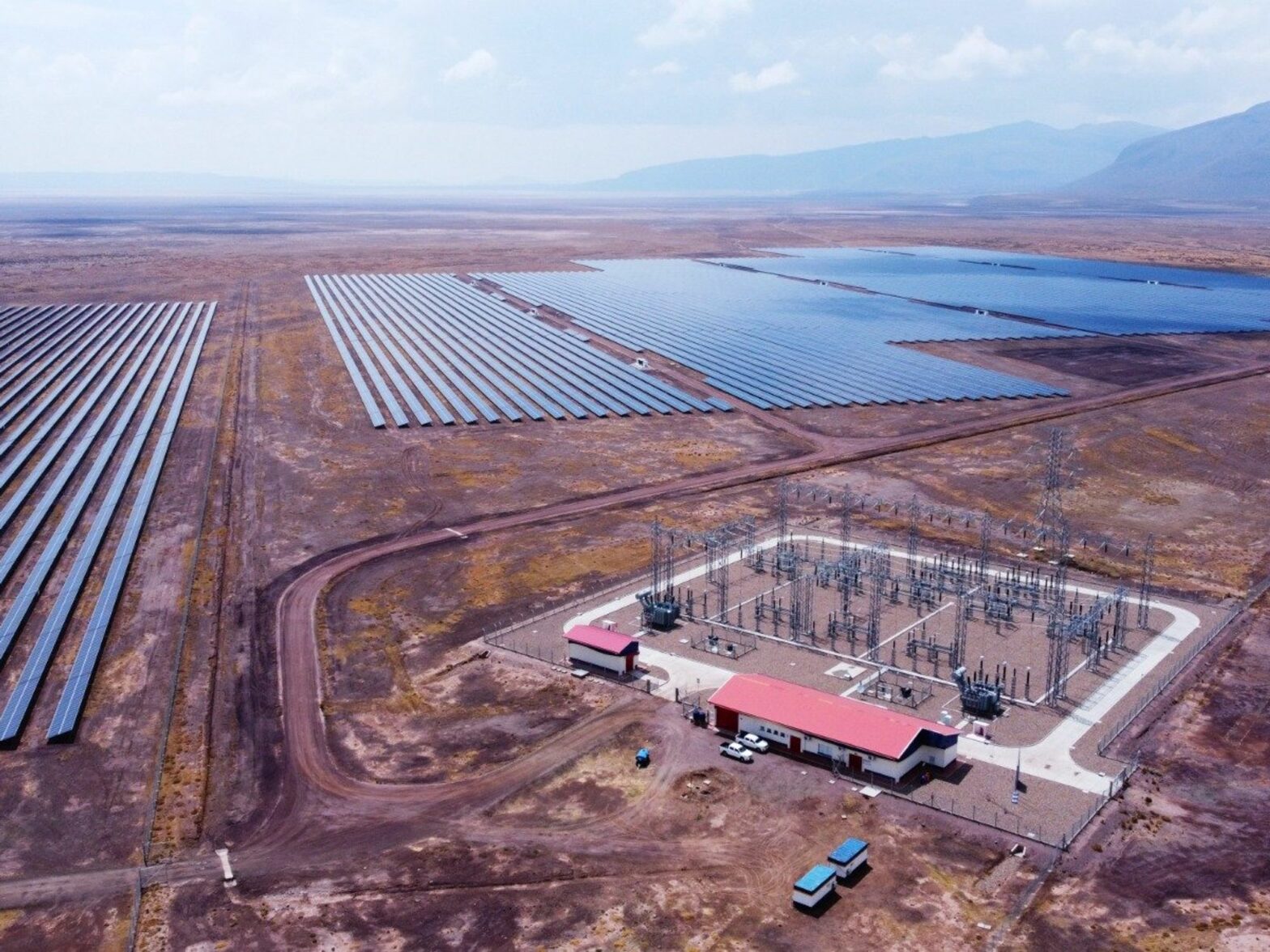
To allow for 300,000 photovoltaic solar panels in the western Bolivian town of Ancotanga, local inhabitants gave up land in exchange for promises of jobs and healthcare — that they are still waiting to see.

Amid a mounting sense of urgency about the threat of climate change, our smartphones’ human and environmental consequences are back in the spotlight — and so are the solutions to minimize their impact.
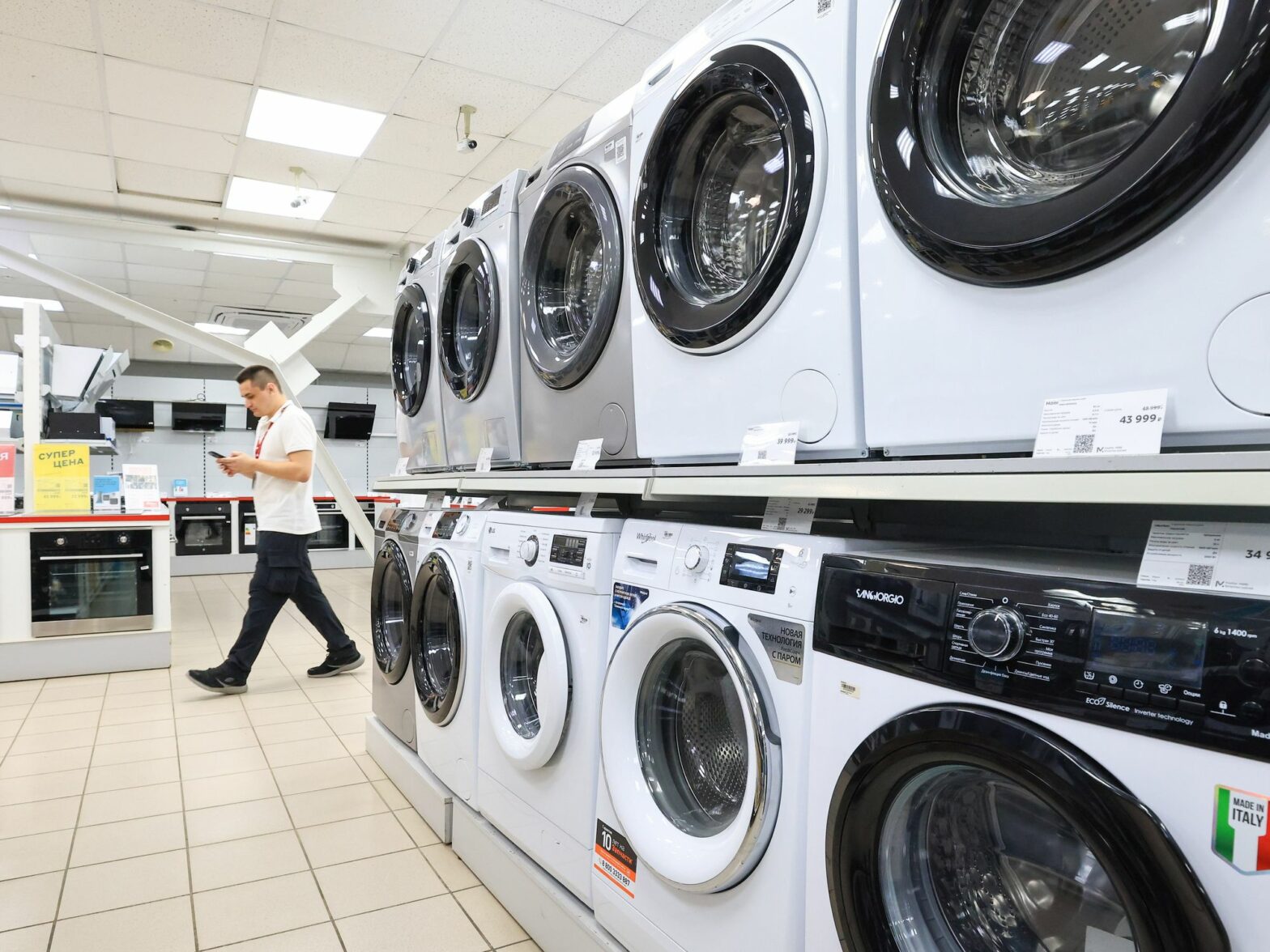
In the short term, a fall in consumption of material objects would be an economic and social catastrophe. In the long term, it is necessary.

Manufacturers of toys are now finally working to reduce the environmental impact of their products, using more eco-friendly materials and promoting recycling and repairs. But are parents ready to buy second-hand toys or pay more for an eco-designed product? And do kids actually care?
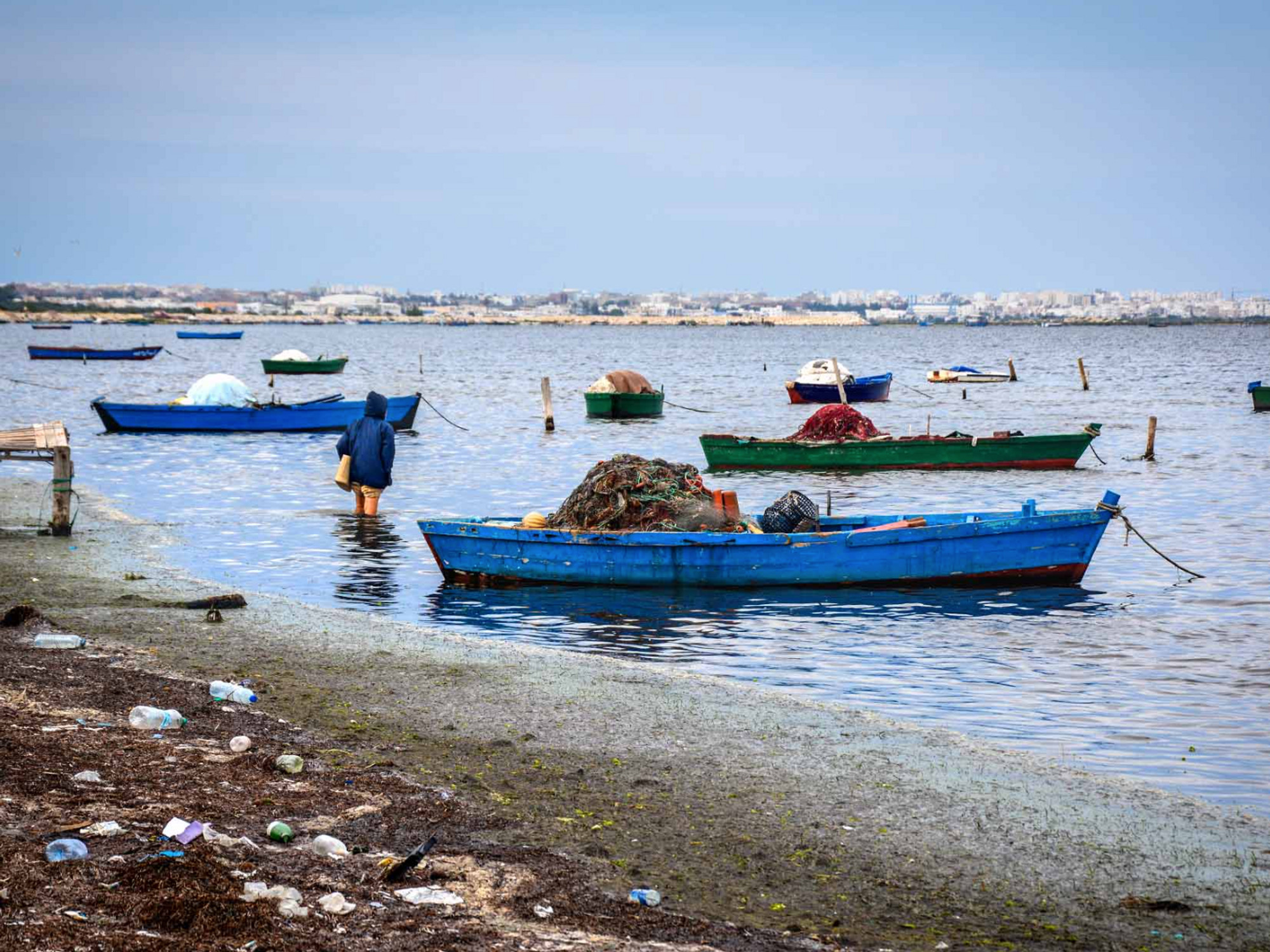
The Made in Tunisia clothes industry for the European market consumes large amounts of water and pollutes Tunisia’s coastline. In Ksibet El Mediouni, the population is paying the price of the environmental cost of fast fashion.

Shyamanand Singh crafts sculptures from discarded paper, bottle caps and other materials. He’s opened a free museum in his house to inspire others.
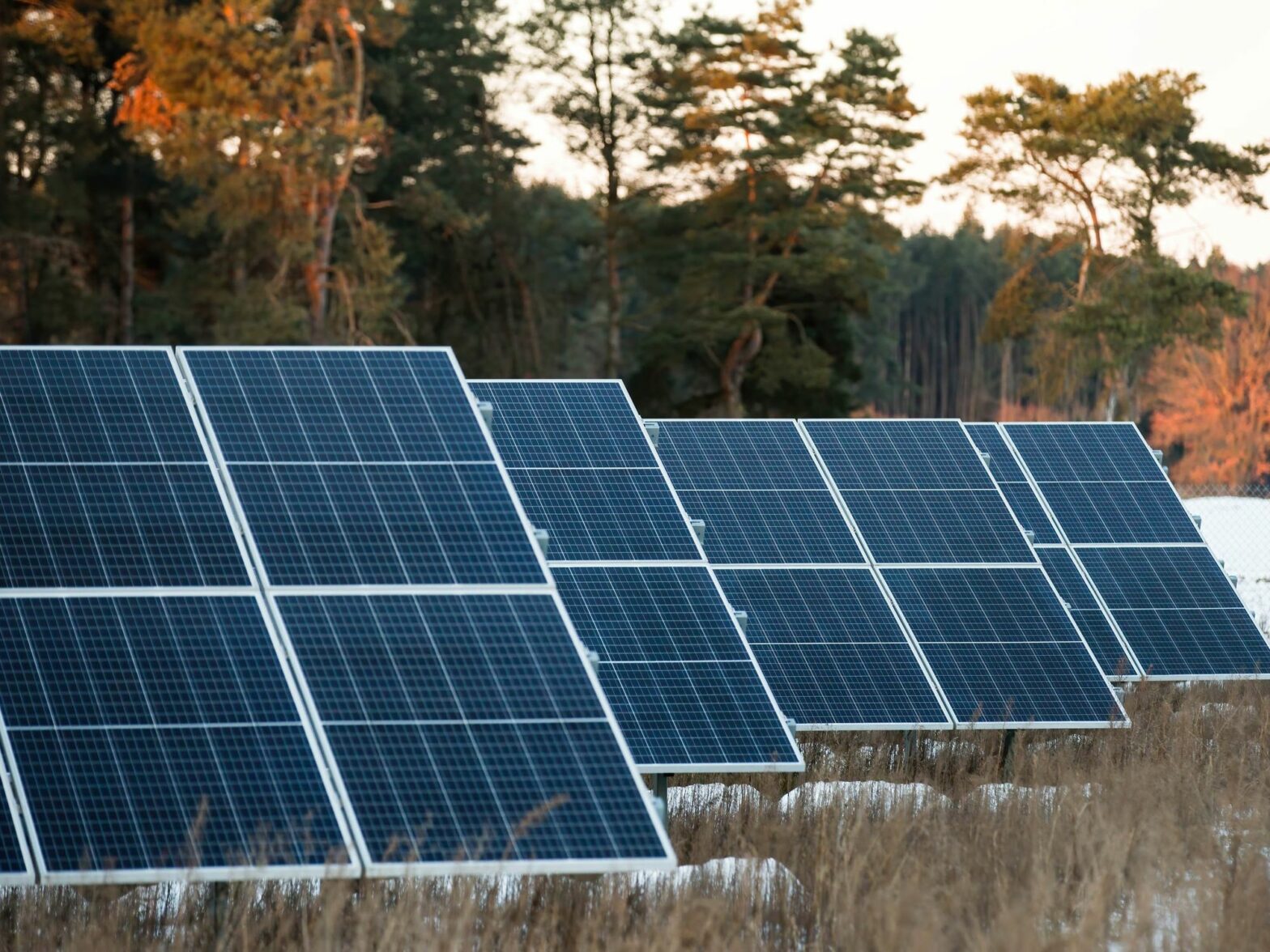
The country known for the highest coal dependency in Europe has been experiencing a marked shift towards renewable energy sources, many on the micro scale.

The European Union has just banned glitter, among many other microplastics. Still, that doesn’t necessarily mean the end of ‘sparkle’ — we’ll just need to look for more environmentally-friendly alternatives.
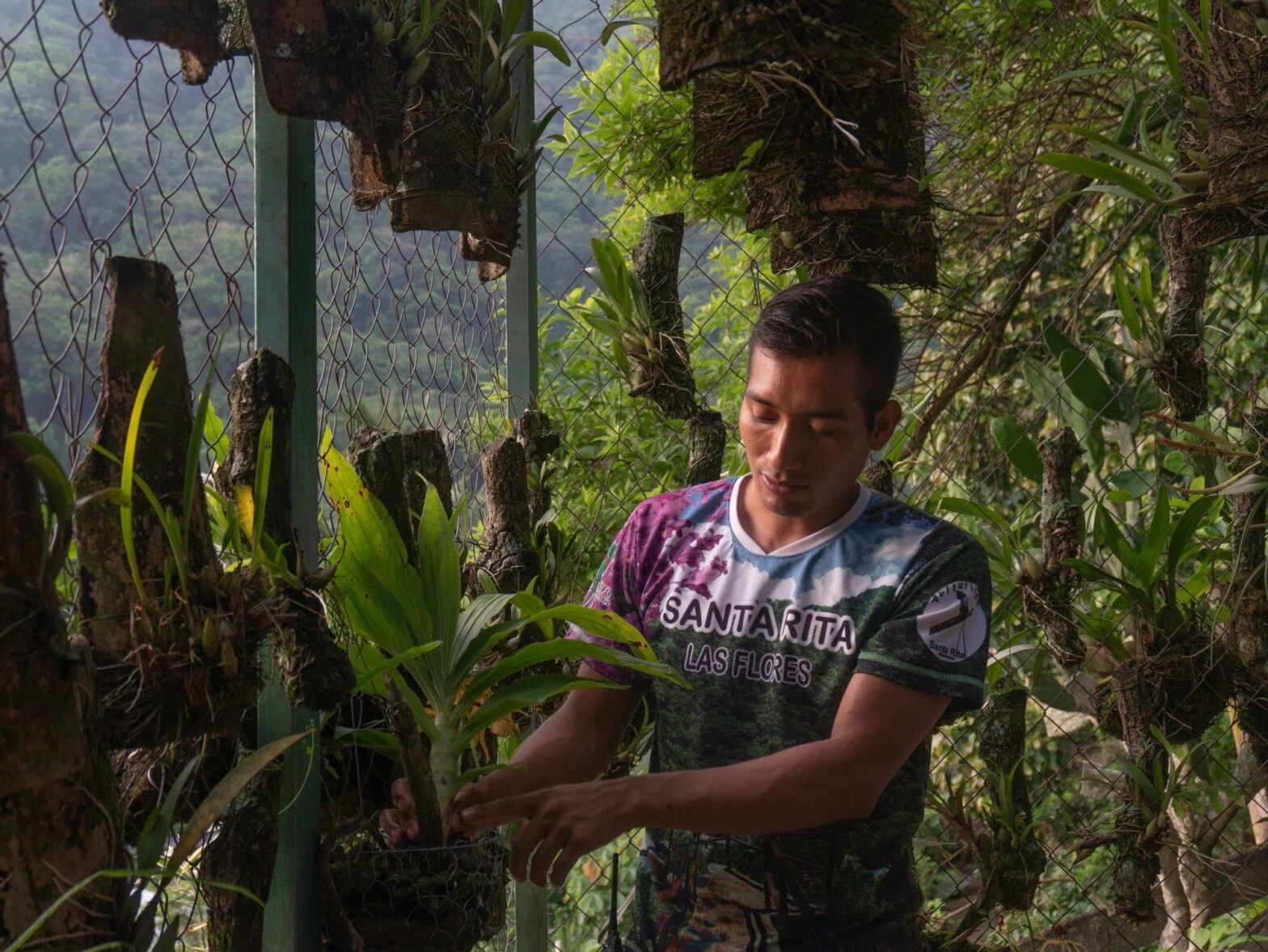
An orchid rehabilitation project is turning a small Mexican community into a tourist magnet — and attracting far-flung locals back to their hometown.
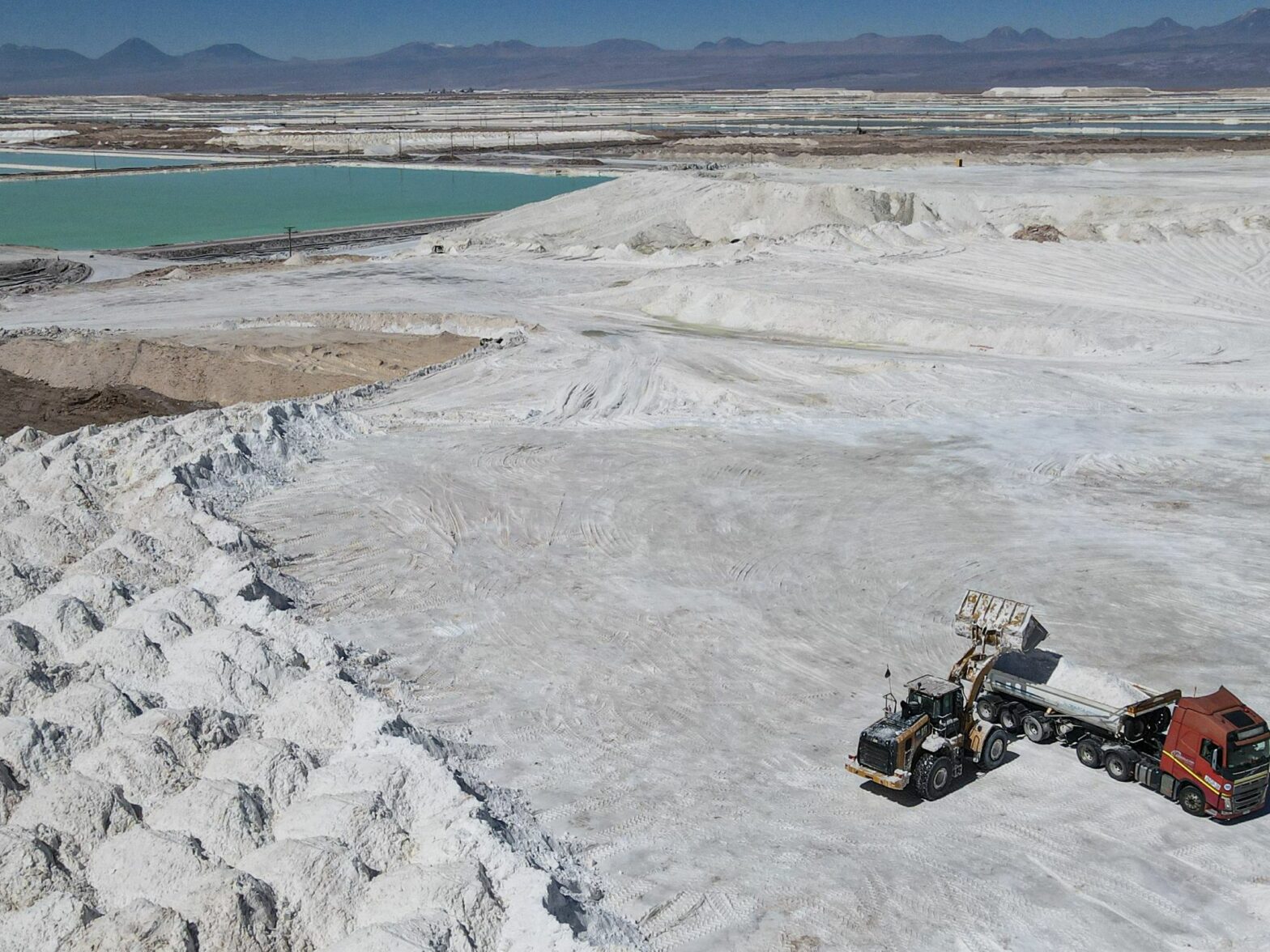
The search for clean energy is essential in an age of alarming climate change. Lithium extraction represents a great opportunity, but the maltreatment of communities affected by this extraction must be considered if we want to interrupt the vicious cycle of wealthy countries exploiting resource-rich countries.

The Patagonian National Park is a spectacular and unique landscape that illustrates the outstanding beauty of nature. But it is at risk of becoming a victim of the climate crisis.
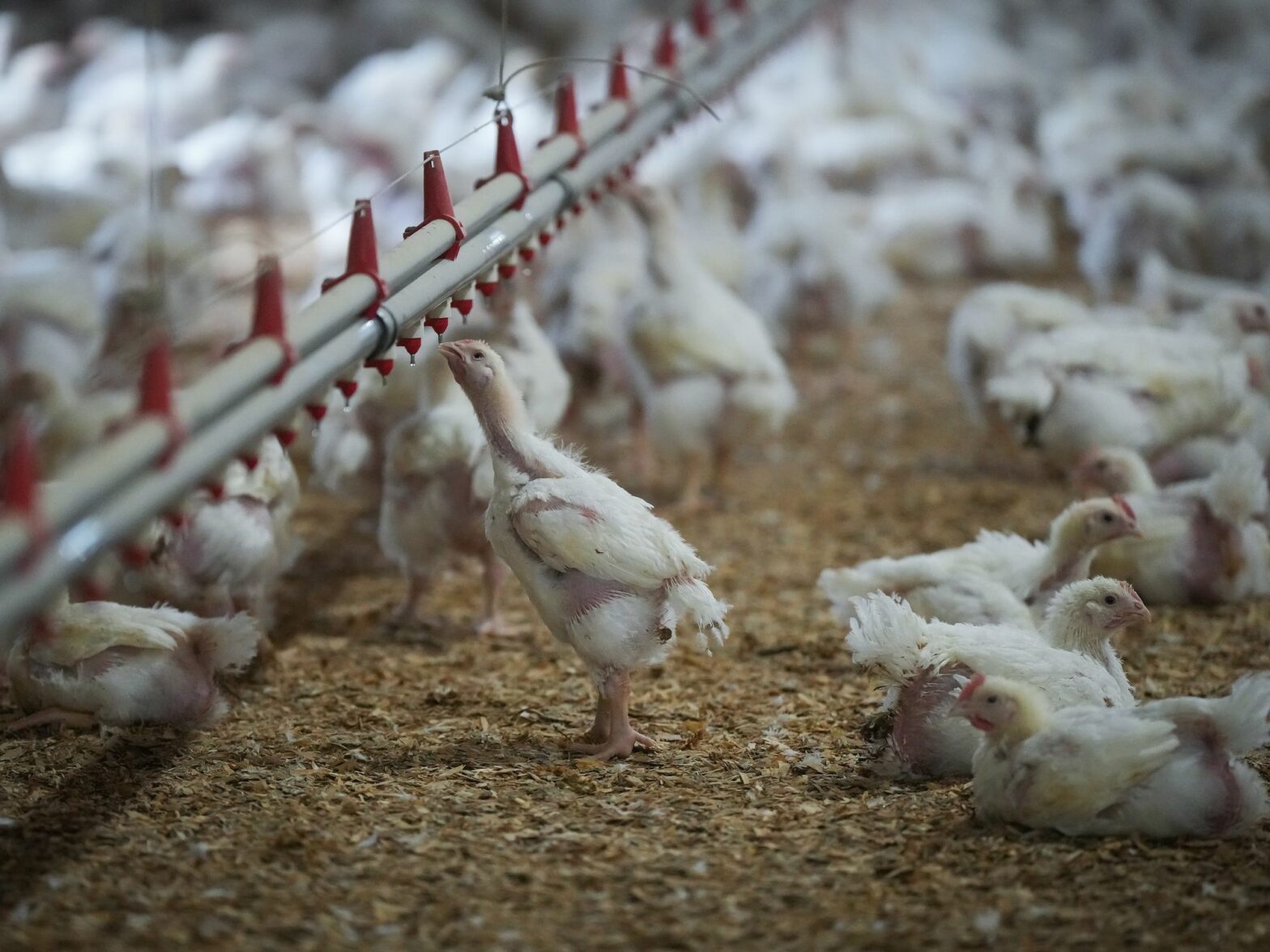
Industrial-style farming should certainly be reimagined, but not with a guilt-ridden assault on the livelihoods of millions of farmers, herders and fishermen.
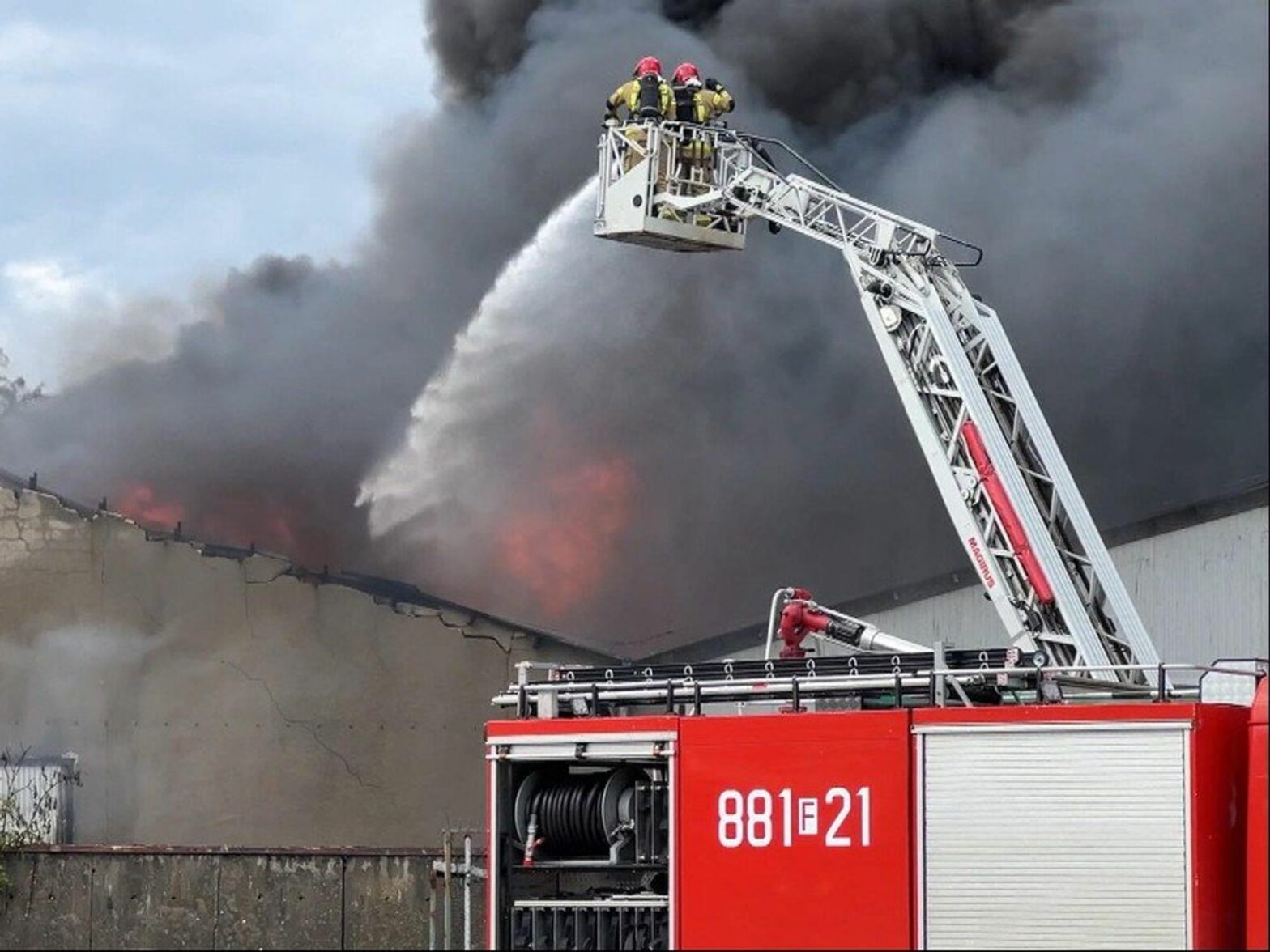
A fire involving a hazardous waste dump has brought attention to the hundreds of illegal waste dumps across Poland. Yet the government has failed to offer an adequate response.
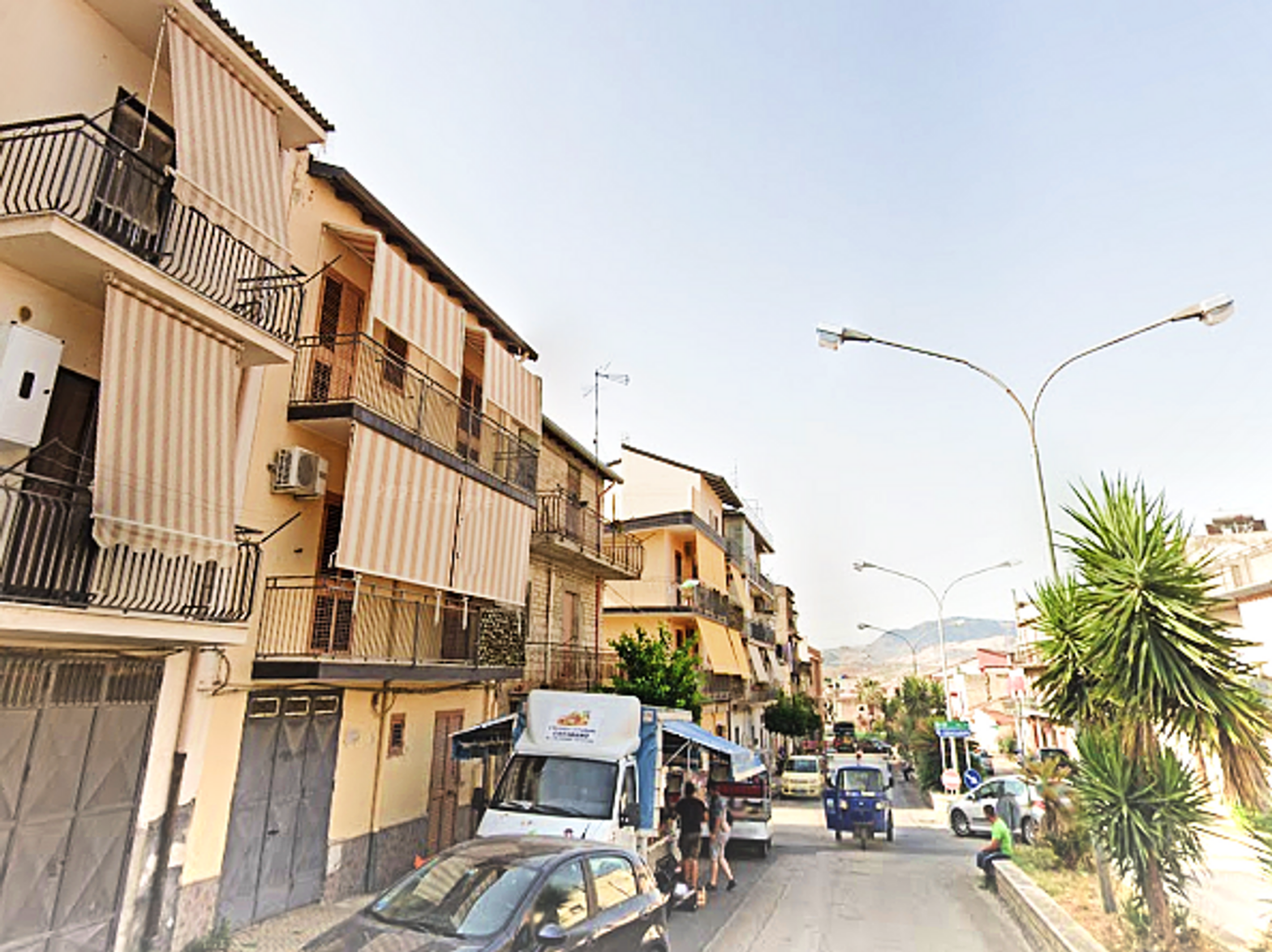
The streets are deserted until 7 p.m., air conditioning for those lucky enough to have it blasts constantly, and locals dream of leaving the arid desert that has become of their hometown.

Italy has experienced a difficult summer of climate disasters, but the country is experiencing a boom in turtles’ nests, with Sicily leading the way.
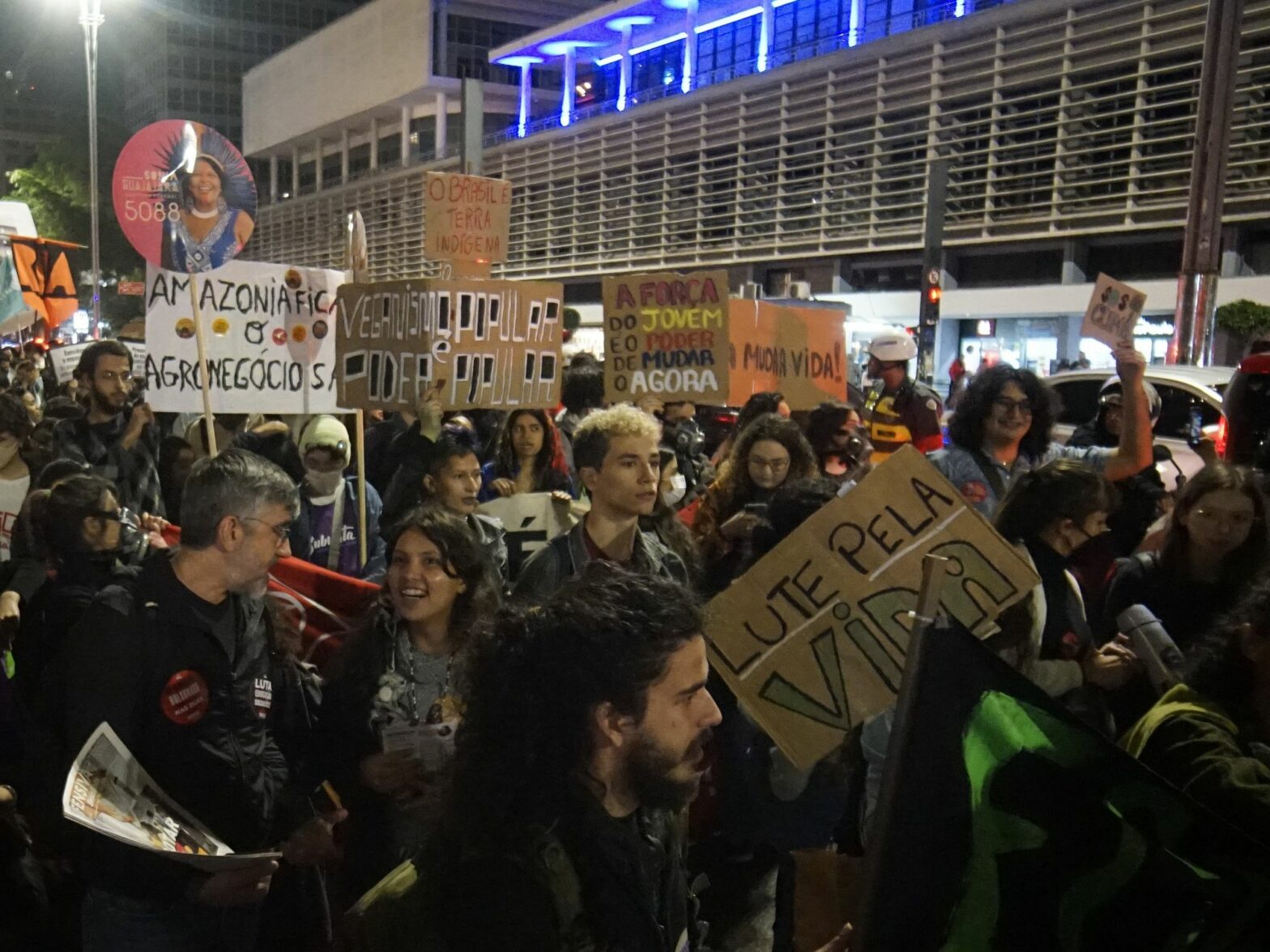
As Brazil’s President Lula da Silva wields limited power over parliament and his multi-party cabinet, he may be unable to fulfil many of this campaign promises, including protecting the environment.
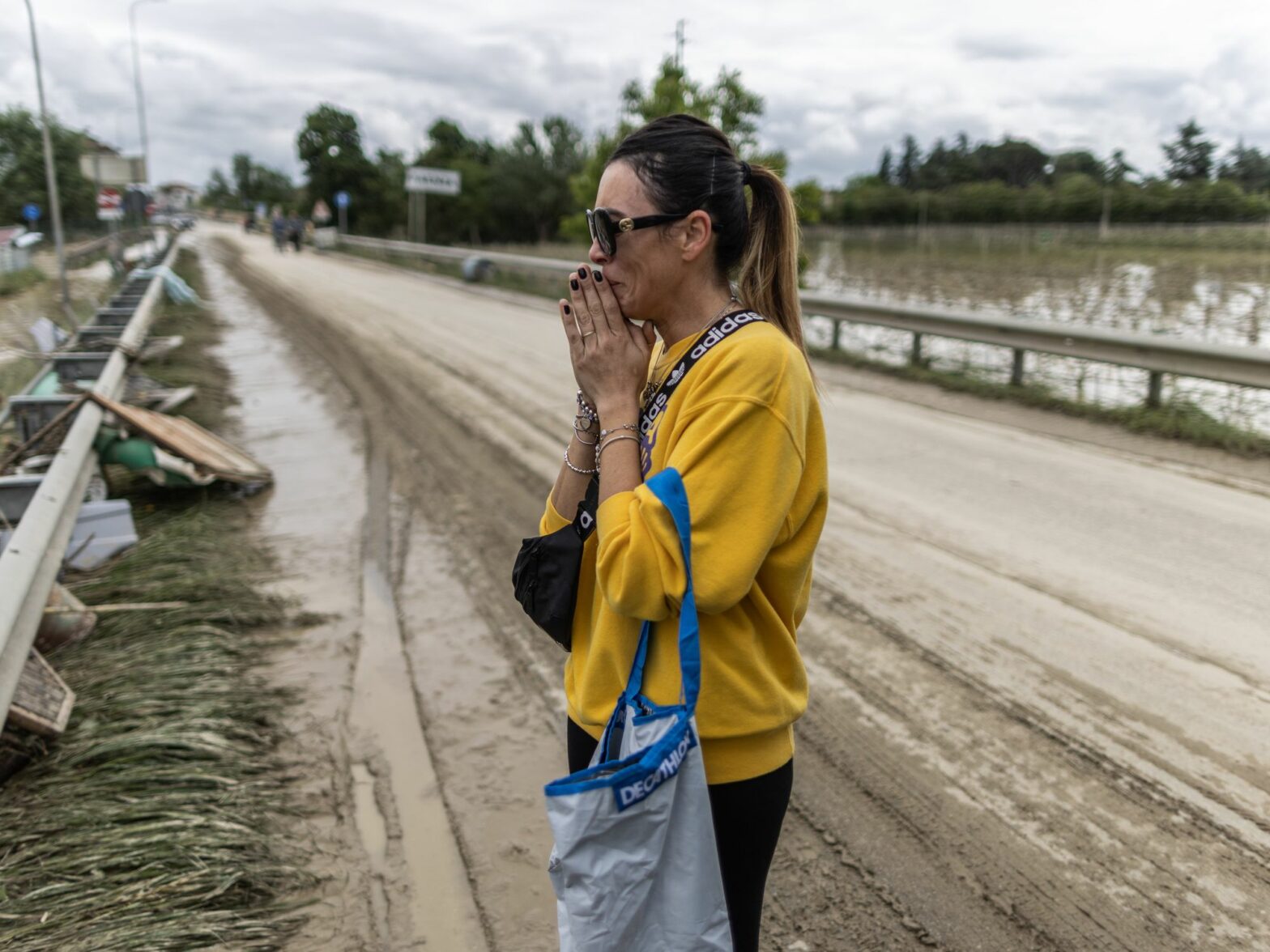
Floods have hit northern Italy after the longest drought in two centuries. Slow Food founder Carlo Petrini explains how these increasingly frequent events are being exacerbated by human activity.
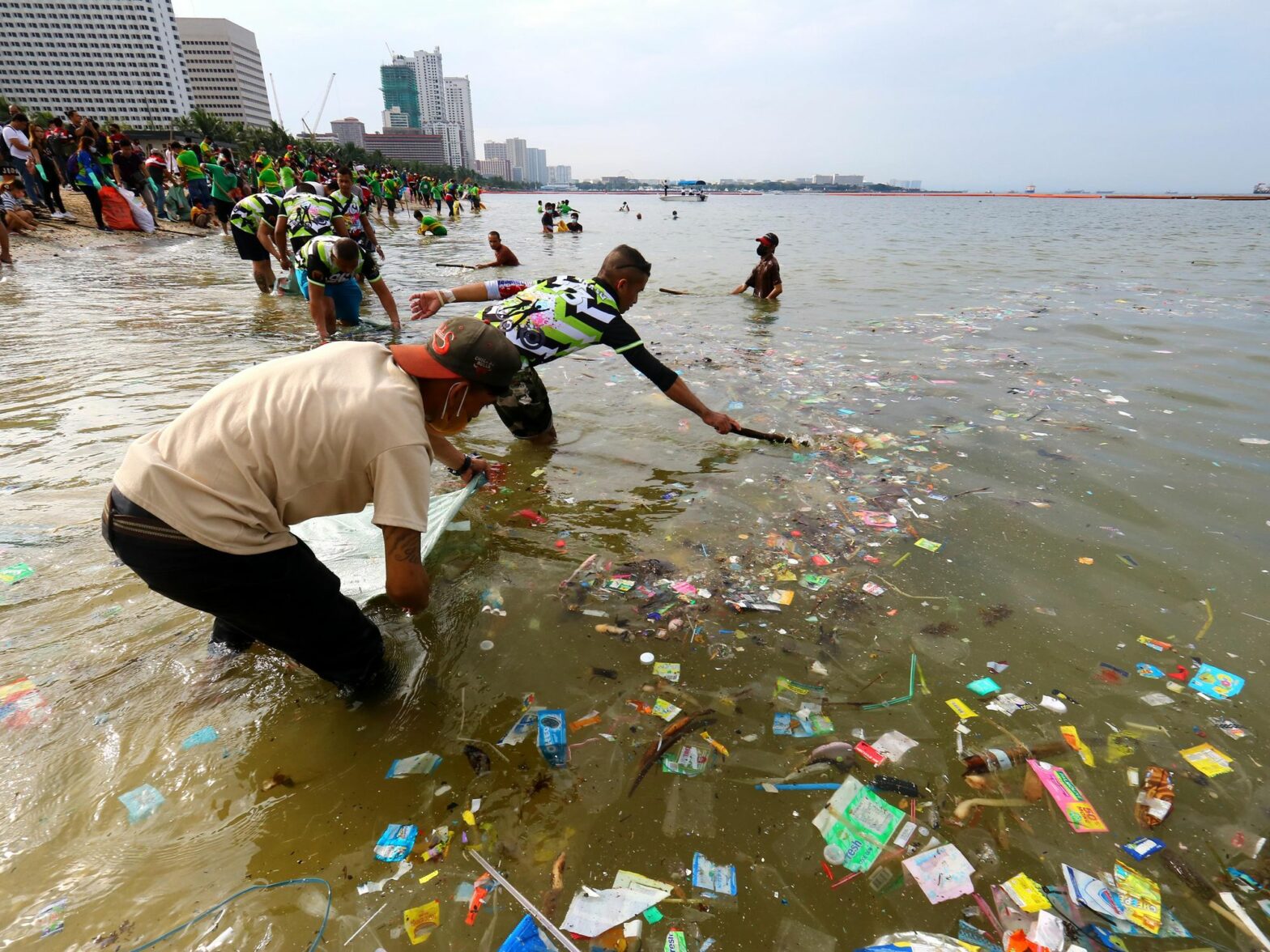
States and technology have failed to stop the destruction of the natural world, but a deceptively simple rethinking of our habits could turn the tide.

In the mid-17th century, the weather in China got colder. The frequency of droughts and floods increased while some regions were wiped out by tragic famines. And the once-unstoppable Ming dynasty began to lose power.

Mass tourism developed by taking advantage of cheap and abundant energy. But those days are over and we are all going to have to reinvent how we holiday. But as I found out, that is no easy task.

When humans care about the natural world, it means revising our place in it and acting accordingly, not giving nature “rights and concessions” that are figments of our self-serving imagination.
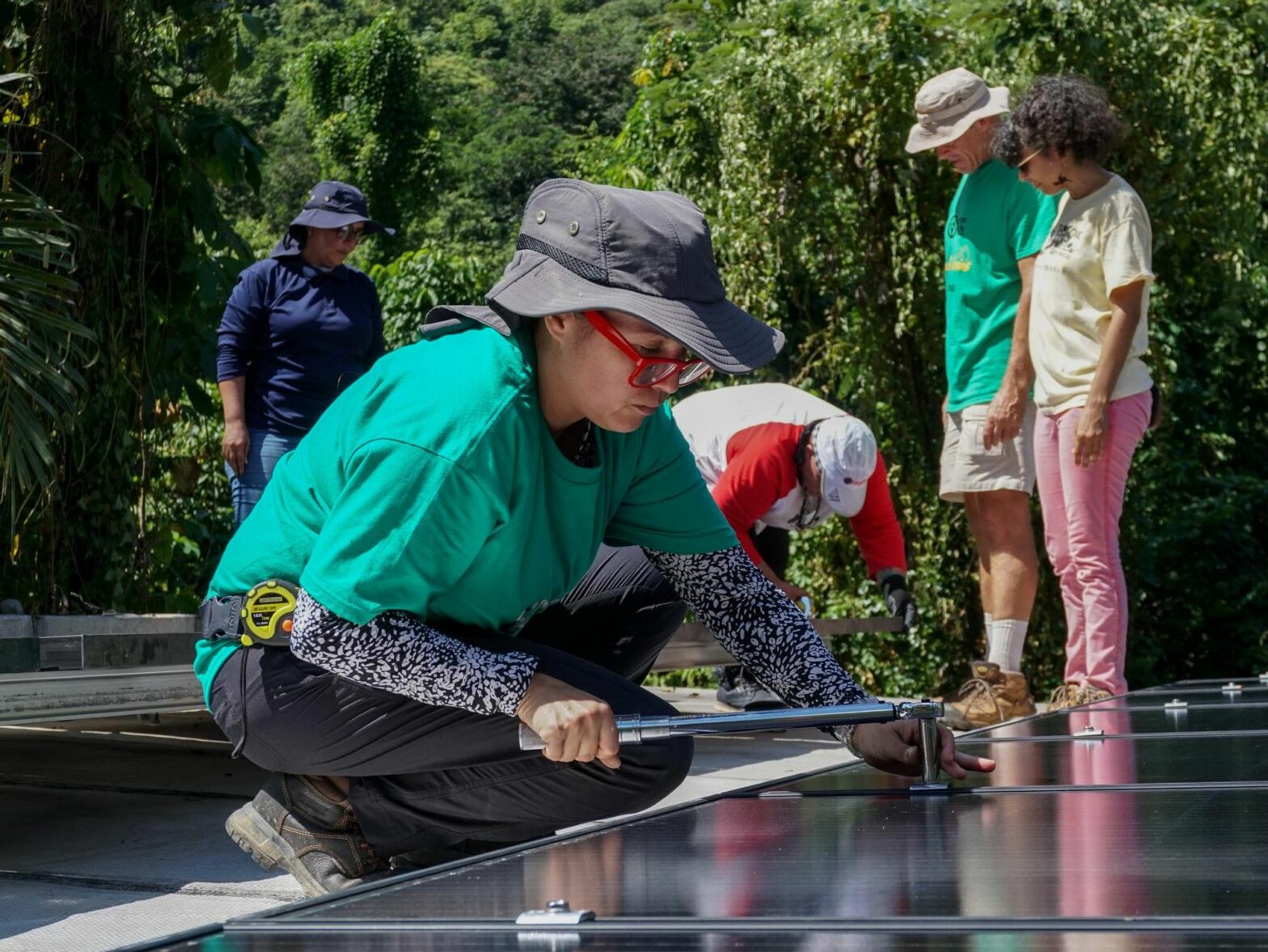
Can Puerto Rico’s abundant sunshine and ambitious women unlock its renewable energy potential?

Driven by the desire to offer an experience rooted in their terroir, more and more star chefs are turning into farmers. They have the same goal: to keep up with the times by offering local and sustainable produce.

Now 18 and officially an adult, the climate activist’s message isn’t changing. And what about our own grownup rationalizations?

The concept of smart cities is a kind of received wisdom among planners and technologists, but our digital world of today is not sustainable.

The finance mechanism for sustainable infrastructure, energy and industry may be the ultimate key to curbing, and partly reversing, the harms of climate change.
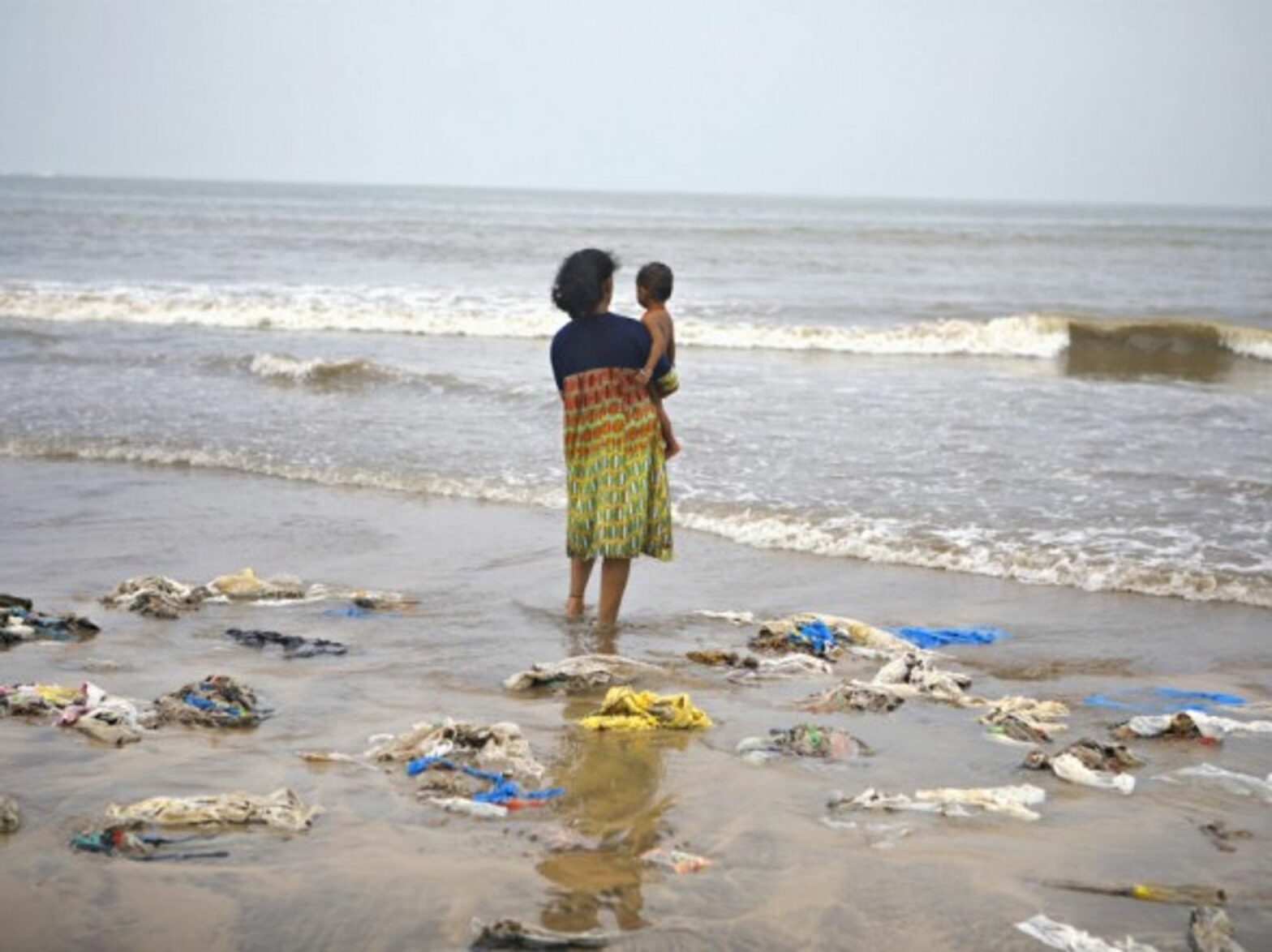
Since June 23, the Indian state of Maharashtra has been verbalizing distributors and users of non-reusable plastic. In Mumbai, more than two hundred inspectors are on the hunt.
Rescuing the planet from the ravages of capitalism may be just the thing our dominant economic system needs to save itself, columnist Jean-Marc Vittori argues.

The Honduran island of Utila, in the Caribbean Sea, is using the copious amounts of trash that wash ashore to build roads.
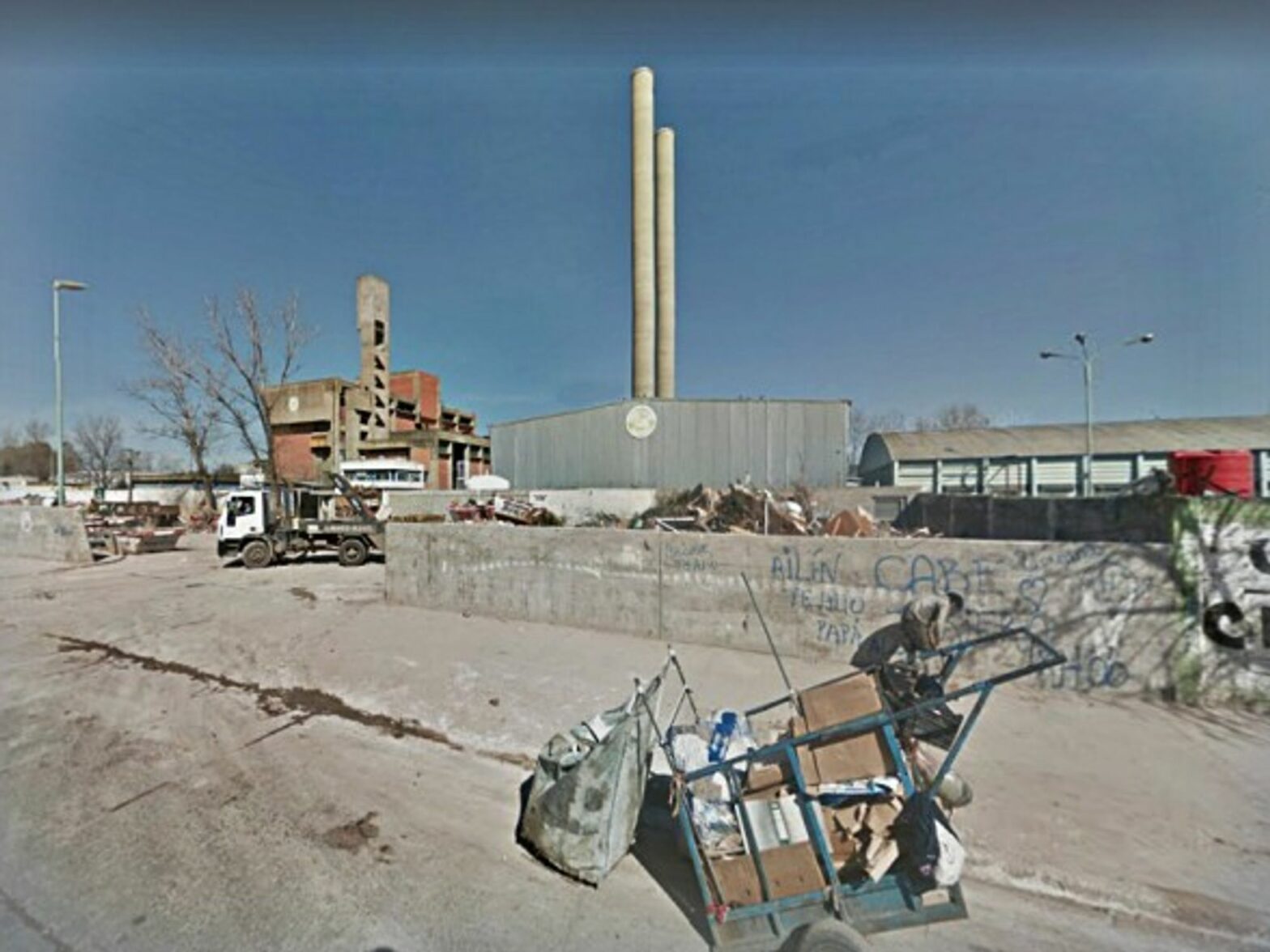
A waste processing center in the Argentine capital turns almost half the city’s refuse into reusable materials such as compost, wood chips and plastic pellets.
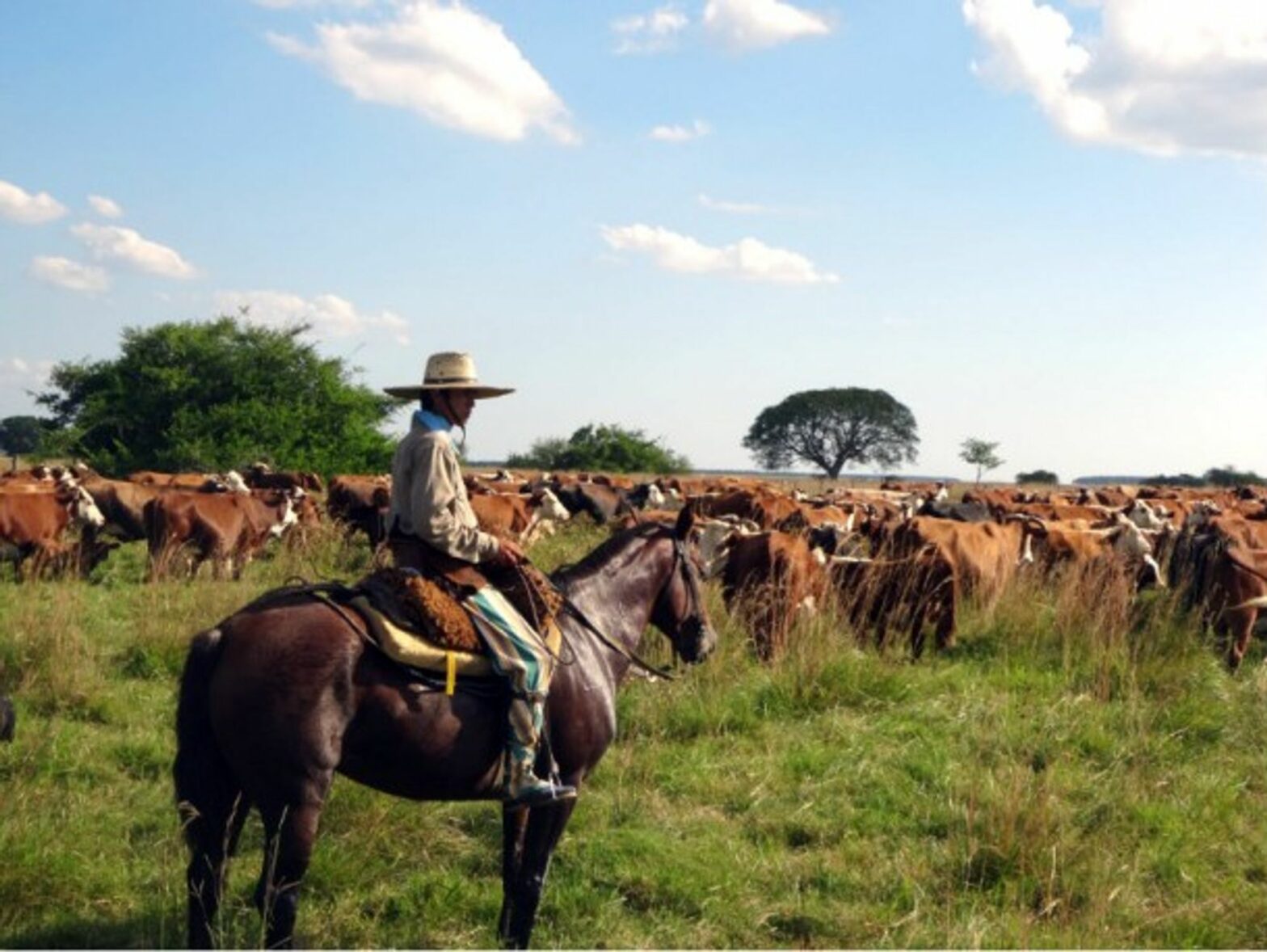
-Analysis- BUENOS AIRES — Everything suggests that in the future, the world may want practically anything Argentina can produce. The question is whether the response to this demand should be simply augmenting current productivity, or seeking wholly new approaches. Recently, we noted that China, the chief trading partner with which Argentina has just clinched a […]

Companies like Tres Montes in Santander are focusing on quality, not just quantity, and improving the lives of small-scale growers in the process.
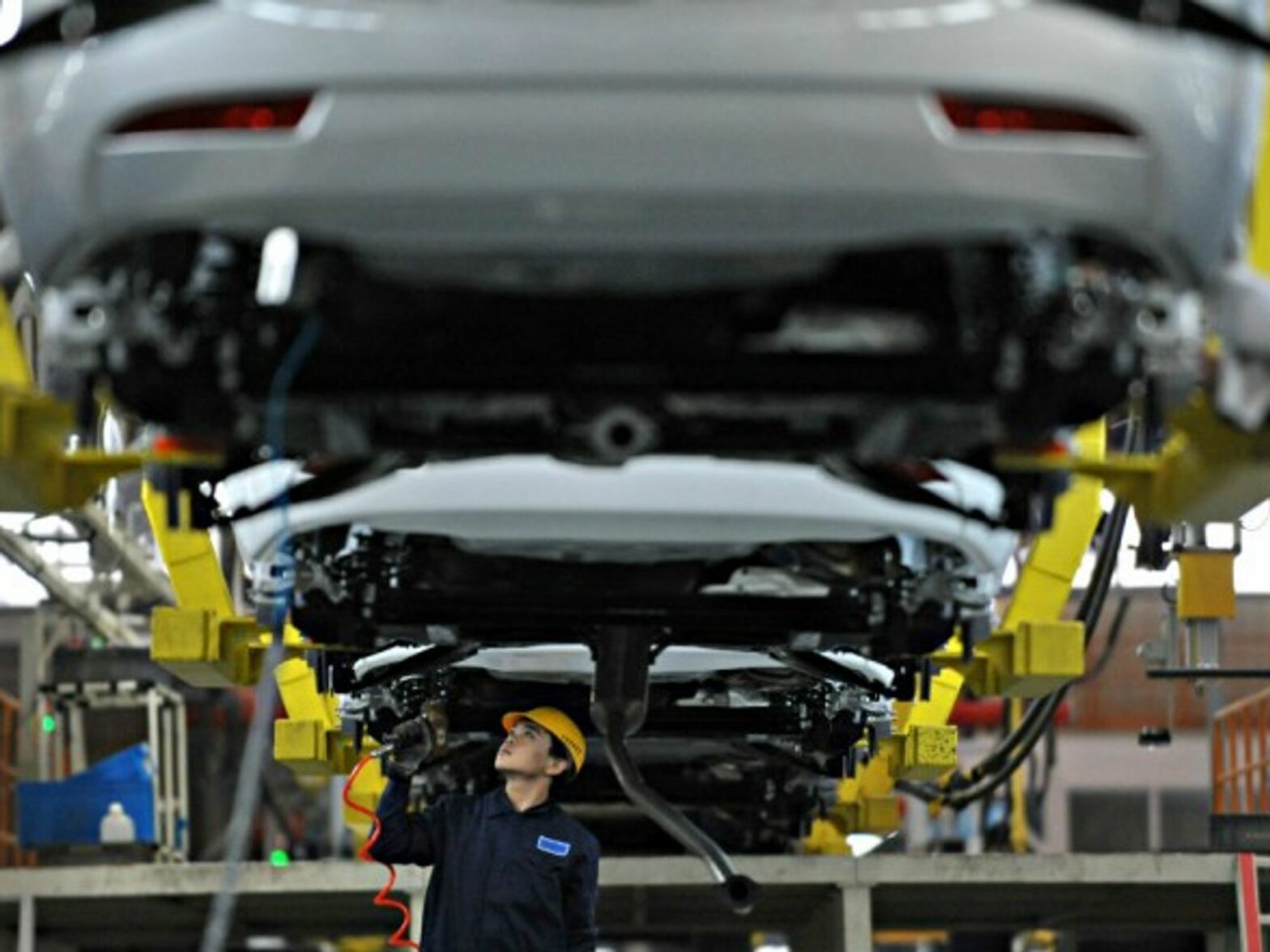
Finally some serious competition for Tesla. Just days after Elon Musk said his American multi-billion dollar electric automobile startup would start producing its Model 3, the brand’s first mass-market electric car, a heavyweight automaker from the past declared “the end of the solely combustion engine-powered car.” By 2019, all new Volvo models will come with […]
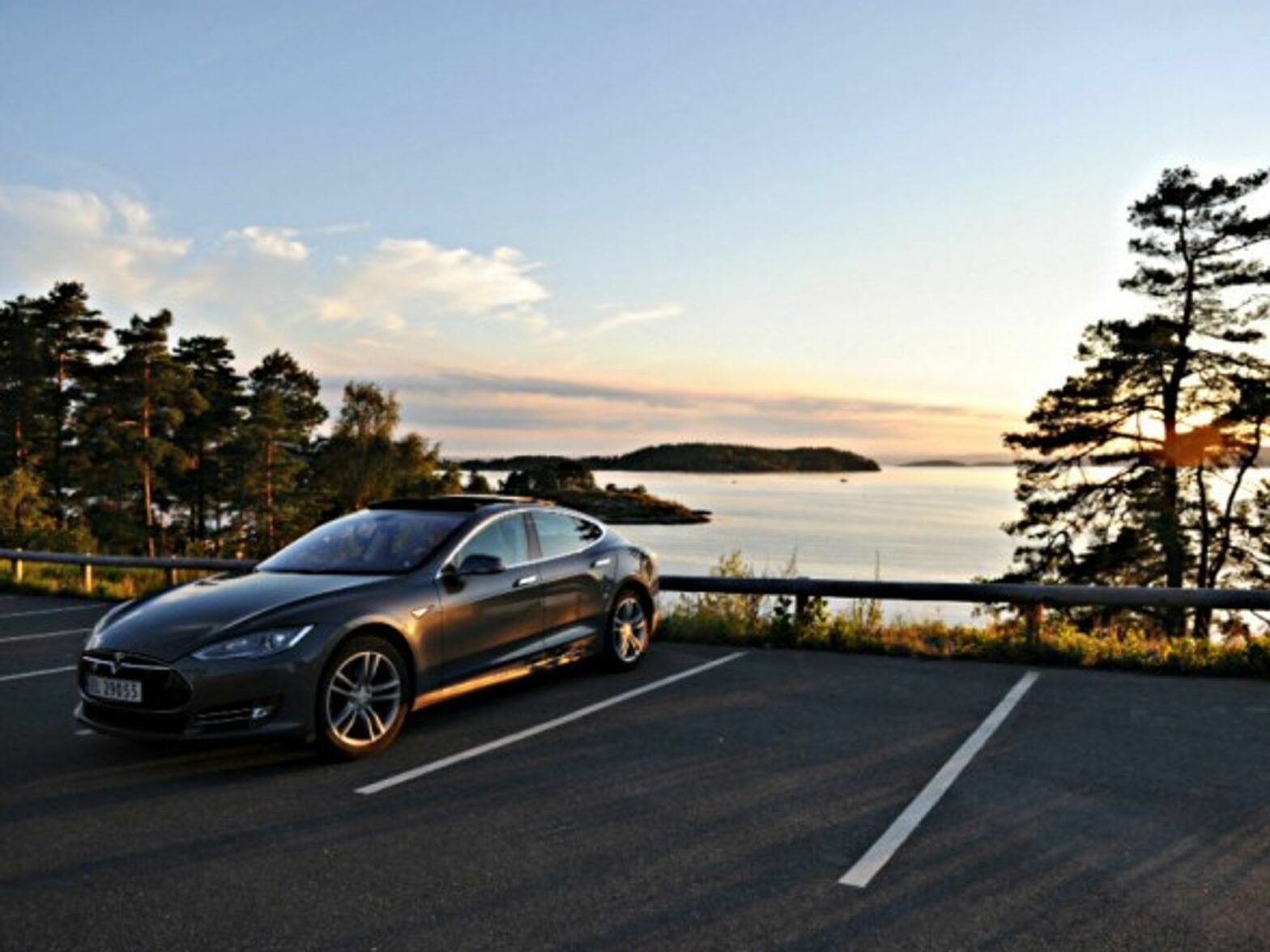
Electric cars are becoming a significant percentage of cars on the road in Norway. But are they really the future?