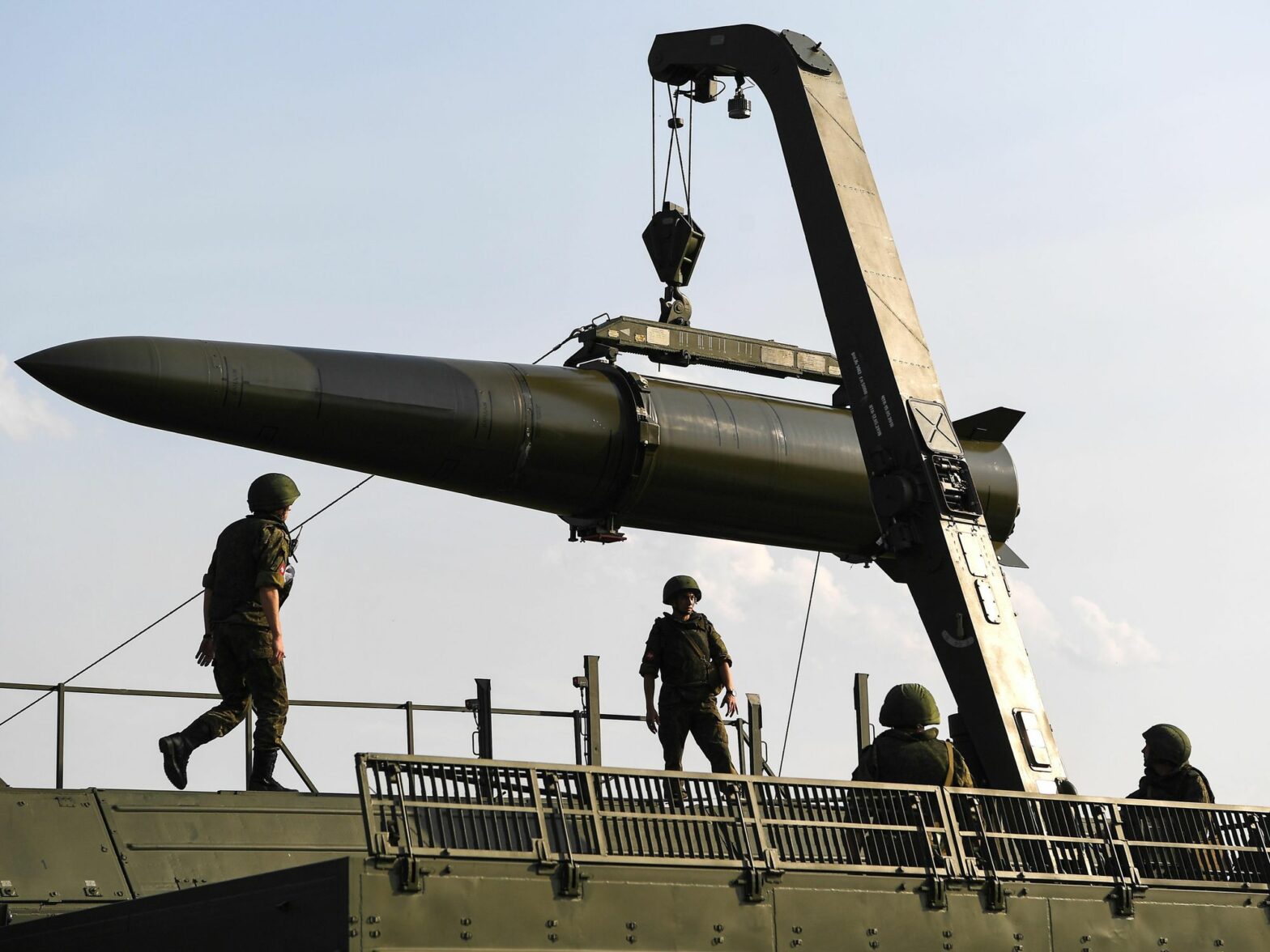
Vladimir Putin has put his nuclear forces on alert — a shock for many, but even more so for those just across the Polish border from Kaliningrad where Russian nuclear missiles are stationed, and aimed at European capitals from Warsaw to Berlin.
 Worldcrunch
Vladimir Putin has put his nuclear forces on alert — a shock for many, but even more so for those just across the Polish border from Kaliningrad where Russian nuclear missiles are stationed, and aimed at European capitals from Warsaw to Berlin.
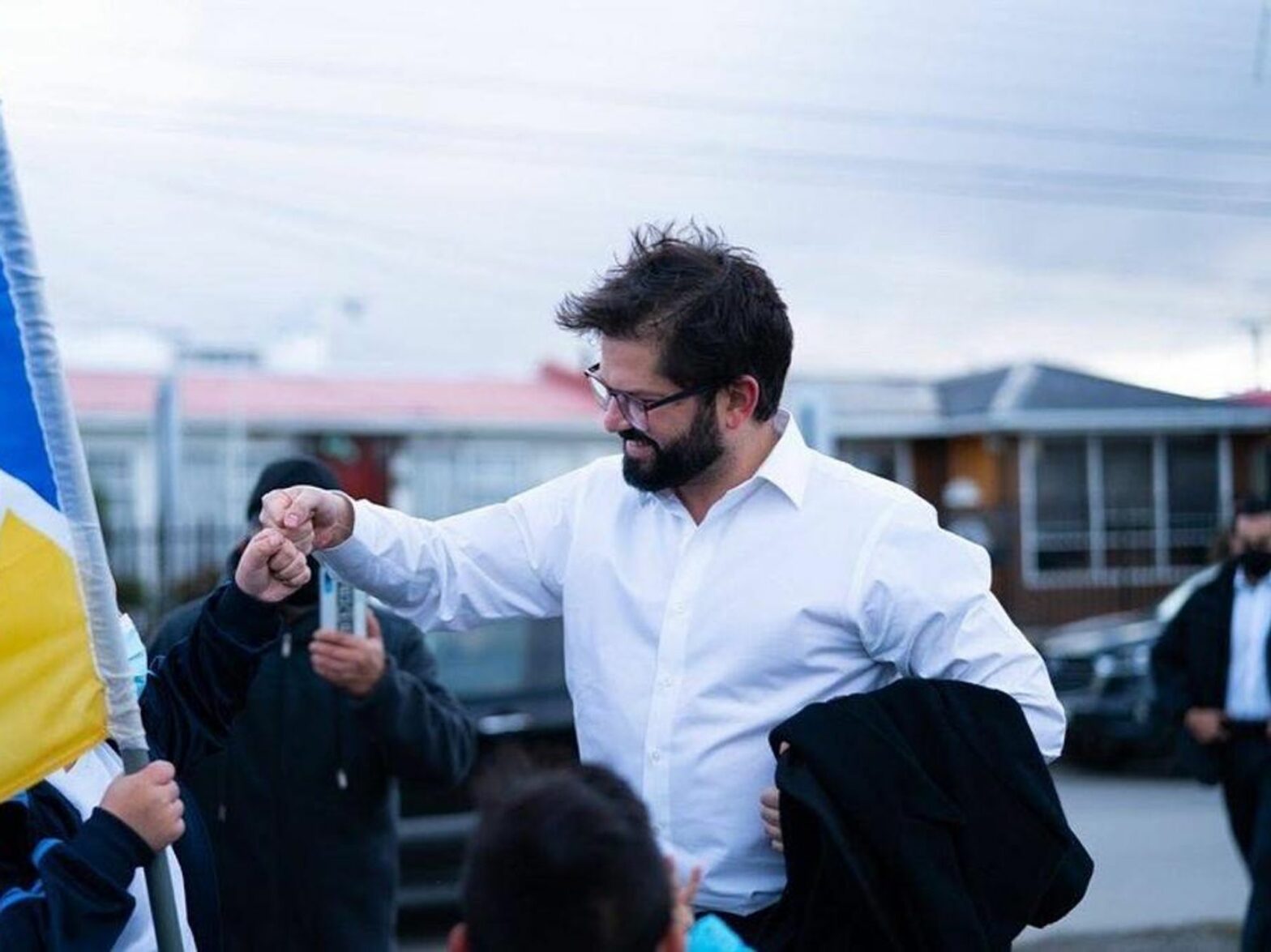
After becoming Chile’s youngest president in December’s elections, former student activist and socialist Gabriel Boric has disappointed his most radical voters. Will they prolong the social unrest and creative chaos that have smashed the country’s fame as a conservative backwater?
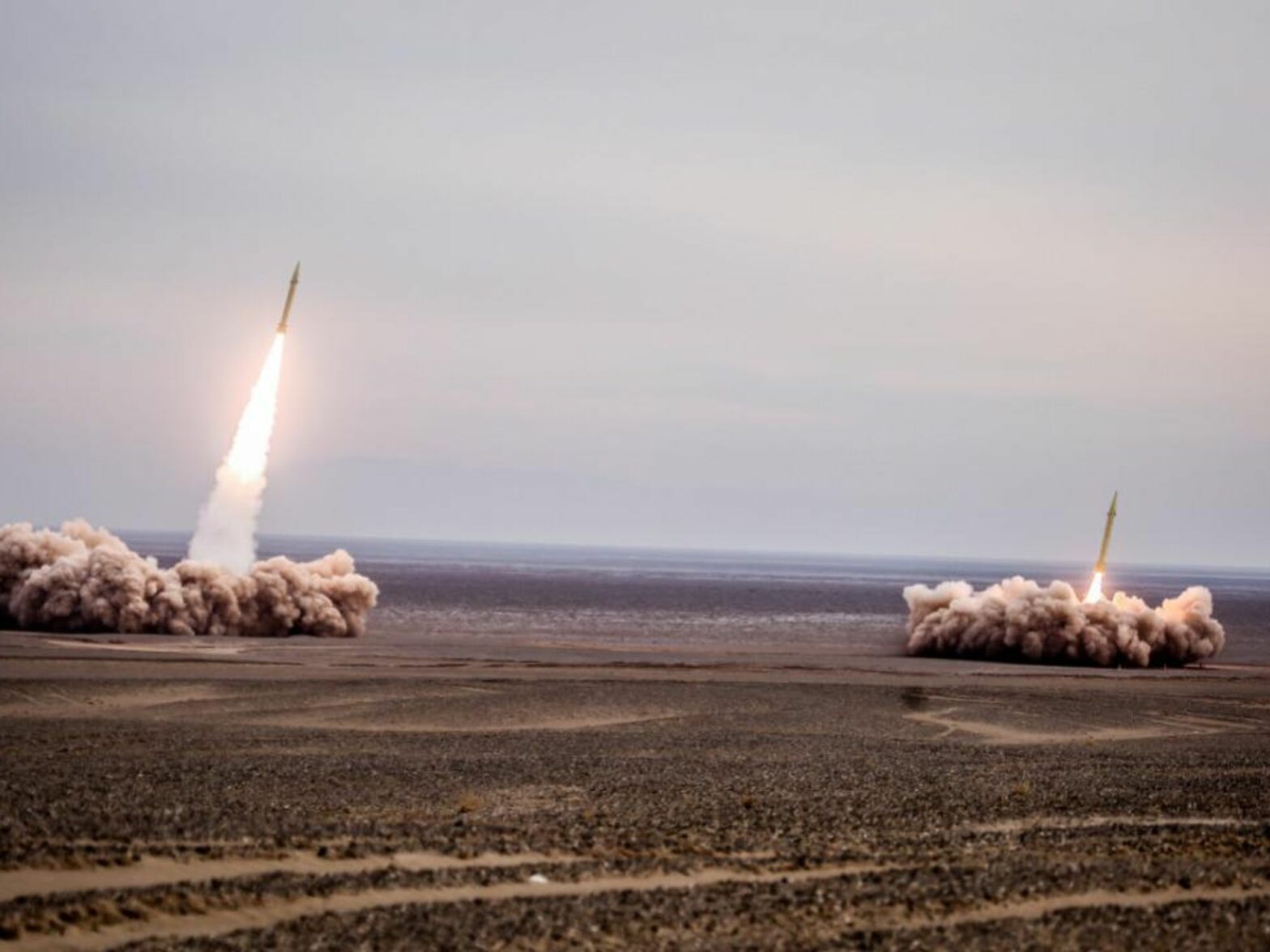
A new round of comments from inside Iran’s leadership ranks reaffirms its intention to produce a nuclear bomb, a decades-long cat and mouse game between the regime and an ever cautious West that hasn’t seemed to change even as the Russia-Ukraine war brings in a new world order.
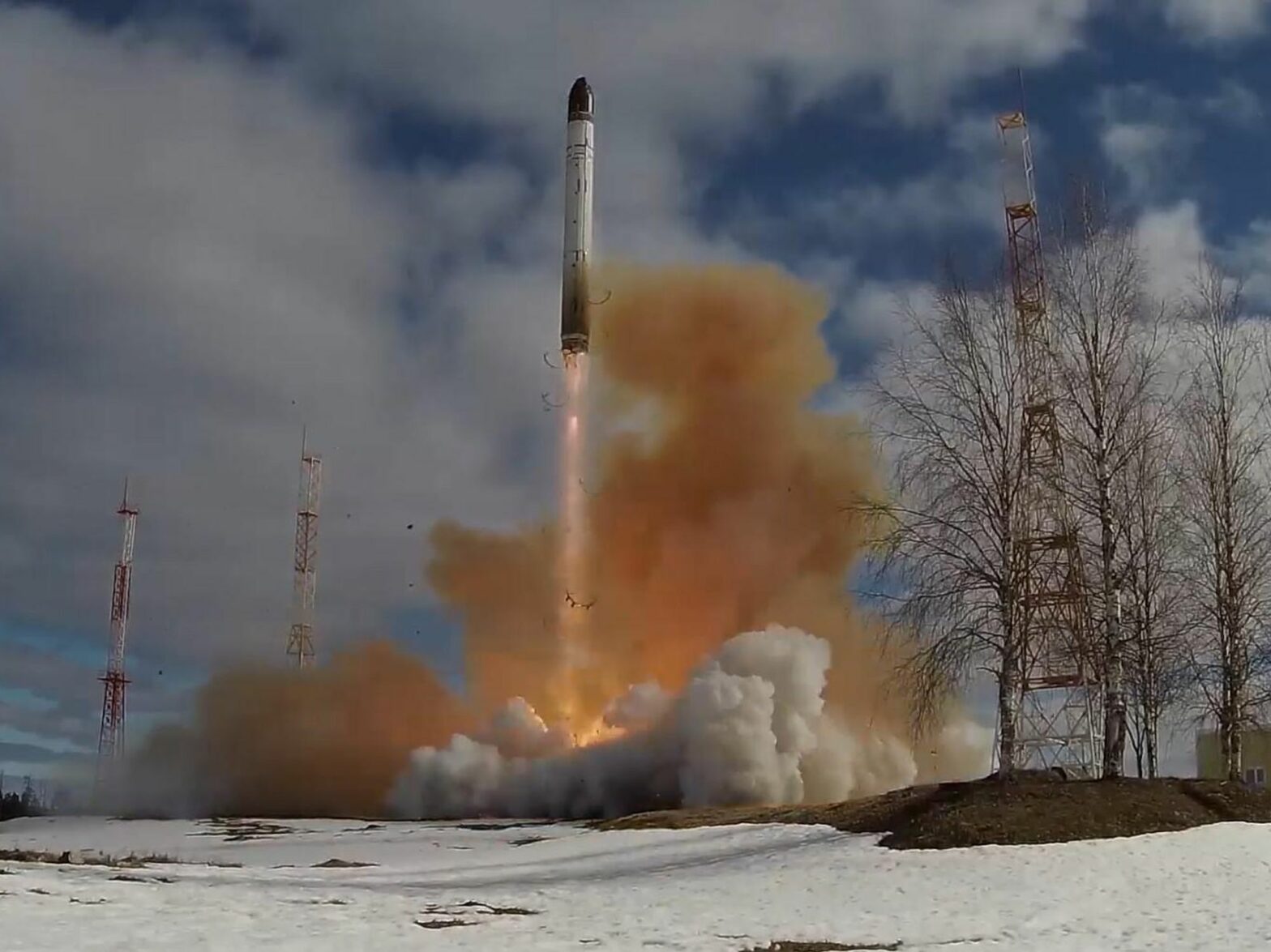
While Western countries are increasing their military support to Kyiv, Russian President Vladimir Putin threatens to use his new hypersonic missiles. He thereby makes the threat of a nuclear war in Europe a little more concrete.
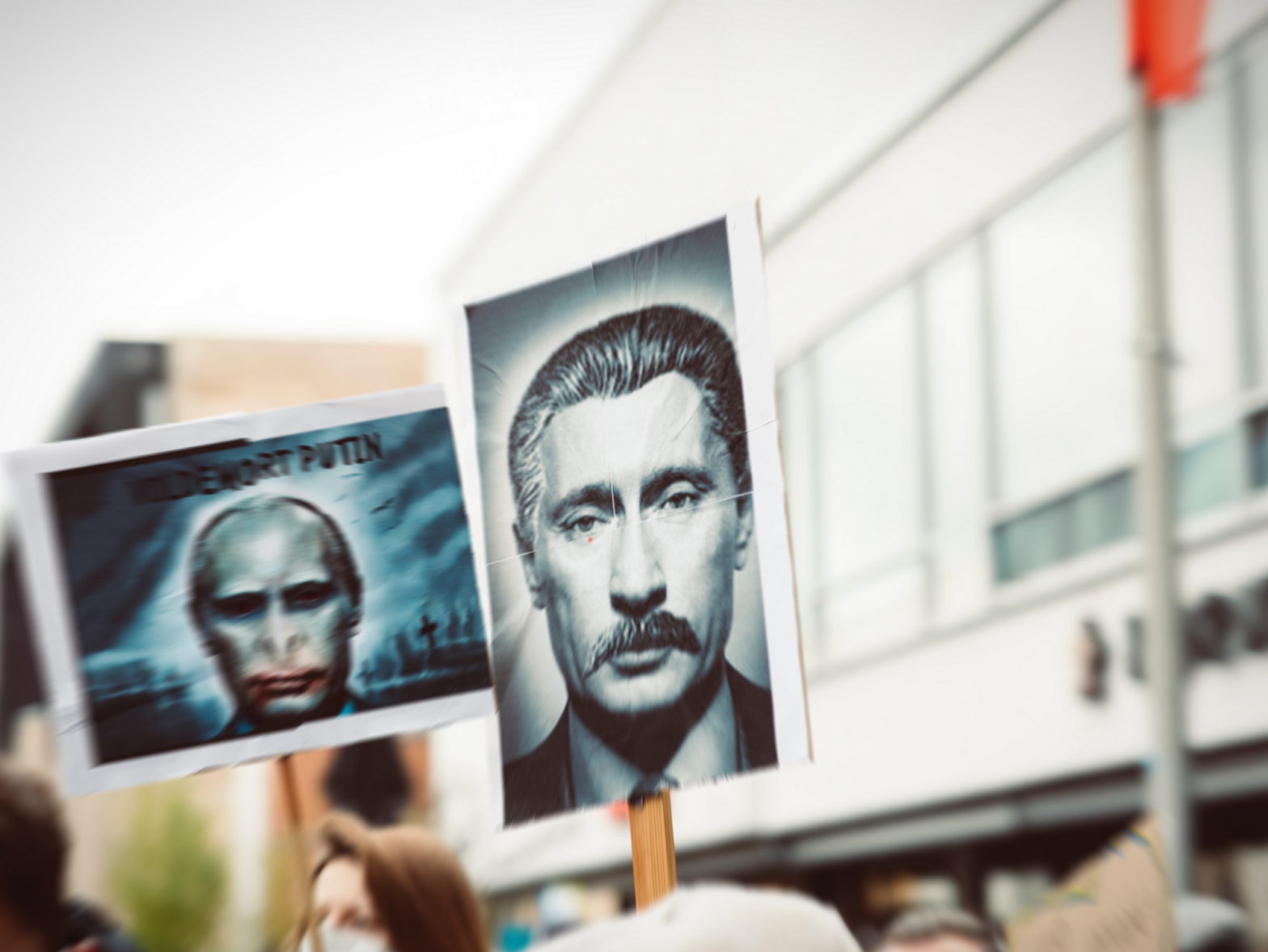
The war in Ukraine has set off the dynamics of a new Cold War: a standoff between democracy and authoritarianism, whatever the ideological stripe. Faraway parts of the world will be affected by what happens on the ground in Ukraine.
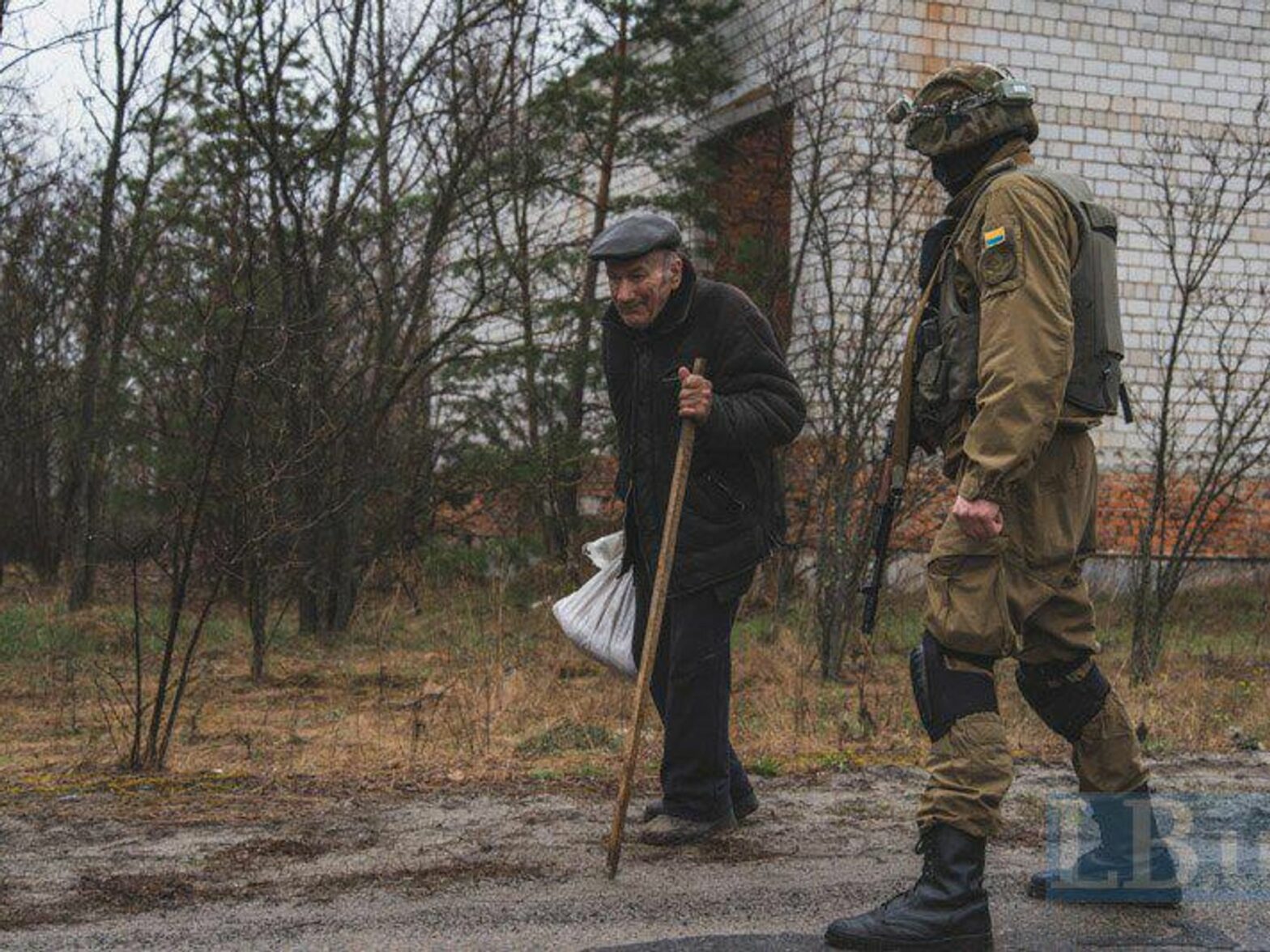
Humanitarians and the Ukrainian army are offering assistance to the inhabitants of Ivankiv and its surroundings after they suffered bombings and occupation from the Russian troops in the early stages of the invasion.
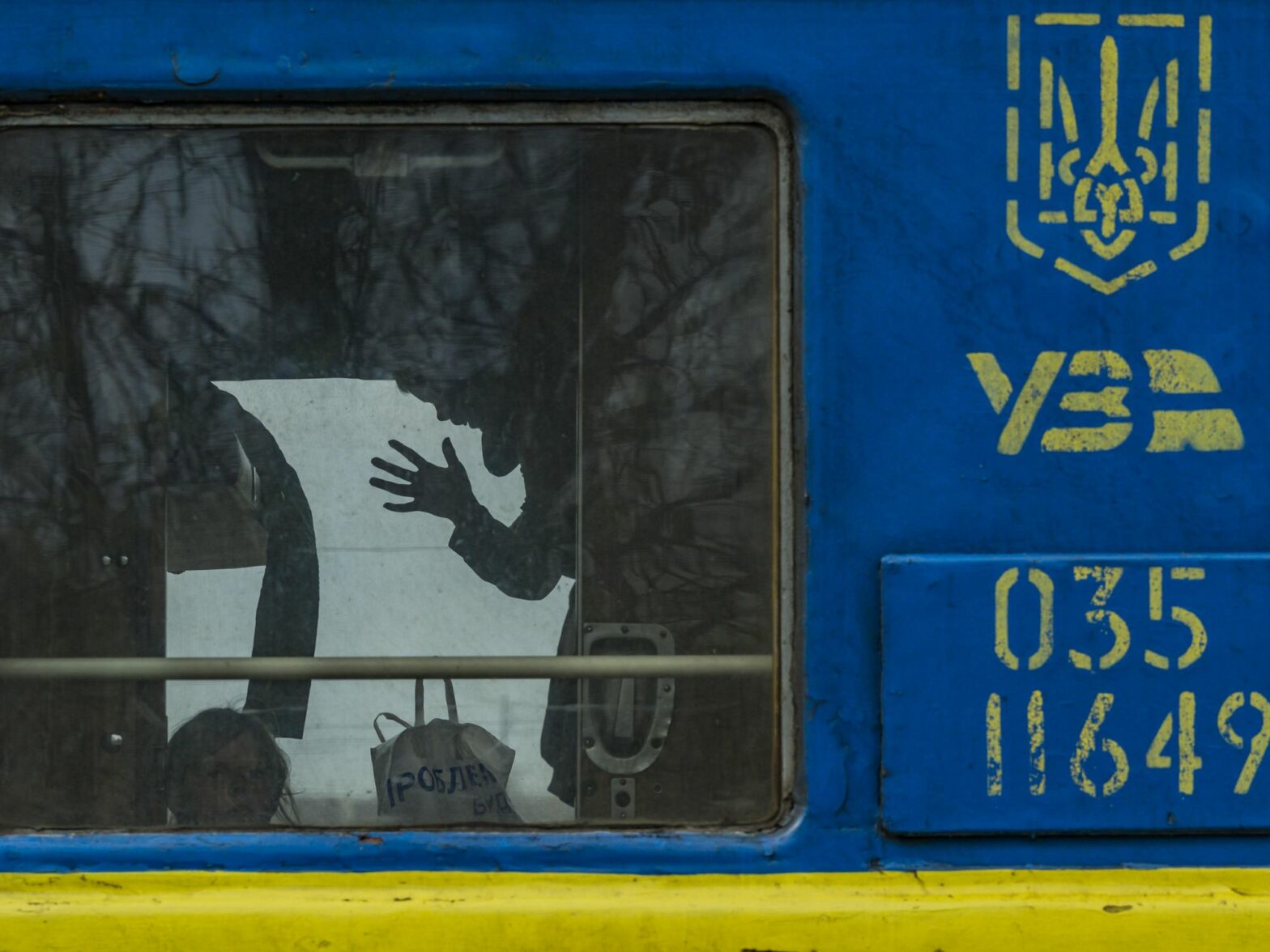
The European far-right’s sympathies for “white and Christian” Ukrainians shows its devotion to the idea of the “clash of civilizations.” But it fails to see the basic paradoxes of war, where you may be fighting those who most resemble you and be forced to welcome those who look different.
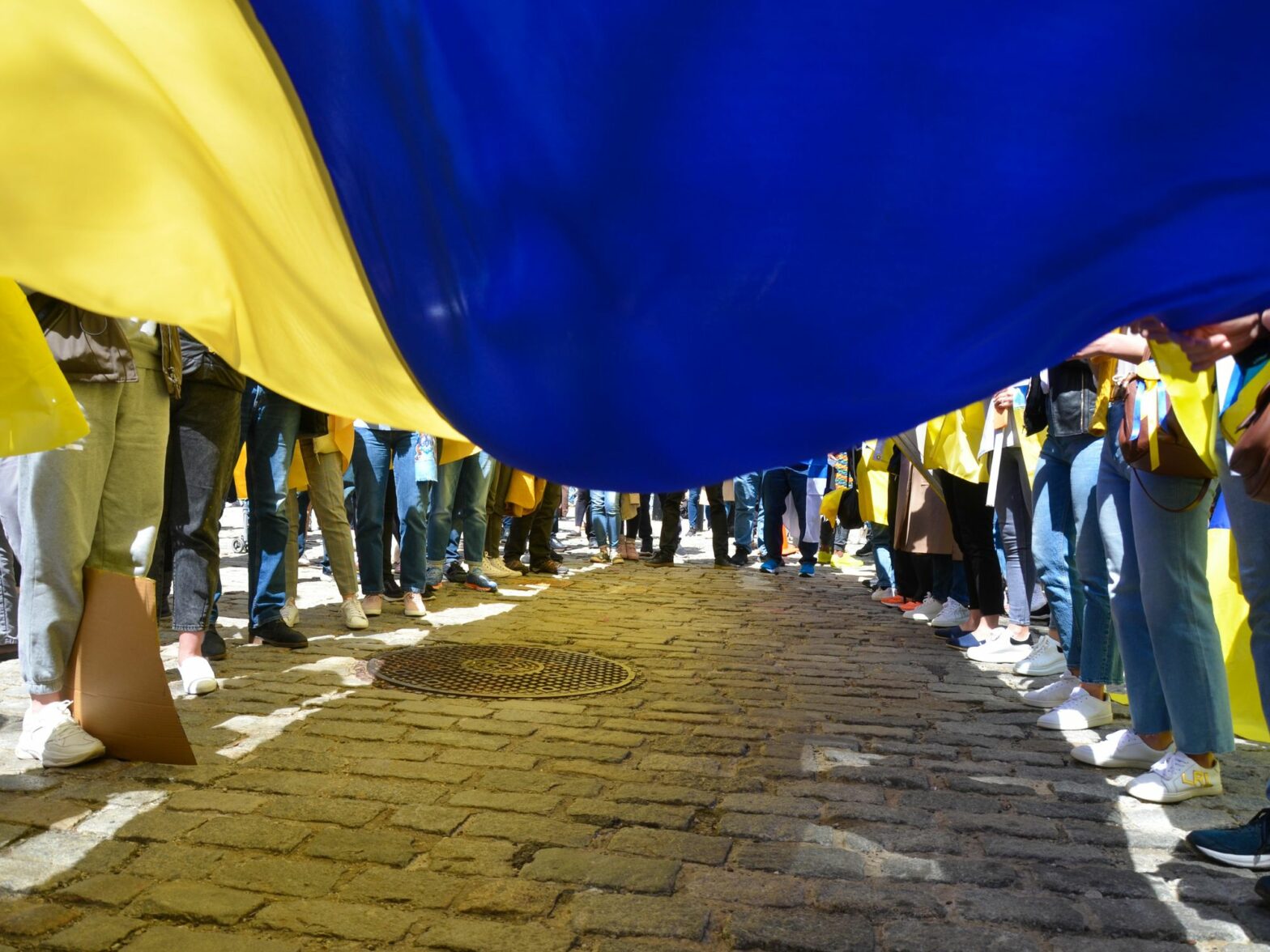
From India to Brazil to South Africa, countries in the so-called “Global South” are leading a renewed movement of not picking sides in order to protect national interests that may make the new Cold War even more perilous than the last one.
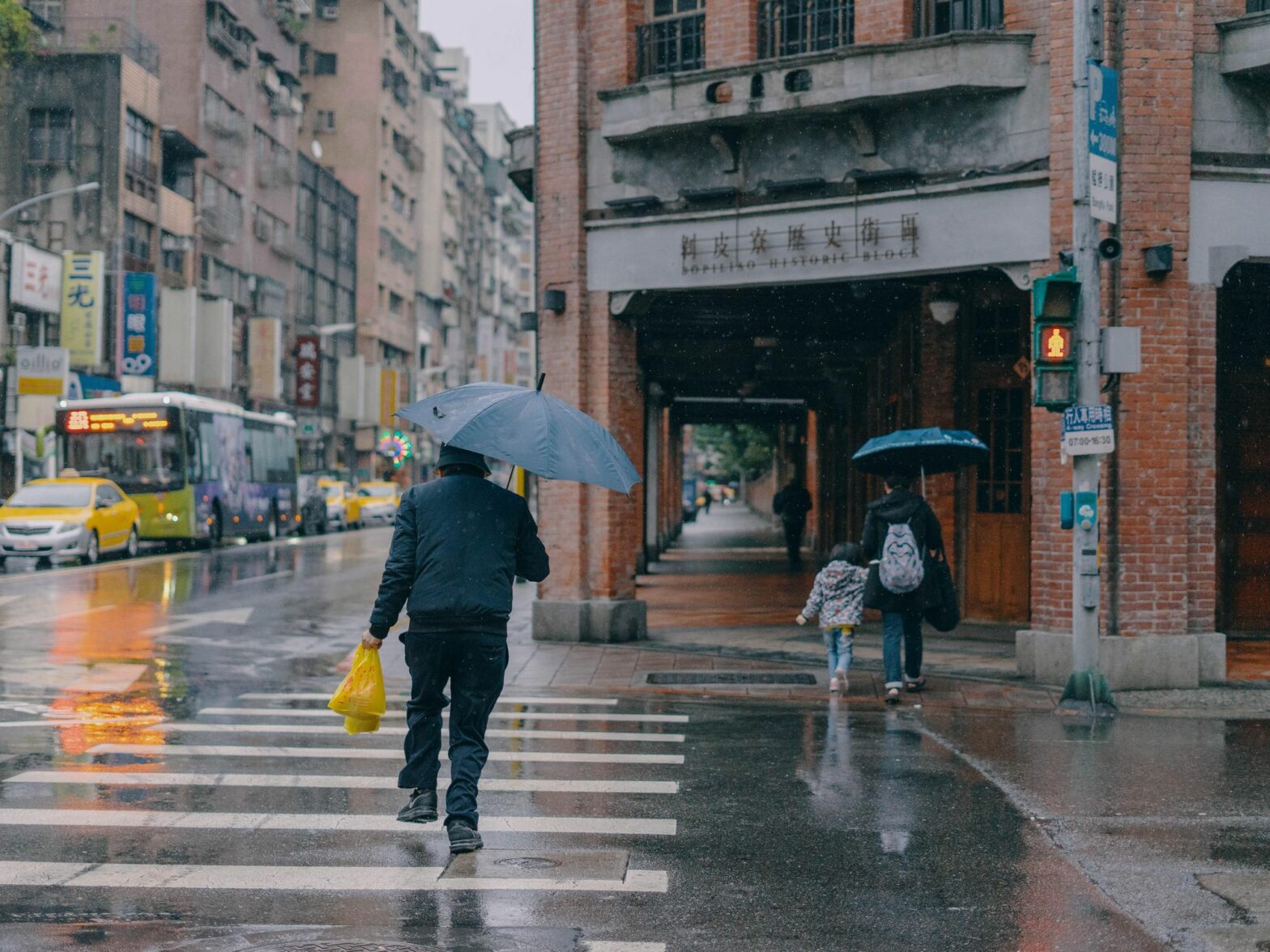
The United States has no treaty obligation to send troops to protect Taiwan against China, but it has a “fairly clear” commitment to aid its defense, unlike in Ukraine. The economic stakes are also a source for worry.
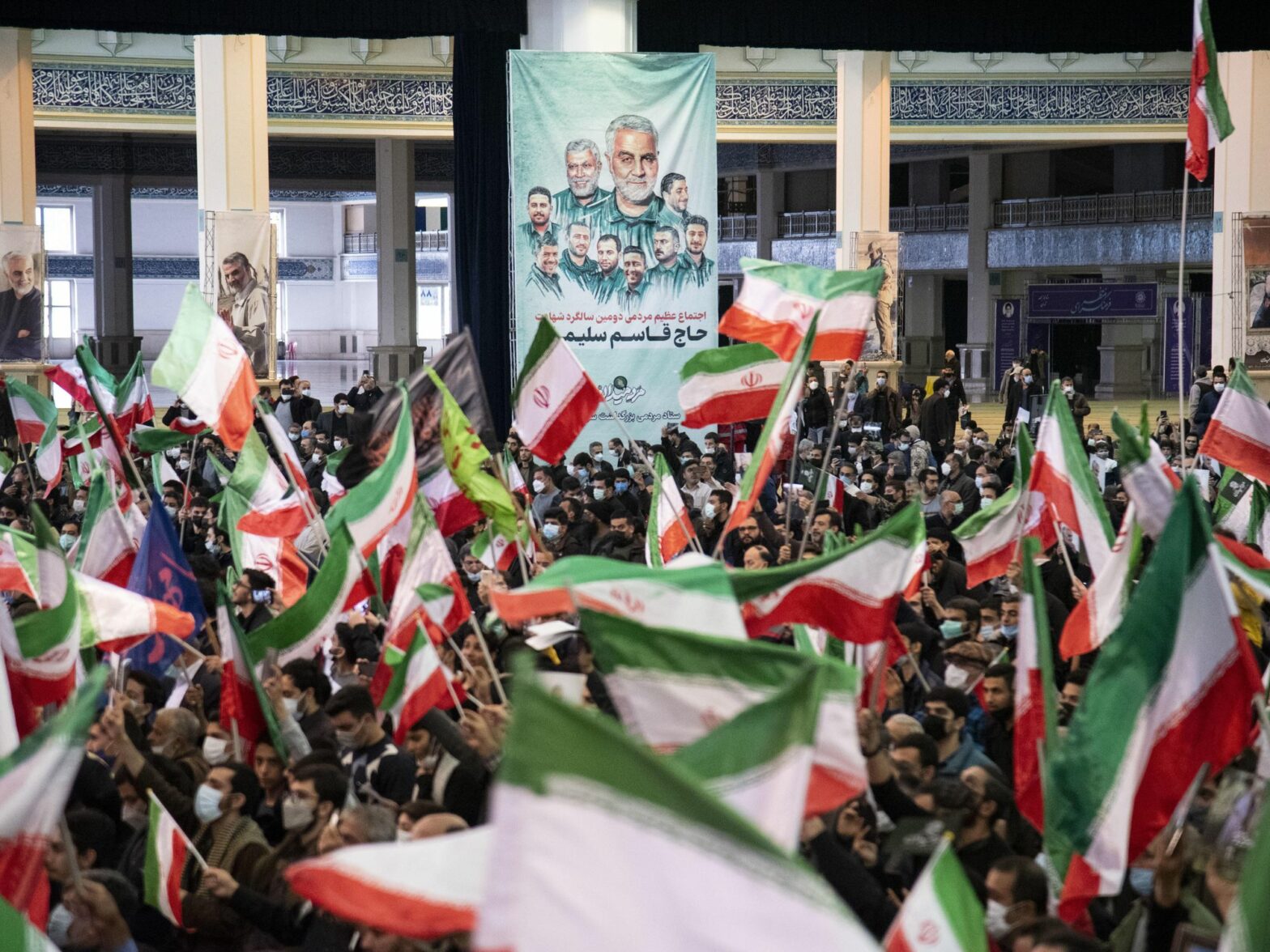
Is there calculated diplomacy or just confusion behind the Biden administration’s ambivalent positions on what can only be defined as ‘terrorism’ of the Iranian Revolutionary Guards?
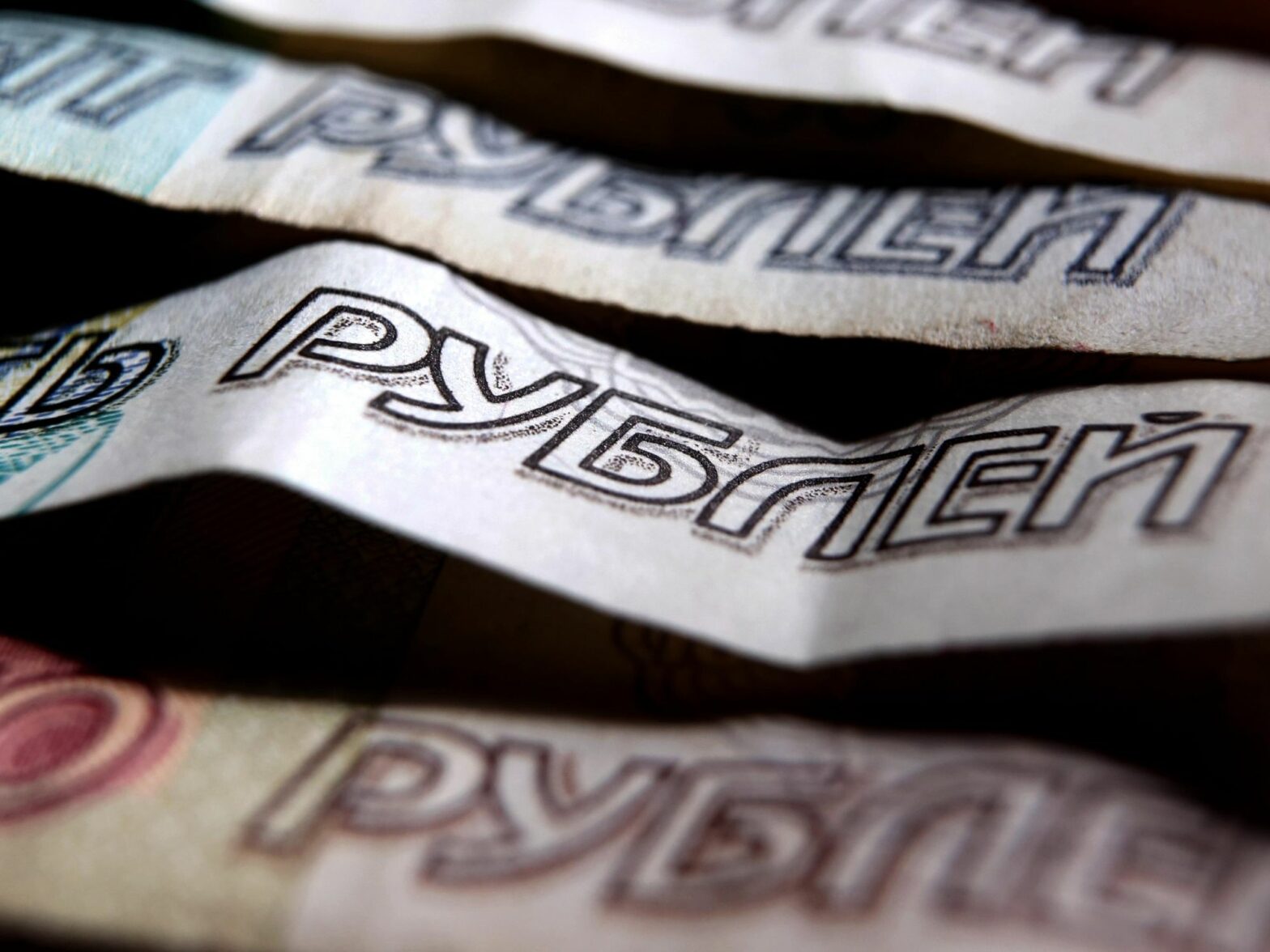
A default would be one of the clearest signals that the sanctions are having their intended effect on the Russian economy. But its impact on Russia’s ability to wage war in Ukraine may be another story.
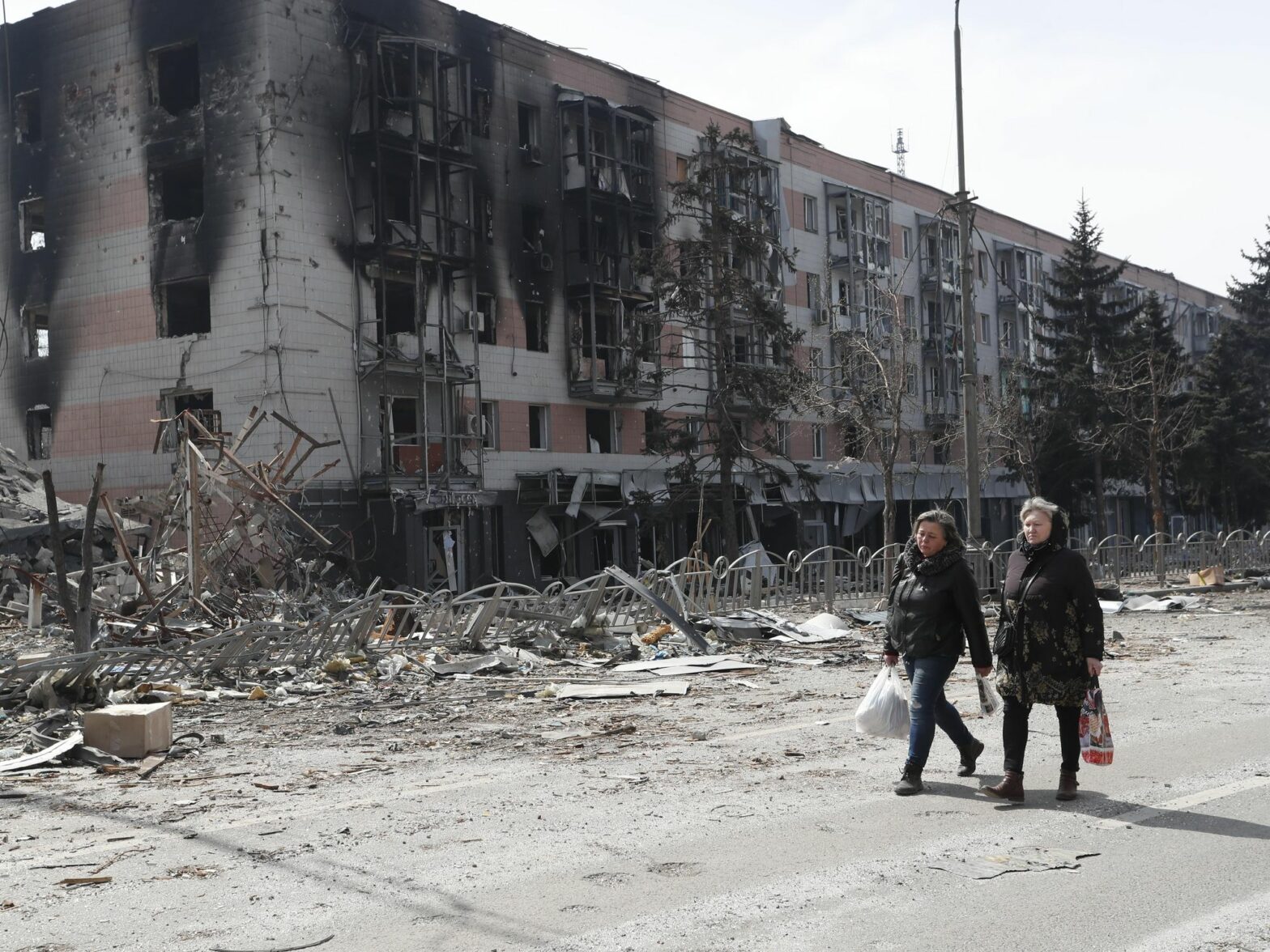
There are instructive, and dismally repetitive, precedents for the war in Ukraine in the histories of imperial Russia and the Soviet Union, but also U.S. aggression from Vietnam to Iraq.
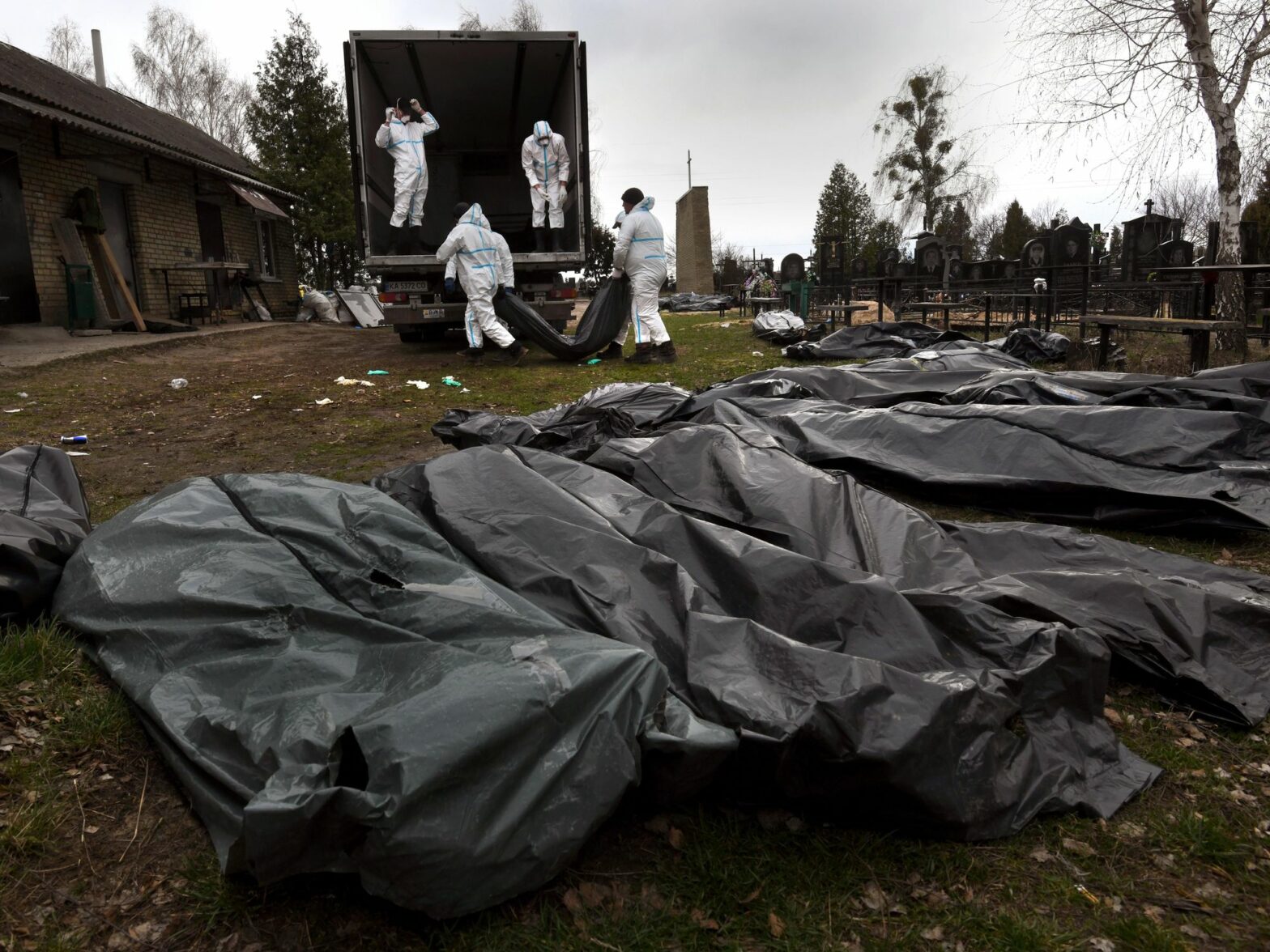
The revelations of the alleged war crimes in Bucha are making Russia’s war more complicated for the leaders of China, who could have supported a victorious Moscow without hesitation, but a humiliated Moscow is a different matter. Xi Jinping and Vladimir Putin’s shared ambitions of a new world order is at stake.
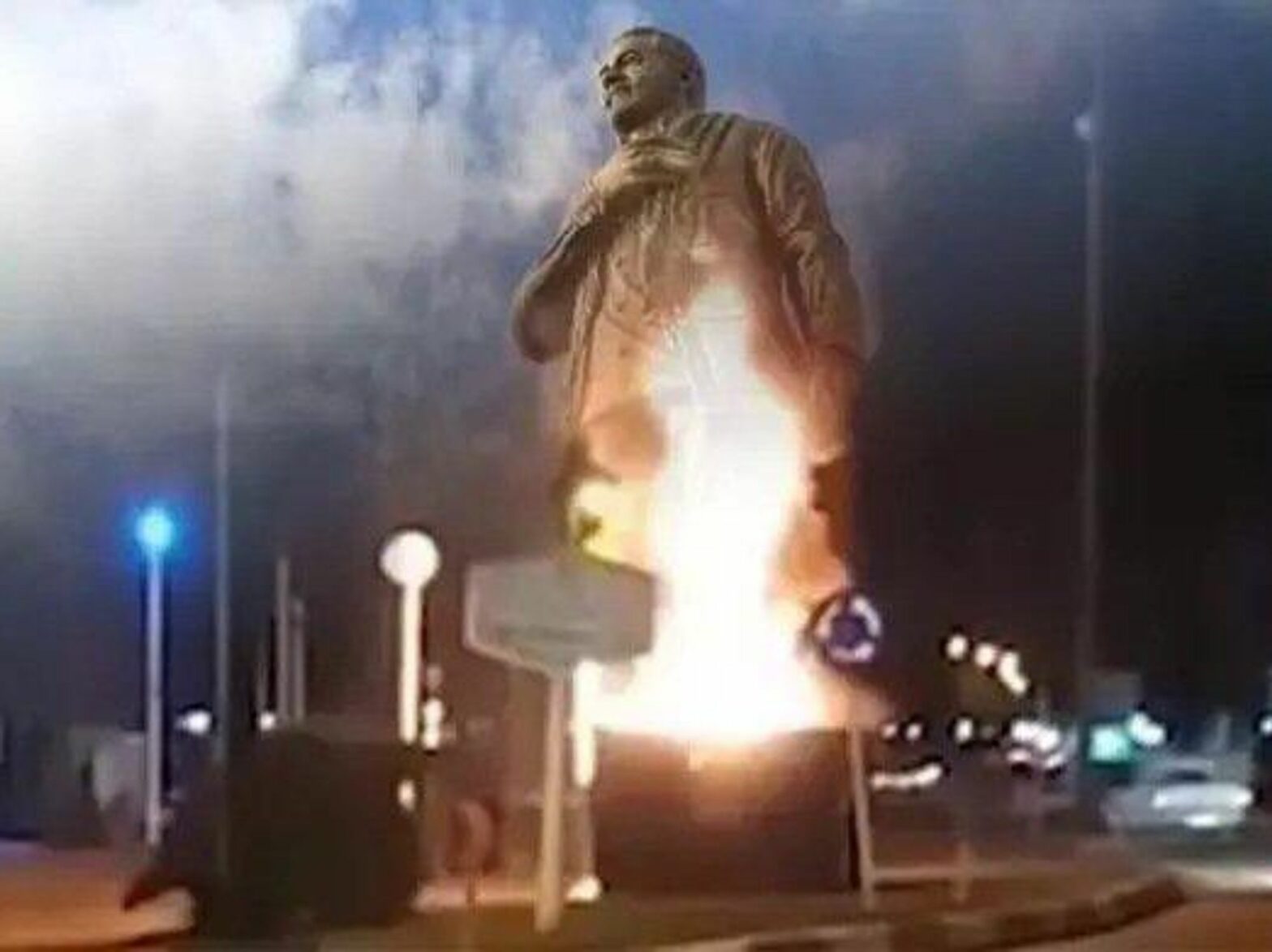
With increasing frequency, Iranians are destroying or defacing the monuments of revolutionary and clerical leaders that they have come to loathe as symbols of oppression. It is a dangerous act of protest against the regime, which has called the vandalism “vile.”
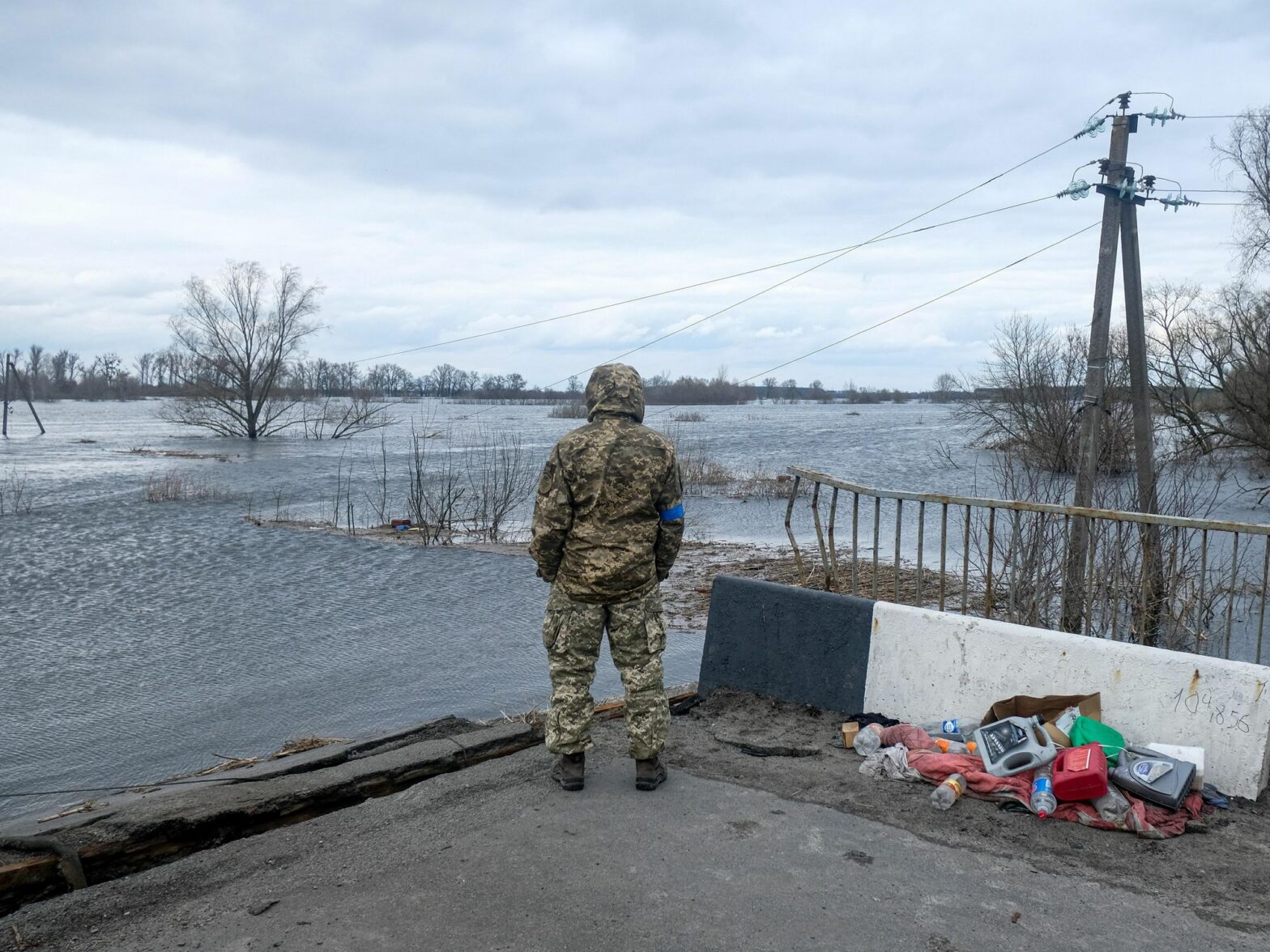
Vladimir Putin’s original plans for conquest of Ukraine have not changed. By pulling back from Kyiv and flirting with negotiations, he is trying to buy time to reorganize for a longer war that require Ukrainian forces to hold their ground in the eastern Donbas region.
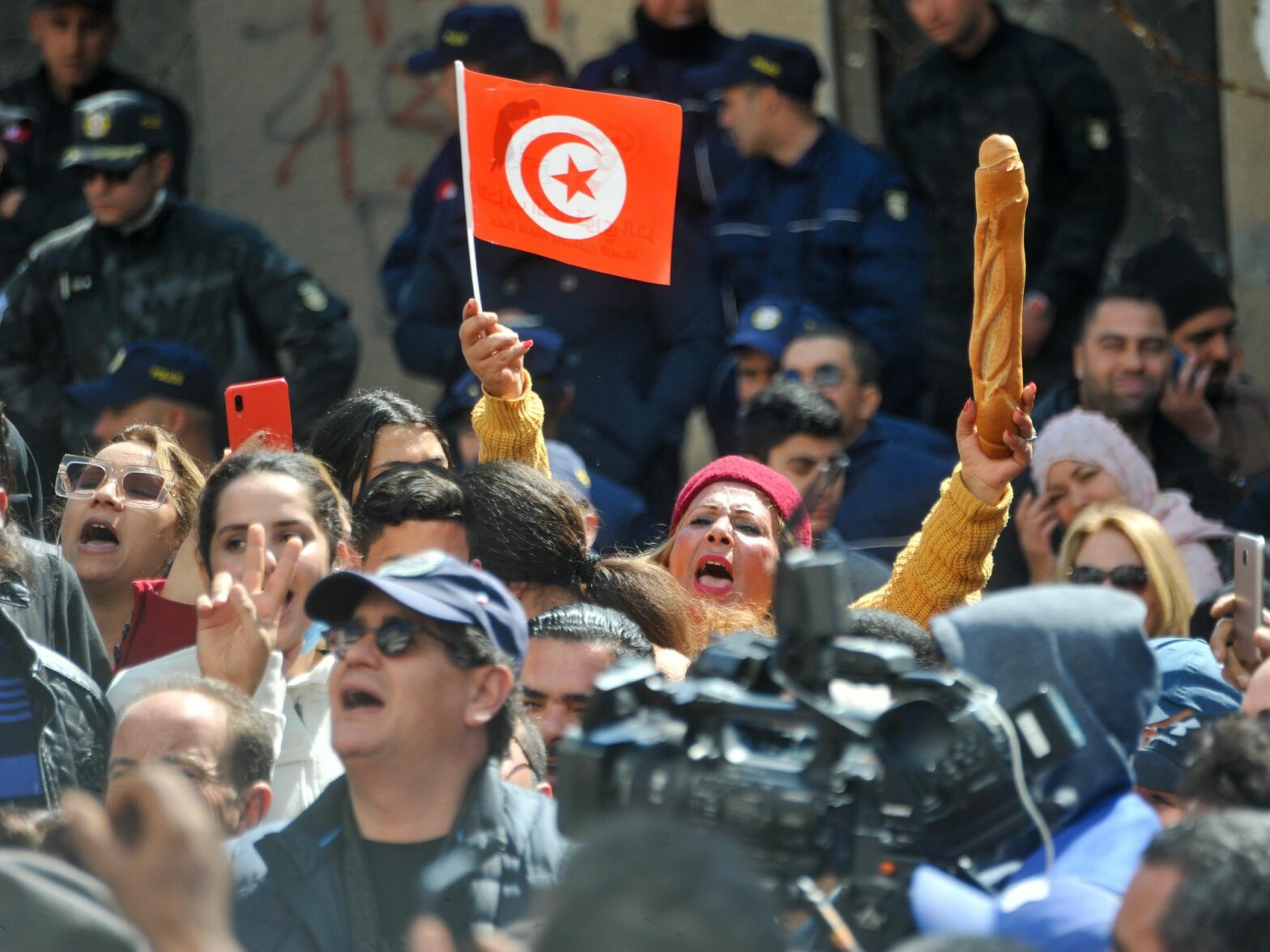
Rising tensions in wheat productions, explosion of oil prices, fear of the unknown, could the Ukraine war lead to a popular Arab uprising similar to the one in 2011?
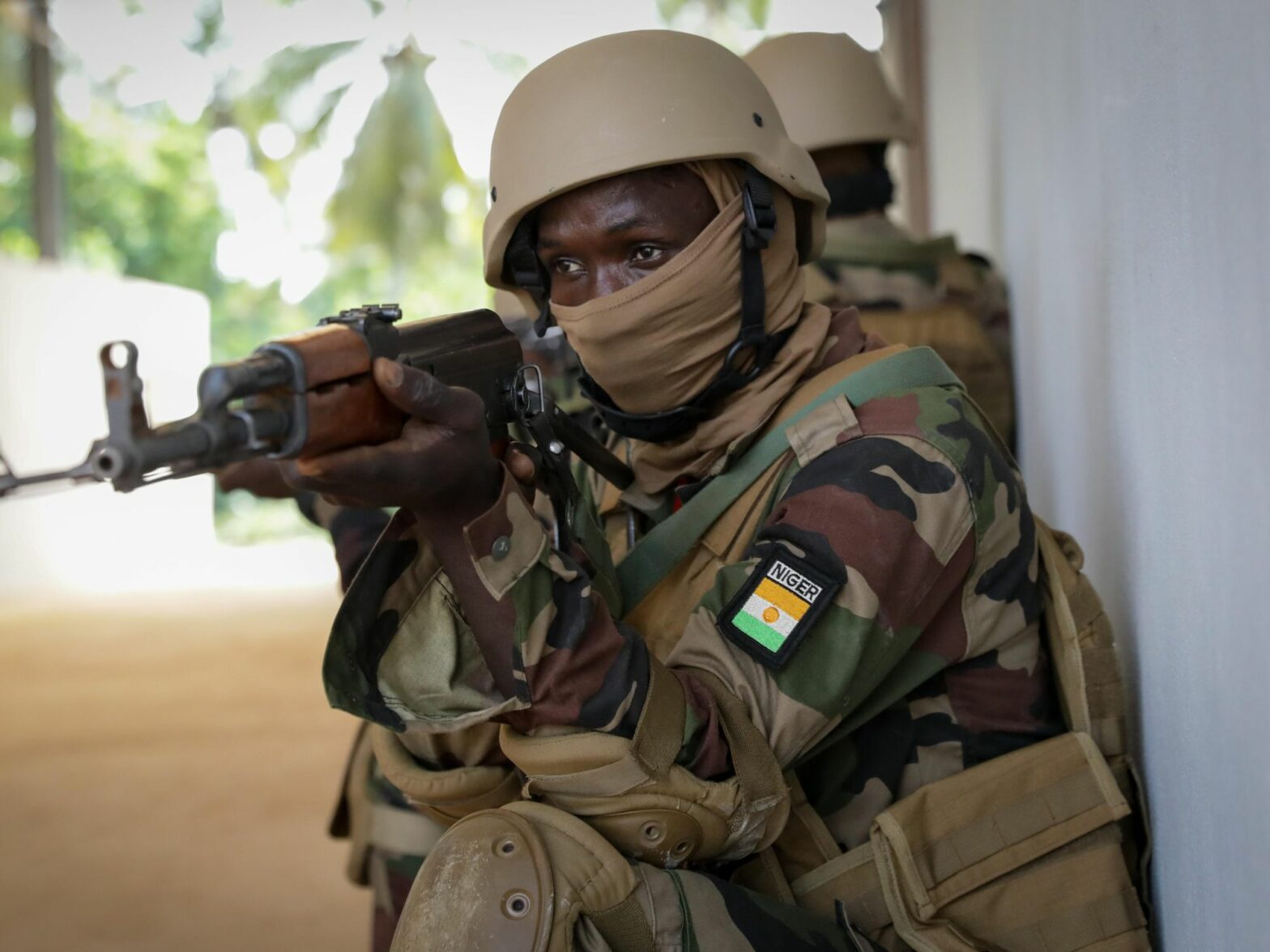
Facing geopolitical devastation caused by the war in Ukraine, the African continent cannot be subordinate and obliged to choose one power over another. It must bring about an African foreign policy for a new multipolar world.
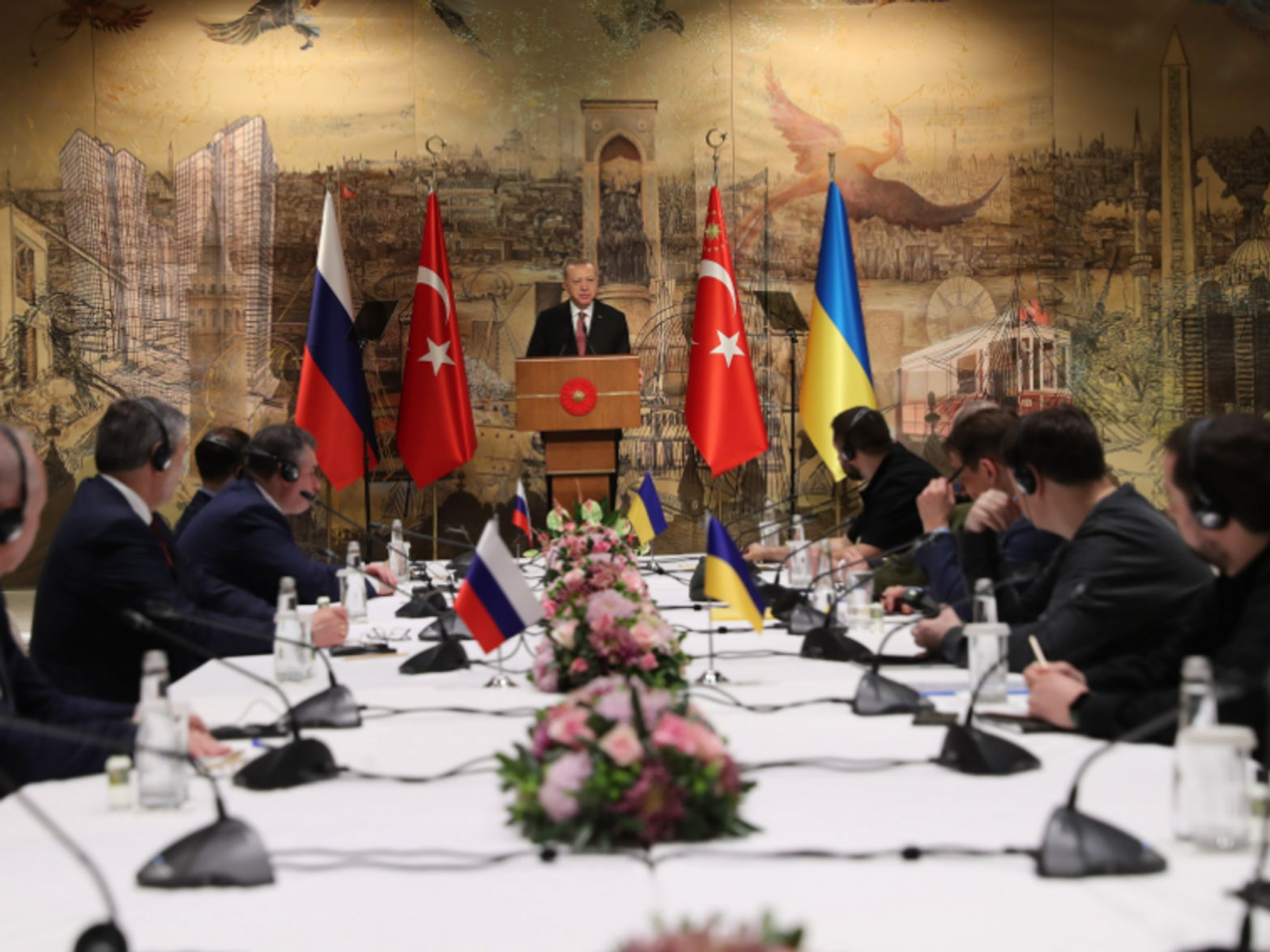
After more than a month of fighting, a fresh round of negotiations between Russia and Ukraine has begun in Istanbul in the hope that progress can be made. Following weeks of fruitless talks in Belarus, negotiations were hosted by the Turkish president, Recep Tayyip Erdoğan, who made a short opening statement telling both sides: “The world is waiting for good news, and good news from you.” Stay up-to-date with the latest on the Russia-Ukraine war, with our exclusive international coverage. Sign up to our free daily newsletter. The very fact that talks have moved from Belarus, a key Russian ally, […]
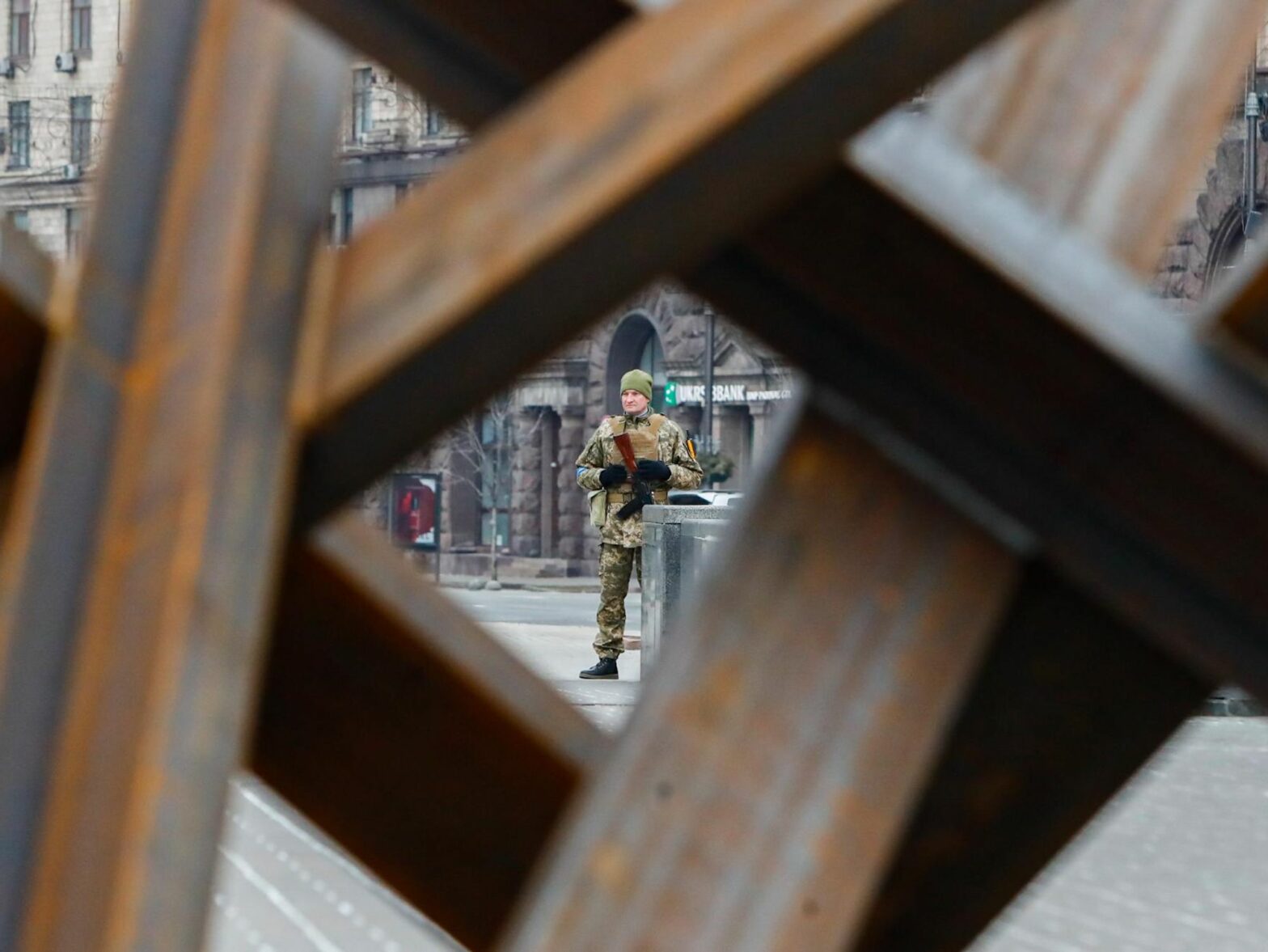
Since day one of the war in Ukraine, military theorist Martin van Creveld has been analyzing the problems facing Russia. He recognized Putin’s supposed retreats as the deceptions that they are. But the current situation is even more complex than it appears.
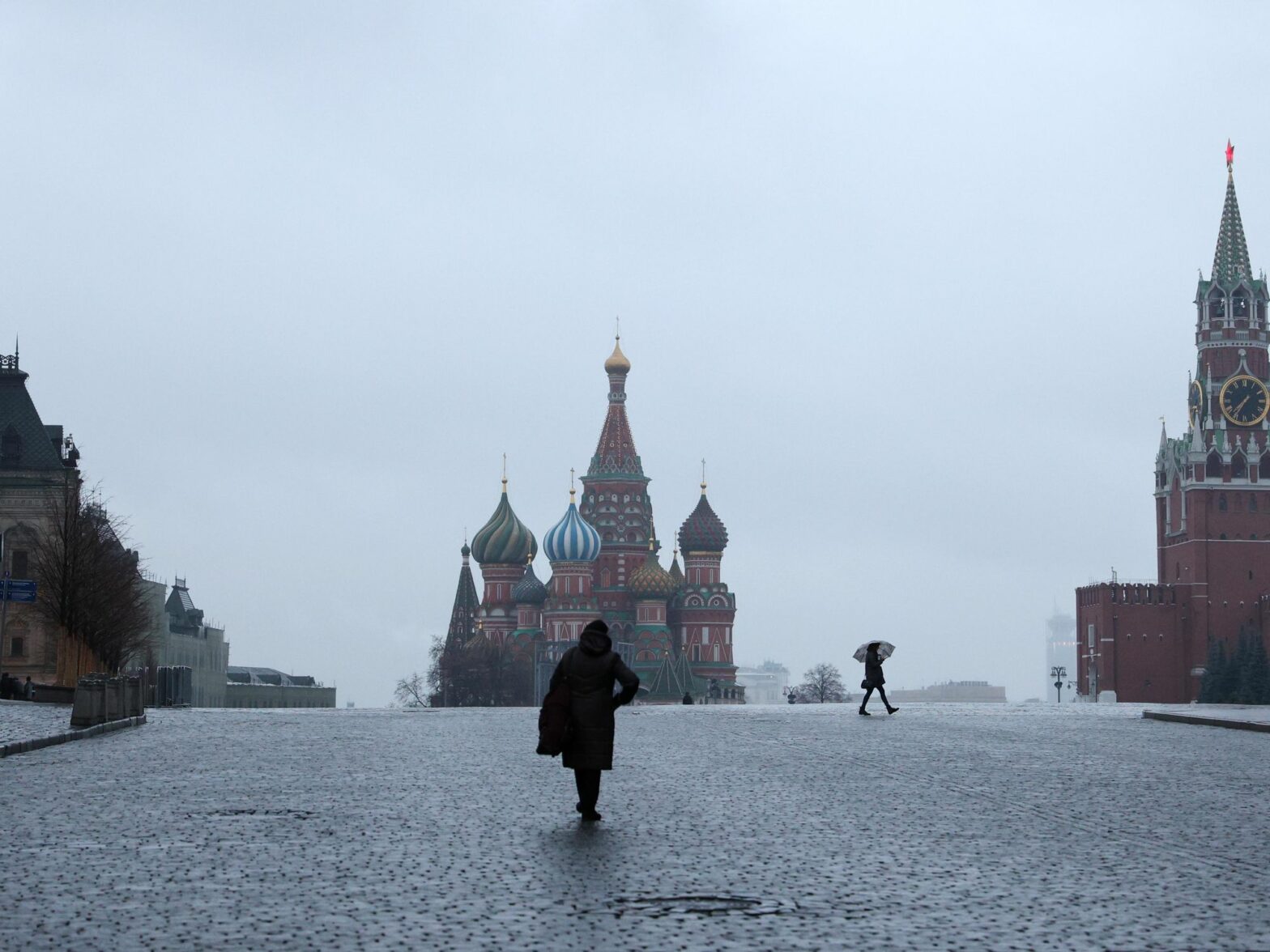
Like from a Pushkin tale, Soviet embargo, or even a COVID lockdown, Russia is at home when it is proudly or despondently cut off from the external world. And after a post-Soviet pause of opening up, here we are again, says Russian writer Yury Saprykin.
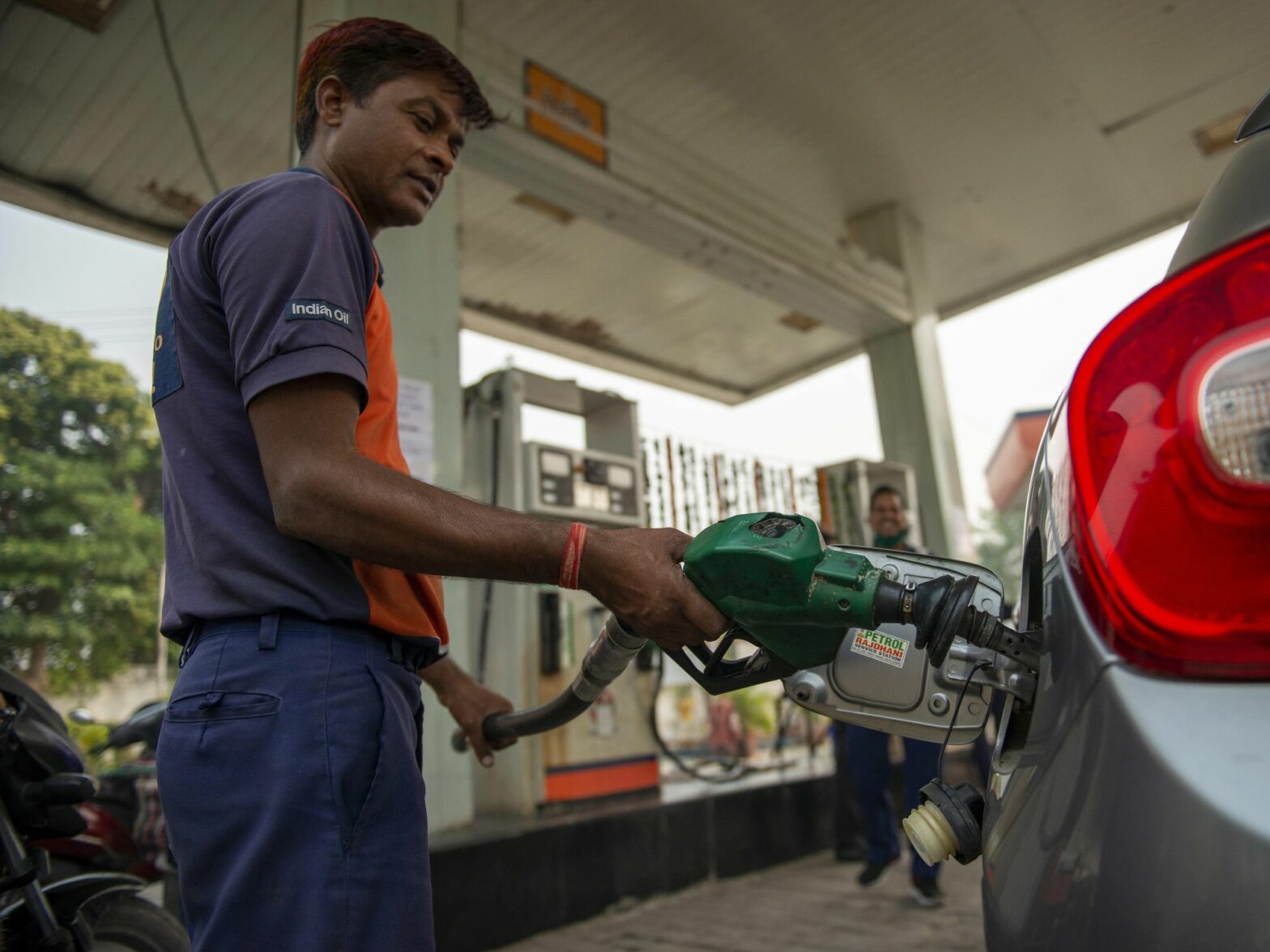
While the strategic issues are still being debated, the Indian government has dismissed the moral issue by concluding a cheap oil agreement with Russia. But are Indian consumers prepared to accept the true cost of discount Russian oil?
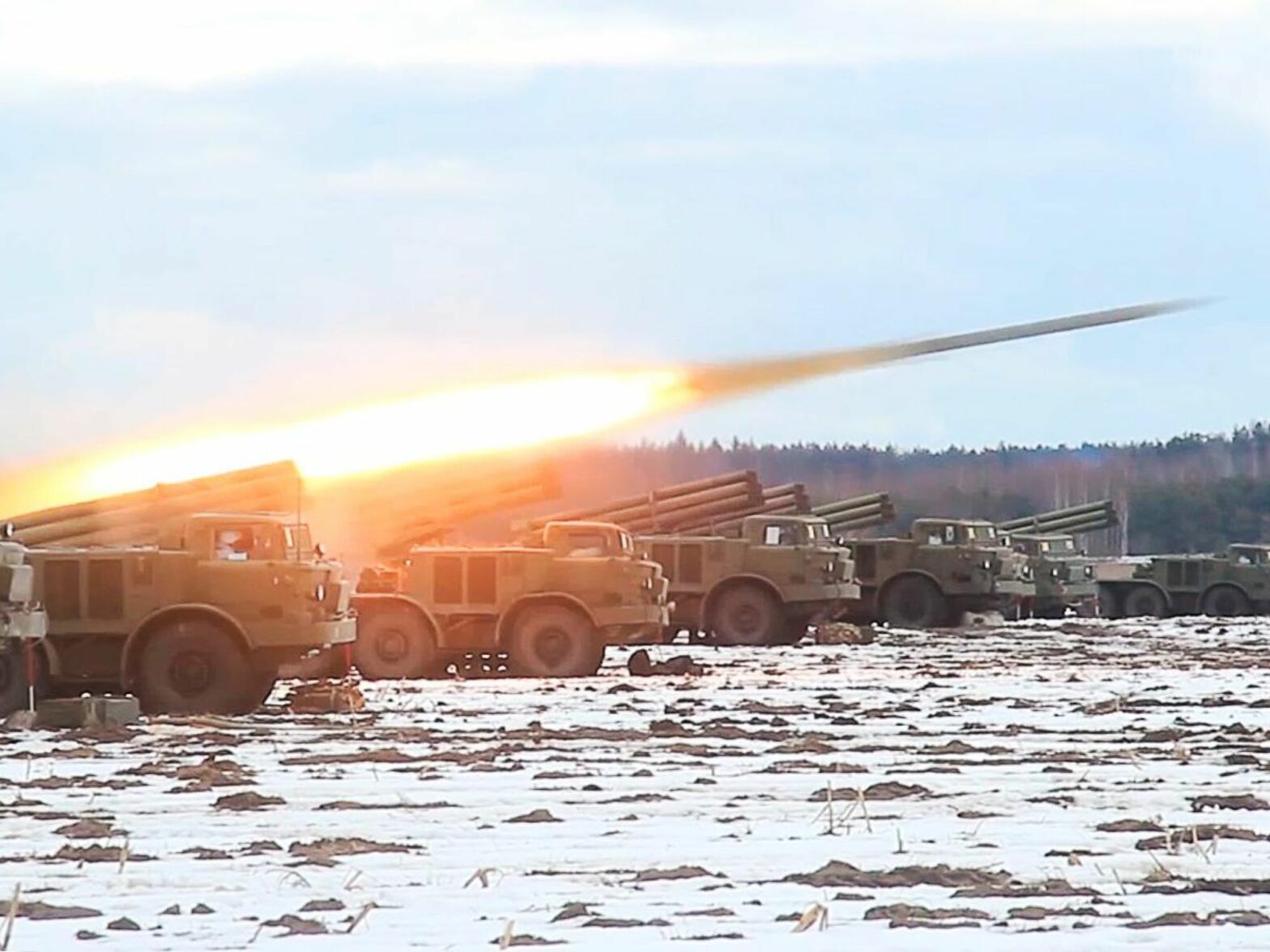
After Minsk recalled all its embassy staff from Ukraine over the weekend, additional reports now show evidence around the northwest territory that Alexander Lukashenko may be ready to join Putin in the assault on the southern neighbor.
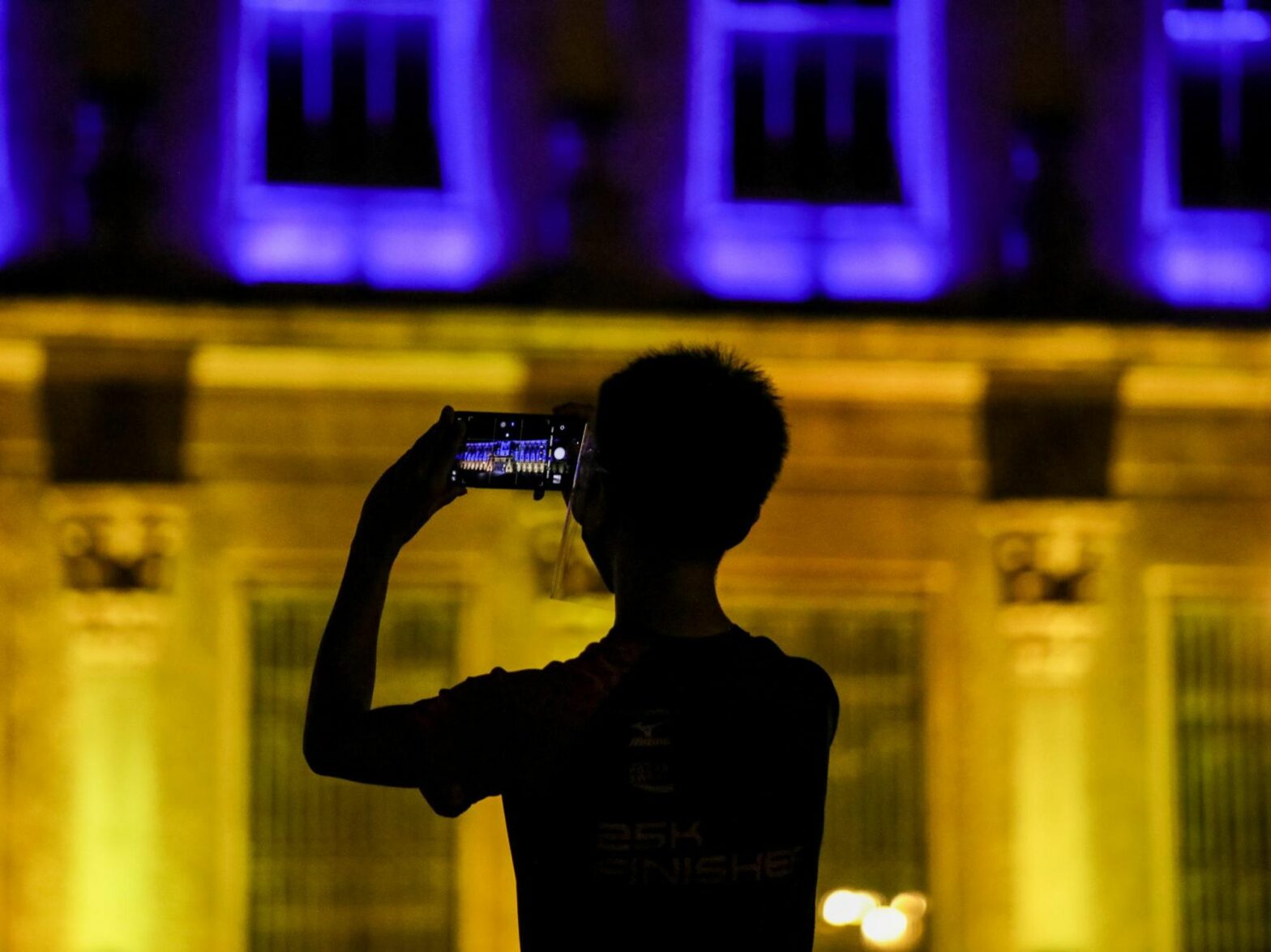
Western countries want to isolate Russia on the world stage. But for many Asian countries, the war in Ukraine is distant geographically and economically, and represents an existential debate between dictatorships and democracies.
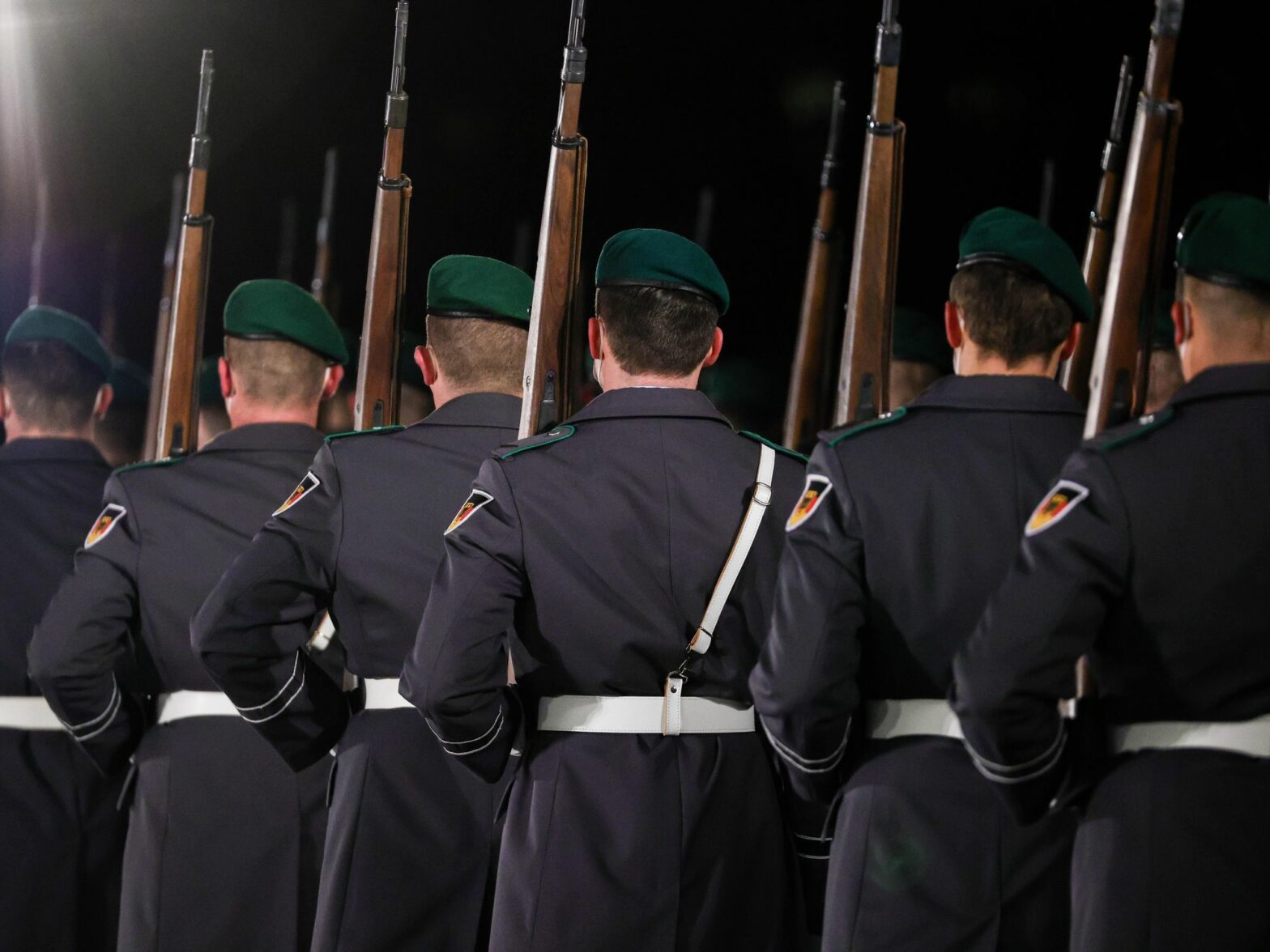
For decades, burdened by its history, Germany refused to face the harsh realities of foreign policy. Now, suddenly spurred by the Ukraine crisis, the German government is ready to once again show strength — long-awaited good news, for all.
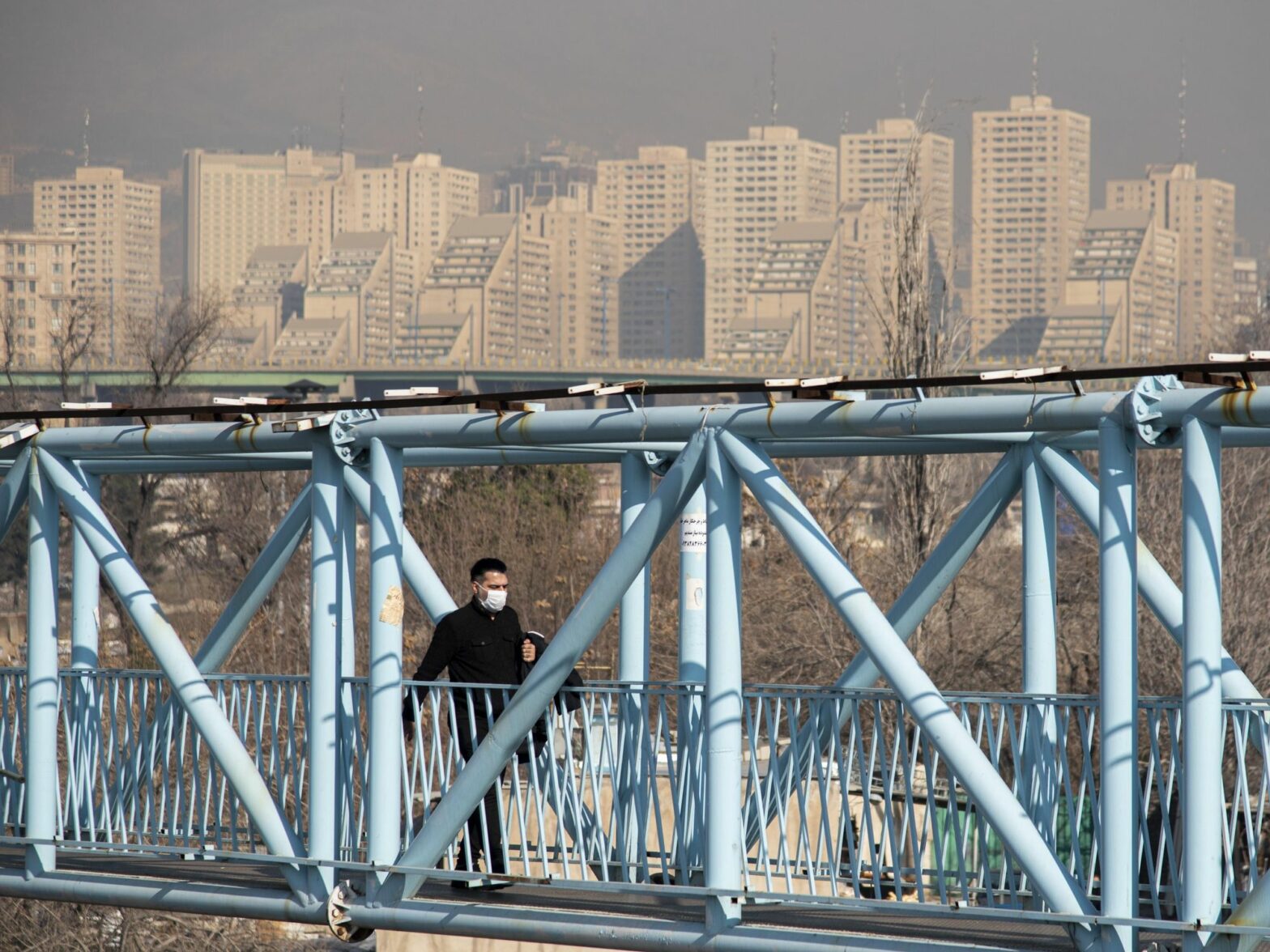
Iranians only have online speculation to guess how much the country’s clerical regime has conceded to China as part of the New Silk Road initiative. There are now reports of 5,000 Chinese security agents being deployed in Iran to “protect” Chinese personnel working in the oil sector.
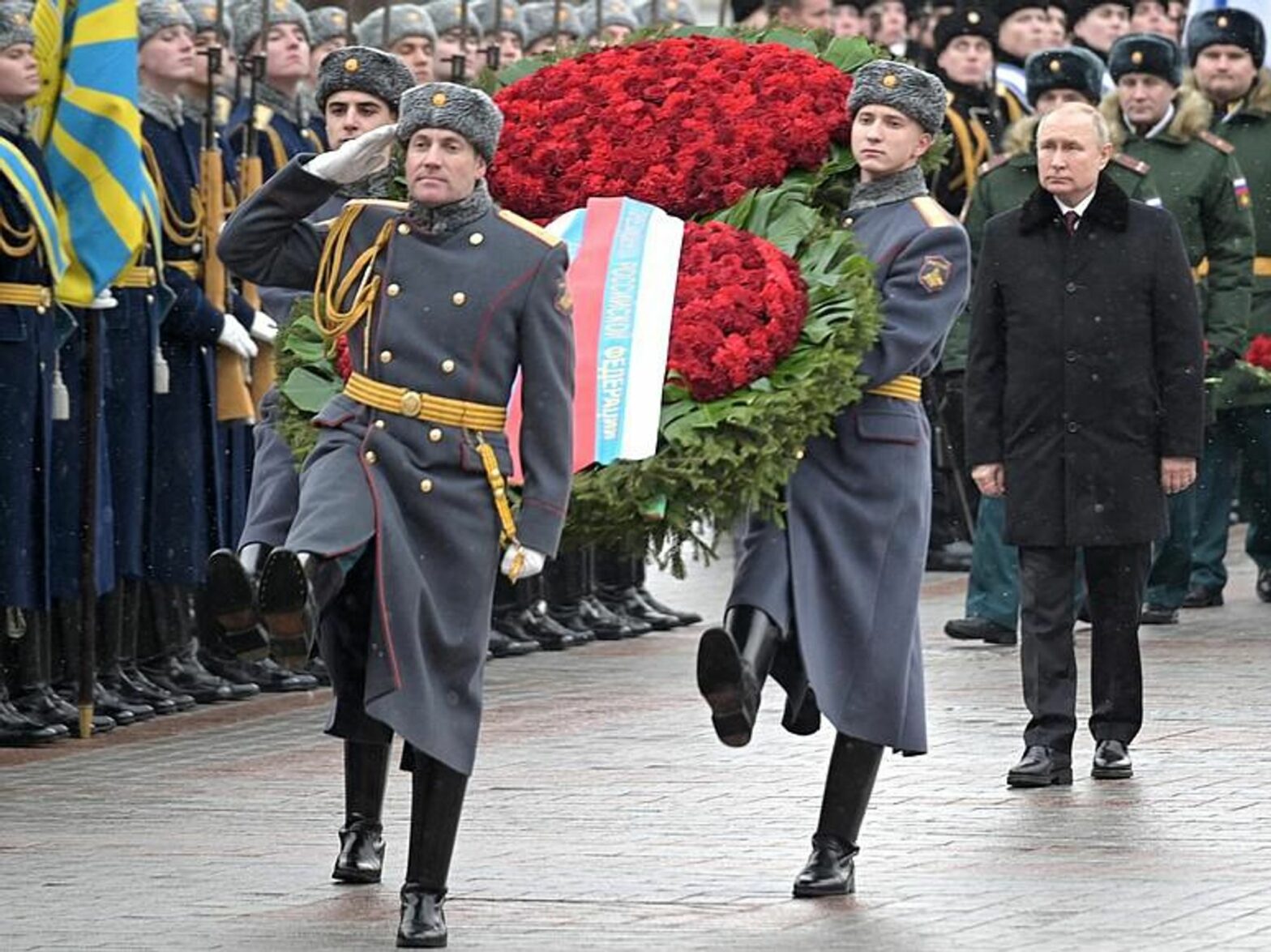
Vladimir Putin’s claims that NATO threatens Russia’s security, and that the only way Russia will back down is if NATO promises never to admit Ukraine, is a bait and switch. His long-term dream is to erase the idea of a Ukrainian nation on the road to his wider tsarist conquests.
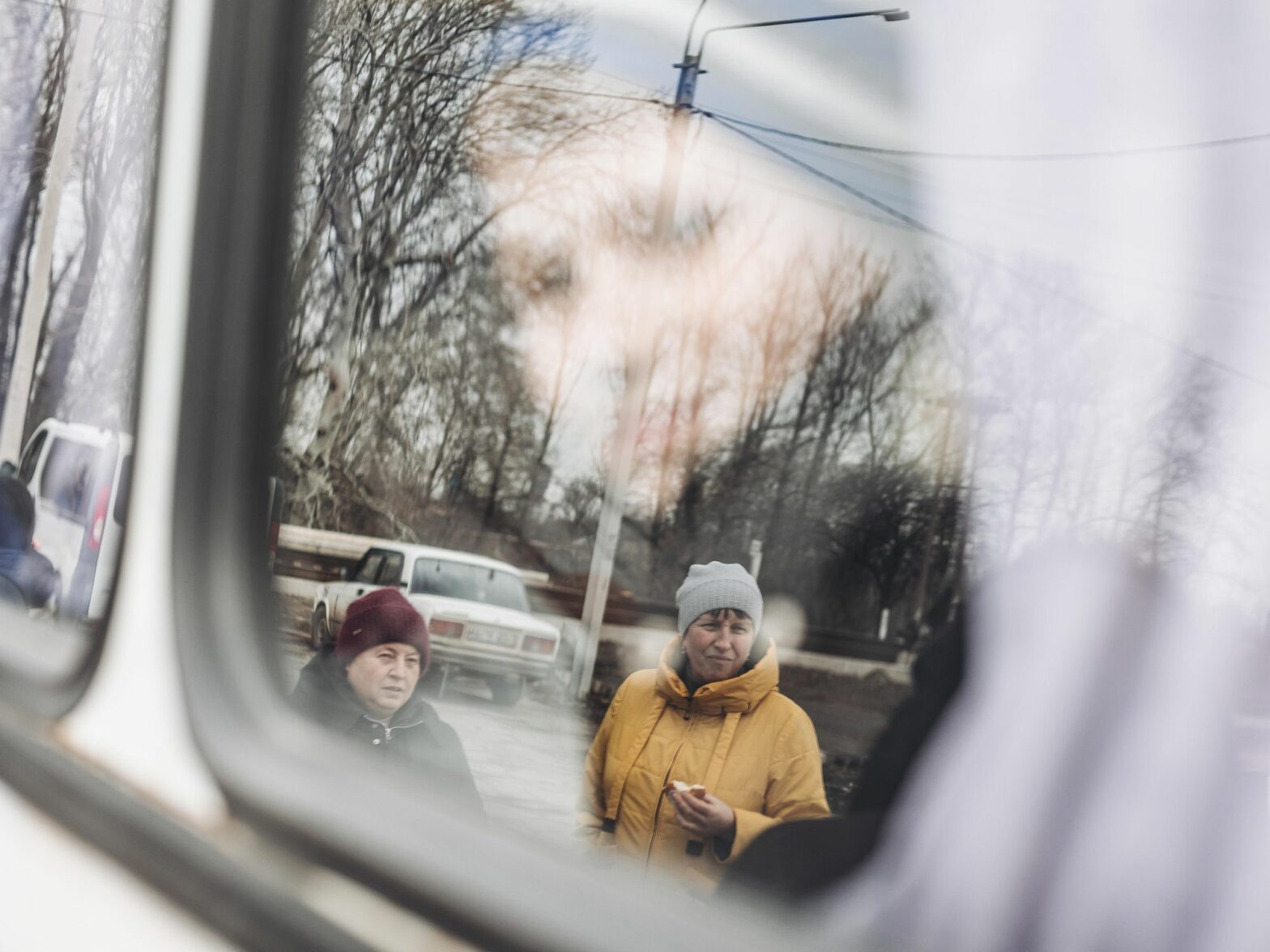
Faced with a massive invasion by its far more powerful neighbor, Ukrainians must be conscious of the stakes at play and the means that Vladimir Putin is prepared to employ.
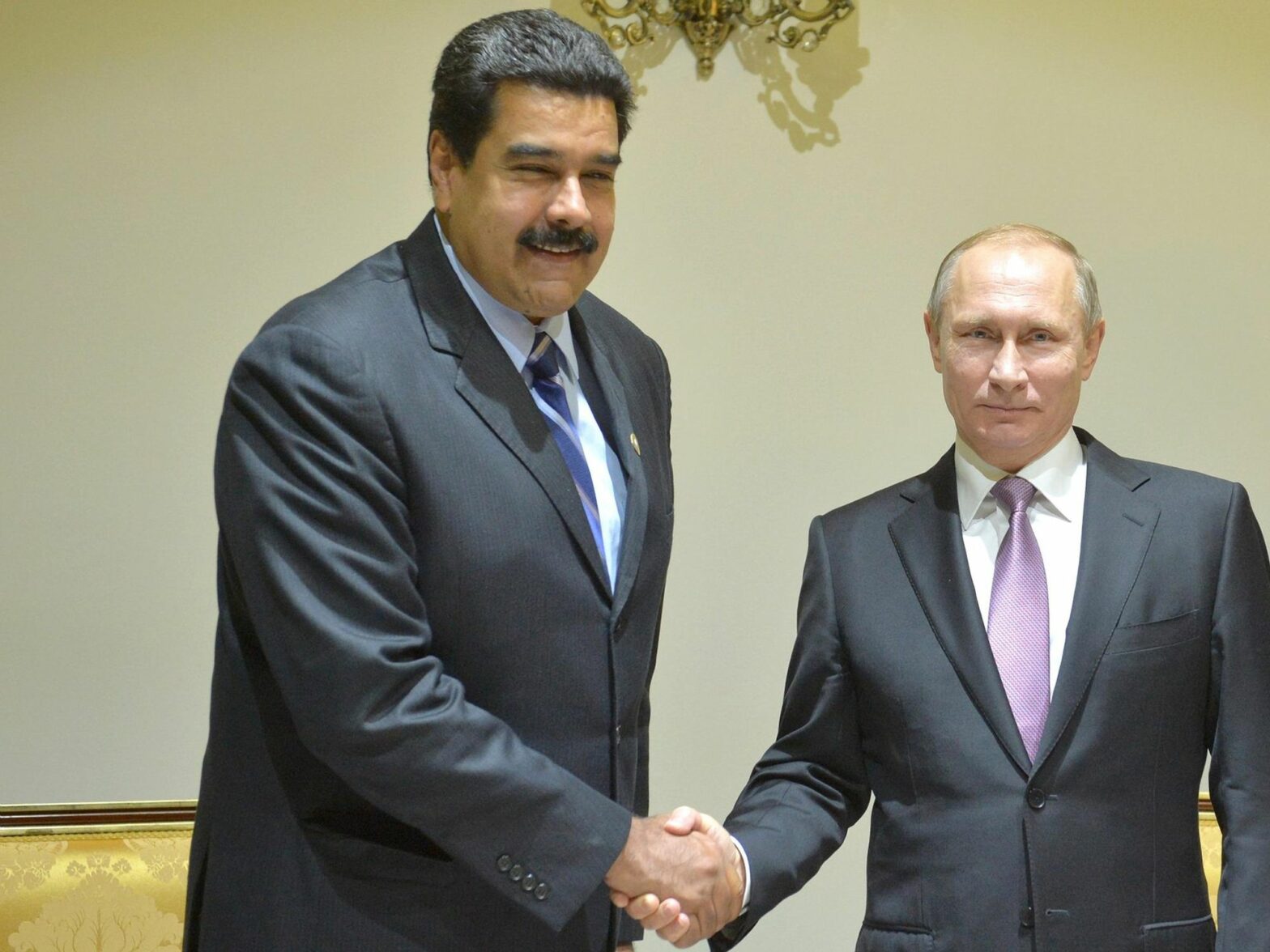
Russia’s president is neither clearly right-wing nor left-wing. As his dubious allies around the world suggest, he simply hates Western liberal democracy and seeks to expand his personal power, at home and abroad, by sowing unrest and conflict.
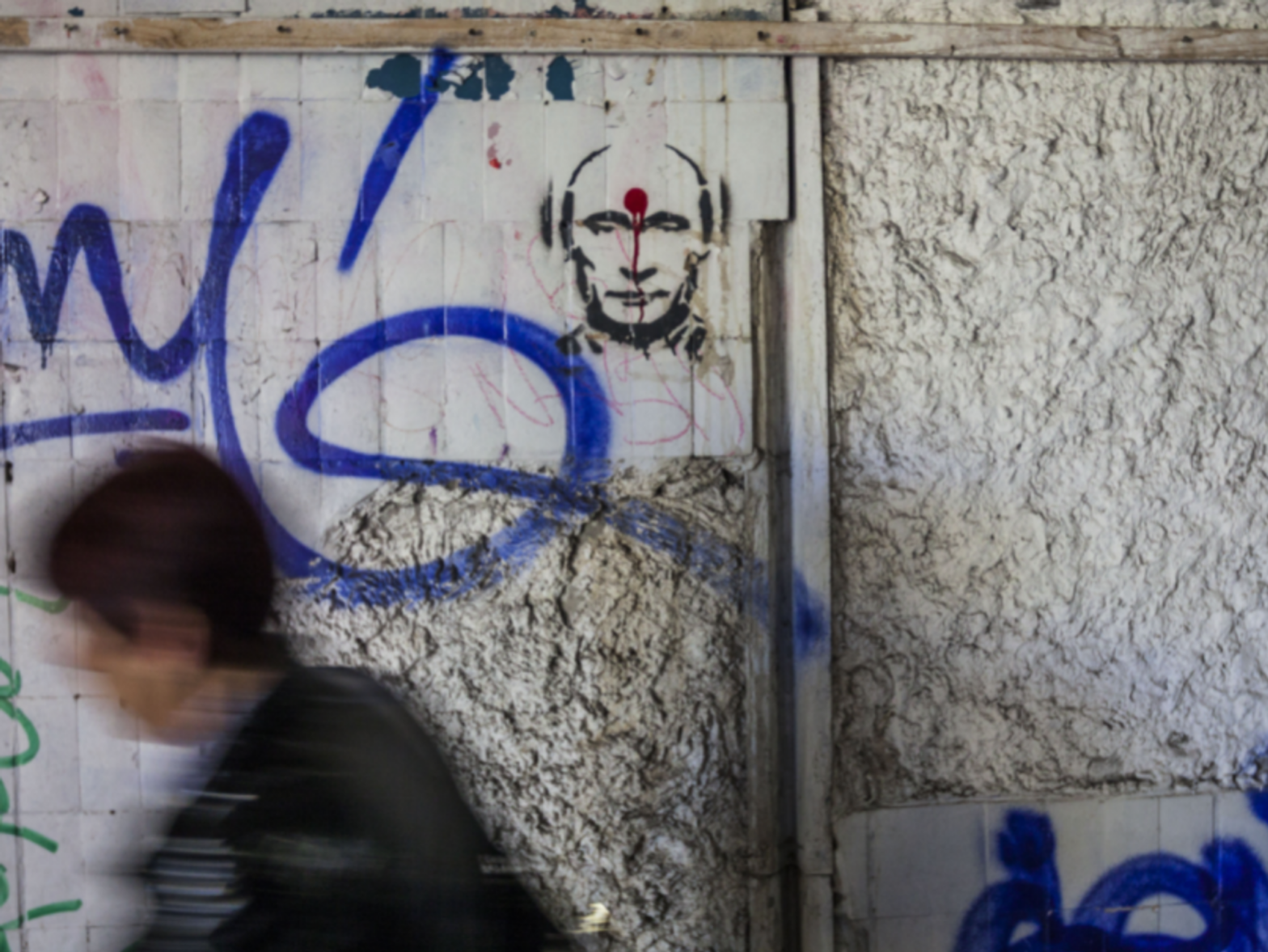
It’s not the presence of Western weapons that scares Moscow, it is the idea of freedom. And yet by threatening Ukrainians with invasion, his neighbors and rivals in the West rally around that same idea. Has the would-be strategic mastermind in the Kremlin finally painted himself into a corner? Unfortunately, that’s a dangerous place.
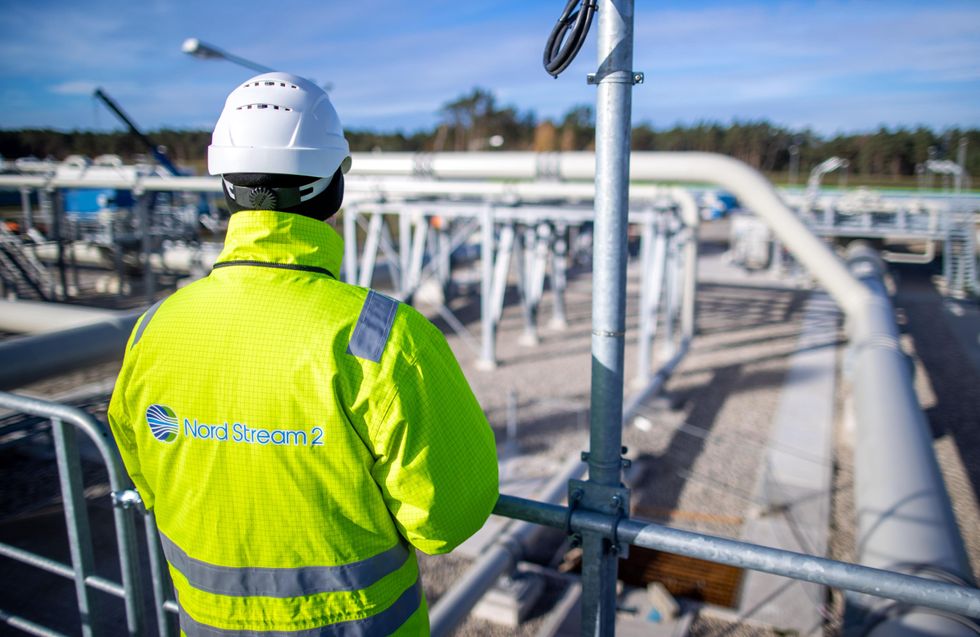
The United States expects Germany to put a halt to the Nord Stream 2 gas pipeline in the event of a Russian invasion of Ukraine. But the Americans are not mentioning the fact that they themselves import plenty of oil from Russia.
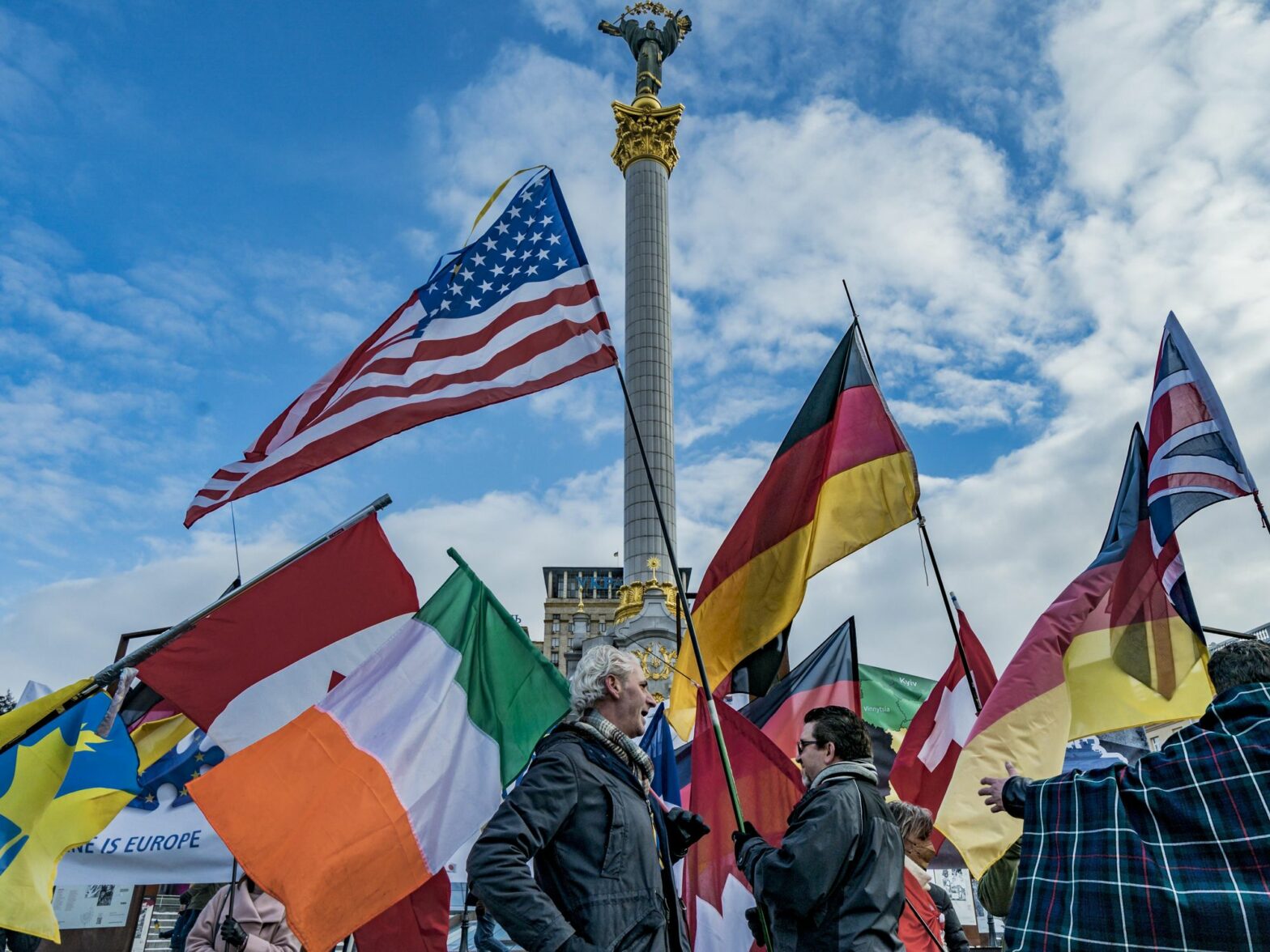
As Russia and China push their way to the top of the power heap, and the United States balks at playing global police force, expect fundamental changes to accepted norms governing international affairs.
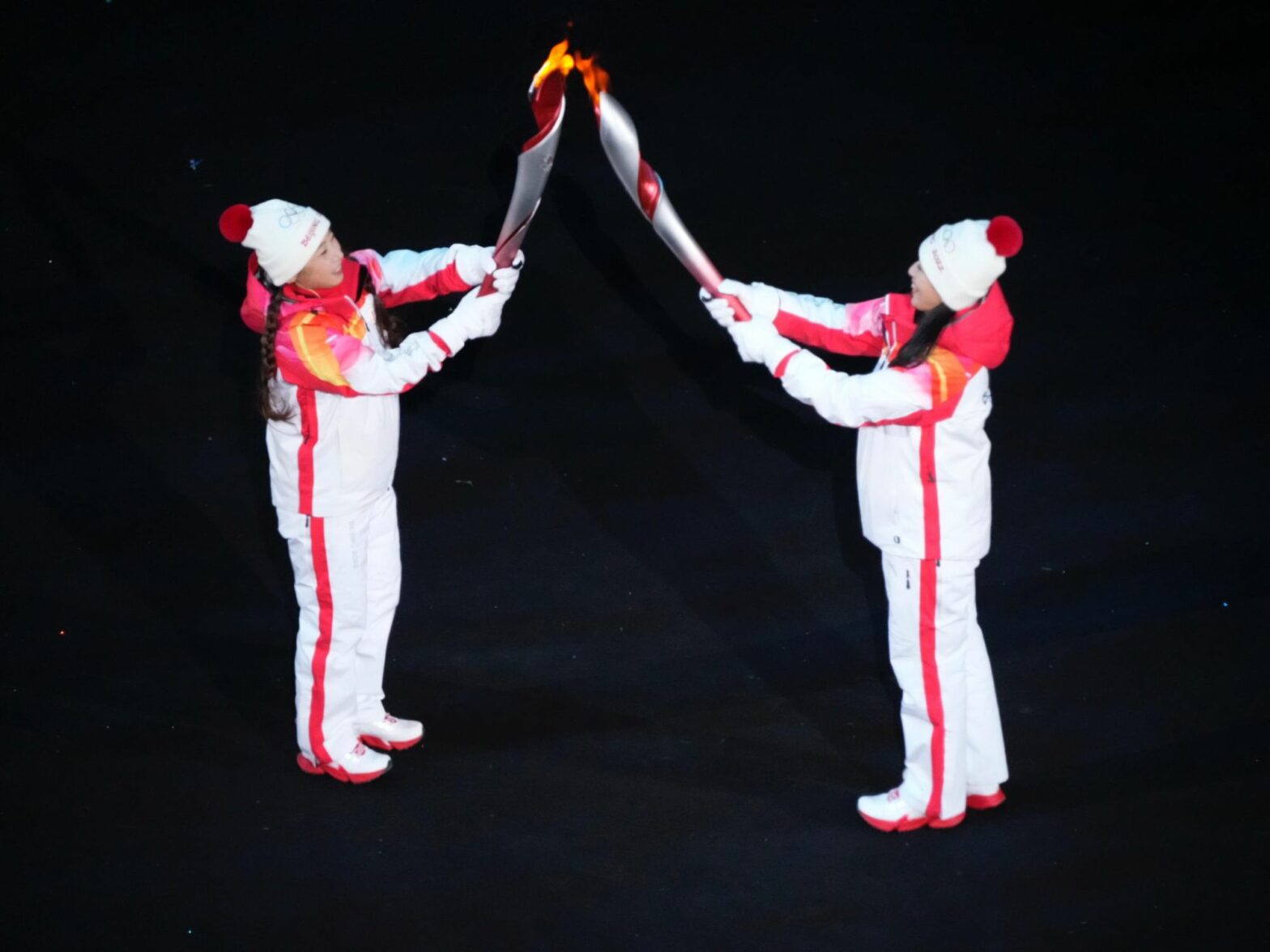
With both fans and diplomatic dignitaries missing, it’s an Olympics that recalls politically combustible Games of the past. COVID-19, like it did for the Summer Games in Tokyo, will also help haunt the premises. The good news is that the athletes will most likely take over our attention as soon as they hit the ice and snow.
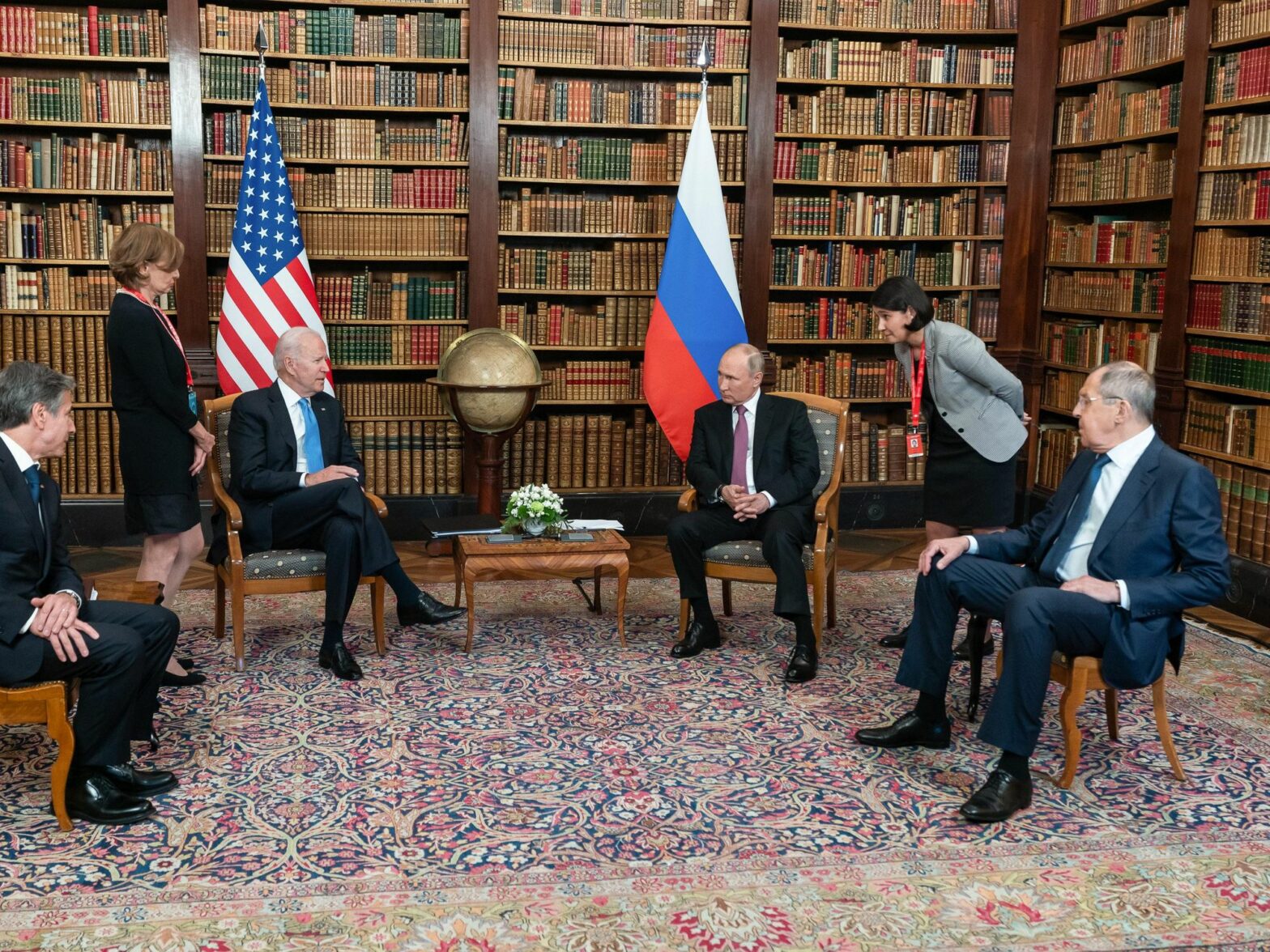
Demonizing the adversary, often in much the same way, was central to the script of the Cold War in the second half of the last century. Now with Moscow and Washington facing off again, old habits are back.
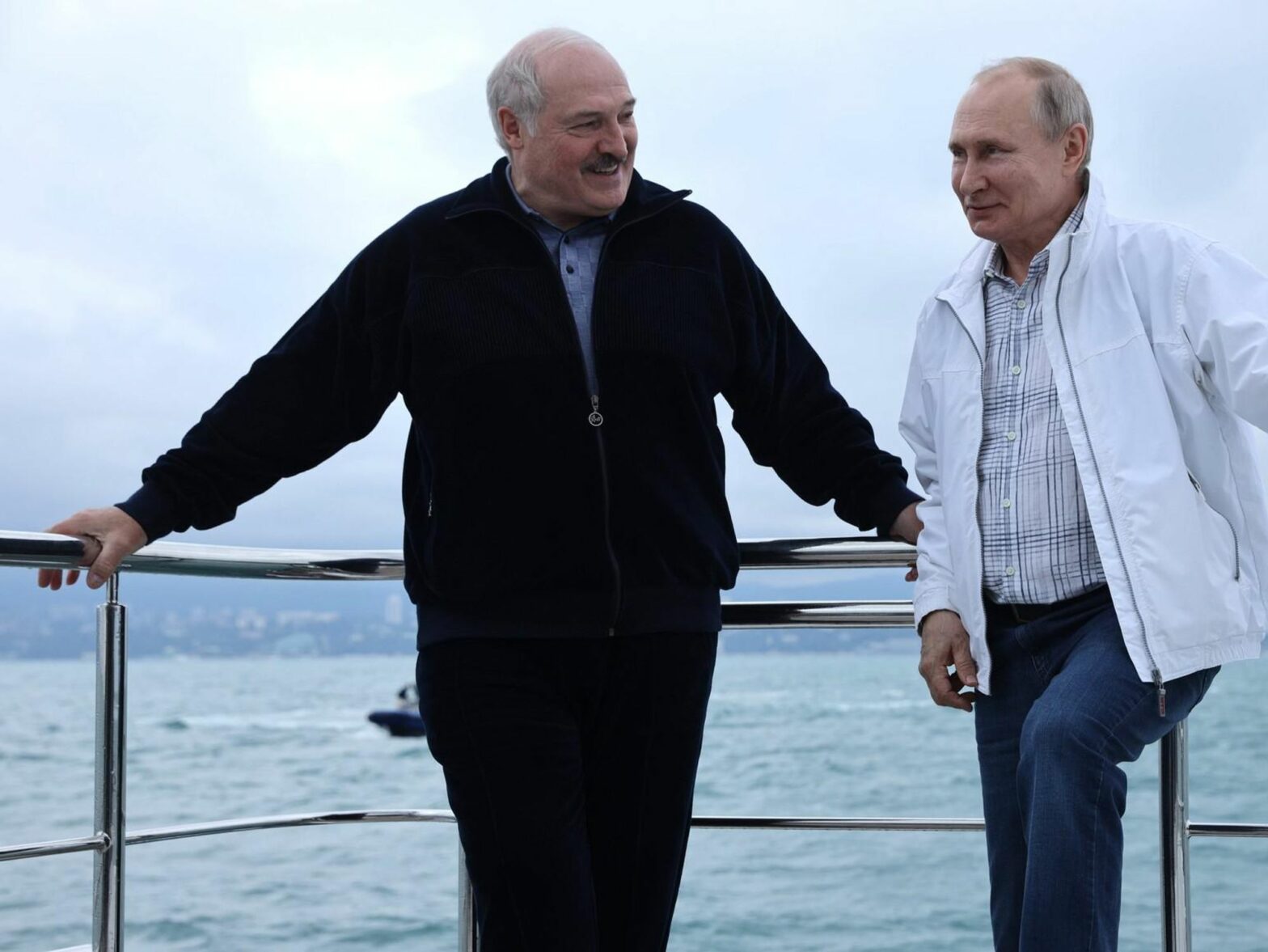
With Russian troops now deployed through Belarus, the risk is growing of an invasion through Ukraine’s northern border. Vladimir Putin’s regional strategy and Alexander Lukashenko’s dictatorial demands are not always what they seem.
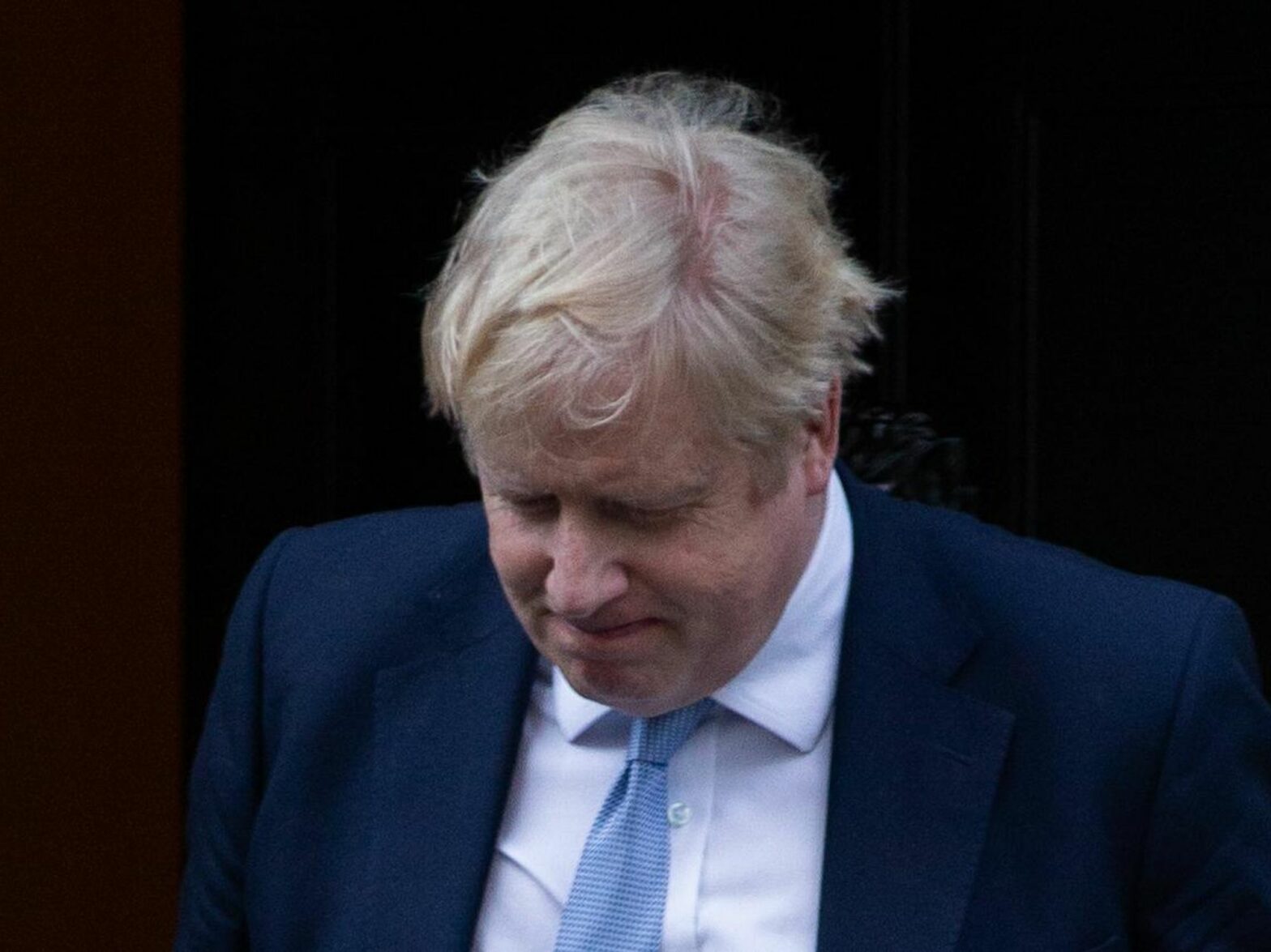
The damning findings of Sue Gray’s independent probe into the “partygate” scandal held No. 10 Downing St responsible for “serious failure to observe high standards.” But whether Boris Johnson is forced resign, the impact internationally should not be overlooked, particularly as it relates to the West’s need to stand up to Vladimir Putin’s Russia.
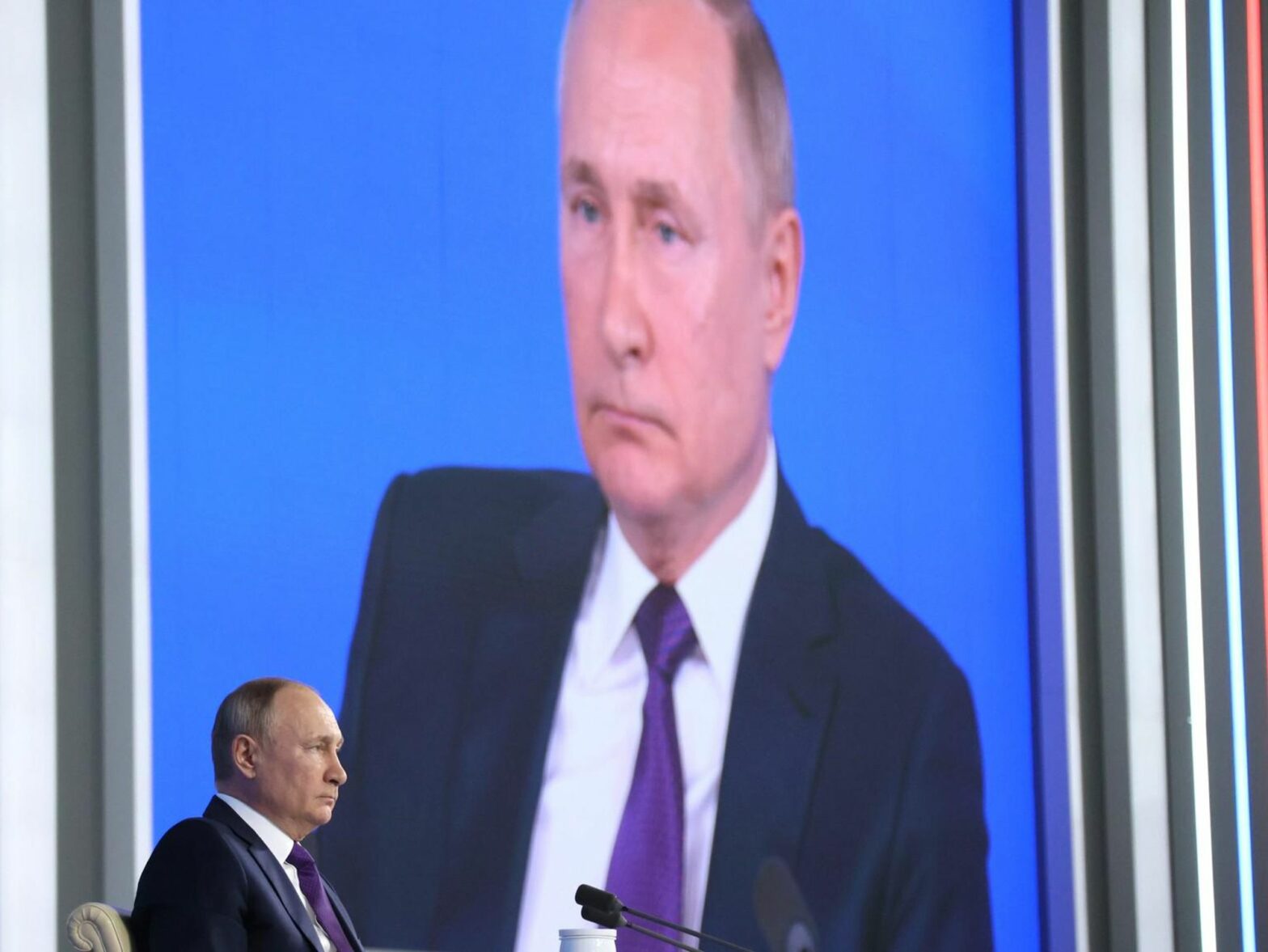
Experts in geopolitics and the workings of world leaders have accelerated a two-decade long quest to understand the motivations of the enigmatic man in the Kremlin.
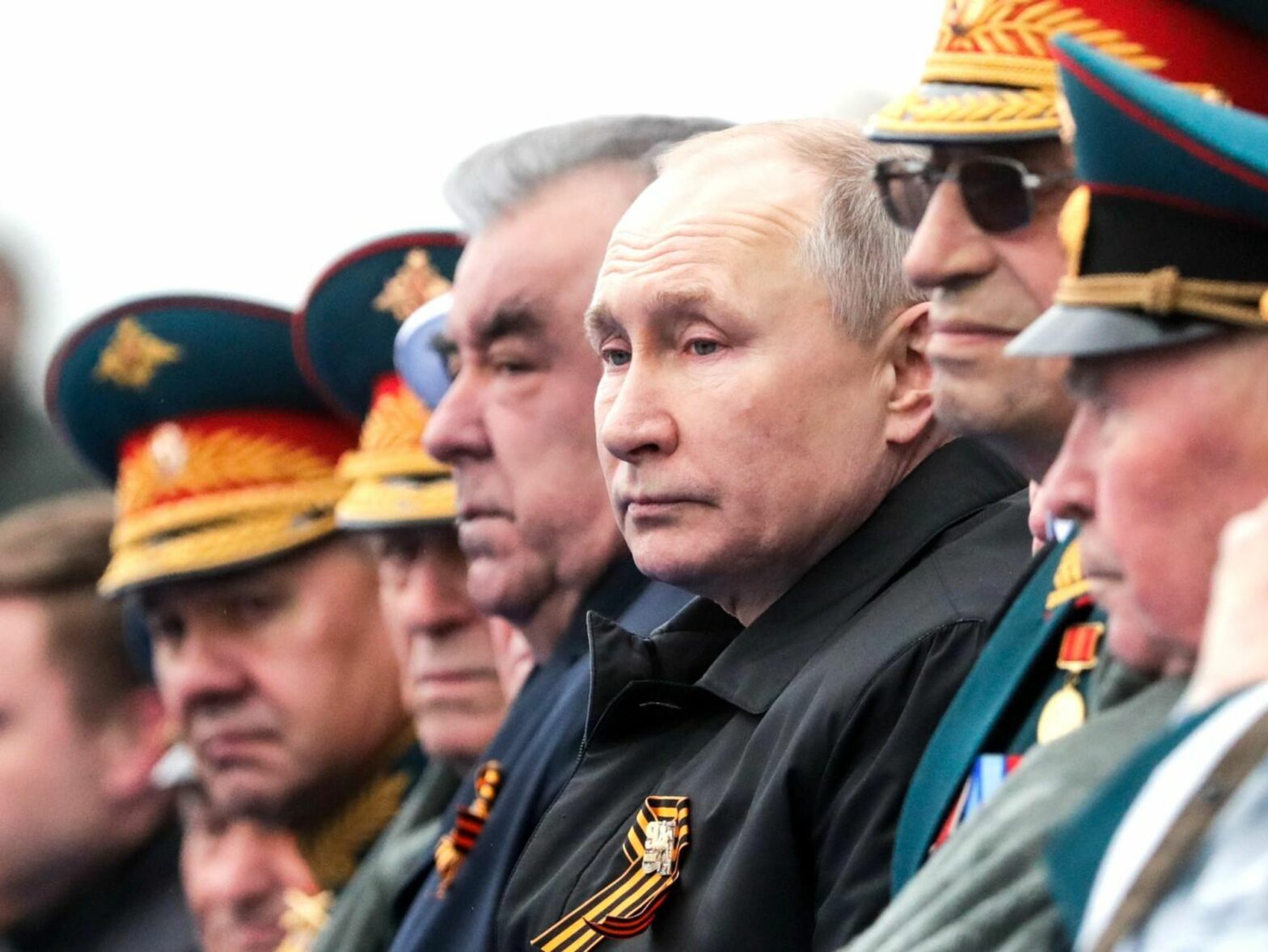
A mind map of the Russian leader’s possible plans to increase his influence, and expand his territory.
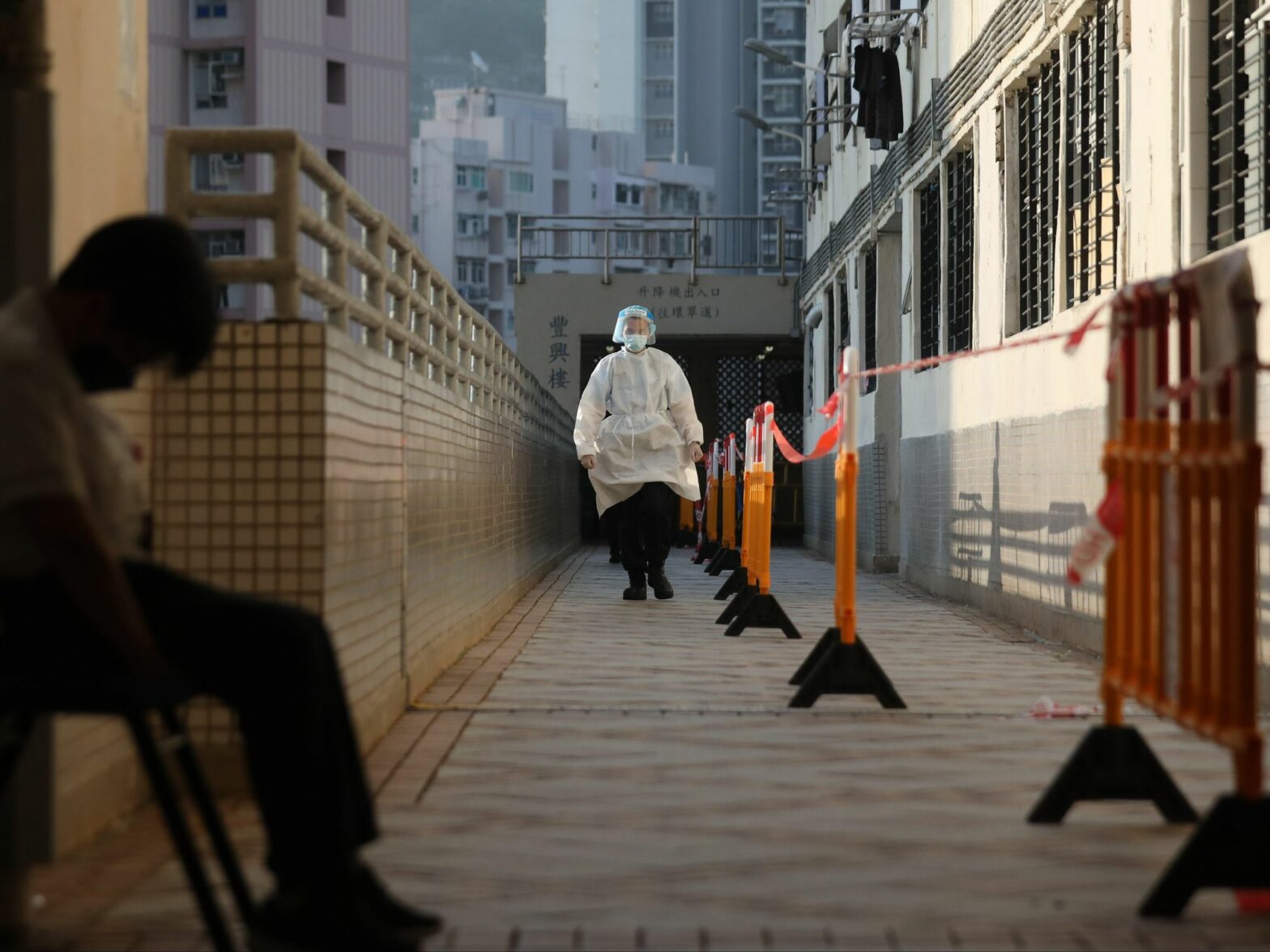
The COVID-19 outbreak has reshaped the world’s emerging superpower both at home and abroad, making China emerge as a more efficient power and helping Chinese overcome their inferiority complex vis-a-vis the West.
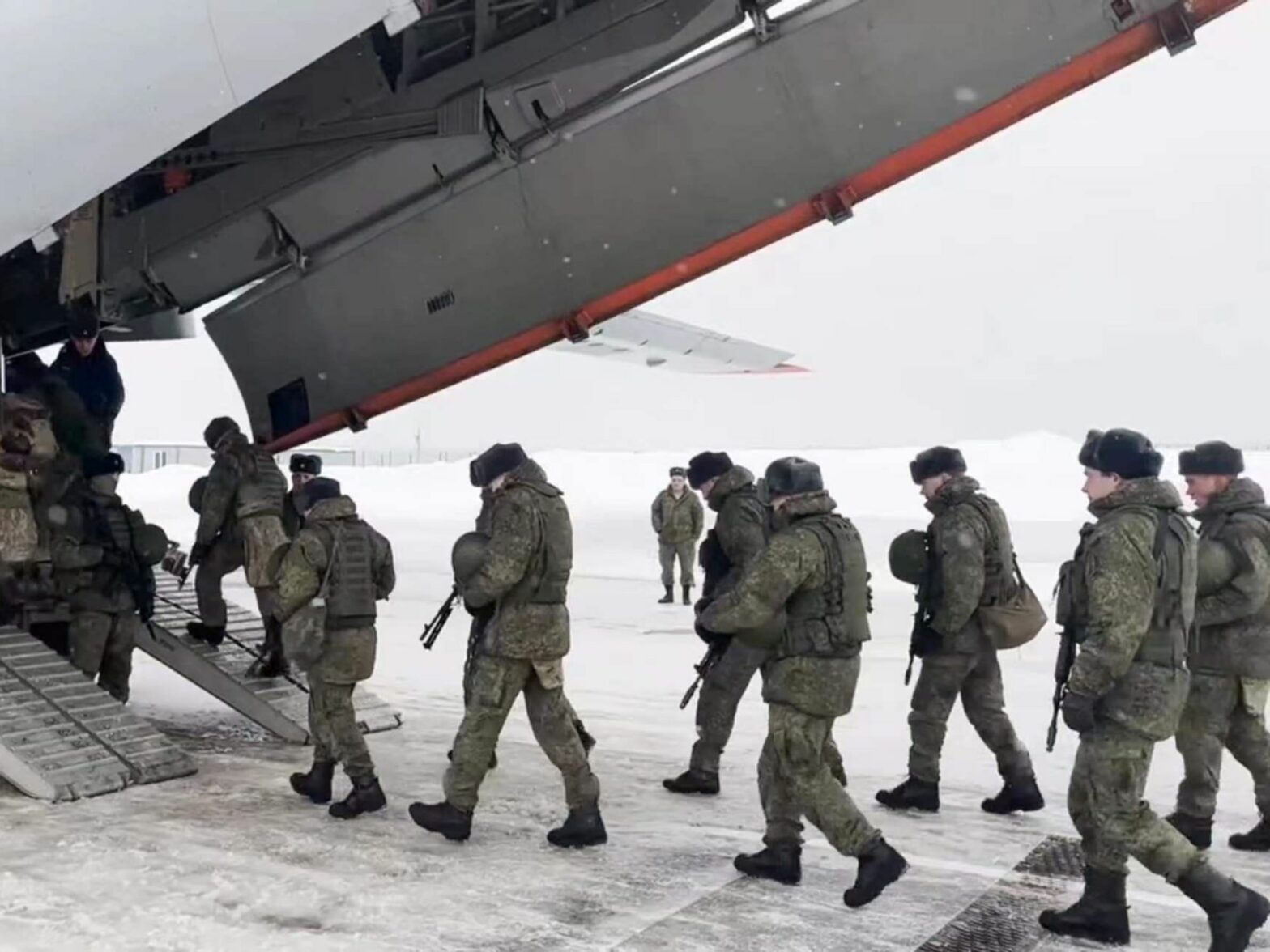
As with Ukraine and Belarus, Kazakhstan is falling under the grip of Moscow as a response to disorder and threats to align with the West.
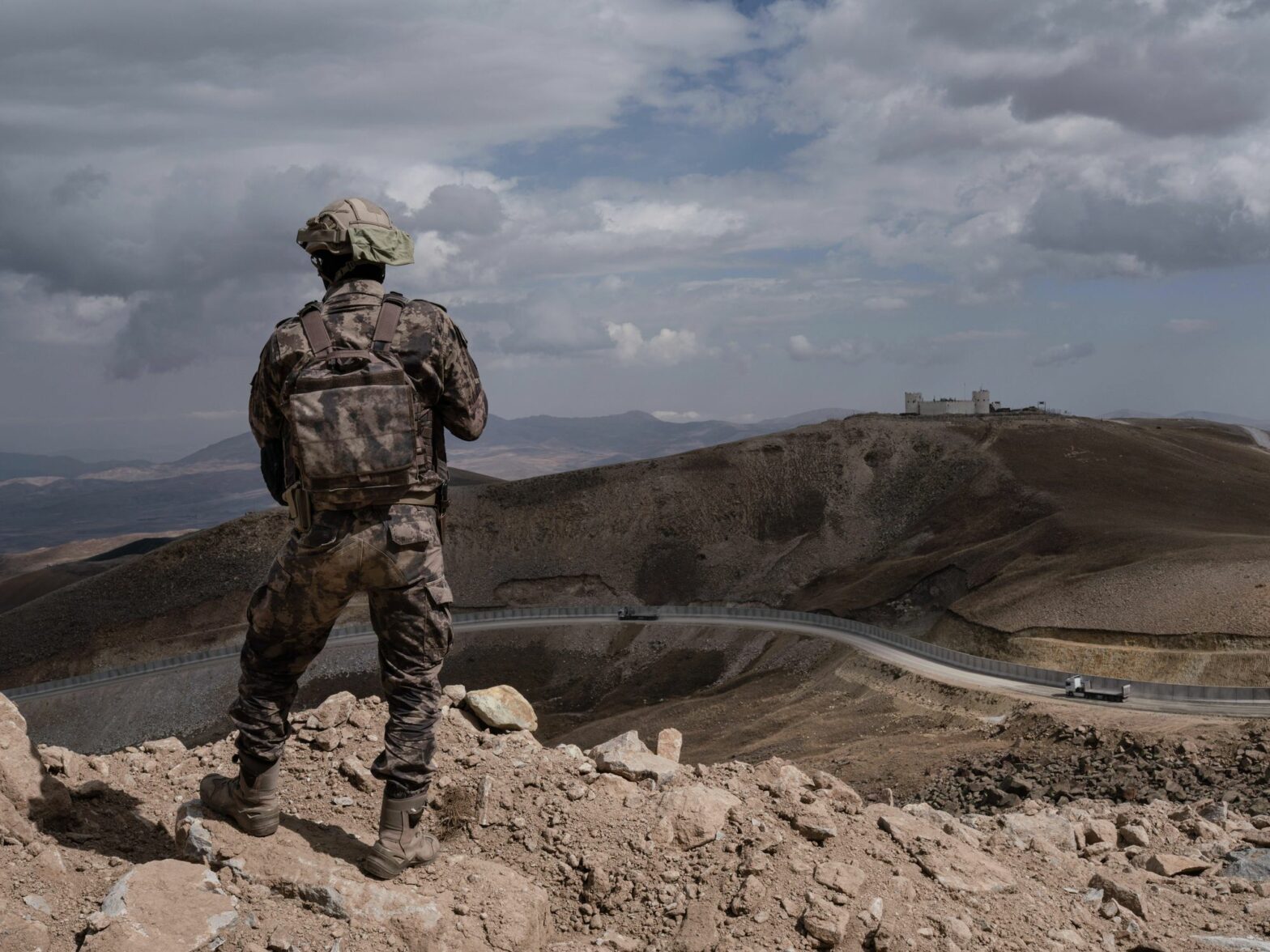
Iran’s clerical regime is able to sabotage asylum applications, prompt deportations and, failing that, beat and murder Iranian political refugees in Turkey.