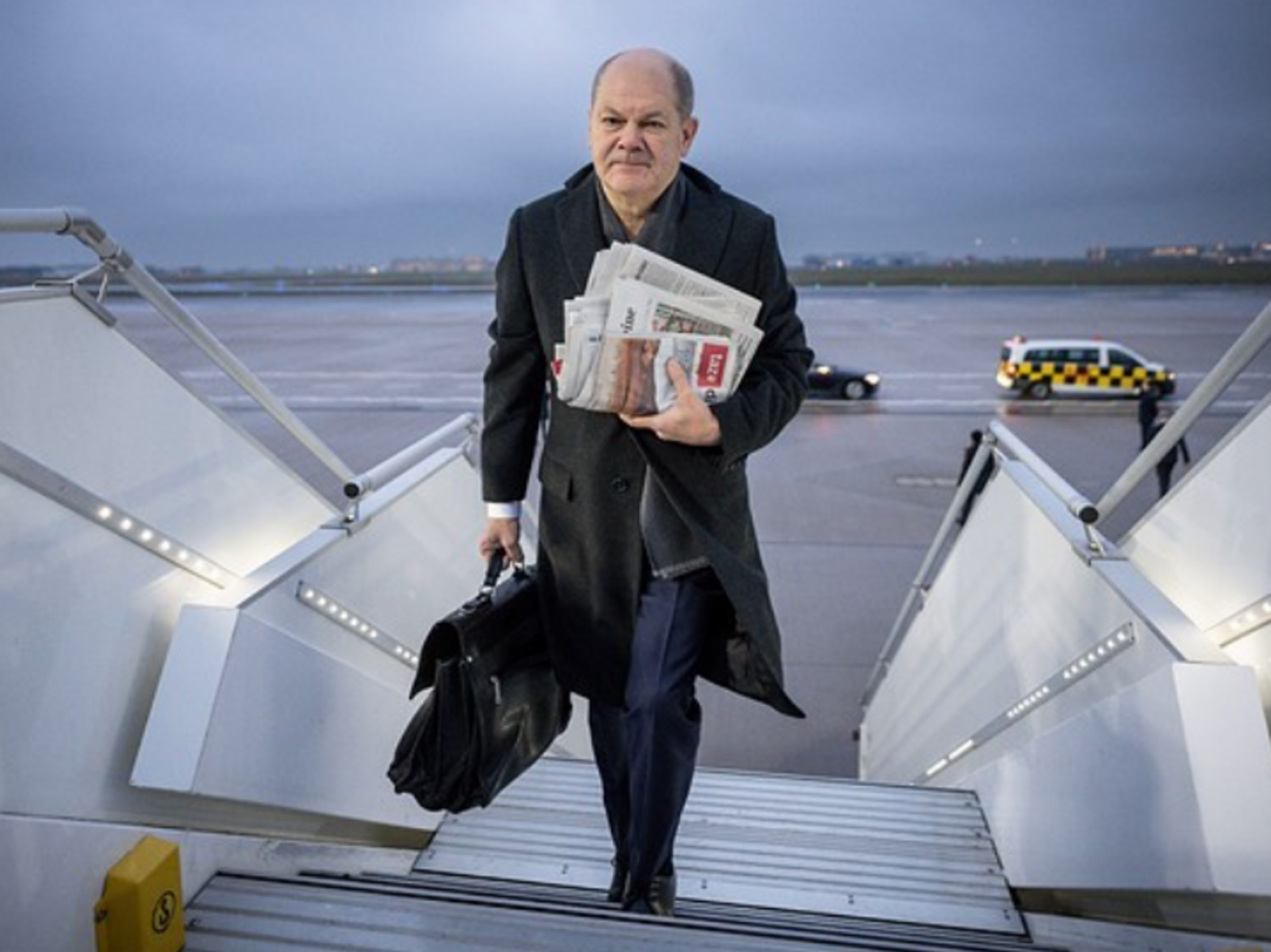
Olaf Scholz took over for Angela Merkel a year ago, but for many he remains a mysterious figure through a series of tumultuous events, including his wavering on the war in Ukraine.
 Worldcrunch
Olaf Scholz took over for Angela Merkel a year ago, but for many he remains a mysterious figure through a series of tumultuous events, including his wavering on the war in Ukraine.
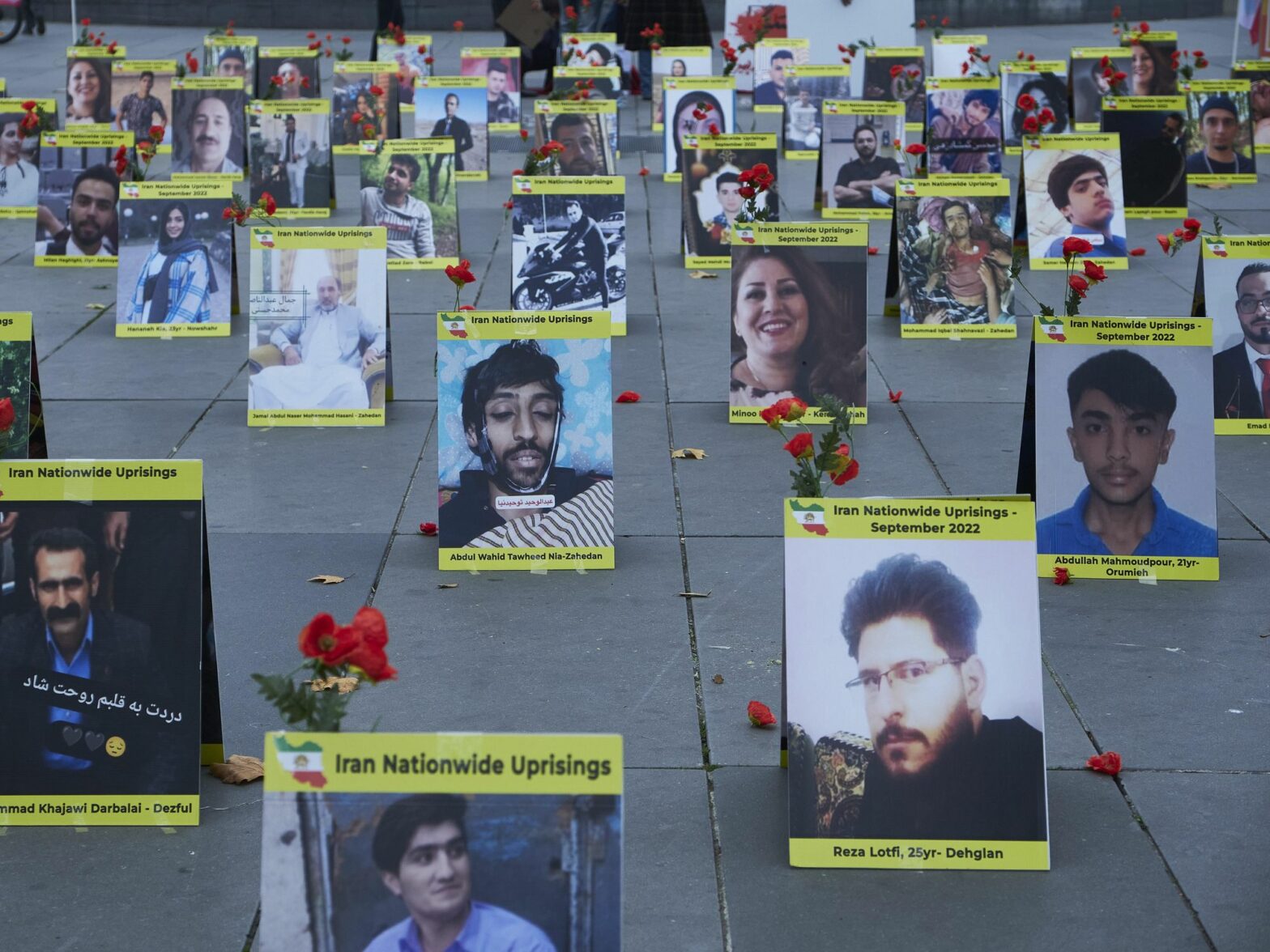
Iranian authorities have begun prosecuting multiple demonstrators arrested at recent mass protests, accusing them of the gravest crimes that are punishable by the death penalty. Authorities said a man arrested at a Tehran protest in October was hanged Thursday.
Ukrainians, Russians and much of the rest of the world are still trying to make sense of Moscow’s decision last week to abandon the southern city of Kherson. Do not, for certain, underestimate the significance.
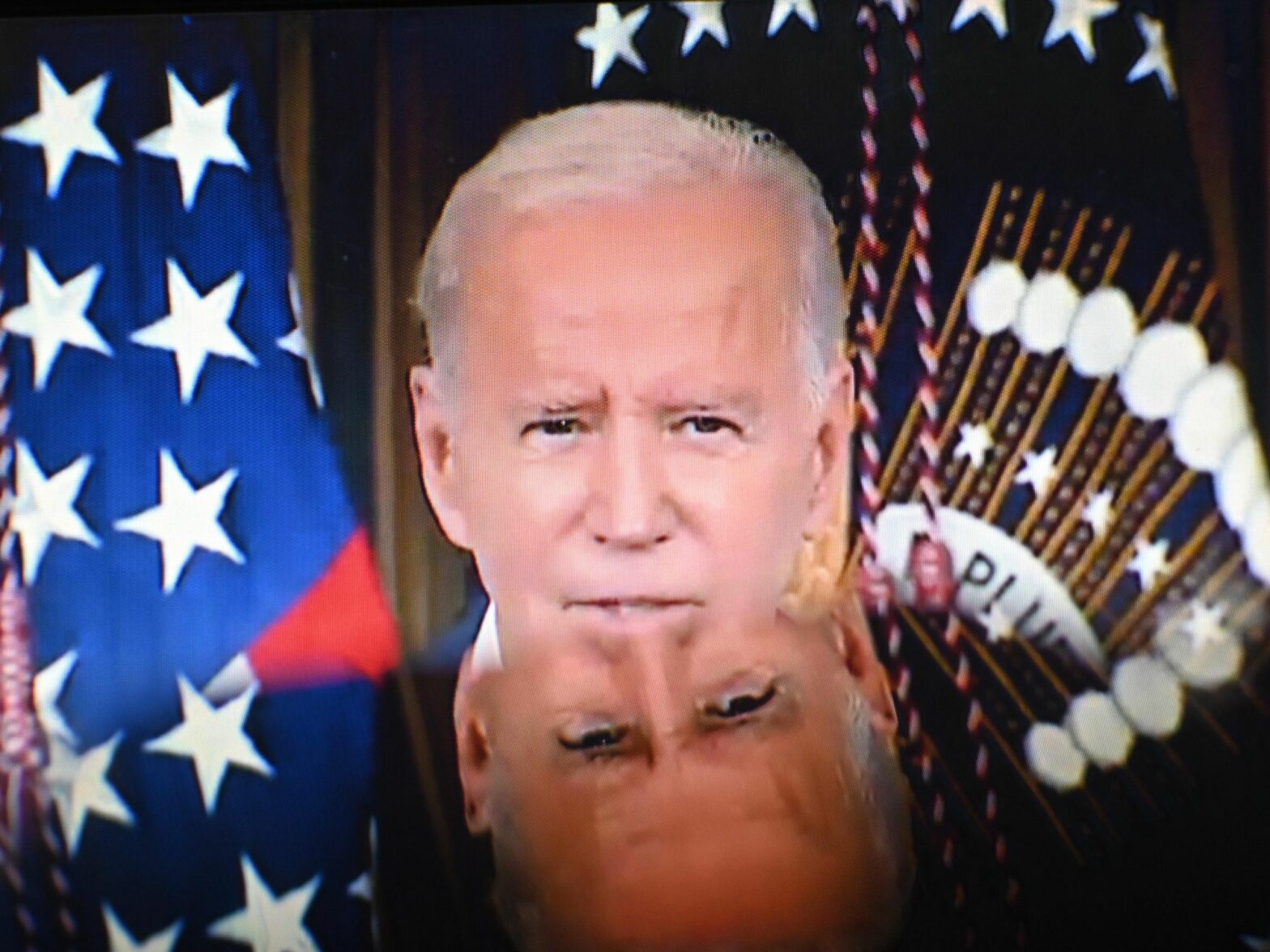
While some breathed sighs of relief that the Republicans’ predicted “red wave” sweep didn’t happen, others chuckle at how long it takes to count the votes. And then there’s Senõr Musk…
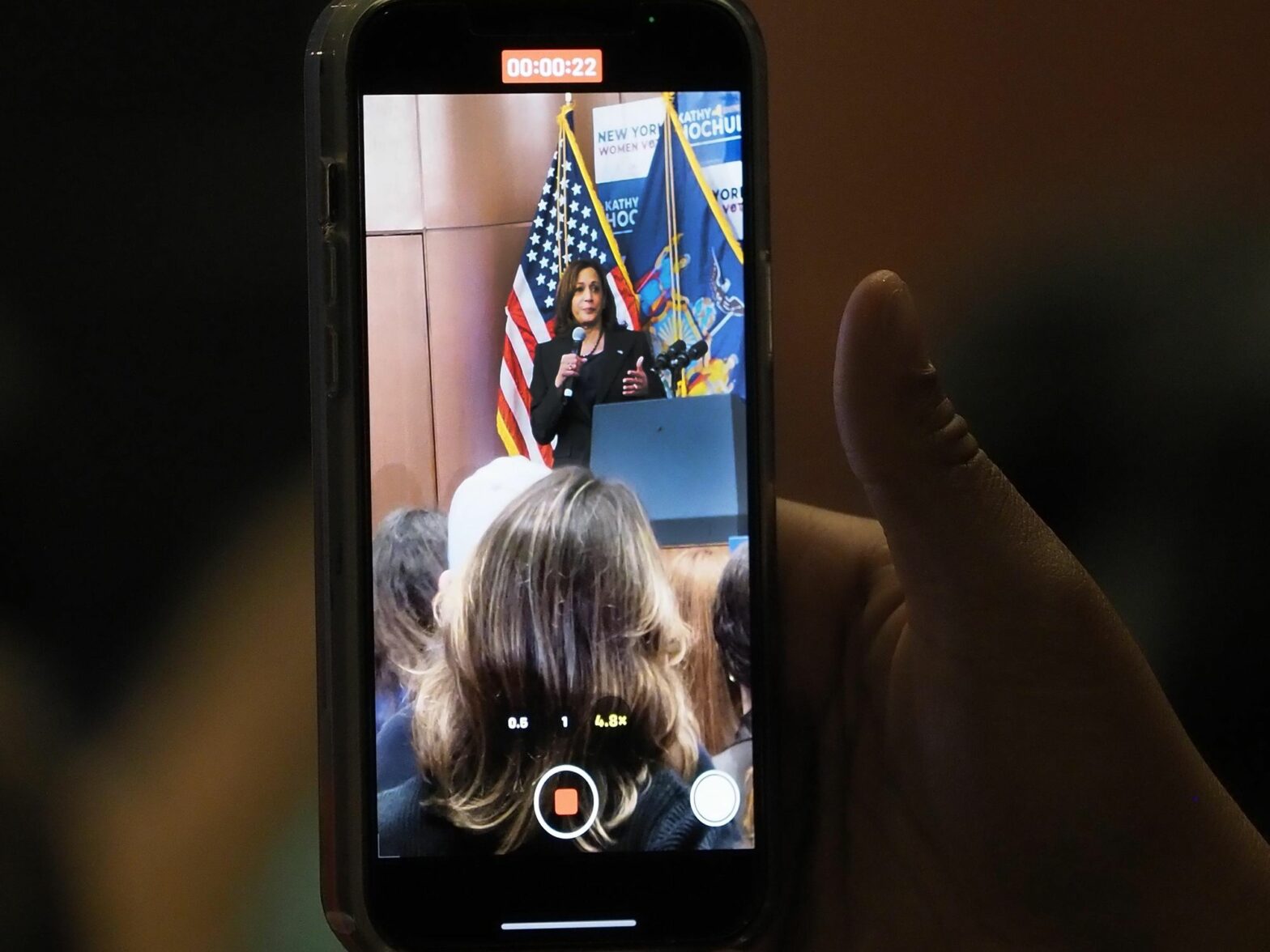
The international media is tuning in closely to Tuesday’s U.S. midterms, with global ramifications for everything from the war in Ukraine to action on climate change to the brewing superpower showdown with China.
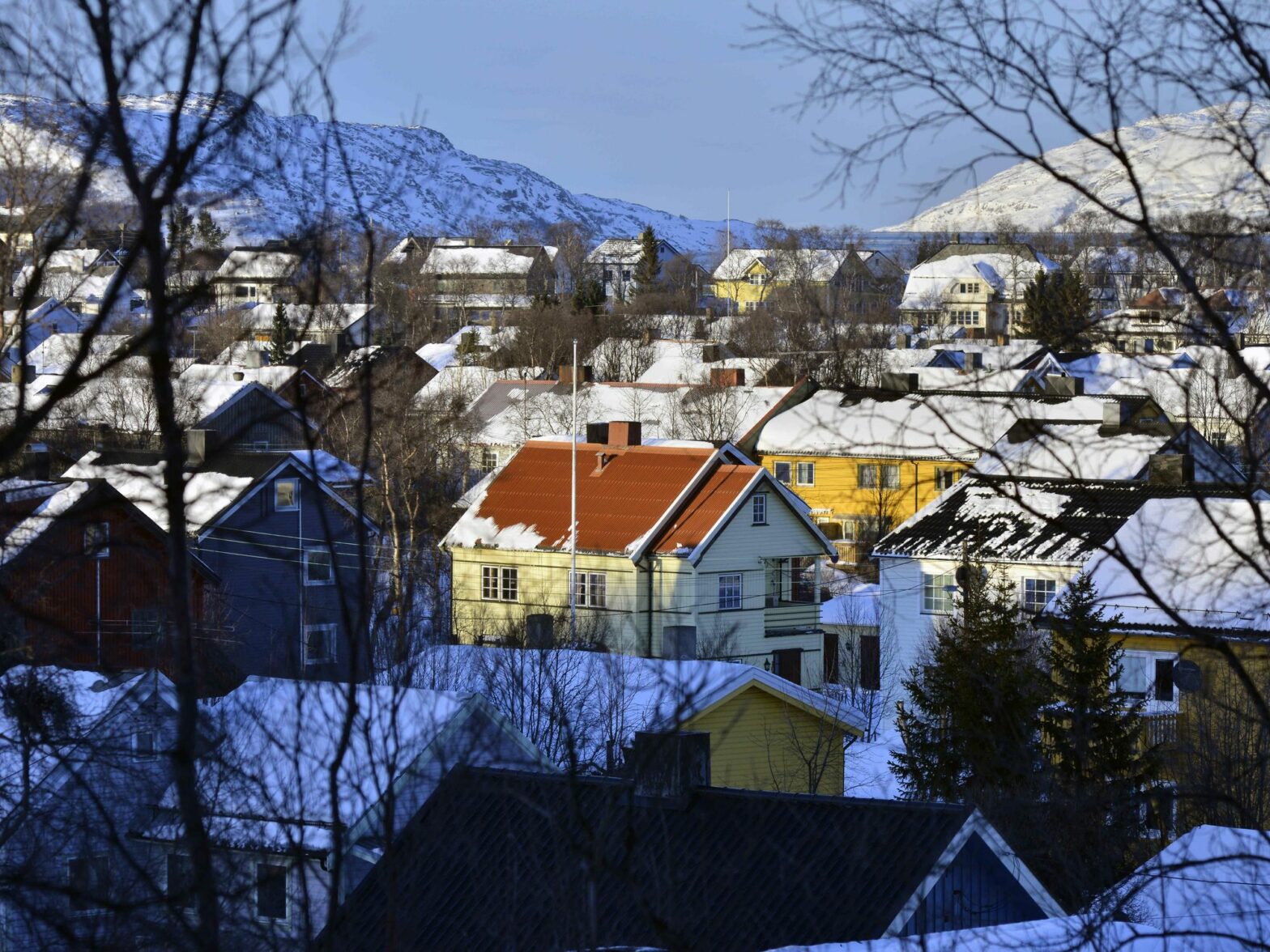
In a remote region of Norway, a tense standoff is taking place between a tiny town and its giant neighbor to the east, Russia. The Kremlin is accused of using the area as as a staging ground for its policies to divide the West.
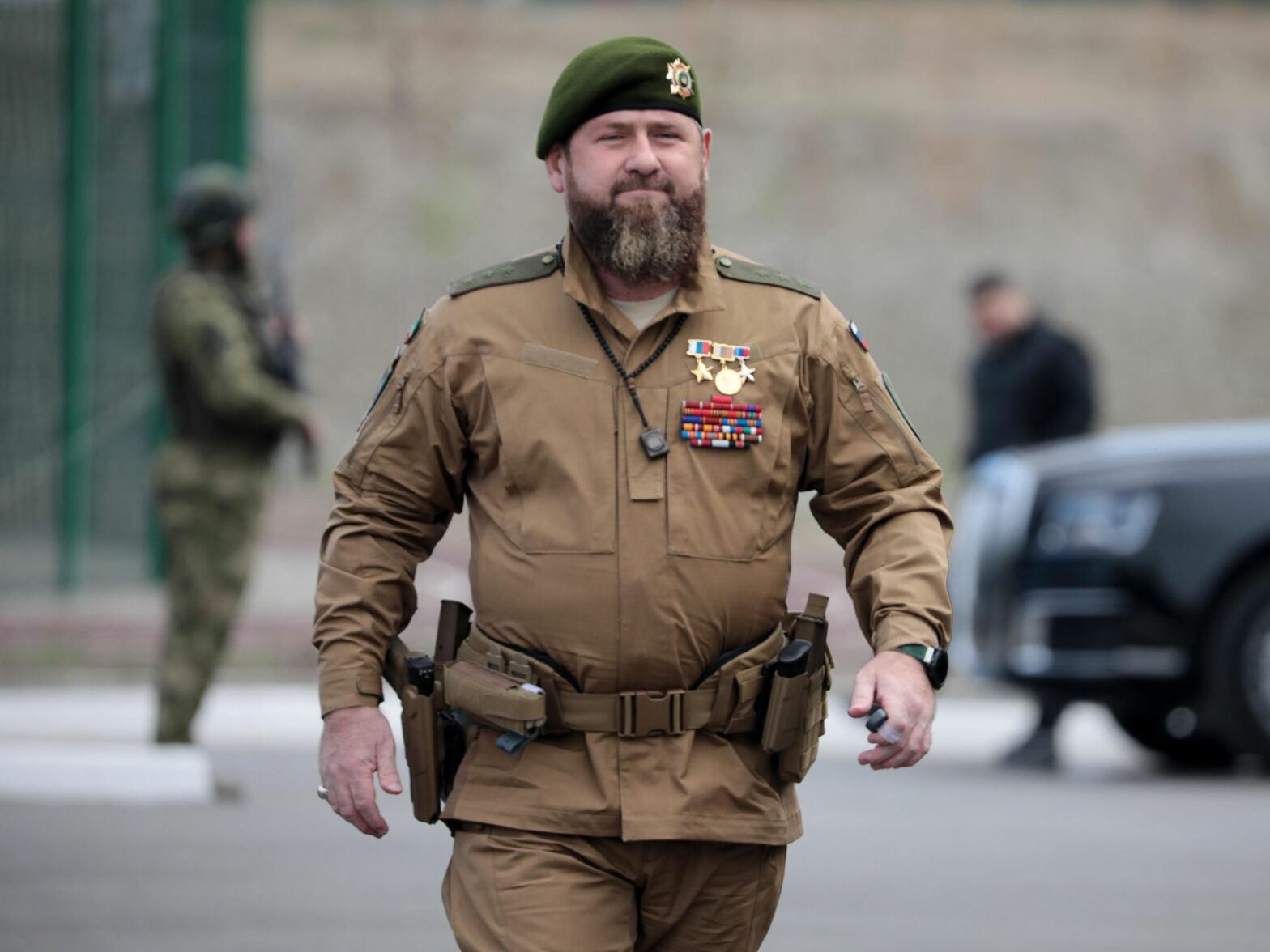
Ramzan Kadyrov, the strongman leader of Chechnya, is one of the most recognizable (and hawkish) figures in the orbit of Russian President Vladimir Putin. But beyond his online bluster, he is keeping his options open as Moscow loses ground in the war in Ukraine.
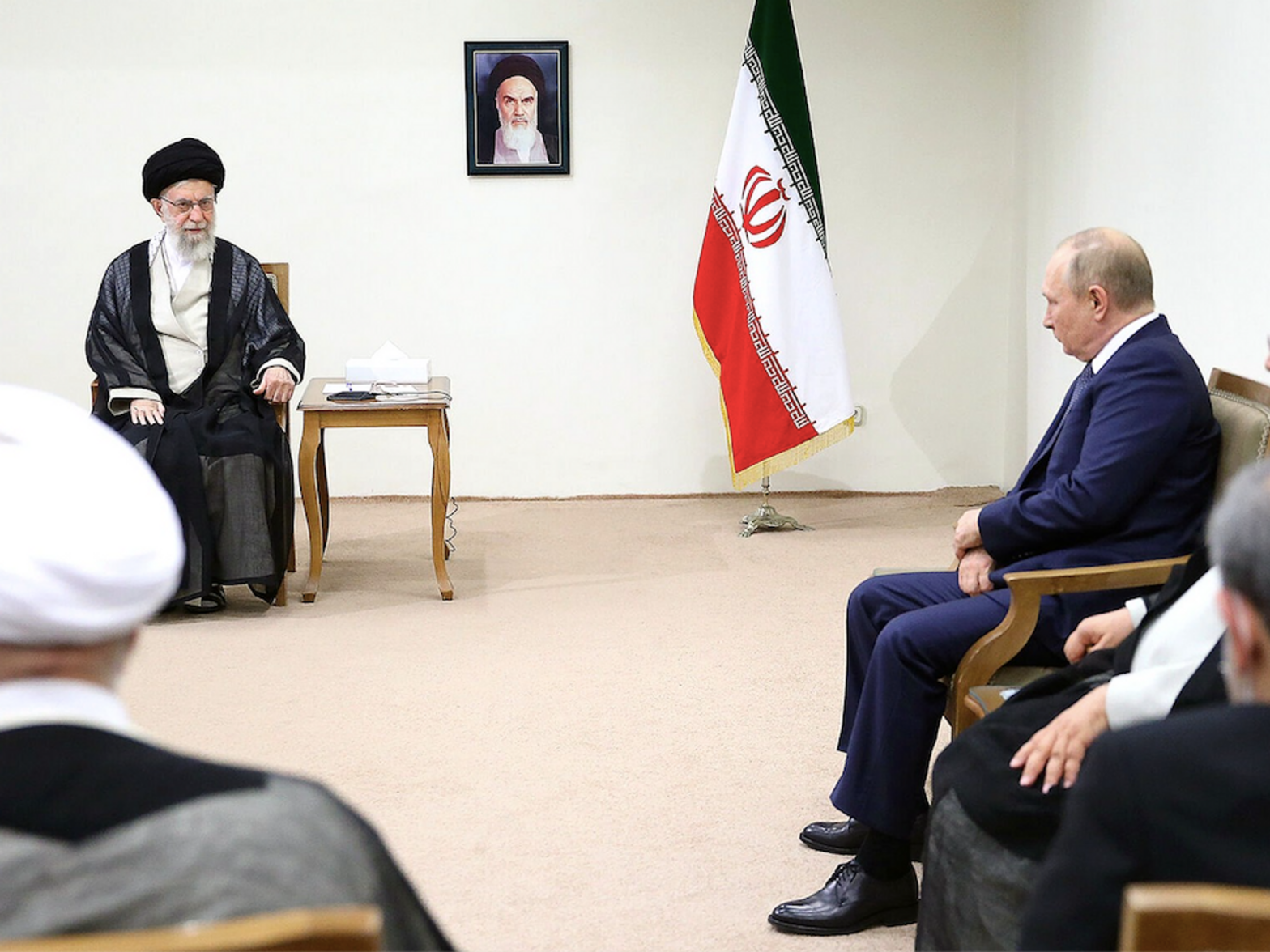
After months of trading barbs with Ukraine’s allies in the West, Tehran is now fully engaged alongside Moscow in the conflict, most notably with supplies of so-called Kamikaze drones. Although the fact that Iran still denies its activities is a sign that the partnership is loaded.
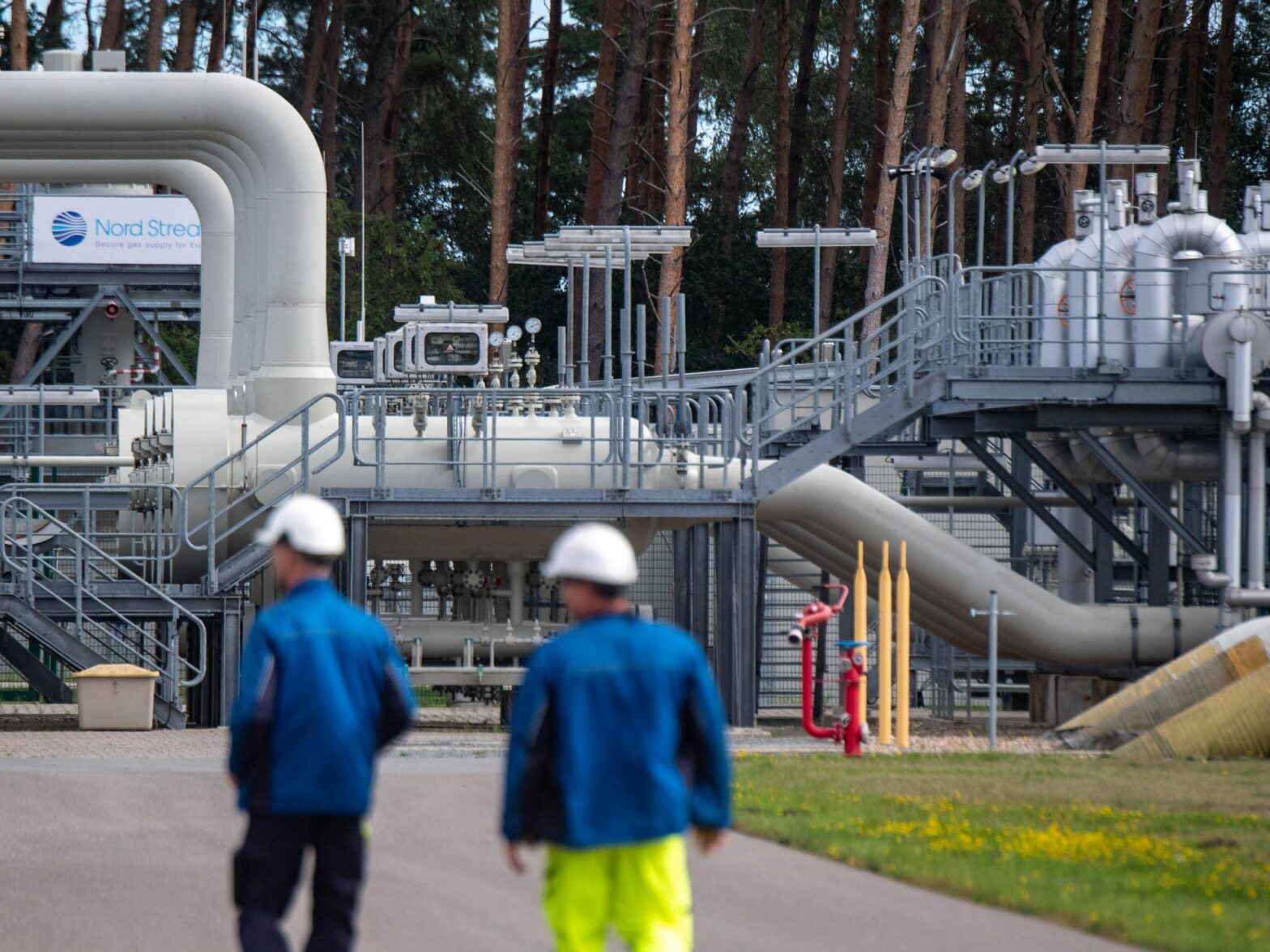
Whatever caused the damage to the Nord Stream gas pipelines in the Baltic Sea, it appears to be the first major attack on critical “subsea” (underwater) infrastructure in Europe. It’s now widely thought – not least by Nato – that the explosions that led to major leaks in the two pipelines were not caused by […]
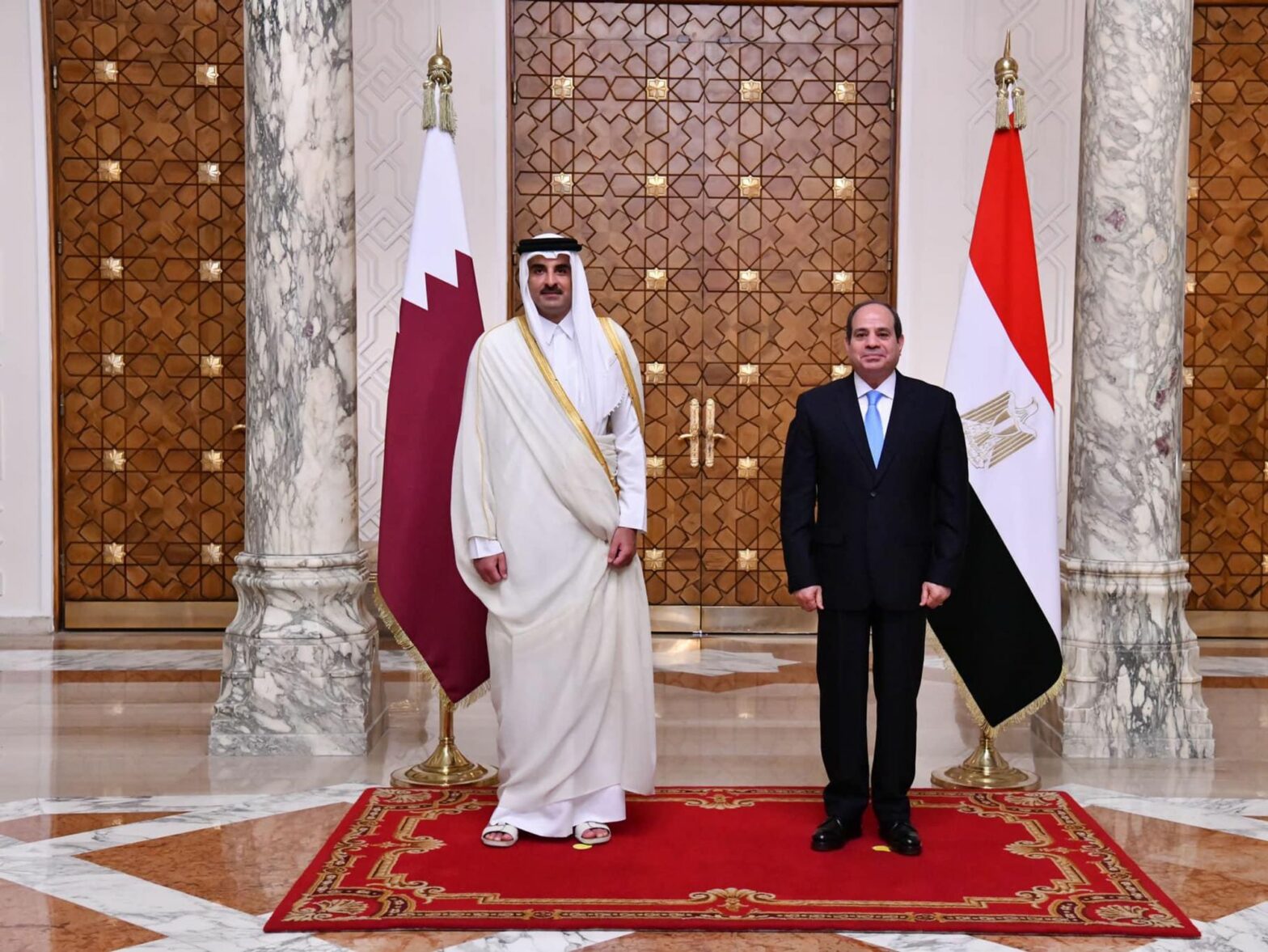
For Cairo, Qatar had been part of an “axis of evil,” with anger directed at Al Jazeera, the main Qatari outlet, and others critical of Egypt after the Muslim Brotherhood ouster. But the vitriol is now gone, with the first ever visit by Egyptian President al-Sisi to Doha.
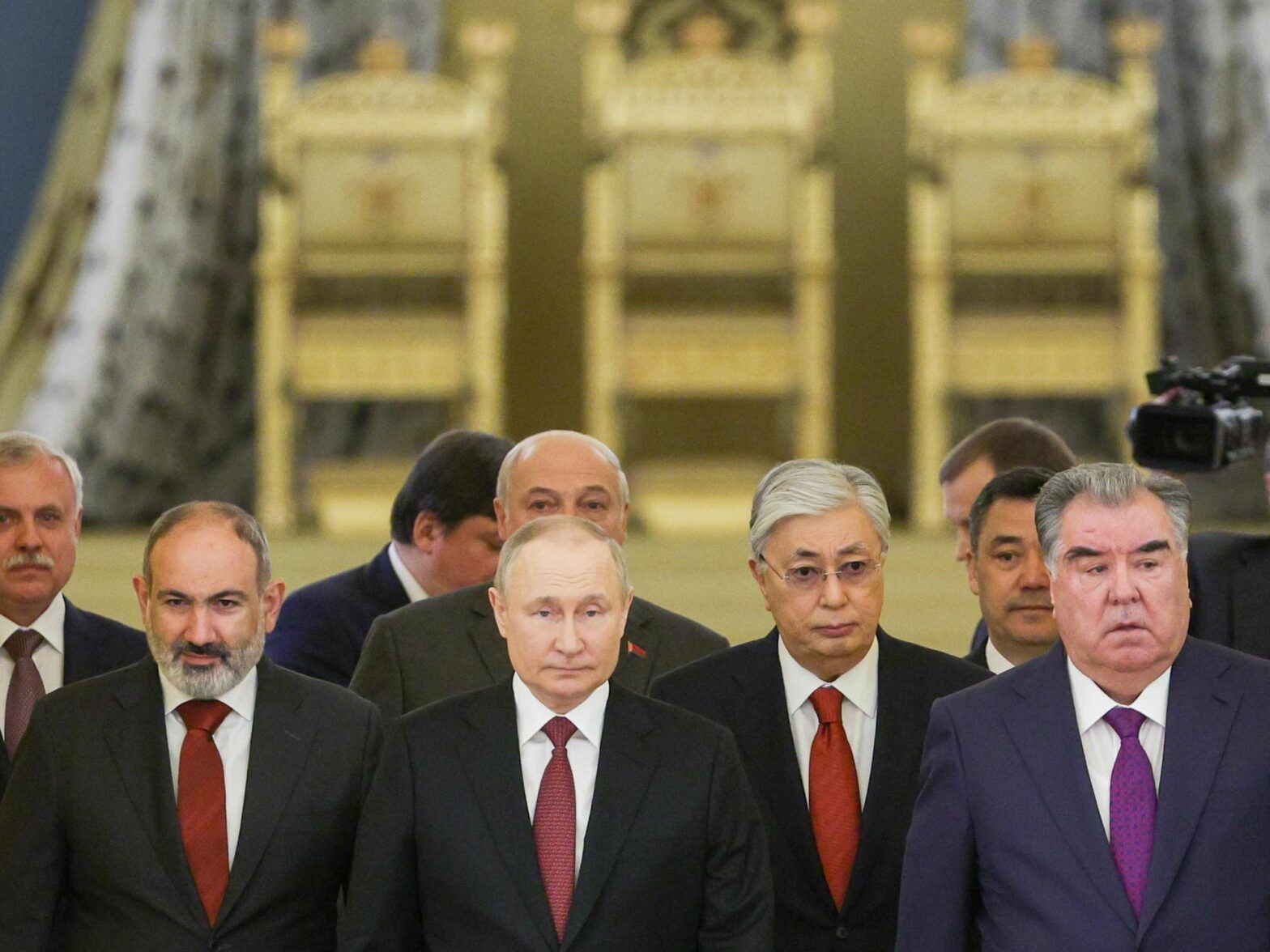
From Kazakhstan to Kyrgyzstan, Armenia and Tajikistan, countries in Russia’s orbit have refused to help him turn the tide in the Ukraine war. All (maybe even Belarus?) is coming to understand that his next step would be a complete restoration of the Soviet empire.
As global rivalries and over-fishing impact the seas around South America, countries there must find a common strategy to protect their maritime backyards.
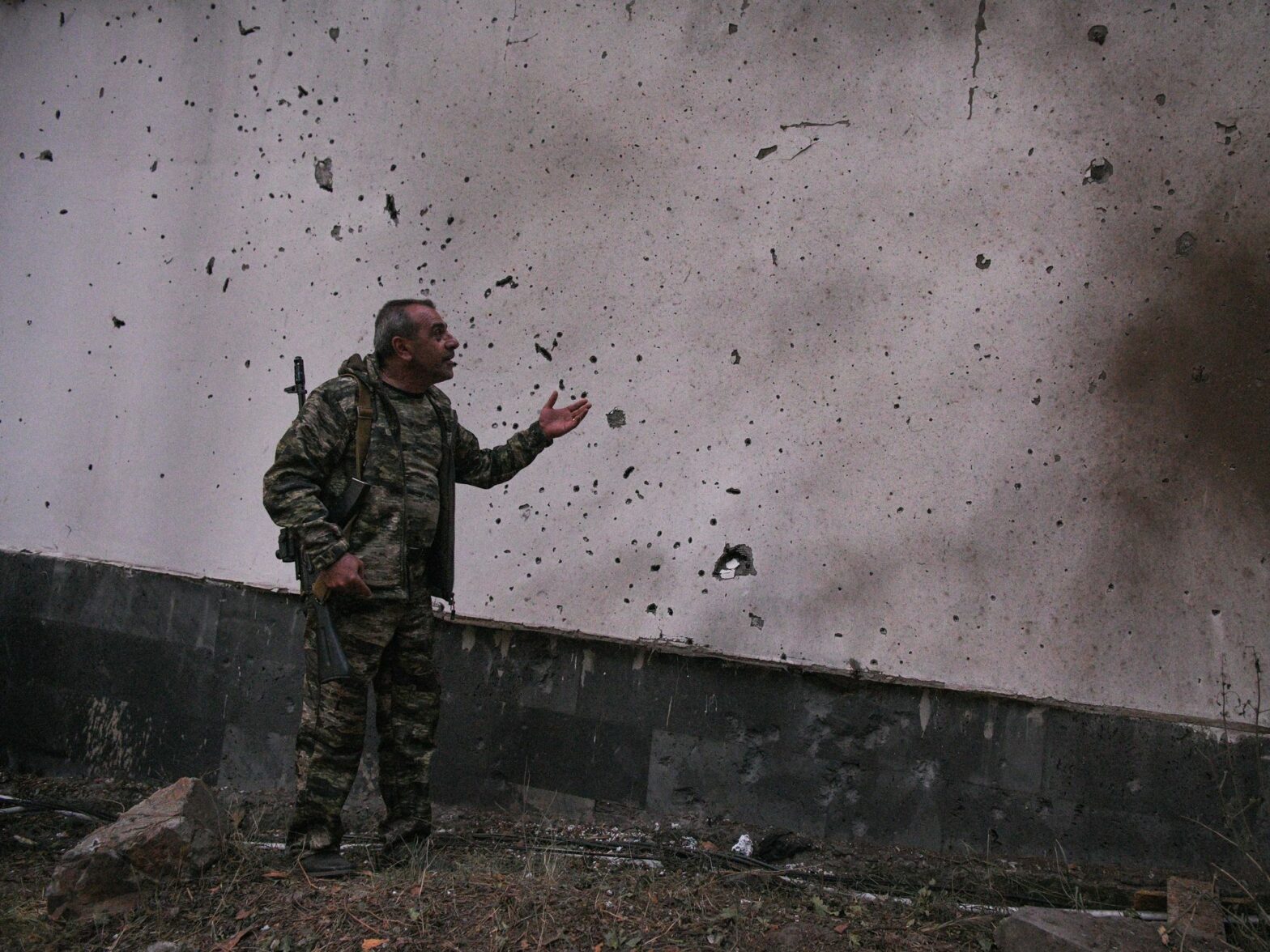
Azerbaijan’s recent shelling of Armenia is the worst hostilities since the war in 2020 over the Nagorno-Karabakh dispute. While in the past, Russia, a historic ally of Armenia, sought to restore peace, the Kremlin may make a different calculus this time.
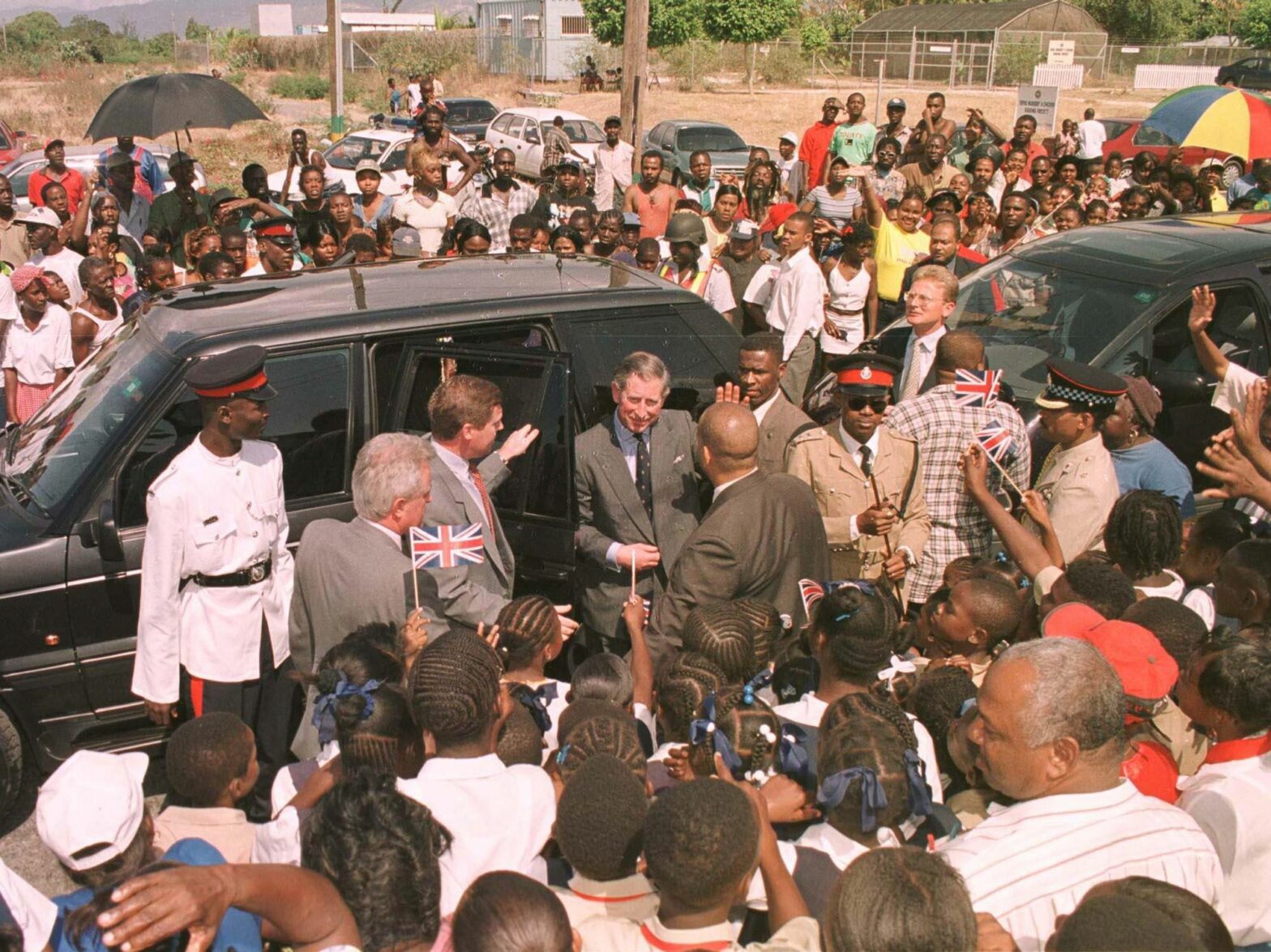
A difficult colonial history shared by 52 of the 56 current members of the Commonwealth was deftly obfuscated by pomp and circumstance. With the Queen’s passing, tensions may now bubble to the surface.
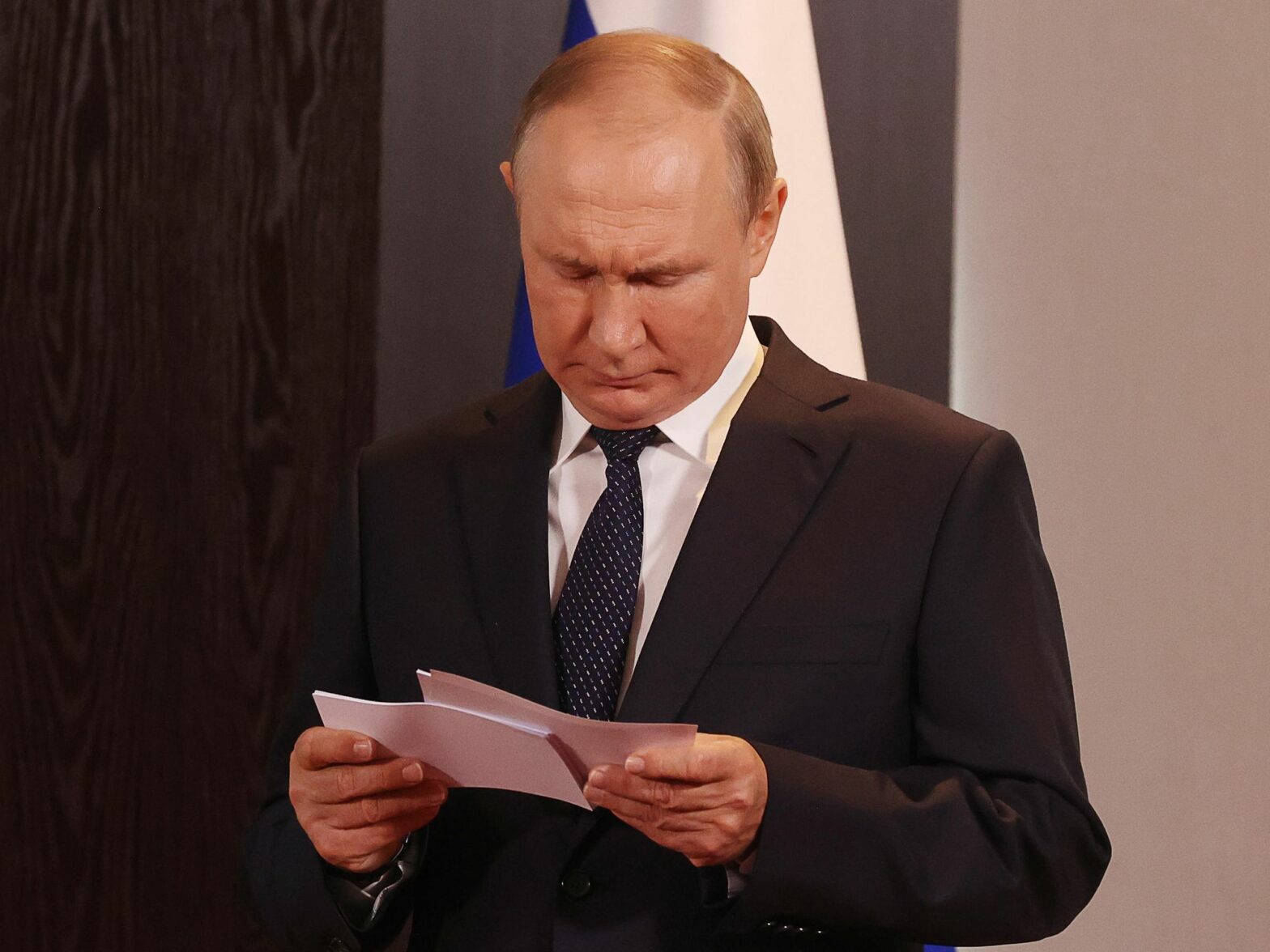
Negotiate? Stall? Double down? The Russian leader suddenly finds himself in front of a situation that offers no obvious good choices. Doing nothing, however, is not an option.
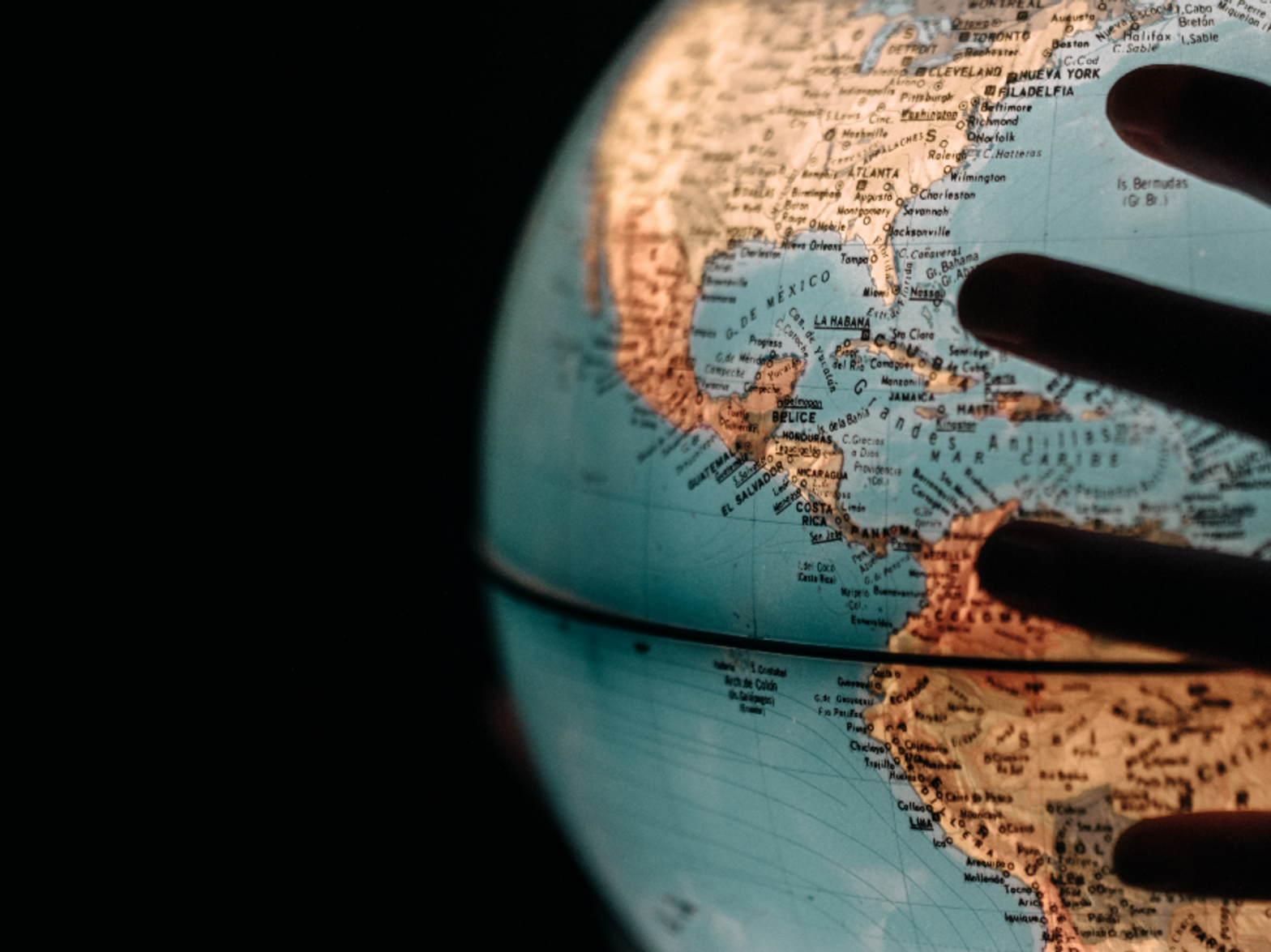
A relative loss of power by sovereign states to non-state actors, as well as China’s ascent, are part of a wider reshaping of power structures that is tense, “anarchic” and far from complete.
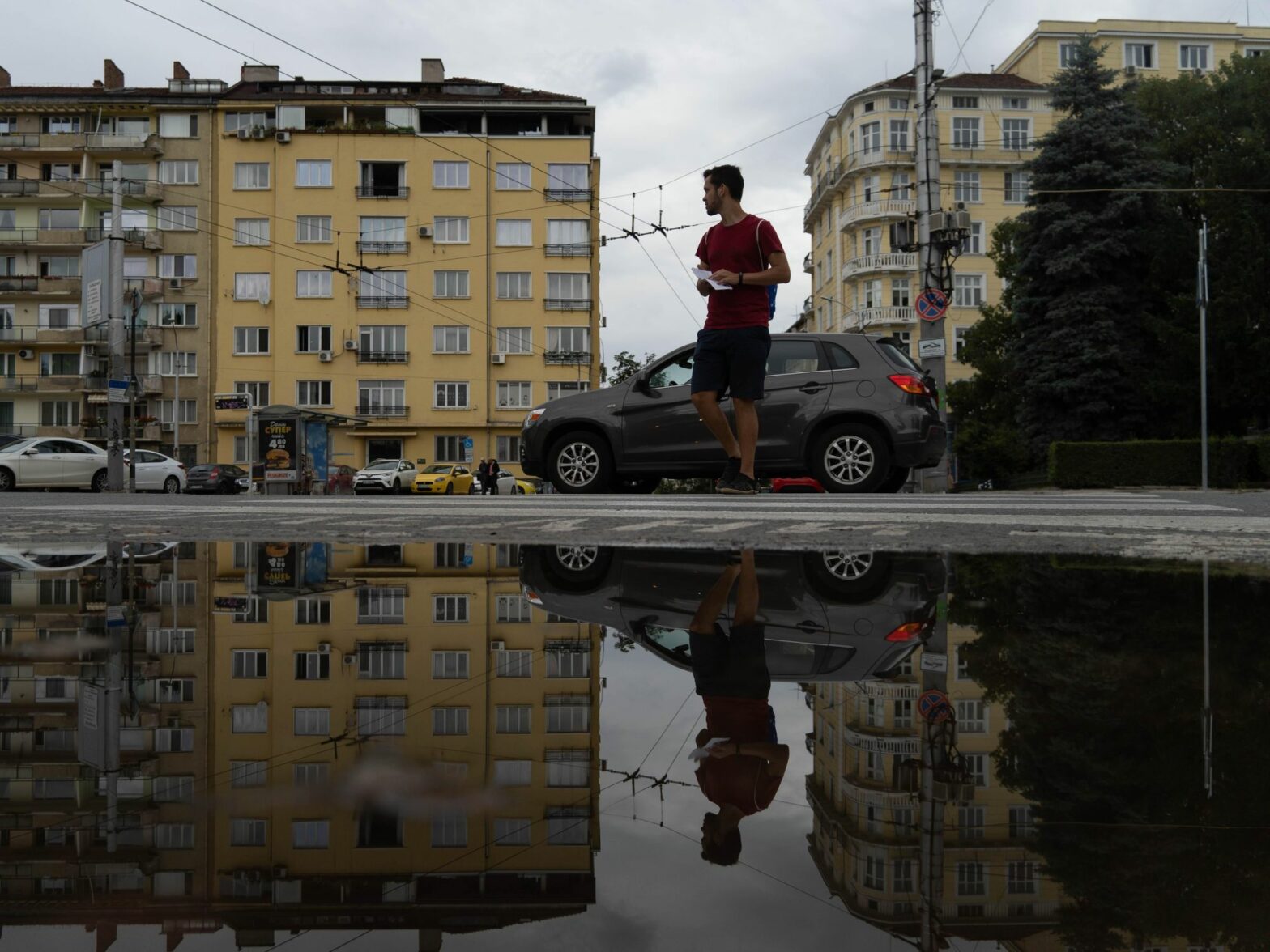
Bulgaria had sworn off Russian gas imports, but then its government collapsed. Now pro-Russian politicians are in power, which for the European Union means there is much more at stake than just energy supply.
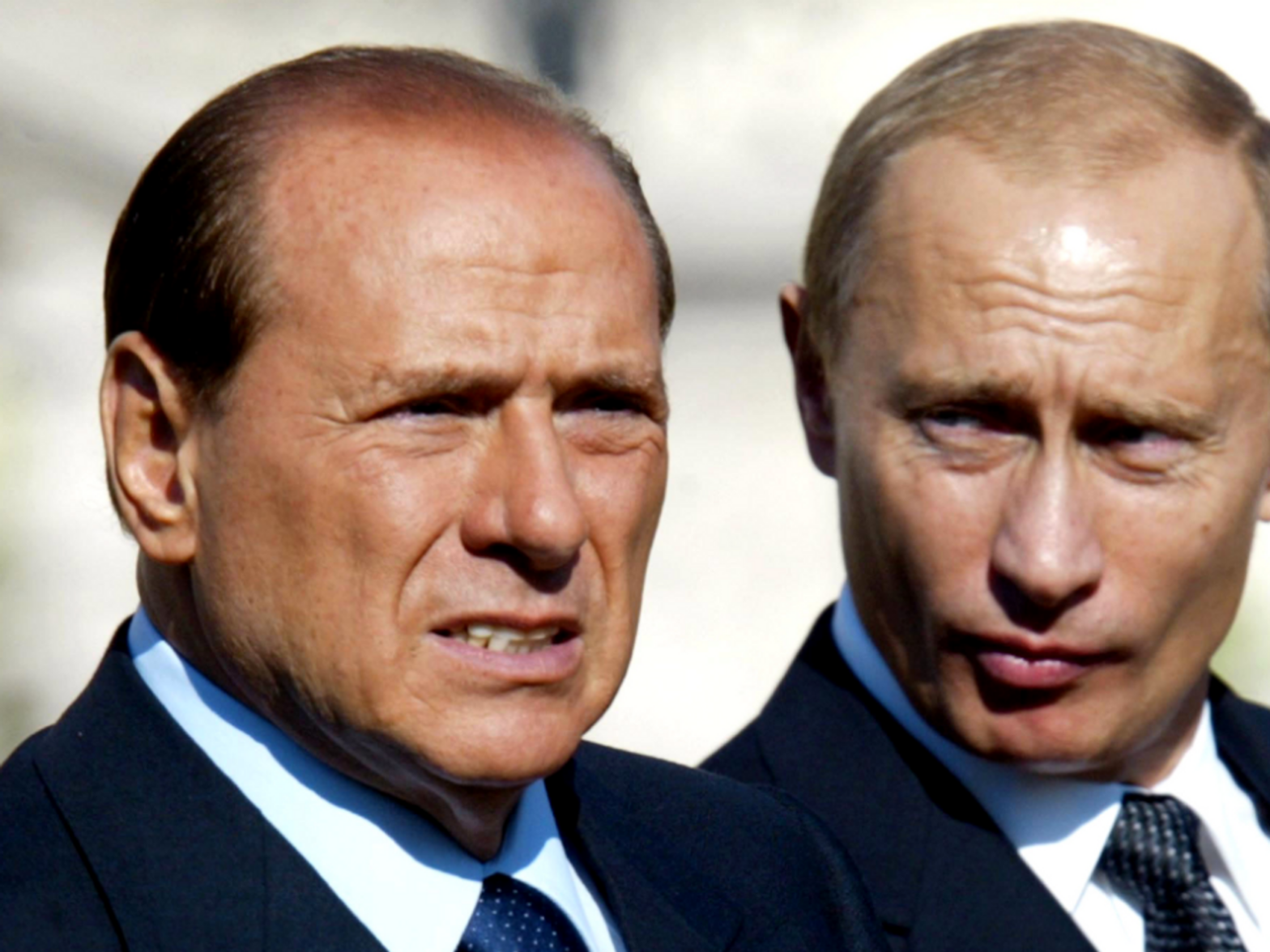
September 3-4 ️ STARTER On Cover Boys, Obituaries And Putin Getting The Last Word There was a time in the not-too-distant past when the choice of who or what was on the cover of a weekly print magazine could be worth the equivalent of seven days of today’s internet #trending topics. And so it was […]
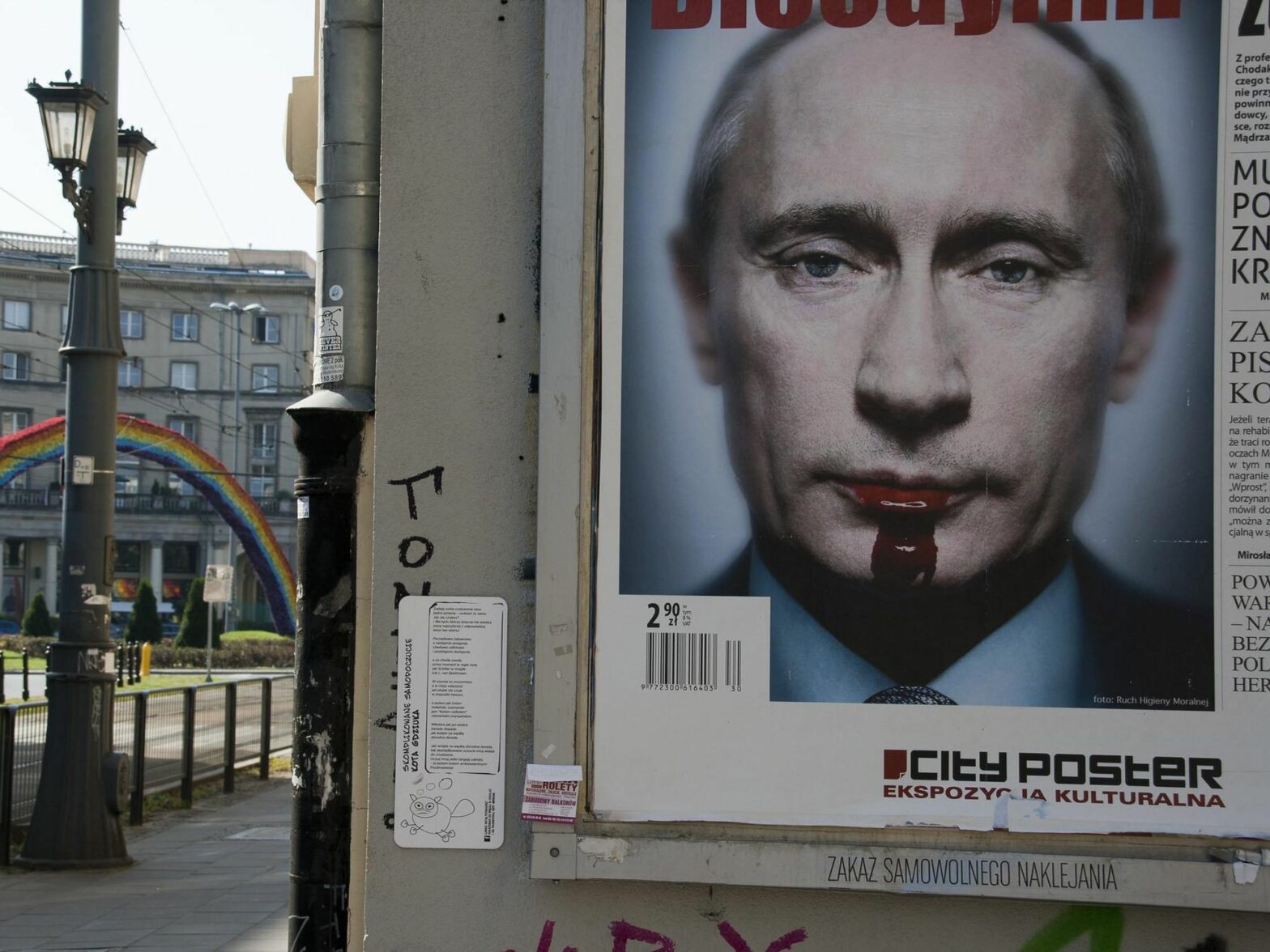
Hit by EU sanctions, Russia is working hard to spread its own propaganda through neighboring countries. A new study breaks down exactly what that disinformation campaign is saying — and whether it’s working.
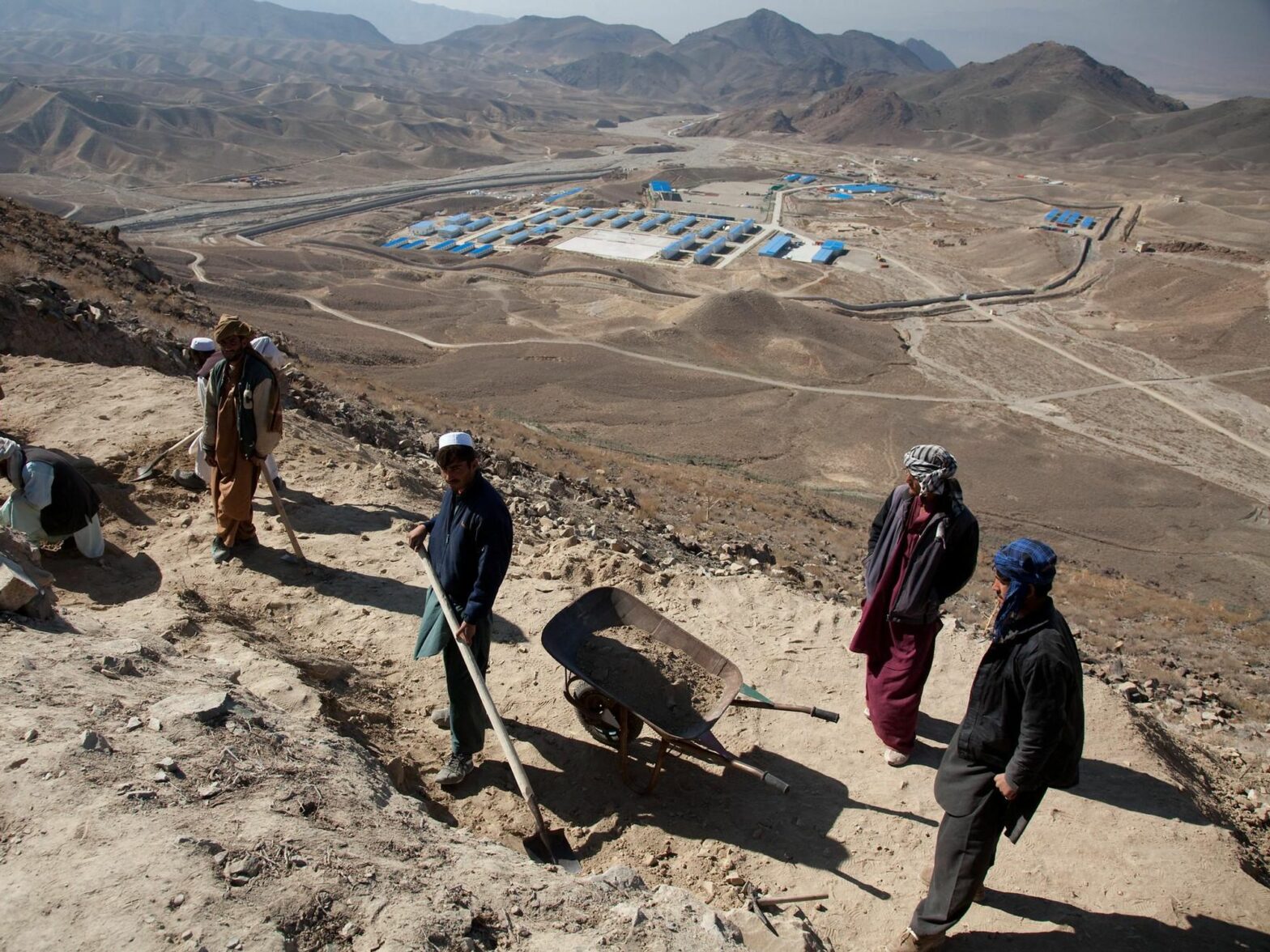
After withdrawing from Afghanistan, the U.S. left a power vacuum. The Taliban regime is officially isolated internationally, but the country has vast mineral resources — on which Beijing is keeping a close eye.
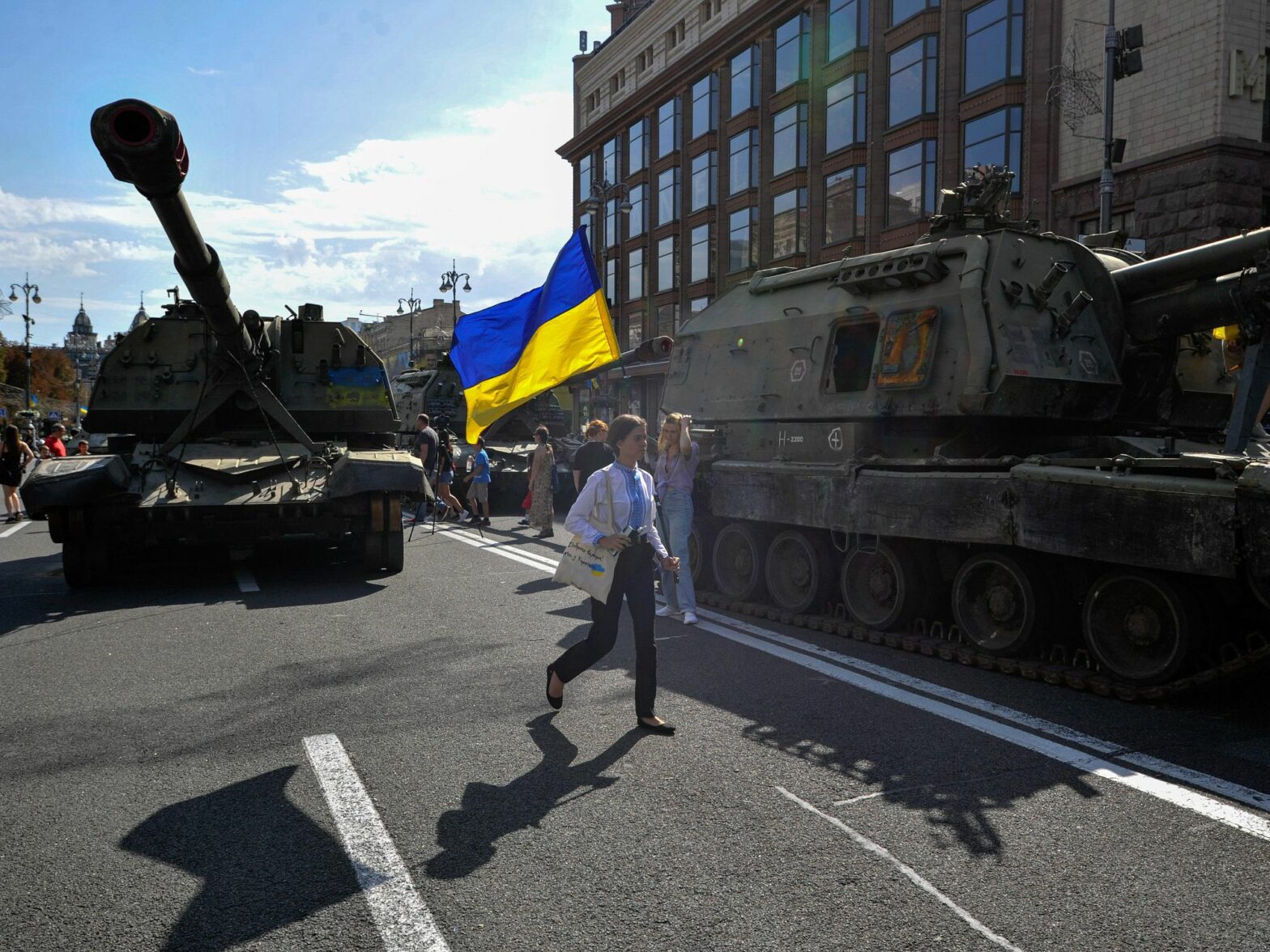
Ukraine is marking a somber independence day that coincides with the six-month milestone of the Russian invasion. Here’s how newspapers around the world are covering the event.
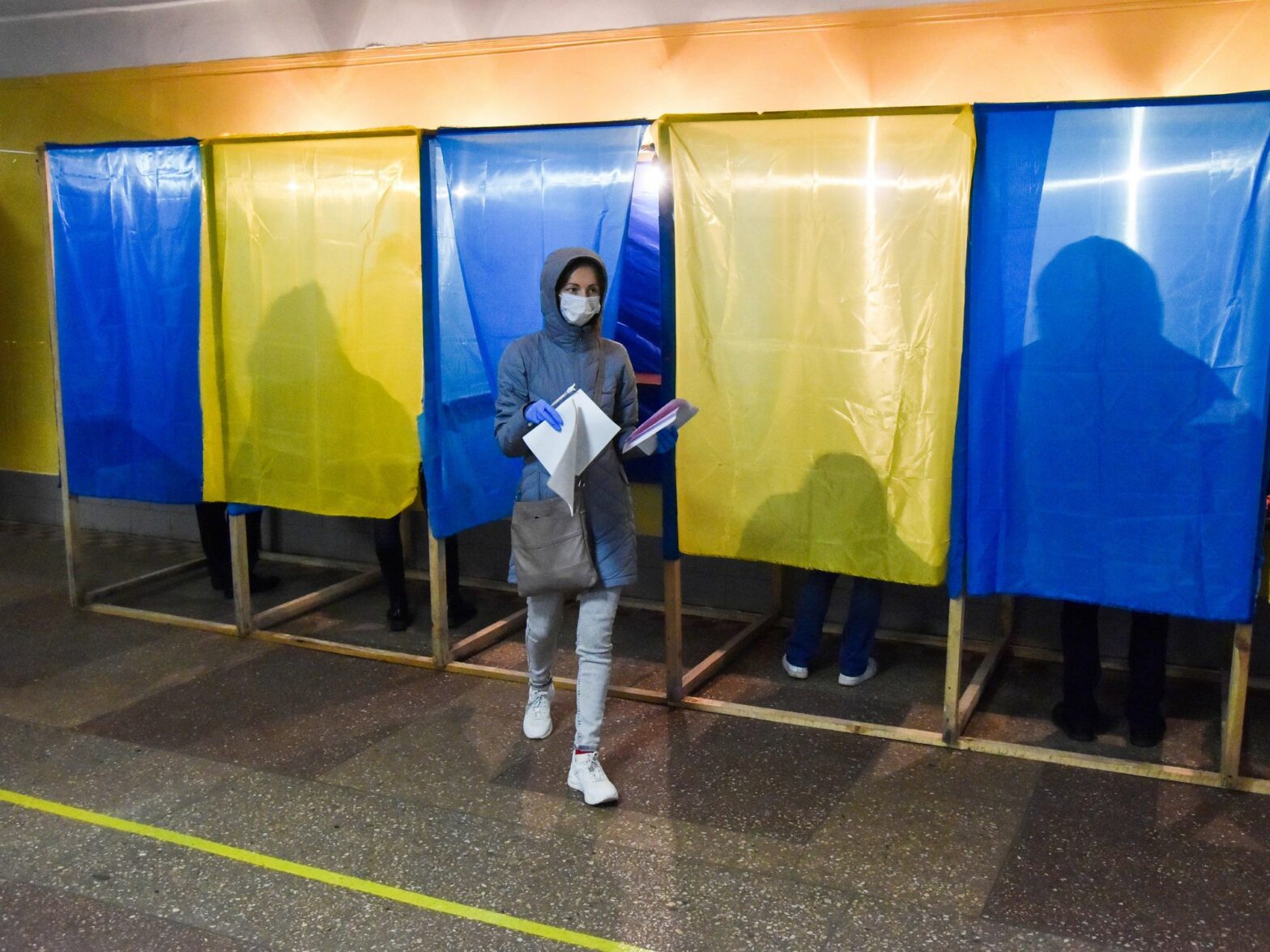
Volodymyr Zelensky’s recent revelation that he knew about the likelihood of a Russian invasion has sparked major debate in Ukraine. But what it truly reveals about the source of war can also help ensure victory for Putin and other autocrats.
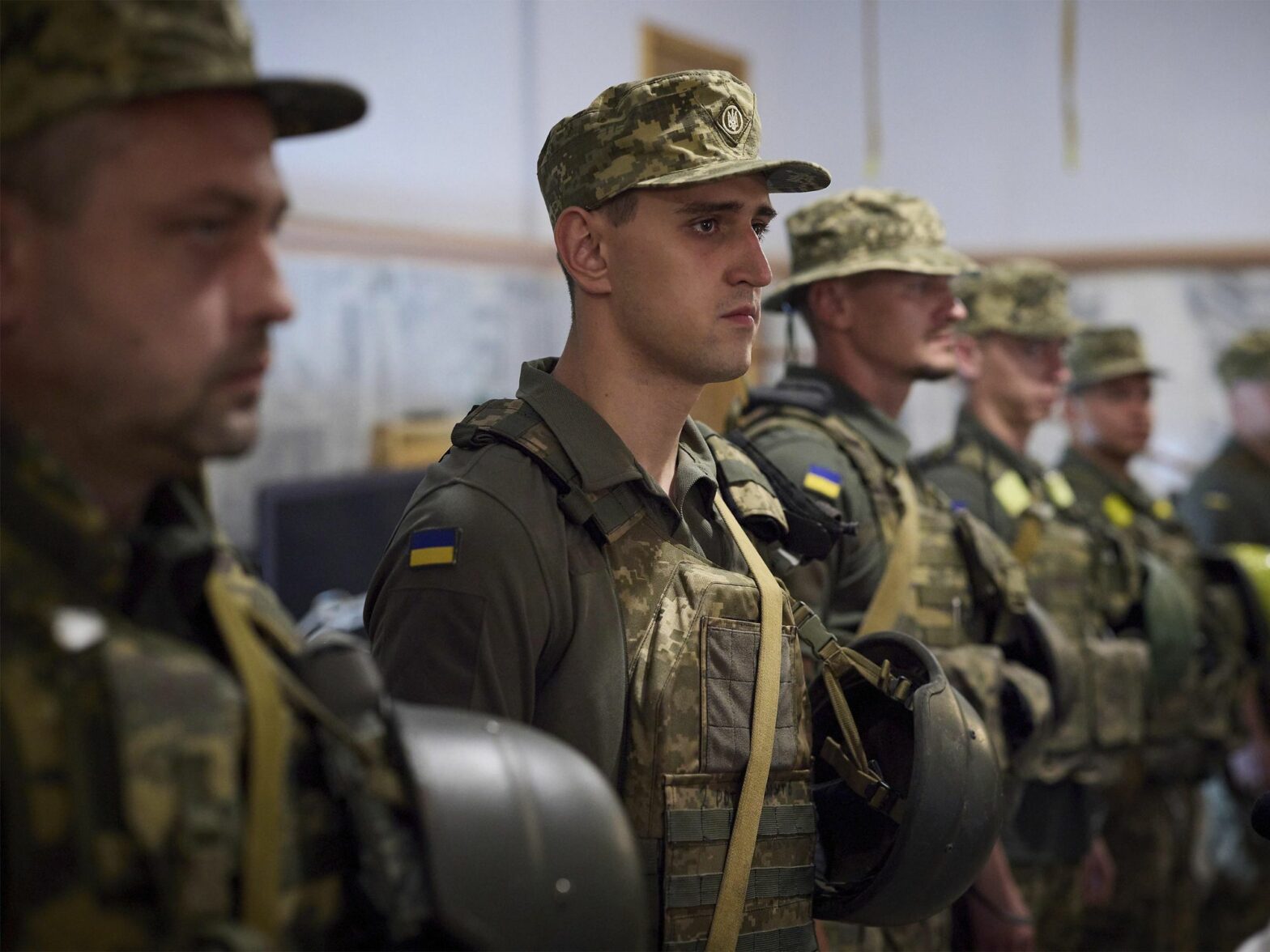
It’s been more than 150 days of Putin’s relentless invasion, and a clear-eyed view of the war now is neither side is winning. This will make bold decisions by Ukraine’s allies essential to any hope for victory.
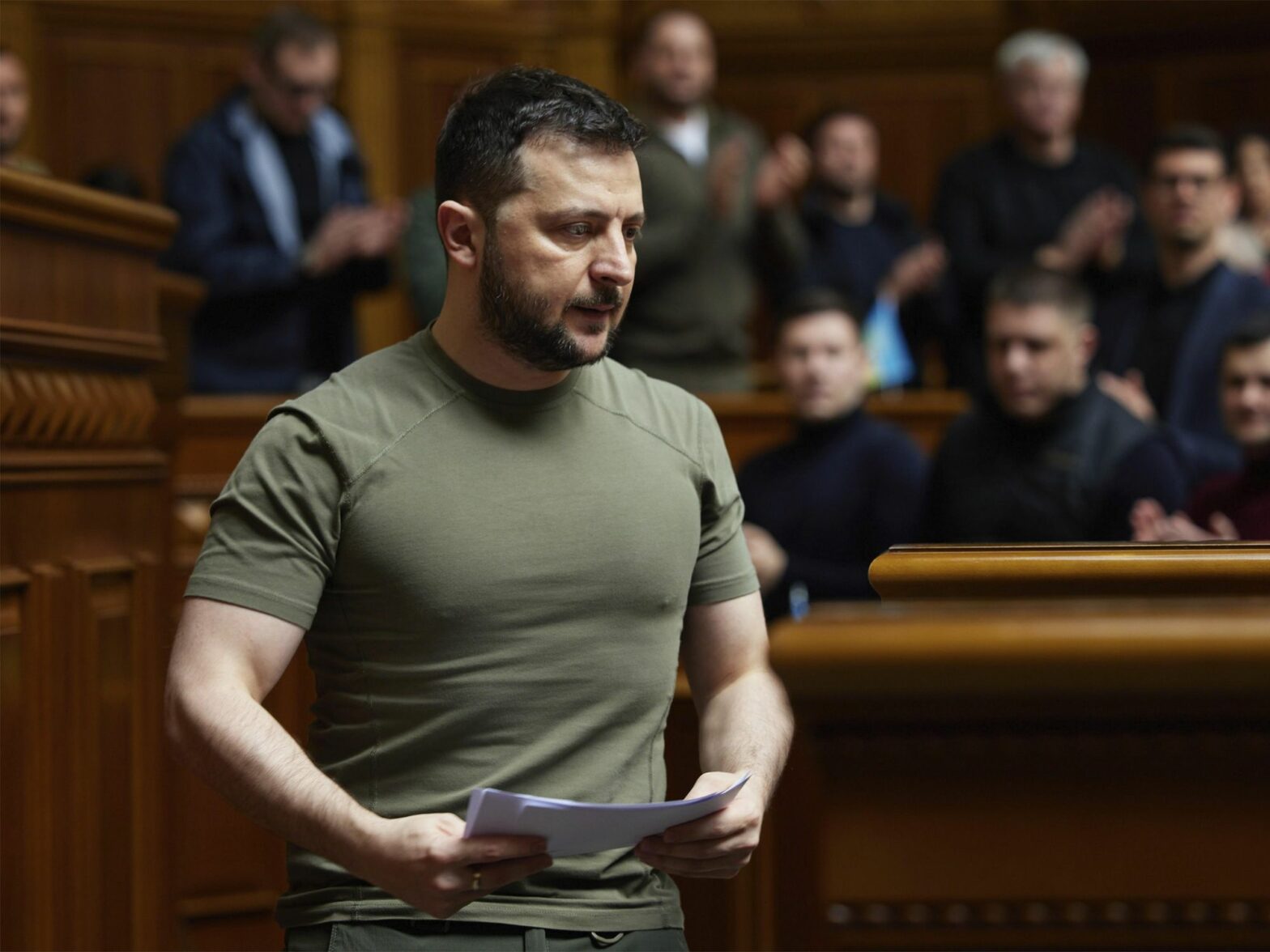
Ukraine has long had an issue with oligarchs standing in the way of progress, and they have almost always been linked to the Kremlin. Now in the context of the war with Russia, President Zelensky has no choice but to tackle this problem.
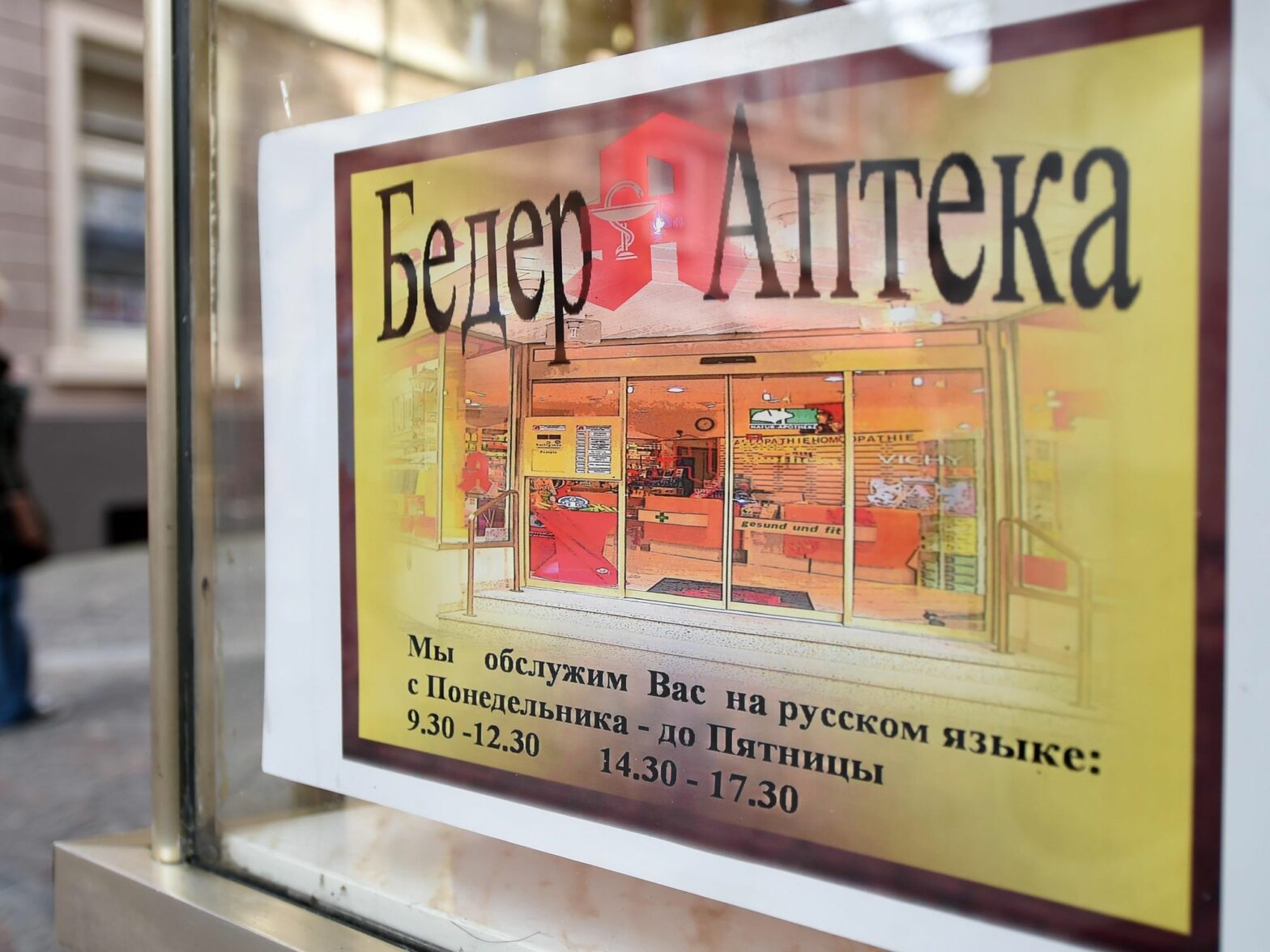
For 200 years, the Black Forest spa town of Baden-Baden has been the destination of choice for Russian tourists, with oligarchs shopping in the luxury boutiques and buying up swathes of property. Now Putin’s invasion of Ukraine has changed all that and the town’s once-bustling streets are empty.
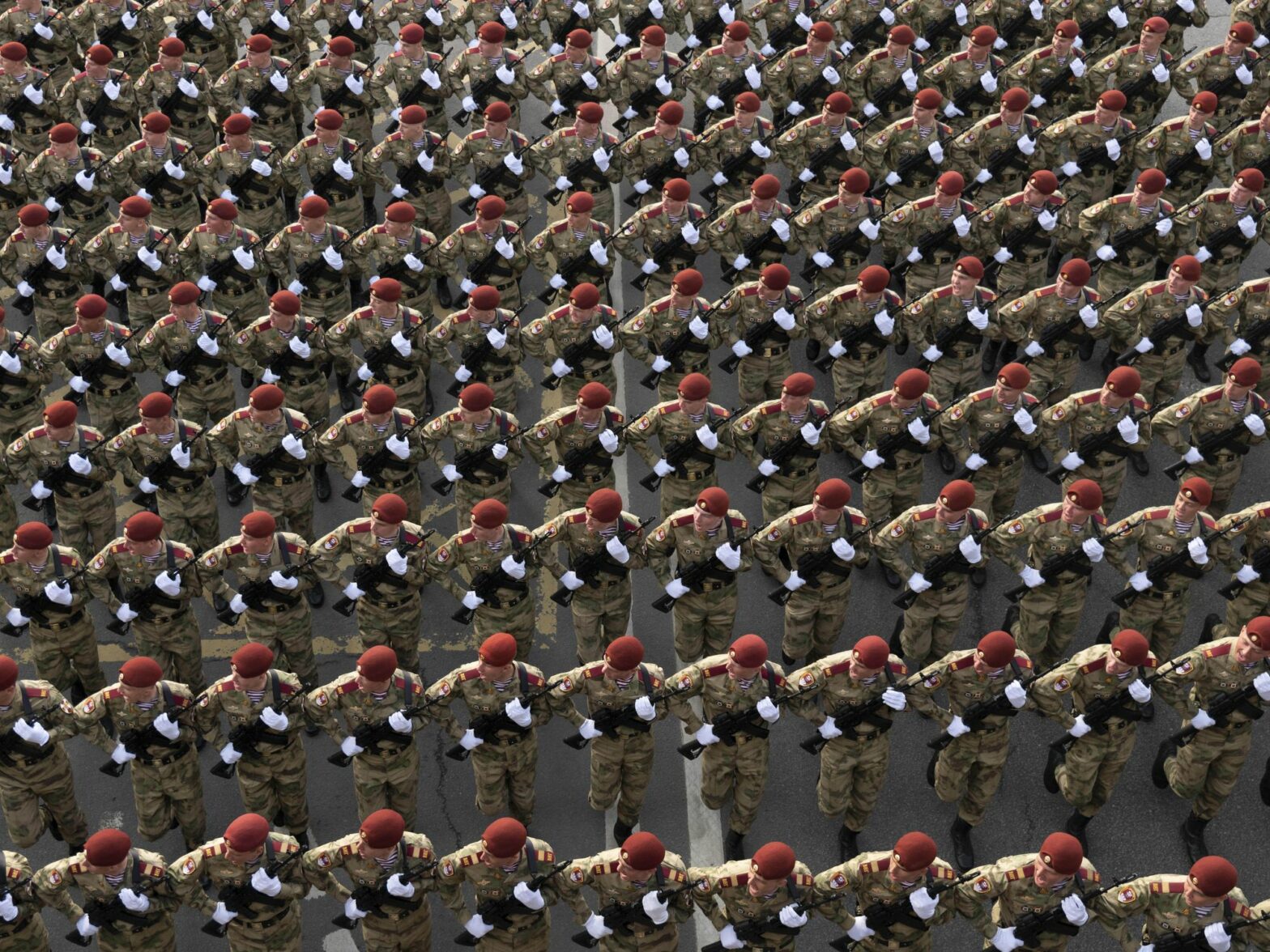
Russia’s attack on Ukraine has exacerbated tensions not only in its neighborhood, but around the planet, making the world’s hotspots even hotter.
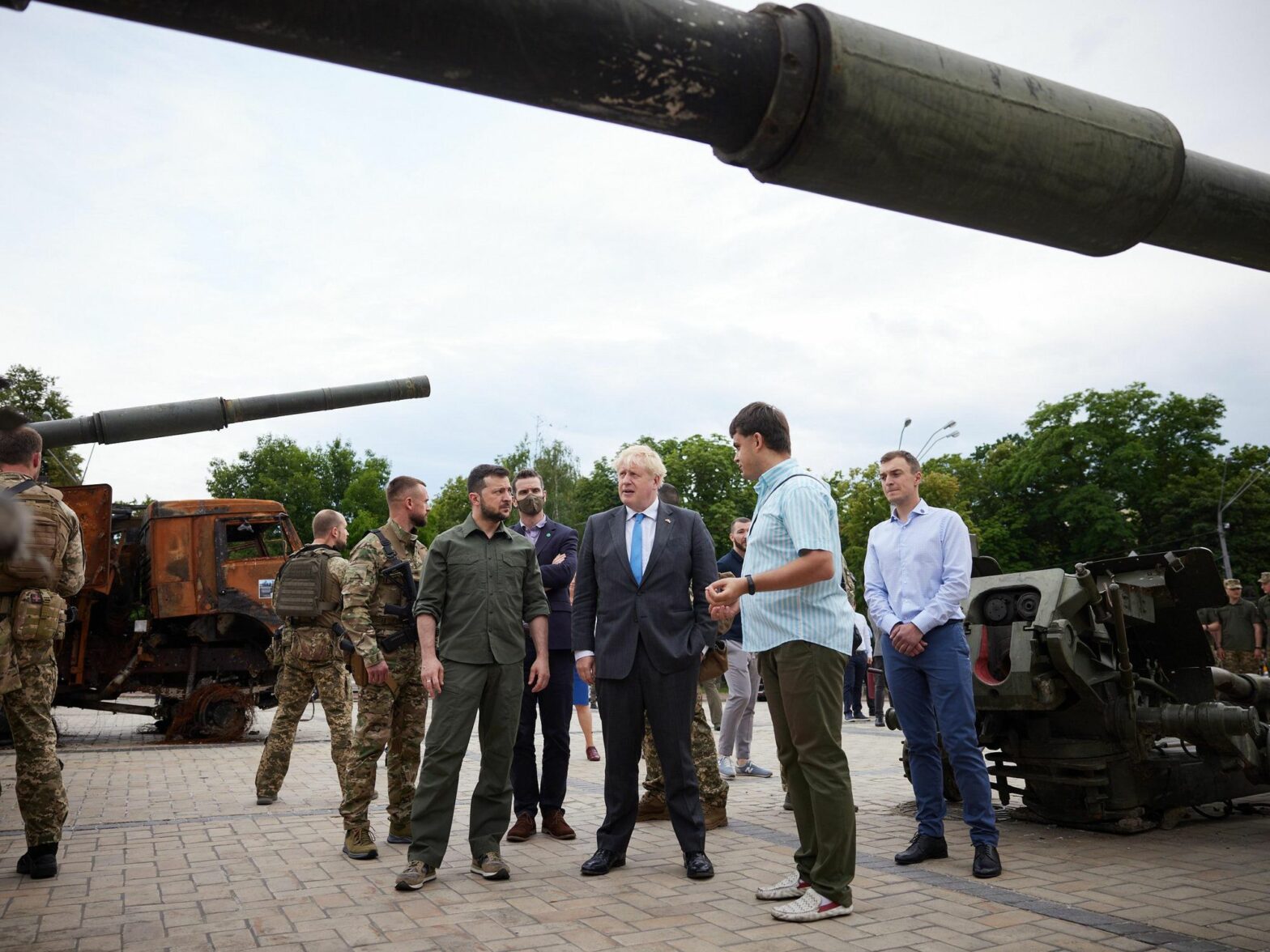
As one of the world’s most ardent supporters of the Ukrainian cause, UK Prime Minister Boris Johnson helped steer the Western response to Vladimir Putin’s invasion. Moscow has been gloating over his fall from grace. The diplomatic cards may (or may not) be shuffled by a switch at 10 Downing Street.
Vladimir Putin has been upfront about his desire to rebuild Russia’s influence in the region. Former Soviet states are watching developments in Ukraine closely, with many trying to ensure futures free of interference by Moscow.
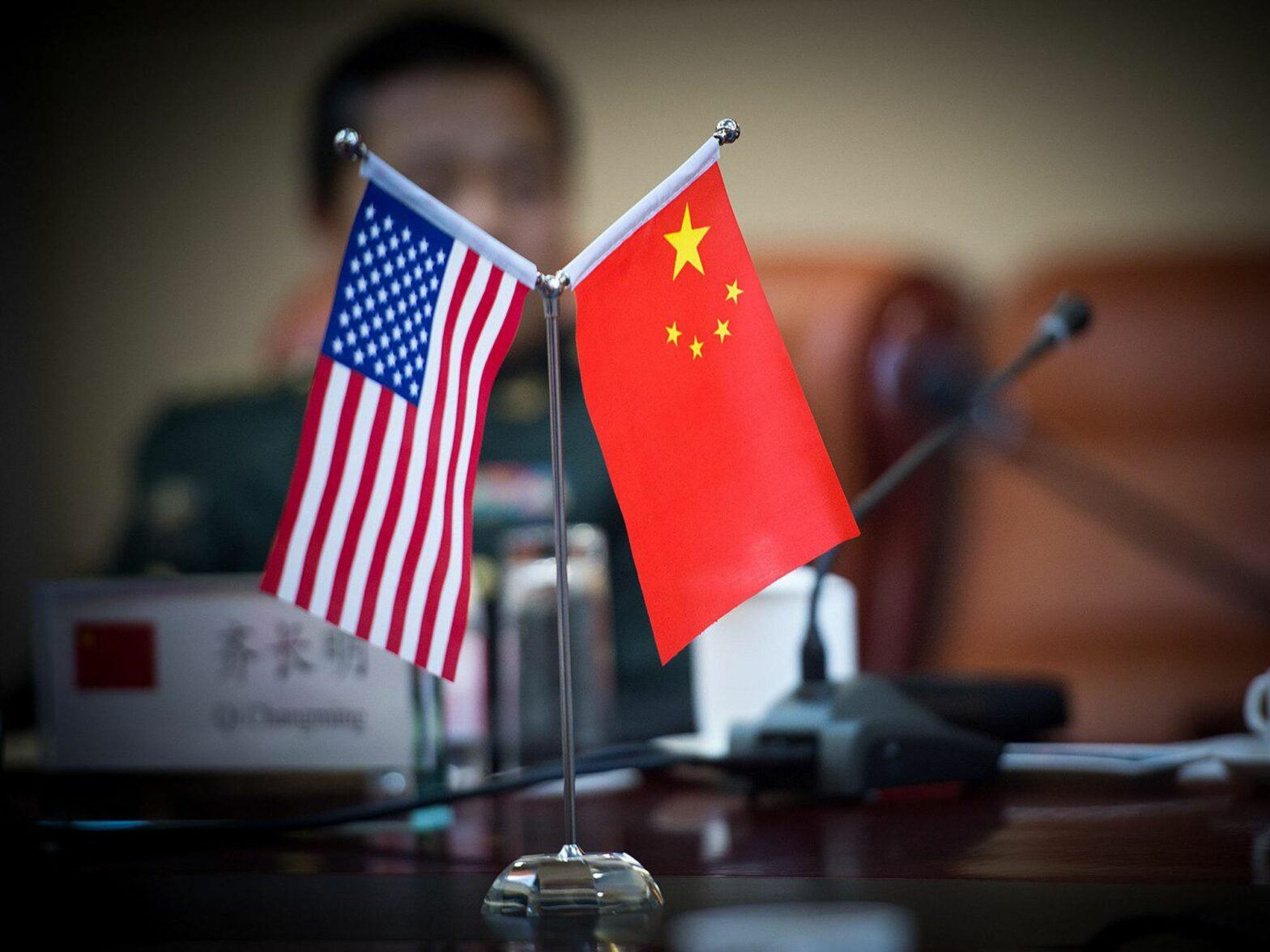
With an activist Supreme Court creating a gap between democratic rhetoric and reality in the U.S., and Russia and China eager to flex military muscle, the full-force return to hard power looks bound for dominance.
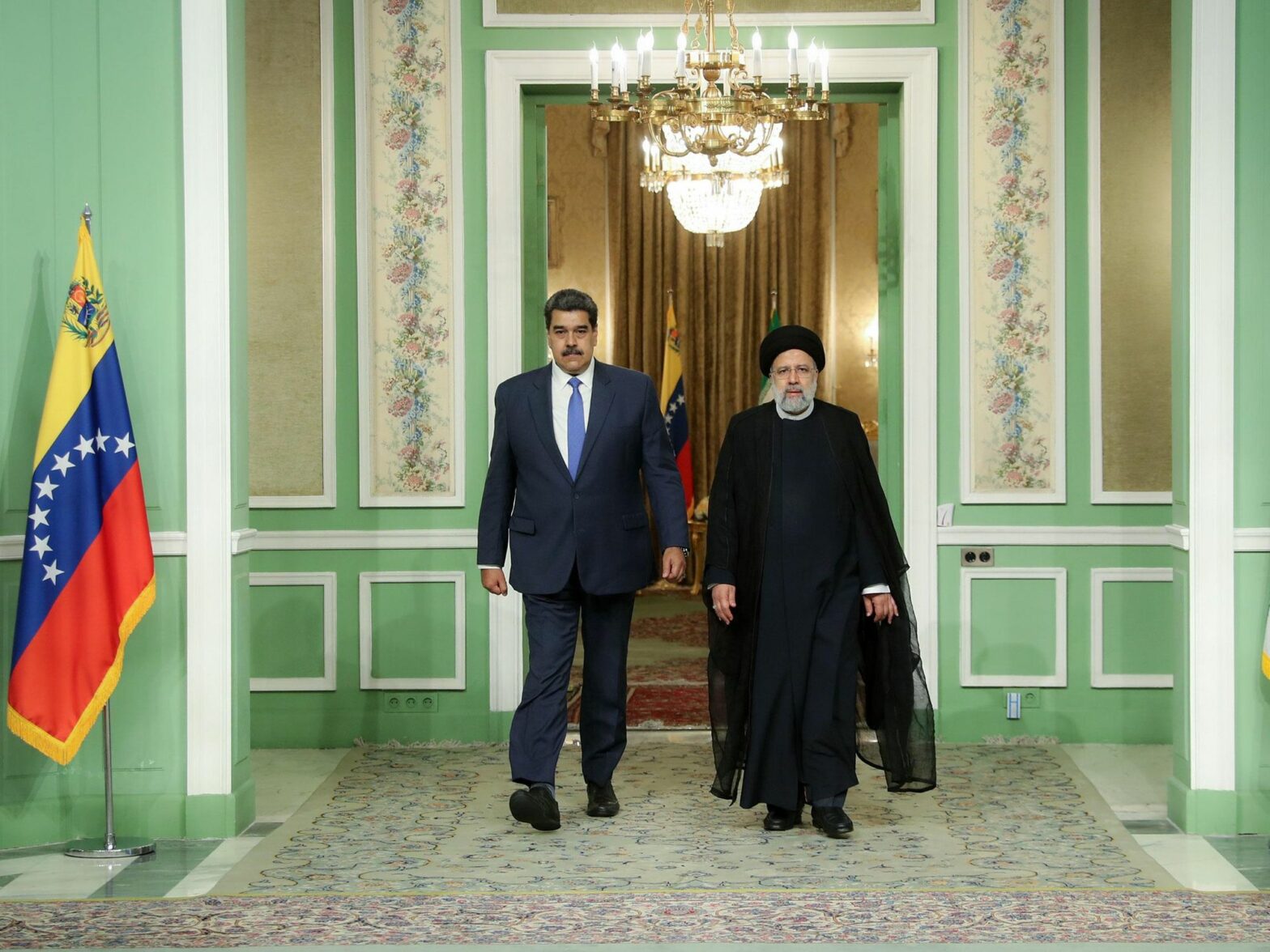
With the complicity of leftist rulers in Venezuela, Bolivia and even Argentina, Iran’s sanction-ridden regime is spreading its tentacles in South America, and could even undermine democracies.
The dominance of a single narrative of globalization and liberal democracy is over.
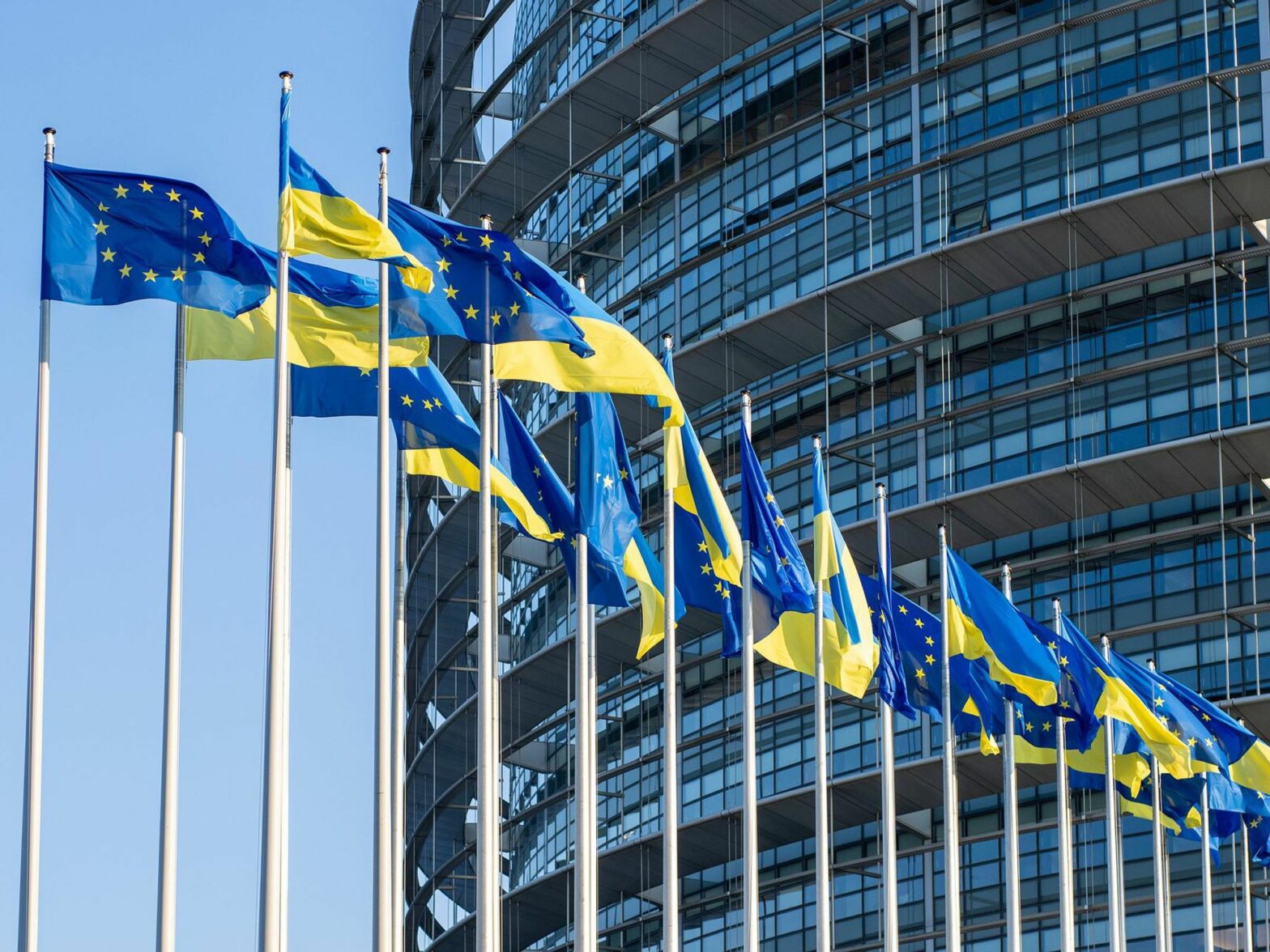
The prospects of Ukraine and other countries joining the EU force Europe to rethink the very basic way it functions. This moment of crisis can be a bonafide opportunity for the European Union, but will require a level of courage and ambition that has been lacking.
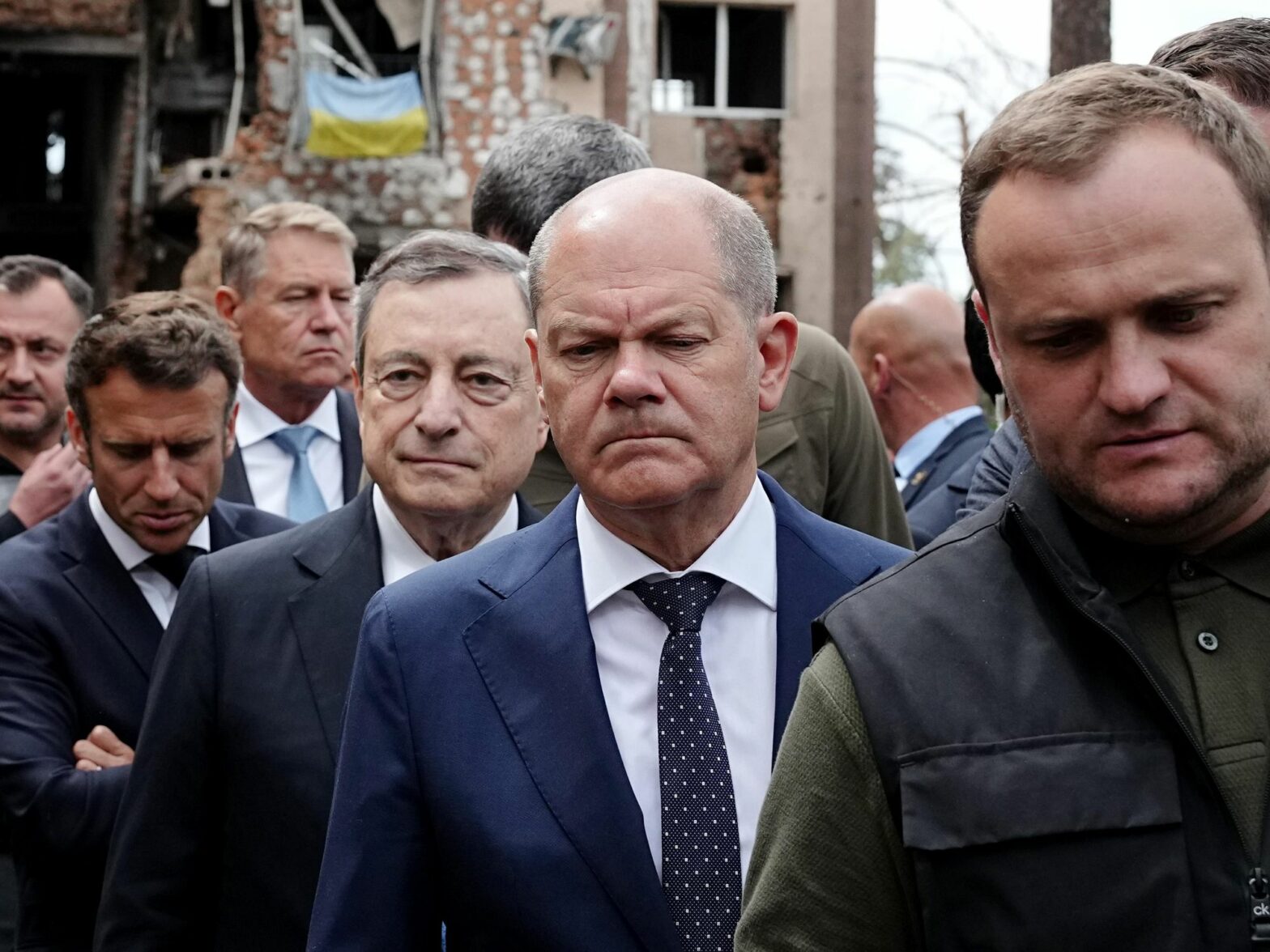
Ukrainians assess their friends, enemies and frenemies…
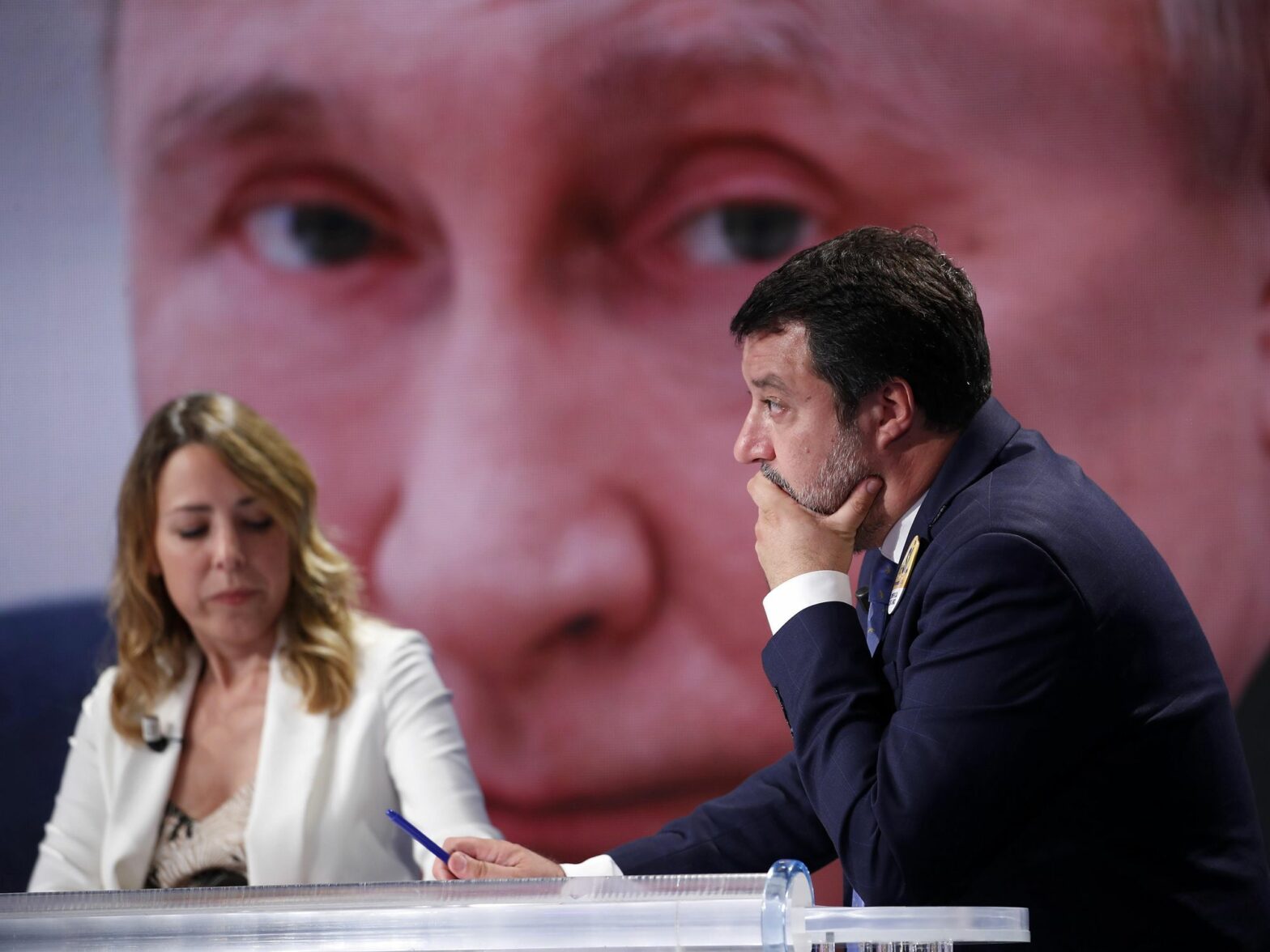
While there are Moscow backers across Europe and even in the U.S., they mostly remain on the margins. In Italy, however, support for the Kremlin runs surprisingly wide, and deep.
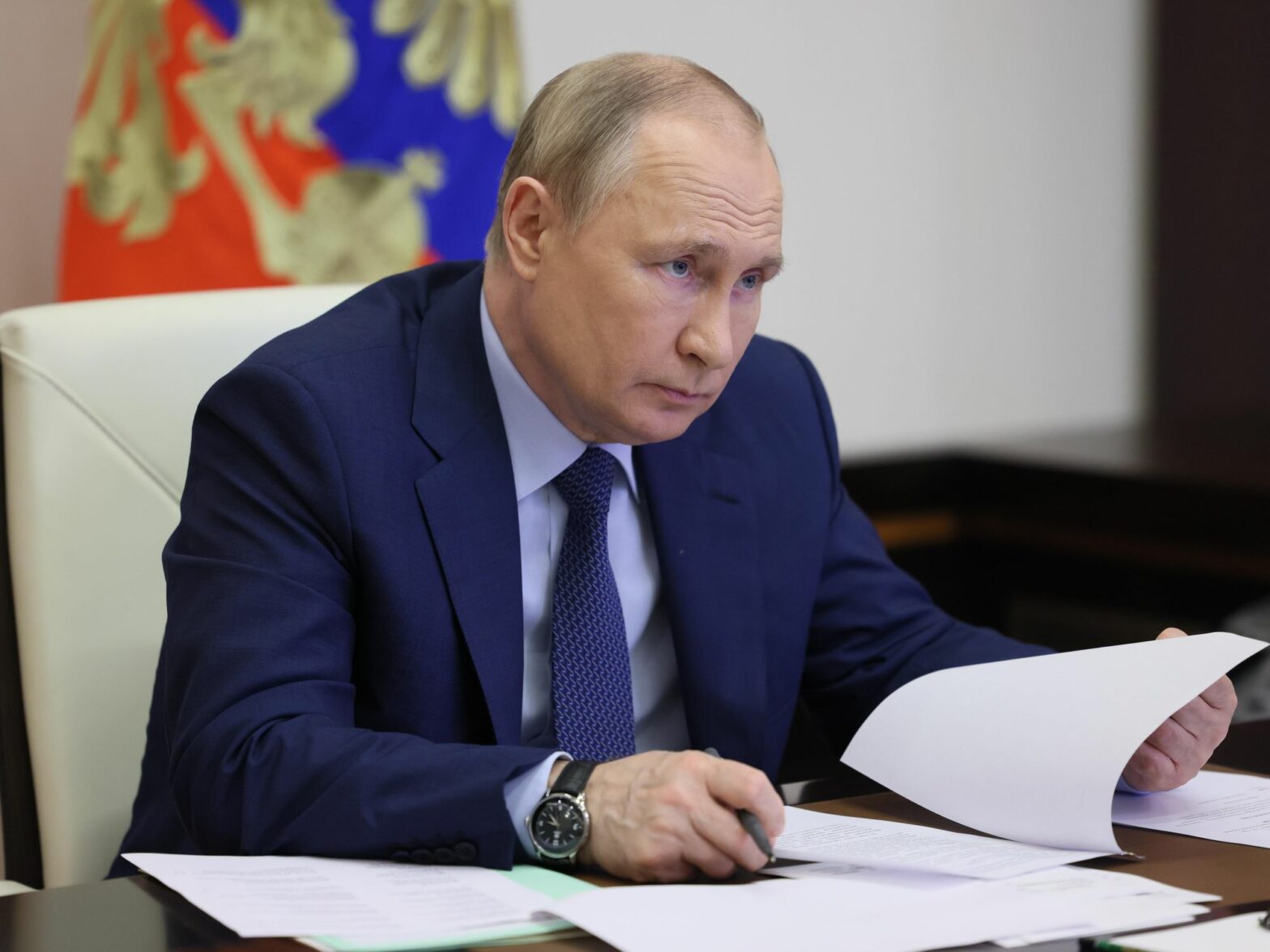
Polish-born French writer Marek Halter, who fled the Nazis to the USSR, has known Vladimir Putin for 30 years. Halter sent the Russian president a long letter on May 18, and later shared a copy of it with Les Echos. In the letter, he lays out the path for Putin to renounce the war without undermining Russia’s standing.
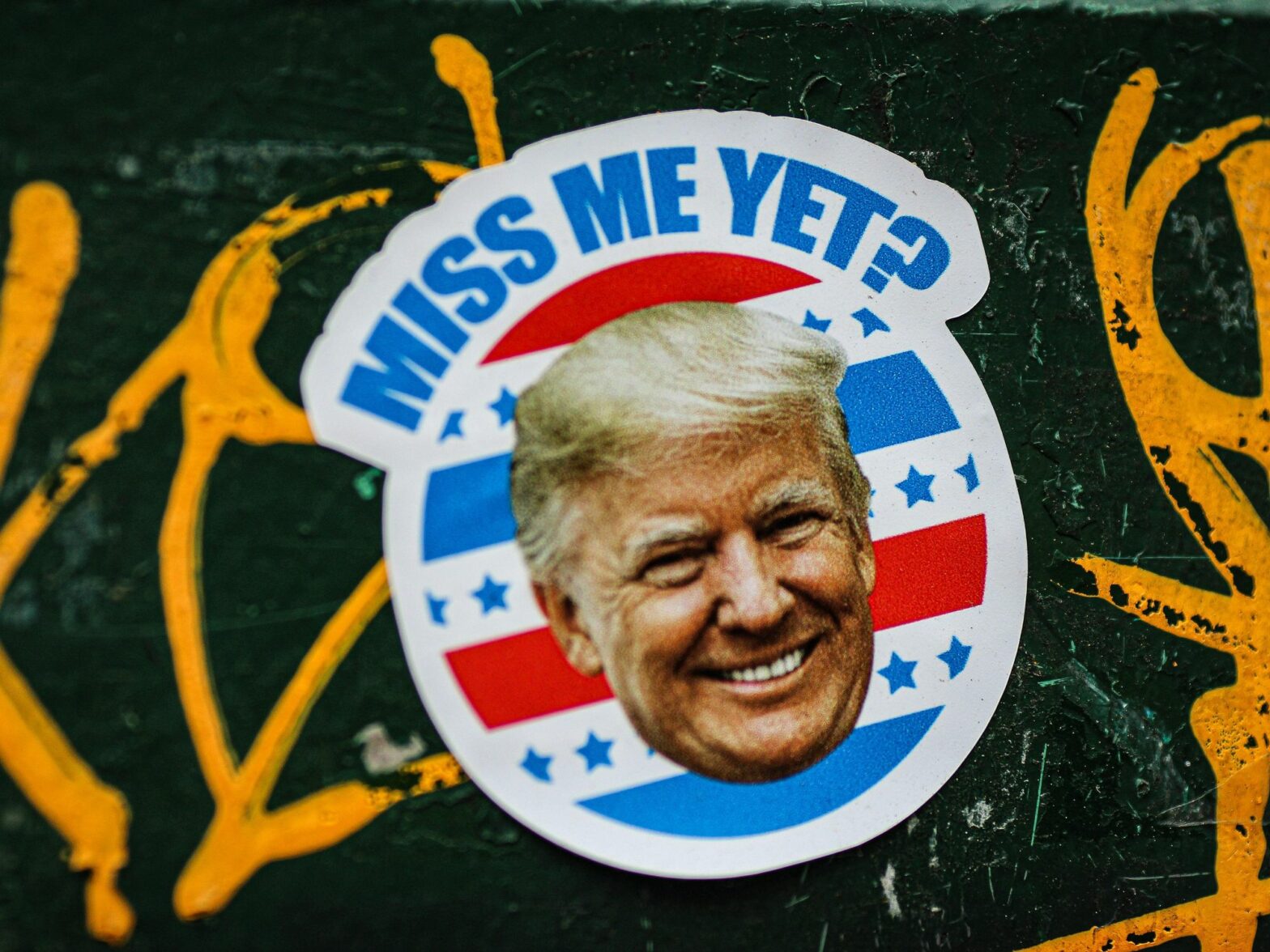
There is a growing likelihood that Donald Trump will return to the White House in Jan. 2025. Europe must act now to be ready to protect its democracy without relying on its U.S. ally.
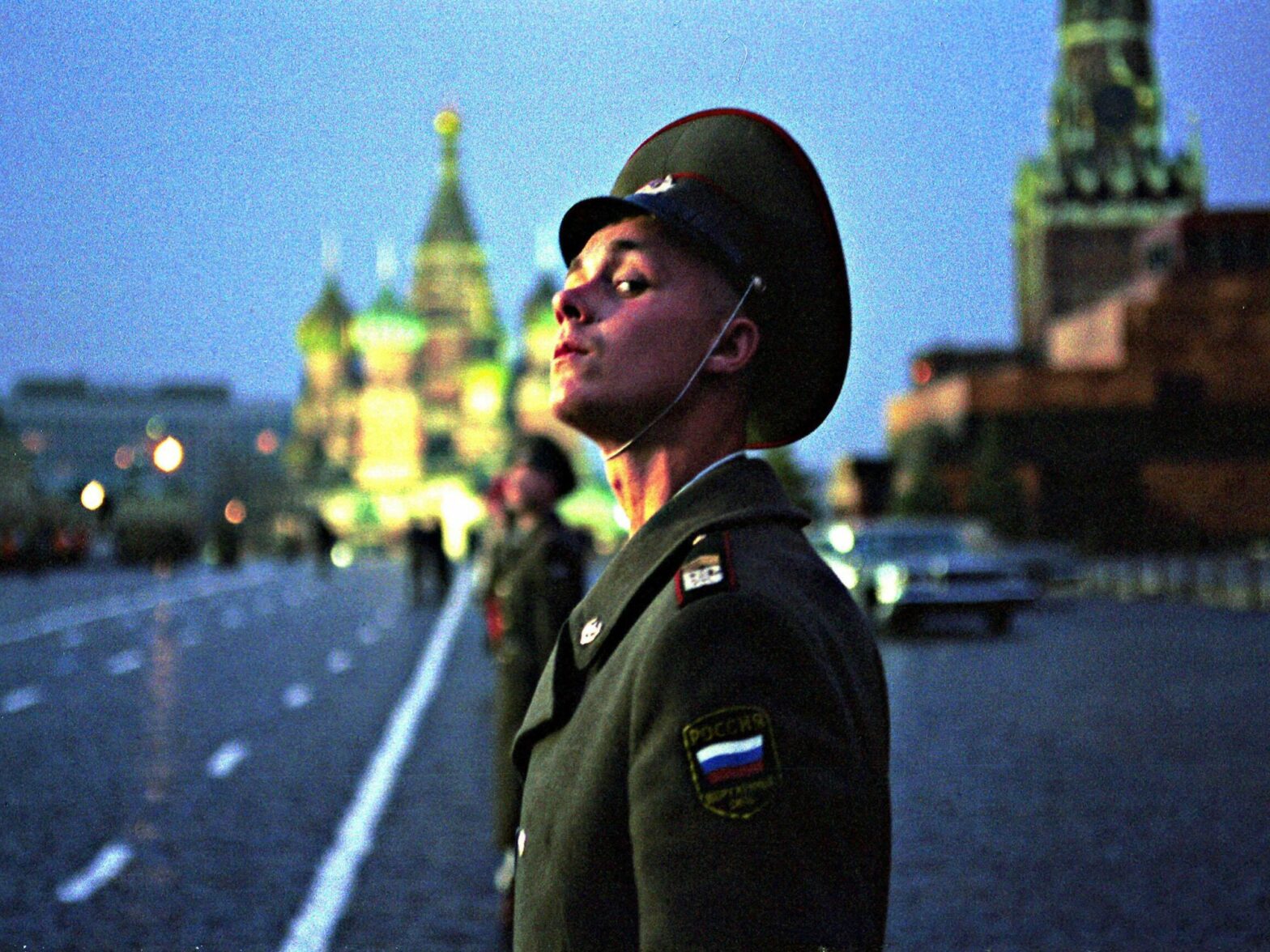
The war in Ukraine is hastening the fall of major world powers Russia and the United States. There can only be one true victor from their protracted battle — China — and far too many risks for the rest of us.
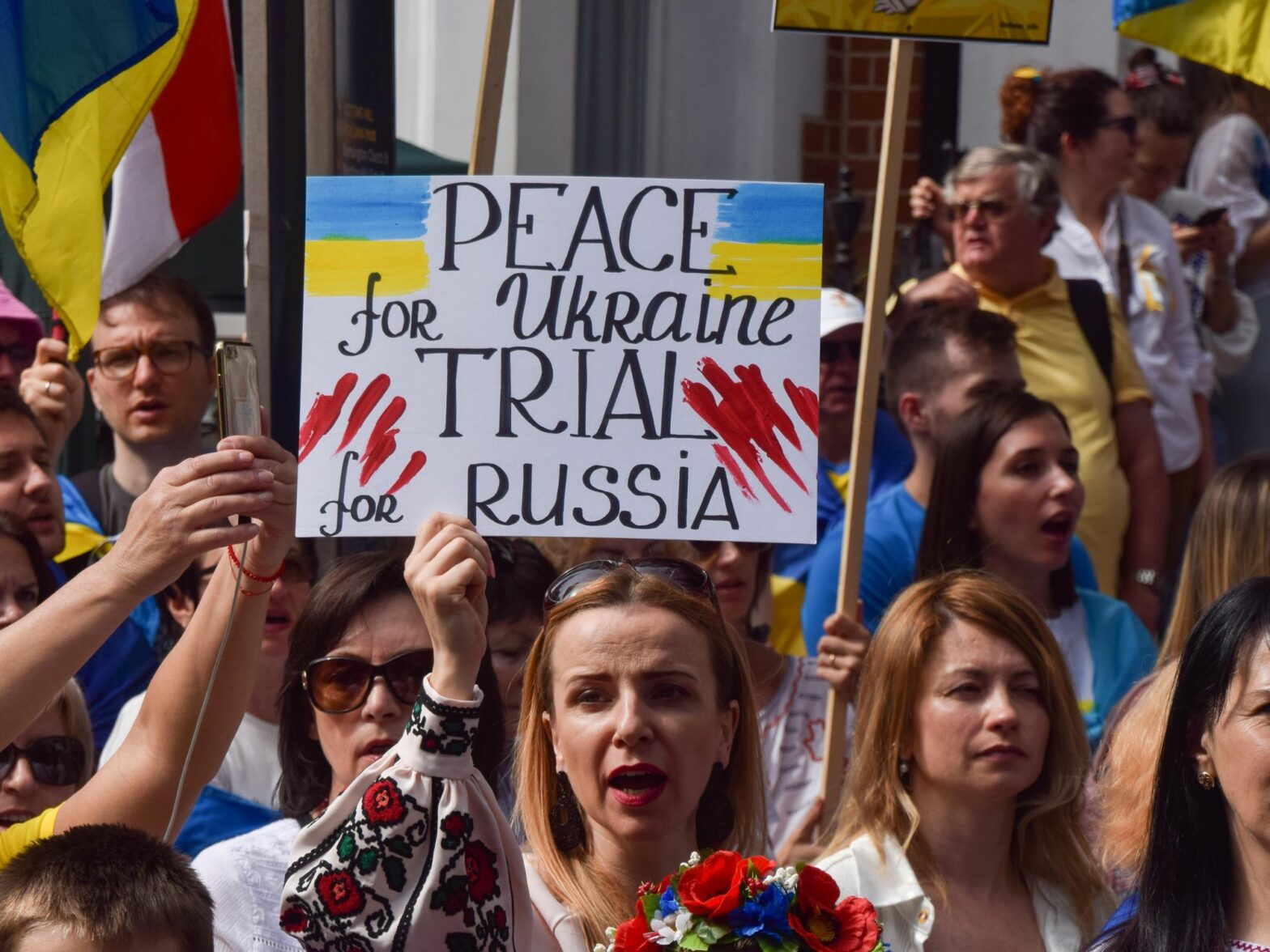
Russia’s invasion has created a stark global divide: them and us. On one side are the countries refusing to condemn Moscow, with the West on the other. It’s a dangerous split that could have repercussions far into the future.
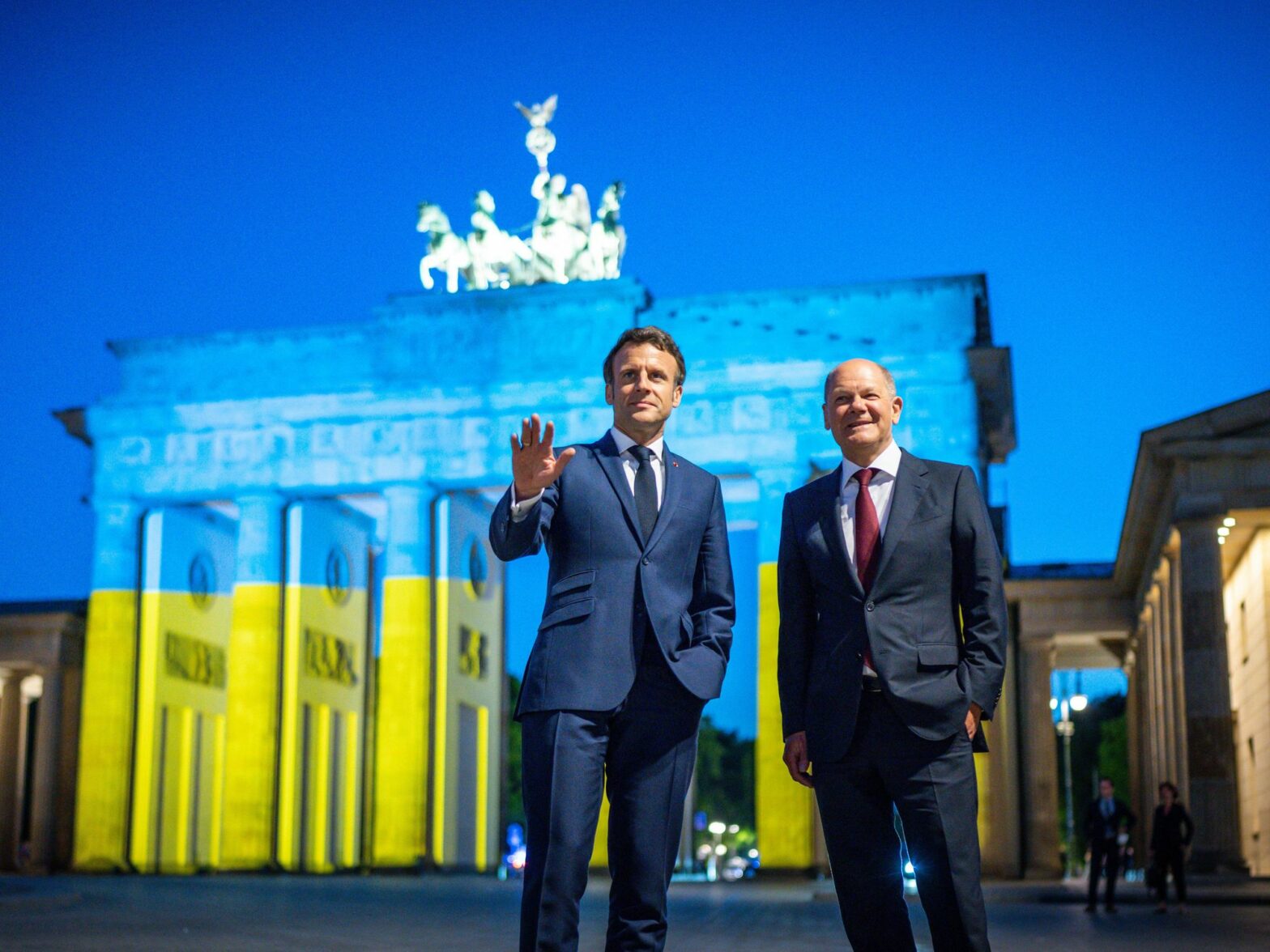
French President Emmanuel Macron has proposed a new European Political Community, with support from Germany’s Olaf Scholz, that would include Ukraine in a second-tier union. No, this is not about European “core values” — it’s just the latest attempt by the EU’s two biggest players to be sure not to upset Vladimir Putin.
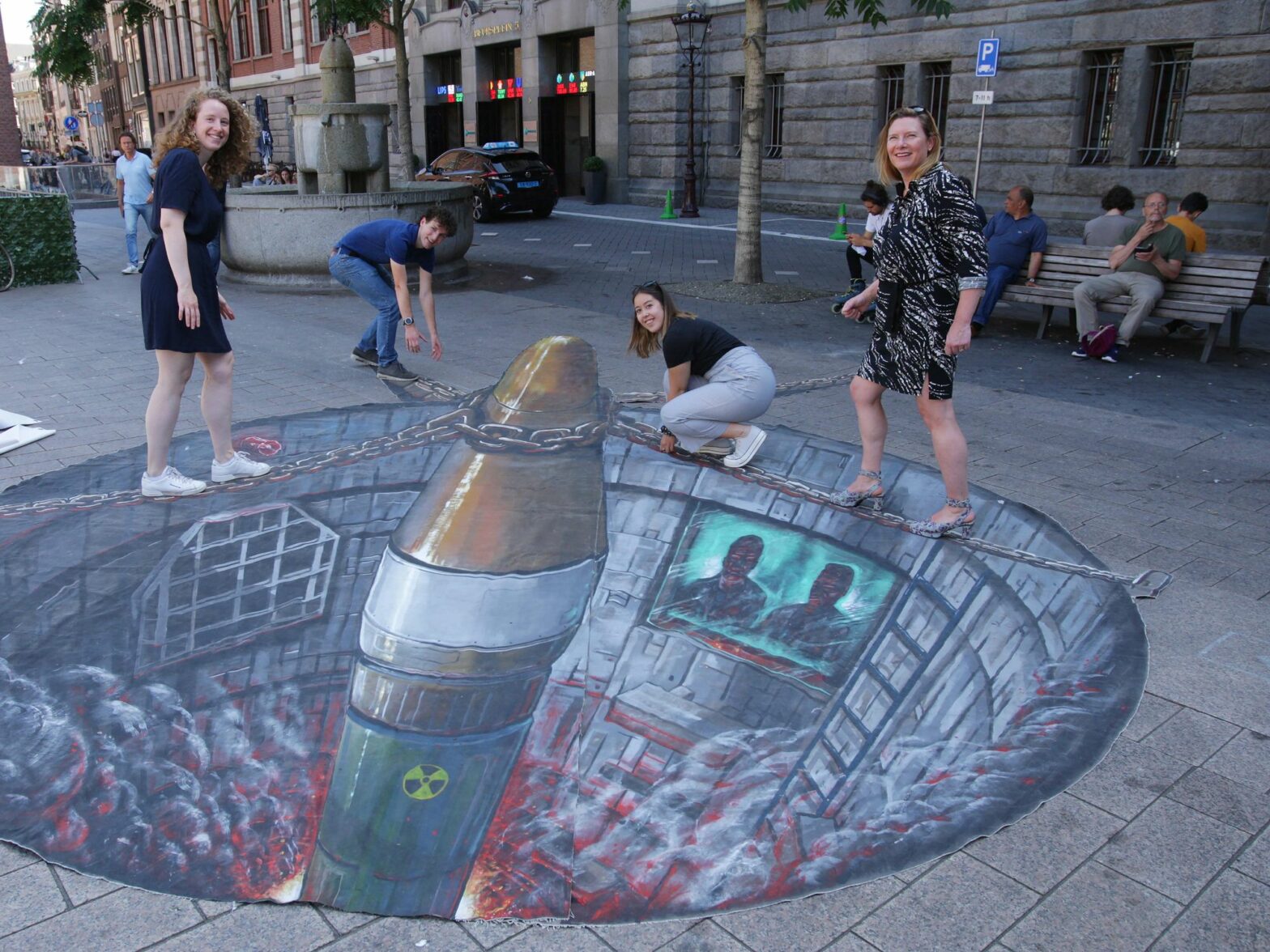
Baby boomers who grew up under the threat of nuclear armageddon warn against a nuclear escalation of the war in Ukraine. But the younger generations are not cowed by Putin’s blackmail. And that’s a very good thing.