Death metal is considered the most soulless music of all. But the Taipei-based Buddhist death metal band Dharma is proving otherwise. Their music may also even be a secret weapon in the island’s stand-off with China.

 Worldcrunch
Death metal is considered the most soulless music of all. But the Taipei-based Buddhist death metal band Dharma is proving otherwise. Their music may also even be a secret weapon in the island’s stand-off with China.
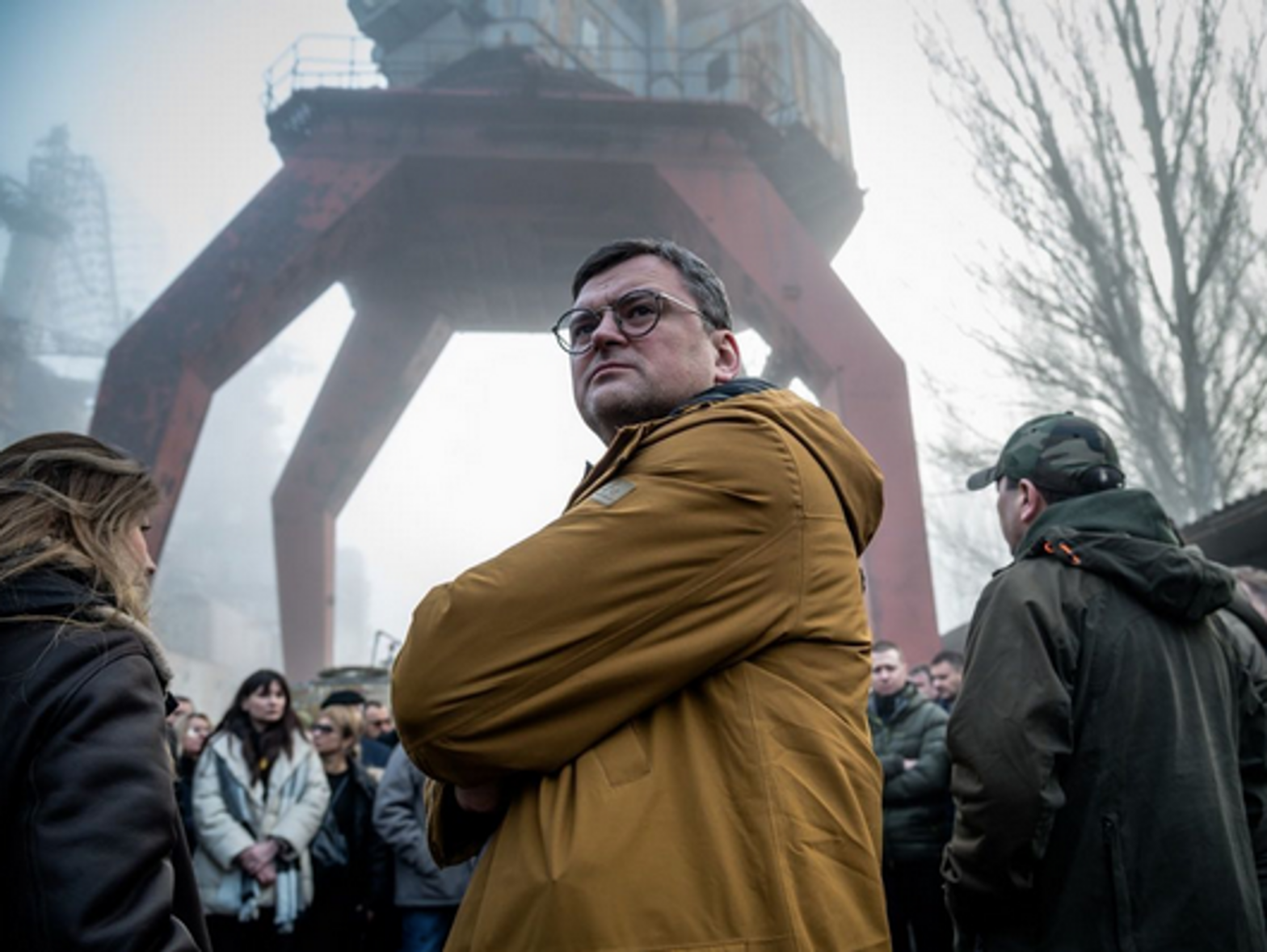
Ukrainian Foreign Minister Dmitry Kuleba is in Paris seeking help to convince Africa to abandon its wait-and-see attitude, which benefits Russia. It’s an extraordinary illustration of how Africa is singularly focused on emancipating itself from its former colonizers.
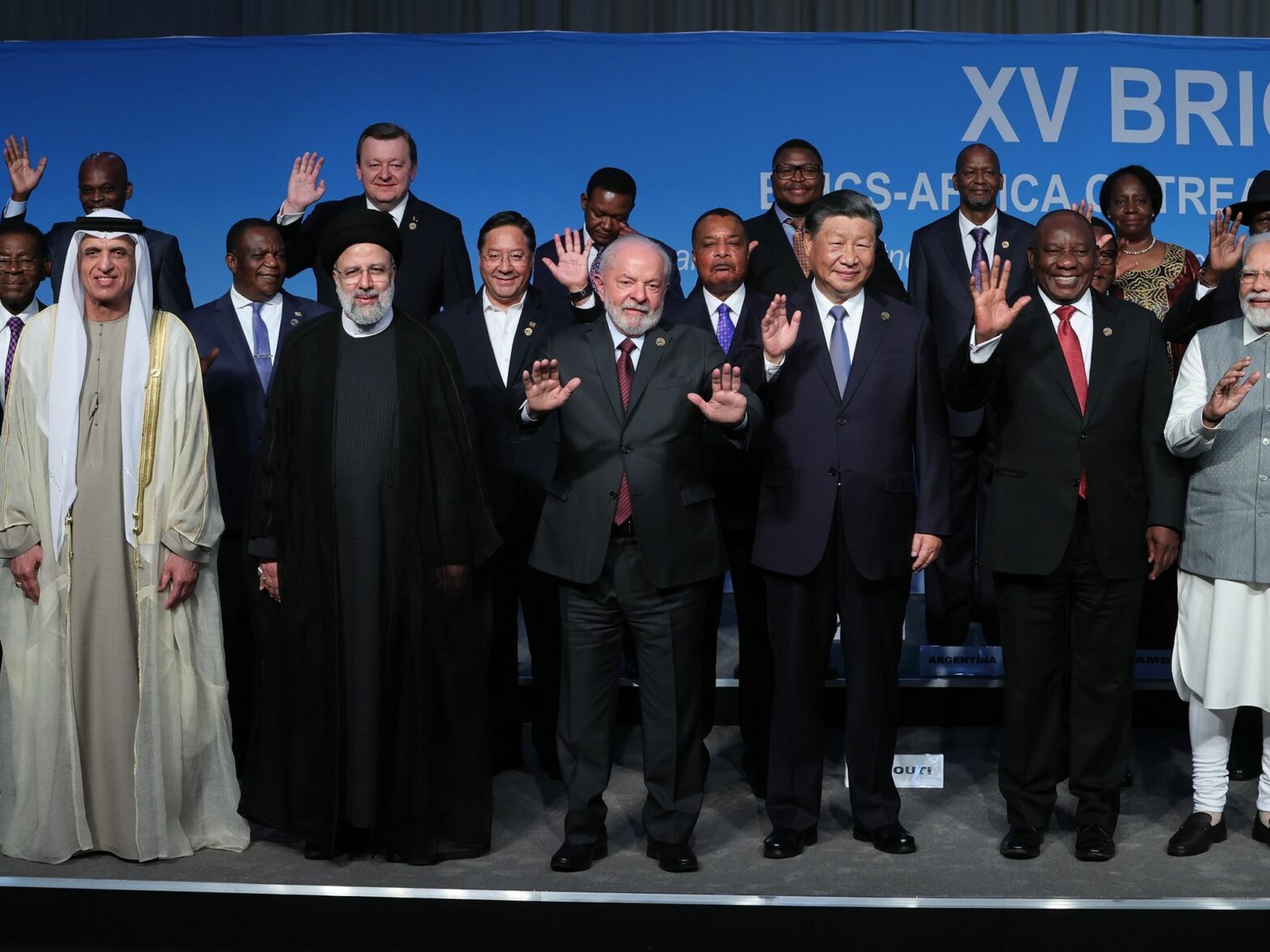
The West is losing influence on many fronts, embodied in the rise of the BRICS alliance as a kind of “counter-G7.” But Western leaders will need to decide if they want to be part of this change, or its victim.

For the third year in a row, Nahid Taghavi, a retired architect and German citizen, is in Tehran’s brutal Evin Prison, where she has been mistreated after being wrongly convicted on trumped up charges as the Iranian regime exploits her foreign citizenship for money and influence.
The war in Ukraine has become globalized, with its effects being felt from Africa to China. The only hope of de-escalation is in a potential diplomatic summit between the U.S. and China this autumn.
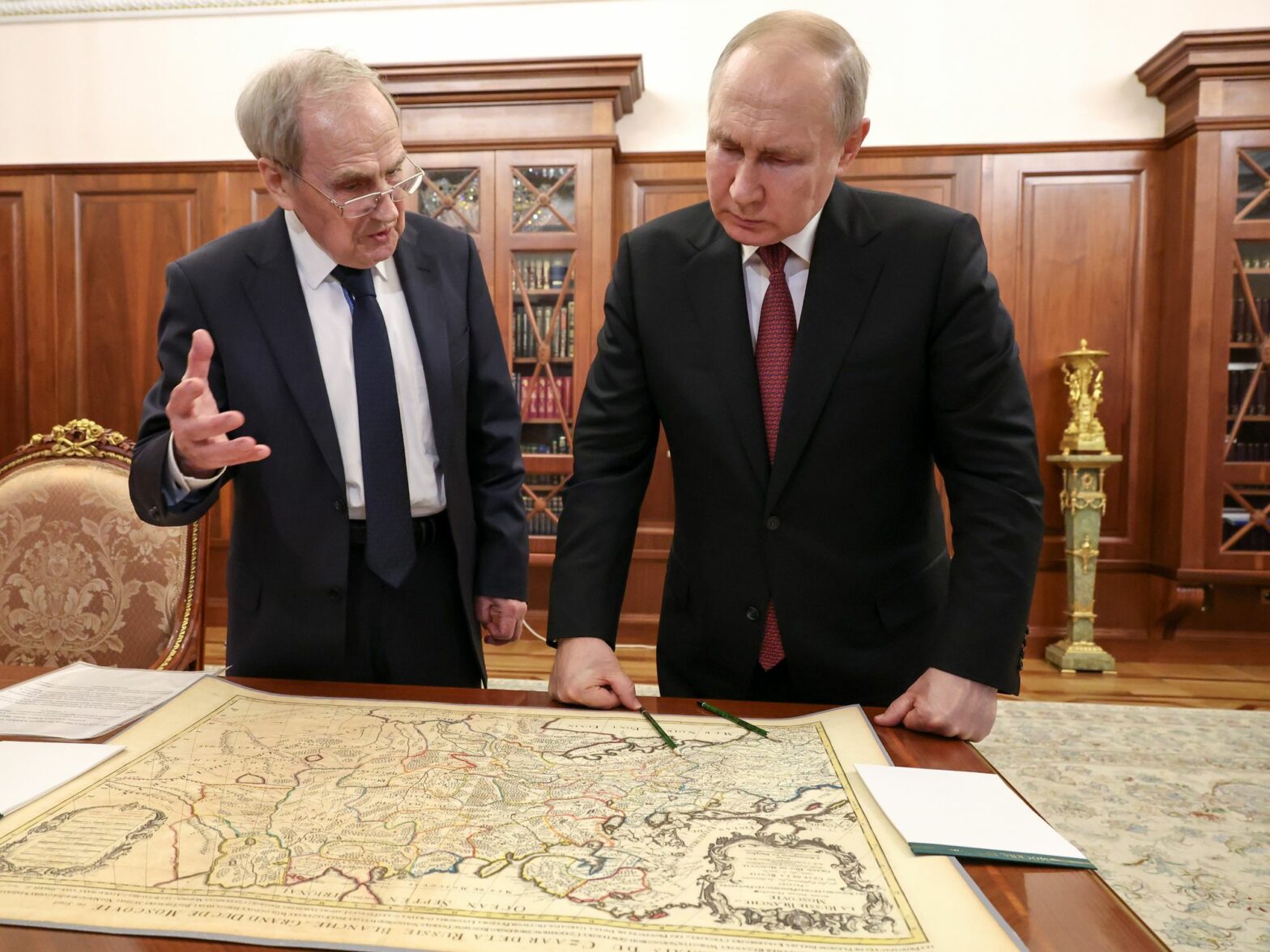
Though Russia’s intentions to take over Ukraine on the ground have failed, they are winning in the field of cartography. Maps seen in respected books and periodicals around the world offer a distorted view of who has the right to territory — and who is the aggressor. A campaign is underway to change maps to change perception of reality.
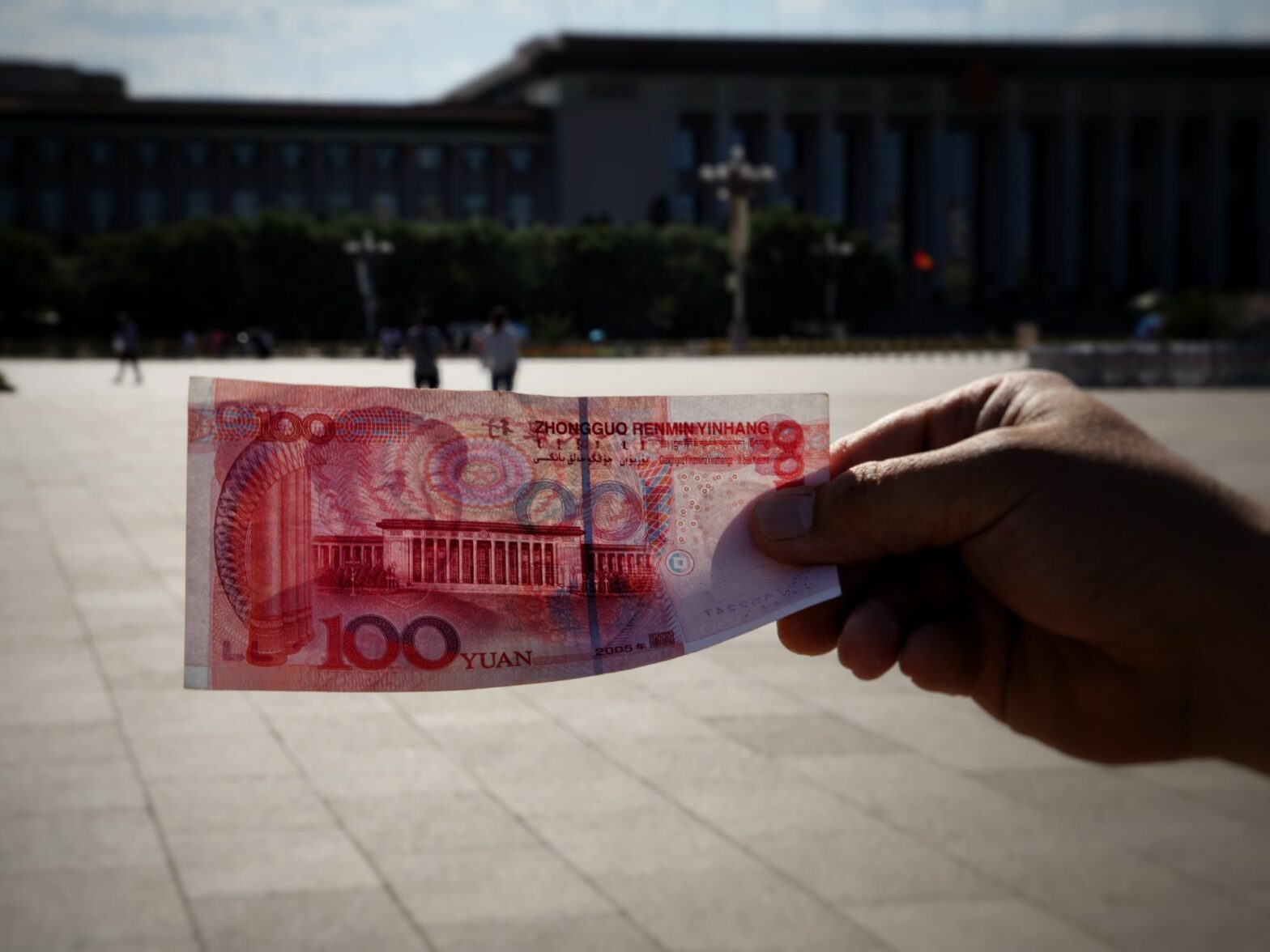
China’s economy is struggling, partly driven by a deepening economic rift with the U.S. That does not bode well for the rest of the world, particularly countries in the Global South, writes Argentine daily Clarín.
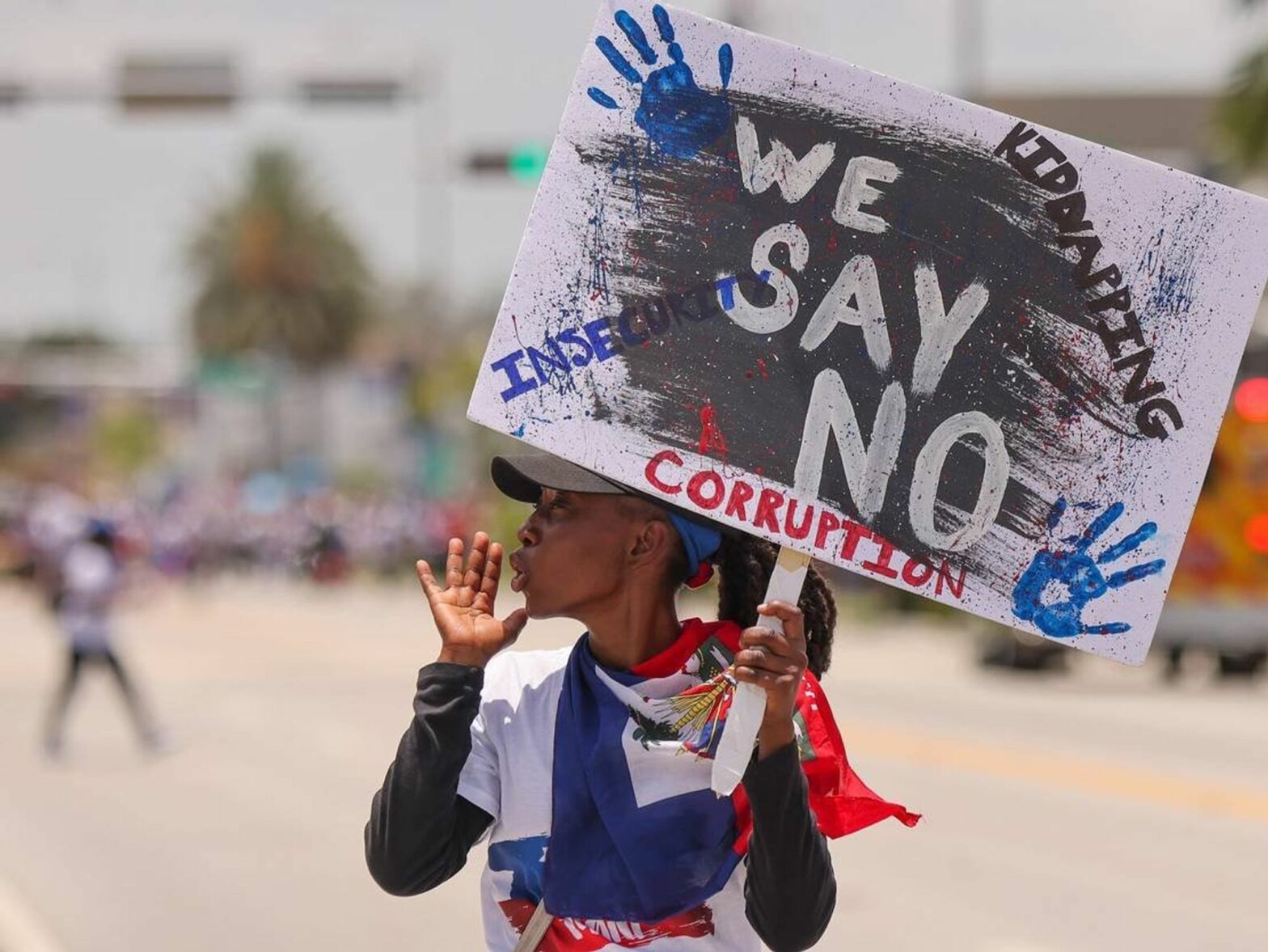
A lack of action by countries in the Western Hemisphere could increase the risk of Haiti truly turning into a failed state.
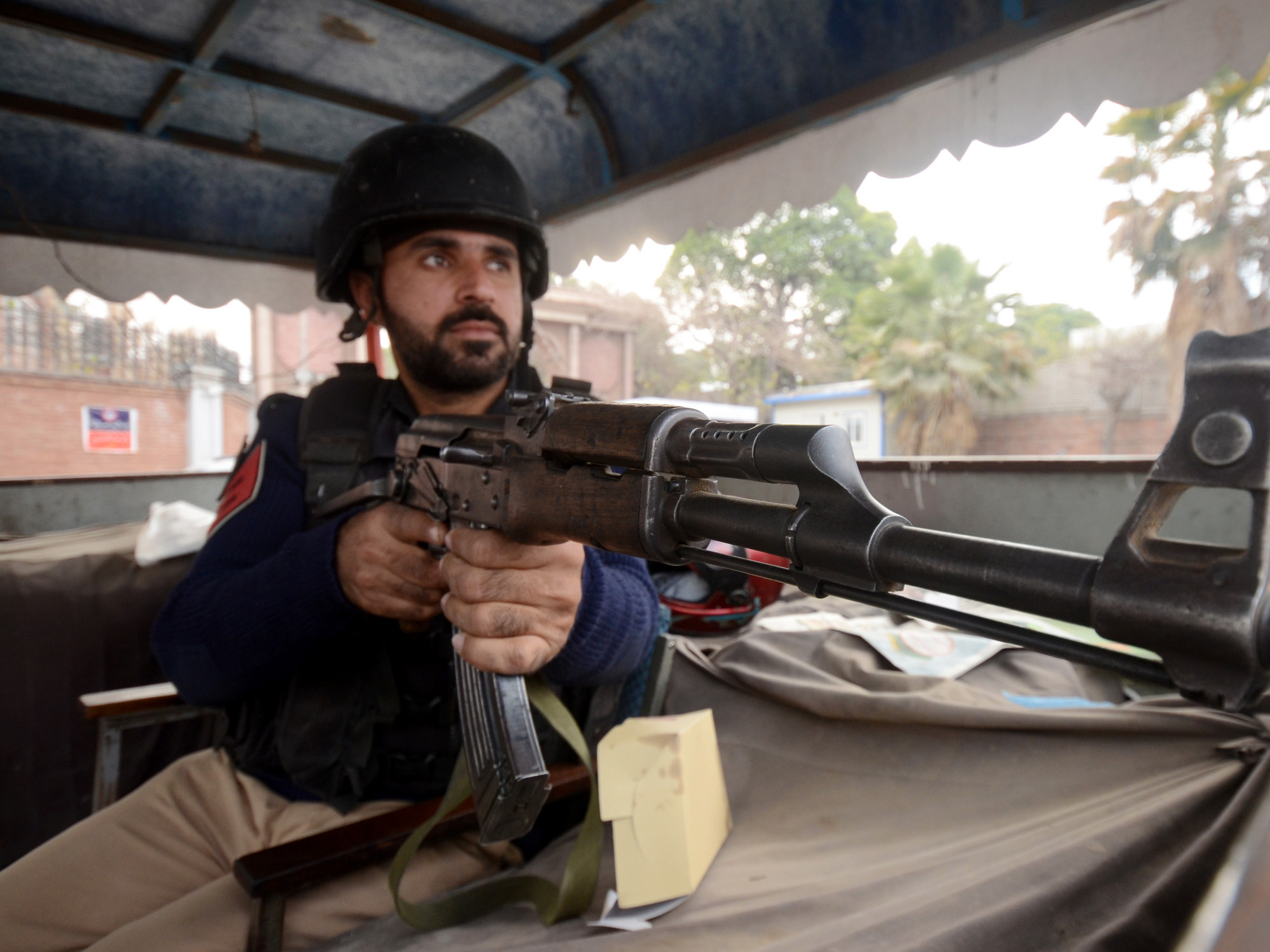
After taking control of Kabul two years ago, the Taliban has continued to present a threat to human rights in the region. But the Taliban’s takeover, now slowly nearing official recognition by some governments, has also posed challenges for the country’s neighbors, including Iran and Pakistan.

The fragrances we use are not just a matter of personal taste, but a choice connected to the time in which we live. Perfumes of the 20th century varied between bold and soft, depending on the role that women played in society at the time. What does today smell like?
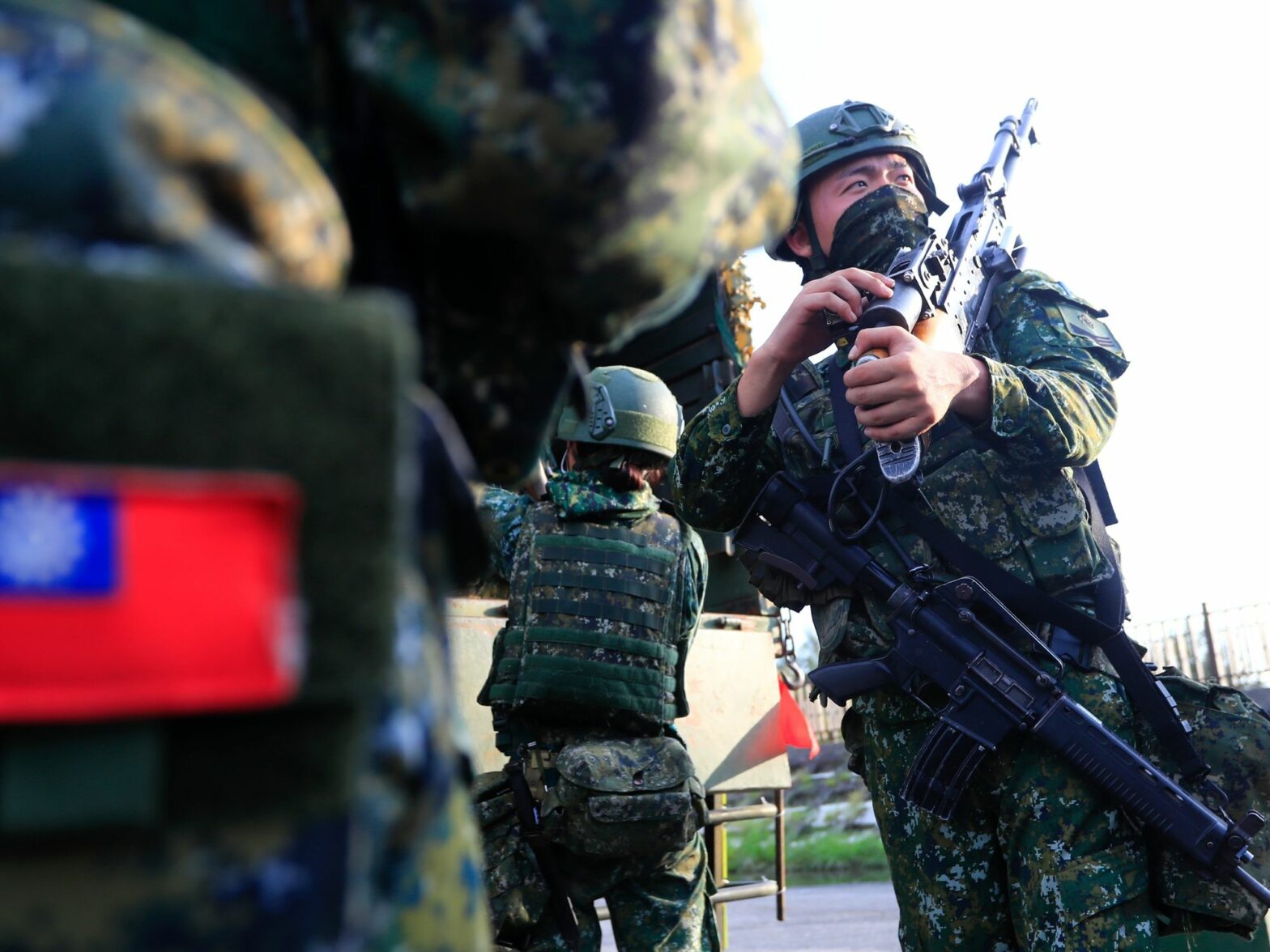
Beijing is obsessed with absorbing the “rebel island,” but a peaceful reintegration seems more and more unlikely. Despite the risk of an economic, and maybe military, confrontation with the U.S. and allies, an attempt by China to take Taiwan by force is probable, sometime between 2027 and 2049.
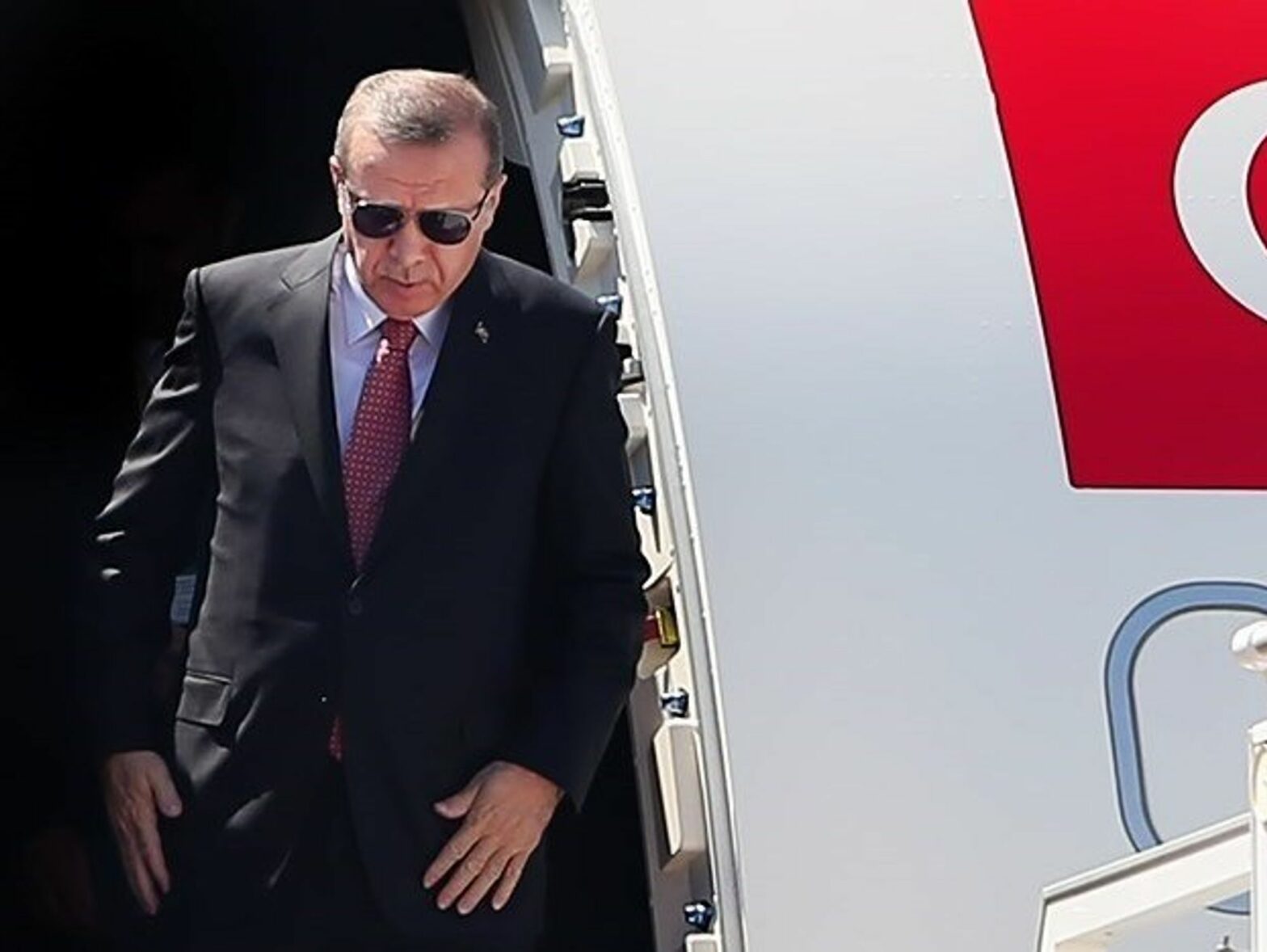
Recep Tayyip Erdogan’s recent tour of Gulf states is proof that the Turkish president aims to repair his country’s diplomatic ties in the region, all the while looking for investment for Ankara’s floundering economy. Quite the reversal of fortunes considering that not so long ago Gulf countries faced accusations of sponsoring the 2016 coup attempt in Turkey.
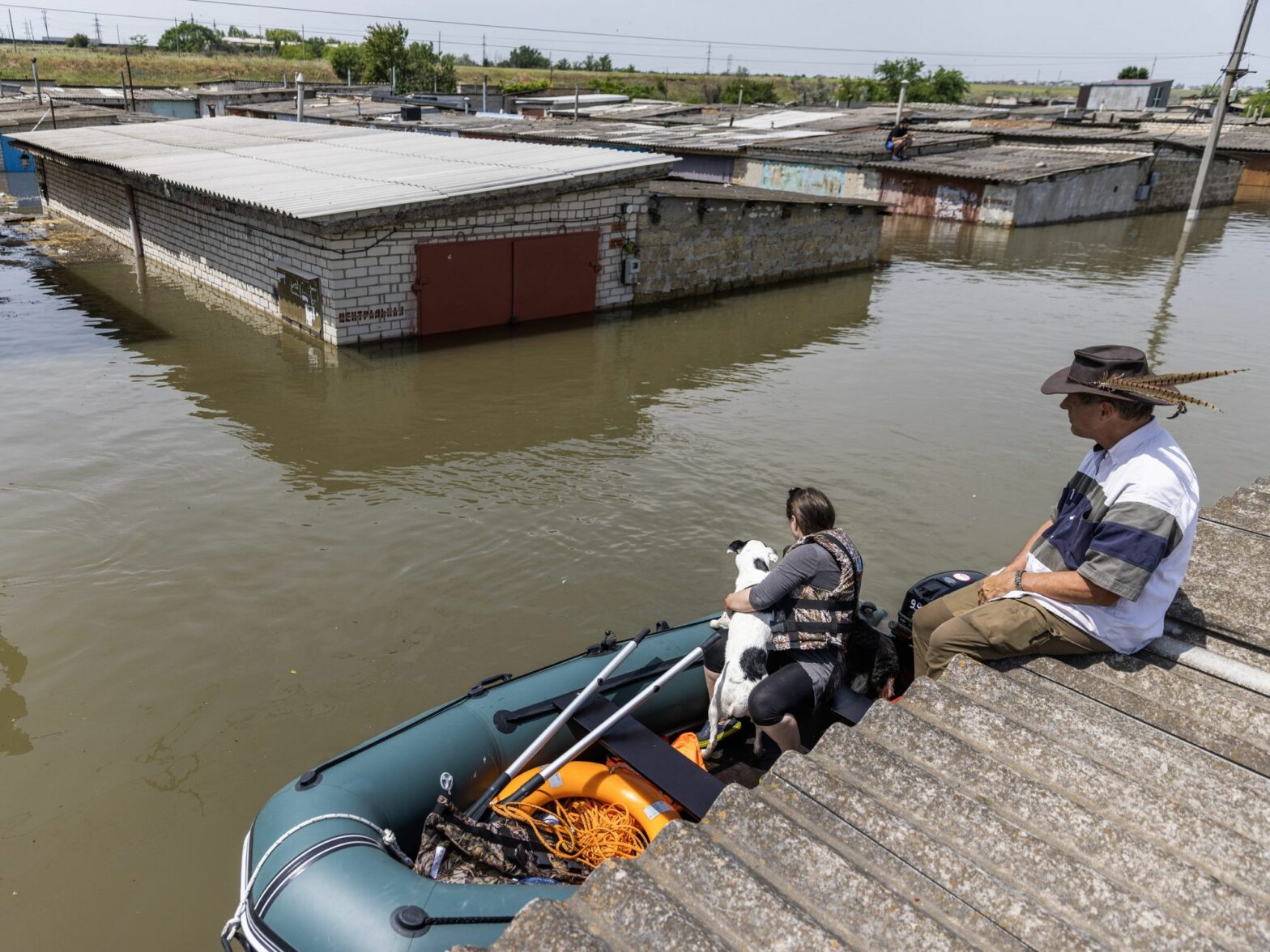
Warfare is not only traumatic for people and infrastructure but also has a large impact on the natural environment. The environmental damages of the Ukraine war will likely be be so great that even neighboring countries will suffer their effects.
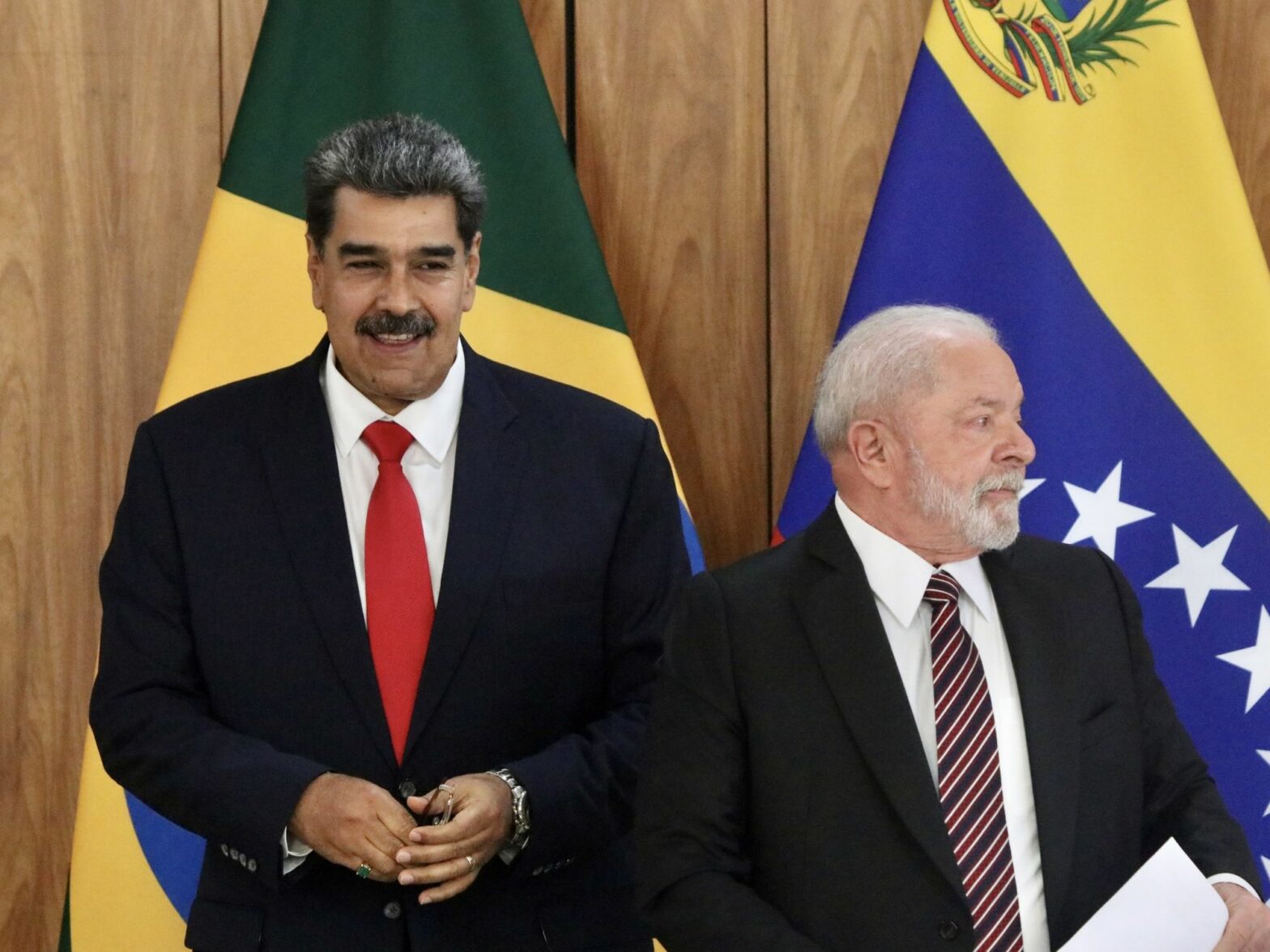
Brazilian President Lula da Silva’s goodwill toward the Venezuela’s President Maduro, in spite of the signs Maduro might hijack the 2024 general elections, suggests Lula has a problem with Western-style liberal democracy, even after he has criticized his predecessor for the same thing.
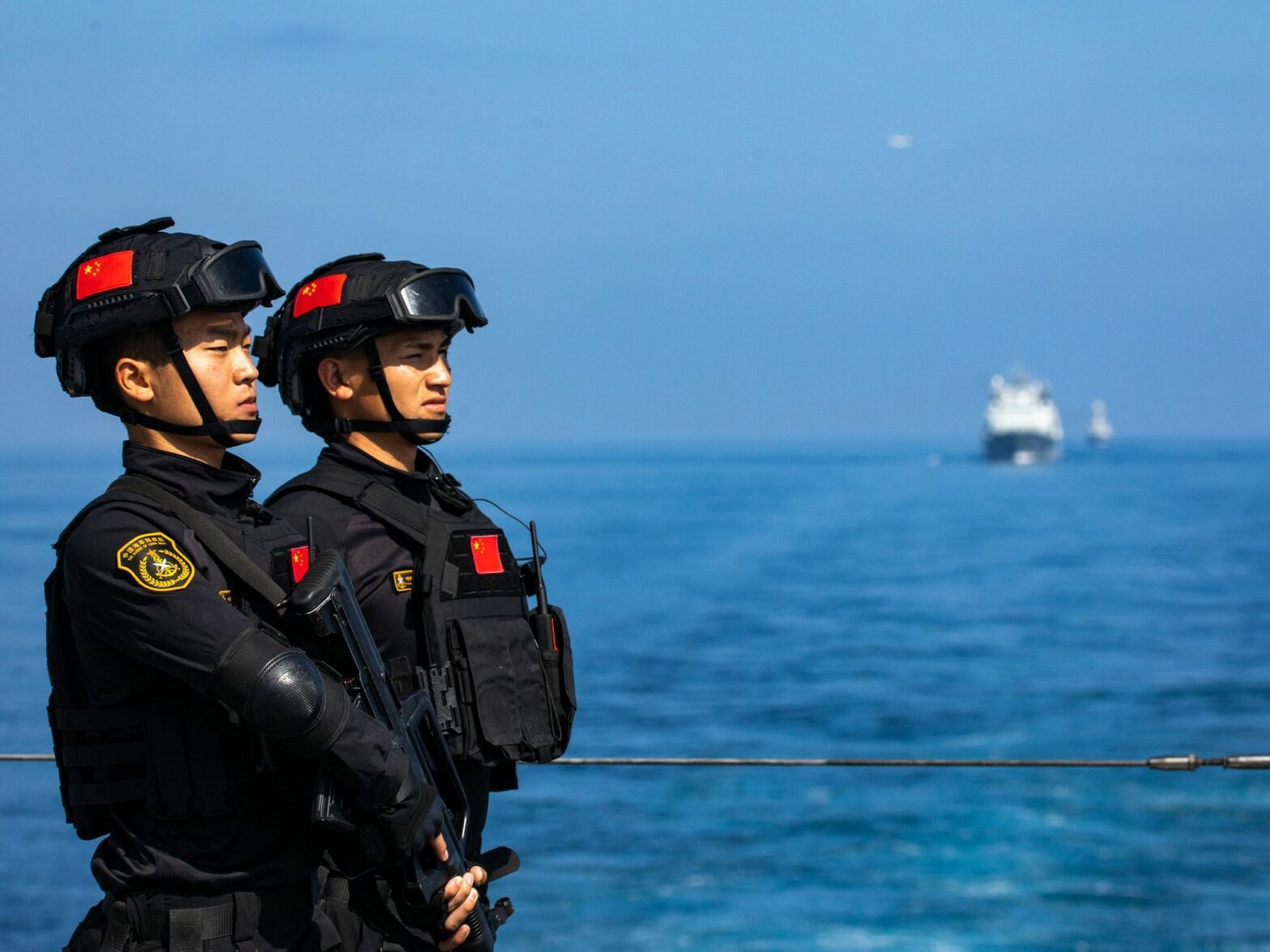
NATO has turned its focus from Ukraine to Asia, as American officials try to prepare a united front in case Taiwan is invaded. But consensus may not be possible as another key member, France, has its own strategy.
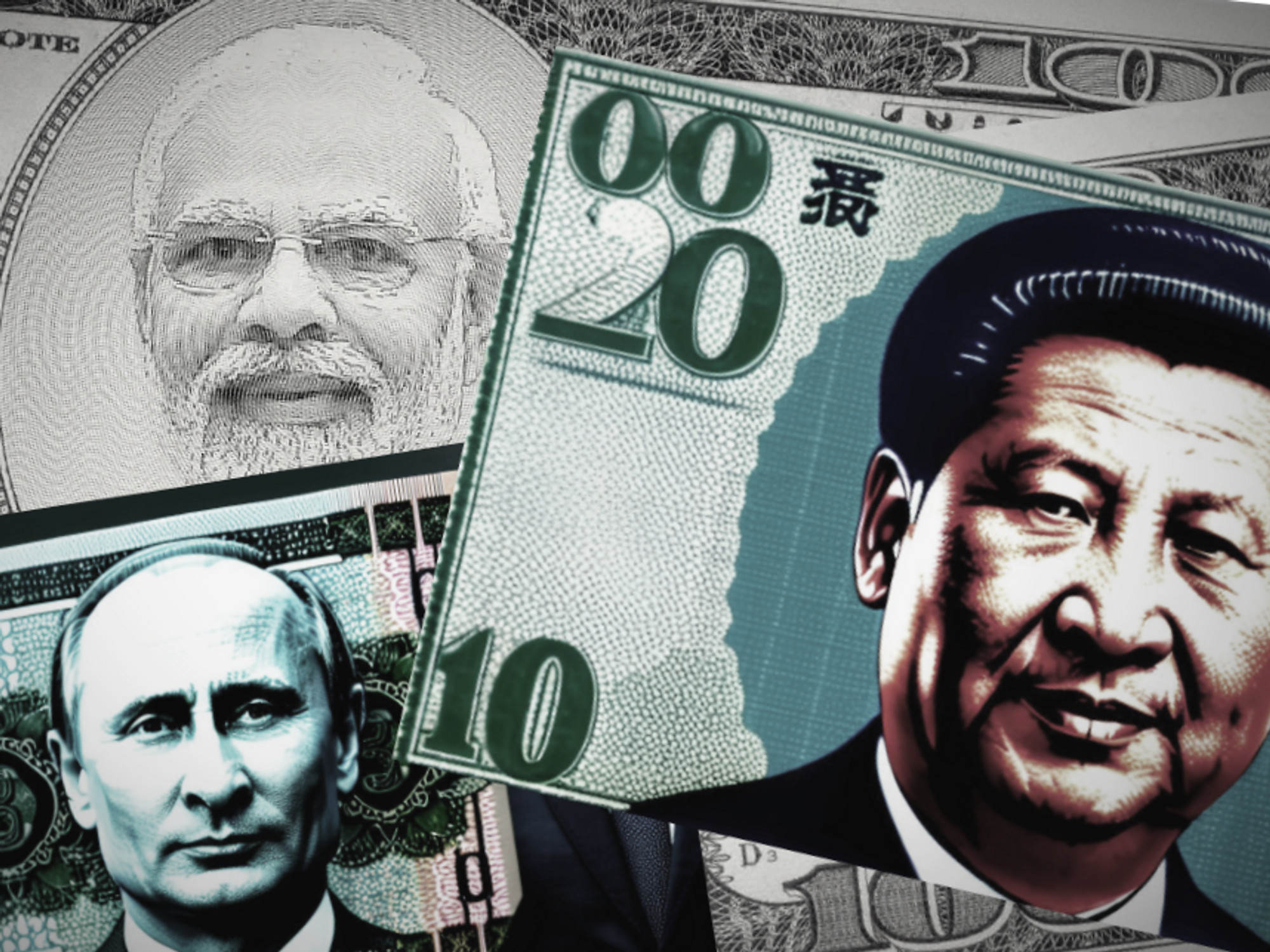
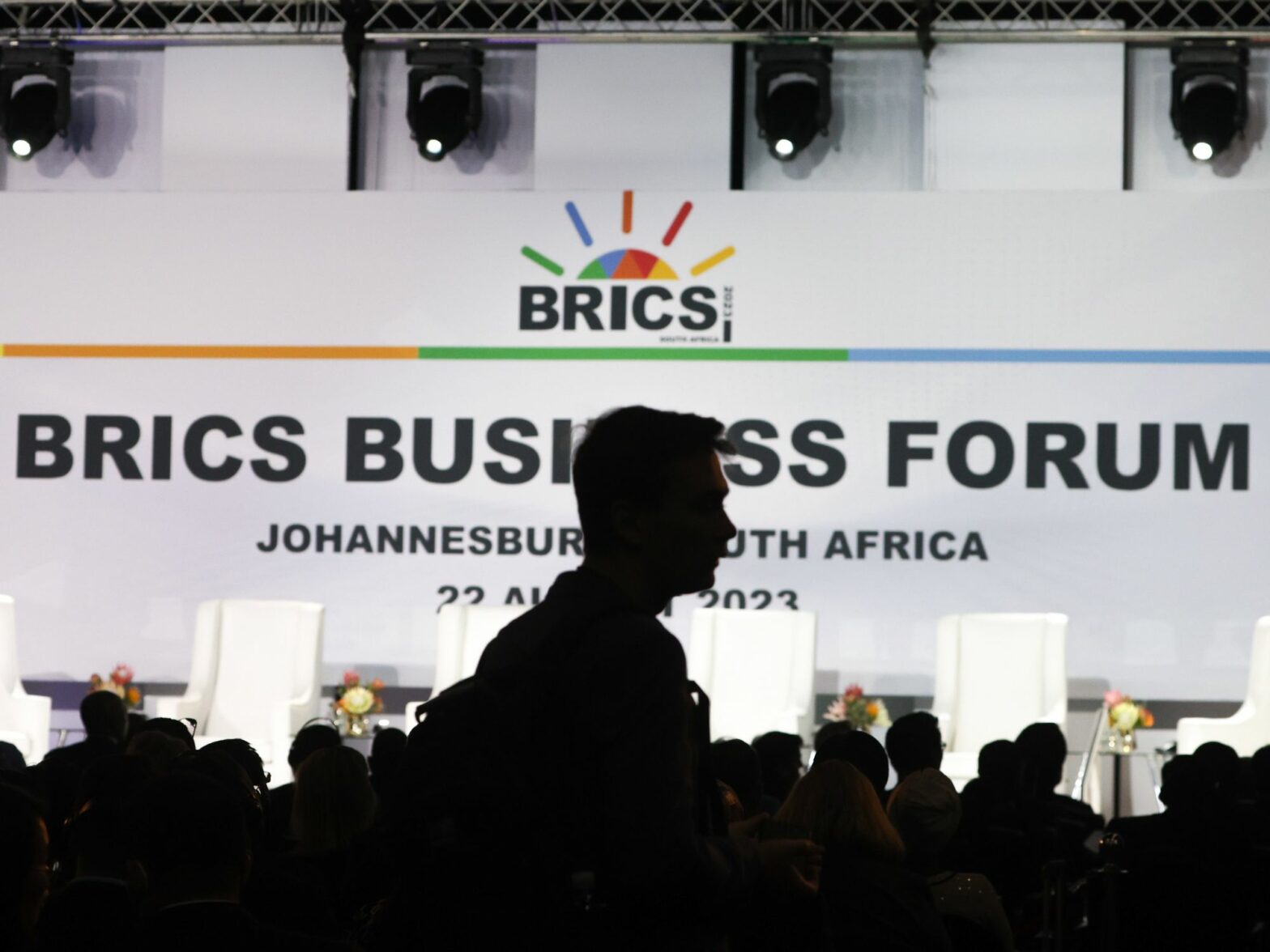
The creation of a new common currency will be one of the main questions on the agenda at the BRICS summit in South Africa in August. But there are still many obstacles to overcome before breaking free from the almighty dollar.
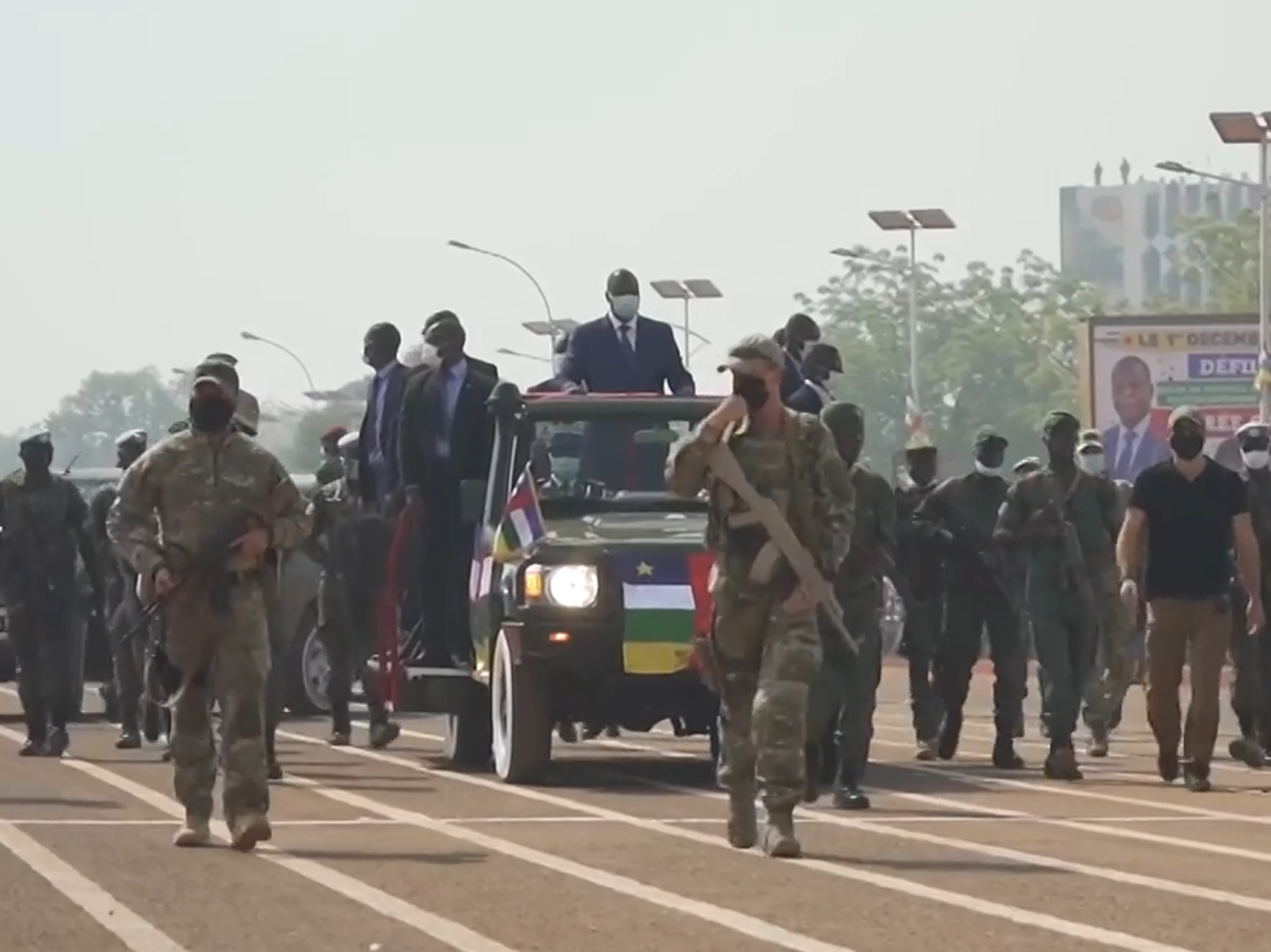
The Wagner mercenaries, who came to the world’s attention for their involvement in the Russian invasion of Ukraine, and more recently in the coup attempt, have been operating in Africa and elsewhere for years with a profitable formula to cash in on ongoing conflict.
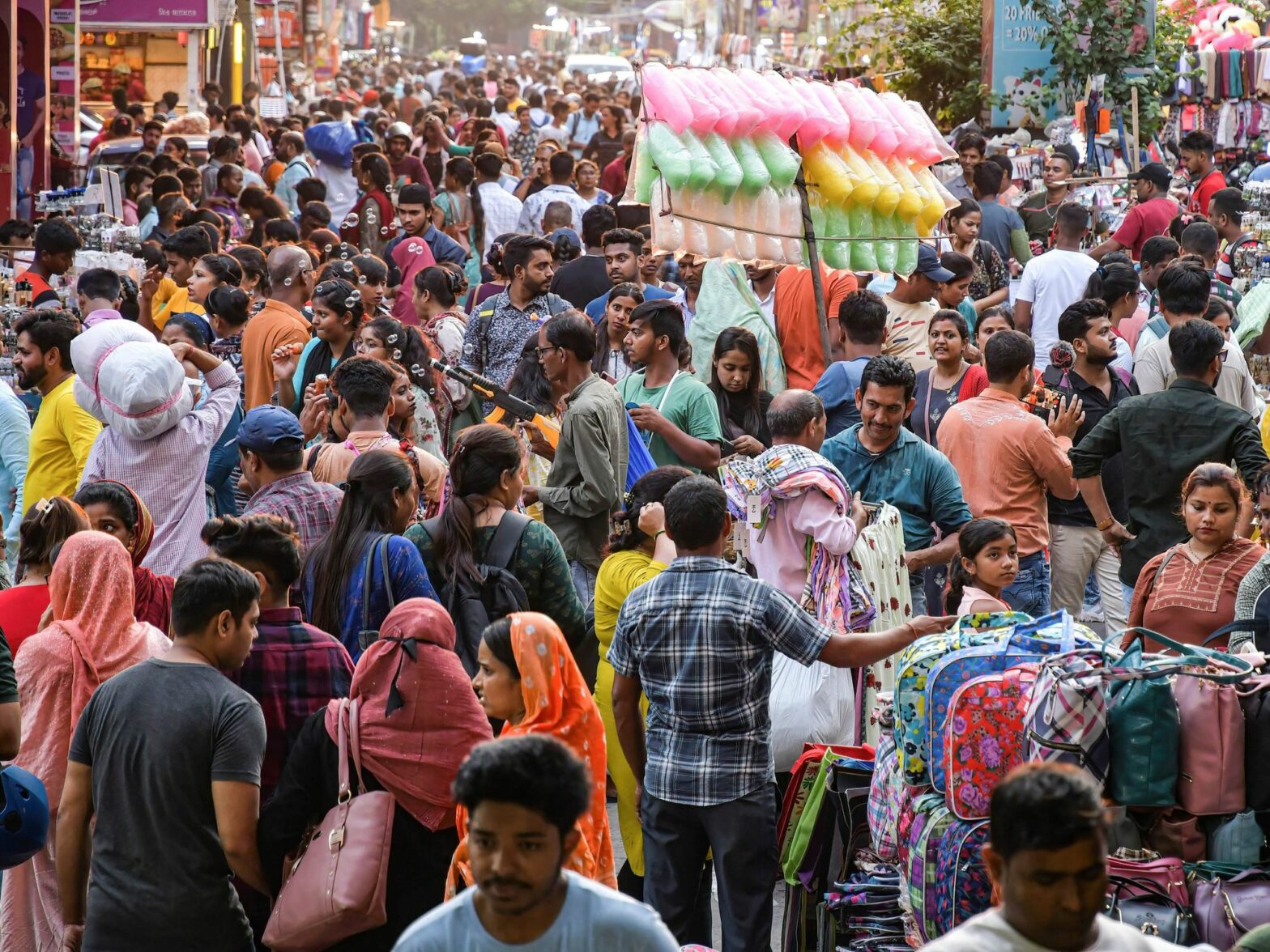
Two Asian giants are facing each other: China, whose economic and military power is no longer in doubt, and India, whose weapon is demography and who dreams of being the equal of its Chinese rival. The effects will reverberate everywhere.
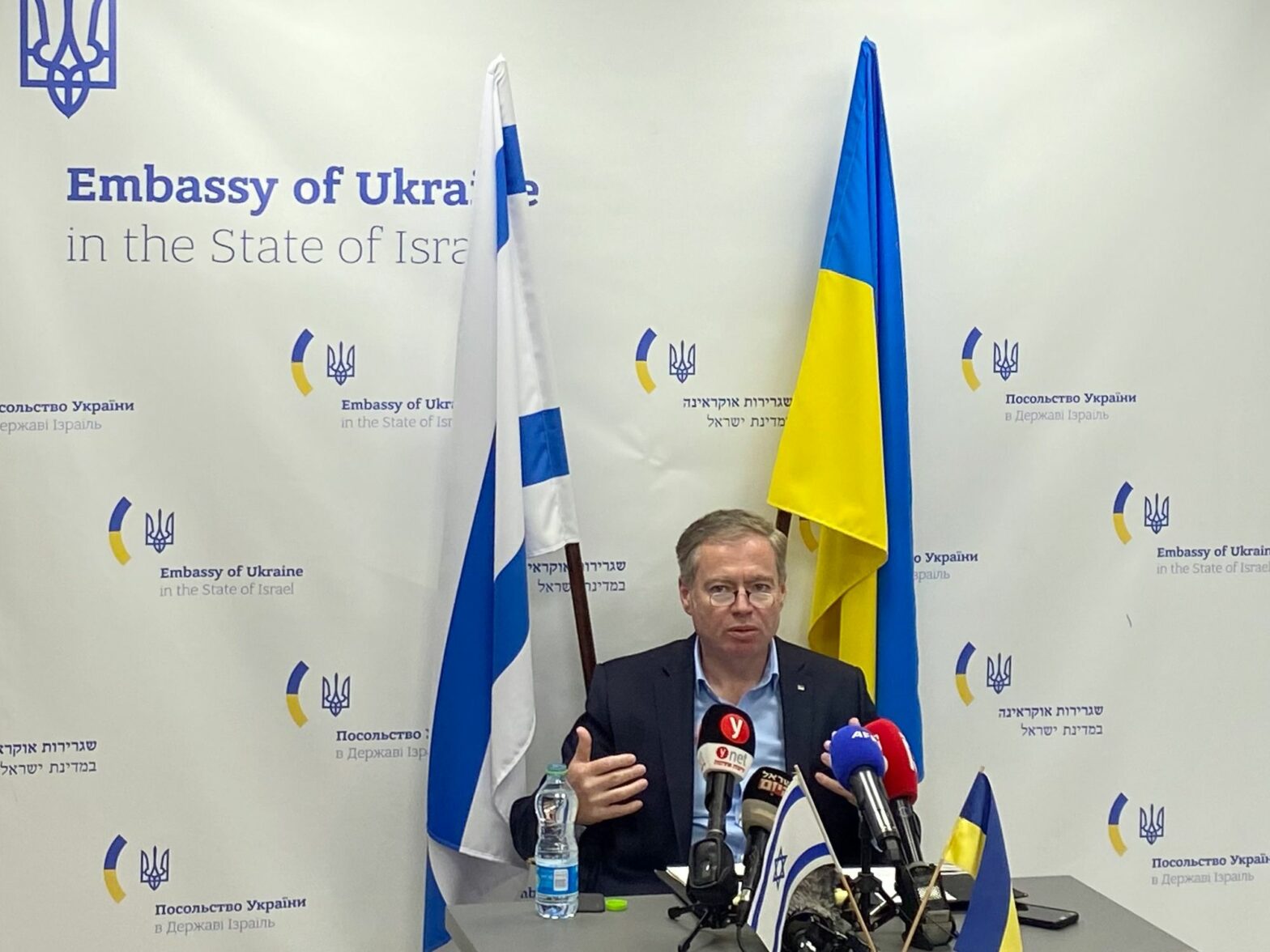
The Ukrainian Embassy in Israel says the current Israeli government is inching closer to Russia, while doing nothing to help Ukraine. A look at what may be driving the shift.
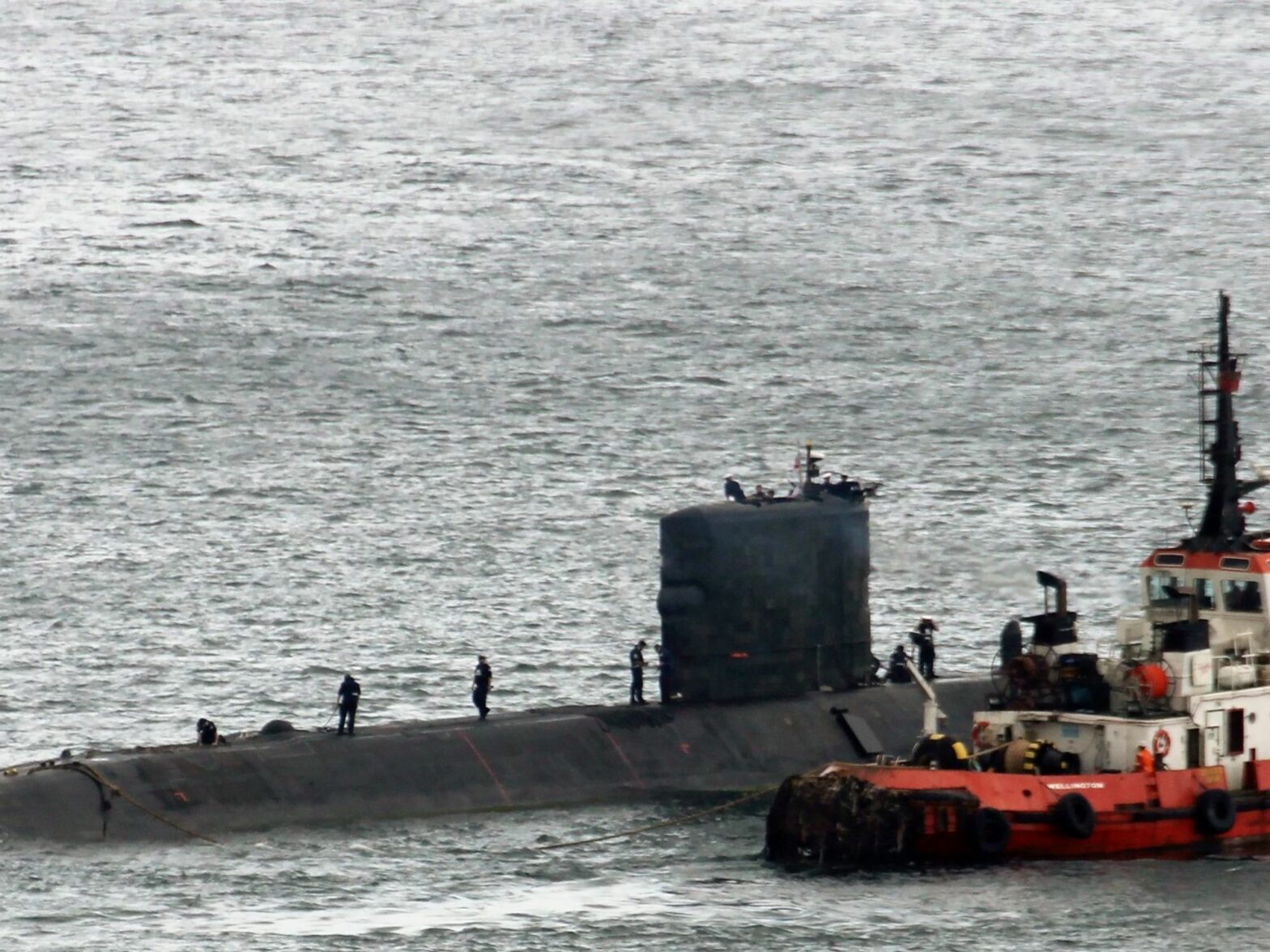
From Gibraltar, a local ship-spotter watches the new Cold War through binoculars: Russian, American and Chinese warships, among others, regularly come through the Strait between Europe and Africa, connecting the Atlantic Ocean to the Mediterranean Sea.
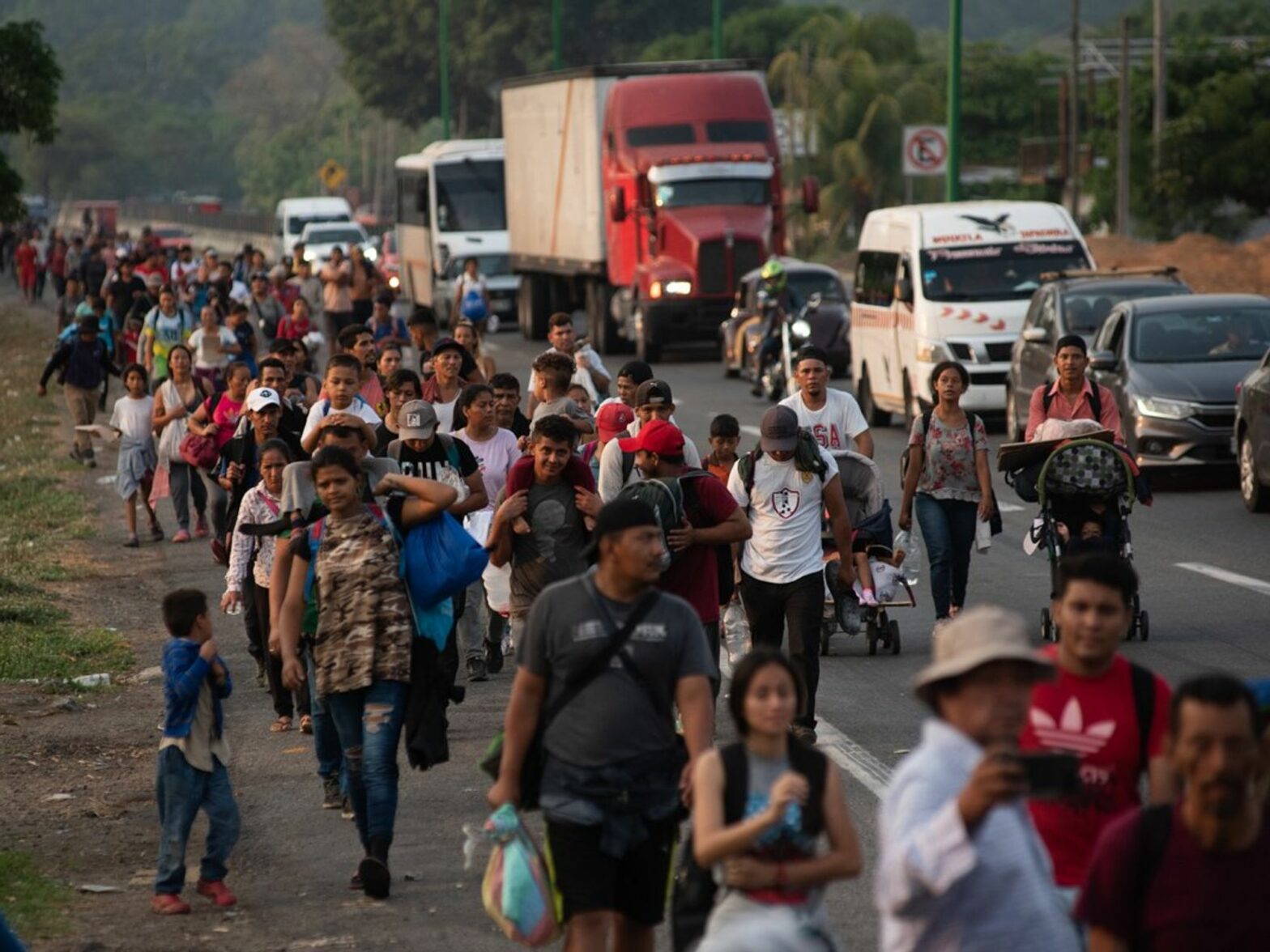
If the United States insists on treating Latin American countries as unruly neighbors rather than partners, then it must expect problems from them in the form of fugitives, drugs and crime.

A diplomatic genius for some, a war criminal for others, Henry Kissinger has just turned 100. An opportunity for Dominique Moïsi, who has known him well, to reflect on the German-born U.S. diplomat’s roots and driving raison d’être.
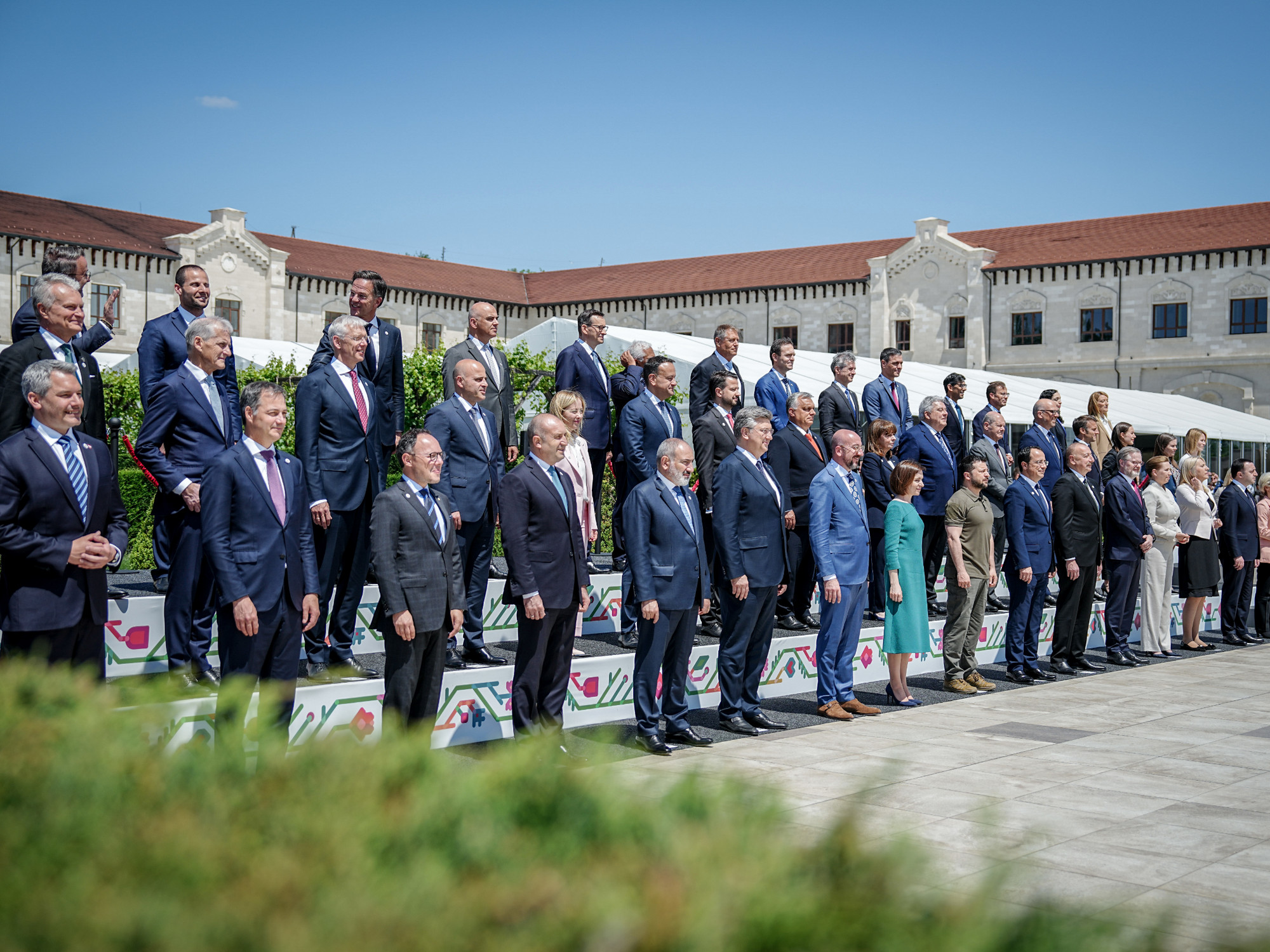
Europe’s leaders are in Moldova as tensions increase with Russia and in Kosovo. The summit is already making an impact as Europe pushes back against Russian interference.
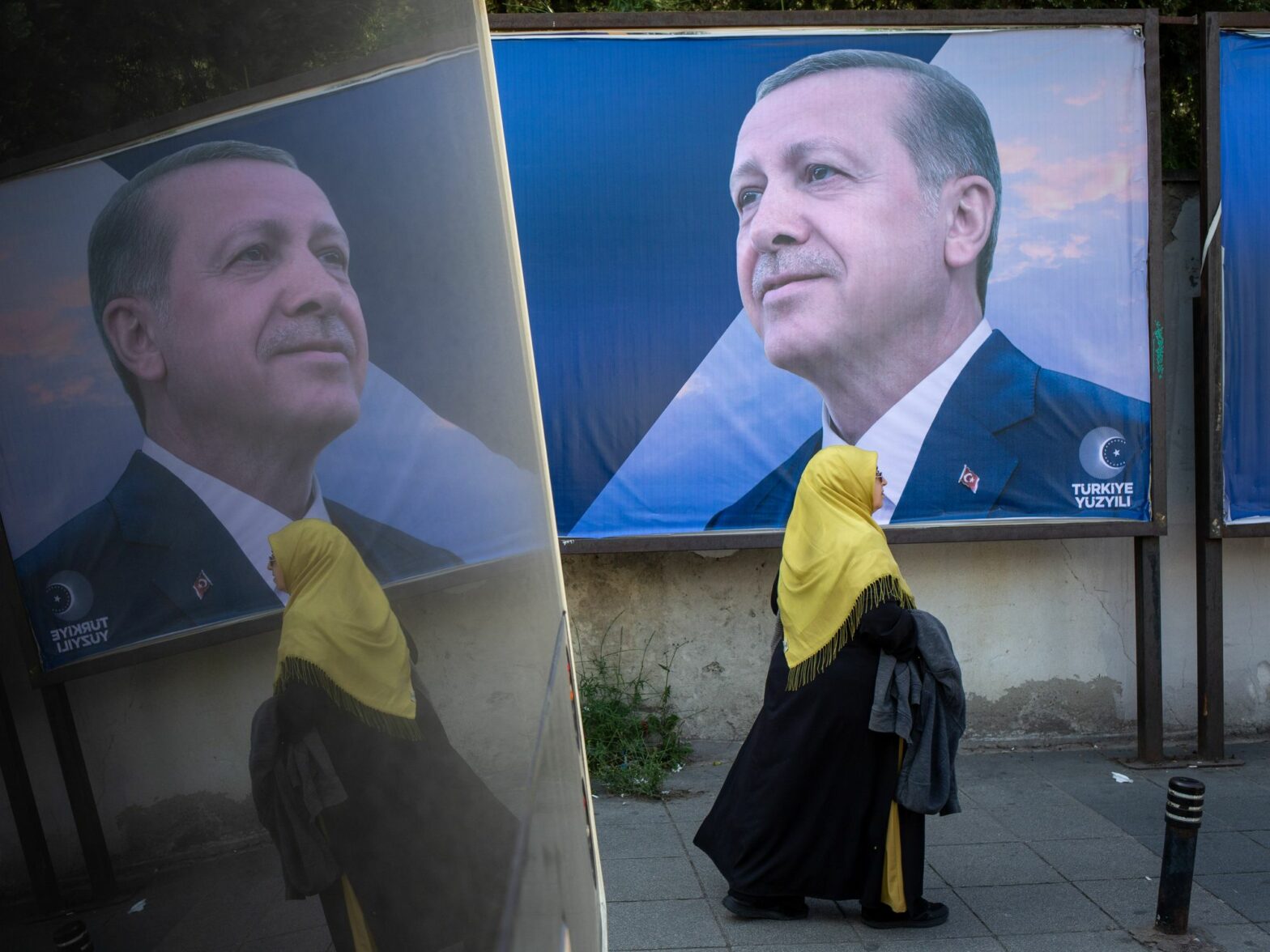
Recep Tayyip Erdogan has cemented his already tight grip on power in Turkey, winning an unprecedented third term as president. The West had hoped for a slightly less unpredictable leader, but they will have to make peace with an emboldened Erdogan, who may become even more autonomous.
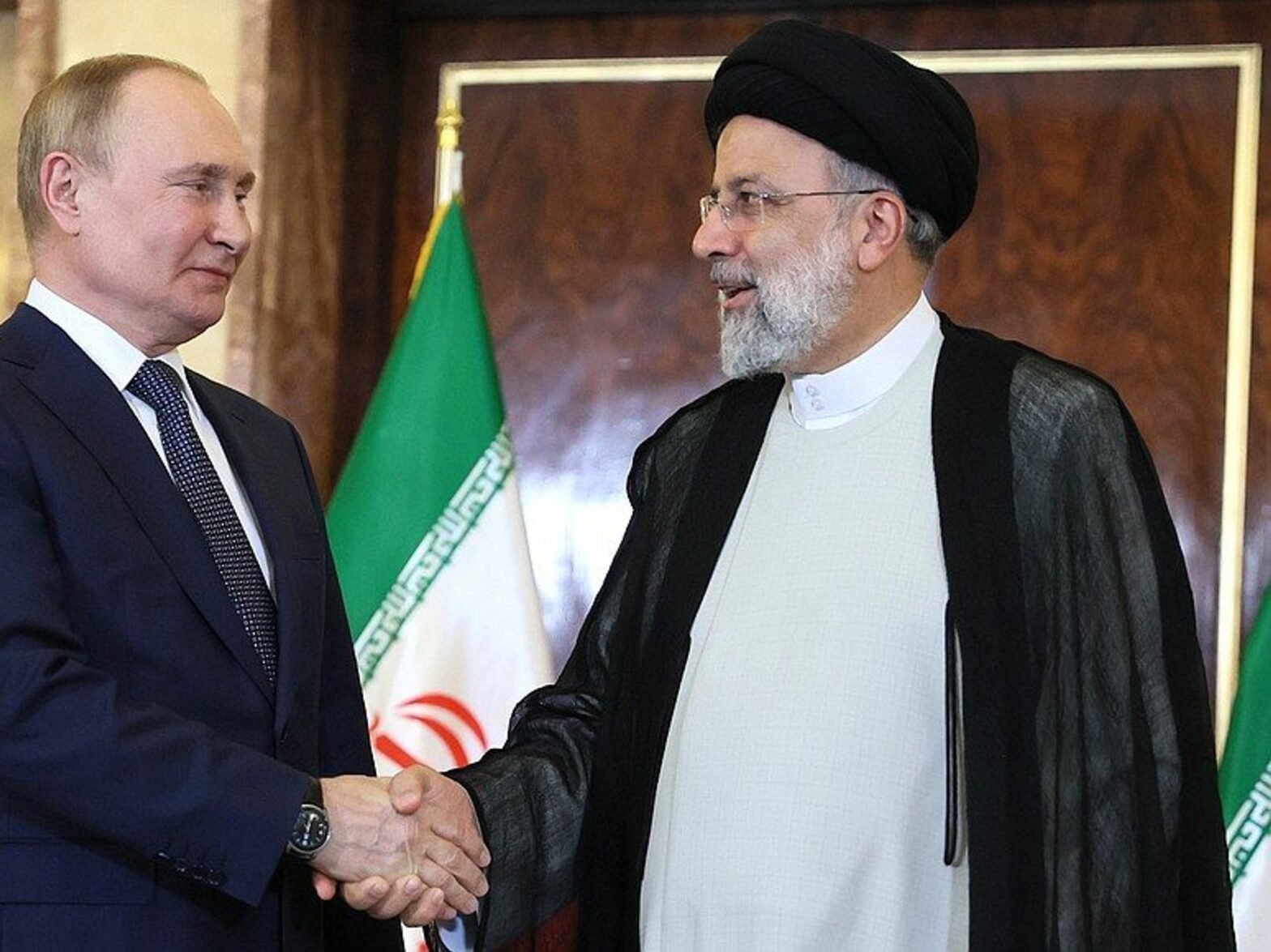
Russia attacks Ukraine with Iranian shahed drones, thinks about buying Iranian missiles, sells Iran Su-35 fighters, and starts repairing its civilian aircraft. How is it that Iran has become Russia’s main ally?
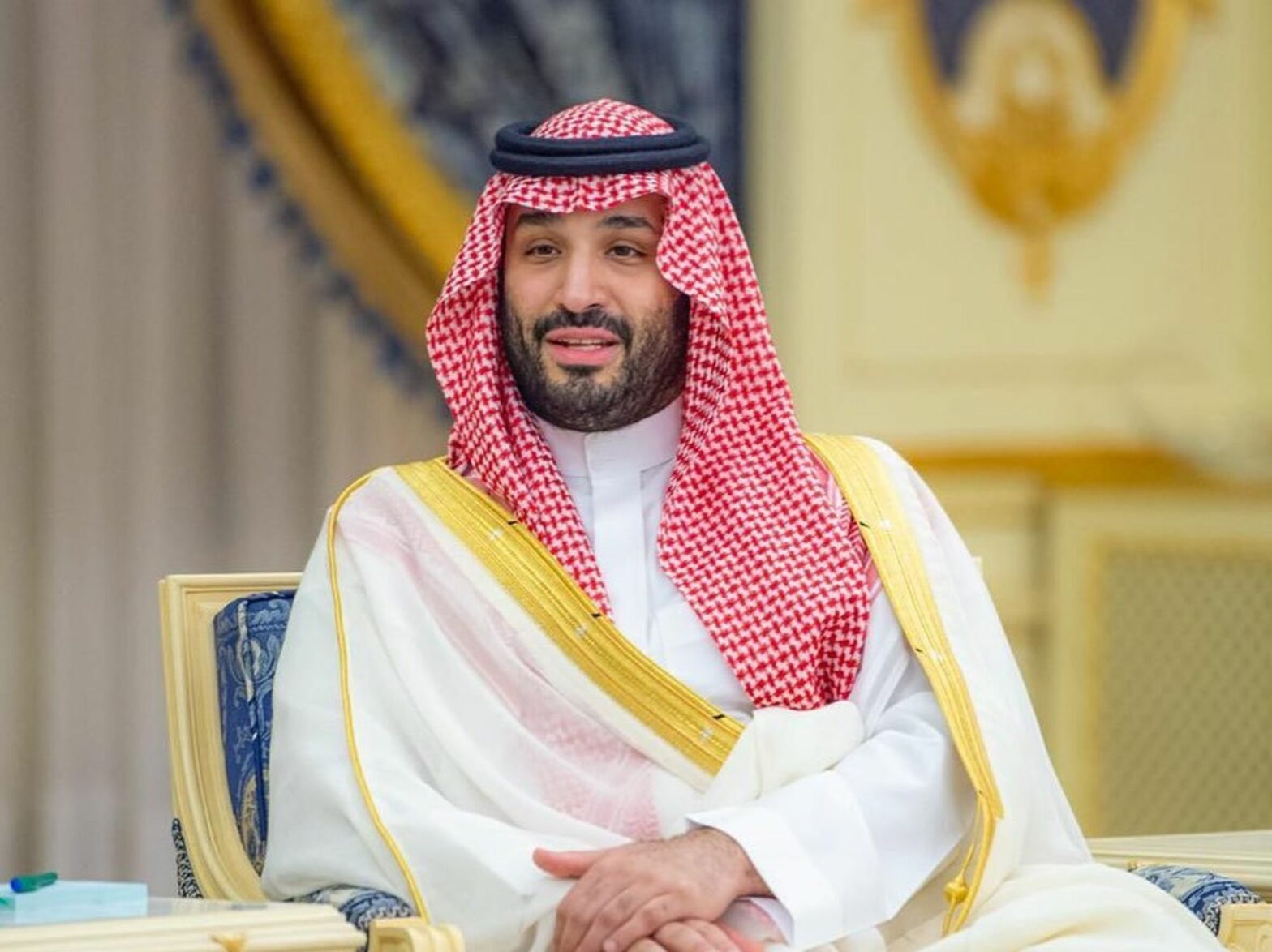
Mohammed bin Salman, aka MBS, is positioning the Saudi kingdom to be a global force of diplomacy in a way that challenges a longstanding alliance with Washington. But does the young prince have a singular vision for the interests of both his nation and the world?
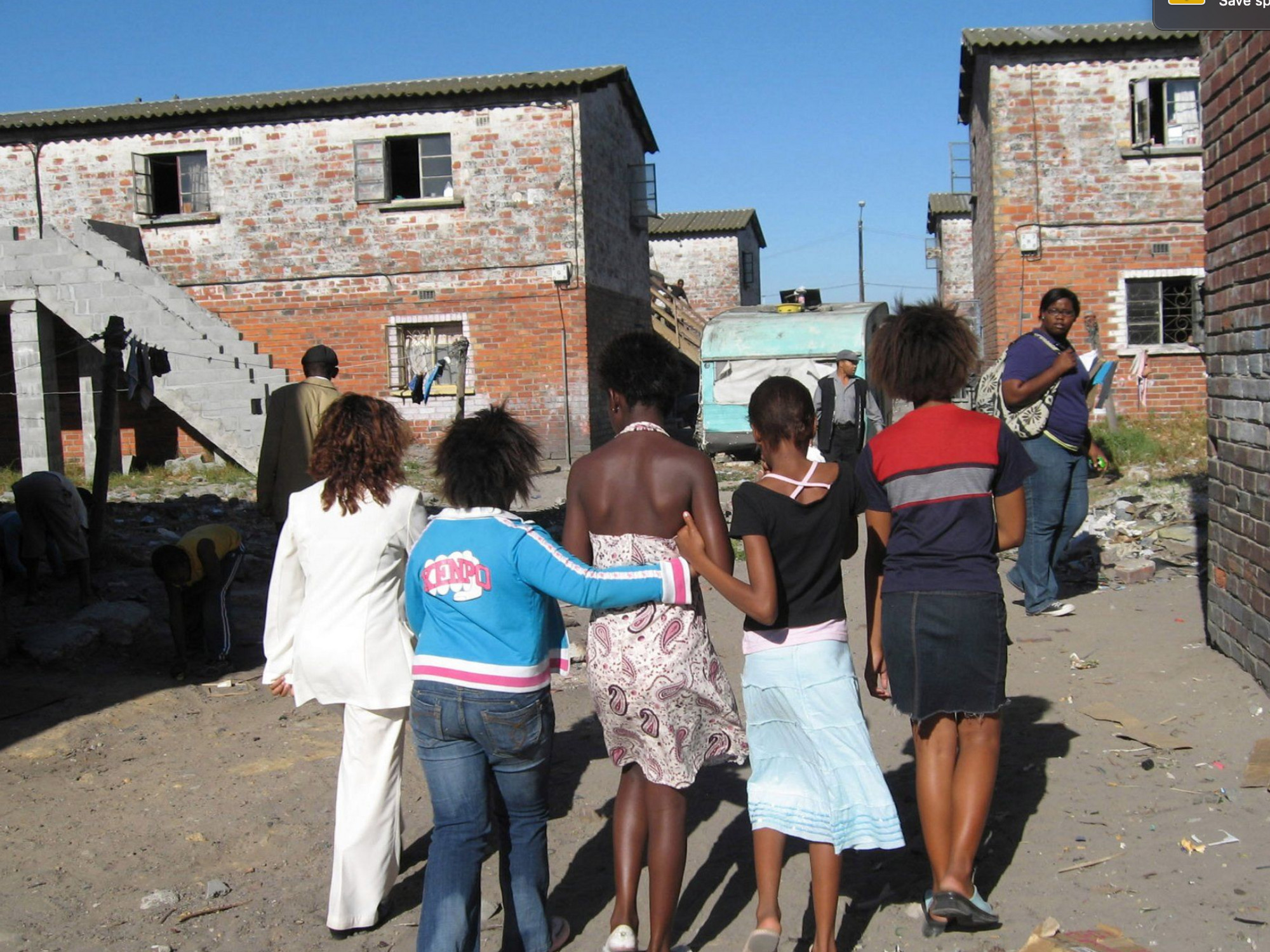
Recent allegations by the U.S. ambassador to South Africa that the African nation gave ammunition and weapons to Russia in December 2022, amid Russia’s war on Ukraine, illustrate the complexity of U.S.-Africa relations.
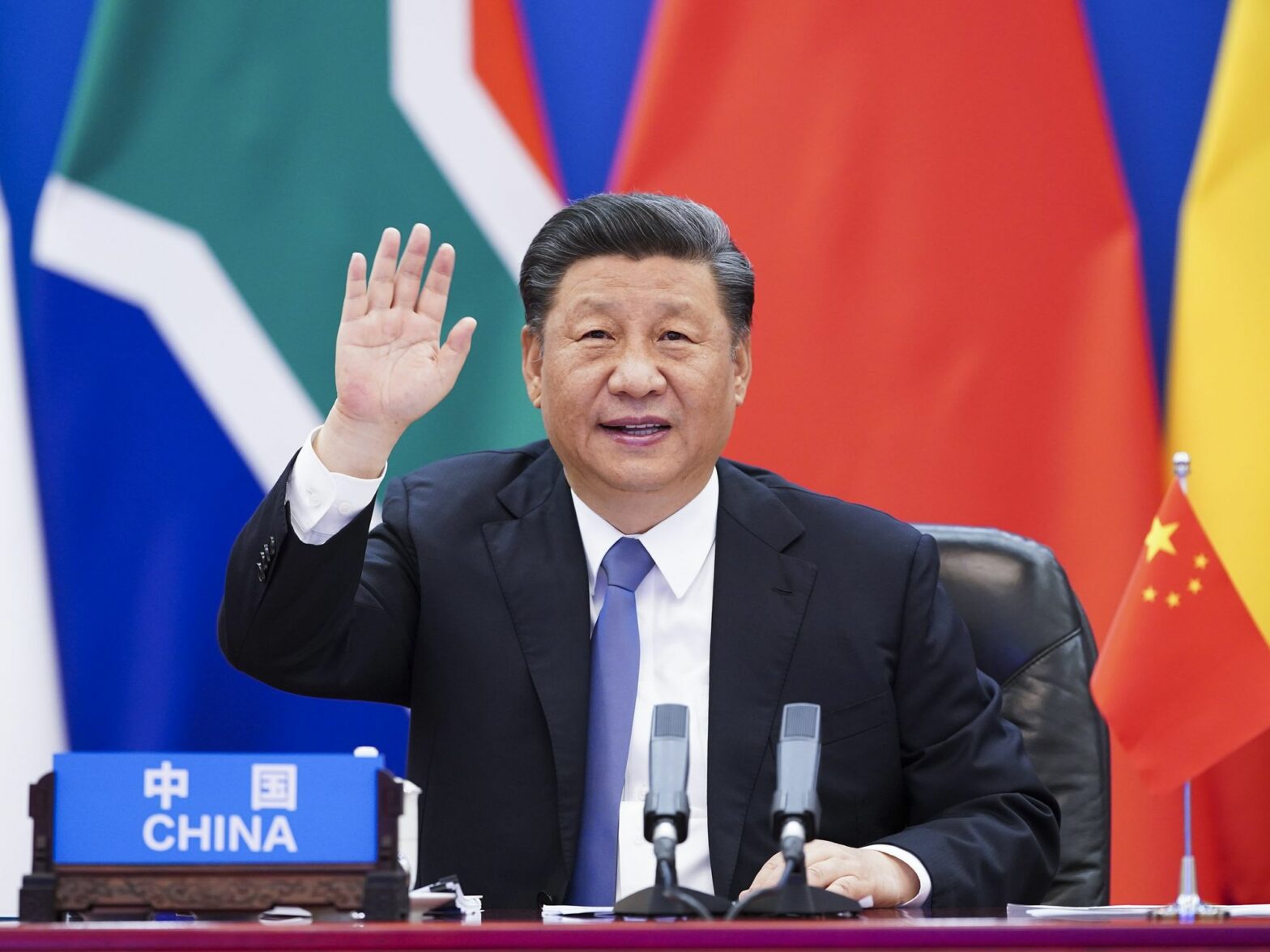
Approaching the world as a simple opposition between East and West falls short. An emerging “tripolar” geopolitics requires we establish new ways of thinking and managing both conflict and opportunity.
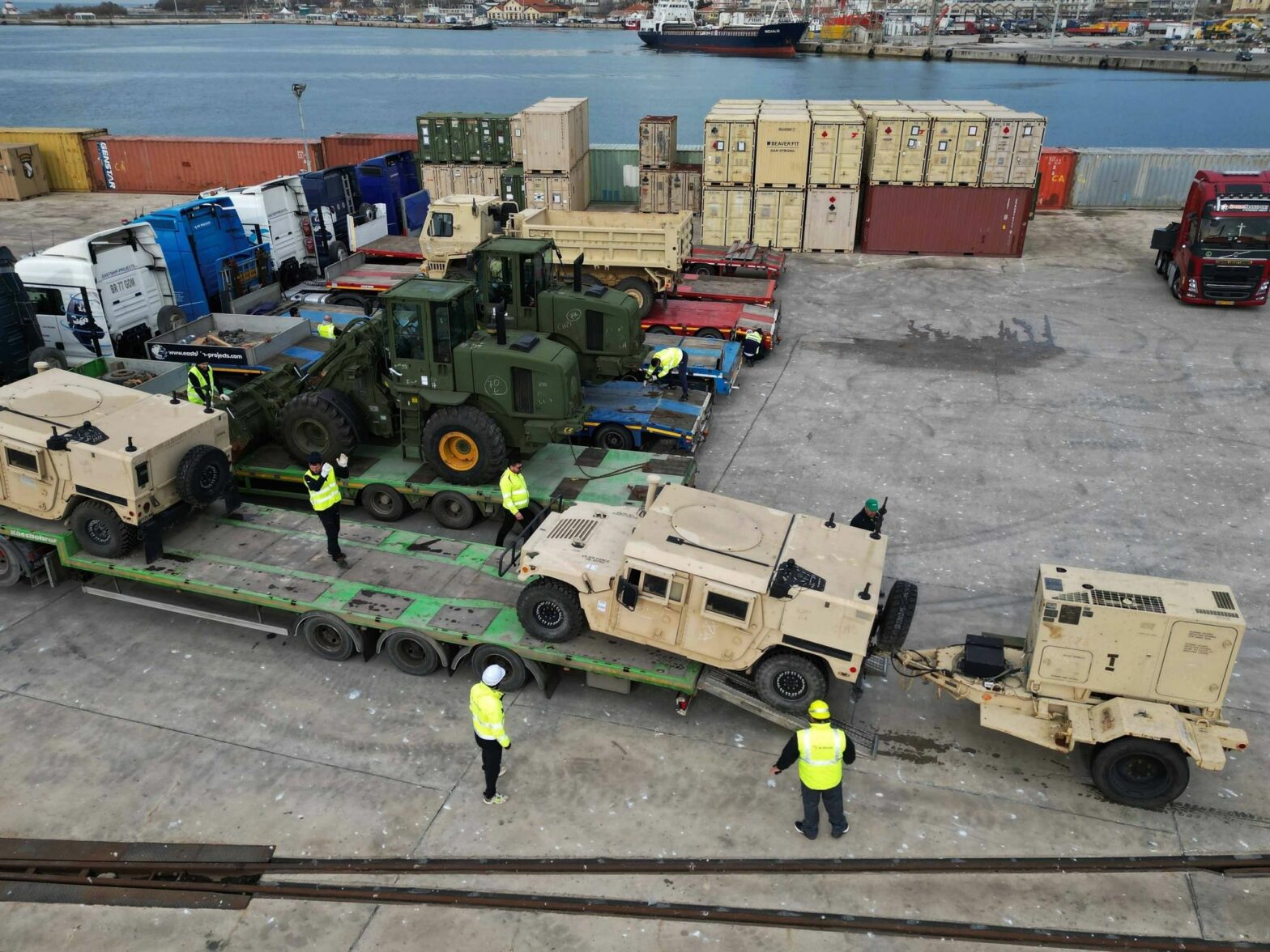
Once neglected, this small port in Thrace, northeastern Greece, has become a strategic hub for transporting men and arms to the shores of the Black Sea. Propelled by ambitious infrastructure and gas projects, the region dreams of becoming an alternative to the Bosphorus strait.
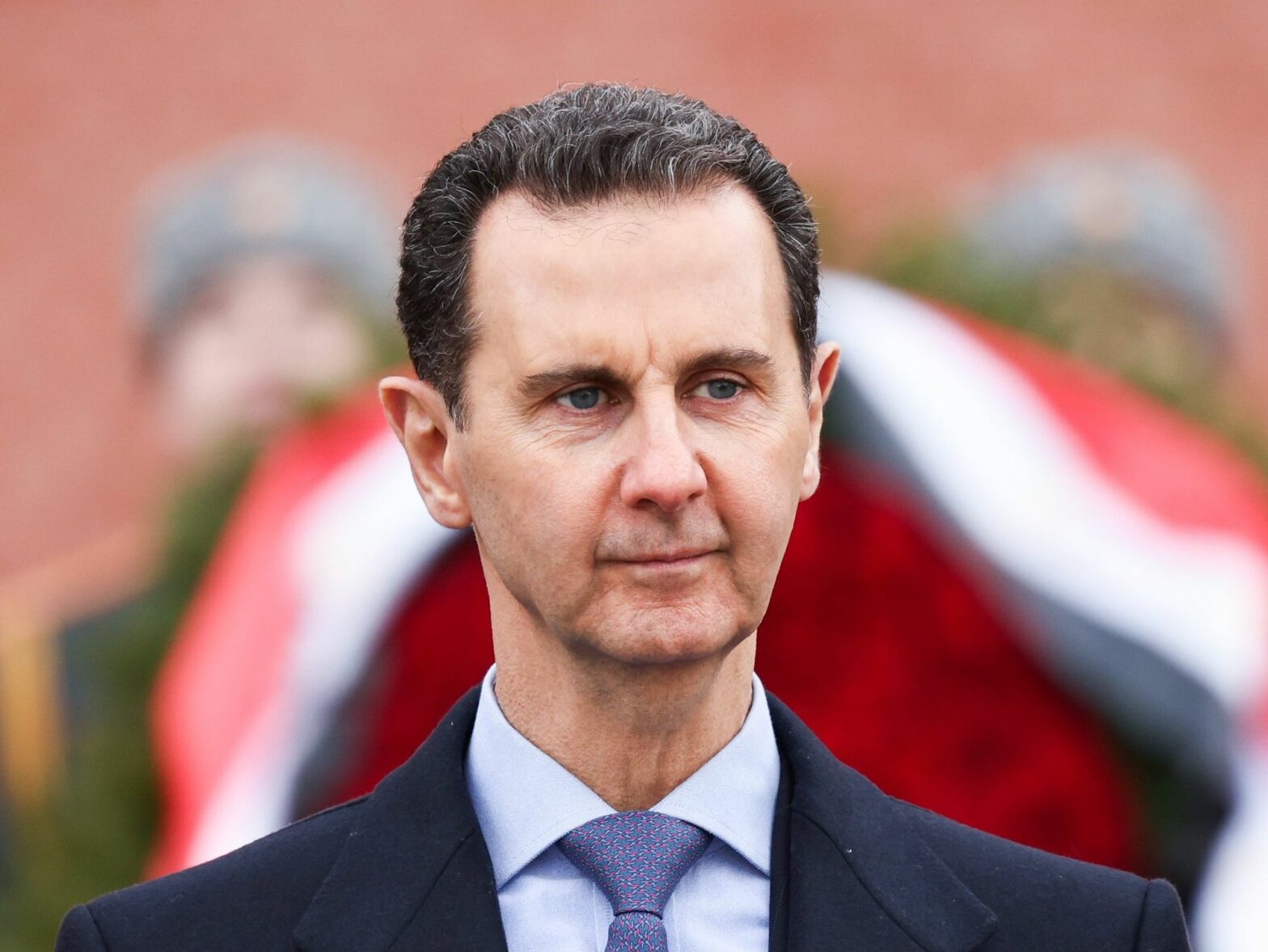
The Arab League has readmitted Syria, ending the regime’s ten-year isolation. This is a defeat for the West — and an admission by the Arab states that there is no way around Assad.
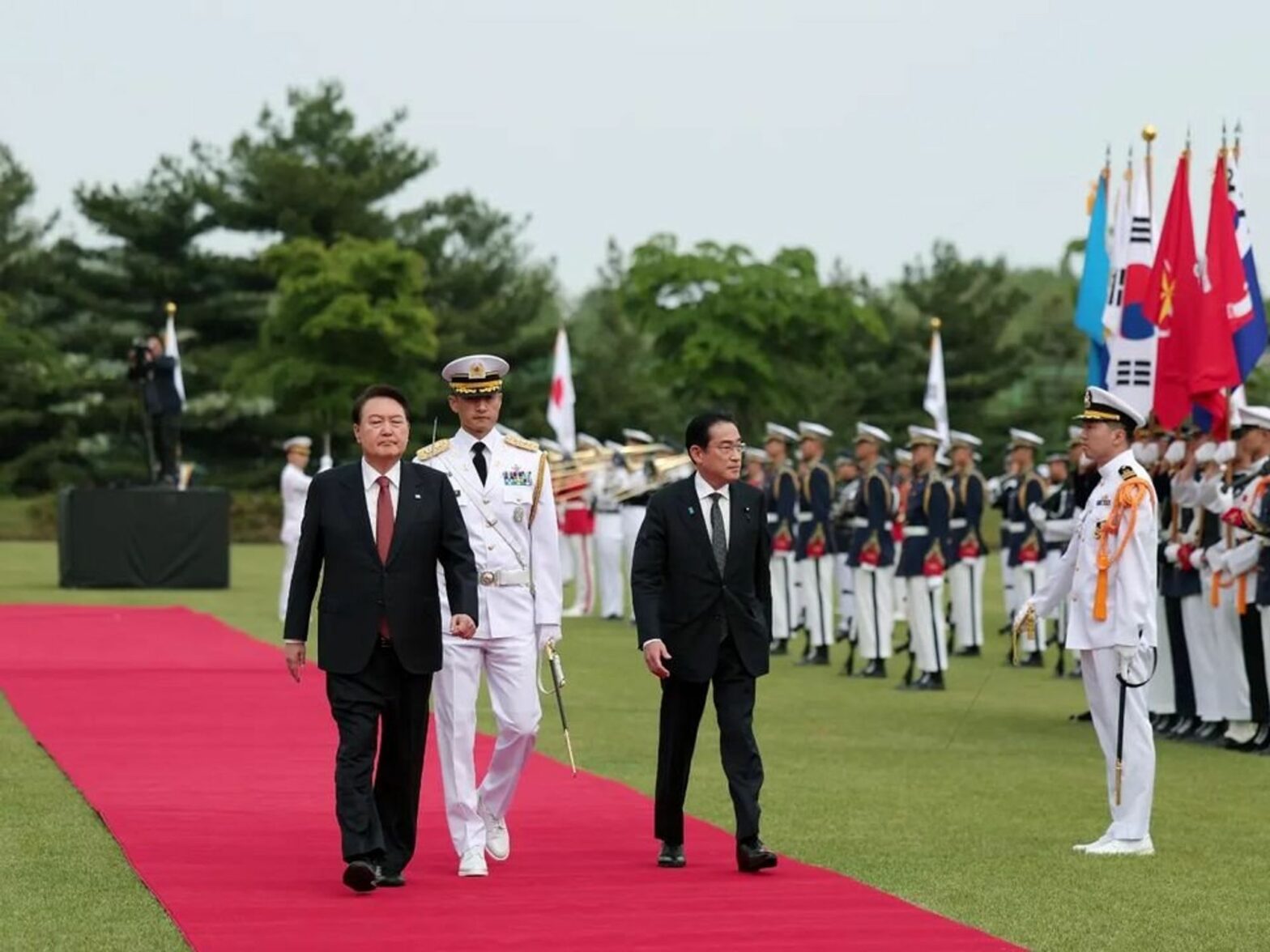
The weight of history, and of this geopolitical moment, is propelling the current visit of Japanese Prime Minister in South Korea. Washington is happy that its alliances are aligning, but that’s a sign of how high tensions are running in Asia right now.
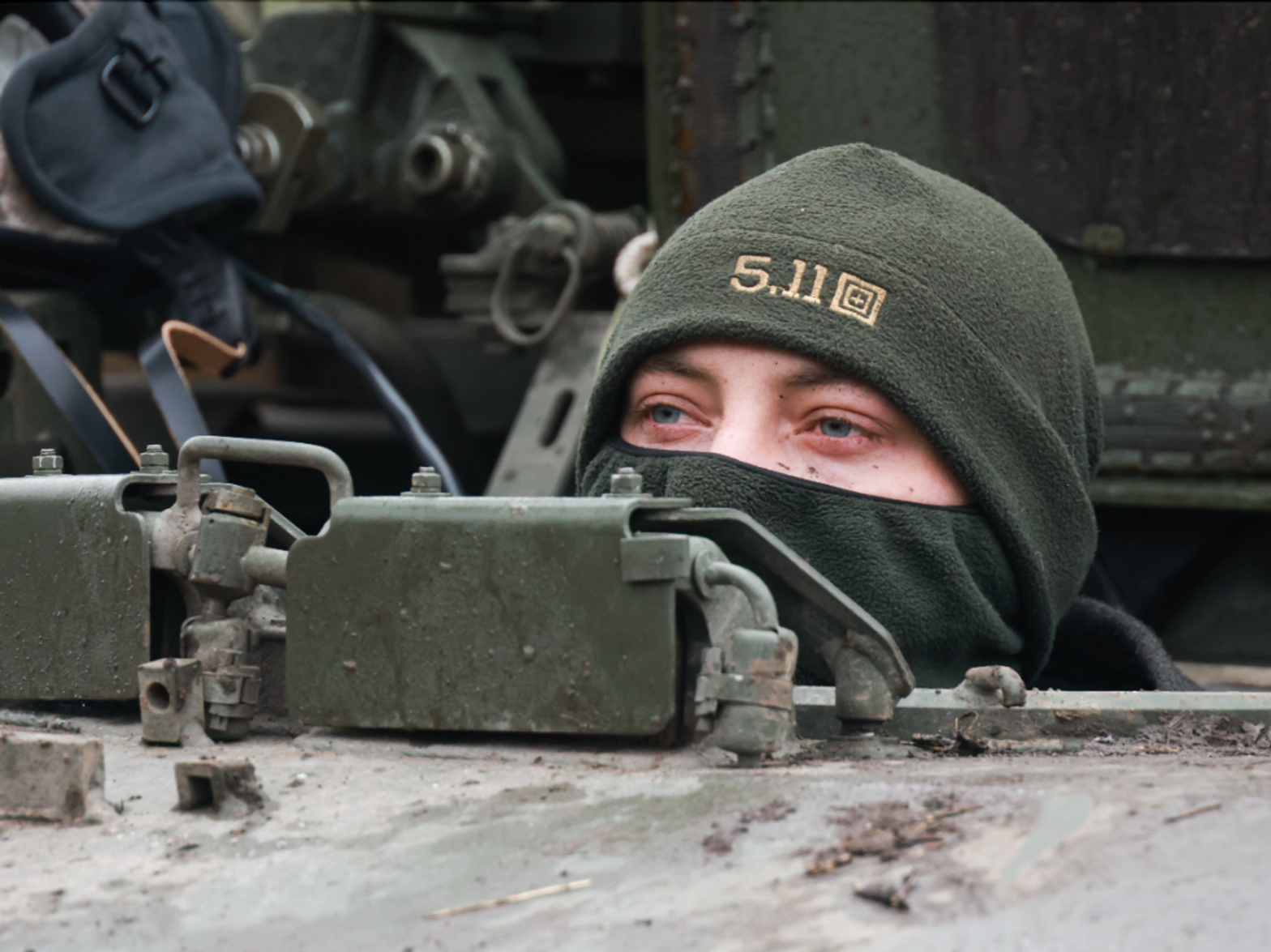
After its initial blitzkrieg failed, and with Ukraine gearing up for a counteroffensive, Russia sees its best hope in holding out for a protracted conflict. Kyiv, instead, is trying to convince its Western allies that achieving victory as soon as possible is the only path forward.
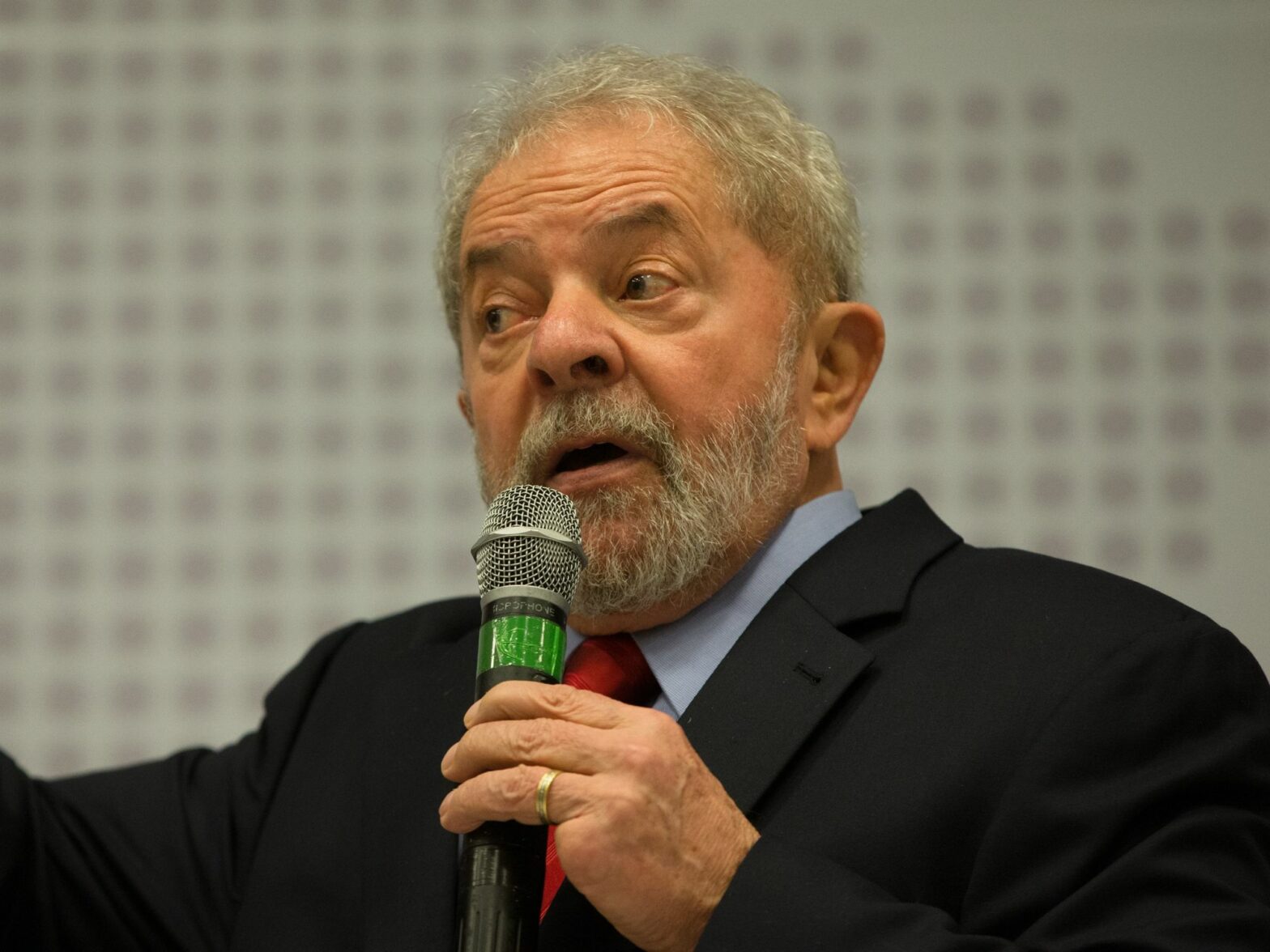
Though he campaigned for his return to the Brazilian presidency as a pro-Western reformer, since coming into office Lula da Silva has reverted to the classic positioning of a 20th century Latin American leftist.
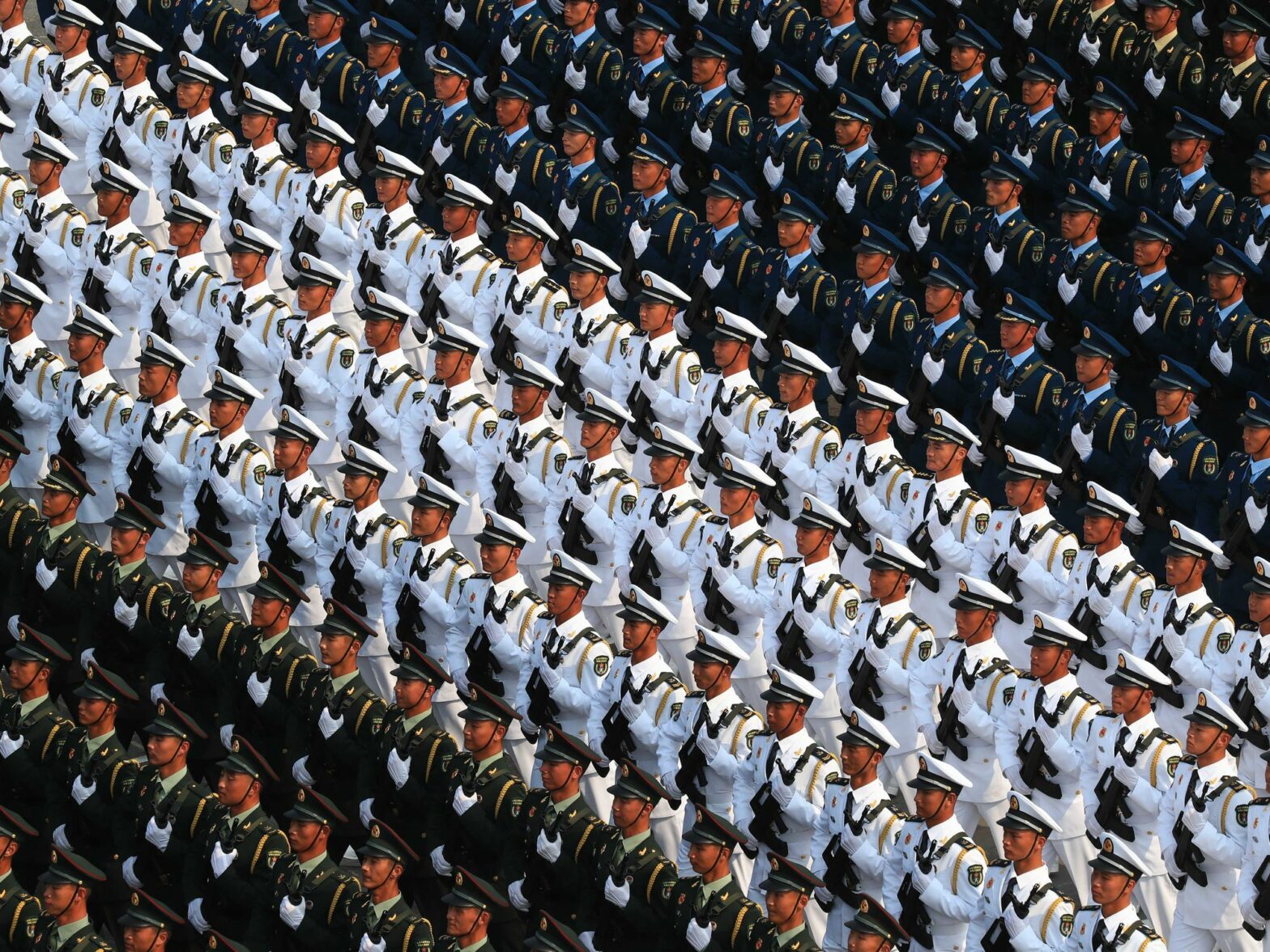
South Korean President, Yoon Suk-yeol, made a gesture of reconciliation towards Japan, the country’s former colonizer. It gives Washington hope that its two key Asian allies can overcome differences as they face an emboldened China and North Korea.
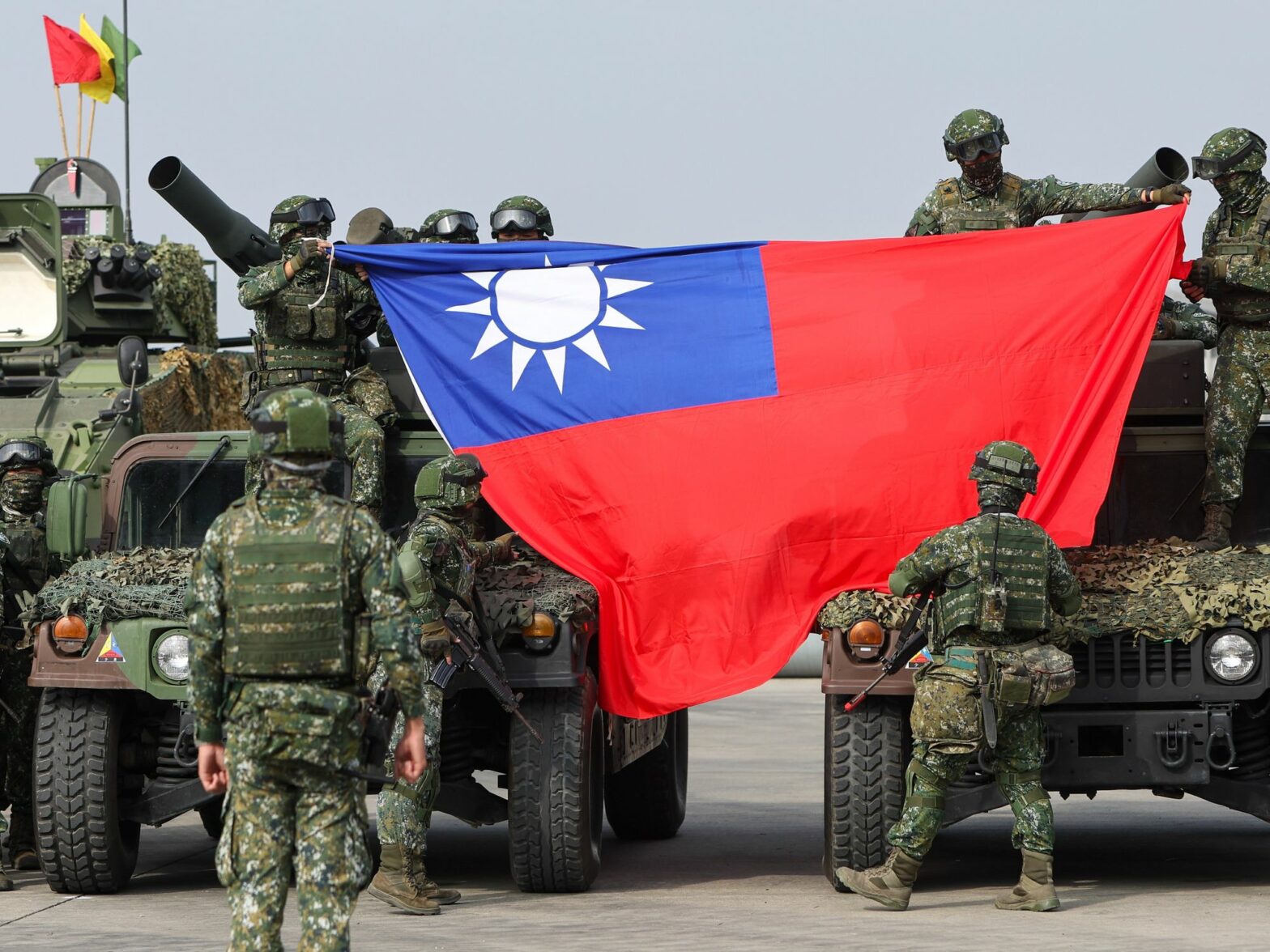
To some, tensions between the U.S. and China look like a remake of the U.S.-Soviet Cold War. Yet the West’s nemesis this time is more sophisticated and tied to us commercially in ways Moscow never was. There are, however, also new kinds of danger.
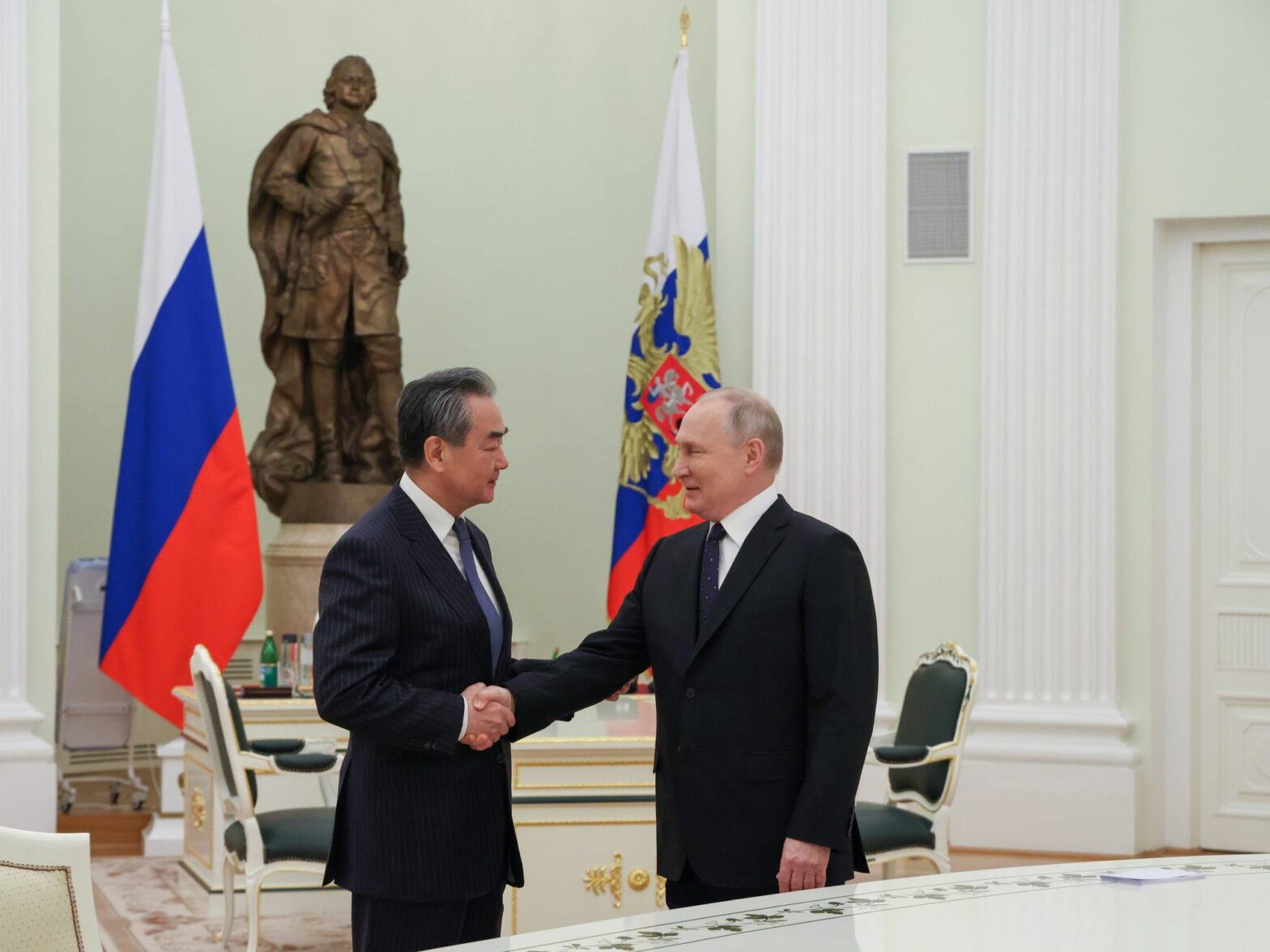
One year since Russia’s invasion, the global stakes of the war in Ukraine have come more fully into focus. It’s a battle over fundamental questions of sovereignty and democracy, but also the very meaning of power.
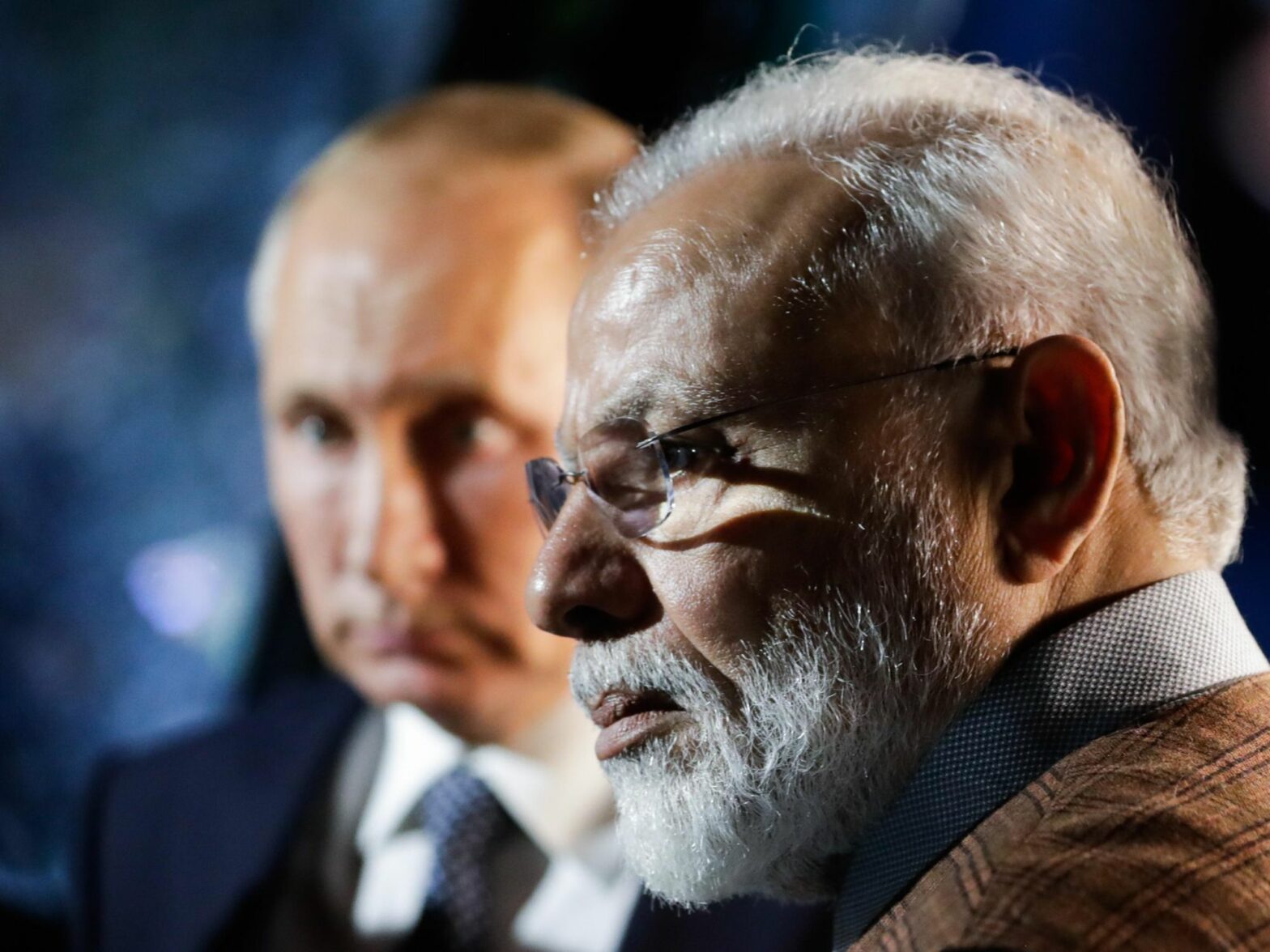
By shrugging aside Russia’s aggression, India has shown indifference to fears that China could follow Russia’s example.
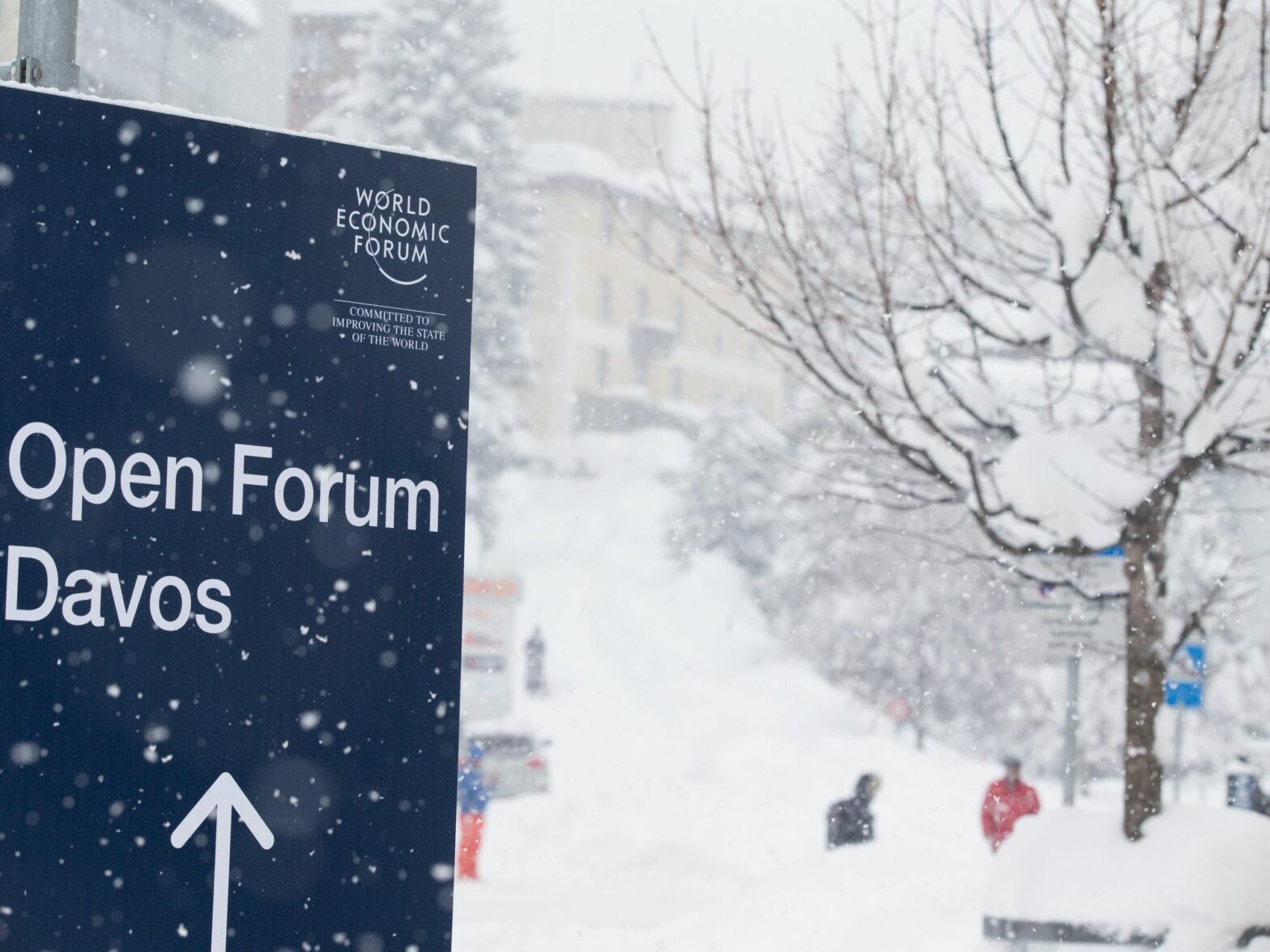
The Davos Forum was once a true shaper of our collective future in a globalized world. Today it is beyond its expiry date, even if global solutions to global problems are needed more than ever.
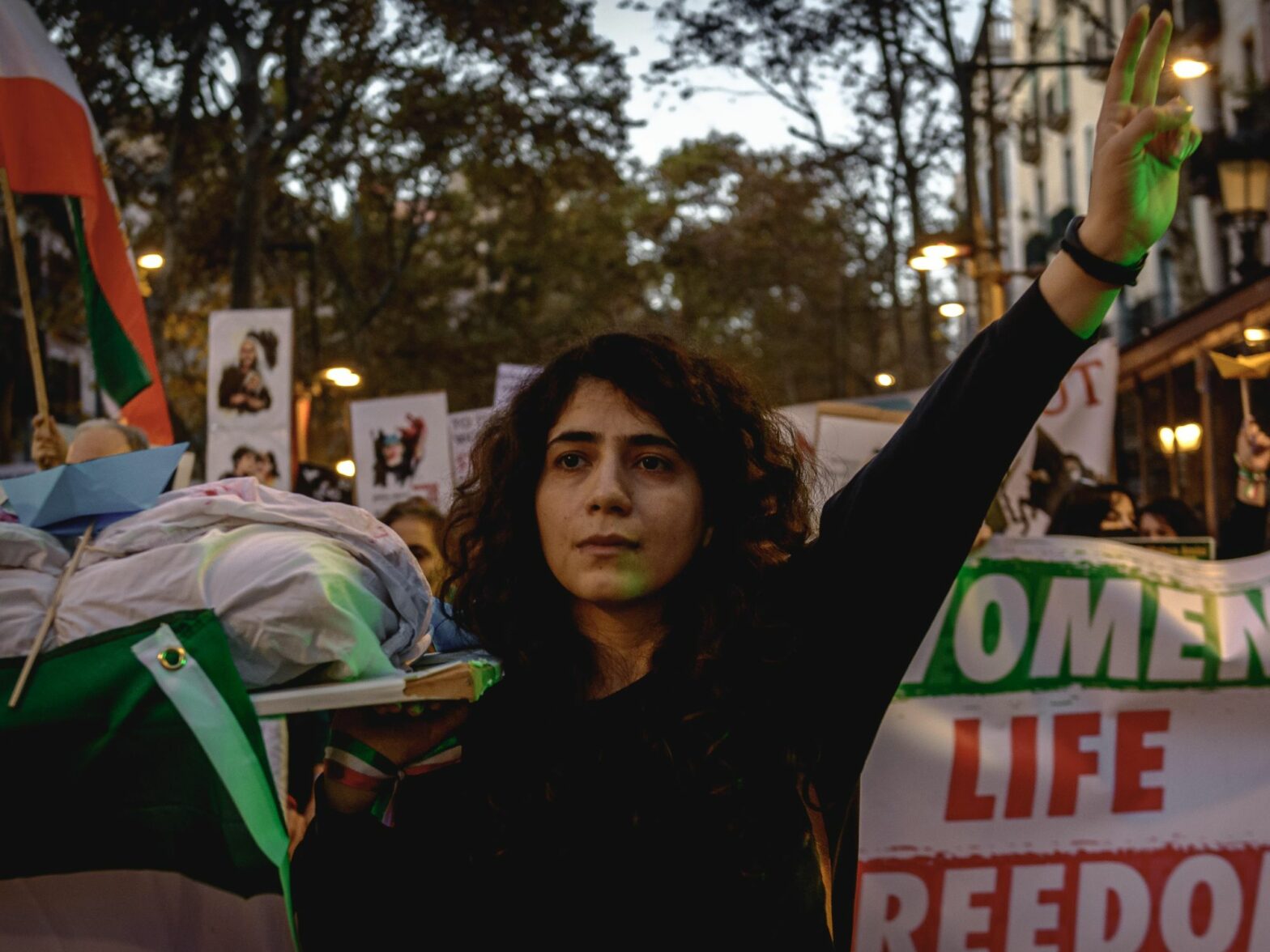
Many lives have been lost, rights trampled and dreams crushed. But through the haze, the world took the right turn on many fronts this past year, from Ukraine to Iran to China. Trying to take stock amid the suffering.
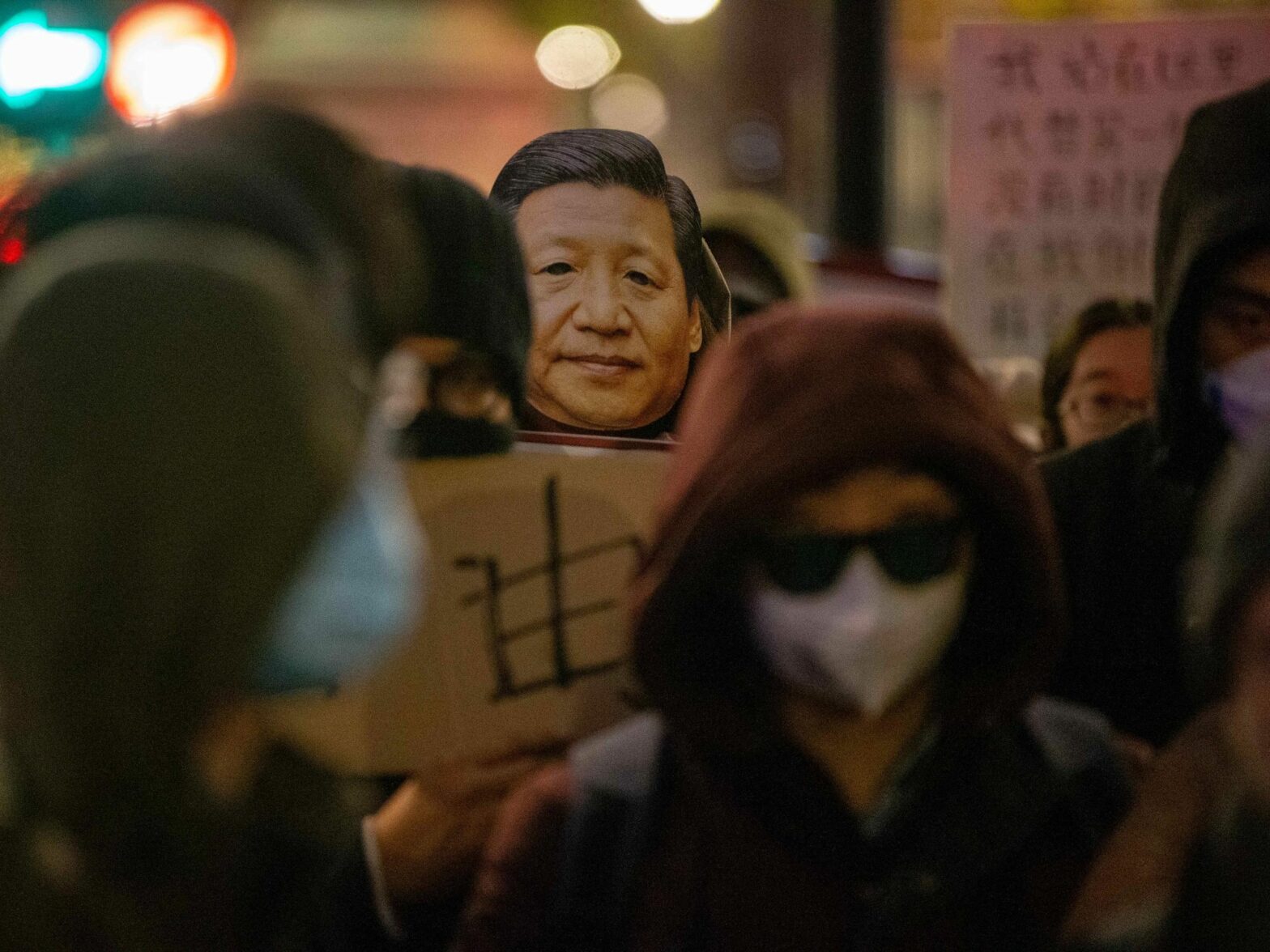
Like unpopular leaders in democracies, Chinese President Xi Jinping has decided recently to increase his trips abroad to project an image of power and distract from the ills at home. But the debacle of the country’s strategy on the pandemic is not going away, and there may be real long-term consequences.