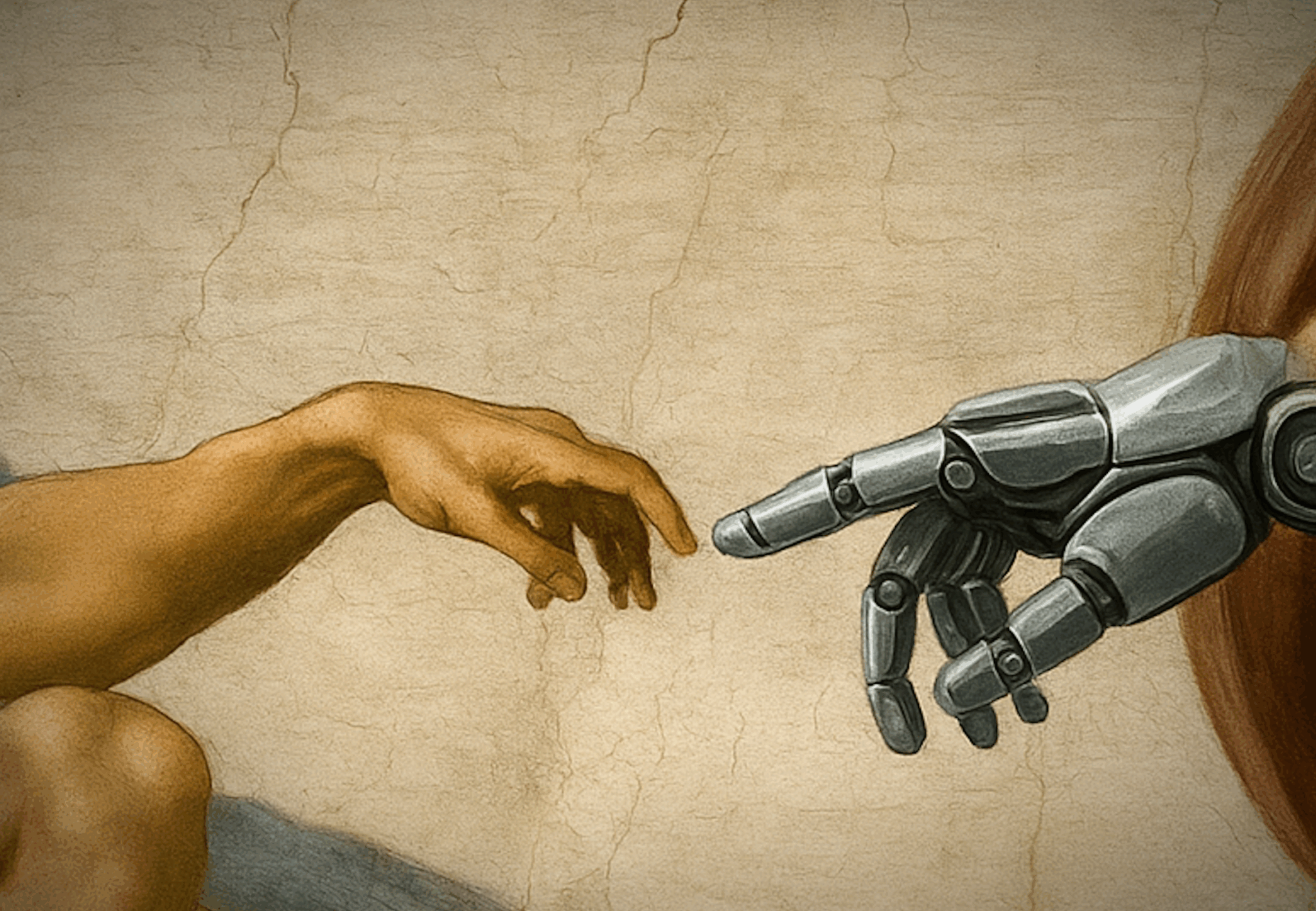
From embryo editing to dreams of eternal life, Silicon Valley’s new faith in machines blurs the line between progress and eugenics, raising the question of what humanity is willing to sacrifice for perfection.
 Worldcrunch
From embryo editing to dreams of eternal life, Silicon Valley’s new faith in machines blurs the line between progress and eugenics, raising the question of what humanity is willing to sacrifice for perfection.

Scientists are racing to define and map the human exposome — the sum of all environmental exposures over a lifetime — in a groundbreaking effort that could transform our understanding of disease and precision medicine.

The previous world order, based on the domination of a few superpowers, has been turned upside down in 2024. Will this be the year of explosions, or the year of reactions? French political theorist Jacques Attali explains the theory of order through noise.

When was the last time you called your cousin? As people have fewer siblings — and fewer cousins — research shows it might be a good idea to keep close all the ones that you have.
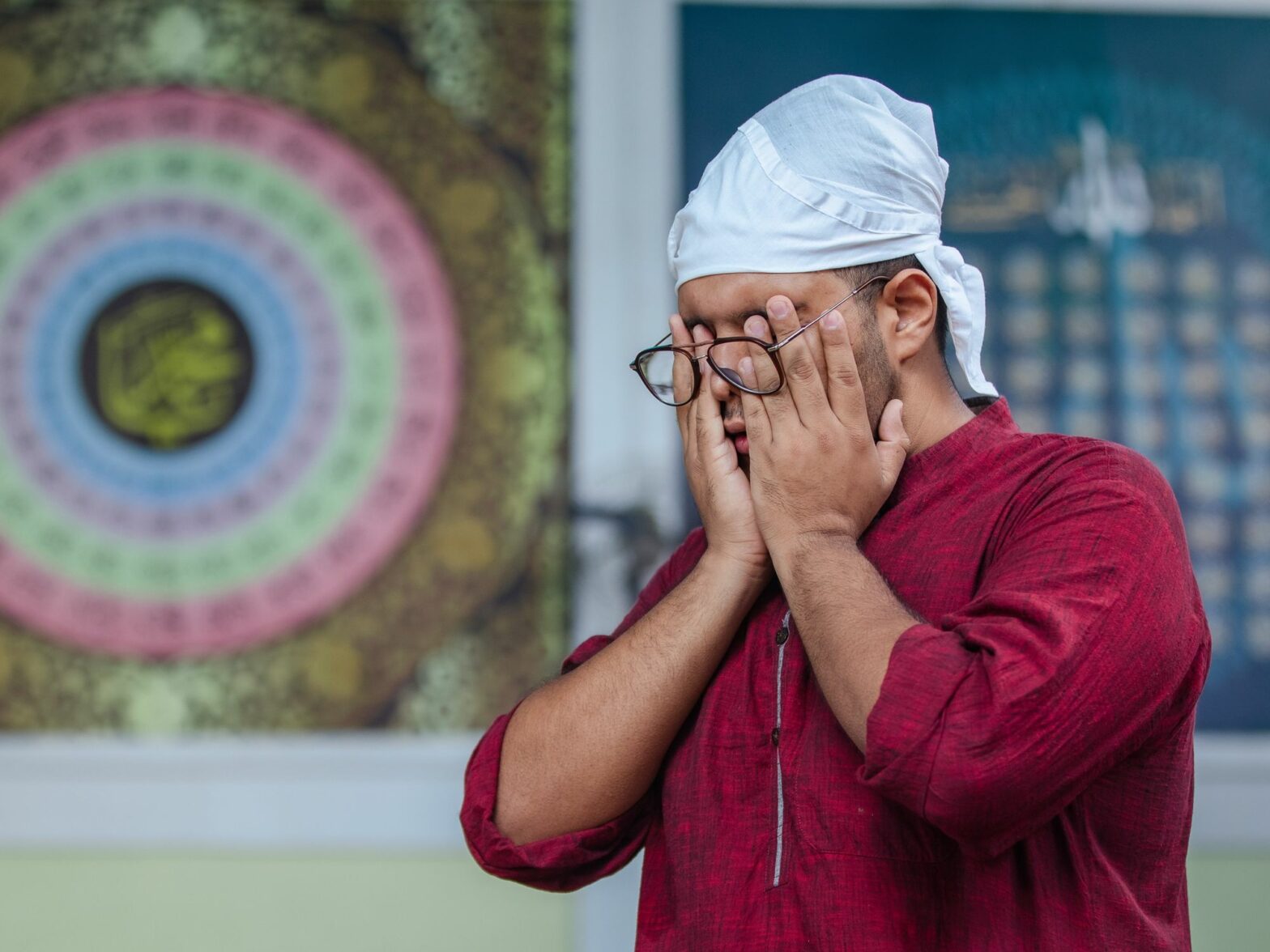
Even as technology could offer solutions to surviving as our planet gets warmer, humans themselves are innately adaptable creatures — and extreme heat could change our genes.
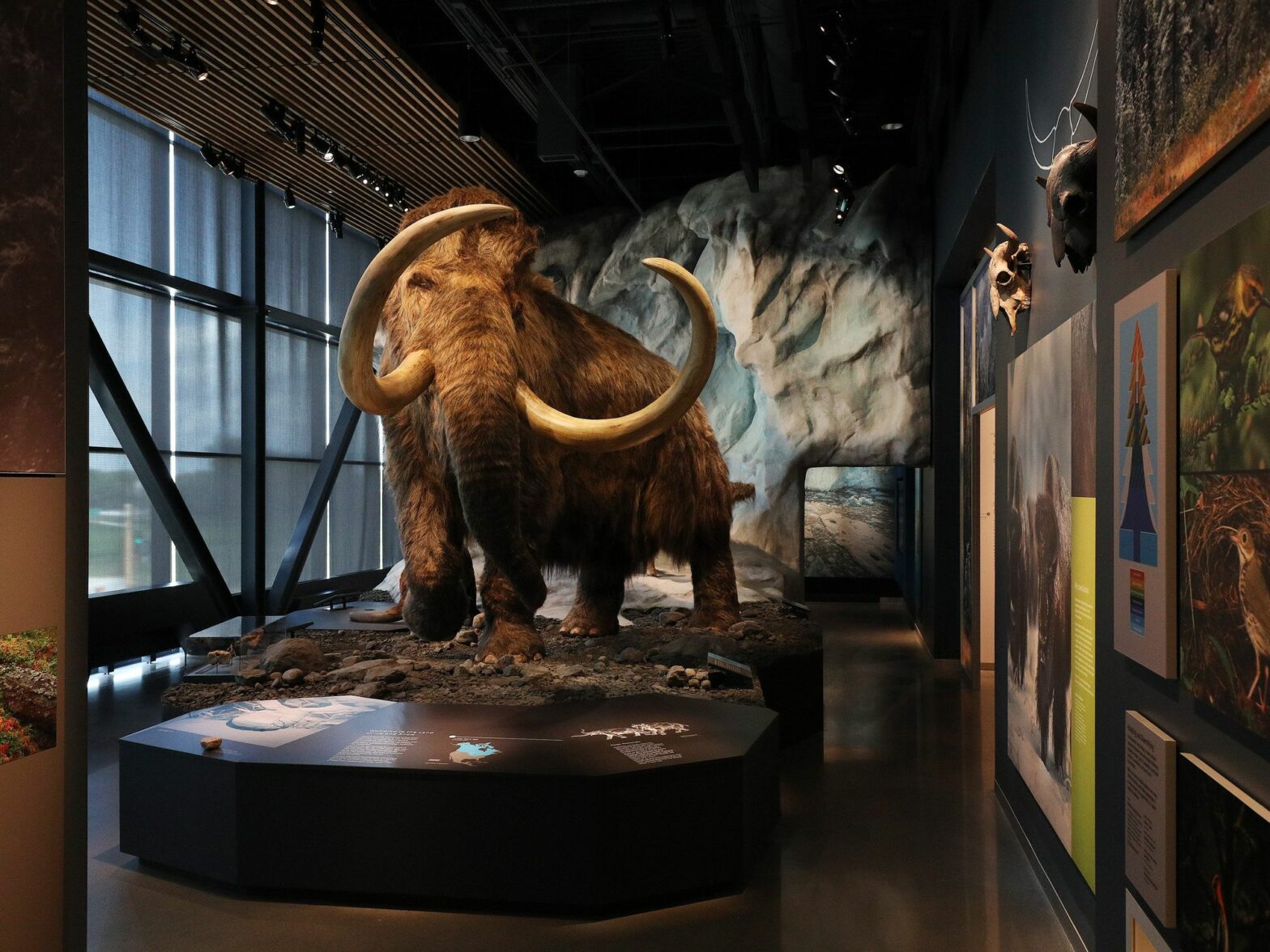
Thanks to advances in science, the reintroduction of extinct animal species is now feasible — even inevitable. But beyond possible benefits for biodiversity, these projects raise numerous environmental and ethical dilemmas.
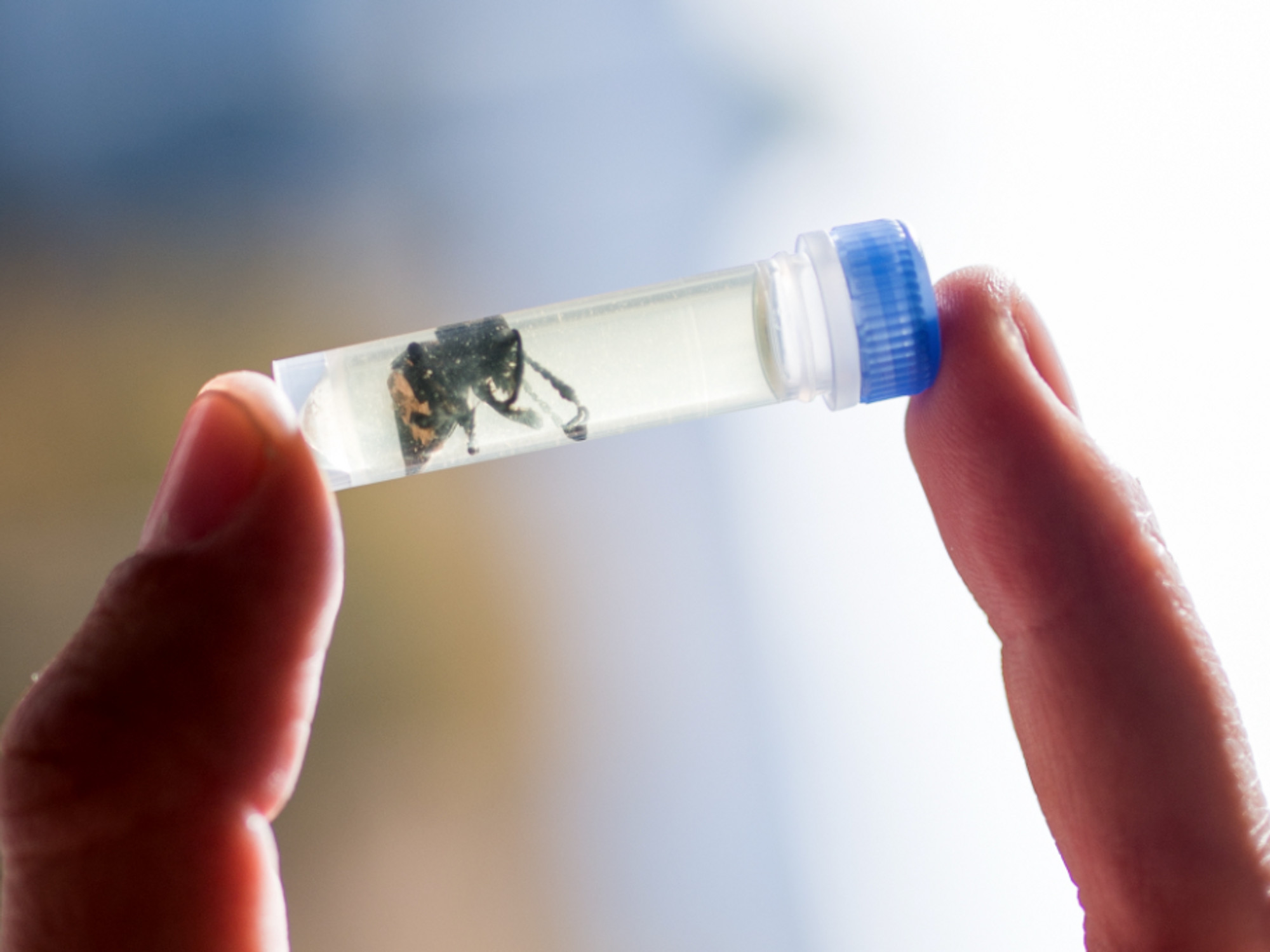
Opening bee skulls. Electric shocks for cockroaches. Some researchers want to grant more invertebrates ethical consideration, questioning long-held assumptions on consciousness.
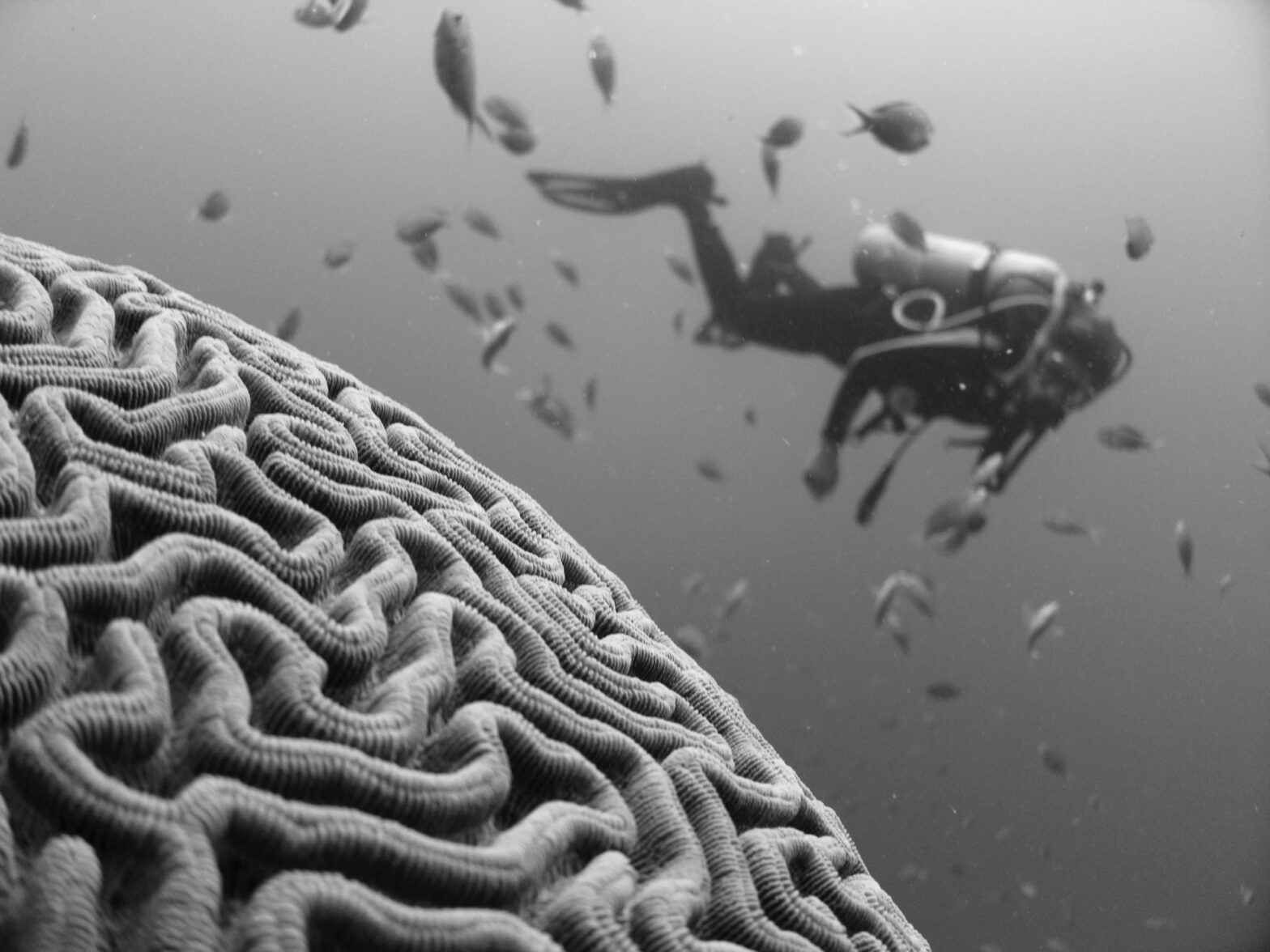
Our carelessness toward the environment could be due, in part, to the functioning of a very primitive area of our brain: the striatum.

PARIS — Researchers are on the hunt for the perfect bee. Today, pesticides, mites, viruses and other parasites decimate tens of millions of colonies of pollinators on the planet. Researchers are now trying to select genes from bees that would build colonies resistant to external attacks. Doing so would help save natural pollination, which is […]

BERLIN — Is our intelligence determined by our genes? That’s the question driving genetic and psychological research ever since these scientific disciplines were born. But to this day, the question has yet to be answered. Our cognitive skills are determined by our genes, yes, but they are also influenced by the environment around us. But […]
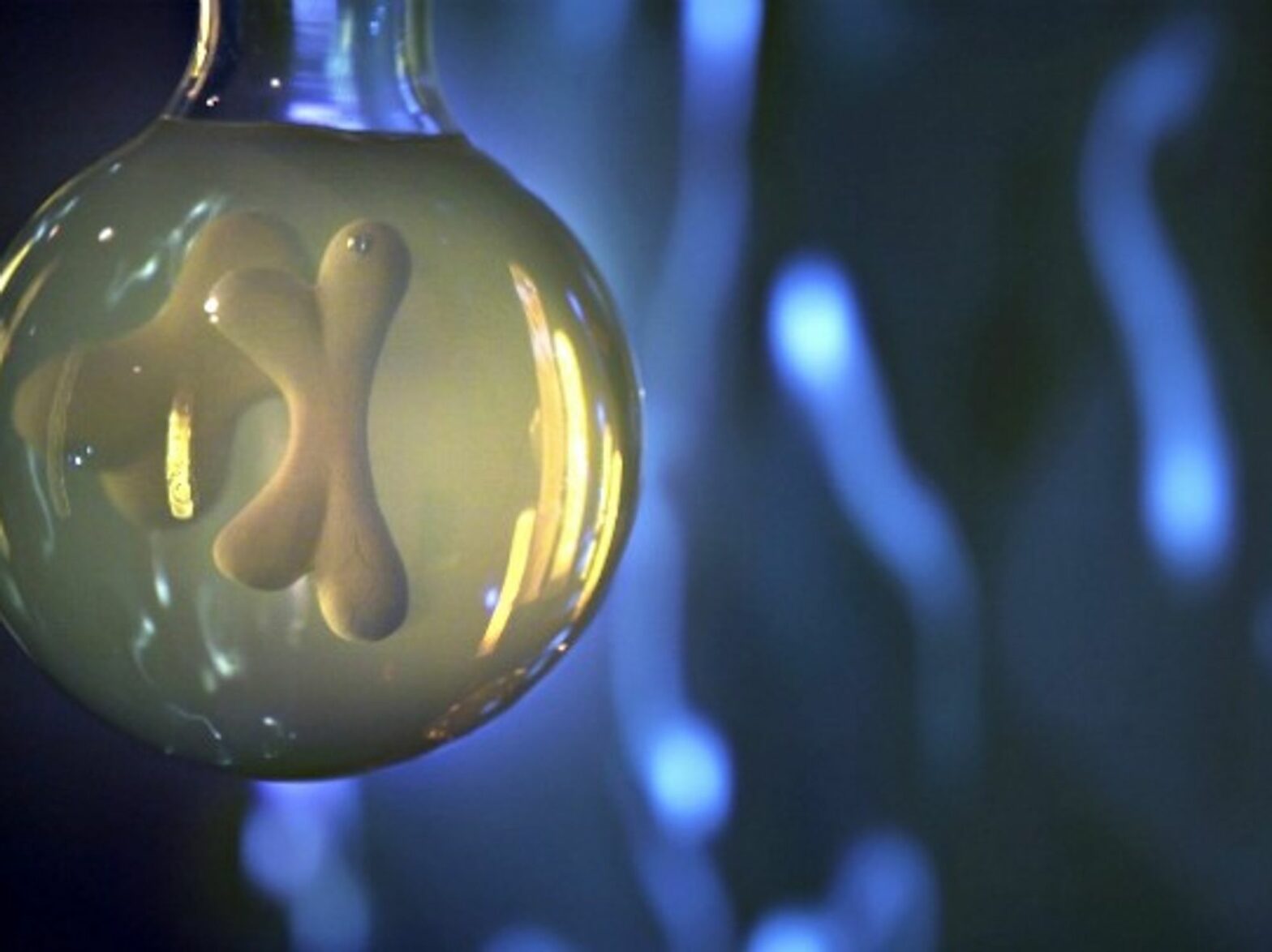
MUNICH — The field of epigenetics is being lauded for its discoveries, which some describe as revolutionary. There’s talk of a wide range of scientific textbooks being rewritten. But are the findings really that groundbreaking? First, what is epigenetics? It is any additional information that gets tacked on top of the genome. Epigenetics refer to […]

Researchers have discovered that a trigger in certain genes is responsible for some people burning calories better than others. In the long run, the finding may help in the fight against obesity.
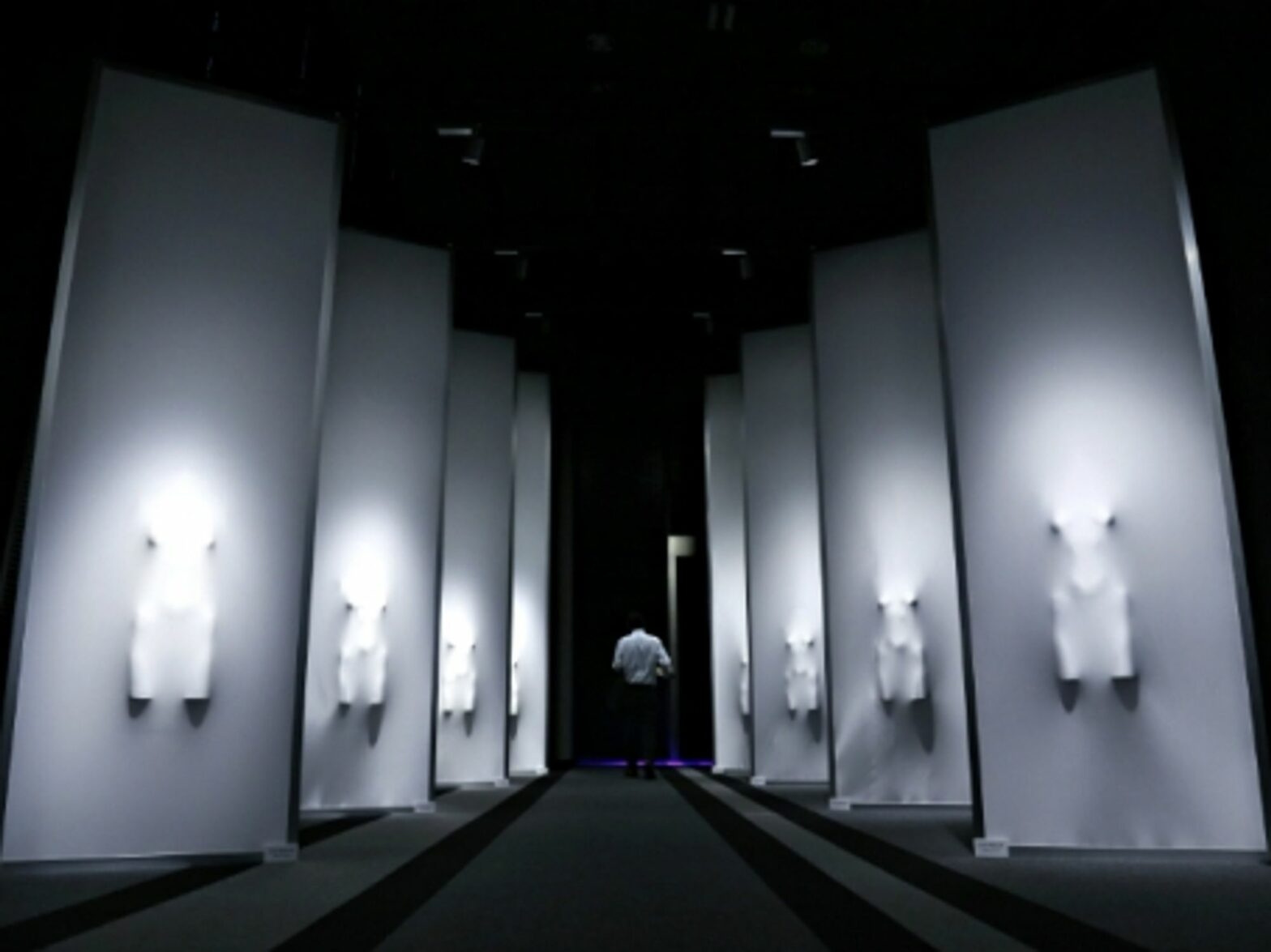
Though the technology now exists to clone humans, and mercenaries are at the ready if allowed, most of the mainstream geneticist community points to other ways to get life-saving stem cells.
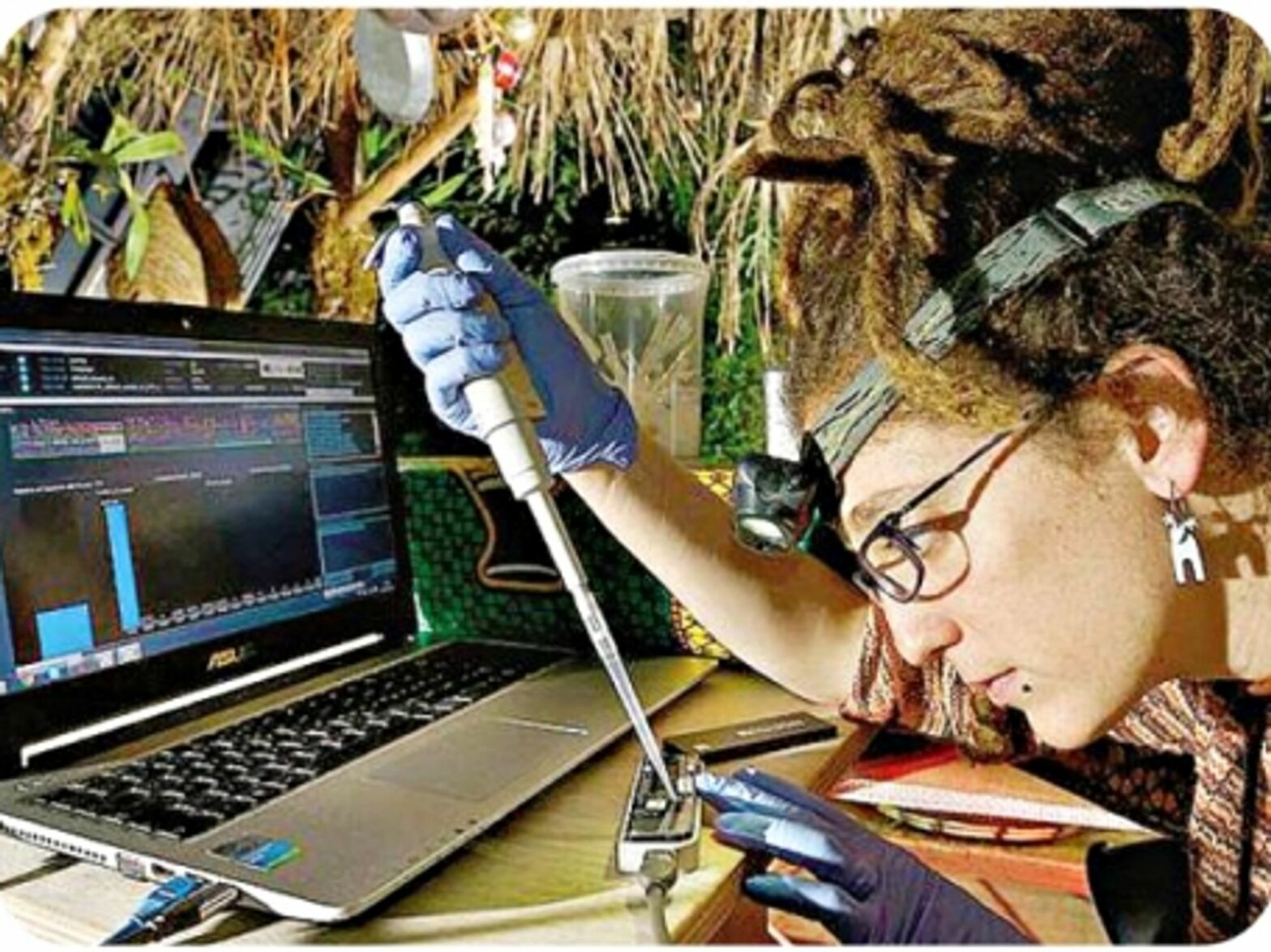
Transportable and cheap, a made-in-Italy DNA kit prototype promises to allow molecular analysis directly in the field, sending collected data instantly across the world.

Recent behavioral and developmental studies of animals such as rabbits and rats show striking similarities to patterns we see in how childhood relationships and experiences shape humans.

Natural reproduction and the adaptability of genes will always outperform the machinations of multinationals like Monsanto, accused of wanting world domination with GMO crop production.
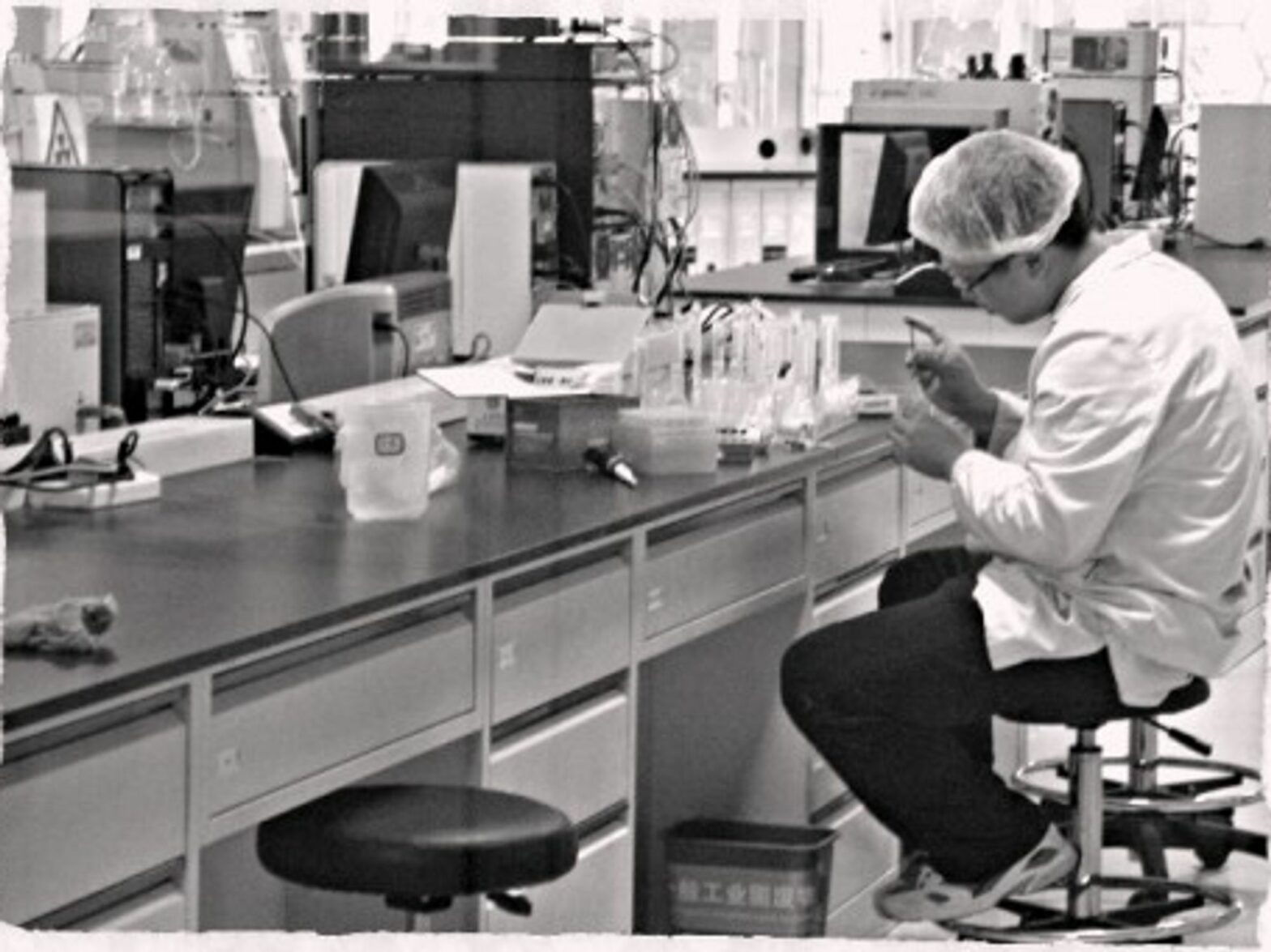
BEIJING — When he was 17, Zhao Bowen was a bored student who made an audacious decision. In a country where the cult of diplomas knows no boundaries, he quit school and decided not to take the exam that would have allowed him university entry. “All that fuss just to learn things that you can […]
DER SPIEGEL (Germany), NEWS.COM.AU (Australia) Worldcrunch BOSTON – George Church, a Harvard School of Medicine genetics professor, believes that he can create a Neanderthal baby. All he needs is an “adventurous female.” George Church at TED 2010. Photo: Life, Synthetic Life! He told German magazine Der Spiegel: “I have already managed to attract enough DNA […]