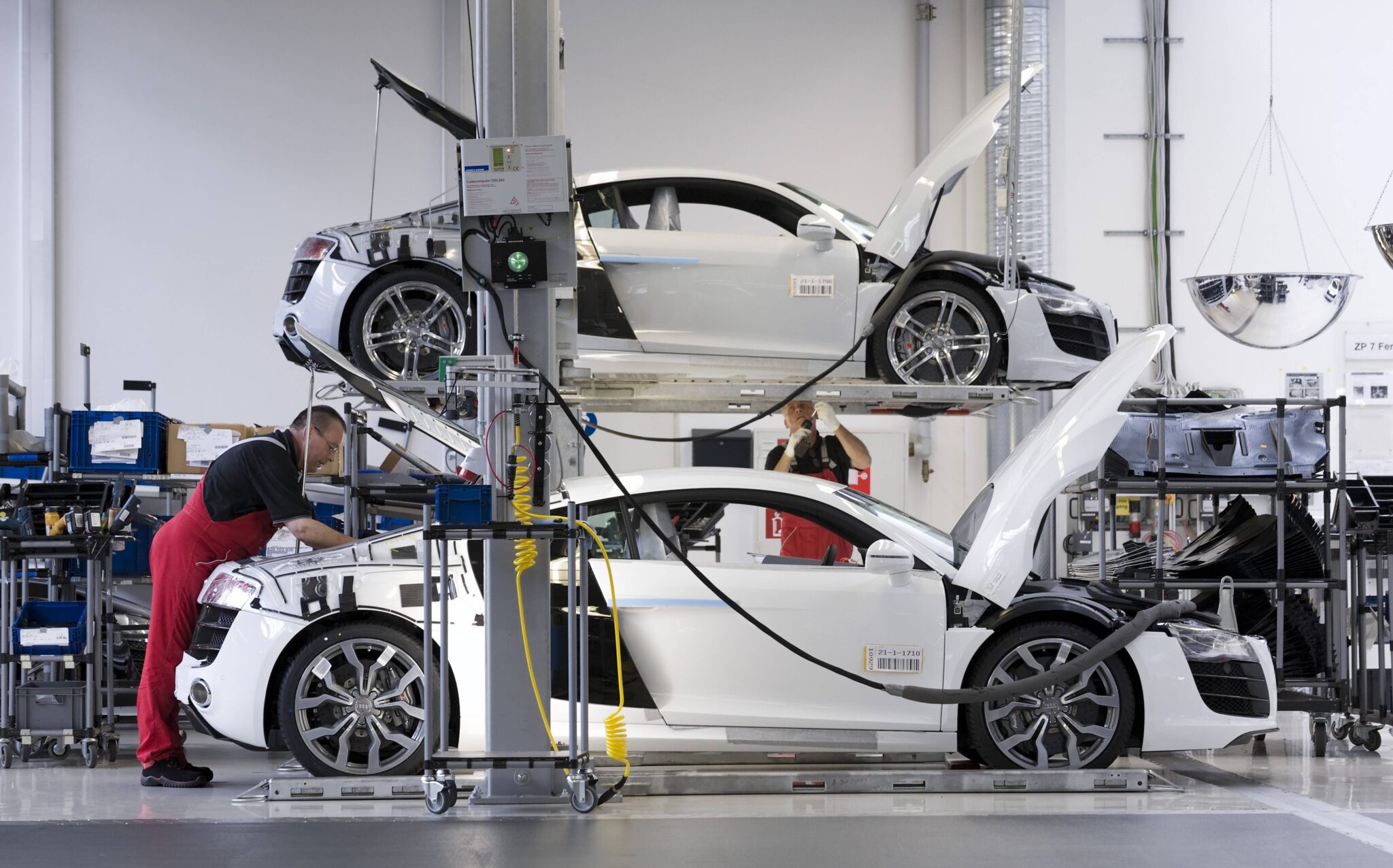
Sales are falling, rivals are surging, and China no longer craves the four rings. CEO Gernot Döllner is cutting bureaucracy, betting on speed, and trying to steer the brand through a maze of tariffs, scandals, and shifting markets.
 Worldcrunch
Sales are falling, rivals are surging, and China no longer craves the four rings. CEO Gernot Döllner is cutting bureaucracy, betting on speed, and trying to steer the brand through a maze of tariffs, scandals, and shifting markets.
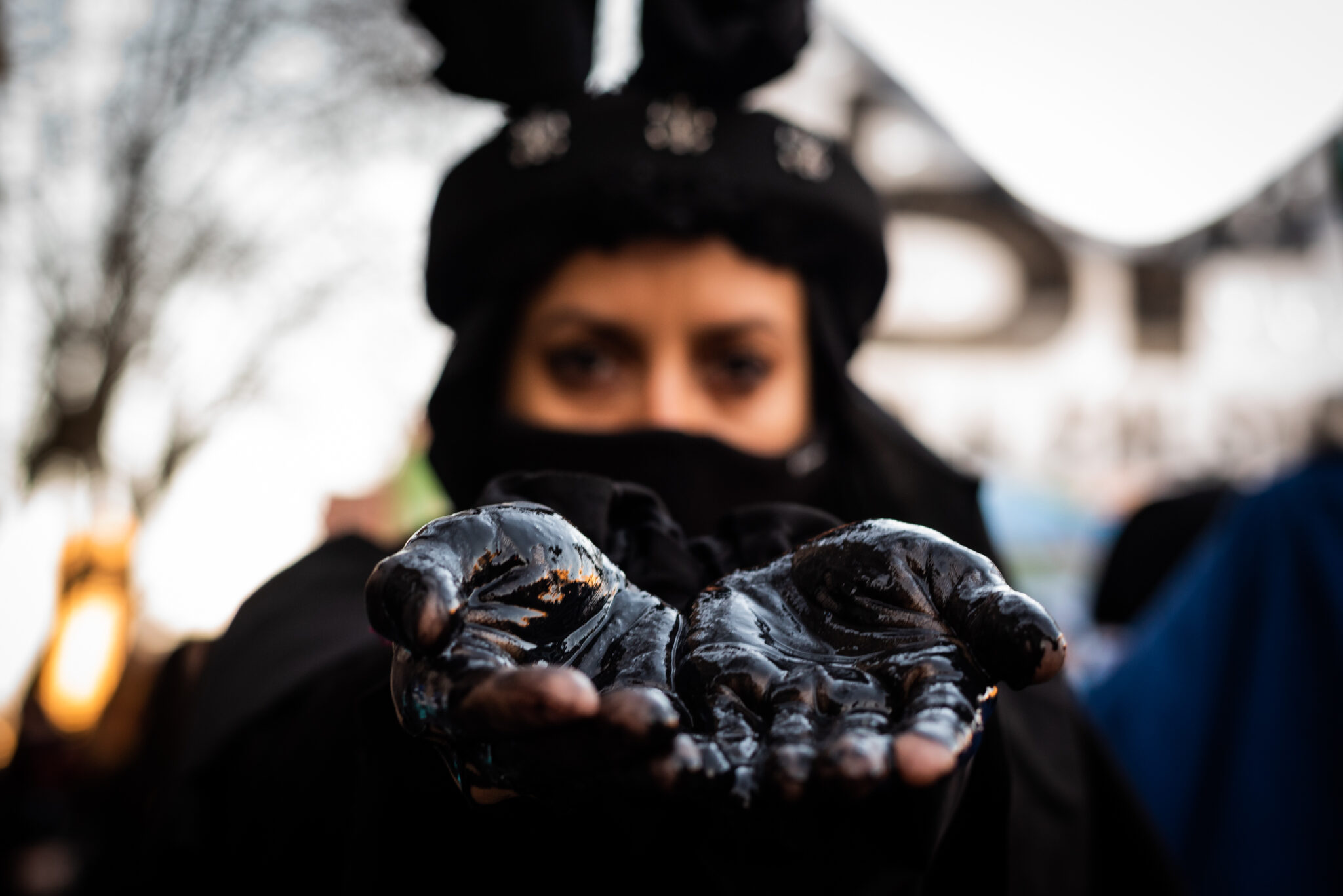
In Argentina, gas and oil are more than fuels — they’re sacred words, woven into the nation’s identity. But this devotion is not just economic, it’s linguistic: The way Argentinians talk about hydrocarbons builds a cultural fortress, which makes any shift toward cleaner energy all the more difficult.
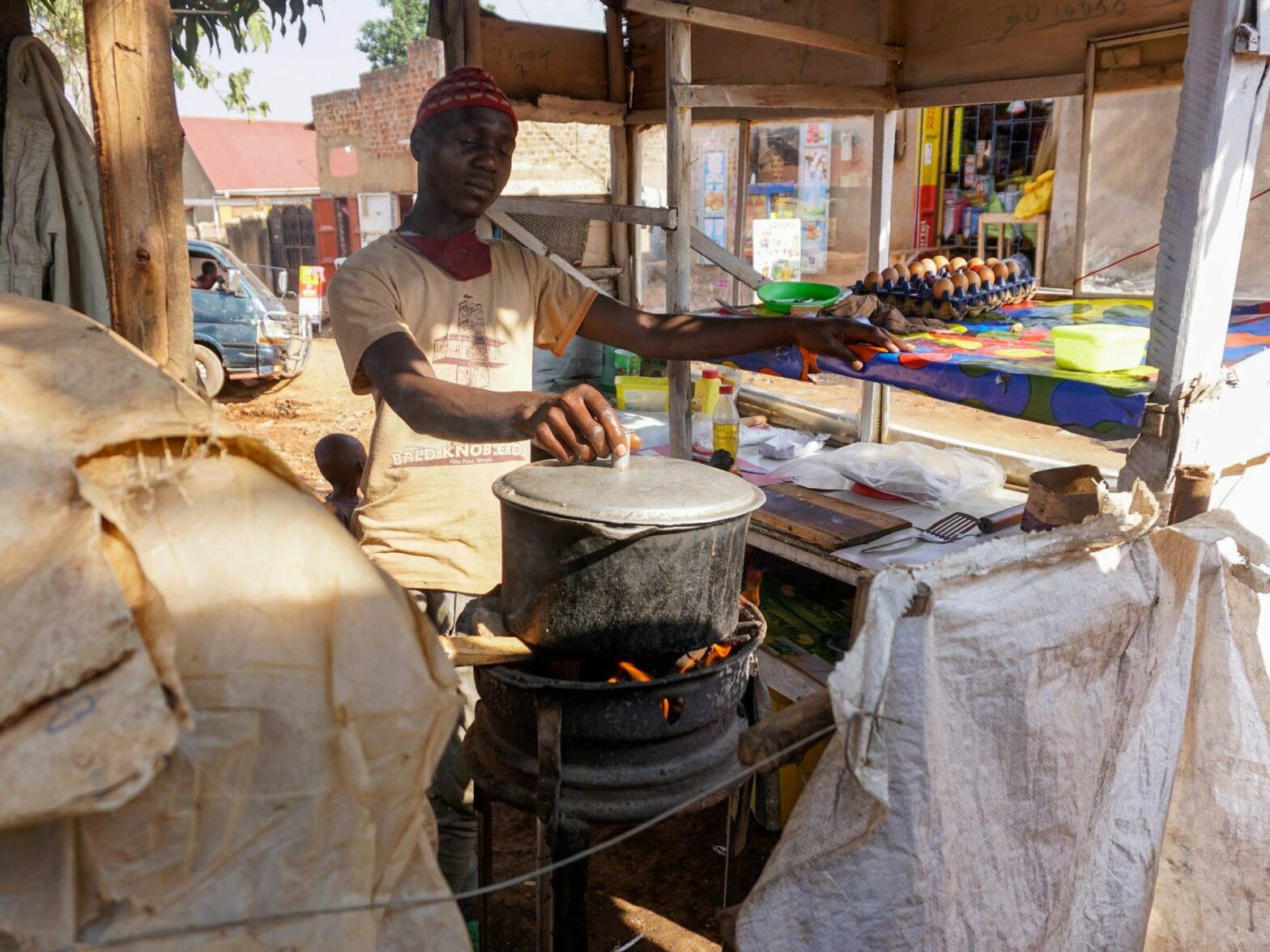
The government is pushing for cleaner fuel options. But costs and traditions stand in the way of change.
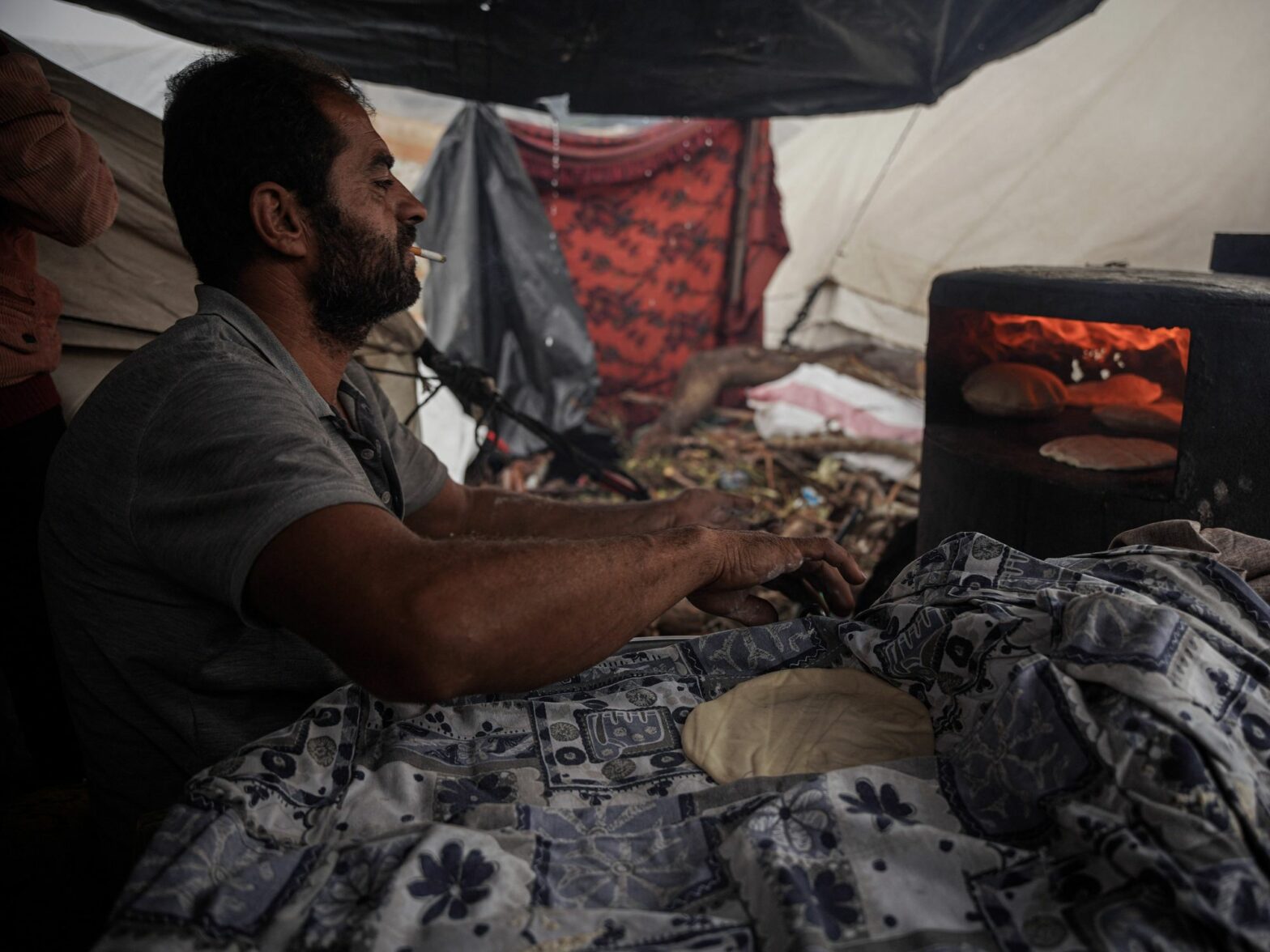
Faced with a deepening shortage of resources and shuttered bakeries, Palestinians are resorting to makeshift means to survive, using clay ovens fueled by firewood from destroyed homes to cook their food. Resourcefulness that fights famine in the short term but may have long-term health effects.
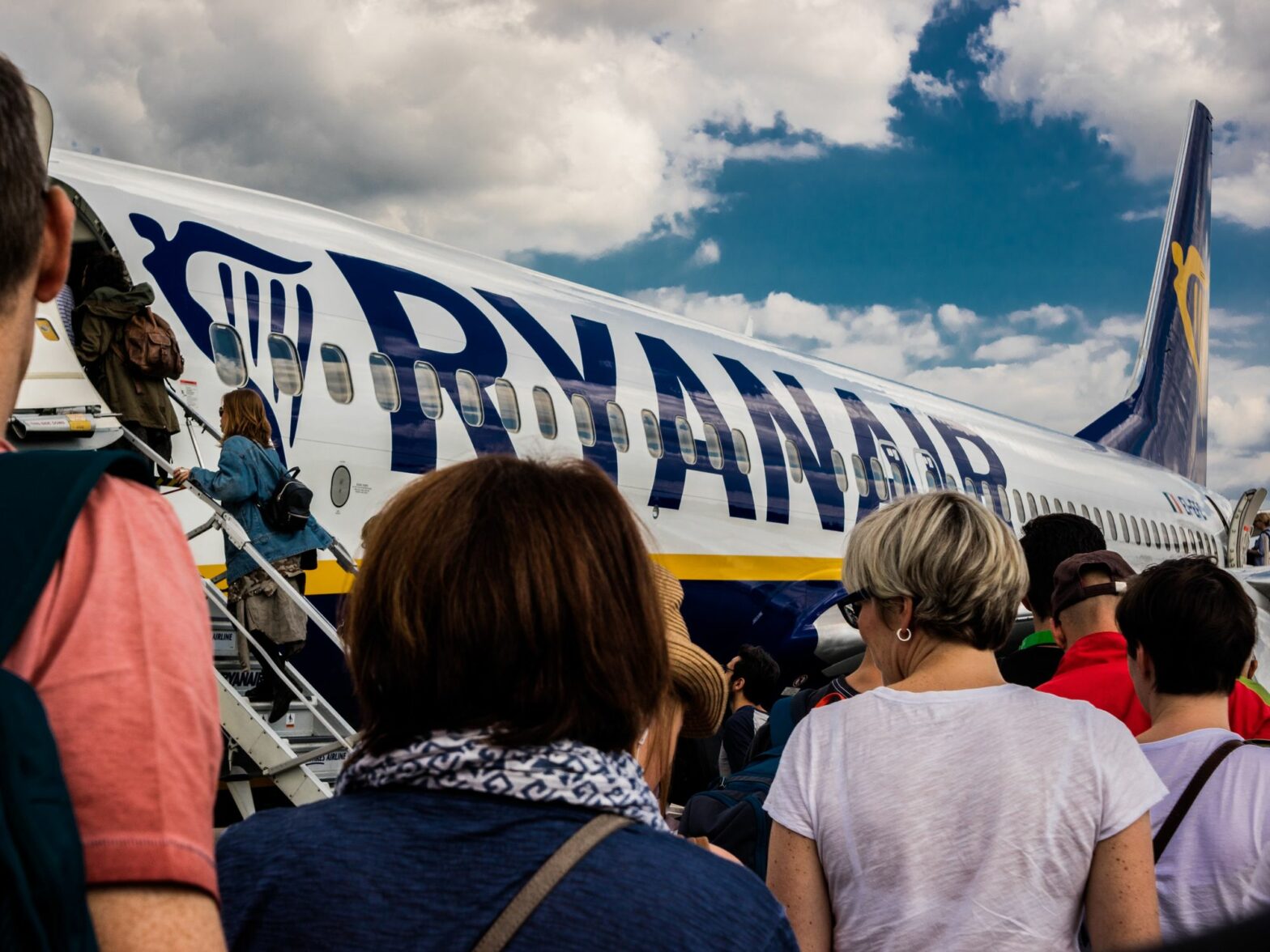
With the Ukrainian war, rising energy prices and the scarcity of personnel, airplane prices are up by 30-50%. But there is something more structural that could bring a definitive end to low-cost options like RyanAir and EasyJet, but also putting the entire industry’s market model into doubt.
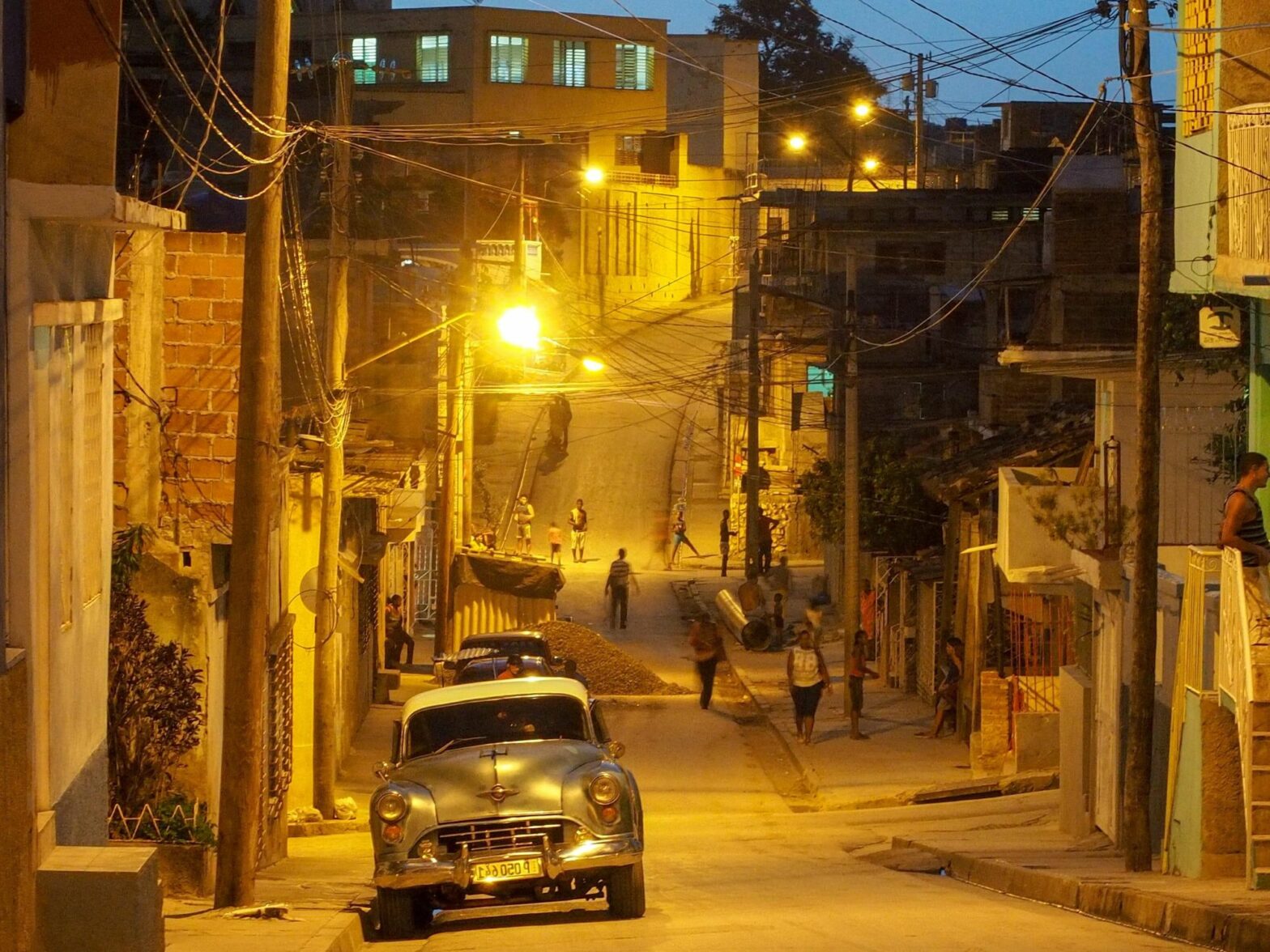
Blackouts were common across Cuba during the 1990s. Today, the country is once again in the midst of an energy crisis as power shortages push Cubans’ patience to the limits, and remind many of the decades of government failings.
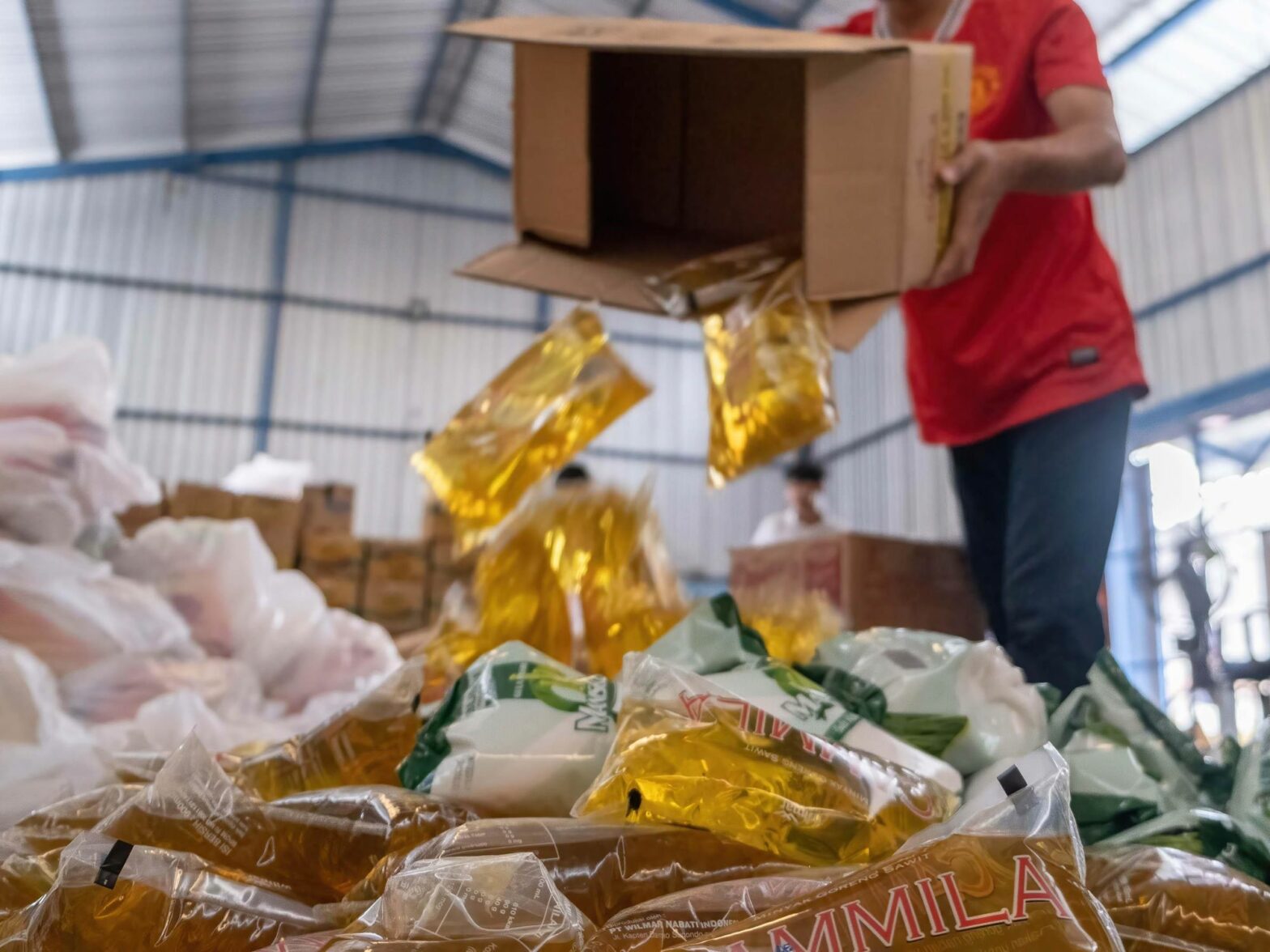
The price of cooking oils and fats has gone up dramatically. Indonesia has even banned exports of palm oil. Suddenly, what type of oil and how we use it to fry foods, dress salads and process products has become an ever more important question.
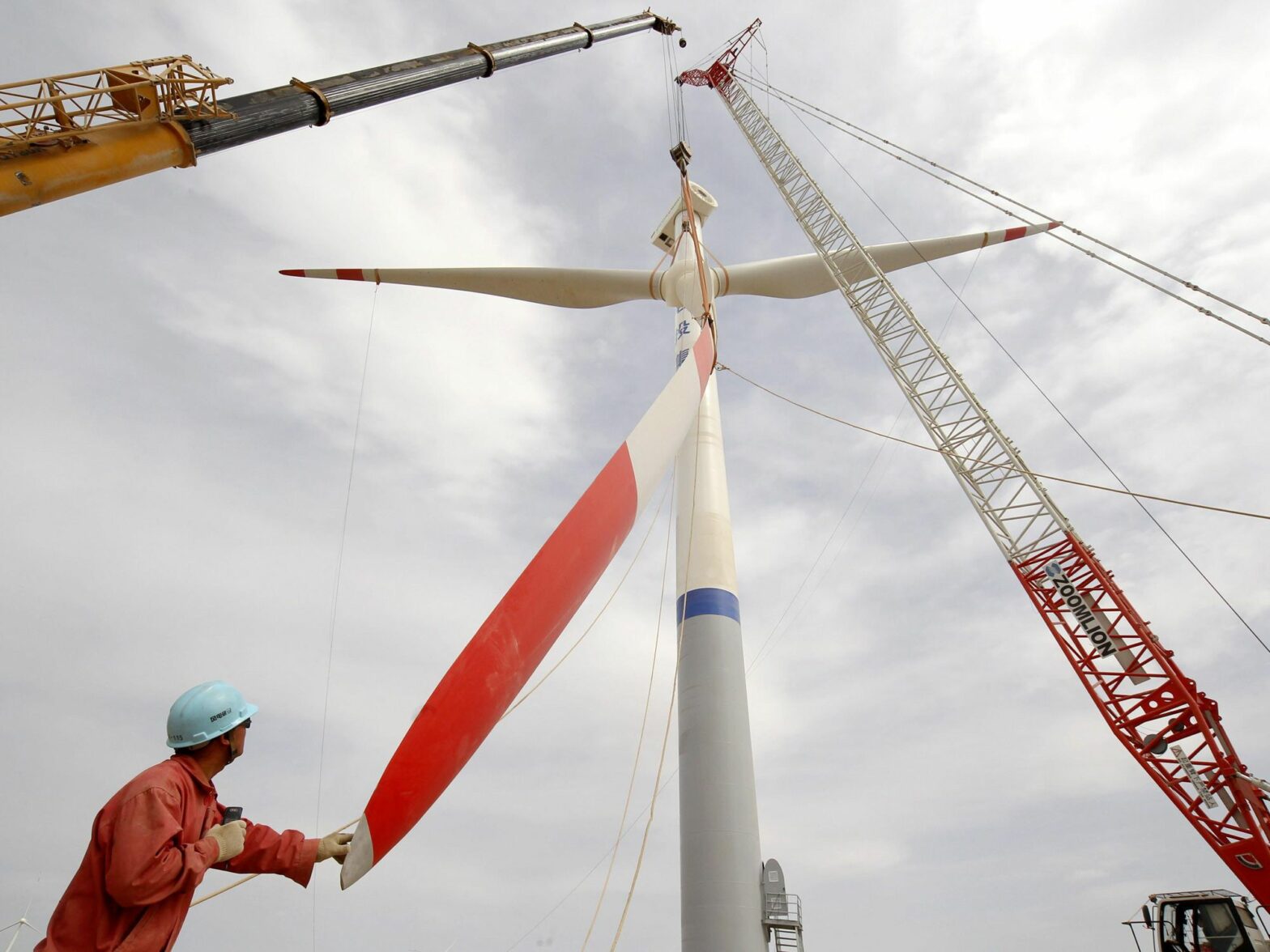
Energy issues are power issues. That is why the fight against climate change will also lead to geopolitical upheavals — to Europe’s detriment. China, one of the biggest climate sinners, is likely to benefit from this because the People’s Republic has a strategic ace up its sleeve.
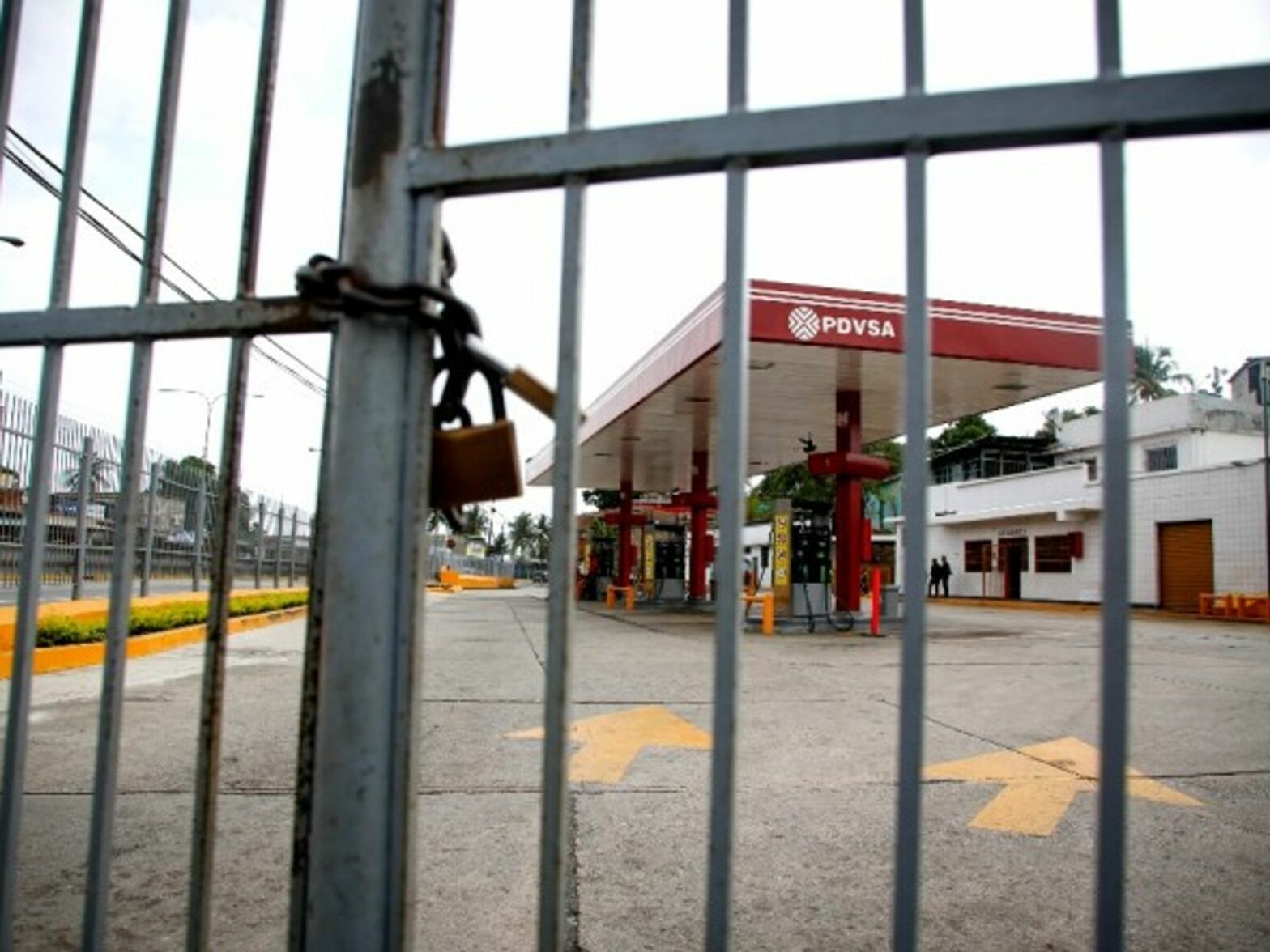
Venezuela’s PDVSA, once among the world’s most powerful oil firms, was transformed and largely gutted under Hugo Chavez and Nicolas Maduro. But the story is more complicated than it may seem.
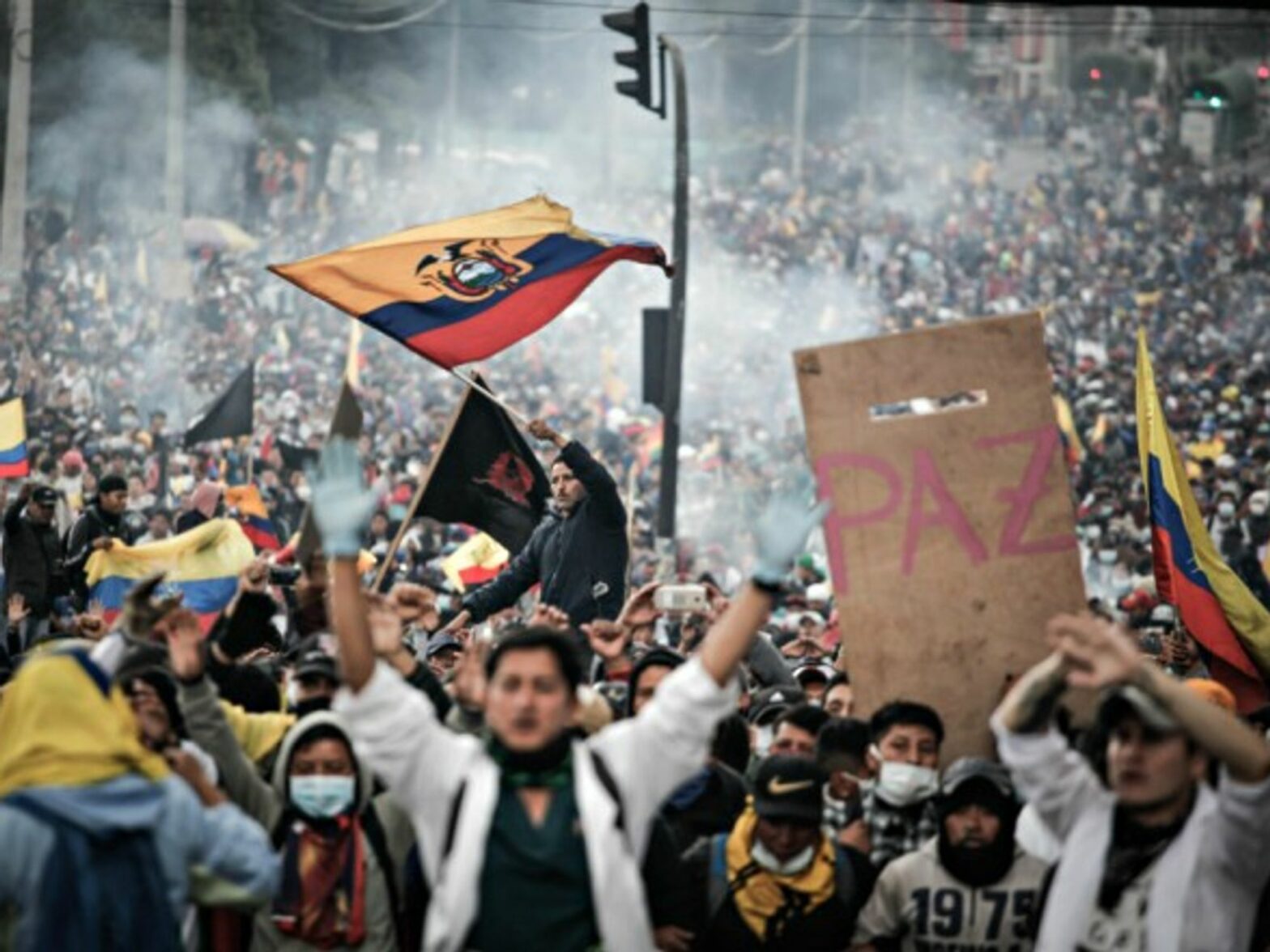
Moreno is now reversing course on austerity measures that provoked nearly two weeks of mass protests. But it may be too little too late to salvage his reputation.
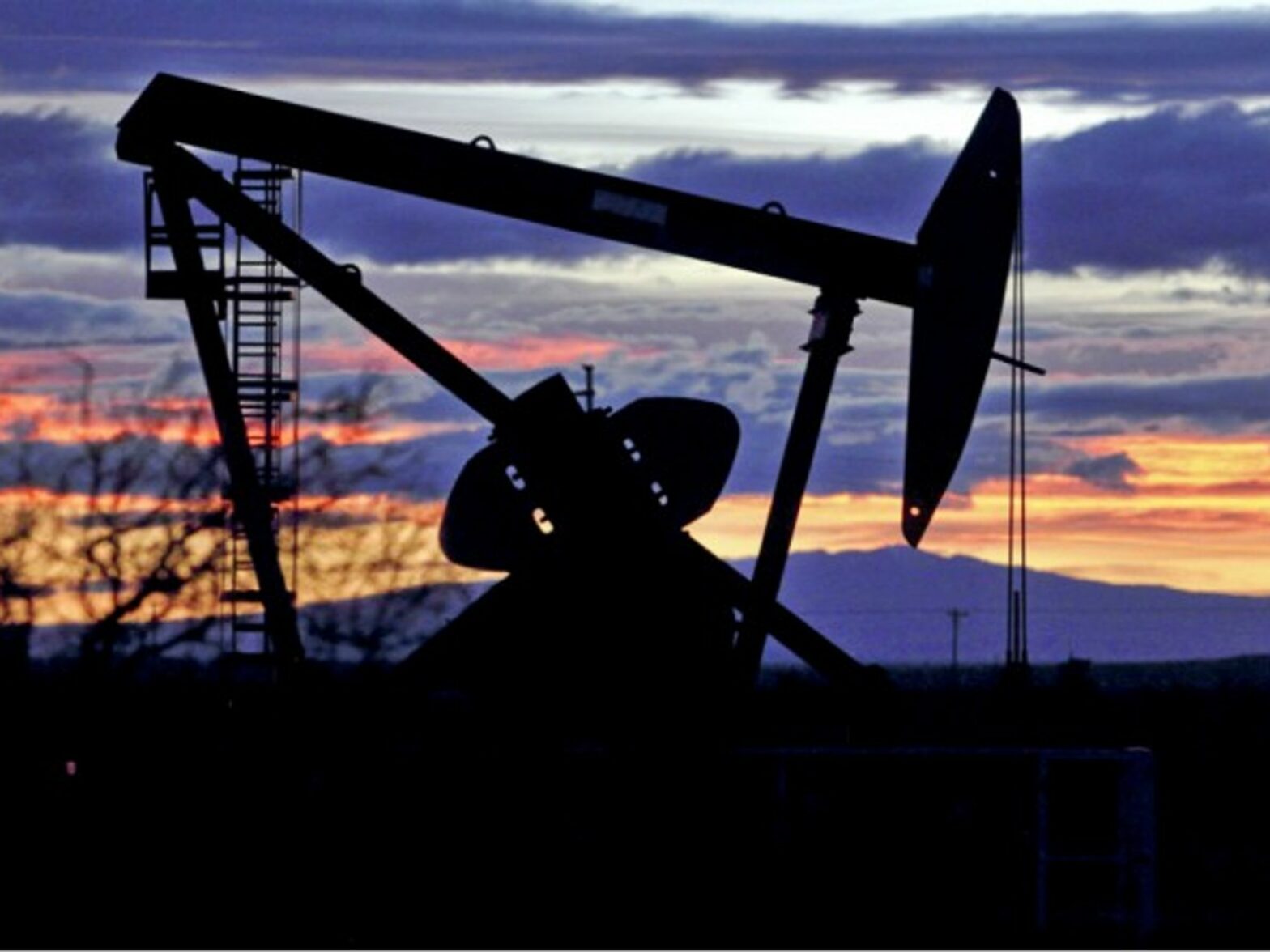
As the world moves to reduce the role of hydrocarbons, Argentina must exploit the biofuels potential of its vast farming sector, not entertain dreams of becoming a regional oil power like Venezuela.
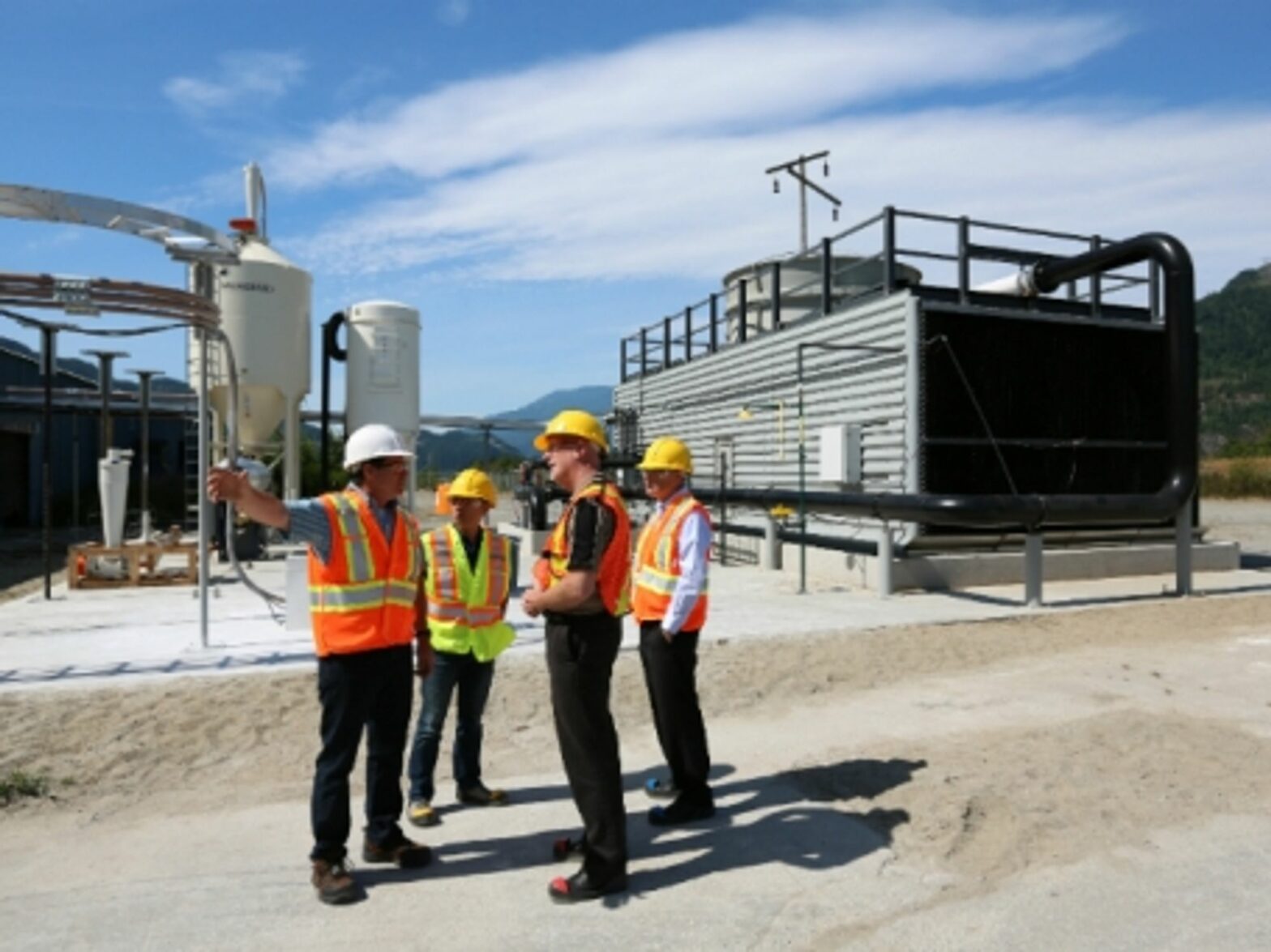
Of the various measures emerging to combat global warming, a small Canadian company says its solution to manipulate Carbon Dioxide is both easy to set up, and scalable.
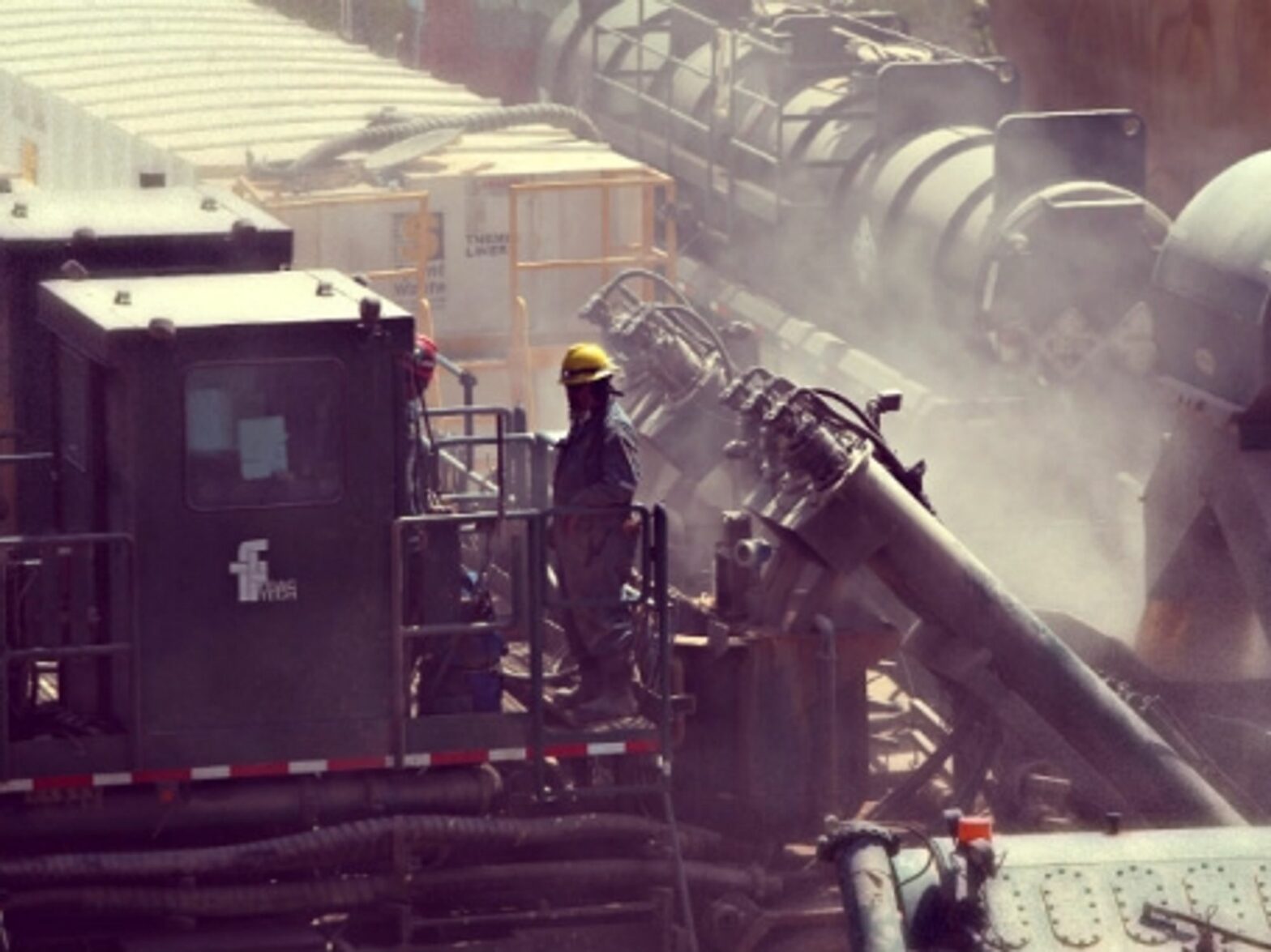
The U.S. was once vulnerable to the geopolitics of energy reserves. Now American shale gas exploration offers foreign policy muscle in the face of the Saudis, Russians and Iranians.
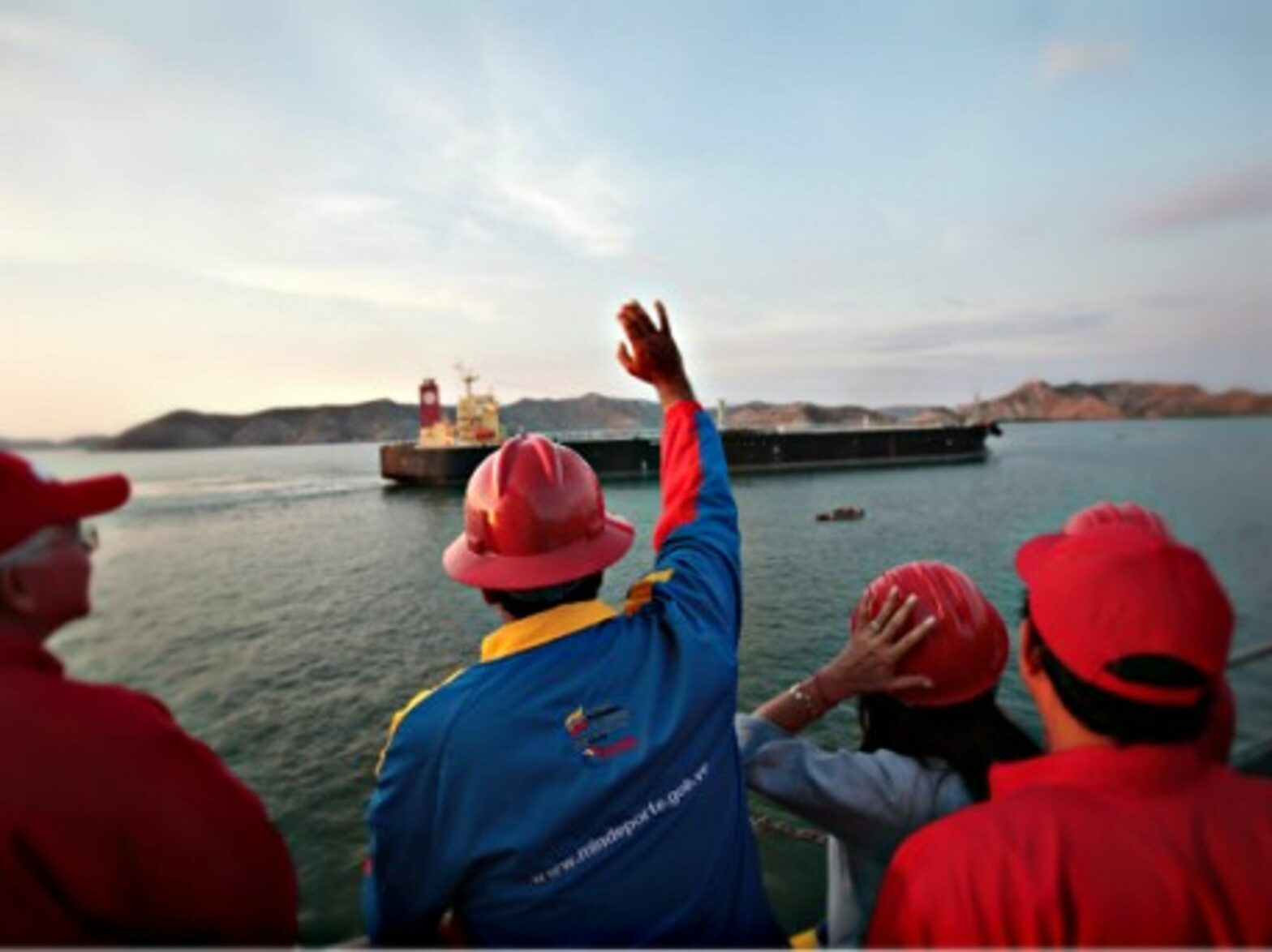
Falling crude prices spell trouble for oil-dependent economies like Venezuela and Russia, with political consequences to follow. Meanwhile, the world’s two biggest economies may fare well.
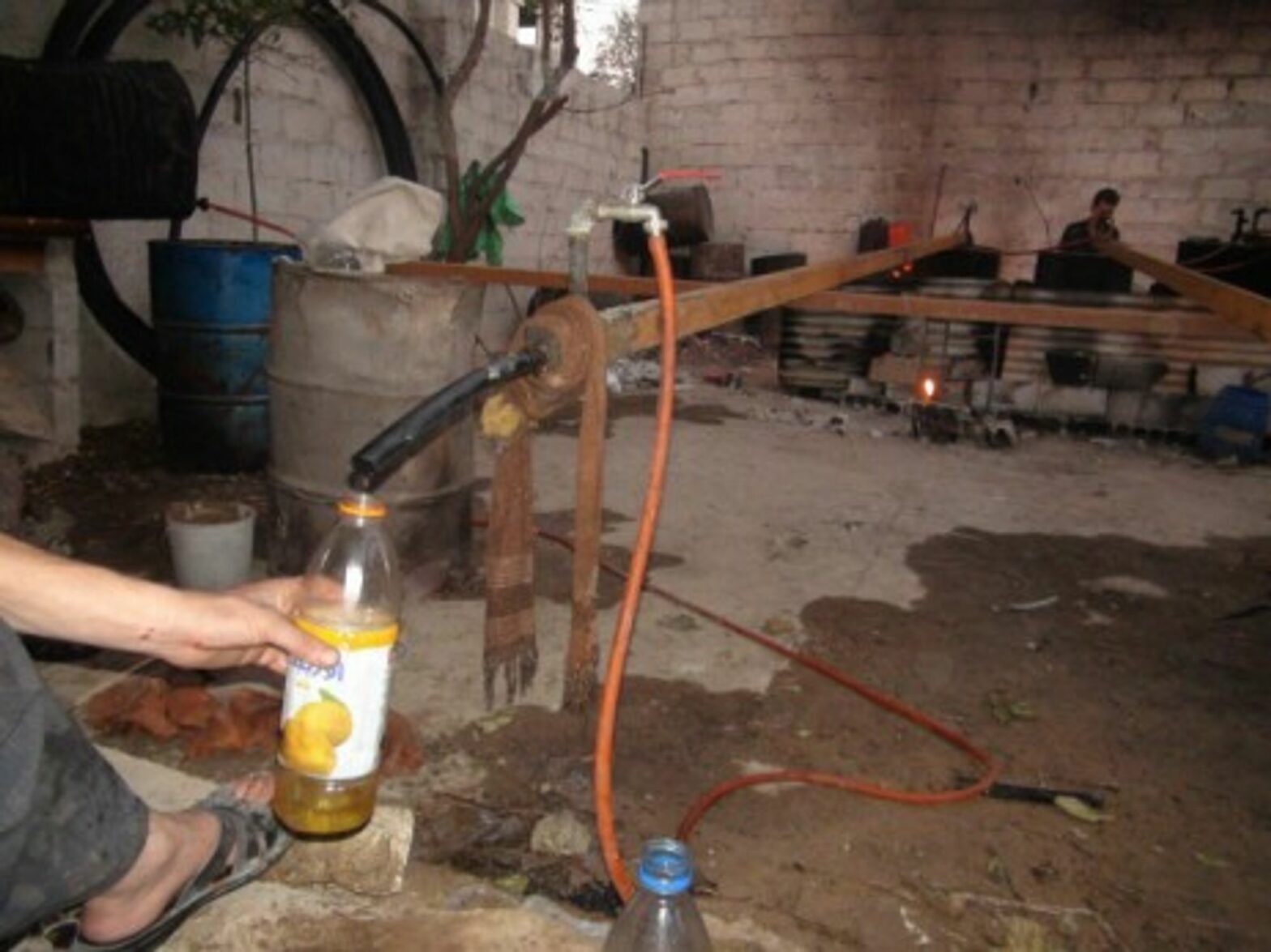
With no electricity or gas, enterprising locals in the Damascus suburb of Ghouta have begun extracting fuel products by melting plastic scavenged from destroyed buildings.