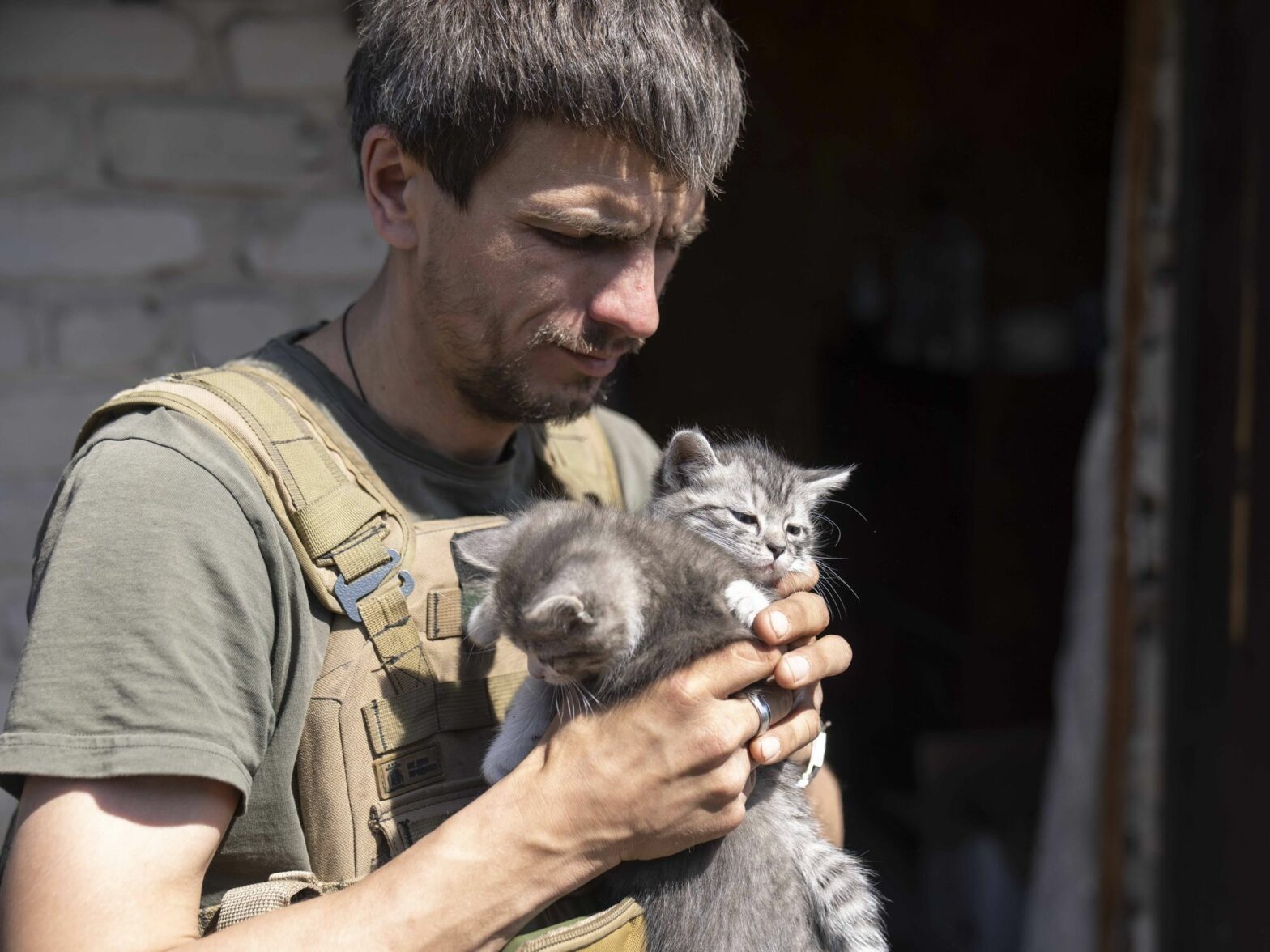
Rodents in the trenches are making life difficult for both Russian and Ukrainian soldiers on both sides, and leading authorities and activists send house cats to the front lines.
 Worldcrunch
Rodents in the trenches are making life difficult for both Russian and Ukrainian soldiers on both sides, and leading authorities and activists send house cats to the front lines.
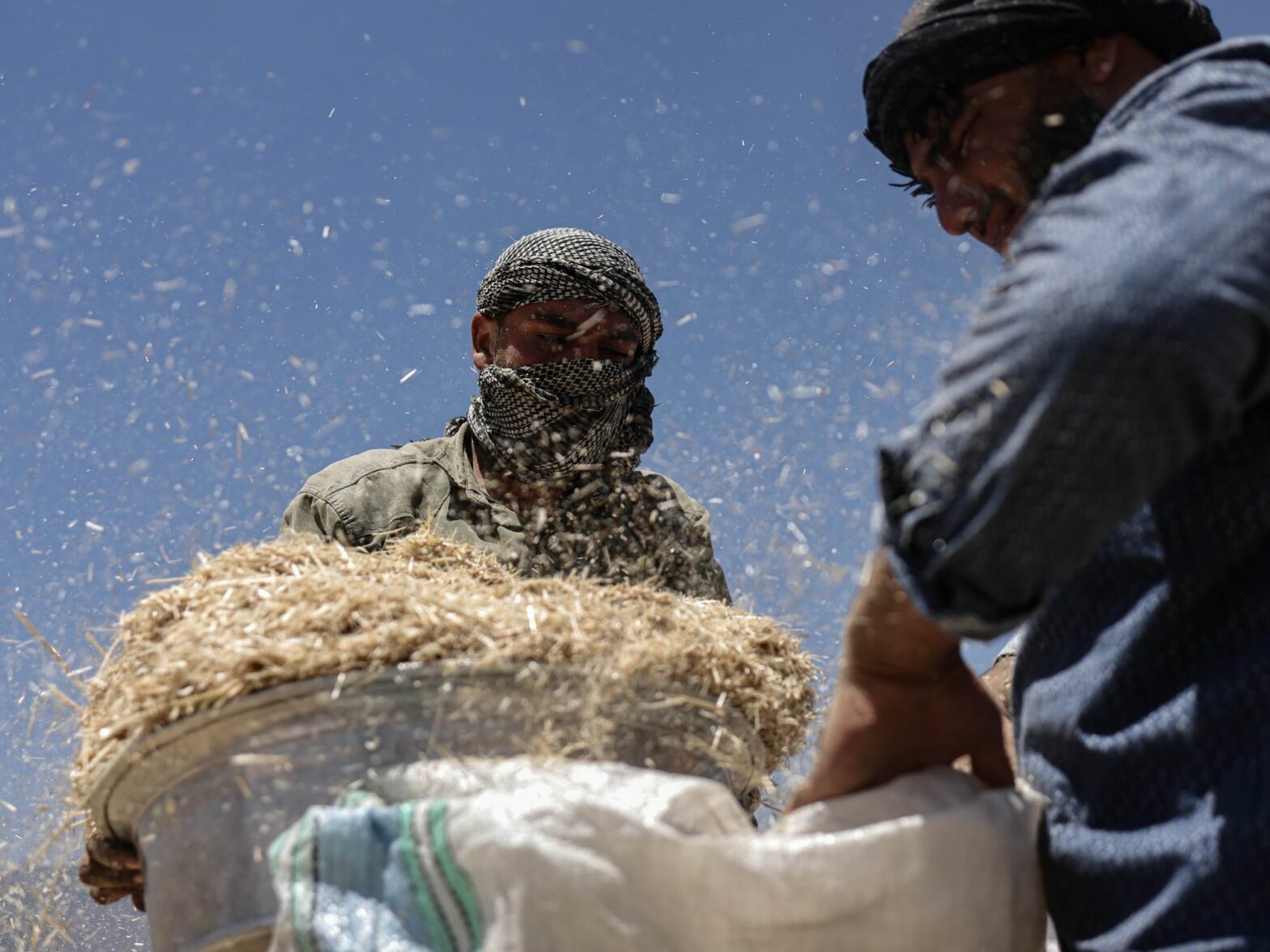
The production of wheat, a staple food in Syria, fell dramatically this year due to the effects of climate change. The poor harvest has left wheat farmers, already suffering from decades of conflict, struggling to rebuild their lives.
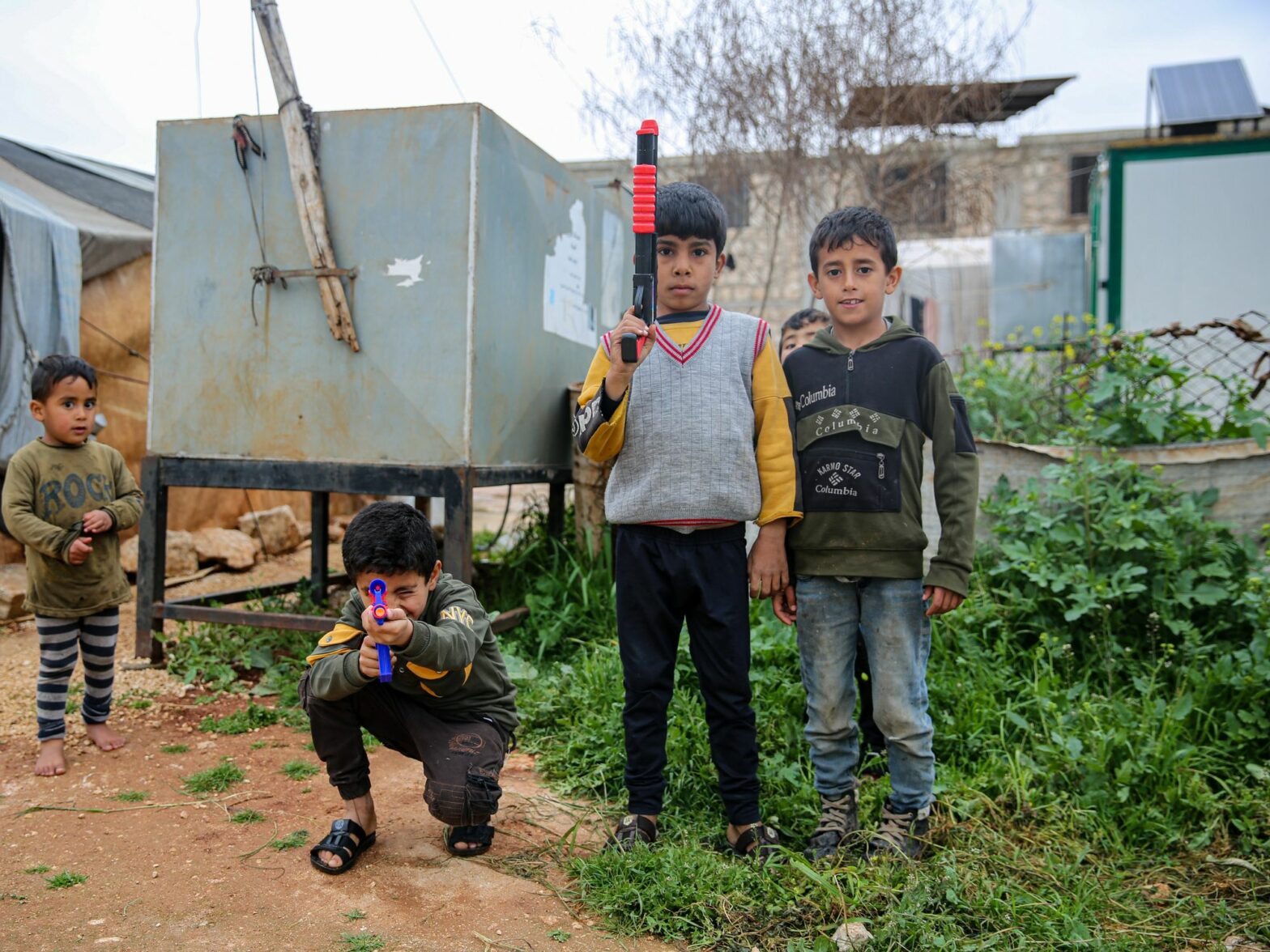
After more than a decade of war in Syria, where some 90% of the population now lives in poverty, children are working as fighters for the armed factions to help feed their families.
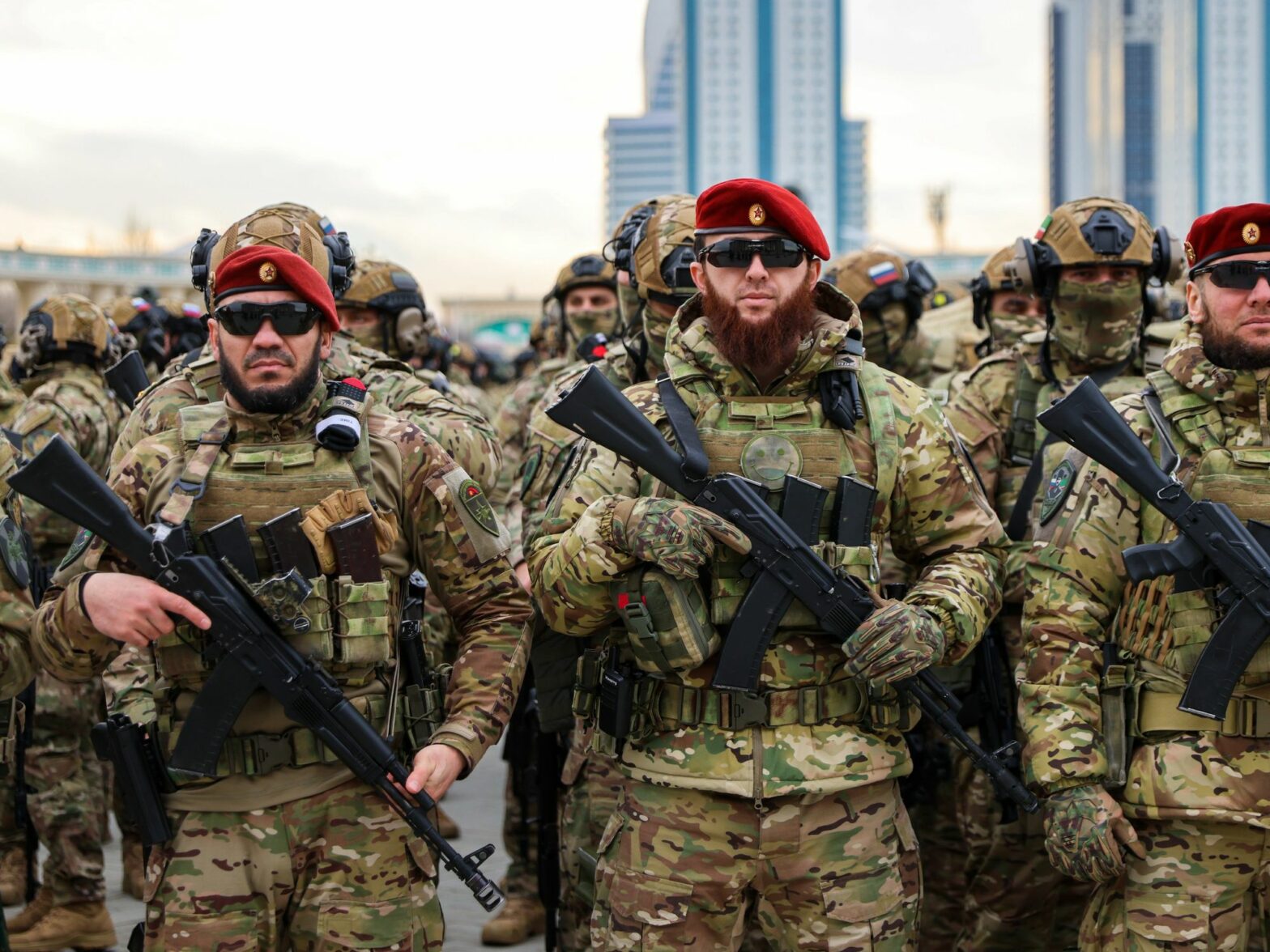
Reports abound of forced mobilization taking place in the Chechen Republic, where the regime of Ramzam Kadyrov, in an effort to gain Vladimir Putin’s favor, is using pressure and blackmail to force its men to join the Russian war effort.
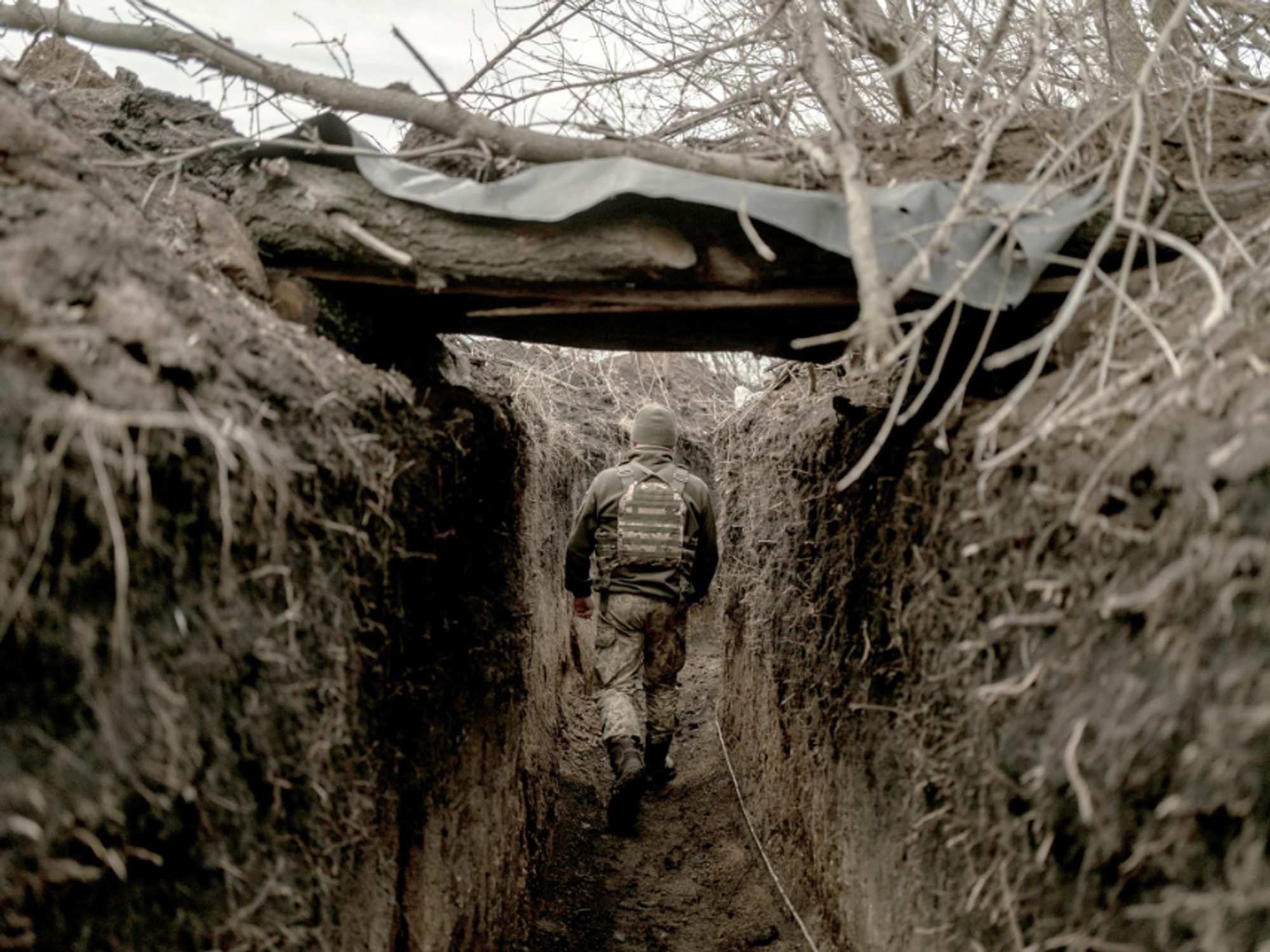
In Warsaw-based daily Gazeta Wyborcza, Polish writer Szczepan Twardoch poses a crucial question on the front lines of the war in Ukraine: “What will you do when the war ends?” One answer struck him more than any other…
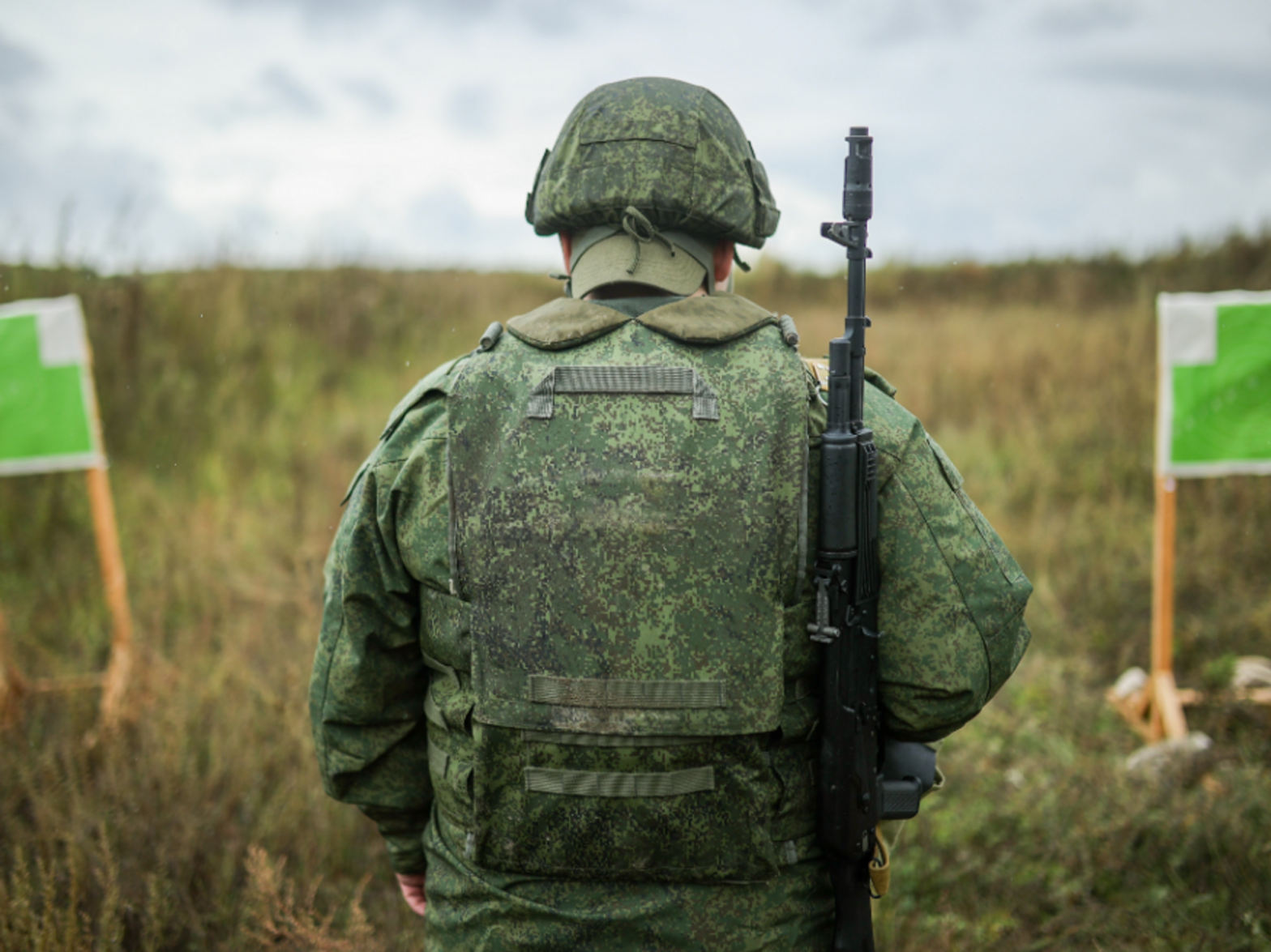
Thousands of Russian mothers exchange messages every day online in desperate bids to find their missing sons serving in the Russian army. This is the story of one such mother who has been looking for her son for seven months.