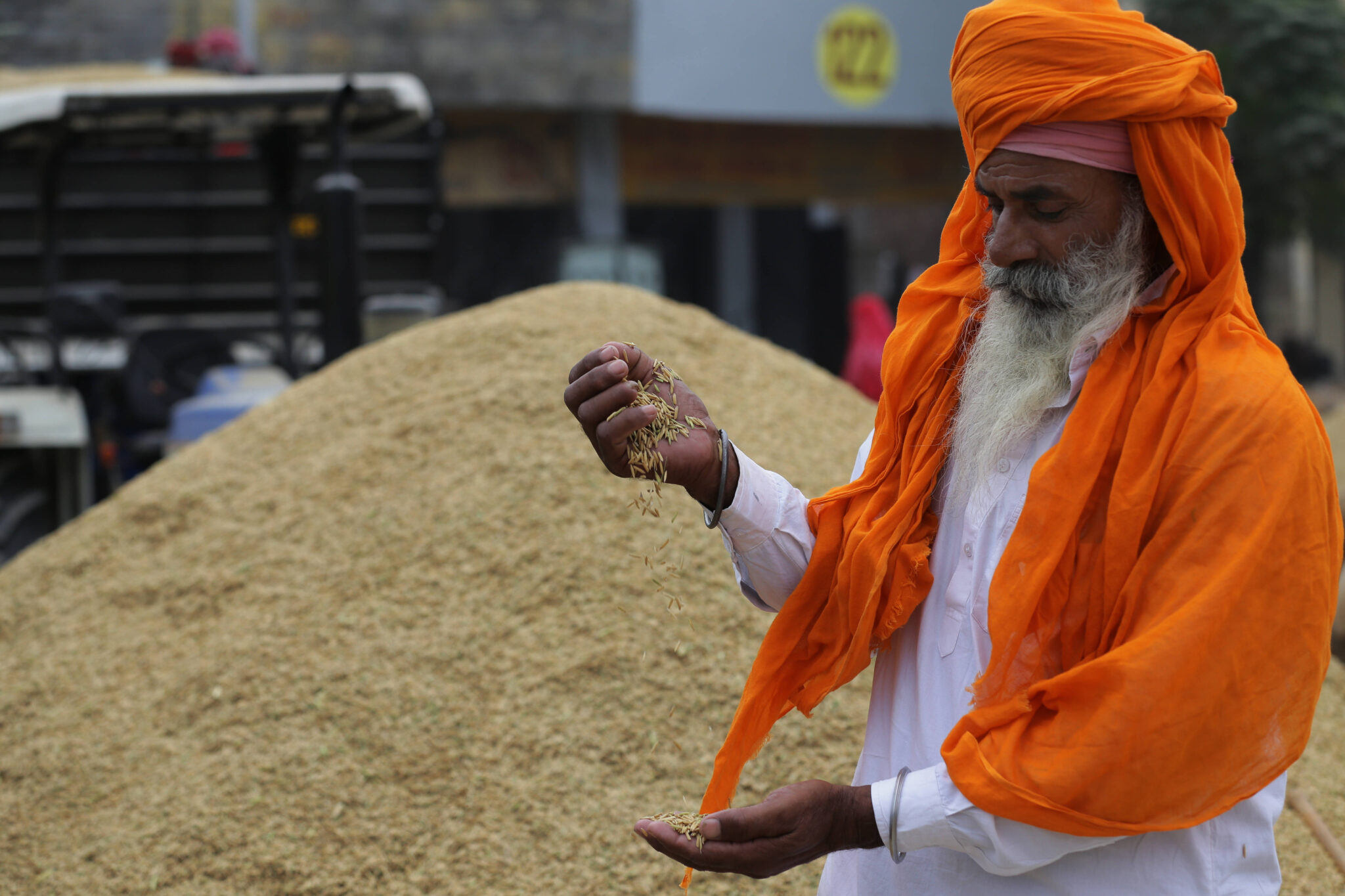
Fixing food loss is key to ending hunger, protecting resources, and ensuring sustainability in India.
 Worldcrunch
Fixing food loss is key to ending hunger, protecting resources, and ensuring sustainability in India.
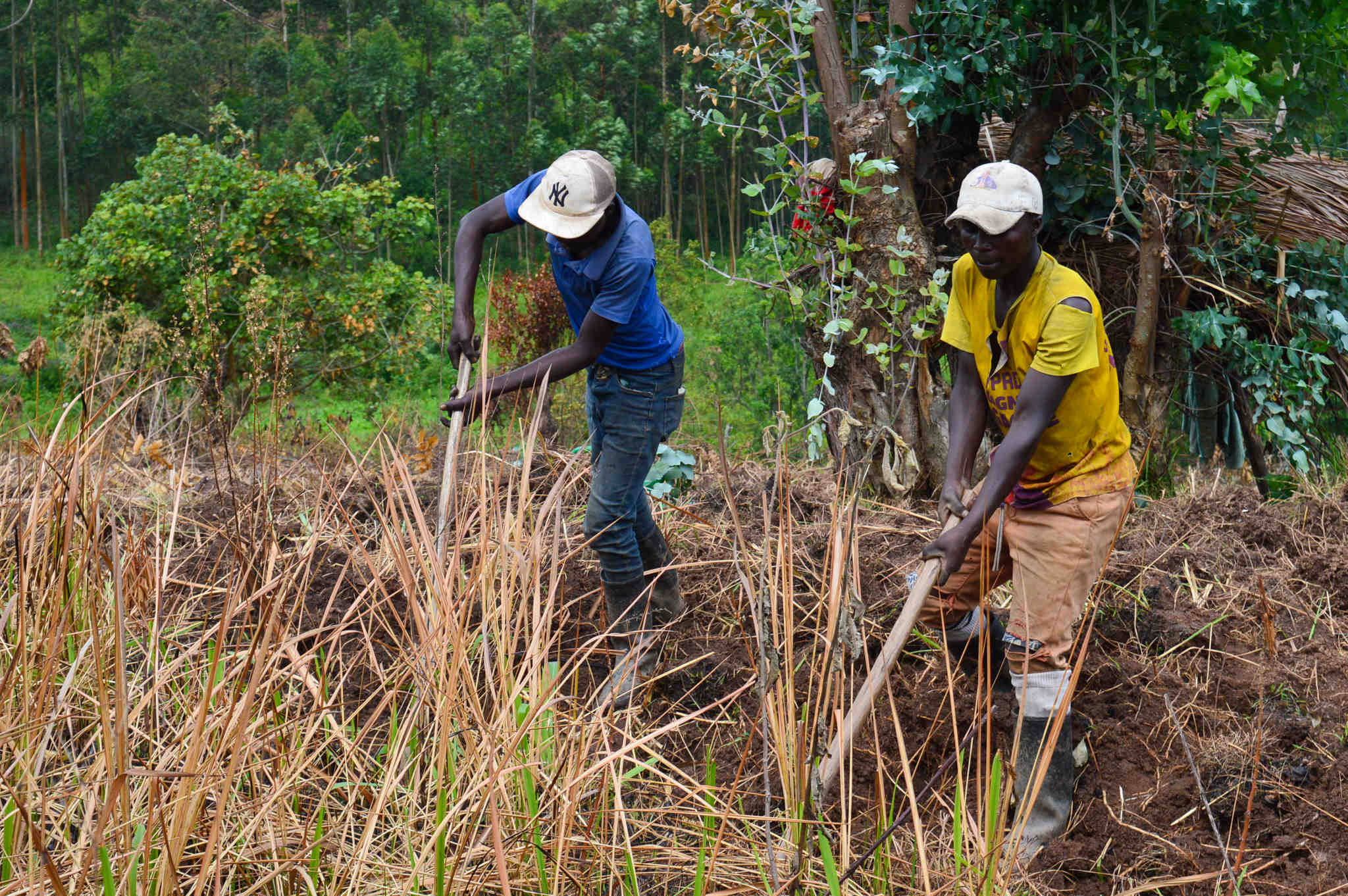
In February, Stino Muhindo Sivyaghendera lit a match and held it to the grass in the field of eucalyptus trees he’d planted three years earlier. In the months before, the army had set up a position there, and left deadly ordnance behind. He’d heard about two young men who were killed by an explosion in the area, and he didn’t want anyone to come to harm in his field.
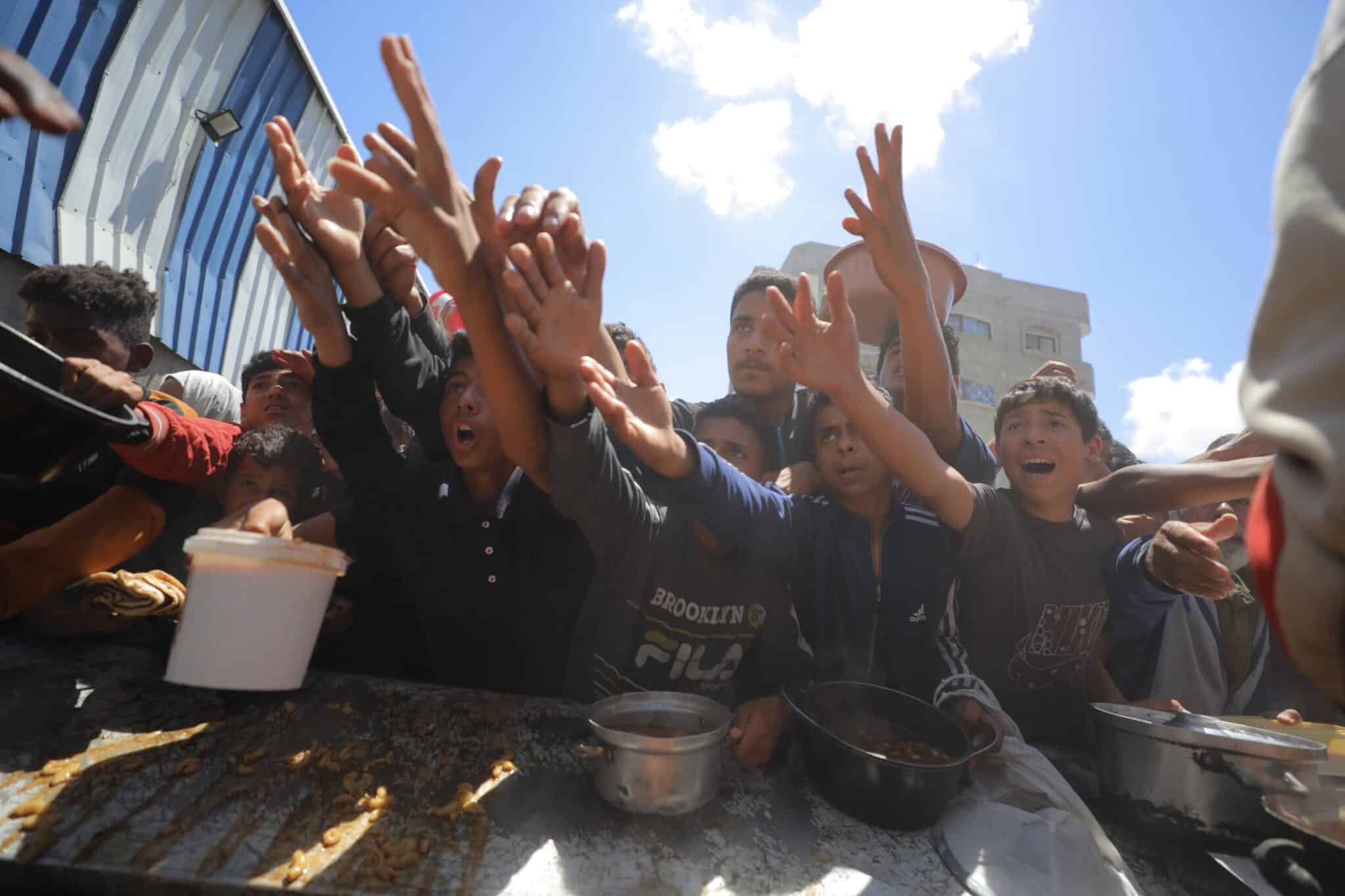
More than two months after Israel closed the borders into Gaza and blocked aid from entering the enclave, the UN World Food Programme has warned that the entire population of the Gaza Strip is at risk of famine.
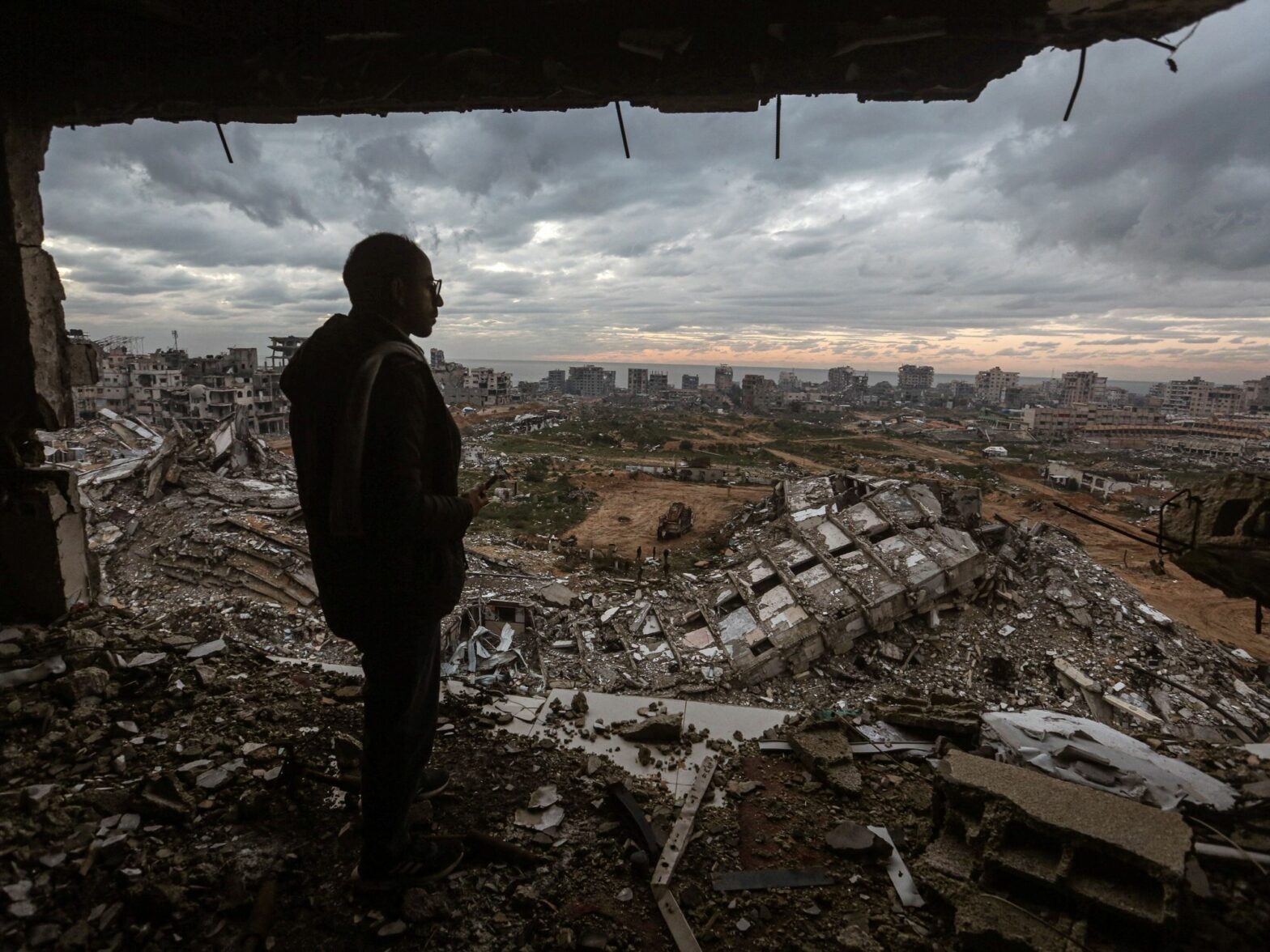
As Gazan families struggle to find food and shelter amid the rubble, the future remains uncertain. Residents remain in a constant state of waiting, oscillating between hope and despair.
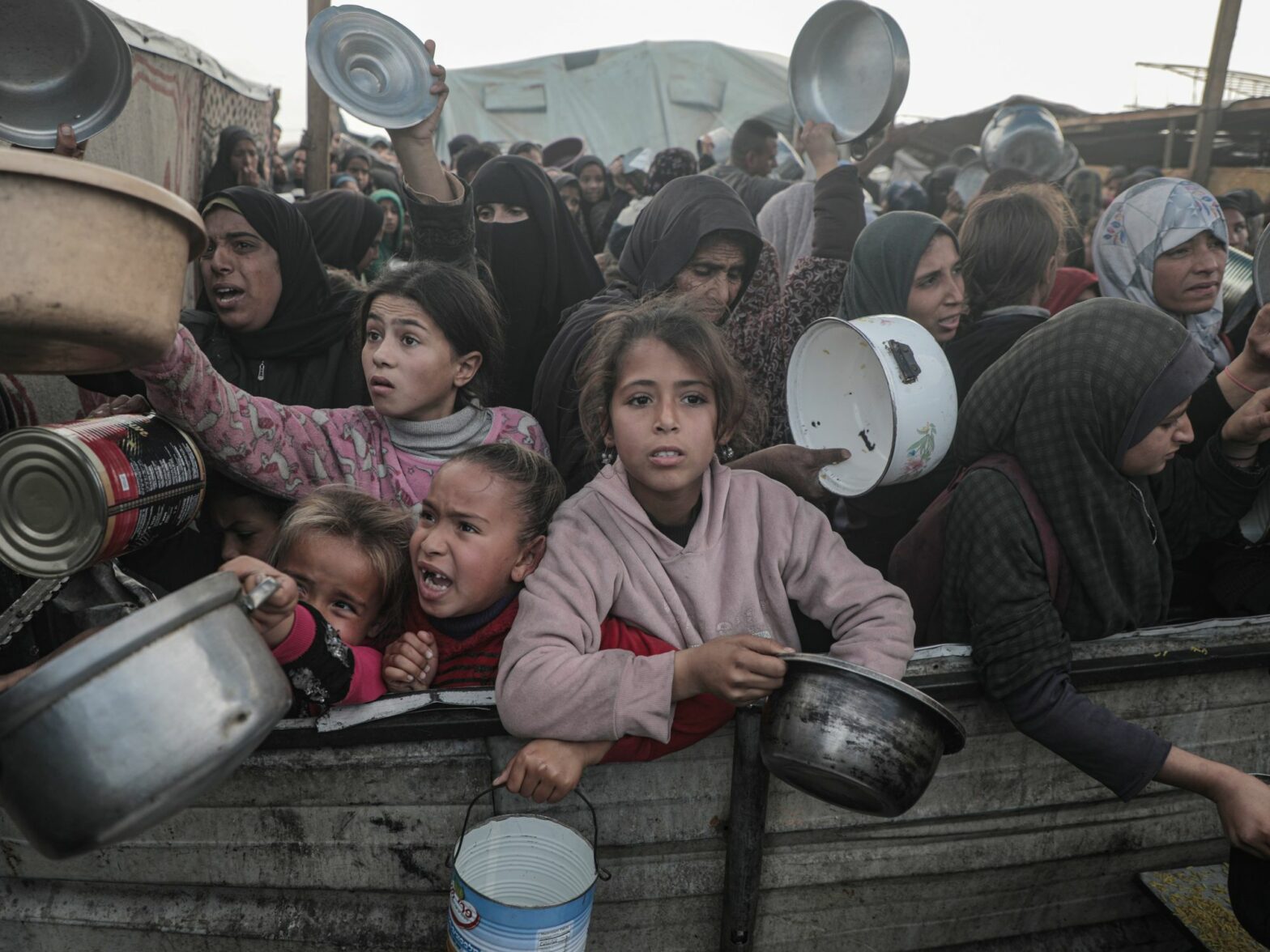
Palestinians in Gaza complain that they don’t receive enough aid to feed their children even after a surge of aid trucks entering the strip as part of the Hamas-Israel cease-fire deal.
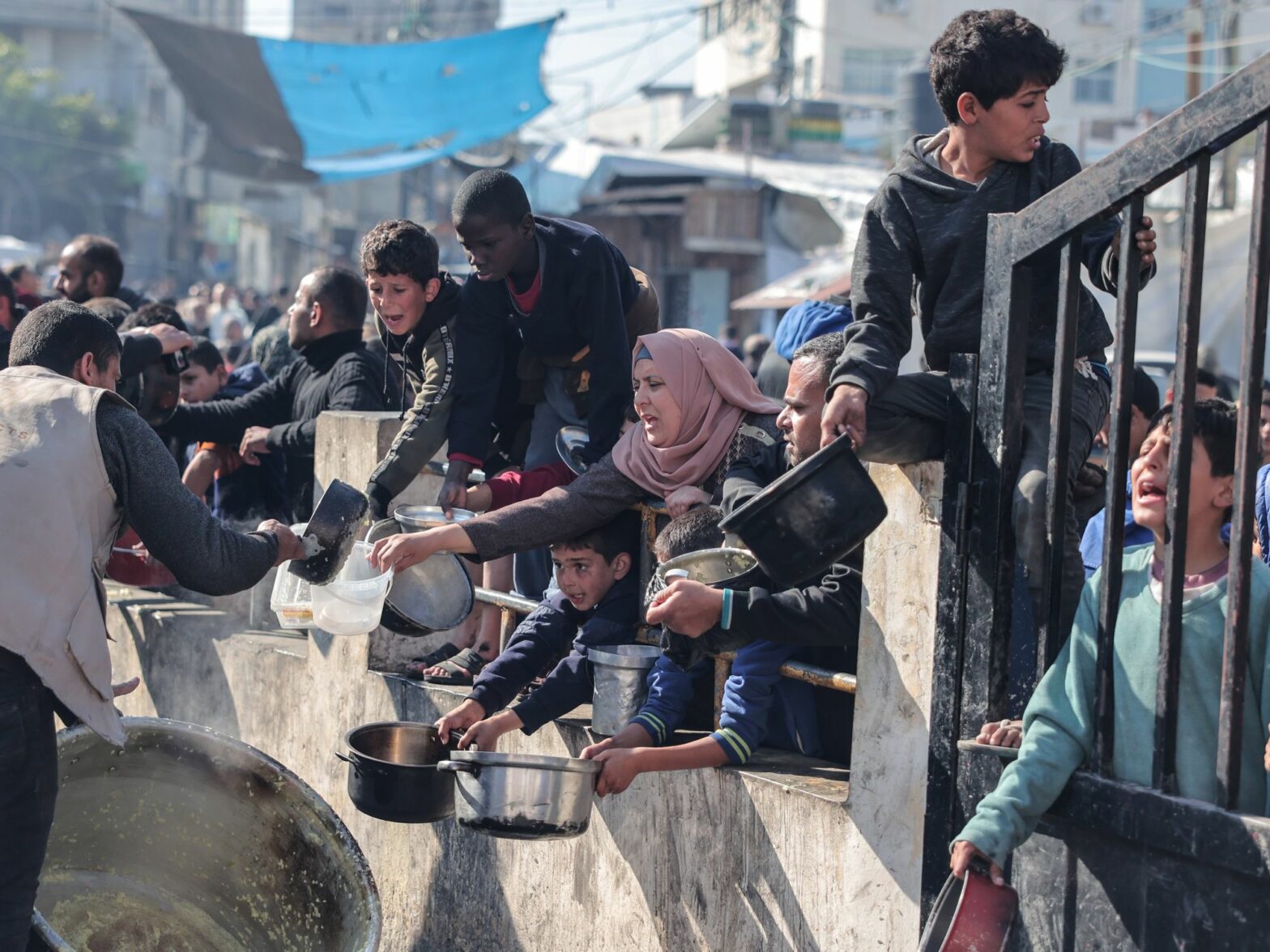
Displaced people in Gaza accuse aid groups’ representatives of “extortion and theft” in demanding money in exchange for aid packages that are meant to be free donations from governments or NGOs.
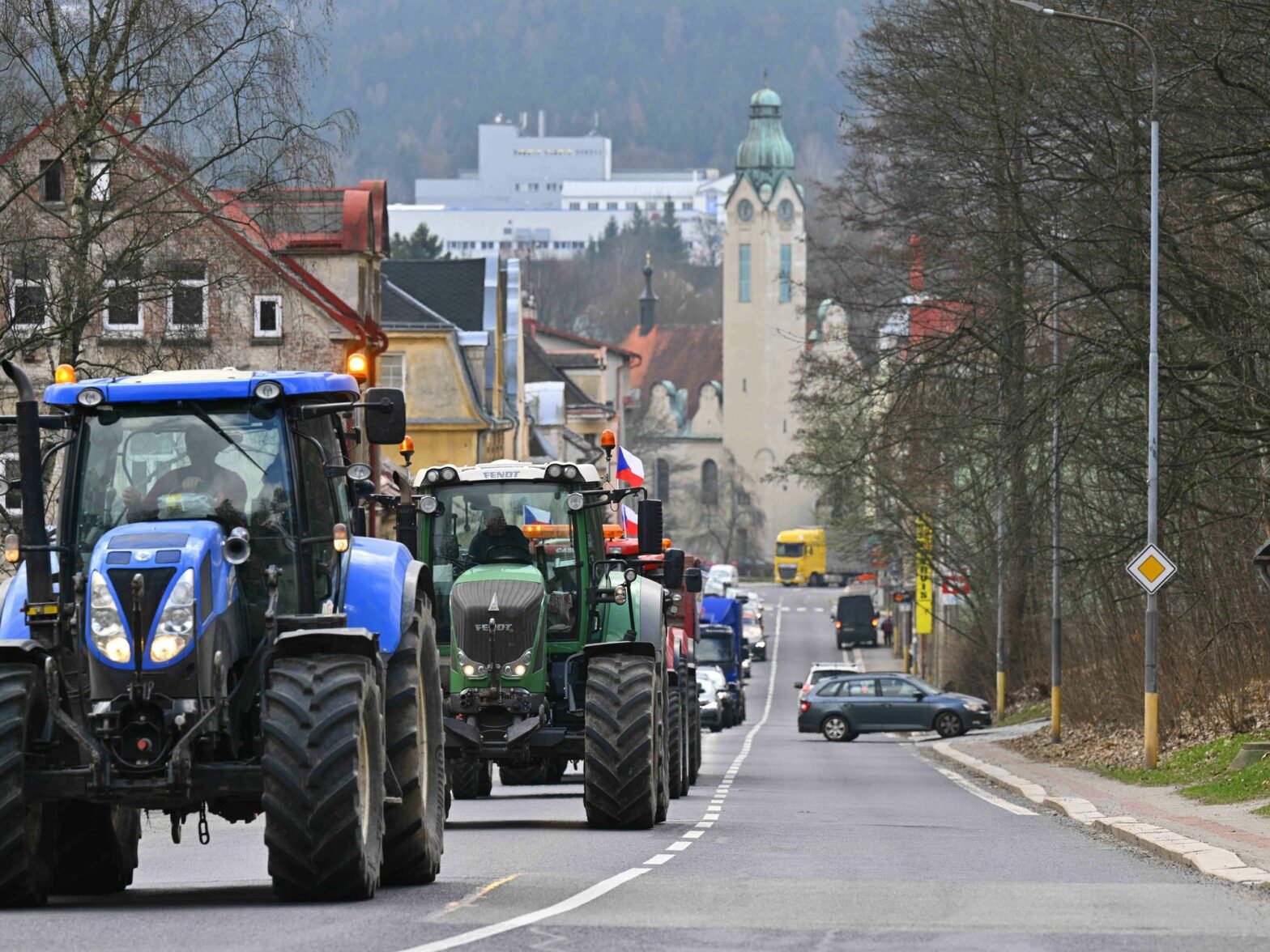
The industrial revolution, which was also agricultural, allowed humanity to escape the “nutritional trap.” Now, agriculture is facing new challenges: income and ecological traps.
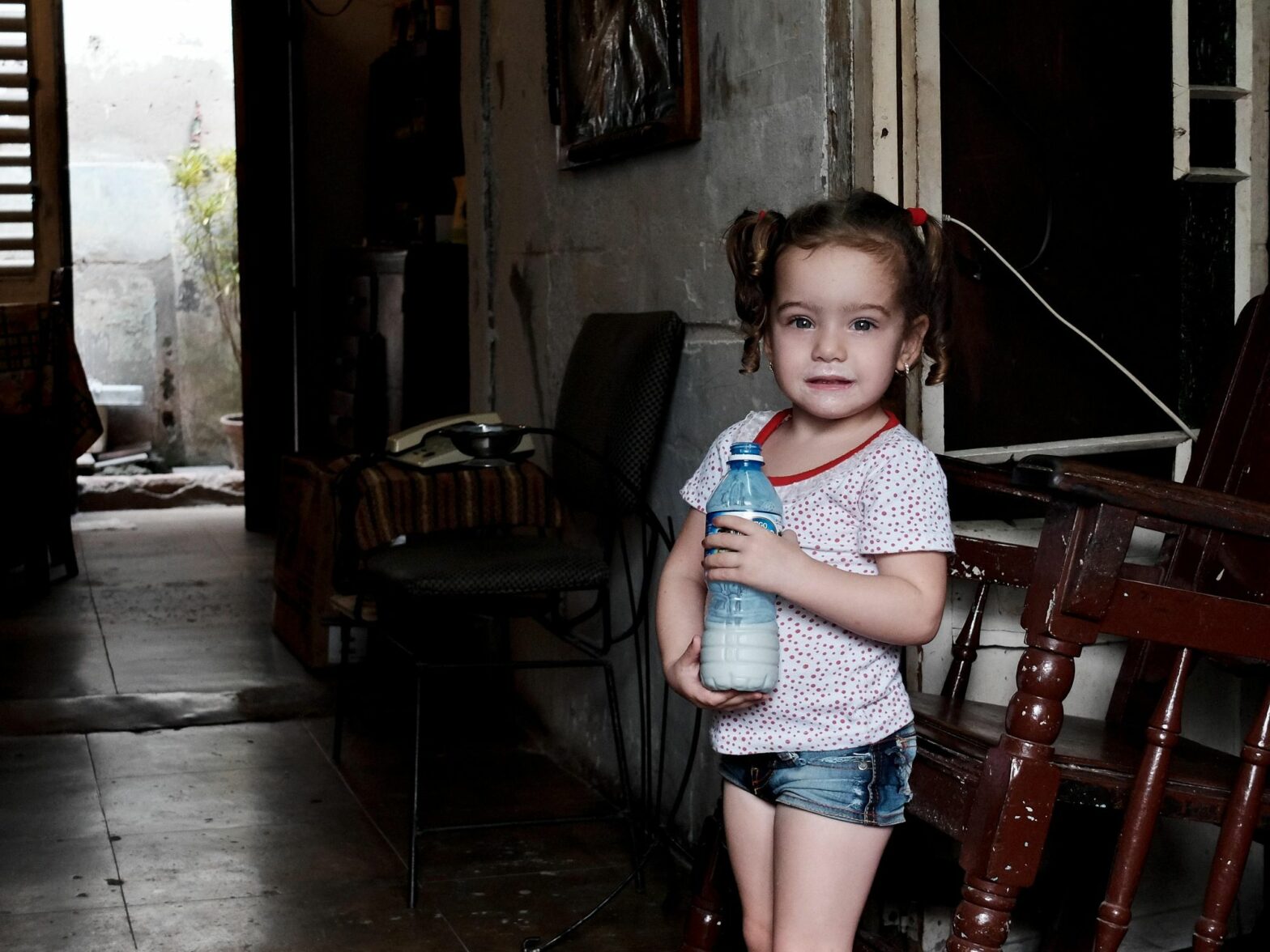
Milk shortages are not new in Cuba, where the state pays producers less for their milk than what they can make by selling it on the black market.
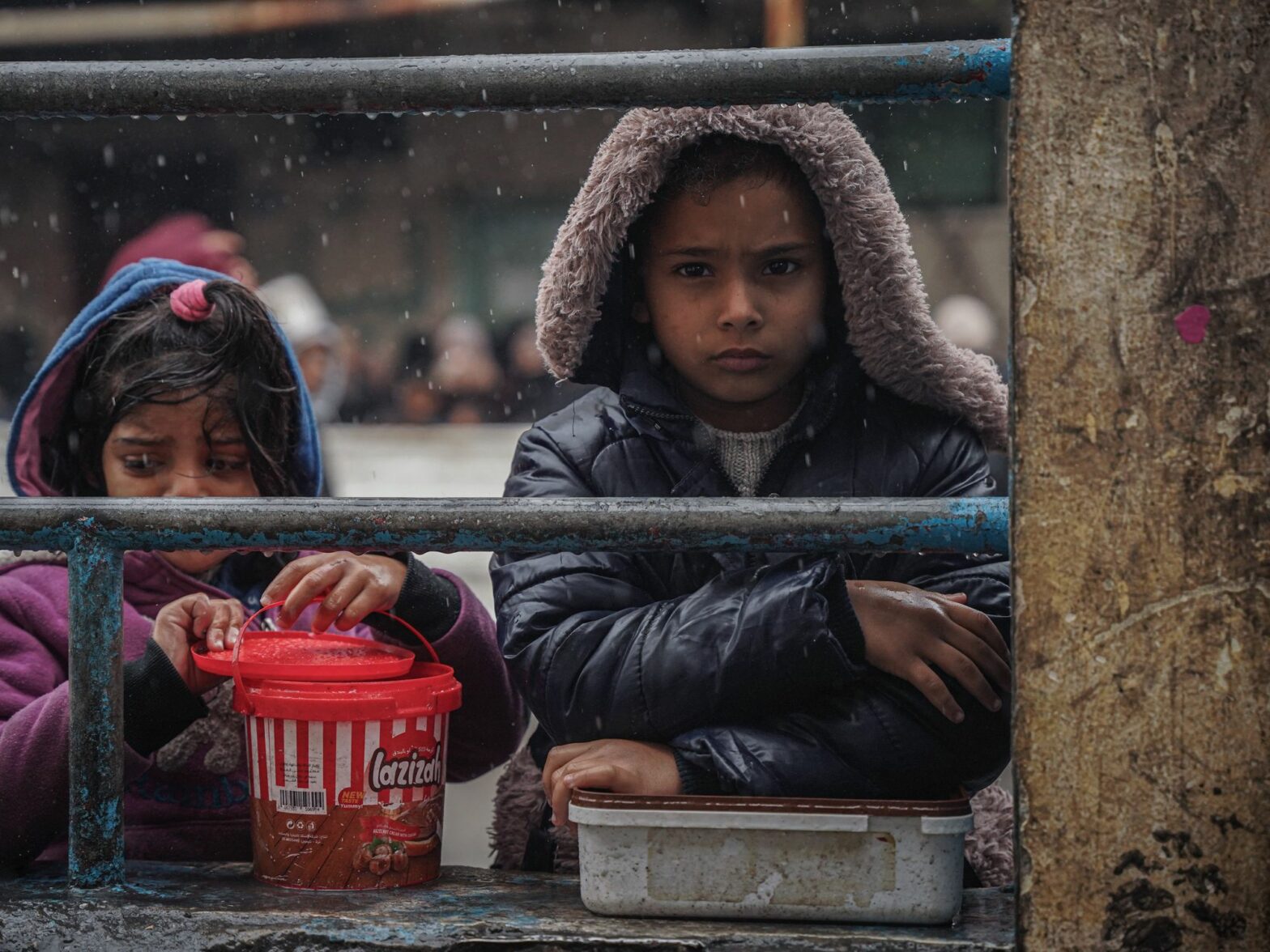
Supplies have already been scarce in war-wrecked Gaza. But now officials say widespread famine is “inevitable” and “imminent,” following the decision of the U.S. and other European countries to stop funding the United Nations Relief and Works Agency for Palestine Refugees. A report from the southern Gaza city of Rafah.
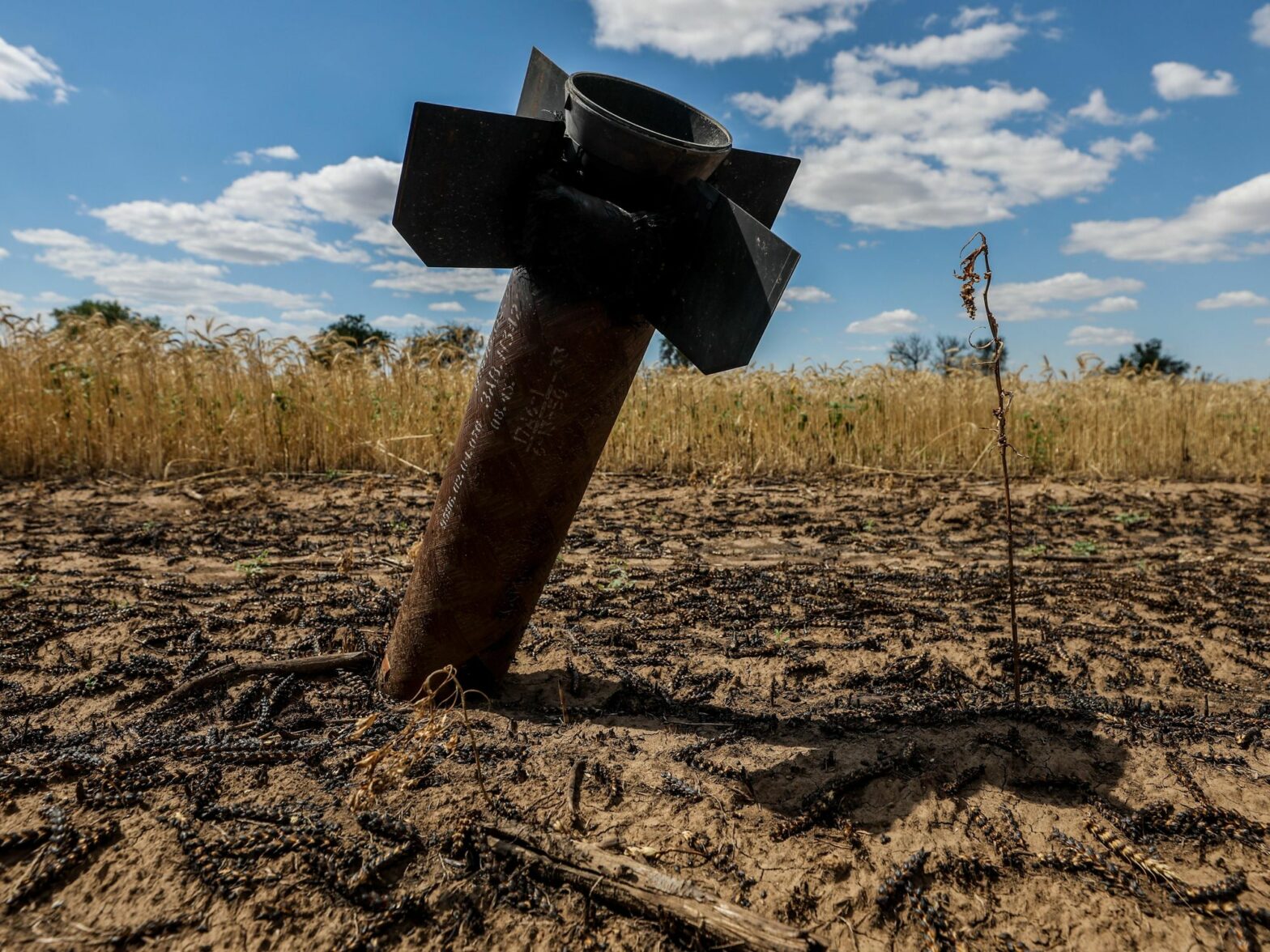
Ukraine’s fertile soils used to feed the world. But even when the war ends, food production will take decades to recover because of damage to the land.
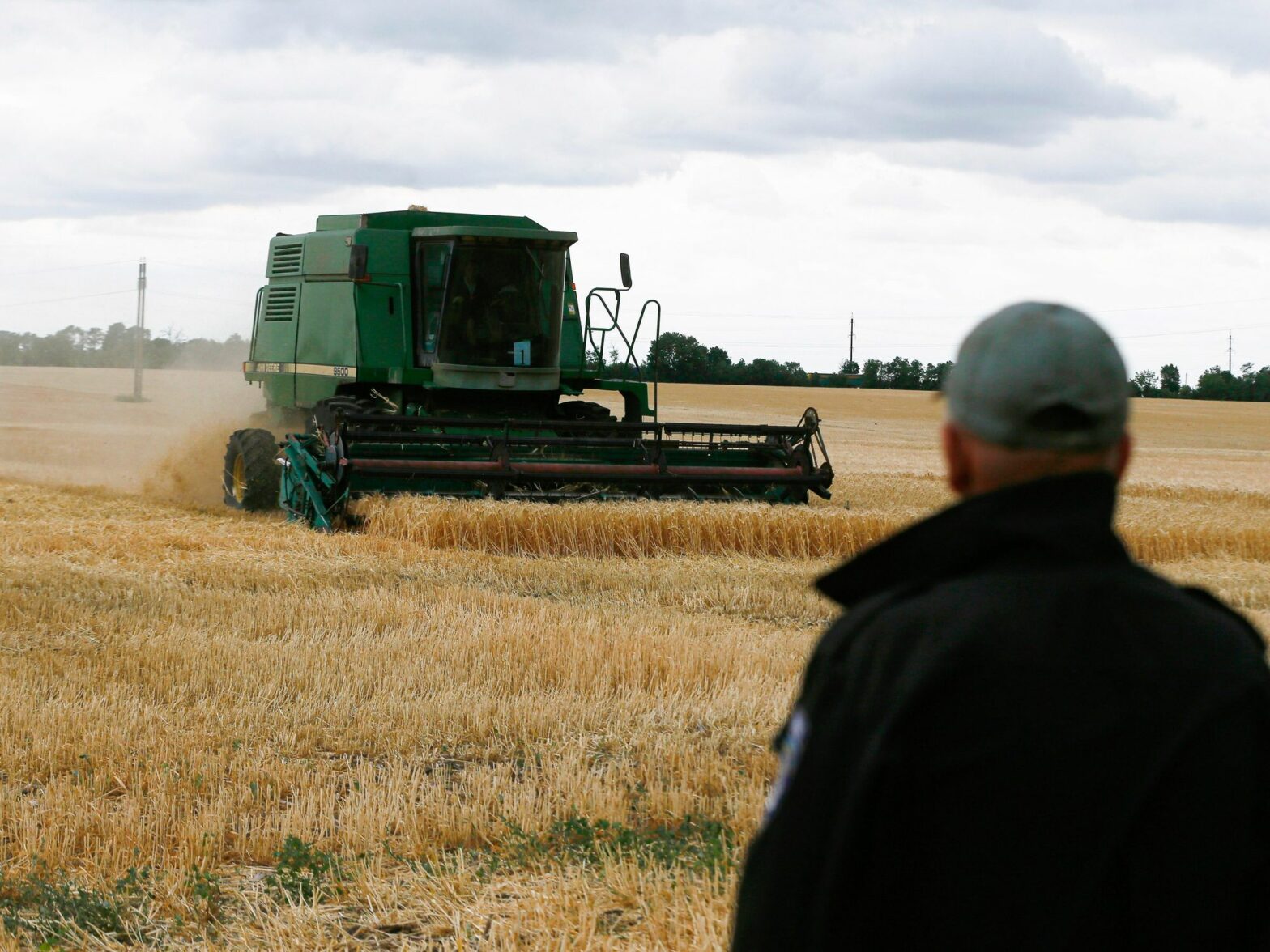
Russia’s blockade of the Black Sea has sent food prices skyrocketing around the globe, with poorer countries being affected most severely. But if the blockade continues, then the cost of a vast variety of foods looks set to go even higher.

As the leaders of Turkey, Iran and Russia meet to discuss the situation in Syria, the West is closely watching Turkish President Erdoğan’s moves on Kurdish separatists in northern Syria, now that Moscow is focused on Ukraine.
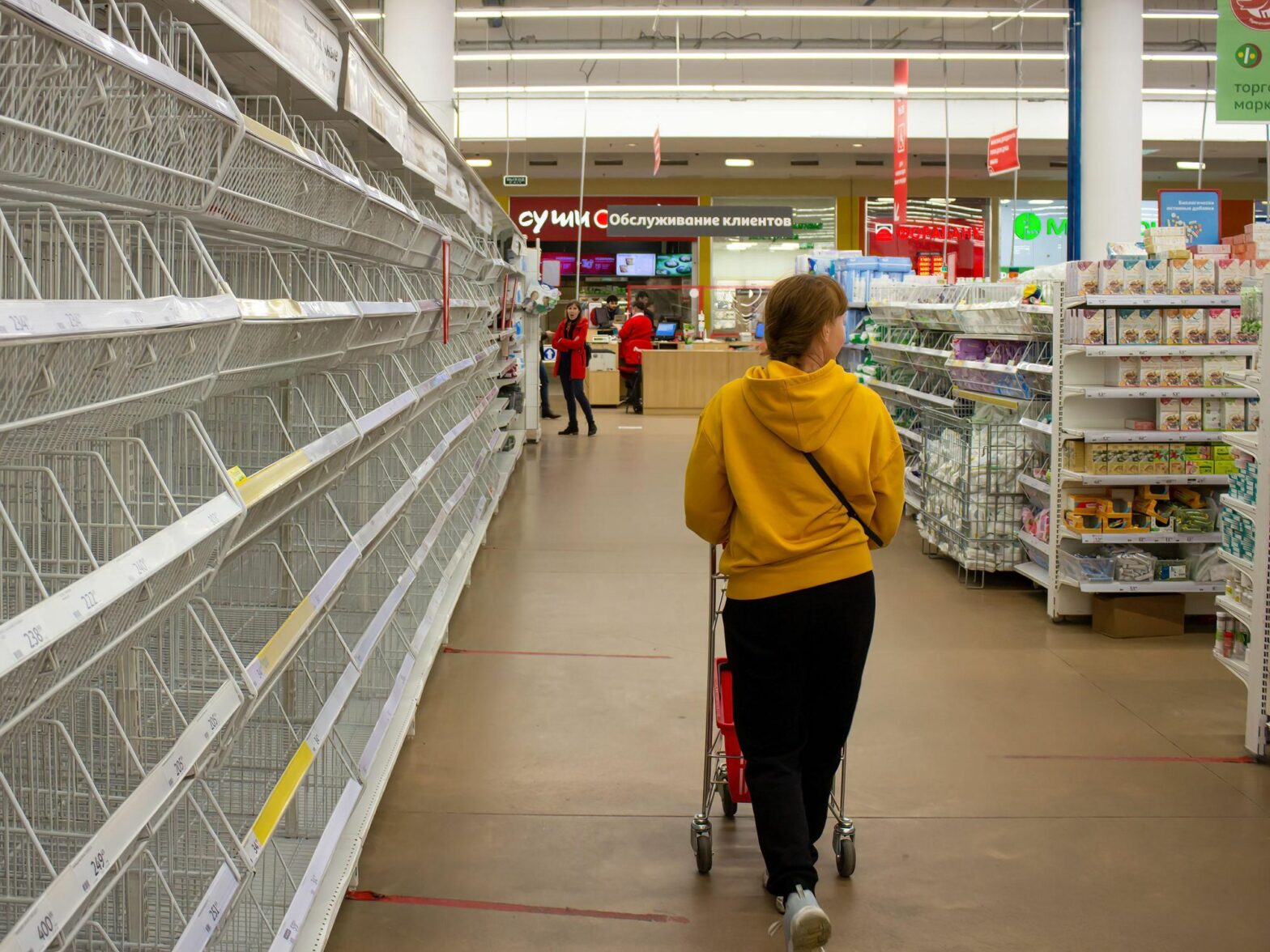
An annual report has revealed Russians’ anxieties. This year, contracting COVID has been replaced by food shortages, inflation, and internet blackouts.
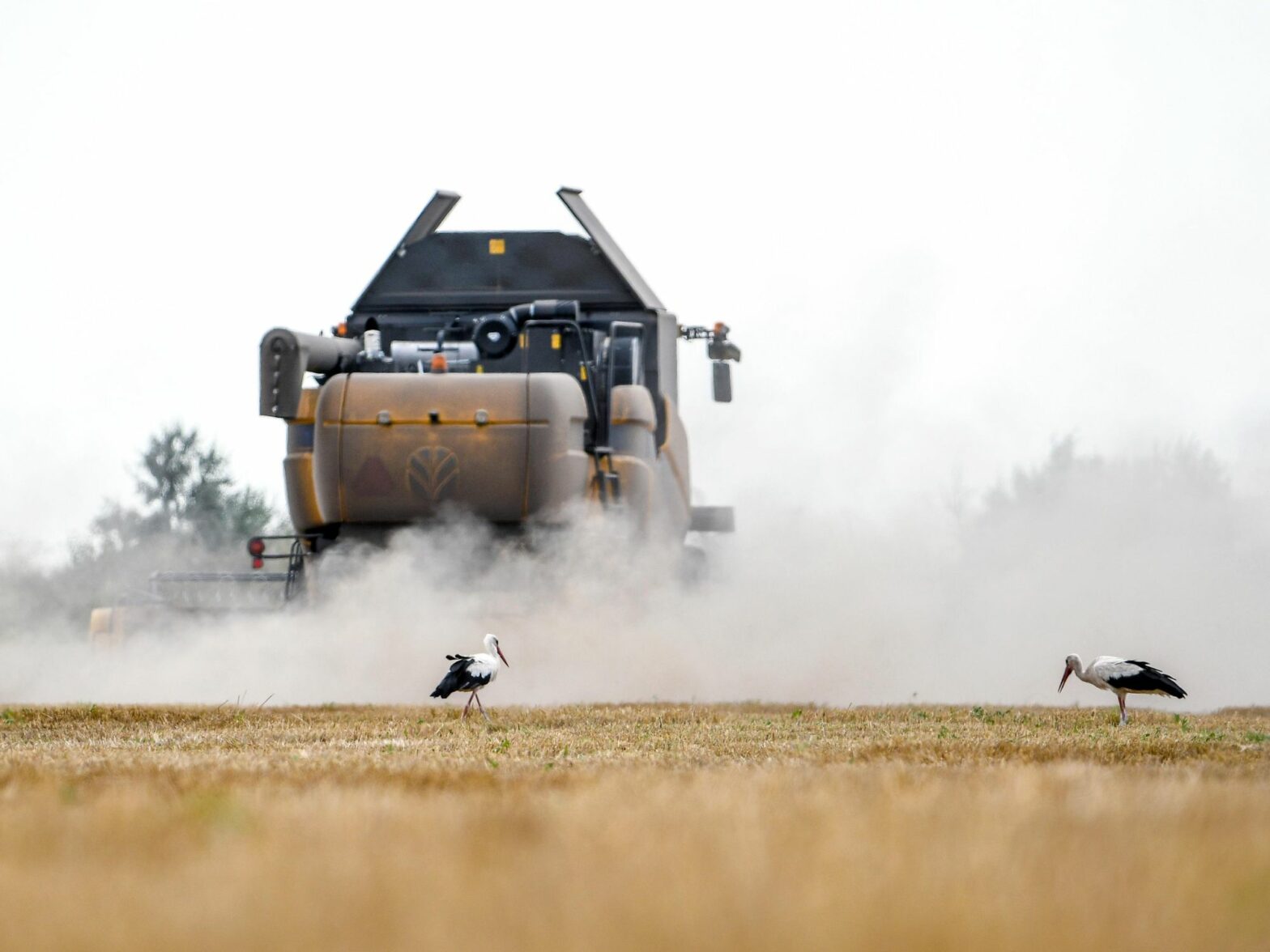
For many countries, the global food crisis has already begun. As enough food to feed the world for several weeks remains trapped in Ukraine, Russia and Turkey met to discuss the problem. But they cannot solve it alone, says independent Russian media Kommersant.
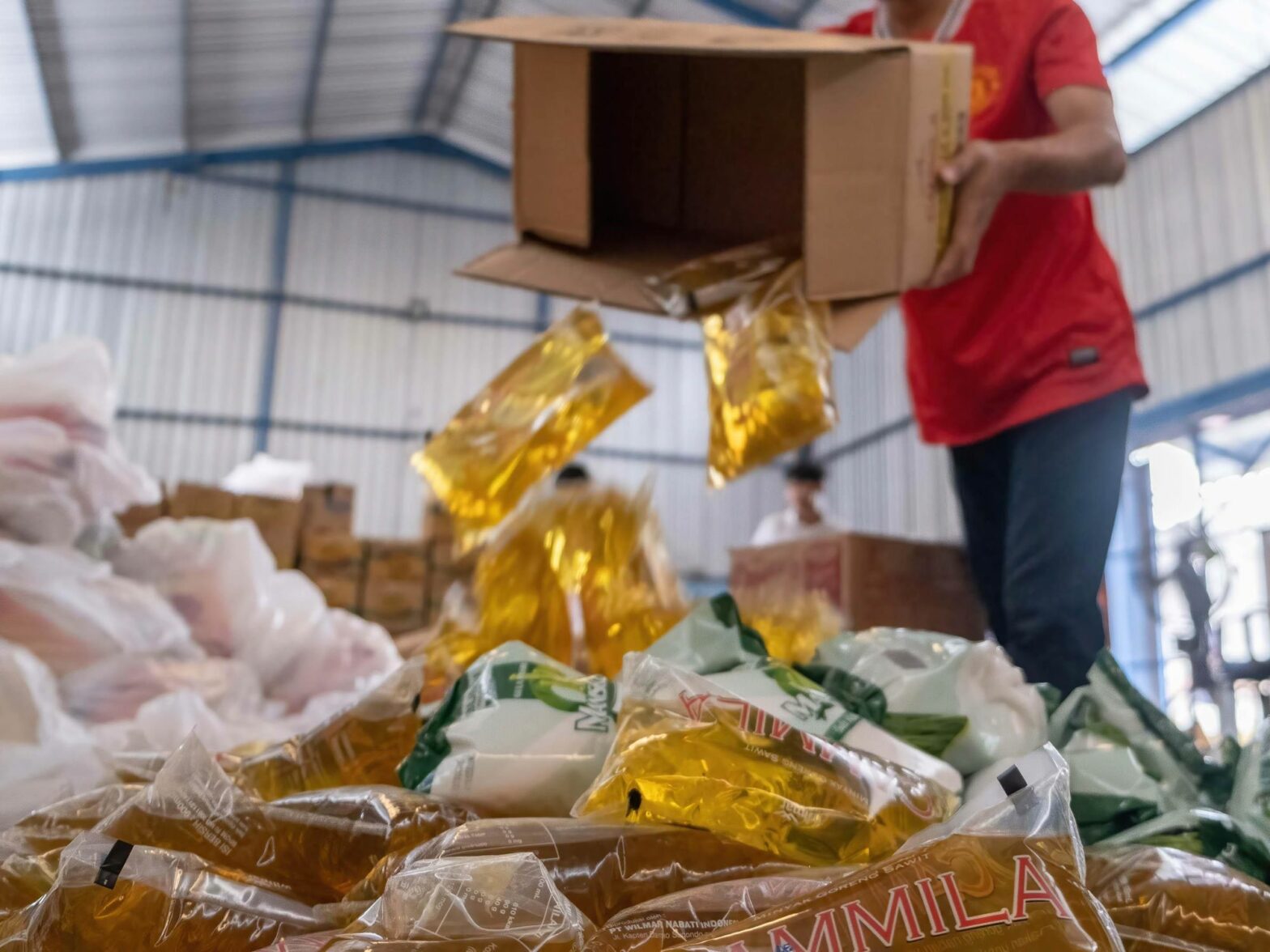
The price of cooking oils and fats has gone up dramatically. Indonesia has even banned exports of palm oil. Suddenly, what type of oil and how we use it to fry foods, dress salads and process products has become an ever more important question.
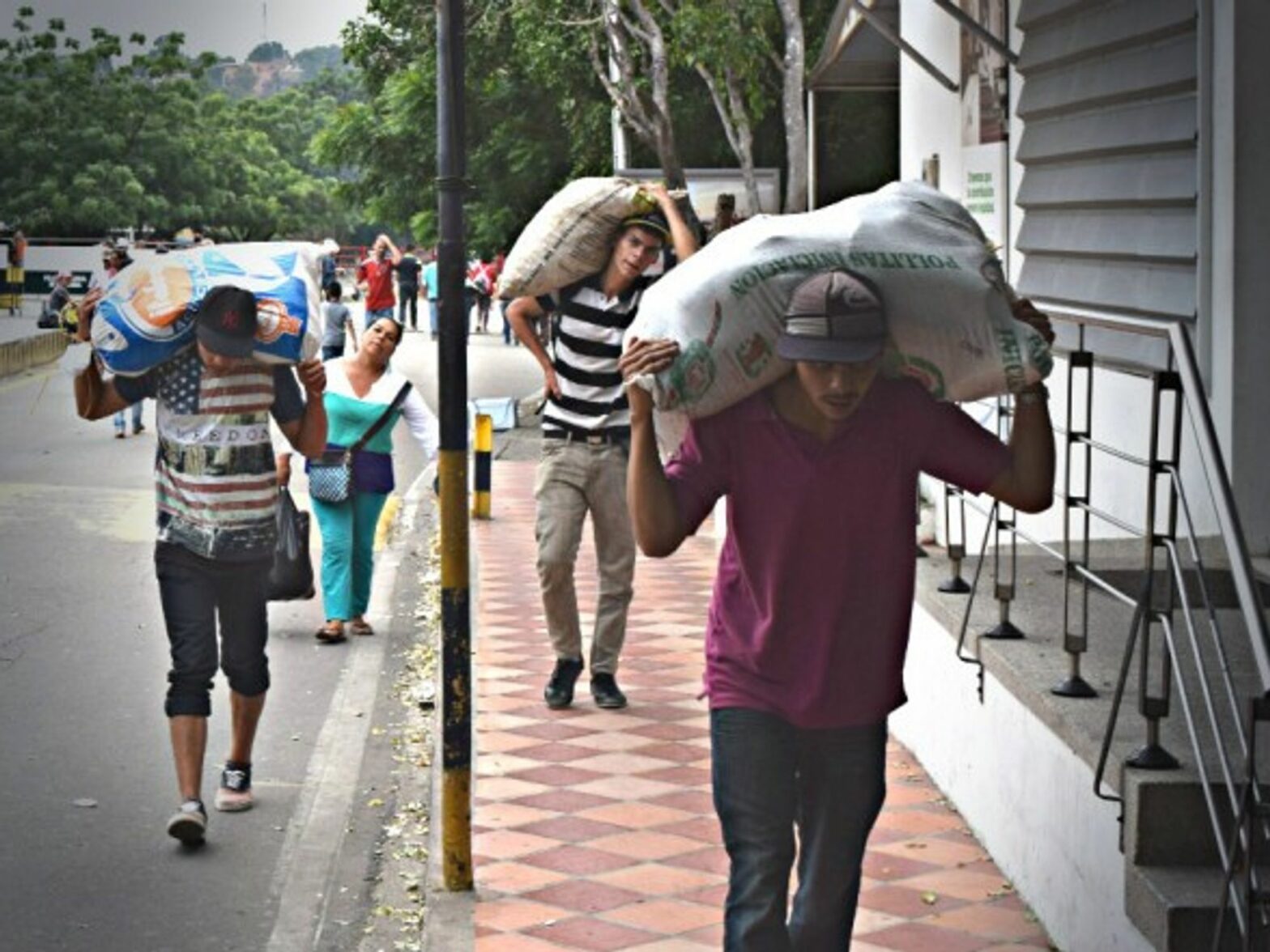
Venezuela is one of a handful of petrol states that imagined they could live it up forever off crude oil cash. After oil prices sank, decades of neglecting agriculture has now left a nation literally starving.
El Nacional, June 9, 2016 Venezuelan daily El Nacional on Thursday features front-page clashes linked to the country’s ongoing food shortages. “Local Supply and Production Committees (CLAP) will control 70% of food staples,” reads the lead headline of the Caracas daily that is close to the opposition. The headline refers to the policy touted by […]